EP4331579A1 - Zusammensetzung mit oxiracetam zur prävention oder behandlung von muskelerkrankungen - Google Patents
Zusammensetzung mit oxiracetam zur prävention oder behandlung von muskelerkrankungen Download PDFInfo
- Publication number
- EP4331579A1 EP4331579A1 EP22796090.3A EP22796090A EP4331579A1 EP 4331579 A1 EP4331579 A1 EP 4331579A1 EP 22796090 A EP22796090 A EP 22796090A EP 4331579 A1 EP4331579 A1 EP 4331579A1
- Authority
- EP
- European Patent Office
- Prior art keywords
- oxiracetam
- muscle
- day
- administered
- dexamethasone
- Prior art date
- Legal status (The legal status is an assumption and is not a legal conclusion. Google has not performed a legal analysis and makes no representation as to the accuracy of the status listed.)
- Pending
Links
Images




Classifications
-
- A—HUMAN NECESSITIES
- A23—FOODS OR FOODSTUFFS; TREATMENT THEREOF, NOT COVERED BY OTHER CLASSES
- A23L—FOODS, FOODSTUFFS OR NON-ALCOHOLIC BEVERAGES, NOT OTHERWISE PROVIDED FOR; PREPARATION OR TREATMENT THEREOF
- A23L33/00—Modifying nutritive qualities of foods; Dietetic products; Preparation or treatment thereof
- A23L33/10—Modifying nutritive qualities of foods; Dietetic products; Preparation or treatment thereof using additives
-
- A—HUMAN NECESSITIES
- A61—MEDICAL OR VETERINARY SCIENCE; HYGIENE
- A61K—PREPARATIONS FOR MEDICAL, DENTAL OR TOILETRY PURPOSES
- A61K31/00—Medicinal preparations containing organic active ingredients
- A61K31/33—Heterocyclic compounds
- A61K31/395—Heterocyclic compounds having nitrogen as a ring hetero atom, e.g. guanethidine or rifamycins
- A61K31/40—Heterocyclic compounds having nitrogen as a ring hetero atom, e.g. guanethidine or rifamycins having five-membered rings with one nitrogen as the only ring hetero atom, e.g. sulpiride, succinimide, tolmetin, buflomedil
- A61K31/4015—Heterocyclic compounds having nitrogen as a ring hetero atom, e.g. guanethidine or rifamycins having five-membered rings with one nitrogen as the only ring hetero atom, e.g. sulpiride, succinimide, tolmetin, buflomedil having oxo groups directly attached to the heterocyclic ring, e.g. piracetam, ethosuximide
-
- A—HUMAN NECESSITIES
- A61—MEDICAL OR VETERINARY SCIENCE; HYGIENE
- A61K—PREPARATIONS FOR MEDICAL, DENTAL OR TOILETRY PURPOSES
- A61K9/00—Medicinal preparations characterised by special physical form
- A61K9/0012—Galenical forms characterised by the site of application
- A61K9/0053—Mouth and digestive tract, i.e. intraoral and peroral administration
- A61K9/0056—Mouth soluble or dispersible forms; Suckable, eatable, chewable coherent forms; Forms rapidly disintegrating in the mouth; Lozenges; Lollipops; Bite capsules; Baked products; Baits or other oral forms for animals
-
- A—HUMAN NECESSITIES
- A61—MEDICAL OR VETERINARY SCIENCE; HYGIENE
- A61K—PREPARATIONS FOR MEDICAL, DENTAL OR TOILETRY PURPOSES
- A61K9/00—Medicinal preparations characterised by special physical form
- A61K9/0012—Galenical forms characterised by the site of application
- A61K9/0053—Mouth and digestive tract, i.e. intraoral and peroral administration
- A61K9/0056—Mouth soluble or dispersible forms; Suckable, eatable, chewable coherent forms; Forms rapidly disintegrating in the mouth; Lozenges; Lollipops; Bite capsules; Baked products; Baits or other oral forms for animals
- A61K9/0058—Chewing gums
-
- A—HUMAN NECESSITIES
- A61—MEDICAL OR VETERINARY SCIENCE; HYGIENE
- A61K—PREPARATIONS FOR MEDICAL, DENTAL OR TOILETRY PURPOSES
- A61K9/00—Medicinal preparations characterised by special physical form
- A61K9/0087—Galenical forms not covered by A61K9/02 - A61K9/7023
- A61K9/0095—Drinks; Beverages; Syrups; Compositions for reconstitution thereof, e.g. powders or tablets to be dispersed in a glass of water; Veterinary drenches
-
- A—HUMAN NECESSITIES
- A61—MEDICAL OR VETERINARY SCIENCE; HYGIENE
- A61K—PREPARATIONS FOR MEDICAL, DENTAL OR TOILETRY PURPOSES
- A61K9/00—Medicinal preparations characterised by special physical form
- A61K9/20—Pills, tablets, discs, rods
- A61K9/2004—Excipients; Inactive ingredients
- A61K9/2022—Organic macromolecular compounds
- A61K9/205—Polysaccharides, e.g. alginate, gums; Cyclodextrin
- A61K9/2054—Cellulose; Cellulose derivatives, e.g. hydroxypropyl methylcellulose
-
- A—HUMAN NECESSITIES
- A61—MEDICAL OR VETERINARY SCIENCE; HYGIENE
- A61K—PREPARATIONS FOR MEDICAL, DENTAL OR TOILETRY PURPOSES
- A61K9/00—Medicinal preparations characterised by special physical form
- A61K9/48—Preparations in capsules, e.g. of gelatin, of chocolate
- A61K9/4816—Wall or shell material
- A61K9/4825—Proteins, e.g. gelatin
-
- A—HUMAN NECESSITIES
- A61—MEDICAL OR VETERINARY SCIENCE; HYGIENE
- A61K—PREPARATIONS FOR MEDICAL, DENTAL OR TOILETRY PURPOSES
- A61K9/00—Medicinal preparations characterised by special physical form
- A61K9/48—Preparations in capsules, e.g. of gelatin, of chocolate
- A61K9/4841—Filling excipients; Inactive ingredients
- A61K9/4866—Organic macromolecular compounds
-
- A—HUMAN NECESSITIES
- A61—MEDICAL OR VETERINARY SCIENCE; HYGIENE
- A61P—SPECIFIC THERAPEUTIC ACTIVITY OF CHEMICAL COMPOUNDS OR MEDICINAL PREPARATIONS
- A61P21/00—Drugs for disorders of the muscular or neuromuscular system
-
- A—HUMAN NECESSITIES
- A61—MEDICAL OR VETERINARY SCIENCE; HYGIENE
- A61P—SPECIFIC THERAPEUTIC ACTIVITY OF CHEMICAL COMPOUNDS OR MEDICINAL PREPARATIONS
- A61P21/00—Drugs for disorders of the muscular or neuromuscular system
- A61P21/04—Drugs for disorders of the muscular or neuromuscular system for myasthenia gravis
-
- A—HUMAN NECESSITIES
- A61—MEDICAL OR VETERINARY SCIENCE; HYGIENE
- A61K—PREPARATIONS FOR MEDICAL, DENTAL OR TOILETRY PURPOSES
- A61K9/00—Medicinal preparations characterised by special physical form
- A61K9/14—Particulate form, e.g. powders, Processes for size reducing of pure drugs or the resulting products, Pure drug nanoparticles
- A61K9/16—Agglomerates; Granulates; Microbeadlets ; Microspheres; Pellets; Solid products obtained by spray drying, spray freeze drying, spray congealing,(multiple) emulsion solvent evaporation or extraction
- A61K9/1605—Excipients; Inactive ingredients
- A61K9/1629—Organic macromolecular compounds
- A61K9/1652—Polysaccharides, e.g. alginate, cellulose derivatives; Cyclodextrin
Definitions
- the present invention relates to a composition for preventing or treating a muscle disease, which includes oxiracetam as an active ingredient.
- Skeletal muscles can be divided into active muscles and postural muscles, and when muscle mass is reduced, muscular atrophy in which the volume of muscle fibers decreases occurs.
- Skeletal muscular atrophy or sarcopenia can generally occur naturally as aging progresses, and may secondarily occur due to the non-use of muscles or lack of exercise, or other pathological conditions (cancer, renal failure, lung disease, sepsis, starvation, anticancer treatment, inflammation, stress hormones, etc.).
- Such muscular atrophy becomes a vicious cycle that causes problems such as weakness, activity impairment and a long-term recovery period, based on the weakening of grip strength for physical activity. Therefore, it is one of the big problems that must be solved in order to pursue a healthy and decent human life away from accelerating aging and the increase in diseases around the world.
- a growth hormone has been developed to increase muscle mass, but it is very expensive and has problems of causing some undesirable side effects, such as a shortening of life expectancy.
- Mitochondrial stabilization drugs also had difficulty in penetrating the therapeutic drug into the mitochondria and affect parts other than the mitochondria, so they did not have an effect on muscular atrophy due to the occurrence of an off-target effect.
- drugs and technology for treatment of sarcopenia capable of inducing muscle regeneration and differentiation is a major task, it is a very inappropriate method for patients or patients lying on a bed. Therefore, additional research and drug development for sarcopenia including senile sarcopenia and muscular atrophy are required.
- Muscular dystrophy is a hereditary muscle disease caused by genetic mutations, which is different from sarcopenia caused by aging, and muscular atrophy caused by the decline in activity, denervation, nutritional deficiency, and steroids.
- DMD Duchenne muscular dystrophy
- BMD mild-type Becker muscular dystrophy
- Dystrophin is a large gene with a full length of 2.2 Mbp (base pairs) and present between chromosomes Xp21.2 and Xp21.1, but the region that is translated into a dystrophin protein is only 11 kbp. Muscular dystrophin is present right below the muscle membrane and is a key protein of the dystrophin-associated glycoprotein complex connecting the cytoskeleton and the extracellular matrix, involved in the damage to the muscle cell membrane due to muscle contraction.
- DMD progresses very rapidly, 90% or more of patients lose their walking function before the age of 12, and after the age of 18, heart failure and electrocardiogram abnormalities caused by myocardial dysfunction are found. Most patients die before the age of 30 due to respiratory disorders caused by trunk muscle atrophy, and spinal and thoracic deformities leading to death before their thirties.
- Gene therapy using viruses also has a problem in that gene delivery is impossible since the size of the dystrophin gene (cDNA length: approximately 14 kb) exceeds the capacity in a vector.
- cDNA length approximately 14 kb
- micro-dystrophin in which only 4 rod repeating structures among the 24 structures in the middle of the dystrophin remain has been developed, but there is a problem that side effects of the immune response caused by an AAV vector appear or the expression of dystrophin is very limited.
- oxiracetam which is a nootropic of the racetam family, has an activity of improving, preventing or treating a muscle disease, and the present invention was completed.
- the present invention is directed to providing a pharmaceutical composition for preventing or treating a muscle disease, which includes oxiracetam as an active ingredient.
- the present invention is also directed to providing a food composition for improving or preventing a muscle disease, which includes oxiracetam as an active ingredient.
- the present invention is also directed to providing a food composition for improving or preventing muscle function, which includes oxiracetam as an active ingredient.
- the present invention provides a pharmaceutical composition for preventing or treating a muscle disease, which includes oxiracetam, or a pharmaceutically acceptable salt or hydrate thereof as an active ingredient.
- the present invention also provides a food composition for improving or preventing a muscle disease, which includes oxiracetam, or a pharmaceutically acceptable salt or hydrate thereof as an active ingredient.
- the present invention also provides a feed additive for improving or preventing a muscle disease, which includes oxiracetam, or a pharmaceutically acceptable salt or hydrate thereof as an active ingredient.
- the present invention also provides a use of a composition including oxiracetam, or a pharmaceutically acceptable salt or hydrate thereof as an active ingredient to prepare a pharmaceutical for preventing or treating a muscle disease.
- the present invention also provides a method of treating a muscle disease, which includes administering a pharmaceutical composition including oxiracetam, or a pharmaceutically acceptable salt or hydrate thereof as an active ingredient into a patient with a muscle disease.
- the present inventors of the present invention evaluated the oxiracetam effects in 1) a dexamethasone-induced muscular atrophy animal model, 2) an aging animal model, 3) a Duchenne muscular dystrophy animal model, 4) a Cachexia muscular atrophy cell model, and 5) inflammatory muscular atrophy cell model, and confirmed the efficacy of improving, preventing or treating a muscle disease by oxiracetam administration.
- the present invention provides a pharmaceutical composition for preventing or treating a muscle disease, which includes oxiracetam, or a pharmaceutically acceptable salt or hydrate thereof as an active ingredient; a pharmaceutical composition for animals for improving or preventing a muscle disease, which includes oxiracetam, or a pharmaceutically acceptable salt or hydrate thereof as an active ingredient; a food composition for improving or preventing a muscle disease, which includes oxiracetam, or a pharmaceutically acceptable salt or hydrate thereof as an active ingredient; a feed additive for improving or preventing a muscle disease, which includes oxiracetam, or a pharmaceutically acceptable salt or hydrate thereof as an active ingredient; or a method of treating a muscle disease, which includes applying oxiracetam, or a pharmaceutically acceptable salt or hydrate thereof to a human or an animal other than a human.
- the present invention also relates to a pharmaceutical composition for promoting muscle differentiation, regenerating a muscle or strengthening a muscle, which includes oxiracetam or a pharmaceutically acceptable salt thereof as an active ingredient.
- the present invention provides a use in therapy of a composition including oxiracetam, or a pharmaceutically acceptable salt or hydrate thereof as an active ingredient.
- the present invention provides a novel use of oxiracetam or a pharmaceutically acceptable salt thereof to prepare a pharmaceutical for treating a muscle disease or a pharmaceutical for animals.
- the oxiracetam of the present invention is a nootropic of the racetam family, and its Cas Number is 62613-82-5, its molecular formula is C 6 H 10 N 2 O 3 , its molecular weight is 158.155 g/mol, and the structure is the same as Formula 1 below, but the present invention is not limited thereto. Any isomer, hydrate or derivative within the range that can be understood by those of ordinary skill in the art to have the same or similar activity to oxiracetam can be applied.
- oxiracetam is (RS)-2-(4-hydroxy-2-oxopyrrolidin-1-yl)acetamide.
- Oxiracetam is a white solid.
- a method of obtaining the oxiracetam is not particularly limited, and the oxiracetam may be chemically synthesized using a known method, or commercially available.
- a nootropic is the term that refers to drugs, supplements and others that improve cognitive function, executive function, memory, etc. in a healthy individual.
- Racetam is generally modulate central neurotransmitters including acetylcholine and glutamate, and considered to improve memory through interaction with a glutamate receptor.
- Oxiracetam which is known as a piracetam derivative, is known to be a safe substance even when ingested in high doses for a long time, and has been used in the treatment of memory disorder, cognitive disorder, cerebrovascular disorder, and cerebral infarct dementia since it easily passes through the blood-brain barrier with high selective permeability.
- muscular atrophy or hereditary muscular dystrophy particularly, sarcopenia caused by aging or Duchenne muscular dystrophy (DMD), and cachexia caused by cancer or an anticancer drug.
- the pharmaceutical composition of the present invention includes oxiracetam or a pharmaceutically acceptable salt thereof as an active ingredient, promotes muscle differentiation by increasing ATP activity required for myocytes or myoblasts to differentiate into myotubes, has a protective effect on myotubes atrophied by TNF- ⁇ , promotes grip strength improvement in a dexamethasone-induced animal model and an aging animal model, induces muscle loss inhibition and recovery mass of the tibialis anterior muscle, and promotes muscle regeneration or grip strengthening and inhibits muscular atrophy or muscle loss by increasing the recovery of lean body mass and the gastrocnemius muscle. And therefore, it was confirmed that the pharmaceutical composition of the present invention has the efficacy of improving, preventing or treating a muscle disease by muscle wasting or degeneration by administration of oxiracetam.
- the pharmaceutical composition of the present invention exhibits the efficacy of improving, preventing or treating muscular dystrophy by the oral administration of oxiracetam.
- the pharmaceutical composition of the present invention can inhibit the atrophy of myotube in a concentration dependent manner, and thus it was confirmed that the pharmaceutical composition of the present invention has efficacy of inhibiting, improving, preventing or treating the overall muscle loss of the body caused by secondary muscle diseases such as cancer or an anticancer agent, including sarcopenia and muscular dystrophy.
- oxiracetam which is the active ingredient according to the present invention, or a pharmaceutically acceptable salt or hydrate thereof can be used in prevention or treatment of a muscle disease.
- the muscle disease is not particularly limited as long as it is a muscle disease caused by muscle wasting or degeneration, but muscle wasting and degeneration occurs due to genetic factors, acquired factors, aging, etc., and muscle wasting is characterized by a gradual loss of muscle mass, and the weakness and degeneration of muscles, particularly, skeletal or voluntary and cardiac muscles.
- the muscle disease caused by muscle wasting or degeneration may be, but is not limited to, any one or more selected from the muscles disease group consisting of atony, muscular atrophy, muscular dystrophy, muscular degeneration, myasthenia, cachexia, myositis, and sarcopenia, preferably, any one or more selected from the muscle disease group consisting of sarcopenia, muscular dystrophy, cachexia, and/or myositis, and more preferably, any one or more selected from the muscle disease group consisting of sarcopenia, muscular dystrophy and cachexia.
- sarcopenia may include the range of diseases caused by the decrease in muscle function, muscle loss, muscular atrophy, muscle wasting, or muscular degeneration, including atrophic diseases of all muscles present in the body, such as the eyes and face.
- the decrease in muscle function, muscle loss, muscular atrophy, muscle wasting or muscular degeneration is caused by hereditary factors, acquired factors, or aging, and preferably, sarcopenia may be characterized by progressive muscle loss, particularly, atrophy, weakness, decrease, and degeneration of skeletal or voluntary muscles.
- senile sarcopenia is a gradual decrease in skeletal muscle mass or gradual weakening of muscle density and function due to various causes according to aging, and refers to a condition in which muscle mass (lean body mass) and body functions are simultaneously reduced in addition to a direct decrease in grip strength. Accordingly, to confirm the effect of improving, preventing or treating senile sarcopenia, a therapeutic effect has to be shown in all of muscle mass, grip strength and body functions, and since the increases in grip strength and muscle mass do not necessarily coincide, a clear analysis of the three effects is required unlike other muscle diseases.
- muscular dystrophy may be any one or more selected from the group consisting of Duchenne muscular dystrophy (DMD), Becker muscular dystrophy, Emery-Dreifuss muscular dystrophy, facioscapulohumeral muscular dystrophy, limb-girdle muscular dystrophy, type 1 myotonic dystrophy, and type 2 myotonic dystrophy.
- DMD Duchenne muscular dystrophy
- Becker muscular dystrophy Becker muscular dystrophy
- Emery-Dreifuss muscular dystrophy Emery-Dreifuss muscular dystrophy
- facioscapulohumeral muscular dystrophy limb-girdle muscular dystrophy
- type 1 myotonic dystrophy type 2 myotonic dystrophy.
- Muscular dystrophy shows muscle necrosis in muscle biopsies and shows symptoms in which the size of muscle fibers is not uniform and muscle fibers are replaced by fat and fibrotic tissue at the site of necrosis, and thus is distinguished from other muscle diseases.
- DMD is clearly distinguished from a general muscle disease because it is caused by the mutation of a specific gene.
- a standard therapy using corticosteroids, including prednisone and deflazacort, (corticosteroid therapy) has been suggested, but it only shows the delay in symptoms, and a complete treatment is impossible.
- the corticosteroids used for muscular dystrophy are rarely used as a therapeutic agent because side effects occur when used for other muscle diseases. Specifically, corticosteroids induce myopathy caused by the weakness of muscle fibers and atrophy, and steroids are known to even induce myopathy when used in patients with cachexia, malnutrition, or other muscle diseases such as polymyositis. Accordingly, it can be seen that the muscular dystrophy, specifically, DMD, is distinguished from other muscle diseases in terms of not only a cause but also a therapeutic method.
- cachexia may be characterized by a high level of general prostration symptoms which can be shown in the late stages of cancer, tuberculosis, heart failure, kidney failure, diabetes, and acquired immunodeficiency syndrome (AIDS).
- AIDS acquired immunodeficiency syndrome
- cachexia may be cachexia caused by cancer or an anticancer agent.
- Cachexia refers to a condition of muscle loss due to the increase in inflammatory reactions caused by various cytokines or catabolic reactions caused by the changes in carbohydrate, protein and fat metabolisms although age-related sarcopenia or a weight loss is caused by temporary fasting, and is characterized by muscle and weight losses despite normal food intake.
- Muscle loss in cachexia is caused by an abnormality in muscle protein synthesis. The abnormality in muscle protein synthesis occurs because an increase in protein catabolism and a decrease in protein production due to the overactivation of various cytokines affect insulin and testosterone, which regulate muscle metabolism. However, there is no drug that shows an obvious effect yet.
- the cancer is any one or more selected from the group consisting of leukemia, lymphoma, myeloma, myelodysplastic syndrome, breast cancer, head and neck cancer, esophageal cancer, stomach cancer, colorectal cancer (colon cancer), rectal cancer, anal cancer, hepatocellular liver cancer, bile duct cancer, gallbladder cancer, lung cancer (non-small cell lung cancer, small cell lung cancer), thymus cancer, kidney cancer, bladder cancer, prostate cancer, testicular cancer, ovarian cancer, cervical cancer, sarcoma, gastrointestinal stromal tumor (GIST), cancer of unknown primary site, mesothelioma, melanoma, neuroendocrine tumor, skin cancer, and blood cancer, and the anticancer agent may be any one or more selected from the group consisting of doxorubicin, irinotecan, paclitaxel, daunorubicin, docetaxel, cisplatin, and 5-fluorouracil
- oxiracetam which is the active ingredient of the present invention, has a significant effect in animal models with DMD and senile sarcopenia, and suppresses muscular atrophy caused by an anticancer agent and restores it to a normal level or more in a cachexia cell model, resulting in an excellent improvement, prevention or therapeutic effect on all of DMD, cachexia and senile sarcopenia of different mechanisms. That is, oxiracetam, which is the active ingredient of the present invention, has a significant meaning in that it is possible to improve, prevent and treat three muscle diseases with one drug, and is possible to treat all inflammatory muscle diseases that can be caused by TNF-a.
- muscle comprehensively refers to muscle, ligament, and tendon
- muscle function refers to the ability to exert a force by contraction of a muscle, and includes grip strength, which is the ability of a muscle to exert its maximum contractile force in order to overcome resistance, muscle endurance, which is the ability of a muscle to repeat contractions and relaxations for how long or how many times at a given weight, and the ability to exhibit a strong force in a short time.
- grip strength which is the ability of a muscle to exert its maximum contractile force in order to overcome resistance
- muscle endurance which is the ability of a muscle to repeat contractions and relaxations for how long or how many times at a given weight, and the ability to exhibit a strong force in a short time.
- muscle function improvement means a further increase in muscle function, and more preferably, promotion of muscle differentiation, muscle regeneration, grip strengthening, or enhancement of exercise ability.
- the promotion of muscle differentiation is to induce or cultivate differentiation into myotubes and muscle fibers, and particularly, to induce differentiation into myotubes and muscle fibers from myoblasts, and may be measured by an increase in mitochondrial activity for muscle cells and an increase in myofiber diameter caused by an increase in all myofibers.
- the promotion of muscle differentiation means that the mitochondrial activity measured with an ATP detection reagent is increased 10%, 20%, 30%, 40%, 50%, 60%, 70% or more compared to the normal control group, and the diameter of a myotube fiber is increased 10%, 20%, 30%, 40% or more compared to the atrophy model in which muscular atrophy is caused by TNF- ⁇ or the diameter of a myotube fiber in the normal control is in the range of 60% to 120%, and 70% to 110%.
- the myoblast of the present invention is a muscle cell in an undifferentiated state, and when a satellite cell, which is a mononuclear cell, is activated, it proliferates into a myoblast. When myoblast differentiation progresses, myoblasts fuse with other cells to form multinuclear, long and thin myotubes, thereby forming a muscle fiber.
- Myogenesis refers to all types of fusion of myoblasts to create myotubes, and the differentiation-promoting effect of myoblasts may be induced in skeletal muscle, cardiac muscle and smooth muscle, but the present invention is not limited thereto.
- the muscle regeneration and strengthening means that the diameter of tibialis anterior (TA) is increased 1%, 5%, 10%, 15%, 20%, or more compared to animals in which muscle reduction is induced by dexamethasone, the lean body mass of the gastrocnemius muscle (GS) and the lean body mass of the tibialis anterior (TA) are increased 2%, 4%, 5%, 7%, 8%, 10%, or more, all of which are measured by dual-energy X-ray absorptiometry (DEXA).
- DEXA dual-energy X-ray absorptiometry
- the muscle regeneration and strengthening means that grip strength is increased 2%, 4%, 5%, 7%, 8%, 10%, 15%, 20%, or more compared to an animal in which muscle reduction is induced by dexamethasone, and speed is increased 0.1%, 0.5%, 0.8%, 1%, or more compared to an animal in which muscle reduction is induced by dexamethasone in an exercise stress test.
- the "prevention” used herein refers to all actions of inhibiting or delaying the occurrence and symptoms of the muscle disease.
- treatment used herein refers to all actions involved in improving or beneficially changing symptoms by the muscle disease.
- improvement refers to all actions involved in alleviating or beneficially changing a certain symptom, disease or condition, and for example, to alleviate symptoms such as muscle reduction or muscle loss, a decrease in muscle function or exercise performance, and a decrease in ability to recover from physical fatigue, suppress pseudohypertrophy of muscles caused by muscular dystrophy, increase muscle mass, inhibit fat accumulation, enhance muscle size, grip strength, muscle function and muscle movement, or inhibit muscle loss and muscular atrophy caused by an anticancer agent or cancer.
- the oxiracetam of the present invention may be used in the form of a pharmaceutically acceptable salt, and as a salt, an acid addition salt formed by a pharmaceutically acceptable free acid is useful.
- Acid addition salts may be obtained from inorganic acids such as hydrochloric acid, nitric acid, phosphoric acid, sulfuric acid, hydrobromic acid, hydroiodic acid, nitrous acid or phosphorous acid, and non-toxic organic acid such as aliphatic mono- and dicarboxylates, phenyl-substituted alkanoates, hydroxy alkanoates and alkandioates, aromatic acids,and aliphatic and aromatic sulfonic acids.
- Such pharmaceutically non-toxic salts include sulfate, pyrosulfate, bisulfate, sulfite, bisulfite, nitrate, phosphate, monohydrogen phosphate, dihydrogen phosphate, metaphosphate, pyrophosphate chloride, bromide, iodide, fluoride, acetate, propionate, decanoate, caprylate, acrylate, formate, isobutyrate, caprate, heptanoate, propiolate, oxalate, malonate, succinate, suberate, sebacate, fumarate, maleate, butyne-1,4-dioate, hexane-1,6-dioate, benzoate, chlorobenzoate, methylbenzoate, dinitrobenzoate, hydroxybenzoate, methoxybenzoate, phthalate, terephthalate, benzenesulfonate, toluenesulfonate,
- the acid addition salt according to the present invention may be prepared by a conventional method, for example, by dissolving the oxiracetam in an excess aqueous acid solution and precipitating the salt in a water-miscible organic solvent, for example, methanol, ethanol, acetone or acetonitrile.
- a water-miscible organic solvent for example, methanol, ethanol, acetone or acetonitrile.
- Such an acid may also be prepared by heating equal amounts of oxiracetam and an acid in water or an alcohol, and drying the mixture through evaporation or suction-filtering a precipitated salt.
- a pharmaceutically acceptable metal salt may be made using a base.
- An alkali metal or alkali earth metal salt may be obtained by, for example, dissolving a compound in an excess alkali metal hydroxide or alkali earth metal hydroxide solution, filtering an undissolved compound salt, and evaporating and drying the filtrate.
- a sodium, potassium or calcium salt is prepared as a metal salt.
- the corresponding silver salt is obtained by reacting an alkali metal or alkaline earth metal salt with a suitable silver salt (e.g., silver nitrate).
- the oxiracetam of the present invention includes all salts, hydrates and solvates that can be prepared by conventional methods, as well as pharmaceutically acceptable salts.
- the addition salt according to the present invention may be prepared by a conventional method, and for example, by dissolving oxiracetam in a water-miscible organic solvent, for example, methanol, ethanol, acetone or acetonitrile, adding an excess organic acid or inorganic acid aqueous solution, and then performing precipitation or crystallization. Subsequently, after evaporating the solvent or excess acid from the mixture, the resulting product is dried to obtain, thereby obtaining the addition salt, or the addition salt may be obtained by suction filtration of a precipitated salt.
- a water-miscible organic solvent for example, methanol, ethanol, acetone or acetonitrile
- the "hydrate” used herein refers to the oxiracetam of the present invention or a salt thereof, which includes a stoichiometric or non-stoichiometric amount of water bound by a non-covalent intermolecular force.
- the hydrate of the oxiracetam of the present invention may contain a stoichiometric or non-stoichiometric amount of water bound by a non-covalent intermolecular force.
- the hydrate may contain 1 equivalent or more, preferably, 1 to 5 equivalents of water.
- Such a hydrate may be prepared by crystallizing the oxiracetam of the present invention, an isomer thereof, or a pharmaceutically acceptable salt thereof from water or a water-containing solvent.
- solvate used herein refers to a compound of the present invention or a salt thereof, which includes a stoichiometric or non-stoichiometric amount of solvent bound by a non-covalent intermolecular force.
- Preferable solvents are volatile, non-toxic, and/or suitable for administration to humans.
- the "isomer” used herein refers to a compound of the present invention or a salt thereof, which has the same chemical or molecular formula, but is structurally or sterically different.
- Such isomers include structural isomers such as a tautomer, stereoisomers such as an R or S isomer having an asymmetric carbon center, or a geometric isomer (trans or cis), and enantiomers. All of the isomers and mixtures thereof are also included in the scope of the present invention.
- compositions may further include suitable carriers, excipients and diluents conventionally used in the preparation of a pharmaceutical composition, in addition to oxiracetam or a pharmaceutically acceptable salt thereof as an active ingredient.
- the “carrier” is a compound that facilitates the addition of the compound into cells or tissue.
- the “diluent” is a compound not only stabilizing a biologically active form of a target compound but also dissolving the compound in water.
- excipient and diluent lactose, dextrose, sucrose, sorbitol, mannitol, xylitol, erythritol, maltitol, starch, acacia gum, alginate, gelatin, calcium phosphate, calcium silicate, cellulose, methyl cellulose, microcrystalline cellulose, polyvinyl pyrrolidone, methylhydroxy benzoate, propylhydroxybenzoate, talc, magnesium stearate, an ion exchange resin, alumina, aluminum stearate, lecithin, a serum protein (e.g., human serum albumin), a buffer (e.g., various types of phosphates, glycine, sorbic acid, potassium sorbate, partial glyceride mixture of saturated vegetable fatty acids), water, a salt, an electrolyte (e.g., protamine sulfate, disodium hydrogen phosphate, potassium hydrogen phosphat
- the pharmaceutical composition, pharmaceutical, pharmaceutical composition for animals, or pharmaceutical for animals may be used in an oral formulation such as a powder, a granule, a tablet, a capsule, a suspension, an emulsion, a syrup or an aerosol, an external preparation, a suppository, or a sterile injection solution.
- the pharmaceutical composition, pharmaceutical, pharmaceutical composition for animals, or pharmaceutical for animals may use a generally used diluent or excipient, for example, a filler, a thickening agent, a binder, a wetting agent, a disintegrant or a surfactant.
- Solid preparations for oral administration include a tablet, a pill, a powder, a granule, and a capsule, and such solid preparations may be formulated by mixing the pharmaceutical composition of the present invention with at least one or more excipients, for example, starch, calcium carbonate, sucrose, lactose, and gelatin.
- excipients for example, starch, calcium carbonate, sucrose, lactose, and gelatin.
- lubricants such as magnesium stearate and talc may also be used.
- Liquid preparations for oral administration may include a suspension, an oral liquid, an emulsion, and a syrup, and contain various excipients, for example, a wetting agent, a sweetening agent, a fragrance, and a preservative, in addition to water or liquid paraffin, which is a frequently used simple diluent.
- Preparations for parenteral administration include a sterile aqueous solution, a non-aqueous solvent, a suspension, an emulsion, a freeze-dried preparation and a suppository.
- non-aqueous solvent and suspension propylene glycol, polyethylene glycol, a vegetable oil such as olive oil, an injectable ester such as ethyl oleate, Hank's solution, or Ringer's solution may be used.
- a suppository base Witepsol, Macrogol, Tween 61, cacao butter, laurinum, or glycerogelatin may be used.
- Administration routes for the pharmaceutical composition, pharmaceutical, pharmaceutical composition for animals, or pharmaceutical for animals include, but are not limited to, oral, intravenous, intramuscular, intraarterial, intramedullary, intrathecal, intracardiac, transdermal, subcutaneous, intraperitoneal, intranasal, enteral, local, sublingual and rectal administrations. Oral or parenteral administration is preferable.
- parenteral used herein means subcutaneous, intravenous, intramuscular, intraarticular, intrabursal, intrasternal, intrathecal, intralesional, intracranial injections or infusions.
- the pharmaceutical composition of the present invention may be administered in the form of a suppository for rectal administration.
- the pharmaceutical composition of the present invention may be formulated as a preparation for oral administration or parenteral administration via the above-described administration route.
- one or more buffers e.g., saline or PBS
- antioxidants e.g., bacteriostatic agents, chelating agents (e.g., EDTA or glutathione), fillers, bulking agents, binders, adjuvants (e.g., aluminum hydroxide), suspending agents, thickening agents, wetting agents, disintegrants or surfactants, diluents or excipients
- chelating agents e.g., EDTA or glutathione
- fillers e.g., bulking agents, binders, adjuvants (e.g., aluminum hydroxide), suspending agents, thickening agents, wetting agents, disintegrants or surfactants, diluents or excipients
- adjuvants e.g., aluminum hydroxide
- suspending agents thickening
- Solid preparations for oral administration include a tablet which contains nanoparticles (preparations for increasing a bioabsorption rate and rapidly exhibiting an effect), pill, powder, granule, liquid, gel, syrup, slurry, suspension or capsule, , and the solid preparations may be formulated by mixing the pharmaceutical composition of the present invention with at least one or more excipients, such as starch (corn starch, wheat starch, rice starch, or potato starch), calcium carbonate, sucrose, lactose, dextrose, sorbitol, mannitol, xylitol, erythritol, maltitol, cellulose, methyl cellulose, sodium carboxymethylcellulose, hydroxypropylmethyl-cellulose or gelatin.
- excipients such as starch (corn starch, wheat starch, rice starch, or potato starch), calcium carbonate, sucrose, lactose, dextrose, sorbitol, mannitol, xylitol, ery
- Liquid formulations for oral administration may include a suspension, an oral liquid, an emulsion, and a syrup, and contain various excipients, for example, a wetting agent, a sweetening agent, a fragrance, and a preservative, in addition to water or liquid paraffin, which is a frequently used simple diluent.
- cross-linked polyvinylpyrrolidone, agar, alginic acid or sodium alginate may be added as a disintegrant, and an anti-aggregating agent, a lubricant, a wetting agent, a fragrance, an emulsifier, and a preservative may be further included.
- the pharmaceutical composition of the present invention may be formulated in the form of an injection, a transdermal preparation, and a nasal inhalant, together with a suitable parenteral carrier, by a method known in the art.
- the injection must be sterilized and protected from contamination with microorganisms such as bacteria and fungi.
- Suitable carriers for injections may be, but are not limited to, water, ethanol, a polyol (e.g., glycerol, propylene glycol, or liquid polyethylene glycol), a mixture thereof, and/or a solvent or dispersing medium containing vegetable oil.
- Hank's solution Ringer's solution, phosphate buffered saline (PBS) containing triethanolamine, or an isotonic solution such as sterile water for injection, 10% ethanol, 40% propylene glycol, or 5% dextrose, may be used.
- PBS phosphate buffered saline
- an isotonic solution such as sterile water for injection, 10% ethanol, 40% propylene glycol, or 5% dextrose
- various antibacterial and antifungal agents such as paraben, chlorobutanol, phenol, sorbic acid, and thimerosal may be further included.
- the injection may, in most cases, further include, isotonic agents such as sugar or sodium chloride.
- transdermal administration refers to the delivery of an effective amount of active ingredient contained in a pharmaceutical composition by topically administering the pharmaceutical composition to the skin.
- the compound used according to the present invention may be conveniently delivered in the form of a pressurized pack or nebulizer, or an aerosol spray using a suitable propellant, for example, dichlorofluoromethane, trichlorofluoromethane, dichlorotetrafluoroethane, carbon dioxide, or other suitable gases.
- a dosage unit may be determined by providing a valve delivering a measured amount.
- a gelatin capsule and cartridge used for an inhalant or nebulizer may be formulated to contain a powder mixture of a compound, and a suitable powder base such as lactose or starch. Formulations for parenteral administration are described in all recipes commonly known in pharmaceutical chemistry ( Remington's Pharmaceutical Science, 15th Edition, 1975. Mack Publishing Company, Easton, Pennsylvania 18042, Chapter 87: Blaug, Seymour ).
- a dosage of the pharmaceutical composition, pharmaceutical, pharmaceutical composition for animals, or pharmaceutical for animals may vary according to the age, sex, or body weight of a patient or an animal to be treated, and may depend on, among other things, the condition of a subject to be treated, a specific category or type of a disease to be treated, an administration route, and the property of a therapeutic agent to be used.
- the pharmaceutical composition, pharmaceutical, pharmaceutical composition for animals, or pharmaceutical for animals is appropriately selected according to the absorption rate of an active ingredient in the body, and may be generally administered daily at 0.1 to 1,000 mg/kg, preferably 1 to 500 mg/kg, more preferably 5 to 250 mg/kg, and most preferably 10 to 100 mg/kg.
- the unit dosage-form preparation formulated as described above may be administered several times at regular intervals as needed. The dosage does not limit the scope of the present invention in any way.
- the pharmaceutical composition, pharmaceutical, pharmaceutical composition for animals, or pharmaceutical for animals may be administered individually as a prophylactic or therapeutic agent or administered in combination with another therapeutic agent, or may be administered sequentially or simultaneously with a conventional therapeutic agent.
- the treatment method for the muscle disease is to administer the composition to a human, or a non-human animal, particularly, a mammal, and may be specifically oral administration.
- the treatment method for the muscle disease is to orally administer the composition to a subject with a muscle disease.
- the subject with a muscle disease may have any one or more muscle diseases selected from the group consisting of atony, muscular atrophy, muscular dystrophy, muscular degeneration, myasthenia, cachexia, and sarcopenia as described above, and preferably, any one or more muscle diseases selected from the group consisting of sarcopenia, muscular dystrophy, cachexia, or an inflammatory muscle disease.
- the subject with a muscle disease may have senile sarcopenia in which muscle mass, and muscle density and functions are progressively decreased by aging, may be a case in which all of muscle mass, and grip strength and body functions have declined, a case in which a decrease in muscle function, muscle reduction, muscular atrophy, muscle wasting, or muscular degeneration is induced by a specific genetic mutation, or a case suffering from cachexia that causes a decline in muscle function, muscle reduction, muscular atrophy, or muscle wasting occurs by cancer or an anticancer agent administered to treat the cancer.
- the present invention relates to a food composition for improving or preventing a muscle disease, which includes oxiracetam, or a pharmaceutically acceptable salt or hydrate thereof as an active ingredient.
- the present invention relates to a food composition for improving muscle function, which includes oxiracetam, or a pharmaceutically acceptable salt or hydrate thereof as an active ingredient.
- the food composition may be used in improvement or prevention of any one or more muscle diseases selected from the group consisting of atony, muscular atrophy, muscular dystrophy, muscular degeneration, myasthenia, cachexia, myositis, and sarcopenia.
- muscle diseases selected from the group consisting of atony, muscular atrophy, muscular dystrophy, muscular degeneration, myasthenia, cachexia, myositis, and sarcopenia.
- the athletic ability used herein is also referred to as exercise performance ability, and the ability to perform physical movements seen in daily life or sports when the movements are classified by appearance into running, jumping, throwing, and swimming.
- the improvement in athletic ability refers to an improvement or enhancement in exercise performance, and specifically, refers to the improvement or enhancement of the movement rapidly, strongly, and accurately for a long time, or restoration to the original athletic ability or to a better degree than the original when the athletic ability has declined.
- the athletic ability may be defined by parameters such as grip strength, agility and endurance.
- the food composition of the present invention may include all forms of functional food, nutritional supplements, health functional food, food additives and feed, and is intended to be eaten by animals including humans or livestock.
- the type of food composition may be prepared in various forms according to conventional methods known in the art.
- the "food composition” includes food ingredients that can be used as food listed in the Standards and Specifications ("Food Code”) for food normally used in food manufacturing, and food additives listed in the food additive code, in addition to oxiracetam or a pharmaceutically acceptable salt thereof as an active ingredient.
- Food Code Standards and Specifications
- the food composition includes, but is not particularly limited to, for example, proteins, carbohydrates, lipids, nutrients, seasonings, and flavoring agents.
- the carbohydrates may include monosaccharides such as glucose and fructose; disaccharides such as maltose, sugar and lactose; oligosaccharides or polysaccharides, such as dextrin, starch syrup and cyclodextrin; and sugar alcohols such as xylitol, sorbitol and erythritol.
- the flavoring agents may include natural flavoring agents [thaumatin, stevia extract (e.g., rebaudioside A and glycyrrhizin)], and synthetic flavoring agents (saccharin and aspartame).
- the oxiracetam or a pharmaceutically acceptable salt thereof may be included, for example, at a content exhibiting efficacy on a muscle disease, for example, 0.1 to 99 wt%, 0.5 to 95 wt%, 1 to 90 wt%, 2 to 80 wt%, 3 to 70 wt%, 4 to 60 wt%, or 5 to 50 wt%, but the present invention is not limited thereto.
- the active ingredient that is, the oxiracetam or a pharmaceutically acceptable salt thereof may vary according to the condition or weight of a food ingester, the presence, severity or extent of a disease, but may be suitably selected by one of ordinary skill in the art.
- the active ingredient may be contained at 1 to 5,000 mg, preferably, 5 to 2,000 mg, more preferably, 10 to 1,000 mg, even more preferably, 20 to 800 mg, and most preferably 25 to 500 mg, and the administration frequency may be adjusted by those of ordinary skill in the art within the range of three times a day to once a week without particular limitation.
- the amount may be lower than the above range.
- the food composition may be prepared in the form of, but is not particularly limited to, for example, a powder, a granule, a tablet, a capsule, a pill, an extract, a jelly, a tea bag, or a beverage.
- the oxiracetam or a pharmaceutically acceptable salt thereof may be added, and addible food may be added to, which is not particularly limited to, for example, confectioneries, bread or rice cakes, cocoa processed products or chocolates, edible meat or egg products, processed fish meat products, tofu or jelly products, noodles, teas, coffee, beverages, special purpose foods, soy sauce, seasonings, dressings, kimchi, salted fish, pickles, stewed foods, alcoholic beverages, raisins, other foods, etc., exemplified in the Food Standards and Specifications ( ⁇ Food Code') in accordance with Article 7 of the Food Sanitation Act.
- the food composition containing the oxiracetam or a pharmaceutically acceptable salt thereof as an active ingredient may be used as a "health functional food” that helps prevent or improve a "muscle disease,” or may be used as a "health functional food that helps muscle functions.”
- the term "health functional food” refers to food (Article 3 Paragraph 1 of the Act on Health Functional Food) manufactured (including processing) according to legal standards using raw materials or ingredients useful for the human body.
- the "health functional food” may have differences in terms or ranges between countries, but may be an American ⁇ Dietary Supplement,' European ⁇ Food Supplement,' Japanese ⁇ health Functional Food' or ⁇ Food for Special Health Use (FoSHU)', or Chinese ⁇ Health Food'.
- the food composition or health functional food may additionally contain a food additive, and unless otherwise specified, the suitability as a food additive follows the Specifications and Standards for relevant items in accordance with the general provisions and general test method of the Korean Food Additives Code.
- the health functional food may use a health functional food material associated with improvement in exercise performance capability or grip strength, such as Hovenia dulcis extract powder, Cordyceps fermented extract, creatine, or Schisandra chinensis extract as a raw material reported as a ⁇ functional raw material' used in "health functional food help prevent or improve a muscle disease” or “health functional food helping muscle function” or an individually recognized raw material, in addition to the oxiracetam or a pharmaceutically acceptable salt thereof.
- a health functional food material associated with improvement in exercise performance capability or grip strength such as Hovenia dulcis extract powder, Cordyceps fermented extract, creatine, or Schisandra chinensis extract
- a raw material reported as a ⁇ functional raw material' used in "health functional food help prevent or improve a muscle disease” or "health functional food helping muscle function” or an individually recognized raw material, in addition to the oxiracetam or a pharmaceutically acceptable salt thereof.
- composition of the present invention may be added to a feed additive or a feed composition including the same to prevent or improve a muscle disease.
- the present invention relates to a feed composition for improving muscle function, which includes oxiracetam or a pharmaceutically acceptable salt thereof as an active ingredient.
- feed additive used herein includes a material added to feed for the purpose of various effects such as nutrient supplementation and prevention of weight loss, enhancement of digestibility of fibers in feed, improvement of oil quality, prevention of a repro-ductive disorder and improvement of birth rate, and prevention of high temperature stress in summer.
- the feed additive of the present invention corresponds to an auxiliary feed under the Feed Management Act, and further includes a mineral preparation such as sodium bicarbonate, bentonite, magnesium oxide or a complex mineral, a mineral preparation, which is a trace mineral, such as zinc, copper, cobalt or selenium, a vitamin such as keratin, vitamin A D or E, nicotinic acid, vitamin B complex, a protective amino acid preparation such as methionine or lysine, a protective fatty acid preparation such as a fatty acid calcium salt, or a live bacterial or yeast preparation such as a probiotic (lactic acid bacterial product), a yeast culture or a mold fermented product.
- a mineral preparation such as sodium bicarbonate, bentonite, magnesium oxide or a complex mineral
- a mineral preparation which is a trace mineral, such as zinc, copper, cobalt or selenium
- a vitamin such as keratin, vitamin A D or E, nicotinic acid, vitamin B complex
- feed used herein is any natural or artificial diet or meal, or an ingredient of the meal., which is for or suitable for being eaten, ingested and digested by all animals including pets, and feed including the composition for preventing or improving a muscle disease according to the present invention as an active ingredient can be prepared in various types of feed known in the art, and preferably includes, but is not limited to, concentrated feed, coarse fodder and/or special-purpose feed.
- the concentrated feed includes seed fruits including grains, such as wheat, oats and corn; bran including rice bran, wheat bran or barley bran as a by-product obtained by purification of grains; residues including expeller cakes, which are by-products from beans, rapeseed, sesame seed, flaxseed or coconut by pressing, and residual starches, which are main ingredients of starch residues obtained by extracting starch from sweet potatoes or potatoes; fish powder, fish residues, or fish solubles, which are concentrates of fresh liquid obtained from fish; animal feed such as meat powder, blood powder, feather meal powder, skim milk powder, skim milk powder, or dried whey obtained by drying whey which is a residual liquid when producing cheese from milk and casein from skim milk; yeasts; chlorella; and seaweed, but the present invention is not limited thereto.
- grains such as wheat, oats and corn
- bran including rice bran, wheat bran or barley bran as a by-product obtained by purification of grains
- the coarse fodder includes grass feed such as wild grass, pasturage or soiling; root & bulb vegetables such as turnips for feed, beets for feed, or rutabaga, which is one turnip; silage, which is storage feed in which grass, soiling crops, grains & fruits are filled in silos and fermented with lactic acid; hay obtained by drying cut wild grass and pasturage, straw for breeding crops; and legume leaves, but the present invention is not limited thereto.
- the special-purpose feed includes mineral feed such as oyster shells or rock salt; urea feed such as urea or diureide isobutane, which is a derivative thereof; feed additives, which are materials added to blended feed in a small amount in order to supplement an ingredient that is likely to be insufficient when blending only a natural feed raw material or increase the storability of feed; and dietary supplements, but the present invention is not limited thereto.
- the feed additive for preventing or improving a muscle disease according to the present invention can be produced by adding oxiracetam in an appropriate effective concentration range according to various feed preparation methods known in the art.
- the feed additive according to the present invention can be applied to a subject for the purpose of preventing or improving a muscle disease without limitation.
- a subject for the purpose of preventing or improving a muscle disease without limitation.
- it can also be applied to any subject selected from non-human animals such as cattle, horses, pigs, goats, sheep, dogs, cats, rabbits, birds, fish, etc.
- oxiracetam can prevent, treat or improve a muscle disease, and particularly, by confirming an improvement, prevention or treatment effect in a dexamethasone-caused muscular atrophy animal model, an aging-induced animal model, a DMD animal model and a cachexia cell model, it can be used as a pharmaceutical or food composition for preventing or treating a muscle disease.
- the oxiracetam of the present invention can significantly increase grip strength, a muscle diameter and muscle mass, and exhibit an effect of increasing muscle differentiation, muscle regeneration and muscle mass in a muscular atrophy animal model, an aging-induced animal model, and a genetic muscular dystrophy animal model, so it can be used as a pharmaceutical or food composition for improving muscle function.
- Oxiracetam having a structure of Formula 1 was purchased from Tokyo Chemical Industry (Japan; Product No. O0398, CAS RN:62613-82-5, purity: 96%) and used.
- oxiracetam having a structure of Formula 1 was purchased from Tokyo Chemical Industry (Japan; Product No. O0398, CAS RN:62613-82-5, purity: 96%) and used.
- the groups except for the normal group were intraperitoneally injected with dexamethasone at a dose of 10 mg/kg from day 7 to day 21 for 14 days.
- oxiracetam-administered group 7 days before the intraperitoneal administration of dexamethasone, oxiracetam was orally administered using a Zonde needle at a dose of 30 mg/kg/day once a day for 21 days.
- the lean body mass for the gastrocnemius muscle (GS) and tibialis anterior (TA) for each group was measured every 7 days. Specifically, animal models of each group were anesthetized using 3% isoflurane, fixed to a photographing bed, and then photographed. The respiration rates and temperatures of the animal models during photographing were measured using an animal monitoring system (SA Instruments, USA).
- the whole body of the animal model was photographed through dual energy X-ray absorptiometry (DEXA) using iNSiGHT VET DXA (Osteosys, KR), and the lean body mass of each of the gastrocnemius muscle (GS) and the tibialis anterior (TA) was measured and calculated from the two-dimensional images of the gastrocnemius muscle (GS) and the tibialis anterior (TA) by a program using the region of interest (ROI).
- DEXA dual energy X-ray absorptiometry
- GS gastrocnemius muscle
- TA tibialis anterior
- grip strength was measured once every 2 days and 11 times for each mouse.
- T1 Tibialis anterior diameter
- T1 Tibialis anterior diameters (T1) were measured from two-dimensional images captured by dual-energy X-ray absorptiometry (DEXA) for each group and compared.
- the experimental animals in each group were acclimatized to a treadmill machine twice before measurement (1 st round: inclination 10°, 10 minutes at 5 m/min and 10 minutes at 10 m/min; 2 nd round: inclination 10°, 5 minutes at 5 m/min and 15 munutes at 10 m/min).
- the experimental animals were allowed to run for 20 minutes at an initial speed of 10 m/min at an inclination of 10°, and then the speed was increased by 2 m/min every 2 minutes, and then the running distance and time were measured with the end point when the experimental animal stayed for 10 seconds without running..
- FIG. 1 is a graph showing the results of measuring grip strengths of a normal group and dexamethasone-treated group
- FIG. 2 is a set of representative images of a normal group and dexamethasone-treated group analyzed by dual energy X-ray absorptiometry (DEXA) on day 21.
- FIG. 3 is a graph showing the results of measuring a tibialis anterior muscle size (T1)
- FIG. 4 is a graph showing the results of measuring total lean body mass on day 21 in a normal group and dexamethasone-treated group.
- FIG. 5 is a graph showing the results of measuring a tibialis anterior muscle size (T1) in a dexamethasone-treated group (dexamethasone, excipient) and an oxiracetam-administered group
- FIG. 6 is a graph showing the results of measuring the lean body mass of the gastrocnemius muscle (GS) in a dexamethasone-treated group (dexamethasone, excipient) and an oxiracetam-administered group
- FIG. 6 is a graph showing the results of measuring the lean body mass of the gastrocnemius muscle (GS) in a dexamethasone-treated group (dexamethasone, excipient) and an oxiracetam-administered group
- FIG. 5 is a graph showing the results of measuring a tibialis anterior muscle size (T1) in a dexamethasone-treated group (dexamethasone, excipient) and an oxi
- FIG. 7 is a graph showing the results of measuring the lean body mass of the tibialis anterior (TA) in a dexamethasone-treated group (dexamethasone, excipient) and an oxiracetam-administered group.
- FIG. 8 is a graph showing the results of measuring grip strengths in a dexamethasone-treated group (dexamethasone, excipient) and an oxiracetam-administered group.
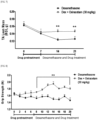
- the oxiracetam-administered group was represented as 'Dex+Oxiracetam (30 mg/kg)' on the drawing.
- FIGS. 5 and 8 show the results of confirming the effect of preventing or treating skeletal muscle atrophy or sarcopenia according to the oral administration of oxiracetam, and specifically show tibialis anterior (TA) diameters, the lean body mass of the tibialis anterior (TA), the lean body mass of the gastrocnemius muscle (GS), and grip strengths in the dexamethasone-treated group (dexamethasone, excipient) and the oxiracetam-administered group.
- TA tibialis anterior
- TA the lean body mass of the tibialis anterior
- GS gastrocnemius muscle
- TA tibialis anterior
- the oxiracetam-administered group had significantly increased grip strength compared to the dexamethasone-treated group (dexamethasone, excipient).
- FIG. 9 is a graph showing the results of an exercise stress test in a dexamethasone-treated group (dexamethasone, excipient) and an oxiracetam-administered group, and according to this, it can be confirmed that the oxiracetam-administered group has a significant improvement in athletic ability (grip strength and endurance) compared to the dexamethasone-treated group (dexamethasone, excipient).
- oxiracetam having a structure of Formula 1 was purchased from Tokyo Chemical Industry (Japan; Product No. O0398, CAS RN:62613-82-5, purity: 96%) and used.
- oxiracetam-administered group oxiracetam was orally administered using a Zonde needle for 90 days once a day at a dose of 30, 100, or 300 mg/kg/day.
- no drug was administered to the control group, and 100 ⁇ L of normal saline was orally administered at a time.
- grip strength was measured. The maximum force presented when the forelimbs of an animal model of each group could no longer hold the rod by pulling the tail horizontally while holding the tail of the animal model and holding the rod of a device with both front paws was considered to be grip strength (N). The grip strength was measured once every 3 days, and after repeating five measurements at one time, the average value was shown. Grip strength adaptation training was performed at least three times before drug administration.
- the lean body mass of the gastrocnemius muscle (GS) and the lean body mass of the tibialis anterior (TA) for each group was measured every 7 days. Specifically, animal models of each group were anesthetized using 3% isoflurane, fixed to a photographing bed and then photographed. During photographing, the respiratory rates and body temperatures of the animal models were measured with an animal monitoring system (SA Instruments, USA).
- the whole body of the animal model was photographed through dual energy X-ray absorptiometry (DEXA) using iNSiGHT VET DXA (Osteosys, KR), and the lean body mass of each of the gastrocnemius muscle (GS) and the tibialis anterior (TA) was measured and calculated from the two-dimensional images of the gastrocnemius muscle (GS) and the tibialis anterior (TA) by a program using the region of interest (ROI).
- DEXA dual energy X-ray absorptiometry
- GS gastrocnemius muscle
- TA tibialis anterior
- an exercise stress test was performed.
- the experimental animals in each group were acclimatized to a treadmill machine twice before measurement (1 st round: inclination 10°, 10 minutes at 5 m/min and 10 minutes at 10 m/min; 2 nd round: inclination 10°, 5 minutes at 5 m/min and 15 munutes at 10 m/min).
- the experimental animals were allowed to run for 20 minutes at an initial speed of 10 m/min at an inclination of 10°, and then the speed was increased by 2 m/min every 2 minutes, and then the running distance and time were measured with the end point when the experimental animal stayed for 10 seconds without running.
- FIG. 10 is a graph showing the change in grip strength according to an administration of oxiracetam (oxiracetam 30, oxiracetam 100 and oxiracetam 300) of aging mice.
- the control vehicle
- the grip strength is significantly reduced over time.
- the group treated with oxiracetam oxiracetam 30, oxiracetam 100 and oxiracetam 300
- the decline in grip strength is suppressed and rather increased.
- FIG. 11 is a set of representative images of a control (vehicle) and oxiracetam-administered groups (oxiracetam 30, oxiracetam 100 and oxiracetam 300) analyzed by dual energy X-ray absorptiometry (DEXA) on day 83
- FIG. 12 is a graph obtained by measuring the lean body mass of the tibialis anterior (TA) every 7 days according to a control (vehicle) and oxiracetam-administered groups (oxiracetam 30, oxiracetam 100 and oxiracetam 300), and FIG.
- GS 13 is a graph obtained by measuring the lean body mass of the gastrocnemius muscle (GS) every 7 days according to a control (vehicle) and oxiracetam-administered groups (oxiracetam 30, oxiracetam 100 and oxiracetam 300).
- FIG. 14 is a graph showing the results of an exercise stress test for muscle function in a control (vehicle) and oxiracetam-administered groups (Oxi 30, Oxi 100, Oxi 300), and FIG. 14A is the measured running distance (m), and FIG. 14B is the measured running time (sec).
- the oxiracetam according to the present invention has the effect of increasing/recovering muscle with respect to muscle reduction or muscle loss induced by aging, which is a symptom of sarcopenia, that is beyond the inhibition and prevention thereof.
- oxiracetam having a structure of Formula 1 was purchased from Tokyo Chemical Industry (Japan; Product No. O0398, CAS RN:62613-82-5, purity: 96%) and used.
- oxiracetam-administered group oxiracetam was orally administered using a Zonde needle for 93 days once a day at a dose of 42, 83, 167, or 333 mg/kg/day.
- no drug was administered to the control group, and 100 ⁇ L of normal saline was orally administered at one time.
- grip strength was measured. The maximum force presented when the forelimbs of an animal model of each group could no longer hold the rod by pulling the tail horizontally while holding the tail of the animal model and holding the rod of a device with both front paws was considered to be grip strength (N). The grip strength was measured once every 3 days, and after repeating five measurements at one time, the average value was shown. Grip strength adaptation training was performed at least three times before drug administration.
- the lean body mass for the gastrocnemius muscle (GS) and tibialis anterior (TA) for each group was measured every 7 days. Specifically, animal models of each group were anesthetized using 3% isoflurane, fixed to a photographing bed, and then photographed. The respiration rates and temperatures of the animal models during photographing were measured using an animal monitoring system (SA Instruments, USA).
- the whole body of the animal model was photographed through dual energy X-ray absorptiometry (DEXA) using iNSiGHT VET DXA (Osteosys, KR), and the lean body mass of each of the gastrocnemius muscle (GS) and the tibialis anterior (TA) was measured and calculated from the two-dimensional images of the gastrocnemius muscle (GS) and the tibialis anterior (TA) by a program using the region of interest (ROI).
- DEXA dual energy X-ray absorptiometry
- GS gastrocnemius muscle
- TA tibialis anterior
- FIG. 15 is a graph showing the results of the change in grip strength in a control (vehicle) and oxiracetam-administered groups (Oxi 42, Oxi 83, Oxi 167, Oxi 333), and in the case of the control, which is an aging (24-month-old) animal model, it can be confirmed that the grip strength has considerably declined over time. On the other hand, it can be confirmed that, in the oxiracetam-treated groups (Oxi 42, Oxi 83, Oxi 167 and Oxi 333), a decrease in grip strength is significantly inhibited and rather increased. It was confirmed that the effect of oxiracetam increases in a concentration-dependent manner.
- FIG. 16 is a set of representative images of a control (vehicle) and oxiracetam-administered groups (Oxi 42, Oxi 83, Oxi 167 and Oxi 333) analyzed by dual energy X-ray absorptiometry (DEXA) on day 91, and a graph showing the results of measuring the lean body mass of the gastrocnemius muscle (GS) every 7 days, and FIG. 17 is a graph showing the results of measuring the lean body mass of the tibialis anterior (TA) every 7 days in a control (vehicle) and oxiracetam-administered groups (Oxi 42, Oxi 83, Oxi 167 and Oxi 333).
- DEXA dual energy X-ray absorptiometry
- the oxiracetam according to the present invention has an effect of increasing/recovering muscle with respect to muscle reduction or muscle loss induced by aging, which is a symptom of sarcopenia, that is beyond the inhibition and prevention thereof.
- oxiracetam having a structure of Formula 1 was purchased from Tokyo Chemical Industry (Japan; Product No. O0398, CAS RN:62613-82-5, purity: 96%) and used.
- Other racetam drugs such as aniracetam and nepiracetam, were purchased from Bide Pharmatech ( ; China, Product Nos. BD114391, BD140804, purity: 96%), piracetam, phenylpiracetam, corulacetam and pramiracetam were purchased from Tokyo Chemical Industry (Japan, Product Nos. P2880, P2604, C3689, P2061, purity: 96%), levetiracetam was purchased from Roeun ( ; China, Product No.
- brivaracetam was purchased from R&D Systems (USA, Product No. 7271, purity: 96%)
- rolziracetam and faroracetam were purchased from Targetmol (USA, Product Nos. T16783, T19624, purity: 96%)
- rolipram was purchased from Aladdin ( ; China, Product No. R129674, purity: 96%).
- dexamethasone was intraperitoneally injected at a dose of 10 mg/kg from day 7 to day 21 for 14 days.
- a drug was orally administered at a dose of 30 or 100 mg/kg/day once a day for 21 days using a Zonde needle from 7 days before intraperitoneal administration of dexamethasone.
- CMC carboxymethylcellulose
- grip strength test was performed. The maximum force presented when the forelimbs of an animal model of each group could no longer hold the rod by pulling the tail horizontally while holding the tail of the animal model and holding the rod of a device with both front paws was considered to be grip strength (N).
- Grip strength adaptation training was performed at least three times before drug administration. After measurement before drug administration (day 0) and on day 20 after drug administration began, grip strength variation (%) after drug administration began (day 20) with respect to that before drug administration (day 0) was calculated.
- the lean body mass of the gastrocnemius muscle (GS) and the lean body mass of the tibialis anterior (TA) for each group were measured every 7 days. Specifically, animal models of each group were anesthetized using 3% isoflurane, fixed to a photographing bed and then photographed. During photographing, the respiratory rates and body temperatures of the animal models were measured with an animal monitoring system (SA Instruments, USA).
- the whole body of the animal model was photographed through dual energy X-ray absorptiometry (DEXA) using iNSiGHT VET DXA (Osteosys, KR), and the lean body mass of each of the gastrocnemius muscle (GS) and the tibialis anterior (TA) was measured and calculated from the two-dimensional images of the gastrocnemius muscle (GS) and the tibialis anterior (TA) by a program using the region of interest (ROI).
- DEXA dual energy X-ray absorptiometry
- GS gastrocnemius muscle
- TA tibialis anterior
- FIG. 18 is a graph showing the results of measuring the change in grip strength in a control (vehicle), a dexamethasone-treated group (dexamethasone, excipient), and drug-administered groups (oxi 30, pi 100, phenylpi 30, ani 30, prami 30, briva 30, roli 30)
- FIG. 19 is a graph showing the results of measuring the change in grip strength in a control (vehicle), a dexamethasone-treated group (dexamethasone, excipient), and drug-administered groups (oxi 30, pi 100, phenylpi 30, ani 30, leveti 30, nefi 30 and colu 30), and FIG.
- 20 is a graph showing the results of measuring the change in grip strength in a control (vehicle), a dexamethasone-treated group (dexamethasone, excipient), and drug-administered groups (oxi 30, rolzi 30, faso 30 and prami 30).
- the control showed increased grip strength or no change in grip strength.
- a significant decrease in grip strength over time can be confirmed.
- racetam-based drugs having the same mechanism as oxiracetam as a comparative group it can be seen that, except for oxiracetam, there was no significant effect of recovering grip strength.
- FIG. 21 is a graph showing the results of measuring the lean body mass of tibialis anterior (TA) every 7 days in a control (vehicle), a dexamethasone-treated group (dexamethasone, excipient), and drug-administered groups (oxi 30, pi 100, phenylpi 30, ani 30, leveti 30, nefi 30 and colu 30), FIG.
- FIG. 22 is a graph showing the results of measuring the lean body mass of the tibialis anterior (TA) every 7 days in a control (vehicle), a dexamethasone-treated group (dexamethasone, excipient), and drug-administered groups (oxi 30, pi 100, phenylpi 30, ani 30, prami 30, briva 30 and roli 30), FIG.
- FIG. 23 is a graph showing the results of measuring the lean body mass of the tibialis anterior (TA) every 7 days in a control (vehicle), a dexamethasone-treated group (dexamethasone, excipient), and drug-administered groups (oxi 30, rolzi 30, faso 30 and prami 30), and FIG. 26 shows the variation in lean body mass (%) of the drug-administered group, calculated with respect to the control (vehicle).
- the administration of 30 mg/kg/day can not only prevent the decrease in lean body mass of the tibialis anterior (TA) of the animal model in which muscular atrophy is induced by dexamethasone, but also recover the lean body mass of the tibialis anterior (TA) to the control (vehicle) level. Therefore, it can be confirmed that, although a racetam-based drug has the same mechanism as oxiracetam, it does not have the effect of improving, preventing or treating sarcopenia like the oxiracetam of the present invention.
- FIG. 24 is a graph showing the results of measuring the lean body mass of the gastrocnemius muscle (GS) every 7 days in a control (vehicle), a dexamethasone-treated group (dexamethasone, excipient), and drug-administered groups (oxi 30, pi 100, phenylpi 30, ani 30, leveti 30, nefi 30 and colu 30), FIG.
- FIG. 25 is a graph showing the results of measuring the lean body mass of the gastrocnemius muscle (GS) every 7 days in a control (vehicle), a dexamethasone-treated group (dexamethasone, excipient), and drug-administered groups (oxi 30, rolzi 30, faso 30 and prami 30), and FIG. 26 is a graph showing the results of measuring the lean body mass of the gastrocnemius muscle (GS) every 7 days in a control (vehicle), a dexamethasone-treated group (dexamethasone, excipient), and drug-administered groups (oxi 30, pi 100, phenylpi 30, ani 30, prami 30, briva 30 and roli 30).
- the administration of 30 mg/kg/day can not only prevent the decrease in lean body mass of the gastrocnemius muscle (GS) of the animal model in which muscular atrophy is induced by dexamethasone, but also recover the lean body mass of the gastrocnemius muscle (GS) to the control (vehicle) level. Therefore, it can be confirmed that, although a racetam-based drug has the same mechanism as oxiracetam, it cannot have the effect of improving, preventing or treating sarcopenia like the oxiracetam of the present invention.
- oxiracetam which is the active ingredient of the present invention, has the significant efficacy of recovering grip strength and lean body mass.
- oxiracetam is a piracetam derivative but has the significant effect of recovering grip strength and muscle mass compared to piracetam.
- oxiracetam having a structure of Formula 1 was purchased from Tokyo Chemical Industry (Japan; Product No. O0398, CAS RN:62613-82-5 , purity: 96%) and used.
- Mirtazapine and olanzapine were purchased from Tokyo Chemical Industry (Japan, Product Nos. M2151, 00393, purity: 96%) and used.
- the groups except for the control were intraperitoneally injected dexamethasone at a dose of 10 mg/kg from day 7 to day 21 for 14 days.
- the drug-administered group 7 days before the intraperitoneal administration of dexamethasone, the drug was orally administered using a Zonde needle at a dose of 30 or 10 mg/kg/day once a day for 21 days.
- CMC carboxymethylcellulose
- grip strength test was performed. The maximum force presented when the forelimbs of an animal model of each group could no longer hold the rod by pulling the tail horizontally while holding the tail of the animal model and holding the rod of a device with both front paws was considered to be grip strength (N).
- Grip strength adaptation training was performed at least three times before drug administration. After measurement before drug administration (day 0) and on day 20 after drug administration began, grip strength variation (%) after drug administration began (day 20) with respect to that before drug administration (day 0) was calculated.
- the lean body mass of the gastrocnemius muscle (GS) and the lean body mass of the tibialis anterior (TA) for each group were measured every 7 days. Specifically, animal models of each group were anesthetized using 3% isoflurane, fixed to a photographing bed and then photographed. During photographing, the respiratory rates and body temperatures of the animal models were measured with an animal monitoring system (SA Instruments, USA).
- the whole body of the animal model was photographed through dual energy X-ray absorptiometry (DEXA) using iNSiGHT VET DXA (Osteosys, KR), and the lean body mass of each of the gastrocnemius muscle (GS) and the tibialis anterior (TA) was measured and calculated from the two-dimensional images of the gastrocnemius muscle (GS) and the tibialis anterior (TA) by a program using the region of interest (ROI).
- DEXA dual energy X-ray absorptiometry
- GS gastrocnemius muscle
- TA tibialis anterior
- FIG. 27 is a graph showing the results of measuring the change in grip strength in a control (vehicle), a dexamethasone-treated group (dexamethasone, excipient), and drug-administered groups (Oxiracetam30, Mirtazapine10 and Olanzapine10)
- FIG. 28 is a graph obtained by measuring the lean body mass of the tibialis anterior (TA) every 7 days in a control (vehicle) and oxiracetam-administered groups (Oxiracetam 30, Mirtazapine 10 and Olanzapine 10)
- CMC 29 is a graph obtained by measuring the lean body mass of the gastrocnemius muscle (GS) every 7 days in a control (vehicle) and oxiracetam-administered groups (Oxiracetam 30, Mirtazapine 10 and Olanzapine 10).
- GS gastrocnemius muscle
- Oxiracetam 30, Mirtazapine 10 and Olanzapine 10 oxiracetam 30, Mirtazapine 10 and Olanzapine 10.
- CMC DEX excipient
- mice 23-week-old male mice (C57BL/10 ScSn-Dmdmdx/J) were purchased from the Jackson Laboratory (USA) to conduct experiments. All animals were maintained under conditions of a temperature of 23 ⁇ 2 °C and a relative humidity of 55 ⁇ 10%. Before the initiation of the experiment, a total of 20 mice were randomly divided into groups of 10 animals. After adaptation for 1 week, 30 mg/kg of oxiracetam of Example 1 was orally administered daily for 35 days (drug-administered group, oxiracetam). Here, for the control (vehicle), instead of a sample, normal saline was orally administered.
- the whole body of the animal model was photographed through dual energy X-ray absorptiometry (DEXA) using iNSiGHT VET DXA (Osteosys, KR), and the total lean body mass and the body fat content (fat, %) were analyzed.
- DEXA dual energy X-ray absorptiometry
- iNSiGHT VET DXA Oleosys, KR
- the total lean body mass and the body fat content fat, % were analyzed.
- the two-dimensional images of the gastrocnemius muscle (GS) and the tibialis anterior (TA) were assigned to the region of interest (ROI) using a program, and the lean body mass of each of the gastrocnemius muscle (GS) and the tibialis anterior (TA) was measured and calculated. Since the DEXA image can be used to measure and analyze the lean body mass, fat, and bone density of a mouse, it is possible to measure and calculate not only detailed
- Grip strength was measured every 2 days from the first day (day 0) of oral administration.
- the measurement of the grip strength was performed using a grip strength meter for mice (BIOSEB), a mouse was placed on a wire mesh attached to a gauge capable of monitoring the strength, and the tail of the mouse was pulled downward to measure a force of grabbing the wire mesh. The average value was recorded by repeating measurement five consecutive times.
- Body weights were measured every day from the first day (day 0) of oral administration.
- FIG. 30 is a set of images of a drug-administered group (oxiracetam) and a control (vehicle), captured by dual energy X-ray absorptiometry (DEXA),
- FIG. 31 is a graph showing the measurement of total lean body mass in an experimental group (oxiracetam) and a control (vehicle)
- FIG. 32 is a graph showing the results of measuring a body fat mass (fat, %) in a drug-administered group (oxiracetam) and a control (vehicle).
- oxiracetam has the effect of reducing pseudohypertrophy of total lean body mass in DMD caused by genetic factors.
- FIG. 33 is a set of images of the drug-administered group (oxiracetam) and the control (vehicle) captured by dual energy X-ray absorptiometry (DEXA)
- FIG. 34 is a graph showing the results of measuring the total lean body mass of the tibialis anterior (TA) in the drug-administered group (oxiracetam) and the control (vehicle).
- FIG. 35 is a graph showing the results of measuring the lean body mass of the gastrocnemius muscle (GS) in a drug-administered group (oxiracetam) and a control (vehicle), and accordingly, in the control, it can be seen that the decrease in lean body mass of the gastrocnemius muscle (GS), which is a characteristic symptom of DMD, gradually progresses in the control.
- GS gastrocnemius muscle
- FIG. 36 is a graph showing the results of measuring the change in grip strength in the drug-administered group (oxiracetam) and the control (vehicle).
- FIG. 37 is a graph showing the results of measuring the change in body weight in the drug-administered group (oxiracetam) and the control (vehicle), and when oxiracetam was administered to a model with DMD, it was confirmed that it does not exhibit a significant effect on body weight. That is, it can be seen that oxiracetam does not exhibit side effects on an animal with DMD.
- a mouse-derived C2C12 cell line was provided from the American Type Culture Collection (ATCC, CRL-1772; Manassas, VA, USA) and cultured at 37 °C in 5% CO 2 .
- ATCC American Type Culture Collection
- CRL-1772 Manassas, VA, USA
- FBS fetal bovine serum
- the C2C12 myoblasts were seeded into a 96 well culture plate and a 6 well culture plate at 2 ⁇ 10 5 /well and 5 ⁇ 10 3 /well, respectively, and cultured at 37 °C in a CO 2 incubator. When the confluency reached approximately 90%, the medium was replaced with 2% horse serum (HS)-containing DMEM to induce differentiation of myoblasts. After 5 days, the C2C12 myotubes that had differentiated were treated with 10 ng/ml TNF- ⁇ , which is an inflammatory factor, for 48 hours to cause myotube atrophy, thereby creating a muscular atrophy cell model, TNF- ⁇ -treated group (TNF- ⁇ ).
- TNF- ⁇ TNF- ⁇ -treated group
- each of the TNF- ⁇ -treated group (TNF- ⁇ ), the oxiracetam-treated group (Oxiracetam 10 ⁇ M) and the control was treated with an ATP detection reagent at room temperature, and then luminescence was measured using a mitochondrial ToxGloTM assay kit (Promega).
- the TNF- ⁇ -treated group (TNF- ⁇ ), the oxiracetam-treated group (Oxiracetam 10 ⁇ M) and the control were photographed using an optical microscope and the diameter of a myotube cell in each group were measured and compared.
- FIG. 38 is a graph shown by confirming the degree of the change in ATP content in the oxiracetam-treated group (oxiracetam, 10 ⁇ M) and the control (solvent-treated, control) in myotube, and referring to this, in the oxiracetam-treated group (oxiracetam 10 ⁇ M), it can be confirmed that the ATP production activity significantly increased 50 to 80% or more than that of the control. That is, it can be seen that oxiracetam significantly enhances mitochondrial functional activity.
- Mitochondria are the essential cell organelle that produces cell energy ATP, and by confirming an increasing ATP level in a muscle cell, it can be seen that the oxiracetam of the present invention has a protective effect against mitochondrial dysfunction and ATP deficiency due to skeletal muscle cell atrophy induced by TNF- ⁇ .
- FIG. 39 is a set of images of TNF- ⁇ -treated myotube in the oxiracetam-treated group (Oxiracetam 10 ⁇ M) and the non-treated group (Oxiracetam 0 ⁇ M), captured by an optical microscope
- FIG. 40 is a graph showing the results of measuring the diameter of a TNF- ⁇ -treated myotube in the oxiracetam-treated group (Oxiracetam 10 ⁇ M) and the non-treated group (Oxiracetam 0 ⁇ M).
- a mouse-derived C2C12 cell line was provided from the American Type Culture Collection (ATCC, CRL-1772; Manassas, VA, USA) and cultured at 37 °C in 5% CO 2 .
- ATCC American Type Culture Collection
- CRL-1772 Manassas, VA, USA
- FBS fetal bovine serum
- the C2C12 myoblasts were seeded into a 96 well culture plate and a 6 well culture plate at 2 ⁇ 10 5 /well and 5 ⁇ 10 3 /well, respectively, and cultured at 37 °C in a CO 2 incubator. When the confluency reached approximately 90%, the medium was replaced with 2% horse serum (HS)-containing DMEM to induce differentiation of myoblasts. After 5 days, the C2C12 myotubes that had differentiated were treated with 500 nM anticancer agent (doxorubicin), which is an inflammatory factor, for 48 hours to cause myotube atrophy, thereby creating a cachexia cell model.
- doxorubicin nM anticancer agent
- An oxiracetam-treated group (Oxiracetam) was prepared by treating oxiracetam at different concentrations (0, 0.01 ⁇ M, 0.1 ⁇ M, 1 ⁇ M, 10 ⁇ M and 30 ⁇ M) while treating an anticancer agent, and cells that were not treated during the same period were prepared as a control.
- the anticancer agent-treated group Doxorubicin
- the oxiracetam-treated groups Optiracetam 0.01 ⁇ M, 0.1 ⁇ M, 1 ⁇ M, 10 ⁇ M and 30 ⁇ M
- the control control
- FIG. 41 is a set of images of the anticancer agent-treated group (doxorubicin), the oxiracetam-treated groups (oxiracetam 0.01 ⁇ M, 0.1 ⁇ M, 1 ⁇ M, 10 ⁇ M, 30 ⁇ M) and the control captured by an optical microscope
- FIG. 42 is a graph showing the results of measuring the diameter of myotube in the anticancer agent-treated group (doxorubicin), the oxiracetam-treated groups (oxiracetam 0.01 ⁇ M, 0.1 ⁇ M, 1 ⁇ M, 10 ⁇ M and 30 ⁇ M) and the control.
- the oxiracetam according to the present invention also has an effect of improving, preventing or treating cachexia as well as sarcopenia, muscular dystrophy.
- a powder was prepared by mixing 50 mg of the oxiracetam of the present invention and 2 g of crystalline cellulose and filling an airtight bag with the resulting mixture according to a conventional method of preparing a powder.
- a tablet was prepared by mixing 50 mg of the oxiracetam of the present invention, 400 mg of crystalline cellulose, and 5 mg of magnesium stearate, and tableting the resulting mixture according to a conventional method of preparing a tablet.
- a capsule was prepared by mixing 30 mg of the oxiracetam of the present invention, 100 mg of casein protein, 400 mg of crystalline cellulose, and 6 mg of magnesium stearate, and filling a gelatin capsule with the resulting mixture according to a conventional method of preparing a capsule.
- a health food composition can be prepared by mixing 1000 mg of the oxiracetam of the present invention, 70 ⁇ g of vitamin A acetate, 1.0 mg of vitamin E, 0.13 mg of vitamin B 1, 0.15 mg of vitamin B2, 0.5 mg of vitamin B6, 0.2 ⁇ g of vitamin B12, 10 mg of vitamin C, 10 ⁇ g of biotin, 1.7 mg of nicotinamide, 50 ⁇ g of folic acid, 0.5 mg of calcium pantothenate, 1.75 mg of ferrous sulfate, 0.82 mg of zinc oxide, 25.3 mg of magnesium carbonate, 15 mg of monobasic potassium phosphate, 55 mg of dicalcium phosphate, 90 mg of potassium citrate, 100 mg of calcium carbonate, and 24.8 mg of magnesium chloride, and their mixing ratios may be arbitrarily modified.
- the above components may be mixed to prepare granules, and may be used in preparation of a health food composition according to a conventional method.
- a health drink composition may be prepared by adding purified water to 100 mg of the oxiracetam of the present invention, 100 g of oligosaccharide, 2 g of plum concentrate, and 1 g of taurine to make a total 900 mL mixture according to a method of preparing a health drink, heating the resulting solution at 85 °C for approximately 1 hour while stirring, filtering the resulting solution in a sterile 2 L container, and storing it in a refrigerator under sealed sterilization.
- a chewing gum was prepared in a conventional manner by mixing 20 wt% of gum base, 76.9 wt% of sucrose, 1 wt% of flavoring agent, 2 wt% of water, and 0.1 wt% of the oxiracetam of the present invention.
- a candy was prepared in a conventional manner by mixing 60 wt% of sucrose, 39.8 wt% of starch syrup, 0.1 wt% of a flavoring agent and 0.1 wt% of the oxiracetam of the present invention.
- a biscuit was prepared in a conventional manner by mixing 25.59 wt% of 1 st grade soft flour, 22.22 wt% of 1 st grade medium flour, 4.80 wt% of refined sugar, 0.73 wt% of table salt, 0.78 wt% of glucose, 11.78 wt% of palm shortening, 1.54 wt% of ammonium, 0.17 wt% of baking soda, 0.16 wt% of sodium bisulfite, 1.45 wt% of rice flour, 0.0001 wt% of vitamin B, 0.04 wt% of milk flavor, 20.6998 wt% of water, 1.16 wt% of skim milk powder, 0.29 wt% of substituted milk powder, 0.03 wt% of monobasic monohydrate, 0.29 wt% of salt spray, 7.27 wt% of oil spray, and 0.8301 wt% of the oxiracetam of the present invention.
Landscapes
- Health & Medical Sciences (AREA)
- Life Sciences & Earth Sciences (AREA)
- Veterinary Medicine (AREA)
- Chemical & Material Sciences (AREA)
- Medicinal Chemistry (AREA)
- Pharmacology & Pharmacy (AREA)
- Animal Behavior & Ethology (AREA)
- General Health & Medical Sciences (AREA)
- Public Health (AREA)
- Epidemiology (AREA)
- Engineering & Computer Science (AREA)
- Nutrition Science (AREA)
- Physical Education & Sports Medicine (AREA)
- Bioinformatics & Cheminformatics (AREA)
- Neurology (AREA)
- Chemical Kinetics & Catalysis (AREA)
- General Chemical & Material Sciences (AREA)
- Nuclear Medicine, Radiotherapy & Molecular Imaging (AREA)
- Organic Chemistry (AREA)
- Orthopedic Medicine & Surgery (AREA)
- Physiology (AREA)
- Zoology (AREA)
- Mycology (AREA)
- Food Science & Technology (AREA)
- Polymers & Plastics (AREA)
- Pharmaceuticals Containing Other Organic And Inorganic Compounds (AREA)
- Confectionery (AREA)
- Coloring Foods And Improving Nutritive Qualities (AREA)
- Bakery Products And Manufacturing Methods Therefor (AREA)
- Non-Alcoholic Beverages (AREA)
Applications Claiming Priority (4)
| Application Number | Priority Date | Filing Date | Title |
|---|---|---|---|
| KR20210053617 | 2021-04-26 | ||
| KR1020210086607A KR102356624B1 (ko) | 2021-04-26 | 2021-07-01 | 옥시라세탐을 포함하는 근감소증의 예방, 치료 또는 개선용 조성물 |
| KR1020210146501A KR102421411B1 (ko) | 2021-10-29 | 2021-10-29 | 옥시라세탐을 포함하는 근이영양증 예방 또는 치료용 조성물 |
| PCT/KR2022/005916 WO2022231257A1 (ko) | 2021-04-26 | 2022-04-26 | 옥시라세탐을 포함하는 근육질환 예방 또는 치료용 조성물 |
Publications (2)
| Publication Number | Publication Date |
|---|---|
| EP4331579A1 true EP4331579A1 (de) | 2024-03-06 |
| EP4331579A4 EP4331579A4 (de) | 2025-04-09 |
Family
ID=83848334
Family Applications (1)
| Application Number | Title | Priority Date | Filing Date |
|---|---|---|---|
| EP22796090.3A Pending EP4331579A4 (de) | 2021-04-26 | 2022-04-26 | Zusammensetzung mit oxiracetam zur prävention oder behandlung von muskelerkrankungen |
Country Status (4)
| Country | Link |
|---|---|
| US (1) | US20240050406A1 (de) |
| EP (1) | EP4331579A4 (de) |
| JP (1) | JP7676656B2 (de) |
| WO (1) | WO2022231257A1 (de) |
Family Cites Families (8)
| Publication number | Priority date | Publication date | Assignee | Title |
|---|---|---|---|---|
| KR100440494B1 (ko) * | 1998-07-24 | 2005-03-08 | 삼성정밀화학 주식회사 | 광학활성을 갖는 (s)-옥시라세탐의 제조방법 |
| KR100424393B1 (ko) * | 2001-11-26 | 2004-03-24 | 한국화학연구원 | 옥시라세탐의 제조방법 |
| CN102014896A (zh) * | 2008-02-29 | 2011-04-13 | 生物实验萨纽斯药物有限公司 | 包含西坦和肉毒碱的药物组合物及其制备方法 |
| GB201308217D0 (en) * | 2013-05-08 | 2013-06-12 | Ucl Business Plc | Compounds and their use in therapy |
| WO2017043935A1 (ko) * | 2015-09-09 | 2017-03-16 | 한국생명공학연구원 | 소브레롤을 포함하는 근력 약화 관련 질환의 예방 또는 치료용 조성물 |
| KR101898688B1 (ko) | 2016-07-21 | 2018-09-13 | 경희대학교 산학협력단 | 복합 추출물을 포함하는 근위축의 예방, 치료 또는 개선용 조성물 |
| KR20190053253A (ko) * | 2016-10-24 | 2019-05-17 | 충칭 룬즈 파마슈티컬 컴퍼니 리미티드. | 덱스트랄 옥시라세탐의 새로운 결정형, 이의 제조 방법 및 이의 용도 |
| WO2020101042A1 (en) | 2018-11-16 | 2020-05-22 | Astellas Pharma Inc. | Method for treating muscular dystrophy by targeting utrophin gene |
-
2022
- 2022-04-26 US US18/020,320 patent/US20240050406A1/en active Pending
- 2022-04-26 JP JP2024509292A patent/JP7676656B2/ja active Active
- 2022-04-26 EP EP22796090.3A patent/EP4331579A4/de active Pending
- 2022-04-26 WO PCT/KR2022/005916 patent/WO2022231257A1/ko not_active Ceased
Also Published As
| Publication number | Publication date |
|---|---|
| EP4331579A4 (de) | 2025-04-09 |
| JP2024516750A (ja) | 2024-04-16 |
| US20240050406A1 (en) | 2024-02-15 |
| WO2022231257A1 (ko) | 2022-11-03 |
| JP7676656B2 (ja) | 2025-05-14 |
Similar Documents
| Publication | Publication Date | Title |
|---|---|---|
| US20180264020A1 (en) | Composition for prevention, amelioration or treatment of metabolic syndrome | |
| KR102487651B1 (ko) | 밀싹 추출물을 포함하는 근감소증 예방, 개선 또는 치료용 조성물 | |
| JP2009084214A (ja) | 糖化阻害剤 | |
| CN107105742A (zh) | 含有白扁豆提取物作为有效成分的用于预防或改善非酒精性脂肪肝疾病的组合物 | |
| KR102356624B1 (ko) | 옥시라세탐을 포함하는 근감소증의 예방, 치료 또는 개선용 조성물 | |
| JP6112895B2 (ja) | メタボリックシンドロームの予防、改善または治療用組成物 | |
| EP1913943B1 (de) | Prophylaktische oder therapeutische zusammensetzung gegen hämoglobinurie oder myoglobinurie | |
| US11612629B2 (en) | Pharmaceutical composition for preventing or treating muscle diseases, containing ginseng berry extract as active ingredient | |
| US8613959B2 (en) | Dietary supplements containing extracts of Nelumbo and processes of using same | |
| EP4331579A1 (de) | Zusammensetzung mit oxiracetam zur prävention oder behandlung von muskelerkrankungen | |
| JP6094985B2 (ja) | 骨の長さの成長促進のための竹における幹の粗皮を除去した中間層の熱水抽出物の新規用途 | |
| KR20240013823A (ko) | 틸리아닌을 유효성분으로 함유하는 근육 질환 개선, 치료 또는 예방용, 또는 근 기능 개선용 조성물 | |
| KR20200140749A (ko) | 꾸지뽕나무를 유효성분으로 함유하는 근육 질환 개선, 치료 또는 예방용, 또는 근 기능 개선용 조성물 | |
| KR102421411B1 (ko) | 옥시라세탐을 포함하는 근이영양증 예방 또는 치료용 조성물 | |
| KR20220041265A (ko) | 발프로산을 유효성분으로 하는 근육질환 예방 또는 치료용 조성물 | |
| KR101699123B1 (ko) | 코르티코스테론 저하용 조성물 | |
| KR102352636B1 (ko) | 팔각회향 추출물 또는 시킴산을 함유하는 근육 질환 예방 및 치료용 또는 근 기능 개선용 조성물 | |
| US20240009259A1 (en) | Use of crassocephalum rabens extract in the prevention and/or treatment of fatigue and/or depression | |
| KR102380295B1 (ko) | 귀리 추출물을 포함하는 근감소증 예방, 개선 또는 치료용 조성물 | |
| US20220088106A1 (en) | Composition comprising cudrania tricuspidate as effective component for alleviating, treating, or preventing muscular diseases, or improving muscule functions | |
| KR102517662B1 (ko) | 차가버섯을 유효성분으로 함유하는 근육 질환 개선, 치료 또는 예방용, 또는 근 기능 개선용 조성물 | |
| US20220133674A1 (en) | Orally ingested composition for improving sleep | |
| JP5766173B2 (ja) | クロロゲン酸類を含有する飲食品 | |
| EP2815756B1 (de) | Zusammensetzung zur prävention, linderung oder behandlung des stoffwechselsyndroms | |
| KR20240029547A (ko) | 퀸산을 유효성분으로 함유하는 근육 질환 개선, 치료 또는 예방용, 또는 근 기능 개선용 조성물 |
Legal Events
| Date | Code | Title | Description |
|---|---|---|---|
| STAA | Information on the status of an ep patent application or granted ep patent |
Free format text: STATUS: THE INTERNATIONAL PUBLICATION HAS BEEN MADE |
|
| PUAI | Public reference made under article 153(3) epc to a published international application that has entered the european phase |
Free format text: ORIGINAL CODE: 0009012 |
|
| STAA | Information on the status of an ep patent application or granted ep patent |
Free format text: STATUS: REQUEST FOR EXAMINATION WAS MADE |
|
| 17P | Request for examination filed |
Effective date: 20231115 |
|
| AK | Designated contracting states |
Kind code of ref document: A1 Designated state(s): AL AT BE BG CH CY CZ DE DK EE ES FI FR GB GR HR HU IE IS IT LI LT LU LV MC MK MT NL NO PL PT RO RS SE SI SK SM TR |
|
| DAV | Request for validation of the european patent (deleted) | ||
| DAX | Request for extension of the european patent (deleted) | ||
| A4 | Supplementary search report drawn up and despatched |
Effective date: 20250312 |
|
| RIC1 | Information provided on ipc code assigned before grant |
Ipc: A61P 21/00 20060101ALI20250306BHEP Ipc: A23L 33/10 20160101ALI20250306BHEP Ipc: A61P 21/04 20060101ALI20250306BHEP Ipc: A61K 31/4015 20060101AFI20250306BHEP |
|
| STAA | Information on the status of an ep patent application or granted ep patent |
Free format text: STATUS: EXAMINATION IS IN PROGRESS |
|
| 17Q | First examination report despatched |
Effective date: 20251111 |