EP4332764A1 - Procédé de migration de machine virtuelle et appareil associé - Google Patents
Procédé de migration de machine virtuelle et appareil associé Download PDFInfo
- Publication number
- EP4332764A1 EP4332764A1 EP22831863.0A EP22831863A EP4332764A1 EP 4332764 A1 EP4332764 A1 EP 4332764A1 EP 22831863 A EP22831863 A EP 22831863A EP 4332764 A1 EP4332764 A1 EP 4332764A1
- Authority
- EP
- European Patent Office
- Prior art keywords
- migration
- memory
- computing resource
- live
- virtual
- Prior art date
- Legal status (The legal status is an assumption and is not a legal conclusion. Google has not performed a legal analysis and makes no representation as to the accuracy of the status listed.)
- Granted
Links
Images






Classifications
-
- G—PHYSICS
- G06—COMPUTING OR CALCULATING; COUNTING
- G06F—ELECTRIC DIGITAL DATA PROCESSING
- G06F9/00—Arrangements for program control, e.g. control units
- G06F9/06—Arrangements for program control, e.g. control units using stored programs, i.e. using an internal store of processing equipment to receive or retain programs
- G06F9/44—Arrangements for executing specific programs
- G06F9/455—Emulation; Interpretation; Software simulation, e.g. virtualisation or emulation of application or operating system execution engines
- G06F9/45533—Hypervisors; Virtual machine monitors
- G06F9/45558—Hypervisor-specific management and integration aspects
-
- G—PHYSICS
- G06—COMPUTING OR CALCULATING; COUNTING
- G06F—ELECTRIC DIGITAL DATA PROCESSING
- G06F9/00—Arrangements for program control, e.g. control units
- G06F9/06—Arrangements for program control, e.g. control units using stored programs, i.e. using an internal store of processing equipment to receive or retain programs
- G06F9/44—Arrangements for executing specific programs
- G06F9/455—Emulation; Interpretation; Software simulation, e.g. virtualisation or emulation of application or operating system execution engines
-
- G—PHYSICS
- G06—COMPUTING OR CALCULATING; COUNTING
- G06F—ELECTRIC DIGITAL DATA PROCESSING
- G06F9/00—Arrangements for program control, e.g. control units
- G06F9/06—Arrangements for program control, e.g. control units using stored programs, i.e. using an internal store of processing equipment to receive or retain programs
- G06F9/46—Multiprogramming arrangements
- G06F9/48—Program initiating; Program switching, e.g. by interrupt
-
- G—PHYSICS
- G06—COMPUTING OR CALCULATING; COUNTING
- G06F—ELECTRIC DIGITAL DATA PROCESSING
- G06F9/00—Arrangements for program control, e.g. control units
- G06F9/06—Arrangements for program control, e.g. control units using stored programs, i.e. using an internal store of processing equipment to receive or retain programs
- G06F9/46—Multiprogramming arrangements
- G06F9/48—Program initiating; Program switching, e.g. by interrupt
- G06F9/4806—Task transfer initiation or dispatching
- G06F9/4843—Task transfer initiation or dispatching by program, e.g. task dispatcher, supervisor, operating system
- G06F9/485—Task life-cycle, e.g. stopping, restarting, resuming execution
- G06F9/4856—Task life-cycle, e.g. stopping, restarting, resuming execution resumption being on a different machine, e.g. task migration, virtual machine migration
-
- G—PHYSICS
- G06—COMPUTING OR CALCULATING; COUNTING
- G06F—ELECTRIC DIGITAL DATA PROCESSING
- G06F9/00—Arrangements for program control, e.g. control units
- G06F9/06—Arrangements for program control, e.g. control units using stored programs, i.e. using an internal store of processing equipment to receive or retain programs
- G06F9/46—Multiprogramming arrangements
- G06F9/50—Allocation of resources, e.g. of the central processing unit [CPU]
- G06F9/5061—Partitioning or combining of resources
- G06F9/5077—Logical partitioning of resources; Management or configuration of virtualized resources
-
- G—PHYSICS
- G06—COMPUTING OR CALCULATING; COUNTING
- G06F—ELECTRIC DIGITAL DATA PROCESSING
- G06F9/00—Arrangements for program control, e.g. control units
- G06F9/06—Arrangements for program control, e.g. control units using stored programs, i.e. using an internal store of processing equipment to receive or retain programs
- G06F9/46—Multiprogramming arrangements
- G06F9/50—Allocation of resources, e.g. of the central processing unit [CPU]
- G06F9/5083—Techniques for rebalancing the load in a distributed system
- G06F9/5088—Techniques for rebalancing the load in a distributed system involving task migration
-
- G—PHYSICS
- G06—COMPUTING OR CALCULATING; COUNTING
- G06F—ELECTRIC DIGITAL DATA PROCESSING
- G06F9/00—Arrangements for program control, e.g. control units
- G06F9/06—Arrangements for program control, e.g. control units using stored programs, i.e. using an internal store of processing equipment to receive or retain programs
- G06F9/44—Arrangements for executing specific programs
- G06F9/455—Emulation; Interpretation; Software simulation, e.g. virtualisation or emulation of application or operating system execution engines
- G06F9/45533—Hypervisors; Virtual machine monitors
- G06F9/45558—Hypervisor-specific management and integration aspects
- G06F2009/4557—Distribution of virtual machine instances; Migration and load balancing
-
- G—PHYSICS
- G06—COMPUTING OR CALCULATING; COUNTING
- G06F—ELECTRIC DIGITAL DATA PROCESSING
- G06F9/00—Arrangements for program control, e.g. control units
- G06F9/06—Arrangements for program control, e.g. control units using stored programs, i.e. using an internal store of processing equipment to receive or retain programs
- G06F9/44—Arrangements for executing specific programs
- G06F9/455—Emulation; Interpretation; Software simulation, e.g. virtualisation or emulation of application or operating system execution engines
- G06F9/45533—Hypervisors; Virtual machine monitors
- G06F9/45558—Hypervisor-specific management and integration aspects
- G06F2009/45579—I/O management, e.g. providing access to device drivers or storage
-
- G—PHYSICS
- G06—COMPUTING OR CALCULATING; COUNTING
- G06F—ELECTRIC DIGITAL DATA PROCESSING
- G06F9/00—Arrangements for program control, e.g. control units
- G06F9/06—Arrangements for program control, e.g. control units using stored programs, i.e. using an internal store of processing equipment to receive or retain programs
- G06F9/44—Arrangements for executing specific programs
- G06F9/455—Emulation; Interpretation; Software simulation, e.g. virtualisation or emulation of application or operating system execution engines
- G06F9/45533—Hypervisors; Virtual machine monitors
- G06F9/45558—Hypervisor-specific management and integration aspects
- G06F2009/45583—Memory management, e.g. access or allocation
-
- G—PHYSICS
- G06—COMPUTING OR CALCULATING; COUNTING
- G06F—ELECTRIC DIGITAL DATA PROCESSING
- G06F9/00—Arrangements for program control, e.g. control units
- G06F9/06—Arrangements for program control, e.g. control units using stored programs, i.e. using an internal store of processing equipment to receive or retain programs
- G06F9/44—Arrangements for executing specific programs
- G06F9/455—Emulation; Interpretation; Software simulation, e.g. virtualisation or emulation of application or operating system execution engines
- G06F9/45533—Hypervisors; Virtual machine monitors
- G06F9/45558—Hypervisor-specific management and integration aspects
- G06F2009/45591—Monitoring or debugging support
Definitions
- This application relates to the computer field, and in particular, to a virtual machine migration method and a related apparatus.
- Live migration is an extremely important part of a virtualization technology.
- a service is loaded and run on a virtual machine (virtual machine, VM), the virtual machine runs on a physical machine, and one or more virtual machines may run on a physical machine.
- a live migration function allows the virtual machines to be migrated online from an original physical machine to another physical host without being suspended or restarted.
- a common virtual machine migration manner in the industry includes a pre-copy (pre-copy) migration mechanism.
- pre-copy when a virtual machine is running, a memory page is cyclically and iteratively migrated to a destination physical host, a memory dirty page is recorded at the same time, and a memory dirty page generated in a previous round of cyclic copy is transmitted in each round of cyclic copy.
- copying is stopped. Then, a virtual machine on a source physical host is suspended, and a state of a central processing unit (CPU) and a last round of unsynchronized memory pages are copied to the destination physical host. Finally, the virtual machine may resume running on the destination physical host.
- CPU central processing unit
- a live migration solution for a single virtual machine in a physical machine is optimized and designed.
- a plurality of virtual machines in a physical machine need to be live migrated. Therefore, an optimization solution for performing live migration on the plurality of virtual machines needs to be provided.
- This application provides a virtual machine migration method, applied to a physical machine, where a plurality of VMs including a first virtual machine VM and a second VM run on the physical machine.
- the method includes: obtaining a migration cost of the first VM and a migration cost of the second VM, where the migration cost indicates a computing resource required during VM live migration, the computing resource may be a memory resource, an I/O resource, a CPU resource, or the like, and the computing resource is not limited herein; performing, based on a case in which the migration cost of the first VM is less than the migration cost of the second VM, live migration on the first VM by using a first computing resource, where the first computing resource is an idle computing resource in the physical machine; and performing, based on a case in which live migration on the first VM is completed, live migration on the second VM by using a second computing resource, where the second computing resource is a computing resource allocated when the first VM runs on the physical machine.
- Computing resources in the physical machine are limited, a large part of computing resources are allocated to running VMs for use, and there are few remaining available computing resources. Therefore, when a plurality of VMs running on the physical machine are live migrated, the plurality of VMs cannot be live migrated at the same time while ensuring that a load does not exceed a maximum limit. However, in some scenarios, for example, during a cold upgrade or hardware replacement of a host system, all virtual machines on a host need to be live migrated. In this case, a plurality of VMs need to be live migrated.
- a sequence of performing live migration on a plurality of VMs may be determined based on migration costs of the plurality of VMs when the plurality of VMs are live migrated.
- a sequence of performing live migration on VMs may be determined based on migration costs of the VMs during migration.
- a VM with a low migration cost is preferentially live migrated, and a computing resource allocated to the VM on which live migration has been completed becomes idle. Then, a remaining VM with a high migration cost is live migrated by using the idle computing resource. This improves migration efficiency and reduces migration time overheads.
- a computing resource for example, the second computing resource allocated to the VM (for example, the first VM in embodiments of this application) on which live migration has been completed becomes idle.
- the remaining VM for example, the second VM in embodiments of this application
- the idle computing resource for example, the second computing resource
- the migration cost may be related to a dirty page change rate of a VM.
- a larger dirty page change rate indicates that I/O of the VM is larger, a large quantity of copying operations and a large quantity of times of copying need to be performed during live migration, and the migration cost is also very high. Therefore, the migration cost may be positively correlated with the dirty page change rate of the VM, that is, on the premise that other cases are the same, a higher dirty page change rate indicates a higher migration cost of the VM.
- the first VM and the second VM are used as an example.
- a dirty page change rate of the first VM may be obtained, and the migration cost of the first VM is determined based on the dirty page change rate of the first VM.
- a dirty page change rate of the second VM may be obtained, and the migration cost of the second VM is determined based on the dirty page change rate of the second VM.
- the migration cost is positively correlated with the dirty page change rate. That is, on the premise that other cases are the same, a higher dirty page change rate of the first VM indicates a higher migration cost of the first VM. Similarly, on the premise that other cases are the same, a higher dirty page change rate of the second VM indicates a higher migration cost of the second VM.
- a hash value of a randomly sampled memory page may be compared with a hash value that is of the randomly sampled memory page and that is calculated after a period. If the hash value changes, it may be determined that the sampled memory page is a dirty page, and a dirty page change rate is calculated based on a quantity of dirty pages.
- a memory may be divided into a plurality of memory blocks (including a plurality of memory pages), and one first thread is allocated to each memory block, so that a plurality of first threads may collect, in parallel, statistics on a quantity of dirty pages in a corresponding memory block (each first thread may perform, for example, a process of randomly sampling a memory page, a process of calculating a hash value of the memory page, a process of determining a dirty page based on a change status of the hash value before and after a period, and a process of collecting statistics on a quantity of dirty pages).
- the first VM and the second VM are used as an example.
- a plurality of memory pages in a virtual memory of the first VM may be randomly sampled, and the dirty page change rate of the first VM is determined based on a change status of a hash value of each of the plurality of memory pages before and after a preset time interval.
- a plurality of memory pages in a virtual memory of the second VM may be randomly sampled, and the dirty page change rate of the second VM is determined based on a change status of a hash value of each of the plurality of memory pages before and after the preset time interval.
- the virtual memory of the first VM and the virtual memory of the second VM may be separately divided into M memory blocks, and one first thread is allocated to each memory block; a plurality of memory pages in a corresponding memory block are randomly sampled by using each of M first threads; change statuses of hash values of the plurality of memory pages in the corresponding memory block before and after the preset time interval are calculated in parallel by using each of the M first threads; and the dirty page change rates of the first VM and the second VM are determined based on a change status of a hash value of each of the plurality of memory pages before and after the preset time interval.
- the migration cost may be related to a size of a memory refresh range of a VM.
- a larger size of the memory refresh range indicates that a larger range of a memory page of the VM is modified, a large quantity of copying operations and a large quantity of times of copying need to be performed during live migration, and the migration cost is also very high. Therefore, the migration cost may be positively correlated with the size of the memory refresh range of the VM, that is, on the premise that other cases are the same, a larger size of the memory refresh range indicates a higher migration cost of the VM.
- the first VM and the second VM are used as an example.
- a size of a memory refresh range of the first VM may be obtained, and the migration cost of the first VM is determined based on the size of the memory refresh range of the first VM.
- a size of a memory refresh range of the second VM may be obtained, and the migration cost of the second VM is determined based on the size of the memory refresh range of the second VM.
- the migration cost is positively correlated with a size of a memory refresh range. That is, on the premise that other cases are the same, a larger size of the memory refresh range of the first VM indicates a higher migration cost of the first VM. Similarly, on the premise that other cases are the same, a larger size of the memory refresh range of the second VM indicates a higher migration cost of the second VM.
- a plurality of memory pages in a virtual memory of the first VM and a plurality of memory pages in a virtual memory of the second VM may be randomly sampled, and the sizes of the memory refresh ranges of the first VM and the second VM are determined based on a change status of a hash value of each of the plurality of memory pages before and after a preset time interval, where the hash value of each memory page is obtained through calculation by using a hardware hash instruction.
- the virtual memory of the first VM and the virtual memory of the second VM may be separately divided into M memory blocks, and one first thread is allocated to each memory block; a plurality of memory pages in a corresponding memory block are separately randomly sampled by using each of M first threads; and then change statuses of hash values of the plurality of memory pages in the corresponding memory block before and after the preset time interval are calculated in parallel by using each of the M first threads.
- a computing resource for example, the second computing resource allocated to the VM (for example, the first VM in embodiments of this application) on which live migration has been completed becomes idle. Then, a remaining VM (for example, the second VM in embodiments of this application) with a high migration cost is live migrated by using the idle computing resource (for example, the second computing resource). This improves migration efficiency and reduces migration time overheads.
- migration data may be compressed, to reduce a data volume during migration and improve migration efficiency.
- the second VM is used as an example. Threads (for example, N second threads below) used for data compression may be allocated to the second VM, and when the second VM is live migrated, the N second threads may be used to compress migration data of the second VM.
- N second threads may be determined based on a size of the second computing resource, and the N second threads are bound to the second computing resource, where a value of N is positively correlated with the size of the second computing resource, that is, a larger size of the second computing resource indicates a larger value of N.
- a higher amount of concurrent compression processing on the migration data is performed, and compression processing may be performed at a higher speed.
- the migration data in the second VM may be compressed in parallel by using the N second threads, to obtain compressed migration data, and the second VM is live migrated based on the compressed migration data by using the second computing resource.
- a sequence of performing migration on VMs may be further determined based on compression performance of the VMs.
- a third VM also runs on the physical machine.
- the second VM and the third VM are used as an example.
- compression performance of the second VM and compression performance of the third VM may be further calculated by using the second computing resource based on a case in which live migration on the first VM is completed, where the compression performance indicates data compression performance of performing compression processing on data of a VM.
- live migration is performed, based on a case in which the compression performance of the second VM is higher than the compression performance of the third VM, on the second VM by using the second computing resource.
- the compression performance herein may be obtained by using a single compression algorithm, or may be obtained by using a plurality of compression algorithms.
- compression performance of different VMs may be calculated by using a plurality of compression algorithms, and a sequence of performing migration on VMs and a compression algorithm may be determined based on the compression performance that is of different VMs and that is calculated by using the plurality of compression algorithms.
- compression performance that is of a VM 1 and that is calculated by using a compression algorithm 1 is 0.2
- compression performance that is of a VM 2 and that is calculated by using the compression algorithm 1 is 0.2
- compression performance that is of the VM 1 and that is calculated by using a compression algorithm 2 is 0.1
- compression performance that is of the VM 2 and that is calculated by using the compression algorithm 2 is 0.3.
- the VM 1 may be first migrated, and the compression algorithm 2 is used when the VM 1 is migrated. Then, the VM 2 is migrated, and the compression algorithm 1 is used when the VM 2 is migrated.
- the compression performance may be a data compression rate, for example, a de-redundancy degree, or may be a compression speed. This is not limited herein.
- live migration may be performed, based on a case in which live migration on the second VM is completed, on the third VM by using the second computing resource and a third computing resource, where the third computing resource is a computing resource allocated when the second VM runs on the physical machine.
- the virtual memory of the second VM and a virtual memory of the third VM may be separately divided into X memory blocks, and one third thread is allocated to each memory block; a plurality of memory pages in a corresponding memory block are randomly sampled by using each of X third threads; and the plurality of memory pages in the corresponding memory block are compressed in parallel by using each of the X third threads, to obtain a compression result, where the compression result is used to determine the compression performance of the second VM and the compression performance of the third VM.
- This is equivalent to using a plurality of threads to concurrently calculate compression performance of a VM. Therefore, a calculating speed is improved.
- the method further includes: performing, based on a case in which live migration on the second VM is completed, live migration on the third VM by using the second computing resource and/or a third computing resource, where the third computing resource is a computing resource allocated when the second VM runs on the physical machine.
- the second computing resource may be used to perform live migration on the third VM
- the third computing resource may be used to perform live migration on the third VM
- the second computing resource and the third computing resource may be used to perform live migration on the third VM.
- the second computing resource herein may be all or a part of computing resources that are allocated to the first VM and that are used by the first VM to run on the physical machine; or the second computing resource herein may be all or a part of computing resources that are allocated to the second VM and that are used by the second VM to run on the physical machine.
- this application provides a virtual machine migration apparatus, applied to a physical machine, where a plurality of VMs including a first virtual machine VM and a second VM run on the physical machine, and the apparatus includes:
- the obtaining module is specifically configured to: obtain dirty page change rates of the first VM and the second VM, and determine the migration cost of the first VM and the migration cost of the second VM based on the dirty page change rates, where the migration cost is positively correlated with the dirty page change rate.
- the obtaining module is specifically configured to:
- the obtaining module is specifically configured to: obtain sizes of memory refresh ranges of the first VM and the second VM, and determine the migration cost of the first VM and the migration cost of the second VM based on the sizes of the memory refresh ranges, where the migration cost is positively correlated with the size of the memory refresh range.
- the obtaining module is specifically configured to:
- the obtaining module is specifically configured to:
- the obtaining module before performing, based on a case in which live migration on the first VM is completed, live migration on the second VM by using the second computing resource, the obtaining module is further configured to: determine N second threads based on a size of the second computing resource, where a value of N is positively correlated with the size of the second computing resource, and the N second threads are configured to perform compression processing on migration data by using the second computing resource during VM live migration.
- the live migration module is specifically configured to:
- a third VM also runs on the physical machine.
- the live migration module is further configured to: before performing live migration on the second VM by using the second computing resource, calculate, based on a case in which live migration on the first VM is completed, compression performance of the second VM and compression performance of the third VM by using the second computing resource, where the compression performance indicates data compression performance of performing compression processing on data of a VM.
- the live migration module is specifically configured to: perform, based on a case in which the compression performance of the second VM is higher than the compression performance of the third VM, live migration on the second VM by using the second computing resource.
- the live migration module is specifically configured to:
- the live migration module is further configured to: after performing live migration on the second VM by using the second computing resource, perform, based on a case in which live migration on the second VM is completed, live migration on the third VM by using the second computing resource and/or a third computing resource, where the third computing resource is a computing resource allocated when the second VM runs on the physical machine.
- Embodiments of this application provide the virtual machine migration method, applied to the physical machine, where a plurality of VMs including the first virtual machine VM and the second VM run on the physical machine, and the method includes: obtaining the migration cost of the first VM and the migration cost of the second VM, where the migration cost indicates a computing resource required during VM live migration; performing, based on a case in which the migration cost of the first VM is less than the migration cost of the second VM, live migration on the first VM by using the first computing resource, where the first computing resource is an idle computing resource in the physical machine; and performing, based on a case in which live migration on the first VM is completed, live migration on the second VM by using the second computing resource, where the second computing resource is a computing resource allocated when the first VM runs on the physical machine.
- a sequence of performing live migration on VMs is determined based on migration costs of the VMs during migration.
- a VM with a low migration cost is preferentially live migrated, and a computing resource allocated to the VM on which live migration has been completed becomes idle. Then, a remaining VM with a high migration cost is live migrated by using the idle computing resource. This improves migration efficiency and reduces migration time overheads.
- Names or numbers of steps in this application do not mean that the steps in the method procedure need to be performed in a time/logical sequence indicated by the names or numbers.
- An execution sequence of the steps in the procedure that have been named or numbered can be changed based on a technical objective to be achieved, provided that same or similar technical effects can be achieved.
- One or more virtual computers may be simulated on a physical computer by using virtual machine software. These virtual machines operate like real computers, operating systems and applications may be installed on the virtual machines, and the virtual machines may further access network resources. For an application running in a virtual machine, the virtual machine operates like a real computer.
- a hardware layer is a hardware platform on which a virtualized environment runs.
- the hardware layer may include a plurality of types of hardware.
- a hardware layer of a computing node may include a processor (such as a CPU) and a memory, and may further include a high-speed/low-speed input/output (I/O, Input/Output) device such as a network adapter or a memory.
- I/O input/output
- a host serves as a management layer and is configured to: manage and allocate a hardware resource, present a virtual hardware platform for a virtual machine, and implement virtual machine scheduling and isolation.
- the host may be a virtual machine monitor (VMM).
- VMM virtual machine monitor
- the VMM cooperates with one privileged virtual machine, and the VMM and the privileged virtual machine form a host.
- the virtual hardware platform provides various hardware resources for virtual machines running on the virtual hardware platform.
- the virtual hardware platform provides a virtual processor, a virtual memory, a virtual disk, a virtual network adapter, and the like.
- the virtual disk may correspond to a file or a logical block device of the host.
- the virtual machine runs on the virtual hardware platform prepared by the host for the virtual machine, and one or more virtual machines run on the host.
- a system may read data with frequent read/write operations into a memory, to improve a read/write speed. This process may be referred to as caching.
- caching For example, in a Linux operating system, a page is used as a unit for caching.
- a page is marked by a kernel as a memory dirty page.
- the memory dirty page may also be referred to as a dirty page.
- data in the memory is different from data in a hard disk, and a changed data page is referred to as the dirty page.
- data means data received or sent on a data plane
- a page is a storage unit of the memory.
- a size of the page may usually be 4K, 2M, or 1G.
- the data plane is a concept relative to a control plane.
- the data plane is mainly used to store a service flow of I/O and network I/O.
- the control plane may be used to deliver an instruction of a control class or a configuration class.
- a migration instruction may belong to the instruction of the control class.
- FIG. 1 is a schematic diagram of a hardware structure of a physical machine according to an embodiment of this application.
- a hardware structure of a physical machine 100 may include components such as a processor 110, a memory 120, and a network interface 130 (also referred to as a network interface card or a network adapter).
- the processor 110 may be a single-core processor or a multi-core processor. When the processor 110 is the multi-core processor, methods provided in this application may run on one core, or may run on different cores in a distributed manner. There may be one processor 110, or may be a plurality of processors 110, and the plurality of processors may be of a same type or different types. Types of the processor include a CPU, a graphics processing unit (graphics processing unit, GPU), a microprocessor, a coprocessor, or the like.
- the network interface 130 may be configured to connect to another network device, and the connection includes a wireless connection and a wired connection.
- the memory 120 includes a volatile memory and a non-volatile memory.
- the non-volatile memory stores a virtualized software program 122 and another program module 123.
- Virtualization of the hardware structure 100 after the virtualized software program 122 is read and run by the processor 110 includes creating a host machine layer, a plurality of virtual computers, and the like. After a software program that is used for virtual machine migration and that is provided in this application is read and run by the processor 110, various virtual machine migration methods provided in embodiments of this application are implemented.
- the software program provided in this application may be combined in the virtualized software program 122.
- the foregoing components may be connected through a bus 140.
- the bus 140 includes an advanced microcontroller bus architecture (advance microcontroller bus architecture, AMBA) industry standard architecture (industry standard architecture, ISA) bus, a micro channel architecture (micro channel architecture, MCA) bus, an extended ISA (extended-ISA) bus, a video electronics standards association (video electronics standards association, VESA) local bus, a peripheral component interconnect (peripheral component interconnect, PCI) bus, and the like.
- AMBA advanced microcontroller bus architecture
- ISA industry standard architecture
- MCA micro channel architecture
- extended ISA extended-ISA
- video electronics standards association video electronics standards association
- VESA peripheral component interconnect
- PCI peripheral component interconnect
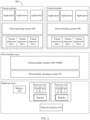
- FIG. 2 is a schematic diagram of a structure of a physical machine 200 according to an embodiment of this application.
- the physical machine 200 may include a hardware layer, a host machine layer, and a virtualization layer.
- the virtualization layer includes two virtual machines.
- the hardware layer includes hardware such as two processors 210, a memory 220, and a network interface 230 is used for description.
- the virtual machine may include a container (container), and the container is equivalent to an application.
- the virtualization layer may be implemented by using a lightweight virtualization technology, for example, a libOS.
- the libOS is a runtime library that can provide a function similar to that of an operating system and that can be linked with an application for running, so that all resources necessary for running of the application are managed by the application instead of the operating system.
- the libOS for example, unikernel, OSv, or dune, may be considered as a lightweight virtual computer.
- One libOS usually includes one application.
- An entire libOS includes one or more libraries, and the libOS is linked to the application to form a single address space image.
- a virtual machine implemented by using a conventional virtualization technology is usually used as an example.
- For another type of virtualization architecture refer to implementations of the virtual machine.
- the processor 210 may include one or more physical cores. (a physical core is sometimes referred to as a core for short in this application).
- each processor has a plurality of registers and two physical cores, that is, a core 0 and a core 1.
- the processor may include more or fewer cores, and different processors may include different quantities of cores.
- a host machine operating system 270 and a virtual machine monitor 280 are deployed in the host machine.
- the VMM 280 is equivalent to a hypervisor or another type of virtual monitoring apparatus in another virtualization architecture.
- the VMM 280 may be deployed inside the host machine operating system 270, or may be deployed separately from the host machine operating system 270.
- the VMM 280 is responsible for managing one or more virtual machines running on the VMM 280.
- a virtual machine may include a virtual hardware layer, a guest operating system 290, and a variety of applications.
- the virtual hardware layer includes virtual hardware, for example, a virtual memory (not shown in the figure), a virtual processor 210-v, and the like. As shown in FIG. 2 , in this embodiment, there are two virtual machines, and each virtual machine includes three virtual processors 210-v.
- the virtual processor 210-v is implemented by combining software and hardware, and running of the virtual processor 210-v is actually implemented by reading and running a software program by a physical core.
- a physical core reads a software program and runs the software program in a specific mode (for example, a non-Root mode of x86) of hardware-assisted virtualization of the physical core to implement one virtual processor 210-v. Therefore, the virtual processor 210-v needs to be scheduled to a specific physical core.
- a specific mode for example, a non-Root mode of x86
- the virtual processor 210-v and the physical core may be in a binding relationship. To be specific, if a virtual processor 210-v may always run on a specific physical core and cannot be scheduled to run on another physical core, the virtual processor is bound to a core. If a virtual processor 210-v may be scheduled to run on different physical cores based on requirements, the virtual processor is not bound to a core.
- a total quantity of virtual processors 210-v is 6, and is greater than a quantity 4 of physical cores.
- This scenario is referred to as physical processor overcommitment.
- a plurality of virtual processors may share a same physical core in a time slicing manner or in another manner.
- the shared physical core is referred to as a non-exclusive core.
- the non-exclusive core may also occur in a case of non-overcommitment. If a physical core is bound to a virtual processor and is not shared by another virtual processor, the physical core is an exclusive core.
- the VMM 280 is responsible for scheduling virtual processors 210-v of VMs.
- a kernel-based virtual machine KVM
- Scheduling of the virtual processors 210-v by the VMM 280 includes swapping in a virtual processor and swapping out a virtual processor.
- the VMM 280 creates and initializes an object of a VM, and then creates three virtual processors 210-v for the VM.
- one VM includes a plurality of virtual processors 210-v
- one virtual processor 210-v is a primary virtual processor
- the other virtual processors 210-v are subordinate virtual processors.
- the virtual processor 210-v is not associated with a physical core at the beginning of being created.
- the VMM 280 schedules a specific virtual processor 210-v onto a specific physical core according to a policy. This is referred to as swapping in a virtual processor.
- the VMM 280 suspends the virtual processor 210-v or migrates the virtual processor 210-v out of the physical core. This is referred to as swapping out a virtual processor.
- a core-binding scenario each time a virtual processor is swapped in, the virtual processor is scheduled onto a same core.
- the VMM 280 may determine, based on a current running status of a system and/or a scheduling algorithm, a core onto which the virtual processor 210-v is to be scheduled.
- a virtual processor 210-v may not immediately trap into running after being swapped in. Before the virtual processor 210-v is swapped in and does not trap in, a host machine (which specifically is the VMM) may further implement some configurations on the virtual processor 210-v, and then the virtual processor 210-v traps into a guest mode.
- a host machine which specifically is the VMM
- Embodiments of this application may be applied to a VM live migration scenario.
- Virtual machine live migration refers to a process of migrating a running virtual machine from an original host to a destination host, and a service deployed in an interrupted virtual machine has no perception in a migration process.
- a virtual machine runs on a host.
- the host is faulty or resources are not evenly allocated (for example, overload or underload)
- the virtual machine may be migrated, to ensure normal running of services on the virtual machine.
- application scenarios for live migration include but are not limited to the following several types.
- Scenario 1 When a host is faulty or overloaded, a running virtual machine may be migrated to another host to avoid service interruption, ensure normal running of a service, and implement elastic expansion.
- Scenario 2 When most hosts are underloaded, virtual machines may be migrated and integrated, to reduce a quantity of hosts, improve resource utilization, save energy, reduce emissions, and reduce costs.
- Scenario 3 When a host needs to upgrade and maintain hardware or software, to avoid affecting a service of a virtual machine on the host, the virtual machine needs to be migrated to another physical host in advance.
- a case in which a virtual machine needs to be migrated may exist. For example, when it is found, through monitoring, that a specific physical machine is overloaded, performance of a VM deteriorates, and contention for a central processing unit of the VM is excessively intense, a migration operation needs to be performed, to migrate a corresponding VM to another physical machine with available resources.
- a live migration (live migration) technology of a virtual machine that is, virtual machine saving/recovery, is usually used.
- the technology means that running statuses of all virtual machines are integrally saved and can be quickly restored to an original hardware platform or even a different hardware platform, and after the running statuses of the virtual machines are restored, the virtual machines still run smoothly, and a user does not notice any difference.
- a virtual machine migration process may be online migration, that is, migration is performed while ensuring normal running of a service on a source-end virtual machine.
- the source-end virtual machine may copy memory data to another physical host while running.
- the source-end virtual machine may stop running and copy a remaining small part of the memory data to the another physical host at one time.
- a destination virtual machine may be reactivated on the another physical host. This implements online migration of the virtual machine.
- a case in which a virtual machine needs to be migrated may exist. For example, when it is found, through monitoring, that a specific physical machine is overloaded, performance of a VM deteriorates, and contention for a central processing unit of the VM is excessively intense, a migration operation needs to be performed, to migrate a corresponding VM to another physical machine with available resources.
- a live migration (live migration) technology of a virtual machine that is, virtual machine saving/recovery, is usually used.
- the technology means that running statuses of all virtual machines are integrally saved and can be quickly restored to an original hardware platform or even a different hardware platform, and after the running statuses of the virtual machines are restored, the virtual machines still run smoothly, and a user does not notice any difference.
- FIG. 3 is a schematic diagram of live migration according to an embodiment of this application.
- a host 310 and a host 320 are included. Schematic diagrams of structures of the host 310 and the host 320 may be shown in FIG. 2 .
- the host 310 may include one or more virtual machines 311, a host machine layer 312, and a hardware layer 313.
- the host 320 may include one or more virtual machines 321, a host machine layer 322, and a hardware layer 323.
- the virtual machines in the host 310 may be migrated to the host 320.
- running statuses of all the virtual machines in the host 310 may be integrally stored, and can be quickly restored to the virtual machines 321 in the host 320 at the same time. After the running statuses of the virtual machines are restored, the virtual machines still run smoothly, and a user does not notice any difference.
- FIG. 4a is a schematic flowchart of a virtual machine migration method according to an embodiment of this application. As shown in FIG. 4a , the virtual machine migration method provided in embodiments of this application may include the following steps.
- Step 401 may be performed by a module such as a VMM or a QEMU in a physical machine.
- the virtual machine migration method in embodiments of this application may be applied to a physical machine, and a plurality of VMs including the first virtual machine VM and the second VM, and the module such as the VMM or the QEMU run on the physical machine.
- the module such as the VMM or the QEMU may obtain the migration cost of the first VM and the migration cost of the second VM, where the migration cost indicates a computing resource required during VM live migration.
- the module such as the VMM or the QEMU may further obtain a migration cost of another VM in the plurality of VMs other than the first VM and the second VM. This is not limited herein.
- Computing resources in the physical machine are limited, a large part of computing resources are allocated to running VMs for use, and there are few remaining available computing resources. Therefore, when a plurality of VMs running on the physical machine are live migrated, the plurality of VMs cannot be live migrated at the same time while ensuring that a load does not exceed a maximum limit. However, in some scenarios, for example, during a cold upgrade or hardware replacement of a host system, all virtual machines on a host need to be live migrated. In this case, a plurality of VMs need to be live migrated.
- a sequence of performing live migration on a plurality of VMs may be determined based on migration costs of the plurality of VMs when the plurality of VMs are live migrated.
- the plurality of VMs include the first VM and the second VM is used for description.
- a sequence of performing live migration on VMs may be determined based on migration costs of the VMs during migration.
- a VM with a low migration cost is preferentially live migrated, and a computing resource allocated to the VM on which live migration has been completed becomes idle. Then, a remaining VM with a high migration cost is live migrated by using the idle computing resource. This improves migration efficiency and reduces migration time overheads.
- the migration cost may indicate a computing resource (for example, may be a memory resource) required during VM live migration.
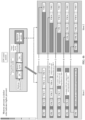
- FIG. 4b is a schematic diagram of live migration. Migration costs of a VM 5, a VM 4, a VM 3, a VM 4, and a VM 1 gradually decrease. Therefore, live migration may be first performed on the VM 5. After the VM 5 is live migrated, the VM 4 may be live migrated by using a computing resource previously allocated to the VM 5. After the VM 4 is live migrated, the VM 3 may be live migrated by using computing resources previously allocated to the VM 5 and the VM 4. After the VM 3 is live migrated, the VM 2 may be live migrated based on computing resources previously allocated to the VM 5, the VM 4, and the VM 3.
- the VM 1 may be live migrated by using computing resources previously allocated to the VM 5, the VM 4, the VM 3, and the VM 2. Further, the VM 5, the VM 4, the VM 3, the VM 4, and the VM 1 are live migrated from the host 1 to the host 2.
- the following describes how to determine a migration cost of a VM.
- the migration cost may be related to a dirty page change rate of a VM.
- a larger dirty page change rate indicates that I/O of the VM is larger, a large quantity of copying operations and a large quantity of times of copying need to be performed during live migration, and the migration cost is also very high. Therefore, the migration cost may be positively correlated with the dirty page change rate of the VM, that is, on the premise that other cases are the same, a higher dirty page change rate indicates a higher migration cost of the VM.
- the first VM and the second VM are used as an example.
- a dirty page change rate of the first VM may be obtained, and the migration cost of the first VM is determined based on the dirty page change rate of the first VM.
- a dirty page change rate of the second VM may be obtained, and the migration cost of the second VM is determined based on the dirty page change rate of the second VM.
- the migration cost is positively correlated with the dirty page change rate. That is, on the premise that other cases are the same, a higher dirty page change rate of the first VM indicates a higher migration cost of the first VM. Similarly, on the premise that other cases are the same, a higher dirty page change rate of the second VM indicates a higher migration cost of the second VM.
- the following describes how to determine a dirty page change rate of a VM.
- a hash value of a randomly sampled memory page may be compared with a hash value that is of the randomly sampled memory page and that is calculated after a period. If the hash value changes, it may be determined that the sampled memory page is a dirty page, and a dirty page change rate is calculated based on a quantity of dirty pages.
- a memory may be divided into a plurality of memory blocks (including a plurality of memory pages), and one first thread is allocated to each memory block, so that a plurality of first threads may collect, in parallel, statistics on a quantity of dirty pages in a corresponding memory block (each first thread may perform, for example, a process of randomly sampling a memory page, a process of calculating a hash value of the memory page, a process of determining a dirty page based on a change status of the hash value before and after a period, and a process of collecting statistics on a quantity of dirty pages).
- the first VM and the second VM are used as an example.
- a plurality of memory pages in a virtual memory of the first VM may be randomly sampled, and the dirty page change rate of the first VM is determined based on a change status of a hash value of each of the plurality of memory pages before and after a preset time interval.
- a plurality of memory pages in a virtual memory of the second VM may be randomly sampled, and the dirty page change rate of the second VM is determined based on a change status of a hash value of each of the plurality of memory pages before and after the preset time interval.
- the virtual memory of the first VM and the virtual memory of the second VM may be separately divided into M memory blocks, and one first thread is allocated to each memory block; a plurality of memory pages in a corresponding memory block are randomly sampled by using each of M first threads; change statuses of hash values of the plurality of memory pages in the corresponding memory block before and after the preset time interval are calculated in parallel by using each of the M first threads; and the dirty page change rates of the first VM and the second VM are determined based on a change status of a hash value of each of the plurality of memory pages before and after the preset time interval.
- the hash value of each memory page is obtained through calculation by using a hardware hash instruction.
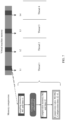
- a size of a virtual memory of a VM may be first obtained, and a quantity of sampled samples in the memory, sampling time, and a quantity of sampling threads (that is, the foregoing first thread) may be determined. Then, the memory of the virtual machine is cut into memory blocks, and one first thread is allocated to each memory block, where each first thread is responsible for sampling one memory block. Then, a sampled memory page is obtained, a hash value of the memory page is calculated by using a hardware hash instruction, the random sampling step is repeatedly performed until sampling ends, and the hash value is recorded.
- sampling is not performed within a sampling interval (that is, the foregoing preset time interval).
- a hash value of the foregoing randomly sampled memory page is calculated by using the hardware hash instruction, and the hash value calculated before the sampling interval is compared with the hash value calculated after the sampling interval, to determine whether the hash value changes.
- a quantity of dirty pages is accumulated by 1, and an address of the dirty page is recorded.
- a dirty page change rate may be calculated until execution of all threads is completed.
- a manner of calculating the dirty page change rate refer to a manner of calculating a dirty page change rate in the conventional technology. Details are not described herein again.
- the migration cost may be related to a size of a memory refresh range of a VM.
- a larger size of the memory refresh range indicates that a larger range of a memory page of the VM is modified, a large quantity of copying operations and a large quantity of times of copying need to be performed during live migration, and the migration cost is also very high. Therefore, the migration cost may be positively correlated with the size of the memory refresh range of the VM, that is, on the premise that other cases are the same, a larger size of the memory refresh range indicates a higher migration cost of the VM.
- the first VM and the second VM are used as an example.
- a size of a memory refresh range of the first VM may be obtained, and the migration cost of the first VM is determined based on the size of the memory refresh range of the first VM.
- a size of a memory refresh range of the second VM may be obtained, and the migration cost of the second VM is determined based on the size of the memory refresh range of the second VM.
- the migration cost is positively correlated with a size of a memory refresh range. That is, on the premise that other cases are the same, a larger size of the memory refresh range of the first VM indicates a higher migration cost of the first VM. Similarly, on the premise that other cases are the same, a larger size of the memory refresh range of the second VM indicates a higher migration cost of the second VM.
- a plurality of memory pages in a virtual memory of the first VM and a plurality of memory pages in a virtual memory of the second VM may be randomly sampled, and the sizes of the memory refresh ranges of the first VM and the second VM are determined based on a change status of a hash value of each of the plurality of memory pages before and after a preset time interval, where the hash value of each memory page is obtained through calculation by using a hardware hash instruction.
- the virtual memory of the first VM and the virtual memory of the second VM may be separately divided into M memory blocks, and one first thread is allocated to each memory block; a plurality of memory pages in a corresponding memory block are separately randomly sampled by using each of M first threads; and then change statuses of hash values of the plurality of memory pages in the corresponding memory block before and after the preset time interval are calculated in parallel by using each of the M first threads.
- a size of a virtual memory of a VM may be first obtained, and a quantity of sampled samples in the memory, sampling time, and a quantity of sampling threads (that is, the foregoing first thread) may be determined. Then, the memory of the virtual machine is cut into memory blocks, and one first thread is allocated to each memory block, where each first thread is responsible for sampling one memory block. Then, a sampled memory page is obtained, a hash value of the memory page is calculated by using a hardware hash instruction, the random sampling step is repeatedly performed until sampling ends, and the hash value is recorded.
- sampling is not performed within a sampling interval (that is, the foregoing preset time interval).
- a hash value of the foregoing randomly sampled memory page is calculated by using the hardware hash instruction, and the hash value calculated before the sampling interval is compared with the hash value calculated after the sampling interval, to determine whether the hash value changes.
- a quantity of dirty pages is accumulated by 1, and an address of the dirty page is recorded.
- a size of a memory refresh range may be calculated until execution of all threads is completed.
- a manner of calculating the size of the memory refresh range refer to manners of calculating a memory dirty page change rate in the foregoing embodiment and in the conventional technology. For similarities, details are not described herein again.
- VMs When live migration is just started, because most VMs are still running, few computing resources in the physical machine can be used. If some VMs with high migration costs are live migrated at this time, overload may occur, and a migration rate is excessively low.
- a VM for example, the first VM in embodiments of this application
- a low migration cost is preferentially live migrated, and when the first VM is live migrated, the second VM may run normally.
- a computing resource for example, the second computing resource allocated to the VM (for example, the first VM in embodiments of this application) on which live migration has been completed becomes idle. Then, a remaining VM (for example, the second VM in embodiments of this application) with a high migration cost is live migrated by using the idle computing resource (for example, the second computing resource). This improves migration efficiency and reduces migration time overheads.
- migration data may be compressed, to reduce a data volume during migration and improve migration efficiency.
- the second VM is used as an example. Threads (for example, N second threads below) used for data compression may be allocated to the second VM, and when the second VM is live migrated, the N second threads may be used to compress migration data of the second VM.
- the N second threads may be determined based on a size of the second computing resource, and the N second threads are bound to the second computing resource, where a value of N is positively correlated with the size of the second computing resource, that is, a larger size of the second computing resource indicates a larger value of N.
- a higher amount of concurrent compression processing on the migration data is performed, and compression processing may be performed at a higher speed.
- the migration data in the second VM may be compressed in parallel by using the N second threads, to obtain compressed migration data, and the second VM is live migrated based on the compressed migration data by using the second computing resource.
- a virtual machine with a small dirty page change rate and a small refresh range may be preferentially migrated based on virtual machine dirty page change rate prediction and memory layout prediction.
- multi-thread compression may be enabled based on a status of computing resources, and a compression thread (that is, the foregoing second thread) is dynamically bound to an idle CPU range.
- a virtual machine with a high compression rate may be preferentially migrated based on virtual machine compression rate prediction. The rest can be deduced by analogy.
- a virtual machine that is migrated later obtains more compression threads, has a larger indirect bandwidth, tolerates higher pressure, and has a higher migration speed.
- a sequence of performing migration on VMs may be further determined based on compression rates of the VMs.
- a third VM also runs on the physical machine.
- the second VM and the third VM are used as an example.
- a compression rate of the second VM and a compression rate of the third VM may be further calculated by using the second computing resource based on a case in which live migration on the first VM is completed, where the compression rate indicates a data compression rate for performing compression processing on data of a VM.
- live migration is performed, based on a case in which the compression rate of the second VM is higher than the compression rate of the third VM, on the second VM by using the second computing resource.
- live migration may be performed, based on a case in which live migration on the second VM is completed, on the third VM by using the second computing resource and a third computing resource, where the third computing resource is a computing resource allocated when the second VM runs on the physical machine.
- the virtual memory of the second VM and a virtual memory of the third VM may be separately divided into X memory blocks, and one third thread is allocated to each memory block; a plurality of memory pages in a corresponding memory block are randomly sampled by using each of X third threads; and the plurality of memory pages in the corresponding memory block are compressed in parallel by using each of the X third threads, to obtain a compression result, where the compression result is used to determine the compression rate of the second VM and the compression rate of the third VM.
- This is equivalent to using a plurality of threads to concurrently calculate a compression rate of a VM. Therefore, a calculating speed is improved.
- the compression thread may be dynamically bound to an idle resource of a host, so that the compression thread and a virtual machine thread are isolated and do not affect each other.
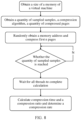
- FIG. 9 is a schematic flowchart of a live migration method.
- a virtual machine with a small dirty page change rate and a small refresh range may be preferentially migrated based on virtual machine dirty page change rate prediction and memory layout prediction.
- multi-thread compression is enabled based on a status of CPU resources of a host, and a compression thread is dynamically bound to an idle CPU range.
- a virtual machine with a high compression rate may be preferentially migrated based on virtual machine compression rate prediction. The rest can be deduced by analogy.
- a virtual machine that is migrated later obtains more compression threads, has a larger indirect bandwidth, tolerates higher pressure, and has a higher migration speed.
- Embodiments of this application may be used when all virtual machines on a host need to be live migrated during a cold upgrade or hardware replacement of a host system, so that the virtual machines on the host can tolerate higher pressure, and live migration is accelerated while supporting migration of a high-pressure virtual machine. Therefore, a migration speed is improved.
- lossless migration of a medium-pressure or high-pressure virtual machine may be supported, elastic compression migration can be implemented through migration orchestration and dynamic core binding of a migration thread, migration time of virtual machines is reduced by 20%, and a success rate of migrating virtual machines on a host is improved to 99.9%.
- accurate prediction of an online dirty page rate of a high-precision virtual machine may be implemented by using hardware acceleration and multi-thread acceleration, and a virtual machine memory sampling method may be used to implement pre-compression, obtain virtual machine migration compression effect, obtain virtual machine online memory profile prediction, and complete host-granularity migration sequence orchestration.
- lossless migration of low-pressure virtual machines is extended to lossless migration of medium-pressure and high-pressure virtual machines. Therefore, migration success rate is higher, overall migration time is shortened, and a migration success rate is improved.
- An embodiment of this application provides a virtual machine migration method, applied to a physical machine, where a plurality of VMs including a first virtual machine VM and a second VM run on the physical machine, and the method includes: obtaining a migration cost of the first VM and a migration cost of the second VM, where the migration cost indicates a computing resource required during VM live migration; performing, based on a case in which the migration cost of the first VM is less than the migration cost of the second VM, live migration on the first VM by using a first computing resource, where the first computing resource is an idle computing resource in the physical machine; and performing, based on a case in which live migration on the first VM is completed, live migration on the second VM by using a second computing resource, where the second computing resource is a computing resource allocated when the first VM runs on the physical machine.
- a sequence of performing live migration on VMs is determined based on migration costs of the VMs during migration.
- a VM with a low migration cost is preferentially live migrated, and a computing resource allocated to the VM on which live migration has been completed becomes idle. Then, a remaining VM with a high migration cost is live migrated by using the idle computing resource. This improves migration efficiency and reduces migration time overheads.
- FIG. 10 is a schematic diagram of a structure of a virtual machine migration apparatus according to an embodiment of this application.
- the virtual machine migration apparatus may be used in a physical machine, and a plurality of VMs including a first virtual machine VM and a second VM run on the physical machine.
- the apparatus 1000 includes: an obtaining module 1001, configured to obtain a migration cost of the first VM and a migration cost of the second VM, where the migration cost indicates a computing resource required during VM live migration.
- the apparatus 1000 further includes a live migration module 1002 that is configured to: perform, based on a case in which the migration cost of the first VM is less than the migration cost of the second VM, live migration on the first VM by using a first computing resource, where the first computing resource is an idle computing resource in the physical machine; and perform, based on a case in which live migration on the first VM is completed, live migration on the second VM by using a second computing resource, where the second computing resource is a computing resource allocated when the first VM runs on the physical machine.
- a live migration module 1002 that is configured to: perform, based on a case in which the migration cost of the first VM is less than the migration cost of the second VM, live migration on the first VM by using a first computing resource, where the first computing resource is an idle computing resource in the physical machine; and perform, based on a case in which live migration on the first VM is completed, live migration on the second VM by using a second computing resource, where the second computing resource is a computing
- live migration module 1002 For a specific description of the live migration module 1002, refer to the descriptions of the step 402 and the step 403 in the foregoing embodiments. Details are not described herein again.
- the obtaining module 1001 is specifically configured to: obtain dirty page change rates of the first VM and the second VM, and determine the migration cost of the first VM and the migration cost of the second VM based on the dirty page change rates, where the migration cost is positively correlated with the dirty page change rate.
- the obtaining module 1001 is specifically configured to:
- the obtaining module 1001 is specifically configured to: obtain sizes of memory refresh ranges of the first VM and the second VM, and determine the migration cost of the first VM and the migration cost of the second VM based on the sizes of the memory refresh ranges, where the migration cost is positively correlated with the size of the memory refresh range.
- the obtaining module 1001 is specifically configured to:
- the obtaining module 1001 is specifically configured to:
- the obtaining module 1001 before performing, based on a case in which live migration on the first VM is completed, live migration on the second VM by using the second computing resource, the obtaining module 1001 is further configured to: determine N second threads based on a size of the second computing resource, where a value of N is positively correlated with the size of the second computing resource, and the N second threads are configured to perform compression processing on migration data by using the second computing resource during VM live migration.
- the live migration module 1002 is specifically configured to:
- a third VM also runs on the physical machine.
- the live migration module 1002 is further configured to: before performing live migration on the second VM by using the second computing resource, calculate, based on a case in which live migration on the first VM is completed, a compression rate of the second VM and a compression rate of the third VM by using the second computing resource, where the compression rate indicates a data compression rate for performing compression processing on data of a VM.
- the live migration module 1002 is specifically configured to: perform, based on a case in which the compression rate of the second VM is higher than the compression rate of the third VM, live migration on the second VM by using the second computing resource.
- the live migration module 1002 is specifically configured to:
- the live migration module 1002 is further configured to: after performing live migration on the second VM by using the second computing resource, perform, based on a case in which live migration on the second VM is completed, live migration on the third VM by using the second computing resource and a third computing resource, where the third computing resource is a computing resource allocated when the second VM runs on the physical machine.
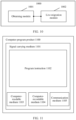
- FIG. 11 This application further provides a computer-readable storage medium.
- the method disclosed in FIG. 2 may be implemented as computer program instructions encoded in a machine-readable format on the computer-readable storage medium or encoded on another non-transitory medium or product.
- FIG. 11 schematically illustrates a conceptual partial view of an example computer program product arranged according to at least some embodiments shown herein.
- the example computer program product includes a computer program for executing a computer thread on a computing device.
- an example computer program product 1100 is provided by using a signal carrying medium 1101.
- the signal carrying medium 1101 may include one or more program instructions 1102, and when the one or more program instructions 1102 are run by one or more processors, the functions or some of the functions described in FIG.
- step 401 to the step 403 may be provided. Therefore, for example, with reference to the embodiment shown in FIG. 4a , one or more of features in the step 401 to the step 403 may be borne by one or more instructions associated with the signal carrying medium 1101.
- program instructions 1102 in FIG. 11 are also described as example instructions.
- the computer program product may also refer to a pure software program, that is, the computer program product does not include a storage medium.
- Many computer program products in the conventional technology are produced and sold in a form of "software", for example, a terminal device may download a software application.
- the signal carrying medium 1101 may include a computer-readable medium 1103, such as, but not limited to, a hard disk drive, a compact disc (CD), a digital video disc (DVD), a digital magnetic tape, a memory, a read-only memory (Read-Only Memory, ROM), or a random access memory (Random Access Memory, RAM).
- the signal carrying medium 1101 may include a computer-recordable medium 1104, such as, but not limited to, a memory, a read/write (R/W) CD, an R/W DVD, and the like.
- the signal carrying medium 1101 may include a communication medium 1105, such as, but not limited to, a digital and/or analog communication medium (for example, a fiber optic cable, a waveguide, a wired communication link, a wireless communication link, and the like). Therefore, for example, the signal carrying medium 1101 may be conveyed by the communication medium 1105 in a wireless form (for example, a wireless communication medium that complies with the IEEE 1102.11 standard or another transmission protocol).
- the one or more program instructions 1102 may be, for example, one or more computer-executable instructions or one or more logic implementation instructions.
- a computing device may be configured to provide various operations, functions, or actions in response to the program instructions 1102 transmitted to the computing device through one or more of the computer-readable medium 1103, the computer-recordable medium 1104, and/or the communication medium 1105.
- FIG. 12 is a schematic diagram of a possible logical structure of a computer device 120 in the foregoing embodiments according to an embodiment of this application.
- the computer device 120 may be the virtual machine migration apparatus in FIG. 10 .
- the computer device 120 may include a processor 1201, a communication interface 1202, a memory 1203, and a bus 1204.
- the processor 1201, the communication interface 1202, and the memory 1203 are connected to each other through the bus 1204.
- the processor 1201 is configured to perform steps in the step 401 to the step 403 in the embodiment shown in FIG. 4a .
- the communication interface 1202 is configured to support the computer device 120 in performing communication. For example, the communication interface 1202 may perform steps related to receiving or sending in the foregoing method embodiments.
- the memory 1203 is configured to store program code and data of a database server.
- the processor 1201 may be a central processing unit, a general-purpose processor, a digital signal processor, an application-specific integrated circuit, a field programmable gate array or another programmable logic device, a transistor logic device, a hardware component, or any combination thereof.
- the processor may implement or execute various example logical blocks, modules, and circuits described with reference to content disclosed in this application.
- the processor may be a combination of processors implementing a computing function.
- the processor may be a combination of one or more microprocessors or a combination of the digital signal processor and a microprocessor.
- the bus 1204 may be a peripheral component interconnect (Peripheral Component Interconnect, PCI) bus, an extended industry standard architecture (Extended Industry Standard Architecture, EISA) bus, or the like. Buses may be classified into an address bus, a data bus, a control bus, and the like. For ease of representation, only one bold line is used to indicate the bus in FIG. 12 , but this does not mean that there is only one bus or only one type of bus.
- PCI peripheral component interconnect
- EISA Extended Industry Standard Architecture
- a chip system is further provided.
- the chip system includes a processor that is configured to support a time series data injection apparatus or a time series data query apparatus in implementing the virtual machine migration method described in the embodiment shown in FIG. 4a .
- the chip system may further include a memory, and the memory is configured to store program instructions and data that are necessary for an apparatus used to manage data of an application program.
- the chip system may include a chip, or may include a chip and another discrete component.
- the disclosed system, apparatus, and method may be implemented in another manner.
- the described apparatus embodiment is merely an example.
- division into the units is merely logical function division and may be other division in actual implementation.
- a plurality of units or components may be combined or integrated into another system, or some features may be ignored or not performed.
- the displayed or discussed mutual couplings or direct couplings or communication connections may be implemented by using some interfaces.
- the indirect couplings or communication connections between the apparatuses or units may be implemented in electronic, mechanical, or another form.
- the units described as separate parts may or may not be physically separate, and parts displayed as units may or may not be physical units, that is, the parts may be located in one position, or may be distributed on a plurality of network units. Some or all of the units may be selected based on actual requirements to achieve the objectives of the solutions of embodiments.
- the functions When functions are implemented in the form of a software functional unit and sold or used as an independent product, the functions may be stored in a computer-readable storage medium. Based on such an understanding, the technical solutions of embodiments of this application essentially, or the part contributing to the conventional technology, or some of the technical solutions may be implemented in a form of a software product.
- the computer software product is stored in a storage medium, and includes several instructions for instructing a computer device (which may be a personal computer, a server, or a network device, or the like) to perform all or some of the steps of the methods described in embodiments of this application.
- the foregoing storage medium includes any medium that can store program code, such as a USB flash drive, a removable hard disk, a read-only memory (Read-Only Memory, ROM), a random access memory (Random Access Memory, RAM), a magnetic disk, or an optical disc.
- program code such as a USB flash drive, a removable hard disk, a read-only memory (Read-Only Memory, ROM), a random access memory (Random Access Memory, RAM), a magnetic disk, or an optical disc.
Landscapes
- Engineering & Computer Science (AREA)
- Software Systems (AREA)
- Theoretical Computer Science (AREA)
- Physics & Mathematics (AREA)
- General Engineering & Computer Science (AREA)
- General Physics & Mathematics (AREA)
- Information Retrieval, Db Structures And Fs Structures Therefor (AREA)
Applications Claiming Priority (2)
| Application Number | Priority Date | Filing Date | Title |
|---|---|---|---|
| CN202110745182.5A CN115543530A (zh) | 2021-06-30 | 2021-06-30 | 一种虚拟机迁移方法以及相关装置 |
| PCT/CN2022/100987 WO2023274049A1 (fr) | 2021-06-30 | 2022-06-24 | Procédé de migration de machine virtuelle et appareil associé |
Publications (3)
| Publication Number | Publication Date |
|---|---|
| EP4332764A1 true EP4332764A1 (fr) | 2024-03-06 |
| EP4332764A4 EP4332764A4 (fr) | 2024-03-06 |
| EP4332764B1 EP4332764B1 (fr) | 2025-12-24 |
Family
ID=84690056
Family Applications (1)
| Application Number | Title | Priority Date | Filing Date |
|---|---|---|---|
| EP22831863.0A Active EP4332764B1 (fr) | 2021-06-30 | 2022-06-24 | Procédé de migration de machine virtuelle et appareil associé |
Country Status (3)
| Country | Link |
|---|---|
| EP (1) | EP4332764B1 (fr) |
| CN (1) | CN115543530A (fr) |
| WO (1) | WO2023274049A1 (fr) |
Families Citing this family (4)
| Publication number | Priority date | Publication date | Assignee | Title |
|---|---|---|---|---|
| CN115794315B (zh) * | 2023-02-02 | 2023-06-23 | 天翼云科技有限公司 | 脏页速率的统计方法及装置、电子设备和存储介质 |
| CN116382855B (zh) * | 2023-05-26 | 2024-02-20 | 工业富联(佛山)创新中心有限公司 | 虚拟机迁移方法、电子设备及计算机存储介质 |
| CN117806776B (zh) * | 2024-02-29 | 2024-05-10 | 山东海量信息技术研究院 | 一种数据迁移方法、装置及电子设备和存储介质 |
| CN117827467B (zh) * | 2024-03-05 | 2024-05-10 | 南京群顶科技股份有限公司 | 一种基于动态画像的虚拟机资源调配方法 |
Family Cites Families (10)
| Publication number | Priority date | Publication date | Assignee | Title |
|---|---|---|---|---|
| KR101586598B1 (ko) * | 2012-01-10 | 2016-01-18 | 후지쯔 가부시끼가이샤 | 가상 머신 관리 기록 매체, 방법 및 장치 |
| CN102790793A (zh) * | 2012-05-08 | 2012-11-21 | 北京邮电大学 | 一种面向云计算虚拟机迁移的决策方法及控制模块 |
| CN102866915B (zh) * | 2012-08-21 | 2015-08-26 | 华为技术有限公司 | 虚拟化集群整合方法、装置及虚拟化集群系统 |
| CN103685256B (zh) * | 2013-12-06 | 2017-08-04 | 华为技术有限公司 | 一种虚拟机迁移管理方法、装置及系统 |
| US9996377B2 (en) * | 2015-06-30 | 2018-06-12 | International Business Machines Corporation | Virtual machine migration via a mobile device |
| CN107919986B (zh) * | 2017-11-09 | 2020-09-08 | 北京邮电大学 | 超密集网络中mec节点间vm迁移优化方法 |
| CN109408195B (zh) * | 2018-09-05 | 2022-04-22 | 华为云计算技术有限公司 | 虚拟机热迁移方法及装置 |
| CN112433812B (zh) * | 2020-11-19 | 2024-07-02 | 北京浪潮数据技术有限公司 | 一种虚拟机跨集群迁移方法、系统、设备及计算机介质 |
| CN112379974A (zh) * | 2020-12-04 | 2021-02-19 | 海光信息技术股份有限公司 | 一种虚拟机热迁移系统及其热迁移方法 |
| CN112988332B (zh) * | 2021-04-26 | 2021-09-21 | 杭州优云科技有限公司 | 一种虚拟机热迁移预测方法、系统和计算机可读存储介质 |
-
2021
- 2021-06-30 CN CN202110745182.5A patent/CN115543530A/zh active Pending
-
2022
- 2022-06-24 EP EP22831863.0A patent/EP4332764B1/fr active Active
- 2022-06-24 WO PCT/CN2022/100987 patent/WO2023274049A1/fr not_active Ceased
Also Published As
| Publication number | Publication date |
|---|---|
| CN115543530A (zh) | 2022-12-30 |
| EP4332764A4 (fr) | 2024-03-06 |
| WO2023274049A1 (fr) | 2023-01-05 |
| EP4332764B1 (fr) | 2025-12-24 |
Similar Documents
| Publication | Publication Date | Title |
|---|---|---|
| EP4332764A1 (fr) | Procédé de migration de machine virtuelle et appareil associé | |
| US10372493B2 (en) | Thread and/or virtual machine scheduling for cores with diverse capabilities | |
| US10691363B2 (en) | Virtual machine trigger | |
| US9135080B2 (en) | Dynamically assigning a portion of physical computing resource to logical partitions based on characteristics of executing logical partitions | |
| US11579918B2 (en) | Optimizing host CPU usage based on virtual machine guest OS power and performance management | |
| US9268394B2 (en) | Virtualized application power budgeting | |
| US8832693B2 (en) | Runtime virtual process creation for load sharing | |
| CN104252319B (zh) | 针对多个逻辑分区的备份管理 | |
| US8904145B2 (en) | Adjusting memory allocation of a partition using compressed memory paging statistics | |
| CN103473135A (zh) | 虚拟化环境下自旋锁lhp现象的处理方法 | |
| CN106250217A (zh) | 一种多虚拟处理器间的同步调度方法及其调度系统 | |
| US9645841B2 (en) | Dynamic virtual machine storage usage monitoring, provisioning, and migration | |
| CN107528871B (zh) | 存储系统中的数据分析 | |
| US11327889B2 (en) | Multi-access to a data file stored in a data-storage system related to a buffer memory | |
| US20210109757A1 (en) | Deterministic execution replay for multicore systems | |
| US20140298352A1 (en) | Computer with plurality of processors sharing process queue, and process dispatch processing method | |
| US20230393874A1 (en) | Efficient pagefaults for virtual machines | |
| CN119025218A (zh) | 一种虚拟机数据迁移方法及设备 | |
| CN120045277A (zh) | 虚拟机的迁移方法和装置、存储介质 | |
| CN119987935A (zh) | 一种虚拟机的数据迁移方法及相关装置 |
Legal Events
| Date | Code | Title | Description |
|---|---|---|---|
| STAA | Information on the status of an ep patent application or granted ep patent |
Free format text: STATUS: THE INTERNATIONAL PUBLICATION HAS BEEN MADE |
|
| PUAI | Public reference made under article 153(3) epc to a published international application that has entered the european phase |
Free format text: ORIGINAL CODE: 0009012 |
|
| STAA | Information on the status of an ep patent application or granted ep patent |
Free format text: STATUS: REQUEST FOR EXAMINATION WAS MADE |
|
| 17P | Request for examination filed |
Effective date: 20231129 |
|
| A4 | Supplementary search report drawn up and despatched |
Effective date: 20240102 |
|
| AK | Designated contracting states |
Kind code of ref document: A1 Designated state(s): AL AT BE BG CH CY CZ DE DK EE ES FI FR GB GR HR HU IE IS IT LI LT LU LV MC MK MT NL NO PL PT RO RS SE SI SK SM TR |
|
| DAV | Request for validation of the european patent (deleted) | ||
| DAX | Request for extension of the european patent (deleted) | ||
| REG | Reference to a national code |
Ref country code: DE Free format text: PREVIOUS MAIN CLASS: G06F0009480000 Ref country code: DE Ref legal event code: R079 Ref document number: 602022027578 Country of ref document: DE Free format text: PREVIOUS MAIN CLASS: G06F0009480000 Ipc: G06F0009455000 |
|
| GRAP | Despatch of communication of intention to grant a patent |
Free format text: ORIGINAL CODE: EPIDOSNIGR1 |
|
| STAA | Information on the status of an ep patent application or granted ep patent |
Free format text: STATUS: GRANT OF PATENT IS INTENDED |
|
| RIC1 | Information provided on ipc code assigned before grant |
Ipc: G06F 9/455 20180101AFI20250818BHEP Ipc: G06F 9/50 20060101ALI20250818BHEP Ipc: G06F 9/48 20060101ALI20250818BHEP |
|
| INTG | Intention to grant announced |
Effective date: 20250829 |
|
| GRAS | Grant fee paid |
Free format text: ORIGINAL CODE: EPIDOSNIGR3 |
|
| GRAA | (expected) grant |
Free format text: ORIGINAL CODE: 0009210 |
|
| STAA | Information on the status of an ep patent application or granted ep patent |
Free format text: STATUS: THE PATENT HAS BEEN GRANTED |
|
| AK | Designated contracting states |
Kind code of ref document: B1 Designated state(s): AL AT BE BG CH CY CZ DE DK EE ES FI FR GB GR HR HU IE IS IT LI LT LU LV MC MK MT NL NO PL PT RO RS SE SI SK SM TR |
|
| REG | Reference to a national code |
Ref country code: CH Ref legal event code: F10 Free format text: ST27 STATUS EVENT CODE: U-0-0-F10-F00 (AS PROVIDED BY THE NATIONAL OFFICE) Effective date: 20251224 Ref country code: GB Ref legal event code: FG4D |
|
| REG | Reference to a national code |
Ref country code: DE Ref legal event code: R096 Ref document number: 602022027578 Country of ref document: DE |
|
| REG | Reference to a national code |
Ref country code: LT Ref legal event code: MG9D |
|
| PG25 | Lapsed in a contracting state [announced via postgrant information from national office to epo] |
Ref country code: NO Free format text: LAPSE BECAUSE OF FAILURE TO SUBMIT A TRANSLATION OF THE DESCRIPTION OR TO PAY THE FEE WITHIN THE PRESCRIBED TIME-LIMIT Effective date: 20260324 |
|
| PG25 | Lapsed in a contracting state [announced via postgrant information from national office to epo] |
Ref country code: FI Free format text: LAPSE BECAUSE OF FAILURE TO SUBMIT A TRANSLATION OF THE DESCRIPTION OR TO PAY THE FEE WITHIN THE PRESCRIBED TIME-LIMIT Effective date: 20251224 Ref country code: HR Free format text: LAPSE BECAUSE OF FAILURE TO SUBMIT A TRANSLATION OF THE DESCRIPTION OR TO PAY THE FEE WITHIN THE PRESCRIBED TIME-LIMIT Effective date: 20251224 |
|
| PG25 | Lapsed in a contracting state [announced via postgrant information from national office to epo] |
Ref country code: RS Free format text: LAPSE BECAUSE OF FAILURE TO SUBMIT A TRANSLATION OF THE DESCRIPTION OR TO PAY THE FEE WITHIN THE PRESCRIBED TIME-LIMIT Effective date: 20260324 |
|
| PG25 | Lapsed in a contracting state [announced via postgrant information from national office to epo] |
Ref country code: LV Free format text: LAPSE BECAUSE OF FAILURE TO SUBMIT A TRANSLATION OF THE DESCRIPTION OR TO PAY THE FEE WITHIN THE PRESCRIBED TIME-LIMIT Effective date: 20251224 |