EP4335920A2 - Utilisation de rhoa dans le diagnostic du cancer et le criblage d'inhibiteurs - Google Patents
Utilisation de rhoa dans le diagnostic du cancer et le criblage d'inhibiteurs Download PDFInfo
- Publication number
- EP4335920A2 EP4335920A2 EP23217148.8A EP23217148A EP4335920A2 EP 4335920 A2 EP4335920 A2 EP 4335920A2 EP 23217148 A EP23217148 A EP 23217148A EP 4335920 A2 EP4335920 A2 EP 4335920A2
- Authority
- EP
- European Patent Office
- Prior art keywords
- cancer
- rhoa
- amino acid
- polypeptide
- seq
- Prior art date
- Legal status (The legal status is an assumption and is not a legal conclusion. Google has not performed a legal analysis and makes no representation as to the accuracy of the status listed.)
- Pending
Links
Images



Classifications
-
- C—CHEMISTRY; METALLURGY
- C12—BIOCHEMISTRY; BEER; SPIRITS; WINE; VINEGAR; MICROBIOLOGY; ENZYMOLOGY; MUTATION OR GENETIC ENGINEERING
- C12Q—MEASURING OR TESTING PROCESSES INVOLVING ENZYMES, NUCLEIC ACIDS OR MICROORGANISMS; COMPOSITIONS OR TEST PAPERS THEREFOR; PROCESSES OF PREPARING SUCH COMPOSITIONS; CONDITION-RESPONSIVE CONTROL IN MICROBIOLOGICAL OR ENZYMOLOGICAL PROCESSES
- C12Q1/00—Measuring or testing processes involving enzymes, nucleic acids or microorganisms; Compositions therefor; Processes of preparing such compositions
- C12Q1/68—Measuring or testing processes involving enzymes, nucleic acids or microorganisms; Compositions therefor; Processes of preparing such compositions involving nucleic acids
- C12Q1/6876—Nucleic acid products used in the analysis of nucleic acids, e.g. primers or probes
- C12Q1/6883—Nucleic acid products used in the analysis of nucleic acids, e.g. primers or probes for diseases caused by alterations of genetic material
- C12Q1/6886—Nucleic acid products used in the analysis of nucleic acids, e.g. primers or probes for diseases caused by alterations of genetic material for cancer
-
- C—CHEMISTRY; METALLURGY
- C07—ORGANIC CHEMISTRY
- C07K—PEPTIDES
- C07K14/00—Peptides having more than 20 amino acids; Gastrins; Somatostatins; Melanotropins; Derivatives thereof
- C07K14/435—Peptides having more than 20 amino acids; Gastrins; Somatostatins; Melanotropins; Derivatives thereof from animals; from humans
- C07K14/705—Receptors; Cell surface antigens; Cell surface determinants
-
- A—HUMAN NECESSITIES
- A61—MEDICAL OR VETERINARY SCIENCE; HYGIENE
- A61K—PREPARATIONS FOR MEDICAL, DENTAL OR TOILETRY PURPOSES
- A61K31/00—Medicinal preparations containing organic active ingredients
- A61K31/70—Carbohydrates; Sugars; Derivatives thereof
- A61K31/7088—Compounds having three or more nucleosides or nucleotides
- A61K31/713—Double-stranded nucleic acids or oligonucleotides
-
- A—HUMAN NECESSITIES
- A61—MEDICAL OR VETERINARY SCIENCE; HYGIENE
- A61P—SPECIFIC THERAPEUTIC ACTIVITY OF CHEMICAL COMPOUNDS OR MEDICINAL PREPARATIONS
- A61P35/00—Antineoplastic agents
-
- C—CHEMISTRY; METALLURGY
- C12—BIOCHEMISTRY; BEER; SPIRITS; WINE; VINEGAR; MICROBIOLOGY; ENZYMOLOGY; MUTATION OR GENETIC ENGINEERING
- C12N—MICROORGANISMS OR ENZYMES; COMPOSITIONS THEREOF; PROPAGATING, PRESERVING, OR MAINTAINING MICROORGANISMS; MUTATION OR GENETIC ENGINEERING; CULTURE MEDIA
- C12N15/00—Mutation or genetic engineering; DNA or RNA concerning genetic engineering, vectors, e.g. plasmids, or their isolation, preparation or purification; Use of hosts therefor
- C12N15/09—Recombinant DNA-technology
- C12N15/11—DNA or RNA fragments; Modified forms thereof; Non-coding nucleic acids having a biological activity
- C12N15/113—Non-coding nucleic acids modulating the expression of genes, e.g. antisense oligonucleotides; Antisense DNA or RNA; Triplex- forming oligonucleotides; Catalytic nucleic acids, e.g. ribozymes; Nucleic acids used in co-suppression or gene silencing
- C12N15/1137—Non-coding nucleic acids modulating the expression of genes, e.g. antisense oligonucleotides; Antisense DNA or RNA; Triplex- forming oligonucleotides; Catalytic nucleic acids, e.g. ribozymes; Nucleic acids used in co-suppression or gene silencing against enzymes
-
- C—CHEMISTRY; METALLURGY
- C12—BIOCHEMISTRY; BEER; SPIRITS; WINE; VINEGAR; MICROBIOLOGY; ENZYMOLOGY; MUTATION OR GENETIC ENGINEERING
- C12N—MICROORGANISMS OR ENZYMES; COMPOSITIONS THEREOF; PROPAGATING, PRESERVING, OR MAINTAINING MICROORGANISMS; MUTATION OR GENETIC ENGINEERING; CULTURE MEDIA
- C12N9/00—Enzymes; Proenzymes; Compositions thereof; Processes for preparing, activating, inhibiting, separating or purifying enzymes
- C12N9/14—Hydrolases (3)
-
- G—PHYSICS
- G01—MEASURING; TESTING
- G01N—INVESTIGATING OR ANALYSING MATERIALS BY DETERMINING THEIR CHEMICAL OR PHYSICAL PROPERTIES
- G01N33/00—Investigating or analysing materials by specific methods not covered by groups G01N1/00 - G01N31/00
- G01N33/48—Biological material, e.g. blood, urine; Haemocytometers
- G01N33/50—Chemical analysis of biological material, e.g. blood, urine; Testing involving biospecific ligand binding methods; Immunological testing
- G01N33/5005—Chemical analysis of biological material, e.g. blood, urine; Testing involving biospecific ligand binding methods; Immunological testing involving human or animal cells
- G01N33/5008—Chemical analysis of biological material, e.g. blood, urine; Testing involving biospecific ligand binding methods; Immunological testing involving human or animal cells for testing or evaluating the effect of chemical or biological compounds, e.g. drugs, cosmetics
- G01N33/5011—Chemical analysis of biological material, e.g. blood, urine; Testing involving biospecific ligand binding methods; Immunological testing involving human or animal cells for testing or evaluating the effect of chemical or biological compounds, e.g. drugs, cosmetics for testing antineoplastic activity
-
- G—PHYSICS
- G01—MEASURING; TESTING
- G01N—INVESTIGATING OR ANALYSING MATERIALS BY DETERMINING THEIR CHEMICAL OR PHYSICAL PROPERTIES
- G01N33/00—Investigating or analysing materials by specific methods not covered by groups G01N1/00 - G01N31/00
- G01N33/48—Biological material, e.g. blood, urine; Haemocytometers
- G01N33/50—Chemical analysis of biological material, e.g. blood, urine; Testing involving biospecific ligand binding methods; Immunological testing
- G01N33/53—Immunoassay; Biospecific binding assay; Materials therefor
- G01N33/575—Immunoassay; Biospecific binding assay; Materials therefor for cancer
-
- G—PHYSICS
- G01—MEASURING; TESTING
- G01N—INVESTIGATING OR ANALYSING MATERIALS BY DETERMINING THEIR CHEMICAL OR PHYSICAL PROPERTIES
- G01N33/00—Investigating or analysing materials by specific methods not covered by groups G01N1/00 - G01N31/00
- G01N33/48—Biological material, e.g. blood, urine; Haemocytometers
- G01N33/50—Chemical analysis of biological material, e.g. blood, urine; Testing involving biospecific ligand binding methods; Immunological testing
- G01N33/53—Immunoassay; Biospecific binding assay; Materials therefor
- G01N33/575—Immunoassay; Biospecific binding assay; Materials therefor for cancer
- G01N33/57515—Immunoassay; Biospecific binding assay; Materials therefor for cancer of the breast
-
- G—PHYSICS
- G01—MEASURING; TESTING
- G01N—INVESTIGATING OR ANALYSING MATERIALS BY DETERMINING THEIR CHEMICAL OR PHYSICAL PROPERTIES
- G01N33/00—Investigating or analysing materials by specific methods not covered by groups G01N1/00 - G01N31/00
- G01N33/48—Biological material, e.g. blood, urine; Haemocytometers
- G01N33/50—Chemical analysis of biological material, e.g. blood, urine; Testing involving biospecific ligand binding methods; Immunological testing
- G01N33/53—Immunoassay; Biospecific binding assay; Materials therefor
- G01N33/575—Immunoassay; Biospecific binding assay; Materials therefor for cancer
- G01N33/5752—Immunoassay; Biospecific binding assay; Materials therefor for cancer of the lungs
-
- G—PHYSICS
- G01—MEASURING; TESTING
- G01N—INVESTIGATING OR ANALYSING MATERIALS BY DETERMINING THEIR CHEMICAL OR PHYSICAL PROPERTIES
- G01N33/00—Investigating or analysing materials by specific methods not covered by groups G01N1/00 - G01N31/00
- G01N33/48—Biological material, e.g. blood, urine; Haemocytometers
- G01N33/50—Chemical analysis of biological material, e.g. blood, urine; Testing involving biospecific ligand binding methods; Immunological testing
- G01N33/53—Immunoassay; Biospecific binding assay; Materials therefor
- G01N33/575—Immunoassay; Biospecific binding assay; Materials therefor for cancer
- G01N33/5753—Immunoassay; Biospecific binding assay; Materials therefor for cancer of the stomach or small intestine
-
- G—PHYSICS
- G01—MEASURING; TESTING
- G01N—INVESTIGATING OR ANALYSING MATERIALS BY DETERMINING THEIR CHEMICAL OR PHYSICAL PROPERTIES
- G01N33/00—Investigating or analysing materials by specific methods not covered by groups G01N1/00 - G01N31/00
- G01N33/48—Biological material, e.g. blood, urine; Haemocytometers
- G01N33/50—Chemical analysis of biological material, e.g. blood, urine; Testing involving biospecific ligand binding methods; Immunological testing
- G01N33/53—Immunoassay; Biospecific binding assay; Materials therefor
- G01N33/575—Immunoassay; Biospecific binding assay; Materials therefor for cancer
- G01N33/57535—Immunoassay; Biospecific binding assay; Materials therefor for cancer of the large intestine, e.g. colon, rectum or anus
-
- C—CHEMISTRY; METALLURGY
- C12—BIOCHEMISTRY; BEER; SPIRITS; WINE; VINEGAR; MICROBIOLOGY; ENZYMOLOGY; MUTATION OR GENETIC ENGINEERING
- C12N—MICROORGANISMS OR ENZYMES; COMPOSITIONS THEREOF; PROPAGATING, PRESERVING, OR MAINTAINING MICROORGANISMS; MUTATION OR GENETIC ENGINEERING; CULTURE MEDIA
- C12N2310/00—Structure or type of the nucleic acid
- C12N2310/10—Type of nucleic acid
- C12N2310/14—Type of nucleic acid interfering nucleic acids [NA]
-
- C—CHEMISTRY; METALLURGY
- C12—BIOCHEMISTRY; BEER; SPIRITS; WINE; VINEGAR; MICROBIOLOGY; ENZYMOLOGY; MUTATION OR GENETIC ENGINEERING
- C12N—MICROORGANISMS OR ENZYMES; COMPOSITIONS THEREOF; PROPAGATING, PRESERVING, OR MAINTAINING MICROORGANISMS; MUTATION OR GENETIC ENGINEERING; CULTURE MEDIA
- C12N2320/00—Applications; Uses
- C12N2320/30—Special therapeutic applications
-
- C—CHEMISTRY; METALLURGY
- C12—BIOCHEMISTRY; BEER; SPIRITS; WINE; VINEGAR; MICROBIOLOGY; ENZYMOLOGY; MUTATION OR GENETIC ENGINEERING
- C12Q—MEASURING OR TESTING PROCESSES INVOLVING ENZYMES, NUCLEIC ACIDS OR MICROORGANISMS; COMPOSITIONS OR TEST PAPERS THEREFOR; PROCESSES OF PREPARING SUCH COMPOSITIONS; CONDITION-RESPONSIVE CONTROL IN MICROBIOLOGICAL OR ENZYMOLOGICAL PROCESSES
- C12Q2600/00—Oligonucleotides characterized by their use
- C12Q2600/136—Screening for pharmacological compounds
-
- C—CHEMISTRY; METALLURGY
- C12—BIOCHEMISTRY; BEER; SPIRITS; WINE; VINEGAR; MICROBIOLOGY; ENZYMOLOGY; MUTATION OR GENETIC ENGINEERING
- C12Q—MEASURING OR TESTING PROCESSES INVOLVING ENZYMES, NUCLEIC ACIDS OR MICROORGANISMS; COMPOSITIONS OR TEST PAPERS THEREFOR; PROCESSES OF PREPARING SUCH COMPOSITIONS; CONDITION-RESPONSIVE CONTROL IN MICROBIOLOGICAL OR ENZYMOLOGICAL PROCESSES
- C12Q2600/00—Oligonucleotides characterized by their use
- C12Q2600/156—Polymorphic or mutational markers
-
- C—CHEMISTRY; METALLURGY
- C12—BIOCHEMISTRY; BEER; SPIRITS; WINE; VINEGAR; MICROBIOLOGY; ENZYMOLOGY; MUTATION OR GENETIC ENGINEERING
- C12Q—MEASURING OR TESTING PROCESSES INVOLVING ENZYMES, NUCLEIC ACIDS OR MICROORGANISMS; COMPOSITIONS OR TEST PAPERS THEREFOR; PROCESSES OF PREPARING SUCH COMPOSITIONS; CONDITION-RESPONSIVE CONTROL IN MICROBIOLOGICAL OR ENZYMOLOGICAL PROCESSES
- C12Q2600/00—Oligonucleotides characterized by their use
- C12Q2600/158—Expression markers
-
- C—CHEMISTRY; METALLURGY
- C12—BIOCHEMISTRY; BEER; SPIRITS; WINE; VINEGAR; MICROBIOLOGY; ENZYMOLOGY; MUTATION OR GENETIC ENGINEERING
- C12Q—MEASURING OR TESTING PROCESSES INVOLVING ENZYMES, NUCLEIC ACIDS OR MICROORGANISMS; COMPOSITIONS OR TEST PAPERS THEREFOR; PROCESSES OF PREPARING SUCH COMPOSITIONS; CONDITION-RESPONSIVE CONTROL IN MICROBIOLOGICAL OR ENZYMOLOGICAL PROCESSES
- C12Q2600/00—Oligonucleotides characterized by their use
- C12Q2600/178—Oligonucleotides characterized by their use miRNA, siRNA or ncRNA
-
- C—CHEMISTRY; METALLURGY
- C12—BIOCHEMISTRY; BEER; SPIRITS; WINE; VINEGAR; MICROBIOLOGY; ENZYMOLOGY; MUTATION OR GENETIC ENGINEERING
- C12Y—ENZYMES
- C12Y306/00—Hydrolases acting on acid anhydrides (3.6)
- C12Y306/05—Hydrolases acting on acid anhydrides (3.6) acting on GTP; involved in cellular and subcellular movement (3.6.5)
- C12Y306/05002—Small monomeric GTPase (3.6.5.2)
Definitions
- the present invention relates to a RHOA polypeptide comprising mutation(s), a polynucleotide encoding the polypeptide, a vector and a host cell comprising the polynucleotide.
- the present invention also relates to a method of screening therapeutic agents for cancer comprising the polypeptide and/or the polynucleotide, a method of detecting the cancer, and a therapeutic agent for cancer to be administered to a subject with the cancer.
- Gastric cancer is the 4th most common cancer in men worldwide, following lung cancer, prostate cancer, and colorectal cancer and is the 5th most common cancer in women (Non Patent Literature 1). Gastric cancer killed an estimated 464,000 men and an estimated 273,000 women in 2011 (Non Patent Literature 2). There is thus a significant medical need. Gastric cancer is very common in some regions including East Asia, Middle Eastern Europe, and South America and is the highest incidence cancer in men in Japan (Non Patent Literature 3).
- Trastuzumab which is a molecular target drug, was approved by FDA in 2010 based on the clinical trial results for patients with HER2-positive gastric cancer (Non Patent Literature 4).
- the HER2-positive rate was reported to be about 30% in the intestinal type gastric cancer and 10% or lower in the diffuse type gastric cancer (Non Patent Literature 5). Therefore, there is still a significant medical need to treat patients with gastric cancer.
- VEGF and EGFR are molecules known to be highly expressed in gastric cancer.
- Bevacizumab which is an anti-VEGF antibody drug
- Cetuximab which is an anti-EGFR antibody drug
- RHOA which is a molecule belonging to the RAS small GTPase super family, is known to be highly expressed in cancer sites in a wide variety of cancer types, including breast cancer, colorectal cancer, liver cancer, esophageal cancer, gastric cancer, and lung cancer, at mRNA and protein levels (Non Patent Literatures 8-10).
- the high expression of RHOA is often reported to be involved in cancer metastasis, including infiltration and migration, rather than carcinogenesis.
- the high expression of RHOA was observed to contribute to cancer metastasis in experiments using different cancer cell lines including a breast cancer cell line (Non Patent Literature 11).
- An object of the present invention is to provide a novel method of detecting cancer. Another object of the present invention is to provide a method of screening inhibitors and anticancer agents that target cancer-related molecules. A further object of the present invention is to provide a therapeutic agent for cancer.
- the present invention provides a method of detecting cancer, especially gastric cancer and/or esophageal cancer, comprising detecting RHOA mutation(s).
- the present invention also provides a method of treating cancer having RHOA mutation(s) and a method of screening therapeutic agents for cancer.
- the present invention further provides a therapeutic agent for cancer comprising siRNA that has a silencing effect on a RHOA mutant.
- the present invention provides the following:
- Amino acids are represented herein by one letter code or three letter code or both, for example as follows: Ala/A, Leu/L, Arg/R, Lys/K, Asn/N, Met/M, Asp/D, Phe/F, Cys/C, Pro/P, Gln/Q, Ser/S, Glu/E, Thr/T, Gly/G, Trp/W, His/H, Tyr/Y, Ile/I, and Val/V.
- Amino acids contained in the amino acid sequences as described herein may undergo post-translational modification (such as deamidation of Asn in the amino acid sequence containing Asn-Gly repeats). Even if amino acids undergo post-translational modification, the amino acids are of course included in the amino acid sequences as described herein.
- amino acid mutation(s) at position 22, position 38, and/or position 42 includes variations of the following amino acid mutations: (a) position 22, (b) position 38, (c) position 42, (d) position 22 and position 38, (e) position 22 and position 42, (f) position 38 and position 42, and (g) position 22, position 38, and position 42.
- GTPase activity of a substance refers to an activity of hydrolyzing GTP bound to a target polypeptide including the substance itself to GDP.
- GTPase activity of RHOA set forth in SEQ ID NO: 1 can be determined by the method described in Homma et al. (EMBOJ. (1995) 14, 286 ), that is a method of determining decreased radioactivity of [ ⁇ -32 P] GTP/GST-RHOA.
- kits for determining GTPase may also be used appropriately.
- Rho family polypeptide refers to a small membrane-associated Ras-associated GTP-binding protein that functions by binding to and hydrolyzing GTP.
- RHO family polypeptide serves as a molecular switch that cycles between GDP-bound inactive conformation and GTP-bound active conformation.
- RHO family is known to include RHOA, RHOB, RHOC, CDC42, RAC1, RAC2, RAC3, TC10, RHOG, RHOD, CHP, WRCH1, TCL and RIF.
- polynucleotide refers to a polynucleic acid that exists in a single- or double-stranded form and in a sense- or antisense- orientation.
- Polynucleotides include polyribonucleic acid, polydeoxyribonucleic acid, and synthetic analogs thereof.
- Polynucleotides also include nucleic acids with modified backbones such as peptide nucleic acid (PNA), polysiloxane and 2'-O-(2-methoxy) ethylphosphorothioate.
- PNA peptide nucleic acid
- Polynucleotides may be described as sequences with varying length ranged from about 10 to about 5000 bases, especially from about 100 to about 4000 bases, especially from about 250 to about 2500 bases.
- polynucleotides are about 10 to about 30 bases in length.
- polynucleotides are polyribonucleotides with about 17 to about 22 nucleotides, which are more generally referred to as small interfering RNAs (siRNAs).
- siRNAs small interfering RNAs
- polynucleotides include nucleic acids with modified backbones, such as peptide nucleic acid (PNA), polysiloxane, and 2'-O-(2-methoxy)ethylphosphorothioate, non-naturally occurring nucleic acid residues, one or more nucleic acid substituents, such as methyl-, thio-, sulfate-, benzoyl-, phenyl-, amino-, propyl-, chloro- and methanocarba-nucleosides, or nucleic acids with reporter molecules that facilitate detection of the nucleic acids.
- PNA peptide nucleic acid
- polysiloxane polysiloxane
- 2'-O-(2-methoxy)ethylphosphorothioate non-naturally occurring nucleic acid residues
- nucleic acid substituents such as methyl-, thio-, sulfate-, benzoyl-, phenyl-
- a polynucleotide is selected herein to be substantially complementary to the opposite strand of a particular target DNA sequence. This means that the polynucleotide must be complementary enough to hybridize with the opposite strand of the target DNA sequence.
- Polynucleotides include complementary polynucleic acids that hybridize with particular polynucleic acids under stringent conditions and also include polynucleotides comprising base pairs at least about 60 percent, preferably about 70 percent, especially preferably about 80 percent, further preferably about 90 percent, and in a certain aspect, 100 percent identical to the base pairs of the particular polynucleic acids.
- polypeptides or polynucleotides of the present invention are preferably isolated.
- isolated in the context of the polypeptides or polynucleotides of the present invention refers to a state that is separated from other components with which the polypeptides or polynucleotides are associated in nature.
- the polypeptides or polynucleotides of the present invention are “isolated” when the polypeptides or polynucleotides are at least 50% by weight without other naturally associated polypeptides, peptides and naturally occurring organic molecules or alternatively the polynucleic acids are "isolated” when the polynucleic acids are free from nucleic acid sequences that naturally flank the polynucleic acid sequences in the genome of organism.
- the polypeptides or polynucleotides are at least 75%, preferably 80%, more preferably at least 90% or 95%, and further preferably at least 99% pure by weight.
- the substantially pure polypeptides or polynucleotides can be obtained by chemical synthesis, isolation of the polypeptides or polynucleotides from natural sources, or production of factors in recombinant host cells that do not naturally produce the polypeptides or polynucleotides.
- the term compound is used herein in the context of "test substances” or “candidates for therapeutic agents” described in respect to screening methods of the present invention.
- the compounds include organic and inorganic compounds and may be obtained by chemical synthesis or from natural resources.
- the compounds include inorganic and organic compounds such as polynucleotides, lipids or hormone analogs.
- Other organic biopolymer compounds include peptides comprising about 2 to about 40 amino acids and larger polypeptides comprising about 40 to about 500 amino acids, and also include polypeptide ligands, polypeptide antagonists, polypeptide agonists, antibodies or antibody conjugates.
- contacting refers to just adding a specimen comprising an object into another specimen comprising a different object either in vitro or in vivo.
- contacting test substances with cells means adding a specimen comprising test substances into another specimen comprising cells. Incubating this mixture for a sufficient time without defining contacting time allows observation of the effect of the test substances on the cells.
- assay refers to any process used for measuring a certain property of compounds.
- screening method refers to a method used for characterizing or selecting compounds from a collection of compounds based on the activities of the compounds.
- inhibition refers to decrease in processes, down-regulation, or elimination of stimulus in processes.
- a non-limiting aspect of the inhibition is absence or minimization of expression or activity of polypeptides.
- Subjects used in the detection method of the present invention include generally accepted animals including human and other mammals.
- a sample separated from a subject which is expected to comprise RHOA mutants of the present invention or polynucleotides encoding thereof, refers to any liquid or solid sample separated from a subject.
- the sample may often be a clinical sample, i.e., a sample obtained or isolated from patients to be examined for cancer.
- the sample includes, but is not limited to, body fluids that comprise cellular materials and can comprise cells, for example, blood, plasma, serum, urine, semen, saliva, ocular lens fluid, and lymphatic fluid, and tissue samples separated from digestive organs such as stomach, esophagus, and rectum.
- the sample may also be a section of the tissue samples.
- the RHOA mutant according to the present invention represents a polypeptide in which at least one of amino acids composing the polypeptide is mutated from the amino acid sequence of naturally occurring RHOA.
- the RHOA mutant has preferably a GTPase activity.
- a non-limiting aspect of the amino acid sequence of naturally occurring RHOA may be the amino acid sequence set forth in SEQ ID NO: 1 (NP_001655.1).
- An aspect of the mutation may include mutations of amino acids contained in the functional domains involved in GTP linkages that correspond to positions 12 to 19, positions 59 to 63, and/or positions 117 to 120 in the amino acid sequence set forth in SEQ ID NO: 1 (http://www.uniprot.org/uniprot/P61586, Ridley (Int. J.
- Examples of the mutation may also include mutations of amino acids contained in the functional domain, which corresponds to positions 34 to 42 in the amino acid sequence set forth in SEQ ID NO: 1, involved in binding of effector molecules participated in signal transduction (http://www.uniprot.org/uniprot/P61586, Vega et al. (FEBS Lett. (2008) 582 (14) 2093-101 )).
- the functional domain, which corresponds to positions 34 to 42 in the amino acid sequence set forth in SEQ ID NO: 1, involved in binding of effector molecules participated in signal transduction is also called as switch I (http://www.uniprot.org/uniprot/P61586, Vega et al.
- An aspect of the mutation include mutation(s) of Arg at position 5, Gly at position 17, Leu at position 22, Val at position 38, Tyr at position 42, Glu at position 54, and/or Tyr at position 74 in the amino acid sequence set forth in SEQ ID NO: 1.
- Examples of the mutations may include deletion, substitution, and addition at the amino acid positions.
- the mutations may be preferably substitution of the amino acids as described above.
- a non-limiting aspect of the substitution may include a substitution of Trp or Gln for Arg at position 5, a substitution of Glu for Gly at position 17, a substitution of Arg for Leu at position 22, a substitution of Gly for Val at position 38, a substitution of Cys for Tyr at position 42, a substitution of Lys for Glu at position 54, and/or a substitution of Asp for Tyr at position 74.
- the mutations or substitutions of amino acids in the present invention means mutations or substitutions of amino acid residues in polypeptides.
- the present invention also provides a polynucleotide encoding a polypeptide having mutations at the following amino acid(s): Arg at position 5, Gly at position 17, Leu at position 22, Val at position 38, Tyr at position 42, Glu at position 54, and/or Tyr at position 74 in the amino acid sequence set forth in SEQ ID NO: 1.
- Examples of the mutations may include deletion, substitution, and addition at the amino acid positions.
- the mutations may be preferably substitution of the amino acids as described above.
- a non-limiting aspect of the substitution may include a substitution of Trp or Gln for Arg at position 5, a substitution of Glu for Gly at position 17, a substitution of Arg for Leu at position 22, a substitution of Gly for Val at position 38, a substitution of Cys for Tyr at position 42, a substitution of Lys for Glu at position 54, and/or a substitution of Asp for Tyr at position 74.
- the phrase positive for RHOA mutation(s) refers to a positive detection result for the presence of a RHOA mutant polypeptide having amino acid mutation(s) as described above or a polynucleotide encoding thereof.
- the present invention provides a method of detecting the presence of cancer in a subject, comprising detecting RHOA mutant polypeptides of the present invention or polynucleotides encoding thereof in a sample separated from the subject. Since the RHOA mutants have been proved to be found in tumor sites of gastric cancer, esophageal cancer, and/or scirrhous gastric cancer, detection of the presence of the RHOA mutant in a sample separated from a subject leads to detection of the presence of cancer, preferably gastric cancer, esophageal cancer, and/or scirrhous gastric cancer in the subject.
- the present invention provides a method of detecting the presence of cancer, suitably gastric cancer, esophageal cancer, and/or scirrhous gastric cancer in a subject by detecting the qualitative alteration of RHOA.
- Immunological techniques for detecting RHOA mutant polypeptides of the present invention include antibodies that can bind the polypeptides, for example, antibodies with detectable labels. Preferably, the antibodies hardly bind wild type RHOA or do not bind wild type RHOA at all.
- the antibodies may be polyclonal or monoclonal. Complete antibodies or fragments thereof (such as Fab or F(ab')2) can also be used.
- labeling of antibodies include direct labeling by linking an antibody to a detectable label or indirect labeling by reacting an antibody with another reagent directly labeled. Examples of the indirect labeling include detection of a primary antibody using a fluorescently labeled secondary antibody.
- antibodies may be labeled with, for example, radioactive substances, chromophores, fluorophores, or enzymes.
- antibody derivatives such as an antibody or fragments thereof (such as single-chain antibodies and isolated antibody variable regions) linked to a substrate or either one of a pair of ligands such as, for example, biotin-streptavidin) may be used.
- Immunohistochemistry refers to a method of detecting antigens present in tissue sections by utilizing the principle of antibodies that specifically bind antigens in biological tissues. Immunohistochemical staining has been widely used in diagnosis of abnormal cells with specific molecular markers found in cancer tissues or tumors. The markers indicate characteristics of phenomena, such as carcinogenesis (transformation) and cell death (apoptosis), in specific cells. IHC has been also widely used in studies for understanding distribution and localization of markers present in different locations of a biological tissue as well as differentially expressed proteins. Interaction between an antibody and an antigen can be visualized with many methods. In the most common example, an antibody is linked to an enzyme such as peroxidase which can catalyze color reaction. In other non-limiting aspect, an antibody is linked to a fluorophore tag (such as a fluorescein, a rhodamine, DyLight Fluor, or Alexa Fluor).
- a fluorophore tag such as a fluorescein, a r
- RHOA mutants of the present invention expressed in tissues or cells in living organisms can be also detected by some methods such as Western blot and immunofluorescence techniques using antibodies or antibody fragments.
- Samples can be isolated from the tissues or cells using techniques known to those having an ordinary level of skill in the art.
- methods of isolating a protein fraction comprising polypeptides subject to detection include a method described by Harlow and Lane (Harlow and Lane,
- antibodies or polypeptides can be immobilized on solid supports.
- Suitable solid phase supports or carriers may include any support that can bind the polypeptides or antibodies.
- Known supports or carriers include glass, polystyrene, polypropylene, polyethylene, dextran, nylon, natural or modified cellulose, polyacrylamide, and magnetite.
- Such supports may be used for detection methods of the present invention.
- protein fractions isolated from cells can be subject to polyacrylamide gel electrophoresis and polypeptides contained in the fractions can be immobilized on solid phase supports (such as nitrocellulose).
- the supports after washed with a suitable buffer, can be then treated with a detectably labeled antibody. After removing unbound antibodies from the supports by washing with the buffer twice, the amount of label bound to the solid phase supports can be determined by any known means.
- Protein detection means using electrophoresis techniques are known to those having an ordinary level of skill in the art (Harlow and Lane, supra).
- Western blot (immunoblot) analysis can be used to detect the presence of and quantify polypeptides in a sample.
- the technique generally comprises separating polypeptides contained in the sample by gel electrophoresis based on the molecular weights of the polypeptides, transferring the separated polypeptides to any suitable solid phase support (such as a nitrocellulose filter, a nylon filter, or a derivatized nylon filter), and incubating the sample with an antibody that specifically binds a polypeptide.
- Anti-RHOA mutant polypeptide antibodies can specifically bind RHOA mutant polypeptides on solid phase supports.
- the antibodies can be directly labeled or can be detected by another labeled antibody that specifically binds anti-RHOA mutant polypeptide antibody (such as a labeled sheep anti-mouse antibody).
- Antibodies that specifically bind RHOA mutant polypeptides can be obtained using any known method.
- suitable antibodies used in the present invention can include polyclonal or monoclonal antibodies or fragments thereof.
- monoclonal antibodies can be prepared with hybridoma techniques as taught by Hammerling et al. (Monoclonal Antibodies and T-Cell Hybridomas, Elsevier, N.Y., 1981 ).
- immunocompetent animals such as mice are immunized with RHOA mutant polypeptides or peptides derived therefrom.
- Splenocytes extracted from the immunized animals are then fused with suitable myeloma cells such as SP2/0 cells. The cell fusion results in hybridoma cells.
- the hybridoma cells are selectively maintained in HAT medium and cloned by limiting dilution.
- the cells obtained through the selection can be then assayed for identifying clones that secrete antibodies that preferentially bind the RHOA mutant polypeptide of the present invention and hardly bind wild type RHOA or do not bind wild type RHOA at all.
- Animals will be immunized with the RHOA mutant polypeptides or peptides derived therefrom having for example a mutation of Tyr at position 42 to obtain an antibody that specifically binds the RHOA mutant polypeptide having the mutation of Tyr at position 42 among polypeptides having amino acid mutation(s) of Arg at position 5, Gly at position 17, Leu at position 22, Val at position 38, Tyr at position 42, Glu at position 54, and/or Tyr at position 74 in the amino acid sequence set forth in SEQ ID NO: 1.
- the length of peptides subject to immunization may be appropriately adjusted.
- the peptides having a mutation of Tyr at position 42 consisting of 5 to 20 amino acids will be used.
- peptides including TVFENC, VFENCV, FENCVA, ENCVAD, NCVADI, or CVADIE may be used as a peptide that will be subject to immunization and/or will be used in assays for identifying the clones.
- peptides including VYVPTVFENC, YVPTVFENCV, VPTVFENCVA, PTVFENCVAD, or TVFENCVADI may also be used.
- the present invention provides a polynucleotide encoding a polypeptide having amino acid mutation(s) contained in the functional domain, which corresponds to positions 12 to 19, positions 59 to 63, and/or positions 117 to 120 in the amino acid sequence set forth in SEQ ID NO: 1, involved in GTP linkages.
- the present invention also provides a polynucleotide encoding a polypeptide having amino acid mutation(s) contained in the functional domain, which corresponds to positions 34 to 42 in the amino acid sequence set forth in SEQ ID NO: 1, involved in binding of effector molecules participated in signal transduction.
- the functional domain which corresponds to positions 34 to 42 in the amino acid sequence set forth in SEQ ID NO: 1, involved in binding of effector molecules participated in signal transduction is also called as switch I.
- the conformations of GDP-bound inactive RHOA and GTP-bound active RHOA are different from each other. Such a conformational change is known to play an important role in binding of effector molecules.
- the present invention also provides a polynucleotide encoding a polypeptide having mutations of Arg at position 5, Gly at position 17, Leu at position 22, Val at position 38, Tyr at position 42, Glu at position 54, and/or Tyr at position 74 in the amino acid sequence set forth in SEQ ID NO: 1.
- Examples of the mutations may include deletion, substitution, and addition at the amino acid positions.
- the mutations may be preferably substitutions of the amino acids.
- the substitutions may include a substitution of Trp or Gln for Arg at position 5, a substitution of Glu for Gly at position 17, a substitution of Arg for Leu at position 22, a substitution of Gly for Val at position 38, a substitution of Cys for Tyr at position 42, a substitution of Lys for Glu at position 54, and/or a substitution of Asp for Tyr at position 74.
- the present invention also provides a primer and probe for detecting a polynucleotide encoding a polypeptide having amino acid mutation(s) of Arg at position 5, Gly at position 17, Leu at position 22, Val at position 38, Tyr at position 42, Glu at position 54, and/or Tyr at position 74 in the amino acid sequence set forth in SEQ ID NO: 1.
- the primer and probe can detect the presence or absence of a gene mutation that results in the mutation in SEQ ID NO: 2 (NM_001664.2).
- the present invention provides an isolated polynucleic acid and use thereof, wherein the isolated polynucleic acid is a polynucleotide sequence set forth in SEQ ID NO: 2 having nucleotide mutations corresponding to the amino acid mutations as described above, which is a nucleotide sequence with at least 10, 12, 15, 20, 30, 40, or 50 consecutive bases (such as a nucleotide with 10 to 30 bases or a nucleotide with 10 to 25 bases), for example a nucleotide with 10 to 30 bases.
- SEQ ID NO: 2 having nucleotide mutations corresponding to the amino acid mutations as described above, which is a nucleotide sequence with at least 10, 12, 15, 20, 30, 40, or 50 consecutive bases (such as a nucleotide with 10 to 30 bases or a nucleotide with 10 to 25 bases), for example a nucleotide with 10 to 30 bases.
- nucleotides can be used to detect the mutations by a variety of methods as described in, for example, WO2003/023063 .
- the method include RFLP method, PCR-SSCP method, ASO hybridization, direct sequencing method, ARMS method, denaturing gradient gel electrophoresis, RNaseA digestion method, chemical cleavage method, DOL method, TaqMan PCR method, invader method, MALDI-TOF/MS method, TDI method, molecular beacon method, dynamic allele-specific hybridization method, padlock probe method, UCAN method, nucleic acid hybridization methods using DNA chip or DNA microarray, and ECA method.
- TaqMan PCR method uses a mutation-specific oligonucleotide that is fluorescently labeled (TaqMan primer) and PCR using a Taq DNA polymerase.
- TaqMan primer is an oligonucleotide that is a subsequence from the polynucleotide sequence set forth in SEQ ID NO: 2 and consists of a base sequence with about 15 to about 30 consecutive bases comprising base(s) corresponding to any mutation as described above.
- the primer has the 5'-end labeled with a fluorescent dye such as FAM and VIC and the 3'-end labeled with a quencher (quenching agent) such as TAMRA. Unless the primer is cleaved, the quencher absorbs fluorescence energy and prevents detection of the fluorescence.
- the 3'-end of the TaqMan primer is also phosphorylated so as to inhibit PCR elongation from the primer.
- the TaqMan primer hybridizes with a template DNA and elongation occurs from the PCR primer simultaneously.
- the hybridized TaqMan primer will be cleaved by 5' nuclease activity of the Taq DNA polymerase and the fluorescent dye will be released to achieve detection of fluorescence due to elimination of the effect of quencher.
- the exponentially increased fluorescence intensity that resulted from amplification of the template can be measured to detect the RHOA mutant of the present invention that specifically hybridizes with the TaqMan primer.
- the present invention relates to a method of identifying compounds that inhibit or facilitate the function of the RHOA mutant according to the present invention, or inhibit or facilitate the expression of the polynucleotide encoding the RHOA mutant according to the present invention.
- the RHOA mutants have been proved to be found in tumor sites of gastric cancer, esophageal cancer, and/or scirrhous gastric cancer.
- compounds that inhibit the function of the RHOA mutants and/or inhibit the expression of the polynucleotide encoding the RHOA mutant are identified to provide a therapeutic agent that comprises the identified compounds and thus prevents and/or treats the progression of tumors including gastric cancer, esophageal cancer, and/or scirrhous gastric cancer.
- the present invention provides a therapeutic agent that prevents the progression of and/or treats cancer, preferably gastric cancer, esophageal cancer, and/or scirrhous gastric cancer in a subject by administering the compound that targets RHOA with the qualitative alteration.
- the therapeutic agent of the present invention does not inhibit the function of wild type RHOA set forth in SEQ ID NO: 1. Therefore, the methods of identifying compounds that are contained in the therapeutic agents in the present invention include preferably a method of screening compounds that inhibit function of the RHOA mutant and/or compounds that inhibit expression of the polynucleotide encoding the RHOA mutant.
- the identification method according to the present invention can be performed using a technique to screen pharmaceutical preparations.
- the technique is known per se and uses at least any one of or a combination of the RHOA mutant, a polynucleotide encoding the mutant, a recombinant vector comprising the polynucleotide, cells that are transformed with the vector or cells that endogenously comprise the RHOA mutant, and an antibody that can specifically bind the RHOA mutant.
- the identification method may be performed in a test tube (in vitro) or within an organism (in vivo).
- the identification method can be utilized in a method of screening antagonists in drug design based on the conformation of the RHOA mutant, a method of screening inhibitors, which inhibit expression at the level of genes by utilizing a polypeptide synthesis system, or a method of screening antibody-binding substances using an antibody.
- the method of identifying compounds that inhibit or facilitate function of the RHOA mutant according to the present invention can be performed by combining cells that are transformed with the vector according to the present invention or cells that endogenously comprise the RHOA mutant with a compound to be tested (test substance) under the condition that allows interaction between the cells and the test substance in an experimental system that can determine function of the RHOA mutant; determining function of the cells; comparing the function of the cells under the presence of the test substance and the function of the cells under the absence of the test substance with each other, and each also with either the function of the cells that do not comprise the vector according to the present invention or with the function of the cells that do not endogenously comprise the RHOA mutant; and detecting the presence or absence, or alteration, such as decrease, increase, disappearance, and appearance, of the function of the RHOA mutant.
- the test substance When the function of the RHOA mutant decreases or disappears under the presence of the test substance as compared with the function of the RHOA mutant under the absence of the test substance, the test substance can be determined to inhibit the function of the RHOA mutant. In contrast, when the function of the RHOA mutant increases under the presence of the test substance, the test substance can be determined to facilitate the function of the RHOA mutant.
- the functions can be determined by directly detecting the function or by putting a signal, which is indicative of the function, into the experimental system and detecting the signal. Examples of the signal can include enzymes such as GST, tag peptides such as His-tag, Myc-tag, HA-tag, FLAG-tag, or Xpress-tag, or fluorescent proteins. Any labeling substance commonly used in methods of identifying compounds may be used.
- a non-limiting aspect of the cell function that can be used in the direct detection is focus-forming ability.
- the focus-forming ability is utilized in focus forming assay.
- Focus forming assay is performed using, for example, suitable cells (such as NIH3T3 cell line stably transduced with the RHOA mutant according to the present invention and OE19 cell line endogenously expressing the RHOA mutant according to the present invention) seeded at 5 ⁇ 10 4 cells per 6-well plate and maintained for 15 to 21 days in 10% FBS. The medium will be exchanged for a fresh medium every 2 to 3 days. After staining with crystal violet (1%), the plate will be photographed and focuses will be measured using MetamMorph(R) software.
- Another non-limiting aspect of the cell function that can be used in the direct detection is anchorage-independent growth ability.
- suitable cells such as NIH3T3 cell line stably transduced with the RHOA mutant according to the present invention and OE19 cell line endogenously expressing the RHOA mutant according to the present invention
- the method of identifying compounds that inhibit or facilitate the function of the RHOA mutant according to the present invention can be performed by combining the RHOA mutant with a compound to be tested (test substance) under the condition that allows the interaction between the RHOA mutant and the test substance in an experimental system that can determine the function of the RHOA mutant; determining the function of the mutant; comparing the function of the RHOA mutant under the presence of the test substance with the function of the RHOA mutant under the absence of the test substance; and detecting the presence or absence, or alteration, such as decrease, increase, disappearance, and appearance, of the function of the RHOA mutant.
- the test substance When the function of the RHOA mutant decreases or disappears under the presence of the test substance as compared with the function of the RHOA mutant under the absence of the test substances, the test substance can be determined to inhibit the function of the RHOA mutant. In contrast, when the function of the RHOA mutant increases under the presence of the test substance, the test substance can be determined to facilitate the function of the RHOA mutant.
- the functions can be determined by directly detecting the function or by putting a signal, which is indicative of the function, into the experimental system and detecting the signal. Examples of the signal can include enzymes such as GST, tag peptides such as His-tag, Myc-tag, HA-tag, FLAG-tag, and Xpress-tag, and fluorescent proteins. Any labeling substance commonly used in the methods of identifying compounds may be used.
- a non-limiting aspect of the method of identifying compounds that inhibit or facilitate the functions of the RHOA mutant according to the present invention is a method of identifying compounds using the expression of a polynucleotide encoding the RHOA mutant according to the present invention as a criterion.
- compounds with the desired properties can be identified by combining the polynucleotide with a test substance under the condition that allows interaction between the polynucleotide and the test substance in an experimental system that can determine the expression of the polynucleotide; determining the expression of the polynucleotide; comparing the expression of the polynucleotide under the presence of the test substance with the expression of the polynucleotide under the absence of the test substance; and detecting the presence or absence, or alteration, such as decrease, increase, disappearance, and appearance, of the expression of the polynucleotide.
- the test substance When the expression of the polynucleotide decreases or disappears under the presence of the test substance as compared with the expression of the polynucleotide under the absence of the test substance, the test substance can be determined to inhibit the expression of the polynucleotide. In contrast, when the expression of the polynucleotide increases under the presence of the test substance, the test substance can be determined to facilitate the expression of the polynucleotide.
- compounds with the desired properties can be identified for example by contacting a transformant according to the present invention with the test substance in an experimental system in which the transformant is used to express the polynucleotide; and then measuring the expression of the polynucleotide.
- the expression can be measured by using as a criterion the amount of the expressed RHOA mutant polypeptide according to the present invention or the amount of mRNA encoding the polypeptide, or the function of the RHOA.
- the expression can also be measured for example by putting a signal, which is indicative of the expression, into the experimental system and detecting the signal.
- Examples of the signal include enzymes such as GST, tag peptides such as His-tag, Myc-tag, HA-tag, FLAG-tag, or Xpress-tag, and fluorescent substances.
- enzymes such as GST
- tag peptides such as His-tag, Myc-tag, HA-tag, FLAG-tag, or Xpress-tag
- fluorescent substances such as fluorescent substances.
- the compounds selected by the identification method according to the present invention can be used as candidate compounds for inhibitors for the expression of the polynucleotide according to the present invention, or for inhibitors or antagonists for the function of the RHOA mutant according to the present invention.
- the compounds obtained by the identification method can be used as candidate compounds for promoters for the expression of the polynucleotide according to the present invention or for promoters for the function of the RHOA mutant according to the present invention.
- compounds obtained by the identification method according to the present invention preferably include compounds inhibiting the function of the RHOA mutant according to the present invention and/or compounds inhibiting the expression of the polynucleotide. These candidate compounds will be selected by taking into account the balance between their benefits and toxicity to be prepared for medicaments.
- the compounds according to the present invention include compounds that are obtained by a method other than the identification method and that inhibit the function of the RHOA mutant according to the present invention and/or inhibit the expression of the polynucleotide, or that facilitate the function of the RHOA mutant according to the present invention and/or facilitate the expression of the polynucleotide.
- Therapeutic agent for cancer comprising a substance that inhibits the function of the RHOA mutant
- the present invention includes a therapeutic agent for cancer positive for RHOA mutation(s), wherein the therapeutic agent comprises, as an active ingredient, a substance that inhibits the function of the RHOA mutant (such as a substance obtained by the screening method of the present invention (such as a double-stranded nucleic acid (including siRNA), a protein (including an antibody and an antibody fragment), a peptide, or other compounds)).
- a substance that inhibits the function of the RHOA mutant such as a substance obtained by the screening method of the present invention (such as a double-stranded nucleic acid (including siRNA), a protein (including an antibody and an antibody fragment), a peptide, or other compounds).
- Active principles in the therapeutic agent for cancer of the present invention can be selected by the screening method of the present invention (see “Method of identifying compounds” above).
- the therapeutic agent of the present invention does not inhibit the function of wild type RHOA set forth in SEQ ID NO: 1.
- Formulations comprising, as an active ingredient, a substance that inhibits the function of the RHOA mutant of the present invention (such as a substance obtained by the screening method of the present invention (such as a double-stranded nucleic acid, a protein (including an antibody or an antibody fragment), a peptide, or other compounds)) can be prepared in the form of pharmaceutical compositions with pharmacologically acceptable carriers, excipients, and/or other additives commonly used in the formulation depending on the type of the active ingredient.
- a substance that inhibits the function of the RHOA mutant of the present invention such as a substance obtained by the screening method of the present invention (such as a double-stranded nucleic acid, a protein (including an antibody or an antibody fragment), a peptide, or other compounds)
- a substance that inhibits the function of the RHOA mutant of the present invention can be prepared in the form of pharmaceutical compositions with pharmacologically acceptable carriers, excipients, and/or other additives commonly used in the formulation depending on the
- Subjects to be treated with the therapeutic agent for cancer of the present invention are subjects in whom the presence of the polynucleotide and/or polypeptide of the present invention is detected (i.e., patients with cancer positive for RHOA mutation(s) of the present invention). Since the RHOA mutants according to the present invention have been proved to be found in tumor sites of gastric cancer, esophageal cancer, and/or scirrhous gastric cancer, the inventors have expected that these diseases can be prevented and/or treated by inhibiting the function of the RHOA mutant according to the present invention.
- the substance that inhibits the function of the RHOA mutant of the present invention will be an effective therapeutic agent for cancer positive for RHOA mutation(s) of the present invention (especially gastric cancer, esophageal cancer, and/or scirrhous gastric cancer).
- Therapeutic agent comprising RNA utilized for siRNA
- RNA interference Sharp (Genes Dev. (1999) 13 (2) 139 )
- siRNA small interfering RNA
- siRNAs specifically target mRNAs complementary to the siRNAs via multicomponent nuclease complexes ( Hammond et al. (Nature (2000) 404 (6775) 293 )).
- siRNA consisting of 20- or 21-mer dsRNA comprising 19 base-paired nucleotides and two non-base-paired nucleotides, each of which non-base-paired nucleotides is thymidine or uridine, at the 3'-end is shown to have a gene-specific knockdown effect without inducing the overall alteration of gene expression in mammalian cells ( Elbashir et al. (Nature (2001) 411 (6836) 494 )).
- a plasmid comprising small nuclear RNA (snRNA) U6 or polymerase III H1-RNA promoter can efficiently produce a small RNA that recruits RNA polymerase III to result in constitutive suppression of the target mRNA ( Miyagishi et al. (Nat. Biotechnol. (2002) 20 (5) 497 )).
- Cell growth is inhibited by contacting cells with a composition comprising siRNA having a silencing effect on the RHOA mutant of the present invention.
- the cells are further contacted with a transfection reagent.
- Suitable transfection reagents are known in the art.
- the term "inhibition of cell growth” means cell growth rate or survival rate lower than that in the cells without exposure to the composition.
- the cell growth can be measured by any method known in the art such as MTT cell growth assay.
- siRNA which is hybridized with a target mRNA, against the RHOA mutant of the present invention usually binds a single-stranded mRNA transcript to inhibit the translation and thus inhibit the protein expression. This inhibition will decrease or prevent production of the RHOA mutant polypeptide of the present invention encoded by the RHOA mutant gene.
- the siRNA molecule of the present invention can be defined by an ability for the siRNA to specifically hybridize with mRNA or cDNA derived from the RHOA mutant gene of the present invention.
- the term “hybridize” or “specifically hybridize” is used to refer to hybridization between two nucleic acid molecules under a "stringent hybridization condition".
- stringent hybridization condition typically refers to a condition in which a nucleic acid molecule hybridizes with the target sequence in a complex mixture of nucleic acids but does not detectably hybridize with any other sequence.
- Stringent conditions are sequence-dependent and vary in different circumstances. Longer sequences specifically hybridize at higher temperature. Generally, stringent conditions are selected to be about 5 to 10°C lower than the thermal melting point (Tm) for the specific sequence at a defined ionic strength and pH. Tm is the temperature (under defined ionic strength, pH, and nucleic acid concentration) at which 50% of the probes complementary to the target sequence hybridize with the target sequence at equilibrium (when the target sequences are present in excess, at Tm, 50% of the probes are occupied at equilibrium).
- Stringent conditions can also be achieved with the addition of destabilizing agents such as formamide.
- a positive signal is at least twice as strong as that in background, preferably 10 times as strong as that in background hybridization.
- An exemplary stringent hybridization condition may be as follows: incubation in 50% formamide, 5 ⁇ SSC, and 1% SDS at 42°C or incubation in 5 ⁇ SSC and 1% SDS at 65°C followed by washing in 0.2 ⁇ SSC and 0.1% SDS at 50°C.
- the siRNA of the present invention is less than about 500, about 200, about 100, about 50, or about 25 nucleotides in length.
- the siRNA is preferably about 19 to about 25 nucleotides in length.
- Exemplary nucleic acid sequences for producing siRNA specific for the RHOA mutant of the present invention include a sequence that targets the nucleotide sequence of SEQ ID NO: 2 having nucleotide mutations corresponding to amino acid mutation(s) in the mutant of the present invention.
- nucleotide "U” may be added to the 3'-end of the antisense strand of the target sequence.
- the number of "Us" to be added is at least about 2, generally about 2 to about 10, preferably about 2 to about 5. Added “Us” form a single strand at the 3'-end of the antisense strand of siRNA.
- the cell is any cancer cell expressing the RHOA mutant of the present invention.
- the cancer cell may be present in esophageal cancer tissue and gastric cancer tissue.
- the cancer cell may be present in scirrhous gastric cancer tissue.
- siRNA specific for the RHOA mutant of the present invention will be directly transduced into cells while keeping a form that allows the siRNA to bind mRNA transcript.
- DNA encoding the siRNA specific for the RHOA mutant of the present invention may be incorporated in a vector as described below.
- the vector is an expression vector that is produced, for example, by operably linking target sequences contained in the RHOA mutant sequence of the present invention to regulatory sequences flanking the RHOA target sequences so as to enable both sense and antisense strands to be expressed (by transcription of DNA molecule) ( Lee et al. (Nat. Biotechnol. (2002) 20, 500 )).
- RNA molecule which is an antisense strand for the RHOA mutant mRNA of the present invention, is transcribed from the first promoter (such as a promoter sequence positioned 3' to the cloned DNA) and another RNA molecule, which is a sense strand for the RHOA mutant mRNA of the present invention, is transcribed from the second promoter (such as a promoter sequence positioned 5' to the cloned DNA).
- the sense and antisense strands hybridize each other in vivo to form an siRNA construct for silencing the RHOA mutant gene of the present invention.
- two constructs may be used for the production of sense and antisense strands of an siRNA construct.
- the cloned RHOA mutant gene of the present invention can be transcribed into a RNA construct with secondary structure.
- the secondary structure is for example a hairpin structure that is formed by a single transcript and that has a sense sequence from a target gene and an antisense sequence complementary to the sense sequence.
- the loop sequence consisting of any nucleotide sequence can be positioned between the sense sequence and the antisense sequence.
- the present invention also provides an siRNA with a general formula 5'-[A]-[B]-[A']-3', wherein [A] represents a ribonucleotide sequence corresponding to a sequence that specifically hybridizes with mRNA or cDNA derived from the RHOA mutant gene of the present invention.
- [A] represents the ribonucleotide sequence corresponding to a sequence selected from the group consisting of nucleotide sequences set forth in SEQ ID NO: 2 having nucleotide mutations corresponding to the amino acid mutations in the mutant of the present invention.
- [B] represents a ribonucleotide sequence consisting of 3 to 23 nucleotides and [A'] represents a ribonucleotide sequence consisting of a sequence complementary to [A].
- the domain [A] hybridizes with [A'] and then forms a loop structure consisting of domain [B].
- the loop sequence can be preferably about 3 to about 23 nucleotides in length.
- the loop sequence can be selected from the group consisting of the following sequences.
- preferred siRNAs with hairpin loop structure of the present invention are listed below.
- the loop sequence can be selected from the group consisting of, but not limited to, CCC, CCACC, CCACACC ( Jacque et al.
- the sense strand and antisense strand can be appropriately designed using any known software or program. Such programs are provided, for example, in the websites of manufacturers of siRNA molecules listed below.
- sequences can be suitably used for the sequence of the domain [A] as described above.
- Therapeutic agent comprising DNA utilized for zinc finger nuclease technology
- Zinc finger nuclease technology is a technology using a restriction enzyme, which is a chimeric nuclease comprising a zinc finger DNA recognition domain and a DNA cleavage domain for recognition and cleavage of various DNA sequences.
- Zinc finger nucleases can induce targeted double strand break from genomic DNA when the nucleases are transferred into cells. Zinc finger nucleases, therefore, can be used to cause an efficient gene mutation in cells comprising a polynucleotide of interest. When double strand break occurs in a cell, the cell repairs the cleaved site using a repair system of the cell itself.
- the present invention relates to a therapeutic agent for cancer that comprises, as an active ingredient, a polynucleotide or a recombinant vector according to the present invention, or a compound selected by a screening method of the present invention and that is based on inhibition or antagonization of the function of the RHOA mutant polypeptide and/or the expression of the RHOA mutant polypeptide.
- the therapeutic agent according to the present invention can be a medicament comprising, as an active ingredient, an effective amount of at least one of the polynucleotide, the recombinant vector, or the compound according to the present invention.
- therapeutic agents are desirably prepared with one or more than one pharmaceutically acceptable carrier (pharmaceutical carrier).
- Patients with cancer having the RHOA mutant polypeptide of the present invention can be selected for subjects to whom the therapeutic agent of the present invention is administered.
- any cancer may be selected for a therapeutic target as long as the cancer has the RHOA mutant polypeptide of the present invention.
- Suitable non-limiting aspects of the cancer having the RHOA mutant polypeptide of the present invention can include gastric cancer, colorectal cancer, breast cancer, and lung cancer.
- the amount of the active ingredient contained in the therapeutic agent for cancer according to the present invention is appropriately selected from a wide range of amounts.
- a dose for any patient will depend on many factors including size, body surface area, and age of the patient, a particular therapeutic agent to be administered, sex, duration and route of administration, systemic health, and other drugs to be administered simultaneously. Generally, the dose appropriately ranges from, but is not limited to, about 0.00001 to 70% by weight, preferably about 0.0001 to 5% by weight. If a polynucleotide such as siRNA is used as an active ingredient, the dose can be represented using as a unit the copy number of the polynucleotide molecule in addition to % by weight as described above.
- a dose of the polynucleotide molecule for intravenous administration can be selected from about 10 6 to 10 22 copies of the nucleic acid molecule.
- Examples of the pharmaceutical carrier can include diluents and excipients such as fillers, extenders, binders, humectants, disintegrating agents, and lubricating agents commonly used depending on usage of the therapeutic agent. These pharmaceutical carriers can be appropriately selected and used according to usage of the resultant therapeutic agent.
- These pharmaceutical carriers include for example water, pharmaceutically acceptable organic solvents, collagen, polyvinyl alcohols, polyvinyl pyrrolidone, carboxyvinyl polymers, sodium alginate, water soluble dextrans, sodium carboxymethyl starch, pectin, xanthan gum, gum arabic, casein, gelatin, agar, glycerin, propylene glycol, polyethylene glycol, vaseline, paraffin, stearyl alcohol, stearic acid, human serum albumin, mannitol, sorbitol, and lactose.
- These pharmaceutical carriers can be appropriately used in combination with one or more than one pharmaceutical carrier according to usage of the therapeutic agent according to the present invention.
- the therapeutic agent of the present invention can be prepared, if desired, with various ingredients used in common formulations, for example, a stabilizing agent, a germicide, a buffering agent, an isotonizing agent, a chelating agent, a pH adjusting agent, and a surfactant.
- a stabilizing agent for example, a germicide, a buffering agent, an isotonizing agent, a chelating agent, a pH adjusting agent, and a surfactant.
- the stabilizing agent can include human serum albumin, common L-amino acids, sugars, and cellulosic derivatives, which can be used alone or in combination with, for example, surfactants. Especially, this combination can increase stability of active ingredients.
- the L-amino acids are especially not limited but may be for example glycine, cysteine, or glutamic acid.
- the sugars are also especially not limited but may be for example monosaccharides such as glucose, mannose, galactose, and fructose, sugar alcohols such as mannitol, inositol, and xylitol, disaccharides such as sucrose, maltose, and lactose, polysaccharides such as dextran, hydroxypropyl starch, chondroitin sulfate, and hyaluronic acid, or derivatives thereof.
- the cellulosic derivatives are also especially not limited but may be methyl cellulose, ethyl cellulose, hydroxyethyl cellulose, hydroxypropyl cellulose, hydroxypropyl methylcellulose, or sodium carboxymethyl cellulose.
- the surfactants are also especially not limited but either ionic or nonionic surfactant can be used.
- These surfactants include, for example, polyoxyethylene glycol sorbitan alkyl esters, polyoxyethylene alkyl ethers, sorbitan monoacyl esters, and fatty acid glycerides.
- buffering agent can include boric acid, phosphoric acid, acetic acid, citric acid, ⁇ -aminocaproic acid, glutamic acid, and/or salts thereof (such as alkaline metal salts and alkaline-earth metal salts including sodium, potassium, calcium, and magnesium salts).
- Examples of the isotonizing agent can include sodium chloride, potassium chloride, sugars, and glycerin.
- Examples of the chelating agent can include sodium edetate and citric acid.
- the therapeutic agent according to the present invention can be used in the form of a liquid formulation.
- the therapeutic agent can be used in the form of a formulation that is prepared by lyophilizing the liquid formulation to obtain a lyophilizate that can be stored, dissolving the lyophilizate in water or a buffer including physiological saline at the time of use, and adjusting its concentration appropriately.
- siRNA therapies are performed by using a standard vector to which a polynucleotide comprising siRNA of the present invention is inserted and/or by using a gene delivery system delivering a polynucleotide including synthetic siRNA to administer the polynucleotide to a patient.
- siRNA of the present invention is chemically stabilized to avoid nuclease degradation in vivo.
- Methods of preparing chemically stabilized RNA molecules are known in the art. For example, the molecules may have a modified scaffold and nucleotide to avoid ribonuclease action. Other modifications are also available ( Song et al. (Nature Med. (2003) 9, 347 )).
- Suitable polynucleotide delivery systems can include a liposome, a receptor-mediated delivery system, and a viral vector such as herpesvirus, retrovirus, adenovirus, and adeno-associated virus among others.
- the vector may have gene information required for expression in target cells, for example promoter.
- the therapeutic agent of the present invention can also include gene delivery systems as described above.
- the therapeutic agent of the present invention can be administered via an administration route including oral administration and parenteral administration such as intravenous, sub-cutaneous, intra-muscular, and intraperitoneal route.
- OCT-embedded frozen tissues from 30 cases of histologically scirrhous anaplastic adenocarcinoma were sliced to obtain sections of cancer and non-cancer sites.
- the sections were prepared using a cryostat (Leica, CM1850).
- Exons contained in 1 ⁇ g of DNA extracted from the sections using QIAamp DNA Mini Kit (QIAGEN) were captured using SureSelect Human All Exon Kit (Agilent). All exomes were analyzed by Hiseq 2000 (Illumina) (100b paired end). Average depth was 99x in the cancer sites and 102x in the non-cancer sites.
- Non synonymous mutations among somatic mutations were listed in order of frequency and 7/30 (21%) of recurrent mutations were found in RHOA gene.
- the 7 cases of mutations included 1 case of R5W, 1 case of L22R, 4 cases of Y42C, and 1 case of Y74D.
- the 22 cases of mutations included 4 cases of R5W, 1 case of R5Q, 1 case of mutation R5W/R68P, 3 cases of G17E, 1 case of L22R, 1 case of V38G, 6 cases of Y42C, 1 case of E54K, 1 case of W58S, 2 cases of L69R, and 1 case of Y74D.
- RHOA mutations were analyzed in cancer cell lines of gastric cancer, colorectal cancer, breast cancer, and lung squamous carcinoma.
- Exon 2 and exon 3 comprising amino acid mutations detected in clinical specimens were amplified by PCR using DNA extracted from cancer cells using DNeasy Blood & Tissue Kit (QIAGEN). The presence or absence of the mutation in the amplified PCR fragments was analyzed using BigDye(R) Terminator v3.1 Cycle Sequencing Kit (Applied Biosystems) and 3730 DNA Analyzer (Applied Biosystems). The sequences of the primers used in the PCR are shown in Table 1.
- Example 3 Inhibition of cell growth by siRNAs targeting RHOA with cancer cell lines having mutations at positions G17 and Y42 of RHOA and cancer cell lines with wild type RHOA
- KIF11 siRNA sense CCAUCAACACUGGUAAGAAUU (SEQ ID NO:17) KIF11 siRNA antisense UUCUUACCAGUGUUGAUGGGU (SEQ ID NO:18)
- RHOA siRNA #2 sense CUAUGAUUAUUAACGAUGUUU (SEQ ID NO:19)
- RHOA siRNA #3 sense GGCUUUACUCCGUAACAGAUU (SEQ ID NO:21)
- RHOA siRNA #3 antisense UCUGUUACGGAGUAAAGCCCU SEQ ID NO:22
- the above-mentioned cell lines were seeded in Ultra-Low Attachment Surface plates (Corning).
- the cells seeded at the density of 1E5 cells/mL in a 96-well plate in 100 ⁇ L per well were used to evaluate growth inhibitory activity.
- the cells seeded at the same density in a 6-well plate in 2.5 mL per well were used to evaluate inhibitory efficiency of mRNA expression by siRNAs.
- Real time PCR was performed using Power SYBR(R) Green PCR Master Mix (Applied Biosystems), StepOnePlus(TM) Real-Time PCR Systems (Applied Biosystems), to quantify mRNA.
- the inhibitory efficiency of RHOA mRNA expression was calculated by using values corrected against the quantitative value of RPS18 measured as an internal standard and considering the value in cells treated with negative control siRNA as 0%.
- cell growth inhibitory activity was calculated by using the number of living cells among the cells seeded in a 96-well plate as counted using CellTiter-Glo(TM) Luminescent Cell Viability Assay (Promega) and considering the value in cells treated with negative control siRNA as 0%.
- the sequences of the PCR primers used in the real time PCR are shown in Table 3.
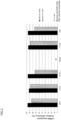
- Both RHOA siRNAs #2 and #3 showed inhibitory efficiencies of 85 to 99% of RHOA mRNA expression in the evaluated cell lines ( FIG. 2 ).
- Example 4 Comparison of RHOA mRNA levels in various cancer cell lines and normal tissues
- RHOA has been reported to be highly expressed in cancer in some papers (Non Patent Literatures 6-8). Thus, expression levels of RHOA were compared in cancer cell lines and normal tissues. RNA from normal large intestine tissue and normal lung tissue, RNA from normal stomach, and RNA from normal breast, which were respectively purchased from Ambion, Stratagene, and Clontech, were used. These RNAs were used as templates to perform real time PCR using Power SYBR(R) Green PCR Master Mix (Applied Biosystems) and StepOnePlus(TM) Real-Time PCR Systems (Applied Biosystems) to quantify RHOA mRNA. RHOA mRNA levels were calculated by using the value corrected against the value of RPS18 measured as an internal standard.
- RHOA expression levels equal to or less than those in normal tissues were shown in the evaluated cell lines (see FIG. 4 ).
- RHOA expression levels in OE19, SW948, BT474, and HCC95 in which cell growth was inhibited by RHOA siRNAs were compared with RHOA expression levels in HCC38 and AGS in which cell growth was not inhibited by RHOA siRNAs, no correlation was observed between the cell growth inhibitory activity and the expression level.
Landscapes
- Health & Medical Sciences (AREA)
- Life Sciences & Earth Sciences (AREA)
- Chemical & Material Sciences (AREA)
- Engineering & Computer Science (AREA)
- Immunology (AREA)
- Molecular Biology (AREA)
- Biomedical Technology (AREA)
- Hematology (AREA)
- Urology & Nephrology (AREA)
- General Health & Medical Sciences (AREA)
- Biochemistry (AREA)
- Medicinal Chemistry (AREA)
- Biotechnology (AREA)
- Microbiology (AREA)
- Organic Chemistry (AREA)
- Analytical Chemistry (AREA)
- Pathology (AREA)
- Physics & Mathematics (AREA)
- Cell Biology (AREA)
- Genetics & Genomics (AREA)
- General Physics & Mathematics (AREA)
- Food Science & Technology (AREA)
- Zoology (AREA)
- Bioinformatics & Cheminformatics (AREA)
- Wood Science & Technology (AREA)
- General Engineering & Computer Science (AREA)
- Proteomics, Peptides & Aminoacids (AREA)
- Biophysics (AREA)
- Toxicology (AREA)
- Veterinary Medicine (AREA)
- Public Health (AREA)
- Animal Behavior & Ethology (AREA)
- Pharmacology & Pharmacy (AREA)
- Tropical Medicine & Parasitology (AREA)
- Epidemiology (AREA)
- Gastroenterology & Hepatology (AREA)
- Hospice & Palliative Care (AREA)
- Oncology (AREA)
- Virology (AREA)
- Plant Pathology (AREA)
Applications Claiming Priority (4)
| Application Number | Priority Date | Filing Date | Title |
|---|---|---|---|
| JP2013185493 | 2013-09-06 | ||
| EP14841672.0A EP3042955B1 (fr) | 2013-09-06 | 2014-09-04 | Utilisation de rhoa dans le diagnostic du cancer et criblage d'inhibiteur |
| EP19186826.4A EP3591050B1 (fr) | 2013-09-06 | 2014-09-04 | Utilisation de rhoa dans le diagnostic du cancer et le dépistage d'inhibiteurs |
| PCT/JP2014/004539 WO2015033565A1 (fr) | 2013-09-06 | 2014-09-04 | Utilisation de rhoa dans le diagnostic du cancer et criblage d'inhibiteur |
Related Parent Applications (3)
| Application Number | Title | Priority Date | Filing Date |
|---|---|---|---|
| EP14841672.0A Division EP3042955B1 (fr) | 2013-09-06 | 2014-09-04 | Utilisation de rhoa dans le diagnostic du cancer et criblage d'inhibiteur |
| EP19186826.4A Division EP3591050B1 (fr) | 2013-09-06 | 2014-09-04 | Utilisation de rhoa dans le diagnostic du cancer et le dépistage d'inhibiteurs |
| EP19186826.4A Division-Into EP3591050B1 (fr) | 2013-09-06 | 2014-09-04 | Utilisation de rhoa dans le diagnostic du cancer et le dépistage d'inhibiteurs |
Publications (2)
| Publication Number | Publication Date |
|---|---|
| EP4335920A2 true EP4335920A2 (fr) | 2024-03-13 |
| EP4335920A3 EP4335920A3 (fr) | 2024-05-22 |
Family
ID=52628061
Family Applications (3)
| Application Number | Title | Priority Date | Filing Date |
|---|---|---|---|
| EP19186826.4A Active EP3591050B1 (fr) | 2013-09-06 | 2014-09-04 | Utilisation de rhoa dans le diagnostic du cancer et le dépistage d'inhibiteurs |
| EP23217148.8A Pending EP4335920A3 (fr) | 2013-09-06 | 2014-09-04 | Utilisation de rhoa dans le diagnostic du cancer et le criblage d'inhibiteurs |
| EP14841672.0A Active EP3042955B1 (fr) | 2013-09-06 | 2014-09-04 | Utilisation de rhoa dans le diagnostic du cancer et criblage d'inhibiteur |
Family Applications Before (1)
| Application Number | Title | Priority Date | Filing Date |
|---|---|---|---|
| EP19186826.4A Active EP3591050B1 (fr) | 2013-09-06 | 2014-09-04 | Utilisation de rhoa dans le diagnostic du cancer et le dépistage d'inhibiteurs |
Family Applications After (1)
| Application Number | Title | Priority Date | Filing Date |
|---|---|---|---|
| EP14841672.0A Active EP3042955B1 (fr) | 2013-09-06 | 2014-09-04 | Utilisation de rhoa dans le diagnostic du cancer et criblage d'inhibiteur |
Country Status (4)
| Country | Link |
|---|---|
| US (1) | US10563265B2 (fr) |
| EP (3) | EP3591050B1 (fr) |
| JP (1) | JP6519927B2 (fr) |
| WO (1) | WO2015033565A1 (fr) |
Families Citing this family (4)
| Publication number | Priority date | Publication date | Assignee | Title |
|---|---|---|---|---|
| KR101974728B1 (ko) * | 2017-07-24 | 2019-05-02 | 한림대학교 산학협력단 | 고형암 진단용 인산화 RhoA의 바이오마커로서의 용도 |
| CN108409836B (zh) * | 2018-01-08 | 2020-04-21 | 中国医科大学 | 一种多肽及其用途 |
| CN114350671B (zh) * | 2021-12-22 | 2025-03-04 | 湖北省妇幼保健院 | Kif11基因突变体及应用 |
| WO2025224050A1 (fr) | 2024-04-22 | 2025-10-30 | Institut National de la Santé et de la Recherche Médicale | Méthodes de traitement de patients souffrant d'hypomélanose de ito |
Citations (1)
| Publication number | Priority date | Publication date | Assignee | Title |
|---|---|---|---|---|
| WO2003023063A1 (fr) | 2001-09-07 | 2003-03-20 | Sankyo Company, Limited | Methode d'estimation du risque d'apparition de diabetes |
Family Cites Families (10)
| Publication number | Priority date | Publication date | Assignee | Title |
|---|---|---|---|---|
| US20010044414A1 (en) * | 1999-12-10 | 2001-11-22 | Whitehead Institute For Biomedical Research | Metastasis genes and uses thereof |
| WO2003030836A2 (fr) | 2001-10-12 | 2003-04-17 | Case Western Reserve University | Regeneration neuronale |
| WO2005113770A1 (fr) | 2004-05-13 | 2005-12-01 | Institut Gustave Roussy | Siarn anti-rhoa et -rhoc et compositions therapeutiques renfermant ceux-ci |
| JP2010507387A (ja) * | 2006-10-25 | 2010-03-11 | クアーク・ファーマスーティカルス、インコーポレイテッド | 新規のsiRNAおよびその使用方法 |
| US20100003257A1 (en) * | 2008-05-27 | 2010-01-07 | National Health Research Institutes | Diagnosis of nasopharyngeal carcinoma and suppression of nasopharyngeal carcinoma invasion |
| CA2745919A1 (fr) | 2008-12-05 | 2010-06-10 | Whitehead Institute For Biomedical Research | Compositions et procedes concernant le mir-31 |
| CN103097534B (zh) | 2010-06-24 | 2017-07-28 | 夸克制药公司 | 针对rhoa的双链rna化合物及其用途 |
| JP6449147B2 (ja) * | 2013-05-01 | 2019-01-09 | 知的財産戦略ネットワーク株式会社 | T細胞リンパ腫の検出方法 |
| US9574241B2 (en) | 2013-06-03 | 2017-02-21 | The Trustees Of Columbia University In The City Of New York | Recurrent mutations in epigenetic regulators, RHOA and FYN kinase in peripheral T-cell lymphomas |
| US9848604B2 (en) * | 2014-07-11 | 2017-12-26 | Medtronic Xomed, Inc. | Antimicrobial wash |
-
2014
- 2014-09-04 EP EP19186826.4A patent/EP3591050B1/fr active Active
- 2014-09-04 EP EP23217148.8A patent/EP4335920A3/fr active Pending
- 2014-09-04 US US14/916,442 patent/US10563265B2/en active Active
- 2014-09-04 JP JP2015535317A patent/JP6519927B2/ja active Active
- 2014-09-04 EP EP14841672.0A patent/EP3042955B1/fr active Active
- 2014-09-04 WO PCT/JP2014/004539 patent/WO2015033565A1/fr not_active Ceased
Patent Citations (1)
| Publication number | Priority date | Publication date | Assignee | Title |
|---|---|---|---|---|
| WO2003023063A1 (fr) | 2001-09-07 | 2003-03-20 | Sankyo Company, Limited | Methode d'estimation du risque d'apparition de diabetes |
Non-Patent Citations (25)
| Title |
|---|
| "Result of HER2 status in Japanese metastatic gastric cancer: Prospective cohort study (JFMC44-1101", GASTROINTESTINAL CANCERS SYMPOSIUM, 2013 |
| BIOCHIM. BIOPHYS. ACTA, vol. 1795, no. 2, 2009, pages 137 - 51 |
| CA CANCER J. CLIN., vol. 61, no. 2, 2011, pages 69 - 90 |
| DO ET AL., MUTAT. RES, vol. 740, no. 1-2, 2012, pages 34 |
| DYKXHOORN ET AL., NAT. REV. MOL. CELL BIOL., vol. 4, 2003, pages 457 |
| ELBASHIR ET AL., NATURE, no. 6836, 2001, pages 411 |
| FRUSCOLONI ET AL., PROC. NATL. ACAD. SCI. USA, vol. 100, 2003, pages 1639 |
| HAMMERLING ET AL.: "Monoclonal Antibodies and T-Cell Hybridomas", 1981, ELSEVIER |
| HAMMOND ET AL., NATURE, vol. 404, no. 6775, 2000, pages 293 |
| HARLOWLANE: "Antibodies: A Laboratory Manual", 1988, COLD SPRING HARBOR LABORATORY PRESS |
| HOMMA, EMBOJ., vol. 14, 1995, pages 286 |
| J. CLIN. ONCOL., vol. 29, no. 30, 2011, pages 3968 - 76 |
| J. SURG. ONCOL., vol. 107, no. 3, 2013, pages 230 - 6 |
| JACQUE, NATURE, vol. 418, 2002, pages 435 |
| LANCET ONCOL., vol. 14, no. 6, 2013, pages 490 - 9 |
| LANCET, vol. 376, no. 9742, 2010, pages 687 - 97 |
| LEE ET AL., NAT. BIOTECHNOL., vol. 20, 2002, pages 500 |
| LOMBARDO, NAT. BIOTECHNOL., vol. 25, no. 11, 2007, pages 1298 |
| MIYAGISHI ET AL.: "20", NAT. BIOTECHNOL., vol. 20, no. 5, 2002, pages 500 |
| NAT. CELL BIOL., vol. 12, no. 5, 2010, pages 457 - 67 |
| NAT. REV. CANCER, vol. 2, no. 2, 2002, pages 133 - 42 |
| RIDLEY, INT. J. BIOCHEM. CELL. BIOL., vol. 29, no. 11, 1997, pages 1225 - 9 |
| SONG ET AL., NATURE MED., vol. 9, 2003, pages 347 |
| URNOV ET AL., NATURE, vol. 435, no. 7042, 2005, pages 646 |
| VEGA ET AL., FEBS LETT., vol. 582, no. 14, 2008, pages 2093 - 101 |
Also Published As
| Publication number | Publication date |
|---|---|
| EP3591050A3 (fr) | 2020-03-25 |
| JPWO2015033565A1 (ja) | 2017-03-02 |
| EP3591050A2 (fr) | 2020-01-08 |
| US10563265B2 (en) | 2020-02-18 |
| US20160208335A1 (en) | 2016-07-21 |
| EP3042955B1 (fr) | 2019-08-28 |
| JP6519927B2 (ja) | 2019-05-29 |
| EP4335920A3 (fr) | 2024-05-22 |
| WO2015033565A1 (fr) | 2015-03-12 |
| EP3591050B1 (fr) | 2024-01-31 |
| EP3042955A4 (fr) | 2017-07-26 |
| EP3042955A1 (fr) | 2016-07-13 |
Similar Documents
| Publication | Publication Date | Title |
|---|---|---|
| US9216172B2 (en) | Method for determining effectiveness of cancer treatment by assessing the presence of a KIF5B-RET chimeric gene | |
| US20210292407A1 (en) | Cancer targets and uses thereof | |
| EP2300041B1 (fr) | Méthode pour déterminer le risque du récidive du cancer de la prostate | |
| JP6493681B2 (ja) | 肺がんで見出された新規融合遺伝子 | |
| JP2007506425A (ja) | 肝細胞癌を診断する方法 | |
| WO2014017491A1 (fr) | Gène de fusion formé par le gène cep55 et le gène ret | |
| JP2006517783A (ja) | ヒト骨髄性白血病に関連する遺伝子およびポリペプチド | |
| CN101175862A (zh) | 诊断膀胱癌的方法 | |
| WO2014007369A1 (fr) | Gène fgfr2 hybride | |
| WO2015093557A1 (fr) | Nouveau gène de fusion en tant que gène responsable du cancer de l'estomac | |
| EP3042955B1 (fr) | Utilisation de rhoa dans le diagnostic du cancer et criblage d'inhibiteur | |
| JP4614952B2 (ja) | 腎細胞癌(rcc)の潜在的な新規治療標的としての低酸素誘導タンパク質2(hig2) | |
| JP4851451B2 (ja) | 乳癌関連遺伝子znfn3a1 | |
| WO2022244807A1 (fr) | Gène de fusion de la ltk | |
| JP2021048805A (ja) | がんにおける融合遺伝子 | |
| EP1907859B1 (fr) | Genes et polypeptides associes aux cancers de la prostate | |
| CN108456249B (zh) | 变异型α-辅肌动蛋白-4的抗体 | |
| US9567627B2 (en) | Method for predicting the response to treatment with an HER2-blocking agent | |
| WO2012068232A1 (fr) | Effecteurs de l'aurora a kinase | |
| CN110656174A (zh) | 一种与原发性肝细胞癌发生发展密切相关的特异性标志物及其应用 |
Legal Events
| Date | Code | Title | Description |
|---|---|---|---|
| PUAI | Public reference made under article 153(3) epc to a published international application that has entered the european phase |
Free format text: ORIGINAL CODE: 0009012 |
|
| STAA | Information on the status of an ep patent application or granted ep patent |
Free format text: STATUS: THE APPLICATION HAS BEEN PUBLISHED |
|
| AC | Divisional application: reference to earlier application |
Ref document number: 3042955 Country of ref document: EP Kind code of ref document: P Ref document number: 3591050 Country of ref document: EP Kind code of ref document: P |
|
| AK | Designated contracting states |
Kind code of ref document: A2 Designated state(s): AL AT BE BG CH CY CZ DE DK EE ES FI FR GB GR HR HU IE IS IT LI LT LU LV MC MK MT NL NO PL PT RO RS SE SI SK SM TR |
|
| REG | Reference to a national code |
Ref country code: DE Ref legal event code: R079 Free format text: PREVIOUS MAIN CLASS: C12N0009140000 Ipc: C12N0015090000 |
|
| PUAL | Search report despatched |
Free format text: ORIGINAL CODE: 0009013 |
|
| AK | Designated contracting states |
Kind code of ref document: A3 Designated state(s): AL AT BE BG CH CY CZ DE DK EE ES FI FR GB GR HR HU IE IS IT LI LT LU LV MC MK MT NL NO PL PT RO RS SE SI SK SM TR |
|
| RIC1 | Information provided on ipc code assigned before grant |
Ipc: C12N 9/14 20060101ALI20240412BHEP Ipc: A61K 31/713 20060101ALI20240412BHEP Ipc: C12Q 1/68 20180101ALI20240412BHEP Ipc: G01N 33/574 20060101ALI20240412BHEP Ipc: G01N 33/50 20060101ALI20240412BHEP Ipc: G01N 33/15 20060101ALI20240412BHEP Ipc: C12Q 1/02 20060101ALI20240412BHEP Ipc: C12N 5/10 20060101ALI20240412BHEP Ipc: C12N 1/21 20060101ALI20240412BHEP Ipc: C12N 1/19 20060101ALI20240412BHEP Ipc: C12N 1/15 20060101ALI20240412BHEP Ipc: C07K 14/705 20060101ALI20240412BHEP Ipc: A61P 35/00 20060101ALI20240412BHEP Ipc: A61K 48/00 20060101ALI20240412BHEP Ipc: A61K 31/7088 20060101ALI20240412BHEP Ipc: C12N 15/09 20060101AFI20240412BHEP |
|
| STAA | Information on the status of an ep patent application or granted ep patent |
Free format text: STATUS: REQUEST FOR EXAMINATION WAS MADE |
|
| 17P | Request for examination filed |
Effective date: 20241021 |
|
| RBV | Designated contracting states (corrected) |
Designated state(s): AL AT BE BG CH CY CZ DE DK EE ES FI FR GB GR HR HU IE IS IT LI LT LU LV MC MK MT NL NO PL PT RO RS SE SI SK SM TR |
|
| STAA | Information on the status of an ep patent application or granted ep patent |
Free format text: STATUS: EXAMINATION IS IN PROGRESS |
|
| 17Q | First examination report despatched |
Effective date: 20251217 |