EP4336350B1 - Routage dynamique et orchestration de bord pour données d'automatisation industrielle - Google Patents
Routage dynamique et orchestration de bord pour données d'automatisation industrielle Download PDFInfo
- Publication number
- EP4336350B1 EP4336350B1 EP23187189.8A EP23187189A EP4336350B1 EP 4336350 B1 EP4336350 B1 EP 4336350B1 EP 23187189 A EP23187189 A EP 23187189A EP 4336350 B1 EP4336350 B1 EP 4336350B1
- Authority
- EP
- European Patent Office
- Prior art keywords
- container
- devices
- data
- edge device
- industrial automation
- Prior art date
- Legal status (The legal status is an assumption and is not a legal conclusion. Google has not performed a legal analysis and makes no representation as to the accuracy of the status listed.)
- Active
Links
Images


Classifications
-
- H—ELECTRICITY
- H04—ELECTRIC COMMUNICATION TECHNIQUE
- H04L—TRANSMISSION OF DIGITAL INFORMATION, e.g. TELEGRAPHIC COMMUNICATION
- H04L67/00—Network arrangements or protocols for supporting network services or applications
- H04L67/01—Protocols
- H04L67/10—Protocols in which an application is distributed across nodes in the network
- H04L67/1095—Replication or mirroring of data, e.g. scheduling or transport for data synchronisation between network nodes
-
- G—PHYSICS
- G05—CONTROLLING; REGULATING
- G05B—CONTROL OR REGULATING SYSTEMS IN GENERAL; FUNCTIONAL ELEMENTS OF SUCH SYSTEMS; MONITORING OR TESTING ARRANGEMENTS FOR SUCH SYSTEMS OR ELEMENTS
- G05B19/00—Program-control systems
- G05B19/02—Program-control systems electric
- G05B19/418—Total factory control, i.e. centrally controlling a plurality of machines, e.g. direct or distributed numerical control [DNC], flexible manufacturing systems [FMS], integrated manufacturing systems [IMS] or computer integrated manufacturing [CIM]
- G05B19/4185—Total factory control, i.e. centrally controlling a plurality of machines, e.g. direct or distributed numerical control [DNC], flexible manufacturing systems [FMS], integrated manufacturing systems [IMS] or computer integrated manufacturing [CIM] characterised by the network communication
- G05B19/4186—Total factory control, i.e. centrally controlling a plurality of machines, e.g. direct or distributed numerical control [DNC], flexible manufacturing systems [FMS], integrated manufacturing systems [IMS] or computer integrated manufacturing [CIM] characterised by the network communication by protocol, e.g. MAP, TOP
-
- G—PHYSICS
- G05—CONTROLLING; REGULATING
- G05B—CONTROL OR REGULATING SYSTEMS IN GENERAL; FUNCTIONAL ELEMENTS OF SUCH SYSTEMS; MONITORING OR TESTING ARRANGEMENTS FOR SUCH SYSTEMS OR ELEMENTS
- G05B19/00—Program-control systems
- G05B19/02—Program-control systems electric
- G05B19/418—Total factory control, i.e. centrally controlling a plurality of machines, e.g. direct or distributed numerical control [DNC], flexible manufacturing systems [FMS], integrated manufacturing systems [IMS] or computer integrated manufacturing [CIM]
- G05B19/41885—Total factory control, i.e. centrally controlling a plurality of machines, e.g. direct or distributed numerical control [DNC], flexible manufacturing systems [FMS], integrated manufacturing systems [IMS] or computer integrated manufacturing [CIM] characterised by modeling, simulation of the manufacturing system
-
- G—PHYSICS
- G06—COMPUTING OR CALCULATING; COUNTING
- G06F—ELECTRIC DIGITAL DATA PROCESSING
- G06F8/00—Arrangements for software engineering
- G06F8/60—Software deployment
- G06F8/65—Updates
-
- G—PHYSICS
- G06—COMPUTING OR CALCULATING; COUNTING
- G06F—ELECTRIC DIGITAL DATA PROCESSING
- G06F9/00—Arrangements for program control, e.g. control units
- G06F9/06—Arrangements for program control, e.g. control units using stored programs, i.e. using an internal store of processing equipment to receive or retain programs
- G06F9/44—Arrangements for executing specific programs
- G06F9/455—Emulation; Interpretation; Software simulation, e.g. virtualisation or emulation of application or operating system execution engines
- G06F9/45533—Hypervisors; Virtual machine monitors
- G06F9/45558—Hypervisor-specific management and integration aspects
-
- H—ELECTRICITY
- H04—ELECTRIC COMMUNICATION TECHNIQUE
- H04L—TRANSMISSION OF DIGITAL INFORMATION, e.g. TELEGRAPHIC COMMUNICATION
- H04L67/00—Network arrangements or protocols for supporting network services or applications
- H04L67/34—Network arrangements or protocols for supporting network services or applications involving the movement of software or configuration parameters
-
- G—PHYSICS
- G05—CONTROLLING; REGULATING
- G05B—CONTROL OR REGULATING SYSTEMS IN GENERAL; FUNCTIONAL ELEMENTS OF SUCH SYSTEMS; MONITORING OR TESTING ARRANGEMENTS FOR SUCH SYSTEMS OR ELEMENTS
- G05B2219/00—Program-control systems
- G05B2219/20—Pc systems
- G05B2219/25—Pc structure of the system
- G05B2219/25064—Update component configuration to optimize program execution
Definitions
- This disclosure relates generally to industrial automation, and, more specifically, to employing software containers within industrial automation systems.
- Industrial automation systems are managed and operated using automation control and monitoring systems (e.g., industrial control system), particularly in industrial automation environments. Such applications may include controlling a wide range of components, such as valves, electric motors, and so forth, and the collection of data via sensors.
- Typical industrial control systems may include one or more components, such as programming terminals, automation controllers, input/output (I/O) modules, communication networks, human-machine interface (HMI) terminals, and the like.
- industrial control systems operate in the operational technology (OT) environment are used to control industrial devices accessible via an OT network.
- OT operational technology
- the industrial control systems may be used to manage the operations of the devices within the OT network, there may be additional processes that can be performed with the devices, data generated by the devices that is unused or could be used for more purposes, and there may be devices that are not known to computing devices in the information technology (IT) environment.
- IT information technology
- US 10 503 448 B1 relates to a method of arranging a cluster of printers that are able to run a customized container image based on the requirements of the applications in the container and the characteristics of the printers in the network.
- the method includes receiving a container image of software configured to be executed on printers.
- the method also includes determining and receiving a response to a query for printer characteristics using the server.
- the method includes determining image-eligible micro-services that are configured to execute on a set of selected image-eligible printers selected based on a comparison of the response information with the container-eligible characteristics. Moreover, the method includes determining that the container image is configured to execute image-eligible micro-services. The method further includes, sending the container image to the image-eligible printers and executing the printer management application on the image-eligible printers.
- US 2022/091583 A1 relates to a method which includes receiving, via a first computing node, a first pod from a second computing node. The method also includes retrieving a first image file that includes a first set of containers from a registry based on the first pod.
- the first set of containers may cause a control system to halt operations.
- the method then involves generating a first package based on the first set of containers and storing the first package in a filesystem, receiving a second pod from the second computing node, and retrieving a second image file having a second set of containers from the registry.
- the second pod includes the second set of containers causes the control system to update software components.
- the method also involves generating a second package based on the second set of containers and storing the second package in the filesystem.
- a non-transitory computer-readable medium includes instructions that, when executed by processing circuitry, cause the processing circuitry to receive, from an edge device of an industrial automation system, data indicative of a type of one or more devices in the industrial automation system, one or more types of data generated by the one or more devices, one or more components included in the one or more devices, firmware of the one or more devices, or any combination thereof.
- the instructions also cause the processing circuitry to identify, based on the received data, either a firmware update for the industrial automation system or, from a container repository, a container that is implementable on the edge device. Additionally, when executed, the instructions cause the processing circuitry to cause a container image for the container or firmware update for the firmware to be sent to the edge device.
- a computing device includes processing circuitry and a non-transitory computer-readable medium having instructions that, when executed by the processing circuitry, cause the processing circuitry to receive, from an edge device of an industrial automation system, data indicative of a type of one or more devices in the industrial automation system, one or more types of data generated by the one or more devices, one or more components included in the one or more devices, firmware of the one or more devices, or any combination thereof.
- the instructions also cause the processing circuitry to determine, based on the received data, a firmware update for the industrial automation system or a container implementable on the edge device from a container repository. Additionally, when executed, the instructions cause the processing circuitry to cause a container image for the container or firmware update for the firmware to be sent to the edge device.
- a display/operator interface 20 depicts representations 22 of the components of the industrial automation system 10.
- the industrial control system 12 may use data transmitted by sensors 18 to update visualizations of the components via changing one or more statuses, states, and/or indications of current operations of the components.
- These sensors 18 may be any suitable device adapted to provide information regarding process conditions. Indeed, the sensors 18 may be used in a process loop (e.g., control loop) that may be monitored and controlled by the industrial control system 12. As such, a process loop may be activated based on process inputs (e.g., an input from the sensor 18) or direct input from a person via the display/operator interface 20.
- the container orchestration system 24 may use configuration files to determine a network protocol to facilitate communication between containers, a storage location to save logs, and the like.
- the container orchestration system 24 may also schedule deployment of containers into clusters and identify a host (e.g., node) that may be best suited for executing the container. After the host is identified, the container orchestration system 24 may manage the lifecycle of the container based on predetermined specifications.
- the container orchestration system 24 may be implemented using one or more cloud-based computing devices. Accordingly, the container orchestration system 24 may be partially or wholly implemented using cloud-computing resources.
- containers refer to technology for packaging an application along with its runtime dependencies. That is, containers include applications that are decoupled from an underlying host infrastructure (e.g., operating system). By including the run time dependencies with the container, the container may perform in the same manner regardless of the host in which it is operating.
- containers may be stored in a container registry 26 as container images 28.
- the container registry 26 may be any suitable data storage or database that may be accessible to the container orchestration system 24.
- the container image 28 may correspond to an executable software package that includes the tools and data employed to execute a respective application. That is, the container image 28 may include related code for operating the application, application libraries, system libraries, runtime tools, default values for various settings, and the like.
- the container orchestration system 24 may include a cluster of computing devices, computing systems, or container nodes that may work together to achieve certain specifications or states, as designated in the respective container.
- container nodes 30 may be integrated within industrial control systems 12 as shown in FIG. 1 . That is, container nodes 30 may be implemented by the industrial control systems 12, such that they appear as worker nodes to the master node in the container orchestration system 24. In this way, the master node of the container orchestration system 24 may send commands to the container nodes 30 that are also configured to perform applications and operations for the respective industrial equipment.
- the container nodes 30 may be integrated with the industrial control systems 12, such that they serve as passive-indirect participants, passive-direct participants, or active participants of the container orchestration system 24. As passive-indirect participants, the container nodes 30 may respond to a subset of all of the commands that may be issued by the container orchestration system 24. In this way, the container nodes 30 may support limited container lifecycle features, such as receiving pods, executing the pods, updating a respective file system to included software packages for execution by the industrial control system 12, and reporting the status of the pods to the master node of the container orchestration system 24.
- the limited features implementable by the container nodes 30 that operate in the passive-indirect mode may be limited to commands that the respective industrial control system 12 may implement using native commands that map directly to the commands received by the master node of the container orchestration system 24.
- the container node 30 operating in the passive-indirect mode of operation may not be capable to push the packages or directly control the operation of the industrial control system 12 to execute the package. Instead, the industrial control system 12 may periodically check the file system of the container node 30 and retrieve the new package at that time for execution.
- the container nodes 30 may operate as a node that is part of the cluster of nodes for the container orchestration system 24.
- the container node 30 may support the full container lifecycle features. That is, container node 30 operating in the passive-direct mode may unpack a container image and push the resultant package to the industrial control system 12, such that the industrial control system 12 executes the package in response to receiving it from the container node 30.
- the container orchestration system 24 may have access to a worker node that may directly implement commands received from the master node onto the industrial control system 12.
- the container node 30 may include a computing module or system that hosts an operating system (e.g., Linux) that may continuously operate a container host daemon that may participate in the management of container operations. As such, the active participant container node 30 may perform any operations that the master node of the container orchestration system 24 may perform.
- the container orchestration system 24 is capable of extending its management operations into the OT space. That is, the container node 30 may provision devices in the OT space, serve as a proxy node 32 to provide bidirectional coordination between the IT space and the OT space, and the like.
- the container node 30 operating as the proxy node 32 may intercept orchestration commands and cause industrial control system 12 to implement appropriate machine control routines based on the commands.
- the industrial control system 12 may confirm the machine state to the proxy node 32, which may then reply to the master node of the container orchestration system 24 on behalf of the industrial control system 12.
- the industrial control system 12 may share an OT device tree via the proxy node 32.
- the proxy node 32 may provide the master node with state data, address data, descriptive metadata, versioning data, certificate data, key information, and other relevant parameters concerning the industrial control system 12.
- the proxy node 32 may issue requests targeted to other industrial control systems 12 to control other OT devices.
- the proxy node 32 may translate and forward commands to a target OT device using one or more OT communication protocols, may translate and receive replies from the OT devices, and the like.
- the proxy node 32 may perform health checks, provide configuration updates, send firmware patches, execute key refreshes, and other OT operations for other OT devices.
- FIG. 2 is a block diagram of an example industrial control system 12 that may be used with the embodiments described herein.
- the industrial control system 12 may include a communication component 42, a processor 44, a memory 46, a storage 48, input/output (I/O) ports 50, a display 20, and the like.
- the communication component 42 may be a wireless or wired communication component that facilitates communication between the container orchestration system 24 and the industrial control system 12, or any other suitable electronic device.
- the processor 44 may be any type of computer processor or microprocessor capable of executing computer- executable code.
- the processor 44 may also include multiple processors that may perform the operations described below.
- the memory 46 and the storage 48 may be any suitable article of manufacture that may serve as media to store processor-executable code, data, or the like. These articles of manufacture may represent computer-readable media (i.e., any suitable form of memory or storage) that may store the processor-executable code used by the processor 44 to perform the presently disclosed techniques.
- the memory 46 and the storage 48 may represent non-transitory computer-readable media (e.g., any suitable form of memory or storage) that may store the processor-executable code used by the processor 44 to perform various techniques described herein. It should be noted that non-transitory merely indicates that the media is tangible and not a signal.
- the I/O ports 50 may couple to one or more sensors 18, one or more input devices, one or more displays, or the like to facilitate human or machine interaction with the industrial control system 12. For example, based on a notification provided to a user via a display 20, the user may use an input device to instruct the adjustment of an OT device.
- the display 20, as discussed above, may operate to depict visualizations associated with software or executable code being processed by the processor 44.
- the display 20 may be a touch display capable of receiving inputs from a user of the industrial control system 12.
- the display 20 may be any suitable type of display, such as a liquid crystal display (LCD), plasma display, or an organic light emitting diode (OLED) display, for example.
- the display 20 may be provided in conjunction with a touch- sensitive mechanism (e.g., a touch screen) that may function as part of a control interface for the industrial control system 12.
- FIG. 2 is depicted with respect to the industrial control system 12, it should be noted that the container orchestration system 24, the container nodes 30, and the proxy node 32 may also include the same or similar components to perform, or facilitate performing, the various techniques described herein. Moreover, it should be understood that the components described with respect to FIG. 2 are exemplary figures and the industrial control system 12 and other suitable computing systems may include additional or fewer components as detailed above.
- FIG. 3 illustrates a block diagram that depicts the relative positions of the container node 30 and the proxy node 32 with respect to the container orchestration system 24.
- the container orchestration system 24 may include a collection of nodes that are used to achieve a desired state of one or more containers across multiple nodes.
- the container orchestration system 24 may include a master node 62 that may execute control plane processes for the container orchestration system 24.
- the control plane processes may include the processes that enable the container orchestration system 24 to coordinate operations of the container nodes 30 to meet the desired states.
- the master container node 62 may execute an application programming interface (API) for the container orchestration system 24, a scheduler component, core resources controllers, and the like.
- API application programming interface
- the master container node 62 may coordinate all of the interactions between nodes of the cluster that make up the container orchestration system 24. Indeed, the master container node 62 may be responsible for deciding the operations that will run on container nodes 30 including scheduling workloads (e.g., containerized applications), managing the workloads' lifecycle, scaling, and upgrades, managing network and storage resources for the workloads, and the like.
- the master container node 62 may run an API server to handle requests and status updates received from the container nodes 30.
- the master container node 62 may receive the deployment configuration file 65 via the container registry 26, directly from the IDE tool 64, or the like.
- the master container node 62 may use the deployment configuration file 65 to determine a location to gather the container images 28, determine communication protocols to use to establish networking between container nodes 30, determine locations for mounting storage volumes, locations to store logs for the containers, and the like.
- the container node 30 may forward the mapped command to the PLC that may implement the mapped command.
- the container node 30 may operate as part of the cluster of nodes that make up the container orchestration system 24, while a control system 66 (e.g., PLC) that coordinates the OT operations for an OT device 67 in the industrial control system 12.
- the control system 66 may include a controller, such as a programmable logic controller (PLC), a programmable automation controller (PAC), or any other controller that may monitor, control, and operate an industrial automation device or component.
- PLC programmable logic controller
- PAC programmable automation controller
- the proxy node 32 may receive replies from the control systems 70 via the OT communication protocol and translate the replies, such that the nodes in the container orchestration system 24 may interpret the replies.
- the container orchestration system 24 may effectively perform health checks, send configuration updates, provide firmware patches, execute key refreshes, and provide other services to OT devices 71 in a coordinated fashion. That is, the proxy node 32 may enable the container orchestration system to coordinate the activities of multiple control systems 66 and 70 to achieve a collection of desired machine states for the connected OT devices 67 and 71.
- the cloud computing device 106 may implement a container agent 108 (e.g., software executed by processing circuitry of the container orchestration system 24) that may send requests 110 to the edge device 104 for information regarding the devices 102 or OT devices of the industrial automation system 10.
- a discovery agent 112 e.g., software executed by processing circuitry of the edge device 104 of the edge device 104 may generate and send requests 114 to the devices 102, which may send responses 116 to the edge device 104.
- the requests 114 and responses 116 may pertain to a type of a particular device 102, capabilities of the device 102, types of data generated or utilized by the device 102, firmware or software on the device 102, or network information for the OT side of the industrial automation system 100.
- the discovery agent 112 may receive the responses 116 and send responses 118 to the container agent 108 of the cloud computing system 106 that are indicative or inclusive of data in the responses 116 (e.g., individually or after grouping the responses 116).
- a container-based solution is an energy application. For example, in one embodiment, if the responses 118 indicate that the devices 102 (or a particular one of the devices 102) generates power data (e.g., electrical power consumed).
- the container image for the energy application may receive the power data to perform analytics regarding the power data, which can be used to make determinations regarding electrical power consumed by the devices 102 and the industrial automation system 100.
- the container agent 108 may check for manufacturing execution system (MES) configurations for MES applications that may run on the edge device 104, one of the devices 102, or another device that may be included in the industrial automation system 100.
- MES manufacturing execution system
- an enterprise resource planning (ERP) system may be implemented by computing devices.
- the ERP system may receive data regarding production, such as commands to produce a particular amount of a product or item manufactured by the industrial automation system.
- the ERP system may generate an order for the items to be manufactured and send the order to an MES application, which may dispatch the devices 102 of the industrial automation system 100 to perform a process to fulfill the order.
- the MES application may cause production of the items to fulfill the order.
- the container agent 108 may determine whether a particular device 102 or the edge device 104 has information (e.g., a particular type of data) or data structures for a particular MES application or version of the MES application and recommend an MES solution (e.g., MES software or a container image for an MES application) that can be deployed to the edge device 104. Moreover, based on the devices 102 in the industrial automation system 100 and firmware on the devices 102, the container agent 108 may determine what sorts of processes may be implementable in the industrial automation system 100 using the MES application. The container agent 108 may recommend such processes as part of an MES solution. Accordingly, a new type of or control over performing a process may be possible using the device 102 of the industrial automation system 100.
- information e.g., a particular type of data
- data structures e.g., MES software or a container image for an MES application
- MES solution e.g., MES software or a container image for an MES application
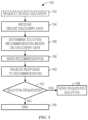
- the cloud computing system 106 may send a recommendation to the edge device 104.
- the recommendation may include an indication of the one or more solutions determines at process block 156.
- the recommendation may indicate containerized solutions, firmware updates, or software updates that may be provided to the edge device 104 to be implemented on the edge device 104 or a device 102 of the industrial automation system 100.
- the cloud computing system 106 may receive a response from the edge device 104 regarding the recommendation.
- the response may indicate whether to provide the recommended solution or not.
- the response may indicate which of the items should be provided to the edge device 104.
- the cloud computing system 106 may determine whether the recommended solution should be provided to the edge device 104 based on the response received from the edge device 104. For instance, as noted above, the response from the edge device 104 may indicate which particular solution (e.g., container-based solution, firmware update, or software update), if any, should be provided. If the recommended solution (or at least one of several recommended solutions) is requested (as determined at decision block 162, at process block 164, the cloud computing system 106 or container orchestration system 24 may provide the recommended solution(s) to the edge device 104.
- the cloud computing system 106 may provide the recommended solution(s) to the edge device 104.
- the cloud computing system 106 may cause the firmware update to be sent to the edge device 104 either by retrieving the firmware update and sending the firmware update to the edge device 104 or by causing a computing device communicatively coupled to the cloud computing system 106 to send the firmware update to the edge device 104.
- the cloud computing system 106 may cause a container image 28 for the container for the sent to the edge device 104 by retrieving the underlying data for the container image 28 from the container registry 26 and sending the data for the container image 28 to the edge device 104.
- process 150 or portions thereof may be performed after a solution has been provided to the edge device 104.
- the container agent 108 may continue to receive data (e.g., in responses 118) and check for additional solutions (e.g., new containers, updates for containers, or updates for firmware or software).
- additional solutions e.g., new containers, updates for containers, or updates for firmware or software.
- the container agent 108 may also determine the compatibility of existing solutions (e.g., container images 28 deployed on the edge device 104) and firmware on the edge device 104 or devices 102. For example, when a solution was provided, a first version of firmware may have been installed on a device 102. However, at a later time, the firmware may have been updated to second version.
- the container agent 108 may determine whether the solution is compatible with the second version of the firmware and, if not, provide a solution recommendation. For instance, in the context of an MES solution, the container agent 108 may also determine that firmware has been changed from the first version to the second version and that the second version of the firmware is no longer compatible with a process implemented using the MES solution or the container image 28 for the MES solution. In such a case, the container agent 108 may determine whether another firmware update exists that would restore compatibility, and, if such an update exists, recommend the update to the edge device 104. The container agent 108 may also recommend reverting to the first version of the firmware.
Landscapes
- Engineering & Computer Science (AREA)
- General Engineering & Computer Science (AREA)
- Software Systems (AREA)
- Theoretical Computer Science (AREA)
- Physics & Mathematics (AREA)
- General Physics & Mathematics (AREA)
- Manufacturing & Machinery (AREA)
- Quality & Reliability (AREA)
- Automation & Control Theory (AREA)
- Computer Security & Cryptography (AREA)
- Computer Networks & Wireless Communication (AREA)
- Signal Processing (AREA)
- General Factory Administration (AREA)
- Programmable Controllers (AREA)
Claims (15)
- Support non transitoire lisible par un ordinateur (46, 48) comprenant des instructions qui, lorsqu'exécutées par un circuit de traitement (44), commandent au circuit de traitement de :recevoir (154), d'un dispositif périphérique (104) d'un système d'automatisation industrielle (10, 100), des données (118) indicatives d'un type d'un ou plusieurs dispositifs (102) dans le système d'automatisation industrielle, d'un ou plusieurs types de données générées par l'un ou plusieurs dispositifs, d'un ou plusieurs composants inclus dans l'un ou plusieurs dispositifs, d'un microprogramme de l'un ou plusieurs dispositifs, ou de toute combinaison de ceux-ci ;identifier (156), selon les données reçues, un conteneur issu d'un référentiel de conteneurs (26), dans lequel le conteneur peut être mis en œuvre sur le dispositif périphérique ; etfaire envoyer (164) une image de conteneur (28) pour le conteneur au dispositif périphérique.
- Le support non transitoire lisible par un ordinateur de la revendication 1, dans lequel les données sont indicatives du type de l'un ou plusieurs dispositifs et de l'un ou plusieurs types de données.
- Le support non transitoire lisible par un ordinateur de la revendication 2, dans lequel :l'un ou plusieurs types de données comprennent des données d'énergie relatives à une puissance électrique consommée par l'un ou plusieurs dispositifs ; etles instructions, lorsqu'exécutées, commandent au circuit de traitement, de :déterminer, selon l'un ou plusieurs types de données, le conteneur, dans lequel le conteneur correspond à une application d'énergie pour analyser la puissance électrique consommée par l'un ou plusieurs dispositifs ; etfaire envoyer l'image de conteneur au dispositif périphérique.
- Le support non transitoire lisible par un ordinateur de la revendication 2, dans lequel :les données sont indicatives de l'un ou plusieurs composants inclus dans l'un ou plusieurs dispositifs ; etles instructions, lorsqu'exécutées, commandent au circuit de traitement, de :déterminer, selon l'un ou plusieurs composants, le conteneur, dans lequel le conteneur correspond à une application de maintenance configurée pour mettre en œuvre un modèle de maintenance pour le système d'automatisation industrielle ; etenvoyer l'image de conteneur au dispositif périphérique.
- Le support non transitoire lisible par un ordinateur de la revendication 4, au moins une de :dans lequel l'application de maintenance est configurée pour déterminer une ou plusieurs activités de maintenance préventive à exécuter sur l'un ou plusieurs composants selon le modèle de maintenance ; etdans lequel l'un ou plusieurs dispositifs comprennent un élément d'entraînement.
- Le support non transitoire lisible par un ordinateur de la revendication 2, dans lequel :les données sont indicatives du microprogramme ; etlorsqu'exécutées, les instructions commandent au circuit de traitement d'au moins un de :déterminer, selon le microprogramme, le conteneur, dans lequel le conteneur correspond à une application de système d'exécution de fabrication, MES (Manufacturing Execution System), pour le système d'automatisation industrielle ; etfaire envoyer l'image de conteneur au dispositif périphérique ; etdéterminer, selon le microprogramme, une mise à jour de microprogramme ; etfaire envoyer la mise à jour de conteneur au dispositif périphérique.
- Le support non transitoire lisible par un ordinateur de l'une des revendications 1 à 6, dans lequel, lorsqu'exécutées, les instructions commandent au circuit de traitement de :avant de faire envoyer l'image de conteneur pour le conteneur au dispositif périphérique, déterminer que le microprogramme correspond à une première version du microprogramme ;après avoir fait envoyer l'image de conteneur pour le conteneur au dispositif périphérique, recevoir des deuxièmes données relatives au microprogramme de l'un ou plusieurs dispositifs ;déterminer, selon les deuxièmes données, que le microprogramme sur l'un ou plusieurs dispositifs correspond à une deuxième version du microprogramme qui est différente de la première version ; etfaire envoyer, selon la détermination que le microprogramme est la deuxième version, une autre image de conteneur au dispositif périphérique.
- Le support non transitoire lisible par un ordinateur de la revendication 7, dans lequel, lorsqu'exécutées, les instructions commandent au circuit de traitement de :déterminer si la deuxième version du microprogramme est ou non incompatible avec l'image de conteneur ; eten réaction à une détermination que la deuxième version du microprogramme est incompatible avec l'image de conteneur, faire envoyer l'autre image de conteneur au dispositif périphérique.
- Dispositif informatique, comprenant :un circuit de traitement(44) ; etun support non transitoire lisible par un ordinateur (46, 48) comprenant des instructions qui, lorsqu'exécutées par un circuit de traitement, commandent au circuit de traitement de :recevoir (154), d'un dispositif périphérique (104) d'un système d'automatisation industrielle (10, 100), des données (118) indicatives d'un type d'un ou plusieurs dispositifs (102) dans le système d'automatisation industrielle, d'un ou plusieurs types de données générées par l'un ou plusieurs dispositifs, d'un ou plusieurs composants inclus dans l'un ou plusieurs dispositifs, d'un microprogramme de l'un ou plusieurs dispositifs, ou de toute combinaison de ceux-ci ;déterminer (156), selon les données reçues,un conteneur issu d'un référentiel de conteneurs (26), dans lequel le conteneur peut être mis en œuvre sur le dispositif périphérique ; etfaire envoyer (164) une image de conteneur (28) pour le conteneur au dispositif périphérique.
- Le dispositif informatique de la revendication 9, au moins une de :
dans lequel, lorsqu'exécutées, les instructions commandent au circuit de traitement, de :déterminer le conteneur et une mise à jour de microprogramme ; etfaire envoyer l'image de conteneur et la mise à jour de microprogramme au dispositif périphérique ;dans lequel : les instructions, lorsqu'exécutées, commandent au circuit de traitement d'envoyer une demande pour les données au dispositif périphérique et de recevoir les données en réponse à un envoi de la demande ; etdans lequel les données sont indicatives d'une topologie de réseau exploitée par l'un ou plusieurs dispositifs du système d'automatisation industrielle. - Le dispositif informatique de la revendication 9 ou 10, dans lequel l'un ou plusieurs dispositifs comprennent des centres de commande de moteur, un moteur, une interface humain-machine, HMI (Human Machine Interface), une interface d'opérateur, un contacteur, un démarreur, un capteur, un élément d'entraînement, un relai, un dispositif de protection, un dispositif de commutation, un compresseur, un commutateur de réseau, ou une combinaison de ceux-ci, dans lequel, facultativement, les données sont indicatives de :l'un ou plusieurs types de données étant des données d'énergie ; etl'un ou plusieurs dispositifs incluant un relai de surcharge.
- Procédé pour fournir des solutions logicielles fondées sur des conteneurs pour un système d'automatisation industrielle, le procédé comprenant :une réception (154), depuis un dispositif périphérique (104) d'un système d'automatisation industrielle (10, 100), de données (118) indicatives d'un type d'un ou plusieurs dispositifs (102) dans le système d'automatisation industrielle, d'un ou plusieurs types de données générées par l'un ou plusieurs dispositifs, d'un ou plusieurs composants inclus dans l'un ou plusieurs dispositifs, d'un microprogramme de l'un ou plusieurs dispositifs, ou de toute combinaison de ceux-ci ;identifier (156), selon les données reçues, un conteneur issu d'un référentiel de conteneurs (26), dans lequel le conteneur peut être mis en œuvre sur le dispositif périphérique ; etun envoi (164) d'une image de conteneur (28) pour le conteneur au dispositif périphérique.
- Le procédé de la revendication 12, dans lequel les données sont indicatives du type de l'un ou plusieurs dispositifs et de l'un ou plusieurs types de données.
- Le procédé de la revendication 13, dans lequel :l'un ou plusieurs types de données comprennent des données d'énergie relatives à une puissance électrique consommée par l'un ou plusieurs dispositifs ; etle procédé comprend en outre :une détermination, selon l'un ou plusieurs types de données, du conteneur, dans lequel le conteneur correspond à une application d'énergie pour analyser la puissance électrique consommée par l'un ou plusieurs dispositifs ; etun envoi de l'image de conteneur au dispositif périphérique.
- Le procédé de la revendication 13, dans lequel :les données sont indicatives de l'un ou plusieurs composants inclus dans l'un ou plusieurs dispositifs ; etle procédé comprend en outre :déterminer, selon l'un ou plusieurs composants, le conteneur, dans lequel le conteneur correspond à une application de maintenance configurée pour mettre en œuvre un modèle de maintenance pour le système d'automatisation industrielle ; etun envoi de l'image de conteneur au dispositif périphérique.
Applications Claiming Priority (1)
| Application Number | Priority Date | Filing Date | Title |
|---|---|---|---|
| US17/940,826 US12072688B2 (en) | 2022-09-08 | 2022-09-08 | Dynamic routing and edge orchestration for industrial automation data |
Publications (2)
| Publication Number | Publication Date |
|---|---|
| EP4336350A1 EP4336350A1 (fr) | 2024-03-13 |
| EP4336350B1 true EP4336350B1 (fr) | 2025-07-09 |
Family
ID=87429213
Family Applications (1)
| Application Number | Title | Priority Date | Filing Date |
|---|---|---|---|
| EP23187189.8A Active EP4336350B1 (fr) | 2022-09-08 | 2023-07-24 | Routage dynamique et orchestration de bord pour données d'automatisation industrielle |
Country Status (3)
| Country | Link |
|---|---|
| US (1) | US12072688B2 (fr) |
| EP (1) | EP4336350B1 (fr) |
| CN (1) | CN117675833A (fr) |
Families Citing this family (2)
| Publication number | Priority date | Publication date | Assignee | Title |
|---|---|---|---|---|
| US12591597B1 (en) | 2024-09-27 | 2026-03-31 | Appleton Grp Llc | Method and system of changing dataset used to characterize information |
| JP7814618B1 (ja) * | 2024-12-04 | 2026-02-16 | 三菱電機株式会社 | 機能拡張装置、機能拡張システム、エッジ機器、機能拡張方法、および機能拡張プログラム |
Family Cites Families (19)
| Publication number | Priority date | Publication date | Assignee | Title |
|---|---|---|---|---|
| CN108513655B (zh) | 2015-10-13 | 2022-06-03 | 施耐德电器工业公司 | 软件定义自动化系统及其架构 |
| US10615998B2 (en) | 2016-08-17 | 2020-04-07 | Red Hat, Inc. | State analysis of remote computing images |
| US12045693B2 (en) | 2017-11-22 | 2024-07-23 | Amazon Technologies, Inc. | Packaging and deploying algorithms for flexible machine learning |
| US20190377604A1 (en) | 2018-06-11 | 2019-12-12 | Nuweba Labs Ltd. | Scalable function as a service platform |
| KR102125260B1 (ko) | 2018-09-05 | 2020-06-23 | 주식회사 나눔기술 | 분산 지능모듈의 통합관리 시스템 |
| US10503448B1 (en) | 2018-10-31 | 2019-12-10 | Kyocera Document Solutions Inc. | Printer software distribution system |
| US10715388B2 (en) | 2018-12-10 | 2020-07-14 | Sap Se | Using a container orchestration service for dynamic routing |
| US11182206B2 (en) | 2019-01-10 | 2021-11-23 | Vmware, Inc. | Event proxies for functions-as-a-service (FAAS) infrastructures |
| US10754637B1 (en) | 2019-01-28 | 2020-08-25 | International Business Machines Corporation | Patch management in a hybrid computing environment |
| US11150963B2 (en) | 2019-02-28 | 2021-10-19 | Cisco Technology, Inc. | Remote smart NIC-based service acceleration |
| JP6746741B1 (ja) | 2019-03-08 | 2020-08-26 | ラトナ株式会社 | コンテナオーケストレーション技術を利用したセンサ情報処理システム、センサ情報処理システムの制御方法、センサ情報処理システムの制御に用いるコンピュータプログラム、及び、その記録媒体。 |
| US11711268B2 (en) | 2019-04-30 | 2023-07-25 | Intel Corporation | Methods and apparatus to execute a workload in an edge environment |
| US11347806B2 (en) | 2019-12-30 | 2022-05-31 | Servicenow, Inc. | Discovery of containerized platform and orchestration services |
| US11722356B2 (en) | 2020-01-09 | 2023-08-08 | Vmware, Inc. | Enabling integration of solutions with software-defined networking platform |
| US11429399B2 (en) | 2020-06-08 | 2022-08-30 | Pivotal Software, Inc. | Configuration container for container orchestration platform |
| US11960989B2 (en) | 2020-07-24 | 2024-04-16 | SK Hynix Inc. | Read threshold estimation systems and methods using deep learning |
| US11474873B2 (en) | 2020-09-22 | 2022-10-18 | Rockwell Automation Technologies, Inc. | Implementing serverless functions using container orchestration systems and operational technology devices |
| US12066804B2 (en) | 2020-09-22 | 2024-08-20 | Rockwell Automation Technologies, Inc. | Integrating container orchestration systems with operational technology devices |
| US11513877B2 (en) | 2020-09-22 | 2022-11-29 | Rockwell Automation Technologies, Inc. | Updating operational technology devices using container orchestration systems |
-
2022
- 2022-09-08 US US17/940,826 patent/US12072688B2/en active Active
-
2023
- 2023-07-18 CN CN202310884135.8A patent/CN117675833A/zh active Pending
- 2023-07-24 EP EP23187189.8A patent/EP4336350B1/fr active Active
Also Published As
| Publication number | Publication date |
|---|---|
| US20240085889A1 (en) | 2024-03-14 |
| EP4336350A1 (fr) | 2024-03-13 |
| CN117675833A (zh) | 2024-03-08 |
| US12072688B2 (en) | 2024-08-27 |
Similar Documents
| Publication | Publication Date | Title |
|---|---|---|
| US11789794B2 (en) | Updating operational technology devices using container orchestration systems | |
| EP3971717B1 (fr) | Mise en uvre de fonctions sans serveur à l'aide de systèmes d'orchestration de conteneurs et de dispositifs de technologie opérationnelle | |
| EP3971665B1 (fr) | Intégration de systèmes d'orchestration de conteneurs avec des dispositifs technologiques fonctionnels | |
| US11880676B1 (en) | Containerized modeling of device updates or modifications via digital twins | |
| EP4354280A2 (fr) | Systèmes et procédés de déploiement automatique de mises à jour de sécurité dans un réseau de technologie d'exploitation | |
| EP4336350B1 (fr) | Routage dynamique et orchestration de bord pour données d'automatisation industrielle | |
| EP4345621A1 (fr) | Systèmes et procédés de déploiement basé sur des conditions d'opérations de calcul pouvant être mises en chaîne pour des dispositifs informatiques contraints | |
| US12443172B2 (en) | Container registry and subscription service for industrial systems | |
| US12013687B1 (en) | Systems and methods for energy management of operation technology networks by an information technology network | |
| US12578710B2 (en) | Container orchestration based on industrial design environment control architecture | |
| EP4718798A1 (fr) | Systèmes et procédés pour agent de dispositif de technologie opérationnelle | |
| US20240295871A1 (en) | Systems and methods for recurring industrial automation project design validation | |
| US20260111008A1 (en) | Communication server integration via control layer | |
| US20240103491A1 (en) | Automation device firmware as a service via a container implementation | |
| US20240103475A1 (en) | Chainable and nested edge for industrial automation device analytics |
Legal Events
| Date | Code | Title | Description |
|---|---|---|---|
| PUAI | Public reference made under article 153(3) epc to a published international application that has entered the european phase |
Free format text: ORIGINAL CODE: 0009012 |
|
| STAA | Information on the status of an ep patent application or granted ep patent |
Free format text: STATUS: THE APPLICATION HAS BEEN PUBLISHED |
|
| AK | Designated contracting states |
Kind code of ref document: A1 Designated state(s): AL AT BE BG CH CY CZ DE DK EE ES FI FR GB GR HR HU IE IS IT LI LT LU LV MC ME MK MT NL NO PL PT RO RS SE SI SK SM TR |
|
| STAA | Information on the status of an ep patent application or granted ep patent |
Free format text: STATUS: REQUEST FOR EXAMINATION WAS MADE |
|
| 17P | Request for examination filed |
Effective date: 20240913 |
|
| RBV | Designated contracting states (corrected) |
Designated state(s): AL AT BE BG CH CY CZ DE DK EE ES FI FR GB GR HR HU IE IS IT LI LT LU LV MC ME MK MT NL NO PL PT RO RS SE SI SK SM TR |
|
| GRAP | Despatch of communication of intention to grant a patent |
Free format text: ORIGINAL CODE: EPIDOSNIGR1 |
|
| STAA | Information on the status of an ep patent application or granted ep patent |
Free format text: STATUS: GRANT OF PATENT IS INTENDED |
|
| INTG | Intention to grant announced |
Effective date: 20250224 |
|
| GRAS | Grant fee paid |
Free format text: ORIGINAL CODE: EPIDOSNIGR3 |
|
| GRAA | (expected) grant |
Free format text: ORIGINAL CODE: 0009210 |
|
| STAA | Information on the status of an ep patent application or granted ep patent |
Free format text: STATUS: THE PATENT HAS BEEN GRANTED |
|
| AK | Designated contracting states |
Kind code of ref document: B1 Designated state(s): AL AT BE BG CH CY CZ DE DK EE ES FI FR GB GR HR HU IE IS IT LI LT LU LV MC ME MK MT NL NO PL PT RO RS SE SI SK SM TR |
|
| REG | Reference to a national code |
Ref country code: GB Ref legal event code: FG4D |
|
| REG | Reference to a national code |
Ref country code: CH Ref legal event code: EP |
|
| REG | Reference to a national code |
Ref country code: IE Ref legal event code: FG4D |
|
| REG | Reference to a national code |
Ref country code: DE Ref legal event code: R096 Ref document number: 602023004652 Country of ref document: DE |
|
| PGFP | Annual fee paid to national office [announced via postgrant information from national office to epo] |
Ref country code: DE Payment date: 20250724 Year of fee payment: 3 |
|
| PGFP | Annual fee paid to national office [announced via postgrant information from national office to epo] |
Ref country code: FR Payment date: 20250820 Year of fee payment: 3 Ref country code: AT Payment date: 20251020 Year of fee payment: 3 |
|
| REG | Reference to a national code |
Ref country code: NL Ref legal event code: MP Effective date: 20250709 |
|
| PG25 | Lapsed in a contracting state [announced via postgrant information from national office to epo] |
Ref country code: PT Free format text: LAPSE BECAUSE OF FAILURE TO SUBMIT A TRANSLATION OF THE DESCRIPTION OR TO PAY THE FEE WITHIN THE PRESCRIBED TIME-LIMIT Effective date: 20251110 |
|
| PG25 | Lapsed in a contracting state [announced via postgrant information from national office to epo] |
Ref country code: NL Free format text: LAPSE BECAUSE OF FAILURE TO SUBMIT A TRANSLATION OF THE DESCRIPTION OR TO PAY THE FEE WITHIN THE PRESCRIBED TIME-LIMIT Effective date: 20250709 |
|
| REG | Reference to a national code |
Ref country code: AT Ref legal event code: MK05 Ref document number: 1812456 Country of ref document: AT Kind code of ref document: T Effective date: 20250709 |
|
| PG25 | Lapsed in a contracting state [announced via postgrant information from national office to epo] |
Ref country code: IS Free format text: LAPSE BECAUSE OF FAILURE TO SUBMIT A TRANSLATION OF THE DESCRIPTION OR TO PAY THE FEE WITHIN THE PRESCRIBED TIME-LIMIT Effective date: 20251109 |
|
| PG25 | Lapsed in a contracting state [announced via postgrant information from national office to epo] |
Ref country code: NO Free format text: LAPSE BECAUSE OF FAILURE TO SUBMIT A TRANSLATION OF THE DESCRIPTION OR TO PAY THE FEE WITHIN THE PRESCRIBED TIME-LIMIT Effective date: 20251009 |
|
| REG | Reference to a national code |
Ref country code: LT Ref legal event code: MG9D |
|
| PG25 | Lapsed in a contracting state [announced via postgrant information from national office to epo] |
Ref country code: AT Free format text: LAPSE BECAUSE OF FAILURE TO SUBMIT A TRANSLATION OF THE DESCRIPTION OR TO PAY THE FEE WITHIN THE PRESCRIBED TIME-LIMIT Effective date: 20250709 |
|
| PG25 | Lapsed in a contracting state [announced via postgrant information from national office to epo] |
Ref country code: FI Free format text: LAPSE BECAUSE OF FAILURE TO SUBMIT A TRANSLATION OF THE DESCRIPTION OR TO PAY THE FEE WITHIN THE PRESCRIBED TIME-LIMIT Effective date: 20250709 |
|
| PG25 | Lapsed in a contracting state [announced via postgrant information from national office to epo] |
Ref country code: HR Free format text: LAPSE BECAUSE OF FAILURE TO SUBMIT A TRANSLATION OF THE DESCRIPTION OR TO PAY THE FEE WITHIN THE PRESCRIBED TIME-LIMIT Effective date: 20250709 |
|
| PG25 | Lapsed in a contracting state [announced via postgrant information from national office to epo] |
Ref country code: GR Free format text: LAPSE BECAUSE OF FAILURE TO SUBMIT A TRANSLATION OF THE DESCRIPTION OR TO PAY THE FEE WITHIN THE PRESCRIBED TIME-LIMIT Effective date: 20251010 |
|
| PG25 | Lapsed in a contracting state [announced via postgrant information from national office to epo] |
Ref country code: SE Free format text: LAPSE BECAUSE OF FAILURE TO SUBMIT A TRANSLATION OF THE DESCRIPTION OR TO PAY THE FEE WITHIN THE PRESCRIBED TIME-LIMIT Effective date: 20250709 |
|
| PG25 | Lapsed in a contracting state [announced via postgrant information from national office to epo] |
Ref country code: LV Free format text: LAPSE BECAUSE OF FAILURE TO SUBMIT A TRANSLATION OF THE DESCRIPTION OR TO PAY THE FEE WITHIN THE PRESCRIBED TIME-LIMIT Effective date: 20250709 |
|
| PG25 | Lapsed in a contracting state [announced via postgrant information from national office to epo] |
Ref country code: BG Free format text: LAPSE BECAUSE OF FAILURE TO SUBMIT A TRANSLATION OF THE DESCRIPTION OR TO PAY THE FEE WITHIN THE PRESCRIBED TIME-LIMIT Effective date: 20250709 Ref country code: PL Free format text: LAPSE BECAUSE OF FAILURE TO SUBMIT A TRANSLATION OF THE DESCRIPTION OR TO PAY THE FEE WITHIN THE PRESCRIBED TIME-LIMIT Effective date: 20250709 |
|
| PG25 | Lapsed in a contracting state [announced via postgrant information from national office to epo] |
Ref country code: RS Free format text: LAPSE BECAUSE OF FAILURE TO SUBMIT A TRANSLATION OF THE DESCRIPTION OR TO PAY THE FEE WITHIN THE PRESCRIBED TIME-LIMIT Effective date: 20251009 |
|
| PG25 | Lapsed in a contracting state [announced via postgrant information from national office to epo] |
Ref country code: ES Free format text: LAPSE BECAUSE OF FAILURE TO SUBMIT A TRANSLATION OF THE DESCRIPTION OR TO PAY THE FEE WITHIN THE PRESCRIBED TIME-LIMIT Effective date: 20250709 |
|
| PG25 | Lapsed in a contracting state [announced via postgrant information from national office to epo] |
Ref country code: LU Free format text: LAPSE BECAUSE OF NON-PAYMENT OF DUE FEES Effective date: 20250724 Ref country code: RO Free format text: LAPSE BECAUSE OF FAILURE TO SUBMIT A TRANSLATION OF THE DESCRIPTION OR TO PAY THE FEE WITHIN THE PRESCRIBED TIME-LIMIT Effective date: 20250709 |
|
| REG | Reference to a national code |
Ref country code: BE Ref legal event code: MM Effective date: 20250731 |
|
| PG25 | Lapsed in a contracting state [announced via postgrant information from national office to epo] |
Ref country code: SM Free format text: LAPSE BECAUSE OF FAILURE TO SUBMIT A TRANSLATION OF THE DESCRIPTION OR TO PAY THE FEE WITHIN THE PRESCRIBED TIME-LIMIT Effective date: 20250709 |
|
| PG25 | Lapsed in a contracting state [announced via postgrant information from national office to epo] |
Ref country code: DK Free format text: LAPSE BECAUSE OF FAILURE TO SUBMIT A TRANSLATION OF THE DESCRIPTION OR TO PAY THE FEE WITHIN THE PRESCRIBED TIME-LIMIT Effective date: 20250709 |
|
| PG25 | Lapsed in a contracting state [announced via postgrant information from national office to epo] |
Ref country code: BE Free format text: LAPSE BECAUSE OF NON-PAYMENT OF DUE FEES Effective date: 20250731 Ref country code: IT Free format text: LAPSE BECAUSE OF FAILURE TO SUBMIT A TRANSLATION OF THE DESCRIPTION OR TO PAY THE FEE WITHIN THE PRESCRIBED TIME-LIMIT Effective date: 20250709 |
|
| PG25 | Lapsed in a contracting state [announced via postgrant information from national office to epo] |
Ref country code: CZ Free format text: LAPSE BECAUSE OF FAILURE TO SUBMIT A TRANSLATION OF THE DESCRIPTION OR TO PAY THE FEE WITHIN THE PRESCRIBED TIME-LIMIT Effective date: 20250709 |
|
| PG25 | Lapsed in a contracting state [announced via postgrant information from national office to epo] |
Ref country code: SK Free format text: LAPSE BECAUSE OF FAILURE TO SUBMIT A TRANSLATION OF THE DESCRIPTION OR TO PAY THE FEE WITHIN THE PRESCRIBED TIME-LIMIT Effective date: 20250709 Ref country code: EE Free format text: LAPSE BECAUSE OF FAILURE TO SUBMIT A TRANSLATION OF THE DESCRIPTION OR TO PAY THE FEE WITHIN THE PRESCRIBED TIME-LIMIT Effective date: 20250709 |