EP4338734A1 - Composition pharmaceutique pour la prévention ou le traitement de la fibrose - Google Patents
Composition pharmaceutique pour la prévention ou le traitement de la fibrose Download PDFInfo
- Publication number
- EP4338734A1 EP4338734A1 EP22807684.0A EP22807684A EP4338734A1 EP 4338734 A1 EP4338734 A1 EP 4338734A1 EP 22807684 A EP22807684 A EP 22807684A EP 4338734 A1 EP4338734 A1 EP 4338734A1
- Authority
- EP
- European Patent Office
- Prior art keywords
- component
- pharmaceutical composition
- composition according
- day
- fibrosis
- Prior art date
- Legal status (The legal status is an assumption and is not a legal conclusion. Google has not performed a legal analysis and makes no representation as to the accuracy of the status listed.)
- Pending
Links
Images





Classifications
-
- A—HUMAN NECESSITIES
- A61—MEDICAL OR VETERINARY SCIENCE; HYGIENE
- A61K—PREPARATIONS FOR MEDICAL, DENTAL OR TOILETRY PURPOSES
- A61K31/00—Medicinal preparations containing organic active ingredients
- A61K31/33—Heterocyclic compounds
- A61K31/395—Heterocyclic compounds having nitrogen as a ring hetero atom, e.g. guanethidine or rifamycins
- A61K31/495—Heterocyclic compounds having nitrogen as a ring hetero atom, e.g. guanethidine or rifamycins having six-membered rings with two or more nitrogen atoms as the only ring heteroatoms, e.g. piperazine or tetrazines
- A61K31/496—Non-condensed piperazines containing further heterocyclic rings, e.g. rifampin, thiothixene or sparfloxacin
-
- A—HUMAN NECESSITIES
- A61—MEDICAL OR VETERINARY SCIENCE; HYGIENE
- A61K—PREPARATIONS FOR MEDICAL, DENTAL OR TOILETRY PURPOSES
- A61K31/00—Medicinal preparations containing organic active ingredients
- A61K31/33—Heterocyclic compounds
- A61K31/395—Heterocyclic compounds having nitrogen as a ring hetero atom, e.g. guanethidine or rifamycins
- A61K31/435—Heterocyclic compounds having nitrogen as a ring hetero atom, e.g. guanethidine or rifamycins having six-membered rings with one nitrogen as the only ring hetero atom
- A61K31/44—Non condensed pyridines; Hydrogenated derivatives thereof
- A61K31/4418—Non condensed pyridines; Hydrogenated derivatives thereof having a carbocyclic group directly attached to the heterocyclic ring, e.g. cyproheptadine
-
- A—HUMAN NECESSITIES
- A61—MEDICAL OR VETERINARY SCIENCE; HYGIENE
- A61K—PREPARATIONS FOR MEDICAL, DENTAL OR TOILETRY PURPOSES
- A61K31/00—Medicinal preparations containing organic active ingredients
- A61K31/33—Heterocyclic compounds
- A61K31/395—Heterocyclic compounds having nitrogen as a ring hetero atom, e.g. guanethidine or rifamycins
- A61K31/435—Heterocyclic compounds having nitrogen as a ring hetero atom, e.g. guanethidine or rifamycins having six-membered rings with one nitrogen as the only ring hetero atom
- A61K31/44—Non condensed pyridines; Hydrogenated derivatives thereof
- A61K31/445—Non condensed piperidines, e.g. piperocaine
- A61K31/4523—Non condensed piperidines, e.g. piperocaine containing further heterocyclic ring systems
- A61K31/454—Non condensed piperidines, e.g. piperocaine containing further heterocyclic ring systems containing a five-membered ring with nitrogen as a ring hetero atom, e.g. pimozide, domperidone
-
- A—HUMAN NECESSITIES
- A61—MEDICAL OR VETERINARY SCIENCE; HYGIENE
- A61K—PREPARATIONS FOR MEDICAL, DENTAL OR TOILETRY PURPOSES
- A61K9/00—Medicinal preparations characterised by special physical form
- A61K9/20—Pills, tablets, discs, rods
-
- A—HUMAN NECESSITIES
- A61—MEDICAL OR VETERINARY SCIENCE; HYGIENE
- A61K—PREPARATIONS FOR MEDICAL, DENTAL OR TOILETRY PURPOSES
- A61K9/00—Medicinal preparations characterised by special physical form
- A61K9/20—Pills, tablets, discs, rods
- A61K9/2004—Excipients; Inactive ingredients
- A61K9/2013—Organic compounds, e.g. phospholipids, fats
-
- A—HUMAN NECESSITIES
- A61—MEDICAL OR VETERINARY SCIENCE; HYGIENE
- A61K—PREPARATIONS FOR MEDICAL, DENTAL OR TOILETRY PURPOSES
- A61K9/00—Medicinal preparations characterised by special physical form
- A61K9/20—Pills, tablets, discs, rods
- A61K9/2004—Excipients; Inactive ingredients
- A61K9/2013—Organic compounds, e.g. phospholipids, fats
- A61K9/2018—Sugars, or sugar alcohols, e.g. lactose, mannitol; Derivatives thereof, e.g. polysorbates
-
- A—HUMAN NECESSITIES
- A61—MEDICAL OR VETERINARY SCIENCE; HYGIENE
- A61K—PREPARATIONS FOR MEDICAL, DENTAL OR TOILETRY PURPOSES
- A61K9/00—Medicinal preparations characterised by special physical form
- A61K9/20—Pills, tablets, discs, rods
- A61K9/2004—Excipients; Inactive ingredients
- A61K9/2022—Organic macromolecular compounds
- A61K9/2027—Organic macromolecular compounds obtained by reactions only involving carbon-to-carbon unsaturated bonds, e.g. polyvinyl pyrrolidone, poly(meth)acrylates
-
- A—HUMAN NECESSITIES
- A61—MEDICAL OR VETERINARY SCIENCE; HYGIENE
- A61K—PREPARATIONS FOR MEDICAL, DENTAL OR TOILETRY PURPOSES
- A61K9/00—Medicinal preparations characterised by special physical form
- A61K9/20—Pills, tablets, discs, rods
- A61K9/28—Dragees; Coated pills or tablets, e.g. with film or compression coating
- A61K9/2806—Coating materials
- A61K9/2833—Organic macromolecular compounds
- A61K9/286—Polysaccharides, e.g. gums; Cyclodextrin
- A61K9/2866—Cellulose; Cellulose derivatives, e.g. hydroxypropyl methylcellulose
-
- A—HUMAN NECESSITIES
- A61—MEDICAL OR VETERINARY SCIENCE; HYGIENE
- A61P—SPECIFIC THERAPEUTIC ACTIVITY OF CHEMICAL COMPOUNDS OR MEDICINAL PREPARATIONS
- A61P11/00—Drugs for disorders of the respiratory system
-
- A—HUMAN NECESSITIES
- A61—MEDICAL OR VETERINARY SCIENCE; HYGIENE
- A61P—SPECIFIC THERAPEUTIC ACTIVITY OF CHEMICAL COMPOUNDS OR MEDICINAL PREPARATIONS
- A61P43/00—Drugs for specific purposes, not provided for in groups A61P1/00-A61P41/00
-
- A—HUMAN NECESSITIES
- A61—MEDICAL OR VETERINARY SCIENCE; HYGIENE
- A61K—PREPARATIONS FOR MEDICAL, DENTAL OR TOILETRY PURPOSES
- A61K2300/00—Mixtures or combinations of active ingredients, wherein at least one active ingredient is fully defined in groups A61K31/00 - A61K41/00
Definitions
- the present disclosure relates to a pharmaceutical composition that can be usefully used for the prevention or treatment of fibrosis.
- Fibrosis refers to a phenomenon in which part of an organ stiffens for some reason, and pulmonary fibrosis or liver fibrosis is considered a typical disease. In the case of pulmonary fibrosis, it is almost predominant that the lungs stiffen due to radiation exposure or filling the lungs with water. However, pulmonary fibrosis may occur in only some people. There are almost no complete therapeutic method for fibrosis symptoms to date, and therapeutic methods are being developed and studied.
- Types of fibrosis include interstitial lung disease (ILD), Scleroderma, Keloid, Hypertrophic scar, Non-alcoholic Fatty Liver Disease, Primary sclerosing cholangitis (PSC), primary biliary cholangitis (PBC), diabetic retinopathy, Age-related Macular Degeneration (AMD), hypertrophic cardiomyopathy, myocardial infarction, Muscular Dystrophy, Diabetic kidney disease, focal segmental glomerulosclerosis (FSGS), Inflammatory bowel disease (IBD), and the like.
- ILD interstitial lung disease
- Scleroderma Scleroderma
- Keloid Hypertrophic scar
- Non-alcoholic Fatty Liver Disease Primary sclerosing cholangitis (PSC), primary biliary cholangitis (PBC), diabetic retinopathy, Age-related Macular Degeneration (AMD), hypertrophic cardiomyopathy, myocardial infarction, Muscular Dystrophy, Diabetic kidney disease, focal
- Interstitial lung disease includes idiopathic pulmonary fibrosis (IPF), systemic sclerosis associated interstitial lung disease (SSc-ILD), and chronic fibrosing interstitial lung diseases with a progressive phenotype (PF-ILD), and the like.
- IPF idiopathic pulmonary fibrosis
- SSc-ILD systemic sclerosis associated interstitial lung disease
- PF-ILD chronic fibrosing interstitial lung diseases with a progressive phenotype
- Idiopathic pulmonary fibrosis is one of the chronically progressive interstitial lung diseases, which falls under a rare disease, and it is known that the course of the disease is not good and proven therapeutic method does not exist. Until now, the cause has not been clearly proved, and the 5-year survival rate after diagnosis is 43%, and the 10-year survival rate is about 15%, which is not good. Although many studies are being conducted, there is no therapeutic method that improves the survival rate so far. Considering that other interstitial lung diseases, such as non-specific interstitial pneumonia (NSIP) and idiopathic organized pneumonia (COP), have a relatively good outcome when properly treated, it can be said that the course of the disease is poor among the interstitial lung diseases.
- NSIP non-specific interstitial pneumonia
- COP idiopathic organized pneumonia
- the most common causes of death are respiratory failure (39%) and heart disease (27%), and others include lung cancer, pulmonary embolism, and pneumonia.
- the prognosis is worse if the patient is elderly or male poor, or if lung function is poor at the time of diagnosis or there are many fibroblastic foci in the biopsy.
- idiopathic pulmonary fibrosis Similar to non-specific interstitial pneumonia (NSIP), the therapeutic method for idiopathic pulmonary fibrosis uses steroids and cytotoxic drugs. Recently, anti-fibrotic agents are the main therapeutic method, and various attempts have been made. Currently approved drugs for idiopathic pulmonary fibrosis include Pirfenidone and Nintedanib, and these drugs are not a complete therapeutic agent, but they act to delay pulmonary fibrosis and relieve symptoms. Therefore, there is a need to develop more effective drugs that can improve the patient's quality of life.
- SSc-ILD Systemic sclerosis associated interstitial lung disease
- ILD interstitial lung disease
- SSc systemic sclerosis
- deterioration in lung function is the leading cause of death in systemic sclerosis.
- Nintedanib and Tocilizumab As a therapeutic agent approved for the disease in the United States, there are Nintedanib and Tocilizumab, which have confirmed the effect of reducing deterioration in pulmonary function, but there is a need to develop more effective drugs that can improve the patient's quality of life, similarly to idiopathic pulmonary fibrosis.
- Chronic fibrosing interstitial lung diseases with a progressive phenotype refers to various progressive fibrosing interstitial lung diseases except idiopathic pulmonary fibrosis, which includes autoimmune interstitial lung disease, idiopathic interstitial pneumonia, and the like. Nintedanib has been confirmed to have the effect of reducing the deterioration in pulmonary function in patients with various fibrotic lung diseases and has been approved as a therapeutic agent in the United States.
- fibrotic interstitial lung diseases can develop a progressive phenotype such as pulmonary fibrosis, deterioration in lung function, and poor quality of life, the effect of reducing the deterioration in lung function can be expected even in other interstitial lung diseases when the effect of reducing the deterioration in pulmonary function in specific interstitial lung disease is demonstrated regardless of classification and underlying disease.
- PRS(prolyl-tRNA synthetase) is one of the aminoacyl-tRNA synthetase (ARS) family, and serves to activate amino acids for protein synthesis. That is, ARS performs a translational function to form aminoacyl adenylate (AA-AMP) and then transfer the activated amino acid to the third end of the corresponding tRNA. Because ARS plays a key role in protein synthesis, ARS inhibition inhibits the growth and growth of all cells. Therefore, ARS is recognized as a promising target for antibiotics or therapeutic agents for diseases that must suppress cell overexpression ( Nature, 2013, 494: 121-125 ).
- PRS is present in, or functions as, a multisynthetase complex (MSC) in the form of Glutamyl-Prolyl-tRNA Synthetase (EPRS).
- MSC multisynthetase complex
- EPRS functions as a transcriptional silencer that suppresses the production of vascular endothelial growth factor A (VEGF A), which is a key factor in angiogenesis.
- VEGF A vascular endothelial growth factor A
- the present inventors intensively studied methods for preventing or treating fibrosis, and confirmed that effective prevention or treatment of fibrosis is possible when a specific PRS inhibitor is used in combination with an existing therapeutic agent for fibrosis, thereby completing the present invention.
- a pharmaceutical composition for preventing or treating fibrosis comprising:
- the pharmaceutical composition according to the present invention includes the first component and the second component as described above, and therefore, can combine the preventive or therapeutic effects of each component with each other to enable more effective prevention or treatment of fibrosis.
- the first component is a compound described in Korean Patent Registration No. 10-2084772 , and specifically a compound described in Example 40 of the specification.
- the first component is a PRS inhibitor, which is used in combination with a second component that has been used for the prevention or treatment of fibrosis as described below, thereby exhibiting a more effective prevention or treatment effect on fibrosis.
- the second component is a component used for the prevention or treatment of fibrosis
- the Chemical Formulas 2 and 3 are components known as Pirfenidone and Nintedanib, respectively. Compared with the known preventive or therapeutic effect of the second component on fibrosis, when used in combination with the first component as in the present invention, the effect is further enhanced.
- the weight ratio of the first component and the second component is preferably 1:0.5 to 1:30. Within the above range, the respective effects of the first component and the second component may interact with each other to enhance the prevention or treatment of fibrosis. More preferably, the weight ratio of the first component and the second component is 1:0.6 to 1:25.
- the second component is a compound represented by Chemical Formula 2, or a pharmaceutically acceptable salt thereof, and the weight ratio of the first component and the second component is 1:2 to 1:25, more preferably 1:2 to 1:20, 1:2 to 1:12, 1:2 to 1:8, 1: 6 to 1:12, or 1:6 to 1:8.
- the second component is a compound represented by Chemical Formula 3, or a pharmaceutically acceptable salt thereof, and the weight ratio of the first component and the second component is 1:0.6 to 1:10, more preferably 1:0.6 to 1:6, 1:0.6 to 1:1.5, or 1:1 to 1:1.5.
- the first component is contained in an amount of 100 to 150 mg. Further, the content of the second component may be adjusted according to the content of the first component.
- the second component is a compound represented by Chemical Formula 2, or a pharmaceutically acceptable salt thereof, and the composition contains 100 to 150 mg of the first component, and 200 to 800 mg of the second component.
- the second component is a compound represented by Chemical Formula 3, or a pharmaceutically acceptable salt thereof, and the composition contains 100 to 150 mg of the first component, and 100 to 150 mg of the second component.
- the first component and the second component are each administered twice a day or three times a day.
- the first component is administered twice a day and the second component is administered three times a day, or the first component is administered three times a day and the second component is administered twice a day.
- the compound represented by Chemical Formulas 1 to 3 may be used in the form of a pharmaceutically acceptable salt.
- salt an acid addition salt formed by a pharmaceutically acceptable free acid is useful.
- an inorganic acid and an organic acid may be used.
- the inorganic acid may include hydrochloric acid, bromic acid, sulfuric acid, phosphoric acid, and the like.
- the organic acid may include citric acid, acetic acid, lactic acid, maleic acid, gluconic acid, methanesulfonic acid, succinic acid, 4-toluene sulfonic acid, glutamic acid, aspartic acid or the like.
- the compound represented by Chemical Formulas 1 to 3 can be prepared in crystalline form or non-crystalline form. When the compound represented by Chemical Formula 1 is produced in crystalline form, it may be optionally hydrated or solvated.
- the present invention may include not only stoichiometric hydrates of the compound represented by Chemical Formulas 1 to 3 but also compounds containing a various amount of water.
- the solvates of the compound represented by Chemical Formulas 1 to 3 include both stoichiometric solvates and non-stoichiometric solvates.
- examples of the fibrosis include Interstitial lung disease (ILD), Scleroderma, Keloid, Hypertrophic scar, Non-alcoholic Fatty Liver Disease, Primary sclerosing cholangitis (PSC), primary biliary cholangitis (PBC), diabetic retinopathy, Age-related Macular Degeneration (AMD), hypertrophic cardiomyopathy, myocardial infarction, Muscular Dystrophy, Diabetic kidney disease, focal segmental glomerulosclerosis (FSGS), or Inflammatory bowel disease (IBD).
- ILD Interstitial lung disease
- Scleroderma Keloid
- Hypertrophic scar Non-alcoholic Fatty Liver Disease
- PSC Primary sclerosing cholangitis
- PBC primary biliary cholangitis
- AMD Age-related Macular Degeneration
- hypertrophic cardiomyopathy myocardial infarction
- Muscular Dystrophy Diabetic kidney disease
- FSGS focal segmental glomerulosclerosis
- the Interstitial lung disease includes idiopathic pulmonary fibrosis (IPF), systemic sclerosis associated interstitial lung disease (SSc-ILD), or chronic fibrosing interstitial lung diseases with a progressive phenotype (PF-ILD).
- IPF idiopathic pulmonary fibrosis
- SSc-ILD systemic sclerosis associated interstitial lung disease
- PF-ILD chronic fibrosing interstitial lung diseases with a progressive phenotype
- prevention refers to any act to delay or inhibit occurrence, spread or recurrence of a cancer, an inflammatory disease, an autoimmune disease or a fibrosis by administration of the composition of the present invention
- treatment refers to any act to improve or change the symptoms of the above diseases for the better by administration of the composition of the present invention.
- compositions according to the present invention can be formulated in types for oral or parenteral administrations according to a standard pharmaceutical practice. These formulations may contain additives such as pharmaceutically acceptable carrier, adjuvant or diluent in addition to the active component.
- Suitable carriers include, for example, physiological saline, polyethylene glycol, ethanol, vegetable oil, and isopropyl myristate and the like.
- Diluents include, for example, lactose, dextrose, sucrose, mannitol, sorbitol, cellulose and/or glycine and the like, but are not limited thereto.
- the compounds of the present invention can be dissolved in oils, propylene glycol or other solvents commonly used in the preparation of injection solutions.
- the compounds of the present invention can be formulated in ointments or creams for topical application.
- the pharmaceutical dosage forms of the compounds of the present invention can also be used in the form of a pharmaceutically acceptable salt or solvate thereof, and they can be used alone or in combination with other pharmaceutically active compounds, as well as in appropriate association.
- the compounds of the present invention can be formulated into injections by dissolving, suspending or emulsifying the compounds in aqueous solvents such as common physiological saline or 5% dextrin, or in non-aqueous solvents such as synthetic fatty acid glycerides, higher fatty acid esters or propylene glycol.
- aqueous solvents such as common physiological saline or 5% dextrin
- non-aqueous solvents such as synthetic fatty acid glycerides, higher fatty acid esters or propylene glycol.
- the formulation of the present invention may include conventional additives such as solubilizers, isotonic agents, suspending agents, emulsifying agents, stabilizers and preservatives.
- the preferred dose of the compounds according to the present invention varies depending on patient's condition and weight, the severity of the disease, the form of drug, and the route and duration of administration, but it may be suitably selected by those skilled in the art.
- the compounds of the present invention may be administered at a daily dose of 0.0001 to 100 mg/kg (body weight), and preferably 0.001 to 100 mg/kg (body weight).
- the administration may be performed once a day or in divided doses each day through an oral or parenteral route.
- the compounds according to the present invention may be contained in an amount of 0.001 to 99% by weight and preferably 0.01 to 60% by weight, depending on the mode of administration.
- the pharmaceutical composition according to the present invention may be administered to mammals such as a rat, a mouse, a domestic animal, a human, through various routes.
- the administration may be carried out through all possible methods, for example, oral, rectal, intravenous, intramuscular, subcutaneous, intra-endometrial, intracerebroventricular injection.
- the pharmaceutical composition according to the present invention can be usefully used for the prevention or treatment of fibrosis by using the first component and the second component in combination.
- Nintedanib hereinafter, 'second component (NIN)'
- pirfenidone hereinafter, 'second component (PID)'
- Function Control or reference
- Article Compound Name Nintedanib Pirfenidone Salt form Free Free Manufacturer U chem Combi-Blocks Supplier U chem Combi-Blocks
- 10 mM of the first component was diluted with DMSO so as to be to 100 uM. It was diluted with DMSO so as to be 10, 3, 1 uM, and 10 mM of the second component (NIN) was diluted with DMSO to be 50 nM.
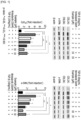
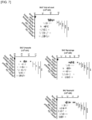
- a DHLF cell line (FGMTM-2 Bullet Kit TM, 10% FBS), which is a lung fibrosis cell line, was prepared, and cultured in a T75 Easy Flask Filter at 37°C and 5% CO 2 using FBM medium.
- the cultured DHLF cell line was treated with 10 ng/mL of TGF- ⁇ and the test drug alone or in combination, cultured for 72 hours, then the media was removed, the protein was extracted, and the extracted protein was quantified using the BCA Protein Assay Kit. Based on the quantitative value of each extracted protein, 10 to 20 ug of protein was subjected to Western blotting. The protein after running was transferred to the PVDF membrane.
- BLM solution bleomycin 1-3 mg/kg
- the test drug was administered 7 days after BLM administration, and the drug was orally administered for 2 weeks until the 21st day of BLM administration.
- the composition of the experimental group is as shown in Table 4 below, and body weight, SpO2, hydroxyproline, and inflammation cell counts were measured to determine the anti-fibrotic efficacy.
- This lung function evaluation is the most direct and important evaluation index that has the greatest influence on the symptoms and quality of life of patients with pulmonary fibrosis, and is an experiment that can most directly show the effect of improving lung function in an animal model of pulmonary fibrosis by measuring the oxygen concentration in the body.
- Pulmonary fibrosis is the accumulation of collagen in the lungs to make it stiff.
- the main cause of pulmonary fibrosis is the accumulation of collagen, and he degree of progression of fibrosis can be predicted by measuring the collagen content in the lung tissue.
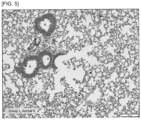
- the degree of fibrosis and inflammation of the lung tissue were visually observed through a microscope, and the degree of fibrosis of lung tissue was measured with a Fibrotic Index according to normalized criteria. The higher the Fibrotic Index value, the more severe the degree and symptom of fibrosis. It is interpreted that as the value is lower, the symptom is alleviated.
- fibrosis is a chronic inflammatory disease characterized by excessive collagen deposition
- the infiltration of inflammatory cells was analyzed to determine the degree of inflammation in the lung tissue.
- BALF Bronchoalveolar lavage fluid
- mice were diluted with 1.05 X PBS and attached to a slide, and then the slide was immersed and removed for 30 seconds in the order of 1,2,3 diff quick stain solution, and stained. It was counted based on 500 cells. Macrophages are the largest in size, mononuclear, and stained blue. Neutrophils and eosinophils form polynuclear cells, but eosinophils are stained red with eosin and distinguished from neutrophils. Lymphocytes have very less cytoplasm and are small in size as monocytes.
- inflammatory cell analysis was performed, and it can be seen that when used in combination, the total cell level was improved by 50% or more as compared with when used alone, thereby improving the inflammation of the lung tissue.
- Neutrophil cells are inflammatory cells that show a high rate of lung fibrotic inflammation, and the number of these cells decreased by 50% or more, so that the ratio of major inflammatory cells was significantly improved.
- Body weight is an indirect indicator that can know the degree of improvement in the overall physical condition of the animal model. When the degree of weight loss is small, it can be inferred that the overall physical condition or symptoms of the disease are improved.
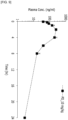
- the pharmacokinetic test after a single oral administration of the first component in ICR mice proceeded as shown in Table 10 below.
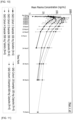
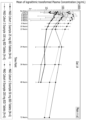
- the pharmacokinetic parameters were calculated using Excel ® and WinNonlin6.1 software for the blood drug concentration according to the change over time obtained through LC-MS/MS, and changes in the blood concentration of the first component are shown in Table 11 and Fig. 9 .
- Microcrystalline cellulose, lactose hydrate, crospovidone, and magnesium stearate were mixed with the hydrochloride form of the first component, prepared into a plate-shaped compressed product using a dry granulator, and pulverized with an oscillator to prepare a dry granule.
- Microcrystalline cellulose, lactose hydrate, and magnesium stearate were further mixed with the granulated material, subjected to compression molding to prepare tablets, and enteric coating was carried out to complete the process.
- the 14th day pK confirmation result for multiple administration confirmed that the maximum plasma concentration was recorded within 1.5 to 5 hours at steady state after administration, the geometric mean half-life ranged from 4.4 hours to 12.35 hours, and the geometric mean dose interval in vivo exposure (AUC ⁇ ) ranged from 183.32-3012.35 h ⁇ ng/mL. It was confirmed that the plasma concentrations have a dose linear relationship within the dose range of 25 mg to 200 mg of active component.
- a clinical trial was conducted on a total of 48 healthy adults, divided into two groups of 24 each for Part 1 and Part 2.
- the clinical trial was designed by a fixed sequence, three-phase, and one 150 mg enteric tablet of the first component was orally administered.
- Subjects enrolled in Part 1 were sequentially given a single dose of 600 mg of the second component (PID) in the phase 1, a single dose of 150 mg of the first component in the phase 2. After that, washout progressed on the 3rd day, and 150 mg of the first component was administered multiple times for 3 days, and in the final phase 3, a single dose of the first component and the second components (NIN) was administered in combination.
- PID the second component
- NIN a single dose of the first component and the second components
- the target group is divided into patients receiving Pirfenidone as an existing standard of care, patients receiving Nintedanib, and patients who have not received any treatment, and the effect was confirmed by administering the first component or a placebo to each patient group.
- the effect due to of combined administration with standard of care compared to single administration was confirmed.
- the patient's response is closely monitored and the dose is reduced.
Landscapes
- Health & Medical Sciences (AREA)
- Life Sciences & Earth Sciences (AREA)
- General Health & Medical Sciences (AREA)
- Chemical & Material Sciences (AREA)
- Medicinal Chemistry (AREA)
- Veterinary Medicine (AREA)
- Public Health (AREA)
- Pharmacology & Pharmacy (AREA)
- Animal Behavior & Ethology (AREA)
- Epidemiology (AREA)
- Bioinformatics & Cheminformatics (AREA)
- Engineering & Computer Science (AREA)
- General Chemical & Material Sciences (AREA)
- Organic Chemistry (AREA)
- Nuclear Medicine, Radiotherapy & Molecular Imaging (AREA)
- Chemical Kinetics & Catalysis (AREA)
- Pulmonology (AREA)
- Biophysics (AREA)
- Molecular Biology (AREA)
- Acyclic And Carbocyclic Compounds In Medicinal Compositions (AREA)
- Pharmaceuticals Containing Other Organic And Inorganic Compounds (AREA)
Applications Claiming Priority (2)
| Application Number | Priority Date | Filing Date | Title |
|---|---|---|---|
| KR20210062252 | 2021-05-13 | ||
| PCT/KR2022/006231 WO2022240036A1 (fr) | 2021-05-13 | 2022-05-02 | Composition pharmaceutique pour la prévention ou le traitement de la fibrose |
Publications (2)
| Publication Number | Publication Date |
|---|---|
| EP4338734A1 true EP4338734A1 (fr) | 2024-03-20 |
| EP4338734A4 EP4338734A4 (fr) | 2025-05-07 |
Family
ID=84029268
Family Applications (1)
| Application Number | Title | Priority Date | Filing Date |
|---|---|---|---|
| EP22807684.0A Pending EP4338734A4 (fr) | 2021-05-13 | 2022-05-02 | Composition pharmaceutique pour la prévention ou le traitement de la fibrose |
Country Status (18)
| Country | Link |
|---|---|
| US (1) | US20240238278A1 (fr) |
| EP (1) | EP4338734A4 (fr) |
| JP (1) | JP7762224B2 (fr) |
| KR (1) | KR20220154616A (fr) |
| CN (1) | CN117320718A (fr) |
| AR (2) | AR125886A1 (fr) |
| AU (1) | AU2022274469B2 (fr) |
| BR (1) | BR112023023670A2 (fr) |
| CA (1) | CA3213455A1 (fr) |
| CL (1) | CL2023003345A1 (fr) |
| CO (1) | CO2023015482A2 (fr) |
| EC (1) | ECSP23086047A (fr) |
| JO (1) | JOP20230279A1 (fr) |
| MX (1) | MX2023013405A (fr) |
| PE (1) | PE20241171A1 (fr) |
| TW (1) | TW202310839A (fr) |
| WO (1) | WO2022240036A1 (fr) |
| ZA (1) | ZA202310049B (fr) |
Family Cites Families (6)
| Publication number | Priority date | Publication date | Assignee | Title |
|---|---|---|---|---|
| BRPI0917013A2 (pt) * | 2008-08-11 | 2016-02-16 | Glaxosmithkline Llc | métodos para tratar doenças alérgicas e outras condições inflamatórias, e para tratar ou prevenir doença, composto, composição farmacêutica, e, uso de um composto |
| AR110963A1 (es) | 2017-02-07 | 2019-05-22 | Dae Woong Pharma | Compuestos heterocíclicos, su método de preparación y composición farmacéutica que los comprende |
| CN112040950A (zh) * | 2018-03-19 | 2020-12-04 | 上海偕怡医药科技有限公司 | 治疗特发性肺纤维化的方法和组合物 |
| US20210205253A1 (en) * | 2018-05-31 | 2021-07-08 | The Asan Foundation | Use Of Stearic Acid For Preventing Or Treating Pulmonary Fibrosis |
| BR112023019668A2 (pt) * | 2021-05-13 | 2023-11-28 | Daewoong Pharmaceutical Co Ltd | Composição farmacêutica para prevenir ou tratar fibrose |
| US20240307365A1 (en) * | 2021-07-23 | 2024-09-19 | Daewoong Pharmaceutical Co., Ltd. | Pharmaceutical Composition for Preventing or Treating Systemic Sclerosis |
-
2022
- 2022-05-02 US US18/288,275 patent/US20240238278A1/en active Pending
- 2022-05-02 BR BR112023023670A patent/BR112023023670A2/pt unknown
- 2022-05-02 PE PE2023003019A patent/PE20241171A1/es unknown
- 2022-05-02 JP JP2023567150A patent/JP7762224B2/ja active Active
- 2022-05-02 CA CA3213455A patent/CA3213455A1/fr active Pending
- 2022-05-02 MX MX2023013405A patent/MX2023013405A/es unknown
- 2022-05-02 EP EP22807684.0A patent/EP4338734A4/fr active Pending
- 2022-05-02 WO PCT/KR2022/006231 patent/WO2022240036A1/fr not_active Ceased
- 2022-05-02 AU AU2022274469A patent/AU2022274469B2/en active Active
- 2022-05-02 KR KR1020220054168A patent/KR20220154616A/ko active Pending
- 2022-05-02 CN CN202280034620.XA patent/CN117320718A/zh active Pending
- 2022-05-13 AR ARP220101296A patent/AR125886A1/es unknown
- 2022-05-13 TW TW111118048A patent/TW202310839A/zh unknown
- 2022-05-13 AR ARP220101295A patent/AR125885A1/es unknown
-
2023
- 2023-10-27 ZA ZA2023/10049A patent/ZA202310049B/en unknown
- 2023-11-02 JO JOJO/P/2023/0279A patent/JOP20230279A1/ar unknown
- 2023-11-09 CL CL2023003345A patent/CL2023003345A1/es unknown
- 2023-11-14 EC ECSENADI202386047A patent/ECSP23086047A/es unknown
- 2023-11-16 CO CONC2023/0015482A patent/CO2023015482A2/es unknown
Also Published As
| Publication number | Publication date |
|---|---|
| JP7762224B2 (ja) | 2025-10-29 |
| CL2023003345A1 (es) | 2024-06-07 |
| AR125886A1 (es) | 2023-08-23 |
| CA3213455A1 (fr) | 2022-11-17 |
| KR20220154616A (ko) | 2022-11-22 |
| US20240238278A1 (en) | 2024-07-18 |
| ZA202310049B (en) | 2025-06-25 |
| EP4338734A4 (fr) | 2025-05-07 |
| AU2022274469A1 (en) | 2023-09-21 |
| JOP20230279A1 (ar) | 2023-11-02 |
| CN117320718A (zh) | 2023-12-29 |
| PE20241171A1 (es) | 2024-05-28 |
| ECSP23086047A (es) | 2023-12-29 |
| BR112023023670A2 (pt) | 2024-01-30 |
| WO2022240036A1 (fr) | 2022-11-17 |
| MX2023013405A (es) | 2023-11-27 |
| CO2023015482A2 (es) | 2023-11-30 |
| TW202310839A (zh) | 2023-03-16 |
| AU2022274469B2 (en) | 2025-06-05 |
| JP2024516021A (ja) | 2024-04-11 |
| AR125885A1 (es) | 2023-08-23 |
Similar Documents
| Publication | Publication Date | Title |
|---|---|---|
| EP4338733A1 (fr) | Composition pharmaceutique destinée à la prévention ou au traitement de la fibrose | |
| EP3509594B1 (fr) | Inhibiteur d'homologue 2 de lysyl-oxydase pour son employ dans le traitement de la myélofibrose | |
| US20090191265A1 (en) | Capsule Formulation of Pirfenidone and Pharmaceutically Acceptable Excipients | |
| JP6557684B2 (ja) | 線維性疾患の治療に用いられるppar化合物 | |
| EP3753557B1 (fr) | Agent prophylactique ou thérapeutique et composition pharmaceutique contre des maladies inflammatoires ou des maladies osseuses | |
| TWI900606B (zh) | 用於治療內皮素相關疾病之齊泊騰坦和達格列淨的組合 | |
| US20240350494A1 (en) | Therapeutic modulation of integrins | |
| EP4494701A2 (fr) | Nouvelles combinaisons thérapeutiques pour le traitement de maladies pulmonaires interstitielles fibrosantes progressives | |
| CN114040913B (zh) | 哒嗪酮trpc5抑制剂的喷雾干燥制剂 | |
| EP4623908A1 (fr) | Utilisation d'un composé de gallate de (-)-épigallocatéchine | |
| EA018898B1 (ru) | Способ лечения амилоидоза | |
| EP4494700A2 (fr) | Nouvelle composition pharmaceutique orale et schéma posologique pour la thérapie de maladies pulmonaires interstitielles fibrosantes progressives | |
| EP4338734A1 (fr) | Composition pharmaceutique pour la prévention ou le traitement de la fibrose | |
| CA3212730C (fr) | Composition pharmaceutique destinee a la prevention ou au traitement de la fibrose | |
| RU2829908C2 (ru) | Фармацевтическая композиция для предупреждения или лечения фиброза | |
| US10624883B2 (en) | Pulmonary hypertension preventative or therapeutic agent containing component exhibiting selenoprotein P activity-inhibiting effect | |
| TW202308623A (zh) | 用於預防或治療纖維化之醫藥組成物 | |
| HK40096647A (zh) | 用於预防或治疗纤维化的药物组合物 | |
| CN113631179A (zh) | 用于治疗特发性肺纤维化的方法 | |
| HK40096678A (zh) | 用於预防或治疗纤维化的药物组合物 | |
| US20250025450A1 (en) | Methods of treating interstitial lung diseases and other fibrotic-mediated pulmonary diseases and disorders with deupirfenidone | |
| KR102956339B1 (ko) | 피리다진온 trpc5 억제제의 분무 건조된 제형 | |
| CN120187430A (zh) | 用于治疗间质性肺病的n-吡啶基乙酰胺衍生物的口服制剂 | |
| CN118613264A (zh) | 与抗癌药物共同施用的包含酞嗪酮衍生物的药物组合物 | |
| EA052076B1 (ru) | Комбинация зиботентана и дапаглифлозина для лечения хронического заболевания почек |
Legal Events
| Date | Code | Title | Description |
|---|---|---|---|
| STAA | Information on the status of an ep patent application or granted ep patent |
Free format text: STATUS: THE INTERNATIONAL PUBLICATION HAS BEEN MADE |
|
| PUAI | Public reference made under article 153(3) epc to a published international application that has entered the european phase |
Free format text: ORIGINAL CODE: 0009012 |
|
| STAA | Information on the status of an ep patent application or granted ep patent |
Free format text: STATUS: REQUEST FOR EXAMINATION WAS MADE |
|
| 17P | Request for examination filed |
Effective date: 20231114 |
|
| AK | Designated contracting states |
Kind code of ref document: A1 Designated state(s): AL AT BE BG CH CY CZ DE DK EE ES FI FR GB GR HR HU IE IS IT LI LT LU LV MC MK MT NL NO PL PT RO RS SE SI SK SM TR |
|
| DAV | Request for validation of the european patent (deleted) | ||
| DAX | Request for extension of the european patent (deleted) | ||
| A4 | Supplementary search report drawn up and despatched |
Effective date: 20250408 |
|
| RIC1 | Information provided on ipc code assigned before grant |
Ipc: A61P 43/00 20060101ALI20250402BHEP Ipc: A61P 11/00 20060101ALI20250402BHEP Ipc: A61K 31/496 20060101ALI20250402BHEP Ipc: A61K 31/4418 20060101ALI20250402BHEP Ipc: A61K 31/454 20060101AFI20250402BHEP |
|
| STAA | Information on the status of an ep patent application or granted ep patent |
Free format text: STATUS: EXAMINATION IS IN PROGRESS |
|
| 17Q | First examination report despatched |
Effective date: 20260210 |