EP4338744A1 - Application d'un oligosaccharide d'alginate - Google Patents
Application d'un oligosaccharide d'alginate Download PDFInfo
- Publication number
- EP4338744A1 EP4338744A1 EP21941384.6A EP21941384A EP4338744A1 EP 4338744 A1 EP4338744 A1 EP 4338744A1 EP 21941384 A EP21941384 A EP 21941384A EP 4338744 A1 EP4338744 A1 EP 4338744A1
- Authority
- EP
- European Patent Office
- Prior art keywords
- alginate
- induced
- group
- injury
- kidney injury
- Prior art date
- Legal status (The legal status is an assumption and is not a legal conclusion. Google has not performed a legal analysis and makes no representation as to the accuracy of the status listed.)
- Pending
Links
- 229940072056 alginate Drugs 0.000 title claims abstract description 212
- 229920000615 alginic acid Polymers 0.000 title claims abstract description 212
- 235000010443 alginic acid Nutrition 0.000 title claims abstract description 212
- -1 alginate oligosaccharide Chemical class 0.000 title claims abstract description 199
- 229920001542 oligosaccharide Polymers 0.000 title claims abstract description 48
- 208000009304 Acute Kidney Injury Diseases 0.000 claims abstract description 121
- 208000033626 Renal failure acute Diseases 0.000 claims abstract description 121
- 201000011040 acute kidney failure Diseases 0.000 claims abstract description 121
- 238000011282 treatment Methods 0.000 claims abstract description 61
- 239000003814 drug Substances 0.000 claims abstract description 15
- 229940079593 drug Drugs 0.000 claims abstract description 13
- 150000003839 salts Chemical class 0.000 claims abstract description 12
- 238000002360 preparation method Methods 0.000 claims abstract description 6
- FHVDTGUDJYJELY-UHFFFAOYSA-N 6-{[2-carboxy-4,5-dihydroxy-6-(phosphanyloxy)oxan-3-yl]oxy}-4,5-dihydroxy-3-phosphanyloxane-2-carboxylic acid Chemical compound O1C(C(O)=O)C(P)C(O)C(O)C1OC1C(C(O)=O)OC(OP)C(O)C1O FHVDTGUDJYJELY-UHFFFAOYSA-N 0.000 claims description 13
- 238000000034 method Methods 0.000 claims description 12
- 150000002772 monosaccharides Chemical class 0.000 claims description 8
- 159000000000 sodium salts Chemical group 0.000 claims description 8
- AEMOLEFTQBMNLQ-AZLKCVHYSA-N (2r,3s,4s,5s,6r)-3,4,5,6-tetrahydroxyoxane-2-carboxylic acid Chemical compound O[C@@H]1O[C@@H](C(O)=O)[C@@H](O)[C@H](O)[C@@H]1O AEMOLEFTQBMNLQ-AZLKCVHYSA-N 0.000 claims description 6
- AEMOLEFTQBMNLQ-SYJWYVCOSA-N (2s,3s,4s,5s,6r)-3,4,5,6-tetrahydroxyoxane-2-carboxylic acid Chemical group O[C@@H]1O[C@H](C(O)=O)[C@@H](O)[C@H](O)[C@@H]1O AEMOLEFTQBMNLQ-SYJWYVCOSA-N 0.000 claims description 6
- 208000015181 infectious disease Diseases 0.000 claims description 5
- 206010058558 Hypoperfusion Diseases 0.000 claims description 4
- 238000007068 beta-elimination reaction Methods 0.000 claims description 3
- 231100000417 nephrotoxicity Toxicity 0.000 claims description 3
- 150000003863 ammonium salts Chemical class 0.000 claims description 2
- 159000000007 calcium salts Chemical class 0.000 claims description 2
- 159000000003 magnesium salts Chemical class 0.000 claims description 2
- XAEFZNCEHLXOMS-UHFFFAOYSA-M potassium benzoate Chemical compound [K+].[O-]C(=O)C1=CC=CC=C1 XAEFZNCEHLXOMS-UHFFFAOYSA-M 0.000 claims description 2
- DDRJAANPRJIHGJ-UHFFFAOYSA-N creatinine Chemical compound CN1CC(=O)NC1=N DDRJAANPRJIHGJ-UHFFFAOYSA-N 0.000 abstract description 130
- 239000002158 endotoxin Substances 0.000 abstract description 113
- 229920006008 lipopolysaccharide Polymers 0.000 abstract description 92
- 229940109239 creatinine Drugs 0.000 abstract description 65
- 210000002966 serum Anatomy 0.000 abstract description 61
- 230000000694 effects Effects 0.000 abstract description 56
- 230000002757 inflammatory effect Effects 0.000 abstract description 56
- 210000003734 kidney Anatomy 0.000 abstract description 51
- 210000002700 urine Anatomy 0.000 abstract description 43
- 102000013519 Lipocalin-2 Human genes 0.000 abstract description 37
- 108010051335 Lipocalin-2 Proteins 0.000 abstract description 37
- 208000028867 ischemia Diseases 0.000 abstract description 30
- DQLATGHUWYMOKM-UHFFFAOYSA-L cisplatin Chemical compound N[Pt](N)(Cl)Cl DQLATGHUWYMOKM-UHFFFAOYSA-L 0.000 abstract description 25
- 229960004316 cisplatin Drugs 0.000 abstract description 25
- 230000014509 gene expression Effects 0.000 abstract description 25
- 102100034459 Hepatitis A virus cellular receptor 1 Human genes 0.000 abstract description 22
- 101710185991 Hepatitis A virus cellular receptor 1 homolog Proteins 0.000 abstract description 22
- 230000001681 protective effect Effects 0.000 abstract description 22
- OAICVXFJPJFONN-UHFFFAOYSA-N Phosphorus Chemical compound [P] OAICVXFJPJFONN-UHFFFAOYSA-N 0.000 abstract description 21
- 239000011574 phosphorus Substances 0.000 abstract description 21
- 229910052698 phosphorus Inorganic materials 0.000 abstract description 21
- 230000001225 therapeutic effect Effects 0.000 abstract description 16
- 102000004169 proteins and genes Human genes 0.000 abstract description 14
- 108090000623 proteins and genes Proteins 0.000 abstract description 13
- 230000007423 decrease Effects 0.000 abstract description 11
- 208000037978 tubular injury Diseases 0.000 abstract description 10
- 230000010024 tubular injury Effects 0.000 abstract description 10
- 238000010171 animal model Methods 0.000 abstract description 7
- 230000001668 ameliorated effect Effects 0.000 abstract description 6
- 241001465754 Metazoa Species 0.000 abstract description 4
- 231100000915 pathological change Toxicity 0.000 abstract description 4
- 230000036285 pathological change Effects 0.000 abstract description 4
- 239000002246 antineoplastic agent Substances 0.000 abstract description 2
- 229940041181 antineoplastic drug Drugs 0.000 abstract description 2
- 241000699670 Mus sp. Species 0.000 description 75
- 241000700159 Rattus Species 0.000 description 64
- 101100494411 Oryza sativa subsp. japonica CYP74A3 gene Proteins 0.000 description 44
- 101100216180 Solanum lycopersicum AOS3 gene Proteins 0.000 description 44
- 210000005084 renal tissue Anatomy 0.000 description 38
- 150000001720 carbohydrates Chemical class 0.000 description 37
- 101100494409 Oryza sativa subsp. japonica CYP74A2 gene Proteins 0.000 description 28
- 101100216179 Solanum lycopersicum AOS2 gene Proteins 0.000 description 28
- 108020004999 messenger RNA Proteins 0.000 description 28
- 230000001084 renoprotective effect Effects 0.000 description 28
- 241000699666 Mus <mouse, genus> Species 0.000 description 26
- 101100494412 Oryza sativa subsp. japonica CYP74A4 gene Proteins 0.000 description 26
- 208000027418 Wounds and injury Diseases 0.000 description 25
- 230000006378 damage Effects 0.000 description 25
- 208000014674 injury Diseases 0.000 description 25
- 238000006116 polymerization reaction Methods 0.000 description 23
- 230000003247 decreasing effect Effects 0.000 description 21
- 229960003957 dexamethasone Drugs 0.000 description 19
- UREBDLICKHMUKA-CXSFZGCWSA-N dexamethasone Chemical compound C1CC2=CC(=O)C=C[C@]2(C)[C@]2(F)[C@@H]1[C@@H]1C[C@@H](C)[C@@](C(=O)CO)(O)[C@@]1(C)C[C@@H]2O UREBDLICKHMUKA-CXSFZGCWSA-N 0.000 description 19
- 206010061481 Renal injury Diseases 0.000 description 16
- 208000037806 kidney injury Diseases 0.000 description 16
- 101000979342 Homo sapiens Nuclear factor NF-kappa-B p105 subunit Proteins 0.000 description 14
- 102100023050 Nuclear factor NF-kappa-B p105 subunit Human genes 0.000 description 14
- 238000004519 manufacturing process Methods 0.000 description 14
- 210000001519 tissue Anatomy 0.000 description 14
- 206010063897 Renal ischaemia Diseases 0.000 description 13
- 239000007928 intraperitoneal injection Substances 0.000 description 13
- 206010063837 Reperfusion injury Diseases 0.000 description 12
- 230000001154 acute effect Effects 0.000 description 12
- 208000012947 ischemia reperfusion injury Diseases 0.000 description 12
- 235000014633 carbohydrates Nutrition 0.000 description 11
- 238000001514 detection method Methods 0.000 description 11
- 238000004128 high performance liquid chromatography Methods 0.000 description 10
- 230000028709 inflammatory response Effects 0.000 description 10
- 238000005070 sampling Methods 0.000 description 10
- 238000005160 1H NMR spectroscopy Methods 0.000 description 9
- 150000002482 oligosaccharides Chemical class 0.000 description 9
- 229910001415 sodium ion Inorganic materials 0.000 description 9
- 210000005239 tubule Anatomy 0.000 description 9
- 239000002253 acid Substances 0.000 description 8
- 230000003110 anti-inflammatory effect Effects 0.000 description 8
- 230000003907 kidney function Effects 0.000 description 8
- 238000011084 recovery Methods 0.000 description 8
- 101000669447 Homo sapiens Toll-like receptor 4 Proteins 0.000 description 7
- FAPWRFPIFSIZLT-UHFFFAOYSA-M Sodium chloride Chemical compound [Na+].[Cl-] FAPWRFPIFSIZLT-UHFFFAOYSA-M 0.000 description 7
- 102100039360 Toll-like receptor 4 Human genes 0.000 description 7
- 238000003149 assay kit Methods 0.000 description 7
- 239000000090 biomarker Substances 0.000 description 7
- 239000012139 lysis buffer Substances 0.000 description 7
- 239000000203 mixture Substances 0.000 description 7
- 238000001543 one-way ANOVA Methods 0.000 description 7
- 239000006228 supernatant Substances 0.000 description 7
- 238000002604 ultrasonography Methods 0.000 description 7
- 238000001262 western blot Methods 0.000 description 7
- MZOFCQQQCNRIBI-VMXHOPILSA-N (3s)-4-[[(2s)-1-[[(2s)-1-[[(1s)-1-carboxy-2-hydroxyethyl]amino]-4-methyl-1-oxopentan-2-yl]amino]-5-(diaminomethylideneamino)-1-oxopentan-2-yl]amino]-3-[[2-[[(2s)-2,6-diaminohexanoyl]amino]acetyl]amino]-4-oxobutanoic acid Chemical compound OC[C@@H](C(O)=O)NC(=O)[C@H](CC(C)C)NC(=O)[C@H](CCCN=C(N)N)NC(=O)[C@H](CC(O)=O)NC(=O)CNC(=O)[C@@H](N)CCCCN MZOFCQQQCNRIBI-VMXHOPILSA-N 0.000 description 6
- 102100021943 C-C motif chemokine 2 Human genes 0.000 description 6
- 101710155857 C-C motif chemokine 2 Proteins 0.000 description 6
- 102000003810 Interleukin-18 Human genes 0.000 description 6
- 108090000171 Interleukin-18 Proteins 0.000 description 6
- 108060008682 Tumor Necrosis Factor Proteins 0.000 description 6
- 102100040247 Tumor necrosis factor Human genes 0.000 description 6
- 210000004369 blood Anatomy 0.000 description 6
- 239000008280 blood Substances 0.000 description 6
- 150000007942 carboxylates Chemical group 0.000 description 6
- 239000012535 impurity Substances 0.000 description 6
- 229920001282 polysaccharide Polymers 0.000 description 6
- 239000005017 polysaccharide Substances 0.000 description 6
- 239000013641 positive control Substances 0.000 description 6
- 238000001228 spectrum Methods 0.000 description 6
- 150000004044 tetrasaccharides Chemical class 0.000 description 6
- 150000004043 trisaccharides Chemical class 0.000 description 6
- XLYOFNOQVPJJNP-UHFFFAOYSA-N water Substances O XLYOFNOQVPJJNP-UHFFFAOYSA-N 0.000 description 6
- 208000020832 chronic kidney disease Diseases 0.000 description 5
- 150000004676 glycans Chemical class 0.000 description 5
- 230000003902 lesion Effects 0.000 description 5
- 230000036772 blood pressure Effects 0.000 description 4
- 150000001875 compounds Chemical class 0.000 description 4
- 238000002474 experimental method Methods 0.000 description 4
- 238000001914 filtration Methods 0.000 description 4
- 230000006870 function Effects 0.000 description 4
- 238000003304 gavage Methods 0.000 description 4
- 230000001771 impaired effect Effects 0.000 description 4
- 108010004131 poly(beta-D-mannuronate) lyase Proteins 0.000 description 4
- 206010055171 Hypertensive nephropathy Diseases 0.000 description 3
- PMZURENOXWZQFD-UHFFFAOYSA-L Sodium Sulfate Chemical compound [Na+].[Na+].[O-]S([O-])(=O)=O PMZURENOXWZQFD-UHFFFAOYSA-L 0.000 description 3
- 230000005856 abnormality Effects 0.000 description 3
- 230000004071 biological effect Effects 0.000 description 3
- 125000003178 carboxy group Chemical group [H]OC(*)=O 0.000 description 3
- 230000037406 food intake Effects 0.000 description 3
- 235000012631 food intake Nutrition 0.000 description 3
- 230000001434 glomerular Effects 0.000 description 3
- 230000024924 glomerular filtration Effects 0.000 description 3
- 238000004255 ion exchange chromatography Methods 0.000 description 3
- 230000007774 longterm Effects 0.000 description 3
- 238000001819 mass spectrum Methods 0.000 description 3
- 230000002503 metabolic effect Effects 0.000 description 3
- 239000013558 reference substance Substances 0.000 description 3
- 229910052938 sodium sulfate Inorganic materials 0.000 description 3
- 235000011152 sodium sulphate Nutrition 0.000 description 3
- 239000002904 solvent Substances 0.000 description 3
- 239000000126 substance Substances 0.000 description 3
- 210000001631 vena cava inferior Anatomy 0.000 description 3
- 229920000985 (beta-D-Mannuronate)n Polymers 0.000 description 2
- WSFSSNUMVMOOMR-UHFFFAOYSA-N Formaldehyde Chemical compound O=C WSFSSNUMVMOOMR-UHFFFAOYSA-N 0.000 description 2
- 238000005481 NMR spectroscopy Methods 0.000 description 2
- 206010028851 Necrosis Diseases 0.000 description 2
- FPVRUILUEYSIMD-RPRRAYFGSA-N [(8s,9r,10s,11s,13s,14s,16r,17r)-9-fluoro-11-hydroxy-17-(2-hydroxyacetyl)-10,13,16-trimethyl-3-oxo-6,7,8,11,12,14,15,16-octahydrocyclopenta[a]phenanthren-17-yl] acetate Chemical compound C1CC2=CC(=O)C=C[C@]2(C)[C@]2(F)[C@@H]1[C@@H]1C[C@@H](C)[C@@](C(=O)CO)(OC(C)=O)[C@@]1(C)C[C@@H]2O FPVRUILUEYSIMD-RPRRAYFGSA-N 0.000 description 2
- 230000000259 anti-tumor effect Effects 0.000 description 2
- 239000003963 antioxidant agent Substances 0.000 description 2
- 230000003078 antioxidant effect Effects 0.000 description 2
- 230000007211 cardiovascular event Effects 0.000 description 2
- 238000003776 cleavage reaction Methods 0.000 description 2
- 229960003657 dexamethasone acetate Drugs 0.000 description 2
- 231100000673 dose–response relationship Toxicity 0.000 description 2
- 210000002919 epithelial cell Anatomy 0.000 description 2
- 239000008098 formaldehyde solution Substances 0.000 description 2
- 239000012634 fragment Substances 0.000 description 2
- 238000007490 hematoxylin and eosin (H&E) staining Methods 0.000 description 2
- 238000004896 high resolution mass spectrometry Methods 0.000 description 2
- 230000002519 immonomodulatory effect Effects 0.000 description 2
- 210000003584 mesangial cell Anatomy 0.000 description 2
- 230000004660 morphological change Effects 0.000 description 2
- 230000017074 necrotic cell death Effects 0.000 description 2
- 239000012188 paraffin wax Substances 0.000 description 2
- 230000001575 pathological effect Effects 0.000 description 2
- 230000007017 scission Effects 0.000 description 2
- 230000008961 swelling Effects 0.000 description 2
- 208000037816 tissue injury Diseases 0.000 description 2
- 231100000027 toxicology Toxicity 0.000 description 2
- 239000003053 toxin Substances 0.000 description 2
- 231100000765 toxin Toxicity 0.000 description 2
- 108700012359 toxins Proteins 0.000 description 2
- NWUYHJFMYQTDRP-UHFFFAOYSA-N 1,2-bis(ethenyl)benzene;1-ethenyl-2-ethylbenzene;styrene Chemical compound C=CC1=CC=CC=C1.CCC1=CC=CC=C1C=C.C=CC1=CC=CC=C1C=C NWUYHJFMYQTDRP-UHFFFAOYSA-N 0.000 description 1
- 241000512259 Ascophyllum nodosum Species 0.000 description 1
- 241001474374 Blennius Species 0.000 description 1
- 208000024172 Cardiovascular disease Diseases 0.000 description 1
- 108090000790 Enzymes Proteins 0.000 description 1
- 102000004190 Enzymes Human genes 0.000 description 1
- 206010016654 Fibrosis Diseases 0.000 description 1
- 206010019280 Heart failures Diseases 0.000 description 1
- UFHFLCQGNIYNRP-UHFFFAOYSA-N Hydrogen Chemical compound [H][H] UFHFLCQGNIYNRP-UHFFFAOYSA-N 0.000 description 1
- 206010020772 Hypertension Diseases 0.000 description 1
- 206010021143 Hypoxia Diseases 0.000 description 1
- 241001491705 Macrocystis pyrifera Species 0.000 description 1
- NIPNSKYNPDTRPC-UHFFFAOYSA-N N-[2-oxo-2-(2,4,6,7-tetrahydrotriazolo[4,5-c]pyridin-5-yl)ethyl]-2-[[3-(trifluoromethoxy)phenyl]methylamino]pyrimidine-5-carboxamide Chemical compound O=C(CNC(=O)C=1C=NC(=NC=1)NCC1=CC(=CC=C1)OC(F)(F)F)N1CC2=C(CC1)NN=N2 NIPNSKYNPDTRPC-UHFFFAOYSA-N 0.000 description 1
- 206010029155 Nephropathy toxic Diseases 0.000 description 1
- 108091005461 Nucleic proteins Proteins 0.000 description 1
- 108091034117 Oligonucleotide Proteins 0.000 description 1
- QGMRQYFBGABWDR-UHFFFAOYSA-M Pentobarbital sodium Chemical compound [Na+].CCCC(C)C1(CC)C(=O)NC(=O)[N-]C1=O QGMRQYFBGABWDR-UHFFFAOYSA-M 0.000 description 1
- 206010038372 Renal arteriosclerosis Diseases 0.000 description 1
- 241000195474 Sargassum Species 0.000 description 1
- 206010040047 Sepsis Diseases 0.000 description 1
- 208000006011 Stroke Diseases 0.000 description 1
- JLCPHMBAVCMARE-UHFFFAOYSA-N [3-[[3-[[3-[[3-[[3-[[3-[[3-[[3-[[3-[[3-[[3-[[5-(2-amino-6-oxo-1H-purin-9-yl)-3-[[3-[[3-[[3-[[3-[[3-[[5-(2-amino-6-oxo-1H-purin-9-yl)-3-[[5-(2-amino-6-oxo-1H-purin-9-yl)-3-hydroxyoxolan-2-yl]methoxy-hydroxyphosphoryl]oxyoxolan-2-yl]methoxy-hydroxyphosphoryl]oxy-5-(5-methyl-2,4-dioxopyrimidin-1-yl)oxolan-2-yl]methoxy-hydroxyphosphoryl]oxy-5-(6-aminopurin-9-yl)oxolan-2-yl]methoxy-hydroxyphosphoryl]oxy-5-(6-aminopurin-9-yl)oxolan-2-yl]methoxy-hydroxyphosphoryl]oxy-5-(6-aminopurin-9-yl)oxolan-2-yl]methoxy-hydroxyphosphoryl]oxy-5-(6-aminopurin-9-yl)oxolan-2-yl]methoxy-hydroxyphosphoryl]oxyoxolan-2-yl]methoxy-hydroxyphosphoryl]oxy-5-(5-methyl-2,4-dioxopyrimidin-1-yl)oxolan-2-yl]methoxy-hydroxyphosphoryl]oxy-5-(4-amino-2-oxopyrimidin-1-yl)oxolan-2-yl]methoxy-hydroxyphosphoryl]oxy-5-(5-methyl-2,4-dioxopyrimidin-1-yl)oxolan-2-yl]methoxy-hydroxyphosphoryl]oxy-5-(5-methyl-2,4-dioxopyrimidin-1-yl)oxolan-2-yl]methoxy-hydroxyphosphoryl]oxy-5-(6-aminopurin-9-yl)oxolan-2-yl]methoxy-hydroxyphosphoryl]oxy-5-(6-aminopurin-9-yl)oxolan-2-yl]methoxy-hydroxyphosphoryl]oxy-5-(4-amino-2-oxopyrimidin-1-yl)oxolan-2-yl]methoxy-hydroxyphosphoryl]oxy-5-(4-amino-2-oxopyrimidin-1-yl)oxolan-2-yl]methoxy-hydroxyphosphoryl]oxy-5-(4-amino-2-oxopyrimidin-1-yl)oxolan-2-yl]methoxy-hydroxyphosphoryl]oxy-5-(6-aminopurin-9-yl)oxolan-2-yl]methoxy-hydroxyphosphoryl]oxy-5-(4-amino-2-oxopyrimidin-1-yl)oxolan-2-yl]methyl [5-(6-aminopurin-9-yl)-2-(hydroxymethyl)oxolan-3-yl] hydrogen phosphate Polymers Cc1cn(C2CC(OP(O)(=O)OCC3OC(CC3OP(O)(=O)OCC3OC(CC3O)n3cnc4c3nc(N)[nH]c4=O)n3cnc4c3nc(N)[nH]c4=O)C(COP(O)(=O)OC3CC(OC3COP(O)(=O)OC3CC(OC3COP(O)(=O)OC3CC(OC3COP(O)(=O)OC3CC(OC3COP(O)(=O)OC3CC(OC3COP(O)(=O)OC3CC(OC3COP(O)(=O)OC3CC(OC3COP(O)(=O)OC3CC(OC3COP(O)(=O)OC3CC(OC3COP(O)(=O)OC3CC(OC3COP(O)(=O)OC3CC(OC3COP(O)(=O)OC3CC(OC3COP(O)(=O)OC3CC(OC3COP(O)(=O)OC3CC(OC3COP(O)(=O)OC3CC(OC3COP(O)(=O)OC3CC(OC3COP(O)(=O)OC3CC(OC3CO)n3cnc4c(N)ncnc34)n3ccc(N)nc3=O)n3cnc4c(N)ncnc34)n3ccc(N)nc3=O)n3ccc(N)nc3=O)n3ccc(N)nc3=O)n3cnc4c(N)ncnc34)n3cnc4c(N)ncnc34)n3cc(C)c(=O)[nH]c3=O)n3cc(C)c(=O)[nH]c3=O)n3ccc(N)nc3=O)n3cc(C)c(=O)[nH]c3=O)n3cnc4c3nc(N)[nH]c4=O)n3cnc4c(N)ncnc34)n3cnc4c(N)ncnc34)n3cnc4c(N)ncnc34)n3cnc4c(N)ncnc34)O2)c(=O)[nH]c1=O JLCPHMBAVCMARE-UHFFFAOYSA-N 0.000 description 1
- 210000001015 abdomen Anatomy 0.000 description 1
- 150000007513 acids Chemical class 0.000 description 1
- 239000008186 active pharmaceutical agent Substances 0.000 description 1
- 206010000891 acute myocardial infarction Diseases 0.000 description 1
- 208000012998 acute renal failure Diseases 0.000 description 1
- 238000012648 alternating copolymerization Methods 0.000 description 1
- 150000001413 amino acids Chemical class 0.000 description 1
- 230000007131 anti Alzheimer effect Effects 0.000 description 1
- 230000003178 anti-diabetic effect Effects 0.000 description 1
- 230000000840 anti-viral effect Effects 0.000 description 1
- 239000003146 anticoagulant agent Substances 0.000 description 1
- 229940127219 anticoagulant drug Drugs 0.000 description 1
- 239000012620 biological material Substances 0.000 description 1
- 210000004204 blood vessel Anatomy 0.000 description 1
- 210000002421 cell wall Anatomy 0.000 description 1
- 208000035850 clinical syndrome Diseases 0.000 description 1
- 239000000701 coagulant Substances 0.000 description 1
- 238000013270 controlled release Methods 0.000 description 1
- 238000012937 correction Methods 0.000 description 1
- 238000011461 current therapy Methods 0.000 description 1
- 150000002016 disaccharides Chemical class 0.000 description 1
- 238000013399 early diagnosis Methods 0.000 description 1
- 201000000523 end stage renal failure Diseases 0.000 description 1
- 238000005516 engineering process Methods 0.000 description 1
- 230000002255 enzymatic effect Effects 0.000 description 1
- 230000004761 fibrosis Effects 0.000 description 1
- 235000013305 food Nutrition 0.000 description 1
- 230000036541 health Effects 0.000 description 1
- 238000010438 heat treatment Methods 0.000 description 1
- 230000013632 homeostatic process Effects 0.000 description 1
- 229910052739 hydrogen Inorganic materials 0.000 description 1
- 239000001257 hydrogen Substances 0.000 description 1
- 230000007954 hypoxia Effects 0.000 description 1
- 230000002779 inactivation Effects 0.000 description 1
- 238000009776 industrial production Methods 0.000 description 1
- 230000008595 infiltration Effects 0.000 description 1
- 238000001764 infiltration Methods 0.000 description 1
- 210000004969 inflammatory cell Anatomy 0.000 description 1
- 239000007924 injection Substances 0.000 description 1
- 238000002347 injection Methods 0.000 description 1
- 238000011835 investigation Methods 0.000 description 1
- 239000003456 ion exchange resin Substances 0.000 description 1
- 229920003303 ion-exchange polymer Polymers 0.000 description 1
- 238000002955 isolation Methods 0.000 description 1
- 208000017169 kidney disease Diseases 0.000 description 1
- 229920002521 macromolecule Polymers 0.000 description 1
- 238000012423 maintenance Methods 0.000 description 1
- 210000004962 mammalian cell Anatomy 0.000 description 1
- 239000000463 material Substances 0.000 description 1
- 230000004060 metabolic process Effects 0.000 description 1
- 210000000110 microvilli Anatomy 0.000 description 1
- 230000031990 negative regulation of inflammatory response Effects 0.000 description 1
- 210000000885 nephron Anatomy 0.000 description 1
- 230000007694 nephrotoxicity Effects 0.000 description 1
- 230000000324 neuroprotective effect Effects 0.000 description 1
- 108020004707 nucleic acids Proteins 0.000 description 1
- 102000039446 nucleic acids Human genes 0.000 description 1
- 150000007523 nucleic acids Chemical class 0.000 description 1
- 239000002773 nucleotide Substances 0.000 description 1
- 125000003729 nucleotide group Chemical group 0.000 description 1
- 235000016709 nutrition Nutrition 0.000 description 1
- 229960002275 pentobarbital sodium Drugs 0.000 description 1
- 230000002085 persistent effect Effects 0.000 description 1
- 229920001184 polypeptide Polymers 0.000 description 1
- 230000002265 prevention Effects 0.000 description 1
- 102000004196 processed proteins & peptides Human genes 0.000 description 1
- 108090000765 processed proteins & peptides Proteins 0.000 description 1
- 230000005180 public health Effects 0.000 description 1
- 238000003908 quality control method Methods 0.000 description 1
- 238000012959 renal replacement therapy Methods 0.000 description 1
- 230000002441 reversible effect Effects 0.000 description 1
- 238000009097 single-agent therapy Methods 0.000 description 1
- 239000000243 solution Substances 0.000 description 1
- 238000004611 spectroscopical analysis Methods 0.000 description 1
- 238000013222 sprague-dawley male rat Methods 0.000 description 1
- 239000003381 stabilizer Substances 0.000 description 1
- 238000004659 sterilization and disinfection Methods 0.000 description 1
- 230000002459 sustained effect Effects 0.000 description 1
- 238000013268 sustained release Methods 0.000 description 1
- 239000004753 textile Substances 0.000 description 1
- 239000002562 thickening agent Substances 0.000 description 1
- 210000004926 tubular epithelial cell Anatomy 0.000 description 1
- 230000010245 tubular reabsorption Effects 0.000 description 1
- 210000003934 vacuole Anatomy 0.000 description 1
- 230000002792 vascular Effects 0.000 description 1
Images






Classifications
-
- A—HUMAN NECESSITIES
- A61—MEDICAL OR VETERINARY SCIENCE; HYGIENE
- A61K—PREPARATIONS FOR MEDICAL, DENTAL OR TOILETRY PURPOSES
- A61K31/00—Medicinal preparations containing organic active ingredients
- A61K31/70—Carbohydrates; Sugars; Derivatives thereof
- A61K31/702—Oligosaccharides, i.e. having three to five saccharide radicals attached to each other by glycosidic linkages
-
- A—HUMAN NECESSITIES
- A61—MEDICAL OR VETERINARY SCIENCE; HYGIENE
- A61K—PREPARATIONS FOR MEDICAL, DENTAL OR TOILETRY PURPOSES
- A61K31/00—Medicinal preparations containing organic active ingredients
- A61K31/70—Carbohydrates; Sugars; Derivatives thereof
- A61K31/7016—Disaccharides, e.g. lactose, lactulose
-
- A—HUMAN NECESSITIES
- A61—MEDICAL OR VETERINARY SCIENCE; HYGIENE
- A61P—SPECIFIC THERAPEUTIC ACTIVITY OF CHEMICAL COMPOUNDS OR MEDICINAL PREPARATIONS
- A61P13/00—Drugs for disorders of the urinary system
- A61P13/12—Drugs for disorders of the urinary system of the kidneys
Definitions
- the present invention relates to an application of an alginate oligosaccharide, belonging to the field of biomedical technologies.
- Alginate mainly found in the cell walls of kelp, sargassum and giant kelp, is a class of straight-chain, unbranched, negatively charged polysaccharide compounds.
- the alginate is a binary linear block compound composed of ⁇ -D-(1,4)-manuurouic acid (M) and ⁇ -L-(1,4)-guluronic acid (G).
- PM polymannuronate
- PG polyguluronate
- the alginate Due to its characteristics such as high viscosity and gel-forming characteristics, the alginate has been widely used as a coagulant, a thickener, a stabilizer or the like in food, chemicals, pharmaceuticals, textile, and other industrial production.
- the alginate has a wide range of applications in medical biomaterials and drug sustained/controlled-release materials due to its unique physicochemical properties and good biocompatibility.
- Studies have also found that the alginate shows antioxidant, immunomodulatory, anti-tumor and other biological activities, but is greatly restricted in applications due to its low absorbability caused by large molecular weight and strong gelability. Oligosaccharides have aroused people's attention due to their definite structure, significant activity, good absorbability, and slight side effects.
- Alginate-derived oligosaccharides due to their unique structure, have become a hot spot in the study of carbohydrate drugs in terms of activity study in recent years, and important progress has been made in the study of their biological activity. Studies have found that the alginate-derived oligosaccharides and their derivatives have a variety of biological activities, such as antioxidant, antitumor, anticoagulant, immunomodulatory, neuroprotective, anti-inflammatory, antiviral, anti-Alzheimer's, anti-lithangiuria, and anti-diabetic activities.
- biological activities such as antioxidant, antitumor, anticoagulant, immunomodulatory, neuroprotective, anti-inflammatory, antiviral, anti-Alzheimer's, anti-lithangiuria, and anti-diabetic activities.
- Carbohydrates are a class of highly complex and varied biological macromolecules. Unlike oligonucleotides and polypeptides, carbohydrates are not just linear oligomers, but are typically branched. 9 kinds of common monosaccharides found in mammalian cells can be linked into more diverse structures than those linked by 20 kinds of natural amino acids or 4 kinds of nucleotides. This complexity of the carbohydrate structure makes it very difficult to derive pure carbohydrates from natural sources. Regardless of chemical cleavage or enzymatic cleavage, it is difficult to obtain oligosaccharides or polysaccharides with a uniform degree of polymerization by means of isolation. So far, almost all the oligosaccharides or polysaccharides used in studies are mixtures of a series of carbohydrates with an approximate degree of polymerization, leading to great challenges to the studies on their activity, metabolism and toxicology and on drug quality.
- the inventor carried out previous studies to develop a series of highly specific alginate lyases capable of decomposing the alginate into disaccharides, trisaccharides or tetrasaccharides with high purity, conjugated double bonds at the non-reduced terminals, and a uniform degree of polymerization, respectively.
- the alginate disaccharides, trisaccharides or tetrasaccharides were centrifuged to collect the supernatant, which was concentrated, and then further purified through gel column or ion exchange resin to obtain the alginate disaccharides, trisaccharides or tetrasaccharides with a uniform degree of polymerization.
- the alginate disaccharides comprise ⁇ G and/or ⁇ M and a combination of these two structures at any ratio; the alginate trisaccharides comprise ⁇ GG, ⁇ GM, ⁇ MM and ⁇ MG as well as a combination of these four structures at any ratio; and the alginate tetrasaccharides comprise ⁇ GGG, ⁇ GGM, ⁇ GMG, ⁇ GMM, ⁇ MMG, ⁇ MMM, ⁇ MGG and ⁇ MGM as well as a combination of these eight structures at any ratio.
- All the oligosaccharides are monosaccharides linked by glucosidic bonds at positions 1,4; G represents ⁇ -L-guluronic acid; M represents ⁇ -D-mannuronic acid; and ⁇ represents that ⁇ -elimination occurs at positions 4,5 of the ⁇ -L-guluronic acid and/or ⁇ -D mannuronic acid to generate unsaturated monosaccharides with conjugated double bonds at positions 4,5 of non-reduced terminals.
- the structures of respective monosaccharides are shown in the figure below:
- the alginate trisaccharide accordingly has a structure as follows:
- Acute kidney injury formerly known as acute renal failure, refers to a clinical syndrome caused by rapid decline in kidney function in a short period of time due to a variety of causes. It is manifested as a rapid increase in serum creatinine and a decrease in urine output. According to the statistics, there are about 10%-20% of hospitalized patients, and even more than 50% of ICU patients, diagnosed with AKI around the world every year. Among them, 85% of patients are from developing countries. AKI may lead to increased inpatient mortality, lengthened hospital stays, increased treatment cost, and increased risk of cardiovascular events, long-term chronic kidney disease (CKD), and end-stage renal disease (ESRD).
- CKD long-term chronic kidney disease
- ESRD end-stage renal disease
- AKI has become a worldwide public health issue threatening human health.
- AKI involves a primary lesion in renal parenchyma (glomeruli, renal tubules and interstitium, etc.), with complex etiological factors (such as ischemia, hypoxia, toxins, drugs, and infections) and rapid progresses of the course.
- etiological factors such as ischemia, hypoxia, toxins, drugs, and infections
- Some patients will develop CKD with complications such as cardiovascular diseases.
- Early diagnosis and timely intervention can minimize kidney injury to promote the recovery of kidney functions.
- early identification and correction of reversible causes, maintenance of homeostasis, nutritional support, prevention of complications, and renal replacement therapy remain the main therapeutic strategies for AKI.
- hypertensive nephropathy is a lesion in renal blood vessels caused by long-term increase in blood pressure, with manifestations such as thickened renal capillaries, glomerular fibrosis, narrowed vascular lumens, renal arteriosclerosis, ischemia of renal parenchyma, and reduced nephrons. Changes in the renal parenchyma may lead to a decrease in blood filtration in the kidney and a decline in kidney function. This is a long-term secondary kidney disease caused by a persistent increase in blood pressure, and blood pressure control is the basic therapeutic strategy.
- Current therapies for hypertensive nephropathy mainly include blood pressure control, which, however, is not suitable for the treatment of AKI. In light of the complex etiological factors of AKI, it is highly challenging to identify a monotherapy that benefits all patients with AKI.
- the present invention provides an application of the alginate oligosaccharide in treatment of acute kidney injury.
- an object of the present invention is to provide an application of alginate oligosaccharide.
- the present invention provides use of an alginate oligosaccharide or a pharmaceutically acceptable salt thereof in preparation of a drug for treatment of acute kidney injury, wherein the alginate oligosaccharide is an alginate disaccharide, an alginate trisaccharide, or an alginate tetrasccharide.
- the alginate oligosaccharide is composed of monosaccharides G, M and/or ⁇ linked by glycosidic bonds at positions 1,4; and wherein G represents ⁇ -L-guluronic acid, M represents ⁇ -D-mannuronic acid, and ⁇ represents that ⁇ -elimination occurs at positions 4,5 of the ⁇ -L-guluronic acid or ⁇ -D mannuronic acid to generate unsaturated monosaccharides with conjugated double bonds at positions 4,5.
- the alginate disaccharide is selected from ⁇ G, ⁇ M or a combination thereof.
- the alginate trisaccharide is selected from one or more of ⁇ GG, ⁇ GM, ⁇ MM and ⁇ MG.
- the alginate tetrasaccharide is selected from one or more of ⁇ GGG, ⁇ GGM, ⁇ GMG, ⁇ GMM, ⁇ MMG, ⁇ MMM, ⁇ MGG, and ⁇ MGM.
- the pharmaceutically acceptable salt is a sodium salt, a potassium salt, a calcium salt, a magnesium salt, and/or an ammonium salt.
- the acute kidney injury is induced by hypoperfusion, infection, or renal toxicity of a drug.
- the present invention provides an alginate oligosaccharide or pharmaceutically acceptable salt thereof for treatment of acute kidney injury, wherein the alginate oligosaccharide is an alginate disaccharide, an alginate trisaccharide, or an alginate tetrasaccharide.
- the present invention provides an option for treating acute kidney injury, comprising administering a therapeutically effective amount of an alginate oligosaccharide or its pharmaceutically acceptable salt to a patient in need thereof, wherein the alginate oligosaccharide is an alginate disaccharide, an alginate trisaccharide, or an alginate tetrasaccharide.
- the alginate disaccharide, trisaccharide and tetrasaccharide with a uniform degree of polymerization of the present invention show revolutionary progress for the quality control, the analytic investigations in pharmacology and toxicology or the like of carbohydrate-derived active pharmaceutical ingredients.
- alginate disaccharide the alginate trisaccharide, and the alginate tetrasaccharide all show significant protective effects on animal models of acute kidney injury induced by ischemia-reperfusion (I/R), endotoxin phosphorus lipopolysaccharides (LPS) or antitumor drug cisplatin.
- I/R ischemia-reperfusion
- LPS endotoxin phosphorus lipopolysaccharides
- antitumor drug cisplatin antitumor drug cisplatin.
- the alginate oligosaccharide in the present invention In animals with acute kidney injury, after the treatment with the alginate oligosaccharide in the present invention, the level of serum creatinine decreases significantly, the urine concentration ability of kidneys recovers markedly, the level of renal tubular injury markers (KMI-1 and NGAL) is significantly reduced, the protein expression of inflammatory factors is dramatically reduced, the pathological changes of the kidneys are significantly ameliorated, all these are in a dose-dependent pattern. Therefore, the alginate oligosaccharides in the present invention have a convincible protective effect in the treatment of kidney injury.
- KMI-1 and NGAL renal tubular injury markers
- alginate lyases from Ocean University of China
- the supernatant was then purified by a gel column to remove a small amount of oligosaccharide and polysaccharide impurities and non-carbohydrate impurities, and 60 g of alginate disaccharide sodium salt with a purity of more than 95% was obtained.
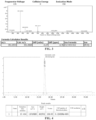
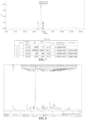
- the obtained alginate disaccharide sodium salt was detected by high-performance liquid chromatography (HPLC, 230 nm), and then structurally identified by proton magnetic resonance spectroscopy ( 1 HNMR) and high-resolution mass spectrometry (HRMS-ESI).
- the alginate disaccharide sodium salt if both carboxyl groups in the molecule are sodium salt, the theoretical ratio of sodium ions is 11.58%. Based on actual detection by ion chromatography, the ratio of sodium ions is 10.3%. In the event of detection by residue on ignition, the sodium ions exist in the form of sodium sulfate, and the theoretical residue ratio should be 35.77%. Based on actual detection by residue on ignition, the residue accounts for 34.3%. The results obtained by the two detection methods were relatively approximate, indicating that the carboxylate functional group of the compound is indeed in the form of sodium salt. However, the measured values are both slightly less than the theoretical values, which possibly lies in that the alginate disaccharide sodium salt is a weak acid and strong base salt, and a small amount of carboxylate is still free acid.
- alginate trisaccharide sodium salt 100 g was detected by HPLC (230 nm), and then structurally identified by 1 HNMR and HRMS-ESI.
- the theoretical ratio of sodium ions is 11.59%. Based on actual detection by ion chromatography, the ratio of sodium ions is 9.9%. In the event of detection by residue on ignition, the sodium ions exist in the form of sodium sulfate, and the theoretical residue ratio should be 35.80%; and the measured residue on ignition accounts for 33.01%. The results obtained by the two detection methods were relatively approximate, indicating that the carboxylate functional group of the compound is indeed in the form of sodium salt. However, the measured values are both slightly less than the theoretical values, which possibly lies in that the alginate disaccharide sodium salt is a weak acid and strong base salt, and a small amount of carboxylate is still free acid.
- alginate lyases from Ocean University of China
- the mixture was centrifuged with a high-speed centrifuge to collect the supernatant.
- the supernatant was then purified by a gel column to remove a small amount of oligosaccharide and polysaccharide impurities and non-carbohydrate impurities, and 55g of alginate tetrasaccharide sodium salt with a purity of more than 95% was obtained.
- the obtained alginate tetrasaccharide sodium salt was detected by HPLC (230 nm), and then structurally identified by 1 HNMR and HRMS-ESI.
- the alginate tetrasaccharide sodium salt if four carboxyl groups in the molecule are all sodium salt, the theoretical ratio of sodium ions is 11.59%. Based on actual detection by ion chromatography, the ratio of sodium ions is 9.89%. In the event of detection by residue on ignition, the sodium ions exist in the form of sodium sulfate, and the theoretical residue ratio should be 35.80%; and based on actual detection by residue on ignition, the residue accounts for 32.5%. The results obtained by the two detection methods were relatively approximate, indicating that the carboxylate functional group of the compound is indeed in the form of sodium salt. However, the measured values are both slightly less than the theoretical values, which possibly lies in that the alginate tetrasaccharide sodium salt is a weak acid and strong base salt, and a small amount of carboxylate is still free acid.
- Ischemia-reperfusion induced kidney injury is a classical animal model that simulates the acute kidney injury caused by clinical hypoperfusion.
- the author of the invention administered the alginate oligosaccharides with a uniform degree of polymerization as prepared by Example 1-3 and a mixture thereof, and then carried out comparison with a blank group and a non-administrated model group to investigate the therapeutic effects of the several alginate oligosaccharides with a uniform degree of polymerization.
- the rats to be modeled were randomly divided into the following groups: a sham group, a model group, and three alginate disaccharide groups with the doses of 0.01 g/kg/day, 0.05 g/kg/day and 0.1 g/kg/day respectively (6 rats in each group).
- the alginate disaccharide is abbreviated as "AOS2”.
- Intragastric administration was adopted, and rats in the model group and the sham group were all fed by gavage with the same volume of normal saline.
- the rats were anesthetized intraperitoneally with 3% pentobarbital sodium and subjected to routine skin disinfection.
- the abdomen was sectioned to expose the left and right kidneys.
- the kidneys were only examined, and then the incision was sutured layer by layer to end the operation.
- large bulldog clamps were used for occlusion of the renal pedicles on both sides, then the kidneys were recovered in place, and the incision was covered with gauze and dropwise added with a small amount of normal saline for rehydration. After 45 minutes, the bulldog clamps on both sides were released, and the incision was sutured layer by layer to end the operation.
- the rats were placed on a heating pad at 37°C to wait for resuscitation, and then placed back into metabolic cages, in which the weight, food intake, water intake and urine output of the rats were measured.
- the rats were routinely fed after operation and sacrificed 24 hours later for sampling. Blood samples were collected from the inferior vena cava of rats, and then centrifuged to collect upper serum. Then, the serum creatinine in the rats was determined by using the creatinine assay kit from Nanjing Jiancheng, with the results shown in FIG. 10 .
- the results of 24-hour urine output are shown in FIG. 11 .
- the kidneys on both sides were isolated, the cortex and inner medulla of each kidney were isolated, and the cortex was stored in trizol.
- mRNAs in the cortex were extracted using the trizol method, and the mRNA expressions of AKI biomarkers (KIM-1 and NGAL) were detected.
- the results are shown in FIG. 12 .
- a tissue lysis buffer was added to homogenize the kidneys by ultrasound, the total protein was then extracted, and the inflammatory factors (p-NF ⁇ B/NF ⁇ B and pro-IL-1 ⁇ / IL-1 ⁇ ) in the renal cortex tissues were detected by western blotting.
- the results are shown in FIG. 13 .
- the experimental data were statistically analyzed by one-way ANOVA.
- FIG. 10 showed that the acute ischemia-reperfusion (I/R) injury induced a significant increase in the level of serum creatinine in rats, and different doses of AOS2 reduced the serum creatinine to varying degrees, suggesting that AOS2 had a renoprotective effect.
- * indicates p ⁇ 0.05 as compared to the sham (the sham group), and # indicates p ⁇ 0.05 as compared to the I/R group (the model group).
- the serum creatinine could basically return to a normal level, indicating that AOS2 had a significant therapeutic effect on acute kidney injury, and its therapeutic effect showed a certain degree of dose dependence.
- FIG. 11 showed that the acute ischemia-reperfusion (I/R) injury induced an increase in urine output of the rats, and different doses of AOS2 reduced the urine output of rats, suggesting that AOS2 had a renoprotective effect.
- * indicates p ⁇ 0.05 as compared to the sham, and # indicates p ⁇ 0.05 as compared to the I/R group.
- the results showed that impaired urine concentration occurred in the kidneys of rats in the I/R group after the ischemia-reperfusion injury, and the urine output was significantly increased. The urine output decreased somewhat after treatment with AOS2 at three different doses, suggesting certain recovery of the renal tubular reabsorption function.
- FIG. 12 showed that the acute ischemia-reperfusion (I/R) injury induced an increase in the mRNA levels of acute kidney injury (AKI) markers s (i.e., renal tubular injury markers) Kim-1 and NGAL in rat kidney tissues, and AOS2 at a dose of 0.1 g/kg/day significantly reduced the expressions of both markers, suggesting that AOS2 had a renoprotective effect.
- AKI acute kidney injury
- * indicates p ⁇ 0.05 as compared to the sham
- # indicates p ⁇ 0.05 as compared to the I/R group.
- FIG. 13 showed that the acute ischemia-reperfusion (I/R) injury induced a significant increase in the inflammatory factors in the rat kidney tissues, and different doses of AOS2 inhibited the inflammatory responses of the kidneys to varying degrees, suggesting that AOS2 had a renoprotective effect.
- the dose of I/R+AOS2-L was 0.01 g/kg/day; the dose of I/R+AOS2-M was 0.05 g/kg/day; and the dose of I/R+AOS2-H was 0.1 g/kg/day.
- the alginate trisaccharide is abbreviated as "AOS3".
- the serum creatinine in the rats was determined by using the creatinine assay kit from Nanjing Jiancheng, with the results shown in FIG. 14 .
- the results of 24-hour urine output are shown in FIG. 15 .
- the kidneys on both sides were isolated, the cortex and inner medulla of each kidney were isolated, and the cortex was stored in trizol.
- mRNAs in the cortex were extracted using the trizol method, and the mRNA expression of AKI biomarkers (KIM-1 and NGAL) was detected.
- the results are shown in FIG. 16 .
- a tissue lysis buffer was added to homogenize the kidneys by ultrasound, the total protein was then extracted, and the inflammatory factors (p-NF ⁇ B/NF ⁇ B and pro-IL-1 ⁇ / IL-1 ⁇ ) in the renal cortex tissues were detected by western blotting.
- the results are shown in FIG. 17 .
- the experimental data were statistically analyzed by one-way ANOVA.
- kidneys were fixed in 4% formaldehyde solution, and subjected to conventional paraffin embedding, sectioning, and HE staining to observe the general kidney tissue morphology under a light microscope. The results are shown in FIG. 18 .
- FIG. 14 showed that the acute ischemia-reperfusion (I/R) injury induced a significant increase in the level of serum creatinine in rats, and different doses of AOS3 reduced the serum creatinine to varying degrees, suggesting that AOS3 had a renoprotective effect.
- * indicates p ⁇ 0.05 as compared to the sham, and # indicates p ⁇ 0.05 as compared to the I/R group.
- the results showed that the decreased filtration occurred in the kidneys of rats in the I/R group after the ischemia-reperfusion injury, and the serum creatinine was significantly increased.
- the serum creatinine decreased significantly after treatment with AOS3 at three different doses, suggesting a recovery of the glomerular filtration.
- the serum creatinine could basically return to a normal level, and the therapeutic effect showed a certain degree of dose dependence.
- FIG. 15 showed that the acute ischemia-reperfusion (I/R) injury induced an increase in urine output of the rats, and different doses of AOS3 reduced the urine output of rats, suggesting that AOS3 had a renoprotective effect.
- * indicates p ⁇ 0.05 as compared to the sham, and # indicates p ⁇ 0.05 as compared to the I/R group.
- the results showed that impaired urine concentration occurred in the kidneys of rats in the I/R group after the ischemia-reperfusion injury, and the urine output was significantly increased.
- the urine output somewhat decreased in each case, especially at a dose of 0.1 g/kg/day, and the urine output of rats on the next day basically recovered to the normal level, indicating certain recovery of the kidney tubular function.
- the therapeutic effect was somewhat dose-dependent.
- FIG. 16 showed that the acute ischemia-reperfusion (I/R) injury induced an increase in the mRNA levels of acute kidney injury (AKI) markers (i.e., renal tubular injury markers) Kim-1 and NGAL in rat kidney tissues, and AOS3 at a dose of 0.1 g/kg/day significantly reduced the expressions of both markers, suggesting that AOS3 had a renoprotective effect.
- AKI acute kidney injury
- * indicates p ⁇ 0.05 as compared to the sham
- # indicates p ⁇ 0.05 as compared to the I/R group.
- FIG. 17 showed that the acute ischemia-reperfusion (I/R) injury induced a significant increase in the inflammatory factors in the rat kidney tissues, and different doses of AOS3 inhibited the inflammatory responses of the kidneys to varying degrees, suggesting that AOS3 had a renoprotective effect.
- I/R+ AOS3-L indicated a dose of 0.01 g/kg/day
- I/R+ AOS3-M indicated a dose of 0.05 g/kg/day
- I/R+ AOS3-H indicated a dose of 0.1 g/kg/day.
- FIG. 18 showed the renal histopathological manifestations. Specifically, in the sham group (SHAM), the glomerular morphology, mesangial cells and renal tubules were basically normal; in the I/R group, the renal tubules were widely dilated, with enlarged lumens, a large number of epithelial cells underwent swelling, brush border loss, necrosis and shedding, and vacuolar was visible in the tubular epithelial cells; and in the I/R+AOS3 group (0.1 g/kg/day), the renal tubules showed mild lesions. These results suggested very obvious lesions in renal tubules for the rats in the I/R group.
- AOS3 0.1 g/kg/day
- the kidney injury was very mild. This showed AOS3 had a good protective effect against rat renal morphological changes induced by ischemia-reperfusion.
- the same experimental method was used as that for the alginate disaccharides and alginate trisaccharides.
- the modeled rats were randomly divided into a sham group, a model group, alginate tetrasaccharides groups (at three doses of 0.01 g/kg/day, 0.05 g/kg/day, and 0.1 g/kg/day) and a mixed saccharides (including mixed alginate oligosaccharides having a degree of polymerization of 2-8, the mass spectrum of which is shown in FIG. 40 , and which was obtained from Ocean University of China, at one dose of 0.1 g/kg/day) group (6 rats in each group).
- the alginate tetrasaccharides is abbreviated as "AOS4", and the mixed saccharides were abbreviated as “AOS (mixed)”.
- AOS mixed saccharides
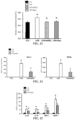
- the serum creatinine in the rats was determined by using the creatinine assay kit from Nanjing Jiancheng, with the results shown in FIG. 19 .
- the results of 24-hour urine output are shown in FIG. 20 .
- the kidneys on both sides were isolated, the cortex and inner medulla of each kidney were isolated, and the cortex was stored in trizol.
- mRNAs in the cortex were extracted using the trizol method, and the mRNA expression of AKI biomarkers (KIM-1 and NGAL) was detected.
- FIG. 21 The results are shown in FIG. 21 .
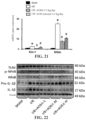
- a tissue lysis buffer was added to homogenize the kidneys by ultrasound, the total protein was then extracted, and the inflammatory factors (p-NF ⁇ B/NF ⁇ B and pro-IL-1 ⁇ / IL-1 ⁇ ) in the renal cortex tissues were detected by western blotting.
- the results are shown in FIG. 22 .
- the experimental data were statistically analyzed by one-way ANOVA.
- FIG. 19 showed that the acute ischemia-reperfusion (I/R) injury induced a significant increase in the level of serum creatinine in rats, and AOS4 at different doses and the mixed saccharides reduced the serum creatinine to varying degrees, suggesting that AOS4 had a good renoprotective effect.
- * indicates p ⁇ 0.05 as compared to the sham, and # indicates p ⁇ 0.05 as compared to the I/R group.
- the results showed that the decreased filtration occurred in the kidneys of rats in the I/R group after the ischemia-reperfusion injury, and the serum creatinine was significantly increased.
- the serum creatinine decreased significantly after treatment with AOS4 at three different doses and the mixed saccharides (0.1 g/kg/day), suggesting a recovery of glomerular filtration.
- the serum creatinine could restore to a normal level.
- the therapeutic effect of AOS4 at different doses showed a certain degree of dose dependence.
- FIG. 20 showed that the acute ischemia-reperfusion (I/R) injury induced an increase in urine output of the rats, and AOS4 at different doses and the mixed saccharides (0.1 g/kg/day) reduced the urine output of rats, indicating that AOS4 had a renoprotective effect.
- * indicates p ⁇ 0.05 as compared to the sham
- # indicates p ⁇ 0.05 as compared to the I/R group.
- the results showed that impaired urine concentration occurred in the kidneys of rats in the I/R group after the ischemia-reperfusion injury, and the urine output was significantly increased.
- the urine output was somewhat reduced, suggesting certain recovery of the renal tubule function.
- the therapeutic effect of AOS4 was obviously better than that of the mixed saccharides at the same dose. The therapeutic effect showed a certain degree of dose dependence.
- FIG. 21 showed that the acute ischemia-reperfusion (I/R) injury induced an increase in the mRNA levels of acute kidney injury (AKI) markers (i.e., renal tubular injury markers) Kim-1 and NGAL in rat kidney tissues, and the alginate tetrasaccharides at a dose of 0.1 g/kg/day significantly reduced the expressions of both markers, suggesting that the alginate tetrasaccharides had a renoprotective effect.
- * indicates p ⁇ 0.05 as compared to the sham, and # indicates p ⁇ 0.05 as compared to the I/R group.
- FIG. 22 showed that the acute ischemia-reperfusion (I/R) injury induced a significant increase in the inflammatory factors in the rat kidney tissues, and different doses of AOS4 could inhibit the inflammatory responses of the kidneys to varying degrees, suggesting that AOS4 had a renoprotective effect.
- I/R+ AOS4-L indicated a dose of 0.01 g/kg/day
- I/R+ AOS4-M indicated a dose of 0.05 g/kg/day
- I/R+ AOS4-H indicated a dose of 0.1 g/kg/day
- I/R+ AOS (mixed) indicated a dose of 0.1 g/kg/day.
- Ischemia-reperfusion induced kidney injury is a classical animal model that simulates the acute kidney injury caused by clinical hypoperfusion.
- the level of serum creatinine in the rats decreased significantly, and basically returned to normal on average at the dose of 0.1 g/kg/day.
- the urine concentration ability of the kidneys was ameliorated significantly, with decreased urine output.
- kidney injury factors KIM-1 and NGAL
- the levels of kidney injury factors were significantly reduced; the expressions of inflammatory factors decreased significantly; the pathological changes of the kidneys were significantly ameliorated; and the therapeutic effect was enhanced with the increase of dose.
- the results in terms of serum creatinine, urine output, inflammatory factors and other different parameters show that the alginate disaccharides, trisaccharides, and tetrasaccharides all have a convincible protective effect against the acute kidney injury in rats with AKI induced by ischemia-reperfusion.
- the alginate disaccharides, trisaccharides, and tetrasaccharides with a uniform degree of polymerization show an obviously better therapeutic effect.
- the kidney injury induced by treatment with endotoxin phosphorus lipopolysaccharides is a classical and standard animal model that simulates the acute kidney injury induced by clinical infection.
- endotoxin phosphorus lipopolysaccharide model we administered the alginate oligosaccharides with different uniform degrees of polymerization and a mixture thereof, and then compared with a blank group and a non-administrated model group to investigate the therapeutic effects of the individual alginate oligosaccharides with a uniform degree of polymerization.
- mice 24 male C57/B16 mice of 22-28 grams were selected. Before treatment, the 24-hour urine output was collected and measured without abnormalities.
- the mice to be modeled were randomly divided into the following groups: a control group, a model group, a model + administration group (AOS2 at 0.1 g/kg/day), and a model + positive control group (dexamethasone acetate at 0.1 g/kg/day), with 6 mice in each group. Intragastric administration was adopted for samples; the model group and the control group were all fed by gavage with the same volume of normal saline; and dexamethasone was administrated by intraperitoneal injection. LPS was used for modeling to induce the occurrence of sepsis-associated acute kidney injury.
- each model group was intraperitoneally injected with LPS at 15 mg/kg, and the control group was intraperitoneally injected with the same volume of normal saline.
- the mice were put back into the mouse metabolic cages for observation, in which the weight, food intake, water intake and urine output of the mice were measured. The mice were sacrificed 24 hours later for sampling, and urine was collected. Blood samples were collected from the inferior vena cava of mice, and then centrifuged to collect upper serum. Then, the serum creatinine in the mice was determined by using the creatinine assay kit from Nanjing Jiancheng, with the results shown in FIG. 23 .
- mRNAs in the cortex were extracted using the trizol method, and the mRNA expressions of AKI biomarkers (KIM-1 and NGAL, with the results shown in FIG. 24 ) and inflammatory factors (IL-1 ⁇ , IL-18, TNF- ⁇ , and MCP-1, with the results shown in FIG. 25 ) were detected by the Qpcr method.
- AKI biomarkers KIM-1 and NGAL, with the results shown in FIG. 24
- IL-1 ⁇ , IL-18, TNF- ⁇ , and MCP-1 were detected by the Qpcr method.
- a tissue lysis buffer was added to homogenize the kidneys by ultrasound, the total protein was then extracted, and the inflammatory factors (p-NF ⁇ B/NF ⁇ B, pro-IL-1 ⁇ / IL-1 ⁇ ) in the renal cortex tissues were detected by western blotting.
- the results are shown in FIG. 26 .
- the experimental data were statistically analyzed by one-way ANOVA.
- FIG. 23 showed that the LPS treatment induced a significant increase in the level of serum creatinine in the mice, and AOS2 significantly reduced the serum creatinine to show the same effect on reducing the serum creatinine as dexamethasone, a drug for anti-inflammatory response as a positive control, suggesting that the alginate disaccharides had a renoprotective effect.
- Dex represents dexamethasone, * indicates p ⁇ 0.05 as compared to the CTL group (the control group), and # indicates p ⁇ 0.05 as compared to the LPS group (the model group).
- FIG. 24 showed that the LPS treatment induced an increase in the mRNA levels of acute kidney injury (AKI) markers (i.e., renal tubular injury markers) Kim-1 and NGAL in the mouse kidney tissues, suggesting that the alginate disaccharides had a renoprotective effect.
- AKI acute kidney injury
- * indicates p ⁇ 0.05 as compared to the CTL group
- # indicates p ⁇ 0.05 as compared to the LPS group.
- the results showed that the AKI markers (KIM-1 and NGAL) in the mice significantly increased after intraperitoneal injection of LPS, and the production of KIM-1 and NGAL was significantly reduced after treatment with AOS2, indicating that AOS2 had a significant protective effect against the LPS-induced kidney injury in the mice.
- FIG. 25 showed that the LPS treatment induced a significant increase in the inflammatory factors of the mouse kidney tissues, and AOS2 significantly inhibited the inflammatory responses of the kidneys, suggesting that the alginate disaccharides had a renoprotective effect.
- * indicates p ⁇ 0.05 as compared to the CTL group, and # indicates p ⁇ 0.05 as compared to the LPS group.
- the results showed that the gene expressions of inflammatory factors (IL-1 ⁇ , IL-18, TNF- ⁇ , and MCP-1) in the mice significantly increased after intraperitoneal injection of LPS, and the treatment with AOS2 significantly reduced the production of inflammatory factors, suggesting that the alginate disaccharides had a protective effect against the LPS-induced acute kidney injury in the mice.
- FIG. 26 showed that the LPS treatment induced a significant increase in the inflammatory factors of the mouse kidney tissues, and AOS2 significantly inhibited the inflammatory responses of the kidneys, with an effect approaching that of the positive control dexamethasone, suggesting that AOS2 had a renoprotective effect.
- * indicates p ⁇ 0.05 as compared to the CTL group, and # indicates p ⁇ 0.05 as compared to the LPS group.
- the same experimental method was used as that for the alginate disaccharides.
- the serum creatinine in the mice was determined by using the creatinine assay kit from Nanjing Jiancheng, with the results shown in FIG. 27 .
- the kidneys on both sides were isolated, the cortex and inner medulla of each kidney were isolated, and the cortex was stored in trizol.
- mRNAs in the cortex were extracted using the trizol method, and the mRNA expressions of AKI biomarkers (KIM-1 and NGAL, with the results shown in FIG. 28 ) and inflammatory factors (IL-1 ⁇ , IL-18, TNF- ⁇ , and MCP-1, with the results shown in FIG. 29 ) were detected by the Qpcr method.
- a tissue lysis buffer was added to homogenize the kidneys by ultrasound, the total protein was then extracted, and the inflammatory factors (p-NF ⁇ B/NF ⁇ B, pro-IL-1 ⁇ / IL-1 ⁇ ) in the renal cortex tissues were detected by western blotting.
- the results are shown in FIG. 30 .
- the animals were sacrificed after the last blood collection, the kidneys were fixed in 4% formaldehyde solution, and subjected to conventional paraffin embedding, sectioning, and HE staining to observe the general kidney tissue morphology under a light microscope.
- the results are shown in FIG. 31 .
- the experimental data were statistically analyzed by one-way ANOVA.
- FIG. 27 showed that the LPS treatment induced a significant increase in the level of serum creatinine in the mice, and AOS3 significantly reduced the serum creatinine to show the same effect on reducing the serum creatinine as dexamethasone, suggesting that the alginate disaccharides had a renoprotective effect.
- Dex represents dexamethasone, * indicates p ⁇ 0.05 as compared to the CTL group, and # indicates p ⁇ 0.05 as compared to the LPS group.
- FIG. 28 showed that the LPS treatment induced an increase in the mRNA levels of acute kidney injury (AKI) markers (i.e., renal tubular injury markers) Kim-1 and NGAL in the mouse kidney tissues, suggesting that the alginate trisaccharides had a renoprotective effect.
- AKI acute kidney injury
- * indicates p ⁇ 0.05 as compared to the CTL group
- # indicates p ⁇ 0.05 as compared to the LPS group.
- the results showed that the AKI markers (KIM-1 and NGAL) in the mice significantly increased after intraperitoneal injection of LPS, and the production of KIM-1 and NGAL was significantly reduced after treatment with AOS3, suggesting that AOS3 had a protective effect against the LPS-induced kidney injury in the mice.
- FIG. 29 showed that the LPS treatment induced a significant increase in the inflammatory factors of the mouse kidney tissues, and AOS3 significantly inhibited the inflammatory responses of the kidneys, suggesting that the alginate trisaccharides had a renoprotective effect.
- * indicates p ⁇ 0.05 as compared to the CTL group, and # indicates p ⁇ 0.05 as compared to the LPS group.
- the results showed that the gene expressions of inflammatory factors (IL-1 ⁇ , IL-18, TNF- ⁇ , and MCP-1) in the mice significantly increased after intraperitoneal injection of LPS, and treatment with AOS3 significantly reduced the production of inflammatory factors, suggesting that the alginate trisaccharides had a convincible protective effect against the LPS-induced acute kidney injury in the mice.
- FIG. 30 showed that the LPS treatment induced a significant increase in the inflammatory factors of the mouse kidney tissues, and AOS3 significantly inhibited the inflammatory responses of the kidneys, with an effect approaching that of the positive control dexamethasone, suggesting that AOS3 had a better renoprotective effect.
- * indicates p ⁇ 0.05 as compared to the CTL group, and # indicates p ⁇ 0.05 as compared to the LPS group.
- FIG. 31 showed the renal histopathological manifestations. Specifically, in the control group, the glomerular morphology, mesangial cells and renal tubules were basically normal; in the LPS group, the glomeruli showed increased volume, the renal interstitium showed inflammatory cell infiltration, the renal tubules were widely dilated, the epithelial cells underwent swelling, necrosis and shedding, and vacuoles were visible; and in the LPS+AOS3 group, the glomeruli and renal tubules showed mild lesions. The results showed that AOS3 had a significant protective effect against the mouse renal morphological changes induced by the treatment with endotoxin phosphorus lipopolysaccharides.
- mice to be modeled were randomly divided into a control group, a model group, a model + administration group 1 (AOS4 at 0.1 g/kg/day), a model + administration group 2 (mixed alginate oligosaccharides with a degree of polymerization of 2-8 from Ocean University of China, with a mass spectrum shown in FIG. 40 , and at a dose of 0.1 g/kg/day) and a model + positive control group (dexamethasone acetate at 0.1 g/kg/day), with 6 mice in each group.
- AOS4 at 0.1 g/kg/day
- model + administration group 2 mixed alginate oligosaccharides with a degree of polymerization of 2-8 from Ocean University of China, with a mass spectrum shown in FIG. 40 , and at a dose of 0.1 g/kg/day
- model + positive control group dexamethasone acetate at 0.1 g/kg/day
- the samples were intragastrically administered; the model group and the control group were both fed by gavage with the same volume of normal saline; and dexamethasone was administered by intraperitoneal injection.
- the serum creatinine in the mice was determined by using the creatinine assay kit from Nanjing Jiancheng, with the results shown in FIG. 32 .
- the kidneys on both sides were isolated, the cortex and inner medulla of each kidney were isolated, and the cortex was stored in trizol.
- mRNAs in the cortex were extracted using the trizol method, and the mRNA expressions of AKI biomarkers (KIM-1 and NGAL, with the results shown in FIG.
- inflammatory factors IL-1 ⁇ , IL-18, TNF- ⁇ , and MCP-1, with the results shown in FIG. 34
- IL-1 ⁇ , IL-18, TNF- ⁇ , and MCP-1 inflammatory factors detected by the Qpcr method.
- a tissue lysis buffer was added to homogenize the kidneys by ultrasound, the total protein was then extracted, and the inflammatory factors (p-NF ⁇ B/NF ⁇ B, pro-IL-1 ⁇ / IL-1 ⁇ ) in the renal cortex tissues were detected by western blotting.
- the results are shown in FIG. 35 .
- the experimental data were statistically analyzed by one-way ANOVA.
- FIG. 32 showed that the LPS treatment induced a significant increase in the level of serum creatinine in the mice; the mixed saccharides showed certain effect against the decrease in the serum creatinine; and AOS4 significantly reduced the serum creatinine to show an effect approaching that of the dexamethasone on reducing the serum creatinine, suggesting that the alginate oligosaccharides had a renoprotective effect.
- Dex represents dexamethasone, * indicates p ⁇ 0.05 as compared to the CTL group, and # indicates p ⁇ 0.05 as compared to the LPS group.
- FIG. 33 showed that the LPS treatment induced an increase in the mRNA levels of acute kidney injury (AKI) markers (i.e., renal tubular injury markers) Kim-1 and NGAL in the mouse kidney tissues; and both markers were somewhat reduced by administration of the alginate tetrasaccharides and the mixed saccharides (at a dose of 0.1 g/kg/day), and were significantly reduced in particular by the alginate tetrasaccharides, suggesting that the alginate trisaccharides had a better renoprotective effect.
- * indicates p ⁇ 0.05 as compared to the CTL group
- # indicates p ⁇ 0.05 as compared to the LPS group.
- mice significantly increased after intraperitoneal injection of LPS, and the production of KIM-1 and NGAL was significantly reduced after treatment by administration with AOS4, suggesting that the alginate tetrasaccharides had a protective effect against the LPS-induced kidney injury in the mice.
- FIG. 34 showed that the LPS treatment induced a significant increase in the inflammatory factors of the mouse kidney tissues, and the inflammatory responses of the kidneys were significantly inhibited by AOS4 and the mixed saccharides, among which AOS4 showed a better renoprotective effect.
- * indicates p ⁇ 0.05 as compared to the CTL group
- # indicates p ⁇ 0.05 as compared to the LPS group.
- the results showed that the gene expressions of inflammatory factors (IL-1 ⁇ , IL-18, TNF- ⁇ , and MCP-1) in the mice significantly increased after intraperitoneal injection of LPS, and the production of inflammatory factors was significantly reduced by treatment with AOS4 and the mixed saccharides, among which AOS4 had a protective effect against the LPS-induced acute kidney injury in the mice.
- FIG. 35 showed that the LPS treatment induced a significant increase in the inflammatory factors of the mouse kidney tissues, and AOS4 and the mixed saccharides significantly inhibited the inflammatory responses of the kidneys, with an effect approaching that of the positive control dexamethasone, suggesting that AOS4 had a better renoprotective effect.
- * indicates p ⁇ 0.05 as compared to the CTL group, and # indicates p ⁇ 0.05 as compared to the LPS group.
- the kidney injury induced by treatment with endotoxin phosphorus lipopolysaccharides is a classical and standard animal model that simulates the acute kidney injury induced by clinical infection.
- the level of serum creatinine in the LPS-treated mice of the model group increased significantly.
- the level of serum creatinine decreased significantly, the levels of kidney injury markers (KIM-1, NGAL) and the expressions of inflammatory factors decreased significantly, and the renal pathological changes were ameliorated significantly.
- the mixed saccharides with the degree of polymerization of 2-8 also ameliorated the above parameters to varying degrees, but there was still a gap between the mixed saccharides and the alginate disaccharides, alginate trisaccharides and alginate tetrasaccharides. These results indicate that the alginate oligosaccharides with a uniform degree of polymerization have a convincible protective effect against the acute kidney injury induced by endotoxin phosphorus lipopolysaccharides.
- Cisplatin-induced kidney injury is a classical and standard animal model that simulates the acute kidney injury induced by drugs that cause nephrotoxicity.
- mice cisplatin model we administered the alginate oligosaccharides with different uniform degrees of polymerization and a mixture thereof, and then compared with a blank group and a non-administrated model group to investigate the therapeutic effects of the individual alginate oligosaccharides with a uniform degree of polymerization.
- mice 30 male C57BL/J6 mice of 22-28 grams were selected. Before treatment, the 24-hour urine output was collected and measured without abnormalities.
- the mice to be modeled were randomly divided into the following groups: a control group, a model group, a model + low-dose administration group (AOS3 at 0.05 g/kg/day), a model + medium-dose administration group (AOS3 at 0.1g/kg//day), and a model + high-dose administration group (AOS3 at 0.2 g/kg/day), with 6 mice in each group.
- the alginate trisaccharides was intragastrically administered, and the model group and the control group were all fed by gavage with the same volume of normal saline.
- Cisplatin was used to induce the drug toxin-associated acute kidney injury.
- each model group was intraperitoneally injected with cisplatin at 20mg/kg, and the control group was intraperitoneally injected with the same volume of normal saline.
- the mice were put back into the mouse metabolic cages for observation, during which the weight, food intake, water intake and urine output of the mice were measured (see FIG. 37 for the results). The mice were sacrificed 72 hours later for sampling, and urine was collected. Blood samples were collected from the inferior vena cava of mice, and then centrifuged to collect upper serum.
- the serum creatinine in the mice was determined by using the creatinine assay kit from Nanjing Jiancheng, with the results shown in FIG. 36 .
- the kidneys on both sides were isolated, the cortex and inner medulla of each kidney were isolated, and the cortex was stored in trizol.
- mRNAs in the cortex were extracted using the trizol method, and the mRNA expressions of AKI biomarkers (KIM-1 and NGAL, with the results shown in FIG. 38 ) were detected by the Qpcr method.
- a tissue lysis buffer was added to homogenize the kidneys by ultrasound, the total protein was then extracted, and the inflammatory factors (p-NF ⁇ B/NF ⁇ B and IL-1 ⁇ ) in the renal cortex tissues were detected by western blotting.
- the results are shown in FIG. 39 .
- the experimental data were statistically analyzed by one-way ANOVA.
- FIG. 36 showed that the cisplatin treatment induced a significant increase in the level of serum creatinine in the mice, and AOS3 significantly reduced the serum creatinine, suggesting that the alginate trisaccharides had a renoprotective effect.
- * indicates p ⁇ 0.05 as compared to the CTL group (the control group), and # indicates p ⁇ 0.05 as compared to the Cis group (the model group).
- FIG. 37 showed that cisplatin-induced urine output of the mice first increased within 24 h and then decreased within 72 h to enter an oliguric period, and after the administration with AOS3 at different concentrations, the urine output of the mice was first reduced within 24 h to restore the kidney function, and then the urine output gradually became normal, suggesting that the alginate trisaccharides had a renoprotective effect.
- * indicates p ⁇ 0.05 as compared to the CTL group
- # indicates p ⁇ 0.05 as compared to the model group.
- the results showed that impaired urine concentration occurred in the kidney of mice in the model group after the injection of cisplatin, and the urine output first increased significantly and then entered the oliguric stage. After the treatment with AOS3 at three different doses, the urine output first somewhat decreased and then became normal, suggesting certain recovery of the renal tubular function. Moreover, a certain degree of dose dependence was shown.
- FIG. 38 showed that the cisplatin treatment induced an increase in the mRNA levels of acute kidney injury (AKI) markers (i.e., renal tubular injury markers) Kim-1 and NGAL in the mouse kidney tissues, suggesting that the alginate trisaccharides had a renoprotective effect.
- AKI acute kidney injury
- * indicates p ⁇ 0.05 as compared to the CTL group
- # indicates p ⁇ 0.05 as compared to the model group.
- the results showed that the AKI markers (KIM-1 and NGAL) in the mice significantly increased after intraperitoneal injection of cisplatin, and the production of KIM-1 and NGAL was significantly reduced after treatment with AOS3, indicating that AOS3 had a significant protective effect against the cisplatin-induced kidney injury in the mice.
- FIG. 39 showed that the cisplatin treatment induced a significant increase in the inflammatory factors of the mouse kidney tissues, and AOS3 significantly inhibited the inflammatory responses of the kidneys, suggesting that AOS3 had a renoprotective effect.
- * indicates p ⁇ 0.05 as compared to the CTL group, and # indicates p ⁇ 0.05 as compared to the model group.
- the results showed that after cisplatin treatment, the protein expressions of renal inflammatory factors such as TLR4, p-NF ⁇ B/NF ⁇ B, and IL-1 ⁇ in the mice increased significantly, and the treatment with AOS3 significantly reduced the production of the inflammatory factors, indicating that AOS3 had a significant anti-inflammatory effect.
- the level of serum creatinine in the cisplatin-treated mice of the model group increased significantly.
- the alginate trisaccharides and the alginate tetrasaccharides at 0.1 g/kg/day, the level of serum creatinine decreased significantly, and the levels of kidney injury factors (KIM-1 and NGAL) and the expressions of inflammatory factors decreased significantly.
- the therapeutic effect showed dose dependence.
Landscapes
- Health & Medical Sciences (AREA)
- Life Sciences & Earth Sciences (AREA)
- General Health & Medical Sciences (AREA)
- Chemical & Material Sciences (AREA)
- Medicinal Chemistry (AREA)
- Pharmacology & Pharmacy (AREA)
- Animal Behavior & Ethology (AREA)
- Public Health (AREA)
- Veterinary Medicine (AREA)
- Epidemiology (AREA)
- Molecular Biology (AREA)
- Engineering & Computer Science (AREA)
- Bioinformatics & Cheminformatics (AREA)
- Urology & Nephrology (AREA)
- Chemical Kinetics & Catalysis (AREA)
- General Chemical & Material Sciences (AREA)
- Nuclear Medicine, Radiotherapy & Molecular Imaging (AREA)
- Organic Chemistry (AREA)
- Pharmaceuticals Containing Other Organic And Inorganic Compounds (AREA)
Applications Claiming Priority (1)
| Application Number | Priority Date | Filing Date | Title |
|---|---|---|---|
| PCT/CN2021/093850 WO2022236814A1 (fr) | 2021-05-14 | 2021-05-14 | Application d'un oligosaccharide d'alginate |
Publications (2)
| Publication Number | Publication Date |
|---|---|
| EP4338744A1 true EP4338744A1 (fr) | 2024-03-20 |
| EP4338744A4 EP4338744A4 (fr) | 2024-10-30 |
Family
ID=84028697
Family Applications (1)
| Application Number | Title | Priority Date | Filing Date |
|---|---|---|---|
| EP21941384.6A Pending EP4338744A4 (fr) | 2021-05-14 | 2021-05-14 | Application d'un oligosaccharide d'alginate |
Country Status (4)
| Country | Link |
|---|---|
| US (1) | US20240261310A1 (fr) |
| EP (1) | EP4338744A4 (fr) |
| JP (1) | JP2024517483A (fr) |
| WO (1) | WO2022236814A1 (fr) |
Family Cites Families (3)
| Publication number | Priority date | Publication date | Assignee | Title |
|---|---|---|---|---|
| JP5346360B2 (ja) * | 2010-08-31 | 2013-11-20 | 株式会社マルハニチロ食品 | 塩分の吸収阻害作用をもつ血管保護剤 |
| CN104311696B (zh) * | 2014-09-26 | 2017-04-26 | 大连雅威特生物技术股份有限公司 | 一种低聚海藻酸钠制备在药品保健品及食盐制品中的应用 |
| CN105125566B (zh) * | 2015-10-09 | 2018-03-02 | 中国科学院海洋研究所 | 甘露葡萄糖醛酸寡糖及衍生物在制备治疗和/或预防肾病药物或保健品中的应用 |
-
2021
- 2021-05-14 US US18/560,456 patent/US20240261310A1/en active Pending
- 2021-05-14 EP EP21941384.6A patent/EP4338744A4/fr active Pending
- 2021-05-14 WO PCT/CN2021/093850 patent/WO2022236814A1/fr not_active Ceased
- 2021-05-14 JP JP2023570073A patent/JP2024517483A/ja active Pending
Also Published As
| Publication number | Publication date |
|---|---|
| JP2024517483A (ja) | 2024-04-22 |
| WO2022236814A1 (fr) | 2022-11-17 |
| US20240261310A1 (en) | 2024-08-08 |
| EP4338744A4 (fr) | 2024-10-30 |
Similar Documents
| Publication | Publication Date | Title |
|---|---|---|
| CN113440532B (zh) | 一种褐藻寡糖的应用 | |
| WO2008122214A1 (fr) | Utilisation du fucoïdan à faible poids moléculaire dans la préparation de médicaments pour le traitement de maladies du foie | |
| CN108186877A (zh) | 用于气虚血瘀证心肌梗死二级预防的中药组合物 | |
| CN108451961A (zh) | 毛蕊花糖苷在治疗和预防ii型糖尿病肾病中的应用 | |
| CN110305235A (zh) | 一种甘草均一多糖gup及其制法和用途 | |
| CN1061986C (zh) | 人参分组皂甙的制备方法,其药物组合物及应用 | |
| Qin et al. | Degradation polysaccharide of Euryale ferox Salisb. Seeds significantly enhanced the hypoglycemic efficiency of type 2 diabetes mellitus | |
| CN100418535C (zh) | 一种七叶皂苷及其制备方法 | |
| EP4338744A1 (fr) | Application d'un oligosaccharide d'alginate | |
| Meng et al. | Self-assembled vectors derived from aster tataricus Lf mitigate bleomycin-induced pulmonary fibrosis in mice | |
| Si et al. | Mannose-modified celastrol liposomes targeted activated macrophages for rheumatoid arthritis treatment in vitro and in vivo evaluation | |
| DE69413467T2 (de) | Polyglucuronsäure als remittierendes Mittel für das nephrotische Syndrom und Symptome von Hepatopathie | |
| CN119235903A (zh) | 马齿苋多糖在制备治疗银屑病药物中的应用 | |
| CN115040554B (zh) | 乌苏里瓦韦总黄酮的应用 | |
| CN113117012B (zh) | 治疗慢性肝损伤药物及其制备方法和应用 | |
| CN113101339B (zh) | 治疗慢性肝损伤汤剂及其制备方法和应用 | |
| CN101697989A (zh) | 三七及其提取物在制备治疗和/或预防冠状动脉粥样硬化药物的用途 | |
| CN107519192B (zh) | 葫芦烷型四环三萜类化合物在制备抗肾纤维化药物中的应用 | |
| CN1095669C (zh) | 含原人参二醇组分皂甙的药物组合物,其制备方法及应用 | |
| CN119745906B (zh) | 一种苷类共晶组合物及其在治疗代谢相关脂肪性肝病中的应用 | |
| CN1317960A (zh) | 用于改善胰岛素敏感性和葡萄糖代谢的含有d-手性肌醇的药物组合物 | |
| CN119770568B (zh) | 一种中药组合物、药物制剂及用途 | |
| Liu et al. | Qi-Sai-Er-Sang-Dang-Song decoction inhibits pyroptosis and inflammation in THP-1 cells and alleviates rheumatoid arthritis by inhibiting the NLRP3-pyroptosis signaling pathway | |
| JP3879938B2 (ja) | 抗炎症剤 | |
| CN117106024B (zh) | 一种人血清多肽agdmp1及其在改善胰岛素抵抗中的应用 |
Legal Events
| Date | Code | Title | Description |
|---|---|---|---|
| STAA | Information on the status of an ep patent application or granted ep patent |
Free format text: STATUS: THE INTERNATIONAL PUBLICATION HAS BEEN MADE |
|
| PUAI | Public reference made under article 153(3) epc to a published international application that has entered the european phase |
Free format text: ORIGINAL CODE: 0009012 |
|
| STAA | Information on the status of an ep patent application or granted ep patent |
Free format text: STATUS: REQUEST FOR EXAMINATION WAS MADE |
|
| 17P | Request for examination filed |
Effective date: 20231212 |
|
| AK | Designated contracting states |
Kind code of ref document: A1 Designated state(s): AL AT BE BG CH CY CZ DE DK EE ES FI FR GB GR HR HU IE IS IT LI LT LU LV MC MK MT NL NO PL PT RO RS SE SI SK SM TR |
|
| DAV | Request for validation of the european patent (deleted) | ||
| DAX | Request for extension of the european patent (deleted) | ||
| A4 | Supplementary search report drawn up and despatched |
Effective date: 20240926 |
|
| RIC1 | Information provided on ipc code assigned before grant |
Ipc: A61P 13/12 20060101ALI20240920BHEP Ipc: A61K 31/702 20060101ALI20240920BHEP Ipc: A61K 31/7016 20060101AFI20240920BHEP |