EP4340376A2 - Bildverarbeitungsverfahren und -vorrichtung sowie endgerätevorrichtung - Google Patents
Bildverarbeitungsverfahren und -vorrichtung sowie endgerätevorrichtung Download PDFInfo
- Publication number
- EP4340376A2 EP4340376A2 EP23207868.3A EP23207868A EP4340376A2 EP 4340376 A2 EP4340376 A2 EP 4340376A2 EP 23207868 A EP23207868 A EP 23207868A EP 4340376 A2 EP4340376 A2 EP 4340376A2
- Authority
- EP
- European Patent Office
- Prior art keywords
- image data
- format
- image
- hdr
- interface mode
- Prior art date
- Legal status (The legal status is an assumption and is not a legal conclusion. Google has not performed a legal analysis and makes no representation as to the accuracy of the status listed.)
- Pending
Links
Images


Classifications
-
- G—PHYSICS
- G06—COMPUTING OR CALCULATING; COUNTING
- G06T—IMAGE DATA PROCESSING OR GENERATION, IN GENERAL
- G06T5/00—Image enhancement or restoration
- G06T5/90—Dynamic range modification of images or parts thereof
- G06T5/92—Dynamic range modification of images or parts thereof based on global image properties
-
- H—ELECTRICITY
- H04—ELECTRIC COMMUNICATION TECHNIQUE
- H04N—PICTORIAL COMMUNICATION, e.g. TELEVISION
- H04N21/00—Selective content distribution, e.g. interactive television or video on demand [VOD]
- H04N21/40—Client devices specifically adapted for the reception of or interaction with content, e.g. set-top-box [STB]; Operations thereof
- H04N21/43—Processing of content or additional data, e.g. demultiplexing additional data from a digital video stream; Elementary client operations, e.g. monitoring of home network or synchronising decoder's clock; Client middleware
- H04N21/431—Generation of visual interfaces for content selection or interaction; Content or additional data rendering
-
- H—ELECTRICITY
- H04—ELECTRIC COMMUNICATION TECHNIQUE
- H04N—PICTORIAL COMMUNICATION, e.g. TELEVISION
- H04N21/00—Selective content distribution, e.g. interactive television or video on demand [VOD]
- H04N21/40—Client devices specifically adapted for the reception of or interaction with content, e.g. set-top-box [STB]; Operations thereof
- H04N21/43—Processing of content or additional data, e.g. demultiplexing additional data from a digital video stream; Elementary client operations, e.g. monitoring of home network or synchronising decoder's clock; Client middleware
- H04N21/431—Generation of visual interfaces for content selection or interaction; Content or additional data rendering
- H04N21/4312—Generation of visual interfaces for content selection or interaction; Content or additional data rendering involving specific graphical features, e.g. screen layout, special fonts or colors, blinking icons, highlights or animations
-
- G—PHYSICS
- G06—COMPUTING OR CALCULATING; COUNTING
- G06T—IMAGE DATA PROCESSING OR GENERATION, IN GENERAL
- G06T11/00—Two-dimensional [2D] image generation
- G06T11/10—Texturing; Colouring; Generation of textures or colours
-
- H—ELECTRICITY
- H04—ELECTRIC COMMUNICATION TECHNIQUE
- H04N—PICTORIAL COMMUNICATION, e.g. TELEVISION
- H04N21/00—Selective content distribution, e.g. interactive television or video on demand [VOD]
- H04N21/40—Client devices specifically adapted for the reception of or interaction with content, e.g. set-top-box [STB]; Operations thereof
- H04N21/43—Processing of content or additional data, e.g. demultiplexing additional data from a digital video stream; Elementary client operations, e.g. monitoring of home network or synchronising decoder's clock; Client middleware
- H04N21/44—Processing of video elementary streams, e.g. splicing a video clip retrieved from local storage with an incoming video stream or rendering scenes according to encoded video stream scene graphs
- H04N21/4402—Processing of video elementary streams, e.g. splicing a video clip retrieved from local storage with an incoming video stream or rendering scenes according to encoded video stream scene graphs involving reformatting operations of video signals for household redistribution, storage or real-time display
-
- H—ELECTRICITY
- H04—ELECTRIC COMMUNICATION TECHNIQUE
- H04N—PICTORIAL COMMUNICATION, e.g. TELEVISION
- H04N21/00—Selective content distribution, e.g. interactive television or video on demand [VOD]
- H04N21/40—Client devices specifically adapted for the reception of or interaction with content, e.g. set-top-box [STB]; Operations thereof
- H04N21/43—Processing of content or additional data, e.g. demultiplexing additional data from a digital video stream; Elementary client operations, e.g. monitoring of home network or synchronising decoder's clock; Client middleware
- H04N21/44—Processing of video elementary streams, e.g. splicing a video clip retrieved from local storage with an incoming video stream or rendering scenes according to encoded video stream scene graphs
- H04N21/4402—Processing of video elementary streams, e.g. splicing a video clip retrieved from local storage with an incoming video stream or rendering scenes according to encoded video stream scene graphs involving reformatting operations of video signals for household redistribution, storage or real-time display
- H04N21/440218—Processing of video elementary streams, e.g. splicing a video clip retrieved from local storage with an incoming video stream or rendering scenes according to encoded video stream scene graphs involving reformatting operations of video signals for household redistribution, storage or real-time display by transcoding between formats or standards, e.g. from MPEG-2 to MPEG-4
-
- H—ELECTRICITY
- H04—ELECTRIC COMMUNICATION TECHNIQUE
- H04N—PICTORIAL COMMUNICATION, e.g. TELEVISION
- H04N21/00—Selective content distribution, e.g. interactive television or video on demand [VOD]
- H04N21/80—Generation or processing of content or additional data by content creator independently of the distribution process; Content per se
- H04N21/81—Monomedia components thereof
- H04N21/8146—Monomedia components thereof involving graphical data, e.g. 3D object, 2D graphics
-
- G—PHYSICS
- G06—COMPUTING OR CALCULATING; COUNTING
- G06T—IMAGE DATA PROCESSING OR GENERATION, IN GENERAL
- G06T2207/00—Indexing scheme for image analysis or image enhancement
- G06T2207/10—Image acquisition modality
- G06T2207/10016—Video; Image sequence
-
- G—PHYSICS
- G06—COMPUTING OR CALCULATING; COUNTING
- G06T—IMAGE DATA PROCESSING OR GENERATION, IN GENERAL
- G06T2207/00—Indexing scheme for image analysis or image enhancement
- G06T2207/20—Special algorithmic details
- G06T2207/20172—Image enhancement details
- G06T2207/20208—High dynamic range [HDR] image processing
-
- G—PHYSICS
- G09—EDUCATION; CRYPTOGRAPHY; DISPLAY; ADVERTISING; SEALS
- G09G—ARRANGEMENTS OR CIRCUITS FOR CONTROL OF INDICATING DEVICES USING STATIC MEANS TO PRESENT VARIABLE INFORMATION
- G09G2360/00—Aspects of the architecture of display systems
- G09G2360/02—Graphics controller able to handle multiple formats, e.g. input or output formats
-
- G—PHYSICS
- G09—EDUCATION; CRYPTOGRAPHY; DISPLAY; ADVERTISING; SEALS
- G09G—ARRANGEMENTS OR CIRCUITS FOR CONTROL OF INDICATING DEVICES USING STATIC MEANS TO PRESENT VARIABLE INFORMATION
- G09G2370/00—Aspects of data communication
- G09G2370/06—Consumer Electronics Control, i.e. control of another device by a display or vice versa
-
- G—PHYSICS
- G09—EDUCATION; CRYPTOGRAPHY; DISPLAY; ADVERTISING; SEALS
- G09G—ARRANGEMENTS OR CIRCUITS FOR CONTROL OF INDICATING DEVICES USING STATIC MEANS TO PRESENT VARIABLE INFORMATION
- G09G2370/00—Aspects of data communication
- G09G2370/12—Use of DVI or HDMI protocol in interfaces along the display data pipeline
-
- G—PHYSICS
- G09—EDUCATION; CRYPTOGRAPHY; DISPLAY; ADVERTISING; SEALS
- G09G—ARRANGEMENTS OR CIRCUITS FOR CONTROL OF INDICATING DEVICES USING STATIC MEANS TO PRESENT VARIABLE INFORMATION
- G09G5/00—Control arrangements or circuits for visual indicators common to cathode-ray tube indicators and other visual indicators
- G09G5/003—Details of a display terminal, the details relating to the control arrangement of the display terminal and to the interfaces thereto
- G09G5/005—Adapting incoming signals to the display format of the display terminal
-
- G—PHYSICS
- G09—EDUCATION; CRYPTOGRAPHY; DISPLAY; ADVERTISING; SEALS
- G09G—ARRANGEMENTS OR CIRCUITS FOR CONTROL OF INDICATING DEVICES USING STATIC MEANS TO PRESENT VARIABLE INFORMATION
- G09G5/00—Control arrangements or circuits for visual indicators common to cathode-ray tube indicators and other visual indicators
- G09G5/003—Details of a display terminal, the details relating to the control arrangement of the display terminal and to the interfaces thereto
- G09G5/006—Details of the interface to the display terminal
Definitions
- This application relates to the field of display processing technologies, and more specifically, to an image processing method and apparatus and terminal device in the field of display processing technologies.
- a high dynamic range (High Dynamic Range, HDR) video may greatly improve viewing experience of an audience.
- the playback device For a hybrid video stream that includes both an HDR video (for example, a movie) and an SDR video (for example, an advertisement), when the hybrid video stream arrives at a playback device, the playback device sends a high definition multimedia interface (High Definition Multimedia Interface, HDMI) reset signal to a display device (for example, the display device supports HDR video playing).
- HDMI High Definition Multimedia Interface
- the reset signal is used to force the display device to reinitialize an HDMI standard. Therefore, when receiving the hybrid video stream, the display device can sense a video mode change of the hybrid video stream in terms of time, convert the hybrid video stream into a play mode supported by the display device, and finally play a converted video.
- the playback device when detecting that a video stream includes both the HDR video and the SDR video, the playback device sends the HDMI reset signal to the display device.
- the playback device needs to send the HDMI reset signal to the playback device for a plurality of times.
- the display device reinitializes the HDMI standard for a relatively long time, frequently sending the HDMI reset signal to the display device by the playback device causes one or more seconds of black screen of the display device, severely affecting viewing experience of a user.
- an image processing method is provided, and is applied to a display system that supports N types of interface modes, where N ⁇ 1, and the display system includes a processing device and a display device.
- the method includes: determining, by the processing device in the display system, a format of first image data, where the format of the first image data is a first image data format; determining, by the processing device, a first interface mode that is currently used, where the first interface mode is determined when the processing device establishes physical connections with the display device, and the first image data format is not an image format supported by the first interface mode; and processing, by the processing device, the first image data based on the first interface mode to generate second image data, where a format of the second image data is a second image data format, and the second image data format is the image format supported by the first interface mode.
- Image data will be processed when an image format of the image data is not supported by the first interface mode (the first interface mode is determined when the processing device establishes physical connections with the display device), so that a format of processed image data can be supported by the first interface mode (namely, the format of the second image data), to avoid one or more seconds of black screen of the display device resulting from reinitialization of an interface mode between the processing device and the display device caused by inconsistency of the format of the first image data and the first interface mode, thereby improving viewing experience of a user.
- the first interface mode is determined when the processing device establishes physical connections with the display device
- the method further includes: sending, by the processing device, the second image data to the display device, where the processing device is a playback device.
- the processing device sends the processed image data to the display device, so that the display device can display the processed image data (namely, the second image data) in a uniform format, so as to avoid one or more seconds of black screen of the display device caused by inconsistency between a format of image data and an image format supported by the first interface mode, thereby improving viewing experience of a user.
- the display device can display the processed image data (namely, the second image data) in a uniform format, so as to avoid one or more seconds of black screen of the display device caused by inconsistency between a format of image data and an image format supported by the first interface mode, thereby improving viewing experience of a user.
- the processing, by the processing device, the first image data to generate second image data includes: converting, by the processing device, the first image data from a first color space to a second color space; performing, by the processing device, dynamic range mapping on a luminance component of image data corresponding to the second color space, where the image data corresponding to the second color space is obtained after color space conversion is performed on the first image data; restoring, by the processing device, image data obtained after performing the dynamic range mapping on the luminance component into a linear optical space; performing, by the processing device, a color gamut mapping on image data obtained after restoration into the linear optical space; and performing, by the processing device, non-uniform encoding on image data obtained after performing the color gamut mapping, to generate the second image data.
- the first image data format is an image format corresponding to a standard dynamic range SDR
- the second image data format is an image format corresponding to an HDR
- the first image data format is an image format corresponding to the HDR
- the second image data format is an image format corresponding to the SDR
- the first image data format is an image format corresponding to an HDR of a hybrid log-gamma HLG standard
- the second image data format is an image format corresponding to an HDR of a PQ standard
- the first image data format is an image format corresponding to an HDR of the perceptual quantizer PQ standard
- the second image data format is an image format corresponding to an HDR of the HLG standard.
- the first interface mode is a high definition multimedia interface HDMI operation mode.
- the first image data includes a video image and/or a graphic image.
- Image processing is performed on the video image, image processing is also performed on a graphic image related to the video image, and a processed video image and a processed graphic image are sent to the display device together, thereby improving viewing experience about the graphic image of a user.
- an image processing apparatus is provided, and is applied to a display system that supports N types of interface modes, where N ⁇ 1, and the display system includes the apparatus and a display device.
- the apparatus includes: a determining unit, configured to determine a format of first image data, where the format of the first image data is a first image data format, the determining unit is further configured to determine a first interface mode that is currently used, the first interface mode is determined when the apparatus establishes physical connections with the display device, and the first image data format is not an image format supported by the first interface mode; and a processing unit, configured to process, by the apparatus, the first image data based on the first interface mode to generate second image data, where a format of the second image data is a second image data format, and the second image data format is an image format supported by the first interface mode.
- Image data will be processed when an image format of the image data is not supported by the first interface mode (the first interface mode is determined when the apparatus establishes physical connections with the display device), so that a format of processed image data (namely, the format of the second image data) can be supported by the first interface mode, to avoid one or more seconds of black screen of the display device resulting from reinitialization of an interface mode between the apparatus and the display device caused by inconsistency of the format of the first image data and the first interface mode, thereby improving viewing experience of a user.
- the first interface mode is determined when the apparatus establishes physical connections with the display device
- the apparatus further includes: a sending unit, configured to send the second image data to the display device, where the apparatus is a playback device.
- the apparatus sends the processed image data to the display device, so that the display device can display the processed image data (namely, the second image data) in a uniform format, to avoid one or more seconds of black screen of the display device caused by inconsistency between a format of image data and an image format supported by the first interface mode, thereby improving viewing experience of a user.
- the display device can display the processed image data (namely, the second image data) in a uniform format, to avoid one or more seconds of black screen of the display device caused by inconsistency between a format of image data and an image format supported by the first interface mode, thereby improving viewing experience of a user.
- the processing unit is specifically configured to: convert, by the apparatus, the first image data from a first color space to a second color space; perform, by the apparatus, dynamic range mapping on a luminance component of image data corresponding to the second color space, where the image data corresponding to the second color space is obtained after color space conversion is performed on the first image data; restore, by the apparatus, image data obtained after performing the dynamic range mapping on the luminance component into a linear optical space; perform, by the apparatus, color gamut mapping on image data obtained after restoration into the linear optical space; and perform, by the apparatus, non-uniform encoding on image data obtained after performing the color gamut mapping, to generate the second image data.
- the first image data format is an image format corresponding to a standard dynamic range SDR
- the second image data format is an image format corresponding to an HDR
- the first image data format is an image format corresponding to the HDR
- the second image data format is an image format corresponding to the SDR
- the first image data format is an image format corresponding to an HDR of a hybrid log-gamma HLG standard
- the second image data format is an image format corresponding to an HDR of a PQ standard
- the first image data format is an image format corresponding to an HDR of the perceptual quantizer PQ standard
- the second image data format is an image format corresponding to an HDR of the HLG standard.
- the first interface mode is a high definition multimedia interface HDMI operation mode.
- the first image data includes a video image and/or a graphic image.
- an image processing apparatus is provided, and is applied to a display system that supports N types of interface modes, where N ⁇ 1, and the display system includes the image processing apparatus and a display device.
- the image processing apparatus includes a memory and a processor.
- the memory is configured to store instructions.
- the processor is configured to invoke the instructions stored in the memory to perform the following steps: determining a format of first image data, where the format of the first image data is a first image data format; and determining a first interface mode that is currently used, where the first interface mode is determined when the image processing apparatus establishes physical connections with the display device, and the first image data format is not an image format supported by the first interface mode.
- the processor is further configured to: process, by the image processing apparatus, the first image data based on the first interface mode to generate second image data, where a format of the second image data is a second image data format, and the second image data format is the image format supported by the first interface mode.
- Image data will be processed when an image format of the image data is not supported by the first interface mode (the first interface mode is determined when the image processing apparatus establishes physical connections with the display device), so that a format of processed image data can be supported by the first interface mode (namely, the format of the second image data), to avoid one or more seconds of black screen of the display device resulting from reinitialization of an interface mode between the image processing apparatus and the display device caused by inconsistency of the format of the first image data and the first interface mode, thereby improving viewing experience of a user.
- the first interface mode is determined when the image processing apparatus establishes physical connections with the display device
- the image processing apparatus further includes: an output interface, configured to send the second image data to the display device, where the image processing apparatus is a playback device.
- the image processing apparatus sends the processed image data to the display device, so that the display device can display the processed image data (namely, the second image data) in a uniform format, to avoid one or more seconds of black screen of the display device caused by inconsistency between a format of image data and an image format supported by the first interface mode, thereby improving viewing experience of a user.
- the display device can display the processed image data (namely, the second image data) in a uniform format, to avoid one or more seconds of black screen of the display device caused by inconsistency between a format of image data and an image format supported by the first interface mode, thereby improving viewing experience of a user.
- the processor is specifically configured to: convert, by the image processing apparatus, the first image data from a first color space to a second color space; perform, by the image processing apparatus, dynamic range mapping on a luminance component of image data corresponding to the second color space, where the image data corresponding to the second color space is obtained after color space conversion is performed on the first image data; restore, by the image processing apparatus, image data obtained after performing the dynamic range mapping on the luminance component into a linear optical space; perform, by the image processing apparatus, color gamut mapping on image data obtained after restoration into the linear optical space; and perform, by the image processing apparatus, non-uniform encoding on image data obtained after performing the color gamut mapping, to generate the second image data.
- the first image data format is an image format corresponding to a standard dynamic range SDR
- the second image data format is an image format corresponding to an HDR
- the first image data format is an image format corresponding to the HDR
- the second image data format is an image format corresponding to the SDR
- the first image data format is an image format corresponding to an HDR of a hybrid log-gamma HLG standard
- the second image data format is an image format corresponding to an HDR of a PQ standard
- the first image data format is an image format corresponding to an HDR of the perceptual quantizer PQ standard
- the second image data format is an image format corresponding to an HDR of the HLG standard.
- the first interface mode is a high definition multimedia interface HDMI operation mode.
- the first image data includes a video image and/or a graphic image.
- Image processing is performed on the video image, image processing is also performed on a graphic image related to the video image, and a processed video image and a processed graphic image are sent to the display device together, thereby improving viewing experience about the graphic image of a user.
- a computer storage medium stores program code, and the program code is used to indicate operations for implementing the image processing method in the first aspect or any optional implementations of the first aspect.
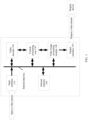
- FIG. 1 is a schematic structural diagram of a processing device in a display system to which this application is applicable.
- the processing device includes components such as an input interface 110, a video decoder 120, a central processing unit (Central Processing Unit, CPU) 130, a video image processing module 140, an output interface 150, and an internal memory 160.
- CPU Central Processing Unit
- FIG. 1 A person skilled in the art may understand that the structural diagram of the processing device shown in FIG. 1 is merely an example instead of a limitation.
- the processing device may further include more or fewer components than those shown in the figure, or may include different component settings.
- a video data stream is transmitted from the input interface 110 (for example, a wired network port or a wireless network port) to the processing device, and is stored in the internal memory 160 by using an internal data bus.
- the CPU 130 and the video decoder 120 decode the video data stream stored in the internal memory 160.
- the video image processing module 140 accesses the internal memory 160 by using the internal data bus, obtains decoded video data from the internal memory 160, determines a format of the video based on the decoded video data, and further determines whether to perform format conversion on the video data.
- the video image processing module 140 outputs video data (for example, video image data or graphic image data) obtained after format conversion or unconverted video data (for example, video image data or graphic image data) to a display device (for example, a television set) through the output interface 150.
- video data for example, video image data or graphic image data
- a display device for example, a television set
- the CPU 130 may directly access the video decoder 120 and the video image processing module 140. This is not limited in this application.
- FIG. 2 is a schematic flowchart of an image display method 200 according to this application. As shown in FIG. 2 , the method 200 is applied to a display system that supports N types of interface modes, where N ⁇ 1, the display system includes a processing device and a display device, and the method 200 includes the following steps:
- the processing device in the display system determines a format of first image data, where the format of the first image data is a first image data format.
- S220. The processing device determines a first interface mode that is currently used, where the first interface mode is determined when the processing device establishes physical connections with the display device, and the first image data format is not an image format supported by the first interface mode.
- the processing device processes the first image data based on the first interface mode to generate second image data, where a format of the second image data is a second image data format, and the second image data format is the image format supported by the first interface mode.
- the processing device in the display system first determines the format of the received first image data, namely, the first image data format.
- the display system in which the processing device is located supports N types of interface modes.
- the processing device further determines an interface mode that is currently used (namely, the first interface mode).
- the first interface mode is determined through negotiation when the processing device establishes physical connections with the display device.
- the first image data format is not an image format supported by the first interface mode, to be specific, the first interface mode does not support transmission of the first image data between the processing device and the display device.
- the processing device needs to convert the format of the first image data based on the first interface mode, so that the first interface mode can support the transmission of the first image data between the processing device and the display device.
- the processing device processes the first image data to generate the second image data.
- the format of the second image data is an image format supported by the first interface mode, to be specific, the first interface mode can support transmission of the second image data between the processing device and the display device.
- first image data and the second image data include video images and/or graphic images.
- first image data may be a video image or a graphic image, or the first image data may include both the video image and graphic data.
- the graphic data may include a control menu (for example, a volume adjustment progress bar or a video fast forward/rewind adjustment progress bar that is displayed on a display device), or the graphic data may be image data (for example, a static image shown in a video) included in video data. This is not limited in this application.
- the processing device may be a playback device (for example, a set top box).
- the processing device after performing format conversion on the first image data, the processing device sends the second image data to the display device, where the second image data is obtained after the format conversion of the first image data.
- the second image data is displayed by the display device.
- the processing device is a playback device for descriptions.
- the processing device may be another device (for example, a mobile phone device).
- the device has a function of obtaining a video data stream, decoding the video data stream, and sending the video data stream to the display device. This is not limited in this application.
- the processing, by the processing device, the first image data to generate the second image data includes the following steps: step 1: the processing device converts the first image data from a first color space to a second color space; step 2: the processing device performs dynamic range mapping on a luminance component of image data corresponding to the second color space, where the image data corresponding to the second color space is obtained after color space conversion is performed on the first image data; step 3: the processing device restores image data obtained after the dynamic range mapping on the luminance component into a linear optical space; step 4: the processing device performs color gamut mapping on image data obtained after the linear optical space restoration; and step 5: the processing device performs non-uniform encoding on image data obtained after the color gamut mapping, to generate the second image data.
- the processing device first performs color space conversion on a video signal corresponding to the first image data, to be specific, converts the video signal from the first color space (for example, a YCbCr color space) to the second color space (for example, an RGB color space), where the RGB color space is suitable for adjusting an image range.
- the processing device After converting the video signal from the YCbCr color space to the RGB color space, the processing device performs dynamic range mapping on a luminance component corresponding to the video signal obtained after the color space conversion, to be specific, maps a dynamic range of the luminance component of the video signal to a dynamic range of a luminance component conforming to a video signal output format.
- the processing device performs restoration on a video signal conforming to the output format into the linear optical space, and then performs the color gamut mapping on the video signal after the restoration.
- the color gamut mapping the video signal in the linear optical space is mapped from a source color gamut to an output color gamut.
- the processing device performs non-uniform encoding on the video signal (namely, the video signal mapped to the output color gamut) to generate the second image data, so that the format of the second image data conforms to an output format requirement of an output video signal.
- step 1, step 3, and step 4 may be performed before step 2 and step 5, which is not limited in this application.
- the first image data format is an image format corresponding to a standard dynamic range SDR
- the second image data format is an image format corresponding to an HDR
- the first image data format is an image format corresponding to the HDR
- the second image data format is an image format corresponding to the SDR
- the first image data format is an image format corresponding to an HDR of a hybrid log-gamma (Hybrid Log-Gamma, HLG) standard
- the second image data format is an image format corresponding to an HDR of a perceptual quantizer (Perceptual Quantizer, PQ) standard
- the first image data format is an image format corresponding to an HDR of the perceptual quantizer PQ standard
- the second image data format is an image format corresponding to an HDR of the HLG standard.
- the first interface mode is a high definition multimedia interface HDMI operation mode.
- image data corresponding to an image format that is not supported by the first interface mode (the first interface mode is determined when the processing device establishes physical connections with the display device) will be processed, so that a format of processed image data can be supported by the first interface mode (namely, the format of the second image data), to avoid one or more seconds of black screen of the display device resulting from reinitialization of an interface mode between the processing device and the display device caused by inconsistency of the format of the first image data and the first interface mode, thereby improving viewing experience of a user.
- the first interface mode is determined when the processing device establishes physical connections with the display device
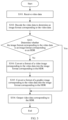
- FIG. 3 is another schematic flowchart of an image processing method 300 according to this application.
- the following describes the method 300 by using an example in which the first image data format is an image format corresponding to a standard dynamic range SDR, and the first interface mode is an interface mode that supports an image format corresponding to a high dynamic range HDR.
- the method 300 includes the following steps.
- a processing device first receives video data transmitted from an input interface 110, decodes the video data, and determines the image format corresponding to the video data by decoding the video data. For example, the processing device determines that the image format corresponding to the video data is the image format corresponding to the SDR.
- the processing device needs to determine whether the image format corresponding to the video data is consistent with an image format supported bv the first interface mode, and the first interface mode here supports the image format corresponding to the HDR. In other words, the processing device needs to determine whether the image format corresponding to the video data is the image format corresponding to the HDR.
- the first interface mode may be determined when the processing device establishes physical connections with the display device, in other words, the image format supported by the first interface mode is determined when the processing device establishes physical connections with the display device.
- the processing device when determining that the image format corresponding to the video data is not the image format corresponding to the HDR, performs format conversion on the video image and the graphic image that are corresponding to the video data, to be specific, converts the formats of the video image and the graphic image that are corresponding to the video data into the image format corresponding to the HDR.
- step S303 when step S303 is performed, if it is determined that the image format corresponding to the video data is the image format corresponding to the HDR, step S306 (to be specific, the video data is output) is directly performed after step S303.
- step S303 if it is determined that the image format corresponding to the video data is not the image format corresponding to the HDR, steps S304 and S305 (to be specific, by performing steps S304 and S305, the formats of the images corresponding to the video data are converted) are continuously performed after step S303, and step S306 is performed after steps S304 and S305.
- the format of the first image data is converted from the image format corresponding to the standard dynamic range SDR into the image format corresponding to the HDR (namely, the format of the second image data).
- execution sequences of the processes in the foregoing method 300 shall not constitute any limitation on the technical solutions of this application, in other words, the execution sequences of the processes in the method 300 are not limited in this application.
- FIG. 4 is a schematic block diagram of an image processing apparatus 400 according to this application.
- the apparatus 400 is applied t o a display system that supports N types of interface modes, where N ⁇ 1, and the display system includes the apparatus and a display device.
- the apparatus 400 includes a determining unit 410 and a processing unit 420.
- the determining unit 410 is configured to determine a format of first image data, where the format of the first image data is a first image data format.
- the determining unit 410 is further configured to: determine a first interface mode that is currently used, where the first interface mode is determined when the apparatus establishes physical connections with the display device, and the first image data format is not an image format supported by the first interface mode.
- the processing unit 420 is configured to process, by the apparatus, the first image data based on the first interface mode to generate second image data, where a format of the second image data is a second image data format, and the second image data format is the image format supported by the first interface mode.
- the apparatus 400 further includes: a sending unit 430, configured to send the second image data to the display device, where the apparatus is a playback device.
- a sending unit 430 configured to send the second image data to the display device, where the apparatus is a playback device.
- processing unit 420 is specifically configured to:
- the first image data format is an image format corresponding to a standard dynamic range SDR
- the second image data format is an image format corresponding to an HDR
- the first image data format is an image format corresponding to the HDR
- the second image data format is an image format corresponding to the SDR
- the first image data format is an image format corresponding to an HDR of a hybrid log-gamma HLG standard
- the second image data format is an image format corresponding to an HDR of a PQ standard
- the first image data format is an image format corresponding to an HDR of the perceptual quantizer PQ standard
- the second image data format is an image format corresponding to an HDR of the HLG standard.
- the first interface mode is a high definition multimedia interface HDMI operation mode.
- the first interface mode is a high definition multimedia interface HDMI operation mode.
- the first image data includes a video image and/or a graphic image.
- the image processing apparatus 400 according to this application may be corresponding to an implementation body of the image processing method 200 according to this application.
- units of the image processing apparatus 400 and other operations and/or functions described above are used to implement corresponding procedures of the method 200 in FIG. 2 respectively. For brevity, details are not described herein again.
- image data corresponding to an image format that is not supported by the first interface mode (the first interface mode is determined when a processing device establishes physical connections with the display device) is processed, so that a format of processed image data (namely, the format of the second image data) can be supported by the first interface mode, to avoid one or more seconds of black screen of the display device resulting from reinitialization of an interface mode between the processing device and the display device caused by inconsistency of the format of the first image data and the first interface mode, thereby improving viewing experience of a user.
- the first interface mode is determined when a processing device establishes physical connections with the display device
- FIG. 5 is a schematic block diagram of an image processing apparatus 500 according to this application.
- the image processing apparatus 500 is applied to a display system that supports N types of interface modes, where N ⁇ 1, and the display system includes the image processing apparatus and a display device.
- the image processing apparatus 500 includes a processor 510 and a memory 520.
- the memory 520 is configured to store instructions
- the processor 510 is configured to execute the instructions stored in the memory 520.
- the memory 520 may include a volatile memory (volatile memory), for example, a random access memory (random-access memory, RAM).
- volatile memory volatile memory
- RAM random access memory
- nonvolatile memory non-volatile memory
- flash memory flash memory
- HDD hard disk drive
- solid-state drive solid-state drive
- SSD solid-state drive
- the processor 510 may be a central processing unit (central processing unit, CPU), a network processor (network processor, NP), or a combination of the CPU and the NP.
- the processor 510 may further include a hardware chip.
- the hardware chip may be an application-specific integrated circuit (application-specific integrated circuit, ASIC), a programmable logic device (programmable logic device, PLD), or a combination thereof.
- the PLD may be a complex programmable logic device (complex programmable logic device, CPLD), a field-programmable gate array (field-programmable gate array, FPGA), a generic array logic (generic array logic, GAL), or any combination thereof.
- the processor 510 is configured to determine a format of the first image data, where the format of the first image data is a first image data format.
- the processor 510 is configured to determine a first interface mode that is currently used, where the first interface mode is determined when the image processing apparatus establishes physical connections with the display device, and the first image data format is not an image format supported by the first interface mode.
- the processor 510 is further configured to: process, by the image processing apparatus, the first image data based on the first interface mode to generate second image data, where a format of the second image data is an image format supported by the first interface mode.
- the image processing apparatus 500 further includes: an output interface 530, configured to send the second image data to the display device, where the image processing apparatus is a playback device.
- processor 510 is specifically configured to:
- the first image data format is an image format corresponding to a standard dynamic range SDR
- the second image data format is an image format corresponding to an HDR
- the first image data format is an image format corresponding to the HDR
- the second image data format is an image format corresponding to the SDR
- the first image data format is an image format corresponding to an HDR of a hybrid log-gamma HLG standard
- the second image data format is an image format corresponding to an HDR of a PQ standard
- the first image data format is an image format corresponding to an HDR of the perceptual quantizer PQ standard
- the second image data format is an image format corresponding to an HDR of the HLG standard.
- the first interface mode is a high definition multimedia interface HDMI operation mode.
- the first image data includes a video image and/or a graphic image.
- the image processing apparatus 500 may be corresponding to an implementation body of the image processing method 200 according to this application.
- units of the image processing apparatus 500 and other operations and/or functions described above are used to implement corresponding procedures of the method 200 in FIG. 2 respectively. For brevity, details are not described herein again.
- image data will be processed when an image format of the image data is not supported by the first interface mode (the first interface mode is determined when a processing device establishes physical connections with the display device), so that a format of processed image data (namely, the format of the second image data) can be supported by the first interface mode, to avoid one or more seconds of black screen of the display device resulting from reinitialization of an interface mode between the processing device and the display device caused by inconsistency of the format of the first image data and the first interface mode, thereby improving viewing experience of a user.
- the first interface mode is determined when a processing device establishes physical connections with the display device
- sequence numbers of the foregoing processes do not mean execution sequences in the embodiments of this application.
- the execution sequences of the processes should be determined based on functions and internal logic of the processes, and shall not constitute any limitation on the implementation processes of this application.
- the disclosed system, apparatus, and method may be implemented in another manner.
- the described apparatus embodiments are merely examples.
- the unit division is merely logical function division and may be another division in actual implementation.
- a plurality of units or components may be combined or integrated into another system, or some features may be ignored or not performed.
- the displayed or discussed mutual couplings or direct couplings or communication connections may be implemented through some interfaces. Indirect couplings or communication connections between the apparatuses or units may be implemented in electronic, mechanical, or other forms.
- the units described as separate parts may or may not be physically separate, and parts displayed as units may or may not be physical units, may be located in one position, or may be distributed on a plurality of network units. Some or all of the units may be selected based on actual requirements to achieve the objectives of the solutions of the embodiments.
- the functions When the functions are implemented in a form of a software functional unit and sold or used as an independent product, the functions may be stored in a computer-readable storage medium. Based on such an understanding, the technical solutions of this application essentially, or a part contributing to the prior art, or some of the technical solutions may be implemented in a form of a software product.
- the computer software product is stored in a storage medium, and includes several instructions for instructing a computer device (which may be a personal computer, a server, a network device, or the like) to perform all or some of the steps of the methods described in the embodiments of this application.
- the foregoing storage medium includes: any medium that can store program code, such as a USB flash drive, a removable hard disk, a read-only memory (Read-Only Memory, ROM), a random access memory (Random Access Memory, RAM), a magnetic disk, or an optical disc.
- program code such as a USB flash drive, a removable hard disk, a read-only memory (Read-Only Memory, ROM), a random access memory (Random Access Memory, RAM), a magnetic disk, or an optical disc.
Landscapes
- Engineering & Computer Science (AREA)
- Multimedia (AREA)
- Signal Processing (AREA)
- Physics & Mathematics (AREA)
- General Physics & Mathematics (AREA)
- Theoretical Computer Science (AREA)
- Computer Graphics (AREA)
- Controls And Circuits For Display Device (AREA)
- Two-Way Televisions, Distribution Of Moving Picture Or The Like (AREA)
- Digital Computer Display Output (AREA)
- User Interface Of Digital Computer (AREA)
Applications Claiming Priority (3)
| Application Number | Priority Date | Filing Date | Title |
|---|---|---|---|
| CN201710266941.3A CN108737877B (zh) | 2017-04-21 | 2017-04-21 | 图像处理的方法、装置和终端设备 |
| PCT/CN2017/114565 WO2018192231A1 (zh) | 2017-04-21 | 2017-12-05 | 图像处理的方法、装置和终端设备 |
| EP17906612.1A EP3582504B1 (de) | 2017-04-21 | 2017-12-05 | Bildverarbeitungsverfahren, vorrichtung und endgerätevorrichtung |
Related Parent Applications (1)
| Application Number | Title | Priority Date | Filing Date |
|---|---|---|---|
| EP17906612.1A Division EP3582504B1 (de) | 2017-04-21 | 2017-12-05 | Bildverarbeitungsverfahren, vorrichtung und endgerätevorrichtung |
Publications (2)
| Publication Number | Publication Date |
|---|---|
| EP4340376A2 true EP4340376A2 (de) | 2024-03-20 |
| EP4340376A3 EP4340376A3 (de) | 2024-07-03 |
Family
ID=63856465
Family Applications (2)
| Application Number | Title | Priority Date | Filing Date |
|---|---|---|---|
| EP23207868.3A Pending EP4340376A3 (de) | 2017-04-21 | 2017-12-05 | Bildverarbeitungsverfahren und -vorrichtung sowie endgerätevorrichtung |
| EP17906612.1A Active EP3582504B1 (de) | 2017-04-21 | 2017-12-05 | Bildverarbeitungsverfahren, vorrichtung und endgerätevorrichtung |
Family Applications After (1)
| Application Number | Title | Priority Date | Filing Date |
|---|---|---|---|
| EP17906612.1A Active EP3582504B1 (de) | 2017-04-21 | 2017-12-05 | Bildverarbeitungsverfahren, vorrichtung und endgerätevorrichtung |
Country Status (4)
| Country | Link |
|---|---|
| US (3) | US11263730B2 (de) |
| EP (2) | EP4340376A3 (de) |
| CN (1) | CN108737877B (de) |
| WO (1) | WO2018192231A1 (de) |
Families Citing this family (4)
| Publication number | Priority date | Publication date | Assignee | Title |
|---|---|---|---|---|
| CN108737877B (zh) * | 2017-04-21 | 2020-06-02 | 华为技术有限公司 | 图像处理的方法、装置和终端设备 |
| CN114511683B (zh) * | 2020-10-27 | 2025-12-19 | 北京京东方光电科技有限公司 | 显示切换控制方法及系统、电子设备和存储介质 |
| CN113923258A (zh) * | 2021-12-13 | 2022-01-11 | 北京九章云极科技有限公司 | 数据处理方法及数据处理系统 |
| TWI825893B (zh) * | 2022-08-02 | 2023-12-11 | 瑞昱半導體股份有限公司 | 影像處理方法及顯示裝置 |
Family Cites Families (22)
| Publication number | Priority date | Publication date | Assignee | Title |
|---|---|---|---|---|
| TWI475877B (zh) * | 2011-08-30 | 2015-03-01 | Wistron Corp | 播放裝置以及影像播放方法 |
| KR102223751B1 (ko) * | 2013-07-12 | 2021-03-05 | 소니 주식회사 | 재생 장치, 재생 방법, 및 기록 매체 |
| CN105594204B (zh) * | 2013-10-02 | 2017-08-15 | 杜比实验室特许公司 | 通过hdmi传输显示管理元数据 |
| JP6202330B2 (ja) | 2013-10-15 | 2017-09-27 | ソニー株式会社 | 復号装置および復号方法、並びに符号化装置および符号化方法 |
| KR20150070528A (ko) * | 2013-12-17 | 2015-06-25 | 에스케이하이닉스 주식회사 | 데이터 저장 장치 및 그것의 동작 방법 |
| KR102509533B1 (ko) * | 2014-02-25 | 2023-03-14 | 애플 인크. | 비디오 인코딩 및 디코딩을 위한 적응형 전달 함수 |
| KR102189726B1 (ko) * | 2014-05-12 | 2020-12-11 | 삼성전자주식회사 | 영상처리장치 및 영상처리방법 |
| EP3570555B1 (de) * | 2014-06-16 | 2023-10-18 | Panasonic Intellectual Property Management Co., Ltd. | Wiedergabeverfahren und wiedergabevorrichtung |
| JP6741975B2 (ja) * | 2014-12-09 | 2020-08-19 | パナソニックIpマネジメント株式会社 | 送信方法および送信装置 |
| EP3261352B1 (de) * | 2015-02-17 | 2020-09-09 | Sony Corporation | Sendevorrichtung, sendeverfahren, empfangsvorrichtung und empfangsverfahren |
| US20160309154A1 (en) | 2015-04-17 | 2016-10-20 | Qualcomm Incorporated | Dynamic range adjustment for high dynamic range and wide color gamut video coding |
| KR102337159B1 (ko) * | 2015-05-21 | 2021-12-08 | 삼성전자주식회사 | 컨텐츠 출력 장치 및 방법과, 디스플레이 장치 |
| WO2017051808A1 (ja) * | 2015-09-25 | 2017-03-30 | 日立マクセル株式会社 | 放送受信装置 |
| US20170171506A1 (en) * | 2015-12-14 | 2017-06-15 | Le Holdings (Beijing) Co., Ltd. | Method and electronic device for video signal processing |
| JP6237797B2 (ja) * | 2016-01-05 | 2017-11-29 | ソニー株式会社 | ビデオシステム、ビデオ処理方法、プログラム、およびビデオコンバーター |
| CN105979192A (zh) * | 2016-05-16 | 2016-09-28 | 福州瑞芯微电子股份有限公司 | 一种视频显示方法和装置 |
| CN105977192A (zh) * | 2016-06-20 | 2016-09-28 | 刘玉忠 | 一种改进型二极管生产用托盘 |
| JP6872693B2 (ja) * | 2016-09-28 | 2021-05-19 | パナソニックIpマネジメント株式会社 | 調整装置、調整方法およびプログラム |
| US10764629B2 (en) * | 2016-12-30 | 2020-09-01 | DISH Technologies L.L.C. | Systems and methods for simultaneously displaying video content from multiple programming sources |
| CN108737877B (zh) * | 2017-04-21 | 2020-06-02 | 华为技术有限公司 | 图像处理的方法、装置和终端设备 |
| US10477141B1 (en) * | 2018-05-17 | 2019-11-12 | Futurewei Technologies, Inc. | Frame synchronous packet switching for high-definition multimedia interface (HDMI) video transitions |
| TWI825893B (zh) * | 2022-08-02 | 2023-12-11 | 瑞昱半導體股份有限公司 | 影像處理方法及顯示裝置 |
-
2017
- 2017-04-21 CN CN201710266941.3A patent/CN108737877B/zh active Active
- 2017-12-05 EP EP23207868.3A patent/EP4340376A3/de active Pending
- 2017-12-05 EP EP17906612.1A patent/EP3582504B1/de active Active
- 2017-12-05 WO PCT/CN2017/114565 patent/WO2018192231A1/zh not_active Ceased
-
2019
- 2019-10-08 US US16/596,269 patent/US11263730B2/en active Active
-
2022
- 2022-01-21 US US17/581,193 patent/US12217404B2/en active Active
-
2025
- 2025-01-13 US US19/018,393 patent/US20250285249A1/en active Pending
Also Published As
| Publication number | Publication date |
|---|---|
| CN108737877A (zh) | 2018-11-02 |
| US20250285249A1 (en) | 2025-09-11 |
| US11263730B2 (en) | 2022-03-01 |
| US12217404B2 (en) | 2025-02-04 |
| EP4340376A3 (de) | 2024-07-03 |
| EP3582504A4 (de) | 2019-12-18 |
| CN108737877B (zh) | 2020-06-02 |
| US20220148141A1 (en) | 2022-05-12 |
| WO2018192231A1 (zh) | 2018-10-25 |
| EP3582504B1 (de) | 2023-11-15 |
| EP3582504A1 (de) | 2019-12-18 |
| US20200043150A1 (en) | 2020-02-06 |
Similar Documents
| Publication | Publication Date | Title |
|---|---|---|
| US12217404B2 (en) | Image processing method and apparatus and terminal device | |
| JP7407373B2 (ja) | 表示装置、表示方法、および、コンピュータプログラム | |
| JP7359521B2 (ja) | 画像処理方法および装置 | |
| US10944995B2 (en) | Encoding apparatus, decoding apparatus, and control methods therefor | |
| EP3232669B1 (de) | Verarbeitungsverfahren für videoframes, videoverarbeitungschip, bewegungsschätzungs- und bewegungskompensationschip | |
| CN104581405B (zh) | 一种显示内容处理方法及设备 | |
| US10306179B2 (en) | Image providing apparatus, control method thereof, and image providing system | |
| CN109688465B (zh) | 视频增强控制方法、装置以及电子设备 | |
| US10868968B2 (en) | Display apparatus and control method thereof | |
| US11656831B2 (en) | Implementing wireless displays that handle rotation and/or portrait-first sinks | |
| CN103700360A (zh) | 一种屏幕显示比例调整方法和电子设备 | |
| CN111741274B (zh) | 一种支持画面局部放大和漫游的超高清视频监看方法 | |
| JP6389279B2 (ja) | ディスプレイインターフェースの帯域幅変調 | |
| CN109429099A (zh) | 用于播放媒体文件的方法、处理器和媒体播放设备 | |
| CN112399196B (zh) | 图像处理方法及装置 | |
| WO2026001895A1 (zh) | 图像处理方法、图像处理装置、电子设备及存储介质 | |
| JP2015142275A (ja) | 画像処理装置、画像処理方法、表示装置、表示方法、及び、プログラム | |
| JP2021005796A (ja) | 表示制御装置、表示装置、表示制御プログラム、および記録媒体 | |
| TWI523509B (zh) | 實施行動高畫質連結技術的方法及其電子裝置 | |
| CN105992019A (zh) | 一种实现网络数字视频播放的系统和方法 |
Legal Events
| Date | Code | Title | Description |
|---|---|---|---|
| PUAI | Public reference made under article 153(3) epc to a published international application that has entered the european phase |
Free format text: ORIGINAL CODE: 0009012 |
|
| STAA | Information on the status of an ep patent application or granted ep patent |
Free format text: STATUS: THE APPLICATION HAS BEEN PUBLISHED |
|
| AC | Divisional application: reference to earlier application |
Ref document number: 3582504 Country of ref document: EP Kind code of ref document: P |
|
| AK | Designated contracting states |
Kind code of ref document: A2 Designated state(s): AL AT BE BG CH CY CZ DE DK EE ES FI FR GB GR HR HU IE IS IT LI LT LU LV MC MK MT NL NO PL PT RO RS SE SI SK SM TR |
|
| REG | Reference to a national code |
Ref country code: DE Ref legal event code: R079 Free format text: PREVIOUS MAIN CLASS: H04N0021810000 Ipc: H04N0021431000 |
|
| PUAL | Search report despatched |
Free format text: ORIGINAL CODE: 0009013 |
|
| AK | Designated contracting states |
Kind code of ref document: A3 Designated state(s): AL AT BE BG CH CY CZ DE DK EE ES FI FR GB GR HR HU IE IS IT LI LT LU LV MC MK MT NL NO PL PT RO RS SE SI SK SM TR |
|
| RIC1 | Information provided on ipc code assigned before grant |
Ipc: G09G 5/00 20060101ALI20240524BHEP Ipc: H04N 21/81 20110101ALI20240524BHEP Ipc: H04N 21/4402 20110101ALI20240524BHEP Ipc: H04N 21/431 20110101AFI20240524BHEP |
|
| STAA | Information on the status of an ep patent application or granted ep patent |
Free format text: STATUS: REQUEST FOR EXAMINATION WAS MADE |
|
| 17P | Request for examination filed |
Effective date: 20250103 |
|
| STAA | Information on the status of an ep patent application or granted ep patent |
Free format text: STATUS: EXAMINATION IS IN PROGRESS |