EP4343001A1 - Procédé de diagnostic de la rectocolite hémorragique - Google Patents
Procédé de diagnostic de la rectocolite hémorragique Download PDFInfo
- Publication number
- EP4343001A1 EP4343001A1 EP22382873.2A EP22382873A EP4343001A1 EP 4343001 A1 EP4343001 A1 EP 4343001A1 EP 22382873 A EP22382873 A EP 22382873A EP 4343001 A1 EP4343001 A1 EP 4343001A1
- Authority
- EP
- European Patent Office
- Prior art keywords
- seq
- amplification reaction
- subject
- oligonucleotide probe
- ulcerative colitis
- Prior art date
- Legal status (The legal status is an assumption and is not a legal conclusion. Google has not performed a legal analysis and makes no representation as to the accuracy of the status listed.)
- Withdrawn
Links
Images


Classifications
-
- C—CHEMISTRY; METALLURGY
- C12—BIOCHEMISTRY; BEER; SPIRITS; WINE; VINEGAR; MICROBIOLOGY; ENZYMOLOGY; MUTATION OR GENETIC ENGINEERING
- C12Q—MEASURING OR TESTING PROCESSES INVOLVING ENZYMES, NUCLEIC ACIDS OR MICROORGANISMS; COMPOSITIONS OR TEST PAPERS THEREFOR; PROCESSES OF PREPARING SUCH COMPOSITIONS; CONDITION-RESPONSIVE CONTROL IN MICROBIOLOGICAL OR ENZYMOLOGICAL PROCESSES
- C12Q1/00—Measuring or testing processes involving enzymes, nucleic acids or microorganisms; Compositions therefor; Processes of preparing such compositions
- C12Q1/68—Measuring or testing processes involving enzymes, nucleic acids or microorganisms; Compositions therefor; Processes of preparing such compositions involving nucleic acids
- C12Q1/6876—Nucleic acid products used in the analysis of nucleic acids, e.g. primers or probes
- C12Q1/6883—Nucleic acid products used in the analysis of nucleic acids, e.g. primers or probes for diseases caused by alterations of genetic material
-
- C—CHEMISTRY; METALLURGY
- C12—BIOCHEMISTRY; BEER; SPIRITS; WINE; VINEGAR; MICROBIOLOGY; ENZYMOLOGY; MUTATION OR GENETIC ENGINEERING
- C12Q—MEASURING OR TESTING PROCESSES INVOLVING ENZYMES, NUCLEIC ACIDS OR MICROORGANISMS; COMPOSITIONS OR TEST PAPERS THEREFOR; PROCESSES OF PREPARING SUCH COMPOSITIONS; CONDITION-RESPONSIVE CONTROL IN MICROBIOLOGICAL OR ENZYMOLOGICAL PROCESSES
- C12Q1/00—Measuring or testing processes involving enzymes, nucleic acids or microorganisms; Compositions therefor; Processes of preparing such compositions
- C12Q1/68—Measuring or testing processes involving enzymes, nucleic acids or microorganisms; Compositions therefor; Processes of preparing such compositions involving nucleic acids
- C12Q1/6876—Nucleic acid products used in the analysis of nucleic acids, e.g. primers or probes
- C12Q1/6888—Nucleic acid products used in the analysis of nucleic acids, e.g. primers or probes for detection or identification of organisms
- C12Q1/689—Nucleic acid products used in the analysis of nucleic acids, e.g. primers or probes for detection or identification of organisms for bacteria
Definitions
- the present invention belongs to the field of medicine, specifically to the field of diagnosis of ulcerative colitis in a subject with the use of an oligonucleotide probe.
- IBD Inflammatory bowel disease
- IBD ulcerative colitis
- CD Crohn's disease
- UC ulcerative colitis
- CD Crohn's disease
- UC ulcerative colitis
- CD Crohn's disease
- the inventors have discovered that a particular Bacteroidetes-associated genotype is present in the gut microbiota of subjects suffering from ulcerative colitis but not in healthy subjects, thus allowing to use the detection of said genotype as an early diagnostic tool.
- the inventors have also developed a probe for the detection of said genotype.
- the invention relates to an in vitro method for the diagnosis of ulcerative colitis in a subject, from here onwards the method of the invention, wherein the method comprises detecting a nucleic acid target region in a sample of feces from the subject, wherein said region comprises the sequence according to SEQ ID NO: 1, the sequence complementary to SEQ ID NO: 1, or a fragment thereof, and wherein the presence of the target region is indicative of the subject having ulcerative colitis.
- Another aspect of the present invention relates to an in vitro method for the diagnosis of ulcerative colitis in a subject wherein the method comprises detecting a nucleic acid target region in a sample of feces from the subject, wherein said region comprises the sequence according to SEQ ID NO: 9, the sequence complementary to SEQ ID NO: 9, or a fragment thereof, and wherein the presence of the nucleic acid sequence is indicative of the subject having ulcerative colitis.
- Another aspect of the present invention relates to an oligonucleotide consisting of a nucleotide sequence according to SEQ ID NO: 4 or SEQ ID NO: 6 or a combination thereof.
- a further aspect of the present invention relates to an oligonucleotide probe consisting of a nucleotide sequence according to SEQ ID NO: 1.
- Yet another aspect of the present invention relates to a kit comprising the oligonucleotide probe according to the invention and/or the oligonucleotide according to the invention.
- One more aspect of the present invention relates to the use of the oligonucleotide according to the invention or the oligonucleotide probe according to the invention or the kit according to the invention for the diagnosis of ulcerative colitis in a subject.
- Another aspect of the present invention relates to the use of the oligonucleotide according to the invention or the oligonucleotide probe according to the invention or the kit according to the invention for the detection of Bacteriodetes bacteria associated with ulcerative colitis.
- the inventors have discovered the association of a specific nucleic acid target region with the disease ulcerative colitis (UC). Said nucleic acid appears to be associated with Bacteroidetes bacteria which are present in the gut microbiota of subjects suffering from UC but not in healthy subjects, thus allowing to use the detection of said nucleic acid target region as an early diagnostic tool.
- the inventors have also designed primers and a probe which allows the detection of said nucleic acid sequence.
- a first aspect of the invention relates to an in vitro method for the diagnosis of ulcerative colitis in a subject, from here onwards the method of the invention, wherein the method comprises detecting a nucleic acid target region in a sample of feces from the subject, wherein said region comprises the sequence according to SEQ ID NO: 1, the sequence complementary to SEQ ID NO: 1, or a fragment thereof, and wherein the presence of the target region is indicative of the subject having ulcerative colitis.
- SEQ ID NO: 1 TGGCATCATGAGTTCACATGTCCGCA
- the nucleic acid target region which belongs to unknown bacteria which comprise in their genome the sequence according to SEQ ID NO: 1, is normally associated with the presence in said bacteria of nucleic acid sequence according to SEQ ID NO: 9 which comprise SEQ ID NO: 1. Therefore, another aspect of the present invention relates to an in vitro method for the diagnosis of ulcerative colitis in a subject wherein the method comprises detecting a nucleic acid sequence in a sample of feces from the subject, wherein said region comprises the sequence according to SEQ ID NO: 9, the sequence complementary to SEQ ID NO: 9 or a fragment thereof and wherein the presence of the nucleic acid sequence is indicative of the subject having ulcerative colitis.
- the said region comprises the sequence according to SEQ ID NO: 2, the sequence complementary to SEQ ID NO: 2 or a fragment thereof.
- in vitro method for the diagnosis of ulcerative colitis is understood as a method which allows showing the existence of ulcerative colitis in a subject by means of detecting the presence of a nucleic acid target sequence in a sample isolated from the subject.
- Diagnosing refers both to the process of attempting to determine and/or identify a possible disease in a subject, i.e., the diagnostic procedure, and to the opinion reached by this process, i.e., the diagnostic opinion. As such, it can also be regarded as an attempt at classification of an individual's condition into separate and distinct categories that allow medical decisions about treatment and prognosis to be made.
- the term "diagnosis” relates to the ability to detect and identify the presence of certain bacterial strains in a patient (the subject) that allows showing the existence of ulcerative colitis in a subject.
- This detection and identification as it is understood by one skilled in the art is not intended to be 100% correct for all the samples. However, it requires that a statistically significant number of diagnosis performed are classified correctly.
- the amount that is statistically significant can be set by an expert in the field by using different statistical tools, for example, but not limited to, by the determination of confidence intervals, p value determination, Student's t test and discriminating function Fisher.
- the confidence intervals are at least 90%, at least 95%, at least 97%, at least 98% or at least 99%.
- the p value is less than 0.05, 0.01, 0.005 or 0.0001.
- the present invention can correctly detect a disease in at least 60%, at least 70%, by at least 80%, or at least 90% of the subjects of a particular group or population tested.
- UC ulcerative colitis
- the term "subject" refers to a mammal, and includes but is not limited to domestic and farm animals, primates and humans, for example human beings, non-human primates, cows, horses, pigs, sheep, goats, dogs, cats or rodents.
- the subject is a human, of any age, gender or race.
- the subject is a mammal, preferably a human.
- the subject has not taken antibiotics or probiotics within the last 30 days.
- the subject has not taken any pharmacological treatment that may alter the intestinal microbiota in the previous 3 months.
- the subject does not have a concomitant Clostridium difficile or another enteric pathogen infection or any liver disease or malabsorptive disease that alter the intestinal microbiota.
- nucleic acid refers to a repetition of monomers called nucleotides, linked by phosphodiester bonds.
- DNA deoxyribonucleic acid
- RNA ribonucleic acid
- DNA means the genetic material of living organisms that controls heredity and is located in the nucleus or mitochondria of cells.
- RNA means the molecule resulting from the transcription of a DNA sequence.
- the nucleic acid of the invention may contain one or more modifications to nucleobases, sugars and/or nucleotide bonds.
- nucleic acid target region refers to a specific nucleic acid sequence that allows for the unique identification of bacteria which are associated with subjects suffering from UC.
- the target region of the present invention comprises the sequence according to SEQ ID NO: 1, or the sequence complementary to SEQ ID NO: 1, or SEQ ID NO: 2, or the sequence complementary to SEQ ID NO: 2.
- the target region consists of the nucleotide sequence according to SEQ ID NO: 1 or SEQ ID NO: 2.
- the nucleic acid target region belongs to unknown bacteria, which comprises in its genome the sequence according to SEQ ID NO: 1 or SEQ ID NO: 2.
- unknown bacteria refers to bacteria which despite being able to be detected, normally through bulk PCR reactions with generic primers followed by DNA sequencing of the PCR product, have not been assigned to a specific branch of the "tree of life" and therefore do not have a phylum, genus or species designation. This is mostly due to the incapability of culturing said bacteria and determining their physical attributes.
- the nucleic acid target region belongs to the genome of Bacteroidetes bacteria, preferably Bacteroides bacteria, more preferably Phocaeicola dorei, which comprises in its genome the sequence according to SEQ ID NO: 1 or SEQ ID NO: 2.
- Bacteroidetes refers to the phylum composed of three large classes of Gram-negative, non-spore forming, anaerobic or aerobic, and rod-shaped bacteria that are widely distributed in the environment, including in soil, sediments, and sea water, as well as in the guts and on the skin of animals. Although some Bacteroidetes spp. can be opportunistic pathogens, many Bacteroidetes are symbiotic species highly adjusted to the gastrointestinal tract. Bacteroidetes are highly abundant in intestines.
- Bacteroides refers to a genus of Gram-negative and obligate anaerobic bacteria. Bacteroides species are non-endospore forming bacilli, and may be either motile or non-motile, depending on the species. In a particular embodiment of the method of the invention the Bacteroides bacteria is Bacteroides dorei (a.k.a. Phocaeicola dorei ), preferably a P. dorei which comprises in its genome the sequence according to SEQ ID NO: 1 or SEQ ID NO: 2.
- the nucleic acid target region further comprises the nucleic acid sequence according to SEQ ID NO: 18. In a preferred embodiment of the method of the invention, the nucleic acid target region further comprises the nucleic acid sequences according to SEQ ID NO: 4 and SEQ ID NO: 18.
- sample in the context of the present invention, refers to a small quantity or isolated part which is representative of the whole, i.e., whose characteristics are identical to the whole from which the sample is taken.
- the sample is a feces sample. Methods for obtaining said samples, e.g. collection of feces and colonoscopy, are well known in the art and the skilled person in the field would be able to collect said samples without effort.
- genotyping Several methods are known in the art that can be applied in genotyping, namely restriction fragment length polymorphism identification (RFLPI) of genomic DNA, random amplified polymorphic detection (RAPD) of genomic DNA, amplified fragment length polymorphism detection (AFLPD), DNA sequencing, allele specific oligonucleotide (ASO) probes, and hybridization to DNA microarrays or beads.
- RFLPI restriction fragment length polymorphism identification
- RAPD random amplified polymorphic detection
- AFLPD amplified fragment length polymorphism detection
- ASO allele specific oligonucleotide
- the detection of the target region is carried out by restriction fragment length polymorphism identification (RFLPI) of genomic DNA, random amplified polymorphic detection (RAPD) of genomic DNA, amplified fragment length polymorphism detection (AFLPD), polymerase chain reaction (PCR), DNA sequencing, allele specific oligonucleotide (ASO) probes, and hybridization to DNA microarrays or beads.
- RFLPI restriction fragment length polymorphism identification
- RAPD random amplified polymorphic detection
- AFLPD amplified fragment length polymorphism detection
- PCR polymerase chain reaction
- DNA sequencing allele specific oligonucleotide probes
- the method comprises the steps of:
- the method comprises the steps of:
- the method comprises the steps of:
- the nucleic acids obtained from the sample refers to the nucleic acids which were extracted from the samples, i.e., feces, before submitting said nucleic acids to the amplification reaction.
- Methods to extract nucleic acids from samples, in particular feces samples are well known in the art. Examples of said methods can be found in the "DNA extraction" subheading of the Examples section of the present description.
- the first step of the method I, method II and method III of the method of the invention is to submit said nucleic acids to an "amplification reaction", i.e., perform a copy of a region of the nucleic acids, wherein said copy is multiplied exponentially through the use of oligonucleotides, known usually as primers, which are complementary and hybridize with the extremes of said region being amplified.
- an "amplification reaction” i.e., perform a copy of a region of the nucleic acids, wherein said copy is multiplied exponentially through the use of oligonucleotides, known usually as primers, which are complementary and hybridize with the extremes of said region being amplified.
- amplification reactions include, but are not limited to, polymerase chain reaction (PCR) and variations thereof (Regional Amplification Polymerase Chain Reaction (RA-PCR), Real Time Polymerase Chain Reaction (RT-PCR), etc.).
- PCR polymerase chain reaction
- RA-PCR Regular Amplification Polymerase Chain Reaction
- RT-PCR Real Time Polymerase Chain Reaction
- the amplification reaction is carried out by means of a polymerase chain reaction (PCR).
- PCR polymerase chain reaction
- the protocol followed to carry out a PCR is widely known in the state of the art and commercial kits containing the materials necessary to carry out such amplification are currently available.
- the amplification reaction is carried out by a real-time quantitative polymerase chain reaction (PCR) or a real time semi-quantitative polymerase chain reaction (PCR).
- PCR real-time quantitative polymerase chain reaction
- PCR real time semi-quantitative polymerase chain reaction
- a Real-Time PCR reaction is basically a conventional PCR in which the amplification equipment (called thermal cyclers) incorporates a fluorescence detection system, the detection being based on the use of specific molecules.
- the fluorescence can be used to quantify the number of molecules being amplified or to quantify the level of amplification in relation to a reference curve (semi-quantitative).
- the amplification reaction is carried out by conventional PCR.
- the amplification reaction is carried out by a digital PCR.
- reaction buffer deoxyribonucleotide triphosphate
- dNTP deoxyribonucleotide triphosphate
- the term 'reaction buffer' refers to a buffer solution that provides a suitable chemical environment for DNA polymerase activity.
- the pH of the buffer is usually between 8.0 and 9.5 and is often stabilised with Tris-HCI.
- a common component of the buffer is potassium ion (K + ) from KCI, or ammonium sulphate (NH 4 ) 2 SO 4 , which promotes primer hybridization.
- K + potassium ion
- NH 4 ammonium sulphate
- Such a reaction buffer is usually provided commercially in conjunction with DNA polymerase.
- deoxyribonucleotide triphosphate or its acronym “dNTP” refers to the triphosphate nucleotides adenine (dATP), cytosine (dCTP), thymine (dTTP) and guanine (dGTP), the bases necessary for DNA construction.
- dATP deoxyribonucleotide triphosphate
- dCTP cytosine
- dTTP thymine
- dGTP guanine
- divalent ions refers to chemical elements, in this case ions, which have a valence of two, i.e. they can form up to two bonds.
- the divalent ion is magnesium (Mg 2+ ).
- the magnesium ions are obtained from magnesium chloride (MgCl 2 ) present in the reaction mixture at a concentration of 2 to 3 mM. In another particular embodiment of the method of the invention the magnesium ions are obtained from magnesium chloride (MgCl 2 ) present at a concentration of 2.5 mM in the reaction mixture.
- 'DNA polymerase' refers to enzymes (E.C.: 2.7.7.7) (cellular or viral) involved in the DNA replication process which carry out the synthesis of the new DNA strand by pairing deoxyribonucleotide triphosphates (dNTPs) with the corresponding complementary deoxyribonucleotides of the template DNA.
- enzymes E.C.: 2.7.7.7
- dNTPs deoxyribonucleotide triphosphates
- the amplification reaction is carried out in specialized equipment called a thermal cycler, which allows multiple cycles of a set of stages with different temperatures and different times per stage.
- a thermal cycler which allows multiple cycles of a set of stages with different temperatures and different times per stage.
- the amplification reaction conditions comprises the steps:
- hybridization refers to: the separation of the double strands of nucleic acids present in the sample into single strands; the hybridization of primers to the previously formed nucleic acid single strands due to the fact that said primers have a DNA sequence complementary to the target region of the nucleic acids; and extension of a new DNA strand by a DNA polymerase from the 3' end of the primer such that the new strand is complementary to the template strand to which the primer has hybridized.
- the amplification reaction of the method I and method II of the method of the invention amplifies the nucleic acid target region (previously defined) which allows the detection and identification of the presence of bacterium which is indicative of the subject having UC.
- the amplification reaction amplifies a fragment of the target region of at least 20, at least 30, at least 40, at least 50, at least 60, at least 70, at least 80, at least 90, at least 100 nucleotides in length, wherein said fragment is comprised in the nucleotide sequence according to SEQ ID NO: 1.
- the amplification reaction amplifies a target region of at least 113 nucleotides, 117 nucleotides, at least 120 nucleotides, at least 130 nucleotides, at least 150 nucleotides in which is comprised the sequence according to SEQ ID NO: 2.
- the amplification reaction obtains an "amplification reaction product which comprises the nucleotide sequence according to SEQ ID NO: 1 or a fragment thereof".
- the amplification reaction product comprises a nucleotide sequence with at least 80%, at least 81%, at least 82%, at least 83%, at least 84%, at least 85%, at least 86%, at least 87%, at least 88%, at least 89%, at least 90%, at least 91%, at least 92%, at least 93%, at least 94%, at least 95%, at least 96%, at least 97%, at least 98%, at least 99%, at least 100% identity with SEQ ID NO: 2.
- the target region or the amplification reaction product consists of SEQ ID NO: 2.
- fragment thereof refers to a fragment of the nucleotide sequence according to SEQ ID NO: 1, wherein at least 1 nucleotide from the 5' and/or at least one nucleotide from the 3' has been deleted.
- the fragment thereof consists of a nucleotide sequence of at least 20, at least 21, at least 22, at least 23, at least 24, at least 25 nucleotides wherein said nucleotide sequence is comprised in the nucleotide sequence according to SEQ ID NO: 1.
- identity in the context of two or more amino acid or nucleotide sequences, refer to two or more sequences or subsequences that are the same or have a specified percentage of nucleotide residues that are the same, when compared and aligned (introducing gaps, if necessary) for maximum correspondence, not considering any conservative substitutions as part of the sequence identity.
- percent identity can be measured using sequence comparison software or algorithms or by visual inspection.
- sequence comparison software or algorithms or by visual inspection.
- Various algorithms and software are known in the art that can be used to obtain alignments of amino acid or nucleotide sequences. Publicly available software programs can be used to align sequences. Appropriate parameters for maximal alignment by particular alignment software can be determined by one skilled in the art.
- the default parameters of the alignment software are used.
- the percentage identity "X" of a first nucleotide sequence to a second nucleotide sequence is calculated as 100 x (Y/Z), where Y is the number of nucleotide residues scored as identical matches in the alignment of the first and second sequences (as aligned by visual inspection or a particular sequence alignment program) and Z is the total number of residues in the second sequence. If the second sequence is longer than the first sequence, then the global alignment taken the entirety of both sequences into consideration is used, therefore all letters and null in each sequence must be aligned. In this case, the same formula as above can be used but using as Z value the length of the region wherein the first and second sequence overlaps, said region having a length which is substantially the same as the length of the first sequence.
- the parameters are set such that the percentage of identity is calculated over the full length of the reference nucleotide sequence and that gaps in homology of up to 5% of the total number of nucleotides in the reference sequence are allowed.
- the amplification reaction which amplifies the target region comprises a forward primer and a reverse primer which are specific and capable of amplifying said region or fragment thereof.
- primer refers to an oligonucleotide that is capable of acting as an initiation point for the 5' to 3' synthesis of a primer extension product that is complementary to a nucleic acid strand.
- the primer extension product is synthesized in the presence of appropriate nucleotides and a polymerization agent, such as a DNA polymerase, in an appropriate buffer and at an appropriate temperature.
- the primers may comprise only natural nucleotide residues or at least one or more nucleotide analogues, e.g., chemically modified analogues, PNAs, etc.
- modified nucleotides that can be used in the present invention include, but are not limited to, nucleotides having at position 2' of the sugar a substituent selected from the fluoro, hydroxyl, amino, azido, alkyl, alkoxy, alkoxyalkyl, methyl, ethyl, propyl, butyl group or a functionalized alkyl group such as ethylamino, propylamino and butylamino.
- the alkoxy group is methoxy, ethoxy, propoxy or a functionalized alkoxy group according to the formula O(CH2)q-R, where q is 2 to 4 and R is an amino, methoxy or ethoxy group.
- Suitable alkoxyalkyl groups are methoxyethyl and ethoxyethyl.
- Oligonucleotides in which different nucleotides contain different modifications at position 2' are also part of the invention.
- the oligonucleotides of the invention can contain modified bonds such as phosphodiester-, phosphotriester-, phosphorothioate-, phosphorodithioate-, phosphoroselenoate-, phosphorodiselenoate-, phosphoroanilothioate-, phosphoramidate-, methylphosphonate-, boranephosphonatetype bonds as well as combinations thereof, or they are peptide nucleic acids (PNAs), in which the different nucleotides are bound by amide bonds.
- PNAs peptide nucleic acids
- primers Normally two types of primers are used, a "forward primer” which anneals with the antisense DNA strand and initiates the synthesis of positive strand of the gene into 5' to 3' direction and a “reverse primer” which anneals with the sense strand and initiates the synthesis of the complementary strand of the coding strand, which is negative strand of the gene into 5' to 3' direction.
- the 5' ends of both primers bind to the 3' ends of each DNA strand.
- the primers are, in most cases, short oligonucleotides.
- the primers comprise 18 to 30 nucleotides, preferably 19, 20, 21, 22, 23, 24, 25, 26, 27, 28 or 29 nucleotides, more preferably 20, 21 or 22 nucleotides.
- the forward primer consists of a sequence selected from the group consisting of SEQ ID NO: 3 and SEQ ID NO: 4.
- the reverse primer consists of a sequence selected from the group consisting of SEQ ID NO: 5 and SEQ ID NO: 6.
- primers are designed to be complementary to the target DNA sequence to be amplified (i.e., refers to the base pairing that allows the formation of a duplex between the primer and its complementary sequence in a DNA molecule).
- Two single-stranded DNA molecules are said to be substantially complementary when the nucleotides of one strand, optimally aligned and compared and with appropriate nucleotide insertions or deletions, pair with about 60% of the other strand, at least 70%, at least 80%, at least 85%, usually at least about 90% to about 95%, and even about 98% to about 100%.
- “Specific” means that the primers are capable of hybridizing to and amplify the nucleic acid target region, which may be part of the genome of a Bacteroidetes, particularly the genome Bacteroides spp., more particularly of P. dorei, but they are not capable of hybridizing and amplifying other sequences different, thus allowing a specific detection of said nucleic acid sequence.
- the primers are able to amplify the 16S RNA gene of the genome of a Bacteroidetes, preferably a Bacteroides spp., more preferably of P . dorei.
- the expression "specific and capable of amplifying said target region or fragment thereof”, as used in the present description, refers to the fact that one of the primers used in the amplification reaction comprises a sequence that is identical to a fragment of SEQ ID NO. 2 and the other primer comprises a sequence that is identical to a reverse and complementary fragment to SEQ ID NO. 2, and that the two primers together, in an amplification reaction, hybridize with the single DNA chains of SEQ ID NO: 2 and allow for the amplification of SEQ ID NO: 1 or a fragment thereof.
- the amplification reaction may, in addition, comprise components necessary for the detection or quantification of the amplification products or amplicons or for the determination of the nucleic acid sequence of the amplicon.
- method II of the method of the invention comprises a hybridization reaction step (step ii) of the amplification reaction product performed with an oligonucleotide probe and its complementary strand from the amplification reaction product bind non-covalently to form a stable double-stranded polynucleotide, while method III does not comprise oligonucleotide probes as the amplicon nucleotide sequence is determined.
- the oligonucleotide probe comprises at least one label capable of emitting a detectable signal and the oligonucleotide probe sequence hybridizes to the nucleotide sequence according to SEQ ID NO: 1 or a fragment thereof.
- the oligonucleotide probe comprises a sequence according to SEQ ID NO: 1, preferably consists of a sequence according to SEQ ID NO: 1.
- the term 'probe' refers to a molecule used in an amplification reaction or in a hybridization reaction, such as for quantitative or qPCR analysis, as well as for end-point analysis. Such probes can be used to detect the presence of specific nucleotide sequences present in the target region both during the amplification reaction and in end-point analysis, using as in hydribidization reactions.
- the oligonucleotide probe consists of or has between 18 to 30 nucleotides, preferably between 20 to 26 nucleotides, more preferably 20 nucleotides, 21 nucleotides, 22 nucleotides, 23 nucleotides, 24 nucleotides or 25 nucleotides.
- oligonucleotide probes may be modified with a label so that the appearance or the detection of amplification reaction products with a nucleotide sequence reversed and complementary to the probe is detected by the appearance of a detectable signal.
- label refers to any atom or molecule that can be used to provide a detectable effect, and that can be attached to a nucleic acid.
- Labels include, but are not limited to, dyes; radiolabels such as 32P; binding moieties such as biotin; haptens such as digoxygenin; luminogenic, phosphorescent or fluorogenic moieties; mass tags; and fluorochromes alone or in combination with quenchers that can suppress or shift emission spectra by fluorescence resonance energy transfer (FRET).
- Said labels may provide signals detectable by fluorescence, radioactivity, colorimetry, gravimetry, X-ray diffraction or absorption, magnetism, enzymatic activity, characteristics of mass or behavior affected by mass (e.g., MALDI time-of-flight mass spectrometry), and the like, preferably by fluorescence.
- a label may be a charged moiety (positive or negative charge) or alternatively, may be charge neutral.
- Labels can include or consist of nucleic acid or protein sequence, so long as the sequence comprising the label is detectable.
- the probe comprises at least one label.
- the label is selected from the group consisting of: biotin, digoxigenin, radioactively-labelled deoxynucleoside triphosphate (dNTP), 4-acetamido-4'-isothiocyanatostilbene-2,2' disulfonic acid, acridine, acridine orange, acridine yellow, acridine red, acridine isothiocyanate, cyanosine (Cy), Cy3, Cy5, Cy5.5, Cy7, 4',6-diaminidino-2-phenylindole (DAPI); 5',5"-dibromopyrogallol-sulfonephthalein (Bromopyrogallol Red), eosin, eosin isothiocyanate, erythrosin B, erythrosin isothiocyanate, ethidium, fluorescein, 5-carboxyfluorescein (dNTP), 4-acetamido-4'-isothio
- the interaction between two labels may produce a detectable effect.
- the interaction is not limited to any particular nature of interaction.
- the interaction of the labels may be via direct contact, e.g., a covalent or non-covalent contact between two moieties (e.g., a protein-protein contact, or collisional energy transfer between proximal moieties); it may comprise resonance energy transfer (e.g., between one or more dyes, or between a dye and a quencher moieties); it may comprise a diffusion effect, e.g., wherein the product from a reaction occurring at the site of one label diffuses to the site of another label to create a detectable effect.
- a covalent or non-covalent contact between two moieties e.g., a protein-protein contact, or collisional energy transfer between proximal moieties
- resonance energy transfer e.g., between one or more dyes, or between a dye and a quencher moieties
- a diffusion effect e.g.,
- the oligonucleotide probe may contain more than one label.
- the oligonucleotide probe comprises two labels, wherein one label is a fluorophore located in the terminal 5' or 3' and the other label is a quencher molecule in the opposite terminal.
- Various types of probes can be used, such as, without limitation, TaqMan probes and Molecular Beacons.
- TaqMan probes refer to probes that have a fluorophore at one end and a molecule at the other end that blocks its fluorescence emission (called a "quencher"). This type of probe hybridizes specifically to the central part of the PCR product to be obtained.
- the probe hybridizes to the target region but, due to the proximity of the fluorophore to the quencher, no fluorescence is emitted.
- the polymerase encounters the probe, it hydrolyses it via its 5'-3' exonuclease activity, resulting in the separation of the quencher from the fluorophore and thus the emission of fluorescence, which is directly related to the amount of amplicon produced.
- the methods of the invention comprise a step of administering to the subject from whom the target region has been detected in the sample, a treatment for ulcerative colitis.
- treatment refers to any process, action, application, or the like, wherein a subject or patient, including a human being, with a specific health condition or disorder is provided medical aid with the objective of improving the subject's condition, directly or indirectly, or slowing the progression of a condition or disorder in the subject, or ameliorating at least one symptom of the condition or disorder under treatment.
- a treatment or therapy refers to the administration at a specific regimen or dose for a given period of time, of a specific active agent, or a combination of active agents, comprised in a medicament or set of medicaments.
- Non-limiting examples of treatments for ulcerative colitis comprise surgery or drug therapy, including anti-inflammatory drugs (5-aminosalicylates such as sulfasalazine, mesalamine, balsalazide and olsalazine; corticosteroids such as prednisone and budesonide), immune system suppressors (azathioprine, mercaptopurine, cyclosporine, tofacitinib, etc.), biologics (infliximab, adalimumab, golimumab, vedolizumab, ustekinumab, etc.), anti-diarrheal medications (loperamide, etc.), pain relievers (acetaminophen, etc.), antispasmodics, or iron supplements.
- anti-inflammatory drugs 5-aminosalicylates such as sulfasalazine, mesalamine, balsalazide and olsalazine; cor
- the method of the invention makes use of oligonucleotides in order for amplification reactions to be carried out as to identify bacteria which are associated with subjects suffering from UC.
- oligonucleotides are used as primers and probes, allowing the method of the invention to be carried out in its several forms.
- a further aspect of the present invention relates to an oligonucleotide, from here onwards the oligonucleotide of the invention, comprising a nucleotide sequence according to SEQ ID NO: 4 or SEQ ID NO: 6 or a combination thereof; preferably consisting of a nucleotide sequence according to SEQ ID NO: 4 or SEQ ID NO: 6 or a combination thereof.
- Another aspect relates to an oligonucleotide probe, form here onwards the probe of the invention, comprising a nucleotide sequence according to SEQ ID NO: 1; preferably consisting of a nucleotide sequence according to SEQ ID NO: 1.
- oligonucleotide refers to a single stranded or double stranded sequence of nucleic acids, more preferably of ribonucleic acid (RNA) or deoxyribonucleic acid (DNA) or mimetics thereof; said nucleic acids may be sense or antisense.
- an oligonucleotide includes 5 to 50 nucleotides, more preferably 9 to 30 nucleotides and even more preferably from 13 to 25 nucleotides.
- the probe of the invention comprises one or more labels.
- the label is selected from the group consisting of: biotin, digoxigenin, radioactively-labelled deoxynucleoside triphosphate (dNTP), 4-acetamido-4'-isothiocyanatostilbene-2,2' disulfonic acid, acridine, acridine orange, acridine yellow, acridine red, acridine isothiocyanate, cyanosine (Cy), Cy3, Cy5, Cy5.5, Cy7, 4',6-diaminidino-2-phenylindole (DAPI); 5',5"-dibromopyrogallol-sulfonephthalein (Bromopyrogallol Red), eosin, eosin isothiocyanate, erythrosin B, erythrosin isothiocyanate, ethidium, fluorescein
- the probe may contain more than one label.
- the probe of the invention comprises two labels, wherein one label is a fluorophore located in the terminal 5' or 3' and the other label is a quencher molecule in the opposite terminal.
- the probe of the invention comprises a fluorophore selected from the group consisting of:
- the present invention can be adapted to be performed by products and or materials provided in a kit. Therefore, another aspect of the present invention relates to a kit, from here onwards the kit of the invention, comprising the probe of the invention and/or the oligonucleotide of the invention.
- kit is understood as a product of the different reagents for performing the methods described in the present invention, both in those cases in which the amplification reaction is performed with primers and a probe and in the cases in which the amplification reaction is performed first with the primers and subsequently the hybridization reaction is performed, in which the different reagents are packaged together to allow for transport and storage. Nevertheless, if the kits defined in the present invention do not comprise the reagents necessary for putting the methods of the invention into practice, such reagents are commercially available and can be found as part of a kit.
- Kits can additionally contain instructions for using the different components in the kit.
- Said instructions can be in printed format or in an electronic device capable of storing instructions such that they can be read by a person, such as electronic storage media (magnetic discs, tapes and the like), optical means (CD-ROM, DVD, USB) and the like.
- the media can additionally or alternatively contain Internet addresses where said instructions are provided.
- the kit further comprises at least one forward primer and one reversed primer, wherein the forward primer is SEQ ID NO: 3 and the reverse primer is SEQ ID NO: 5.
- the present invention discloses several aspects which find use in the diagnosis of UC in a subject or for the detection of Bacteriodetes bacteria associated with UC.
- another aspect of the present invention relates to the use of the oligonucleotide of the invention or the probe of the invention or the kit of the invention, from here onwards the diagnostic use of the invention, for the diagnosis of ulcerative colitis in a subject.
- Another aspect of the present invention relates to the use of the oligonucleotide of the invention or the probe of the invention or the kit of the invention, from here onwards the detection use of the invention, for the detection and/or identification of bacteria associated with ulcerative colitis.
- the diagnosis is performed by the method of the invention.
- the present invention is further defined by the following up aspects:
- Faecal samples the stool sample was stored in a sterile container and frozen at -25 °C for subsequent extraction of bacterial DNA.
- Intestinal biopsies the samples were stored at 4 °C in sterile tubes with saline solution after collection at the endoscopy unit.
- the tissue was washed (3 times) in sterile saline and then, tissue disruption was performed with phosphate buffered saline (PBS) and zirconium spheres (Zirconia/Silica 0.1mm diameter and Minibeadbeater TM ) for 3 intervals (20, 20 and 30 seconds) at 4800 oscillations/min.
- PBS phosphate buffered saline
- Zirconia/Silica 0.1mm diameter and Minibeadbeater TM zirconium spheres
- Faecal samples The commercial kit QIAGEN, QiAamp ® DNA Stools Kit-Germany was used. The conditions under the kit were used were those established by the manufacturer except for the last step of the protocol in which distilled water treated with diethylpyrocarbonate (DEPC) was used. The concentration was quantified by Nanodrop and subsequently adjusted to 50 ng/ ⁇ l in distilled water with DEPC.
- DEPC diethylpyrocarbonate
- Biopsies The protocol described by Ausubel et al. (Ausubel FM. et al. Short protocols in molecular biology: a compendium of methods from Current protocols in molecular biology. Greene Pub. Associates; 1992) was used. The sample was mixed with 537 ⁇ l of TE buffer, 30 ⁇ l of 10% SDS and 3 ⁇ l of proteinase K (20 ng/ml) and left for one hour at 37 °C. Subsequently, 100 ⁇ l of 5M NaCl, 80 ⁇ l of CTAB/NaCl was added and incubated at 65 °C for 10 minutes.
- the primers REI-F and REI-R were used, which amplify a region including 93 base pairs of the DNA encoding the bacterial rRNA16S.
- the sequence of these primers is as follows:
- Preparation of the mixture to carry out this PCR in a final volume of 25 ⁇ L was as follows: 2.5 U/ ⁇ L of NZY Proof DNA polymerase high fidelity Taq enzyme from NZYTECH, 0.2 mM dNTPs (NZYSet from NZYTECH), 0.2 ⁇ M of each primer and 2.5 ⁇ L of the Taq's own buffer.
- PCR confirmation was performed using 4% agarose gels (SeaKem ® Le Agarose - Lonza) using 3 ⁇ L of RealSafe TM (iNtRON) and 1X TBE buffer.
- the marker used was the GeneRuler TM 100bp Plus DNA Ladder and the electrophoresis time was 40 minutes at 70V.
- plasmid ligation was performed following the steps indicated in the CloneJet PCR cloning Kit (Thermo Scientific Fermentas), the insert-vector ratio was 3:1 and the 0.5 ml tubes used were of the low binding type.
- Commercial NZY5a competent E. coli cells (NZYTECH) were used for transformation. These cells were mixed with the ligand at a 10:1 ratio in a 1.5 ml tube and left on ice for 30 minutes followed by heat shock at 42 °C for 40 seconds in a heat block. They were then left on ice for 2 minutes and 0.9 mL of SOC culture medium (NZYTECH) was added and left at 37 °C on shaking at 200 rpm for 1 hour.
- Exclusion criteria for this study were: age ⁇ 18 years; pregnancy or breastfeeding; inability to understand the study and/or sign informed consent; any malignant disease not considered cured; taking antibiotics or probiotics within the last 30 days; concomitant Clostridium difficile or another enteric pathogen infection; severe illness requiring hospitalization; need for any pharmacological treatment that may alter the intestinal microbiota in the previous 3 months; consumption of any experimental drug in the 4 weeks prior to inclusion in the study; any liver disease or malabsorptive disease that can be considered to alter the intestinal microbiota.
- Genotype Sequence N1 SEQ ID NO: 7
- C1 SEQ ID NO: 8
- C4 SEQ ID NO: 9
- CB1 SEQ ID NO: 10
- CB5 SEQ ID NO: 11
- CB6 SEQ ID NO: 12
- CB7 SEQ ID NO: 13
- CB8 SEQ ID NO: 14
- Genotype N1 ( B. dorei ) appeared in 100% of cases and controls in both faecal samples and biopsies.
- Genotype N1 ( B. dorei ) n (%) 17 (100) 17 (100) Genotype C1 ( B. vulgatus ) n (%) 3 (17.7) 2 (11.8) 1 Genotype C4 n (%) 1 (5.88) 10 (58.8) 0.002
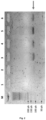
- a PCR was carried out with the primers FGENC4/RGENC4 and the following conditions and times:
- FIG. 1 shows the results of this gel in which channels 1 and 2 (belonging to DNA extracted from the faeces of healthy controls) do not show any band while the remaining channels 3 and 4 (from the faeces of a patient with UC and 5 and 6 from Phocaeicola dorei DNA) show a band of 118 bp.
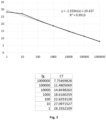
- Regression control line obtained for the qPCR is shown in Figure 3 .
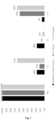
- the qPCR quantification data indicate that stool samples from patients with UC have a higher concentration of Bacteroidetes with the C4 genotype than healthy controls ( Figure 4 ). In biopsies from patients with UC the concentration was 0.67 fg (RIQ 0.11-4.49).
Landscapes
- Chemical & Material Sciences (AREA)
- Life Sciences & Earth Sciences (AREA)
- Proteomics, Peptides & Aminoacids (AREA)
- Organic Chemistry (AREA)
- Health & Medical Sciences (AREA)
- Analytical Chemistry (AREA)
- Wood Science & Technology (AREA)
- Zoology (AREA)
- Engineering & Computer Science (AREA)
- Genetics & Genomics (AREA)
- Biotechnology (AREA)
- Immunology (AREA)
- Microbiology (AREA)
- Molecular Biology (AREA)
- Physics & Mathematics (AREA)
- Biophysics (AREA)
- Biochemistry (AREA)
- Bioinformatics & Cheminformatics (AREA)
- General Engineering & Computer Science (AREA)
- General Health & Medical Sciences (AREA)
- Pathology (AREA)
- Measuring Or Testing Involving Enzymes Or Micro-Organisms (AREA)
Priority Applications (2)
| Application Number | Priority Date | Filing Date | Title |
|---|---|---|---|
| EP22382873.2A EP4343001A1 (fr) | 2022-09-22 | 2022-09-22 | Procédé de diagnostic de la rectocolite hémorragique |
| PCT/EP2023/075960 WO2024061978A1 (fr) | 2022-09-22 | 2023-09-20 | Méthode de diagnostic de la rectocolite hémorragique |
Applications Claiming Priority (1)
| Application Number | Priority Date | Filing Date | Title |
|---|---|---|---|
| EP22382873.2A EP4343001A1 (fr) | 2022-09-22 | 2022-09-22 | Procédé de diagnostic de la rectocolite hémorragique |
Publications (1)
| Publication Number | Publication Date |
|---|---|
| EP4343001A1 true EP4343001A1 (fr) | 2024-03-27 |
Family
ID=83594173
Family Applications (1)
| Application Number | Title | Priority Date | Filing Date |
|---|---|---|---|
| EP22382873.2A Withdrawn EP4343001A1 (fr) | 2022-09-22 | 2022-09-22 | Procédé de diagnostic de la rectocolite hémorragique |
Country Status (2)
| Country | Link |
|---|---|
| EP (1) | EP4343001A1 (fr) |
| WO (1) | WO2024061978A1 (fr) |
Citations (2)
| Publication number | Priority date | Publication date | Assignee | Title |
|---|---|---|---|---|
| US20140179537A1 (en) * | 2004-11-01 | 2014-06-26 | Rush University | Compositions and methods for diagnosing colon disorders |
| WO2021146644A1 (fr) * | 2020-01-17 | 2021-07-22 | Second Genome, Inc. | Méthodes et compositions pour le traitement de la colite ulcéreuse |
-
2022
- 2022-09-22 EP EP22382873.2A patent/EP4343001A1/fr not_active Withdrawn
-
2023
- 2023-09-20 WO PCT/EP2023/075960 patent/WO2024061978A1/fr not_active Ceased
Patent Citations (2)
| Publication number | Priority date | Publication date | Assignee | Title |
|---|---|---|---|---|
| US20140179537A1 (en) * | 2004-11-01 | 2014-06-26 | Rush University | Compositions and methods for diagnosing colon disorders |
| WO2021146644A1 (fr) * | 2020-01-17 | 2021-07-22 | Second Genome, Inc. | Méthodes et compositions pour le traitement de la colite ulcéreuse |
Non-Patent Citations (4)
| Title |
|---|
| AUSUBEL FM ET AL.: "Short protocols in molecular biology: a compendium of methods from Current protocols in molecular biology", 1992, GREENE PUB. ASSOCIATES |
| REISCHER G.H. ET AL: "A quantitative real-time PCR assay for the highly sensitive and specific detection of human faecal influence in spring water from a large alpine catchment area", LETTERS IN APPLIED MICROBIOLOGY, vol. 44, no. 4, 1 April 2007 (2007-04-01), GB, pages 351 - 356, XP093021841, ISSN: 0266-8254, DOI: 10.1111/j.1472-765X.2006.02094.x * |
| SAMBROOK ET AL.: "Molecular Cloning A Laboratory Manual", vol. 1, 2001, COLD SPRING HARBOR LABORATORY PRESS |
| WANG MEI ET AL: "High Proportions of Proinflammatory Bacteria on the Colonic Mucosa in a Young Patient with Ulcerative Colitis as Revealed by Cloning and Sequencing of 16S rRNA Genes", DIGESTIVE DISEASES AND SCIENCES, SPRINGER NEW YORK LLC, US, vol. 52, no. 3, 30 January 2007 (2007-01-30), pages 620 - 627, XP037830215, ISSN: 0163-2116, [retrieved on 20070130], DOI: 10.1007/S10620-006-9461-1 * |
Also Published As
| Publication number | Publication date |
|---|---|
| WO2024061978A1 (fr) | 2024-03-28 |
Similar Documents
| Publication | Publication Date | Title |
|---|---|---|
| CN104520442A (zh) | 定量多重甲基化特异性PCR方法-cMethDNA、试剂及其用途 | |
| CN106574303A (zh) | 用于结肠直肠癌的甲基化的标志物 | |
| US20110287428A1 (en) | Neisseria gonorrhoeae detection | |
| US12467100B2 (en) | CRISPR-Cas-based composition for Salmonella detection and Salmonella detection method using same | |
| CN114410836B (zh) | 一种集样本处理、核酸提取及多重恒温扩增一体化的检测人细小病毒b19的试剂盒和方法 | |
| US20090226895A1 (en) | Method of detecting vibrio parahaemolyticus via real-time PCR-hybridization | |
| BRPI0517131B1 (pt) | Métodos para simplificar ácidos nucléicos microbiais por modificação química de citosinas | |
| KR20160106040A (ko) | cMET 핵산의 멀티모달 분석을 위한 조성물 및 방법 | |
| US20110287965A1 (en) | Methods and compositions to detect clostridium difficile | |
| JP2018500918A (ja) | 細菌性膣症を診断するための方法および組成物 | |
| US11898210B2 (en) | Tools for assessing FimH blockers therapeutic efficiency | |
| BR112021015031A2 (pt) | Métodos para detectar legionella | |
| EP4343001A1 (fr) | Procédé de diagnostic de la rectocolite hémorragique | |
| KR101742016B1 (ko) | 클라미디아 트라코마티스 및/또는 나이세리아 고노로이에 탐지용 올리고뉴클레오타이드 및 이를 포함하는 키트 | |
| US20060088849A1 (en) | Compositions and methods for the diagnosis of group B streptococcus infection | |
| WO2005030027A2 (fr) | Identification de detection de salmonella | |
| US20110189665A1 (en) | Methods for detecting drug-resistant microbes | |
| KR101960017B1 (ko) | 호흡기 질병의 원인체를 검출하기 위한 조성물 및 이를 이용한 방법 | |
| KR101911017B1 (ko) | 타일로렐라 에퀴제니탈리스의 검출용 조성물, 타일로렐라 에퀴제니탈리스 감염에 의한 말전염성자궁염의 진단용 조성물, 타일로렐라 에퀴제니탈리스의 검출방법, 및 타일로렐라 에퀴제니탈리스 감염에 의한 말전염성자궁염의 진단방법 | |
| JP4664516B2 (ja) | マイコプラズマ・ジェニタリウムの検出方法 | |
| US20180208973A1 (en) | Streptococcus pneumoniae detection in blood | |
| US20240084372A1 (en) | Pcr detection of small fragments of a known nucleic acid target | |
| JP2012500019A (ja) | カンジダ種を検出および同定するための方法 | |
| WO2024048659A1 (fr) | PAIRE D'AMORCES DE PCR POUR LA DÉTECTION DE L'ALu HUMAIN, SONDE DE PCR POUR LA DÉTECTION DE L'ALu HUMAIN, ENSEMBLE D'AMORCES ET DE SONDES DE PCR POUR LA DÉTECTION DE L'ALu HUMAIN, PROCÉDÉ DE DÉTECTION ET/OU DE QUANTIFICATION DE L'ADN GÉNOMIQUE HUMAIN, ET PROCÉDÉ D'AIDE À LA PRÉDICTION DE LA PRÉSENCE OU DE L'ABSENCE D'UN CARCINOME DES CELLULES RÉNALES OU D'UN CANCER DE LA PROSTATE | |
| RU2551958C1 (ru) | НАБОР ОЛИГОНУКЛЕОТИДНЫХ ПРАЙМЕРОВ И ФЛУОРЕСЦЕНТНО-МЕЧЕНЫХ ЗОНДОВ ДЛЯ ИДЕНТИФИКАЦИИ И СУБТИПИРОВАНИЯ ДНК БАКТЕРИИ Pasteurella multocida СЕРОТИПОВ A, B, D, E, F МЕТОДОМ ПЦР В РЕЖИМЕ РЕАЛЬНОГО ВРЕМЕНИ |
Legal Events
| Date | Code | Title | Description |
|---|---|---|---|
| PUAI | Public reference made under article 153(3) epc to a published international application that has entered the european phase |
Free format text: ORIGINAL CODE: 0009012 |
|
| STAA | Information on the status of an ep patent application or granted ep patent |
Free format text: STATUS: THE APPLICATION HAS BEEN PUBLISHED |
|
| AK | Designated contracting states |
Kind code of ref document: A1 Designated state(s): AL AT BE BG CH CY CZ DE DK EE ES FI FR GB GR HR HU IE IS IT LI LT LU LV MC MK MT NL NO PL PT RO RS SE SI SK SM TR |
|
| STAA | Information on the status of an ep patent application or granted ep patent |
Free format text: STATUS: THE APPLICATION IS DEEMED TO BE WITHDRAWN |
|
| 18D | Application deemed to be withdrawn |
Effective date: 20240928 |