EP4349965A1 - Réacteur à nanovésicule et son procédé de fabrication - Google Patents
Réacteur à nanovésicule et son procédé de fabrication Download PDFInfo
- Publication number
- EP4349965A1 EP4349965A1 EP22816510.6A EP22816510A EP4349965A1 EP 4349965 A1 EP4349965 A1 EP 4349965A1 EP 22816510 A EP22816510 A EP 22816510A EP 4349965 A1 EP4349965 A1 EP 4349965A1
- Authority
- EP
- European Patent Office
- Prior art keywords
- vesicle
- nano
- reactor
- producing
- receptor
- Prior art date
- Legal status (The legal status is an assumption and is not a legal conclusion. Google has not performed a legal analysis and makes no representation as to the accuracy of the status listed.)
- Pending
Links
Images




Classifications
-
- C—CHEMISTRY; METALLURGY
- C12—BIOCHEMISTRY; BEER; SPIRITS; WINE; VINEGAR; MICROBIOLOGY; ENZYMOLOGY; MUTATION OR GENETIC ENGINEERING
- C12N—MICROORGANISMS OR ENZYMES; COMPOSITIONS THEREOF; PROPAGATING, PRESERVING, OR MAINTAINING MICROORGANISMS; MUTATION OR GENETIC ENGINEERING; CULTURE MEDIA
- C12N11/00—Carrier-bound or immobilised enzymes; Carrier-bound or immobilised microbial cells; Preparation thereof
- C12N11/02—Enzymes or microbial cells immobilised on or in an organic carrier
- C12N11/04—Enzymes or microbial cells immobilised on or in an organic carrier entrapped within the carrier, e.g. gel or hollow fibres
-
- A—HUMAN NECESSITIES
- A61—MEDICAL OR VETERINARY SCIENCE; HYGIENE
- A61K—PREPARATIONS FOR MEDICAL, DENTAL OR TOILETRY PURPOSES
- A61K35/00—Medicinal preparations containing materials or reaction products thereof with undetermined constitution
- A61K35/12—Materials from mammals; Compositions comprising non-specified tissues or cells; Compositions comprising non-embryonic stem cells; Genetically modified cells
- A61K35/36—Skin; Hair; Nails; Sebaceous glands; Cerumen; Epidermis; Epithelial cells; Keratinocytes; Langerhans cells; Ectodermal cells
-
- C—CHEMISTRY; METALLURGY
- C12—BIOCHEMISTRY; BEER; SPIRITS; WINE; VINEGAR; MICROBIOLOGY; ENZYMOLOGY; MUTATION OR GENETIC ENGINEERING
- C12N—MICROORGANISMS OR ENZYMES; COMPOSITIONS THEREOF; PROPAGATING, PRESERVING, OR MAINTAINING MICROORGANISMS; MUTATION OR GENETIC ENGINEERING; CULTURE MEDIA
- C12N11/00—Carrier-bound or immobilised enzymes; Carrier-bound or immobilised microbial cells; Preparation thereof
- C12N11/02—Enzymes or microbial cells immobilised on or in an organic carrier
-
- C—CHEMISTRY; METALLURGY
- C12—BIOCHEMISTRY; BEER; SPIRITS; WINE; VINEGAR; MICROBIOLOGY; ENZYMOLOGY; MUTATION OR GENETIC ENGINEERING
- C12N—MICROORGANISMS OR ENZYMES; COMPOSITIONS THEREOF; PROPAGATING, PRESERVING, OR MAINTAINING MICROORGANISMS; MUTATION OR GENETIC ENGINEERING; CULTURE MEDIA
- C12N11/00—Carrier-bound or immobilised enzymes; Carrier-bound or immobilised microbial cells; Preparation thereof
- C12N11/16—Enzymes or microbial cells immobilised on or in a biological cell
-
- A—HUMAN NECESSITIES
- A61—MEDICAL OR VETERINARY SCIENCE; HYGIENE
- A61K—PREPARATIONS FOR MEDICAL, DENTAL OR TOILETRY PURPOSES
- A61K38/00—Medicinal preparations containing peptides
-
- A—HUMAN NECESSITIES
- A61—MEDICAL OR VETERINARY SCIENCE; HYGIENE
- A61K—PREPARATIONS FOR MEDICAL, DENTAL OR TOILETRY PURPOSES
- A61K9/00—Medicinal preparations characterised by special physical form
- A61K9/48—Preparations in capsules, e.g. of gelatin, of chocolate
- A61K9/50—Microcapsules having a gas, liquid or semi-solid filling; Solid microparticles or pellets surrounded by a distinct coating layer, e.g. coated microspheres, coated drug crystals
- A61K9/51—Nanocapsules; Nanoparticles
-
- C—CHEMISTRY; METALLURGY
- C12—BIOCHEMISTRY; BEER; SPIRITS; WINE; VINEGAR; MICROBIOLOGY; ENZYMOLOGY; MUTATION OR GENETIC ENGINEERING
- C12N—MICROORGANISMS OR ENZYMES; COMPOSITIONS THEREOF; PROPAGATING, PRESERVING, OR MAINTAINING MICROORGANISMS; MUTATION OR GENETIC ENGINEERING; CULTURE MEDIA
- C12N11/00—Carrier-bound or immobilised enzymes; Carrier-bound or immobilised microbial cells; Preparation thereof
- C12N11/18—Multi-enzyme systems
Definitions
- the present invention relates to a nano-vesicle reactor and a method for producing the same, and more specifically is directed to a nano-vesicle reactor that easily controls chemical reaction occurring inside a living cell using a modified nano-vesicle.
- a life activity is maintained by movement of substances or energy within the body.
- a chemical reaction in vivo is controlled by the presence of a cell organelle or a core structure of the cell for accommodating enzymes or auxiliary factors responsible for various catalytic reactions in vivo.
- Recently, research has attempted to simulate biocatalytic reaction by artificially synthesizing the cell organelle.
- the cell organelle can be said to be an organ of the cell, and specific example thereof includes mitochondria responsible for cellular respiration and lysosome responsible for a digestive system within the cell.
- a vesicle is a cell organelle surrounded by a fat bilayer and distinguished from the cytoplasm, and is responsible for storing, transporting, or digesting products, by-products, and excretions of the cell.
- exosome is an extracellular vesicle with a diameter of 50 to 200 nm secreted by the cell and is known to serve as a carrier for signal transmission between the cells.
- the exosome has various information on parent cells such as a protein, a fat, RNA, and a growth factor, so that it can be used as a diagnostic marker for diseases, and a study for using as a drug delivery system due to its biocompatible characteristics is being actively conducted.
- the factors such as intracellular mass transfer efficiency, stability, and biocompatibility must be considered in order to apply the artificial cell organelle such as the exosome to the living cell.
- the purpose of the present invention is to provide a nano-vesicle reactor capable of controlling function of a cell using modification and fusion of the nano-vesicle so as to solve the technical problem of requiring a more stable and efficient method of delivering an intracellular substance to a living cell.
- the purpose is to provide a nano-vesicle reactor capable of generating energy inside a cell using a nanoreactor platform technology.
- the purpose is to provide an effective drug delivery system using fusion of a nano-vesicle.
- the present invention provides a composition for producing a nano-vesicle reactor, characterized by comprising a first vesicle containing a first receptor on its surface and a second vesicle containing a second receptor on its surface, wherein the first receptor and the second receptor are bound with each other through a ligand system so that the first vesicle and the second vesicle are fused to form the nano-vesicle reactor.
- the first receptor and the second receptor may be independently with each other selected from the group consisting of CD9, CD63, CD81, CD82, CD147, CD107a, CD151, CD13, CD26, ITGA3, ITGA6, ITGB1, ITGB4, ADAM10, CD31B, EGFR, EpCAM, HSP70, HSP9, PSMA, and PSA.
- the ligand system may contain a coordination-bonding compound.
- the coordination-bonding compound may be an aromatic compound containing a polar substituent group.
- the polar substituent group may include a hydroxyl group or a carboxylic acid group.
- the ligand system may further form a supramolecular complex with multivalent metal ion.
- the first vesicle and the second vesicle may be an extracellular vesicle.
- the first vesicle and the second vesicle may contain different enzymes with each other.
- the first vesicle and the second vesicle may have an average diameter of 10 to 1000 nm.
- the present invention provides a nanoreactor-containing emulsion comprising the composition for producing the nano-vesicle reactor described above, in a water phase inside the emulsion.
- the emulsion may have an average diameter of 2 to 100 ⁇ m.
- the present invention provides a cell containing the above-described nano-vesicle reactor therein.
- the nano-vesicle reactor may be used for generating energy.
- the first vesicle contained in the nano-vesicle reactor may include ATP synthase, and the second vesicle may include bo3 oxidase.
- the nano-vesicle reactor may further comprise a drug.
- the present invention provides a method for producing a nano-vesicle reactor, comprising the steps of: (S 1) preparing a first vesicle solution containing a first receptor on a surface of the vesicle; (S2) preparing a second vesicle solution containing a second receptor on a surface of the vesicle; (S3) preparing a mixed solution by mixing the first vesicle solution and the second vesicle solution; and (S4) mixing the mixed solution with a multivalent metal ion to fuse the first vesicle and the second vesicle.
- the first vesicle solution and the second vesicle solution of the steps (S 1) and (S2) may further comprise the step of treating them with a coordination-bonding compound independently with each other.
- the current invention offers an artificial cell organelle with the capacity to produce cellular energy through the reprogramming of an extracellular vesicle that usually serves as an information carrier between living cells.
- This organelle once introduced into the cell, exhibits stability and can penetrate deep into tissues, establishing it as an exceptionally valuable drug delivery system.
- the ATP can be directly synthesized inside the cell and delivered deep into diseased cells that lacks energy supply, thereby supplying the energy may repair the damaged cells.
- the nano-vesicle reactor can further comprise a drug, it can be used as an effective drug delivery system.
- composition for producing a nano-vesicle reactor an emulsion containing the nano-vesicle reactor, a cell containing the nano-vesicle reactor, and a method for producing the nano-vesicle reactor will be described in detail.
- first, second, A, B, (a), and (b) may be used when describing the constitutive elements of the present invention. These terms are only used to distinguish the constitutive elements from other constitutive elements, and the nature, sequence, or order of the constitutive elements is not limited by the terms.
- the unit of additives may be weight percent.
- the "nano-vesicle reactor” may refer to a platform that performs the function of inserting a nanoparticle into a cell or a living body and inducing chemical reaction that may or may not occur in the living body.
- the “nanoreactor” or “vesicle nanoreactor” can be interpreted as having the same meaning.
- the 'receptor' is a molecule bound to a surface of a vesicle membrane and may refer to a molecule that selectively binds to a specific substance.
- the "ligand system” may refer to a certain substance that specifically binds to a receptor.
- exosome which is an extracellular vesicle, has a nano-size and is a bio-derived substance, and thus a research is continuously conducted due to the advantage in that the exosome is widely used for delivering a drug, a gene, and a vaccine.
- exosome in order to apply the exosome to a living cell, it must be able to maintain activity inside the cell for a long period of time and not affect viability of the cell.
- the inventor of the present invention has completed the present invention by confirming that the extracellular vesicle, which functions as the information carrier between the living cells, was reprogrammed to combine two types of the nano-vesicle reactors through chemical reaction on a droplet-based microfluidic reactor, thereby causing occurrence of the chemical reaction and fusion between the internal substances.
- the present invention can provide a fused nano-vesicle reactor capable of easily controlling biocatalytic reaction through fusion reaction of the nano-vesicle reactors having different enzymes or reactants inside the vesicle and a membrane protein, and generating energy inside a living cell by containing enzymes that enable to synthesize ATP, an energy source of the cell.
- the composition for producing the nano-vesicle reactor can be characterized by comprising a first vesicle containing a first receptor on its surface and a second vesicle containing a second receptor on its surface, wherein the first receptor and the second receptor are bound with each other through a ligand system so that the first vesicle and the second vesicle are fused to form the nano-vesicle reactor.
- the first receptor and the second receptor may be the same as or different from each other. The same or different receptors can be selected if necessary depending on the purpose of the present invention.
- the first receptor and the second receptor may be a cell surface protein.
- the cell surface protein may be selected from the group consisting of CD9, CD63, CD81, CD82, CD147, CD107a, CD151, CD13, CD26, ITGA3, ITGA6, ITGB1, ITGB4, ADAM10, CD31B, EGFR, EpCAM, PSMA, and PSA, but is not particularly limited thereto.
- the first receptor and the second receptor may be a cancer-specific antibody.
- the ligand system may contain a receptor binding unit that interacts with the receptor through a specific non-covalent bond.
- the non-covalent bond may be a hydrogen bond, an ionic bond, a hydrophobic interaction, or a van der Waals force.
- the receptor binding unit may be anti-CD9, anti-CD63, anti-CD81, anti-CD82, anti-CD147, anti-CD107a, anti-CD151, anti-CD13, anti-CD26, anti-ITGA3, anti-ITGA6, anti-ITGB1, anti-ITGB4, anti-ADAM10, anti-CD31B, anti-EGFR, anti-EpCAM, anti-PSMA, and anti-PSA, which can form the specific non-covalent bond with the receptor, but are not necessarily limited thereto.
- the "anti-" may refer to a molecule or molecule group containing one or more epitopes that form a specific bond with the cell surface protein.
- the composition for producing the nano-vesicle reactor according to the present invention may comprise a coordination-bonding compound in the ligand system.
- the coordination-bonding compound may be an aromatic compound containing a polar substituent group.
- it may be a phenol-based compound.
- it may be a phenol-based compound containing one or more hydroxyl or carboxylic acid groups, and may be, for example, phenol, catechol, protocatechuic acid, tannic acid, gallic acid, lignin, ellagic acid, etc., but is not limited thereto.
- the ligand system may further contain a multivalent metal ion.
- the multivalent metal ion may be an aluminum ion, a titanium ion, a cesium ion, a zinc ion, or an iron ion. More specifically, it may be Al 3 +, Ti 4 +, Ce 3 +, Zn 2 +, or Fe 3 +, and more specifically, may be Al 3 +, Zn 2 +, or Fe 3 +.
- a complex of the receptor binding unit and the coordination-bonding compound may form a coordination bond with the multivalent metal ion.
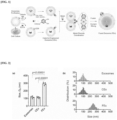
- a polar substituent group of the coordination-bonding compound may include a hydroxyl group or a carboxylic acid group, and may easily form a metal-phenolic coordination bond together with the multivalent metal ion. As shown in FIG. 1 , the fusion of the first vesicle and the second vesicle can be induced through the metal-phenolic coordination bond.
- the vesicle consists of a structure of a phospholipid double membrane identical to that of the cell membrane, and is not particularly limited as long as its outer membrane can stably maintain the substances inside the vesicle.
- An average diameter of the vesicle may be 10 to 1000 nm, or 30 to 500 nm.
- the vesicle may be a naturally derived or artificially synthesized nano-vesicle.
- the nano-vesicles may be various extracellular vesicles derived from a living organism.
- the fusion of the two types of the nano-vesicles may be performed inside a droplet-based microfluidic reactor having an average diameter of 10 ⁇ m or less.
- the two types of the nano-vesicles may be exosome, extracellular vesicle other than the exosome, or a combination thereof. Specifically, they may, for example, be i) exosomes that are different from each other; ii) extracellular vesicles other than the different exosomes; or iii) exosome and extracellular vesicle other than the exosome.
- the droplet-based microfluidic reactor is used to synthesize a new functional material or analyze a biological material with high sensitivity by forming multiple droplets on a microfluidic chip using two immiscible fluids such as water and oil and utilizing these multiple small droplets having such separated sections with a biochemical reactor.
- chemical reaction of the substances inside each nano-vesicle can be derived through fusion of the nano-vesicles using the droplet-based microfluidic reactor.
- the number of the vesicle per the droplet-based microfluidic reactor may be 200 or less, specifically 100 or less, and more specifically 60 or less. According to this, the biocatalytic reaction can be successfully controlled by the fusion reaction of the nano-vesicles with different enzymes inside the nano-vesicle and on the membrane protein.
- the extracellular vesicle may be exosome that can stably perform enzyme cascade reaction and have excellent targeting ability.
- the main advantage of the exosome nanoreactor is that the membrane protein acts as a permeable shell to facilitate flow of a chemical reagent, and that leaching of the loaded enzymes is prevented for better biocatalytic performance to facilitate deep penetration into a tissue.
- the first vesicle and the second vesicle may contain the same receptor and contain different enzymes.
- the enzymes may include NADH dehydrogenase, acetylcholinesterase, alcohol dehydrogenase, bacteriorhodopsin, photosystem II, etc., without being limited thereto, and may be applied in various manners if necessary as long as they can be encapsulated inside the vesicle.
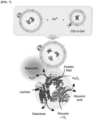
- FIG. 9 shows the results of three catalyst-cascade reaction, and specifically shows three enzyme cascade encapsulated in a FEx- ⁇ -galactosidase-GOx-HRP nanoreactor.
- ⁇ -galactosidase (23.6 ⁇ g/mg) catalyzed hydrolysis of the lactose to produce glucose and galactose.
- Oxidation of the produced glucose with an aerobic GOx catalyst (31.2 ⁇ g/mg) produced gluconic acid and H 2 O 2
- HRP 18.9 ⁇ g/mg
- Lactose-dependent change in fluorescence of the resorufin was monitored using a fluorescence microscopy.
- the reaction velocity ( ⁇ M/sec) was plotted against lactose concentration ( ⁇ M) to calculate a kinetic constant (Km and Vmax).
- the Km values for the FEx- ⁇ -galactosidase-GOx-HRP nanoreactor and FEx-GOx-HRP having CEx- ⁇ -galactosidase were 28.78 ⁇ 10 -6 M and 489.65 ⁇ 10 -6 M, respectively, and the V max values for the FEx- ⁇ -galactosidase-GOx-HRP nanoreactor and FEx-GOx-HRP having CEx- ⁇ -galactosidase were 123.16 ⁇ 10 -6 M/min and 43.06 ⁇ 10 -6 M/min, respectively.
- the present invention can provide an emulsion comprising the composition for producing the nano-vesicle reactor described above, in a water phase of the emulsion.
- the emulsion may have an average diameter of 2 to 100 ⁇ m or 1 to 50 ⁇ m.
- the present invention can provide a cell containing the composition for producing the nano-vesicle reactor described above.
- the nano-vesicle reactor may include ATP synthase in the first vesicle and bo3 oxidase in the second vesicle.
- the nano-vesicle reactor can be used to produce energy and can provide an advantage of being used as a nano pill that supplies energy to a cell damaged by hypoxia.
- the nano-vesicle reactor may be absorbed into the cell for its operation.
- the nano-vesicle reactor may be absorbed into the cell through endocytosis, but without being limited to this, may be absorbed into the cell through various mechanisms.
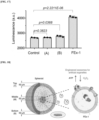
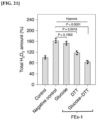
- the nano-vesicle reactor according to the present invention can penetrate deep into a core portion of a multicellular spheroid containing a hypoxic core. As shown in FIGS. 19 to 21 , it was confirmed that artificial exosome can penetrate deep into the inside of a breast cancer-simulating spheroid. This suggests possibility of the artificial exosome to be used as a nano pill that supplies energy to the cell damaged by hypoxia, thereby enabling to provide a solution to ATP deficiency in the center of a tumor.
- the cell containing the nano-vesicle reactor may be bacteria, a plant, or an animal-derived cell including a human.
- the present invention can provide a method for producing a nano-vesicle reactor, comprising the steps of: (S1) preparing a first vesicle solution containing a first receptor on a surface of the vesicle; (S2) preparing a second vesicle solution containing a second receptor on a surface of the vesicle; (S3) preparing a mixed solution by mixing the first vesicle solution and the second vesicle solution; and (S4) mixing the mixed solution with a multivalent metal ion to fuse the first vesicle and the second vesicle.
- the first vesicle solution and the second vesicle solution of the steps (S1) and (S2) may further comprise the step of treating them with a coordination-bonding compound independently with each other.
- Human mammary epithelial cell MCF-10A (cat#CRL-10317, American Type Culture Collection (ATCC)) was seeded into a T75 cell culture flask (Corning, NY, USA) containing 18 ml of Dulberico's modified medium (DMEM/F-12; cat# 11330-032) that was supplemented with 5% of a horse serum (Invitrogen #16050-122), 20 ng/ml of an epidermal growth factor (EGF, cat# AF-100-15, Peprotech), 0.5 mg/ml of hydrocortisone (cat# H0888, Millipore), 10 ⁇ g/ml of insulin (cat# I1882, Millipore), 1% of an antibiotic/antifungal agent (100 U/ml penicillin and 100 mg/ml streptomycin), at a density of 5 ⁇ 10 6 cells per the flask.
- DMEM/F-12 Dulberico's modified medium
- EGF epidermal growth factor
- I1882
- the cell was cultured until 60-70% confluence at 37 °C in an incubator having a humidified atmosphere and containing 5% CO 2 , followed by being washed twice using 1x phosphate-buffered saline (PBS), and was washed again using a RPMI (Roswell Park Memorial Institute) medium (Gibco, Thermo Fisher Scientific) supplemented with 10% of Exo-Free FBS (Systems Biosciences Inc., CA, USA) and 1% of an antibiotic/antifungal solution. Thereafter, the cell was incubated in an incubator of 37 °C for 48 hours, and then a supernatant of the cell culture was collected, and exosome was immediately isolated by ultracentrifugation.
- PBS 1x phosphate-buffered saline
- RPMI Roswell Park Memorial Institute
- Exo-Free FBS Systems Biosciences Inc., CA, USA
- a dopamine hydrochloride (1 mM, cat# 62-31-7, Sigma Aldrich) solution and 2 mM of a disuccinimidyl carbonate solution were prepared in 1 mL and 15 mL of dimethyl formamide, respectively.
- the dopamine hydrochloride solution was added dropwise to 2mM of the disuccinimidyl carbonate solution for 30 minutes with stirring, and then 2mM of Et 3 N was slowly added thereto. After 1 hour, a solvent was partially evaporated and 1N HCl was added. Finally, a product was extracted from this mixture using EtOAc.
- catechol-NHS (1 mg) was dissolved in a minimal amount of dimethyl formamide and added to a solution of a CD9 antibody (BioLegend, Mouse Monoclonal) in a PBS (0.2 mg/mL). A molar ratio of the reagent to the antibody solution was adjusted to >10. After 2 hours, the product was purified by dialysis against the PBS. MCF-10A-derived exosome was incubated with catechol-anti-CD9 (500 ng/mL) at 37 °C for 1 hour to obtain catechol-engineered exosome (CEx). The final product could be obtained by purification from the reaction mixture with ultracentrifugation (120,000 ⁇ g and 4 °C for 2 hours).
- a mixture of 50 ⁇ M of calcein, 1 ⁇ M of CoCl 2 , 10 mM of MOPS (pH 7.4), and 10 ⁇ g/mL of the CEx prepared according to Preparation Example 1 above was sonicated at a room temperature for 3 minutes to encapsulate a complex of the calcein and the Co 2+ inside the CEx (CEx-1). Then, 10 ⁇ M of EDTA, 10 mM of MOPS (pH 7.4), and 10 ⁇ g/mL of the CEx prepared according to Preparation Example 1 were mixed to encapsulate EDTA inside the CEx (CEx-2).
- Both of the CEx-1 and the CEx-2 were centrifuged twice at 120,000 ⁇ g for 1 hour to remove an excess amount of the EDTA and the cobalt calcein.
- a bright orange pellet was resuspended in 0.6 mL of a buffer containing 10 mM of MOPS (pH 7.4), and an aqueous phase of the CEx suspension (3 ⁇ 10 9 particles/mL) and FeCl 3 ⁇ 6H 2 O (40 ng/mL) solution was injected to a microfluidic device to perform fusion of the CEx-1 exosome and the CEx-2 exosome.
- the cloudy fraction was transferred to a new ultracentrifuge tube, and the exosome suspension was washed twice, and centrifuged in a Ti45 fixed-angle rotor (Beckman Coulter) at 120,000 ⁇ g and 4 °C for 2 hours to prepare fused exosome FEx-1 (ATPsyn-bo3Oxi-FEx-Gox-HRP) by removing excess ATP synthase.
- Ti45 fixed-angle rotor Beckman Coulter
- the exosome pellet was resuspended in 200 ⁇ L of pre-filtered PBS and stored at 4 °C for using it immediately or at -80 °C for storing it for a long period of time.
- An amount of the ATP synthase and the bo3 oxidase fused to the exosome was measured to be 23 ng/ ⁇ g and 17 ng/ ⁇ g, respectively.
- Exosome (CEx-Pd) encapsulated in CEx was prepared by adding palladium nanoparticles (Pd NPs) to a mixture of 10 ⁇ g/mL of the CEx prepared according to Preparation Example 1, and exosome (CEx-proRho) loaded with bis-allyloxycarbonyl-protected rhodamine (proRho) was prepared in the same manner. Fusion between the CEx-Pd exosome and the CEx-proRho exosome was performed to prepare fused exosome (FEx-Pd-proRho).
- exosome suspension 250 ⁇ L
- a final protein concentration of 3.6 ⁇ g/mL was cooled on an ice and 0.2% of a saponin solution was added thereto.
- the mixture was sonicated in a capped glass vial at a frequency of 42 kHz and an electric power of 100 W for 2 minutes using a FS30D bath-typed ultrasonic processor (Fisher Scientific).
- the enzyme-loaded exosome was ultracentrifuged (at 120,000 ⁇ g and 4 °C for 2 hours) to remove a free enzyme, and then was quantified using a Pierce TM BCA protein assay kit (Thermo Fisher Scientific).
- Size distribution of exosome was recorded by analyzing movement velocity distribution of the exosome due to dynamic fluctuation in a scattered light intensity at a fixed angle using a Malvern Zetasizer (Nano ZS). A hydrodynamic radius of the exosome due to Brownian motion was calculated using the Stock-Einstein equation.
- the exosome solution was diluted in particle-free PBS (1000 ⁇ , passed through a 200 nm filter). About 1 mL of the sample was vortexed for 30 seconds and quickly loaded into a disposable cuvette so as to avoid its agglomeration. Size distribution of the exosomes of CEx and FEx was measured by at least three independent experiments. The results thereof were shown in FIG. 3 .
- a multiple enzyme biocatalyst-sequential step reaction was carried out inside a fused exosome nanoreactor (FEx-GOx-HRP).
- FEx-GOx-HRP fused exosome nanoreactor
- Enzyme activity and kinetics of the FEx-Gox-HRP nanoreactor were monitored. Enzyme encapsulation efficiency was determined by a fluorescence spectrophotometry using calibration curves for enzymes labeled with different dyes. A reaction velocity of the enzyme biocatalytic cascade was measured using a fluorescence intensity of the resorufin at 563 nm using a microplate reader (TECAN Infinite M200PRO). In order to determine Vmax and KM of the FEx nanoreactor, the standard Michaelis-Menten enzyme kinetics equation was used, and GraphPad Prism 8.0.1 was used.
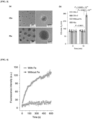
- the catalytic characteristics of the nanoreactor were assessed by formation of the fluorescent product rhodamine monitored with a fluorometer. As shown in FIG. 12 , the fluorescence intensity of the reaction solution was increased over time at 527 nm for the FEx-Pd-proRho, but showed little change for the CEx-proRho.
- Intracellular catalysis experiment was performed by culturing the FEx-Pd-proRho nanoreactor (30 ⁇ g/mL) together with a MCF-10A cell at 37 °C for 24 hours.
- a CLSM image of the MCF-10A cell showed green fluorescence due to catalytic conversion of proRho to fluorescent rhodamine, but no fluorescence signal was detected in the control experiment using CEx.
- MCF-10A human mammary epithelial cells (1 ⁇ 10 5 cells) were seeded in a 6-well plate, and were cultured in DMEM supplemented with 5% of a horse serum (Invitrogen #16050-122), 20 ng/mL of an epidermal growth factor (EGF, cat# AF-100-15, Peprotech), 0.5 mg/mL of hydrocortisone (cat# H0888, Millipore), 10 ⁇ g/mL of insulin (cat# I1882, Millipore) and 1% of an antibiotic/antifungal agent (100 U/mL of penicillin and 100 mg/mL of streptomycin) at 37 °C and 5% CO 2 .
- EGF epidermal growth factor
- H0888 hydrocortisone
- I1882 10 ⁇ g/mL of insulin
- an antibiotic/antifungal agent 100 U/mL of penicillin and 100 mg/mL of streptomycin
- a supernatant was removed and replaced with a fresh medium containing a suspension of FEX-Pd-proRho (30 ⁇ g/mL).
- the cells were cultured for 24 hours and then washed with PBS. After washing the cells with the PBS, they were separated by culturing with a cell stripper solution (Corning ® 100 mL Cellstripper TM ) for 20 minutes. Thereafter, the cells were harvested at 1200 rpm for 3 minutes and resuspended in the PBS using 2% of a fetal bovine serum (FBS).
- FBS fetal bovine serum
- the cells were prepared for flow cytometry (CytoFLEX, Beckman Coulter Life) using FSC xV, SSC xV, FITC xV, APC xV setting. 50,000 events per a sample were recorded. The used excitation and emission wavelengths were 530/30 nm FITC for rhodamine, respectively. The data were analyzed using FlowJo software (FlowJo, LLC). Although not shown, the flow cytometry analysis confirmed that the fluorescence intensity signal was 100-folds higher after the reaction.
- the FEx-1 nanoreactor containing different enzymes was treated with glucose and DTT to initiate the enzymatic reaction.
- HPTS was encapsulated in FEx-1, and the protein was diluted to a final concentration of 137 ⁇ g/mL in a black 96-well plate and cultured at 30 °C for 5 minutes. Afterwards, 40 ⁇ M of coenzyme Q1 and 2 mM of DTT were added thereto so that the DTT reduces the Q1 to enable it to use in bo3 oxidase.
- glucose 300 nM was added to the reaction mixture.
- Fluorescence spectrum was measured from 0 to 90 minutes using a spectrophotometer (TECAN, Morrisville, NC, USA) with excitation from 380 ⁇ 5 to 480 ⁇ 5 nm and emission from 512 ⁇ 5 nm, and a pH was obtained from the calibration curve. The results thereof were shown in FIG. 9(A).
- Proton generation inside the nanoreactor was confirmed by measuring a fluorescence signal of the HPTS (hydroxypyrene-1,3,6-trisulphonic acid), the pH sensing indicator. Increase of glucose concentration indicated that acidification ( ⁇ pH -0.4) inside the nanoreactor was observed for the FEx-GOx-HRP and the FEx-1, but a transmembrane pH gradient was low. Activation of the assembled electron transport chain of the FEx-1 membrane was triggered by addition of the reduced DTT, which reduces the coenzyme Q1 and is utilized for bo3 oxidase activity, resulting in oxidation of the reduced Q1 (Q1H) by the bo3 oxidase.
- HPTS hydroxypyrene-1,3,6-trisulphonic acid
- a standard calibration curve was drawn according to a ATP determination kit A22066 (Invitrogen) protocol.
- a standard solution containing 8.9 mL of H 2 O and 0.5 mL of a reaction buffer (500 mM tricine buffer (pH 7.8), 100 mM of MgSO 4 , 2 mM of EDTA, and 2 mM of sodium azide), 0.5 mL of 0.1 M DTT, 0.5 mL of 10 mM D-luciferin, and 2.5 ⁇ L of 5 mg/mL firefly luciferase were prepared.
- a reaction buffer 500 mM tricine buffer (pH 7.8), 100 mM of MgSO 4 , 2 mM of EDTA, and 2 mM of sodium azide
- 0.5 mL of 0.1 M DTT 0.5 mL of 10 mM D-luciferin
- 2.5 ⁇ L of 5 mg/mL firefly luciferase were prepared.
- FIG. 11 shows a degree of luminescence when the individual components (GOx, HRP, ATP synthase, and bo3 oxidase) prepared according to Comparative Example 2 was directly loaded into the exosome and a degree of luminescence when the fused exosome prepared according to Example 2 produced the ATP. It was confirmed that the ATP production in the fused exosome according to the present invention was significantly increased compared to the case of encapsulating the enzyme directly.
- a MCF-10A (30 ⁇ L, 10 5 cells/mL) cell suspension was dispensed onto a Petri plate and maintained in an inverted state. A bottom of the plate was filled with 10 mL of PBS to prevent evaporation and maintain humidity.
- the spheroid was cultured by aspirating ⁇ 5 ⁇ L of a medium every 24 hours and replacing it with 10 ⁇ L of a fresh medium. Twenty-four hours after replacing with 10 ⁇ L of the fresh cell medium containing a FEx-1 nanoreactor (206 ⁇ g), the spheroid was washed with the PBS.
- a cell medium containing 600 ⁇ M of ADP and 5 mM of MgCl 2 was added thereto, followed by addition of 60 ⁇ M of coenzyme Q1 and 3 mM of DTT (Dithiothreitol).
- DTT Dithiothreitol
- the spheroid was treated with 30 ⁇ M of TBHP (tert-butyl hydroperoxide) for 3 hours to prepare a hypoxia-induced spheroid.
- ATP production was measured by luminescence using a luciferin-luciferase assay.
- a standard calibration curve was obtained by varying an amount of the ATP in the range of 0 to 1000 nM and monitoring a luminescence intensity (from luciferin to oxyluciferin).
- the ATP activity (%) was determined based on the total amount of ATP present under a normal condition. The results thereof were shown in FIG. 12 . It could be observed that the ATP activity was decreased about 13-folds under a hypoxic condition, but the ATP activity level when glucose-DTT was added to the spheroid having the FEx-1 nanoreactor loaded therein was recovered to 81.1 ⁇ 5.9% close to the level of the positive control group without hypoxia.
- the vesicle nanoreactor according to the present invention can reduce cell damage caused by hypoxia observed under various disease conditions and regulate metabolic activity of the cell.
- the nano-vesicle reactor of the present invention can improve performance of the biocatalyst by penetrating deep into the tumor tissue without leaching of the loaded enzyme.
Landscapes
- Health & Medical Sciences (AREA)
- Life Sciences & Earth Sciences (AREA)
- Chemical & Material Sciences (AREA)
- Engineering & Computer Science (AREA)
- Zoology (AREA)
- Organic Chemistry (AREA)
- Bioinformatics & Cheminformatics (AREA)
- Genetics & Genomics (AREA)
- Wood Science & Technology (AREA)
- Biomedical Technology (AREA)
- General Health & Medical Sciences (AREA)
- Biotechnology (AREA)
- Microbiology (AREA)
- Biochemistry (AREA)
- General Engineering & Computer Science (AREA)
- Cell Biology (AREA)
- Dispersion Chemistry (AREA)
- Medicinal Chemistry (AREA)
- Animal Behavior & Ethology (AREA)
- Immunology (AREA)
- Virology (AREA)
- Dermatology (AREA)
- Pharmacology & Pharmacy (AREA)
- Epidemiology (AREA)
- Developmental Biology & Embryology (AREA)
- Public Health (AREA)
- Veterinary Medicine (AREA)
- Molecular Biology (AREA)
- Medicinal Preparation (AREA)
- Micro-Organisms Or Cultivation Processes Thereof (AREA)
- Immobilizing And Processing Of Enzymes And Microorganisms (AREA)
Applications Claiming Priority (3)
| Application Number | Priority Date | Filing Date | Title |
|---|---|---|---|
| KR20210072646 | 2021-06-04 | ||
| KR1020220068477A KR102958597B1 (ko) | 2021-06-04 | 2022-06-03 | 나노소포체 반응기 및 이의 제조방법 |
| PCT/KR2022/007994 WO2022255851A1 (fr) | 2021-06-04 | 2022-06-07 | Réacteur à nanovésicule et son procédé de fabrication |
Publications (2)
| Publication Number | Publication Date |
|---|---|
| EP4349965A1 true EP4349965A1 (fr) | 2024-04-10 |
| EP4349965A4 EP4349965A4 (fr) | 2025-11-12 |
Family
ID=84324465
Family Applications (1)
| Application Number | Title | Priority Date | Filing Date |
|---|---|---|---|
| EP22816510.6A Pending EP4349965A4 (fr) | 2021-06-04 | 2022-06-07 | Réacteur à nanovésicule et son procédé de fabrication |
Country Status (4)
| Country | Link |
|---|---|
| US (1) | US20240271117A1 (fr) |
| EP (1) | EP4349965A4 (fr) |
| JP (1) | JP2024522149A (fr) |
| WO (1) | WO2022255851A1 (fr) |
Families Citing this family (1)
| Publication number | Priority date | Publication date | Assignee | Title |
|---|---|---|---|---|
| CN117839586B (zh) * | 2023-12-12 | 2024-12-13 | 烟台大学 | 超声微流控在外泌体包载药物中的应用 |
Family Cites Families (1)
| Publication number | Priority date | Publication date | Assignee | Title |
|---|---|---|---|---|
| KR102396026B1 (ko) * | 2014-01-21 | 2022-05-09 | 안자리움 바이오사이언시스 아게 | 하이브리도좀, 이를 포함하는 조성물, 이의 제조 방법 및 이의 용도 |
-
2022
- 2022-06-07 WO PCT/KR2022/007994 patent/WO2022255851A1/fr not_active Ceased
- 2022-06-07 US US18/566,904 patent/US20240271117A1/en active Pending
- 2022-06-07 EP EP22816510.6A patent/EP4349965A4/fr active Pending
- 2022-06-07 JP JP2023574640A patent/JP2024522149A/ja active Pending
Also Published As
| Publication number | Publication date |
|---|---|
| WO2022255851A1 (fr) | 2022-12-08 |
| EP4349965A4 (fr) | 2025-11-12 |
| US20240271117A1 (en) | 2024-08-15 |
| JP2024522149A (ja) | 2024-06-11 |
Similar Documents
| Publication | Publication Date | Title |
|---|---|---|
| Zhang et al. | Precise chemodynamic therapy of cancer by trifunctional bacterium-based nanozymes | |
| Wu et al. | Ultrasound‐driven piezoelectrocatalytic immunoactivation of deep tumor | |
| Maity et al. | Use of the confined spaces of apo-ferritin and virus capsids as nanoreactors for catalytic reactions | |
| JP6463493B2 (ja) | 細胞の脂質膜に由来するナノ小胞及びその用途 | |
| Song et al. | Spherical nucleic acids: Organized nucleotide aggregates as versatile nanomedicine | |
| Ma et al. | Minimally invasive injection of biomimetic Nano@ Microgel for in situ ovarian cancer treatment through enhanced photodynamic reactions and photothermal combined therapy | |
| Lin et al. | Hyperglycemia targeting nanomotors for accelerated healing of diabetic wounds by efficient microenvironment remodeling | |
| Qian et al. | Cell mimicry as a bottom‐up strategy for hierarchical engineering of nature‐inspired entities | |
| Shi et al. | Cryomicroneedle delivery of nanogold-engineered Rhodospirillum rubrum for photochemical transformation and tumor optical biotherapy | |
| EP4349965A1 (fr) | Réacteur à nanovésicule et son procédé de fabrication | |
| CN112402453A (zh) | 一种酶和难溶性药物共载脂质体及其制备方法和应用 | |
| Yu et al. | Glutathione-sensitive nanoglue platform with effective nucleic acids gluing onto liposomes for photo-gene therapy | |
| Zhang et al. | The encounter of biomolecules in metal–organic framework micro/nano reactors | |
| Butera et al. | In Situ Labeling of the Aqueous Compartment of Extracellular Vesicles with Luminescent Gold Nanoclusters | |
| Peng et al. | Disrupting calcium homeostasis and glycometabolism in engineered lipid-based pharmaceuticals propel cancer immunogenic death | |
| Kumar et al. | Bridging the gap between nonliving matter and cellular life | |
| CN109999008B (zh) | 复合琼脂糖微球及其制备方法和应用 | |
| KR102958597B1 (ko) | 나노소포체 반응기 및 이의 제조방법 | |
| KR20220164449A (ko) | 나노소포체 반응기 및 이의 제조방법 | |
| CN120837671A (zh) | 一种基于反式异油酸的细胞背囊及其制备方法和应用 | |
| CN117460818A (zh) | 纳米囊泡反应器及其制备方法 | |
| Huang et al. | Iron-based nanoplatforms achieve hepatocellular carcinoma regression through a cascade of effects | |
| CN117757085A (zh) | 一种唾液酸修饰的缺氧响应型壳聚糖硝基苯嫁接物及制备和应用 | |
| KR20250094203A (ko) | 금속-유기 골격체 표면에 초분자적으로 접합되는 단백질을 포함하는 나노입자 | |
| Samanta et al. | Bacteriophage‐Mimetic DNA Origami Needle for Targeted Membrane Penetration and Cytosolic Cargo Delivery |
Legal Events
| Date | Code | Title | Description |
|---|---|---|---|
| STAA | Information on the status of an ep patent application or granted ep patent |
Free format text: STATUS: THE INTERNATIONAL PUBLICATION HAS BEEN MADE |
|
| PUAI | Public reference made under article 153(3) epc to a published international application that has entered the european phase |
Free format text: ORIGINAL CODE: 0009012 |
|
| STAA | Information on the status of an ep patent application or granted ep patent |
Free format text: STATUS: REQUEST FOR EXAMINATION WAS MADE |
|
| 17P | Request for examination filed |
Effective date: 20231207 |
|
| AK | Designated contracting states |
Kind code of ref document: A1 Designated state(s): AL AT BE BG CH CY CZ DE DK EE ES FI FR GB GR HR HU IE IS IT LI LT LU LV MC MK MT NL NO PL PT RO RS SE SI SK SM TR |
|
| DAV | Request for validation of the european patent (deleted) | ||
| DAX | Request for extension of the european patent (deleted) | ||
| A4 | Supplementary search report drawn up and despatched |
Effective date: 20251010 |
|
| RIC1 | Information provided on ipc code assigned before grant |
Ipc: C12N 5/071 20100101AFI20251006BHEP Ipc: C12N 11/02 20060101ALI20251006BHEP Ipc: B01J 19/00 20060101ALI20251006BHEP Ipc: A61K 9/51 20060101ALI20251006BHEP |