EP4349979A1 - Manipulierte cas12i-nuklease, effektorprotein und verwendung davon - Google Patents
Manipulierte cas12i-nuklease, effektorprotein und verwendung davon Download PDFInfo
- Publication number
- EP4349979A1 EP4349979A1 EP22810597.9A EP22810597A EP4349979A1 EP 4349979 A1 EP4349979 A1 EP 4349979A1 EP 22810597 A EP22810597 A EP 22810597A EP 4349979 A1 EP4349979 A1 EP 4349979A1
- Authority
- EP
- European Patent Office
- Prior art keywords
- cas12i
- engineered
- nuclease
- amino acids
- amino acid
- Prior art date
- Legal status (The legal status is an assumption and is not a legal conclusion. Google has not performed a legal analysis and makes no representation as to the accuracy of the status listed.)
- Pending
Links
Images







Classifications
-
- C—CHEMISTRY; METALLURGY
- C12—BIOCHEMISTRY; BEER; SPIRITS; WINE; VINEGAR; MICROBIOLOGY; ENZYMOLOGY; MUTATION OR GENETIC ENGINEERING
- C12N—MICROORGANISMS OR ENZYMES; COMPOSITIONS THEREOF; PROPAGATING, PRESERVING, OR MAINTAINING MICROORGANISMS; MUTATION OR GENETIC ENGINEERING; CULTURE MEDIA
- C12N9/00—Enzymes; Proenzymes; Compositions thereof; Processes for preparing, activating, inhibiting, separating or purifying enzymes
- C12N9/14—Hydrolases (3)
- C12N9/16—Hydrolases (3) acting on ester bonds (3.1)
- C12N9/22—Ribonucleases [RNase]; Deoxyribonucleases [DNase]
-
- C—CHEMISTRY; METALLURGY
- C12—BIOCHEMISTRY; BEER; SPIRITS; WINE; VINEGAR; MICROBIOLOGY; ENZYMOLOGY; MUTATION OR GENETIC ENGINEERING
- C12N—MICROORGANISMS OR ENZYMES; COMPOSITIONS THEREOF; PROPAGATING, PRESERVING, OR MAINTAINING MICROORGANISMS; MUTATION OR GENETIC ENGINEERING; CULTURE MEDIA
- C12N15/00—Mutation or genetic engineering; DNA or RNA concerning genetic engineering, vectors, e.g. plasmids, or their isolation, preparation or purification; Use of hosts therefor
- C12N15/09—Recombinant DNA-technology
- C12N15/11—DNA or RNA fragments; Modified forms thereof; Non-coding nucleic acids having a biological activity
-
- C—CHEMISTRY; METALLURGY
- C12—BIOCHEMISTRY; BEER; SPIRITS; WINE; VINEGAR; MICROBIOLOGY; ENZYMOLOGY; MUTATION OR GENETIC ENGINEERING
- C12N—MICROORGANISMS OR ENZYMES; COMPOSITIONS THEREOF; PROPAGATING, PRESERVING, OR MAINTAINING MICROORGANISMS; MUTATION OR GENETIC ENGINEERING; CULTURE MEDIA
- C12N15/00—Mutation or genetic engineering; DNA or RNA concerning genetic engineering, vectors, e.g. plasmids, or their isolation, preparation or purification; Use of hosts therefor
- C12N15/09—Recombinant DNA-technology
- C12N15/87—Introduction of foreign genetic material using processes not otherwise provided for, e.g. co-transformation
- C12N15/90—Stable introduction of foreign DNA into chromosome
- C12N15/902—Stable introduction of foreign DNA into chromosome using homologous recombination
-
- C—CHEMISTRY; METALLURGY
- C12—BIOCHEMISTRY; BEER; SPIRITS; WINE; VINEGAR; MICROBIOLOGY; ENZYMOLOGY; MUTATION OR GENETIC ENGINEERING
- C12N—MICROORGANISMS OR ENZYMES; COMPOSITIONS THEREOF; PROPAGATING, PRESERVING, OR MAINTAINING MICROORGANISMS; MUTATION OR GENETIC ENGINEERING; CULTURE MEDIA
- C12N2310/00—Structure or type of the nucleic acid
- C12N2310/10—Type of nucleic acid
- C12N2310/20—Type of nucleic acid involving clustered regularly interspaced short palindromic repeats [CRISPR]
-
- C—CHEMISTRY; METALLURGY
- C12—BIOCHEMISTRY; BEER; SPIRITS; WINE; VINEGAR; MICROBIOLOGY; ENZYMOLOGY; MUTATION OR GENETIC ENGINEERING
- C12N—MICROORGANISMS OR ENZYMES; COMPOSITIONS THEREOF; PROPAGATING, PRESERVING, OR MAINTAINING MICROORGANISMS; MUTATION OR GENETIC ENGINEERING; CULTURE MEDIA
- C12N2320/00—Applications; Uses
- C12N2320/10—Applications; Uses in screening processes
-
- C—CHEMISTRY; METALLURGY
- C12—BIOCHEMISTRY; BEER; SPIRITS; WINE; VINEGAR; MICROBIOLOGY; ENZYMOLOGY; MUTATION OR GENETIC ENGINEERING
- C12N—MICROORGANISMS OR ENZYMES; COMPOSITIONS THEREOF; PROPAGATING, PRESERVING, OR MAINTAINING MICROORGANISMS; MUTATION OR GENETIC ENGINEERING; CULTURE MEDIA
- C12N2800/00—Nucleic acids vectors
- C12N2800/80—Vectors containing sites for inducing double-stranded breaks, e.g. meganuclease restriction sites
Definitions
- the present application belongs to the field of biotechnology. More specifically, the present application relates to Cas12i nucleases with improved catalytic activity (e.g., gene editing activity), effector proteins and uses thereof.
- Genome editing is an important and useful technology in genome research.
- Several systems are available for genome editing, including the clustered regularly interspaced short palindromic repeats (CRISPR)-Cas system, the transcription activator-like effector nuclease (TALEN) system, and the zinc finger nuclease (ZFN) system.
- CRISPR clustered regularly interspaced short palindromic repeats
- TALEN transcription activator-like effector nuclease
- ZFN zinc finger nuclease
- the CRISPR-Cas system is an efficient and cost-effective genome editing technology that can be widely used in a range of eukaryotes from yeast and plants to zebrafish and humans (see review: Van der Oost 2013, Science 339:768-770 , and Charpentier and Doudna, 2013, Nature 495: 50-51 ).
- the CRISPR-Cas system provides adaptive immunity in archaea and bacteria by combining Cas 12i effector proteins and CRISPR RNA (crRNA).
- crRNA CRISPR RNA
- two categories (type 1 and type 2) of CRISPR-Cas systems including six types (types I-VI) have been characterized based on the outstanding functional and evolutionary modularity of the system.
- type II Cas9 system and type V-A/B/E/J Cas12a/Cas12b/Cas12e/Cas12j system have been exploited for genome editing and provide broad prospects for biomedical research.
- the engineered Cas 12i nuclease and its effector protein in the present application have higher activities, such as catalytic efficiency in cutting nucleic acid substrates and gene editing efficiency in cells.
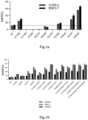
- the engineered Cas12i nuclease in the present application has superior gene editing efficiency in mammalian cells (such as human cells) than existing conventional Cas gene editing tools; for example, some exemplary Cas12i2 nuclease mutants in the present application are tested for gene editing efficiency at multiple sites (such as 62 sites) in human cells, and it is found that the gene editing efficiency at 57 sites exceeded about 60%, with an average gene editing efficiency of nearly 70%.
- the engineered Cas12i nuclease and its effector protein in the present application also have one or more of the following advantages: the protein is small (1,054 aa), the constitution of the crRNA is simple, the PAM sequence is simple, and the protein itself can process precursors crRNA.
- this application provides a further artificially modified Cas12i nuclease with lower off-target rate and higher specificity based on the highly active engineered Cas12i nuclease (such as SEQ ID NO. 8).
- effector protein refers to a protein having an activity such as site specific binding activity, single-stranded DNA cleavage activity, double-stranded DNA cleavage activity, single-stranded RNA cleavage activity, DNA or RNA modification (e.g., cleavage, base substitution, insertion, removal) or transcriptional regulatory activity.
- guide RNA and “gRNA” are used interchangeably herein and refer to RNA capable of forming a complex with a Cas12i effector protein and a target nucleic acid (e.g., double-stranded DNA).
- target nucleic acid e.g., double-stranded DNA
- This article also considers precursor guide RNA arrays that can be processed into multiple crRNAs.
- crRNA or “CRISPR RNA” comprises a guide sequence with sufficient complementarity to a target sequence of a target nucleic acid (e.g., double-stranded DNA) that directs the CRISPR complex to specifically bind to the target sequence of the target nucleic acid.
- CRISPR array refers to a segment of nucleic acid (e.g., DNA) that comprises CRISPR repeats and spacers, starting with the first nucleotide of the first CRISPR repeat and ending with the last nucleotide of the last (terminal) CRISPR repeat. Ends with one nucleotide. Typically, each spacer in a CRISPR array is located between two repeats.
- CRISPR repeat or “CRISPR direct repeat” or “direct repeat” as used herein refers to multiple short direct repeats that exhibit very little or no sequence change in a CRISPR array. Appropriately, direct repeats can form stem-loop structures.
- nucleic acid refers to a polymeric form of nucleotides of any length, including deoxyribonucleotides, ribonucleotides, combinations and analogs thereof.
- Oligonucleotide and “Oligomeric nucleotide” are used interchangeably and refer to short polynucleotides of no more than about 50 nucleotides.
- complementarity refers to the ability of a nucleic acid to form hydrogen bonds with another nucleic acid through traditional Watson-Crick base pairing.
- Percent complementarity represents the percentage of residues in a nucleic acid molecule that can form hydrogen bonds (i.e., Watson-Crick base pairing) with a second nucleic acid (e.g., 5, 6, 7, 8, 9, and 10 out of 10, complement each other by approximately 50%, 60%, 70%, 80%, 90%, and 100%, respectively).
- Perfectly complementary means that all contiguous residues of a nucleic acid sequence form hydrogen bonds with the same number of contiguous residues in a second nucleic acid sequence.
- substantially complementary refers to a region with approximately 40, 50, 60, 70, 80, 100, 150, 200, 250 or more nucleotides, with a degree of complementarity of at least about any of 70%, 75%, 80%, 85%, 90%, 95%, 97%, 98%, 99% or 100, or refers to two nucleic acids that hybridize under stringent conditions.
- stringent conditions for hybridization refer to conditions under which a nucleic acid having complementarity to a target sequence hybridizes primarily to the target sequence and does not substantially hybridize to non-target sequences. Stringent conditions are often sequence dependent and vary depending on many factors. Generally, the longer the sequence, the higher the temperature at which the sequence will specifically hybridize to its target sequence. Non-limiting examples of stringent conditions are described in detail in " Overview of principles of hybridization and the strategy of nucleic acid probe assay " , Chapter 2, Part 1, Laboratory Techniques in Biochemistry and Molecular Biology-Hybridization with Nucleic Acid Probes, Tijssen (1993), Elsevier, N, Y .
- Hybridization refers to a reaction in which one or more polynucleotides react to form a complex that is stabilized by hydrogen bonding between the bases of nucleotide residues. Hydrogen bonding can occur through Watson-Crick base pairing, Hoogstein binding, or in any other sequence-specific manner. A sequence capable of hybridizing to a given sequence is called the "complement" of that given sequence.
- Percent sequence identity (%) for a nucleic acid sequence is defined as the percentage of nucleotides in a candidate sequence that are identical to those in a specific nucleic acid sequence after aligning the sequences (if necessary) by allowing for gaps to achieve the maximum percent sequence identity.
- Percent sequence identity (%) for a peptide, polypeptide or protein sequence is the percentage of amino acid residues in a candidate sequence that are replaced with the same amino acid residues in a specific peptide or amino acid sequence after aligning the sequences (if necessary) by allowing for gaps to achieve maximum percent sequence homology.
- alignment can be accomplished in a variety of ways within the skill of the art, for example, using a publicly available computer software, such as BLAST, BLAST-2, ALIGN or MEGALIGN TM (DNASTAR). Those skilled in the art can determine appropriate parameters for measuring alignment, including any algorithms required to achieve maximal alignment over the full length of the sequences being compared.
- polypeptide and “peptide” are used interchangeably herein and refer to a polymer of amino acids of any length.
- the polymer may be linear or branched, it may contain modified amino acids, and it may be interrupted by non-amino acids.
- a protein can have one or more polypeptides.
- the term also encompasses amino acid polymers that have been modified; for example, disulfide bond formation, glycosylation, lipidation, acetylation, phosphorylation, or any other manipulation (such as conjugation to a labeling component).
- variant is construed as a polynucleotide or polypeptide, respectively, that differs from a reference polynucleotide or polypeptide but retains essential properties. Typical variants of a polynucleotide differ from the nucleic acid sequence of another reference polynucleotide. Changes in the variant nucleic acid sequence may or may not alter the amino acid sequence of the polypeptide encoded by the reference polynucleotide. Nucleotide changes can result in amino acid substitutions, additions, deletions, fusions, and truncations in the polypeptide encoded by the reference sequence, as described below.
- Typical variants of a polypeptide differ in amino acid sequence from another reference polypeptide. Typically, the differences are limited such that the sequences of the reference polypeptide and the variant are very similar overall and identical in many regions.
- the amino acid sequences of the variant and reference polypeptides may differ by any combination of one or more substitutions, additions, deletions. The substitutions or inserted amino acid residue may or may not be the amino acid residue encoded by the genetic code.
- Variants of a polynucleotide or polypeptide may be naturally occurring (such as allelic variants), or may be unknown naturally occurring variants.
- Non-naturally occurring variants of polynucleotides and polypeptides can be prepared by mutagenesis techniques, by direct synthesis, and by other recombinant methods known to those skilled in the art.
- wild type has the meaning commonly understood by those skilled in the art to mean the typical form of an organism, strain, gene or trait that distinguishes it from mutants or variants as it occurs in nature. It can be isolated from natural resources and not deliberately modified.
- nucleic acid molecule or polypeptide As used herein, the terms “non-naturally occurring” or “engineered” are used interchangeably and refer to artificial involvement. When these terms are used to describe a nucleic acid molecule or polypeptide, it is meant that the nucleic acid molecule or polypeptide is at least substantially free of at least one other component with which it is naturally associated or naturally occurring.
- an "ortholog" of a protein refers to a protein belonging to a different species that performs the same or similar function as the protein of which it is an ortholog.
- identity is used to mean a sequence match between two polypeptides or between two nucleic acids.
- a position in two compared sequences is occupied by the same base or amino acid monomer subunit (for example, a position in each of two DNA molecules is occupied by adenine, or a position in each of two polypeptides is has one position occupied by lysine), then it is the same for every molecule at that position.
- the "percent identity" between these two sequences is a function of the number of matching positions common to both sequences divided by the number of positions being compared x 100. For example, two sequences are 60% identical if 6 out of 10 positions match.
- the DNA sequences CTGACT and CAGGTT are 50% identical (3 matches out of 6 total positions). Typically, this comparison is made when two sequences are aligned to yield maximum identity.
- Such an alignment can be achieved through methods, for example, in Needleman et al.(1970)J. Mol. Biol. 48:443-453 , which can be conveniently implemented by a computer program such as the Align program (DNAstar, Inc.).
- the PAM 120 weighted residue table can also be used, using the algorithm of E. Meyers and W. Miller (Comput. Appl Biosci., 4:11-17 (1988 )) was integrated into the ALIGN program (version 2.0).
- a gap length weights of 12 and a gap weights of 4 are used to determine the percent identity between two amino acid sequences. Additionally, the algorithm of Needleman and Wunsch (J Mol Biol. 48:444-453 (1970 )) integrated into the GAP program of the GCG software package (available at www.gcg.com) can be used to determine the percent identity between two amino acid sequences using the Blossum 62 matrix or the PAM250 matrix with gap weights of 16, 14, 12, 10, 8, 6, or 4 and length weights of 1, 2, 3, 4, 5, or 6.
- cell is understood to refer not only to a specific individual cell, but also to the progeny or potential progeny of that cell. Because certain modifications may occur in the progeny due to mutations or environmental influences, such progeny may in fact differ from the parent cells and yet be comprised within the scope of the terms herein.
- transduction and “transfection” comprise methods known in the art of introducing DNA into a cell using infectious agents (such as viruses) or other means to express a protein or molecule of interest.
- infectious agents such as viruses
- virus-like reagents there are also chemical-based transfection methods such as transfection methods using calcium phosphate, dendrimers, liposomes or cationic polymers (e.g., DEAE glucan or polyethylene imine); non-chemical methods such as electroporation, cell squeezing, sonoporation, optical transfection, impalefection, protoplast fusion, plasmid delivery or transposons; particle-based methods, such as the use of gene guns, magnetofection or magnet-assisted transfection, particle bombardment; and hybridization methods (such as nucleofection).
- transfected As used herein, the terms “transfected” , “transformed” , or “transduced” refer to the process of transferring or introducing exogenous nucleic acid into a host cell.
- a “transfected”, “transformed” or “transduced” cell is a cell that has been transfected, transformed or transduced with an exogenous nucleic acid.
- in vivo refers to inside of the organism from which the cells were obtained.
- Ex vivo or “in vitro” refers to outside of the organism from which the cells are obtained.
- treatment/treating is a method used to obtain beneficial or desired results, including clinical results.
- beneficial or desired clinical results comprise, but are not limited to, one or more of the following: alleviating one or more symptoms caused by the disease, reducing the extent of the disease, stabilizing the disease (e.g., preventing or delaying the deterioration of diseases), preventing or delaying the spread of the disease (e.g.
- Treatment also comprises reducing the pathological consequences of a disorder, condition or disease.
- the methods of the present invention contemplate any one or more of these aspects of treatment.
- the term "effective amount” refers to an amount of a compound or composition sufficient to treat a particular disorder, condition or disease (e.g., ameliorate, alleviate, reduce and/or delay one or more symptoms thereof). As is understood in the art, an "effective amount” may be administered in one or more dosage, that is, a single or multiple doses may be required to achieve the desired therapeutic endpoint.
- Subject “Subject”, “individual” or “patient” are used interchangeably herein for therapeutic purposes and refer to any animal classified as a mammal, including humans, domestic and farm animals, and zoo, farm or pet animals such as dogs, horses, cats, cows. In some embodiments, the individual is a human individual.
- reference to "not" a value or parameter generally means and describes a value or parameter "other than".
- the method is not used to treat type X cancer, meaning that the method is used to treat cancer other than type X.
- the term “and/or” in words such as “A and/or B” is intended to comprise both A and B; A or B; A (alone); and B (alone).
- the term “and/or” in words such as "A, B and/or C” is intended to comprise each embodiment of: A, B and C; A, B or C; A or C; A or B; B or C; A and C; A and B; B and C; A (alone); B (alone); and C (alone).
- an engineered Cas12i nuclease comprises one or more (e.g., two, three, four or five) of the following mutations based on a reference Cas12i nuclease selected from:
- the reference Cas12i nuclease is a natural Cas12i nuclease, such as a wild-type Cas12i2 nuclease with an amino acid sequence as shown in SEQ ID NO. 1.
- the reference Cas12i nuclease is a variant of Cas12i nuclease, such as a natural variant.
- the reference Cas12i nuclease is an engineered Cas12i (e.g., Cas12i2 or Cas12i1) nuclease that does not comprise one or more mutations in (1)-(5) above.
- the amino acid positions are defined by the corresponding amino acid position set forth in SEQ ID NO.1.
- the amino acid positions are defined by the corresponding amino acid position of SEQ ID NO.1 for a wild-type Cas12i nuclease having a sequence different from SEQ ID NO.1.
- the amino acid is at position X, wherein the amino acid positions are defined by the corresponding amino acid position of the wild-type Cas12i nuclease shown in SEQ ID NO. 1
- the amino acid is at position X, wherein the amino acid positions are defined by the corresponding amino acid position of SEQ ID NO.1 for a wild-type Cas12i nuclease having a sequence different from SEQ ID NO.1
- the amino acid residue is located at a certain position of the reference enzyme Cas12i, which corresponds to the X position of SEQ ID NO. 1, and the amino acid sequence of the reference enzyme Cas12i and the amino acid sequence of SEQ ID NO. 1 are aligned with each other based on sequence homology.
- Fig. 7 shows a homology alignment of the amino acid sequences of CAS12i2 (SEQ ID NO. 1) and CAS12i1 (SEQ ID NO. 13).
- CAS12i2 SEQ ID NO. 1
- CAS12i1 SEQ ID NO. 13
- Those skilled in the art can use software commonly used in the art, such as Clustal Omega, to compare and align the sequence identity with the amino acid sequence of any reference Cas12i nuclease with SEQ ID NO. 1, and then obtain the amino acid position in the reference Cas12i nuclease corresponding to the amino acid position defined based on SEQ ID NO. 1 in the present application.
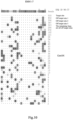
- the present application provides methods for engineering enzymes by introducing amino acid mutations based on any one or a combination of the above five engineering principles, which results in to an increase in enzyme activity (such as DNA single-stranded DNA or double-stranded cleavage activity) in vitro and/or in vivo (for example, the gene cleavage efficiency increased by about 100 times), an increase in the number of identifiable PAMs (for example, as can be seen from Fig.
- enzyme activity such as DNA single-stranded DNA or double-stranded cleavage activity
- in vitro and/or in vivo for example, the gene cleavage efficiency increased by about 100 times
- an increase in the number of identifiable PAMs for example, as can be seen from Fig.
- the wild-type enzyme can recognize one PAM, and based on the above amino acid mutations, CasXX enzyme can recognize at least 11 PAMs), and/or reduced off-target rate and improved specificity (for example, as can be seen from Table 18, HF-Cas can reduce the off-target rate by about 99% compared to CasXX).
- the engineered Cas12i nuclease comprises one or more specific mutations as described in sections 1)-6) below. In some embodiments, any one or more mutations described in the present application can be combined with existing Cas12i mutations (such as those mutations described in section 7) below) to provide engineered Cas12i nuclease with higher activity.
- an engineered Cas12i nuclease is provided; the engineered Cas12i nuclease comprises a mutation that replaces one or more amino acids interacting with the PAM in a reference Cas12i nuclease with positively charged amino acids. In some embodiments, an engineered Cas12i nuclease is provided; the engineered Cas12i nuclease comprises a mutation that replaces one or more amino acids involved in opening the double-stranded DNA in the reference Cas12i nuclease with amino acids with an aromatic ring.
- an engineered Cas12i nuclease is provided; the engineered Cas12i nuclease comprises a mutation that replaces one or more amino acids located in the RuvC domain and interacting with the single-stranded DNA substrate in the reference Cas12i nuclease with positively charged amino acids.
- an engineered Cas12i nuclease is provided; the engineered Cas12i nuclease comprises a mutation that replaces one or more amino acids interacting with the DNA-RNA double helix in the reference Cas12i nuclease with positively charged amino acids.
- an engineered Cas12i nuclease is provided; the engineered Cas 12i nuclease comprises a mutation that replaces one or more polar or positively charged amino acids interacting with the DNA-RNA double helix in the reference Cas12i nuclease with hydrophobic amino acids.
- an engineered Cas12i nuclease comprises: 1) a mutation that replaces one or more amino acids interacting with the PAM in the reference Cas12i nuclease with positively charged amino acids; and 2) a mutation that replaces one or more amino acids involved in opening the double-stranded DNA in the reference Cas12i nuclease with amino acids with an aromatic ring.
- an engineered Cas12i nuclease comprises: 1) a mutation that replaces one or more amino acids interacting with the PAM in the reference Cas12i nuclease with positively charged amino acids; and 2) a mutation that replaces one or more amino acids located in the RuvC domain and interacting with the single-stranded DNA substrate in the reference Cas12i nuclease with positively charged amino acids.
- an engineered Cas12i nuclease comprises: 1) a mutation that replaces one or more amino acids involved in opening the double-stranded DNA in the reference Cas12i nuclease with amino acids with an aromatic ring; and 2) a mutation that replaces one or more amino acids located in the RuvC domain and interacting with the single-stranded DNA substrate in the reference Cas12i nuclease with positively charged amino acids.
- the engineered Cas12i nuclease further comprises a mutation that replaces one or more polar or positively charged amino acids interacting with the DNA-RNA double helix in the reference Cas12i nuclease with hydrophobic amino acids.
- the engineered Cas12i nuclease further comprises one or more flexible region mutations (e.g., substitution with G, and/or insertion of one or two Gs thereafter) to increase the flexibility of the flexible region.
- the engineered Cas12i enzyme with such modifications increases flexibility by at least about 10%, such as at least about 20%, 30%, 50%, 100%, 150%, 200%, 500%, 1000 % or greater flexibility.
- an engineered Cas12i nuclease comprises: 1) a mutation that replaces one or more amino acids interacting with the PAM in the reference Cas12i nuclease with positively charged amino acids; and 2) a mutation that replaces one or more amino acids interacting with the DNA-RNA double helix in the reference Cas12i nuclease with positively charged amino acids.
- an engineered Cas12i nuclease comprises: 1) a mutation that replaces one or more amino acids involved in opening the double-stranded DNA in the reference Cas12i nuclease with amino acids with an aromatic ring; and 2) a mutation that replaces one or more amino acids interacting with the DNA-RNA double helix in the reference Cas12i nuclease with positively charged amino acids.
- an engineered Cas12i nuclease comprises: 1) a mutation that replaces one or more amino acids located in the RuvC domain and interacting with the single-stranded DNA substrate in the reference Cas12i nuclease with positively charged amino acids; and 2) a mutation that replaces one or more amino acids interacting with the DNA-RNA double helix in the reference Cas12i nuclease with positively charged amino acids.
- the engineered Cas12i nuclease further comprises a mutation that replaces one or more polar or positively charged amino acids interacting with the DNA-RNA double helix in the reference Cas12i nuclease with hydrophobic amino acids.
- the engineered Cas12i nuclease further comprises one or more flexible region mutations to increase the flexibility of the flexible region.
- an engineered Cas12i nuclease comprises: 1) a mutation that replaces one or more amino acids interacting with the PAM in the reference Cas 12i nuclease with positively charged amino acids; 2) a mutation that replaces one or more amino acids involved in opening the double-stranded DNA in the reference Cas12i nuclease with amino acids with an aromatic ring; and 3) a mutation that replaces one or more amino acids located in the RuvC domain and interacting with the single-stranded DNA substrate in the reference Cas12i nuclease with positively charged amino acids.
- an engineered Cas12i nuclease comprises: 1) a mutation that replaces one or more amino acids interacting with the PAM in the reference Cas12i nuclease with positively charged amino acids; 2) a mutation that replaces one or more amino acids involved in opening the double-stranded DNA in the reference Cas12i nuclease with amino acids with an aromatic ring; and 3) a mutation that replaces one or more amino acids interacting with the DNA-RNA double helix in the reference Cas12i nuclease with positively charged amino acids.
- an engineered Cas12i nuclease comprises: 1) a mutation that replaces one or more amino acids interacting with the PAM in the reference Cas12i nuclease with positively charged amino acids; 2) a mutation that replaces one or more amino acids located in the RuvC domain and interacting with the single-stranded DNA substrate in the reference Cas12i nuclease with positively charged amino acids; and 3) a mutation that replaces one or more amino acids interacting with the DNA-RNA double helix in the reference Cas12i nuclease with positively charged amino acids.
- an engineered Cas12i nuclease comprises: 1) a mutation that replaces one or more amino acids involved in opening the double-stranded DNA in the reference Cas12i nuclease with amino acids with an aromatic ring; 2) a mutation that replaces one or more amino acids located in the RuvC domain and interacting with the single-stranded DNA substrate in the reference Cas12i nuclease with positively charged amino acids; and 3) a mutation that replaces one or more amino acids interacting with the DNA-RNA double helix in the reference Cas12i nuclease with positively charged amino acids.
- the engineered Cas12i nuclease further comprises a mutation that replaces one or more polar or positively charged amino acids interacting with the DNA-RNA double helix in the reference Cas12i nuclease with hydrophobic amino acids. In some embodiments, the engineered Cas12i nuclease further comprises one or more flexible region mutations to increase the flexibility of the flexible region.
- an engineered Cas12i nuclease comprises: 1) a mutation that replaces one or more amino acids interacting with the PAM in the reference Cas 12i nuclease with positively charged amino acids; 2) a mutation that replaces one or more amino acids involved in opening the double-stranded DNA in the reference Cas12i nuclease with amino acids with an aromatic ring; 3) a mutation that replaces one or more amino acids located in the RuvC domain and interacting with the single-stranded DNA substrate in the reference Cas12i nuclease with positively charged amino acids; and 4) a mutation that replaces one or more amino acids interacting with the DNA-RNA double helix in the reference Cas12i nuclease with positively charged amino acids.
- the engineered Cas12i nuclease further comprises a mutation that replaces one or more polar or positively charged amino acids interacting with the DNA-RNA double helix in the reference Cas12i nuclease with hydrophobic amino acids.
- an engineered Cas12i nuclease comprises: 1) a mutation that replaces one or more amino acids interacting with the PAM in the reference Cas12i nuclease with positively charged amino acids; 2) a mutation that replaces one or more amino acids involved in opening the double-stranded DNA in the reference Cas12i nuclease with amino acids with an aromatic ring; 3) a mutation that replaces one or more amino acids located in the RuvC domain and interacting with the single-stranded DNA substrate in the reference Cas 12i nuclease with positively charged amino acids; 4) a mutation that replaces one or more amino acids interacting with the DNA-RNA double helix in the reference Cas12i nuclease with positively charged amino acids; and 5) a mutation that replaces one or more polar or positively charged amino acids interacting with the DNA-RNA double helix in the reference Cas12i nuclease with hydrophobic amino acids.
- the engineered Cas12i nuclease comprises mutations relative to the corresponding amino acid positions shown in SEQ ID NO. 1: N164Y+E176R+K238R+E323R+ D362R+T447R+E563R (hereinafter designated as "CasXX"). In some embodiments, the engineered Cas12i nuclease comprises the sequence of SEQ ID NO.8.
- the engineered Cas12i nuclease comprises one or more mutations based on a reference Cas12i nuclease (e.g., Cas12i2), wherein the mutation involves replacing the amino acids interacting with the PAM in the reference Cas12i nuclease with positively charged amino acids (such as R, H, or K).
- the engineered Cas12i nuclease comprises substitutions of one, two, three, four, five, six, seven, eight, or more of the amino acid residues.
- the amino acid that interacts with the PAM is an amino acid located within a distance of 9 angstroms from the PAM in three-dimensional structure.
- it can be: an amino acid located within a distance of 9 angstroms from the PAM in three-dimensional structure, an amino acid located within a distance of 8 angstroms from the PAM in three-dimensional structure, an amino acid located within a distance of 7 angstroms from the PAM in three-dimensional structure, an amino acid located within a distance of 6 angstroms from the PAM in three-dimensional structure, an amino acid located within a distance of 5 angstroms from the PAM in three-dimensional structure, an amino acid located within a distance of 4 angstroms from the PAM in three-dimensional structure, an amino acid located within a distance of 3 angstroms from the PAM in three-dimensional structure, an amino acid located within a distance of 2 angstroms from the PAM in three-dimensional structure, or amino acids that are closer.
- the spatial structural distance between the PAM and amino acids is defined by the distance between atoms in the resolved 3D structure (PDB file) of the Cas protein-RNA-DNA three-dimensional complex.
- the mutual distance between atoms can be displayed through PDB file recognition software.
- the spatial structural distance between the PAM and amino acids is defined by the minimum distance between the amino acid residue and the atoms comprised by the nucleotide.
- PAM and amino acids Programs that can be used to measure the spatial structural distance between the PAM and amino acids, or PDB file recognition software are well known in the art, including but not limited to PyMOL, ChimeraX, Swiss-pdbviewer, etc.
- one or more mutations that replace the amino acid interacting with the PAM in the reference Cas 12i nuclease with a positively charged amino acid are mutations of one or more amino acids at the following positions: 176, 178, 226, 227, 229, 237, 238, 264, 447 and 563.
- the one or more mutations that replace the amino acid interacting with the PAM in the reference Cas12i nuclease with a positively charged amino acid are mutations in one or more of the following amino acids: E176, E178, Y226, A227, N229, E237, K238, K264, T447 and E563.
- the one or more mutations that replace the amino acid interacting with the PAM in the reference Cas12i nuclease with a positively charged amino acid are mutations in one or more of the following amino acids: E176, K238, T447 and E563.
- the mutation that replaces the amino acid interacting with the PAM in the reference Cas12i nuclease with a positively charged amino acid is located at amino acid residue No. 563, such as E563.
- the amino acid positions are defined by the corresponding amino acid position of the wild-type Cas12i nuclease shown in SEQ ID NO. 1.
- the engineered Cas12i nuclease comprises a mutation in one or more of the following amino acids: E176R, E178R, Y226R, A227R, N229R, E237R, K238R, K264R, T447R and E563R, the amino acid positions are defined by the corresponding amino acid position of the wild-type Cas12i nuclease shown in SEQ ID NO.1.
- E176 means; in the cited amino acid sequence (e.g., relative to SEQ ID NO. 1), amino acid No. 176 E (glutamic acid); here, common amino acids and their three letters and single-letter abbreviations are listed below: Alanine is abbreviated as Ala or A; Arginine is abbreviated as Arg or R; Aspartate is abbreviated as Asp or D; Cysteine is abbreviated as Cys or C; Glutamine is abbreviated as Gln or Q; Glutamic acid is abbreviated as Glu or E; Histidine is abbreviated as His or H; Isoleucine is abbreviated as Ile or I; Glycine is abbreviated as Gly or G; Asparagine is abbreviated as Asn or N; Leucine is abbreviated as Leu or L; Lysine is abbreviated as Lys or K; Methionine is abbreviated as Met or M; Phen
- the mutation that replaces the amino acid interacting with the PAM in the reference Cas12i nuclease with a positively charged amino acid is to replace the corresponding amino acid residue in the reference Cas12i nuclease with R, H or K, such as R or K. In some embodiments, the mutation that replaces the amino acid interacting with the PAM in the reference Cas12i nuclease with a positively charged amino acid is to replace the corresponding amino acid residue in the reference Cas12i nuclease with R.
- the engineered Cas12i nuclease comprises one or more amino acid mutations at the following positions: 176R, 238R, 447R and 563R, wherein the amino acid positions are defined by the corresponding amino acid position of the wild-type Cas12i nuclease shown in SEQ ID NO.1.
- the engineered Cas12i nuclease comprises one or more of the following mutations based on the reference Cas12i nuclease: E176, K238, T447 and E563; wherein the amino acid position numbers are defined by the corresponding amino acid positions shown in SEQ ID NO. 1.
- the engineered Cas12i nuclease comprises one or more of the following mutations based on the reference Cas12i nuclease: E176R, K238R, T447R and E563R; wherein the amino acid position numbers are defined by the corresponding amino acid positions shown in SEQ ID NO. 1.
- the engineered Cas12i nuclease comprises the E563R mutation; wherein the amino acid position numbers are defined by the corresponding amino acid positions shown in SEQ ID NO. 1.
- engineered Cas12i nucleases having at least about 85% (e.g., any of at least about 86%, 87%, 88%, 89%, 90%, 91%, 92%, 93%, 94%, 95%, 96%, 97%, 98%, 99%) sequence identity with the aforementioned engineered Cas12i nucleases (replacing one or more amino acids interacting with the PAM in the reference Cas12i nuclease with a positively charged amino acids).
- E176R means that in the cited amino acid sequence, amino acid No. 176, i.e., E, glutamic acid is replaced by R, arginine.
- the engineered Cas12i nuclease comprises any mutation or combination of mutations at the following amino acid residue positions: (i) 176, 238, 264, 447, 563, 176+238, 176+447, 176+563, 238+447, 238+563, 447+563, 176+238+447, 176+238+563, 176+447+563, 238+447+563, 176+238+447+563; wherein, amino acids position numbers are defined by the corresponding amino acid positions shown in SEQ ID NO.1.
- said replacing one or more amino acids interacting with the PAM in the reference Cas12i nuclease with a positively charged amino acid comprises replacing it with R, H or K, such as R or K, preferably, such as R.
- the engineered Cas12i nuclease comprises any mutation or combination of mutations in the following amino acid residues:
- the engineered Cas12i nuclease comprises any one mutation in the following amino acid residues or mutation combination: E176, K238, E264, T447, E563, E176+K238, E176+T447, E176+E563, K238+T447, K238+E563, T447+E563, E176+K238+T447, E176+K238+E563, E176+T447+E563, K238+T447+E563, and E176+K238+T447+E563; wherein the amino acid position numbers are defined by the corresponding amino acid
- the engineered Cas12i nuclease comprises any one of the following mutation/mutation combination: E176R, K238R, E264R, T447R, E563R, E176R+K238R, E176R+T447R, E176R+E563R, K238R+T447R, K238R+E563R, T447R+E563R, E176R+K238R+ T447R, E176R+K238R+E563R, E176R+T447R+E563R, K238R+T447R+E563R, and E176R+ K238R+T447R+E563R; wherein, the amino acid position numbers are defined by the corresponding amino acid positions shown in SEQ ID NO.
- the engineered Cas12i nuclease comprises any one of the following mutations/mutation combinations: E563R, E176R+ T447R, E176R+E563R, K238R+E563R, E176R+K238R+T447R, E176R+K238R+E563R, E176R+ T447R+E563R, and E176R+K238R+T447R+E563R; wherein the amino acid position numbers are defined by the corresponding amino acid positions shown in SEQ ID NO. 1.
- the engineered Cas12i nuclease comprises a mutation combination of E176R+K238R+T447R+ E563R; wherein the amino acid position numbers are defined by the corresponding amino acid positions shown in SEQ ID NO. 1.
- engineered Cas12i nucleases having at least about 85% (e.g., any of at least about 86%, 87%, 88%, 89%, 90%, 91%, 92%, 93%, 94%, 95%, 96%, 97%, 98%, 99%) sequence identity with the aforementioned engineered Cas12i nucleases (replacing one or more amino acids interacting with the PAM in the reference Cas12i nuclease with a positively charged amino acids).
- the engineered Cas12i nuclease comprises one or more mutations based on a reference Cas12i nuclease (e.g., Cas12i2), wherein the mutation involves replacing one or more amino acids involved in opening the double-stranded DNA in the reference Cas12i nuclease with amino acids with an aromatic ring (such as F, Y, or W).
- the engineered Cas12i nuclease comprises one, two, three, four, five, six, or more substitutions of the amino acid residues.
- the one or more amino acids involved in opening the double-stranded DNA are amino acids interacting with the last base pair at the 3' end in PAM relative to the target strand.
- the PAM sequence recognized by Cas12i2 is the 5'-NTTN-3' base pair, wherein the base pair formed by the N base at the 3' end of PAM sequence and the target strand is "the last base pair at the 3' end in PAM relative to the target strand" as described herein, and after this base pair is the sequence of the targeting site.
- the one or more amino acids involved in opening the double-stranded DNA are located at the following positions: 163 and/or 164; wherein the amino acid position numbers are defined by the corresponding amino acid positions shown in SEQ ID NO. 1.
- the one or more amino acids involved in opening the double-stranded DNA are one or more of the following amino acids: Q163, N164; wherein the amino acid position numbers are defined by the corresponding amino acid positions shown in SEQ ID NO. 1.
- the amino acid involved in opening the double-stranded DNA is N164; wherein the amino acid position numbers are defined by the corresponding amino acid positions shown in SEQ ID NO. 1.
- the amino acid involved in opening the double-stranded DNA is replaced with F, Y or W. In some embodiments, the amino acid involved in opening the double-stranded DNA is replaced with F. In some embodiments, the amino acid involved in opening the double strands of DNA is replaced with Y.
- the engineered Cas12i nuclease comprises mutations in any one or more of the following amino acid residues: 163F, 163Y, 163W, 164W, 164F or 164Y; wherein the amino acid position numbers are defined by the corresponding amino acid positions shown in SEQ ID NO. 1. In some embodiments, the engineered Cas12i nuclease comprises mutations in any one or more of the following amino acid residues: 163F, 163Y, 163W, 164F or 164Y; wherein the amino acid position numbers are defined by the corresponding amino acid positions shown in SEQ ID NO. 1.
- the engineered Cas12i nuclease comprises any one of the following mutations: Q163 and/or N164; wherein the amino acid position numbers are defined by the corresponding amino acid positions shown in SEQ ID NO. 1. In some embodiments, the engineered Cas12i nuclease comprises any one of the following mutations: Q163F, Q163Y, Q163W, N164W, N164F or N164Y; wherein the amino acid position numbers are defined by the corresponding amino acid positions shown in SEQ ID NO. 1.
- the engineered Cas12i nuclease comprises any one of the following mutations: Q163F, Q163Y, Q163W, N164F or N164Y; wherein the amino acid position numbers are defined by the corresponding amino acid positions shown in SEQ ID NO. 1.
- the engineered Cas12i nuclease comprises the N164Y or N164F mutation; wherein the amino acid position numbers are defined by the corresponding amino acid positions shown in SEQ ID NO. 1.
- the engineered Cas12i nuclease comprises the N164Y mutation; wherein the amino acid position numbers are defined by the corresponding amino acid positions shown in SEQ ID NO. 1.
- engineered Cas12i nucleases having at least about 85% (e.g., any of at least about 86%, 87%, 88%, 89%, 90%, 91%, 92%, 93%, 94%, 95%, 96%, 97%, 98%, 99%) sequence identity with the aforementioned engineered Cas12i nucleases (replacing one or more amino acids involved in opening the double-stranded DNA in the reference Cas12i nuclease with amino acids with an aromatic ring).
- the engineered Cas12i nuclease comprises one or more mutations based on a reference Cas12i nuclease (e.g., Cas12i2), wherein, the mutation involves replacing the amino acids located in the RuvC domain and interacting with a single stranded DNA substrate in the reference Cas12i enzyme with positively charged amino acids such as R, H, or K.
- the engineered Cas12i enzyme comprises substitutions of one, two, three, four, five, six, or more amino acid residues.
- the one or more amino acids located in the RuvC domain and interacting with the single-stranded DNA substrate are amino acids located within a distance of 9 angstroms from the PAM in three-dimensional structure, for example, they can be: amino acid located within a distance of 8 angstroms from the PAM in three-dimensional structure, amino acid located within a distance of 7 angstroms from the PAM in three-dimensional structure, amino acid located within a distance of 6 angstroms from the PAM in three-dimensional structure, amino acid located within a distance of 5 angstroms from the PAM in three-dimensional structure, amino acid located within a distance of 4 angstroms from the PAM in three-dimensional structure, amino acid located within a distance of 3 angstroms from the PAM in three-dimensional structure, amino acid located within a distance of 2 angstroms from the PAM in three-dimensional structure, amino acids that are closer.
- RuvC domain is an enzymatic domain of the Cas12i protein responsible for cutting single-stranded DNA or double-stranded DNA.
- the RuvC domain of Cas12i is divided into three parts: RuvC-1, RuvC-2 and RuvC-3. These three parts are adjacent in three-dimensional structure and together form a catalytic pocket with enzymatic activity.
- the three-dimensional crystal structure of Cas12i2, its domain composition, and description of its interaction with DNA substrates can be found in Huang X. et al., Nature Communications, 11, Article number: 5241 (2020 ).
- the three-dimensional crystal structure of Cas12i1, its domain composition, and description of its interaction with DNA substrates can be found in Zhang H. et al.
- Example 3 describes a modeling approach to obtain the amino acids in Cas12i2 that are located in the RuvC domain and are located within a distance of 9 angstroms from the single-stranded DNA substrate.
- the spatial structural distance between the amino acids in the RuvC domain and the single-stranded DNA substrate can be defined by the distance between atoms in the resolved 3D structure (PDB file) of the Cas protein-RNA-DNA three-dimensional complex, the mutual distance between atoms can be displayed by PDB file recognition software.
- the spatial structural distance between an amino acid in the RuvC domain and the single-stranded DNA substrate is defined by the minimum distance between the amino acid residue and the atoms comprised by the nucleotide.
- PDB file recognition software Programs that can be used to measure the spatial structural distance between amino acids in the RuvC domain and single-stranded DNA substrates, or PDB file recognition software are well known in the art, including but not limited to PyMOL, ChimeraX, Swiss-pdbviewer, etc.
- the one or more amino acids located in the RuvC domain and interacting with the single-stranded DNA substrate are one or more amino acids at the following positions: 323, 327, 355, 359, 360, 361, 362, 388, 390, 391, 392, 393, 414, 417, 418, 421, 424, 425, 650, 652, 653, 696, 705, 708, 709, 751, 752, 755, 840, 848, 851, 856, 885, 897, 925, 926, 928, 929, 932, and 1022.
- the one or more amino acids located in the RuvC domain and interacting with the single-stranded DNA substrate are one or more of the following amino acids: E323, L327, V355, G359, G360, K361, D362, L388, N390, N391, F392, K393, Q414, L417, L418, K421, Q424, Q425, S650, E652, G653, I696, K705, K708, E709, L751, S752, E755, N840, N848, S851, A856, Q885, M897, N925, I926, T928, G929, Y932, and A1022.
- the one or more amino acids located in the RuvC domain and interacting with the single-stranded DNA substrate are one or more of the following amino acids: E323, D362, L388, N391, L417, Q424, Q425, N925, I926, and G929.
- the amino acid positions are defined by the corresponding amino acid position of the wild-type Cas12i nuclease shown in SEQ ID NO. 1.
- the engineered Cas12i nuclease comprises a mutation that replaces one or more amino acids located in the RuvC domain and interacting with the single-stranded DNA substrate in the reference Cas12i nuclease with R, H or K (e.g. R or K). In some embodiments, the engineered Cas12i nuclease comprises a mutation that replaces one or more amino acids located in the RuvC domain and interacting with the single-stranded DNA substrate in the reference Cas12i nuclease with R.
- the engineered Cas12i nuclease comprises one or more of the following amino acid mutations or mutation combinations: N390R, N391R, F392R, L751R, E755R, N840R, N848R, S851R, A856R, Q885R, M897R, I926R , G929R, Y932R, E323R, L327R, V355R, G359R, G360R, K361R, D362R, Q414R, K421R, Q425R, S650R, E652R, K705R, K708R, E709R, S752R, N925R, T928R, E323R+D362R, E323R+Q425R, E323R+I926R, Q425R+I926R, E323R+D362R+ Q425R, E323R+D362R+ Q425R
- the engineered Cas12i nuclease comprises a mutation or combination of mutations at any of the following amino acid residue positions: E323, D362, Q425, N925, I926 and G929; wherein the amino acid position numbers are defined by the corresponding amino acid positions shown in SEQ ID NO. 1.
- the engineered Cas12i nuclease comprises a mutation or combination of mutations at any of the following amino acid residue positions: E323, D362, Q425, N925, I926, E323+D362, E323+Q425, E323+I926, D362+Q425, D362+N925, D362+I926, Q425+I926, N925+I926, E323+D362+Q425, E323+D362+I926, E323+Q425+I926, D362+N925+I926, D362+Q425+I926, E323+D362+Q425+I926; wherein the amino acid position numbers are defined by the corresponding amino acid positions shown in SEQ ID NO.
- the mutation is a mutation that replaces the amino acid residue at the position with R, H, or K (e.g., R).
- the engineered Cas12i nuclease comprises any of the following amino acids or combinations of amino acids: 323R, 362R, 425R, 925R, 926R, 323R+362R, 323R+425R, 323R+926R, 362R+425R, 362R +926R, 425R+926R, 925R+926R, 323R+362R+425R, 323R+362R+926R, 323R+425R+926R, 362R+925R+926R, 323R++362R+425R+926R, and 362R+ 425R+926R; wherein, the amino acid position numbers are defined by the corresponding amino acid positions shown in SEQ ID NO.
- the engineered Cas12i nuclease comprises any of the following mutations or mutation combinations: E323R, D362R, Q424R, Q425R, N925R, I926R, and G929R; wherein the amino acid position numbers are defined by the corresponding amino acid positions shown in SEQ ID NO. 1.
- the engineered Cas12i nuclease comprises any of the following mutations or mutation combinations: E323R, D362R, Q425R, N925R, I926R, E323R+D362R, E323R+Q425R, E323R+I926R, D362R+Q425R, Q425R+I926R, D362R+I926R, N925R+I926R, E323R+D362R+Q425R, E323R+D362R+I926R, E323R+Q425R+ I926R, D362R+N925R+I926R, D362R+Q425R+I926R, and E323R+D362R+Q425R+I926R; wherein, the amino acid position numbers are defined by the corresponding amino acid positions shown in SEQ ID NO.
- the engineered Cas12i nuclease comprises the I926R mutation; wherein the amino acid position numbers are defined by the corresponding amino acid positions shown in SEQ ID NO. 1. In some embodiments, the engineered Cas12i nuclease comprises the E323R+D362R mutation; wherein the amino acid position numbers are defined by the corresponding amino acid positions shown in SEQ ID NO. 1.
- engineered Cas12i nucleases having at least about 85% (e.g., any of at least about 86%, 87%, 88%, 89%, 90%, 91%, 92%, 93%, 94%, 95%, 96%, 97%, 98%, 99%) sequence identity with the aforementioned engineered Cas12i nucleases (replacing one or more amino acids located in the RuvC domain of the reference Cas12i enzyme and interacting with a single stranded DNA substrate with positively charged amino acids).
- the engineered Cas12i nuclease comprises one or more mutations based on a reference Cas12i nuclease (e.g., Cas12i2) wherein, the mutation involves replacing one or more amino acids interacting with the DNA-RNA double helix in the reference Cas12i nuclease with positively charged amino acids such as R, H, or K.
- the engineered Cas12i enzyme comprises substitutions of one, two, three, four, five, six, or more amino acid residues.
- the one or more amino acids interacting with the DNA-RNA double helix are amino acids located within a distance of 9 angstroms from the DNA-RNA double helix in three-dimensional structure, for example, they can be: amino acids located within a distance of 8 angstroms from the DNA-RNA double helix in three-dimensional structure, amino acids located within a distance of 7 angstroms from the DNA-RNA double helix in three-dimensional structure, amino acids located within a distance of 6 angstroms from the DNA-RNA double helix in three-dimensional structure, amino acids located within a distance of 5 angstroms from the DNA-RNA double helix in three-dimensional structure, amino acids located within a distance of 4 angstroms from the DNA-RNA double helix in three-dimensional structure, amino acids located within a distance of 3 angstroms from the DNA-RNA double helix in three-dimensional structure, amino acids located within a distance of 2 angstroms from the DNA-RNA double helix in three-dimensional structure, or amino acids
- Cas nucleases work as follows: Cas forms a complex with guide RNA (such as crRNA), wherein crRNA and targeting DNA pair with each other to form a DNA-RNA double helix, and interact with Cas nuclease to open the double-stranded targeting DNA and form an R-loop, allowing the active position of Cas to complete the cleavage of dsDNA.
- guide RNA such as crRNA
- the description of three-dimensional crystal structure of Cas12i2, its domain composition, and its interaction with the DNA-RNA double helix can be found in Huang X. et al., Nature Communications, 11, Article number: 5241 (2020 ).
- the spatial structural distance between the DNA-RNA double helix and Cas amino acids can be defined by the minimum distance between the amino acid residues in the resolved 3D structure (PDB file) of the Cas protein-RNA-DNA three-dimensional complex and the atoms comprised by the nucleotide, the mutual distance between atoms can be displayed by PDB file recognition software.
- the spatial structural distance between the Cas amino acid and the DNA-RNA double helix is defined by the distance between the assumed positions of the atoms. Programs that can be used to measure the spatial structural distance between Cas amino acids and DNA-RNA double helix, or PDB file recognition software are well known in the field, including but not limited to PyMOL, ChimeraX, Swiss-pdbviewer, etc.
- the one or more amino acids interacting with the DNA-RNA double helix are one or more amino acids at the following positions: 116, 117, 156, 159, 160, 161, 247, 293, 294, 297, 301, 305, 306, 308, 312, 313, 316, 319, 320, 343, 348, 349, 427, 433, 438, 441, 442, 679, 683, 691, 782, 783, 797, 800, 852, 853, 855, 861, 865, 957, 958.
- the one or more amino acids interacting with the DNA-RNA double helix are one or more of the following amino acids: G116, E117, A156, T159, E160, S161, E247, G293, E294, N297, T301, I305, K306, T308, N312, F313, Q316, E319, Q320, E343, E348, E349, D427, K433, V438, N441, Q442, N679, E683, E691, D782, E783, E797, E800, M852, D853, L855, N861, Q865, S957, and D958.
- the one or more amino acids interacting with the DNA-RNA double helix are one or more of the following amino acids: G116, E117, T159, S161, E319, E343, and D958.
- the amino acid interacting with the DNA-RNA double helix is D958.
- the amino acid positions are defined by the corresponding amino acid position of the wild-type Cas12i nuclease shown in SEQ ID NO. 1.
- the engineered Cas12i nuclease comprises a mutation that replaces one or more amino acids interacting with the DNA-RNA double helix in the reference Cas12i nuclease with R, H, or K (e.g., R or K). In some embodiments, the engineered Cas12i nuclease comprises a mutation that replaces one or more amino acids interacting with the DNA-RNA double helix in the reference Cas12i nuclease with R.
- the engineered Cas12i nuclease comprises one or more of the following amino acid mutations: G116R, E117R, A156R, T159R, S161R, T301R, I305R, K306R, T308R, N312R, F313R, D427R, K433R, V438R, N441R, Q442R, M852R, L855R, N861R, Q865R, E160R, Q316R, E319R, Q320R, E247R, E343R, E348R, E349R, N679R, E683R, E691R, D782R, E783R, E797R, E800R, D853R, S957R, D958R, G293R, E294R, and N297R; the amino acid positions are defined by the corresponding amino acid positions of the wild-type Cas12i nuclease shown in S;
- the engineered Cas12i nuclease comprises a mutation or combination of mutations at any one of the following amino acid residue positions: G116, E117, T159, S161, E319, E343, or D958; wherein the amino acid position numbers are defined by the corresponding amino acid positions shown in SEQ ID NO.1.
- the mutation is a mutation that replaces the amino acid residue at the position with R, H, or K (e.g., R).
- the engineered Cas12i nuclease comprises any of a mutation or mutation combinations of the following sites: 116R, 117R, 159R, 161R, 319R, 343R, or 958R; wherein the amino acid position numbers are defined by the corresponding amino acid positions shown in SEQ ID NO. 1.
- the engineered Cas12i nuclease comprises any one of the following mutations or mutation combinations: G116R, E117R, T159R, S161R, E319R, E343R, or D958R; wherein the amino acid position numbers are defined by the corresponding amino acid positions shown in SEQ ID NO. 1.
- the engineered Cas12i nuclease comprises the D958R mutation; wherein the amino acid position numbers are defined by the corresponding amino acid positions shown in SEQ ID NO. 1.
- engineered Cas12i nucleases having at least about 85% (e.g., any one of at least about 86%, 87%, 88%, 89%, 90%, 91%, 92%, 93%, 94%, 95%, 96%, 97%, 98%, 99%) sequence identity with the engineered Cas12i nucleases.
- the engineered Cas12i nuclease comprises one or more mutations based on a reference Cas12i nuclease (e.g., Cas12i2) wherein, the mutation involves replacing one or more polar or positively charged amino acids interacting with the DNA-RNA double helix in the reference Cas12i nuclease with hydrophobic amino acids (such as A, V, I, L, M, F, Y, P, C, or W).
- the mutation also referred to herein as "high specificity” or "HF” mutation
- the off-target rate of CasXX-HF can be reduced by at least about 10%, 20%, 30%, 40%, 50%, 60%, 70%, 80%, 90%, 95%, 99% or more.
- the engineered Cas12i enzyme comprises substitutions of one, two, three, four, five, six, or more amino acid residues.
- the one or more amino acids interacting with the DNA-RNA double helix are amino acids located within a distance of 9 angstroms from the DNA-RNA double helix in three-dimensional structure.
- they can be: amino acids located within a distance of 8 angstroms from the DNA-RNA double helix in three-dimensional structure, amino acids located within a distance of 7 angstroms from the DNA-RNA double helix in three-dimensional structure, amino acids located within a distance of 6 angstroms from the DNA-RNA double helix in three-dimensional structure, amino acids located within a distance of 5 angstroms from the DNA-RNA double helix in three-dimensional structure, amino acids located within a distance of 4 angstroms from the DNA-RNA double helix in three-dimensional structure, amino acids located within a distance of 3 angstroms from the DNA-RNA double helix in three-dimensional structure, amino acids located within a distance of 2 angstroms from the DNA-RNA double helix in three-dimensional structure, or amino acids
- the one or more polar or positively charged amino acids interacting with the DNA-RNA double helix are one or more amino acids at the following positions: 119, 164, 297, 308, 309, 312, 346, 357, 394, 395, 402, 441, 433, 565, 715, 719, 766, 782, 807, 841, 844, 845, 848, 857, 861 and 865.
- the one or more polar or positively charged amino acids interacting with the DNA-RNA double helix are one or more of the following amino acids: Y119, Y164, N297, T308, R309, N312, S346, H357, K394, E395, R402, N441, K433, S565, R715, R719, S766, D782, K807, N841, K844, K845, N848, R857, N861 and Q865.
- the one or more polar or positively charged amino acids interacting with the DNA-RNA double helix are one or more of the following amino acids: R857, R861, K807, N848, R715, R719, K394, H357 and K844.
- the one or more polar or positively charged amino acids interacting with the DNA-RNA double helix are one or more of the following amino acids: R857, R719, K394, and K844.
- the above-mentioned amino acid positions are defined as the corresponding amino acid positions shown in SEQ ID NO. 1 or 8.
- the engineered Cas12i nuclease comprises one or more of the following mutations: S565A, N297A, Q865A, T308A, R309A, N312A, N441A, R857A, N861A, Y119F, K433A, K807A, N841A, N848A, K845A, D782A, R715A, R719A, S766A, K394A, H357A, K844A, E395A, S346A, R402A, Y164N; wherein the amino acid position numbers are defined by the corresponding amino acid positions shown in SEQ ID NO. 1 or 8.
- the engineered Cas12i nuclease comprises a mutation that replaces one or more polar or a positively charged amino acid located at 357, 394, 715, 719, 807, 844, 848, 857, and 861 in the reference Cas12i nuclease with a hydrophobic amino acid.
- the hydrophobic amino acid is selected from the group consisting of A, V, L, I, P and F, such as A, V, L or I.
- the engineered Cas12i nuclease comprises a mutation that replaces one or more polar or a positively charged amino acid located at H357, K394, R715, R719, K807, K844, N848, R857 and/or R861 in the reference Cas12i nuclease with A.
- the amino acid position numbers are defined by the corresponding amino acid positions shown in SEQ ID NO. 1 or 8.
- the engineered Cas12i nuclease comprises mutations in any of the following amino acids or combinations of amino acids: H357A, K394A, R715A, R719A, K807A, K844A, N848A, R857A, and R861A; wherein the amino acid position numbers is defined by the corresponding amino acid positions shown in SEQ ID NO. 1 or 8.
- the engineered Cas12i nuclease comprises a mutation or combination of mutations at any of the following amino acid residue positions: 857, 719, 394, or 844; wherein the amino acid position numbers are defined by the corresponding amino acid positions shown in SEQ ID NO. 1.
- the mutation is a mutation that replaces the amino acid residue at the position with a hydrophobic amino acid (e.g., A).
- the engineered Cas12i nuclease comprises mutations in any of the following amino acids or combinations of amino acids: R857, R719, K394, and K844; wherein the amino acid position numbers are defined by the corresponding amino acid positions shown in SEQ ID NO. 1 or 8.
- the engineered Cas12i nuclease comprises a mutation or combination of mutations at any of the following amino acid residue positions: R857, R719, K394, K844, R719+K394, K394+K844, R857+K394, R719+K844, R857+R719, R857+K844, R719+K394+K844, R857+R719+K394, R857+K394+K844, R857+R719+K844, R857+R719+K844, R857+R719+K394+K844; wherein, the amino acid position numbers are defined by the corresponding amino acid positions shown in SEQ ID NO.
- the mutation is a mutation that replaces the amino acid residue at the position with a hydrophobic amino acid (such as A).
- the engineered Cas12i nuclease comprises a mutation or combination of mutations at any of the following amino acid residue positions: R857A, R719A, K394A, K844A, R719A+K394A, K394A+K844A, R857A+K394A, R719A+K844A, R857A+ R719A, R857A+K844A, R719A+K394A+K844A, R857A+R719A+K394A, R857A+K394A+ K844A, R857A+R719A+K394A, R857A+K394A+ K844A, R857A+R719A+K844A, R857A+R719A+K844A, R857A+R7
- the engineered Cas12i nuclease comprises any one of the following mutations or mutation combinations: R857A, R719A, K394A, or K844A; wherein the amino acid position numbers are defined by the corresponding amino acid positions shown in SEQ ID NO. 1 or 8.
- the engineered Cas12i nuclease comprises the K844A mutation; wherein the amino acid position numbers are defined by the corresponding amino acid positions shown in SEQ ID NO. 1 or 8.
- the engineered Cas12i nuclease comprises the R719A and K844A mutations; wherein the amino acid position number are defined by the corresponding amino acid positions shown in SEQ ID NO. 1 or 8.
- the engineered Cas12i nuclease comprises R857A and K844A mutations; wherein the amino acid position numbers are defined by the corresponding amino acid positions shown in SEQ ID NO. 1 or 8.
- the engineered Cas12i nuclease comprises R857A and K844A mutations; where
- engineered Cas12i nucleases having at least about 85% (e.g., any one of at least about 86%, 87%, 88%, 89%, 90%, 91%, 92%, 93%, 94%, 95%, 96%, 97%, 98%, 99%) sequence identity with the aforementioned engineered Cas12i nuclease (replacing one or more polar or positively charged amino acids interacting with the DNA-RNA double helix in the reference Cas12i nuclease with hydrophobic amino acids).
- the mutations described herein may comprise one or more: insertion, deletion, substitution, and may be a mutation of a single amino acid or multiple amino acids.
- Any one or more mutations described in sections 1) to 5) may be combined with any one or more mutations known to increase Cas12i activity, such as target binding, double-stranded cleavage activity, nickase activity and/or gene editing activity. Exemplary mutations can be seen in the following literature, for example PCT/CN2020/0134249 and CN112195164A , which are incorporated herein by reference in their entirety. Any one or more mutations described in sections 1) to 5) may also be combined with any one or more mutations known to reduce Cas12i activity, such as target binding, double-stranded cleavage activity, nickase activity, and/or gene editing activity.
- the engineered Cas12i nuclease (such as an engineered Cas12i nuclease comprising one or more mutations in above sections 1) to 5)) also comprises one or more flexible region mutations, the mutation increases the flexibility of the flexible region (such as increasing by at least about any one of 10%, 20%, 50%, 60%, 70%, 80%, 90%, 1x, 1.1x, 1.2x, 1.5x, 2x, 3x, 4x, 5 x, 10 x, 20x, 50x, 100x or more) in the reference Cas12i nuclease (or the engineered Cas12i comprising any one or more mutations in sections (1)-(5) nucleases.
- the reference Cas12i nuclease or the engineered Cas12i comprising any one or more mutations in sections (1)-(5) nucleases.
- the flexible region in the reference Cas12i nuclease can be determined using any method known in the art. In some embodiments, multiple flexible regions are determined based solely on the amino acid sequence of the reference Cas12i nuclease. In some embodiments, multiple flexible regions are determined based on structural information of the reference Cas12i nuclease, including, for example, secondary structure, crystal structure, NMR structure, and the like.
- the method for engineering Cas12i nuclease flexible regions described herein comprises: (a) obtaining a plurality of engineered Cas12i nucleases, each engineered Cas12i nuclease comprising one or more mutations that increase the flexibility of the flexible region in one or more flexible regions of a reference Cas12i nuclease; and (b) selecting one or more engineered Cas12i nucleases from the plurality of engineered Cas12i nucleases, wherein said one or more engineered Cas12i nucleases have increased activity (e.g., target binding, double-strand cleavage activity, nickase activity, and/or gene editing activity) compared to the reference Cas12i nuclease.
- activity e.g., target binding, double-strand cleavage activity, nickase activity, and/or gene editing activity
- the method further comprises determining one or more flexible regions in the reference Cas12i nuclease. In some embodiments, the method further comprises measuring the activity of the engineered Cas12i nuclease in eukaryotic cells, such as mammalian cells (e.g., human cells).
- eukaryotic cells such as mammalian cells (e.g., human cells).
- a plurality of flexible regions is determined using a program selected from the group consisting of: PredyFlexy, FoldUnfold, PROFbval, Flexserv, FlexPred, DynaMine, and Disomine.
- the one or more flexible regions are located at random curls.
- the one or more flexible regions are located in the domain of the reference Cas12i nuclease interacting with DNA and/or RNA (or the engineered Cas12i nuclease comprising any one or more mutations in sections 1)-5)).
- the flexible region is at least about 5 (e.g., 5) amino acids in length.
- the one or more mutations comprise the insertion of one or more (e.g., 2) glycine (G) residues in the flexible region.
- the one or more G residues are inserted into N-terminal of a flexible amino acid residue in the flexible region, wherein the flexible amino acid residue is selected from the group consisting of: G, serine (S), aspartate amide (N), aspartic acid (D), histidine (H), methionine (M), threonine (T), glutamic acid (E), glutamine (Q), lysine (K), arginine (R), alanine (A) and proline (P).
- the flexible amino acid residues are selected according to the following priority: G>S>N>D>H>M>T>E>Q>K>R>A>P.
- the one or more mutations comprise replacing one or more non-G residues with one or more G residues.
- the one or more mutations comprise replacing a hydrophobic amino acid residue in the flexible region with a G residue, wherein the hydrophobic amino acid residue is selected from the group consisting of: leucine (L), isoleucine (I), valine (V), cysteine (C), tyrosine (Y), phenylalanine (F) and tryptophan (W).
- the hydrophobic amino acid residue is selected from the group consisting of: leucine (L), isoleucine (I), valine (V), cysteine (C), tyrosine (Y), phenylalanine (F) and tryptophan (W).
- the activity is site specific nuclease activity.
- the activity is gene editing activity in eukaryotic cells (e.g., human cells).
- the gene editing efficiency is measured using a T7 endonuclease 1 (T7E1) assay, sequencing of target DNA, Tracking of Indels by Decomposition (TIDE) assay, or Indel Detection by Amplicon Analysis (IDAA) assay.
- T7E1 T7 endonuclease 1
- sequencing of target DNA e.g., sequencing of target DNA
- TIDE Tracking of Indels by Decomposition
- IDAA Indel Detection by Amplicon Analysis
- the engineered Cas12i nuclease (e.g., the engineered Cas12i nuclease comprising any one or more mutations in sections 1)-5)) comprises one or more flexible region mutations
- the flexible region mutation increases the flexibility of the flexible region in the reference Cas12i nuclease (such as Cas12i2 nuclease, or the engineered Cas12i nuclease comprising any one or more mutations in sections 1)-5)
- the flexible region is selected from the group consisting of corresponding to the following regions: amino acid residues 228-232, amino acid residues 439-443, amino acid residues 478-482, amino acid residues 500-504, amino acid residues 775-779 and amino acid residues 925-929, wherein the amino acid residue numbers are defined by the corresponding amino acid positions shown in SEQ ID NO.
- the flexible region is selected from amino acid residues 439-443 or amino acid residues 925-929, wherein the amino acid residue numbers are defined by the corresponding amino acid positions shown in SEQ ID NO. 1.
- the reference Cas12i enzyme is Cas12i2 (SEQ ID NO. 1).
- one or more flexible region mutations comprise inserting one or more (e.g., 2) G residues into the flexible region.
- the one or more G residues are inserted into the N-terminal of the flexible amino acid residue in the flexible region, wherein the flexible amino acid residue is selected from the group consisting of: G, S, N, D, H, M, T, E, Q, K, R, A and P.
- the flexible amino acid residues are selected according to the following priority: G>S>N>D>H> M>T>E>Q>K>R>A>P.
- the one or more flexible region mutations comprise replacing a hydrophobic amino acid residue in the flexible region with a G residue, wherein the hydrophobic amino acid residue is selected from the group consisting of: A, V, I, L, M, F, Y, P, C and W; preferably, selected from the group consisting of: L, I, V, C, Y, F and W.
- the flexible region mutations are located at 439 and/or 926. In some embodiments, they are one or more of the following amino acids: L439, I926. Wherein, the amino acid positions are defined by the corresponding amino acid positions shown in SEQ ID NO. 1.
- the engineered Cas12i nuclease (e.g., the engineered Cas12i nuclease comprising any one or more mutations in sections 1)-5)) comprises 926G and/or 439(L+G) mutations.
- the engineered Cas 12i nuclease comprises one or more of the following flexible region mutations: I926G, L439(L+G), and L439(L+GG).
- the engineered Cas12i nuclease comprises the I926G mutation.
- the engineered Cas12i nuclease comprises the L439 (L+G) mutation.
- the engineered Cas12i nuclease comprises the L439 (L+GG) mutation.
- the amino acid residue number is based on SEQ ID NO. 1.
- L439 (L+G) is that in the cited amino acid sequence (such as SEQ ID NO: 1), a glycine (G) is inserted after amino acid number 439, leaving the original L sequence at position 439 unchanged; in the context of this application and the accompanying drawings, it is sometimes represented as 439G.
- L439 (L+GG) is that in the cited amino acid sequence, two glycines (GG) are inserted after amino acid number 439, leaving the original L sequence at position 439 unchanged; in the context of this application and the accompanying drawings, it is sometimes represented as 439GG.
- the engineered Cas12i nuclease (e.g., the engineered Cas12i nuclease comprising any one or more mutations in sections 1)-5)) comprises mutations or mutation combinations at any of the following amino acid residues: 926, 439, 925+926, 362+925+926, 439+926, 323+362+926 (e.g., I926, L439, N925+I926, D362+N925+I926, L439+I926, E323+D362+I926); wherein the amino acid position numbers are defined by the corresponding amino acid positions shown in SEQ ID NO. 1.
- the mutation located at amino acid position 323, 362, 925 or 926 is a mutation that replaces the amino acid residue at the position with R, H or K (such as R); wherein the amino acid position numbers are defined by the corresponding amino acid positions shown in SEQ ID NO: 1.
- the mutation located at amino acid position 439 or 926 is a mutation that replaces the amino acid residue at the position with G or inserts G or GG after the amino acid residue; wherein, the amino acid position numbers are defined by the corresponding amino acid positions shown in SEQ ID NO. 1.
- the engineered Cas12i nuclease (e.g., the engineered Cas12i nuclease comprising any one or more mutations in sections 1)-5)) comprises mutations in any of the following amino acid residues or combinations of amino acid residues: 926G, 439(L+GG), 925R+926G, 362R +925R+926G, 439(L+GG)+926R, or 323R+362R+926G; wherein, the amino acid position numbers are defined by the corresponding amino acid positions shown in SEQ ID NO:1.
- the engineered Cas 12i nuclease comprises any one or combination of mutations: I926G, L439(L+GG), L439(L+GG)+I926R, N925R+I926G, D362R+N925R+I926G, E323R+D362R+I926G; wherein the amino acid position numbers are defined by the corresponding amino acid positions shown in SEQ ID NO. 1.
- engineered Cas12i nucleases having at least about 85% (e.g., any one of at least about 86%, 87%, 88%, 89%, 90%, 91%, 92%, 93%, 94%, 95%, 96%, 97%, 98%, 99%) sequence identity with the aforementioned engineered Cas12i nuclease (for example, the engineered Cas12i nuclease comprising any one or more mutations in sections 1)-5), and/or engineered Cas 12i nuclease comprising the flexible region mutations described above).
- Engineered Cas12i nucleases obtained by using a combination of mutations described in sections 1)-6) of this specification and one or more amino acid substitutions/insertions in Tables 1 to 5, Table 9, Table 12, Table 14, Tables 16-18 are within the scope of protection claimed in the present application.
- the engineered Cas12i nuclease comprises a mutation or combination of mutations at any of the following amino acid residue positions: 164, 176, 238, 323, 357, 362, 394, 439, 447, 563, 715, 719, 807, 844, 848, 857, 861, 925, 926, 958, 176+238+447+563, 323+362, 176+238+447+563+164, 176+238+447+563+926, 176+238+447+563+323+362, 164+926, 164+ 323+362, 176+238+447+563+164+926, 176+238+447+563+164+323+362, 176+238+447+563+164+323+362, 176+238+447+563+164+926+323+362, 176+238+447+563+164+323
- the mutation at amino acid position 176, 238, 323, 362, 447, 563, 926, or 958 is a mutation that replaces the amino acid residue at the position with R, H, or K (such as R).
- the mutation at amino acid position 164 is a mutation that replaces the amino acid residue at that position with Y or F (e.g., Y).
- the mutation at amino acid position 439 or 926 is a mutation that replaces the amino acid residue at the position with G or inserts G or GG after the amino acid residue.
- the mutation at amino acid position 357, 394, 715, 719, 807, 844, 848, 857, or 861 is a mutation that replaces the amino acid residue at the position with a hydrophobic amino acid (such as A).
- a hydrophobic amino acid such as A
- the amino acid position numbers are defined by the corresponding amino acid positions shown in SEQ ID NO. 1.
- the engineered Cas12i nuclease comprises mutations in any of the following amino acid residues or combinations of amino acid residues:
- the engineered Cas12i nuclease comprises any one or combination of the following mutations:
- the engineered Cas12i nuclease comprises the following combination of mutations: E176R+K238R+T447R+E563R+N164Y+E323R+D362R, wherein the amino acid position numbers are defined by the corresponding amino acid positions shown in SEQ ID NO. 1.
- This mutant is named CasXX below, and its sequence number is SEQ ID NO. 8.
- the engineered Cas12i nuclease comprises any one of the following mutation combinations:
- the engineered Cas12i nuclease comprises the following combination of mutations: E176R+K238R+T447R+E563R+N164Y+E323R+D362R+K394A, wherein the amino acid position numbers are defined by the corresponding amino acid positions shown in SEQ ID NO. 1.
- This mutant is named "HF-20" below, and its sequence is shown in SEQ ID NO. 20.
- the engineered Cas12i nuclease comprises E176R, K238R, T447R, E563R, N164Y, E323R and D362R mutations. In some embodiments, the engineered Cas12i nuclease comprises E176R, K238R, T447R, E563R, N164Y and I926R mutations. In some embodiments, the engineered Cas12i nuclease comprises E176R, K238R, T447R, E563R, E323R and D362R mutations.
- the engineered Cas12i nuclease comprises E176R, K238R, T447R, E563R, N164Y, E323R, D362R and I926G mutations. In some embodiments, the engineered Cas12i nuclease comprises E176R, K238R, T447R, E563R, N164Y, E323R, D362R, I926G and L439 (L+GG) mutations. In some embodiments, the engineered Cas12i nuclease comprises E176R, K238R, T447R, E563R, N164Y, E323R, D362R, I926G and L439(L+G) mutations.
- the engineered Cas12i nuclease comprises E176R, K238R, T447R, E563R, N164Y and D958R mutations. In some embodiments, the engineered Cas12i nuclease comprises E176R, K238R, T447R, E563R, N164Y, I926R and D958R mutations. In some embodiments, the engineered Cas12i nuclease comprises E176R, K238R, T447R, E563R, N164Y, E323R, D362R and D958R mutations.
- the engineered Cas12i nuclease comprises E176R, K238R, T447R, E563R, N164Y, I926R, E323R, D362R and D958R mutations. In some embodiments, the engineered Cas12i nuclease comprises E176R, K238R, T447R, E563R, N164Y, E323R, D362R, I926G, and D958R mutations.
- the engineered Cas12i nuclease comprises E176R, K238R, T447R, E563R, N164Y, E323R, D362R, I926G, L439(L+GG), and D958R mutations. In some embodiments, the engineered Cas12i nuclease comprises E176R, K238R, T447R, E563R, N164Y, E323R, D362R, and K844A mutations.
- the engineered Cas12i nuclease comprises E176R, K238R, T447R, E563R, N164Y, E323R, D362R, R719A, and K844A mutations. In some embodiments, the engineered Cas12i nuclease comprises E176R, K238R, T447R, E563R, N164Y, E323R, D362R, R857A, and K844A mutations.
- the amino acid position numbers are defined by the corresponding amino acid positions shown in SEQ ID NO. 1.
- engineered Cas12i nucleases having at least about 80% (e.g., any one of at least about 81%, 82%, 83%, 84%, 85%, 86%, 87%, 88%, 89%, 90%, 91%, 92%, 93%, 94%, 95%, 96%, 97%, 98%, 99%) sequence identity with the aforementioned engineered Cas12i nuclease.
- an engineered Cas12i nuclease comprising any amino acid sequence shown in SEQ ID NOs. 2-24, or an amino acid sequence having at least about 80% (e.g., any one of at least about 81%, 82%, 83%, 84%, 85%, 86%, 87%, 88%, 89%, 90%, 91%, 92%, 93%, 94%, 95%, 96%, 97%, 98%, 99%) sequence identity with any amino acid sequence shown in SEQ ID NOs. 2-24.
- the reference Cas12i nuclease is Cas12i1, Cas12i2, or an ortholog thereof. In some embodiments, the reference Cas12i nuclease is native Cas12i1, or a variant thereof (e.g., a naturally occurring variant). In some embodiments, the reference Cas12i nuclease is native Cas12i2 (as set forth in SEQ ID NO. 1), or a variant thereof (e.g., a naturally occurring variant). In some embodiments, the reference Cas12i nuclease is an engineered Cas12i nuclease (an engineered Cas12i comprising any one or more mutations in sections 1)-5) as described in the present invention). nuclease). In some embodiments, the reference Cas12i nuclease is CasXX (SEQ ID NO.8).
- RNA guide sequence comprises crRNA.
- crRNA as described herein comprises direct repeat sequences and spacer sequences.
- the crRNA comprises, consists essentially of, or consists of a direct repeat sequence linked to a guide sequence or spacer sequence.
- the crRNA comprises a direct repeat, spacer, and direct repeat (DR-spacer-DR) sequence, which is a typical feature of precursor crRNA (pre-crRNA) configuration in other CRISPR systems .
- the crRNA comprises truncated direct repeat and spacer sequences, which is a typical feature of processed or mature crRNA.
- the CRISPR-Cas12i effector protein forms a complex with an RNA guide sequence, and the spacer sequence directs the complex to sequence-specific binding to a target nucleic acid that is complementary (e.g. at least 70% complementary) to the spacer sequence.
- the engineered Cas12i of the present application is an endonuclease that binds to a specific site of a target sequence and cleaves under the guidance of a guide RNA, and has both DNA and RNA endonuclease activities.
- the Cas12i is capable of autonomous crRNA biogenesis by processing precursor crRNA arrays. Autonomous precursor crRNA processing facilitates the delivery of Cas12i, enabling dual-nicking applications since two separate genomic positions can be targeted by a single crRNA transcript.
- the Cas 12i protein then processes the CRISPR array into two homologous crRNAs, forming a paired nicking complex.
- the guide RNA comprises a precursor crRNA expressed from a CRISPR array consisting of target sequences interleaved with unprocessed DR sequences, repeated by intrinsic precursor crRNA processing of the effector protein to enable simultaneous targeting of one, two or multiple sites.
- Cas12i nucleases from various organisms can be used as the reference Cas12i nucleases to provide engineered Cas12i nucleases and effector proteins of the present application.
- Exemplary Cas12i nucleases have been described, for example, in WO2019/201331A1 and US2020/0063126A1 , which are incorporated herein by reference in their entirety.
- the reference Cas12i nuclease has enzymatic activity.
- the reference Cas12i is a nuclease that cleaves both strands of a target duplex nucleic acid (e.g., duplex DNA).
- the reference Cas12i is a nickase that cleaves a single strand of a target duplex nucleic acid (e.g., duplex DNA).
- the reference Cas12i nuclease is enzymatically inactive.
- the reference Cas12i nuclease is Cas12i1, Cas12i2, or Cas12i-Phi.
- the reference Cas12i nuclease comprises the sequence of SEQ ID NO.1.
- Orthologs having a certain sequence identity e.g., at least any of about 60%, 70%, 80%, 85%, 90%, 95%, 96%, 97%, 98%, 99%, or more
- Cas12i such as Cas12i2
- its functional derivatives can be used as a basis for designing the engineered Cas12i nuclease or effector protein of the present application.
- the engineered Cas 12i nuclease is a functional variant (or functional derivative) based on a naturally occurring Cas12i nuclease.
- amino acid sequences of functional variants (or functional derivatives) when compared to the amino acid sequence of the corresponding engineered Cas12i nuclease (such as an engineered Cas12i nuclease comprising any one or more mutations in 1)-7) above), amino acid sequences of functional variants (or functional derivatives) have at least one different amino acid residue (e.g., have deletions, insertions, substitutions and/or fusions).
- the functional variants have one or more mutations, such as amino acid substitutions, insertions and deletions.
- the functional variant may comprise substitutions of any one of 1, 2, 3, 4, 5, 6, 7, 8, 9, 10 or more amino acids. In some embodiments, the one or more substitutions are conservative substitutions. In some embodiments, the functional variant has all domains of a naturally occurring Cas12i nuclease. In some embodiments, the functional variant does not possess one or more domains of a naturally occurring Cas12i nuclease. In some embodiments, the functional variant has all domains of an engineered Cas12i nuclease.
- the functional variant does not have one or more domains of the engineered Cas12i nuclease.
- the biological activity of functional variants of Cas12i nuclease changes due to changes in their amino acids, e.g., the transformation from a natural nuclease to an enzyme inactivated mutant.
- the Cas12i variant may comprise a Cas12i protein sequence having the same parameters described above (e.g., the presence of domain, percent identity, etc.).
- the functional variant of the engineered Cas12i nuclease has enzymatic activity (such as DNA double-stranded or single-strand cleavage activity), or at least have approximately 60% (such as at least about any of 65%, 70%, 80%, 90%, 95%, 96%, 97%, 98%, 99%, or 100%) enzyme activity of the reference Cas12i nuclease (or its parent engineered Cas12i nucleic acid enzyme).
- the functional variant of the engineered Cas12i nuclease has an enzymatic activity that is at least 1.1 times that of its parent engineered Cas12i nuclease (such as at least 1.2 times, 1.5 times, 2 times, 3 times, 4 times, 5 times, 10 times or more).
- the functional variant of the engineered Cas12i nuclease has a different catalytic activity than a non-functional variant mutant form of the engineered Cas12i nuclease.
- the functional variant mutations e.g., amino acid substitutions, insertions, and/or deletions
- the functional variants of the engineered Cas12i nuclease comprise mutations in one or more catalytic domains.
- a Cas12i nuclease that cleaves one strand of a double-stranded target nucleic acid without cleaving the other strand is referred to herein as a "nickase” (e.g., "Cas12i nickase”).
- a Cas12i nuclease that has essentially no nuclease activity is referred to as a deactivated Cas12i protein (“dCas12i”) (to which a heterologous polypeptide (fusion partner) fused to can provide nuclease activity, see “engineered Cas12i effector protein” section below).
- the Cas12i nuclease functional variant when the DNA cleavage activity of the functional variant mutant enzyme is less than about 25%, 10%, 5%, 1%, 0.1%, 0.01% or less relative to the mutated form of the non-functional variant thereof, the Cas12i nuclease functional variant is considered to lack substantially all DNA cleavage activity. Mutation of one or more amino acid residues in the active site of Cas12i nuclease will lead to Cas12i with reduced or lost enzymatic activity (dCas12i), which is also called "Cas12i with missing nuclease activity" or "enzyme inactivating mutant" in the present invention.
- dCas12i enzymatic activity
- the engineered Cas12i nucleases provided herein can be modified to have reduced or deleted nuclease activity, e.g., compared to a wild-type Cas12i nuclease (or its parent engineered Cas12i nuclease), a Cas12i lacking nuclease activity (such as DNA double-stranded or single-stranded cleavage activity) is reduced by at least about 50% (such as at least any of about 60%, 70%, 80%, 90%, 95%, 96%, 97%, 98%, 99%, or 100%).
- the Cas12i nuclease activity can be reduced by several methods, for example, by introducing mutations into one or more domains of the Cas12i nuclease: the domain that interacts with PAM, the domain involved in opening double-stranded DNAs, RuvC domain, regions interacting with nucleic acids (DNA/RNA), etc.
- the catalytic residue for Cas12i nuclease activity e.g., the catalytic residue identified by any universal identification method
- Examples of such mutations for Cas12i2 (shown in SEQ ID NO. 1) comprise D599A, E833A, S883A, H884A, D886A, R900A and/or D1019A.
- the engineered Cas12i nuclease or functional derivative thereof comprises one or more of the following nuclease activity deletion mutations: D599A, E833A, S883A, H884A, R900A and D1019A; wherein the amino acid positions are defined by the corresponding amino acid positions shown in SEQ ID NO. 1.
- the engineered Cas12i nuclease (or functional variant thereof) has increased activity compared to the reference Cas12i nuclease. In some embodiments, the engineered Cas12i nuclease (or functional variant thereof) has reduced activity compared to the reference Cas 12i nuclease. In some embodiments, the activity is target DNA binding activity. In some embodiments, the activity is site specific nuclease activity. In some embodiments, the activity is an activity that opens double-stranded DNAs. In some embodiments, the activity is double-stranded DNA cleavage activity.
- the activity is single-stranded DNA cleavage activity, including, for example, site specific DNA cleavage activity or non-specific DNA cleavage activity. In some embodiments, the activity is single-stranded RNA cleavage activity, such as site specific RNA cleavage activity or non-specific RNA cleavage activity. In some embodiments, the activity is measured in vitro. In some embodiments, the activity is measured in cells, such as bacterial cells, plant cells, or eukaryotic cells.
- the activity is measured in mammalian cells, such as rodent cells or human cells. In some embodiments, the activity is measured in human cells such as 293T cells. In some embodiments, the activity is measured in mouse cells, such as Hepal-6 cells.
- the engineered Cas12i nuclease (or functional variant thereof) has an increase in activity of any one of at least about 10%, 20%, 30%, 40%, 50%, 60%, 70%, 80%, 90%, 95%, 1 times, 1.1 times, 1.5 times, 2 times, 3 times, 4 times, 5 times, 10 times or more compared to a reference Cas12i nuclease (one or more activities as described above, such as site specific nuclease activity).
- the engineered Cas12i nuclease (or functional variant thereof) has a reduction in activity of any one of at least about 10%, 20%, 30%, 40%, 50%, 60%, 70%, 80%, 90%, 95%, 1 times, 1.1 times, 1.5 times, 2 times, 3 times, 4 times, 5 times, 10 times or more compared to a reference Cas12i nuclease (one or more activities as described above, such as site specific nuclease activity).
- the site specific nuclease activity of the engineered Cas12i nuclease can be measured using methods known in the art, including, for example, gel shift assays, such as the in vitro cleavage assay based on agarose gel electrophoresis in the examples provided herein.
- the activity is gene editing activity in the cells.
- the cells are bacterial cells, plant cells, or eukaryotic cells.
- the cells are mammalian cells, such as rodent cells or human cells.
- the cells are 293T cells.
- the activity is measured in mouse cells, such as Hepal-6 cells.
- the activity is formed by the insertion and deletion of target genomic sites in cells, such as site specific cleavage of target nucleic acids through the engineered Cas12i nuclease (or functional variant thereof) and DNA repair through nonhomologous end joining (NHEJ) mechanism.
- NHEJ nonhomologous end joining
- the activity is the activity of inserting an exogenous nucleic acid sequence into a target genomic site in the cell, such as site specific cleavage of the target nucleic acid by the engineered Cas12i nuclease (or functional variant thereof) and DNA repair via homologous recombination (HR; by further introducing a repair template) mechanism.
- the engineered Cas12i nuclease increases the gene editing (e.g., cleavage, indel formation, or repair) activity of any of at least about 10%, 20%, 30%, 40%, 50%, 60%, 70%, 80%, 90%, 95%, 1 times, 1.1 times, 1.5 times, 2 times, 3 times, 4 times, 5 times, 10 times or more at the target genomic site of the cell (e.g., a human cell such as a 293T cell, or a mouse Hepa1-6 cell).
- the engineered Cas12i nuclease increases gene editing (e.g., cleavage, indel formation, or repair) activity by any of at least about 10%, 20%, 30%, 40%, 50%, 60%, 70%, 80%, 90%, 95%, 1 times, 1.1 times, 1.5 times, 2
- the engineered Cas12i nuclease is capable of editing a greater number (e.g., 2, 3, 4, 5, 6, 7, 8, 9, 10, 20, 30, 40, 50, 60, 70 or more) of genomic sites, such as recognizing more the PAM sequences (such as 2, 3, 4, 5, 6, 7, 8, 9, 10, 20, 30, 40, 50, 60, 70 or more).
- the consensus the PAM sequence of the engineered Cas12i nuclease (or functional variant thereof) is identical to that of the reference Cas12i nuclease.
- the gene editing efficiency of engineered Cas12i nuclease (or functional variants thereof) in vitro or in cells can be determined using methods known in the art, including, for example, T7 endonuclease 1 (T7E1) assay, sequencing of target DNA (including for example, Sanger sequencing, as well as next-generation sequencing), tracking of indels by decomposition (TIDE) assays, or indel detection by amplicon analysis (IDAA) assays.
- T7E1 T7 endonuclease 1
- sequencing of target DNA including for example, Sanger sequencing, as well as next-generation sequencing
- TIDE indels by decomposition
- IDAA indel detection by amplicon analysis
- targeted next-generation sequencing is used to measure the gene editing efficiency of the engineered Cas12i nuclease in cells.
- Exemplary genomic sites that can be used to determine the gene editing efficiency of the engineered Cas 12i nuclease (or functional variants thereof) include, but are not limited to, CCR5, AAVS, CD34, RNF2, and EMX1.
- the gene editing efficiency of the engineered Cas12i nuclease (or functional variant thereof) is the average gene editing efficiency of the engineered Cas12i nuclease at at least 5, 10, 15, 20, 25, 30, 35, 40, 45, 50, 55, 60, 65 or more sites (such as human cell genomic sites).
- the gene editing efficiency (e.g., indel rate) of the engineered Cas12i nuclease (or functional variant thereof) achieve at least 10%, 20%, 30%, 40%, 45%, 50%, 55%, 60%, 65%, 70%, 75%, 80%, 85%, 90%, 95% or higher.
- the engineered Cas12i nuclease (or functional variant thereof) has increased target specificity compared to the reference Cas12i nuclease, with reduced off-target rates (e.g., reduced identified off-target sites, and/or reduced editing efficiency for one or more off-target sites), and/or increased target sequence editing efficiency.
- the engineered Cas12i nuclease (or functional variant thereof) has a reduction of at least about 5% (e.g., a reduction of any one of at least about 10%, 20%, 30%, 40%, 50%, 60%, 70%, 80%, 90%, 95%, or 100%) off-target rate compared to the reference Cas12i nuclease.
- the engineered Cas12i nuclease reduces at least one (e.g., at least 2, 3, 4, 5, 6, 7, 8, 9, 10, 20, 50 or more) off-target sites compared to the reference Cas12i nuclease.
- the editing efficiency of the engineered Cas12i nuclease (or functional variant thereof) for the target sequence is the same or similar (such as within 1.1 times) compared to the reference Cas12i nuclease, or the editing efficiency of the target sequence is increased (e.g., at least 1.2 times, 1.5 times, 2 times, 3 times, 5 times, 10 times or more compared to the reference Cas12i nuclease).
- the engineered Cas12i nuclease (or functional variant thereof) reduces the off-target rate by at least about 5% compared to the reference Cas12i nuclease, and the editing efficiency of the target sequence is the same, similar (such as within 1.1 times), or increased.
- the guide RNA or crRNA comprises or consists of the following from 5' to 3': a direct repeat sequence, a spacer sequence. In some embodiments, the guide RNA comprises or consists of the following from 5' to 3': a direct repeat sequence, a spacer sequence, a nucleotide sequence constructed in tandem of a direct repeat sequence. In some embodiments, the RNA guide comprises crRNA. In some embodiments, the guide RNA does not comprise tracrRNA.
- the crRNA described herein comprise a direct repeat sequence and a spacer sequence.
- the crRNA comprises, consists essentially of, or consists of a direct repeat sequence linked to a guide sequence or a spacer sequence.
- the crRNA comprises a direct repeat sequence - a spacer sequence - a direct repeat sequence (DR-spacer-DR), which is a typical precursor crRNA (pre-crRNA) configuration in other CRISPR systems.
- the crRNA comprises truncated a direct repeat sequence and a spacer sequence that are typical of processed or mature crRNA.
- the CRISPR-Cas effector protein forms a complex with the RNA guide, and the spacer sequence directs the complex to sequence-specific binding to a target nucleic acid complementary to the spacer sequence.
- the RNA guide comprises a direct repeat. In some embodiments, the RNA guide can form secondary structures, for example, the stem-loop structure as described herein.
- the CRISPR systems described herein comprise multiple RNA guides (e.g., 2, 3, 4, 5, 10, 15, or more) or multiple nucleic acids encoding multiple RNA guides.
- the CRISPR systems described herein comprise a single RNA strand or nucleic acid encoding a single RNA strand, wherein the RNA guides are arranged in tandem.
- the single RNA strand can comprise multiple copies of the same RNA guide, multiple copies of different RNA guides, or a combination thereof.
- each RNA guide is specific for a different target nucleic acid.
- the CRISPR systems described herein comprise an RNA guide or a nucleic acid encoding an RNA guide.
- an RNA guide comprises or consists of a direct repeat sequence and a spacer sequence capable of hybridizing to the target nucleic acid (e.g., hybridizing under appropriate conditions).
- the RNA guide sequence can be modified in a manner that allows CRISPR effector complex formation and successful binding to the target sequence, while not allowing successful nuclease activity (i.e., no nuclease activity/no indels induced).
- These modified guide sequences are called "inactivated guides” or “inactivated guide sequences.”
- These inactivation guides or inactivation guide sequences may be catalytically inactive or conformationally inactive for nuclease activity.
- the inactivating guide sequence is generally shorter than the corresponding guide sequence that results in active RNA cleavage.
- the inactivated guide is at least about 5%, 10%, 20%, 30%, 40%, or 50% shorter than a corresponding RNA guide having nuclease activity.
- the length of the inactivating guide sequence of the RNA guide can be 13 to 15 nucleotides (e.g., 13, 14, or 15 nucleotides), 15 to 19 nucleotides, or 17 to 18 nucleotides (e.g., 17 nucleotides).
- the inactivated guide RNA is capable of hybridizing to the target sequence such that the CRISPR system is directed to the genomic loci of interest in the cell without detectable cleavage activity.
- RNA guide sequence comprises base modifications.
- the present invention also provides all possible variants of a nucleic acid (e.g., cDNA) that can be prepared by selecting combinations based on possible codon selection. These combinations are made according to the standard triplet genetic code applied to polynucleotides encoding naturally occurring variants, and all such variants are considered specifically disclosed.
- a nucleic acid e.g., cDNA
- the spacer sequence (or spacer, guide sequence) can be for example, at least about 70% (e.g., at least about 75%, 80%, 85%, 90%, 91%, 92%, 93%, 94%, 95%, 96%, 97%, 98%, 99% or 100%)complementary to a target sequence of a target nucleic acid (e.g., DNA).
- the spacer sequence is complementary to a target sequence of a target nucleic acid (e.g., DNA) with at least 15 (e.g., at least 16, 17, 18, 19, 20, 21, 22, 23, 24, 25, 26, 27, 28 , 29, 30, 35, 40, 45, 50 or more)nucleotides.
- mismatches e.g. one or more mismatches, e.g. 1 or 2 mismatches between the spacer sequence and the target sequence (including the location of the mismatch along the spacer/target)
- mismatches such as double mismatches, are more centrally located (i.e., not at the 3' or 5' end); the greater the impact on cleavage efficiency. Therefore, by choosing the location of the mismatch along the spacer sequence, the cleavage efficiency can be adjusted. For example, if less than 100% cleavage of the target is desired (e.g., in a population of cells), 1 or 2 mismatches between the spacer sequence and the target sequence can be introduced in the spacer sequence.
- the guide sequence may be of appropriate length.
- the spacer length of the RNA guide may range from about 11 to 50 (e.g., about 15 to 50) nucleotides.
- the guide sequence is between about 18 to about 35 nucleotides, including, for example, 18, 19, 20, 21, 22, 23, 24, 25, 26, 27, 28, 29, 30 , 31, 32, 33, 34 or 35 nucleotides.
- the spacer for RNA guide is at least 16 nucleotides, at least 17 nucleotides, at least 18 nucleotides, at least 19 nucleotides, at least 20 nucleotides, at least 21 nucleotides or at least 22 nucleotides in length.
- the spacer is 15 to 17 nucleotides, 15 to 23 nucleotides, 16 to 22 nucleotides, 17 to 20 nucleotides, 20 to 24 nucleotides (For example, 20, 21, 22, 23 or 24 nucleotides), 23 to 25 nucleotides (for example, 23, 24 or 25 nucleotides), 24 to 27 nucleotides, 27 to 30 nucleotides, 30 to 45 nucleotides (e.g., 30, 31, 32, 33, 34, 35, 40, or 45 nucleotides), 30 or 35 to 40 nucleotides, 41 to 45 nuclei nucleotides, 45 to 50 nucleotides, or longer in length.
- the spacer for RNA guide is 31 nucleotides in length.
- the direct repeat for RNA guide is at least 21 nucleotides, or from 21 to 37 nucleotides (e.g., 23, 24, 25, 30, 35, or 36 nucleotides) in length.
- the spacer sequence comprises or consists of about 15 to about 34 nucleotides (e.g., 16, 17, 18, 19, 20, 21, or 22 nucleotides).
- the spacer is 17 to 31 nucleotides in length.
- the spacer sequence is 15 to 24 nucleotides in length.
- the direct repeat for RNA guide is 23 or 20 nucleotides in length.
- the direct repeat sequence can guide the Cas12i protein (such as any engineered Cas12i nuclease, functional variant or effector protein thereof of the present invention) to bind to the guide gRNA (or crRNA) to form a CRISPR-Cas complex targeting the target sequence.
- the Cas12i protein such as any engineered Cas12i nuclease, functional variant or effector protein thereof of the present invention
- Any DR that can guide the Cas12i nuclease or effector protein engineered in the present application to bind to the guide gRNA (or crRNA) to form a CRISPR-Cas complex targeting the target sequence can be used in the present invention, such as the DR sequences described in US 11168324 (the entire content of which are incorporated herein by reference in their entirety).
- Direct repeats can consist of two stretches of nucleotides that can be complementary to each other, separated by intervening nucleotides, such that the direct repeats can hybridize to form double-stranded RNA duplexes (dsRNA duplexes), resulting in a stem-loop structure , in which two complementary stretches of nucleotides form a stem and intervening nucleotides form a loop or hairpin.
- the intermediate nucleotides forming a "loop” have a length from about 6 nucleotides to about 8 nucleotides, or about 7 nucleotides.
- the stem may comprise at least 2, at least 3, at least 4 or 5 base pairs.
- a direct repeat may comprise two complementary stretches of nucleotides of about 4 to about 7 (e.g., 4, 5, 6, 7) nucleotides in length separated by about 5 to about 9 (such as 5, 6, 7, 8, 9) nucleotides.
- Those skilled in the art can simulate known direct repeating structures.
- Direct repeats may comprise or consist of about 13 to about 23 nucleotides, about 22 to about 40 nucleotides, or about 23 to about 38 nucleotides, or about 23 to about 36 nucleotides.
- the direct repeat sequence comprises a stem-loop structure near the 3' end (immediately adjacent to the spacer sequence). In some embodiments, the direct repeat sequence comprises a stem loop near the 3' end, where the stem is 5 nucleotides in length. In some embodiments, the direct repeat sequence comprises a stem loop near the 3' end, wherein the stem is 5 nucleotides in length and the loop is 7 nucleotides in length. In some embodiments, the direct repeat sequence comprises a stem-loop near the 3' end, where the stem is 5 nucleotides in length and the loop is 6, 7, or 8 nucleotides in length.
- the direct repeat sequence comprises the sequence near the 3' end 5'-CCGUCNNNNNNUGACGG-3' (SEQ ID NO.68), wherein N refers to any nucleobase. In some embodiments, the direct repeat sequence comprises the sequence near the 3' end 5'-GUGCCNNNNNUGGCAC-3' (SEQ ID NO.69), wherein N refers to any nucleobase.
- the direct repeat sequence comprises the sequence near the 3' end 5'-GUGUCN 5-6 UGACAX 1 -3' (SEQ ID NO.70 or 71), where N 5-6 refers to any continuous sequence of 5 or 6 nucleobases, and X 1 refers to C or T or U.
- the direct repeat sequence comprises the sequence near the 3' end 5'-UCX 3 UX 5 X 6 X 7 UUGACGG-3' (SEQ ID NO.72), wherein X 3 refers to C or T or U, and X 5 refers to A or T or U, X 6 refers to A or C or G, and X 7 refers to A or G.
- the direct repeat sequence comprises the sequence near the 3' end 5'-CCX 3 X 4 X 5 CX 7 UUGGCAC-3' (SEQ ID NO.73), wherein X 3 refers to C or T or U, and X 4 refers to A or T or U, X 5 refers to C or T or U, and X 7 refers to A or G.
- the nucleotides encoding the direct repeat sequence comprise or consist of nucleotide sequences with at least about 80% identity, such as at least about 85%, 90%, 91%, 92%, 93%, 94%, 95%, 96%, 97%, 98%, 99% or 100% identity with SEQ ID NO.59 (AGAAATCCGTCTTTCATTGACGG) or SEQ ID NO.79 (GTTGCAAAACCCAAGAAATCCGTCTTTCATTGACGG).
- the nucleotides encoding the direct repeat sequence comprise at least 21 (e.g., 21, 22, 23, 24, 25, 26, 27, 28, 29, 30, 31, 32, 33, 34, 35 or 36) nucleotides of SEQ ID NO.79.
- “Stem-loop structure” refers to a nucleic acid having a secondary structure that comprises a nucleotide region known or predicted to form a double stranded (stem portion), which is connected on one side by a region (ring portion) mainly composed of single stranded nucleotides.
- the terms “hairpin” and “turn-back” structures are also used herein to refer to stem-loop structures. Such structures are well known in the art, and these terms are used consistent with their commonly known meanings in the art.
- stem-loop structures do not require precise base pairing.
- a stem may comprise one or more base mismatches.
- base pairing may be exact, i.e., not comprise any mismatches.
- the direct repeat stem consists of 5 complementary nucleobases that hybridize to each other, and the loop length is 6, 7, or 9 nucleotides.
- the sequence encoding the direct repeat comprises or consists of the sequence shown in SEQ ID NO.79. In some embodiments, the sequence encoding the direct repeat comprises or consists of a truncated nucleic acid having the first three 5' nucleotides of the nucleic acid sequence of SEQ ID NO.79. In some embodiments, the sequence encoding the direct repeat comprises or consists of a truncated nucleic acid having the first four 5' nucleotides of the SEQ ID NO.79 nucleic acid sequence.
- the sequence encoding the direct repeat comprises or consists of a truncated nucleic acid having the first five 5' nucleotides of the nucleic acid sequence of SEQ ID NO.79. In some embodiments, the sequence encoding the direct repeat comprises or consists of a truncated nucleic acid having a first six 5' nucleotides of the SEQ ID NO.79 nucleic acid sequence. In some embodiments, the sequence encoding the direct repeat comprises or consists of a truncated nucleic acid having the first seven 5' nucleotides of the SEQ ID NO.79 nucleic acid sequence.
- the sequence encoding the direct repeat comprises or consists of a truncated nucleic acid having the first eight 5' nucleotides of the SEQ ID NO.79 nucleic acid sequence. In some embodiments, the sequence encoding the direct repeat comprises or consists of the sequence shown in SEQ ID NO.59.
- the direct repeat is a "functional variant" of the RNA sequence encoded by SEQ ID NO.59 or 79, such as a “functional truncated version", a “functional extended version”, or a “functional replacement version”, such as part of SEQ ID NO.79 (truncated version), still has the DR function.
- a "functional variant" of a DR is a DR sequence that, after extension (a functionally extended version) or truncation (a functionally truncated version) of the 5 'and/or 3' ends of the reference DR (e.g., a parental DR), and/or insertion, deletion, and/or substitution (functional replacement version) of one or more nucleotides in the reference DR sequence, still possesses at least 20% (such as at least about any 30%, 40%, 50%, 60%, 70%, 80%, 90%, 95%, or more) of the function of the reference DR, that is, the function of mediating the binding of Cas12i protein to the corresponding crRNA.
- the reference DR e.g., a parental DR
- substitution functional replacement version
- DR functional variants generally retain the stem-loop-like secondary structure or portions thereof that can be bound by Cas 12i protein.
- DR or functional variants thereof comprise a stem-loop-like secondary structure or a portion thereof that can be bound by Cas12i protein.
- the DR or functional variant thereof comprises at least two (such as 2, 3, 4, 5 or more) stem-loop-like secondary structures or portions thereof that can be bound by Cas12i protein.
- pegRNA Prime editing guide RNA
- the PEgRNA is altered (relative to the standard guide RNA) to contain an extension that provides a DNA synthesis template sequence encoding a single-stranded DNA flap that is homologous to the strand targeting the endogenous DNA sequence to be edited but comprises the desired one or multiple nucleotide changes and are incorporated into the target DNA molecule after synthesis by a polymerase (e.g., reverse transcriptase).
- a polymerase e.g., reverse transcriptase
- the extended guide RNA comprises (a) a guide RNA and (b) an RNA extension at the 5' or 3' end of the guide RNA or in an intramolecular location of the guide RNA.
- RNA extension can comprise (i) a reverse transcription template sequence comprising the desired nucleotide changes, (ii) a reverse transcription primer binding site, and (iii) optional linker sequences.
- the reverse transcription template sequence may encode a single-stranded DNA flap that is complementary to an endogenous DNA sequence adjacent the nick position, wherein the single-stranded DNA flap comprises the desired nucleotide change.
- Single-stranded DNA flaps can substitute endogenous single-stranded DNA at the nick position.
- the desired nucleotide change incorporated into the target DNA may be a single nucleotide change (e.g., a transition or transversion), the insertion of one or more nucleotides, or the deletion of one or more nucleotides.
- the desired nucleotide change may be a single nucleotide substitution (e.g., a transition or transversion change), a deletion, or an insertion.
- a desired nucleotide change may be (1) G to T substitution, (2) G to A substitution, (3) G to C substitution, (4) T to G substitution, (5) T to A substitution, (6) T to C substitution, (7) C to G substitution, (8) C to T substitution, (9) C to A substitution, (10) A to T substitution, (11) A to G substitution, or ( 12) A to C substitution.
- the engineered Cas12i nuclease (or functional variant thereof) of the present invention is able to recognize the protospacer adjacent motif (PAM).
- the target nucleic acid comprises PAM.
- the PAM is located at the 5' end of a sequence in the target nucleic acid that is complementary to the targeting sequence of the guide RNA.
- the PAM comprises or consists of the nucleic acid sequence 5'-TTN-3', 5'-TTH-3', 5'-TTY-3', or 5'-TTC-3'.
- the PAM comprises or consists of the nucleic acid sequence 5'-TTTN-3'.
- the PAM comprises or consists of the nucleic acid sequence 5'-TTN-3'.
- PAMs suitable for the engineered Cas12i nuclease (or functional variants thereof) of the present invention comprise the nucleic acid sequences 5'-TTTA-3', 5'-CTTA-3', 5'-GTTA-3', 5'-ATTA-3', 5'-TTTC-3', 5'-CTTC-3', 5'-GTTC-3', 5'-ATTC-3', 5'-TTTG-3', 5'-CTTG-3', 5'-GTTG-3', 5'-ATTG-3', 5'-TTTT-3', 5'-CTTT-3', 5'-GTTT-3' ,5'-ATTT-3'.
- engineered Cas12i such as Cas12i2 effector proteins, which comprise any engineered Cas12i nuclease described in the present invention or functional variants thereof (such as CasXX shown in SEQ ID NO.8), which have improved activity, such as target binding, double-stranded cleavage activity, nickase activity and/or gene editing activity.
- engineered Cas12i effector proteins e.g., Cas12i nucleases, Cas12i nickases, Cas12i fusion effector proteins, or split Cas12i effector proteins
- the engineered Cas12i effector protein comprises, consists essentially of, or consists of any of the engineered Cas12i nucleases described herein or functional variants thereof.
- Engineered Cas12i effector proteins based on any of the engineered Cas12i2 nucleases described herein or functional variants thereof (e.g., CasXX set forth in SEQ ID NO.8) are also provided.
- the engineered Cas12i effector protein has enzymatic activity (e.g., DNA double-strand cleavage activity).
- the engineered Cas12i effector protein has nuclease activity that cleaves both strands of a target duplex nucleic acid (e.g., duplex DNA).
- the engineered Cas12i effector protein has nickase activity, i.e., cleaves a single strand of a target duplex nucleic acid (e.g., duplex DNA).
- the engineered Cas12i effector protein comprises an enzyme-inactive mutant of the engineered Cas12i nuclease.
- the present application also provides split Cas12i effector proteins based on any one of the engineered Cas12i nucleases described herein or functional variants thereof (e.g., CasXX shown in SEQ ID NO.8).
- Split Cas12i effector proteins may be advantageous for delivery.
- the engineered Cas12i effector protein is split into two parts of the enzyme, which can be reconstituted together to provide a substantially functional Cas12i effector protein.
- Cas effector proteins can be provided using known methods, for example, split versions of Cas12 and Cas9 proteins have been described in, for example, WO2016/112242 , WO2016/205749 and PCT/CN 2020/111057 , which are incorporated herein by reference in their entirety.
- a split Cas12i effector protein comprising a first polypeptide and a second polypeptide
- the N-terminal portion of the first polypeptide comprises any of the engineered Cas12i nucleases described herein or functional derivatives thereof
- the second polypeptide comprises the C-terminal portion of any one of the engineered Cas12i nuclease or functional derivatives thereof
- the first polypeptide and the second polypeptide are able to associate with each other in the presence of the guide RNA comprising the guide sequence to form a CRISPR complex that specifically binds to a target nucleic acid comprising a target sequence complementary to the guide sequence.
- the first polypeptide and the second polypeptide each comprise a dimerization domain. In some embodiments, the first dimerization domain and the second dimerization domain associate with each other in the presence of an inducer (e.g., rapamycin). In some embodiments, the first polypeptide and second polypeptide do not comprise a dimerization domain. In some embodiments, the split Cas12i effector protein is autoinduced.
- the engineered Cas12i effector protein of the present invention can be divided in a manner that does not affect the catalytic domain.
- Cas12i effector proteins can function as nucleases (including nickases) or can be inactivated enzymes, which are essentially RNA-guided DNA-binding proteins with little or no catalytic activity (e.g. due to mutations in their catalytic domain) .
- the nuclease lobe and alpha-helical lobe of the engineered Cas12i effector protein are expressed as separate polypeptides.
- the RNA guide sequence recruits them into a complex that recapitulates the activity of the full-length Cas12i nuclease and catalyzes site specific DNA cleavage.
- modified RNA guide sequences can be used to eliminate the activity of the splitting enzyme by preventing dimerization, thereby allowing the development of an inducible dimerization system.
- split enzymes are described, for example, in Wright, Addison V, et al. "Rational design of a split-Cas9 enzyme complex," Proc. Nat'l. Acad. Sci., 112.10 (2015): 2984-2989 , which is incorporated by reference in its entirety.
- Split Cas12i effector protein portions described herein can be designed by splitting (i.e., splitting) a reference engineered Cas12i effector protein (e.g., a full-length engineered Cas12i nuclease) into two halves at a split position, the position is the point where the N-terminal portion of the reference Cas12i effector protein separates from the C-terminal portion.
- the N-terminal portion comprises amino acid residues 1 to X of the reference Cas12i effector protein
- the C-terminal portion comprises amino acid residues X+1 to the C-terminus of the reference Cas12i effector protein .
- the numbering is consecutive, but this is not required, as it is also contemplated that the amino acids (or the nucleotides encoding them) may be arbitrary from any of the split ends and/or mutations (e.g., insertions, deletions, and substitutions) within an internal region of the polypeptide chain, provided that the reconstructed engineered Cas 12i effector protein retains sufficient DNA binding activity (if desired), DNA nickase or cleavage activity, e.g., compared to the reference Cas12i effector protein, it has at least about 40% (such as at least about 50%, 60%, 70%, 80%, 90%, 95%, or more) activity.
- Split points can be designed in silico and cloned into the construct. During this process, mutations can be introduced into split Cas12i effector proteins and non-functional domains can be removed.
- the two portions or fragments of the split Cas12i effector protein i.e., the N-terminal and C-terminal fragments
- the split Cas12i effector proteins may each comprise one or more dimerization domains.
- the first polypeptide comprises a first dimerization domain fused to a first split Cas12i effector protein portion
- the second polypeptide comprises a second dimerization domain fused to a second split Cas 12i effector protein portion.
- the dimerization domain can be fused to the split Cas 12i effector protein portion via a peptide linker (e.g., a flexible peptide linker such as a GS linker) or chemical bond.
- the dimerization domain is fused to the N-terminus of the split Cas12i effector protein portion.
- the dimerization domain is fused to the C-terminus of the split Cas12i effector protein portion.
- the split Cas12i effector protein does not comprise any dimerization domain.
- the dimerization domain promotes the association of two split Cas12i effector protein portions.
- the split Cas12i effector protein portion is induced by an inducer to associate or dimerize into a functional Cas12i effector protein.
- the split Cas12i effector protein comprises an inducible dimerization domain.
- the dimerization domain is not an inducible dimerization domain, that is, the dimerization domain dimerizes in the absence of an inducer.
- the inducer may be an inducing energy source or inducing molecule other than guide RNA (e.g., crRNA).
- the inducer reconstitutes the two split Cas12i effector protein portions into a functional Cas12i effector protein through induced dimerization of the dimerization domain.
- the inducer brings together two split Cas12i effector protein portions through inducing association of an inducible dimerization domain.
- the two split Cas12i effector protein portions do not associate with each other to reconstitute into a functional Cas12i effector protein in the absence of an inducer.
- two separate Cas12i effector protein portions can associate with each other in the presence of a guide RNA (e.g., crRNA) to reconstitute a functional Cas12i effector protein in the absence of an inducer.
- the inducer of the present application may be heat, ultrasound, electromagnetic energy or chemical compounds.
- the inducer is an antibiotic, a small molecule, a hormone, a hormone derivative, a steroid or a steroid derivative.
- the inducer is abscisic acid (ABA), doxymycin (DOX), cumate, rapamycin, 4-hydroxytamoxifen (4OHT), estrogen or ecdysone.
- the split Cas12i effector system is an inducer-controlled system selected from the group consisting of: antibiotic-based induction systems, electromagnetic energy-based induction systems, small molecule-based induction systems, nuclear receptor-based induction systems and hormone-based induction systems.
- the split Cas12i effector system is an inducer-controlled system selected from the group consisting of: tetracycline (Tet)/DOX induction system, light induction system, ABA induction system, cumate repressor/operator system, 4OHT/estrogen induction system, ecdysone-based induction system and FKBP12/FRAP (FKBP12-rapamycin complex) induction system.
- inducers are also discussed herein and in PCT/US2013/051418 , which is incorporated herein by reference in its entirety.
- pairs of split Cas12i effector proteins are separated and inactive until dimerization of the dimerization domain (e.g., FRB and FKBP) is induced, which results in reassembly of functional Cas12i effector protein nucleases.
- the first split Cas12i effector protein comprising the first half of the inducible dimer e.g., FRB
- the second split Cas12i effector protein comprising the second half of the inducible dimer (e.g., FKBP).
- FKBP-based induction systems that may be used in the inducer-controlled split Cas12i effector systems described herein include, but are not limited to: FKBP that dimerizes with calcineurin (CNA) in the presence of FK506; FKBP that dimerizes with CyP-Fas in the presence of FKCsA; FKBP that dimerizes with FRB in the presence of rapamycin; GyrB that dimerizes with GryB in the presence of coumamycin; GAI that dimerizes with GID1 in the presence of mycin; or Snap-tag that dimerizes with HaloTag in the presence of HaXS.
- CNA calcineurin
- FKBP homodimerizes (i.e., one FKBP dimerizes with another FKBP) in the presence of FK1012.
- the dimerization domain is FKBP and the inducer is FK1012. In some embodiments, the dimerization domain is GryB and the inducer is coumamycin. In some embodiments, the dimerization domain is ABA and the inducer is gibberellin.
- the split Cas12i effector protein portion can be autoinduced (i.e., autoactivated or autoinduced) in the absence of an inducer to associate/dimerize into a functional Cas12i effector protein.
- auto-induction of the split Cas12i effector protein portion may be mediated by binding to a guide RNA such as crRNA.
- the first polypeptide and second polypeptide do not comprise a dimerization domain.
- the first polypeptide and second polypeptide comprise a dimerization domain.
- reconstituted Cas12i effector proteins of split Cas12i effector systems (including inducer-controlled and auto-induced systems) described herein have an editing efficiency of at least about 60% (for example, any of at least about 70%, 75%, 80%, 85%, 90%, 95%, 98%, 99% or more) compared to the reference Cas12i effector protein editing efficiency.
- the reconstituted Cas12i effector protein of the inducer-controlled split Cas12i effector system described herein has an editing efficiency of no more than about 50% (such as any of about 45%, 40%, 35%, 30%, 25%, 20%, 15%, 10%, 5%, or less) compared to the reference Cas12i effector protein editing efficiency in the absence of the inducer (i.e., due to autoinduction).
- the application also provides engineered Cas12i effector proteins that contain additional protein domains and/or components, such as linkers, nuclear localization/export sequences, functional domains, and/or reporter proteins.
- the engineered Cas12i effector protein is a protein complex comprising one or more heterologous protein domains (e.g., about or greater than about 1, 2, 3, 4, 5, 6, 7, 8, 9, 10 or more domains) and the nucleic acid targeting domain of any of the engineered Cas12i nucleases of the present invention or a functional derivative thereof.
- the engineered Cas12i effector protein is a fusion protein comprising one or more heterologous protein domains (e.g., about 1, 2, 3, 4, 5, 6, 7, 8, 9, 10 or more domains) fused to the engineered Cas12i nuclease or a functional variant thereof (e.g., CasXX shown in SEQ ID NO.8).
- the engineered Cas 12i effector proteins of the present application may comprise (e.g., via a fusion protein, such as via one or more peptide linkers, such as GS peptide linkers, etc.) one or more functional domains or be associated with it (for example, through the co-expression of multiple proteins).
- the one or more functional domains are enzymatic domains.
- RNA methylase activity can have multiple activities, such as DNA and/or RNA methylase activity, nucleotide deaminase activity (such as adenosine deaminase activity, cytidine deaminase activity), demethylase activity, transcription activating activity, transcription repressing activity, transcription release factor activity, histone modification activity, RNA cleavage activity, DNA cleavage activity (such as double-stranded endonuclease activity, nickase activity), nucleic acid binding activity and switch activity (e.g., photoinduced or chemically induced).
- nucleotide deaminase activity such as adenosine deaminase activity, cytidine deaminase activity
- demethylase activity such as adenosine deaminase activity, cytidine deaminase activity
- transcription activating activity such as adenosine dea
- the one or more functional domains are a transcriptional activation domain (i.e., a transactivation domain) or a repressor domain. In some embodiments, the one or more functional domains are histone modification domains. In some embodiments, the one or more functional domains are a transposase domain, an HR (homologous recombination) machinery domain, a recombinase domain, and/or an integrase domain.
- a transcriptional activation domain i.e., a transactivation domain
- the one or more functional domains are histone modification domains.
- the one or more functional domains are a transposase domain, an HR (homologous recombination) machinery domain, a recombinase domain, and/or an integrase domain.
- the functional domain is Krüppe1-associated box (KRAB), VP64, VP16, Fok1, P65, HSF1, MyoD1, biotin-APEX, APOBEC1, AID, PmCDAl, Tad1, and M-MLV reverse transcriptase.
- the functional domain is selected from the group consisting of: a translation initiation domain, a transcription repression domain, a transactivation domain, an epigenetic modification domain, a nucleobase editing domain (e.g., CBE or ABE domain), reverse transcriptase domain, reporter domain (e.g., fluorescent domain), and nuclease domain.
- the functional domain has the activity of modifying target DNA or target DNA-related proteins, and the activity is selected from one or more of nuclease activity (e.g., HNH nuclease, RuvC nuclease, Trex1 nuclease, Trex2 nuclease), methylation activity, demethylation activity, DNA repair activity, DNA damage activity, deamination activity, dismutase activity, alkylation activity, depurination activity, oxidation activity, pyrimidine dimer formation activity, integrase activity , transposase activity, recombinase activity, polymerase activity, ligase activity, helicase activity, photolyase activity, glycosylase activity, acetyltransferase activity, deacetylase activity, kinase activity, phosphatase activity, ubiquitin ligase activity, deubiquitination activity, adenylation activity, deadenylation activity, SUMOy
- the positioning of one or more functional domains in the engineered Cas12i effector protein allows for the correct spatial orientation of the functional domains to affect the target with the conferred functional role.
- the functional domain is a transcriptional activator (e.g., VP16, VP64, or p65)
- the transcriptional activator is placed in a spatial orientation that enables it to affect target transcription.
- a transcriptional repressor is positioned to affect the transcription of a target
- a nuclease e.g., Fokl
- the functional domain is located at the N-terminus of the engineered Cas12i effector protein.
- the functional domain is located at the C-terminus of the engineered Cas12i effector protein.
- the engineered Cas12i effector protein comprises a first functional domain at the N-terminus and a second functional domain at the C-terminus.
- the engineered Cas12i effector protein comprises a catalytically inactive mutant (dCas12i) of any of the engineered Cas12i nucleases described herein fused to one or more functional domains.
- the engineered Cas12i effector protein is a transcriptional activator.
- the engineered Cas12i effector protein comprises an enzyme-inactive variant of any of the engineered Cas12i nucleases described herein fused to a transactivation domain.
- the transactivation domain is selected from the group consisting of VP64, p65, HSF1, VP16, MyoD1, HSF1, RTA, SET7/9, and combinations thereof.
- the transactivation domain comprises VP64, p65, and HSF1.
- the engineered Cas12i effector protein comprises two split Cas12i effector polypeptides, each fused to a transactivation domain.
- the engineered Cas12i effector protein is a transcriptional repressor.
- the engineered Cas12i effector protein comprises an enzyme-inactive variant of any of the engineered Cas12i nucleases described herein fused to a transcription repression domain.
- the transcription repressor domain is selected from the group consisting of Krüppe1-associated box (KRAB), EnR, NuE, NcoR, SID, SID4X, and combinations thereof.
- the engineered Cas 12i effector protein comprises two split Cas 12i effector polypeptides, each fused to a transcription repression domain.
- the engineered Cas12i effector protein is a base editor, such as a cytosine editor or an adenosine editor.
- the engineered Cas12i effector protein comprises an enzyme-inactive variant of any of the engineered Cas12i nucleases described herein fused to a nucleobase editing domain, the nucleobase The editing domain is such as a cytosine base editing (CBE) domain or an adenosine base editing (ABE) domain.
- the nucleobase editing domain is a DNA editing domain.
- the nucleobase editing domain has deaminase activity.
- the nucleobase editing domain is a cytosine deaminase domain. In some embodiments, the nucleobase editing domain is an adenosine deaminase domain.
- Exemplary Cas nuclease-based base editors are described, for example, in WO2018/165629A1 and WO2019/226953A1 , which are incorporated herein by reference in their entirety.
- Exemplary CBE domains include, but are not limited to: activation-induced cytidine deaminase or AID (e.g., hAID), apolipoprotein B mRNA editing complex, or APOBEC (e.g., rat APOBEC1, hAPOBEC3A/B/C/D/E /F/G) and PmCDA1.
- AID e.g., hAID
- APOBEC e.g., rat APOBEC1, hAPOBEC3A/B/C/D/E /F/G
- PmCDA1 e.g., PmCDA1.
- Exemplary ABE domains include, but are not limited to: TadA, ABE8, and variants thereof (see, e.g., Gaudelli et al., 2017, Nature 551: 464-471 ; and Richter et al., 2020, Nature Biotechnology 38: 883-891 ).
- the functional domain is an APOBEC1 domain, such as a rat APOBEC1 domain.
- the functional domain is a TadA domain, such as an E. coli TadA domain.
- the engineered Cas12i effector protein further comprises one or more nuclear localization sequences.
- adenosine deaminase or “adenosine deaminase protein” refers to a protein, a polypeptide, or one or more functional domains of a protein or polypeptide that are capable of catalyzing the hydrolytic deamination reaction of the conversion of adenine (or the adenine moiety of a molecule) into hypoxanthine (or the hypoxanthine moiety of the molecule), which is shown below.
- the adenine-comprising molecule is adenosine (A) and the hypoxanthine-comprising molecule is inosine (I).
- Adenine-comprising molecules can be deoxyribonucleic acid (DNA) or ribonucleic acid (RNA).
- Adenosine deaminases that may be used in conjunction with enzyme-inactive variants of any of the engineered Cas12i nucleases of the present invention include, but are not limited to, members of the family of enzymes known as adenosine deaminase acting on RNA (ADAR), a member of the enzyme family known as adenosine deaminase acting on tRNA (ADAT), and other family members comprising an adenosine deaminase domain (ADAD).
- ADAR adenosine deaminase acting on RNA
- ADAT adenosine deaminase acting on tRNA
- ADAD adenosine deaminase acting on RNA
- ADAD adenosine deaminase acting on RNA
- ADAD adenosine deaminase acting on RNA
- ADAD adenosine deaminas
- ADAR can perform adenosine to inosine editing reactions on RNA/DNA and RNA/RNA duplexes.
- adenosine deaminase can be modified to increase its ability to edit DNA in an RNA/DNA heteroduplex of an RNA duplex.
- adenosine deaminase is derived from one or more metazoan species, including but not limited to mammals, birds, frogs, squid, fish, flies, and worms. In some embodiments, the adenosine deaminase is a human, squid, or Drosophila adenosine deaminase.
- the adenosine deaminase is a human ADAR, including hADAR1, hADAR2, hADAR3. In some embodiments, the adenosine deaminase is a Caenorhabditis elegans ADAR protein, including ADR-1 and ADR-2. In some embodiments, the adenosine deaminase is a Drosophila ADAR protein, including dAdar. In some embodiments, the adenosine deaminase is a squid ( Loligo pealeii ) ADAR protein, including sqADAR2a and sqADAR2b.
- the adenosine deaminase is a human ADAT protein. In some embodiments, the adenosine deaminase is a Drosophila ADAT protein. In some embodiments, the adenosine deaminase is a human ADAD protein, including TENR (hADAD1) and TENRL (hADAD2). In some embodiments, the adenosine deaminase is TadA8e.
- the adenosine deaminase is a TadA protein, such as E. coli TadA. See Kim et al., Biochemistry 45:6407-6416 (2006 ); Wolf et al., EMBO J. 21:3841-3851 (2002 ).
- the adenosine deaminase is mouse ADA. See Grunebaum et al., Curr. Opin. Allergy Clin. Immunol. 13:630-638(2013 ).
- the adenosine deaminase is human ADAT2. See Fukui et al., J. Nucleic Acids 2010:260512 (2010 ).
- the deaminase e.g., adenosine or cytidine deaminase
- the deaminase is one or more of those described in: Cox et al., Science. November 24, 2017; 358(6366):1019-1027 ; Komore et al., Nature. May 19, 2016; 533(7603):420-4 ; and Gaudelli et al., Nature. November 23, 2017; 551(7681):464- 471 .
- an adenosine deaminase protein comprises one or more deaminase domains.
- the deaminase domain functions to recognize one or more target adenosine (A) residues contained in the double-stranded nucleic acid substrate and convert them to an inosine (I) residue.
- the deaminase is cytidine deaminase.
- the term "cytidine deaminase” or “cytidine deaminase protein” refers to a protein, a polypeptide, or one or more functional domains of a protein or polypeptide that are capable of catalyzing a hydrolytic deamination reaction of the conversion of cytosine (or the cytosine moiety of a molecule) into uracil (or the uracil moiety of the molecule).
- the cytosine-comprising molecule is cytidine (C) and the uracil-comprising molecule is uridine (U).
- the cytosine-comprising molecule may be deoxyribonucleic acid (DNA) or ribonucleic acid (RNA).
- Cytidine deaminase enzymes that may be used in conjunction with enzyme-inactive variants of any of the engineered Cas12i nucleases of the present invention comprise, but are not limited to, a member of the enzyme family of family deaminase enzymes known as the apolipoprotein B mRNA editing complex (APOBEC), activation-induced deaminase (AID), or cytidine deaminase 1 (CDA1).
- APOBEC apolipoprotein B mRNA editing complex
- AID activation-induced deaminase
- CDA1 cytidine deaminase 1
- the deaminase is selected from a group consisting of deaminase in APOBEC1 deaminase, APOBEC2 deaminase, APOBEC3A deaminase, APOBEC3B deaminase, APOBEC3C deaminase and APOBEC3D deaminase, APOBEC3E deaminase, APOBEC3F deaminase, APOBEC3G deaminase, APOBEC3H deaminase or APOBEC4 deaminase.
- cytidine deaminase is capable of targeting cytosine in a single strand of DNA.
- a cytidine deaminase can edit on a single strand present outside the binding component.
- a cytidine deaminase can be edited at a localized vesicle, such as a localized vesicle formed by a target editing site but directing the formation of a sequence mismatch.
- the cytidine deaminase may contain mutations that contribute to focused activity, such as those described in Kim et al., Nature Biotechnology (2017) 35(4):371-377 (doi: 10.1038/nbt.3803 .
- the cytidine deaminase is derived from one or more metazoan species, including but not limited to mammals, birds, frogs, squid, fish, flies, and worms. In some embodiments, the cytidine deaminase is a human, primate, bovine, dog, rat or mouse cytidine deaminase.
- the cytidine deaminase is a human APOBEC, including hAPOBEC1 or hAPOBEC3. In some embodiments, the cytidine deaminase is human AID.
- a cytidine deaminase protein comprises one or more deaminase domains.
- the deaminase domain functions to recognize one or more target cytosine (C) residues contained in single-stranded vesicles of the RNA duplex and convert them to uracil (U) residues.
- the engineered Cas12i effector protein is the master editor. Cas9-based master editors are described, for example, in A. Anzalone et al., Nature, 2019, 576(7785): 149-157 , which is incorporated herein by reference in its entirety.
- the engineered Cas12i effector protein comprises a nickase variant of any of the engineered Cas12i nucleases described herein fused to a reverse transcriptase domain.
- the functional domain is a reverse transcriptase domain.
- the reverse transcriptase domain is M-MLV reverse transcriptase or a variant thereof, such as an M-MLV reverse transcriptase having one or more mutations of D200N, T306K, W313F, T330P, and L603W.
- engineered CRISPR/Cas 12i systems comprising the master editor are provided.
- the engineered CRISPR/Cas12i system further comprises a second Cas12i nickase, e.g., based on the same engineered Cas12i nuclease as the master editor.
- the engineered CRISPR/Cas12i system comprises a prime editing guide RNA (pegRNA) that comprises a primer binding site and a reverse transcriptase (RT) template sequence.
- pegRNA prime editing guide RNA
- RT reverse transcriptase
- the present application provides one or more split Cas12i effector system with functional domains (e.g., 1, 2, 3, 4, 5, 6 or more) associated (i.e. bound or fused) with one or both of the segmented Cas12i effector protein moieties.
- the functional domain may be provided as part of the first and/or second split Cas 12i effector protein as a fusion within the construct.
- the functional domain is typically fused to other portions of the split Cas12i effector protein (e.g., portions of the split Cas12i effector protein) through a peptide linker (such as a GS linker).
- a peptide linker such as a GS linker
- the engineered Cas12i effector protein comprises one or more nuclear localization sequences (NLS) and/or one or more nuclear export sequences (NES).
- exemplary NLS sequences comprise, for example, PKKKRKVPG (SEQ ID NO.66) and ASPKKKRKV (SEQ ID NO.67).
- NLS and/or NES can be operably linked to the N-terminus and/or C-terminus of the engineered Cas12i effector protein or to a polypeptide chain in the engineered Cas12i effector protein.
- NLS and/or NES can be linked to the N-terminus and/or C-terminus of any engineered Cas12i nuclease described herein or functional variant thereof.
- the engineered Cas 12i effector protein can encode additional components, such as a reporter protein.
- the engineered Cas12i effector protein comprises a fluorescent protein, such as GFP.
- GFP fluorescent protein
- an engineered Cas12i effector protein is provided, wherein the effector protein is capable of inducing double-strand breaks or single-strand breaks in DNA molecules.
- an engineered Cas12i effector protein wherein the functional derivative of the engineered Cas12i nuclease is an enzyme-inactive mutant, for example, a Cas12i2 nuclease-inactivating mutant comprising D599A, E833A, S883A, H884A, D886A, R900A and/or D1019A (the amino acid positions are defined by the corresponding amino acid positions shown in SEQ ID NO.1), and a Cas12i1 nuclease-inactivating mutant comprising D647A, E894A, and/or D948A (the amino acid positions are defined by the corresponding amino acid positions shown in SEQ ID NO.13).
- a Cas12i2 nuclease-inactivating mutant comprising D599A, E833A, S883A, H884A, D886A, R900A and/or D1019A (the amino acid positions are defined by the corresponding amino acid positions shown in SEQ ID NO.1)
- Known enzyme-inactivating mutants of Cas12i2 nuclease such as any enzyme-inactivating mutation of Cas12i2 nuclease described in US10808245B2 and Huang X. et al., Nature Communications, 11, Article number: 5241 (2020 ) can be combined with the mutations in this application to provide functional derivatives of engineered Cas12i nucleases and their corresponding effector proteins.
- an engineered CRISPR-Cas12i system including: (a) any engineered Cas12i effector protein (such as engineered Cas12i nuclease or functional variant thereof) described in this application, for example, CasXX shown in SEQ ID NO.8); and (b) a guide RNA comprising a guide sequence complementary to the target sequence, or one or more nucleic acids encoding the guide RNA;
- the engineered Cas12i effector protein and the guide RNA can form a CRISPR complex that specifically binds to a target nucleic acid comprising the target sequence and induces modification of the target nucleic acid (such as double-stranded or single-stranded cleavage, base editing, etc.).
- modification encompasses cleavage, base editing, substitution, repair, etc. of a nucleic acid at a target site on either a double-stranded or single-stranded nucleic acid by a nuclease.
- the engineered CRISPR-Cas12i system comprises: (a) any of the engineered Cas12i effector proteins described herein (e.g., any of the engineered Cas12i nucleases or functional variants thereof; or a nickase, split Cas12i, transcription repressor, transcription activator, base editor or master editor based on the engineered Cas12i nuclease or functional variant thereof); and (b) a guide RNA comprising a guide sequence complementary to the target sequence, or one or more nucleic acids encoding the guide RNA; wherein, the engineered Cas12i effector protein and the guide RNA can form a CRISPR complex that specifically binds to a target nucleic acid comprising the target sequence and induces modification of the target nucleic acid (such as double-stranded or single-stranded cleavage, base editing, etc.).
- any of the engineered Cas12i effector proteins described herein e.g., any of the engineered Ca
- the engineered CRISPR-Cas12i system comprises encoding the engineered Cas12i effector protein (such as an engineered Cas12i nuclease or a functional variant thereof, such as CasXX shown in SEQ ID NO.8) and/ or one or more nucleic acids of the guide RNA.
- the engineered CRISPR-Cas12i system comprises an array of precursor guide RNAs that can be processed into multiple crRNAs, e.g., by the engineered Cas12i effector protein.
- the engineered CRISPR-Cas12i system comprises one or more vectors encoding the engineered Cas12i effector protein and/or the guide RNA.
- the engineered CRISPR-Cas12i system comprises a ribonucleoprotein (RNP) complex comprising the engineered Cas12i effector protein bound to the guide RNA.
- RNP ribonucleoprotein
- the engineered CRISPR-Cas12i system of the present application may contain any suitable guide RNA.
- Guide RNA may comprise a guide sequence capable of hybridizing to a target sequence in a target nucleic acid of interest, such as a genomic site of interest in a cell.
- the gRNA comprises a CRISPR RNA (crRNA) sequence comprising the guide sequence.
- crRNA as described herein comprises direct repeat sequences and spacer sequences.
- the crRNA comprises, consists essentially of, or consists of a direct repeat sequence linked to a guide sequence or spacer sequence.
- the crRNA comprises direct repeats, spacer sequences, and direct repeats (DR-spacer-DR), which are typical characteristics of precursor crRNA (pre-crRNA) configurations.
- the crRNA comprises truncated direct repeat and spacer sequences that are typical characteristics of processed or mature crRNA.
- the CRISPR-Cas12i effector protein forms a complex with an RNA guide sequence, and the spacer sequence directs the complex to sequence-specific binding to a target nucleic acid that are complementary (e.g., at least 70% complementary) to the spacer sequences.
- the guide RNA is a crRNA comprising a guide sequence.
- the engineered CRISPR-Cas12i system comprises a precursor guide RNA array encoding a plurality of crRNAs.
- the Cas12i effector protein cleaves the precursor guide RNA array to generate multiple crRNAs.
- the engineered CRISPR-Cas12i system comprises precursor guide RNA arrays encoding multiple crRNAs, wherein each crRNA comprises a different guide sequence.
- constructs, vectors, and expression systems encoding any of the engineered Cas12i effector proteins described herein (e.g., engineered Cas12i nucleases or functional variants thereof).
- the construct, vector or expression system further comprises one or more gRNA or crRNA arrays.
- a “vector” is a composition of substance that comprises an isolated nucleic acid and can be used to deliver the isolated nucleic acid into the interior of a cell.
- Many vectors are known in the art, including, but not limited to, linear polynucleotides, polynucleotides associated with ionic or amphipathic compounds, plasmids, and viruses.
- a suitable vector will contain an origin of replication functional in at least one organism, a promoter sequence, convenient restriction endonuclease sites, and one or more selectable markers.
- the term “vector” should also be interpreted to comprise non-plasmid and non-viral compounds that facilitate the transfer of nucleic acids into cells, such as, for example, polylysine compounds, liposomes, and the like.
- the vector is a viral vector.
- viral vectors comprise, but are not limited to: adenovirus vectors, adeno-associated virus vectors, lentiviral vectors, retroviral vectors, vaccinia vectors, herpes simplex virus vectors, and derivatives thereof.
- the vector is a phage vector.
- Viral vector technology is well known in the art and is described, for example, by Sambrook et al. (2001, Molecular Cloning: A Laboratory Manual, Cold Spring Harbor Laboratory, New York ), and other virology and molecular biology manuals.
- retroviruses provide a convenient platform for gene delivery systems.
- Heterologous nucleic acids can be inserted into vectors and packaged in retroviral particles using techniques known in the art.
- the recombinant virus can then be isolated and delivered to the engineered mammalian cells in vitro or ex vivo.
- Many retroviral systems are known in the art.
- adenoviral vectors are used.
- Many adenoviral vectors are known in the art.
- lentiviral vectors are used.
- self-inactivating lentiviral vectors are used.
- the vector is an adeno-associated virus (AAV) vector, such as AAV2, AAV8, or AAV9, adenovirus or adeno-associated virus can be administered in a single dose comprising at least 1 ⁇ 10 5 particles (also known as particle units, pu).
- AAV adeno-associated virus
- the dosage amount is at least about 1 ⁇ 10 6 particles, at least about 1 ⁇ 10 7 particles, at least about 1 ⁇ 10 8 particles, or at least about 1 ⁇ 10 9 particles of adeno-associated virus. Delivery methods and dosage amounts are described, for example, in WO 2016205764 and US Patent No. 8,454,972 , which are incorporated herein by reference in their entirety.
- the vector is a recombinant adeno-associated virus (rAAV) vector.
- modified AAV vector delivery may be used.
- Modified AAV vectors can be based on one or more of several capsid types, including AAV1, AV2, AAV5, AAV6, AAV8, AAV8.2, AAV9, AAV rh10, modified AAV vectors (e.g., modified AAV2, modified AAV3, modified AAV6) and pseudotyped AAV (e.g., AAV2/8, AAV2/5 and AAV2/6).
- Exemplary AAV vectors and techniques that can be used to produce rAAV particles are known in the art (see, e.g., Aponte-Ubillus et al. (2016) Appl. Microbiol. Biotechnol. 102(3): 1045-54 ; Zhong et al. (2012) J. Genet. Syndr. Gene Ther. S1: 008 ; West etal. (1987) Virology 160: 38-47 (1987 ); Tratschin et al. (1985) Mol. Cell. Biol. 5: 3251-60 ; U.S. Patent Nos. 4,797,368 and 5,173,414 ; International Publication Nos. WO2015/054653 and WO93/24641 , each of which is incorporated herein by reference).
- AAV vector used to deliver Cas9 and other Cas proteins can be used to deliver the engineered Cas12i system of the present application.
- rAAV constructs can be administered to a subject enterally. In some embodiments, rAAV constructs can be administered parenterally to a subject. In some embodiments, rAAV particles can be administered subcutaneously, intraocularly, intravitreally, subretinally, intravenously (IV), intracerebroventricularly, intramuscularly, intrathecally (IT), intracisternally, intraperitoneally, via inhalation, topically, or by direct injection into one or more cells, tissues or organs. In some embodiments, rAAV particles can be administered to a subject by injection into the hepatic artery or portal vein.
- Vectors can be transferred into host cells by physical, chemical or biological means.
- Physical methods used to introduce vectors into host cells comprise: calcium phosphate precipitation, lipofection, particle bombardment, microinjection, electroporation, etc.
- Methods of generating cells comprising vectors and/or exogenous nucleic acids are well known in the art. See, e.g., Sambrook et al.( 2001) Molecular Cloning: A Laboratory Manual, Cold Spring Harbor Laboratory, New York .
- the vector is introduced into the cell by electroporation.
- Biological methods for introducing heterologous nucleic acids into host cells comprise the use of DNA and RNA vectors.
- Viral vectors have become the most widely used method of inserting genes into mammalian, such as human cells.
- colloidal dispersion systems such as macromolecular complexes, nanocapsules, microspheres, beads, and lipid-based systems including oil-in-water emulsions, micelles, mixed micelles and liposomes.
- lipid-based systems including oil-in-water emulsions, micelles, mixed micelles and liposomes.
- Exemplary colloidal systems useful as delivery vectors in vitro are liposomes (e.g., artificial membrane vesicles).
- the engineered CRISPR-Cas12i system is delivered in the form of RNPs in nanoparticles.
- vectors or expression systems encoding the CRISPR-Cas12i system or components thereof comprise one or more selectable or detectable markers that provide a means of isolating or effectively selecting cells that contain and/or have been modified by the CRISPR-Cas12i system (e.g. in early and large-scale).
- Reporter genes can be used to identify potentially transfected cells and assess the function of regulatory sequences.
- a reporter gene is a gene that is not present or expressed in the recipient organism or tissue, and the expression of the polypeptide encoded by it is demonstrated by some easily detectable property (such as enzymatic activity). Reporter gene expression is measured at appropriate times after introduction of DNA into recipient cells.
- Suitable reporter genes may comprise genes encoding luciferase, ⁇ -galactosidase, chloramphenicol acetyltransferase, secreted alkaline phosphatase, or green fluorescent protein genes (e.g. Ui-Tei et al. FEBS Letters 479: 79-82(2000 )).
- molecular biological assays well known to those skilled in the art, such as Southern and Northern blotting, RT-PCR and PCR
- biochemical assays for example detecting the presence or absence of specific peptides through immunological methods such as ELISA and Western blotting.
- the nucleic acid sequence encoding the engineered Cas12i effector protein and/or the guide RNA is operably linked to a promoter.
- the promoter is an endogenous promoter of cells that have been engineered using the engineered CRISPR-Cas 12i system.
- the nucleic acid encoding the engineered Cas12i effector protein can be knocked into downstream of an endogenous promoter in the genome of an engineered mammalian cell using any method known in the art.
- the endogenous promoter is the promoter of an abundant protein such as ⁇ -actin.
- the endogenous promoter is an inducible promoter, e.g., inducible by an endogenous activation signal of the engineered mammalian cell.
- the promoter is a T cell activation-dependent promoter (such as an IL-2 promoter, NFAT promoter, or NP ⁇ B promoter).
- the promoter is a heterologous promoter relative to the cell engineered using the engineered CRISPR-Cas12i system.
- a variety of promoters have been explored to express genes in mammalian cells, and any promoter known in the art can be used in this application. Promoters can be broadly classified as constitutive promoters or regulated promoters, such as inducible promoters.
- the nucleic acid sequence encoding the engineered Cas12i effector protein and/or the guide RNA is operably linked to a constitutive promoter.
- Constitutive promoters allow constitutive expression of heterologous genes (also called transgenes) in host cells.
- Exemplary constitutive promoters considered herein include, but are not limited to: cytomegalovirus (CMV) promoter, human elongation factor-1 ⁇ (hEF1 ⁇ ), ubiquitin C promoter (UbiC), phosphoglycerol kinase promoter (PGK), the simian virus 40 early promoter (SV40) and the chicken ⁇ -actin promoter, which are coupled to the CMV early enhancer (CAG).
- CMV cytomegalovirus
- hEF1 ⁇ human elongation factor-1 ⁇
- UbiC ubiquitin C promoter
- PGK phosphoglycerol kinase promoter
- SV40 simian virus 40 early promoter
- the promoter is a CAG promoter comprising a cytomegalovirus (CMV) early enhancer element, the promoter, the first exon and the first intron of the chicken ⁇ -actin gene, and the splice acceptor of the rabbit ⁇ -globin gene.
- CMV cytomegalovirus
- the nucleic acid sequence encoding the engineered CRISPR-Cas12i effector protein and/or the guide RNA is operably linked to an inducible promoter.
- Inducible promoters are a type of regulated promoter.
- the inducible promoter can be induced by one or more conditions, such as physical conditions, microenvironment or physiological state of the host cell, inducing substances (i.e., inducers), or a combination thereof.
- the induction conditions are selected from the group consisting of inducer, irradiation (e.g., ionizing radiation, light), temperature (e.g., heat), redox state, tumor environment, and the activation state of cells to be engineered through the CRISPR-Cas12i system.
- the promoter is inducible by small molecule inducers such as compounds.
- the small molecule is selected from the group consisting of: doxycycline, tetracycline, alcohol, metal, or steroid. Chemically induced promoters have been most extensively studied.
- Such promoters comprise promoters whose transcriptional activity is modulated by the presence or absence of small molecule chemicals such as doxycycline, tetracyclines, alcohols, steroids, metals, and other compounds.
- the doxycycline-inducible system with reverse tetracycline controlled transactivator (rtTA) and tetracycline response element promoter (TRE) is currently the most mature system.
- rtTA reverse tetracycline controlled transactivator
- TRE tetracycline response element promoter
- WO9429442 describes the tight control of gene expression in eukaryotic cells by tetracycline-responsive promoters.
- WO9601313 discloses tetracycline-regulated transcriptional regulators.
- Tet technologies such as Tet-on systems have been described on a website such as TetSystems.com, for example.
- any known chemically regulated promoter may be used to drive expression of the engineered CRISPR-Cas12i protein and
- the nucleic acid sequence encoding the engineered Cas12i effector protein is codon optimized.
- expression constructs comprise a codon-optimized sequence encoding the engineered Cas12i effector protein ligated to a BPK2104-ccdB vector.
- the expression construct encodes a tag (e.g., a 10 ⁇ His tag) operably linked to the C-terminus of the engineered Cas12i effector protein.
- each engineered split Cas12i construct encodes a fluorescent protein such as GFP or RFP.
- the reporter protein can be used to assess co-localization and/or dimerization of the engineered Cas12i protein, for example using microscopy.
- Nucleic acid sequences encoding engineered Cas12i effector proteins can be fused to nucleic acid sequences encoding additional components using sequences encoding self-cleaving peptides such as T2A, P2A, E2A or F2A peptides.
- expression constructs for mammalian cells comprising nucleic acid sequences encoding the engineered Cas12i effector proteins.
- the expression construct comprises a codon-optimized sequence encoding the engineered Cas 12i effector protein inserted into a pCAG-2A-eGFP vector, such that the Cas 12i protein is operably linked to eGFP.
- a second vector is provided for expression of a guide RNA (e.g., crRNA or precursor crRNA array) in mammalian cells (e.g., human cells).
- the sequence encoding the guide RNA is expressed in the pUC19-U6-i2-cr RNA vector backbone.
- one or more vectors expressing one or more elements of the CRISPR-Cas12i system are introduced into the host cell such that expression of the elements of the CRISPR-Cas12i system directs the formation of the nucleic acid targeting complex at one or more target sites.
- the Cas12i nucleic acid-targeting effector enzyme and the nucleic acid-targeting guide RNA can each be operably linked to separate regulatory elements on separate vectors.
- the RNA of the nucleic acid targeting system can be delivered to a transgenic Cas12i nucleic acid targeting effector protein animal or mammal, for example, an animal or mammal that constitutively or inducibly or conditionally expresses the nucleic acid targeting effector protein; or otherwise expresses the nucleic acid targeting the effector protein or an animal or mammal having cells comprising the nucleic acid targeting effector protein, for example, by previously administering thereto one or more vectors encoding and expressing the nucleic acid targeting effector protein in vivo.
- two or more elements expressing the same or different regulatory elements can be combined in a single vector, with one or more additional vectors providing any components of the nucleic acid targeting system not contained in the first vector.
- Nucleic acid targeting system elements combined in a single vector may be arranged in any suitable orientation, for example one element is located 5' ("upstream") relative to a second element or 3' ("downstream") relative to a second element.
- the coding sequence of one element may be on the same or oppo-position strand and oriented in the same or oppo-position direction to the coding sequence of a second element.
- a single promoter drives expression of transcripts encoding a Cas12i nucleic acid-targeting effector protein and a nucleic acid-targeting guide RNA that are embedded within one or more intronic sequences (e.g., each in a different intron, two or more in at least one intron, or all in a single intron).
- nucleic acid-targeting effector protein and the nucleic acid-targeting guide RNA can be operably linked to and expressed from the same promoter.
- Delivery vehicles, vectors, particles, nanoparticles, formulations and components thereof for expression of one or more elements of a nucleic acid targeting system are as used in aforementioned documents such as WO 2014/093622 ( PCT/US2013/074667 ).
- a vector comprises one or more insertion sites, such as restriction endonuclease recognition sequences (also known as "cloning positions").
- one or more insertion sites are located in a or upstream and/or downstream of one or more sequence elements of one or more vectors.
- a single expression construct can be used to target the nucleic acid targeting activity to multiple different corresponding target sequences within the cell.
- a single vector may contain about or greater than about 1, 2, 3, 4, 5, 6, 7, 8, 9, 10, 15, 20 or more guide sequences.
- about or greater than about 1, 2, 3, 4, 5, 6, 7, 8, 9, 10 or more such guide sequence-comprising vectors may be provided and optionally delivered to cell.
- the vector comprises a regulatory element operably linked to an enzyme coding sequence encoding a nucleic acid targeting effector protein.
- the Cas12i nucleic acid-targeting effector protein or one or more nucleic acid-targeting guide RNAs may be delivered separately; and advantageously, at least one of these is delivered via a particle complex.
- the nucleic acid targeting effector protein mRNA can be delivered before the nucleic acid targeting guide RNA to allow time for expression of the Cas12i nucleic acid targeting effector protein.
- the nucleic acid-targeting effector protein mRNA can be administered 1-12 hours (preferably about 2-6 hours) before administering the nucleic acid-targeting guide RNA.
- nucleic acid-targeting effector protein mRNA and nucleic acid-targeting guide RNA can be administered together.
- the second booster dose of guide RNA can be administered 1-12 hours (preferably about 2-6 hours) after the initial administration of nucleic acid targeting effector protein mRNA + guide RNA. Additional administration of nucleic acids targeting effector protein mRNA and/or guide RNA may be useful in achieving the most efficient level of genome modification.
- a CRISPR-Cas12i system which comprises: (1) any one of the engineered Cas12i effector proteins (such as any one of the engineered Cas12i nucleases or functional variants thereof) or a polynucleotide encoding any of the engineered Cas12i effector proteins; and (2) crRNA or a polynucleotide encoding the crRNA, the crRNA comprising: (i) a spacer capable of hybridizing to a target sequence of a target DNA, and (ii) a direct repeat sequence linked to the spacer sequence capable of directing the engineered Cas12i effector protein to bind to the crRNA to form a CRISPR-Cas12i complex targeting the target sequence.
- a CRISPR-Cas12i system which comprises one or more vectors, the one or more vectors comprising: (1) a first regulatory element operably connected to the nucleotide sequence encoding any of the engineered Cas12i effector proteins (such as any of the engineered Cas12i nucleases or functional variants thereof); and (2) a second regulatory element operably linked to a polynucleotide encoding a crRNA comprising: (i) a spacer sequence capable of hybridizing to a target sequence of a target DNA, and (ii) a direct repeat sequence linked to the spacer sequence capable of directing the engineered Cas12i effector protein to bind to the crRNA to form a CRISPR-Cas12i complex targeting the target sequence; wherein the first regulatory element and the second regulatory element are located on the same or different vectors of the CRISPR-Cas12i system.
- the first regulatory element and the second regulatory element are located on different vectors of the CRISPR-Cas12i system. In certain embodiments, the first regulatory element and the second regulatory element are located on the same vector of the CRISPR-Cas12i system. In certain embodiments, the first regulatory element and the nucleotide sequence encoding an engineered Cas 12i effector protein are upstream of the second regulatory element and the polynucleotide encoding crRNA. In certain embodiments, the first regulatory element and the nucleotide sequence encoding an engineered Cas12i effector protein are downstream of the second regulatory element and the polynucleotide encoding crRNA. In certain embodiments, the first regulatory element and the second regulatory element are the same. In certain embodiments, the first regulatory element and the second regulatory element are different.
- a CRISPR-Cas12i system comprising a vector comprising: (1) a polynucleotide encoding any of the engineered Cas12i effector proteins (such as any of the engineered Cas12i nuclease or functional variant thereof); (2) a polynucleotide encoding a crRNA the crRNA comprising: (i) a spacer sequence capable of hybridizing to a target sequence of a target DNA, and (ii) a direct repeat sequence linked to the spacer sequence capable of directing the engineered Cas12i effector protein to bind to the crRNA to form a CRISPR-Cas 12i complex targeting the target sequence; and (3) a regulatory element operably linked to the polynucleotide encoding the engineered Cas12i effector protein and the polynucleotide encoding the crRNA.
- the vector comprises from 5' to 3' the regulatory element, a polynucleotide encoding the engineered Cas12i effector protein, and a polynucleotide encoding the crRNA. In certain embodiments, the vector comprises from 5' to 3' the regulatory element, a polynucleotide encoding the crRNA, and a polynucleotide encoding the engineered Cas12i effector protein.
- the polynucleotide encoding the crRNA and the polynucleotide encoding the engineered Cas12i effector protein are connected by a linker sequence, such as The polynucleotide sequence of encoding any one of P2A, T2A, E2A, F2A, BmCPV 2A, BmIFV 2A, (GS)n (SEQ ID NO.74), (GGGS)n (SEQ ID NO.75) and (GGGGS)n (SEQ ID NO.76) (wherein n is at least an integer of 1), or the polynucleotide sequence of encoding any one of IRES, SV40, CMV, UBC, EF1 ⁇ , PGK and CAGG, or any combination thereof.
- a linker sequence such as The polynucleotide sequence of encoding any one of P2A, T2A, E2A, F2A, BmCPV 2A, BmIFV 2A, (GS)n (S
- components of the CRISPR-Cas12i system of the present invention can be delivered in various forms, such as DNA/RNA or RNA/RNA or protein RNA combinations.
- an engineered Cas12i effector protein (such as any of the engineered Cas12i nucleases or functional variants thereof) can be delivered as a polynucleotide encoding DNA or a polynucleotide encoding RNA or as a protein.
- the guidance substance can be delivered as a DNA-encoded polynucleotide or RNA.
- Mixed delivery formats are available.
- the present invention provides a method comprising delivering one or more polynucleotides, e.g., one or more vectors as described herein, one or more transcripts thereof, and/or one or more proteins transcribed therefrom, to a host cell.
- one or more polynucleotides e.g., one or more vectors as described herein, one or more transcripts thereof, and/or one or more proteins transcribed therefrom.
- the application provides a method for the detection of target nucleic acids or modifying nucleic acids in vitro, ex vivo or in vivo using any of the engineered Cas12i effector proteins described herein (such as any of the engineered Cas 12i nucleases or functional variants thereof) or the CRISPR-Cas 12i system, and a method for using the engineered Cas 12i effector protein or CRISPR-Cas 12i system for treatment (such as gene editing) or diagnosis.
- any of the engineered Cas12i effector proteins described herein such as any of the engineered Cas 12i nucleases or functional variants thereof
- CRISPR-Cas 12i system a method for using the engineered Cas 12i effector protein or CRISPR-Cas 12i system for treatment (such as gene editing) or diagnosis.
- the application also provides methods of detecting target nucleic acids using either the engineered Cas12i effector protein or the CRISPR-Cas12i system with improved activity.
- Cas12i effector proteins as detection reagents exploits the finding that once activated by detection of target DNA, type V CRISPR/Cas proteins (e.g., Cas12i) can promiscuously cleave non-targeted single-stranded DNA (ssDNA or RNA, i.e., a single-stranded nucleic acid to which the guide sequence of guide RNA does not hybridize).
- target DNA double-stranded or single-stranded
- the result is cleavage of single-stranded nucleic acids in the sample, which can be detected using any convenient detection method (for example, using tagged single-stranded detection nucleic acids such as DNA or RNA).
- Cas12i can cut ssDNA and ssRNA.
- methods using Cas proteins as detection reagents are described in US 10253365 and WO2020/056924 , which are incorporated herein by reference in their entirety.
- a method for detecting target DNA comprising: (a) contacting the sample with: (i) any of the engineered Cas12i effector protein as described herein (such as any of the engineered Cas 12i nucleases or functional variants thereof); (ii) a guide RNA comprising a guide sequence that hybridizes to the target DNA; and (iii) a detection nucleic acid, which is single-stranded (i.e., a "single-stranded detection nucleic acid”) and does not hybridize to the guide sequence of the guide RNA; and (b) measuring the detectable signal generated by cleaving the single stranded detection nucleic acid through the engineered Cas12i effector protein.
- any of the engineered Cas12i effector protein as described herein (such as any of the engineered Cas 12i nucleases or functional variants thereof)
- a guide RNA comprising a guide sequence that hybridizes to the target DNA
- a detection nucleic acid which is single
- the single-stranded detection nucleic acid comprises a fluorescent-emitting dye pair (e.g., the fluorescent-emitting dye pair is a fluorescence resonance energy transfer (FRET) pair, a quencher/fluorescent pair).
- the target DNA is viral DNA (e.g., papillomavirus, hepatovirus, herpesvirus, adenovirus, poxvirus, parvovirus, etc.).
- the single-stranded detection nucleic acid is DNA.
- the single-stranded detection nucleic acid is RNA.
- the disclosed method for detecting target DNA (single-stranded or double-stranded) in a sample can detect target DNA with high sensitivity.
- methods of the present disclosure can be used to detect target DNA present in a sample comprising a plurality of DNAs (including the target DNA and a plurality of non-target DNAs), wherein the target DNA presents in one or more copies per 10 7 non target DNAs (e.g., one or more copies per 10 6 non-target DNAs, one or more copies per 10 5 non-target DNAs, one or more copies per 10 4 non-target DNAs, one or more copies per 10 3 non-target DNAs, one or more copies per 10 2 non-target DNAs, one or more per 50 non-target DNAs copies, one or more copies per 20 non-target DNAs, one or more copies per 10 non-target DNAs, or one or more copies per 5 non-target DNAs).
- the engineered Cas12i effector proteins described herein can detect target DNA with greater sensitivity than the reference Cas12i nuclease. In some embodiments, compared to the reference Cas 12i nuclease, the engineered Cas 12i effector protein can detect target DNA with 10%, 15%, 20%, 25%, 30%, 40%, 50%, 60%, 70%, 80%, 90%, 95%, or higher sensitivity.
- the present application provides a method of modifying a target nucleic acid comprising a target sequence, comprising contacting the target nucleic acid with any of the engineered CRISPR-Cas12i systems described herein.
- the methods are performed in vitro.
- the target nucleic acid is present in a cell.
- the cell is a bacterial cell, yeast cell, mammalian cell, plant cell, or animal cell.
- the methods are performed ex vivo.
- the methods are performed in vivo.
- Target nucleic acid modifications include but are not limited to target nucleic acid single-stranded cleavage, double-stranded cleavage, base substitution, base insertion, base deletion, mutation (such as pathogenic mutation) sequence repair, etc.
- the target nucleic acid is cleaved or a target sequence in the target nucleic acid is altered by the engineered CRISPR-Cas12i system.
- expression of the target nucleic acid is altered by the engineered CRISPR-Cas12i system.
- the target nucleic acid is genomic DNA.
- the target sequence is associated with a disease or condition, such as based on misexpression of the target sequence (e.g., overexpression, lack of expression, or expression of a disease-causing RNA or protein).
- the engineered CRISPR-Cas12i system comprises an array of precursor guide RNAs encoding multiple crRNAs, wherein each crRNA comprises a different guide sequence.
- the present application provides a method of treating a disease or condition associated with a target nucleic acid in a cell of an individual, comprising modifying the target nucleic acid in the cell of the individual using any of the methods described herein, thereby treating the disease or condition.
- the disease or condition is selected from the group consisting of cancer, cardiovascular disease, genetic disease (e.g., gene defective disease such as sickle cell anemia (SCD) or beta-thalassemia (TDT)), autoimmune diseases, metabolic diseases, neurodegenerative diseases, eye diseases, bacterial infections and viral infections.
- the engineered CRISPR-Cas12i systems described herein can modify target nucleic acids in cells in a variety of ways, depending on the type of engineered Cas12i effector protein in the CRISPR-Cas12i system.
- the methods induce site specific cleavage in the target nucleic acid.
- the methods cleave genomic DNA in cells such as bacterial cells, plant cells, or animal cells (e.g., mammalian cells).
- the method kills the cell by cleaving genomic DNA in the cell.
- the methods cleave viral nucleic acid in the cell.
- the method alters (e.g., increases or decreases) the expression level of the target nucleic acid in the cell.
- the method uses an engineered Cas12i effector protein to increase the expression level of the target nucleic acid in the cell, for example, based on an enzymatically inactive Cas12i protein fused to a transactivation domain.
- the method uses an engineered Cas12i effector protein to reduce the expression level of the target nucleic acid in the cell, for example, based on an enzymatically inactive Cas12i protein fused to a transcriptional repression domain.
- the method uses an engineered Cas12i effector proteins to introduce epigenetic modifications into the target nucleic acid or target nucleic acids related proteins (e.g., proteins that bind to the target nucleic acid or its vicinity, such as transcription factors or histones) in the cell, for example, based on an enzymatically inactive Cas12i protein fused to an epigenetic modification domain.
- target nucleic acid or target nucleic acids related proteins e.g., proteins that bind to the target nucleic acid or its vicinity, such as transcription factors or histones
- the engineered Cas12i systems described herein can be used to introduce additional modifications into the target nucleic acid, depending on the functional domains comprised by the engineered Cas12i effector protein.
- the method alters a target sequence in the target nucleic acid in the cell.
- the methods introduce mutations into the target nucleic acid in the cell, such as mutating a disease-causing sequence to a non-pathogenic sequence (e.g., using any dCas12i of the present invention that is fused to a protein comprising an adenosine deaminase or a cytidine deaminase).
- the methods use one or more endogenous DNA repair pathways, such as nonhomologous end joining (NHEJ) or homology-directed recombination (HDR), to repair double strand breaks induced in the target DNA in the cell, as a result of sequence-specific cleavage by the CRISPR complex.
- endogenous DNA repair pathways such as nonhomologous end joining (NHEJ) or homology-directed recombination (HDR)
- exemplary mutations include, but are not limited to: insertions, deletions, substitutions, and frameshifts.
- pegRNA is used to simultaneously cleave target sequences and provide DNA repair templates.
- the method inserts donor DNA at the target site.
- insertion of donor DNA results in the introduction of a selectable marker or reporter protein into the cell.
- insertion of donor DNA results in knock-in of the gene. In some embodiments, insertion of donor DNA results in a knockout mutation. In some embodiments, insertion of donor DNA results in substitution mutations such as single nucleotide substitutions. In some embodiments, the methods induce phenotypic changes in cells.
- the engineered CRISPR-Cas12i system is used as part of a genetic circuit or to insert a genetic circuit into the genomic DNA of a cell.
- the inducer-controlled engineered split Cas12i effector proteins described herein are particularly useful as components of genetic circuits.
- Gene circuits can be used in gene therapy. Methods and techniques for designing and using genetic circuits are known in the art. Further reference may be made to, for example, Brophy, Jennifer AN, and Christopher A. Voigt. "Principles of genetic circuit design.” Nature methods 11.5 (2014): 508 .
- the target nucleic acid is in a cell.
- the target nucleic acid is genomic DNA.
- the target nucleic acid is extrachromosomal DNA.
- the target nucleic acid is exogenous to the cell.
- the target nucleic acid is a viral nucleic acid such as viral DNA.
- the target nucleic acid is a plasmid in a cell.
- the target nucleic acid is a horizontally transferred plasmid.
- the target nucleic acid is RNA.
- the target nucleic acid is an isolated nucleic acid such as isolated DNA. In some embodiments, the target nucleic acid is present in a cell-free environment. In some embodiments, the target nucleic acid is an isolated vector such as a plasmid. In some embodiments, the target nucleic acid is an isolated linear DNA fragment.
- the cell is a bacterial, yeast, fungal, algal, plant or animal cell (e.g., a mammalian cell, such as a human cell).
- the cells are of natural origin such as cells isolated from tissue biopsy.
- the cells are cells isolated from an in vitro cultured cell line.
- the cells are from a primary cell line.
- the cells are from an immortalized cell line.
- the cells are genetically engineered cells.
- the cell is an animal cell of an organism selected from the group consisting of cattle, sheep, goat, horse, pig, deer, chicken, duck, goose, rabbit, and fish.
- the cell is a plant cell of an organism selected from the group consisting of corn, wheat, barley, oat, rice, soybean, oil palm, safflower, sesame, tobacco, flax, cotton, sunflower, pearl millet, corn, sorghum, oilseed rape, hemp, vegetable crops, feed crops, industrial crops, tree crops and biomass crops.
- the cells are mammalian cells. In some embodiments, the cells are human cells. In some embodiments, the human cell is a human embryonic kidney 293T (HEK293T or 293T) cell or a HeLa cell. In some embodiments, the cells are human embryonic kidney (HEK293T) cells. In some embodiments, the cells are mouse Hepa1-6 cells. In some embodiments, the mammalian cells are selected from the group consisting of immune cells, liver cells, tumor cells, stem cells, blood cells, neural cells, zygotes, muscle cells (e.g., cardiomyocytes), and skin cells.
- the cell is an immune cell selected from the group consisting of: cytotoxic T cells, helper T cells, natural killer (NK) T cells, iNK-T cells, NK-T-like cells, ⁇ T cells, tumor infiltrating T cells and dendritic cells (DC) activated T cells.
- the methods produce modified immune cells, such as CAR-T cells or TCR-T cells.
- the cell is an embryonic stem (ES) cell, an induced pluripotent stem (iPS) cell, a progenitor cell of a gamete, a gamete, a zygote, or a cell in an embryo.
- ES embryonic stem
- iPS induced pluripotent stem
- the methods described herein can be used to modify target cells in vivo, ex vivo, or in vitro, and can be performed in a manner that alters the cells such that, once modified, descendants or cell lines of the modified cells retain the altered cell phenotype.
- the modified cells and progeny may be part of a multicellular organism, such as a plant or animal with ex vivo or in vivo applications such as genome editing and gene therapy.
- the methods are performed ex vivo.
- the modified cells e.g., mammalian cells
- the modified cells are propagated ex vivo.
- the modified cells are cultured to propagate for at least about any of 1 day, 2 days, 3 days, 4 days, 5 days, 6 days, 7 days, 10 days, 12 days, or 14 days .
- the modified cells are cultured for no more than about any of 1 day, 2 days, 3 days, 4 days, 5 days, 6 days, 7 days, 10 days, 12 days, or 14 days.
- the modified cells are further evaluated or screened to select cells with one or more desired phenotypes or properties.
- the target sequence is a sequence associated with a disease or condition.
- diseases or conditions include, but are not limited to: cancer, cardiovascular disease, genetic diseases, autoimmune diseases, metabolic diseases, neurodegenerative diseases, eye diseases, bacterial infections, and viral infections.
- the disease or condition is a genetic disease.
- the disease or condition is a single gene disease or condition.
- the disease or condition is a polygenic disease or condition.
- the target sequence has mutations compared to a wild-type sequence. In some embodiments, the target sequence has a single nucleotide polymorphism (SNP) associated with a disease or condition.
- SNP single nucleotide polymorphism
- the donor DNA inserted into the target nucleic acid encodes a biological product selected from the group consisting of: reporter proteins, antigen-specific receptors, therapeutic proteins, antibiotic resistance proteins, RNAi molecules, cytokines, kinases, antigens, antigen-specific receptors, cytokine receptors and suicide peptides.
- the donor DNA encodes a therapeutic protein.
- the donor DNA encodes a therapeutic protein useful in gene therapy.
- the donor DNA encodes a therapeutic antibody.
- the donor DNA encodes an engineered receptor, such as a chimeric antigen receptor (CAR) or an engineered TCR.
- the donor DNA encodes a therapeutic RNA, such as a small RNA (e.g., siRNA, shRNA, or miRNA) or a long non-coding RNA (lincRNA).
- the methods described herein can be used to perform multiplex gene editing or modulation at two or more (e.g., 2, 3, 4, 5, 6, 8, 10, or more) different target sites.
- the methods detect or modify a plurality of target nucleic acids or target nucleic acid sequences.
- the method comprises contacting the target nucleic acid with a guide RNA comprising multiple (e.g., 2, 3, 4, 5, 6, 8, 10, or more) crRNA sequences, wherein each crRNA comprises different target sequences.
- engineered cells comprising a modified target nucleic acid, which is generated using any of the methods described herein.
- the engineered cells can be used in cell therapy.
- Autologous or allogeneic cells can be used to prepare engineered cells using the methods described herein for cell therapy.
- the methods described herein can also be used to generate isogenic lines of cells (e.g., mammalian cells) to study genetic variants.
- engineered non-human animal comprising engineered cells as described herein.
- the engineered non-human animal is a genome-edited non-human animal.
- the engineered non-human animals can be used as disease models.
- Non-human genome-edited or transgenic animals include, but are not limited to: pronuclear microinjection, viral infection, transformation of embryonic stem cells and induced pluripotent stem (iPS) cells.
- iPS induced pluripotent stem
- Detailed methods that can be used include, but are not limited to, the method described by Sundberg and Ichiki (2006, Genetically Engineered Mice Handbook, CRC Press ) and the method described by Gibson (2004, A Primer of Genome Science 2nd ed. Sunderland, Mass.: Sinauer ).
- the engineered animal may be any suitable species, including but not limited to: cattle, horses, sheep, dogs, deer, felines, goats, pigs, primates, and less well understood mammals such as elephants , deer, zebra or camel.
- a method of using the aforementioned engineered CRISPR-Cas12i system to treat diseases or disorders associated with target nucleic acids in cells of an individual is provided.
- the present invention provides a method of treating a disease in a subject (e.g., a human) in need thereof, comprising administering (e.g., intravenous injection or infusion)the CRISPR-Cas12i system of the present invention to the subject, which comprises: (1) any of the engineered Cas12i effector proteins (such as any of the engineered Cas12i nucleases or functional variants thereof), or a polynucleotide encoding the engineered Cas 12i effector proteins; and (2) crRNA, or a polynucleotide encoding said crRNA, the crRNA comprising: (i) a spacer sequence capable of hybridizing to a target sequence on a target nucleic acid associated with the disease, and (ii) a direct repeat sequence linked to the spacer sequence capable of directing the engineered Cas12i effector protein to bind to the crRNA to form a CRISPR-Cas 12i complex targeting the target sequence; wherein the spacer sequence and
- the present application provides a method of treating a disease or condition associated with a target nucleic acid in a cell of an individual, comprising contacting the target nucleic acid with any of the engineered CRISPR-Cas12i systems described herein, wherein the guide sequence of the guide RNA is complementary to the target sequence of the target nucleic acid, wherein the engineered Cas12i effector protein and the guide RNA associate with each other to bind to the target nucleic acid to modify (e.g., cleave or base substitute) the target nucleic acid, thereby allowing the disease or condition to be treated.
- mutations are introduced into the target nucleic acid.
- expression of the target nucleic acid is enhanced.
- expression of the target nucleic acid is inhibited.
- the present application provides a method of treating a disease or condition in an individual, comprising administering to the individual an effective amount of any of the engineered CRISPR-Cas12i systems described herein and a donor encoding a therapeutic agent DNA (e.g., a non-pathogenic native sequence used as a repair template), wherein the guide sequence of the guide RNA is complementary to the target sequence of the target nucleic acid of the individual, and wherein the engineered Cas12i effector protein and the guide RNA are complementary to each other to bind to the target nucleic acid and insert donor DNA into the target sequence, thereby allowing the disease or condition to be treated.
- a therapeutic agent DNA e.g., a non-pathogenic native sequence used as a repair template
- the present application provides a method of treating a disease or condition in an individual, comprising administering to the individual an effective amount of an engineered cell comprising a modified target nucleic acid, wherein the engineered cell is prepared by contacting the cell with any one of the engineered CRISPR-Cas12i systems described herein, wherein the guide sequence of the guide RNA is complementary to the target sequence of the target nucleic acid, and wherein the engineered Cas12i effector protein and the guide RNA associate with each other to bind to the target nucleic acid to modify the target nucleic acid.
- the engineered cells are immune cells.
- the engineered cells are stem cells (e.g., hematopoietic stem cells, neural stem cells). In some embodiments, the engineered cells are neural cells.
- the individual is a human. In some embodiments, the individual is an animal, such as a model animal such as a rodent, pet, or farm animal. In some embodiments, the individual is a mammal, such as a cat, dog, rabbit, hamster, etc.
- the disease or condition is selected from the group consisting of: cancer, cardiovascular disease, genetic disease, autoimmune disease, metabolic disease, neurodegenerative disease, eye disease, bacterial infection, and viral infection.
- the target nucleic acid is PCSK9.
- the disease or condition is cardiovascular disease.
- the disease or condition is coronary artery disease.
- the methods reduce cholesterol levels in an individual.
- the methods treat diabetes in an individual.
- Conditions or diseases that the CRISPR-Cas12i system of the present invention can be used to treat include, but are not limited to, cystic fibrosis, hereditary angioedema, diabetes, progressive duchenne muscular dystrophy, Becker muscular dystrophy, ⁇ -1-antitrypsin deficiency, Pompe disease, myotonic dystrophy, Huntington's disease, fragile X syndrome, Friedreich's ataxia, amyotrophic lateral sclerosis, frontotemporal dementia, hereditary chronic kidney disease, high lipidemia, hypercholesterolemia, Leber's congenital amaurosis, sickle cell disease or ⁇ -thalassemia, etc.
- the disorder or disease is transthyretin amyloidosis, such as transthyretin-related wild-type amyloidosis (ATTRwt), hereditary transthyretin amyloidosis transthyretin-related hereditary amyloidosis (ATTRm), familial amyloid polyneuropathy (FAP, ATTR-PN), or familial amyloid cardiomyopathy (FAC, ATTR-CM).
- the disorder or disease is transthyretin instability caused by mutation or abnormal expression (e.g., high expression) of the TTR gene.
- the disorder or disease is other disorders or diseases caused by mutation or abnormal expression (e.g., high expression) of the TTR gene, or a derivative disorder or disease.
- the engineered CRISPR-Cas 12i systems described herein, or components thereof, nucleic acid molecules thereof, or nucleic acid molecules encoding or providing components thereof can be delivered to host cells via a variety of delivery systems, such as plasmids or viruses (for example, any of the vectors described in the "Constructs and Vectors" section above).
- the engineered CRISPR-Cas12i system can be delivered by other methods, such as nuclear transfection or electroporation of a ribonucleoprotein complex composed of the engineered Cas12i effector protein and one or more homologous RNA guiding sequences.
- delivery is via nanoparticles or exosomes.
- paired Cas12i nickase complexes can be delivered directly using nanoparticles or other direct protein delivery methods such that complexes comprising two paired crRNA elements are co-delivered.
- proteins can be delivered to cells via viral vectors or directly, followed by direct delivery of a CRISPR array comprising two paired spacers for double nicking.
- the RNA can be conjugated to at least one sugar moiety such as N-acetylgalactosamine (GalNAc) (particularly triantennary GalNAc).
- the engineered CRISPR-Cas12i system can be delivered using any delivery method suitable for the disease being treated, such as delivery by intravenous injection or infusion, or local delivery at the diseased position (e.g., tumor internal delivery).
- Suitable routes of administration of the engineered CRISPR-Cas12i systems described herein include, but are not limited to: topical, subcutaneous, transdermal, intradermal, intralesional, intraarticular, intraperitoneal, intravesical, transmucosal, gingival, intradental, cochlear, intratympanic, intraorganal, epidural, intrathecal, intramuscular, intravenous, intravascular, intraosseous, periocular, intratumoral, intracerebral, and intracerebroventricular administration.
- the engineered CRISPR-Cas12i systems described herein are administered to a subject by injection, through a catheter, through a suppository, or through an implant, the implant is a porous, non-porous, or gel-like material, including membranes such as sialic acid membranes, or fibers.
- compositions, kits, unit reagent, and product comprising one or more components of any of the engineered Cas12i nucleases or functional variants thereof, engineered Cas12i effector proteins, or engineered CRISPR-Cas 12i systems described herein are also provided.
- kits comprising: one or more AAV vectors encoding any of an engineered Cas12i nuclease or functional variant thereof, an engineered Cas12i effector protein, or an engineered CRISPR-Cas12i system as described herein.
- the kit further comprises one or more guide RNAs (or DNA or vectors encoding them).
- the kit further comprises donor DNA.
- the kit further comprises cells such as human cells.
- the kit may comprise one or more additional components, such as containers, reagents, media, cytokines, buffers, antibodies, etc., to allow propagation of the engineered cells.
- the kit may also comprise a device for administering the composition.
- kits may also comprise instructions for using the engineered CRISPR-Cas12i systems described herein, such as methods of detecting or modifying target nucleic acids.
- the kit comprises instructions for treating or diagnosing a disease or condition.
- Instructions regarding the use of the kit components typically comprise information regarding the amounts, schedules, and routes of administration for the deliberate treatment.
- the container may be in unit dose form, bulk packaging (e.g., multi-dose packaging), or subunit dose form.
- a kit comprising a sufficient dose of a composition disclosed herein may be provided to provide effective treatment of an individual over an extended period of time. Kits may also comprise multiple unit doses of the composition and instructions for use, packaged in quantities sufficient for storage and use in pharmacies (e.g., hospital pharmacies and compounding pharmacies).
- kits of the present invention is in suitable packaging.
- suitable packaging includes, but is not limited to: vials, bottles, jars, flexible packaging (e.g., sealed mylar or plastic bags), etc.
- Kits may optionally provide additional components such as buffers and explanatory information.
- the present application also provides an article of manufacture including a vial (e.g., a sealed vial), a bottle, ajar, a flexible packaging, and the like.
- the products may comprise a container and a label or package insert on or adhesive to the container.
- Suitable containers comprise, for example, bottles, vials, syringes, and the like.
- the container can be formed from a variety of materials, such as glass or plastic.
- the container comprises a composition effective to treat a disease or disorder described herein, and may have a sterile access port (e.g., the container may be an intravenous solution bag or a vial with a stopper pierceable by a hypodermic needle).
- the label or package insert indicates that the composition is used to treat a specific condition in an individual.
- the label or package insert will further comprise instructions for administering the composition to an individual.
- Package insert refers to the instructions typically comprised in the commercial packaging of a therapeutic product that comprise information regarding the indications, usage, dosage, administration, contraindications, and/or warnings regarding the use of such therapeutic product.
- the products may comprise a second container comprising a pharmaceutically acceptable buffer, such as bacteriostatic water for injection (BWFI), phosphate buffered saline, Ringer's solution, and dextrose solution.
- a pharmaceutically acceptable buffer such as bacteriostatic water for injection (BWFI), phosphate buffered saline, Ringer's solution, and dextrose solution.
- BWFI bacteriostatic water for injection
- phosphate buffered saline such as bacteriostatic water for injection (BWFI), phosphate buffered saline, Ringer's solution, and dextrose solution.
- BWFI bacteriostatic water for injection
- phosphate buffered saline such as phosphate buffered saline
- Ringer's solution such as phosphate buffered saline
- dextrose solution such as bacteriostatic water for injection (BWFI), phosphate buffered saline, Ringer's
- the ingredients are presented individually in unit dosage form or mixed together , for example, as a dry lyophilized powder or anhydrous concentrate in a sealed container such as an ampoule or sachet displaying the active dose.
- a dry lyophilized powder or anhydrous concentrate in a sealed container such as an ampoule or sachet displaying the active dose.
- the drug When the drug is administered by infusion, it may be dispensed from an infusion bottle filled with sterile pharmaceutical grade water or saline.
- ampoules of sterile water for injection or saline may be provided so that the ingredients may be mixed prior to administration.
- Example 1 Replace the amino acids interacting with the PAM in the reference Cas12i2 enzyme with positively charged amino acids, and verify its gene editing efficiency.
- the coding sequence of Cas12i2 was codon optimized (human) and synthesized. Variants of Cas proteins were produced by PCR-based site directed mutagenesis. The specific method was to divide the DNA sequence design of Cas12i2 protein into two parts centered on the mutation site, design two pairs of primers to amplify the two parts of the DNA sequence respectively, and introduce the sequence that needs to be mutated on the primers, and finally load the two fragments into pCAG-2A-eGFP vector (with penicillin resistance) by Gibson clone. The combination of mutants was constructed by splitting the DNA of Cas 12i2 protein into multiple segments and using PCR and Gibson clone.
- the position of the mutant was determined by analyzing the structural information of Cas 12i2 using protein structure visualization software commonly used in the art (for example, PyMol, Chimera and other software can be used).
- protein structure visualization software commonly used in the art (for example, PyMol, Chimera and other software can be used).
- structural information of Cas12i2 please refer to PDB: 6LTU, 6LTR, 6LU0, 6LTP).
- Cas12i2 effector protein was expressed in human 293T cells through the pCAG-2A-eGFP vector. DNA encoding Cas12i2 protein was inserted between XmaI and NheI.
- a vector expressing the crRNA of Cas12i2 in 293T was constructed by ligating the annealed oligonucleotide comprising the target sequence into the BasI-digested pUC19-U6-i2-crRNA backbone.
- the nucleotide sequence encoding DR was SEQ ID NO.59.
- HEK293T cells were cultured in DMEM (Gibco) comprising 1% penicillin-streptomycin (Gibco) and 10% fetal calf serum (Gibco). Cells were seeded in 24-well cell culture dishes (Corning) for 16 hours until cell density reached 70%. By using Lipofectamine 3000 (Invitrogen), 600 ng of plasmid encoding Cas 12i2 protein and 300 ng of plasmid encoding crRNA were transfected into each 24-well cell culture dish. After approximately 68 hours of transfection, HEK293T cells to be subjected to fluorescence-activated cell sorting (FACS) were digested with trypsin-EDTA (0.05%) (Gibco). Cell sorting was performed using MoFlo XDP (Beckman Coulter) with GFP channel.
- FACS fluorescence-activated cell sorting
- FACS-sorted GFP-positive HEK293T cells were lysed with buffer L and incubated at 55°C for 3 h and then at 95°C for 10 min.
- PCR amplification of dsDNA fragments comprising target sites in different genomic sites was performed using corresponding primers.
- cell lysate was directly used as a template to directly amplify the target site through barcoded PCR.
- PCR products were purified and pooled into several libraries for high-throughput sequencing.
- the frequency (%) of indels was analyzed using CRISPResso2 software by calculating the ratio of reads comprising indels. In this application, the index of indel frequency (%) was uniformly used to compare and analyze gene editing efficiency. Reads with less than 0.05% of complete reads are discarded.
- Engineered Cas12i2 enzymes with a single mutation in the amino acid sequence were expressed according to the method described in Example 1.
- the preferred amino acid substitution methods and their corresponding gene editing efficiencies are shown in Fig. 1a, Fig. 1b and Table 1.
- Fig. 1a The preferred amino acid substitution methods and their corresponding gene editing efficiencies are shown in Fig. 1a, Fig. 1b and Table 1.
- the engineered Cas 12i2 enzymes whose amino acid sequences have two or more preferred amino acid substitutions were expressed according to the method described in Example 1.
- the comparison of their combination methods and their gene editing efficiencies was shown in Table 1 and Fig. 1b .
- Example 2 Replace the amino acids involved in opening the double-stranded DNA in the reference Cas12i2 enzyme with amino acids with an aromatic ring, and verify their gene editing efficiencies respectively.
- Variants of Cas proteins were produced by PCR-based site directed mutagenesis.
- the specific method was to divide the DNA sequence design of Cas12i2 protein into two parts centered on the mutation site, design two pairs of primers to amplify the two parts of the DNA sequence respectively, and introduce the sequence that needs to be mutated on the primers, and finally load the two fragments into pCAG-2A-eGFP vector by Gibson clone.
- the position of the amino acid substitution was determined by analyzing the structural information of Cas12i2 using protein structure visualization software commonly used (for example, PyMol, Chimera and other software can be used).
- protein structure visualization software commonly used (for example, PyMol, Chimera and other software can be used).
- Cas12i2 effector protein was expressed in human 293T cells through the pCAG-2A-eGFP vector.
- DNA encoding Cas12i2 protein was inserted between XmaI and NheI.
- a vector expressing the crRNA of Cas 12i2 in 293T was constructed by ligating the annealed oligonucleotide comprising the target sequence into the BasI-digested pUC19-U6-i2-crRNA backbone.
- the nucleotide sequence encoding DR was SEQ ID NO.59.
- HEK293T cells were cultured in DMEM (Gibco) comprising 1% penicillin-streptomycin (Gibco) and 10% fetal calf serum (Gibco). Cells were seeded in 24-well cell culture dishes (Corning) for 16 hours until cell density reached 70%. By using Lipofectamine 3000 (Invitrogen), 600 ng of plasmid encoding Cas 12i2 protein and 300 ng of plasmid encoding crRNA were transfected into each 24-well cell culture dish. After approximately 68 hours of transfection, HEK293T cells to be subjected to fluorescence-activated cell sorting (FACS) were digested with trypsin-EDTA (0.05%) (Gibco). Cell sorting was performed using MoFlo XDP (Beckman Coulter) with GFP channel.
- FACS fluorescence-activated cell sorting
- FACS-sorted GFP-positive HEK293T cells were lysed with buffer L and incubated at 55°C for 3 h and then at 95°C for 10 min.
- PCR amplification of dsDNA fragments comprising target sites in different genomic sites was performed using corresponding primers.
- cell lysate was directly used as a template to directly amplify the target site through barcoded PCR.
- PCR products were purified and pooled into several libraries for high-throughput sequencing.
- the frequency (%) of indels was analyzed using CRISPResso2 software by calculating the ratio of reads comprising indels. Reads with less than 0.05% of complete reads are discarded.
- N164W has no effect on improving gene editing efficiency compared to the reference enzyme.
- Table 2 Summary of results (gene editing efficiency) of Example 2 Single amino acid substitution scheme Gene editing efficiency (%) (indel rate at CCR5-3) Gene editing efficiency (%) (indel rate at RNF2-7) Gene editing efficiency (%) (indel rate at CCR5-5) Q163W 22.07 16.97 10.64 Q163Y 12.51 9.70 5.47 Q163F 17.42 12.22 7.09 N164W 8.36 7.45 3.97 N164Y 29.72 43.77 21.66 N164F 28.89 45.48 22.99
- Example 3 Replace the amino acids located in the RuvC domain and interacting with the single-stranded DNA substrate in the reference Cas12i nuclease with positively charged amino acids, and verify its gene editing efficiency
- Variants of Cas proteins were produced by PCR-based site directed mutagenesis.
- the specific method was to divide the DNA sequence design of Cas12i2 protein into two parts centered on the mutation site, design two pairs of primers to amplify the two parts of the DNA sequence respectively, and introduce the sequence that needs to be mutated on the primers, and finally load the two fragments into pCAG-2A-eGFP vector by Gibson clone.
- the combination of mutants was constructed by splitting the DNA of Cas 12i2 protein into multiple segments and using PCR and Gibson clone. The position of the mutant was determined by analyzing the structural information of Cas12i2 using protein structure visualization software commonly used (for example, PyMol, Chimera and other software can be used).
- Cas12i2 For the structural information of Cas12i2, please refer to PDB: 6LTU, 6LTR, 6LU0, 6LTP).
- the ssDNA substrate displayed in these Cas12i2 structures was only 5nt.
- PDB id 6w5c, 6w62 and 6w64; Zhang h. et al.
- Cas12i2 effector protein was expressed in human 293T cells through the pCAG-2A-eGFP vector. DNA encoding Cas12i2 protein was inserted between XmaI and NheI.
- a vector expressing the crRNA of Cas12i2 in 293T was constructed by ligating the annealed oligonucleotide comprising the target sequence into the BasI-digested pUC19-U6-i2-crRNA backbone.
- the nucleotide sequence encoding DR was SEQ ID NO.59.
- the coding sequences of the crRNA spacer sequences for CCR5-3 and RNF2-7 are shown in SEQ ID NOs. 60 and 61, respectively.
- HEK293T cells were cultured in DMEM (Gibco) comprising 1% penicillin-streptomycin (Gibco) and 10% fetal calf serum (Gibco). Cells were seeded in 24-well cell culture dishes (Corning) for 16 hours until cell density reached 70%. By using Lipofectamine 3000 (Invitrogen), 600 ng of plasmid encoding Cas 12i2 protein and 300 ng of plasmid encoding crRNA were transfected into each 24-well cell culture dish. After approximately 68 hours of transfection, HEK293T cells to be subjected to fluorescence-activated cell sorting (FACS) were digested with trypsin-EDTA (0.05%) (Gibco). Cell sorting was performed using MoFlo XDP (Beckman Coulter) with GFP channel.
- FACS fluorescence-activated cell sorting
- FACS-sorted GFP-positive HEK293T cells were lysed with buffer L and incubated at 55°C for 3 h and then at 95°C for 10 min.
- PCR amplification of dsDNA fragments comprising target sites in different genomic sites was performed using corresponding primers.
- cell lysate was directly used as a template to directly amplify the target site through barcoded PCR.
- PCR products were purified and pooled into several libraries for high-throughput sequencing.
- the frequency (%) of indels was analyzed using CRISPResso2 software by calculating the ratio of reads comprising indels. Reads with less than 0.05% of complete reads are discarded.
- Example 4 Replace the amino acids interacting with the DNA-RNA double helix in the reference Cas12i2 enzyme with positively charged amino acids and verify its gene editing efficiency
- Variants of Cas proteins were produced by PCR-based site directed mutagenesis.
- the specific method was to divide the DNA sequence design of Cas12i2 protein into two parts centered on the mutation site, design two pairs of primers to amplify the two parts of the DNA sequence respectively, and introduce the sequence that needs to be mutated on the primers, and finally load the two fragments into pCAG-2A-eGFP vector by Gibson clone.
- the combination of mutants was constructed by splitting the DNA of Cas 12i2 protein into multiple segments and using PCR and Gibson clone. The position of the mutant was determined by analyzing the structural information of Cas12i2 using protein structure visualization software commonly used (for example, PyMol, Chimera and other software can be used).
- Cas12i2 effector protein was expressed in human 293T cells through the pCAG-2A-eGFP vector.
- DNA encoding Cas12i2 protein was inserted between XmaI and NheI.
- a vector expressing the crRNA of Cas12i2 in 293T was constructed by ligating the annealed oligonucleotide comprising the target sequence into the BasI-digested pUC19-U6-i2-crRNA backbone.
- the nucleotide sequence encoding DR was SEQ ID NO.59.
- the coding sequences of the crRNA spacer sequences for CCR5-3 and RNF2-7 are shown in SEQ ID NOs. 60 and 61, respectively.
- HEK293T cells were cultured in DMEM (Gibco) comprising 1% penicillin-streptomycin (Gibco) and 10% fetal calf serum (Gibco). Cells were seeded in 24-well cell culture dishes (Corning) for 16 hours until cell density reached 70%. By using Lipofectamine 3000 (Invitrogen), 600 ng of plasmid encoding Cas 12i2 protein and 300 ng of plasmid encoding crRNA were transfected into each 24-well cell culture dish. After approximately 68 hours of transfection, HEK293T cells to be subjected to fluorescence-activated cell sorting (FACS) were digested with trypsin-EDTA (0.05%) (Gibco). Cell sorting was performed using MoFlo XDP (Beckman Coulter) with GFP channel.
- FACS fluorescence-activated cell sorting
- FACS-sorted GFP-positive HEK293T cells were lysed with buffer L and incubated at 55°C for 3 h and then at 95°C for 10 min.
- PCR amplification of dsDNA fragments comprising target sites in different genomic sites was performed using corresponding primers.
- cell lysate was directly used as a template to directly amplify the target site through barcoded PCR.
- PCR products were purified and pooled into several libraries for high-throughput sequencing.
- the frequency (%) of indels was analyzed using CRISPResso2 software by calculating the ratio of reads comprising indels. Reads with less than 0.05% of complete reads are discarded.
- Fig. 4 and Table 4 summarized the comparison of the gene editing efficiencies of the Cas12i2 mutant in this example with wild-type Cas12i2 at two genomic sites: CCRS-3 and RNF2-7 in 293T cells.
- 7 mutants G116R, E117R, T159R, S161R, E319R, E343R, and D958R can effectively improve gene editing efficiency (at least at one genomic site).
- D958R demonstrated excellent gene editing efficiency at both genomic sites.
- Example 5 Combine some of the Cas12i2 engineered amino acid mutations screened in Examples 1-4 to improve gene editing efficiency, and verify their gene editing efficiency.
- the combination of mutants was constructed by splitting the DNA of Cas12i2 protein into multiple segments and using PCR and Gibson clone.
- the position of the mutant was determined by analyzing the structural information of Cas 12i2 using protein structure visualization software commonly used (for example, PyMol, Chimera and other software can be used).
- protein structure visualization software commonly used (for example, PyMol, Chimera and other software can be used).
- Cas 12i2 effector protein was expressed in human 293T cells through the pCAG-2A-eGFP vector. DNA encoding Cas12i2 protein was inserted between XmaI and NheI.
- a vector expressing the crRNA of Cas12i2 in 293T was constructed by ligating the annealed oligonucleotide comprising the target sequence into the BasI-digested pUC19-U6-i2-crRNA backbone.
- the nucleotide sequence encoding DR was SEQ ID NO.59.
- HEK293T cells were cultured in DMEM (Gibco) comprising 1% penicillin-streptomycin (Gibco) and 10% fetal calf serum (Gibco). Cells were seeded in 24-well cell culture dishes (Corning) for 16 hours until cell density reached 70%. By using Lipofectamine 3000 (Invitrogen), 600 ng of plasmid encoding Cas 12i2 protein and 300 ng of plasmid encoding crRNA were transfected into each 24-well cell culture dish. After approximately 68 hours of transfection, HEK293T cells to be subjected to fluorescence-activated cell sorting (FACS) were digested with trypsin-EDTA (0.05%) (Gibco). Cell sorting was performed using MoFlo XDP (Beckman Coulter) with GFP channel.
- FACS fluorescence-activated cell sorting
- FACS-sorted GFP-positive HEK293T cells were lysed with buffer L and incubated at 55°C for 3 h and then at 95°C for 10 min.
- PCR amplification of dsDNA fragments comprising target sites in different genomic sites was performed using corresponding primers.
- cell lysate was directly used as a template to directly amplify the target site through barcoded PCR.
- PCR products were purified and pooled into several libraries for high-throughput sequencing.
- the frequency (%) of indels was analyzed using CRISPResso2 software by calculating the ratio of reads comprising indels. Reads with less than 0.05% of complete reads are discarded.
- Example 5 Summary of the results (gene editing efficiency) of Example 5 (only the gene editing efficiency data reflected at RNF2-14 is taken as an example)
- Type of mutation (the number is shown in the section "engineered Cas12i nuclease") the combination substitution scheme Amino acid sequence number SEQ ID NO.
- T7 endonuclease 1 T7E1
- Example 6 Comparison of CasXX and conventional gene editing tools to verify its gene editing efficiency.
- a vector expressing the sgRNA or crRNA of AsCas12a, BhCas12b v4, SpCas9, SaCas9, SaCas9-KKH and Cas12i2 in 293T was constructed by ligating the annealed oligonucleotide comprising the target sequence into the BasI-digested pUC19-U6-i2-crRNA backbone.
- the nucleotide sequence encoding DR of CasXX was SEQ ID NO.59.
- HEK293T cells were cultured in DMEM (Gibco) comprising 1% penicillin-streptomycin (Gibco) and 10% fetal calf serum (Gibco). Cells were seeded in 24-well cell culture dishes (Corning) for 16 hours until cell density reached 70%. By using Lipofectamine 3000 (Invitrogen), 600 ng of plasmid encoding Cas 12i2 protein and 300 ng of plasmid encoding crRNA were transfected into each 24-well cell culture dish. After approximately 68 hours of transfection, HEK293T cells to be subjected to fluorescence-activated cell sorting (FACS) were digested with trypsin-EDTA (0.05%) (Gibco). Cell sorting was performed using MoFlo XDP (Beckman Coulter) with GFP channel.
- FACS fluorescence-activated cell sorting
- FACS-sorted GFP-positive HEK293T cells were lysed with buffer L and incubated at 55°C for 3 h and then at 95°C for 10 min.
- PCR amplification of dsDNA fragments comprising target sites in different genomic sites was performed using corresponding primers.
- cell lysate was directly used as a template to directly amplify the target site through barcoded PCR.
- PCR products were purified and pooled into several libraries for high-throughput sequencing.
- the frequency (%) of indels was analyzed using CRISPResso2 software by calculating the ratio of reads comprising indels. Reads with less than 0.05% of complete reads are discarded.
- the pCAG-2A-eGFP vector encoding CasXX and the pUC19-U6-i2-crRNA vector encoding crRNA were transfected into the mouse Hepa1-6 liver cancer cell line using lipofectamine transfection. Wherein, corresponding crRNAs were designed for 65 endogenous gene sites.
- the designed spacer sequence is 20 nucleotides.
- the frequency of indels is obtained by PCR amplification and sequencing, which is similar to the exogenous gene editing analysis method.
- CasXX demonstrated powerful gene editing capabilities on 65 endogenous gene sites of the mouse Hepa1-6 cell line, with an average gene editing efficiency exceeding 60%.
- Example 7 Gene editing at genomic sites comprising different PAMs using CasXX.
- the DNA sequence encoding CasXX was loaded into the pCAG-2A-EGFP plasmid to construct a plasmid expressing CasXX.
- a vector expressing crRNA in HEK293T was constructed by ligating annealed oligonucleotides comprising the target sequence into the BasI-digested pUC19-U6-crRNA backbone. Wherein, 64 different crRNAs were designed to target 64 human endogenous sites.
- the PAM sequences contained in these 64 sites cover all NNNN combinations: NTTN, NTAN, NTCN, NTGN, NATN, NAAN, NACN, NAGN, NCTN, NCAN, NCCN, NCGN, NGTN, NGAN, NGCN, NGGN.
- the nucleotide sequence encoding DR is SEQ ID NO.59.
- the designed spacer sequence has 20 nucleotides.
- HEK293T cells were cultured in DMEM (Gibco) comprising 1% penicillin-streptomycin (Gibco) and 10% fetal calf serum (Gibco). Cells were seeded in 24-well cell culture dishes (Corning) for 16 hours until cell density reached 70%. By using Lipofectamine 3000 (Invitrogen), 600 ng of plasmid encoding Cas protein and 300 ng of plasmid encoding crRNA were transfected into each 24-well cell culture dish. After approximately 72 hours of transfection, the cells were digested with trypsin-EDTA (0.05%) (Gibco), and subjected to fluorescence-activated cell sorting (FACS).
- FACS fluorescence-activated cell sorting
- FACS-sorted GFP-positive HEK293T cells were lysed with buffer L and incubated at 55°C for 3 h and then at 95°C for 10 min.
- PCR amplification of dsDNA fragments comprising target sites in different genomic sites was performed using corresponding primers.
- cell lysate was directly used as a template to directly amplify the target site through barcoded PCR.
- PCR products were purified and pooled into several libraries for high-throughput sequencing.
- the frequency (%) of indels was analyzed using CRISPResso2 software by calculating the ratio of reads comprising indels. Reads with less than 0.05% of complete reads are discarded.
- CasXX has shown high gene editing efficiency.
- the average gene editing efficiencies at these sites exceeds 40%.
- Example 8 In vitro cleavage of double-stranded DNA comprising different PAMs using CasXX
- the BPK2014 prokaryotic expression plasmid was transformed into E. coli strain BL21 ( ⁇ DE3) (TransGen Biotech), and the transformed bacterial liquid was spread on solid LB comprising chloramphenicol. Three clones were picked into 5 ml liquid LB and cultured overnight. Then the bacterial liquid was transferred to 3L liquid LB and continued culturing until OD600 reached 0.6-0.8, then induced with IPTG (0.5mM) at 16°C for 20 hours. Cas12i-expressing bacteria were harvested by ultracentrifugation, resuspended in lysis buffer (50mM Tris-HCl, pH7.5, 300mM NaCl) and disrupted by sonication.
- lysis buffer 50mM Tris-HCl, pH7.5, 300mM NaCl
- the Cas12i protein in the supernatant was first purified using a Ni column. Briefly, after incubation with the supernatant, the Ni column was washed sequentially with lysis buffer supplemented with 0, 20, and 50 mM imidazole. Then, The Cas 12i protein was eluted with lysis buffer supplemented with 500mM imidazole. The collected samples were then loaded into an ion exchange column (CM Sepharose Fast Flow, GE). Wild-type Cas 12i2 and CasXX proteins were eluted with storage buffer (20mM Tris-HCl, 300mM NaCl, 1mM TCEP, 10% glycerol, pH 7.5). Proteins were sterilized with filter and stored at -80°C.
- the nucleotide sequence encoding DR was SEQ ID NO.59.
- Oligonucleotides comprising the T7 promoter sequence (named as T7-F) and oligonucleotides comprising crRNA and T7 promoter complementary sequences (named as T7-12i-crRNA-R) were synthesized and annealed in 1xNEBufferTM2 (NEB). The sequences of these oligonucleotides were listed in Table 6. The annealed product was used as a template to produce crRNA using HiScribeTM T7 Quick High Yield RNA Synthesis Kit (NEB). Transcribed crRNA was purified using Monarch ® RNA Cleanup Kit (NEB). Table 6 crRNA primer sequences SEQ ID NO.41 T7-F TAATACGACTCACTATAGG SEQ ID NO.42 T7-12i-crRNA-R
- targets comprising the same protospacer and different PAMs were first cloned into pUC19 (with penicillin resistance) treated with EcoR1 and HindIII. Target sequences with the PAM at 5' are listed in Table 7.
- the target-carrying pUC19 plasmid was then linearized by SacI and purified using DNA Clean & Concentrator (Zymo Research).
- 400 nM Cas12i protein was first incubated with 2 ⁇ M crRNA for 15 min at 37°C.
- the wild-type Cas12i2 protein only had partial cleavage efficiency for double-stranded DNA comprising 5'-NTTN-3' PAM, but had almost no cleavage activity for the remaining PAMs.
- the CasXX protein exhibited high cleavage efficiency for double-stranded DNA comprising NTTN, NTAN, NTCN, NTGN, NATN, NAAN, NACN, NCTN, NCAN, NGTN, and NGAN PAM.
- CasXX can almost completely cleave double-stranded DNA comprising NTTN, NTAN, NTCN, NATN, NAAN, NACN, NCTN, NCAN, and NGTN PAM.
- the engineered Cas12i nuclease provided by the present invention can be used for a wider range of gene editing or treatment.
- Table 7 5' PAM-target sequence SEQ ID NO.43 NTTN-target CTTC TTCAACATATCCAAACAAAT SEQ ID NO.44 NTAN-target CTAC TTCAACATATCCAAACAAAT SEQ ID NO.45 NTCN-target CTCC TTCAACATATCCAAACAAAT SEQ ID NO.46 NTGN-target CTCC TTCAACATATCCAAACAAAT SEQ ID NO.47 NATN-target CATC TTCAACATATCCAAACAAAT SEQ ID NO.48 NAAN-target CAAC TTCAACATATCCAAACAAAT SEQ ID NO.49 NACN-target CACC TTCAACATATCCAAACAAAT SEQ ID NO.50 NAGN-target CACC TTCAACATATCCAAACAAAT SEQ ID NO.51 NCTN-target CCTC TTCAACATATCCAAACAAAT SEQ ID NO.52 NCAN-target
- a vector expressing Cas protein crRNA in 293T was constructed by ligating annealed oligonucleotides comprising the target sequence into the BasI-digested pUC19-U6-crRNA backbone.
- the crRNA comprised a spacer sequence (spacer; SEQ ID NO.77) that can target the endogenous site of EMX1-7.
- the nucleotide sequence encoding DR is SEQ ID NO.59.
- HEK293T cells were cultured in DMEM (Gibco) comprising 1% penicillin-streptomycin (Gibco) and 10% fetal calf serum (Gibco). Cells were seeded in 24-cell culture dishes (Corning) for 16 hours until cell density reached 70%.
- DMEM penicillin-streptomycin
- Gibco penicillin-streptomycin
- Gibco fetal calf serum
- Lipofectamine 3000 600 ng of plasmid encoding Cas protein, 300 ng of plasmid encoding crRNA and 10 pmol of annealed double-stranded DNA tag (see Table 8 for the sequence) were transfected into cells cultured in a 24-well cell culture dish.
- Genomes for FACS-sorted GFP-positive 293T cells were extracted using the E.Z.N.A. ® MicroElute Genomic DNA Kit (Omega). The purified genome was quantified using Qubit. Use the Covaris S220 instrument and follow the instrument's recommended procedures to fragment the genome to about 500bp. Then use the VAHTS Universal Pro DNA Library Prep Kit for Illumina (Vazyme) to construct the DNA library.
- the reference literature Tsai, SQ et al. "GUIDE-seq enables genome-wide profiling of off-target cleavage by CRISPR-Cas nucleases," Nat Biotechnol.
- the library construction products were subjected to high-throughput sequencing. Sequencing results were analyzed to look for potential off-target sites. We conducted a systematic analysis of the off-target effects of CasXX at the EMX1-7 site. The specific analysis results were shown in Fig. 10 . The first row of sequences was the reference target sequence, and the following sequences represented the target sequence and off-target sequence respectively, as well as the number of reads enriched by double-stranded DNA tags in the target sequence and off-target sequence.
- CasXX (comprising the N164Y+E176R+K238R+E323R+D362R+T447R+E563R mutation based on SEQ ID NO. 1), we planned to further introduce new amino acid point mutations to improve the specificity of CasXX gene editing and reduce off-target effect.
- CasXX-HF-26 restored the N164Y point mutation in CasXX to the original amino acid N of wild-type Cas12i2, namely Y164N (that is, the N164Y mutation was deleted).
- Table 9 CasXX-HF mutants Perform point mutation on the basis of reference enzyme CasXX (SEQ ID NO.8): CasXX-HF Mutant number Mutation scheme SEQ ID NO.
- a vector expressing Cas protein crRNA in 293T was constructed by ligating the annealed oligonucleotide comprising the target sequence into the pUC19-U6-crRNA backbone digested with BasI (NEB) using T4ligase (NEB).
- the crRNA was designed to target the EMX1-7 locus. See Table 10 for specific sequences.
- the nucleotide sequence encoding DR is SEQ ID NO.59.
- Table 10 DNA sequences encoding spacers targeting EMX1-7 Sequence number Name of crRNA target site Encoding sequence of spacer SEQ ID NO.27 EMX1-7 TGGTTGCCCACCCTAGTCAT
- HEK293T cells were cultured in DMEM (Gibco) comprising 1% penicillin-streptomycin (Gibco) and 10% fetal calf serum (Gibco). Cells were seeded in 24-cell culture dishes (Corning) for 16 hours until cell density reached 70%. By using Lipofectamine 3000 (Invitrogen), 600 ng of plasmid encoding Cas protein, 300 ng of plasmid encoding crRNA were transfected into cells cultured in a 24-well cell culture dish. After 72 hours of transfection, the cells were digested with trypsin-EDTA (0.05%) (Gibco), and then subjected to GFP fluorescence-activated cell sorting (FACS).
- FACS-sorted GFP-positive HEK293T cells were lysed with 40 ⁇ L of buffer L (bimake), incubated at 55°C for 3 hours, and then at 95°C for 10 minutes.
- PCR amplification was performed on dsDNA fragments containing target or off target sites in different genomic sites using primer pairs targeting EMX1-7 target site, EMX1-7 off-target site 1, EMX1-7 off-target site 2, and EMX1-7 off-target site 3 (as shown in Fig. 10 ).
- the sequences of the target or off target sites were shown in Table 11. Afterwards, using 10 ⁇ L of PCR product, a re-annealing procedure was performed to form heteroduplex dsDNA.
- the mixture was then treated with 1/10 volume of NEBuffer TM 2.1 and 0.2 ⁇ L of T7 endonuclease I (NEB) for 50 min at 37°C. Digestion products were analyzed by -2.5% agarose gel electrophoresis. The indel rate (Indel, %) was calculated based on the gray value of the band. The indel rate of each Cas12i mutant at the target site or off-target site was shown in Table 12, corresponding to Fig. 11 .
- a vector expressing Cas protein crRNA in HEK293T was constructed by ligating the annealed oligonucleotide comprising the target sequence into the pUC19-U6-crRNA backbone digested with BasI (NEB) using T4 ligase (NEB).
- the final crRNAs all targeted the same RNF2-1 site, but the spacer sequences were different.
- the specific sequences encoding these spacers were shown in Table 13. Wherein, RNF2-1-FM represented that the spacer sequence in crRNA completely matches the RNF2-1 site.
- RNF2-1-Mis-1/2 represented that the spacer sequence in crRNA did not match the RNF2-1 site at the 1st and 2nd base positions, but matched at the remaining positions.
- RNF2-1-Mis-5/6 represented that the spacer sequence in crRNA did not match the RNF2-1 site at the 5th and 6th base positions, but matched at the remaining positions.
- RNF2-1-Mis-17/1 represented that the spacer sequence in crRNA did not match the RNF2-1 site at the 17th and 18th base positions, but matched at the remaining positions.
- RNF2-1-Mis-19/20 represented that the spacer sequence in crRNA did not match the RNF2-1 site at the 19th and 20th base positions, but matched at the remaining positions.
- the nucleotide sequence encoding DR was SEQ ID NO.59. Table 13 DNA coding sequences of spacer sequences targeting RNF2-1 SEQ ID NO.
- crRNA name spacer encoding sequence 32 crRNA-RNF2-1-FM TACAGGAGGCAATAACAGAT 33 crRNA-RNF2-1 -Mis-1/2 GC CAGGAGGCAATAACAGAT 34 crRNA-RNF2-1-Mis-5/6 TACA TT AGGCAATAACAGAT 35 crRNA-RNF2-1-Mis-17/18 TACAGGAGGCAATAAC CT AT 36 crRNA-RNF2-1-Mis-19/20 TACAGGAGGCAATAACAG CG
- HEK293T cells were cultured in DMEM (Gibco) comprising 1% penicillin-streptomycin (Gibco) and 10% fetal calf serum (Gibco). Cells were seeded in 24-cell culture dishes (Corning) for 16 hours until cell density reached 70%. By using Lipofectamine 3000 (Invitrogen), 600 ng of plasmid encoding Cas protein, 300 ng of plasmid encoding crRNA were transfected into cells cultured in a 24-well cell culture dish. After 72 hours of transfection, the cells were digested with trypsin-EDTA (0.05%) (Gibco), and then subjected to GFP fluorescence-activated cell sorting (FACS). The cells that successfully expressed Cas enzyme were sorted.
- FACS-sorted GFP-positive HEK293T cells were lysed with 40 ⁇ L of buffer L (bimake), incubated at 55°C for 3 hours, and then at 95°C for 10 minutes.
- PCR amplification was performed on dsDNA fragments of RNF2-1 site using RNF2-1 primer pairs.
- a re-annealing procedure was performed to form heteroduplex dsDNA.
- the mixture was then treated with 1/10 volume of NEBuffer TM 2.1 and 0.2 ⁇ L of T7 endonuclease I (NEB) for 50 min at 37°C. Digestion products were analyzed by -2.5% agarose gel electrophoresis.
- the indel rate (Indel, %) was calculated based on the gray value of the band.
- the indel rate of at the target site for each Cas12i mutant using different crRNAs was shown in Table 14, corresponding to Fig. 12 .
- Experimental results showed that R857A, N861A, K807A, N848A, R715A, R719A, K394A, H357A, and K844A, these single point mutants based on the CasXX sequence (corresponding to the engineered Cas 12i nuclease of SEQ ID NO: 14-22, as shown in Table 9) can effectively reduce the indel rate even when using simulated off target crRNA-RNF2-1-Mis-1/2, crRNA-RNF2-1-Mis-5/6, crRNA-RNF2-1-Mis- 17/18 and crRNA-RNF2-1-Mis-19/20.
- Example 11 Mutants introducing new amino acid mutations based on the CasXX sequence
- Example 10 For mutants introducing new amino acid mutations based on the CasXX sequence, those mutants with improved specificity were screened in a fluorescent reporter system. The difference between this Example and Example 10 was that the analysis method that reflects the editing efficiency was changed from agarose gel electrophoresis to fluorescence.
- a vector expressing Cas protein crRNA in HEK293T was constructed by ligating the annealed oligonucleotide comprising the target sequence into the pUC19-U6-crRNA backbone digested with BasI (NEB) using T4 ligase (NEB).
- the final crRNAs all targeted the same mCherry site, but the spacer sequences were different.
- the specific sequence of encoding spacer was shown in Table 15.
- mCherry-FM represented that the spacer sequence in crRNA completely matched the mCherry site.
- crRNA-mCherry-Mis-1/2 represented that the spacer sequence in crRNA did not match the crRNA-mCherry site at the 1st and 2nd base positions, but matched at the remaining positions.
- crRNA-mCherry-Mis-5/6 represented that the spacer sequence in crRNA did not match the crRNA-mCherry site at the 5th and 6th base positions, but matched at the remaining positions.
- crRNA-mCherry-Mis-19/20 represented that the spacer sequence in crRNA did not match the crRNA-mCherry site at the 19th and 20th base positions, but matched at the remaining positions.
- the nucleotide sequence encoding DR is SEQ ID NO.59.
- Table 15 Spacer encoding sequences targeting mCherry and simulating off target SEQ ID NO.
- Name of crRNA target site Spacer encoding sequence 37 crRNA-mCherry-FM ACCTTGTAGATGAACTCGCC 38 crRNA-mCherry-Mis-1/2 CACTTGTAGATGAACTCGCC 39 crRNA-mCherry-Mi s-5/6 ACCT GT TAGATGAACTCGCC 40 crRNA-mCherry-Mis-19/20 ACCTTGTAGATGAACTCG AA
- HEK293T cells were cultured in DMEM (Gibco) comprising 1% penicillin-streptomycin (Gibco) and 10% fetal calf serum (Gibco). Cells were seeded in 24-well cell culture dishes (Corning) for 16 hours until cell density reached 70%. By using Lipofectamine 3000 (Invitrogen), 600 ng of plasmid encoding Cas protein, 300 ng of plasmid encoding crRNA, and 100 ng of plasmid encoding mCherry were transfected into cells cultured in 24-well cell culture dishes.
- Example 12 Introducing amino acid combination mutations based on the CasXX sequence, and screening mutants with improved specificity at endogenous gene (combination) sites
- CasXX-HF mutants Perform point mutation on the basis of reference enzyme CasXX (SEQ ID NO.8) : CasXX-HF mutant number Further Mutation scheme SEQ ID NO. HF-8 R857A 14 HF-18 R719A 19 HF-20 K394A 20 HF-22 K844A 22 HF-18+20 R719A/K394A HF-20+22 K394A/K844A HF-8+20 R857A/K394A HF-18+22 R719A/K844A 23 HF-8+18 R857A/R719A HF-8+22 R857A/K844A 24 HF-18+20+22 R719A/K394A/K844A HF-8+18+20 R857A/R719A/K394A HF-8+20+22 R857A/K394A/K844A HF-8+18+22 R857A/R719A/K394A HF-8+20
- a vector expressing Cas protein crRNA in 293T was constructed by ligating the annealed oligonucleotide comprising the target sequence into the pUC19-U6-crRNA backbone digested with BasI (NEB) using T4 ligase (NEB).
- crRNA was designed as described in Example 10, targeting EMX1-7 or RNF2-1, or simulating RNF2-1 off-target.
- the Spacer coding sequences were shown in Tables 10 and 13.
- HEK293T cells were cultured in DMEM (Gibco) comprising 1% penicillin-streptomycin (Gibco) and 10% fetal calf serum (Gibco). Cells were seeded in 24-cell culture dishes (Corning) for 16 hours until cell density reached 70%. By using Lipofectamine 3000 (Invitrogen), 600 ng of plasmid encoding Cas protein, 300 ng of plasmid encoding crRNA were transfected into cells cultured in a 24-well cell culture dish. After 72 hours of transfection, the cells were digested with trypsin-EDTA (0.05%) (Gibco), and then subjected to GFP fluorescence-activated cell sorting (FACS). The cells that successfully expressed Cas enzyme were sorted.
- FACS-sorted GFP-positive HEK293T cells were lysed with 40 ⁇ L of buffer L (bimake), incubated at 55°C for 3 hours, and then at 95°C for 10 minutes.
- PCR amplification was performed on dsDNA fragments comprising target sites or off-target sites in different genomic sites using the corresponding primers described in Example 10. The sequences of the target positions or off-target positions were shown in Tables 11 and 13.
- a re-annealing procedure was performed to form heteroduplex dsDNA.
- the mixture was then treated with 1/10 volume of NEBuffer TM 2.1 and 0.2 ⁇ L of T7 endonuclease I (NEB) for 50 min at 37°C.
- R857A, R719A, K394A, K844A, R719A/K844A and R857A/K844A can effectively reduce the indel rate without sacrificing the efficiency at the target site, when using simulated off-target crRNA-RNF2-1-Mis-1/2, crRNA-RNF2-1-Mis-5/6, crRNA-RNF2-1-Mis-17/18 and crRNA-RNF2-1-Mis-19/20, see Table 18, corresponding Fig. 16 .
- we define the reduction in the indel rate at the off-target site and the basically unchanged (or increased) editing efficiency at the target site as an improvement in editing specificity.
- mutants shown in SEQ ID NO.23 and SEQ ID NO.24 in this specification had significantly higher specificity.
- the DNA sequences encoding CasXX (SEQ ID NO.8) and CasXX+K394A mutant (SEQ ID NO.20) were loaded into the pCAG-2A-EGFP plasmid, thereby constructing plasmids expressing CasXX or (CasXX+K394A).
- a vector expressing Cas12i protein crRNA in HEK293T was constructed by ligating the annealed oligonucleotide comprising the target sequence into the BasI-digested pUC19-U6-crRNA backbone.
- the crRNA was designed to comprise a spacer sequence that can target the endogenous site of CD34-7.
- the nucleotide sequence encoding DR was SEQ ID NO.59.
- the nucleotide sequence encoding spacer comprised SEQ ID NO.78.
- HEK293T cells were cultured in DMEM (Gibco) comprising 1% penicillin-streptomycin (Gibco) and 10% fetal calf serum (Gibco). Cells were seeded in 24-cell culture dishes (Corning) for 16 hours until cell density reached 70%.
- DMEM penicillin-streptomycin
- Gibco penicillin-streptomycin
- Gibco fetal calf serum
- Genomes from FACS-sorted GFP-positive HEK293T cells were extracted using the E.Z.N.A. ® MicroElute Genomic DNA Kit (Omega). The purified genome was quantified using Qubit. the genome was fragmented to about 500bp by using the Covaris S220 instrument and following the instrument's recommended procedures. Then the DNA library was constructed by using the VAHTS Universal Pro DNA Library Prep Kit for Illumina (Vazyme).
- VAHTS Universal Pro DNA Library Prep Kit for Illumina Vazyme.
- the reference literature Tsai, SQ et al. "GUIDE-seq enables genome-wide profiling of offtarget cleavage by CRISPR-Cas nucleases," Nat Biotechnol. 2015;33(2): 187-197 ).
- Fig. 17 The first row of sequences was the reference target sequence, and the following sequences represented the target sequence and off-target sequence respectively, as well as the number of reads enriched by double-stranded DNA tags in the target sequence and off-target sequence.
- Fig. 17 illustrated that CasXX had an off-target effect at the CD34-7 site, but the CasXX+K394A mutant had no off-target effect at this site. Therefore, the additional introduction of the K394A point mutation on the basis of the CasXX sequence can greatly improve the fidelity of CasXX, making CasXX highly specific.
- SEQ ID NO.1 SEQ ID NO.2 SEQ ID NO.3 SEQ ID NO.4 SEQ ID NO. 5 SEQ ID NO. 6 SEQ ID NO. 7 SEQ ID NO.8 SEQ ID NO. 9 SEQ ID NO.10 SEQ ID NO. 11 SEQ ID NO.12 SEQ ID NO. 13 SEQ ID NO. 14 CasXX - R857A SEQ ID NO. 15 CasXX - N861A SEQ ID NO. 16 CasXX - K807A SEQ ID NO. 17 CasXX - N848A SEQ ID NO. 18 CasXX - R715A SEQ ID NO. 19 CasXX - R719A SEQ ID NO.
- CasXX - K394A SEQ ID NO. 21 CasXX - H357A SEQ ID NO. 22
- CasXX - K844A SEQ ID NO. 23 CasXX - R719A + K844A SEQ ID NO.24 CasXX - R857A + K844A
Landscapes
- Health & Medical Sciences (AREA)
- Life Sciences & Earth Sciences (AREA)
- Genetics & Genomics (AREA)
- Engineering & Computer Science (AREA)
- Chemical & Material Sciences (AREA)
- Bioinformatics & Cheminformatics (AREA)
- Molecular Biology (AREA)
- Organic Chemistry (AREA)
- Wood Science & Technology (AREA)
- Zoology (AREA)
- Biomedical Technology (AREA)
- Biotechnology (AREA)
- General Engineering & Computer Science (AREA)
- General Health & Medical Sciences (AREA)
- Biochemistry (AREA)
- Microbiology (AREA)
- Plant Pathology (AREA)
- Physics & Mathematics (AREA)
- Biophysics (AREA)
- Medicinal Chemistry (AREA)
- Mycology (AREA)
- Enzymes And Modification Thereof (AREA)
- Micro-Organisms Or Cultivation Processes Thereof (AREA)
- Medicines That Contain Protein Lipid Enzymes And Other Medicines (AREA)
- Measuring Or Testing Involving Enzymes Or Micro-Organisms (AREA)
- Medicines Containing Material From Animals Or Micro-Organisms (AREA)
- Pharmaceuticals Containing Other Organic And Inorganic Compounds (AREA)
Applications Claiming Priority (4)
| Application Number | Priority Date | Filing Date | Title |
|---|---|---|---|
| CN202110581290.3A CN113151215B (zh) | 2021-05-27 | 2021-05-27 | 工程化的Cas12i核酸酶及其效应蛋白以及用途 |
| CN2021096477 | 2021-05-27 | ||
| CN202111347952 | 2021-11-15 | ||
| PCT/CN2022/095072 WO2022247873A1 (zh) | 2021-05-27 | 2022-05-25 | 工程化的Cas12i核酸酶、效应蛋白及其用途 |
Publications (2)
| Publication Number | Publication Date |
|---|---|
| EP4349979A1 true EP4349979A1 (de) | 2024-04-10 |
| EP4349979A4 EP4349979A4 (de) | 2024-08-21 |
Family
ID=84228435
Family Applications (1)
| Application Number | Title | Priority Date | Filing Date |
|---|---|---|---|
| EP22810597.9A Pending EP4349979A4 (de) | 2021-05-27 | 2022-05-25 | Manipulierte cas12i-nuklease, effektorprotein und verwendung davon |
Country Status (5)
| Country | Link |
|---|---|
| US (1) | US20240425830A1 (de) |
| EP (1) | EP4349979A4 (de) |
| JP (2) | JP2024522112A (de) |
| CN (1) | CN117337326A (de) |
| WO (1) | WO2022247873A1 (de) |
Cited By (1)
| Publication number | Priority date | Publication date | Assignee | Title |
|---|---|---|---|---|
| WO2025003358A3 (en) * | 2023-06-29 | 2025-02-20 | UCB Biopharma SRL | Novel nucleic acid targeting systems comprising rna-guided nucleases |
Families Citing this family (5)
| Publication number | Priority date | Publication date | Assignee | Title |
|---|---|---|---|---|
| CN116254246B (zh) * | 2021-12-09 | 2025-09-23 | 北京干细胞与再生医学研究院 | 工程化cas12b效应蛋白及其使用方法 |
| US20250223576A1 (en) * | 2022-05-31 | 2025-07-10 | Shandong Shunfeng Biotechnology Co.Ltd. | Optimized cas protein and use thereof |
| EP4711451A1 (de) * | 2023-05-11 | 2026-03-18 | Yoltech Therapeutics Co., Ltd | Cas-protein, zugehöriges geneditierungssystem und verwendung davon |
| WO2024235293A1 (zh) * | 2023-05-17 | 2024-11-21 | 中国科学院遗传与发育生物学研究所 | 基于环状rna的引导编辑系统 |
| WO2025067403A1 (zh) * | 2023-09-28 | 2025-04-03 | 上海天泽云泰生物医药有限公司 | 用于治疗血红蛋白疾病的组合物和方法 |
Family Cites Families (22)
| Publication number | Priority date | Publication date | Assignee | Title |
|---|---|---|---|---|
| US4797368A (en) | 1985-03-15 | 1989-01-10 | The United States Of America As Represented By The Department Of Health And Human Services | Adeno-associated virus as eukaryotic expression vector |
| US5173414A (en) | 1990-10-30 | 1992-12-22 | Applied Immune Sciences, Inc. | Production of recombinant adeno-associated virus vectors |
| US5587308A (en) | 1992-06-02 | 1996-12-24 | The United States Of America As Represented By The Department Of Health & Human Services | Modified adeno-associated virus vector capable of expression from a novel promoter |
| US5866755A (en) | 1993-06-14 | 1999-02-02 | Basf Aktiengellschaft | Animals transgenic for a tetracycline-regulated transcriptional inhibitor |
| JPH09500526A (ja) | 1993-06-14 | 1997-01-21 | ベーアーエスエフ アクツィエンゲゼルシャフト | テトラサイクリン反応性プロモーターによる真核細胞の遺伝子発現の厳密な制御 |
| AU2005274948B2 (en) | 2004-07-16 | 2011-09-22 | Genvec, Inc. | Vaccines against aids comprising CMV/R-nucleic acid constructs |
| EP3031921B1 (de) | 2012-12-12 | 2025-03-12 | The Broad Institute, Inc. | Ausgabe, bearbeitung und optimierung von systeme, verfahren und zusammensetzungen für sequenzmanipulation und therapeutische anwendungen |
| CN106232618A (zh) | 2013-10-11 | 2016-12-14 | 马萨诸塞眼科耳科诊所 | 预测祖先病毒序列的方法及其用途 |
| WO2016112242A1 (en) | 2015-01-08 | 2016-07-14 | President And Fellows Of Harvard College | Split cas9 proteins |
| AU2016279077A1 (en) | 2015-06-18 | 2019-03-28 | Omar O. Abudayyeh | Novel CRISPR enzymes and systems |
| WO2016205749A1 (en) | 2015-06-18 | 2016-12-22 | The Broad Institute Inc. | Novel crispr enzymes and systems |
| US11542496B2 (en) | 2017-03-10 | 2023-01-03 | President And Fellows Of Harvard College | Cytosine to guanine base editor |
| US10253365B1 (en) | 2017-11-22 | 2019-04-09 | The Regents Of The University Of California | Type V CRISPR/Cas effector proteins for cleaving ssDNAs and detecting target DNAs |
| WO2019178427A1 (en) * | 2018-03-14 | 2019-09-19 | Arbor Biotechnologies, Inc. | Novel crispr dna targeting enzymes and systems |
| WO2019201331A1 (zh) | 2018-04-20 | 2019-10-24 | 中国农业大学 | 一种CRISPR/Cas效应蛋白及系统 |
| US12157760B2 (en) | 2018-05-23 | 2024-12-03 | The Broad Institute, Inc. | Base editors and uses thereof |
| CN109837328B (zh) | 2018-09-20 | 2021-07-27 | 中国科学院动物研究所 | 核酸检测方法 |
| WO2020191233A1 (en) | 2019-03-19 | 2020-09-24 | The Broad Institute, Inc. | Methods and compositions for editing nucleotide sequences |
| US20230002746A1 (en) * | 2019-10-31 | 2023-01-05 | Inari Agriculture Technology, Inc. | Base-editing systems |
| IL297761A (en) | 2020-05-08 | 2022-12-01 | Broad Inst Inc | Methods and compositions for simultaneously editing two helices of a designated double-helix nucleotide sequence |
| CN113308451B (zh) | 2020-12-07 | 2023-07-25 | 中国科学院动物研究所 | 工程化的Cas效应蛋白及其使用方法 |
| CN115851665B (zh) * | 2021-05-27 | 2025-01-24 | 中国科学院动物研究所 | 工程化的Cas12i核酸酶及其效应蛋白以及用途 |
-
2022
- 2022-05-25 EP EP22810597.9A patent/EP4349979A4/de active Pending
- 2022-05-25 CN CN202280035920.XA patent/CN117337326A/zh active Pending
- 2022-05-25 JP JP2023573318A patent/JP2024522112A/ja active Pending
- 2022-05-25 WO PCT/CN2022/095072 patent/WO2022247873A1/zh not_active Ceased
- 2022-05-25 US US18/564,488 patent/US20240425830A1/en active Pending
-
2025
- 2025-09-05 JP JP2025147741A patent/JP2026009889A/ja active Pending
Cited By (1)
| Publication number | Priority date | Publication date | Assignee | Title |
|---|---|---|---|---|
| WO2025003358A3 (en) * | 2023-06-29 | 2025-02-20 | UCB Biopharma SRL | Novel nucleic acid targeting systems comprising rna-guided nucleases |
Also Published As
| Publication number | Publication date |
|---|---|
| EP4349979A4 (de) | 2024-08-21 |
| CN117337326A (zh) | 2024-01-02 |
| US20240425830A1 (en) | 2024-12-26 |
| JP2026009889A (ja) | 2026-01-21 |
| WO2022247873A1 (zh) | 2022-12-01 |
| JP2024522112A (ja) | 2024-06-11 |
Similar Documents
| Publication | Publication Date | Title |
|---|---|---|
| CN113151215B (zh) | 工程化的Cas12i核酸酶及其效应蛋白以及用途 | |
| CN112195164B (zh) | 工程化的Cas效应蛋白及其使用方法 | |
| EP4349979A1 (de) | Manipulierte cas12i-nuklease, effektorprotein und verwendung davon | |
| KR102851101B1 (ko) | Rna를 편집하기 위한 방법 및 조성물 | |
| KR102494449B1 (ko) | 진핵 게놈 변형을 위한 조작된 cas9 시스템 | |
| JP2021010383A (ja) | ヌクレアーゼ媒介ゲノム遺伝子操作のための送達方法および組成物 | |
| WO2023104185A1 (en) | Engineered cas12b effector proteins and methods of use thereof | |
| CA3026110A1 (en) | Novel crispr enzymes and systems | |
| WO2022040909A1 (en) | Split cas12 systems and methods of use thereof | |
| WO2022120520A1 (en) | Engineered cas effector proteins and methods of use thereof | |
| KR102683424B1 (ko) | 타우 응집과 관련된 유전적 취약성을 식별하기 위한 CRISPR/Cas 드랍아웃 스크리닝 플랫폼 | |
| WO2021248016A2 (en) | Novel omni-59, 61, 67, 76, 79, 80, 81, and 82 crispr nucleases | |
| WO2023138617A1 (zh) | 工程化的CasX核酸酶、效应蛋白及其用途 | |
| JP2022553855A (ja) | 長さが21~30ヌクレオチドのガイド配列を使用したヘテロ接合elane遺伝子の対立遺伝子のさまざまなノックアウト | |
| HK40109303A (en) | Engineered cas12i nuclease, effector protein and use thereof | |
| JP2024507451A (ja) | Crisprに基づく転写抑制用融合タンパク質 | |
| US20230279442A1 (en) | Engineered cas9-nucleases and method of use thereof | |
| HK40054104B (en) | Engineered cas12i nuclease as well as effector protein and use thereof | |
| HK40054104A (en) | Engineered cas12i nuclease as well as effector protein and use thereof | |
| HK40094999B (zh) | 工程化cas12b效应蛋白及其使用方法 | |
| HK40094999A (zh) | 工程化cas12b效应蛋白及其使用方法 | |
| HK40099049A (zh) | 工程化的cas效应蛋白及其使用方法 | |
| HK40056042A (en) | Methods and compositions for editing rnas | |
| HK40056042B (en) | Methods and compositions for editing rnas |
Legal Events
| Date | Code | Title | Description |
|---|---|---|---|
| STAA | Information on the status of an ep patent application or granted ep patent |
Free format text: STATUS: THE INTERNATIONAL PUBLICATION HAS BEEN MADE |
|
| PUAI | Public reference made under article 153(3) epc to a published international application that has entered the european phase |
Free format text: ORIGINAL CODE: 0009012 |
|
| STAA | Information on the status of an ep patent application or granted ep patent |
Free format text: STATUS: REQUEST FOR EXAMINATION WAS MADE |
|
| 17P | Request for examination filed |
Effective date: 20231220 |
|
| AK | Designated contracting states |
Kind code of ref document: A1 Designated state(s): AL AT BE BG CH CY CZ DE DK EE ES FI FR GB GR HR HU IE IS IT LI LT LU LV MC MK MT NL NO PL PT RO RS SE SI SK SM TR |
|
| A4 | Supplementary search report drawn up and despatched |
Effective date: 20240722 |
|
| RIC1 | Information provided on ipc code assigned before grant |
Ipc: C12Q 1/68 20180101ALI20240716BHEP Ipc: C12N 15/113 20100101ALI20240716BHEP Ipc: C12N 9/22 20060101AFI20240716BHEP |
|
| DAV | Request for validation of the european patent (deleted) | ||
| DAX | Request for extension of the european patent (deleted) | ||
| REG | Reference to a national code |
Ref country code: HK Ref legal event code: DE Ref document number: 40109303 Country of ref document: HK |