EP4358526A2 - Verfahren, vorrichtung und system zur bewertung des benutzererfahrungswertes der videoqualität - Google Patents
Verfahren, vorrichtung und system zur bewertung des benutzererfahrungswertes der videoqualität Download PDFInfo
- Publication number
- EP4358526A2 EP4358526A2 EP23211056.9A EP23211056A EP4358526A2 EP 4358526 A2 EP4358526 A2 EP 4358526A2 EP 23211056 A EP23211056 A EP 23211056A EP 4358526 A2 EP4358526 A2 EP 4358526A2
- Authority
- EP
- European Patent Office
- Prior art keywords
- video
- user equipment
- ott
- packet
- experience value
- Prior art date
- Legal status (The legal status is an assumption and is not a legal conclusion. Google has not performed a legal analysis and makes no representation as to the accuracy of the status listed.)
- Pending
Links
Images

Classifications
-
- H—ELECTRICITY
- H04—ELECTRIC COMMUNICATION TECHNIQUE
- H04N—PICTORIAL COMMUNICATION, e.g. TELEVISION
- H04N21/00—Selective content distribution, e.g. interactive television or video on demand [VOD]
- H04N21/20—Servers specifically adapted for the distribution of content, e.g. VOD servers; Operations thereof
- H04N21/23—Processing of content or additional data; Elementary server operations; Server middleware
- H04N21/24—Monitoring of processes or resources, e.g. monitoring of server load, available bandwidth, upstream requests
- H04N21/2402—Monitoring of the downstream path of the transmission network, e.g. bandwidth available
-
- H—ELECTRICITY
- H04—ELECTRIC COMMUNICATION TECHNIQUE
- H04N—PICTORIAL COMMUNICATION, e.g. TELEVISION
- H04N21/00—Selective content distribution, e.g. interactive television or video on demand [VOD]
- H04N21/40—Client devices specifically adapted for the reception of or interaction with content, e.g. set-top-box [STB]; Operations thereof
- H04N21/47—End-user applications
- H04N21/472—End-user interface for requesting content, additional data or services; End-user interface for interacting with content, e.g. for content reservation or setting reminders, for requesting event notification, for manipulating displayed content
- H04N21/47202—End-user interface for requesting content, additional data or services; End-user interface for interacting with content, e.g. for content reservation or setting reminders, for requesting event notification, for manipulating displayed content for requesting content on demand, e.g. video on demand
-
- H—ELECTRICITY
- H04—ELECTRIC COMMUNICATION TECHNIQUE
- H04N—PICTORIAL COMMUNICATION, e.g. TELEVISION
- H04N21/00—Selective content distribution, e.g. interactive television or video on demand [VOD]
- H04N21/20—Servers specifically adapted for the distribution of content, e.g. VOD servers; Operations thereof
- H04N21/23—Processing of content or additional data; Elementary server operations; Server middleware
- H04N21/236—Assembling of a multiplex stream, e.g. transport stream, by combining a video stream with other content or additional data, e.g. inserting a URL [Uniform Resource Locator] into a video stream, multiplexing software data into a video stream; Remultiplexing of multiplex streams; Insertion of stuffing bits into the multiplex stream, e.g. to obtain a constant bit-rate; Assembling of a packetised elementary stream
- H04N21/23605—Creation or processing of packetized elementary streams [PES]
-
- H—ELECTRICITY
- H04—ELECTRIC COMMUNICATION TECHNIQUE
- H04N—PICTORIAL COMMUNICATION, e.g. TELEVISION
- H04N21/00—Selective content distribution, e.g. interactive television or video on demand [VOD]
- H04N21/20—Servers specifically adapted for the distribution of content, e.g. VOD servers; Operations thereof
- H04N21/23—Processing of content or additional data; Elementary server operations; Server middleware
- H04N21/236—Assembling of a multiplex stream, e.g. transport stream, by combining a video stream with other content or additional data, e.g. inserting a URL [Uniform Resource Locator] into a video stream, multiplexing software data into a video stream; Remultiplexing of multiplex streams; Insertion of stuffing bits into the multiplex stream, e.g. to obtain a constant bit-rate; Assembling of a packetised elementary stream
- H04N21/23614—Multiplexing of additional data and video streams
-
- H—ELECTRICITY
- H04—ELECTRIC COMMUNICATION TECHNIQUE
- H04N—PICTORIAL COMMUNICATION, e.g. TELEVISION
- H04N21/00—Selective content distribution, e.g. interactive television or video on demand [VOD]
- H04N21/20—Servers specifically adapted for the distribution of content, e.g. VOD servers; Operations thereof
- H04N21/23—Processing of content or additional data; Elementary server operations; Server middleware
- H04N21/239—Interfacing the upstream path of the transmission network, e.g. prioritizing client content requests
- H04N21/2393—Interfacing the upstream path of the transmission network, e.g. prioritizing client content requests involving handling client requests
-
- H—ELECTRICITY
- H04—ELECTRIC COMMUNICATION TECHNIQUE
- H04N—PICTORIAL COMMUNICATION, e.g. TELEVISION
- H04N21/00—Selective content distribution, e.g. interactive television or video on demand [VOD]
- H04N21/40—Client devices specifically adapted for the reception of or interaction with content, e.g. set-top-box [STB]; Operations thereof
- H04N21/43—Processing of content or additional data, e.g. demultiplexing additional data from a digital video stream; Elementary client operations, e.g. monitoring of home network or synchronising decoder's clock; Client middleware
- H04N21/437—Interfacing the upstream path of the transmission network, e.g. for transmitting client requests to a VOD server
-
- H—ELECTRICITY
- H04—ELECTRIC COMMUNICATION TECHNIQUE
- H04N—PICTORIAL COMMUNICATION, e.g. TELEVISION
- H04N21/00—Selective content distribution, e.g. interactive television or video on demand [VOD]
- H04N21/60—Network structure or processes for video distribution between server and client or between remote clients; Control signalling between clients, server and network components; Transmission of management data between server and client, e.g. sending from server to client commands for recording incoming content stream; Communication details between server and client
- H04N21/61—Network physical structure; Signal processing
- H04N21/6106—Network physical structure; Signal processing specially adapted to the downstream path of the transmission network
- H04N21/6125—Network physical structure; Signal processing specially adapted to the downstream path of the transmission network involving transmission via Internet
-
- H—ELECTRICITY
- H04—ELECTRIC COMMUNICATION TECHNIQUE
- H04N—PICTORIAL COMMUNICATION, e.g. TELEVISION
- H04N21/00—Selective content distribution, e.g. interactive television or video on demand [VOD]
- H04N21/60—Network structure or processes for video distribution between server and client or between remote clients; Control signalling between clients, server and network components; Transmission of management data between server and client, e.g. sending from server to client commands for recording incoming content stream; Communication details between server and client
- H04N21/61—Network physical structure; Signal processing
- H04N21/6156—Network physical structure; Signal processing specially adapted to the upstream path of the transmission network
- H04N21/6175—Network physical structure; Signal processing specially adapted to the upstream path of the transmission network involving transmission via Internet
-
- H—ELECTRICITY
- H04—ELECTRIC COMMUNICATION TECHNIQUE
- H04N—PICTORIAL COMMUNICATION, e.g. TELEVISION
- H04N21/00—Selective content distribution, e.g. interactive television or video on demand [VOD]
- H04N21/60—Network structure or processes for video distribution between server and client or between remote clients; Control signalling between clients, server and network components; Transmission of management data between server and client, e.g. sending from server to client commands for recording incoming content stream; Communication details between server and client
- H04N21/63—Control signaling related to video distribution between client, server and network components; Network processes for video distribution between server and clients or between remote clients, e.g. transmitting basic layer and enhancement layers over different transmission paths, setting up a peer-to-peer communication via Internet between remote STB's; Communication protocols; Addressing
- H04N21/643—Communication protocols
- H04N21/64322—IP
-
- H—ELECTRICITY
- H04—ELECTRIC COMMUNICATION TECHNIQUE
- H04N—PICTORIAL COMMUNICATION, e.g. TELEVISION
- H04N19/00—Methods or arrangements for coding, decoding, compressing or decompressing digital video signals
- H04N19/10—Methods or arrangements for coding, decoding, compressing or decompressing digital video signals using adaptive coding
- H04N19/134—Methods or arrangements for coding, decoding, compressing or decompressing digital video signals using adaptive coding characterised by the element, parameter or criterion affecting or controlling the adaptive coding
- H04N19/154—Measured or subjectively estimated visual quality after decoding, e.g. measurement of distortion
-
- H—ELECTRICITY
- H04—ELECTRIC COMMUNICATION TECHNIQUE
- H04N—PICTORIAL COMMUNICATION, e.g. TELEVISION
- H04N19/00—Methods or arrangements for coding, decoding, compressing or decompressing digital video signals
- H04N19/10—Methods or arrangements for coding, decoding, compressing or decompressing digital video signals using adaptive coding
- H04N19/134—Methods or arrangements for coding, decoding, compressing or decompressing digital video signals using adaptive coding characterised by the element, parameter or criterion affecting or controlling the adaptive coding
- H04N19/162—User input
Definitions
- the present invention relates to the communication field and, in particular, to a method, a device and a system for evaluating a user experience value of video quality.
- a current OTT video bearer protocol mainly uses protocols such as an HTTP (Hypertext Transport Protocol, Hypertext Transport Protocol)/a TCP (Transmission Control Protocol, Transmission Control Protocol)/an IP (Internet Protocol, Internet Protocol), which segments a large video file into videos with different sizes, and quickly downloads the videos onto a terminal used by a user, so that the user makes a downloading while watching a video.
- HTTP Hypertext Transport Protocol
- TCP Transmission Control Protocol
- IP Internet Protocol
- an internet system has uncertain performance abnormities such as link congestion, and packet loss over a link/an air-interface when busy, thus the user has a bad experience of quality when watching the OTT video, such as image start-up delay, image pause (including long time pause and frequent pause), poor image clarity, etc.
- Embodiments of the present invention provide a method, a device and a system for evaluating a user experience value of video quality , which can evaluate a user experience value of OTT video quality more comprehensively, and provide a more real and accurate user experience value.
- a method for evaluating a user experience value of video quality includes:
- the method before the acquiring the downlink packet corresponding to the uplink packet, and after the acquiring the uplink packet of the user equipment for requesting to watch the OTT video, the method also includes: determining whether to acquire the downlink packet according to the uplink packet.
- the buffering the downlink packet includes: buffering video attribute information of the OTT video in the downlink packet, where, the video attribute information is used to generate the user experience value.
- the user experience value is a mean opinion score-video MOS-V value.
- the method before the acquiring the uplink packet of the user equipment for requesting to watch the OTT video, the method further includes: receiving an enablement instruction transmitted by a network management system NMS (Network Management System), where the enablement instruction is used to instruct to acquire the uplink packet of the user equipment for requesting to watch the OTT video.
- NMS Network Management System
- a device for evaluating a user experience value of video quality includes:
- the video session unit is further configured to determine whether to acquire the downlink packet according to the uplink packet acquired by the user session unit.
- the buffering unit is specifically configured to buffer video attribute information of the OTT video in the downlink packet acquired by the video session unit, where, the video attribute information is used to generate the user experience value.
- the user session unit is further configured to receive an enablement instruction transmitted by a network management system NMS, where the enablement instruction is used to instruct to acquire the uplink packet of the user equipment for requesting to watch the OTT video.
- a system including:
- Embodiments of the present invention provide a method, a device and a system for evaluating a user experience value of video quality
- the device for evaluating the user experience value of video quality acquires an uplink packet a user equipment for requesting to watch an OTT video, where the uplink packet carries request information of the user equipment on the OTT video; acquires a downlink packet corresponding to the uplink packet, where the downlink packet carries the OTT video; buffers the downlink packet; and when the buffered downlink packet satisfies a resolving condition, resolves the OTT video in the buffered downlink packet to generate a user experience value.
- the device for evaluating a user experience value of video quality can acquire a corresponding downlink packet according to an uplink packet, and compute a user experience value according to a valid downlink packet, thereby avoiding effect of an invalid downlink packet on a computing result of the user experience value, thus the user experience value acquired not only can reflect a problem of downlink data, but also can reflect an increase or a reduction of the experience value formed due to different control behaviors of a user, thereby reflecting the user experience more real and comprehensively.
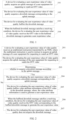
- a method for evaluating a user experience value of video quality includes: 101, a device for evaluating a user experience value of video quality acquires an uplink packet of a user equipment for requesting to watch an OTT video.
- the uplink packet is transmitted by the user equipment to a video server storing the OTT video, and the uplink packet carries request information of the user equipment on the OTT video.
- the device for evaluating the user experience value of video quality may be built in the video server, and may also be separately provided between the video server and the user equipment, which acquires and monitors an uplink packet and a downlink packet between the video server and the user equipment in real-time. For instance, when being separately provided between the video server and the user equipment, the device for evaluating the user experience value of video quality may be side-hung on a router in a network between the video server and the user equipment, and may acquire the uplink packet of the user equipment for requesting to watch the OTT video by way of port mirroring.
- the video server may transmit the uplink packet to the device for evaluating the user experience value of video quality via an internal interface between the video server and the device for evaluating the user experience value of video quality.
- the user equipment may be an internet television integrator or a set-top box plus television capable of receiving the OTT video.
- the request information in the uplink packet may include a control behavior message and status information performed by a user via the user equipment for the OTT video
- the control behavior message includes control behaviors such as shift, pause or replay that are performed by the user equipment when acquiring content of the OTT video
- the status information includes whether a video is played in full screen, a video HTML (Hypertext Markup Language, hypertext markup language) page URL (Uniform/ Universal Resource Locator, uniform/ universal resource locator), etc.
- the request information in the uplink packet may also include information of the user equipment, such as an IP address of the user equipment.
- the device for evaluating the user experience value of video quality may differentiate a user equipment to which the uplink packet belongs via information of the user equipment such as the IP address of the user equipment.
- the device for evaluating the user experience value of video quality may also differentiate a user equipment to which the uplink packet belongs via a dedicated channel used by the uplink packet. It may be determined that whether the user equipment is a specific user equipment by differentiating the user equipment.
- the device for evaluating the user experience value of video quality may buffer uplink packets transmitted by all user equipments, and may also only buffer an uplink packet transmitted by a specific user equipment.
- the device for evaluating the user experience value of video quality may stop acquiring the uplink packet after receiving a response message transmitted by the user equipment, where, the response message may be transmitted after the user equipment finishes watching the OTT video, and the response message is used to instruct to stop acquiring the uplink packet.
- the device for evaluating the user experience value of video quality acquires a downlink packet corresponding to the uplink packet.
- the downlink packet is transmitted by the video server to the user equipment, the downlink packet carries the OTT video, and the OTT video is transmitted by the video server according to the request information in the uplink packet. For instance, a first uplink packet request information requests to transmit content of video B starting from the fifth minute and the forty-fifth second, and a second uplink packet request information requests to transmit content of video B starting from the fifteenth minute.
- a manner that the device for evaluating the user experience value of video quality acquires the downlink packet may be the same as the manner that the device for evaluating the user experience value of video quality acquires the uplink packet in 101 above. Reference can be made to the manner that the device for evaluating the user experience value of video quality acquires the uplink packet in 101 above, which will not be repeated herein.
- the device for evaluating the user experience value of video quality may also determine whether to acquire the downlink packet according to the uplink packet, for instance, the device for evaluating the user experience value of video quality may determine whether the user equipment is a specific user equipment according to information of the user equipment in the uplink packet, if the user equipment is a specific user equipment, then it acquires the downlink packet corresponding to the uplink packet, where, the specific user equipment may be a user equipment which customizes evaluation of the user experience value, or a user equipment which customizes a high grade video service of high-definition, etc.
- the device for evaluating the user experience value of video quality after determining whether the user equipment is a specific user equipment according to information of the user equipment in the uplink packet, may determine whether to acquire the downlink packet according to an OTT video URL requested by the request information in the uplink packet, if the user equipment is a specific user equipment, and the OTT video requested by the request information in the uplink packet is a specific OTT video, then it acquires the downlink packet corresponding to the uplink packet.
- the downlink packet may be determined to be acquired via the uplink packet, thereby evaluating the user equipments more targetedly, and avoiding current status that the device for evaluating the user experience value of video quality blindly monitors and acquires a mass of downlink packets, and resolves the OTT video therefrom, reducing data processing amount, and improving processing performance of the device for evaluating the user experience value of video quality.
- a VIP Very Important Person, very important person
- the device for evaluating the user experience value of video quality buffers the downlink packet.
- the device for evaluating the user experience value of video quality needs to acquire one hundred downlink packets corresponding to the first uplink packet accordingly, and buffer them, however, when the device for evaluating the user experience value of video quality acquires and buffers a thirtieth downlink packet, the user equipment shifts the OTT video watched, that is, the user equipment transmits a second uplink packet to the video server, e.g., the second uplink packet request information requests to transmit content of video B starting from the fifteenth minute, and it is supposed that the content of the video B starting from the fifteenth minute is a fortieth downlink packet to a hundredth downlink packet in the hundred downlink packets, then, the video server transmits downlink packets to the user equipment starting from the fortieth downlink packet, at this time
- the device for evaluating the user experience value of video quality can buffer the downlink packet, since space occupied for buffering the downlink packet is large, the device for evaluating the user experience value of video quality can also buffer video attribute information of the OTT video in the downlink packet, e.g., can buffer 10kb for video data size in the downlink packet, 30kb/s for a video frame rate, etc., instead of really buffering the 10kb data in the device for evaluating the user experience value of video quality .
- buffer load may be reduced, and performance of the device for evaluating the user experience value of video quality is improved.
- the video attribute information is as shown in Table 1, including video file resolution and video play time that can be used to generate a user experience value.
- Table 1 Video file resolution
- Video play duration Video frame rate
- Video size 720*900 30min 30k/s 100M
- the device for evaluating the user experience value of video quality resolves the OTT video in the buffered downlink packet to generate a user experience value.
- the device for evaluating the user experience value of video quality when downlink packets buffered by the device for evaluating the user experience value of video quality accumulate to a number that may be resolved or data sum of downlink packets is greater than a predetermined threshold value, then resolution may be performed to the downlink packets to generate the user experience value, where, the user experience value may be an MOS-V (Mean Opinion Score- Video, mean opinion score- video) value.
- MOS-V Mean Opinion Score- Video, mean opinion score- video
- the device for evaluating the user experience value of video quality acquires every ten downlink packets, the resolution can be performed, then, after a first uplink packet is acquired, when a thirtieth downlink packet is buffered and first twenty uplink packets are resolved, a second uplink packet is acquired, at this time, the device for evaluating the user experience value of video quality starts to buffer a fortieth downlink packet to a hundredth downlink packet, and continues to resolve from the fortieth downlink packet, finally, the user experience value can be generated according to the resolved first twenty downlink packets, and the fortieth to the hundredth downlink packet.
- a twenty-first downlink packet to the thirtieth downlink packet in the buffered first thirty downlink packets become invalid packets, when the device for evaluating the user experience value of video quality generates the user experience value, these invalid downlink packets are not resolved.
- the device for evaluating the user experience value of video quality generates the user experience value
- these invalid downlink packets are not resolved.
- not only computation cost of the user experience value is reduced, but also an effect caused by the invalid downlink packets on a computing result is eliminated, thereby acquiring a more accurate user experience value.
- the device for evaluating the user experience value of video quality deletes a downlink packet corresponding to the buffered first uplink packet, thus, buffering amount for the packets of the device for evaluating the user experience value of video quality can be reduced, and buffering space is saved.
- the device for evaluating the user experience value of video quality acquires the uplink packet of the user equipment for requesting to watch the OTT video, where the uplink packet carries request information of the user equipment on the OTT video; acquires a downlink packet corresponding to the uplink packet, where the downlink packet carries the OTT video; buffers the downlink packet; and when the buffered downlink packet satisfies the resolving condition, resolves the OTT video in the buffered downlink packet to generate the user experience value.
- the device for evaluating a user experience value of video quality can acquire a corresponding downlink packet according to the uplink packet, and compute the user experience value for the valid downlink packet, thereby avoiding the effect of the invalid downlink packet on a computing result of the user experience value, thus the user experience value acquired not only can reflect a problem of downlink data, but also can reflect an increase or a reduction of the experience value formed due to different control behaviors of the user, thereby reflecting the user experience more real and comprehensively.
- Another embodiment of the present invention provides a method for evaluating a user experience value of video quality , as shown in FIG. 2 , the method includes steps of: 201, a device for evaluating a user experience value of video quality receives an enablement instruction transmitted by an NMS, where the enablement instruction is used to instruct to acquire an uplink packet of a user equipment for requesting to watch an OTT video.
- the device for evaluating the user experience value of video quality can also acquire the uplink packet via other manners in addition to receiving the enablement instruction, e.g., the device for evaluating the user experience value of video quality keeps acquiring uplink packets after being enabled.
- the device for evaluating the user experience value of video quality acquires the uplink packet of the user equipment for requesting to watch the OTT video.
- the device for evaluating the user experience value of video quality determines whether to acquire a downlink packet according to the uplink packet. If it is necessary to acquire, and then the method proceeds with step 204, otherwise proceeds with step 207.
- the device for evaluating the user experience value of video quality determines whether the user equipment is a specific user equipment according to the uplink packet, if the user equipment is a specific user equipment, then the method proceeds with step 204, if the user equipment does not belong to the specific user equipment, then the method proceeds with step 207.
- the device for evaluating the user experience value of video quality determines whether the OTT video requested by the uplink packet is a specific OTT video, if the OTT video is a specific OTT video, then the method proceeds with step 204, if the OTT video does not belong to the specific OTT video, then the method proceeds with step 207.
- the device for evaluating the user experience value of video quality acquires the downlink packet corresponding to the uplink packet.
- the downlink packet is transmitted by the video server to the user equipment and carries the OTT video, and the OTT video is transmitted by the video server according to the request information in the uplink packet.
- the device for evaluating the user experience value of video quality buffers video attribute information of the OTT video in the downlink packet, where, the video attribute information is used to generate a user experience value.
- the video attribute information can be buffered in a particular form of table, as shown in Table 1 of the above embodiment, more content can also be provided in the table, as shown in Table 2, so that the buffered downlink packet information becomes more consummated, e.g., a TCP serial number is added to determine whether downlink packets are consecutive.
- Table 2 TCP serial number
- Video play duration Video frame rate 720*1100 1h 100k/s
- Table 1 and Table 2 are only formats of a particular table, which is used for illustration herein, and a limitation is not made to the formats of Table 1 and Table 2, formats of other particular tables fall into the protection scope.
- the video attribute information is buffered using the formats of the above particular tables besides, other record forms may also be used for buffering, and a limitation is not made thereto.
- the device for evaluating the user experience value of video quality resolves the OTT video corresponding to the buffered downlink packet to generate the user experience value.
- the generated user experience value can be an MOS-V value.
- the MOS-V is indicated as a subjective experience value to watch a video, as shown in FIG. 3 , the subjective feeling for a user to watch the video can be determined via the generated MOS-V value.
- Table 3 MOS score Subjective opinion MOS-V value 4-5 Excellent No sense of distortion 3-4 Good Slightly be aware of distortion, but without disgust 2-3 Average Be aware of distortion, with slight disgust 1-2 Weak Disgusted, but tolerable ⁇ 1 Bad Extremely disgusted, intolerable
- the device for evaluating the user experience value of video quality does not acquire the downlink packet.
- the device for evaluating the user experience value of video quality can stop port mirroring to not acquire the downlink packet.
- the video server can enable the device for evaluating the user experience value of video quality not to acquire the downlink packet by not transmitting the downlink packet to the device for evaluating the user experience value of video quality .
- the device for evaluating the user experience value of video quality acquires the uplink packet of the user equipment for requesting to watch the OTT video, where the uplink packet carries request information of the user equipment on the OTT video; acquires the downlink packet corresponding to the uplink packet, where the downlink packet carries the OTT video; buffers the downlink packet; and when the buffered downlink packet satisfies the resolving condition, resolves the OTT video in the buffered downlink packet to generate the user experience value.
- the device for evaluating a user experience value of video quality can acquire a corresponding downlink packet according to the uplink packet, and compute the user experience value for the valid downlink packet, thereby avoiding the effect of the invalid downlink packet on a computing result of the user experience value, thus the user experience value acquired not only can reflect a problem of downlink data, but also can reflect an increase or a reduction of the experience value formed due to different control behaviors of the user, thereby reflecting the user experience more real and comprehensively.
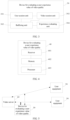
- the device 30 for evaluating the user experience value of video quality includes: a user session unit 301, configured to acquire an uplink packet of a user equipment for requesting to watch an OTT video, where the uplink packet is transmitted by the user equipment to a video server storing the OTT video and carries request information of the user equipment on the OTT video.
- the request information in the uplink packet acquired by the user session unit 301 can include control information, status information, and information of the user equipment.
- a video session unit 302 configured to acquire a downlink packet corresponding to the uplink packet acquired by the user session unit 301, where the downlink packet is transmitted by the video server to the user equipment and carries the OTT video, and the OTT video is transmitted by the video server according to the request information in the uplink packet.
- the video session unit 302 can also determine whether to acquire the downlink packet according to the uplink packet acquired by the user session unit 301. For instance, it is determined whether the user equipment is a specific user equipment according to the uplink packet acquired by the user session unit 301, if the user equipment is a specific user equipment, then the video session unit 302 acquires the downlink packet transmitted to the user equipment. Or, after it is determined that the user equipment is a specific user equipment according to the uplink packet acquired by the user session unit 301, it is then determined whether the OTT video requested by the uplink packet is a specific OTT video, if the OTT video is a specific OTT video, then the video session unit 302 acquires the downlink packet transmitted to the user equipment.
- a buffering unit 303 configured to buffer the downlink packet acquired by the video session unit 302.
- the buffering unit 303 buffers video attribute information of the OTT video in the downlink packet acquired by the video session unit 302, where, the video attribute information is configured to generate the user experience value.
- an experience evaluating unit 304 configured to resolve the OTT video corresponding to the buffered downlink packet to generate a user experience value when the downlink packet buffered by the buffering unit 303 satisfies a resolving condition.
- the experience evaluating unit 304 can perform a mean opinion score-video evaluation to generate an MOS-V value according to the downlink packet or the video attribute information buffered by the buffering unit 303.
- the user session unit 301 can also receive an enablement instruction transmitted by an NMS before acquiring the uplink packet of the user equipment for requesting to watch the OTT video, where the enablement instruction is used to instruct to keep acquiring the uplink packet of the user equipment for requesting to watch the OTT video.
- the device 30 for evaluating the user experience value of video quality can be in operation by using the method provided by the embodiments above, the operating method is the same as the method provided by the embodiments, which will not be repeated herein.
- Embodiments of the present invention provide a device 30 for evaluating a user experience value of video quality , the device 30 for evaluating the user experience value of video quality acquires an uplink packet of a user equipment for requesting to watch an OTT video, where the uplink packet carries request information of the user equipment on the OTT video; acquires a downlink packet corresponding to the uplink packet, where the downlink packet carries the OTT video; buffers the downlink packet; and when the buffered downlink packet satisfies a resolving condition, resolves the OTT video in the buffered downlink packet to generate a user experience value.
- the device 30 for evaluating the user experience value of video quality can acquire a corresponding downlink packet according to the uplink packet, and compute a user experience value for a valid downlink packet, thereby avoiding the effect of invalid downlink packet on a computing result of the user experience value, thus the user experience value acquired not only can reflect a problem of downlink data, but also can reflect an increase or a reduction of the experience value formed due to different control behaviors of a user, thereby reflecting the user experience more real and comprehensively.
- the device 40 for evaluating the user experience value of video quality according to the present invention includes: a receiver 401, a memory 402 and a processor 403.
- the receiver 401 can be configured to acquire an uplink packet and a downlink packet corresponding to the uplink packet that are transmitted between a user equipment and a video server storing an OTT video, and transmit the acquired downlink packet to the memory 402 to be buffered.
- the uplink packet carries request information of the user equipment on the OTT video
- the downlink packet carries the OTT video
- the OTT video is transmitted by the video server to the user equipment according to the request information in the uplink packet.
- the receiver 401 can acquire the uplink packet and the downlink packet transmitted via wireless communications or a wired network, and the wireless communications can use any communication standard or protocol, including but not limited to a GSM (Global System of Mobile communication, global system of mobile communication), a GPRS (General Packet Radio Service, general packet radio service), a CDMA (Code Division Multiple Access, code division multiple access), a WCDMA (Wideband Code Division Multiple Access, wideband code division multiple access), an LTE (Long Term Evolution, long term evolution), an e-mail, an SMS (Short Messaging Service, short messaging service), etc.
- GSM Global System of Mobile communication, global system of mobile communication
- a GPRS General Packet Radio Service, general packet radio service
- CDMA Code Division Multiple Access, code division multiple access
- WCDMA Wideband Code Division Multiple Access, wideband code division multiple access
- LTE Long Term Evolution, long term evolution
- SMS Short Messaging Service, short messaging service
- the memory 402 may be configured to buffer the downlink packet obtained via the receiver 401.
- the processor 403 is a resolution processing center of the device 40 for evaluating the user experience value of video quality , and generates a user experience value by resolving the OTT video buffered in the memory 402,. For instance, an MOS-V value is generated.
- the memory 402 can be configured to buffer video attribute information of the OTT video of the downlink packet obtained via the receiver 401, and the processor 403 resolves the video attribute information of the downlink packet buffered in the memory 402 to generate a user experience value.
- the receiver 401 can also receive an enablement instruction transmitted by an NMS before acquiring the uplink packet of the user equipment for requesting to watch the OTT video, where the enablement instruction is used to instruct to keep acquiring the uplink packet of the user equipment for requesting to watch the OTT video, and then acquire the downlink packet corresponding to the uplink packet.
- the device 40 for evaluating the user experience value of video quality can be in operation by using the method provided by the embodiments above, and the operating method is the same as the method provided by the embodiments, which will not be repeated herein.
- Embodiments of the present invention provide the device 40 for evaluating the user experience value of video quality , the device 40 for evaluating the user experience value of video quality acquires the uplink packet of the user equipment for requesting to watch an OTT video, where the uplink packet carries request information of the user equipment on the OTT video; acquires a downlink packet corresponding to the uplink packet, where the downlink packet carries the OTT video; buffers the downlink packet; and when the buffered downlink packet satisfies a resolving condition, resolves the OTT video in the buffered downlink packet to generate the user experience value.
- the device 40 for evaluating the user experience value of video quality can acquire a corresponding downlink packet according to the uplink packet, and compute the user experience value according to a valid downlink packet, thereby avoiding the effect of the invalid downlink packet on a computing result of the user experience value, thus the user experience value acquired not only can reflect a problem of downlink data, but also can reflect an increase or a reduction of the experience value formed due to different control behaviors of the user, thereby reflecting the user experience more real and comprehensively.
- the present invention provides a system, as shown in FIG. 5 and FIG. 6 , the system includes: It should be noted that, the device 30 for evaluating the user experience value of video quality indicated in FIG. 5 is separately provided between a video server 60 and a user equipment 50, and the device 30 for evaluating the user experience value of video quality indicated in FIG. 6 is built in a video server 60.
- the device 30 for evaluating the user experience value of video quality corresponds to the method embodiments above, and the device 30 for evaluating the user experience value of video quality can be used in steps of the method embodiments above, reference may be made to the above method embodiments for an application in specific steps.
- a specific structure of the device 30 for evaluating the user experience value of video quality and the device 30 for evaluating the user experience value of video quality provided in the above embodiments will not repeated herein.
- the device 30 for evaluating the user experience value of video quality acquires an uplink packet of a user equipment 50 for requesting to watch an OTT video, where the uplink packet carries request information of the user equipment 50 on the OTT video; acquires a downlink packet corresponding to the uplink packet, where the downlink packet carries the OTT video; buffers the downlink packet; and when the buffered downlink packet satisfies a resolving condition, resolves the OTT video in the buffered downlink packet to generate a user experience value.
- the device 30 for evaluating the user experience value of video quality can acquire a corresponding downlink packet according to an uplink packet, and compute a user experience value according to a valid downlink packet, thereby avoiding an effect of an invalid downlink packet on a computing result of the user experience value, thus the user experience value acquired not only can reflect a problem of downlink data, but also can reflect an increase or a reduction of the experience value formed due to different control behaviors of a user, thereby reflecting the user experience more real and comprehensively.
- Embodiment 1 A method for evaluating a user experience value of video quality, characterizing by comprising:
- Embodiment 2 The method according to embodiment 1, wherein, before the acquiring the downlink packet corresponding to the uplink packet, and after the acquiring the uplink packet of the user equipment for requesting to watch the OTT video, the method further comprises: determining whether to acquire the downlink packet according to the uplink packet.
- Embodiment 3 The method according to embodiment 1 or embodiment 2, wherein, the buffering the downlink packet comprises: buffering video attribute information of the OTT video in the downlink packet, wherein, the video attribute information is used to generate the user experience value.
- Embodiment 4 The method according to any one of embodiments 1-3, wherein, the user experience value is a mean opinion score-video MOS-V value.
- Embodiment 5 The method according to any one of embodiments 1-4, wherein, before the acquiring the uplink packet of the user equipment for requesting to watch the OTT video, the method further comprises: receiving an enablement instruction transmitted by a network management system NMS, wherein the enablement instruction is used to instruct to acquire the uplink packet of the user equipment for requesting to watch the OTT video.
- Embodiment 6 A device for evaluating a user experience value of video quality, characterizing by comprising:
- Embodiment 7 The device according to embodiment 6, wherein, the video session unit is further configured to determine whether to acquire the downlink packet according to the uplink packet acquired by the user session unit.
- Embodiment 8 The device according to embodiment 6 or embodiment 7, wherein, the buffering unit is specifically configured to buffer video attribute information of the OTT video in the downlink packet acquired by the video session unit, wherein, the video attribute information is used to generate the user experience value.
- Embodiment 9 The device according to any one of embodiments 6-8, wherein, the user session unit is further configured to receive an enablement instruction transmitted by a network management system NMS, wherein the enablement instruction is used to instruct to acquire the uplink packet of the user equipment for requesting to watch the OTT video.
- NMS network management system
- Embodiment 10 A system for evaluating a user experience value of video quality, characterizing by comprising:
- the foregoing program may be stored in a computer readable storage medium. When the program runs, the steps of the foregoing method embodiments are performed.
- the foregoing storage medium includes various mediums capable of storing program codes, such as an ROM, an RAM, a magnetic disk, or an optical disc.
Landscapes
- Engineering & Computer Science (AREA)
- Multimedia (AREA)
- Signal Processing (AREA)
- Databases & Information Systems (AREA)
- Human Computer Interaction (AREA)
- Testing, Inspecting, Measuring Of Stereoscopic Televisions And Televisions (AREA)
- Data Exchanges In Wide-Area Networks (AREA)
- Two-Way Televisions, Distribution Of Moving Picture Or The Like (AREA)
- Computer Networks & Wireless Communication (AREA)
Applications Claiming Priority (3)
| Application Number | Priority Date | Filing Date | Title |
|---|---|---|---|
| CN201310027082.4A CN103974057B (zh) | 2013-01-24 | 2013-01-24 | 一种视频质量用户体验值测评方法、设备及系统 |
| PCT/CN2014/070958 WO2014114219A1 (zh) | 2013-01-24 | 2014-01-21 | 一种视频质量用户体验值测评方法、设备及系统 |
| EP14743062.3A EP2942952A4 (de) | 2013-01-24 | 2014-01-21 | Verfahren, vorrichtung und system zur bewertung des benutzererfahrungswertes der videoqualität |
Related Parent Applications (1)
| Application Number | Title | Priority Date | Filing Date |
|---|---|---|---|
| EP14743062.3A Division EP2942952A4 (de) | 2013-01-24 | 2014-01-21 | Verfahren, vorrichtung und system zur bewertung des benutzererfahrungswertes der videoqualität |
Publications (2)
| Publication Number | Publication Date |
|---|---|
| EP4358526A2 true EP4358526A2 (de) | 2024-04-24 |
| EP4358526A3 EP4358526A3 (de) | 2024-07-10 |
Family
ID=51226928
Family Applications (2)
| Application Number | Title | Priority Date | Filing Date |
|---|---|---|---|
| EP14743062.3A Withdrawn EP2942952A4 (de) | 2013-01-24 | 2014-01-21 | Verfahren, vorrichtung und system zur bewertung des benutzererfahrungswertes der videoqualität |
| EP23211056.9A Pending EP4358526A3 (de) | 2013-01-24 | 2014-01-21 | Verfahren, vorrichtung und system zur bewertung des benutzererfahrungswertes der videoqualität |
Family Applications Before (1)
| Application Number | Title | Priority Date | Filing Date |
|---|---|---|---|
| EP14743062.3A Withdrawn EP2942952A4 (de) | 2013-01-24 | 2014-01-21 | Verfahren, vorrichtung und system zur bewertung des benutzererfahrungswertes der videoqualität |
Country Status (6)
| Country | Link |
|---|---|
| US (1) | US9813742B2 (de) |
| EP (2) | EP2942952A4 (de) |
| JP (1) | JP6132116B2 (de) |
| KR (1) | KR101724516B1 (de) |
| CN (1) | CN103974057B (de) |
| WO (1) | WO2014114219A1 (de) |
Families Citing this family (8)
| Publication number | Priority date | Publication date | Assignee | Title |
|---|---|---|---|---|
| CN104185016B (zh) | 2013-05-22 | 2016-03-30 | 华为技术有限公司 | Ott视频质量监控方法、装置及系统 |
| EP3454590B1 (de) | 2016-06-03 | 2021-09-15 | Huawei Technologies Co., Ltd. | Qualitätsparameter-berichterstattung |
| CN107517410B (zh) * | 2016-06-16 | 2020-12-08 | 华为技术有限公司 | 视频业务质量评估的方法及装置 |
| US10827211B2 (en) | 2016-10-10 | 2020-11-03 | At&T Intellectual Property I, L.P. | Method and apparatus for managing over-the-top video rate |
| CN108023900B (zh) * | 2016-10-31 | 2020-11-27 | 中国电信股份有限公司 | 透明缓存的实现方法以及系统 |
| CN106791805B (zh) * | 2016-12-06 | 2018-08-10 | 中国联合网络通信集团有限公司 | 一种视频业务评估的方法及装置 |
| CN106791821A (zh) * | 2016-12-30 | 2017-05-31 | 合网络技术(北京)有限公司 | 播放评估方法及装置 |
| CN107087159B (zh) * | 2017-04-18 | 2018-12-28 | 天津市德力电子仪器有限公司 | Iptv和ott视频质量的评估装置及评估方法 |
Family Cites Families (22)
| Publication number | Priority date | Publication date | Assignee | Title |
|---|---|---|---|---|
| EP1383334B1 (de) | 2002-07-17 | 2012-02-01 | Panasonic Corporation | Videodatensender, Videodatenempfänger und Rundfunksystem |
| JP4373730B2 (ja) * | 2002-07-17 | 2009-11-25 | パナソニック株式会社 | 映像データ送信装置、映像データ送受信システム、及び、その方法 |
| JP2006333332A (ja) * | 2005-05-30 | 2006-12-07 | Adc Technology Kk | 画像情報供給システム |
| JP2009044416A (ja) | 2007-08-08 | 2009-02-26 | Sony Corp | コンテンツ再生装置、コンテンツ再生方法、プログラム、およびコンテンツ再生システム |
| JP4802209B2 (ja) * | 2008-05-09 | 2011-10-26 | 日本電信電話株式会社 | 映像品質推定方法、装置およびプログラム |
| WO2010017308A1 (en) * | 2008-08-06 | 2010-02-11 | Movik Networks | Content caching in the radio access network (ran) |
| US9043467B2 (en) * | 2009-01-30 | 2015-05-26 | Movik Networks | Adaptive chunked and content-aware pacing of multi-media delivery over HTTP transport and network controlled bit rate selection |
| US20130290492A1 (en) * | 2009-06-12 | 2013-10-31 | Cygnus Broadband, Inc. | State management for video streaming quality of experience degradation control and recovery using a video quality metric |
| JP5405915B2 (ja) * | 2009-06-22 | 2014-02-05 | 日本電信電話株式会社 | 映像品質推定装置、映像品質推定方法および映像品質推定装置の制御プログラム |
| CN105847788B (zh) * | 2010-01-11 | 2018-04-06 | 瑞典爱立信有限公司 | 视频质量估计技术 |
| US20110225312A1 (en) * | 2010-03-10 | 2011-09-15 | Thomson Licensing | Unified cache and peer-to-peer method and apparatus for streaming media in wireless mesh networks |
| US9485298B2 (en) * | 2010-10-28 | 2016-11-01 | Netscout Systems Texas, Llc | Device with video buffer modeling and methods for use therewith |
| US9191284B2 (en) * | 2010-10-28 | 2015-11-17 | Avvasi Inc. | Methods and apparatus for providing a media stream quality signal |
| KR101450494B1 (ko) * | 2010-10-29 | 2014-10-13 | 텔레호낙티에볼라게트 엘엠 에릭슨(피유비엘) | 통신 네트워크에서의 서비스 성능 |
| US8441955B2 (en) | 2011-01-24 | 2013-05-14 | Tektronix, Inc. | Determining mobile video quality of experience and impact of video transcoding |
| US9398347B2 (en) * | 2011-05-30 | 2016-07-19 | Sandvine Incorporated Ulc | Systems and methods for measuring quality of experience for media streaming |
| WO2011144181A2 (zh) * | 2011-06-09 | 2011-11-24 | 华为技术有限公司 | 一种视频质量评估的方法和网络节点 |
| US8897144B2 (en) * | 2011-10-14 | 2014-11-25 | T-Mobile Usa, Inc. | Quality of user experience testing for video transmissions |
| US9479562B2 (en) * | 2011-12-16 | 2016-10-25 | Netflix, Inc. | Measuring user quality of experience for a streaming media service |
| CN102523291A (zh) * | 2011-12-16 | 2012-06-27 | 北京邮电大学 | 实现移动对等网络流媒体体验质量策略管理的模型架构 |
| US8972568B2 (en) * | 2012-02-21 | 2015-03-03 | Telefonaktiebolaget L M Ericsson (Publ) | Quantifying user quality of experience by passive monitoring |
| US20140016487A1 (en) * | 2012-07-13 | 2014-01-16 | Anritsu Company | Test system to estimate the uplink or downlink quality of multiple user devices using a mean opinion score (mos) |
-
2013
- 2013-01-24 CN CN201310027082.4A patent/CN103974057B/zh not_active Expired - Fee Related
-
2014
- 2014-01-21 EP EP14743062.3A patent/EP2942952A4/de not_active Withdrawn
- 2014-01-21 KR KR1020157022872A patent/KR101724516B1/ko not_active Expired - Fee Related
- 2014-01-21 EP EP23211056.9A patent/EP4358526A3/de active Pending
- 2014-01-21 JP JP2015554034A patent/JP6132116B2/ja not_active Expired - Fee Related
- 2014-01-21 WO PCT/CN2014/070958 patent/WO2014114219A1/zh not_active Ceased
-
2015
- 2015-07-22 US US14/806,475 patent/US9813742B2/en not_active Expired - Fee Related
Also Published As
| Publication number | Publication date |
|---|---|
| WO2014114219A1 (zh) | 2014-07-31 |
| JP2016509802A (ja) | 2016-03-31 |
| EP2942952A1 (de) | 2015-11-11 |
| EP2942952A4 (de) | 2015-11-11 |
| US20150326898A1 (en) | 2015-11-12 |
| CN103974057A (zh) | 2014-08-06 |
| CN103974057B (zh) | 2016-09-28 |
| US9813742B2 (en) | 2017-11-07 |
| JP6132116B2 (ja) | 2017-05-24 |
| KR20150111974A (ko) | 2015-10-06 |
| EP4358526A3 (de) | 2024-07-10 |
| KR101724516B1 (ko) | 2017-04-07 |
Similar Documents
| Publication | Publication Date | Title |
|---|---|---|
| US9813742B2 (en) | Method, device and system for evaluating user experience value of video quality | |
| US11140701B2 (en) | Service data transmission method, network device, and terminal device | |
| US8638755B2 (en) | Content-based handover method and system | |
| US9871740B2 (en) | Methods and systems for optimal delivery of internet video over wireless networks | |
| CN113423008B (zh) | 视频数据传输方法、服务器和观众侧设备 | |
| US9356985B2 (en) | Streaming video to cellular phones | |
| CN106998485B (zh) | 视频直播方法及装置 | |
| US10834161B2 (en) | Dash representations adaptations in network | |
| CN113141522B (zh) | 资源传输方法、装置、计算机设备及存储介质 | |
| CA2758763A1 (en) | Method and device for fast pushing unicast stream in fast channel change | |
| CN111726657A (zh) | 直播视频的播放处理方法、装置及服务器 | |
| CN104185285A (zh) | 一种媒体数据的传输方法、装置和系统 | |
| US9882794B2 (en) | Method, media type server and terminal device for identifying service request type | |
| US20150095447A1 (en) | Serving method of cache server, cache server, and system | |
| CN101257617A (zh) | 一种移动流媒体点播业务中的续播系统及其方法 | |
| EP3457686A1 (de) | Verfahren und vorrichtung zur bestimmung von beliebten live-rundfunkvideos | |
| Haems et al. | Enabling adaptive and reliable video delivery over hybrid unicast/broadcast networks | |
| US10250938B1 (en) | Pre-fetching supplemental content for a media stream | |
| CN116170612B (zh) | 一种直播的实现方法、边缘节点、电子设备及存储介质 | |
| KR20130134911A (ko) | 적응형 컨텐츠 제공을 위한 컨텐츠 캐싱 서비스 제공 방법 및 이를 위한 로컬 캐싱 장치 | |
| CN106331747B (zh) | 一种视频优化的方法和设备 |
Legal Events
| Date | Code | Title | Description |
|---|---|---|---|
| PUAI | Public reference made under article 153(3) epc to a published international application that has entered the european phase |
Free format text: ORIGINAL CODE: 0009012 |
|
| STAA | Information on the status of an ep patent application or granted ep patent |
Free format text: STATUS: THE APPLICATION HAS BEEN PUBLISHED |
|
| AC | Divisional application: reference to earlier application |
Ref document number: 2942952 Country of ref document: EP Kind code of ref document: P |
|
| AK | Designated contracting states |
Kind code of ref document: A2 Designated state(s): AL AT BE BG CH CY CZ DE DK EE ES FI FR GB GR HR HU IE IS IT LI LT LU LV MC MK MT NL NO PL PT RO RS SE SI SK SM TR |
|
| XX | Miscellaneous (additional remarks) |
Free format text: MISSING OR CORRECT PARTS INCLUDED UNDER RULE 56(3) OR RULE 56A(4) EPC |
|
| REG | Reference to a national code |
Ref country code: DE Ref legal event code: R079 Free format text: PREVIOUS MAIN CLASS: H04N0021472000 Ipc: H04N0017000000 |
|
| PUAL | Search report despatched |
Free format text: ORIGINAL CODE: 0009013 |
|
| AK | Designated contracting states |
Kind code of ref document: A3 Designated state(s): AL AT BE BG CH CY CZ DE DK EE ES FI FR GB GR HR HU IE IS IT LI LT LU LV MC MK MT NL NO PL PT RO RS SE SI SK SM TR Free format text: MISSING OR CORRECT PARTS INCLUDED UNDER RULE 56(3) OR RULE 56A(4) EPC |
|
| RIC1 | Information provided on ipc code assigned before grant |
Ipc: H04N 21/472 20110101ALI20240606BHEP Ipc: H04N 17/00 20060101AFI20240606BHEP |
|
| STAA | Information on the status of an ep patent application or granted ep patent |
Free format text: STATUS: REQUEST FOR EXAMINATION WAS MADE |
|
| 17P | Request for examination filed |
Effective date: 20250110 |
|
| STAA | Information on the status of an ep patent application or granted ep patent |
Free format text: STATUS: EXAMINATION IS IN PROGRESS |
|
| 17Q | First examination report despatched |
Effective date: 20250716 |