EP4365528A2 - Séchage supercritique des milieux chromatographiques - Google Patents
Séchage supercritique des milieux chromatographiques Download PDFInfo
- Publication number
- EP4365528A2 EP4365528A2 EP24165078.7A EP24165078A EP4365528A2 EP 4365528 A2 EP4365528 A2 EP 4365528A2 EP 24165078 A EP24165078 A EP 24165078A EP 4365528 A2 EP4365528 A2 EP 4365528A2
- Authority
- EP
- European Patent Office
- Prior art keywords
- membrane
- protein
- composite material
- drying
- critical point
- Prior art date
- Legal status (The legal status is an assumption and is not a legal conclusion. Google has not performed a legal analysis and makes no representation as to the accuracy of the status listed.)
- Pending
Links
Images














Classifications
-
- B—PERFORMING OPERATIONS; TRANSPORTING
- B01—PHYSICAL OR CHEMICAL PROCESSES OR APPARATUS IN GENERAL
- B01J—CHEMICAL OR PHYSICAL PROCESSES, e.g. CATALYSIS OR COLLOID CHEMISTRY; THEIR RELEVANT APPARATUS
- B01J20/00—Solid sorbent compositions or filter aid compositions; Sorbents for chromatography; Processes for preparing, regenerating or reactivating thereof
- B01J20/22—Solid sorbent compositions or filter aid compositions; Sorbents for chromatography; Processes for preparing, regenerating or reactivating thereof comprising organic material
- B01J20/26—Synthetic macromolecular compounds
- B01J20/265—Synthetic macromolecular compounds modified or post-treated polymers
- B01J20/267—Cross-linked polymers
-
- F—MECHANICAL ENGINEERING; LIGHTING; HEATING; WEAPONS; BLASTING
- F26—DRYING
- F26B—DRYING SOLID MATERIALS OR OBJECTS BY REMOVING LIQUID THEREFROM
- F26B21/00—Arrangements for supplying or controlling air or other gases for drying solid materials or objects
- F26B21/40—Arrangements for supplying or controlling air or other gases for drying solid materials or objects using gases other than air
-
- B—PERFORMING OPERATIONS; TRANSPORTING
- B01—PHYSICAL OR CHEMICAL PROCESSES OR APPARATUS IN GENERAL
- B01D—SEPARATION
- B01D15/00—Separating processes involving the treatment of liquids with solid sorbents; Apparatus therefor
- B01D15/08—Selective adsorption, e.g. chromatography
-
- B—PERFORMING OPERATIONS; TRANSPORTING
- B01—PHYSICAL OR CHEMICAL PROCESSES OR APPARATUS IN GENERAL
- B01J—CHEMICAL OR PHYSICAL PROCESSES, e.g. CATALYSIS OR COLLOID CHEMISTRY; THEIR RELEVANT APPARATUS
- B01J20/00—Solid sorbent compositions or filter aid compositions; Sorbents for chromatography; Processes for preparing, regenerating or reactivating thereof
- B01J20/28—Solid sorbent compositions or filter aid compositions; Sorbents for chromatography; Processes for preparing, regenerating or reactivating thereof characterised by their form or physical properties
- B01J20/28014—Solid sorbent compositions or filter aid compositions; Sorbents for chromatography; Processes for preparing, regenerating or reactivating thereof characterised by their form or physical properties characterised by their form
- B01J20/28033—Membrane, sheet, cloth, pad, lamellar or mat
-
- B—PERFORMING OPERATIONS; TRANSPORTING
- B01—PHYSICAL OR CHEMICAL PROCESSES OR APPARATUS IN GENERAL
- B01J—CHEMICAL OR PHYSICAL PROCESSES, e.g. CATALYSIS OR COLLOID CHEMISTRY; THEIR RELEVANT APPARATUS
- B01J20/00—Solid sorbent compositions or filter aid compositions; Sorbents for chromatography; Processes for preparing, regenerating or reactivating thereof
- B01J20/28—Solid sorbent compositions or filter aid compositions; Sorbents for chromatography; Processes for preparing, regenerating or reactivating thereof characterised by their form or physical properties
- B01J20/28054—Solid sorbent compositions or filter aid compositions; Sorbents for chromatography; Processes for preparing, regenerating or reactivating thereof characterised by their form or physical properties characterised by their surface properties or porosity
- B01J20/28057—Surface area, e.g. B.E.T specific surface area
-
- B—PERFORMING OPERATIONS; TRANSPORTING
- B01—PHYSICAL OR CHEMICAL PROCESSES OR APPARATUS IN GENERAL
- B01J—CHEMICAL OR PHYSICAL PROCESSES, e.g. CATALYSIS OR COLLOID CHEMISTRY; THEIR RELEVANT APPARATUS
- B01J20/00—Solid sorbent compositions or filter aid compositions; Sorbents for chromatography; Processes for preparing, regenerating or reactivating thereof
- B01J20/28—Solid sorbent compositions or filter aid compositions; Sorbents for chromatography; Processes for preparing, regenerating or reactivating thereof characterised by their form or physical properties
- B01J20/28054—Solid sorbent compositions or filter aid compositions; Sorbents for chromatography; Processes for preparing, regenerating or reactivating thereof characterised by their form or physical properties characterised by their surface properties or porosity
- B01J20/28078—Pore diameter
-
- B—PERFORMING OPERATIONS; TRANSPORTING
- B01—PHYSICAL OR CHEMICAL PROCESSES OR APPARATUS IN GENERAL
- B01J—CHEMICAL OR PHYSICAL PROCESSES, e.g. CATALYSIS OR COLLOID CHEMISTRY; THEIR RELEVANT APPARATUS
- B01J20/00—Solid sorbent compositions or filter aid compositions; Sorbents for chromatography; Processes for preparing, regenerating or reactivating thereof
- B01J20/28—Solid sorbent compositions or filter aid compositions; Sorbents for chromatography; Processes for preparing, regenerating or reactivating thereof characterised by their form or physical properties
- B01J20/28054—Solid sorbent compositions or filter aid compositions; Sorbents for chromatography; Processes for preparing, regenerating or reactivating thereof characterised by their form or physical properties characterised by their surface properties or porosity
- B01J20/28078—Pore diameter
- B01J20/2808—Pore diameter being less than 2 nm, i.e. micropores or nanopores
-
- B—PERFORMING OPERATIONS; TRANSPORTING
- B01—PHYSICAL OR CHEMICAL PROCESSES OR APPARATUS IN GENERAL
- B01J—CHEMICAL OR PHYSICAL PROCESSES, e.g. CATALYSIS OR COLLOID CHEMISTRY; THEIR RELEVANT APPARATUS
- B01J20/00—Solid sorbent compositions or filter aid compositions; Sorbents for chromatography; Processes for preparing, regenerating or reactivating thereof
- B01J20/28—Solid sorbent compositions or filter aid compositions; Sorbents for chromatography; Processes for preparing, regenerating or reactivating thereof characterised by their form or physical properties
- B01J20/28054—Solid sorbent compositions or filter aid compositions; Sorbents for chromatography; Processes for preparing, regenerating or reactivating thereof characterised by their form or physical properties characterised by their surface properties or porosity
- B01J20/28078—Pore diameter
- B01J20/28083—Pore diameter being in the range 2-50 nm, i.e. mesopores
-
- B—PERFORMING OPERATIONS; TRANSPORTING
- B01—PHYSICAL OR CHEMICAL PROCESSES OR APPARATUS IN GENERAL
- B01J—CHEMICAL OR PHYSICAL PROCESSES, e.g. CATALYSIS OR COLLOID CHEMISTRY; THEIR RELEVANT APPARATUS
- B01J20/00—Solid sorbent compositions or filter aid compositions; Sorbents for chromatography; Processes for preparing, regenerating or reactivating thereof
- B01J20/281—Sorbents specially adapted for preparative, analytical or investigative chromatography
- B01J20/291—Gel sorbents
-
- B—PERFORMING OPERATIONS; TRANSPORTING
- B01—PHYSICAL OR CHEMICAL PROCESSES OR APPARATUS IN GENERAL
- B01J—CHEMICAL OR PHYSICAL PROCESSES, e.g. CATALYSIS OR COLLOID CHEMISTRY; THEIR RELEVANT APPARATUS
- B01J20/00—Solid sorbent compositions or filter aid compositions; Sorbents for chromatography; Processes for preparing, regenerating or reactivating thereof
- B01J20/30—Processes for preparing, regenerating, or reactivating
- B01J20/305—Addition of material, later completely removed, e.g. as result of heat treatment, leaching or washing, e.g. for forming pores
-
- C—CHEMISTRY; METALLURGY
- C07—ORGANIC CHEMISTRY
- C07K—PEPTIDES
- C07K1/00—General methods for the preparation of peptides, i.e. processes for the organic chemical preparation of peptides or proteins of any length
- C07K1/14—Extraction; Separation; Purification
- C07K1/16—Extraction; Separation; Purification by chromatography
-
- C—CHEMISTRY; METALLURGY
- C07—ORGANIC CHEMISTRY
- C07K—PEPTIDES
- C07K1/00—General methods for the preparation of peptides, i.e. processes for the organic chemical preparation of peptides or proteins of any length
- C07K1/14—Extraction; Separation; Purification
- C07K1/16—Extraction; Separation; Purification by chromatography
- C07K1/22—Affinity chromatography or related techniques based upon selective absorption processes
-
- F—MECHANICAL ENGINEERING; LIGHTING; HEATING; WEAPONS; BLASTING
- F26—DRYING
- F26B—DRYING SOLID MATERIALS OR OBJECTS BY REMOVING LIQUID THEREFROM
- F26B21/00—Arrangements for supplying or controlling air or other gases for drying solid materials or objects
- F26B21/30—Controlling, e.g. regulating, parameters of gas supply
- F26B21/35—Temperature; Pressure
-
- F—MECHANICAL ENGINEERING; LIGHTING; HEATING; WEAPONS; BLASTING
- F26—DRYING
- F26B—DRYING SOLID MATERIALS OR OBJECTS BY REMOVING LIQUID THEREFROM
- F26B3/00—Drying solid materials or objects by processes involving the application of heat
-
- F—MECHANICAL ENGINEERING; LIGHTING; HEATING; WEAPONS; BLASTING
- F26—DRYING
- F26B—DRYING SOLID MATERIALS OR OBJECTS BY REMOVING LIQUID THEREFROM
- F26B3/00—Drying solid materials or objects by processes involving the application of heat
- F26B3/02—Drying solid materials or objects by processes involving the application of heat by convection, i.e. heat being conveyed from a heat source to the materials or objects to be dried by a gas or vapour, e.g. air
-
- B—PERFORMING OPERATIONS; TRANSPORTING
- B01—PHYSICAL OR CHEMICAL PROCESSES OR APPARATUS IN GENERAL
- B01J—CHEMICAL OR PHYSICAL PROCESSES, e.g. CATALYSIS OR COLLOID CHEMISTRY; THEIR RELEVANT APPARATUS
- B01J2220/00—Aspects relating to sorbent materials
- B01J2220/40—Aspects relating to the composition of sorbent or filter aid materials
- B01J2220/48—Sorbents characterised by the starting material used for their preparation
- B01J2220/4812—Sorbents characterised by the starting material used for their preparation the starting material being of organic character
- B01J2220/4856—Proteins, DNA
-
- Y—GENERAL TAGGING OF NEW TECHNOLOGICAL DEVELOPMENTS; GENERAL TAGGING OF CROSS-SECTIONAL TECHNOLOGIES SPANNING OVER SEVERAL SECTIONS OF THE IPC; TECHNICAL SUBJECTS COVERED BY FORMER USPC CROSS-REFERENCE ART COLLECTIONS [XRACs] AND DIGESTS
- Y02—TECHNOLOGIES OR APPLICATIONS FOR MITIGATION OR ADAPTATION AGAINST CLIMATE CHANGE
- Y02C—CAPTURE, STORAGE, SEQUESTRATION OR DISPOSAL OF GREENHOUSE GASES [GHG]
- Y02C20/00—Capture or disposal of greenhouse gases
- Y02C20/40—Capture or disposal of greenhouse gases of CO2
Definitions
- SCF Supercritical fluid
- CPD critical point drying
- porous materials by developing reactive processes in supercritical CO 2 fluid for synthesizing empty-pore three-dimensional metal-organic frameworks (MOFs), as well as processing disordered porous materials, such as polymers, aerogels, and concrete.
- MOFs metal-organic frameworks
- Supercritical fluid technology is also used successfully for protein micronization, encapsulation in particles, making biopolymeric microporous foam (using supercritical foaming), and supercritical impregnation for developing biomedical and pharmaceutical formulations or devices.
- SCF can be used in variety of ways to produce the biopolymer. The choice of the method is highly dependent on: interaction of the supercritical fluid (e.g., CO 2 ) with the active ingredient (e.g., protein), the solvent, and the coating material of interest or the polymer, where the interaction of the polymer with the supercritical fluid (e.g., CO 2 ) plays an important role.
- the CPD technique was used to maintain or nearly maintain the wet pore structure, surface area, and the permeability of the membrane in the dried state. After exposing the composite material to a supercritical fluid, the composite material dries as the supercritical fluid evaporates with reduced pressure.
- the disclosure relates to methods of critical point drying a composite material, comprising the steps of:
- the disclosure relates to methods of critical point drying a composite material, comprising the steps of:
- the disclosure relates to methods of critical point drying a composite material, comprising the steps of:
- the composite material is for bio-affinity chromatography.
- the composite material is a membrane.
- the composite material is a porous polymeric gel membrane.
- the CPD technique was used to maintain or nearly maintain the wet pore structure, surface area, and the permeability of the membrane in the dried state.
- the critical point drying method produces dried membranes that show consistent properties with storage, post-CPD, in the dried state.
- CPD is used as a drying approach to dry a bio-affinity media that has bioligand attached to porous gel or porous gel composite materials that can be used, among other applications, as chromatographic media for bio-separation.
- the CPD technique is used to dry the conjugated protein-polymer material while maintaining the structure and the functionality of the bio-affinity media.
- other drying methods can only preserve membrane properties for a limited storage time in the dried state.
- an element means one element or more than one element.
- polymer is used to mean a large molecule formed by the union of repeating units (monomers).
- polymer also encompasses copolymers.
- co-polymer is used to mean a polymer of at least two or more different monomers.
- a co-polymer can be comprised of a cross-linker and a monomer, if the cross-linker is a difunctional monomer.
- supercritical fluid SCF
- SCF supercritical fluid
- An important feature of supercritical fluids is that in the critical region the fluids show density like liquids, while the viscosity and diffusivity are similar to gases. Therefore, supercritical fluids have good mixing and mass transfer properties, and their capacity to solubilize any solute is not-surprisingly sensitive to both temperature and pressure. This variation of solubility at different temperature and pressure provide the opportunity to use supercritical fluids in several applications where solubilizing and precipitation/separation of solute can be controlled by changing the critical region conditions.
- Protein A or "PrA” is used to mean a bacterial protein from Staphylococcus aureus, a Protein A derivative, or a recombinant Protein A with the capacity to bind mammalian antibodies of class immunoglobulin G (IgG) with high affinity.
- the gene for Protein A has been cloned and expressed in Escherichia coli allowing for the production of large quantities of recombinant Protein A and Protein A derivatives.
- Protein A is an affinity ligand.
- Protein A is a protein, peptide, or recombinant protein comprising a ligand that binds monoclonal antibodies (e.g., IgG antibodies) and a moiety that can form a covalent bond with a pendant reactive functional group (e.g., thiol of Cys, or amine of Lys).
- Protein A is a protein, peptide, or recombinant protein comprising a ligand that binds with the Fc domain of an antibody and a moiety that can form a covalent bond with a pendant reactive functional group.
- Protein A is a protein, peptide, or recombinant protein comprising a ligand that binds with the Fab domain of an antibody and a moiety that can form a covalent bond with a pendant reactive functional group.
- Composite materials comprising pendant reactive functional groups can be grafted with ligands through chemical reactions.
- porous membranes containing active epoxy pendant groups can be grafted with bio-affinity ligands through nucleophilic conjugation reactions with suitable groups present on bio-affinity ligands.
- the conjugated membranes can serve as chromatographic media useful for bio-affinity separations of specific targets, such as monoclonal antibodies.
- the membrane platform should maintain a porous structure that produces sufficient permeability to flow and desired target binding capacity, and these features should be stable with storage.
- bio-affinity chromatographic media depends on the immobilized ligand specificity that allows it to bind selectively a specific target among other analytes, which can be released in subsequent steps, using mobile phases that reduce the binding forces between the ligand and the target.
- This bioactivity of the ligand depends largely on the geometrical structure as well as chemical structure of the active center, and therefore any changes in either the chemical structure or stereo structure are likely to impact the binding capacity of the chromatographic media.
- drying protein molecules exposes the biomolecule to various physical forces due to water removal and intra-molecular interaction forces that put pressure on the three-dimensional structure of the large molecule, which likely to result in changes in the 3D structure that are irreversible.
- freeze-drying also known as lyophilization
- SCF drying the emerging SCF drying technique.
- freeze-drying also known as lyophilization
- Supercritical fluid drying is relatively a new technique that also comes with different stresses on the protein structure as the high pressure associated with SCF process might influence the protein stability, and the use of organic solvents may result in denaturation or aggregation.
- an immobilized biomolecule may require a drying technique that can dry both the immobilized molecule and the platform as well, especially if the latter is a material sensitive to the drying technique.
- the membrane platform is usually made by in-situ polymerization of acrylate/acrylamide monomers and crosslinker on within non-woven fibrous polymer substrate to obtain porous enforced-gel material.
- epoxy-containing membrane was made using acrylate and acrylamide monomers and crosslinkers on non-woven fibrous polymer substrate to obtain a porous gel material.
- the porosity and the structure of the porous gel of the membrane was tuned by a thermal treatment process to produce desired properties, such as permeability and protein binding capacity.
- porous epoxy membrane has active epoxy groups and can be grafted with bio-affinity ligands through nucleophilic conjugation reaction that utilize amino groups on the bio-molecule.
- the epoxy membrane was conjugated with a bioligand through a two-step process of coupling the biomolecule through a nucleophilic addition reaction, followed by a capping step to reduce active epoxy groups on the surface.
- the conjugated membrane can serve as a chromatographic platform to perform bio-affinity separation of specific targets, such as monoclonal antibodies. In order to have good separation performance, the conjugated membrane should have good porous structure with high surface area and good permeability, as well as maintaining immobilized ligand bioactivity.
- Drying the conjugated membrane can increase the stability of the ligand, increase the shelf life of the biopolymer, facilitate the handling of the material, and reduce the risk of contamination.
- Two components must be considered while drying the bioaffinity media: the stability of the immobilized ligand and the stability of the polymer carrier.
- the properties of such obtained structure in the dry state was found to change over time.
- the sensitivity of the membrane gel to the drying process may be related to the pore structure of gel, which may be irreversibly altered during drying processes.
- drying the membrane gel from an aqueous wetting phase which has a relatively high surface tension, may expose the gel structure to high shear forces during the removal of the water in the drying step.
- the drying of the conjugated bioaffinity membrane is found to be challenging as the functionality and chromatographic performance of the membrane changes with drying process and continues to deteriorate with time. This has been observed for epoxy group containing membranes which have shown limited stability when dried either at room temperature or at higher temperatures (40-50 °C). In addition to the membrane platform sensitivity, ligand susceptibility to drying process stresses cannot be ignored and can be responsible for the loss of bioactivity.
- the ligand may be impacted by water removal, which expose the protein to various intra- and inter-molecular interaction forces, in the vicinity of the membrane surface.
- Biomolecule-surface interaction forces can alter the spatial structure of the protein, leading to denaturation and loss of activity.
- Critical point drying provides the opportunity to dry the membrane from a supercritical fluid (e.g., carbon dioxide) phase under very low surface tension condition that minimizes these forces on the membrane gel structure and thereby maintains the wet properties. That is, SCF provides an essentially zero surface tension environment to dry material due to the unique fluid properties at critical conditions, where gaseous and liquid phases can be indistinguishable.
- a supercritical fluid e.g., carbon dioxide
- Carbon dioxide is a good supercitical fluid candidate for critical point drying as it can reach a supercritical state under relatively mild conditions, compared to other liquid or gases.
- the critical point of water is at 374 °C and 228 bar, and these conditions may result in irreversible changes to many materials of interest. That is, the critical point of water presents a more difficult and extreme set of conditions to reach that may affect the polymer and the ligand, not only physically but possibly chemically.
- the critical point of carbon dioxide is at 31.2 °C and 73.8 bar, which are much less likely to irreversibly alter sample properties and require less stringent equipment design and controls.
- the CO 2 is non-toxic and cost-efficient for large scale processes.
- the water in the composite material to be dried e.g., the membrane
- a polar organic solvent such as an alcohol or a ketone
- the exchange fluid therefore must have good miscibility with water to permit the exchange process, and be miscible with CO 2 to allow a final exchange of the membrane into the CO 2 drying fluid.
- one hurdle to overcome is the expected negative effect of exposing biomolecules to these organic solvents.
- the temperature of the chamber where the material of interest (membrane) and the CO 2 drying fluid are enclosed is increased beyond the critical point temperature and pressure to the supercritical region, after which controlled evaporation by reducing pressure takes place, and drying occurs in the absence of surface tension forces.
- the exchange protocol must include an initial step of buffer/salt exchange to provide enough ions (to reduce intra-molecule ionic interactions during CSF drying), and to strictly use gradients of organic solvent that have low water content ( ⁇ 10%).
- the disclosure relates to methods of critical point drying a composite material, comprising the steps of:
- the disclosure relates to methods of critical point drying a composite material, comprising the steps of:
- the disclosure relates to methods of critical point drying a composite material, comprising the steps of:
- the supercritical fluid is selected from the group consisting of carbon dioxide, water, methane, ethane, propane, ethylene, propylene, methanol, ethanol, acetone, and nitrous oxide. In some embodiments, the supercritical fluid is not water. In some embodiments, the supercritical fluid is selected from the group consisting of carbon dioxide, methane, ethane, propane, ethylene, propylene, methanol, ethanol, acetone, and nitrous oxide. In some embodiments, the supercritical fluid is carbon dioxide.
- one or more of the following parameters selected from the group consisting of total amount of supercritical fluid relative to sample volume, number of purge cycles, temperature during contact with the supercritical fluid, the exchange rate with the supercritical fluid, the temperature during the evaporation step, the heating rate to increase temperature, and the rate of the pressure reduction can be varied in the methods disclosed herein.
- parameters that can be varied to affect the drying process include: 1) the total amount of liquid CO 2 (or number of purge cycles) relative to sample volume, 2) the chamber temperature during CO 2 exchange, the liquid CO 2 exchange rate, 3) the temperature set for the drying step (typically higher than Tc), 4) the heating rate at which the chamber temperature increases, and 5) the CO 2 pressure decline rate during the evaporation step.
- the polar organic solvent is selected from the group consisting of acetone, acetonitrile, ammonia, t-butanol, n-propanol, ethanol, methanol, and acetic acid.
- the support member comprises a polymeric material selected from the group consisting of polysulfones, polyethersulfones, polyphenyleneoxides, polycarbonates, polyesters, cellulose, and cellulose derivatives.
- the composite material is a membrane.
- the composite material is in contact with one or more interleaf layers.
- the one or more interleaf layers are selected from the group consisting of screen, polypropylene, polyethylene, and paper.
- the cross-linked gel is a neutral hydrogel, a charged hydrogel, a polyelectrolyte gel, a hydrophobic gel, a neutral gel, or a gel comprising functional groups.
- the composite materials used as membranes in the present invention are described in US Patent Nos. 7,316,919 ; 8,206,958 ; 8,187,880 ; 8,211,682 ; 8,652,849 ; 8,192,971 ; 8,206,982 ; 8,367,809 ; 8,383,782 ; 8,133,840 ; 9,962,691 ; and 10,357,766 ; and US Patent Application Serial Nos. 14/190,650 , 16/055,786 , and 16/516,500 ; all of which are hereby incorporated by reference.
- the macroporous cross-linked gel comprises macropores having an average size of about 10 nm to about 3000 nm.
- the pores of the support member have an average pore diameter of about 0.1 ⁇ m to about 50 ⁇ m.
- the cross-linked gel comprises pendant reactive functional groups.
- the pendant reactive functional groups are selected from the group consisting of aldehydes, amines, carbon-carbon double bonds, carbon-carbon triple bonds, epoxides, hydroxyls, thiols, anhydrides, azides, reactive halogens, acid chlorides, and a mixture thereof.
- the pendant reactive functional groups are epoxides.
- the one or more monomers comprising a pendant reactive functional group are selected from the group consisting of glycidyl methacrylate, acrylamidoxime, acrylic anhydride, azelaic anhydride, maleic anhydride, hydrazide, acryloyl chloride, 2-bromoethyl methacrylate, and vinyl methyl ketone.
- the cross-linked gel comprises a plurality of ligands. In some embodiments, the cross-linked gel comprises a plurality of ligands comprising a functionality. In some embodiments, the functionality is selected from the group consisting of cationic, anionic, hydrophobic, hydrophilic, thiophilic, hydrogen bond donating, hydrogen bond accepting, pi-pi bond donating, pi-pi bond accepting, metal chelating, a biological molecule, and a biological ion.
- the plurality of ligands are biological molecules or biological ions selected from the group consisting of albumins, lysozyme, viruses, cells, ⁇ -globulins of human and animal origins, immunoglobulins of both human and animal origins, proteins of recombinant or natural origin including, polypeptides of synthetic or natural origin, interleukin-2 and its receptor, enzymes, monoclonal antibodies, antigens, lectins, bacterial immunoglobulin-binding proteins, trypsin and its inhibitor, cytochrome C, myoglobulin, recombinant human interleukin, recombinant fusion protein, Protein A, Protein G, Protein L, Peptide H, nucleic acid derived products, DNA of either synthetic or natural origin, and RNA of either synthetic or natural origin.
- the plurality of ligands are biological molecules or biological ions selected from the group consisting of ⁇ -globulins of human and animal origins, immunoglobulins of both human and animal origins, proteins of recombinant or natural origin including, polypeptides of synthetic or natural origin, monoclonal antibodies, bacterial immunoglobulin-binding proteins, recombinant fusion protein, Protein A, Protein G, and Protein L.
- the plurality of ligands are biological molecules or biological ions selected from the group consisting of a polypeptide, a protein, a recombinant protein, a bacterial immunoglobulin-binding protein, a recombinant fusion protein, Protein A, Protein G, Protein L, and Peptide H. In some embodiments, the plurality of ligands are Protein A.
- the composite materials comprise polymers that contain various ligands useful for affinity chromatography.
- chromatographic separation of biomolecules e.g., proteins
- this approach can be used to introduce to the composite materials (e.g., membrane) ion exchange functionalities (e.g., carboxylate, sulfonate, quaternary ammonium, amine), hydrophobic interaction moieties (such as octyl group by using 1-octanethiol or 1-octene), and biomolecules for bio-affinity chromatography (such as cysteine-protein A for monoclonal antibody purification).
- ion exchange functionalities e.g., carboxylate, sulfonate, quaternary ammonium, amine
- hydrophobic interaction moieties such as octyl group by using 1-octanethiol or 1-octene
- biomolecules for bio-affinity chromatography such as cysteine-protein A for monoclonal antibody
- the composite materials demonstrate instability in and after conventional drying processes.
- critical point drying allows removal of water without damaging the composite material.
- critical point drying allows removal of water without damaging the membrane comprising ligands.
- the invention relates to methods of critical point drying of composite materials such that the composite materials show equivalent properties to initial water wet composite materials.
- the methods of critical point drying of composite materials improve composite material storage, assembly of a membrane into the final device, and stable shipping with reduced bioburden load.
- Liquified carbon dioxide (medical grade 99.99%) was obtained from PraxAir Canada Inc., anhydrous alcohol reagent ( ⁇ 0.005% water) and calcium chloride were obtained from MilliporeSigma, and buffer solution 10X PBS liquid concentrate (Grow Cells) was purchased from VWR.
- Epoxy membranes were made by polymerizing acrylate and or acrylamide monomers and crosslinkers within a support mesh material in a UV initiated reaction.
- Various functional membranes containing protein binding groups e.g. ion exchange, hydrophobic interaction and hydrophilic interaction
- the wet washed membranes may also be subjected to an additional thermal treatment step to tune their performance, final pore structure, and permeability.
- the epoxy membrane was conjugated with Protein A ligand through nucleophilic addition reaction where mostly a nucleophilic group on the ligand molecule (amino or thiol groups) open the oxirane ring and covalently bind the bioligand to the membrane gel.
- ligands can also be conjugated to target other bio-molecules or entities such as viruses.
- a membrane disc 25 mm was mounted in a Natrix stainless steel holder then connected to an AKTA chromatography instrument, where the membrane was equilibrated with PBS, then the ligand (Protein A) solution in phosphate buffer solution was passed through the membrane under selected flowrate(s) for an appropriate length of time. This was followed by buffer wash step then the unreacted epoxy groups of the membrane were passivated by flowing a quenching solution through the membrane, followed by a buffer wash step remove residual quenching solution.
- Membranes were evaluated for their permeability (at both pre and post-conjugated states when ligands were conjugated to membranes containing pendant reactive groups) and for their binding capacity for specific biomolecule target.
- Membrane binding capacity was measured by determining the amount of selected protein captured by a test volume membrane under defined flow conditions (i.e. dynamic binding capacity, dBC) and expressed as mg protein bound/mL of membrane.
- dBC dynamic binding capacity
- binding capacity was measured by determining the amount of IgG protein captured by the active membrane volume at 10% breakthrough absorbance the passing testing solution of the target molecule in buffer (IgG in this case).
- the dynamic binding capacity (dBC) expressed as mg of target molecule /mL of membrane volume.
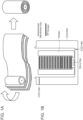
- Membrane samples were generally solvent exchanged and critical point dried in a roll format. Membrane strips were layered with strips of polypropylene screen of similar width and slightly longer length (2-3 cm longer) then rolled up ( Fig. 1A ). The rolls were made in dimensions that fit into the critical point drying (CPD) chamber sample holder (mostly 4 cm in width and OD of ⁇ 4.5 cm) or in some cases fits directly in the instrument chamber itself (width ⁇ 5.5cm and OD below 5.8cm).
- CPD critical point drying
- Membrane samples were exchanged and dried in hand-made roll format. Protein A Membrane strips ( ⁇ 4x36 cm) were layered with PP screens of similar width and slightly longer strips (2-3 cm longer) then rolled up ( Fig. 1A ). The screens were used to improve the exchange process and process consistency. The rolls were made in dimensions that fit the instrument holder (mostly 4 cm in width and OD of ⁇ 4.5 cm) or in some cases fits directly in the instrument chamber itself (width ⁇ 5.5cm and OD below 5.8 cm). A wire was used to keep the interleafed roll together during the exchange process, which was carried out in 200 mL beaker, then was removed just before placing the roll into the holder (or the chamber for the larger roll setup).
- Membrane samples were critical point dried as an interchanging stack of membrane and screen discs of the same diameter. After being fully exchanged in a separate container with the appropriate solution volume in each step according to the protocol, the membrane discs (25 mm) were stacked in a modified sample block (with an ID of 25 mm) with screen discs of same diameter interchangeably, as shown in Fig. 1B .
- the screens discs serve as separators to promote better mixing and accessibility during the solvent exchange step, as well as the CPD drying process in which exchanging alcohol with CO 2 is crucial for successful drying.
- the stack was soaked briefly in fresh amount of anhydrous alcohol before being mounted onto the exchange chamber of the CPD instrument.
- Carbon dioxide critical pressure and temperature are 73.8 bar and 31.2°C, respectively. These mild conditions to reach for supercritical fluid status makes carbon dioxide a suitable choice for performing critical point drying while preserving fragile structures during the process.
- the poor miscibility of water in CO 2 makes it necessary to exchange the water with ethanol, a more CO 2 miscible intermediate liquid phase that can be easily replaced with liquid carbon dioxide prior to the drying process.
- a membrane roll was usually transferred into the ethanol exchange fluid via a water ethanol gradient to ultimately replace the aqueous phase in the membrane with anhydrous alcohol that possess very low water content.
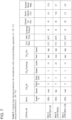
- Several protocols were examined that have different number of steps, variable alcohol content, and residence time(s). Mainly, two protocols were examined: Protocol A with five short steps with gradual decrease in water content (Table 1) and protocol B with eight steps (Table 2). Table 1.
- Solvent Exchange Protocol B Step Alcohol Solution % Soaking Time (min) 1 30 10 2 70 10 3 70 10 4 90 10 5 90 10 6 100 10 7 100 10 8 100 10
- the exchange protocol for CPD involves exchanging the subject in ascending gradient solution of alcohol in water, ending with anhydrous alcohol soak/exchange to remove all water before going to the SCF step and eventually evaporating the CO 2 by reducing the pressure to make the transition from supercritical phase into gaseous phase.
- the exchange protocol was modified to minimize or mitigate the expected negative effects of exposure of the ligand molecule to organic solution(s).
- the initial step of the exchange protocol is designed to promote enriching the membrane and the ligand with counter ions by performing an extended soak in a buffer solution.
- the membrane was transitioned from a 100% aqueous phase directly into 90% alcohol-content phase to avoid exposing the protein to alcohol mixtures of high-water content that may promote denaturation.
- the exchange hold times were limited to avoid prolonged exposure to alcohol solution(s).
- the critical point drying (CPD) process was carried out using a Leica EM CPD300 equipped with a liquid carbon dioxide tank that has siphon tube for liquid CO 2 discharge ( ⁇ 55 bar) and a separator bottle to collect extracted ethanol from the outlet CO 2 /alcohol mixture.
- the membrane roll was placed in the cylindrical holder within the chamber, and anhydrous ethanol solution was added until the sample is mostly covered with ethanol, then the lid was tightened to seal the chamber.
- the chamber could be cooled first to the set temperature, then the membrane roll was loaded up as previously described.
- the instrument program started the process automatically by cooling down the chamber to the designated filling temperature (10 or 15 0 C), then feeding in the liquid CO 2 to fill the chamber.
- the alcohol purging process starts by injecting liquid CO 2 over multiple cycles (12-99 cycles) where fresh CO 2 replaces a portion of the solution mixture in the chamber in each cycle and in a continuous manner, while maintaining the pressure in the chamber within a certain range (maintaining CO 2 in the liquid state).
- the instrument switched to a heating step where the chamber temperature was increased beyond the critical temperature (34-36 0 C) and the pressure was set above the critical pressure (> 74 bar) so the membrane was now immersed in supercritical CO 2 liquid.
- the evaporation process took place by releasing the CO 2 slowly and reducing the pressure while maintaining the temperature, which allowed the transition from supercritical phase to the gaseous phase in the absence of any significant surface tension forces.
- the process ended by bringing the final pressure to 1 bar at which the dry membrane would be removed from the chamber.
- the instrument allows some control over the heating/evaporation step as the speed can be set at three different levels.
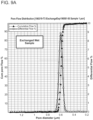
- Membrane pore size (diameter) was measured using 3G Porometer, a capillary flow porometer (Quantochrome Instruments, Boynton Beach, FL), operated by 3GWin software (V2.2).
- the membrane disc was placed on stainless steel mesh support disc within the designated holder, with the membrane facing up. The metal cover was then gently placed on the holder and closed, then the test was carried out within the pressure range of between 0-200 psi.
- the ethanol-wet membrane roll was placed in the critical point drying instrument chamber (Leica CPD300) and subjected to a purging process to replace ethanol with liquid CO 2 , followed by transferring the drying chamber conditions to the supercritical state (34 °C and 79 bar), and finally releasing the pressure to evaporate the supercritical fluid CO 2 .
- the critical point drying instrument chamber Leica CPD300
- the supercritical state 34 °C and 79 bar
- Protocol A the membrane is exchanged with ethanol solutions to replace water in membrane with alcohol through a five-step exchange protocol that uses solutions of gradually decreasing of water content to eventually reach exchanging steps with anhydrous ethanol reagent.
- protocol B the exchange process takes place over eight exchange steps thoroughly to replace water in the membrane with ethanol.
- the two protocols A and B are outlined in Table 1 and Table 2, respectively.
- Epoxy membrane samples were exchanged with ethanol, using protocol B (Table 2), then the membranes were dried using the following methods: A) Critical point drying; B) Membrane was soaked in water then dried in oven at 50 °C for 10 min; and finally C) Membrane was dried directly from ethanol in oven at 50 °C for 10 min.
- the membrane coupon was exchanged in 5-10 mL Porofil solution in a beaker for ⁇ 10-15 min to exchange ethanol with Porofil test fluid prior to testing.
- a small disc of each membrane (18 mm dia.) was soaked in Porofil solution for at least 10 min prior to testing (as outlined in method section).
- Example 7 Surface area of critical point dried epoxy membrane compared to oven drying
- any membrane plays an important role in determining its interaction extent with targeted molecules in mobile phase, as most adsorption processes, especially in bio-separation, take place at the interface.
- Larger accessible surface area in general means larger binding capacity where chances of biomolecules to interact with functional surfaces, whether through ionic, hydrophobic, or bio-affinity interactions increase proportionally with the increase in surface area.
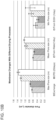
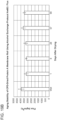
- the surface areas ( Fig. 11 ) of several CPD membranes were substantially larger than the oven dried sample, with the CPD membrane surface areas ranging from 22-25 m 2 /g, compared to only 4.3 m 2 /g for the oven dried membrane.
- gel collapse with simple oven drying significantly reduces total membrane surface area and related binding capacity.
- Critical point drying (from liquid CO 2 ) has proven to be a suitable process for drying membranes in order to preserve their wet state properties and maintain membrane properties over long storage times. While the permeability and the binding capacity of the conjugated form of such membranes change drastically when dried from water or ethanol, even at relatively mild temperatures, their counterparts which were dried using critical point drying possessed permeabilities and binding capacities similar to their wet from. It was shown through various examples that critical point drying technique can reduce drying effect on membrane gel pore size and result in membranes with high surface area, compared to other methods.
- Example 8 Critical point drying of Protein A membrane in comparison to regular drying
- typical CPD method was used to dry a Protein A conjugated membrane and the resultant materials were compared to other drying methods for Protein A membrane (oven drying at 40 °C for 20 min).
- Protein A membrane was made by conjugating Protein A ligand to epoxy-containing membrane(s) (in disc format), following the conjugation method outlined in Example 1, Membrane Material section. Membrane coupons were tested before drying to determine their binding capacity and their flux to establish an undried baseline.
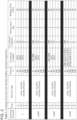
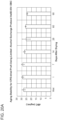
- the membrane discs were exchanged using protocol C, a typical gradient exchange system that uses alcohol solutions, as outlined in Table 3 ( Fig. 2 ).
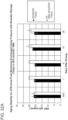
- the membrane discs were loaded into the holder using screens discs of same diameter as separators, to promote better mixing and exchanging efficiency, then the holder with the membrane discs/screens stack was loaded into the CPD instrument and CPD process proceeded as described in the experimental section ( Fig. 12 ; Table 6).
- the bioaffinity membrane was dried using a modified exchange protocol that included a long soaking step with a buffer solution with the aim to providing counter ions to the protein in order to increase the stability of the protein when exposed to the organic phases (both the alcohol solution and liquid CO 2 ), and the high pressure during CPD process.
- Two protocols, namely Awb3 and Awb7 were developed, where the first step of both protocols is a relatively long soak of membrane in a high salt buffer solution (5X and 10X of PBS, respectively), as outlined in Table 3 ( Fig. 2 ).
- the developed protocols avoid exposing the ligand to organic solutions that have relatively large amount of water, as intermediate mixtures of water/organic solutions may increase the risk of ligand denaturation and resultant loss of bioactivity. Therefore, the buffer step in both protocols was followed by sharp increases in organic fluid content from 0% to 90% in the following two steps. In general, proteins may be more stable in organic solutions of low water content.
- the CPD proceeds as previously described ( Fig. 12 ; Table 6).
- the interleafed membrane roll was made as outlined in previous section, then it was exchanged from aqueous solution into an essentially pure ethanol solution using the developed protocol AwB3 (Table 7) that includes a buffer exchange step at the beginning of the exchange process.
- the membrane roll was simply placed in the designated amount of solution in a 200mL beaker then and was exchanged over the designated time with agitation every 2-3 minutes. At the end of every step, the solution was decanted, and fresh amount of the solution was added, following the composition outlined in the table.
- the membrane roll was transferred into the CPD instrument pre-cooled chamber and the process proceeded following the designated program in auto-mode, with pre-defined key parameters, as shown in (Table 8). Table 7.
- the membrane interleafed roll was exchanged using a modified (short version) protocol, as outlined in Table 9 (AwB3-SV), where the membrane was exchanged first with buffer (5X PBS) then went through limited alcohol exchange process that is comprised of 2 steps, instead of the usual 4 steps in the original AwB3 protocol.
- a protocol that included a first storage period in biostatic solution(s) before proceeding to the alcohol exchange and CP drying processes was split into two sub-protocols: 1) the step where the membrane is prepared and transferred into biostatic storage solution, and 2) alcohol exchange step where a simplified shorter protocol is applied to exchange the storage solution for essentially pure alcohol in preparation for the CP drying process.
- TP2-AWOB1 In alternative protocol (TP2-AWOB1, Table 11), the membrane roll is exchanged with buffer solution (5X PBS) first to allow sufficient ionic group incorporation, after which the membrane is exchanged in 20% alcohol (in water) then stored for a short period of time (1day for the first set, or 7days for the second set). At the end of each experiment storage period, the membrane is subjected to an exchange protocol to replace the primarily aqueous storage solutions with alcohol in preparation for the CP drying process. Table 10.
- buffer solution 5X PBS
- salt instead of buffer as a source of ions, particularly multivalent cations such as divalent calcium cation, to modify the solvent exchange system prior to CPD process was demonstrated.
- Divalent calcium cations are well known to impact protein structure through coordination bonds that serve to stabilize biomolecule structure in solution.
- calcium salt has good solubility in anhydrous alcohols solution, an advantage that PBS buffer does not have. This would allow a continued supply of calcium cations to the membrane during the last few steps of the exchange protocol to ensure the cations remain in contact with the membrane before moving to CPD process.
- Protein A membrane discs were made by functionalizing epoxy-containing membranes, then exchanged similarly but following AwB9 protocol (Table 3; Fig. 2 ) that has calcium chloride solution (2 M) in water instead of PBS buffer solutions, then critical point dried as outlined previously using key parameters listed in Table 6 ( Fig. 12 ; Program 8).
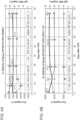
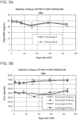
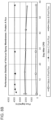
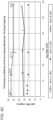
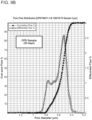
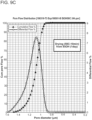
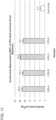
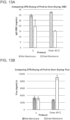
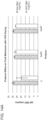
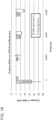
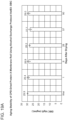
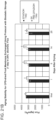
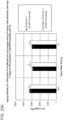
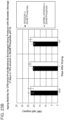
- Fig. 16A and 16B demonstrated the positive effect of incorporating calcium cation in the exchange protocol (AwB9) compared to Protocol C, particularly on binding capacity that remains essentially unchanged, and only a minor initial drop in membrane flux. Long term dry storage testing showed that the membrane flux and binding capacity were consistent over the selected test period ( Fig. 17 ).
- This invention provides the opportunity to use CPD approach to handle and dry a wide range of materials that contain a sensitive ligand and robust matrix or membrane, or robust bioligand on labile matrix or membrane, or sensitive bioligand immobilized on labile matrix or membrane.
- the CPD process and related exchange protocols must be modified to accommodate the sensitivity of either the bioligand or the platform on which the ligand is immobilized.
Landscapes
- Chemical & Material Sciences (AREA)
- Analytical Chemistry (AREA)
- Organic Chemistry (AREA)
- Chemical Kinetics & Catalysis (AREA)
- Engineering & Computer Science (AREA)
- Mechanical Engineering (AREA)
- General Engineering & Computer Science (AREA)
- Life Sciences & Earth Sciences (AREA)
- Microbiology (AREA)
- Biophysics (AREA)
- Medicinal Chemistry (AREA)
- Proteomics, Peptides & Aminoacids (AREA)
- Health & Medical Sciences (AREA)
- Biochemistry (AREA)
- Molecular Biology (AREA)
- General Health & Medical Sciences (AREA)
- Genetics & Genomics (AREA)
- Nanotechnology (AREA)
- Dispersion Chemistry (AREA)
- Physics & Mathematics (AREA)
- Thermal Sciences (AREA)
- Peptides Or Proteins (AREA)
- Separation Using Semi-Permeable Membranes (AREA)
- Drying Of Solid Materials (AREA)
- Apparatus Associated With Microorganisms And Enzymes (AREA)
- Solid-Sorbent Or Filter-Aiding Compositions (AREA)
- Extraction Or Liquid Replacement (AREA)
- Treatment Of Liquids With Adsorbents In General (AREA)
Applications Claiming Priority (4)
| Application Number | Priority Date | Filing Date | Title |
|---|---|---|---|
| US201962900155P | 2019-09-13 | 2019-09-13 | |
| US201962900798P | 2019-09-16 | 2019-09-16 | |
| PCT/IB2020/000832 WO2021048633A1 (fr) | 2019-09-13 | 2020-09-14 | Séchage supercritique de milieux chromatographiques |
| EP20807103.5A EP4028704B1 (fr) | 2019-09-13 | 2020-09-14 | Séchage supercritique des milieux chromatographiques |
Related Parent Applications (1)
| Application Number | Title | Priority Date | Filing Date |
|---|---|---|---|
| EP20807103.5A Division EP4028704B1 (fr) | 2019-09-13 | 2020-09-14 | Séchage supercritique des milieux chromatographiques |
Publications (2)
| Publication Number | Publication Date |
|---|---|
| EP4365528A2 true EP4365528A2 (fr) | 2024-05-08 |
| EP4365528A3 EP4365528A3 (fr) | 2024-07-17 |
Family
ID=73401850
Family Applications (2)
| Application Number | Title | Priority Date | Filing Date |
|---|---|---|---|
| EP20807103.5A Active EP4028704B1 (fr) | 2019-09-13 | 2020-09-14 | Séchage supercritique des milieux chromatographiques |
| EP24165078.7A Pending EP4365528A3 (fr) | 2019-09-13 | 2020-09-14 | Séchage supercritique des milieux chromatographiques |
Family Applications Before (1)
| Application Number | Title | Priority Date | Filing Date |
|---|---|---|---|
| EP20807103.5A Active EP4028704B1 (fr) | 2019-09-13 | 2020-09-14 | Séchage supercritique des milieux chromatographiques |
Country Status (9)
| Country | Link |
|---|---|
| US (1) | US20220341664A1 (fr) |
| EP (2) | EP4028704B1 (fr) |
| JP (1) | JP7609853B2 (fr) |
| KR (1) | KR20220103093A (fr) |
| CN (1) | CN114787571A (fr) |
| AU (1) | AU2020345049B2 (fr) |
| CA (1) | CA3153672A1 (fr) |
| ES (1) | ES2977748T3 (fr) |
| WO (1) | WO2021048633A1 (fr) |
Families Citing this family (3)
| Publication number | Priority date | Publication date | Assignee | Title |
|---|---|---|---|---|
| WO2023064697A1 (fr) * | 2021-10-11 | 2023-04-20 | Amgen Inc. | Détermination de la taille des pores d'un microfiltre |
| CN120752083A (zh) * | 2023-01-31 | 2025-10-03 | W.L.戈尔及同仁股份有限公司 | 干原纤化膜和包含之的亲和色谱器件 |
| CN119666959B (zh) * | 2024-12-11 | 2025-10-10 | 中国科学院大连化学物理研究所 | 一种质子交换膜电解池传质临界水计量比的快速测量方法 |
Citations (3)
| Publication number | Priority date | Publication date | Assignee | Title |
|---|---|---|---|---|
| US7316919B2 (en) | 2003-02-19 | 2008-01-08 | Nysa Membrane Technologies | Composite materials comprising supported porous gels |
| US8133840B2 (en) | 2004-06-07 | 2012-03-13 | Natrix Separations Inc. | Stable composite material comprising supported porous gels |
| US9962691B2 (en) | 2015-02-20 | 2018-05-08 | Natrix Separations Inc. | Chromatography membranes formed by thiol-ene or thiol-yne click polymerization reactions |
Family Cites Families (14)
| Publication number | Priority date | Publication date | Assignee | Title |
|---|---|---|---|---|
| US6565961B2 (en) * | 1997-03-07 | 2003-05-20 | Koslow Technologies Corporation | Absorbent articles |
| AU7690198A (en) * | 1997-05-22 | 1998-12-11 | Trustees Of Princeton University, The | Lyotropic liquid crystalline l3 phase silicated nanoporous monolithiccomposites and their production |
| EP1230008A1 (fr) * | 1999-10-21 | 2002-08-14 | Aspen Systems, Inc. | Procede de production rapide d'aerogel |
| JP2005008424A (ja) * | 2002-07-10 | 2005-01-13 | Matsushita Electric Ind Co Ltd | 多孔体およびその製造方法 |
| AU2003270095A1 (en) * | 2002-09-07 | 2004-04-30 | Schott Ag | Method for the production of highly organized crystals by means of sol-gel methods |
| WO2005097304A1 (fr) * | 2004-04-08 | 2005-10-20 | Mcmaster University | Empilements de membranes |
| CN101851398A (zh) * | 2010-05-12 | 2010-10-06 | 北京理工大学 | 一种导电高分子气凝胶及其制备方法 |
| US20120231251A1 (en) * | 2011-03-09 | 2012-09-13 | Samsung Electronics Co., Ltd. | Composition for clay-aerogel composite, clay-aerogel composite, and method of making the same |
| MX380274B (es) * | 2011-06-30 | 2025-03-12 | Gallo Winery E & J | Colorante cristalino natural y proceso para producción. |
| CA2905524A1 (fr) * | 2013-03-14 | 2014-09-18 | Natrix Separations Inc. | Membranes pour chromatographie stables dans des conditions caustiques |
| US11072145B2 (en) * | 2016-01-27 | 2021-07-27 | Aspen Aerogels, Inc. | Laminates comprising reinforced aerogel composites |
| US10995184B2 (en) * | 2016-03-25 | 2021-05-04 | Show A Denko Materials Co., Ltd. | Sol composition, aerogel composite, support member provided with aerogel composite, and heat insulator |
| CN105853474A (zh) * | 2016-06-14 | 2016-08-17 | 南京华宽信息咨询中心 | 一种银杏内酯的提取方法及银杏内酯提取物 |
| GB2571292B (en) * | 2018-02-22 | 2020-09-09 | Graphene Composites Ltd | Composite structure and method of manufacture |
-
2020
- 2020-09-14 EP EP20807103.5A patent/EP4028704B1/fr active Active
- 2020-09-14 AU AU2020345049A patent/AU2020345049B2/en active Active
- 2020-09-14 WO PCT/IB2020/000832 patent/WO2021048633A1/fr not_active Ceased
- 2020-09-14 CA CA3153672A patent/CA3153672A1/fr active Pending
- 2020-09-14 EP EP24165078.7A patent/EP4365528A3/fr active Pending
- 2020-09-14 JP JP2022515628A patent/JP7609853B2/ja active Active
- 2020-09-14 ES ES20807103T patent/ES2977748T3/es active Active
- 2020-09-14 US US17/642,322 patent/US20220341664A1/en active Pending
- 2020-09-14 CN CN202080063918.4A patent/CN114787571A/zh active Pending
- 2020-09-14 KR KR1020227012096A patent/KR20220103093A/ko active Pending
Patent Citations (12)
| Publication number | Priority date | Publication date | Assignee | Title |
|---|---|---|---|---|
| US7316919B2 (en) | 2003-02-19 | 2008-01-08 | Nysa Membrane Technologies | Composite materials comprising supported porous gels |
| US8187880B2 (en) | 2003-02-19 | 2012-05-29 | Natrix Separations, Inc. | Composite materials comprising supported porous gels containing metal-affinity ligands |
| US8192971B2 (en) | 2003-02-19 | 2012-06-05 | Natrix Separations Inc. | Separating substances with supported porous gels containing metal-affinity ligands complexed with metal ions |
| US8206958B2 (en) | 2003-02-19 | 2012-06-26 | Natrix Separations Inc. | Absorbing biological substances from liquid with supported porous gels containing binding sites |
| US8206982B2 (en) | 2003-02-19 | 2012-06-26 | Natrix Separations Inc. | Composite materials comprising supported porous gels containing reactive functional groups |
| US8211682B2 (en) | 2003-02-19 | 2012-07-03 | Natrix Separations Inc. | Composite material comprising supported porous gel containing functional groups and method of separating substances |
| US8367809B2 (en) | 2003-02-19 | 2013-02-05 | Natrix Separations Inc. | Composite materials comprising supported porous gels containing reactive functional groups |
| US8383782B2 (en) | 2003-02-19 | 2013-02-26 | Natrix Separations Inc. | Composite materials comprising supported porous gels |
| US8652849B2 (en) | 2003-02-19 | 2014-02-18 | Natrix Separations Inc. | Method for separating a substance from a fluid |
| US8133840B2 (en) | 2004-06-07 | 2012-03-13 | Natrix Separations Inc. | Stable composite material comprising supported porous gels |
| US9962691B2 (en) | 2015-02-20 | 2018-05-08 | Natrix Separations Inc. | Chromatography membranes formed by thiol-ene or thiol-yne click polymerization reactions |
| US10357766B2 (en) | 2015-02-20 | 2019-07-23 | Natrix Separations Inc. | Chromatography membranes formed by thiol-ene or thiol-yne click polymerization reactions |
Also Published As
| Publication number | Publication date |
|---|---|
| JP2022550510A (ja) | 2022-12-02 |
| EP4365528A3 (fr) | 2024-07-17 |
| EP4028704B1 (fr) | 2024-04-03 |
| KR20220103093A (ko) | 2022-07-21 |
| AU2020345049A1 (en) | 2022-04-07 |
| CN114787571A (zh) | 2022-07-22 |
| JP7609853B2 (ja) | 2025-01-07 |
| EP4028704A1 (fr) | 2022-07-20 |
| CA3153672A1 (fr) | 2021-03-18 |
| US20220341664A1 (en) | 2022-10-27 |
| ES2977748T3 (es) | 2024-08-29 |
| WO2021048633A1 (fr) | 2021-03-18 |
| AU2020345049B2 (en) | 2025-10-16 |
Similar Documents
| Publication | Publication Date | Title |
|---|---|---|
| EP4028704B1 (fr) | Séchage supercritique des milieux chromatographiques | |
| JP5189286B2 (ja) | 支持型多孔質ゲルを含んでなる複合材 | |
| CN102574102B (zh) | 用于结合蛋白质和肽的特异性吸附剂及使用其的分离方法 | |
| Shi et al. | Functionalized anodic aluminum oxide (AAO) membranes for affinity protein separation | |
| JP5547281B2 (ja) | グラフトポリマーを有する多糖類マトリックス、その製造方法およびその使用 | |
| US11364480B2 (en) | Chromatography medium with bound microglobules and method for the preparation thereof | |
| JP7068316B2 (ja) | 巨大分子の精製のための高分子メッシュの利用 | |
| Avramescu et al. | Functionalised ethylene vinyl alcohol copolymer (EVAL) membranes for affinity protein separation | |
| JP2023502481A (ja) | 複合材料に配位子をカップリングするための方法 | |
| BRPI0612720B1 (pt) | método de preparação de uma matriz de separação | |
| JPWO2018181738A1 (ja) | 分離材 | |
| US20130244229A1 (en) | Buffering compositions enclosed in a size exclusion matrix | |
| Shang et al. | Bovine serum albumin functional MOF-919 novel membranes for effective separation of chiral enantiomers | |
| Grasselli et al. | Designing protein adsorptive materials by simultaneous radiation-induced grafting polymerization: A review | |
| Adikane et al. | Chemical modification of ethyl cellulose-based highly porous membrane for the purification of immunoglobulin G | |
| Bereli et al. | Antibody purification using porous metal–chelated monolithic columns | |
| Bibi et al. | Grafted megaporous materials as ion‐exchangers for bioproduct adsorption | |
| CN103990298A (zh) | 一种外表面亲水性大孔有机-无机杂化整体柱的制备方法 | |
| Jin et al. | Novel method for human serum albumin adsorption/separation from aqueous solutions and human plasma with Cibacron Blue F3GA-Zn (II) attached microporous affinity membranous capillaries | |
| Mai et al. | Sizeable macroporous monolithic polyamide entities prepared in closed molds by thermally mediated dissolution and phase segregation | |
| Ellingsen et al. | Monosized polymer particles in biochemical and biomedical separations | |
| Koç et al. | Synthesis and Characterization of Macroporous Poly Acrylamide-Methacrylamido Histidine Cryogels and Their Use in Antibody Purification | |
| Avramescu | Membrane adsorbers: development and applications | |
| Demiryas | Preparation and characterization cibacron blue F3GA attached poly (acrylamide-allylglycidyl ether) cryogels for albumin purification from human plasma | |
| Barroso | Preparation of Affinity Membranes using Alternative Solvents |
Legal Events
| Date | Code | Title | Description |
|---|---|---|---|
| PUAI | Public reference made under article 153(3) epc to a published international application that has entered the european phase |
Free format text: ORIGINAL CODE: 0009012 |
|
| STAA | Information on the status of an ep patent application or granted ep patent |
Free format text: STATUS: THE APPLICATION HAS BEEN PUBLISHED |
|
| AC | Divisional application: reference to earlier application |
Ref document number: 4028704 Country of ref document: EP Kind code of ref document: P |
|
| AK | Designated contracting states |
Kind code of ref document: A2 Designated state(s): AL AT BE BG CH CY CZ DE DK EE ES FI FR GB GR HR HU IE IS IT LI LT LU LV MC MK MT NL NO PL PT RO RS SE SI SK SM TR |
|
| REG | Reference to a national code |
Ref country code: DE Ref legal event code: R079 Free format text: PREVIOUS MAIN CLASS: F26B0021140000 Ipc: F26B0003000000 |
|
| PUAL | Search report despatched |
Free format text: ORIGINAL CODE: 0009013 |
|
| AK | Designated contracting states |
Kind code of ref document: A3 Designated state(s): AL AT BE BG CH CY CZ DE DK EE ES FI FR GB GR HR HU IE IS IT LI LT LU LV MC MK MT NL NO PL PT RO RS SE SI SK SM TR |
|
| P01 | Opt-out of the competence of the unified patent court (upc) registered |
Free format text: CASE NUMBER: APP_33760/2024 Effective date: 20240605 |
|
| RIC1 | Information provided on ipc code assigned before grant |
Ipc: F26B 21/14 20060101ALI20240611BHEP Ipc: C07K 1/16 20060101ALI20240611BHEP Ipc: B01J 20/291 20060101ALI20240611BHEP Ipc: B01J 20/28 20060101ALI20240611BHEP Ipc: B01J 20/26 20060101ALI20240611BHEP Ipc: F26B 3/00 20060101AFI20240611BHEP |
|
| STAA | Information on the status of an ep patent application or granted ep patent |
Free format text: STATUS: REQUEST FOR EXAMINATION WAS MADE |
|
| 17P | Request for examination filed |
Effective date: 20250114 |
|
| STAA | Information on the status of an ep patent application or granted ep patent |
Free format text: STATUS: EXAMINATION IS IN PROGRESS |
|
| 17Q | First examination report despatched |
Effective date: 20251110 |