EP4368704A2 - Cellule - Google Patents
Cellule Download PDFInfo
- Publication number
- EP4368704A2 EP4368704A2 EP23217769.1A EP23217769A EP4368704A2 EP 4368704 A2 EP4368704 A2 EP 4368704A2 EP 23217769 A EP23217769 A EP 23217769A EP 4368704 A2 EP4368704 A2 EP 4368704A2
- Authority
- EP
- European Patent Office
- Prior art keywords
- car
- seq
- cell
- nucleic acid
- acid sequence
- Prior art date
- Legal status (The legal status is an assumption and is not a legal conclusion. Google has not performed a legal analysis and makes no representation as to the accuracy of the status listed.)
- Pending
Links
Images








Classifications
-
- C—CHEMISTRY; METALLURGY
- C07—ORGANIC CHEMISTRY
- C07K—PEPTIDES
- C07K14/00—Peptides having more than 20 amino acids; Gastrins; Somatostatins; Melanotropins; Derivatives thereof
- C07K14/435—Peptides having more than 20 amino acids; Gastrins; Somatostatins; Melanotropins; Derivatives thereof from animals; from humans
- C07K14/705—Receptors; Cell surface antigens; Cell surface determinants
- C07K14/70503—Immunoglobulin superfamily
- C07K14/70521—CD28, CD152
-
- C—CHEMISTRY; METALLURGY
- C12—BIOCHEMISTRY; BEER; SPIRITS; WINE; VINEGAR; MICROBIOLOGY; ENZYMOLOGY; MUTATION OR GENETIC ENGINEERING
- C12N—MICROORGANISMS OR ENZYMES; COMPOSITIONS THEREOF; PROPAGATING, PRESERVING, OR MAINTAINING MICROORGANISMS; MUTATION OR GENETIC ENGINEERING; CULTURE MEDIA
- C12N5/00—Undifferentiated human, animal or plant cells, e.g. cell lines; Tissues; Cultivation or maintenance thereof; Culture media therefor
- C12N5/06—Animal cells or tissues; Human cells or tissues
- C12N5/0602—Vertebrate cells
- C12N5/0634—Cells from the blood or the immune system
- C12N5/0636—T lymphocytes
-
- A—HUMAN NECESSITIES
- A61—MEDICAL OR VETERINARY SCIENCE; HYGIENE
- A61K—PREPARATIONS FOR MEDICAL, DENTAL OR TOILETRY PURPOSES
- A61K38/00—Medicinal preparations containing peptides
- A61K38/16—Peptides having more than 20 amino acids; Gastrins; Somatostatins; Melanotropins; Derivatives thereof
- A61K38/17—Peptides having more than 20 amino acids; Gastrins; Somatostatins; Melanotropins; Derivatives thereof from animals; from humans
- A61K38/177—Receptors; Cell surface antigens; Cell surface determinants
- A61K38/1774—Immunoglobulin superfamily (e.g. CD2, CD4, CD8, ICAM molecules, B7 molecules, Fc-receptors, MHC-molecules)
-
- A—HUMAN NECESSITIES
- A61—MEDICAL OR VETERINARY SCIENCE; HYGIENE
- A61K—PREPARATIONS FOR MEDICAL, DENTAL OR TOILETRY PURPOSES
- A61K40/00—Cellular immunotherapy
- A61K40/10—Cellular immunotherapy characterised by the cell type used
- A61K40/11—T-cells, e.g. tumour infiltrating lymphocytes [TIL] or regulatory T [Treg] cells; Lymphokine-activated killer [LAK] cells
-
- A—HUMAN NECESSITIES
- A61—MEDICAL OR VETERINARY SCIENCE; HYGIENE
- A61K—PREPARATIONS FOR MEDICAL, DENTAL OR TOILETRY PURPOSES
- A61K40/00—Cellular immunotherapy
- A61K40/30—Cellular immunotherapy characterised by the recombinant expression of specific molecules in the cells of the immune system
- A61K40/31—Chimeric antigen receptors [CAR]
-
- A—HUMAN NECESSITIES
- A61—MEDICAL OR VETERINARY SCIENCE; HYGIENE
- A61K—PREPARATIONS FOR MEDICAL, DENTAL OR TOILETRY PURPOSES
- A61K40/00—Cellular immunotherapy
- A61K40/40—Cellular immunotherapy characterised by antigens that are targeted or presented by cells of the immune system
- A61K40/41—Vertebrate antigens
- A61K40/42—Cancer antigens
- A61K40/4202—Receptors, cell surface antigens or cell surface determinants
- A61K40/421—Immunoglobulin superfamily
- A61K40/4211—CD19 or B4
-
- A—HUMAN NECESSITIES
- A61—MEDICAL OR VETERINARY SCIENCE; HYGIENE
- A61K—PREPARATIONS FOR MEDICAL, DENTAL OR TOILETRY PURPOSES
- A61K40/00—Cellular immunotherapy
- A61K40/40—Cellular immunotherapy characterised by antigens that are targeted or presented by cells of the immune system
- A61K40/41—Vertebrate antigens
- A61K40/42—Cancer antigens
- A61K40/4202—Receptors, cell surface antigens or cell surface determinants
- A61K40/421—Immunoglobulin superfamily
- A61K40/4212—CD22, BL-CAM, siglec-2 or sialic acid binding Ig-related lectin 2
-
- A—HUMAN NECESSITIES
- A61—MEDICAL OR VETERINARY SCIENCE; HYGIENE
- A61P—SPECIFIC THERAPEUTIC ACTIVITY OF CHEMICAL COMPOUNDS OR MEDICINAL PREPARATIONS
- A61P35/00—Antineoplastic agents
-
- A—HUMAN NECESSITIES
- A61—MEDICAL OR VETERINARY SCIENCE; HYGIENE
- A61P—SPECIFIC THERAPEUTIC ACTIVITY OF CHEMICAL COMPOUNDS OR MEDICINAL PREPARATIONS
- A61P35/00—Antineoplastic agents
- A61P35/02—Antineoplastic agents specific for leukemia
-
- C—CHEMISTRY; METALLURGY
- C07—ORGANIC CHEMISTRY
- C07K—PEPTIDES
- C07K14/00—Peptides having more than 20 amino acids; Gastrins; Somatostatins; Melanotropins; Derivatives thereof
- C07K14/435—Peptides having more than 20 amino acids; Gastrins; Somatostatins; Melanotropins; Derivatives thereof from animals; from humans
- C07K14/705—Receptors; Cell surface antigens; Cell surface determinants
-
- C—CHEMISTRY; METALLURGY
- C07—ORGANIC CHEMISTRY
- C07K—PEPTIDES
- C07K14/00—Peptides having more than 20 amino acids; Gastrins; Somatostatins; Melanotropins; Derivatives thereof
- C07K14/435—Peptides having more than 20 amino acids; Gastrins; Somatostatins; Melanotropins; Derivatives thereof from animals; from humans
- C07K14/705—Receptors; Cell surface antigens; Cell surface determinants
- C07K14/70503—Immunoglobulin superfamily
- C07K14/7051—T-cell receptor (TcR)-CD3 complex
-
- C—CHEMISTRY; METALLURGY
- C07—ORGANIC CHEMISTRY
- C07K—PEPTIDES
- C07K14/00—Peptides having more than 20 amino acids; Gastrins; Somatostatins; Melanotropins; Derivatives thereof
- C07K14/435—Peptides having more than 20 amino acids; Gastrins; Somatostatins; Melanotropins; Derivatives thereof from animals; from humans
- C07K14/705—Receptors; Cell surface antigens; Cell surface determinants
- C07K14/70503—Immunoglobulin superfamily
- C07K14/70535—Fc-receptors, e.g. CD16, CD32, CD64 (CD2314/705F)
-
- C—CHEMISTRY; METALLURGY
- C07—ORGANIC CHEMISTRY
- C07K—PEPTIDES
- C07K16/00—Immunoglobulins [IG], e.g. monoclonal or polyclonal antibodies
- C07K16/18—Immunoglobulins [IG], e.g. monoclonal or polyclonal antibodies against material from animals or humans
- C07K16/28—Immunoglobulins [IG], e.g. monoclonal or polyclonal antibodies against material from animals or humans against receptors, cell surface antigens or cell surface determinants
- C07K16/2803—Immunoglobulins [IG], e.g. monoclonal or polyclonal antibodies against material from animals or humans against receptors, cell surface antigens or cell surface determinants against the immunoglobulin superfamily
-
- C—CHEMISTRY; METALLURGY
- C07—ORGANIC CHEMISTRY
- C07K—PEPTIDES
- C07K16/00—Immunoglobulins [IG], e.g. monoclonal or polyclonal antibodies
- C07K16/18—Immunoglobulins [IG], e.g. monoclonal or polyclonal antibodies against material from animals or humans
- C07K16/28—Immunoglobulins [IG], e.g. monoclonal or polyclonal antibodies against material from animals or humans against receptors, cell surface antigens or cell surface determinants
- C07K16/2863—Immunoglobulins [IG], e.g. monoclonal or polyclonal antibodies against material from animals or humans against receptors, cell surface antigens or cell surface determinants against receptors for growth factors, growth regulators
-
- C—CHEMISTRY; METALLURGY
- C07—ORGANIC CHEMISTRY
- C07K—PEPTIDES
- C07K16/00—Immunoglobulins [IG], e.g. monoclonal or polyclonal antibodies
- C07K16/18—Immunoglobulins [IG], e.g. monoclonal or polyclonal antibodies against material from animals or humans
- C07K16/28—Immunoglobulins [IG], e.g. monoclonal or polyclonal antibodies against material from animals or humans against receptors, cell surface antigens or cell surface determinants
- C07K16/30—Immunoglobulins [IG], e.g. monoclonal or polyclonal antibodies against material from animals or humans against receptors, cell surface antigens or cell surface determinants from tumour cells
- C07K16/3061—Blood cells
-
- C—CHEMISTRY; METALLURGY
- C07—ORGANIC CHEMISTRY
- C07K—PEPTIDES
- C07K19/00—Hybrid peptides, i.e. peptides covalently bound to nucleic acids, or non-covalently bound protein-protein complexes
-
- C—CHEMISTRY; METALLURGY
- C12—BIOCHEMISTRY; BEER; SPIRITS; WINE; VINEGAR; MICROBIOLOGY; ENZYMOLOGY; MUTATION OR GENETIC ENGINEERING
- C12N—MICROORGANISMS OR ENZYMES; COMPOSITIONS THEREOF; PROPAGATING, PRESERVING, OR MAINTAINING MICROORGANISMS; MUTATION OR GENETIC ENGINEERING; CULTURE MEDIA
- C12N15/00—Mutation or genetic engineering; DNA or RNA concerning genetic engineering, vectors, e.g. plasmids, or their isolation, preparation or purification; Use of hosts therefor
- C12N15/09—Recombinant DNA-technology
-
- C—CHEMISTRY; METALLURGY
- C12—BIOCHEMISTRY; BEER; SPIRITS; WINE; VINEGAR; MICROBIOLOGY; ENZYMOLOGY; MUTATION OR GENETIC ENGINEERING
- C12N—MICROORGANISMS OR ENZYMES; COMPOSITIONS THEREOF; PROPAGATING, PRESERVING, OR MAINTAINING MICROORGANISMS; MUTATION OR GENETIC ENGINEERING; CULTURE MEDIA
- C12N5/00—Undifferentiated human, animal or plant cells, e.g. cell lines; Tissues; Cultivation or maintenance thereof; Culture media therefor
- C12N5/06—Animal cells or tissues; Human cells or tissues
- C12N5/0602—Vertebrate cells
- C12N5/0634—Cells from the blood or the immune system
- C12N5/0636—T lymphocytes
- C12N5/0638—Cytotoxic T lymphocytes [CTL] or lymphokine activated killer cells [LAK]
-
- A—HUMAN NECESSITIES
- A61—MEDICAL OR VETERINARY SCIENCE; HYGIENE
- A61K—PREPARATIONS FOR MEDICAL, DENTAL OR TOILETRY PURPOSES
- A61K39/00—Medicinal preparations containing antigens or antibodies
- A61K2039/505—Medicinal preparations containing antigens or antibodies comprising antibodies
-
- A—HUMAN NECESSITIES
- A61—MEDICAL OR VETERINARY SCIENCE; HYGIENE
- A61K—PREPARATIONS FOR MEDICAL, DENTAL OR TOILETRY PURPOSES
- A61K39/00—Medicinal preparations containing antigens or antibodies
- A61K2039/80—Vaccine for a specifically defined cancer
-
- A—HUMAN NECESSITIES
- A61—MEDICAL OR VETERINARY SCIENCE; HYGIENE
- A61K—PREPARATIONS FOR MEDICAL, DENTAL OR TOILETRY PURPOSES
- A61K35/00—Medicinal preparations containing materials or reaction products thereof with undetermined constitution
-
- C—CHEMISTRY; METALLURGY
- C07—ORGANIC CHEMISTRY
- C07K—PEPTIDES
- C07K2317/00—Immunoglobulins specific features
- C07K2317/30—Immunoglobulins specific features characterized by aspects of specificity or valency
- C07K2317/31—Immunoglobulins specific features characterized by aspects of specificity or valency multispecific
-
- C—CHEMISTRY; METALLURGY
- C07—ORGANIC CHEMISTRY
- C07K—PEPTIDES
- C07K2317/00—Immunoglobulins specific features
- C07K2317/60—Immunoglobulins specific features characterized by non-natural combinations of immunoglobulin fragments
- C07K2317/62—Immunoglobulins specific features characterized by non-natural combinations of immunoglobulin fragments comprising only variable region components
- C07K2317/622—Single chain antibody (scFv)
-
- C—CHEMISTRY; METALLURGY
- C07—ORGANIC CHEMISTRY
- C07K—PEPTIDES
- C07K2319/00—Fusion polypeptide
- C07K2319/01—Fusion polypeptide containing a localisation/targetting motif
- C07K2319/02—Fusion polypeptide containing a localisation/targetting motif containing a signal sequence
-
- C—CHEMISTRY; METALLURGY
- C07—ORGANIC CHEMISTRY
- C07K—PEPTIDES
- C07K2319/00—Fusion polypeptide
- C07K2319/01—Fusion polypeptide containing a localisation/targetting motif
- C07K2319/03—Fusion polypeptide containing a localisation/targetting motif containing a transmembrane segment
-
- C—CHEMISTRY; METALLURGY
- C07—ORGANIC CHEMISTRY
- C07K—PEPTIDES
- C07K2319/00—Fusion polypeptide
- C07K2319/33—Fusion polypeptide fusions for targeting to specific cell types, e.g. tissue specific targeting, targeting of a bacterial subspecies
-
- C—CHEMISTRY; METALLURGY
- C07—ORGANIC CHEMISTRY
- C07K—PEPTIDES
- C07K2319/00—Fusion polypeptide
- C07K2319/70—Fusion polypeptide containing domain for protein-protein interaction
- C07K2319/74—Fusion polypeptide containing domain for protein-protein interaction containing a fusion for binding to a cell surface receptor
-
- C—CHEMISTRY; METALLURGY
- C12—BIOCHEMISTRY; BEER; SPIRITS; WINE; VINEGAR; MICROBIOLOGY; ENZYMOLOGY; MUTATION OR GENETIC ENGINEERING
- C12N—MICROORGANISMS OR ENZYMES; COMPOSITIONS THEREOF; PROPAGATING, PRESERVING, OR MAINTAINING MICROORGANISMS; MUTATION OR GENETIC ENGINEERING; CULTURE MEDIA
- C12N2501/00—Active agents used in cell culture processes, e.g. differentation
- C12N2501/50—Cell markers; Cell surface determinants
- C12N2501/505—CD4; CD8
-
- C—CHEMISTRY; METALLURGY
- C12—BIOCHEMISTRY; BEER; SPIRITS; WINE; VINEGAR; MICROBIOLOGY; ENZYMOLOGY; MUTATION OR GENETIC ENGINEERING
- C12N—MICROORGANISMS OR ENZYMES; COMPOSITIONS THEREOF; PROPAGATING, PRESERVING, OR MAINTAINING MICROORGANISMS; MUTATION OR GENETIC ENGINEERING; CULTURE MEDIA
- C12N2501/00—Active agents used in cell culture processes, e.g. differentation
- C12N2501/50—Cell markers; Cell surface determinants
- C12N2501/599—Cell markers; Cell surface determinants with CD designations not provided for elsewhere
-
- C—CHEMISTRY; METALLURGY
- C12—BIOCHEMISTRY; BEER; SPIRITS; WINE; VINEGAR; MICROBIOLOGY; ENZYMOLOGY; MUTATION OR GENETIC ENGINEERING
- C12N—MICROORGANISMS OR ENZYMES; COMPOSITIONS THEREOF; PROPAGATING, PRESERVING, OR MAINTAINING MICROORGANISMS; MUTATION OR GENETIC ENGINEERING; CULTURE MEDIA
- C12N2510/00—Genetically modified cells
- C12N2510/02—Cells for production
Definitions
- the present invention relates to a cell which comprises more than one chimeric antigen receptor (CAR).
- CAR chimeric antigen receptor
- immunotherapeutic agents have been described for use in cancer treatment, including therapeutic monoclonal antibodies (mAbs), immunoconjugated mAbs, radioconjugated mAbs and bi-specific T-cell engagers.
- these immunotherapeutic agents target a single antigen: for instance, Rituximab targets CD20; Myelotarg targets CD33; and Alemtuzumab targets CD52.
- the human CD19 antigen is a 95 kd transmembrane glycoprotein belonging to the immunoglobulin superfamily. CD19 is expressed very early in B-cell differentiation and is only lost at terminal B-cell differentiation into plasma cells. Consequently, CD19 is expressed on all B-cell malignancies apart from multiple myeloma. Since loss of the normal B-cell compartment is an acceptable toxicity, CD19 is an attractive CAR target and clinical studies targeting CD19 with CARs have seen promising results.
- a problem with immunotherapeutics targeted against CD19 is that a B-cell malignancy may mutate and become CD19-negative. This may result in relapse with CD19-negative cancers which are not responsive to CD19 targeted therapeutics.
- CD19-targeted chimeric antigen receptor therapy for B-acute Lymphoblastic leukaemia (B-ALL) were due to CD19-negative disease (56 th American Society of Hematology Annual Meeting and Exposition).
- immunotherapeutic agents which are capable of targeting more than one cell surface structure to reflect the complex pattern of marker expression that is associated with many cancers, including CD19-positive cancers.
- Chimeric antigen receptors are proteins which graft the specificity of, for example, a monoclonal antibody (mAb) to the effector function of a T-cell.
- mAb monoclonal antibody
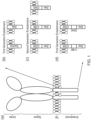
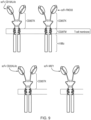
- Their usual form is that of a type I transmembrane domain protein with an antigen recognizing amino terminus, a spacer, a transmembrane domain all connected to a compound endodomain which transmits T-cell survival and activation signals (see Figure 1A ).
- scFv single-chain variable fragments
- TanCAR Bispecific CARs known as tandem CARs or TanCARs have been developed in an attempt to target multiple cancer specific markers simultaneously.
- the extracellular domain comprises two antigen binding specificities in tandem, joined by a linker.
- the two binding specificities (scFvs) are thus both linked to a single transmembrane portion: one scFv being juxtaposed to the membrane and the other being in a distal position.
- the present inventors have developed a CAR T cell which expresses two CARs at the cell surface, one specific for CD19 and one specific for CD22.
- the present invention provides a cell which co-expresses a first chimeric antigen receptor (CAR) and second CAR at the cell surface, each CAR comprising an antigen-binding domain, wherein the antigen-binding domain of the first CAR binds to CD19 and the antigen-binding domain of the second CAR binds to CD22.
- CAR chimeric antigen receptor
- the fact the one CAR binds CD19 and the other CAR binds CD22 is advantageous because some lymphomas and leukaemias become CD19 negative after CD19 targeting, (or possibly CD22 negative after CD22 targeting), so it gives a "back-up" antigen, should this occur.
- the cell may be an immune effector cell, such as a T-cell or natural killer (NK) cell.
- an immune effector cell such as a T-cell or natural killer (NK) cell.
- NK natural killer
- Each CAR may comprise:
- Each CAR may comprise:
- the spacer of the first CAR may be different to the spacer of the second CAR, such the first and second CAR do not form heterodimers.
- the spacer of the first CAR may have a different length and/or configuration from the spacer of the second CAR, such that each CAR is tailored for recognition of its respective target antigen.
- the antigen-binding domain of the second CAR may bind to a membrane-distal epitope on CD22.
- the antigen-binding domain of the second CAR may bind to an epitope on Ig domain 1, 2, 3 or 4 of CD22, for example on Ig domain 3 of CD22.
- the antigen-binding domain of the first CAR may bind to an epitope on CD19 which is encoded by exon 1, 3 or 4.
- the endodomain of one CAR may comprise a co-stimulatory domain and an ITAM-containing domain; and the endodomain of the other CAR may comprise a TNF receptor family domain and an ITAM-containing domain.
- one CAR (which may be CD19 or CD22-specific) may have the structure: AgB1-spacer1-TM1- costim-ITAM
- the present invention provides, a nucleic acid sequence encoding both the first and second chimeric antigen receptors (CARs) as defined in the first aspect of the invention.
- CARs chimeric antigen receptors
- the nucleic acid sequence may have the following structure: AgB1-spacer1-TM1 -coexpr-AbB2-spacer2-TM2 in which
- the nucleic acid sequence may have the following structure: AgB1-spacer1-TM1-endo1-coexpr-AbB2-spacer2-TM2-endo2 in which
- the nucleic acid sequence allowing co-expression of two CARs may encode a self -cleaving peptide or a sequence which allows alternative means of co-expressing two CARs such as an internal ribosome entry sequence or a 2 nd promoter or other such means whereby one skilled in the art can express two proteins from the same vector.
- Alternative codons may be used in regions of sequence encoding the same or similar amino acid sequences, such as the transmembrane and/or intracellular T cell signalling domain (endodomain) in order to avoid homologous recombination.
- alternative codons may be used in the portions of sequence encoding the spacer, the transmembrane domain and/or all or part of the endodomain, such that the two CARs have the same or similar amino acid sequences for this or these part(s) but are encoded by different nucleic acid sequences.
- the present invention provides kit which comprises
- the kit may comprise
- the present invention provides a kit comprising: a first vector which comprises the first nucleic acid sequence; and a second vector which comprises the second nucleic acid sequence.
- the vectors may be plasmid vectors, retroviral vectors or transposon vectors.
- the vectors may be lentiviral vectors.
- the present invention provides a vector comprising a nucleic acid sequence according to the second aspect of the invention.
- the vector may be a lentiviral vector.
- the vector may be a plasmid vector, a retroviral vector or a transposon vector.
- the present invention provides a method for making a cell according to the first aspect of the invention, which comprises the step of introducing one or more nucleic acid sequence(s) encoding the first and second CARs; or one or more vector(s), as defined above, into a T cell.
- the cell may be from a sample isolated from a patient, a related or unrelated haematopoietic transplant donor, a completely unconnected donor, from cord blood, differentiated from an embryonic cell line, differentiated from an inducible progenitor cell line, or derived from a transformed cell line.
- the present invention provides a pharmaceutical composition comprising a plurality of cells according to the first aspect of the invention.
- the present invention provides a method for treating and/or preventing a disease, which comprises the step of administering a pharmaceutical composition according to the seventh aspect of the invention to a subject.
- the method may comprise the following steps:
- the disease may be cancer.
- the cancer may be a B cell malignancy.
- the present invention provides a pharmaceutical composition according to the seventh aspect of the invention for use in treating and/or preventing a disease.
- the present invention provides the use of a cell according to the first aspect of the invention in the manufacture of a medicament for treating and/or preventing a disease.
- the present invention also provides a nucleic acid sequence which comprises:
- Alternative codons may be used in one or more portion(s) of the first and second nucleotide sequences in regions which encode the same or similar amino acid sequence(s).
- the present invention also provides a vector and a cell comprising such a nucleic acid.
- the present inventors have also developed new anti-CD19 and anti-CD22 CARs with improved properties.
- the present invention provides a chimeric antigen receptor (CAR) comprising a CD19-binding domain which comprises
- the CD19 binding domain may comprise a VH domain having the sequence shown as SEQ ID No. 23, or SEQ ID NO 24; or a VL domain having the sequence shown as SEQ ID No 25, SEQ ID No. 26 or SEQ ID No. 40 or a variant thereof having at least 90% sequence identity which retains the capacity to bind CD19.
- the CD19 binding domain may comprise the sequence shown as SEQ ID No 21, SEQ ID No. 22 or SEQ ID No. 39 or a variant thereof having at least 90% sequence identity which retains the capacity to bind CD19.
- the present invention provides a chimeric antigen receptor (CAR) comprising a CD22-binding domain which comprises
- the CD22 binding domain may comprise a VH domain having the sequence shown as SEQ ID No. 35, or SEQ ID NO 36; or a VL domain having the sequence shown as SEQ ID No 37, or SEQ ID No. 38 or a variant thereof having at least 90% sequence identity which retains the capacity to bind CD22.
- the CD22 binding domain may comprise the sequence shown as SEQ ID No 33 or SEQ ID No. 34 or a variant thereof having at least 90% sequence identity which retains the capacity to bind CD22.
- a cell which expresses a chimeric antigen receptor according to the eleventh aspect of the invention or a chimeric antigen receptor according to the twelfth aspect of the invention at the cell surface.
- a fourteenth aspect there is provided a nucleic acid sequence encoding a chimeric antigen receptor according to the eleventh aspect of the invention or a chimeric antigen receptor according to the twelfth aspect of the invention.
- the present invention provides a vector comprising a nucleic acid sequence according to the fourteenth aspect of the invention.
- the vector may be a lentiviral vector.
- the vector may be a plasmid vector, a retroviral vector or a transposon vector.
- the present invention provides a method for making a cell according to the thirteenth aspect of the invention, which comprises the step of introducing one or more nucleic acid sequence(s); or one or more vector(s), as defined above, into a cell.
- the cell may be a T-cell or a natural killer (NK) cell.
- the cell may be from a sample isolated from a patient, a related or unrelated haematopoietic transplant donor, a completely unconnected donor, from cord blood, differentiated from an embryonic cell line, differentiated from an inducible progenitor cell line, or derived from a transformed cell line.
- the present invention provides a pharmaceutical composition comprising a plurality of cells according to the thirteenth aspect of the invention.
- the present invention provides a method for treating and/or preventing a disease, which comprises the step of administering a pharmaceutical composition according to the seventeenth aspect of the invention to a subject.
- the method may comprise the following steps:
- the disease may be cancer.
- the cancer may be a B cell malignancy.
- the present invention provides a pharmaceutical composition according to the seventeenth aspect of the invention for use in treating and/or preventing a disease.
- the present invention provides the use of a cell according to the thirteenth aspect of the invention in the manufacture of a medicament for treating and/or preventing a disease.
- a cell according to the first aspect of the invention which comprises a first CAR as defined in the eleventh aspect of the invention and a second CAR as defined in the twelfth aspect of the invention.
- nucleic acid sequence according to the second aspect of the invention, encoding a first CAR as defined in the eleventh aspect of the invention and a second CAR as defined in the twelfth aspect of the invention.
- kits according to the third aspect of the invention wherein the first nucleic acid sequence encodes a first CAR as defined in the eleventh aspect of the invention and the second nucleic acid sequence encodes a second CAR as defined in the twelfth aspect of the invention.
- vector according to the fifth aspect of the invention which comprises a nucleic acid sequence encoding a first CAR as defined in the eleventh aspect of the invention and a second CAR as defined in the twelfth aspect of the invention.
- the present inventors have also found that, in an OR gate system, performance is improved if the co-stimulatory domain and domain producing survival signals are "split" between the two (or more) CARs.
- a cell which co-expresses a first chimeric antigen receptor (CAR) and second CAR at the cell surface, each CAR comprising an intracellular signalling domain, wherein the intracellular signalling domain of the first CAR comprises a co-stimulatory domain; and the intracellular signalling domain of the second CAR comprises a TNF receptor family endodomain.
- CAR chimeric antigen receptor
- the co-stimulatory domain may be a CD28 co-stimulatory domain.
- the TNF receptor family endodomain may be, for example OX-40 or 4-1 BB endodomain.
- the intracellular signalling domain of the first and the second CAR may also comprise an ITAM-containing domain, such as a CD3 zeta endodomain.
- the first CAR may have the structure: AgB1-spacer1 - TM1- costim-ITAM in which:
- the second CAR may have the structure: AgB2-spacer2-TM2- TNF-ITAM in which:
- One CAR out of the first and second CAR may target CD19 and the other CAR may target CD22.
- a nucleic acid sequence encoding both the first and second chimeric antigen receptors (CARs) as defined in the twenty-first aspect of the invention.
- the nucleic acid sequence may have the following structure: AgB1-spacer1-TM1 - costim- ITAM1-coexpr-AbB2-spacer2-TM2-TNF-ITAM2 in which
- nucleic acid sequence When the nucleic acid sequence is expressed in a cell it may encode a polypeptide which is cleaved at the cleavage site such that the first and second CARs are co-expressed at the cell surface.
- a vector comprising a nucleic acid sequence according to the twenty-second aspect of the invention or as defined in the twenty-third aspect of the invention.
- a method for making a cell according to the twenty-first aspect of the invention which comprises the step of introducing: a nucleic acid sequence according to twenty-second aspect of the invention; a first nucleic acid sequence and a second nucleic acid sequence as defined in the twenty-third aspect of the invention; or a vector according to the twenty-fourth aspect of the invention, into a cell.
- the present invention provides a pharmaceutical composition comprising a plurality of cells according to the twenty-first aspect of the invention.
- a method for treating and/or preventing a disease which comprises the step of administering a pharmaceutical composition according to the twenty-sixth aspect of the invention to a subject.
- composition according to the twenty-sixth aspect of the invention for use in treating and/or preventing a disease.
- the CARs will have portions of high homology, for example the transmembrane and/or intracellular signalling domains are likely to be highly homologous. If the same or similar linkers are used for the two CARs, then they will also be highly homologous. This would suggest that an approach where both CARs are provided on a single nucleic acid sequence would be inappropriate, because of the likelihood of homologous recombination between the sequences.
- the present inventors have found that by "codon wobbling" the portions of sequence encoding areas of high homology, it is possible to express two CARs from a single construct with high efficiency. Codon wobbling involves using alternative codons in regions of sequence encoding the same or similar amino acid sequences.
- CARs which are shown schematically in Figure 1 , are chimeric type I trans-membrane proteins which connect an extracellular antigen-recognizing domain (binder) to an intracellular signalling domain (endodomain).
- the binder is typically a single-chain variable fragment (scFv) derived from a monoclonal antibody (mAb), but it can be based on other formats which comprise an antibody-like antigen binding site.
- scFv single-chain variable fragment
- mAb monoclonal antibody
- a spacer domain is usually necessary to isolate the binder from the membrane and to allow it a suitable orientation.
- a common spacer domain used is the Fc of IgG1. More compact spacers can suffice e.g. the stalk from CD8 ⁇ and even just the IgG1 hinge alone, depending on the antigen.
- a trans-membrane domain anchors the protein in the cell membrane and connects the spacer to the endodomain.
- TNF receptor family endodomains such as the closely related OX40 and 41BB which transmit survival signals.
- OX40 and 41BB which transmit survival signals.
- CARs have now been described which have endodomains capable of transmitting activation, proliferation and survival signals.
- CAR-encoding nucleic acids may be transferred to T cells using, for example, retroviral vectors. Lentiviral vectors may be employed. In this way, a large number of cancer-specific T cells can be generated for adoptive cell transfer. When the CAR binds the target-antigen, this results in the transmission of an activating signal to the T-cell it is expressed on. Thus the CAR directs the specificity and cytotoxicity of the T cell towards tumour cells expressing the targeted antigen.
- the first aspect of the invention relates to a cell which co-expresses a first CAR and a second CAR, wherein one CAR binds CD19 and the other CAR binds CD22, such that a T-cell can recognize a target cells expressing either of these markers.
- the antigen binding domains of the first and second CARs of the present invention bind to different antigens and both CARs may comprise an activating endodomain.
- the two CARs may comprise spacer domains which may be the same, or sufficiently different to prevent cross-pairing of the two different receptors.
- a cell can hence be engineered to activate upon recognition of either or both CD19 and CD22.
- the first and second CAR of the T cell of the present invention may be produced as a polypeptide comprising both CARs, together with a cleavage site.
- the CARs of the cell of the present invention may comprise a signal peptide so that when the CAR is expressed inside a cell, such as a T-cell, the nascent protein is directed to the endoplasmic reticulum and subsequently to the cell surface, where it is expressed.
- the core of the signal peptide may contain a long stretch of hydrophobic amino acids that has a tendency to form a single alpha-helix.
- the signal peptide may begin with a short positively charged stretch of amino acids, which helps to enforce proper topology of the polypeptide during translocation.
- At the end of the signal peptide there is typically a stretch of amino acids that is recognized and cleaved by signal peptidase.
- Signal peptidase may cleave either during or after completion of translocation to generate a free signal peptide and a mature protein.
- the free signal peptides are then digested by specific proteases.
- the signal peptide may be at the amino terminus of the molecule.
- the signal peptide may comprise the SEQ ID No. 1, 2 or 3 or a variant thereof having 5, 4, 3, 2 or 1 amino acid mutations (insertions, substitutions or additions) provided that the signal peptide still functions to cause cell surface expression of the CAR.
- the signal peptide of SEQ ID No. 1 is compact and highly efficient. It is predicted to give about 95% cleavage after the terminal glycine, giving efficient removal by signal peptidase.
- SEQ ID No. 2 MSLPVTALLLPLALLLHAARP
- SEQ ID No. 2 The signal peptide of SEQ ID No. 2 is derived from IgG1.
- the signal peptide of SEQ ID No. 3 is derived from CD8.
- the signal peptide for the first CAR may have a different sequence from the signal peptide of the second CAR.
- the human CD19 antigen is a 95 kd transmembrane glycoprotein belonging to the immunoglobulin superfamily.
- CD19 is classified as a type I transmembrane protein, with a single transmembrane domain, a cytoplasmic C-terminus, and extracellular N-terminus.
- the general structure for CD19 is illustrated in Figure 12 .
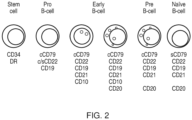
- CD19 is a biomarker for normal and neoplastic B cells, as well as follicular dendritic cells. In fact, it is present on B cells from earliest recognizable B-lineage cells during development to B-cell blasts but is lost on maturation to plasma cells. It primarily acts as a B cell co-receptor in conjunction with CD21 and CD81. Upon activation, the cytoplasmic tail of CD19 becomes phosphorylated, which leads to binding by Src-family kinases and recruitment of PI-3 kinase. CD19 is expressed very early in B-cell differentiation and is only lost at terminal B-cell differentiation into plasma cells. Consequently, CD19 is expressed on all B-cell malignancies apart from multiple myeloma.
- the gene encoding CD19 comprises ten exons: exons 1 to 4 encode the extracellular domain; exon 5 encodes the transmembrane domain; and exons 6 to 10 encode the cytoplasmic domain,
- the antigen-binding domain of the anti-CD19 CAR may bind an epitope of CD19 encoded by exon 1 of the CD19 gene.
- the antigen-binding domain of the anti-CD19 CAR may bind an epitope of CD19 encoded by exon 3 of the CD19 gene.
- the antigen-binding domain of the anti-CD19 CAR may bind an epitope of CD19 encoded by exon 4 of the CD19 gene.
- the present inventors have developed a new anti-CD19 CAR which has improved properties compared to a known anti-CD19 CAR which comprises the binder fmc63 (see Examples 2 and 3).
- the antigen binding domain of the CAR is based on the CD19 binder CD19ALAb, which has the CDRs and VH/VL regions identified below.
- the present invention therefore also provides a CAR which comprises a CD19-binding domain which comprises a) a heavy chain variable region (VH) having complementarity determining regions (CDRs) with the following sequences:
- Each CDR may, for example, have one, two or three amino acid mutations.
- the CAR of the present invention may comprise one of the following amino acid sequences:
- the scFv may be in a VH-VL orientation (as shown in SEQ ID No.s 21, 22 and 39) or a VL-VH orientation.
- the CAR of the present invention may comprise one of the following VH sequences:
- the CAR of the present invention may comprise one of the following VL sequences:
- the CAR of the invention may comprise a variant of the sequence shown as SEQ ID No. 21, 22, 23, 24, 25, 26, 39 or 40 having at least 80, 85, 90, 95, 98 or 99% sequence identity, provided that the variant sequence retain the capacity to bind CD19 (when in conjunction with a complementary VL or VH domain, if appropriate).
- the percentage identity between two polypeptide sequences may be readily determined by programs such as BLAST which is freely available at http://blast.ncbi.nlm.nih.gov.
- the human CD22 antigen is a molecule belonging to the SIGLEC family of lectins. It is found on the surface of mature B cells and on some immature B cells. Generally speaking, CD22 is a regulatory molecule that prevents the overactivation of the immune system and the development of autoimmune diseases.
- CD22 is a sugar binding transmembrane protein, which specifically binds sialic acid with an immunoglobulin (Ig) domain located at its N-terminus. The presence of Ig domains makes CD22 a member of the immunoglobulin superfamily. CD22 functions as an inhibitory receptor for B cell receptor (BCR) signaling.
- BCR B cell receptor
- CD22 is a molecule of the IgSF which may exist in two isoforms, one with seven domains and an intra-cytoplasmic tail comprising of three ITIMs (immune receptor tyrosine-based inhibitory motifs) and an ITAM; and a splicing variant which instead comprises of five extracellular domains and an intra-cytoplasmic tail carrying one ITIM.
- CD22 is thought to be an inhibitory receptor involved in the control of B-cell responses to antigen.
- CD22 is widely considered to be a pan-B antigen, although expression on some non-lymphoid tissue has been described. Targeting of CD22 with therapeutic monoclonal antibodies and immunoconjugates has entered clinical testing.
- anti-CD22 CARs examples include Haso et al. (Blood; 2013; 121(7 )). Specifically, anti-CD22 CARs with antigen-binding domains derived from m971, HA22 and BL22 scFvs are described.
- the antigen-binding domain of the anti-CD22 CAR may bind CD22 with a K D in the range 30-50nM, for example 30-40nM.
- the K D may be about 32nM.
- CD-22 has seven extracellular IgG-like domains, which are commonly identified as Ig domain 1 to Ig domain 7, with Ig domain 7 being most proximal to the B cell membrane and Ig domain 7 being the most distal from the Ig cell membrane (see Haso et al 2013 as above Figure 2B).
- Ig domains in terms of the amino acid sequence of CD22 (http://www.uniprot.org/uniprot/P20273 ) are summarised in the following table: Ig domain Amino acids 1 20-138 2 143-235 3 242-326 4 331-416 5 419-500 6 505-582 7 593-676
- the antigen-binding domain of the second CAR may bind to a membrane-distal epitope on CD22.
- the antigen-binding domain of the second CAR may bind to an epitope on Ig domain 1, 2, 3 or 4 of CD22, for example on Ig domain 3 of CD22.
- the antigen-binding domain of the second CAR may bind to an epitope located between amino acids 20-416 of CD22, for example between amino acids 242-326 of CD22.
- the antigen binding domain of the second CAR may not bind to a membrane-proximal epitope on CD22.
- the antigen-binding domain of the second CAR may not bind to an epitope on Ig domain 5, 6 or 7 of CD22.
- the antigen-binding domain of the second CAR may not bind to an epitope located between amino acids 419-676 of CD22, such as between 505-676 of CD22.
- the present inventors have developed a new anti-CD22 CAR which has improved properties compared to a known anti-CD22 CAR which comprises the binder m971 (see Examples 2 and 3 and Haso et al (2013) as above).
- the antigen binding domain of the CAR is based on the CD22 binder CD22ALAb, which has the CDRs and VH/VL regions identified below.
- the present invention therefore also provides a CAR which comprises a CD22-binding domain which comprises
- Each CDR may, for example, have one, two or three amino acid mutations.
- the CAR of the present invention may comprise one of the following amino acid sequences:
- the scFv may be in a VH-VL orientation (as shown in SEQ ID Nos 33 and 34) or a VL-VH orientation.
- the CAR of the present invention may comprise one of the following VH sequences:
- the CAR of the present invention may comprise one of the following VL sequences:
- the CAR of the invention may comprise a variant of the sequence shown as SEQ ID No. 33, 34, 35, 36, 37 or 38 having at least 80, 85, 90, 95, 98 or 99% sequence identity, provided that the variant sequence retain the capacity to bind CD22 (when in conjunction with a complementary VL or VH domain, if appropriate).
- CD19 is widely considered a pan-B antigen, although very occasionally, it may display some lineage infidelity.
- the CD19 molecule comprises of two extracellular IgSF domains separated by a smaller domain and a long intracytoplasmic tail, nearly as big as the extracellular portion of the molecule, carrying one ITAM.
- CD19 is a key molecule in the development and activation of B-cells.
- CD22 is a molecule of the IgSF which may exist in two isoforms, one with seven domains and an intra-cytoplasmic tail comprising of three ITIMs (immune receptor tyrosine-based inhibitory motifs) and an ITAM; and a splicing variant which instead comprises of five extracellular domains and an intra-cytoplasmic tail carrying one ITIM.
- CD22 is thought to be an inhibitory receptor involved in the control of B-cell responses to antigen. Like CD19, CD22 is widely considered to be a pan-B antigen, although expression on some non-lymphoid tissue has been described ( Wen et al. (2012) J. Immunol. Baltim. Md 1950 188, 1075-1082 ). Targeting of CD22 with therapeutic monoclonal antibodies and immunoconjugates has entered clinical testing. Generation of CD22 specific CARs have been described ( Haso et al, 2013, Blood: Volume 121; 7: 1165-74 , and James et al 2008, Journal of immunology, Volume 180; Issue 10; Pages 7028-38 ).
- the eventuality of CD19 down-regulation after CAR19 targeting described above may be explained by the Goldie-Coldman hypothesis.
- the Goldie-Coldman hypothesis predicts that tumor cells mutate to a resistant phenotype at a rate dependent on their intrinsic genetic instability and that the probability that a cancer would contain resistant clones depends on the mutation rate and the size of the tumor. While it may be difficult for cancer cells to become intrinsically resistant to the direct killing of cytotoxic T-cells, antigen loss remains possible. Indeed this phenomenon has been reported before with targeting melanoma antigens and EBV-driven lymphomas. According to Goldie-Coldman hypothesis, the best chance of cure would be to simultaneously attack non-cross resistant targets. Given that CD22 is expressed on nearly all cases of B-ALL, simultaneous CAR targeting of CD19 along with CD22 may reduce the emergence of resistant CD19 negative clones.
- the antigen binding domain is the portion of the CAR which recognizes antigen.
- Numerous antigen-binding domains are known in the art, including those based on the antigen binding site of an antibody, antibody mimetics, and T-cell receptors.
- the antigen-binding domain may comprise: a single-chain variable fragment (scFv) derived from a monoclonal antibody; a natural ligand of the target antigen; a peptide with sufficient affinity for the target; a single domain antibody; an artificial single binder such as a Darpin (designed ankyrin repeat protein); or a single-chain derived from a T-cell receptor.
- scFv single-chain variable fragment
- the antigen binding domain of the CAR which binds to CD19 may be any domain which is capable of binding CD19.
- the antigen binding domain may comprise a CD19 binder as described in Table 1.
- the antigen binding domain of the CAR which binds to CD19 may comprise a sequence derived from one of the CD19 binders shown in Table 2.
- Table 2 Binder References HD63 Pezzutto ( Pezzutto, A. et al. J. Immunol. Baltim. Md 1950 138, 2793-2799 (1987 ) 4g7 Meeker et al ( Meeker, T. C. et al. Hybridoma 3, 305-320 (1984 ) Fmc63 Nicholson et al ( Nicholson, I. C. et al. Mol. Immunol. 34, 1157-1165 (1997 ) B43 Bejcek et al ( Bejcek, B. E. et al.
- the antigen binding domain of the CAR which binds to CD22 may be any domain which is capable of binding CD22.
- the antigen binding domain may comprise a CD22 binder as described in Table 3.
- Table 3 Binder References M5/44 or humanized M5/44 John et al (J. Immunol. Baltim. Md 1950 170, 3534-3543 (2003); and DiJoseph et al (Cancer Immunol. Immunother. CII 54, 11-24 (2005 ) M6/13 DiJoseph et al (as above) HD39 Dorken et al (J. Immunol. Baltim.
- CARs comprise a spacer sequence to connect the antigen-binding domain with the transmembrane domain and spatially separate the antigen-binding domain from the endodomain.
- a flexible spacer allows the antigen-binding domain to orient in different directions to facilitate binding.
- the first and second CARs may comprise different spacer molecules.
- the spacer sequence may, for example, comprise an IgG1 Fc region, an IgG1 hinge or a human CD8 stalk or the mouse CD8 stalk.
- the spacer may alternatively comprise an alternative linker sequence which has similar length and/or domain spacing properties as an IgG1 Fc region, an IgG1 hinge or a CD8 stalk.
- a human IgG1 spacer may be altered to remove Fc binding motifs.
- the spacer for the anti-CD19 CAR may comprise a CD8 stalk spacer, or a spacer having a length equivalent to a CD8 stalk spacer.
- the spacer for the anti-CD19 CAR may have at least 30 amino acids or at least 40 amino acids. It may have between 35-55 amino acids, for example between 40-50 amino acids. It may have about 46 amino acids.
- the spacer for the anti-CD22 CAR may comprise an IgG1 hinge spacer, or a spacer having a length equivalent to an IgG1 hinge spacer.
- the spacer for the anti-CD22 CAR may have fewer than 30 amino acids or fewer than 25 amino acids. It may have between 15-25 amino acids, for example between 18-22 amino acids. It may have about 20 amino acids.
- amino acid sequences for these spacers are given below:
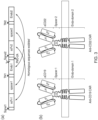
- CARs are typically homodimers (see Figure 1a )
- cross-pairing may result in a heterodimeric chimeric antigen receptor. This is undesirable for various reasons, for example: (1) the epitope may not be at the same "level" on the target cell so that a cross-paired CAR may only be able to bind to one antigen; (2) the VH and VL from the two different scFv could swap over and either fail to recognize target or worse recognize an unexpected and unpredicted antigen.
- the spacer of the first CAR may be sufficiently different from the spacer of the second CAR in order to avoid cross-pairing.
- the amino acid sequence of the first spacer may share less that 50%, 40%, 30% or 20% identity at the amino acid level with the second spacer.
- the transmembrane domain is the sequence of the CAR that spans the membrane.
- a transmembrane domain may be any protein structure which is thermodynamically stable in a membrane. This is typically an alpha helix comprising of several hydrophobic residues.
- the transmembrane domain of any transmembrane protein can be used to supply the transmembrane portion of the invention.
- the presence and span of a transmembrane domain of a protein can be determined by those skilled in the art using the TMHMM algorithm (http://www.cbs.dtu.dk/services/TM HMM-2.0/).
- transmembrane domain of a protein is a relatively simple structure, i.e a polypeptide sequence predicted to form a hydrophobic alpha helix of sufficient length to span the membrane
- an artificially designed TM domain may also be used ( US 7052906 B1 describes synthetic transmembrane components).
- the transmembrane domain may be derived from CD28, which gives good receptor stability.
- the transmembrane domain may be derived from human Tyrp-1.
- the tyrp-1 transmembrane sequence is shown as SEQ ID No. 45.
- the endodomain is the signal-transmission portion of the CAR. After antigen recognition, receptors cluster, native CD45 and CD148 are excluded from the synapse and a signal is transmitted to the cell.
- the most commonly used endodomain component is that of CD3-zeta which contains 3 ITAMs. This transmits an activation signal to the T cell after antigen is bound.
- CD3-zeta may not provide a fully competent activation signal and additional co-stimulatory signaling may be needed.
- chimeric CD28 and OX40 can be used with CD3-Zeta to transmit a proliferative / survival signal, or all three can be used together.
- the cell of the present invention comprises two CARs, each with an endodomain.
- the endodomain of the first CAR and the endodomain of the second CAR may comprise:
- co-stimulatory and survival signal-producing domains are "shared" between the two (or more) CARs in an OR gate.
- CAR A may comprise a co-stimulatory domain (e.g. CD28 endodomain) and CARB may comprise a TNF receptor family endodomain, such as OX-40 or 4-1BB.
- An endodomain which contains an ITAM motif can act as an activation endodomain in this invention.
- proteins are known to contain endodomains with one or more ITAM motifs. Examples of such proteins include the CD3 epsilon chain, the CD3 gamma chain and the CD3 delta chain to name a few.
- the ITAM motif can be easily recognized as a tyrosine separated from a leucine or isoleucine by any two other amino acids, giving the signature YxxL/I. Typically, but not always, two of these motifs are separated by between 6 and 8 amino acids in the tail of the molecule (YxxL/Ix(6-8)YxxL/I).
- the transmembrane and intracellular T-cell signalling domain (endodomain) of a CAR with an activating endodomain may comprise the sequence shown as SEQ ID No. 9, 10 or 11 or a variant thereof having at least 80% sequence identity.
- a variant sequence may have at least 80%, 85%, 90%, 95%, 98% or 99% sequence identity to SEQ ID No. 9, 10 or 11, provided that the sequence provides an effective trans-membrane domain and an effective intracellular T cell signaling domain.
- the present invention provides an OR gate in which the co-stimulatory/survival signal domains are "split" between the two CARs.
- the present invention provides a cell which co-expresses a first chimeric antigen receptor (CAR) and second CAR at the cell surface, each CAR comprising an intracellular signalling domain, wherein the intracellular signalling domain of the first CAR comprises a co-stimulatory domain; and the intracellular signalling domain of the second CAR comprises a TNF receptor family endodomain.
- CAR chimeric antigen receptor
- the first and second CARs may bind to different antigens.
- the first CAR may bind CD19 and the second CAR may bind CD22; alternatively the first CAR may bind CD22 and the second CAR may bind CD19.
- the intracellular signalling domain of the first CAR comprises a co-stimulatory domain and does not comprise a domain which transmits survival signals (such as a TNF receptor family endodomain).
- the intracellular signalling domain of the second CAR comprises a TNF receptor family endodomain and does not comprise a co-stimulatory domain (such as CD28 endodomain).
- the co-stimulatory domain may be a CD28 co-stimulatory domain.
- the CD28 co-stimulatory domain may have the sequence shown as SEQ ID No. 41.
- SEQ ID No. 41 (CD28 co-stimulatory endodomain) SKRSRLLHSDYMNMTPRRPGPTRKHYQPYAPPRDFAAYRS
- the CAR of the invention may comprise a variant of the sequence shown as SEQ ID No. 41 having at least 80, 85, 90, 95, 98 or 99% sequence identity, provided that the variant sequence retains the capacity to co-stimulate T cells upon antigen recognition, i.e. provide signal 2 to T cells..
- the TNF receptor family endodomain may be an OX40 or 4-1BB endodomain.
- the OX40 endodomain may have the sequence shown as SEQ ID No. 42.
- the 4-1BB endodomain may have the sequence shown as SEQ ID No. 43.
- the CAR of the invention may comprise a variant of the sequence shown as SEQ ID No. 42 or 43 having at least 80, 85, 90, 95, 98 or 99% sequence identity, provided that the variant sequence retains the capacity to transmit a survival signal to T cells upon antigen recognition.
- the intracellular signalling domain of the first and/or the second CAR may also comprise an ITAM-containing domain, such as a CD3 zeta domain.
- the CD3 zeta domain may have the sequence shown as SEQ ID No. 44.
- the CAR of the invention may comprise a variant of the sequence shown as SEQ ID No. 44 having at least 80, 85, 90, 95, 98 or 99% sequence identity, provided that the variant sequence retains the capacity to induce T-cell signalling upon antigen recognition, i.e. provide signal 1 to T cells.
- the first CAR may have the structure: AgB1-spacer1-TM1- costim-ITAM in which:
- the second CAR may have the structure: AgB2-spacer2-TM2- TNF-ITAM in which:
- nucleic acid sequence encoding both the first and second chimeric antigen receptors (CARs) with "split" endodomains; and a kit comprising two nucleic acids one encoding a first CAR and one encoding a second CAR comprising split endodomains as defined above.
- CARs chimeric antigen receptors
- the second aspect of the invention relates to a nucleic acid which encodes the first and second CARs.
- the nucleic acid may produce a polypeptide which comprises the two CAR molecules joined by a cleavage site.
- the cleavage site may be self-cleaving, such that when the polypeptide is produced, it is immediately cleaved into the first and second CARs without the need for any external cleavage activity.
- FMDV Foot-and-Mouth disease virus
- Donnelly et al Journal of General Virology (2001), 82, 1027-1041
- 2A-like sequence from Thosea asigna virus which has the sequence shown as SEQ ID No. 12: SEQ ID No. 12 RAEGRGSLLTCGDVEENPGP.
- the co-expressing sequence may be an internal ribosome entry sequence (IRES).
- the co-expressing sequence may be an internal promoter
- the present invention relates to a cell which co-expresses a first CAR and a second CAR at the cell surface, wherein one CAR binds CD19 and the other CAR binds CD22.
- the cell may be any eukaryotic cell capable of expressing a CAR at the cell surface, such as an immunological cell.
- the cell may be an immune effector cell such as a T cell or a natural killer (NK) cell.
- an immune effector cell such as a T cell or a natural killer (NK) cell.
- T cells or T lymphocytes are a type of lymphocyte that play a central role in cell-mediated immunity. They can be distinguished from other lymphocytes, such as B cells and natural killer cells (NK cells), by the presence of a T-cell receptor (TCR) on the cell surface.
- TCR T-cell receptor
- Helper T helper cells assist other white blood cells in immunologic processes, including maturation of B cells into plasma cells and memory B cells, and activation of cytotoxic T cells and macrophages.
- TH cells express CD4 on their surface.
- TH cells become activated when they are presented with peptide antigens by MHC class II molecules on the surface of antigen presenting cells (APCs).
- APCs antigen presenting cells
- These cells can differentiate into one of several subtypes, including TH1, TH2, TH3, TH17, Th9, or TFH, which secrete different cytokines to facilitate different types of immune responses.
- Cytotoxic T cells destroy virally infected cells and tumor cells, and are also implicated in transplant rejection.
- CTLs express the CD8 at their surface. These cells recognize their targets by binding to antigen associated with MHC class I, which is present on the surface of all nucleated cells.
- MHC class I MHC class I
- IL-10 adenosine and other molecules secreted by regulatory T cells, the CD8+ cells can be inactivated to an anergic state, which prevent autoimmune diseases such as experimental autoimmune encephalomyelitis.
- Memory T cells are a subset of antigen-specific T cells that persist long-term after an infection has resolved. They quickly expand to large numbers of effector T cells upon re-exposure to their cognate antigen, thus providing the immune system with "memory" against past infections.
- Memory T cells comprise three subtypes: central memory T cells (TCM cells) and two types of effector memory T cells (TEM cells and TEMRA cells). Memory cells may be either CD4+ or CD8+. Memory T cells typically express the cell surface protein CD45RO.
- Treg cells Regulatory T cells
- suppressor T cells are crucial for the maintenance of immunological tolerance. Their major role is to shut down T cell-mediated immunity toward the end of an immune reaction and to suppress auto-reactive T cells that escaped the process of negative selection in the thymus.
- Treg cells Two major classes of CD4+ Treg cells have been described - naturally occurring Treg cells and adaptive Treg cells.
- Naturally occurring Treg cells arise in the thymus and have been linked to interactions between developing T cells with both myeloid (CD11c+) and plasmacytoid (CD123+) dendritic cells that have been activated with TSLP.
- Naturally occurring Treg cells can be distinguished from other T cells by the presence of an intracellular molecule called FoxP3. Mutations of the FOXP3 gene can prevent regulatory T cell development, causing the fatal autoimmune disease IPEX.
- Adaptive Treg cells may originate during a normal immune response.
- the T cell of the invention may be any of the T cell types mentioned above, in particular a CTL.
- NK cells are a type of cytolytic cell which forms part of the innate immune system. NK cells provide rapid responses to innate signals from virally infected cells in an MHC independent manner
- NK cells (belonging to the group of innate lymphoid cells) are defined as large granular lymphocytes (LGL) and constitute the third kind of cells differentiated from the common lymphoid progenitor generating B and T lymphocytes. NK cells are known to differentiate and mature in the bone marrow, lymph node, spleen, tonsils and thymus where they then enter into the circulation.
- LGL large granular lymphocytes
- the CAR cells of the invention may be any of the cell types mentioned above.
- CAR- expressing cells such as CAR-expressing T or NK cells may either be created ex vivo either from a patient's own peripheral blood (1st party), or in the setting of a haematopoietic stem cell transplant from donor peripheral blood (2nd party), or peripheral blood from an unconnected donor (3rd party).
- the present invention also provide a cell composition comprising CAR expressing T cells and/or CAR expressing NK cells according to the present invention.
- the cell composition may be made by transducing a blood-sample ex vivo with a nucleic acid according to the present invention.
- CAR-expressing cells may be derived from ex vivo differentiation of inducible progenitor cells or embryonic progenitor cells to the relevant cell type, such as T cells.
- an immortalized cell line such as a T-cell line which retains its lytic function and could act as a therapeutic may be used.
- CAR cells are generated by introducing DNA or RNA coding for the CARs by one of many means including transduction with a viral vector, transfection with DNA or RNA.
- a CAR T cell of the invention may be an ex vivo T cell from a subject.
- the T cell may be from a peripheral blood mononuclear cell (PBMC) sample.
- T cells may be activated and/or expanded prior to being transduced with CAR-encoding nucleic acid, for example by treatment with an anti-CD3 monoclonal antibody.
- PBMC peripheral blood mononuclear cell
- a CAR T cell of the invention may be made by:
- the T cells may then by purified, for example, selected on the basis of co-expression of the first and second CAR.
- the second aspect of the invention relates to one or more nucleic acid sequence(s) which codes for a first CAR and a second CAR as defined in the first aspect of the invention.
- the nucleic acid sequence may be, for example, an RNA, a DNA or a cDNA sequence.
- the nucleic acid sequence may encode one chimeric antigen receptor (CAR) which binds to CD19 and another CAR which binds to CD22.
- CAR chimeric antigen receptor
- the nucleic acid sequence may have the following structure: AgB1-spacer1-TM1 -coexpr-AbB2-spacer2-TM2 in which
- the first CAR may bind CD19 and the second CAR may bind CD22.
- the first CAR may bind CD22 and the second CAR may bind CD19.
- Alternative codons may be used in regions of sequence encoding the same or similar amino acid sequences, in order to avoid homologous recombination.
- codons “ccg” and “cca” both encode the amino acid proline, so using “ccg” may be exchanged for "cca” without affecting the amino acid in this position in the sequence of the translated protein.
- RNA codons which may be used to encode each amino acid are summarised in Table 3.
- Table 3 U C A G U UUU UCU UAU UGU UUC UCC UAC UGC UUA UCA UAA Ocher UGA UUG UCG UAG Amber UGG C CUU CCU CAU CGU CUC CCC CAC CGC CUA CCA CAA CGA CUG CCG CAG CGG A AUU ACU AAU AGU AUC ACC AAC AGC AUA ACG AAA AGA AUG Met(M) ACG AAG AGG G GUU GCU GAU GGU GUC GCC GAU GGC GUA GCA GAA GGA GUG GCG GAG GGG
- Alternative codons may be used in the portions of nucleic acid sequence which encode the spacer of the first CAR and the spacer of the second CAR, especially if the same or similar spacers are used in the first and second CARs.
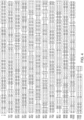
- Figure 4 shows two sequences encoding the spacer HCH2CH3 - hinge, in one of which alternative codons have been used.
- Alternative codons may be used in the portions of nucleic acid sequence which encode the transmembrane domain of the first CAR and the transmembrane of the second CAR, especially if the same or similar transmembrane domains are used in the first and second CARs.
- Figure 4 shows two sequences encoding the CD28 transmembrane domain, in one of which alternative codons have been used.
- Alternative codons may be used in the portions of nucleic acid sequence which encode all or part of the endodomain of the first CAR and all or part of the endodomain of the second CAR.
- Alternative codons may be used in the CD3 zeta endodomain.
- Figure 4 shows two sequences encoding the CD3 zeta endodomain, in one of which alternative codons have been used.
- Alternative codons may be used in one or more co-stimulatory domains, such as the CD28 endodomain.
- Alternative codons may be used in one or more domains which transmit survival signals, such as OX40 and 41BB endodomains.
- Alternative codons may be used in the portions of nucleic acid sequence encoding a CD3zeta endodomain and/or the portions of nucleic acid sequence encoding one or more costimulatory domain(s) and/or the portions of nucleic acid sequence encoding one or more domain(s) which transmit survival signals.
- the present invention also provides a vector, or kit of vectors which comprises one or more CAR-encoding nucleic acid sequence(s).
- a vector or kit of vectors which comprises one or more CAR-encoding nucleic acid sequence(s).
- Such a vector may be used to introduce the nucleic acid sequence(s) into a host cell so that it expresses the first and second CARs.
- the vector may, for example, be a plasmid or a viral vector, such as a retroviral vector or a lentiviral vector, or a transposon based vector or synthetic mRNA.
- the vector may be capable of transfecting or transducing a T cell.
- the present invention also relates to a pharmaceutical composition containing a plurality of CAR-expressing cells, such as T cells or NK cells according to the first aspect of the invention.
- the pharmaceutical composition may additionally comprise a pharmaceutically acceptable carrier, diluent or excipient.
- the pharmaceutical composition may optionally comprise one or more further pharmaceutically active polypeptides and/or compounds.
- Such a formulation may, for example, be in a form suitable for intravenous infusion.
- the cells of the present invention are capable of killing cancer cells, such as B-cell lymphoma cells.
- CAR-expressing cells such as T cells
- CAR-expressing cells may either be created ex vivo either from a patient's own peripheral blood (1st party), or in the setting of a haematopoietic stem cell transplant from donor peripheral blood (2nd party), or peripheral blood from an unconnected donor (3rd party).
- CAR T-cells may be derived from ex-vivo differentiation of inducible progenitor cells or embryonic progenitor cells to T-cells.
- CAR T-cells are generated by introducing DNA or RNA coding for the CAR by one of many means including transduction with a viral vector, transfection with DNA or RNA.
- the cells of the present invention may be capable of killing target cells, such as cancer cells.
- the target cell is recognisable by expression of CD19 or CD22.
- Table 4 - expression of lymphoid antigens on lymphoid leukaemias CD19 CD22 CD10 CD7 CD5 CD3 clg ⁇ slg ⁇ Early pre-B 100 >95 95 5 0 0 0 0 0 0 0 Pre-B 100 100 >95 0 0 0 100 0 Transitional pre-B 100 100 50 0 0 0 100 0 B 100 100 50 0 0 0 >95 >95 T ⁇ 5 0 0 100 95 100 0 0
- the T cells of the present invention may be used to treat cancer, in particular B-cell malignancies.
- cancers which express CD19 or CD22 are B-cell lymphomas, including Hodgkin's lymphoma and non-Hodgkins lymphoma; and B-cell leukaemias.
- the B-cell lymphoma may be Diffuse large B cell lymphoma (DLBCL), Follicular lymphoma, Marginal zone lymphoma (MZL) or Mucosa-Associated Lymphatic Tissue lymphoma (MALT), Small cell lymphocytic lymphoma (overlaps with Chronic lymphocytic leukemia), Mantle cell lymphoma (MCL), Burkitt lymphoma, Primary mediastinal (thymic) large B-cell lymphoma, Lymphoplasmacytic lymphoma (may manifest as Waldenström macroglobulinemia), Nodal marginal zone B cell lymphoma (NMZL), Splenic marginal zone lymphoma (SMZL), Intravascular large B-cell lymphoma, Primary effusion lymphoma, Lymphomatoid granulomatosis, T cell/histiocyte-rich large B-cell lymphoma or Primary central nervous system lymphoma.
- DLBCL Diffuse large B cell lymph
- the B-cell leukaemia may be acute lymphoblastic leukaemia, B-cell chronic lymphocytic leukaemia, B-cell prolymphocytic leukaemia, precursor B lymphoblastic leukaemia or hairy cell leukaemia.
- the B-cell leukaemia may be acute lymphoblastic leukaemia.
- Treatment with the T cells of the invention may help prevent the escape or release of tumour cells which often occurs with standard approaches.
- a CD19 'OR' CD22 CAR gate was constructed by co-expression of a CD19 and a CD22 CAR in the same vector.
- the anti-CD19 binder was a scFv derived from the re-surfaced B4 antibody ( Roguska et al. (1996) Protein Eng. 9, 895-904 ), and the anti-CD22 binder was a scFv derived from the humanized RFB4 antibody.
- a human IgG1 hinge-CH2-CH3 spacer was used for both CARs, the coding sequence of which was codon-wobbled to avoid homologous recombination by the integrating vector.
- the TM domain in both CARs was derived from that of CD28, and both CAR endodomains comprised of CD3-Zeta. Once again, these homologous sequences were codon-wobbled. Co-expression was achieved by cloning the two CARs in frame separated by a FMD-2A peptide.
- the nucleic acid and amino acid sequence of the CD19/CD22 'OR' gate construct are shown as SEQ ID NOs: 13 and 14; respectively.
- the scFv of each CAR was tagged with an epitope tag (HA or V5 respectively).
- This subsequent single open-reading frame was cloned into the SFG retroviral vector.
- T-cells were transduced with this vector and both CARs could be detected on the T-cells surface expressing the cassette by staining with anti-HA and anti-V5 and studying expression by flow cytometry.
- T-cells expressing the CD19 OR CD22 CAR gate were challenged with target cells, expressing neither, both or one antigen along with control T-cells which expressed no CARs, or just anti-CD19 CAR alone, or anti-CD22 CAR alone.
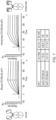
- the OR-gated CAR T-cells could kill target cells expressing either one or both target antigens ( Figure 5 ).
- CD19-binder (CD19ALAb) was identified, humanised and the binding affinities of both murine and humanised IgGs and scFvs were identified and compared with the "gold-standard" anti-CD19 binder, fmc63.
- CD22-binder (CD22ALAb) was identified, humanised and the binding affinities of both murine and humanised IgGs and scFvs were identified and compared with the "gold-standard" anti-CD22 binder, M971.
- Example 3 Comparative functional assays with CD19ALAb/fmc63 CARs and CD22ALAb/M971 CARs
- the antigen binding domain of a CAR can affect its function.
- CARs were created comprising CD19ALAb and CD22ALAb and function was compared with an equivalent CAR having an antigen-binding domain based on fmc63 or M971.
- CARs comprising scFvs based on fmc63 (anti-CD19) and M971 (anti-CD22) can be considered as the gold standard antibodies as both CARs are in clinical development.
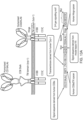
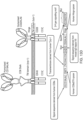
- CARs were constructed and expressed based on CD19ALAb, fmc63, CD22ALAb and M971. Their structure is shown in Figure 9 .
- the CARs differed solely in their antigen binding domain. In all constructs, the binding domains were linked to the membrane with a CD8 stalk spacer and contained intracellular activatory motifs from 41BB and CD3-zeta.
- Retroviruses were produced by transient transfection of 293T cells with plasmids encoding the CARs, gag/pol and the envelope protein RD114. After 3 days the supernatants were harvested and used to transduce PHA/IL2-activated PBMCs with equal titres of retrovirus on retronectin-coated plates. Six days post-transduction CAR-expression was confirmed by flow cytometry and PBMCs were co-cultured in a 1:1 ratio with either CD19+ BFP SupT1 cells (fmc63 and CD19ALAb CARs) or CD22+ BFP SupT1 cells (M971 and CD22ALAb CARs). Target cell killing was assayed after one and three days. Also after one and three days, supernatants were removed and interferon- ⁇ levels were assayed by ELISA.
- the CAR with a CD19ALAb antigen binding domain gave more killing of CD19+ve target cells ( Figure 10 ) at both Day1 and Day 3, than the equivalent CAR with a fmc63 binding domain.
- the CAR with a CD22ALAb antigen binding domain gave more killing of CD22+ve target cells ( Figure 11a ) after three days than the equivalent CAR with an M971 binding domain. IFN ⁇ release was significantly higher with the CD22ALAb CAR than the M971 CAR after the same time frame.
- CARs having an antigen-binding domain based on CD19ALAb and CD22ALAb therefore have improved properties in terms of target cell killing than equivalent CARs based on fmc63 and M971.
- the CD22ALAb result is particularly surprising, given the findings reported in Haso et al (2013) as above.
- different anti-CD22 CARs were made and tested, with binding domains based on the anti-CD22 antibodies HA22, BL22 and m971.
- HA22 and BL22 scFvs bind to Ig domain 3 of CD22, whereas m971 binds within Ig domain 5-7 of CD22 (see Haso et al (2013) Figure 2B). It was reported that the m971-derived CAR showed superior target cell killing activity than HA22-derived CAR, which finding is attributed to the importance of the CD22 epitope targeted by the CAR (Haso et al (2013) page 1168, last full paragraph).
Landscapes
- Health & Medical Sciences (AREA)
- Life Sciences & Earth Sciences (AREA)
- Chemical & Material Sciences (AREA)
- Immunology (AREA)
- Organic Chemistry (AREA)
- General Health & Medical Sciences (AREA)
- Engineering & Computer Science (AREA)
- Genetics & Genomics (AREA)
- Zoology (AREA)
- Biochemistry (AREA)
- Biomedical Technology (AREA)
- Cell Biology (AREA)
- Medicinal Chemistry (AREA)
- Public Health (AREA)
- Animal Behavior & Ethology (AREA)
- Veterinary Medicine (AREA)
- Bioinformatics & Cheminformatics (AREA)
- Epidemiology (AREA)
- Proteomics, Peptides & Aminoacids (AREA)
- Biotechnology (AREA)
- Wood Science & Technology (AREA)
- Molecular Biology (AREA)
- Biophysics (AREA)
- Gastroenterology & Hepatology (AREA)
- Hematology (AREA)
- General Engineering & Computer Science (AREA)
- Toxicology (AREA)
- Microbiology (AREA)
- Pharmacology & Pharmacy (AREA)
- Chemical Kinetics & Catalysis (AREA)
- General Chemical & Material Sciences (AREA)
- Nuclear Medicine, Radiotherapy & Molecular Imaging (AREA)
- Oncology (AREA)
- Plant Pathology (AREA)
- Physics & Mathematics (AREA)
- Micro-Organisms Or Cultivation Processes Thereof (AREA)
- Peptides Or Proteins (AREA)
- Medicines Containing Material From Animals Or Micro-Organisms (AREA)
- Developmental Biology & Embryology (AREA)
- Virology (AREA)
Applications Claiming Priority (4)
| Application Number | Priority Date | Filing Date | Title |
|---|---|---|---|
| GB201423172 | 2014-12-24 | ||
| EP19172397.2A EP3560953B1 (fr) | 2014-12-24 | 2015-12-23 | Cellule |
| EP15817520.8A EP3237442B1 (fr) | 2014-12-24 | 2015-12-23 | Cellule |
| PCT/GB2015/054137 WO2016102965A1 (fr) | 2014-12-24 | 2015-12-23 | Cellule |
Related Parent Applications (3)
| Application Number | Title | Priority Date | Filing Date |
|---|---|---|---|
| EP19172397.2A Division EP3560953B1 (fr) | 2014-12-24 | 2015-12-23 | Cellule |
| EP19172397.2A Division-Into EP3560953B1 (fr) | 2014-12-24 | 2015-12-23 | Cellule |
| EP15817520.8A Division EP3237442B1 (fr) | 2014-12-24 | 2015-12-23 | Cellule |
Publications (2)
| Publication Number | Publication Date |
|---|---|
| EP4368704A2 true EP4368704A2 (fr) | 2024-05-15 |
| EP4368704A3 EP4368704A3 (fr) | 2024-05-29 |
Family
ID=55066668
Family Applications (3)
| Application Number | Title | Priority Date | Filing Date |
|---|---|---|---|
| EP23217769.1A Pending EP4368704A3 (fr) | 2014-12-24 | 2015-12-23 | Cellule |
| EP19172397.2A Active EP3560953B1 (fr) | 2014-12-24 | 2015-12-23 | Cellule |
| EP15817520.8A Revoked EP3237442B1 (fr) | 2014-12-24 | 2015-12-23 | Cellule |
Family Applications After (2)
| Application Number | Title | Priority Date | Filing Date |
|---|---|---|---|
| EP19172397.2A Active EP3560953B1 (fr) | 2014-12-24 | 2015-12-23 | Cellule |
| EP15817520.8A Revoked EP3237442B1 (fr) | 2014-12-24 | 2015-12-23 | Cellule |
Country Status (26)
| Country | Link |
|---|---|
| US (8) | US11091532B2 (fr) |
| EP (3) | EP4368704A3 (fr) |
| JP (5) | JP6633081B2 (fr) |
| KR (6) | KR102376244B1 (fr) |
| CN (3) | CN121427832A (fr) |
| AU (5) | AU2015370679C1 (fr) |
| BR (1) | BR112017013690A2 (fr) |
| CA (2) | CA2970440A1 (fr) |
| CL (3) | CL2017001314A1 (fr) |
| DK (2) | DK3237442T3 (fr) |
| ES (2) | ES2744910T3 (fr) |
| FI (1) | FI3560953T3 (fr) |
| HR (1) | HRP20240357T1 (fr) |
| HU (2) | HUE046262T2 (fr) |
| IL (5) | IL292508B2 (fr) |
| LT (1) | LT3560953T (fr) |
| MX (1) | MX2017006233A (fr) |
| PL (2) | PL3560953T3 (fr) |
| PT (2) | PT3237442T (fr) |
| RS (1) | RS65343B1 (fr) |
| RU (2) | RU2022102250A (fr) |
| SG (2) | SG11201704084VA (fr) |
| SI (1) | SI3560953T1 (fr) |
| SM (1) | SMT202400134T1 (fr) |
| WO (1) | WO2016102965A1 (fr) |
| ZA (1) | ZA201703381B (fr) |
Families Citing this family (97)
| Publication number | Priority date | Publication date | Assignee | Title |
|---|---|---|---|---|
| EP4282419A1 (fr) | 2012-12-20 | 2023-11-29 | Purdue Research Foundation | Cellules t exprimant un récepteur d'antigène chimérique et produits thérapeutiques anticancéreux |
| GB201415347D0 (en) * | 2014-08-29 | 2014-10-15 | Ucl Business Plc | Signalling system |
| PL3560953T3 (pl) * | 2014-12-24 | 2024-05-13 | Autolus Limited | Komórka |
| KR102763121B1 (ko) | 2015-02-06 | 2025-02-04 | 내셔널 유니버시티 오브 싱가포르 | 치료적 면역 세포의 효능의 향상 방법 |
| EP4406604A3 (fr) | 2015-03-05 | 2024-10-23 | Fred Hutchinson Cancer Center | Protéines de fusion immunomodulatrices et leurs utilisations |
| GB201503742D0 (en) | 2015-03-05 | 2015-04-22 | Ucl Business Plc | Chimeric antigen receptor |
| JP6961490B2 (ja) | 2015-04-08 | 2021-11-05 | ノバルティス アーゲー | Cd20療法、cd22療法、およびcd19キメラ抗原受容体(car)発現細胞との併用療法 |
| GB201507115D0 (en) * | 2015-04-27 | 2015-06-10 | Ucl Business Plc | Nucleic Acid Construct |
| GB201507119D0 (en) * | 2015-04-27 | 2015-06-10 | Ucl Business Plc | Nucleic Acid Construct |
| US11655452B2 (en) | 2015-06-25 | 2023-05-23 | Icell Gene Therapeutics Inc. | Chimeric antigen receptors (CARs), compositions and methods of use thereof |
| US11173179B2 (en) | 2015-06-25 | 2021-11-16 | Icell Gene Therapeutics Llc | Chimeric antigen receptor (CAR) targeting multiple antigens, compositions and methods of use thereof |
| EP3439675A4 (fr) | 2016-04-08 | 2019-12-18 | Purdue Research Foundation | Méthodes et compositions pour thérapie par lymphocytes t car |
| GB201610512D0 (en) | 2016-06-16 | 2016-08-03 | Autolus Ltd | Chimeric antigen receptor |
| GB201610515D0 (en) * | 2016-06-16 | 2016-08-03 | Autolus Ltd | Cell |
| CN109562126A (zh) * | 2016-06-24 | 2019-04-02 | 美商生物细胞基因治疗有限公司 | 嵌合抗原受体(car)、组合物及其使用方法 |
| ES2981703T3 (es) | 2016-09-02 | 2024-10-10 | Lentigen Tech Inc | Composiciones y métodos para tratar cáncer con DuoCars |
| BR112019006781A2 (pt) | 2016-10-07 | 2019-07-30 | Novartis Ag | receptores de antígeno quiméricos para o tratamento de câncer |
| NZ752984A (en) | 2016-11-22 | 2026-03-27 | Nat Univ Singapore | Blockade of cd7 expression and chimeric antigen receptors for immunotherapy of t-cell malignancies |
| EP3548055A4 (fr) | 2016-12-02 | 2020-08-19 | University of Southern California | Récepteurs immunitaires synthétiques et leurs procédés d'utilisation |
| US11427633B2 (en) * | 2016-12-13 | 2022-08-30 | Crage Medical Co., Limited | Anti-CD19 humanized antibody and immune effector cell targeting cd 19 |
| EP3567049A4 (fr) * | 2016-12-28 | 2020-08-26 | Green Cross Lab Cell Corporation | Récepteur antigénique chimérique et cellules tueuses naturelles exprimant celui-ci |
| EP3568466A4 (fr) | 2017-01-10 | 2020-07-15 | The General Hospital Corporation | Lymphocytes t ciblés présentant une cytotoxicité vis-à-vis de cellules immunosuppressives |
| US11649288B2 (en) | 2017-02-07 | 2023-05-16 | Seattle Children's Hospital | Phospholipid ether (PLE) CAR T cell tumor targeting (CTCT) agents |
| WO2018160622A1 (fr) | 2017-02-28 | 2018-09-07 | Endocyte, Inc. | Compositions et méthodes de thérapie par lymphocytes t car |
| CN119409836A (zh) | 2017-03-17 | 2025-02-11 | 弗雷德哈钦森癌症中心 | 免疫调节融合蛋白及其用途 |
| US12378297B2 (en) | 2017-04-14 | 2025-08-05 | The General Hospital Corporation | Chimeric antigen receptor T cells targeting the tumor microenvironment |
| US20200048618A1 (en) * | 2017-04-18 | 2020-02-13 | Autolus Limited | Cell |
| EP3612210A4 (fr) * | 2017-04-19 | 2021-01-27 | Board Of Regents, The University Of Texas System | Cellules immunitaires exprimant des récepteurs d'antigènes modifiés |
| CN110650975B (zh) * | 2017-05-15 | 2024-04-05 | 美国卫生和人力服务部 | 双顺反子嵌合抗原受体及其用途 |
| CA3287539A1 (en) | 2017-06-21 | 2026-03-02 | Icell Gene Therapeutics Llc | CHIMERIC ANTIGEN RECEPTORS (CARs), COMPOSITIONS AND METHODS THEREOF |
| US20210130775A1 (en) * | 2017-08-02 | 2021-05-06 | Autolus Limited | Cells expressing a chimeric antigen receptor or engineered tcr and comprising a nucleotide sequence which is selectively expressed |
| US20190038733A1 (en) | 2017-08-10 | 2019-02-07 | National University Of Singapore | T cell receptor-deficient chimeric antigen receptor t-cells and methods of use thereof |
| CN109385402A (zh) * | 2017-08-11 | 2019-02-26 | 上海恒润达生生物科技有限公司 | 一种等比例混合两种靶点cart细胞的制备方法及应用 |
| CN107446937B (zh) * | 2017-09-05 | 2020-12-25 | 深圳华云生物技术有限公司 | 嵌合抗原受体及其表达基因、光控调节的嵌合抗原受体修饰的t细胞及其应用 |
| KR20260026092A (ko) | 2017-09-19 | 2026-02-25 | 메사추세츠 인스티튜트 오브 테크놀로지 | 키메라 항원 수용체 t 세포 요법을 위한 조성물 및 그의 용도 |
| US10543263B2 (en) * | 2017-10-16 | 2020-01-28 | Lentigen Technology Inc. | Compositions and methods for treating cancer with anti-CD22 immunotherapy |
| US11649294B2 (en) | 2017-11-14 | 2023-05-16 | GC Cell Corporation | Anti-HER2 antibody or antigen-binding fragment thereof, and chimeric antigen receptor comprising same |
| CN109988242A (zh) * | 2018-01-02 | 2019-07-09 | 武汉波睿达生物科技有限公司 | 联合嵌合抗原受体、表达载体、慢病毒及t细胞 |
| CN108101994B (zh) * | 2018-01-04 | 2020-09-15 | 广东万海细胞生物科技有限公司 | 抗cd19抗体及其应用 |
| US11311576B2 (en) | 2018-01-22 | 2022-04-26 | Seattle Children's Hospital | Methods of use for CAR T cells |
| US12312416B2 (en) | 2018-02-06 | 2025-05-27 | Seattle Children's Hospital | Fluorescein-specific cars exhibiting optimal t cell function against FL-PLE labelled tumors |
| WO2019157533A1 (fr) * | 2018-02-12 | 2019-08-15 | The General Hospital Corporation | Récepteurs d'antigènes chimériques ciblant le micro-environnement |
| CN110157738B (zh) * | 2018-02-13 | 2023-06-27 | 亘喜生物科技(上海)有限公司 | 靶向cd19和cd22的工程化免疫细胞及其应用 |
| US12473336B2 (en) | 2018-02-21 | 2025-11-18 | Board Of Regents, The University Of Texas System | Methods for activation and expansion of natural killer cells and uses thereof |
| AU2019225174B2 (en) | 2018-02-23 | 2025-11-20 | Endocyte, Inc. | Sequencing method for CAR T cell therapy |
| GB201807870D0 (en) | 2018-05-15 | 2018-06-27 | Autolus Ltd | A CD79-specific chimeric antigen receptor |
| WO2019220109A1 (fr) | 2018-05-15 | 2019-11-21 | Autolus Limited | Récepteur d'antigène chimère |
| EP3784776A4 (fr) | 2018-05-23 | 2022-01-26 | National University of Singapore | Blocage de l'expression de surface de cd2 et expression de récepteurs antigéniques chimériques à des fins d'immunothérapie de malignités des lymphocytes t |
| AU2019302603A1 (en) * | 2018-07-13 | 2021-01-14 | Nanjing Legend Biotech Co., Ltd. | Co-receptor systems for treating infectious diseases |
| IL281428B2 (en) | 2018-09-27 | 2024-10-01 | Autolus Ltd | Chimeric antigen receptor |
| AU2019346335B2 (en) | 2018-09-28 | 2024-07-25 | Massachusetts Institute Of Technology | Collagen-localized immunomodulatory molecules and methods thereof |
| GB201816522D0 (en) | 2018-10-10 | 2018-11-28 | Autolus Ltd | Methods and reagents for analysing nucleic acids from single cells |
| GB201820547D0 (en) * | 2018-12-17 | 2019-01-30 | Oxford Univ Innovation | Modified antibodies |
| GB201903237D0 (en) | 2019-03-08 | 2019-04-24 | Autolus Ltd | Method |
| US20220145325A1 (en) * | 2019-03-08 | 2022-05-12 | Autolus Limited | Compositions and methods comprising engineered chimeric antigen receptor and modulator of car |
| AU2020275049A1 (en) * | 2019-05-16 | 2022-01-06 | Nanjing Legend Biotech Co., Ltd. | Engineered immune cells comprsing a recognition molecule |
| EP3980453A4 (fr) * | 2019-06-07 | 2023-07-05 | The Trustees of the University of Pennsylvania | Lymphocytes t exprimant des car doubles individuellement liés à cd28 et 4-1bb |
| WO2020252455A1 (fr) | 2019-06-13 | 2020-12-17 | The General Hospital Corporation | Pseudo-particules virales endogènes humaines génétiquement modifiées et leurs méthodes d'utilisation en vue d'une administration à des cellules |
| WO2020263399A1 (fr) | 2019-06-26 | 2020-12-30 | Massachusetts Institute Of Technology | Complexes protéine de fusion-hydroxyde métallique immunomodulateurs et leurs procédés |
| GB201910185D0 (en) | 2019-07-16 | 2019-08-28 | Autolus Ltd | Method |
| WO2021009510A1 (fr) | 2019-07-16 | 2021-01-21 | Autolus Limited | Procédé de préconditionnement d'un sujet qui est sur le point de recevoir une thérapie par lymphocytes t |
| CA3147020A1 (fr) * | 2019-08-07 | 2021-02-11 | Joe G.N. Garcia | Anticorps anti-nampt et leurs utilisations |
| CN112390891B (zh) * | 2019-08-14 | 2022-06-03 | 苏州方德门达新药开发有限公司 | 嵌合抗原受体及其构建方法和应用 |
| CN110903401A (zh) * | 2019-11-20 | 2020-03-24 | 浙江大学 | 一种靶向cd19的二代嵌合抗原受体及其表达载体与应用 |
| IL293215A (en) | 2019-11-26 | 2022-07-01 | Novartis Ag | Chimeric antigen receptors that bind bcma and cd19 and their uses |
| EP4065157A1 (fr) * | 2019-11-26 | 2022-10-05 | Novartis AG | Récepteurs antigéniques chimériques pour cd19 et cd22 et leurs utilisations |
| CN115210252A (zh) | 2020-02-04 | 2022-10-18 | 西雅图儿童医院(Dba西雅图儿童研究所) | 抗二硝基苯酚的嵌合抗原受体 |
| CN115397440A (zh) * | 2020-02-04 | 2022-11-25 | 西雅图儿童医院(Dba西雅图儿童研究所) | 用半抗原标记细胞刺激嵌合抗原受体t细胞的方法和组合物 |
| MX2022011289A (es) * | 2020-03-11 | 2022-12-08 | Fundacio Inst De Recerca Contra La Leucemia Josep Carreras | Porcion de direccionamiento a cd22 para el tratamiento de leucemia linfoblastica aguda de celulas b (b-all). |
| US20210340524A1 (en) | 2020-05-01 | 2021-11-04 | Massachusetts Institute Of Technology | Methods for identifying chimeric antigen receptor-targeting ligands and uses thereof |
| US12433954B2 (en) | 2020-05-01 | 2025-10-07 | Massachusetts Institute Of Technology | Methods of activating anti-CD19 chimeric antigen receptor (CAR) T cells using amphiphilic ligand conjugates comprising CAR-targeting protein sequence motifs |
| GB202006820D0 (en) * | 2020-05-07 | 2020-06-24 | Autolus Ltd | Cell |
| KR20230025005A (ko) | 2020-06-17 | 2023-02-21 | 얀센 바이오테크 인코포레이티드 | 만능 줄기세포의 제조를 위한 재료 및 방법 |
| JP7846667B2 (ja) | 2020-07-16 | 2026-04-15 | レジェンド バイオテック アイルランド リミテッド | Cd20結合分子及びその使用 |
| CA3189601A1 (fr) | 2020-07-24 | 2022-01-27 | The General Hospital Corporation | Pseudo-particules virales ameliorees et leurs methodes d'utilisation pour l'administration a des cellules |
| EP4203981A2 (fr) * | 2020-08-25 | 2023-07-05 | CytoImmune Therapeutics, Inc. | Immunothérapie cellulaire car d'anticorps bispécifique |
| US11661459B2 (en) | 2020-12-03 | 2023-05-30 | Century Therapeutics, Inc. | Artificial cell death polypeptide for chimeric antigen receptor and uses thereof |
| KR20230118887A (ko) | 2020-12-03 | 2023-08-14 | 센츄리 쎄라퓨틱스 인코포레이티드 | 유전자 조작 세포 및 이의 용도 |
| CN112481284B (zh) * | 2020-12-07 | 2023-07-25 | 深圳瑞吉生物科技有限公司 | 一种编码CAR基因的mRNA、组合mRNA、构建方法、CAR-T细胞和应用 |
| AR124414A1 (es) | 2020-12-18 | 2023-03-22 | Century Therapeutics Inc | Sistema de receptor de antígeno quimérico con especificidad de receptor adaptable |
| KR102393776B1 (ko) | 2020-12-30 | 2022-05-04 | (주)이노베이션바이오 | Cd22에 특이적인 인간화 항체 및 이를 이용한 키메라 항원 수용체 |
| AU2022227021A1 (en) * | 2021-02-26 | 2023-09-21 | Kelonia Therapeutics, Inc. | Lymphocyte targeted lentiviral vectors |
| US20230174651A1 (en) | 2021-06-23 | 2023-06-08 | Janssen Biotech, Inc. | Materials and methods for hinge regions in functional exogenous receptors |
| WO2023016554A1 (fr) * | 2021-08-13 | 2023-02-16 | 上海医药集团股份有限公司 | Protéine de liaison à l'antigène ciblant cd22 et son utilisation |
| KR102829757B1 (ko) * | 2021-11-17 | 2025-07-09 | (주)이노베이션바이오 | 인간화된 cd22에 특이적인 항체 및 이를 이용한 키메라 항원 수용체 |
| US20260097122A1 (en) | 2022-05-11 | 2026-04-09 | Autolus Limited | Cd19/c22 car t-cell treatment of high risk or relapsed pediatric acute lymphoblastic leukemia |
| WO2024018426A1 (fr) | 2022-07-22 | 2024-01-25 | Janssen Biotech, Inc. | Transfert amélioré d'instructions génétiques à des cellules immunitaires effectrices |
| WO2024137508A1 (fr) * | 2022-12-19 | 2024-06-27 | Development Center For Biotechnology | Récepteurs antigéniques chimériques, acides nucléiques les codant, et leurs utilisations dans le traitement de cancers |
| KR20260013442A (ko) * | 2023-03-17 | 2026-01-28 | 카티전 테라퓨틱스, 인코포레이티드 | 키메라 항원 수용체의 장기 발현을 위해 조정된 세포내 신호전달 및 공동자극 도메인 |
| WO2024246526A1 (fr) | 2023-05-30 | 2024-12-05 | Autolus Limited | Traitement à base de cellules car-t cd19 de leucémie lymphoblastique aiguë à lymphocytes b récidivante/réfractaire |
| EP4719443A1 (fr) * | 2023-06-02 | 2026-04-08 | Northeastern University | Thérapie cellulaire immunitaire ciblée à l'aide de trail et d'apoptose médiée par le tnf |
| WO2025088308A1 (fr) | 2023-10-23 | 2025-05-01 | Autolus Limited | Produits et méthodes de traitement de maladies auto-immunes |
| GB202403564D0 (en) | 2024-03-12 | 2024-04-24 | Autolus Ltd | Method |
| WO2025215360A1 (fr) | 2024-04-09 | 2025-10-16 | Autolus Limited | Procédé |
| WO2025231185A1 (fr) | 2024-05-01 | 2025-11-06 | Legend Biotech Ireland Limited | Variants de glycoprotéines virales et leurs utilisations |
| NL2037811B1 (en) | 2024-05-29 | 2025-12-12 | Univ Oslo | Treatment for Cancer |
| NL2037929B1 (en) | 2024-06-11 | 2026-01-12 | Prinses Maxima Centrum Voor Kinderoncologie B V | Brain Organoid |
Citations (2)
| Publication number | Priority date | Publication date | Assignee | Title |
|---|---|---|---|---|
| WO2000063372A1 (fr) | 1999-04-16 | 2000-10-26 | Celltech Therapeutics Limited | Molecules de signalisation synthetiques |
| US7052906B1 (en) | 1999-04-16 | 2006-05-30 | Celltech R & D Limited | Synthetic transmembrane components |
Family Cites Families (31)
| Publication number | Priority date | Publication date | Assignee | Title |
|---|---|---|---|---|
| FR2299011A1 (fr) | 1975-01-29 | 1976-08-27 | Obert Jean Claude | Generateur d'aerosols de part |
| ATE338124T1 (de) * | 2000-11-07 | 2006-09-15 | Hope City | Cd19-spezifische umgezielte immunzellen |
| JP2008501621A (ja) * | 2003-05-31 | 2008-01-24 | マイクロメット アクツィエン ゲゼルシャフト | B細胞関連疾患を処置するための二重特異性抗cd3、抗cd19抗体構築物を含む薬学的組成物 |
| US20130266551A1 (en) | 2003-11-05 | 2013-10-10 | St. Jude Children's Research Hospital, Inc. | Chimeric receptors with 4-1bb stimulatory signaling domain |
| HRP20150175T1 (en) | 2005-12-16 | 2015-03-27 | Amgen Research (Munich) Gmbh | Means and methods for the treatment of tumorous diseases |
| WO2010085660A2 (fr) * | 2009-01-23 | 2010-07-29 | Roger Williams Hospital | Vecteurs viraux codant pour de multiples polypeptides non viraux très homologues et leur utilisation |
| PH12013501201A1 (en) * | 2010-12-09 | 2013-07-29 | Univ Pennsylvania | Use of chimeric antigen receptor-modified t cells to treat cancer |
| ES2654060T3 (es) | 2011-10-20 | 2018-02-12 | The U.S.A. As Represented By The Secretary, Department Of Health And Human Services | Receptores de antígenos quiméricos anti-CD22 |
| CA2861491C (fr) * | 2012-02-13 | 2020-08-25 | Seattle Children's Hospital D/B/A Seattle Children's Research Institute | Recepteurs d'antigene chimeres bispecifiques et utilisations therapeutiques de ceux-ci |
| CN103483452B (zh) | 2012-06-12 | 2021-08-13 | 上海细胞治疗集团有限公司 | 双信号独立的嵌合抗原受体及其用途 |
| JP2015524255A (ja) | 2012-07-13 | 2015-08-24 | ザ トラスティーズ オブ ザ ユニバーシティ オブ ペンシルバニア | 二重特異性抗体を共導入することによってcart細胞の活性を強化する方法 |
| MX370148B (es) * | 2012-10-02 | 2019-12-03 | Memorial Sloan Kettering Cancer Center | Composiciones y su uso para inmunoterapia. |
| WO2014055657A1 (fr) | 2012-10-05 | 2014-04-10 | The Trustees Of The University Of Pennsylvania | Utilisation d'une approche trans-signalisation dans des récepteurs d'antigènes chimériques |
| RU2658485C2 (ru) * | 2012-10-24 | 2018-06-21 | Дзе Юнайтед Стейтс Оф Америка, Эз Репрезентед Бай Дзе Секретари, Департмент Оф Хелс Энд Хьюман Сёрвисез | Химерные антигенные рецепторы м971 |
| CN113005091A (zh) * | 2013-02-06 | 2021-06-22 | 细胞基因公司 | 具有改进特异性的修饰的t淋巴细胞 |
| ES2671004T3 (es) | 2013-03-07 | 2018-06-04 | Baylor College Of Medicine | Dirección a CD138 en cáncer |
| IL311390A (en) | 2013-03-15 | 2024-05-01 | Memorial Sloan Kettering Cancer Center | Preparations and methods for immunotherapy |
| WO2014145252A2 (fr) | 2013-03-15 | 2014-09-18 | Milone Michael C | Ciblage de cellules cytotoxiques par des récepteurs chimériques pour une immunothérapie adoptive |
| FI2997141T3 (fi) | 2013-05-13 | 2022-12-15 | CD19-spesifinen kimeerinen antigeenireseptori ja sen käyttöjä | |
| WO2015010096A1 (fr) | 2013-07-18 | 2015-01-22 | Baylor College Of Medicine | Procédé pour renforcer l'activité de cellules immunitaires |
| MX373687B (es) * | 2013-11-21 | 2020-07-07 | Ucl Business Ltd | Célula natural (nk) |
| WO2015092024A2 (fr) | 2013-12-20 | 2015-06-25 | Cellectis | Procédé d'ingénierie de lymphocytes t sensibles à de multiples signaux d'entrée à des fins d'immunothérapie |
| PL3560953T3 (pl) | 2014-12-24 | 2024-05-13 | Autolus Limited | Komórka |
| GB201503742D0 (en) | 2015-03-05 | 2015-04-22 | Ucl Business Plc | Chimeric antigen receptor |
| GB201507111D0 (en) | 2015-04-27 | 2015-06-10 | Ucl Business Plc | Nucleic acid construct |
| US11655452B2 (en) | 2015-06-25 | 2023-05-23 | Icell Gene Therapeutics Inc. | Chimeric antigen receptors (CARs), compositions and methods of use thereof |
| GB201518816D0 (en) * | 2015-10-23 | 2015-12-09 | Autolus Ltd | Receptor |
| GB201610512D0 (en) | 2016-06-16 | 2016-08-03 | Autolus Ltd | Chimeric antigen receptor |
| GB201610515D0 (en) | 2016-06-16 | 2016-08-03 | Autolus Ltd | Cell |
| GB201807870D0 (en) | 2018-05-15 | 2018-06-27 | Autolus Ltd | A CD79-specific chimeric antigen receptor |
| WO2019220109A1 (fr) | 2018-05-15 | 2019-11-21 | Autolus Limited | Récepteur d'antigène chimère |
-
2015
- 2015-12-23 PL PL19172397.2T patent/PL3560953T3/pl unknown
- 2015-12-23 HU HUE15817520A patent/HUE046262T2/hu unknown
- 2015-12-23 IL IL292508A patent/IL292508B2/en unknown
- 2015-12-23 EP EP23217769.1A patent/EP4368704A3/fr active Pending
- 2015-12-23 AU AU2015370679A patent/AU2015370679C1/en active Active
- 2015-12-23 PT PT15817520T patent/PT3237442T/pt unknown
- 2015-12-23 KR KR1020217024459A patent/KR102376244B1/ko active Active
- 2015-12-23 RU RU2022102250A patent/RU2022102250A/ru unknown
- 2015-12-23 IL IL326644A patent/IL326644A/en unknown
- 2015-12-23 WO PCT/GB2015/054137 patent/WO2016102965A1/fr not_active Ceased
- 2015-12-23 ES ES15817520T patent/ES2744910T3/es active Active
- 2015-12-23 KR KR1020217024458A patent/KR102376242B1/ko active Active
- 2015-12-23 HR HRP20240357TT patent/HRP20240357T1/hr unknown
- 2015-12-23 LT LTEP19172397.2T patent/LT3560953T/lt unknown
- 2015-12-23 BR BR112017013690-2A patent/BR112017013690A2/pt not_active Application Discontinuation
- 2015-12-23 DK DK15817520.8T patent/DK3237442T3/da active
- 2015-12-23 KR KR1020197038792A patent/KR20200003939A/ko not_active Ceased
- 2015-12-23 HU HUE19172397A patent/HUE066020T2/hu unknown
- 2015-12-23 IL IL274903A patent/IL274903B/en unknown
- 2015-12-23 JP JP2017533969A patent/JP6633081B2/ja active Active
- 2015-12-23 CN CN202511437174.9A patent/CN121427832A/zh active Pending
- 2015-12-23 MX MX2017006233A patent/MX2017006233A/es active IP Right Grant
- 2015-12-23 KR KR1020227031979A patent/KR20220129684A/ko not_active Ceased
- 2015-12-23 RS RS20240357A patent/RS65343B1/sr unknown
- 2015-12-23 SG SG11201704084VA patent/SG11201704084VA/en unknown
- 2015-12-23 ES ES19172397T patent/ES2976197T3/es active Active
- 2015-12-23 SG SG10202111107RA patent/SG10202111107RA/en unknown
- 2015-12-23 RU RU2017121892A patent/RU2768019C2/ru active
- 2015-12-23 CA CA2970440A patent/CA2970440A1/fr active Pending
- 2015-12-23 US US15/529,690 patent/US11091532B2/en active Active
- 2015-12-23 PL PL15817520T patent/PL3237442T3/pl unknown
- 2015-12-23 CA CA3224507A patent/CA3224507A1/fr active Pending
- 2015-12-23 DK DK19172397.2T patent/DK3560953T5/da active
- 2015-12-23 EP EP19172397.2A patent/EP3560953B1/fr active Active
- 2015-12-23 FI FIEP19172397.2T patent/FI3560953T3/fi active
- 2015-12-23 SI SI201531999T patent/SI3560953T1/sl unknown
- 2015-12-23 SM SM20240134T patent/SMT202400134T1/it unknown
- 2015-12-23 PT PT191723972T patent/PT3560953T/pt unknown
- 2015-12-23 IL IL301458A patent/IL301458A/en unknown
- 2015-12-23 KR KR1020177019393A patent/KR102085349B1/ko active Active
- 2015-12-23 CN CN201580065695.4A patent/CN107002045B/zh active Active
- 2015-12-23 CN CN202111208410.1A patent/CN114107212A/zh active Pending
- 2015-12-23 EP EP15817520.8A patent/EP3237442B1/fr not_active Revoked
- 2015-12-23 KR KR1020237036909A patent/KR20230152824A/ko active Pending
-
2017
- 2017-05-10 IL IL252208A patent/IL252208B/en unknown
- 2017-05-16 ZA ZA2017/03381A patent/ZA201703381B/en unknown
- 2017-05-23 CL CL2017001314A patent/CL2017001314A1/es unknown
- 2017-06-23 US US15/632,119 patent/US10174099B2/en active Active
- 2017-06-23 US US15/631,948 patent/US10098926B2/en active Active
-
2018
- 2018-06-29 US US16/024,445 patent/US10981970B2/en active Active
- 2018-11-13 CL CL2018003217A patent/CL2018003217A1/es unknown
- 2018-11-13 CL CL2018003216A patent/CL2018003216A1/es unknown
- 2018-12-06 US US16/211,538 patent/US11034750B2/en active Active
-
2019
- 2019-11-14 JP JP2019206023A patent/JP6909844B2/ja active Active
-
2020
- 2020-02-07 US US16/785,467 patent/US20200181232A1/en not_active Abandoned
- 2020-08-06 AU AU2020213352A patent/AU2020213352B2/en active Active
- 2020-12-01 JP JP2020199333A patent/JP7514746B2/ja active Active
-
2021
- 2021-10-19 JP JP2021170769A patent/JP2022002546A/ja not_active Withdrawn
-
2022
- 2022-07-12 AU AU2022205170A patent/AU2022205170B2/en active Active
- 2022-07-12 AU AU2022205169A patent/AU2022205169B2/en active Active
-
2023
- 2023-01-24 US US18/158,754 patent/US12398194B2/en active Active
-
2024
- 2024-03-05 JP JP2024032851A patent/JP2024055976A/ja active Pending
- 2024-12-10 AU AU2024278248A patent/AU2024278248A1/en active Pending
-
2025
- 2025-07-25 US US19/281,399 patent/US20250353893A1/en active Pending
Patent Citations (2)
| Publication number | Priority date | Publication date | Assignee | Title |
|---|---|---|---|---|
| WO2000063372A1 (fr) | 1999-04-16 | 2000-10-26 | Celltech Therapeutics Limited | Molecules de signalisation synthetiques |
| US7052906B1 (en) | 1999-04-16 | 2006-05-30 | Celltech R & D Limited | Synthetic transmembrane components |
Non-Patent Citations (8)
| Title |
|---|
| CAMPANA ET AL.: "Immunophenotyping of leukemia", J. IMMUNOL. METHODS, vol. 243, 2000, pages 59 - 75, XP004210693, DOI: 10.1016/S0022-1759(00)00228-3 |
| DONNELLY ET AL., JOURNAL OF GENERAL VIROLOGY, vol. 82, 2001, pages 1027 - 1041 |
| GRADA ET AL., MOL THER NUCLEIC ACIDS, vol. 2, 2013, pages e105 |
| GRUPP ET AL., NEW ENG. J. MED, vol. 368, no. 380, 2013, pages 1509 - 1518 |
| HASO ET AL., BLOOD, vol. 121, no. 7, 2013, pages 1165 - 74 |
| JAMES ET AL., JOURNAL OF IMMUNOLOGY, vol. 180, 2008, pages 7028 - 38 |
| ROGUSKA ET AL., PROTEIN ENG., vol. 9, 1996, pages 895 - 904 |
| WEN ET AL., J. IMMUNOL. BALTIM. MD, vol. 188, 1950, pages 1075 - 1082 |
Also Published As
Similar Documents
| Publication | Publication Date | Title |
|---|---|---|
| US12398194B2 (en) | Cell lexpressing two chimeric antigen receptors (CARs) at the cell surface | |
| CN112119096B (zh) | 嵌合抗原受体 | |
| IL297901A (en) | cell | |
| HK1243425A1 (en) | Cell | |
| HK1243425B (en) | Cell |
Legal Events
| Date | Code | Title | Description |
|---|---|---|---|
| PUAI | Public reference made under article 153(3) epc to a published international application that has entered the european phase |
Free format text: ORIGINAL CODE: 0009012 |
|
| STAA | Information on the status of an ep patent application or granted ep patent |
Free format text: STATUS: THE APPLICATION HAS BEEN PUBLISHED |
|
| REG | Reference to a national code |
Ref country code: DE Ref legal event code: R079 Free format text: PREVIOUS MAIN CLASS: C12N0005078300 Ipc: C07K0014705000 |
|
| PUAL | Search report despatched |
Free format text: ORIGINAL CODE: 0009013 |
|
| AC | Divisional application: reference to earlier application |
Ref document number: 3237442 Country of ref document: EP Kind code of ref document: P Ref document number: 3560953 Country of ref document: EP Kind code of ref document: P |
|
| AK | Designated contracting states |
Kind code of ref document: A2 Designated state(s): AL AT BE BG CH CY CZ DE DK EE ES FI FR GB GR HR HU IE IS IT LI LT LU LV MC MK MT NL NO PL PT RO RS SE SI SK SM TR |
|
| AK | Designated contracting states |
Kind code of ref document: A3 Designated state(s): AL AT BE BG CH CY CZ DE DK EE ES FI FR GB GR HR HU IE IS IT LI LT LU LV MC MK MT NL NO PL PT RO RS SE SI SK SM TR |
|
| RIC1 | Information provided on ipc code assigned before grant |
Ipc: C12N 5/0783 20100101ALI20240426BHEP Ipc: C07K 16/30 20060101ALI20240426BHEP Ipc: C07K 16/28 20060101ALI20240426BHEP Ipc: C07K 14/705 20060101AFI20240426BHEP |
|
| STAA | Information on the status of an ep patent application or granted ep patent |
Free format text: STATUS: REQUEST FOR EXAMINATION WAS MADE |
|
| 17P | Request for examination filed |
Effective date: 20241128 |
|
| RBV | Designated contracting states (corrected) |
Designated state(s): AL AT BE BG CH CY CZ DE DK EE ES FI FR GB GR HR HU IE IS IT LI LT LU LV MC MK MT NL NO PL PT RO RS SE SI SK SM TR |
|
| STAA | Information on the status of an ep patent application or granted ep patent |
Free format text: STATUS: EXAMINATION IS IN PROGRESS |
|
| 17Q | First examination report despatched |
Effective date: 20250410 |
|
| P01 | Opt-out of the competence of the unified patent court (upc) registered |
Free format text: CASE NUMBER: UPC_APP_0012907_4368704/2025 Effective date: 20251111 |