EP4370116B1 - Aficamten-dosierungsregime zur behandlung der obstruktiven hypertrophischen kardiomyopathie - Google Patents
Aficamten-dosierungsregime zur behandlung der obstruktiven hypertrophischen kardiomyopathie Download PDFInfo
- Publication number
- EP4370116B1 EP4370116B1 EP22753953.3A EP22753953A EP4370116B1 EP 4370116 B1 EP4370116 B1 EP 4370116B1 EP 22753953 A EP22753953 A EP 22753953A EP 4370116 B1 EP4370116 B1 EP 4370116B1
- Authority
- EP
- European Patent Office
- Prior art keywords
- compound
- pharmaceutically acceptable
- lvef
- acceptable salt
- biplane
- Prior art date
- Legal status (The legal status is an assumption and is not a legal conclusion. Google has not performed a legal analysis and makes no representation as to the accuracy of the status listed.)
- Active
Links
Images








Classifications
-
- A—HUMAN NECESSITIES
- A61—MEDICAL OR VETERINARY SCIENCE; HYGIENE
- A61K—PREPARATIONS FOR MEDICAL, DENTAL OR TOILETRY PURPOSES
- A61K31/00—Medicinal preparations containing organic active ingredients
- A61K31/33—Heterocyclic compounds
- A61K31/395—Heterocyclic compounds having nitrogen as a ring hetero atom, e.g. guanethidine or rifamycins
- A61K31/41—Heterocyclic compounds having nitrogen as a ring hetero atom, e.g. guanethidine or rifamycins having five-membered rings with two or more ring hetero atoms, at least one of which being nitrogen, e.g. tetrazole
- A61K31/4245—Oxadiazoles
-
- A—HUMAN NECESSITIES
- A61—MEDICAL OR VETERINARY SCIENCE; HYGIENE
- A61K—PREPARATIONS FOR MEDICAL, DENTAL OR TOILETRY PURPOSES
- A61K31/00—Medicinal preparations containing organic active ingredients
- A61K31/33—Heterocyclic compounds
- A61K31/395—Heterocyclic compounds having nitrogen as a ring hetero atom, e.g. guanethidine or rifamycins
- A61K31/435—Heterocyclic compounds having nitrogen as a ring hetero atom, e.g. guanethidine or rifamycins having six-membered rings with one nitrogen as the only ring hetero atom
- A61K31/44—Non condensed pyridines; Hydrogenated derivatives thereof
- A61K31/4402—Non condensed pyridines; Hydrogenated derivatives thereof only substituted in position 2, e.g. pheniramine, bisacodyl
-
- A—HUMAN NECESSITIES
- A61—MEDICAL OR VETERINARY SCIENCE; HYGIENE
- A61K—PREPARATIONS FOR MEDICAL, DENTAL OR TOILETRY PURPOSES
- A61K45/00—Medicinal preparations containing active ingredients not provided for in groups A61K31/00 - A61K41/00
- A61K45/06—Mixtures of active ingredients without chemical characterisation, e.g. antiphlogistics and cardiaca
-
- A—HUMAN NECESSITIES
- A61—MEDICAL OR VETERINARY SCIENCE; HYGIENE
- A61P—SPECIFIC THERAPEUTIC ACTIVITY OF CHEMICAL COMPOUNDS OR MEDICINAL PREPARATIONS
- A61P9/00—Drugs for disorders of the cardiovascular system
-
- A—HUMAN NECESSITIES
- A61—MEDICAL OR VETERINARY SCIENCE; HYGIENE
- A61P—SPECIFIC THERAPEUTIC ACTIVITY OF CHEMICAL COMPOUNDS OR MEDICINAL PREPARATIONS
- A61P9/00—Drugs for disorders of the cardiovascular system
- A61P9/04—Inotropic agents, i.e. stimulants of cardiac contraction; Drugs for heart failure
-
- A—HUMAN NECESSITIES
- A61—MEDICAL OR VETERINARY SCIENCE; HYGIENE
- A61P—SPECIFIC THERAPEUTIC ACTIVITY OF CHEMICAL COMPOUNDS OR MEDICINAL PREPARATIONS
- A61P9/00—Drugs for disorders of the cardiovascular system
- A61P9/06—Antiarrhythmics
-
- A—HUMAN NECESSITIES
- A61—MEDICAL OR VETERINARY SCIENCE; HYGIENE
- A61K—PREPARATIONS FOR MEDICAL, DENTAL OR TOILETRY PURPOSES
- A61K2300/00—Mixtures or combinations of active ingredients, wherein at least one active ingredient is fully defined in groups A61K31/00 - A61K41/00
Definitions
- the disclosure herein relates to the treatment of obstructive hypertrophic cardiomyopathy, and compounds and compositions that may be used for treating hypertrophic cardiomyopathy.
- Hypertrophic cardiomyopathy is a disease in which the heart muscle (myocardium) becomes abnormally thick (hypertrophied). The thickening of cardiac muscle leads to the inside of the left ventricle becoming smaller and stiffer, and thus the ventricle becomes less able to relax and fill with blood. Patients with obstructive hypertrophic cardiomyopathy may therefore suffer from abnormalities in diastology and mitral regurgitation (MR). This ultimately limits the heart's pumping function, resulting in symptoms including chest pain, dizziness, shortness of breath, or fainting during physical activity. A subset of patients with HCM are at high risk of progressive disease which can lead to atrial fibrillation, stroke and death due to arrhythmias. Adverse cardiac remodeling in oHCM is a known risk factor for progression toward arrhythmias and heart failure. Thus, there is a need for therapies that address this condition.
- MR mitral regurgitation
- Clinical Trial NCT04219826 (REDWOOD-HCM) describes a study designed to understand the effect of different doses (5-15 mg) of CK-3773274 (also known as aficamten or Compound 1 of the present invention) on patients with hypertrophic cardiomyopathy (HCM).
- the present invention relates to Compound 1 or a pharmaceutically acceptable salt thereof for use in a method of treating obstructive hypertrophic cardiomyopathy (oHCM) in a patient in need thereof, the method comprising:
- a cardiac myosin inhibitor (CK-3773274, also referred to as CK-274 or aficamten, and herein as Compound 1), or a pharmaceutically acceptable salt thereof ) can be used to treat hypertrophic cardiomyopathy, reduce resting left ventricular outflow tract pressure gradient (LVOT-G) to less than 30 mmHg in a patient with obstructive hypertrophic cardiomyopathy (oHCM), and/or reduce post-Valsalva left ventricular outflow tract pressure gradient (LVOT-G) to less than 50 mmHg in a patient with obstructive hypertrophic cardiomyopathy (oHCM).
- the daily dose of Compound 1 may be titrated based on the results of an echocardiogram.
- Compound 1 or a pharmaceutically acceptable salt thereof for use in a method of reducing resting left ventricular outflow tract pressure gradient (LVOT-G) to less than 30 mmHg in a patient with obstructive hypertrophic cardiomyopathy (oHCM), the method including administering to the patient a therapeutically effective amount of Compound 1, or a pharmaceutically acceptable salt thereof.
- the reduction in resting LVOT-G to less than 30 mmHg may occur within ten weeks of initiating treatment with Compound 1, or a pharmaceutically acceptable salt thereof.
- the reduction in resting LVOT-G to less than 30 mmHg may occur within two weeks of initiating treatment with Compound 1, or a pharmaceutically acceptable salt thereof.
- reduction in resting LVOT-G is sustained for at least 10 weeks of treatment. In some embodiments, the reduction in resting LVOT-G occurs within two to six weeks of the end of a dose titration. In some embodiments, the reduction in resting LVOT-G peaks within two to six weeks of the end of a dose titration.
- Compound 1 or a pharmaceutically acceptable salt thereof for use in a method of reducing resting left ventricular outflow tract pressure gradient (LVOT-G) to less than 30 mmHg, and reducing post-Valsalva left ventricular outflow tract pressure gradient (LVOT-G) to less than 50 mmHg, in a patient with obstructive hypertrophic cardiomyopathy (oHCM), the method comprising administering to the patient a therapeutically effective amount of Compound 1, or a pharmaceutically acceptable salt thereof.
- LVOT-G resting left ventricular outflow tract pressure gradient
- oHCM obstructive hypertrophic cardiomyopathy
- the reduction of resting left ventricular outflow tract pressure gradient (LVOT-G) to less than 30 mmHg and reduction of post-Valsalva left ventricular outflow tract pressure gradient (LVOT-G) to less than 50 mmHg occurs within ten weeks of initiating treatment with Compound 1, or a pharmaceutically acceptable salt thereof. In some embodiments, the reduction of resting left ventricular outflow tract pressure gradient (LVOT-G) to less than 30 mmHg and reduction of post-Valsalva left ventricular outflow tract pressure gradient (LVOT-G) to less than 50 mmHg occurs within two weeks of initiating treatment with Compound 1, or a pharmaceutically acceptable salt thereof. In some embodiments, the reduction in resting LVOT-G and post-Valsalva LVOT-G is sustained for at least 10 weeks of treatment.
- the therapeutically effective amount of Compound 1, or a pharmaceutically acceptable salt thereof is selected by titrating a daily dose of Compound 1, or a pharmaceutically acceptable salt thereof, administered to the patient.
- the dose is titrated once during a course of treatment.
- the dose is titrated two or more times during a course of treatment.
- the daily dose may be administered to a patient at a constant amount for about two weeks before the daily dose amount is titrated.
- Compound 1, or a pharmaceutically acceptable salt thereof is administered at a daily dose of about 5 mg to about 30 mg. In some embodiments, the daily dose is about 5 mg.
- the daily dose is about 10 mg. In some embodiments, the daily dose is about 15 mg. In some embodiments, the daily dose is about 20 mg. In some embodiments, the daily dose is about 30 mg. In some implementations, the daily dose is administered as a single dose each day. In some implementations, the daily dose is administered in 2 divided doses. In some embodiments, the reduction in resting LVOT-G and post-Valsalva LVOT-G peaks within two to six weeks of the end of a dose titration.
- Compound 1 or a pharmaceutically acceptable salt thereof for use in a method of reducing post-Valsalva left ventricular outflow tract pressure gradient (LVOT-G) to less than 50 mmHg in a patient with obstructive hypertrophic cardiomyopathy (oHCM), the method including administering to the patient a therapeutically effective amount of Compound 1, or a pharmaceutically acceptable salt thereof.
- the reduction in post-Valsalva LVOT-G to less than 50 mmHg may occur within two weeks of initiating treatment with Compound 1, or a pharmaceutically acceptable salt thereof.
- the reduction in post-Valsalva LVOT-G may be sustained for at least 10 weeks of treatment.
- the reduction in post-Valsalva LVOT-G occurs within two to six weeks of the end of dose titration. In some embodiments, the reduction in post-Valsalva LVOT-G peaks within two to six weeks of the end of dose titration.
- Compound 1, or a pharmaceutically acceptable salt thereof for use a method of treating obstructive hypertrophic cardiomyopathy (oHCM) in a patient in need thereof, can include administering to the patient a therapeutically effective amount of Compound 1, or a pharmaceutically acceptable salt thereof, wherein the therapeutically effective amount of Compound 1, or a pharmaceutically acceptable salt thereof, is selected by titrating a daily dose of Compound 1, or a pharmaceutically acceptable salt thereof, administered to the patient.
- the dose is titrated once during a course of treatment.
- the dose is titrated two or more times during a course of treatment.
- the daily dose may be administered to a patient at a constant amount for about two weeks before the daily dose amount is titrated.
- Compound 1, or a pharmaceutically acceptable salt thereof is administered at a daily dose of about 5 mg to about 30 mg.
- the daily dose is about 5 mg.
- the daily dose is about 10 mg.
- the daily dose is about 15 mg.
- the daily dose is about 20 mg.
- the daily dose is about 30 mg.
- the daily dose is administered as a single dose each day. In some implementations, the daily dose is administered in 2 divided doses.
- Compound 1, or a pharmaceutically acceptable salt thereof is for use in a method of treating obstructive hypertrophic cardiomyopathy (oHCM) in a patient in need thereof, comprises: administering to the patient a first daily dose of Compound 1, or a pharmaceutically acceptable salt thereof, for a first time period; and based on one or more components of a first echocardiogram for the patient acquired after the first time period, administering to the patient a second daily dose of Compound 1, or a pharmaceutically acceptable salt thereof, for a second time period or terminating the administering of Compound 1, or a pharmaceutically acceptable salt thereof, to the patient.
- oHCM obstructive hypertrophic cardiomyopathy
- the method may include selecting the second daily dose of Compound 1, or a pharmaceutically acceptable salt thereof, based on the one or more components of the first echocardiogram.
- the one or more components of the first echocardiogram comprises a biplane LVEF or a post-Valsalva LVOT-G.
- the one or more components of the first echocardiogram comprises a biplane LVEF, a post-Valsalva LVOT-G, and a resting LVOT-G.
- the one or more components of the first echocardiogram comprises a biplane LVEF and a post-Valsalva LVOT-G.
- the one or more components of the first echocardiogram comprises a biplane LVEF
- the second daily dose of Compound 1, or a pharmaceutically acceptable salt thereof is lower than the first daily dose of Compound 1, or a pharmaceutically acceptable salt thereof, when the biplane LVEF of the first echocardiogram is below a predetermined biplane LVEF threshold.
- the predetermined biplane LVEF threshold may be 50%.
- the one or more components of the first echocardiogram comprises a biplane LVEF
- the administering of Compound 1, or a pharmaceutically acceptable salt thereof, to the patient is terminated when the biplane LVEF of the first echocardiogram is below a predetermined biplane LVEF threshold, wherein the predetermined biplane LVEF threshold is 50%.
- the one or more components of the first echocardiogram comprises a biplane LVEF and a post-Valsalva LVOT-G
- the second daily dose of Compound 1, or a pharmaceutically acceptable salt thereof is the same as the first daily dose of Compound 1, or a pharmaceutically acceptable salt thereof, when either of the following conditions are met on the first echocardiogram: (1) the biplane LVEF is at or above the predetermined biplane LVEF threshold and below a second predetermined biplane LVEF threshold; or (2) the biplane LVEF is at or above the second predetermined biplane LVEF threshold and the post-Valsalva LVOT-G of the first echocardiogram is below a second predetermined post-Valsalva LVOT-G threshold, wherein the predetermined biplane LVEF threshold is 50%, the second predetermined biplane LVEF threshold is 55%, and the second predetermined post-Valsalva LVOT-G threshold is 30 mmHg.
- the one or more components of the first echocardiogram comprises a biplane LVEF and a post-Valsalva LVOT-G
- the second daily dose of Compound 1, or a pharmaceutically acceptable salt thereof is about 10 mg of Compound 1 when the biplane LVEF of the first echocardiogram is above the second predetermined biplane LVEF threshold and the post-Valsalva LVOT-G of the first echocardiogram is at or above the second predetermined post-Valsalva LVOT-G threshold, wherein the second predetermined biplane LVEF threshold is 55%, and the second predetermined post-Valsalva LVOT-G threshold is 30 mmHg.
- the first daily dose of Compound 1, or a pharmaceutically acceptable salt thereof is about 5 mg of Compound 1.
- the second daily dose of Compound 1, or a pharmaceutically acceptable salt thereof is about 5 mg or about 10 mg of Compound 1.
- the method further comprises measuring the one or more components of the first echocardiogram.
- first time period is about 2 weeks. In some embodiments, the second time period is about 2 weeks.
- the second daily dose of Compound 1, or a pharmaceutically acceptable salt thereof is administered to the patient for the second time period
- the method further comprises, based on one or more components of a second echocardiogram for the patient acquired after the second time period and the second daily dose of Compound 1, or a pharmaceutically acceptable salt thereof, administering to the patient a third daily dose of Compound 1, or a pharmaceutically acceptable salt thereof for a third time period or terminating the administering of Compound 1, or a pharmaceutically acceptable salt thereof to the patient.
- the method comprises selecting the third daily dose of Compound 1, or a pharmaceutically acceptable salt thereof, based on the one or more components of the second echocardiogram and the second daily dose.
- the one or more components of the second echocardiogram comprises a biplane LVEF, a post-Valsalva LVOT-G, or a resting LVOT-G. In some embodiments, the one or more components of the second echocardiogram comprises a biplane LVEF, a post-Valsalva LVOT-G, and a resting LVOT-G. In some embodiments, the one or more components of the second echocardiogram comprises a biplane LVEF and a post-Valsalva LVOT-G.
- the one or more components of the second echocardiogram comprises a biplane LVEF
- the third daily dose of Compound 1, or a pharmaceutically acceptable salt thereof is lower than the second daily dose of Compound 1, or a pharmaceutically acceptable salt thereof, or the administering of Compound 1, or a pharmaceutically acceptable salt thereof, to the patient is terminated, when the biplane LVEF of the second echocardiogram is below the predetermined biplane LVEF threshold.
- the predetermined biplane LVEF threshold is 50%.
- the administering of Compound 1, or a pharmaceutically acceptable salt thereof, to the patient is terminated when the biplane LVEF of the second echocardiogram is below the predetermined biplane LVEF threshold and the second daily dose of Compound 1, or a pharmaceutically acceptable salt thereof is the same as the first daily dose of Compound 1.
- the predetermined biplane LVEF threshold is 50%.
- the third daily dose of Compound 1, or a pharmaceutically acceptable salt thereof is the same as the first daily dose of Compound 1, or a pharmaceutically acceptable salt thereof, when the second daily dose of Compound 1, or a pharmaceutically acceptable salt thereof, is higher than the first daily dose of Compound 1, or a pharmaceutically acceptable salt thereof, and the biplane LVEF of the second echocardiogram is below the predetermined biplane LVEF threshold.
- the predetermined biplane LVEF threshold is 50%.
- the one or more components of the second echocardiogram comprises a biplane LVEF, a resting LVOT-G, and a post-Valsalva LVOT-G
- the third daily dose of Compound 1, or a pharmaceutically acceptable salt thereof is the same as the second daily dose of Compound 1, or a pharmaceutically acceptable salt thereof when the biplane LVEF of the second echocardiogram is at or above the predetermined biplane LVEF threshold, the resting LVOT-G of the second echocardiogram is below the predetermined resting LVOT-G threshold, and the post-Valsalva LVOT-G of the second echocardiogram is below the predetermined post-Valsalva LVOT-G threshold.
- the predetermined biplane LVEF threshold is 50%
- the predetermined resting LVOT-G threshold is 30 mmHg
- the post-Valsalva LVOT-G threshold is 50 mmHg.
- the one or more components of the second echocardiogram comprises a biplane LVEF, a resting LVOT-G, and a post-Valsalva LVOT-G, and wherein the third daily dose of Compound 1, or a pharmaceutically acceptable salt thereof, is greater than the second daily dose of Compound 1, or a pharmaceutically acceptable salt thereof, when either of the following conditions are met on the second echocardiogram: (1) the biplane LVEF is at or above the predetermined biplane LVEF threshold and the resting LVOT-G is at or above the predetermined resting LVOT-G threshold, or (2) the biplane LVEF is at or above the predetermined biplane LVEF threshold, the resting LVOT-G is below the predetermined resting LVOT-G threshold, and the post-Valsalva LVOT-G is at or above the predetermined post-Valsalva LVOT-G threshold.
- the predetermined biplane LVEF threshold is 50%
- the predetermined rest LVOT-G is at or above the
- the one or more components of the second echocardiogram comprises a biplane LVEF and a post-Valsalva LVOT-G, and wherein the third daily dose of Compound 1, or a pharmaceutically acceptable salt thereof, is the same as the second daily dose of Compound 1, or a pharmaceutically acceptable salt thereof, when either of the following conditions are met on the second echocardiogram: (1) the biplane LVEF is at or above the predetermined biplane LVEF threshold and below the second predetermined biplane LVEF threshold; or (2) the biplane LVEF is at or above the second predetermined biplane LVEF threshold and the post-Valsalva LVOT-G is below the second predetermined post-Valsalva LVOT-G threshold.
- the predetermined biplane LVEF threshold is 50%
- the second predetermined biplane LVEF threshold is 55%
- the second predetermined post-Valsalva LVOT-G threshold is 30 mmHg.
- the one or more components of the second echocardiogram comprises a biplane LVEF and a post-Valsalva LVOT-G, and wherein the third daily dose of Compound 1, or a pharmaceutically acceptable salt thereof, is greater than the second daily dose of Compound 1, or a pharmaceutically acceptable salt thereof, when the biplane LVEF of the second echocardiogram is above the second predetermined biplane LVEF threshold and the post-Valsalva LVOT-G of the second echocardiogram is at or above the second predetermined post-Valsalva LVOT-G threshold.
- the predetermined biplane LVEF threshold is 50%
- the second predetermined biplane LVEF threshold is 55%
- the second predetermined post-Valsalva LVOT-G threshold is 30 mmHg.
- the first daily dose of Compound 1, or a pharmaceutically acceptable salt thereof is about 5 mg of Compound 1
- the second daily dose of Compound 1, or a pharmaceutically acceptable salt thereof is about 5 mg or about 10 mg of Compound 1
- the third daily dose of Compound 1, or a pharmaceutically acceptable salt thereof is about 5 mg, about 10 mg, or about 15 mg of Compound 1.
- the method further comprises measuring the one or more components of the second echocardiogram.
- the third time period is about 2 weeks.
- the third daily dose of Compound 1, or a pharmaceutically acceptable salt thereof is administered to the patient for the third time period, the method further comprising, based on one or more components of a third echocardiogram for the patient acquired after the third time period and the third daily dose of Compound 1, or a pharmaceutically acceptable salt thereof, administering to the patient a fourth daily dose of Compound 1, or a pharmaceutically acceptable salt thereof, for a fourth time period or terminating the administering of Compound 1, or a pharmaceutically acceptable salt thereof, to the patient.
- the method further comprises selecting the fourth daily dose of Compound 1, or a pharmaceutically acceptable salt thereof, based on the one or more components of the third echocardiogram and the third daily dose.
- the one or more components of the third echocardiogram comprises a biplane LVEF, a post-Valsalva LVOT-G, or a resting LVOT-G. In some embodiments, the one or more components of the third echocardiogram comprises a biplane LVEF, a post-Valsalva LVOT-G, and a resting LVOT-G. In some embodiments, the one or more components of the third echocardiogram comprises a biplane LVEF and a post-Valsalva LVOT-G.
- the one or more components of the third echocardiogram comprises a biplane LVEF
- the fourth daily dose of Compound 1, or a pharmaceutically acceptable salt thereof is lower than the third daily dose of Compound 1, or a pharmaceutically acceptable salt thereof, or the administering of Compound 1, or a pharmaceutically acceptable salt thereof, to the patient is terminated, when the biplane LVEF of the third echocardiogram is below the predetermined biplane LVEF threshold.
- the administering of Compound 1, or a pharmaceutically acceptable salt thereof, to the patient is terminated when the biplane LVEF of the third echocardiogram is below the predetermined biplane LVEF threshold and the third daily dose of Compound 1, or a pharmaceutically acceptable salt thereof, is the same as the first daily dose of Compound 1, or a pharmaceutically acceptable salt thereof, or lower.
- the predetermined biplane LVEF threshold is 50%.
- the fourth daily dose of Compound 1, or a pharmaceutically acceptable salt thereof is the same as the second daily dose of Compound 1, or a pharmaceutically acceptable salt thereof, when the third daily dose of Compound 1, or a pharmaceutically acceptable salt thereof, is higher than the second daily dose of Compound 1, or a pharmaceutically acceptable salt thereof, and the biplane LVEF of the third echocardiogram is below the predetermined biplane LVEF threshold; or the fourth daily dose of Compound 1, or a pharmaceutically acceptable salt thereof, is the same as the first daily dose of Compound 1, or a pharmaceutically acceptable salt thereof, when the third daily dose of Compound 1, or a pharmaceutically acceptable salt thereof, is the same as the second daily dose of Compound 1, or a pharmaceutically acceptable salt thereof, and the biplane LVEF of the third echocardiogram is below the predetermined biplane LVEF threshold.
- the predetermined biplane LVEF threshold is 50%.
- the one or more components of the third echocardiogram comprises a biplane LVEF, a resting LVOT-G, and a post-Valsalva LVOT-G, and wherein the fourth daily dose of Compound 1, or a pharmaceutically acceptable salt thereof, is the same as the third daily dose of Compound 1, or a pharmaceutically acceptable salt thereof, when the biplane LVEF of the third echocardiogram is at or above the predetermined biplane LVEF threshold, the resting LVOT-G of the third echocardiogram is below the predetermined resting LVOT-G threshold, and the post-Valsalva LVOT-G of the third echocardiogram is below the predetermined post-Valsalva LVOT-G threshold.
- the predetermined biplane LVEF threshold is 50%
- the predetermined resting LVOT-G threshold is 30 mmHg
- the post-Valsalva LVOT-G threshold is 50 mmHg.
- the one or more components of the third echocardiogram comprises a biplane LVEF, a resting LVOT-G, and a post-Valsalva LVOT-G, and wherein the fourth daily dose of Compound 1, or a pharmaceutically acceptable salt thereof, is greater than the third daily dose of Compound 1, or a pharmaceutically acceptable salt thereof, when either of the following conditions are met on the third echocardiogram: (1) the biplane LVEF is at or above the predetermined biplane LVEF threshold and the resting LVOT-G is at or above the predetermined resting LVOT-G threshold, or (2) the biplane LVEF is at or above the predetermined biplane LVEF threshold, the resting LVOT-G is below the predetermined resting LVOT-G threshold, and the post-Valsalva LVOT-G is at or above the predetermined post-Valsalva LVOT-G threshold.
- the predetermined biplane LVEF threshold is 50%
- the predetermined resting LVOT-G is at or above
- the one or more components of the third echocardiogram comprises a biplane LVEF and a post-Valsalva LVOT-G, and wherein the fourth daily dose of Compound 1, or a pharmaceutically acceptable salt thereof, is the same as the third daily dose of Compound 1, or a pharmaceutically acceptable salt thereof, when either of the following conditions are met on the third echocardiogram: (1) the biplane LVEF is at or above the predetermined biplane LVEF threshold and below the second predetermined biplane LVEF threshold; or (2) the biplane LVEF is at or above the second predetermined biplane LVEF threshold and the post-Valsalva LVOT-G is below the second predetermined post-Valsalva LVOT-G threshold.
- the predetermined biplane LVEF threshold is 50%
- the second predetermined biplane LVEF threshold is 55%
- the second predetermined post-Valsalva LVOT-G threshold is 30 mmHg.
- the one or more components of the third echocardiogram comprises a biplane LVEF and a post-Valsalva LVOT-G, and wherein the fourth daily dose of Compound 1, or a pharmaceutically acceptable salt thereof, is greater than the third daily dose of Compound 1, or a pharmaceutically acceptable salt thereof, when the biplane LVEF of the third echocardiogram is above the second predetermined biplane LVEF threshold and the post-Valsalva LVOT-G of the third echocardiogram is at or above the second predetermined post-Valsalva LVOT-G threshold.
- the predetermined biplane LVEF threshold is 50%
- the second predetermined biplane LVEF threshold is 55%
- the second predetermined post-Valsalva LVOT-G threshold is 30 mmHg.
- the first daily dose of Compound 1, or a pharmaceutically acceptable salt thereof is about 5 mg of Compound 1
- the second daily dose of Compound 1, or a pharmaceutically acceptable salt thereof is about 5 mg or about 10 mg of Compound 1
- the third daily dose of Compound 1, or a pharmaceutically acceptable salt thereof is about 5 mg, about 10 mg, or about 15 mg of Compound 1
- the fourth daily dose of Compound 1, or a pharmaceutically acceptable salt thereof is about 5 mg, about 10 mg, about 15 mg, or about 20 mg of Compound 1.
- the method further comprises measuring the one or more components of the third echocardiogram.
- the fourth time period is about 2 weeks.
- Compound 1, or a pharmaceutically acceptable salt thereof for use in a method of treating obstructive hypertrophic cardiomyopathy (oHCM) in a patient in need thereof comprises: administering to the patient a first daily dose of Compound 1, or a pharmaceutically acceptable salt thereof, for a first time period; and based on a first echocardiogram comprising a biplane LVEF and a post-Valsalva LVOT-G for the patient acquired after the first time period, administering to the patient a second daily dose of Compound 1, or a pharmaceutically acceptable salt thereof, for a second time period or terminating the administering of Compound 1 to the patient, wherein: the administering of Compound 1, or a pharmaceutically acceptable salt thereof, to the patient is terminated if the biplane LVEF of the first echocardiogram is below a first predetermined biplane LVEF threshold; the second daily dose of Compound 1, or a pharmaceutically acceptable salt thereof, is the same as the first daily
- the first daily dose of Compound 1, or a pharmaceutically acceptable salt thereof is about 5 mg of Compound 1 and the second daily dose of Compound 1, or a pharmaceutically acceptable salt thereof, is about 5 mg or about 10 mg of Compound 1.
- the method further comprises measuring the biplane LVEF and the post-Valsalva LVOT-G for the first echocardiogram.
- the first time period is about 2 weeks.
- the second time period is about 2 weeks.
- the second daily dose of Compound 1, or a pharmaceutically acceptable salt thereof is administered to the patient for the second time period, the method further comprising, based on a second echocardiogram comprising a biplane LVEF and a post-Valsalva LVOT-G for the patient acquired after the second time period and the second daily dose of Compound 1, or a pharmaceutically acceptable salt thereof, administering to the patient a third daily dose of Compound 1, or a pharmaceutically acceptable salt thereof, for a third time period or terminating the administering of Compound 1, or a pharmaceutically acceptable salt thereof, to the patient, wherein: the administering of Compound 1, or a pharmaceutically acceptable salt thereof, to the patient is terminated if the biplane LVEF of the second echocardiogram is below the first predetermined biplane LVEF threshold and the second daily dose of Compound 1, or a pharmaceutically acceptable salt thereof, is the same as the first daily dose of Compound 1, or a pharmaceutically acceptable salt thereof; the third daily dose of Compound 1, or
- the first daily dose of Compound 1, or a pharmaceutically acceptable salt thereof is about 5 mg of Compound 1
- the second daily dose of Compound 1, or a pharmaceutically acceptable salt thereof is about 5 mg or about 10 mg of Compound 1
- the third daily dose of Compound 1, or a pharmaceutically acceptable salt thereof is about 5 mg, about 10 mg, or about 15 mg of Compound 1.
- the method further comprises measuring the biplane LVEF and the post-Valsalva LVOT-G for the second echocardiogram.
- the third time period is about 2 weeks.
- the third daily dose of Compound 1, or a pharmaceutically acceptable salt thereof is administered to the patient for the third time period, the method further comprising, based on a third echocardiogram comprising a biplane LVEF and a post-Valsalva LVOT-G for the patient acquired after the third time period and the third dose of Compound 1, or a pharmaceutically acceptable salt thereof, administering to the patient a fourth daily dose of Compound 1, or a pharmaceutically acceptable salt thereof, for a fourth time period or terminating the administering of Compound 1 to the patient, wherein: the administering of Compound 1, or a pharmaceutically acceptable salt thereof, to the patient is terminated if the biplane LVEF of the third echocardiogram is below the first predetermined biplane LVEF threshold and the third daily dose of Compound 1, or a pharmaceutically acceptable salt thereof, is the same as the first daily dose of Compound 1, or a pharmaceutically acceptable salt thereof; the fourth daily dose of Compound 1, or a pharmaceutically acceptable salt thereof, is lower
- the first daily dose of Compound 1, or a pharmaceutically acceptable salt thereof is about 5 mg of Compound 1
- the second daily dose of Compound 1, or a pharmaceutically acceptable salt thereof is about 5 mg or about 10 mg of Compound 1
- the third daily dose of Compound 1, or a pharmaceutically acceptable salt thereof is about 5 mg, about 10 mg, or about 15 mg of Compound 1
- the fourth daily dose of Compound 1, or a pharmaceutically acceptable salt thereof is about 5 mg, about 10 mg, about 15 mg, or about 20 mg of Compound 1.
- the method further comprises measuring the biplane LVEF and the post-Valsalva LVOT-G for the third echocardiogram.
- the third time period is about 2 weeks.
- the first predetermined biplane LVEF threshold is 50%
- the second predetermined biplane LVEF threshold is 55%
- the predetermined post-Valsalva LVOT-G threshold is 30 mmHg.
- the patient prior to administration of Compound 1, or a pharmaceutically acceptable salt thereof, has (i) resting LVOT-G ⁇ 50 mmHg; or (ii) resting LVOT-G ⁇ 30 mmHg and ⁇ 50 mmHg with post-Valsalva LVOT-G ⁇ 50 mmHg.
- the patient prior to administration of Compound 1, or a pharmaceutically acceptable salt thereof, the patient has left ventricular ejection fraction (LVEF) ⁇ 60%.
- LVEF left ventricular ejection fraction
- the patient is not administered disopyramide during treatment with Compound 1, or a pharmaceutically acceptable salt thereof.
- the patient is administered disopyramide during the treatment with Compound 1, or a pharmaceutically acceptable salt thereof.
- the patient has not been treated with disopyramide or an antiarrhythmic drug that has negative inotropic activity within 4 weeks prior to treatment with Compound 1, or a pharmaceutically acceptable salt thereof.
- the patient is administered an antiarrhythmic medication during the treatment with Compound 1, or a pharmaceutically acceptable salt thereof.
- the patient is a CYP2D6 poor metabolizer.
- the patient is fasting when administered Compound 1, or a pharmaceutically acceptable salt thereof.
- the patient is fed when administered Compound 1, or a pharmaceutically acceptable salt thereof.
- the method does not include taking a blood sample of the patient.
- the method does not include analyzing a blood sample of the patient.
- the patient is administered a beta-blocker during the treatment with Compound 1, or a pharmaceutically acceptable salt thereof.
- Compound 1, or a pharmaceutically acceptable salt thereof for use in a method of treating obstructive hypertrophic cardiomyopathy (oHCM) in a patient in need thereof, comprising administering to the patient a therapeutically effective amount of Compound 1, or a pharmaceutically acceptable salt thereof.
- oHCM obstructive hypertrophic cardiomyopathy
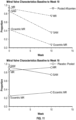
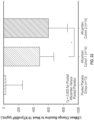
- the method results in one or more of the following: improvement in mitral regurgitation, improvement in cardiac relaxation, beneficial cardiac remodeling, reverse cardiac remodeling, beneficial cardiac structural remodeling, beneficial cardiac functional remodeling, reversal of adverse cardiac remodeling, reduction in mean left ventricular mass index (LVMI), improvement in left ventricular (LV) filling pressures, reduction in left atrial volume index (LAVI), reduction in the categorical assessment of systolic anterior motion of the mitral valve leaflet, reduction in systolic anterior motion of the mitral valve leaflet, reduction in the frequency of eccentric mitral regurgitation, reduction in mitral regurgitation, reduction in lateral E/e', reduction in lateral E/E, reduction in brain natriuretic peptide (BNP) and reduction in N-terminal prohormone of brain natriuretic peptide (NT-proBNP).
- LVMI left ventricular mass index
- LAVI left atrial volume index
- the method results in one or more of the following: improvement in peak oxygen uptake (pVO2) by cardiopulmonary exercise testing (CPET), improvement in Kansas City Cardiomyopathy Questionnaire Clinical Summary Score (KCCQ-CSS), improvement in NYHA Functional Classification by one or more class(es), improvement in post-Valsalva left ventricular outflow tract gradient (LVOT-G), and improvement in total workload during CPET.
- pVO2 peak oxygen uptake
- CPET cardiopulmonary exercise testing
- KCCQ-CSS Kansas City Cardiomyopathy Questionnaire Clinical Summary Score
- LVOT-G post-Valsalva left ventricular outflow tract gradient
- LVOT-G post-Valsalva left ventricular outflow tract gradient
- the one or more results of the treatment occur within 1, 2, 3, 4, 5, 6, 7, 8, 9, or 10 weeks of initiating treatment with Compound 1, or a pharmaceutically acceptable salt thereof.
- LVMI left ventricle mass index
- a left arterial volume index (LAVI) for the patient is reduced.
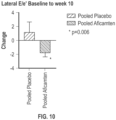
- a lateral E/e' for the patient is reduced.
- a likelihood systolic anterior motion of the mitral valve leaflet is reduced.
- a level of brain natriuretic peptide or N-terminal prohormone of brain natriuretic peptide (NT-proBNP) in the patient is decreased.
- a level of cardiac troponin I in the patient is decreased.
- left ventricular wall stress in the patient is decreased.
- myocardial injury in the patient is decreased.
- heart failure symptoms in the patient are reduced, for instance, the methods result in the reduction in the patient's NYHA classification.
- the method results in sustained effect(s) for at least 10 weeks, 12 weeks, 6 months, 1 year, 2 years, 3 years, 4 years, or 5 years.
- administration of Compound 1, or a pharmaceutically acceptable salt thereof has a sustained effect for at least 6 months.
- administration of Compound 1, or a pharmaceutically acceptable salt thereof has a sustained effect for at least 5 years.
- administration for the second time period, third time period, or fourth time period may be, for example, administration for about 2 weeks, about 10 weeks, about 12 weeks, about 6 months, about 1 year, about 2 years, about 3 years, about 4 years, or about 5 years, or indefinite.
- administration for an indefinite time period may indicate: administration until the patient is no longer in need of treatment; administration until there is no further effect of treatment; or administration until there is no further reason for treatment.
- Compound 1 or a pharmaceutically acceptable salt thereof for use in a method of decreasing left ventricular wall stress in a patient, comprising administering to the patient a therapeutically effective amount of Compound 1, or a pharmaceutically acceptable salt thereof, wherein the patient has obstructive hypertrophic cardiomyopathy (oHCM).
- oHCM obstructive hypertrophic cardiomyopathy
- the therapeutically effective amount of Compound 1, or a pharmaceutically acceptable salt thereof is selected by titrating a daily dose of Compound 1, or a pharmaceutically acceptable salt thereof, administered to the patient.
- a cardiac myosin inhibitor (CK-3773274, also referred to as CK-274 or aficamten) and said cardiac myosin inhibitor for use in methods for treating obstructive hypertrophic cardiomyopathy using the cardiac myosin inhibitor, as defined by the appended claims.
- Treatment methods may include adjusting a dose, for example to increase, decrease or maintain a dose, based on the results of one or more measured left ventricular outflow tract pressure gradient (LVOT-G), biplane left ventricular ejection fraction (LVEF) measurement, and/or post-Valsalva LVOT-G measurements. These measurements may be taken, for example, using an echocardiogram.
- LVOT-G left ventricular outflow tract pressure gradient
- LVEF biplane left ventricular ejection fraction
- post-Valsalva LVOT-G measurements may be taken, for example, using an echocardiogram.
- CK-3773274 (Compound 1) is a small molecule cardiac myosin inhibitor having the structure shown below.
- the chemical name of CK-274 is (R)-N-(5-(5 -ethyl- 1,2,4-oxadiazol-3-yl)-2,3-dihydro-1H-inden-1-yl)-1-methyl-1H-pyrazole-4-carboxamide.
- the small molecule inhibitor may be, for example, orally administered to a patient for the treatment of hypertrophic cardiomyopathy.
- CK-274 has been described in WO 2019/144041 .
- CK-274, or a pharmaceutically acceptable salt thereof may be obtained following the methods described therein.
- CK-274 used in the disclosed methods can be present as a pharmaceutically acceptable salt, solvate, hydrate, polymorph, or combination thereof, and can be formulated into any suitable pharmaceutical formulation.
- Polymorphs of CK-274 have been described in WO 2021/011807 .
- Formulations of CK-274 have been described in WO 2021/011808 .
- CK-274 was designed to reduce the hypercontractility that is associated with hypertrophic cardiomyopathy (HCM).
- HCM hypertrophic cardiomyopathy
- CK-274 reduces myocardial contractility by binding directly to cardiac myosin at a distinct and selective allosteric binding site, thereby preventing myosin from entering a force producing state.
- CK-274 reduces the number of active actin-myosin cross bridges during each cardiac cycle and consequently reduces myocardial contractility.
- This mechanism of action may be therapeutically effective in conditions characterized by excessive hypercontractility, such as HCM (e.g., obstructive HCM, also referred to as oHCM).
- HCM e.g., obstructive HCM, also referred to as oHCM
- references to "about” a value or parameter herein includes (and describes) that value or parameter per se, and any value or parameter 5% above or 5% below said parameter.
- description to "about X” includes description of "X” and "X +/- 5%”.
- NYHA classification or “NYHA class” refers to the New York Heart Association functional classification of heart failure symptoms. Descriptions of each of NYHA classes I, II, III, and IV can be found in "Classes of Heart Failure", American Heart Association, https://www.heart.org/en/health-topics/heart-failure/what-is-heart-failure/classes-of-heart-failure, adapted from: 1) Dolgin M, Association NYH, Fox AC, Gorlin R, Levin RI, New York Heart Association. Criteria Committee. "Nomenclature and criteria for diagnosis of diseases of the heart and great vessels". 9th ed.
- NYHA class I indicates that the patient has no limitation of physical activity; ordinary physical activity does not cause undue fatigue, palpitation, dyspnea (shortness of breath).
- NYHA class II indicates that the patient has slight limitation of physical activity; comfortable at rest; ordinary physical activity results in fatigue, palpitation, dyspnea (shortness of breath).
- NYHA class III indicates that the patient has marked limitation of physical activity; comfortable at rest; less than ordinary physical activity causes fatigue, palpitation, or dyspnea.
- NYHA class IV indicates that the patient is unable to carry on any physical activity without discomfort; symptoms of heart failure at rest; if any physical activity is undertaken, discomfort increases.
- pharmaceutically acceptable salt refers to a salt of any of the compounds herein that are known to be non-toxic and are commonly used in the pharmaceutical literature.
- the pharmaceutically acceptable salt of a compound retains the biological effectiveness of the compounds described herein and are not biologically or otherwise undesirable. Examples of pharmaceutically acceptable salts can be found in Berge et al., Pharmaceutical Salts, J. Pharmaceutical Sciences, January 1977, 66(1), 1-19 .
- Pharmaceutically acceptable acid addition salts can be formed with inorganic acids and organic acids. Inorganic acids from which salts can be derived include, for example, hydrochloric acid, hydrobromic acid, sulfuric acid, nitric acid, and phosphoric acid.
- Organic acids from which salts can be derived include, for example, acetic acid, propionic acid, glycolic acid, pyruvic acid, lactic acid, oxalic acid, malic acid, maleic acid, malonic acid, succinic acid, fumaric acid, tartaric acid, citric acid, benzoic acid, cinnamic acid, mandelic acid, methanesulfonic acid, ethanesulfonic acid, 2-hydroxyethylsulfonic acid, p-toluenesulfonic acid, stearic acid and salicylic acid.
- Pharmaceutically acceptable base addition salts can be formed with inorganic and organic bases.
- Inorganic bases from which salts can be derived include, for example, sodium, potassium, lithium, ammonium, calcium, magnesium, iron, zinc, copper, manganese, and aluminum.
- Organic bases from which salts can be derived include, for example, primary, secondary, and tertiary amines; substituted amines including naturally occurring substituted amines; cyclic amines; and basic ion exchange resins. Examples of organic bases include isopropylamine, trimethylamine, diethylamine, triethylamine, tripropylamine, and ethanolamine.
- the pharmaceutically acceptable base addition salt is selected from ammonium, potassium, sodium, calcium, and magnesium salts.
- the free base can be obtained by basifying a solution of the acid salt.
- an addition salt particularly a pharmaceutically acceptable addition salt, may be produced by dissolving the free base in a suitable organic solvent and treating the solution with an acid, in accordance with conventional procedures for preparing acid addition salts from base compounds (see, e.g., Berge et al., Pharmaceutical Salts, J. Pharmaceutical Sciences, January 1977, 66(1), 1-19 ).
- bases compounds see, e.g., Berge et al., Pharmaceutical Salts, J. Pharmaceutical Sciences, January 1977, 66(1), 1-19 .
- pharmaceutically acceptable carrier or “pharmaceutically acceptable excipient” includes any and all solvents, dispersion media, coatings, antibacterial and antifungal agents, isotonic and absorption delaying agents and the like.
- pharmaceutically acceptable carrier or “pharmaceutically acceptable excipient” includes any and all solvents, dispersion media, coatings, antibacterial and antifungal agents, isotonic and absorption delaying agents and the like.
- the use of such media and agents for pharmaceutically active substances is well known in the art. Except insofar as any conventional media or agent is incompatible with the active ingredient, its use in pharmaceutical compositions is contemplated. Supplementary active ingredients can also be incorporated into the pharmaceutical compositions.
- patient refers to an animal, such as a mammal. Mammals include, for example, mice, rats, dogs, cats, pigs, sheep, horses, cows and humans. In some embodiments, the patient or subject is a human, for example a human that has been or will be the object of treatment, observation or experiment.
- the compound and compositions for use in methods described herein can be useful in both human therapy and veterinary applications.
- therapeutically effective amount refers to that amount of a compound disclosed and/or described herein that is sufficient to affect treatment, as defined herein, when administered to a patient in need of such treatment.
- a therapeutically effective amount of a compound may be an amount sufficient to treat a disease responsive to modulation of the cardiac sarcomere.
- the therapeutically effective amount will vary depending upon, for example, the subject and disease condition being treated, the weight and age of the subject, the severity of the disease condition, the particular compound, the dosing regimen to be followed, timing of administration, the manner of administration, all of which can readily be determined by one of ordinary skill in the art.
- the therapeutically effective amount may be ascertained experimentally, for example by assaying blood concentration of the chemical entity, or theoretically, by calculating bioavailability.
- Treatment includes one or more of: inhibiting a disease or disorder; slowing or arresting the development of clinical symptoms of a disease or disorder; and/or relieving a disease or disorder (i.e., causing relief from or regression of clinical symptoms).
- the term encompasses situations where the disease or disorder is already being experienced by a patient, as well as situations where the disease or disorder is not currently being experienced but is expected to arise.
- the term covers both complete and partial reduction or prevention of the condition or disorder, and complete or partial reduction of clinical symptoms of a disease or disorder.
- compounds described and/or disclosed herein may prevent an existing disease or disorder from worsening, assist in the management of the disease or disorder, or reduce or eliminate the disease or disorder.
- the compounds disclosed and/or described herein may prevent a disease or disorder from developing or lessen the extent of a disease or disorder that may develop.
- Reference to any dose amount of a compound or pharmaceutically acceptable salt thereof described herein refers to the amount (i.e., equivalent mass) of said compound without any salt.
- a therapeutically effective amount of CK-274 may be administered to a patient for use in the treatment of hypertrophic cardiomyopathy.
- CK-274 may be administered at a constant dose level.
- CK-274 may be administered at a titrated dose level.
- the dose of CK-274 may be adjusted depending on the patient's response to the drug. That is, the dose of the CK-274 may be periodically increased, decreased, or maintained depending on the measurement of a drug response, such as one or more of a left ventricular outflow tract pressure gradient (LVOT-G), biplane left ventricular ejection fraction (LVEF), and/or post-Valsalva LVOT-G measurements.
- LVOT-G left ventricular outflow tract pressure gradient
- LVEF biplane left ventricular ejection fraction
- post-Valsalva LVOT-G measurements such as one or more of a left ventricular outflow tract pressure gradient (LVOT-G), biplane left ventricular ejection fraction (LVEF), and/or post-
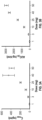
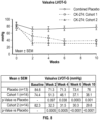
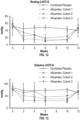
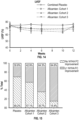
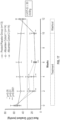
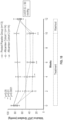
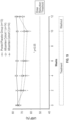
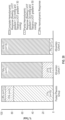
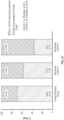
- the majority of patients treated with CK-274 (78.6% in Cohort 1 and 92.9% in Cohort 2) achieved the target goal of treatment, defined as resting gradient ⁇ 30 mmHg and post-Valsalva gradient ⁇ 50 mmHg at Week 10 compared to placebo (7.7%).
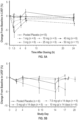
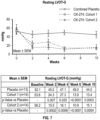
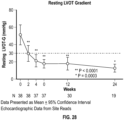
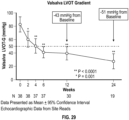
- Reductions in LVOT-G occurred within two weeks of initiating treatment with CK-274, peaked within two to six weeks of the end of dose titration, and were sustained until the end of treatment at 10 weeks.
- the observed reductions in LVOT-G were dose dependent, with patients achieving greater reductions of LVOT-G with increasing doses of CK-274.
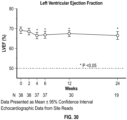
- LVEF left ventricular ejection fraction
- CK-274 is administered at a therapeutically effective dosage, e.g., a dosage sufficient to provide treatment for the disease state.
- the daily dose may be between about 1 mg and about 50 mg.
- the daily dose may be about 5 mg, about 10 mg, about 15 mg, about 20 mg, or about 30 mg, or any amount therebetween.
- a daily dose is the total amount administered in a day.
- a daily dose may be, but is not limited to be, administered each day, every other day, each week, every 2 weeks, every month, or at a varied interval. In some embodiments (both recited and not recited in the claims), the daily dose is administered for a period ranging from a single day to the life of the subject.
- the daily dose is administered once a day. In some embodiments (both recited and not recited in the claims), the daily dose is administered in multiple divided doses, such as in 2, 3, or 4 divided doses. In some embodiments (both recited and not recited in the claims), the daily dose is administered in 2 divided doses.
- a patient is treated for hypertrophic cardiomyopathy by administering to the patient a daily dose of about 5 mg to about 30 mg of CK-274. In one example, a patient is treated for hypertrophic cardiomyopathy by administering to the patient a daily dose of about 5 mg CK-274. In one example, a patient is treated for hypertrophic cardiomyopathy by administering to the patient a daily dose of about 10 mg CK-274. In one example, a patient is treated for hypertrophic cardiomyopathy by administering to the patient a daily dose of about 15 mg CK-274. In one example, a patient is treated for hypertrophic cardiomyopathy by administering to the patient a daily dose of about 20 mg CK-274.
- a patient is treated for hypertrophic cardiomyopathy by administering to the patient a daily dose of about 25 mg CK-274. In one example, a patient is treated for hypertrophic cardiomyopathy by administering to the patient a daily dose of about 30 mg CK-274. In some embodiments of any of the foregoing (both recited and not recited in the claims), the treatment for hypertrophic cardiomyopathy further comprises administering disopyramide to the patient.
- Compound 1 or a pharmaceutically acceptable salt thereof for use in methods for the treatment for obstructive hypertrophic cardiomyopathy comprising administration of CK-274, or a pharmaceutically acceptable salt thereof, or a pharmaceutical composition containing CK-274, or a pharmaceutically acceptable salt thereof, in combination with a second therapeutic agent, wherein the second therapeutic agent is disopyramide.
- Compound 1 or a pharmaceutically acceptable salt thereof for use in methods for the treatment for obstructive hypertrophic cardiomyopathy or treatment refractive obstructive hypertrophic cardiomyopathy, the methods comprising administration of CK-274, or a pharmaceutically acceptable salt thereof, or a pharmaceutical composition containing CK-274, or a pharmaceutically acceptable salt thereof, in combination with a second therapeutic agent, wherein the second therapeutic agent is disopyramide.
- the combination of CK-274, or a pharmaceutically acceptable salt thereof, and disopyramide comprises simultaneous administration of CK-274, or a pharmaceutically acceptable salt thereof, and disopyramide.
- the combination of CK-274 and disopyramide comprises sequential administration of CK-274, or a pharmaceutically acceptable salt thereof, and disopyramide. In some embodiments, the combination of CK-274, or a pharmaceutically acceptable salt thereof, and disopyramide comprises administration of CK-274, or a pharmaceutically acceptable salt thereof, to a patient already undergoing treatment with disopyramide.
- the dose of CK-274 administered to the patient may be titrated, for example by increasing, decreasing, or maintaining the dose. Titration may occur once during treatment, or may be performed iteratively separated by a period of time. For example, in some implementations, the dose of CK-274 is titrated two or more times (e.g., 3, 4, 5 or more) during the course of treatment. In some embodiments, a new daily dose amount is administered to the patient at a constant amount for about 1 week to about 8 weeks (or about 2 weeks to about 6 weeks, or about 4 weeks) before the daily dose amount is titrated.
- a new daily dose amount is administered to the patient at a constant amount for about 2 weeks before being titrated.
- a first daily dose may be administered to the patient for about 2 weeks before a first titration, wherein the daily dose amount is increased, decreased or maintained.
- the second titration may then occur approximately 2 weeks after the first titration. Titration of the dose allows the dose to be personalized to the patient's response to the drug, thus maximizing the potential treatment effect for patients.
- Titration of the dose can be based on one or more of a left ventricular outflow tract pressure gradient (LVOT-G), biplane left ventricular ejection fraction (LVEF), and/or post-Valsalva LVOT-G measured in the patient.
- the measurement or measurements may be determined, for example, using an echocardiogram.
- the echocardiogram is taken following administration of the daily dose, for example about 1 hour to about 3 hours following administration of the dose. In some embodiments, the echocardiogram is taken about 2 hours following administration of the daily dose.
- an initial daily dose of about 5 mg, about 10 mg, about 15 mg, about 20 mg, or about 30 mg CK-274, or any amount therebetween, is administered to the patient.
- a period of time e.g., about 2 weeks
- resting LVOT-G, biplane LVEF, and/or post-Valsalva LVOT-G is measured, for example by echocardiography, following the administration of the dose (for example, about 1-3 hours, or about 2 hours following the administration of the dose).
- the resting LVOT-G at or above a predetermined resting LVOT-G threshold (e.g., about 25 mmHg or more, about 30 mmHg or more, or about 35 mmHg or more) and the biplane LVEF is at or above a predetermined biplane LVEF threshold (e.g., about 40% or more, about 45% or more, about 50% or more, about 55% or more, or about 60% or more), the daily dose is increased.
- a predetermined resting LVOT-G threshold e.g., about 25 mmHg or more, about 30 mmHg or more, or about 35 mmHg or more
- a predetermined biplane LVEF threshold e.g., about 40% or more, about 45% or more, about 50% or more, about 55% or more, or about 60% or more
- the dose may still be increased if the post-Valsalva LVOT-G is at or above a predetermined post-Valsalva LVOT-G threshold (e.g., about 40 mmHg or more, about 45 mmHg or more, about 50 mmHg or more, about 55 mmHg or more, or about 60 mmHg or more) and the biplane LVEF is at or above the predetermined biplane LVEF threshold.
- a predetermined post-Valsalva LVOT-G threshold e.g., about 40 mmHg or more, about 45 mmHg or more, about 50 mmHg or more, about 55 mmHg or more, or about 60 mmHg or more
- the dose may be maintained if the biplane LVEF is at or above the predetermined threshold, but the resting LVOT-G is below the resting LVOT-G threshold and the post-Valsalva LVOT-G is below the post-Valsalva LVOT-G threshold.
- the dose may be decreased or terminated if the biplane LVEF is below the biplane LVEF threshold.
- the dose may be decreased if the biplane LVEF is below the biplane LVEF threshold and the current dose is not the lowest (e.g., first) dose.
- the dose may be terminated if the biplane LVEF is below the biplane LVEF threshold and the current dose is the lowest (e.g., first) dose.
- the resting LVOT-G threshold is about 30 mmHg
- the biplane LVEF threshold is about 50%
- the post-Valsalva LVOT-G threshold is about 50 mmHg.
- titration of the dose of CK-274 comprises maintaining the dose at the current dose; increasing the dose by about 1 mg, about 2 mg, about 3 mg, about 4 mg, about 5 mg, or about 10 mg, or any amount therebetween; decreasing the dose by about 1 mg, about 2 mg, about 3 mg, about 4 mg, about 5 mg, or about 10 mg, or any amount therebetween; or terminating administration.
- titration of the dose comprises maintaining the dose at the current dose; increasing the dose by about 1 mg, about 2 mg, about 3 mg, about 4 mg, about 5 mg, or about 10 mg, or any amount therebetween; or decreasing the dose by about 1 mg, about 2 mg, about 3 mg, about 4 mg, about 5 mg, or about 10 mg, or any amount therebetween.
- the dose may be again titrated (i.e., increased or maintained) based on the biplane LVEF, or biplane LVEF and post-Valsalva LVOT-G of the patient, for example using the same threshold parameters as discussed above.
- An exemplary dose titration schedule includes: administration of a first titrated dose for about 2 weeks, about 3 weeks, about 4 weeks, about 5 weeks, about 6 weeks, about 8 weeks, about 10 weeks, or about 12 weeks, or any amount of time therebetween, followed by dose titration based on the biplane LVEF, or biplane LVEF and post-Valsalva LVOT-G of the patient, for example using the same threshold parameters as discussed above. Further iterations of administration and dose titration may be conducted accordingly.
- the use results in a reduction of the resting left ventricular outflow tract pressure gradient (LVOT-G) to less than a particular value in the patient.
- the reduction in resting LVOT-G to less than the particular value may occur within ten weeks of initiating treatment with Compound 1, or a pharmaceutically acceptable salt thereof.
- the reduction in resting LVOT-G to less than the particular value may occur within one week, two weeks, three weeks, four weeks, one month, five weeks, six week, seven weeks, eight weeks, two months, nine weeks, or ten weeks of initiating treatment with Compound 1, or a pharmaceutically acceptable salt thereof.
- reduction in resting LVOT-G is sustained for at least 10 weeks of treatment.
- the reduction in resting LVOT-G occurs within two to six weeks of the end of a dose titration. In some embodiments, the reduction in resting LVOT-G peaks within two to six weeks of the end of a dose titration. In some embodiments, the particular resting LVOT-G value is: 60, 59, 58, 57, 56, 55, 54, 53, 52, 51, 50, 49, 48, 47, 46, 45, 44, 43, 42, 41, 40, 39, 38, 37, 36, 35, 34, 33, 32, 31, 30, 29, 28, 27, 26, or 25 mmHg.
- the use results in a reduction of the post-Valsalva left ventricular outflow tract pressure gradient (LVOT-G) to less than a particular value in the patient.
- the reduction in post-Valsalva LVOT-G to less than the particular value may occur within one week, two weeks, three weeks, four weeks, one month, five weeks, six week, seven weeks, eight weeks, two months, nine weeks, or ten weeks of initiating treatment with Compound 1, or a pharmaceutically acceptable salt thereof.
- the reduction in post-Valsalva LVOT-G may be sustained for at least 10 weeks of treatment. In some embodiments, the reduction in post-Valsalva LVOT-G occurs within two to six weeks of the end of dose titration.
- the reduction in post-Valsalva LVOT-G peaks within two to six weeks of the end of dose titration.
- the particular post-Valsalva LVOT-G value is: 70, 69, 68, 67, 66, 65, 64, 63, 62, 61, 60, 59, 58, 57, 56, 55, 54, 53, 52, 51, 50, 49, 48, 47, 46, 45, 44, 43, 42, 41, 40, 39, 38, 37, 36, 35, 34, 33, 32, 31,or 30 mmHg.
- Compound 1 or a pharmaceutically acceptable salt thereof for use in a method of reducing resting left ventricular outflow tract pressure gradient (LVOT-G) to less than a particular value in a patient with obstructive hypertrophic cardiomyopathy (oHCM), the method comprising administering to the patient a therapeutically effective amount of Compound 1, or a pharmaceutically acceptable salt thereof.
- the reduction in resting LVOT-G to less than the particular value may occur within one week, two weeks, three weeks, four weeks, one month, five weeks, six week, seven weeks, eight weeks, two months, nine weeks, or ten weeks of initiating treatment with Compound 1, or a pharmaceutically acceptable salt thereof.
- the reduction in resting LVOT-G to less than the particular value may occur within two weeks of initiating treatment with Compound 1, or a pharmaceutically acceptable salt thereof. In some implementations, reduction in resting LVOT-G is sustained for at least 10 weeks of treatment. In some embodiments, the reduction in resting LVOT-G occurs within two to six weeks of the end of a dose titration. In some embodiments, the reduction in resting LVOT-G peaks within two to six weeks of the end of a dose titration.
- the particular resting LVOT-G value is: 60, 59, 58, 57, 56, 55, 54, 53, 52, 51, 50, 49, 48, 47, 46, 45, 44, 43, 42, 41, 40, 39, 38, 37, 36, 35, 34, 33, 32, 31, 30, 29, 28, 27, 26, or 25 mmHg.
- Compound 1 or a pharmaceutically acceptable salt thereof for use in a method of reducing post-Valsalva left ventricular outflow tract pressure gradient (LVOT-G) to less than a particular value in a patient with obstructive hypertrophic cardiomyopathy (oHCM), the method comprising administering to the patient a therapeutically effective amount of Compound 1, or a pharmaceutically acceptable salt thereof.
- the reduction in post-Valsalva LVOT-G to less than the particular value may occur within one week, two weeks, three weeks, four weeks, one month, five weeks, six week, seven weeks, eight weeks, two months, nine weeks, or ten weeks of initiating treatment with Compound 1, or a pharmaceutically acceptable salt thereof.
- the reduction in post-Valsalva LVOT-G may be sustained for at least 10 weeks of treatment. In some embodiments, the reduction in post-Valsalva LVOT-G occurs within two to six weeks of the end of dose titration. In some embodiments, the reduction in post-Valsalva LVOT-G peaks within two to six weeks of the end of dose titration.
- the particular post-Valsalva LVOT-G value is: 70, 69, 68, 67, 66, 65, 64, 63, 62, 61, 60, 59, 58, 57, 56, 55, 54, 53, 52, 51, 50, 49, 48, 47, 46, 45, 44, 43, 42, 41, 40, 39, 38, 37, 36, 35, 34, 33, 32, 31,or 30 mmHg.
- Compound 1 or a pharmaceutically acceptable salt thereof for use in a method of reducing resting left ventricular outflow tract pressure gradient (LVOT-G) to less than a particular value and reducing post-Valsalva left ventricular outflow tract pressure gradient (LVOT-G) to less than a particular value in a patient with obstructive hypertrophic cardiomyopathy (oHCM), the method comprising administering to the patient a therapeutically effective amount of Compound 1, or a pharmaceutically acceptable salt thereof.
- LVOT-G resting left ventricular outflow tract pressure gradient
- oHCM obstructive hypertrophic cardiomyopathy
- the reduction in resting LVOT-G to less than the particular value and the reduction in post-Valsalva LVOT-G to less than the particular value may occur within one week, two weeks, three weeks, four weeks, one month, five weeks, six week, seven weeks, eight weeks, two months, nine weeks, or ten weeks of initiating treatment with Compound 1, or a pharmaceutically acceptable salt thereof.
- the reduction in resting LVOT-G to less than the particular value and the reduction in post-Valsalva LVOT-G to less than the particular value may occur within two weeks of initiating treatment with Compound 1, or a pharmaceutically acceptable salt thereof.
- reduction in resting LVOT-G and reduction in post-Valsalva LVOT-G is sustained for at least 10 weeks of treatment.
- both the reduction in resting LVOT-G and the reduction in post-Valsalva LVOT-G may occur within two to six weeks of the end of a dose titration. In some embodiments, both the reduction in resting LVOT-G and the reduction in post-Valsalva LVOT-G peak within two to six weeks of the end of a dose titration.
- the particular resting LVOT-G value is: 60, 59, 58, 57, 56, 55, 54, 53, 52, 51, 50, 49, 48, 47, 46, 45, 44, 43, 42, 41, 40, 39, 38, 37, 36, 35, 34, 33, 32, 31, 30, 29, 28, 27, 26, or 25 mmHg.
- the particular post-Valsalva LVOT-G value is: 70, 69, 68, 67, 66, 65, 64, 63, 62, 61, 60, 59, 58, 57, 56, 55, 54, 53, 52, 51, 50, 49, 48, 47, 46, 45, 44, 43, 42, 41, 40, 39, 38, 37, 36, 35, 34, 33, 32, 31,or 30 mmHg.
- the particular resting LVOT-G value is 30 mm Hg
- the particular post-Valsalva LVOT-G value is 50 mmHg.
- Compound 1 or a pharmaceutically acceptable salt thereof for use in a method of treating obstructive hypertrophic cardiomyopathy (oHCM) in a patient eligible for septal reduction therapy (SRT), the method comprising administering to the patient a therapeutically effective amount of Compound 1, or a pharmaceutically acceptable salt thereof.
- Compound 1 or a pharmaceutically acceptable salt thereof for use in a method of treating oHCM in a patient in need of SRT the method comprising administering to the patient a therapeutically effective amount of Compound 1, or a pharmaceutically acceptable salt thereof, wherein the method precludes the need for SRT in the patient.
- the SRT is myectomy.
- the SRT is alcohol septal ablation.
- Compound 1 or a pharmaceutically acceptable salt thereof for use in a method of treating obstructive hypertrophic cardiomyopathy (oHCM) in a patient with heart failure symptoms, the method comprising administering to the patient a therapeutically effective amount of Compound 1, or a pharmaceutically acceptable salt thereof, wherein the method results in a reduction of heart failure symptoms as assessed by NYHA classification.
- the methods improve heart failure symptoms by at least one NYHA class in the patient, for instance, by one or two NYHA class(es).
- the methods convert patients from NYHA class III to class II or class I.
- the methods convert patients from NYHA class III to class II. In some embodiments of the foregoing, the methods convert patients from NYHA class III to class I. In some embodiments of the foregoing, the methods convert patients from NYHA class II to class I. In some embodiments of the foregoing, reduction of heart failure symptoms occurs within ten weeks of initiating treatment with Compound 1, or a pharmaceutically acceptable salt thereof.
- Compound 1 or a pharmaceutically acceptable salt thereof for use in a method of reducing NT-proBNP levels in a patient, comprising administering to the patient a therapeutically effective amount of Compound 1, or a pharmaceutically acceptable salt thereof.
- the patient has obstructive hypertrophic cardiomyopathy (oHCM).
- Compound 1 or a pharmaceutically acceptable salt thereof for use in a method of reducing cardiac troponin I levels in a patient, comprising administering to the patient a therapeutically effective amount of Compound 1, or a pharmaceutically acceptable salt thereof.
- the patient has obstructive hypertrophic cardiomyopathy (oHCM).
- the therapeutically effective amount of Compound 1, or a pharmaceutically acceptable salt thereof is selected by titrating a daily dose of Compound 1, or a pharmaceutically acceptable salt thereof, administered to the patient.
- the dose is titrated once during a course of treatment.
- the dose is titrated two or more times during a course of treatment.
- the daily dose may be administered to a patient at a constant amount for about two weeks before the daily dose amount is titrated.
- Compound 1, or a pharmaceutically acceptable salt thereof is administered at a daily dose of about 5 mg to about 30 mg.
- the daily dose is about 5 mg.
- the daily dose is about 10 mg.
- the daily dose is about 15 mg. In some embodiments, the daily dose is about 20 mg. In some embodiments, the daily dose is about 30 mg. In some implementations, the daily dose is administered as a single dose each day. In some implementations, the daily dose is administered in 2 divided doses.
- the patient is classified as NYHA class III, when administration of Compound 1, or a pharmaceutically acceptable salt thereof, is initiated. In some embodiments of the above uses, the patient is classified as NYHA class II, when administration of Compound 1, or a pharmaceutically acceptable salt thereof, is initiated.
- titration of the daily dose of CK-274, or a pharmaceutically acceptable salt thereof is based on the results of an echocardiogram that includes a biplane LVEF and a post-Valsalva LVOT-G.
- the daily dose of CK-274, or a pharmaceutically acceptable salt thereof may be increased, maintained, or decreased (or terminated, for example if the subject is already receiving the lowest (e.g., first) daily dose).
- the daily dose of CK-274, or a pharmaceutically acceptable salt thereof may be increased, maintained, or decreased (or terminated, for example if the subject is already receiving the first daily dose).
- a first daily dose of CK-274, or a pharmaceutically acceptable salt thereof is administered to the patient for a first time period (e.g., about two weeks).
- a second daily dose for the subject, or termination of administration of CK-274 or the pharmaceutically acceptable salt thereof is then selected based on a biplane LVEF and post-Valsalva LVOT-G for the patient acquired after the first time period.
- the administration of CK-274 or the pharmaceutically acceptable salt thereof may be terminated if the biplane LVEF of the echocardiogram is below a first predetermined biplane LVEF threshold (e.g., 50%).
- the administration of CK-274 or the pharmaceutically acceptable salt thereof may be terminated if the biplane LVEF of the echocardiogram is below a first predetermined biplane LVEF threshold (e.g., 50%) and the patient is already receiving the lowest (e.g., first) daily dose.
- the biplane LVEF is at or above the first predetermined biplane threshold and below a second predetermined biplane LVEF threshold (e.g., 55%), or if the biplane LVEF is at or above the second predetermined biplane LVEF threshold and the post-Valsalva LVOT-G is below a predetermined post-Valsalva LVOT-G threshold (e.g., 30 mmHg), then the daily dose is maintained (i.e., the second daily dose is the same as the first daily dose).
- the daily dose may be increased (i.e., the second daily dose is greater than the first daily dose).
- the second daily dose may be administered to the patient for a second time period (e.g., about two weeks) before again being titrated based on the results of a second echocardiogram that includes a biplane LVEF and a post-Valsalva LVOT-G for the patient acquired after the second time period.
- a third daily dose, or termination of the administration may be selected or the administration terminated based on the second echocardiogram and the second daily dose. If the second daily dose is the same as the first daily dose and the biplane LVEF of the second echocardiogram is below the first predetermined biplane LVEF threshold, the administration may be terminated.
- the third daily dose may be decreased relative to the second daily dose, for example to the amount of the first daily dose. If the second daily dose is the same as the first daily dose (e.g., if the second daily dose is the lowest dose) and the biplane LVEF of the second echocardiogram is below the first predetermined biplane LVEF threshold, the administration may be terminated.
- the third daily dose may be decreased relative to the second daily dose, for example to the amount of the first daily dose. If the biplane LVEF is at or above the first predetermined biplane LVEF threshold and below the second predetermined biplane LVEF threshold, or if the biplane LVEF is at or above the second predetermined biplane LVEF threshold and the post-Valsalva LVOT-G is below the predetermined post-Valsalva LVOT-G threshold, the daily dose may be maintained (i.e., the third daily dose is the same as the second daily dose).
- the third daily dose may be increased relative to the second daily dose if the biplane LVEF of the second echocardiogram is above the second predetermined biplane LVEF threshold and the post-Valsalva LVOT-G of the second echocardiogram is at or above the predetermined post-Valsalva LVOT-G threshold.
- the third daily dose is then administered to the patient for a third time period (e.g., two weeks).
- Titration of the daily dose may be repeated for additional rounds, if desired, to select a fourth daily dose of CK-274, or a pharmaceutically acceptable salt thereof or termination of administration.
- a third echocardiogram comprising a biplane LVEF and a post-Valsalva LVOT-G may be acquired for the patient after the third time period, and a fourth daily dose of CK-274, or a pharmaceutically acceptable salt thereof, may be selected based on the third echocardiogram and the third daily dose.
- the administration of CK-274, or a pharmaceutically acceptable salt thereof may be terminated. If the third daily dose is higher than the first daily dose, and the biplane LVEF of the third echocardiogram is below the first predetermined biplane LVEF threshold, then the fourth daily dose is decreased relative to the third daily dose.
- the administration of CK-274, or a pharmaceutically acceptable salt thereof may be terminated. If the third daily dose is higher than the lowest (e.g., first) daily dose, and the biplane LVEF of the third echocardiogram is below the first predetermined biplane LVEF threshold, then the fourth daily dose is decreased relative to the third daily dose.
- the fourth daily dose may be the same as the third daily dose.
- the fourth daily dose may be increased relative to the third daily dose.
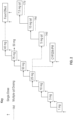
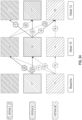
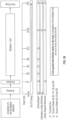
- FIG. 1 illustrates and exemplary method for treating obstructive hypertrophic cardiomyopathy (oHCM) in a patient that included titrating the daily dose of CK-274, or a pharmaceutically acceptable salt thereof.
- oHCM obstructive hypertrophic cardiomyopathy
- the exemplary method shown in FIG. 1 provides four daily dose levels, with a first daily dose level being the lowest daily dose level, but may be readily modified to include additional or fewer dose levels.
- the exemplary method shown in FIG. 1 may be further modified such that the first daily dose level is not the lowest daily dose level.
- the first daily dose level (about 5 mg in the appended claims) of CK-274, or a pharmaceutically acceptable salt thereof, is administered to a patient.
- the daily dose level is increased or maintained, or the administration is terminated, at 104.
- the selection may be based on a first echocardiogram acquired for the patient after the first time period. Termination of administration 106 may be selected if the biplane LVEF of the first echocardiogram is below a predetermined biplane LVEF threshold (50% in the appended claims), wherein the no further dose of CK-274 or pharmaceutically acceptable salt thereof is administered to the patient.
- Maintenance of the first daily dose level may be selected when either of the following conditions are met on the first echocardiogram: (1) the biplane LVEF is at or above the predetermined biplane LVEF threshold (50% in the appended claims) and below a second predetermined biplane LVEF threshold (55% in the appended claims); or (2) the biplane LVEF is at or above the second predetermined biplane LVEF threshold (55% in the appended claims) and the post-Valsalva LVOT-G of the first echocardiogram is below a predetermined post-Valsalva LVOT-G threshold (30 mmHg in the appended claims).
- the first daily dose level of CK-274, or a pharmaceutically acceptable salt thereof is administered to the patient at 102 for a second time period, and, optionally, the daily dose may be re-titrated at 104 after a second time period.
- the daily dose level may be increased to a second daily dose level (10 mg in the appended claims) when either of the following conditions are met on the first echocardiogram: (1) the biplane LVEF is at or above the predetermined biplane LVEF threshold (50% in the appended claims) and below a second predetermined biplane LVEF threshold (55% in the appended claims); or (2) the biplane LVEF is at or above the second predetermined biplane LVEF threshold (55% in the appended claims) and the post-Valsalva LVOT-G of the first echocardiogram is below a second predetermined post-Valsalva LVOT-G threshold (30 mmHg in the appended claims). If an increase in the daily dose level is selected, the second daily dose level of CK-274, or a pharmaceutically acceptable salt thereof, is administered to the patient for the second time period at 108.
- the daily dose may be re-titrated (i.e., select an increase, decrease, or maintenance of the daily dose) based on an echocardiogram at 110.
- the daily dose may be decreased to the first daily dose level (5 mg in the appended claims) if the biplane LVEF of the echocardiogram is below a predetermined biplane LVEF threshold (50% in the appended claims). If the daily dose is decreased to the first daily dose level, the first daily dose level is administered to the patient at 102.
- Maintenance of the second daily dose level may be selected when either of the following conditions are met on the echocardiogram: (1) the biplane LVEF is at or above the predetermined biplane LVEF threshold (50% in the appended claims) and below a second predetermined biplane LVEF threshold (55% in the appended claims); or (2) the biplane LVEF is at or above the second predetermined biplane LVEF threshold (55% in the appended claims) and the post-Valsalva LVOT-G of the echocardiogram is below a predetermined post-Valsalva LVOT-G threshold (30 mmHg in the appended claims).
- the second daily dose level of CK-274, or a pharmaceutically acceptable salt thereof is administered to the patient at 108 for a further time period, and, optionally, the daily dose may be re-titrated at 110 after said time period.
- the daily dose level may be increased to a third daily dose level (e.g., 15 mg) when either of the following conditions are met on the echocardiogram: (1) the biplane LVEF is at or above the predetermined biplane LVEF threshold (e.g., 50%) and below a second predetermined biplane LVEF threshold (e.g., 55%); or (2) the biplane LVEF is at or above the second predetermined biplane LVEF threshold (e.g., 55%) and the post-Valsalva LVOT-G of the echocardiogram is below a second predetermined post-Valsalva LVOT-G threshold (e.g., 30 mmHg).
- a third daily dose level e.g. 15 mg
- the daily dose level may be increased to a third daily dose level (e.g., 15 mg) when either of the following conditions are met on the echocardiogram: (1) the biplane LVEF is at or above the predetermined biplane LVEF threshold (e.g., 50%) and the resting LVOT-G is at or above the predetermined resting LVOT-G threshold (e.g., 30 mmHg), or (2) the biplane LVEF is at or above the predetermined biplane LVEF threshold (e.g., 50%), the resting LVOT-G is below the predetermined resting LVOT-G threshold (e.g., 30 mmHg), and the post-Valsalva LVOT-G is at or above the predetermined post-Valsalva LVOT-G threshold (e.g., 50 mmHg).
- the second daily dose level of CK-274, or a pharmaceutically acceptable salt thereof is administered to the patient for the time period at 112.
- the daily dose may be re-titrated (i.e., select an increase, decrease, or maintenance of the daily dose) based on an echocardiogram at 114.
- the daily dose may be decreased to the second daily dose level (e.g., from 15 mg to 10 mg) if the biplane LVEF of the echocardiogram is below a predetermined biplane LVEF threshold (e.g., 50%). If the daily dose is decreased to the second daily dose level, the second daily dose level is administered to the patient at 108.
- Maintenance of the third daily dose level may be selected when either of the following conditions are met on the echocardiogram: (1) the biplane LVEF is at or above the predetermined biplane LVEF threshold (e.g., 50%) and below a second predetermined biplane LVEF threshold (e.g., 55%); or (2) the biplane LVEF is at or above the second predetermined biplane LVEF threshold (e.g., 55%) and the post-Valsalva LVOT-G of the echocardiogram is below a predetermined post-Valsalva LVOT-G threshold (e.g., 30 mmHg).
- the predetermined biplane LVEF threshold e.g. 50%
- a second predetermined biplane LVEF threshold e.g., 55%
- the biplane LVEF is at or above the second predetermined biplane LVEF threshold (e.g., 55%) and the post-Valsalva LVOT-G of the echocardiogram is below a predetermined post-Valsalv
- maintenance of the third daily dose level may be selected when the biplane LVEF of the echocardiogram is at or above the predetermined biplane LVEF threshold (e.g., 50%), the resting LVOT-G of the echocardiogram is below a predetermined resting LVOT-G threshold (e.g., 30 mmHg), and the post-Valsalva LVOT-G of the echocardiogram is below a predetermined post-Valsalva LVOT-G threshold (e.g., 50 mmHg).
- the predetermined biplane LVEF threshold e.g. 50%
- the resting LVOT-G of the echocardiogram is below a predetermined resting LVOT-G threshold (e.g., 30 mmHg)
- the post-Valsalva LVOT-G of the echocardiogram is below a predetermined post-Valsalva LVOT-G threshold (e.g., 50 mmHg).
- the third daily dose level of CK-274, or a pharmaceutically acceptable salt thereof is administered to the patient at 112 for a further time period, and, optionally, the daily dose may be re-titrated at 114 after said time period.
- the daily dose level may be increased to a fourth daily dose level (e.g., 20 mg) when either of the following conditions are met on the echocardiogram: (1) the biplane LVEF is at or above the predetermined biplane LVEF threshold (e.g., 50%) and below a second predetermined biplane LVEF threshold (e.g., 55%); or (2) the biplane LVEF is at or above the second predetermined biplane LVEF threshold (e.g., 55%) and the post-Valsalva LVOT-G of the echocardiogram is below a second predetermined post-Valsalva LVOT-G threshold (e.g., 30 mmHg).
- a fourth daily dose level e.g. 20 mg
- the daily dose level may be increased to a fourth daily dose level (e.g., 20 mg) when either of the following conditions are met on the echocardiogram: (1) the biplane LVEF is at or above the predetermined biplane LVEF threshold (e.g., 50%) and the resting LVOT-G is at or above the predetermined resting LVOT-G threshold (e.g., 30 mmHg), or (2) the biplane LVEF is at or above the predetermined biplane LVEF threshold (e.g., 50%), the resting LVOT-G is below the predetermined resting LVOT-G threshold (e.g., 30 mmHg), and the post-Valsalva LVOT-G is at or above the predetermined post-Valsalva LVOT-G threshold (e.g., 50 mmHg).
- the fourth daily dose level of CK-274, or a pharmaceutically acceptable salt thereof is administered to the patient for the second time period at the second time period at the predetermined biplane LV
- the first daily dose level is the minimum dose, and therefore may not be further decreased.
- the fourth daily dose level is the maximum dose, and therefore may not be further increased. Nevertheless, in other embodiments, additional dose levels may be available and the daily dose may be further increased at 118.
- the method shown in FIG. 1 at 118 a selection is made to maintain the fourth daily dose level or decrease the daily dose level based on an echocardiogram.
- the daily dose may be decreased to the third daily dose level (e.g., from 20 mg to 15 mg) if the biplane LVEF of the echocardiogram is below a predetermined biplane LVEF threshold (e.g., 50%). If the daily dose is decreased to the third daily dose level, the second daily dose level is administered to the patient at 112.
- Maintenance of the third daily dose level may be selected when either of the following conditions are met on the echocardiogram: (1) the biplane LVEF is at or above the predetermined biplane LVEF threshold (e.g., 50%) and below a second predetermined biplane LVEF threshold (e.g., 55%); or (2) the biplane LVEF is at or above the second predetermined biplane LVEF threshold (e.g., 55%) and the post-Valsalva LVOT-G of the echocardiogram is below a predetermined post-Valsalva LVOT-G threshold (e.g., 30 mmHg).
- the predetermined biplane LVEF threshold e.g. 50%
- a second predetermined biplane LVEF threshold e.g., 55%
- the biplane LVEF is at or above the second predetermined biplane LVEF threshold (e.g., 55%) and the post-Valsalva LVOT-G of the echocardiogram is below a predetermined post-Valsalv
- maintenance of the third daily dose level may be selected when the biplane LVEF of the echocardiogram is at or above the predetermined biplane LVEF threshold (e.g., 50%), the resting LVOT-G of the echocardiogram is below a predetermined resting LVOT-G threshold (e.g., 30 mmHg), and the post-Valsalva LVOT-G of the echocardiogram is below a predetermined post-Valsalva LVOT-G threshold (e.g., 50 mmHg).
- the predetermined biplane LVEF threshold e.g. 50%
- the resting LVOT-G of the echocardiogram is below a predetermined resting LVOT-G threshold (e.g., 30 mmHg)
- the post-Valsalva LVOT-G of the echocardiogram is below a predetermined post-Valsalva LVOT-G threshold (e.g., 50 mmHg).
- the third daily dose level of CK-274, or a pharmaceutically acceptable salt thereof is administered to the patient at 116 for a further time period, and, optionally, the daily dose may be re-titrated at 118 after said time period.
- Exemplary daily dose increases include an increase from about 5 mg to about 10 mg CK-274, about 10 mg to about 15 mg CK-274, about 10 mg to about 20 mg CK-274, or about 20 mg to about 30 mg. Other dose increases may be readily envisioned, for instance, increasing a given initial daily dose by about 1 mg, about 2 mg, about 3 mg, about 4 mg, about 5 mg, or about 10 mg, or any amount therebetween. Exemplary daily dose decreases include a decrease from about 30 mg to about 20 mg, about 20 mg to about 10 mg, about 15 mg to about 10 mg, or about 10 mg to about 5 mg. Other dose decreases may be readily envisioned, for instance, decreasing a given initial daily dose by about 1 mg, about 2 mg, about 3 mg, about 4 mg, about 5 mg, or about 10 mg, or any amount therebetween.
- Exemplary embodiments of the methods described herein in which Compound 1 or a pharmaceutically acceptable salt thereof can be used comprise administering a first daily dose (5 mg) of CK-274, or a pharmaceutically acceptable salt thereof, for a first period (e.g., about one week, two weeks, three weeks, four weeks, five weeks, six weeks, seven weeks, eight weeks, nine weeks, ten weeks, twelve weeks, or any length of time therebetween), followed by maintaining the daily dose, increasing the daily dose (by 5 mg), or terminating administration based on the biplane LVEF, or biplane LVEF and post-Valsalva LVOT-G of the patient to arrive at a second daily dose, as defined in appended claim 1.
- Compound 1 or a pharmaceutically acceptable salt thereof for use in the methods described herein comprises administering a first daily dose of CK-274, or a pharmaceutically acceptable salt thereof, for about two weeks, followed by maintaining the daily dose, increasing the daily dose by about 5 mg, or terminating administration based on the biplane LVEF, or biplane LVEF and post-Valsalva LVOT-G of the patient to arrive at a second daily dose, as defined in appended claim 1.
- Compound 1 or a pharmaceutically acceptable salt thereof for use in the methods described herein comprises administering a first daily dose of CK-274, or a pharmaceutically acceptable salt thereof, for about three weeks, followed by maintaining the daily dose, increasing the daily dose by about 5 mg, or terminating administration based on the biplane LVEF, or biplane LVEF and post-Valsalva LVOT-G of the patient to arrive at a second daily dose, as defined in appended claim 1.
- the method includes administering a therapeutically effective daily dose of CK-274, or a pharmaceutically acceptable salt thereof, to an individual with obstructive hypertrophic cardiomyopathy, thereby improving the exercise capacity of the individual.
- the method includes administering a therapeutically effective daily dose of CK-274, or a pharmaceutically acceptable salt thereof, to an individual with obstructive hypertrophic cardiomyopathy, thereby relieving one or more symptoms of hyperdynamic ventricular contraction.
- the method includes administering a therapeutically effective daily dose of CK-274, or a pharmaceutically acceptable salt thereof, in combination with disopyramide to an individual with obstructive hypertrophic cardiomyopathy, thereby improving the exercise capacity of the individual. In some embodiments, the method includes administering a therapeutically effective daily dose of CK-274, or a pharmaceutically acceptable salt thereof, in combination with disopyramide to an individual with obstructive hypertrophic cardiomyopathy, thereby relieving one or more symptoms of hyperdynamic ventricular contraction.
- a therapeutically effective amount of CK-274, or a pharmaceutically acceptable salt thereof is administered to a patient with obstructive hypertrophic cardiomyopathy, thereby decreasing resting LVOT-G in the patient.
- the patient has a baseline resting LVOT-G of about 30 mmHg or more, about 40 mmHg or more, or about 50 mmHg or more.
- the resting LVOT-G can decrease to less than 30 mmHg, for example to about 25 mmHg or less, about 20 mmHg or less, or about 15 mmHg or less. In some embodiments, in response to administration of the therapeutically effective amount of CK-274, or a pharmaceutically acceptable salt thereof, the resting LVOT-G decreases by about 10 mmHg or more, about 15 mmHg or more, about 20 mmHg or more, about 25 mmHg or more, about 30 mmHg or more, or about 35 mmHg or more.
- the resting LVOT-G decreases by about 10 mmHg to about 40 mmHg.
- the decrease in resting LVOT-G may occur after about 1 week, after about 2 weeks, after about 3 weeks, after about 4 weeks, after about 5 weeks, after about 6 weeks, after about 8 weeks, or after about 10 weeks of daily dose administration.
- a therapeutically effective amount of CK-274, or a pharmaceutically acceptable salt thereof is administered to a patient with obstructive hypertrophic cardiomyopathy, thereby decreasing post-Valsalva LVOT-G in the patient.
- a therapeutically effective amount of CK-274, or a pharmaceutically acceptable salt thereof is administered in combination with disopyramide to a patient with obstructive hypertrophic cardiomyopathy, thereby decreasing post-Valsalva LVOT-G in the patient.
- the patient has a baseline post-Valsalva LVOT-G of about 30 mmHg or more, about 40 mmHg or more, 50 mmHg or more, about 60 mmHg or more, or about 70 mmHg or more.
- the post-Valsalva LVOT-G can decrease to less than 50 mmHg, for example to about 45 mmHg or less, about 40 mmHg or less, about 35 mmHg or less, or about 30 mmHg or less.
- the post-Valsalva LVOT-G decreases by about 10 mmHg or more, about 15 mmHg or more, about 20 mmHg or more, about 25 mmHg or more, about 30 mmHg or more, or about 35 mmHg or more. In some embodiments, in response to administration of the therapeutically effective amount of CK-274, or a pharmaceutically acceptable salt thereof, the post-Valsalva LVOT-G decreases by about 10 mmHg to about 40 mmHg. The decrease in post-Valsalva LVOT-G may occur after about 1 week, after about 2 weeks, after about 3 weeks, after about 4 weeks, after about 5 weeks, after about 6 weeks, after about 8 weeks, or after about 10 weeks of daily dose administration.
- a therapeutically effective amount of CK-274, or a pharmaceutically acceptable salt thereof is administered to a patient with obstructive hypertrophic cardiomyopathy to treat the obstructive hypertrophic cardiomyopathy, wherein the biplane LVEF is maintained at or above 50%.
- a therapeutically effective amount of CK-274, or a pharmaceutically acceptable salt thereof is administered in combination with disopyramide to a patient with obstructive hypertrophic cardiomyopathy to treat the obstructive hypertrophic cardiomyopathy, wherein the biplane LVEF is maintained at or above 50%.
- the biplane LVEF in response to administration of the therapeutically effective amount of CK-274, or a pharmaceutically acceptable salt thereof, decreases by less than about 20%, less than about 15%, less than about 10%, or less than about 5%.
- the maintenance interval of the biplane LVEF may be about 1 week or longer, about 2 weeks or longer, about 3 weeks or longer, about 4 weeks or longer, about 5 weeks or longer, about 6 weeks or longer, about 8 weeks or longer, or about 10 weeks or longer of daily dose administration.
- a therapeutically effective amount of CK-274, or a pharmaceutically acceptable salt thereof is administered to a patient with obstructive hypertrophic cardiomyopathy, thereby decreasing a left ventricle mass index (LVMI) for the patient.
- the LVMI can decrease by about 1 g/m 2 or more, by about 1.5 g/m 2 or more, by about 2 g/m 2 or more, by about 2.5 g/m 2 or more, by about 3 g/m 2 or more, by about 3.5 g/m 2 or more, or by about 4 g/m 2 or more.
- the LVMI in response to administration of the therapeutically effective amount of CK-274, or a pharmaceutically acceptable salt thereof, decreases by about 1 g/m 2 to about 10 g/m 2 mmHg, such as by about 1 g/m 2 to about 6 g/m 2 , or about 2 g/m 2 to about 5 g/m 2 .
- the decrease in LVMI may occur after about 1 week, after about 2 weeks, after about 3 weeks, after about 4 weeks, after about 5 weeks, after about 6 weeks, after about 8 weeks, or after about 10 weeks of daily dose administration.
- a therapeutically effective amount of CK-274, or a pharmaceutically acceptable salt thereof is administered to a patient with obstructive hypertrophic cardiomyopathy, thereby decreasing a left arterial volume index (LAVI) for the patient.
- the LAVI can decrease by about 0.5 mL/m 2 or more, by about 1 mL/m 2 or more, by about 1.5 mL/m 2 or more, by about 2 mL/m 2 or more, or by about 2.5 mL/m 2 or more.
- the LAVI in response to administration of the therapeutically effective amount of CK-274, or a pharmaceutically acceptable salt thereof, decreases by about 0.5 mL/m 2 to about 5 mL/m 2 mmHg, such as by about 0.5 mL/m 2 to about 4 g/m 2 , or about 1 mL/m 2 to about 3 mL/m 2 .
- the decrease in LAVI may occur after about 1 week, after about 2 weeks, after about 3 weeks, after about 4 weeks, after about 5 weeks, after about 6 weeks, after about 8 weeks, or after about 10 weeks of daily dose administration.
- a therapeutically effective amount of CK-274, or a pharmaceutically acceptable salt thereof is administered to a patient with obstructive hypertrophic cardiomyopathy, thereby decreasing an e' value for the patient.
- the e' value can decrease by about 0.1 cm/s or more, by about 0.15 cm/s or more, by about 0.2 cm/s or more, or by about 0.25 cm/s or more.
- the e' value decreases by about 0.05 cm/s to about 0.3 cm/s, such as by about 0.1 cm/s to about 0.25 cm/s, or about 0.15 cm/s to about 0.25 cm/s.
- the decrease in e' value may occur after about 1 week, after about 2 weeks, after about 3 weeks, after about 4 weeks, after about 5 weeks, after about 6 weeks, after about 8 weeks, or after about 10 weeks of daily dose administration.
- a therapeutically effective amount of CK-274, or a pharmaceutically acceptable salt thereof is administered to a patient with obstructive hypertrophic cardiomyopathy, thereby decreasing a lateral E/e' ratio for the patient.
- the lateral E/e' ratio can decrease by about 0.5 or more, by 1 or more, by about 1.2 or more, by about 1.5 or more, or by about 1.8 or more.
- the lateral E/e' ratio decreases by about 0.5 to about 2, such as by about 1 to about 1.8, or about 1.5 to about 1.8.
- the decrease in lateral E/e' ratio may occur after about 1 week, after about 2 weeks, after about 3 weeks, after about 4 weeks, after about 5 weeks, after about 6 weeks, after about 8 weeks, or after about 10 weeks of daily dose administration.
- a therapeutically effective amount of CK-274, or a pharmaceutically acceptable salt thereof is administered to a patient with obstructive hypertrophic cardiomyopathy, thereby decreasing a likelihood of systolic anterior motion (SAM) of the mitral valve leaflet for the patient.
- SAM systolic anterior motion
- a therapeutically effective amount of CK-274, or a pharmaceutically acceptable salt thereof is administered to a patient with obstructive hypertrophic cardiomyopathy, thereby decreasing a likelihood of mitral regurgitation or eccentric mitral regurgitation for the patient.
- a therapeutically effective amount of CK-274, or a pharmaceutically acceptable salt thereof is administered to a patient with obstructive hypertrophic cardiomyopathy, thereby decreasing a level of brain natriuretic peptide or N-terminal prohormone of brain natriuretic peptide (NT-proBNP) in the patient.
- the decrease in a level of brain natriuretic peptide or N-terminal prohormone of brain natriuretic peptide (NT-proBNP) in the patient may occur after about 1 week, after about 2 weeks, after about 3 weeks, after about 4 weeks, after about 5 weeks, after about 6 weeks, after about 8 weeks, or after about 10 weeks of daily dose administration.
- a therapeutically effective amount of CK-274, or a pharmaceutically acceptable salt thereof is administered to a patient with obstructive hypertrophic cardiomyopathy, thereby decreasing a level of cardiac troponin I.
- the decrease in a level of cardiac troponin I in the patient may occur after about 1 week, after about 2 weeks, after about 3 weeks, after about 4 weeks, after about 5 weeks, after about 6 weeks, after about 8 weeks, or after about 10 weeks of daily dose administration.
- the patient with obstructive hypertrophic cardiomyopathy is classified as NYHA class III when administration with CK-274, or a pharmaceutically acceptable salt thereof, is initiated. In some embodiments, the patient with obstructive hypertrophic cardiomyopathy is classified as NYHA class II when administration with CK-274, or a pharmaceutically acceptable salt thereof, is initiated.
- administering to a patient with obstructive hypertrophic cardiomyopathy further results in decreased left ventricular wall stress and/or decreased myocardial injury in the patient.
- Reductions in left ventricular wall stress may be measured by reductions in serum NT-proBNP levels.
- Decreases in myocardial injury may be measured by changes in hs-troponin.
- the decrease in left ventricular wall stress and/or the decrease in myocardial injury in the patient may occur after about 1 week, after about 2 weeks, after about 3 weeks, after about 4 weeks, after about 5 weeks, after about 6 weeks, after about 8 weeks, or after about 10 weeks of daily dose administration.
- administration of CK-274, or a pharmaceutically acceptable salt thereof, to a patient with obstructive hypertrophic cardiomyopathy results in an improvement in exercise capacity in the patient.
- administration of CK-274, or a pharmaceutically acceptable salt thereof, to a patient with obstructive hypertrophic cardiomyopathy results in an improvement in exercise capacity in the patient, for example as measured by change in peak oxygen uptake (pVO 2 ) or change in peak oxygen uptake (pVO 2 ) by cardiopulmonary exercise testing (CPET).
- pVO 2 peak oxygen uptake
- CPET cardiopulmonary exercise testing
- CK-274 or a pharmaceutically acceptable salt thereof, to a patient with obstructive hypertrophic cardiomyopathy results in an improvement in total workload during CPET.
- CK-274 or a pharmaceutically acceptable salt thereof, to a patient with obstructive hypertrophic cardiomyopathy results in an improvement in other CPET parameters, including but not limited to one or more of: (1) ventilator efficiency (VE/VCO 2 slope); (2) circulatory power (VO 2 x systolic BP); and (3) ventilator anaerobic threshold (VAT).
- VE/VCO 2 slope ventilator efficiency
- VO 2 x systolic BP circulatory power
- VAT ventilator anaerobic threshold
- administration of CK-274, or a pharmaceutically acceptable salt thereof, to a patient with obstructive hypertrophic cardiomyopathy results in an improvement in patient health status.
- administration of CK-274, or a pharmaceutically acceptable salt thereof, to a patient with obstructive hypertrophic cardiomyopathy results in an improvement in patient health status as determined by changes in the Kansas City Cardiomyopathy Questionnaire - Overall Summary Score (KCCQ-OSS).
- administering CK-274, or a pharmaceutically acceptable salt thereof, to a patient with obstructive hypertrophic cardiomyopathy results in an improvement in patient health status as determined by changes in the Kansas City Cardiomyopathy Questionnaire - Clinical Summary Score (KCCQ-CSS).
- administration of CK-274, or a pharmaceutically acceptable salt thereof, to a patient with obstructive hypertrophic cardiomyopathy results in an improvement in patient health status as determined by changes in the Kansas City Cardiomyopathy Questionnaire - Total Symptom Score (KCCQ-TSS).
- administering CK-274, or a pharmaceutically acceptable salt thereof, to a patient with obstructive hypertrophic cardiomyopathy results in an improvement in patient health status as determined by changes in the Kansas City Cardiomyopathy Questionnaire - Physical Limitation Score (KCCQ-PLS).
- administration of CK-274, or a pharmaceutically acceptable salt thereof, to a patient with obstructive hypertrophic cardiomyopathy results in an improvement in patient health status as determined by changes in the Kansas City Cardiomyopathy Questionnaire - Social Limitation Score (KCCQ-SLS).
- administering results in an improvement in patient health status as determined by changes in the Kansas City Cardiomyopathy Questionnaire - quality of live (KCCQ-QoL).
- administering results in improvement in one or more KCCQ domain scores (such as KCCQ-OSS, KCCQ-CSS, KCCQ-TSS, KCCQ-PLS, KCCQ-SLS, or KCCQ-QoL) by at least about 5 points, at least about 10 points, or at least about 20 points.
- KCCQ domain scores such as KCCQ-OSS, KCCQ-CSS, KCCQ-TSS, KCCQ-PLS, KCCQ-SLS, or KCCQ-QoL
- administration of CK-274, or a pharmaceutically acceptable salt thereof, to a patient with obstructive hypertrophic cardiomyopathy results in improvement in one or more KCCQ score (such as KCCQ-OSS, KCCQ-CSS, KCCQ-TSS, KCCQ-PLS, KCCQ-SLS, or KCCQ-QoL) by between about 5 points and less than 10 points, between about 10 points and less than 20 points, or by at least 20 points.
- the improvement in the one or more KCCQ domain scores is an improvement in KCCQ-OSS.
- the improvement in the one or more KCCQ domain scores is sustained for about 6 months.
- administration of CK-274, or a pharmaceutically acceptable salt thereof, to a patient with obstructive hypertrophic cardiomyopathy results in improvement in KCCQ-CSS by 1 point, 2 points, 3 points, 4 points, 5 points, or more than 5 points.
- administration of CK-274, or a pharmaceutically acceptable salt thereof, to a patient with obstructive hypertrophic cardiomyopathy results in an improvement in patient health status and health-related quality of life as measured by PRO questionnaire, as determined by changes from responses to the EuroQol 5-dimension 5-level instrument (EQ-5D-5L).
- administering results in an improvement in exercise capacity and functional class, for instance, as determined by (1) change from baseline of ⁇ 1.5 mL/kg/min in pVO 2 and ⁇ 1 class improvement in NYHA Functional Class; or (2) change from baseline of ⁇ 3.0 mL/kg/min in pVO 2 and no worsening of NYHA Functional Class.
- CK-274 or a pharmaceutically acceptable salt thereof, to a patient with obstructive hypertrophic cardiomyopathy results in resting LVOT-G ⁇ 30 mmHg, post-Valsalva LVOT-G ⁇ 50 mmHg, and NYHA Functional Class I in the patient.
- administering CK-274, or a pharmaceutically acceptable salt thereof, to a patient with obstructive hypertrophic cardiomyopathy results in resting LVOT-G ⁇ 30 mmHg, post-Valsalva LVOT-G ⁇ 50 mmHg, and ⁇ 1 class improvement in NYHA Functional Class in the patient.
- administration with CK-274, or a pharmaceutically acceptable salt thereof, to a patient with obstructive hypertrophic cardiomyopathy results in a sustained effect for at least 10 weeks, 12 weeks, 6 months, 1 year, 2 years, 3 years, 4 years, or 5 years.
- administration with CK-274, or a pharmaceutically acceptable salt thereof, to a patient with obstructive hypertrophic cardiomyopathy results in a sustained effect for at least 6 months.
- administration with CK-274, or a pharmaceutically acceptable salt thereof, to a patient with obstructive hypertrophic cardiomyopathy results in a sustained effect for at least 1 year.
- CK-274 or a pharmaceutically acceptable salt thereof, to a patient with obstructive hypertrophic cardiomyopathy results in a sustained effect for at least 5 years.
- Sustained effects include, for example, one or more effects selected from the group consisting of: reduction in resting LVOT-G to less than 30 mmHg; reduction in post-Valsalva LVOT-G to less than 50 mmHg; improvement in mitral regurgitation; improvement in cardiac relaxation; beneficial cardiac remodeling; reverse cardiac remodeling; beneficial cardiac structural remodeling; beneficial cardiac functional remodeling; reversal of adverse cardiac remodeling; reduction in mean left ventricular mass index (LVMI); improvement in left ventricular (LV) filling pressures; reduction in left atrial volume index (LAVI); reduction in the categorical assessment of systolic anterior motion of the mitral valve leaflet; reduction in systolic anterior motion of the mitral valve leaflet; reduction in the frequency of eccentric mitral regurgitation; reduction in mitral regurgitation; reduction in lateral E/e'
- Administration of the compounds and compositions disclosed and/or described herein can be via any accepted mode of administration for therapeutic agents including, but not limited to, oral, sublingual, subcutaneous, parenteral, intravenous, intranasal, topical, transdermal, intraperitoneal, intramuscular, intrapulmonary, vaginal, rectal, or intraocular administration.
- the compound or composition is administered orally or intravenously.
- the compound or composition disclosed and/or described herein is administered orally.
- compositions include solid, semi-solid, liquid and aerosol dosage forms, such as tablet, capsule, powder, liquid, suspension, suppository, and aerosol forms.
- the compound disclosed and/or described herein can also be administered in sustained or controlled release dosage forms (e.g., controlled/sustained release pill, depot injection, osmotic pump, or transdermal (including electrotransport) patch forms) for prolonged timed, and/or pulsed administration at a predetermined rate.
- sustained or controlled release dosage forms e.g., controlled/sustained release pill, depot injection, osmotic pump, or transdermal (including electrotransport) patch forms
- the compositions are provided in unit dosage forms suitable for single administration of a precise dose.
- CK-274 can be administered either alone or in combination with one or more conventional pharmaceutical carriers or excipients (e.g., mannitol, lactose, starch, magnesium stearate, sodium saccharine, talcum, cellulose, sodium crosscarmellose, glucose, gelatin, sucrose, magnesium carbonate).
- the pharmaceutical composition can also contain minor amounts of nontoxic auxiliary substances such as wetting agents, emulsifying agents, solubilizing agents, pH buffering agents and the like (e.g., sodium acetate, sodium citrate, cyclodextrine derivatives, sorbitan monolaurate, triethanolamine acetate, triethanolamine oleate).
- the pharmaceutical composition will contain about 0.005% to 95%, or about 0.5% to 50%, by weight of a compound disclosed and/or described herein.
- Actual methods of preparing such dosage forms are known, or will be apparent, to those skilled in this art; for example, see Remington's Pharmaceutical Sciences, Mack Publishing Company, Easton, Pennsylvania .
- CK-274 or pharmaceutical composition containing CK-274 will take the form of a pill or tablet and thus the composition may contain, along with a compounds disclosed and/or described herein, one or more of a diluent (e.g., lactose, sucrose, dicalcium phosphate), a lubricant (e.g., magnesium stearate), and/or a binder (e.g., starch, gum acacia, polyvinylpyrrolidine, gelatin, cellulose, cellulose derivatives).
- a diluent e.g., lactose, sucrose, dicalcium phosphate
- a lubricant e.g., magnesium stearate
- binder e.g., starch, gum acacia, polyvinylpyrrolidine, gelatin, cellulose, cellulose derivatives.
- Other solid dosage forms include a powder, marume, solution or suspension (e.g., in propylene carbonate, vegetable oils or
- Liquid pharmaceutically administrable compositions can, for example, be prepared by dissolving, dispersing or suspending etc. a compound disclosed and/or described herein and optional pharmaceutical additives in a carrier (e.g., water, saline, aqueous dextrose, glycerol, glycols, ethanol or the like) to form a solution or suspension.
- a carrier e.g., water, saline, aqueous dextrose, glycerol, glycols, ethanol or the like
- injectables can be prepared in conventional forms, either as liquid solutions or suspensions, as emulsions, or in solid forms suitable for dissolution or suspension in liquid prior to injection.
- the percentage of the compound contained in such parenteral compositions depends, for example, on the physical nature of the compound, the activity of the compound and the needs of the subject.
- composition will comprise from about 0.2 to 2% of a compound disclosed and/or described herein in solution.
- compositions of the compound disclosed and/or described herein may also be administered to the respiratory tract as an aerosol or solution for a nebulizer, or as a microfine powder for insufflation, alone or in combination with an inert carrier such as lactose.
- the particles of the pharmaceutical composition may have diameters of less than 50 microns, or in some embodiments, less than 10 microns.
- compositions can include a compound disclosed and/or described herein and one or more additional medicinal agents, pharmaceutical agents, adjuvants, and the like.
- additional medicinal agents include those described herein.
- the article of manufacture may comprise a container with a label.
- Suitable containers include, for example, bottles, vials, and test tubes.
- the containers may be formed from a variety of materials such as glass or plastic.
- the container may hold a pharmaceutical composition provided herein.
- the label on the container may indicate that the pharmaceutical composition is used for preventing, treating or suppressing a condition described herein, and may also indicate directions for either in vivo or in vitro use.
- kits containing a compound or composition described herein and instructions for use.
- the kits may contain instructions for use in the treatment of a heart disease in an individual or subject in need thereof.
- a kit may additionally contain any materials or equipment that may be used in the administration of the compound or composition, such as vials, syringes, or IV bags.
- a kit may also contain sterile packaging.
- aficamten also referred to as CK-274.
- CK-274 This first-in-human study of aficamten (also referred to as CK-274) was undertaken to evaluate its safety, pharmacokinetic, and pharmacodynamic profile, including effects of food or a CYP2D6 poor metabolizer (CYP2D6-PM) phenotype.
- Aficamten a selective cardiac myosin inhibitor, reduced measures of left ventricular contractility preclinically in vitro and in vivo, and therefore, may have therapeutic potential for the management of hypertrophic cardiomyopathy.
- This phase 1 double-blind, randomized, placebo-controlled study enrolled healthy adults, aged 18 to 55 years, to receive single-ascending doses or multiple-ascending doses (14 or 17 days) of aficamten or placebo.
- LVEF left ventricular ejection fraction
- the study used a randomized, placebo-controlled, single-ascending dose (SAD) and multiple-ascending dose (MAD) design ( FIG. 2 ).
- the study was not designed to identify a maximum tolerated dose, but rather to identify a pharmacologically active dose range, defined as giving an absolute reduction in left ventricular ejection fraction (LVEF) from baseline in the range of 5% to 15% (such as, a baseline LVEF value of 70% reduced to between 55% to 65%). Dose escalation was to be stopped when this range was achieved, or when a non-tolerated dose was identified, if earlier.
- SAD single-ascending dose
- MAD multiple-ascending dose
- Participants and Treatments were to be healthy adults aged 18 to 55 years, with body mass index of 18.0 to 32.0 kg/m 2 , normal electrocardiogram (ECG) and clinical laboratory values, or only minor abnormalities that were deemed not clinically significant. Participants also had to have normal cardiac structure and function, with LVEF ⁇ 60% for the first 4 SAD cohorts, ⁇ 65% for subsequent SAD cohorts, all MAD cohorts, and the food-effect cohort, and ⁇ 55% for the CYP2D6-PM cohort.
- ECG electrocardiogram
- Participants also had to have normal cardiac structure and function, with LVEF ⁇ 60% for the first 4 SAD cohorts, ⁇ 65% for subsequent SAD cohorts, all MAD cohorts, and the food-effect cohort, and ⁇ 55% for the CYP2D6-PM cohort.
- a randomization schedule was centrally generated for each cohort and treatment period.
- aficamten or matching placebo was administered in granule form in a capsule with ⁇ 240 ml of water.
- Study drug was administered following an overnight fast, except during the fed period in the food-effect cohort.
- Single-ascending dose (SAD ) cohorts Single-ascending dose (SAD ) cohorts.
- the SAD portion of the study used a randomized, double-blind, placebo-controlled, sequential, escalating-dose design, in which participants received single-ascending oral doses of the study drug. Seven cohorts were dosed in sequence ( FIG. 2 ). Of the 8 participants within each cohort, the first 2 were randomly assigned (1:1) to aficamten or placebo and followed for a minimum of 2 days before the remainder of the group was dosed. The remaining 6 participants were then randomly assigned (5:1) to receive either oral single doses of aficamten (1, 3, 10, 25, 40, 50, or 75 mg) or placebo.
- the initial dose of aficamten was selected using criteria from the United States Food and Drug Administration guidance based on prior animal studies and employing a safety margin of ⁇ 10-fold. Dose escalation would stop when results identified a pharmacologically active dose range that reduced LVEF by 5% to 15% or a non-tolerated dose, whichever occurred first.
- Dose escalation criteria were as follows: (1) no individual had sustained a cardiac serious adverse event related to the study drug; (2) no 2 individuals had experienced similar, non-cardiac serious adverse events in the same organ system that seemed to be related to the study drug; (3) no 2 individuals treated with aficamten experienced a decrease in left ventricular ejection fraction (LVEF) >15% in comparison with the last pre-dose value (determined by the Dose Level Review Committee [DLRC)); (4) no individual developed an LVEF ⁇ 45% (unless determined not to be related to the study drug by the DLRC and the treating investigator); and (5) both the treating investigator and DLRC approved the escalation and next level dose based on their clinical judgment.
- LVEF left ventricular ejection fraction
- MAD Multiple-ascending dose
- the MAD cohorts also used a randomized, double-blind, placebo-controlled, sequential design. Enrollment in the MAD cohorts began when the SAD cohorts identified a single oral dose that was well tolerated and associated with an observed PD effect.
- Each of the 3 MAD cohorts included 8 participants, randomized (6:2) to aficamten or placebo. Participants received oral doses of the study drug once daily for 14 days (in the cohorts comparing 5 or 10 mg of aficamten vs. placebo) or 17 days (for the cohort comparing 7.5 mg of aficamten vs. placebo).
- CYP2D6 poor metabolizer cohort A separate cohort was enrolled to evaluate the potential impact of CYP2D6 genetic variants on the PK properties of aficamten.
- the CYP2D6 gene encodes the cytochrome P450 2D6 enzyme, described as the most extensively characterized polymorphic drug-metabolizing enzyme, and prior in vitro studies had implicated CYP2D6 as a potential metabolizing enzyme of aficamten.
- CYP2D6 genotypes were determined at screening for all study participants; those identified as CYP2D6-PMs were excluded from the SAD and MAD cohorts but were invited to participate in the CYP2D6-PM cohort.
- the first individual in the CYP2D6-PM cohort was dosed after the SAD 25-mg cohort ( FIG. 2 ). Each participant received a single dose of aficamten (10 mg) or placebo.
- Nine participants were randomized (7:2) with a sentinel dosing group consisting of the first 2 participants treated.
- Food-effect cohort To assess the effect of food on the PK of aficamten, a separate cohort was enrolled after completion of the last SAD cohort, with enrollment of 8 to 12 participants planned. In an open-label, 2-way crossover design, participants were to receive 2 single doses of 10 mg of aficamten, separated by ⁇ 14 days. Participants were randomized in a 1:1 ratio to 1 of 2 sequences: fasted/fed or fed/fasted. In the fasted period, aficamten was administered after an overnight fast; in the fed period, aficamten was administered 30 minutes after the start of a high-fat breakfast.
- AEs adverse events
- TEAE Treatment-emergent AEs
- All AEs were coded using the Medical Dictionary for Regulatory Activities version 21.1 and graded using the National Cancer Institute Common Terminology Criteria for AEs (version 4.03) 5-point severity scale. Each AE was judged as either related or unrelated to the study drug by the treating investigator. Clinical laboratory tests were obtained at regular intervals in all cohorts.
- MAD Cohorts 14-day Dosing: Day 1: pre-dose and 0.25, 0.5, 1, 1.5, 2, 2.5, 3, 4, 6, 8, and 12 h post dose; Days 2, 4, 5, 6, and 9: pre-dose (corresponding to trough samples following dosing on days 1, 3, 4, 5, and 8) and 1.5 h post dose; Days 3, 7, 8, 10, 11, 12, and 13: pre-dose (corresponding to trough samples following dosing on days 2, 6, 7, 9, 10, 11, and 12); Day 14: pre-dose and 0.25, 0.5, 1.5, 2, 2.5, 3, 4, 6, 8, 12, 16, 24, 36, 48, 72, and 168 h post dose.
- CYPD6-PM Cohort Day 1: pre-dose and 0.25, 0.5, 1, 1.5, 2, 2.5, 3, 4, 6, 8, 12, 16, 24, 36, 48, 72, 96, 216, 312, and 552 h post dose.
- Food-Effect Cohort Day 1: pre-dose and 0.25, 0.5, 1, 1.5, 2, 2.5, 3, 4, 6, 8, 12, 16, 24, 36, 48, 72, 96, 144, and 216 h post dose.
- Standard non-compartmental methods were used to calculate PK parameters using Phoenix ® WinNonlin ® Version 7.0; actual sample collection times were utilized.
- Plasma concentrations of aficamten were measured utilizing high performance liquid chromatography-tandem mass spectrometry methods validated for accuracy, precision, linearity, sensitivity, and specificity at Celerion (Lincoln, Iowa).
- the analytical range (the lower to upper limits of quantitation) for aficamten was 1.00 to 500 ng/ml.
- Echocardiography For PD assessments of LVEF, echocardiograms for the SAD and MAD cohorts were interpreted by the echocardiography core laboratory and used for all data analysis and dose level review decisions while immediate local interpretation of the echocardiograms was performed for safety monitoring. In the SAD cohorts receiving 1, 3, or 10 mg of aficamten, echocardiograms were obtained on day -1, pre-dose on day 1, and at 1.5, 4, and 24 h post dose. For SAD cohorts receiving 25, 40, 50, or 75 mg of aficamten, echocardiograms were obtained on day -1, pre-dose on day 1, and at 1.5, 6, and 24 h post dose.
- Echocardiograms on day 3 were obtained only if the 24 h LVEF had not returned to near or above baseline, as determined by the investigator.
- echocardiograms were obtained on day -1, pre-dose on day 1, and at 1.5 h post dose on days 2, 4, and 9, and at 1.5, 24, and 72 h post dose on day 14 (for the 5-mg and 10-mg cohorts) or on day 17 (for the 7.5-mg cohort). Echocardiograms were obtained 3 days after the last dose (on day 17 or 20) only if the participant's prior LVEF was not near or above baseline, as determined by the investigator.
- the PK analyses were intended to assess single-dose kinetics, multiple-dose (steady state) kinetics, the influence of the CYP2D6 phenotype on absorption and elimination of aficamten, and the influence of food on the absorption and elimination of aficamten.
- dose proportionality of aficamten was evaluated using a power model on day 1.
- dose proportionality was evaluated using a power model on day 1 and day 14 or 17.
- the parameters used to assess dose proportionality were area under the plasma drug concentration-time curve (AUC) from time 0 to the time of the last measurable concentration (AUC last ), AUC from time 0 extrapolated to infinity (AUC inf ), AUC from time 0 to 24 h (AUC 24 ), and maximum plasma concentration (C max ).
- AUC area under the plasma drug concentration-time curve
- AUC inf AUC from time 0 extrapolated to infinity
- AUC 24 AUC from time 0 to 24 h
- maximum plasma concentration C max
- the parameters were AUC 24 and C max on day 1, plus AUC to the end of the dosing period (AUC tau ) and C max on day 14 or 17.
- the statistical linear relationship between the In-transformed PK parameters and the ln-transformed dose was verified by including the quadratic (ln Dose) 2 and cubic (ln Dose) 3 effects.
- the statistical linear relationship was established if the quadratic and cubic effects were not statistically significant, using a 5% level of significance, or if the effects were statistically significant, but of such small magnitude that they were not clinically relevant.
- the dose-proportionality analysis was performed using SAS ® PROC MIXED. If a statistical linear relationship was shown and if the 2-sided 95% CIs around the slope estimate parameters included the value of 1 for dose-dependent parameters, then dose proportionality was established.
- Descriptive analyses included absolute reduction in LVEF relative to baseline and categorical LVEF responses (proportions of participants with reduction in LVEF from baseline of ⁇ 5%, ⁇ 10%, and > 15% and proportions of participants with LVEF ⁇ 50% and ⁇ 45%). Descriptive statistics of the echocardiographic parameters were generated using SAS ® Version 9.3 or higher.
- Dose-response analysis was performed using analysis of covariance (ANCOVA) to identify the least-squares mean difference (aficamten minus placebo).
- ANCOVA analysis of covariance
- the ANCOVA used baseline value as a covariate, included treatment, time-point, and time-point-by-treatment interaction as fixed effects, and change from baseline as the dependent variable.
- the unstructured variance-covariance structure was used, and the model accounted for the time-point repeated measures.
- the ANCOVA analysis was conducted separately for each study part and for each PD parameter.
- the least-squares means, the difference in least squares means (active minus placebo), and the associated 2-sided 95% CIs were presented for each comparison.
- Analyses of concentration 'bin' and exposure-response were also performed using ANCOVA.
- SAS ® PROC MIXED was used for all comparative analyses.
- An additional inferential analysis was performed in the SAD and MAD cohorts, to evaluate the relationship between concentrations of aficamten and LVEF for participants in the PK/PD analysis set.
- a concentration bin ANCOVA was conducted using linear mixed models for repeated-measures analyses with concentration bin group as a fixed effect, baseline PD parameters as a covariate, change from baseline as the dependent variable, and a random intercept to adjust for the repeated measures.
- the unstructured variance-covariance structure was used. Plasma concentrations of aficamten were paired with coincident PD parameters.
- the ANCOVA compared the change in PD parameters between each bin versus the pooled placebo group.
- the ANCOVA analysis was conducted separately for each study part. For all time-points at which both PK data and PD measures were available, the time-points were pooled for the analysis. In each part of the study, aficamten concentrations with time-matched PD data were pooled and sorted in increasing order. From least to greatest, the data were then divided into 5 groups of observations ('bins'), each consisting of 20% of the data points. Each bin was treated as a separate group. Concentration bins consisted of a placebo group and 5 bin groups based on the pool of concentrations from all time-points on aficamten treatment.
- time points were pooled for the analysis. A nominal significance level of 5% was used for statistical comparisons, without adjustment for multiplicity.
- Study Population A total of 102 participants were enrolled: 57 in the SAD cohorts, 24 in the MAD cohorts, 9 in the CYP2D6-PM cohort, and 12 in the food-effect cohort. All participants completed the study. Mean age ranged between 32 and 40 years across cohorts, and the majority of participants were male (Table 1).
- BMI body mass index
- LVEF left ventricular ejection fraction
- MAD multiple-ascending dose
- CYP2D6-PM cytochrome P450 2D6 poor metabolizer
- SAD single-ascending dose
- SD standard deviation.
- the first MAD cohort was initiated at 5 mg of aficamten once daily for 14 days. There were no safety concerns, and the next cohort was initiated at 10 mg once daily for 14 days. In this cohort, 2 participants met the stopping criteria based on echocardiography results.
- the DLRC decided the next treatment level should be 7.5 mg, to better characterize the PK at steady state; thus, the dosing period was extended from 14 to 17 days to ensure PK had reached steady state by the last day of dosing.
- Echocardiogram-related AEs of decreased ejection fraction ⁇ 45% based on the study echocardiogram expert assessment were reported in 3 participants: 1 each in the SAD 40-mg, 50-mg, and 75-mg cohorts (Table 4). All were grade 1, and all resolved at the next echocardiogram assessment (within 2.5 to 4.6 h).
- the single participant who received 75 mg of aficamten had LVEF of 34.6% at 1.5 h post dose, which was a reduction in LVEF of 31.5% and led to concluding escalation of doses in the SAD portion of the study as discussed above.
- LVEF had returned to 51.9%.
- No AEs of decreased ejection fraction ⁇ 45% were reported in the MAD, CYP2D6-PM, or food-effect cohorts.
- CYP2D6 poor metabolizer cohort In CYP2D6-PMs, mean half-life was prolonged to 110 h, compared with 85 h in extensive metabolizers (i.e., the 10-mg SAD cohort); however, no increase in AUC was observed in this group, with geometric mean AUC 24 of 495 ng ⁇ h/ml (geometric percent coefficient of variation [CV%] 19) (Table 7), compared with 679 ng ⁇ h/ml (geometric CV% 35) in extensive metabolizers (Table 5). The CYP2D6-PMs did not appear to have reduced clearance that resulted in a clinically meaningful difference in exposures.
- AUC and C max values are presented as geometric mean and geometric CV%, T max values as median (range), and all other parameters as arithmetic mean ⁇ standard deviation.
- AUC 24 area under the plasma drug concentration-time curve from time 0 to 24 h;
- AUC inf AUC from time 0 extrapolated to infinity;
- CL/F apparent total body clearance;
- C max maximum plasma concentration;
- CV% percent coefficient of variation;
- the PK parameters of aficamten in the food-effect cohort are displayed in Table 8.
- the C max of aficamten increased by approximately 30% and the time to maximum observed concentration was reduced (1.5 vs. 2.3 h).
- food had little effect on AUC, with geometric mean AUC 24 (geometric CV%) in the fasted state of 601 (33) ng ⁇ h/ml versus 631 (25) in the fed state.
- A peak A wave velocity
- bpm beat per minute
- CFB change from baseline
- CO cardiac output
- E peak E wave velocity
- EDV end-systolic volume
- ESV end-systolic volume
- ET ejection time
- e' lateral tissue doppler velocity of the lateral wall
- IVCT isovolumic contraction time
- IVRT isovolumic relaxation time
- LAV left atrial volume
- LVEF left ventricular ejection fraction
- NS not significant (p > 0.05)
- SD Standard deviation
- SV stroke volume
- the PK/PD relationship for aficamten is illustrated by plotting the plasma concentration of aficamten versus change in LVEF for the SAD and MAD cohorts ( FIG. 6A and FIG. 6B ).
- SAD cohort As plasma concentration of aficamten increased, there was a trend toward a decrease in LVEF.
- the relationship of LVEF to plasma aficamten did not reach statistical significance in the bin concentration analysis or the linear regression analysis, likely due to the more limited range of plasma concentrations explored and the small group sizes.
- This phase 1 first-in-human study has established the doses (up to 50 mg as a single oral dose or up to 10 mg following multiple doses) at which aficamten was both physiologically effective at reducing LVEF and was well tolerated in healthy participants, identifying pharmacologically active doses that will serve as starting doses for a study in patients with HCM.
- single oral doses of 10 mg were well tolerated among individuals with the CYP2D6-PM phenotype and there was no significant effect of food on the PK of aficamten.
- Aficamten demonstrated a favorable safety profile in healthy participants, without serious AEs or meaningful changes in laboratory tests, ECGs, or health assessments. Any decreases in LVEF to values ⁇ 50% were reversible within 6 h following single doses. Pharmacologically active doses of aficamten that may serve as starting doses for a study in patients with HCM were identified.
- a multi-center, randomized, placebo-controlled, double-blind, dose finding phase 2 clinical trial of CK-274 in patients with symptomatic obstructive HCM (oHCM) was conducted.
- the primary objective of the trial was to determine the safety and tolerability of CK-274.
- the secondary objectives were to describe the concentration-response relationship of CK-274 on the resting and post-Valsalva left ventricular outflow tract gradient as measured by echocardiography during 10 weeks of treatment, to describe the dose response relationship of CK-274, and to evaluate the plasma concentrations of CK-274 in patients with oHCM.
- Seventeen investigative sites in North America and Europe screened for patients to enroll in Cohorts 1 and 2.
- a third cohort (Cohort 3) was also studied to evaluate the safety and efficacy of CK-274 in combination with disopyramide, a class IA antiarrhythmic drug.
- the first two cohorts (Cohort 1 and Cohort 2) excluded patients receiving disopyramide.
- Cohort 3 included patients receiving disopyramide.
- patients were randomized 2:1 to active or placebo treatment and received up to three escalating doses of CK-3773274 or placebo based on echocardiographic guidance.
- all patients received up to three escalating doses of CK-3773274 based on echocardiographic guidance.
- the treatment duration was 10 weeks with a 4-week follow-up period after the last dose.
- a female patient was eligible to participate if she is not pregnant or breastfeeding, and at least one of the following conditions applies: (a)(i) is not a woman of childbearing potential, or (a)(ii) is a woman of childbearing potential and using a highly effective method of contraceptive during the study and for at least 4 weeks after the last dose; and (b) a woman of childbearing potential must have a negative pregnancy test (urine or serum as required by local regulations) within 3 days before the first dose of study intervention; 12. Able to complete all screening procedures; and 13. Taking stable doses of disopyramide for >4 weeks prior to screening (Cohort 3 only).
- Patients were excluded from the study if any of the following criteria apply: 1. Aortic stenosis or fixed subaortic obstruction; 2. Known infiltrative or storage disorder causing cardiac hypertrophy that mimics oHCM (e.g., Noonan syndrome, Fabry disease, amyloidosis); 3. History of left ventricular (LV) systolic dysfunction (LVEF ⁇ 45%) at any time during their clinical course; 4. Documented history of current obstructive coronary artery disease (>70% stenosis in one or more epicardial coronary arteries) or documented history of myocardial infarction; 5.
- LV left ventricular
- Paroxysmal or permanent atrial fibrillation requiring rhythm restoring treatment e.g., direct-current cardioversion, ablation procedure, or antiarrhythmic therapy
- rhythm restoring treatment e.g., direct-current cardioversion, ablation procedure, or antiarrhythmic therapy
- this exclusion does not apply if atrial fibrillation has been treated with anticoagulation and adequately rate-controlled for >6 months;
- rhythm restoring treatment e.g., direct-current cardioversion, ablation procedure, or antiarrhythmic therapy
- Recipient of a major organ transplant e.g., heart, lung, liver, bone marrow, renal
- a major organ transplant e.g., heart, lung, liver, bone marrow, renal
- Hepatic impairment defined by a total bilirubin (TBL) ⁇ 1.5 ⁇ the upper limit of normal (ULN), or alanine aminotransferase (ALT) or aspartate aminotransferase (AST) ⁇ 3 ⁇ ULN at screening, except that patients with documented Gilbert syndrome and TBL ⁇ 1.5 ⁇ ULN due to unconjugated hyperbilirubinemia, without other hepatic disease, were permitted; 16.
- TBL total bilirubin
- UPN upper limit of normal
- ALT alanine aminotransferase
- AST aspartate aminotransferase
- a patient received up to three escalating doses of CK-3773274 as shown in Table 11. Each patient received Dose 1 once daily for 2 weeks. At Week 2, the patient had an echocardiogram 2 hours following administration of their dose. Patients up-titrated to Dose 2 if either of the following conditions were met on echocardiography: (1) resting LVOT-G ⁇ 30 mmHg and the biplane LVEF ⁇ 50%; or (2) resting LVOT-G ⁇ 30 mmHg, post-Valsalva LVOT-G ⁇ 50 mmHg, and the biplane LVEF ⁇ 50%. Otherwise, the patient remains on Dose 1. If LVEF is ⁇ 50% at Week 2, the patient was down-titrated to placebo. The dose-adjustment algorithm is shown below in Table 10.
- each patient had an echocardiogram 2 hours following administration of their dose. Patients were escalated to the next higher dose if either of the following conditions were met on echocardiography: (1) resting LVOT-G ⁇ 30 mmHg and the biplane LVEF ⁇ 50%; or (2) resting LVOT-G ⁇ 30 mmHg, post-Valsalva LVOT-G ⁇ 50 mmHg, and the biplane LVEF ⁇ 50%. Otherwise, the patient remained on the same dose. If LVEF was ⁇ 50% at Week 4, the patient was returned to a prior dose level or to placebo if the patient was on Dose 1.
- each patient had an echocardiogram 2 hours following administration of their dose. If LVEF was ⁇ 50% at Week 6, the patient was down-titrated to a prior dose level or to placebo if the patient was on Dose 1.
- Table 12 Baseline characteristics of patients in Cohort 1, Cohort 2, and Cohort 3 are shown in Table 12 and Table 13.
- BMI body mass index
- CV coefficient of variation
- LVEF left ventricular ejection fraction
- LA left atrium
- LVED left ventricular end diastolic dimension
- LVOT left ventricular outflow tract
- NT-proBNP N-terminal pro B-type natriuretic peptide
- NYHA FC New York Heart Association functional class.
- Echocardiograms obtained every 2 weeks and 2 weeks after the last dose were analyzed for several key structural and physiologic metrics and N-terminal prohormone of brain natriuretic peptide (NT-proBNP).
- LVOT-G left ventricular outflow tract gradient
- results from Cohort 3 showed that substantial reductions in the average resting LVOT-G as well as the post-Valsalva LVOT-G (defined as resting gradient ⁇ 30 mmHg and post-Valsalva gradient ⁇ 50 mmHg) were achieved. These clinically relevant decreases in pressure gradients were achieved with only modest decreases in average left ventricular ejection fraction (LVEF); there were no patients whose LVEF fell below the prespecified safety threshold of 50%. New York Heart Association functional class was improved in the majority of patients participating in Cohort 3 of the trial. Pharmacokinetic data were similar to those observed in Cohorts 1 and 2. In addition, the safety and tolerability of aficamten were consistent with no treatment interruptions and no serious adverse events attributed to treatment reported by the investigators.
- LVEF left ventricular ejection fraction
- CK-274 in combination with disopyramide may present a treatment option for the most severe and treatment refractory oHCM patients.
- LVMI left ventricular mass index
- LAVI left atrial volume index
- FIG. 12 shows changes to resting LVOT-G for treatment and placebo cohorts.
- FIG. 13 shows changes to resting Valsalva LVOT-G for treatment and placebo cohorts. Effect on LVOT-G was mostly attenuated with CK-274 treatment in patients treated with disopyramide (Cohort 3) when compared with Cohort 1 patients (same CK-274 dose).
- FIG. 14 shows changes to LVEF for treatment and placebo cohorts.
- FIG. 15 shows NYHA functional class response for treatment and placebo cohorts.
- FIG. 16 shows changes in mean NT-proBNP for treatment and placebo cohorts.
- Table 16 Safety Profile for Patients Treated with CK-274 in a Phase 2 Clinical Trial Cohort 1 N (%) Cohort 2 N (%) Cohort 3 N (%) Total Patients Randomized 21 (100) 20 (100) 13 (100) 54 (100) Patients with at least one TEAE 17 (81) 15 (75) 9 (69) 41 (75.9) Patients with TESAEs 2 (9.5) 0 0 2 (3.7) Patients with fatal TEAEs 0 0 0 0 Patients with TEAEs leading to drug interruption or termination 0 0 0 0 0 Patients with AEs related to study drug (per investigator) 3 (14.3) 1 (5.0) 2 (15.4) 6 (11.1) TEAE of LVEF ⁇ 50% (Core Lab) 0 2 (10) 0 2 (3.7)
- Aficamten treatment was associated with a 62% proportional reduction in NT-proBNP levels at Week 10 compared to placebo (p ⁇ 0.001). Importantly, 25 out of the 27 patients on aficamten (93%) experienced at least some reduction in NT-proBNP levels compared to only 6 of 12 placebo treated patients (50%).
- Baseline levels of hs-Trop were 17 ng/L (%CV 290) for the pooled aficamten group and 17 ng/L (%CV 290) for pooled placebo.
- aficamten The early and sustained hemodynamic effect of aficamten was accompanied by marked clinical benefit in heart failure symptoms in most patients. Symptom improvement in NYHA class by one or more classes occurred in more than half of patients treated with aficamten, including 64% in Cohort 2 with most of that improvement resulting in patients transitioning from class II to becoming entirely asymptomatic (class I). It is notable that aficamten converted 7 patients from advanced heart failure symptoms (class III) to less symptomatic status (class II or I).
- Aficamten was also associated with marked reductions in NT-proBNP and hs-troponin, underscoring that the compound may result in other potential downstream pathophysiologic benefits including decreases in LV wall stress and reduction in myocardial injury.
- Echo-guided dose titration based on site reads was managed by the investigator and could occur at any time during the trial, as described below.
- each patient had an echocardiogram or truncated echocardiogram 2 hours following administration of their dose (a truncated echocardiogram at weeks 4 and 6; and an echocardiogram at week 12 and every 12 weeks thereafter) to determine whether additional dose titration is needed (see Table 17 and Table 18).
- Ambulatory cardiac monitoring is performed on weeks 48, 96, 144, 192 and 240.
- Cardiac magnetic resonance is monitored at weeks 48, 144 and 240. (See FIG. 26 ).
- Baseline characteristics for the patients enrolled in the open-label extension study are shown in Table 19.
- Table 17 Dose Adjustment Algorithm Biplane LVEF LVOT Gradient Action ⁇ 40% Permanent discontinuation ⁇ 50% Dose reduce to next lower dose, or discontinuation if on lowest dose ⁇ 50% and Resting LVOT gradient ⁇ 30 mmHg AND Valsalva LVOT gradient ⁇ 50 mmHg Dose unchanged ⁇ 50% and Rest LVOT gradient ⁇ 30 mmHg AND/OR Valsalva LVOT gradient ⁇ 50 mmHg Dose escalate to next dose level
- Table 18 Dosing Scheme Dose 1 Dose 2 Dose 3 Dose 4 5 mg 10 mg 15 mg 20 mg
- FIG. 27 shows the distribution of patients across doses over time.
- 38 patients had enrolled in the trial, and all 38 patients had reached at least week 2 of dosing; 37 of the 38 patients had reached at least week 6 of dosing; 30 of the 38 patients had reached at least week 12 of dosing; and 19 of the 38 patients had reached at least week 24 of dosing.
- the percentage of patients receiving each dose level (5, 10, or 15 mg) at each time point is shown in FIG. 27 .
- Significant reduction in resting LVOT-G and Valsalva LVOT-G over time based on echocardiographic data from site reads of these patients is shown in FIG. 28 and FIG. 29 ; significant and sustained reduction in LVOT gradients was identified at Weeks 2-24.
- minimal and stable reductions in LVEF were noted through Week 24, as shown in FIG. 30 .
- TEAE Treatment Emergent Adverse Event TESAE: Treatment Emergent Serious Adverse Event Cardiac AEs: Atrial fibrillation (2); Angina pectoris (1); Bradycardia (1); Decreased ejection fraction (1); Mitral valve stenosis (1); QTc prolongation (1)
- CK-274 recurrent episode of alcohol induced atrial fibrillation with similar reduction of LVEF to 47% ; CK-274 was down-titrated. The patient subsequently developed worsening atrial fibrillation and had a failed cardioversion; CK-274 was interrupted. This patient is back in sinus rhythm on amiodarone, abstinent from alcohol, with LVEF 60% with evidence of obstruction and has restarted CK-274 at dose 1 (5 mg).
- TESAE Severe TESAE showed altered mental status prior to planned cardioversion for worsening atrial fibrillation on DOAC (direct-acting oral anticoagulants), leading to hospitalization.
- DOAC direct-acting oral anticoagulants
- MRI presumed embolic stroke.
- Patient was subsequently diagnosed with congenital cardiac abnormality (secundum atrial septal defect). No CK-274 down-titration or interruption was needed.
- KCCQ Quality of life
- OSS overall summary score
- CSS clinical summary score
- TSS total symptom score
- PLS physical limitation score
- SLS social limitation score
- QoL quality of life
- the proportion of participants with clinically-important improvement was 72.7% at Week 12 and 72.0% at Week 24.
- Very large clinical improvements were seen in 36.4% at Week 12 and 40.0% at Week 24 ( FIG. 35, FIG. 36 ).
- Treatment with CK-274 resulted in a marked and sustained improvement in all KCCQ domain scores for up to 6 months.
- CK-274 was associated with significant and sustained reductions in LVOT gradients ( FIG. 28 and FIG. 29 ) and substantial improvement in heart failure symptoms (about 80% of patients had NYHA class improvement of one or more classes) ( FIG. 31 and FIG. 32 ), as well as significant reduction in cardiac biomarkers (NT-proBNP and hs-cTnI) ( FIG. 33 and FIG. 34 ).
- CK-274 was well tolerated, with no events of LVEF ⁇ 50% attributed to CK-274.
- CK-3773274 also referred to as CK-274 or aficamten
- This trial evaluates the effects of treatment with CK-3773274 over a 24-week period on cardiopulmonary exercise capacity and health status in patients with symptomatic oHCM.
- This trial is intended to establish the efficacy and safety of CK-3773274 with respect to improvements in exercise capacity and patient symptoms, as well as reduction in left ventricular outflow tract gradient (LVOT-G) in patients with oHCM.
- LVOT-G left ventricular outflow tract gradient
- the trial comprises three periods.
- the screening period is up to 6 weeks in duration.
- the double-blind placebo-controlled treatment period lasts 24 weeks.
- CK-3773274 is administered orally once daily.
- CK-3773274 doses are individually titrated at Weeks 2, 4, and 6 using echocardiography. Dose escalation at the Weeks 2, 4, and 6 visits occur only if a patient has a post-Valsalva LVOT-G ⁇ 30 mmHg and a biplane LVEF ⁇ 55%.
- An echocardiogram is performed at each subsequent visit during the trial and the dose down-titrated if necessary.
- the primary endpoint of pVO 2 is measured by CPET at screening and at end of treatment (Week 24). If applicable, patients continue taking background HCM medications consistent with regional clinical practice guidelines during the trial.
- a CMR imaging sub-study is open to approximately 40 patients who consent to participate.
- the main mitigation strategy is facilitated by an individualized dose titration scheme based on each patient's PD response to CK-3773274 with application of pre-specified echocardiographic criteria, including LVEF thresholds for dose escalation, down-titration, and drug discontinuation.
- the lower limit of LVEF for dose escalations is increased from 50% to 55% to provide a safety margin from the threshold of LVEF ( ⁇ 50%) that will trigger dose reduction. If the LVEF is ⁇ 50% at any time, the dose of CK-3773274 will be down-titrated, and if the LVEF is ⁇ 40% at any time, CK-3773274 will be temporarily interrupted.
- the primary objective of this trial is to evaluate the effect of CK-3773274 on exercise capacity in patients with symptomatic oHCM.
- the indicated endpoint is a change in peak oxygen uptake (pVO 2 ) by cardiopulmonary exercise testing (CPET) from baseline to Week 24.
- a secondary objective of this trial is to evaluate the effect of CK-3773274 on patient health status, as determined by changes in the Kansas City Cardiomyopathy Questionnaire - Clinical Summary Score (KCCQ-CSS) from baseline to Week 12 and Week 24.
- KCCQ-CSS Kansas City Cardiomyopathy Questionnaire - Clinical Summary Score
- a further secondary objective of this trail is to evaluate the effect of CK-3773274 on New York Heart Association (NYHA) Functional Classification, as determined by the proportion of patients with ⁇ 1 class improvement in NYHA Functional Class from baseline to Week 12 and Week 24.
- NYHA New York Heart Association
- a further secondary objective is to evaluate the effect of CK-3773274 on post-Valsalva left ventricular outflow tract gradients (LVOT-G), as determined by change in post-Valsalva LVOT-G from baseline to Week 12 and Week 24, and the proportion of patients with post-Valsalva LVOT-G ⁇ 30 mmHg at Week 12 and Week 24.
- LVOT-G post-Valsalva left ventricular outflow tract gradients
- a further secondary objective is to evaluate the effect of CK-3773274 on exercise capacity, as determined by change in total workload during CPET from baseline to Week 24.
- CK-3773274 in patients with symptomatic oHCM, the following are recorded: (1) incidence of reported major adverse cardiac events (cardiovascular [CV] death, cardiac arrest, non-fatal stroke, non-fatal myocardial infarction, CV hospitalization); (2) incidence of new onset persistent atrial fibrillation; (3) incidence of appropriate implantable cardiac defibrillator (ICD) discharges and aborted sudden cardiac death; (4) incidence of left ventricular ejection fraction (LVEF) ⁇ 50%; and (5) incidence of treatment emergent adverse events.
- CV cardiovascular disease 2019
- ICD implantable cardiac defibrillator
- LVEF left ventricular ejection fraction
- An exploratory objective of this trial is to evaluate the effect of CK-3773274 on exercise capacity and functional class, as determined by comparing with baseline, the number of patients at Week 24 achieving either (1) change from baseline of ⁇ 1.5 mL/kg/min in pVO 2 AND ⁇ 1 class improvement in NYHA Functional Class; or (2) Change from baseline of ⁇ 3.0 mL/kg/min in pVO 2 AND no worsening of NYHA Functional Class.
- a further exploratory objective of this trial is to evaluate the effect of CK-3773274 on patient response over time, as determined by (1) proportion of patients with improvement in KCCQ-CSS >5 points at Weeks 12 and 24; (2) proportion of patients with resting LVOT-G ⁇ 30 mmHg, post-Valsalva LVOT-G ⁇ 50 mmHg, and NYHA Functional Class I at Weeks 12 and 24 ; and (3) proportion of patients with resting LVOT-G ⁇ 30 mmHg, post-Valsalva LVOT-G ⁇ 50 mmHg, and ⁇ 1 class improvement in NYHA Functional Class at Weeks 12 and 24.
- a further exploratory objective of this trial is to evaluate the effect of CK-3773274 on other CPET parameters, as determined by changes from baseline to Week 24 in: (1) ventilator efficiency (VE/VCO 2 slope); (2) circulatory power (VO 2 ⁇ systolic BP); and (3) ventilator anaerobic threshold (VAT).
- ventilator efficiency VE/VCO 2 slope
- circulatory power VO 2 ⁇ systolic BP
- VAT ventilator anaerobic threshold
- a further exploratory objective of this trial is to evaluate the effect of CK-3773274 on health status and health-related quality of life as measured by PRO questionnaire, as determine by changes from baseline to Week 24 in individual responses to the EuroQol 5-dimension 5-level instrument (EQ-5D-5L).
- a further exploratory objective of this trial is to evaluate the effect of CK-3773274 on cardiac function and structure, as determined by change from baseline to Week 24 in echocardiographic measurements of cardiac structure and of systolic function including: LVEF, left ventricular end-systolic and end-diastolic volumes (LVESV and LVEDV, respectively), and left atrial volume.
- a further exploratory objective of this trial is to evaluate the effect of CK-3773274 on biomarker levels, as determined by changes from baseline values in NT-pro-BNP, hs-cardiac-TnI and other biomarkers through Week 24
- a further exploratory objective of this trial is to evaluate the effect of CK-3773274 on left ventricular mass, function, and structure by cardiac magnetic resonance (CMR) imaging, as determined by changes from baseline to Week 24 in CMR measurements of left ventricular (LV) mass index, LVEF, septal and free wall thickness, left arterial volume index, LVESV, and LVEDV.
- CMR cardiac magnetic resonance
- a further exploratory objective of this trial is to assess the pharmacokinetics of CK-3773274 and its metabolites, as determined by pharmacokinetic parameters through Week 24.
- CK-3773274 is administered orally once daily with or without food. During the initial six weeks of the treatment period, CK-3773274 doses are individually titrated at Weeks 2, 4, and 6 using echocardiography. Dose escalation at Weeks 2, 4, and 6 occur only if a patient has a post-Valsalva LVOT-G ⁇ 30 mmHg and a biplane LVEF ⁇ 55%. Echocardiograms are performed at each subsequent visit during the trial and the dose down titrated if necessary. The primary endpoint of pVO 2 is measured by CPET at screening and at end of treatment (Week 24). If applicable, patients continue taking background HCM medications consistent with regional clinical practice guidelines during the trial.
- This trial is designed to provide data supporting the clinical efficacy and safety of CK-3773274 in patients with symptomatic oHCM and an LVOT-G >50 mmHg post-Valsalva. Reduction of the LVOT-G is expected to correlate with improvement in the patients' symptoms, health status and exercise capacity. Since patient characteristics vary substantially in this disease, individualized dose titration to a PD response (reduction of the post-Valsalva LVOT-G to ⁇ 30 mmHg with preservation of LVEF ⁇ 55%) is being employed to maximize efficacy and safety.
- the eligibility criteria are designed to enable enrollment of a patient population representative of the general population of patients with oHCM while ensuring the safety of the patients in this trial. A placebo control and double-blinded approach are being employed in this trial to avoid bias in data collection, including the safety assessments and PD measures that comprise the primary and secondary endpoints.
- Patients are eligible to be included in the trial only if all the following criteria apply: (1) Able to comprehend and willing to sign an ICF and willing to comply with all trial procedures and restrictions for the duration specified in the Schedule of Activities. (2) Males and females between 18 and 85 years of age, inclusive, at screening. (3) Body mass index ⁇ 35 kg/m 2 .
- HCM has LV hypertrophy and non-dilated LV chamber in the absence of other cardiac disease, and (b) has an end-diastolic LV wall thickness as measured by the echocardiography core laboratory of: ⁇ 15 mm in one or more myocardial segments OR ⁇ 13 mm in one or more wall segments and a known-disease-causing gene mutation or positive family history of HCM.
- LVOT-G Has resting LVOT-G ⁇ 30 mmHg and post-Valsalva LVOT-G ⁇ 50 mmHg during screening as determined by the echocardiography core laboratory.
- LVEF ⁇ 60% at screening as determined by the echocardiography core laboratory.
- New York Heart Association Functional Class II or III at screening.
- Hemoglobin ⁇ 10 g/dL at screening.
- Respiratory exchange ratio RER
- pVO2 pVO2 ⁇ 80% predicted on the screening CPET per the core laboratory.
- Patients on beta-blockers, verapamil, or diltiazem should have been on a stable regimen for >6 weeks prior to randomization and anticipate remaining on the same medication regimen during the trial.
- a female patient is eligible to participate if she is not pregnant, breastfeeding or planning to donate eggs, and at least one of the following conditions applies: (a) is not a woman of childbearing potential (WOCBP), or is a WOCBP and using a highly effective method of contraception and male partner agrees to use a condom, during the trial and for at least 4 weeks after the last dose of CK-3773274, and (b) a WOCBP must have a negative pregnancy test (urine or serum as required by local regulations) at Day 1, prior to the first dose of study CK-3773274. (13) Able to complete all screening procedures.
- WOCBP woman of childbearing potential
- valvular heart disease including moderate-severe valvular aortic stenosis and/or regurgitation, or moderate-severe mitral regurgitation not due to systolic anterior motion of the mitral valve.
- Significant valvular heart disease per investigator judgment, including moderate-severe valvular aortic stenosis and/or regurgitation, or moderate-severe mitral regurgitation not due to systolic anterior motion of the mitral valve.
- Documented history of current obstructive coronary artery disease >70% stenosis in one or more epicardial coronary arteries
- documented history of myocardial infarction e.g., Known or suspected infiltrative, genetic or storage disorder causing cardiac hypertrophy that mimics oHCM (e.g., Noonan syndrome, Fabry disease, amyloidosis).
- Hepatic impairment defined by a total bilirubin (TBL) ⁇ 1.5 ⁇ the upper limit of normal (ULN), or alanine aminotransferase (ALT) or aspartate aminotransferase (AST) ⁇ 3 ⁇ ULN at screening. Patients with documented Gilbert syndrome and TBL ⁇ 1.5 ⁇ ULN due to unconjugated hyperbilirubinemia, without other hepatic impairment, are permitted.
- Recipient of a major organ transplant eg, heart, lung, liver, bone marrow, renal
- anticipated transplantation within 12 months from randomization.
- Exclusion Criteria for CMR sub-study include (1) inability to tolerate CMR, (2) has an ICD, or (3) has a cardiac pacemaker.
- Patients randomized to CK-3773274 may receive up to four escalating doses of CK-3773274 over the initial 6 weeks of the trial as outlined in Table 21.
- Patients receiving CK-3773274 start at a dose of 5 mg once daily (Dose 1) and may escalate through doses of 10, 15, and 20 mg once daily if they continue to meet the escalation criteria or will stop at their current dose when escalation criteria are not met.
- Table 21 Echocardiogram Criteria for Scheduled Dose Titrations Biplane LVEF Post-Valsalva LVOT-G Action ⁇ 50% Reduce Dose a ⁇ 50% -55% No Dose Change ⁇ 55% and ⁇ 30 mmHg No Dose Change ⁇ 55% and ⁇ 30 mmHg Increase Dose a Once a patient's CK-3773274 dose is down titrated, no further escalation is permitted. If LVEF ⁇ 50% on 5 mg, the patient will receive placebo.
- each patient receives Dose 1 (5 mg) once daily for two weeks.
- the patient has an echocardiogram 2 hours following administration of their dose of CK-3773274.
- Patients will up-titrate to Dose 2 (10 mg) if the following conditions are met on echocardiography: Post-Valsalva LVOT-G ⁇ 30 mmHg, and the biplane LVEF ⁇ 55%. Otherwise, the patient will remain on Dose 1, except that if LVEF is ⁇ 50% at Week 2, the IWRS will assign the patient to placebo.
- each patient has an echocardiogram 2 hours following administration of their dose of CK-3773274. Patients will up-titrate to the next higher dose if the following conditions are met on echocardiography: Post-Valsalva LVOT-G ⁇ 30 mmHg, and the biplane LVEF ⁇ 55%. Otherwise, the patient will remain on the same dose, except that if LVEF is ⁇ 50% at Week 4, the IWRS will assign the patient to the prior dose level or to placebo if the patient was on Dose 1
- each patient has an echocardiogram 2 hours following administration of their dose of CK-3773274. Patients will up-titrate to the next higher dose if the following conditions are met on echocardiography: post-Valsalva LVOT-G ⁇ 30 mmHg, and the biplane LVEF ⁇ 55%. Otherwise, the patient will remain on the same dose, except that if LVEF is ⁇ 50% at Week 6, the IWRS will assign the patient to the prior dose level or to placebo if the patient was on Dose 1.
- each patient has an echocardiogram 2 hours following administration of their dose of CK-3773274 to ensure the LVEF is ⁇ 50%. If the LVEF is ⁇ 50% at Week 8, the IWRS will assign the patient to the next lower dose or to placebo if the patient was on Dose 1.
- dose reductions may occur at scheduled or unscheduled visits. Dose reductions is determined by the IWRS system based on echocardiography results. After Week 8, dose reductions are based on echocardiogram results from the initial scheduled or unscheduled visits. If the LVEF is ⁇ 50%, then the IWRS assigns the patient to the next lower dose or to placebo if the patient was on Dose 1. The IWRS will not further reduce the dose for at least seven days after the previous reduction.
- Cardiopulmonary Exercise Testing (CPET ). All patients undergo CPET with gas-exchange analysis and the methodology will be standardized across all participating sites, as described in the CPET manual. Testing includes continuous ECG monitoring by trained personnel and be performed in an area that is equipped for cardiopulmonary resuscitation. Treadmill is the preferred modality for exercise testing. For CPET laboratories that do not perform treadmill testing, cycle ergometry is an acceptable alternative. Exercise protocols for both modalities are provided in the CPET manual. Patients must use the same testing modality for all exercise tests during the trial.
- CPET is administered by the same trial personnel using the same equipment and performed after the other trial procedures on that visit day (including echocardiogram, KCCQ, EQ-5D-5L, CGI, PGI-C, NYHA class, SAQ-7, vital signs, ECG, blood sampling, IP administration). Patients naive to exercise protocols will be familiarized with the technique during screening.
- the Week 24 CPET should be performed at approximately the same time of day (eg, morning, mid-day, afternoon) as the baseline CPET at screening, at a consistent time after the last dose of beta-blocker and IP. Whenever possible, patients should perform exercise testing between three and ten hours after taking beta blocking agents.
- Echocardiography Echocardiography is done during screening and prior to dosing on Day 1. Echocardiography is also performed 2 hours after dosing in the clinic on Weeks 2, 4, 6, 8, 12, 16, 20, 24, and 28.
- Echocardiography will be performed using standard high-quality, high-fidelity machines. Whenever possible, the same sonographer will perform all studies for a single patient. Echocardiograms will be performed after the patient has been resting in a supine position for at least 10 minutes and in accordance with the echocardiography manual. Instructions for the performance of the Valsalva maneuver and imaging the LVOT-G will also be included in the echocardiography manual.
- echocardiograms are scheduled at the same time as blood draws, vital signs, and/or ECGs, the order of evaluation will be vital signs, ECGs, blood draw and echocardiogram.
- the blood draw should be obtained at the scheduled time point and the echocardiograms will follow.
- Echocardiographic parameters to be measured at least include the left ventricular parameters (resting left ventricular outflow tract pressure gradient (LVOT-G), post-Valsalva LVOT-G, LVEF, LVFS, global longitudinal strain (GLS), left ventricular end diastolic diameter (LVEDD), left ventricular end diastolic volume (LVEDV), left ventricular end systolic diameter (LVESD), left ventricular end systolic volume (LVESV), left ventricular cardiac output (LVCO), LV Stroke Volume, LVOT velocity time integral (VTI), interventricular septum thickness (IVST), isovolumic contraction time (IVCT), IVRT, E/E, ratio (septal and lateral), and left atrial volume (LAV)) in addition to right heart function metrics detailed in the echocardiography protocol.
- left ventricular parameters resting left ventricular outflow tract pressure gradient (LVOT-G), post-Valsalva LVOT-G, LVEF, LVFS, global longitudinal strain (GLS),
- Unscheduled echocardiograms may be obtained when clinically indicated, for example to assess an AE or follow-up a clinically significant change in a prior echocardiogram, as determined by the investigator. Results will be interpreted by the unblinded Echo Cardiologist at the investigational site.
- All echocardiograms (including unscheduled) will be sent to the core laboratory for interpretation.
- On-site interpretation of LVEF and LVOT-G will be used for dose escalation and reduction decisions via IWRS.
- the core laboratory quantification of the echocardiograms will be used for all statistical analyses.
- Cardiac Magnetic Resonance A CMR imaging sub-study will assess the effects of administration of CK-3773274 dosing on cardiac morphology, function, and fibrosis in approximately 40 oHCM patients who are eligible and consent to participate. CMR will be performed during screening period and Week 24. Patients with eGFR ⁇ 30 mL/min/1.73 m 2 or an allergy to gadolinium may have a non-contrast CMR.
Landscapes
- Health & Medical Sciences (AREA)
- Public Health (AREA)
- Pharmacology & Pharmacy (AREA)
- Chemical & Material Sciences (AREA)
- Veterinary Medicine (AREA)
- Animal Behavior & Ethology (AREA)
- Medicinal Chemistry (AREA)
- General Health & Medical Sciences (AREA)
- Life Sciences & Earth Sciences (AREA)
- Epidemiology (AREA)
- Cardiology (AREA)
- Engineering & Computer Science (AREA)
- Bioinformatics & Cheminformatics (AREA)
- General Chemical & Material Sciences (AREA)
- Organic Chemistry (AREA)
- Nuclear Medicine, Radiotherapy & Molecular Imaging (AREA)
- Chemical Kinetics & Catalysis (AREA)
- Heart & Thoracic Surgery (AREA)
- Hospice & Palliative Care (AREA)
- Pharmaceuticals Containing Other Organic And Inorganic Compounds (AREA)
- Medicines That Contain Protein Lipid Enzymes And Other Medicines (AREA)
- Display Devices Of Pinball Game Machines (AREA)
Claims (23)
- Verbindung 1 oder ein pharmazeutisch akzeptables Salz davon zur Verwendung in einem Verfahren zur Behandlung von obstruktiver hypertropher Kardiomyopathie (oHCM) in einem Patienten, der dies benötigt, wobei das Verfahren Folgendes umfasst:Verabreichen einer ersten Tagesdosis der Verbindung 1,
 basierend auf einer oder mehreren Komponenten eines ersten Echokardiogramms für den Patienten, das nach dem ersten Zeitraum aufgenommen wurde, das Verabreichen einer zweiten Tagesdosis der Verbindung 1, oder eines pharmazeutisch akzeptablen Salzes davon, an den Patienten während eines zweiten Zeitraums oder das Beendigen des Verabreichens von Verbindung 1, oder eines pharmazeutisch akzeptablen Salzes davon, an den Patienten, wobei:(i) die eine oder die mehreren Komponente (n) des ersten Echokardiogramms eine biplane LVEF (linksventrikuläre Ejektionsfraktion) umfassen, und das Verabreichen von Verbindung 1, oder eines pharmazeutisch akzeptablen Salzes davon, an den Patienten beendigt wird, wenn die biplane LVEF des ersten Echokardiogramms unter einem vorgegebenen Biplane-LVEF-Schwellenwert liegt, wobei der vorgegebene Biplane-LVEF-Schwellenwert 50 % beträgt; oder(ii) die eine oder die mehreren Komponente (n) des ersten Echokardiogramms eine biplane LVEF und einen Post-Valsalva-LVOT-G (Druckgradient des linksventrikulären Ausflusstrakts) umfassen, und wobei die zweite Tagesdosis der Verbindung 1, oder eines pharmazeutisch akzeptablen Salzes davon, die gleiche ist wie die erste Tagesdosis der Verbindung 1, oder eines pharmazeutisch akzeptablen Salzes davon, wenn irgendwelche der folgenden Bedingungen bei dem ersten Echokardiogramm erfüllt werden: (1) die biplane LVEF liegt bei oder über dem vorgegebenen Biplane-LVEF-Schwellenwert und unter einem zweiten vorgegebenen Biplane-LVEF-Schwellenwert; oder (2) die biplane LVEF liegt bei oder über dem zweiten vorgegebenen Biplane-LVEF-Schwellenwert und der Post-Valsalva-LVOT-G des ersten Echokardiogramms liegt unter einem zweiten vorgegebenen Post-Valsalva-LVOT-G-Schwellenwert, wobei der vorgegebene Biplane-LVEF-Schwellenwert 50 % beträgt, der zweite vorgegebene Biplane-LVEF-Schwellenwert 55 % beträgt und der zweite vorgegebene Post-Valsalva-LVOT-G-Schwellenwert 30 mmHg beträgt; oder(iii) die eine oder die mehreren Komponente(n) des ersten Echokardiogramms eine biplane LVEF und einen Post-Valsalva-LVOT-G umfassen, und wobei die zweite Tagesdosis der Verbindung 1, oder eines pharmazeutisch akzeptablen Salzes davon, etwa 10 mg Verbindung 1 beträgt, wenn die biplane LVEF des ersten Echokardiogramms über dem zweiten vorgegebenen Biplane-LVEF-Schwellenwert liegt und der Post-Valsalva-LVOT-G des ersten Echokardiogramms bei oder über dem zweiten vorgegebenen Post-Valsalva-LVOT-G-Schwellenwert liegt, wobei der zweite vorgegebene Biplane-LVEF-Schwellenwert 55 % beträgt und der zweite vorgegebene Post-Valsalva-LVOT-G-Schwellenwert 30 mmHg beträgt,wobei die Bezugnahme auf "etwa" einen Wert oder Parameter diesen Wert oder Parameter an sich sowie jedweden Wert oder Parameter, der 5 % über oder 5 % unter besagtem Parameter liegt, umfasst.
 - Verbindung, oder pharmazeutisch akzeptables Salz davon, zur Verwendung nach Anspruch 1, wobei der erste Zeitraum sich auf zwei Wochen, drei Wochen, vier Wochen, fünf Wochen, sechs Wochen, sieben Wochen, acht Wochen oder eine beliebige Zeitspanne dazwischen beläuft.
- Verbindung, oder pharmazeutisch akzeptables Salz davon, zur Verwendung nach einem der Ansprüche 1 oder 2, wobei das Verfahren ferner das Messen der einen oder der mehreren Komponente(n) des ersten Echokardiogramms umfasst.
- Verbindung, oder pharmazeutisch akzeptables Salz davon, zur Verwendung nach einem der Ansprüche 1-3, wobei:(i) der erste Zeitraum sich auf etwa 2 Wochen beläuft; und/oder(ii) der zweite Zeitraum sich auf etwa 2 Wochen beläuft,wobei die Bezugnahme auf "etwa" einen Wert oder Parameter diesen Wert oder Parameter an sich sowie jedweden Wert oder Parameter, der 5 % über oder 5 % unter besagtem Parameter liegt, umfasst.
- Verbindung, oder pharmazeutisch akzeptables Salz davon, zur Verwendung nach einem der Ansprüche 1-4, wobei die zweite Tagesdosis der Verbindung 1, oder eines pharmazeutisch akzeptablen Salzes davon, dem Patienten während des zweiten Zeitraums verabreicht wird, wobei das Verfahren ferner, basierend auf einer oder mehreren Komponenten eines zweiten Echokardiogramms für den Patienten, das nach dem zweiten Zeitraum und der zweiten Tagesdosis von Verbindung 1, oder einem pharmazeutisch akzeptablen Salz davon, aufgenommen wurde, das Verabreichen einer dritten Tagesdosis von Verbindung 1, oder eines pharmazeutisch akzeptablen Salzes davon, an den Patienten während eines dritten Zeitraums oder das Beendigen des Verabreichens von Verbindung 1, oder eines pharmazeutisch akzeptablen Salzes davon, an den Patienten umfasst.
- Verbindung, oder pharmazeutisch akzeptables Salz davon, zur Verwendung nach Anspruch 5, wobei(i) die eine oder die mehreren Komponente (n) des zweiten Echokardiogramms eine biplane LVEF umfassen, und die dritte Tagesdosis von Verbindung 1, oder einem pharmazeutisch akzeptablen Salz davon, niedriger ist als die zweite Tagesdosis von Verbindung 1, oder einem pharmazeutisch akzeptablen Salz davon, oder das Verabreichen von Verbindung 1, oder einem pharmazeutisch akzeptablen Salz davon, an den Patienten beendigt wird, wenn die biplane LVEF des zweiten Echokardiogramms unter dem vorgegebenen Biplane-LVEF-Schwellenwert liegt, wobei der vorgegebene Biplane-LVEF-Schwellenwert 50 % beträgt; oder(ii) das Verabreichen von Verbindung 1, oder eines pharmazeutisch akzeptablen Salzes davon, an den Patienten beendigt wird, wenn die biplane LVEF des zweiten Echokardiogramms unter dem vorgegebenen Biplane-LVEF-Schwellenwert liegt und die zweite Tagesdosis von Verbindung 1, oder eines pharmazeutisch akzeptablen Salzes davon, die gleiche ist wie die erste Tagesdosis von Verbindung 1, wobei der vorgegebene Biplane-LVEF-Schwellenwert 50 % beträgt; oder(iii) die dritte Tagesdosis von Verbindung 1, oder eines pharmazeutisch akzeptablen Salzes davon, die gleiche ist wie die erste Tagesdosis von Verbindung 1, oder eines pharmazeutisch akzeptablen Salzes davon, wenn die zweite Tagesdosis von Verbindung 1, oder eines pharmazeutisch akzeptablen Salzes davon, höher ist als die erste Tagesdosis von Verbindung 1, oder eines pharmazeutisch akzeptablen Salzes davon, und die biplane LVEF des zweiten Echokardiogramms unter dem vorgegebenen Biplane-LVEF-Schwellenwert liegt, wobei der vorgegebene Biplan-LVEF-Schwellenwert 50 % beträgt; oder(iv) die eine oder die mehreren Komponente (n) des zweiten Echokardiogramms eine biplane LVEF und einen Post-Valsalva-LVOT-G umfassen, und wobei die dritte Tagesdosis von Verbindung 1, oder eines pharmazeutisch akzeptablen Salzes davon, die gleiche ist wie die zweite Tagesdosis von Verbindung 1, oder eines pharmazeutisch akzeptablen Salzes davon, wenn irgendwelche der folgenden Bedingungen bei dem zweiten Echokardiogramm erfüllt werden: (1) die biplane LVEF liegt bei oder über dem vorgegebenen Biplane-LVEF-Schwellenwert und unter dem zweiten vorgegebenen Biplane-LVEF-Schwellenwert; oder (2) die biplane LVEF liegt bei oder über dem zweiten vorgegebenen Biplane-LVEF-Schwellenwert und der Post-Valsalva-LVOT-G liegt unter dem zweiten vorgegebenen Post-Valsalva-LVOT-G-Schwellenwert, wobei der vorgegebene Biplane-LVEF-Schwellenwert 50 % beträgt, der zweite vorgegebene Biplane-LVEF-Schwellenwert 55 % beträgt und der zweite vorgegebene Post-Valsalva-LVOT-G-Schwellenwert 30 mmHg beträgt; oder(v) die eine oder die mehreren Komponente (n) des zweiten Echokardiogramms eine biplane LVEF und einen Post-Valsalva-LVOT-G umfassen, und wobei die dritte Tagesdosis der Verbindung 1, oder eines pharmazeutisch akzeptablen Salzes davon, größer ist als die zweite Tagesdosis der Verbindung 1, oder eines pharmazeutisch akzeptablen Salzes davon, wenn die biplane LVEF des zweiten Echokardiogramms über dem zweiten vorgegebenen Biplane-LVEF-Schwellenwert liegt und der Post-Valsalva-LVOT-G des zweiten Echokardiogramms bei oder über dem zweiten vorgegebenen Post-Valsalva-LVOT-G-Schwellenwert liegt, wobei der zweite vorgegebene Biplane-LVEF-Schwellenwert 55 % beträgt und der zweite vorgegebene Post-Valsalva-LVOT-G-Schwellenwert 30 mmHg beträgt.
- Verbindung, oder pharmazeutisch akzeptables Salz davon, zur Verwendung nach einem der Ansprüche 5 oder 6, wobei die erste Tagesdosis der Verbindung 1, oder eines pharmazeutisch akzeptablen Salzes davon, etwa 5 mg Verbindung 1 beträgt, die zweite Tagesdosis der Verbindung 1, oder eines pharmazeutisch akzeptablen Salzes davon, etwa 5 mg oder etwa 10 mg Verbindung 1 beträgt, und die dritte Tagesdosis der Verbindung 1, oder eines pharmazeutisch akzeptablen Salzes davon, etwa 5 mg, etwa 10 mg oder etwa 15 mg Verbindung 1 beträgt,
wobei die Bezugnahme auf "etwa" einen Wert oder Parameter diesen Wert oder Parameter an sich sowie jedweden Wert oder Parameter, der 5 % über oder 5 % unter besagtem Parameter liegt, umfasst. - Verbindung, oder pharmazeutisch akzeptables Salz davon, zur Verwendung nach einem der Ansprüche 5-7, wobei das Verfahren ferner das Messen der einen oder der mehreren Komponente(n) des zweiten Echokardiogramms umfasst.
- Verbindung, oder pharmazeutisch akzeptables Salz davon, zur Verwendung nach einem der Ansprüche 5-8, wobei der dritte Zeitraum sich auf etwa 2 Wochen beläuft, wobei die Bezugnahme auf "etwa" einen Wert oder Parameter diesen Wert oder Parameter an sich sowie jedweden Wert oder Parameter, der 5 % über oder 5 % unter besagtem Parameter liegt, umfasst.
- Verbindung, oder pharmazeutisch akzeptables Salz davon, zur Verwendung nach einem der Ansprüche 5-9, wobei die dritte Tagesdosis der Verbindung 1, oder eines pharmazeutisch akzeptablen Salzes davon, dem Patienten während des dritten Zeitraums verabreicht wird, wobei das Verfahren ferner, basierend auf einer oder mehreren Komponenten eines dritten Echokardiogramms für den Patienten, das nach dem dritten Zeitraum und der dritten Tagesdosis der Verbindung oder eines pharmazeutisch akzeptablen Salzes davon aufgenommen wurde, das Verabreichen einer vierten Tagesdosis von Verbindung 1, oder eines pharmazeutisch akzeptablen Salzes davon, an den Patienten während eines vierten Zeitraums oder das Beendigen des Verabreichens von Verbindung 1, oder eines pharmazeutisch akzeptablen Salzes davon, an den Patienten umfasst.
- Verbindung, oder pharmazeutisch akzeptables Salz davon, zur Verwendung nach Anspruch 10, wobei(i) die eine oder die mehreren Komponente (n) des dritten Echokardiogramms eine biplane LVEF umfassen, und die vierte Tagesdosis von Verbindung 1, oder einem pharmazeutisch akzeptablen Salz davon, niedriger ist als die dritte Tagesdosis von Verbindung 1, oder einem pharmazeutisch akzeptablen Salz davon, oder das Verabreichen von Verbindung 1 oder einem pharmazeutisch akzeptablen Salz davon an den Patienten beendigt wird, wenn die biplane LVEF des dritten Echokardiogramms unter dem vorgegebenen Biplane-LVEF-Schwellenwert liegt, wobei der vorgegebene Biplane-LVEF-Schwellenwert 50 % beträgt; oder(ii) das Verabreichen von Verbindung 1, oder eines pharmazeutisch akzeptablen Salzes davon, an den Patienten beendigt wird, wenn die biplane LVEF des dritten Echokardiogramms unter dem vorgegebenen Biplane-LVEF-Schwellenwert liegt und die dritte Tagesdosis von Verbindung 1, oder eines pharmazeutisch akzeptablen Salzes davon, die gleiche ist wie die erste Tagesdosis von Verbindung 1, oder eines pharmazeutisch akzeptablen Salzes davon, oder niedriger ist, wobei der vorgegebene Biplane-LVEF-Schwellenwert 50 % beträgt; oder(iii) die eine oder die mehreren Komponente(n) des dritten Echokardiogramms eine biplane LVEF und einen Post-Valsalva-LVOT-G umfassen, und wobei die vierte Tagesdosis von Verbindung 1, oder eines pharmazeutisch akzeptablen Salzes davon, die gleiche ist wie die dritte Tagesdosis von Verbindung 1, oder eines pharmazeutisch akzeptablen Salzes davon, wenn irgendwelche der folgenden Bedingungen bei dem dritten Echokardiogramm erfüllt werden: (1) die biplane LVEF liegt bei oder über dem vorgegebenen Biplane-LVEF-Schwellenwert und unter dem zweiten vorgegebenen Biplane-LVEF-Schwellenwert; oder (2) die biplane LVEF liegt bei oder über dem zweiten vorgegebenen Biplane-LVEF-Schwellenwert und der Post-Valsalva-LVOT-G liegt unter dem zweiten vorgegebenen Post-Valsalva-LVOT-G-Schwellenwert, wobei der vorgegebene Biplane-LVEF-Schwellenwert 50 % beträgt, der zweite vorgegebene Biplane-LVEF-Schwellenwert 55 % beträgt und der zweite vorgegebene Post-Valsalva-LVOT-G-Schwellenwert 30 mmHg beträgt; oder(iv) die eine oder die mehreren Komponente (n) des dritten Echokardiogramms eine biplane LVEF und einen Post-Valsalva-LVOT-G umfassen, und wobei die vierte Tagesdosis der Verbindung 1, oder eines pharmazeutisch akzeptablen Salzes davon, größer ist als die dritte Tagesdosis der Verbindung 1, oder eines pharmazeutisch akzeptablen Salzes davon, wenn die biplane LVEF des dritten Echokardiogramms über dem zweiten vorgegebenen Biplane-LVEF-Schwellenwert liegt und der Post-Valsalva-LVOT-G des dritten Echokardiogramms bei oder über dem zweiten vorgegebenen Post-Valsalva-LVOT-G-Schwellenwert liegt, wobei der zweite vorgegebene Biplane-LVEF-Schwellenwert 55 % beträgt und der zweite vorgegebene Post-Valsalva-LVOT-G-Schwellenwert 30 mmHg beträgt.
- Verbindung, oder pharmazeutisch akzeptables Salz davon, zur Verwendung nach einem der Ansprüche 10 oder 11, wobei die erste Tagesdosis der Verbindung 1, oder eines pharmazeutisch akzeptablen Salzes davon, etwa 5 mg Verbindung 1 beträgt, die zweite Tagesdosis der Verbindung 1, oder eines pharmazeutisch akzeptablen Salzes davon, etwa 5 mg oder etwa 10 mg Verbindung 1 beträgt, die dritte Tagesdosis der Verbindung 1, oder eines pharmazeutisch akzeptablen Salzes davon, etwa 5 mg, etwa 10 mg oder etwa 15 mg Verbindung 1 beträgt und die vierte Tagesdosis der Verbindung 1, oder eines pharmazeutisch akzeptablen Salzes davon, etwa 5 mg, etwa 10 mg, etwa 15 mg oder etwa 20 mg Verbindung 1 beträgt, wobei die Bezugnahme auf "etwa" einen Wert oder Parameter diesen Wert oder Parameter an sich sowie jedweden Wert oder Parameter, der 5 % über oder 5 % unter besagtem Parameter liegt, umfasst.
- Verbindung, oder pharmazeutisch akzeptables Salz davon, zur Verwendung nach einem der Ansprüche 10-12, wobei das Verfahren ferner das Messen der einen oder der mehreren Komponente(n) des dritten Echokardiogramms umfasst.
- Verbindung, oder pharmazeutisch akzeptables Salz davon, zur Verwendung nach einem der Ansprüche 10-13, wobei sich der vierte Zeitraum auf etwa 2 Wochen beläuft, wobei die Bezugnahme auf "etwa" einen Wert oder Parameter diesen Wert oder Parameter an sich sowie jedweden Wert oder Parameter, der 5 % über oder 5 % unter besagtem Parameter liegt, umfasst.
- Verbindung, oder pharmazeutisch akzeptables Salz davon, zur Verwendung nach einem der Ansprüche 1-14, wobei:(i) vor der Verabreichung von Verbindung 1, oder eines pharmazeutisch akzeptablen Salzes davon, der Patient (i) einen Ruhe-LVOT-G ≥50 mmHg; oder (ii) einen Ruhe-LVOT-G ≥30 mmHg und <50 mmHg mit einem Post-Valsalva-LVOT-G ≥50 mmHg aufweist; und/oder(ii) vor der Verabreichung von Verbindung 1, oder eines pharmazeutisch akzeptablen Salzes davon, der Patient eine linksventrikuläre Ejektionsfraktion (LVEF) ≥60 % aufweist.
- Verbindung, oder pharmazeutisch akzeptables Salz davon, zur Verwendung nach einem der Ansprüche 1-15, wobei dem Patienten während der Behandlung mit Verbindung 1, oder einem pharmazeutisch akzeptablen Salz davon, kein Disopyramid verabreicht wird.
- Verbindung, oder pharmazeutisch akzeptables Salz davon, zur Verwendung nach einem der Ansprüche 1-15, wobei:(i) dem Patienten während der Behandlung mit Verbindung 1, oder einem pharmazeutisch akzeptablen Salz davon, Disopyramid verabreicht wird, oder(ii) der Patient innerhalb von 4 Wochen vor der Behandlung mit Verbindung 1, oder einem pharmazeutisch akzeptablen Salz davon, nicht mit Disopyramid oder einem Anti-Arrythmie-Mittel, das negative inotrope Aktivität hat, behandelt wurde.
- Verbindung, oder pharmazeutisch akzeptables Salz davon, zur Verwendung nach einem der Ansprüche 1-15 oder 17(i), wobei dem Patienten während der Behandlung mit Verbindung 1, oder einem pharmazeutisch akzeptablen Salz davon, ein Anti-Arrythmie-Medikament verabreicht wird.
- Verbindung, oder pharmazeutisch akzeptables Salz davon, zur Verwendung nach einem der Ansprüche 1-18, wobei der Patient ein langsamer CYP2D6-Metabolisierer ist.
- Verbindung, oder pharmazeutisch akzeptables Salz davon, zur Verwendung nach einem der Ansprüche 1-19, wobei der Patient fastet, wenn ihm Verbindung 1 oder ein pharmazeutisch akzeptables Salz davon verabreicht wird.
- Verbindung, oder pharmazeutisch akzeptables Salz davon, zur Verwendung nach einem der Ansprüche 1-19, wobei der Patient Nahrung zu sich nimmt, wenn ihm Verbindung 1 oder ein pharmazeutisch akzeptables Salz davon verabreicht wird.
- Verbindung, oder pharmazeutisch akzeptables Salz davon, zur Verwendung nach einem der Ansprüche 1-21, wobei:(i) das Verfahren nicht die Entnahme einer Blutprobe des Patienten umfasst, und/oder(ii) das Verfahren nicht das Analysieren einer Blutprobe des Patienten umfasst; und/oder(iii) dem Patienten während der Behandlung mit Verbindung 1, oder einem pharmazeutisch akzeptablen Salz davon, ein Betablocker verabreicht wird.
- Verbindung, oder pharmazeutisch akzeptables Salz davon, zur Verwendung nach einem der Ansprüche 1-22, wobei (a) die Tagesdosis als einzelne Dosis jeden Tag verabreicht wird, oder (b) die Tagesdosis in 2 aufgeteilten Dosen verabreicht wird.
Priority Applications (5)
| Application Number | Priority Date | Filing Date | Title |
|---|---|---|---|
| HRP20250174TT HRP20250174T1 (hr) | 2021-07-16 | 2022-07-15 | Režimi za doziranje aficamtena za liječenje opstruktivne hipertrofične kardiomiopatije |
| EP25151678.7A EP4548912A3 (de) | 2021-07-16 | 2022-07-15 | Verfahren zur behandlung von hypertropher kardiomyopathie |
| RS20250239A RS66640B1 (sr) | 2021-07-16 | 2022-07-15 | Režimi doziranja aficamtena za lečenje opstruktivne hipertrofične kardiomiopatije |
| SI202230095T SI4370116T1 (sl) | 2021-07-16 | 2022-07-15 | Režimi odmerjanja aficamtena za zdravljenje obstruktivne hipertrofične kardiomiopatije |
| SM20250098T SMT202500098T1 (it) | 2021-07-16 | 2022-07-15 | Regimi di dosaggio di aficamten per trattare una cardiomiopatia ipertrofica ostruttiva |
Applications Claiming Priority (6)
| Application Number | Priority Date | Filing Date | Title |
|---|---|---|---|
| US202163203333P | 2021-07-16 | 2021-07-16 | |
| US202263299753P | 2022-01-14 | 2022-01-14 | |
| US202263305609P | 2022-02-01 | 2022-02-01 | |
| US202263331197P | 2022-04-14 | 2022-04-14 | |
| US202263343975P | 2022-05-19 | 2022-05-19 | |
| PCT/US2022/073808 WO2023288324A1 (en) | 2021-07-16 | 2022-07-15 | Methods for treating hypertrophic cardiomyopathy |
Related Child Applications (1)
| Application Number | Title | Priority Date | Filing Date |
|---|---|---|---|
| EP25151678.7A Division EP4548912A3 (de) | 2021-07-16 | 2022-07-15 | Verfahren zur behandlung von hypertropher kardiomyopathie |
Publications (2)
| Publication Number | Publication Date |
|---|---|
| EP4370116A1 EP4370116A1 (de) | 2024-05-22 |
| EP4370116B1 true EP4370116B1 (de) | 2025-01-15 |
Family
ID=82850823
Family Applications (2)
| Application Number | Title | Priority Date | Filing Date |
|---|---|---|---|
| EP22753953.3A Active EP4370116B1 (de) | 2021-07-16 | 2022-07-15 | Aficamten-dosierungsregime zur behandlung der obstruktiven hypertrophischen kardiomyopathie |
| EP25151678.7A Pending EP4548912A3 (de) | 2021-07-16 | 2022-07-15 | Verfahren zur behandlung von hypertropher kardiomyopathie |
Family Applications After (1)
| Application Number | Title | Priority Date | Filing Date |
|---|---|---|---|
| EP25151678.7A Pending EP4548912A3 (de) | 2021-07-16 | 2022-07-15 | Verfahren zur behandlung von hypertropher kardiomyopathie |
Country Status (22)
| Country | Link |
|---|---|
| US (4) | US20230058927A1 (de) |
| EP (2) | EP4370116B1 (de) |
| JP (1) | JP2024526334A (de) |
| KR (1) | KR20240047359A (de) |
| AU (1) | AU2022312506A1 (de) |
| CA (1) | CA3225787A1 (de) |
| CL (2) | CL2024000090A1 (de) |
| DK (1) | DK4370116T3 (de) |
| ES (1) | ES3014965T3 (de) |
| FI (1) | FI4370116T3 (de) |
| HR (1) | HRP20250174T1 (de) |
| HU (1) | HUE070699T2 (de) |
| IL (1) | IL310140A (de) |
| LT (1) | LT4370116T (de) |
| MX (1) | MX2024000804A (de) |
| PL (1) | PL4370116T3 (de) |
| PT (1) | PT4370116T (de) |
| RS (1) | RS66640B1 (de) |
| SI (1) | SI4370116T1 (de) |
| SM (1) | SMT202500098T1 (de) |
| TW (1) | TW202320763A (de) |
| WO (1) | WO2023288324A1 (de) |
Families Citing this family (8)
| Publication number | Priority date | Publication date | Assignee | Title |
|---|---|---|---|---|
| BR112020014428A2 (pt) | 2018-01-19 | 2020-12-01 | Cytokinetics, Inc. | composto, composição farmacêutica, e, métodos para o tratamento de uma doença cardíaca em um indivíduo, para o tratamento de uma doença ou condição que está associada com cavidade ventricular esquerda pequena e obliteração da cavidade, contração hiperdinâmica do ventrículo esquerdo, isquemia do miocárdio ou fibrose cardíaca, para o tratamento de uma doença ou condição selecionada dentre distrofias musculares e doenças de armazenamento do glicogênio e para inibição do sarcômero cardíaco |
| JP7610985B2 (ja) | 2018-06-26 | 2025-01-09 | サイトキネティックス, インコーポレイテッド | 心臓サルコメア阻害剤 |
| EP3814342B1 (de) | 2018-06-26 | 2022-07-27 | Cytokinetics, Inc. | Herzsarkomerinhibitoren |
| EP4370116B1 (de) * | 2021-07-16 | 2025-01-15 | Cytokinetics, Inc. | Aficamten-dosierungsregime zur behandlung der obstruktiven hypertrophischen kardiomyopathie |
| CN119907668A (zh) * | 2022-08-04 | 2025-04-29 | 赛特凯恩蒂克公司 | 用于治疗阻塞性肥厚性心肌病的方法 |
| WO2024182469A1 (en) * | 2023-02-28 | 2024-09-06 | MyoKardia, Inc. | Myosin inhibitors for use in the treatment of hypertrophic cardiomyopathy |
| WO2024179422A1 (zh) * | 2023-03-02 | 2024-09-06 | 苏州科睿思制药有限公司 | Aficamten的共晶及其制备方法和用途 |
| US20250295639A1 (en) | 2024-03-20 | 2025-09-25 | Cytokinetics, Incorporated | Methods for treating heart diseases |
Citations (1)
| Publication number | Priority date | Publication date | Assignee | Title |
|---|---|---|---|---|
| WO2021011808A1 (en) | 2019-07-17 | 2021-01-21 | Cytokinetics, Inc. | Cardiac sarcomere inhibitor oral formulations |
Family Cites Families (26)
| Publication number | Priority date | Publication date | Assignee | Title |
|---|---|---|---|---|
| US20060292695A1 (en) * | 2005-06-22 | 2006-12-28 | Roslin Institute | Methods and kits for drug screening and toxicity testing using promoter-reporter cells derived from embryonic stem cells |
| FI3661514T3 (fi) * | 2017-08-04 | 2025-12-12 | Myokardia Inc | Mavakamteeni käytettäväksi hypertrofisen kardiomyopatian hoidossa |
| BR112020014428A2 (pt) * | 2018-01-19 | 2020-12-01 | Cytokinetics, Inc. | composto, composição farmacêutica, e, métodos para o tratamento de uma doença cardíaca em um indivíduo, para o tratamento de uma doença ou condição que está associada com cavidade ventricular esquerda pequena e obliteração da cavidade, contração hiperdinâmica do ventrículo esquerdo, isquemia do miocárdio ou fibrose cardíaca, para o tratamento de uma doença ou condição selecionada dentre distrofias musculares e doenças de armazenamento do glicogênio e para inibição do sarcômero cardíaco |
| WO2020257609A1 (en) | 2019-06-21 | 2020-12-24 | MyoKardia, Inc. | Diagnostics and treatments for cardiac disease |
| EP3999180B1 (de) | 2019-07-17 | 2024-05-08 | Cytokinetics, Inc. | Polymorphe des (r)-n-(5-(5-ethyl-1,2,4-oxadiazol-3-yl)-2,3-dihydro-1h-inden-1-yl)-1-methyl-1h-pyrazol-4-carboxamids |
| CN114945372A (zh) * | 2019-11-10 | 2022-08-26 | 迈奥卡迪亚公司 | 用肌球蛋白调节剂的治疗方法 |
| CA3190060A1 (en) | 2020-08-28 | 2022-03-03 | MyoKardia, Inc. | Methods of treatment with myosin modulator |
| CN114456163B (zh) | 2020-11-09 | 2023-08-11 | 江苏恒瑞医药股份有限公司 | 四氢吡啶并嘧啶二酮类衍生物、其制备方法及其在医药上的应用 |
| CN114516843B (zh) | 2020-11-19 | 2024-10-22 | 江苏恒瑞医药股份有限公司 | 嘧啶二酮类衍生物、其制备方法及其在医药上的应用 |
| US20240010639A1 (en) | 2020-11-20 | 2024-01-11 | Jiangsu Hengrui Pharmaceuticals Co., Ltd. | Triazine dione derivative, preparation method therefor and application thereof in medicine |
| CN114539229B (zh) | 2020-11-24 | 2024-10-22 | 江苏恒瑞医药股份有限公司 | 嘧啶二酮类衍生物、其制备方法及其在医药上的应用 |
| CN114539257B (zh) | 2020-11-24 | 2023-08-11 | 江苏恒瑞医药股份有限公司 | 嘧啶二酮类螺环衍生物、其制备方法及其在医药上的应用 |
| TW202227402A (zh) | 2020-11-24 | 2022-07-16 | 大陸商江蘇恆瑞醫藥股份有限公司 | 嘧啶二酮類衍生物、其製備方法及其在醫藥上的應用 |
| EP4370116B1 (de) * | 2021-07-16 | 2025-01-15 | Cytokinetics, Inc. | Aficamten-dosierungsregime zur behandlung der obstruktiven hypertrophischen kardiomyopathie |
| SMT202600028T1 (it) | 2021-08-03 | 2026-03-09 | Cytokinetics Inc | Processo per preparare aficamten |
| US20230338378A1 (en) | 2022-04-26 | 2023-10-26 | MyoKardia, Inc. | Methods of Administering Myosin Inhibitors |
| US20240091203A1 (en) | 2022-07-20 | 2024-03-21 | Cytokinetics, Incorporated | Methods for treating non-obstructive hypertrophic cardiomyopathy |
| CN119907668A (zh) | 2022-08-04 | 2025-04-29 | 赛特凯恩蒂克公司 | 用于治疗阻塞性肥厚性心肌病的方法 |
| WO2024050139A1 (en) | 2022-09-02 | 2024-03-07 | AnaBios Corporation | Therapeutic uses of cardiac myosin inhibitors |
| AU2023364700A1 (en) | 2022-10-21 | 2025-05-01 | Prolaio, Inc. | System and method of treatment of hypertrophic cardiomyopathy |
| WO2024097284A1 (en) | 2022-11-02 | 2024-05-10 | MyoKardia, Inc. | Mavacamten and derivatives thereof for use in treating atrial dysfunction |
| WO2024134498A1 (en) | 2022-12-22 | 2024-06-27 | Assia Chemical Industries Ltd. | Solid state forms of aficamten and process for preparation thereof |
| KR20260016455A (ko) | 2023-02-17 | 2026-02-03 | 브리스톨-마이어스 스큅 컴퍼니 | 요단백질 수준을 이용한 박출률 보존 심부전의 예후 및 치료 방법 |
| WO2024182469A1 (en) | 2023-02-28 | 2024-09-06 | MyoKardia, Inc. | Myosin inhibitors for use in the treatment of hypertrophic cardiomyopathy |
| WO2024179422A1 (zh) | 2023-03-02 | 2024-09-06 | 苏州科睿思制药有限公司 | Aficamten的共晶及其制备方法和用途 |
| WO2025096779A2 (en) | 2023-11-01 | 2025-05-08 | Bristol Myers Squibb Company | Methods of treatment with a myosin inhibitor using protein levels |
-
2022
- 2022-07-15 EP EP22753953.3A patent/EP4370116B1/de active Active
- 2022-07-15 IL IL310140A patent/IL310140A/en unknown
- 2022-07-15 PL PL22753953.3T patent/PL4370116T3/pl unknown
- 2022-07-15 LT LTEPPCT/US2022/073808T patent/LT4370116T/lt unknown
- 2022-07-15 TW TW111126631A patent/TW202320763A/zh unknown
- 2022-07-15 AU AU2022312506A patent/AU2022312506A1/en active Pending
- 2022-07-15 SM SM20250098T patent/SMT202500098T1/it unknown
- 2022-07-15 ES ES22753953T patent/ES3014965T3/es active Active
- 2022-07-15 HU HUE22753953A patent/HUE070699T2/hu unknown
- 2022-07-15 FI FIEP22753953.3T patent/FI4370116T3/fi active
- 2022-07-15 HR HRP20250174TT patent/HRP20250174T1/hr unknown
- 2022-07-15 US US17/812,994 patent/US20230058927A1/en not_active Abandoned
- 2022-07-15 SI SI202230095T patent/SI4370116T1/sl unknown
- 2022-07-15 WO PCT/US2022/073808 patent/WO2023288324A1/en not_active Ceased
- 2022-07-15 PT PT227539533T patent/PT4370116T/pt unknown
- 2022-07-15 MX MX2024000804A patent/MX2024000804A/es unknown
- 2022-07-15 EP EP25151678.7A patent/EP4548912A3/de active Pending
- 2022-07-15 RS RS20250239A patent/RS66640B1/sr unknown
- 2022-07-15 CA CA3225787A patent/CA3225787A1/en active Pending
- 2022-07-15 JP JP2024501787A patent/JP2024526334A/ja active Pending
- 2022-07-15 DK DK22753953.3T patent/DK4370116T3/da active
- 2022-07-15 KR KR1020247002855A patent/KR20240047359A/ko active Pending
-
2024
- 2024-01-10 CL CL2024000090A patent/CL2024000090A1/es unknown
- 2024-06-25 CL CL2024001945A patent/CL2024001945A1/es unknown
- 2024-10-08 US US18/909,401 patent/US12370179B1/en active Active
- 2024-10-15 US US18/916,215 patent/US20250177357A1/en active Pending
-
2025
- 2025-07-01 US US19/257,352 patent/US20260097021A1/en active Pending
Patent Citations (1)
| Publication number | Priority date | Publication date | Assignee | Title |
|---|---|---|---|---|
| WO2021011808A1 (en) | 2019-07-17 | 2021-01-21 | Cytokinetics, Inc. | Cardiac sarcomere inhibitor oral formulations |
Non-Patent Citations (14)
| Title |
|---|
| ALBREE TOWER-RADAR: "Mavacamten: a novel small molecule modulator of β-cardiac myosin for treatment of hypertrophic cardiomyopathy", EXPERT OPINION ON INVESTIGATIONAL DRUGS, vol. 29, 2020, pages 11, XP093118644, DOI: 10.1080/13543784.2020.1821361 |
| CHIHYUAN CHUANG: "Discovery of Aficamten (CK-274), a Next-Generation Cardiac Myosin Inhibitor for the Treatment of Hypertrophic Cardiomyopathy", JOURNAL OF MEDICAL CHEMISTRY, vol. 64, 2021, XP055964582, DOI: 10.1021/acs.jmedchem.1c01290 |
| CHUANG CHIHYUAN, COLLIBEE SCOTT, ASHCRAFT LUKE, WANG WENYUE, VANDER WAL MARK, WANG XIAOLIN, HWEE DARREN T., WU YANGSONG, WANG JING: "Discovery of Aficamten (CK-274), a Next-Generation Cardiac Myosin Inhibitor for the Treatment of Hypertrophic Cardiomyopathy", JOURNAL OF MEDICINAL CHEMISTRY, AMERICAN CHEMICAL SOCIETY, US, vol. 64, no. 19, 4 October 2021 (2021-10-04), US , pages 14142 - 14152, XP055964582, ISSN: 0022-2623, DOI: 10.1021/acs.jmedchem.1c01290 |
| CHUANG GRACE: "Discovery of CK-274: A novel, small molecule, cardiac myosin inhibitor for the treatment of hypertrophic cardiomyopathies (HCM) ", ACS SPRING 2021 NATIONAL MEETING, 9 April 2021 (2021-04-09), XP093331257 |
| COATS C J ET AL: "Dosing and Safety Profile of Aficamten in Symptomatic Obstructive Hypertrophic Cardiomyopathy: Results From SEQUOIA-HCM", JOURNAL OF THE AMERICAN HEART ASSOCIATION, vol. 13, no. 15, 26 July 2024 (2024-07-26), pages e035993, XP093222970, ISSN: 2047-9980, DOI: 10.1161/JAHA.124.035993 * |
| CYTOKINETICS: "Dose-finding Study to Evaluate the Safety, Tolerability, PK, and PD of CK3773274 in Adults With HCM (REDWOOD-HCM) - NCT04219826 ", CLINICAL TRIALS, CLINICALTRIALS.GOV, 4 May 2021 (2021-05-04), XP093331263, Retrieved from the Internet <URL:https://clinicaltrials.gov/study/NCT04219826?term=NCT04219826&rank=1&a=23> |
| D10 - SEC-REPORT OF CYTOKINETICS INC. DATED JULY 19TH, 2021 |
| D12 - SEC-REPORT OF CYTOKINETICS INC. DATED OCTOBER 7TH, 2021 |
| HO CAROLYN Y., OLIVOTTO IACOPO, JACOBY DANIEL, LESTER STEVEN J., ROE MATTHEW, WANG ANDREW, WALDMAN CYNTHIA BURSTEIN, ZHANG DAVID, : "Study Design and Rationale of EXPLORER-HCM : Evaluation of Mavacamten in Adults With Symptomatic Obstructive Hypertrophic Cardiomyopathy", CIRCULATION. HEART FAILURE, LIPPINCOTT WILLIAMS & WILKINS, US, vol. 13, no. 6, 1 June 2020 (2020-06-01), US , XP093331261, ISSN: 1941-3289, DOI: 10.1161/CIRCHEARTFAILURE.120.006853 |
| IACOPO OLIVOTTO: "Mavacamten for treatment of symptomatic obstructive hypertrophic cardiomyopathy (EXPLORER-HCM): a randomised, double-blind, placebo-controlled, phase 3 trial", THE LANCET, vol. 396, 2020, XP093255347, DOI: 10.1016/S0140-6736(20)31792-X |
| L.R. SEWANAN: "Novel Myosin-Based Therapies in Hypertrophic Cardiomyopathy", CURENT TREAT OPTIONS CARDIO MED, vol. 23, 2021, pages 46, XP037450564, DOI: 10.1007/s11936-021-00921-6 |
| MARON M S ET AL: "Aficamten for Symptomatic Obstructive Hypertrophic Cardiomyopathy", THE NEW ENGLAND JOURNAL OF MEDICINE, vol. 390, no. 20, 13 May 2024 (2024-05-13), US, pages 1849 - 1861, XP093222975, ISSN: 0028-4793, DOI: 10.1056/NEJMoa2401424 * |
| MATTIA ZAMPIERI: "Mavacamten, a Novel Therapeutic Strategy for Obstructive Hypertrophic Cardiomyopathy", CURRENT CARDIOLOGY REPORTS, vol. 23, 2021, pages 79, XP037501121, DOI: 10.1007/s11886-021-01508-0 |
| MATTIA ZAMPIERI: "Pathophysiology and Treatment of Hypertrophic Cardiomyopathy: New Perspectives", CURRENT HEART FAILURE REPORTS, vol. 18, 2021, XP037530915, DOI: 10.1007/s11897-021-00523-0 |
Also Published As
| Publication number | Publication date |
|---|---|
| US12370179B1 (en) | 2025-07-29 |
| HUE070699T2 (hu) | 2025-06-28 |
| FI4370116T3 (fi) | 2025-03-04 |
| DK4370116T3 (da) | 2025-02-03 |
| HRP20250174T1 (hr) | 2025-04-11 |
| CA3225787A1 (en) | 2023-01-19 |
| AU2022312506A1 (en) | 2024-02-01 |
| CL2024000090A1 (es) | 2024-08-16 |
| PT4370116T (pt) | 2025-03-14 |
| ES3014965T3 (en) | 2025-04-28 |
| PL4370116T3 (pl) | 2025-04-28 |
| EP4370116A1 (de) | 2024-05-22 |
| IL310140A (en) | 2024-03-01 |
| MX2024000804A (es) | 2024-02-06 |
| US20250177357A1 (en) | 2025-06-05 |
| SMT202500098T1 (it) | 2025-03-12 |
| US20230058927A1 (en) | 2023-02-23 |
| LT4370116T (lt) | 2025-04-10 |
| SI4370116T1 (sl) | 2025-04-30 |
| EP4548912A2 (de) | 2025-05-07 |
| WO2023288324A1 (en) | 2023-01-19 |
| RS66640B1 (sr) | 2025-04-30 |
| CL2024001945A1 (es) | 2024-12-06 |
| KR20240047359A (ko) | 2024-04-12 |
| US20260097021A1 (en) | 2026-04-09 |
| TW202320763A (zh) | 2023-06-01 |
| JP2024526334A (ja) | 2024-07-17 |
| EP4548912A3 (de) | 2025-07-02 |
Similar Documents
| Publication | Publication Date | Title |
|---|---|---|
| EP4370116B1 (de) | Aficamten-dosierungsregime zur behandlung der obstruktiven hypertrophischen kardiomyopathie | |
| US20240091203A1 (en) | Methods for treating non-obstructive hypertrophic cardiomyopathy | |
| US20070042957A1 (en) | Type v phosphodiesterase inhibitors and natriuretic polypeptides | |
| US20240115554A1 (en) | Methods for treating obstructive hypertrophic cardiomyopathy | |
| HK40110429A (en) | Aficamten dosage regimens for treating obstructive hypertrophic cardiomyopathy | |
| HK40110429B (en) | Aficamten dosage regimens for treating obstructive hypertrophic cardiomyopathy | |
| US12419863B2 (en) | Pharmaceutical composition for use in treatment of hypertrophic cardiomyopathy | |
| US20250295639A1 (en) | Methods for treating heart diseases | |
| HK40105016A (zh) | 用於治疗肥厚型心肌病的方法 | |
| CN117794535A (zh) | 用于治疗肥厚型心肌病的方法 | |
| HK40122886A (zh) | 用於治疗非阻塞性肥厚性心肌病的方法 | |
| HK40122885A (zh) | 用於治疗阻塞性肥厚性心肌病的方法 | |
| US12551465B2 (en) | Pharmaceutical composition for treatment of hypertrophic cardiomyopathy and treatment method using same composition |
Legal Events
| Date | Code | Title | Description |
|---|---|---|---|
| REG | Reference to a national code |
Ref country code: HR Ref legal event code: TUEP Ref document number: P20250174T Country of ref document: HR |
|
| STAA | Information on the status of an ep patent application or granted ep patent |
Free format text: STATUS: UNKNOWN |
|
| STAA | Information on the status of an ep patent application or granted ep patent |
Free format text: STATUS: THE INTERNATIONAL PUBLICATION HAS BEEN MADE |
|
| PUAI | Public reference made under article 153(3) epc to a published international application that has entered the european phase |
Free format text: ORIGINAL CODE: 0009012 |
|
| STAA | Information on the status of an ep patent application or granted ep patent |
Free format text: STATUS: REQUEST FOR EXAMINATION WAS MADE |
|
| 17P | Request for examination filed |
Effective date: 20240115 |
|
| AK | Designated contracting states |
Kind code of ref document: A1 Designated state(s): AL AT BE BG CH CY CZ DE DK EE ES FI FR GB GR HR HU IE IS IT LI LT LU LV MC MK MT NL NO PL PT RO RS SE SI SK SM TR |
|
| DAV | Request for validation of the european patent (deleted) | ||
| GRAP | Despatch of communication of intention to grant a patent |
Free format text: ORIGINAL CODE: EPIDOSNIGR1 |
|
| STAA | Information on the status of an ep patent application or granted ep patent |
Free format text: STATUS: GRANT OF PATENT IS INTENDED |
|
| GRAS | Grant fee paid |
Free format text: ORIGINAL CODE: EPIDOSNIGR3 |
|
| GRAA | (expected) grant |
Free format text: ORIGINAL CODE: 0009210 |
|
| STAA | Information on the status of an ep patent application or granted ep patent |
Free format text: STATUS: THE PATENT HAS BEEN GRANTED |
|
| REG | Reference to a national code |
Ref country code: HK Ref legal event code: DE Ref document number: 40110429 Country of ref document: HK |
|
| INTG | Intention to grant announced |
Effective date: 20241127 |
|
| AK | Designated contracting states |
Kind code of ref document: B1 Designated state(s): AL AT BE BG CH CY CZ DE DK EE ES FI FR GB GR HR HU IE IS IT LI LT LU LV MC MK MT NL NO PL PT RO RS SE SI SK SM TR |
|
| P01 | Opt-out of the competence of the unified patent court (upc) registered |
Free format text: CASE NUMBER: APP_64452/2024 Effective date: 20241205 |
|
| REG | Reference to a national code |
Ref country code: CH Ref legal event code: EP Ref country code: GB Ref legal event code: FG4D |
|
| REG | Reference to a national code |
Ref country code: DE Ref legal event code: R096 Ref document number: 602022009642 Country of ref document: DE |
|
| REG | Reference to a national code |
Ref country code: DK Ref legal event code: T3 Effective date: 20250130 |
|
| REG | Reference to a national code |
Ref country code: IE Ref legal event code: FG4D |
|
| REG | Reference to a national code |
Ref country code: NL Ref legal event code: FP |
|
| REG | Reference to a national code |
Ref country code: FI Ref legal event code: FGE |
|
| REG | Reference to a national code |
Ref country code: PT Ref legal event code: SC4A Ref document number: 4370116 Country of ref document: PT Date of ref document: 20250314 Kind code of ref document: T Free format text: AVAILABILITY OF NATIONAL TRANSLATION Effective date: 20250307 |
|
| REG | Reference to a national code |
Ref country code: SE Ref legal event code: TRGR |
|
| REG | Reference to a national code |
Ref country code: HR Ref legal event code: T1PR Ref document number: P20250174 Country of ref document: HR |
|
| REG | Reference to a national code |
Ref country code: SK Ref legal event code: T3 Ref document number: E 46218 Country of ref document: SK |
|
| REG | Reference to a national code |
Ref country code: GR Ref legal event code: EP Ref document number: 20250400661 Country of ref document: GR Effective date: 20250514 |
|
| REG | Reference to a national code |
Ref country code: HU Ref legal event code: AG4A Ref document number: E070699 Country of ref document: HU |
|
| PGFP | Annual fee paid to national office [announced via postgrant information from national office to epo] |
Ref country code: SM Payment date: 20250626 Year of fee payment: 4 |
|
| PGFP | Annual fee paid to national office [announced via postgrant information from national office to epo] |
Ref country code: PL Payment date: 20250627 Year of fee payment: 4 |
|
| PGFP | Annual fee paid to national office [announced via postgrant information from national office to epo] |
Ref country code: LT Payment date: 20250623 Year of fee payment: 4 |
|
| PGFP | Annual fee paid to national office [announced via postgrant information from national office to epo] |
Ref country code: RS Payment date: 20250630 Year of fee payment: 4 |
|
| PGFP | Annual fee paid to national office [announced via postgrant information from national office to epo] |
Ref country code: AL Payment date: 20250625 Year of fee payment: 4 Ref country code: NL Payment date: 20250623 Year of fee payment: 4 Ref country code: BE Payment date: 20250623 Year of fee payment: 4 |
|
| REG | Reference to a national code |
Ref country code: EE Ref legal event code: FG4A Ref document number: E025026 Country of ref document: EE Effective date: 20250404 |
|
| PGFP | Annual fee paid to national office [announced via postgrant information from national office to epo] |
Ref country code: HR Payment date: 20250626 Year of fee payment: 4 |
|
| PGFP | Annual fee paid to national office [announced via postgrant information from national office to epo] |
Ref country code: LV Payment date: 20250627 Year of fee payment: 4 Ref country code: PT Payment date: 20250623 Year of fee payment: 4 |
|
| PGFP | Annual fee paid to national office [announced via postgrant information from national office to epo] |
Ref country code: EE Payment date: 20250625 Year of fee payment: 4 Ref country code: FR Payment date: 20250626 Year of fee payment: 4 |
|
| REG | Reference to a national code |
Ref country code: HR Ref legal event code: ODRP Ref document number: P20250174 Country of ref document: HR Payment date: 20250626 Year of fee payment: 4 |
|
| PGFP | Annual fee paid to national office [announced via postgrant information from national office to epo] |
Ref country code: GR Payment date: 20250623 Year of fee payment: 4 Ref country code: MT Payment date: 20250624 Year of fee payment: 4 |
|
| PGFP | Annual fee paid to national office [announced via postgrant information from national office to epo] |
Ref country code: RO Payment date: 20250623 Year of fee payment: 4 |
|
| PGFP | Annual fee paid to national office [announced via postgrant information from national office to epo] |
Ref country code: TR Payment date: 20250624 Year of fee payment: 4 |
|
| PGFP | Annual fee paid to national office [announced via postgrant information from national office to epo] |
Ref country code: CZ Payment date: 20250625 Year of fee payment: 4 |
|
| PGFP | Annual fee paid to national office [announced via postgrant information from national office to epo] |
Ref country code: IE Payment date: 20250624 Year of fee payment: 4 |
|
| PGFP | Annual fee paid to national office [announced via postgrant information from national office to epo] |
Ref country code: SI Payment date: 20250627 Year of fee payment: 4 |
|
| PGFP | Annual fee paid to national office [announced via postgrant information from national office to epo] |
Ref country code: HU Payment date: 20250714 Year of fee payment: 4 |
|
| PGFP | Annual fee paid to national office [announced via postgrant information from national office to epo] |
Ref country code: LU Payment date: 20250714 Year of fee payment: 4 |
|
| PGFP | Annual fee paid to national office [announced via postgrant information from national office to epo] |
Ref country code: ES Payment date: 20250811 Year of fee payment: 4 Ref country code: FI Payment date: 20250704 Year of fee payment: 4 |
|
| PGFP | Annual fee paid to national office [announced via postgrant information from national office to epo] |
Ref country code: DE Payment date: 20250729 Year of fee payment: 4 Ref country code: DK Payment date: 20250702 Year of fee payment: 4 |
|
| PGFP | Annual fee paid to national office [announced via postgrant information from national office to epo] |
Ref country code: MC Payment date: 20250722 Year of fee payment: 4 Ref country code: NO Payment date: 20250708 Year of fee payment: 4 |
|
| REG | Reference to a national code |
Ref country code: DE Ref legal event code: R026 Ref document number: 602022009642 Country of ref document: DE |
|
| PGFP | Annual fee paid to national office [announced via postgrant information from national office to epo] |
Ref country code: IT Payment date: 20250731 Year of fee payment: 4 |
|
| PGFP | Annual fee paid to national office [announced via postgrant information from national office to epo] |
Ref country code: BG Payment date: 20250708 Year of fee payment: 4 |
|
| PLBI | Opposition filed |
Free format text: ORIGINAL CODE: 0009260 |
|
| PGFP | Annual fee paid to national office [announced via postgrant information from national office to epo] |
Ref country code: AT Payment date: 20251020 Year of fee payment: 4 |
|
| PGFP | Annual fee paid to national office [announced via postgrant information from national office to epo] |
Ref country code: SE Payment date: 20250703 Year of fee payment: 4 Ref country code: CH Payment date: 20250801 Year of fee payment: 4 |
|
| PGFP | Annual fee paid to national office [announced via postgrant information from national office to epo] |
Ref country code: SK Payment date: 20250704 Year of fee payment: 4 |
|
| PGFP | Annual fee paid to national office [announced via postgrant information from national office to epo] |
Ref country code: IS Payment date: 20250708 Year of fee payment: 4 |
|
| PLAX | Notice of opposition and request to file observation + time limit sent |
Free format text: ORIGINAL CODE: EPIDOSNOBS2 |
|
| PGFP | Annual fee paid to national office [announced via postgrant information from national office to epo] |
Ref country code: MK Payment date: 20250630 Year of fee payment: 4 |
|
| 26 | Opposition filed |
Opponent name: HAMM&WITTKOPP PATENTANWAELTE PARTMBB Effective date: 20251014 Opponent name: SYNTHON BV Effective date: 20251014 |
|
| PGFP | Annual fee paid to national office [announced via postgrant information from national office to epo] |
Ref country code: CY Payment date: 20250624 Year of fee payment: 4 |
|
| PLBB | Reply of patent proprietor to notice(s) of opposition received |
Free format text: ORIGINAL CODE: EPIDOSNOBS3 |