EP4374870A1 - Oligonucléotide à codons optimisés pour l'induction de la synthèse d'élastine de novo chez les mammifères - Google Patents
Oligonucléotide à codons optimisés pour l'induction de la synthèse d'élastine de novo chez les mammifères Download PDFInfo
- Publication number
- EP4374870A1 EP4374870A1 EP22208908.8A EP22208908A EP4374870A1 EP 4374870 A1 EP4374870 A1 EP 4374870A1 EP 22208908 A EP22208908 A EP 22208908A EP 4374870 A1 EP4374870 A1 EP 4374870A1
- Authority
- EP
- European Patent Office
- Prior art keywords
- mrna
- oligonucleotide
- elastin
- skin
- cells
- Prior art date
- Legal status (The legal status is an assumption and is not a legal conclusion. Google has not performed a legal analysis and makes no representation as to the accuracy of the status listed.)
- Withdrawn
Links
Images





Classifications
-
- C—CHEMISTRY; METALLURGY
- C07—ORGANIC CHEMISTRY
- C07K—PEPTIDES
- C07K14/00—Peptides having more than 20 amino acids; Gastrins; Somatostatins; Melanotropins; Derivatives thereof
- C07K14/435—Peptides having more than 20 amino acids; Gastrins; Somatostatins; Melanotropins; Derivatives thereof from animals; from humans
- C07K14/78—Connective tissue peptides, e.g. collagen, elastin, laminin, fibronectin, vitronectin or cold insoluble globulin [CIG]
-
- A—HUMAN NECESSITIES
- A61—MEDICAL OR VETERINARY SCIENCE; HYGIENE
- A61K—PREPARATIONS FOR MEDICAL, DENTAL OR TOILETRY PURPOSES
- A61K38/00—Medicinal preparations containing peptides
- A61K38/16—Peptides having more than 20 amino acids; Gastrins; Somatostatins; Melanotropins; Derivatives thereof
- A61K38/17—Peptides having more than 20 amino acids; Gastrins; Somatostatins; Melanotropins; Derivatives thereof from animals; from humans
- A61K38/39—Connective tissue peptides, e.g. collagen, elastin, laminin, fibronectin, vitronectin, cold insoluble globulin [CIG]
-
- A—HUMAN NECESSITIES
- A61—MEDICAL OR VETERINARY SCIENCE; HYGIENE
- A61K—PREPARATIONS FOR MEDICAL, DENTAL OR TOILETRY PURPOSES
- A61K48/00—Medicinal preparations containing genetic material which is inserted into cells of the living body to treat genetic diseases; Gene therapy
- A61K48/005—Medicinal preparations containing genetic material which is inserted into cells of the living body to treat genetic diseases; Gene therapy characterised by an aspect of the 'active' part of the composition delivered, i.e. the nucleic acid delivered
- A61K48/0066—Manipulation of the nucleic acid to modify its expression pattern, e.g. enhance its duration of expression, achieved by the presence of particular introns in the delivered nucleic acid
-
- A—HUMAN NECESSITIES
- A61—MEDICAL OR VETERINARY SCIENCE; HYGIENE
- A61K—PREPARATIONS FOR MEDICAL, DENTAL OR TOILETRY PURPOSES
- A61K8/00—Cosmetics or similar toiletry preparations
- A61K8/18—Cosmetics or similar toiletry preparations characterised by the composition
- A61K8/30—Cosmetics or similar toiletry preparations characterised by the composition containing organic compounds
- A61K8/60—Sugars; Derivatives thereof
- A61K8/606—Nucleosides; Nucleotides; Nucleic acids
-
- A—HUMAN NECESSITIES
- A61—MEDICAL OR VETERINARY SCIENCE; HYGIENE
- A61K—PREPARATIONS FOR MEDICAL, DENTAL OR TOILETRY PURPOSES
- A61K8/00—Cosmetics or similar toiletry preparations
- A61K8/18—Cosmetics or similar toiletry preparations characterised by the composition
- A61K8/30—Cosmetics or similar toiletry preparations characterised by the composition containing organic compounds
- A61K8/64—Proteins; Peptides; Derivatives or degradation products thereof
-
- A—HUMAN NECESSITIES
- A61—MEDICAL OR VETERINARY SCIENCE; HYGIENE
- A61Q—SPECIFIC USE OF COSMETICS OR SIMILAR TOILETRY PREPARATIONS
- A61Q19/00—Preparations for care of the skin
-
- A—HUMAN NECESSITIES
- A61—MEDICAL OR VETERINARY SCIENCE; HYGIENE
- A61Q—SPECIFIC USE OF COSMETICS OR SIMILAR TOILETRY PREPARATIONS
- A61Q19/00—Preparations for care of the skin
- A61Q19/08—Anti-ageing preparations
-
- C—CHEMISTRY; METALLURGY
- C12—BIOCHEMISTRY; BEER; SPIRITS; WINE; VINEGAR; MICROBIOLOGY; ENZYMOLOGY; MUTATION OR GENETIC ENGINEERING
- C12N—MICROORGANISMS OR ENZYMES; COMPOSITIONS THEREOF; PROPAGATING, PRESERVING, OR MAINTAINING MICROORGANISMS; MUTATION OR GENETIC ENGINEERING; CULTURE MEDIA
- C12N15/00—Mutation or genetic engineering; DNA or RNA concerning genetic engineering, vectors, e.g. plasmids, or their isolation, preparation or purification; Use of hosts therefor
- C12N15/09—Recombinant DNA-technology
- C12N15/11—DNA or RNA fragments; Modified forms thereof; Non-coding nucleic acids having a biological activity
-
- C—CHEMISTRY; METALLURGY
- C12—BIOCHEMISTRY; BEER; SPIRITS; WINE; VINEGAR; MICROBIOLOGY; ENZYMOLOGY; MUTATION OR GENETIC ENGINEERING
- C12N—MICROORGANISMS OR ENZYMES; COMPOSITIONS THEREOF; PROPAGATING, PRESERVING, OR MAINTAINING MICROORGANISMS; MUTATION OR GENETIC ENGINEERING; CULTURE MEDIA
- C12N15/00—Mutation or genetic engineering; DNA or RNA concerning genetic engineering, vectors, e.g. plasmids, or their isolation, preparation or purification; Use of hosts therefor
- C12N15/09—Recombinant DNA-technology
- C12N15/63—Introduction of foreign genetic material using vectors; Vectors; Use of hosts therefor; Regulation of expression
- C12N15/79—Vectors or expression systems specially adapted for eukaryotic hosts
- C12N15/85—Vectors or expression systems specially adapted for eukaryotic hosts for animal cells
-
- A—HUMAN NECESSITIES
- A61—MEDICAL OR VETERINARY SCIENCE; HYGIENE
- A61K—PREPARATIONS FOR MEDICAL, DENTAL OR TOILETRY PURPOSES
- A61K38/00—Medicinal preparations containing peptides
-
- A—HUMAN NECESSITIES
- A61—MEDICAL OR VETERINARY SCIENCE; HYGIENE
- A61K—PREPARATIONS FOR MEDICAL, DENTAL OR TOILETRY PURPOSES
- A61K48/00—Medicinal preparations containing genetic material which is inserted into cells of the living body to treat genetic diseases; Gene therapy
- A61K48/0008—Medicinal preparations containing genetic material which is inserted into cells of the living body to treat genetic diseases; Gene therapy characterised by an aspect of the 'non-active' part of the composition delivered, e.g. wherein such 'non-active' part is not delivered simultaneously with the 'active' part of the composition
- A61K48/0025—Medicinal preparations containing genetic material which is inserted into cells of the living body to treat genetic diseases; Gene therapy characterised by an aspect of the 'non-active' part of the composition delivered, e.g. wherein such 'non-active' part is not delivered simultaneously with the 'active' part of the composition wherein the non-active part clearly interacts with the delivered nucleic acid
-
- C—CHEMISTRY; METALLURGY
- C12—BIOCHEMISTRY; BEER; SPIRITS; WINE; VINEGAR; MICROBIOLOGY; ENZYMOLOGY; MUTATION OR GENETIC ENGINEERING
- C12N—MICROORGANISMS OR ENZYMES; COMPOSITIONS THEREOF; PROPAGATING, PRESERVING, OR MAINTAINING MICROORGANISMS; MUTATION OR GENETIC ENGINEERING; CULTURE MEDIA
- C12N2310/00—Structure or type of the nucleic acid
- C12N2310/30—Chemical structure
- C12N2310/33—Chemical structure of the base
- C12N2310/334—Modified C
- C12N2310/3341—5-Methylcytosine
-
- C—CHEMISTRY; METALLURGY
- C12—BIOCHEMISTRY; BEER; SPIRITS; WINE; VINEGAR; MICROBIOLOGY; ENZYMOLOGY; MUTATION OR GENETIC ENGINEERING
- C12N—MICROORGANISMS OR ENZYMES; COMPOSITIONS THEREOF; PROPAGATING, PRESERVING, OR MAINTAINING MICROORGANISMS; MUTATION OR GENETIC ENGINEERING; CULTURE MEDIA
- C12N2800/00—Nucleic acids vectors
- C12N2800/22—Vectors comprising a coding region that has been codon optimised for expression in a respective host
-
- C—CHEMISTRY; METALLURGY
- C12—BIOCHEMISTRY; BEER; SPIRITS; WINE; VINEGAR; MICROBIOLOGY; ENZYMOLOGY; MUTATION OR GENETIC ENGINEERING
- C12N—MICROORGANISMS OR ENZYMES; COMPOSITIONS THEREOF; PROPAGATING, PRESERVING, OR MAINTAINING MICROORGANISMS; MUTATION OR GENETIC ENGINEERING; CULTURE MEDIA
- C12N2830/00—Vector systems having a special element relevant for transcription
- C12N2830/50—Vector systems having a special element relevant for transcription regulating RNA stability, not being an intron, e.g. poly A signal
Definitions
- the present invention relates to oligonucleotides for induction of elastin de-novo synthesis in mammals, a method of treatment of diseases and medical conditions associated with insufficient tissue elasticity, use of the oligonucleotide in such treatment, as well as pharmaceutical and cosmetical compositions comprising such oligonucleotide.
- the present invention relates to the field of molecular medicine, especially to the protein expression for therapeutic or cosmetic purposes, more specifically to the induction of de-novo synthesis of desired extracellular matrix proteins in mammals.
- Elastin is a component of the extracellular matrix (ECM) of vertebrates and provides elasticity and flexibility to tissues. Elastin fibers are built by covalently crosslinking lysine residues of the elastin precursor tropoelastin (TE). During ontogenetic development, the soluble monomer TE is secreted by cells, such as smooth muscle cells, fibroblasts, and endothelial cells, and assembled into highly stable, insoluble, polymeric elastin fibers in the ECM by the enzyme lysyl oxidase. The process of generating the elastin fibers will be referred to herein as elastogenesis.
- ECM extracellular matrix
- TE expression is largely restricted to the fetal phase and the early postnatal years. From adolescence onward, elastin synthesis decreases and ceases in adults. Although the half-life of elastin is approximately 74 years, loss of elastin fibers is caused by age-related degradation, disease, or injury and can subsequently lead to loss of tissue elasticity, flexibility and thus, integrity and functionality.
- Elasticity and thus elastin is of high importance in multiple organs as for example, the lung, the heart, the skin, or blood vessels, especially also the aorta.
- Various inherited diseases such as Williams-Beuren syndrome (WBS) or cutis laxa, result in impaired elastogenesis and lead to loose skin and vascular defects, such as supravalvular aortic stenosis.
- WBS Williams-Beuren syndrome
- cutis laxa result in impaired elastogenesis and lead to loose skin and vascular defects, such as supravalvular aortic stenosis.
- damage to elastin fibers due to injuries, diseases, sunburn, and age-related degradation results in irreversible loss of skin elasticity.
- the loss of elastin in the dermis after severe burns results in significant physical damage such as scarring, wound contraction, and loss of skin extensibility.
- the regeneration of elastin fibers plays a crucial role in wound healing and scar formation, as well as
- mRNA The therapeutical application of synthetic mRNA has proven most promising and gained high interest due to several advantages: First, it can be produced easily by in vitro transcription (IVT). Second, it is not integrated into the host genome, and it underlies a physiological decay. Therefore, it persists only transiently in the cell and greatly reduces the mutagenic risk as compared to viral vectors. Also, other side effects, associated with long-term protein overexpression are avoided. Third, it can be more easily delivered into cells due to the smaller size compared to plasmids or viral vectors.
- DE102013005361A1 discloses a synthetic mRNA encoding elastic fiber proteins, one of which is elastin, and comprising nucleotide analogues.
- elastin a synthetic mRNA encoding elastic fiber proteins
- nucleotide analogues a synthetic mRNA encoding elastic fiber proteins, one of which is elastin, and comprising nucleotide analogues.
- the enhancement of elastin expression is limited and requires the application of a high amount of at least 5 ⁇ g of mRNA.
- RNA RNA-binding protein
- TLR Toll-like receptors
- an object of the present invention to provide an oligonucleotide with which the disadvantages of the prior art are eliminated or at least mitigated. Especially such an oligonucleotide should be provided which is able to induce de-novo synthesis of elastin in mammalian cells and tissues by enhancing the expression efficiency of a synthetic mRNA encoding TE. This object is fully solved by the present invention.
- an oligonucleotide comprising a nucleotide sequence encoding a TE protein, characterized in that the nucleotide sequence is codon-optimized for expression in a mammal cell.
- codon-optimization is to be understood as the exchange of codons to which at least one synonymous codon exists by a synonymous codon that is expected to yield a higher expression efficiency.
- the expectation of which codon will render the expression efficiency higher is dependent on various factors, the most commons of which are the species and the GC content of the codon and the total sequence.
- the codon-optimization can be parametrized as the Codon adaptation index (CAI) ( Sharp, P.M. and W.H. Li, The codon Adaptation Index--a measure of directional synonymous codon usage bias, and its potential applications. Nucleic Acids Res, 1987. 15(3): p. 1281-95 ).
- the CAI represents the geometric mean of all amino acids regarding the fraction of codons within all synonymous codons encoding a certain amino acid, that are identical to the one of all synonymous codons encoding a certain amino acid, that is most often used for encoding said amino acid within a reference set of genes.
- codon-optimization can positively affect the expression efficiency and stability of synthetic mRNA enoding TE, leading to increased protein expression levels ( Presnyak, V., et al., Codon optimality is a major determinant of mRNA stability. Cell, 2015. 160(6): p. 1111-24 ). This finding was especially surprising for the TE and not to be expected for the following reasons.
- GC-content One of the most important measures during the design of synthetic mRNA is typically the GC-content. It should not be too low, decreasing expression efficiency due to enhanced degradation, and not too high, enhancing the probability of secondary structures within the RNA molecule limiting its accessibility for the translation machinery.
- Codon-optimized synthetic mRNAs have been disclosed in studies concerning the expression of proteins that do not have a high GC-content in their encoding wildtype nucleotide sequence.
- US10898584B2 discloses synthetic mRNAs relying on strong enhancement of the GC content. Codon-optimized synthetic mRNAs are disclosed with respect to non-fiber building, non-tissue-structure and non-ECM proteins such as interferon (IFN)- ⁇ and erythropoietin (EPO) ( Kariko, K., et al., Increased erythropoiesis in mice injected with submicrogram quantities of pseudouridine-containing mRNA encoding erythropoietin. Mol Ther, 2012.
- IFN interferon
- EPO erythropoietin
- the prior art teaches the necessity to enhance the GC content for enhancing the expression efficiency of a synthetic mRNA. Hitherto, it has been considered to be not possible to enhance the expression efficiency of proteins as TE, which has already in its human wildtype sequence a high GC-content of 64,3%. Differently speaking 76% of all amino acids of the human TE protein comprise glycine (29%), alanine (22%) valine (13%), and proline (12%). All of these 4 amino acids have GC rich codons and therefore, at least those 76% of the respective codons are not optimizable with respect to their GC content. Of the remaining 24% some do by nature not have synonymous GC rich codons or if available, those may be inconvenient for expression in humans or other mammals.
- the inventors were able to codon-optimize a wildtype human nucleotide sequence encoding TE, which naturally has a high GC-content, such that the expression efficiency is enhanced, without adhering to the dogma of enhancing the GC-content.
- this adds an additional degree of freedom to the generation of such optimized sequences.
- the oligonucleotide is an oligoribonucleotide, preferably an mRNA.
- the oligonucleotide By choosing the oligonucleotide to be a ribonucleic acid, a permanent introduction of the oligonucleotide into the genome of the respective cells is avoided, greatly reducing a mutagenic risk. Furthermore, as elastin has an extraordinarily long half-life, the transient presence of the mRNA within the cells is advantageous as it allows the cells to return to their physiological status of not producing elastin. Thus, highly specifically, the desired result of depositing additional elastin fibers in the ECM can be achieved without permanently altering the behavior of the respective cells.
- mRNA and synthetic mRNA are used interchangeably.
- synthetic shall make clear that the respective mRNA is artificially produced, preferably by in-vitro transcription (IVT). There may be or may be no structural or chemical differences between a synthetic mRNA and a mRNA.
- the oligonucleotide comprises a 5'-Cap-structure, which is preferably selected from the group consisting of: 3'-O-Mem7G(5')ppp(5')G, m7G(5')ppp(5')(2'OMeA)pG, m7G(5')ppp(5')(2'OMeA)pU, m7(3'OMeG)(5')ppp(5')(2'OMeA)pG, and/or a polyA-tail, preferably consisting of at least approx. 70 adenine nucleotides, further preferably of approx. 120 adenine nucleotides.
- the 5'-Cap-structure can be of natural or synthetic or modified origin. Therefore, the term "5'-Cap-structure” refers to any natural 5'-Cap-structure naturally used by eucaryotic cells as well as to any synthetic/modified not naturally occurring 5'-Cap-structure suitable for replacement of natural 5'-Cap-structures in view of function and cytotoxicity.
- Such modifications mimic the natural structure of mammalian mRNA and thus advantageously provide a certain degree of stability to the oligonucleotide such that the oligonucleotide is degraded slower by the respective cell it is delivered to, allowing the oligonucleotide to induce TE synthesis.
- nucleotides can be naturally occurring nucleotides, i.e., non-modified
- at least one of the nucleotides is an analogue of a naturally occurring nucleotide.
- this further decelerates the degradation of the synthetic mRNA and prohibits the synthetic mRNA to be recognized by the immune system, such that an inflammatory response is avoided.
- a substantial fraction of all nucleotides is an analogue of the respective natural nucleotide.
- Natural nucleotides are meant to be nucleotides comprising nucleobases naturally occurring in mammalian DNA or RNA.
- those include adenine, guanine, cytosine, thymidine, and uracil.
- An analogue is to be understood as comprising a chemical structure similar to a natural nucleotide, allowing the cellular translation machinery to translate the nucleotide sequence encoded by the oligonucleotide into an encoded protein while decelerating degradation and/or reducing immunogenicity of the respective oligonucleotide.
- substantially fraction means that not necessarily all of a sort of natural nucleotide need to be replaced by an analogue. At least 5% or more of one sort of natural nucleotide are replaced by an analogue, preferably 25% or more, more preferably 100%.
- an analogue can be for example pseudouridine, N 1 -Methylpseudouridine, 5-Methylcytidine, phosphorothioate, phosphoramidate, peptide nucleotide, methylphosphonate, 7-deazaguanosine, 2-thiouridine, 5-methyluridine, 5-methyluridine-5'-triphosphate (m5U), 5-iodouridine-5'-triphosphate (15U), 4-thiouridine-5'-triphosphate (S4U), 5-bromouridine-5'-triphosphate (Br5U), 2'-methyl-2'-deoxyuridine-5'-triphosphate (U2'm), 2'-amino-2'-deoxyuridine-5'-triphosphate (U2'NH2), 2'-Azido-2'-deoxyuridine-5'-Triphosphate (U2'N3), 2'-Fluoro-2'-deoxyuridine-5'-triphosphate (U2'F),
- the TE protein comprises the amino acid sequence of SEQ ID NO: 1.
- this human TE sequence allows to express TE in a human cell such that the oligonucleotide can be used in medical or cosmetical application targeting humans.
- the oligonucleotide comprises a nucleotide sequence of any of SEQ ID NO: 2, SEQ ID NO: 3, SEQ ID NO: 4, or SEQ ID NO: 5.
- Those sequences are codon-optimized variants of the wildtype sequence.
- those sequences show a low immunogenicity and a high expression efficiency.
- expression efficiency is to be understood as the quotient from the amount of elastin protein synthesized by the respective mammalian cells or tissue within a certain period to the amount of oligonucleotide applied.
- applying is to be understood as any type of method employable, resulting in or comprising the introduction of DNA or RNA into cells.
- the oligonucleotide can be used in the treatment of diseases and medical conditions associated with insufficient tissue elasticity.
- Such use advantageously allows to induce a transient de-novo synthesis of elastin fibers within the ECM of a tissue of a mammal and thus to enhance the elasticity of the tissue.
- a mammal is a human, a mammal being property of a human or a domesticable mammal, more preferably such mammal is a human.
- the term “disease” is to be understood as generally in medicine as any kind of unphysiological condition of the respective mammal, which may be caused for example genetically, oncologically, microbially, bacterially, virally, or psychologically.
- the term “medical condition” is to be understood as referring to any kind of unphysiological condition, which may be caused for example by physical damage of the mammal's body, or aging.
- medical condition may also refer to diseases resulting from such damage and “disease” may refer to a medical condition. Therefore, the terms “disease” and “medical condition” can be used synonymously herein.
- a disease or medical condition associated with "insufficient elasticity” is to be understood as any disease or medical condition affecting a mammal, regarding which the mammal may benefit from an enhancement of the elasticity of any of its tissues.
- Elasticity in this context means the ability of a tissue to resist a distorting influence and to return to its former size and shape when that influence is removed.
- the treatment is preferably selected from the group consisting of: therapies of genetic defects of elastin-synthesis, arteriosclerosis, aortic stenosis, aortic and/or aneurysm, chronic obstructive pulmonary disease (COPD), ocular diseases, e.g. AMD, aortic valve insufficiency, dermatochalasis, Williams-Beuren Syndrome, cutis laxa, ligament disorders, subvalvular congenital aortic stenosis (SVAS), scarred tissue, and for scar-free wound-healing.
- AMD chronic obstructive pulmonary disease
- ocular diseases e.g. AMD, aortic valve insufficiency, dermatochalasis, Williams-Beuren Syndrome, cutis laxa, ligament disorders, subvalvular congenital aortic stenosis (SVAS), scarred tissue, and for scar-free wound-healing.
- SVAS subvalvular congenital
- the present invention relates to a pharmaceutical composition
- a pharmaceutical composition comprising the oligonucleotide according to the invention and a pharmaceutically acceptable carrier.
- a suitable carrier for the specific treatment will be clear to the skilled person. Additional disclosure of pharmaceutically acceptable carriers of synthetic mRNA can be found for example in Ouranidis A, et al., mRNA Therapeutic Modalities Design, Formulation and Manufacturing under Pharma 4.0 Principles. Biomedicines, 2021. Dec 27;10(1):50 .
- the pharmaceutical composition is configured for a systemic administration onto the mammal, wherein preferably the systemic administration is a parenteral route of administration, more preferably an intravenous injection.
- the systemic administration can be any enteral or parenteral route of administration, preferably a parenteral route of administration, more preferably an intravenous injection.
- a systemic administration allows to treat the whole organism, which may be especially advantageous for treatment of diseases or medical conditions associated with insufficient tissue elasticity of blood vessels.
- the pharmaceutical composition is configured for an administration locally by injection into or external application onto the tissue of the mammal, wherein preferably the pharmaceutical composition is present in a formulation or delivery form selected from the group consisting of: a creme, a gel, a liquid, a paste, a spray, a plaster, a microneedle, a medical bandage, a facemask, an implant, and a stent.
- a formulation or delivery form selected from the group consisting of: a creme, a gel, a liquid, a paste, a spray, a plaster, a microneedle, a medical bandage, a facemask, an implant, and a stent.
- a local administration is advantageous since it allows to specifically induce de-novo synthesis of elastin at the site of disease or medical condition without unnecessarily affecting other regions of the body not requiring additional elastin fiber deposition, which may cause harm to the respective mammal.
- Any type of external application further is advantageous in that it is less invasive and thus less stressful than other modes of application.
- formulations or delivery forms of a creme, a gel, a liquid, a paste, a spray, and a plaster are advantageous because they allow the application of the pharmaceutical composition on any region of the body, no matter the size of the region.
- the formulation or delivery form of a plaster or microneedles allows to apply the pharmaceutical composition to a very concise and defined region of the body in need of it, wherein the respective region can be exposed to the pharmaceutical composition for a longer period and on body regions usually covered by clothes, which otherwise may hinder the application of the pharmaceutical composition in the quotidian.
- the formulation or delivery form of a bandage or facemask is advantageous in that it allows an even and prolonged distribution of the pharmaceutical composition on the face or another larger, for example burned, region of the body.
- the formulation or delivery form of an implant or a stent advantageously allows to apply the pharmaceutical composition to blood vessels and/or local tissue areas.
- the present invention relates to a cosmetical composition
- a cosmetical composition comprising the oligonucleotide according to the invention for use in the enhancement of human tissue elasticity, preferably in the treatment or prophylaxis of wrinkles formed on human skin.
- the cosmetical composition can induce de-novo-synthesis of elastin fibers within the skin of humans, which can restore or maintain sufficient elasticity of the skin to avoid wrinkles and the like.
- the present invention relates to a cosmetical method for induction of a de-novo synthesis of elastin in the tissue of a mammal comprising application of the cosmetical composition locally by injection into or external application onto the tissue.
- the application when performing the cosmetical method, is repeated at least once.
- a repeated application of the cosmetical composition comprising the oligonucleotide allows to accumulate elastin fibers within the respective tissue, which may be necessary or desired since an oligonucleotide will transiently and non-permanently cause de-novo synthesis of elastin fibers.
- the cosmetical composition is present in a formulation or delivery form selected from the group consisting of: a creme, a gel, a liquid, a paste, a spray, a plaster, a microneedle, a medical bandage, and a facemask.
- creme, a gel, a liquid, a paste, a spray, microneedles, and a plaster are advantageous because they allow the application of the cosmetical composition on any region of the body, no matter the size of the region.
- the formulation or delivery form of a plaster allows to apply the cosmetical composition to a very concise and defined region of the body in need of it, wherein the respective region can be exposed to the cosmetical composition for a longer period and on body regions usually covered by clothes, which otherwise may hinder the application of the cosmetical composition in the quotidian.
- the formulation or delivery form of a bandage or facemask is advantageous in that it allows an even and prolonged distribution of the cosmetical composition on the face or another larger, for example scarred, region of the body.
- Another aspect of the invention is a method of treatment of diseases or medical conditions associated with insufficient tissue elasticity.
- the method of treatment comprises the administration of the oligonucleotide and/or the pharmaceutical composition according to the invention to a living being suspected of being affect by said medical conditions.
- the administration can be accomplished locally by injection into or external application onto a desired tissue of a mammal or by systemic administration.
- the method may comprise repeating the administration of the oligonucleotide and/or pharmaceutical composition at least once.
- a repeated administration of the pharmaceutical composition comprising the oligonucleotide allows for the accumulation of elastin fibers within the respective tissue, which may be necessary or desired since an oligonucleotide will transiently and non-permanently cause de-novo synthesis of elastin fibers.
- the method of treatment comprises before the administration of the oligonucleotide and/or pharmaceutical administration to identify one or more regions of the patient's body suitable for an administration of the oligonucleotide and/or pharmaceutical composition and concerning which the patient desires a change of its visual appearance, wherein regarding the desire of the patient there can be acknowledged a medical need.
- TE coding sequence (CDS) of the TE mRNA variants was selected considering the GC-content and the human codon adaptivity index (CAI).
- CDS TE coding sequence
- CAI human codon adaptivity index
- TE mRNA variants were synthesized by in vitro transcription (IVT) as disclosed in Lescan et al. (2018).
- IVT in vitro transcription
- TE encoding DNA was amplified using pcDNA 3.3 or pUC57 plasmids containing different codon-optimized sequences for human TE.
- the plasmids were produced by Aldevron (Fargo, ND, USA).
- PCR was performed using the HotStar HiFidelity Polymerase Kit (Qiagen, Hilden, Germany) together with 0.7 mM of each forward (5'-TTGGACCCTCGTACAGAAGCTAATACG-3' (SEQ ID NO: 6)) and reverse primer (5'-T120-CTTCCTACTCAGGCTTTATTCAAAGACCA-3' (SEQ ID NO: 7)) to amplify the plasmid insert.
- a poly T-tail of 120 thymidines (T) was added to the plasmid insert.
- Primers were purchased from ELLA Biotech (Martinsried, Germany).
- the following cycling protocol was used for the PCR: initial activation at 94°C for 3 min, 30 cycles of denaturation at 94°C for 45 s, annealing at 60°C for 1 min, and extension at 72°C for 1 min. After the final extension at 72°C for 5 min, the amplified PCR products were purified using the QIAquick PCR purification kit (Qiagen, Hilden, Germany) according to the manufacturer's instructions.
- each PCR product was in vitro transcribed using the MEGAscript T7 Kit (Life Technologies, Darmstadt, Germany) according to the manufacturer's instructions.
- Different mRNA variants were generated (Table 1).
- unmodified mRNA variants 1.875 mM GTP, 7.5 mM ATP, 7.5 mM CTP, and UTP were used.
- Modified mRNA variants were generated by using 7.5 mM ⁇ or me 1 ⁇ instead of UTP and instead of CTP, 7.5 mM m5CTP (m5C) were used.
- CTP and UTP were used from MEGAscript T7 Kit the other nucleotides were purchased by TriLink BioTechnologies, San Diego, USA.
- concentrations of DNA and mRNA products were determined using BioPhotometer (Eppendorf, Hamburg, Germany).
- the purity and quality of amplified DNA and synthetic mRNA were analyzed using 1% agarose gel electrophoresis (1 h, 100 V) and the subsequent staining with GelRed (Biotium, Fremont, CA, USA) in 1x Tris-borate-EDTA (TBE) buffer.
- Table 1 TE mRNA variants. 5 different sequence variants were used for the synthesis of TE encoding mRNA with different nucleotide modifications and TE_mCherry mRNA.
- EA.hy926 cells (ATCC, Manassas, Virginia, USA) were cultivated in Dulbecco's modified eagle medium (DMEM) with high glucose and L-glutamine containing 10% heat-inactivated fetal bovine serum (FBS) at 37°C and 5% CO 2 . Upon reaching 80% confluency, cells were passaged. Therefore, cells were washed with Dulbecco's phosphate-buffered saline (DPBS) and detached using 0.05% trypsin-EDTA. The cell culture medium was changed every 3-4 days. All cell culture reagents were obtained from Fisher Scientific.
- DMEM Dulbecco's modified eagle medium
- FBS heat-inactivated fetal bovine serum
- EA.hy926 cells 3 ⁇ 10 5 cells were seeded in 2 ml cell medium in each well of a 6-well plate and cultivated at 37°C and 5% CO 2 for 24 h.
- Lipoplexes were generated by complexing 2.5 ⁇ g TE mRNA with 4 ⁇ l Lipofectamine 2000 in 1 ml OptiMEM I reduced serum-free medium for 20 min at room temperature (RT). Cells were washed 1x with DPBS and incubated for 4 h with the lipoplexes at 37°C and 5% CO 2 . The transfection medium was then replaced with 1 ml cell culture medium, and the cells were incubated at 37°C and 5% CO 2 for 24 to 72 h.
- the amount of TE mRNA in EA.hy926 cells was detected 48 and 72 h after the transfection of cells with 2.5 ⁇ g TE mRNA.
- RNA precipitate formed a pellet that was washed with 95% EtOH and dissolved in RNAse-free water after drying.
- RNA was transcribed using the iScript cDNA Synthesis Kit (BioRad, Hercules, CA, USA), according to the manufacturer's instructions and then stored at -20 °C until use.
- cDNA standards with known TE mRNA content were used to generate a standard curve.
- Standard curves were generated starting at 3 ng using a 100-fold serial dilution series of four template concentrations, and all reactions were performed in duplicates. After the detection of the target in each standard sample, the standard curve was plotted as Cq versus the logarithm of the template concentration.
- concentration of TE mRNA in the samples was within the concentration range covered by the standard curve and the quantities of TE mRNA in cell pellets or skin biopsies were determined using the standard curve. The quantities were shown as ng TE mRNA / total RNA used for cDNA synthesis.
- a total of six pigs were used to test 11 mRNA variants. Each mRNA was administered in parallel in two pigs in triplicate per pig. Administration of the different mRNA variants with different nucleotide modifications, marking of the application sites with a permanent marker, and euthanasia were performed under anesthesia by intramuscular injection of ketamine hydrochloride (Narketan ® , 10 mg/kg body weight) and azaperone (Stresnil ® , 1.3 mg/kg body weight). The sampling of the marked biopsies is performed post mortem after intracardiac injection of T61 ® (1 ml/10 kg body weight).
- TE_mCherry a TE variant expressing a mCherry tagged version of TE
- RL Ringer's lactate
- Intradermal injections were performed using the insulin syringe BD Micro-FineTM (BD Franklin Lakes, New Jersey, USA) and injecting 9x10 ⁇ l into a defined skin area of 1x1cm.
- As a control only RL buffer without mRNA was injected.
- Animals were euthanized 48 h after injection and all injection sites were biopsied using a 10 mm biopsy punch.
- biopsies of untreated skin were taken at the end of the experiment. The biopsies were snap-frozen in liquid nitrogen and stored at - 80°C until analysis of elastin content using elastin-specific ElaNIR staining.
- the fluorescent dye ElaNIR disclosed in more detail in Su, D., et al., Seeing Elastin: A Near-Infrared Zwitterionic Fluorescent Probe for In Vivo Elastin Imaging. Chem, 2018. 4(5): p. 1128-1138 , was used to specifically stain elastin fibers in the skin. Therefore, 1 ⁇ mol ElaNIR was dissolved in 1 ml DMSO (Sigma-Aldrich, St. Louis, MO, USA) and skin biopsies were incubated with 750 ⁇ l DPBS containing 10% DMSO and 20 ⁇ M ElaNIR at 4°C overnight and then washed 6 times with DPBS for 30 min at RT.
- DMSO Sigma-Aldrich, St. Louis, MO, USA
- the near-infrared fluorescence signal (excitation: 745 nm, emission: 800 nm) was detected using an in vivo imaging system (IVIS Spectrum, PerkinElmer Inc.). Images were analyzed with the Living Image version 4.4 software (PerkinElmer Inc.). The fluorescence intensity in defined regions of interest (ROI) was quantified as the average radiant efficiency [p/s/cm 2 /sr]/[ ⁇ W/cm 2 ] after subtracting the background signal. Data were normalized to corresponding controls.
- Skin biopsies were collected, stored in 70% ethanol (PanReac AppliChem ITW Reagents; Darmstadt, Germany), transferred to embedding cassettes, and fixed in 4% paraformaldehyde (PFA, Merck; Darmstadt, Germany) overnight at 4°C. Samples were then dehydrated and infiltrated with paraffin in an automatic tissue processor and embedded into paraffin blocks using a tissue-embedding machine. Blocks were cut into 5 ⁇ m thick sections using a microtome (Thermo Fisher Scientific), mounted on Super-Frost microscope slides (R. Langenbrinck, Emmendingen, Germany), and dried overnight at room temperature in the dark.
- the paraffin sections were deparaffinized twice for 2 min in 100% xylene (PanReac AppliChem ITW Reagents; Darmstadt, Germany) and then rehydrated using a graded ethanol series (100%, 80%, 70%, 60%) for 2 min each and washed for 1 min in distilled, deionized water. Staining of cell nuclei was performed using Vectashield mounting medium (Vector Laboratories, Burlingame, CA, United States) containing the fluorescent dye DAPI. Fluorescence images were acquired using the Axiovert135 fluorescence microscope (Zeiss) and analyzed using AxioVision Rel 4.8 software.
- FT human Phenion ® Full-Thickness
- All components for the cultivation of the FT skin model were purchased from Henkel AG & Co. KGaA.
- the skin models were placed in the air-liquid interphase culture system in a petri-dish and incubated with an air-liquid interface (ALI) medium at 37°C and 5% CO 2 for 24 h.
- ALI air-liquid interface
- Skin toxicity was analyzed after the injection of TE mRNA variants and control groups into FT skin model using MTT assay according to OECD 439 guidelines. All skin samples were washed 8 times with 600 ⁇ l DPBS 24 h after injection and incubated for 3 h per well of a 24-well plate filled with 1 ml DPBS containing 0.5 mg/ml MTT working solution (3-(4,5-dimethylthiazol-2-yl)-2,5-diphenyltetrazoliumbromide; Sigma, St. Louis, MO, USA) at 37°C and 5% CO 2 .
- MTT working solution 3-(4,5-dimethylthiazol-2-yl)-2,5-diphenyltetrazoliumbromide
- Skin models were then dried, transferred into a 24-well plate containing 1 ml 2-propanol per well (VWR International; Radnor, USA), and incubated overnight with shaking at 4°C to elute formazan from the skin models. Skin models were removed from the wells and eluted formazan was diluted 1:1 with 1 ml 2-propanol. From each sample, 200 ⁇ l was transferred per well of a 96-well plate, and the absorbance was measured at 540 nm using a microplate reader (Mithras, Bad Wildbach, Germany).
- RNA isolation was performed 24 h after injection of mRNA into the Phenion ® FT skin model using RNeasy Mini Kit (Qiagen, Hilden, Germany). Therefore, half of the skin tissue was cut into 8 pieces and transferred into 350 ⁇ l RTL buffer supplemented with 10 ⁇ l ⁇ -mercaptoethanol/ml buffer (Sigma, St. Louis, MO, USA) and incubated at 300 rpm for 35 min at RT in a thermomixer. The tissue homogenate was then mixed with 500 ⁇ l of RNAse free water and 10 ⁇ l Proteinase K (both from Qiagen), incubated at 55°C for 40 min, and centrifuged at 8,000 x g for 30 s.
- the supernatant was collected in a new reaction tube and gently mixed with 0.5 volumes of 100% ethanol. Then, 700 ⁇ l was transferred into the RNeasy Mini Kit spin column, centrifuged at 8,000 x g for 15 s, and the flow-through was discarded. The remaining tissue lysate was added to the spin column and the procedure was repeated. The columns were washed with 350 ⁇ l RW1 buffer and centrifuged for 15 s at 8,000 x g. To remove DNA, 80 ⁇ l of DNAse from the RNase-free DNase Set (Qiagen) was prepared according to the manufacturer's instructions, added to each column, and incubated for 15 min.
- RNase-free DNase Set Qiagen
- the qRT-PCR was performed with 1:10 diluted cDNA and the iQ SYBR Green Supermix (Bio-Rad) according to the manufacturer's instructions. The reactions were run in triplicates in an iCycler iQ Real-Time PCR detection system (Bio-Rad).
- CAI values range from 0 to 1. It defines the relative adaptiveness of the codon usage of a gene towards the codon usage of highly expressed genes. Higher values indicate a higher proportion of the most abundant codons, which in this case fits optimally to the human translation machinery, leading to higher expression levels.
- Table 2 Codon-optimized sequences of TE mRNA variants sequence variant CAI GC-content TE_1 0.9080 76.4% TE_3 0.8010 72.2% TE_4 0.7532 66.3% TE_14 0.7200 62.2% TE_native 0.6947 64.3%
- Codon optimization of TE mRNA highly affect the expression efficiency without influencing the cell viability in vitro
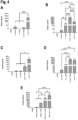
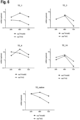
- EA.hy926 cells were transfected with 2.5 ⁇ g TE mRNA complexed with 4 ⁇ l Lipofectamine2000 in OptiMEM. After 24, 48, and 72 h, supernatants were collected, and elastin concentration was detected using ELISA. Increased elastin production was already detected after 24 h, however, quantitatively the highest elastin amounts were measured 48 h post-transfection ( Figure 1 ). Cells treated with Lipofectamine2000 (L2000) alone served as controls. For all nucleotide modifications, the TE mRNA variant 14 resulted in the highest elastin expression ( Figure 2 ).
- the TE mRNA variant 14 led to significantly increased expression of elastin when it was modified with ⁇ /m5C ( Figure 2B ), me 1 ⁇ /m5C ( Figure 2B ), me 1 ⁇ /m5C ( Figure 2C ), or me 1 ⁇ /C ( Figure 2D ) with the highest expression when modified with me 1 ⁇ /m5C ( Figure 2C ). While both ⁇ /m5C ( Figure 2B ) and me1 ⁇ /C ( Figure 2D ) modification of the native mRNA resulted in significantly higher elastin expression compared with the control, me1 ⁇ /C modification yielded the highest elastin expression.
- Table 3 Ranking list of in vitro tested TE mRNA variants Ranking TE mRNA variant Elastin [ng/mL] Viability [%] 1 14_me 1 ⁇ /m5C 7381 71.66 2 14_me 1 ⁇ /C 6522 61.37 3 3_me 1 ⁇ /m5C 5540 70.08 4 native_me 1 ⁇ /C 4548 57.84 5 native_me 1 ⁇ /m5C 2566 62.86 6 4_me 1 ⁇ /C 2563 60.43 7 1_me 1 ⁇ /C 2127 69.97 8 3_me 1 ⁇ /C 2021 58.33 9 14_ ⁇ /m5C 1106 42.44 10 3_ ⁇ /m5C 887.4 40.75 11 native_ ⁇ /m5C 324.2 42.97 12 4_me 1 ⁇ /m5C 216.9 79.18 13 native_unmod 33.84 1.60 14 3_unmod 29.05 1.1 15 4_unmod 28.54 1.59 16 1
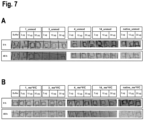
- TE mRNA sequence variants with the me 1 ⁇ nucleotide modifications showed reduced cell toxicity and increased protein expression efficiency along with stable mRNA presence as determined by mRNA decay analyses in cells. Therefore, unmodified or me 1 ⁇ /C modified TE mRNA variants, native, 1, 3, 4, and 14, as well as me 1 ⁇ /C modified native TE_mCherry, were selected for screening in porcine skin to analyze protein expression efficiency in vivo.
- a TE mRNA construct with an N-terminal mCherry-encoding tag sequence was designed and administered in vivo.
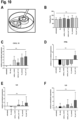
- the expressed mCherry-tagged elastin protein could be detected in skin biopsies after injection of 30 ⁇ g TE_mCherry mRNA and showed significantly increased fluorescence intensity compared to untreated skin controls ( Figure 8D ). Fluorescence microscopy images of the sectioned biopsies showed that the mCherry-tagged elastin was distributed mainly in the dermis near the resident cells (nuclei stained with DAPI) ( Figure 8E ).
- TE mRNA variants Potential toxic and immunogenic effects of TE mRNA variants in the skin were analyzed after intradermal application into human Phenion ® FT skin models.
- the inventors provide oligonucleotides allowing elastin de-novo synthesis in mammal cells and tissues with enhanced expression efficiency.
Landscapes
- Health & Medical Sciences (AREA)
- Life Sciences & Earth Sciences (AREA)
- Chemical & Material Sciences (AREA)
- Genetics & Genomics (AREA)
- General Health & Medical Sciences (AREA)
- Engineering & Computer Science (AREA)
- Molecular Biology (AREA)
- Organic Chemistry (AREA)
- Zoology (AREA)
- Animal Behavior & Ethology (AREA)
- Biochemistry (AREA)
- Veterinary Medicine (AREA)
- Public Health (AREA)
- Biotechnology (AREA)
- Biomedical Technology (AREA)
- Epidemiology (AREA)
- Medicinal Chemistry (AREA)
- Bioinformatics & Cheminformatics (AREA)
- Biophysics (AREA)
- Wood Science & Technology (AREA)
- General Engineering & Computer Science (AREA)
- Gastroenterology & Hepatology (AREA)
- Proteomics, Peptides & Aminoacids (AREA)
- Pharmacology & Pharmacy (AREA)
- Birds (AREA)
- Microbiology (AREA)
- Toxicology (AREA)
- Physics & Mathematics (AREA)
- Plant Pathology (AREA)
- Dermatology (AREA)
- Gerontology & Geriatric Medicine (AREA)
- Immunology (AREA)
- Medicines That Contain Protein Lipid Enzymes And Other Medicines (AREA)
- Medicinal Preparation (AREA)
- Materials For Medical Uses (AREA)
- Cosmetics (AREA)
- Pharmaceuticals Containing Other Organic And Inorganic Compounds (AREA)
Priority Applications (7)
| Application Number | Priority Date | Filing Date | Title |
|---|---|---|---|
| EP22208908.8A EP4374870A1 (fr) | 2022-11-22 | 2022-11-22 | Oligonucléotide à codons optimisés pour l'induction de la synthèse d'élastine de novo chez les mammifères |
| KR1020257020370A KR20250109232A (ko) | 2022-11-22 | 2023-11-08 | 포유류에서 엘라스틴 신생합성을 유도하기 위한 코돈 최적화 올리고뉴클레오티드 |
| JP2025529712A JP2025538535A (ja) | 2022-11-22 | 2023-11-08 | 哺乳動物におけるエラスチンのデノボ合成誘導用のコドン最適化されたオリゴヌクレオチド |
| PCT/EP2023/081133 WO2024110191A1 (fr) | 2022-11-22 | 2023-11-08 | Oligonucléotide optimisé en termes de codons pour induire la synthèse de-novo d'élastine chez des mammifères |
| CN202380080676.3A CN120187447A (zh) | 2022-11-22 | 2023-11-08 | 用于在哺乳动物中诱导弹性蛋白从头合成的密码子优化的寡核苷酸 |
| EP23802251.1A EP4622661A1 (fr) | 2022-11-22 | 2023-11-08 | Oligonucléotide optimisé en termes de codons pour induire la synthèse de-novo d'élastine chez des mammifères |
| US19/212,555 US20250388649A1 (en) | 2022-11-22 | 2025-05-19 | Codon-optimized oligonucleotide for induction of elastin de-novo synthesis in mammals |
Applications Claiming Priority (1)
| Application Number | Priority Date | Filing Date | Title |
|---|---|---|---|
| EP22208908.8A EP4374870A1 (fr) | 2022-11-22 | 2022-11-22 | Oligonucléotide à codons optimisés pour l'induction de la synthèse d'élastine de novo chez les mammifères |
Publications (1)
| Publication Number | Publication Date |
|---|---|
| EP4374870A1 true EP4374870A1 (fr) | 2024-05-29 |
Family
ID=84462421
Family Applications (2)
| Application Number | Title | Priority Date | Filing Date |
|---|---|---|---|
| EP22208908.8A Withdrawn EP4374870A1 (fr) | 2022-11-22 | 2022-11-22 | Oligonucléotide à codons optimisés pour l'induction de la synthèse d'élastine de novo chez les mammifères |
| EP23802251.1A Pending EP4622661A1 (fr) | 2022-11-22 | 2023-11-08 | Oligonucléotide optimisé en termes de codons pour induire la synthèse de-novo d'élastine chez des mammifères |
Family Applications After (1)
| Application Number | Title | Priority Date | Filing Date |
|---|---|---|---|
| EP23802251.1A Pending EP4622661A1 (fr) | 2022-11-22 | 2023-11-08 | Oligonucléotide optimisé en termes de codons pour induire la synthèse de-novo d'élastine chez des mammifères |
Country Status (6)
| Country | Link |
|---|---|
| US (1) | US20250388649A1 (fr) |
| EP (2) | EP4374870A1 (fr) |
| JP (1) | JP2025538535A (fr) |
| KR (1) | KR20250109232A (fr) |
| CN (1) | CN120187447A (fr) |
| WO (1) | WO2024110191A1 (fr) |
Citations (3)
| Publication number | Priority date | Publication date | Assignee | Title |
|---|---|---|---|---|
| WO2014154844A1 (fr) * | 2013-03-28 | 2014-10-02 | Eberhard Karls Universitaet Tuebingen Medizinische Fakultaet | Polyribonucléotide stabilisé codant pour une protéine fibreuse élastique |
| US10898584B2 (en) | 2013-11-01 | 2021-01-26 | Curevac Ag | Modified RNA with decreased immunostimulatory properties |
| WO2022072696A1 (fr) * | 2020-09-30 | 2022-04-07 | Geltor, Inc. | Compositions comprenant des combinaisons de polypeptides de collagène ou d'élastine avec des principes actifs et leurs procédés d'utilisation |
Family Cites Families (2)
| Publication number | Priority date | Publication date | Assignee | Title |
|---|---|---|---|---|
| KR102415811B1 (ko) * | 2014-01-31 | 2022-07-04 | 팩터 바이오사이언스 인크. | 핵산 제조 및 송달을 위한 방법 및 산물 |
| MX2020011257A (es) * | 2018-04-27 | 2021-01-15 | Krystal Biotech Inc | Ácidos nucleicos recombinantes que codifican una o más proteínas cosméticas para usos estéticos. |
-
2022
- 2022-11-22 EP EP22208908.8A patent/EP4374870A1/fr not_active Withdrawn
-
2023
- 2023-11-08 EP EP23802251.1A patent/EP4622661A1/fr active Pending
- 2023-11-08 CN CN202380080676.3A patent/CN120187447A/zh active Pending
- 2023-11-08 JP JP2025529712A patent/JP2025538535A/ja active Pending
- 2023-11-08 KR KR1020257020370A patent/KR20250109232A/ko active Pending
- 2023-11-08 WO PCT/EP2023/081133 patent/WO2024110191A1/fr not_active Ceased
-
2025
- 2025-05-19 US US19/212,555 patent/US20250388649A1/en active Pending
Patent Citations (4)
| Publication number | Priority date | Publication date | Assignee | Title |
|---|---|---|---|---|
| WO2014154844A1 (fr) * | 2013-03-28 | 2014-10-02 | Eberhard Karls Universitaet Tuebingen Medizinische Fakultaet | Polyribonucléotide stabilisé codant pour une protéine fibreuse élastique |
| DE102013005361A1 (de) | 2013-03-28 | 2014-10-02 | Eberhard Karls Universität Tübingen Medizinische Fakultät | Polyribonucleotid |
| US10898584B2 (en) | 2013-11-01 | 2021-01-26 | Curevac Ag | Modified RNA with decreased immunostimulatory properties |
| WO2022072696A1 (fr) * | 2020-09-30 | 2022-04-07 | Geltor, Inc. | Compositions comprenant des combinaisons de polypeptides de collagène ou d'élastine avec des principes actifs et leurs procédés d'utilisation |
Non-Patent Citations (9)
| Title |
|---|
| HOCHMANN, S. ET AL.: "Evaluation of modified Interferon alpha mRNA constructs for the treatment of non-melanoma skin cancer", SCI REP, vol. 8, no. 1, 2018, pages 12954 |
| KARIKO, K. ET AL.: "Increased erythropoiesis in mice injected with submicrogram quantities of pseudouridine-containing mRNA encoding erythropoietin", MOL THER, vol. 20, no. 5, 2012, pages 948 - 53, XP002696191, DOI: 10.1038/mt.2012.7 |
| LESCAN MARIO ET AL: "De Novo Synthesis of Elastin by Exogenous Delivery of Synthetic Modified mRNA into Skin and Elastin-Deficient Cells", MOLECULAR THERAPY-NUCLEIC ACIDS, vol. 11, 1 June 2018 (2018-06-01), US, pages 475 - 484, XP093036971, ISSN: 2162-2531, DOI: 10.1016/j.omtn.2018.03.013 * |
| LESCAN, M. ET AL.: "De Novo Synthesis of Elastin by Exogenous Delivery of Synthetic Modified mRNA into Skin and Elastin-Deficient Cells", MOL THER NUCLEIC ACIDS, vol. 11, 2018, pages 475 - 484 |
| OURANIDIS A ET AL.: "mRNA Therapeutic Modalities Design, Formulation and Manufacturing under Pharma 4.0 Principles", BIOMEDICINES, vol. 10, no. 1, 27 December 2021 (2021-12-27), pages 50, XP055966905, DOI: 10.3390/biomedicines10010050 |
| PRESNYAK, V. ET AL.: "Codon optimality is a major determinant of mRNA stability", CELL, vol. 160, no. 6, 2015, pages 1111 - 24, XP029203792, DOI: 10.1016/j.cell.2015.02.029 |
| SHARP, P.M.W.H. LI: "The codon Adaptation Index--a measure of directional synonymous codon usage bias, and its potential applications", NUCLEIC ACIDS RES, vol. 15, no. 3, 1987, pages 1281 - 95, XP001122356 |
| SU, D. ET AL.: "Seeing Elastin: A Near-Infrared Zwitterionic Fluorescent Probe for In Vivo Elastin Imaging", CHEM, vol. 4, no. 5, 2018, pages 1128 - 1138 |
| XIONG, J. ET AL.: "Elastic fibers reconstructed using adenovirus-mediated expression of tropoelastin and tested in the elastase model of abdominal aortic aneurysm in rats", J VASC SURG, vol. 48, no. 4, 2008, pages 965 - 73, XP025668638, DOI: 10.1016/j.jvs.2008.04.016 |
Also Published As
| Publication number | Publication date |
|---|---|
| EP4622661A1 (fr) | 2025-10-01 |
| US20250388649A1 (en) | 2025-12-25 |
| WO2024110191A1 (fr) | 2024-05-30 |
| CN120187447A (zh) | 2025-06-20 |
| KR20250109232A (ko) | 2025-07-16 |
| JP2025538535A (ja) | 2025-11-28 |
Similar Documents
| Publication | Publication Date | Title |
|---|---|---|
| JP7235702B2 (ja) | 核酸生成及び送達のための方法及び製品 | |
| EP3472362B1 (fr) | Inhibiteurs papd7 et papd5 pour traiter une infection par l'hépatite b | |
| EP4316587A2 (fr) | Expression spécifique à une cellule de l'arn mod | |
| US12343420B2 (en) | Stabilized polyribonucleotide coding for an elastic fibrous protein | |
| JP2023145532A (ja) | 局所皮膚低栄養状態の治療 | |
| CN112368382A (zh) | 用于预防和治疗纤维化相关疾病和呼吸系统疾病的双调蛋白基因特异性双链寡核苷酸和包含其的组合物 | |
| CN119487000A (zh) | 寡核苷酸递送增强化合物、医药组合物及其使用方法 | |
| Golombek et al. | Improved tropoelastin synthesis in the skin by codon optimization and nucleotide modification of tropoelastin-encoding synthetic mRNA | |
| EP2781598B1 (fr) | Molécule d'acide nucléique pour inhiber l'activité de molécule arni | |
| EP4183879A1 (fr) | Oligonucléotide double brin et composition pour le traitement de la covid-19 le contenant | |
| CN111419867B (zh) | 转运rna分子及其片段用于预防或治疗心脏疾病的用途 | |
| JP2023506540A (ja) | B型肝炎ウイルス感染を処置するためのscamp3阻害剤の使用 | |
| US20250388649A1 (en) | Codon-optimized oligonucleotide for induction of elastin de-novo synthesis in mammals | |
| WO2010032704A1 (fr) | Préparation pharmaceutique comprenant un dérivé de micro-arn-143 | |
| TW202241459A (zh) | miRNA—485抑制劑用於誘導毛髮生長之用途 | |
| CN114981433A (zh) | Ctgf基因特异性双链寡核苷酸和用于预防和治疗纤维化疾病和呼吸系统相关疾病的包含其的组合物 | |
| JP2023506954A (ja) | B型肝炎ウイルス感染を処置するためのsaraf阻害剤の使用 | |
| CN110870871B (zh) | 用于治疗癌症的方法和药物组合物 | |
| US11149271B2 (en) | Method and pharmaceutical composition for treating cancer | |
| KR102304280B1 (ko) | 아세틸코에이카복실라제2 안티센스 올리고뉴클레오티드 | |
| Sonia et al. | Improved tropoelastin synthesis in the skin by codon optimization and nucleotide modification of tropoelastin-encoding synthetic mRNA | |
| WO2021035391A1 (fr) | Utilisation d'une molécule d'arn de transfert et d'un fragment de cette dernière dans la prévention ou le traitement d'une maladie cardiaque | |
| CN118667809A (zh) | 一种抑制jak3基因表达的小干扰核酸和凝胶制剂及其制药用途 | |
| WO2026102027A2 (fr) | Compositions ciblant des éléments riches en au du gène fgf21 et du gène gdf15 et leurs procédés d'utilisation | |
| TW201907958A (zh) | 酪胺酸酶反義寡核苷酸 |
Legal Events
| Date | Code | Title | Description |
|---|---|---|---|
| PUAI | Public reference made under article 153(3) epc to a published international application that has entered the european phase |
Free format text: ORIGINAL CODE: 0009012 |
|
| STAA | Information on the status of an ep patent application or granted ep patent |
Free format text: STATUS: REQUEST FOR EXAMINATION WAS MADE |
|
| 17P | Request for examination filed |
Effective date: 20221122 |
|
| AK | Designated contracting states |
Kind code of ref document: A1 Designated state(s): AL AT BE BG CH CY CZ DE DK EE ES FI FR GB GR HR HU IE IS IT LI LT LU LV MC ME MK MT NL NO PL PT RO RS SE SI SK SM TR |
|
| STAA | Information on the status of an ep patent application or granted ep patent |
Free format text: STATUS: EXAMINATION IS IN PROGRESS |
|
| 17Q | First examination report despatched |
Effective date: 20250211 |
|
| STAA | Information on the status of an ep patent application or granted ep patent |
Free format text: STATUS: THE APPLICATION IS DEEMED TO BE WITHDRAWN |
|
| 18D | Application deemed to be withdrawn |
Effective date: 20250612 |