EP4378472A1 - Therapeutisches mittel gegen ischämische erkrankungen - Google Patents
Therapeutisches mittel gegen ischämische erkrankungen Download PDFInfo
- Publication number
- EP4378472A1 EP4378472A1 EP22849615.4A EP22849615A EP4378472A1 EP 4378472 A1 EP4378472 A1 EP 4378472A1 EP 22849615 A EP22849615 A EP 22849615A EP 4378472 A1 EP4378472 A1 EP 4378472A1
- Authority
- EP
- European Patent Office
- Prior art keywords
- aim
- damps
- fragment
- amino acid
- infarction
- Prior art date
- Legal status (The legal status is an assumption and is not a legal conclusion. Google has not performed a legal analysis and makes no representation as to the accuracy of the status listed.)
- Pending
Links
Images




Classifications
-
- A—HUMAN NECESSITIES
- A61—MEDICAL OR VETERINARY SCIENCE; HYGIENE
- A61K—PREPARATIONS FOR MEDICAL, DENTAL OR TOILETRY PURPOSES
- A61K38/00—Medicinal preparations containing peptides
- A61K38/16—Peptides having more than 20 amino acids; Gastrins; Somatostatins; Melanotropins; Derivatives thereof
- A61K38/17—Peptides having more than 20 amino acids; Gastrins; Somatostatins; Melanotropins; Derivatives thereof from animals; from humans
- A61K38/1703—Peptides having more than 20 amino acids; Gastrins; Somatostatins; Melanotropins; Derivatives thereof from animals; from humans from vertebrates
- A61K38/1709—Peptides having more than 20 amino acids; Gastrins; Somatostatins; Melanotropins; Derivatives thereof from animals; from humans from vertebrates from mammals
- A61K38/1761—Apoptosis related proteins, e.g. Apoptotic protease-activating factor-1 (APAF-1), Bax, Bax-inhibitory protein(s)(BI; bax-I), Myeloid cell leukemia associated protein (MCL-1), Inhibitor of apoptosis [IAP] or Bcl-2
-
- A—HUMAN NECESSITIES
- A61—MEDICAL OR VETERINARY SCIENCE; HYGIENE
- A61K—PREPARATIONS FOR MEDICAL, DENTAL OR TOILETRY PURPOSES
- A61K38/00—Medicinal preparations containing peptides
- A61K38/16—Peptides having more than 20 amino acids; Gastrins; Somatostatins; Melanotropins; Derivatives thereof
- A61K38/17—Peptides having more than 20 amino acids; Gastrins; Somatostatins; Melanotropins; Derivatives thereof from animals; from humans
-
- A—HUMAN NECESSITIES
- A01—AGRICULTURE; FORESTRY; ANIMAL HUSBANDRY; HUNTING; TRAPPING; FISHING
- A01K—ANIMAL HUSBANDRY; AVICULTURE; APICULTURE; PISCICULTURE; FISHING; REARING OR BREEDING ANIMALS, NOT OTHERWISE PROVIDED FOR; NEW BREEDS OF ANIMALS
- A01K67/00—Rearing or breeding animals, not otherwise provided for; New or modified breeds of animals
- A01K67/027—New or modified breeds of vertebrates
- A01K67/0275—Genetically modified vertebrates, e.g. transgenic
-
- A—HUMAN NECESSITIES
- A61—MEDICAL OR VETERINARY SCIENCE; HYGIENE
- A61K—PREPARATIONS FOR MEDICAL, DENTAL OR TOILETRY PURPOSES
- A61K48/00—Medicinal preparations containing genetic material which is inserted into cells of the living body to treat genetic diseases; Gene therapy
-
- A—HUMAN NECESSITIES
- A61—MEDICAL OR VETERINARY SCIENCE; HYGIENE
- A61P—SPECIFIC THERAPEUTIC ACTIVITY OF CHEMICAL COMPOUNDS OR MEDICINAL PREPARATIONS
- A61P1/00—Drugs for disorders of the alimentary tract or the digestive system
-
- A—HUMAN NECESSITIES
- A61—MEDICAL OR VETERINARY SCIENCE; HYGIENE
- A61P—SPECIFIC THERAPEUTIC ACTIVITY OF CHEMICAL COMPOUNDS OR MEDICINAL PREPARATIONS
- A61P11/00—Drugs for disorders of the respiratory system
-
- A—HUMAN NECESSITIES
- A61—MEDICAL OR VETERINARY SCIENCE; HYGIENE
- A61P—SPECIFIC THERAPEUTIC ACTIVITY OF CHEMICAL COMPOUNDS OR MEDICINAL PREPARATIONS
- A61P29/00—Non-central analgesic, antipyretic or antiinflammatory agents, e.g. antirheumatic agents; Non-steroidal antiinflammatory drugs [NSAID]
-
- A—HUMAN NECESSITIES
- A61—MEDICAL OR VETERINARY SCIENCE; HYGIENE
- A61P—SPECIFIC THERAPEUTIC ACTIVITY OF CHEMICAL COMPOUNDS OR MEDICINAL PREPARATIONS
- A61P9/00—Drugs for disorders of the cardiovascular system
- A61P9/10—Drugs for disorders of the cardiovascular system for treating ischaemic or atherosclerotic diseases, e.g. antianginal drugs, coronary vasodilators, drugs for myocardial infarction, retinopathy, cerebrovascula insufficiency, renal arteriosclerosis
-
- C—CHEMISTRY; METALLURGY
- C07—ORGANIC CHEMISTRY
- C07K—PEPTIDES
- C07K14/00—Peptides having more than 20 amino acids; Gastrins; Somatostatins; Melanotropins; Derivatives thereof
- C07K14/435—Peptides having more than 20 amino acids; Gastrins; Somatostatins; Melanotropins; Derivatives thereof from animals; from humans
-
- C—CHEMISTRY; METALLURGY
- C07—ORGANIC CHEMISTRY
- C07K—PEPTIDES
- C07K14/00—Peptides having more than 20 amino acids; Gastrins; Somatostatins; Melanotropins; Derivatives thereof
- C07K14/435—Peptides having more than 20 amino acids; Gastrins; Somatostatins; Melanotropins; Derivatives thereof from animals; from humans
- C07K14/46—Peptides having more than 20 amino acids; Gastrins; Somatostatins; Melanotropins; Derivatives thereof from animals; from humans from vertebrates
- C07K14/47—Peptides having more than 20 amino acids; Gastrins; Somatostatins; Melanotropins; Derivatives thereof from animals; from humans from vertebrates from mammals
-
- A—HUMAN NECESSITIES
- A01—AGRICULTURE; FORESTRY; ANIMAL HUSBANDRY; HUNTING; TRAPPING; FISHING
- A01K—ANIMAL HUSBANDRY; AVICULTURE; APICULTURE; PISCICULTURE; FISHING; REARING OR BREEDING ANIMALS, NOT OTHERWISE PROVIDED FOR; NEW BREEDS OF ANIMALS
- A01K2217/00—Genetically modified animals
- A01K2217/07—Animals genetically altered by homologous recombination
- A01K2217/075—Animals genetically altered by homologous recombination inducing loss of function, i.e. knock out
-
- A—HUMAN NECESSITIES
- A01—AGRICULTURE; FORESTRY; ANIMAL HUSBANDRY; HUNTING; TRAPPING; FISHING
- A01K—ANIMAL HUSBANDRY; AVICULTURE; APICULTURE; PISCICULTURE; FISHING; REARING OR BREEDING ANIMALS, NOT OTHERWISE PROVIDED FOR; NEW BREEDS OF ANIMALS
- A01K2227/00—Animals characterised by species
- A01K2227/10—Mammal
- A01K2227/105—Murine
-
- A—HUMAN NECESSITIES
- A01—AGRICULTURE; FORESTRY; ANIMAL HUSBANDRY; HUNTING; TRAPPING; FISHING
- A01K—ANIMAL HUSBANDRY; AVICULTURE; APICULTURE; PISCICULTURE; FISHING; REARING OR BREEDING ANIMALS, NOT OTHERWISE PROVIDED FOR; NEW BREEDS OF ANIMALS
- A01K2267/00—Animals characterised by purpose
- A01K2267/03—Animal model, e.g. for test or diseases
- A01K2267/035—Animal model for multifactorial diseases
- A01K2267/0375—Animal model for cardiovascular diseases
Definitions
- the present invention relates to a therapeutic agent for ischemic diseases and the like. More particularly, the present invention relates to a therapeutic agent for ischemic diseases, including apoptosis inhibitor of macrophage (AIM), and the like.
- AIM apoptosis inhibitor of macrophage
- DAMPs damage-associated molecular patterns
- TLRs Toll-like receptors
- IRI ischemia-reperfusion injury
- trauma trauma, or chemically induced injury
- Non Patent Literatures 2 to 5 There is a widely accepted consensus that the prognosis of ischemic stroke is highly influenced by the state of sterile inflammation in the affected brain after the onset of stroke. Since currently available therapies, such as thrombolysis and thrombectomy, do not always profoundly improve the prognosis of stroke patients, increasing attention has recently been paid to post-stroke sterile inflammation as a therapeutic target (Non Patent Literatures 5 to 7).
- Apoptosis inhibitor of macrophage is a circulating protein produced by tissue macrophages, which the present inventors initially identified as a supporter of macrophage survival.
- AIM is now recognized as a molecule to induce repair processes in many diseases (Non Patent Literatures 10 to 12).
- AIM consists of three cysteine-rich domains (termed the SRCR domains), and a unique positively-charged amino-acid cluster is present at the carboxyl terminus within the third SRCR domain. This cluster develops charge-based interactions with dead cells, whose surface is strongly negatively charged due to the high levels of exposed phosphatidylserine (Non Patent Literatures 10, 11).
- Non Patent Literature 12 This association highly enhances the engulfment of dead cells by phagocytes, as AIM is highly internalized by phagocytes via multiple scavenger receptors (Non Patent Literature 12).
- the present inventors assess the possible impact of AIM on the pathophysiology of ischemic stroke, where the main pathophysiology is partial necrosis of brain neurons due to transient ischaemia and sterile inflammation caused by DAMPs released from the necrotic cells.
- the present invention aims to provide a novel therapeutic agent and a novel treatment method for ischemic diseases including cerebral infarction.
- AIM binds to various DAMPs (e.g., PRDX1 - 6, HMGB1, S100A8, S100A8/9, S100A9, HSP70, etc.) in two coupling schemes, (2) binding of AIM to DAMPs neutralizes the biological activity of DAMPs, (3) binding of AIM to DAMPs results in efficient phagocytosis and removal of DAMPs by microglia and macrophages that have infiltrated into the infarct area, (4) as a result of (2) and (3), AIM suppresses the spread of sterile inflammation, and (5) AIM enhances phagocytic removal of dead cell debris in cerebral infarct region and suppresses the spread of sterile inflammation. Based on such findings, they have conducted further studies and completed the present invention.
- DAMPs e.g., PRDX1 - 6, HMGB1, S100A8, S100A8/9, S100A9, HSP70, etc.
- the present invention provides the following.
- the present invention it is possible to efficiently remove dead cell debris in the infarcted region in the subject while simultaneously suppressing sterile inflammation. Therefore, the present invention is capable of treating ischemic diseases such as cerebral infarction, myocardial infarction, limb ischemia, pulmonary infarction, splenic infarction, intestinal infarction, and Buerger's disease.
- ischemic diseases such as cerebral infarction, myocardial infarction, limb ischemia, pulmonary infarction, splenic infarction, intestinal infarction, and Buerger's disease.
- the present invention provides an agent for the treatment of an ischemic disease that contains an apoptosis inhibitor of macrophage (AIM), an AIM fragment having the biological activity of AIM, or a nucleic acid encoding the AIM or AIM fragment (hereinafter sometimes to be referred to as "the agent for the treatment of the present invention").
- AIM apoptosis inhibitor of macrophage
- the agent for the treatment of the present invention a nucleic acid encoding the AIM or AIM fragment
- Ischemic diseases are diseases in which organs become ischemic due to obstruction or stenosis of arteries that provide nutrition to the organs, and tissues become necrotic or dysfunctional due to the shortage of oxygen or nutrients.
- Examples of the ischemic diseases treated with the agent for the treatment of the present invention include, but are not limited to, cerebral infarction, myocardial infarction, limb ischemia, pulmonary infarction, splenic infarction, intestinal infarction, Buerger's disease, and the like.
- the ischemic disease could be cerebral infarction.
- Cerebral infarction is classified based on the mechanism of onset. Cerebral infarction that occurs when blood flow is obstructed as a result of arteriosclerosis that has progressed in relatively large blood vessels in the neck and brain is called “atherothrombotic brain infarction”. Cerebral infarction that occurs due to blockage of small blood vessels deep in the brain is called “lacunar infarction”. Cerebral infarction that occurs when a blood vessel in the brain is blocked by a blood clot formed in the heart and transported to the brain is called “cardiogenic cerebral embolism”.
- the agent for the treatment of the present invention is applicable to the treatment of any type of cerebral infarction.
- AIM to be used in the present invention is a protein containing an amino acid sequence that is the same or substantially the same as the amino acid sequence shown in SEQ ID NO: 1 (amino acid sequence of human-derived AIM protein).
- AIM may be, for example, a protein isolated and purified from macrophage, which is immunocyte of warm-blooded animals (e.g., human, mouse, rat, rabbit, sheep, swine, bovine, horse, cat, dog, monkey, chimpanzee, bird, and the like). It may also be a protein chemically synthesized or biochemically synthesized in a cell-free translation system.
- the protein may be a recombinant protein produced from a transformant incorporating a nucleic acid comprising a base sequence that encodes the above-described amino acid sequence.
- the species of organism to be the origin of the AIM to be used in the present invention may be preferably the same as the species of the subject suffering from a neurodegenerative disease.
- human AIM is preferably used.
- Substantially the same amino acid sequence as the amino acid sequence shown in SEQ ID NO:1 refers to an amino acid sequence having an identity or similarity of about 60% or more, preferably about 70% or more, further preferably about 80% or more, particularly preferably about 90% or more, most preferably about 95% or more, to the amino acid sequence shown in SEQ ID NO:1, and the like.
- identity means the proportion (%) of the same amino acids and similar amino acid residues to the overlapping total amino acid residues in the optimal alignment (preferably, the algorithm can consider, for the optimal alignment, introduction of a gap into one or both of the sequences), when two amino acid sequences are aligned using mathematical algorithm known in the technical field.
- the “similarity” means the ratio (%) of the number of positions where the same or similar amino acid residues are present in two amino acid sequences when they are aligned to the total number of amino acid residues.
- the “similar amino acid” means amino acids similar in physicochemical properties and, for example, amino acids classified into the same group such as aromatic amino acid (Phe, Trp, Tyr), aliphatic amino acid (Ala, Leu, Ile, Val), polar amino acid (Gin, Asn), basic amino acid (Lys, Arg, His), acidic amino acid (Glu, Asp), amino acid having hydroxyl group (Ser, Thr), amino acid with small side chain (Gly, Ala, Ser, Thr, Met) and the like can be mentioned.
- NCBI BLAST National Center for Biotechnology Information Basic Local Alignment Search Tool
- Examples of other algorithm to determine the identity or similarity of amino acid sequence include the algorithm described in Karlin et al., Proc. Natl. Acad. Sci. USA, 90:5873-5877(1993 ) [the algorithm is incorporated in NBLAST and XBLAST program (version 2.0) ( Altschul et al., Nucleic Acids Res., 25:3389-3402(1997 ))], the algorithm described in Needleman et al., J.
- substantially the same amino acid sequence as the amino acid sequence shown in SEQ ID NO:1 is an amino acid sequence having an identity of about 60% or more, preferably about 70% or more, further preferably about 80% or more, particularly preferably about 90% or more, and most preferably about 95% or more, to the amino acid sequence shown in SEQ ID NO:1.
- a protein comprising substantially the same amino acid sequence as the amino acid sequence shown in SEQ ID NO:1 for example, a protein comprising substantially the same amino acid sequence as the aforementioned amino acid sequence shown in SEQ ID NO:1, and having substantially the same quality of activity as the biological activity of wild-type AIM can be mentioned.
- Examples of the biological activity of the wild-type AIM include endocytosis activity on macrophage (including microglia), activity to suppress apoptosis of macrophage, activity to maintain or promote arteriosclerosis, adipocyte differentiation suppressive activity, activity to melt lipid droplet of adipocyte, adipocyte reducing activity, CD36 binding activity, endocytosis activity to adipocyte, FAS binding activity, FAS function suppressive activity, antiobesity activity, activity to prevent or treat hepatic diseases (fatty liver, NASH, cirrhosis, liver cancer), activity to prevent or treat renal diseases (acute renal failure, chronic nephritis, chronic renal failure, nephrotic syndrome, diabetic nephropathy, nephrosclerosis, IgA nephropathy, hypertensive nephropathy, nephropathy with collagen disease or IgM nephropathy) and the like.
- endocytosis activity on macrophage including microglia
- an endocytosis activity on macrophage can be a preferable index.
- the activity can be confirmed using in vitro macrophage (or microglia) phagocytosis tests, though not limited thereto.
- the "substantially the same quality" means that the activity thereof is qualitatively (e.g., physiologically or pharmacologically) the same. Therefore, it is preferable that the aforementioned activities be equivalent to each other, but the quantitative factors of these activities, such as the extent of activity (e.g., about 0.1 to about 10 times, preferably about 0.5 to about 2 times) and the molecular weight of the protein, may be different.
- the aforementioned activities can be measured by a method known per se.
- Examples of the AIM to be used in the present invention also include proteins comprising (1) an amino acid sequence having 1 or 2 or more (preferably about 1 to 100, preferably about 1 to 50, further preferably about 1 to 10, particularly preferably 1 to several (2, 3, 4 or 5)) amino acids deleted from the amino acid sequence shown in SEQ ID NO:1, (2) an amino acid sequence having 1 or 2 or more (preferably about 1 to 100, preferably about 1 to 50, further preferably about 1 to 10, particularly preferably 1 to several (2, 3, 4 or 5)) amino acids added to the amino acid sequence shown in SEQ ID NO:1, (3) an amino acid sequence having 1 or 2 or more (preferably about 1 to 50, preferably about 1 to 10, further preferably 1 to several (2, 3, 4 or 5)) amino acids inserted in the amino acid sequence shown in SEQ ID NO:1, (4) an amino acid sequence having 1 or 2 or more (preferably about 1 to 50, preferably about 1 to 10, further preferably 1 to several (2, 3, 4 or 5)) amino acids substituted by other amino acids in the amino acid sequence shown in SEQ ID NO
- the position of the insertion, deletion or substitution is not particularly limited as long as a desired biological activity (e.g., endocytosis activity on macrophage (including microglia)) of the protein is maintained.
- a desired biological activity e.g., endocytosis activity on macrophage (including microglia)
- AIM in the present invention is preferably a human AIM protein having the amino acid sequence shown in SEQ ID NO:1 (GenBank Accession No.: AAD01446), or a homologue thereof in other mammals [for example, mouse homologue registered in the GenBank as Accession No.: AAD01445 and the like], more preferably, a human AIM protein consisting of the amino acid sequence shown in SEQ ID NO:1.
- the protein and peptide are described according to conventional peptide lettering, and the left end is N-terminus (amino terminus), and the right end is C-terminus (carboxyl terminus).
- AIM to be used in the present invention including a protein comprising the amino acid sequence shown in SEQ ID NO:1, the C-terminus may be any of a carboxyl group (-COOH), carboxylate (-COO - ), amide (-CONH 2 ) and ester (-COOR).
- a C 1-6 alkyl group for example, methyl, ethyl, n-propyl, isopropyl and n-butyl, a C 3-8 cycloalkyl group, for example, cyclopentyl and cyclohexyl, a C 6-12 aryl group, for example, phenyl and ⁇ -naphthyl, a phenyl-C 1-2 alkyl group, for example, benzyl and phenethyl, a C 7-14 aralkyl group, for example, an ⁇ -naphthyl-C 1-2 alkyl group, for example, ⁇ -naphthylmethyl, a pivaloyloxymethyl group; and the like can be used.
- the AIM to be used in the present invention has a carboxyl group (or carboxylate) at a position other than the C-terminus
- a protein wherein the carboxyl group is amidated or esterified is also included in the protein of the present invention.
- the ester the above-described ester at the C terminus, and the like, for example, is used.
- the AIM to be used in the present invention also includes a protein wherein the amino group of the N-terminal amino acid residue is protected by a protecting group (e.g., C 1-6 acyl groups such as C 1-6 alkanoyls such as formyl group and acetyl group, and the like); a protein wherein the glutamine residue that may be produced upon cleavage at the N terminus in vivo has been converted to pyroglutamic acid, a protein wherein a substituent (e.g., -OH, -SH, amino group, imidazole group, indol group, guanidino group and the like) on a side chain of an amino acid in the molecule is protected by an appropriate protecting group (e.g., C 1-6 acyl groups such as C 1-6 alkanoyl groups such as formyl group and acetyl group, and the like), a conjugated peptide such as what is called a glycopeptide having a sugar chain bound thereto,
- the "AIM” is a concept including not only wild-type AIM but also mutants of these and the like having an activity substantially the same or improved than the biological activity of the wild-type AIM.
- the "activity of substantially the same quality” is as defined above.
- the “activity of substantially the same quality” can be measured in the same manner as in the case of AIM.
- One embodiment of the mutant of AIM includes, but is not limited to, the following.
- the mutant human AIM of the present invention preferably contains the amino acid sequence of any one of the following (1b) to (5b).
- AIM As a component of the agent for the treatment of the present invention, not only AIM but also an AIM fragment having the biological activity of AIM can also be used. Whether or not the AIM fragment has the biological activity of wild-type AIM may be determined by the aforementioned method.
- each SRCR domain can be recited as an example of an AIM fragment having substantially the same quality of activity as the biological activity possessed by the wild-type AIM.
- SEQ ID NO:1 partial amino acid sequences respectively comprising SRCR1 domain (amino acid Nos. 24 - 125 of the amino acid sequence shown in SEQ ID NO:1), SRCR2 domain (amino acid Nos.
- the size of the AIM fragment having substantially the same quality of activity as the biological activity possessed by the wild-type AIM is not particularly limited as long as it comprises the above-mentioned functional domain.
- the partial peptide preferably comprises not less than 50 partial amino acid sequences, more preferably not less than 100 partial amino acid sequences, further preferably not less than 200 partial amino acid sequences.
- the partial amino acid sequences may be a single consecutive partial amino acid sequence, or discontinuous plural partial amino acid sequences linked to each other.
- the C-terminus of the AIM fragment to be used in the present invention may be any of a carboxyl group (-COOH), carboxylate (-COO - ), amide (-CONH 2 ) and ester (-COOR).
- examples of the R in ester include those similar to the examples recited above for AIM.
- the carboxyl group may be amidated or esterified, which is also encompassed in the partial peptide of the present invention.
- the ester in this case, for example, those similar to the ester at the C-terminus and the like are used.
- the AIM fragment to be used in the present invention includes, in the same manner as in the above-mentioned AIM, the amino group of the N-terminal amino acid residue may be protected with a protecting group, the glutamine residue at the N-terminus may be converted to pyroglutamic acid, a substituent on the side chain of the amino acid in a molecule may be protected with a suitable protecting group, or the partial peptide may be a composite peptide wherein a sugar chain is bonded (so-called glycopeptide and the like), and the like.
- the AIM (including AIM fragment) to be used in the present invention may be in the form of a salt.
- salts with physiologically acceptable acid e.g., inorganic acid, organic acid
- base e.g., alkali metal salt
- a physiologically acceptable acid addition salt is particularly preferable.
- salts with inorganic acids e.g., hydrochloric acid, phosphoric acid, hydrobromic acid, sulfuric acid
- salts with organic acids e.g., acetic acid, formic acid, propionic acid, fumaric acid, maleic acid, succinic acid, tartaric acid, citric acid, malic acid, oxalic acid, benzoic acid, methanesulfonic acid, benzenesulfonic acid
- inorganic acids e.g., hydrochloric acid, phosphoric acid, hydrobromic acid, sulfuric acid
- organic acids e.g., acetic acid, formic acid, propionic acid, fumaric acid, maleic acid, succinic acid, tartaric acid, citric acid, malic acid, oxalic acid, benzoic acid, methanesulfonic acid, benzenesulfonic acid
- AIM can be produced from a macrophage of the aforementioned mammals by a protein purification method known per se.
- AIM or a salt thereof can be prepared by homogenizing mammalian macrophage, removing cell debris by low-speed centrifugation, centrifuging the supernatant at a high speed to precipitate a cellular membrane-comprising fraction, and subjecting the supernatant to chromatography such as reversed-phase chromatography, ion exchange chromatography, affinity chromatography and the like, and the like.
- AIM (including AIM fragments) can also be produced according to a publicly known method of peptide synthesis.
- the method of peptide synthesis may be any of, for example, a solid phase synthesis process and a liquid phase synthesis process.
- a desired protein can be produced by condensing a partial peptide or amino acid capable of constituting AIM with the remaining portion, and removing any protecting group the resultant product may have.
- condensation and the protecting group removal are conducted in accordance with methods known per se, for example, the methods indicated in (1) and (2) below:
- AIM thus obtained can be purified or isolated by a known method of purification.
- solvent extraction, distillation, column chromatography, liquid chromatography, recrystallization, combinations thereof and the like can be mentioned.
- the free form can be converted into a suitable salt form by a known method or a method based thereon, and on the other hand, when the AIM is obtained in the form of a salt, it can be converted into the free form or in the form of a different salt by a known method or a method based thereon.
- AIM can also be produced by culturing a transformant comprising a nucleic acid encoding the same, and separating and purifying AIM from the obtained culture.
- the nucleic acid encoding AIM or AIM fragment may be DNA or RNA, or DNA/RNA chimera, preferably DNA.
- the nucleic acid may be double-stranded or single-stranded. In the case of a double-stranded nucleic acid, it may be a double-stranded DNA, a double-stranded RNA, or a DNA:RNA hybrid. In the case of a single strand, it may be a sense strand (that is, coding strand), or an antisense strand (that is, non-coding strand).
- DNA encoding AIM examples include genomic DNA, cDNA derived from macrophage of warm-blooded animal (e.g., human, bovine, monkey, horse, swine, sheep, goat, dog, cat, guinea pig, rat, mouse, rabbit, hamster, chicken and the like), synthetic DNA and the like.
- warm-blooded animal e.g., human, bovine, monkey, horse, swine, sheep, goat, dog, cat, guinea pig, rat, mouse, rabbit, hamster, chicken and the like
- synthetic DNA synthetic DNA and the like.
- Genomic DNA encoding AIM or an AIM fragment can be directly amplified by Polymerase Chain Reaction (hereinafter to be abbreviated as "PCR method") by using, as a template, a genomic DNA fraction prepared from any cell of the aforementioned animals [for example, hepatocyte, splenocyte, nerve cell, glial cell, pancreatic ⁇ cell, myelocyte, mesangial cell, Langerhans' cell, epidermal cell, epithelial cell, goblet cell, endothelial cell, smooth muscle cell, fibroblast, fibrocyte, myocyte, adipocyte, immunocyte (e.g., macrophage, T cell, B cell, natural killer cell, mast cell, neutrophil, basophil, eosinophil, monocyte), megakaryocyte, synovial cell, chondrocyte, bone cell, osteoblast, osteoclast, mammary gland cell, hepatocyte or interstitial cell, or corresponding progenitor cell, stem cell or cancer cell
- genomic DNA and cDNA encoding AIM or a peptide fragment thereof can also be cloned by colony or plaque hybridization method or PCR method and the like from a genomic DNA library and cDNA library prepared by inserting the above-mentioned genomic DNA and total RNA or a fragment of mRNA into a suitable vector.
- the vector used for the library may be any of a bacteriophage, a plasmid, a cosmid, a phagemid and the like.
- nucleic acid encoding AIM examples include a nucleic acid comprising the same or substantially the same base sequence as the base sequence shown in SEQ ID NO: 2 and the like.
- nucleic acid comprising the same or substantially the same base sequence as the base sequence shown in SEQ ID NO: 2 for example, a nucleic acid comprising a base sequence having an identity or similarity of not less than about 60%, preferably not less than about 70%, more preferably not less than about 80%, particularly preferably not less than about 90%, with the base sequence shown in SEQ ID NO: 2, and encoding a protein having an activity of substantially the same quality as the aforementioned AIM and the like can be used.
- the nucleic acid comprising the same or substantially the same base sequence as the base sequence shown in SEQ ID NO: 2 is a nucleic acid comprising a base sequence having a homology of not less than about 60%, preferably not less than about 70%, more preferably not less than about 80%, particularly preferably not less than about 90%, with the base sequence shown in SEQ ID NO: 2, and encoding a protein having the same or substantially the same quality of activity as the aforementioned AIM.
- the nucleic acid encoding AIM also includes a nucleic acid sequence subjected to codon optimization for the purpose of increasing expression efficiency in an organism to be the application target.
- NCBI BLAST National Center for Biotechnology Information Basic Local Alignment Search Tool.
- the above-mentioned homology calculation algorithm for amino acid sequences can be similarly preferably recited as the example.
- the nucleic acid encoding AIM is preferably a nucleic acid comprising a base sequence encoding human AIM protein shown by the base sequence shown in SEQ ID NO: 2 (GenBank accession No: AF011429), or a homologue thereof in other mammal [for example, mouse homologue registered in GenBank as accession No: AF011428 and the like].
- a nucleic acid encoding AIM or an AIM fragment having a biological activity of AIM can also be used.
- the nucleic acid encoding AIM or AIM fragment to be used in the present invention may be any as long as it comprises a base sequence encoding a peptide comprising the same or substantially the same amino acid sequence as a part of the amino acid sequence shown in SEQ ID NO:1.
- nucleic acid encoding the AIM fragment (1) a nucleic acid comprising a partial base sequence of the base sequence shown in SEQ ID NO: 2, or (2) a nucleic acid comprising a base sequence having an identity or similarity of not less than about 60%, preferably not less than about 70%, more preferably not less than about 80%, particularly preferably not less than about 90%, with a nucleic acid comprising a partial base sequence of the base sequence shown in SEQ ID NO: 2, and encoding a protein having an activity of substantially the same quality as the aforementioned AIM and the like are used.
- the nucleic acid encoding AIM or AIM fragment can be cloned by amplifying same using a synthesized DNA primer having a part of a base sequence encoding the AIM or AIM fragment by PCR method, or by conducting hybridization of a DNA incorporated into a suitable expression vector with a labeled DNA fragment or synthetic DNA encoding a part or whole region of AIM.
- Hybridization can be conducted according to a method known per se or a method based thereon, for example, a method described in Molecular Cloning, 2nd edition (J. Sambrook et al., Cold Spring Harbor Lab. Press, 1989 ) and the like. When a commercially available library is used, hybridization can be conducted according to the method described in the instruction manual attached thereto. Hybridization can preferably be conducted under highly stringent conditions.
- the highly stringent conditions conditions of a hybridization reaction in 6 ⁇ SSC (sodium chloride/sodium citrate) at 45°C followed by washing in 0.2 ⁇ SSC/0.1% SDS at 65°C once or more and the like can be mentioned.
- SSC sodium chloride/sodium citrate
- Those skilled in the art are able to easily obtain desired stringency by changing the salt concentration of the hybridization solution, hybridization reaction temperature, probe concentration, probe length, the number of mismatches, hybridization reaction time, the salt concentration of the washing solution, washing temperature and the like as appropriate.
- hybridization can be conducted according to the method described in the instruction manual attached to the library.
- the nucleic acid encoding AIM or AIM fragment may also be functionally linked to an expression vector or the like having a promoter that is specifically expressed in the brain.
- the AIM or AIM fragment can be specifically expressed in the brain.
- the brain specific promoter include, but are not limited to, SCG10, GFAP promoter, synapsin 1 promoter, tubulin ⁇ 1 promoter, calcium/calmodulin-dependent protein kinase II promoter, neuron-specific enolase promoter, PDGF (platelet-derived growth factor beta)- ⁇ chain promoter and the like.
- a nucleic acid encoding AIM or AIM fragment may be mounted on a viral vector.
- the viral vector include, but are not limited to, adeno-associated virus, adenovirus, lentivirus, and Sendai virus.
- adeno-associated virus is preferable because it can express transgene for a long period of time, is highly safe because it is derived from a non-pathogenic virus and the like.
- the serotype of the adeno-associated virus is not particularly limited as long as the desired effect of the present invention can be obtained, and any of serotypes 1, 2, 3, 4, 5, 6, 7, 8, 9, and 10 may also be used.
- serotype 1, 2, 5, 9, or 10 is preferred (see WO 2005/033321 for various serotypes of AAV).
- AAV5 is more preferred from the aspect of high expression efficiency
- serotype 9 is more preferred from the aspect of the property of efficient permeation through the blood vessel brain barrier ( Iwata N et al, Sci Rep. 2013; 3:1472 ).
- the viral vector to be used in the present invention also includes variants thereof.
- a modified capsid and the like are known.
- examples of the AAV variant include, but are not limited to, those disclosed in WO 2012/057363 and the like.
- a brain-specific promoter as a promoter that controls the expression of the nucleic acid encoding AIM or AIM fragment.
- Examples of such brain-specific promoter include, but are not limited to, SCG10, GFAP promoter, synapsin 1 promoter, tubulin ⁇ 1 promoter, calcium/calmodulin-dependent protein kinase II promoter, neuron-specific enolase promoter, PDGF (platelet-derived growth factor beta)- ⁇ chain promoter and the like.
- sequences such as Poly A addition signal, Kozak consensus sequence, tag sequence, linker sequence, NLS and the like may also be mounted as appropriate into a viral vector together with the nucleic acid encoding AIM or AIM fragment according to the purpose.
- a viral vector containing a nucleic acid encoding AIM or AIM fragment can be prepared by a known method.
- a plasmid vector for virus expression is prepared by inserting a nucleic acid encoding AIM or AIM fragment and, if necessary, a nucleic acid having a desired function (e.g., brain-specific promoter, etc.), this is transfected into an appropriate host cell to transiently produce a viral vector containing the polynucleotide of the present invention, and the viral vector is recovered.
- a vector plasmid is created first in which the ITRs at both ends of a wild-type AAV genome sequence are left and, in the place of a DNA encoding the other Rep proteins and capsid proteins, a nucleic acid encoding AIM or AIM fragment is inserted.
- the DNAs encoding Rep proteins and capsid proteins which is necessary for forming virus particles, are inserted into another plasmid.
- a plasmid containing genes (E1A, E1B, E2A, VA, and E4orf6) responsible for the adenovirus helper action necessary for the proliferation of AAV is prepared as an adenovirus helper plasmid.
- These three plasmids are co-transfected into a host cell, whereby recombinant AAV (i.e., AAV vector) is produced within the cell.
- AAV i.e., AAV vector
- the host cell it is preferable to use a cell (e.g., 293 cell, etc.) that can supply a part of the gene product(s) (proteins) of the gene(s) responsible for the aforementioned helper action, and when such a cell is used, it is not necessary to mount the gene encoding the protein(s) that can be supplied from the host cell on the aforementioned adenovirus helper plasmid.
- the host cell Since the produced AAV vector exists in the nucleus, the host cell is frozen and thawed and recovered, and separated and purified by density ultracentrifugation method using cesium chloride, column method, and the like, whereby the desired AAV vector is prepared.
- the route of administration thereof is not particularly limited as long as the delivery of the active ingredient AIM protein into the affected part is realized.
- the preferred administration route include, but are not limited to, intravenous administration, intraarterial administration, subcutaneous administration, intraperitoneal administration, and the like.
- the active ingredient of the agent for the treatment of the present invention is an AIM protein or a functional fragment thereof (hereinafter sometimes to be referred to as "AIM protein, etc.”) and the ischemic disease is cerebral infarction
- AIM protein, etc. generally do not pass through the Blood-Brain Barrier (BBB).
- BBB Blood-Brain Barrier
- AIM protein, etc. can be delivered to the cerebral infarction area by intravenous administration.
- the agent for the treatment of the present invention may be directly injected into the brain tissue by a method known per se, such as microinjection or the like, through a pinhole made in the cranial bone of the subject.
- the AIM protein can also be delivered into the brain by encapsulating the AIM protein in a liposome modified to ensure permeation through the Blood-Brain Barrier and administering the liposome to the subject by intravenous administration or the like.
- the nucleic acid encoding the AIM protein can be delivered into the brain by a method of directly introducing the agent for the treatment of the present invention from a pinhole made in the cranial bone of a subject, a method using the aforementioned liposome, or the like.
- a pinhole is provided in the cranial bone of a subject, and the agent for the treatment of the present invention can be directly introduced into the brain tissue via the pinhole by a method known per se, such as microinjection.
- a method known per se such as microinjection.
- use of AAV9 is highly preferable since AIM can be specifically expressed in the brain of the subject simply by injecting the agent for the treatment of the present invention into the circulating blood without providing a pinhole in the cranial bone of the subject.
- the agent for the treatment of the present invention is parenterally administered and can be administered by, for example, intravenous administration, intraarterial administration, subcutaneous administration, or intraperitoneal administration.
- the agent for the treatment of the present invention when formulated for parenteral administration, for example, it can be formulated as injection, suppository or the like.
- the injection may include the dosage forms of intravenous injection, subcutaneous injection, intradermal injection, intramuscular injection, drip injection, and the like.
- Such injection can be prepared according to a known method. Injection can be prepared, for example, by dissolving, suspending or emulsifying components such as AIM, nucleic acid encoding AIM and/or virus mounting a nucleic acid encoding AIM and the like in a sterile aqueous solution or an oily solution generally used for injection.
- aqueous solution for injection for example, saline, isotonic solution containing glucose and other auxiliary agents, and the like are used, which may be used in combination with a suitable solubilizing agent, for example, alcohol (e.g. ethanol), polyalcohol (e.g., propylene glycol, polyethylene glycol), non-ionic surfactant [e.g., polysorbate80, HCO-50 (polyoxyethylene (50 mol) adduct of hydrogenated castor oil)] and the like.
- a solubilizing agent for example, alcohol (e.g. ethanol), polyalcohol (e.g., propylene glycol, polyethylene glycol), non-ionic surfactant [e.g., polysorbate80, HCO-50 (polyoxyethylene (50 mol) adduct of hydrogenated castor oil)] and the like.
- oily solution sesame oil, soybean oil and the like are used and, as a solubilizing agent, benzyl benzo
- the dose of the agent of the present invention to a subject is not particularly limited as long as it is a therapeutically and/or prophylactically effective amount, and may be appropriately optimized according to the kind and form of the active ingredient, the age and body weight of the subject, the administration schedule, the administration method, and the like.
- the timing of administering the agent for the treatment of the present invention to a subject is not particularly limited as long as an ischemic disease can be treated.
- Examples of the timing of administering the agent for the treatment of the present invention includes, but are not limited to, immediately after the onset of the ischemic disease, and within 1 hr, within 2 hr, within 3 hr, within 4 hr, within 5 hr, within 6 hr, within 7 hr, within 8 hr, within 9 hr, within 10 hr, within 11 hr, within 12 hr, within 24 hr, within 36 hr, within 48 hr, within 72 hr, within 96 hr, and within 120 hr, after the onset of the ischemic disease.
- the agent for the treatment of the present invention can also be used in combination with other therapeutic agents for treating ischemic diseases.
- the agent for the treatment of the present invention may be used in combination with thrombolytic agents (t-PA, urokinase, etc.), anticoagulators (heparin, argatroban, etc.), antiplatelet agents (ozagrel sodium, aspirin, etc.), cerebroprotective agents (edaravone, etc.), anti-cerebral edema agents (glycerol, mannitol, etc.), that are used for the treatment of infarction.
- thrombolytic agents t-PA, urokinase, etc.
- anticoagulators heparin, argatroban, etc.
- antiplatelet agents ozagrel sodium, aspirin, etc.
- cerebroprotective agents edaravone, etc.
- anti-cerebral edema agents glycerol, mannitol, etc.
- AIM or AIM fragment is delivered to an infarcted region in the subject, or expressed in an infarcted region in the subject.
- AIM or AIM fragment in the infarction binds to dead cell debris and/or DAMPs present in the infarction, promotes removal of the dead cell debris, as well as suppresses the spread of sterile inflammation.
- the ischemic disease in the subject can be treated.
- treatment of a disease in the present specification may include not only cure of a disease, but also remission of the disease and improvement of the degree of the disease.
- the present invention also provides an agent for suppressing sterile inflammation mediated by damage-associated molecular patterns (DAMPs), that contains an apoptosis inhibitor of macrophage (AIM), an AIM fragment having a biological activity of AIM, or a nucleic acid encoding the AIM or AIM fragment (hereinafter sometimes to be referred to as "the agent for the suppression of the present invention").
- DAMPs damage-associated molecular patterns
- AIM and the like to be the active ingredients in the agent for the suppression of the present invention are similar to those in "1. Agent for the treatment of an ischemic disease".
- the amounts of AIM and the like to be contained in the agent for the suppression of the present invention are not particularly limited as long as they can suppress sterile inflammation in a subject.
- the active ingredient of the agent for the suppression of the present invention is an AIM protein or a functional fragment thereof, it binds to DAMPs to neutralize the biological activity of DAMPs and/or cause efficient phagocytosis of DAMPs by microglia/macrophage, thus suppressing the spread of sterile inflammation.
- DAMPs to which AIM or a functional fragment thereof binds include, but are not limited to, PRDX1, PRDX2, PRDX3, PRDX4, PRDX5, PRDX6, HMGB1, S100A8, S100A8/9, S100A9, and HSP70.
- the active ingredient of the agent for the suppression of the present invention is a nucleic acid encoding AIM or a functional fragment thereof
- the AIM or a functional fragment thereof encoded by the nucleic acid is translated in the cell to produce an AIM protein or a functional fragment thereof, thus achieving the desired effect.
- the subject to which the agent for the suppression of the present invention is administered is not particularly limited as long as sterile inflammation mediated by DAMPs can occur in the subject.
- Examples of the subject to which the agent for the suppression of the present invention is administered include, but are not limited to, warm-blooded animals (e.g., human, mouse, rat, rabbit, sheep, swine, bovine, horse, cat, dog, monkey, chimpanzee, bird, and the like).
- the subject is a human.
- the timing of administering the agent for the suppression of the present invention to a subject is not particularly limited as long as the desired effect can be obtained.
- Examples of the timing of administering the agent for the suppression of the present invention includes, but are not limited to, immediately after the onset of the inflammation, and within 1 hr, within 2 hr, within 3 hr, within 4 hr, within 5 hr, within 6 hr, within 7 hr, within 8 hr, within 9 hr, within 10 hr, within 11 hr, within 12 hr, within 24 hr, within 36 hr, within 48 hr, within 72 hr, within 96 hr, and within 120 hr, after the onset of the inflammation.
- the agent for the treatment of the present invention can also be used in combination with other anti-inflammatory agents for sterile inflammation.
- the present invention also provides a method for treating an ischemic disease, including administering an apoptosis inhibitor of macrophage (AIM), an AIM fragment having a biological activity of AIM, or a nucleic acid encoding the AIM or AIM fragment to a subject affected with the ischemic disease (hereinafter sometimes to be referred to as "the treatment method of the present invention").
- AIM apoptosis inhibitor of macrophage
- the treatment method of the present invention includes administering an apoptosis inhibitor of macrophage (AIM), an AIM fragment having a biological activity of AIM, or a nucleic acid encoding the AIM or AIM fragment to a subject affected with the ischemic disease.
- the treatment method of the present invention is achieved by administering the agent for the treatment of the present invention to a subject affected with an ischemic disease.
- AIM and the like, subject of administration, timing of administration, and the like in the treatment method of the present invention are the same as those in "1.
- Agent for the treatment of an ischemic disease is the same as those in "1.
- a method for suppressing a sterile inflammation mediated by damage-associated molecular patterns including administering an apoptosis inhibitor of macrophage (AIM), an AIM fragment having a biological activity of AIM, or a nucleic acid encoding the AIM or AIM fragment to a subject affected with the sterile inflammation mediated by DAMPs (hereinafter sometimes to be referred to as "the suppression method of the present invention”) is provided.
- DAMPs damage-associated molecular patterns
- the suppression method of the present invention is achieved by administering the agent for the suppression of the present invention to a subject affected with sterile inflammation mediated by DAMPs.
- AIM and the like, subject of administration, timing of administration, and the like in the suppression method of the present invention are the same as those in "2.
- Agent for the suppression of a sterile inflammation is the same as those in "2.
- An AIM -/- mouse line carrying an appropriate deletion at the first ATG region was expanded and used form experiments.
- Mice were maintained under an SPF condition at the University of Tokyo.
- Macrophage-specific MafB-deficient mice obtained by crossbreeding of Lysm-Cre transgenic mice and MafB flox/flox mice were maintained under a semi-SPF condition at Tsukuba University, Japan. All animal experiments were carried out in strict accordance with the recommendations in the Guide for the Care and Use of Laboratory Animals of the National Institutes of Health. The protocol was approved by the Committee on the Ethics of Animal Experiments of the University of Tokyo (Permit Number: P10-143). All surgeries were performed under sodium pentobarbital anesthesia, and all efforts were made to minimize suffering.
- mice at 8-14 weeks of age and with 20 to 25 g body weight were used for MCAO.
- a silicone-rubber coated nylon monofilament Doccol
- Doccol was inserted into the middle cerebral artery laterally for 45 min under an anaesthesia (isoflurane; Pfizer).
- OMRPA laser doppler flowmetry
- Antibodies and reagents used for histological experiments are as follows: Primary antibodies are: AIM (rab2 rabbit polyclonal for IHC of mouse and human brain specimens); #35 (for mouse AIM ELISA), #6 (for human AIM ELISA) established in our laboratory, partly purchasable from Transgenic Inc.), HMGB1 (clone GT383, Gene-Tex, LA, USA), PRDX1 (rabbit polyclonal antibody, abcam, Cambridge, UK), S100A9 (AF2065, R&D systems, NE, USA), Doublecortin (Dcx; chicken polyclonal, ab153668, abcam, Cambridge, UK), Iba1 (goat polyclonal antibody, abcam, Cambridge, UK), biotinylated 6xHis tag (D291-6, MBL, Japan), NF- ⁇ B p65 (D14E12, Cell signaling technology), phospho-NF- ⁇ B p65 (93H1, Cell signaling technology), and CD11b microbeads
- Secondary antibodies and related reagents are: Alexa fluor 488 or 594 conjugated anti-rabbit or rat IgG (Molecular Probes), antihuman IgG-Fc-HRP (A80-104P, Bethyl laboratories, Inc.), Streptavidin-Alexa fluor 488 (Molecular Probes), Streptavidin-HRP (554066, BD Pharmingen), DAPI or Hoechst33342 (Molecular Probes), G-Block (Genostaff, Tokyo, Japan) and HISTOFINE simple stain mouse MAX-PO (R) (for nucleus; NICHIREI, Japan). Specimens were analysed using a confocal microscope: FV10i-DOC and a research slide scanner: SLIDEVIEW VS200 (Olympus, Tokyo).
- Mouse PRDXs with a HA tag that were used in the binding assays were generated in house. They were produced in HEK293T cells and thereafter purified from cell lysates using an anti-HA antibody column. Other DAMPs and related proteins were purchased as follows.
- Mouse PRDX1-His (RPF757Mu01, USCN), human PRDX1-His (NBC118543, Novus Biologies), mouse S100A8 (9877-S8-050, R&D Systems), mouse S100A9 (2065-S9-050, R&D Systems), mouse S100A8/A9 (8916-S8-050, R&D Systems), human S100A8 (9876-S8-050, R&D Systems), human S100A9 (9254-S9-050, R&D Systems), human S100A8/A9 (8226-S8-050, R&D Systems), mouse HSP70-A1 (low endotoxin; ADI-ESP-502-D, Enzo), human HSP70 (Endotoxin Free; SPR-117A, StressMarq), human HMGB1 (1690-HMB-050, R&D Systems), mouse TLR2-Fc (1530-TR, R&D Systems), human RAGE-Fc (1
- Brain dissociation Mice were deeply narcotized with isoflurane and injected transcardially with 1x phosphate buffered saline (PBS), and their blood was removed. Brain tissues were excised and the infarcted or non-infarcted side of the brains were cut into small pieces, then the pieces were treated with the enzyme solution containing 2.5 U/mL Collagenase D, 8.5 U/mL Dispase, 25 mg/mL DNase I and Complete Mini (Roche; Basel, Switzerland) in 1xHBSS at 37°C for 1 h.
- PBS phosphate buffered saline
- the digested tissue was passed through a18 G-needle several times and filtrated through a 70-um strainer (Miltenyi Biotec., Bergisch gladbach, Germany), thereafter centrifuged at 400 g for 15 min at 4°C.
- the cell-pellets were resuspended in 35% Percoll in PBS and centrifuged at 800 g for 45 min at 4°C.
- the pellets were resuspended in 0.5% fetal bovine serum (FBS) in PBS.
- FBS fetal bovine serum
- mice AIM in the brain tissue lysate was measured by ELISA using two different rat anti-mouse AIM monoclonal antibodies (rat IgG, clone #35; generated in our laboratory).
- the inter-assay coefficients of variation assessed by using a C57BL/6 mouse serum was 4.8% for mouse AIM, and the intra-assay coefficients of variation was always less than 4.1%.
- the lower limit of quantification assessed by using recombinant AIM protein as a standard was 0.0625 ng/ml for mouse AIM.
- the 2CS mutant was created by substituting the cysteine at 194 to serine (TGC to TCC in nucleotides) in mouse AIM.
- the ⁇ SRCR3 mutant was generated by deleting amino acids of the SRCR3 domain (from the aspartic acid at 242 to the valine at 352).
- CHO-S cells were transfected with pcDNA3.1-mAIM plasmid and cultured in CD Forti CHO medium (Invitrogen, CA) for 3 days.
- rAIM was purified from culture supernatant using rat anti-mouse AIM monoclonal antibody (prepared in our Lab.) conjugated Protein G sepharose (GE Healthcare Life Sciences, PA). Bound protein was eluted with 0.1 M Glycin-HCl, pH 3.0 and neutralized with 1 M Tris-HCl, pH 8.5. Protein was concentrated as necessary using Amicon Ultra filter concentrators (Millipore, MA), and stored at -80°C in PBS.
- Endotoxin levels were measured by the chromogenic LAL endotoxin detection system (Genscript, NJ) following the manufacturer's protocols. Protein concentration was determined by the BCA (bicinchoninic acid) assay according to the manufacturer's protocol (Pierce, Rockford, IL). Recombinant AIM/IgM-Fc and IgM-Fc proteins were generated as described previously (Hiramoto et al., 2018, The IgM pentamer is an asymmetric pentagon with an open groove that binds the AIM protein. Sci. Adv. 4, eaau1199.).
- 96-well ELISA plates were coated with DAMPs and control proteins resolved in Bicarbonate buffer (0.1 M NaHCO 3 /Na 2 CO 3 , pH 9.6) at 2 ⁇ g/mL unless otherwise specified O/N at 4°C. After the plates were washed with tris buffered saline-tween (TBS-T) four times, they were coated with blocking buffer (10 Casein/TBS) for 2 h at RT. After a wash with TBS-T, AIM resolved in a dilution buffer (0.2% Casein/TBS/2 mM CaCl 2 ) at various concentrations was added to the well and plates were incubated for 1 h at RT.
- Bicarbonate buffer 0.1 M NaHCO 3 /Na 2 CO 3 , pH 9.6
- TBS-T tris buffered saline-tween
- Peritoneal macrophages isolated from AIM -/- mice were plated on a Lab-Tek II chamber slide (NalgeNunk) and cultured for 2 h to let them attach to the slide. The cells were incubated with 10 ⁇ g/mL of DAMPs (mouse PRDX1-His, human PRDX1-His, human HMGB1, or mouse S100A9) with or without wild-type mouse or human rAIM (100 ⁇ g/mL) at 37°C for 10 min. For mouse PRDX1, the mutants of 2CS or ⁇ SRCR3 were also used.
- Each ligand and AIM were immunostained with antibodies to His (for mouse and human PRDX1), HMGB1 or S100A9, followed by fluorescent-conjugated secondary antibodies. Nuclei were stained with 4',6-diamidino-2-phenylindole (DAPI). The cells were analyzed under a florescence confocal microscope.
- RAW264.1 cells were incubated with mouse S100A9 or RPDX (5 ⁇ g/mL) resolved in DMEM+0.1% FBS in the presence or absence of mouse rAIM (10 ⁇ g/mL) in 96-well cell culture plates for 30 min at 37°C. After a wash with PBS, cells were lysed using by loading buffer containing SDS, boiled and loaded on an SDS-PAGE gel. Thereafter, the phosphorylation of NF ⁇ B was analyzed by immunoblotting using anti-phospho- NF ⁇ B p65 antibody (3033S, Cell Signaling Technology, Inc.). Total NF ⁇ B was also analyzed using an anti- NFKB antibody (8242S, Cell Signaling Technology, Inc.).
- AIM detection and other IHC at infarcted brain Brain tissue was excised and fixed in 4% PFA in PBS for 24 h, thereafter embedded in paraffin. 6 um sections were immunostained with the rabbit anti-AIM polyclonal antibody (Rab2; available for human and mouse AIM), followed by incubation with HITOFINE simple stain mouse MAX-PO (R) (NICHIREI, Japan) for 30 min. After stained with diaminobenzidine tetrahydrochloride (DAB), sections were counter-stained with hematoxylin. To block autofluorescence, slides were incubated with 0.5% Sudan Black B (199664-25G, SIGMA-ALDRICH) diluted with 70% ethanol for 25 min before immunostained.
- Sudan Black B (199664-25G, SIGMA-ALDRICH
- Sections were immunostained with a rabbit anti-PRDX1 polyclonal antibody (ab41906), mouse anti-HMGB1 monoclonal antibody (GTX628834), or goat anti-S100A9 polyclonal antibody (AF2065), followed by incubation with HISTOFINE simple stain mouse MAX-PO (R, M, or G) for 30 min.
- ab41906 rabbit anti-PRDX1 polyclonal antibody
- GTX628834 mouse anti-HMGB1 monoclonal antibody
- AF2065 goat anti-S100A9 polyclonal antibody
- MAP2 and Iba1 detection Sections were immunostained with a mouse anti-MAP2 monoclonal antibody (M9942) or goat anti-Iba1 polyclonal antibody (ab5076), followed by incubation with HISTOFINE simple stain mouse MAX-PO (M or G) for 30 min. Before the reaction with primary antibodies, sections were treated in each condition for antigen retrieval. S100A9, HMGB1, and MAP2: Boiled Tris/EDTA buffer (pH 9.0) containing 0.05% Tween-20 for 20 min. PRDX1: 20 ⁇ g ProK in PBS at 37°C for 20 min. Iba1: Boiled citrate buffer (10 mM, pH 6.0) containing 0.05% Tween-20 for 20 min. After stained with DAB, sections were counter-stained with hematoxylin.
- M9942 mouse anti-MAP2 monoclonal antibody
- ab5076 goat anti-Iba1 polyclonal antibody
- Brain tissues were fixed in 4% paraformaldehyde (PFA) in PBS for 24 h and 30% sucrose solution for 24 ⁇ 48 h and were frozen with OCT compound. 10 ⁇ m sections were stained with Oil red-O solution (MUTO OURE CHEMICALS CO., LTD.; Tokyo, Japan).
- the histologic data for human brain AIM were purchased from Genostaff Co. Ltd. (Tokyo, Japan), who purchased a commercially available paraffin block of a brain tissue from human stroke patient from FUNAKOSHI Co. Ltd. (Japan) and stained the serial sections for human AIM and MAP2.
- DAMPs-DAB staining images were obtained and digitally captured using slide scanner VS200 (OLYMPUS, Germany) with a 20x objective lens. Digital image analysis was performed with commercial software HALO (IndicaLabs, Corrales, NM, USA). DAB and hematoxylin signals were detected using object colocalization-based algorithms, and the amount of extracellular DAMPs were estimated by subtracting the hematoxylin-colocalizing.DAB signals from the total DAM signals.
- Example 1 Increase of brain AIM after onset of ischemic infarction
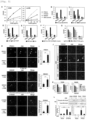
- FIG. 1D Such accumulation of AIM in the infarcted area was also observed in the brains of human patients with cerebral infarction ( FIG. 1D ).
- AIM was strongly stained in Iba1-positive macrophage-like cells (indicated by arrows) in mouse and human brains ( Figs. 1C, 1D ), and this supports the QPCR results in Fig. 1A showing increased AIM mRNA expression in CD11b-positive macrophage-type cells.
- Iba1-positive macrophages infiltrating the infarcted area are strongly stained with oil-red-O, indicating that they actively phagocytose dead cell debris ( Fig. 1E ).
- AIM reduces brain inflammation after infarction caused by DAMPs, and improves prognosis of cerebral infarction
- IHC analysis of brain infarcted by MCAO was performed to find that the amount of extracellular PRDX1 (not colocalized with cell bodies and nuclei) was significantly higher in the infarcted area of AIM -/- mice as compared with the brains of wild-type mice. Furthermore, intravenous administration of 0.5 mg of rAIM per mouse once a day from immediately after MCAO reduced PRDX1 in both wild-type and AIM -/- mice ( Fig. 2A ). It is known that Blood-Brain-Barrier (BBB) is temporarily and partially destroyed during the acute phase of ischemic infarction (55. Zou, R. et al., (2015).
- BBB Blood-Brain-Barrier
- Electroacupuncture pretreatment attenuates Blood-Brain Barrier disruption following cerebral ischemia/reperfusion. Mol. Med. Rep. 12, 2027-2034 .; Choi, K.H. et al., (2016). Overrexpression of caveolin-1 attenuates brain edema by inhibiting tight junction degradation. Oncotarget. 7, 67857-67867 .).
- 0.5 mg of rAIM was transvenously administered to AIM-/- mice 3 days after MCAO, the infarcted brain tissue was widely stained with anti-AIM antibody, indicating that the administered rAIM passed through BBB ( Fig. 5 ).
- the expression level of inflammatory cytokine mRNA in CD11b-positive macrophages infiltrated into the infarcted brain decreased by rAIM administration in both AIM -/- mice and wild-type mice ( Fig. 2C ). That is, it is suggested that AIM decreases inflammation in the infarcted region. No significant difference was found in the expression level of inflammatory cytokine mRNA in macrophages in the infarcted area between wild-type mice without administration of rAIM and AIM -/- mice ( Fig. 2C ). This is considered to be because AIM in the brain has not yet increased in wild-type mice before day 7 ( Fig. 1A ).
- the mortality rate at day 7 after MCAO was significantly higher in AIM -/- mice than in wild type mice, but daily transvenous administration of rAIM at 0.5 mg per animal markedly decreased the mortality rate ( Fig. 2D ). None of the wild-type mice administered with a relatively small amount of rAIM (0.1 mg per mouse) died after MCAO ( Fig. 2D ). Similar to the improvement in survival rate, neural symptom (hemiplegia) after infarction was more severe in AIM -/- mice than in wild-type mice, but the symptom was re-improved by rAIM administration ( Fig. 2E ).
- Example 3 AIM promoted phagocytic removal of DAMPs, and neutralized DAMPs via direct binding.
- the isolated cysteine residue present in the SRCR2 domain of AIM is the only amino acid residue that can be used for the formation of a disulfide bond with another molecule ( Miyazaki et al., (1999), Increased susceptibility of thymocytes to apoptosis in mice lacking AIM, a novel murine macrophage-derived soluble factor belonging to the scavenger receptor cysteine-rich domain superfamily. J. Exp. Med. 189, 413-422 .; Hiramoto et al., (2016) (the aforementioned)). Therefore, it is highly likely that the cysteine residue forms a disulfide bond with DAMPs.
- the present inventors produced another mouse AIM mutant (2CS) in which the cysteine was replaced with serine, and evaluated the binding to DAMPs. As shown in Fig. 3E , the 2CS mutant lost the ability to bind to all of the DAMPs confirmed. Therefore, AIM is considered to stably bind to DAMPs through two independent binding modes, namely, charge-based interaction and disulfide bond formation. These two binding sites are also used to bind AIM and IgM pentamer, as previously reported by the present inventors (Hiramoto et al., (2016) (the aforementioned)). This fact suggests that AIM loses the ability to bind to DAMPs when it is bound to IgM pentamer.
- the complex of AIM and IgM pentamer showed almost no binding to DAMPs ( Fig. 3F ). Furthermore, IgM pentamer not bound to AIM inhibited the binding of AIM to DAMPs in a dose-dependent manner ( Fig. 3G ). That is, the binding to IgM pentamer functionally inactivates AIM in the binding to DAMPs. Furthermore, the present inventors evaluated under a fluorescence microscope whether the trap and uptake of PRDX1, HMGB1, and S100A9 by macrophages in vitro is inhibited in the presence of rAIM. As shown in Fig.
- AIM suppresses the inflammatory response by phagocytically removing and neutralizing various DAMPs in the infarcted region caused by ischemia, and promotes efficient removal of dead cell debris, whereby AIM can treat cerebral infarction. It is clear that this action mechanism of AIM can be applied not only to the treatment of cerebral infarction but also ischemic diseases including myocardial infarction. Therefore, the present invention can be used as a therapeutic agent for ischemic diseases.
- ischemic diseases including cerebral infarction can be treated. Therefore, the present invention is extremely beneficial in the medical field.
Landscapes
- Health & Medical Sciences (AREA)
- Life Sciences & Earth Sciences (AREA)
- Chemical & Material Sciences (AREA)
- General Health & Medical Sciences (AREA)
- Medicinal Chemistry (AREA)
- Engineering & Computer Science (AREA)
- Animal Behavior & Ethology (AREA)
- Veterinary Medicine (AREA)
- Pharmacology & Pharmacy (AREA)
- Public Health (AREA)
- Organic Chemistry (AREA)
- Bioinformatics & Cheminformatics (AREA)
- Nuclear Medicine, Radiotherapy & Molecular Imaging (AREA)
- Chemical Kinetics & Catalysis (AREA)
- General Chemical & Material Sciences (AREA)
- Zoology (AREA)
- Molecular Biology (AREA)
- Proteomics, Peptides & Aminoacids (AREA)
- Gastroenterology & Hepatology (AREA)
- Epidemiology (AREA)
- Genetics & Genomics (AREA)
- Heart & Thoracic Surgery (AREA)
- Urology & Nephrology (AREA)
- Pain & Pain Management (AREA)
- Rheumatology (AREA)
- Cardiology (AREA)
- Vascular Medicine (AREA)
- Immunology (AREA)
- Biotechnology (AREA)
- Toxicology (AREA)
- Biochemistry (AREA)
- Biophysics (AREA)
- Pulmonology (AREA)
- Marine Sciences & Fisheries (AREA)
- Hematology (AREA)
- Oncology (AREA)
- Environmental Sciences (AREA)
- Animal Husbandry (AREA)
- Biodiversity & Conservation Biology (AREA)
- Medicines That Contain Protein Lipid Enzymes And Other Medicines (AREA)
Applications Claiming Priority (2)
| Application Number | Priority Date | Filing Date | Title |
|---|---|---|---|
| JP2021125789 | 2021-07-30 | ||
| PCT/JP2022/029282 WO2023008555A1 (ja) | 2021-07-30 | 2022-07-29 | 虚血性疾患の治療剤 |
Publications (2)
| Publication Number | Publication Date |
|---|---|
| EP4378472A1 true EP4378472A1 (de) | 2024-06-05 |
| EP4378472A4 EP4378472A4 (de) | 2025-04-02 |
Family
ID=85086071
Family Applications (1)
| Application Number | Title | Priority Date | Filing Date |
|---|---|---|---|
| EP22849615.4A Pending EP4378472A4 (de) | 2021-07-30 | 2022-07-29 | Therapeutisches mittel gegen ischämische erkrankungen |
Country Status (10)
| Country | Link |
|---|---|
| US (1) | US20250108090A1 (de) |
| EP (1) | EP4378472A4 (de) |
| JP (1) | JPWO2023008555A1 (de) |
| KR (1) | KR20240056500A (de) |
| CN (1) | CN117794561A (de) |
| AU (1) | AU2022319373A1 (de) |
| CA (1) | CA3227533A1 (de) |
| IL (1) | IL310515A (de) |
| TW (1) | TW202320836A (de) |
| WO (1) | WO2023008555A1 (de) |
Family Cites Families (8)
| Publication number | Priority date | Publication date | Assignee | Title |
|---|---|---|---|---|
| CN1856576B (zh) | 2003-09-30 | 2011-05-04 | 宾夕法尼亚州立大学托管会 | 腺伴随病毒(aav)进化支、序列、含有这些序列的载体及它们的应用 |
| EP2573192A4 (de) * | 2010-05-20 | 2013-11-20 | Toru Miyazaki | Verfahren und kit zur diagnose aim-vermittelter erkrankungen |
| EP2572730A4 (de) * | 2010-05-20 | 2013-11-06 | Toru Miyazaki | Verfahren zur prophylaxe oder behandlung des stoffwechselsyndroms |
| EP2634253B1 (de) | 2010-10-27 | 2016-05-11 | Jichi Medical University | Adeno-assoziierte virus-virionen zur übertragung von genen in nervenzellen |
| KR101870246B1 (ko) * | 2014-02-07 | 2018-06-22 | 토루 미야자키 | 신질환의 예방 또는 치료제 |
| JP6083549B1 (ja) | 2016-06-03 | 2017-02-22 | 株式会社制御システム研究所 | 特定パケット中継機能付きデータダイオード装置 |
| JP2021125789A (ja) | 2020-02-05 | 2021-08-30 | 住友電気工業株式会社 | 映像処理装置、映像処理システム、映像処理方法、及びコンピュータプログラム |
| JP2025128418A (ja) * | 2022-07-12 | 2025-09-03 | 徹 宮崎 | 腎臓結石の治療または予防剤 |
-
2022
- 2022-07-29 EP EP22849615.4A patent/EP4378472A4/de active Pending
- 2022-07-29 CA CA3227533A patent/CA3227533A1/en active Pending
- 2022-07-29 KR KR1020247006648A patent/KR20240056500A/ko active Pending
- 2022-07-29 JP JP2023538637A patent/JPWO2023008555A1/ja active Pending
- 2022-07-29 WO PCT/JP2022/029282 patent/WO2023008555A1/ja not_active Ceased
- 2022-07-29 CN CN202280053336.7A patent/CN117794561A/zh active Pending
- 2022-07-29 TW TW111128664A patent/TW202320836A/zh unknown
- 2022-07-29 US US18/293,617 patent/US20250108090A1/en active Pending
- 2022-07-29 IL IL310515A patent/IL310515A/en unknown
- 2022-07-29 AU AU2022319373A patent/AU2022319373A1/en active Pending
Also Published As
| Publication number | Publication date |
|---|---|
| KR20240056500A (ko) | 2024-04-30 |
| CN117794561A (zh) | 2024-03-29 |
| JPWO2023008555A1 (de) | 2023-02-02 |
| AU2022319373A1 (en) | 2024-03-14 |
| WO2023008555A1 (ja) | 2023-02-02 |
| IL310515A (en) | 2024-03-01 |
| EP4378472A4 (de) | 2025-04-02 |
| CA3227533A1 (en) | 2023-02-02 |
| TW202320836A (zh) | 2023-06-01 |
| US20250108090A1 (en) | 2025-04-03 |
Similar Documents
| Publication | Publication Date | Title |
|---|---|---|
| Hua et al. | Angiopoietin-1 gene-modified human mesenchymal stem cells promote angiogenesis and reduce acute pancreatitis in rats | |
| US20250213651A1 (en) | Therapeutic agent for neurodegenerative disease | |
| CN120789220A (zh) | 用于肾疾病的预防或治疗剂 | |
| US20250115649A1 (en) | Compositions and methods for treating or preventing fibrosis | |
| CN103648531A (zh) | 用于预防或治疗代谢综合症的方法 | |
| US20110312872A1 (en) | Norrin in the treatment of diseases associated with an increased tgf-beta activity | |
| EP4378472A1 (de) | Therapeutisches mittel gegen ischämische erkrankungen | |
| WO2024014463A1 (ja) | 腎臓結石の治療または予防剤 | |
| US11999776B2 (en) | IGFR-like 2 receptor and uses thereof | |
| JPWO2007139120A1 (ja) | アミロイドβクリアランス促進剤 | |
| EP4582107A1 (de) | Mittel zur hemmung des fortschreitens von urämie bei feliden mit schwerer niereninsuffizienz | |
| JP2025076164A (ja) | 自己免疫性関節炎の予防または治療用剤 | |
| HK40044839A (en) | Therapeutic agent for neurodegenerative disease | |
| HK40052931A (en) | Therapeutic agent for neurodegenerative disease | |
| WO2022020544A1 (en) | Method of treating an inflammatory condition |
Legal Events
| Date | Code | Title | Description |
|---|---|---|---|
| STAA | Information on the status of an ep patent application or granted ep patent |
Free format text: STATUS: THE INTERNATIONAL PUBLICATION HAS BEEN MADE |
|
| PUAI | Public reference made under article 153(3) epc to a published international application that has entered the european phase |
Free format text: ORIGINAL CODE: 0009012 |
|
| STAA | Information on the status of an ep patent application or granted ep patent |
Free format text: STATUS: REQUEST FOR EXAMINATION WAS MADE |
|
| 17P | Request for examination filed |
Effective date: 20240229 |
|
| AK | Designated contracting states |
Kind code of ref document: A1 Designated state(s): AL AT BE BG CH CY CZ DE DK EE ES FI FR GB GR HR HU IE IS IT LI LT LU LV MC MK MT NL NO PL PT RO RS SE SI SK SM TR |
|
| DAV | Request for validation of the european patent (deleted) | ||
| DAX | Request for extension of the european patent (deleted) | ||
| A4 | Supplementary search report drawn up and despatched |
Effective date: 20250304 |
|
| RIC1 | Information provided on ipc code assigned before grant |
Ipc: C12N 15/12 20060101ALI20250226BHEP Ipc: C07K 14/47 20060101ALI20250226BHEP Ipc: A61P 29/00 20060101ALI20250226BHEP Ipc: A61P 11/00 20060101ALI20250226BHEP Ipc: A61P 9/10 20060101ALI20250226BHEP Ipc: A61P 1/00 20060101ALI20250226BHEP Ipc: A61K 48/00 20060101ALI20250226BHEP Ipc: A61K 38/17 20060101AFI20250226BHEP |
|
| STAA | Information on the status of an ep patent application or granted ep patent |
Free format text: STATUS: EXAMINATION IS IN PROGRESS |
|
| 17Q | First examination report despatched |
Effective date: 20251016 |