EP4378529A1 - Antikörper zur verwendung in einer therapie mit effektorzell-engagement - Google Patents
Antikörper zur verwendung in einer therapie mit effektorzell-engagement Download PDFInfo
- Publication number
- EP4378529A1 EP4378529A1 EP22211271.6A EP22211271A EP4378529A1 EP 4378529 A1 EP4378529 A1 EP 4378529A1 EP 22211271 A EP22211271 A EP 22211271A EP 4378529 A1 EP4378529 A1 EP 4378529A1
- Authority
- EP
- European Patent Office
- Prior art keywords
- cell
- antibody
- target cell
- immune effector
- epitope
- Prior art date
- Legal status (The legal status is an assumption and is not a legal conclusion. Google has not performed a legal analysis and makes no representation as to the accuracy of the status listed.)
- Withdrawn
Links
Images

Classifications
-
- C—CHEMISTRY; METALLURGY
- C07—ORGANIC CHEMISTRY
- C07K—PEPTIDES
- C07K16/00—Immunoglobulins [IG], e.g. monoclonal or polyclonal antibodies
- C07K16/18—Immunoglobulins [IG], e.g. monoclonal or polyclonal antibodies against material from animals or humans
- C07K16/28—Immunoglobulins [IG], e.g. monoclonal or polyclonal antibodies against material from animals or humans against receptors, cell surface antigens or cell surface determinants
- C07K16/2803—Immunoglobulins [IG], e.g. monoclonal or polyclonal antibodies against material from animals or humans against receptors, cell surface antigens or cell surface determinants against the immunoglobulin superfamily
- C07K16/2809—Immunoglobulins [IG], e.g. monoclonal or polyclonal antibodies against material from animals or humans against receptors, cell surface antigens or cell surface determinants against the immunoglobulin superfamily against the T-cell receptor (TcR)-CD3 complex
-
- A—HUMAN NECESSITIES
- A61—MEDICAL OR VETERINARY SCIENCE; HYGIENE
- A61P—SPECIFIC THERAPEUTIC ACTIVITY OF CHEMICAL COMPOUNDS OR MEDICINAL PREPARATIONS
- A61P35/00—Antineoplastic agents
-
- A—HUMAN NECESSITIES
- A61—MEDICAL OR VETERINARY SCIENCE; HYGIENE
- A61P—SPECIFIC THERAPEUTIC ACTIVITY OF CHEMICAL COMPOUNDS OR MEDICINAL PREPARATIONS
- A61P35/00—Antineoplastic agents
- A61P35/02—Antineoplastic agents specific for leukemia
-
- C—CHEMISTRY; METALLURGY
- C07—ORGANIC CHEMISTRY
- C07K—PEPTIDES
- C07K16/00—Immunoglobulins [IG], e.g. monoclonal or polyclonal antibodies
- C07K16/18—Immunoglobulins [IG], e.g. monoclonal or polyclonal antibodies against material from animals or humans
- C07K16/28—Immunoglobulins [IG], e.g. monoclonal or polyclonal antibodies against material from animals or humans against receptors, cell surface antigens or cell surface determinants
- C07K16/2803—Immunoglobulins [IG], e.g. monoclonal or polyclonal antibodies against material from animals or humans against receptors, cell surface antigens or cell surface determinants against the immunoglobulin superfamily
- C07K16/283—Immunoglobulins [IG], e.g. monoclonal or polyclonal antibodies against material from animals or humans against receptors, cell surface antigens or cell surface determinants against the immunoglobulin superfamily against Fc-receptors, e.g. CD16, CD32, CD64
-
- C—CHEMISTRY; METALLURGY
- C07—ORGANIC CHEMISTRY
- C07K—PEPTIDES
- C07K16/00—Immunoglobulins [IG], e.g. monoclonal or polyclonal antibodies
- C07K16/18—Immunoglobulins [IG], e.g. monoclonal or polyclonal antibodies against material from animals or humans
- C07K16/28—Immunoglobulins [IG], e.g. monoclonal or polyclonal antibodies against material from animals or humans against receptors, cell surface antigens or cell surface determinants
- C07K16/289—Immunoglobulins [IG], e.g. monoclonal or polyclonal antibodies against material from animals or humans against receptors, cell surface antigens or cell surface determinants against CD45
-
- C—CHEMISTRY; METALLURGY
- C07—ORGANIC CHEMISTRY
- C07K—PEPTIDES
- C07K16/00—Immunoglobulins [IG], e.g. monoclonal or polyclonal antibodies
- C07K16/46—Hybrid immunoglobulins
- C07K16/468—Immunoglobulins having two or more different antigen binding sites, e.g. multifunctional antibodies
-
- A—HUMAN NECESSITIES
- A61—MEDICAL OR VETERINARY SCIENCE; HYGIENE
- A61K—PREPARATIONS FOR MEDICAL, DENTAL OR TOILETRY PURPOSES
- A61K39/00—Medicinal preparations containing antigens or antibodies
- A61K2039/505—Medicinal preparations containing antigens or antibodies comprising antibodies
-
- C—CHEMISTRY; METALLURGY
- C07—ORGANIC CHEMISTRY
- C07K—PEPTIDES
- C07K2317/00—Immunoglobulins specific features
- C07K2317/20—Immunoglobulins specific features characterized by taxonomic origin
- C07K2317/22—Immunoglobulins specific features characterized by taxonomic origin from camelids, e.g. camel, llama or dromedary
-
- C—CHEMISTRY; METALLURGY
- C07—ORGANIC CHEMISTRY
- C07K—PEPTIDES
- C07K2317/00—Immunoglobulins specific features
- C07K2317/30—Immunoglobulins specific features characterized by aspects of specificity or valency
- C07K2317/31—Immunoglobulins specific features characterized by aspects of specificity or valency multispecific
-
- C—CHEMISTRY; METALLURGY
- C07—ORGANIC CHEMISTRY
- C07K—PEPTIDES
- C07K2317/00—Immunoglobulins specific features
- C07K2317/50—Immunoglobulins specific features characterized by immunoglobulin fragments
- C07K2317/56—Immunoglobulins specific features characterized by immunoglobulin fragments variable (Fv) region, i.e. VH and/or VL
- C07K2317/569—Single domain, e.g. dAb, sdAb, VHH, VNAR or nanobody®
-
- C—CHEMISTRY; METALLURGY
- C07—ORGANIC CHEMISTRY
- C07K—PEPTIDES
- C07K2317/00—Immunoglobulins specific features
- C07K2317/70—Immunoglobulins specific features characterized by effect upon binding to a cell or to an antigen
- C07K2317/73—Inducing cell death, e.g. apoptosis, necrosis or inhibition of cell proliferation
Definitions
- the invention relates to an antibody for use in a therapy involving the cytotoxic elimination of a target cell by engaging the target cell with an immune effector cell.
- Immune cell engagers like, for example, bispecific antibodies are promising tools for use in immunotherapy (see, e.g., Fucà G, Spagnoletti A, Ambrosini M, de Braud F, Di Nicola M, 2021, Immune cell engagers in solid tumors: promises and challenges of the next generation immunotherapy, ESMO Open 6, 100046, doi: /10.1016/j.esmoop.2020.100046 ).
- Bispecific antibodies are antibodies or antibody constructs having two different paratopes, thus being able to bind to two different epitopes at the same time.
- BsAbs are increasingly used in medical therapy, for example, cancer therapy (see, for example, Suurs FV, Lub-de Hooge MN, de Vries EGE., de Groot DJA., 2019, A review of bispecific antibodies and antibody constructs in oncology and clinical challenges, Pharmacology & Therapeutics 201, 103-119, DOI: 10.1016/j.pharmthera.2019.04.006 ; Bhatta P, Whale KD, Sawtell AK, Thompson CL, Rapecki SE, Cook DA, Twomey BM, Mennecozzi M, Starkie LE, Barry EMC, Peters SJ, Kamal AM, Finney HM, 2021, Bispecific antibody target pair discovery by high-throughput phenotypic screening using in vitro combinatorial Fab libraries, mAbs 13:1, 1859049, DOI: 10.1080/19420862.2020.1859049 ; Velasquez MP, Bonifant CL, Gottschalk S., 2018, Redirecting T cells to hematological mal
- BsAbs which can bind a target cell (e.g., tumor cell) and an effector cell (e.g., T cell) at the same time, are now a well-tested and promising treatment option for many diseases. They enable the activation ("engagement") of the effector cells and in consequence the cytotoxic elimination of the target cells by the effector cells.
- bispecific antibodies including, for example, Blinatumomab
- Blinatumomab have been approved for clinical use to date (see, e.g., Wang S, Chen K, Lei Q, Ma P, Yuan AQ, Zhao Y, Jiang Y, Fang H, Xing S, Fang Y, Jiang N, Miao H, Zhang M, Sun S, Yu Z, Tao W, Zhu Q, Nie Y, Li N, 2021.
- the state of the art of bispecific antibodies for treating human malignancies EMBO Mol Med (2021) 13: e14291, DOI: 10.15252/emmm.202114291 ; Ma J, Mo Y, Tang M, Shen J, Qi Y, Zhao W, Huang Y, Xu Y and Qian C, 2021, Bispecific Antibodies: From Research to Clinical Application, Front. Immunol. 12:626616, DOI: 10.3389/fimmu.2021.626616 ).
- the object is solved by an antibody for use in a therapy involving the cytotoxic elimination of a target cell by engaging the target cell with an immune effector cell, the antibody comprising a first binding domain binding to an epitope on a surface protein present on the surface of the target cell and a second binding domain binding to an epitope on a surface protein present on the surface of the immune effector cell, wherein the surface protein on the surface of the target cell is also present on the surface of the immune effector cell.
- the antibody of the invention for use in a therapy involving the cytotoxic elimination of a target cell by engaging the target cell with an immune effector cell is an artificial construct configured to comprise at least two binding domains with which two epitopes on two spatially separated molecules can be bound, e.g., two epitopes on two surface proteins that are present on the surfaces of two cells.
- the antibody is thus designed with regard to its physical structure, and in particular as regards the spatial distance between and/or the orientation of its two binding domains, in a manner enabling the antibody to engage a target cell with an immune effector cell by simultaneously binding on the one hand to an epitope on the surface of the target cell and on the other hand to an epitope on the surface of the immune effector cell.
- target cell and effector cell engaging antibody may also be used herein in relation to such an artificial antibody according to the invention.
- the term “simultaneously binding” does not exclude that the antibody can bind to both epitopes one after another, but means that both epitopes are bound by the antibody over a common period of time.
- the antibody can be an antibody composed of a single polypeptide or of two or more polypeptides being covalently bound together, e.g., via disulfide bonds, or forming a peptide complex (dimer or oligomer) composed of separate polypeptide chains (subunits) held together by noncovalent forces to form a quaternary structure.
- the antibody of the invention can be a multi-specific, e.g., trispecific, or a bispecific antibody. A bispecific antibody is preferred.
- the two epitopes can be identical (though on two separate molecules of the same kind) or different from each other.
- immunological synapse is used herein in relation to a cell-cell junction with a synaptic cleft stabilized by an adhesion molecule, e.g., bispecific antibody, enabling cell-cell communication between an immune cell and a target cell.
- an adhesion molecule e.g., bispecific antibody
- cytolytic synapse relates to an immunological synapse formed for cytolytically eliminating a target cell by or with the aid of an immune cell.
- multi-specific antibody relates to an artificial antibody that can simultaneously bind two or more separate and unique epitopes, the epitopes being on separate antigens or on the same antigen.
- the term also encompasses an artificial antibody that can simultaneously bind to the same epitope or different epitopes on two or more separate but identical antigens, e.g., two or more separate surface molecules of the same kind (e.g., CD3) present on, e.g., two separate cells.
- the term also encompasses bispecific antibodies.
- BsAb relates to an artificial antibody that can simultaneously bind two separate and unique epitopes, the epitopes being on two separate antigens or on the same antigen (see, for example, the references above).
- the term also encompasses an artificial antibody that can simultaneously bind to the same epitope or different epitopes on two separate but identical antigens, e.g., two separate surface molecules of the same kind (e.g., CD3) present on two separate cells.
- the term “bispecific antibody” should not be construed as meaning that further specificities, for example a third specificity, are excluded. The term thus encompasses also trispecific or multi-specific antibodies.
- Bispecific antibodies are designed to have two binding domains (paratopes) with preferably different defined specificities. They can be produced, for example, by various chemical, biochemical or biotechnological means, and exist in many different formats (see, e.g., Brinkmann U, Kontermann RE, 2017, The making of bispecific antibodies, MAbs. 9(2):182-212, DOI: 10.1080/19420862.2016.1268307 ; Voigt J, Meyer C, Bordusa F, 2022, Synthesis of Multiple Bispecific Antibody Formats with Only One Single Enzyme Based on Enhanced Trypsiligase, Int. J. Mol. Sci. 23, 3144, DOI: 10.3390/ijms23063144 ). BsAbs may or may not include a functional antibody Fc-region.
- epitope (also called “antigenic determinant”) relates to a portion of a substance, e.g., a molecule, molecular structure or particulate matter, called antigen, to which a specific antibody binds with its binding domain.
- antigen relates to a substance, e.g., a molecule, molecular structure or particulate matter, that comprises at least one epitope and that is capable of stimulating an immune response, in particular is recognized by an antibody.
- the terms “antigen” and “epitope” may be used synonymously here, in particular in a case where the two epitopes are present on different molecules. For example, saying that the bispecific antibody binds an epitope on CD45 is equivalent to saying that the BsAb binds to the CD45 antigen, if not clearly stated otherwise.
- the term "therapy” relates to a medical treatment of a disease or disorder.
- immunotherapy relates to a medical treatment of a disease or disorder by activating or suppressing the immune system of the subject to be treated.
- An immunotherapy can, for example, be a cell-based therapy, i.e., a therapy involving the activation or suppression of immune effector cells.
- cancer immunotherapy relates to an immunotherapy, in particular an antibody and/or cell-based immunotherapy, for treating cancer, for example a hematopoietic cancer.
- involving the cytotoxic elimination of a target cell by engaging the target cell with an immune effector cell in relation to a therapy relates to a therapy in which immune effector cells are brought in intimate contact with a target cell, e.g., using artificial molecules like bispecific antibodies, thus forming a cytolytic synapse leading to cell death of the target cell.
- immune effector cell relate to cells of the immune system of the human body, i.e., cells that are capable of modulating, effecting or enhancing an immune response in response to stimulation.
- immune effector cells include natural killer (NK) cells, cytotoxic T lymphocytes (cytotoxic T cells, CD8+ cells), B lymphocytes (B cells), helper T cells (T helper cells, CD4+ cells), macrophages and dendritic cells.
- NK natural killer
- cytotoxic T lymphocytes cytotoxic T cells
- B cells B lymphocytes
- helper T cells T helper cells
- macrophages and dendritic cells.
- dendritic cells dendritic cells.
- the term also encompasses genetically modified immune effector cells.
- cytotoxic elimination relates to the killing of cells, e.g., cancer cells, e.g. by immune effector cells.
- target cell relates to a living cell, e.g., a cancer cell, being a target for cytotoxic elimination.
- the term encompasses immune effector cells being targeted, e.g., cancerous T cells as in the case of acute leukemia, for example.
- fratricide relates to the cytotoxic elimination of effector cells by effector cells of the same type, e.g., of NK cells by other NK cells or of T cells by other T cells.
- T cell engager relates to a protein simultaneously binding a target antigen on a target cell, e.g., a tumor cell, and an antigen on a T cell to form an artificial immune synapse that is independent of the T cell receptor (TCR) (see, for example, Vafa O, Trinklein ND, 2020, Perspective: Designing T-Cell Engagers With Better Therapeutic Windows, Front. Oncol. 10: 446, DOI: 10.3389/fonc.2020.00446 ).
- a bispecific antibody can, for example, be a T cell engager (bispecific T-cell engager, BiTE ® ) and circumvent HLA restriction.
- bispecific T-cell engager In case of a bispecific T cell engager, the term bispecific T-cell engager, abbreviated, "BTCE” or “bTCE”, may, for example, be used.
- NK cell engager relates to a protein simultaneously binding a target antigen on a target cell, e.g., a tumor cell, and an antigen on an NK cell to form an artificial immune synapse.
- a bispecific antibody can function as an NK cell engager (BiKE or BNKCE) (see, e.g., Demaria O, Gauthier L, Debroas G, Vivier E, 2021, Natural killer cell engagers in cancer immunotherapy: Next generation of immunooncology treatments, Eur. J.
- hematopoietic cancer or "hematologic cancer” relate to a cancer of the hematopoietic system, in particular the blood cells and their progenitors.
- Blood cells comprise, for example, erythrocytes, leukocytes, plasma cells and thrombocytes.
- hematologic cancer are leukemia, lymphoma, or multiple myeloma.
- CD45 cluster of differentiation 45
- CD45 antigen have their common meanings and relate to a transmembrane protein that is a member of the protein tyrosine phosphatase (PTP) family.
- the protein is also known as PTPRC (Protein tyrosine phosphatase, receptor type, C), and is encoded by the PTPRC gene.
- CD45 is present in several isoforms on all differentiated nucleated hematopoietic cells. The term also encompasses all CD45 isoforms.
- CD3 cluster of differentiation 3
- CD3 antigen also "CD3 receptor”
- TCR T-cell receptor
- CD16 cluster of differentiation 16
- CD16 antigen also known as FcyRIII
- FcyRIII is a membrane receptor protein.
- the term encompasses the two variants existing in humans, CD16a (FcyRIIIa) and CD16b (FcyRIIIb).
- CD16 is found on the surface of natural killer cells, neutrophils, monocytes, macrophages, and certain T cells.
- first surface protein x second surface protein e.g. "CD3xCD16", “CD3xCD45” or “CD3xCD3”
- antibodies e.g. bispecific antibodies, having a first paratope binding to an epitope on the first surface protein (e.g. CD3) and a second paratope binding to an epitope on a second surface protein (e.g. CD 16).
- a "CD3xCD16” antibody is thus an antibody, e.g., bispecific antibody, binding, with a first binding domain, to an epitope on CD3 and, with a second binding domain, to an epitope on CD16.
- a "CD3xCD3" antibody is an antibody, for example, bispecific antibody, binding, with a first binding domain, to an epitope on a CD3 protein and, with a second binding domain, to an epitope on another CD3 protein, the epitope on the other CD3 protein being the same or different from the first epitope.
- surface protein relates to a membrane protein, i.e., a protein being part of or interacting with a biological membrane, in particular to a membrane protein having at least an extracellular portion.
- Surface proteins may be designated with their common abbreviations known to the skilled person, e.g. "CD3", “CD16", “CD38” or “CD45”.
- a term like “CD#”, “CD” standing for “Cluster of Differentiation” and “#” representing a number or a combination of a number and a letter (e.g., 3 or 45 or 1a), for example "CD45” is to be understood as also encompassing all isoforms, in case of CD45, for example, the isoforms CD45RA and CD45RO.
- CD45-positive leukemia cells thus also includes CD45RA-positive leukemia cells.
- CD45RA-positive leukemia cells use of a term like “CD#”, e.g., CD43, encompasses proteins being, for example, post-translationally modified, e.g., glycosylated or sialylated.
- the term "present on the surfaces of a cell” in relation to a surface protein relates to the presence of the protein or a portion thereof on or the accessibility of the protein or a portion thereof from the extracellular side of a biological membrane.
- a surface protein on the surface of the target cell is also present on the surface of the immune effector cell
- the term relates to the fact that the same type of surface protein, each being composed, for example, of (a) polypeptide(s) having essentially the same amino acid sequence, secondary, tertiary and quaternary structure, is present on both the target and the immune effector cell.
- a first CD45 molecule may be present on the target cell and a second CD45 molecule on the immune effector cell.
- an expression according to which "the surface proteins and the epitopes on the target cell and on the immune effector cell are identical" is not to be construed as meaning that one and the same protein molecule or epitope is present on the target cell and on the immune effector cell, but that the same kind of molecule is present on the target cell and the immune effector cell, e.g., a protein molecule belonging to the class of CD45 molecules.
- expression level in relation to a surface protein relates to the level of expression of the protein or a portion thereof or the accessibility of the protein or a portion thereof from the extracellular side of a biological membrane as determined, e.g., by flow cytometry, e.g., according to standards set by the HCDM (human cell differentiation molecules organization, see, e.g. Ku ⁇ lková D, Pu ⁇ et-Ortiz J, Aui PM, et al., 2022, Standardization of Workflow and Flow Cytometry Panels for Quantitative Expression Profiling of Surface Antigens on Blood Leukocyte Subsets: An HCDM CDMaps Initiative, Front Immunol.
- HCDM human cell differentiation molecules organization
- An expression, according to which a surface protein is present on the surface of a first cell at the same or at a higher level than on the surface of a second cell thus means that the surface protein is expressed in the first cell at the same or a higher level than in the second cell, or is at least extracellularly accessible on the first cell at the same or a higher level than on the second cell, e.g., for the binding of an antibody to it.
- the expression relates to the number of molecules or molecule portions of a surface protein that are extracellularly accessible for a particular binding molecule, e.g. an antibody.
- pharmaceutically acceptable means any substantially non-toxic material for mammals, especially humans, which does not substantially affect the effectiveness of the biological activity of the active ingredient.
- a "non-toxic” material is a material that is not toxic in the amount or concentration used per se or in the context of the composition administered. Such materials may include pharmaceutically acceptable concentrations of salts, buffers, preservatives, or the like.
- Non-limiting examples of pharmaceutically acceptable carriers include magnesium carbonate, magnesium stearate, talc, sugar, lactose, ethanol, glycerol, water, buffer solutions.
- the pharmaceutical composition may also comprise adjuvants and/or diluents.
- complement activity activating or directing capability or “capability of activating or directing complement activity” in relation to an antibody of the invention refers to the property of the antibody to be able to activate or direct the complement system of the immune system, based on a structural element or structural elements of the antibody, for example, a C1q binding Fc domain, leading to activation, amplification or modification of the complement system (see, e.g., Wang G, de Jong RN, van den Bremer ETJ, Beurskens FJ, Labrijn AF, Ugurlar D, Gros P, Schuurman J, Parren PWHI, Heck AJR, 2016, Molecular Basis of Assembly and Activation of Complement Component C1 in Complex with Immunoglobulin G1 and Antigen, Molecular Cell 63, 135-145, doi:10.1016/j.molcel.2016.05.016 ; Peschke B, Keller CW, Weber P, Quast I, Lünemann JD, 2017, Fc-Galac
- the invention provides an antibody for use in a therapy involving the cytotoxic elimination of a target cell by engaging the target cell with an immune effector cell.
- the target cell and effector cell engaging antibody is configured to being able to bind to an epitope on a surface protein present on the surface of a target cell and simultaneously to an epitope on a surface protein present on the surface of an immune effector cell in order to enable the formation of a synapse between the target cell and the immune effector cell that would finally lead to the cell death of the target cell.
- the antibody thus comprises at least two paratopes binding to epitopes on two separate surface protein molecules.
- the antibody of the invention can efficiently be used in a therapy involving the cytotoxic elimination of a target cell by engaging the target cell with an immune effector cell, although the surface protein on the surface of the target cell is also present on the surface of the immune effector cell.
- the surface proteins and the epitopes on the target cell and immune effector cell may be identical, e.g., CD3 molecules on the target and the immune effector cell, or different from each other, the latter being preferred.
- the surface protein that is present on the surface of the target cell and also on the surface of the immune effector cell is present on the surface of the immune effector cell at the same or at a higher level than on the surface of the target cell. This is preferred both in case the surface proteins and/or the epitopes on the target cell and the immune effector cell are identical or different from each other.
- the antibody for use in a therapy involving the cytotoxic elimination of a target cell by engaging the target cell with an immune effector cell, is configured to bind to a first epitope on the target cell and simultaneously to a second epitope on the immune effector cell, wherein the first epitope is present on both the target cell and the immune effector cell, whereas the second epitope is present on the immune effector cell, but preferably absent on the target cell.
- First and second epitope are preferably different from each other, and preferably are on different antigens, i.e., different surface proteins.
- the second epitope is only present on the immune effector cell, but not or at least at a lower level on the target cell.
- the second epitope is present on the target cell at a level of not more than 60%, preferably not more than 50%, 40%, 30%, 20%, 15%, 10%, 5%, 2% or 1% of the level at which the epitope is present on the immune effector cell. Most preferred, the second epitope is not present on the target cell.
- different surface proteins also encompasses surface proteins having the same amino acid backbone, but being differently glycosylated or sialylated, such that an antibody binding to a first surface protein would not bind to a second surface protein having the same amino acid sequence and corresponding tertiary or quaternary structure, but being differently glycosylated or sialylated.
- a sialylated CD43 (CD43s), for example, is, in this context, considered different from a non-sialylated CD43, to which an antibody binding to CD43s would not bind ( Bartels L, de Jong G, Gillissen MA, Yasuda E, Kattler V, Bru C, Fatmawati C, van Hal-van Veen SE, Cercel MG, Moiset G, Bakker AO, van Helden PM, Villaudy J, Hazenberg MD, Spits H, Wagner K, 2019, A Chemo-enzymatically Linked Bispecific Antibody Retargets T Cells to a Sialylated Epitope on CD43 in Acute Myeloid Leukemia.
- the second epitope can also be present on the target cell (target immune effector cell) at the same or a higher level than on the immune effector cell. Contrary to what was previously assumed, the expected fratricide does not lead to a significant impairment of the therapeutic effect.
- the invention thus provides a possibility to target cells, using target cell and effector cell engaging antibodies like bispecific antibodies, that previously could not be targeted or at least not be targeted using, for example, bispecific antibodies binding to an epitope that is present on the target cell, but would also be present, in particular present at the same or high levels, on the immune effector cells.
- the invention can advantageously be used, for example, in the therapeutic elimination of immune cells, the therapy of blood-cell derived malignancies or immune-mediated diseases, or in the context of conditioning prior to stem cell or organ transplantation.
- the epitope present on both the target and immune effector cell is an epitope selected from the group consisting of CD2, CD3, CD5, CD6, CD7, CD11a, CD16, CD17, CD18, CD28, CD43, CD44, CD45, CD46, CD48, CD50, CD53, CD99, CD122, CD130, CD150, CD159a, CD159c, CD183, CD192, CD210, CD226, CD247, CD305, CD335, and CD337.
- the first epitope i.e., the epitope being present on both the target and the immune effector cell
- the antibody of the invention is particularly useful for targeting hematopoietic cells, e.g., blood cancer cells like CD45-positive leukemia cells.
- CD45 is ubiquitously found on nucleated hematopoietic cells and highly expressed on immune effector cells, but not on any non-hematopoietic cells.
- the second epitope is an epitope on CD3 or CD16.
- suitable antibodies of the invention targeting CD45 on the one hand, and CD3 or CD16 on the other hand, in this case bispecific antibodies are antibodies whose sequences are given in SEQ IDs NO: 1-4, SEQ ID NO: 2 representing the amino acid of a CD45xCD3 BiTE encoded by the nucleotide sequence of SEQ ID NO: 1, SEQ ID NO: 4 representing the amino acid of a CD45xCD16 BiKE encoded by the nucleotide sequence of SEQ ID NO: 3.
- the antibody for use in a therapy involving the cytotoxic elimination of a target cell by engaging the target cell with an immune effector cell is not a bispecific CD38xCD3 antibody.
- the immune effector cell is a T cell, preferably a cytotoxic T cell, or a natural killer cell.
- the antibody is configured to bind, with its second binding domain, to a second epitope on a T cell or a natural killer cell as an immune effector cell.
- the immune effector cell is a T cell
- it is particularly preferred that the second epitope is an epitope on CD3.
- the immune effector cell is a natural killer cell, it is particularly preferred that the second epitope is an epitope on CD16.
- the first epitope is CD45.
- the surface protein on the target cell and the surface protein on the immune effector cell are both CD3.
- the antibody for use in a therapy involving the cytotoxic elimination of a target cell by engaging the target cell with an immune effector cell, is configured to engage a cancer cell, preferably a malignant hematopoietic cell, as the target cell with the immune effector cell.
- the antibody can have any suitable format.
- the antibody can be a multispecific, trispecific or bispecific antibody.
- the antibody is a bispecific antibody, preferably a bispecific antibody with two paratopes directed against different epitopes.
- the skilled person is familiar with, for example, bispecific antibodies and methods for their synthesis (see, for example, Voigt J, Meyer C, Bordusa F, 2022, Synthesis of Multiple Bispecific Antibody Formats with Only One Single Enzyme Based on Enhanced Trypsiligase, Int. J. Mol. Sci. 23, 3144, DOI: 10.3390/ijms23063144 ).
- the invention also relates to a pharmaceutical composition or dosage form for use in a therapy involving the cytotoxic elimination of a target cell by engaging the target cell with an immune effector cell, the pharmaceutical composition comprising an antibody for use in a therapy involving the cytotoxic elimination of a target cell by engaging the target cell with an immune effector cell as described above, and a pharmaceutically acceptable carrier.
- the composition may, for example, be soluble or in liquid form for parenteral, e.g., intravenous, administration.
- the invention relates to a therapeutic method involving the cytotoxic elimination of a target cell by engaging the target cell with an immune effector cell, wherein an antibody is administered to a subject in need of such a therapy in a therapeutically effective amount, the antibody comprising a first binding domain binding to an epitope on a surface protein present on the surface of the target cell and a second binding domain binding to an epitope on a surface protein present on the surface of the immune effector cell, wherein the surface protein on the surface of the target cell is also present on the surface of the immune effector cell.
- the antibody administered to a subject in need of such a therapy in a therapeutically effective amount comprises a first binding domain binding to a first epitope and a second binding domain binding to a second epitope, the first and second epitope being different from each other, wherein the antibody is configured to bind, with its first binding domain, to the first epitope, the first epitope being present on a first surface protein present on the surface of the target cell and, preferably at the same or a higher level, on the surface of the immune effector cell, and with its second binding domain to the second epitope, the second epitope being present on a surface protein present on the surface of the immune effector cell, but preferably absent on the target cell.
- the antibody for example bispecific antibody
- the bispecific antibody is administered to the patient intravenously.
- the bispecific antibody is administered to the patient by another parenteral route.
- the antibody e.g. bispecific antibody
- the antibody may be administered simultaneously, before or after the other agent or agents.
- the first epitope i.e., the epitope being present on both the target and the immune effector cell
- the method of the invention is particularly useful for targeting hematopoietic cells, e.g., blood cancer cells like CD45-positive leukemia cells.
- the second epitope is an epitope on CD3 or C16.
- the immune effector cell is a T cell, e.g., cytotoxic T cell, or a natural killer cell.
- the antibody is configured to bind, with its second binding domain, to a second epitope on a T cell or a natural killer cell as an immune effector cell.
- first and second epitope are different from each other.
- the immune effector cell is a T cell
- the second epitope is an epitope on CD3.
- the immune effector cell is a natural killer cell
- the second epitope is an epitope on CD16.
- the first epitope is CD45 in case.
- the antibody for example bispecific antibody, is configured to engage a cancer cell, preferably a malignant hematopoietic cell, as the target cell with the immune effector cell.
- the antibody e.g., bispecific antibody
- the antibody is configured to being also capable of activating or directing complement activity to the target cell via, e.g., Fc domains or other complement binding domains.
- the invention covers any therapeutic method involving the cytotoxic elimination of a target cell by engaging the target cell with an immune effector cell, wherein any of the above-mentioned embodiments of the antibody described above is administered to a subject in need of such a therapy in a therapeutically effective amount.
- the target cell can also be an immune effector cell.
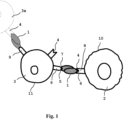
- FIG. 1 schematically illustrates the basic concept of a preferred embodiment of the invention.
- a bispecific antibody 1 binds, with its first binding domain (paratope) 6, to a first epitope 4 on a first surface protein 8, e.g., CD45, on the surface 10 of a target cell 2, e.g., a malignant lymphocyte, and, with its second binding domain (paratope) 7, to a second epitope 5 on a second surface protein 9, e.g., CD3 or CD16, on the surface 11 of an immune effector cell 3, for example a T cell or NK cell.
- the first surface protein 8 and the second surface protein 9 are different from each other, as are the first epitope 4 and second epitope 5.
- the immune effector cell 3 for example a T cell or natural killer cell (NK cell)
- the target cell 2 are engaged with each other via the bispecific antibody, BsAb, 1.
- Both the target cell 2 and the immune effector cell 3 express and carry on their surfaces 10, 11, the same first surface protein 8 with the first epitope 4 that can be bound by the first binding domain 6 of the BsAb 1.
- the immune effector cell 3 carries the second surface protein 9 with a second epitope 5 on its surface 11.
- a fratricide situation is schematically depicted.
- a fratricide occurs when the bispecific antibody according to the invention is used, it has been found that this does not decisively impair the success of a therapy involving the administration of the bispecific antibody.
- a bispecific NK cell engager (BiKE) was developed, whose binding domains are directed against CD45 and CD16 (CD45xCD16 BiKE, protein in SEQ ID NO: 4, coding sequence in SEQ ID NO: 3).
- An scFv from a previously described monoclonal antibody Lin Y, Pagel JM, Axworthy D, Pantelias A, Hedin N, Press OW, A Genetically Engineered Anti-CD45 Single-Chain Antibody-Streptavidin Fusion Protein for Pretargeted Radioimmunotherapy of Hematologic Malignancies, 2006, Cancer Res 66 (7): 3884-3892, DOI:10.1158/0008-5472.CAN-05-3443 ) was used in the BiKE to bind the CD45.
- This scFv is encoded by a new, codon-optimized cDNA designed by the applicants.
- CD16 is bound via a heavy-chain antibody ("Nanobody ® ”) directed against this molecule.
- the CD16 nanobody ® used is known from the prior art (see, for example, Behar G, Sibéril S, Groulet A, Chames P, Pugippoberger M, Boix C, Sautippo-Fridman C, Operalaud JL, Baty D., Isolation and characterization of anti-FcgammaRIII (CD16) llama single-domain antibodies that activate natural killer cells, 2008, Protein Eng Des Sel. 21(1): 1-10, DOI: 10.1093/protein/gzm064 ; US 2018/0022826 A1 ).
- the CD45xCD16 BiKE mediated an efficient lysis (ADCC) of CD45-positive leukemia cells (Ramos-Luc2 cells) in the presence of CD16-positive NK cells (line KHYG-1) within only four hours, even with a low effector cell : target cell ratio (1:1).
- ADCC efficient lysis
- a bispecific (CD45xCD3) T-cell engager Bhatta P, Whale KD, Sawtell AK, Thompson CL, Rapecki SE, Cook DA, Twomey BM, Mennecozzi M, Starkie LE, Barry EMC, Peters SJ, Kamal AM, Finney HM, 2021, Bispecific antibody target pair discovery by high-throughput phenotypic screening using in vitro combinatorial Fab libraries, mAbs 13:1, 1859049, DOI: 10.1080/19420862.2020.1859049 ) was cloned.
- the CD45-directed scFv described above was coupled with an anti-CD3-directed scFv.
- the latter was derived from the known bispecific T-cell engager blinatumomab, which is already routinely used clinically in B-cell leukemias.
- the DNA sequence of the CD3-scFv has been codon-optimized and newly synthesized for optimal expression.
- the amino acid sequence is given in SEQ ID NO: 2, the corresponding coding sequence in SEQ ID NO: 1.
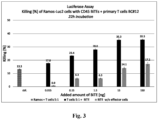
- the CD45xCD3 BsAb After 22 hours of incubation in the presence of primary T lymphocytes from healthy donors, the CD45xCD3 BsAb also mediated a clearly concentration-dependent lysis of the CD45-positive Ramos leukemia cells ( Fig. 3 ).
Landscapes
- Health & Medical Sciences (AREA)
- Chemical & Material Sciences (AREA)
- Immunology (AREA)
- Organic Chemistry (AREA)
- Medicinal Chemistry (AREA)
- Life Sciences & Earth Sciences (AREA)
- General Health & Medical Sciences (AREA)
- Proteomics, Peptides & Aminoacids (AREA)
- Genetics & Genomics (AREA)
- Molecular Biology (AREA)
- Biophysics (AREA)
- Biochemistry (AREA)
- Nuclear Medicine, Radiotherapy & Molecular Imaging (AREA)
- General Chemical & Material Sciences (AREA)
- Chemical Kinetics & Catalysis (AREA)
- Pharmacology & Pharmacy (AREA)
- Animal Behavior & Ethology (AREA)
- Public Health (AREA)
- Veterinary Medicine (AREA)
- Hematology (AREA)
- Oncology (AREA)
- Medicines Containing Antibodies Or Antigens For Use As Internal Diagnostic Agents (AREA)
- Peptides Or Proteins (AREA)
Priority Applications (3)
| Application Number | Priority Date | Filing Date | Title |
|---|---|---|---|
| EP22211271.6A EP4378529A1 (de) | 2022-12-03 | 2022-12-03 | Antikörper zur verwendung in einer therapie mit effektorzell-engagement |
| PCT/EP2023/083726 WO2024115656A1 (en) | 2022-12-03 | 2023-11-30 | Antibody for use in a therapy involving effector cell engagement |
| EP23817103.7A EP4626550A1 (de) | 2022-12-03 | 2023-11-30 | Antikörper zur verwendung in einer therapie mit effektorzell-engagement |
Applications Claiming Priority (1)
| Application Number | Priority Date | Filing Date | Title |
|---|---|---|---|
| EP22211271.6A EP4378529A1 (de) | 2022-12-03 | 2022-12-03 | Antikörper zur verwendung in einer therapie mit effektorzell-engagement |
Publications (1)
| Publication Number | Publication Date |
|---|---|
| EP4378529A1 true EP4378529A1 (de) | 2024-06-05 |
Family
ID=84389191
Family Applications (2)
| Application Number | Title | Priority Date | Filing Date |
|---|---|---|---|
| EP22211271.6A Withdrawn EP4378529A1 (de) | 2022-12-03 | 2022-12-03 | Antikörper zur verwendung in einer therapie mit effektorzell-engagement |
| EP23817103.7A Pending EP4626550A1 (de) | 2022-12-03 | 2023-11-30 | Antikörper zur verwendung in einer therapie mit effektorzell-engagement |
Family Applications After (1)
| Application Number | Title | Priority Date | Filing Date |
|---|---|---|---|
| EP23817103.7A Pending EP4626550A1 (de) | 2022-12-03 | 2023-11-30 | Antikörper zur verwendung in einer therapie mit effektorzell-engagement |
Country Status (2)
| Country | Link |
|---|---|
| EP (2) | EP4378529A1 (de) |
| WO (1) | WO2024115656A1 (de) |
Citations (3)
| Publication number | Priority date | Publication date | Assignee | Title |
|---|---|---|---|---|
| EP0336379A2 (de) * | 1988-04-04 | 1989-10-11 | Oncogen Limited Partnership | Antikörper-Heterokonjugate zur Regulation der Lymphozytenaktivität |
| WO2013104804A2 (en) * | 2012-01-13 | 2013-07-18 | Julius-Maximilians-Universität Würzburg | Dual antigen-induced bipartite functional complementation |
| US20180022826A1 (en) | 2016-07-25 | 2018-01-25 | The Nemours Foundation | ADOPTIVE T-CELL THERAPY USING EMPD-SPECIFIC CHIMERIC ANTIGEN RECEPTORS FOR TREATING IgE-MEDIATED ALLERGIC DISEASES |
-
2022
- 2022-12-03 EP EP22211271.6A patent/EP4378529A1/de not_active Withdrawn
-
2023
- 2023-11-30 WO PCT/EP2023/083726 patent/WO2024115656A1/en not_active Ceased
- 2023-11-30 EP EP23817103.7A patent/EP4626550A1/de active Pending
Patent Citations (3)
| Publication number | Priority date | Publication date | Assignee | Title |
|---|---|---|---|---|
| EP0336379A2 (de) * | 1988-04-04 | 1989-10-11 | Oncogen Limited Partnership | Antikörper-Heterokonjugate zur Regulation der Lymphozytenaktivität |
| WO2013104804A2 (en) * | 2012-01-13 | 2013-07-18 | Julius-Maximilians-Universität Würzburg | Dual antigen-induced bipartite functional complementation |
| US20180022826A1 (en) | 2016-07-25 | 2018-01-25 | The Nemours Foundation | ADOPTIVE T-CELL THERAPY USING EMPD-SPECIFIC CHIMERIC ANTIGEN RECEPTORS FOR TREATING IgE-MEDIATED ALLERGIC DISEASES |
Non-Patent Citations (26)
| Title |
|---|
| AGNES BANASZEK: "Dual Antigen-Restricted Complementation of a Two-Part Trispecific Antibody for Targeted lmmunotherapy of Blood Cancer", DISSERTATION, 1 September 2013 (2013-09-01), XP055512112, Retrieved from the Internet <URL:https://opus.bibliothek.uni-wuerzburg.de/opus4-wuerzburg/frontdoor/deliver/index/docId/9017/file/Banaszek_Agnes_Dissertation.pdf> [retrieved on 20181003] * |
| BARTELS LDE JONG GGILLISSEN MAYASUDA EKATTLER VBRU CFATMAWATI CVAN HAL-VAN VEEN SECERCEL MGMOISET G: "A Chemo-enzymatically Linked Bispecific Antibody Retargets T Cells to a Sialylated Epitope on CD43 in Acute Myeloid Leukemia", CANCER RES, vol. 79, no. 13, 2019, pages 3372 - 3382 |
| BEHAR GSIBERIL SGROULET ACHAMES PPUGNIERE MBOIX CSAUTES-FRIDMAN CTEILLAUD JLBATY D.: "Isolation and characterization of anti-FcgammaRIII (CD16) llama single-domain antibodies that activate natural killer cells", PROTEIN ENG DES SEL, vol. 21, no. 1, 2008, pages 1 - 10, XP002646408, DOI: 10.1093/PROTEIN/GZM064 |
| BHATTA PWHALE KDSAWTELL AKTHOMPSON CLRAPECKI SECOOK DATWOMEY BMMENNECOZZI MSTARKIE LEBARRY EMC: "Bispecific antibody target pair discovery by high-throughput phenotypic screening using in vitro combinatorial Fab libraries", MABS, vol. 13, no. 1, 2021, pages 1859049, XP055918182, DOI: 10.1080/19420862.2020.1859049 |
| BRINKMANN UKONTERMANN RE: "The making of bispecific antibodies", MABS, vol. 9, no. 2, 2017, pages 182 - 212, XP055531122, DOI: 10.1080/19420862.2016.1268307 |
| DEMARIA OGAUTHIER LDEBROAS GVIVIER E: "Natural killer cell engagers in cancer immunotherapy: Next generation of immuno-oncology treatments", EUR. J. IMMUNOL., vol. 51, 2021, pages 1934 - 1942 |
| FELICES MLENVIK TRDAVIS ZBMILLER JSVALLERA DA: "Generation of BiKEs and TriKEs to Improve NK Cell-Mediated Targeting of Tumor Cells", METHODS MOL BIOL, vol. 1441, 2016, pages 333 - 46, XP009526052, DOI: 10.1007/978-1-4939-3684-7_28 |
| GERA N: "The evolution of bispecific antibodies", EXPERT OPINION ON BIOLOGICAL THERAPY, vol. 22, no. 8, 2022, pages 945 - 949 |
| GOLDBERG BSACKERMAN ME: "Antibody-mediated complement activation in pathology and protection", IMMUNOL CELL BIOL, vol. 98, 2020, pages 305 - 317 |
| KALINA TFISER KPEREZ-ANDRES MKUZILKOVA DCUENCA MBARTOL SJWWBLANCO EENGEL PVAN ZELM MC: "CD Maps-Dynamic Profiling of CD1-CD100 Surface Expression on Human Leukocyte and Lymphocyte Subsets.", FRONT IMMUNOL, vol. 10, 2019, pages 2434 |
| KUZILKOVA DPUNET-ORTIZ JAUI PM ET AL.: "Standardization of Workflow and Flow Cytometry Panels for Quantitative Expression Profiling of Surface Antigens on Blood Leukocyte Subsets: An HCDM CDMaps Initiative", FRONT IMMUNOL, vol. 13, 2022, pages 1 - 15 |
| LEE CHROMAIN GYAN WWATANABE MCHARAB WTODOROVA BLEE JTRIPLETT KDONKOR MLUNGU OI: "IgG Fc domains that bind C1q but not effector Fc receptors delineate the importance of complement-mediated effector functions", NAT IMMUNOL, vol. 18, 2017, pages 889 - 898, XP055604357, DOI: 10.1038/ni.3770 |
| LIN YPAGEL JMAXWORTHY DPANTELIAS AHEDIN NPRESS OW: "A Genetically Engineered Anti-CD45 Single-Chain Antibody-Streptavidin Fusion Protein for Pretargeted Radioimmunotherapy of Hematologic Malignancies", CANCER RES, vol. 66, no. 7, 2006, pages 3884 - 3892, XP055521262, DOI: 10.1158/0008-5472.CAN-05-3443 |
| MA JMO YTANG MSHEN JQI YZHAO WHUANG YXU YQIAN C: "Bispecific Antibodies: From Research to Clinical Application", FRONT. IMMUNOL., vol. 12, 2021, pages 626616 |
| PESCHKE BKELLER CWWEBER PQUAST ILUNEMANN JD: "Fc-Galactosylation of Human Immunoglobulin Gamma Isotypes Improves C1q Binding and Enhances Complement-Dependent Cytotoxicity", FRONTIERS IN IMMUNOLOGY, vol. 8, 2017, XP055964362, DOI: 10.3389/fimmu.2017.00646 |
| SEDYKH SEPRINZ VVBUNEVA VNNEVINSKY GA: "Bispecific antibodies: design, therapy, perspectives", DRUG DES DEVEL THER, vol. 12, 2018, pages 195 - 208 |
| SHIVNAN EMER ET AL: "Does co-aggregation of the CD45 and CD3 antigens inhibit T cell antigen receptor complex-mediated activation of phospholipase C and protein kinase C?", EUROPEAN JOURNAL OF IMMUNOLOGY, vol. 22, no. 4, 1 April 1992 (1992-04-01), Hoboken, USA, pages 1055 - 1062, XP093039843, ISSN: 0014-2980, DOI: 10.1002/eji.1830220427 * |
| SIVORI SMEAZZA RQUINTARELLI CCARLOMAGNO SDELLA CHIESA MFALCO MMORETTA LLOCATELLI FPENDE D: "NK Cell-Based Immunotherapy for Hematological Malignancies", J CLIN MED, vol. 8, no. 10, 2019, pages 1702 |
| SORMAN AZHANG LDING ZHEYMAN B: "How antibodies use complement to regulate antibody responses", MOLECULAR IMMUNOLOGY, vol. 61, 2014, pages 79 - 88 |
| SUURS FVLUB-DE HOOGE MNDE VRIES EGE.DE GROOT DJA.: "A review of bispecific antibodies and antibody constructs in oncology and clinical challenges", PHARMACOLOGY & THERAPEUTICS, vol. 201, 2019, pages 103 - 119, XP085764019, DOI: 10.1016/j.pharmthera.2019.04.006 |
| VELASQUEZ MPBONIFANT CLGOTTSCHALK S.: "Redirecting T cells to hematological malignancies with bispecific antibodies", BLOOD, vol. 131, no. 1, 2018, pages 30 - 38, XP086691592, DOI: 10.1182/blood-2017-06-741058 |
| VOIGT JMEYER CBORDUSA F: "Synthesis of Multiple Bispecific Antibody Formats with Only One Single Enzyme Based on Enhanced Trypsiligase", INT. J. MOL. SCI., vol. 23, 2022, pages 3144 |
| WANG GDE JONG RNVAN DEN BREMER ETJBEURSKENS FJLABRIJN AFUGURLAR DGROS PSCHUURMAN JPARREN PWHIHECK AJR: "Molecular Basis of Assembly and Activation of Complement Component C1 in Complex with Immunoglobulin G1 and Antigen", MOLECULAR CELL, vol. 63, 2016, pages 135 - 145, XP029631372, DOI: 10.1016/j.molcel.2016.05.016 |
| WANG SCHEN KLEI QMA PYUAN AQZHAO YJIANG YFANG HXING SFANG Y: "The state of the art of bispecific antibodies for treating human malignancies", EMBO MOL MED, vol. 13, 2021, pages e14291 |
| WU YYI MZHU SWANG HWU K: "Recent advances and challenges of bispecific antibodies in solid tumors", EXPERIMENTAL HEMATOLOGY & ONCOLOGY, vol. 10, 2021, pages 56 |
| ZHU YSHEN RHAO RWANG SHO M.: "Highlights of Antibody Engineering and Therapeutics 2019 in San Diego, USA: Bispecific Antibody Design and Clinical Applications", ANTIB THER, vol. 3, no. 2, 2020, pages 146 - 154 |
Also Published As
| Publication number | Publication date |
|---|---|
| WO2024115656A1 (en) | 2024-06-06 |
| EP4626550A1 (de) | 2025-10-08 |
Similar Documents
| Publication | Publication Date | Title |
|---|---|---|
| TWI835141B (zh) | 人類化抗原-結合域及使用方法 | |
| Cole et al. | HuM291, A humanized anti-cd3 antibody, is immunosuppressive to t cells while exhibiting reduced mitogenicity in VITRO1 | |
| US11518810B2 (en) | Bispecific recombinant protein and use thereof | |
| Ishii et al. | Defucosylated humanized anti-CCR4 monoclonal antibody KW-0761 as a novel immunotherapeutic agent for adult T-cell leukemia/lymphoma | |
| FI108917B (fi) | Menetelmä terapeuttisesti käyttökelpoisten CD4-spesifisen yhdistelmävasta-aineen valmistamiseksi | |
| TW202505029A (zh) | 嵌合抗原及t細胞受體以及使用方法 | |
| CN109328074A (zh) | 嵌合抗原和t细胞受体及使用的方法 | |
| CA3090546A1 (en) | Chimeric antigen receptors targeting the tumor microenvironment | |
| AU2008257271A1 (en) | Set of means for treating a malignant pathology, an autoimmune disease or an infectious disease | |
| EP4442701A1 (de) | Kombination aus chimärer antigenrezeptorzelle mit molekularer schalterregulierung und antikörper sowie verwendung davon | |
| EP3230311B1 (de) | Universelles lösliches synthetisches adcc-verstärkendes fusionsgen und peptidtechnologie sowie verwendung davon | |
| US8034902B2 (en) | Recombinant antibodies against CD55 and CD59 and uses thereof | |
| JP2024501809A (ja) | Ceacam5およびcd47に対する二重特異性抗体 | |
| EP3498293A1 (de) | Behandlung monogener erkrankungen mit einem anti-cd45rc-antikörper | |
| CN116745325A (zh) | Bcma靶向抗体、嵌合抗原受体及其应用 | |
| EP4378529A1 (de) | Antikörper zur verwendung in einer therapie mit effektorzell-engagement | |
| CN115322257A (zh) | Bcma靶向抗体、嵌合抗原受体及其应用 | |
| NZ509232A (en) | Immunological reagent specifically interacting with the extracellular domain of the human zeta chain | |
| CN114933654B (zh) | 靶向cd123的抗体、嵌合抗原受体及其用途 | |
| US20250325587A1 (en) | Blockade of cd3 expression and chimeric antigen receptors for immunotherapy | |
| RU2809160C2 (ru) | Виды комбинированной терапии с использованием химерных антигенных рецепторов и ингибиторов pd-1 | |
| TW202432175A (zh) | 治療癌症之組合療法 | |
| CN118252923A (zh) | 靶向nkg2d配体的融合蛋白与嵌合抗原受体细胞的组合及其用途 | |
| CN115989242A (zh) | 间皮素靶向抗体、嵌合抗原受体及其应用 | |
| Cappuzzello | A DONOR-DEPENDENT SUBSET OF CYTOKINE-INDUCED KILLER (CIK) CELLS EXPRESS CD16 AND CAN BE RETARGETED TO EXERT A POTENT ANTIBODY-DEPENDENT CELL-MEDIATED CYTOTOXICITY (ADCC) |
Legal Events
| Date | Code | Title | Description |
|---|---|---|---|
| PUAI | Public reference made under article 153(3) epc to a published international application that has entered the european phase |
Free format text: ORIGINAL CODE: 0009012 |
|
| STAA | Information on the status of an ep patent application or granted ep patent |
Free format text: STATUS: THE APPLICATION HAS BEEN PUBLISHED |
|
| AK | Designated contracting states |
Kind code of ref document: A1 Designated state(s): AL AT BE BG CH CY CZ DE DK EE ES FI FR GB GR HR HU IE IS IT LI LT LU LV MC ME MK MT NL NO PL PT RO RS SE SI SK SM TR |
|
| STAA | Information on the status of an ep patent application or granted ep patent |
Free format text: STATUS: THE APPLICATION IS DEEMED TO BE WITHDRAWN |
|
| 18D | Application deemed to be withdrawn |
Effective date: 20241206 |