EP4381094B1 - Nukleinsäuredetektionssystem auf argonauten-basis - Google Patents
Nukleinsäuredetektionssystem auf argonauten-basis Download PDFInfo
- Publication number
- EP4381094B1 EP4381094B1 EP22750923.9A EP22750923A EP4381094B1 EP 4381094 B1 EP4381094 B1 EP 4381094B1 EP 22750923 A EP22750923 A EP 22750923A EP 4381094 B1 EP4381094 B1 EP 4381094B1
- Authority
- EP
- European Patent Office
- Prior art keywords
- pago
- apaz
- nucleic acid
- protein
- proteins
- Prior art date
- Legal status (The legal status is an assumption and is not a legal conclusion. Google has not performed a legal analysis and makes no representation as to the accuracy of the status listed.)
- Active
Links
Images








Classifications
-
- C—CHEMISTRY; METALLURGY
- C12—BIOCHEMISTRY; BEER; SPIRITS; WINE; VINEGAR; MICROBIOLOGY; ENZYMOLOGY; MUTATION OR GENETIC ENGINEERING
- C12Q—MEASURING OR TESTING PROCESSES INVOLVING ENZYMES, NUCLEIC ACIDS OR MICROORGANISMS; COMPOSITIONS OR TEST PAPERS THEREFOR; PROCESSES OF PREPARING SUCH COMPOSITIONS; CONDITION-RESPONSIVE CONTROL IN MICROBIOLOGICAL OR ENZYMOLOGICAL PROCESSES
- C12Q1/00—Measuring or testing processes involving enzymes, nucleic acids or microorganisms; Compositions therefor; Processes of preparing such compositions
- C12Q1/68—Measuring or testing processes involving enzymes, nucleic acids or microorganisms; Compositions therefor; Processes of preparing such compositions involving nucleic acids
- C12Q1/6813—Hybridisation assays
- C12Q1/6816—Hybridisation assays characterised by the detection means
-
- C—CHEMISTRY; METALLURGY
- C12—BIOCHEMISTRY; BEER; SPIRITS; WINE; VINEGAR; MICROBIOLOGY; ENZYMOLOGY; MUTATION OR GENETIC ENGINEERING
- C12N—MICROORGANISMS OR ENZYMES; COMPOSITIONS THEREOF; PROPAGATING, PRESERVING, OR MAINTAINING MICROORGANISMS; MUTATION OR GENETIC ENGINEERING; CULTURE MEDIA
- C12N15/00—Mutation or genetic engineering; DNA or RNA concerning genetic engineering, vectors, e.g. plasmids, or their isolation, preparation or purification; Use of hosts therefor
- C12N15/09—Recombinant DNA-technology
- C12N15/11—DNA or RNA fragments; Modified forms thereof; Non-coding nucleic acids having a biological activity
- C12N15/111—General methods applicable to biologically active non-coding nucleic acids
-
- C—CHEMISTRY; METALLURGY
- C12—BIOCHEMISTRY; BEER; SPIRITS; WINE; VINEGAR; MICROBIOLOGY; ENZYMOLOGY; MUTATION OR GENETIC ENGINEERING
- C12Q—MEASURING OR TESTING PROCESSES INVOLVING ENZYMES, NUCLEIC ACIDS OR MICROORGANISMS; COMPOSITIONS OR TEST PAPERS THEREFOR; PROCESSES OF PREPARING SUCH COMPOSITIONS; CONDITION-RESPONSIVE CONTROL IN MICROBIOLOGICAL OR ENZYMOLOGICAL PROCESSES
- C12Q1/00—Measuring or testing processes involving enzymes, nucleic acids or microorganisms; Compositions therefor; Processes of preparing such compositions
- C12Q1/68—Measuring or testing processes involving enzymes, nucleic acids or microorganisms; Compositions therefor; Processes of preparing such compositions involving nucleic acids
- C12Q1/6844—Nucleic acid amplification reactions
Definitions
- FIELD The invention described herein is directed to a short prokaryotic Argonaute-related nucleic acid detection system and its broad use in diagnostic applications.
- Argonaute proteins recruit small ( ⁇ 14-30 nt) single stranded oligonucleotides (the guide) to bind a complementary single stranded oligonucleotides (the target).
- All Eukaryotic Argonaute proteins eAgo proteins characterized to date use RNA guides to bind and/or cleave RNA targets ( Ma et al., 2018. Brief Funct Genomics 17: 191-197 ). This process underlies RNA interference (RNAi).
- RNAi RNA interference
- Prokaryotes encode homologs of eAgo proteins (pAgo proteins), but lack other proteins required for RNAi ( Swarts et al., 2014. Nat Struct Mol Biol 21: 743-753 ).
- pAgo proteins protect their host against invading nucleic acids ( Makarova et al., 2009. Biol Direct 4: 29 ). Indeed, various pAgo proteins interfere with invading nucleic acids such as plasmids ( Olovnikov et al., 2013. Mol Cell 51: 594-605 ; Swarts et al., 2014. Nature 507: 258-261 ; Swarts et al., 2015. Nucleic Acids Res 43: 5120-5129 ) and bacteriophages ( Kuzmenko et al., 2020. Nature 587 :632-637 ).
- APAZ domain refers to a domain of unknown function that is strictly found in relation to short pAgo proteins, either as a APAZ-pAgo fusion protein, or as part of a separate APAZ effector protein that is encoded in the same operon as a pAgo protein.
- the APAZ domain is usually fused to another domain, for example a SIR2, TIR, or Mrr-like domain ( Makarova et al., 2009. Biol Direct 4: 29 ; Swarts et al., 2014. Nat Struct Mol Biol 21: 743-753 ; Ryazansky et al., 2018. MBio 9: 1-20 ).
- short pAgo refers to a prokaryotic Argonaute protein comprising a MID and PIWI domain, but lacking a PAZ domain, lacking an N-terminal (N) domain, and lacking a catalytic DEDX (where X is D, H, or K) tetrad that is typically present in certain eukaryotic Argonaute proteins and in certain long pAgo proteins and is required for cleavage of target nucleic acid molecules.
- TIR-APAZ effector protein or "effector protein comprising a Toll/Interleukin1 receptor (TIR) and a Analog of PAZ (APAZ) domain
- TIR Toll/Interleukin1 receptor
- APAZ Analog of PAZ domain
- SPARTA which is an abbreviation of S hort P rokaryotic AR gonaute T IR- A PAZ, refers to a system comprising a short pAgo and a TIR-APAZ effector protein, or a fusion thereof (TIR-APAZ-pAgo).
- SPARSA Short Prokaryotic ARgonaute SIR2-APAZ
- SIR2-APAZ short Prokaryotic ARgonaute SIR2-APAZ
- operon refers to a group of genes that is controlled by one and the same set of transcriptional regulatory elements such as an operator and promoter. The genes are transcribed into a single RNA strand. Genes within an operon are often functionally related.
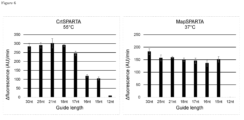
- a preferred length is between 17 and 35 nucleotides, such as between 18 and 30 nucleotides.
- Said gNA molecule may include nucleic acid nucleotide analogues such as inosine, uridine, xanthine, hypoxanthine, 2,6-diaminopurine, and 6,8-diaminopurine-based ribonucleotides and deoxyribonucleotides.
- Short Argonaute protein(s) preferably in complex with or fused to TIR-APAZ or SIR2-APAZ effector proteins assembled around a gNA will form a nucleoprotein (NP) complex that specifically binds a complementary target sequence.
- complementary strand refers to a target nucleic acid strand that is substantially complementary to, i.e. can base pair with, a specific gNA. Said complementary strand will bind to, and base pair with, the gNA upon contacting the gNA and target nucleic acid under suitable conditions. Said complementary strand is either a single stranded target molecule, or one of the strands of a double stranded target molecule. In the latter case, binding of the gNA to the complementary strand will displace the non-complementary strand of the target molecule.
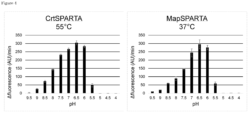
- suitable conditions include a temperature between 20 °C and 75 °C, preferably between 37 °C and 70 °C, preferably between 50 °C and 65 °C, a pH between 5 and 9, preferably between 6 and 7.5, ionic strength of 10-1000 millimole/L, preferably at an ionic strength of 20-500 millimole/L.
- Said ionic strength preferably is provided by a buffer or buffers and/or a salt or salts.
- Said salt preferably comprises a manganese and/or magnesium salt, preferably manganese chloride and/or magnesium chloride.
- NADase activity refers to an enzymatic activity that converts (hydrolyses) a nicotinamide adenine dinucleotide (NAD + ), or an analogue thereof, to nicotinamide (NAM) and adenosine diphosphate ribose (ADPR), or the corresponding analogue or analogues thereof.
- NAD + nicotinamide adenine dinucleotide
- ADPR adenosine diphosphate ribose
- NAD + analogue refers to an analogue of NAD + that can be hydrolysed by a SIR2 or TIR NADase.
- the term analogue includes reference to nicotinamide adenine dinucleotide phosphate (NADP + ) and modified NAD + or NAPD + molecules such as radiolabeled or fluorescent molecules, including but not limited to ⁇ -nicotinamide- N 6 - (2- (6- [fluoresceinyl]aminohexanoyl) aminoethyl)adenine dinucleotide, B-nicotinamide-N6-[2-[[6-[fluorescein]-amino]-2-oxohexyl-hexyl]amino]-2-oxoethyl]adenine dinucleotide, nicotinamide 1,N 6 -ethenoadenine dinucleotide ( ⁇ -NAD + ), and
- reverse transcribing refers to the generation of complementary DNA (cDNA) from an RNA template.
- Retroviruses and some retrotransposons encode enzymes, termed reverse transcriptase, to replicate their genomes.
- a retroviral reverse transcriptase has three sequential biochemical activities: RNA-dependent DNA polymerase activity, ribonuclease H (RNase H), and DNA-dependent DNA polymerase activity.
- Enzymes that are often used for reverse transcribing RNA are Moloney murine leukemia virus reverse transcriptase and avian myeloblastosis virus reverse transcriptase, and variants thereof, including thermostable variants.
- host cell includes a prokaryotic cell and a eukaryotic cell such as a yeast cell or a mammalian cell.
- prokaryote refers to a cellular organism that lacks an envelope-enclosed nucleus.
- Cellular organisms with a nucleus enclosed within a nuclear envelope are referred to as eukaryotes.
- Prokaryotes include true bacteria (eubacteria), and archeae (archaeabacteria).
- expression vector refers to a vector that is able to direct expression of one or more genes to which they are operatively-linked.
- Said vector is either a plasmid, including a cosmid and a phagemid, a bacteriophage-based vector, or a viral vector.
- Suitable regulatory elements include promoters, enhancers, internal ribosomal entry sites (IRES), and other expression control elements such as 5' untranslated regions, optionally containing a ribosome binding site, 3' untranslated region optionally comprising a 'post stop-codon, ante terminator' region, terminator sequences, and transcription termination signals such as polyadenylation signals and poly-U sequences.
- Regulatory elements include those giving direct constitutive expression in many types of host cell and those that direct expression of the nucleotide sequence only in certain cells (i.e., tissue-specific regulatory sequences). Regulatory elements may also direct expression in a temporal-dependent manner, such as in a cell-cycle dependent or developmental stage-dependent manner, which may or may not also be tissue or cell-type specific. Examples of promoters include pol I, pol II, pol III (e.g. U6 and H1 promoters).
- pol II promoters include, but are not limited to, retroviral Rous sarcoma virus (RSV) LTR promoter (optionally with the RSV enhancer), the cytomegalovirus (CMV) promoter (optionally with the CMV enhancer), the SV40 promoter, the dihydrofolate reductase promoter, the beta-actin promoter, the phosphoglycerol kinase (PGK) promoter, and the EF1a promoter.
- RSV Rous sarcoma virus
- CMV cytomegalovirus
- SV40 promoter the dihydrofolate reductase promoter
- beta-actin promoter the beta-actin promoter
- PGK phosphoglycerol kinase
- regulatory elements may include enhancer elements, such as the woodchuck hepatitis post-transcriptional regulatory element (WPRE); CMV enhancers; the R-U5' segment in LTR of HTLV-I; SV40 enhancer; and the intron sequence between exons 2 and 3 of rabbit beta-globin.
- WPRE woodchuck hepatitis post-transcriptional regulatory element
- CMV enhancers CMV enhancers
- R-U5' segment in LTR of HTLV-I SV40 enhancer
- the intron sequence between exons 2 and 3 of rabbit beta-globin may depend on such factors as the choice of the host cell to be transformed, the level of expression desired, etc.
- Said regulatory elements such as promoter sequences may be an autologous sequences, or heterologous sequences, i.e. derived from a different species.
- tissue-specific promoter is a promoter that directs expression primarily in a desired tissue of interest, such as blood, specific organs (e.g., liver, pancreas), or particular cell types.
- Plasmid refers to a circular double stranded DNA molecule into which additional DNA segments can be inserted, such as by using standard molecular cloning techniques. Plasmids often comprise an origin of replication and a marker gene that allows to identify a cell comprising the plasmid, termed selection marker. Suitable plasmids include p15A, CoIE1, pBR322, RSF1030, CIoDF13 and derivatives thereof. Further suitable plasmids are provided, for example, under the headers "Protein purification” and "Controlled expression” at addgene.org/collections/bacterial-expression/.
- Said selection marker includes an antibiotic resistance gene against penicillin or derivatives thereof, aminoglycoside, chloramphenicol, macrolides such as erythromycin, azithromycin and clarithromycin, streptothricin, tetracycline, quinolone, rifampin, sulfonamide, trimethoprim, kanamycin, phleomycin D1 such as zeocin, and streptomycin.
- Another selection marker that is often used for positive selection is a positive selection marker that enables growth of a cell on a certain medium, for example by cloning hisB + in a histidine auxotrophic cell and growing the cell in a medium lacking histidine.
- viral vector includes reference to viral nucleic acid sequences that can be packaged into a viral particle.
- examples of viral vectors include retroviruses, replication defective retroviruses, adenoviruses, replication defective adenoviruses, and adeno-associated viruses.
- Packaging is often mediated by a packaging signal on the viral nucleic acid molecule, and performed in an appropriate packaging cell that expresses the required proteins.
- base pairing affinity and “complementarity”, as are used herein, refer to the ability of a nucleic acid to form hydrogen bond(s) with another nucleic acid sequence by either traditional Watson-Crick base pairing or other non-traditional types.
- a percent identity i.e. complementarity in relation to a reference sequence, in the various descriptions of the invention, represents the percentage of residues in a nucleic acid molecule which can form hydrogen bonds (e.g., Watson-Crick base pairing) with a second nucleic acid sequence, preferably over the complete length of the shortest sequence (e.g., 5, 6, 7, 8, 9, 10 out of 10 being 50%, 60%, 70%, 80%, 90%, and 100% identity).
- the actual base pairing may further depend on, for example, the actual sequences of the target nucleic acid and gNA, type (for example G-U or G-A mismatch) and position of the mismatch, the reaction conditions including temperature and ionic strength, and on the specific short pAgo system, e.g. SPARTA/SPARSA system, that is being used.
- perfect complementary indicates that all contiguous residues of a nucleic acid sequence in a gNA will hydrogen bond with the same number of contiguous residues in a target nucleic acid sequence, corresponding to a 100% identity over the whole length of the complementary sequences.
- substantially complementary refers to a degree of identity that is at least 90%, 95%, 97%, 98%, 99%, or 100% between the portion of a gNA and the equivalent length of a targeting nucleic acid molecule. Mismatches between gNA and a target nucleic acid molecule are allowed as long as they permitgNA-target nucleic acid base pairing and subsequent pAgo-mediated activation of the SIR2-APAZ or TIR-APAZ NADase activity. A limited number of mismatches, such as one, two or three mismatches between gNA and target nucleic acid molecule are allowed.
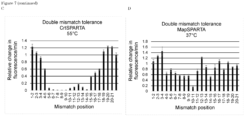
- Said one two or three mismatches preferably are not at nucleotide positions 6, 7, or 9 from the 5'-end of the complementary of the gNA, more preferably not between nucleotide positions 6-10 from the 5'-end of the complementary of the gNA.
- stringent conditions in the context of hybridization conditions, refer to conditions under which a nucleic acid having complementarity to a target sequence predominantly hybridizes with the target sequence, and substantially does not hybridize to non-target sequences. Stringent conditions are generally sequence-dependent and vary depending on a number of factors. In general, the longer the sequence, the higher the temperature at which the sequence specifically hybridizes to its target sequence.
- the Tm is the temperature at which more than 50% of a given strand of a nucleic acid molecule is hybridized to its complementary strand.
- SIR2 domains are found in Sir2 (Sirtuin) family proteins which are generally known as NAD-dependent protein deacetylases ( Buck et al., 2004. J Leukoc Biol 75: 939-950 ).
- TIR domains have been considered as scaffolding domains that mediate protein-protein interactions without any catalytic activity ( Luo et al., 2020. J Cell Sci 133: jcs239194 ).
- the step of contacting a sample comprising a target nucleic acid molecule, or suspected to comprise a target nucleic acid molecule, with short pAgo and effector proteins and a gNA is preferably performed at a temperature between 20 °C and 75 °C, preferably between 37 °C and 70 °C, preferably between 50 °C and 65 °C, more preferably between 60-65 °C.
- Conversion of a nicotinamide adenine dinucleotide or analogue thereof to nicotinamide (NAM) and adenosine diphosphate ribose (ADPR), or the corresponding analogue or analogues thereof, may be determined, preferably quantified, by any method known in the art. Preferred methods include thin-layer chromatography ( Heard, 1983. Anal Biochem 130: 185-188 ), photometric detection, colorimetric detection, bioluminescent detection, fluorescent detection, and combinations thereof as are employed in a lateral flow assay such as a lateral flow immunoassay. Said conversion of nicotinamide adenine dinucleotide is preferably determined by a colorimetric method or a fluorescent method.
- the protein was eluted in NiNTA buffer B (500 mM NaCl, 350 mM Imidazole, 20 mM Tris pH 8). Fractions containing the protein of interest were pooled, and loaded on a 20 mL Amylose resin (New England Biolabs) column. The column was washed with ⁇ 3x CV Amylose wash buffer (500 mM NaCl, 1 mM DTT, 20 mM Tris pH 8) or until the A 280 nm was ⁇ 0 a.u.. The protein was eluted in Amylose elution buffer (Amylose Wash Buffer supplemented with 20 mM maltose).
- the sample was concentrated to ⁇ 1 mL using centrifugal filter units (Amicon; Merck KGaA, Darmstadt, Germany) according to the protocol of the manufacturer.
- the sample was centrifuged for 10 min at 16,000 x g at 4°C and the protein was fractionated on a custom 200 mL Superdex 200 Prep Grade resin (Cytiva Life Sciences) column, eluting with SEC buffer. Peak fractions were analyzed by SDS-PAGE and CBB staining and fractions containing the protein of interest were combined.
- the sample was concentrated to the desired concentration using centrifugal filter units (Amicon) according to the protocol of the manufacturer. Samples were aliquoted, flash frozen in liquid nitrogen, and stored at -80°C until further use.
- a reaction mixture of purified protein complexes in SEC buffer, ⁇ -NAD + , RNA guide, and 5X reaction buffer 50 mM MES pH 6.5, 375 mM KCl, and 10 mM MgCl2
- 5X reaction buffer 50 mM MES pH 6.5, 375 mM KCl, and 10 mM MgCl2
- the mixture was incubated at room temperature for 15 min, after which DNA target was added to a final concentration of 200 nM unless otherwise indicated.
- RNA guide and ssDNA target sequences used for these experiments are provided in Table 1.
- SPARTA systems can be reprogrammed to recognize ssDNA molecules with any given sequence
- SPARTA systems could be used for the detection of nucleic acids.
- To facilitate high-throughput analysis of SPARTA activity an analogue of NAD, nicotinamide 1,N6-ethenoadenine dinucleotide ( ⁇ -NAD + ) was used as a substrate.
- Fluorescence of ⁇ -NAD + is quenched by its nicotinamide group and it is activated upon SPARTA-mediated conversion of ⁇ -NAD + into NAM and fluorescent ⁇ -ADPR. This allows to directly monitor SPARTA activity by measuring fluorescence.
- Double mismatches decreased the activity of MapSPARTA when they were located between positions 4-5 to 14-15, with the exception of a double mismatch at position 12-13, which did not lower the activity of MapSPARTA ( Fig. 7D ).
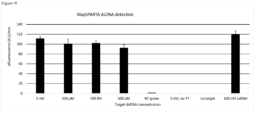
- T7 exonuclease Reactions with T7 exonuclease were performed in the presence of 5U T7 exonuclease (New England Biolabs). All dsDNA detection reactions were incubated at 37 °C. Fluorescence intensity was measured in kinetic mode every 2 minutes, using excitation wavelength of 310 nm and emission wavelength of 410 nm in a Synergy Neo2 or SH1M2FG plate reader (Biotek).
- double stranded target DNA can be detected in the attomolar range using a detection system according to the invention after pre-amplification of the double stranded target DNA and conversion of the amplified double stranded target DNA into a single strand.
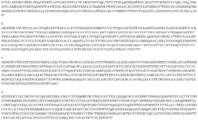
- pAgo and effector proteins from Bacillales bacterium were generated in E. coli and purified as described in Example 1. Assay and assay conditions were as described in Example 1. Results As is shown in Figure 10 , pAgo and effector proteins from Bacillales bacterium are active at temperatures between 37 °C and 70 °C (optimum at 55 -60 °C). Table 1. RNA guide and ssDNA target sequences used for in vitro SPARTA experiments.
Landscapes
- Chemical & Material Sciences (AREA)
- Life Sciences & Earth Sciences (AREA)
- Health & Medical Sciences (AREA)
- Engineering & Computer Science (AREA)
- Organic Chemistry (AREA)
- Zoology (AREA)
- Wood Science & Technology (AREA)
- Genetics & Genomics (AREA)
- Proteomics, Peptides & Aminoacids (AREA)
- Molecular Biology (AREA)
- Bioinformatics & Cheminformatics (AREA)
- Biotechnology (AREA)
- General Engineering & Computer Science (AREA)
- Biomedical Technology (AREA)
- Biochemistry (AREA)
- Physics & Mathematics (AREA)
- Biophysics (AREA)
- General Health & Medical Sciences (AREA)
- Microbiology (AREA)
- Immunology (AREA)
- Analytical Chemistry (AREA)
- Chemical Kinetics & Catalysis (AREA)
- Plant Pathology (AREA)
- Measuring Or Testing Involving Enzymes Or Micro-Organisms (AREA)
Claims (15)
- Detektionssystem für ein Nukleinsäure-Zielmolekül, vorzugsweise ein einsträngiges Nukleinsäuremolekül, umfassendein kurzes pAgo-Protein, umfassend eine MID- und eine PIWI-Domäne;ein Effektorprotein, umfassend ein Toll-Interleukin1-Rezeptor-(TIR)-Analogon von PAZ- (APAZ-) Domänen oder SIR2-APAZ-Domänen;eine Leitnukleinsäure (gNA), die mit dem Nukleinsäure-Zielmolekül hybridisieren kann; undein Nicotinamidadenindinukleotid (NAD) oder ein Analogon davon.
- Detektionssystem nach Anspruch 1, wobei das Nukleinsäure-Zielmolekül ein DNA-Molekül, vorzugsweise ein einsträngiges DNA-Molekül ist.
- Detektionssystem nach Anspruch 1 oder Anspruch 2, wobei die gNA ein Ribonukleinsäuremolekül ist.
- Detektionssystem nach einem der vorhergehenden Ansprüche, wobei die gNA an ihrem 5'-Ende phosphoryliert ist.
- Detektionssystem nach einem der vorhergehenden Ansprüche, wobei die gNA mindestens 9 Nukleotide, vorzugsweise 12-40 Nukleotide, bevorzugter 17-21 Nukleotide umfasst.
- Detektionssystem nach einem der vorhergehenden Ansprüche, wobei das Nicotinamidadenindinukleotid oder ein Analogon davon ein Nicotinamidadenindinukleotid-Analogon ist, das bei Umwandlung des Nicotinamidadenindinukleotids fluoreszierend wird, wie ε-NAD+ oder ε-NADP+.
- Detektionssystem nach einem der vorhergehenden Ansprüche, wobei das kurze pAgo-Protein und/oder Effektor-Protein vom Bacillales-Bakterium, Crenotalea thermophila, Elioreae tepidiphila, Maliponia aquimaris, Maribacter polysiphoniae, Mesorhizobium sp., Parabacteroides distasonis, Pannonibacter phragmitetus, Geobacter sulfurreducens, Bradyrhizobium elkanii, Xanthomonas vesicatoria, und/oder Pseudomonas putida sind, vorzugsweise vom Crenotalea thermophila oder vom Maribacter polysiphoniae stammen.
- Detektionssystem nach einem der vorhergehenden Ansprüche, das eine Dünnschichtchromatographie oder ein Seitenflusstest ist.
- Detektionssystem nach einem der vorhergehenden Ansprüche, wobei das kurze pAgo-Protein und das TIR-APAZ- oder SIR2-APAZ-Effektor-Protein als ein einzelnes Protein vorhanden sind, beispielsweise als ein Sir2-APAZ-pAgo-Protein, das von Joostella marina, Bacteroides eggerthii, Thioalkalivibrio paradoxus und/oder Bacteroides fragilis stammt, oder als ein TIR-APAZ-pAgo-Protein, das von Rhizobium leguminosarum, Neorhizobium huautlense, Rhizobium viscosum, Labrenzia Sp. EL_126 stammt, und/oder ein Bakterium der Verrucomicrobiaceae.
- Verfahren zum Detektieren eines Nukleinsäure-Zielmoleküls in einer Probe, umfassend Nukleinsäuremoleküle, vorzugsweise umfassend einsträngige Nukleinsäuremoleküle, das Verfahren umfassend die Schritte von:
Kontaktieren der Probe mit einem kurzen pAgo-Protein, umfassend eine MID- und eine PIWI-Domäne; einem Effektor-Protein, umfassend ein Toll-Interleukin-1-Rezeptor-(TIR-)Analogon von PAZ-(APAZ-) Domänen oder SIR2-APAZ-Domänen, oder eine Kombination aus einem pAgo-Protein und einem TIR-APAZ- oder SIR2-APAZ-Effektor-Protein; einer Leitnukleinsäure (gNA), die mit dem Nukleinsäure-Zielmolekül hybridisieren kann; und einem Nicotinamidadenindinukleotid oder einem Analogon davon, vorzugsweise Kontaktieren der Probe mit dem Detektionssystem nach einem der Ansprüche 1 bis 9; und Detektieren der Umwandlung des Nicotinamidadenindinukleotids oder eines Analogons davon. - Verfahren nach Anspruch 10, wobei die Probe DNA-Moleküle, vorzugsweise einsträngige DNA-Moleküle, umfasst.
- Verfahren nach Anspruch 10 oder 11, wobei die Probe, umfassend Nukleinsäuremoleküle, vor dem Detektieren des Nukleinsäuremoleküls in der Probe amplifiziert worden ist.
- Verfahren nach Anspruch 12, wobei die Amplifikation durch Polymerasekettenreaktion (PCR) oder durch isotherme Amplifikation, vorzugsweise durch Strangverdrängungsamplifikation (SDA), nukleinsäuresequenzbasierte Amplifikation (NASBA) oder schleifenvermittelte isotherme Amplifikation (LAMP) durchgeführt wird.
- Verfahren nach einem der Ansprüche 10 bis 13, wobei die Umwandlung des Nicotinamidadenindinukleotids oder eines Analogons davon bei einer Temperatur zwischen 20 °C und 75 °C, vorzugsweise zwischen 50 °C und 65 °C, durchgeführt wird.
- Verfahren nach einem der Ansprüche 10 bis 14, wobei die Umwandlung von Nicotinamidadenindinukleotid oder eines Analogons davon durch ein kolorimetrisches Verfahren oder ein Fluoreszenzverfahren bestimmt wird.
Applications Claiming Priority (2)
| Application Number | Priority Date | Filing Date | Title |
|---|---|---|---|
| EP21189448 | 2021-08-03 | ||
| PCT/NL2022/050457 WO2023014222A1 (en) | 2021-08-03 | 2022-08-03 | Argonaute-based nucleic acid detection system |
Publications (3)
| Publication Number | Publication Date |
|---|---|
| EP4381094A1 EP4381094A1 (de) | 2024-06-12 |
| EP4381094C0 EP4381094C0 (de) | 2025-07-02 |
| EP4381094B1 true EP4381094B1 (de) | 2025-07-02 |
Family
ID=77207017
Family Applications (1)
| Application Number | Title | Priority Date | Filing Date |
|---|---|---|---|
| EP22750923.9A Active EP4381094B1 (de) | 2021-08-03 | 2022-08-03 | Nukleinsäuredetektionssystem auf argonauten-basis |
Country Status (4)
| Country | Link |
|---|---|
| US (1) | US20240271186A1 (de) |
| EP (1) | EP4381094B1 (de) |
| ES (1) | ES3037735T3 (de) |
| WO (1) | WO2023014222A1 (de) |
Family Cites Families (11)
| Publication number | Priority date | Publication date | Assignee | Title |
|---|---|---|---|---|
| FI911152A7 (fi) | 1989-07-11 | 1991-03-07 | Gen Probe Inc | Nukleiinihapposekvenssin amplifikaatiomenetelmät |
| US5455166A (en) | 1991-01-31 | 1995-10-03 | Becton, Dickinson And Company | Strand displacement amplification |
| ZA936016B (en) | 1992-08-24 | 1994-03-10 | Akzo Nv | Method for nucleic acid amplification |
| US5714320A (en) | 1993-04-15 | 1998-02-03 | University Of Rochester | Rolling circle synthesis of oligonucleotides and amplification of select randomized circular oligonucleotides |
| AU3295299A (en) | 1998-02-19 | 1999-09-06 | Xcyte Therapies, Inc. | Compositions and methods for regulating lymphocyte activation |
| ATE374833T1 (de) | 1998-11-09 | 2007-10-15 | Eiken Chemical | Verfahren zur synthese von nukleinsäuren |
| DE60322044D1 (de) | 2002-02-21 | 2008-08-21 | Asm Scient Inc | Rekombinase-polymerase-amplifikation |
| JP4632788B2 (ja) | 2002-09-20 | 2011-02-16 | ニュー・イングランド・バイオラブズ・インコーポレイティッド | 核酸のヘリカーゼ依存性増幅 |
| WO2006040153A2 (en) | 2004-10-13 | 2006-04-20 | Ablynx N.V. | Single domain camelide anti -amyloid beta antibodies and polypeptides comprising the same for the treatment and diagnosis of degenarative neural diseases such as alzheimer's disease |
| ES2852423T3 (es) | 2005-05-20 | 2021-09-13 | Ablynx Nv | NanobodiesTM mejorados para el tratamiento de trastornos mediados por agregación |
| US9689031B2 (en) | 2007-07-14 | 2017-06-27 | Ionian Technologies, Inc. | Nicking and extension amplification reaction for the exponential amplification of nucleic acids |
-
2022
- 2022-08-03 US US18/681,025 patent/US20240271186A1/en active Pending
- 2022-08-03 ES ES22750923T patent/ES3037735T3/es active Active
- 2022-08-03 EP EP22750923.9A patent/EP4381094B1/de active Active
- 2022-08-03 WO PCT/NL2022/050457 patent/WO2023014222A1/en not_active Ceased
Also Published As
| Publication number | Publication date |
|---|---|
| EP4381094C0 (de) | 2025-07-02 |
| ES3037735T3 (en) | 2025-10-06 |
| WO2023014222A1 (en) | 2023-02-09 |
| EP4381094A1 (de) | 2024-06-12 |
| US20240271186A1 (en) | 2024-08-15 |
Similar Documents
| Publication | Publication Date | Title |
|---|---|---|
| EP3987058B1 (de) | Typ-iii-crispr/cas-basierte diagnostik | |
| KR102435352B1 (ko) | 리가제-연관 핵산 원형화 및 증폭 | |
| EP2806037B1 (de) | Inaktivierbare Target-Capture-Oligomere zur Verwendung bei der selektiven Hybridisierung und beim Fangen von Zielnukleinsäuresequenzen | |
| JP7058839B2 (ja) | ローリングサークル増幅産物を使用した無細胞タンパク質発現 | |
| CN112534049A (zh) | 处理核酸样本的方法 | |
| EP1546313B1 (de) | Thermostabile ligase aus thermus phage | |
| JP2002536981A (ja) | 核酸標的配列の存在を測定する方法およびその応用 | |
| US20240344050A1 (en) | Compositions and methods for ordered and continuous complementary DNA (cDNA) synthesis across non-continuous templates | |
| JP2020533964A (ja) | 二本鎖コンカテマーdnaを使用したセルフリータンパク質発現 | |
| Takahashi et al. | Preparation of Phi29 DNA polymerase free of amplifiable DNA using ethidium monoazide, an ultraviolet-free light-emitting diode lamp and trehalose | |
| EP1546355B1 (de) | Methode und verwendung von thermostabilen rna-ligasen | |
| WO2014210416A1 (en) | Helicase suppression of non-template amplification | |
| EP4381094B1 (de) | Nukleinsäuredetektionssystem auf argonauten-basis | |
| US20230063705A1 (en) | Methods and kits for amplification and detection of nucleic acids | |
| WO2005017144A1 (ja) | dsRNA分解およびRNA合成方法 | |
| CN115747186A (zh) | 一种耐热的高效率逆转录酶突变体及其应用 | |
| US12492420B2 (en) | Compositions, kits, and methods for in vitro transcription | |
| WO2019211749A1 (en) | Thermostable viral reverse transcriptase | |
| US20230374492A1 (en) | Process for selection of aptamers, riboswitches and desoxyriboswitches | |
| WO2025199099A1 (en) | Ligand dependent post-translational control of engineered rna polymerase (rnap) mutants from bacteriophage t7 | |
| US20070202508A1 (en) | Novel thermophilic proteins and the nucleic acids encoding them | |
| WO2025155828A1 (en) | Reverse transcriptases and related methods |
Legal Events
| Date | Code | Title | Description |
|---|---|---|---|
| STAA | Information on the status of an ep patent application or granted ep patent |
Free format text: STATUS: UNKNOWN |
|
| STAA | Information on the status of an ep patent application or granted ep patent |
Free format text: STATUS: THE INTERNATIONAL PUBLICATION HAS BEEN MADE |
|
| PUAI | Public reference made under article 153(3) epc to a published international application that has entered the european phase |
Free format text: ORIGINAL CODE: 0009012 |
|
| STAA | Information on the status of an ep patent application or granted ep patent |
Free format text: STATUS: REQUEST FOR EXAMINATION WAS MADE |
|
| 17P | Request for examination filed |
Effective date: 20240222 |
|
| AK | Designated contracting states |
Kind code of ref document: A1 Designated state(s): AL AT BE BG CH CY CZ DE DK EE ES FI FR GB GR HR HU IE IS IT LI LT LU LV MC MK MT NL NO PL PT RO RS SE SI SK SM TR |
|
| DAV | Request for validation of the european patent (deleted) | ||
| DAX | Request for extension of the european patent (deleted) | ||
| GRAP | Despatch of communication of intention to grant a patent |
Free format text: ORIGINAL CODE: EPIDOSNIGR1 |
|
| STAA | Information on the status of an ep patent application or granted ep patent |
Free format text: STATUS: GRANT OF PATENT IS INTENDED |
|
| INTG | Intention to grant announced |
Effective date: 20250213 |
|
| GRAS | Grant fee paid |
Free format text: ORIGINAL CODE: EPIDOSNIGR3 |
|
| GRAA | (expected) grant |
Free format text: ORIGINAL CODE: 0009210 |
|
| STAA | Information on the status of an ep patent application or granted ep patent |
Free format text: STATUS: THE PATENT HAS BEEN GRANTED |
|
| AK | Designated contracting states |
Kind code of ref document: B1 Designated state(s): AL AT BE BG CH CY CZ DE DK EE ES FI FR GB GR HR HU IE IS IT LI LT LU LV MC MK MT NL NO PL PT RO RS SE SI SK SM TR |
|
| REG | Reference to a national code |
Ref country code: GB Ref legal event code: FG4D |
|
| REG | Reference to a national code |
Ref country code: CH Ref legal event code: EP |
|
| REG | Reference to a national code |
Ref country code: DE Ref legal event code: R096 Ref document number: 602022016988 Country of ref document: DE |
|
| REG | Reference to a national code |
Ref country code: IE Ref legal event code: FG4D |
|
| U01 | Request for unitary effect filed |
Effective date: 20250731 |
|
| U07 | Unitary effect registered |
Designated state(s): AT BE BG DE DK EE FI FR IT LT LU LV MT NL PT RO SE SI Effective date: 20250811 |
|
| REG | Reference to a national code |
Ref country code: ES Ref legal event code: FG2A Ref document number: 3037735 Country of ref document: ES Kind code of ref document: T3 Effective date: 20251006 |
|
| PGFP | Annual fee paid to national office [announced via postgrant information from national office to epo] |
Ref country code: ES Payment date: 20250926 Year of fee payment: 4 |
|
| PGFP | Annual fee paid to national office [announced via postgrant information from national office to epo] |
Ref country code: CH Payment date: 20250901 Year of fee payment: 4 |
|
| PGFP | Annual fee paid to national office [announced via postgrant information from national office to epo] |
Ref country code: IE Payment date: 20250820 Year of fee payment: 4 |
|
| U20 | Renewal fee for the european patent with unitary effect paid |
Year of fee payment: 4 Effective date: 20250924 |
|
| PG25 | Lapsed in a contracting state [announced via postgrant information from national office to epo] |
Ref country code: IS Free format text: LAPSE BECAUSE OF FAILURE TO SUBMIT A TRANSLATION OF THE DESCRIPTION OR TO PAY THE FEE WITHIN THE PRESCRIBED TIME-LIMIT Effective date: 20251102 |
|
| PG25 | Lapsed in a contracting state [announced via postgrant information from national office to epo] |
Ref country code: NO Free format text: LAPSE BECAUSE OF FAILURE TO SUBMIT A TRANSLATION OF THE DESCRIPTION OR TO PAY THE FEE WITHIN THE PRESCRIBED TIME-LIMIT Effective date: 20251002 |
|
| PG25 | Lapsed in a contracting state [announced via postgrant information from national office to epo] |
Ref country code: HR Free format text: LAPSE BECAUSE OF FAILURE TO SUBMIT A TRANSLATION OF THE DESCRIPTION OR TO PAY THE FEE WITHIN THE PRESCRIBED TIME-LIMIT Effective date: 20250702 |
|
| PG25 | Lapsed in a contracting state [announced via postgrant information from national office to epo] |
Ref country code: GR Free format text: LAPSE BECAUSE OF FAILURE TO SUBMIT A TRANSLATION OF THE DESCRIPTION OR TO PAY THE FEE WITHIN THE PRESCRIBED TIME-LIMIT Effective date: 20251003 |
|
| PG25 | Lapsed in a contracting state [announced via postgrant information from national office to epo] |
Ref country code: CZ Free format text: LAPSE BECAUSE OF FAILURE TO SUBMIT A TRANSLATION OF THE DESCRIPTION OR TO PAY THE FEE WITHIN THE PRESCRIBED TIME-LIMIT Effective date: 20250702 |
|
| PG25 | Lapsed in a contracting state [announced via postgrant information from national office to epo] |
Ref country code: PL Free format text: LAPSE BECAUSE OF FAILURE TO SUBMIT A TRANSLATION OF THE DESCRIPTION OR TO PAY THE FEE WITHIN THE PRESCRIBED TIME-LIMIT Effective date: 20250702 |
|
| PG25 | Lapsed in a contracting state [announced via postgrant information from national office to epo] |
Ref country code: RS Free format text: LAPSE BECAUSE OF FAILURE TO SUBMIT A TRANSLATION OF THE DESCRIPTION OR TO PAY THE FEE WITHIN THE PRESCRIBED TIME-LIMIT Effective date: 20251002 |
|
| PG25 | Lapsed in a contracting state [announced via postgrant information from national office to epo] |
Ref country code: SM Free format text: LAPSE BECAUSE OF FAILURE TO SUBMIT A TRANSLATION OF THE DESCRIPTION OR TO PAY THE FEE WITHIN THE PRESCRIBED TIME-LIMIT Effective date: 20250702 |