EP4386002A1 - Humanisierter il-11-antikörper und anwendung davon - Google Patents
Humanisierter il-11-antikörper und anwendung davon Download PDFInfo
- Publication number
- EP4386002A1 EP4386002A1 EP22855485.3A EP22855485A EP4386002A1 EP 4386002 A1 EP4386002 A1 EP 4386002A1 EP 22855485 A EP22855485 A EP 22855485A EP 4386002 A1 EP4386002 A1 EP 4386002A1
- Authority
- EP
- European Patent Office
- Prior art keywords
- antibody
- seq
- antigen
- amino acid
- heavy chain
- Prior art date
- Legal status (The legal status is an assumption and is not a legal conclusion. Google has not performed a legal analysis and makes no representation as to the accuracy of the status listed.)
- Pending
Links
Images



Classifications
-
- G—PHYSICS
- G01—MEASURING; TESTING
- G01N—INVESTIGATING OR ANALYSING MATERIALS BY DETERMINING THEIR CHEMICAL OR PHYSICAL PROPERTIES
- G01N33/00—Investigating or analysing materials by specific methods not covered by groups G01N1/00 - G01N31/00
- G01N33/48—Biological material, e.g. blood, urine; Haemocytometers
- G01N33/50—Chemical analysis of biological material, e.g. blood, urine; Testing involving biospecific ligand binding methods; Immunological testing
- G01N33/68—Chemical analysis of biological material, e.g. blood, urine; Testing involving biospecific ligand binding methods; Immunological testing involving proteins, peptides or amino acids
-
- C—CHEMISTRY; METALLURGY
- C07—ORGANIC CHEMISTRY
- C07K—PEPTIDES
- C07K16/00—Immunoglobulins [IG], e.g. monoclonal or polyclonal antibodies
- C07K16/18—Immunoglobulins [IG], e.g. monoclonal or polyclonal antibodies against material from animals or humans
- C07K16/24—Immunoglobulins [IG], e.g. monoclonal or polyclonal antibodies against material from animals or humans against cytokines, lymphokines or interferons
- C07K16/244—Interleukins [IL]
-
- A—HUMAN NECESSITIES
- A61—MEDICAL OR VETERINARY SCIENCE; HYGIENE
- A61K—PREPARATIONS FOR MEDICAL, DENTAL OR TOILETRY PURPOSES
- A61K40/00—Cellular immunotherapy
- A61K40/30—Cellular immunotherapy characterised by the recombinant expression of specific molecules in the cells of the immune system
- A61K40/33—Antibodies; T-cell engagers
-
- A—HUMAN NECESSITIES
- A61—MEDICAL OR VETERINARY SCIENCE; HYGIENE
- A61K—PREPARATIONS FOR MEDICAL, DENTAL OR TOILETRY PURPOSES
- A61K40/00—Cellular immunotherapy
- A61K40/40—Cellular immunotherapy characterised by antigens that are targeted or presented by cells of the immune system
- A61K40/41—Vertebrate antigens
-
- A—HUMAN NECESSITIES
- A61—MEDICAL OR VETERINARY SCIENCE; HYGIENE
- A61K—PREPARATIONS FOR MEDICAL, DENTAL OR TOILETRY PURPOSES
- A61K48/00—Medicinal preparations containing genetic material which is inserted into cells of the living body to treat genetic diseases; Gene therapy
- A61K48/005—Medicinal preparations containing genetic material which is inserted into cells of the living body to treat genetic diseases; Gene therapy characterised by an aspect of the 'active' part of the composition delivered, i.e. the nucleic acid delivered
-
- A—HUMAN NECESSITIES
- A61—MEDICAL OR VETERINARY SCIENCE; HYGIENE
- A61P—SPECIFIC THERAPEUTIC ACTIVITY OF CHEMICAL COMPOUNDS OR MEDICINAL PREPARATIONS
- A61P1/00—Drugs for disorders of the alimentary tract or the digestive system
- A61P1/16—Drugs for disorders of the alimentary tract or the digestive system for liver or gallbladder disorders, e.g. hepatoprotective agents, cholagogues, litholytics
-
- A—HUMAN NECESSITIES
- A61—MEDICAL OR VETERINARY SCIENCE; HYGIENE
- A61P—SPECIFIC THERAPEUTIC ACTIVITY OF CHEMICAL COMPOUNDS OR MEDICINAL PREPARATIONS
- A61P11/00—Drugs for disorders of the respiratory system
-
- A—HUMAN NECESSITIES
- A61—MEDICAL OR VETERINARY SCIENCE; HYGIENE
- A61P—SPECIFIC THERAPEUTIC ACTIVITY OF CHEMICAL COMPOUNDS OR MEDICINAL PREPARATIONS
- A61P9/00—Drugs for disorders of the cardiovascular system
- A61P9/04—Inotropic agents, i.e. stimulants of cardiac contraction; Drugs for heart failure
-
- C—CHEMISTRY; METALLURGY
- C12—BIOCHEMISTRY; BEER; SPIRITS; WINE; VINEGAR; MICROBIOLOGY; ENZYMOLOGY; MUTATION OR GENETIC ENGINEERING
- C12N—MICROORGANISMS OR ENZYMES; COMPOSITIONS THEREOF; PROPAGATING, PRESERVING, OR MAINTAINING MICROORGANISMS; MUTATION OR GENETIC ENGINEERING; CULTURE MEDIA
- C12N5/00—Undifferentiated human, animal or plant cells, e.g. cell lines; Tissues; Cultivation or maintenance thereof; Culture media therefor
- C12N5/10—Cells modified by introduction of foreign genetic material
-
- A—HUMAN NECESSITIES
- A61—MEDICAL OR VETERINARY SCIENCE; HYGIENE
- A61K—PREPARATIONS FOR MEDICAL, DENTAL OR TOILETRY PURPOSES
- A61K39/00—Medicinal preparations containing antigens or antibodies
- A61K2039/505—Medicinal preparations containing antigens or antibodies comprising antibodies
-
- C—CHEMISTRY; METALLURGY
- C07—ORGANIC CHEMISTRY
- C07K—PEPTIDES
- C07K2317/00—Immunoglobulins specific features
- C07K2317/20—Immunoglobulins specific features characterized by taxonomic origin
-
- C—CHEMISTRY; METALLURGY
- C07—ORGANIC CHEMISTRY
- C07K—PEPTIDES
- C07K2317/00—Immunoglobulins specific features
- C07K2317/20—Immunoglobulins specific features characterized by taxonomic origin
- C07K2317/21—Immunoglobulins specific features characterized by taxonomic origin from primates, e.g. man
-
- C—CHEMISTRY; METALLURGY
- C07—ORGANIC CHEMISTRY
- C07K—PEPTIDES
- C07K2317/00—Immunoglobulins specific features
- C07K2317/20—Immunoglobulins specific features characterized by taxonomic origin
- C07K2317/24—Immunoglobulins specific features characterized by taxonomic origin containing regions, domains or residues from different species, e.g. chimeric, humanized or veneered
-
- C—CHEMISTRY; METALLURGY
- C07—ORGANIC CHEMISTRY
- C07K—PEPTIDES
- C07K2317/00—Immunoglobulins specific features
- C07K2317/30—Immunoglobulins specific features characterized by aspects of specificity or valency
- C07K2317/33—Crossreactivity, e.g. for species or epitope, or lack of said crossreactivity
-
- C—CHEMISTRY; METALLURGY
- C07—ORGANIC CHEMISTRY
- C07K—PEPTIDES
- C07K2317/00—Immunoglobulins specific features
- C07K2317/60—Immunoglobulins specific features characterized by non-natural combinations of immunoglobulin fragments
- C07K2317/62—Immunoglobulins specific features characterized by non-natural combinations of immunoglobulin fragments comprising only variable region components
- C07K2317/622—Single chain antibody (scFv)
-
- C—CHEMISTRY; METALLURGY
- C07—ORGANIC CHEMISTRY
- C07K—PEPTIDES
- C07K2317/00—Immunoglobulins specific features
- C07K2317/70—Immunoglobulins specific features characterized by effect upon binding to a cell or to an antigen
- C07K2317/73—Inducing cell death, e.g. apoptosis, necrosis or inhibition of cell proliferation
-
- C—CHEMISTRY; METALLURGY
- C07—ORGANIC CHEMISTRY
- C07K—PEPTIDES
- C07K2317/00—Immunoglobulins specific features
- C07K2317/70—Immunoglobulins specific features characterized by effect upon binding to a cell or to an antigen
- C07K2317/76—Antagonist effect on antigen, e.g. neutralization or inhibition of binding
-
- C—CHEMISTRY; METALLURGY
- C07—ORGANIC CHEMISTRY
- C07K—PEPTIDES
- C07K2317/00—Immunoglobulins specific features
- C07K2317/90—Immunoglobulins specific features characterized by (pharmaco)kinetic aspects or by stability of the immunoglobulin
- C07K2317/92—Affinity (KD), association rate (Ka), dissociation rate (Kd) or EC50 value
-
- C—CHEMISTRY; METALLURGY
- C07—ORGANIC CHEMISTRY
- C07K—PEPTIDES
- C07K2317/00—Immunoglobulins specific features
- C07K2317/90—Immunoglobulins specific features characterized by (pharmaco)kinetic aspects or by stability of the immunoglobulin
- C07K2317/94—Stability, e.g. half-life, pH, temperature or enzyme-resistance
Definitions
- the present invention relates to the field of biotechnology. Specifically, the present invention relates to an IL-11 antibody and use thereof. More specifically, the present invention relates to an antibody or an antigen-binding fragment thereof that can specifically recognize IL-11, a nucleic acid molecule, an expression vector, a recombinant cell, a pharmaceutical composition, pharmaceutical use, a kit for detecting IL-11, and use for preparing detection or diagnostic kit.
- Fibrosis is an important process and a critical part of wound healing. Excessive fibrosis is common in many rare and common diseases and is important in disease pathogenesis. Diseases characterized by excessive fibrosis include, but are not limited to: systemic sclerosis, scleroderma, hypertrophic cardiomyopathy, dilated cardiomyopathy (DCM), atrial fibrillation, ventricular fibrillation, myocarditis, cirrhosis, kidney disease, eye disease, asthma, cystic fibrosis, arthritis and idiopathic pulmonary fibrosis.
- DCM dilated cardiomyopathy
- interleukin 11 The true physiological role of interleukin 11 (IL-11) is unclear. IL-11 is most closely related to hematopoietic cell activation and thrombopoiesis, but has also been found to have pro- and anti-inflammatory, pro-angiogenic effects, and is important for neoplasia. TGF ⁇ 1 or tissue damage is known to induce the expression of IL-11. From the published literature, the role of IL-11 in fibrosis is unclear. IL-11 is thought to be important for pulmonary fibrosis and inflammation, and its expression levels correlate with collagen levels in the skin and respiratory system. However, most studies indicate that IL-11 is anti-fibrotic in the heart and kidney, and anti-inflammatory in several tissues and chronic inflammatory diseases. In general, the molecular mode of action of IL-11 is thought to regulate the mRNA level of RNA expression through STAT3-mediated transcription.
- the agents capable of inhibiting the action of IL-11 can prevent or reduce the binding of IL-11 to the IL-11 receptor.
- the present invention develops a humanized anti-IL-11 antibody with high neutralizing activity in order to treat or prevent fibrosis-related diseases.
- the present invention provides an antibody or an antigen-binding fragment thereof that can specifically recognize IL-11.
- the antibody comprises CDRs selected from at least one of the following or an amino acid sequence having at least 95% identity thereto: a heavy chain variable region comprising CDRs having the amino acid sequence of SEQ ID NO: 1 ⁇ 33, a light chain variable region comprising CDRs having the amino acid sequence of SEQ ID NO: 34 ⁇ 66, the antibody or antigen-binding fragment thereof has humanization modifications.
- the "humanization modification” described in this application refers to amino acid changes that can reduce the immunogenicity of the antibody or antigen-binding fragment thereof, including the mutation, insertion, deletion of amino acid, duplication of chemical group, and so on.
- the immunogenicity of the above-mentioned humanized antibody is reduced, and the antibody can specifically target and bind IL-11, and block the binding of IL-11 and IL-11 receptor.
- the above-mentioned antibody or antigen-binding fragment may further include at least one of the following additional technical features:
- the antibody comprises: a heavy chain variable region comprising CDR1, CDR2, CDR3 as shown in SEQ ID NO: 4, 5 and 6 or an amino acid sequence having at least 95% identity to SEQ ID NO: 4, 5 and 6, respectively.
- the antibody comprises: a light chain variable region comprising CDR1, CDR2, CDR3 as shown in SEQ ID NO: 37, 38 and 39 or an amino acid sequence having at least 95% identity to SEQ ID NO: 37, 38 and 39, respectively.
- the antibody or antigen-binding fragment thereof specifically recognizes IL-11.
- the antibody comprises at least one of a heavy chain framework region sequence and a light chain framework region sequence, and at least a part of at least one of the heavy chain framework region sequence and the light chain framework region sequence is derived from at least one of a murine antibody, a human antibody, a primate antibody, or a mutant thereof.
- the heavy chain framework region comprises FL1, FL2, FL3 and FL4, and the FL1, FL2, FL3 and FL4 of the heavy chain framework region having an amino acid sequence shown in SEQ ID NO: 67, 68, 69 and 70, respectively,
- the light chain framework region comprises FL1, FL2, FL3 and FL4, and the FL1, FL2, FL3 and FL4 of the light chain framework region having an amino acid sequence shown in SEQ ID NO: 71, 72, 73 and 74, respectively,
- the antibody has a heavy chain variable region with an amino acid sequence shown in any one of SEQ ID NO: 75 ⁇ 78.
- the antibody has a light chain variable region with an amino acid sequence shown in any one of SEQ ID NO: 79 ⁇ 82.
- the antibody comprises at least one of a heavy chain constant region and a light chain constant region, and at least a part of at least one of the heavy chain constant region and the light chain constant region is derived from at least one of a murine antibody, a human antibody, a primate antibody, or a mutant thereof.
- the full-length sequence of the antibody constant region is shown in SEQ ID NO: 83 or 84.
- the full-length sequence of the antibody constant region shown in the above SEQ ID NO: 83 includes an IgG1 heavy chain constant region and a Fc region, wherein the sequence of the IgG1 heavy chain constant region is ASTKGPSVFPLAPSSKSTSGGTAALGCLVKDYFPEPVTVSWNSGALTSGVHTFPAVLQSSGL YSLSSVVTVPSSSLGTQTYICNVNHKPSNTKVDKKV, the sequence of the Fc region is EPKSCDKTHTCPPCPAPELLGGPSVFLFPPKPKDTLMISRTPEVTCVVVDVSHEDPEVKFNW YVDGVEVHNAKTKPREEQYNSTYRVVSVLTVLHQDWLNGKEYKCKVSNKALPAPIEKTIS KAKGQPREPQVYTLPPSRDELTKNQVSLTCLVKGFYPSDIAVEWESNGQPENNYKTTPPVL DSDGSFFLYSKLTVDKSRWQGNVFSCSVMHEALHNH
- the antibody has a heavy chain with an amino acid sequence shown in any one of SEQ ID NO: 85 ⁇ 88 and a light chain with an amino acid sequence shown in any one of SEQ ID NO: 89 ⁇ 92.
- the antibody is a single-chain antibody, a multimeric antibody, a CDR-grafted antibody or a small molecule antibody.
- the small molecule antibody comprises at least one of Fab antibody, Fv antibody, single domain antibody and minimal recognition unit.
- the present invention provides a nucleic acid molecule.
- the nucleic acid molecule encodes the aforementioned antibody or antigen-binding fragment thereof.
- the antibody or antigen-binding fragment encoded by the nucleic acid molecule according to the embodiments of the present invention has low immunogenicity and can specifically target and bind to IL-11, and block the binding of IL-11 and IL-11 receptor.
- the above-mentioned nucleic acid molecule may further include at least one of the following additional technical features:
- the nucleic acid molecule is DNA.
- the nucleic acid molecule has a nucleotide sequence shown in any one of SEQ ID NO: 93 ⁇ 96 or has an nucleotide sequence shown in any one of SEQ ID NO: 97 ⁇ 100.
- the present invention provides an expression vector.
- the expression vector carries the aforementioned nucleic acid molecule.
- the expression vector according to the embodiments of the present invention is introduced into a suitable recipient cell, the expression of the aforementioned antibody or antigen-binding fragment thereof that specifically recognizes IL-11 can be effectively realized under the mediation of the regulatory system, thereby in vitro mass acquisition of the antibody or antigen-binding fragment are achieved.
- the above-mentioned expression vector may further include at least one of the following additional technical features:
- the expression vector is a eukaryotic expression vector.
- the aforementioned antibody or antigen-binding fragment thereof that specifically recognizes IL-11 can be expressed in eukaryotic cells, such as CHO cells.
- the present invention provides a recombinant cell.
- the recombinant cell carries the aforementioned nucleic acid molecules, or expresses the aforementioned antibody or antigen-binding fragment thereof.
- the recombinant cell according to the embodiments of the present invention can be used for in vitro expression and mass acquisition of the aforementioned antibody or antigen-binding fragment thereof that specifically recognizes IL-11.
- the above-mentioned recombinant cell may further include at least one of the following additional technical features: According to the embodiments of the present invention, the recombinant cell is obtained by introducing the aforementioned expression vector into a host cell.
- the expression vector is introduced into the host cell by electrotransduction.
- the recombinant cell is a eukaryotic cell.
- the recombinant cell is a mammalian cell.
- the present invention provides a pharmaceutical composition.
- the pharmaceutical composition comprises the aforementioned antibody, the aforementioned nucleic acid molecule, the aforementioned expression vector or the aforementioned recombinant cell.
- the antibody contained or expressed in the pharmaceutical composition according to the embodiments of the present invention can specifically target and bind to IL-11, and block the binding of IL-11 to the IL-11 receptor.
- the present invention provides the use of the aforementioned antibody, the aforementioned nucleic acid molecule, the aforementioned expression vector or the aforementioned recombinant cell, and the aforementioned pharmaceutical composition in the manufacture of a medicament, the medicament is used for treating pulmonary fibrosis, non-alcoholic steatohepatitis (NASH), chronic heart failure (CHF) or diseases caused by the transformation of fibroblasts into fibrosis.
- NASH non-alcoholic steatohepatitis
- CHF chronic heart failure
- the present invention provides a kit for detecting IL-11.
- the kit includes the aforementioned antibodies.
- the aforementioned IL-11 antibody can specifically target and bind to IL-11.
- the kit according to the embodiments of the present invention can realize the specific detection of IL-11. For example, when the antibody is bound with a fluorescent group, a fluorescence detection can be used to achieve localization or real-time detection of IL-11.
- the present invention provides use of the aforementioned antibody, the aforementioned nucleic acid molecule, the aforementioned expression vector or the aforementioned recombinant cell in the preparation of a kit, the kit is used to detect IL-11 or diagnose IL-11 related diseases.
- first and second are only used for descriptive purposes and should not be construed as indicating or implying relative importance or implying the number of indicated technical features. Thus, a feature delimited with “first” and “second” may explicitly or implicitly include at least one of that feature.
- “plurality” means at least two, such as two, three, etc., unless otherwise expressly and specifically defined.
- antibody includes intact antibody and any antigen-binding fragment (i.e., "antigen-binding part") or single chain thereof.
- Intact antibody is immunoglobulin molecule capable of binding to specific antigen. It consists of two light chains with lighter molecular weight and two heavy chains with heavier molecular weight. The heavy chain (H chain) and light chain (L chain) are connected by a disulfide bond to form a tetrapeptide chain molecule.
- H chain heavy chain
- L chain light chain
- the amino acid sequence of the amino-terminal (N-terminus) of the peptide chain varies greatly, which is called variable region (V region), and the carboxyl-terminal (C-terminus) is relatively stable and varies little, which is called constant region (C region).
- V region variable region
- C region constant region
- the V regions of the L chain and H chain are called VL and VH, respectively.
- antigen-binding fragment refers to an antibody fragment formed from a portion of an antibody comprising one or more CDRs.
- the antigen-binding function of the antibody has been shown to be performed by the fragments of full-length antibody.
- the examples of the antigen-binding part include, but are not limited to, the variable region, Fab, Fab", F (ab") 2 , Fv fragment, disulfide bond-stabilized Fv Fragment (dsFv), (dsFv) 2 , polyspecific antibody and nanobody.
- an antigen-binding fragment may comprise one or more CDRs grafted onto a framework region from one or more different humanized antibodies.
- the amino acid composition and arrangement sequence of certain regions in the variable region have a higher degree of variation, which is called hypervariable region (HVR), the hypervariable region is where the antigen and antibody bind, so it is also called complementarity-determining region (CDR).
- HVR hypervariable region
- CDR complementarity-determining region
- the amino acid composition and arrangement sequence outside the hypervariable region of the antibody variable region vary relatively little, which is called the framework region (FR).
- FR framework region
- the present invention uses an IL-11 antigen to obtain a highly specific and high-affinity anti-IL-11 Fab (antigen-binding fragment) antibody fragment through immunization.
- the antibody fragment can specifically bind to IL-11 antigen, so that diseases such as pulmonary fibrosis can be targeted for treatment.
- Immunogenicity refers to the ability to induce an immune response, that is, the antigen can stimulate specific immune cells, to make the immune cells activate, proliferate, and differentiate, and finally produce the characteristics of immune effector antibodies and sensitized lymphocytes.
- the inventors of the present application further carried out humanization transformation (humanization modification) on the screened new neutralizing antibody sequences of murine origin to obtain a humanized antibody, which can not only retain the affinity and specificity of the parental mouse monoclonal antibody, but also greatly reduce its immunogenicity and improve its safety.
- the present invention provides a humanized antibody or antigen-binding fragment that can specifically recognize IL-11, the antibody comprises CDRs selected from at least one of the following or an amino acid sequence having at least 95% identity thereto: a heavy chain variable region comprising CDRs having an amino acid sequence of SEQ ID NO: 1 ⁇ 33, a light chain variable region comprising CDRs having an amino acid sequence of SEQ ID NO: 34 ⁇ 66, the antibody or antigen-binding fragment thereof has humanization modifications.
- the antibody or antigen-binding fragment provided by the present invention has conservative amino acid substitution compared with the heavy chain and light chain mentioned above.
- Antigen-binding fragment refers to the antibody fragment that retains the ability to specifically bind an antigen.
- Constant amino acid substitution refers to the replacement of an amino acid by another amino acid with a residue that is biologically, chemically, or structurally similar.
- Biologically similar means that the substitution does not destroy the biological activity of the IL-11 antibody or the binding to the IL-11 antigen.
- Structurally similar means that amino acids have side chains of similar length, such as alanine, glycine, or serine, or have side chains of similar size.
- the chemical similarity means that the amino acids have the same charge or are both hydrophilic or hydrophobic.
- the hydrophobic residues isoleucine, valine, leucine or methionine are substituted for each other.
- polar amino acids can be substituted for each other, such as arginine substituted for lysine, glutamate substituted for aspartic acid, glutamine substituted for asparagine, serine substituted for threonine, etc.
- the present invention provides an antibody or antigen-binding fragment, which has a heavy chain variable region with an amino acid sequence shown in any one of SEQ ID NO: 75 ⁇ 78 and a light chain variable region with an amino acid sequence shown in any one of SEQ ID NO: 79 ⁇ 82.
- the inventors can obtain the CDR regions of the above-mentioned heavy chain variable region (as shown in SEQ ID NO: 4 ⁇ 6) and the CDR regions of the light chain variable region (as shown in SEQ ID NO: 37 ⁇ 39) through the antibody sequence alignment database (NCBI, IMGT).
- the heavy chain variable region sequence of the antibody or antigen-binding fragment has conservative amino acid substitution compared to the amino acid sequence shown in SEQ ID NO: 75 ⁇ 78.
- the light chain variable region sequence of the antibody or antigen-binding fragment has conservative amino acid substitution compared to the amino acid sequence shown in any one of SEQ ID NO: 79 ⁇ 82.
- these conservative amino acid substitutions do not alter the biological function of the antibody or antigen-binding fragment.
- these conservative amino acid substitutions can occur at the amino acids in heavy chain variable regions and light chain variable regions other than CDR regions.
- the present invention provides an anti-IL-11 antibody, which has a heavy chain with an amino acid sequence shown in any one of SEQ ID NO: 85 ⁇ 88 and a light chain with an amino acid sequence shown in any one of SEQ ID NO: 89 ⁇ 92.
- the present invention provides an anti-IL-11 single-chain antibody.
- the nucleic acid molecules expressing these antibodies can be used to connect with different vectors, and then express in different cells to obtain corresponding antibodies.
- the present invention also provides an isolated nucleic acid molecule, which encodes the antibody or antigen-binding fragment described above.
- the isolated nucleic acid molecule has a nucleotide sequence shown in any one of SEQ ID NO: 93 ⁇ 96 or has a nucleotide sequence shown in any one of SEQ ID NO: 97 ⁇ 100.
- the isolated nucleic acid molecule has at least more than 90% homology with the nucleotide sequences shown in the SEQ ID NO: 93 ⁇ 96 above, and preferably more than 95% homology, more preferably with 98%, 99% homology.
- the isolated polynucleotide has at least more than 90% homology with the nucleotide sequence shown in the SEQ ID NO: 97 ⁇ 100, and preferably more than 95% homology, more preferably with more than 98%, 99% homology.
- sequences have homology to the nucleotide sequences shown in SEQ ID NO: 93 ⁇ 96 or SEQ ID NO: 97 ⁇ 100, and can express amino acids similar to SEQ ID NO: 85 ⁇ 88 and SEQ ID NO: 89 ⁇ 92, thereby can specifically bind to the IL-11 antigen to achieve the targeting function of the antibody.
- the isolated nucleic acid molecule has a heavy chain nucleotide sequence shown in SEQ ID NO: 93 ⁇ 96 and a light chain nucleotide sequence shown in SEQ ID NO: 97 ⁇ 100. These nucleotide sequences have been optimized for species and are more easily expressed in mammalian cells.
- the present invention also provides an expression vector comprising the above-described isolated nucleic acid molecule.
- the polynucleotide can be directly or indirectly connected to control elements on the vector, as long as these control elements can control the translation and expression and the like of the polynucleotide.
- these control elements can come directly from the vector itself, or can be exogenous, that is, not from the vector itself.
- the polynucleotide is operably linked to the control elements.
- operably linked refers to linking an exogenous gene to a vector, so that the control elements inside the vector, such as transcription control sequences and translation control sequences, etc., can perform the intended functions of regulating the transcription and translation of the exogenous gene.
- the polynucleotides used to encode the heavy and light chains of antibodies can be independently inserted into different vectors, and usually inserted into the same vector.
- Commonly used vectors can be, for example, plasmid, phage, and the like. For example, Plasmid-X plasmid.
- the present invention also provides a recombinant cell comprising the expression vector.
- the expression vector can be introduced into mammalian cells to construct and obtain recombinant cells, and then these recombinant cells can be used to express the antibody or antigen-binding fragments provided by the present invention. By culturing the recombinant cells, corresponding antibodies can be obtained.
- mammalian cells can be, for example, CHO cells and the like.
- the present invention also provides a pharmaceutical composition
- a pharmaceutical composition comprising the above-mentioned antibody or antigen-binding fragment and a pharmaceutically acceptable carrier.
- the anti-IL-11 antibody presented herein can be incorporated into a pharmaceutical composition suitable for administration to a subject.
- these pharmaceutical compositions include the anti-IL-11 antibody provided herein and a pharmaceutically acceptable carrier.
- “Pharmaceutically acceptable carrier” can include any and all solvents, dispersion media, coating, antibacterial and antifungal agents, isotonic agents, delayed absorbents, and the like that are physiologically compatible. Specific examples may be one or more of water, saline, phosphate buffered saline, glucose, glycerol, ethanol, and the like, and combinations thereof.
- the pharmaceutical compositions include isotonic agents, such as sugars, polyols (such as mannitol, sorbitol), or sodium chloride, etc.
- the pharmaceutically acceptable carriers can also include trace amounts of auxiliary substances, such as wetting agents or emulsifiers, preservatives or buffering agents, to extend the shelf life or efficacy of antibody.
- the antibodies of the invention can be incorporated into pharmaceutical compositions suitable for parenteral administration (e.g., intravenous, subcutaneous, intraperitoneal, intramuscular).
- parenteral administration e.g., intravenous, subcutaneous, intraperitoneal, intramuscular
- These pharmaceutical compositions can be prepared in various forms. Such as liquid, semisolid, and solid dosage forms, and the like, including, but not limited to, liquid solutions (e.g., injection solutions and infusion solutions), dispersions or suspensions, tablets, pills, powders, liposomes, and suppositories.
- Typical pharmaceutical compositions are in the form of injection solutions or infusion solutions.
- the antibody may be administered by intravenous infusion or injection or intramuscular or subcutaneous injection.
- kits comprising the IL-11 antibody described above.
- the application of the kit provided by the present invention for example, the kit can be used for immunoblotting, immunoprecipitation, etc., involving the use of the specific binding properties of IL-11 antigen and antibody for detection, and the like.
- kits may contain any one or more of the following: antagonist, anti-IL-11 antibody, or drug reference material; protein purification column; immunoglobulin affinity purification buffer; assay diluent for cells; instructions or literature, etc.
- Anti-IL-11 antibody can be used for different types of diagnostic tests, such as detection of a variety of diseases or the presence of drugs, toxins or other proteins in vitro or in vivo. For example, it can be used to test for related diseases by testing the serum or blood of the subject. Such related diseases may include IL-11 related diseases such as pulmonary fibrosis and the like.
- the antibody provided herein can also be used for radioimmunoassay and radioimmunotherapy of the above-described diseases.
- the anti-IL-11 antibody provided by the present invention When used to treat the above-mentioned diseases, the anti-IL-11 antibody provided herein can be provided to a subject.
- the present invention provides a method for treating and/or preventing the above-mentioned diseases, comprising administering the antibody or antigen-binding fragment thereof, nucleic acid molecule, expression vector, recombinant cell or pharmaceutical composition provided by the present invention to a subject in need.
- the amino acid sequence of human IL-11 was obtained from the global public database Uniprot (P20809:124294).
- a pcDNA3.4 expression vector purchased from Thermo Fisher Scientific) containing human IL-11 gene sequence was constructed by molecular cloning method.
- the vector encoding human IL-11 was transfected into mammalian cells CHO by electrotransfection for expression for 14 days.
- the harvested cells supernatant was preliminarily purified by HisTrap HP (nickel column) (GE healthcare, Cat:17524801), and then Superdex75 (GE healthcare, Cat: 29148721) was used for refine purification, and finally a recombinant protein antigen hu-IL-11-His tag that can be used to immunize animals was obtained.
- HisTrap HP nickel column
- Superdex75 GE healthcare, Cat: 29148721
- mice that can secrete antibody against hu-IL-11 the inventors immunized female Balb/c mice.
- Female Balb/c were purchased from Hunan SJA Laboratory Animal Co., Ltd.
- the recombinant protein antigen hu-IL-11-His tag obtained in Example 1 and the immune adjuvant were fully emulsified before animal immunization.
- the immunization process is shown in Table 1.
- Table 1 Schedule of Animal Immunization Immunity time point (Day) Immunogen dose Immunization method 0 50 ⁇ g hu-IL-11-His tag and CFA mixed in equal volume Intraperitoneal multi-point injection 14 50 ⁇ g hu-IL-11-His tag and IFA mixed in equal volume Intraperitoneal multi-point injection 28 50 ⁇ g hu-IL-11-His tag and IFA mixed in equal volume Intraperitoneal multi-point injection 35 None Orbital blood collection 38 50 ⁇ g hu-IL-11-His tag Tail vein injection 41 None Mice were sacrificed and spleens were harvested
- mice orbital blood was harvested on the 35th day, and the antibody titer was detected by conventional Elisa method.
- Isolated mouse splenocytes were fused with immortalized mouse myeloma cells SP2/0 and cultured in RPMI-1640 complete medium containing 10 -4 M Hypoxanthine, 4 ⁇ 10 -7 M Aminopterin, 1.6 ⁇ 10 -5 M Thymidine for approximately 14 days, the antibody affinity was detected and screened after the fusion cells grew out the clone group.
- the antibody clones that bind to IL-11 were selected, the supernatants were taken, and the competitive binding of antigen and antibody was determined by flow cytometry. High secretion specific antibody cell lines were selected for expansion culture and cryopreservation, the results are shown in Table 2.
- the specific method was to obtain antibody clones with high affinity (OD450 nm was the determined affinity value) for IL-11 by Elisa screening firstly, wherein P.C. was the binding between the purchased IL-11 antibody (Abcam, ab130083) and IL-11 protein as positive control. Secondly, a cell line stably expressing IL-11R was constructed, and an appropriate amount of IL-11 protein was mixed with the hybridoma supernatant, and then co-incubated with a cell line stably expressing IL-11R, the blocking effect (mean value of FITC-A) of hybridoma supernatant on IL-11/IL-11R was finally detected by flow cytometry, wherein N.C.
- N/A 24596 Note: N/A in Table 2 means: no data
- Table 3 Test results of Elisa affinity experiment and flow competition experiment Sample number OD450 FITC Mean Sample number OD450 FITC Mean 3-6A4 1.584 3036 3-5B2-2G4 1.65 19751 5-20E11-5F2 1.596 3109 5-21G12-1D3 1.528 3362 5-20E11-1A2 1.634 3635 3-5B2-7A4 1.636 20958 3-15D5-3A6 1.688 10944 3-9E1-3A2 1.544 9067 3-7C9-1A6 1.601 3148 3-15D5-6A1 1.511 13639 3-2B5-3D2 1.614 15289 N.C.(Flow) N/A 18433 Note: N/A in Table 3 means: no data; because the sequence of 3-6A4 cells after subcloning was consistent with the sequence before subcloning, its number is the same as that in Table 2.
- RNA was extracted with Takara MiniBEST Universal RNA Extraction Kit, and cDNA was reverse transcribed with PrimeScript RT Reagent Kit (Takara Corporation). The above steps were performed according to the instructions provided by the manufacturer.
- the design of gene amplification primers for antibody heavy chain variable region (VH) and light chain variable region (VL) mainly refers to the primer pairs in Ig-Primer Sets (Novagen Corporation, Cat. No.: 69831-3), which were synthesized by BGI Genomics.
- the heavy chain variable region and light chain variable region genes were amplified from the first strand of the cDNA, then cloned into the pMD18-T vector and transformed into E. coli DH5 ⁇ , the clones were selected and sequenced by BGI Genomics to obtain gene sequences of the heavy chain variable region (VH) and light chain variable region (VL).
- the antibody sequences obtained by sequencing were shown as SEQ ID NO: 101 ⁇ 122.
- the antibody composed of the SEQ ID NO: 101 and 112 above-described was called 3-6A4, the antibody composed of the SEQ ID NO: 102 and 113 above-described was called 5-20E11-5F2, and the antibody composed of the above SEQ ID NO: 103 and 114 was called 3-5B2-2G4, the antibody composed of the above SEQ ID NO: 104 and 115 was called 3-5B2-7A4, and the antibody composed of the above SEQ ID NO: 105 and 116 was called 3-2B5 -3D2, the antibody composed of the above SEQ ID NO: 106 and SEQ ID NO: 117 was called 3-7C9-1A6, and the antibody composed of the above SEQ ID NO: 107 and SEQ ID NO: 118 was called 3-9E1 -3A2, the antibody composed of the above SEQ ID NO: 108 and SEQ ID NO: 119 was called 3-15D5-3A6, and the antibody composed of the above SEQ ID NO: 109 and SEQ ID NO: 120 was called 3-15D5 -6A1, the antibody
- Monoclonal hybridoma cell lines corresponding to the preferred antibody clones were injected into Balb/C mice using conventional methods to produce and purify ascites antibodies. Purified antibodies were used for antibody subtype analysis, and the antibody subtype detection method was carried out using a mature kit (Proteintech, KMIM-2). The results are shown in Table 4 below.
- the present inventors constructed the preferred monoclonal antibody clones 3-6A4 and 5-20E11-5F2 sequences into conventional expression vectors using genetic engineering methods, and then expressed in CHO cells. After fermentation, the collected cell culture supernatants were purified by a Protein G chromatography column (EzFast Protein G 4FF, Borgron), the balance buffer was 20mM PBS, 0.15M NaCl, pH7.4, and the elution buffer was 0.1M glycine pH3.0 ⁇ 0.2, the protein eluate under the target absorption peak was collected, and after ultrafiltration with PBS buffer, and part of the samples were taken for SDS-PAGE electrophoresis detection, and the SEC-HPLC method was used to determine the aggregation content. The aggregation contents of the antibodies were all within 3%.
- IL-6 cytokine family members include IL-6, IL-11, CNTF, CLC, LIF, CT-1, OSM, IL-27, IL-31.
- IL-11 is a member of IL-6 cytokine family.
- the inventors used conventional Elisa method to coat recombinant IL-6 (Sinobiological-10395-HNAE), IL-27 (R&D systems, 2526-IL-010), LIF (Peprotech, 300-05), CLC (R&D systems, 962-CL-050), IL-11 (LSBio, LS-G132887-10), OSM (Genscript-z03132), IL-31 (Peprotech, 200-31), CNTF (R&D systems, 257-NT-010), CT- 1 (R&D systems, 612-CD-010) protein, and the binding affinity of the preferred antibodies 3-6A4 and 5-20E11-5F2 to members of the IL-6 cytokine family was detected.
- Bio-Layer Interferometry was used for measurement, and Ni-NTA sensor was used to capture the antigen IL-11 (His tag), the preferred antibodies 3-6A4 and 5-20E11-5F2 were selected as analytes.
- the analytes were diluted in 7 concentration gradients, the binding time was 60s and the dissociation time was 1000s.
- the buffer was 20mM PBS, 0.15M NaCl, 0.1% BSA, 0.05% Tween 20, pH7.4.
- BLI kinetics/affinity software was used to analysis and obtain the dissociation constant (kdis) and affinity constant (KD) of the preferred antibodies and the corresponding hu-IL-11 ligand. The specific results are shown in Table 6 below.
- the inventors constructed a cell line (membrane-IL-11R CHO) that stably expressing the full-length IL-11R, flow cytometry was used to detect the blocking activities of candidate antibodies and commercial antibody 6D9A1 (Abcam, ab130083) against IL-11 and IL-11R. Firstly, an appropriate amount of IL-11 recombinant protein with Fc tag was co-incubated with different gradients of antibodies for 15 mins, and then incubated with 1 E+05 membrane-II,-11R CHO cells.
- the secondary antibody (Goat-anti-Fc-FITC) (Abcam, ab98529) conjugated with FITC fluorophore was used for detection.
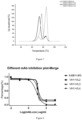
- the competitive binding results showed that the neutralizing activity IC50 of 3-6A4 antibody was about 7 ⁇ g/mL; the neutralizing activity IC50 of the 5-20E11-5F2 antibody was approximately 21 ⁇ g/mL, and the blocking activity of the candidate antibody was significantly better than that of the 6D9A1 clone antibody, the results are shown in Figure 2 .
- HFL-1 cells were induced by profibrotic factors such as TGF-beta1 (TGF ⁇ ) and expressed a large amount of IL-11 cytokines, and eventually transformed into fibrosis.
- TGF ⁇ TGF-beta1
- the marker ACTA2 protein was accumulated continuously.
- the inventors used TGF-beta1 cytokine to induce HFL-1 cells to transform into fibrosis, and the preferred 3-6-A4 and 5-20E11-5F2 antibodies were added at the same time. After culturing for 48 hours, the cells were harvested for western detection and analysis.
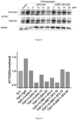
- the preferred antibodies at different concentrations can inhibit the transformation of HFL-1 cells into fibrosis (the expression of ACTA2 protein was reduced) compared with the group that also added IgG (Mouse anti IgG control, Invitrogen, Catalog# 02-6502), as shown in Figure 3 and the corresponding statistical analysis Figure 4 .
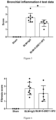
- mice After 14 days of continuous injection, the mice were sacrificed and their lungs were harvested, and the inflammatory damage and fibrosis scores of the lungs were detected. Under this pharmacodynamic model, it can be seen that the candidate antibody can slow down pulmonary fibrosis in mice. The results are shown in Figs. 5 and 6 .
- Complementarity determining region grafting was used to humanize the IL-11 antibody in the above embodiment.
- the sequence of the human germline antibody with the highest homology to the light and heavy chain variable regions of the murine antibody was found, the germline selected for humanization of the antibody heavy chain variable region was IGHV1-46*01, IGKV3-11*01 was selected for humanization of the light chain variable region.
- the CDR region of the murine antibody was retained, and the framework sequence of the murine antibody was replaced with the framework sequence of the human germline antibody.
- a structural model of the murine antibody Fv fragment was established, BLAST was performed in the PDB antibody database, and the structure INQB was selected as a template for homology modeling.
- Each different amino acid position in the structural model of the human antibody and the corresponding murine antibody was compared one by one.
- the amino acids that did not meet the FR structural specifications, the amino acids located in the FR core, and the amino acids located at the VH-VL interface were selected, and backmutated into murine sequence.
- sequences of the obtained heavy chain variable region and the light chain variable region of the IL-11 humanized antibody are shown in SEQ ID NO: 75 ⁇ 78 and SEQ ID NO: 79 ⁇ 82.
- VL1 Humanized antibody light chain variable region
- VL2 Humanized antibody light chain variable region
- VL3 IL-11 humanized antibody light chain variable region
- the nucleic acid sequences encoding the light chain and heavy chain of the IL-11 humanized antibody were synthesized and inserted into the eukaryotic expression vector pcDNA3.4.
- the four heavy chain sequence vectors were paired with the four light chain sequence vectors respectively and co-transfected into mammalian cells CHO for expression to obtain single-chain antibody in the form of scFv.
- the supernatant containing scFv antibodies was collected for affinity detection.
- each humanized expression supernatant scFv obtained from Example 13 to IL-11 was determined by Biacore, wherein the connecting peptide in the humanized single-chain antibody was GGGGSGGGGSGGGGS (SEQ ID NO: 123), according to the dissociation constant kd (1/s), and three humanized antibodies with the smallest dissociation constant kd (1/s) were selected.
- the measure method included the steps of capturing the humanized single-chain antibody at a flow rate of 10 uL/min. Then the flow rate was switched to 30 ⁇ L/min, and 400nM of IL-11 antigen was flowed through the sample channel, the binding time was 180s and the dissociation time was 600s.
- Table 7 Affinity of IL-11 Humanized Antibodies to IL-11 Antigen Ligand Analyte ka (1/Ms) kd (1/s) KD (M) Rmax(RU) Chi 2 (RU 2 ) BLANK(PBS) IL-11 NA NA NA NA NA NC(culture medium) IL-11 NA NA NA NA NA NA NA NA NA NA NA NA "VH1+VL1"-scFv IL-11 3.51E+04 7.58E-04 2.16E-08 257.1 8.24E-01 "VH1+VL2"-scFv IL-11 4.13E+04 4.61E-04 1.12E-08 247.2 5.66E-01 "VH1+VL3"-scFv IL-11 3.55E+04 4.36E-04 1.23E-08 239.7 4.35E-01 "VH1+VL4"-scFv IL-11 3.31E+04 3.87E-04 1.17E-08 268.7 3.92E-01 "VH2+VL1"-sc
- the preferred IL-11 humanized antibodies "VH1+VL2", “VH1+VL3", “VH1+VL4", and 5-20E11-5F2 (containing Fc fragments of IgG1) were respectively constructed with full-length sequences.
- the expression vectors pxC17.4 & pxC18.4 containing the full-length antibody were obtained and transfected into mammalian cells CHO for expression. After fermentation, the collected cell culture medium was purified by Protein A chromatography column.
- the balance buffer was 20mM PBS, pH7.4, and the eluent was 0.1M glycine pH3.0 ⁇ 0.2.
- the protein eluent under the target absorption peak was collected. After ultrafiltration with PBS buffer, part of the samples was taken to measure the concentration by HPLC and purity by SDS-PAGE electrophoresis detection.
- the binding affinity of each preferred humanized full-length (IgG format) antibody sample to IL-11 obtained by Example 15 was measured using a surface plasmon resonance (SPR) biosensor Biacore T200 (GE Healthcare).
- the measure method included the following steps of capturing the full-length humanized antibody at a flow rate of 10 ⁇ L/min. Then the flow rate was switched to 30 ⁇ L/min, and different concentrations of IL-11 antigen (400nM, 200nM, 100nM, 50nM, 25nM, 12.5nM, 6.25nM) were passed through the sample channel and the reference channel. The binding time was 180s, and the dissociation time was 600s. Finally, the chip was regenerated with 10mM glycine buffer.
- the affinity of the full-length humanized antibody constructed by "VH1+VL3" was better than that of the other two full-length humanized antibodies, and the affinity was slightly reduced compared with the full-length chimeric antibody constructed by 5-20E11-5F2.
- Table 8 Affinity of Preferred Humanized Antibodies to IL-11 Antigen Antibody Analyte ka (1/Ms) kd (1/s) KD (M) Rm ax (RU) Chi 2 (RU 2 ) VH1+VL2 IL-11 4.98E+04 5.97E-04 1.20E-08 114.1 4.03E-01 VH1+VL3 IL-11 5.26E+04 4.74E-04 9.03E-09 105.6 3.71E-01 VH1+VL4 IL-11 5.43E+04 5.45E-04 1.00E-08 63.26 1.25E-01 5-20E11-5F2 IL-11 6.76E+04 4.33E-04 6.41E-09 72.58 6.99E-02
- VH1+VL2 "VH1+VL3" and “VH1+VL4" in Table 8 were all full-length (IgG form) humanized antibodies.
- the heavy chain of the "VH1+VL2" full-length humanized antibody sequence was SEQ ID NO:85 and the light chain was SEQ ID NO: 90.
- the heavy chain of the "VH1+VL3" full-length humanized antibody sequence was SEQ ID NO: 85 and the light chain was SEQ ID NO: 91.
- the heavy chain of the "VH1+VL4" full-length humanized antibody sequence was SEQ ID NO: 85 and the light chain was SEQ ID NO: 92.
- Example 15 The thermal stability analysis of each full-length humanized or chimeric antibody obtained from Example 15 was determined by MicroCal TM VP-Capillary DSC system. The antibody was diluted to 0.4mg/mL with PBS buffer, and the assay conditions were as follows: heating rate was 90 °C /h, temperature was ranged 25 to 110 °C. The results are shown in Table 9 and Figure 7 , the Tm value was increased 4.5 °C, compared the humanized antibody "VH1+VL3" with 5-20E11-5F2.
- Table 9 Tm values of preferred humanized antibodies Antibody Thalf DH TmOnset Tm1 Tm2 5-20E11-5F2 5.61 949000 63.38 72.99 84.46 VH1+VL2 4.54 981000 65.51 71.91 85.52 VH1+VL3 4.54 819000 67.6 77.49 85.23 VH1+VL4 4.54 809000 68.25 77.34 85.08
- VH1+VL2 "VH1+VL3" and “VH1+VL4" in Table 9 and Figure 7 were all full-length (IgG form) humanized antibodies; "VH+VL” in Figure 7 was the 5-20E11-5F2 full-length antibody.
- the inventors constructed a cell line (membrane-IL-11R CHO) that stably expressing IL-11R.
- the measure method included the following steps: 10 ⁇ L of II,-11-His protein at a concentration of 100 ⁇ g/mL and 90 ⁇ L of serial dilutions of the full-length chimeric antibody 5-20E11-5F2 and full-length humanized antibodies constructed from" VH1+VL2 ", "VH1+VI,3" and "VH1+VL4" (100 ⁇ g/mL, 10 ⁇ g/mL, 1 ⁇ g/mL, 0.1 ⁇ g/mL, 0.01 ⁇ g/mL, 0.001 ⁇ g/mL) obtained from Example 15 were added to a 96-well U-shaped plate respectively and incubated for 1h at room temperature.
- VH1+VL2 "VH1+VL3" and “VH1+VL4" in Table 10 and Figure 8 were full-length (IgG form) humanized antibodies.
- Example 19 Preferred Humanized Antibodies Inhibit the Transformation of Hepatic Fibroblasts LX-2 to Fibrosis
- LX-2 cells are human hepatic stellate cells, which can express a large number of IL-11 cytokines when induced by pro-fibrotic factors such as TGF-beta1 (TGF- ⁇ ), and eventually transform into fibrosis.
- the marker ACTA2 protein will accumulate during the LX-2 cells transform into fibrosis.
- LX-2 cells were plated in 6-well plates at a density of 3*10 ⁇ 5 cells/well and cultured for 10h until the cells adhered.
- Results are shown in Figure 13 , different concentrations of humanized antibodies can inhibit the transformation of LX-2 cells into fibrosis (the expression of Collagen IA protein was decreased), indicating that the preferred humanized antibody can well inhibit the transformation of LX-2 cells into fibrosis.
- the chemical drugs HEC585 (ilfenidone hydrochloride), BIBF1120
- the full-length chimeric antibody constructed from 5-20E11-5F2 CPD-1
- the full-length humanized antibody constructed from "VH1+VL3" CPD-2, the "VH1+VL3” mAb
- IgG antibody was used as a control.
- the specific experimental operations were as follows:
- the rats were anesthetized with 2.5% isoflurane. After the main trachea was surgically opened, an appropriate amount of solvent or Bleomycin was injected to create a model. Among them, Bleomycin induction was used to construct an animal model of unilateral pulmonary fibrosis in SD rats, and the recovery of the rats was observed after the operation. On the 8th day after surgery, the animals were treated by gavage or intraperitoneal administration for 14 days. The specific animal groups and drug doses were summarized in Table 11 below. After the humanized antibody treatment, it was significantly observed that the humanized antibody slowed down the inflammatory response and fibrosis process in the lung of rats.
- Table 11 Rat efficacy experimental protocol of 5-20E11-5F2 and humanized antibodies (VH1+VL3) Group Number of animals Modeling Drug Information Drug group Dose of drug administered G1 3 No - Sham N/A G2 8 Yes - IgG 27mg/kg G3 8 Yes Homemade Yinfenidone 5mg/kg hydrochloride G4 8 Yes Nintedanib BIBF1120 100mg/kg G5 8 Yes 5-20E11-5F2 CPD-1 9mg/kg G6 8 Yes CPD-1 27mg/kg G7 8 Yes CPD-1 54 mg/kg G8 8 Yes VH1+VL3 CPD-2 9mg/kg G9 8 Yes CPD-2 27mg/kg G10 8 Yes CPD-2 54 mg/kg
- VH1+VL3 in Table 11 was a humanized full-length (IgG form) antibody.
- HE staining mainly indicates the infiltration level of inflammation in lung tissue.
- Masson's triple staining is mainly used to evaluate the level of pulmonary fibrosis.
- the results of Figures 9 and 10 show that the preferred humanized antibody can effectively reduce the inflammatory damage and fibrosis induced by Bleomycin in rats. In addition, the effect of humanized antibody on inflammatory damage in rats was significantly better than that of 5-20E11-5F2 antibody at high dose.
- Antibody affinity maturation was performed using phage display technology.
- the ScFv in the form of VH-Linker-VL was constructed from the humanized antibody VH1+VL3 and used as a template for phage library construction. After several rounds of panning, the candidates with better affinity than the original sequence were selected by ELISA and flow cytometry. CDR mutation library and random mutation library were constructed, and the two libraries were constructed separately, and the phages were mixed during panning.
- the binding of 1E12, 2E2, and 1F12 full-length antibody samples (numbered MIL-11 mab-01, MIL-11 mab-02, and MIL-11 mab-03, respectively) with mature affinity obtained from Example 21 to IL-11 was determined by Fortebio.
- the determination method consisted of the following steps: the humanized antibody was captured by an ARC sensor. The analytes were different concentrations of IL-11 antigen (125nM, 62.5nM, 31.3nM, 15.6nM, 7.81nM, 3.91nM), the binding time was 200s, the dissociation time was 1000 s. Finally, the sensor was regenerated with 10mM glycine (pH1.7) buffer.
- VH1+VL3 in Table 13 was a humanized full-length (IgG form) antibody.
- the inventors constructed a membrane-IL-11 CHO cell line that stably expressed IL-11.
- Serial dilutions of affinity maturation antibodies (100 ⁇ g/mL, 10 ⁇ g/mL, 1 ⁇ g/mL, 0.1 ⁇ g/mL, 0.01 ⁇ g/mL, 0.001 ⁇ g/mL) obtained from Example 21 was incubated with 1.5*10 ⁇ 5 membrane-IL-11 CHO cells for 1h at room temperature. The cells were washed 3 times with PBS, and then the flow secondary antibody Goat-anti-Fc-FITC (Abcam, ab98529) was added and detected by flow cytometry. The results were plotted as S-curves in Figure 11 .
- Hu-II,11 mab represents the humanized antibody constructed by "VH1+VL3". The results show that the binding activity of the affinity maturation antibody was basically the same as that of the humanized antibody.
- a membrane-II,-11R CHO cell line that stably expressing IL-11R was constructed by the inventors.
- the measure method included the following steps: 10 ⁇ L of IL-11-Fc protein with a concentration of 10 ⁇ g/mL and 90 ⁇ L of serial dilutions of preferred humanized antibodies (100 ⁇ g/ml, 10 ⁇ g/ml, 1 ⁇ g/ml, 0.1 ⁇ g/ml, 0.01 ⁇ g/ml, 0.001 ⁇ g/ml) were taken and added to a 96-well U-shaped plate respectively and incubated for 1 h at room temperature.
- Ch-IL,11 mab represents the chimeric antibody constructed by "VH1+VL3".
- the results show that the blocking activity of the affinity maturation antibody was basically the same as that of the humanized antibody.
Landscapes
- Health & Medical Sciences (AREA)
- Life Sciences & Earth Sciences (AREA)
- Chemical & Material Sciences (AREA)
- Engineering & Computer Science (AREA)
- General Health & Medical Sciences (AREA)
- Organic Chemistry (AREA)
- Medicinal Chemistry (AREA)
- Veterinary Medicine (AREA)
- Public Health (AREA)
- Animal Behavior & Ethology (AREA)
- Bioinformatics & Cheminformatics (AREA)
- Genetics & Genomics (AREA)
- Pharmacology & Pharmacy (AREA)
- Molecular Biology (AREA)
- Immunology (AREA)
- Biochemistry (AREA)
- Chemical Kinetics & Catalysis (AREA)
- General Chemical & Material Sciences (AREA)
- Nuclear Medicine, Radiotherapy & Molecular Imaging (AREA)
- Biotechnology (AREA)
- Biomedical Technology (AREA)
- Proteomics, Peptides & Aminoacids (AREA)
- Epidemiology (AREA)
- Pulmonology (AREA)
- Biophysics (AREA)
- Cell Biology (AREA)
- Microbiology (AREA)
- Wood Science & Technology (AREA)
- Zoology (AREA)
- Urology & Nephrology (AREA)
- Cardiology (AREA)
- Hematology (AREA)
- Gastroenterology & Hepatology (AREA)
- General Physics & Mathematics (AREA)
- Hospice & Palliative Care (AREA)
- General Engineering & Computer Science (AREA)
- Food Science & Technology (AREA)
- Physics & Mathematics (AREA)
- Analytical Chemistry (AREA)
- Heart & Thoracic Surgery (AREA)
Applications Claiming Priority (2)
| Application Number | Priority Date | Filing Date | Title |
|---|---|---|---|
| CN202110924318 | 2021-08-12 | ||
| PCT/CN2022/111608 WO2023016505A1 (zh) | 2021-08-12 | 2022-08-11 | Il-11人源化抗体及其应用 |
Publications (2)
| Publication Number | Publication Date |
|---|---|
| EP4386002A1 true EP4386002A1 (de) | 2024-06-19 |
| EP4386002A4 EP4386002A4 (de) | 2025-07-30 |
Family
ID=85200569
Family Applications (1)
| Application Number | Title | Priority Date | Filing Date |
|---|---|---|---|
| EP22855485.3A Pending EP4386002A4 (de) | 2021-08-12 | 2022-08-11 | Humanisierter il-11-antikörper und anwendung davon |
Country Status (6)
| Country | Link |
|---|---|
| US (1) | US20250002574A1 (de) |
| EP (1) | EP4386002A4 (de) |
| JP (1) | JP2024532709A (de) |
| CN (1) | CN115975027B (de) |
| TW (1) | TW202321300A (de) |
| WO (1) | WO2023016505A1 (de) |
Families Citing this family (6)
| Publication number | Priority date | Publication date | Assignee | Title |
|---|---|---|---|---|
| WO2024146458A1 (zh) * | 2023-01-06 | 2024-07-11 | 广东东阳光药业股份有限公司 | 抗il-11细胞因子人源化抗体 |
| CN119925594B (zh) * | 2023-06-05 | 2025-11-25 | 北京东方百泰生物科技股份有限公司 | 一种抗il-11单克隆抗体的药物制剂 |
| CN120518762B (zh) * | 2023-06-05 | 2025-12-26 | 北京东方百泰生物科技股份有限公司 | 一种结合il-11的抗体、其抗原结合片段及应用 |
| WO2025108343A1 (zh) * | 2023-11-22 | 2025-05-30 | 上海华奥泰生物药业股份有限公司 | 靶向il-11的抗原结合蛋白 |
| WO2025146029A1 (zh) * | 2024-01-02 | 2025-07-10 | 上海华奥泰生物药业股份有限公司 | 靶向il-11和tslp的多特异性分子 |
| WO2026001793A1 (zh) * | 2024-06-27 | 2026-01-02 | 上海华奥泰生物药业股份有限公司 | 靶向il-11的抗原结合蛋白及其用途 |
Family Cites Families (11)
| Publication number | Priority date | Publication date | Assignee | Title |
|---|---|---|---|---|
| CA2817265A1 (en) * | 2003-04-11 | 2004-10-28 | Medimmune, Llc | Recombinant il-9 antibodies and uses thereof |
| CN101063124A (zh) * | 2007-04-17 | 2007-10-31 | 江南大学 | 人白介素-11与人血清白蛋白的融合蛋白的制备方法及产品 |
| US8518888B2 (en) * | 2008-10-14 | 2013-08-27 | Csl Limited | Method of treatment of gastrointestinal-type cancer with antagonistic antibodies to IL-11R |
| CN103588876B (zh) * | 2012-08-16 | 2018-11-09 | 南京传奇生物科技有限公司 | 一种生产人源化抗体或抗原结合片段的方法 |
| CN105497893B (zh) * | 2015-12-10 | 2019-02-01 | 黑龙江省科学院高技术研究院 | IL-11单克隆抗体在抑制PI3K/Akt信号通路中的应用 |
| CN109153727A (zh) * | 2016-04-15 | 2019-01-04 | 酵活有限公司 | 靶向免疫治疗剂的多特异性抗原结合构建体 |
| CA3045871A1 (en) * | 2016-12-16 | 2018-06-21 | Singapore Health Services Pte Ltd | Il-11 antibodies |
| CN108383908A (zh) * | 2018-02-05 | 2018-08-10 | 昆山百尔泰生物科技有限公司 | 识别人源ctla-4并阻断其功能的全人源单克隆抗体或抗体片段及其制备方法和用途 |
| GB201809699D0 (en) * | 2018-06-13 | 2018-08-01 | Singapore Health Serv Pte Ltd | IL-11 antibodies |
| CN112390894A (zh) * | 2019-08-12 | 2021-02-23 | 广东东阳光药业有限公司 | 嵌合抗原受体及其应用 |
| CN113651888B (zh) * | 2020-08-13 | 2022-08-16 | 广东东阳光药业有限公司 | Il-11的抗体及其应用 |
-
2022
- 2022-08-11 CN CN202210963585.1A patent/CN115975027B/zh active Active
- 2022-08-11 EP EP22855485.3A patent/EP4386002A4/de active Pending
- 2022-08-11 US US18/293,271 patent/US20250002574A1/en not_active Abandoned
- 2022-08-11 JP JP2024506768A patent/JP2024532709A/ja active Pending
- 2022-08-11 TW TW111130224A patent/TW202321300A/zh unknown
- 2022-08-11 WO PCT/CN2022/111608 patent/WO2023016505A1/zh not_active Ceased
Also Published As
| Publication number | Publication date |
|---|---|
| WO2023016505A1 (zh) | 2023-02-16 |
| EP4386002A4 (de) | 2025-07-30 |
| TW202321300A (zh) | 2023-06-01 |
| CN115975027A (zh) | 2023-04-18 |
| CN115975027B (zh) | 2023-10-20 |
| US20250002574A1 (en) | 2025-01-02 |
| JP2024532709A (ja) | 2024-09-10 |
Similar Documents
| Publication | Publication Date | Title |
|---|---|---|
| EP4198055A1 (de) | Antikörper von il-11 und verwendung davon | |
| US20250002574A1 (en) | Il-11 humanized antibody and application thereof | |
| CN113501878A (zh) | 针对人tslp的多种抗体及其用途 | |
| CN108473568A (zh) | 对TNF-α、IL-17A和IL-17F具有特异性的多特异性抗体分子 | |
| US12258394B2 (en) | IL-5 antibody, antigen binding fragment thereof, and medical application therefor | |
| WO2022095926A1 (zh) | 靶向于白介素36r的抗体及其制备方法和应用 | |
| TWI853912B (zh) | 包含抗il-5抗體的醫藥組成物及其用途 | |
| WO2024017331A1 (zh) | 一种抗肾上腺髓质素非中和抗体、其制备方法及应用 | |
| CN120441701A (zh) | 一种靶向il-31ra的抗体或其抗原结合片段及其应用 | |
| EP4613768A1 (de) | Gipr-bindendes protein und verwendung davon | |
| EP4410840A1 (de) | Bispezifischer antikörper und anwendung davon | |
| TWI880048B (zh) | 人源化抗TrkA的抗體及其應用 | |
| HK40111020A (en) | Il-11 humanized antibody and application thereof | |
| TWI918239B (zh) | Gdf15中和抗體及其用途 | |
| KR102962504B1 (ko) | Il-5에 대한 항체를 함유하는 약학적 조성물 및 이의 용도 | |
| RU2824390C2 (ru) | Фармацевтическая композиция, содержащая антитело против il-5, и ее применение | |
| WO2024188179A1 (zh) | 一种靶向ctgf的抗体或其抗原结合片段及其应用 | |
| CN121319179A (zh) | 一种抗il-31ra抗体及其制备方法与用途 | |
| CN118373911A (zh) | 抗白介素11抗体及其应用 | |
| WO2025152915A1 (zh) | 抗肾上腺髓质素抗体在预防或治疗脑卒中的应用 | |
| CN116813771A (zh) | Cd112抗体及用途 | |
| CN120795162A (zh) | 针对il-13和tslp的双特异性抗体及其用途 | |
| HK40059623B (zh) | 包含抗il-5抗体的药物组合物及其用途 | |
| HK40025972B (en) | Il-5 antibody, antigen binding fragment thereof, and medical application therefor |
Legal Events
| Date | Code | Title | Description |
|---|---|---|---|
| STAA | Information on the status of an ep patent application or granted ep patent |
Free format text: STATUS: THE INTERNATIONAL PUBLICATION HAS BEEN MADE |
|
| PUAI | Public reference made under article 153(3) epc to a published international application that has entered the european phase |
Free format text: ORIGINAL CODE: 0009012 |
|
| STAA | Information on the status of an ep patent application or granted ep patent |
Free format text: STATUS: REQUEST FOR EXAMINATION WAS MADE |
|
| 17P | Request for examination filed |
Effective date: 20240219 |
|
| AK | Designated contracting states |
Kind code of ref document: A1 Designated state(s): AL AT BE BG CH CY CZ DE DK EE ES FI FR GB GR HR HU IE IS IT LI LT LU LV MC MK MT NL NO PL PT RO RS SE SI SK SM TR |
|
| DAV | Request for validation of the european patent (deleted) | ||
| DAX | Request for extension of the european patent (deleted) | ||
| REG | Reference to a national code |
Ref country code: HK Ref legal event code: DE Ref document number: 40111020 Country of ref document: HK |
|
| A4 | Supplementary search report drawn up and despatched |
Effective date: 20250702 |
|
| RIC1 | Information provided on ipc code assigned before grant |
Ipc: C07K 16/24 20060101AFI20250626BHEP Ipc: C12N 15/13 20060101ALI20250626BHEP Ipc: C12N 15/85 20060101ALI20250626BHEP Ipc: C12N 5/10 20060101ALI20250626BHEP Ipc: A61K 39/395 20060101ALI20250626BHEP Ipc: A61P 1/16 20060101ALI20250626BHEP Ipc: A61P 11/00 20060101ALI20250626BHEP Ipc: A61P 9/04 20060101ALI20250626BHEP Ipc: G01N 33/68 20060101ALI20250626BHEP Ipc: A61K 39/00 20060101ALI20250626BHEP |
|
| STAA | Information on the status of an ep patent application or granted ep patent |
Free format text: STATUS: THE APPLICATION IS DEEMED TO BE WITHDRAWN |