EP4389906A1 - Verfahren zur enzymatischen behandlung von schlempe - Google Patents
Verfahren zur enzymatischen behandlung von schlempe Download PDFInfo
- Publication number
- EP4389906A1 EP4389906A1 EP23153574.1A EP23153574A EP4389906A1 EP 4389906 A1 EP4389906 A1 EP 4389906A1 EP 23153574 A EP23153574 A EP 23153574A EP 4389906 A1 EP4389906 A1 EP 4389906A1
- Authority
- EP
- European Patent Office
- Prior art keywords
- xylanase
- stillage
- whole stillage
- mixture
- whole
- Prior art date
- Legal status (The legal status is an assumption and is not a legal conclusion. Google has not performed a legal analysis and makes no representation as to the accuracy of the status listed.)
- Withdrawn
Links
Images


Classifications
-
- C—CHEMISTRY; METALLURGY
- C12—BIOCHEMISTRY; BEER; SPIRITS; WINE; VINEGAR; MICROBIOLOGY; ENZYMOLOGY; MUTATION OR GENETIC ENGINEERING
- C12P—FERMENTATION OR ENZYME-USING PROCESSES TO SYNTHESISE A DESIRED CHEMICAL COMPOUND OR COMPOSITION OR TO SEPARATE OPTICAL ISOMERS FROM A RACEMIC MIXTURE
- C12P21/00—Preparation of peptides or proteins
-
- A—HUMAN NECESSITIES
- A23—FOODS OR FOODSTUFFS; TREATMENT THEREOF, NOT COVERED BY OTHER CLASSES
- A23K—FODDER
- A23K10/00—Animal feeding-stuffs
- A23K10/10—Animal feeding-stuffs obtained by microbiological or biochemical processes
- A23K10/14—Pretreatment of feeding-stuffs with enzymes
-
- A—HUMAN NECESSITIES
- A23—FOODS OR FOODSTUFFS; TREATMENT THEREOF, NOT COVERED BY OTHER CLASSES
- A23K—FODDER
- A23K10/00—Animal feeding-stuffs
- A23K10/30—Animal feeding-stuffs from material of plant origin, e.g. roots, seeds or hay; from material of fungal origin, e.g. mushrooms
- A23K10/37—Animal feeding-stuffs from material of plant origin, e.g. roots, seeds or hay; from material of fungal origin, e.g. mushrooms from waste material
- A23K10/38—Animal feeding-stuffs from material of plant origin, e.g. roots, seeds or hay; from material of fungal origin, e.g. mushrooms from waste material from distillers' or brewers' waste
-
- C—CHEMISTRY; METALLURGY
- C12—BIOCHEMISTRY; BEER; SPIRITS; WINE; VINEGAR; MICROBIOLOGY; ENZYMOLOGY; MUTATION OR GENETIC ENGINEERING
- C12P—FERMENTATION OR ENZYME-USING PROCESSES TO SYNTHESISE A DESIRED CHEMICAL COMPOUND OR COMPOSITION OR TO SEPARATE OPTICAL ISOMERS FROM A RACEMIC MIXTURE
- C12P7/00—Preparation of oxygen-containing organic compounds
- C12P7/02—Preparation of oxygen-containing organic compounds containing a hydroxy group
- C12P7/04—Preparation of oxygen-containing organic compounds containing a hydroxy group acyclic
- C12P7/06—Ethanol, i.e. non-beverage
- C12P7/08—Ethanol, i.e. non-beverage produced as by-product or from waste or cellulosic material substrate
- C12P7/10—Ethanol, i.e. non-beverage produced as by-product or from waste or cellulosic material substrate substrate containing cellulosic material
-
- C—CHEMISTRY; METALLURGY
- C12—BIOCHEMISTRY; BEER; SPIRITS; WINE; VINEGAR; MICROBIOLOGY; ENZYMOLOGY; MUTATION OR GENETIC ENGINEERING
- C12Y—ENZYMES
- C12Y302/00—Hydrolases acting on glycosyl compounds, i.e. glycosylases (3.2)
- C12Y302/01—Glycosidases, i.e. enzymes hydrolysing O- and S-glycosyl compounds (3.2.1)
- C12Y302/01008—Endo-1,4-beta-xylanase (3.2.1.8)
-
- C—CHEMISTRY; METALLURGY
- C12—BIOCHEMISTRY; BEER; SPIRITS; WINE; VINEGAR; MICROBIOLOGY; ENZYMOLOGY; MUTATION OR GENETIC ENGINEERING
- C12N—MICROORGANISMS OR ENZYMES; COMPOSITIONS THEREOF; PROPAGATING, PRESERVING, OR MAINTAINING MICROORGANISMS; MUTATION OR GENETIC ENGINEERING; CULTURE MEDIA
- C12N9/00—Enzymes; Proenzymes; Compositions thereof; Processes for preparing, activating, inhibiting, separating or purifying enzymes
- C12N9/14—Hydrolases (3)
- C12N9/24—Hydrolases (3) acting on glycosyl compounds (3.2)
- C12N9/2402—Hydrolases (3) acting on glycosyl compounds (3.2) hydrolysing O- and S- glycosyl compounds (3.2.1)
Definitions
- the present invention relates to methods of treating whole stillage with a xylanase to increase the solids content in thin stillage.
- the first step in the production of fermentation products, such as ethanol, from starch-containing plant material is the degradation of the starch-containing plant material into fermentable sugars by liquefaction and saccharification. These fermentable sugars are then directly or indirectly converted into the desired fermentation product using a fermenting organism such as yeast.
- Liquid fermentation products such as ethanol are recovered from the fermented mash by methods such as distillation, which separates the desired fermentation product from other liquids and/or solids.
- the fraction remaining after recovering the liquid fermentation product is referred to as "whole stillage".
- the whole stillage is dewatered and separated into a solid and a liquid phase, e.g., by centrifugation.
- the various by-products obtained in the fermentation processes such as the ethanol production process, as they are known to provide protein and energy sources for animal feed.
- the oil from the by-products like DDGS can be recovered as a separate by-product for use in biodiesel production or other biorenewable products.
- the by-products DDG, DDGS and WDG comprise proteins, fibers, fat and unconverted starch.
- the by-products are used in animal feed, it is important that they have high concentrations of protein. Therefore, it is desirable to increase the protein content of the by-products.
- WO 2007/056321 A1 discloses a method of dewatering whole stillage comprising adding enzymes such as xylanases or cellulases to whole stillage.
- the present invention is directed to a method for increasing the solids content in thin stillage, comprising the steps of:
- the solids comprise protein.
- the mixture of whole stillage and xylanase is incubated at a temperature of at least 50°C.
- the xylanase is the only enzyme added to the whole stillage.
- the whole stillage is derived from a process of producing a fermentation product from a starch-containing material.
- the whole stillage is obtained by the steps of:
- the fermentation product is an alcohol, preferably is ethanol.
- the whole stillage is separated into thin stillage and wet cake by use of paddle screen.
- the present invention also relates to the use of a xylanase for increasing the solids content, preferably the protein content, in thin stillage.
- the terms “about” and “approximately” denote an interval of accuracy that a person skilled in the art will understand to still ensure the technical effect of the feature in question.
- the term typically indicates a deviation from the indicated numerical value of ⁇ 20 %, preferably ⁇ 15 %, more preferably ⁇ 10 %, and even more preferably ⁇ 5 %.
- the terms “first”, “second”, “third” or “(a)”, “(b)”, “(c)”, “(d)” etc. and the like in the description and in the claims, are used for distinguishing between similar elements and not necessarily for describing a sequential or chronological order.
- the present inventors have surprisingly found that by treating whole stillage with a xylanase, the solids content, in particular the protein content, in thin stillage can be significantly increased.
- the term "solids” comprises proteins, oil and fibers which are present in thin stillage.
- proteins One main component of the solids present in thin stillage are proteins so that the method according to the present invention particularly increases the protein content in thin stillage.
- increasing the solids content means that the solids content, in particular the protein content, in thin stillage obtained from whole stillage treated with a xylanase is increased by at least 1%, at least 5%, at least 7%, at least 10%, at least 12%, at least 15%, at least 18%, at least 20%, at least 22%, at least 25%, at least 28%, at least 30% or at least 32% compared to the solids content, in particular the protein content, in thin stillage obtained from whole stillage not treated with a xylanase.
- increasing the protein content means that the protein content in thin stillage obtained from whole stillage treated with a xylanase is increased by at least 1%, at least 5%, at least 7%, at least 10%, at least 12%, at least 15%, at least 18%, at least 20%, at least 22%, at least 25%, at least 28%, at least 30%, at least 32%, at least 34%, at least 36%, at least 38% or at least 40% compared to the protein content in thin stillage obtained from whole stillage not treated with a xylanase.
- the protein content in thin stillage can be determined by measuring the amount of nitrogen in thin stillage as described in the examples herein.
- the sample is burned and the amount of nitrogen released in the gas is measured, e.g. by a macrocombustion instrument.
- the term "whole stillage" is known in the art and refers to a by-product obtained after recovery of a fermentation product, preferably by distillation, from fermented mash.
- Whole stillage consists of liquids and solids which can be separated into thin stillage (i.e. the liquid fraction) and wet cake (i.e. the solid fraction).
- Whole stillage typically contains about 10-15 wt-% dry solids.
- Whole stillage components include fiber, hull, germ, oil and protein components from the starch-containing feedstock as well as non-fermented starch.
- thin stillage refers to the liquid phase obtained by separating whole stillage in a liquid and a solid phase. Although it is the liquid phase, the thin stillage may contain a certain amount of solids. As mentioned above, the solids in the thin stillage comprise proteins, fibers and oil, in particular proteins. Thin stillage is typically evaporated to produce condensate (process water) and "Syrup". Condensate can be cleaned in a methanator before being discharged from the plant or it may be added recycled to the front end of the plant and mixed with fresh ground corn in the slurry tank. Syrup, which contains limit dextrins and non-fermentable sugars is added to DDG or wet cake before drying to produce DDGS (Distiller's Dried Grain with Solubles).
- DDGS Disiller's Dried Grain with Solubles
- wet cake is known in the art and refers to the solid phase obtained by separating whole stillage in a liquid and a solid phase.
- the wet cake material is then dried to produce "Distillers Dried Grains” (DDG) which is sold a nutrient in animal feed.
- DDG Dispensillers Dried Grains
- Xylanases also called ⁇ -1,3- or ⁇ -1,4 xylan xylohydrolases, are enzymes which are categorized in Enzyme Class 3.2.1.8 and which depolymerize xylan, arabinoxylan, and/or other xylan-containing polysaccharides.
- Xylanases may be obtained from any suitable organism, including fungal and bacterial organisms.
- Fungal xylanases may be derived from strains of genera including Aspergillus such as Aspergillus tubigensis ( WO 92/01793 ), Aspergillus niger ( Shei et al., 1985, Biotech. and Bioeng. Vol. XXVII, pp.
- Suitable bacterial xylanases include include xylanases derived from a strain of Bacillus, such as Bacillus subtilis ( US5,306,633 ) or Bacillus agaradhaerens ( WO 94/01532 ), Bacilluspumilus ( WO 95/182109 ) or Bacillus stearothermophilus ( WO 95/182109 ).
- xylanases include Natugrain TSL, Xylathin HT, Rohalase, Shearzyme TM , Biofeed Wheat TM , Pulpzyme TM HC, BioBrite TM EB and Spezyme TM CP.
- Endo-xylanases hydrolyze the internal ⁇ -glycosidic linkages in xylan, arabinoxylan, and/or other xylose-containing polysaccharides to produce smaller molecular weight xylo-oligomers or xylose monomers.
- Endo- ⁇ -1,4-xylanases are members of the glycoside hydrolase (GH) families 10 and 11.
- GH glycoside hydrolase
- Xylanases of the GH10 and GH11 families differ in their structures, substrate specificity and catalytic mechanism.
- GH10 xylanases adopt a ( ⁇ / ⁇ )8-barrel fold, while the structures of GH11 xylanases are ⁇ -jelly roll.
- GH10 xylanases have a relatively broad substrate specificity and are able to cleave the ⁇ -1,4 glycosidic bond closer to the side chain, whereas GH11 xylanases specifically catalyze xylan degradation. Additionally, GH11 xylanases can easily access complex biomass due to their low molecular weight and high catalytic activity.
- the GH10 xylanases have a higher molecular mass and a lower pl than the GH11 xylanases (see, e.g., Collins et al.
- GH10 xylanases can be obtained from Cellulomonas fimi (Xyn 10A), Cellvibriojaponicus (Xyn 10A, Xyn 10C), Cellvibrio mixtus (Xyn 10b), Clostridium thermocellum NCIB 10682 (xylanase Z), Geobacillus stearothermophilus T-6 (xylanase T-6, Xyn A2), Penicillium simplicissimum BT2246 (Xyn A), Streptomyces halstedii JM8 (Xys 1), Streptomyces lividans (xylanase A), Streptomyces olivaceoviridis E-86 (beta-1,4 xylanase), Thermoascus aurantiacus and Thermotoga maritima.
- the xylanase used in the method of the present invention is a thermostable xylanase.
- thermostable means that the xylanase retains a significant amount of its activity (eg, specific activity, relative activity, etc.) within a relevant temperature range for a particular period of time needed for the enzyme to carry out its function.
- thermostable xylanase which can be used in the method of the present invention exhibits thermostability at temperatures ranging from about 75°C to 100°C, preferably from about 80°C to 95°C, more preferably from about 82°C to 92°C, or about 85°C, about 88°C or about 90°C.
- thermostability encompasses enzymes that have a temperature optimum within the relevant temperature range as well as enzymes with higher or lower temperature optima, as long as the enzyme retains a significant amount of its activity within the relevant temperature range over the relevant time period (e.g., they retain their activity for a period of 2 hours at a temperature of 84°C).
- thermostable xylanase retains at least 70%, at least 75%, at least 80%, at least 81%, at least 82%, at least 83%, at least 84%, at least 85%, at least 86%, at least 87%, at least 88%, at least 89%, at least 90%, at least 91%, at least 92%, at least 93%, at least 94%, at least 95%, at least 96%, at least 97%, at least 98%, or at least 99% of their activity when used for 1 to 24 hours, preferably 2 to 12 hours or 2 to 8 hours at a temperature of at least 75°C, at least 80°C, at least 82°C or 84°C.
- the thermostable xylanase preferably has a Melting Point (Tm) from about 75°C to about 110°C, for example above about 80°C, about 82°C, about 84°C, about 85°C , about 86°C, about 88°C, about 90°C, about 92°C, about 94°C, about 95°C, about 96°C, about 98°C, about 100°C, about 105°C, or up to about 110°C.
- Tm Melting Point
- the melting point may be determined by techniques available to the skilled artisan, for example by a Differential Scanning Calorimetry assay (DSC).
- activity assays can be used to determine the activity of the xylanase at different temperatures to determine the temperature optimum of the thermostable xylanase, as well as to determine how much activity the thermostable xylanase retains within a particular temperature range or over a period of time.
- thermostable GH10 xylanase preferably a thermostable GH10 xylanase is used.
- the xylanase used in the method of the present invention has an amino acid sequence which is at least 80%, at least 81%, at least 82%, at least 83%, at least 84%, at least 85%, at least 86%, at least 87%, at least 88%, at least 89%, at least 90%, at least 90.5%, at least 91%, at least 91.5%, at least 92%, at least 92.5%, at least 93%, at least 93.5%, at least 94%, at least 94.5%, at least 95%, at least 95.1%, at least 95.2%, at least 95.3%, at least 95.4%, at least 95.5%, at least 95.6%, at least 95.7%, at least 95.8%, at least 95.9%, at least 96%, at least 96.1 %, at least 96.2%, at least 96.3%, at least 96.4%, at least 96.5%, at least 96.6%, at least 96.7%, at least 96.
- Sequence identity usually is provided as "% sequence identity” or "% identity”.
- a sequence alignment is produced.
- a pairwise global alignment is produced, meaning that two sequences are aligned over their complete length, which is usually produced by using a mathematical approach, called alignment algorithm.
- the alignment is generated by using the algorithm of Needleman and Wunsch (J. Mol. Biol. (1979) 48, p. 443-453 ).
- the program "NEEDLE” The European Molecular Biology Open Software Suite (EMBOSS)
- EMBOSS European Molecular Biology Open Software Suite
- the xylanase may be added to the whole stillage as an isolated enzyme or as part of a mixture containing additional enzymes.
- the xylanase is the only enzyme added to the whole stillage, i.e. it is added as an isolated enzyme and not as part of a mixture with other enzymes.
- the xylanase is added to whole stillage after the completion of fermentation and distilling the fermentation product.
- the xylanase may be added to the whole stillage at a concentration of 10 to 1000 ppm, preferably of 10 to 400 ppm.
- the mixture of xylanase and whole stillage is formed, it is incubated under suitable conditions, i.e. under conditions which allow the xylanase to exert its enzymatic activity on the whole stillage.
- the mixture of xylanase and whole stillage is incubated at a temperature of at least 50°C, at least 55°C, at least 60°C, at least 65°C, at least 70°C, at least 72°C, at least 74°C, at least 76°C, at least 78°C, at least 80°C, at least 81°C, at least 82°C, at least 83°C, at least 84°C or at least 85°C.
- the mixture of xylanase and whole stillage is incubated at a temperature of 50°C to 100°C, 55°C to 100°C, 60°C to 100°C, 65°C to 100°C, 70°C to 100°C, 72°C to 100°C, 74°C to 100°C, 76°C to 100°C, 78°C to 100°C, 80°C to 100°C, 81°C to 100°C, 82°C to 100°C, 83°C to 100°C, 84°C to 100°C or 85°C to 100°C.
- the mixture of xylanase and whole stillage is incubated at a temperature of 50°C to 95°C, 50°C to 93°C, 50°C to 90°C, 50°C to 88°C, 50°C to 86°C, 50°C to 85°C, 50°C to 84°C, 50°C to 83°C, 50°C to 82°C, 50°C to 81°C or 50°C to 80°C.
- the mixture of xylanase and whole stillage is incubated at a temperature of 70°C to 90°C, 71°C to 89°C, 72°C to 88°C, 73°C to 87°C, 74°C to 86°C, 73°C to 85°C, 74°C to 85°C, 75°C to 85°C, 76°C to 85°C, 77°C to 85°C or 78°C to 85°C.
- the mixture of xylanase and whole stillage is incubated at a temperature of 80°C to 90°C.
- the mixture of xylanase and whole stillage is incubated at a temperature of 80°C, 81°C, 82°C, 83°C, 84°C, 85°C, 86°C, 87°C, 88°C, 89°C or 90°C.
- the mixture of xylanase and whole stillage is incubated at a temperature of 84°C.
- the mixture of xylanase and whole stillage is incubated for a period of one to 24 hours, one to 20 hours, one to 18 hours, one to 16 hours, one to 14 hours, one to twelve hours, one to ten hours, one to nine hours, one to eight hours, one to seven hours, one to six hours, one to five hours, one to four hours or one to three hours.
- the mixture of xylanase and whole stillage is incubated for a period of one hour, two hours, three hours, four hours, five hours, six hours, seven hours, eight hours, nine hours, ten hours, eleven hours, twelve hours, 13 hours, 14 hours, 15 hours, 16 hours, 17 hours, 18 hours, 19 hours, 20 hours, 21 hours, 22 hours, 23 hours or 24 hours.
- the mixture of xylanase and whole stillage is incubated for a period of two hours.
- the mixture of xylanase and whole stillage is incubated at a pH of 4.0 to 6.0, 4.1 to 5.9, 4.2 to 5.8, 4.3 to 5.7, 4.4 to 5.6, 4.5 to 5.5, 4.6 to 5.4, 4.7 to 5.3, 4.8 to 5.2 or 4.9 to 5.1.
- the mixture of xylanase and whole stillage is incubated at a pH of 4.0, 4.1, 4.2, 4.3, 4.4, 4.5, 4.6, 4.7, 4.8, 4.9, 5.0, 5.1, 5.2, 5.3, 5.4, 5.5, 5.6, 5.7, 5.8, 5.9 or 6.0.
- the mixture of xylanase and whole stillage is incubated at a pH of 5.0.
- the mixture of xylanase and whole stillage is incubated at a temperature of 50°C to 100°C and a pH of 4.0 to 6.0. In one embodiment, the mixture of xylanase and whole stillage is incubated at a temperature of 70°C to 100°C and a pH of 4.2 to 5.8. In one embodiment, the mixture of xylanase and whole stillage is incubated at a temperature of 70°C to 90°C and a pH of 4.5 to 5.5. In one embodiment, the mixture of xylanase and whole stillage is incubated at a temperature of 80°C to 90°C and a pH of 4.8 to 5.2. In one embodiment, the mixture of xylanase and whole stillage is incubated at a temperature of 84°C and a pH of 5.0.
- the mixture of xylanase and whole stillage is incubated at a temperature of 50°C to 100°C for a period of 1 to 24 hours. In one embodiment, the mixture of xylanase and whole stillage is incubated at a temperature of 70°C to 100°C for a period of 1 to 12 hours. In one embodiment, the mixture of xylanase and whole stillage is incubated at a temperature of 70°C to 90°C for a period of 1 to eight hours. In one embodiment, the mixture of xylanase and whole stillage is incubated at a temperature of 80°C to 90°C for a period of 1 to six hours. In one embodiment, the mixture of xylanase and whole stillage is incubated at a temperature of 84°C for a period of two hours.
- the mixture of xylanase and whole stillage is incubated at a pH of 4.0 to 6.0 for a period of 1 to 24 hours. In one embodiment, the mixture of xylanase and whole stillage is incubated at a pH of 4.2 to 5.8 for a period of 1 to 12 hours. In one embodiment, the mixture of xylanase and whole stillage is incubated at a pH of 4.5 to 5.5 for a period of 1 to eight hours. In one embodiment, the mixture of xylanase and whole stillage is incubated at a pH of 4.8 to 5.2 for a period of 1 to six hours. In one embodiment, the mixture of xylanase and whole stillage is incubated at a pH of 5.0 for a period of two hours.
- the mixture of xylanase and whole stillage is incubated at a temperature of 50°C to 100°C and a pH of 4.0 to 6.0 for a period of 1 to 24 hours. In one embodiment, the mixture of xylanase and whole stillage is incubated at a temperature of 70°C to 100°C and a pH of 4.2 to 5.8 for a period of 1 to 12 hours. In one embodiment, the mixture of xylanase and whole stillage is incubated at a temperature of 70°C to 90°C and a pH of 4.5 to 5.5 for a period of 1 to eight hours.
- the mixture of xylanase and whole stillage is incubated at a temperature of 80°C to 90°C and a pH of 4.8 to 5.2 for a period of 1 to six hours. In one embodiment, the mixture of xylanase and whole stillage is incubated at a temperature of 84°C and a pH of 5.0 for a period of two hours.
- the present invention relates to a method for increasing the solids content in thin stillage, comprising the steps of:
- the present invention relates to a method for increasing the solids content in thin stillage, comprising the steps of:
- the present invention relates to a method for increasing the solids content in thin stillage, comprising the steps of:
- the present invention relates to a method for increasing the solids content in thin stillage, comprising the steps of:
- the present invention relates to a method for increasing the solids content in thin stillage, comprising the steps of:
- the present invention relates to a method for increasing the solids content in thin stillage, comprising the steps of:
- the present invention relates to a method for increasing the solids content in thin stillage, comprising the steps of:
- the present invention relates to a method for increasing the solids content in thin stillage, comprising the steps of:
- the present invention relates to a method for increasing the solids content in thin stillage, comprising the steps of:
- the present invention relates to a method for increasing the solids content in thin stillage, comprising the steps of:
- the present invention relates to a method for increasing the solids content in thin stillage, comprising the steps of:
- the present invention relates to a method for increasing the solids content in thin stillage, comprising the steps of:
- the present invention relates to a method for increasing the solids content in thin stillage, comprising the steps of:
- the present invention relates to a method for increasing the solids content in thin stillage, comprising the steps of:
- the present invention relates to a method for increasing the solids content in thin stillage, comprising the steps of:
- the present invention relates to a method for increasing the protein content in thin stillage, comprising the steps of:
- the present invention relates to a method for increasing the protein content in thin stillage, comprising the steps of:
- the present invention relates to a method for increasing the protein content in thin stillage, comprising the steps of:
- the present invention relates to a method for increasing the protein content in thin stillage, comprising the steps of:
- the present invention relates to a method for increasing the protein content in thin stillage, comprising the steps of:
- the present invention relates to a method for increasing the protein content in thin stillage, comprising the steps of:
- the present invention relates to a method for increasing the protein content in thin stillage, comprising the steps of:
- the present invention relates to a method for increasing the protein content in thin stillage, comprising the steps of:
- the present invention relates to a method for increasing the protein content in thin stillage, comprising the steps of:
- the present invention relates to a method for increasing the protein content in thin stillage, comprising the steps of:
- the present invention relates to a method for increasing the protein content in thin stillage, comprising the steps of:
- the present invention relates to a method for increasing the protein content in thin stillage, comprising the steps of:
- the present invention relates to a method for increasing the protein content in thin stillage, comprising the steps of:
- the present invention relates to a method for increasing the protein content in thin stillage, comprising the steps of:
- the present invention relates to a method for increasing the protein content in thin stillage, comprising the steps of:
- the whole stillage After incubating the mixture of whole stillage and xylanase, the whole stillage is separated into thin stillage and wet cake.
- the separation of whole stillage into thin stillage and wet cake can be performed by any method known in the art, including decanting, centrifugation such as centrifugation in a decanter centrifuge, and filtration such as filtration using a filter press, a screw press, a plate-and-frame press, a gravity thickener, a paddle screen or decker.
- Suitable methods for separating whole stillage into thin stillage and wet cake are disclosed in US 6,433,146 , US 7,601,858 , US 7,608,729 , WO 2016/137641 and US 2010/0058649 .
- the whole stillage is preferably separated into thin stillage and wet cake by a paddle screen.
- Paddle screen devices include rotating paddles with a stationary drum including an outer wall configured as a screen.
- the rotation of the paddles directs the slurry toward the screened outer wall and essentially presses the slurry so as to force the water, the starch, and the gluten through the screen while preventing the fiber from passing therethrough.
- the movement of the paddles relative to the drum loosens the fiber from the outer wall and reduces plugging of the screen openings.
- the centrifugal force created by the rotating paddles provides a high filtration pressure and consequently a higher capacity per unit screen surface.
- a suitable paddle screen apparatus is described in WO 2016/137641 A1 .
- the method of the present invention further comprises a step (d) of isolating protein from thin stillage.
- Protein can be isolated from thin stillage by various techniques including, but not limited to, dissolved air flotation (DAF) which is used to flocculate and float the protein from the surface of the liquid, high speed centrifugation which is used to spin the solid material in a tricanter or other high speed centrifugal device or filtration.
- DAF dissolved air flotation
- the protein is isolated from thin stillage by dissolved air flotation.
- a suitable isolation method by dissolved air flotation is disclosed in US 7,497,955 B2 , US 9,776,105 B2 , US 2020/255307 and US 2020/154730 .
- the method of the present invention may be used on whole stillage derived from production of any suitable fermentation product.
- suitable fermentation products include, but are not limited to, alcohols such as ethanol, methanol, butanol, 1,3-propanediol; organic acids such as citric acid, acetic acid, itaconic acid, lactic acid, gluconic acid, gluconate, succinic acid, 2,5-diketo-D-gluconic acid; ketones such as acetone); amino acids such as glutamic acid; gases such as H 2 and CO 2 , and more complex compounds, including, for example, antibiotics such as penicillin and tetracycline; enzymes; vitamins such as riboflavin, vitamin B12 and beta-carotene; and hormones.
- the fermentation product is an alcohol, preferably ethanol.
- the fermentation product may be produced from a starch-containing material, preferably from a starch-containing plant material.
- Starch-containing plant material includes tubers, roots and whole grain and any combination thereof.
- Suitable plants for obtaining the starch-containing material are cereals such as corn (maize), wheat, barley, cassava, sorghum or rye or potato, or any combination thereof.
- corn is used for obtaining the starch-containing material, in particular when the fermentation product is ethanol.
- the whole stillage which is incubated with the xylanase may be obtained by the steps of:
- Liquefaction or “liquefying” is a process for gelatinizing and debranching starch with suitable enzymes such as alpha-amylase, and glucoamylase and optionally a debranching enzyme, such as an isoamylase or a pullulanase.
- Liquefaction is typically carried out at a temperature from 80°C to 95°C, preferably from 85-90°C, typically around 87°C, and at a pH between 4 and 5.5, normally at about pH 5.
- a full liquefaction process may last from about 1.5 to about 2.5 hours.
- a complete saccharification during fermentation is performed in a simultaneous saccharification and fermentation process (SSF process).
- SSF process simultaneous saccharification and fermentation process
- the whole stillage which is incubated with the xylanase may be obtained by the steps of:
- the simultaneous saccharification and fermentation process does not comprise the addition of a xylanase.
- SSF is typically carried out at a temperature from 25°C to 40°C, such as from 28°C to 35°C, from 30°C to 34°C, preferably around about 32°C.
- fermentation or simultaneous saccharification and fermentation is ongoing for 6 to 120 hours, in particular 24 to 96 hours or 48 to 72 hours.
- the sugars are converted into the desired fermentation product such as ethanol by the fermenting organism.
- the saccharifying and fermenting or the simultaneous saccharification and fermentation is performed in the absence of a xylanase.
- the xylanase is only added to the whole stillage and not present in the preceding steps of obtaining the whole stillage.
- the mixture obtained by fermentation or SSF is heated to a temperature of about 90°C to evaporate ethanol and other liquid products.
- the whole stillage is separated from the ethanol and/or other fermentation products.
- the whole stillage which is incubated with the xylanase may be obtained by the steps of:
- the starch-containing material such as corn is soaked with water to create a slurry and then treated with alpha-amylase and optionally further enzymes in the liquefaction step.
- the liquefaction is typically performed at a temperature of 85°C to 90°C for a period of about two hours.
- the method for increasing the solids content in thin stillage comprises the steps of:
- the method for increasing the solids content in thin stillage comprises the steps of:
- the method for increasing the solids content in thin stillage comprises the steps of:
- the method for increasing the solids content in thin stillage comprises the steps of:
- the method for increasing the solids content in thin stillage comprises the steps of:
- the method for increasing the solids content in thin stillage comprises the steps of:
- the method for increasing the solids content in thin stillage comprises the steps of:
- the method for increasing the solids content in thin stillage comprises the steps of:
- the method for increasing the solids content in thin stillage comprises the steps of:
- the whole stillage was directly filtrated with a Steriflip system that uses a 60pm nylon membrane.
- This filtration mimics the solid/liquid separation using a decanter centrifuge in an ethanol plant and allows to separate the wet cake that stays on top of the membrane, from the thin stillage that was further characterized.
- the moisture content was determined by weighing before and after drying in order to estimate the % dry solids content.
- the amount of nitrogen in the dried material was measured with a LECO analyzer and the total amount of proteins was calculated by multiplying the nitrogen content with the factor 6.25.
- the amount of solids and proteins obtained with xylanase treatment was compared to the negative control (no enzyme treatment) and increase in total solids and proteins in the thin stillage was calculated.
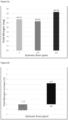
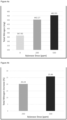
- Figures 1 to 3 show that treatment of whole stillage with the GH10 xylanase according to SEQ ID NO: 1 increases the amount of nitrogen and consequently the protein content in thin stillage, whereas treatment of whole stillage with the same amounts of the GH11 xylanase according to SEQ ID NO: 2 does not significantly increase the amount of nitrogen and consequently the protein content in thin stillage.
- the treatment of thin stillage with the GH10 xylanase Rohalase also leads to an increase in the amount of nitrogen and consequently the protein content in thin stillage (see Figure 4 ).
Landscapes
- Chemical & Material Sciences (AREA)
- Life Sciences & Earth Sciences (AREA)
- Organic Chemistry (AREA)
- Engineering & Computer Science (AREA)
- Zoology (AREA)
- Wood Science & Technology (AREA)
- Health & Medical Sciences (AREA)
- Biotechnology (AREA)
- Biochemistry (AREA)
- Microbiology (AREA)
- Genetics & Genomics (AREA)
- Bioinformatics & Cheminformatics (AREA)
- General Engineering & Computer Science (AREA)
- General Health & Medical Sciences (AREA)
- Chemical Kinetics & Catalysis (AREA)
- General Chemical & Material Sciences (AREA)
- Molecular Biology (AREA)
- Polymers & Plastics (AREA)
- Food Science & Technology (AREA)
- Animal Husbandry (AREA)
- Physiology (AREA)
- Biomedical Technology (AREA)
- Mycology (AREA)
- Botany (AREA)
- Preparation Of Compounds By Using Micro-Organisms (AREA)
- Micro-Organisms Or Cultivation Processes Thereof (AREA)
Priority Applications (2)
| Application Number | Priority Date | Filing Date | Title |
|---|---|---|---|
| US19/142,072 US20260209814A1 (en) | 2022-12-21 | 2023-12-19 | Methods for the enzymatic treatment of whole stillage |
| PCT/US2023/084733 WO2024137569A1 (en) | 2022-12-21 | 2023-12-19 | Methods for the enzymatic treatment of whole stillage |
Applications Claiming Priority (1)
| Application Number | Priority Date | Filing Date | Title |
|---|---|---|---|
| US202263476433P | 2022-12-21 | 2022-12-21 |
Publications (1)
| Publication Number | Publication Date |
|---|---|
| EP4389906A1 true EP4389906A1 (de) | 2024-06-26 |
Family
ID=85132925
Family Applications (1)
| Application Number | Title | Priority Date | Filing Date |
|---|---|---|---|
| EP23153574.1A Withdrawn EP4389906A1 (de) | 2022-12-21 | 2023-01-27 | Verfahren zur enzymatischen behandlung von schlempe |
Country Status (3)
| Country | Link |
|---|---|
| US (1) | US20260209814A1 (de) |
| EP (1) | EP4389906A1 (de) |
| WO (1) | WO2024137569A1 (de) |
Citations (18)
| Publication number | Priority date | Publication date | Assignee | Title |
|---|---|---|---|---|
| WO1991019782A1 (en) | 1990-06-19 | 1991-12-26 | Unilever N.V. | Xylanase production |
| EP0463706A1 (de) | 1990-07-24 | 1992-01-02 | Gist-Brocades N.V. | Klonierung und Expression von Xylanasegenen schimmeliger Herkunft |
| WO1994001532A1 (en) | 1992-07-02 | 1994-01-20 | Novo Nordisk A/S | ALKALOPHILIC BACILLUS sp. AC13 AND PROTEASE, XYLANASE, CELLULASE OBTAINABLE THEREFROM |
| US5306633A (en) | 1992-08-11 | 1994-04-26 | Rohm Gmbh Chemische Fabrik | Bacterial xylanase, method for its production, bacteria producing a xylanase, DNA fragment encoding a xylanase, plasmid containing the DNA fragment, baking agents containing a xylanase, and method for producing bread and baked goods using the xylanase |
| WO1994021785A1 (en) | 1993-03-10 | 1994-09-29 | Novo Nordisk A/S | Enzymes with xylanase activity from aspergillus aculeatus |
| WO1995018210A1 (en) | 1993-12-30 | 1995-07-06 | The Procter & Gamble Company | Liquid hard surface detergent compositions containing builders |
| US6433146B1 (en) | 1999-05-18 | 2002-08-13 | The Board Of Trustees Of The University Of Illinois | Corn oil and protein extraction method |
| WO2007056321A1 (en) | 2005-11-08 | 2007-05-18 | Novozymes North America, Inc. | Dewatering whole stillage |
| US20080274886A1 (en) * | 2000-09-21 | 2008-11-06 | Basf Aktiengesellschaft | Talaromyces xylanases |
| US7497955B2 (en) | 2004-07-09 | 2009-03-03 | Nalco Company | Method of dewatering thin stillage processing streams |
| US7601858B2 (en) | 2004-08-17 | 2009-10-13 | Gs Cleantech Corporation | Method of processing ethanol byproducts and related subsystems |
| US7608729B2 (en) | 2006-02-16 | 2009-10-27 | Gs Cleantech Corporation | Method of freeing the bound oil present in whole stillage and thin stillage |
| US20100058649A1 (en) | 2008-09-10 | 2010-03-11 | Poet Research | Oil composition and method of recovering the same |
| WO2016137641A1 (en) | 2015-02-23 | 2016-09-01 | Fluid Quip, Inc. | Multi-zoned paddle screen apparatus |
| US9776105B2 (en) | 2010-11-19 | 2017-10-03 | Nalco Company | Method for conditioning and processing whole or thin stillage to aid in the separation and recovery of protein and oil fractions |
| US20200154730A1 (en) | 2018-11-16 | 2020-05-21 | Marquis Procap System Llc | High-Efficiency Processes for Protein and Oil Recovery from Thin Stillage |
| US20200255307A1 (en) | 2019-02-13 | 2020-08-13 | Kurita Water Industries, Ltd. | Method of processing thin stillage |
| US20220279818A1 (en) * | 2019-08-05 | 2022-09-08 | Novozymes A/S | Enzyme blends and processes for producing a high protein feed ingredient from a whole stillage byproduct |
Family Cites Families (2)
| Publication number | Priority date | Publication date | Assignee | Title |
|---|---|---|---|---|
| ES2709491T3 (es) * | 2010-12-22 | 2019-04-16 | Direvo Ind Biotechnology Gmbh | Mejora de procedimientos de fermentación y subproductos |
| AR106446A1 (es) * | 2015-10-23 | 2018-01-17 | Fluid Quip Process Tech Llc | Sistema y proceso para clarificar vinaza fina |
-
2023
- 2023-01-27 EP EP23153574.1A patent/EP4389906A1/de not_active Withdrawn
- 2023-12-19 WO PCT/US2023/084733 patent/WO2024137569A1/en not_active Ceased
- 2023-12-19 US US19/142,072 patent/US20260209814A1/en active Pending
Patent Citations (19)
| Publication number | Priority date | Publication date | Assignee | Title |
|---|---|---|---|---|
| WO1991019782A1 (en) | 1990-06-19 | 1991-12-26 | Unilever N.V. | Xylanase production |
| EP0463706A1 (de) | 1990-07-24 | 1992-01-02 | Gist-Brocades N.V. | Klonierung und Expression von Xylanasegenen schimmeliger Herkunft |
| WO1992001793A1 (en) | 1990-07-24 | 1992-02-06 | Gist-Brocades N.V. | Cloning and expression of xylanase genes from fungal origin |
| WO1994001532A1 (en) | 1992-07-02 | 1994-01-20 | Novo Nordisk A/S | ALKALOPHILIC BACILLUS sp. AC13 AND PROTEASE, XYLANASE, CELLULASE OBTAINABLE THEREFROM |
| US5306633A (en) | 1992-08-11 | 1994-04-26 | Rohm Gmbh Chemische Fabrik | Bacterial xylanase, method for its production, bacteria producing a xylanase, DNA fragment encoding a xylanase, plasmid containing the DNA fragment, baking agents containing a xylanase, and method for producing bread and baked goods using the xylanase |
| WO1994021785A1 (en) | 1993-03-10 | 1994-09-29 | Novo Nordisk A/S | Enzymes with xylanase activity from aspergillus aculeatus |
| WO1995018210A1 (en) | 1993-12-30 | 1995-07-06 | The Procter & Gamble Company | Liquid hard surface detergent compositions containing builders |
| US6433146B1 (en) | 1999-05-18 | 2002-08-13 | The Board Of Trustees Of The University Of Illinois | Corn oil and protein extraction method |
| US20080274886A1 (en) * | 2000-09-21 | 2008-11-06 | Basf Aktiengesellschaft | Talaromyces xylanases |
| US7497955B2 (en) | 2004-07-09 | 2009-03-03 | Nalco Company | Method of dewatering thin stillage processing streams |
| US7601858B2 (en) | 2004-08-17 | 2009-10-13 | Gs Cleantech Corporation | Method of processing ethanol byproducts and related subsystems |
| WO2007056321A1 (en) | 2005-11-08 | 2007-05-18 | Novozymes North America, Inc. | Dewatering whole stillage |
| US7608729B2 (en) | 2006-02-16 | 2009-10-27 | Gs Cleantech Corporation | Method of freeing the bound oil present in whole stillage and thin stillage |
| US20100058649A1 (en) | 2008-09-10 | 2010-03-11 | Poet Research | Oil composition and method of recovering the same |
| US9776105B2 (en) | 2010-11-19 | 2017-10-03 | Nalco Company | Method for conditioning and processing whole or thin stillage to aid in the separation and recovery of protein and oil fractions |
| WO2016137641A1 (en) | 2015-02-23 | 2016-09-01 | Fluid Quip, Inc. | Multi-zoned paddle screen apparatus |
| US20200154730A1 (en) | 2018-11-16 | 2020-05-21 | Marquis Procap System Llc | High-Efficiency Processes for Protein and Oil Recovery from Thin Stillage |
| US20200255307A1 (en) | 2019-02-13 | 2020-08-13 | Kurita Water Industries, Ltd. | Method of processing thin stillage |
| US20220279818A1 (en) * | 2019-08-05 | 2022-09-08 | Novozymes A/S | Enzyme blends and processes for producing a high protein feed ingredient from a whole stillage byproduct |
Non-Patent Citations (4)
| Title |
|---|
| COLLINS ET AL.: "FEMS Microbiology Reviews", vol. 29, 2005, pages: 3 - 23 |
| FOURNIER ET AL., BIOTECH. BIOENG, vol. XXVII, 1985, pages 539 - 546 |
| NEEDLEMANWUNSCH, J. MOL. BIOL., vol. 48, 1979, pages 443 - 453 |
| SHEI ET AL., BIOTECH. AND BIOENG., vol. XXVII, 1985, pages 533 - 538 |
Also Published As
| Publication number | Publication date |
|---|---|
| WO2024137569A1 (en) | 2024-06-27 |
| US20260209814A1 (en) | 2026-07-23 |
Similar Documents
| Publication | Publication Date | Title |
|---|---|---|
| Xiros et al. | Hydrolysis and fermentation of brewer’s spent grain by Neurospora crassa | |
| Xiros et al. | Enhanced ethanol production from brewer's spent grain by a Fusarium oxysporum consolidated system | |
| US8409640B2 (en) | Methods and systems for producing ethanol using raw starch and fractionation | |
| Xiros et al. | Evaluation of Fusarium oxysporum as an enzyme factory for the hydrolysis of brewer's spent grain with improved biodegradability for ethanol production | |
| US20070037267A1 (en) | Methods and systems for producing ethanol using raw starch and fractionation | |
| US20190211291A1 (en) | Producing recoverable oil from fermentation processes | |
| EP2281898B1 (de) | Trockenschlempe mit hohem Anteil an Eiweis und dessen Produktionsverfahren | |
| DK3177729T3 (en) | IMPROVED BATCH TIME IN FERMENTATION PROCESSES USING XYLANASE AND PECTINASE | |
| Kim et al. | Effect of compositional variability of distillers’ grains on cellulosic ethanol production | |
| CN101765655A (zh) | 产生发酵产物的方法 | |
| EP3541948B1 (de) | Verfahren zur verbesserung des nährwerts von fermentationsnebenprodukten | |
| WO2024137569A1 (en) | Methods for the enzymatic treatment of whole stillage | |
| ZA200608032B (en) | Methods and systems for producing ethanol using raw starch and fractionation | |
| EP4389907A1 (de) | Verfahren zur enzymatischen behandlung von schlempe | |
| US10385365B2 (en) | Dewatering methods in fermentation processes | |
| US11208670B2 (en) | Method for producing a fermentation product | |
| US20170218298A1 (en) | Producing recoverable oil from fermentation processes | |
| JP2025541374A (ja) | アラビノフラノシダーゼ及びキシラナーゼを含む組成物、並びにヘミセルロース系繊維の可溶化を増加させるためのその使用 | |
| DK3177727T3 (en) | PROCEDURES FOR DRAINAGE IN FERMENTATION PROCESSES | |
| AGROINDUSTRIAIS | SUBSTRACT AND TEMPERATURE EFFECT ON XYLANASE PRODUCTION BY ASPERGILLUS FUMIGATUS USING LOW COST AGRICULTURAL WASTES |
Legal Events
| Date | Code | Title | Description |
|---|---|---|---|
| PUAI | Public reference made under article 153(3) epc to a published international application that has entered the european phase |
Free format text: ORIGINAL CODE: 0009012 |
|
| STAA | Information on the status of an ep patent application or granted ep patent |
Free format text: STATUS: THE APPLICATION HAS BEEN PUBLISHED |
|
| AK | Designated contracting states |
Kind code of ref document: A1 Designated state(s): AL AT BE BG CH CY CZ DE DK EE ES FI FR GB GR HR HU IE IS IT LI LT LU LV MC ME MK MT NL NO PL PT RO RS SE SI SK SM TR |
|
| RAP1 | Party data changed (applicant data changed or rights of an application transferred) |
Owner name: DANSTAR FERMENT AG |
|
| STAA | Information on the status of an ep patent application or granted ep patent |
Free format text: STATUS: THE APPLICATION IS DEEMED TO BE WITHDRAWN |
|
| 18D | Application deemed to be withdrawn |
Effective date: 20250103 |