EP4393948A1 - Anticorps vhh thérapeutiques neutralisant de manière croisée les homodimères il-17a et il-17f et l'hétérodimère il-17af - Google Patents
Anticorps vhh thérapeutiques neutralisant de manière croisée les homodimères il-17a et il-17f et l'hétérodimère il-17af Download PDFInfo
- Publication number
- EP4393948A1 EP4393948A1 EP22216931.0A EP22216931A EP4393948A1 EP 4393948 A1 EP4393948 A1 EP 4393948A1 EP 22216931 A EP22216931 A EP 22216931A EP 4393948 A1 EP4393948 A1 EP 4393948A1
- Authority
- EP
- European Patent Office
- Prior art keywords
- vhh
- antibody
- human
- seq
- sequence
- Prior art date
- Legal status (The legal status is an assumption and is not a legal conclusion. Google has not performed a legal analysis and makes no representation as to the accuracy of the status listed.)
- Ceased
Links
Images




Classifications
-
- C—CHEMISTRY; METALLURGY
- C07—ORGANIC CHEMISTRY
- C07K—PEPTIDES
- C07K16/00—Immunoglobulins [IG], e.g. monoclonal or polyclonal antibodies
- C07K16/18—Immunoglobulins [IG], e.g. monoclonal or polyclonal antibodies against material from animals or humans
- C07K16/24—Immunoglobulins [IG], e.g. monoclonal or polyclonal antibodies against material from animals or humans against cytokines, lymphokines or interferons
- C07K16/244—Interleukins [IL]
-
- A—HUMAN NECESSITIES
- A61—MEDICAL OR VETERINARY SCIENCE; HYGIENE
- A61P—SPECIFIC THERAPEUTIC ACTIVITY OF CHEMICAL COMPOUNDS OR MEDICINAL PREPARATIONS
- A61P17/00—Drugs for dermatological disorders
- A61P17/06—Antipsoriatics
-
- A—HUMAN NECESSITIES
- A61—MEDICAL OR VETERINARY SCIENCE; HYGIENE
- A61P—SPECIFIC THERAPEUTIC ACTIVITY OF CHEMICAL COMPOUNDS OR MEDICINAL PREPARATIONS
- A61P29/00—Non-central analgesic, antipyretic or antiinflammatory agents, e.g. antirheumatic agents; Non-steroidal antiinflammatory drugs [NSAID]
-
- A—HUMAN NECESSITIES
- A61—MEDICAL OR VETERINARY SCIENCE; HYGIENE
- A61P—SPECIFIC THERAPEUTIC ACTIVITY OF CHEMICAL COMPOUNDS OR MEDICINAL PREPARATIONS
- A61P37/00—Drugs for immunological or allergic disorders
- A61P37/02—Immunomodulators
-
- A—HUMAN NECESSITIES
- A61—MEDICAL OR VETERINARY SCIENCE; HYGIENE
- A61K—PREPARATIONS FOR MEDICAL, DENTAL OR TOILETRY PURPOSES
- A61K39/00—Medicinal preparations containing antigens or antibodies
- A61K2039/505—Medicinal preparations containing antigens or antibodies comprising antibodies
-
- A—HUMAN NECESSITIES
- A61—MEDICAL OR VETERINARY SCIENCE; HYGIENE
- A61K—PREPARATIONS FOR MEDICAL, DENTAL OR TOILETRY PURPOSES
- A61K39/00—Medicinal preparations containing antigens or antibodies
- A61K2039/545—Medicinal preparations containing antigens or antibodies characterised by the dose, timing or administration schedule
-
- C—CHEMISTRY; METALLURGY
- C07—ORGANIC CHEMISTRY
- C07K—PEPTIDES
- C07K2317/00—Immunoglobulins specific features
- C07K2317/10—Immunoglobulins specific features characterized by their source of isolation or production
- C07K2317/14—Specific host cells or culture conditions, e.g. components, pH or temperature
-
- C—CHEMISTRY; METALLURGY
- C07—ORGANIC CHEMISTRY
- C07K—PEPTIDES
- C07K2317/00—Immunoglobulins specific features
- C07K2317/20—Immunoglobulins specific features characterized by taxonomic origin
- C07K2317/22—Immunoglobulins specific features characterized by taxonomic origin from camelids, e.g. camel, llama or dromedary
-
- C—CHEMISTRY; METALLURGY
- C07—ORGANIC CHEMISTRY
- C07K—PEPTIDES
- C07K2317/00—Immunoglobulins specific features
- C07K2317/30—Immunoglobulins specific features characterized by aspects of specificity or valency
- C07K2317/31—Immunoglobulins specific features characterized by aspects of specificity or valency multispecific
-
- C—CHEMISTRY; METALLURGY
- C07—ORGANIC CHEMISTRY
- C07K—PEPTIDES
- C07K2317/00—Immunoglobulins specific features
- C07K2317/30—Immunoglobulins specific features characterized by aspects of specificity or valency
- C07K2317/33—Crossreactivity, e.g. for species or epitope, or lack of said crossreactivity
-
- C—CHEMISTRY; METALLURGY
- C07—ORGANIC CHEMISTRY
- C07K—PEPTIDES
- C07K2317/00—Immunoglobulins specific features
- C07K2317/50—Immunoglobulins specific features characterized by immunoglobulin fragments
- C07K2317/56—Immunoglobulins specific features characterized by immunoglobulin fragments variable (Fv) region, i.e. VH and/or VL
- C07K2317/569—Single domain, e.g. dAb, sdAb, VHH, VNAR or nanobody®
-
- C—CHEMISTRY; METALLURGY
- C07—ORGANIC CHEMISTRY
- C07K—PEPTIDES
- C07K2317/00—Immunoglobulins specific features
- C07K2317/70—Immunoglobulins specific features characterized by effect upon binding to a cell or to an antigen
- C07K2317/76—Antagonist effect on antigen, e.g. neutralization or inhibition of binding
-
- C—CHEMISTRY; METALLURGY
- C07—ORGANIC CHEMISTRY
- C07K—PEPTIDES
- C07K2317/00—Immunoglobulins specific features
- C07K2317/90—Immunoglobulins specific features characterized by (pharmaco)kinetic aspects or by stability of the immunoglobulin
- C07K2317/92—Affinity (KD), association rate (Ka), dissociation rate (Kd) or EC50 value
-
- C—CHEMISTRY; METALLURGY
- C07—ORGANIC CHEMISTRY
- C07K—PEPTIDES
- C07K2317/00—Immunoglobulins specific features
- C07K2317/90—Immunoglobulins specific features characterized by (pharmaco)kinetic aspects or by stability of the immunoglobulin
- C07K2317/94—Stability, e.g. half-life, pH, temperature or enzyme-resistance
Definitions
- the present invention pertains in the fields of antibody technology, medicine, pharmacology, infection biology, and medical diagnostics. More specifically, the present disclosure provides VHH antibodies that each potently neutralize the proinflammatory interleukin IL-17 in its IL-17A and IL-17F homodimeric as well as in its IL-17AF heterodimeric forms.
- Interleukin 17 is a multifunctional cytokine. It is produced by a specific subclass of CD4-positive T helper cells, i.e., Th17 cells, but also by other CD4- or CD8-positive T cells and gamma/delta T cells.
- a major effect of IL-17 consists of the attraction of neutrophils and monocytes, and the production of additional cytokines and chemokines by its target cells.
- IL-17 is a key mediator of inflammatory responses. These responses can be of strong benefit to a patient, e.g., when building a defense against various types of infections (Mills, 2022). However, excessive or uncontrolled production of IL-17 can also provoke or exacerbate autoimmune diseases such as psoriasis, rheumatoid arthritis, asthma, or inflammatory bowel diseases.
- Target cells of IL-17 can vary since the receptors are found in a wide array of human cell types. Accordingly, the response can be heterogeneous, too. Most importantly, however, IL-17-exposed epithelial cells release chemokines such as CXCL1 and CXCL8, thereby attracting neutrophilic granulocytes and macrophages to maintain the homeostasis of the epithelial barrier.
- chemokines such as CXCL1 and CXCL8
- IL-17 In autoimmune diseases, elevated IL-17 levels at the site of inflammation activate the release of Interleukin-6, Tumor Necrosis Factor Alpha (TNF-alpha), and matrix metalloproteinases (MMPs). This leads to tissue damage and amplifies the inflammatory response (Mills, 2022).
- TNF-alpha Tumor Necrosis Factor Alpha
- MMPs matrix metalloproteinases
- IL-17 proteins form dimers. They comprise a family of currently six members, IL-17A through IL-17F. Of these, IL-17A and IL-17F are considered the major and most relevant ones; they are also the best-studied ones. They bind to five receptors, IL-17RA-E, forming heterodimeric receptor complexes. IL-17A and IL-17F bind and activate the IL-17RA and IL-17RC receptors as homodimers or as a heterodimer IL-17A/F (Nies and Panzer, 2020).
- IL-17 binding requires the adaptor protein Act1 and can lead to the lateral assembly of the receptors, at least partially explaining the onset of intracellular signaling, such as the activation of NF-kappa-B and Mitogen-Activated Protein (MAP) kinases (Wilson et al., 2022).
- Act1 adaptor protein Act1
- MAP Mitogen-Activated Protein
- IL-17 A number of approaches were developed to interfere with the production and/or activities of IL-17.
- monoclonal antibodies can target the upstream IL-23 but, most importantly, IL-17 itself or its receptor. The neutralization of IL-17 then dampens the inflammatory response, which is of benefit when treating autoimmune diseases.
- Antagonists to IL-17 were successfully applied to treat a number of diseases, giving rise to FDA-approved drugs. Most notably, inflammatory skin diseases, i.e., psoriasis and psoriatic arthritis, as well as Hidradenitis suppurativa ("inverse acne"), were treated successfully by IL-17 neutralizing antibodies (summarized in Skroza et al., 2017; Mills, 2022).
- Therapeutics include Ixekizumab and Secukinumab that target IL-17A alone in plaque psoriasis (Langley et al., 2014) and psoriatic arthritis (Mease et al., 2015) as well as Bimekizumab against both IL-17A and IL-17F in plaque psoriasis (Reich et al., 2021; Warren et al., 2021) and psoriatic arthritis (Glatt et al., 2018).
- Nanobodies comprise a novel class of therapeutic proteins based on monovalent, camelid-derived heavy-chain-only antibodies.
- monoclonal IgGs which are manufactured in mammalian cells
- nanobodies can be produced in bacteria or yeast. Apart from their low molecular weight, certain nanobodies proved to be hyper-thermostable and displayed a particularly high affinity (Güttler et al., 2021).
- One IL-17 antagonist, Sonelokimab was engineered based on single-chain antibodies/nanobodies. It is a trimer of nanobodies targeting IL-17A, IL-17F, and albumin. The idea is to absorb both versions of IL-17 and increase the half-life of the antagonist by binding to albumin. However, this compound, based on its size and albumin-binding entity, is still suitable for systemic rather than topical application. Similar to the classical antibody treatments, the study participants had an increased incidence of fungal Candida infections (Papp et al., 2021).
- WO 2012/156219 discloses single domain antibodies that specifically bind to human IL-17A, human IL-17F and/or human IL-17A/F, though the cross-reaction of individual VHHs with these IL-17 isoforms was rather weak.
- IL-17 antagonists On top of skin diseases, other inflammatory disorders might become amenable to treatment with IL-17 antagonists. These include but are not limited to ankylosing spondylitis (with approved application), but also Multiple Sclerosis, Rheumatoid arthritis, Asthma, Graft-versus-Host Disease, and even diseases like Alzheimer's', Fatty Liver Disease, and COVID-19 (all clinical studies ongoing as reviewed in Mills, 2022). Future applications may consist of the treatment of autism, Parkinson's Disease, atherosclerosis, stroke, and sepsis. Most of these applications will benefit from a more versatile type of antibody with high affinity, stability, and versatility regarding application routes and fusion to additional/stabilizing entities. This illustrates the immense spectrum of benefits expected from VHH antibodies targeting IL-17A/F.
- VHH antibodies that neutralize human IL-17 for treating patients with inflammatory and/or immune-related disorders caused by and/or associated with an overactivity of this cytokine.
- these VHH antibodies are in monovalent form, e.g., as a single VHH domain or as a fusion to a heterologous protein such as serum albumin useable in a wide range of formats.
- the VHH antibodies are in multivalent form, e.g., as bivalent Fc-fusion. The use in a monovalent format is possible due to their very high affinity.
- the VHH antibodies have - in the monovalent format - a target affinity in picomolar or even low picomolar.
- the VHH antibodies neutralizes all major IL-17 isoforms, particularly human IL-17A homodimers, human IL-17F-homodimers and human IL-17A/F heterodimers with similar high potency.
- variable regions (CDRs) of preferred VHH antibodies of the present invention are listed in the following Table 1 VHH Seq ID No. CDR1 Seq ID No. CDR2 Seq ID No. CDR3 Seq ID No.
- a VHH antibody described above is suitable for use in medicine, e.g., human medicine, particularly for use in therapy, e.g., in the prevention or treatment of a disorder caused by and/or associated with an overactivity of IL-17, particularly an overactivity of IL-17A and/or IL-17F, or in diagnostics, e.g., for detecting IL-17 in a patient sample, e.g., in a body fluid or tissue sample, or in research.
- Still a further aspect of the invention relates to a method for recombinant production of a VHH antibody as described above, comprising cultivating a cell or an organism as described above in a suitable medium and obtaining the VHH antibody from the cell or organism or from the medium.
- Still a further aspect of the invention relates to a method for the prevention or treatment of a disorder caused by and/or associated with an overactivity of IL-17, particularly an overactivity of IL-17A and/or IL-17F, comprising administering an effective dose of the VHH antibody as described above or the set of at least two different VHH antibodies as described above to a subject in need thereof, particularly to a human subject from suffering from a disorder caused by and/or associated with IL-17.
- VHH Class Seq. ID KDs Thermostability IP IL-17 Neutralization IL-17A IL-17A/F IL-17F Re42H11 Re42H11 5 ⁇ 10 ⁇ 10 ⁇ 10 ⁇ 95°C 5.8 Yes Bm18A09 Re42H11 9 Re42B03 Re42H11 13 ⁇ 10 ⁇ 10 ⁇ 10 ⁇ 95°C 5.0 Yes Re42B04 Re42H11 17 ⁇ 10 ⁇ 10 ⁇ 10 57°C (partial melting) 4.8 Yes Bm18F11 Re42H11 21 ⁇ 10 ⁇ 10 ⁇ 10 ⁇ 95°C 4.7 Yes Bm18B05 Re42H11 25 ⁇ 10 ⁇ 10 ⁇ 10 ⁇ 95°C 4.5 Yes Bm17B02 Bm17B02 29 ⁇ 10 ⁇ 10 70 ⁇ 95°C 6.9
- the present invention relates to a VHH antibody recognizing a human IL-17 polypeptide.
- CDR sequences of a given antibody molecule There are several methods known in the art for determining the CDR sequences of a given antibody molecule, but there is no standard unequivocal method. Determination of CDR sequences from antibody heavy chain variable regions can be made according to any method known in the art, including, but not limited to, the methods known as Kabat, Chothia, and IMGT. A selected set of CDRs may include sequences identified by more than one method, namely, some CDR sequences may be determined using Kabat and some using IMGT, for example. According to some embodiments of the present invention, the CDR sequences of a VHH variable region are determined using the Kabat method.
- a VHH antibody according to the present invention is characterized by (i) a CDR3 sequence, (ii) a combination of a CDR1 sequence, a CDR2 sequence, and a CDR3 sequence, (iii) by a complete VHH sequence, or (iv) by competition with a specific reference antibody.
- Specific CDR and VHH sequences are provided in the Tables, Figures and the Sequence Listing.
- a related VHH sequence has an identity of least 70%, at least 80%, at least 90%, at least 95% or at least 99% to a VHH sequence, e.g., a substitution of 1, 2, 3, 4, 5 or up to 20 amino acids.
- the VHH antibody is selected from antibody Bm18A09 comprising a VHH sequence as shown in SEQ. ID NO: 9 or a VHH antibody, which is a variant thereof.
- 1, 2, 3, 4, 5, 6, 7, 8, 9 or 10 amino acids of SEQ. ID NO: 9 are replaced by another amino acid.
- the VHH antibody is selected from antibody Bm17B02 comprising a VHH sequence as shown in SEQ. ID NO: 29 or a VHH antibody, which is a variant thereof.
- 1, 2, 3, 4, 5, 6, 7, 8, 9 or 10 amino acids of SEQ. ID NO: 25 are replaced by another amino acid.
- the VHH antibody is selected from antibody Re42F08 comprising a VHH sequence as shown in SEQ. ID NO: 33 or a VHH antibody, which is a variant thereof.
- 1, 2, 3, 4, 5, 6, 7, 8, 9 or 10 amino acids of SEQ. ID NO: 29 are replaced by another amino acid.
- human IL-17 encompasses human IL-17A (UniProt Accession No. Q16552) particularly in the form of a homodimer comprising two IL-17A units, IL-17F (UniProt Accession No. Q96PD4) particularly in the form of a homodimer comprising 2 IL-17F units, and IL-17AF in the form of a heterodimer comprising one IL-17A unit and one IL-17F unit.
- the anti-IL-17 VHH antibodies should not only be highly potent in interleukin neutralization, but also, they should be developable as biological drugs. This includes that they are stable enough to survive a lengthy, large-scale production process as well as transportation and storage (ideally for years in liquid formulation) without aggregation or loss of activity.
- thermostability which can be measured, e.g., by thermal shift assays or specifically by differential scanning fluorimetry.
- the present inventors have identified several thermostable or hyperthermostable VHH antibodies as shown in Table 1, supra.
- the VHH antibody of the present invention is in a monovalent format, i.e., it has a single binding site for a human IL-17 polypeptide.
- the VHH antibody may be present as such or covalently or non-covalently attached to a heterologous moiety, e.g., a peptidic or non-peptidic moiety.
- the VHH antibody of the present invention is in in a multimeric, e.g., dimeric, or trimeric format.
- several VHH antibody units may be covalently or non-covalently attached to each other together via a linker and/or a multimerization, e.g., dimerization or trimerization moiety.
- VHH antibodies including monomeric and multimeric VHH antibodies may be produced as described in WO 2022/023483 and WO 2022/023484 , the contents of which are herein incorporated by reference, or by other methods well known in the art.
- a VHH antibody may be recombinantly produced in a suitable host cell, e.g., in a prokaryotic or eukaryotic host cell or host organism.
- a nucleic acid molecule encoding the VHH antibody is introduced into the host cell or host organism and expressed in the host cell or host organism.
- the nucleic acid molecule may encode a monomeric VHH antibody or a subunit of a multimeric VHH antibody.
- the VHH antibody is recombinantly produced in a bacterium, e.g., E. coli or Bacillus.
- expression in a bacterium may involve cytoplasmic and/or periplasmic expression and purification of the VHH antibody from the host cell, or secretory expression and purification of the VHH antibody from the culture medium.
- the nucleic acid sequence encoding the VHH antibody is fused to at least one sequence directing the expression to the periplasm and/or into the culture medium.
- the VHH antibody is recombinantly produced in a eukaryotic host cell or host organism, preferably in yeast, e.g., in Pichia pastoris, Saccharomyces cerevisiae, or Hansenula polymorpha, or in an animal cell, particularly in a mammalian, e.g., human or a hamster cell.
- expression in a eukaryotic host cell or host organism, e.g., yeast may involve cytoplasmic and/or periplasmic expression and purification of the VHH antibody from the host cell, or preferably secretion from the host cell and purification of the VHH antibody from the culture medium.
- the nucleic acid sequence encoding the VHH antibody is fused to at least one sequence directing the expression into the culture medium.
- Still a further aspect of the present invention is the use of a VHH antibody as described above in medicine, particularly for therapeutic and/or in vitro or vivo diagnostic use.
- the VHH antibody is used in human medicine.
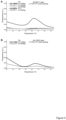
- the inventor carried out cell-based neutralization assays using Hek-Blue TM IL-17 cells. These cells express human IL-17RA and IL-17RC receptors as well as the adapter Act1. They secrete a phosphate reporter in response to the receptor binding of IL-17 ( Figure 6 ). By quantitating the amount of secreted phosphatase, the activation of the IL17 receptors can be measured. The data show that a pre-incubation of IL-17A or IL-17F with any of Re42H11 or Bm17B02 class members impeded the receptor activation.
Landscapes
- Health & Medical Sciences (AREA)
- Chemical & Material Sciences (AREA)
- Organic Chemistry (AREA)
- Medicinal Chemistry (AREA)
- General Health & Medical Sciences (AREA)
- Life Sciences & Earth Sciences (AREA)
- Public Health (AREA)
- General Chemical & Material Sciences (AREA)
- Nuclear Medicine, Radiotherapy & Molecular Imaging (AREA)
- Chemical Kinetics & Catalysis (AREA)
- Pharmacology & Pharmacy (AREA)
- Animal Behavior & Ethology (AREA)
- Immunology (AREA)
- Veterinary Medicine (AREA)
- Bioinformatics & Cheminformatics (AREA)
- Engineering & Computer Science (AREA)
- Rheumatology (AREA)
- Proteomics, Peptides & Aminoacids (AREA)
- Dermatology (AREA)
- Biochemistry (AREA)
- Biophysics (AREA)
- Genetics & Genomics (AREA)
- Molecular Biology (AREA)
- Pain & Pain Management (AREA)
- Peptides Or Proteins (AREA)
- Medicines Containing Antibodies Or Antigens For Use As Internal Diagnostic Agents (AREA)
- Medicines That Contain Protein Lipid Enzymes And Other Medicines (AREA)
- Pharmaceuticals Containing Other Organic And Inorganic Compounds (AREA)
- Preparation Of Compounds By Using Micro-Organisms (AREA)
- Micro-Organisms Or Cultivation Processes Thereof (AREA)
Priority Applications (6)
| Application Number | Priority Date | Filing Date | Title |
|---|---|---|---|
| EP22216931.0A EP4393948A1 (fr) | 2022-12-28 | 2022-12-28 | Anticorps vhh thérapeutiques neutralisant de manière croisée les homodimères il-17a et il-17f et l'hétérodimère il-17af |
| EP23841220.9A EP4642799A1 (fr) | 2022-12-28 | 2023-12-27 | Domaine variable thérapeutique d'anticorps à chaîne lourde (vhh) de neutralisation croisée des isoformes de l'interleukine 17 (il-17) |
| PCT/EP2023/087865 WO2024141567A1 (fr) | 2022-12-28 | 2023-12-27 | Domaine variable thérapeutique d'anticorps à chaîne lourde (vhh) de neutralisation croisée des isoformes de l'interleukine 17 (il-17) |
| JP2025536990A JP2026503956A (ja) | 2022-12-28 | 2023-12-27 | インターロイキン17(il-17)ポリペプチドを交差中和する重鎖(vhh)抗体の治療用可変ドメイン |
| CN202380084201.1A CN120344561A (zh) | 2022-12-28 | 2023-12-27 | 交叉中和白细胞介素17(il-17)亚型的治疗性重链可变结构域(vhh)抗体 |
| IL320526A IL320526A (en) | 2022-12-28 | 2023-12-27 | Therapeutic variable domain of heavy chain (vhh) antibodies cross-neutralizing interleukin 17 (il-17) polypeptides |
Applications Claiming Priority (1)
| Application Number | Priority Date | Filing Date | Title |
|---|---|---|---|
| EP22216931.0A EP4393948A1 (fr) | 2022-12-28 | 2022-12-28 | Anticorps vhh thérapeutiques neutralisant de manière croisée les homodimères il-17a et il-17f et l'hétérodimère il-17af |
Publications (1)
| Publication Number | Publication Date |
|---|---|
| EP4393948A1 true EP4393948A1 (fr) | 2024-07-03 |
Family
ID=84688209
Family Applications (2)
| Application Number | Title | Priority Date | Filing Date |
|---|---|---|---|
| EP22216931.0A Ceased EP4393948A1 (fr) | 2022-12-28 | 2022-12-28 | Anticorps vhh thérapeutiques neutralisant de manière croisée les homodimères il-17a et il-17f et l'hétérodimère il-17af |
| EP23841220.9A Pending EP4642799A1 (fr) | 2022-12-28 | 2023-12-27 | Domaine variable thérapeutique d'anticorps à chaîne lourde (vhh) de neutralisation croisée des isoformes de l'interleukine 17 (il-17) |
Family Applications After (1)
| Application Number | Title | Priority Date | Filing Date |
|---|---|---|---|
| EP23841220.9A Pending EP4642799A1 (fr) | 2022-12-28 | 2023-12-27 | Domaine variable thérapeutique d'anticorps à chaîne lourde (vhh) de neutralisation croisée des isoformes de l'interleukine 17 (il-17) |
Country Status (5)
| Country | Link |
|---|---|
| EP (2) | EP4393948A1 (fr) |
| JP (1) | JP2026503956A (fr) |
| CN (1) | CN120344561A (fr) |
| IL (1) | IL320526A (fr) |
| WO (1) | WO2024141567A1 (fr) |
Citations (6)
| Publication number | Priority date | Publication date | Assignee | Title |
|---|---|---|---|---|
| WO2009136286A2 (fr) * | 2008-05-05 | 2009-11-12 | Novimmune Sa | Anticorps à réaction croisée anti-il-17a/il-17f et leurs procédés d'utilisation |
| WO2010025400A2 (fr) * | 2008-08-29 | 2010-03-04 | Genentech, Inc. | Anticorps à réaction croisée anti-il 17a/il-17f et bispécifiques d’il 17a/f |
| US20120183558A1 (en) * | 2011-01-14 | 2012-07-19 | Ucb Pharma S.A. | Antibody molecules which bind il-17a and il-17f |
| WO2012156219A1 (fr) * | 2011-05-05 | 2012-11-22 | Ablynx Nv | Séquences d'acides aminés dirigées contre il-17a, il-17f et/ou il17-a/f et polypeptides comprenant ces séquences |
| CN110003329A (zh) * | 2019-04-12 | 2019-07-12 | 深圳普瑞金生物药业有限公司 | 多肽、il17a/f单域抗体、核苷酸序列及试剂盒 |
| WO2022023483A1 (fr) | 2020-07-29 | 2022-02-03 | MAX-PLANCK-Gesellschaft zur Förderung der Wissenschaften e.V. | Anticorps vhh thérapeutiques et diagnostiques contre le sars-cov-2 et leurs procédés d'amélioration |
Family Cites Families (3)
| Publication number | Priority date | Publication date | Assignee | Title |
|---|---|---|---|---|
| GB0620729D0 (en) * | 2006-10-18 | 2006-11-29 | Ucb Sa | Biological products |
| MX371052B (es) * | 2013-02-08 | 2020-01-14 | Novartis Ag | Anticuerpos anti-il-17a y su uso en el tratamiento de trastornos autoinmunes e inflamatorios. |
| WO2021113736A1 (fr) * | 2019-12-05 | 2021-06-10 | Massachusetts Institute Of Technology | Anticorps à domaine unique se liant au chloramphénicol |
-
2022
- 2022-12-28 EP EP22216931.0A patent/EP4393948A1/fr not_active Ceased
-
2023
- 2023-12-27 JP JP2025536990A patent/JP2026503956A/ja active Pending
- 2023-12-27 CN CN202380084201.1A patent/CN120344561A/zh active Pending
- 2023-12-27 EP EP23841220.9A patent/EP4642799A1/fr active Pending
- 2023-12-27 IL IL320526A patent/IL320526A/en unknown
- 2023-12-27 WO PCT/EP2023/087865 patent/WO2024141567A1/fr not_active Ceased
Patent Citations (7)
| Publication number | Priority date | Publication date | Assignee | Title |
|---|---|---|---|---|
| WO2009136286A2 (fr) * | 2008-05-05 | 2009-11-12 | Novimmune Sa | Anticorps à réaction croisée anti-il-17a/il-17f et leurs procédés d'utilisation |
| WO2010025400A2 (fr) * | 2008-08-29 | 2010-03-04 | Genentech, Inc. | Anticorps à réaction croisée anti-il 17a/il-17f et bispécifiques d’il 17a/f |
| US20120183558A1 (en) * | 2011-01-14 | 2012-07-19 | Ucb Pharma S.A. | Antibody molecules which bind il-17a and il-17f |
| WO2012156219A1 (fr) * | 2011-05-05 | 2012-11-22 | Ablynx Nv | Séquences d'acides aminés dirigées contre il-17a, il-17f et/ou il17-a/f et polypeptides comprenant ces séquences |
| CN110003329A (zh) * | 2019-04-12 | 2019-07-12 | 深圳普瑞金生物药业有限公司 | 多肽、il17a/f单域抗体、核苷酸序列及试剂盒 |
| WO2022023483A1 (fr) | 2020-07-29 | 2022-02-03 | MAX-PLANCK-Gesellschaft zur Förderung der Wissenschaften e.V. | Anticorps vhh thérapeutiques et diagnostiques contre le sars-cov-2 et leurs procédés d'amélioration |
| WO2022023484A1 (fr) | 2020-07-29 | 2022-02-03 | MAX-PLANCK-Gesellschaft zur Förderung der Wissenschaften e.V. | Anticorps vhh thérapeutiques et diagnostiques contre le sars-cov-2 et procédés permettant leurs améliorations |
Non-Patent Citations (16)
| Title |
|---|
| "UniProt", Database accession no. Q96PD4 |
| ABDICHE Y, MALASHOCK D, PINKERTON A, PONS J: "Determining kinetics and affinities of protein interactions using a parallel real-time label-free biosensor, the Octet.", ANAL BIOCHEM, vol. 377, 2008, pages 209 - 217, XP022701432, DOI: 10.1016/j.ab.2008.03.035 |
| BECKETT D, KOVALEVA E, SCHATZ PJ: " A minimal peptide substrate in biotin holoenzyme synthetase-catalyzed biotinylation", PROTEIN SCI,, vol. 8, 1999, pages 921 - 929, XP002971557 |
| CHRISTIAN KLEIN ET AL: "Epitope interactions of monoclonal antibodies targeting CD20 and their relationship to functional properties", MABS, vol. 5, no. 1, 1 January 2013 (2013-01-01), pages 22 - 33, XP055117097, ISSN: 1942-0862, DOI: 10.4161/mabs.22771 * |
| GOLDBERG DSBISHOP SMSHAH AUSATHISH HA: "Formulation development of therapeutic monoclonal antibodies using high-throughput fluorescence and static light scattering techniques: role of conformational and colloidal stability", J PHARM SCI, vol. 100, 2011, pages 1306 - 1315, XP055768727, DOI: 10.1002/jps.22371 |
| LANDEWE R, NASH P, PRICOP L, YUAN J, RICHARDS HB, MPOFU S, FUTURE SG LANDEWE R, NASH P, PRICOP L, YUAN J, RICHARDS HB, MPOFU S, FU: "Secukinumab Inhibition of Interleukin-17A in Patients with Psoriatic Arthritis", N ENGL J MED, vol. 373, 2015, pages 1329 - 1339 |
| LANGLEY RGELEWSKI BELEBWOHL MREICH KGRIFFITHS CEPAPP KPUIG LNAKAGAWA HSPELMAN LSIGURGEIRSSON B: "Secukinumab in plaque psoriasis--results of two phase 3 trials", N ENGL J MED, vol. 371, 2014, pages 326 - 338, XP055414280, DOI: 10.1056/NEJMoa1314258 |
| MILLS KHG: "IL-17 and IL-17-producing cells in protection versus pathology", NAT, 2022, pages 1 - 17 |
| NIES JF, PANZER U: " IL-17C/IL-17RE: Emergence of a Unique Axis in TH17 Biology. ", FRONT IMMUNOL, vol. 11, 2020, pages 341 |
| PAPP KAWEINBERG MAMORRIS AREICH K: "IL17A/F nanobody sonelokimab in patients with plaque psoriasis: a multicentre, randomised, placebo-controlled, phase 2b study", LANCET, vol. 397, 2021, pages 1564 - 1575, XP086550194, DOI: 10.1016/S0140-6736(21)00440-2 |
| POPA SSTRIMENOPOULOU FVAJJAH PWATLING MILYEREMENKO NMIOSSEC PSHAW S: "Dual IL-17A and IL-17F neutralisation by bimekizumab in psoriatic arthritis: evidence from preclinical experiments and a randomised placebo-controlled clinical trial that IL-17F contributes to human chronic tissue inflammation", ANN RHEUM DIS, vol. 77, 2018, pages 523 - 532 |
| REICH KWARREN RBLEBWOHL MGOODERHAM MSTROBER BLANGLEY RGPAUL CDE CUYPER DVANVOORDEN VMADDEN C: "Bimekizumab versus Secukinumab in Plaque Psoriasis", N ENGL J MED, vol. 385, 2021, pages 142 - 152 |
| RYMARENKO OSCHUNEMANN JDIENEMANN CGUNKEL PMUSSIL BKRULL JTEICHMANN UGROΒ UCORDES VCDOBBELSTEIN M: "Neutralization of SARS-CoV-2 by highly potent, hyperthermostable, and mutation-tolerant nanobodies", EMBO J, 2021, pages e107985 |
| SKROZA N, PROIETTI I, BERNARDINI N, AQUILA E, BALDUZZI V, LA VIOLA G, MAMBRIN A,MUSCIANESE M, TOLINO E, ZUBER S, POTENZA C, FERRAZ: "11-17 and Its Role in Psoriasis, Hidradenitis Suppurativa And Acne", INTERNAL MEDICINE AND CARE, vol. 1, 2017 |
| WARREN RBBLAUVELT ABAGEL JPAPP KAYAMAUCHI PARMSTRONG ALANGLEY RGVANVOORDEN VDE CUYPER DCIOFFI C: "Bimekizumab versus Adalimumab in Plaque Psoriasis", N ENGL J MED, vol. 385, 2021, pages 130 - 141 |
| WILSON SCCAVENEY NAYEN MPOLLMANN CXIANG XJUDE KMHAFER MTSUTSUMI NPIEHLER JGARCIA KC: "Organizing structural principles of the IL-17 ligand-receptor axis", NATURE, vol. 609, 2022, pages 622 - 629 |
Also Published As
| Publication number | Publication date |
|---|---|
| JP2026503956A (ja) | 2026-02-03 |
| WO2024141567A1 (fr) | 2024-07-04 |
| CN120344561A (zh) | 2025-07-18 |
| EP4642799A1 (fr) | 2025-11-05 |
| IL320526A (en) | 2025-06-01 |
Similar Documents
| Publication | Publication Date | Title |
|---|---|---|
| US20160237156A1 (en) | Immunoglobulin fusion proteins and compositions thereof | |
| US8921528B2 (en) | Bispecific fusion antibodies with enhanced serum half-life | |
| EP4302778A1 (fr) | Composition pharmaceutique contenant un anticorps anti-tslp | |
| CN107522783B (zh) | 一种抗白介素17a的抗体、其制备方法和应用 | |
| KR102474765B1 (ko) | 항-TNFα-항체 및 이의 기능성 단편 | |
| CN106414498A (zh) | TNF α的结合成员 | |
| CA2671581A1 (fr) | Peptides capables de se lier a des proteines seriques | |
| JP6865826B2 (ja) | インターロイキン17aを標的とする抗体、その製造方法及び応用 | |
| CN114380906B (zh) | 一种抗il-17a的单域抗体及其用途 | |
| TW201726731A (zh) | 對TNF-α、IL-17A及IL-17F具特異性之多重特異性抗體分子 | |
| WO2015067636A1 (fr) | Éléments de liaison dirigés contre l'il-1 bêta | |
| TWI784945B (zh) | 抗TNFα抗體及其功能性片段 | |
| CN115666631A (zh) | Cd40结合蛋白 | |
| SG11202107995SA (en) | Multispecific antibodies having specificity for tnfa and il-17a, antibodies targeting il-17a, and methods of use thereof | |
| CN118063607A (zh) | 抗犬il-31抗体及其用途 | |
| WO2022032025A1 (fr) | Cytokines synthétiques de liaison à l'ifngr et méthodes d'utilisation | |
| CN113461820B (zh) | 抗cd3人源化抗体 | |
| JP2021530458A (ja) | 高濃度液体抗体製剤 | |
| EP4397685A1 (fr) | Anticorps humanisé anti-cd3 | |
| AU2017235465B2 (en) | Anti-TNFα-antibodies and functional fragments thereof | |
| JP2026508149A (ja) | イヌil-13に対するイヌ抗体 | |
| US12122839B2 (en) | IFNGR binding synthetic cytokines and methods of use | |
| US20230391891A1 (en) | Il28a receptor binding synthetic cytokines and methods of use | |
| WO2024141567A1 (fr) | Domaine variable thérapeutique d'anticorps à chaîne lourde (vhh) de neutralisation croisée des isoformes de l'interleukine 17 (il-17) | |
| HK40128632A (zh) | 交叉中和白细胞介素17(il-17)亚型的治疗性重链可变结构域(vhh)抗体 |
Legal Events
| Date | Code | Title | Description |
|---|---|---|---|
| PUAI | Public reference made under article 153(3) epc to a published international application that has entered the european phase |
Free format text: ORIGINAL CODE: 0009012 |
|
| STAA | Information on the status of an ep patent application or granted ep patent |
Free format text: STATUS: THE APPLICATION HAS BEEN PUBLISHED |
|
| AK | Designated contracting states |
Kind code of ref document: A1 Designated state(s): AL AT BE BG CH CY CZ DE DK EE ES FI FR GB GR HR HU IE IS IT LI LT LU LV MC ME MK MT NL NO PL PT RO RS SE SI SK SM TR |
|
| STAA | Information on the status of an ep patent application or granted ep patent |
Free format text: STATUS: THE APPLICATION HAS BEEN REFUSED |
|
| 18R | Application refused |
Effective date: 20240711 |