EP4393949A1 - Composition pharmaceutique contenant une protéine de fusion - Google Patents
Composition pharmaceutique contenant une protéine de fusion Download PDFInfo
- Publication number
- EP4393949A1 EP4393949A1 EP22860595.2A EP22860595A EP4393949A1 EP 4393949 A1 EP4393949 A1 EP 4393949A1 EP 22860595 A EP22860595 A EP 22860595A EP 4393949 A1 EP4393949 A1 EP 4393949A1
- Authority
- EP
- European Patent Office
- Prior art keywords
- seq
- pharmaceutical composition
- buffer
- composition according
- histidine
- Prior art date
- Legal status (The legal status is an assumption and is not a legal conclusion. Google has not performed a legal analysis and makes no representation as to the accuracy of the status listed.)
- Withdrawn
Links
Images






Classifications
-
- A—HUMAN NECESSITIES
- A61—MEDICAL OR VETERINARY SCIENCE; HYGIENE
- A61K—PREPARATIONS FOR MEDICAL, DENTAL OR TOILETRY PURPOSES
- A61K47/00—Medicinal preparations characterised by the non-active ingredients used, e.g. carriers or inert additives; Targeting or modifying agents chemically bound to the active ingredient
- A61K47/50—Medicinal preparations characterised by the non-active ingredients used, e.g. carriers or inert additives; Targeting or modifying agents chemically bound to the active ingredient the non-active ingredient being chemically bound to the active ingredient, e.g. polymer-drug conjugates
- A61K47/51—Medicinal preparations characterised by the non-active ingredients used, e.g. carriers or inert additives; Targeting or modifying agents chemically bound to the active ingredient the non-active ingredient being chemically bound to the active ingredient, e.g. polymer-drug conjugates the non-active ingredient being a modifying agent
- A61K47/62—Medicinal preparations characterised by the non-active ingredients used, e.g. carriers or inert additives; Targeting or modifying agents chemically bound to the active ingredient the non-active ingredient being chemically bound to the active ingredient, e.g. polymer-drug conjugates the non-active ingredient being a modifying agent the modifying agent being a protein, peptide or polyamino acid
-
- A—HUMAN NECESSITIES
- A61—MEDICAL OR VETERINARY SCIENCE; HYGIENE
- A61K—PREPARATIONS FOR MEDICAL, DENTAL OR TOILETRY PURPOSES
- A61K38/00—Medicinal preparations containing peptides
- A61K38/16—Peptides having more than 20 amino acids; Gastrins; Somatostatins; Melanotropins; Derivatives thereof
- A61K38/17—Peptides having more than 20 amino acids; Gastrins; Somatostatins; Melanotropins; Derivatives thereof from animals; from humans
- A61K38/19—Cytokines; Lymphokines; Interferons
- A61K38/20—Interleukins [IL]
- A61K38/2013—IL-2
-
- A—HUMAN NECESSITIES
- A61—MEDICAL OR VETERINARY SCIENCE; HYGIENE
- A61K—PREPARATIONS FOR MEDICAL, DENTAL OR TOILETRY PURPOSES
- A61K39/00—Medicinal preparations containing antigens or antibodies
-
- A—HUMAN NECESSITIES
- A61—MEDICAL OR VETERINARY SCIENCE; HYGIENE
- A61K—PREPARATIONS FOR MEDICAL, DENTAL OR TOILETRY PURPOSES
- A61K39/00—Medicinal preparations containing antigens or antibodies
- A61K39/395—Antibodies; Immunoglobulins; Immune serum, e.g. antilymphocytic serum
- A61K39/39533—Antibodies; Immunoglobulins; Immune serum, e.g. antilymphocytic serum against materials from animals
- A61K39/3955—Antibodies; Immunoglobulins; Immune serum, e.g. antilymphocytic serum against materials from animals against proteinaceous materials, e.g. enzymes, hormones, lymphokines
-
- A—HUMAN NECESSITIES
- A61—MEDICAL OR VETERINARY SCIENCE; HYGIENE
- A61K—PREPARATIONS FOR MEDICAL, DENTAL OR TOILETRY PURPOSES
- A61K39/00—Medicinal preparations containing antigens or antibodies
- A61K39/395—Antibodies; Immunoglobulins; Immune serum, e.g. antilymphocytic serum
- A61K39/39591—Stabilisation, fragmentation
-
- A—HUMAN NECESSITIES
- A61—MEDICAL OR VETERINARY SCIENCE; HYGIENE
- A61K—PREPARATIONS FOR MEDICAL, DENTAL OR TOILETRY PURPOSES
- A61K47/00—Medicinal preparations characterised by the non-active ingredients used, e.g. carriers or inert additives; Targeting or modifying agents chemically bound to the active ingredient
- A61K47/06—Organic compounds, e.g. natural or synthetic hydrocarbons, polyolefins, mineral oil, petrolatum or ozokerite
- A61K47/08—Organic compounds, e.g. natural or synthetic hydrocarbons, polyolefins, mineral oil, petrolatum or ozokerite containing oxygen, e.g. ethers, acetals, ketones, quinones, aldehydes, peroxides
- A61K47/12—Carboxylic acids; Salts or anhydrides thereof
-
- A—HUMAN NECESSITIES
- A61—MEDICAL OR VETERINARY SCIENCE; HYGIENE
- A61K—PREPARATIONS FOR MEDICAL, DENTAL OR TOILETRY PURPOSES
- A61K47/00—Medicinal preparations characterised by the non-active ingredients used, e.g. carriers or inert additives; Targeting or modifying agents chemically bound to the active ingredient
- A61K47/06—Organic compounds, e.g. natural or synthetic hydrocarbons, polyolefins, mineral oil, petrolatum or ozokerite
- A61K47/16—Organic compounds, e.g. natural or synthetic hydrocarbons, polyolefins, mineral oil, petrolatum or ozokerite containing nitrogen, e.g. nitro-, nitroso-, azo-compounds, nitriles, cyanates
- A61K47/18—Amines; Amides; Ureas; Quaternary ammonium compounds; Amino acids; Oligopeptides having up to five amino acids
- A61K47/183—Amino acids, e.g. glycine, EDTA or aspartame
-
- A—HUMAN NECESSITIES
- A61—MEDICAL OR VETERINARY SCIENCE; HYGIENE
- A61K—PREPARATIONS FOR MEDICAL, DENTAL OR TOILETRY PURPOSES
- A61K47/00—Medicinal preparations characterised by the non-active ingredients used, e.g. carriers or inert additives; Targeting or modifying agents chemically bound to the active ingredient
- A61K47/06—Organic compounds, e.g. natural or synthetic hydrocarbons, polyolefins, mineral oil, petrolatum or ozokerite
- A61K47/26—Carbohydrates, e.g. sugar alcohols, amino sugars, nucleic acids, mono-, di- or oligo-saccharides; Derivatives thereof, e.g. polysorbates, sorbitan fatty acid esters or glycyrrhizin
-
- A—HUMAN NECESSITIES
- A61—MEDICAL OR VETERINARY SCIENCE; HYGIENE
- A61K—PREPARATIONS FOR MEDICAL, DENTAL OR TOILETRY PURPOSES
- A61K47/00—Medicinal preparations characterised by the non-active ingredients used, e.g. carriers or inert additives; Targeting or modifying agents chemically bound to the active ingredient
- A61K47/30—Macromolecular organic or inorganic compounds, e.g. inorganic polyphosphates
- A61K47/34—Macromolecular compounds obtained otherwise than by reactions only involving carbon-to-carbon unsaturated bonds, e.g. polyesters, polyamino acids, polysiloxanes, polyphosphazines, copolymers of polyalkylene glycol or poloxamers
-
- A—HUMAN NECESSITIES
- A61—MEDICAL OR VETERINARY SCIENCE; HYGIENE
- A61K—PREPARATIONS FOR MEDICAL, DENTAL OR TOILETRY PURPOSES
- A61K47/00—Medicinal preparations characterised by the non-active ingredients used, e.g. carriers or inert additives; Targeting or modifying agents chemically bound to the active ingredient
- A61K47/50—Medicinal preparations characterised by the non-active ingredients used, e.g. carriers or inert additives; Targeting or modifying agents chemically bound to the active ingredient the non-active ingredient being chemically bound to the active ingredient, e.g. polymer-drug conjugates
- A61K47/51—Medicinal preparations characterised by the non-active ingredients used, e.g. carriers or inert additives; Targeting or modifying agents chemically bound to the active ingredient the non-active ingredient being chemically bound to the active ingredient, e.g. polymer-drug conjugates the non-active ingredient being a modifying agent
- A61K47/68—Medicinal preparations characterised by the non-active ingredients used, e.g. carriers or inert additives; Targeting or modifying agents chemically bound to the active ingredient the non-active ingredient being chemically bound to the active ingredient, e.g. polymer-drug conjugates the non-active ingredient being a modifying agent the modifying agent being an antibody, an immunoglobulin or a fragment thereof, e.g. an Fc-fragment
- A61K47/6801—Drug-antibody or immunoglobulin conjugates defined by the pharmacologically or therapeutically active agent
- A61K47/6803—Drugs conjugated to an antibody or immunoglobulin, e.g. cisplatin-antibody conjugates
- A61K47/6811—Drugs conjugated to an antibody or immunoglobulin, e.g. cisplatin-antibody conjugates the drug being a protein or peptide, e.g. transferrin or bleomycin
- A61K47/6813—Drugs conjugated to an antibody or immunoglobulin, e.g. cisplatin-antibody conjugates the drug being a protein or peptide, e.g. transferrin or bleomycin the drug being a peptidic cytokine, e.g. an interleukin or interferon
-
- A—HUMAN NECESSITIES
- A61—MEDICAL OR VETERINARY SCIENCE; HYGIENE
- A61K—PREPARATIONS FOR MEDICAL, DENTAL OR TOILETRY PURPOSES
- A61K47/00—Medicinal preparations characterised by the non-active ingredients used, e.g. carriers or inert additives; Targeting or modifying agents chemically bound to the active ingredient
- A61K47/50—Medicinal preparations characterised by the non-active ingredients used, e.g. carriers or inert additives; Targeting or modifying agents chemically bound to the active ingredient the non-active ingredient being chemically bound to the active ingredient, e.g. polymer-drug conjugates
- A61K47/51—Medicinal preparations characterised by the non-active ingredients used, e.g. carriers or inert additives; Targeting or modifying agents chemically bound to the active ingredient the non-active ingredient being chemically bound to the active ingredient, e.g. polymer-drug conjugates the non-active ingredient being a modifying agent
- A61K47/68—Medicinal preparations characterised by the non-active ingredients used, e.g. carriers or inert additives; Targeting or modifying agents chemically bound to the active ingredient the non-active ingredient being chemically bound to the active ingredient, e.g. polymer-drug conjugates the non-active ingredient being a modifying agent the modifying agent being an antibody, an immunoglobulin or a fragment thereof, e.g. an Fc-fragment
- A61K47/6835—Medicinal preparations characterised by the non-active ingredients used, e.g. carriers or inert additives; Targeting or modifying agents chemically bound to the active ingredient the non-active ingredient being chemically bound to the active ingredient, e.g. polymer-drug conjugates the non-active ingredient being a modifying agent the modifying agent being an antibody, an immunoglobulin or a fragment thereof, e.g. an Fc-fragment the modifying agent being an antibody or an immunoglobulin bearing at least one antigen-binding site
- A61K47/6845—Medicinal preparations characterised by the non-active ingredients used, e.g. carriers or inert additives; Targeting or modifying agents chemically bound to the active ingredient the non-active ingredient being chemically bound to the active ingredient, e.g. polymer-drug conjugates the non-active ingredient being a modifying agent the modifying agent being an antibody, an immunoglobulin or a fragment thereof, e.g. an Fc-fragment the modifying agent being an antibody or an immunoglobulin bearing at least one antigen-binding site the antibody targeting a cytokine, e.g. growth factors, VEGF, TNF, a lymphokine or an interferon
-
- A—HUMAN NECESSITIES
- A61—MEDICAL OR VETERINARY SCIENCE; HYGIENE
- A61K—PREPARATIONS FOR MEDICAL, DENTAL OR TOILETRY PURPOSES
- A61K9/00—Medicinal preparations characterised by special physical form
- A61K9/0012—Galenical forms characterised by the site of application
- A61K9/0019—Injectable compositions; Intramuscular, intravenous, arterial, subcutaneous administration; Compositions to be administered through the skin in an invasive manner
-
- A—HUMAN NECESSITIES
- A61—MEDICAL OR VETERINARY SCIENCE; HYGIENE
- A61K—PREPARATIONS FOR MEDICAL, DENTAL OR TOILETRY PURPOSES
- A61K9/00—Medicinal preparations characterised by special physical form
- A61K9/14—Particulate form, e.g. powders, Processes for size reducing of pure drugs or the resulting products, Pure drug nanoparticles
- A61K9/19—Particulate form, e.g. powders, Processes for size reducing of pure drugs or the resulting products, Pure drug nanoparticles lyophilised, i.e. freeze-dried, solutions or dispersions
-
- A—HUMAN NECESSITIES
- A61—MEDICAL OR VETERINARY SCIENCE; HYGIENE
- A61P—SPECIFIC THERAPEUTIC ACTIVITY OF CHEMICAL COMPOUNDS OR MEDICINAL PREPARATIONS
- A61P29/00—Non-central analgesic, antipyretic or antiinflammatory agents, e.g. antirheumatic agents; Non-steroidal antiinflammatory drugs [NSAID]
-
- A—HUMAN NECESSITIES
- A61—MEDICAL OR VETERINARY SCIENCE; HYGIENE
- A61P—SPECIFIC THERAPEUTIC ACTIVITY OF CHEMICAL COMPOUNDS OR MEDICINAL PREPARATIONS
- A61P37/00—Drugs for immunological or allergic disorders
-
- A—HUMAN NECESSITIES
- A61—MEDICAL OR VETERINARY SCIENCE; HYGIENE
- A61P—SPECIFIC THERAPEUTIC ACTIVITY OF CHEMICAL COMPOUNDS OR MEDICINAL PREPARATIONS
- A61P37/00—Drugs for immunological or allergic disorders
- A61P37/02—Immunomodulators
- A61P37/06—Immunosuppressants, e.g. drugs for graft rejection
-
- C—CHEMISTRY; METALLURGY
- C07—ORGANIC CHEMISTRY
- C07K—PEPTIDES
- C07K14/00—Peptides having more than 20 amino acids; Gastrins; Somatostatins; Melanotropins; Derivatives thereof
- C07K14/435—Peptides having more than 20 amino acids; Gastrins; Somatostatins; Melanotropins; Derivatives thereof from animals; from humans
- C07K14/52—Cytokines; Lymphokines; Interferons
- C07K14/54—Interleukins [IL]
- C07K14/55—IL-2
-
- C—CHEMISTRY; METALLURGY
- C07—ORGANIC CHEMISTRY
- C07K—PEPTIDES
- C07K16/00—Immunoglobulins [IG], e.g. monoclonal or polyclonal antibodies
- C07K16/18—Immunoglobulins [IG], e.g. monoclonal or polyclonal antibodies against material from animals or humans
- C07K16/24—Immunoglobulins [IG], e.g. monoclonal or polyclonal antibodies against material from animals or humans against cytokines, lymphokines or interferons
- C07K16/244—Interleukins [IL]
- C07K16/246—IL-2
-
- A—HUMAN NECESSITIES
- A61—MEDICAL OR VETERINARY SCIENCE; HYGIENE
- A61K—PREPARATIONS FOR MEDICAL, DENTAL OR TOILETRY PURPOSES
- A61K39/00—Medicinal preparations containing antigens or antibodies
- A61K2039/505—Medicinal preparations containing antigens or antibodies comprising antibodies
-
- C—CHEMISTRY; METALLURGY
- C07—ORGANIC CHEMISTRY
- C07K—PEPTIDES
- C07K2317/00—Immunoglobulins specific features
- C07K2317/20—Immunoglobulins specific features characterized by taxonomic origin
- C07K2317/21—Immunoglobulins specific features characterized by taxonomic origin from primates, e.g. man
-
- C—CHEMISTRY; METALLURGY
- C07—ORGANIC CHEMISTRY
- C07K—PEPTIDES
- C07K2317/00—Immunoglobulins specific features
- C07K2317/50—Immunoglobulins specific features characterized by immunoglobulin fragments
- C07K2317/55—Fab or Fab'
-
- C—CHEMISTRY; METALLURGY
- C07—ORGANIC CHEMISTRY
- C07K—PEPTIDES
- C07K2317/00—Immunoglobulins specific features
- C07K2317/70—Immunoglobulins specific features characterized by effect upon binding to a cell or to an antigen
- C07K2317/71—Decreased effector function due to an Fc-modification
-
- C—CHEMISTRY; METALLURGY
- C07—ORGANIC CHEMISTRY
- C07K—PEPTIDES
- C07K2317/00—Immunoglobulins specific features
- C07K2317/70—Immunoglobulins specific features characterized by effect upon binding to a cell or to an antigen
- C07K2317/76—Antagonist effect on antigen, e.g. neutralization or inhibition of binding
-
- C—CHEMISTRY; METALLURGY
- C07—ORGANIC CHEMISTRY
- C07K—PEPTIDES
- C07K2317/00—Immunoglobulins specific features
- C07K2317/90—Immunoglobulins specific features characterized by (pharmaco)kinetic aspects or by stability of the immunoglobulin
- C07K2317/92—Affinity (KD), association rate (Ka), dissociation rate (Kd) or EC50 value
-
- C—CHEMISTRY; METALLURGY
- C07—ORGANIC CHEMISTRY
- C07K—PEPTIDES
- C07K2319/00—Fusion polypeptide
Definitions
- the present disclosure pertains to the field of pharmaceutical formulations.
- the present disclosure relates to a pharmaceutical composition comprising a fusion protein comprising IL-2 and an anti-IL-2 antibody that are covalently bound, and use thereof as a medicament.
- IL-2 acts through IL-2R on the cell surface.
- IL-2R includes three subunits: IL-2R ⁇ (i.e., CD25), IL-2R ⁇ (i.e., CD122), and IL-2R ⁇ (i.e., CD132).
- Those three subunits can form three forms of receptors: the high-binding avidity receptor comprising all of the three subunits IL-2R ⁇ / ⁇ / ⁇ , the medium-binding avidity receptor comprising IL-2R ⁇ / ⁇ , and the low-binding avidity receptor being IL-2R ⁇ .
- low-dose IL-2 has been reported to be useful for the treatment of a series of immune-related diseases such as autoimmune diseases and inflammatory diseases, for example, systemic lupus erythematosus (SLE), type I diabetes (T1D), chronic graft versus host disease (cGvHD), hematopoietic stem cell transplantation (HSCT), alopecia areata, hepatitis C virus-induced vasculitis, chronic GvHD, asthma, dermatitis, acute lung injury, chronic beryllium disease, and sepsis.
- SLE systemic lupus erythematosus
- T1D type I diabetes
- cGvHD chronic graft versus host disease
- HSCT hematopoietic stem cell transplantation
- alopecia areata
- hepatitis C virus-induced vasculitis chronic GvHD
- asthma dermatitis
- acute lung injury chronic beryllium disease
- sepsis sepsis
- IL-2 has a short half-life and requires frequent administration; in another aspect, IL-2 has a narrow administration window, and may activate immune effector cells and exacerbate autoimmune diseases if at a slightly higher dose.
- Those intrinsic properties or shortcomings of IL-2 make it difficult to maintain a sustained low dose of IL-2 in patients, thereby limiting the further use of IL-2.
- the present disclosure provides a pharmaceutical composition comprising a fusion protein.
- the composition has therapeutic activity.
- the composition also has the advantages of good stability, being suitable for lyophilization, etc.
- the present disclosure provides a pharmaceutical composition, comprising a fusion protein and a buffer, wherein the fusion protein comprises IL-2 and an anti-IL-2 antibody that are covalently bound;
- the buffer is a histidine buffer, an acetate buffer, or a succinate buffer.
- the buffer is a histidine buffer or an acetate buffer.
- the buffer is a histidine-histidine hydrochloride buffer or an acetic acid-sodium acetate buffer.
- the buffer is a histidine-histidine hydrochloride buffer.
- the buffer has a pH of 5.0-6.5.
- the buffer has a pH of 5.0-6.0.
- the buffer has a pH of 5.0, 5.1, 5.2, 5.3, 5.4, 5.5, 5.6, 5.7, 5.8, 5.9, 6.0, 6.1, 6.2, 6.3, 6.4, or 6.5.
- the buffer has a pH of 5.5-6.0.
- the buffer has a pH of 6.0.
- the pharmaceutical composition according to any of the above, wherein the pharmaceutical composition has a pH of 5.0-6.5. In some embodiments, the pharmaceutical composition has a pH of 6.0-6.5. In some embodiments, the pharmaceutical composition has a pH of 6.0-6.3. In some embodiments, the pharmaceutical composition has a pH of 5.0, 5.1, 5.2, 5.3, 5.4, 5.5, 5.6, 5.7, 5.8, 5.9, 6.0, 6.1, 6.2, 6.3, 6.4, or 6.5.
- the pharmaceutical composition according to any of the above, wherein the concentration of the fusion protein is 5 mg/mL to 50 mg/mL. In some embodiments, the concentration of the fusion protein is 5 mg/mL to 30 mg/mL. In some embodiments, the concentration of the fusion protein is 10 mg/mL to 30 mg/mL. In some embodiments, the concentration of the fusion protein is 5 mg/mL, 10 mg/mL, 15 mg/mL, 20 mg/mL, 25 mg/mL, or 30 mg/mL. In some embodiments, the concentration of the fusion protein is 30 mg/mL. In some embodiments, the concentration of the fusion protein is 10 mg/mL.
- the pharmaceutical composition comprises a surfactant.
- the surfactant is a nonionic surfactant.
- the surfactant is selected from the group consisting of polysorbate, polysorbate 20, polysorbate 80, poloxamer, Triton, sodium dodecyl sulfonate, sodium lauryl sulfonate, sodium octyl glycoside, lauryl-sulfobetaine, myristyl-sulfobetaine, linoleyl-sulfobetaine, stearyl-sulfobetaine, lauryl-sarcosine, myristyl-sarcosine, linoleyl-sarcosine, stearyl-sarcosine, linoleyl-betaine, myristyl-betaine, cetyl-betaine, lauramido propyl-betaine, co
- the concentration of the surfactant is 0.05 mg/mL, 0.1 mg/mL, 0.2 mg/mL, 0.3 mg/mL, 0.4 mg/mL, 0.5 mg/mL, 0.6 mg/mL, 0.7 mg/mL, 0.8 mg/mL, 0.9 mg/mL, 1.0 mg/mL, 1.1 mg/mL, 1.2 mg/mL, 1.3 mg/mL, 1.4 mg/mL, 1.5 mg/mL, 1.6 mg/mL, 1.7 mg/mL, 1.8 mg/mL, 1.9 mg/mL, or 2.0 mg/mL. In some embodiments, the concentration of the surfactant is 1.6 mg/mL.
- the concentration of the surfactant is 1.5 mg/mL. In some embodiments, the concentration of the surfactant is 0.8 mg/mL. In some embodiments, the concentration of the surfactant is 0.6 mg/mL. In some embodiments, the concentration of the surfactant is 0.4 mg/mL.
- the concentration of the sugar is 87 mg/mL. In some embodiments, the concentration of the sugar is 80 mg/mL. In some embodiments, the concentration of the sugar is 50 mg/mL. In some embodiments, the concentration of the sugar is 45 mg/mL. In some embodiments, the concentration of the sugar is 40 mg/mL. In some embodiments, the concentration of the sugar is 36 mg/mL. In some embodiments, provided is the pharmaceutical composition according to any of the above, wherein the pharmaceutical composition further comprises an auxiliary material.
- the auxiliary material is glycine, methionine, proline, histidine, phenylalanine, arginine hydrochloride, glutamic acid, aspartic acid, or disodium edetate. In some embodiments, the auxiliary material is glycine.
- the pharmaceutical composition according to any of the above, wherein the concentration of the buffer is 5 mM to 100 mM. In some embodiments, the concentration of the buffer is 5 mM, 10 mM, 20 mM, 30 mM, 40 mM, 50 mM, 60 mM, 70 mM, 80 mM, 90 mM, or 100 mM. In some embodiments, the concentration of the buffer is 5 mM to 30 mM. In some embodiments, the concentration of the buffer is 10 mM to 30 mM. In some embodiments, the concentration of the buffer is 5 mM to 10 mM. In some embodiments, the concentration of the buffer is 10 mM. In some embodiments, the concentration of the buffer is 5 mM. In some embodiments, the concentration of the buffer is 5 mM.
- the pharmaceutical composition according to any of the above wherein the KD value of the affinity of the anti-IL-2 antibody for IL-2 is ⁇ 5 nM. In some other embodiments, the KD value of the affinity of the anti-IL-2 antibody for IL-2 is >5 nM or ⁇ 10 nM, and is ⁇ 200 nM or ⁇ 150 nM or ⁇ 100 nM or ⁇ 80 nM or ⁇ 60 nM.
- the anti-IL-2 antibody comprises:
- the linker may also be another linker that is similar in flexibility and length to the amino acid sequences represented by (G m S n ) x or (GGNGT) x or (YGNGT) x described above.
- the amino acid sequence of the linker is set forth in SEQ ID No: 190.
- the anti-IL-2 antibody comprises a heavy chain variable region and a light chain variable region;
- the heavy chain variable region has: a HCDR1 comprising the amino acid sequence of SEQ ID NO: 37, a HCDR2 comprising the amino acid sequence of SEQ ID NO: 38, and a HCDR3 comprising the amino acid sequence of SEQ ID NO: 39;
- the light chain variable region has: a LCDR1 comprising the amino acid sequence of SEQ ID NO: 40, a LCDR2 comprising the amino acid sequence of SEQ ID NO: 41, and a LCDR3 comprising the amino acid sequence of SEQ ID NO: 42.
- the pharmaceutical composition according to any of the above, wherein the IL-2 is fused, directly or by a linker, to the N-terminus of the light chain of the anti-IL-2 antibody.
- the amino acid residue at position 3 of the IL-2 is E.
- the fusion protein comprises a heavy chain of the amino acid sequence of SEQ ID NO: 165 and a light chain of the amino acid sequence of SEQ ID NO: 189.
- the pharmaceutical composition according to any of the above, which comprises the following components: (a) 10 mg/mL to 30 mg/mL said fusion protein, (b) 0.05 mg/mL to 2 mg/mL polysorbate or poloxamer, (c) 20 mg/mL to 100 mg/mL sugar, and (d) 10 mM to 30 mM histidine buffer, acetate buffer, or succinate buffer, the buffer having a pH of 5.5 to 6.5.
- the pharmaceutical composition according to any of the above, which comprises the following components: (a) 10 mg/mL to 30 mg/mL said fusion protein, (b) 0.1 mg/mL to 0.6 mg/mL polysorbate or poloxamer, (c) 40 mg/mL to 80 mg/mL sugar, and (d) 10 mM to 30 mM histidine buffer, the histidine buffer having a pH of 5.5 to 6.0.
- the pharmaceutical composition according to any of the above, which comprises the following components: (a) 30 mg/mL said fusion protein, (b) 0.2 mg/mL polysorbate 80, (c) 80 mg/mL sucrose, and (d) 10 mM histidine buffer, the histidine buffer having a pH of 6.0.
- the pharmaceutical composition according to any of the above, which comprises the following components: (a) 10 mg/mL said fusion protein, (b) 0.8 mg/mL polysorbate 80, (c) 36 mg/mL sucrose, (d) 12 mg/mL glycine, and (e) 10 mM histidine-histidine hydrochloride buffer, the histidine-histidine hydrochloride buffer having a pH of 6.0.
- CD25 or “ ⁇ subunit of IL-2 receptor” refers to any natural CD25 of any vertebrate source, including mammals such as primates (e.g., humans) and rodents (e.g., mice and rats).
- the term encompasses unprocessed "full-length” CD25 as well as any form of processed CD25 derived from cells; and naturally occurring CD25 variants, such as splice variants or allelic variants.
- CD25 is human CD25, with an illustrative sequence set forth in SEQ ID NO: 37.
- Amino acid substitutions include the replacement with non-naturally occurring amino acids or with naturally occurring amino acid derivatives of the 20 standard amino acids (e.g., 4-hydroxyproline, 3-methylhistidine, ornithine, homoserine and 5-hydroxylysine).
- Amino acid mutations can be generated using genetic or chemical methods well known in the art, including site-directed mutagenesis, PCR, gene synthesis, chemical modification, and the like.
- Fc receptor or “FcR” refers to a receptor that binds to the Fc region of an antibody.
- a preferred FcR is a human FcR.
- a preferred FcR is an FcR ( ⁇ receptor) binding to an IgG antibody and includes receptors of FcyRI, FcyRII, and FcyRIII subclasses, including allelic variants and alternatively spliced forms of those receptors.
- FcyRII receptors include Fc ⁇ RIIA ("activated receptor") and FcyRIIB ("inhibitory receptor”), which have similar amino acid sequences that differ primarily in their cytoplasmic domains.
- binding kinetics and binding affinity of the antibody can also be evaluated by standard assays known in the art, such as surface plasmon resonance (SPR), for example by using the Biacore TM system or KinExA.
- SPR surface plasmon resonance
- the binding avidities associated with different molecular interactions e.g., the binding avidities of different antibodies to a given antigen, can be compared by comparing the K D values of antibodies/fusion proteins.
- Inhibition and blocking are used interchangeably and encompass both partial and complete inhibition/blocking. Inhibition and blocking are also intended to include any measurable reduction in binding affinity and cell (e.g., T cell) proliferation-promoting activity of IL-2 in contact with an anti-IL-2 antibody, as compared to IL-2 not in contact with an anti-IL-2 antibody.
- T cell e.g., T cell
- Effective amount comprises an amount sufficient to ameliorate or prevent a symptom or sign of a medical condition.
- An effective amount also refers to an amount sufficient to allow or facilitate diagnosis.
- the effective amount for a particular subject or veterinary subject may vary depending on factors such as the condition to be treated, the general health of the subject, the method and route and dosage of administration, and the severity of side effects.
- An effective amount may be the maximum dose or administration regimen to avoid significant side effects or toxic effects.
- Buffer refers to a buffer that resists changes in pH by the action of its acid-base conjugate components.
- buffers that maintain the pH within an appropriate range include acetate, succinate, gluconate, histidine, oxalate, lactate, phosphate, citrate, tartrate, fumarate, glycylglycine, and other organic acid buffers.
- succinate buffer is a buffer comprising succinate ions.
- succinate buffers include succinic acid-succinic acid sodium salt, succinic acid-potassium succinate, succinic acid-succinic acid calcium salt, and the like.
- the preferred succinate buffer is succinic acid-succinic acid sodium salt.
- the succinic acid-sodium succinate may be prepared from succinic acid and sodium hydroxide, or from succinic acid and succinic acid sodium salt.
- the pharmaceutical composition described herein can achieve a stable effect: a pharmaceutical composition in which the fusion protein substantially retains its physical and/or chemical stability and/or biological activity after storage; preferably, the pharmaceutical composition substantially retains its physical and chemical stability as well as its biological activity after storage.
- the storage period is generally selected based on a predetermined shelf life of the pharmaceutical composition. There are a variety of analytical techniques currently available for measuring protein stability, and the stability after storage for a selected period of time at a selected temperature can be measured.
- a stable formulation is one in which no significant change is observed under the following conditions: stored at refrigeration temperature (2-8 °C) for at least 3 months, preferably 6 months, more preferably 1 year, and even more preferably up to 2 years.
- stable liquid formulations include liquid formulations that exhibit desirable features after storage at temperatures including 25 °C for periods including 1 month, 3 months or 6 months.
- Typical examples for stability are as follows: generally, no more than about 10%, preferably no more than about 5%, of fusion protein molecules aggregate or are degraded as measured by SEC-HPLC.
- the formulation is a pale yellow, nearly colorless and clear liquid, or a colorless and clear liquid, or is clear to slightly opalescent, by visual analysis.
- the concentration, pH and osmolality of the formulation have changes of no more than ⁇ 10%, preferably changes of no more than ⁇ 5%.
- aggregation of no more than about 10%, preferably no more than about 5% is formed in the formulation.
- a fusion protein "retains its physical stability" in a pharmaceutical formulation if it shows no significant increase in aggregation, precipitation and/or denaturation upon visual inspection of color and/or clarity, or as determined by UV light scattering, size exclusion chromatography (SEC) and dynamic light scattering (DLS). Changes in protein conformation can be evaluated by fluorescence spectroscopy (which determines the protein tertiary structure) and by FTIR spectroscopy (which determines the protein secondary structure).
- a fusion protein "retains its chemical stability" in a pharmaceutical formulation if it shows no significant chemical change. Chemical stability can be evaluated by detecting and quantifying chemically changed forms of the protein.
- Degradation processes that often change the chemical structure of proteins include hydrolysis or clipping (evaluated by methods such as size exclusion chromatography and CE-SDS), oxidation (evaluated by methods such as peptide mapping in conjunction with mass spectroscopy or MALDI/TOF/MS), deamidation (evaluated by methods such as ion-exchange chromatography, capillary isoelectric focusing, peptide mapping, and isoaspartic acid measurement), and isomerization (evaluated by measuring the isoaspartic acid content, peptide mapping, etc.).
- a fusion protein "retains its biological activity" in a pharmaceutical formulation if the biological activity of the fusion protein at a given time is within a predetermined range of the biological activity exhibited during the preparation of the pharmaceutical formulation.
- administering when applied to animals, humans, experimental subjects, cells, tissues, organs or biological fluids, refer to contact of an exogenous drug, a therapeutic agent, a diagnostic agent or a composition with the animals, humans, subjects, cells, tissues, organs or biological fluids.
- administering can refer to, for example, therapeutic, pharmacokinetic, diagnostic, research and experimental methods.
- the treatment of cells comprises contacting the reagent with the cells and contacting the reagent with fluid, where the fluid is in contact with the cells.
- Treatment refers to administering a therapeutic agent, for example, comprising any of the pharmaceutical compositions of the present disclosure, either internally or externally to a patient with one or more symptoms of a disease on which the therapeutic agent is known to have a therapeutic effect.
- the therapeutic agent is administered in an amount effective to alleviate one or more symptoms of the disease in the patient or population being treated to induce regression of such symptoms or to inhibit the development of such symptoms to any clinically measurable degree.
- the amount of therapeutic agent effective to alleviate any particular symptom of the disease (also known as a "therapeutically effective amount”) may vary depending on a variety of factors, such as the disease state, age, and weight of the patient, and the ability of the drug to produce a desired therapeutic effect in the patient.
- Whether a symptom of a disease has been alleviated can be evaluated by any clinical testing methods commonly used by doctors or other health care professionals to evaluate the severity or progression of the symptom.
- the embodiments of the present disclosure may not be effective in alleviating the symptoms of each disease of interest, they shall reduce the symptoms of the disease of interest in a statistically significant number of patients, as determined according to any statistical testing methods known in the art, such as Student t-test, chi-square test, Mann and Whitney's U test, Kruskal-Wallis test (H test), Jonckheere-Terpstra test and Wilcoxon test.
- PCT/CN2021/076806 (priority: CN202010107662.4 ) is incorporated herein by reference in its entirety.
- the preserved natural library phage suspension was diluted and blocked with BSA, and incubated with magnetic bead Dynabeads (M-280, Invitrogen). The phages were collected after negative screening and incubation. The beads were bound and washed according to the Kingfisher magnetic bead screening system method (Thermo Scientific), and incubated with 5% BSA. Dynabeads were coated and blocked by biotin-labeled IL-2 with a human Fc-tag (Sanyou Biopharmaceutical, GenBank Accession No: P60568-1), incubated with a phage suspension collected after negative screening, and bound and washed according to the Kingfisher magnetic bead screening system method.
- the phages were eluted with pancreatin. After the elution, the phage solution was mixed well with E. coli SS320 cells (Sanyou Biopharmaceutical) in the logarithmic growth phase, and incubated at 37 °C for 30 min. E. coli SS320 cells were applied to a 2YT-Car + -Tet + plate and cultured overnight in an incubator at 37 °C. The phage input, output and the like were calculated, and the input phages were prepared by scraping plates and screened for 3 rounds.
- the above 364 clones were inoculated into 50 mL of 2YT-Car + -Tet + medium in a 1:1000 ratio, and cultured overnight at 37 °C.
- the bacterial solution was transferred to a 50 mL centrifuge tube, and centrifuged at room temperature. The supernatant was discarded, and 0.5 mL of protein lysis buffer (10 mM Tris-HCl, pH 9.0, 1 mM EDTA, 5 mM MgCl 2 , 25 U/mL Bezonase nuclease (Merck)) pre-cooled to 4 °C was added thereto. The mixture was left to stand on ice and incubated for 1 h, and centrifuged at 4 °C. The supernatant was collected for later use.
- IL-2R ⁇ -Fc (CJ82, Novoprotein) (GenBank Accession No: NP_000869.1) was diluted to 8 ⁇ g/mL with PBS and added at 30 ⁇ L/well to coat an ELISA plate, and the plate was incubated overnight at 4 °C. The plate was washed with PBST 3 times. The plate was blocked with 1% BSA for 1 h at room temperature and washed with PBST 3 times. The obtained Fab lysate was incubated with biotin-labeled IL-2 with a human Fc-tag (2.5 ⁇ g/mL) at room temperature for 1 h, and added to the plate at 30 ⁇ L/well.
- the plate was incubated at room temperature for 1 h and washed with PBST 3 times. 30 ⁇ L of secondary antibody NeutrAvidin-HRP diluted in a 1:8000 ratio was added. The plate was incubated at room temperature for 1 h and washed with PBST 9 times. 30 ⁇ L of TMB was added for color development for 5-10 min at room temperature, then 30 ⁇ L of 2 M HCl or H 2 SO 4 was added to terminate the reaction. The plate was read for data by a microplate reader at OD 450.
- the above sequences were synthesized, digested with BamHI and XhoI, and inserted into a pcDNA3.1 expression vector (Life Technologies Cat. No. V790-20) through the BamHI/XhoI enzymatic digestion site.
- the expression vector and transfection reagent PEI (Polysciences, Inc. Cat. No. 23966) were transfected into HEK293 cells (Life Technologies Cat. No. 11625019) in a 1:2 ratio, and the cells were placed in a CO 2 incubator and incubated for 4-5 days.
- the expressed antibodies were isolated by centrifugation, purified by a conventional method, and identified to obtain the full-length fully human-derived antibodies of the present disclosure.
- IL-2R ⁇ -Fc (CJ78, Novoprotein) (Accession # NP_000408) was diluted to 0.5 ⁇ g/mL with PBS and added at 30 ⁇ L/well to coat an ELISA plate, and the plate was incubated overnight at 4 °C. The plate was washed with PBST 3 times. The plate was blocked with 1% BSA for 1 h at room temperature and washed with PBST 3 times.
- the anti-IL-2 antibody was diluted in a gradient to 10 ⁇ g/mL, 5 ⁇ g/mL, 2.5 ⁇ g/mL, 1.25 ⁇ g/mL, 0.63 ⁇ g/mL, 0.31 ⁇ g/mL, 0.16 ⁇ g/mL, and 0.08 ⁇ g/mL with PBS, pH 7.4, incubated with biotin-labeled IL-2 with a human Fc-tag (final concentration: 1 ⁇ g/mL) at room temperature for 15 min, added to the plate at 30 ⁇ L/well. The plate was incubated at room temperature for 1 h, and washed with PBST 3 times.
- the anti-IL-2 antibody was diluted in a gradient to 10 ⁇ g/mL, 5 ⁇ g/mL, 2.5 ⁇ g/mL, 1.25 ⁇ g/mL, 0.63 ⁇ g/mL, 0.31 ⁇ g/mL, 0.16 ⁇ g/mL, and 0.08 ⁇ g/mL with PBS, pH 7.4, incubated with biotin-labeled IL-2 with a human Fc-tag (final concentration: 5 ⁇ g/mL) at room temperature for 15 min, added to the plate at 30 ⁇ L/well. The plate was incubated at room temperature for 1 h, and washed with PBST 3 times.
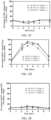
- FIG. 1B The results show that all antibodies could completely block the binding of IL-2 to IL-2R ⁇ .
- IC 50 values for the antibodies are shown in Table 5. Table 5. IC 50 values for anti-IL-2 antibodies blocking the binding of IL-2 to IL-2R ⁇ Antibody No. IC 50 ( ⁇ g/mL) A2-22 2.728 A3-21 3.475 B2-15 3.045 C2-53 1.441 D2-60 8.272 D3-68 2.134
- a Streptavidin biosensor (Fortebio, #18-5020) was immersed in 200 ⁇ L of KB buffer (PBS, pH 7.4, 0.05% tween-20, 0.1% BSA) for 60 s for the wetting treatment. Then, biotinylated IL-2R ⁇ -Fc (CJ78, Novoprotein) was diluted to 10 ⁇ g/mL with the KB buffer, and the sensor was immersed in 200 ⁇ L of the solution for 150 s. The sensor was immersed in the KB buffer for 60 s to elute excess IL-2R ⁇ .
- KB buffer PBS, pH 7.4, 0.05% tween-20, 0.1% BSA
- biotinylated IL-2R ⁇ -Fc CJ78, Novoprotein
- IL-2-His (CX66, Novoprotein) was mixed with an anti-IL-2 antibody and diluted with KB buffer to final concentrations of 100 nM and 500 nM, and incubated at room temperature for 30 min. The sensor was immersed in the mixture for 300 s for association. The stronger the ability of the anti-IL-2 antibody to block or reduce the binding of IL-2 to IL-2R ⁇ is, the lower the reading is. The values at 230 s after the beginning of the binding were read. The results are shown in Table 6. Table 6. The blocking or reducing of the binding of IL-2 to IL-2R ⁇ by anti-IL-2 antibodies in Octet assay Antibody No. Values for blocking IL-2R ⁇ at an Octet level C2-53 0.410 A3-21 0.428 D3-68 0.473 B2-15 0.700 D2-60 0.754 A2-22 0.848
- a Streptavidin biosensor (Fortebio, #18-5020) was immersed in 200 ⁇ L of KB buffer (PBS, pH 7.4, 0.05% tween-20, 0.1% BSA) for 60 s for the wetting treatment. Then, biotinylated IL-2-Fc (Sanyou Biopharmaceutical) was diluted to 10 ⁇ g/mL with the KB buffer, and the sensor was immersed in 200 ⁇ L of the solution for 300 s. The sensor was immersed in the KB buffer for 60 s to elute excess IL-2. The anti-IL-2 antibody was diluted to a final concentration of 500 nM with the KB buffer, and the sensor was immersed in the antibody solution for association for 300 s.
- KB buffer PBS, pH 7.4, 0.05% tween-20, 0.1% BSA
- the sensor was immersed in the KB buffer for 60 s to elute excess anti-IL-2 antibody.
- the IL-2R ⁇ -Fc (CJ82, Novoprotein) was diluted to a final concentration of 8000 nM with the KB buffer, and the sensor was immersed in the antibody solution for association for 300 s.
- the values at 230 s after the beginning of the binding of IL-2R ⁇ -Fc were read. The results are shown in Table 7. Table 7.
- Table 7. The blocking of the binding of IL-2 to IL-2R ⁇ by anti-IL-2 antibodies in Octet assay Antibody No. Values for blocking IL-2R ⁇ at an Octet level A3-21 0.003 C2-53 0.017 D3-68 0.027 A2-22 0.042 B2-15 0.056 D2-60 0.086
- Anti-human-IgG (STAR161, Bio-rad) was diluted to 2 ⁇ g/mL with PBS and added at 30 ⁇ L/well to coat an ELISA plate, and the plate was incubated overnight at 4 °C. The plate was washed with PBST 3 times. The plate was blocked with 1% BSA for 1 h at room temperature and washed with PBST 3 times. The anti-IL-2 antibody was diluted in a gradient to 20 ⁇ g/mL, 10 ⁇ g/mL, 5 ⁇ g/mL, 2.5 ⁇ g/mL, 1.25 ⁇ g/mL, 0.625 ⁇ g/mL, 0.3125 ⁇ g/mL, and 0.15625 ⁇ g/mL with PBS.
- a mixed staining solution was prepared with PBS containing 1% FBS.
- the mixed staining solution comprises CD3 APC-Cy7 (Biolegend 100329), CD8 PE (Biolegend 100708), CD4 PE-Cy7 (eBioscience 25-0042-82) and CD25 PerCP-Cy5.5 (BD 561112). 100 ⁇ L of mixed staining solution was added to each sample, and the mixture was incubated at 4 °C for 30 min. The mixture was washed with PBS containing 1% FBS twice.
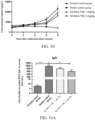
- mice Group Dose (mg/kg) Frequency of administration Route of administration Number of animals Normal Balb/c Normal control group - Once every 3 days SC. 10 MRL/lpr Model control group - Once every 3 days sc. 10 D2-60-b-T3E administration group 1 Once every 3 days sc. 10 3 Once every 3 days sc. 10
- the urine protein content of mice in each group was determined every two weeks; at the end of 8 consecutive weeks of treatment, the following tests were performed: (1) determination of the content of anti-double-stranded DNA IgM and IgG antibodies in the serum of mice in each group; (2) determination of the content of serum creatinine (CRE) and blood urea nitrogen (BUN) in the serum of mice in each group; (3) determination of the content of IL-6, IL-10 and IFN- ⁇ in the serum of mice in each group; and (4) pathological analysis and scoring of renal tissue of mice in each group.
- CRE serum creatinine
- BUN blood urea nitrogen
- NR-CE% A main peak/A total ⁇ 100% (A main peak represents the light chain main peak area + the heavy chain main peak area, and A total represents the sum of all peak areas).
- ⁇ NR-CE% NR-CE% of formulation before forced degradation - NR-CE% of formulation after forced degradation.
- the results are shown in Table 25.
- the SEC data show that after 6 days of shaking, the monomer purities of the formulations containing His-HCl were better than those of the formulations containing AA or SA.
- the iCIEF data show no significant difference between these groups after shaking.
- the formulation containing AA pH 5.5
- the formulations containing His-HCl pH 6.0-6.5
- the buffer system is preferably AA and His-HCl
- the pH range is preferably 5.5-6.5. Table 25.
- Formulations containing 10 mM AA buffer (pH 5.5), the fusion protein at the protein concentrations shown in Table 26, 80 mg/mL sucrose, and 0.2 mg/mL PS80 were prepared.
- a forced degradation study (standing at 40 °C for 1 month) was performed on samples, and the effect of different protein concentrations on the stability of the fusion protein was evaluated using SEC, NR-CE, and iCIEF.
- Formulations containing 30 mg/mL fusion protein, 80 mg/mL sucrose, the surfactants shown in Table 28, and 10 mM AA buffer (pH 5.5) were prepared. Samples were subjected to a forced degradation experiment (standing at 40 °C for 1 month), and the stability of the samples was evaluated using SEC and iCIEF. The results are shown in Table 28. The results show that there was no significant change in the protein monomer purity of the formulations containing poloxamer 188 (PF68). Table 28.
- Anti-IL-2 protein formulations containing 80 mg/mL sucrose, different surfactant species, and 30 mg/mL protein were prepared with 10 mM pH 6.0 His-HCl as a buffer system. Each of the formulations was filtered and bottled, and the bottles were stoppered and capped. Samples were taken and subjected to a 4 °C long-term study, and the stability of the samples was evaluated according to their appearances and using SEC. The results of the study are shown in Table 29.
- the specific surfactants used were as follows:
- Anti-IL-2 protein formulations containing 87 mg/mL sucrose, PS80 at different concentrations, and 30 mg/mL protein were prepared with 10 mM pH 6.0 His as a buffer system.
- the specific PS80 concentrations used were as follows:
- Anti-IL-2 protein formulations containing different auxiliary materials, 10 mg/mL protein, and 0.8 mg/mL PS80 were prepared in 10 mM pH 6.0 His-HCl buffer.
- the specific auxiliary materials were as follows:
- Anti-IL-2 protein formulations containing 36 mg/mL sucrose, 12 mg/mL glycine, 0.8 mg/mL PS80, and 10 mg/mL protein were prepared with pH 6.0 His-HCl as a buffer system.
- the specific different ionic strengths used were as follows:
- An anti-IL-2 protein formulation containing 50 mg/mL sucrose plus 9 mg/mL glycine (group 1) or 40 mg/mL sucrose plus 10 mg/mL glycine (group 2), 0.8 mg/mL PS80, and 10 mg/mL protein was prepared with 10 mM pH 6.0 His-HCl as a buffer system.
- the formulation was filtered and bottled, and the bottles were stoppered and capped.
- a sample of the formulation was lyophilized through a lyophilization program including pre-freezing, primary drying, and secondary drying (the parameters are shown in Table 33). After the end of the lyophilization program, stoppering was performed under vacuum. Then the lyophilized formulation was reconstituted with water for injection to form an anti-IL-2 antibody reconstituted solution with a protein concentration of 10 mg/mL. Differences in appearance, NR-CE purity, SEC purity, etc. were examined between the formulation before the lyophilization and the reconstituted lyophilized formulation. The experimental results are shown in Table 34, and the results show that the anti-IL-2 antibody formulation maintained good stability both before and after the lyophilization.
- the lyophilization program for the anti-IL-2 antibody formulation Lyophilization process parameters Set temperature (°C) Set time (min) Holding time (min) Degree of vacuum (Pa) Pre-freezing 5 10 60 N/A Pre-freezing -45 50 60 N/A Primary drying -25 120 3000 10 Secondary drying 25 60 1 10 25 1 480 10 Table 34.
- An anti-IL-2 protein formulation containing 45 mg/mL sucrose, 10 mg/mL glycine, 0.8 mg/mL PS80, and 10 mg/mL protein was prepared with 10 mM pH 6.0 His-HCl or 5 mM pH 6.0 His-HCl as a buffer system.
- the formulation was filtered and bottled, and the bottles were stoppered and capped.
- a sample of the formulation was lyophilized through a lyophilization program including pre-freezing, primary drying, and secondary drying (the parameters are shown in Table 35). After the end of the lyophilization program, stoppering was performed under vacuum. Then the lyophilized formulation was reconstituted with water for injection to form an anti-IL-2 antibody reconstituted solution with a protein concentration of 10 mg/mL. Differences in appearance, SEC purity, etc. were examined between the formulation before the lyophilization and the reconstituted lyophilized formulation. The experimental results are shown in Table 36, and the results show that the anti-IL-2 antibody formulation maintained good stability both before and after the lyophilization. Table 35.
- the lyophilization program for the anti-IL-2 antibody formulation Lyophilization process parameters Set temperature (°C) Set time (min) Holding time (min) Degree of vacuum (Pa) Pre-freezing 5 10 60 N/A Pre-freezing -45 50 60 N/A Primary drying -25 120 3000 10 Secondary drying 25 60 1 10 25 1 480 10 Table 36.
- Set temperature °C
- Set time min
- Holding time min
- Degree of vacuum Pa
- Pre-freezing -45 50 60 N/A
- Primary drying -25 120 3000 10 Secondary drying 25 60 1 10 25 1 480 10 Table 36 A comparison of the experimental results for the anti-IL-2 antibody formulations before and after lyophilization Group Standing conditions
- Reconstituted lyophilized formulation Clear and transparent 96.6 2 5mM pH6.0
- Formulation before lyophilization Clear and transparent 96.4 Reconstituted lyophilized formulation Clear
Landscapes
- Health & Medical Sciences (AREA)
- Chemical & Material Sciences (AREA)
- Life Sciences & Earth Sciences (AREA)
- Medicinal Chemistry (AREA)
- General Health & Medical Sciences (AREA)
- Animal Behavior & Ethology (AREA)
- Public Health (AREA)
- Veterinary Medicine (AREA)
- Pharmacology & Pharmacy (AREA)
- Engineering & Computer Science (AREA)
- Epidemiology (AREA)
- Bioinformatics & Cheminformatics (AREA)
- Immunology (AREA)
- Organic Chemistry (AREA)
- Proteomics, Peptides & Aminoacids (AREA)
- General Chemical & Material Sciences (AREA)
- Chemical Kinetics & Catalysis (AREA)
- Molecular Biology (AREA)
- Biochemistry (AREA)
- Genetics & Genomics (AREA)
- Oil, Petroleum & Natural Gas (AREA)
- Zoology (AREA)
- Gastroenterology & Hepatology (AREA)
- Biophysics (AREA)
- Mycology (AREA)
- Microbiology (AREA)
- Nuclear Medicine, Radiotherapy & Molecular Imaging (AREA)
- Toxicology (AREA)
- Inorganic Chemistry (AREA)
- Pain & Pain Management (AREA)
- Rheumatology (AREA)
- Dermatology (AREA)
- Endocrinology (AREA)
- Transplantation (AREA)
- Peptides Or Proteins (AREA)
- Medicinal Preparation (AREA)
- Medicines That Contain Protein Lipid Enzymes And Other Medicines (AREA)
- Medicines Containing Antibodies Or Antigens For Use As Internal Diagnostic Agents (AREA)
Applications Claiming Priority (2)
| Application Number | Priority Date | Filing Date | Title |
|---|---|---|---|
| CN202110985497 | 2021-08-25 | ||
| PCT/CN2022/114858 WO2023025249A1 (fr) | 2021-08-25 | 2022-08-25 | Composition pharmaceutique contenant une protéine de fusion |
Publications (2)
| Publication Number | Publication Date |
|---|---|
| EP4393949A1 true EP4393949A1 (fr) | 2024-07-03 |
| EP4393949A4 EP4393949A4 (fr) | 2025-01-08 |
Family
ID=85322447
Family Applications (1)
| Application Number | Title | Priority Date | Filing Date |
|---|---|---|---|
| EP22860595.2A Withdrawn EP4393949A4 (fr) | 2021-08-25 | 2022-08-25 | Composition pharmaceutique contenant une protéine de fusion |
Country Status (9)
| Country | Link |
|---|---|
| EP (1) | EP4393949A4 (fr) |
| JP (1) | JP2024530978A (fr) |
| KR (1) | KR20240049304A (fr) |
| CN (1) | CN117642424A (fr) |
| AU (1) | AU2022332510A1 (fr) |
| CA (1) | CA3229503A1 (fr) |
| MX (1) | MX2024002203A (fr) |
| TW (1) | TW202327642A (fr) |
| WO (1) | WO2023025249A1 (fr) |
Families Citing this family (1)
| Publication number | Priority date | Publication date | Assignee | Title |
|---|---|---|---|---|
| EP4392455A4 (fr) * | 2021-08-25 | 2025-08-20 | Ibio Inc | Anticorps anti-cd-25 |
Family Cites Families (14)
| Publication number | Priority date | Publication date | Assignee | Title |
|---|---|---|---|---|
| US4816567A (en) | 1983-04-08 | 1989-03-28 | Genentech, Inc. | Recombinant immunoglobin preparations |
| GB9112536D0 (en) | 1991-06-11 | 1991-07-31 | Celltech Ltd | Chemical compounds |
| HUE026278T2 (en) | 2003-07-01 | 2016-05-30 | Ucb Biopharma Sprl | Modified Fab antibody fragments |
| GB0315450D0 (en) | 2003-07-01 | 2003-08-06 | Celltech R&D Ltd | Biological products |
| GB0315457D0 (en) | 2003-07-01 | 2003-08-06 | Celltech R&D Ltd | Biological products |
| GB0411186D0 (en) | 2004-05-19 | 2004-06-23 | Celltech R&D Ltd | Biological products |
| US8629246B2 (en) | 2007-09-26 | 2014-01-14 | Ucb Pharma S.A. | Dual specificity antibody fusions |
| WO2010035012A1 (fr) | 2008-09-26 | 2010-04-01 | Ucb Pharma S.A. | Produits biologiques |
| WO2014028748A1 (fr) * | 2012-08-15 | 2014-02-20 | Irm Llc | Anticorps d'interleukine 2 et complexes d'anticorps |
| WO2017070561A1 (fr) * | 2015-10-23 | 2017-04-27 | Pfizer Inc. | Anticorps anti-il-2, compositions les contenant et leurs utilisations |
| WO2019168791A2 (fr) * | 2018-02-28 | 2019-09-06 | The Board Of Trustees Of The Leland Stanford Junior University | Fusions d'anticorps/il-2 à chaîne unique qui activent sélectivement des lymphocytes t régulateurs |
| KR102824112B1 (ko) * | 2018-03-28 | 2025-06-24 | 브리스톨-마이어스 스큅 컴퍼니 | 인터루킨-2/인터루킨-2 수용체 알파 융합 단백질 및 사용 방법 |
| KR20220034133A (ko) * | 2019-06-26 | 2022-03-17 | 더 존스 홉킨스 유니버시티 | 조절 t 세포의 표적화된 확장을 위한 방법 및 재료 |
| MX2022010034A (es) * | 2020-02-16 | 2022-12-13 | Aulos Bioscience Inc | Anticuerpos anti-il-2 diseñados. |
-
2022
- 2022-08-25 EP EP22860595.2A patent/EP4393949A4/fr not_active Withdrawn
- 2022-08-25 WO PCT/CN2022/114858 patent/WO2023025249A1/fr not_active Ceased
- 2022-08-25 CN CN202280048851.6A patent/CN117642424A/zh active Pending
- 2022-08-25 JP JP2024512159A patent/JP2024530978A/ja active Pending
- 2022-08-25 AU AU2022332510A patent/AU2022332510A1/en active Pending
- 2022-08-25 TW TW111132118A patent/TW202327642A/zh unknown
- 2022-08-25 KR KR1020247008409A patent/KR20240049304A/ko active Pending
- 2022-08-25 MX MX2024002203A patent/MX2024002203A/es unknown
- 2022-08-25 CA CA3229503A patent/CA3229503A1/fr active Pending
Also Published As
| Publication number | Publication date |
|---|---|
| JP2024530978A (ja) | 2024-08-27 |
| CN117642424A (zh) | 2024-03-01 |
| CA3229503A1 (fr) | 2023-03-02 |
| EP4393949A4 (fr) | 2025-01-08 |
| TW202327642A (zh) | 2023-07-16 |
| KR20240049304A (ko) | 2024-04-16 |
| MX2024002203A (es) | 2024-03-12 |
| AU2022332510A1 (en) | 2024-02-15 |
| WO2023025249A1 (fr) | 2023-03-02 |
Similar Documents
| Publication | Publication Date | Title |
|---|---|---|
| RU2771384C2 (ru) | Фармацевтическая композиция, содержащая антитело к lag-3, и ее применение | |
| CN110267989B (zh) | 抗cd40抗体、其抗原结合片段及其医药用途 | |
| TWI745670B (zh) | 抗cd27抗體、其抗原結合片段及其醫藥用途 | |
| JP2022084782A (ja) | 抗血液樹状細胞抗原2抗体の臨床使用のための医薬組成物及び投与レジメン | |
| EP4403573A1 (fr) | Composition pharmaceutique comprenant un anticorps bispécifique anti-pvrig/tigit | |
| CN121059791A (zh) | 抗人cd19抗体 | |
| US12168694B2 (en) | Anti-human CD45RC antibodies and uses thereof | |
| EP3919516A1 (fr) | Anticorps anti-cd79b, fragment de liaison à l'antigène de celui-ci et utilisation pharmaceutique associée | |
| CN111375059B (zh) | 一种抗gitr抗体药物组合物及其用途 | |
| EP3848049A1 (fr) | Composition pharmaceutique d'anticorps anti-tim3 et son utilisation | |
| TW202102204A (zh) | 包含抗il-5抗體的醫藥組成物及其用途 | |
| EP4393506A1 (fr) | Composition pharmaceutique d'anticorps anti-il4r et utilisation associée | |
| EP4108683A1 (fr) | Anticorps anti-il-2 et fragment de liaison à l'antigène de celui-ci et utilisation médicale de ceux-ci | |
| KR20240049304A (ko) | 융합 단백질을 함유하는 약학적 조성물 | |
| US20220111047A1 (en) | Formulations of antibodies that bind human cd137 and uses thereof | |
| CN110606892B (zh) | 一种高亲和力高生物活性的lag-3抗体及其应用 | |
| US20260139047A1 (en) | Pharmaceutical composition containing fusion protein | |
| WO2021190582A1 (fr) | Composition pharmaceutique d'anticorps anti-ox40 et son utilisation | |
| KR102962504B1 (ko) | Il-5에 대한 항체를 함유하는 약학적 조성물 및 이의 용도 | |
| RU2778572C1 (ru) | Фармацевтическая композиция на основе антител к cd40 и ее применение | |
| CN119909167A (zh) | 一种包含抗ccr8抗体的药物组合物及其用途 |
Legal Events
| Date | Code | Title | Description |
|---|---|---|---|
| STAA | Information on the status of an ep patent application or granted ep patent |
Free format text: STATUS: THE INTERNATIONAL PUBLICATION HAS BEEN MADE |
|
| PUAI | Public reference made under article 153(3) epc to a published international application that has entered the european phase |
Free format text: ORIGINAL CODE: 0009012 |
|
| STAA | Information on the status of an ep patent application or granted ep patent |
Free format text: STATUS: REQUEST FOR EXAMINATION WAS MADE |
|
| 17P | Request for examination filed |
Effective date: 20240314 |
|
| AK | Designated contracting states |
Kind code of ref document: A1 Designated state(s): AL AT BE BG CH CY CZ DE DK EE ES FI FR GB GR HR HU IE IS IT LI LT LU LV MC MK MT NL NO PL PT RO RS SE SI SK SM TR |
|
| DAV | Request for validation of the european patent (deleted) | ||
| DAX | Request for extension of the european patent (deleted) | ||
| A4 | Supplementary search report drawn up and despatched |
Effective date: 20241209 |
|
| RIC1 | Information provided on ipc code assigned before grant |
Ipc: A61P 37/06 20060101ALI20241203BHEP Ipc: A61K 39/00 20060101ALI20241203BHEP Ipc: C07K 14/55 20060101ALI20241203BHEP Ipc: C07K 16/24 20060101AFI20241203BHEP |
|
| STAA | Information on the status of an ep patent application or granted ep patent |
Free format text: STATUS: THE APPLICATION IS DEEMED TO BE WITHDRAWN |
|
| 18D | Application deemed to be withdrawn |
Effective date: 20250708 |