EP4412152A1 - Procédé d'authentification et appareil de communication - Google Patents
Procédé d'authentification et appareil de communication Download PDFInfo
- Publication number
- EP4412152A1 EP4412152A1 EP22885632.4A EP22885632A EP4412152A1 EP 4412152 A1 EP4412152 A1 EP 4412152A1 EP 22885632 A EP22885632 A EP 22885632A EP 4412152 A1 EP4412152 A1 EP 4412152A1
- Authority
- EP
- European Patent Office
- Prior art keywords
- authentication
- internet
- tag
- information
- terminal device
- Prior art date
- Legal status (The legal status is an assumption and is not a legal conclusion. Google has not performed a legal analysis and makes no representation as to the accuracy of the status listed.)
- Pending
Links
Images


Classifications
-
- H—ELECTRICITY
- H04—ELECTRIC COMMUNICATION TECHNIQUE
- H04L—TRANSMISSION OF DIGITAL INFORMATION, e.g. TELEGRAPHIC COMMUNICATION
- H04L63/00—Network architectures or network communication protocols for network security
- H04L63/08—Network architectures or network communication protocols for network security for authentication of entities
- H04L63/0807—Network architectures or network communication protocols for network security for authentication of entities using tickets, e.g. Kerberos
-
- G—PHYSICS
- G06—COMPUTING OR CALCULATING; COUNTING
- G06F—ELECTRIC DIGITAL DATA PROCESSING
- G06F21/00—Security arrangements for protecting computers, components thereof, programs or data against unauthorised activity
- G06F21/30—Authentication, i.e. establishing the identity or authorisation of security principals
- G06F21/31—User authentication
-
- G—PHYSICS
- G06—COMPUTING OR CALCULATING; COUNTING
- G06F—ELECTRIC DIGITAL DATA PROCESSING
- G06F21/00—Security arrangements for protecting computers, components thereof, programs or data against unauthorised activity
- G06F21/30—Authentication, i.e. establishing the identity or authorisation of security principals
- G06F21/44—Program or device authentication
-
- G—PHYSICS
- G06—COMPUTING OR CALCULATING; COUNTING
- G06F—ELECTRIC DIGITAL DATA PROCESSING
- G06F21/00—Security arrangements for protecting computers, components thereof, programs or data against unauthorised activity
- G06F21/30—Authentication, i.e. establishing the identity or authorisation of security principals
- G06F21/45—Structures or tools for the administration of authentication
- G06F21/46—Structures or tools for the administration of authentication by designing passwords or checking the strength of passwords
-
- H—ELECTRICITY
- H04—ELECTRIC COMMUNICATION TECHNIQUE
- H04L—TRANSMISSION OF DIGITAL INFORMATION, e.g. TELEGRAPHIC COMMUNICATION
- H04L63/00—Network architectures or network communication protocols for network security
- H04L63/08—Network architectures or network communication protocols for network security for authentication of entities
- H04L63/0869—Network architectures or network communication protocols for network security for authentication of entities for achieving mutual authentication
-
- H—ELECTRICITY
- H04—ELECTRIC COMMUNICATION TECHNIQUE
- H04L—TRANSMISSION OF DIGITAL INFORMATION, e.g. TELEGRAPHIC COMMUNICATION
- H04L63/00—Network architectures or network communication protocols for network security
- H04L63/08—Network architectures or network communication protocols for network security for authentication of entities
- H04L63/0884—Network architectures or network communication protocols for network security for authentication of entities by delegation of authentication, e.g. a proxy authenticates an entity to be authenticated on behalf of this entity vis-à-vis an authentication entity
-
- H—ELECTRICITY
- H04—ELECTRIC COMMUNICATION TECHNIQUE
- H04L—TRANSMISSION OF DIGITAL INFORMATION, e.g. TELEGRAPHIC COMMUNICATION
- H04L67/00—Network arrangements or protocols for supporting network services or applications
- H04L67/01—Protocols
- H04L67/12—Protocols specially adapted for proprietary or special-purpose networking environments, e.g. medical networks, sensor networks, networks in vehicles or remote metering networks
-
- H—ELECTRICITY
- H04—ELECTRIC COMMUNICATION TECHNIQUE
- H04L—TRANSMISSION OF DIGITAL INFORMATION, e.g. TELEGRAPHIC COMMUNICATION
- H04L9/00—Cryptographic mechanisms or cryptographic arrangements for secret or secure communications; Network security protocols
- H04L9/32—Cryptographic mechanisms or cryptographic arrangements for secret or secure communications; Network security protocols including means for verifying the identity or authority of a user of the system or for message authentication, e.g. authorization, entity authentication, data integrity or data verification, non-repudiation, key authentication or verification of credentials
-
- H—ELECTRICITY
- H04—ELECTRIC COMMUNICATION TECHNIQUE
- H04L—TRANSMISSION OF DIGITAL INFORMATION, e.g. TELEGRAPHIC COMMUNICATION
- H04L9/00—Cryptographic mechanisms or cryptographic arrangements for secret or secure communications; Network security protocols
- H04L9/40—Network security protocols
-
- H—ELECTRICITY
- H04—ELECTRIC COMMUNICATION TECHNIQUE
- H04W—WIRELESS COMMUNICATION NETWORKS
- H04W12/00—Security arrangements; Authentication; Protecting privacy or anonymity
- H04W12/06—Authentication
-
- H—ELECTRICITY
- H04—ELECTRIC COMMUNICATION TECHNIQUE
- H04L—TRANSMISSION OF DIGITAL INFORMATION, e.g. TELEGRAPHIC COMMUNICATION
- H04L2209/00—Additional information or applications relating to cryptographic mechanisms or cryptographic arrangements for secret or secure communication H04L9/00
- H04L2209/80—Wireless
- H04L2209/805—Lightweight hardware, e.g. radio-frequency identification [RFID] or sensor
Definitions
- Embodiments of this application relate to the communication field, and more specifically, to an authentication method and a communication apparatus.
- the internet of things terminal device may perform malicious behavior for personal interests. For example, the internet of things user may send a virus command to both a smart household and a vehicle-mounted smart device, to steal privacy data of users in daily life from a multidimensional perspective.
- the internet of things terminal device does not have a capability of determining a collaboration task. As a result, the internet of things terminal device may assist in executing an invalid internet of things task, causing incalculable damage to an internet of things system.
- most internet of things terminal devices are unattended and vulnerable to various malicious attacks, and therefore attackers can easily access and destroy devices, or even tamper with generated data.
- Embodiments of this application provide an authentication method and a communication apparatus, to implement bidirectional authentication between an internet of things user and an internet of things terminal device, thereby ensuring validity of an internet of things collaboration task and reliability of a collaboration process.
- this application provides an authentication method.
- the method includes: An internet of things gateway receives a first message from a terminal device, where the first message includes first information and second information, the first information is used to perform authentication on an internet of things user that requests to log in to the terminal device, and the second information is used to perform authentication on the terminal device.
- the internet of things gateway performs authentication on the internet of things user based on the first information.
- the internet of things gateway performs authentication on the terminal device based on the second information.
- the internet of things gateway sends a second message to the terminal device when authentication on the internet of things user and the terminal device succeeds, where the second message includes third authentication information and fourth authentication information, the third authentication information is used by the terminal device to perform authentication on the internet of things user, and the fourth authentication information is used by the internet of things user to perform authentication on the terminal device.
- the internet of things gateway may perform authentication on the internet of things user and the terminal device based on information from the terminal device, and feed back, to the terminal device when authentication on the internet of things user and the terminal device succeeds, information used by the terminal device to perform authentication on the internet of things user and information used by the internet of things user to perform authentication on the terminal device, so that the terminal device can perform authentication on the internet of things user, and the internet of things user can perform authentication on the terminal device.
- this technical solution can implement bidirectional authentication between the internet of things user and the terminal device, to ensure validity of an internet of things collaboration task and reliability of a collaboration process.
- the first information includes a first identity of the internet of things user and first authentication information
- the first authentication information indicates a first authentication tag on which first encryption processing is performed
- the first authentication tag is an authentication tag of the internet of things user
- the internet of things gateway performs authentication on the internet of things user based on the first information includes:
- the internet of things gateway obtains, based on the first identity, a third authentication tag corresponding to the first identity, and performs the first encryption processing on the third authentication tag to obtain fifth authentication information; and when the fifth authentication information is the same as the first authentication information, the internet of things gateway determines that authentication on the internet of things user succeeds; and/or the second information includes a second identity of the terminal device and second authentication information, the second authentication information indicates a second authentication tag on which second encryption processing is performed, and the second authentication tag is an authentication tag of the terminal device; and that the internet of things gateway performs authentication on the terminal device based on the second information includes:
- the internet of things gateway obtains, based on the second identity
- the internet of things gateway may obtain, based on the first identity of the internet of things user, the locally stored third authentication tag corresponding to the first identity, perform same encryption processing on the third authentication tag as the first authentication identifier, and implement authentication on the internet of things user by determining whether obtained information is the same as the first authentication information.
- the internet of things gateway may obtain, based on the second identity of the terminal device, the locally stored fourth authentication tag corresponding to the second identity, perform same encryption processing on the fourth authentication tag as the second authentication identifier, and implement authentication on the terminal device by determining whether obtained information is the same as the second authentication information.
- this solution can simplify authentication logic and reduce key management overheads.
- the third authentication information indicates the third authentication tag on which third encryption processing is performed; and/or the fourth authentication information indicates the fourth authentication tag on which fourth encryption processing is performed.
- the internet of things gateway feeds back the encrypted third authentication tag and the encrypted fourth authentication tag, so that the terminal device or the internet of things user can implement authentication on the internet of things user or the terminal device based on the authentication tag.
- this solution can simplify authentication logic and reduce key management overheads.
- At least one of the first encryption processing, the second encryption processing, the third encryption processing, and the fourth encryption processing is based on a hash algorithm and/or an exclusive OR algorithm.
- each piece of encryption processing is based on the hash algorithm and/or the exclusive OR algorithm, so that authentication logic can be simplified, and computing overheads and communication overheads in an authentication process can be reduced. This helps improve efficiency of authentication between the terminal device and the internet of things user, and can meet a requirement of an application layer for a low latency of an internet of things service.
- i identifies the internet of things user
- j identifies the terminal device
- E i is the first authentication information
- I j is the second authentication information
- F ij is the third authentication information
- ⁇ i is the fourth authentication information
- E i ' is the fifth authentication information
- I j ' is the sixth authentication information
- h() represents a one-way hash function
- ⁇ represents exclusive OR
- ⁇ represents concatenation or splicing
- W i , ⁇ i , and ⁇ i ' are intermediate variables
- ID i is the first identity
- DID j is the second identity
- Tag is the first authentication tag
- ⁇ i is the first authentication tag encrypted by the internet of things gateway
- r i is a random number
- PW i is a password of the internet of things user
- Tag i ' is the third authentication tag
- Tag j is the second authentication tag
- Tag j ' is the fourth authentication tag
- T 1
- the internet of things user communicates with the terminal device or the internet of things gateway via a first apparatus (for example, a smartcard) or a second apparatus (for example, an auxiliary device), it may be understood that i may further identify the first apparatus or the second apparatus.
- a first apparatus for example, a smartcard
- a second apparatus for example, an auxiliary device
- the first message further includes a first timestamp and/or a second timestamp, the first timestamp indicates Ti, and the second timestamp indicates a moment at which the first message is sent; and the method further includes: The internet of things gateway obtains a current timestamp; and the terminal device determines that a difference between the first timestamp and the current timestamp does not exceed a first preset threshold, and/or the internet of things gateway determines that a difference between the second timestamp and the current timestamp does not exceed a second preset threshold; and/or the second message further includes a third timestamp, and the third timestamp indicates T 3 .
- the timestamp is carried to defend against a replay attack.
- the method further includes: The internet of things gateway receives a first registration request message sent by a second apparatus, where the first registration request message is used to request to register the internet of things user with the internet of things gateway, the first registration request message includes the first identity of the internet of things user and registration information, and the registration information includes the password that is of the internet of things user and that is encrypted by the second apparatus; the internet of things gateway determines the first authentication tag based on the first registration request message, and generates a smartcard based on the first authentication tag, where the smartcard includes the first authentication tag encrypted by the internet of things gateway; and the internet of things gateway sends the smartcard to the second apparatus.
- the internet of things user may be registered with the internet of things gateway, and the internet of things gateway determines an authentication tag for the internet of things user and feeds back the authentication tag to the internet of things user, so that the terminal device and the internet of things gateway can subsequently perform authentication on the internet of things user based on the authentication tag.
- W i is the password that is of the internet of things user and that is encrypted by the second apparatus
- PW i is the password of the internet of things user
- ⁇ i is the first authentication tag encrypted by the internet of things gateway
- Tag i is the first authentication tag
- ID i is the first identity of the internet of things user
- K GTW is a key of the internet of things gateway
- h() represents a one-way hash function
- ⁇ represents exclusive OR
- II represents concatenation or splicing
- r i is a random number and is carried in the first registration request message and the smartcard.
- the internet of things user communicates with the terminal device or the internet of things gateway via a first apparatus (for example, a smartcard) or a second apparatus (for example, an auxiliary device), it may be understood that i may further identify the first apparatus or the second apparatus.
- a first apparatus for example, a smartcard
- a second apparatus for example, an auxiliary device
- the first registration request message further includes a fifth timestamp
- the fifth timestamp indicates a moment at which the first registration request message is sent
- the method further includes: The internet of things gateway obtains a current timestamp; and the internet of things gateway determines that a difference between the fifth timestamp and the current timestamp does not exceed a sixth preset threshold.
- the timestamp is carried to defend against a replay attack.
- the method further includes: The internet of things gateway verifies the first identity.
- this application provides an authentication method.
- the method includes: A terminal device receives a third message from a first apparatus, where the third message is used to request to log in to the terminal device, the third message includes first information, and the first information is used to perform authentication on an internet of things user that requests to log in to the terminal device; the terminal device sends a first message to an internet of things gateway based on the third message, where the first message includes the first information and second information, and the second information is used to perform authentication on the terminal device; the terminal device receives a second message from the internet of things gateway, where the second message includes third authentication information and fourth authentication information, the third authentication information is used by the terminal device to perform authentication on the internet of things user, and the fourth authentication information is used by the internet of things user to perform authentication on the terminal device; the terminal device performs authentication on the internet of things user based on the third authentication information; and the terminal device sends a fourth message to the first apparatus when authentication on the internet of things user succeeds, where the fourth message includes the fourth authentication information.
- the terminal device may send, to the internet of things gateway, information used to perform authentication on the internet of things user and information used to perform authentication on the terminal device, so that the internet of things gateway can perform authentication on the internet of things user and the terminal device based on the information from the terminal device, and can perform authentication on the internet of things user based on information fed back by the internet of things gateway; and send, to the internet of things user, information that is sent by the internet of things gateway and that is used by the internet of things user to perform authentication on the terminal device, so that the internet of things user performs authentication on the terminal device.
- this technical solution can implement bidirectional authentication between the internet of things user and the terminal device, to ensure validity of an internet of things collaboration task and reliability of a collaboration process.
- the first information includes a first identity of the internet of things user and first authentication information
- the first authentication information indicates a first authentication tag on which first encryption processing is performed
- the first authentication tag is an authentication tag of the internet of things user
- the second information includes a second identity of the terminal device and second authentication information
- the second authentication information indicates a second authentication tag on which second encryption processing is performed
- the second authentication tag is an authentication tag of the terminal device
- the third authentication information indicates a third authentication tag on which third encryption processing is performed, and that the terminal device performs authentication on the internet of things user based on the third authentication information
- the terminal device determines seventh authentication information based on the third authentication information, where the seventh authentication information indicates the third authentication tag on which first encryption processing is performed; and when the seventh authentication information is the same as the first authentication information, the terminal device determines that authentication on the internet of things user succeeds; and/or the fourth authentication information indicates a fourth authentication tag on which fourth encryption processing is performed.
- authentication on the internet of things user or the terminal device can be implemented based on the authentication tag.
- this solution can simplify authentication logic and reduce key management overheads.
- the third message further includes third information, the third information indicates a first key on which fifth encryption processing is performed, and the first key is used to determine a second key used when the internet of things user communicates with the terminal device;
- the fourth message further includes fourth information, the fourth information indicates a third key on which sixth encryption processing is performed, and the third key is generated by the terminal device and is used to determine the second key; and the method further includes: The terminal device determines the second key based on the third information and the third key.
- the internet of things user and the terminal device can simply and quickly obtain a secure session key through negotiation to encrypt interaction information, so as to effectively ensure privacy and security of original internet of things data in a transmission process, and help avoid common security attacks such as eavesdropping and tampering.
- At least one of the first encryption processing, the second encryption processing, the third encryption processing, the fourth encryption processing, the fifth encryption processing, and the sixth encryption processing is based on a hash algorithm and/or an exclusive OR algorithm.
- each piece of encryption processing is based on the hash algorithm and/or the exclusive OR algorithm, so that authentication logic can be simplified, and computing overheads and communication overheads in an authentication process can be reduced. This helps improve efficiency of authentication between the terminal device and the internet of things user, and can meet a requirement of an application layer for a low latency of an internet of things service.
- i identifies the internet of things user
- j identifies the terminal device
- E i is the first authentication information
- I j is the second authentication information
- F ij is the third authentication information
- ⁇ i is the fourth authentication information
- E i " is the seventh authentication information
- ⁇ i is the third information
- X ij is the fourth information
- SK ij is the second key
- h() represents a one-way hash function
- ⁇ represents exclusive OR
- II represents concatenation or splicing
- Wi ⁇ i
- ⁇ i ' are intermediate variables
- ID i is the first identity
- DID j is the second identity
- Tag is the first authentication tag
- ⁇ i is the first authentication tag encrypted by the internet of things gateway
- r i is a random number
- PW i is a password of the internet of things user
- Tag i ' is the third authentication tag
- Tag j is the second authentication tag
- the internet of things user communicates with the terminal device or the internet of things gateway via a first apparatus (for example, a smartcard) or a second apparatus (for example, an auxiliary device), it may be understood that i may further identify the first apparatus or the second apparatus.
- a first apparatus for example, a smartcard
- a second apparatus for example, an auxiliary device
- the first message further includes a first timestamp and/or a second timestamp, the first timestamp indicates T 1 , and the second timestamp indicates a moment at which the first message is sent; and/or the second message further includes a third timestamp, and the third timestamp indicates T 3 ; and the method further includes: The terminal device obtains a current timestamp; and the terminal device determines that a difference between the third timestamp and the current timestamp does not exceed a third preset threshold; and/or the third message further includes a first timestamp, and the first timestamp indicates T 1 ; and the method further includes: The terminal device obtains a current timestamp; and the terminal device determines that a difference between the first timestamp and the current timestamp does not exceed a fourth preset threshold; and/or the fourth message further includes a fourth timestamp, and the first timestamp indicates T 4 .
- the timestamp is carried to defend
- the third message is a login request message.
- this application provides an authentication method.
- the method includes: A first apparatus sends a third message to a terminal device, where the third message is used to request to log in to the terminal device, the third message includes first information, and the first information is used to perform authentication on an internet of things user that requests to log in to the terminal device; the first apparatus receives a fourth message from the terminal device, where the fourth message includes fourth authentication information, the fourth authentication information is used by the internet of things user to perform authentication on the terminal device, and the fourth authentication information is determined by an internet of things gateway; and the first apparatus performs authentication on the terminal device based on the fourth message.
- the first apparatus may send, to the terminal device, the information used to perform authentication on the internet of things user, so that the terminal device sends, to the internet of things gateway, both the information used to perform authentication on the internet of things user and the information used to perform authentication on the terminal device, and the internet of things gateway feeds back the information used by the internet of things user to perform authentication on the terminal device and sends the information to the internet of things user via the terminal device, to implement authentication on the terminal device.
- this technical solution can implement bidirectional authentication between the internet of things user and the terminal device, to ensure validity of an internet of things collaboration task and reliability of a collaboration process.
- the first information includes a first identity of the internet of things user and first authentication information
- the first authentication information indicates a first authentication tag on which first encryption processing is performed
- the first authentication tag is an authentication tag of the internet of things user
- the fourth authentication information indicates a fourth authentication tag on which fourth encryption processing is performed
- that the first apparatus performs authentication on the terminal device based on the fourth message includes: The first apparatus performs the fourth encryption processing on the first authentication tag to obtain eighth authentication information; and when the eighth authentication information is the same as the fourth authentication information, the first apparatus determines that authentication on the terminal device succeeds.
- authentication on the internet of things user or the terminal device can be implemented based on the authentication tag.
- this solution can simplify authentication logic and reduce key management overheads.
- the third message further includes third information, the third information indicates a first key on which fifth encryption processing is performed, and the first key is used to determine a second key used when the internet of things user communicates with the terminal device;
- the fourth message further includes fourth information, the fourth information indicates a third key on which sixth encryption processing is performed, and the third key is generated by the terminal device and is used to determine the second key; and the method further includes: The first apparatus determines the second key based on the fourth information and the first key.
- the internet of things user and the terminal device can simply and quickly obtain a secure session key through negotiation to encrypt interaction information, so as to effectively ensure privacy and security of original internet of things data in a transmission process, and help avoid common security attacks such as eavesdropping and tampering.
- At least one of the first encryption processing, the fourth encryption processing, the fifth encryption processing, and the sixth encryption processing is based on a hash algorithm and/or an exclusive OR algorithm.
- each piece of encryption processing is based on the hash algorithm and/or the exclusive OR algorithm, so that authentication logic can be simplified, and computing overheads and communication overheads in an authentication process can be reduced. This helps improve efficiency of authentication between the terminal device and the internet of things user, and can meet a requirement of an application layer for a low latency of an internet of things service.
- i identifies the internet of things user
- j identifies the terminal device
- E i is the first authentication information
- ⁇ i is the fourth authentication information
- y i ' is the eighth authentication information
- ⁇ i is the third information
- X ij is the fourth information
- SK ij is the second key
- h() represents a one-way hash function
- ⁇ represents exclusive OR
- ⁇ represents concatenation or splicing
- Wi ⁇ i
- ⁇ i ' are intermediate variables
- ID i is the first identity
- DID j is the second identity
- Tag is the first authentication tag
- ⁇ i is the first authentication tag encrypted by the internet of things gateway
- r i is a random number
- PW i is a password of the internet of things user
- Tag i ' is the third authentication tag
- K i is the first key
- K j ' is the third key restored by the first apparatus
- the internet of things user communicates with the terminal device or the internet of things gateway via a first apparatus (for example, a smartcard) or a second apparatus (for example, an auxiliary device), it may be understood that i may further identify the first apparatus or the second apparatus.
- a first apparatus for example, a smartcard
- a second apparatus for example, an auxiliary device
- the fourth message further includes a fourth timestamp, and the first timestamp indicates T 4 ; and the method further includes: The first apparatus obtains a current timestamp; and the first apparatus determines that a difference between the fourth timestamp and the current timestamp does not exceed a fifth preset threshold; and/or the third message further includes a first timestamp, and the first timestamp indicates T 1 .
- the timestamp is carried to defend against a replay attack.
- the third message is a login request message.
- this application provides an authentication method.
- the method includes: A second apparatus sends a first registration request message to an internet of things gateway, where the first registration request message is used to request to register an internet of things user corresponding to the second apparatus with the internet of things gateway, the first registration request message includes a first identity of the internet of things user and registration information, and the registration information includes a password that is of the internet of things user and that is encrypted by the second apparatus; and the second apparatus receives a smartcard from the internet of things gateway, where the smartcard includes a first authentication tag encrypted by the internet of things gateway, and the first authentication tag is an authentication tag of the internet of things user.
- the internet of things user may be registered with the internet of things gateway, and the internet of things gateway determines an authentication tag for the internet of things user and feeds back the authentication tag to the internet of things user, so that the terminal device and the internet of things gateway can subsequently perform authentication on the internet of things user based on the authentication tag.
- W i is the password that is of the internet of things user and that is encrypted by the second apparatus
- PW i is the password of the internet of things user
- ⁇ i is the first authentication tag encrypted by the internet of things gateway
- Tag i is the first authentication tag
- ID i is the first identity of the internet of things user
- K GTW is a key of the internet of things gateway
- h() represents a one-way hash function
- ⁇ represents exclusive OR
- ⁇ represents concatenation or splicing
- r i is a random number and is carried in the first registration request message and the smartcard.
- the internet of things user communicates with the terminal device or the internet of things gateway via a first apparatus (for example, a smartcard) or a second apparatus (for example, an auxiliary device), it may be understood that i may further identify the first apparatus or the second apparatus.
- a first apparatus for example, a smartcard
- a second apparatus for example, an auxiliary device
- the first registration request message further includes a fifth timestamp
- the fifth timestamp indicates a moment at which the first registration request message is sent.
- the timestamp is carried to defend against a replay attack.
- this application provides a communication apparatus.
- the apparatus includes modules or units configured to perform the method according to any one of the foregoing aspects or the possible implementations of the foregoing aspect.
- this application provides a communication apparatus, including a processor.
- the processor is coupled to a memory, and may be configured to execute instructions in the memory, to implement the method according to any one of the foregoing aspects or the possible implementations of the foregoing aspect.
- the apparatus further includes the memory.
- the apparatus further includes a communication interface, and the processor is coupled to the communication interface.
- the apparatus is a first apparatus, a terminal device, an internet of things gateway, or a second apparatus.
- the communication interface may be a transceiver or an input/output interface.
- the apparatus is a chip configured in a first apparatus, a terminal device, an internet of things gateway, or a second apparatus.
- the communication interface may be an input/output interface.
- the transceiver may be a transceiver circuit.
- the input/output interface may be an input/output circuit.
- this application provides a processor, including an input circuit, an output circuit, and a processing circuit.
- the processing circuit is configured to: receive a signal through the input circuit, and output a signal through the output circuit, so that the processor performs the method according to any one of the foregoing aspects or the possible implementations of the foregoing aspect.
- the processor may be a chip
- the input circuit may be an input pin
- the output circuit may be an output pin
- the processing circuit may be a transistor, a gate circuit, a trigger, various logic circuits, or the like.
- An input signal received by the input circuit may be received and input by, for example, but not limited to, a receiver
- a signal output by the output circuit may be output to, for example, but not limited to, a transmitter and transmitted by the transmitter
- the input circuit and the output circuit may be a same circuit, where the circuit is used as the input circuit and the output circuit at different moments.
- Specific implementations of the processor and the various circuits are not limited in embodiments of this application.
- this application provides a communication apparatus, including a processor and a memory.
- the processor is configured to: read instructions stored in the memory, receive a signal by using the receiver, and transmit a signal by using the transmitter, to perform the method according to any one of the foregoing aspects or the possible implementations of the foregoing aspect.
- processors there are one or more processors, and there are one or more memories.
- the memory and the processor may be integrated together, or the memory and the processor may be disposed separately.
- the memory may be a non-transitory (non-transitory) memory, for example, a read-only memory (read-only memory, ROM).
- the memory and the processor may be integrated into a same chip, or may be separately disposed on different chips.
- a type of the memory and a manner in which the memory and the processor are disposed are not limited in this embodiment of this application.
- a related data exchange process such as sending of indication information may be a process of outputting the indication information from the processor, and receiving of capability information may be a process of receiving the input capability information by the processor.
- data output by the processor may be output to a transmitter, and input data received by the processor may be from a receiver.
- the transmitter and the receiver may be collectively referred to as a transceiver.
- the apparatus in the eighth aspect may be a chip, and the processor may be implemented by using hardware or by using software.
- the processor When the processor is implemented by using hardware, the processor may be a logic circuit, an integrated circuit, or the like.
- the processor When the processor is implemented by using software, the processor may be a general-purpose processor, and is implemented by reading software code stored in the memory.
- the memory may be integrated into the processor, or may be independently located outside the processor.
- this application provides a computer-readable storage medium.
- the computer-readable storage medium stores a computer program or instructions.
- the computer program or the instructions are executed, the method according to any one of the foregoing aspects or the possible implementations of the foregoing aspect is implemented.
- this application provides a computer program product, including instructions. When the instructions are run, the method according to any one of the foregoing aspects or the possible implementations of the foregoing aspect is implemented.
- this application provides a communication system.
- the communication system includes the foregoing first apparatus, terminal device, internet of things gateway, and second apparatus.
- the technical solutions in embodiments of this application may be applied to various communication systems, for example, machine type communication (machine type communication, MTC), long term evolution-machine (long term evolution-machine, LTE-M), a device-to-device (device-to-device, D2D) network, a machine-to-machine (machine-to-machine, M2M) network, an internet of things (internet of things, IoT) network, or another network.
- the IoT network may include, for example, the internet of vehicles. Communication manners in an internet of vehicles system are collectively referred to as vehicle-to-X (vehicle-to-X, V2X, where X may represent everything).
- V2X may include vehicle-to-vehicle (vehicle-to-vehicle, V2V) communication, vehicle-to-infrastructure (vehicle-to-infrastructure, V2I) communication, vehicle-to-pedestrian (vehicle-to-pedestrian, V2P) communication, or vehicle-to-network (vehicle-to-network, V2N) communication.
- V2V vehicle-to-vehicle
- V2V vehicle-to-vehicle
- V2I vehicle-to-infrastructure
- V2P vehicle-to-pedestrian
- V2N vehicle-to-network
- the technical solutions provided in this application may be further applied to a future communication system, for example, a 6th generation mobile communication system. This is not limited in this application.
- FIG. 1 is a schematic diagram of an architecture of a communication system to which technical solutions of this application may be applied.
- the network architecture includes an internet of things user, a terminal device, and an internet of things gateway.
- the internet of things user may initiate a collaboration task to the terminal device to perform internet of things data collection, data sharing, and data analysis, so as to provide an intelligent service for an application layer.
- the internet of things gateway may be configured to implement bidirectional authentication between the internet of things user and the terminal device.
- the internet of things user may communicate with the terminal device or the internet of things gateway via some auxiliary devices or apparatuses.
- the auxiliary devices or apparatuses may be physical devices or apparatuses, or may be virtual devices or apparatuses. This is not limited in this application.
- a device or an apparatus used when the internet of things user communicates with the internet of things gateway is referred to as a first apparatus below
- a device or an apparatus used when the internet of things user communicates with the terminal device is referred to as a second apparatus below.
- the first apparatus and the second apparatus may be a same apparatus or different apparatuses.
- the internet of things user in this application may also be referred to as an internet of things entity, an internet of things entity user, a user, an internet of things subject, or the like, which are collectively described as an internet of things user below.
- the terminal device in this application may also be referred to as user equipment, an internet of things terminal device, an access terminal, a subscriber unit, a subscriber station, a mobile station, a remote station, a remote terminal, a mobile device, a user terminal, a terminal, a wireless communication device, a user agent, a user apparatus, or the like, which are collectively referred to as a terminal below.
- the terminal may be an MTC terminal, a computer with a wireless transceiver function, an internet of things terminal, a virtual reality terminal device, an augmented reality terminal device, a wearable device, a vehicle, a terminal in D2D communication, a terminal in V2X communication, a terminal in smart office, a terminal in industrial control, a terminal in autonomous driving, a terminal in remote surgery, a terminal in a smart grid, a terminal in transportation security, a terminal in a smart city, a terminal in smart home, or the like.
- a specific technology and a specific device form used by the terminal are not limited in embodiments of this application.
- an internet of things scenario may be a product manufacturing workshop with many pipelines
- an internet of things user may be a senior technician
- a terminal device may be a pipeline workbench
- an internet of things gateway may be a general console of the product manufacturing workshop
- a collaboration task may be that the senior technician detects a product manufacturing status of a pipeline from the pipeline workbench and writes a control instruction.
- the technical solutions in this application may be further applied to a scenario such as IoT data management or digital asset management.
- digital certificate authentication is based on a public key infrastructure (public key infrastructure, PKI) architecture.
- a certificate authority certificate authority
- CA uses information such as a public key and identity information of a certificate applicant and a validity period of a digital certificate as an original message and performs a hash operation on the original message to generate a digest, and generates a signature by using a CA private key.
- the digital signature and the original message of the applicant jointly form the digital certificate.
- an identity verifier decrypts the digital signature by using a CA public key to generate a message digest, calculates a hash value of the original message to generate a digest, and compares the two digests to verify authenticity and integrity of certificate content, so as to implement public key authentication on a user/device. Then, a cryptographic algorithm is used to verify validity of a user identity.
- Common cryptographic technologies include a message authentication code and signature algorithms such as a digital signature, a group signature, and a ring signature based on an asymmetric encryption algorithm.
- the digital certificate based on the PKI architecture is a specific application of the digital signature algorithm.
- an authentication scheme based on identity-based encryption is designed to reduce key management load, and a certificate-free encryption scheme is developed to resolve a problem of key leakage in identity-based cryptography.
- the existing internet of things authentication scheme mainly has three problems.
- a centralized organization brings risks of privacy leakage and a single-point attack, reducing credibility of the authentication scheme.
- this application provides an authentication method and a communication apparatus, to implement bidirectional authentication between an internet of things user and an internet of things terminal device, thereby ensuring validity of an internet of things collaboration task and reliability of a collaboration process.
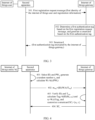
- FIG. 2 is a schematic flowchart of an authentication method according to this application.
- the method shown in FIG. 2 may be performed by a first apparatus, a terminal device, and an internet of things gateway, or may be performed by modules or units in the first apparatus, the terminal device, and the internet of things gateway. This is not limited in this application.
- An example in which the method is performed by the first apparatus, the terminal device, and the internet of things gateway is used below for description.
- Step 201 The first apparatus sends a third message to the terminal device.
- the terminal device receives the third message from the first apparatus.
- the first apparatus may be a smartcard.
- the smartcard may be customized by the internet of things gateway and sent to the internet of things user in a process in which the internet of things user is registered with the internet of things gateway.
- the smartcard may store a first authentication tag determined by the internet of things gateway for the internet of things user. The process in which the internet of things user is registered with the internet of things gateway is described in detail below with reference to FIG. 3 .
- the third message is used to request to log in to the terminal device.
- the third message may include first information, and the first information is used to perform authentication on an internet of things user that requests to log in to the terminal device.
- the first information includes a first identity of the internet of things user and first authentication information.
- the first identity may be selected and determined by the internet of things user, and the first identity is carried in the first information, so that the internet of things gateway obtains, based on the received first identity, a third authentication tag corresponding to the identity.
- the first authentication information indicates a first authentication tag on which first encryption processing is performed.
- the first encryption processing may be based on a hash algorithm and/or an exclusive OR algorithm.
- the third message may further carry a first timestamp, used to verify validity of the first information.
- the third message may be a login request message.
- Step 202 The terminal device sends a first message to the internet of things gateway based on the third message.
- the internet of things gateway receives the first message from the terminal device.
- the first message includes the first information and second information.
- the second information is used to perform authentication on the terminal device.
- the second information includes a second identity of the terminal device and second authentication information.
- the second identity may be determined by the terminal device, or may be allocated by the internet of things gateway to the terminal device. This is not limited in this application.
- the second identity is carried in the second information, so that the internet of things gateway obtains, based on the received second identity, a fourth authentication tag corresponding to the identity.
- the second authentication information indicates information about a second authentication tag on which second encryption processing is performed, and the second authentication tag is an authentication tag of the terminal device.
- the second encryption processing may be based on a hash algorithm and/or an exclusive OR algorithm.
- the terminal device may further obtain a current timestamp, and determine whether a difference between the first timestamp and the current timestamp is greater than a fourth preset threshold, to verify validity of the first information carried in the third message. If the difference does not exceed the fourth preset threshold, the terminal device determines that the first information carried in the third message is valid; or if the difference exceeds the fourth preset threshold, the terminal device determines that the first information carried in the third message is invalid.
- the fourth preset threshold is an acceptable transmission delay.
- the third message carries the first timestamp to defend against a replay attack.
- the first message may further carry the first timestamp and/or a second timestamp.
- the first timestamp is used to verify validity of the first information
- the second timestamp is used to verify validity of the second information.
- Step 203 The internet of things gateway performs authentication on the internet of things user based on the first information, and/or performs authentication on the terminal device based on the second information.
- the first information includes a first identity of the internet of things user and first authentication information.
- the internet of things gateway obtains, based on the first identity, a third authentication tag corresponding to the first identity, and performs first encryption processing on the third authentication tag to obtain fifth authentication information.
- the internet of things gateway determines, by determining whether the fifth authentication information is the same as the first authentication information, whether authentication on the internet of things user succeeds. If the fifth authentication information is the same as the first authentication information, the internet of things gateway determines that authentication on the internet of things user succeeds; or if the fifth authentication information is different from the first authentication information, the internet of things gateway determines that authentication on the internet of things user fails.
- the second information includes a second identity of the terminal device and second authentication information.
- the internet of things gateway obtains, based on the second identity, a fourth authentication tag corresponding to the second identity, and performs second encryption processing on the fourth authentication tag to obtain sixth authentication information.
- the internet of things gateway determines, by determining whether the sixth authentication information is the same as the second authentication information, whether authentication on the terminal device succeeds. If the sixth authentication information is the same as the second authentication information, the internet of things gateway determines that authentication on the terminal device succeeds; or if the sixth authentication information is different from the second authentication information, the internet of things gateway determines that authentication on the terminal device fails.
- the internet of things gateway may continue to perform step 204.
- the internet of things gateway may terminate a session.
- the internet of things gateway may further obtain a current timestamp, and determine whether a difference between the first timestamp and the current timestamp is greater than a first preset threshold, and/or determine whether a difference between the second timestamp and the current timestamp is greater than a second preset threshold, to verify validity of the first information and the second information carried in the first message. If the difference does not exceed the first preset threshold, the internet of things gateway determines that the first information carried in the first message is valid; or if the difference exceeds the first preset threshold, the internet of things gateway determines that the first information carried in the first message is invalid.
- the internet of things gateway determines that the second information carried in the first message is valid; or if the difference exceeds the second preset threshold, the internet of things gateway determines that the second information carried in the first message is invalid.
- the first preset threshold and the second preset threshold are acceptable transmission delays.
- the first message carries the first timestamp and/or the second timestamp to defend against a replay attack.
- Step 204 The internet of things gateway sends a second message to the terminal device.
- the terminal device receives the second message from the internet of things gateway.
- the second message includes third authentication information and fourth authentication information.
- the third authentication information is used by the terminal device to perform authentication on the internet of things user.
- the fourth authentication information is used by the internet of things user to perform authentication on the terminal device.
- the third authentication information indicates a third authentication tag on which third encryption processing is performed
- the fourth authentication information indicates a fourth authentication tag on which fourth encryption processing is performed.
- the third encryption processing and/or the fourth encryption processing may be based on a hash algorithm and/or an exclusive OR algorithm.
- the second message may further carry a third timestamp, and the third timestamp is used to verify validity of the third authentication information.
- Step 205 The terminal device performs authentication on the internet of things user based on the third authentication information.
- the terminal device determines seventh authentication information based on the third authentication information, where the seventh authentication information indicates the third authentication tag on which the first encryption processing is performed.
- the terminal device determines, by determining whether the seventh authentication information is the same as the first authentication information, whether authentication on the internet of things user succeeds. If the seventh authentication information is the same as the first authentication information, the terminal device determines that authentication on the internet of things user succeeds; or if the seventh authentication information is different from the first authentication information, the terminal device determines that authentication on the internet of things user fails.
- the terminal device may continue to perform step 206.
- the terminal device may reject a login request of the internet of things user and return rejection information.
- the terminal device may further obtain a current timestamp, and determine whether a difference between the third timestamp and the current timestamp is greater than a third preset threshold, to verify validity of the third authentication information carried in the second message. If the difference does not exceed the third preset threshold, the terminal device determines that the third authentication information carried in the second message is valid; or if the difference exceeds the third preset threshold, the terminal device determines that the third authentication information carried in the second message is invalid.
- the third preset threshold is an acceptable transmission delay.
- the second message carries the third timestamp to defend against a replay attack.
- Step 206 The terminal device sends a fourth message to the first apparatus.
- the first apparatus receives the fourth message from the terminal device.
- the fourth message includes fourth authentication information.
- the fourth authentication information is used by the internet of things user to perform authentication on the terminal device.
- the fourth authentication information is determined by the internet of things gateway.
- the fourth message may further carry a fourth timestamp, and the fourth timestamp is used to verify validity of the information in the fourth message.
- Step 207 The first apparatus performs authentication on the terminal device based on the fourth message.
- the first apparatus performs fourth encryption processing on the first authentication tag to obtain eighth authentication information.
- the first apparatus determines, by determining whether the eighth authentication information is the same as the fourth authentication information, whether authentication on the terminal device succeeds. If the eighth authentication information is the same as the fourth authentication information, the first apparatus determines that authentication on the terminal device succeeds; or if the eighth authentication information is different from the fourth authentication information, the first apparatus determines that authentication on the terminal device fails.
- the first apparatus may further obtain a current timestamp, and determine whether a difference between the fourth timestamp and the current timestamp is greater than a fifth preset threshold, to verify validity of the information carried in the fourth message. If the difference does not exceed the fifth preset threshold, the first apparatus determines that the information carried in the fourth message is valid; or if the difference exceeds the fifth preset threshold, the first apparatus determines that the information carried in the fourth message is invalid.
- the fifth preset threshold is an acceptable transmission delay.
- the fourth message carries the fourth timestamp to defend against a replay attack.
- the first apparatus may send, to the terminal device, information used to perform authentication on the internet of things user.
- the terminal device sends, to the internet of things gateway, both the information used to perform authentication on the internet of things user and the information used to perform authentication on the terminal device.
- the internet of things gateway may perform authentication on the internet of things user and the terminal device based on the received information, locally stored information related to the internet of things user, and locally stored information related to the terminal device.
- the internet of things gateway may send, to the terminal device, the information used by the terminal device to perform authentication on the internet of things user and the information used by the internet of things user to perform authentication on the terminal device.
- the terminal device performs authentication on the internet of things user based on the received information.
- the terminal device may send, to the internet of things user, the information that is sent by the internet of things gateway and that is used by the internet of things user to perform authentication on the terminal device, so that the internet of things user performs authentication on the terminal device.
- this technical solution can implement bidirectional authentication between the internet of things user and the terminal device, to ensure validity of an internet of things collaboration task and reliability of a collaboration process.
- credit endorsement of a third-party service organization is replaced with credit of the internet of things gateway, to help reduce risks of privacy leakage and a single-point attack.
- each piece of encryption processing is based on the hash algorithm and/or the exclusive OR algorithm, so that authentication logic can be simplified, and computing overheads and communication overheads in an authentication process can be reduced. This helps improve efficiency of authentication between the terminal device and the internet of things user, and can meet a requirement of an application layer for a low latency of an internet of things service.
- session key negotiation between the internet of things user and the terminal device may be further implemented.
- the third message further includes third information, the third information indicates a first key on which fifth encryption processing is performed, and the first key is used to determine a second key used when the internet of things user communicates with the terminal device.
- the terminal device may determine the second key (that is, a session key) based on the third information and a third key, where the third key is generated by the terminal device.
- the fourth message further includes fourth information, and the fourth information indicates a third key on which sixth encryption processing is performed.
- the first apparatus may determine the second key (that is, a session key) based on the fourth information and the first key.
- the internet of things user and the terminal device can simply and quickly obtain a secure session key through negotiation to encrypt interaction information, so as to effectively ensure privacy and security of original internet of things data in a transmission process, and help avoid common security attacks such as eavesdropping and tampering.
- the fifth encryption processing and/or the sixth encryption processing may be based on a hash algorithm and/or an exclusive OR algorithm.
- the session key negotiation between the internet of things user and the terminal device may be performed after or before the bidirectional authentication between the internet of things user and the terminal device is completed. This is not limited in this application.
- first preset threshold, the second preset threshold, the third preset threshold, the fourth preset threshold, and the fifth preset threshold may be the same or different, depending on a situation.
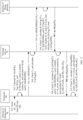
- FIG. 3 is a schematic flowchart in which an internet of things user is registered with an internet of things gateway.
- the method shown in FIG. 3 may be performed by a second apparatus and the internet of things gateway, or may be performed by modules or units in the second apparatus and the internet of things gateway. This is not limited in this application. An example in which the method is performed by the second apparatus and the internet of things gateway is used below for description.
- Step 301 The second apparatus sends a first registration request message to the internet of things gateway.
- the internet of things gateway receives the first registration request message from the second apparatus.
- the first registration request message is used to request to register an internet of things user corresponding to the second apparatus with the internet of things gateway.
- the first registration request message may include a first identity of the internet of things user and registration information.
- the registration information includes a password that is of the internet of things user and that is encrypted by the second apparatus.
- the password of the internet of things user may be selected or determined by the internet of things user.
- the first registration request message further includes a fifth timestamp, and the fifth timestamp indicates a moment at which the first registration request message is sent.
- Step 302 The internet of things gateway determines a first authentication tag based on the first registration request message, and generates a smartcard based on the first authentication tag.
- the first authentication tag is an authentication tag of the internet of things user.
- the first authentication tag may be related to the first identity of the internet of things user and a key of the internet of things gateway.
- the smartcard includes the first authentication tag encrypted by the internet of things gateway.
- the internet of things gateway may generate a correspondence between the first authentication tag and the first identity, to subsequently perform authentication on the internet of things user.
- Step 303 The internet of things gateway sends the smartcard to the second apparatus.
- the second apparatus receives the smartcard from the internet of things gateway.
- the smartcard carries information related to the first authentication tag. Therefore, the internet of things user may subsequently implement bidirectional authentication with the terminal device by using the smartcard.
- FIG. 4 shows an example of an internet of things user registration procedure according to this application.
- an internet of things user M i may correspond to the internet of things user described above
- an internet of things gateway may correspond to the internet of things gateway described above
- a second apparatus may correspond to the second apparatus described above.
- i an i th internet of things user
- h() represents a one-way hash function
- II represents concatenation or splicing.
- T reg represents a timestamp, used to defend against a replay attack.
- the message m reg may be a registration request message.
- Step 404 The internet of things gateway sends the smartcard SC i to the second apparatus.
- the second apparatus receives the smartcard SC i from the internet of things gateway.
- the internet of things user M i can be registered with the internet of things gateway in the foregoing procedure.
- FIG. 5 shows an example of bidirectional authentication and session key negotiation procedures between an internet of things user and a terminal device according to this application.
- an internet of things user M i may correspond to the internet of things user described above
- a smartcard may correspond to the first apparatus described above
- a terminal device D j may correspond to the terminal device described above
- an internet of things gateway may correspond to the internet of things gateway described above.
- the internet of things user M i Before steps shown in FIG. 5 are performed, the internet of things user M i has completed a registration procedure on the internet of things gateway device.
- the terminal device D j stores DID j and Tag j , and only the internet of things gateway and the terminal device D j store Tag j .
- h() represents a one-way hash function
- K GTW represents a key of the internet of things gateway.
- Step 501 The internet of things user M i inserts a smartcard SC; into the terminal device D j , and inputs an identity ID i and a password PW i of the internet of things user Mi, to complete authentication performed by the smartcard SC; on the internet of things user.
- i an i th internet of things user
- j a j th terminal device
- h() represents a one-way hash function
- ⁇ represents concatenation or splicing
- ⁇ represents exclusive OR
- Tag may correspond to the foregoing first authentication tag
- T 1 represents a timestamp, and is a moment at which Tag i is obtained
- K i is a negotiation key used to calculate a session key between the internet of things user M i and the terminal device D j , and may correspond to the foregoing first key.
- ⁇ i K i ⁇ i is calculated to hide K i , and only a device or an apparatus that learns of ⁇ i and W i can restore K i .
- the message m 1 may be a login request message.
- Step 504 After receiving the message m 1 , the terminal device D j first checks whether
- ⁇ T exists, the terminal device D j calculates I j h(Tag j ⁇ E i ).
- Tc represents a current timestamp
- ⁇ T is an acceptable transmission delay
- Tag j may correspond to the foregoing second authentication tag.
- T 2 represents a timestamp, and is a moment at which the message m 2 is sent.
- Step 506 After receiving the message m 2 , the internet of things gateway first checks whether
- Tc' represents a current timestamp
- ⁇ T is an acceptable transmission delay
- T 3 represents a timestamp
- ⁇ i is used by the internet of things user M; to perform authentication on the terminal device D j
- Tag i ' may correspond to the foregoing third authentication tag
- Tag j ' may correspond to the foregoing fourth authentication tag.
- F ij ⁇ i ' ⁇ h(Tag j ⁇ T 3 ) is calculated to hide ⁇ i ', and only an authorized terminal device that has Tag j can restore ⁇ i '.
- T 3 represents a timestamp, and is a moment at which the internet of things gateway completes authentication on the internet of things user M i and the terminal device D j .
- Step 508 After receiving the message m 3 , the terminal device D j first checks whether
- Tc represents a current timestamp
- ⁇ T is an acceptable transmission delay
- T 4 represents a timestamp
- K j is a negotiation key used to calculate a session key between the internet of things user M i and the terminal device D j , and may correspond to the foregoing third key.
- X ij h(K i ' ⁇ T 4 ) ⁇ K j is calculated to hide K j , and only a device or an apparatus that learns of X ij and h(K i ' ⁇ T 4 ) can restore K j .
- T 4 represents a timestamp
- the message m 4 (X ij ⁇ i ⁇ T 4 ) may be used to determine a session key between the internet of things user M i and the terminal device D j .
- Step 510 After receiving the message m 4 , the smartcard SC; first checks whether
- T C ′′′ represents a current timestamp
- ⁇ T is an acceptable transmission delay
- ⁇ T in steps 504, 506, 508, and 510 may be the same or different, depending on a situation.
- the apparatus in FIG. 6 or FIG. 7 includes a corresponding hardware structure and/or software module for performing each function.
- a person skilled in the art should be easily aware that, in combination with the units and the method steps in the examples described in embodiments disclosed in this application, this application can be implemented by using hardware or a combination of hardware and computer software. Whether a function is performed by using hardware or hardware driven by computer software depends on a particular application scenario and design constraint of the technical solutions.
- FIG. 6 and FIG. 7 each are a schematic diagram of a structure of a possible apparatus according to an embodiment of this application.
- the apparatus may be configured to implement functions of the first apparatus, the terminal device, the internet of things gateway, or the second apparatus in the foregoing method embodiments, and therefore can also implement beneficial effects of the foregoing method embodiments.
- the apparatus 600 includes a transceiver unit 610 and a processing unit 620.
- the transceiver unit 610 is configured to receive a first message from a terminal device, where the first message includes first information and second information, the first information is used to perform authentication on an internet of things user that requests to log in to the terminal device, and the second information is used to perform authentication on the terminal device; the processing unit 620 is configured to: perform authentication on the internet of things user based on the first information, and perform authentication on the terminal device based on the second information; and the transceiver unit 610 is further configured to send a second message to the terminal device when authentication on the internet of things user and the terminal device succeeds, where the second message includes third authentication information and fourth authentication information, the third authentication information is used by the terminal device to perform authentication on the internet of things user, and the fourth authentication information is used by the internet of things user to perform authentication on the terminal device.
- the first information includes a first identity of the internet of things user and first authentication information
- the first authentication information indicates a first authentication tag on which first encryption processing is performed
- the first authentication tag is an authentication tag of the internet of things user.
- the processing unit 620 is specifically configured to: obtain, based on the first identity, a third authentication tag corresponding to the first identity, and perform the first encryption processing on the third authentication tag to obtain fifth authentication information; and when the fifth authentication information is the same as the first authentication information, determine that authentication on the internet of things user succeeds.
- the second information includes a second identity of the terminal device and second authentication information
- the second authentication information indicates a second authentication tag on which second encryption processing is performed
- the second authentication tag is an authentication tag of the terminal device.
- the processing unit 620 is specifically configured to: obtain, based on the second identity, a fourth authentication tag corresponding to the second identity, and perform the second encryption processing on the fourth authentication tag to obtain sixth authentication information; and when the sixth authentication information is the same as the second authentication information, determine that authentication on the terminal device succeeds.
- the third authentication information indicates the third authentication tag on which third encryption processing is performed; and/or the fourth authentication information indicates the fourth authentication tag on which fourth encryption processing is performed.
- At least one of the first encryption processing, the second encryption processing, the third encryption processing, and the fourth encryption processing is based on a hash algorithm and/or an exclusive OR algorithm.
- i identifies the internet of things user
- j identifies the terminal device
- E i is the first authentication information
- I j is the second authentication information
- F ij is the third authentication information
- ⁇ i is the fourth authentication information
- E i ' is the fifth authentication information
- I j ' is the sixth authentication information
- h() represents a one-way hash function
- ⁇ represents exclusive OR
- ⁇ represents concatenation or splicing
- Wi ⁇ i
- ⁇ i ' are intermediate variables
- ID i is the first identity
- DID j is the second identity
- Tag is the first authentication tag
- ⁇ i is the first authentication tag encrypted by the internet of things gateway
- r i is a random number
- PW i is a password of the internet of things user
- Tag i ' is the third authentication tag
- Tag j is the second authentication tag
- Tag j ' is the fourth authentication tag
- T 1 is a moment at
- the first message further includes a first timestamp and/or a second timestamp
- the first timestamp indicates Ti
- the second timestamp indicates a moment at which the first message is sent.
- the processing unit 620 is further configured to: obtain a current timestamp; and determine that a difference between the first timestamp and the current timestamp does not exceed a first preset threshold, and/or determine that a difference between the second timestamp and the current timestamp does not exceed a second preset threshold.
- the second message further includes a third timestamp, and the third timestamp indicates T 3 .
- the transceiver unit 610 is further configured to receive a first registration request message sent by a second apparatus, where the first registration request message is used to request to register the internet of things user with the internet of things gateway, the first registration request message includes the first identity of the internet of things user and registration information, and the registration information includes the password that is of the internet of things user and that is encrypted by the second apparatus.
- the processing unit 620 is further configured to: determine the first authentication tag based on the first registration request message, and generate a smartcard based on the first authentication tag, where the smartcard includes the first authentication tag encrypted by the internet of things gateway.
- the transceiver unit 610 is further configured to send the smartcard to the second apparatus.
- W i is the password that is of the internet of things user and that is encrypted by the second apparatus
- PW i is the password of the internet of things user
- ⁇ i is the first authentication tag encrypted by the internet of things gateway
- Tag i is the first authentication tag
- ID i is the first identity of the internet of things user
- K GTW is a key of the internet of things gateway
- h() represents a one-way hash function
- ⁇ represents exclusive OR
- II represents concatenation or splicing
- r i is a random number and is carried in the first registration request message and the smartcard.
- the first registration request message further includes a fifth timestamp
- the fifth timestamp indicates a moment at which the first registration request message is sent.
- the processing unit 620 is further configured to: obtain a current timestamp; and determine that a difference between the fifth timestamp and the current timestamp does not exceed a sixth preset threshold.
- processing unit 620 is further configured to verify the first identity.
- the transceiver unit 610 is configured to: receive a third message from a first apparatus, where the third message is used to request to log in to the terminal device, the third message includes first information, and the first information is used to perform authentication on an internet of things user that requests to log in to the terminal device; send a first message to an internet of things gateway based on the third message, where the first message includes the first information and second information, and the second information is used to perform authentication on the terminal device; and receive a second message from the internet of things gateway, where the second message includes third authentication information and fourth authentication information, the third authentication information is used by the terminal device to perform authentication on the internet of things user, and the fourth authentication information is used by the internet of things user to perform authentication on the terminal device; the processing unit 620 is configured to perform authentication on the internet of things user based on the third authentication information; and the transceiver unit 610 is further configured to send a fourth message to the first apparatus when authentication on
- the first information includes a first identity of the internet of things user and first authentication information
- the first authentication information indicates a first authentication tag on which first encryption processing is performed
- the first authentication tag is an authentication tag of the internet of things user.
- the second information includes a second identity of the terminal device and second authentication information
- the second authentication information indicates a second authentication tag on which second encryption processing is performed
- the second authentication tag is an authentication tag of the terminal device.
- the third authentication information indicates a third authentication tag on which third encryption processing is performed; and the processing unit 620 is specifically configured to: determine seventh authentication information based on the third authentication information, where the seventh authentication information indicates the third authentication tag on which first encryption processing is performed; and when the seventh authentication information is the same as the first authentication information, determine that authentication on the internet of things user succeeds.
- the fourth authentication information indicates a fourth authentication tag on which fourth encryption processing is performed.
- the third message further includes third information, the third information indicates a first key on which fifth encryption processing is performed, and the first key is used to determine a second key used when the internet of things user communicates with the terminal device.
- the fourth message further includes fourth information, the fourth information indicates a third key on which sixth encryption processing is performed, and the third key is generated by the terminal device and is used to determine the second key.
- the processing unit 620 is further configured to determine the second key based on the third information and the third key.
- At least one of the first encryption processing, the second encryption processing, the third encryption processing, the fourth encryption processing, the fifth encryption processing, and the sixth encryption processing is based on a hash algorithm and/or an exclusive OR algorithm.
- i identifies the internet of things user
- j identifies the terminal device
- E i is the first authentication information
- I j is the second authentication information
- F ij is the third authentication information
- ⁇ i is the fourth authentication information
- E i " is the seventh authentication information
- ⁇ i is the third information
- X ij is the fourth information
- SK ij is the second key
- h() represents a one-way hash function
- ⁇ represents exclusive OR
- ⁇ represents concatenation or splicing
- Wi ⁇ i
- ⁇ i ' are intermediate variables
- ID i is the first identity
- DID j is the second identity
- Tag is the first authentication tag
- ⁇ i is the first authentication tag encrypted by the internet of things gateway
- r i is a random number
- PW i is a password of the internet of things user
- Tag i ' is the third authentication tag
- Tag j is the second authentication tag
- the first message further includes a first timestamp and/or a second timestamp, the first timestamp indicates Ti, and the second timestamp indicates a moment at which the first message is sent.
- the second message further includes a third timestamp
- the third timestamp indicates T 3 .
- the processing unit 620 is further configured to: obtain a current timestamp; and determine that a difference between the third timestamp and the current timestamp does not exceed a third preset threshold.
- the third message further includes a first timestamp, and the first timestamp indicates T 1 .
- the processing unit 620 is further configured to: obtain a current timestamp; and determine that a difference between the first timestamp and the current timestamp does not exceed a fourth preset threshold.
- the fourth message further includes a fourth timestamp, and the first timestamp indicates T 4 .
- the third message is a login request message.
- the transceiver unit 610 is configured to: send a third message to a terminal device, where the third message is used to request to log in to the terminal device, the third message includes first information, and the first information is used to perform authentication on an internet of things user that requests to log in to the terminal device; and receive a fourth message from the terminal device, where the fourth message includes fourth authentication information, the fourth authentication information is used by the internet of things user to perform authentication on the terminal device, and the fourth authentication information is determined by an internet of things gateway; and the processing unit 620 is configured to perform authentication on the terminal device based on the fourth message.
- the first information includes a first identity of the internet of things user and first authentication information
- the first authentication information indicates a first authentication tag on which first encryption processing is performed
- the first authentication tag is an authentication tag of the internet of things user.
- the fourth authentication information indicates a fourth authentication tag on which fourth encryption processing is performed.
- the processing unit 620 is specifically configured to: perform the fourth encryption processing on the first authentication tag to obtain eighth authentication information; and when the eighth authentication information is the same as the fourth authentication information, determine that authentication on the terminal device succeeds.
- the third message further includes third information, the third information indicates a first key on which fifth encryption processing is performed, and the first key is used to determine a second key used when the internet of things user communicates with the terminal device.
- the fourth message further includes fourth information, the fourth information indicates a third key on which sixth encryption processing is performed, and the third key is generated by the terminal device and is used to determine the second key.
- the processing unit 620 is further configured to determine the second key based on the fourth information and the first key.
- At least one of the first encryption processing, the fourth encryption processing, the fifth encryption processing, and the sixth encryption processing is based on a hash algorithm and/or an exclusive OR algorithm.
- i identifies the internet of things user
- j identifies the terminal device
- E i is the first authentication information
- ⁇ i is the fourth authentication information
- ⁇ i ' is the eighth authentication information
- ⁇ i is the third information
- X ij is the fourth information
- SK ij is the second key
- h() represents a one-way hash function
- ⁇ represents exclusive OR
- ⁇ represents concatenation or splicing
- Wi ⁇ i
- ⁇ i ' are intermediate variables
- ID i is the first identity
- DID j is the second identity
- Tag is the first authentication tag
- ⁇ i is the first authentication tag encrypted by the internet of things gateway
- r i is a random number
- PW i is a password of the internet of things user
- Tag i ' is the third authentication tag
- K i is the first key
- K j ' is the third key restored by the first apparatus
- the fourth message further includes a fourth timestamp
- the first timestamp indicates T 4 .
- the processing unit 620 is further configured to: obtain a current timestamp; and determine, by the first apparatus, that a difference between the fourth timestamp and the current timestamp does not exceed a fifth preset threshold.
- the third message further includes a first timestamp, and the first timestamp indicates T 1 .
- the third message is a login request message.
- the transceiver unit 610 is configured to: send a first registration request message to an internet of things gateway, where the first registration request message is used to request to register an internet of things user corresponding to the second apparatus with the internet of things gateway, the first registration request message includes a first identity of the internet of things user and registration information, and the registration information includes a password that is of the internet of things user and that is encrypted by the second apparatus; and receive a smartcard from the internet of things gateway, where the smartcard includes a first authentication tag encrypted by the internet of things gateway, and the first authentication tag is an authentication tag of the internet of things user.
- W i is the password that is of the internet of things user and that is encrypted by the second apparatus
- PW i is the password of the internet of things user
- ⁇ i is the first authentication tag encrypted by the internet of things gateway
- Tag i is the first authentication tag
- ID i is the first identity of the internet of things user
- K GTW is a key of the internet of things gateway
- h() represents a one-way hash function
- ⁇ represents exclusive OR
- II represents concatenation or splicing
- r i is a random number and is carried in the first registration request message and the smartcard.
- the first registration request message further includes a fifth timestamp, and the fifth timestamp indicates a moment at which the first registration request message is sent.
- an apparatus 700 includes a processor 710 and an interface circuit 720.
- the processor 710 and the interface circuit 720 are coupled to each other.
- the interface circuit 720 may be a transceiver or an input/output interface.
- the apparatus 700 may further include a memory 730, configured to store instructions executed by the processor 710, input data required by the processor 710 to run the instructions, or data generated after the processor 710 runs the instructions.
- the processor 710 is configured to implement a function of the processing unit 620
- the interface circuit 720 is configured to implement a function of the transceiver unit 610.
- the chip When the apparatus 700 is a chip used in an internet of things gateway, the chip implements a function of the internet of things gateway in the foregoing method embodiments.
- the chip receives information from another module (for example, a radio frequency module or an antenna) in the internet of things gateway, where the information is sent by another apparatus to the internet of things gateway; or the chip sends information to another module (for example, a radio frequency module or an antenna) in the internet of things gateway, where the information is sent by the internet of things gateway to another apparatus.
- another module for example, a radio frequency module or an antenna
- the chip When the apparatus 700 is a chip used in a terminal device, the chip implements a function of the terminal device in the foregoing method embodiments.
- the chip receives information from another module (for example, a radio frequency module or an antenna) in the terminal device, where the information is sent by another apparatus to the terminal device; or the chip sends information to another module (for example, a radio frequency module or an antenna) in the terminal device, where the information is sent by the terminal device to another apparatus.
- another module for example, a radio frequency module or an antenna
- the chip When the apparatus 700 is a chip used in a first apparatus, the chip implements a function of the first apparatus in the foregoing method embodiments.
- the chip receives information from another module (for example, a radio frequency module or an antenna) in the first apparatus, where the information is sent by another apparatus to the first apparatus; or the chip sends information to another module (for example, a radio frequency module or an antenna) in the first apparatus, where the information is sent by the first apparatus to another apparatus.
- another module for example, a radio frequency module or an antenna
- the chip When the apparatus 700 is a chip used in a second apparatus, the chip implements a function of the second apparatus in the foregoing method embodiments.
- the chip receives information from another module (for example, a radio frequency module or an antenna) in the second apparatus, where the information is sent by another apparatus to the second apparatus; or the chip sends information to another module (for example, a radio frequency module or an antenna) in the second apparatus, where the information is sent by the second apparatus to another apparatus.
- another module for example, a radio frequency module or an antenna
- This application further provides a communication apparatus, including a processor.
- the processor is coupled to a memory.
- the memory is configured to store a computer program or instructions and/or data.
- the processor is configured to: execute the computer program or the instructions stored in the memory, or read data stored in the memory, to perform the method in the foregoing method embodiments.
- the communication apparatus includes the memory.
- the memory and the processor are integrated together, or are disposed separately.
- This application further provides a computer-readable storage medium.
- the computer-readable storage medium stores computer instructions used to implement the method performed by the first apparatus, the terminal device, the internet of things gateway, or the second apparatus in the foregoing method embodiments.
- This application further provides a computer program product, including instructions.
- the instructions are executed by a computer, the method performed by the first apparatus, the terminal device, the internet of things gateway, or the second apparatus in the foregoing method embodiments is implemented.
- the communication system includes the first apparatus, the terminal device, the internet of things gateway, and the second apparatus in the foregoing embodiments.
- the processor in embodiments of this application may be a central processing unit (central processing unit, CPU), or may be another general-purpose processor, a digital signal processor (digital signal processor, DSP), an application-specific integrated circuit (application-specific integrated circuit, ASIC), a field programmable gate array (field programmable gate array, FPGA) or another programmable logic device, a transistor logic device, a hardware component, or any combination thereof.
- the general-purpose processor may be a microprocessor, any conventional processor, or the like.
- the method steps in embodiments of this application may be implemented by using hardware, or may be implemented by executing software instructions by the processor.
- the software instructions may include a corresponding software module.
- the software module may be stored in a random access memory, a flash memory, a read-only memory, a programmable read-only memory, an erasable programmable read-only memory, an electrically erasable programmable read-only memory, a register, a hard disk, a removable hard disk, a CD-ROM, or any other form of storage medium well-known in the art.
- a storage medium is coupled to a processor, so that the processor can read information from the storage medium and write information into the storage medium.
- the storage medium may be a component of the processor.
- the processor and the storage medium may be disposed in an ASIC.
- the ASIC may be located in the first apparatus, the terminal device, the internet of things gateway, or the second apparatus.
- the processor and the storage medium may alternatively exist in the first apparatus, the terminal device, the internet of things gateway, or the second apparatus as discrete components.
- All or some of the foregoing embodiments may be implemented by using software, hardware, firmware, or any combination thereof.
- software is used to implement the foregoing embodiments, all or some of the foregoing embodiments may be implemented in a form of a computer program product.
- the computer program product includes one or more computer programs and instructions. When the computer programs or instructions are loaded and executed on a computer, the procedures or functions in embodiments of this application are completely or partially executed.
- the computer may be a general-purpose computer, a dedicated computer, a computer network, a network device, user equipment, or another programmable apparatus.
- the computer programs or instructions may be stored in a computer-readable storage medium, or may be transmitted from a computer-readable storage medium to another computer-readable storage medium.
- the computer programs or instructions may be transmitted from a website, computer, server, or data center to another website, computer, server, or data center in a wired or wireless manner.
- the computer-readable storage medium may be any usable medium that can be accessed by a computer, or a data storage device, such as a server or a data center, integrating one or more usable media.
- the usable medium may be a magnetic medium, for example, a floppy disk, a hard disk, or a magnetic tape; or may be an optical medium, for example, a digital video disc; or may be a semiconductor medium, for example, a solid-state drive.
- “at least one” means one or more, and "a plurality of” means two or more.
- the term “and/or” describes an association relationship between associated objects and represents that three relationships may exist.
- a and/or B may represent the following cases: Only A exists, both A and B exist, and only B exists, where A and B may be singular or plural.
- the character “/” usually indicates an “or” relationship between the associated objects.
- the character “/” indicates a "division" relationship between the associated objects.
Landscapes
- Engineering & Computer Science (AREA)
- Computer Security & Cryptography (AREA)
- Signal Processing (AREA)
- Computer Networks & Wireless Communication (AREA)
- Computer Hardware Design (AREA)
- General Engineering & Computer Science (AREA)
- Computing Systems (AREA)
- Theoretical Computer Science (AREA)
- Software Systems (AREA)
- Physics & Mathematics (AREA)
- General Physics & Mathematics (AREA)
- Health & Medical Sciences (AREA)
- General Health & Medical Sciences (AREA)
- Medical Informatics (AREA)
- Data Exchanges In Wide-Area Networks (AREA)
Applications Claiming Priority (2)
| Application Number | Priority Date | Filing Date | Title |
|---|---|---|---|
| CN202111273493.2A CN116074023A (zh) | 2021-10-29 | 2021-10-29 | 一种认证方法和通信装置 |
| PCT/CN2022/124242 WO2023071751A1 (fr) | 2021-10-29 | 2022-10-10 | Procédé d'authentification et appareil de communication |
Publications (2)
| Publication Number | Publication Date |
|---|---|
| EP4412152A1 true EP4412152A1 (fr) | 2024-08-07 |
| EP4412152A4 EP4412152A4 (fr) | 2024-12-18 |
Family
ID=86160301
Family Applications (1)
| Application Number | Title | Priority Date | Filing Date |
|---|---|---|---|
| EP22885632.4A Pending EP4412152A4 (fr) | 2021-10-29 | 2022-10-10 | Procédé d'authentification et appareil de communication |
Country Status (3)
| Country | Link |
|---|---|
| EP (1) | EP4412152A4 (fr) |
| CN (1) | CN116074023A (fr) |
| WO (1) | WO2023071751A1 (fr) |
Families Citing this family (4)
| Publication number | Priority date | Publication date | Assignee | Title |
|---|---|---|---|---|
| CN116996341B (zh) * | 2023-09-26 | 2023-12-19 | 深圳市顾美科技有限公司 | 设备管理方法、装置、终端设备以及存储介质 |
| CN117097561B (zh) * | 2023-10-18 | 2024-01-16 | 华东交通大学 | 面向工业物联网的可信设备传递身份认证方法 |
| CN117675412B (zh) * | 2024-01-31 | 2024-06-18 | 中国民用航空总局第二研究所 | 一种工业物联网场景下的具有强隐私保护的数据共享方法 |
| CN117896183B (zh) * | 2024-03-14 | 2024-07-02 | 杭州海康威视数字技术股份有限公司 | 一种大规模物联网设备聚合批量认证方法及系统 |
Family Cites Families (6)
| Publication number | Priority date | Publication date | Assignee | Title |
|---|---|---|---|---|
| CN105101194B (zh) * | 2014-04-28 | 2019-07-09 | 华为技术有限公司 | 终端安全认证方法、装置及系统 |
| CN110770695B (zh) * | 2017-06-16 | 2024-01-30 | 密码研究公司 | 物联网(iot)设备管理 |
| KR101936080B1 (ko) * | 2017-10-26 | 2019-04-03 | 순천향대학교 산학협력단 | 안전한 스마트 홈 환경을 위한 ksi 기반 인증 및 통신 방법 및 이를 위한 시스템 |
| CN109522689B (zh) * | 2018-10-29 | 2023-05-30 | 北京九州云腾科技有限公司 | 移动办公环境下的多因子强身份认证方法 |
| CN112954680B (zh) * | 2021-03-02 | 2022-12-09 | 西安电子科技大学 | 抗追溯攻击的无线传感器网络轻量级接入认证方法及系统 |
| CN113553574B (zh) * | 2021-07-28 | 2025-01-24 | 浙江大学 | 一种基于区块链技术的物联网可信数据管理方法 |
-
2021
- 2021-10-29 CN CN202111273493.2A patent/CN116074023A/zh active Pending
-
2022
- 2022-10-10 EP EP22885632.4A patent/EP4412152A4/fr active Pending
- 2022-10-10 WO PCT/CN2022/124242 patent/WO2023071751A1/fr not_active Ceased
Also Published As
| Publication number | Publication date |
|---|---|
| WO2023071751A1 (fr) | 2023-05-04 |
| CN116074023A (zh) | 2023-05-05 |
| EP4412152A4 (fr) | 2024-12-18 |
Similar Documents
| Publication | Publication Date | Title |
|---|---|---|
| EP4412152A1 (fr) | Procédé d'authentification et appareil de communication | |
| US10516654B2 (en) | System, apparatus and method for key provisioning delegation | |
| CN112651037B (zh) | 区块链系统的链外数据访问方法和系统 | |
| CN113079132B (zh) | 海量物联网设备认证方法、存储介质、信息数据处理终端 | |
| US12132839B2 (en) | Decentralised authentication | |
| US10439809B2 (en) | Method and apparatus for managing application identifier | |
| WO2019019853A1 (fr) | Procédé de traitement de données, dispositif terminal, et dispositif de réseau | |
| CN116074028B (zh) | 加密流量的访问控制方法、装置及系统 | |
| Gupta et al. | An improved authentication scheme for BLE devices with no I/O capabilities | |
| CN103888429A (zh) | 虚拟机启动方法、相关设备和系统 | |
| US11240661B2 (en) | Secure simultaneous authentication of equals anti-clogging mechanism | |
| US20120166801A1 (en) | Mutual authentication system and method for mobile terminals | |
| CN115348023A (zh) | 一种数据安全处理方法和装置 | |
| CN117930736A (zh) | 一种plc通信安全检测方法 | |
| CN114567425B (zh) | 物联网通信方法、系统、SoC Sim和物联网终端 | |
| CN118646545A (zh) | 登录票据获取方法、装置、设备及存储介质 | |
| CN120034336A (zh) | 一种车载自组织网络通信中无证书签名加密方法 | |
| Kumar et al. | Secure and efficient cache-based authentication scheme for vehicular ad-hoc networks | |
| Yuan et al. | A Blockchain-based cross-platform authentication scheme for EV aggregate charging platform | |
| WO2023081973A1 (fr) | Grand livre distribué pour l'internet des objets | |
| Zhengnan et al. | A Blockchain-Assisted Cross-Domain Authentication and Key Negotiation Scheme in IIoT | |
| Yuan et al. | An anonymous and lightweight authentication scheme for Internet of Vehicles | |
| Liang et al. | A multi-notary cross-chain system with supervision and identity tracking | |
| CN116684080B (zh) | 设备认证方法、装置、电子设备及存储介质 | |
| CN118802131B (zh) | 认证方法、相关设备、存储介质及计算机程序产品 |
Legal Events
| Date | Code | Title | Description |
|---|---|---|---|
| STAA | Information on the status of an ep patent application or granted ep patent |
Free format text: STATUS: THE INTERNATIONAL PUBLICATION HAS BEEN MADE |
|
| PUAI | Public reference made under article 153(3) epc to a published international application that has entered the european phase |
Free format text: ORIGINAL CODE: 0009012 |
|
| STAA | Information on the status of an ep patent application or granted ep patent |
Free format text: STATUS: REQUEST FOR EXAMINATION WAS MADE |
|
| 17P | Request for examination filed |
Effective date: 20240501 |
|
| AK | Designated contracting states |
Kind code of ref document: A1 Designated state(s): AL AT BE BG CH CY CZ DE DK EE ES FI FR GB GR HR HU IE IS IT LI LT LU LV MC ME MK MT NL NO PL PT RO RS SE SI SK SM TR |
|
| A4 | Supplementary search report drawn up and despatched |
Effective date: 20241115 |
|
| RIC1 | Information provided on ipc code assigned before grant |
Ipc: G06F 21/44 20130101ALI20241112BHEP Ipc: H04L 67/12 20220101ALI20241112BHEP Ipc: H04L 9/32 20060101ALI20241112BHEP Ipc: G06F 21/31 20130101ALI20241112BHEP Ipc: H04W 12/06 20210101ALI20241112BHEP Ipc: G06F 21/30 20130101ALI20241112BHEP Ipc: H04L 9/40 20220101AFI20241112BHEP |
|
| DAV | Request for validation of the european patent (deleted) | ||
| DAX | Request for extension of the european patent (deleted) |