EP4414484A2 - Erhöhte produktion von immunglobulinen - Google Patents
Erhöhte produktion von immunglobulinen Download PDFInfo
- Publication number
- EP4414484A2 EP4414484A2 EP24170934.4A EP24170934A EP4414484A2 EP 4414484 A2 EP4414484 A2 EP 4414484A2 EP 24170934 A EP24170934 A EP 24170934A EP 4414484 A2 EP4414484 A2 EP 4414484A2
- Authority
- EP
- European Patent Office
- Prior art keywords
- immunoglobulin
- peptide
- cell
- nucleic acid
- protein
- Prior art date
- Legal status (The legal status is an assumption and is not a legal conclusion. Google has not performed a legal analysis and makes no representation as to the accuracy of the status listed.)
- Pending
Links
Images


Classifications
-
- A—HUMAN NECESSITIES
- A01—AGRICULTURE; FORESTRY; ANIMAL HUSBANDRY; HUNTING; TRAPPING; FISHING
- A01K—ANIMAL HUSBANDRY; AVICULTURE; APICULTURE; PISCICULTURE; FISHING; REARING OR BREEDING ANIMALS, NOT OTHERWISE PROVIDED FOR; NEW BREEDS OF ANIMALS
- A01K67/00—Rearing or breeding animals, not otherwise provided for; New or modified breeds of animals
- A01K67/027—New or modified breeds of vertebrates
- A01K67/0275—Genetically modified vertebrates, e.g. transgenic
- A01K67/0278—Knock-in vertebrates, e.g. humanised vertebrates
-
- C—CHEMISTRY; METALLURGY
- C07—ORGANIC CHEMISTRY
- C07K—PEPTIDES
- C07K14/00—Peptides having more than 20 amino acids; Gastrins; Somatostatins; Melanotropins; Derivatives thereof
- C07K14/195—Peptides having more than 20 amino acids; Gastrins; Somatostatins; Melanotropins; Derivatives thereof from bacteria
- C07K14/305—Peptides having more than 20 amino acids; Gastrins; Somatostatins; Melanotropins; Derivatives thereof from bacteria from Micrococcaceae (F)
- C07K14/31—Peptides having more than 20 amino acids; Gastrins; Somatostatins; Melanotropins; Derivatives thereof from bacteria from Micrococcaceae (F) from Staphylococcus (G)
-
- C—CHEMISTRY; METALLURGY
- C07—ORGANIC CHEMISTRY
- C07K—PEPTIDES
- C07K14/00—Peptides having more than 20 amino acids; Gastrins; Somatostatins; Melanotropins; Derivatives thereof
- C07K14/195—Peptides having more than 20 amino acids; Gastrins; Somatostatins; Melanotropins; Derivatives thereof from bacteria
- C07K14/315—Peptides having more than 20 amino acids; Gastrins; Somatostatins; Melanotropins; Derivatives thereof from bacteria from Streptococcus (G), e.g. Enterococci
-
- C—CHEMISTRY; METALLURGY
- C07—ORGANIC CHEMISTRY
- C07K—PEPTIDES
- C07K14/00—Peptides having more than 20 amino acids; Gastrins; Somatostatins; Melanotropins; Derivatives thereof
- C07K14/435—Peptides having more than 20 amino acids; Gastrins; Somatostatins; Melanotropins; Derivatives thereof from animals; from humans
- C07K14/705—Receptors; Cell surface antigens; Cell surface determinants
-
- C—CHEMISTRY; METALLURGY
- C07—ORGANIC CHEMISTRY
- C07K—PEPTIDES
- C07K14/00—Peptides having more than 20 amino acids; Gastrins; Somatostatins; Melanotropins; Derivatives thereof
- C07K14/435—Peptides having more than 20 amino acids; Gastrins; Somatostatins; Melanotropins; Derivatives thereof from animals; from humans
- C07K14/705—Receptors; Cell surface antigens; Cell surface determinants
- C07K14/70503—Immunoglobulin superfamily
-
- C—CHEMISTRY; METALLURGY
- C07—ORGANIC CHEMISTRY
- C07K—PEPTIDES
- C07K14/00—Peptides having more than 20 amino acids; Gastrins; Somatostatins; Melanotropins; Derivatives thereof
- C07K14/435—Peptides having more than 20 amino acids; Gastrins; Somatostatins; Melanotropins; Derivatives thereof from animals; from humans
- C07K14/705—Receptors; Cell surface antigens; Cell surface determinants
- C07K14/70503—Immunoglobulin superfamily
- C07K14/70514—CD4
-
- C—CHEMISTRY; METALLURGY
- C07—ORGANIC CHEMISTRY
- C07K—PEPTIDES
- C07K14/00—Peptides having more than 20 amino acids; Gastrins; Somatostatins; Melanotropins; Derivatives thereof
- C07K14/435—Peptides having more than 20 amino acids; Gastrins; Somatostatins; Melanotropins; Derivatives thereof from animals; from humans
- C07K14/705—Receptors; Cell surface antigens; Cell surface determinants
- C07K14/70503—Immunoglobulin superfamily
- C07K14/70539—MHC-molecules, e.g. HLA-molecules
-
- C—CHEMISTRY; METALLURGY
- C07—ORGANIC CHEMISTRY
- C07K—PEPTIDES
- C07K14/00—Peptides having more than 20 amino acids; Gastrins; Somatostatins; Melanotropins; Derivatives thereof
- C07K14/435—Peptides having more than 20 amino acids; Gastrins; Somatostatins; Melanotropins; Derivatives thereof from animals; from humans
- C07K14/705—Receptors; Cell surface antigens; Cell surface determinants
- C07K14/70596—Molecules with a "CD"-designation not provided for elsewhere
-
- C—CHEMISTRY; METALLURGY
- C07—ORGANIC CHEMISTRY
- C07K—PEPTIDES
- C07K16/00—Immunoglobulins [IG], e.g. monoclonal or polyclonal antibodies
-
- C—CHEMISTRY; METALLURGY
- C07—ORGANIC CHEMISTRY
- C07K—PEPTIDES
- C07K16/00—Immunoglobulins [IG], e.g. monoclonal or polyclonal antibodies
- C07K16/42—Immunoglobulins [IG], e.g. monoclonal or polyclonal antibodies against immunoglobulins
-
- C—CHEMISTRY; METALLURGY
- C12—BIOCHEMISTRY; BEER; SPIRITS; WINE; VINEGAR; MICROBIOLOGY; ENZYMOLOGY; MUTATION OR GENETIC ENGINEERING
- C12N—MICROORGANISMS OR ENZYMES; COMPOSITIONS THEREOF; PROPAGATING, PRESERVING, OR MAINTAINING MICROORGANISMS; MUTATION OR GENETIC ENGINEERING; CULTURE MEDIA
- C12N5/00—Undifferentiated human, animal or plant cells, e.g. cell lines; Tissues; Cultivation or maintenance thereof; Culture media therefor
- C12N5/06—Animal cells or tissues; Human cells or tissues
- C12N5/0602—Vertebrate cells
- C12N5/0634—Cells from the blood or the immune system
- C12N5/0635—B lymphocytes
-
- C—CHEMISTRY; METALLURGY
- C12—BIOCHEMISTRY; BEER; SPIRITS; WINE; VINEGAR; MICROBIOLOGY; ENZYMOLOGY; MUTATION OR GENETIC ENGINEERING
- C12N—MICROORGANISMS OR ENZYMES; COMPOSITIONS THEREOF; PROPAGATING, PRESERVING, OR MAINTAINING MICROORGANISMS; MUTATION OR GENETIC ENGINEERING; CULTURE MEDIA
- C12N5/00—Undifferentiated human, animal or plant cells, e.g. cell lines; Tissues; Cultivation or maintenance thereof; Culture media therefor
- C12N5/10—Cells modified by introduction of foreign genetic material
- C12N5/12—Fused cells, e.g. hybridomas
-
- C—CHEMISTRY; METALLURGY
- C12—BIOCHEMISTRY; BEER; SPIRITS; WINE; VINEGAR; MICROBIOLOGY; ENZYMOLOGY; MUTATION OR GENETIC ENGINEERING
- C12N—MICROORGANISMS OR ENZYMES; COMPOSITIONS THEREOF; PROPAGATING, PRESERVING, OR MAINTAINING MICROORGANISMS; MUTATION OR GENETIC ENGINEERING; CULTURE MEDIA
- C12N5/00—Undifferentiated human, animal or plant cells, e.g. cell lines; Tissues; Cultivation or maintenance thereof; Culture media therefor
- C12N5/10—Cells modified by introduction of foreign genetic material
- C12N5/12—Fused cells, e.g. hybridomas
- C12N5/16—Animal cells
-
- A—HUMAN NECESSITIES
- A01—AGRICULTURE; FORESTRY; ANIMAL HUSBANDRY; HUNTING; TRAPPING; FISHING
- A01K—ANIMAL HUSBANDRY; AVICULTURE; APICULTURE; PISCICULTURE; FISHING; REARING OR BREEDING ANIMALS, NOT OTHERWISE PROVIDED FOR; NEW BREEDS OF ANIMALS
- A01K2217/00—Genetically modified animals
- A01K2217/07—Animals genetically altered by homologous recombination
- A01K2217/072—Animals genetically altered by homologous recombination maintaining or altering function, i.e. knock in
-
- A—HUMAN NECESSITIES
- A01—AGRICULTURE; FORESTRY; ANIMAL HUSBANDRY; HUNTING; TRAPPING; FISHING
- A01K—ANIMAL HUSBANDRY; AVICULTURE; APICULTURE; PISCICULTURE; FISHING; REARING OR BREEDING ANIMALS, NOT OTHERWISE PROVIDED FOR; NEW BREEDS OF ANIMALS
- A01K2227/00—Animals characterised by species
- A01K2227/10—Mammal
- A01K2227/105—Murine
-
- A—HUMAN NECESSITIES
- A01—AGRICULTURE; FORESTRY; ANIMAL HUSBANDRY; HUNTING; TRAPPING; FISHING
- A01K—ANIMAL HUSBANDRY; AVICULTURE; APICULTURE; PISCICULTURE; FISHING; REARING OR BREEDING ANIMALS, NOT OTHERWISE PROVIDED FOR; NEW BREEDS OF ANIMALS
- A01K2267/00—Animals characterised by purpose
- A01K2267/01—Animal expressing industrially exogenous proteins
-
- C—CHEMISTRY; METALLURGY
- C07—ORGANIC CHEMISTRY
- C07K—PEPTIDES
- C07K2317/00—Immunoglobulins specific features
- C07K2317/10—Immunoglobulins specific features characterized by their source of isolation or production
- C07K2317/14—Specific host cells or culture conditions, e.g. components, pH or temperature
-
- C—CHEMISTRY; METALLURGY
- C07—ORGANIC CHEMISTRY
- C07K—PEPTIDES
- C07K2317/00—Immunoglobulins specific features
- C07K2317/60—Immunoglobulins specific features characterized by non-natural combinations of immunoglobulin fragments
- C07K2317/62—Immunoglobulins specific features characterized by non-natural combinations of immunoglobulin fragments comprising only variable region components
- C07K2317/622—Single chain antibody (scFv)
-
- C—CHEMISTRY; METALLURGY
- C07—ORGANIC CHEMISTRY
- C07K—PEPTIDES
- C07K2319/00—Fusion polypeptide
-
- C—CHEMISTRY; METALLURGY
- C07—ORGANIC CHEMISTRY
- C07K—PEPTIDES
- C07K2319/00—Fusion polypeptide
- C07K2319/01—Fusion polypeptide containing a localisation/targetting motif
- C07K2319/02—Fusion polypeptide containing a localisation/targetting motif containing a signal sequence
-
- C—CHEMISTRY; METALLURGY
- C07—ORGANIC CHEMISTRY
- C07K—PEPTIDES
- C07K2319/00—Fusion polypeptide
- C07K2319/01—Fusion polypeptide containing a localisation/targetting motif
- C07K2319/03—Fusion polypeptide containing a localisation/targetting motif containing a transmembrane segment
-
- C—CHEMISTRY; METALLURGY
- C12—BIOCHEMISTRY; BEER; SPIRITS; WINE; VINEGAR; MICROBIOLOGY; ENZYMOLOGY; MUTATION OR GENETIC ENGINEERING
- C12N—MICROORGANISMS OR ENZYMES; COMPOSITIONS THEREOF; PROPAGATING, PRESERVING, OR MAINTAINING MICROORGANISMS; MUTATION OR GENETIC ENGINEERING; CULTURE MEDIA
- C12N2510/00—Genetically modified cells
- C12N2510/02—Cells for production
Definitions
- This invention relates to production of immunoglobulin molecules, including methods for rapid screening of antigen-specific antibody-secreting cells for the generation of monoclonal antibodies.
- Monoclonal antibodies are important biologics that have been widely employed in biomedical research, in clinical diagnostics, and as therapeutic agents because of their extraordinarily ability to bind antigens of diverse molecular forms.
- monoclonal antibodies are often the molecules of choice because they exhibit desirable pharmacokinetics that are associated with powerful immunological functions normally involved in fending off infectious agents.
- laboratory animals can readily mount a specific antibody response against any target molecule that is not present natively in the body, making antibody generation a relatively low-risk and cost-efficient approach when compared to alternative strategies.
- hybridoma technology was developed more than four decades ago, today it is still the most widely employed technique to generate antigen-specific monoclonal antibodies.
- an animal typically, a rodent or a rabbit
- B lymphocytes in the immunized animal that have the receptor specificity for the antigen then become activated, clonally expand, and differentiate into antibody-secreting cells (ASCs).
- ASCs antibody-secreting cells
- the immunized animal is then sacrificed, and because the ASCs isolated from these animals cannot survive indefinitely in culture, these cells are often immortalized by fusion with malignant plasma cells (such as myeloma or plasmacytoma cells) to generate hybrid cells called hybridomas.
- the hybridoma cells are then screened and selected for their ability to secrete antibodies with reactivity to the antigen of interest, often involving multiple rounds of limiting dilution and propagation in culture.
- the ASCs can be individually sorted, and the genes encoding the heavy chain and light chain variable domains (V H and V L , respectively) directly cloned without the need to propagate the ASCs in vitro.
- the V H - and V L -encoding DNA fragments are next subcloned into an expression vector containing exon sequences for the desired heavy chain and light chain constant regions, respectively.
- Each V H and V L pair of expression vectors are then transfected into a cell line to express the monoclonal antibodies, which are subsequently screened for their ability to recognize the antigen of interest.
- US patent No. 7,148,040 B2 provides methods to express the membrane-bound form of antigen receptors on hybridoma cells to improve the efficiency of hybridoma screening by selection techniques based on the cell surface expression of antigen receptors.
- myeloma cells are transfected with expression constructs encoding CD79A and CD79B, also known as Iga and Ig ⁇ , respectively.
- CD79A and CD79B are expressed as heterodimers that are necessary for both cell surface expression and signaling functions of the antigen receptors on B cells.
- B lymphocytes differentiate into ASCs they down-regulate CD79A and CD79B expression, thus contributing to the loss of antigen receptor expression on the cell surface.
- CD79A and CD79B allow for increased representation of the membrane-bound form of antigen receptors on the hybridomas.
- this strategy helps reduce the labor of hybridoma screening and selection, the efficiency could be greatly improved if it was feasible to pre-select only the antigen-specific ASCs for fusion with myeloma cells.
- the specified methods do not provide a strategy to increase the efficiency of monoclonal antibody generation using direct V H and V L cloning technique from sorted single cells.
- CD79A and CD79B expression may not provide a viable strategy to increase the expression of antigen receptors on the cell surface either.
- CD79A and CD79B expression is tightly regulated during B lymphocyte development, alterations in their expression levels in vivo may have profound consequences on B lymphocyte survival, functions, and/or antigen receptor selection.
- the antigen receptors on ASCs are likely to be internalized at the time of ASC isolation due to their active engagement with the immunogen, since the immune response is still ongoing when the mouse is euthanized.
- CD79A and CD79B are expressed on ASCs to prevent antigen receptor internalization, it remains unexplored whether the mutant forms of these molecules exhibit a dominantnegative effect that negatively impacts ASC survival and functions in vivo.
- expressing CD79A and CD79B on ASCs ex vivo to circumvent the aforementioned problems associated with their enforced expression in vivo is not a practical strategy because ASCs are not amenable to gene transfer by most methods currently available.
- the present invention provides methods and compositions for enhanced production of immunoglobulin molecules. Specifically, the invention provides methods and compositions for the capture of secreted immunoglobulin molecules, including those of IgG, IgA, IgE and IgM isotypes, at the surface of ASCs.
- the present invention also comprises transgenic animals, including transgenic mammals, comprising engineered ASCs that can capture and display on their cell surface immunoglobulin molecules produced endogenously from within the ASCs.
- the invention provides restricted constitutive expression of an engineered immunoglobulin-capturing molecule comprising one or more immunoglobulin-binding portions or domains derived from bacterial protein(s) such as Protein A and/or Protein G, using an expression system that expresses the immunoglobulin-capturing molecule preferentially on ASCs with minimal expression at the stages of B cell development prior to antigen-induced differentiation.
- the invention provides restricted constitutive expression of an engineered immunoglobulin-capturing molecule comprising a single-chain antibody with specificity to an immunoglobulin, using an expression system that expresses the immunoglobulin-capturing molecule preferentially on ASCs with minimal expression at the stages of B cell development prior to antigen-induced differentiation.
- the engineered ASCs express immunoglobulin-capturing molecules that are tethered to the cell surface and have the ability to selectively bind immunoglobulin molecules (also, as used herein "immunoglobulins” or “antibodies”) with sufficient affinity to immobilize the immunoglobulin molecules at the plasma membrane. Because ASCs secrete thousands of immunoglobulin molecules per second, the immunoglobulin-capturing molecules on a given ASC are saturated primarily with the immunoglobulin molecules secreted by that ASC rather than with immunoglobulins secreted by other ASCs. Expression of genes encoding cell surface immunoglobulin-capturing molecules provides a means for identifying ASCs based on the particular monoclonal immunoglobulin molecules being expressed.
- the immunoglobulin-capturing molecule is tethered to the membrane by a peptide sequence derived from a transmembrane protein such as but not limited to human Lymphocyte-Activation Gene 3 (LAG3).
- LAG3 human Lymphocyte-Activation Gene 3
- the immunoglobulin-capturing molecule is tethered to the plasma membrane via a post-translational modification with, e.g ., glycosylphosphatidylinositol (GPI).
- the immunoglobulin-capturing molecule further comprises a long stalk for support, flexibility, and extended protrusion into the extracellular space.
- expression of the immunoglobulin-capturing molecules is driven by a promoter derived from a human or mouse gene that is highly expressed in ASCs developed in vivo or in vitro.
- the immunoglobulin-capturing molecules are expressed by an inducible system, such as the tetracycline system, in vivo or in vitro.
- expression of the immunoglobulin-capturing molecule is coupled to the expression of a reporter gene, such as green fluorescent protein (GFP), via an internal ribosomal entry site sequence (IRES) or a picornavirus 2A ribosomal skip sequence in the expression vector.
- GFP green fluorescent protein
- IVS internal ribosomal entry site sequence
- picornavirus 2A ribosomal skip sequence in the expression vector.
- the present invention also provides methods for generating a non-human transgenic animal expressing immunoglobulin-capturing molecules on ASCs.
- the methods comprise introducing an immunoglobulin-capturing molecule-encoding gene into the genome of a non-human vertebrate, wherein the introduced gene provides constitutive or inducible expression of the immunoglobulin-capturing molecule on host ASCs.
- the transgenic animal is a rodent, preferably a mouse.
- the transgenic animal is avian, preferably a chicken.
- the transgenic animal is a mouse that expresses human genes encoding the variable domains of the heavy and light chains and lacks the mouse versions of these genes; for example, as described in US Pub. No. 2013/0219535 , which is incorporated by reference in its entirety.
- the invention additionally provides processes for isolating genes that encode immunoglobulins of a particular specificity from ASCs that display the specific immunoglobulins captured on the surface of the ASCs.
- the present invention also provides libraries for identification of antibodies of interest from the engineered cells of the invention.
- the antibody libraries produced using the methods and compositions of the invention provide a facilitated means for the screening and production of antibodies that selectively bind to a target of interest. Such libraries thus enhance the isolation of monoclonal antibodies for use in the clinical, diagnostic, and research settings.
- An advantage of the invention is that the determination of immunoglobulin specificity can be made using established techniques such as binding to fluorescently labeled antigen and flow cytometric or microscopic procedures. Such procedures allow for enhanced efficiency in identification and isolation of rare antigen-specific cells and the cloning of the rearranged immunoglobulin genes from the isolated cells.
- ASC antibody-secreting cell
- ASCs include plasmablasts and short-lived or long-lived plasma cells in the animal, as well as plasmablasts and plasma cells developed in vitro from B cell cultures.
- a “capture molecule” is any moiety that contains a region that selectively binds to a part of or a whole molecule of interest.
- Capture refers to selective binding and immobilization of a molecule at a cell surface due to a durable interaction between that molecule and a membrane-bound capture molecule.
- Cell surface refers to the plasma membrane of a cell, i.e. , that part of a cell most directly exposed to extracellular spaces and available for contact both with cells and proteins in the extracellular (including intercellular) space.
- an “immature B cell” refers to a cell at an intermediate phase of B cell differentiation, during which a hematopoietic stem cell undergoes genetic programming to become a mature, yet antigen-inexperienced, B cell.
- a “mature” B cell refers to an antigen-inexperienced B cell, which is capable of clonal expansion, as well as differentiation into a memory cell or an antibody-secreting cell, upon activation by an antigen.
- immunoglobulin refers to an antibody, whether a part of or whole antibody molecule.
- antibodies normally exist as dimers of two identical heavy (H) chains that are each paired with an identical light (L) chain.
- the N-termini of both H and L chains consist of a variable domain (V H and V L , respectively) that together provide the H-L pair with its unique antigen-binding specificity.
- the constant region of the H chain consists of 3 to 4 immunoglobulin domains (referred to as C H 1 to C H 4) with or without a hinge, depending on the isotype (or antibody class).
- the isotypes are IgM, IgD, IgG3, IgG1, IgG2b, IgG2a or IgG2c, IgE, and IgA.
- the light chain constant region consists of either a ⁇ or ⁇ immunoglobulin domain (referred to as C ⁇ or C ⁇ ).
- C ⁇ or C ⁇ immunoglobulin domain
- the presence of ⁇ light chains predominates over that of ⁇ light chains in the total pool of immunoglobulins within an individual.
- immunoglobulins may consist of heavy chains only.
- an immunoglobulin can refer to an unconventional antibody, whether in part or in whole, such as a bispecific antibody that consists two or more V H and/or V L domains, for example, as described in USSN 15/246,181, filed 24 August 2016 , which is incorporated by reference in its entirety.
- an immunoglobulin also refers to a hybrid molecule consisting of part of an antibody, particularly the antibody constant region, and part of another protein.
- the immunoglobulin-capturing molecules described in the present invention also may be designed and engineered to retain hybrid immunoglobulin molecules for display at the cell surface.
- immunoglobulin-capturing molecule refers to a plasma membrane-bound molecule that can bind, retain, and display immunoglobulin molecules ( i . e ., immunoglobulins or antibodies) at the cell surface.
- immunoglobulin superfamily or "IgSF” molecule refers to a molecule that possesses immunoglobulin folds (Ig folds) that are structurally similar to the immunoglobulin domains found in antibody molecules.
- transgene is used herein to describe genetic material which has been or is about to be artificially inserted into the genome of a cell.
- Transgenic animal refers to a non-human animal, usually a mammal such as a rodent, particularly a mouse or rat although other animals are envisioned, having an exogenous nucleic acid sequence present as a chromosomal or extrachromosomal element in a portion of its cells or stably integrated into its germ-line DNA ( i . e ., in the genomic sequence of most or all of its cells).
- a “vector” or “expression construct” includes plasmids and viruses and any DNA or RNA molecule, whether self-replicating or not, which can be used to transform, transduce, or transfect a cell.
- Antibody-secreting cells normally do not display the immunoglobulins they express and secrete on their plasma membrane, making highly advanced techniques based on cell surface labeling, such as magnetic and flow-cytometric sorting, inapplicable as methods to select for antigen-specific ASCs.
- the present invention was born out of the need for a system that allows for efficient screening of ASCs based on cell surface presentation of secreted immunoglobulin molecules (also as used herein "immunoglobulins" or “antibodies”).
- the present invention provides a means for expressing immunoglobulin-capturing molecules that can retain and immobilize immunoglobulins at the surface of the secreting cells, such as ASCs or hybridomas, which do not normally express high levels of membrane-bound immunoglobulins or naturally have the ability to retain immunoglobulins on their cell surface.
- ASCs express and release large amounts of immunoglobulins (thousands of molecules per second) (see, e.g., Mitchell, Advances in Immunology 28:451-511 (1979 )). Therefore, the immunoglobulin-capturing molecules expressed on these cells are saturated primarily with immunoglobulins produced from within, rather than with the immunoglobulins secreted by other cells.
- the immunoglobulin-capturing molecules must possess a high affinity and a low dissociation rate for the immunoglobulin molecules they capture.
- the present invention provides methods and compositions for expression of such high-affinity immunoglobulin-capturing molecules with low dissociation rates.
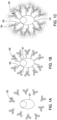
- FIGS 1A, 1B and 1C illustrate the principles of the present invention in one exemplary embodiment.
- an antibody-secreting cell (ASC) (101) does not normally express the membrane-bound form of the immunoglobulin molecule, nor does it retain the secreted form of the immunoglobulin molecule ( i . e ., antibody) (102) on its cell surface.
- the present invention provides methods and compositions for the expression of immunoglobulin-capturing molecules (103) on the cell surface of ASCs.
- immunoglobulin-capturing molecules (103) as depicted in Figure 1B .
- Labeled antigens (104) e.g., fluorescently-labeled antigens
- immunoglobulin molecules (antibodies) (102) that have bound to an immunoglobulin-binding portion of the immunoglobulin-capturing molecules (103) on the cell surface of the ASC, as depicted in Figure 1C .
- Antigen-specific ASCs are then identified by the labeled antigens (104) bound to the immunoglobulin-binding portion of the immunoglobulin-capturing molecules (102) that have been captured on the cell surface. Detection of antigen binding on the ASCs is accomplished by, e.g., using antigens that are directly labeled with a fluorophore or other reporter molecule. The ASCs that bind labeled antigens are then purified by, e.g ., cell-sorting techniques known in the art.
- the purified ASCs expressing antibodies specific for a particular antigen may then be immortalized by fusion with myeloma or plasmacytoma cells, or directly used as a source of nucleic acids (DNA or mRNA) for the creation of libraries of sequences encoding immunoglobulins.
- V H and V L genes can be identified from the antigen-specific ASCs by deep sequencing coupled with bioinformatics data mining (see, e.g., Haessler and Reddy, Methods in Molecular Biology 1131:191-203 (2014 )). Alternatively, the antigen-specific ASCs can be individually sorted.
- V H and V L domains unique to each ASC are then cloned via established RT-PCR or 5' Rapid Amplification of cDNA Ends (5' RACE) techniques adapted to single-cell cloning (for review, see, e.g., Tiller, et al., New Biotechnology 5:453-7 (2011 )).
- 5' RACE 5' Rapid Amplification of cDNA Ends
- the V H and V L sequences can be identified using the methods and materials described in US Pat. Nos. 9,328,172 ; 8,309,035 ; and 8,309,317 .
- the immunoglobulin-capturing molecules of the present invention that are expressed at the cell surface comprise at least two components, and in preferred embodiments may comprise additional components, as described in detail below.
- the immunoglobulin-capturing molecules comprise a cell surface tether component, and an immunoglobulin-binding component.
- the cell surface tether component may comprise a transmembrane peptide domain that tethers or anchors the expressed immunoglobulin-binding component in the cell surface membrane, or the cell surface tether component may comprise a chemical moiety (for example, glycosylphosphatidylinositol) that allows for the immunoglobulin-binding component to be tethered to the cell surface membrane via a chemical bond.
- the immunoglobulin-capturing molecules of the present invention may comprise a stalk component, one or more linker components, and/or a reporter peptide.
- the immunoglobulin-capturing molecule consists of one or more immunoglobulin-binding domains or portions derived from one or more bacterial proteins that naturally have affinity for the constant region of the heavy or light chain of immunoglobulins.
- immunoglobulin-binding proteins include but are not limited to Protein A from Staphylococcus aureus, Protein G from group C and G Streptococci, Protein H from Streptococcus pyogenes, or Protein L from Peptostreptococcus magnus.
- the immunoglobulin-capturing molecule is expressed as a hybrid molecule comprising two or more immunoglobulin-binding domains derived from two or more different bacterial proteins.
- the capture molecule may be expressed as a fusion protein, which contains two immunoglobulin-binding domains from Protein G and two immunoglobulin-binding domains from Protein A.
- one or more of the bacterial immunoglobulin-binding protein domains are modified to, e.g., remove potential sites for glycosylation or other post-translational modifications in eukaryotic cells, improve affinity for certain immunoglobulin isotypes, or improve translation efficiency in mammalian cells by codon optimization.
- the immunoglobulin-capturing molecules consist of single-chain variable fragments (scFv).
- the scFv is expressed as a fusion protein of the V H and V L domains derived from a hybridoma cell line that produces monoclonal antibodies against the heavy chain or light chain constant region of another immunoglobulin molecule (e.g., a common epitope present in all murine IgG isotypes).
- the scFv capture molecule comprises the V H domain connected in tandem to the V L domain by a glycine/serine-rich linker sequence in either order.
- the glycine/serine-rich linker sequence includes but is not limited to repetitions of (Gly-Gly-Gly-Gly-Ser) n [as in SEQ ID No. 29] or (Gly-Ser) n [as in SEQ ID No. 28].
- a polypeptide sequence encoding a transmembrane domain is fused to the immunoglobulin-binding domain in order to tether the immunoglobulin-capturing molecule on the cell surface.
- the transmembrane domain is inert (lacking cell signaling functions) and not prone to internalization.
- Such a transmembrane domain could be an artificial sequence, or a motif derived from Major Histocompatibility Class I (MHC I), an IgSF molecule such as Lymphocyte-Activation Gene 3 (LAG3 or CD223), or any other transmembrane protein of any species-that is naturally inserted into the plasma membrane upon protein translation.
- the immunoglobulin-capturing molecule contains-in addition to the immunoglobulin-binding domain-a C-terminal peptide sequence for post-translational modification with, e.g ., glycosylphosphatidylinositol (GPI), where GPI acts as a tether portion of the immunoglobulin-capturing molecule.
- GPI is a normal post-translational moiety that comprises a phosphoethanolamine group, a trimannosylnonacetylated glucosamine (Man 3 -GlcN) core, and a phosphatidylinositol group that tethers the protein to the plasma membrane.
- the phosphoethanolamine group of GPI is linked to a protein C-terminus via a phosphodiester bond.
- the GPI tether sequences may consist of the C-termini of proteins that are naturally anchored to the ASC plasma membrane by this post-translational process.
- Table 3 lists exemplary GPI tether or anchor sequences that may be used to construct the immunoglobulin-capturing molecule.
- the immunoglobulin-capturing molecule contains a "stalk" structure for structural flexibility and support, as well as for increased exposure to the extracellular space. Since the cell surface is ubiquitously crowded with various molecules, the immunoglobulins captured on the immunoglobulin-capturing molecules may be occluded from access to their cognate antigen in the extracellular space by other molecules on the ASC surface. Thus, inclusion of a long stalk in the immunoglobulin-capturing molecule can alleviate any steric hindrance that compromises antigen binding by the displayed immunoglobulins.
- the stalk of the immunoglobulin-capturing molecule comprises one or more immunoglobulin domains derived from one or more IgSF proteins.
- the stalk of the immunoglobulin-capturing molecule may be expressed as a macromolecular complex of two or more subunits.
- the stalk of the ScFv-containing capture molecule may consist of C H 2 and C H 3 domains as well as the hinge region of an IgG molecule; thus, the immunoglobulin-capturing molecule is expressed as a homodimer.
- expression of the immunoglobulin-capturing molecules is driven by a promoter derived from a gene that is highly expressed in ASCs but not in immature B cells or antigen-inexperienced mature B cells.
- genes include but are not limited to B Lymphocyte-Induced Maturation Protein 1 ( Blimp1 ), Syndecan 1 ( Sdc1 ), Tumor Necrosis Factor Receptor Superfamily Member 17 ( Tnfrsf17 ), and Fucosyltransferase 1 ( Fut1 ).
- Blimp1 B Lymphocyte-Induced Maturation Protein 1
- Sdc1 Syndecan 1
- Tnfrsf17 Tumor Necrosis Factor Receptor Superfamily Member 17
- Fut1 Fucosyltransferase 1
- the gene chosen for ASC expression may be of mouse origin, or it may be from another species in which the gene shows an appropriately conserved expression pattern.
- expression of the immunoglobulin-capturing molecules is driven by an inducible promoter, such as the tetracycline- or tamoxifen-inducible system.
- the inducible promoter is used to drive the expression of the immunoglobulin-capturing molecule either directly or indirectly via expression of a recombinase such as Cre (see, e.g., Albanese, et al., Seminars in Cell & Developmental Biology, 13:129-141 (2002 ); Sakai, Methods in Molecular Biology, 1142:33-40 (2014 )).
- Cre see, e.g., Albanese, et al., Seminars in Cell & Developmental Biology, 13:129-141 (2002 ); Sakai, Methods in Molecular Biology, 1142:33-40 (2014 )).
- Cre see, e.g., Albanese, et al., Seminars in Cell & Developmental Biology, 13:129-141 (2002 ); Sakai, Methods in
- a signal peptide is included for protein translation in the endoplasmic reticulum.
- the signal peptide may be a consensus sequence or one that naturally exists as part of cell surface or secreted protein.
- the signal peptide is derived from that of an immunoglobulin heavy chain [as in SEQ ID Nos. 5-7] or light chain protein [as in SEQ ID Nos 1-3].
- the expression vector may include an open-reading frame for a reporter protein such as GFP, red fluorescent protein (RFP), or the like.
- the reporter gene in the expression construct is linked to the immunoglobulin-capturing molecule via, e.g ., an IRES sequence or a picornavirus 2A ribosomal skip sequence. Expression of the reporter gene allows for improved purity when used in combination with antigen selection to sort for antigen-specific ASCs.
- Transgenes providing for expression of the immunoglobulin-capturing molecules are generated by inserting the coding sequences for the immunoglobulin-capturing molecules into a large piece of genomic DNA containing the gene that is highly expressed in ASCs (e.g, Blimp1 or Tnfrsf1 7).
- the insertion can be accomplished by homologous recombination mediated by sequences appended to the ends of the coding fragments, or by other standard molecular biology approaches.
- the large pieces of genomic DNA may be contained within bacterial artificial chromosome vectors, e.g ., such as the pieces of DNA in these vectors that can be obtained from commercially or publicly available genomic DNA libraries.
- Transgenic mice (or other animals) expressing the immunoglobulin-capturing molecules may be generated by any facility with the requisite skills using known techniques, as will be understood by one skilled in the art upon reading the present disclosure. Analysis of the animals carrying the transgene is performed using standard methodology such as immunofluorescence microscopy, flow cytometry and/or immunoblotting.
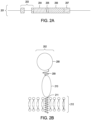
- transgene (201) and expressed structure (202) of an immunoglobulin-capturing molecule are the transgene (201) and expressed structure (202) of an immunoglobulin-capturing molecule according to one embodiment.
- the transgene (201) comprises two exons with an intervening intron (203) [SEQ ID Nos. 5-7].
- the first exon and the beginning of the second exon encode a leader peptide (e.g., V H leader peptide).
- Contiguous with the leader peptide-encoding sequence are sequences encoding the following components: one or more immunoglobulin-binding domains (204) derived from one or more bacterial proteins [ e.g ., a sequence chosen from SEQ ID Nos.
- a glycine/serine-rich linker (205) [e.g., a sequence chosen from SEQ ID Nos. 12 or 13]
- a "stalk" structure or region (206) [ e.g., a sequence chosen from SEQ ID Nos. 14-16]
- a transmembrane domain (207) [ e.g., a sequence chosen from SEQ ID No. 17-20].
- the leader peptide is excised from the immunoglobulin-capturing molecule (202), which is expressed as a cell surface protein tethered to the plasma membrane (212).
- immunoglobulin-binding domain(s) (208) [e.g., a sequence chosen from SEQ ID Nos. 24-27], glycine/serine-rich linker (209) [e.g., a sequence chosen from SEQ ID Nos. 28 or 29], stalk (210) [e.g., a sequence chosen from SEQ ID Nos. 30-32], and transmembrane domain (211) [e.g., a sequence chosen from SEQ ID Nos. 33-36].
- Exemplary nucleic acid sequences for components of the immunoglobulin-capturing molecule illustrated in Figure 2A are listed in Table 1.
- the immunoglobulin-capturing molecule may be assembled by combining together one sequence of the several possible options for each component from Table 1 in the order depicted in Figure 2A ( i . e ., from N-terminus to C-terminus).
- a small immunoglobulin-capturing molecule may consist of only two immunoglobulin-binding domains of Protein G, a (glycine-serine) 3 linker, and a transmembrane domain without a stalk; while a larger one may contain five Protein A immunoglobulin-binding domains as well as four Protein G immunoglobulin-binding domains, a (Gly-Gly-Gly-Gly-Ser) 3 linker, a human CD22 stalk composed of six immunoglobulin folds, and a long human CD7 transmembrane domain.
- the transgene (301) similarly comprises a leader sequence encoded by two exons with an intervening intron (303), followed by sequences encoding the components of a scFv with specificity for a part of an immunoglobulin molecule (e.g., a conserved part of the heavy or light chain constant region): V H (304), glycine/serine-rich linker (305), and V L (306).
- a sequence encoding a stalk comprising a hinge (307) as well as Fc fragment (308) of an immunoglobulin molecule is appended to the scFv-encoding sequence.
- one or more exons (309) encoding a transmembrane domain is also included in the expression construct (301).
- FIG. 3B Shown in Figure 3B is the immunoglobulin-capturing molecule (302) expressed as a homodimer of two subunits, each consisting of a V L (310) domain, glycine/serine-rich linker (311), and V H (312) domain of scFv connected to a hinge (313) and Fc (314) of an immunoglobulin molecule.
- the two subunits of the immunoglobulin-binding portion of the immunoglobulin-capturing molecule are covalently linked via disulfide bonds in the hinge region (313) of each chain.
- the expressed immunoglobulin-capturing molecule is tethered or anchored into the plasma membrane (316) by a transmembrane domain (315).
- Figure 4 illustrates the presentation of immunoglobulin-capturing molecules on a cell surface by an scFV embodiment of the immunoglobulin-capturing molecule.
- an antibody-secreting cell (401) normally does not express the membrane-bound form of antigen receptors and lacks the ability to display on the cell surface the immunoglobulin molecules (402) they secrete.
- Expression of the scFv version of the immunoglobulin-capturing molecule (403) allows some of the immunoglobulin molecules (402) to be retained on the cell surface as they are being synthesized in the endoplasmic reticulum and subsequently packaged in the vesicles for secretion, or soon after their secretion.
- Antigen-specific ASCs are then identified by the binding of antigens (404) to the captured immunoglobulin molecules (402) on the cell surface. Detection of antigen binding on the ASCs is accomplished by using antigens that are directly labeled with a fluorophore or any other reporter molecule.
- the transgenic cells of the invention also are used to produce expression libraries, preferably low complexity libraries, for identification of antibodies of interest on the surface of ASCs.
- the present invention thus also includes antibody libraries produced using the cell technologies of the invention for identification of antigen-specific antibodies expressed on ASCs.
- the present invention also provides transgenic animals that have been modified to express immunoglobulin-capturing molecules on the cell surface of ASCs.
- the transgenic animals of the invention further comprise human immunoglobulin regions.
- Numerous methods have been developed for replacing endogenous mouse immunoglobulin regions with human immunoglobulin sequences to create partially- or fully-human antibodies for drug discovery purposes. Examples of such mice include those described in, for example, U.S. Pat Nos.
- each V H or V L exon is generated, respectively, by the recombination of randomly selected V, D, and J genes present in the H chain locus, or of randomly selected V and J genes in the light chain locus.
- V, D, and J genes in the H chain locus are multiple V, D, and J genes in the H chain locus as well as multiple V and J genes in each L chain locus, thus allowing for the generation of a vast antibody diversity repertoire per individual when the permutations of H chain VDJ rearrangements are combined with the permutations of L chain VJ gene rearrangements.
- the transgenic animals of the invention are as described in co-pending application US Pub. No. 2013/0219535 , which is incorporated by reference in its entirety herein.
- Such transgenic animals have a genome comprising an introduced partially human immunoglobulin region, wherein the endogenous non-human V, D, and J gene coding sequences have been replaced with those of human origin without altering the endogenous noncoding sequences.
- the transgenic cells and animals of the invention have genomes in which part or all of the endogenous immunoglobulin genes are removed.
- the transgenic animals of the invention are avian, preferably chickens.
- Culturing cells in vitro has been the basis of the production of numerous therapeutic biotechnology products, and involves the production of protein products in cells and release into the support medium.
- the quantity and quality of protein production over time from the cells growing in culture depends on a number of factors, such as, for example, cell density, cell cycle phase, cellular biosynthesis rates of the proteins, condition of the medium used to support cell viability and growth, and the longevity of the cells in culture.
- factors such as, for example, cell density, cell cycle phase, cellular biosynthesis rates of the proteins, condition of the medium used to support cell viability and growth, and the longevity of the cells in culture.
- Example 1 Expression of a minimal Protein G-containing membrane-bound immunoglobulin-capturing molecule.
- An expression vector encoding a small membrane-bound form of the immunoglobulin-capturing molecule without a stalk is generated by direct DNA synthesis or standard molecular cloning techniques.
- a diagram of the protein-coding part of this vector (501) is shown in Figure 5A .
- the expression vector encodes two immunoglobulin-binding domains of streptococcal Protein G (504) [SEQ ID No. 8] that are tethered to the cell surface by means of a membrane-spanning domain derived the human LAG3 (or CD223) protein (506) [SEQ ID No. 17].
- the signal peptide sequence in this example is derived from an immunoglobulin light chain variable (V L ) gene segment which includes its native intron (503) [SEQ ID Nos. 1-3].
- V L immunoglobulin light chain variable
- the promoter is indicated at (502).
- the nucleotide and amino acid sequences of various components comprising the immunoglobulin-capturing molecule in this example are specified in Table 1 and Table 2, respectively.
- the expression vector is transfected into various myeloma, hybridoma or other cell lines using commonly accessible methodology such as electroporation.
- the transfected cells are then examined for surface expression of the immunoglobulin-capturing molecule using procedures such as immunofluorescence microscopy, flow cytometry, and/or immunoblotting of the membrane protein fractions.
- the cells are further analyzed using a subset of these procedures for the capacity of the cell surface immunoglobulin-capturing molecules to retain immunoglobulins produced by the transfected cells or added to them.
- Figure 5B illustrates the expression of this small immunoglobulin-capturing molecule in a plasmacytoma cell line and its ability to retain immunoglobulin molecules on the cell surface.
- Human RPMI 8226 (ATCC ® CCL-155 TM ) cells were transfected with DNA plasmids encoding the immunoglobulin-capturing molecule (501) under control of the Blimp1 promoter (502). The cells were also co-transfected with a plasmid encoding mouse IgG. Compared to untransfected cells (top, 507), the transfected cells (bottom, 508) exhibit captured immunoglobulins on the cell surface.
- Transgenic animals are then generated to express the membrane-bound immunoglobulin-capturing molecules containing Protein G on the ASCs, and the capacity of the transgene-encoded molecules to capture immunoglobulins on ASCs is determined directly on the ASCs taken from the transgenic mice by standard flow cytometry.
- Example 2 Expression of a Protein G-containing membrane-bound immunoglobulin-capturing molecule containing a stalk.
- An expression vector encoding a membrane-bound form of the immunoglobulin-capturing molecule containing a long stalk is generated by direct DNA synthesis or standard molecular cloning techniques.
- the expression vector encodes three immunoglobulin-binding domains derived from the C-terminal half of streptococcal Protein G [SEQ ID No. 9].
- the expression vector is transfected into various myeloma, hybridoma or other cell lines using commonly accessible methodology such as electroporation.
- the transfected cells are then examined for surface expression of the Protein G molecule using procedures such as immunofluorescence microscopy, flow cytometry and immunoblotting of the cell membrane protein fractions.
- the cells are further analyzed using a subset of these procedures for the capacity of the cell surface Protein G to capture immunoglobulins produced by the transfected cells or added to them.
- Transgenic animals are then generated to express the membrane-bound immunoglobulin-capturing molecules consisting of Protein G, CD22 and CD58 fusion in the ASCs, and the capacity of the transgene-encoded molecules to capture immunoglobulins on ASCs is determined directly on the ASCs taken from the transgenic mice by standard flow cytometry.
- Example 3 Expression of a Protein G-containing immunoglobulin-capturing molecule anchored to the membrane by a GPI post-translational modification
- An expression vector encoding two immunoglobulin-binding domains derived from the streptococcal Protein G is synthesized. Included in this expression vector downstream of the Protein G-encoding sequence are DNA fragments that encode the following: a Gly/Ser-rich linker sequence, a stalk consisting of two immunoglobulin domains of human CD4, and a GPI anchor sequence. Finally, a signal peptide sequence (leader sequence) is included in the construct to allow for extrusion of the translated protein into the lumen of the endoplasmic reticulum during its biosynthesis.
- the sequences encoding the signal peptide in this example are derived from an immunoglobulin light chain variable (V L ) gene segment and include its native intron.
- V L immunoglobulin light chain variable
- the nucleotide and amino acid sequences of components comprising the immunoglobulin-capturing molecule in this example are specified in Table 1 and Table 2, respectively.
- the GPI anchor sequences are specified in Table 3.
- the expression vector is transfected into various myeloma, hybridoma or other cell lines using commonly accessible methodology such as electroporation.
- the transfected cells are then examined for surface expression of the Protein G molecule using procedures such as immunofluorescence microscopy, flow cytometry and immunoblotting of the cell membrane protein fractions.
- the cells are further analyzed using a subset of these procedures for the capacity of the cell surface Protein G to capture immunoglobulins produced by the transfected cells or added to them.
- Transgenic animals are then generated to express the GPI-anchored immunoglobulin-capturing molecules in ASCs, and the capacity of the transgene-encoded molecules to capture immunoglobulins on the surface of ASCs is determined directly on the ASCs taken from the transgenic mice by standard flow cytometry.
- Example 4 Expression of a membrane-bound scFv derived from an antibody specific for an immunoglobulin constant region.
- An expression vector encoding a scFv specific for the constant domain of an immunoglobulin is generated by standard molecular cloning or direct DNA synthesis.
- the single-chain antibody is specific for the constant domain of the mouse kappa light chain, which is present in more than 90% of antibodies found in normal mice.
- the exon encoding the scFv comprises V L , linker, and V H sequences specified at [SEQ ID Nos. 43-48, respectively].
- Included in this expression vector downstream of the ScFv-encoding sequence is a contiguous sequence that encodes the Fc part of rat IgG1 consisting of the following: a hinge region, C H 2 domain, and C H 3 domain of the secreted form.
- the rat IgG1 Fc-encoding sequence is specified at [SEQ ID Nos. 49].
- the vector also includes sequences encoding the transmembrane domain of a mouse Major Histocompatibility Complex Class I protein (the mouse K molecule from the b haplotype), specified at [SEQ ID Nos. 50-54].
- the expression vector is transfected into various myeloma, hybridoma and other cell lines using commonly accessible methodology such as electroporation.
- the transfected cells are examined for surface expression of the single chain antibody molecule using procedures such as immunofluorescence microscopy, flow cytometry and immunoblotting of the cell membrane protein fractions.
- the cells are further analyzed using a subset of these procedures for the capacity of the cell surface single chain antibody molecule to capture immunoglobulins produced by the transfected cells or added to them.
- Transgenic animals are generated to express the scFv-containing immunoglobulin-capturing molecules on ASCs, and the capacity of the transgene-encoded molecules to capture immunoglobulins on the surface of ASCs is determined by standard flow cytometry directly on the ASCs taken from the mice.
- Example 5 Use of transgenic animal expressing immunoglobulin-capturing molecules to isolate ASCs producing monoclonal antibodies against antigen of interest.
- Transgenic mice are generated using a bacterial artificial chromosome vector containing the promoter of human TNFRSF17 gene, the coding sequence of an immunoglobulin-capturing molecule, for example as in Examples 1-4, an IRES sequence, and GFP.
- Spleen, lymph nodes, and bone marrow from several transgenic founder lines are harvested, processed, and analyzed for the expression of GFP as well as the immunoglobulin-capturing molecule by standard flow cytometry.
- GFP-positive cells from the transgenic mice are then pooled, sorted, and verified by enzyme-linked immunospot (ELISPOT) for their ability to secrete immunoglobulins.
- ELISPOT enzyme-linked immunospot
- a transgenic line that stably expresses detectable levels of GFP and the immunoglobulin-capturing molecule is selected for propagation.
- mice are immunized with an antigen of interest. Spleens as well as the relevant lymph nodes are isolated from the immunized mice, processed, and stained for flow cytometric analyses. Additionally, the isolated cells are subjected to antigen binding during the flow cytometric staining.
- the antigen is either directly labeled with a fluorophore or with biotin for use with a labeled avidin, streptavidin, or similar system.
- ASCs are sorted on the basis of GFP-positive staining as well as antigen-positive staining.
- the purified ASCs are then fused to myeloma cells to generate hybridoma cells using established methodologies familiar to those with ordinary skill in the art.
- the provided methods to express the immunoglobulin-capturing molecules also allow for the screening of hybridoma cells based on GFP expression as well as positive staining of antigens captured on the cell surfaces.
- the purified ASCs are individually sorted, and genes encoding their V H and V L domains are cloned via RT-PCR or 5' RACE techniques adapted for single cells.
- the cloned V H - and V L - coding sequences are subcloned into an expression vector containing a sequence encoding the desired constant regions of heavy chain and light chain, respectively.
- the V H - and V L -expression vectors are transfected into a HEK-293T or CHO cell lines, and the secreted monoclonal antibodies are further tested for antigen binding and other functions.
Landscapes
- Health & Medical Sciences (AREA)
- Life Sciences & Earth Sciences (AREA)
- Chemical & Material Sciences (AREA)
- Organic Chemistry (AREA)
- Genetics & Genomics (AREA)
- Engineering & Computer Science (AREA)
- General Health & Medical Sciences (AREA)
- Zoology (AREA)
- Immunology (AREA)
- Biochemistry (AREA)
- Biomedical Technology (AREA)
- Biotechnology (AREA)
- Wood Science & Technology (AREA)
- Bioinformatics & Cheminformatics (AREA)
- Proteomics, Peptides & Aminoacids (AREA)
- Molecular Biology (AREA)
- Medicinal Chemistry (AREA)
- Biophysics (AREA)
- Cell Biology (AREA)
- Gastroenterology & Hepatology (AREA)
- Microbiology (AREA)
- General Engineering & Computer Science (AREA)
- Toxicology (AREA)
- Environmental Sciences (AREA)
- Veterinary Medicine (AREA)
- Animal Behavior & Ethology (AREA)
- Animal Husbandry (AREA)
- Biodiversity & Conservation Biology (AREA)
- Hematology (AREA)
- Peptides Or Proteins (AREA)
- Micro-Organisms Or Cultivation Processes Thereof (AREA)
- Preparation Of Compounds By Using Micro-Organisms (AREA)
- Medicines Containing Antibodies Or Antigens For Use As Internal Diagnostic Agents (AREA)
Applications Claiming Priority (3)
| Application Number | Priority Date | Filing Date | Title |
|---|---|---|---|
| US201662291217P | 2016-02-04 | 2016-02-04 | |
| EP17748280.9A EP3411476B1 (de) | 2016-02-04 | 2017-02-03 | Erhöhte produktion von immunglobulinen |
| PCT/US2017/016521 WO2017136734A1 (en) | 2016-02-04 | 2017-02-03 | Enhanced production of immunoglobulins |
Related Parent Applications (1)
| Application Number | Title | Priority Date | Filing Date |
|---|---|---|---|
| EP17748280.9A Division EP3411476B1 (de) | 2016-02-04 | 2017-02-03 | Erhöhte produktion von immunglobulinen |
Publications (2)
| Publication Number | Publication Date |
|---|---|
| EP4414484A2 true EP4414484A2 (de) | 2024-08-14 |
| EP4414484A3 EP4414484A3 (de) | 2025-01-15 |
Family
ID=59497427
Family Applications (2)
| Application Number | Title | Priority Date | Filing Date |
|---|---|---|---|
| EP24170934.4A Pending EP4414484A3 (de) | 2016-02-04 | 2017-02-03 | Erhöhte produktion von immunglobulinen |
| EP17748280.9A Active EP3411476B1 (de) | 2016-02-04 | 2017-02-03 | Erhöhte produktion von immunglobulinen |
Family Applications After (1)
| Application Number | Title | Priority Date | Filing Date |
|---|---|---|---|
| EP17748280.9A Active EP3411476B1 (de) | 2016-02-04 | 2017-02-03 | Erhöhte produktion von immunglobulinen |
Country Status (8)
| Country | Link |
|---|---|
| US (2) | US11053288B2 (de) |
| EP (2) | EP4414484A3 (de) |
| JP (2) | JP6929877B2 (de) |
| KR (1) | KR20180104149A (de) |
| AU (2) | AU2017213633B2 (de) |
| DK (1) | DK3411476T3 (de) |
| IL (1) | IL260743B2 (de) |
| WO (1) | WO2017136734A1 (de) |
Families Citing this family (14)
| Publication number | Priority date | Publication date | Assignee | Title |
|---|---|---|---|---|
| US10793829B2 (en) | 2010-07-26 | 2020-10-06 | Trianni, Inc. | Transgenic mammals and methods of use thereof |
| JP6482757B2 (ja) | 2010-07-26 | 2019-03-13 | トリアンニ インコーポレイテッドTrianni,Inc. | トランスジェニック動物および使用方法 |
| US10662256B2 (en) | 2010-07-26 | 2020-05-26 | Trianni, Inc. | Transgenic mammals and methods of use thereof |
| EP3384030A4 (de) | 2015-12-03 | 2019-07-03 | Trianni, Inc. | Verbesserte immunglobulindiversität |
| CN111065650A (zh) | 2017-07-21 | 2020-04-24 | 特里安尼公司 | 单链VH-L1-Cκ-L2-CH1-抗体 |
| CN110305874A (zh) * | 2019-06-19 | 2019-10-08 | 浙江省肿瘤医院 | 长爪沙鼠免疫球蛋白IgG1、IgG2重组蛋白、基因及其应用 |
| CA3164996A1 (en) | 2019-12-20 | 2021-06-14 | Novarock Biotherapeutics, Ltd. | Anti-interleukin-23 p19 antibodies and methods of use thereof |
| CA3204101A1 (en) | 2020-12-09 | 2022-06-16 | Trianni, Inc. | Heavy chain-only antibodies |
| JP2025524728A (ja) | 2022-07-15 | 2025-07-30 | フィアン セラピューティクス エルティーディー | 抗体-薬物複合体 |
| KR20250134734A (ko) | 2022-12-16 | 2025-09-11 | 페온 테라퓨틱스 리미티드 | Cub 도메인-함유 단백질 1(cdcp1)에 대한 항체 및 이의 용도 |
| WO2025149667A1 (en) | 2024-01-12 | 2025-07-17 | Pheon Therapeutics Ltd | Antibody drug conjugates and uses thereof |
| WO2025262641A1 (en) | 2024-06-19 | 2025-12-26 | Pheon Therapeutics Ltd | Antibody drug conjugates that bind cdcp1 and uses thereof |
| WO2026020031A2 (en) | 2024-07-18 | 2026-01-22 | Novarock Biotherapeutics, Ltd. | Cdh17 antibodies and uses thereof |
| WO2026078443A1 (en) | 2024-10-11 | 2026-04-16 | Pheon Therapeutics Ltd. | Antibody drug conjugates that bind cdcp1 and uses thereof |
Citations (18)
| Publication number | Priority date | Publication date | Assignee | Title |
|---|---|---|---|---|
| US5591669A (en) | 1988-12-05 | 1997-01-07 | Genpharm International, Inc. | Transgenic mice depleted in a mature lymphocytic cell-type |
| US5593598A (en) | 1994-04-20 | 1997-01-14 | Mcginness; Michael P. | Method and apparatus for closed loop recycling of contaminated cleaning solution |
| US5612205A (en) | 1990-08-29 | 1997-03-18 | Genpharm International, Incorporated | Homologous recombination in mammalian cells |
| US5661016A (en) | 1990-08-29 | 1997-08-26 | Genpharm International Inc. | Transgenic non-human animals capable of producing heterologous antibodies of various isotypes |
| US5789650A (en) | 1990-08-29 | 1998-08-04 | Genpharm International, Inc. | Transgenic non-human animals for producing heterologous antibodies |
| US5814318A (en) | 1990-08-29 | 1998-09-29 | Genpharm International Inc. | Transgenic non-human animals for producing heterologous antibodies |
| US5874299A (en) | 1990-08-29 | 1999-02-23 | Genpharm International, Inc. | Transgenic non-human animals capable of producing heterologous antibodies |
| US5877397A (en) | 1990-08-29 | 1999-03-02 | Genpharm International Inc. | Transgenic non-human animals capable of producing heterologous antibodies of various isotypes |
| US6091001A (en) | 1995-03-29 | 2000-07-18 | Abgenix, Inc. | Production of antibodies using Cre-mediated site-specific recombination |
| US6130364A (en) | 1995-03-29 | 2000-10-10 | Abgenix, Inc. | Production of antibodies using Cre-mediated site-specific recombination |
| US6162963A (en) | 1990-01-12 | 2000-12-19 | Abgenix, Inc. | Generation of Xenogenetic antibodies |
| US6570061B1 (en) | 1992-08-25 | 2003-05-27 | Klaus Rajewsky | Targeted replacement of an immunoglobulin gene without endogenous and selectable residual sequences in mice |
| US6596541B2 (en) | 2000-10-31 | 2003-07-22 | Regeneron Pharmaceuticals, Inc. | Methods of modifying eukaryotic cells |
| US7041871B1 (en) | 1995-10-10 | 2006-05-09 | Genpharm International, Inc. | Transgenic non-human animals capable of producing heterologous antibodies |
| US7064244B2 (en) | 1996-12-03 | 2006-06-20 | Abgenix, Inc. | Transgenic mammals having human Ig loci including plural VH and VK regions and antibodies produced therefrom |
| US7148040B2 (en) | 2001-02-20 | 2006-12-12 | University Of Georgia Research Foundation, Inc. | Method of rapid production of hybridomas expressing monoclonal antibodies on the cell surface |
| US8309035B2 (en) | 2008-04-05 | 2012-11-13 | Single Cell Technology, Inc. | Multi-well system |
| US20130219535A1 (en) | 2010-07-26 | 2013-08-22 | Trianni, Inc | Transgenic animals and methods of use |
Family Cites Families (63)
| Publication number | Priority date | Publication date | Assignee | Title |
|---|---|---|---|---|
| US4892824A (en) | 1988-03-15 | 1990-01-09 | Synbiotics Corporation | Fast track method for producing monoclonal bi-specific immunoglobulins |
| EP1690934A3 (de) | 1990-01-12 | 2008-07-30 | Abgenix, Inc. | Bildung von xenogenen Antikörpern |
| ATE300615T1 (de) | 1990-08-29 | 2005-08-15 | Genpharm Int | Transgene mäuse fähig zur produktion heterologer antikörper |
| US5633425A (en) | 1990-08-29 | 1997-05-27 | Genpharm International, Inc. | Transgenic non-human animals capable of producing heterologous antibodies |
| US6255458B1 (en) | 1990-08-29 | 2001-07-03 | Genpharm International | High affinity human antibodies and human antibodies against digoxin |
| WO1993004169A1 (en) | 1991-08-20 | 1993-03-04 | Genpharm International, Inc. | Gene targeting in animal cells using isogenic dna constructs |
| CA2161351C (en) | 1993-04-26 | 2010-12-21 | Nils Lonberg | Transgenic non-human animals capable of producing heterologous antibodies |
| US6084067A (en) | 1993-07-26 | 2000-07-04 | Dana-Farber Cancer Institute | CTLA4/CD28 ligands and uses therefor |
| ES2281899T3 (es) * | 1994-05-06 | 2007-10-01 | Institut Gustave Roussy | Fracciones polipeptidicas solubles de la proteina lag-3; procedimiento de produccion; composicion terapeutica; anticuerpo anti-idiotipo. |
| US5714352A (en) | 1996-03-20 | 1998-02-03 | Xenotech Incorporated | Directed switch-mediated DNA recombination |
| DE19632532A1 (de) | 1996-08-13 | 1998-02-19 | Boehringer Ingelheim Int | Verfahren zur Herstellung von Säugetieren mit definierten genetischen Eigenschaften |
| TWI255853B (en) | 1998-08-21 | 2006-06-01 | Kirin Brewery | Method for modifying chromosomes |
| GB9823930D0 (en) | 1998-11-03 | 1998-12-30 | Babraham Inst | Murine expression of human ig\ locus |
| DE60037896D1 (de) | 1999-07-29 | 2008-03-13 | Medarex Inc | Menschliche antikörper gegen her2/neu |
| EA013564B1 (ru) | 2000-08-03 | 2010-06-30 | Терапеутик Хьюман Поликлоналз Инк. | Гуманизированный иммуноглобулин и содержащая его фармацевтическая композиция |
| US20050144655A1 (en) | 2000-10-31 | 2005-06-30 | Economides Aris N. | Methods of modifying eukaryotic cells |
| US6586251B2 (en) | 2000-10-31 | 2003-07-01 | Regeneron Pharmaceuticals, Inc. | Methods of modifying eukaryotic cells |
| US7105348B2 (en) | 2000-10-31 | 2006-09-12 | Regeneron Pharmaceuticals, Inc. | Methods of modifying eukaryotic cells |
| CN1487996B (zh) | 2000-11-30 | 2010-06-16 | 米德列斯公司 | 用于生产人类抗体的转基因转染色体啮齿动物 |
| WO2002057423A2 (en) | 2001-01-16 | 2002-07-25 | Regeneron Pharmaceuticals, Inc. | Isolating cells expressing secreted proteins |
| US7476536B2 (en) | 2001-05-11 | 2009-01-13 | Kirin Pharma Kabushiki Kaisha | Artificial human chromosome containing human antibody a light chain gene |
| US7473557B2 (en) | 2001-06-06 | 2009-01-06 | Regeneron Pharmaceuticals, Inc. | Method for targeting transcriptionally active loci |
| GB0115256D0 (en) | 2001-06-21 | 2001-08-15 | Babraham Inst | Mouse light chain locus |
| GB2398784B (en) | 2003-02-26 | 2005-07-27 | Babraham Inst | Removal and modification of the immunoglobulin constant region gene cluster of a non-human mammal |
| US7205148B2 (en) | 2003-06-11 | 2007-04-17 | Regeneron Pharmaceuticals, Inc. | Genome mutation by intron insertion into an embryonic stem cell genome |
| AU2005295269B2 (en) | 2004-10-19 | 2010-05-13 | Regeneron Pharmaceuticals, Inc. | Method for generating an animal homozygous for a genetic modification |
| AU2007235496B2 (en) | 2006-03-31 | 2013-11-21 | E. R. Squibb & Sons, L.L.C. | Transgenic animals expressing chimeric antibodies for use in preparing human antibodies |
| WO2008070367A2 (en) | 2006-11-01 | 2008-06-12 | Facet Biotech Corporation | Mammalian cell-based immunoglobulin display libraries |
| GB0700194D0 (en) | 2007-01-05 | 2007-02-14 | Univ Edinburgh | Humanisation of animals |
| DK2602323T3 (en) | 2007-06-01 | 2018-04-16 | Open Monoclonal Tech Inc | Compositions and Methods for Inhibiting Endogenous Immunoglobin Genes and Producing Transgenic Human Idiotypic Antibodies |
| WO2009013620A2 (en) | 2007-06-11 | 2009-01-29 | Erasmus University Medical Center Rotterdam | Homologous recombination |
| WO2009097006A2 (en) | 2007-08-10 | 2009-08-06 | Medarex, Inc. | Hco32 and hco27 and related examples |
| WO2009033743A1 (en) * | 2007-09-13 | 2009-03-19 | University Of Zurich Prorektorat Forschung | Monoclonal amyloid beta (abeta)-specific antibody and uses thereof |
| US7947495B2 (en) | 2007-11-01 | 2011-05-24 | Abbott Biotherapeutics Corp. | Immunoglobulin display vectors |
| PL3456190T3 (pl) | 2008-06-27 | 2022-06-06 | Merus N.V. | Wytwarzające przeciwciała transgeniczne zwierzę z gatunku myszy |
| US8067339B2 (en) * | 2008-07-09 | 2011-11-29 | Merck Sharp & Dohme Corp. | Surface display of whole antibodies in eukaryotes |
| EP2346994B1 (de) | 2008-09-30 | 2022-02-16 | Ablexis, LLC | Knockin-mäuse für die produktion chimärer antikörper |
| US20100317539A1 (en) | 2009-06-12 | 2010-12-16 | Guo-Liang Yu | Library of Engineered-Antibody Producing Cells |
| BR112012000536A2 (pt) | 2009-07-08 | 2020-08-11 | Kymab Limited | métodos para produção de anticorpo ou cadeia leve ou pesada de anticorpo específico para um antígeno desejado, para produção de anticorpo ou cadeia de anticorpo e seu uso, composição farmacêutica e derivado de anticorpo quimérico |
| US8754287B2 (en) | 2009-12-10 | 2014-06-17 | Regeneron Pharmaceuticals, Inc. | Mice that make heavy chain antibodies |
| KR102203727B1 (ko) | 2010-03-31 | 2021-01-18 | 아블렉시스, 엘엘씨 | 키메라 항체의 제조를 위한 비-인간 동물의 유전적 조작 |
| AU2011266843C9 (en) | 2010-06-17 | 2018-03-01 | Kymab Limited | Animal models and therapeutic molecules |
| US9012717B2 (en) | 2010-06-22 | 2015-04-21 | Regeneron Pharmaceuticals, Inc. | Human lambda light chain mice |
| US10793829B2 (en) | 2010-07-26 | 2020-10-06 | Trianni, Inc. | Transgenic mammals and methods of use thereof |
| US10662256B2 (en) | 2010-07-26 | 2020-05-26 | Trianni, Inc. | Transgenic mammals and methods of use thereof |
| SG10201912639SA (en) | 2010-08-02 | 2020-02-27 | Regeneron Pharma | Mice that make binding proteins comprising vl domains |
| IN2013MN01438A (de) | 2011-03-17 | 2015-06-12 | Univ Ramot | |
| RS59728B1 (sr) | 2011-08-05 | 2020-02-28 | Regeneron Pharma | Humanizovani miševi univerzalnog lakog lanca |
| US20140283153A1 (en) * | 2011-10-28 | 2014-09-18 | Trianni, Inc. | Transgenic animals and methods of use |
| GB2504139B (en) | 2012-07-20 | 2014-12-31 | Argen X Bv | Antibodies to highly conserved targets produced by the immunisation of Camelidae species |
| US9253965B2 (en) | 2012-03-28 | 2016-02-09 | Kymab Limited | Animal models and therapeutic molecules |
| WO2013092720A1 (en) | 2011-12-22 | 2013-06-27 | F. Hoffmann-La Roche Ag | Full length antibody display system for eukaryotic cells and its use |
| MX2014011047A (es) | 2012-03-16 | 2015-04-08 | Regeneron Pharma | Ratones que producen proteinas de union a un antigeno con caracteristicas de union dependientes del ph. |
| GB2502127A (en) | 2012-05-17 | 2013-11-20 | Kymab Ltd | Multivalent antibodies and in vivo methods for their production |
| PT3597037T (pt) | 2012-06-12 | 2021-06-01 | Regeneron Pharma | Animais não humanos humanizados com lócus de cadeia pesada de imunoglobulina restrito |
| JPWO2014021240A1 (ja) | 2012-08-03 | 2016-07-21 | 国立研究開発法人産業技術総合研究所 | プロテインgの細胞膜外ドメイン変異体のタンデム型多量体から成るタンパク質を含む捕捉剤 |
| TW202423993A (zh) | 2012-11-14 | 2024-06-16 | 美商再生元醫藥公司 | 重組細胞表面捕捉蛋白質 |
| US10034463B2 (en) | 2014-01-24 | 2018-07-31 | Children's Medical Center Corporation | High-throughput mouse model for optimizing antibody affinities |
| ES2928000T3 (es) | 2014-06-06 | 2022-11-14 | Memorial Sloan Kettering Cancer Center | Receptores de antígeno quimérico dirigidos a mesotelina y usos de los mismos |
| US20170058052A1 (en) | 2015-08-24 | 2017-03-02 | Trianni, Inc. | Enhanced production of immunoglobulins |
| EP3384030A4 (de) | 2015-12-03 | 2019-07-03 | Trianni, Inc. | Verbesserte immunglobulindiversität |
| GB2561352B (en) | 2017-04-10 | 2023-01-18 | Genome Res Ltd | Animal models and therapeutic molecules |
| GB2578867A (en) | 2018-10-09 | 2020-06-03 | Genome Res Ltd | Animal models and therapeutic molecules |
-
2017
- 2017-02-03 AU AU2017213633A patent/AU2017213633B2/en active Active
- 2017-02-03 DK DK17748280.9T patent/DK3411476T3/da active
- 2017-02-03 US US15/424,372 patent/US11053288B2/en active Active
- 2017-02-03 KR KR1020187025204A patent/KR20180104149A/ko not_active Ceased
- 2017-02-03 EP EP24170934.4A patent/EP4414484A3/de active Pending
- 2017-02-03 IL IL260743A patent/IL260743B2/en unknown
- 2017-02-03 JP JP2018560448A patent/JP6929877B2/ja active Active
- 2017-02-03 EP EP17748280.9A patent/EP3411476B1/de active Active
- 2017-02-03 WO PCT/US2017/016521 patent/WO2017136734A1/en not_active Ceased
-
2021
- 2021-06-03 US US17/338,408 patent/US20210292378A1/en active Pending
- 2021-08-11 JP JP2021131120A patent/JP7171853B2/ja active Active
-
2023
- 2023-10-20 AU AU2023251528A patent/AU2023251528A1/en not_active Abandoned
Patent Citations (23)
| Publication number | Priority date | Publication date | Assignee | Title |
|---|---|---|---|---|
| US6023010A (en) | 1988-12-05 | 2000-02-08 | Genpharm International | Transgenic non-human animals depleted in a mature lymphocytic cell-type |
| US5591669A (en) | 1988-12-05 | 1997-01-07 | Genpharm International, Inc. | Transgenic mice depleted in a mature lymphocytic cell-type |
| US6673986B1 (en) | 1990-01-12 | 2004-01-06 | Abgenix, Inc. | Generation of xenogeneic antibodies |
| US6162963A (en) | 1990-01-12 | 2000-12-19 | Abgenix, Inc. | Generation of Xenogenetic antibodies |
| US5612205A (en) | 1990-08-29 | 1997-03-18 | Genpharm International, Incorporated | Homologous recombination in mammalian cells |
| US5661016A (en) | 1990-08-29 | 1997-08-26 | Genpharm International Inc. | Transgenic non-human animals capable of producing heterologous antibodies of various isotypes |
| US5789650A (en) | 1990-08-29 | 1998-08-04 | Genpharm International, Inc. | Transgenic non-human animals for producing heterologous antibodies |
| US5814318A (en) | 1990-08-29 | 1998-09-29 | Genpharm International Inc. | Transgenic non-human animals for producing heterologous antibodies |
| US5874299A (en) | 1990-08-29 | 1999-02-23 | Genpharm International, Inc. | Transgenic non-human animals capable of producing heterologous antibodies |
| US5877397A (en) | 1990-08-29 | 1999-03-02 | Genpharm International Inc. | Transgenic non-human animals capable of producing heterologous antibodies of various isotypes |
| US6570061B1 (en) | 1992-08-25 | 2003-05-27 | Klaus Rajewsky | Targeted replacement of an immunoglobulin gene without endogenous and selectable residual sequences in mice |
| US5593598A (en) | 1994-04-20 | 1997-01-14 | Mcginness; Michael P. | Method and apparatus for closed loop recycling of contaminated cleaning solution |
| US6130364A (en) | 1995-03-29 | 2000-10-10 | Abgenix, Inc. | Production of antibodies using Cre-mediated site-specific recombination |
| US6091001A (en) | 1995-03-29 | 2000-07-18 | Abgenix, Inc. | Production of antibodies using Cre-mediated site-specific recombination |
| US7145056B2 (en) | 1995-03-29 | 2006-12-05 | Abgenix, Inc. | Production of antibodies using cre-mediated site-specific recombination |
| US7041871B1 (en) | 1995-10-10 | 2006-05-09 | Genpharm International, Inc. | Transgenic non-human animals capable of producing heterologous antibodies |
| US7064244B2 (en) | 1996-12-03 | 2006-06-20 | Abgenix, Inc. | Transgenic mammals having human Ig loci including plural VH and VK regions and antibodies produced therefrom |
| US6596541B2 (en) | 2000-10-31 | 2003-07-22 | Regeneron Pharmaceuticals, Inc. | Methods of modifying eukaryotic cells |
| US7148040B2 (en) | 2001-02-20 | 2006-12-12 | University Of Georgia Research Foundation, Inc. | Method of rapid production of hybridomas expressing monoclonal antibodies on the cell surface |
| US8309035B2 (en) | 2008-04-05 | 2012-11-13 | Single Cell Technology, Inc. | Multi-well system |
| US8309317B2 (en) | 2008-04-05 | 2012-11-13 | Single Cell Technology, Inc. | Method of screening single cells for the production of biologically active agents |
| US9328172B2 (en) | 2008-04-05 | 2016-05-03 | Single Cell Technology, Inc. | Method of obtaining antibodies of interest and nucleotides encoding same |
| US20130219535A1 (en) | 2010-07-26 | 2013-08-22 | Trianni, Inc | Transgenic animals and methods of use |
Non-Patent Citations (13)
| Title |
|---|
| "Cell and Tissue Culture: Laboratory Procedures in Biotechnology", 1998, JOHN WILEY & SONS |
| "Gene Therapy Protocols", 2008, SPRINGER |
| "Gene Therapy Techniques, Applications and Regulations From Laboratory to Clinic", vol. I-IV, 1999, COLD SPRING HARBOR LABORATORY PRESS |
| "Genetic Variation: A Laboratory Manual", 2007, COLD SPRING HARBOR LABORATORY PRESS |
| "Immunology Methods Manual", 1997, ACADEMIC PRESS |
| ALBANESE ET AL., SEMINARS IN CELL & DEVELOPMENTAL BIOLOGY, vol. 13, 2002, pages 129 - 141 |
| GREENSAMBROOK: "Molecular Cloning: A Laboratory Manual", 2012, COLD SPRING HARBOR LABORATORY PRESS |
| HAESSLERREDDY, METHODS IN MOLECULAR BIOLOGY, vol. 1142, 2014, pages 191 - 203 |
| LEHNINGER: "Manipulating the Mouse Embryo: A Laboratory Manual", 2003, COLD SPRING HARBOR LABORATORY PRESS |
| M. GIACCA: "Culture of Animal Cells", 2010, WILEY, BLACKWELL |
| MITCHELL, ADVANCES IN IMMUNOLOGY, vol. 28, 1979, pages 451 - 511 |
| SAMBROOKRUSSELL: "Cell Culture Technology for Pharmaceutical and Cell-Based Therapies", 2006, COLD SPRING HARBOR LABORATORY PRESS |
| TILLER ET AL., NEW BIOTECHNOLOGY, vol. 5, 2011, pages 453 - 7 |
Also Published As
| Publication number | Publication date |
|---|---|
| JP2019508065A (ja) | 2019-03-28 |
| DK3411476T3 (da) | 2024-07-15 |
| EP3411476B1 (de) | 2024-04-24 |
| CA3012833A1 (en) | 2017-08-10 |
| AU2017213633B2 (en) | 2023-08-03 |
| IL260743B2 (en) | 2024-03-01 |
| IL260743A (de) | 2018-09-20 |
| US20170226162A1 (en) | 2017-08-10 |
| JP6929877B2 (ja) | 2021-09-01 |
| AU2017213633A1 (en) | 2018-08-09 |
| KR20180104149A (ko) | 2018-09-19 |
| WO2017136734A1 (en) | 2017-08-10 |
| JP2021180674A (ja) | 2021-11-25 |
| EP3411476A4 (de) | 2019-10-16 |
| AU2023251528A1 (en) | 2023-11-16 |
| IL260743B1 (en) | 2023-11-01 |
| JP7171853B2 (ja) | 2022-11-15 |
| EP4414484A3 (de) | 2025-01-15 |
| US20210292378A1 (en) | 2021-09-23 |
| EP3411476A1 (de) | 2018-12-12 |
| US11053288B2 (en) | 2021-07-06 |
Similar Documents
| Publication | Publication Date | Title |
|---|---|---|
| US20210292378A1 (en) | Enhanced production of immunoglobulins | |
| EP3341485B1 (de) | Erhöhte produktion von immunglobulinen | |
| WO1995015393A1 (en) | Novel expression screening vector | |
| EP4258865B1 (de) | Nur-schwerketten-antikörper | |
| CA3012833C (en) | Enhanced production of immunoglobulins | |
| CN119384222A (zh) | 动物模型和治疗分子 | |
| JP5904468B2 (ja) | ヒト型抗体を産生するb細胞の作製方法 | |
| CN120712013A (zh) | 表达共同轻链的啮齿动物 |
Legal Events
| Date | Code | Title | Description |
|---|---|---|---|
| PUAI | Public reference made under article 153(3) epc to a published international application that has entered the european phase |
Free format text: ORIGINAL CODE: 0009012 |
|
| STAA | Information on the status of an ep patent application or granted ep patent |
Free format text: STATUS: THE APPLICATION HAS BEEN PUBLISHED |
|
| AC | Divisional application: reference to earlier application |
Ref document number: 3411476 Country of ref document: EP Kind code of ref document: P |
|
| AK | Designated contracting states |
Kind code of ref document: A2 Designated state(s): AL AT BE BG CH CY CZ DE DK EE ES FI FR GB GR HR HU IE IS IT LI LT LU LV MC MK MT NL NO PL PT RO RS SE SI SK SM TR |
|
| REG | Reference to a national code |
Ref country code: DE Ref legal event code: R079 Free format text: PREVIOUS MAIN CLASS: C40B0040100000 Ipc: C12N0005078100 |
|
| PUAL | Search report despatched |
Free format text: ORIGINAL CODE: 0009013 |
|
| AK | Designated contracting states |
Kind code of ref document: A3 Designated state(s): AL AT BE BG CH CY CZ DE DK EE ES FI FR GB GR HR HU IE IS IT LI LT LU LV MC MK MT NL NO PL PT RO RS SE SI SK SM TR |
|
| RIC1 | Information provided on ipc code assigned before grant |
Ipc: C40B 40/10 20060101ALI20241211BHEP Ipc: C40B 40/08 20060101ALI20241211BHEP Ipc: C40B 40/06 20060101ALI20241211BHEP Ipc: A01K 67/0278 20240101ALI20241211BHEP Ipc: A01K 67/027 20240101ALI20241211BHEP Ipc: C12Q 1/68 20180101ALI20241211BHEP Ipc: A61K 47/65 20170101ALI20241211BHEP Ipc: A61K 47/62 20170101ALI20241211BHEP Ipc: A61K 39/395 20060101ALI20241211BHEP Ipc: A61K 35/17 20150101ALI20241211BHEP Ipc: C07K 16/42 20060101ALI20241211BHEP Ipc: C07K 16/00 20060101ALI20241211BHEP Ipc: C07K 14/31 20060101ALI20241211BHEP Ipc: C12N 5/16 20060101ALI20241211BHEP Ipc: C12N 5/10 20060101ALI20241211BHEP Ipc: C12N 5/12 20060101ALI20241211BHEP Ipc: C12N 5/0781 20100101AFI20241211BHEP |
|
| STAA | Information on the status of an ep patent application or granted ep patent |
Free format text: STATUS: REQUEST FOR EXAMINATION WAS MADE |
|
| 17P | Request for examination filed |
Effective date: 20250714 |