EP4417621A1 - Conception et utilisation d'un anticorps entièrement humain pour neutraliser le virus respiratoire syncytial - Google Patents
Conception et utilisation d'un anticorps entièrement humain pour neutraliser le virus respiratoire syncytial Download PDFInfo
- Publication number
- EP4417621A1 EP4417621A1 EP22880203.9A EP22880203A EP4417621A1 EP 4417621 A1 EP4417621 A1 EP 4417621A1 EP 22880203 A EP22880203 A EP 22880203A EP 4417621 A1 EP4417621 A1 EP 4417621A1
- Authority
- EP
- European Patent Office
- Prior art keywords
- antibody
- variable region
- protein
- present
- amino acid
- Prior art date
- Legal status (The legal status is an assumption and is not a legal conclusion. Google has not performed a legal analysis and makes no representation as to the accuracy of the status listed.)
- Pending
Links
Images


Classifications
-
- A—HUMAN NECESSITIES
- A61—MEDICAL OR VETERINARY SCIENCE; HYGIENE
- A61P—SPECIFIC THERAPEUTIC ACTIVITY OF CHEMICAL COMPOUNDS OR MEDICINAL PREPARATIONS
- A61P11/00—Drugs for disorders of the respiratory system
- A61P11/06—Antiasthmatics
-
- C—CHEMISTRY; METALLURGY
- C07—ORGANIC CHEMISTRY
- C07K—PEPTIDES
- C07K16/00—Immunoglobulins [IG], e.g. monoclonal or polyclonal antibodies
- C07K16/08—Immunoglobulins [IG], e.g. monoclonal or polyclonal antibodies against material from viruses
- C07K16/10—RNA viruses
- C07K16/102—Coronaviridae (F)
- C07K16/104—Severe acute respiratory syndrome coronavirus 2 [SARS‐CoV‐2]
-
- A—HUMAN NECESSITIES
- A61—MEDICAL OR VETERINARY SCIENCE; HYGIENE
- A61P—SPECIFIC THERAPEUTIC ACTIVITY OF CHEMICAL COMPOUNDS OR MEDICINAL PREPARATIONS
- A61P31/00—Antiinfectives, i.e. antibiotics, antiseptics, chemotherapeutics
- A61P31/12—Antivirals
- A61P31/14—Antivirals for RNA viruses
-
- C—CHEMISTRY; METALLURGY
- C07—ORGANIC CHEMISTRY
- C07K—PEPTIDES
- C07K14/00—Peptides having more than 20 amino acids; Gastrins; Somatostatins; Melanotropins; Derivatives thereof
- C07K14/005—Peptides having more than 20 amino acids; Gastrins; Somatostatins; Melanotropins; Derivatives thereof from viruses
-
- C—CHEMISTRY; METALLURGY
- C07—ORGANIC CHEMISTRY
- C07K—PEPTIDES
- C07K16/00—Immunoglobulins [IG], e.g. monoclonal or polyclonal antibodies
- C07K16/08—Immunoglobulins [IG], e.g. monoclonal or polyclonal antibodies against material from viruses
- C07K16/10—RNA viruses
- C07K16/11—Paramyxoviridae (F); Pneumoviridae (F), e.g. respiratory syncytial virus [RSV]
-
- C—CHEMISTRY; METALLURGY
- C07—ORGANIC CHEMISTRY
- C07K—PEPTIDES
- C07K19/00—Hybrid peptides, i.e. peptides covalently bound to nucleic acids, or non-covalently bound protein-protein complexes
-
- C—CHEMISTRY; METALLURGY
- C12—BIOCHEMISTRY; BEER; SPIRITS; WINE; VINEGAR; MICROBIOLOGY; ENZYMOLOGY; MUTATION OR GENETIC ENGINEERING
- C12N—MICROORGANISMS OR ENZYMES; COMPOSITIONS THEREOF; PROPAGATING, PRESERVING, OR MAINTAINING MICROORGANISMS; MUTATION OR GENETIC ENGINEERING; CULTURE MEDIA
- C12N15/00—Mutation or genetic engineering; DNA or RNA concerning genetic engineering, vectors, e.g. plasmids, or their isolation, preparation or purification; Use of hosts therefor
- C12N15/09—Recombinant DNA-technology
- C12N15/11—DNA or RNA fragments; Modified forms thereof; Non-coding nucleic acids having a biological activity
-
- C—CHEMISTRY; METALLURGY
- C12—BIOCHEMISTRY; BEER; SPIRITS; WINE; VINEGAR; MICROBIOLOGY; ENZYMOLOGY; MUTATION OR GENETIC ENGINEERING
- C12N—MICROORGANISMS OR ENZYMES; COMPOSITIONS THEREOF; PROPAGATING, PRESERVING, OR MAINTAINING MICROORGANISMS; MUTATION OR GENETIC ENGINEERING; CULTURE MEDIA
- C12N5/00—Undifferentiated human, animal or plant cells, e.g. cell lines; Tissues; Cultivation or maintenance thereof; Culture media therefor
- C12N5/10—Cells modified by introduction of foreign genetic material
-
- G—PHYSICS
- G01—MEASURING; TESTING
- G01N—INVESTIGATING OR ANALYSING MATERIALS BY DETERMINING THEIR CHEMICAL OR PHYSICAL PROPERTIES
- G01N33/00—Investigating or analysing materials by specific methods not covered by groups G01N1/00 - G01N31/00
- G01N33/48—Biological material, e.g. blood, urine; Haemocytometers
- G01N33/50—Chemical analysis of biological material, e.g. blood, urine; Testing involving biospecific ligand binding methods; Immunological testing
- G01N33/53—Immunoassay; Biospecific binding assay; Materials therefor
- G01N33/569—Immunoassay; Biospecific binding assay; Materials therefor for microorganisms, e.g. protozoa, bacteria, viruses
- G01N33/56983—Viruses
-
- A—HUMAN NECESSITIES
- A61—MEDICAL OR VETERINARY SCIENCE; HYGIENE
- A61K—PREPARATIONS FOR MEDICAL, DENTAL OR TOILETRY PURPOSES
- A61K39/00—Medicinal preparations containing antigens or antibodies
- A61K2039/545—Medicinal preparations containing antigens or antibodies characterised by the dose, timing or administration schedule
-
- C—CHEMISTRY; METALLURGY
- C07—ORGANIC CHEMISTRY
- C07K—PEPTIDES
- C07K2317/00—Immunoglobulins specific features
- C07K2317/20—Immunoglobulins specific features characterized by taxonomic origin
- C07K2317/21—Immunoglobulins specific features characterized by taxonomic origin from primates, e.g. man
-
- C—CHEMISTRY; METALLURGY
- C07—ORGANIC CHEMISTRY
- C07K—PEPTIDES
- C07K2317/00—Immunoglobulins specific features
- C07K2317/50—Immunoglobulins specific features characterized by immunoglobulin fragments
- C07K2317/51—Complete heavy chain or Fd fragment, i.e. VH + CH1
-
- C—CHEMISTRY; METALLURGY
- C07—ORGANIC CHEMISTRY
- C07K—PEPTIDES
- C07K2317/00—Immunoglobulins specific features
- C07K2317/50—Immunoglobulins specific features characterized by immunoglobulin fragments
- C07K2317/515—Complete light chain, i.e. VL + CL
-
- C—CHEMISTRY; METALLURGY
- C07—ORGANIC CHEMISTRY
- C07K—PEPTIDES
- C07K2317/00—Immunoglobulins specific features
- C07K2317/50—Immunoglobulins specific features characterized by immunoglobulin fragments
- C07K2317/56—Immunoglobulins specific features characterized by immunoglobulin fragments variable (Fv) region, i.e. VH and/or VL
-
- C—CHEMISTRY; METALLURGY
- C07—ORGANIC CHEMISTRY
- C07K—PEPTIDES
- C07K2317/00—Immunoglobulins specific features
- C07K2317/70—Immunoglobulins specific features characterized by effect upon binding to a cell or to an antigen
- C07K2317/76—Antagonist effect on antigen, e.g. neutralization or inhibition of binding
-
- C—CHEMISTRY; METALLURGY
- C12—BIOCHEMISTRY; BEER; SPIRITS; WINE; VINEGAR; MICROBIOLOGY; ENZYMOLOGY; MUTATION OR GENETIC ENGINEERING
- C12N—MICROORGANISMS OR ENZYMES; COMPOSITIONS THEREOF; PROPAGATING, PRESERVING, OR MAINTAINING MICROORGANISMS; MUTATION OR GENETIC ENGINEERING; CULTURE MEDIA
- C12N2510/00—Genetically modified cells
Definitions
- the present invention relates to the field of biomedicine, in particular to design and use of a fully human antibody for neutralizing the respiratory syncytial virus.
- Respiratory syncytial virus is the leading cause of lower respiratory tract infections in children.
- RSV infection causes 6.7% of deaths in children aged 1 month to 1 year due to severe bronchiolitis or pneumonia.
- RSV infects almost all children before the age of 2 years.
- respiratory syncytial virus contributes to a disease burden comparable to that of seasonal influenza A viruses.
- the RSV F protein mediates the fusion process between the viral envelope and the host cell membrane through the conformation change from the pre-fusion state (pre-F, pre-fusion F) to the post-fusion state (post-F, post-fusion F), which is also the process of its structural change from the pre-fusion state to the fusion state. Due to its critical role in RSV invasion and high conservation, the RSV F protein is a target for neutralizing antibodies and a major antigen for vaccine development. Numerous studies have demonstrated that the recognition sites of highly active neutralizing antibody against F proteins are predominantly on pre-fusion F protein, and that recombinant proteins designed on the basis of pre-fusion F are significantly more immunogenic and protective than vaccines designed on the basis of post-fusion F proteins.
- palivizumab is a humanized antibody that still retains some of murine sequences, which may have some immunogenicity and is controversial in terms of safety.
- Fully human antibodies in particular have become the direction of the future development of antibody drugs.
- Important considerations for antibody-based therapies are whether the antibody has broad-spectrum antiviral effects, better physicochemical properties, and whether the antibody is effective enough to achieve reasonably feasible dose to mediate protection.
- the purpose of the present invention is to provide a novel medicament candidate against RSV virus infection.
- the present invention discloses the design of a fully human antibody for neutralizing respiratory syncytial virus, as well as the use of the optimized 4F1 antibody in the prevention and treatment of RSV-associated diseases, and the use thereof in the diagnosis of RSV infections.
- the present invention provides an antibody specific to respiratory syncytial virus fusion protein, wherein the antibody comprises a heavy chain and a light chain, wherein, the variable region of the heavy chain comprises the following amino acid mutations corresponding to a sequence as shown in SEQ ID NO: 15:
- the heavy chain variable region has 4 to 10 of the amino acid mutations corresponding to SEQ ID NO: 15.
- the light chain variable region has 4 to 8 of the amino acid mutations corresponding to SEQ ID NO: 16.
- the antibody specifically binds to the respiratory syncytial virus pre-fusion F protein.
- the mutation in the heavy chain variable region corresponding to SEQ ID NO: 15 is selected from the group consisting of: E1Q, Q6E, R13Q, E62D, R65K, S69T, S75R, T76K, P88A, R119T, and a combination thereof.
- the heavy chain variable region is selected from the group consisting of:
- the mutation in the light chain variable region corresponding to SEQ ID NO: 16 is selected from the group consisting of: S12P, K24R, L30R, K47Q, A65D, E79K, V109L, D110E, and a combination thereof.
- the light chain variable region is selected from the group consisting of:
- the heavy chain variable region has an amino acid sequence as shown in SEQ ID NO: 1 or 2.
- the heavy chain variable region has an amino acid sequence as shown in SEQ ID NO: 2.
- the heavy chain of the antibody further comprises a heavy chain constant region.
- the heavy chain constant region is of human origin.
- the light chain variable region has an amino acid sequence as shown in SEQ ID NO: 4 or 5.
- the light chain variable region has an amino acid sequence as shown in SEQ ID NO: 4.
- the light chain of the antibody further comprises a light chain constant region.
- the light chain constant region is of human origin.
- the antibody is selected from a humanized antibody.
- the antibody is a double-chain antibody or a single-chain antibody.
- the antibody is a monoclonal antibody or a polyclonal antibody.
- the antibody is a partially or fully humanized monoclonal antibody.
- the antibody is in the form of a drug conjugate.
- the antibody has a heavy chain variable region of which the sequence is shown in SEQ ID NO: 1 or 2; and a light chain variable region of which the sequence is shown in SEQ ID NO: 4 or 5.
- the antibody has a heavy chain variable region of which the sequence is shown in SEQ ID NO: 2 and a light chain variable region of which the sequence is shown in SEQ ID NO: 4.
- a recombinant protein which comprises:
- the tag sequence comprises a 6His tag, a GGGS sequence, or a FLAG tag.
- the recombinant protein comprises a fusion protein.
- the recombinant protein is a monomer, dimer, or multimer.
- the recombinant protein specifically binds to the respiratory syncytial virus fusion protein, preferably the pre-fusion F protein.
- the recombinant protein is a fusion protein.
- the fusion protein is a monospecific antibody (i.e., a monospecific antibody against RSV fusion protein), a bispecific antibody, or a multispecific antibody (e.g., a trispecific antibody).
- the bispecific antibody or multispecific antibody specifically binds to an additional target antigen (e.g., another viral antigen, such as another antigen of respiratory syncytial virus or an antigen of other viruses) in addition to the RSV fusion protein.
- an additional target antigen e.g., another viral antigen, such as another antigen of respiratory syncytial virus or an antigen of other viruses.
- the present invention provides a CAR construct, wherein the scFv fragment of the antigen-binding domain of the CAR construct is a binding region specifically binding to the RSV fusion protein (preferably the pre-fusion F protein), and the scFv comprises the heavy chain variable region and the light chain variable region as described in the first aspect of the present invention.
- the fourth aspect of the present invention provides a recombinant immune cell, wherein the immune cell expresses an exogenous CAR construct according to the third aspect of the present invention.
- the immune cell is selected from the group consisting of: NK cells and T cells.
- the immune cell is derived from human or a non-human mammal (such as a mouse).
- an antibody-drug conjugate which comprises:
- the coupling moiety is selected from the group consisting of a fluorescent or luminescent marker, a radioactive marker, MRI (magnetic resonance imaging) or CT (electronic computer X-ray tomography technique) contrast agent, or an enzyme capable of producing a detectable product, a radionuclide, a biotoxin, a cytokine (such as IL-2, etc.), an antibody, an Fc fragment of an antibody, an scFv fragment of an antibody, a gold nanoparticle/nanorod, a viral particle, a liposome, a magnetic nanoparticle, a prodrug activating enzyme (such as DT-diaphorase (DTD) or biphenyl hydrolase-like protein (BPHL)), chemotherapeutic agent (such as cisplatin) and any form of nanoparticles, and the like.
- a fluorescent or luminescent marker such as a radioactive marker
- MRI magnetic resonance imaging
- CT electronic computer X-ray tomography
- the antibody moiety and the coupling moiety are coupled through a chemical bond or a linker.
- the present invention provides a use of an active ingredient in preparation of a drug, a reagent, a detection plate or a kit, wherein the active ingredient is selected from the group consisting of: the antibody according to the first aspect of the present invention, the recombinant protein according to the second aspect of the present invention, and a combination thereof.
- the reagent, detection plate or kit is used for detecting respiratory syncytial virus.
- the drug is used for treating or preventing infection of respiratory syncytial virus.
- the reagent includes a chip and an immunoparticle coated with the antibody.
- composition which comprises:
- the pharmaceutical composition is a liquid preparation.
- the pharmaceutical composition is an injection.
- the pharmaceutical composition is used for preventing and/or treating infection of respiratory syncytial virus.
- polynucleotide comprises a sequence as shown in SEQ ID NO: 8 or 9, and/or SEQ ID NO: 11 or 12.
- polynucleotide comprises a sequence as shown in SEQ ID NO: 9 and/or SEQ ID NO: 11.
- the ninth aspect of the present invention provides a vector comprising the polynucleotide according to the eighth aspect of the present invention.
- the vector includes: bacterial plasmid, phage, yeast plasmid, plant cell virus, mammalian cell virus such as adenovirus, retrovirus, or other vectors.
- the tenth aspect of the present invention provides a genetically engineered host cell which comprises the vector according to the ninth aspect of the present invention or the genome thereof is integrated with the polynucleotide according to the eighth aspect of the present invention.
- the eleventh aspect of the present invention provides a method for detection of respiratory syncytial virus in a sample, wherein the method comprises steps of:
- the detection is non-diagnostic and non-therapeutic.
- the present invention provides a method for detection of respiratory syncytial virus fusion protein in a sample, wherein the method comprises steps of:
- the respiratory syncytial virus fusion protein is the respiratory syncytial virus pre-fusion F protein.
- the detection is non-diagnostic and non-therapeutic.
- the present invention provides a detection plate, which comprises a substrate (support plate) and a test strip, and the test strip contains the antibody according to the first aspect of the present invention or the immunoconjugate according to the fifth aspect of the present invention.
- kit which comprises:
- the sixteenth aspect of the present invention provides a method for treating infection of respiratory syncytial virus, which comprises: administering the antibody according to the first aspect of the present invention, an antibody-drug conjugate of the antibody, or a CAR-T cell expressing the antibody, or a combination thereof to a subject in need thereof.
- the present inventors After extensive and intensive research, the present inventors have developed the design and use of a new fully human antibody for neutralizing respiratory syncytial virus.
- the present inventors obtained a novel antibody with significantly improved properties by performing germline gene reverse mutation and affinity enhancement on fully human monoclonal antibody 4F1 against the respiratory syncytial virus fusion protein through extensive screening combined with site-directed mutagenesis.
- the modified novel antibody has an amino acid sequence with relatively less somatic mutation sites, while its affinity constants for F proteins of different subtypes of RSV reach picomolar level and are superior to the two clinically available antibodies.
- In vitro and in vivo experiments confirm that the antibodies of the present invention are effective in preventing RSV infection and inhibiting the spread of RSV after infection. On this basis, the present invention has been completed.
- treatment refers to the administration of an internal or external therapeutic agent, including the antibody targeting the respiratory syncytial virus fusion protein (preferably the pre-fusion F protein) of the present invention and the composition thereof, to a patient who has one or more disease symptoms, wherein the therapeutic agent is known to have a therapeutic effect on these symptoms.
- the therapeutic agent is administered to a patient with an amount effective to alleviate one or more disease symptoms (a therapeutically effective amount).
- the term “optional” or “optionally” means that the event or situation described thereafter may occur, but not necessarily.
- “optionally comprises 1-3 antibody heavy chain variable regions” means that the antibody heavy chain variable region of a specific sequence may be comprised but does not have to be comprised, and the number may be 1, 2 or 3.
- sequence identity means the degree of identity between two nucleic acid sequences or two amino acid sequences when optimally aligned and compared, with appropriate mutations such as substitutions, insertions or deletions.
- sequence identity between the sequence and its identical sequence described in the present invention may be at least 85%, 90% or 95%, preferably at least 95%. Non-limiting examples include 85%, 86%, 87%, 88%, 89%, 90%, 91%, 92%, 93%, 94%, 95%, 96%, 97%, 98%, 99%, 100%.
- RSV belongs to Paramyxoviridae family, Pneumovirus genus, and it is a negative-stranded RNA virus consisting of 15222 nucleotides.
- RSV is an enveloped virus, and its genome encodes a total of 11 proteins, including fusion protein F, attachment protein G, small hydrophobic protein SH, matrix protein M, nucleoprotein N, phosphoprotein P, large polymerase protein L, small matrix protein M2, and nonstructural proteins NS1 and NS2, wherein the fusion protein F, attachment protein G and small hydrophobic protein SH are located on the surface of the virus.
- RSV has two major surface glycoproteins, G and F.
- the G protein mediates the binding of virus to the surface of cell and also mimics the action of the chemokine CX3C and interacts with its receptor to enhance the inflammatory response after RSV infection.
- the F protein mediates the fusion of the virus with the cell membrane and also promotes the fusion between the membrane of the infected cell and the surrounding cells to form syncytia.
- F protein is highly conserved, and the neutralizing antibody induced thereby can inhibit viral infection of both A and B subtypes, which is important in the development of anti-RSV monoclonal antibody drugs and vaccines.
- F protein belongs to type I transmembrane proteins. F protein is formed by first synthesis of the precursor protein F0. F0 is trimerized in the endoplasmic reticulum and processed by cytosolic furin-like protease at two conserved sites to produce F1, F2, and Pep27 polypeptides. Finally, two fragments of F1 and F2 linked by disulfide bonds are formed, and the F2-F1 heterodimer forms a trimer to assemble the mature F protein.
- the F1 subunit contains a heptapeptide repeat region A (HRA), functional domains I/II, s heptapeptide repeat region B (HRB), a transmembrane protein (TM), and a cytoplasmic region (CP), while the F2 subunit consists of a heptapeptide repeat region C (HRC).
- HRA heptapeptide repeat region A
- HRB functional domains I/II
- TM transmembrane protein
- CP cytoplasmic region
- CP cytoplasmic region
- the F1 hydrophobic N-terminus (137-155) plays an important role in mediating fusion.
- the membrane fusion process mediated by the F protein is also a process where its structure transforms from the pre-fusion state to the fusion state. It adopts a substable pre-fusion conformation.
- the G protein When the G protein binds to the receptor on the target cell membrane, it triggers allosterism of the pre-fusion F protein to a stable post-fusion form. Due to its critical role in RSV invasion and high conservation, the RSV F protein is a target for neutralizing antibodies and a major antigen for vaccine development. Numerous studies have demonstrated that the recognition sites of neutralizing antibody against the F protein are predominantly on the pre-fusion F protein, and that recombinant proteins designed on the basis of the pre-fusion F are significantly more immunogenic and protective than vaccines designed on the basis of the post-fusion F protein.
- pre-fusion F protein and “preF protein” can be used interchangeably to refer to the pre-fusion form of respiratory syncytial virus (RSV) fusion protein F.
- RSV respiratory syncytial virus
- antibody or "immunoglobulin” as used herein refers to a heterotetrameric glycoprotein having the same structural feature of about 150,000 daltons consisting of two identical light chains (L) and two identical heavy chains (H). Each light chain is linked to a heavy chain by a covalent disulfide bond, and the numbers of disulfide bonds between the heavy chains of different immunoglobulin isoforms are different. Each heavy and light chain also has regularly spaced intrachain disulfide bonds. One end of each heavy chain has a variable region (VH) followed by a plurality of constant regions.
- VH variable region
- variable region there is a variable region (VL) at one end of each chain and a constant region at the other end; the constant region of the light chain corresponds to the first constant region of the heavy chain; the variable region of the light chain corresponds to the variable region of the heavy chain.
- An interface is formed between the variable regions of the light and heavy chains by particular amino acid residues.
- variable means that some certain portions of the variable region of an antibody differ in sequence and contribute to the binding and specificity of each particular antibody to its particular antigen. However, the variability is not evenly distributed throughout the antibody variable region. It is concentrated in three regions in the light and heavy chain variable regions called complementarity determining regions (CDRs) or hypervariable regions. The more conserved portions of the variable regions are referred as framework regions (FRs).
- CDRs complementarity determining regions
- FRs framework regions
- the variable regions of the natural heavy and light chains each comprises four FR regions, which are in a substantially ⁇ -folded configuration, and are linked by three CDRs that form the linker ring and, in some cases, form a partial ⁇ -folded structure.
- the CDRs in each chain stand close together through FR regions and form the antigen-binding site of the antibody together with the CDRs of the other chain (see Kabat et al., NIH Publ. No. 91-3242, Vol. I, 647-669 (1991)). Constant regions are not directly involved in the binding of the antibodies to the antigens, but they exhibit different effector functions, such as antibody-dependent cellular cytotoxicity involved in antibodies.
- immunoglobulins The "light chain" of vertebrate antibodies (immunoglobulins) can be classified into one of two distinct categories (called kappa and lambda) based on the amino acid sequence of their constant region. Immunoglobulins can be classified into different types based on the amino acid sequence of their heavy chain constant region. There are mainly 5 types of immunoglobulins: IgA, IgD, IgE, IgG, and IgM, some of which can be further divided into subclasses (isotypes), such as IgG1, IgG2, IgG3, IgG4, IgA, and IgA2.
- immunoglobulins There are mainly 5 types of immunoglobulins: IgA, IgD, IgE, IgG, and IgM, some of which can be further divided into subclasses (isotypes), such as IgG1, IgG2, IgG3, IgG4, IgA, and IgA2.
- the heavy chain constant regions corresponding to different types of immunoglobulins are called ⁇ , ⁇ , ⁇ , ⁇ , and ⁇ , respectively.
- the subunit structures and three-dimensional configurations of different types of immunoglobulins are well-known to those in this field.
- the term "monoclonal antibody (mAb)” refers to an antibody obtained from a substantially homogeneous population, i.e., the individual antibodies contained in the population are the same, except for a few naturally occurring mutations that may be present.
- a monoclonal antibody is highly specific for a single antigenic site.
- each monoclonal antibody is directed against a single determinant on the antigen.
- the advantage of monoclonal antibodies is that they can be synthesized by hybridoma culture and will not be contaminated by other immunoglobulins.
- the modifier "monoclonal" indicates the characteristics of antibodies, which are obtained from a substantially uniform antibody population, which should not be interpreted as requiring any special method to produce antibodies.
- the present invention also includes a monoclonal antibody with corresponding amino acid sequences of the monoclonal antibody against respiratory syncytial virus fusion protein (preferably the pre-fusion F protein), a monoclonal antibody with variable region chains of a monoclonal antibody against respiratory syncytial virus fusion protein (preferably the pre-fusion F protein), as well as other proteins or protein conjugates and fusion expression products with these chains.
- a monoclonal antibody with corresponding amino acid sequences of the monoclonal antibody against respiratory syncytial virus fusion protein preferably the pre-fusion F protein
- a monoclonal antibody with variable region chains of a monoclonal antibody against respiratory syncytial virus fusion protein preferably the pre-fusion F protein
- the present invention includes any protein or protein conjugate and fusion expression product (i.e., immunoconjugate and fusion expression product) having a heavy chain and a light chain containing hypervariable regions, as long as the hypervariable region is the same as or has at least 90% homology with the hypervariable regions of the heavy chain and light chain of the antibody of the present invention, preferably at least 95% homology.
- protein or protein conjugate and fusion expression product i.e., immunoconjugate and fusion expression product having a heavy chain and a light chain containing hypervariable regions, as long as the hypervariable region is the same as or has at least 90% homology with the hypervariable regions of the heavy chain and light chain of the antibody of the present invention, preferably at least 95% homology.
- an immunoconjugate or a fusion expression product includes: a conjugate formed by a drug, a toxin, a cytokine, a radionuclide, an enzyme and other diagnostic or therapeutic molecules combining with the monoclonal antibody or a fragment thereof against respiratory syncytial virus fusion protein of the present invention.
- the present invention also includes a cell surface marker or antigen that binds to the monoclonal antibody or a fragment thereof against respiratory syncytial virus fusion protein.
- antibody fragment refers to one or more fragments of an antibody that retain the ability to specifically bind to an antigen. It has been shown that fragments of a full-length antibody can be used to perform the antigen binding function of the antibody.
- binding fragments included in the term "antigen-binding fragment of an antibody” include (i) an Fab fragment, a monovalent fragment composed of VL, VH, CL, and CH1 domains; (ii) an F(ab') 2 fragment, a divalent fragment containing two Fab fragments connected by a disulfide bridge between hinge regions; (iii) an Fd fragment composed of VH and CH1 domains; (iv) an Fv fragment composed of the VH and VL domains of the single arm of an antibody.
- An Fv antibody comprises a heavy chain variable region and a light chain variable region, but does not comprise a constant region, and it is the smallest antibody fragment with all antigen binding sites.
- an Fv antibody also comprises a polypeptide linker between the VH and VL domain, and can form the structure required for antigen binding.
- the present invention includes not only a complete monoclonal antibody, but also an antibody fragment with immune activity, such as an Fab or (Fab') 2 fragment, an antibody heavy chain, and an antibody light chain.
- an antibody fragment with immune activity such as an Fab or (Fab') 2 fragment, an antibody heavy chain, and an antibody light chain.
- epitope refers to the site on an antigen where the immunoglobulin or the antibody specifically binds.
- Epitope usually comprises at least 3, 4, 5, 6, 7, 8, 9, 10, 11, 12, 13, 14 or 15 consecutive or non-consecutive amino acids in a unique spatial conformation.
- binding refers to the binding of an antibody to an epitope on a predetermined antigen.
- an antibody has an affinity (KD) that is approximately less than 10 -7 M, such as approximately less than 10 -8 M, 10 -9 M or 10 -10 M or less.
- the term "antigen determinant” refers to a discrete three-dimensional site on an antigen that is recognized by the antibody or antigen-binding fragment of the present invention.
- the present invention includes not only intact antibodies, but also immunologically active fragments of antibody fragments or fusion proteins formed by antibodies and other sequences. Therefore, the present invention also includes fragments, derivatives and analogs of the antibodies.
- antibodies include murine, chimeric, humanized, or fully human antibodies prepared by techniques well known to those skilled in the art.
- Recombinant antibodies such as chimeric and humanized monoclonal antibodies, including human and non-human parts, can be prepared using DNA recombinant techniques well known in the art.
- the term "murine antibody” in the present invention refers to a monoclonal antibody prepared based on knowledge and skills in the art that targets the respiratory syncytial virus fusion protein.
- chimeric antibody is an antibody formed by fusing the variable region of a mouse antibody with the constant region of a human antibody, which can reduce the immune response induced by the mouse antibody.
- humanized antibody also known as CDR-grafted antibody, refers to the antibody produced by transplantation of mouse CDR sequences into the framework regions of human antibody variable regions (i.e., different types of human germline antibody framework sequences). Humanized antibodies can overcome the heterogeneous reaction induced by chimeric antibodies that carry a large amount of mouse protein components. Such framework sequences can be obtained from public DNA databases or published references that include germline antibody gene sequences. In order to avoid the decrease in activity resulting from the decrease of immunogenicity, the human antibody variable region framework sequence can be subjected to minimal reverse mutations or back mutations to maintain activity.
- the antibody may be monospecific, bispecific, trispecific, or more multispecific.
- variable region and “complementarity determining region (CDR)” can be used interchangeably.
- CDR refers to one of the 6 hypervariable regions within the variable domain of an antibody that mainly contributes to antigen binding.
- 6 CDRs One of the most commonly used definitions of the 6 CDRs is provided by Kabat E.A et al., (1991) Sequences of proteins of immunological interest. NIH Publication 91-3242 .
- amino acid sequence of the heavy chain variable region of the antibody is shown in SEQ ID NO: 1, 2 or 3.
- the heavy chain variable region has an amino acid sequence as shown in SEQ ID NO: 2.
- nucleic acid coding sequence of the heavy chain variable region is shown in SEQ ID NO: 9.
- the heavy chain of the antibody comprises the aforementioned heavy chain variable region and heavy chain constant region, which may be of mouse origin or human origin.
- VL light chain variable region
- amino acid sequence of the light chain variable region of the antibody is shown in SEQ ID NO: 4, 5, 6 or 7.
- amino acid sequence of the light chain variable region is shown in SEQ ID NO: 4.
- nucleic acid coding sequences of the light chain variable region is shown in SEQ ID NO: 11.
- the light chain of the antibody comprises the aforementioned light chain variable region and light chain constant region, which may be of mouse origin or human origin.
- the function of the antibody of the present invention is determined by the specific gene sequences of the variable regions of the light and heavy chains of the antibody.
- the antibody of the present invention has low immunogenicity and can bind to the pre-fusion F protein of RSV type A and B viruses with high affinity, which can prevent respiratory syncytial virus from infecting susceptible cells.
- CDR complementarity determining region
- the terms "the antibody of the present invention”, “the protein of the present invention”, or “the polypeptide of the present invention” can be used interchangeably and all refer to an antibody specifically binding to respiratory syncytial virus fusion protein (preferably the pre-fusion F protein), e.g., a protein or polypeptide with a heavy chain variable region (such as the amino acid sequence encoded by the nucleotide sequence as shown in SEQ ID NO.: 9) and/or a light chain variable region (such as the amino acid sequence encoded by the nucleotide sequence as shown in SEQ ID NO.: 11). They can contain or do not contain starting methionine.
- a heavy chain variable region such as the amino acid sequence encoded by the nucleotide sequence as shown in SEQ ID NO.: 9
- a light chain variable region such as the amino acid sequence encoded by the nucleotide sequence as shown in SEQ ID NO.: 11
- the antibody is a human monoclonal antibody against respiratory syncytial virus fusion protein (preferably the pre-fusion F protein), and its heavy chain constant region and/or light chain constant region may be humanized heavy chain constant region or light chain constant region. More preferably, the humanized heavy chain constant region or light chain constant region is the heavy chain constant region or light chain constant region of human IgG1, IgG2, etc.
- the antigen-binding properties of an antibody can be described by three specific regions located in the heavy chain variable region, referring as variable regions (CDRs), and separated into four framework regions (FRs).
- CDRs variable regions
- FRs framework regions
- the sequences of four FRs amino acids are relatively conservative and do not directly participate in the binding reaction.
- a cyclic structure is formed by these CDRs which are close to each other in the spatial structure by the ⁇ -folds formed by the FRs between them, and the CDRs on the heavy chains and the CDRs on the corresponding light chains constitute the antigen-binding sites of the antibody.
- the amino acid sequence of the same type of antibody can be used to determine which amino acids have constituted the FR or CDR region.
- variable regions of the heavy chain and/or the light chain of the antibody of the present invention are of particular interest because at least part of them involves binding antigens. Therefore, the present invention includes molecules with light and heavy chain variable regions of monoclonal antibodies with CDRs, as long as their CDR has more than 90% (preferably more than 95%, most preferably more than 98%) homology with the CDR identified here.
- the present invention includes not only intact monoclonal antibodies, but also fragments of immunologically active antibodies or fusion proteins formed by antibodies with other sequences. Thus, the present invention also includes fragments, derivatives and analogs of the antibody. For example, modification has been performed on the Fc fragment based on the antibody of the present invention. Three mutation sites M252Y /S254T /T256E are introduced into the CH2 region in order to prolong the half-life of the antibody.
- fragment refers to the polypeptides basically maintaining the same biological function or activity of the antibody of the present invention.
- the polypeptide fragments, derivatives or analogs of the present invention may be (i) a polypeptide with one or more conservative or non-conservative amino acid residues (preferably the conservative amino acid residues) being substituted, while such substituted amino acid residues may or may not be encoded by genetic code, or (ii) a polypeptide having substituted group(s) in one or more amino acid residues, or (iii) a polypeptide formed by fusion of the matured polypeptide with another compound (such as the compound that prolongs the half-life of the polypeptide, such as polyethylene glycol), or (iv) a polypeptide formed with additional amino acid sequence fused to said polypeptide sequence (such as, leader sequence, secretion sequence, or a sequence or a protein sequence used to purify the polypeptide, or a fusion protein formed
- the antibody of the present invention refers to a polypeptide having respiratory syncytial virus fusion protein (preferably the pre-fusion F protein) binding activity and comprising the above-mentioned CDR regions.
- the term also includes variant forms of polypeptides comprising the CDR regions described above that have the same function as the antibody of the present invention. These variant forms include, but are not limited to, deletion, insertion and/or substitution of one or more amino acids (typically 1-50, preferably 1-30, more preferably 1-20, most preferably 1-10), and the addition of one or more amino acids (typically at most 20, preferably at most 10, more preferably at most 5) at the C-terminus and/or N-terminus.
- the protein's functions are usually unchanged when an amino acid is substituted by a similar or analogous one.
- the addition of one or more amino acids at the C-terminus and/or the N-terminus usually will not alter the function of the protein.
- the term also includes active fragments and active derivatives of the antibody of the present invention.
- the variant forms of the antibody include homologous sequences, conserved variants, allelic variants, natural mutants, induced mutants, proteins encoded by a DNA capable of hybridizing to the coding DNA of the antibody of the present invention under high or low stringency conditions, and a polypeptide or protein obtained from the antiserum of the antibody of the present invention.
- the present invention also provides other polypeptides, such as fusion proteins containing human antibodies or fragments thereof.
- the present invention also includes fragments of the human antibody of the present invention.
- the fragment has at least about 50 contiguous amino acids, preferably at least about 60 contiguous amino acids, more preferably at least about 80 contiguous amino acids, and most preferably at least about 100 contiguous amino acids of the antibody of the present invention.
- the conservative variant of the antibody of the present invention refers to a polypeptide that comprises at most 10, preferably at most 8, more preferably at most 5, most preferably at most 3 amino acids substituted by amino acids with the same or similar properties compared with the amino acid sequence of the antibody of the present invention.
- These conservatively variant polypeptides are preferably produced by amino acid substitution according to Table A.
- the present invention also provides a polynucleotide molecule encoding the antibody or a fragment thereof or a fusion protein thereof.
- the polynucleotides of the present invention can be in a form of DNA or RNA.
- DNA forms include cDNA, genomic DNA, or synthetic DNA.
- DNA can be single-stranded or double-stranded.
- DNA can be the coding strand or the non-coding strand.
- the coding region sequence encoding mature polypeptide may be the same as or a degenerate variant of the coding region sequence shown in SEQ ID NO.: 4 or 8.
- degenerate variant in the present invention refers to a nucleic acid sequence encoding the same amino acid sequence as the polypeptide of the present invention, but different from the coding region sequence shown in SEQ ID NO.: 8, 9, 10, 11, 12, 13 or 14.
- polynucleotides encoding the mature polypeptides of the present invention comprise coding sequences encoding only the mature polypeptide; coding sequences of the mature polypeptide and various additional coding sequences; coding sequences (and optionally additional coding sequences) of the mature polypeptide, and non-coding sequences.
- polynucleotide encoding a polypeptide may include a polynucleotide that encodes the polypeptide, or a polynucleotide that also includes additional coding and/or non-coding sequences.
- a polynucleotide that can hybridize with the polynucleotide of the present invention under strict conditions is particularly related to the present invention.
- “strict conditions” refer to: (1) hybridization and elution at lower ionic strength and higher temperature, such as 0.2 ⁇ SSC, 0.1% SDS, 60°C; or (2) a denaturant is added during hybridization, such as 50% (v/v) formamide, 0.1% calf serum/0.1% Ficoll, 42°C, etc.; or (3) the hybridization occurs only when the identity between two sequences is at least more than 90%, preferably more than 95%.
- the polypeptide encoded by the hybridizable polynucleotide has the same biological function and activity as the mature polypeptide shown in SEQ ID NO.: 1, 2, 3, 4, 5, 6 and/or 7.
- the whole length of the nucleotide sequence or the fragment thereof of the antibody of the present invention can be obtained via PCR amplification, recombinant method or artificial synthesis.
- One feasible method is to synthesize relevant sequences by artificial method, especially when the fragment is short in length.
- several small fragments are synthesized first, and then are linked together to obtain a fragment with a long sequence.
- sequence coding the heavy chain and the expression label e.g., 6His
- biomolecules nucleic acids, proteins, etc.
- the biomolecules involved in the present invention include biomolecules that exist in an isolated form.
- DNA sequences encoding the protein of the invention can be completely obtained by chemical synthesis.
- the DNA sequence can then be introduced into a variety of existing DNA molecules (or vectors) and cells known in the art.
- mutations can also be introduced into the protein sequences of the present invention by chemical synthesis.
- the present invention further relates to a vector comprising said suitable DNA sequence and a suitable promoter or a control sequence. These vectors can be used to transform suitable host cells to enable them to express protein.
- the host cell can be a prokaryotic cell, such as a bacterial cell; or a lower eukaryotic cell, such as a yeast cell; or a higher eukaryotic cell, such as a mammalian cell.
- a prokaryotic cell such as a bacterial cell
- a lower eukaryotic cell such as a yeast cell
- a higher eukaryotic cell such as a mammalian cell.
- Representative examples are: Escherichia coli, streptomactinus, the bacterial cell of salmonella typhimurium; a fungal cell such as a yeast; an insect cell of Drosophila S2 or SF9; an animal cell of CHO, COS7, 293 cells, etc.
- Transformation of a host cell with a recombinant DNA can be carried out by conventional techniques well known to those skilled in the art.
- the host is a prokaryotic organism such as Escherichia coli
- competent cells that can absorb DNA can be harvested after the exponential growth phase then treated with the CaCh method, and the steps used are well known in the art.
- Another method is to use MgCl 2 .
- the transformation can also be carried out by electroporation.
- the following DNA transfection methods can be selected: calcium phosphate co-precipitation method, conventional mechanical methods such as microinjection, electroporation, liposome packaging, etc.
- the obtained transformants can be cultured by conventional methods to express the polypeptide encoded by the gene of the present invention.
- the medium used during the culture can be selected from various conventional mediums.
- the culture is carried out under conditions suitable for the growth of the host cell.
- a suitable method such as temperature conversion or chemical induction
- the cell is cultured for another period of time.
- recombinant polypeptide in the above method can be expressed intracellularly or on the cell membrane, or be secreted out of the cell.
- recombinant proteins can be isolated and purified by various separation methods using their physical, chemical and other properties. These methods are well known to those skilled in the art. Examples of such methods include, but are not limited to, conventional renaturation treatments, treatment with a protein precipitant (salting-out method), centrifugation, osmosis cell disruption, super-treatment, ultracentrifugation, molecular sieve chromatography (gel filtration), adsorption chromatography, ion-exchange chromatography, high performance liquid chromatography (HPLC) and various other liquid chromatography techniques and combinations of these methods.
- the antibody of the present invention can be used alone, or can be combined or coupled with a detectable label (for diagnostic purposes), a therapeutic agent, a PK (protein kinase) modifying moiety, or any combination of these substances.
- a detectable label for diagnostic purposes
- a therapeutic agent for therapeutic purposes
- a PK (protein kinase) modifying moiety or any combination of these substances.
- Detectable labels for diagnostic purposes include, but are not limited to: fluorescent or luminescent labels, radioactive labels, MRI (magnetic resonance imaging) or CT (electronic computer X-ray tomography technique) contrast agents, or enzymes capable of producing a detectable product.
- Coupled therapeutic agents include but are not limited to: insulin, IL-2, interferon, calcitonin, GHRH peptide, intestinal peptide analog, albumin, antibody fragment, cytokine, and hormone.
- chemotherapeutic agents e.g., cisplatin
- the present invention further provides a composition.
- the composition is a pharmaceutical composition comprising the antibody, or an active fragment thereof or a fusion protein thereof, and a pharmaceutically acceptable carrier.
- these substances may be formulated in a non-toxic, inert and pharmaceutically acceptable aqueous carrier medium, wherein the pH is generally about 5-8, preferably, pH is about 6-8, though the pH value may be varied depending on the nature of the substances to be formulated and the condition to be treated.
- the formulated pharmaceutical composition may be administered by conventional routes, including (but not limited to): oral, respiratory, intratumoral, intraperitoneal, intravenous, or topical administration.
- the pharmaceutical composition of the present invention can be directly used to bind to the respiratory syncytial virus fusion protein (preferably the pre-fusion F protein) molecules, and thus can be used to prolong the half-life of the drug.
- other therapeutic agents can also be used at the same time.
- the pharmaceutical composition according to the present invention comprises a safe and effective amount (e.g., 0.001-99 wt %, preferably 0.01-90 wt %, preferably 0.1-80 wt %) of the monoclonal antibody according to the present invention (or a conjugate thereof) and a pharmaceutically acceptable carrier or excipient.
- a pharmaceutically acceptable carrier or excipient include (but are not limited to): saline, buffers, glucose, water, glycerol, ethanol, and a combination thereof.
- a pharmaceutical preparation should correspond to the administration mode.
- the pharmaceutical composition according to the present invention can be prepared in the form of an injection, for example, by a conventional method using physiological saline or an aqueous solution containing glucose and other adjuvants.
- a pharmaceutical composition for example, an injection and a solution, should be prepared under aseptic conditions.
- the administration amount of an active ingredient is a therapeutically effective amount, for example, about 1 ⁇ g per kilogram of body weight to about 5 mg per kilogram of body weight daily.
- the polypeptide according to the present invention may also be used in combination with an additional therapeutic agent.
- a safe and effective amount of immunoconjugate is administered to a mammal, wherein the safe and effective amount is generally at least about 10 ⁇ g per kilogram of body weight, and in most cases, no more than about 8 mg per kilogram of body weight, preferably, the amount is from about 10 ⁇ g per kilogram of body weight to about 1 mg per kilogram of body weight.
- the safe and effective amount is generally at least about 10 ⁇ g per kilogram of body weight, and in most cases, no more than about 8 mg per kilogram of body weight, preferably, the amount is from about 10 ⁇ g per kilogram of body weight to about 1 mg per kilogram of body weight.
- a specific amount should also depend on the factors such as administration route and physical conditions of a patient, which fall into the skills of skilled physicians.
- the antibody of the present invention can be used for detection, for example, for detection of samples to provide diagnostic information.
- the specimens (samples) used include cells, tissue samples and biopsy specimens.
- biopsy used in the present invention shall include all kinds of biopsy known to those skilled in the art. Therefore, the biopsy used in the present invention may include, for example, tissue samples prepared by endoscopic methods or organ puncture or needle biopsy.
- the samples used in the present invention include fixed or preserved cells or tissue samples.
- the present invention also provides a kit containing the antibody (or a fragment thereof) of the present invention.
- the kit further includes a container, instructions for use, buffer, and the like.
- the antibody of the present invention can be immobilized on a detection plate.
- the present invention provides the design and use of a fully human antibody for neutralizing the respiratory syncytial virus, which has the following advantages:
- the structure figure was generated using the PyMOL molecular graph system (version 2.0, Schrödinger, LLC) ( Fig. 1A ).
- CHO cells were transiently transfected to express the fully human antibodies.
- ExpiCHO-S TM cells were subseeded at a final density of 3 ⁇ 10 6 -4 ⁇ 10 6 viable cells/mL and cells were allowed to grow overnight. The following day (day 0), viable cell density and survival rate were determined. Before transfection, the cell density should be approximately 7 ⁇ 10 6 -10 ⁇ 10 6 viable cells/mL, and the survival rate should be 95-99%. The cells were diluted to a final density of 6 ⁇ 10 6 viable cells/mL.
- ExpiFectamine TM CHO/plasmid DNA complex was prepared using pre-cooled reagents (4 °C).
- the ExpiFectamine TM CHO/plasmid DNA complex was incubated at room temperature for 1-5 minutes, then the solution was slowly transferred to a CHO cell culture flask, while the flask was gently shaken during addition.
- the cells were incubated on an orbital shaker (in an incubator at 37 °C containing 8% CO2 under humidified air). After 7-11 days of incubation, the supernatant was collected to purify the antibody when half of the cells were dead.
- Antibodies were purified using Protein G Agarose 4FF filler (purchased from GE). Firstly, the collected CHO cell suspension was centrifuged at 4000 rpm at 4 °C for 30 min, and then the collected supernatant was filtered by a 0.45 um filter for purification. The Protein G Agarose 4FF filler was added in a gravity centrifugation column, and stabilized with 3 times the column volume of 20% ethanol. The column was then equilibrated with 5 times the column volume of binding buffer. The sample was loaded, and the column was then equilibrated with 10 times the column volume of binding buffer, and finally 3 times the column volume of elution buffer was used to elute the column. Neutralization buffer was added to the eluted antibody solution to allow the pH to reach about 7.5. The antibody solution was dialyzed in 5L 1 ⁇ PBS for 3 times, then the antibodies could be concentrated and stored at -80 °C.
- the A2 F protein sequence refers to UniProtKB/Swiss-Prot: P03420.1
- the B9320 sequence refers to UniProtKB/Swiss-Prot: Q6V2E7
- the RSV pre-fusion F protein was designed according to the strategy adopted by Jason S. McLellan. Science 2013
- the RSV post-fusion F protein was designed according to the strategy adopted by Davide Corti. Nature 2013 .
- the whole gene synthesis was performed by Shanghai Generay Biotech Co., Ltd.
- the genes were constructed into invitrogen pcDNA3.1 expression vectors and expressed by the mammalian cell CHO expression system, referring to Invitrogen ExpiCHO-S TM Expression System manual.
- Palivizumab (SYNAGIS ® ) was used as the positive control antibody, which was purchased from Abbott.
- ELISA plate was coated with 5 ⁇ g/mL of F protein at 100 ⁇ L per well and incubated at 4 °C overnight. The plate was washed 3 times with PBST on the following day. The plate was blocked with 100 ⁇ L 2% BSA per well at 37 °C for 2 h, then washed with PBST for 3 times. Samples were loaded at 100 ⁇ L per well and incubated at 37 °C for 2 h.
- the plate was washed again with PBST for 3 times.
- Goat Anti-Human IgG (Fc specific)-Peroxidase antibody was diluted at 1:2000, added to the plate at 100 ⁇ L per well, and incubated at 37 °C for 1 h.
- the plate was washed with PBST for 3 times.
- the substrate TMB was added to the plate at 100 ⁇ L/well for color development, and the reaction could be performed in dark at 37 °C for 15min if the color is light.
- 2M H 2 SO 4 was added at 50 ⁇ L per well to terminate the reaction. The determination of OD450 value and data processing were performed.
- 4F1 with reverse mutations maintains the same binding and neutralizing activities as 4F1 wild type.
- 4F1En1 VH-S75R
- 4F1WT Fig. 1C
- the affinity of the 4F1En1 antibody for two different isoforms of RSV pre-F protein was analyzed by using ForteBio Octet ® RED96 Interaction Analyzer. Palivizumab and MEDI8897 served as controls. This assay detected the binding constants (represented as KD values) of different forms of antibodies for pre-F proteins derived from RSV/A/A2 and RSV/B/B9320 virus strains. ForteBio Octet ® RED96 Interaction Analyzer was employed in this experiment for analysis. Kinetics buffer (KB:1 ⁇ PBS, 0.01% BSA) was used as a buffer in this experiment.
- the AHC sensor was first immersed into a black 96-well plate containing KB for at least 10 min; 5 ⁇ g/ml monoclonal antibody prepared in KB was captured to the surface of biosensor coated with anti-human IgG Fc (AHC) for 5 min.
- the baseline was measured in KB, and then the sensor was immersed in a well containing recombinant DS-Cav1 diluted in KB for 600 s (association phase).
- association phase The sensor was then immersed in KB for an indicated time (dissociation phase) up to 1200 s.
- the results were analyzed by software. Average Kon, Koff and KD values were calculated using a 1:1 binding global fitting kinetic model with an R 2 value of ⁇ 0.95.
- the optimized 4F1En1 antibody showed higher affinity to pre-F of RSV type A and B than the existing antibody.
- 4F1En1 had a higher association constant for A2-preF and a slower dissociation constant for B9320-pre-F.
- 4F1En1 had at least 10-fold higher affinity for A2-preF and at least 100-fold higher binding affinity for B9320/preF compared to PVZ and MEDI8897.
- the neutralization potency of 4F1En for RSV/A/A2 strain was increased by 3 times compared to 4F1-WT.
- the IC50 value of 4F1 against RSV/A2 is 62-fold lower than that of pavlizumab, and similar to that of MEDI8897 ( Figs. 3A-D ).
- the titer of the diluted virus solution in the RSV micro-neutralization assay was verified by TCID 50 assay.
- 200 ⁇ l of diluted virus solution was added to wells B2-D2 of a 96-well cell plate and 100 ⁇ l of cell culture solution was added to other wells.
- 100 ⁇ l of virus solution was aspirated from wells B2-D2 and added to wells B3-D3, mixed well and subjected to a 2-fold serial dilution.
- the virus solution was diluted for a total of 18 concentration points, with 3 replicate wells.
- the test plates were incubated at 37°C in a 5% CO2 incubator for 2 hours.
- HEp2 cells were inoculated into the test plates at a density of 25,000 cells per well and incubated at 37°C in a 5% CO2 incubator for 5 days.
- TCID 50 / well Antilog10 number of positive wells / 3 ⁇ 0.5 ⁇ ⁇ 0.3 / 2 Positive well determination criteria: reading value of test well > (average value of culture control + 3 ⁇ SD value of culture medium control)
- the titer of diluted virus solution shall be 50-2000 TCID 50 /well.
- the virus strains to be tested were diluted to 4000 TCID 50 /ml with cell culture medium, respectively.
- Fold-diluted antibodies and 200 TCID 50 /well of virus were added into 96-well cell culture plates in equal volume ratios, mixed well, and then incubated for 2 hours at 37 °C in a 5% CO2 incubator.
- HEp2 cells were inoculated into the test plates at a density of 25,000 cells per well and incubated for 5 days at 37 °C in a 5% CO2 incubator.
- Antibodies were tested at 9 concentrations in 3-fold gradient dilution, with 3 replicate wells, with a starting test concentration of 4000 ng/ml.
- EC 50 values were calculated by Prism software and the neutralization activity curve was fitted by sigmoidal dose-response (variable slope) method.
- Example 6 Inhibitory function of neutralizing antibodies against the infection and spread of RSV detected by content cell imaging
- HEp-2 cells were spread at 10000 per well in a 96-well black culture plate and incubated overnight at 37 °C in an incubator for 1 day.
- a series of dilutions of the antibodies were incubated with 500 pfu RSV/A2 for 1 hour and added to Hep-2 cells.
- the antibodies are able to inhibit the spread of RSV after infecting cells, firstly, the RSV viruses were inoculated into HEp-2, and after 24 hours of infection, the supernatant was discarded, and series diluted antibodies were added to the infected HEp-2.
- the cells were fixed for 15 min in paraformaldehyde and blocked for 30 min with 3% bovine serum albumin (BSA) in PBS.
- BSA bovine serum albumin
- Biotinylated anti-RSV-F and anti-RSV-G monoclonal antibodies were diluted to 1 ⁇ g/mL in 3% BSA in PBS and used for the detection of RSV infection through incubation for 2 h at room temperature.
- FITC-coupled streptavidin was diluted at 1:500 in 0.5% BSA in PBS, and DAPI (1:1000) was co-incubated with the secondary antibody to stain the nuclei. The staining was performed for 1 h at room temperature.
- Results This project further tested the ability of 4F1En1 to block virus spread between cells.
- serial dilutions of 4F1-En, Palivizumab, and MEDI887 were added 1 h prior to infection (to inhibit infection) or 24 h after infection (to inhibit spread).
- IC 50 values were calculated after 72 h of infection using high content analysis.
- 4F1En1 not only inhibited viral infection, but also inhibited viral spread at 24 h after HEp-2 cells were pre-infected with RSV/A2.
- 4F1En1 also limited the size of syncytium formation ( Fig. 4C ).
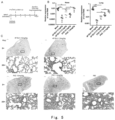
- mice were placed in advance into a biosafety level II laboratory animal experiment room. On day 0, mice were injected intraperitoneally with 15 mg/kg and 1.5 mg/kg of 4F1 antibody, Palivizumab and PBS, respectively. After 24h, mice were anesthetized with sodium pentobarbital and subjected to intranasal challenge with 5*10 5 PFU/50 ⁇ l/mouse of RSV A2 virus. Animals were killed 4 days later, and their lungs and nasal turbinates were collected.
- the left lung was removed from each mouse and fixed with 4% paraformaldehyde, embedded in paraffin and stained routinely with hematoxylin-eosin (HE).
- HE hematoxylin-eosin
- the pathological damage and inflammatory cell infiltration of lungs were visualized by using a digital section scanning system.
- the right lung tissue and nasal turbinate of each mouse were taken for tissue homogenization.
- Total RNA was extracted with the EZ-press RNA Purification Kit and then reverse transcribed to cDNA.
- the genome of RSV was relatively quantified by real-time quantitative PCR (RT-PCR).
- the primers were designed based on conserved fragments selected through alignments of the gene sequences coding the NP protein of RSV.
- Mouse ⁇ -actin was used as an internal reference gene (see Table 2).
Landscapes
- Health & Medical Sciences (AREA)
- Life Sciences & Earth Sciences (AREA)
- Chemical & Material Sciences (AREA)
- Organic Chemistry (AREA)
- Virology (AREA)
- Genetics & Genomics (AREA)
- Engineering & Computer Science (AREA)
- Molecular Biology (AREA)
- General Health & Medical Sciences (AREA)
- Biochemistry (AREA)
- Medicinal Chemistry (AREA)
- Biomedical Technology (AREA)
- Immunology (AREA)
- Biophysics (AREA)
- Biotechnology (AREA)
- Bioinformatics & Cheminformatics (AREA)
- Proteomics, Peptides & Aminoacids (AREA)
- Wood Science & Technology (AREA)
- Zoology (AREA)
- General Engineering & Computer Science (AREA)
- Microbiology (AREA)
- Veterinary Medicine (AREA)
- Public Health (AREA)
- Animal Behavior & Ethology (AREA)
- Pharmacology & Pharmacy (AREA)
- Nuclear Medicine, Radiotherapy & Molecular Imaging (AREA)
- General Chemical & Material Sciences (AREA)
- Chemical Kinetics & Catalysis (AREA)
- Cell Biology (AREA)
- Hematology (AREA)
- Urology & Nephrology (AREA)
- Physics & Mathematics (AREA)
- Communicable Diseases (AREA)
- Pulmonology (AREA)
- Oncology (AREA)
- General Physics & Mathematics (AREA)
- Pathology (AREA)
- Analytical Chemistry (AREA)
- Plant Pathology (AREA)
- Food Science & Technology (AREA)
Applications Claiming Priority (2)
| Application Number | Priority Date | Filing Date | Title |
|---|---|---|---|
| CN202111189228.6A CN115960214A (zh) | 2021-10-12 | 2021-10-12 | 中和呼吸道合胞病毒的全人抗体的设计及应用 |
| PCT/CN2022/123876 WO2023061264A1 (fr) | 2021-10-12 | 2022-10-08 | Conception et utilisation d'un anticorps entièrement humain pour neutraliser le virus respiratoire syncytial |
Publications (2)
| Publication Number | Publication Date |
|---|---|
| EP4417621A1 true EP4417621A1 (fr) | 2024-08-21 |
| EP4417621A4 EP4417621A4 (fr) | 2025-11-19 |
Family
ID=85888335
Family Applications (1)
| Application Number | Title | Priority Date | Filing Date |
|---|---|---|---|
| EP22880203.9A Pending EP4417621A4 (fr) | 2021-10-12 | 2022-10-08 | Conception et utilisation d'un anticorps entièrement humain pour neutraliser le virus respiratoire syncytial |
Country Status (5)
| Country | Link |
|---|---|
| US (1) | US20240409620A1 (fr) |
| EP (1) | EP4417621A4 (fr) |
| JP (1) | JP2024537357A (fr) |
| CN (1) | CN115960214A (fr) |
| WO (1) | WO2023061264A1 (fr) |
Families Citing this family (5)
| Publication number | Priority date | Publication date | Assignee | Title |
|---|---|---|---|---|
| CN117720628A (zh) * | 2023-10-12 | 2024-03-19 | 中国科学院微生物研究所 | 一种呼吸道合胞病毒二价抗原制备方法和应用 |
| WO2026008787A1 (fr) | 2024-07-04 | 2026-01-08 | Cptx Gmbh | Compositions |
| EP4674984A1 (fr) | 2024-07-04 | 2026-01-07 | CPTx GmbH | Compositions |
| CN119751662B (zh) * | 2024-12-25 | 2026-03-24 | 中国科学院微生物研究所 | 针对呼吸道合胞病毒f蛋白的单克隆抗体、基于其的检测试剂及其应用 |
| CN120081932B (zh) * | 2025-05-06 | 2025-08-19 | 北京康乐卫士生物技术股份有限公司 | 一种抗呼吸道合胞病毒的单克隆中和抗体及其应用 |
Family Cites Families (12)
| Publication number | Priority date | Publication date | Assignee | Title |
|---|---|---|---|---|
| US20160068609A1 (en) * | 2013-04-22 | 2016-03-10 | Glycotope Gmbh | Anti-cancer treatments with anti-egfr antibodies having a low fucosylation |
| US10047145B2 (en) * | 2013-07-24 | 2018-08-14 | Humabs Biomed Sa | Antibodies that potently neutralize RSV and uses thereof |
| EP3124042A1 (fr) * | 2015-07-28 | 2017-02-01 | VIB, vzw | Anticorps à domaine variable unique contre la protéine f prefusion du virus respiratoire syncytial (rsv) |
| ES2839880T3 (es) * | 2015-07-07 | 2021-07-06 | Janssen Vaccines & Prevention Bv | Vacuna contra el VRS |
| EP3525820A4 (fr) * | 2016-10-17 | 2020-09-16 | Vanderbilt University | Anticorps contre le virus respiratoire syncytial humain et leurs méthodes d'utilisation |
| WO2018140242A1 (fr) * | 2017-01-27 | 2018-08-02 | Vanderbilt University | Base structurale pour la neutralisation croisée d'anticorps du virus respiratoire syncytial et du métapneumovirus humain |
| EP3587452A4 (fr) * | 2017-02-27 | 2021-03-03 | Jiangsu Hengrui Medicine Co., Ltd. | Anticorps anti-tim-3, fragment de liaison à l'antigène de celui-ci, et utilisations médicales de celui-ci |
| TWI761453B (zh) * | 2017-03-01 | 2022-04-21 | 英商梅迪繆思有限公司 | 抗rsv單株抗體配製物 |
| WO2019075433A1 (fr) * | 2017-10-13 | 2019-04-18 | Adimab, Llc | Anticorps contre le virus respiratoire syncytial et méthodes pour leurs génération et utilisation |
| WO2019165019A1 (fr) * | 2018-02-21 | 2019-08-29 | Vanderbilt University | Anticorps dirigés contre la conformation de pré-fusion de la protéine f du virus respiratoire syncytial humain et leurs méthodes d'utilisation |
| CN111606993B (zh) * | 2019-02-26 | 2022-06-28 | 中国科学院上海生命科学研究院 | 抗呼吸道合胞病毒的全人广谱中和抗体4f1及其应用 |
| CN112714768B (zh) * | 2019-08-27 | 2025-02-18 | 科望(苏州)生物医药科技有限公司 | 新型抗cd39抗体 |
-
2021
- 2021-10-12 CN CN202111189228.6A patent/CN115960214A/zh active Pending
-
2022
- 2022-10-08 JP JP2024522267A patent/JP2024537357A/ja active Pending
- 2022-10-08 US US18/700,971 patent/US20240409620A1/en active Pending
- 2022-10-08 WO PCT/CN2022/123876 patent/WO2023061264A1/fr not_active Ceased
- 2022-10-08 EP EP22880203.9A patent/EP4417621A4/fr active Pending
Also Published As
| Publication number | Publication date |
|---|---|
| EP4417621A4 (fr) | 2025-11-19 |
| CN115960214A (zh) | 2023-04-14 |
| JP2024537357A (ja) | 2024-10-10 |
| WO2023061264A1 (fr) | 2023-04-20 |
| US20240409620A1 (en) | 2024-12-12 |
Similar Documents
| Publication | Publication Date | Title |
|---|---|---|
| CN111606993B (zh) | 抗呼吸道合胞病毒的全人广谱中和抗体4f1及其应用 | |
| EP4417621A1 (fr) | Conception et utilisation d'un anticorps entièrement humain pour neutraliser le virus respiratoire syncytial | |
| EP4282880A1 (fr) | Anticorps 76e1 neutralisant entièrement humain à large spectre contre le coronavirus, et utilisation associée | |
| KR101671452B1 (ko) | 항rsv g 단백질 항체 | |
| JP6462599B2 (ja) | Rsv融合タンパク質のエピトープ及びそのエピトープを認識する抗体 | |
| US11370829B2 (en) | Antibodies that potently neutralize RSV and uses thereof | |
| CN114644708B (zh) | 呼吸道合胞病毒特异性结合分子 | |
| CN111153988B (zh) | 广谱抗肠道病毒d68型的中和性单克隆抗体 | |
| WO2016173558A1 (fr) | Préparation et utilisation d'un anticorps monoclonal murin de type anti-norovirus gii.4 | |
| WO2022143816A1 (fr) | Anticorps à neutralisation croisée à large spectre entièrement humain contre sars-cov-2 et sars-cov et son utilisation | |
| WO2016173559A1 (fr) | Préparation et utilisation de l'anticorps monoclonal murin contre le norovirus gi.1 | |
| CN114174331B (zh) | 结合人类偏肺病毒融合蛋白的抗体及其用途 | |
| CN108794624A (zh) | 抗h7n9流感病毒的中和性单克隆抗体 | |
| KR20150135231A (ko) | 인간 메타뉴모바이러스에 특이적인 인간 항체 또는 그의 항원 결합성 단편 | |
| CN116217712B (zh) | 识别RSV pre-F蛋白的抗体以及应用 | |
| WO2022143815A1 (fr) | Anticorps neutralisant dirigé contre des épitopes du domaine de liaison au récepteur du nouveau coronavirus et son utilisation | |
| CN112574297B (zh) | 抗神经氨酸酶的单克隆抗体及其应用 | |
| CN111196848A (zh) | 抗流感病毒的全人中和性抗体26Ab及其应用 | |
| CN111116741A (zh) | 抗h3n2流感病毒的全人中和性抗体及其应用 | |
| CN116143910A (zh) | 靶向SARS-CoV-2刺突蛋白的纳米抗体及其应用 | |
| CN121426940A (zh) | 特异性结合呼吸道合胞病毒的抗体及其应用 | |
| CN121729618A (zh) | 针对乙型流感病毒的广泛反应性抗体 |
Legal Events
| Date | Code | Title | Description |
|---|---|---|---|
| STAA | Information on the status of an ep patent application or granted ep patent |
Free format text: STATUS: THE INTERNATIONAL PUBLICATION HAS BEEN MADE |
|
| PUAI | Public reference made under article 153(3) epc to a published international application that has entered the european phase |
Free format text: ORIGINAL CODE: 0009012 |
|
| STAA | Information on the status of an ep patent application or granted ep patent |
Free format text: STATUS: REQUEST FOR EXAMINATION WAS MADE |
|
| 17P | Request for examination filed |
Effective date: 20240502 |
|
| AK | Designated contracting states |
Kind code of ref document: A1 Designated state(s): AL AT BE BG CH CY CZ DE DK EE ES FI FR GB GR HR HU IE IS IT LI LT LU LV MC ME MK MT NL NO PL PT RO RS SE SI SK SM TR |
|
| DAV | Request for validation of the european patent (deleted) | ||
| DAX | Request for extension of the european patent (deleted) | ||
| 111L | Licence recorded |
Designated state(s): AL AT BE BG CH CY CZ DE DK EE ES FI FR GB GR HR HU IE IS IT LT LU LV MC ME MK MT NL NO PL PT RO RS SE SI SK SM TR Free format text: EXCLUSIVE LICENSE Name of requester: SHANGHAI INSTITUTE OF BIOLOGICAL PRODUCTSCO., LTD., CN Effective date: 20250121 |
|
| A4 | Supplementary search report drawn up and despatched |
Effective date: 20251022 |
|
| RIC1 | Information provided on ipc code assigned before grant |
Ipc: C07K 16/10 20060101AFI20251016BHEP Ipc: C12N 15/11 20060101ALI20251016BHEP Ipc: C12N 5/07 20100101ALI20251016BHEP Ipc: C07K 19/00 20060101ALI20251016BHEP Ipc: A61K 39/42 20060101ALI20251016BHEP Ipc: A61P 31/14 20060101ALI20251016BHEP Ipc: A61P 11/06 20060101ALI20251016BHEP |