EP4420734A2 - Antagonistes de ptgdr-1 et/ou ptgdr-2 pour la prévention et/ou le traitement du lupus érythémateux systémique - Google Patents
Antagonistes de ptgdr-1 et/ou ptgdr-2 pour la prévention et/ou le traitement du lupus érythémateux systémique Download PDFInfo
- Publication number
- EP4420734A2 EP4420734A2 EP24172770.0A EP24172770A EP4420734A2 EP 4420734 A2 EP4420734 A2 EP 4420734A2 EP 24172770 A EP24172770 A EP 24172770A EP 4420734 A2 EP4420734 A2 EP 4420734A2
- Authority
- EP
- European Patent Office
- Prior art keywords
- ptgdr
- antagonist
- basophils
- sle
- pgd
- Prior art date
- Legal status (The legal status is an assumption and is not a legal conclusion. Google has not performed a legal analysis and makes no representation as to the accuracy of the status listed.)
- Pending
Links
Images




Classifications
-
- A—HUMAN NECESSITIES
- A61—MEDICAL OR VETERINARY SCIENCE; HYGIENE
- A61K—PREPARATIONS FOR MEDICAL, DENTAL OR TOILETRY PURPOSES
- A61K31/00—Medicinal preparations containing organic active ingredients
- A61K31/33—Heterocyclic compounds
- A61K31/395—Heterocyclic compounds having nitrogen as a ring hetero atom, e.g. guanethidine or rifamycins
- A61K31/40—Heterocyclic compounds having nitrogen as a ring hetero atom, e.g. guanethidine or rifamycins having five-membered rings with one nitrogen as the only ring hetero atom, e.g. sulpiride, succinimide, tolmetin, buflomedil
- A61K31/403—Heterocyclic compounds having nitrogen as a ring hetero atom, e.g. guanethidine or rifamycins having five-membered rings with one nitrogen as the only ring hetero atom, e.g. sulpiride, succinimide, tolmetin, buflomedil condensed with carbocyclic rings, e.g. carbazole
-
- A—HUMAN NECESSITIES
- A61—MEDICAL OR VETERINARY SCIENCE; HYGIENE
- A61K—PREPARATIONS FOR MEDICAL, DENTAL OR TOILETRY PURPOSES
- A61K45/00—Medicinal preparations containing active ingredients not provided for in groups A61K31/00 - A61K41/00
- A61K45/06—Mixtures of active ingredients without chemical characterisation, e.g. antiphlogistics and cardiaca
-
- A—HUMAN NECESSITIES
- A61—MEDICAL OR VETERINARY SCIENCE; HYGIENE
- A61P—SPECIFIC THERAPEUTIC ACTIVITY OF CHEMICAL COMPOUNDS OR MEDICINAL PREPARATIONS
- A61P29/00—Non-central analgesic, antipyretic or antiinflammatory agents, e.g. antirheumatic agents; Non-steroidal antiinflammatory drugs [NSAID]
-
- A—HUMAN NECESSITIES
- A61—MEDICAL OR VETERINARY SCIENCE; HYGIENE
- A61P—SPECIFIC THERAPEUTIC ACTIVITY OF CHEMICAL COMPOUNDS OR MEDICINAL PREPARATIONS
- A61P37/00—Drugs for immunological or allergic disorders
- A61P37/02—Immunomodulators
-
- A—HUMAN NECESSITIES
- A61—MEDICAL OR VETERINARY SCIENCE; HYGIENE
- A61P—SPECIFIC THERAPEUTIC ACTIVITY OF CHEMICAL COMPOUNDS OR MEDICINAL PREPARATIONS
- A61P43/00—Drugs for specific purposes, not provided for in groups A61P1/00-A61P41/00
-
- A—HUMAN NECESSITIES
- A61—MEDICAL OR VETERINARY SCIENCE; HYGIENE
- A61K—PREPARATIONS FOR MEDICAL, DENTAL OR TOILETRY PURPOSES
- A61K2300/00—Mixtures or combinations of active ingredients, wherein at least one active ingredient is fully defined in groups A61K31/00 - A61K41/00
Definitions
- the present invention concerns a PTGDR-1 antagonist, a PTGDR-2 antagonist, a dual PTGDR-1/PTGDR-1 antagonist, or a combination of PTGDR-1 antagonist and PTGDR-2 antagonist, and pharmaceutical compositions containing them, for use for preventing and/or treating SLE.
- SLE Systemic lupus erythematosus
- LN kidney involvement
- both innate and adaptive immune systems are dysregulated during SLE and synergize to amplify the production of the main lupus pathogenic factors which are autoantibodies mostly directed against nuclear antigens (ANA) such as double stranded DNA (dsDNA). Once aggregated to their antigens and complement factors, these autoantibodies will form circulating immune complexes mediating a chronic inflammation when deposited in the targeted organ.
- ANA nuclear antigens
- dsDNA double stranded DNA
- Flares of the disease are usually controlled by strong immunosuppressive treatments and high dose of corticosteroids.
- Recent clinical trials aimed to decrease autoantibody production in subjects with SLE by directly targeting the B cell compartment but failed to demonstrate sufficient efficacy.
- Developing new therapeutic strategies to prevent flares to occur represents a big challenge for the biomedical community.
- Basophils are one of the less represented circulating leukocytes and are well known for their involvement in allergic and parasitic diseases. During the past decade, basophils were shown having powerful immune regulatory functions despite their weak representation). It was previously shown that basophils were able to support plasma cell survival and antibody production in vivo while expressing some B cell activating factors such as BAFF (B cell activating factor), CD40L (CD40 ligand or CD154), interleukin (IL)-4 and IL-6 (( Voehringer, D., Nat. Rev. Immunol. 13, 362-375 (2013 ); Charles, N. et al., Nat. Med. 16, 701-707 (2010 )).
- BAFF B cell activating factor
- CD40L CD40 ligand or CD154
- IL-4 and IL-6 interleukin-6
- SLOs secondary lymphoid organs
- CXCL12 C-X-C motif Ligand 12
- CXCL12 is a chemokine secreted mostly by stromal cells from bone marrow, peritoneal cavity, SLOs, and kidneys.
- CXCL12 acts as a homeostatic chemokine by regulating mesenchymal stem cells, B cells and neutrophils physiological distribution via its specific interaction with C-X-C motif Receptor 4 (CXCR4).
- CXCL12 overexpression occurs in inflamed tissues and is pathogenic in cancer and lupus nephritis among other diseases ( Wang, A., et al., J. Immunol. 182, 4448-4458 (2009 ) ; Balabanian, K., et al., J. Immunol. 170, 3392-3400 (2003 ) ; Hummel, S., Van Aken, H. & Zarbock, A.. Curr. Opin. Hematol. 21, 29-36 (2014 )).
- Prostaglandin D 2 (PGD 2 ) is produced from arachidonic acid by cyclooxygenases and tissue-specific PGD 2 synthases (PGDS).
- PGD 2 contributes to various homeostatic functions and is involved in the onset and resolution of inflammation through its interactions with the two known PGD 2 receptors (PTGDRs): PTGDR-1 (or DP, D prostanoid receptor) and PTGDR-2 (or DP-2, also known as chemoattractant receptor-homologous molecule expressed on T helper type 2 (T H 2) cells, CRTH2).
- Basophils express the highest level of the ubiquitous PTGDR-1 among peripheral blood leukocytes.
- PTGDR-2 expression is more restricted and mediates activation and chemotaxis of basophils, eosinophils and T H 2 CD4 + T cells. The effects of these two receptors can be competitive or cooperative.
- PGD 2 has been involved in allergic and pulmonary diseases, ulcerative colitis, and renal fibrosis.
- Lipocalin-type-PGDS (L-PGDS) was recently found to be expressed de novo in inflamed kidneys ( Nagata, N., et al., FEBS J 276, 7146-7158 (2009 ) and in the urine of active LN patients ( Suzuki, M., et al., Pediatr. Res. 65, 530-536 (2009 ) ; Somparn, P., et al., J. Proteomics 75, 3240-3247 (2012 )).
- basophils were involved in the development of LN both in a spontaneous murine SLE model ( Lyn - / - mice) and in a small cohort of 42 patients by accumulating in SLOs where they support autoreactive T and B cells through an IgE and IL-4 dependent pathway ( Charles, N. et al., Nat. Med. 16, 701-707 (2010 )). Since the production of potent basophil activators or chemo-attractants is known to be dysregulated during lupus pathogenesis ( Pellefigues, C. & Charles, N., Curr. Opin. Immunol. 25, 704-711 (2013 )), mechanisms underlying basophil recruitment to SLOs during SLE were explored.
- the inventors have now identified two new pathways by which basophils get activated during flares of the disease.
- basopenia was a characteristic of SLE patients and was correlated with disease activity. Moreover, as compared to other renal diseases, basopenia was specific of lupus nephritis. This basopenia was associated with a specific expression pattern on basophils of some known and new activation markers. Indeed, CXCR4 expression at the protein level and on the surface of basophils was markedly increased in active patients and associated with basopenia.
- CXCR4 and CD164 led to a dramatically increased sensitivity of SLE basophils to CXCL12-mediated migration ex vivo.
- the inventors demonstrated that migrated basophils were dramatically overexpressing CXCR4 as compared to their "non-migrated" blood basophil counterparts, strongly suggesting that human CXCR4 + basophil extravasation and migration could be induced in vivo by CXCL12, leading to a peripheral basopenia.
- CXCL12 induced a redistribution of CXCR4 + basophils at the injection site and in the corresponding draining lymph nodes, demonstrating basophil migration capability to CXCL12 in vivo.
- PGD 2 synthesis was increased in SLE subjects and associated with basopenia.
- This PGD 2 -mediated CXCR4-dependent basophil migration was, at least partially, due to an autocrine effect of PGD 2 upon its synthesis by basophils themselves ex vivo, resulting in an externalization of CXCR4.
- PGD 2 the PGD 2 /PTGDRs axis
- PGD 2 was enhancing CXCR4-dependent basophil recruitment to SLOs during lupus, explaining the flare of the disease observed with repeated PGD 2 injections in lupus-prone mice.
- lupus or " systemic lupus erythematosus” or “ SLE” are used in their customary meaning herein and include an autoimmune disorder characterized by the presence of autoantibodies, rash, oral ulcers, serositis, neurological disorders, low blood cell counts, joint pain and swelling. Tests used to diagnose include antibody tests (e.g., Antinuclear antibody (ANA) panel, Anti-double strand DNA (dsDNA), Antiphospholipid antibodies, Anti-Smith antibodies); CBC to show low white blood cells, hemoglobin, or platelets; chest x-ray showing pleuritis or pericarditis; kidney biopsy; urinalysis to show blood, casts, or protein in the urine.
- antibody tests e.g., Antinuclear antibody (ANA) panel, Anti-double strand DNA (dsDNA), Antiphospholipid antibodies, Anti-Smith antibodies
- CBC Anti-double strand DNA
- CBC Anti-Smith antibodies
- CBC to show low white blood cells, hemoglobin, or plate
- lupus nephritis is meant a disorder characterized by an inflammation of the kidney caused by systemic lupus erythematosus (SLE).
- Lupus nephritis is characterized by IgM-, IgG-, and IgA-containing immune complexes deposited in the glomeruli. These immune complexes are formed by autoantibodies with specificity to nuclear components (antinuclear antibodies (ANA)) or to nucleic acids (such as double-stranded DNA (dsDNA)).
- ANA antigenuclear antibodies
- dsDNA double-stranded DNA
- prevention and/or treatment of systemic lupus erythematosus or " SLE” encompasses prevention and/or treatment of lupus nephritis.
- treating refers to a therapeutic use (i.e. on a subject having a given disease) and means reversing, alleviating, inhibiting the progress of one or more symptoms of such disorder or condition. Therefore, treatment does not only refer to a treatment that leads to a complete cure of the disease, but also to treatments that slow down the progression of the disease and/or prolong the survival of the subject.
- preventing is meant a prophylactic use (i.e. on a subject susceptible of developing a given disease).
- Prostaglandin D2 or " PDG 2" is 9 ⁇ ,15S-dihydroxy-11-oxo-prosta-5Z,13E-dien-1-oic acid (IUPAC name) ( CAS number :41598-07-6 ).
- PTGDR-1 or " DP” or " D prostanoid receptor” is a receptor for prostaglandin D2 and its activity is mainly mediated by G(s) proteins that stimulate adenylate cyclase, resulting in an elevation of intracellular cAMP.
- An exemplary sequence of human PTGDR-1 protein is available in the UniProt database, under accession number Q13258 (in particular Q13258-1:isoform 1, Entry version 133 of 7 January 2015).
- a complete mRNA sequence encoding PTGDR-1 is available in Genbank under accession number EF577397.1 (release: 122; issue date: 21-NOV-2014).
- PTGDR-2 or " chemoattractant receptor-homologous molecule expressed on T helper type 2 (TH2) cells " or " CRTH2 “or “ DP2 " is a G-protein-coupled receptor for prostaglandin D2 that is preferentially expressed in CD4+ effector T helper 2 (Th2) cells.
- An exemplary sequence of human PTGDR-2 protein is available in the UniProt database, under accession number Q9Y5Y4 (Entry version 120 of 7 January 2015).
- a complete mRNA sequence encoding PTGDR-2 is available in Genbank under accession number AY507142.1 (release: 122; issue date: 21-NOV-2014).
- the term "antagonist” refers to any molecule that partially or fully blocks, inhibits, reduces or neutralizes expression and/or biological activity of a target and/or signalling pathway.
- PTGDR-1 antagonist refers to a molecule that partially or fully blocks, inhibits, neutralizes, or interferes with the expression and/or biological activities of a PTGDR-1 protein. This includes, but is not limited to, blocking, inhibiting, reducing, or interfering with PDG 2 /PTGDR-1 interactions.
- PTGDR-1 antagonists include for instance a PDG 2 neutralising antibody, i.e. an antibody which binds to PDG 2 and prevents PDG 2 binding to PTGDR-1.
- PTGDR-2 antagonist refers to a molecule that partially or fully blocks, inhibits, neutralizes, or interferes with the expression and/or biological activities of a PTGDR-2 protein. This includes, but is not limited to, blocking, inhibiting, reducing, or interfering with PDG 2 /PTGDR-2 interactions.
- PTGDR-2 antagonists include for instance a PDG 2 neutralising antibody, i.e. an antibody which binds to PDG 2 and prevents PDG 2 binding to PTGDR-2.
- Suitable antagonist molecules specifically include, but are not limited to biological molecules such as a protein, polypeptide, peptide, antibody, antibody fragment, aptamers, antisense, interfering RNAs, or non-biological large or small molecules (less than 10 kDa), in particular small organic molecules.
- the antagonist may be an inhibitor of PTGDR-1 or PTGDR-2 gene expression.
- Inhibitors of gene expression include antisense oligonucleotides and interfering RNA (iRNA).
- RNA include double-stranded RNA, single-stranded RNA, isolated RNA (partially purified RNA, essentially pure RNA, synthetic RNA, recombinantly produced RNA), as well as altered RNA that differs from naturally occurring RNA by the addition, deletion, substitution and/or alteration of one or more nucleotides. Such alterations can include addition of non-nucleotide material, such as to the end(s) of the RNA or internally (at one or more nucleotides of the RNA). Nucleotides in the iRNA molecules can also comprise non-standard nucleotides, including non-naturally occurring nucleotides or deoxyribonucleotides.
- RNA that mediates RNA interference interacts with the RNA interference machinery such that it directs the machinery to degrade particular mRNAs or to otherwise reduce the expression of the target protein.
- iRNA molecules direct cleavage of specific mRNA to which their sequence corresponds.
- the iRNA molecules may comprise an RNA portion and some additional portion, for example a deoxyribonucleotide portion.
- the total number of nucleotides in the RNA molecule is suitably less than 49 in order to be effective mediators of RNA interference. In preferred RNA molecules, the number of nucleotides is 16 to 29, more preferably 18 to 23, and most preferably 21-23.
- iRNA includes but is not limited to siRNAs, shRNAs, miRNAs, dsRNAs, and other RNA species that can be cleaved in vivo to form siRNAs.
- a " short interfering RNA” or " siRNA” comprises a RNA duplex (double-stranded region) and can further comprises one or two single-stranded overhangs, 3' or 5' overhangs.
- a “short hairpin RNA (shRNA)” refers to a segment of RNA that is complementary to a portion of a target gene (complementary to one or more transcripts of a target gene), and has a stem-loop (hairpin) structure.
- MicroRNAs or " miRNAs” are endogenously encoded RNAs that are about 22-nucleotide-long, that post-transcriptionally regulate target genes and are generally expressed in a highly tissue-specific or developmental-stage-specific fashion.
- the miR-30 (microRNA 30) architecture can be used to express miRNAs (or siRNAs) from RNA polymerase II promoter-based expression plasmids ( Zeng et al, 2005, Methods enzymol. 392:371-380 ).
- the precursor miRNA molecules may include more than one stem-loop structure.
- the multiple stem-loop structures may be linked to one another through a linker, such as, for example, a nucleic acid linker, a miRNA flanking sequence, other molecules, or some combination thereof.
- Anti-sense oligonucleotides are non-enzymatic nucleic acid molecules that bind to target RNA by means of RNA-RNA or RNA-DNA or RNA-PNA (protein nucleic acid; Egholm et al, 1993 Nature 365, 566 ) interactions and alter the activity of the target RNA.
- anti-sense molecules are complementary to a target sequence along a contiguous sequence of the antisense molecule.
- anti-sense DNA can be used to target RNA by means of DNA-RNA interactions, thereby activating RNase H, which digests the target RNA in the duplex.
- antibody refers to immunoglobulin molecules and immunologically active portions of immunoglobulin molecules, i.e., molecules that contain an antigen binding site which immunospecifically binds an antigen.
- the term antibody encompasses not only whole antibody molecules, but also antibody fragments as well as variants (including derivatives) of antibodies and antibody fragments.
- the antibody according to the invention may correspond to a polyclonal antibody, a monoclonal antibody (e.g. a chimeric, humanized or human antibody), a fragment of a polyclonal or monoclonal antibody or a diabody.
- Antibody fragments comprise a portion of an intact antibody, preferably the antigen binding or variable region of the intact antibody.
- antibody fragments include Fv, Fab, F(ab') 2 , Fab', Fd, dAb, dsFv, scFv, sc(Fv) 2 , CDRs, diabodies and multi-specific antibodies formed from antibodies fragments.
- Aptamers are a class of molecule that represents an alternative to antibodies in term of molecular recognition. Aptamers are oligonucleotide or oligopeptide sequences with the capacity to recognize virtually any class of target molecules with high affinity and specificity. Such ligands may be isolated through Systematic Evolution of Ligands by EXponential enrichment (SELEX) of a random sequence library, as described in Tuerk C. and Gold L., Science, 1990, 249(4968):505-10 .
- the random sequence library is obtainable by combinatorial chemical synthesis of DNA. In this library, each member is a linear oligomer, eventually chemically modified, of a unique sequence.
- Peptide aptamers consists of a conformationally constrained antibody variable region displayed by a platform protein, such as E. coli Thioredoxin A that are selected from combinatorial libraries by two hybrid methods ( Colas et al., Nature, 1996,380, 548-50 ).
- the invention relates to a PTGDR-1 antagonist for use in a method for preventing and/or treating SLE.
- the invention also relates to the use of a PTGDR-1 antagonist for the manufacture of a medicament for preventing and/or treating SLE.
- the invention further relates to a method for preventing and/or treating SLE in a patient in need thereof, wherein said method comprises administering said patient with a PTGDR-1 antagonist.
- the invention relates to a PTGDR-2 antagonist for use in a method for preventing and/or treating SLE.
- the invention also relates to the use of a PTGDR-2 antagonist for the manufacture of a medicament for preventing and/or treating SLE.
- the invention further relates to a method for preventing and/or treating SLE in a patient in need thereof, wherein said method comprises administering said patient with a PTGDR-2 antagonist.
- said PTGDR-1 antagonist is a small molecule antagonist.
- Said small molecule antagonist is in particular selected from the group consisting of compounds of formulae I to VI as disclosed hereafter:
- the compounds of formula I have the stereoconfiguration shown below (i.e. the chiral center has the R configuration):
- the compound of formula I or II is laropiprant, i.e. (-)-[4-(4-chlorobenzyl)-7-fluoro-5-(methane-sulfonyl)-1,2,3,4-tetrahydrocyclopenta[b]indol-3-yl]acetic acid and pharmaceutically acceptable salts thereof:
- Laropiprant is approved by the FDA to inhibit the flushing induced by niacin to treat dyslipidemias.
- a compound of formula IV is (-)-[4-(4-chlorobenzyl)-7-fluoro-5-(methanesulfonyl)-1,2,3,4-tetrahydrocyclopenta[b]indol-3-yl]acetic acid or a pharmaceutically acceptable salt thereof, i.e.: (v) Compounds disclosed in patent application WO2004103970 : and pharmaceutically acceptable salts thereof, wherein m is 1 or 2, and R 1 is C 1 -C 3 alkyl optionally substituted with 1 to 5 halogen atoms.
- Said compound of formula V is in particular selected from the group consisting of:
- Exemplary PTGDR-1 antagonists include, but are not limited to, compounds described as having PGD2 antagonizing activity in PCT Published Applications WO97/00853 , WO98/25919 , WO01/66520 , WO02/094830 , WO03/022814 , WO03/078409 , and WO2004/103370 ; European Patent Applications EP945450 , EP944614 , and EP 1305286 ; and U.S. Application Publ. No. 20040220237 , 20070244107 , and 20080194600 , all of which are hereby incorporated by reference in their entirety.
- the PTGDR-1 antagonist is biological molecule antagonist.
- said PTGDR-1 antagonist is an antibody, preferably monoclonal antibody, or antibody fragment, or aptamer directed against PTGDR-1.
- Methods of producing polyclonal or monoclonal antibodies are readily available to the skilled person.
- Said PTGDR-1 antagonist may also be an antisense, or interfering RNA inhibiting PTGDR-1 expression.
- said PTGDR-1 antagonist is an anti-sense oligonucleotide, in particular an anti-sense oligonucleotide comprising or consisting of one of the sequence SEQ ID NO:4415 to SEQ ID No:5483, as disclosed in the international patent application published as WO02/081628 .
- said PTGDR-2 antagonist is a small molecule antagonist.
- a PTGDR-2 antagonist is selected from the group consisting of :
- a compound of formula VIII is selected from the gourp consisting of :
- TM30643 [3-(4-fluoro-benzenesulfo-nylamino)-1,2,3,4-tetrahydro-carbazol-9-yl]-acetic acid): and TM30089 (also called CAY10471) ( CAS 627865-18-3 : 2-[3-[(4-fluorophenyl)sulfonyl-methylamino]-1,2,3,4-tetrahydrocarbazol-9-yl]acetic acid):
- PTGDR-2 antagonists can be found in the following publications: EP1, 170,594 , EP1,435,356 WO2003/066046 , WO2003/066047 , WO2003/097042 , WO2003/097598 , WO2003/101961 , WO2003/101981 , WO2004/007451 , WO2004/032848 , WO2004/035543 , WO2004/106302 , WO2005/019171 , WO2005/054232 , WO2005/018529 , WO2005/040112 , GB2,407,318 , WO2005/040114 , WO2005/044260 , WO2005/095397 , WO2005/100321 , WO2005/102338 , WO2005/123731 , WO2006/034419 , WO2006/095183 , WO2007/107772 , WO2008024746 , US7,405,215 , each
- the PTGDR-2 antagonist is biological molecule antagonist.
- said PTGDR-2 antagonist is an antibody, preferably monoclonal antibody, or antibody fragment, or aptamer directed against PTGDR-2.
- said PTGDR-2 antagonist is an antibody depleting PTGDR-2 expressing cells such as described in the international patent application WO2014144865 .
- Said PTGDR-2 antagonist may also be an antisense, or interfering RNA inhibiting PTGDR-2 expression.
- a dual PTGDR-1/PTGDR-2 antagonist is an antagonist for which the ratio of antagonist activity against PTGDR-1 and PTGDR-2, respectively, is from 1:10 to 10:1, in particular from 1:50 to 50:1, preferably from 1:100 to 100:1, still preferably from 1:250 to 250:1.
- Dual PTGDR-1/PTGDR-2 antagonists that can be used in the frame of the invention include, for instance, the compounds described in patent application WO 2009/085177 :
- said compound of formula VI is AMG 853 (2-(4-(4-(tert-butylcarbamoyl)-2-(2-chloro-4-cyclopropylphenyl sulfonamido)phenoxy)-5-chloro-2-fluorophenyl)acetic acid):
- AMG 853 as well as a method of preparing this compound, are also described in Liu et al., ACS Med Chem Lett. 2011 Mar 2;2(5):326-30 .
- Characterisation of the antagonistic activity of a molecule towards PTGDR-1 and/or PTGDR-2 can be performed, for instance, by methods described in Liu et al., ACS Med Chem Lett. 2011 Mar 2;2(5):326-30 . These methods include:
- said PTGDR-1 (or PTGDR-2 antagonist) is a dual PTGDR-1/PTGDR-2 antagonist.
- said PTGDR-1 antagonist is not a dual PTGDR-1/PTGDR-2 antagonist.
- the PTGDR-1 antagonist is used either as the sole active ingredient (mono-treatment) for the prevention and/or treatment of SLE, or in combination with at least a PTGDR-2 antagonist (which is neither a dual PTGDR-1/PTGDR-2 antagonist) for the prevention and/or treatment of SLE.
- said PTGDR-2 antagonist is not a dual PTGDR-1/PTGDR-2 antagonist.
- the PTGDR-2 antagonist is used either as the sole active ingredient (mono-treatment) for the prevention and/or treatment of SLE, or in combination with at least a PTGDR-1 antagonist (which is neither a dual PTGDR-1/PTGDR-2 antagonist) for the prevention and/or treatment of SLE.
- the PTGDR-1 antagonist, the PTGDR-2 antagonist, or the combination of PTGDR-1 antagonist and PTGDR-2 antagonist is used in combination with any other standard therapy for the treatment of lupus.
- Therapeutics useful for the treatment of lupus include, but are not limited to, nonsteroidal antiinflammatory drugs (NSAIDs), hydroxychloroquine, corticosteroids, cyclophosphamide, azthioprine, methotrexate, mycophenolate mofetil (MMF) (CelleCept ® ), belimumab, dehydroepiandrosterone, and rituximab.
- NSAIDs nonsteroidal antiinflammatory drugs
- hydroxychloroquine corticosteroids
- cyclophosphamide azthioprine
- methotrexate methotrexate
- belimumab dehydroepiandrosterone
- the PTGDR-1 and/or PTGDR-2 antagonist(s), and optionally further the standard therapeutic for the treatment of lupus are formulated into one or more pharmaceutical composition(s) comprising said PTGDR-1 and/or PTGDR-2 antagonist(s), and optionally further the standard therapeutic for the treatment of lupus, and at least one carrier, excipient or diluent.
- “Pharmaceutically” or “pharmaceutically acceptable” refers to molecular entities and compositions that do not produce an adverse, allergic or other untoward reaction when administered to a mammal, especially a human, as appropriate.
- a pharmaceutically acceptable carrier, excipient or diluent refers to a non-toxic solid, semi-solid or liquid filler, diluent, encapsulating material or formulation auxiliary of any type.
- compositions of this invention include, but are not limited to, ion exchangers, alumina, aluminium stearate, lecithin, self-emulsifying drug delivery systems (SEDDS) such as d-a-tocopherol polyethyleneglycol 1000 succinate, surfactants used in pharmaceutical dosage forms such as Tweens or other similar polymeric delivery matrices, serum proteins, such as human serum albumin, buffer substances such as phosphates, glycine, sorbic acid, potassium sorbate, partial glyceride mixtures of saturated vegetable fatty acids, water, salts or electrolytes, such as protamine sulfate, disodium hydrogen phosphate, potassium hydrogen phosphate, sodium chloride, zinc salts, colloidal silica, magnesium trisilicate, polyvinyl pyrrolidone, cellulose-based substances, polyethylene glycol, sodium carboxymethylcellulose, polyacrylates, waxes, polyethylene-polyoxyprop
- the pharmaceutical composition is suitably formulated to be compatible with the intended route of administration.
- suitable routes of administration include topical route, oral route, intranasal route, intraocular route, parenteral route, including for instance intramuscular, subcutaneous, intravenous, intraperitoneal or local injections.
- the oral route can be used, provided that the composition is in a form suitable for oral administration, able to protect the active principle from the gastric and intestinal enzymes.
- the pharmaceutical composition contains carriers that are pharmaceutically acceptable for an injectable formulation.
- carriers may in particular be sterile, isotonic, saline solutions (monosodium phosphate, disodium phosphate, sodium chloride, potassium chloride, calcium chloride or magnesium chloride etc., or mixtures of such salts), or dry, in particular lyophilized, compositions which by means of the addition, as appropriate, of sterilized water or physiological saline, can form injectable solutes.
- the PTGDR-1 antagonist and PTGDR-2 antagonist are formulated in a single pharmaceutical composition, or said PTGDR-1 antagonist, PTGDR-2 antagonist, and standard therapeutic for the treatment of lupus, are formulated in separate pharmaceutical compositions for simultaneous use, separate use, or use spread over time.
- the invention also provides for a pharmaceutical composition
- a pharmaceutical composition comprising a PTGDR-1 antagonist and a PTGDR-2 antagonist; or a dual PTGDR-1/PTGDR-2 antagonist; a PTGDR-1 antagonist and a standard therapeutic for the treatment of lupus; a PTGDR-2 antagonist and a standard therapeutic for the treatment of lupus; a PTGDR-1 antagonist, a PTGDR-2 antagonist, and a standard therapeutic for the treatment of lupus; or a dual PTGDR-1/PTGDR-2 antagonist and a standard therapeutic for the treatment of lupus, for use in a method for preventing and/or treating SLE.
- a method for preventing and/or treating SLE in a patient in need thereof comprises administering said patient with a PTGDR-1 antagonist and a PTGDR-2 antagonist, or a dual PTGDR-1/PTGDR-2 antagonist.
- a standard therapeutic for the treatment of lupus is further step administered with the PTGDR-1 antagonist and PTGDR-2 antagonist, or with the dual PTGDR-1/PTGDR-2 antagonist.
- a method for preventing and/or treating SLE in a patient in need thereof, wherein said method comprises administering said patient with a PTGDR-1 antagonist or a PTGDR-2 antagonist, and with a standard therapeutic for the treatment of lupus also makes part of the invention.
- the invention also relates to PTGDR-1 antagonist and a PTGDR-2 antagonist; or a dual PTGDR-1/PTGDR-2 antagonist; a PTGDR-1 antagonist and a standard therapeutic for the treatment of lupus; a PTGDR-2 antagonist and a standard therapeutic for the treatment of lupus; a PTGDR-1 antagonist, a PTGDR-2 antagonist, and a standard therapeutic for the treatment of lupus; or a dual PTGDR-1/PTGDR-2 antagonist and a standard therapeutic for the treatment of lupus, for use as a combined preparation for simultaneous use, separate use, or use spread over time, in a method for preventing and/or treating SLE.
- the methods of preventing and/or treating SLE according to the invention preferably use an effective amount of PTGDR-1 and/or PTGDR-2 antagonist and/or standard therapeutic for the treatment of lupus.
- effective amount is intended to mean an amount sufficient to prevent and/or treat a given disease. It will be appreciated that this amount will vary with the effectiveness of therapeutic agent(s) employed, with the nature of any carrier used, with the seriousness of the disease and the age of the patient. The determination of appropriate amounts for any given composition is within the skill in the art, through standard series of tests designed to assess appropriate therapeutic levels.
- the PTGDR-1 antagonist and/or PTGDR-2 antagonist prevent(s) basophil homing to secondary lymphoid organs.
- the PTGDR-1 antagonist and/or PTGDR-2 antagonist prevents, limits the extent or reduces the increase in autoantibody titers and/or the occurrence of SLE flares.
- the PTGDR-1 antagonist and/or PTGDR-2 antagonist also prevents, limits the extent or reduces the occurrence organ damages, in particular to kidneys, heart, lungs, and brain.
- the PTGDR-1 antagonist and/or PTGDR-2 antagonist prevents, limits the extent or reduces the occurrence of lupus nephritis.
- mice C57BL/6J wild-type mice were purchased from Charles River Laboratories (L'Arbresle, France) and Lyn - / - mice on a pure C57BL/6 background were bred in our animal facility.
- mice were aged for a minimum of 40 weeks before treatment and analysis.
- young mice were between 8 and 12 weeks old, unless otherwise specified. Mice were maintained in specific pathogen-free conditions, used in accordance with French and European guidelines and approved by local ethical committee and by the Department of Research of the French government under the animal study proposal 02484.01.
- Lupus activity was assessed by SELENA-SLEDAI (Safety of Estrogens in Lupus Erythematosus National Assessment - SLE Disease Activity Index) scores. Based on the SLEDAI score, lupus activity was classified as inactive (0-1), mild (2-4) and active (> 4). All samples were collected in heparin blood collection tubes and processed within 4 hours. A written informed consent was obtained from all subjects. Active lupus nephritis subjects were defined by histologically active classes III or IV +/- V nephritis, in accordance with the ISN/RPS classification ( Weening, J.J., et al., J. Am. Soc. Nephrol. 15, 241-250 (2004 )).
- 11 ⁇ -Prostaglandin F 2 ⁇ enzyme immunoassay (EIA) kits were from Cayman Chemicals (Ann Arbor, MI).
- Mouse ANA enzyme linked immunosorbent assay (ELISA) kits were from ADI (San Antonio, TX).
- Human and mice CXCL12 ELISA kits were from R&D Systems (Minneapolis, MN). Assessment of cytokine content in the kidney was previously described ( Charles, N. et al., Nat. Med. 16, 701-707 (2010 )).
- Mouse IL4 and IL1 ⁇ ELISA kits were from BioLegend (San Diego, CA).
- Mouse IgE Quantification ELISA kits were from Bethyl Laboratories (Montgomery, TX). Human and mouse anti-dsDNA IgG and IgE were quantified as previously described ( Charles, N. et al., Nat. Med. 16, 701-707 (2010 )). Absorbance was assessed by an Infinite 200 Pro plate reader (TECAN, Gurnnedorf, Switzerland).
- Human basophils were purified to > 95% by negative selection with the Human Basophils Enrichment kit (Stemcell Technologies, Grenoble, France) for culture, stimulation and chemotaxis experiments.
- human basophils were enriched to 3-5% by negative selection with the Human PE positive selection kit (Stemcell Technologies) by using a cocktail of PE-conjugated anti-CD3, CD19 and CD89 (BioLegend). These kits were used following manufacturer instructions.
- Basophils were enriched to 3-5% as described above and frozen at -80°C in 90% FCS 10% dimethyl sulfoxide until enough samples were collected. Thawed cells were stained, fixed (IC fixation buffer, eBioscience) and permeabilized (Wash Perm Buffer, BioLegend) following the manufacturers' instructions. Anti-human CXCR4 or its isotype (BioLegend) were used for intracellular staining. DAPI was added prior to cytometry analysis. Basophils were gated as Singlets cells / Focus high / DAPI high / PE - CD123 + Fc ⁇ Rl ⁇ + CD303 - .
- CXCR4 expression was determined for each basophil as the ratio of the geometric mean of their CXCR4 intensity on the mean basophil CXCR4 FMO (Fluorescence Minus One) intensity. Internalization scores were determined using Fc ⁇ Rl ⁇ staining as a membrane marker and CXCR4 staining as the probe. For each sample, externalization score corresponds to [1 - internalization score]. All analyses were performed using the ImageStream X Mark II imaging flow cytometer and the IDEAS v6 software (AMNIS).
- Human basophils and mouse splenocytes were cultured in culture medium (RPMI 1640 with Glutamax and 20 mM HEPES, 1 mM Na-pyruvate, non-essential amino acids 1X (all from Life Technologies, Saint-Aubin, France), 100 ⁇ g/ml streptomycin and 100 U/ml penicillin (GE Healthcare, Vélizy, France) and 37.5 ⁇ M ⁇ -mercaptoethanol (Sigma-Aldrich, MO)) supplemented with 20% heat-inactivated fetal calf serum at 37°C and 5% CO 2 .
- culture medium RPMI 1640 with Glutamax and 20 mM HEPES, 1 mM Na-pyruvate, non-essential amino acids 1X (all from Life Technologies, Saint-Aubin, France), 100 ⁇ g/ml streptomycin and 100 U/ml penicillin (GE Healthcare, Vélizy, France) and 37.5 ⁇ M ⁇ -mercaptoethanol (Sigma-
- 18 hours-long stimulation prior to migration assays were done in culture medium at 1 ⁇ 10 6 cells per mL by adding 1 nM of IL-3 (Peprotech), 1 ⁇ M of prostaglandin D2 (PGD 2 ), 1 ⁇ M of the PTGDR-1 specific agonist BW245c, 1 ⁇ M of the PTGDR-2 specific agonist 13,14-dihydro-15-keto Prostaglandin D 2 (DK-PGD 2 ) (all from Cayman chemicals) or 5 ng/mL of anti-lgE (mouse anti-human IgE or rat anti-mouse IgE, both from Thermo Scientific). All cells were washed twice before any migration assay. Control conditions were always with the same vehicle concentration as stimulated conditions.
- Migration assays were performed in culture medium supplemented with 0.1% bovine serum albumin (BSA, Sigma-Aldrich) in Transwell 5 ⁇ m polycarbonate permeable support 6.5mm inserts (Corning, New York, NY) for 3 hours at 37°C and 5% CO 2 with 1 ⁇ 10 5 purified basophils or 2 ⁇ 10 5 enriched basophils at 1 ⁇ 10 6 cells per mL. Purified or enriched basophils from the upper and bottom chambers were counted at the end of the assay. Basophil content and phenotype was determined by flow cytometry by analyzing more than 100 basophils. Purification or enrichment of human basophils didn't show any difference in the measured migration for all tested chemokines.
- BSA bovine serum albumin
- Migration was defined as the ratio between the number of basophils in the bottom chamber and the number of basophils in the upper plus the bottom chambers.
- Spontaneous migration was defined as the migration observed without any chemokine in the bottom chamber.
- Corrected migration was defined as the difference between specific and spontaneous migration.
- Human IL-3 300 pM (Peprotech), human CCL3, CCL5, and CXCL12: 50 nM; CXCL2 (all from BioLegend) and PGD 2 (Cayman chemicals): 100 nM.
- Migration to human CCL3, CCL5, CXCL2, and PGD 2 was done in the presence of IL-3 at 300 pM in both chambers.
- IL-3 was added in both chambers to the same concentration and compared to the spontaneous migration observed without IL-3. Effects of 24 hours incubation with IL-3 or PGD2 (as described above) on basophil apoptosis were estimated by using the FITC Annexin V Apoptosis Detection Kit from BD Biosciences and used accordingly to manufacturer's instructions.
- CXCL12-induced basophil in vivo migration assays 200 ⁇ L of PBS containing 100 ng of murine CXCL12 or PBS alone were injected intraperitoneally (ip) in 8-12 weeks old WT mice.
- PGD 2 -induced basophil in vivo migration assays 100 ⁇ L of PBS (with 2 ⁇ L of ethanol) alone , or PBS ⁇ 20 nmoles of PGD 2 ⁇ 200 ⁇ g of AMD3100 (all from Cayman Chemicals) were injected ip in 8-12 weeks old Lyn - / - mice.
- mice were euthanized and peritoneal lavage, blood, mesenteric lymph nodes and spleen were collected and prepared for FACS analysis as previously described ( Charles, N. et al., Nat. Med. 16, 701-707 (2010 )).
- PGD 2 injections 12 weeks old Lyn - / - mice were injected ip with 20 nmoles of PGD 2 or vehicle in PBS, every two days for 10 days, for a total of 6 injections. Mice were analyzed the day following the last injection.
- mice For treatment with PTGDRs antagonists, aged WT and Lyn - / - mice were treated by oral doses of 5 mg/kg of Laropiprant and CA Y1 0471 (Cayman chemicals) or equivalent dose of ethanol (vehicle) in tap water twice a day for ten days. Then, mice were euthanized and blood, plasma, spleen, bone marrow, kidneys and lymph nodes (cervical, brachial, inguinal and mesenteric) were analyzed as previously described ( Charles, N. et al., Nat. Med. 16, 701 - 707 (2010 )). The treatment didn't affect weight and cell numbers in the different organs. Cell viability was assessed by the utilization of Ghost Dye Violet 510 (Tonbo, San Diego, CA).
- Kidney preparation for immunofluorescence analysis of C3 and IgG deposits was as previously described ( Charles, N et al. Nat. Med., 2010, 16, 701-707, 2159 ). Quantification of C3 and IgG deposits was realized by using imaged software (v1.49p, NIH, USA). A minimum of 20 glomeruli was quantified per kidney. For assessment of kidney function the albumin/creatinine ratio (ACR) was determined. Urine was collected from each mouse before and after treatment. The albumin concentration was measured with a mouse albumin ELISA (Bethyl laboratories, Montgomery, TX). A creatinine assay (R&D systems, Minneapolis, MN) was used to determine urine creatinine concentrations. Results are expressed as a fold increase corresponding to the ratio of the ACR after/before treatment.
- Table 1 SLE Patients and control characteristics Variables Lupus patients Healthy controls All SLE Inactive (SLEDAI ⁇ 1) Mild (1 ⁇ SLEDAI ⁇ 4) Active (SLEDAI>4) Demographic characteristics n 188 61 41 86 110 Age, mean ⁇ SD, years 37.8 ⁇ 12.3 43.4 ⁇ 14.1 36.1 ⁇ 10.2 34.7 ⁇ 10.6 34.5 ⁇ 14.9 Female Gender, n (%) 167 (89) 51 (84) 36 (88) 80 (93) 51 (47) Lupus characteristics Disease duration, mean ⁇ SD, years 10.5 ⁇ 8.2 11.7 ⁇ 9.0 12.1 ⁇ 7.5 9.1 ⁇ 8.0 - Anti-dsDNA Ab positive, n (%) 104 (55) 10 (18) 27 (64) 67 (79) - History of lupus nephritis, n (%) 144 (77) 36 (59) 29 (66) 79 (92) - SLEDAI Mean ⁇ ⁇ SD 6.6 ⁇ 7.6 0.0 ⁇ 0.2 2.9 ⁇ 1.0 13.0 ⁇ 6.8 - Median (range) 4 (0-4
- Thymic Stromal Lymphopoietin Receptor TLP-R
- IL-33 receptor T1/ST2
- CCR C-C motif ligand receptor 4
- CCR6 and CCR7 could not be detected on basophils (Table 2).
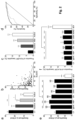
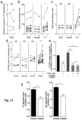
- CXCR4 expression was increased on basophils from all SLE individuals, but active SLE patients showed an even more marked increase (Table 2, Fig 3d ).
- CXCL12 plasma titers followed the same pattern of increase as its receptor did on basophils ( Fig. 3e ).
- high CXCL12 titers were associated with a more pronounced basopenia ( Fig 4c ).
- CD164 is a transmembrane syalomucin enhancing sensitivity to CXCL12 when associated to CXCR4 and is also known as a human basophil activation marker.
- CXCL12 is described as one of the most overexpressed gene during peritoneal dialysis and is actively secreted together with PGD 2 during peritonitis.
- CXCR4 expression was dramatically increased on human basophils recruited to the inflamed peritoneum as compared to their blood counterparts (data not shown). This basophil recruitment was associated with a peripheral basopenia (data not shown), as previously shown in active chronic idiopathic urticarial ( Jain, S.
- PGD 2 /PTGDRs axis enhances CXCR4-dependent basophil migration during lupus
- CXCL12 is described as one of the most overexpressed gene during peritoneal dialysis and is actively secreted together with PGD 2 during peritonitis.
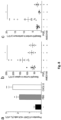
- CXCR4 was found to be dramatically increased on human basophils recruited to the inflamed peritoneum as compared to their blood counterparts ( Fig. 5e ). This basophil recruitment was associated with a peripheral basopenia (supplementary Fig. 5b ), as previously shown in active chronic idiopathic urticaria. This demonstrated that human CXCR4 + basophils can migrate in vivo to CXCL12- and PGD 2 -secreting inflamed tissues.
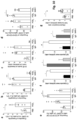
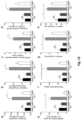
- CXCR4 expression was increased on WT and Lyn - / - basophils from SLOs as compared to their blood counterparts suggesting an involvement of CXCR4 in their accumulation in these organs ( Fig. 7b ).
- CXCL12 intraperitoneal (ip) injection in WT mice induced in vivo basophil migration to the injection site ( Fig. 7c ) and to the draining mesenteric lymph nodes (mLN) ( Fig. 8a ).
- PTGDR-1 is known to induce cyclic adenosine monophosphate (cAMP) production upon engagement by PGD 2 .
- cAMP cyclic adenosine monophosphate
- db-cAMP membrane permeable cAMP
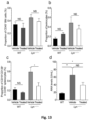
- PGD 2 was unable to induce enough cAMP through PTGDR-1 to lead to CXCR4 externalization by T cells in these settings, unlike what was observed on basophils ( Fig. 9a,b ).
- Dose response experiments of each PTGDR specific agonists in the presence or not of H-PGDS inhibitor suggested again that both PTGDRs were able to cooperatively induce CXCR4 externalization on basophils through PTGDR-2-induced PGD 2 synthesis acting in an autocrine way on PTGDR-1-mediated cAMP production ( Fig. 9c ).
- PGD 2 chronic exposure accelerates lupus-like disease development in a basophil-dependent manner
- PGD 2 axis Targeting the PGD 2 axis reduces CXCR4-mediated basophil accumulation in SLOs and dampens lupus-like disease
- CXCL12/CXCR4 axis in murine lupus has already been described and showed some efficacy on disease activity ( Balabanian, K., et al., J. Immunol. 170, 3392-3400 (2003 ), Wang, A., et al., J. Immunol. 182, 4448-4458 (2009 )).
- CXCR4 antagonism (with AMD3100), initially developed as an anti-HIV drug, is known to induce a release of hematopoietic stem cells and interfere with homeostatic functions ( Devi, S. et al.. J. Exp. Med. 210, 2321-2336, (2013 ), Hummel, S. et al., Curr. Opin.
Landscapes
- Health & Medical Sciences (AREA)
- Chemical & Material Sciences (AREA)
- Medicinal Chemistry (AREA)
- Pharmacology & Pharmacy (AREA)
- Life Sciences & Earth Sciences (AREA)
- Animal Behavior & Ethology (AREA)
- General Health & Medical Sciences (AREA)
- Public Health (AREA)
- Veterinary Medicine (AREA)
- Epidemiology (AREA)
- Organic Chemistry (AREA)
- Chemical Kinetics & Catalysis (AREA)
- General Chemical & Material Sciences (AREA)
- Nuclear Medicine, Radiotherapy & Molecular Imaging (AREA)
- Immunology (AREA)
- Engineering & Computer Science (AREA)
- Bioinformatics & Cheminformatics (AREA)
- Rheumatology (AREA)
- Pain & Pain Management (AREA)
- Pharmaceuticals Containing Other Organic And Inorganic Compounds (AREA)
- Medicines That Contain Protein Lipid Enzymes And Other Medicines (AREA)
Applications Claiming Priority (3)
| Application Number | Priority Date | Filing Date | Title |
|---|---|---|---|
| EP15305222 | 2015-02-13 | ||
| PCT/EP2016/053069 WO2016128565A1 (fr) | 2015-02-13 | 2016-02-12 | Antagonistes de ptgdr-1 et/ou de ptgdr-2 pour la prévention et/ou le traitement du lupus érythémateux systémique |
| EP16704226.6A EP3256121B1 (fr) | 2015-02-13 | 2016-02-12 | Antagonistes ptgdr-1 et/ou ptgdr-2 pour la prévention et/ou le traitement du lupus érythémateux systémique |
Related Parent Applications (2)
| Application Number | Title | Priority Date | Filing Date |
|---|---|---|---|
| EP16704226.6A Division EP3256121B1 (fr) | 2015-02-13 | 2016-02-12 | Antagonistes ptgdr-1 et/ou ptgdr-2 pour la prévention et/ou le traitement du lupus érythémateux systémique |
| EP16704226.6A Division-Into EP3256121B1 (fr) | 2015-02-13 | 2016-02-12 | Antagonistes ptgdr-1 et/ou ptgdr-2 pour la prévention et/ou le traitement du lupus érythémateux systémique |
Publications (2)
| Publication Number | Publication Date |
|---|---|
| EP4420734A2 true EP4420734A2 (fr) | 2024-08-28 |
| EP4420734A3 EP4420734A3 (fr) | 2024-11-06 |
Family
ID=52596905
Family Applications (2)
| Application Number | Title | Priority Date | Filing Date |
|---|---|---|---|
| EP16704226.6A Active EP3256121B1 (fr) | 2015-02-13 | 2016-02-12 | Antagonistes ptgdr-1 et/ou ptgdr-2 pour la prévention et/ou le traitement du lupus érythémateux systémique |
| EP24172770.0A Pending EP4420734A3 (fr) | 2015-02-13 | 2016-02-12 | Antagonistes de ptgdr-1 et/ou ptgdr-2 pour la prévention et/ou le traitement du lupus érythémateux systémique |
Family Applications Before (1)
| Application Number | Title | Priority Date | Filing Date |
|---|---|---|---|
| EP16704226.6A Active EP3256121B1 (fr) | 2015-02-13 | 2016-02-12 | Antagonistes ptgdr-1 et/ou ptgdr-2 pour la prévention et/ou le traitement du lupus érythémateux systémique |
Country Status (5)
| Country | Link |
|---|---|
| US (5) | US20180021302A1 (fr) |
| EP (2) | EP3256121B1 (fr) |
| JP (1) | JP6770522B2 (fr) |
| ES (1) | ES2991300T3 (fr) |
| WO (1) | WO2016128565A1 (fr) |
Families Citing this family (1)
| Publication number | Priority date | Publication date | Assignee | Title |
|---|---|---|---|---|
| WO2022046605A1 (fr) * | 2020-08-25 | 2022-03-03 | City Of Hope | Compositions et procédés de détection du récepteur 44 couplé à la protéine g |
Citations (51)
| Publication number | Priority date | Publication date | Assignee | Title |
|---|---|---|---|---|
| EP0242518B1 (fr) | 1986-02-21 | 1991-04-10 | Bayer Ag | Cycloalcano[1,2-b]indole-sulfonamides |
| WO1997000853A1 (fr) | 1995-06-21 | 1997-01-09 | Shionogi & Co., Ltd. | Derives amino bicycliques et antagoniste de pgd2 contenant ces derives |
| WO1998025919A1 (fr) | 1996-12-13 | 1998-06-18 | Shionogi & Co., Ltd. | Derives du benzothiophenecarboxamide, et antagonistes de la pgd2 les comprenant |
| EP0945450A1 (fr) | 1996-12-12 | 1999-09-29 | Shionogi & Co., Ltd. | Derives d'amide d'acide benzenecarboxylique condenses heterocycliques et antagonistes pgd2 renfermant ces derives |
| EP1051398A1 (fr) | 1997-12-24 | 2000-11-15 | Bayer Yakuhin Ltd. | Forme thermodynamiquement stable d'un acide (r)-3- (4-fluorophenyl) sulfonyl]amino] -1,2,3,4-tetrahydro -9h-carbazole -9-propionique (ramatrobane) |
| WO2001066520A1 (fr) | 2000-03-09 | 2001-09-13 | Ono Pharmaceutical Co., Ltd. | Derives indole, procede de preparation de ces derives et leur utilisation |
| WO2001079169A2 (fr) | 2000-04-12 | 2001-10-25 | Merck Frosst Canada & Co. | Antagonistes du recepteur de prostaglandine d2 |
| EP1170594A2 (fr) | 2000-07-07 | 2002-01-09 | Pfizer Products Inc. | Méthodes pour l'identification des composés pour le traitement des maladies médiée par la prostaglandine D2 |
| WO2002008186A2 (fr) | 2000-07-25 | 2002-01-31 | Merck Frosst Canada & Co. | Cyclopentanoindoles, compositions contenant de tels composes et procedes de traitement |
| WO2002081628A2 (fr) | 2001-04-05 | 2002-10-17 | Ribozyme Pharmaceuticals, Incorporated | Modulation de l'expression genique associee a la proliferation inflammatoire et a la croissance de neurites, par des procedes faisant intervenir l'acide nucleique |
| WO2002094830A2 (fr) | 2001-05-23 | 2002-11-28 | Merck Frosst Canada & Co. | Derives de dihydropyrrolo[1,2-a]indole et de tetrahydropyrido[1,2-a]-indole utilises comme antagonistes des recepteurs de prostaglandine d2 |
| WO2003022814A1 (fr) | 2001-09-07 | 2003-03-20 | Ono Pharmaceutical Co., Ltd. | Derives d'indole |
| WO2003062200A2 (fr) | 2002-01-24 | 2003-07-31 | Merck Frosst Canada & Co. | Cycloalkanoindoles a substitution fluor, compositions contenant de tels composes, et procedes de traitement |
| WO2003066046A1 (fr) | 2002-02-05 | 2003-08-14 | Astrazeneca Ab | Utilisation d'acides indole-3-acetiques dans le traitement de l'asthme, de la bronchopneumopathie chronique obstructive et d'autres maladies |
| WO2003066047A1 (fr) | 2002-02-05 | 2003-08-14 | Astrazeneca Ab | Utilisation d'acides indole-3-acetiques dans le traitement de l'asthme, de bpco et d'autres maladies |
| WO2003078409A1 (fr) | 2002-03-19 | 2003-09-25 | Ono Pharmaceutical Co., Ltd. | Composes d'acide carboxylique et medicaments renfermant les composes comme principe actif |
| WO2003097598A1 (fr) | 2002-05-16 | 2003-11-27 | Shionogi & Co., Ltd. | Composé comprenant un antagonisme du récepteur de pdg2 |
| WO2003097042A1 (fr) | 2002-05-16 | 2003-11-27 | Shionogi & Co., Ltd. | Antagoniste de recepteur de pdg2 |
| WO2003101981A1 (fr) | 2002-05-30 | 2003-12-11 | Astrazeneca Ab | Nouveaux indoles substitues |
| WO2003101961A1 (fr) | 2002-05-30 | 2003-12-11 | Astrazeneca Ab | Nouveaux indoles substitues |
| WO2004007451A1 (fr) | 2002-07-17 | 2004-01-22 | Astrazeneca Ab | Derives d'indole-3-soufre |
| WO2004032848A2 (fr) | 2002-10-04 | 2004-04-22 | Millennium Pharmaceuticals, Inc. | Antagonistes vis-a-vis du recepteur pgd2 pour le traitement de maladies inflammatoires |
| WO2004035543A1 (fr) | 2002-10-21 | 2004-04-29 | Warner-Lambert Company Llc | Derives de tetrahydroquinoline antagonistes de crth2 |
| EP1435356A1 (fr) | 2003-01-06 | 2004-07-07 | Warner-Lambert Company LLC | Dérivés de la quinoléine en tant qu'antagonistes de CRTH2 |
| US20040220237A1 (en) | 2002-12-20 | 2004-11-04 | Zice Fu | Asthma and allergic inflammation modulators |
| WO2004103970A1 (fr) | 2003-05-20 | 2004-12-02 | Merck Frosst Canada Ltd. | Fluoro-methanesulfonyl- cycloalkanoindoles substitues et leur utilisation en tant qu'antagonistes de prostaglandine d2 |
| WO2004103370A1 (fr) | 2003-05-15 | 2004-12-02 | Merck & Co., Inc. | Methode de traitement de l'atherosclerose, dyslipidemie et etats relatifs et compositions pharmaceutiques |
| WO2004106302A1 (fr) | 2003-05-27 | 2004-12-09 | Astrazeneca Ab | Nouveaux composes |
| WO2005018529A2 (fr) | 2003-08-21 | 2005-03-03 | Astrazeneca Ab | Nouveaux composes |
| WO2005019171A1 (fr) | 2003-08-18 | 2005-03-03 | Astrazeneca Ab | Derives d'indoles substitues pour compositions pharmaceutiques permettant de traiter les troubles respiratoires |
| GB2407318A (en) | 2003-10-23 | 2005-04-27 | Oxagen Ltd | Substituted Indol-3-yl acetic acid derivatives |
| WO2005040114A1 (fr) | 2003-10-14 | 2005-05-06 | Oxagen Limited | Composes presentant une activite antagoniste de crth2 |
| WO2005040112A1 (fr) | 2003-10-14 | 2005-05-06 | Oxagen Limited | Composes a activite antagoniste de pgd2 |
| WO2005044260A1 (fr) | 2003-10-23 | 2005-05-19 | Oxagen Limited | Utilisation de composés antagonistes de crth2 en thérapie |
| WO2005054232A1 (fr) | 2003-11-26 | 2005-06-16 | Astrazeneca Ab | Acide indole 1-acetique, et derives d'indazole et de benzimidazole utilises pour traiter les troubles respiratoires |
| WO2005095397A1 (fr) | 2004-03-11 | 2005-10-13 | Actelion Pharmaceuticals Ltd | Derives de tetrahydropyridoindole |
| WO2005100321A1 (fr) | 2004-04-07 | 2005-10-27 | Millennium Pharmaceuticals, Inc. | Antagonistes de recepteur de la prostaglandine d2 pour le traitement de maladies inflammatoires |
| WO2005102338A1 (fr) | 2004-04-20 | 2005-11-03 | Pfizer Limited | Methode de traitement de la douleur neuropathique au moyen d'un antagoniste du recepteur crth2 |
| WO2005123731A2 (fr) | 2004-06-17 | 2005-12-29 | Novartis Ag | Composes organiques |
| WO2006034419A2 (fr) | 2004-09-21 | 2006-03-30 | Athersys, Inc. | Acides indole acetiques antagonistes du recepteur crth2 et ses utilisations |
| WO2006095183A1 (fr) | 2005-03-11 | 2006-09-14 | Oxagen Limited | Derives d’indole substitue par l’acide acetique en position 1 ayant une activite d’antagoniste de pgd2 |
| WO2007037187A1 (fr) | 2005-09-27 | 2007-04-05 | Shionogi & Co., Ltd. | Dérivé sulfonamide ayant une activité antagoniste de récepteur pgd2 |
| WO2007107772A1 (fr) | 2006-03-22 | 2007-09-27 | Oxagen Limited | Sels présentant une activité crth2 antagoniste |
| US20070244107A1 (en) | 2004-08-25 | 2007-10-18 | Waters M Gerard | Method of Treating Atherosclerosis, Dyslipidemias and Related Conditions |
| WO2008024746A1 (fr) | 2006-08-21 | 2008-02-28 | Array Biopharma, Inc. | Dérivés de l'acide phénoxyphénylacétique 4-substitué |
| US20080194600A1 (en) | 2005-10-13 | 2008-08-14 | Aventis Pharmaceuticals Inc | Dihydrogen phosphate salt of a prostaglandin d2 receptor antagonist |
| WO2008123349A1 (fr) | 2007-03-27 | 2008-10-16 | Shionogi & Co., Ltd. | Procédé de fabrication d'un dérivé de n-phényl-n'-phénylsulfonylpipérazine |
| WO2009085177A1 (fr) | 2007-12-19 | 2009-07-09 | Amgen Inc. | Dérivés de l'acide phénylacétique utiles comme modulateurs de l'inflammation |
| WO2013088109A1 (fr) | 2011-12-16 | 2013-06-20 | Oxagen Limited | Combinaison d'un antagoniste de crth2 et d'un inhibiteur de pompe à protons pour le traitement de l'œsophagite à éosinophiles |
| EP2762141A1 (fr) | 2011-09-29 | 2014-08-06 | Shionogi & Co., Ltd. | Produit pharmaceutique thérapeutique contre la rhinite allergique comportant un antagoniste de pgd2 et un antagoniste d'histamine |
| WO2014144865A2 (fr) | 2013-03-15 | 2014-09-18 | Genentech, Inc. | Anticorps anti-crth2 et leurs procédés d'utilisation |
Family Cites Families (5)
| Publication number | Priority date | Publication date | Assignee | Title |
|---|---|---|---|---|
| EP1940382A2 (fr) * | 2005-10-07 | 2008-07-09 | Aditech Pharma AB | Polytherapie a base d' esters d' acide fumarique pour le traitement de maladies autoimmunes et/ou inflammatoires |
| WO2008075028A1 (fr) * | 2006-12-20 | 2008-06-26 | Cardoz Ab | Nouvelle combinaison destinée à être utilisée dans le traitement de troubles inflammatoires |
| RU2451019C2 (ru) * | 2007-10-10 | 2012-05-20 | КЕМИТЕК, ЭлЭлСи | Гетероциклические соединения в качестве антагонистов crth2 рецептора |
| CN102325767B (zh) * | 2008-12-22 | 2014-05-14 | 阵列生物制药公司 | 7-苯氧基色满羧酸衍生物 |
| KR20120046762A (ko) * | 2009-07-31 | 2012-05-10 | 판미라 파마슈티칼스, 엘엘씨 | Dp2 수용체 길항제의 피부 제형 |
-
2016
- 2016-02-12 JP JP2017541997A patent/JP6770522B2/ja active Active
- 2016-02-12 EP EP16704226.6A patent/EP3256121B1/fr active Active
- 2016-02-12 EP EP24172770.0A patent/EP4420734A3/fr active Pending
- 2016-02-12 WO PCT/EP2016/053069 patent/WO2016128565A1/fr not_active Ceased
- 2016-02-12 ES ES16704226T patent/ES2991300T3/es active Active
- 2016-02-12 US US15/549,401 patent/US20180021302A1/en not_active Abandoned
-
2018
- 2018-06-19 US US16/011,723 patent/US20180296528A1/en not_active Abandoned
-
2020
- 2020-04-13 US US16/846,611 patent/US11559513B2/en active Active
-
2022
- 2022-12-20 US US18/068,682 patent/US20230330062A1/en not_active Abandoned
-
2024
- 2024-03-12 US US18/602,435 patent/US12589089B2/en active Active
Patent Citations (54)
| Publication number | Priority date | Publication date | Assignee | Title |
|---|---|---|---|---|
| EP0242518B1 (fr) | 1986-02-21 | 1991-04-10 | Bayer Ag | Cycloalcano[1,2-b]indole-sulfonamides |
| WO1997000853A1 (fr) | 1995-06-21 | 1997-01-09 | Shionogi & Co., Ltd. | Derives amino bicycliques et antagoniste de pgd2 contenant ces derives |
| EP0945450A1 (fr) | 1996-12-12 | 1999-09-29 | Shionogi & Co., Ltd. | Derives d'amide d'acide benzenecarboxylique condenses heterocycliques et antagonistes pgd2 renfermant ces derives |
| WO1998025919A1 (fr) | 1996-12-13 | 1998-06-18 | Shionogi & Co., Ltd. | Derives du benzothiophenecarboxamide, et antagonistes de la pgd2 les comprenant |
| EP0944614A1 (fr) | 1996-12-13 | 1999-09-29 | Shionogi & Co., Ltd. | Derives du benzothiophenecarboxamide, et antagonistes de la pgd2 les comprenant |
| EP1051398A1 (fr) | 1997-12-24 | 2000-11-15 | Bayer Yakuhin Ltd. | Forme thermodynamiquement stable d'un acide (r)-3- (4-fluorophenyl) sulfonyl]amino] -1,2,3,4-tetrahydro -9h-carbazole -9-propionique (ramatrobane) |
| WO2001066520A1 (fr) | 2000-03-09 | 2001-09-13 | Ono Pharmaceutical Co., Ltd. | Derives indole, procede de preparation de ces derives et leur utilisation |
| WO2001079169A2 (fr) | 2000-04-12 | 2001-10-25 | Merck Frosst Canada & Co. | Antagonistes du recepteur de prostaglandine d2 |
| EP1170594A2 (fr) | 2000-07-07 | 2002-01-09 | Pfizer Products Inc. | Méthodes pour l'identification des composés pour le traitement des maladies médiée par la prostaglandine D2 |
| WO2002008186A2 (fr) | 2000-07-25 | 2002-01-31 | Merck Frosst Canada & Co. | Cyclopentanoindoles, compositions contenant de tels composes et procedes de traitement |
| EP1305286A2 (fr) | 2000-07-25 | 2003-05-02 | Merck Frosst Canada Inc. | Cyclopentanoindoles, compositions contenant de tels composes et procedes de traitement |
| WO2002081628A2 (fr) | 2001-04-05 | 2002-10-17 | Ribozyme Pharmaceuticals, Incorporated | Modulation de l'expression genique associee a la proliferation inflammatoire et a la croissance de neurites, par des procedes faisant intervenir l'acide nucleique |
| WO2002094830A2 (fr) | 2001-05-23 | 2002-11-28 | Merck Frosst Canada & Co. | Derives de dihydropyrrolo[1,2-a]indole et de tetrahydropyrido[1,2-a]-indole utilises comme antagonistes des recepteurs de prostaglandine d2 |
| WO2003022814A1 (fr) | 2001-09-07 | 2003-03-20 | Ono Pharmaceutical Co., Ltd. | Derives d'indole |
| WO2003062200A2 (fr) | 2002-01-24 | 2003-07-31 | Merck Frosst Canada & Co. | Cycloalkanoindoles a substitution fluor, compositions contenant de tels composes, et procedes de traitement |
| WO2003066046A1 (fr) | 2002-02-05 | 2003-08-14 | Astrazeneca Ab | Utilisation d'acides indole-3-acetiques dans le traitement de l'asthme, de la bronchopneumopathie chronique obstructive et d'autres maladies |
| WO2003066047A1 (fr) | 2002-02-05 | 2003-08-14 | Astrazeneca Ab | Utilisation d'acides indole-3-acetiques dans le traitement de l'asthme, de bpco et d'autres maladies |
| WO2003078409A1 (fr) | 2002-03-19 | 2003-09-25 | Ono Pharmaceutical Co., Ltd. | Composes d'acide carboxylique et medicaments renfermant les composes comme principe actif |
| WO2003097598A1 (fr) | 2002-05-16 | 2003-11-27 | Shionogi & Co., Ltd. | Composé comprenant un antagonisme du récepteur de pdg2 |
| WO2003097042A1 (fr) | 2002-05-16 | 2003-11-27 | Shionogi & Co., Ltd. | Antagoniste de recepteur de pdg2 |
| WO2003101981A1 (fr) | 2002-05-30 | 2003-12-11 | Astrazeneca Ab | Nouveaux indoles substitues |
| WO2003101961A1 (fr) | 2002-05-30 | 2003-12-11 | Astrazeneca Ab | Nouveaux indoles substitues |
| WO2004007451A1 (fr) | 2002-07-17 | 2004-01-22 | Astrazeneca Ab | Derives d'indole-3-soufre |
| WO2004032848A2 (fr) | 2002-10-04 | 2004-04-22 | Millennium Pharmaceuticals, Inc. | Antagonistes vis-a-vis du recepteur pgd2 pour le traitement de maladies inflammatoires |
| WO2004035543A1 (fr) | 2002-10-21 | 2004-04-29 | Warner-Lambert Company Llc | Derives de tetrahydroquinoline antagonistes de crth2 |
| US20040220237A1 (en) | 2002-12-20 | 2004-11-04 | Zice Fu | Asthma and allergic inflammation modulators |
| EP1435356A1 (fr) | 2003-01-06 | 2004-07-07 | Warner-Lambert Company LLC | Dérivés de la quinoléine en tant qu'antagonistes de CRTH2 |
| WO2004103370A1 (fr) | 2003-05-15 | 2004-12-02 | Merck & Co., Inc. | Methode de traitement de l'atherosclerose, dyslipidemie et etats relatifs et compositions pharmaceutiques |
| WO2004103970A1 (fr) | 2003-05-20 | 2004-12-02 | Merck Frosst Canada Ltd. | Fluoro-methanesulfonyl- cycloalkanoindoles substitues et leur utilisation en tant qu'antagonistes de prostaglandine d2 |
| WO2004106302A1 (fr) | 2003-05-27 | 2004-12-09 | Astrazeneca Ab | Nouveaux composes |
| WO2005019171A1 (fr) | 2003-08-18 | 2005-03-03 | Astrazeneca Ab | Derives d'indoles substitues pour compositions pharmaceutiques permettant de traiter les troubles respiratoires |
| WO2005018529A2 (fr) | 2003-08-21 | 2005-03-03 | Astrazeneca Ab | Nouveaux composes |
| WO2005040114A1 (fr) | 2003-10-14 | 2005-05-06 | Oxagen Limited | Composes presentant une activite antagoniste de crth2 |
| WO2005040112A1 (fr) | 2003-10-14 | 2005-05-06 | Oxagen Limited | Composes a activite antagoniste de pgd2 |
| GB2407318A (en) | 2003-10-23 | 2005-04-27 | Oxagen Ltd | Substituted Indol-3-yl acetic acid derivatives |
| WO2005044260A1 (fr) | 2003-10-23 | 2005-05-19 | Oxagen Limited | Utilisation de composés antagonistes de crth2 en thérapie |
| WO2005054232A1 (fr) | 2003-11-26 | 2005-06-16 | Astrazeneca Ab | Acide indole 1-acetique, et derives d'indazole et de benzimidazole utilises pour traiter les troubles respiratoires |
| WO2005095397A1 (fr) | 2004-03-11 | 2005-10-13 | Actelion Pharmaceuticals Ltd | Derives de tetrahydropyridoindole |
| WO2005100321A1 (fr) | 2004-04-07 | 2005-10-27 | Millennium Pharmaceuticals, Inc. | Antagonistes de recepteur de la prostaglandine d2 pour le traitement de maladies inflammatoires |
| WO2005102338A1 (fr) | 2004-04-20 | 2005-11-03 | Pfizer Limited | Methode de traitement de la douleur neuropathique au moyen d'un antagoniste du recepteur crth2 |
| WO2005123731A2 (fr) | 2004-06-17 | 2005-12-29 | Novartis Ag | Composes organiques |
| US20070244107A1 (en) | 2004-08-25 | 2007-10-18 | Waters M Gerard | Method of Treating Atherosclerosis, Dyslipidemias and Related Conditions |
| WO2006034419A2 (fr) | 2004-09-21 | 2006-03-30 | Athersys, Inc. | Acides indole acetiques antagonistes du recepteur crth2 et ses utilisations |
| US7405215B2 (en) | 2004-09-21 | 2008-07-29 | Wyeth | Indole acetic acids exhibiting CRTH2 receptor antagonism and uses thereof |
| WO2006095183A1 (fr) | 2005-03-11 | 2006-09-14 | Oxagen Limited | Derives d’indole substitue par l’acide acetique en position 1 ayant une activite d’antagoniste de pgd2 |
| WO2007037187A1 (fr) | 2005-09-27 | 2007-04-05 | Shionogi & Co., Ltd. | Dérivé sulfonamide ayant une activité antagoniste de récepteur pgd2 |
| US20080194600A1 (en) | 2005-10-13 | 2008-08-14 | Aventis Pharmaceuticals Inc | Dihydrogen phosphate salt of a prostaglandin d2 receptor antagonist |
| WO2007107772A1 (fr) | 2006-03-22 | 2007-09-27 | Oxagen Limited | Sels présentant une activité crth2 antagoniste |
| WO2008024746A1 (fr) | 2006-08-21 | 2008-02-28 | Array Biopharma, Inc. | Dérivés de l'acide phénoxyphénylacétique 4-substitué |
| WO2008123349A1 (fr) | 2007-03-27 | 2008-10-16 | Shionogi & Co., Ltd. | Procédé de fabrication d'un dérivé de n-phényl-n'-phénylsulfonylpipérazine |
| WO2009085177A1 (fr) | 2007-12-19 | 2009-07-09 | Amgen Inc. | Dérivés de l'acide phénylacétique utiles comme modulateurs de l'inflammation |
| EP2762141A1 (fr) | 2011-09-29 | 2014-08-06 | Shionogi & Co., Ltd. | Produit pharmaceutique thérapeutique contre la rhinite allergique comportant un antagoniste de pgd2 et un antagoniste d'histamine |
| WO2013088109A1 (fr) | 2011-12-16 | 2013-06-20 | Oxagen Limited | Combinaison d'un antagoniste de crth2 et d'un inhibiteur de pompe à protons pour le traitement de l'œsophagite à éosinophiles |
| WO2014144865A2 (fr) | 2013-03-15 | 2014-09-18 | Genentech, Inc. | Anticorps anti-crth2 et leurs procédés d'utilisation |
Non-Patent Citations (27)
| Title |
|---|
| "American College of Rheumatology response criteria for systemic lupus erythematosus clinical trials: measures of overall disease activity", ARTHRITIS RHEUM, vol. 50, 2004, pages 3418 - 3426 |
| "Genbank", Database accession no. AY507142.1 |
| "UniProt", Database accession no. Q13258-1 |
| BALABANIAN, K. ET AL., J. IMMUNOL., vol. 170, 2003, pages 3392 - 3400 |
| CHARLES, N ET AL., NAT. MED, vol. 16, 2010, pages 701 - 707 |
| CHARLES, N ET AL., NAT. MED., vol. 16, no. 2159, 2010, pages 701 - 707 |
| CHARLES, N. ET AL., IMMUNITY, vol. 30, 2009, pages 533 - 543 |
| COLAS ET AL., NATURE, vol. 380, 1996, pages 548 - 50 |
| DELONG, E.R ET AL., BIOMETRICS, vol. 44, 1988, pages 837 - 845 |
| DEMA, B. ET AL., PLOS ONE, vol. 9, 2014, pages e90424 |
| DEVI, S ET AL., J. EXP. MED., vol. 210, 2013, pages 2321 - 2336 |
| EGHOLM ET AL., NATURE, vol. 365, 1993, pages 566 |
| HUMMEL, S.VAN AKEN, HZARBOCK, A., CURR. OPIN. HEMATOL, vol. 21, 2014, pages 29 - 36 |
| JAYASENA S.D., CLIN. CHEM., vol. 45, no. 9, 1999, pages 1628 - 50 |
| LEYVA-CASTILLO, J.M. ET AL., NAT COMMUN, vol. 4, 2013, pages 1739 |
| LIU ET AL., ACS MED CHEM LETT, vol. 2, no. 5, 2 March 2011 (2011-03-02), pages 326 - 30 |
| MACGLASHAN, D., JR., CLIN. EXP. ALLERGY, vol. 40, 2010, pages 1365 - 1377 |
| NAGATA, N. ET AL., FEBS J, vol. 276, 2009, pages 7146 - 7158 |
| PELLEFIGUES, CCHARLES, N., CURR. OPIN. IMMUNOL, vol. 25, 2013, pages 704 - 711 |
| SCHILD HO: "PA2, a new scale for the measurement of drug antagonism", BRIT J PHARMACOL, vol. 2, 1947, pages 189 - 206 |
| SOMPARN, P. ET AL., J. PROTEOMICS, vol. 75, 2012, pages 3240 - 3247 |
| SUZUKI, M. ET AL., PEDIATR. RES, vol. 65, 2009, pages 530 - 536 |
| TUERK CGOLD L., SCIENCE, vol. 249, no. 4968, 1990, pages 505 - 10 |
| VOEHRINGER, D., NAT. REV. IMMUNOL, vol. 13, 2013, pages 362 - 375 |
| WANG, A. ET AL., J. IMMUNOL., vol. 182, 2009, pages 4448 - 4458 |
| WEENING, J.J. ET AL., J. AM. SOC. NEPHROL, vol. 15, 2004, pages 241 - 250 |
| ZENG ET AL., METHODS ENZYMOL., vol. 392, 2005, pages 371 - 380 |
Also Published As
| Publication number | Publication date |
|---|---|
| US20250017900A1 (en) | 2025-01-16 |
| EP4420734A3 (fr) | 2024-11-06 |
| US11559513B2 (en) | 2023-01-24 |
| EP3256121A1 (fr) | 2017-12-20 |
| EP3256121B1 (fr) | 2024-08-07 |
| US12589089B2 (en) | 2026-03-31 |
| US20180296528A1 (en) | 2018-10-18 |
| ES2991300T3 (es) | 2024-12-03 |
| JP6770522B2 (ja) | 2020-10-14 |
| US20230330062A1 (en) | 2023-10-19 |
| WO2016128565A1 (fr) | 2016-08-18 |
| US20180021302A1 (en) | 2018-01-25 |
| US20200261413A1 (en) | 2020-08-20 |
| JP2018506537A (ja) | 2018-03-08 |
Similar Documents
| Publication | Publication Date | Title |
|---|---|---|
| Wang et al. | IgE-mediated mast cell activation promotes inflammation and cartilage destruction in osteoarthritis | |
| Svensson et al. | Synoviocyte-targeted therapy synergizes with TNF inhibition in arthritis reversal | |
| US10940126B2 (en) | Inhibition of IL-8 in the treatment of pain and/or bone loss | |
| Schiraldi et al. | HMGB1 promotes recruitment of inflammatory cells to damaged tissues by forming a complex with CXCL12 and signaling via CXCR4 | |
| AU2010364324B2 (en) | Compositions and methods for treating or preventing lupus | |
| HK1212628A1 (zh) | 用於抑制炎症的抗-cxcl9、抗-cxcl10、抗-cxcl11、抗-cxcl13、抗-cxcr3和抗-cxcr5试剂 | |
| CN106237331A (zh) | T细胞活化抑制剂、含有其的药物组合物以及抑制t细胞活化的物质的筛选方法 | |
| Samarpita et al. | Cyanidin attenuates IL-17A cytokine signaling mediated monocyte migration and differentiation into mature osteoclasts in rheumatoid arthritis | |
| TWI572358B (zh) | α-烯醇化酶特異性抗體及其使用在免疫疾病之方法 | |
| US12589089B2 (en) | PTGDR-1 and/or PTGDR-2 antagonists for preventing and/or treating systemic lupus erythematosus | |
| US9511086B2 (en) | Method for improving immune system function by administering agents that inhibit DNA-dependent protein kinase-directed apoptosis | |
| US20120231015A1 (en) | Fragile x mental retardation protein (fmrp), compositions, and methods related thereto | |
| US20250297310A1 (en) | Hematopoietic loss of y chromosome leads to cardiac fibrosis and dysfunction and is associated with death due to heart failure | |
| EP3316886B1 (fr) | Méthodes et composés d'atténuation et/ou de prévention de la douleur | |
| US20210246442A1 (en) | Compositions and methods for treating or preventing lupus | |
| KANEMITSU | Research on Physiological and Pathophysiological Functions of Chemokines for the Purpose of New Drug Development Targeting Chemokine Signaling in a Chronic Kidney Disease | |
| Jing et al. | Activin A-activated ALK4 induces pathogenic Th17 involvement in endothelial–mesenchymal transition in systemic lupus erythematosus-associated pulmonary arterial hypertension | |
| Jacobs et al. | The role of eosinophils in intestinal inflammation and fibrosis in inflammatory bowel disease. | |
| Schmitz et al. | Sodium Chloride Induces Human Tubular Epithelial Cell CCL26 Expression That Associates With Monocyte Accumulation in the Human Kidney: TH-PO540 | |
| JPWO2012137885A1 (ja) | 腎間質繊維化の抑制剤または予防剤 | |
| CN114980901A (zh) | 使用针对浆细胞的抑制剂或细胞毒性剂治疗慢性疲劳综合征的方法 | |
| Bretz | The Role of NFAT Family Transcription Factors in Diabetic Retinopathy |
Legal Events
| Date | Code | Title | Description |
|---|---|---|---|
| PUAI | Public reference made under article 153(3) epc to a published international application that has entered the european phase |
Free format text: ORIGINAL CODE: 0009012 |
|
| STAA | Information on the status of an ep patent application or granted ep patent |
Free format text: STATUS: REQUEST FOR EXAMINATION WAS MADE |
|
| 17P | Request for examination filed |
Effective date: 20240524 |
|
| AC | Divisional application: reference to earlier application |
Ref document number: 3256121 Country of ref document: EP Kind code of ref document: P |
|
| AK | Designated contracting states |
Kind code of ref document: A2 Designated state(s): AL AT BE BG CH CY CZ DE DK EE ES FI FR GB GR HR HU IE IS IT LI LT LU LV MC MK MT NL NO PL PT RO RS SE SI SK SM TR |
|
| REG | Reference to a national code |
Ref country code: DE Ref legal event code: R079 Free format text: PREVIOUS MAIN CLASS: A61P0043000000 Ipc: A61K0031403000 |
|
| PUAL | Search report despatched |
Free format text: ORIGINAL CODE: 0009013 |
|
| AK | Designated contracting states |
Kind code of ref document: A3 Designated state(s): AL AT BE BG CH CY CZ DE DK EE ES FI FR GB GR HR HU IE IS IT LI LT LU LV MC MK MT NL NO PL PT RO RS SE SI SK SM TR |
|
| RIC1 | Information provided on ipc code assigned before grant |
Ipc: A61P 43/00 20060101ALI20240930BHEP Ipc: A61P 37/02 20060101ALI20240930BHEP Ipc: A61K 45/06 20060101ALI20240930BHEP Ipc: A61P 29/00 20060101ALI20240930BHEP Ipc: A61K 31/403 20060101AFI20240930BHEP |
|
| GRAP | Despatch of communication of intention to grant a patent |
Free format text: ORIGINAL CODE: EPIDOSNIGR1 |
|
| STAA | Information on the status of an ep patent application or granted ep patent |
Free format text: STATUS: GRANT OF PATENT IS INTENDED |
|
| RIC1 | Information provided on ipc code assigned before grant |
Ipc: A61K 31/403 20060101AFI20260305BHEP Ipc: A61P 29/00 20060101ALI20260305BHEP Ipc: A61K 45/06 20060101ALI20260305BHEP Ipc: A61P 37/02 20060101ALI20260305BHEP Ipc: A61P 43/00 20060101ALI20260305BHEP |
|
| INTG | Intention to grant announced |
Effective date: 20260319 |