EP4421083A1 - Dérivé d'hexapeptide et composition cosmétique ou composition pharmaceutique et utilisation associée - Google Patents
Dérivé d'hexapeptide et composition cosmétique ou composition pharmaceutique et utilisation associée Download PDFInfo
- Publication number
- EP4421083A1 EP4421083A1 EP21962856.7A EP21962856A EP4421083A1 EP 4421083 A1 EP4421083 A1 EP 4421083A1 EP 21962856 A EP21962856 A EP 21962856A EP 4421083 A1 EP4421083 A1 EP 4421083A1
- Authority
- EP
- European Patent Office
- Prior art keywords
- agent
- stimulates
- optionally
- synthesis
- gly
- Prior art date
- Legal status (The legal status is an assumption and is not a legal conclusion. Google has not performed a legal analysis and makes no representation as to the accuracy of the status listed.)
- Pending
Links
Images


Classifications
-
- C—CHEMISTRY; METALLURGY
- C07—ORGANIC CHEMISTRY
- C07K—PEPTIDES
- C07K7/00—Peptides having 5 to 20 amino acids in a fully defined sequence; Derivatives thereof
- C07K7/04—Linear peptides containing only normal peptide links
- C07K7/06—Linear peptides containing only normal peptide links having 5 to 11 amino acids
-
- A—HUMAN NECESSITIES
- A61—MEDICAL OR VETERINARY SCIENCE; HYGIENE
- A61K—PREPARATIONS FOR MEDICAL, DENTAL OR TOILETRY PURPOSES
- A61K8/00—Cosmetics or similar toiletry preparations
- A61K8/18—Cosmetics or similar toiletry preparations characterised by the composition
- A61K8/30—Cosmetics or similar toiletry preparations characterised by the composition containing organic compounds
- A61K8/64—Proteins; Peptides; Derivatives or degradation products thereof
-
- A—HUMAN NECESSITIES
- A61—MEDICAL OR VETERINARY SCIENCE; HYGIENE
- A61K—PREPARATIONS FOR MEDICAL, DENTAL OR TOILETRY PURPOSES
- A61K38/00—Medicinal preparations containing peptides
- A61K38/04—Peptides having up to 20 amino acids in a fully defined sequence; Derivatives thereof
- A61K38/08—Peptides having 5 to 11 amino acids
-
- A—HUMAN NECESSITIES
- A61—MEDICAL OR VETERINARY SCIENCE; HYGIENE
- A61P—SPECIFIC THERAPEUTIC ACTIVITY OF CHEMICAL COMPOUNDS OR MEDICINAL PREPARATIONS
- A61P17/00—Drugs for dermatological disorders
-
- A—HUMAN NECESSITIES
- A61—MEDICAL OR VETERINARY SCIENCE; HYGIENE
- A61P—SPECIFIC THERAPEUTIC ACTIVITY OF CHEMICAL COMPOUNDS OR MEDICINAL PREPARATIONS
- A61P17/00—Drugs for dermatological disorders
- A61P17/18—Antioxidants, e.g. antiradicals
-
- A—HUMAN NECESSITIES
- A61—MEDICAL OR VETERINARY SCIENCE; HYGIENE
- A61P—SPECIFIC THERAPEUTIC ACTIVITY OF CHEMICAL COMPOUNDS OR MEDICINAL PREPARATIONS
- A61P39/00—General protective or antinoxious agents
- A61P39/06—Free radical scavengers or antioxidants
-
- A—HUMAN NECESSITIES
- A61—MEDICAL OR VETERINARY SCIENCE; HYGIENE
- A61Q—SPECIFIC USE OF COSMETICS OR SIMILAR TOILETRY PREPARATIONS
- A61Q19/00—Preparations for care of the skin
-
- A—HUMAN NECESSITIES
- A61—MEDICAL OR VETERINARY SCIENCE; HYGIENE
- A61Q—SPECIFIC USE OF COSMETICS OR SIMILAR TOILETRY PREPARATIONS
- A61Q19/00—Preparations for care of the skin
- A61Q19/08—Anti-ageing preparations
-
- C—CHEMISTRY; METALLURGY
- C07—ORGANIC CHEMISTRY
- C07K—PEPTIDES
- C07K14/00—Peptides having more than 20 amino acids; Gastrins; Somatostatins; Melanotropins; Derivatives thereof
- C07K14/435—Peptides having more than 20 amino acids; Gastrins; Somatostatins; Melanotropins; Derivatives thereof from animals; from humans
- C07K14/78—Connective tissue peptides, e.g. collagen, elastin, laminin, fibronectin, vitronectin or cold insoluble globulin [CIG]
-
- C—CHEMISTRY; METALLURGY
- C07—ORGANIC CHEMISTRY
- C07K—PEPTIDES
- C07K5/00—Peptides containing up to four amino acids in a fully defined sequence; Derivatives thereof
- C07K5/04—Peptides containing up to four amino acids in a fully defined sequence; Derivatives thereof containing only normal peptide links
- C07K5/08—Tripeptides
- C07K5/0802—Tripeptides with the first amino acid being neutral
- C07K5/0804—Tripeptides with the first amino acid being neutral and aliphatic
- C07K5/0806—Tripeptides with the first amino acid being neutral and aliphatic the side chain containing 0 or 1 carbon atoms, i.e. Gly, Ala
-
- A—HUMAN NECESSITIES
- A61—MEDICAL OR VETERINARY SCIENCE; HYGIENE
- A61K—PREPARATIONS FOR MEDICAL, DENTAL OR TOILETRY PURPOSES
- A61K38/00—Medicinal preparations containing peptides
Definitions
- the present invention relates to a peptide derivative, a cosmetic composition or pharmaceutical composition comprising the peptide derivative and use thereof.
- the skin is the largest and most important organ of the human body, covering the entire surface of the human body and consisting of epidermis, dermis and subcutaneous tissue.
- the epidermis and dermis are connected by a basement membrane, and the structural components of the basement membrane include type VII collagen, type IV collagen, laminin, integrin, endonexin, heparan sulfate glycoprotein, etc.
- Fibroblasts in the dermis can promote collagen synthesis, and collagen molecules are intertwined to form fibers, forming a fine mesh of collagen fibers in the skin to increase the connection strength and stability of the skin.
- Collagen is an important component of the human skin. It has a significant water-locking function, which directly determines the moisture, smoothness, firmness and age of the skin.
- H-Gly-Pro-Gln-Gly-Pro-Gln-NH 2 ( EP1406589B1 ) is a collagen peptide, whose structure is found in the structures of the body's two key basement membrane collagen types IV and XVII simultaneously. It can enhance skin intercellular adhesion, increase the contents of type I collagen, type IV collagen, laminin-5, and integrin, promote the differentiation and maturation of epidermal cells, and boost skin regeneration, thereby exerting anti-aging effects.
- ROS reactive oxygen species
- Caffeic acid and gallic acid have phenolic hydroxyl groups in the molecular structures and have strong reducibility. They can effectively capture oxygen free radicals and interrupt chain reactions, thereby scavenging free radicals and protecting the body from oxidative damage. They are widely used in the fields of medicines and cosmetics.
- Caffeic acid ( CAS No.: 331-39-5 ), also known as hydrolyzed chlorogenic acid or 3,4-dihydroxycinnamic acid, is a naturally occurring phenolic acids compound, commonly found in various foods such as coffee drinks, apples, and blueberries.
- caffeic acid is also found to have good applications in cosmetics.
- Caffeic acid has good antioxidant activity and can protect the skin from UV rays. Therefore, caffeic acid can be used as an anti-aging and sunscreen ingredient in cosmetics.
- Gallic acid ( CAS No.: 149-91-7 ), whose scientific name is 3,4,5-trihydroxybenzoic acid, is widely present in plants such as Rheum palmatum, Eucalyptus robusta Smith and Cornus officinalis , and is a polyphenolic compound that exists in nature. 95% Gallic acid has been used as an antioxidant in Japan in the 1980s. At present, gallic acid and derivatives thereof are widely used as free radical scavengers in the fields of biology, medicine, food, and chemical industry.
- H-Gly-Pro-Gln-Gly-Pro-Gln-NH 2 in combination with caffeic acid and gallic acid.
- H-Gly-Pro-Gln-Gly-Pro-Gln-NH 2 has good solubility in water, while caffeic acid is slightly soluble in cold water, and gallic acid is insoluble in cold water. Dissolution with heating may affect the stability of polypeptides.
- caffeic acid and gallic acid have certain cytotoxicity. In fact, the feasibility of the combined formulation is yet to be studied, and the effects of combined use are yet to be verified. Therefore, there is a need to study a novel compound having highly efficient anti-photoaging and anti-oxidation effects, thereby overcoming the existing defects in the prior art.
- the inventors of the present invention linked Gly-Pro-Gln-Gly-Pro-Gln with caffeic acid or gallic acid via an amide bond to obtain the peptide derivative of the present invention, and unexpectedly found that compared with Gly-Pro-Gln-Gly-Pro-Gln, caffeic acid or gallic acid alone, the peptide derivative of the present invention has greatly improved anti-photoaging repair ability and antioxidant effect, and achieved unexpected technical effects.
- peptide derivatives as well as cosmetic compositions or pharmaceutical compositions comprising these peptide derivatives can be used to treat, prevent and/or repair signs of aging and/or photoaging of the skin, exert antioxidant effects by scavenging free radicals, and can be used in cosmetics, medicines and other fields.
- the present invention provides a peptide derivative represented by Formula (I), or a stereoisomer thereof, or a mixture of stereoisomers thereof, R 1 -Gly-Pro-Gln-Gly-Pro-Gln-R 2 (I) in Formula (I),
- R 3 and R 4 are each independently selected from H, methyl, ethyl, hexyl, dodecyl or hexadecyl;
- a peptide derivative represented by Formula (I), or a stereoisomer thereof, or a mixture of stereoisomers thereof, is selected from the following peptide derivatives (1)-(4): (1) CA-Gly-Pro-Gln-Gly-Pro-Gln-OH; (2) CA-Gly-Pro-Gln-Gly-Pro-Gln-NH 2 ; (3) GA-Gly-Pro-Gln-Gly-Pro-Gln-OH; (4) GA-Gly-Pro-Gln-Gly-Pro-Gln-NH 2 .
- the peptide derivative represented by Formula (I) of the present invention may be present as a stereoisomer thereof, or a mixture of stereoisomers thereof; for example, these amino acids comprised therein may have an L- or D-configuration, or be each independently racemic.
- isomeric mixtures as well as racemic or diastereomeric mixtures, or pure diastereomers or enantiomers, depending on the number of asymmetric carbons and what isomers or isomeric mixtures are present.
- Preferred structures of the peptide derivatives represented by Formula (I) of the present invention are pure isomers, i.e., enantiomers or diastereomers.
- -Pro- is mentioned in the present invention, it should be understood that -Pro- is selected from -L-Pro-, -D-Pro-, or a mixture of both, and is racemic or non-racemic.
- the preparation methods described in this document enable a person skilled in the art to obtain each stereoisomer of the peptide derivative of the present invention by selecting an amino acid having the correct configuration.
- the synthesis of the peptide derivative represented by Formula (I) of the present invention or a stereoisomer thereof can be carried out according to conventional methods known in the prior art, such as solid-phase synthesis, liquid-phase synthesis and a method of combining solid-phase and liquid-phase, as well as by biotechnological methods aimed at producing the desired sequence, or by controlling hydrolysis of animal-, fungal-, or plant-derived proteins.
- a method for obtaining a peptide derivative represented by Formula (I) comprises the following steps:
- the C-terminal is bound to a solid carrier and the method is carried out on the solid phase, comprising coupling an amino acid having a protected N-terminal and a free C-terminal to an amino acid having a free N-terminal and a C-terminal that is bound to a polymer carrier; removing the N-terminal protecting group; repeating this order by the required times thereby obtaining a peptide having the desired length, followed by cleaving the synthesized peptide from the initial polymer carrier.
- the functional groups of the side chains of the amino acids remain fully protected with temporary or permanent protecting groups throughout the synthesis and can be deprotected simultaneously or orthogonally in the process of cleaving the peptide from the polymer carrier.
- solid phase synthesis can be performed by a convergent strategy in which a dipeptide or tripeptide is coupled to a polymer support or to a dipeptide or amino acid previously bound to a polymer support.
- the method may comprise additional steps of deprotecting the N-terminal and C-terminal and/or cleaving the peptide from the polymer support in a non-determined order using standard conditions and methods known in the art, and subsequently modifying the terminal functional groups.
- Optional modifications to N-terminal and C-terminal can be made to the peptide bound to the polymer support, or optional modifications to N-terminal and C-terminal can be made after the peptide has been cleaved from the polymer support.
- Another aspect of the present invention provides a cosmetic or pharmaceutical composition, comprising an effective amount of the peptide derivative represented by Formula (I), or a stereoisomer thereof, or a mixture of stereoisomers thereof, and at least one excipient and optionally a cosmetically or pharmaceutically acceptable adjuvant.
- a cosmetic or pharmaceutical composition comprising an effective amount of the peptide derivative represented by Formula (I), or a stereoisomer thereof, or a mixture of stereoisomers thereof, and at least one excipient and optionally a cosmetically or pharmaceutically acceptable adjuvant.
- the adjuvant is selected from a collagen synthesis stimulator, an agent that modulates the PGC-1 ⁇ synthesis, an agent that modulates the activity of PPAR ⁇ , an agent that increases or decreases a triglyceride content in adipocytes, an agent that stimulates or delays adipocyte differentiation, a lipolytic agent or an agent that simulates lipolysis, a fat clearing agent, an adipogenic agent, an inhibitor against acetylcholine receptor aggregation, an agent that inhibits muscle contraction, an anticholinergic agent, an elastase inhibitor, a matrix metalloproteinases inhibitor, a melanin synthesis stimulator or inhibitor, a whitening or decoloring agent, a pigmentation promoter, a self-tanning agent, an antiaging agent, a NO-synthase inhibitor, a 5 ⁇ -reductase inhibitor, an inhibitor against lysyl hydroxylase and/or prolyl hydroxylase, an antioxidant, a free
- a preparation of the cosmetic or pharmaceutical composition is selected from a cream, an oil, milk, a balm, a foam, a lotion, a gel, a liniment, a sera, a soap, a shampoo, a hair conditioner, a serum, an ointment, a mousse, a pomade, a powder, a bar, a pencil, a spray, an aerosol, a capsule, a tablet, a granule, a chewing gum, a solution, a suspension, an emulsion, a syrup, an elixir, a polysaccharide film, a jelly or gelatin;
- the cosmetically or pharmaceutically effective amounts of the peptide derivatives of the present invention to be administered, as well as doses thereof, will depend on many factors including age, the state of a patient, the severity of a disorder or disease, the route and frequency of administration, and specific properties of the peptide derivatives to be used.
- a cosmetically or pharmaceutically effective amount refers to an amount of one or more peptide derivatives of the present invention that is nontoxic but sufficient to provide the desired effects.
- the peptide derivative of the present invention is used in the cosmetic or pharmaceutical composition of the present invention at a cosmetically or pharmaceutically effective concentration to obtain the desired effects.
- the concentration is between 0.00000001% (by weight) and 20% (by weight), preferably between 0.000001% (by weight) and 15% (by weight), more preferably between 0.0001% (by weight) and 10 % (by weight), and even more preferably between 0.0001% (by weight) and 5% (by weight).
- Another aspect of the present invention provides a cosmetically or pharmaceutically acceptable delivery system or sustained release system, comprising an effective amount of the peptide derivative represented by Formula (I), or a stereoisomer thereof, or a mixture of stereoisomers thereof, or the cosmetic or pharmaceutical composition, to achieve better penetration of the active ingredient and/or to improve pharmacokinetic and pharmacodynamic properties thereof.
- delivery system refers to a diluent, adjuvant, excipient or carrier administered with the peptide derivative of the present invention, selected from water, oil or surfactants, including those petroleum-derived, animal-derived, plant-derived, or synthesis-derived. Examples include but are not limited to peanut oil, soybean oil, mineral oil, sesame oil, castor oil, polysorbate, sorbitan ester, ether sulfate, sulfate, betaine, glucoside, maltoside, fatty alcohol, nonoxynol, poloxamer, polyoxyethylene, macrogol, dextrose, glycerin, digitonin and the like. Diluents that can be used in the different delivery systems in which the peptide derivative of the present invention can be administered are known to those of ordinary skill in the art.
- sustained release is used in the conventional sense to refer to a delivery system that provides a gradual release of a compound over a period of time, and preferably, but not necessarily, a relatively constant level of compound release over the entire period of time.
- Examples of the delivery system or sustained release system include a liposome, an oleosome, a nonionic surfactant liposome vesicle, an ethosome, a millicapsule, a microcapsule, a nanocapsule, a nanostructured lipid carrier, a sponge, a cyclodextrin, a lipoid vesicle, a micelle, a millisphere, a microsphere, a nanosphere, a liposphere, a microemulsion, a nanoemulsion, a milliparticle, a microparticle or a nanoparticle.
- the preferred delivery system or sustained release system is a liposome and a microemulsion, more preferably a water-in-oil microemulsion having an internal structure of reverse micelle.
- the sustained release system can be prepared by methods known in the art and can be administered, for example, by topical or transdermal administration, including adhesive patches, non-adherent patches, sealing patches, and microelectronic patches; or by systemic administration, such as but not limited to, oral or parenteral routes, including nasal, rectal, subcutaneous implantation or injection, or direct implantation or injection to specific body parts.
- topical or transdermal administration including adhesive patches, non-adherent patches, sealing patches, and microelectronic patches
- systemic administration such as but not limited to, oral or parenteral routes, including nasal, rectal, subcutaneous implantation or injection, or direct implantation or injection to specific body parts.
- a relatively constant amount of these peptide derivatives of the present invention should be released.
- the amount of a peptide derivative comprised in the sustained release system will depend, for example, on the site where the composition is to be administered, the release kinetics and duration of the peptide derivative of the present invention, and the nature of the condition, disorder and/or disease to be treated and/or cared for.
- Another aspect of the present invention provides use of the peptide derivative represented by Formula (I), or a stereoisomer thereof, or a mixture of stereoisomers thereof, or the cosmetic or pharmaceutical composition above, or the cosmetically or pharmaceutically acceptable delivery system or sustained release system above in the preparation of a cosmetic composition or pharmaceutical composition for treating, preventing and/or repairing signs of aging and/or photoaging of the skin.
- Another aspect of the present invention provides use of the peptide derivative represented by Formula (I), or a stereoisomer thereof, or a mixture of stereoisomers thereof, or the cosmetic or pharmaceutical composition above, or the cosmetically or pharmaceutically acceptable delivery system or sustained release system above in the preparation of a cosmetic composition or pharmaceutical composition for scavenging free radicals or anti-oxidation.
- the term “skin” should be understood to be the layers which comprise it, from the uppermost layer or stratum corneum to the lowermost layer or subcutaneous tissue, both inclusive. These layers are composed of different types of cells such as keratinocytes, fibroblasts, melanocytes and/or adipocytes, among others. In the present invention, the term “skin” includes the scalp.
- treatment means the administration of a peptide derivative according to the present invention to alleviate or eliminate a disease or disorder, or reduce or eliminate one or more symptoms associated with this disease or disorder.
- treatment also covers the ability to alleviate or eliminate the physiological consequences of the disease or disorder.
- prevention refers to the ability of a peptide derivative of the present invention to prevent, delay or hinder the appearance or development of a disease or disorder before its appearance.
- aging refers to changes experienced by the skin with age (natural aging) or through exposure to the sun (photoaging) or to environmental contaminants such as chemical fouling or contaminants, tobacco smoke, including all the externally visible and/or perceptible changes through touch, such as but not limited to, the development of discontinuities on the skin (e.g., wrinkles, fine lines, expression lines, stretch lines, striae, furrows, irregularities or roughness, increased pore size, loss of moisture, loss of elasticity, loss of firmness, loss of smoothness, loss of the capacity to recover from deformation, loss of resilience), sagging of the skin (e.g., sagging cheeks, bags under the eyes, or double chins, etc.), changes in skin color (such as scarring, redness, bags under the eyes, or areas of hyperpigmentation like age spots or freckles, etc.), abnormal differentiation, hyperkeratinization, elastosis, keratosis, hair loss, orange peel skin, loss of collagen structure, and other histological changes
- photoaging refers to premature aging of the skin due to long-term exposure of the skin to UV radiation, exhibiting the same physiological characteristics as natural aging, such as but not limited to, looseness, sagging, color changes or irregularities in the pigmentation, abnormal and/or excessive keratinization.
- Gly represents NH 2 -CH 2 -COOH
- Gly- represents NHz-CHz-CO-
- -Gly represents -NH-CH 2 -COOH
- -Gly- represents -NH-CH 2 -CO-.
- a hyphen representing a peptide bond removes OH in amino acid 1-carboxyl (herein represented in the conventional non-ionized form) when located to the right of the symbol, and removes H in amino acid 2-amino when located to the left of the symbol; both modifications can be applied to the same symbol (see Table 1).
- CA- caffeoyl
- GA- galloyl
- Amide Resin a starting resin for polypeptide synthesis
- Fmoc 9-fluorenylmethoxycarbonyl
- Fmoc-linker 4-[(2,4-dimethoxyphenyl)(Fmoc-amino)methyl]phe noxyacetic acid
- DMF N,N-dimethylformamide
- DCM dichloromethane
- DIC diisopropylcarbodiimide
- AczO acetic anhydride
- DIPEA diisopropylethylamine
- piperidine piperidine
- HOBt 1-hydroxybenzotriazole
- TFA trifluoroacetic acid
- TIS triisopropylsilane
- Gly glycine
- Pro proline
- Gln glutamine
- Trt triphenylmethyl or trityl
- R 1 is caffeoyl (CA-) or galloyl (GA-).
- Fmoc-Linker-Amide Resin was Fmoc-deprotected twice using 500 ml 20% piperidine/DMF, wherein the first reaction lasted 5 min and the second reaction lasted 8 min. The solvent was drained for 3 min. Then 100 ml DMF was added with a nitrogen purge, stirred for 1-2 min, and drained for 3 min. The resin was washed repeatedly 7-8 times. The solvent was removed.
- the N-terminal Fmoc group was deprotected, and in the presence of 18.2 g HOBt and 21 g DIC, the activated 15.2 g Fmoc-Pro-OH was coupled to a peptidyl resin using DMF as solvent. The reaction lasted 2 h. The resins were then washed and repeatedly subjected to the deprotection treatment of the Fmoc group so as to couple to the next amino acid.
- the resin was sequentially coupled to 13.4 g Fmoc-Gly-OH; 27.5 g Fmoc-Gln(Trt)-OH; 18.3 g Fmoc-Pro-OH; 16.1 g Fmoc-Gly-OH; and then 8.1 g CA or 7.7 g GA.
- 100 ml DMF was added with a nitrogen purge and stirring. The resin and the solvent were evenly mixed, then stirred for 1-2 min, and drained for 3 min. The resin was repeatedly washed with 100 ml DMF. The solvent was drained until the filtered solvent was clear and transparent.
- R 1 is caffeoyl (CA-) or galloyl (GA-).
- the lysate resin was vacuum filtered using a sand core funnel and drained for 1 min. 15 ml TFA was added for washing the resin and drained for 1 min. 15 ml TFA was added again for washing the resin and drained for 1 min. The filtered peptide lysate was obtained.
- the sedimentation liquid was stratified and yellow-white in color.
- the supernatant was removed and the lower sediment was poured into two 1 L centrifuge bottles for centrifugation.
- the centrifugation was performed at a rotation speed of 4000 rpm for 2 min.
- the supernatant was removed.
- the sediment was washed with frozen isopropyl ether. 100 ml isopropyl ether was added to each 1 L centrifuge bottle, stirred for 5 min, and centrifuged at 4000 rpm for 2 min. The supernatant was removed. The washing was repeated four times.
- the solid in the centrifuge bottle was blown dry with weak nitrogen for 5 min.
- the centrifuge bottle was sealed, placed in a vacuum drier, and vacuumed for 2-3 h.
- the crude CA-Gly-Pro-Gln-Gly-Pro-Gln-NH 2 product and the crude GA-Gly-Pro-Gln-Gly-Pro-Gln-NH 2 product were obtained, respectively.
- PBS Phosphate-buffered saline
- MTT thiazolyl blue
- DMSO dimethyl sulfoxide
- DMEM high glucose culture medium
- Ca fetal bovine serum
- CA caffeic acid
- GA gallic acid
- Microplate reader (MD, USA), CO 2 incubator (Shanghai Yiheng), ultra-clean workbench (Suzhou Purification).
- NASH3T3 Mouse skin fibroblasts (NIH3T3) were purchased from the Shanghai Cell Bank of China Center for Type Culture Collection under the Chinese Academy of Sciences.
- Control group PBS blank control.
- the purpose of this experiment is to evaluate cell viability 72 h after administration and determine the effect of the peptide derivatives of the present invention on cell proliferation by using NIH3T3 cells as the experiment subject.
- NIH3T3 cells in good exponential growth phase were taken.
- a 0.25% trypsin digestion solution was added so that digestion allowed the adherent cells to fall off, counting (1 - 4) ⁇ 10 5 cells/mL, which were prepared into a cell suspension.
- the cell suspension was inoculated on a 96-well plate with 200 ⁇ L/well, and cultured in a constant-temperature CO 2 incubator for 24 h.
- the cell suspension was added to drug groups and the control group, respectively, each of which was placed in 20 ⁇ L/well and incubated in a 37 °C, 5% CO 2 incubator for 72 h.
- the MTT assay is a method of detecting cell survival and growth.
- the measured OD values are directly proportional to cell viability.
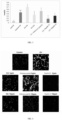
- FIG. 1 showed the effect of the peptide derivatives of the present invention on the proliferation of NIH3T3 cells.
- CA had significant toxicity to NIH3T3 cells at 500 ppm
- GA also had significant toxicity at 100 ppm and 500 ppm
- the reference peptide improved cell viability at 10 ppm to 500 ppm.
- CA and GA were each linked to the N-terminal of the reference peptide via a covalent bond to obtain newly structured compounds peptide (2) and peptide (4).
- the peptide (2) could significantly improve cell viability at 500 ppm, and the peptide (4) did not have a toxic effect on NIH3T3 cells at high concentrations. It was hence indicated that after CA and GA were covalently bound to the N-terminal of the reference peptide respectively to obtain the peptide derivatives of the present invention, the toxic effects of the original CA and GA on NIH3T3 cells disappeared.
- the peptide derivatives of the present invention not only had no toxic effect on fibroblasts, but also could promote the proliferation thereof.
- Fetal bovine serum Gibco
- DMEM culture medium Gibco
- penicillin streptomycin
- X-gal X-gal
- potassium ferricyanide Solarbio
- potassium ferrocyanide Solarbio
- NASH3T3 Mouse skin fibroblasts (NIH3T3) were purchased from the Shanghai Cell Bank of China Center for Type Culture Collection under the Chinese Academy of Sciences.
- Control group PBS blank control.
- the purpose of this experiment is to test the impact of the peptide derivatives of the present invention on cell senescence using a ⁇ -galactosidase staining assay to evaluate the anti-photoaging capability.
- the frozen NIH3T3 cells were cultured and passaged at a ratio of 1:2 to about the 5th generation, and the cells in better growth were selected as experiment subjects.
- the cells were inoculated into a 96-well plate at 10,000 cells/well, and when the cells were approximately 80% full, a UV photoaging model was established.
- a PBS solution was added, supplemented with the culture medium to 200 ⁇ L, while no UV irradiation was performed;
- a proper amount of PBS was added to wash the culture repeatedly until colorless, followed by adding 50 ⁇ L PBS and irradiating under an 80 J/cm 3 UV light. The distance between the light source and the culture bottle was 15 cm. After irradiation, the PBS was removed.
- a PBS solution and the culture medium were added to 200 ⁇ L; in the drug group, the culture medium and the drug diluted in a certain ratio were added to 200 ⁇ L.
- the control group, the UV group, and the drug group were further incubated in a 37°C, 5% CO 2 incubator for 24 h.
- the culture medium was removed. 100 ⁇ L 4% paraformaldehyde was added to each well and fixed at room temperature for 15 min, followed by washing with PBS three times, adding a ⁇ -galactosidase staining agent (X-gal 0.01%, potassium ferricyanide 0.16%, ferrocyanide potassium 0.02%) 50 ⁇ L/well, sealing with plastic wrap, and staining in a 37°C incubator in the dark for 12 h. The staining solution was removed. Each group was washed with PBS three times, and photographed under a light microscope. The number of cells in the field of view and the number of stained cells were counted.
- a ⁇ -galactosidase staining agent X-gal 0.01%, potassium ferricyanide 0.16%, ferrocyanide potassium 0.02%
- UV irradiation can cause cell senescence, and the cytoplasm of senescent cells are stained blue-green by the ⁇ -galactosidase agent (shown as the dark part in the black and white images).
- This experiment evaluates the anti-photoaging capability of the peptide derivatives of the present invention through staining morphology images and senescent cell staining statistics.
- FIGS. 2 and 3 were images showing ⁇ -galactosidase staining morphology and a graph showing the statistical results of ⁇ -galactosidase staining of senescent cells by the peptide derivatives of the present invention at a dose of 10 ppm, respectively.
- the results showed that after UV irradiation, senescent cells increased significantly (shown in the dark part in FIG 2 ); after administration, CA was unable to reduce the proportion of senescent cells at the test concentrations, and even more senescent cells were observed at 10 ppm; GA and the reference peptide were also unable to reduce the proportion of senescent cells. It was demonstrated that none of CA, GA, and the reference peptide could improve cell photoaging.
- the peptide (2) of the present invention significantly reduced the proportion of senescent cells at a concentration of 1 ppm to 100 ppm
- the peptide (4) also reduced the proportion of senescent cells at a concentration of 10 ppm. It was hence indicated that the newly structured compounds obtained by linking the N-terminal of the reference peptide to CA or GA through an amide bond showed unexpected anti-photoaging repair ability compared to the reference peptide, CA or GA alone.
- Fetal bovine serum, DMEM culture medium, penicillin, and streptomycin Fetal bovine serum, DMEM culture medium, penicillin, and streptomycin.
- NASH3T3 Mouse skin fibroblasts (NIH3T3) were purchased from the Shanghai Cell Bank of China Center for Type Culture Collection under the Chinese Academy of Sciences.
- Control group PBS blank control.
- Another indication of aging is an increase in intracellular oxidative stress levels, that is, an increase in ROS, and aging can be slowed down by alleviating oxidative stress.
- the purpose of this experiment is to test the impact of the peptide derivatives of the present invention on oxidative stress levels using ROS staining assay, thereby evaluating the antioxidant effect.
- the frozen NIH3T3 cells were cultured and passaged at a ratio of 1:2 to about the 5th generation, and the cells in better growth were selected as experiment subjects.
- the cells were inoculated into a 96-well plate at 10,000 cells/well, and when the cells were approximately 80% full, a UV photoaging model was established.
- a PBS solution was added, supplemented with the culture medium to 200 ⁇ L, while no UV irradiation was performed;
- a proper amount of PBS was added to wash the culture repeatedly until colorless, followed by adding 50 ⁇ L PBS and irradiating under an 80 J/cm 3 UV light. The distance between the light source and the culture bottle was 15 cm. After irradiation, the PBS was removed.
- a PBS solution and the culture medium were added to 200 ⁇ L; in the drug group, the culture medium and the drug diluted in a certain ratio were added to 200 ⁇ L.
- the control group, the UV group, and the drug group were further incubated in a 37°C, 5% CO 2 incubator for 24 h.
- the culture medium was removed. Each group was stained according to the ROS probe instructions for 20 min and was observed under a fluorescence microscope.
- both the reference peptide and GA had a certain effect in reducing ROS at 10 ppm; but the peptide (4) at 10 ppm more significantly reduced the expression of ROS per unit cells. It was hence indicated that the newly structured compounds obtained by linking the N-terminal of the reference peptide to CA or GA through an amide bond showed unexpected antioxidant effects compared to the reference peptide, CA or GA alone.
- the peptide derivatives of the present invention Compared with the reference peptide, caffeic acid or gallic acid alone, the peptide derivatives of the present invention had significantly improved anti-photoaging repair ability and antioxidant effect, achieved unexpected technical effects showing better anti-aging efficacy, and could be used in the fields of medicines, cosmetics, etc.
- a skin toner comprising the peptide (2) Ingredients by weight % Propylene glycol 1.0 Allantoin 0.3 Glycerin 1.0 PEG-7 glyceryl cocoate 1.0 Peptide (2) 0.005 Preservative 0.5 Perfume 0.5 Water Balance to 100
- Allantoin and glycerin were dissolved in water and heated to 85 °C at which the temperature was kept for 30 min; PEG-7 glyceryl cocoate and the peptide (2) were dissolved in water; the above solutions were mixed after cooling, and stirred evenly to afford a mixed solution; Propylene glycol, a preservative, and perfume were added to the above mixed solution in turn, and water was added with stirring evenly to afford a skin toner.
- a cleansing gel comprising the peptide (2) Ingredients by weight % Carbomer (2% lotion) 25.0 Triethanolamine 0.5 Peptide (2) 0.005 Preservative 0.2 EDTA 0.1 Perfume 0.5 Water Balance to 100
- the peptide (2) was dissolved in water and stirred evenly to afford a polypeptide solution; carbomer and EDTA were dissolved in water and heated to 85 °C; the temperature was kept for 30 min; after cooling triethanolamine was added and stirred evenly to afford a mixed solution; the above mixed solution, the polypeptide solution, a preservative, and perfume were added to water in turn and stirred until completely swollen to afford a cleansing gel.
- An emulsion composition comprising the peptide (4) Ingredients by weight % A cetearyl alcohol (and) cetearyl glucoside 5.0 Jojoba oil 5.0 Mineral oil 5.0 Isopropyl palmitate 7.0 B Glycerin 5.0 Allantoin 0.1 Polyacrylamide (and) C13-14 isoparaffin (and) laureth-7 0.3 Water Balance to 100 C Preservative 0.5 D perfume 0.5 Peptide (4) 0.01
- the peptide (4) was formulated into a 0.02 mg/mL aqueous solution; cetearyl alcohol (and) cetearyl glucoside, jojoba oil, mineral oil, and isopropyl palmitate were heated to 85 °C, and stirred evenly to afford phase A; glycerin, allantoin, polyacrylamide (and) C13-14 isoparaffin (and) laureth-7 were dissolved in water, and heated to 85 °C to afford phase B; phase A was quickly added into phase B, homogenized at a constant temperature for 3-5 min and cooled; when the above mixture was cooled to below 60 °C, a preservative was added and stirred evenly; when cooled to below 45°C, a polypeptide solution and perfume were added to afford an emulsion.
Landscapes
- Health & Medical Sciences (AREA)
- Life Sciences & Earth Sciences (AREA)
- Chemical & Material Sciences (AREA)
- General Health & Medical Sciences (AREA)
- Public Health (AREA)
- Veterinary Medicine (AREA)
- Animal Behavior & Ethology (AREA)
- Organic Chemistry (AREA)
- Medicinal Chemistry (AREA)
- Biochemistry (AREA)
- Dermatology (AREA)
- Pharmacology & Pharmacy (AREA)
- Chemical Kinetics & Catalysis (AREA)
- Proteomics, Peptides & Aminoacids (AREA)
- Nuclear Medicine, Radiotherapy & Molecular Imaging (AREA)
- General Chemical & Material Sciences (AREA)
- Epidemiology (AREA)
- Biophysics (AREA)
- Bioinformatics & Cheminformatics (AREA)
- Engineering & Computer Science (AREA)
- Molecular Biology (AREA)
- Genetics & Genomics (AREA)
- Toxicology (AREA)
- Birds (AREA)
- Gerontology & Geriatric Medicine (AREA)
- Gastroenterology & Hepatology (AREA)
- Immunology (AREA)
- Zoology (AREA)
- Peptides Or Proteins (AREA)
- Cosmetics (AREA)
- Medicines That Contain Protein Lipid Enzymes And Other Medicines (AREA)
Applications Claiming Priority (1)
| Application Number | Priority Date | Filing Date | Title |
|---|---|---|---|
| PCT/CN2021/128560 WO2023077338A1 (fr) | 2021-11-04 | 2021-11-04 | Dérivé d'hexapeptide et composition cosmétique ou composition pharmaceutique et utilisation associée |
Publications (2)
| Publication Number | Publication Date |
|---|---|
| EP4421083A1 true EP4421083A1 (fr) | 2024-08-28 |
| EP4421083A4 EP4421083A4 (fr) | 2025-06-18 |
Family
ID=86240508
Family Applications (1)
| Application Number | Title | Priority Date | Filing Date |
|---|---|---|---|
| EP21962856.7A Pending EP4421083A4 (fr) | 2021-11-04 | 2021-11-04 | Dérivé d'hexapeptide et composition cosmétique ou composition pharmaceutique et utilisation associée |
Country Status (5)
| Country | Link |
|---|---|
| US (1) | US20240279275A1 (fr) |
| EP (1) | EP4421083A4 (fr) |
| KR (1) | KR20240100404A (fr) |
| CN (1) | CN116801857B (fr) |
| WO (1) | WO2023077338A1 (fr) |
Families Citing this family (1)
| Publication number | Priority date | Publication date | Assignee | Title |
|---|---|---|---|---|
| US20250332083A1 (en) | 2024-04-24 | 2025-10-30 | The Procter & Gamble Company | Skin care composition comprising peptide derivative and fatty acid, and method of using the same |
Family Cites Families (16)
| Publication number | Priority date | Publication date | Assignee | Title |
|---|---|---|---|---|
| FR2827170B1 (fr) * | 2001-07-13 | 2004-07-16 | Soc Extraction Principes Actif | Utilisation de peptides pour augmenter l'adhesion cellulaire |
| WO2006048339A2 (fr) * | 2004-11-04 | 2006-05-11 | L'oréal | Composition cosmetique comprenant un agent actif et un compose d'uree |
| FR2893501B1 (fr) * | 2005-11-21 | 2014-03-14 | Oreal | Compositions topiques pour favoriser l'homeostasie de la peau |
| FR2893502A1 (fr) * | 2005-11-21 | 2007-05-25 | Oreal | Procede cosmetique de soin de la peau utilisant des contraintes mecaniques |
| FR2895254B1 (fr) * | 2005-12-22 | 2008-02-15 | Oreal | Kit de soin de traitement associant un extrait de bacterie filamenteuse non photosynthetique non fructifiante et un actif cosmetique. |
| CN101474153A (zh) * | 2009-01-04 | 2009-07-08 | 中国科学院上海药物研究所 | 皮肤用表皮生长因子纳米脂质载体制剂及其制备方法 |
| KR101138312B1 (ko) * | 2009-04-13 | 2012-04-27 | 주식회사 바이오에프디엔씨 | 펩타이드 유도체 및 그를 포함하는 화장료 조성물 |
| KR101142044B1 (ko) * | 2010-01-27 | 2012-05-17 | 주식회사 바이오에프디엔씨 | 4-히드록시신나모일 펩타이드 유도체 및 그를 포함하는 화장료 조성물 |
| US20120128755A1 (en) * | 2010-09-30 | 2012-05-24 | James Vincent Gruber | Personal Care Composition Containing Yeast Extract And Hexapeptide |
| KR101333209B1 (ko) * | 2011-06-17 | 2013-11-26 | 부산대학교 산학협력단 | 파이토케미컬로 표면처리된 금나노입자를 유효성분으로 함유하는 피부노화방지용 화장료 조성물 |
| CN103479551B (zh) * | 2011-08-25 | 2015-10-21 | 唯美度科技(北京)有限公司 | 爽肤水及制备方法 |
| KR101405558B1 (ko) * | 2011-09-22 | 2014-06-16 | 주식회사 바이오에프디엔씨 | 카페오일알파네오엔돌핀 펩타이드 유도체 및 이의 항가려움 및 항아토피 소재로의 활용 |
| US20140056835A1 (en) * | 2012-08-24 | 2014-02-27 | Ae Kyung Industrial Co., Ltd. | Cosmetic composition for skin whitening comprising small molecule-peptide conjugate |
| KR101354915B1 (ko) * | 2013-01-30 | 2014-01-24 | 동신대학교산학협력단 | 칼로일-펩타이드 및 이를 이용한 피부 외용제 조성물 |
| FR3021319B1 (fr) * | 2014-05-22 | 2018-08-31 | Sederma | Peptides, compositions les comprenant et utilisations notamment cosmetiques |
| FR3079749B1 (fr) * | 2018-04-05 | 2022-10-28 | Sederma Sa | Utilisation d'un peptide pour un traitement de l'epiderme |
-
2021
- 2021-11-04 WO PCT/CN2021/128560 patent/WO2023077338A1/fr not_active Ceased
- 2021-11-04 CN CN202180080643.XA patent/CN116801857B/zh active Active
- 2021-11-04 KR KR1020247018473A patent/KR20240100404A/ko active Pending
- 2021-11-04 EP EP21962856.7A patent/EP4421083A4/fr active Pending
-
2024
- 2024-05-02 US US18/653,960 patent/US20240279275A1/en active Pending
Also Published As
| Publication number | Publication date |
|---|---|
| EP4421083A4 (fr) | 2025-06-18 |
| KR20240100404A (ko) | 2024-07-01 |
| US20240279275A1 (en) | 2024-08-22 |
| WO2023077338A1 (fr) | 2023-05-11 |
| CN116801857A (zh) | 2023-09-22 |
| CN116801857B (zh) | 2024-08-30 |
Similar Documents
| Publication | Publication Date | Title |
|---|---|---|
| EP2408801B1 (fr) | Peptides pour utilisation dans le traitement cosmétique ou pharmaceutique de la peau, des membranes muqueuses et/ou du cuir chevelu | |
| US20170101438A1 (en) | Cosmetic or pharmaceutical methods for the treatment and/or care of the skin and/or hair using tripeptides capable of stimulating cyclic adenosine monophosphate synthesis | |
| KR20140043727A (ko) | 피부 및/또는 점막의 치료 및/또는 관리에 유용한 펩티드 및 화장품학적 또는 약제학적 조성물에 있어서의 이의 용도 | |
| EP4501944A1 (fr) | Polypeptide et composition cosmétique ou composition pharmaceutique et leur utilisation | |
| CN115594735B (zh) | 具有抗衰老作用的肽及其组合物和用途 | |
| CN116284241B (zh) | 肽及其组合物和用途 | |
| US20100310484A1 (en) | Novel peptides, use thereof in cosmetic and cosmeceutic applications, and compositions comprising same | |
| US20240342071A1 (en) | Hexapeptide,cosmetic composition or pharmaceutical composition containing same, and use of hexapeptide | |
| WO2024078588A1 (fr) | Nouvelle utilisation de composé peptidique dans préparation de composition pour reconstruction du vieillissement de la peau | |
| KR20260010707A (ko) | 활성 펩타이드 및 이의 조성물과 용도 | |
| US20240279275A1 (en) | Hexapeptide derivative and cosmetic composition or pharmaceutical composition and use thereof | |
| CN118206619B (zh) | 环九肽及其组合物和用途 | |
| RU2848291C2 (ru) | Производное гексапептида и косметическая композиция или фармацевтическая композиция и их применение | |
| CN118063547A (zh) | 环八肽及其组合物和用途 | |
| CN116731106A (zh) | 一种合成六肽及其组合物和用途 | |
| EP4420654B1 (fr) | Dérivé de tétrapeptide, composition cosmétique ou composition pharmaceutique et leur utilisation | |
| RU2847265C2 (ru) | Производное тетрапептида, косметическая композиция или фармацевтическая композиция и их применение | |
| CN119638784B (zh) | 一种控油多肽及其组合物和用途 | |
| CN120441656B (zh) | 一种活性多肽及其组合物和用途 | |
| KR101898441B1 (ko) | 에피제네틱 조절 기능을 갖는 펩타이드를 포함하는 화장료 조성물 및 약학적 조성물 | |
| CN121673361A (zh) | 一种四肽-7环肽及其组合物和用途 | |
| CN121800874A (zh) | 一种线性六肽及其环肽、组合物和用途 | |
| HK1162540B (en) | Peptides for use in cosmetic or pharmaceutical treatment of the skin, mucous membranes and/or scalp |
Legal Events
| Date | Code | Title | Description |
|---|---|---|---|
| STAA | Information on the status of an ep patent application or granted ep patent |
Free format text: STATUS: THE INTERNATIONAL PUBLICATION HAS BEEN MADE |
|
| PUAI | Public reference made under article 153(3) epc to a published international application that has entered the european phase |
Free format text: ORIGINAL CODE: 0009012 |
|
| STAA | Information on the status of an ep patent application or granted ep patent |
Free format text: STATUS: REQUEST FOR EXAMINATION WAS MADE |
|
| 17P | Request for examination filed |
Effective date: 20240522 |
|
| AK | Designated contracting states |
Kind code of ref document: A1 Designated state(s): AL AT BE BG CH CY CZ DE DK EE ES FI FR GB GR HR HU IE IS IT LI LT LU LV MC MK MT NL NO PL PT RO RS SE SI SK SM TR |
|
| DAV | Request for validation of the european patent (deleted) | ||
| DAX | Request for extension of the european patent (deleted) | ||
| A4 | Supplementary search report drawn up and despatched |
Effective date: 20250515 |
|
| RIC1 | Information provided on ipc code assigned before grant |
Ipc: A61P 17/18 20060101ALI20250509BHEP Ipc: A61P 17/00 20060101ALI20250509BHEP Ipc: A61Q 19/08 20060101ALI20250509BHEP Ipc: A61Q 19/00 20060101ALI20250509BHEP Ipc: A61K 8/64 20060101ALI20250509BHEP Ipc: C07K 7/00 20060101AFI20250509BHEP |
|
| STAA | Information on the status of an ep patent application or granted ep patent |
Free format text: STATUS: EXAMINATION IS IN PROGRESS |
|
| 17Q | First examination report despatched |
Effective date: 20260303 |