EP4421181A2 - Nichtnatürliche mikrobielle organismen mit verbesserter energieeffizienz - Google Patents
Nichtnatürliche mikrobielle organismen mit verbesserter energieeffizienz Download PDFInfo
- Publication number
- EP4421181A2 EP4421181A2 EP24162808.0A EP24162808A EP4421181A2 EP 4421181 A2 EP4421181 A2 EP 4421181A2 EP 24162808 A EP24162808 A EP 24162808A EP 4421181 A2 EP4421181 A2 EP 4421181A2
- Authority
- EP
- European Patent Office
- Prior art keywords
- coa
- acetyl
- pathway
- organism
- enzyme
- Prior art date
- Legal status (The legal status is an assumption and is not a legal conclusion. Google has not performed a legal analysis and makes no representation as to the accuracy of the status listed.)
- Pending
Links
Images







Classifications
-
- C—CHEMISTRY; METALLURGY
- C12—BIOCHEMISTRY; BEER; SPIRITS; WINE; VINEGAR; MICROBIOLOGY; ENZYMOLOGY; MUTATION OR GENETIC ENGINEERING
- C12N—MICROORGANISMS OR ENZYMES; COMPOSITIONS THEREOF; PROPAGATING, PRESERVING, OR MAINTAINING MICROORGANISMS; MUTATION OR GENETIC ENGINEERING; CULTURE MEDIA
- C12N15/00—Mutation or genetic engineering; DNA or RNA concerning genetic engineering, vectors, e.g. plasmids, or their isolation, preparation or purification; Use of hosts therefor
- C12N15/09—Recombinant DNA-technology
- C12N15/11—DNA or RNA fragments; Modified forms thereof; Non-coding nucleic acids having a biological activity
- C12N15/52—Genes encoding for enzymes or proenzymes
-
- C—CHEMISTRY; METALLURGY
- C12—BIOCHEMISTRY; BEER; SPIRITS; WINE; VINEGAR; MICROBIOLOGY; ENZYMOLOGY; MUTATION OR GENETIC ENGINEERING
- C12P—FERMENTATION OR ENZYME-USING PROCESSES TO SYNTHESISE A DESIRED CHEMICAL COMPOUND OR COMPOSITION OR TO SEPARATE OPTICAL ISOMERS FROM A RACEMIC MIXTURE
- C12P7/00—Preparation of oxygen-containing organic compounds
- C12P7/02—Preparation of oxygen-containing organic compounds containing a hydroxy group
- C12P7/04—Preparation of oxygen-containing organic compounds containing a hydroxy group acyclic
- C12P7/16—Butanols
-
- C—CHEMISTRY; METALLURGY
- C12—BIOCHEMISTRY; BEER; SPIRITS; WINE; VINEGAR; MICROBIOLOGY; ENZYMOLOGY; MUTATION OR GENETIC ENGINEERING
- C12N—MICROORGANISMS OR ENZYMES; COMPOSITIONS THEREOF; PROPAGATING, PRESERVING, OR MAINTAINING MICROORGANISMS; MUTATION OR GENETIC ENGINEERING; CULTURE MEDIA
- C12N9/00—Enzymes; Proenzymes; Compositions thereof; Processes for preparing, activating, inhibiting, separating or purifying enzymes
- C12N9/10—Transferases (2.)
- C12N9/12—Transferases (2.) transferring phosphorus containing groups, e.g. kinases (2.7)
- C12N9/1205—Phosphotransferases with an alcohol group as acceptor (2.7.1), e.g. protein kinases
-
- C—CHEMISTRY; METALLURGY
- C12—BIOCHEMISTRY; BEER; SPIRITS; WINE; VINEGAR; MICROBIOLOGY; ENZYMOLOGY; MUTATION OR GENETIC ENGINEERING
- C12N—MICROORGANISMS OR ENZYMES; COMPOSITIONS THEREOF; PROPAGATING, PRESERVING, OR MAINTAINING MICROORGANISMS; MUTATION OR GENETIC ENGINEERING; CULTURE MEDIA
- C12N9/00—Enzymes; Proenzymes; Compositions thereof; Processes for preparing, activating, inhibiting, separating or purifying enzymes
- C12N9/88—Lyases (4.)
-
- C—CHEMISTRY; METALLURGY
- C12—BIOCHEMISTRY; BEER; SPIRITS; WINE; VINEGAR; MICROBIOLOGY; ENZYMOLOGY; MUTATION OR GENETIC ENGINEERING
- C12P—FERMENTATION OR ENZYME-USING PROCESSES TO SYNTHESISE A DESIRED CHEMICAL COMPOUND OR COMPOSITION OR TO SEPARATE OPTICAL ISOMERS FROM A RACEMIC MIXTURE
- C12P5/00—Preparation of hydrocarbons or halogenated hydrocarbons
- C12P5/02—Preparation of hydrocarbons or halogenated hydrocarbons acyclic
- C12P5/026—Unsaturated compounds, i.e. alkenes, alkynes or allenes
-
- C—CHEMISTRY; METALLURGY
- C12—BIOCHEMISTRY; BEER; SPIRITS; WINE; VINEGAR; MICROBIOLOGY; ENZYMOLOGY; MUTATION OR GENETIC ENGINEERING
- C12P—FERMENTATION OR ENZYME-USING PROCESSES TO SYNTHESISE A DESIRED CHEMICAL COMPOUND OR COMPOSITION OR TO SEPARATE OPTICAL ISOMERS FROM A RACEMIC MIXTURE
- C12P7/00—Preparation of oxygen-containing organic compounds
- C12P7/02—Preparation of oxygen-containing organic compounds containing a hydroxy group
- C12P7/04—Preparation of oxygen-containing organic compounds containing a hydroxy group acyclic
-
- C—CHEMISTRY; METALLURGY
- C12—BIOCHEMISTRY; BEER; SPIRITS; WINE; VINEGAR; MICROBIOLOGY; ENZYMOLOGY; MUTATION OR GENETIC ENGINEERING
- C12P—FERMENTATION OR ENZYME-USING PROCESSES TO SYNTHESISE A DESIRED CHEMICAL COMPOUND OR COMPOSITION OR TO SEPARATE OPTICAL ISOMERS FROM A RACEMIC MIXTURE
- C12P7/00—Preparation of oxygen-containing organic compounds
- C12P7/02—Preparation of oxygen-containing organic compounds containing a hydroxy group
- C12P7/04—Preparation of oxygen-containing organic compounds containing a hydroxy group acyclic
- C12P7/18—Preparation of oxygen-containing organic compounds containing a hydroxy group acyclic polyhydric
-
- C—CHEMISTRY; METALLURGY
- C12—BIOCHEMISTRY; BEER; SPIRITS; WINE; VINEGAR; MICROBIOLOGY; ENZYMOLOGY; MUTATION OR GENETIC ENGINEERING
- C12P—FERMENTATION OR ENZYME-USING PROCESSES TO SYNTHESISE A DESIRED CHEMICAL COMPOUND OR COMPOSITION OR TO SEPARATE OPTICAL ISOMERS FROM A RACEMIC MIXTURE
- C12P7/00—Preparation of oxygen-containing organic compounds
- C12P7/40—Preparation of oxygen-containing organic compounds containing a carboxyl group including Peroxycarboxylic acids
-
- C—CHEMISTRY; METALLURGY
- C12—BIOCHEMISTRY; BEER; SPIRITS; WINE; VINEGAR; MICROBIOLOGY; ENZYMOLOGY; MUTATION OR GENETIC ENGINEERING
- C12P—FERMENTATION OR ENZYME-USING PROCESSES TO SYNTHESISE A DESIRED CHEMICAL COMPOUND OR COMPOSITION OR TO SEPARATE OPTICAL ISOMERS FROM A RACEMIC MIXTURE
- C12P7/00—Preparation of oxygen-containing organic compounds
- C12P7/40—Preparation of oxygen-containing organic compounds containing a carboxyl group including Peroxycarboxylic acids
- C12P7/42—Hydroxy-carboxylic acids
-
- C—CHEMISTRY; METALLURGY
- C12—BIOCHEMISTRY; BEER; SPIRITS; WINE; VINEGAR; MICROBIOLOGY; ENZYMOLOGY; MUTATION OR GENETIC ENGINEERING
- C12Y—ENZYMES
- C12Y207/00—Transferases transferring phosphorus-containing groups (2.7)
- C12Y207/01—Phosphotransferases with an alcohol group as acceptor (2.7.1)
- C12Y207/0104—Pyruvate kinase (2.7.1.40)
-
- C—CHEMISTRY; METALLURGY
- C12—BIOCHEMISTRY; BEER; SPIRITS; WINE; VINEGAR; MICROBIOLOGY; ENZYMOLOGY; MUTATION OR GENETIC ENGINEERING
- C12Y—ENZYMES
- C12Y401/00—Carbon-carbon lyases (4.1)
- C12Y401/02—Aldehyde-lyases (4.1.2)
- C12Y401/02009—Phosphoketolase (4.1.2.9)
-
- C—CHEMISTRY; METALLURGY
- C12—BIOCHEMISTRY; BEER; SPIRITS; WINE; VINEGAR; MICROBIOLOGY; ENZYMOLOGY; MUTATION OR GENETIC ENGINEERING
- C12Y—ENZYMES
- C12Y401/00—Carbon-carbon lyases (4.1)
- C12Y401/02—Aldehyde-lyases (4.1.2)
- C12Y401/02022—Fructose-6-phosphate phosphoketolase (4.1.2.22)
-
- Y—GENERAL TAGGING OF NEW TECHNOLOGICAL DEVELOPMENTS; GENERAL TAGGING OF CROSS-SECTIONAL TECHNOLOGIES SPANNING OVER SEVERAL SECTIONS OF THE IPC; TECHNICAL SUBJECTS COVERED BY FORMER USPC CROSS-REFERENCE ART COLLECTIONS [XRACs] AND DIGESTS
- Y02—TECHNOLOGIES OR APPLICATIONS FOR MITIGATION OR ADAPTATION AGAINST CLIMATE CHANGE
- Y02E—REDUCTION OF GREENHOUSE GAS [GHG] EMISSIONS, RELATED TO ENERGY GENERATION, TRANSMISSION OR DISTRIBUTION
- Y02E50/00—Technologies for the production of fuel of non-fossil origin
- Y02E50/10—Biofuels, e.g. bio-diesel
-
- Y—GENERAL TAGGING OF NEW TECHNOLOGICAL DEVELOPMENTS; GENERAL TAGGING OF CROSS-SECTIONAL TECHNOLOGIES SPANNING OVER SEVERAL SECTIONS OF THE IPC; TECHNICAL SUBJECTS COVERED BY FORMER USPC CROSS-REFERENCE ART COLLECTIONS [XRACs] AND DIGESTS
- Y02—TECHNOLOGIES OR APPLICATIONS FOR MITIGATION OR ADAPTATION AGAINST CLIMATE CHANGE
- Y02E—REDUCTION OF GREENHOUSE GAS [GHG] EMISSIONS, RELATED TO ENERGY GENERATION, TRANSMISSION OR DISTRIBUTION
- Y02E50/00—Technologies for the production of fuel of non-fossil origin
- Y02E50/30—Fuel from waste, e.g. synthetic alcohol or diesel
Definitions
- the invention provides non-natural microbial organisms containing enzymatic pathways for enhancing carbon flux to acetyl-CoA, or oxaloacetate and acetyl-CoA, and methods for their use to produce bio-products, and bio-products made using such microbial organisms.
- microbial organisms that make acetyl-CoA, or oxaloacetate and acetyl-CoA, have a phosphoketolase pathway (PK pathway) and has (i) a genetic modification that enhances the activity of the non-phosphotransferase system (non-PTS) for sugar uptake, and/or (ii) a genetic modification(s) to the organism's electron transport chain (ETC) that enhances efficiency of ATP production, that enhances availability of reducing equivalents or both.
- ETC electron transport chain
- the modifications enhance energetic efficiency of the modified microbial organism.
- the organism can include (iii) a genetic modification that maintains, attenuates, or eliminates the activity of a phosphotransferase system (PTS) for sugar uptake.
- the non-natural microbial organisms containing enzymatic pathways for enhancing carbon flux through acctyl-CoA, or both oxaloacetate and acetyl-CoA, with the modifications as described herein can increase the production of intermediates or products such as alcohols (e.g., propanediol or a butanediol), glycols, organic acids, alkenes, dienes (e.g., butadiene), isoprenoids (e.g. isoprene), organic amines, organic aldehydes, vitamins, nutraceuticals, and pharmaceuticals.
- the invention provides a non-natural microbial organism that includes (a) a pathway to acetyl-CoA, or both oxaloacetate and acetyl-CoA, comprising a phosphoketolase pathway, and (b) a genetic modification that increases non-PTS activity for sugar uptake.
- the organism can include (c) a genetic modification that maintains, attenuates, or eliminates a PTS activity for sugar uptake.
- the genetic modification includes those that change an enzyme or protein of the PTS or non-PTS, its activity, a gene-encoding that enzyme or protein, or the gene's expression.
- the organism can also have a pathway to a bioderived compound, and a modification to the non-PTS to increase non-PTS activity that improves production of the bioderived compound via improvements in synthesis of acetyl-CoA, or both oxaloacetate and acetyl-CoA, which serve as intermediates.
- Modification to the non-PTS can balance the fluxes from phosphoenolpyruvate (PEP) into oxaloacetate and pyruvate, which offers an improvement over organisms that rely on an endogenous PTS system for sugar uptake, and which can advantageously lead into the bioderived compound pathway.
- PEP phosphoenolpyruvate
- the PTS and non-PTS can allow for uptake of primarily C5, C6 or C12 sugars and their oligomers.
- Non-natural microbial organism having a PTS for sugar e.g., C6, C12, sugar alcohols, and amino sugars
- the non-PTS allows for uptake of sugars via a facilitator or a permease and subsequent phosphorylation via a kinase.
- the non-PTS further allows uptake of C5 sugars such as xylose, disaccharides such as lactose, melibiose, and maltose.
- Phosphorylated sugar then goes through the majority of reactions in glycolysis to generate reducing equivalents and ATP that are associated with the organism's electron transport chain (ETC).
- ETC electron transport chain
- Illustrative PK pathways can include the following enzymes:
- a non-natural microbial organism of the first aspect with the (a) a pathway to oxaloacetate, acetyl-CoA or both, comprising a phosphoketolase, and (b) a genetic modification to enhance non-PTS activity, can optionally further include one or more modification(s) to the organism's electron transport chain to enhance efficiency of ATP production" to enhance availability of reducing equivalents, or both.
- the invention provides a non-natural microbial organism that includes (a) a pathway to oxaloacetate, acetyl-CoA or both, comprising a phosphoketolase pathway, and (b) one or more modification(s) to the organism's electron transport chain to enhance efficiency of ATP production, to enhance availability of reducing equivalents, or both.
- modifications as described herein that increase the number of protons translocated per electron pair that reaches cytochrome oxidases or complex IV of the electron transport chain provide increased protons that are used by ATP synthase to produce ATP.
- the energetic efficiency (also referred to as P/O ratio) of the cell is increased.
- modifications that attenuate or eliminate NADH dehydrogenases that do not transport or inefficiently transport protons increases the NADH pool available for the more efficient NADH dehydrogenases, e.g. nuo. Again, the energetic efficiency of the cell is increased.
- Organisms of the second aspect may include a pathway for assimilation of an alternate carbon source (e.g., methanol, syngas, glycerol, formate, methane), for example, if the PTS and non-PTS are modified, not present in the organism, or otherwise do not provide the desired influx of a hydrocarbon energy source.
- an alternate carbon source e.g., methanol, syngas, glycerol, formate, methane
- organisms making oxaloacetate and/or acetyl-CoA and that contain a phosphoketolase pathway can also comprise a pathway for using non-sugar carbon substrates such as glycerol, syngas, formate, methane and methanol.
- Modifications that enhance the organism's ETC function include attenuation or elimination of expression or activity of an enzyme or protein that competes with efficient electron transport chain function. Examples are attenuation or elimination of NADH-dehydrogenases that do not translocate protons or attenuation or elimination of cytochrome oxidases that have lower efficiency of proton translocation per pair of electrons.
- ETC modifications also include enhancing function of an enzyme or protein of the organism's ETC, particularly when such a function is rate-limiting. Examples in bacteria of modifications that enhance an enzymes or protein are increasing activity of an enzyme or protein of Complex I of the ETC and attenuating or eliminating the global negative regulatory factor arcA.
- Microbial organisms having a PK pathway can also synthesize succinyl-CoA subsequent to the synthesis of acetyl-CoA and oxaloacetate, and succinyl-CoA can further be used in a product pathway to a bioderived compound.
- Oxaloacetate is produced anaplerotically from phosphoenolpyruvate or from pyruvate.
- Succinyl-CoA is produced either by oxidative TCA cycle whereby both acetyl-CoA and oxaloacetate are used as precursors, via the reductive TCA cycle where oxaloacetate is used as the precursor or by a combination of both oxidative and reductive TCA branches.
- Microbial organisms having a PK pathway can optionally further include increased activity of one or more enzymes that can enable higher flux into oxaloacetate which, when combined with acetyl-CoA, leads to higher flux through oxidative TCA and the products derived therefrom, or increased flux for producing succinyl-CoA via the reductive TCA branch.
- enzymes that can have increased activity in the cells include PEP synthetase, pyruvate carboxylase, and phosphoenolpyruvate carboxylase, which can be present in the microbial organisms of the first or second aspect.
- organisms having a PK pathway can further include attenuation or elimination of one or more endogenous enzymes in order to further enhance carbon flux through acetyl-CoA, or both acetyl-CoA and oxaloacetate, or a gene disruption of one or more endogenous nucleic acids encoding such enzymes.
- the attenuated or eliminated endogenous enzyme could be one of the isozymes of pyruvate kinase, and its deletion can be used in microbial organisms of the first or second aspect or both.
- the enhanced carbon flux through acetyl-CoA, or both oxaloacetate and acetyl-CoA, in the microbial organisms described herein can be used for production of a bioderived compound.
- the microbial organism can further include a pathway capable of producing a desired bioderived compound. That is, the microbial organism of the first or second aspect can further include one or more pathway enzyme(s) that promote production of the bioderived compound.
- Bioderived compounds include alcohols, glycols, organic acids, alkenes, dienes, isoprenoids, olefins, organic amines, organic aldehydes, vitamins, nutraceuticals and pharmaceuticals.
- the bioderived compound is 1,3-butanediol, crotyl alcohol, butadiene, 3-buten-2-ol, 1,4-butanediol, adipate, 6-aminocaproate, caprolactam, hexamethylenediamine, propylene, isoprene, methacrylic acid, 2-hydroxyisobutyric acid, or an intermediate thereto.
- One or more pathway enzyme(s) can utilize enhanced carbon flux through acetyl-CoA, or both oxaloacetate and acetyl-CoA, as precursor promoting the production of the bioderived compound.
- the present disclosure provides metabolic and biosynthetic processes and non-natural microbial organisms capable of enhancing carbon flux through acetyl-CoA, or both oxaloacetate and acetyl-CoA, synthesized using a pathway comprising phosphoketolase for producing acetyl-CoA (a PK pathway).
- the non-natural microbial organisms can utilize the enhanced pool of acetyl-CoA, or both oxaloacetate and acetyl-CoA, in a further compound pathway to produce a bio-derived product.
- a pathway comprising phosphoketolase is used in conjunction with (i) a non-phosphotransferase system (non-PTS) for sugar uptake comprising a genetic modification to a non-PTS component to increase non-PTS activity, and/or (ii) one or more modification(s) to the organism's electron transport chain to enhance efficiency of ATP production, to enhance availability or synthesis of reducing equivalents, or both.
- non-PTS non-phosphotransferase system
- the non-natural microbial organisms can include (iii) a genetic modification of a phosphotransferase system (PTS) component that attenuates or eliminates a PTS activity.
- PTS phosphotransferase system
- a first aspect of the disclosure is directed to a non-natural microbial organism having (a) a pathway to acetyl-CoA, or both oxaloacetate and acetyl-CoA, comprising a phosphoketolase, (b) a non-PTS for sugar uptake comprising a genetic modification to a non-PTS component to increase non-PTS activity.
- the organism can also include a genetic modification of a PTS component that attenuates or eliminates a PTS activity.
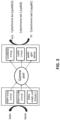
- the pathway comprising phosphoketolase for producing acetyl-CoA (PK pathway), and a sugar uptake system (e.g., non-PTS) are exemplified in Figure 1 .
- This non-natural organism can use acetyl-CoA, or both oxaloacetate and acetyl-CoA (see Figure 4 ), in a "compound pathway" to produce a bio-derived product (such as an alcohol, a glycol, an organic acid, an alkene, a diene, an organic amine, an organic aldehyde, a vitamin, a nutraceutical or a pharmaceutical).
- a bio-derived product such as an alcohol, a glycol, an organic acid, an alkene, a diene, an organic amine, an organic aldehyde, a vitamin, a nutraceutical or a pharmaceutical.
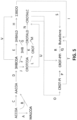
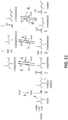
- non-natural microbial organisms can further include product pathway enzymes to carry out conversion of acetyl-CoA, or both oxaloacetate and acetyl-CoA, to the desired product (e.g., combining the relevant pathways of Figure 1 or 4 , with a pathway of Figures 5-11 ).
- this non-natural microbial organism can optionally include one or more of the following: (e) one or more modification(s) to the organism's electron transport chain, (f) a carbon substrate (e.g., methanol, syngas, etc.) utilization pathway to increase carbon flux towards acetyl-CoA, or both oxaloacetate and acetyl-CoA, (g) a pathway synthesizing succinyl-CoA as precursors further to the synthesis of acetyl-CoA and oxaloacetate, (h) attenuation or elimination of one or more endogenous enzymes, which enhances carbon flux through acetyl-CoA, or both oxaloacetate and acetyl-CoA, (e.g., pyruvate kinase attenuation), and (i) increased activity of one or more endogenous or heterologous enzymes that can enable higher flux to oxaloacetate or succinyl-Co
- a second aspect of the disclosure is directed to a non-natural microbial organism having (a) a pathway to oxaloacetate, acetyl-CoA or both, comprising phosphoketolase, and (b) one or more modification(s) to the organism's electron transport chain to enhance efficiency of ATP production, to enhance synthesis or availability of reducing equivalents, or both.
- modifications to the PTS and non-PTS for sugar uptake are not necessary, but optionally can be included.
- a (c) carbon substrate (e.g., methanol, syngas, etc.) utilization pathway to provide carbon flux towards oxaloacetate, acetyl-CoA or both can be present in the non-natural organism.
- This non-natural microbial organism can use the oxaloacetate, acetyl-CoA or both, in a (d) product pathway to produce a bio-derived product (such as an alcohol, a glycol, etc.) that includes product pathway enzymes.
- this non-natural microbial organism can optionally include, (e) a pathway synthesizing oxaloacetate or succinyl-CoA as precursors, (f) attenuation or elimination of one or more endogenous enzymes, which enhances carbon flux through acetyl-CoA (e.g., pyruvate kinase attenuation), or (g) increased activity of one or more enzymes that can enable higher flux to oxaloacetate or succinyl-CoA (e.g., increases in PEP synthetase, pyruvate carboxylase, or phosphoenolpyruvate carboxylase).
- a pathway synthesizing oxaloacetate or succinyl-CoA as precursors
- attenuation or elimination of one or more endogenous enzymes which enhances carbon flux through acetyl-CoA (e.g., pyruvate kinase attenuation)
- the pathway comprising phosphoketolase can include one, two, three, four, or five, or more than five enzymes to promote flux to acetyl-CoA, or both oxaloacetate and acetyl-CoA.
- the acetyl-CoA pathway comprises a pathway selected from: (1) 1T and 1V; (2) 1T, 1W, and 1X; (3) 1U and 1V; (4) 1U, 1W, and 1X; wherein 1T is a fructose-6-phosphate phosphoketolase, wherein 1U is a xylulose-5-phosphate phosphoketolase, wherein 1V is a phosphotransacetylase, wherein 1W is an acetate kinase, wherein 1X is an acetyl-CoA transferase, an acetyl-CoA synthetase, or an acetyl-CoA ligase.
- the acetyl-CoA pathway comprises (1) 1T and 1V. In some embodiments, the acetyl-CoA pathway comprises (2) 1T, 1W, and 1X.
- the enzymes sets (1) and (2) can define a pathway from fructose-6-phosphate (F6P) to acetyl-CoA (AcCoA).
- the acetyl-CoA comprises (3) 1U and 1V. In some embodiments, the acetyl-CoA pathway comprises (4) 1U, 1W, and 1X.
- the enzymes sets (3) and (4) can define a pathway from fructose-6-phosphate (F6P) to acetyl-CoA (AcCoA).
- F6P fructose-6-phosphate
- AcCoA acetyl-CoA
- an enzyme of the methanol metabolic pathway or the acetyl-CoA pathway is encoded by at least one exogenous nucleic acid and is expressed in a sufficient amount to enhance carbon flux through acetyl-CoA.
- any of the acetyl-CoA pathways comprising phosphoketolase (1) 1T and 1V; (2) 1T, 1W, and 1X; (3) 1U and 1V; (4) 1U, 1W, and 1X can be present in organisms of the first or second aspect of the disclosure.
- the PTS and non-PTS can allow for uptake of primarily C5, C6 or C12 sugars and their oligomers.
- Organisms having a PTS for sugar e.g., C6, C12, sugar alcohols, and amino sugars
- uptake arc able to phosphorylate sugars by conversion of PEP into pyruvate.
- the non-PTS uses different sugar uptake enzymes and proteins (components) than the PTS, and this affects the balance of intracellular sugar-derived intermediates that are brought into the cell.
- the non-PTS allows for more robust import of C5 sugars such as xylose, disaccharides such as lactose, melibiose, maltose, and glycerol via a facilitator or a permease and subsequent phopshorylation via a kinase.
- C5 sugars such as xylose, disaccharides such as lactose, melibiose, maltose, and glycerol
- Other substrates such as ascorbate may be recognized by a specific PTS or non-PTS.
- the non-natural microorganism comprises an acetyl-CoA, or both oxaloacetate and acetyl-CoA pathway (also see Figure 4 ) comprising phosphoketolase, a non-PTS for sugar uptake, and a PTS for sugar uptake that comprises a permease or a facilitator protein (1F), and a kinase (1G).
- the non-PTS can include a non-PTS permease (e.g., facilitator protein), a non-PTS sugar kinase or a facilitator protein, and these can modified for increased expression or activity in a non-natural microbial organism having (a) a pathway to acetyl-CoA, or both oxaloacetate and acetyl-CoA, comprising a phosphoketolase.
- the non-PTS permease can be a glucose permease
- the non-PTS sugar kinase can be a glucokinase.
- An exemplary glucose facilitator proteins is encoded by Zymomonas mobilis glf.
- An exemplary glucokinase is encoded by E. coli glk and an exemplary permease is encoded by E. coli galP.
- the genetic modification to a non-PTS component to increase non-PTS activity can be any one or more of a variety of forms.
- the non-PTS component is under the expression of a promoter comprising one or more genetic modifications that enhance its expression.
- the enhanced expression can result in an increase in activity of the rate of sugar uptake to the cells.
- the rate of uptake can be at least 10%, at least 25%, at least 50%, at least 75%, at least 100%, at least 125% or at least 150% greater than the rate of sugar uptake of an organism that does not include the non-PTS genetic modification.
- Exemplary rate of uptake increases can be in the range of 10% to 150%, or from 25% to 125%.
- An organism with a genetic modification to a non-PTS enzyme or protein to increase non-PTS activity prevents PEP conversion into pyruvate associated with sugar phosphorylation and therefore allows for a better balance of fluxes into oxaloacetate and pyruvate from PEP.
- Phosphorylated sugar then goes through the majority of reactions in glycolysis to generate reducing equivalents and ATP that are associated with the organism's electron transport chain (ETC).
- ETC electron transport chain
- the non-natural microbial organism comprises a genetic modification of a PTS component that attenuates or eliminates a PTS activity.
- a non-natural microbial organism system that includes non-PTS for sugar uptake
- an attenuating or eliminating genetic modification of a PTS component can shift the sugar uptake towards the non-PTS, thereby providing an improved pool of sugar derived intermediates than can be utilized by the pathway comprising phosphoketolase for the production of acetyl-CoA, or both oxaloacetate and acetyl-CoA.
- non-natural organism has one or more genetic modifications that attenuates or eliminates expression or activity of a PTS component.
- the PTS system comprises Enzyme I (EI), histidine phosphocarrier protein (HPr), Enzyme II (EII), and transmembrane Enzyme II C (EIIC).
- EI Enzyme I
- HPr histidine phosphocarrier protein
- EII Enzyme II
- EIIC transmembrane Enzyme II C
- Phosphoenolpyruvate PEP
- the enzyme complex EII includes components A, B and C. These components can be domains of composite proteins, according to sugar specificity and the type of bacteria.
- Component/domain C is a permease and anchored to the cytoplasmic membrane.
- the glucose PTS ETTA is a soluble protein
- the EIIB/C is membrane bound.
- the two nonspecific components are encoded by ptsI (Enzyme 1) and ptsH (HPr).
- the sugar-dependent components are encoded by err and ptsG. Any one or more of these PTS enzymes or proteins (components) can be targeted for attenuated or eliminated expression or activity.
- non-natural organism having attenuated or eliminated non-natural microbial organism that includes (a) a pathway to oxaloacetate, acetyl-CoA or both, comprising a phosphoketolase, and (b) one or more modification(s) to the organism's electron transport chain.
- one or more modification(s) to the organism's electron transport chain can also be used along with the non-PTS for sugar uptake comprising a genetic modification to a non-PTS component to increase non-PTS activity, in a non-natural microbial organism having a PK pathway.
- the non-oxidative pentose phosphate pathway does not generate any ATP or reducing equivalents and it is therefore desirable to have the electron transport chain operate efficiently.
- modifications to the ETC are useful when the organism uses the PK pathway irrespective of the carbon source used. For example, such modifications will be useful when methanol, methane, formate, syngas or glycerol are used as the carbon sources.
- Modifications that enhance the organism's electron transport chain function include attenuation of enzymes, proteins or co-factors that compete with efficient electron transport chain function. Examples are attenuation of NADH-dehydrogenases that do not translocate protons or an attenuation of cytochrome oxidases that have lower efficiency of proton translocation per pair of electrons. Modifications that enhance the organism's electron transport chain function include enhancing function of enzymes, proteins or co-factors of the organism's electron transport chain particularly when such a function is rate-limiting. Examples in bacteria of modifications that enhance enzymes, proteins or co-factors are increasing activity of NADH dehydrogenases of the electron transport chain or the desired cytochrome oxidase cyo and attenuating the global negative regulatory factor arcA.
- the invention provides a non-naturally occurring microbial organism having attenuation or elimination of endogenous enzyme expression or activity that compete with efficient electron transport chain function, thereby enhancing carbon flux through acetyl-CoA or oxaloacetate into the desired products. Elimination of endogenous enzyme expression can be carried out by gene disruption of one or more endogenous nucleic acids encoding such enzymes.
- the endogenous enzymes targeted for modification include genes such as ndh, wrbA, mdaB, yhdH, yieF, ytfG, qor, ygiN, appBC and cydAB in expression of PTS enzymes or proteins is caused by alteration, such as deletion of, the ptsI gene.
- the PTS can include proteins specific for the uptake of certain sugar species. These are generally known as “permeases” or “facilitator proteins.”
- the PTS can comprises one or more proteins selected from the group consisting of glucose permease (EIICBA), glucosamine permease (EIICBA), N-acetyl muramic acid-specific permease (ETIBC component), mannitol permease, galactomannan permease, trehalose permease, maltose permease, fructose permease, mannose permease, N-acetylglucosamine permease, (EIICB component), fructose permease, sucrose permease (high affinity), sucrose permease (low affinity), lichenan permease, and ⁇ -glucoside permease.
- the non-natural microbial organisms of the disclosure can include attenuated or eliminated expression of one or more proteins specific for the uptake of certain sugar species.
- Proteins of the PTS can be encoded by genes of the microorganism.
- glucose permease can be encoded by PtsG
- the glucosamine permease can be encoded by GamP
- the N-acetyl muramic acid-specific permease can be encoded by MurP
- the mannitol permease can be encoded by MtlA or MtlF
- the galactomannan permease can be encoded by GmuA, GmuB, or GmuC
- the trehalose permease can be encoded by TreP
- the maltose permease can be encoded by MalP
- the fructose permease can be encoded by FruA
- the mannose permease is encoded can be ManP
- the N-acetylglucosamine permease can be encoded by NagP
- the fructose permease can be encoded by LevD, LevE, LevF, LevG
- Non-natural microbial organisms of the disclosure can also include one or more modification(s) to the organism's electron transport chain to enhance efficiency of ATP production, to enhance availability or synthesis of reducing equivalents, or both.
- the second aspect of the disclosure provides a E. coli. Similar non-cfficicnt components of the electron transport chain can be eliminated or modified from other organisms.
- the major role of Ndh-II is to oxidize NADH and to feed electrons into the respiratory chain (Yun et al., 2005).
- NdhII The affinity of NdhII for NADH is relatively low (Hayashi et al., 1989), it has been suggested that NdhII may operate to regulate the NADH pool independently of energy generation and is likely to be important when the capacity of bacteria to generate energy exceeds demand.
- the ndh gene has been shown to be repressed by the fnr gene product in such a way that the expression is optimal under conditions of high oxygen concentrations. The deletion of ndh would thus help in improving the redox availability and therefore the ATP availability of the cell upon oxidation of this NADH.
- NADH dehydrogenases that are not known to translocate any protons and thus do not help in ATP production, example, those encoded by wrbA, mdaB, yhdH, yieF, ytfG, qor in E. coli. Homologues of these can be found in other organisms and eliminated to improve the ATP production for every unit of oxygen consumed.
- cytochrome bo complex encoded by the cyo operon, actively pumps electrons over the membrane and results in an H+/2c- stoichiometry of 4.
- the cytochrome bd-I complex does not actively pump protons, but due to the oxidation of the quinol on the periplasmic side of the membrane and subsequent uptake of protons from the cytoplasmic side of the membrane which are used in the formation of water, the net electron transfer results in a H+/2c- stoichiometry of 2. This is encoded by the cyd operon.
- an enhanced electron transport function can be provided in a non-naturally organism that contains an acetyl-CoA, or acetyl-CoA and oxaloacetate pathway by providing a modification that increases an enzyme, protein or co-factor function of the organism's electron transport chain to enhance efficiency of ATP production , production of reducing equivalents or both, particularly when such functions arc rate-limiting.
- Examples in bacteria of such target genes include those that comprise Complex I (which can be increased by such methods as increased copy number, overexpression or enhanced activity variants) of the electron transport chain and the global negative regulatory factor arcA (which can be attenuated).
- a 14BDO producing organism (described in Example X1) requires conversion of pyruvate into acetyl-CoA.
- a PK is introduced into this organism, it is important that the pyruvate to acetyl-CoA conversion takes place either through pyruvate dehydrogenase or by a combination of pyruvate formate lyase and an NADH-generating formate dehydrogenase.
- Native formate dchydrogcnasc(s) that do not generate NADH can be optionally deleted. In E. coli these formate dehydrogenases are formate dehydrogenase H, N and O.
- the invention provides a process with the described acetyl-CoA pathway to have a lower aeration process compared to an organism that does not have such a pathway.
- This organism has 60% of the oxygen demand per glucose metabolized as compared to an organism that does not use PK. This lowers the aeration/oxygen requirements in a fermentation process while increasing the product yields.
- a reducing equivalent can also be readily obtained from a glycolysis intermediate by any of several central metabolic reactions including glyceraldehyde-3-phosphate dehydrogenase, pyruvate dehydrogenase, pyruvate formate lyase and NAD(P)-dependent formate dehydrogenase, isocitrate dehydrogenase, alpha-ketoglutarate dehydrogenase, succinate dehydrogenase, and malate dehydrogenase. Additionally, reducing equivalents can be generated from glucose 6-phosphate-1-dehydrogenase and 6-phosphogluconate dehydrogenase of the pentose phosphate pathway.
- C6 glycolysis intermediate e.g., glucose-6-phosphate, fructose-6-phosphate, fructose-1,6-diphosphatc
- C3 glycolysis intermediate e.g., dihydroxyacetone phosphate, glyceraldehyde-3-phosphate
- non-natural microbial organisms of the disclosure having a PK pathway can also use both acetyl-CoA and oxaloacetate or succinyl-CoA as precursors to product pathways.
- Oxaloacetate is produced anaplerotically from phosphoenolpyruvate or from pyruvate.
- Succinyl-CoA is produced either by oxidative TCA cycle whereby both acetyl-CoA and oxaloacetate are used as precursors, via the reductive TCA cycle where oxaloacetate is used as the precursor or by a combination of both oxidative and reductive TCA branches.
- Non-natural microbial organisms of the first, or second aspect can further use both acetyl-CoA and oxaloacetate or succinyl-CoA as precursors. Genetic modifications can include increasing the activity of one or more endogenous or heterologous enzymes, or attenuating or eliminating one or more endogenous enzymes to increase flux into oxaloacetate or succinyl-CoA.
- the invention provides a non-natural organism having increased activity of one or more endogenous enzymes, that combined with the acetyl-CoA (PK) pathway, enables higher flux to the product.
- PK acetyl-CoA
- These enzymes are targeted towards increased flux into oxaloacetate which, when combined with acetyl-CoA leads to higher flux through oxidative TCA and the products derived therefrom.
- the increased flux into oxaloacetate can be used for producing succinyl-CoA via the reductive TCA branch. This includes PEP synthetase, pyruvate carboxylase, and phosphoenolpyruvate carboxylase.
- This increased activity can be achieved by increasing the expression of an endogenous or exogenous gene either by overexpressing it under a stronger promoter or by expressing an extra copy of the gene or by adding copies of a gene not expressed endogenously.
- Embodiments of the disclosure provide non-naturally organism comprising a phosphoketolase (PK)-containing pathway that makes acetyl-CoA, or acetyl-CoA and oxaloacetate, and one or more of the following: (i) a genetic modification that enhances the activity of the non-PTS system for sugar uptake, and/or (ii) one or more modification(s) to the organism's electron transport chain to enhance efficiency of ATP production, to enhance availability of reducing equivalents, or both, and further, one or more modifications that enhance flux to oxaloacetate or succinyl-CoA. In turn , these modifications can enhance production of bioproducts in combination with the product pathways.
- PK phosphoketolase
- the one or more modifications that enhance flux to oxaloacetate or succinyl-CoA can be any one or more of the following.
- the non-natural microbial organism further includes attenuation of pyrvuate kinase.
- Pyruvate kinase leads to the formation of pyruvate from PEP, concomitantly converting ADP into ATP.
- Attenuation or deletion of this enzyme will allow more PEP to be converted into oxaloacetate (and not into pyruvate that subsequently gets converted into acetyl-CoA). This leads to a better balance of carbon flux into oxaloacetate and into acetyl-CoA.
- this reaction is carried out by two isozymes, pykA and pykF. The deletion of even one of them can have the desired effect of reducing PEP flux into pyruvate and increasing it into oxaloacetate.
- the non-natural microbial organism increases phosphoenol-pyruvate availability by enhancing PEP synthetase activity in a strain that requires oxaloacetate as a bioproduct precursor.
- This enzyme converts pyruvate back into PEP with the cost of two ATP equivalents as shown below. This is a mechanism that the cell can use to balance the flux that goes into acetyl-CoA versus the carbon flux that goes into PEP and then onto oxaloacetate.
- pyruvate + ATP + H 2 O ⁇ > phosphoenolpyruvate + AMP + phosphate + 2 H +
- the non-natural microbial organism increases oxaloacetate availability via enhancing pyruvate carboxylase activity in a strain that requires oxaloacetate as a bioproduct precursor.
- Pyruvate carboxylase catalyzes the carboxylation of pyruvate into oxaloacetate using biotin and ATP as cofactors as shown below.
- Pyruvate carboxylase is present in several bacteria such as Corynebacterium glumaticum and Mycobacteria, but not present in E. coli. Pyruvate carboxylase can be expressed heterologously in E. coli via methods well known in the art. Optimal expression of this enzyme would allow for sufficient generation of oxaloacetate and is also expected to reduce the formation of byproducts such as alanine, pyruvate, acetate and ethanol.
- the non-natural microbial organism increases oxaloacetate availability via enhancing phosphoenolpyruvate (PEP) carboxylase activity in a strain that requires oxaloacetate as a bioproduct precursor.
- the gene ppc encodes for phosphoenolpyruvate (PEP) carboxylase activity.
- the net reaction involves the conversion of PEP and bicarbonate into oxaloacetate and phosphate.
- the overexpression of PEP carboxylase leads to conversion of more phosphoenolpyruvate (PEP) into OAA, thus reducing the flux from PEP into pyruvate, and subsequently into acetyl-CoA. This leads to increased flux into the TCA cycle and thus into the pathway.
- this overexpression also decreases the intracellular acetyl-CoA pools available for the ethanol-forming enzymes to work with, thus reducing the formation of ethanol and acetate.
- the increased flux towards oxaloacetate will also reduce pyruvate and alanine byproducts.
- the non-natural microbial organism increases phosphoenol-pyruvate availability via enhancing PEP carboxykinase (pck) activity in a strain that requires oxaloacetate as a bioproduct precursor.
- PEP carboxykinase is an alternative enzyme for converting phosphoenolpyruvate to oxaloacetate, which simultaneously forms an ATP while carboxylating PEP.
- PEP carboxykinase serves a gluconeogenic function and converts oxaloacetate to PEP at the expense of one ATP. S .
- E. coli is another such organism, as the role of PEP carboxykinase in producing oxaloacetate is believed to be minor when compared to PEP carboxylase, which does not form ATP, possibly due to the higher K m for bicarbonate of PEP carboxykinase ( Kim et al., Appl. Environ. Microbiol. 70:1238-1241 (2004 )). Nevertheless, activity of the native E.
- coli PEP carboxykinase from PEP towards oxaloacetate has been recently demonstrated in ppc mutants of E. coli K-12 ( Kwon ct al., J. Microbiol. Biotechnol. 16:1448-1452 (2006 )). These strains exhibited no growth defects and had increased succinate production at high NaHCO 3 concentrations.
- the non-natural microbial organism can increase its oxaloacetate availability by increasing expression or activity of malic enzyme. Malic enzyme can be applied to convert CO 2 and pyruvate to malate at the expense of one reducing equivalent. Malate can then be converted into oxaloacetate via native malate dehydrogenases.
- Malic enzymes for this purpose can include, without limitation, malic enzyme (NAD-dependent) and malic enzyme (NADP-dependent).
- malic enzyme NAD-dependent
- NADP-dependent malic enzyme
- one of the E. coli malic enzymes Takeo, J. Biochem. 66:379-387 (1969 )
- a similar enzyme with higher activity can be expressed to enable the conversion of pyruvate and CO 2 to malate.
- malic enzyme allows the high-energy phosphate bond from PEP to be conserved by pyruvate kinase whereby ATP is generated in the formation of pyruvate or by the phosphotransferase system for glucose transport.
- malic enzyme is typically assumed to operate in the direction of pyruvate formation from malate
- overexpression of the NAD-dependent enzyme, encoded by maeA has been demonstrated to increase succinate production in E. coli while restoring the lethal delta pfl-delta ldhA phenotype (inactive or deleted pfl and ldhA) under anaerobic conditions by operating in the carbon-fixing direction ( Stols and Donnelly, Appl. Environ. Microbial. 63(7) 2695-2701 (1997 )).
- a similar observation was made upon overexpressing the malic enzyme from Ascaris suum in E. coli ( Stols ct al., Appl. Biochem. Biotechnol.
- the second E . coli malic enzyme, encoded by maeB, is NADP-dependent and also decarboxylates oxaloacetate and other alpha-keto acids ( Iwakura et al., J. Biochem. 85(5):1355-65 (1979 )).
- the non-natural microbial organism increases the non oxidative pentose phosphate pathway activity, ribose-5-phosphate isomerase (encoded by rpiAB in E. coli), ribulose-5-phosphate epimerase (rpe), transaldolase (talAB) and transketolase (tktAB), to convert C5 sugars to glycolytic intermediates glyceraldehyde-3-phosphate and fructose-6-phosphate that are substrates for the phosphoketolase pathway.
- ribose-5-phosphate isomerase encoded by rpiAB in E. coli
- rpe ribulose-5-phosphate epimerase
- talAB transaldolase
- tktAB transketolase
- the non oxidative pentose phosphate pathway comprises numerous enzymes that have the net effect of converting C5 sugar intermediates into C3 and C6 glycolytic intermediates, namely, glyceraldehyde-3-phosphate and fructose-6-phosphate.
- the enzymes included in the non-oxidative PP branch are ribose-5-phosphate isomerase (encoded by rpiAB in E. coli), ribulose-5-phosphate epimerase (rpe), transaldolase (talAB), and transketolase (tktAB).
- Ribose-5-phopshate epimerase catalyzes the interconversion of ribose-5-phosphate and ribulose-5-phosphate.
- RpiA encodes for the constitutive ribose-5-phosphate isomerase A and typically accounts for more than 99% of the ribose-5-phosphate isomerase activity in the cell.
- the inducible ribose-5-phosphate isomerase B can substitute for RpiA's function if its expression is induced.
- Ribulosc-5-phosphatc-3-cpimcrasc catalyzes the interconversion of D-ribulose-5-phosphate and xylulose-5-phosphate.
- Transketolase catalyzes the reversible transfer of a ketol group between several donor and acceptor substrates. This enzyme is a reversible link between glycolysis and the pentose phosphate pathway. The enzyme is involved in the catabolism of pentose sugars, the formation of D-ribose 5-phosphate, and the provision of D-erythrose 4-phosphate.
- Transketolase leads to the reversible conversion of erythrose-4-phosphate and xylulose-5-phosphate to form fructose-6-phosphate and glyccraldchydc-3-phosphatc.
- Yet another reaction catalyzed by the enzyme is the interconversion of sedoheptulose-7-phosphate and glyceraldehyde-3-phosphate to form ribose-5-phosphate and xylulose-5-phosphate.
- Transaldolase is another enzyme that forms a reversible link between the pentose phosphate pathway and glycolysis. It catalyzes the interconversion of glyceraldehyde-3-phosphate and sedoheptulose-7-phosphate to fructose-6-phosphate and erythrose-4-phosphate.
- transaldolases There are two closely related transaldolases in E. coli, encoded by talA and talB. Homologues of these genes can be found in other microbes including C. glutamicum, S. cerevisiae, Pseudomonas putida, Bacillus subtilis. For sufficient flux to be carried through phosphoketolase, it is important to ensure that the flux capacity of the non-oxidative PP enzymes in not limiting.
- the carbon flux distribution through the PTS and the Non-PTS system as well as the phosphoketolase can be modified to enhance bioderived product production.
- Non-PTS system is not used, some flux will have to be diverted from pyruvate into oxaloacetate. This can be done by enzymes such as PEP synthetase in combination with phoshoenolpyruvate carboxylase or phoshoenolpyruvate carboxykinase, or by pyruvate carboxylase.
- the disclosure provides a non-naturally occurring microbial organism having an acetyl-CoA pathway, or oxaloacetate and acetyl-CoA pathway comprising phosphoketolase, and one or more of the following: (i) a non-PTS for sugar uptake comprising one or more genetic modification(s) to increase non-PTS activity, and/or (ii) one or more modification(s) to the organism's electron transport chain to enhance efficiency of ATP, to enhance synthesis or availability of reducing equivalents, or both, wherein the microbial organism further includes attenuation of one or more endogenous enzymes, which enhances carbon flux through acetyl-CoA into the product.
- the disclosure provides a non-naturally occurring microbial organism as having an acetyl-CoA pathway, or oxaloacetate and acetyl-CoA pathway comprising phosphoketolase, and/or, (ii) one or more modification(s) to the organism's electron transport chain to enhance efficiency of ATP production, to enhance synthesis or availability of reducing equivalents, or both, wherein the microbial organism further includes attenuation of one or more endogenous enzymes of a competing formaldehyde assimilation or dissimilation pathway. Examples of these endogenous enzymes are disclosed in FIG. 1 and described in Example XIII.
- the microbial organism includes attenuation of one, two, three, four, five, six, seven, eight, nine, ten or more endogenous enzymes of a competing formaldehyde assimilation or dissimilation pathway.
- the endogenous enzyme can be selected from DHA kinase, methanol oxidase, PQQ-dependent methanol dehydrogenase, DHA synthase or any combination thereof.
- the attenuation is of the endogenous enzyme DHA kinase.
- the attenuation is of the endogenous enzyme methanol oxidase.
- the attenuation is of the endogenous enzyme PQQ-dependent methanol dehydrogenase.
- the attenuation is of the endogenous enzyme DHA synthase.
- the invention also provides a microbial organism wherein attenuation is of any combination of two or three endogenous enzymes described herein.
- a microbial organism of the invention can include attenuation of DHA kinase and DHA synthase, or alternatively methanol oxidase and PQQ-dependent methanol dehydrogenase, or alternatively DHA kinase, methanol oxidase, and PQQ-dependent methanol dehydrogenase, or alternatively DHA kinase, methanol oxidase, and DHA synthase.
- the invention also provides a microbial organism wherein attenuation is of all endogenous enzymes described herein.
- a microbial organism described herein includes attenuation of DHA kinase, methanol oxidase, PQQ-dependent methanol dehydrogenase and DHA synthase. Competing pathways can be dependent upon the host microbial organism and/or the exogenous nucleic acid introduced into the microbial organism as described herein. Accordingly, in some aspects of the invention, the microbial organism includes a gene disruption of one, two, three, four, five, six, seven, eight, nine, ten or more endogenous nucleic acids encoding enzymes of a competing formaldehyde assimilation or dissimilation pathway.
- a particularly useful stable genetic alteration is a gene deletion.
- the use of a gene deletion to introduce a stable genetic alteration is particularly useful to reduce the likelihood of a reversion to a phenotype prior to the genetic alteration.
- stable growth-coupled production of a biochemical can be achieved, for example, by deletion of a gene encoding an enzyme catalyzing one or more reactions within a set of metabolic modifications.
- the stability of growth-coupled production of a biochemical can be further enhanced through multiple deletions, significantly reducing the likelihood of multiple compensatory reversions occurring for each disrupted activity.
- the method can include identifying in silico a set of metabolic modifications that increase production of acetyl-CoA or both oxaloacetate and acetyl-CoA or a bioderived compound, for example, increase production during exponential growth; genetically modifying an organism to contain the set of metabolic modifications that increase production of acetyl-CoA or both oxaloacetate and acetyl-CoA or a bioderived compound, and culturing the genetically modified organism.
- culturing can include adaptively evolving the genetically modified organism under conditions requiring production of acetyl-CoA or both oxaloacetate and acetyl-CoA or a bioderived compound.
- the methods of the invention are applicable to bacterium, yeast and fungus as well as a variety of other cells and microorganism, as disclosed herein.
- the invention provides a non-naturally occurring microbial organism comprising one or more gene disruptions that confer increased synthesis or production of acetyl-CoA or both oxaloacetate and acetyl-CoA or a bioderived compound.
- the one or more gene disruptions confer growth-coupled production of acetyl-CoA or both oxaloacetate and acetyl-CoA or a bioderived compound, and can, for example, confer stable growth-coupled production of acetyl-CoA or both oxaloacetate and acetyl-CoA or a bioderived compound.
- the one or more gene disruptions can confer obligatory coupling of acetyl-CoA or both oxaloacetate and acetyl-CoA or a bioderived compound production to growth of the microbial organism.
- Such one or more gene disruptions reduce the activity of the respective one or more encoded enzymes.
- the non-naturally occurring microbial organism can have one or more gene disruptions included in a gene encoding an enzyme or protein disclosed herein. As disclosed herein, the one or more gene disruptions can be a deletion.
- Such non-naturally occurring microbial organisms of the invention include bacteria, yeast, fungus, or any of a variety of other microorganisms applicable to fermentation processes, as disclosed herein.
- the invention provides a non-naturally occurring microbial organism, comprising one or more gene disruptions, where the one or more gene disruptions occur in genes encoding proteins or enzymes where the one or more gene disruptions confer increased production of acetyl-CoA or both oxaloacetate and acetyl-CoA or a bioderived compound.
- the production of acetyl-CoA or both oxaloacetate and acetyl-CoA or a bioderived compound can be growth-coupled or not growth-coupled.
- the production of acetyl-CoA or both oxaloacetate and acetyl-CoA or a bioderived compound can be obligatorily coupled to growth of the organism, as disclosed herein.
- the invention provides non naturally occurring microbial organisms having genetic alterations such as gene disruptions that increase production of acetyl-CoA or both oxaloacetate and acetyl-CoA or a bioderived compound, for example, growth-coupled production of acetyl-CoA or both oxaloacetate and acetyl-CoA or a bioderived compound.
- Product production can be, for example, obligatorily linked to the exponential growth phase of the microorganism by genetically altering the metabolic pathways of the cell, as disclosed herein.
- the genetic alterations can increase the production of the desired product or even make the desired product an obligatory product during the growth phase.
- Metabolic alterations or transformations that result in increased production and elevated levels of acetyl-CoA or both oxaloacetate and acetyl-CoA or a bioderived compound biosynthesis are exemplified herein. Each alteration corresponds to the requisite metabolic reaction that should be functionally disrupted. Functional disruption of all reactions within one or more of the pathways can result in the increased production of acetyl-CoA or both oxaloacetate and acetyl-CoA or a bioderived compound by the engineered strain during the growth phase.
- Each of these non-naturally occurring alterations result in increased production and an enhanced level of acetyl-CoA or both oxaloacetate and acetyl-CoA or a bioderived compound, for example, during the exponential growth phase of the microbial organism, compared to a strain that does not contain such metabolic alterations, under appropriate culture conditions.
- Appropriate conditions include, for example, those disclosed herein, including conditions such as particular carbon sources or reactant availabilities and/or adaptive evolution.
- a metabolic alteration such as attenuation of an enzyme
- it can be necessary to disrupt the catalytic activity of the one or more enzymes involved in the reaction.
- a metabolic alteration can include disrupting expression of a regulatory protein necessary for enzyme activity or maximal activity.
- Disruption can occur by a variety of methods including, for example, deletion of an encoding gene or incorporation of a genetic alteration in one or more of the encoding gene sequences.
- the encoding genes targeted for disruption can be one, some, or all of the genes encoding enzymes involved in the catalytic activity.
- disruption can occur by a genetic alteration that reduces or eliminates the catalytic activity of the encoded gene product.
- the single enzyme is multimeric, including heteromeric
- disruption can occur by a genetic alteration that reduces or destroys the function of one or all subunits of the encoded gene products.
- Destruction of activity can be accomplished by loss of the binding activity of one or more subunits required to form an active complex, by destruction of the catalytic subunit of the multimeric complex or by both.
- Other functions of multimeric protein association and activity also can be targeted in order to disrupt a metabolic reaction of the invention. Such other functions are well known to those skilled in the art.
- a target enzyme activity can be reduced or eliminated by disrupting expression of a protein or enzyme that modifies and/or activates the target enzyme, for example, a molecule required to convert an apoenzyme to a holoenzyme.
- a protein or enzyme that modifies and/or activates the target enzyme for example, a molecule required to convert an apoenzyme to a holoenzyme.
- some or all of the functions of a single polypeptide or multimeric complex can be disrupted according to the invention in order to reduce or abolish the catalytic activity of one or more enzymes involved in a reaction or metabolic modification of the invention.
- some or all of enzymes involved in a reaction or metabolic modification of the invention can be disrupted so long as the targeted reaction is reduced or eliminated.
- an enzymatic reaction can be disrupted by reducing or eliminating reactions encoded by a common gene and/or by one or more orthologs of that gene exhibiting similar or substantially the same activity. Reduction of both the common gene and all orthologs can lead to complete abolishment of any catalytic activity of a targeted reaction. However, disruption of either the common gene or one or more orthologs can lead to a reduction in the catalytic activity of the targeted reaction sufficient to promote coupling of growth to product biosynthesis. Exemplified herein arc both the common genes encoding catalytic activities for a variety of metabolic modifications as well as their orthologs.
- disruption of some or all of the genes encoding an enzyme(s) of a targeted metabolic reaction can be practiced in the methods of the invention and incorporated into the non-naturally occurring microbial organisms of the invention in order to achieve the increased production of acetyl-CoA or both oxaloacetate and acetyl-CoA or a bioderived compound or growth-coupled product production.
- enzymatic activity or expression can be attenuated using well known methods. Reduction of the activity or amount of an enzyme can mimic complete disruption of a gene if the reduction causes activity of the enzyme to fall below a critical level that is normally required for a pathway to function. Reduction of enzymatic activity by various techniques rather than use of a gene disruption can be important for an organism's viability.
- Methods of reducing enzymatic activity that result in similar or identical effects of a gene disruption include, but are not limited to: reducing gene transcription or translation; destabilizing mRNA, protein or catalytic RNA; and mutating a gene that affects enzyme activity or kinetics ( See, Sambrook et al., Molecular Cloning: A Laboratory Manual, Third Ed., Cold Spring Harbor Laboratory, New York (2001 ); and Ausubel et al., Current Protocols in Molecular Biology, John Wiley and Sons, Baltimore, MD (1999 ). Natural or imposed regulatory controls can also accomplish enzyme attenuation including: promoter replacement ( See, Wang et al., Mol. Biotechnol.
- RNAs or peptides such as siRNA, antisense RNA, RNA or peptide/small-molecule binding aptamers, ribozymes, aptazymes and riboswitches ( Wieland et al., Methods 56(3):351-357 (2012 ); O'Sullivan, Anal. Bioanal. Chem. 372(1):44-48 (2002 ); and Lee et al., Curr. Opin. Biotechnol. 14(5):505-511 (2003 )); and addition of drugs or other chemicals that reduce or disrupt enzymatic activity such as an enzyme inhibitor, an antibiotic or a target-specific drug.
- drugs or other chemicals that reduce or disrupt enzymatic activity such as an enzyme inhibitor, an antibiotic or a target-specific drug.
- Attenuation of an enzyme can be done at various levels. For example, at the gene level, a mutation causing a partial or complete null phenotype, such as a gene disruption, or a mutation causing epistatic genetic effects that mask the activity of a gene product ( Miko, Nature Education 1(1) (2008 )), can be used to attenuate an enzyme.
- methods for attenuation include: coupling transcription to an endogenous or exogenous inducer, such as isopropylthio- ⁇ -galactoside (IPTG), then adding low amounts of inducer or no inducer during the production phase ( Donovan et al., J. Ind. Microbiol.
- RNAase sites for rapid transcript degradation Pasquinelli, Nat. Rev. Genet. 13(4):271-282 (2012 ); and Arraiano et al., FEMS Microbiol. Rev. 34(5):883-932 (2010 ); introducing antisense RNA oligomers or antisense transcripts ( Nashizawa et al., Front. Biosci. 17:938-958 (2012 )); introducing RNA or peptide aptamers, ribozymes, aptazymes, riboswitches ( Wieland et al., Methods 56(3):351-357 (2012 ); O'Sullivan, Anal. Bioanal. Chem.
- enzyme attenuation can include: adding a degradation tag for faster protein turnover ( Hochstrasser, Annual Rev. Genet.
- enzyme attenuation can include: increasing intracellular concentration of known inhibitors; or modifying post-translational modified sites ( Mann et al., Nature Biotech.
- enzyme attenuation can include: adding an endogenous or an exogenous inhibitor, such as an enzyme inhibitor, an antibiotic or a target-specific drug, to reduce enzyme activity; chelating a metal ion that is required for enzyme activity; or introducing a dominant negative mutation.
- an endogenous or an exogenous inhibitor such as an enzyme inhibitor, an antibiotic or a target-specific drug
- chelating a metal ion that is required for enzyme activity or introducing a dominant negative mutation.
- microaerobic designs can be used based on the growth-coupled formation of the desired product.
- production cones can be constructed for each strategy by first maximizing and, subsequently minimizing the product yields at different rates of biomass formation feasible in the network. If the rightmost boundary of all possible phenotypes of the mutant network is a single point, it implies that there is a unique optimum yield of the product at the maximum biomass formation rate possible in the network. In other cases, the rightmost boundary of the feasible phenotypes is a vertical line, indicating that at the point of maximum biomass the network can make any amount of the product in the calculated range, including the lowest amount at the bottommost point of the vertical line. Such designs are given a low priority.
- the acetyl-CoA or both oxaloacetate and acetyl-CoA or a bioderived compound production strategies identified herein can be disrupted to increase production of acetyl-CoA or both oxaloacetate and acetyl-CoA or a bioderived compound.
- the invention also provides a non-naturally occurring microbial organism having metabolic modifications coupling acetyl-CoA or both oxaloacetate and acetyl-CoA or a bioderived compound production to growth of the organism, where the metabolic modifications includes disruption of one or more genes selected from the genes encoding proteins and/or enzymes shown in the various tables disclosed herein.
- strains can be supplemented with additional deletions if it is determined that the strain designs do not sufficiently increase the production of acetyl-CoA or both oxaloacetate and acetyl-CoA or a bioderived compound and/or couple the formation of the product with biomass formation.
- some other enzymes not known to possess significant activity under the growth conditions can become active due to adaptive evolution or random mutagenesis. Such activities can also be knocked out.
- genes disclosed herein allows the construction of strains exhibiting high-yield syncthesis or production of acetyl-CoA or both oxaloacetate and acetyl-CoA or a bioderived compound, including growth-coupled production of acetyl-CoA or both oxaloacetate and acetyl-CoA or a bioderived compound.
- the invention is described herein with general reference to the metabolic reaction, reactant or product thereof, or with specific reference to one or more nucleic acids or genes encoding an enzyme associated with or catalyzing, or a protein associated with, the referenced metabolic reaction, reactant or product. Unless otherwise expressly stated herein, those skilled in the art will understand that reference to a reaction also constitutes reference to the reactants and products of the reaction. Similarly, unless otherwise expressly stated herein, reference to a reactant or product also references the reaction, and reference to any of these metabolic constituents also references the gene or genes encoding the enzymes that catalyze or proteins involved in the referenced reaction, reactant or product.
- reference herein to a gene or encoding nucleic acid also constitutes a reference to the corresponding encoded enzyme and the reaction it catalyzes or a protein associated with the reaction as well as the reactants and products of the reaction
- non-natural microorganism capable of producing acetyl-CoA and oxaloacetate having a pathway(s) comprising phosphoketolase and a non-phosphotransferase system (non-PTS) for sugar uptake comprising a genetic modification to a non-PTS component to increase non-PTS activity, and/or (ii) one or more modification(s) to the organism's electron transport chain to enhance efficiency of ATP production, to enhance availability of reducing equivalents, or both.
- the non-naturally occurring microbial organisms of the invention can include at least one exogenous modification of a nucleic acid(s) from the pathway comprising phosphoketolase, the non-PTS system, or the ETC system.
- the non-natural microorganism can also include one or more exogenously expressed nucleic acid(s) from a bioderived compound pathway
- acetyl-CoA and oxaloacetate biosynthesis can be established in a host deficient in a pathway enzyme or protein through exogenous expression of the corresponding encoding nucleic acid.
- exogenous expression of all enzyme or proteins in the pathway can be included, although it is understood that all enzymes or proteins of a pathway can be expressed even if the host contains at least one of the pathway enzymes or proteins.
- exogenous expression of all enzymes or proteins in a pathway for production of acetyl-CoA or a bioderived compound or for methanol utilization can be included, such as methanol dehydrogenase (see, e.g.., Figure 1 )a fructose-6-phosphate phosphoketolase and a phosphotransacetylase ( see, e.g. Figure 1 ), or a xylulose-5-phosphate phosphoketolase and a phosphotransacetylase ( see, e.g.
- Figure 1 or a methanol dehydrogenase, a 3-hexulose-6-phosphate synthase, a 6-phospho-3-hexuloisomerase, a fructose-6-phosphate phosphoketolase and a phosphotransacetylase ( see, e.g. Figure 1 ), or an acetyl-CoA:acetyl-CoA acyltransferase, an acctoacctyl-CoA reductase (ketone reducing), a 3-hydroxybutyryl-CoA reductase (aldehyde forming), and a 3-hydroxybutyraldehyde reductase ( see, e.g.
- nucleic acids to introduce in an expressible form will, at least, parallel the pathway comprising phosphoketolase for acetyl-CoA and oxaloacetate production, the non-PTS system, and/or the ETC systempathway deficiencies of the selected host microbial organism.
- a non-naturally occurring microbial organism of the invention can have one, two, three, four, five, six, seven, eight, nine, ten, eleven, or twelve up to all nucleic acids encoding the enzymes or proteins constituting a pathway(s) comprising phosphoketolase to acetyl-CoA and oxaloacetate, a non-PTS, or ETC component, pathway disclosed herein.
- the non-naturally occurring microbial organisms also can include other genetic modifications that facilitate or optimize acetyl-CoA biosynthesis, sugar uptake through the PTS or non-PTS, or ETC function, or that confer other useful functions onto the host microbial organism.
- One such other functionality can include, for example, augmentation of the synthesis of one or more of the acetyl-CoA pathway precursors.
- the organism can include augmentation of the synthesis of one or more of the bioderived compound pathway precursors such as Fald, H6P, DHA, G3P, malonyl-CoA, acetoacetyl-CoA, PEP, PYR and Succinyl-CoA.
- a host microbial organism is selected such that it produces the precursor of an acetyl-CoA and oxaloacetate, and optionally further, a bioderived compound pathway, either as a naturally produced molecule or as an engineered product that either provides de novo production of a desired precursor or increased production of a precursor naturally produced by the host microbial organism.
- a bioderived compound pathway either as a naturally produced molecule or as an engineered product that either provides de novo production of a desired precursor or increased production of a precursor naturally produced by the host microbial organism.
- malonyl-CoA, acetoacetyl-CoA and pyruvate are produced naturally in a host organism such as E. coli.
- a host organism can be engineered to increase production of a precursor, as disclosed herein.
- a microbial organism that has been engineered to produce a desired precursor can be used as a host organism and further engineered to express enzymes or proteins of an acetyl-CoA and oxaloacetate, and optionally a bioderived compound pathway.
- a non-naturally occurring microbial organism of the invention is generated from a host that contains the enzymatic capability to synthesize acetyl-CoA and oxaloactetate.
- it can be useful to increase the synthesis or accumulation of acetyl-CoA and oxaloactetate pathway product to, for example, to enhance bioderived compound pathway reactions.
- an increase in acetyl-CoA and oxaloactetate can be useful for enhancing a desired bioderived compound production.
- Increased synthesis or accumulation can be accomplished by, for example, overexpression of nucleic acids encoding one or more of the pathway(s) comprising phosphoketolase to acetyl-CoA and oxaloactetate, the non-PTS, and/or the ETC system, enzymes or proteins.
- Overexpression of the enzyme or enzymes and/or protein or proteins of the pathway(s) comprising phoshokctolasc, the non-PTS, and/or ETC system can occur, for example, through exogenous expression of the endogenous gene or genes, or through exogenous expression of the heterologous gene or genes.
- naturally occurring organisms can be readily generated to be non-naturally occurring microbial organisms of the invention, for example, producing acetyl-CoA, through overexpression of one, two, three, four, five, six, seven, eight, nine, ten, eleven, twelve, that is, up to all nucleic acids encoding acetyl-CoA pathway enzymes or proteins.
- a non-naturally occurring organism can be generated by mutagenesis of an endogenous gene that results in an increase in activity of an enzyme in one or more of the pathway(s) comprising phosphoketolase to acetyl-CoA and oxaloactetate, the non-PTS system, and/or ETC system..
- exogenous expression of the encoding nucleic acids is employed.
- Exogenous expression confers the ability to custom tailor the expression and/or regulatory elements to the host and application to achieve a desired expression level that is controlled by the user.
- endogenous expression also can be utilized in other embodiments such as by removing a negative regulatory effector or induction of the gene's promoter when linked to an inducible promoter or other regulatory element.
- an endogenous gene having a naturally occurring inducible promoter can be up-regulated by providing the appropriate inducing agent, or the regulatory region of an endogenous gene can be engineered to incorporate an inducible regulatory element, thereby allowing the regulation of increased expression of an endogenous gene at a desired time.
- an inducible promoter can be included as a regulatory element for an exogenous gene introduced into a non-naturally occurring microbial organism.
- any of the one or more exogenous nucleic acids can be introduced into a microbial organism to produce a non-naturally occurring microbial organism of the disclosure.
- the nucleic acids can be introduced so as to confer, for example, an acetyl-CoA pathway onto the microbial organism.
- encoding nucleic acids can be introduced to produce an intermediate microbial organism having the biosynthetic capability to catalyze some of the required reactions to confer acetyl-CoA biosynthetic capability.
- a non-naturally occurring microbial organism having an acetyl-CoA pathway can comprise at least two exogenous nucleic acids encoding desired enzymes or proteins, such as the combination of a 3-hexulose-6-phosphate synthase and a fructose-6-phosphate phosphoketolase, or alternatively a xylulose-5-phosphate phosphoketolase and an acetyl-CoA transferase, or alternatively a fructose-6-phosphate phosphoketolase and a formate reductase, or alternatively a xylulose-5-phosphate phosphoketolase and a methanol dehydrogenase, and the like.
- desired enzymes or proteins such as the combination of a 3-hexulose-6-phosphate synthase and a fructose-6-phosphate phosphoketolase, or alternatively a xylulose-5-phosphate phosphoketolase and an acetyl-Co
- the organism can include an exogenous nucleic acid encoding an enzyme or protein of the pathway(s) to acetyl-CoA and oxaloactetate comprising phosphoketolase, and can include modification of one or more natural or exogenous nucleic acids encoding an enzyme or protein of the non-PTS, and/or of an ETC system.
- one or more exogenous nucleic acid(s) encoding an enzyme or protein of the pathway(s) to acetyl-CoA and oxaloactetate comprising phosphoketolase is introduced into an organism along with one or more modifications to an organism that provide or modify a non-phosphotransferase system (non-PTS) for sugar uptake, wherein the modification increases non-PTS activity.
- non-PTS non-phosphotransferase system
- the non-PTS modification can be one where the non-PTS for sugar uptake is introduced into an organism that does not have a non-PTS, or an organism having an endogenous (naturally-occurring or native ) non-PTS can be modified to increase the activity or expression of one or more natural enzymes or proteins of the non-PTS.
- this organism can also include one or more genetic modification(s) that attenuates or eliminates a PTS activity.
- one or more exogenous nucleic acid(s) encoding an enzyme or protein of the pathway(s) to acetyl-CoA and oxaloactetate comprising phosphoketolase is introduced into an organism along with one or more genetic modifications of an ETC component(s).
- the genetic modification that can enhance efficiency of ATP production can be (i) attenuation or elimination of an NADH-dependent dehydrogenase (e.g., Ndh, WrbA or YhdH, YieF, YtfG, Qor , MdaB) that does not translocate protons, or (ii) attenuation or elimination of a first cytochrome oxidase (e.g., CydAB or AppBC or YgiN) that has a lower efficiency of proton translocation per pair of electrons as compared to a second cytochrome oxidase. Energetic efficiency of the cell is thus increased.
- an NADH-dependent dehydrogenase e.g., Ndh, WrbA or YhdH, YieF, YtfG, Qor , MdaB
- a first cytochrome oxidase e.g., CydAB or AppBC or YgiN
- the genetic modification can also increase expression or activity of a native or heterologous Complex I enzyme or protein and of cytochrome oxidases, such as by attenuating arcA.
- the genetic modification that enhances the availability or synthesis of a reducing equivalent can be done by using a genetic modification to increase the expression or activity of a pyruvate dehydrogenase, a pyruvate formate lyase together with an NAD(P)H-generating formate dehydrogenase.
- any combination of three or more enzymes or proteins of a biosynthetic pathway can be included in a non-naturally occurring microbial organism of the disclosure, for example, a methanol dehydrogenase, a fructose-6-phosphate aldolase, and a fructose-6-phosphate phosphoketolase, or alternatively a fructose-6-phosphate phosphoketolase and a 3-hydroxybutyraldehyde reductase, or alternatively a xylulose-5-phosphate phosphoketolase, a pyruvate formate lyase and a 4-hydroxybutyryl-CoA reductase (alcohol forming), or alternatively a fructose-6-phosphate aldolase, a phosphotransacetylase, and a 3-hydroxyisobutyrate dehydratase, and so forth, as desired, so long as the combination of enzymes and/or proteins of the desired biosy
- any combination of four, five, six, seven, eight, nine, ten, eleven, twelve or more enzymes or proteins of a biosynthetic pathway as disclosed herein can be included in a non-naturally occurring microbial organism of the invention, as desired, so long as the combination of enzymes and/or proteins of the desired biosynthetic pathway results in production of the corresponding desired product.
- non-naturally occurring microbial organisms and methods of the invention also can be utilized in various combinations with each other and/or with other microbial organisms and methods well known in the art to achieve product biosynthesis by other routes.
- a non-natural organism having pathway(s) to acetyl-CoA and oxaloacetate comprising phosphoketolase, and that includes a non-PTS system modification, or an ETC system modification can be used to produce acetyl-CoA and oxaloacetate, which in turn can be utilized by a second organism capable of utilizing acetyl-CoA and/or oxaloacetate as a precursor in a bioderived compound pathway for the production of a desired product.
- the acetyl-CoA and/or oxaloacetate can be added directly to another culture of the second organism or the original culture of the acetyl-CoA and/or oxaloacetate can be depleted of these microbial organisms by, for example, cell separation, and then subsequent addition of the second organism to the fermentation broth can be utilized to produce the final product without intermediate purification steps.
- the non-naturally occurring microbial organisms and methods of the invention can be assembled in a wide variety of subpathways to achieve biosynthesis of, for example, acetyl-CoA and oxaloacctatc, or optionally any a bioderived compound that uses acetyl-CoA and oxaloacetate in a pathway.
- biosynthetic pathways for a desired product of the disclosure can be segregated into different microbial organisms, and the different microbial organisms can be co-cultured to produce the final product. In such a biosynthetic scheme, the product of one microbial organism is the substrate for a second microbial organism until the final product is synthesized.
- biosynthesis of acetyl-CoA and oxaloacetate can be accomplished by constructing a microbial organism that contains biosynthetic pathways for conversion of one pathway intermediate to another pathway intermediate or the product.
- acetyl-CoA and oxaloacetate, and optionally any bioderived compound also can be biosynthetically produced from microbial organisms through co-culture or co-fermentation using two organisms in the same vessel, where the first microbial organism produces an acetyl-CoA and oxaloacetate or a bioderived compound intermediate and the second microbial organism converts the intermediate , acetyl-CoA, or oxaloacetate to a bioderived compound.
- a host organism can be selected based on desired characteristics for introduction of one or more gene disruptions to increase synthesis or production of acetyl-CoA and oxaloacetate, and optionally, further, a bioderived compound.
- a genetic modification is to be introduced into a host organism to disrupt a gene, any homologs, orthologs or paralogs that catalyze similar, yet non-identical metabolic reactions can similarly be disrupted to ensure that a desired metabolic reaction is sufficiently disrupted. Because certain differences exist among metabolic networks between different organisms, those skilled in the art will understand that the actual genes disrupted in a given organism may differ between organisms.
- the methods of the invention can be applied to any suitable host microorganism to identify the cognate metabolic alterations needed to construct an organism in a species of interest that will increase acetyl-CoA and optionally, further, a bioderived compound biosynthesis.
- the increased production couples biosynthesis of acetyl-CoA and oxaloacetate and a bioderived compound to growth of the organism, and can obligatorily couple production of acetyl-CoA and a bioderived compound to growth of the organism if desired and as disclosed herein.
- the non-naturally occurring microbial organisms of the invention can be produced by introducing expressible nucleic acids encoding one or more of the enzymes or proteins participating in one or more of the acetyl-CoA, or acetyl-CoA and oxaloacetate pathway comprising a phosphoketolase, (ii) a modification to enhance the non-PTS for sugar uptake, and/or (iii) one or more modification(s) to the organism's electron transport chain (ETC) to enhance efficiency of ATP production, to enhance availability of reducing equivalents, or both, or a bioderived compound biosynthetic pathways.
- ETC electron transport chain
- a chosen host is deficient in one or more enzymes or proteins for a desired biosynthetic pathway, then expressible nucleic acids for the deficient enzyme(s) or protein(s) are introduced into the host for subsequent exogenous expression.
- the chosen host exhibits endogenous expression of some pathway genes, but is deficient in others, then an encoding nucleic acid is needed for the deficient enzyme(s) or protein(s) to achieve acetyl-CoA and oxaloacetate production, the PTS, the non-PTS, the ETC modification, or a bioderived compound biosynthesis.
- a non-naturally occurring microbial organism of the invention can be produced by introducing exogenous enzyme or protein activities to obtain a desired biosynthetic pathway or a desired biosynthetic pathway can be obtained by introducing one or more exogenous enzyme or protein activities that, together with one or more endogenous enzymes or proteins, produces a desired product such as acetyl-CoA or a bioderived compound.
- Host microbial organisms can be selected from, and the non-naturally occurring microbial organisms generated in, for example, bacteria, yeast, fungus or any of a variety of other microorganisms applicable or suitable to fermentation processes.
- Exemplary bacteria include any species selected from the order Enterobacteriales, family Enterobacteriaceae, including the genera Escherichia and Klebsiella; the order Aeromonadales, family Succinivibrionaceae, including the genus Anaerobiospirillum; the order Pasteurellules, family Pasteurellaceae, including the genera Actinobacillus and Mannheimia; the order Rhizobiales, family Bradyrhizobiaceae, including the genus Rhizobium; the order Bacillales, family Bacillaceae, including the genus Bacillus; the order Actinomycetales, families Corynebacteriaceae and Streptomycetaceae, including the genus Corynebacterium and the
- Non-limiting species of host bacteria include Escherichia coli, Klebsiella oxytoca, Anaerobiospirillum succiniciproducens, Actinobacillus succinogenes, Mannheimia succiniciproducens, Rhizobium etli, Bacillus subtilis, Corynebacterium glutamicum, Gluconobacter oxydans, Zymomonas mobilis, Lactococcus lactis, Lactobacillus plantarum, Streptomyces coelicolor, Clostridium acetobutylicum, Pseudomonas fluorescens, and Pseudomonas putida.
- Exemplarly bacterial methylotrophs include, for example, Bacillus, Methylobacterium, Methyloversatilis, Methylococcus, Methylocystis and Hyphomicrobium.
- exemplary species of yeast or fungi species include any species selected from the order Scacchcaromycetales, family Saccaromycetaceae, including the genera Saccharomyces, Kluyveromyces and Pichia; the order Saccharomycetales, family Dipodascaceae, including the genus Yarrowia; the order Schizosaccharomycetales, family Schizosaccaromycetaceae, including the genus Schizosaccharomyces ; the order Eurotiales, family Trichocomaceae, including the genus Aspergillus ; and the order Mucorales, family Mucoraceae, including the genus Rhizopus.
- Non-limiting species of host yeast or fungi include Saccharomyces cerevisiae, Schizosaccharomyces pombe, Kluyveromyces lactis, Kluyveromyces marxianus, Aspergillus terreus, Aspergillus niger, Pichia pastoris, Rhizopus arrhizus, Rhizobus oryzae, Yarrowia lipolytica, and the like.
- E. coli and C. glutamicum are particularly useful host organisms since they are well characterized microbial organism suitable for genetic engineering.
- yeast such as Saccharomyces cerevisiae and yeasts or fungi selected from the genera Saccharomyces, Schizosaccharomyces, Schizochytrium, Rhodotorula, Thraustochytrium, Aspergillus, Kluyveromyces, Issatchenkia, Yarrowia, Candida, Pichia, Ogataea, Kuraishict, Hansenula and Komagataella.
- yeast such as Saccharomyces cerevisiae and yeasts or fungi selected from the genera Saccharomyces, Schizosaccharomyces, Schizochytrium, Rhodotorula, Thraustochytrium, Aspergillus, Kluyveromyces, Issatchenkia, Yarrowia, Candida, Pichia, Ogataea, Kuraishict, Hansenula and Komagataella.
- Useful host organisms include Saccharomyces cerevisiae, Schizosaccharomyces pombe, Hansenula polymorpha, Pichia methanolica, Candida boidinii, Kluyveromyces lactis, Kluyveromyces marxianus, Aspergillus terreus, Aspergillus niger, Pichia pastoris, Rhizopus arrhizus, Rhizobus oryzae, Yarrowia lipolytica, Issatchenkia orientalis and the like. It is understood that any suitable microbial host organism can be used to introduce metabolic and/or genetic modifications to produce a desired product.
- non-natural and “non-naturally occurring” when used in reference to a microbial organism or microorganism of the invention are intended to mean that the microbial organism has at least one genetic alteration not normally found in a naturally occurring strain of the referenced species, including wild-type strains of the referenced species.
- Genetic alterations include, for example, modifications introducing expressible nucleic acids encoding metabolic polypeptides, other nucleic acid additions, nucleic acid deletions and/or other functional disruption of the microbial organism's genetic material. Such modifications include, for example, coding regions and functional fragments thereof, for heterologous, homologous or both heterologous and homologous polypeptides for the referenced species.
- Additional modifications include, for example, noncoding regulatory regions in which the modifications alter expression of a gene or opcron.
- Exemplary metabolic polypeptides include enzymes or proteins within a pathway to acetyl-CoA, or both oxaloacetate and acetyl-CoA , or bioderived compound biosynthetic pathway.
- a metabolic modification refers to a biochemical reaction that is altered from its naturally occurring state. Therefore, non-naturally occurring microorganisms can have genetic modifications to nucleic acids encoding metabolic polypeptides, or functional fragments thereof. Exemplary metabolic modifications are disclosed herein.
- isolated when used in reference to a microbial organism is intended to mean an organism that is substantially free of at least one component as the referenced microbial organism is found in nature.
- the term includes a microbial organism that is removed from some or all components as it is found in its natural environment.
- the term also includes a microbial organism that is removed from some or all components as the microbial organism is found in non-naturally occurring environments. Therefore, an isolated microbial organism is partly or completely separated from other substances as it is found in nature or as it is grown, stored or subsisted in non-naturally occurring environments.
- Specific examples of isolated microbial organisms include partially pure microbes, substantially pure microbes and microbes cultured in a medium that is non-naturally occurring.
- microbial microbial organism
- microorganism any organism that exists as a microscopic cell that is included within the domains of archaea, bacteria or eukarya. Therefore, the term is intended to encompass prokaryotic or eukaryotic cells or organisms having a microscopic size and includes bacteria, archaca and cubactcria of all species as well as eukaryotic microorganisms such as yeast and fungi. The term also includes cell cultures of any species that can be cultured for the production of a biochemical.
- bacterial and “bacterial organism” microbial organism are intended to mean any organism that exists as a microscopic cell within the domain of bacteria.
- CoA or "coenzyme A” is intended to mean an organic cofactor or prosthetic group (nonprotein portion of an enzyme) whose presence is required for the activity of many enzymes (the apoenzyme) to form an active enzyme system.
- Coenzyme A functions in certain condensing enzymes, acts in acetyl or other acyl group transfer and in fatty acid synthesis and oxidation, pyruvate oxidation and in other acetylation.
- substantially anaerobic when used in reference to a culture or growth condition is intended to mean that the amount of oxygen is less than about 10% of saturation for dissolved oxygen in liquid media.
- the term also is intended to include sealed chambers of liquid or solid medium maintained with an atmosphere of less than about 1% oxygen.
- Exogenous as it is used herein is intended to mean that the referenced molecule or the referenced activity is introduced into the host microbial organism.
- the molecule can be introduced, for example, by introduction of an encoding nucleic acid into the host genetic material such as by integration into a host chromosome or as non-chromosomal genetic material such as a plasmid. Therefore, the term as it is used in reference to expression of an encoding nucleic acid refers to introduction of the encoding nucleic acid in an expressible form into the microbial organism. Included is any nucleic acid encoding a polypeptide in which its regulatory region, e.g. promoter, terminator, enhancer, has been changed from it native sequence.
- modifying a native gene by replacing its promoter with a weaker or stronger results in an exogenous nucleic acid (or gene) encoding the referenced polypeptide.
- the term refers to an activity that is introduced into the host reference organism.
- the biosynthetic activity can be achieved by modifying a regulatory region, e.g. promoter, terminator, enhancer, to produce the biosynthetic activity from a native gene.
- modifying a native gene by replacing its promoter with a constitutive or inducible promoter results in an exogenous biosynthetic activity.
- the source can be, for example, a homologous or heterologous encoding nucleic acid that expresses the referenced activity following introduction into the host microbial organism. Therefore, the term “endogenous” refers to a referenced molecule or activity that is present in the host. Similarly, the term when used in reference to expression of an encoding nucleic acid refers to expression of an encoding nucleic acid contained within the microbial organism. The term “heterologous” refers to a molecule or activity derived from a source other than the referenced species whereas “homologous” refers to a molecule or activity derived from the host microbial organism. Accordingly, exogenous expression of an encoding nucleic acid of the invention can utilize either or both a heterologous or homologous encoding nucleic acid.
- the more than one exogenous nucleic acids refers to the referenced encoding nucleic acid or biosynthetic activity, as discussed above. It is further understood, as disclosed herein, that such more than one exogenous nucleic acids can be introduced into the host microbial organism on separate nucleic acid molecules, on polycistronic nucleic acid molecules, or a combination thereof, and still be considered as more than one exogenous nucleic acid.
- a microbial organism can be engineered to express two or more exogenous nucleic acids encoding a desired pathway enzyme or protein.
- two exogenous nucleic acids encoding a desired activity are introduced into a host microbial organism
- the two exogenous nucleic acids can be introduced as a single nucleic acid, for example, on a single plasmid, on separate plasmids, can be integrated into the host chromosome at a single site or multiple sites, and still be considered as two exogenous nucleic acids.
- exogenous nucleic acids can be introduced into a host organism in any desired combination, for example, on a single plasmid, on separate plasmids, can be integrated into the host chromosome at a single site or multiple sites, and still be considered as two or more exogenous nucleic acids, for example three exogenous nucleic acids.
- the number of referenced exogenous nucleic acids or biosynthetic activities refers to the number of encoding nucleic acids or the number of biosynthetic activities, not the number of separate nucleic acids introduced into the host organism.
- the phrase "enhance carbon flux” is intended to mean to intensify, increase, or further improve the extent or flow of metabolic carbon through or to a desired pathway, pathway product, intermediate, or bioderived compound.
- the intensity, increase or improvement can be relative to a predetermined baseline of a pathway product, intermediate or bioderived compound.
- an increased yield of acetyl-CoA can be achieved per mole of methanol with a phosphoketolase enzyme described herein ( see, e.g., Figure 1 ) than in the absence of a phosphoketolase enzyme.
- acetyl-CoA derived compounds such as 1,3-butanediol, crotyl alcohol, butadiene, 3-buten-2-ol, 2,4-pentadienoate, 1,4-butanediol, adipate, 6-aminocaproate, caprolactam, hexamethylenediamine, fatty alcohols such hexanol, octanol and dodecanol, propylene, isoprene, isopropanol, butanol, methacrylic acid and 2-hydroxyisobutyric acid the invention, can also be achieved.
- 1,3-butanediol 1,3-butanediol, crotyl alcohol, butadiene, 3-buten-2-ol, 2,4-pentadienoate, 1,4-butanediol, adipate, 6-aminocaproate, caprolactam, hexamethylenediamine,
- the term "gene disruption,” or grammatical equivalents thereof, is intended to mean a genetic alteration that renders the encoded gene product inactive or attenuated.
- the genetic alteration can be, for example, deletion of the entire gene, deletion of a regulatory sequence required for transcription or translation, deletion of a portion of the gene which results in a truncated gene product, or by any of various mutation strategies that inactivate or attenuate the encoded gene product, for example, replacement of a gene's promoter with a weaker promoter, replacement or insertion of one or more amino acid of the encoded protein to reduce its activity, stability or concentration, or inactivation of a gene's transactivating factor such as a regulatory protein.
- a gene disruption also includes a null mutation, which refers to a mutation within a gene or a region containing a gene that results in the gene not being transcribed into RNA and/or translated into a functional gene product.
- a null mutation can arise from many types of mutations including, for example, inactivating point mutations, deletion of a portion of a gene, entire gene deletions, or deletion of chromosomal segments.
- the term "growth-coupled" when used in reference to the production of a biochemical product is intended to mean that the biosynthesis of the referenced biochemical product is produced during the growth phase of a microorganism.
- the growth-coupled production can be obligatory, meaning that the biosynthesis of the referenced biochemical is an obligatory product produced during the growth phase of a microorganism.
- the term "attenuate,” or grammatical equivalents thereof, is intended to mean to weaken, reduce or diminish the activity or amount of an enzyme or protein compared to the activity of the naturally occurring enzyme which may be zero because it is not present. Attenuation of the activity or amount of an enzyme or protein can mimic complete disruption if the attenuation causes the activity or amount to fall below a critical level required for a given pathway to function. However, the attenuation of the activity or amount of an enzyme or protein that mimics complete disruption for one pathway, can still be sufficient for a separate pathway to continue to function.
- Attenuation of an endogenous enzyme or protein can be sufficient to mimic the complete disruption of the same enzyme or protein for production of acetyl-CoA or a biodcrivcd compound of the invention, but the remaining activity or amount of enzyme or protein can still be sufficient to maintain other pathways, such as a pathway that is critical for the host microbial organism to survive, reproduce or grow.
- Attenuation of an enzyme or protein can also be weakening, reducing or diminishing the activity or amount of the enzyme or protein in an amount that is sufficient to increase yield of acetyl-CoA or a bioderived compound of the invention, but does not necessarily mimic complete disruption of the enzyme or protein..
- the term "eliminated,” when referring to an enzyme or protein (or other molecule) or its activity, means the enzyme or protein or its activity is not present in the cell. Expression of an enzyme or protein can be eliminated when the nucleic acid that normally encodes the enzyme or protein, is not expressed.
- an enzyme or protein such as one in a modified form, exhibits activity greater than the activity of its wild-type form, its activity is referred to as "enhanced” or “increased.” This includes a modification where there was an absence in the host organism of the enzyme, protein, other molecule or activity to be enhanced or increased.
- an exogenous or heterologous nucleic acid in a host that otherwise in a wild-type form does not have the nucleic acid can be referred to as “enhanced” or “increased.”
- an enzyme is expressed in a non-natural cell in an amount greater than the amount expressed in the natural (unmodified) cell (including where the enzyme is absent in the starting cell), its expression is referred to as “enhanced” or "upregulated.”
- bioderived means derived from or synthesized by a biological organism and can be considered a renewable resource since it can be generated by a biological organism.
- a biological organism in particular the microbial organisms of the invention, can utilize a variety of carbon sources described herein including feedstock or biomass, such as, sugars and carbohydrates obtained from an agricultural, plant, bacterial, or animal source.
- the biological organism can utilize, for example, atmospheric carbon and/or methanol as a carbon source.
- biobased means a product as described herein that is composed, in whole or in part, of a bioderived compound of the invention.
- a biobased product is in contrast to a petroleum based product, wherein such a product is derived from or synthesized from petroleum or a petrochemical feedstock.
- a "bioderived compound,” as used herein, refers to a target molecule or chemical that is derived from or synthesized by a biological organism.
- engineered microbial organisms are used to produce a bioderived compound or intermediate thereof via acetyl-CoA, including optionally further through acetoacetyl-CoA, malonyl-CoA and/or succinyl-CoA.
- Biodcrivcd compounds of the invention include, but are not limited to, alcohols, glycols, organic acids, alkenes, dienes, organic amines, organic aldehydes, vitamins, nutraceuticals and pharmaceuticals.
- the non-naturally occurring microbial organisms of the invention can contain stable genetic alterations, which refers to microorganisms that can be cultured for greater than five generations without loss of the alteration.
- stable genetic alterations include modifications that persist greater than 10 generations, particularly stable modifications will persist more than about 25 generations, and more particularly, stable genetic modifications will be greater than 50 generations, including indefinitely.
- a particularly useful stable genetic alteration is a gene deletion.
- the use of a gene deletion to introduce a stable genetic alteration is particularly useful to reduce the likelihood of a reversion to a phenotype prior to the genetic alteration.
- stable growth-coupled production of a biochemical can be achieved, for example, by deletion of a gene encoding an enzyme catalyzing one or more reactions within a set of metabolic modifications.
- a non-natural organism of the current disclosure can include a gene deletion of pyruvate kinase, a gene deletion of an enzyme or protein of the PTS, such as deletion of ptsI, a deletion of a cytochrome oxidase that has a lower efficiency of proton translocation per pair of electrons, such as deletion of CydAB or AppBC or YgiN, or deletion of a NADH-dependent dehydrogenase that does not translocate protons, such as deletion of Ndh, WrbA, YhdH, YieF, YtfG, Qor, MdaB, or combinations thereof.
- the stability of growth-coupled production of a biochemical can be further enhanced through multiple deletions, significantly reducing the likelihood of multiple compensatory reversions occurring for each disrupted activity.
- E. coli metabolic modifications are described with reference to a suitable host organism such as E. coli and their corresponding metabolic reactions or a suitable source organism for desired genetic material such as genes for a desired metabolic pathway.
- a suitable host organism such as E. coli and their corresponding metabolic reactions or a suitable source organism for desired genetic material such as genes for a desired metabolic pathway.
- desired genetic material such as genes for a desired metabolic pathway.
- the E. coli metabolic alterations exemplified herein can readily be applied to other species by incorporating the same or analogous encoding nucleic acid from species other than the referenced species.
- Such genetic alterations include, for example, genetic alterations of species homologs, in general, and in particular, orthologs, paralogs or nonorthologous gene displacements.
- ortholog is a gene or genes that are related by vertical descent and are responsible for substantially the same or identical functions in different organisms.
- mouse epoxide hydrolase and human epoxide hydrolase can be considered orthologs for the biological function of hydrolysis of epoxides.
- Genes are related by vertical descent when, for example, they share sequence similarity of sufficient amount to indicate they are homologous, or related by evolution from a common ancestor.
- Genes can also be considered orthologs if they share three-dimensional structure but not necessarily sequence similarity, of a sufficient amount to indicate that they have evolved from a common ancestor to the extent that the primary sequence similarity is not identifiable.
- Genes that are orthologous can encode proteins with sequence similarity of about 25% to 100% amino acid sequence identity.
- Genes encoding proteins sharing an amino acid similarity less than 25% can also be considered to have arisen by vertical descent if their three-dimensional structure also shows similarities.
- Members of the serine protease family of enzymes, including tissue plasminogen activator and elastase, are considered to have arisen by vertical descent from a common ancestor.
- Orthologs include genes or their encoded gene products that through, for example, evolution, have diverged in structure or overall activity. For example, where one species encodes a gene product exhibiting two functions and where such functions have been separated into distinct genes in a second species, the three genes and their corresponding products arc considered to be orthologs. For the production of a biochemical product, those skilled in the art will understand that the orthologous gene harboring the metabolic activity to be introduced or disrupted is to be chosen for construction of the non-naturally occurring microorganism.
- An example of orthologs exhibiting separable activities is where distinct activities have been separated into distinct gene products between two or more species or within a single species.
- a specific example is the separation of elastase proteolysis and plasminogen proteolysis, two types of serine protease activity, into distinct molecules as plasminogen activator and elastase.
- a second example is the separation of mycoplasma 5'-3' exonuclease and Drosophila DNA polymerase III activity.
- the DNA polymerase from the first species can be considered an ortholog to either or both of the exonuclease or the polymerase from the second species and vice versa.
- paralogs are homologs related by, for example, duplication followed by evolutionary divergence and have similar or common, but not identical functions.
- Paralogs can originate or derive from, for example, the same species or from a different species.
- microsomal epoxide hydrolase epoxide hydrolase I
- soluble epoxide hydrolase epoxide hydrolase IT
- Paralogs are proteins from the same species with significant sequence similarity to each other suggesting that they are homologous, or related through co-evolution from a common ancestor.
- Groups of paralogous protein families include HipA homologs, luciferase genes, peptidases, and others.
- a nonorthologous gene displacement is a nonorthologous gene from one species that can substitute for a referenced gene function in a different species. Substitution includes, for example, being able to perform substantially the same or a similar function in the species of origin compared to the referenced function in the different species.
- a nonorthologous gene displacement will be identifiable as structurally related to a known gene encoding the referenced function, less structurally related but functionally similar genes and their corresponding gene products nevertheless will still fall within the meaning of the term as it is used herein.
- Functional similarity requires, for example, at least some structural similarity in the active site or binding region of a nonorthologous gene product compared to a gene encoding the function sought to be substituted. Therefore, a nonorthologous gene includes, for example, a paralog or an unrelated gene.
- Orthologs, paralogs and nonorthologous gene displacements can be determined by methods well known to those skilled in the art. For example, inspection of nucleic acid or amino acid sequences for two polypeptides will reveal sequence identity and similarities between the compared sequences. Based on such similarities, one skilled in the art can determine if the similarity is sufficiently high to indicate the proteins are related through evolution from a common ancestor. Algorithms well known to those skilled in the art, such as Align, BLAST, Clustal W and others compare and determine a raw sequence similarity or identity, and also determine the presence or significance of gaps in the sequence which can be assigned a weight or score. Such algorithms also are known in the art and are similarly applicable for determining nucleotide sequence similarity or identity.
- Parameters for sufficient similarity to determine relatedness are computed based on well-known methods for calculating statistical similarity, or the chance of finding a similar match in a random polypeptide, and the significance of the match determined.
- a computer comparison of two or more sequences can, if desired, also be optimized visually by those skilled in the art.
- Related gene products or proteins can be expected to have a high similarity, for example, 25% to 100% sequence identity. Proteins that are unrelated can have an identity which is essentially the same as would be expected to occur by chance, if a database of sufficient size is scanned (about 5%). Sequences between 5% and 24% may or may not represent sufficient homology to conclude that the compared sequences are related. Additional statistical analysis to determine the significance of such matches given the size of the data set can be carried out to determine the relevance of these sequences.
- Exemplary parameters for determining relatedness of two or more sequences using the BLAST algorithm can be as set forth below.
- amino acid sequence alignments can be performed using BLASTP version 2.0.8 (Jan-05-1999) and the following parameters: Matrix: 0 BLOSUM62; gap open: 11; gap extension: 1; x_dropoff: 50; expect: 10.0; wordsize: 3; filter: on.
- Nucleic acid sequence alignments can be performed using BLASTN version 2.0.6 (Sept-16-1998) and the following parameters: Match: 1; mismatch: -2; gap open: 5; gap extension: 2; x_dropoff: 50; expect: 10.0; wordsize: 11; filter: off.
- Those skilled in the art will know what modifications can be made to the above parameters to either increase or decrease the stringency of the comparison, for example, and determine the relatedness of two or more sequences.
- the non-naturally occurring microbial organisms of the invention can contain stable genetic alterations, which refers to microorganisms that can be cultured for greater than five generations without loss of the alteration.
- stable genetic alterations include modifications that persist greater than 10 generations, particularly stable modifications will persist more than about 25 generations, and more particularly, stable genetic modifications will be greater than 50 generations, including indefinitely.
- a particularly useful stable genetic alteration is a gene deletion.
- the use of a gene deletion to introduce a stable genetic alteration is particularly useful to reduce the likelihood of a reversion to a phenotype prior to the genetic alteration.
- stable growth-coupled production of a biochemical can be achieved, for example, by deletion of a gene encoding an enzyme catalyzing one or more reactions within a set of metabolic modifications.
- the stability of growth-coupled production of a biochemical can be further enhanced through multiple deletions, significantly reducing the likelihood of multiple compensatory reversions occurring for each disrupted activity.
- E. coli metabolic modifications are described with reference to a suitable host organism such as E. coli and their corresponding metabolic reactions or a suitable source organism for desired genetic material such as genes for a desired metabolic pathway.
- a suitable host organism such as E. coli and their corresponding metabolic reactions or a suitable source organism for desired genetic material such as genes for a desired metabolic pathway.
- desired genetic material such as genes for a desired metabolic pathway.
- the E. coli metabolic alterations exemplified herein can readily be applied to other species by incorporating the same or analogous encoding nucleic acid from species other than the referenced species.
- Such genetic alterations include, for example, genetic alterations of species homologs, in general, and in particular, orthologs, paralogs or nonorthologous gene displacements.
- Alcohols of the invention include primary alcohols, secondary alcohols, diols and triols, preferably having C3 to C10 carbon atoms. Alcohols include n-propanol and isopropanol. Biofuel alcohols are preferably C3-C10 and include 1-Propanol, Isopropanol, 1-Butanol, Isobutanol, 1-Pentanol, Isopentenol, 2-Methyl-1-butanol, 3-Methyl-1-butanol, 1-Hexanol, 3-Methyl-1-pentanol, 1-Heptanol, 4-Methyl-1-hexanol, and 5-Methyl-1-hexanol.
- Diols include propanediols and butanediols, including 1,4 butanediol, 1,3-butanediol and 2,3-butanediol.
- Fatty alcohols include C4-C27 fatty alcohols, including C12-C18, especially C12-C14, including saturate or unsaturated linear fatty alcohols.
- bioderived compounds of the invention include: (a) 1,4-butanediol and intermediates thereto, such as 4-hydroxybutanoic acid (4-hydroxybutanoate, 4-hydroxybutyratc (4-HB); (b) butadiene (1,3-butadiene) and intermediates thereto, such as 1,4-butanediol, 1,3-butanediol, 2,3-butanediol, crotyl alcohol, 3-buten-2-ol (methyl vinyl carbinol), 2,4-pentadienoate and 3-buten-1-ol; (c) 1,3-butanediol and intermediates thereto, such as 3-hydroxybutyrate (3-HB), 2,4-pentadienoate, crotyl alcohol or 3-butcn-1-ol; (d) adipate, 6-aminocaproic acid (6-ACA), caprolactam, hexamethylenediamine (HMDA) and levulinic acid and
- adipyl-CoA, 4-aminobutyryl-CoA methacrylic acid (2-methyl-2-propenoic acid) and its esters, such as methyl methacrylate and methyl methacrylate (known collectively as methacrylates), 3-hydroxyisobutyratc and/or 2-hydroxyisobutyrate and their intermediates;
- glycols including 1,2-propanediol (propylene glycol), 1,3-propanediol, glycerol, ethylene glycol, diethylene glycol, triethylene glycol, dipropylene glycol, tripropylene glycol, neopentyl glycol and bisphenol A and their intermediates;
- other olefins including propylene and isoprenoids,
- succinic acid and intermediates thereto and
- fatty alcohols which are aliphatic compounds containing one or more hydroxyl groups and a chain of 4 or more carbon atoms, or fatty acids
- Fatty alcohols include saturated fatty alcohols, unsaturated fatty alcohols and linear saturated fatty alcohols.
- fatty alcohols include butyl, pentyl, hexyl, heptyl, octyl, nonyl, decyl, undecyl and dodecyl alcohols, and their corresponding oxidized derivatives, i.e. fatty aldehydes or fatty acids having the same number of carbon atoms.
- Preferred fatty alcohols, fatty aldehydes and fatty acids have C8 to C18 carbon atoms, especially C12-C18, C12-C14, and C16-C18, including C12, C13, C14, C15, C16, C17, and C18 carbon atoms.
- Preferred fatty alcohols include linear unsaturated fatty alcohols, such as dodecanol (C12; lauryl alcohol), tridecyl alcohol (C13; 1-tridecanol, tridecanol, isotridecanol), myristyl alcohol (C14; 1-tetradecanol), pentadecyl alcohol (C15; 1-pentadecanol, pentadecanol), cetyl alcohol (C16; 1-hexadecanol), heptadecyl alcohol (C17; 1-n-heptadecanol, heptadecanol) and stearyl alcohol (C18; 1-octadecanol) and unsaturated counterparts including palmitoleyl alcohol (C16 unsaturated; cis-9-hexadecen-1-ol), or their corresponding fatty aldehydes or fatty acids.
- dodecanol C12; lauryl alcohol
- tridecyl alcohol
- 1,4-Butanediol and intermediates thereto such as 4-hydroxybutanoic acid (4-hydroxybutanoate, 4-hydroxybutyrate, 4-HB), are bioderived compounds that can be made via enzymatic pathways described herein and in the following publications.
- WO2008115840A2 published 25 September 2008 entitled Compositions and Methods for the Biosynthesis of 1,4-Butanediol and Its Precursors
- WO2010141780A1 published 9 December 2010 entitled Process of Separating Components of A Fermentation Broth
- WO2010141920A2 published 9 December 2010 entitled Microorganisms for the Production of 1,4-Butanediol and Related Methods
- WO2010030711A2 published 18 March 2010 entitled Microorganisms for the Production of 1,4-Butanediol
- WO2010071697A1 published 24 June 2010 Microorganisms and Methods for Conversion of Syngas and Other Carbon Sources to Useful Products
- WO2009094485A1 published 30 July 2009 Methods and Organisms for Utilizing Synthesis Gas or Other Gaseous Carbon Sources and Methanol
- WO2009023493A1 published 19 February 2009 entitled Methods and Organisms for
- Butadiene and intermediates thereto such as 1,4-butanediol, 2,3-butanediol, 1,3-butanediol, crotyl alcohol, 3-buten-2-ol (methyl vinyl carbinol) and 3-buten-1-ol, are bioderived compounds that can be made via enzymatic pathways described herein and in the following publications.
- 1,3-butanediol, 1,4-butanediol, crotyl alcohol, 3-buten-2-ol (methyl vinyl carbinol) or 3-buten-1-ol can be separated, purified (for any use), and then chemically dehydrated to butadiene by metal-based catalysis.
- WO2011140171A2 published 10 November 2011 entitled Microorganisms and Methods for the Biosynthesis of Butadiene
- WO2012018624A2 published 9 February 2012 entitled Microorganisms and Methods for the Biosynthesis of Aromatics, 2,4-Pentadienoate and 1,3-Butadiene
- WO2011140171A2 published 10 November 2011 entitled Microorganisms and Methods for the Biosynthesis of Butadiene
- WO2013040383A1 published 21 March 2013 entitled Microorganisms and Methods for Producing Alkenes
- WO2012177710A1 published 27 December 2012 entitled Microorganisms for Producing Butadiene and Methods Related thereto
- WO2012106516A1 published 9 August 2012 entitled Microorganisms and Methods for the Biosynthesis of Butadiene
- WO2013028519A1 published 28 February 2013 entitled Microorganisms and Methods for Producing 2,4-P
- 1,3-Butanediol and intermediates thereto are bioderived compounds that can be made via enzymatic pathways described herein and in the following publications.
- WO2011071682A1 published 16 June 2011 entitled Methods and Organisms for Converting Synthesis Gas or Other Gaseous Carbon Sources and Methanol to 1,3-Butanediol
- WO2011031897A published 17 March 2011 entitled Microorganisms and Methods for the Co-Production of Isopropanol with Primary Alcohols, Diols and Acids
- WO2010127319A2 published 4 November 2010 entitled Organisms for the Production of 1,3-Butanediol
- WO2013071226A1 published 16 May 2013 entitled Eukaryotic Organisms and Methods for Increasing the Availability of Cytosolic Acetyl-CoA, and for Producing 1,3-Butanediol
- WO2013028519A1 published 28 February 2013 entitled Microorganisms and Methods for Producing 2,4-Pentadienoate, Butadiene, Propylene, 1,3-
- Adipate, 6-aminocaproic acid, caprolactam, hexamethylenediamine and levulinic acid, and their intermediates, e.g. 4-aminobutyryl-CoA, are bioderived compounds that can be made via enzymatic pathways described herein and in the following publications.
- WO2010129936A1 published 11 November 2010 entitled Microorganisms and Methods for the Biosynthesis of Adipate, Hexamethylenediamine and 6-Aminocaproic Acid
- WO2013012975A1 published 24 January 2013 entitled Methods for Increasing Product Yields
- WO2012177721A1 published 27 December 2012 entitled Microorganisms for Producing 6-Aminocaproic Acid
- WO2012099621A1 published 26 July 2012 entitled Methods for Increasing Product Yields
- WO2009151728 published 17 Dec. 2009 entitled Microorganisms for the production of adipic acid and other compounds, which arc all incorporated herein by reference.
- Methacrylic acid (2-methyl-2-propenoic acid) is used in the preparation of its esters, known collectively as methacrylates (e.g. methyl methacrylate, which is used most notably in the manufacture of polymers).
- methacrylates e.g. methyl methacrylate, which is used most notably in the manufacture of polymers.
- Methacrylate esters such as methyl methacrylate, 3-hydroxyisobutyrate and/or 2-hydroxyisobutyrate and their intermediates are bioderived compounds that can be made via enzymatic pathways described herein and in the following publications.
- WO2012135789A2 published 4 October 2012 entitled Microorganisms for Producing Methacrylic Acid and Methacrylate Esters and Methods Related Thereto; and WO2009135074A2 published 5 November 2009 entitled Microorganisms for the Production of Methacrylic Acid, which are all incorporated herein by reference.
- 1,2-Propanediol (propylene glycol), n-propanol, 1,3-propanediol and glycerol, and their intermediates are bioderived compounds that can be made via enzymatic pathways described herein and in the following publications.
- Suitable bioderived compound pathways and enzymes, methods for screening and methods for isolating are found in: WO2009111672A1 published 9 November 2009 entitled Primary Alcohol Producing Organisms; WO2011031897A1 17 March 2011 entitled Microorganisms and Methods for the Co-Production of Isopropanol with Primary Alcohols, Diols and Acids; WO2012177599A2 published 27 December 2012 entitled Microorganisms for Producing N-Propanol 1,3-Propancdiol, 1,2-Propanediol or Glycerol and Methods Related Thereto, which are all incorporated herein by referenced.
- Succinic acid and intermediates thereto which are useful to produce products including polymers (e.g. PBS), 1,4-butanediol, tetrahydrofuran, pyrrolidone, solvents, paints, deicers, plastics, fuel additives, fabrics, carpets, pigments, and detergents, are bioderived compounds that can be made via enzymatic pathways described herein and in the following publication. Suitable bioderived compound pathways and enzymes, methods for screening and methods for isolating are found in: EP1937821A2 published 2 July 2008 entitled Methods and Organisms for the Growth-Coupled Production of Succinate, which is incorporated herein by reference.
- Primary alcohols and fatty alcohols are bioderived compounds that can be made via enzymatic pathways in the following publications. Suitable bioderived compound pathways and enzymes, methods for screening and methods for isolating arc found in: WO2009111672 published 11 September 2009 entitled Primary Alcohol Producing Organisms; WO2012177726 published 27 December 2012 entitled Microorganism for Producing Primary Alcohols and Related Compounds and Methods Related Thereto, which are all incorporated herein by reference.
- Olefins includes an isoprenoid, which can be a bioderived product.
- Pathways and enzymes for producing an isoprenoid in a microbial organism and microbial organisms having those pathways and enzymes include those described in WO2013071172 entitled “Production of acetyl-coenzyme A derived isoprenoids", WO2012154854 entitled “Production of acetyl-coenzyme A derived compounds”, WO2012016172 entitled “Genetically modified microbes producing increased levels of acetyl-CoA derived compounds", WO2012016177 entitled “Genetically modified microbes producing increased levels of acetyl-CoA derived compounds", WO2008128159 entitled “Production of isoprenoids” or US
- the isoprenoid can a hemiterpene, monoterpene, diterpene, triterpene, tetraterpene, sesquiterpene, and polyterpene.
- the isoprenoid is preferably a C5-C20 isoprenoid.
- the isoprenoid can be abietadiene, amorphadiene, carene, a-farnesene, ⁇ -farnesene, farnesol, geraniol, geranylgeraniol, isoprene, linalool, limonene, myrcene, ncrolidol, ocimene, patchoulol, ⁇ -pinene, sabinene, ⁇ -terpinene, terpinolene, and valencene.
- a particularly preferred isoprenoid is isoprene.
- bioderived compounds that the microbial organisms of the invention can be used to produce via acetyl-CoA, including optionally further through acetoacetyl-CoA and/or succinyl-CoA, are included in the invention.
- exemplary well known bioderived compounds, their pathways and enzymes for production, methods for screening and methods for isolating are found in the following patents and publications: succinate ( U.S. publication 2007/0111294 , WO 2007/030830 , WO 2013/003432 ), 3-hydroxypropionic acid (3-hydroxypropionate) ( U.S. publication 2008/0199926 , WO 2008/091627 , U.S.
- patent 7947483 WO 2009/023493 , U.S. patent 7858350 , WO 2010/030711 , U.S. publication 2011/0003355 , WO 2010/141780 , U.S. publication 2011/0217742 , WO 2011/066076 ), 4-hydroxybutyryl-CoA ( U.S. publication 2011/0003355 , WO 2010/141780 , U.S. publication 2013/0034884 , WO 2012/177943 ), 4-hydroxybutanal ( U.S. publication 2011/0003355 , WO 2010/141780 , U.S. publication 2013/0034884 , WO 2012/177943 ), putrescine ( U.S.
- patent 8377680 WO 2010/129936 , WO 2012/177721
- hexamethylenediamine U.S. patent 8377680 , WO 2010/129936 , WO 2012/177721
- levulinic acid U.S. patent 8377680 , WO 2010/129936
- 2-hydroxyisobutyric acid (2-hydroxyisobutyrate)
- U.S. patent 8241877 WO 2009/135074
- U.S. publication 2013/0065279 , WO 2012/135789
- 3-hydroxyisobutyric acid (3-hydroxyisobutyrate)
- patent 8129154 WO 2009/155382
- methyl ethyl ketone U.S. publication 2010/0184173 , WO 2010/057022 , U.S. patent 8420375 , WO 2010/144746
- 2-butanol U.S. publication 2010/0184173 , WO 2010/057022 , U.S. patent 8420375 , WO 2010/144746
- 1,3-butanediol U.S. publication 2010/0330635 , WO 2010/127319 , U.S. publication 2011/0201068 , WO 2011/031897 , U.S. patent 8268607 , WO 2011/071682 , U.S.
- Acetyl-CoA is the immediate precursor for the synthesis of bioderived compounds as shown in Figures 5-10 .
- Phosphoketolase pathways make possible synthesis of acetyl-CoA without requiring decarboxylation of pyruvate ( Bogorad et al, Nature, 2013, published online 29 September 2013 ; United States Publication 2006-0040365 ), which thereby provides higher yields of bioderived compounds of the invention from carbohydrates and methanol than the yields attainable without phosphoketolase enzymes.
- synthesis of an exemplary fatty alcohol, dodecanol, from methanol-using methanol dehydrogenase (step A of Figure 1 ), a formaldehyde assimilation pathway (steps B, C, D of Figure 1 ) the pentose phosphate pathway, and glycolysis can provide a maximum theoretical yield of 0.0556 mole dodecanol/mole methanol.
- ATP for energetic requirements can be synthesized, at the expense of lowering the maximum theoretical product yield, by oxidizing methanol to CO 2 using several combinations of enzymes, glycolysis, the TCA cycle, the pentose phosphate pathway, and oxidative phosphorylation.
- step A of Figure 1 synthesis of isopropanol from methanol using methanol dehydrogenase (step A of Figure 1 ), a formaldehyde assimilation pathway (e.g., steps B, C, D of Figure 1 ), the pentose phosphate pathway and glycolysis can provide a maximum theoretical yield of 0.1667 mole isopropanol/mole methanol. 6 CH 4 O + 4.5 O 2 ⁇ C 3 H 8 O + 8 H 2 O + 3 CO 2
- the overall pathway is ATP and redox positive enabling synthesis of both ATP and NAD(P)H from conversion of MeOH to isopropanol. Additional ATP can be synthesized, at the expense of lowering the maximum theoretical product yield, by oxidizing methanol to CO 2 using several combinations of enzymes, glycolysis, the TCA cycle, the pentose phosphate pathway, and oxidative phosphorylation.
- methanol can enter central metabolism in most production hosts by employing methanol dehydrogenase ( Figure 1 , step A) along with a pathway for formaldehyde assimilation.
- methanol dehydrogenase Figure 1 , step A
- Figure 1 One exemplary formaldehyde assimilation pathway that can utilize formaldehyde produced from the oxidation of methanol is shown in Figure 1 , which involves condensation of formaldehyde and D-ribulose-5-phosphate to form hcxulosc-6-phosphatc (H6P) by hcxulosc-6-phosphate synthase ( Figure 1 , step B).
- H6P is converted into fructose-6-phosphate by 6-phospho-3-hcxuloisomcrasc ( Figure 1 , step C).
- Another exemplary pathway that involves the detoxification and assimilation of formaldehyde produced from the oxidation of methanol proceeds through dihydroxyacetone.
- Dihydroxyacetone synthase ( Figure 1 , step D) is a transketolase that first transfers a glycoaldehyde group from xylulose-5-phosphate to formaldehyde, resulting in the formation of dihydroxyacetone (DHA) and glyceraldehyde-3-phosphate (G3P), which is an intermediate in glycolysis.
- the DHA obtained from DHA synthase can be then further phosphorylated to form DHA phosphate by a DHA kinase.
- DHAP can be assimilated into glycolysis, e.g. via isomerization to G3P, and several other pathways.
- DHA and G3P can be converted by fructose-6-phosphate aldolase to form fructose-6-phosphate (F6P) ( Figure 1 , step Z).
- oxidative TCA cycle the maximum yield stoichiometries assume that the reductive TCA cycle enzymes (e.g., malate dehydrogenase, fumarase, fumarate reductase, and succinyl-CoA ligase) are not utilized for product formation.
- the reductive TCA cycle enzymes e.g., malate dehydrogenase, fumarase, fumarate reductase, and succinyl-CoA ligase
- succinyl-CoA derived products such as 3-hydroxyisobutyrate, 1,4-butanediol, adipate, 6-aminocaproate, and hexamethylenediamine because it enables all of the product pathway flux to originate from alpha-ketoglutarate dehydrogenase - an irreversible enzyme in vivo.
- Production of succinyl-CoA via the oxidative TCA branch uses both acetyl-CoA and oxao
- the theoretical yield of bioderived compounds of the invention from carbohydrates including but not limited to glucose, glycerol, sucrose, fructose, xylose, arabinose, and galactose, can also be enhanced by phosphoketolase enzymes. This is because phosphoketolase enzymes provide acetyl-CoA synthesis with 100% carbon conversion efficiency (e.g., 3 acetyl-CoA's per glucose, 2.5 acetyl-CoA's per xylose, 1.5 acetyl-CoA's per glycerol).
- synthesis of several other products from a carbohydrate source can provide the following maximum theoretical yield stoichiometries using glycolysis, pentose phosphate pathway, and TCA cycle reactions to build the pathway precursors.
- the maximum yield stoichiometries assume that the TCA cycle enzymes (e.g., malate dehydrogenase, fumarase, fumarate reductase, and succinyl-CoA ligase) are not utilized for product formation in the reductive direction.
- the TCA cycle enzymes e.g., malate dehydrogenase, fumarase, fumarate reductase, and succinyl-CoA ligase
- succinyl-CoA derived products such as 3-hydroxyisobutyrate, 1,4-butanediol, adipate, 6-aminocaproate, and hexamethylenediamine because it enables all of the product pathway flux to originate from alpha-ketoglutarate dehydrogenase - an irreversible enzyme in vivo.
- a similar yield increase can occur with use of a phosphoketolase enzyme on other carbohydrates such as glycerol, sucrose, fructose, xylose, arabinose and galactose.
- Pathways identified herein, and particularly pathways exemplified in specific combinations presented herein, are superior over other pathways based in part on the applicant's ranking of pathways based on attributes Additional benefits and superior aspects include one or more of the following: maximum theoretical compound yield, maximal carbon flux, better efficiency of ATP production and reducing equivalents availability, reduced requirement for aeration, minimal production of CO 2 , pathway length, number of non-native steps, thermodynamic feasibility, number of enzymes active on pathway substrates or structurally similar substrates, and having steps with currently characterized enzymes, and furthermore, the latter pathways are even more favored by having in addition at least the fewest number of non-native steps required, the most enzymes known active on pathway substrates or structurally similar substrates, and the fewest total number of steps from central metabolism.
- the invention also provides a method for producing a bioderived compound described herein.
- a method for producing a bioderived compound described herein can comprise culturing the non-naturally occurring microbial organism as described herein under conditions and for a sufficient period of time to produce the bioderived compound.
- method further includes separating the bioderived compound from other components in the culture.
- separating can include extraction, continuous liquid-liquid extraction, pervaporation, membrane filtration, membrane separation, reverse osmosis, electrodialysis, distillation, crystallization, centrifugation, extractive filtration, ion exchange chromatography, absorption chromatography, or ultrafiltration.
- the method of the invention may further include chemically converting a bioderived compound to the directed final compound.
- the method of the invention can further include chemically dehydrating 1,3-butanediol, crotyl alcohol, or 3-buten-2-ol to produce the butadiene.
- Suitable purification and/or assays to test for the production of acetyl-CoA, oxaloacetate, or a bioderived compound can be performed using well known methods. Suitable replicates such as triplicate cultures can be grown for each engineered strain to be tested. For example, product and byproduct formation in the engineered production host can be monitored. The final product and intermediates, and other organic compounds, can be analyzed by methods such as HPLC (High Performance Liquid Chromatography), GC-MS (Gas Chromatography-Mass Spectroscopy) and LC-MS (Liquid Chromatography-Mass Spectroscopy) or other suitable analytical methods using routine procedures well known in the art. The release of product in the fermentation broth can also be tested with the culture supernatant.
- HPLC High Performance Liquid Chromatography
- GC-MS Gas Chromatography-Mass Spectroscopy
- LC-MS Liquid Chromatography-Mass Spectroscopy
- Byproducts and residual glucose can be quantified by HPLC using, for example, a refractive index detector for glucose and alcohols, and a UV detector for organic acids ( Lin et al., Biotechnol. Bioeng. 90:775-779 (2005 )), or other suitable assay and detection methods well known in the art.
- the individual enzyme or protein activities from the exogenous DNA sequences can also be assayed using methods well known in the art.
- the bioderived compound can be separated from other components in the culture using a variety of methods well known in the art.
- separation methods include, for example, extraction procedures as well as methods that include continuous liquid-liquid extraction, pervaporation, membrane filtration, membrane separation, reverse osmosis, electrodialysis, distillation, crystallization, centrifugation, extractive filtration, ion exchange chromatography, size exclusion chromatography, adsorption chromatography, and ultrafiltration. All of the above methods are well known in the art.
- any of the non-naturally occurring microbial organisms described herein can be cultured to produce and/or secrete the biosynthetic products of the invention.
- the bioderived compound producers can be cultured for the biosynthetic production of a bioderived compound disclosed herein.
- the invention provides culture medium having the bioderived compound or bioderived compound pathway intermediate described herein.
- the culture medium can also be separated from the non-naturally occurring microbial organisms of the invention that produced the bioderived compound or bioderived compound pathway intermediate.
- Methods for separating a microbial organism from culture medium are well known in the art. Exemplary methods include filtration, flocculation, precipitation, centrifugation, sedimentation, and the like.
- the recombinant strains are cultured in a medium with carbon source and other essential nutrients. It is sometimes desirable and can be highly desirable to maintain anaerobic conditions in the fermenter to reduce the cost of the overall process. Such conditions can be obtained, for example, by first sparging the medium with nitrogen and then scaling the flasks with a septum and crimp-cap. For strains where growth is not observed anaerobically, microaerobic or substantially anaerobic conditions can be applied by perforating the septum with a small hole for limited aeration. Exemplary anaerobic conditions have been described previously and are well-known in the art.
- Exemplary aerobic and anaerobic conditions are described, for example, in United State publication 2009/0047719, filed August 10, 2007 . Fermentations can be performed in a batch, fed-batch or continuous manner, as disclosed herein. Fermentations can also be conducted in two phases, if desired. The first phase can be aerobic to allow for high growth and therefore high productivity, followed by an anaerobic phase of high acetyl-CoA , oxaloacetate, or a bioderived compound yields.
- the pH of the medium can be maintained at a desired pH, in particular neutral pH, such as a pH of around 7 by addition of a base, such as NaOH or other bases, or acid, as needed to maintain the culture medium at a desirable pH.
- the growth rate can be determined by measuring optical density using a spectrophotometer (600 nm), and the glucose uptake rate by monitoring carbon source depletion over time.
- the growth medium can include, for example, any carbohydrate source which can supply a source of carbon to the non-naturally occurring microbial organism of the invention.
- Such sources include, for example, sugars such as glucose, xylose, arabinose, galactose, mannose, fructose, sucrose and starch; or glycerol, alone as the sole source of carbon or in combination with other carbon sources described herein or known in the art.
- the carbon source is a sugar.
- the carbon source is a sugar-containing biomass.
- the sugar is glucose.
- the sugar is xylose.
- the sugar is arabinose.
- the sugar is galactose.
- the sugar is fructose. In other embodiments, the sugar is sucrose. In one embodiment, the sugar is starch. In certain embodiments, the carbon source is glycerol. In some embodiments, the carbon source is crude glycerol. In one embodiment, the carbon source is crude glycerol without treatment. In other embodiments, the carbon source is glycerol and glucose. In another embodiment, the carbon source is methanol and glycerol. In one embodiment, the carbon source is carbon dioxide. In one embodiment, the carbon source is formate. In one embodiment, the carbon source is methane. In one embodiment, the carbon source is methanol.
- methanol is used alone as the sole source of carbon or in combination with other carbon sources described herein or known in the art.
- the methanol is the only (sole) carbon source.
- the carbon source is chemoelectro-generated carbon (see, e.g., Liao et al. (2012) Science 335:1596 ).
- the chemoelectro-generated carbon is methanol.
- the chemoelectro-generated carbon is formate.
- the chemoelectro-generated carbon is formate and methanol.
- the carbon source is a carbohydrate and methanol.
- the carbon source is a sugar and methanol.
- the carbon source is a sugar and glycerol. In other embodiments, the carbon source is a sugar and crude glycerol. In yet other embodiments, the carbon source is a sugar and crude glycerol without treatment. In one embodiment, the carbon source is a sugar-containing biomass and methanol. In another embodiment, the carbon source is a sugar-containing biomass and glycerol. In other embodiments, the carbon source is a sugar-containing biomass and crude glycerol. In yet other embodiments, the carbon source is a sugar-containing biomass and crude glycerol without treatment. In some embodiments, the carbon source is a sugar-containing biomass, methanol and a carbohydrate.
- carbohydrate feedstocks include, for example, renewable feedstocks and biomass.
- biomasses that can be used as feedstocks in the methods provided herein include cellulosic biomass, hemicellulosic biomass and lignin feedstocks or portions of feedstocks.
- Such biomass feedstocks contain, for example, carbohydrate substrates useful as carbon sources such as glucose, xylose, arabinose, galactose, mannose, fructose and starch.
- carbohydrate substrates useful as carbon sources such as glucose, xylose, arabinose, galactose, mannose, fructose and starch.
- the carbon source is glycerol.
- the glycerol carbon source is crude glycerol or crude glycerol without further treatment.
- the carbon source comprises glycerol or crude glycerol, and also sugar or a sugar-containing biomass, such as glucose.
- the concentration of glycerol in the fermentation broth is maintained by feeding crude glycerol, or a mixture of crude glycerol and sugar ( e.g., glucose).
- sugar is provided for sufficient strain growth.
- the sugar e.g., glucose
- the sugar is provided at a molar concentration ratio of glycerol to sugar of from 200:1 to 1:200.
- the carbon source is methanol or formate. In certain embodiments, methanol is used as a carbon source in a formaldehyde fixation pathway provided herein. In one embodiment, the carbon source is methanol or formate. In other embodiments, formate is used as a carbon source in a formaldehyde fixation pathway provided herein. In specific embodiments, methanol is used as a carbon source in a methanol oxidation pathway provided herein, either alone or in combination with the fatty alcohol, fatty aldehyde, fatty acid or isopropanol pathways provided herein. In one embodiment, the carbon source is methanol. In another embodiment, the carbon source is formate.
- the carbon source comprises methanol, and sugar (e.g., glucose) or a sugar-containing biomass.
- the carbon source comprises formate, and sugar (e.g., glucose) or a sugar-containing biomass.
- the carbon source comprises methanol, formate, and sugar (e.g., glucose) or a sugar-containing biomass.
- the methanol or formate, or both, in the fermentation feed is provided as a mixture with sugar ( e.g ., glucose) or sugar-comprising biomass.
- sugar is provided for sufficient strain growth.
- the carbon source comprises formate and a sugar (e.g., glucose).
- a sugar e.g., glucose
- the sugar e.g., glucose
- the sugar is provided at a molar concentration ratio of formate to sugar of from 200:1 to 1:200.
- a non-naturally occurring microbial organism can be produced that secretes the biosynthesized compounds of the invention when grown on a carbon source such as a carbohydrate.
- Such compounds include, for example, acetyl-CoA or a bioderived compound and any of the intermediate metabolites in the acetyl-CoA or the bioderived compound pathway.
- the invention provides a non-naturally occurring microbial organism that produces and/or secretes acetyl-CoA or a bioderived compound when grown on a carbohydrate or other carbon source and produces and/or secretes any of the intermediate metabolites shown in the acetyl-CoA or the bioderived compound pathway when grown on a carbohydrate or other carbon source.
- the acetyl-CoA or the bioderived compound producing microbial organisms of the invention can initiate synthesis from an intermediate, for example, F6P, E4P, formate, formyl-CoA, G3P, PYR, DHA, H6P, 3HBCOA, 3HB, 3-hydroxybutyryl phosphate, 4-hydroxybutyrate, 4-hydroxybutyryl-CoA, adipyl-CoA, adipate semialdehyde, 3-hydroxyisobutyrate, or 2-hydroxyisobutyryl-CoA.
- an intermediate for example, F6P, E4P, formate, formyl-CoA, G3P, PYR, DHA, H6P, 3HBCOA, 3HB, 3-hydroxybutyryl phosphate, 4-hydroxybutyrate, 4-hydroxybutyryl-CoA, adipyl-CoA, adipate semialdehyde, 3-hydroxyisobutyrate, or 2-hydroxyisobutyryl-CoA.
- the non-naturally occurring microbial organisms of the invention are constructed using methods well known in the art as exemplified herein to exogenously express at least one nucleic acid encoding an acetyl-CoA or a bioderived compound pathway enzyme or protein in sufficient amounts to produce acetyl-CoA or a bioderived compound. It is understood that the microbial organisms of the invention are cultured under conditions sufficient to produce acetyl-CoA or a bioderived compound. Following the teachings and guidance provided herein, the non-naturally occurring microbial organisms of the invention can achieve biosynthesis of a bioderived compound resulting in intracellular concentrations between about 0.1-200 mM or more.
- the intracellular concentration of a bioderived compound is between about 3-150 mM, particularly between about 5-125 mM and more particularly between about 8-100 mM, including about 10 mM, 20 mM, 50 mM, 80 mM, or more. Intracellular concentrations between and above each of these exemplary ranges also can be achieved from the non-naturally occurring microbial organisms of the invention.
- culture conditions include anaerobic or substantially anaerobic growth or maintenance conditions.
- Exemplary anaerobic conditions have been described previously and are well known in the art.
- Exemplary anaerobic conditions for fermentation processes are described herein and are described, for example, in U.S. publication 2009/0047719, filed August 10, 2007 . Any of these conditions can be employed with the non-naturally occurring microbial organisms as well as other anaerobic conditions well known in the art.
- the acetyl-CoA or the bioderived compound producers can synthesize a bioderived compound at intracellular concentrations of 5-10 mM or more as well as all other concentrations exemplified herein. It is understood that, even though the above description refers to intracellular concentrations, acetyl-CoA or a bioderived compound producing microbial organisms can produce a bioderived compound intracellularly and/or secrete the product into the culture medium.
- Exemplary fermentation processes include, but are not limited to, fed-batch fermentation and batch separation; fed-batch fermentation and continuous separation; and continuous fermentation and continuous separation.
- the production organism is grown in a suitably sized bioreactor sparged with an appropriate gas. Under anaerobic conditions, the culture is sparged with an inert gas or combination of gases, for example, nitrogen, N 2 /CO 2 mixture, argon, helium, and the like.
- an inert gas or combination of gases for example, nitrogen, N 2 /CO 2 mixture, argon, helium, and the like.
- additional carbon source(s) and/or other nutrients are fed into the bioreactor at a rate approximately balancing consumption of the carbon source and/or nutrients.
- the temperature of the bioreactor is maintained at a desired temperature, generally in the range of 22-37 degrees C, but the temperature can be maintained at a higher or lower temperature depending on the growth characteristics of the production organism and/or desired conditions for the fermentation process. Growth continues for a desired period of time to achieve desired characteristics of the culture in the fermenter, for example, cell density, product concentration, and the like. In a batch fermentation process, the time period for the fermentation is generally in the range of several hours to several days, for example, 8 to 24 hours, or 1, 2, 3, 4 or 5 days, or up to a week, depending on the desired culture conditions.
- the pH can be controlled or not, as desired, in which case a culture in which pH is not controlled will typically decrease to pH 3-6 by the end of the run.
- the fermenter contents can be passed through a cell separation unit, for example, a centrifuge, filtration unit, and the like, to remove cells and cell debris.
- a cell separation unit for example, a centrifuge, filtration unit, and the like.
- the cells can be lysed or disrupted enzymatically or chemically prior to or after separation of cells from the fermentation broth, as desired, in order to release additional product.
- the fermentation broth can be transferred to a product separations unit. Isolation of product occurs by standard separations procedures employed in the art to separate a desired product from dilute aqueous solutions.
- Such methods include, but are not limited to, liquid-liquid extraction using a water immiscible organic solvent (e.g., toluene or other suitable solvents, including but not limited to diethyl ether, ethyl acetate, tetrahydrofuran (THF), methylene chloride, chloroform, benzene, pentane, hexane, heptane, petroleum ether, methyl tertiary butyl ether (MTBE), dioxane, dimethylformamide (DMF), dimethyl sulfoxide (DMSO), and the like) to provide an organic solution of the product, if appropriate, standard distillation methods, and the like, depending on the chemical characteristics of the product of the fermentation process.
- a water immiscible organic solvent e.g., toluene or other suitable solvents, including but not limited to diethyl ether, ethyl acetate, tetrahydrofuran (THF),
- the production organism is generally first grown up in batch mode in order to achieve a desired cell density.
- feed medium of the same composition is supplied continuously at a desired rate, and fermentation liquid is withdrawn at the same rate.
- the product concentration in the bioreactor generally remains constant, as well as the cell density.
- the temperature of the fermenter is maintained at a desired temperature, as discussed above.
- the bioreactor is operated continuously for extended periods of time, generally at least one week to several weeks and up to one month, or longer, as appropriate and desired.
- the fermentation liquid and/or culture is monitored periodically, including sampling up to every day, as desired, to assure consistency of product concentration and/or cell density.
- fermenter contents are constantly removed as new feed medium is supplied.
- the exit stream, containing cells, medium, and product are generally subjected to a continuous product separations procedure, with or without removing cells and cell debris, as desired.
- Continuous separations methods employed in the art can be used to separate the product from dilute aqueous solutions, including but not limited to continuous liquid-liquid extraction using a water immiscible organic solvent (e.g., toluene or other suitable solvents, including but not limited to diethyl ether, ethyl acetate, tetrahydrofuran (THF), methylene chloride, chloroform, benzene, pentane, hexane, heptane, petroleum ether, methyl tertiary butyl ether (MTBE), dioxane, dimethylformamide (DMF), dimethyl sulfoxide (DMSO), and the like), standard continuous distillation methods, and the like, or other methods well known in the art.
- a water immiscible organic solvent e.g., toluene or other suitable solvents, including but not limited to diethyl ether, ethyl acetate, tetrahydrofuran (
- growth condition for achieving biosynthesis of acetyl-CoA or a bioderived compound can include the addition of an osmoprotectant to the culturing conditions.
- the non-naturally occurring microbial organisms of the invention can be sustained, cultured or fermented as described herein in the presence of an osmoprotectant.
- an osmoprotectant refers to a compound that acts as an osmolyte and helps a microbial organism as described herein survive osmotic stress.
- Osmoprotectants include, but are not limited to, betaines, amino acids, and the sugar trehalose.
- Non-limiting examples of such are glycine betaine, praline betaine, dimethylthetin, dimethylslfonioproprionate, 3-dimethylsulfonio-2-methylproprionate, pipecolic acid, dimethylsulfonioacetate, choline, L-carnitine and ectoine.
- the osmoprotectant is glycine betaine. It is understood to one of ordinary skill in the art that the amount and type of osmoprotectant suitable for protecting a microbial organism described herein from osmotic stress will depend on the microbial organism used.
- the amount of osmoprotectant in the culturing conditions can be, for example, no more than about 0.1 mM, no more than about 0.5 mM, no more than about 1.0 mM, no more than about 1.5 mM, no more than about 2.0 mM, no more than about 2.5 mM, no more than about 3.0 mM, no more than about 5.0 mM, no more than about 7.0 mM, no more than about 10mM, no more than about 50mM, no more than about 100mM or no more than about 500mM.
- the carbon feedstock and other cellular uptake sources such as phosphate, ammonia, sulfate, chloride and other halogens can be chosen to alter the isotopic distribution of the atoms present in acetyl-CoA or a bioderived compound or any acetyl-CoA or a bioderived compound pathway intermediate.
- the various carbon feedstock and other uptake sources enumerated above will be referred to herein, collectively, as "uptake sources.”
- Uptake sources can provide isotopic enrichment for any atom present in the acetyl-CoA, bioderived compound or pathway intermediate, or for side products generated in reactions diverging away from an acetyl-CoA or a bioderived compound pathway. Isotopic enrichment can be achieved for any target atom including, for example, carbon, hydrogen, oxygen, nitrogen, sulfur, phosphorus, chloride or other halogens.
- the invention further provides a composition comprising bioderived compound described herein and a compound other than the bioderived bioderived.
- the compound other than the bioderived product can be a cellular portion, for example, a trace amount of a cellular portion of, or can be fermentation broth or culture medium, or a purified or partially purified fraction thereof produced in the presence of, a non-naturally occurring microbial organism of the invention.
- the composition can comprise, for example, a reduced level of a byproduct when produced by an organism having reduced byproduct formation, as disclosed herein.
- the composition can comprise, for example, bioderived compound, or a cell lysate or culture supernatant of a microbial organism of the invention.
- composition comprising a bioderived compound provided herein produced by culturing a non-naturally occurring microbial organism described herein.
- the composition further comprises a compound other than said bioderived compound.
- the compound other than said bioderived compound is a trace amount of a cellular portion of a non-naturally occurring microbial organism descirbe herein.
- the culture conditions can include, for example, liquid culture procedures as well as fermentation and other large scale culture procedures. As described herein, particularly useful yields of the biosynthetic products of the invention can be obtained under anaerobic or substantially anaerobic culture conditions.
- one exemplary growth condition for achieving biosynthesis of acetyl-CoA or a bioderived compound includes anaerobic culture or fermentation conditions.
- the non-naturally occurring microbial organisms of the invention can be sustained, cultured or fermented under anaerobic or substantially anaerobic conditions.
- an anaerobic condition refers to an environment devoid of oxygen.
- substantially anaerobic conditions include, for example, a culture, batch fermentation or continuous fermentation such that the dissolved oxygen concentration in the medium remains between 0 and 10% of saturation.
- Substantially anaerobic conditions also includes growing or resting cells in liquid medium or on solid agar inside a sealed chamber maintained with an atmosphere of less than 1% oxygen. The percent of oxygen can be maintained by, for example, sparging the culture with an N 2 /CO 2 mixture or other suitable non-oxygen gas or gases.
- the culture conditions described herein can be scaled up and grown continuously for manufacturing of acetyl-CoA or a bioderived compound.
- Exemplary growth procedures include, for example, fed-batch fermentation and batch separation; fed-batch fermentation and continuous separation, or continuous fermentation and continuous separation. All of these processes are well known in the art. Fermentation procedures are particularly useful for the biosynthetic production of commercial quantities of acetyl-CoA or a bioderived compound.
- the continuous and/or near-continuous production of acetyl-CoA or a bioderived compound will include culturing a non-naturally occurring acetyl-CoA or a bioderived compound producing organism of the invention in sufficient nutrients and medium to sustain and/or nearly sustain growth in an exponential phase.
- Continuous culture under such conditions can include, for example, growth or culturing for 1 day, 2, 3, 4, 5, 6 or 7 days or more. Additionally, continuous culture can include longer time periods of 1 week, 2, 3, 4 or 5 or more weeks and up to several months. Alternatively, organisms of the invention can be cultured for hours, if suitable for a particular application.
- the continuous and/or near-continuous culture conditions also can include all time intervals in between these exemplary periods. It is further understood that the time of culturing the microbial organism of the invention is for a sufficient period of time to produce a sufficient amount of product for a desired purpose.
- Fermentation procedures are well known in the art. Briefly, fermentation for the biosynthetic production of acetyl-CoA or a bioderived compound can be utilized in, for example, fed-batch fermentation and batch separation; fed-batch fermentation and continuous separation, or continuous fermentation and continuous separation. Examples of batch and continuous fermentation procedures are well known in the art.
- the acetyl-CoA or the bioderived compound producers of the invention also can be, for example, simultaneously subjected to chemical synthesis and/or enzymatic procedures to convert the product to other compounds or the product can be separated from the fermentation culture and sequentially subjected to chemical and/or enzymatic conversion to convert the product to other compounds, if desired.
- the PTS system of sugar transport was inactivated by removing ptsI from E. coli K12 MG1655 strain that had deletions to remove some competing byproducts. Expectedly, the strain had a very poor growth. As mentioned, similar effects will be observed for E. coli strains with other genetic changes as well. This strain did not form colonies on M9 agar + 2% glucose (after 2 days at 37°C), and shows little/no growth in MM9 + 2% glucose media.
- mutants of native glk and Zymomonas mobilis glf were made and inserted into the PTS- cells to increase glucose consumption and by selecting for those mutants that had an improved growth rate on glucose.
- the mutant library is constructed by inserting the glf gene in proximity and divergent to the glk gene.
- divergent and degenerate promoters that tune expression of the glf and glk genes, respectively.
- Promoter-glf cassette construction The promoter-glf cassette (termed "PX2-gIf") was constructed by two rounds of PCR. The first round PCR amplified the P115 promoter-glf-terminator sequence from PZS*13S-P115-glf using a partially-degenerate sequence for the P115 promoter region. A partially-degenerate ultramer (IDT) was used in the second round of PCR to construct the full length cassette. The resulting library of DNA has 6 degenerate sites in the promoter controlling glk expression, and 3 degenerate sites in the promoter controlling glf expression.
- PX2-gIf The promoter-glf cassette was constructed by two rounds of PCR. The first round PCR amplified the P115 promoter-glf-terminator sequence from PZS*13S-P115-glf using a partially-degenerate sequence for the P115 promoter region. A partially-degenerate ultramer (IDT) was used in the second
- gblocks were designed to insert the sacB-kan cassette (5'glk-SBK) or the PX2-glf cassette into the chromosome of the ptsI- strain described above, exactly 20 bp upstream of the glk gene. After selection for recombinants on sucrose, sequencing showed nucleotide degeneracy at all 9 promoter sites.
- Figure 13 illustrates steps in the construction of the glk-glf libraries.
- Direct selection for improved glucose consumption Following electroporation of the PX2-glf cassette into 6972, an aliquot of these cells was used to inoculate a 1L capped bottle of MM9 media containing 2% glucose and 100 mM sodium bicarbonate. As a negative control, cells that were not treated with the PX2-glf cassette were propagated in parallel. Growth selection on glucose was carried out for 5 days. Aliquots were taken after 3 days and 5 days and plated on the M9 glucose agar. Diverse colony sizes were observed on the M9 glucose agar plates, and generally, colonies arose faster from the population treated with the PX2-glf DNA.
- the growth curves are shown in Figure 14A , average of 10 replicates.
- Maximum growth rates (rmax in 1/hr on the x axis below) of select variants and parent strains are shown in Figure 14B based on 10 replicates.
- F6P phosphoketolase (EC 4.1.2.22, Genbank ID number 118765289), was cloned from Bifidobacterium adolescentis into a plasmid suitable for expression in E. coli., plasmid pZS*13S obtained from R. Lutz (Expressys, Germany). These plasmids are based on the pZ Expression System ( Lutz, R. & Bujard, H., Independent and tight regulation of transcriptional units in Escherichia coli via the LacR/O, the TetR/O and AraC/I1-I2 regulatory elements. Nucleic Acids Res. 25, 1203-1210 (1997 )).
- E. coli strain MG1655 variant having a pathway to produce 1,4-butanediol via alpha-ketoglutarate (designated 7542 herein) was transformed with the expression plasmid and selected and maintained using antibiotic selection with carbenicillin.
- This strain had a glk-glf cassette described in Example I inserted into the chromosome. The insertion site was upstream of glk.
- Pyruvate kinase isozyme pykF was deleted from the E. coli K12 variant of the previous example that had the PTS system of sugar transport deleted (by ptsI deletion) and that expressed a Non-PTS system by insertion of a glk-glf cassette #25, described in Example I above.
- Fructose-6-phosphate phosphoketolase, E.C. 4.1.2.22, Genbank ID number 118765289 was cloned from Bifidobacterium adolescentis into a plasmid suitable for expression in E. coli plasmid pZS* 13S obtained from R.
- Lutz Expressys, Germany and which is based on the pZ Expression System ( Lutz, R. & Bujard, H., Independent and tight regulation of transcriptional units in Escherichia coli via the LacR/O, the TetR/O and AraC/I1-I2 regulatory elements. Nucleic Acids Res. 25, 1203-1210 (1997 )).
- the parent strain had the PTS system deleted and the non-PTS system enhance as described previously. Additionally, PK was expressed at different levels with promoters of various strengths. EV represents the empty vector and the promoter strength in increasing order is: p115 ⁇ p105 ⁇ p108 ⁇ p100.
- This example describes enzymatic pathways for converting pyruvate to formaldehyde, and optionally in combination with producing acetyl-CoA and/or reproducing pyruvate as described in the text above.
- Step Y Figure 1: Glyceraldehydes-3-phosphate Dehydrogenase and Enzymes of Lower Glycolysis
- Enzymes comprising Step Y, G3P to PYR include: Glyceraldehyde-3-phosphate dehydrogenase; Phosphoglycerate kinase; Phosphoglyceromutase; Enolase; Pyruvate kinase or PTS-dependent substrate import.
- Glyceraldehyde-3-phosphate dehydrogenase enzymes include: NADP-dependent glyceraldehyde-3-phosphate dehydrogenase, exemplary enzymes are: and NAD-dependent glyceraldehyde-3-phosphate dehydrogenase, exemplary enzymes are: Phosphoglycerate kinase enzymes include: Phosphoglyceromutase (aka phosphoglycerate mutase) enzymes include; Enolase (also known as phosphopyruvate hydratase and 2-phosphoglycerate dehydratase) enzymes include: Pyruvate kinase (also known as phosphoenolpyruvate kinase and phosphoenolpyruvate kinase) or PTS-dependent substrate import enzymes include those below.
- Pyruvate kinase also known as phosphoenolpyruvate synthase (EC 2.7.9.2) converts pyruvate and ATP to PEP and AMP.
- This enzyme is encoded by the PYK1 ( Burke et al., J. Biol. Chem. 258:2193-2201 (1983 )) and PYK2 ( Boles et al., J. Bacteriol. 179:2987-2993 (1997 )) genes in S. cerevisiae. In E. coli, this activity is catalyzed by the gene products of pykF and pykA. Note that pykA and pykF are genes encoding separate enzymes potentially capable of carrying out the PYK reaction. Selected homologs of the S. cerevisiae enzymes are also shown in the table below.
- PTS-dependent substrate uptake systems catalyze a phosphotransfer cascade that couples conversion of PEP to pyruvate with the transport and phosphorylation of carbon substrates.
- the glucose PTS system transports glucose, releasing glucose-6-phosphate into the cytoplasm and concomitantly converting phosphoenolpyruvate to pyruvate.
- PTS systems are comprised of substrate-specific and non-substrate-specific enzymes or proteins (components). In E. coli the two non-specific components are encoded by ptsI (Enzyme I) and ptsH (HPr). The sugar-dependent components are encoded by crr and ptsG. Pts systems have been extensively studied and are reviewed, for example in Postma et al, Microbiol Rev 57: 543-94 (1993 ).
- the IIA[Glc] component mediates the transfer of the phosphoryl group from histidine protein Hpr ( ptsH ) to the IIB[Glc] ( ptsG ) component.
- a truncated variant of the err gene was introduced into 1,4-butancdiol producing strains.
- Phosphoenolpyruvate phosphatase catalyzes the hydrolysis of PEP to pyruvate and phosphate.
- Numerous phosphatase enzymes catalyze this activity, including alkaline phosphatase (EC 3.1.3.1), acid phosphatase (EC 3.1.3.2), phosphoglycerate phosphatase (EC 3.1.3.20) and PEP phosphatase (EC 3.1.3.60).
- PEP phosphatase enzymes have been characterized in plants such as Vignia radiate, Bruguiera sexangula and Brassica nigra.
- the phytase from Aspergillus fumigates, the acid phosphatase from Homo sapiens and the alkaline phosphatase of E. coli also catalyze the hydrolysis of PEP to pyruvate ( Bruggcr ct al, Appl Microbiol Biotech 63:383-9 (2004 ); Hayman et al, Biochem J 261:601-9 (1989 ); et al, The Enzymes 3rd Ed. 4:373-415 (1971 ))). Similar enzymes have been characterized in Campylobacter jejuni ( van Mourik et al., Microbiol.
- Pyruvate formate-lyase (PFL, EC 2.3.1.54), encoded by pflB in E . coli, can convert pyruvate into acetyl-CoA and formate.
- the activity of PFL can be enhanced by an activating enzyme encoded by pflA ( Knappe et al., Proc.Natl.Acad.Sci U.S.A 81:1332-1335 (1984 ); Wong et al., Biochemistry 32:14102-14110 (1993 )).
- Ketoacid formate-lyase (EC 2.3.1.-), also known as 2-ketobutyrate formate-lyase (KFL) and pyruvate formate-lyase 4, is the gene product of tdcE in E. coli.
- This enzyme catalyzes the conversion of 2-ketobutyrate to propionyl-CoA and formate during anaerobic threonine degradation, and can also substitute for pyruvate formate-lyase in anaerobic catabolism ( Simanshu et al., J Biosci. 32:1195-1206 (2007 )).
- the enzyme is oxygen-sensitive and, like PflB, can require post-translational modification by PFL-AE to activate a glycyl radical in the active site ( Hesslinger et al., Mol.Microbiol 27:477-492 (1998 )).
- a pyruvate formate-lyase from Archaeglubus fulgidus encoded by pflD has been cloned, expressed in E. coli and characterized ( Lehtio et al., Protein Eng Des Sel 17:545-552 (2004 )).
- the crystal structures of the A. fulgidus and E. coli enzymes have been resolved ( Lehtio et al., J Mol.Biol.
- Chlamydomonas reinhardtii Hcmschemcier et al., Eukaryot.Cell 7:518-526 (2008b ); Atteia et al., J.Biol.Chem. 281:9909-9918 (2006 )) and Clostridium pasteurianum ( Weidner et al., J Bacteriol. 178:2440-2444 (1996 )).
- Step R Figure 1: Pyruvate dehydrogenase, Pyruvate ferredoxin oxidoreductase, Pyruvate:NADP+ oxidoreductase
- the pyruvate dehydrogenase (PDH) complex catalyzes the conversion of pyruvate to acetyl-CoA (e.g., Figure 1 Step R).
- the E. coli PDH complex is encoded by the genes aceEF and lpdA. Enzyme engineering efforts have improved the E. coli PDH enzyme activity under anaerobic conditions ( Kim et al., J.Bacteriol. 190:3851-3858 (2008 ); Kim et al., Appl.Environ.Microbiol. 73:1766-1771 (2007 ); Zhou et al., Biotechnol.Lett. 30:335-342 (2008 )). In contrast to the E.
- coli PDH the B. subtilis complex is active and required for growth under anaerobic conditions (Nakano et al., 179:6749-6755 (1997)).
- the Klebsiella pneumoniae PDH characterized during growth on glycerol, is also active under anaerobic conditions (Menzel et al., 56:135-142 (1997)).
- Crystal structures of the enzyme complex from bovine kidney Zhou et al., 98:14802-14807 (2001)
- the E2 catalytic domain from Azotobacter vinelandii are available ( Mattevi et al., Science. 255:1544-1550 (1992 )).
- the S. cerevisiae PDH complex can consist of an E2 ( LAT1 ) core that binds E1 ( PDA1, PDB1 ) , E3 ( LPD1 ) , and Protein X ( PDX1 ) components ( Pronk et al., Yeast 12:1607-1633 (1996 )).
- E2 LAT1
- E1 PDA1, PDB1
- E3 LPD1
- PDX1 Protein X
- PKP1 PH kinase I
- PTC5 PH phosphatase 1
- PKP2 PTC6
- Modification of these regulators may also enhance PDH activity.
- Coexpression of lipoyl ligase ( LplA of E. coli and A1M22 in S. cerevisiae ) with PDH in the cytosol may be necessary for activating the PDH enzyme complex.
- Increasing the supply of cytosolic lipoate either by modifying a metabolic pathway or media supplementation with lipoate, may also improve PDH activity.
- PFOR 2-ketoacid oxidoreductase family
- PFOR enzymes contain iron-sulfur clusters, utilize different cofactors and use ferredoxin or flavodixin as electron acceptors in lieu of NAD(P)H.
- Pyruvate ferredoxin oxidoreductase can catalyze the oxidation of pyruvate to form acetyl-CoA (e.g., Figure 1 Step R).
- the PFOR from Desulfovibrio africanus has been cloned and expressed in E. coli resulting in an active recombinant enzyme that was stable for several days in the presence of oxygen ( Pieulle et al., J Bacteriol. 179:5684-5692 (1997 )). Oxygen stability is relatively uncommon in PFORs and is believed to be conferred by a 60 residue extension in the polypeptide chain of the D. cifricanus enzyme. The M.
- thermoacetica PFOR is also well characterized ( Menon et al., Biochemistry 36:8484-8494 (1997 )) and was even shown to have high activity in the direction of pyruvate synthesis during autotrophic growth ( Furdui et al., J Biol Chem. 275:28494-28499 (2000 )). Further, E. coli possesses an uncharacterized open reading frame, ydbK, that encodes a protein that is 51% identical to the M. thermoacetica PFOR. Evidence for pyruvate oxidoreductase activity in E. coli has been described ( Blaschkowski et al., Eur.J Biochem. 123:563-569 (1982 )).
- flavodoxin reductases e.g., fqrB from Helicobacter pylori or Carvpylobacter jejuni ( St Maurice et al., J.Bacteriol. 189:4764-4773 (2007 )
- flavodoxin reductases e.g., fqrB from Helicobacter pylori or Carvpylobacter jejuni ( St Maurice et al., J.Bacteriol. 189:4764-4773 (2007 )
- Rnf-type proteins Seedorf et al., Proc. Natl.Acad.Sci. U S.A. 105:2128-2133 (2008 ); Herrmann et al., J.Bacteriol. 190:784-791 (2008 )
- Pyruvate:NADP oxidoreductase catalyzes the conversion of pyruvate to acetyl-CoA.
- This enzyme is encoded by a single gene and the active enzyme is a homodimer, in contrast to the multi-subunit PDH enzyme complexes described above.
- the enzyme from Euglena gracilis is stabilized by its cofactor, thiamin pyrophosphate ( Nakazawa et al, Arch Biochem Biophys 411:183-8 (2003 )).
- the mitochondrial targeting sequence of this enzyme should be removed for expression in the cytosol.
- the PNO protein of E . gracilis and other NADP-dependent pyruvate:NADP+ oxidoreductase enzymes are listed in the table below.
- This example describes additional enzymes including those useful for generating reducing equivalents.
- a formate hydrogen lyase enzyme can be employed to convert formate to carbon dioxide and hydrogen.
- An exemplary formate hydrogen lyase enzyme can be found in Escherichia coli.
- the E. coli formate hydrogen lyase consists of hydrogenase 3 and formate dehydrogenase-H ( Maeda et al., Appl Microbiol Biotechnol 77:879-890 (2007 )). It is activated by the gene product of fhlA. ( Maeda et al., Appl Microbiol Biotechnol 77:879-890 (2007 )).
- Hydrogenase enzymes can convert hydrogen gas to protons and transfer electrons to acceptors such as ferredoxins, NAD+, or NADP+.
- Ralstonia eutropha H16 uses hydrogen as an energy source with oxygen as a terminal electron acceptor.
- Its membrane-bound uptake [NiFe]-hydrogenase is an "O2-tolerant" hydrogenase ( Cracknell, et al. Proc Nat Acad Sci, 106(49) 20681-20686 (2009 )) that is periplasmically-oriented and connected to the respiratory chain via a b-type cytochrome ( Schink and Schlegel, Biochim. Biophys. Acta, 567, 315-324 (1979 ); Bernhard et al., Eur.
- R. eutropha also contains an O 2 -tolerant soluble hydrogenase encoded by the Hox operon which is cytoplasmic and directly reduces NAD+ at the expense of hydrogen ( Schneider and Schlegel, Biochim. Biophys. Acta 452, 66-80 (1976 ); Burgdorf, J. Bact. 187(9) 3122-3132(2005 )). Soluble hydrogenase enzymes are additionally present in several other organisms including Geobacter sulfurreducens ( Coppi, Nlicrobiology 151, 1239-1254 (2005 )), Synechocystis str. PCC 6803 ( Germer, J. Biol.
- the Synechocystis enzyme is capable of generating NADPH from hydrogen.
- E. coli and other enteric bacteria encode up to four hydrogenase enzymes ( Sawers, G., Antonie Van Leeuwenhoek 66:57-88 (1994 ); Sawers et al., J Bacteriol. 164:1324-1331 (1985 ); Sawers and Boxer, Eur.J Biochem. 156:265-275 (1986 ); Sawers et al., J Bacteriol. 168:398-404 (1986 )).
- E. coli or another host organism can provide sufficient hydrogenase activity to split incoming molecular hydrogen and reduce the corresponding acceptor. Endogenous hydrogen-lyase enzymes of E .
- coli include hydrogenase 3, a membrane-bound enzyme complex using ferredoxin as an acceptor, and hydrogenase 4 that also uses a ferredoxin acceptor.
- Hydrogenase 3 and 4 are encoded by the hyc and hyf gene clusters, respectively. Hydrogenase activity in E. coli is also dependent upon the expression of the hyp genes whose corresponding proteins are involved in the assembly of the hydrogenase complexes ( Jacobi et al., Arch.Microbiol 158:444-451 (1992 ); Rangarajan et al., J Bacteriol. 190:1447-1458 (2008 )). The M.
- thermoacetica and Clostridium ljungdahli hydrogenases are suitable for a host that lacks sufficient endogenous hydrogenase activity.
- M. thermoacetica and C. ljungdahli can grow with CO 2 as the exclusive carbon source indicating that reducing equivalents are extracted from H 2 to enable acetyl-CoA synthesis via the Wood-Ljungdahl pathway ( Drake, H. L., J Bacteriol. 150:702-709 (1982 ); Drake and Daniel, Res Microbiol 155:869-883 (2004 ); Kellum and Drake, J Bacteriol. 160:466-469 (1984 )).
- M. thermoacetica has homologs to several hyp, hyc, and hyf genes from E. coli.
- hydrogenase encoding genes are located adjacent to a CODH.
- the encoded CODH/hydrogenase proteins form a membrane-bound enzyme complex that has been indicated to be a site where energy, in the form of a proton gradient, is generated from the conversion of CO and H 2 O to CO 2 and H 2 ( Fox et al., J Bacteriol. 178:6200-6208 (1996 )).
- the CODH-I of C. hydrogenoformans and its adjacent genes have been proposed to catalyze a similar functional role based on their similarity to the R. rubrum CODH/hydrogenase gene cluster ( Wu et al., PLoS Genet. 1:e65 (2005 )).
- the C. hydrogenoformans CODH-I was also shown to exhibit intense CO oxidation and CO 2 reduction activities when linked to an electrode ( Parkin et al., J Am.Chem.Soc. 129:10328-10329 (2007 )).
- Ferredoxins are small acidic proteins containing one or more iron-sulfur clusters that function as intracellular electron carriers with a low reduction potential. Reduced ferredoxins donate electrons to Fe-dependent enzymes such as ferredoxin-NADP + oxidoreductase, pyruvate:ferredoxin oxidoreductase (PFOR) and 2-oxoglutarate:ferredoxin oxidoreductase (OFOR).
- ferredoxin-NADP + oxidoreductase pyruvate:ferredoxin oxidoreductase (PFOR) and 2-oxoglutarate:ferredoxin oxidoreductase (OFOR).
- thermophilus gene fdx1 encodes a [4Fe-4S]-type ferredoxin that is required for the reversible carboxylation of 2-oxoglutarate and pyruvate by OFOR and PFOR, respectively ( Yamamoto et al., Extremophiles 14:79-85 (2010 )).
- the ferredoxin associated with the Sulfolobus solfataricus 2-oxoacid:ferredoxin reductase is a monomeric dicluster [3Fe-4S][4Fe-4S] type ferredoxin (Park et al. 2006).
- Acctogcnic bacteria such as Moorella thermoacetica, Clostridium carboxidivorans P7, Clostridium ljungdahli and Rhodospirillum rubrum are predicted to encode several ferredoxins, listed below.
- Ferredoxin oxidoreductase enzymes transfer electrons from ferredoxins or flavodoxins to NAD(P)H.
- Two enzymes catalyzing the reversible transfer of electrons from reduced ferredoxins to NAD(P)+ are ferredoxin:NAD+ oxidoreductase (EC 1.18.1.3) and ferredoxin:NADP+ oxidoreductase (FNR, EC 1.18.1.2).
- Ferredoxin:NADP+ oxidoreductase (FNR, EC 1.18.1.2) has a noncovalently bound FAD cofactor that facilitates the reversible transfer of electrons from NADPH to low-potential acceptors such as ferredoxins or flavodoxins ( Blaschkowski et al., Eur. J. Biochem. 123:563-569 (1982 ); Fujii et al., 1977).
- the Helicobacter pylori FNR encoded by HP1164 (fqrB), is coupled to the activity of pyruvate:ferredoxin oxidoreductase (PFOR) resulting in the pyruvate-dependent production of NADPH (St et al. 2007).
- a ferredoxin:NADP+ oxidoreductase enzyme is encoded in the E . coli genome by fpr (Bianchi et al. 1993). Ferredoxin:NAD+ oxidoreductase utilizes reduced ferredoxin to generate NADH from NAD+. In several organisms, including E. coli, this enzyme is a component of multifunctional dioxygenase enzyme complexes.
- coli encoded by hcccD, is a component of the 3-phenylproppionate dioxygenase system involved in involved in aromatic acid utilization (Diaz et al. 1998).
- NADH:ferredoxin reductase activity was detected in cell extracts of Hydrogenobacter thermophilus, although a gene with this activity has not yet been indicated (Yoon et al. 2006).
- Additional ferredoxin:NAD(P)+ oxidoreductases have been annotated in Clostridium carboxydivorans P7.
- Formate dehydrogenase catalyzes the reversible transfer of electrons from formate to an acceptor. See also Figure 1 Step S.
- Enzymes with FDH activity utilize various electron carriers such as, for example, NADH (EC 1.2.1.2), NADPH (EC 1.2.1.43), quinols (EC 1.1.5.6), cytochromes (EC 1.2.2.3) and hydrogenases (EC 1.1.99.33).
- FDH enzymes have been characterized from Moorella thermoacetica ( Andreesen and Ljungdahl, J Bacteriol 116:867-873 (1973 ); Li et al., J Bacterial 92:405-412 (1966 ); Yamamoto et al., J Biol Chem.
- Moth_2312 is responsible for encoding the alpha subunit of formate dehydrogenase while the beta subunit is encoded by Moth_2314 ( Pierce et al., Environ Microbiol (2008 )).
- Another set of genes encoding formate dehydrogenase activity with a propensity for CO 2 reduction is encoded by Sfum_2703 through Sfum_2706 in Syntrophobacter fumaroxidans ( de Bok et al., Eur J Biochem. 270:2476-2485 (2003 )); Reda et al., PNAS 105:10654-10658 (2008 )).
- CHY_0731, CHY_0732, and CHY_0733 in C. hydrogenoformans ( Wu et al., PLoS Genet 1:e65 (2005 )).
- Formate dehydrogenases are also found many additional organisms including C. carboxidivorans P7, Bacillus methanolicus, Burkholderia stabilis, Moorella thermoacetica ATCC 39073, Candida boidinii, Candida methylica, and Saccharomyces cerevisiae S288c.
- the soluble formate dehydrogenase from Ralstonia eutropha reduces NAD + ( fdsG, -B, - A , C, -D) (Oh and Bowien, 1998).
- the enzyme from Burkholderia stabilis has been characterized and the apparent K m of the enzyme were reported to be 55.5 mM, 0.16 mM and 1.43 mM for formate, NADP, and NAD respectively. More gene candidates can be identified using sequence homology of proteins deposited in Public databases such as NCBI, JGI and the metagenomic databases.
- NAD+ dependent methanol dehydrogenase enzymes catalyze the conversion of methanol and NAD+ to formaldehyde and NADH, which is a first step in a methanol oxidation pathway.
- An enzyme with this activity was first characterized in Bacillus methanolicus ( Heggeset, et al., Applied and Environmental Microbiology, 78(15):5170-5181 (2012 )). This enzyme is zinc and magnesium dependent, and activity of the enzyme is enhanced by the activating enzyme encoded by act ( Kloosterman et al, JBiol Chem 277:34785-92 (2002 )). The act is a Nudix hydrolase.
- Methanol dehydrogenase enzymes utilizing different electron acceptors are also known in the art. Examples include cytochrome dependent enzymes such as mxaIF of the methylotroph Methylobacterium extorquens ( Nunn et al, Nucl Acid Res 16:7722 (1988 )). Methanol dehydrogenase enzymes of methanotrophs such as Methylococcus capsulatis function in a complex with methane monooxygenase (MMO) ( Myronova et al, Biochem 45:11905-14 (2006 )).
- MMO methane monooxygenase
- Methanol can also be oxidized to formaldehyde by alcohol oxidase enzymes such as methanol oxidase (EC 1.1.3.13) of Candida boidinii ( Sakai et al, Gene 114: 67-73 (1992 )).
- alcohol oxidase enzymes such as methanol oxidase (EC 1.1.3.13) of Candida boidinii ( Sakai et al, Gene 114: 67-73 (1992 )).
- An in vivo assay was developed to determine the activity of methanol dehydrogenases. This assay relies on the detection of formaldehyde (HCHO), thus measuring the forward activity of the enzyme (oxidation of methanol).
- HCHO formaldehyde
- a strain comprising a BDOP and lacking frmA, frmB, frmR was created using Lambda Red recombinase technology ( Datsenko and Wanner, Proc. Natl. Acad. Sci. USA, 6 97(12): 6640-5 (2000 ). Plasmids expressing methanol dehydrogenases were transformed into the strain, then grown to saturation in LB medium + antibiotic at 37° C with shaking. Transformation of the strain with an empty vector served as a negative control.
- frmA, frmB, frmR deletions resulted in the native formaldehyde utilization pathway to be deleted, which enables the formation of formaldehyde that can be used to detect methanol dehydrogenase activity in the non-naturally occurring microbial organism.
- Oxidation of formaldehyde to formate is catalyzed by formaldehyde dehydrogenase.
- a host's native formaldehyde dehydrogenase can be a target for elimination or attenuation, particularly when it competes with and reduces formaldehyde assimilation that is shown in Figure 1 .
- An NAD+ dependent formaldehyde dehydrogenase enzyme is encoded by fdhA of Pseudomonas putida ( Ito et al, J Bacteriol 176: 2483-2491 (1994 )).
- Additional formaldehyde dehydrogenase enzymes include the NAD+ and glutathione independent formaldehyde dehydrogenase from Hyphomicrobium zavarzinii ( Jerome et al, Appl Microbiol Biotechnol 77:779-88 (2007 )), the glutathione dependent formaldehyde dehydrogenase of Pichia pastoris ( Sunga et al, Gene 330:39-47 (2004 )) and the NAD(P)+ dependent formaldehyde dehydrogenase of Methylobacter marinus ( Speer et al, FEMS Microbiol Lett, 121(3):349-55 (1994 )).
- the enzymes of this pathway are S-(hydroxymethyl)glutathione synthase (EC 4.4.1.22), glutathione-dependent formaldehyde dehydrogenase (EC 1.1.1.284) and S-formylglutathione hydrolase (EC 3.1.2.12).
- CODH Carbon Monoxide Dehydrogenase
- CODH is a reversible enzyme that interconverts CO and CO 2 at the expense or gain of electrons.
- the natural physiological role of the CODH in ACS/CODH complexes is to convert CO 2 to CO for incorporation into acetyl-CoA by acetyl-CoA synthase. Nevertheless, such CODH enzymes are suitable for the extraction of reducing equivalents from CO due to the reversible nature of such enzymes. Expressing such CODH enzymes in the absence of ACS allows them to operate in the direction opposite to their natural physiological role (i.e., CO oxidation).
- M. thermoacetica C. hydrogenoformans
- C. hydrogenoformans C.
- CODH encoding genes are located outside of the ACS/CODH operons. These enzymes provide a means for extracting electrons (or reducing equivalents) from the conversion of carbon monoxide to carbon dioxide.
- the M . thermoacetica gene (Genbank Accession Number: YP_430813) is expressed by itself in an operon and is believed to transfer electrons from CO to an external mediator like ferredoxin in a "Ping-pong" reaction.
- the reduced mediator then couples to other reduced nicolinamide adenine dinucleotide phosphate (NAD(P)H) carriers or ferredoxin-dependent cellular processes ( Ragsdale, Annals of the New York Academy of Sciences 1125: 129-136 (2008 )).
- NAD(P)H reduced nicolinamide adenine dinucleotide phosphate
- ferredoxin-dependent cellular processes Ragsdale, Annals of the New York Academy of Sciences 1125: 129-136 (2008 )
- exemplary pathways which utilize formaldehyde, for example produced from the oxidation of methanol (see, e.g ., Figure 1 , step A) or from formate assimilation, in the formation of intermediates of certain central metabolic pathways that can be used for the production of compounds disclosed herein.
- FIG. 1 One exemplary pathway that can utilize formaldehyde produced from the oxidation of methanol is shown in Figure 1 , which involves condensation of formaldehyde and D-ribulosc-5-phosphatc to form hcxulosc-6-phosphatc (h6p) by hexulose-6-phosphate synthase ( Figure 1 , step B).
- the enzyme can use Mg 2+ or Mn 2+ for maximal activity, although other metal ions are useful, and even non-metal-ion-dependent mechanisms are contemplated.
- H6p is converted into fructose-6-phosphate by 6-phospho-3-hexuloisomerase ( Figure 1 , step C).
- Dihydroxyacetone synthase is a special transketolase that first transfers a glycoaldehyde group from xylulose-5-phosphate to formaldehyde, resulting in the formation of dihydroxyacetone (DHA) and glyccraldchydc-3-phosphate (G3P), which is an intermediate in glycolysis ( Figure 1 ).
- DHA dihydroxyacetone
- G3P glyccraldchydc-3-phosphate
- the DHA obtained from DHA synthase can be further phosphorylated to form DHA phosphate and assimilated into glycolysis and several other pathways ( Figure 1 ).
- a fructose-6-phosphate aldolase can be used to catalyze the conversion of DHA and G3P to fructose-6-phosphate ( Figure 1 , step Z).
- Step B Hexulose-6-phosphate synthase
- Step C 6-phospho-3-hexuloisomerase
- hexulose-6-phosphate synthase and 6-phospho-3-hcxuloisomcrasc enzymes are found in several organisms, including methanotrophs and methylotrophs where they have been purified ( Kato et al., 2006, BioSci Biotechnol Biochem. 70(1): 10-21 .
- these enzymes have been reported in heterotrophs such as Bacillus subtilis also where they are reported to be involved in formaldehyde detoxification ( Mitsui et al., 2003, AEM 69(10):6128-32 , Yasucda ct al., 1999. J Bac 181(23):7154-60 .
- Exemplary candidate genes for hexulose-6-phopshate synthase are:
- Exemplary gene candidates for 6-phospho-3-hexuloisomerase are: Candidates for enzymes where both of these functions have been fused into a single open reading frame include the following.
- the dihydroxyacetone synthase enzyme in Candida boidinii uses thiamine pyrophosphate and Mg 2+ as cofactors and is localized in the peroxisome.
- the K m s for formaldehyde and xylulose 5-phosphate were reported to be 1.86 mM and 33.3 microM, respectively.
- mycobacteria excluding only Mycobacterium tuberculosis, can use methanol as the sole source of carbon and energy and are reported to use dihydroxyacetone synthase ( Part et al., 2003, JBac 185(1):142-7 .
- Fructose-6-phosphate aldolase can catalyze the combination of dihydroxyacetone (DHA) and glyceraldehyde-3-phosphate (G3P) to form fructose-6-phosphate.
- DHA dihydroxyacetone
- G3P glyceraldehyde-3-phosphate
- This activity was recently discovered in E. coli and the corresponding gene candidate has been termed fsa ( Schurmann and Sprenger, J. Biol. Chem., 2001, 276(14), 11055-11061 ).
- the enzyme has narrow substrate specificity and cannot utilize fructose, fructose 1-phosphate, fructose 1,6-bisphosphate, or dihydroxyacetone phosphate. It can however use hydroxybutanonc and acetol instead of DHA.
- the purified enzyme displayed a V max of 7 units/mg of protein for fructose 6-phosphate cleavage (at 30 degrees C, pH 8.5 in 50 mm glycylglycine buffer).
- V max of 45 units/mg of protein was found; K m values for the substrates were 9 mM for fructose 6-phosphate, 35 mM for dihydroxyacetone, and 0.8 mM for glyceraldehyde 3-phosphatc.
- the enzyme prefers the aldol formation over the cleavage reaction.
- the selectivity of the E. coli enzyme towards DHA can be improved by introducing point mutations.
- the mutation A129S improved reactivity towards DHA by over 17 fold in terms of Kcat/Km ( Gutierrez et al., Chem Commun (Camb), 2011, 47(20), 5762-5764 ).
- the same mutation reduced the catalytic efficiency on hydroxyacetone by more than 3 fold and reduced the affinity for glycoaldehyde by more than 3 fold compared to that of the wild type enzyme ( Castillo et al., Advanced Synthesis & Catalysis, 352(6), 1039-1046 ).
- Genes similar to fsa have been found in other genomes by sequence homology. Some exemplary gene candidates have been listed below.
- the assimilation of formaldehyde formed by the oxidation of methanol can proceed either via the dihydroxyacetone (DHA) pathway (step D, Figure 1 ) or the Ribulose monophosphate (RuMP) pathway (steps B and C, Figure 1 ).
- DHA dihydroxyacetone
- RuMP Ribulose monophosphate
- formaldehyde combines with ribulose-5-phosphate to form F6P.
- F6P is then either metabolized via glycolysis or used for regeneration of ribulose-5-phosphate to enable further formaldehyde assimilation.
- ATP hydrolysis is not required to form F6P from formaldehyde and ribulosc-5-phosphatc via the RuMP pathway.
- DHA dihydroxyacetone
- G3P glyceraldehyde-3-phosphate
- DHA and G3P must be metabolized to F6P to enable regeneration of xylulose-5-phosphate.
- DHA and G3P are converted to F6P by three enzymes: DHA kinase, fructose bisphosphate aldolase, and fructose bisphosphatase. The net conversion of DHA and G3P to F6P requires ATP hydrolysis as described below.
- DHA is phosphorylated to form DHA phosphate (DHAP) by DHA kinase at the expense of an ATP.
- DHAP and G3P are then combined by fructose bisphosphate aldolase to form fructose-1,6-diphosphate (FDP).
- FDP is converted to F6P by fructose bisphosphatase, thus wasting a high energy phosphate bond.
- a more ATP efficient sequence of reactions is enabled if DHA synthase functions in combination with F6P aldolase as opposed to in combination with DHA kinase, fructose bisphosphate aldolase, and fructose bisphosphatase.
- F6P aldolase enables direct conversion of DHA and G3P to F6P, bypassing the need for ATP hydrolysis.
- DHA synthase when combined with F6P aldolase is identical in energy demand to the RuMP pathway.
- Both of these formaldehyde assimilation options are superior to DHA synthase combined with DHA kinase, fructose bisphosphate aldolase, and fructose bisphosphatase in terms of ATP demand.
- This example describes a functional methanol pathway in a microbial organism.
- Strains with functional reductive TCA branch and pyruvate formate lyase deletion were grown aerobically in LB medium overnight, followed by inoculation of M9 high-seed media containing IPTG and aerobic growth for 4 hrs. These strains had methanol dehydrogenase/ACT pairs in the presence and absence of formaldehyde dehydrogenase or formate dehydrogenase.
- ACT is an activator protein (a Nudix hydrolase). At this time, strains were pelleted, resuspended in fresh M9 medium high-seed media containing 2% 13 CH 3 OH, and sealed in anaerobic vials. Head space was replaced with nitrogen and strains grown for 40 hours at 37°C.
- McDH methanol dehydrogenase
- McDH/ACT pairs grew to slightly lower ODs than strains containing empty vector controls. This is likely due to the high expression of these constructs (Data not shown).
- One construct (2315/2317) displayed significant accumulation of labeled CO 2 relative to controls in the presence of FalDH, FDH or no coexpressed protein. This shows a functional MeOH pathway in E. coli and that the endogenous glutathione-dependent formaldehyde detoxification genes (frmAB) are sufficient to carry flux generated by the current MeDH/ACT constructs.
- 2315 is internal laboratory designation for the McDH from Bacillus methanolicus MGA3 (GenBank Accession number: EIJ77596.1; GI number: 387585261), and 2317 is internal laboratory designation for the activator protein from the same organism (locus tag: MGA3_09170; GenBank Accession number:EIJ83380; GI number: 387591061).
- the enzyme has been characterized as a multisubunit complex built from 43 kDa subunits containing one Zn and 1-2 Mg atoms per subunit. Electron microscopy and sedimentation studies determined it to be a decamer, in which two rings with five-fold symmetry are stacked on top of each other ( Vonck et al., J. Biol. Chem. 266:3949-3954, 1991 ). It is described to contain a tightly but not covalently bound cofactor and requires exogenous NAD + as e - -acceptor to measure activity in vitro. A strong increase (10-40-fold) of in vitro activity was observed in the presence of an activator protein (ACT), which is a homodimer (21 kDa subunits) and contains one Zn and one Mg atom per subunit.
- ACT activator protein
- This Example provides genes that can be used for enhancing carbon flux through acetyl-CoA using phosphoketolase enzymes.
- Conversion of fructose-6-phosphate and phosphate to acetyl-phosphate and erythrose-5-phosphate can be carried out by fructose-6-phosphate phosphoketolase (EC 4.1.2.22). Conversion of fructose-6-phosphate and phosphate to acetyl-phosphate and erythrose-5-phosphate is one of the key reactions in the Bifidobacterium shunt.
- globosum is able to utilize both fructose-6-phosphate and D-xylulose 5-phosphate (EC: 4.1.2.9) ( Sgorbati et al, 1976, Antonie Van Leeuwenhoek, 42(1-2) 49-57 ).
- the enzyme encoded by the xfp gene is the dual-specificity enzyme ( Mcilc et al., 2001, J Bacteriol, 183, 2929-2936 ; Yin et al, 2005, FEMS Microbiol Lett, 246(2); 251-257 ).
- xylulose-5-phosphate phosphoketolase (EC 4.1.2.9).
- bifidobacteria Sgorbati et al, 1976, Antonie Van Leeuwenhoek, 42(1-2) 49-57 ; Grill et al, 1995, Curr Microbiol, 31(1);49-54 ).
- the enzyme from Bifidobacterium dentium appeared to be specific solely for fructose-6-phosphate (EC: 4.1.2.22) while the enzyme from Bifidobacterium pseudolongum subsp. globosum is able to utilize both fructose-6-phosphate and D-xylulose 5-phosphate (EC: 4.1.2.9) ( Sgorbati et al, 1976, Antonie Van Leeuwenhoek, 42(1-2) 49-57 ). Many characterized enzymes have dual-specificity for xylulose-5-phosphate and fructose-6-phosphate.
- the enzyme encoded by the xfp gene is the dual-specificity enzyme ( Meile et al., 2001, J Bacteriol, 183, 2929-2936 ; Yin et al, 2005, FEMS Microbiol Lett, 246(2); 251-257 ). Additional phosphoketolase enzymes can be found in Leuconostoc mesenteroides ( Lee et al, Biotechnol Lett.
- acetyl-CoA from acetyl-phosphate can be catalyzed by phosphotransacetylase (EC 2.3.1.8) .
- the pta gene from E. coli encodes an enzyme that reversibly converts acetyl-CoA into acetyl-phosphate ( Suzuki, T., Biochim. Biophys. Acta 191:559-569 (969 )).
- Additional acetyltransferase enzymes have been characterized in Bacillus subtilis ( Rado and Hoch, Biochim. Biophys. Acta 321:114-125 (1973 ), Clostridium kluyveri ( Stadtman, E., Methods Enzymol.
- Acetate kinase (EC 2.7.2.1) can catalyze the reversible ATP-dependent phosphorylation of acetate to acetylphosphate.
- Exemplary acetate kinase enzymes have been characterized in many organisms including E. coli, Clostridium acetobutylicum and Methanosarcina thermophila ( Ingram-Smith et al., J. Bacteriol. 187:2386-2394 (2005 ); Fox and Roseman, J. Biol. Chem. 261:13487-13497 (1986 ); Winzer et al., Microbioloy 143 (Pt 10):3279-3286 (1997 )).
- Acetate kinase activity has also been demonstrated in the gene product of E. coli purT ( Marolewski et al., Biochemistry 33:2531-2537 (1994 ).
- Some butyrate kinase enzymes EC 2.7.2.7
- buk1 and buk2 from Clostridium acetobutylicum, also accept acetate as a substrate ( Hartmanis, M.G., J. Biol. Chem. 262:617-621 (1987 )).
- Homologs exist in several other organisms including Salmonella enterica and Chlamydomonas reinhardtii.
- acylation of acetate to acetyl-CoA can be catalyzed by enzymes with acetyl-CoA synthetase, ligase or transferase activity.
- Two enzymes that can catalyze this reaction are AMP-forming acetyl-CoA synthetase or ligase (EC 6.2.1.1) and ADP-forming acetyl-CoA synthetase (EC 6.2.1.13).
- AMP-forming acetyl-CoA synthetase (ACS) is the predominant enzyme for activation of acetate to acetyl-CoA.
- Exemplary ACS enzymes are found in E. coli ( Brown et al., J. Gen.
- the ACD encoded by PAE3250 from hyperthermophilic crenarchaeon Pyrobaculum aerophilum showed the broadest substrate range of all characterized ACDs, reacting with acetate, isobutyryl-CoA (preferred substrate) and phcnylacctyl-CoA (Brasen and Schonheit, supra (2004)). Directed evolution or engineering can be used to modify this enzyme to operate at the physiological temperature of the host organism.
- the enzymes from A. fulgidus, H. marismortui and P. aerophilum have all been cloned, functionally expressed, and characterized in E. coli (Brasen and Schonheit, supra (2004); Musfeldt and Schonheit, supra (2002)).
- Additional candidates include the succinyl-CoA synthetase encoded by sucCD in E. coli ( Buck et al., Biochemistry 24:6245-6252 (1985 )) and the acyl-CoA ligase from Pseudomonas putida ( Fernandez-Valverde et al., Appl. Environ. Microbiol. 59:1149-1154 (1993 )).
- the aforementioned proteins are shown below.
- acetyl-CoA transferase that can utilize acetate as the CoA acceptor is acetoacetyl-CoA transferase, encoded by the E. coli atoA (alpha subunit) and atoD (beta subunit) genes ( Vanderwinkel et al., Biochem.Biophys.Res Commun. 33:902-908 (1968 ); Korolev et al., Acta Crystallogr.D Biol Crystallogr. 58:2116-2121 (2002 )).
- This enzyme has also been shown to transfer the CoA moiety to acetate from a variety of branched and linear acyl-CoA substrates, including isobutyrate ( Matthies et al., Appl Environ Microbiol 58:1435-1439 (1992 )), valerate (Vanderwinkel et al., supra ) and butanoate (Vandcrwinkcl et al., supra).
- Additional exemplary acetyl-CoA transferase candidates are catalyzed by the gene products of cat1, cat2, and cat3 of Clostridium kluyveri which have been shown to exhibit succinyl-CoA, 4-hydroxybutyryl-CoA, and butyryl-CoA transferase activity, respectively (Seedorf et al., supra; Sohling et al., Eur.J Biochem. 212:121-127 (1993 ); Sohling et al., J Bacteriol. 178:871-880 (1996 )). Similar CoA transferase activities arc also present in Trichomonas vaginalis ( van Grinsven et al., J.Biol.Chem. 283:1411-1418 (2008 )) and Trypanosoma brucei ( Riviere et al., J.Biol.Chem. 279:45337-45346 (2004 )). These proteins are identified below.
- This Example provides genes that can be used for conversion of glycolysis intermediate glyceraldehyde-3-phosphate (G3P) to acetyl-CoA and/or succinyl-CoA as depicted in the pathways of Figure 4 .
- G3P glycolysis intermediate glyceraldehyde-3-phosphate
- Carboxylation of phosphoenolpyruvate to oxaloacetate is catalyzed by phosphoenolpyruvate carboxylase.
- Exemplary PEP carboxylase enzymes are encoded by ppc in E. coli (Kai et al., Arch. Biochem. Biophys. 414:170-179 (2003 ), ppcA in Methylobacterium extorquens AM1 ( Arps et al., J. Bacteriol. 175:3776-3783 (1993 ), and ppc in Corynebacterium glutamicum ( Eikmanns et al., Mol. Gen. Genet. 218:330-339 (1989 ).
- PEP carboxykinase An alternative enzyme for converting phosphoenolpyruvate to oxaloacetate is PEP carboxykinase, which simultaneously forms an ATP while carboxylating PEP.
- PEP carboxykinase serves a gluconeogenic function and converts oxaloacetate to PEP at the expense of one ATP.
- S. cerevisiae is one such organism whose native PEP carboxykinase, PCK1, serves a gluconeogenic role ( Valdes-Hevia et al., FEBS Lett. 258:313-316 (1989 ).
- coli is another such organism, as the role of PEP carboxykinase in producing oxaloacetate is believed to be minor when compared to PEP carboxylase, which does not form ATP, possibly due to the higher K m for bicarbonate of PEP carboxykinase ( Kim et al., Appl. Environ. Microbiol. 70:1238-1241 (2004 )). Nevertheless, activity of the native E. coli PEP carboxykinase from PEP towards oxaloacetate has been recently demonstrated in ppc mutants of E. coli K-12 ( Kwon et al., J. Microbiol. Biotechnol. 16:1448-1452 (2006 )).
- Oxaloacetate is converted into malate by malate dehydrogenase (EC 1.1.1.37), an enzyme which functions in both the forward and reverse direction.
- S. cerevisiae possesses three copies of malate dehydrogenase, MDH1 ( McAlister-Henn and Thompson, J. Bacteriol. 169:5157-5166 (1987 ), MDH2 ( Minard and McAlister-Henn, Mol. Cell. Biol. 11:370-380 (1991 ); Gibson and McAlister-Henn, J. Biol. Chem. 278:25628-25636 (2003 )), and MDH3 ( Steffan and McAlister-Henn, J. Biol. Chem. 267:24708-24715 (1992 )), which localize to the mitochondrion, cytosol, and peroxisome, respectively.
- E. coli is known to have an active malate dehydrogenase encoded by mdh.
- Fumarate hydratase (EC 4.2.1.2) catalyzes the reversible hydration of fumarate to malate.
- the three fumarases of E. coli, encoded by fumA, fumB and fumC, are regulated under different conditions of oxygen availability.
- FumB is oxygen sensitive and is active under anaerobic conditions.
- FumA is active under microanaerobic conditions, and FumC is active under aerobic growth conditions ( Tseng ct al., J. Bacteriol. 183:461-467 (2001 ); Woods et al., Biochim. Biophys. Acta 954:14-26 (1988 ); Guest et al., J. Gen. Microbiol. 131:2971-2984 (1985 )).
- S. cerevisiae contains one copy of a fumarase-encoding gene, FUM1, whose product localizes to both the cytosol and mitochondrion ( Sass et al., J. Biol. Chem. 278:45109-45116 (2003 )). Additional fumarase enzymes arc found in Campylobacter jejuni ( Smith et al., Int. J. Biochem. Cell. Biol. 31:961-975 (1999 )), Thermus thermophilus ( Mizobata et al., Arch. Biochem. Biophys. 355:49-55 (1998 )) and Rattus norvegicus ( Kobayashi et al., J. Biochem.
- Similar enzymes with high sequence homology include fum1 from Arabidopsis thaliana and fumC from Corynebacterium glutamicum.
- the MmcBC fumarase from Pelotomaculum thermopropionicum is another class of fumarase with two subunits ( Shimoyama et al., FEMS Microbiol. Lett. 270:207-213 (2007 )).
- Fumarate reductase catalyzes the reduction of fumarate to succinate.
- the fumarate reductase of E. coli composed of four subunits encoded by frdABCD, is membrane-bound and active under anaerobic conditions.
- the electron donor for this reaction is menaquinone and the two protons produced in this reaction do not contribute to the proton gradient ( Iverson et al., Science 284:1961-1966 (1999 )).
- the yeast genome encodes two soluble fumarate reductase isozymes encoded by FRDS1 ( Enomoto et al., DNA Res. 3:263-267 (1996 )) and FRDS2 ( Muratsubaki et al., Arch. Biochem.
- succinyl-CoA synthetase The ATP-dependent acylation of succinate to succinyl-CoA is catalyzed by succinyl-CoA synthetase (EC 6.2.1.5).
- the product of the LSC1 and LSC2 genes of S. cerevisiae and the sucC and sucD genes of E. coli naturally form a succinyl-CoA synthetase complex that catalyzes the formation of succinyl-CoA from succinate with the concomitant consumption of one ATP, a reaction which is reversible in vivo ( Buck et al., Biochemistry 24:6245-6252 (1985 )).
- Succinyl-CoA transferase converts succinate and an acyl-CoA donor to succinyl-CoA and an acid.
- Succinyl-CoA transferase enzymes include ygfH of E. coli and cat1 of Clostridium kluyveri ( Seedorf et al., Proc.Natl.Acad.Sci U.S.A 105:2128-2133 (2008 ); Sohling et al., J Bacteriol. 178:871-880 (1996 ); Haller et al., Biochemistry, 39(16) 4622-4629 ).
- Homologs can be found in, for example, Citrobacter youngae ATCC 29220, Salmonella enterica subsp. arizonae serovar, and Yersinia intermedia ATCC 29909. Succinyl-CoA transferase enzymes are encoded by peal and pcaJ in Pseudomonas putida ( Kaschabek et al., J Bacteriol. 184:207-215 (2002 )). Similar enzymes are found in Acinetobacter sp. ADP1 ( Kowalchuk et al., Gene 146:23-30 (1994 )), Streptomyces coelicolor and Pseudomonas knackmussii (formerly sp.
- PFOR ferredoxin oxidoreductase
- thermoacetica PFOR is also well characterized ( Menon and Ragsdale, Biochemistry 36:8484-8494 (1997 )) and was shown to have high activity in the direction of pyruvate synthesis during autotrophic growth ( Furdui and Ragsdale, J. Biol. Chem. 275:28494-28499 (2000 )). Further, E. coli possesses an uncharactcrized open reading frame, ydbK, encoding a protein that is 51% identical to the M. thermoacetica PFOR. Evidence for pyruvate oxidoreductase activity in E. coli has been described ( Blaschkowski et al., Eur. J. Biochem. 123:563-569 (1982 )).
- flavodoxin reductases e.g., fqrB from Helicobacter pylori or Campylobacter jejuni
- flavodoxin reductases e.g., fqrB from Helicobacter pylori or Campylobacter jejuni
- Rnf-type proteins Seedorf et al., Proc. Natl. Acad. Sci. U.S.A. 105:2128-2133 (2008 ); and Herrmann, J. Bacteriol 190:784-791 (2008 )
- pyruvate dehydrogenase can transform pyruvate into acetyl-CoA with the concomitant reduction of a molecule of NAD into NADH. It is a multi-enzyme complex that catalyzes a series of partial reactions which results in acylating oxidative decarboxylation of pyruvate.
- the enzyme comprises of three subunits: pyruvate decarboxylase (El), dihydrolipoamide acyltransferase (E2) and dihydrolipoamide dehydrogenase (E3).
- This enzyme is naturally present in several organisms, including E. coli and S. cerevisiae.
- E. coli specific residues in the E1 component are responsible for substrate specificity ( Bisswanger, H., J. Biol. Chem. 256:815-82 (1981 ); Bremer, J., Eur. J. Biochem. 8:535-540 (1969 ); Gong et al., J. Biol. Chem. 275:13645-13653 (2000 )).
- Enzyme engineering efforts have improved the E. coli PDH enzyme activity under anaerobic conditions ( Kim et al., J. Bacteriol. 190:3851-3858 (2008 ); Kim et al., Appl. Environ.
- pyruvate formate lyase Yet another enzyme that can catalyze this conversion is pyruvate formate lyase.
- This enzyme catalyzes the conversion of pyruvate and CoA into acetyl-CoA and formate.
- Pyruvate formate lyase is a common enzyme in prokaryotic organisms that is used to help modulate anaerobic redox balance.
- Exemplary enzymes can be found in Escherichia coli encoded by pflB ( Knappe and Sawers, FEMS. Microbiol Rev.
- E. coli possesses an additional pyruvate formate lyase, encoded by tdcE, that catalyzes the conversion of pyruvate or 2-oxobutanoate to acetyl-CoA or propionyl-CoA, respectively ( Hesslinger et al., Mol.
- pflB and tdcE from E. coli require the presence of pyruvate formate lyase activating enzyme, encoded by pflA.
- a short protein encoded by yfiD in E. coli can associate with and restore activity to oxygen-cleaved pyruvate formate lyase ( Vey et al., Proc.Natl. Acad. Sci. U.S.A. 105:16137-16141 (2008 ). Note that pflA andpflB from E. coli were expressed in S.
- acetyl-CoA is obtained in the cytosol by first decarboxylating pyruvate to form acetaldehyde; the latter is oxidized to acetate by acetaldehyde dehydrogenase and subsequently activated to form acetyl-CoA by acetyl-CoA synthetase.
- Acetyl-CoA synthetase is a native enzyme in several other organisms including E. coli ( Kumari et al., J. Bacteriol.
- acetate can be activated to form acetyl-CoA by acetate kinase and phosphotransacetylase.
- Acetate kinase first converts acetate into acetyl-phosphate with the accompanying use of an ATP molecule.
- Acetyl-phosphate and CoA are next converted into acetyl-CoA with the release of one phosphate by phosphotransacetylase.
- Exemplary enzymes encoding acetate kinase, acetyl-CoA synthetase and phosphotransacetlyase are described above.
- Yet another way of converting pyruvate to acetyl-CoA is via pyruvate oxidase. Pyruvate oxidase converts pyruvate into acetate, using ubiquinone as the electron acceptor. In E. coli, this activity is encoded by poxB. PoxB has similarity to pyruvate decarboxylase of S.
- the enzyme has a thiamin pyrophosphate cofactor ( Koland and Gennis, Biochemistry 21:4438-4442 (1982 )); O'Brien et al., Biochemistry 16:3105-3109 (1977 ); O'Brien and Gennis, J. Biol. Chem. 255:3302-3307 (1980 )) and a flavin adenine dinuclcotidc (FAD) cofactor.
- Acetate can then be converted into acetyl-CoA by either acetyl-CoA synthetase or by acetate kinase and phosphotransacetylase, as described earlier. Some of these enzymes can also catalyze the reverse reaction from acetyl-CoA to pyruvate.
- Citrate synthases are well known in the art.
- the gltA gene of E. coli encodes for a citrate synthase. It was previously shown that this gene is inhibited allosterically by NADH, and the amino acids involved in this inhibition have been identified ( Pereira et al., J. Biol. Chem. 269(1):412-417 (1994 ); Stokcll et al., J. Biol. Chem. 278(37):35435-35443 (2003 )).
- An NADH insensitive citrate synthase can be encoded by gltA, such as an R163L mutant of gltA.
- Other citrate synthase enzymes are less sensitive to NADH, including the aarA enzyme of Acetobacter aceti ( Francois et al, Biochem 45:13487-99 (2006 )).
- Aconitase (EC 4.2.1.3) is an iron-sulfur-containing protein catalyzing the reversible isomerization of citrate and iso-citrate via the intermediate cis- aconitate.
- Two aconitase enzymes of E. coli are encoded by acnA and acnB.
- AcnB is the main catabolic enzyme, while AcnA is more stable and appears to be active under conditions of oxidative or acid stress ( Cunningham et al., Microbiology 143 (Pt 12):3795-3805 (1997 )).
- acnA and acnB Two isozymes of aconitase in Salmonella typhimurium are encoded by acnA and acnB ( Horswill and Escalante-Semerena, Biochemistry 40:4703-4713 (2001 )).
- the S. cerevisiae aconitase, encoded by ACO1 is localized to the mitochondria where it participates in the TCA cycle ( Gangloff et al., Mol. Cell. Biol. 10:3551-3561 (1990 )) and the cytosol where it participates in the glyoxylate shunt ( Regev-Rudzki et al., Mol. Biol. Cell. 16:4163-4171 (2005 )).
- Isocitrate dehydrogenase catalyzes the decarboxylation of isocitrate to 2-oxoglutarate coupled to the reduction of NAD(P) + .
- IDH enzymes in Saccharomyces cerevisiae and Escherichia coli are encoded by IDP1 and icd, respectively ( Haselbeck and McAlister-Henn, J. Biol. Chem. 266:2339-2345 (1991 ); Nimmo, H.G., Biochem. J. 234:317-2332 (1986 )).
- Alpha-ketoglutarate dehydrogenase converts alpha-ketoglutarate to succinyl-CoA and is the primary site of control of metabolic flux through the TCA cycle ( Hansford, Curr.Top.Bioenerg. 10:217-278 (1980 )).
- AKGD Alpha-ketoglutarate dehydrogenase
- genes sucA, sucB and lpd in E. coli Encoded by genes sucA, sucB and lpd in E. coli, AKGD gene expression is downregulated under anaerobic conditions and during growth on glucose ( Park et al., Mol Micro 15:473-482 (1995 )).
- Other exemplary AKGDH enzymes are found in organisms such as Bacillus subtilis and S. cerevisiae ( Resnekov et al., Mol.Gen.Genet. 234:285-296 (1992 ); Repetto et al., Mol.Cell Biol. 9:2695-2705 (1989
- alpha-ketoglutarate to succinyl-CoA can also be catalyzed by alpha-ketoglutarate:ferredoxin oxidoreductase (EC 1.2.7.3), also known as 2-oxoglutarate synthase or 2-oxoglutarate:ferredoxin oxidoreductase (OFOR).
- alpha-ketoglutarate:ferredoxin oxidoreductase EC 1.2.7.3
- 2-oxoglutarate synthase also known as 2-oxoglutarate synthase or 2-oxoglutarate:ferredoxin oxidoreductase (OFOR).
- OFOR and pyruvate:ferredoxin oxidoreductase are members of a diverse family of 2-oxoacid:ferredoxin (flavodoxin) oxidoreductases which utilize thiamine pyrophosphate, CoA and iron-sulfur clusters as cofactors and ferredoxin, flavodoxin and FAD as electron carriers ( Adams et al., Archaea. Adv. Protein Chem. 48:101-180 (1996 )).
- Exemplary OFOR enzymes are found in organisms such as Hydrogenobacter thermophilus, Desulfobacter hydrogenophilus and Chlorobium species (Shiba et al. 1985; Evans et al., Proc. Natl.
- OFOR Another exemplary OFOR is encoded by uorDABC in Helicobacter pylori ( Hughes et al., J. Bacteriol. 180:1119-1128 (1998 )).
- An enzyme specific to alpha-ketoglutarate has been reported in Thauera aromatica ( Dorner and Boll, J. Bacteriol. 184 (14), 3975-83 (2002 ).
- Pyruvate carboxylase (EC 6.4.1.1) directly converts pyruvate to oxaloacetate at the cost of one ATP.
- Pyruvate carboxylase enzymes are encoded by PYC1 ( Walker et al., Biochem. Biophys. Res. Commun. 176:1210-1217 (1991 ) and PYC2 (Walker et al., supra) in Saccharomyces cerevisiae, and pyc in Mycobacterium smegmatis ( Mukhopadhyay and Purwantini, Biochim. Biophys. Acta 1475:191-206 (2000 )).
- Malic enzyme can be applied to convert CO 2 and pyruvate to malate at the expense of one reducing equivalent.
- Malic enzymes for this purpose can include, without limitation, malic enzyme (NAD-dependent) and malic enzyme (NADP-dependent).
- malic enzyme NAD-dependent
- NADP-dependent malic enzyme
- one of the E. coli malic enzymes Takeo, J. Biochem. 66:379-387 (1969 )
- a similar enzyme with higher activity can be expressed to enable the conversion of pyruvate and CO 2 to malate.
- malic enzyme By fixing carbon to pyruvate as opposed to PEP, malic enzyme allows the high-energy phosphate bond from PEP to be conserved by pyruvate kinase whereby ATP is generated in the formation of pyruvate or by the phosphotransferase system for glucose transport.
- malic enzyme is typically assumed to operate in the direction of pyruvate formation from malate, overexpression of the NAD-dcpcndcnt enzyme, encoded by maeA, has been demonstrated to increase succinate production in E.
- coli malic enzyme encoded by maeB, is NADP-dependent and also decarboxylates oxaloacetate and other alpha-keto acids ( Iwakura et al., J. Biochem. 85(5):1355-65 (1979 )).
- PEP synthetase Also, known as pyruvate water dikinase, this enzyme converts pyruvate back into PEP at the expense of two ATP equivalents. It converts ATP into AMP.
- this enzyme is encoded by ppsA. It is functional mainly during gluconeogenesis and provides the biomass precursors ( Cooper and Kornberg, Biochim Biophys Acta, 104(2);618-20, (1965 )).
- PEP synthetase Its activity is regulated by a regulatory protein encoded by ppsR that catalyzes both the P i -dependent activation and ADP/ATP-dependent inactivation of PEP synthetase.
- PEP synthetase is protected from inactivation by the presence of pyruvate ( Brunell, BMC Biochem. Jan 3;11:1, (2010 )).
- the overexpression of this enzyme has been shown to increase the production of aromatic amino acids by increasing availability of PEP, which is a precursor for aromatic amino acid biosynthesis pathways ( Yi et al., Biotechnol Prog., 18(6):1141-8., (2002 ); Patnaik and Liao. Appl Environ Microbiol.
- This Example provides genes that can be used for conversion of acetyl-CoA to 1,3-butanediol, crotyl alcohol, 3-butcn-2-ol, butadiene as depicted in the pathways of Figures 5 and 6 .
- Fig. 5 Pathways for converting 1,3-butanediol to 3-buten-2-ol and/or butadiene.
- _Acetyl-CoA carboxylase (EC 6.4.1.2) catalyzes the ATP-dependent carboxylation of acetyl-CoA to malonyl-CoA.
- This enzyme is biotin dependent and is the first reaction of fatty acid biosynthesis initiation in several organisms.
- Exemplary enzymes are encoded by accABCD of E. coli ( Davis et al, J Biol Chem 275:28593-8 (2000 )), ACC1 of Saccharomyces cerevisiae and homologs ( Sumper et al, Methods Enzym 71:34-7 (1981 )).
- enzymes in this class catalyze an essentially irreversible reaction, they are particularly useful for metabolic engineering applications for overproducing metabolites, fuels or chemicals derived from 3-oxoacyl-CoA intermediates such as acetoacetyl-CoA.
- Acetoacetyl-CoA synthase for example, has been heterologously expressed in organisms that biosynthesize butanol ( Lan et al, PNAS USA (2012 )) and poly-(3-hydroxybutyrate) ( Matsumoto ct al, Biosci Biotech Biochem, 75:364-366 (2011 ).
- acetoacetyl-CoA synthase (EC 2.3.1.194) enzyme (FhsA) has been characterized in the soil bacterium Streptomyces sp. CL 190 where it participates in mevalonate biosynthesis ( Okamura et al, PNAS USA 107:11265-70 (2010 )).
- Other acetoacetyl-CoA synthase genes can be identified by sequence homology to fhsA.
- Acetyl-CoA acetyl-CoA Acyltransferase (Acetoacetyl-CoA thiolase).
- Acetoacetyl-CoA thiolase (also known as acetyl-CoA acetyltransferase) converts two molecules of acetyl-CoA into one molecule each of acetoacetyl-CoA and CoA.
- Exemplary acetoacetyl-CoA thiolase enzymes include the gene products of atoB from E. coli ( Martin et al., Nat.Biotechnol 21:796-802 (2003 )), thlA and thlB from C.
- a suitable enzyme activity is 1.1.1.a Oxidoreductase (oxo to alcohol). See herein.
- Acetoacetyl-CoA reductase (EC 1.1.1.36) catalyzes the reduction of acetoacetyl-CoA to 3-hydroxybutyryl-CoA. This enzyme participates in the acetyl-CoA fermentation pathway to butyrate in several species of Clostridia and has been studied in detail ( Jones et al., Microbiol Rev. 50:484-524 (1986 )).
- Acetoacetyl-CoA reductase also participates in polyhydroxybutyrate biosynthesis in many organisms, and has also been used in metabolic engineering applications for overproducing PHB and 3-hydroxyisobutyrate ( Liu et al., Appl. Microbiol. Biotechnol. 76:811-818 (2007 ); Qui et al., Appl. Microbiol. Biotechnol. 69:537-542 (2006 )).
- the enzyme from Clostridium acetobutylicum, encoded by hbd has been cloned and functionally expressed in E. coli ( Youngleson et al., J Bacteriol. 171:6800-6807 (1989 )).
- Additional gene candidates include phbB from Zoogloea ramigera ( Ploux et al., Eur.J Biochem. 174:177-182 (1988 )) and phaB from Rhodobacter sphaeroides ( Alber et al., Mol.Microbiol 61:297-309 (2006 )).
- the Z . ramigera gene is NADPH-dependent and the gene has been expressed in E. coli ( Peoples et al., Mol.Microbiol 3:349-357 (1989 )).
- the enzyme from Paracoccus denitrificans has been functionally expressed and characterized in E. coli ( Yabutani et al., FEMS Microbiol Lett. 133:85-90 (1995 )). A number of similar enzymes have been found in other species of Clostridia and in Metallosphaera sedula ( Berg et al., Science. 318:1782-1786 (2007 )).
- the enzyme from Candida tropicalis is a component of the peroxisomal fatty acid beta-oxidation multifunctional enzyme type 2 (MFE-2).
- MFE-2 peroxisomal fatty acid beta-oxidation multifunctional enzyme type 2
- the dehydrogenase B domain of this protein is catalytically active on acetoacetyl-CoA. The domain has been functionally expressed in E.
- Oxidoreductase (acyl-CoA to aldehyde) provides suitable enzyme activity.
- Acyl-CoA reductases or acylating aldehyde dehydrogenases reduce an acyl-CoA to its corresponding aldehyde.
- Exemplary enzymes include fatty acyl-CoA reductase, succinyl-CoA reductase (EC 1.2.1.76), acetyl-CoA reductase, butyryl-CoA reductase, propionyl-CoA reductase (EC 1.2.1.3) and others shown in the table below.
- Exemplary fatty acyl-CoA reductases enzymes are encoded by acr1 of Acinetobacter calcoaceticus ( Reiser, Journal of Bacteriology 179:2969-2975 (1997 )) and Acinetobacter sp. M-1 ( Ishige et al., Appl. Environ. Microbiol. 68:1192-1195 (2002 )).
- Enzymes with succinyl-CoA reductase activity are encoded by sucD of Clostridium kluyveri ( Sohling, J. Bacteriol. 178:871-880 (1996 )) and sucD of P. gingivalis ( Takahashi, J. Bacteriol 182:4704-4710 (2000 )).
- Additional succinyl-CoA reductase enzymes participate in the 3-hydroxypropionate/4-hydroxybutyrate cycle of thermophilic archaea including Metallosphaera sedula ( Berg et al., Science 318:1782-1786 (2007 )) and Thermoproteus neutrophilus ( Ramos-Vera et al., J Bacteriol., 191:4286-4297 (2009 )).
- the M. sedula enzyme, encoded by Msed_0709 is strictly NADPH-dependent and also has malonyl-CoA reductase activity.
- the T. neutrophilus enzyme is active with both NADPH and NADH.
- the enzyme acylating acetaldehyde dehydrogenase in Pseudomonas sp, encoded by bphG, is yet another as it has been demonstrated to oxidize and acylate acetaldehyde, propionaldehyde, butyraldehyde, isobutyraldehyde and formaldehyde ( Powlowski, J. Bacteriol. 175:377-385 (1993 )).
- Butyraldehyde dehydrogenase catalyzes a similar reaction, conversion of butyryl-CoA to butyraldehyde, in solventogenic organisms such as Clostridium saccharoperbutylacetonicum ( Kosaka et al., Biosci Biotechnol Biochem., 71:58-68 (2007 )).
- Exemplary propionyl-CoA reductase enzymes include pduP of Salmonella typhimurium LT2 ( Leal, Arch. Microbiol. 180:353-361 (2003 )) and eutE from E. coli (Skraly, WO Patent No. 2004/024876 ).
- propionyl-CoA reductase of Salmonella typhimurium LT2 which naturally converts propionyl-CoA to propionaldehyde, also catalyzes the reduction of 5-hydroxyvalcryl-CoA to 5-hydroxypentanal ( WO 2010/068953A2 ).
- malonyl-CoA reductase which transforms malonyl-CoA to malonic semialdehyde.
- Malonyl-CoA reductase is a key enzyme in autotrophic carbon fixation via the 3-hydroxypropionate cycle in thermoacidophilic archaeal bacteria ( Berg, Science 318:1782-1786 (2007 ); and Thauer, Science 318:1732-1733 (2007 )).
- the enzyme utilizes NADPH as a cofactor and has been characterized in Metallosphaera and Sulfolobus sp. ( Alber et al., J. Bacteriol.
- the enzyme is encoded by Msed_0709 in Metallosphaera sedula ( Alber et al., J. Bacteriol. 188:8551-8559 (2006 ); and Berg, Science 318:1782-1786 (2007 )).
- a gene encoding a malonyl-CoA reductase from Sulfolobus tokodaii was cloned and heterologously expressed in E. coli ( Alber et al., J. Bacteriol 188:8551-8559 (2006 ).
- This enzyme has also been shown to catalyze the conversion of methylmalonyl-CoA to its corresponding aldehyde ( WO2007141208 ( 2007 )). Although the aldehyde dehydrogenase functionality of these enzymes is similar to the bifunctional dehydrogenase from Chloroflexus aurantiacus, there is little sequence similarity. Both malonyl-CoA reductase enzyme candidates have high sequence similarity to aspartate-semialdehyde dehydrogenase, an enzyme catalyzing the reduction and concurrent dephosphorylation of aspartyl-4-phosphate to aspartate semialdehyde.
- Additional gene candidates can be found by sequence homology to proteins in other organisms including Sulfolobus solfataricus and Sulfolobus acidocaldarius and have been listed below.
- Yet another candidate for CoA-acylating aldehyde dehydrogenase is the ald gene from Clostridium beijerinckii ( Toth, Appl. Environ. Microbiol. 65:4973-4980 (1999 ). This enzyme has been reported to reduce acetyl-CoA and butyryl-CoA to their corresponding aldehydes.
- This gene is very similar to eutE that encodes acetaldehyde dehydrogenase of Salmonella typhimurium and E. coli ( Toth, Appl. Environ. Microbiol. 65:4973-4980 (1999 ).
- 4-Hydroxybutyryl-CoA reductase catalyzes the reduction of 4-hydroxybutyryl-CoA to its corresponding aldehyde.
- acyl-CoA dehydrogenases are capable of catalyzing this activity.
- the succinate semialdehyde dehydrogenases (SucD) of Clostridium kluyveri and P. gingivalis were shown in ref. ( WO/2008/115840 ) to convert 4-hydroxybutyryl-CoA to 4-hydroxybutanal as part of a pathway to produce 1,4-butanediol.
- butyraldehyde dehydrogenases are also active on 4-hydroxybutyraldehyde, including bld of Clostridium saccharoperbutylacetonicum and bphG of Pseudomonas sp ( Powlowski et al., J. Bacterial. 175:377-385 (1993 )).
- Yet another candidate is the ald gene from Clostridium beijerinckii ( Toth, Appl. Environ. Microbiol. 65:4973-4980 (1999 ). This gene is very similar to eutE that encodes acetaldehyde dehydrogenase of Salmonella typhimurium and E. coli ( Toth, Appl. Environ. Microbiol. 65:4973-4980 (1999 ).
- These and additional proteins with 4-hydroxybutyryl-CoA reductase activity are identified below.
- An EC 3.1.2.a CoA hydrolase, EC 2.8.3.a CoA transferase, and/or an EC 6.2.1.a CoA synthetase provide suitable enzyme activity. See below and herein.
- Oxidoreductase (acid to aldehyde) provides suitable activity. See below and herein.
- Oxidoreductase (oxo to alcohol) provides suitable activity. See herein.
- An EC 4.2.1. Hydro-lyase provides suitable enzyme activity, and are described below and herein.
- the enoyl-CoA hydratase of Pseudomonas putida, encoded by ech catalyzes the conversion of 3-hydroxybutyryl-CoA to crotonyl-CoA ( Roberts et al., Arch.Microbiol 117:99-108 (1978 )). This transformation is also catalyzed by the crt gene product of Clostridium acetobutylicum, the crt1 gene product of C .
- Oxidoreductase (acyl-CoA to aldehyde) provides suitable enzyme activity.
- Acyl-CoA reductases in the 1.2.1 family reduce an acyl-CoA to its corresponding aldehyde.
- acyl-CoA reductase enzymes have been described in the open literature and represent suitable candidates for this step. These are described above and herein.
- An EC 3.1.2.a CoA hydrolase, EC 2.8.3.a CoA transferase, and/or an EC 6.2.1.a CoA synthetase provide suitable enzyme activity, and are described herein and in the following sections.
- Enzymes in the 3.1.2 family hydrolyze acyl-CoA molecules to their corresponding acids. Several such enzymes have been described in the literature and represent suitable candidates for these steps.
- the enzyme encoded by acot12 from Rattus norvegicus brain can react with butyryl-CoA, hexanoyl-CoA and malonyl-CoA.
- the human dicarboxylic acid thioesterase, encoded by acot8 exhibits activity on glutaryl-CoA, adipyl-CoA, suberyl-CoA, sebacyl-CoA, and dodecanedioyl-CoA ( Westin et al.,J.Biol.Chem. 280:38125-38132 (2005 )). The closest E.
- coli homolog to this enzyme, tesB can also hydrolyze a range of CoA thiolesters ( Naggert et al., J Biol Chem 266:11044-11050 (1991 )). A similar enzyme has also been characterized in the rat liver ( Deana R., Biochem Int 26:767-773 (1992 )). Additional enzymes with hydrolase activity in E. coli include ybgC, paaI, and ybdB ( Kuznetsova, et al., FEMS Microbiol Rev, 2005, 29(2):263-279 ; Song et al., J Biol Chem, 2006, 281(16):11028-38 ).
- the enzyme from the mitochondrion of the pea leaf has a broad substrate specificity, with demonstrated activity on acetyl-CoA, propionyl-CoA, butyryl-CoA, palmitoyl-CoA, oleoyl-CoA, succinyl-CoA, and crotonyl-CoA ( Zeiher et al., Plant.Physiol. 94:20-27 (1990 ))
- the acetyl-CoA hydrolase, ACH1 from S . cerevisiae represents another candidate hydrolase ( Buu et al., J.Biol.Chem. 278:17203-17209 (2003 )) .
- Additional hydrolase enzymes include 3-hydroxyisobutyryl-CoA hydrolase which has been described to efficiently catalyze the conversion of 3-hydroxyisobutyryl-CoA to 3-hydroxyisobutyrate during valine degradation ( Shimomura et al., J Biol Chem. 269:14248-14253 (1994 )). Genes encoding this enzyme include hibch of Rattus norvegicus ( Shimomura et al., Methods Enzymol. 324:229-240 (2000 )) and Homo sapiens (Shimomura et al., supra). Similar gene candidates can also be identified by sequence homology, including hibch of Saccharomyces cerevisiae and BC_2292 of Bacillus cereus.
- Enzymes in the 2.8.3 family catalyze the reversible transfer of a CoA moiety from one molecule to another.
- CoA transferase enzymes have been described in the open literature and represent suitable candidates for these steps. These are described below.
- Transferases have broad specificity and thus can utilize CoA acceptors as diverse as acetate, succinate, propionate, butyrate, 2-mcthylacctoacctatc, 3-ketohexanoate, 3-ketopentanoate, valerate, crotonate, 3-mercaptopropionate, propionate, vinylacetate, butyrate, among others.
- an enzyme from Roseburia sp. A2-183 was shown to have butyryl-CoA:acetate:CoA transferase and propionyl-CoA:acctatc:CoA transferase activity ( Charricr et al., Microbiology 152, 179-185 (2006 )).
- Close homologs can be found in, for example, Clostridium novyi NT, Clostridium beijerinckii NCIMB 8052, and Clostridium botulinum C str. Eklund.
- YgfH encodes a propionyl CoA:succinate CoA transferase in E. coli ( Haller et al., Biochemistry, 39(16) 4622-4629 ).
- Close homologs can be found in, for example, Citrobacter youngae ATCC 29220, Salmonella enterica subsp. arizonae serovar, and Yersinia intermedia ATCC 29909.
- An additional candidate enzyme is the two-unit enzyme encoded by pcaI and pcaJ in Pseudomonas, which has been shown to have 3-oxoadipyl-CoA/succinate transferase activity (Kaschabek et al., supra). Similar enzymes based on homology exist in Acinetobacter sp. ADP1 ( Kowalchuk et al., Gene 146:23-30 (1994 )) and Streptomyces coelicolor. Additional exemplary succinyl-CoA:3:oxoacid-CoA transferases are present in Helicobacter pylori ( Corthesy-Theulaz et al., J.Biol.Chem. 272:25659-25667 (1997 )) and Bacillus subtilis ( Stols ct al., Protein.Expr.Purif. 53:396-403 (2007 )). These proteins are identified below.
- a CoA transferase that can utilize acetate as the CoA acceptor is acetoacetyl-CoA transferase, encoded by the E. coli atoA (alpha subunit) and atoD (beta subunit) genes ( Vanderwinkel et al., Biochem.Biophys.Res Commun. 33:902-908 (1968 ); Korolev et al., Acta Crystallogr.D Biol Crystallogr. 58:2116-2121 (2002 )).
- This enzyme has also been shown to transfer the CoA moiety to acetate from a variety of branched and linear acyl-CoA substrates, including isobutyrate ( Matthies et al., Appl Environ Microbiol 58:1435-1439 (1992 )), valerate (Vanderwinkel et al., supra) and butanoate (Vanderwinkel et al., supra ).
- Additional exemplary transferase candidates are catalyzed by the gene products of cat1, cat2, and cat3 of Clostridium kluyveri which have been shown to exhibit succinyl-CoA, 4-hydroxybutyryl-CoA, and butyryl-CoA transferase activity, respectively (Seedorf et al., supra ; Sohling et al., Eur.J Biochem. 212:121-127 (1993 ); Sohling et al., J Bacteriol. 178:871-880 (1996 )). Similar CoA transferase activities are also present in Trichomonas vaginalis ( van Grinsven et al., J.Biol.Chem. 283:1411-1418 (2008 )) and Trypanosoma brucei ( Riviere et al., J.Biol.Chem. 279:45337-45346 (2004 )). These proteins are identified below.
- the genes encoding this enzyme are gctA and gctB.
- This enzyme has reduced but detectable activity with other CoA derivatives including glutaryl-CoA, 2-hydroxyglutaryl-CoA, adipyl-CoA and acrylyl-CoA ( Buckel et al., Eur.J.Biochem. 118:315-321 (1981 )).
- the enzyme has been cloned and expressed in E. coli ( Mack et al., Eur.J.Biochem. 226:41-51 (1994 )).
- acyl-CoA substrates to their acid products can be catalyzed by a CoA acid-thiol ligase or CoA synthetase in the 6.2.1 family of enzymes, several of which are reversible.
- Several enzymes catalyzing CoA acid-thiol ligase or CoA synthetase activities have been described in the literature and represent suitable candidates for these steps.
- ADP-forming acetyl-CoA synthetase (ACD, EC 6.2.1.13) is an enzyme that couples the conversion of acyl-CoA esters to their corresponding acids with the concomitant synthesis of ATP.
- the enzyme from Haloarcula marismortui (annotated as a succinyl-CoA synthetase) accepts propionate, butyrate, and branched-chain acids (isovalerate and isobutyrate) as substrates, and was shown to operate in the forward and reverse directions ( Brasen et al., Arch Microbiol 182:277-287 (2004 )).
- the ACD encoded by PAE3250 from hyperthermophilic crenarchaeon Pyrobaculum aerophilum showed the broadest substrate range of all characterized ACDs, reacting with acetyl-CoA, isobutyryl-CoA (preferred substrate) and phenylacetyl-CoA (Brasen et al, supra ). Directed evolution or engineering can be used to modify this enzyme to operate at the physiological temperature of the host organism.
- the enzymes from A. fulgidus, H. marismortui and P. aerophilum have all been cloned, functionally expressed, and characterized in E. coli (Brasen and Schonheit, supra ; Musfeldt and Schonheit, J Bacteriol.
- succinyl-CoA synthetase encoded by sucCD of E. coli and LSC1 and LSC2 genes of Saccharomyces cerevisiae. These enzymes catalyze the formation of succinyl-CoA from succinate with the concomitant consumption of one ATP in a reaction which is reversible in vivo ( Buck et al., Biochemistry 24:6245-6252 (1985 )).
- acyl CoA ligase from Pseudomonas putida has been demonstrated to work on several aliphatic substrates including acetic, propionic, butyric, valeric, hexanoic, heptanoic, and octanoic acids and on aromatic compounds such as phenylacetic and phenoxyacetic acids ( Fernandez-Valverde et al., Appl.Environ.Microbiol. 59:1149-1154 (1993 )).
- malonyl CoA synthetase (6.3.4.9) from Rhizobium leguminosarum could convert several diacids, namely, ethyl-, propyl-, allyl-, isopropyl-, dimethyl-, cyclopropyl-, cyclopropylmethylene-, cyclobutyl-, and benzyl-malonate into their corresponding monothioesters (Pohl et al., J.Am.Chem.Soc. 123:5822-5823 (2001 )).
- 6-carboxyhexanoate-CoA ligase also known as pimeloyl-CoA ligase (EC 6.2.1.14), which naturally activates pimelate to pimcloyl-CoA during biotin biosynthesis in gram-positive bacteria.
- Other candidates are found in Bacillus subtilis ( Bower et al., J Bacteriol.
- Lysinibacillus sphaericus (formerly Bacillus sphaericus) ( Ploux et al., Biochem.J 287 ( Pt 3):685-690 (1992 )).
- Additional CoA-ligases include the rat dicarboxylate-CoA ligase for which the sequence is yet uncharacterized ( Vamecq et al., Biochem.J 230:683-693 (1985 )), either of the two characterized phcnylacctatc-CoA ligases from P.
- Acctoacctyl-CoA synthetases from Mus musculus Hasegawa et al., Biochim Biophys Acta 1779:414-419 (2008 )
- Homo sapiens Ohgami et al., Biochem.Pharmacol. 65:989-994 (2003 )
- acyl CoA ligase from Pseudomonas putida has been demonstrated to work on several aliphatic substrates including acetic, propionic, butyric, valeric, hexanoic, heptanoic, and octanoic acids and on aromatic compounds such as phenylacetic and phenoxyacetic acids ( Fernandez-Valverde et al., Applied and Environmental Microbiology 59:1149-1154 (1993 )).
- malonyl CoA synthetase (6.3.4.9) from Rhizobium trifolii could convert several diacids, namely, ethyl-, propyl-, allyl-, isopropyl-, dimethyl-, cyclopropyl-, cyclopropylmethylene-, cyclobutyl-, and benzyl-malonate into their corresponding monothioesters ( Pohl et al., J.Am.Chem.Soc. 123:5822-5823 (2001 )).
- a suitable enzyme activity is an 1.2.1.e Oxidoreductase (acid to aldehyde), which include the following.
- the conversion of an acid to an aldehyde is thermodynamically unfavorable and typically requires energy-rich cofactors and multiple enzymatic steps.
- Direct conversion of the acid to aldehyde by a single enzyme is catalyzed by an acid reductase enzyme in the 1.2.1 family.
- Exemplary acid reductase enzymes include carboxylic acid reductase, alpha-aminoadipate reductase and retinoic acid reductase.
- Carboxylic acid reductase found in Nocardia iowensis, catalyzes the magnesium, ATP and NADPH-dependent reduction of carboxylic acids to their corresponding aldehydes ( Venkitasubramanian et al., J Biol.Chem. 282:478-485 (2007 )).
- the natural substrate of this enzyme is benzoate and the enzyme exhibits broad acceptance of aromatic substrates including p-toluatc ( Venkitasubramanian et al., Biocatalysis in Pharmaceutical and Biotechnology Industries. CRC press (2006 )).
- CAR requires post-translational activation by a phosphopantetheine transferase (PPTase) that converts the inactive apo-enzyme to the active holo-enzyme ( Hansen et al., Appl.Environ.Microbiol 75:2765-2774 (2009 )).
- PPTase phosphopantetheine transferase
- Expression of the npt gene, encoding a specific PPTase product improved activity of the enzyme.
- An additional enzyme candidate found in Streptomyces griseus is encoded by the griC and griD genes.
- This enzyme is believed to convert 3-amino-4-hydroxybenzoic acid to 3-amino-4-hydroxybenzaldehyde as deletion of either griC or griD led to accumulation of extracellular 3-acetylamino-4-hydroxybenzoic acid, a shunt product of 3-amino-4-hydroxybenzoic acid metabolism ( Suzuki, ct al., J. Antibiot. 60(6):380-387 (2007 )).
- Co-expression of griC and griD with SGR_665 an enzyme similar in sequence to the Nocardia iowensis npt, can be beneficial.
- Additional car and npt genes can be identified based on sequence homology.
- alpha-aminoadipate reductase (AAR, EC 1.2.1.31), participates in lysine biosynthesis pathways in some fungal species.
- This enzyme naturally reduces alpha-aminoadipate to alpha-aminoadipate semialdehyde.
- the carboxyl group is first activated through the ATP-dependent formation of an adenylate that is then reduced by NAD(P)H to yield the aldehyde and AMP.
- this enzyme utilizes magnesium and requires activation by a PPTase.
- Enzyme candidates for AAR and its corresponding PPTase are found in Saccharomyces cerevisiae ( Morris et al., Gene 98:141-145 (1991 )), Candida albicans ( Guo et al., Mol.Genet.Genomics 269:271-279 (2003 )), and Schizosaccharomyces pombe ( Ford et al., Curr.Genet. 28:131-137 (1995 )).
- the AAR from S. pombe exhibited significant activity when expressed in E. coli ( Guo et al., Yeast 21:1279-1288 (2004 )).
- Penicillium chrysogenum accepts S-carboxymethyl-L-cysteine as an alternate substrate, but did not react with adipate, L-glutamate or diaminopimelate ( Hijarrubia et al., J Biol.Chem. 278:8250-8256 (2003 )).
- the gene encoding the P. chrysogenum PPTase has not been identified to date and no high-confidence hits were identified by sequence comparison homology searching.
- EC 1.1.1.a Oxidoreductase (oxo to alcohol) includes the following: The reduction of glutarate semialdehyde to 5-hydroxyvalerate by glutarate semialdehyde reductase entails reduction of an aldehyde to its corresponding alcohol.
- Enzymes with glutarate semialdehyde reductase activity include the ATEG_00539 gene product of Aspergillus terreus and 4-hydroxybutyrate dehydrogenase of Arcibidopsis thaliana, encoded by 4hbd ( WO 2010/068953A2 ).
- the A. thaliana enzyme was cloned and characterized in yeast ( Breitnch et al., J.Biol.Chem. 278:41552-41556 (2003 )).
- Additional genes encoding enzymes that catalyze the reduction of an aldehyde to alcohol include alrA encoding a medium-chain alcohol dehydrogenase for C2-C14 ( Tani et al., Appl.Environ.Microbiol. 66:5231-5235 (2000 )), yqhD and fucO from E . coli (Sulzenbacher et al., 342:489-502 (2004)), and bdh I and bdh II from C .
- acetobutylicum which converts butyraldehyde into butanol (Walter et al., 174:7149-7158 (1992)).
- YqhD catalyzes the reduction of a wide range of aldehydes using NADPH as the cofactor, with a preference for chain lengths longer than C(3) (Sulzenbacher et al., 342:489-502 (2004); Perez et al., J Biol.Chem. 283:7346-7353 (2008 )).
- the adhA gene product from Zymomonas mobilisE has been demonstrated to have activity on a number of aldehydes including formaldehyde, acetaldehyde, propionaldehyde, butyraldehyde, and acrolein ( Kinoshita et al., Appl Microbiol Biotechnol 22:249-254 (1985 )). Additional aldehyde reductase candidates are encoded by bdh in C . saccharoperbutylacetonicum and Cbei_1722, Cbei_2181 and Cbei_2421 in C . Beijerinckii.
- aldehyde reductase gene candidates in Saccharomyces cerevisiae include the aldehyde reductases GRE3, ALD2-6 and HFD1, glyoxylate reductases GOR1 and YPL113C and glycerol dehydrogenase GCYl ( WO 2011/022651A1 ; Atsumi et al., Nature 451:86-89 (2008 )).
- the enzyme candidates described previously for catalyzing the reduction of methylglyoxal to acetol or lactaldehyde are also suitable lactaldehyde reductase enzyme candidates.
- Enzymes exhibiting 4-hydroxybutyrate dehydrogenase activity also fall into this category. Such enzymes have been characterized in Ralstonia eutropha ( Bravo et al., J Forens Sci, 49:379-387 (2004 )) and Clostridium kluyveri ( Wolff et al., Protein Expr.Purif. 6:206-212 (1995 )). Yet another gene is the alcohol dehydrogenase adhI from Geobacillus thermoglucosidasius ( Jeon et al., J Biotechnol 135:127-133 (2008 )).
- aldehyde reductase is methylmalonate semialdehyde reductase, also known as 3-hydroxyisobutyrate dehydrogenase (EC 1.1.1.31). This enzyme participates in valine, leucine and isoleucine degradation and has been identified in bacteria, eukaryotes, and mammals.
- the enzyme encoded by P84067 from Thermus thermophilus HB8 has been structurally characterized ( Lokanath et al., J Mol Biol, 352:905-17 (2005 )).
- 3-hydroxyisobutyrate dehydrogenase enzymes have been characterized in the reductive direction, including mmsB from Pseudomonas aeruginosa ( Gokarn et al., US Patent 739676, (2008 )) and mmsB from Pseudomonas putida.
- alcohol dehydrogenases that convert a ketone to a hydroxyl functional group.
- Two such enzymes from E. coli are encoded by malate dehydrogenase ( mdh ) and lactate dehydrogenase ( ldhA ) .
- lactate dehydrogenase from Ralstonia eutropha has been shown to demonstrate high activities on 2-kctoacids of various chain lengths including lactate, 2-oxobutyrate, 2-oxopentanoate and 2-oxoglutarate ( Steinbuchel et al., Eur.J.Biochem. 130:329-334 (1983 )).
- alpha-ketoadipate into alpha-hydroxyadipate can be catalyzed by 2-ketoadipate reductase, an enzyme reported to be found in rat and in human placenta ( Suda et al., Arch.Biochem.Biophys. 176:610-620 (1976 ); Suda et al., Biochem.Biophys.Res.Commun. 77:586-591 (1977 )).
- An additional oxidoreductase is the mitochondrial 3-hydroxybutyrate dehydrogenase ( bdh ) from the human heart which has been cloned and characterized ( Marks et al., J.Biol.Chem.
- Alcohol dehydrogenase enzymes of C . beijerinckii Ismaiel et al., J.Bacteriol. 175:5097-5105 (1993 )) and T. brockii ( Lamed et al., Biochem.J. 195:183-190 (1981 ); Peretz et al., Biochemistry. 28:6549-6555 (1989 )) convert acetone to isopropanol.
- Methyl ethyl ketone reductase catalyzes the reduction of MEK to 2-butanol.
- MEK reductase enzymes can be found in Rhodococcus ruber ( Kosjek et al., Biotechnol Bioeng. 86:55-62 (2004 )) and Pyrococcus furiosus ( van der Oost et al., Eur.J.Biochem. 268:3062-3068 (2001 )).
- a number of organisms encode genes that catalyze the reduction of 3-oxobutanol to 1,3-butanediol, including those belonging to the genus Bacillus, Brevibacterium, Candida, and Klebsiella among others, as described by Matsuyama et al. J Mol Cat B Enz, 11:513-521 (2001 ).
- Crotyl alcohol kinase enzymes catalyze the transfer of a phosphate group to the hydroxyl group of crotyl alcohol.
- the enzymes described below naturally possess such activity or can be engineered to exhibit this activity.
- Kinases that catalyze transfer of a phosphate group to an alcohol group are members of the EC 2.7.1 enzyme class.
- the table below lists several useful kinase enzymes in the EC 2.7.1 enzyme class.
- Mevalonate kinase (EC 2.7.1.36) phosphorylates the terminal hydroxyl group of mevalonate.
- Gene candidates for this step include erg12 from S. cerevisiae, mvk from Methanocaldococcus jannaschi, MVK from Homo sapeins, and mvk from Arabidopsis thaliana col.
- Additional mevalonate kinase candidates include the feedback-resistant mevalonate kinase from the archcon Methanosarcina mazei ( Primak et al, AEM, in press (2011 )) and the Mvk protein from Streptococcus pneumoniae ( Andreassi et al, Protein Sci, 16:983-9 (2007 )).
- Mvk proteins from S. cerevisiae, S. pneumoniae and M . mazei were heterologously expressed and characterized in E. coli (Primak et al, supra ) .
- the S . pneumoniae mevalonate kinase was active on several alternate substrates including cylopropylmevalonate, vinylmevalonate and ethynylmevalonate ( Kudoh et al, Bioorg Med Chem 18:1124-34 (2010 )), and a subsequent study determined that the ligand binding site is selective for compact, electron-rich C(3)-substituents ( Lefurgy et al, J Biol Chem 285:20654-63 (2010 )).
- Glycerol kinase also phosphorylates the terminal hydroxyl group in glycerol to form glycerol-3-phosphate. This reaction occurs in several species, including Escherichia coli, Saccharomyces cerevisiae, and Thermotoga maritima.
- Escherichia coli Saccharomyces cerevisiae
- Thermotoga maritima The E. coli glycerol kinase has been shown to accept alternate substrates such as dihydroxyacetone and glyceraldehyde ( Hayashi et al., J Biol.Chem. 242:1030-1035 (1967 )).
- T maritime has two glycerol kinases ( Nelson et al., Nature 399:323-329 (1999 )).
- Glycerol kinases have been shown to have a wide range of substrate specificity. Crans and Whiteside studied glycerol kinases from four different organisms ( Escherichia coli, S. cerevisiae, Bacillus stearothermophilus, and Candida mycoderma ) ( Crans et al., J.Am.Chem.Soc. 107:7008-7018 (2010 ); Nelson et al., supra, (1999)). They studied 66 different analogs of glycerol and concluded that the enzyme could accept a range of substituents in place of one terminal hydroxyl group and that the hydrogen atom at C2 could be replaced by a methyl group. Interestingly, the kinetic constants of the enzyme from all four organisms were very similar.
- Homoserine kinase is another possible candidate. This enzyme is also present in a number of organisms including E. coli, Streptomyces sp, and S . cerevisiae. Homoserine kinase from E. coli has been shown to have activity on numerous substrates, including, L-2-amino,1,4- butanediol, aspartate semialdehyde, and 2-amino-5-hydroxyvalerate ( Huo et al., Biochemistry 35:16180-16185 (1996 ); Huo et al., Arch.Biochem.Biophys. 330:373-379 (1996 )). This enzyme can act on substrates where the carboxyl group at the alpha position has been replaced by an ester or by a hydroxymethyl group.
- the gene candidates are:
- 2-Butenyl-4-phosphate kinase enzymes catalyze the transfer of a phosphate group to the phosphate group of 2-butenyl-4-phosphate.
- the enzymes described below naturally possess such activity or can be engineered to exhibit this activity.
- Kinases that catalyze transfer of a phosphate group to another phosphate group are members of the EC 2.7.4 enzyme class.
- the table below lists several useful kinase enzymes in the EC 2.7.4 enzyme class.
- Phosphomevalonate kinase enzymes are of particular interest.
- Phosphomevalonate kinase (EC 2.7.4.2) catalyzes the analogous transformation to 2-butenyl-4-phosphate kinase.
- This enzyme is encoded by erg8 in Saccharomyces cerevisiae ( Tsay et al., Mol.Cell Biol. 11:620-631 (1991 )) and mvaK2 in Streptococcus pneumoniae. Staphylococcus aureus and Enterococcus faecalis ( Doun et al., Protein Sci. 14:1134-1139 (2005 ); Wilding et al., J Bacteriol.
- the Streptococcus pneumoniae and Enterococcus faecalis enzymes were cloned and characterized in E. coli ( Pilloff et al., J Biol.Chem. 278:4510-4515 (2003 ); Doun et al., Protein Sci. 14:1134-1139 (2005 )).
- the S . pneumoniae phosphomevalonate kinase was active on several alternate substrates including cylopropylmevalonate phosphate, vinylmevalonate phosphate and ethynylmevalonate phosphate ( Kudoh et al, Bioorg Med Chem 18:1124-34 (2010 )).
- Farnesyl monophosphate kinase enzymes catalyze the CTP dependent phosphorylation of farnesyl monophosphate to farnesyl diphosphate.
- geranylgeranyl phosphate kinase catalyzes CTP dependent phosphorylation. Enzymes with these activities were identified in the microsomal fraction of cultured Nicotiana tabacum ( Thai et al, PNAS 96:13080-5 (1999 )). However, the associated genes have not been identified to date.
- Butadiene synthase catalyzes the conversion of 2-butenyl-4-diphosphate to 1,3-butadicnc.
- the enzymes described below naturally possess such activity or can be engineered to exhibit this activity.
- Carbon-oxygen lyases that operate on phosphates are found in the EC 4.2.3 enzyme class.
- the table below lists several useful enzymes in EC class 4.2.3.
- enzymes include isoprene synthase, myrcene synthase and farnesene synthase. Enzyme candidates are described below.
- Isoprene synthase naturally catalyzes the conversion of dimethylallyl diphosphate to isoprene, but can also catalyze the synthesis of 1,3-butadiene from 2-butenyl-4-diphosphate.
- Isoprene synthases can be found in several organisms including Populus alba ( Sasaki et al., FEBS Letters, 2005, 579 (11), 2514-2518 ), Pueraria montana ( Lindberg et al., Metabolic Eng, 12(1):70-79 (2010 ); Sharkey et al., Plant Physiol., 137(2):700-712 (2005 )), and Populus tremula x Populus alba, also called Populus canescens ( Miller et al., Planta, 2001, 213 (3), 483-487 ).
- Myrcene synthase enzymes catalyze the dephosphorylation of geranyl diphosphate to beta-myrcene (EC 4.2.3.15).
- Exemplary myrcene synthases are encoded by MST2 of Solanum lycopersicum ( van Schic et al, Plant Mol Biol 64:D473-79 (2007 )), TPS-Myr of Picea abies ( Martin et al, Plant Physiol 135:1908-27 (2004 )) g-myr of Abies grandis ( Bohlmann et al, J Biol Chem 272:21784-92 (1997 )) and TPS10 of Arabidopsis thaliana ( Bohlmann et al, Arch Biochem Biophys 375:261-9 (2000 )). These enzymes were heterologously expressed in E . coli.
- Farnesyl diphosphate is converted to alpha-farnesene and beta-farnesene by alpha-farnesene synthase and beta-farnesene synthase, respectively.
- alpha-farnesene synthase enzymes include TPS03 and TPS02 of Arabidopsis thaliana ( Faldt et al, Planta 216:745-51 (2003 ); Huang et al, Plant Physiol 153:1293-310 (2010 )), afs of Cucumis sativus ( Mercke et al, Plant Physiol 135:2012-14 (2004 ), eafar of Malus x domestica ( Green et al, Phytochem 68: 176-88 (2007 )) and TPS-Far of Picea abies (Martin, supra ).
- An exemplary beta-farnesene synthase enzyme is encoded by TPS1 of Zea mays ( Schnee et al, Plant Physiol 130:2049
- Crotyl alcohol diphosphokinase enzymes catalyze the transfer of a diphosphate group to the hydroxyl group of crotyl alcohol.
- the enzymes described below naturally possess such activity or can be engineered to exhibit this activity.
- Kinases that catalyze transfer of a diphosphate group are members of the EC 2.7.6 enzyme class.
- the table below lists several useful kinase enzymes in the EC 2.7.6 enzyme class.
- ribose-phosphate diphosphokinase enzymes which have been identified in Escherichia coli ( Hove-Jenson et al., J Biol Chem, 1986, 261(15);6765-71 ) and Mycoplasma pneumoniae M129 ( McElwain et al, International Journal of Systematic Bacteriology, 1988, 38:417-423 ) as well as thiamine diphosphokinase enzymes.
- Exemplary thiamine diphosphokinase enzymes are found in Arabidopsis thaliana ( Ajjawi, Plant Mol Biol, 2007, 65(1-2);151-62 ).
- Converting crotyl alcohol to butadiene using a crotyl alcohol dehydratase can include combining the activities of the enzymatic isomerization of crotyl alcohol to 3-buten-2-ol then dehydration of 3-buten-2-ol to butadiene.
- An exemplary bifunctional enzyme with isomerase and dehydratase activities is the linalool dehydratase/isomerase of Castellaniella defragrans.
- This enzyme catalyzes the isomerization of geraniol to linalool and the dehydration of linalool to myrcene, reactants similar in structure to crotyl alcohol, 3-buten-2-ol and butadiene ( Brodkorb et al, J Biol Chem 285:30436-42 (2010 )). Enzyme accession numbers and homologs are listed in the table below.
- a fusion protein or protein conjugate can be generated using well know methods in the art to generate a bi-functional (dual-functional) enzyme having both the isomerase and dehydratase activities.
- the fusion protein or protein conjugate can include at least the active domains of the enzymes (or respective genes) of the isomerase and dehydratase reactions.
- the conversion of crotyl alcohol to 3-buten-2-ol, enzymatic conversion can be catalyzed by a crotyl alcohol isomerase (classified as EC 5.4.4).
- a similar isomerization, the conversion of 2-methyl-3-buten-2-ol to 3-methyl-2-buten-1-ol, is catalyzed by cell extracts of Pseudomonas putida MB-1 ( Malone et al, AEM 65 (6): 2622-30 (1999 )).
- the extract may be used in vitro, or the protein or gene(s) associated with the isomerase activity can be isolated and used, even though they have not been identified to date.
- either or both steps can be done by chemical conversion, or by enzymatic conversion ( in vivo or in vitro ) , or any combination.
- Enzymes having the desired activity for the conversion of 3-buten-2-ol to butadiene are provided elsewhere herein.
- Butadiene synthase catalyzes the conversion of 2-butenyl-4-phosphate to 1,3-butadiene.
- Butadiene synthase enzymes are of the EC 4.2.3 enzyme class as described herein that possess such activity or can be engineered to exhibit this activity.
- Diphosphate lyase enzymes catalyze the conversion of alkyl diphosphates to alkenes.
- Carbon-oxygen lyases that operate on phosphates are found in the EC 4.2.3 enzyme class. The table below lists several useful enzymes in EC class 4.2.3. Exemplary enzyme candidates are also phosphate lyases. Enzyme Commission No.
- Phosphate lyase enzymes catalyze the conversion of alkyl phosphates to alkenes. Carbon-oxygen lyases that operate on phosphates are found in the EC 4.2.3 enzyme class. The table below lists several relevant enzymes in EC class 4.2.3.
- Isoprene synthase enzymes catalyzes the conversion of dimethylallyl diphosphate to isoprene.
- Isoprene synthases can be found in several organisms including Populus alba ( Sasaki et al., FEBS Letters, 2005, 579 (11), 2514-2518 ), Pueraria montana ( Lindberg et al., Metabolic Eng, 12(1):70-79 (2010 ); Sharkey et al., Plant Physiol., 137(2):700-712 (2005 )), and Populus tremula x Populus alba, also called Populus canescens ( Miller et al., Planta, 2001, 213 (3), 483-487 ).
- Chorismate synthase (EC 4.2.3.5) participates in the shikimate pathway, catalyzing the dephosphorylation of 5-enolpyruvylshikimate-3-phosphate to chorismate.
- the enzyme requires reduced flavin mononucleotide (FMN) as a cofactor, although the net reaction of the enzyme does not involve a redox change.
- FMN flavin mononucleotide
- the chorismate synthase in fungi is also able to reduce FMN at the expense of NADPH ( Macheroux et al., Planta 207:325-334 (1999 )).
- Representative monofunctional enzymes are encoded by aroC of E. coli ( White et al., Biochem. J.
- Myrcene synthase enzymes catalyze the dephosphorylation of geranyl diphosphate to beta-myrcene (EC 4.2.3.15).
- Exemplary myrcene synthases are encoded by MST2 of Solanum lycopersicum ( van Schie et al, Plant Mol Biol 64:D473-79 (2007 )), TPS-Myr of Picea abies ( Martin et al, Plant Physiol 135:1908-27 (2004 )) g-myr of Abies grandis ( Bohlmann et al, J Biol Chem 272:21784-92 (1997 )) and TPS10 of Arabidopsis thaliana ( Bohlmann et al, Arch Biochem Biophys 375:261-9 (2000 )). These enzymes were heterologously expressed in E. coli.
- Farnesyl diphosphate is converted to alpha-farnesene and beta-farnesene by alpha-farnesene synthase and beta-farnesene synthase, respectively.
- alpha-farnesene synthase enzymes include TPS03 and TPS02 of Arabidopsis thaliana ( Faldt et al, Planta 216:745-51 (2003 ); Huang et al, Plant Physiol 153:1293-3 10 (2010 )), afs of Cucumis sativus ( Mercke et al, Plant Physiol 135:2012-14 (2004 ), eafar of Malus x domestica ( Green et al, Phytochem 68:176-88 (2007 )) and TPS-Far of Picea abies (Martin, supra ).
- An exemplary beta-farnesene synthase enzyme is encoded by TPS1 of Zea mays ( Schnee et al, Plant Physiol 130:2049-60
- A. 1,3-Butanediol Kinase Phosphorylation of 1,3-butanediol to 3-hydroxybutyrylphosphate is catalyzed by an alcohol kinase enzyme. Alcohol kinase enzymes catalyze the transfer of a phosphate group to a hydroxyl group.
- Mevalonate kinase (EC 2.7.1.36) phosphorylates the terminal hydroxyl group of mevalonate.
- Gene candidates for this step include erg12 from S . cerevisiae, mvk from Methanocaldococcus jannaschi, MVK from Homo sapeins, and mvk from Arabidopsis thaliana col.
- Additional mevalonate kinase candidates include the feedback-resistant mevalonate kinase from the archcon Methanosarcina mazei ( Primak et al, AEM, in press (2011 )) and the Mvk protein from Streptococcus pneumoniae ( Andreassi et al, Protein Sci, 16:983-9 (2007 )).
- Mvk proteins from S . cerevisiae, S. pneumoniae and M . mazei were heterologously expressed and characterized in E. coli (Primak et al, supra ).
- the S . pneumoniae mevalonate kinase was active on several alternate substrates including cylopropylmevalonate, vinylmevalonate and ethynylmevalonate ( Kudoh et al, Bioorg Med Chem 18: 1124-34 (2010 )), and a subsequent study determined that the ligand binding site is selective for compact, electron-rich C(3)-substituents ( Lefurgy et al, J Biol Chem 285:20654-63 (2010 )).
- Glycerol kinase also phosphorylates the terminal hydroxyl group in glycerol to form glycerol-3-phosphate. This reaction occurs in several species, including Escherichia coli, Saccharomyces cerevisiae, and Thermotoga maritima.
- Escherichia coli Saccharomyces cerevisiae
- Thermotoga maritima The E. coli glycerol kinase has been shown to accept alternate substrates such as dihydroxyacetone and glyceraldehyde ( Hayashi et al., J Biol.Chem. 242:1030-1035 (1967 )).
- T. maritime has two glycerol kinases ( Nelson et al., Nature 399:323-329 (1999 )).
- Glycerol kinases have been shown to have a wide range of substrate specificity. Crans and Whiteside studied glycerol kinases from four different organisms ( Escherichia coli, S. cerevisiae, Bacillus stearothermophilus, and Candida mycoderma ) ( Crans et al., J.Am.Chem.Soc. 107:7008-7018 (2010 ); Nelson et al., supra, (1999)). They studied 66 different analogs of glycerol and concluded that the enzyme could accept a range of substituents in place of one terminal hydroxyl group and that the hydrogen atom at C2 could be replaced by a methyl group. Interestingly, the kinetic constants of the enzyme from all four organisms were very similar.
- Homoserine kinase is another similar enzyme candidate. This enzyme is also present in a number of organisms including E. coli, Streptomyces sp, and S . cerevisiae. Homoserine kinase from E. coli has been shown to have activity on numerous substrates, including, L-2-amino,1,4- butanediol, aspartate semialdehyde, and 2-amino-5-hydroxyvalerate ( Huo et al., Biochemistry 35:16180-16185 (1996 ); Huo et al., Arch.Biochem.Biophys. 330:373-379 (1996 )). This enzyme can act on substrates where the carboxyl group at the alpha position has been replaced by an ester or by a hydroxymethyl group.
- the gene candidates are:
- Alkyl phosphate kinase enzymes catalyze the transfer of a phosphate group to the phosphate group of an alkyl phosphate.
- the enzymes described below naturally possess such activity or can be engineered to exhibit this activity.
- Kinases that catalyze transfer of a phosphate group to another phosphate group are members of the EC 2.7.4 enzyme class.
- the table below lists several useful kinase enzymes in the EC 2.7.4 enzyme class.
- Phosphomevalonate kinase enzymes are of particular interest.
- Phosphomevalonate kinase (EC 2.7.4.2) catalyzes the phosphorylation of phosphomevalonate.
- This enzyme is encoded by erg8 in Saccharomyces cerevisiae ( Tsay et al., Mol.Cell Biol. 11:620-631 (1991 )) and mvaK2 in Streptococcus pneumoniae, Staphylococcus aureus and Enterococcus faecalis ( Doun et al., Protein Sci. 14:1134-1139 (2005 ); Wilding et al., J Bacteriol. 182:4319-4327 (2000 )).
- the Streptococcus pneumoniae and Enterococcus faecalis enzymes were cloned and characterized in E. coli ( Pilloff et al., J Biol.Chem. 278:4510-4515 (2003 ); Doun et al., Protein Sci. 14:1134-1139 (2005 )).
- the S. pneumoniae phosphomevalonate kinase was active on several alternate substrates including cylopropylmevalonate phosphate, vinylmevalonate phosphate and ethynylmevalonate phosphate ( Kudoh et al, Bioorg Med Chem 18:1124-34 (2010 )).
- Farnesyl monophosphate kinase enzymes catalyze the CTP dependent phosphorylation of farnesyl monophosphate to farnesyl diphosphate.
- geranylgeranyl phosphate kinase catalyzes CTP dependent phosphorylation. Enzymes with these activities were identified in the microsomal fraction of cultured Nicotiana tabacum ( Thai et al, PNAS 96:13080-5 (1999 )). However, the associated genes have not been identified to date.
- Diphosphate lyase enzymes catalyze the conversion of alkyl diphosphates to alkenes.
- Carbon-oxygen lyases that operate on phosphates are found in the EC 4.2.3 enzyme class.
- the table below lists several useful enzymes in EC class 4.2.3. described herein. Exemplary enzyme candidates also include phosphate lyases described herein.
- Exemplary dehydratase enzymes suitable for dehydrating 1,3-butanediol to 3-buten-2-ol include oleate hydratases, acyclic 1,2-hydratascs and linalool dehydratase. Exemplary enzyme candidates are described above.
- Diphosphokinase enzymes catalyze the transfer of a diphosphate group to an alcohol group.
- the enzymes described below naturally possess such activity.
- Kinases that catalyze transfer of a diphosphate group are members of the EC 2.7.6 enzyme class.
- the table below lists several useful kinase enzymes in the EC 2.7.6 enzyme class.
- ribose-phosphate diphosphokinase enzymes which have been identified in Escherichia coli ( Hove-Jenson et al., J Biol Chem, 1986, 261(15);6765-71 ) and Mycoplasma pneumoniae M129 ( McElwain et al, International Journal of Systematic Bacteriology, 1988, 38:417-423 ) as well as thiamine diphosphokinase enzymes.
- Exemplary thiamine diphosphokinase enzymes are found in Arabidopsis thaliana ( Ajjawi, Plant Mol Biol, 2007, 65(1-2);151-62 ).
- Phosphate lyase enzymes catalyze the conversion of alkyl phosphates to alkenes. Carbon-oxygen lyases that operate on phosphates are found in the EC 4.2.3 enzyme class. The table below lists several relevant enzymes in EC class 4.2.3.
- Isoprene synthase enzymes catalyzes the conversion of dimethylallyl diphosphate to isoprene.
- Isoprene synthases can be found in several organisms including Populus alba ( Sasaki et al., FEBS Letters, 2005, 579 (11), 2514-2518 ), Pueraria montana ( Lindberg et al., Metabolic Eng, 12(1):70-79 (2010 ); Sharkey et al., Plant Physiol., 137(2):700-712 (2005 )), and Populus tremula x Populus alba, also called Populus canescens ( Miller et al., Planta, 2001, 213 (3), 483-487 ).
- Chorismate synthase (EC 4.2.3.5) participates in the shikimate pathway, catalyzing the dephosphorylation of 5-enolpyruvylshikimate-3-phosphate to chorismate.
- the enzyme requires reduced flavin mononucleotide (FMN) as a cofactor, although the net reaction of the enzyme does not involve a redox change.
- FMN flavin mononucleotide
- the chorismate synthase in fungi is also able to reduce FMN at the expense of NADPH ( Macheroux et al., Planta 207:325-334 (1999 )).
- Representative monofunctional enzymes are encoded by aroC of E. coli ( White et al., Biochem. J.
- Myrcene synthase enzymes catalyze the dephosphorylation of geranyl diphosphate to beta-myrcene (EC 4.2.3.15).
- Exemplary myrcene synthases are encoded by MST2 of Solanum lycopersicum ( van Schie et al, Plant Mol Biol 64:D473-79 (2007 )), TPS-Myr of Picea abies ( Martin et al, Plant Physiol 135:1908-27 (2004 )) g-myr of Abies grandis ( Bohlmann et al, J Biol Chem 272:21784-92 (1997 )) and TPS10 of Arabidopsis thaliana ( Bohlmann et al, Arch Biochem Biophys 375:261-9 (2000 )). These enzymes were heterologously expressed in E . coli.
- Farnesyl diphosphate is converted to alpha-farnesene and beta-farnesene by alpha-farnesene synthase and beta-farnesene synthase, respectively.
- alpha-farnesene synthase enzymes include TPS03 and TPS02 of Arabidopsis thaliana ( Faldt et al, Planta 216:745-51 (2003 ); Huang et al, Plant Physiol 153:1293-310 (2010 )), afs of Cucumis sativus ( Mercke et al, Plant Physiol 135:2012-14 (2004 ), eafar of Malus x domestica ( Green et al, Phytochem 68:176-88 (2007 )) and TPS-Far of Picea abies (Martin, supra).
- An exemplary beta-farnesene synthase enzyme is encoded by TPS1 of Zea mays ( Schnee et al, Plant Physiol 130:2049-60 (2002 )).
- G. G. 3-Buten-2-ol Dehydratase Dehydration of 3-buten-2-ol to butadiene is catalyzed by a 3-buten-2-ol dehydratase enzyme or by chemical dehydration.
- Exemplary dehydratase enzymes suitable for dehydrating 3-buten-2-ol include oleate hydratase, acyclic 1,2-hydratase and linalool dehydratase enzymes. Exemplary enzymes are described above.
- This Example provides genes that can be used for conversion of succinyl-CoA to 1,4-butanediol as depicted in the pathways of Figure 7 .
- Fig. 7 depicts A) a succinyl-CoA transferase or a succinyl-CoA synthetase, B) a succinyl-CoA reductase (aldehyde forming), C) a 4-HB dehydrogenase, D) a 4-HB kinase, E) a phosphotrans-4-hydroxybutyrylase, F) a 4-hydroxybutyryl-CoA reductase (aldehyde forming), G) a 1,4-butanediol dehydrogenase, H) a succinate reductase, I) a succinyl-CoA reductase (alcohol forming), J) a 4-hydroxybutyryl-CoA transferase or 4-hydroxybutyryl-CoA synthetase, K) a 4-HB reductase, L) a 4-hydroxybutyryl-phosphate reductase, and M) a 4-HB
- EB1 or EB2A The conversion of succinate to succinyl-CoA is catalyzed by EB1 or EB2A (synthetase or ligase).
- EB1 and EB2A enzymes are described above.
- Enzymes with succinyl-CoA reductase activity are encoded by sucD of Clostridium kluyveri ( Sohling, J. Bacteriol. 178:871-880 (1996 )) and sucD of Porphyromonas gingivalis ( Takahashi, J. Bacteriol 182:4704-4710 (2000 )).
- succinyl-CoA reductase enzymes participate in the 3-hydroxypropionate/4-HB cycle of thermophilic archaea such as Metallosphaera sedula ( Berg et al., Science 318:1782-1786 (2007 )) and Thermoproteus neutrophilus ( Ramos-Vera et al., J Bacteriol, 191:4286-4297 (2009 )). These and other exemplary succinyl-CoA reductase enzymes are described above.
- Enzymes exhibiting EB4 activity have been characterized in Ralstonia eutropha ( Bravo et al., J. Forensic Sci. 49:379-387 (2004 ), Clostridium kluyveri ( Wolff and Kenealy, Protein Expr. Purif. 6:206-212 (1995 )) and Arabidopsis thaliana ( Breitnch et al., J. Biol. Chem. 278:41552-41556 (2003 )).
- Other EB4 enzymes are found in Porphyromonas gingivalis and gbd of an uncultured bacterium. Accession numbers of these genes are listed in the table below.
- Activation of 4-HB to 4-hydroxybutyryl-phosphate is catalyzed by EB5.
- Phosphotransferase enzymes in the EC class 2.7.2 transform carboxylic acids to phosphonic acids with concurrent hydrolysis of one ATP.
- Enzymes suitable for catalyzing this reaction include butyrate kinase, acetate kinase, aspartokinase and gamma-glutamyl kinase.
- Butyrate kinase carries out the reversible conversion of butyryl-phosphate to butyrate during acidogenesis in C . acetobutylicum ( Cary et al., Appl. Environ. Microbiol. 56:1576-1583 (1990 )).
- This enzyme is encoded by either of the two buk gene products ( Huang et al., J. Mol. Microbiol. Biotechnol. 2:33-38 (2000 )).
- Other butyrate kinase enzymes are found in C . butyrricum, C. beijerinckii and C . tetanomorphum ( Twarog and Wolfe, J. Bacteriol. 86:112-117 (1963 )).
- a related enzyme, isobutyrate kinase from Thermotoga maritime has also been expressed in E. coli and crystallized ( Diao et al., Acta Crystallogr. D. Biol. Crystallogr.
- Aspartokinase catalyzes the ATP-dependent phosphorylation of aspartate and participates in the synthesis of several amino acids.
- the aspartokinase III enzyme in E. coli, encoded by lysC, has a broad substrate range, and the catalytic residues involved in substrate specificity have been elucidated ( Keng and Viola, Arch. Biochem. Biophys. 335:73-81 (1996 )).
- Two additional kinases in E. coli are also good candidates: acetate kinase and gamma-glutamyl kinase. The E.
- coli acetate kinase encoded by ackA ( Skarstedt and Silverstein, J. Biol. Chem. 251:6775-6783 (1976 )), phosphorylates propionate in addition to acetate ( Hesslinger et al., Mol. Microbiol. 27:477-492 (1998 )).
- the E . coli gamma-glutamyl kinase encoded by proB ( Smith et al., J. Bacteriol. 157:545-551 (1984 )), phosphorylates the gamma carbonic acid group of glutamate.
- EB6 catalyzes the transfer of the 4-hydroxybutyryl group from phosphate to CoA.
- Acyltransferases suitable for catalyzing this reaction include phosphotransacetylase and phosphotransbutyrylase.
- the pta gene from E. coli encodes an enzyme that can convert acetyl-phosphate into acetyl-CoA ( Suzuki, Biochim. Biophys. Acta 191:559-569 (1969 )). This enzyme can also utilize propionyl-CoA instead of acetyl-CoA ( Hesslinger et al., Mol. Microbiol. 27:477-492 (1998 )).
- the ptb gene from C is an enzyme that can convert acetyl-phosphate into acetyl-CoA ( Suzuki, Biochim. Biophys. Acta 191:559-569 (1969 )).
- This enzyme can also utilize propionyl-CoA instead of acetyl-CoA ( He
- acetobutylicum encodes an enzyme that can convert butyryl-CoA into butyryl-phosphate ( Walter et al., Gene 134:107-111 (1993 )); Huang et al., J Mol. Microbiol. Biotechno.1 2:33-38 (2000 ). Additional ptb genes can be found in Clostridial organisms, butyrate-producing bacterium L2-50 ( Louis et al., J.Bacteriol. 186:2099-2106 (2004 )) and Bacillus megaterium ( Vazquez et al., Curr. Microbiol. 42:345-349 (2001 )).
- EB8 catalyzes the reduction of 4-hydroxybutyraldehyde to 1,4-butanediol.
- Exemplary genes encoding this activity include alrA of Acinetobacter sp. strain M-1 ( Tani et al., Appl.Environ.Microbiol. 66:5231-5235 (2000 )), yqhD and fucO from E . coli ( Sulzenbacher et al., J Mol Biol 342:489-502 (2004 )) and bdh I and bdh II from C. acetobutylicum ( Walter et al, J. Bacteriol 174:7149-7158 (1992 )).
- Additional EB8 enzymes are encoded by bdh in C . saccharoperbutylacetonicum and Cbei_1722, Cbei_2181 and Cbei_2421 in C . beijerinckii. These and other enzymes with 1,4-butanediol activity are listed in the table below.
- Direct reduction of succinate to succinate semialdehyde is catalyzed by a carboxylic acid reductase.
- Exemplary enzymes for catalyzing this transformation are also those described below and herein for K) 4-Hydroxybutyrate reductase .
- EB10 enzymes are bifunctional oxidoreductases that convert succinyl-CoA to 4-HB.
- Enzyme candidates described below and herein for M) 4-hydroxybutyryl-CoA reductase (alcohol forming) are also suitable for catalyzing the reduction of succinyl-CoA.
- EB11 enzymes include the gene products of cat1, cat2, and cat3 of Clostridium kluyveri ( Secdorf et al., Proc.Natl.Acad.Sci U.S.A 105:2128-2133 (2008 ) ; Sohling et al., J Bacteriol. 178:871-880 (1996 )).
- 4HB-CoA synthetase catalyzes the ATP-dependent conversion of 4-HB to 4-hydroxybutyryl-CoA.
- AMP-forming 4-HB-CoA synthetase enzymes are found in organisms that assimilate carbon via the dicarboxylate/hydroxybutyrate cycle or the 3-hydroxypropionate/4-HB cycle. Enzymes with this activity have been characterized in Thermoproteus neutrophilus and Metallosphaera sedula ( Ramos-Vera et al, J Bacteriol 192:5329-40 (2010 ); Berg et al, Science 318:1782-6 (2007 )). Others can be inferred by sequence homology. ADP forming CoA synthetases, such EB2A, are also suitable candidates.
- CAR carboxylic acid reductase
- EB14 catalyzes the reduction of 4-hydroxybutyrylphosphate to 4-hydroxybutyraldehyde.
- An enzyme catalyzing this transformation has not been identified to date.
- similar enzymes include phosphate reductases in the EC class 1.2.1.
- Exemplary phosphonate reductase enzymes include G3P dehydrogenase (EC 1.2.1.12), aspartate-semialdehyde dehydrogenase (EC 1.2.1.11) acetylglutamylphosphate reductase (EC 1.2.1.38) and glutamate-5-semialdehyde dehydrogenase (EC 1.2.1.-).
- Aspartate semialdehyde dehydrogenase (ASD, EC 1.2.1.11) catalyzes the NADPH-dependent reduction of 4-aspartyl phosphate to aspartate-4-semialdehyde.
- ASD participates in amino acid biosynthesis and recently has been studied as an antimicrobial target ( Hadfield et al., Biochemistry 40:14475-14483 (2001 )).
- the E . coli ASD structure has been solved (Hadfield et al., J Mol.Biol. 289:991-1002 (1999 )) and the enzyme has been shown to accept the alternate substrate beta-3-methylaspartyl phosphate ( Shames et al., J Biol.Chem.
- the Haemophilus influenzae enzyme has been the subject of enzyme engineering studies to alter substrate binding affinities at the active site ( Blanco et al., Acta Crystallogr.D.Biol.Crystallogr. 60:1388-1395 (2004 ); Blanco et al., Acta Crystallogr.D.Biol.Crystallogr. 60:1808-1815 (2004 )).
- Other ASD candidates are found in Mycobacterium tuberculosis ( Shafiani et al., J Appl Microbiol 98:832-838 (2005 )), Methanococcus jannaschii ( Faehnle et al., J Mol.Biol.
- a related enzyme candidate is acetylglutamylphosphate reductase (EC 1.2.1.38), an enzyme that naturally reduces acetylglutamylphosphate to acetylglutamate-5-semialdehyde, found in S. cerevisiae ( Pauwels et al., Eur.JBiochem. 270:1014-1024 (2003 )), B.
- E. coli Parsot et al., Gene. 68:275-283 (1988 )
- Additional phosphate reductase enzymes of E . coli include glyceraldehyde 3-phosphate dehydrogenase ( gapA ( Branlant et al., Eur.J.Biochem. 150:61-66 (1985 ))) and glutamate-5-semialdehyde dehydrogenase ( proA ( Smith et al., J.Bacteriol. 157:545-551 (1984 ))).
- EB15 enzymes are bifunctional oxidoreductases that convert an 4-hydroxybutyryl-CoA to 1,4-butanediol. Enzymes with this activity include adhE from E. coli, adhE2 from C . acetobutylicum ( Fontaine et al., J.Bacteriol. 184:821-830 (2002 )) and the C. acetobutylicum enzymes encoded by bdh I and bdh II ( Walter, et al., J. Bacteriol. 174:7149-7158 (1992 )).
- This Example provides genes that can be used for conversion of succinyl-CoA and acetyl-CoA to adipate, 6-aminocaproate, caprolactam and hexamethylenediamine as depicted in the pathways of Figure 8 .
- FIG. 8 depicts enzymes: A) 3-oxoadipyl-CoA thiolase , B) 3-oxoadipyl-CoA reductase, C) 3-hydroxyadipyl-CoA dehydratase, D) 5-carboxy-2-pentenoyl-CoA reductase, E) adipyl-CoA reductase (aldehyde forming), F) 6-aminocaproate transaminase, or 6-aminocaproate dehydrogenase, G) 6-aminocaproyl-CoA/acyl-CoA transferase, or 6-aminocaproyl-CoA synthase , H) amidohydrolase, 1) spontaneous cyclization, J) 6-aminocaproyl-CoA reductase (aldehyde forming), K) HMDA transaminase or HMDA dehydrogenase, L) Adipyl-CoA hydrolase,
- Transformations depicted in FIG. 8 fall into at least 10 general categories of transformations shown in the Table below.
- the first three digits of each label correspond to the first three Enzyme Commission number digits which denote the general type of transformation independent of substrate specificity.
- FIG. 8 Step A - 3-Oxoadipyl-CoA Thiolase.
- the first step in the pathway combines acetyl-CoA and succinyl-CoA to form 3-oxoadipyl-CoA.
- Step A can involve a 3-oxoadipyl-CoA thiolase, or equivalently, succinyl CoA:acetyl CoA acyl transferase ( ⁇ -ketothiolase).
- paaE in Pseudomonas fluorescens ST Di Gennaro et al., Arch. Microbiol. 188:117-125 (2007 )
- paaJ from E. coli Nogales et al., Microbiol. 153:357-365 (2007 )
- beta-ketothiolase enzymes catalyze reversible transformations, these enzymes can be employed for the synthesis of 3-oxoadipyl-CoA.
- the ketothiolase phaA from R. eutropha combines two molecules of acetyl-CoA to form acetoacetyl-CoA ( Sato et al., J Biosci Bioeng 103:38-44 (2007 )).
- homologue proteins can be used to identify homologue proteins in GenBank or other databases through sequence similarity searches (for example, BLASTp).
- sequence similarity searches for example, BLASTp.
- the resulting homologue proteins and their corresponding gene sequences provide additional exogenous DNA sequences for transformation into E . coli or other suitable host microorganisms to generate production hosts.
- orthologs of paaJ from Escherichia coli K12 can be found using the following GenBank accession numbers:
- Example orthologs of pcaF from Pseudomonas knackmussii can be found using the following GenBank accession numbers:
- Additional native candidate genes for the ketothiolase step include atoB, which can catalyze the reversible condensation of 2 acetyl-CoA molecules ( Sato et al., J. Biosci. Bioengineer. 103:38-44 (2007 )), and its homolog yqeF.
- Non-native gene candidates include phaA (Sato et al., supra, 2007) and bktB ( Slater et al., J. Bacteriol. 180:1979-1987 (1998 )) from R. eutropha, and the two ketothiolases, thiA and thiB, from Clostridium acetobutylicum ( Winzer et al., J. Mol. Microbiol.
- AKPT 2-Amino-4-oxopentanoate
- AKPT AKP thiolase
- AKPT AKP thiolase
- AKPT alpha and beta subunits of AKPT ( or-2 ( ortA ) and or-3 ( ortB )) was recently identified and the biochemical properties of the enzyme were characterized ( Fonknechten et al., J.Bacteriol. In Press (2009 )).
- the enzyme is capable of operating in both directions and naturally reacts with the D-isomer of alanine.
- AKPT from Clostridium sticklandii has been characterized but its protein sequence has not yet been published. Enzymes with high sequence homology are found in Clostridium difficile, Alkaliphilus metalliredigenes QYF, Thermoanaerobacter sp. X514, and Thermoanaerobacter tengcongensis MB4 (Fonknechten et al., supra ).
- Step B 3-Oxoadipyl-CoA Reductase.
- step B involves the reduction of a 3-oxoacyl-CoA to a 3-hydroxyacyl-CoA.
- Exemplary enzymes that can convert 3-oxoacyl-CoA molecules, such as 3-oxoadipyl-CoA, into 3-hydroxyacyl-CoA molecules, such as 3-hydroxyadipyl-CoA include enzymes whose natural physiological roles are in fatty acid beta-oxidation or phenylacetate catabolism. For example, subunits of two fatty acid oxidation complexes in E.
- coli encoded by fadB and fadJ, function as 3-hydroxyacyl-CoA dehydrogenases ( Binstock et al., Methods Enzymol. 71:403-411 (1981 )). Furthermore, the gene products encoded by phaC in Pseudomonas putida U ( Olivera et al., Proc. Natl. Acad. Sci. USA 95:6419-6424 (1998 )) and paaC in Pseudomonas fluorescens ST ( Di Gennaro et al., Arch. Microbiol. 188:117-125 (2007 )) catalyze the reverse reaction of step B in FIG.
- Additional exemplary oxidoreductases capable of converting 3-oxoacyl-CoA molecules to their corresponding 3-hydroxyacyl-CoA molecules include 3-hydroxybutyryl-CoA dehydrogenases.
- the enzyme from Clostridium acetobutylicum, encoded by hbd has been cloned and functionally expressed in E . coli ( Youngleson et al., J. Bacterial. 171:6800-6807 (1989 )).
- Additional gene candidates include Hbd1 (C-terminal domain) and Hbd2 (N-terminal domain) in Clostridium kluyveri ( Hillmer et al., FEBS Lett.
- the former gene candidate is NADPH-dependent, its nucleotide sequence has been determined ( Peoples et al., Mol. Microbiol 3:349-357 (1989 )) and the gene has been expressed in E. coli. Substrate specificity studies on the gene led to the conclusion that it could accept 3-oxopropionyl-CoA as a substrate besides acetoacetyl-CoA (Ploux et al., supra ).
- Step C 3-Hydroxyadipyl-CoA Dehydratase.
- Step C can involve a 3-hydroxyadipyl-CoA dehydratase.
- the gene product of crt from C . acetobutylicum catalyzes the dehydration of 3-hydroxybutyryl-CoA to crotonyl-CoA ( Atsumi et al., Metab. Eng. (epub Sep. 14, 2007 ); Boynton et al., J. Bacteriol. 178:3015-3024 (1996 )).
- Homologs of this gene are strong candidates for carrying out the third step (step C) in the synthesis pathways exemplified in FIG. 8 .
- genes known to catalyze the hydroxylation of double bonds in enoyl-CoA compounds represent additional candidates given the reversibility of such enzymatic transformations.
- the enoyl-CoA hydratases, phaA and phaB, of P. putida are believed to carry out the hydroxylation of double bonds during phenylacetate catabolism ( Olivera et al., Proc. Natl. Acad. Sci. USA 95:6419-6424 (1998 )) and thus represent additional candidates for incorporation into E. coli.
- the deletion of these genes precludes phenylacetate degradation in P. putida.
- beta-oxidation genes are candidates for the first three steps in adipate synthesis.
- Candidate genes for the proposed adipate synthesis pathway also include the native fatty acid oxidation genes of E . coli and their homologs in other organisms.
- the E. coli genes fndA and fadB encode a multienzyme complex that exhibits ketoacyl-CoA thiolase, 3-hydroxyacyl-CoA dehydrogenase, and enoyl-CoA hydratase activities ( Yang et al., Biochem. 30:6788-6795 (1991 ); Yang ct al., J. Biol. Chem. 265:10424-10429 (1990 ); Yang et al., J.
- ketoacyl-CoA thiolase, 3-hydroxyacyl-CoA dehydrogenase, and enoyl-CoA hydratase enzymes catalyze reversible transformations.
- directed evolution and related approaches can be applied to tailor the substrate specificities of the native beta-oxidation machinery of E . coli.
- these enzymes or homologues thereof can be applied for adipate production. If the native genes operate to degrade adipate or its precursors in vivo, the appropriate genetic modifications are made to attenuate or eliminate these functions.
- coli that involves activating fadB, by knocking out a negative regulator, fadR, and co-expressing a non-native ketothiolase, phaA from Ralstonia eutropha, has been described ( Sato et al., J. Biosci. Bioeng. 103:38-44 (2007 )).
- a - oxidation enzyme in particular the gene product of fadB which encodes both 3-hydroxyacyl-CoA dehydrogenase and enoyl-CoA hydratase activities, can function as part of a pathway to produce longer chain molecules from acetyl-CoA precursors.
- GenBank accession numbers The protein sequences for each of these exemplary gene products can be found using the following GenBank accession numbers:
- Step D 5-Carboxy-2-Pentenoyl-CoA Reductase .
- Step D involves the conversion of 5-carboxy-2-pentenoyl-CoA to adipyl-CoA by 5-carboxy-2-pentenoyl-CoA reductase.
- Enoyl-CoA reductase enzymes are suitable enzymes for this transformation.
- ketothiolase, dehydrogenase, and enoyl-CoA hydratase steps are generally reversible
- the enoyl-CoA reductase step is almost always oxidative and irreversible under physiological conditions ( Hoffmeister et al., J. Biol. Chem. 280:4329-4338 (2005 )).
- FadE catalyzes this likely irreversible transformation in E . coli ( Campbell and Cronan, J. Bacteriol. 184:3759-3764 (2002 )).
- the pathway can involve an enzyme that reduces a 2-enoyl-CoA intermediate, not one such as FadE that will only oxidize an acyl-CoA to a 2-enoyl-CoA compound.
- FadE an enzyme that reduces a 2-enoyl-CoA intermediate
- FadE an enzyme that reduces a 2-enoyl-CoA intermediate
- FadE an enzyme that reduces a 2-enoyl-CoA intermediate
- FadE that will only oxidize an acyl-CoA to a 2-enoyl-CoA compound.
- One exemplary enoyl-CoA reductase is the gene product of bcd from C. acetobutylicum ( Boynton et al., J Bacteriol. 178:3015-3024 (1996 ); Atsumi et al., Metab. Eng. 2008 10(6):305-311 (2008)(Epub Sep. 14, 2007 ), which naturally catalyzes the reduction of crotonyl-CoA to butyryl-CoA. Activity of this enzyme can be enhanced by expressing bcd in conjunction with expression of the C. acetobutylicum etfAB genes, which encode an electron transfer flavoprotein.
- An additional candidate for the enoyl-CoA reductase step is the mitochondrial enoyl-CoA reductase from E . gracilis ( Hoffmeister et al., J. Biol. Chem. 280:4329-4338 (2005 )).
- a construct derived from this sequence following the removal of its mitochondrial targeting leader sequence was cloned in E. coli resulting in an active enzyme (Hoffmeister et al., supra). This approach is well known to those skilled in the art of expressing eukaryotic genes, particularly those with leader sequences that may target the gene product to a specific intracellular compartment, in prokaryotic organisms.
- TDE0597 A close homolog of this gene, TDE0597, from the prokaryote Treponema denticola represents a third enoyl-CoA reductase which has been cloned and expressed in E. coli ( Tucci et al., FEBS Letters 581:1561-1566 (2007 )).
- Step E Adipyl-CoA Reductase (Aldehyde Forming).
- EC 1.2.1.b Oxidoreductase (acyl-CoA to aldehyde).
- adipyl-CoA to adipate semialdehyde in step E can involve an acyl-CoA dehydrogenases capable of reducing an acyl-CoA to its corresponding aldehyde.
- An EC 1.2.1.b oxidoreductase (acyl-CoA to aldehyde) provides suitable enzyme activity. Exemplary enzymes in this class are described herein and above (for example see description for 3-Hydroxybutyryl-CoA Reductase (aldehyde forming)).
- Step F 6-Aminocaproate Transaminase or 6-Aminocaproate Dehydrogenase.
- Step F depicts a reductive amination involving the conversion of adipate semialdehyde to 6-aminocaproate.
- Most oxidoreductases operating on amino acids catalyze the oxidative deamination of alpha-amino acids with NAD+ or NADP+ as acceptor, though the reactions are typically reversible.
- Exemplary oxidoreductases operating on amino acids include glutamate dehydrogenase (deaminating), encoded by gdhA, leucine dehydrogenase (deaminating), encoded by ldh, and aspartate dehydrogenase (deaminating), encoded by nadX.
- the gdhA gene product from Escherichia coli McPherson et al., Nucleic.Acids Res. 11:5257-5266 (1983 ); Korber et al., J.Mol.Biol. 234:1270-1273 (1993 )), gdh from Thermotoga maritima ( Kort et al., Extremophiles 1:52-60 (1997 ); Lebbink et al., J.Mol.Biol. 280:287-296 (1998 ); Lebbink et al., J.Mol.Biol.
- the ldh gene of Bacillus cereus encodes the LeuDH protein that has a wide of range of substrates including leucine, isoleucine, valine, and 2-aminobutanoate ( Stoyan et al., J.Biotechnol 54:77-80 (1997 ); Ansorge et al., Biotechnol Bioeng. 68:557-562 (2000 )).
- the nadX gene from Thermotoga maritime encoding for the aspartate dehydrogenase is involved in the biosynthesis of NAD ( Yang et al., J.Biol.Chem. 278:8804-8808 (2003 )).
- Exemplary enzymes can be found in Geobacillus stearothermophilus ( Heydari et al., Appl Environ.Microbiol 70:937-942 (2004 )), Agrobacterium tumefaciens ( Hashimoto et al., J Biochem 106:76-80 (1989 ); Misono et al., supra ), and Achromobacter denitrificans ( Ruldeekulthamrong et al., BMB.Rep. 41 :790-795 (2008 )).
- Such enzymes are particularly good candidates for converting adipate semialdehyde to 6-aminocaproate given the structural similarity between adipate semialdehyde and 2-aminoadipate-6-semialdehyde.
- Step F of FIG. 8 can also, in certain embodiments, involve the transamination of a 6-aldehyde to an amine.
- This transformation can be catalyzed by gamma-aminobutyrate transaminase (GABA transaminase).
- GABA transaminase gamma-aminobutyrate transaminase
- One E. coli GABA transaminase is encoded by gabT and transfers an amino group from glutamate to the terminal aldehyde of succinyl semialdehyde ( Bartsch et al., J. Bacteriol. 172:7035-7042 (1990 )).
- the gene product of puuE catalyzes another 4-aminobutyrate transaminase in E.
- Additional enzyme candidates include putrescine aminotransferases or other diamine aminotransferases. Such enzymes are particularly well suited for carrying out the conversion of 6-aminocaproate semialdehyde to hexamethylenediamine.
- the E. coli putrescine aminotransferase is encoded by the ygjG gene and the purified enzyme also was able to transaminatc cadaverine and spermidine ( Samsonova et al., BMC Wicrobiol 3:2 (2003 )).
- beta-alanine/alpha-ketoglutarate aminotransferases which produce malonate semialdehyde from beta-alanine ( WO08027742 ).
- the gene product of SkPYD4 in Saccharomyces kluyveri was also shown to preferentially use beta-alanine as the amino group donor ( Andersen et al., FEBS.J. 274:1804-1817 (2007 )).
- SkUGA1 encodes a homologue of Saccharomyces cerevisiae GABA aminotransferase, UGA1 ( Ramos et al., Eur.J.Biochem., 149:401-404 (1985 )), whereas SkPYD4 encodes an enzyme involved in both -alanine and GABA transamination (Andersen et al., supra).
- 3-Amino-2-methylpropionate transaminase catalyzes the transformation from methylmalonate semialdehyde to 3-amino-2-methylpropionate. This enzyme has been characterized in Rattus norvegicus and Sus scrofa and is encoded by Abat ( Tamaki et al, Methods Enzymol, 324:376-389 (2000 )).
- Step G 6-Aminocaproyl-CoA/Acyl-CoA Transferase or 6-Aminocaproyl-CoA Synthase.
- CoA transferases catalyze reversible reactions that involve the transfer of a CoA moiety from one molecule to another.
- step G can be catalyzed by a 6-aminocaproyl-CoA/Acyl CoA transferase.
- One candidate enzyme for these steps is the two-unit enzyme encoded by pcaI and pcaJ in Pseudomonas, which has been shown to have 3-oxoadipyl-CoA/succinate transferase activity (( Kaschabek and Reineke, J. Bacteriol. 177:320-325 (1995 ); and Kaschabek. and Reineke, J. Bacteriol. 175:6075-6081 (1993 )).
- a 3-oxoacyl-CoA transferase that can utilize acetate as the CoA acceptor is acetoacetyl-CoA transferase, encoded by the E. coli atoA (alpha subunit) and atoD (beta subunit) genes ( Vanderwinkel et al., Biochem.Biophys.Res Commun. 33:902-908 (1968 ); Korolev et al., Acta Cryslallogr.D Biol Crystallogr. 58:2116-2121 (2002 )).
- This enzyme has also been shown to transfer the CoA moiety to acetate from a variety of branched and linear acyl-CoA substrates, including isobutyrate ( Matthies et al., Appl Environ Microbiol 58:1435-1439 (1992 )), valerate (Vanderwinkel et al., supra) and butanoate (Vanderwinkel et al., supra ).
- the above enzymes may also exhibit the desired activities on 6-aminocaproate and 6-aminocaproyl-CoA, as in step G.
- additional exemplary transferase candidates are catalyzed by the gene products of cat1, cat2, and cat3 of Clostridium kluyveri which have been shown to exhibit succinyl-CoA, 4-hydroxybutyryl-CoA, and butyryl-CoA transferase activity, respectively (Seedorf et al., supra ; Sohling et al., Eur.JBiochem. 212:121-127 (1993 ); Sohling et al., J Bacterial. 178:871-880 (1996 )).
- the genes encoding this enzyme are gctA and gctB.
- This enzyme has reduced but detectable activity with other CoA derivatives including glutaryl-CoA, 2-hydroxyglutaryl-CoA, adipyl-CoA and acrylyl-CoA ( Buckel et al., Eur.J.Biochem. 118:315-321 (1981 )).
- the enzyme has been cloned and expressed in E. coli ( Mack et al., Eur.J.Biochem. 226:41-51 (1994 )).
- Step G can also involve an acid-thiol ligase or synthetase functionality (the terms ligase, synthetase, and synthase are used herein interchangeably and refer to the same enzyme class).
- exemplary genes encoding enzymes to carry out these transformations include the sucCD genes of E. coli which naturally form a succinyl-CoA synthetase complex. This enzyme complex naturally catalyzes the formation of succinyl-CoA from succinate with the contaminant consumption of one ATP, a reaction which is reversible in vivo ( Buck et al., Biochem. 24:6245-6252 (1985 )). Given the structural similarity between succinate and adipate, that is, both are straight chain dicarboxylic acids, it is reasonable to expect some activity of the sucCD enzyme on adipyl-CoA.
- Additional exemplary CoA-ligases include the rat dicarboxylate-CoA ligase for which the sequence is yet uncharacterized ( Vamecq et al., Biochemical Journal 230:683-693 (1985 )), either of the two characterized phenylacetate-CoA ligases from P. chrysogenum ( Lamas-Maceiras et al., Biochem. J. 395:147-155 (2005 ); Wang et al., Biochem Biophy Res Commun 360(2):453-458 (2007 )), the phenylacetate-CoA ligase from Pseudomonas putida ( Martinez-Blanco et al., J. Biol. Chem.
- ADP-forming acetyl-CoA synthetase (ACD, EC 6.2.1.13) is another candidate enzyme that couples the conversion of acyl-CoA esters to their corresponding acids with the concurrent synthesis of ATP.
- ACD acetyl-CoA synthetase
- Haloarcula marismortui annotated as a succinyl-CoA synthetase accepts propionate, butyrate, and branched-chain acids (isovalerate and isobutyrate) as substrates, and was shown to operate in the forward and reverse directions ( Brasen et al., Arch Microbiol 182:277-287 (2004 )).
- the ACD encoded by PAE3250 from hyperthermophilic crenarchaeon Pyrobaculum aerophilum showed the broadest substrate range of all characterized ACDs, reacting with acetyl-CoA, isobutyryl-CoA (preferred substrate) and phenylacetyl-CoA (Brasen et al., supra ).
- the enzymes from A. fulgidus, H. marismortui and P. aerophilum have all been cloned, functionally expressed, and characterized in E. coli (Musfeldt et al., supra; Brasen et al., supra ).
- phosphotransadipylase and adipate kinase enzymes are catalyzed by the gene products of buk1, buk2, and ptb from C. acetobutylicum ( Walter et al., Gene 134:107-111 (1993 ); Huang et al., J. Mol. Microbiol. Biotechnol. 2:33-38 (2000 )).
- the ptb gene encodes an enzyme that can convert butyryl-CoA into butyryl-phosphate, which is then converted to butyrate via either of the buk gene products with the concomitant generation of ATP.
- Step H Amidohydrolase. EC 6.3.1.a/6.3.2.a Amide synthases/peptide synthases .
- the direct conversion of 6-aminocaproate to caprolactam as in step H can involve the formation of an intramolecular peptide bond.
- Ribosomes which assemble amino acids into proteins during translation, are nature's most abundant peptide bond-forming catalysts.
- Nonribosomal peptide synthetases are peptide bond forming catalysts that do not involve messenger mRNA ( Schwarzer et al., Nat Prod.Rep. 20:275-287 (2003 )).
- Additional enzymes capable of forming peptide bonds include acyl-CoA synthetase from Pseudomonas chlororaphis ( Abe et al., J Biol Chem 283:11312-11321 (2008 )), gamma-Glutamylputrescine synthetase from E.
- Step 1 Spontaneous Cyclization.
- 6-aminocaproyl-CoA The conversion of 6-aminocaproyl-CoA to caprolactam can occur by spontaneous cyclization. Because 6-aminocaproyl-CoA can cyclize spontaneously to caprolactam, it eliminates the need for a dedicated enzyme for this step. A similar spontaneous cyclization is observed with 4-aminobutyryl-CoA which forms pyrrolidinonc ( Ohsugi et al., J Biol Chem 256:7642-7651 (1981 )).
- Step J 6-Aminocaproyl-CoA Reductase (Aldehyde Forming).
- the transformation of 6-aminocaproyl-CoA to 6-aminocaproate semialdehyde as in step J can involve an acyl-CoA dehydrogenases capable of reducing an acyl-CoA to its corresponding aldehyde.
- An EC 1.2.1.b oxidoreductase (acyl-CoA to aldehyde) provides suitable enzyme activity. Exemplary enzymes in this class are described herein and above.
- Step K HMDA Transaminase or HMDA dehydrogenase.
- Step K depicts a reductive animation and entails the conversion of 6-aminocaproate semialdehyde to hexamethylenediamine.
- oxidoreductases operating on amino acids catalyze the oxidative deamination of alpha-amino acids with NAD+ or NADP+ as acceptor, though the reactions are typically reversible.
- exemplary oxidoreductases operating on amino acids include glutamate dehydrogenase (deaminating), encoded by gdhA, leucine dehydrogenase (deaminating), encoded by ldh, and aspartate dehydrogenase (deaminating), encoded by nadX.
- the gdhA gene product from Escherichia coli ( McPherson et al., Nucleic.Acids Res.
- the ldh gene of Bacillus cereus encodes the LeuDH protein that has a wide of range of substrates including leucine, isoleucine, valine, and 2-aminobutanoate ( Stoyan et al., J.Biotechnol 54:77-80 (1997 ); Ansorge et al., Biotechnol Bioeng. 68:557-562 (2000 )).
- the nudX gene from Thermotoga maritime encoding for the aspartate dehydrogenase is involved in the biosynthesis of NAD ( Yang et al., J.Biol.Chem. 278:8804-8808 (2003 )).
- Exemplary enzymes can be found in Geobacillus stearothermophilus ( Heydari et al., Appl Environ.Microbiol 70:937-942 (2004 )), Agrobacterium tumefaciens ( Hashimoto et al., J Biochem 106:76-80 (1989 ); Misono et al., supra), and Achromobacter denitrificans ( Ruldeekulthamrong et al., BMB.Rep. 41:790-795 (2008 )).
- Such enzymes arc particularly good candidates for converting adipate semialdehyde to 6-aminocaproate given the structural similarity between adipate semialdehyde and 2-aminoadipate-6-semialdehyde.
- Step K in certain embodiments, can involve the transamination of a 6-aldehyde to an amine.
- This transformation can be catalyzed by gamma-aminobutyrate transaminase (GABA transaminase).
- GABA transaminase gamma-aminobutyrate transaminase
- One E. coli GABA transaminase is encoded by gabT and transfers an amino group from glutamate to the terminal aldehyde of succinyl semialdehyde ( Bartsch et al., J. Bacteriol. 172:7035-7042 (1990 )).
- the gene product of puuE catalyzes another 4-aminobutyrate transaminase in E. coli ( Kurihara et al., J.Biol.Chem.
- GABA transaminases in Mus musculus, Pseudomonas fluorescens, and Sus scrofa have been shown to react with 6-aminocaproic acid ( Cooper, Methods Enzymol. 113:80-82 (1985 ); Scott et al., J. Biol. Chem. 234:932-936 (1959 )).
- Additional enzyme candidates include putrescine aminotransferases or other diamine aminotransferases. Such enzymes are particularly well suited for carrying out the conversion of 6-aminocaproatc semialdehyde to hcxamcthylcncdiaminc.
- the E. coli putrescine aminotransferase is encoded by the ygjG gene and the purified enzyme also was able to transaminate cadaverine and spermidine ( Samsonova et al., BNIC Microbiol 3:2 (2003 )).
- beta-alanine/alpha-ketoglutarate aminotransferases which produce malonate semialdehyde from beta-alanine ( WO08027742 ).
- the gene product of SkPYD4 in Saccharomyces kluyveri was also shown to preferentially use beta-alanine as the amino group donor ( Andersen et al., FEBS.J. 274:1804-1817 (2007 )).
- SkUGAl encodes a homologue of Saccharomyces cerevisiae GABA aminotransferase, UGA1 ( Ramos et al., Eur.J.Biochem., 149:401-404 (1985 )), whereas SkPYD4 encodes an enzyme involved in both -alanine and GABA transamination (Andersen et al., supra ).
- 3-Amino-2-methylpropionate transaminase catalyzes the transformation from methylmalonate semialdehyde to 3-amino-2-methylpropionate. This enzyme has been characterized in Rattus norvegicus and Sus scrofa and is encoded by Abat ( Tamaki et al, Methods Enzymol, 324:376-389 (2000 )).
- Step L Adipyl-CoA Hydrolase, Adipyl-CoA Ligase, Adipyl-CoA Transferase or Phosphotransadipylase/Adipate Kinase.
- Step L can involve adipyl-CoA synthetase (also referred to as adipate-CoA ligase), phosphotransadipylase/adipate kinase, adipyl-CoA:acetyl-CoA transferase, or adipyl-CoA hydrolase.
- adipyl-CoA synthetase also referred to as adipate-CoA ligase
- phosphotransadipylase/adipate kinase phosphotransadipylase/adipate kinase
- adipyl-CoA:acetyl-CoA transferase or adipyl-CoA hydrolase.
- an enzyme or enzyme pair that can conserve the ATP equivalent stored in the thioester bond of adipyl-CoA.
- the product of the sucC and sucD genes of E . coli, or homologs thereof, can potentially catalyze the final transformation shown
- sucCD genes naturally form a succinyl-CoA synthetase complex that catalyzes the formation of succinyl-CoA from succinate with the concaminant consumption of one ATP, a reaction which is reversible in vivo ( Buck et al., Biochem. 24:6245-6252 (1985 )).
- succinate and adipate that is, both are straight chain dicarboxylic acids, it is reasonable to expect some activity of the sucCD enzyme on adipyl-CoA.
- An enzyme exhibiting adipyl-CoA ligase activity can equivalently carry out the ATP-generating production of adipate from adipyl-CoA, here using AMP and PPi as cofactors, when operating in the opposite physiological.
- Exemplary CoA-ligases include the rat dicarboxylate-CoA ligase for which the sequence is yet uncharacterized ( Vamecq et al., Biochem. J. 230:683-693 (1985 )), either of the two characterized phenylacetate-CoA ligases from P . chrysogenum ( Lamas-Maceiras et al., Biochem. J. 395, 147-155 (2005 ); Wang et al., Biochem. Biophy. Res.
- the ptb gene encodes an enzyme that can convert butyryl-CoA into butyryl-phosphate, which is then converted to butyrate via either of the buk gene products with the concomitant generation of ATP.
- the analogous set of transformations that is, conversion of adipyl-CoA to adipyl-phosphate followed by conversion of adipyl-phosphate to adipate, can be carried out by the buk1, buk2, and ptb gene products.
- the protein sequences for each of these exemplary gene products can be found using the following GI numbers and/or GenBank identifiers:
- an acetyltransferase capable of transferring the CoA group from adipyl-CoA to acetate can be applied. Similar transformations are catalyzed by the gene products of cat1, cat2, and cat3 of Clostridium kluyveri which have been shown to exhibit succinyl-CoA, 4-hydroxybutyryl-CoA, and butyryl-CoA acetyltransferase activity, respectively ( Sohling and Gottschalk, J. Bacteriol. 178:871-880 (1996 ); Seedorf et al., Proc. Natl. Acad. Sci. USA 105:2128-2133 (2008 )).
- the protein sequences for each of these exemplary gene products can be found using the following GI numbers and/or GenBank identifiers:
- adipyl-CoA hydrolase or equivalently a thioesterase.
- the top E. coli gene candidate is tesB ( Naggert et al., J. Biol. Chem. 266:11044-11050 (1991 )), which shows high similarity to the human acot8, which is a dicarboxylic acid acetyltransferase with activity on adipyl-CoA ( Westin et al., J. Biol. Chem. 280:38125-38132 (2005 )). This activity has also been characterized in the rat liver ( Deana, Biochem. Int. 26:767-773 (1992 )).
- the protein sequences for each of these exemplary gene products can be found using the following GI numbers and/or GenBank identifiers:
- CoA transferases catalyze reversible reactions that involve the transfer of a CoA moiety from one molecule to another.
- step L can be catalyzed by a adipyl-CoA transferase.
- One candidate enzyme for this step is the two-unit enzyme encoded by peaI and pcaJ in Pseudomonas, which has been shown to have 3-oxoadipyl-CoA/succinatc transferase activity ( Kaschabek and Reineke, J. Bacteriol. 177:320-325 (1995 ); and Kaschabek. and Reineke, J. Bacteriol. 175:6075-6081 (1993 )).
- a 3-oxoacyl-CoA transferase that can utilize acetate as the CoA acceptor is acetoacetyl-CoA transferase, encoded by the E. coli atoA (alpha subunit) and atoD (beta subunit) genes ( Vanderwinkel et al., Biochem. Biophys. Res Commun. 33:902-908 (1968 ); Korolev et al., Acta Crystallogr.D Biol Crystallogr. 58:2116-2121 (2002 )).
- This enzyme has also been shown to transfer the CoA moiety to acetate from a variety of branched and linear acyl-CoA substrates, including isobutyrate ( Matthies et al., Appl Environ Microbiol 58:1435-1439 (1992 )), valerate ( Vanderwinkel et al., Biochem. Biophys. Res. Commun. 33:902-908 (1968 )) and butanoate (Vanderwinkel et al., supra).
- the above enzymes may also exhibit the desired activities on adipyl-CoA and adipate for step L.
- additional exemplary transferase candidates are catalyzed by the gene products of cat1, cat2, and cat3 of Clostridium kluyveri which have been shown to exhibit succinyl-CoA, 4-hydroxybutyryl-CoA, and butyryl-CoA transferase activity, respectively ( Seedorf et al., Proc. Natl. Acad. Sci U. S. A 105:2128-2133 (2008 ); Sohling et al., Eur.J Biochem. 212:121-127 (1993 ); Sohling et al., J Bacteriol. 178:871-880 (1996 )).
- the genes encoding this enzyme are gctA and gctB.
- This enzyme has reduced but detectable activity with other CoA derivatives including glutaryl-CoA, 2-hydroxyglutaryl-CoA, adipyl-CoA and acrylyl-CoA ( Buckel et al., Eur.J.Biochem. 118:315-321 (1981 )).
- the enzyme has been cloned and expressed in E. coli ( Mack et al., Eur.J.Biochem. 226:41-51 (1994 )).
- This Example provides genes that can be used for conversion of succinyl-CoA to methacrylic acid as depicted in the pathways of Figure 9 .
- FIG. 9 depicts 3-Hydroxyisobutyrate and methacrylic acid production are carried out by the following enzymes: A) Methylmalonyl-CoA mutase, B) Methylmalonyl-CoA epimerase, C) Methylmalonyl-CoA reductase (aldehyde forming), D) Methylmalonate semialdehyde reductase, E) 3-hydroxyisobutyrate dehydratase, F) Methylmalonyl-CoA reductase (alcohol forming).
- Step A Methylmalonyl-CoA mutase (designated as EMA2).
- Methylmalonyl-CoA mutase (EMA2) (EC 5.4.99.2) is a cobalamin-dependent enzyme that converts succinyl-CoA to methylmalonyl-CoA.
- MCM Methylmalonyl-CoA mutase
- EMA2 EC 5.4.99.2
- MCM Methylmalonyl-CoA mutase
- E. coli the reversible adenosylcobalamin-dependent mutase participates in a three-step pathway leading to the conversion of succinate to propionate ( Haller et al., Biochemistry 39:4622-4629 (2000 )).
- EMA2 is encoded by genes scpA in Escherichia coli ( Bobik and Rasche, Anal. Bioanal. Chem. 375:344-349 (2003 ); Haller et al., Biochemistry 39:4622-4629 (2000 )) and muta in Homo sapiens ( Padovani and Banerjee, Biochemistry 45:9300-9306 (2006 )).
- EMA2 contains alpha and beta subunits and is encoded by two genes.
- Exemplary gene candidates encoding the two-subunit protein are Propionibacterium fredenreichii sp. shermani mutA and mutB ( Korotkova and Lidstrom, J. Biol. Chem. 279:13652-13658 (2004 )), Methylobacterium extorquens mcmA and mcmB (Korotkova and Lidstrom, supra, 2004), and Ralstonia eutropha sbm1 and sbm2 ( Peplinski et al., Appl. Microbiol. Biotech. 88:1145-59 (2010 )). Additional enzyme candidates identified based on high homology to the E. coli spcA gene product are also listed below.
- sequences can be used to identify homologue proteins in GenBank or other databases through sequence similarity searches (for example, BLASTp).
- sequence similarity searches for example, BLASTp.
- the resulting homologue proteins and their corresponding gene sequences provide additional exogenous DNA sequences for transformation into E. coli or other suitable host microorganisms to generate production hosts. Additional gene candidates include the following, which were identified based on high homology to the E. coli spcA gene product.
- freudenreichii is catalogued in GenBank.
- the Propionibacterium acnes KPA171202 gene product, YP_055310.1 is 51% identical to the M. extorquens meaB protein and its gene is also adjacent to the EMA2 gene on the chromosome.
- a similar gene is encoded by H16_B1839 of Ralstonia eutropha H16.
- E. coli can synthesize adcnosylcobalamin, a necessary cofactor for this reaction, only when supplied with the intermediates cobinamide or cobalamin ( Lawrence and Roth. J. Bacteriol. 177:6371-6380 (1995 ); Lawrence and Roth, Genetics 142:11-24 (1996 )).
- the ability to synthesize cobalamins de novo has been conferred upon E . coli following the expression of heterologous genes ( Raux et al., J. Bacteriol. 178:753-767 (1996 )).
- isobutyryl-CoA mutase (ICM) (EC 5.4.99.13) could catalyze the proposed transformation shown in FIG., step B.
- ICM is a cobalamin-dependent methylmutase in the EMA2 family that reversibly rearranges the carbon backbone of butyryl-CoA into isobutyryl-CoA ( Ratnatilleke et al., J. Biol. Chem. 274:31679-31685 (1999 )).
- Methylibium petroleiphilum provides evidence that changing a single amino acid near the active site alters the substrate specificity of the enzyme ( Ratnatilleke et al., J. Biol. Chem. 274:31679-31685 (1999 ); Rohwerder et al., Appl. Environ. Microbiol. 72:4128-4135.
- ICM genes encoding homodimeric enzymes include icmA in Streptomyces coelicolor A3 ( Alhapel et al., Proc. Natl. Acad. Sci. USA 103:12341-12346 (2006 )) and Mpe_B0541 in Methylibium petroleiphilum PM1 ( Ratnatilleke et al., J. Biol. Chem. 274:31679-31685 (1999 ); Rohwerder et al., Appl.
- Step B Methylmalonyl-CoA epimerase (designated as EMA3).
- Methylmalonyl-CoA epimerase (MMCE) (EMA3) is the enzyme that interconverts (R)-methylmalonyl-CoA and (S)-methylmalonyl-CoA.
- EMA3 is an essential enzyme in the breakdown of odd-numbered fatty acids and of the amino acids valine, isoleucine, and methionine.
- EMA3 activity is not believed to be encoded in the E. coli genome ( Boynton et al., J. Bacteriol.178:3015-3024 (1996 )), but is present in other organisms such as Homo sapiens ( YqjC ) ( Fuller and Leadlay,. Biochem. J.
- An additional gene candidate, AE016877 in Bacillus cereus, has high sequence homology to other characterized enzymes. This enzymatic step may or may not be necessary depending upon the stereospecificity of the enzyme or enzymes used for the conversion of methylmalonyl-CoA to 3-HIB. These genes/proteins are described below.
- Step C Methylmalonyl-CoA reductase (aldehyde forming) (designated as EMA4).
- methylmalonyl-CoA The reduction of methylmalonyl-CoA to its corresponding aldehyde, methylmalonate semialdehyde, is catalyzed by a CoA-dependent aldehyde dehydrogenase (EC 1.2.1.-). Conversion of methylmalonyl-CoA to methylmalonic semialdehyde, is accomplished by a CoA-dependent aldehyde dehydrogenase.
- An enzyme encoded by a malonyl-CoA reductase gene from Sulfolobus tokodaii Alber et. al., J. Bacteriol.
- Exemplary enzymes include fatty acyl-CoA reductase, succinyl-CoA reductase (EC 1.2.1.76), acetyl-CoA reductase and butyryl-CoA reductase.
- Exemplary fatty acyl-CoA reductase enzymes are encoded by acr1 of Acinetobacter calcoaceticus ( Reiser and Somerville. J. Bacteriol. 179:2969-2975 (1997 )), and Acinetobacter sp. M-1 fatty acyl-CoA reductase ( Ishige et al., Appl. Environ. Microbiol. 68:1192-1195 (2002 )).
- CoA- and NADP-dependent succinate semialdehyde dehydrogenase also referred to as succinyl-CoA reductase
- sucD gene in Clostridium kluyver i ( Sohling and Gottschalk, J. Bacteriol. 178:871-880 (1996 ); Sohling and Gottschalk, J. Bacteriol. 178:871-880 (1996 )) and sucD of P. gingivalis ( Takahashi, J. Bacteriol 182:4704-4710 (2000 )).
- Additional succinyl-CoA reductase enzymes participate in the 3-hydroxypropionate/4-hydroxybutyrate cycle of thermophilic archaea including Metallosphaera sedula ( Berg et al., Science 318:1782-1786 (2007 )) and Thermoproteus neutrophilus ( Ramos-Vera et al., J Bacteriol, 191:4286-4297 (2009 )).
- the M. sedula enzyme, encoded by Msed_0709 is strictly NADPH-dependent and also has malonyl-CoA reductase activity.
- the T. neutrophilus enzyme is active with both NADPH and NADH.
- the enzyme acylating acetaldehyde dehydrogenase in Pseudomonas sp, encoded by bphG, is also a good candidate as it has been demonstrated to oxidize and acylate acetaldehyde, propionaldehyde, butyraldehyde, formaldehyde and the branched-chain compound isobutyraldehyde ( Powlowski et al., J. Bacteriol. 175:377-385 (1993 )).
- Butyraldehyde dehydrogenase catalyzes a similar reaction, conversion of butyryl-CoA to butyraldehyde, in solventogenic organisms such as Clostridium saccharoperbutylacetonicum ( Kosaka et al., Biosci Biotechnol Biochem., 71:58-68 (2007 )).
- malonyl-CoA reductase which transforms malonyl-CoA to malonic semialdehyde.
- Malonyl-CoA reductase is a key enzyme in autotrophic carbon fixation via the 3-hydroxypropionate cycle in thermoacidophilic archaeal bacteria ( Berg, Science 318:1782-1786 (2007 ); and Thauer, Science 318:1732-1733 (2007 )).
- the enzyme utilizes NADPH as a cofactor and has been characterized in Metallosphaera and Sulfolobus sp. ( Alber et al., J. Bacteriol.
- the enzyme is encoded by Msed_0709 in Metallosphaera sedula ( Alber et al., J. Bacteriol. 188:8551 -8559 (2006 ); and Berg, Science 318:1782-1786 (2007 )).
- a gene encoding a malonyl-CoA reductase from Sulfolobus tokodaii was cloned and heterologously expressed in E . coli ( Alber et al., J. Bacteriol 188:8551-8559 (2006 ).
- This enzyme has also been shown to catalyze the conversion of methylmalonyl-CoA to its corresponding aldehyde ( WO2007141208 (2007 )). Although the aldehyde dehydrogenase functionality of these enzymes is similar to the bifunctional dehydrogenase from Chloroflexus aurantiacus, there is little sequence similarity. Both malonyl-CoA reductase enzyme candidates have high sequence similarity to aspartatesemialdehyde dehydrogenase, an enzyme catalyzing the reduction and concurrent dephosphorylation of aspartyl-4-phosphate to aspartate semialdehyde.
- Additional gene candidates can be found by sequence homology to proteins in other organisms including Sulfolobus solfataricus and Sulfolobus acidocaldarius and have been listed below.
- Yet another candidate for CoA-acylating aldehyde dehydrogenase is the ald gene from Clostridium beijerinckii ( Toth, Appl. Environ. Microbiol. 65:4973-4980 (1999 ). This enzyme has been reported to reduce acetyl-CoA and butyryl-CoA to their corresponding aldehydes.
- This gene is very similar to eutE that encodes acetaldehyde dehydrogenase of Salmonella typhimurium and E. coli ( Toth, Appl. Environ. Microbiol. 65:4973-4980 (1999 ).
- a bifunctional enzyme with acyl-CoA reductase and alcohol dehydrogenase activity can directly convert methylmalonyl-CoA to 3-HIB.
- Exemplary bifunctional oxidoreductases that convert an acyl-CoA to alcohol include those that transform substrates such as acetyl-CoA to ethanol (for example, adhE from E. coli ( Kessler et al., FEBS.Lett. 281:59-63 (1991 ))) and butyryl-CoA to butanol (for example, adhE2 from C . acetobutylicum ( Fontaine et al., J.Bacteriol. 184:821-830 (2002 )).
- the C .
- acetobutylicum enzymes encoded by bdh I and bdh II ( Walter, et al., J. Bacteriol. 174:7149-7158 (1992 )), reduce acetyl-CoA and butyryl-CoA to ethanol and butanol, respectively.
- the enzyme encoded by adhE in Leuconostoc mesenteroides has been shown to oxide the branched chain compound isobutyraldehyde to isobutyryl-CoA ( Kazahaya et al., J.Gen.Appl.Microbiol.
- Another exemplary enzyme can convert malonyl-CoA to 3-HP.
- An NADPH-dependent enzyme with this activity has characterized in Chloroflexus aurantiacus where it participates in the 3-hydroxypropionate cycle ( Hugler et al., J Bacteriol, 184:2404-2410 (2002 ); Strauss et al., Eur JBiochem, 215:633-643 (1993 )).
- This enzyme with a mass of 300 kDa, is highly substrate-specific and shows little sequence similarity to other known oxidoreductases (Hugler et al ., supra).
- Step D Methylmalonate semialdehyde reductase (designated as EMA5).
- EMA5 or 3-HIB dehydrogenase The reduction of methylmalonate semialdehyde to 3-HIB is catalyzed by EMA5 or 3-HIB dehydrogenase.
- This enzyme participates in valine, leucine and isoleucine degradation and has been identified in bacteria, eukaryotes, and mammals.
- the enzyme encoded by P84067 from Thermus thermophilus HB8 has been structurally characterized ( Lokanath et al., J. Mol. Biol. 352:905-917 (2005 )).
- the reversibility of the human 3-HIB dehydrogenase was demonstrated using isotopically-labeled substrate ( Manning and Pollitt, Biochem. J. 231:481-484 (1985 )).
- 3-HIB dehydrogenase enzymes have been characterized in the reductive direction, including mmsB from Pseudomonas aeruginosa ( Gokarn et al., US Patent 7,393,676 (2008 )) and mmsB from Pseudomonas putida.
- Step E 3-HIB dehydratase (designated as EMA6).
- the dehydration of 3-HIB to MAA is catalyzed by an enzyme with EMA6 activity (EC 4.2.1.-).
- the final step involves the dehydration of 3-HIB to MAA
- the dehydration of 3-HIB to MAA is catalyzed by an enzyme with EMA6 activity.
- most dehydratases catalyze the alpha,beta-climination of water, which involves activation of the alpha-hydrogen by an electron-withdrawing carbonyl, carboxylate, or CoA-thiol ester group and removal of the hydroxyl group from the beta-position ( Buckel and Barker, J Bacteriol.
- 2-(Hydroxymethyl)glutarate dehydratase is a [4Fe-4S]-containing enzyme that dehydrates 2-(hydroxymethyl)glutarate to 2-methylene-glutarate, studied for its role in nicontinate catabolism in Eubacterium barkeri (formerly Clostridium barkeri ) ( Alhapel et al., Proc Natl Acad Sci USA 103:12341-12346 (2006 )). Similar enzymes with high sequence homology are found in Bacteroides capillosus, Anaerotruncus colihominis, and Natranaerobius thermophilius.
- E. coli enzymes are also homologous to the alpha- and beta-subunits of [4Fe-4S]-containing bacterial serine dehydratases, for example, E. coli enzymes encoded by tdcG, sdhB, and sdaA ).
- An enzyme with similar functionality in E. barkeri is dimethylmaleate hydratase, a reversible Fe2+-dependent and oxygen-sensitive enzyme in the aconitase family that hydrates dimethylmaeate to form (2R,3S)-2,3-dimethylmalate.
- This enzyme is encoded by dmdAB ( Alhapel et al., Proc Natl Acad Sci USA 103:12341-6 (2006 ); Kollmann-Koch et al., Hoppe Seylers.Z.Physiol Chem. 365:847-857 (1984 )).
- Fumarate hydratase enzymes which naturally catalyze the reversible hydration of fumarate to malate. Although the ability of fumarate hydratase to react on branched substrates with 3-oxobutanol as a substrate has not been described, a wealth of structural information is available for this enzyme and other researchers have successfully engineered the enzyme to alter activity, inhibition and localization ( Weaver, Acta Crystallogr. D Biol. Crystallogr. 61:1395-1401 (2005 )). E. coli has three fumarases: FumA, FumB, and FumC that are regulated by growth conditions. FumB is oxygen sensitive and only active under anaerobic conditions.
- FumA is active under microanaerobic conditions, and FumC is the only active enzyme in aerobic growth ( Tseng et al., J. Bacteriol. 183:461-467 (2001 ); Woods et al., Biochem. Biophys. Acta 954:14-26 (1988 ); Guest et al., J Gen Microbiol 131:2971-2984 (1985 )).
- Exemplary enzyme candidates include those encoded by fumC from Escherichia coli ( Estevez et al., Protein Sci. 11:1552-1557 (2002 ); Hong and Lee, Biotechnol. Bioprocess Eng. 9:252-255 (2004 ); Rose and Weaver, Proc. Natl. Acad. Sci.
- 4-hydroxy-2-oxovalerate hydratase EC 4.2.1.80
- This enzyme participates in aromatic degradation pathways and is typically co-transcribed with a gene encoding an enzyme with 4-hydroxy-2-oxovalerate aldolase activity.
- Exemplary gene products are encoded by mhpD of E . coli ( Ferrandez et al., J Bacteriol. 179:2573-2581 (1997 ); Pollard et al., Eur J Biochem.
- OHED hydratase enzyme candidates have been identified and characterized in E. coli C ( Roper et al., Gene 156:47-51 (1995 ); Izumi et al., J Mol.Biol.
- citramalate hydrolyase (EC 4.2.1.34), an enzyme that naturally dehydrates 2-methylmalate to mesaconate. This enzyme has been studied in Methanocaldococcus jannaschii in the context of the pyruvate pathway to 2-oxobutanoate, where it has been shown to have a broad substrate specificity ( Drevland et al., J Bacteriol. 189:4391-4400 (2007 )).
- Dimethylmaleate hydratase (EC 4.2.1.85) is a reversible Fe 2+ -dependent and oxygen-sensitive enzyme in the aconitase family that hydrates dimethylmaeate to form (2R,3S)-2,3-dimethylmalate.
- This enzyme is encoded by dmdAB in Eubacterium barkeri (Alhapel et al ., supra; Kollmann-Koch et al., Hoppe Seylers.Z.Physiol Chem. 365:847-857 (1984 )).
- Step F Methylmalonyl-CoA reductase (alcohol forming) (designated as EMA7).
- Step F can involve a combined Alcohol/Aldehyde dehydrogenase (EC 1.2.1.-).
- Methylmalonyl-CoA can be reduced to 3-HIB in one step by a multifunctional enzyme with dual acyl-CoA reductase and alcohol dehydrogenase activity.
- a multifunctional enzyme with dual acyl-CoA reductase and alcohol dehydrogenase activity.
- this reaction is similar to the common conversions such as acetyl-CoA to ethanol and butyryl-CoA to butanol, which are catalyzed by CoA-dependent enzymes with both alcohol and aldehyde dehydrogenase activities.
- Gene candidates include the E.
- This Example provides genes that can be used for conversion of acetyl-CoA to methacrylic acid and 2-hydroxyisobutyric as depicted in the pathways of Figure 10.
- Fig. 10 Exemplary pathways enabling production of 2-hydroxyisobutyrate and methacrylic acid from acetyl-CoA.
- 2-Hydroxyisobutyrate and methacrylic acid production are carried out by the following enzymes: A) acetyl-CoA:acetyl-CoA acyltransferase, B) acetoacetyl-CoA reductase (ketone reducing), C) 3-hydroxybutyrl-CoA mutase, D) 2-hydroxyisobutyryl-CoA dehydratase, E) methacrylyl-CoA synthetase, hydrolase, or transferase, F) 2-hydroxyisobutyryl-CoA synthetase, hydrolase, or transferase.
- MAA biosynthesis can proceed from acetyl-CoA in a minimum of five enzymatic steps (see Figure 10 ).
- two molecules of acetyl-CoA are combined to form acetoacetyl-CoA, which is then reduced to 3-hydroxybutyryl-CoA.
- 4-hydroxybutyryl-CoA can be converted to 3-hydroxybutyryl-CoA by way of 4-hydroxybutyryl-CoA dehydratase and crotonase ( Martins et al., Proc. Nat. Acad. Sci. USA 101(44) 15645-15649 (2004 ); Jones and Woods, Microbiol. Rev.
- a methylmutase then rearranges the carbon backbone of 3-hydroxybutyryl-CoA to 2-hydroxyisobutyryl-CoA, which is then dehydrated to form methacrylyl-CoA.
- 2-hydroxyisobutyryl-CoA can be converted to 2-hydroxyisobutyrate, secreted, and recovered as product.
- the final step converting methacrylyl-CoA to MAA can be performed by a single enzyme shown in the figure or a series of enzymes.
- Step A involves acetoacetyl-CoA thiolase (EC 2.3.1.9).
- the formation of acetoacetyl-CoA from two acetyl-CoA units is catalyzed by acetyl-CoA thiolase.
- This enzyme is native to E. coli, encoded by gene atoB, and typically operates in the acetoacetate-degrading direction during fatty acid oxidation ( Duncombe and Frerman, Arch. Biochem. Biophys. 176:159-170 (1976 ); Frerman and Duncombe, Biochim. Biophys. Acta 580:289-297 (1979 )).
- the gene thlA from Clostridium acetobutylicum was engineered into an isopropanol-producing strain of E . coli ( Hanai et al., Appl. Environ. Microbiol. 73:7814-7818 (2007 ); Stim-Herndon et al., Gene 154:81-85 (1995 )). Additional gene candidates include thl from Clostridium pasteurianum ( Meng and Li. Cloning, Biotechnol. Lett. 28:1227-1232 (2006 )) and ERG10 from S. cerevisiae ( Hiser et al, J Biol Chem 269:31383-89 (1994 )).
- Step B involves acetoacetyl-CoA reductase (EC#: 1.1.1.35).
- This second step entails the reduction of acetoacetyl-CoA to 3-hydroxybutyryl-CoA by acetoacetyl-CoA reductase.
- This enzyme participates in the acetyl-CoA fermentation pathway to butyrate in several species of Clostridia and has been studied in detail ( Jones and Woods, Microbiol. Rev. 50:484-524 (1986 )).
- the enzyme from Clostridium acetobulylicum, encoded by hbd has been cloned and functionally expressed in E. coli ( Youngleson et al., J. Bacteriol.
- Hbd1 C-terminal domain
- Hbd2 N-terminal domain
- HSD17B10 Bos taurus
- Step C involves 3-hydroxybutyryl-CoA mutase (EC 5.4.99.-).
- 3-hydroxybutyryl-CoA is rearranged to form 2-hydroxyisobutyryl-CoA (2-HIBCoA) by 3-hydroxybutyryl-CoA mutase.
- This enzyme is a novel ICM-like methylmutase recently discovered and characterized in Methylibium petroleiphilum ( Ratnatilleke et al., J. Biol. Chem. 274:31679-31685 (1999 ); Rohwerder et al., Appl. Environ. Microbiol. 72:4128-4135 (2006 )).
- This enzyme encoded by Mpe_B0541 in Methylibium petroleiphilum PM1, has high sequence homology to the large subunit of methylmalonyl-CoA mutase in other organisms including Rsph17029_3657 in Rhodobacter sphaeroides and Xaut_5021 in Xanthobacter autotrophicus.
- Step D involves 2-hydroxyisobutyryl-CoA dehydratase.
- the dehydration of 2-hydroxyacyl-CoA such as 2-hydroxyisobutyryl-CoA can be catalyzed by a special class of oxygen-sensitive enzymes that dehydrate 2-hydroxyacyl-CoA derivatives via a radical-mechanism ( Buckel and Golding, Annu. Rev. Microbiol. 60:27-49 (2006 ); Buckel et al., Curr. Opin. Chem. Biol. 8:462-467 (2004 ); Buckel et al., Biol. Chem. 386:951-959 (2005 ); Kim et al., FEBS J.
- propionicium lactoyl-CoA dehydratase is not yet listed in publicly available databases.
- sequence of the beta-subunit corresponds to the GenBank accession number AJ276553 ( Selmer et al, Eur J Biochem, 269:372-80 (2002 )).
- Steps E and F involve a transferase (EC 2.8.3.-), hydrolase (EC 3.1.2.-), or synthetase (EC 6.2.1.-) with activity on a methacrylic acid or 2-hydroxyisobutyric acid, respectively.
- a transferase EC 2.8.3.-
- hydrolase EC 3.1.2.-
- synthetase EC 6.2.1.-
- Direct conversion of methacrylyl-CoA to MAA or 2-hydroxyisobutyryl-CoA to 2-hydrioxyisobutyrate can be accomplished by a CoA transferase, synthetase or hydrolase.
- Pathway energetics are most favorable if a CoA transferase or a CoA synthetase is employed to accomplish this transformation.
- acyl-CoA:acetate-CoA transferase also known as acetate-CoA transferase
- acetate-CoA transferase is a suitable candidate to catalyze the desired 2-hydroxyisobutyryl-CoA or methacryl-CoA transferase activity due to its broad substrate specificity that includes branched acyl-CoA substrates ( Matthies and Schink, Appl. Environ. Microbiol. 58:1435-1439 (1992 ); Vanderwinkel et al., Biochem. Biophys. Res. Commun. 33:902-908 (1968 )).
- ADP-forming acetyl-CoA synthetase is a promising enzyme in the CoA synthetase family operating on structurally similar branched chain compounds ( Brasen and Schonheit, Arch. Microbiol. 182:277-287 (2004 ); Musfeldt and Schonheit, J. Bacterial. 184:636-644 (2002 )).
- the enzyme 3-hydroxyisobutyryl-CoA hydrolase has been shown to operate on a variety of branched chain acyl-CoA substrates including 3-hydroxyisobutyryl-CoA, methylmalonyl-CoA, and 3-hydroxy-2-methylbutanoyl-CoA ( Hawes et al., Methods Enzymol. 324:218-228 (2000 ); Hawes et al., J. Biol. Chem. 271:26430-26434 (1996 ); Shimomura et al., J. Biol. Chem. 269:14248-14253 (1994 )). Additional exemplary gene candidates for CoA transferases, synthetases, and hydrolases are discussed elsewhere above.
- This example provides endogenous enzyme targets for attenuation or disruption that can be used for enhancing carbon flux through methanol dehydrogenase and formaldehyde assimilation pathways.
- Methylotrophic yeasts typically utilize a cytosolic DHA kinase to catalyze the ATP-dependent activation of DHA to DHAP.
- DHAP together with G3P is combined to form fructose-1,6-bisphosphate (FBP) by FBP aldolase.
- FBP fructose-1,6-bisphosphate
- FBP is then hydrolyzed to F6P by fructose bisphosphatase.
- the net conversion of DHA and G3P to F6P by this route is energetically costly (1 ATP) in comparison to the F6P aldolase route, described above and shown in FIG. 1 .
- DHA kinase also competes with F6P aldolase for the DHA substrate.
- DHA kinases of Saccharomyces cerevisiae encoded by DAK1 and DAK2, enable the organism to maintain low intracellular levels of DHA ( Molin et al, J Biol Chem 278:1415-23 (2003 )). In methylotrophic yeasts DHA kinase is essential for growth on methanol ( Luers et al, Yeast 14:759-71 (1998 )).
- DHA kinase enzymes of Hansenula polymorpha and Pichia pastoris are encoded by DAK ( van der Klei et al, Curr Genet 34:1-11 (1998 ); Luers et al, supra ). DAK enzymes in other organisms can be identified by sequence similarity to known enzymes.
- Methanol oxidase also called alcohol oxidase (EC 1.1.3.13)
- alcohol oxidase catalyzes the oxygen-dependent oxidation of methanol to formaldehyde and hydrogen peroxide.
- alcohol oxidase is localized in the peroxisome.
- Exemplary methanol oxidase enzymes are encoded by AOD of Candida boidinii ( Sakai and Tani, Gene 114:67-73 (1992 )); and AOX of H. polymorpha, P. methanolica and P. pastoris ( Ledeboer et al, Nucl Ac Res 13:3063-82 (1985 ); Koutz et al, Yeast 5:167-77 (1989 ); Nakagawa et al, Yeast 15:1223-1230 (1999 )).
- PQQ-dependent methanol dehydrogenase from M. extorquens uses cytochrome as an electron carrier ( Nunn et al, Nucl Acid Res 16:7722 (1988 )).
- Methanol dehydrogenase enzymes of methanotrophs such as Methylococcus capsulatis function in a complex with methane monooxygenase (MMO) ( Myronova et al, Biochem 45:11905-14 (2006 )).
- MMO methane monooxygenase
- cytochrome CL and PQQ biosynthesis enzymes are needed for active methanol dehydrogenase. Attenuation of one or more of these required accessory proteins, or retargeting the enzyme to a different cellular compartment, would also have the effect of attenuating PQQ-dependent methanol dehydrogenase activity.
- Carbon-efficient formaldehyde assimilation can be improved by attenuation of competing formaldehyde assimilation and dissimilation pathways.
- Exemplary competing assimilation pathways in eukaryotic organisms include the peroxisomal dissimilation of formaldehyde by DHA synthase, and the DHA kinase pathway for converting DHA to F6P, both described herein.
- Exemplary competing endogenous dissimilation pathways include one or more of the enzymes shown in FIG. 1 .
- Methylotrophic yeasts normally target selected methanol assimilation and dissimilation enzymes to peroxisomes during growth on methanol, including methanol oxidase, DHA synthase and S-(hydroxymethyl)-glutathione synthase (see review by Yurimoto et al, supra ) .
- the peroxisomal targeting mechanism comprises an interaction between the peroxisomal targeting sequence and its corresponding peroxisomal receptor ( Lametschwandtner et al, J Biol Chem 273:33635-43 (1998 )).
- Peroxisomal methanol pathway enzymes in methylotrophic organisms contain a PTS1 targeting sequence which binds to a peroxisomal receptor, such as Pex5p in Candida boidinii ( Horiguchi et al, J Bacteriol 183:6372-83 (2001 )). Disruption of the PTS1 targeting sequence, the Pex5p receptor and/or genes involved in peroxisomal biogenesis would enable cytosolic expression of DHA synthase, S-(hydroxymethyl)-glutathione synthase or other methanol-inducible peroxisomal enzymes.
- PTS1 targeting sequences of methylotrophic yeast arc known in the art (Horiguchi et al, supra). Identification of peroxisomal targeting sequences of unknown enzymes can be predicted using bioinformatic methods (eg. Neuberger et al, J Mol Biol 328:581-92 (2003 ))).
- This example shows that co-expression of an active enzymes of the Ribulose Monophosphate (RuMP) pathway can effectively assimilate methanol derived carbon.
- RuMP Ribulose Monophosphate
- Escherichia coli strain ECh-7150 ( ⁇ lacIA, ⁇ pflB, ⁇ ptsI, ⁇ PpckA(pckA), ⁇ Pglk(glk), glk::glfB, ⁇ hycE, ⁇ frmR, ⁇ frmA, ⁇ frmB) was constructed to remove the glutathione-dependent formaldehyde detoxification capability encoded by the FrmA and FrmB enzyme.
- This strain was then transformed with plasmid pZA23S variants that either contained or lacked gene 2616A encoding a fusion of the HPS and PHI enzymes.
- Genes 2315 and 2616 are internal nomenclatures for NAD-dependent methanol dehydrogenase from Bacillus methanolicus MGA3 and 2616 is a fused phs-hpi constructs as described in Orita et al. (2007) Appl Microbiol Biotechnol 76:439-45 .
- the six resulting strains were aerobically cultured in quadruplicate, in 5 ml minimal medium containing 1% arabinose and 0.6 M 13C-methanol as well as 100 ug/ml carbenicillin and 25 ⁇ g/ml kanamycin to maintain selection of the plasmids, and 1 mM IPTG to induce expression of the methanol dehydrogenase and HPS-PHI fusion enzymes.
- the cell density was measured spectrophotometrically at 600 nM wavelength and a clarified sample of each culture medium was submitted for analysis to detect evidence of incorporation of the labeled methanol carbon into TCA-cycle derived metabolites.
- the label can be further enriched by deleting the gene araD that competes with ribulose-5-phosphate.
- acetyl-CoA to acetaldehyde can be catalyzed by NAD(P)+-dependent acetaldehyde dehydrogenase (EC 1.2.1.10).
- Acylating acetaldehyde dehydrogenases of E. coli are encoded by adhE and mhpF ( Ferrandez et al, J Bacterial 179:2573-81 (1997 )).
- the Pseudomonas sp. CF600 enzyme encoded by dmpF, participates in meta-cleavage pathways and forms a complex with 4-hydroxy-2-oxovalerate aldolase ( Shingler et al, J Bacterial 174:711-24 (1992 )).
- BphJ a nonphosphorylating acylating aldehyde dehydrogenase, catalyzes the conversion of aldehydes to form acyl-coenzyme A in the presence of NAD(+) and coenzyme A (CoA)
- Solventogenic organisms such as Clostridium acetobutylicum encode bifunctional enzymes with alcohol dehydrogenase and acetaldehyde dehydrogenase activities.
- the bifunctional C. acetobutylicum enzymes are encoded by bdh I and adhE2 ( Walter, et al., J. Bacteriol.
- acyl-CoA dehydrogenases that reduce an acyl-CoA to its corresponding aldehyde include fatty acyl-CoA reductase (EC 1.2.1.42, 1.2.1.50), succinyl-CoA reductase (EC 1.2.1.76), acetyl-CoA reductase, butyryl-CoA reductase and propionyl-CoA reductase (EC 1.2.1.3).
- Aldehyde forming acyl-CoA reductase enzymes with demonstrated activity on acyl-CoA, 3-hydroxyacyl-CoA and 3-oxoacyl-CoA substrates are known in the literature.
- acyl-CoA reductase enzymes are active on 3-hydroxyacyl-CoA substrates.
- some butyryl-CoA reductases from Clostridial organisms are active on 3-hydroxybutyryl-CoA and propionyl-CoA reductase of L. reuteri is active on 3-hydroxypropionyl-CoA.
- An enzyme for converting 3-oxoacyl-CoA substrates to their corresponding aldehydes is malonyl-CoA reductase.
- Enzymes in this class can be refined using evolution or enzyme engineering methods known in the art to have activity on enoyl-CoA substrates.
- Exemplary fatty acyl-CoA reductases enzymes are encoded by acr1 of Acinetobacter calcoaceticus ( Reiser, Journal of Bacteriology 179:2969-2975 (1997 )) and Acinetobacter sp. M-1 ( Ishige et al., Appl. Environ. Microbiol. 68:1192-1195 (2002 )).
- Two gene products from Mycobacterium tuberculosis accept longer chain fatty acyl-CoA substrates of length C16-C18 (Harminder Singh, U. Central Florida (2007)).
- fatty acyl-CoA reductase is LuxC of Photobacterium phosphoreum ( Lee et al, Biochim Biohys Acta 1388:215-22 (1997 )).
- Enzymes with succinyl-CoA reductase activity are encoded by sucD of Clostridium kluyveri ( Sohling, J. Bacteriol. 178:871-880 (1996 )) and sucD of P. gingivalis ( Takahashi, J. Bacterial 182:4704-4710 (2000 )).
Landscapes
- Chemical & Material Sciences (AREA)
- Organic Chemistry (AREA)
- Life Sciences & Earth Sciences (AREA)
- Engineering & Computer Science (AREA)
- Health & Medical Sciences (AREA)
- Zoology (AREA)
- Wood Science & Technology (AREA)
- Genetics & Genomics (AREA)
- Bioinformatics & Cheminformatics (AREA)
- General Engineering & Computer Science (AREA)
- Biochemistry (AREA)
- General Health & Medical Sciences (AREA)
- Biotechnology (AREA)
- Microbiology (AREA)
- Molecular Biology (AREA)
- Biomedical Technology (AREA)
- General Chemical & Material Sciences (AREA)
- Chemical Kinetics & Catalysis (AREA)
- Medicinal Chemistry (AREA)
- Physics & Mathematics (AREA)
- Biophysics (AREA)
- Plant Pathology (AREA)
- Preparation Of Compounds By Using Micro-Organisms (AREA)
- Micro-Organisms Or Cultivation Processes Thereof (AREA)
Applications Claiming Priority (4)
| Application Number | Priority Date | Filing Date | Title |
|---|---|---|---|
| US201462052341P | 2014-09-18 | 2014-09-18 | |
| EP15775307.0A EP3194604B1 (de) | 2014-09-18 | 2015-09-18 | Nicht-natürliche mikrobielle organismen mit verbesserter energieeffizienz |
| EP20159174.0A EP3741865B1 (de) | 2014-09-18 | 2015-09-18 | Nicht-natürliche mikrobielle organismen mit verbesserter energieeffizienz |
| PCT/US2015/050923 WO2016044713A1 (en) | 2014-09-18 | 2015-09-18 | Non-natural microbial organisms with improved energetic efficiency |
Related Parent Applications (2)
| Application Number | Title | Priority Date | Filing Date |
|---|---|---|---|
| EP15775307.0A Division EP3194604B1 (de) | 2014-09-18 | 2015-09-18 | Nicht-natürliche mikrobielle organismen mit verbesserter energieeffizienz |
| EP20159174.0A Division EP3741865B1 (de) | 2014-09-18 | 2015-09-18 | Nicht-natürliche mikrobielle organismen mit verbesserter energieeffizienz |
Publications (2)
| Publication Number | Publication Date |
|---|---|
| EP4421181A2 true EP4421181A2 (de) | 2024-08-28 |
| EP4421181A3 EP4421181A3 (de) | 2024-12-04 |
Family
ID=54252390
Family Applications (3)
| Application Number | Title | Priority Date | Filing Date |
|---|---|---|---|
| EP20159174.0A Active EP3741865B1 (de) | 2014-09-18 | 2015-09-18 | Nicht-natürliche mikrobielle organismen mit verbesserter energieeffizienz |
| EP24162808.0A Pending EP4421181A3 (de) | 2014-09-18 | 2015-09-18 | Nichtnatürliche mikrobielle organismen mit verbesserter energieeffizienz |
| EP15775307.0A Active EP3194604B1 (de) | 2014-09-18 | 2015-09-18 | Nicht-natürliche mikrobielle organismen mit verbesserter energieeffizienz |
Family Applications Before (1)
| Application Number | Title | Priority Date | Filing Date |
|---|---|---|---|
| EP20159174.0A Active EP3741865B1 (de) | 2014-09-18 | 2015-09-18 | Nicht-natürliche mikrobielle organismen mit verbesserter energieeffizienz |
Family Applications After (1)
| Application Number | Title | Priority Date | Filing Date |
|---|---|---|---|
| EP15775307.0A Active EP3194604B1 (de) | 2014-09-18 | 2015-09-18 | Nicht-natürliche mikrobielle organismen mit verbesserter energieeffizienz |
Country Status (6)
| Country | Link |
|---|---|
| US (2) | US20170298363A1 (de) |
| EP (3) | EP3741865B1 (de) |
| CN (2) | CN120624582A (de) |
| BR (1) | BR112017005665A2 (de) |
| DK (1) | DK3194604T3 (de) |
| WO (1) | WO2016044713A1 (de) |
Families Citing this family (34)
| Publication number | Priority date | Publication date | Assignee | Title |
|---|---|---|---|---|
| ES2856749T3 (es) * | 2016-10-29 | 2021-09-28 | Chr Hansen Hmo Gmbh | Proceso para la producción de oligosacáridos fucosilados |
| CN110366594B (zh) * | 2016-12-16 | 2023-12-15 | 丹尼斯科美国公司 | 双功能磷酸转酮酶-磷酸转乙酰酶融合多肽 |
| EP3354742A1 (de) | 2017-01-26 | 2018-08-01 | Metabolic Explorer | Verfahren und mikroorganismen zur herstellung von glycolsäure und/oder glyoxylsäure |
| CA3070606A1 (en) * | 2017-07-24 | 2019-01-31 | North Carolina State University | Compositions and methods for increasing phytochemical bioavailablity and bioactivity |
| CA3084263A1 (en) | 2017-12-07 | 2019-06-13 | Zymergen Inc. | Engineered biosynthetic pathways for production of (6e)-8-hydroxygeraniol by fermentation |
| BR112020012704A8 (pt) | 2017-12-21 | 2022-03-03 | Zymergen Inc | Nepetalactol oxidorredutases, nepetalactol sintases, e micróbios capazes de produzir nepetalactona |
| EP3743520A4 (de) * | 2018-01-23 | 2021-11-10 | Lanzatech, Inc. | Zweistufiger fermentationsprozess zur herstellung eines produkts |
| CN108680410B (zh) * | 2018-05-17 | 2025-07-08 | 北京和合医学诊断技术股份有限公司 | 代谢组学组织样本处理方法 |
| CN109207373B (zh) * | 2018-09-21 | 2021-07-23 | 天津科技大学 | 一株高产柠檬酸的微生物菌株及其发酵淀粉糖质生产柠檬酸的方法 |
| CN109355325A (zh) * | 2018-10-18 | 2019-02-19 | 许传高 | 颗粒苏氨酸和颗粒蛋白的共生产工艺 |
| CN109439683B (zh) * | 2018-11-14 | 2022-05-06 | 天津大学 | 抑制、敲除和/或表达基因在提高丙酮酸代谢路径产物及提高单克隆抗体表达量中的应用 |
| WO2020186224A1 (en) * | 2019-03-14 | 2020-09-17 | Danisco Us Inc | Over-expression of cytochrome b2 in yeast for increased ethanol production |
| WO2020188033A1 (en) * | 2019-03-20 | 2020-09-24 | Global Bioenergies | Improved means and methods for producing isobutene from acetyl-coa |
| EP3967763A4 (de) * | 2019-05-10 | 2024-01-03 | Toray Industries, Inc. | Genetisch modifizierter mikroorganismus zur herstellung von 3-hydroxyhexansäure, (e)-hex-2-endionsäure und / oder hexandionsäure und herstellungsverfahren für diese chemikalien |
| CA3147424A1 (en) * | 2019-08-01 | 2021-02-04 | Amyris, Inc. | Modified host cells for high efficiency production of vanillin |
| CN111269848B (zh) * | 2019-12-30 | 2022-03-18 | 浙江工业大学 | 赤红球菌jj-3及其在降解丙烯酸中的应用 |
| CN111100834B (zh) * | 2019-12-31 | 2023-03-31 | 浙江工业大学 | 一种提高基因工程菌泛酸产量的构建方法及菌株 |
| WO2022020748A1 (en) * | 2020-07-24 | 2022-01-27 | Duke University | Methods and compositions for the production of acetyl-coa derived products |
| CN113755535B (zh) * | 2020-08-24 | 2023-11-28 | 中国科学院天津工业生物技术研究所 | 一种从甲酸到甲醛和/或甲醇的生物合成方法 |
| CN116348608A (zh) * | 2020-08-26 | 2023-06-27 | 南佛罗里达大学 | 基于一碳底物的合成生长 |
| EP4245844A4 (de) * | 2020-11-11 | 2025-10-01 | Toray Industries | Genetisch modifizierter mikroorganismus zur herstellung von 3-hydroxyadipiinsäure und/oder alpha-hydromuconsäure sowie verfahren zur herstellung eines chemischen produkts |
| EP4314240A4 (de) * | 2021-03-25 | 2025-01-15 | San Diego State University (SDSU) Foundation DBA San Diego State University Research Foundation | Polyhydroxyalkanoatproduzierende bakterien und verfahren zur herstellung und verwendung davon |
| US20240191270A1 (en) * | 2021-04-16 | 2024-06-13 | Inbiose N.V. | Fermentative production |
| MX2024000606A (es) * | 2021-07-12 | 2024-01-30 | Danisco Us Inc | Celula de levadura recombinante. |
| CN114410693B (zh) * | 2021-12-08 | 2023-08-04 | 中南大学 | 生物铁锰氧化物及其制备方法和在同步去除废水中的砷和锑中的应用 |
| CN114196609B (zh) * | 2021-12-31 | 2023-06-23 | 淮阴工学院 | 从乳酸合成纯聚乳酸的大肠杆菌工程菌及其制备方法和应用 |
| EP4481050A1 (de) | 2022-02-15 | 2024-12-25 | Toray Industries, Inc. | Genetisch modifizierter mikroorganismus zur herstellung von 3-hydroxyadipiinsäure und/oder alpha-hydromuconsäure und verfahren zur herstellung eines chemischen produkts |
| CN114752575B (zh) * | 2022-04-07 | 2023-06-13 | 内蒙古工业大学 | 一种nad+依赖性脱氢酶基因及其在提高辅酶q10产量中的应用 |
| CN115820519B (zh) * | 2022-08-26 | 2024-07-19 | 天津大学 | 一种高效定向电子通量至电子转移链的重组希瓦氏菌株的构建方法及用途 |
| CN116064266B (zh) * | 2022-11-01 | 2024-06-14 | 四川大学 | 盐胁迫抗性增强的重组酿酒酵母菌及其构建方法与应用 |
| CN116083332B (zh) * | 2022-12-26 | 2025-09-23 | 江南大学 | 一株产己二酸的重组大肠杆菌的构建及其应用 |
| EP4631928A1 (de) | 2024-04-10 | 2025-10-15 | Metabolic Explorer | Verfahren zur reinigung von glykolsäure, zusammensetzung und verwendung davon |
| WO2025220580A1 (ja) * | 2024-04-14 | 2025-10-23 | 株式会社Co2資源化研究所 | クロトニルCoAの生成能が向上したヒドロゲノフィラス属細菌変異体 |
| CN120098885B (zh) * | 2025-05-12 | 2025-08-01 | 北京绿色康成生物技术有限公司 | 一种重组微生物及其在发酵生产依可多因中的应用 |
Citations (76)
| Publication number | Priority date | Publication date | Assignee | Title |
|---|---|---|---|---|
| US2008A (en) | 1841-03-18 | Gas-lamp eok conducting gas pkom ah elevated buhner to one below it | ||
| US739676A (en) | 1902-07-15 | 1903-09-22 | Hoyt S Tree Support Co | Tree-support. |
| WO2004024876A2 (en) | 2002-09-12 | 2004-03-25 | Metabolix, Inc. | Polyhydroxyalkanoate production by coenzyme a-dependent aldehyde dehydrogenase pathways |
| US20060040365A1 (en) | 2004-08-10 | 2006-02-23 | Kozlov Yury I | Use of phosphoketolase for producing useful metabolites |
| WO2007030830A2 (en) | 2005-09-09 | 2007-03-15 | Genomatica, Inc. | Methods and organisms for the growth-coupled production of succinate |
| WO2007136762A2 (en) | 2006-05-19 | 2007-11-29 | Ls9, Inc. | Production of fatty acids and derivatives thereof |
| WO2007141208A2 (de) | 2006-06-02 | 2007-12-13 | Evonik Röhm Gmbh | Mikrobiologische herstellung von 3-hydroxyisobuttersäure |
| WO2008027742A1 (en) | 2006-08-30 | 2008-03-06 | Cargill, Incorporated | Beta-alanine/alpha-ketoglutarate aminotransferase for 3-hydroxypropionic acid production |
| US7393676B2 (en) | 2000-11-20 | 2008-07-01 | Cargill, Incorporated | 3-Hydroxypropionic acid and other organic compounds |
| WO2008080124A2 (en) | 2006-12-21 | 2008-07-03 | Gevo, Inc. | Butanol production by metabolically engineered yeast |
| WO2008091627A2 (en) | 2007-01-22 | 2008-07-31 | Genomatica, Inc. | Methods and organisms for growth-coupled production of 3-hydroxypropionic acid |
| WO2008115840A2 (en) | 2007-03-16 | 2008-09-25 | Genomatica, Inc. | Compositions and methods for the biosynthesis of 1,4-butanediol and its precursors |
| WO2008119735A1 (en) | 2007-04-02 | 2008-10-09 | Georg-August-Universität Göttingen | Method of producing hydroxy fatty acids |
| WO2008128159A1 (en) | 2007-04-16 | 2008-10-23 | Amyris Biotechnologies, Inc. | Production of isoprenoids |
| EP2017344A1 (de) | 2007-07-20 | 2009-01-21 | Nederlandse Organisatie voor toegepast- natuurwetenschappelijk onderzoek TNO | Herstellung von Itakonsäure |
| US20090047719A1 (en) | 2007-08-10 | 2009-02-19 | Burgard Anthony P | Methods and organisms for the growth-coupled production of 1,4-butanediol |
| WO2009045637A2 (en) | 2007-08-10 | 2009-04-09 | Genomatica, Inc. | Methods for the synthesis of acrylic acid and derivatives from fumaric acid |
| WO2009094485A1 (en) | 2008-01-22 | 2009-07-30 | Genomatica, Inc. | Methods and organisms for utilizing synthesis gas or other gaseous carbon sources and methanol |
| WO2009111672A1 (en) | 2008-03-05 | 2009-09-11 | Genomatica, Inc. | Primary alcohol producing organisms |
| WO2009135074A2 (en) | 2008-05-01 | 2009-11-05 | Genomatica, Inc. | Microorganisms for the production of methacrylic acid |
| WO2009151728A2 (en) | 2008-03-27 | 2009-12-17 | Genomatica, Inc. | Microorganisms for the production of adipic acid and other compounds |
| WO2009155382A1 (en) | 2008-06-17 | 2009-12-23 | Genomatica, Inc. | Microorganisms and methods for the biosynthesis of fumarate, malate, and acrylate |
| US20100003716A1 (en) | 2008-04-23 | 2010-01-07 | Cervin Marguerite A | Isoprene synthase variants for improved microbial production of isoprene |
| US20100021978A1 (en) | 2008-07-23 | 2010-01-28 | Genomatica, Inc. | Methods and organisms for production of 3-hydroxypropionic acid |
| WO2010031079A1 (en) | 2008-09-15 | 2010-03-18 | Danisco Us Inc. | Systems using cell culture for production of isoprene |
| WO2010030711A2 (en) | 2008-09-10 | 2010-03-18 | Genomatica, Inc. | Microorganisms for the production of 1,4-butanediol |
| WO2010057022A1 (en) | 2008-11-14 | 2010-05-20 | Genomatica, Inc. | Microorganisms for the production of methyl ethyl ketone and 2-butanol |
| WO2010068953A2 (en) | 2008-12-12 | 2010-06-17 | Metabolix Inc. | Green process and compositions for producing poly(5hv) and 5 carbon chemicals |
| WO2010071697A1 (en) | 2008-12-16 | 2010-06-24 | Genomatica, Inc. | Microorganisms and methods for conversion of syngas and other carbon sources to useful products |
| WO2010127319A2 (en) | 2009-04-30 | 2010-11-04 | Genomatica, Inc. | Organisms for the production of 1,3-butanediol |
| WO2010127303A1 (en) | 2009-04-30 | 2010-11-04 | Genomatica, Inc. | Organisms for the production of isopropanol, n-butanol, and isobutanol |
| WO2010129936A1 (en) | 2009-05-07 | 2010-11-11 | Genomatica, Inc. | Microorganisms and methods for the biosynthesis of adipate, hexamethylenediamine and 6-aminocaproic acid |
| WO2010132845A1 (en) | 2009-05-15 | 2010-11-18 | Genomatica, Inc. | Organisms for the production of cyclohexanone |
| WO2010141920A2 (en) | 2009-06-04 | 2010-12-09 | Genomatica, Inc. | Microorganisms for the production of 1,4-butanediol and related methods |
| WO2010141780A1 (en) | 2009-06-04 | 2010-12-09 | Genomatica, Inc. | Process of separating components of a fermentation broth |
| WO2010144746A2 (en) | 2009-06-10 | 2010-12-16 | Genomatica, Inc. | Microorganisms and methods for carbon-efficient biosynthesis of mek and 2-butanol |
| WO2011017560A1 (en) | 2009-08-05 | 2011-02-10 | Genomatica, Inc. | Semi-synthetic terephthalic acid via microorganisms that produce muconic acid |
| WO2011022651A1 (en) | 2009-08-21 | 2011-02-24 | John Mcbride | Production of propanols, alcohols, and polyols in consolidated bioprocessing organisms |
| WO2011031897A1 (en) | 2009-09-09 | 2011-03-17 | Genomatica, Inc. | Microorganisms and methods for the co-production of isopropanol with primary alcohols, diols and acids |
| WO2011047101A1 (en) | 2009-10-13 | 2011-04-21 | Genomatica, Inc. | Microorganisms for the production of 1,4-butanediol, 4-hydroxybutanal, 4-hydroxybutyryl-coa, putrescine and related compounds, and methods related thereto |
| US20110097767A1 (en) | 2009-10-23 | 2011-04-28 | Priti Pharkya | Microorganisms for the production of aniline |
| WO2011066076A1 (en) | 2009-11-25 | 2011-06-03 | Genomatica, Inc. | Microorganisms and methods for the coproduction of 1,4-butanediol and gamma-butyrolactone |
| WO2011071682A1 (en) | 2009-12-10 | 2011-06-16 | Genomatica, Inc. | Methods and organisms for converting synthesis gas or other gaseous carbon sources and methanol to 1,3-butanediol |
| WO2011076691A1 (en) | 2009-12-21 | 2011-06-30 | Philippe Marliere | Method for producing an alkene comprising the step of converting an alcohol by an enzymatic dehydration step |
| WO2011094131A1 (en) | 2010-01-29 | 2011-08-04 | Genomatica, Inc. | Microorganisms and methods for the biosynthesis of p-toluate and terephthalate |
| US20110196180A1 (en) | 2007-12-21 | 2011-08-11 | Ls9, Inc. | Methods and compositions for producing olefins |
| US20110207203A1 (en) | 2009-07-09 | 2011-08-25 | Joule Unlimited, Inc. | Methods and Compositions for the Recombinant Biosynthesis of N-Alkanes |
| WO2011130378A1 (en) | 2010-04-13 | 2011-10-20 | Genomatica, Inc. | Microorganisms and methods for the production of ethylene glycol |
| WO2011137198A1 (en) | 2010-04-30 | 2011-11-03 | Genomatica, Inc. | Microorganisms and methods for the biosynthesis of propylene |
| WO2011140171A2 (en) | 2010-05-05 | 2011-11-10 | Genomatica, Inc. | Microorganisms and methods for the biosynthesis of butadiene |
| US20120003652A1 (en) | 2010-07-01 | 2012-01-05 | Coskata, Inc. | Essential genes encoding conserved metabolic pathway function in autotrophic solventogenic clostridial species |
| US20120021478A1 (en) | 2010-07-26 | 2012-01-26 | Osterhout Robin E | Microorganisms and methods for the biosynthesis of aromatics, 2,4-pentadienoate and 1,3-butadiene |
| WO2012016172A2 (en) | 2010-07-30 | 2012-02-02 | Amyris, Inc. | Genetically modified microbes producing increased levels of acetyl-coa derived compounds |
| WO2012016177A2 (en) | 2010-07-30 | 2012-02-02 | Amyris, Inc. | Genetically modified microbes producing increased levels of acetyl-coa derived compounds |
| US20120156740A1 (en) | 2010-12-17 | 2012-06-21 | Genomatica, Inc. | Microorganisms and methods for the production of 1,4-cyclohexanedimethanol |
| WO2012099621A1 (en) | 2011-01-21 | 2012-07-26 | Genomatica, Inc. | Methods for increasing product yields |
| WO2012106516A1 (en) | 2011-02-02 | 2012-08-09 | Genomatica, Inc. | Microorganisms and methods for the biosynthesis of butadiene |
| WO2012109176A2 (en) | 2011-02-07 | 2012-08-16 | William Marsh Rice University | Reverse beta oxidation pathway |
| WO2012135789A2 (en) | 2011-04-01 | 2012-10-04 | Genomatica, Inc. | Microorganisms for producing methacrylic acid and methacrylate esters and methods related thereto |
| WO2012154854A1 (en) | 2011-05-09 | 2012-11-15 | Amyris, Inc. | Production of acetyl-coenzyme a derived compounds |
| WO2012177726A1 (en) | 2011-06-22 | 2012-12-27 | Genomatica, Inc. | Microorganism for producing primary alcohols and related compounds and methods related thereto |
| WO2012177983A2 (en) | 2011-06-22 | 2012-12-27 | Genomatica, Inc. | Microorganisms for producing ethylene glycol and methods related thereto |
| WO2012177710A1 (en) | 2011-06-22 | 2012-12-27 | Genomatica, Inc. | Microorganisms for producing butadiene and methods related thereto |
| WO2012177721A1 (en) | 2011-06-22 | 2012-12-27 | Genomatica, Inc. | Microorganisms for producing 6-aminocaproic acid |
| WO2012177599A2 (en) | 2011-06-22 | 2012-12-27 | Genomatica, Inc. | Microorganisms for producing n-propanol 1, 3-propanediol, 1,2-propanediol or glycerol and methods related thereto |
| WO2012177619A2 (en) | 2011-06-22 | 2012-12-27 | Genomatica, Inc. | Microorganisms for producing 1,3-butanediol and methods related thereto |
| WO2012177943A1 (en) | 2011-06-22 | 2012-12-27 | Genomatica, Inc. | Microorganisms for producing 1,4-butanediol and methods related thereto |
| US20120329119A1 (en) | 2011-06-22 | 2012-12-27 | Burgard Anthony P | Microorganisms for producing propylene and methods related thereto |
| WO2013003432A1 (en) | 2011-06-29 | 2013-01-03 | Genomatica, Inc. | Microorganisms for producing succinate and methods related thereto |
| WO2013012975A1 (en) | 2011-07-20 | 2013-01-24 | Genomatica, Inc. | Methods for increasing product yields |
| WO2013028519A1 (en) | 2011-08-19 | 2013-02-28 | Genomatica, Inc. | Microorganisms and methods for producing 2,4-pentadienoate, butadiene, propylene, 1,3-butanediol and related alcohols |
| US20130066035A1 (en) | 2011-09-08 | 2013-03-14 | Genomatica, Inc. | Eukaryotic organisms and methods for increasing the availability of cytosolic acetyl-coa, and for producing 1,3-butanediol |
| WO2013040383A1 (en) | 2011-09-16 | 2013-03-21 | Genomatica, Inc. | Microorganisms and methods for producing alkenes |
| US8415136B1 (en) | 2011-11-09 | 2013-04-09 | Amyris, Inc. | Production of acetyl-coenzyme a derived isoprenoids |
| WO2013067432A1 (en) | 2011-11-02 | 2013-05-10 | Genomatica, Inc. | Microorganisms and methods for the production of caprolactone |
| WO2013071226A1 (en) | 2011-11-11 | 2013-05-16 | Genomatica, Inc. | Eukaryotic organisms and methods for increasing the availability of cytosolic acetyl-coa, and for producing 1,3-butanediol |
Family Cites Families (11)
| Publication number | Priority date | Publication date | Assignee | Title |
|---|---|---|---|---|
| MXPA01000174A (es) * | 1998-06-26 | 2003-09-10 | Univ Iowa State Res Found Inc | Materiales y metodos para la alteracion de los niveles de enzimas y de acetil-coa en plantas. |
| EP1678313B1 (de) * | 2003-10-21 | 2011-02-16 | Cargill, Incorporated | Herstellung von monatin und monatinvorstufen |
| EP2062967A1 (de) * | 2007-11-21 | 2009-05-27 | Technical University of Denmark | Genetisch manipulierter Aspergillus |
| JP2013511277A (ja) * | 2009-11-18 | 2013-04-04 | ミリアント・コーポレイション | 化学物質の効率的な生産のための微生物の改変 |
| US8871488B2 (en) * | 2010-06-18 | 2014-10-28 | Butamax Advanced Biofuels Llc | Recombinant host cells comprising phosphoketolases |
| SI2855687T1 (sl) * | 2012-06-04 | 2020-09-30 | Genomatica, Inc. | Mikroorganizmi in metode za proizvodnjo 4-hidroksibutirat, 1,4-butandiola in sorodne spojine |
| KR20210118216A (ko) * | 2012-10-15 | 2021-09-29 | 게노마티카 인코포레이티드 | 특정 길이의 지방 알콜 및 관련 화합물의 생산을 위한 미생물 및 방법 |
| JP6595449B2 (ja) * | 2013-03-15 | 2019-10-23 | アミリス, インコーポレイテッド | アセチル補酵素a由来化合物を生産するためのホスホケトラーゼおよびホスホトランスアセチラーゼの使用 |
| ES2735331T3 (es) * | 2013-04-10 | 2019-12-18 | Goodyear Tire & Rubber | Fosfocetolasas para mejorar la producción de metabolitos derivados de acetil-coenzima A, isopreno, precursores de isoprenoides e isoprenoides |
| EP4414451A3 (de) * | 2013-04-26 | 2025-04-23 | Genomatica, Inc. | Mikroorganismen und verfahren zur herstellung von 4 hydroxybutyrat, 1,4-butandiol und verwandten verbindungen |
| US11781148B2 (en) * | 2017-07-13 | 2023-10-10 | Radici Chimica S.P.A. | Biological methods for preparing terpenes |
-
2015
- 2015-09-18 WO PCT/US2015/050923 patent/WO2016044713A1/en not_active Ceased
- 2015-09-18 DK DK15775307.0T patent/DK3194604T3/da active
- 2015-09-18 EP EP20159174.0A patent/EP3741865B1/de active Active
- 2015-09-18 US US15/511,833 patent/US20170298363A1/en not_active Abandoned
- 2015-09-18 EP EP24162808.0A patent/EP4421181A3/de active Pending
- 2015-09-18 CN CN202510739607.XA patent/CN120624582A/zh active Pending
- 2015-09-18 BR BR112017005665A patent/BR112017005665A2/pt not_active Application Discontinuation
- 2015-09-18 EP EP15775307.0A patent/EP3194604B1/de active Active
- 2015-09-18 CN CN201580062513.8A patent/CN107208118A/zh active Pending
-
2022
- 2022-06-17 US US17/843,589 patent/US20230126921A1/en active Pending
Patent Citations (120)
| Publication number | Priority date | Publication date | Assignee | Title |
|---|---|---|---|---|
| US2008A (en) | 1841-03-18 | Gas-lamp eok conducting gas pkom ah elevated buhner to one below it | ||
| US739676A (en) | 1902-07-15 | 1903-09-22 | Hoyt S Tree Support Co | Tree-support. |
| US7393676B2 (en) | 2000-11-20 | 2008-07-01 | Cargill, Incorporated | 3-Hydroxypropionic acid and other organic compounds |
| WO2004024876A2 (en) | 2002-09-12 | 2004-03-25 | Metabolix, Inc. | Polyhydroxyalkanoate production by coenzyme a-dependent aldehyde dehydrogenase pathways |
| US20060040365A1 (en) | 2004-08-10 | 2006-02-23 | Kozlov Yury I | Use of phosphoketolase for producing useful metabolites |
| EP1937821A2 (de) | 2005-09-09 | 2008-07-02 | Genomatica, Inc. | Verfahren und organismen zur wachstumsgekoppelten herstellung von succinat |
| US20070111294A1 (en) | 2005-09-09 | 2007-05-17 | Genomatica, Inc. | Methods and organisms for the growth-coupled production of succinate |
| WO2007030830A2 (en) | 2005-09-09 | 2007-03-15 | Genomatica, Inc. | Methods and organisms for the growth-coupled production of succinate |
| WO2007136762A2 (en) | 2006-05-19 | 2007-11-29 | Ls9, Inc. | Production of fatty acids and derivatives thereof |
| WO2007141208A2 (de) | 2006-06-02 | 2007-12-13 | Evonik Röhm Gmbh | Mikrobiologische herstellung von 3-hydroxyisobuttersäure |
| WO2008027742A1 (en) | 2006-08-30 | 2008-03-06 | Cargill, Incorporated | Beta-alanine/alpha-ketoglutarate aminotransferase for 3-hydroxypropionic acid production |
| WO2008080124A2 (en) | 2006-12-21 | 2008-07-03 | Gevo, Inc. | Butanol production by metabolically engineered yeast |
| WO2008091627A2 (en) | 2007-01-22 | 2008-07-31 | Genomatica, Inc. | Methods and organisms for growth-coupled production of 3-hydroxypropionic acid |
| US20080199926A1 (en) | 2007-01-22 | 2008-08-21 | Burgard Anthony P | Methods and Organisms for Growth-Coupled Production of 3-Hydroxypropionic Acid |
| WO2008115840A2 (en) | 2007-03-16 | 2008-09-25 | Genomatica, Inc. | Compositions and methods for the biosynthesis of 1,4-butanediol and its precursors |
| US8067214B2 (en) | 2007-03-16 | 2011-11-29 | Genomatica, Inc. | Compositions and methods for the biosynthesis of 1,4-butanediol and its precursors |
| WO2008119735A1 (en) | 2007-04-02 | 2008-10-09 | Georg-August-Universität Göttingen | Method of producing hydroxy fatty acids |
| WO2008128159A1 (en) | 2007-04-16 | 2008-10-23 | Amyris Biotechnologies, Inc. | Production of isoprenoids |
| EP2017344A1 (de) | 2007-07-20 | 2009-01-21 | Nederlandse Organisatie voor toegepast- natuurwetenschappelijk onderzoek TNO | Herstellung von Itakonsäure |
| WO2009014437A1 (en) | 2007-07-20 | 2009-01-29 | Nederlandse Organisatie Voor Toegepast-Natuurwetenschappelijk Onderzoek Tno | Production of itaconic acid |
| WO2009023493A1 (en) | 2007-08-10 | 2009-02-19 | Genomatica, Inc. | Methods and organisms for the growth-coupled production of 1,4-butanediol |
| US8026386B2 (en) | 2007-08-10 | 2011-09-27 | Genomatica, Inc. | Methods for the synthesis of olefins and derivatives |
| US20090047719A1 (en) | 2007-08-10 | 2009-02-19 | Burgard Anthony P | Methods and organisms for the growth-coupled production of 1,4-butanediol |
| WO2009045637A2 (en) | 2007-08-10 | 2009-04-09 | Genomatica, Inc. | Methods for the synthesis of acrylic acid and derivatives from fumaric acid |
| US7947483B2 (en) | 2007-08-10 | 2011-05-24 | Genomatica, Inc. | Methods and organisms for the growth-coupled production of 1,4-butanediol |
| US20110196180A1 (en) | 2007-12-21 | 2011-08-11 | Ls9, Inc. | Methods and compositions for producing olefins |
| WO2009094485A1 (en) | 2008-01-22 | 2009-07-30 | Genomatica, Inc. | Methods and organisms for utilizing synthesis gas or other gaseous carbon sources and methanol |
| US8323950B2 (en) | 2008-01-22 | 2012-12-04 | Genomatica, Inc. | Methods and organisms for utilizing synthesis gas or other gaseous carbon sources and methanol |
| WO2009111672A1 (en) | 2008-03-05 | 2009-09-11 | Genomatica, Inc. | Primary alcohol producing organisms |
| US7977084B2 (en) | 2008-03-05 | 2011-07-12 | Genomatica, Inc. | Primary alcohol producing organisms |
| WO2009151728A2 (en) | 2008-03-27 | 2009-12-17 | Genomatica, Inc. | Microorganisms for the production of adipic acid and other compounds |
| US8062871B2 (en) | 2008-03-27 | 2011-11-22 | Genomatica, Inc. | Microorganisms for the production of adipic acid and other compounds |
| US20100003716A1 (en) | 2008-04-23 | 2010-01-07 | Cervin Marguerite A | Isoprene synthase variants for improved microbial production of isoprene |
| US8241877B2 (en) | 2008-05-01 | 2012-08-14 | Genomatica, Inc. | Microorganisms for the production of methacrylic acid |
| WO2009135074A2 (en) | 2008-05-01 | 2009-11-05 | Genomatica, Inc. | Microorganisms for the production of methacrylic acid |
| WO2009155382A1 (en) | 2008-06-17 | 2009-12-23 | Genomatica, Inc. | Microorganisms and methods for the biosynthesis of fumarate, malate, and acrylate |
| US8129154B2 (en) | 2008-06-17 | 2012-03-06 | Genomatica, Inc. | Microorganisms and methods for the biosynthesis of fumarate, malate, and acrylate |
| US20100021978A1 (en) | 2008-07-23 | 2010-01-28 | Genomatica, Inc. | Methods and organisms for production of 3-hydroxypropionic acid |
| US7858350B2 (en) | 2008-09-10 | 2010-12-28 | Genomatica, Inc. | Microorganisms for the production of 1,4-butanediol |
| WO2010030711A2 (en) | 2008-09-10 | 2010-03-18 | Genomatica, Inc. | Microorganisms for the production of 1,4-butanediol |
| WO2010031079A1 (en) | 2008-09-15 | 2010-03-18 | Danisco Us Inc. | Systems using cell culture for production of isoprene |
| US20100184173A1 (en) | 2008-11-14 | 2010-07-22 | Genomatica, Inc. | Microorganisms for the production of methyl ethyl ketone and 2-butanol |
| WO2010057022A1 (en) | 2008-11-14 | 2010-05-20 | Genomatica, Inc. | Microorganisms for the production of methyl ethyl ketone and 2-butanol |
| WO2010068953A2 (en) | 2008-12-12 | 2010-06-17 | Metabolix Inc. | Green process and compositions for producing poly(5hv) and 5 carbon chemicals |
| US8129155B2 (en) | 2008-12-16 | 2012-03-06 | Genomatica, Inc. | Microorganisms and methods for conversion of syngas and other carbon sources to useful products |
| WO2010071697A1 (en) | 2008-12-16 | 2010-06-24 | Genomatica, Inc. | Microorganisms and methods for conversion of syngas and other carbon sources to useful products |
| US20100323418A1 (en) | 2009-04-30 | 2010-12-23 | Genomatica, Inc. | ORGANISMS FOR THE PRODUCTION OF ISOPROPANOL, n-BUTANOL, AND ISOBUTANOL |
| WO2010127303A1 (en) | 2009-04-30 | 2010-11-04 | Genomatica, Inc. | Organisms for the production of isopropanol, n-butanol, and isobutanol |
| WO2010127319A2 (en) | 2009-04-30 | 2010-11-04 | Genomatica, Inc. | Organisms for the production of 1,3-butanediol |
| US20100330635A1 (en) | 2009-04-30 | 2010-12-30 | Genomatica, Inc. | Organisms for the production of 1,3-butanediol |
| US8377680B2 (en) | 2009-05-07 | 2013-02-19 | Genomatica, Inc. | Microorganisms and methods for the biosynthesis of adipate, hexamethylenediamine and 6-aminocaproic acid |
| WO2010129936A1 (en) | 2009-05-07 | 2010-11-11 | Genomatica, Inc. | Microorganisms and methods for the biosynthesis of adipate, hexamethylenediamine and 6-aminocaproic acid |
| WO2010132845A1 (en) | 2009-05-15 | 2010-11-18 | Genomatica, Inc. | Organisms for the production of cyclohexanone |
| US20110014668A1 (en) | 2009-05-15 | 2011-01-20 | Osterhout Robin E | Organisms for the production of cyclohexanone |
| WO2010141780A1 (en) | 2009-06-04 | 2010-12-09 | Genomatica, Inc. | Process of separating components of a fermentation broth |
| US8129169B2 (en) | 2009-06-04 | 2012-03-06 | Genomatica, Inc. | Microorganisms for the production of 1,4-butanediol and related methods |
| US20110003355A1 (en) | 2009-06-04 | 2011-01-06 | Genomatica, Inc | Process of separating components of a fermentation broth |
| WO2010141920A2 (en) | 2009-06-04 | 2010-12-09 | Genomatica, Inc. | Microorganisms for the production of 1,4-butanediol and related methods |
| US8420375B2 (en) | 2009-06-10 | 2013-04-16 | Genomatica, Inc. | Microorganisms and methods for carbon-efficient biosynthesis of MEK and 2-butanol |
| WO2010144746A2 (en) | 2009-06-10 | 2010-12-16 | Genomatica, Inc. | Microorganisms and methods for carbon-efficient biosynthesis of mek and 2-butanol |
| US20110207203A1 (en) | 2009-07-09 | 2011-08-25 | Joule Unlimited, Inc. | Methods and Compositions for the Recombinant Biosynthesis of N-Alkanes |
| US20110124911A1 (en) | 2009-08-05 | 2011-05-26 | Burk Mark J | Semi-synthetic terephthalic acid via microorganisms that produce muconic acid |
| WO2011017560A1 (en) | 2009-08-05 | 2011-02-10 | Genomatica, Inc. | Semi-synthetic terephthalic acid via microorganisms that produce muconic acid |
| WO2011022651A1 (en) | 2009-08-21 | 2011-02-24 | John Mcbride | Production of propanols, alcohols, and polyols in consolidated bioprocessing organisms |
| US20110201068A1 (en) | 2009-09-09 | 2011-08-18 | Priti Pharkya | Microorganisms and methods for the co-production of isopropanol with primary alcohols, diols and acids |
| WO2011031897A1 (en) | 2009-09-09 | 2011-03-17 | Genomatica, Inc. | Microorganisms and methods for the co-production of isopropanol with primary alcohols, diols and acids |
| WO2011047101A1 (en) | 2009-10-13 | 2011-04-21 | Genomatica, Inc. | Microorganisms for the production of 1,4-butanediol, 4-hydroxybutanal, 4-hydroxybutyryl-coa, putrescine and related compounds, and methods related thereto |
| US8377666B2 (en) | 2009-10-13 | 2013-02-19 | Genomatica, Inc. | Microorganisms for the production of 1,4-butanediol, 4-hydroxybutanal, 4-hydroxybutyryl-coa, putrescine and related compounds, and methods related thereto |
| US20110097767A1 (en) | 2009-10-23 | 2011-04-28 | Priti Pharkya | Microorganisms for the production of aniline |
| WO2011050326A1 (en) | 2009-10-23 | 2011-04-28 | Genomatica, Inc. | Microorganisms for the production of aniline |
| US20110217742A1 (en) | 2009-11-25 | 2011-09-08 | Jun Sun | Microorganisms and methods for the coproduction 1,4-butanediol and gamma-butyrolactone |
| WO2011066076A1 (en) | 2009-11-25 | 2011-06-03 | Genomatica, Inc. | Microorganisms and methods for the coproduction of 1,4-butanediol and gamma-butyrolactone |
| US8268607B2 (en) | 2009-12-10 | 2012-09-18 | Genomatica, Inc. | Methods and organisms for converting synthesis gas or other gaseous carbon sources and methanol to 1,3-butanediol |
| WO2011071682A1 (en) | 2009-12-10 | 2011-06-16 | Genomatica, Inc. | Methods and organisms for converting synthesis gas or other gaseous carbon sources and methanol to 1,3-butanediol |
| WO2011076691A1 (en) | 2009-12-21 | 2011-06-30 | Philippe Marliere | Method for producing an alkene comprising the step of converting an alcohol by an enzymatic dehydration step |
| US20110207185A1 (en) | 2010-01-29 | 2011-08-25 | Osterhout Robin E | Microorganisms and methods for the biosynthesis of p-toluate and terephthalate |
| WO2011094131A1 (en) | 2010-01-29 | 2011-08-04 | Genomatica, Inc. | Microorganisms and methods for the biosynthesis of p-toluate and terephthalate |
| WO2011130378A1 (en) | 2010-04-13 | 2011-10-20 | Genomatica, Inc. | Microorganisms and methods for the production of ethylene glycol |
| US20110312049A1 (en) | 2010-04-13 | 2011-12-22 | Osterhout Robin E | Microorganisms and methods for the production of ethylene glycol |
| US20110269204A1 (en) | 2010-04-30 | 2011-11-03 | Burk Mark J | Microorganisms and methods for the biosynthesis of propylene |
| WO2011137198A1 (en) | 2010-04-30 | 2011-11-03 | Genomatica, Inc. | Microorganisms and methods for the biosynthesis of propylene |
| US20110300597A1 (en) | 2010-05-05 | 2011-12-08 | Burk Mark J | Microorganisms and methods for the biosynthesis of butadiene |
| WO2011140171A2 (en) | 2010-05-05 | 2011-11-10 | Genomatica, Inc. | Microorganisms and methods for the biosynthesis of butadiene |
| US20120003652A1 (en) | 2010-07-01 | 2012-01-05 | Coskata, Inc. | Essential genes encoding conserved metabolic pathway function in autotrophic solventogenic clostridial species |
| US20120021478A1 (en) | 2010-07-26 | 2012-01-26 | Osterhout Robin E | Microorganisms and methods for the biosynthesis of aromatics, 2,4-pentadienoate and 1,3-butadiene |
| WO2012018624A2 (en) | 2010-07-26 | 2012-02-09 | Genomatica, Inc. | Microorganisms and methods for the biosynthesis of aromatics, 2,4-pentadienoate and 1,3-butadiene |
| WO2012016177A2 (en) | 2010-07-30 | 2012-02-02 | Amyris, Inc. | Genetically modified microbes producing increased levels of acetyl-coa derived compounds |
| WO2012016172A2 (en) | 2010-07-30 | 2012-02-02 | Amyris, Inc. | Genetically modified microbes producing increased levels of acetyl-coa derived compounds |
| WO2012082978A1 (en) | 2010-12-17 | 2012-06-21 | Genomatica, Inc. | Microorganisms and methods for the production of 1.4- cyclohexanedimethanol |
| US20120156740A1 (en) | 2010-12-17 | 2012-06-21 | Genomatica, Inc. | Microorganisms and methods for the production of 1,4-cyclohexanedimethanol |
| WO2012099621A1 (en) | 2011-01-21 | 2012-07-26 | Genomatica, Inc. | Methods for increasing product yields |
| US20120225466A1 (en) | 2011-02-02 | 2012-09-06 | Genomatica, Inc. | Microorganisms and methods for the biosynthesis of butadiene |
| WO2012106516A1 (en) | 2011-02-02 | 2012-08-09 | Genomatica, Inc. | Microorganisms and methods for the biosynthesis of butadiene |
| WO2012109176A2 (en) | 2011-02-07 | 2012-08-16 | William Marsh Rice University | Reverse beta oxidation pathway |
| WO2012135789A2 (en) | 2011-04-01 | 2012-10-04 | Genomatica, Inc. | Microorganisms for producing methacrylic acid and methacrylate esters and methods related thereto |
| US20130065279A1 (en) | 2011-04-01 | 2013-03-14 | Genomatica, Inc. | Microorganisms for producing methacrylic acid and methacrylate esters and methods related thereto |
| WO2012154854A1 (en) | 2011-05-09 | 2012-11-15 | Amyris, Inc. | Production of acetyl-coenzyme a derived compounds |
| WO2012177721A1 (en) | 2011-06-22 | 2012-12-27 | Genomatica, Inc. | Microorganisms for producing 6-aminocaproic acid |
| WO2012177599A2 (en) | 2011-06-22 | 2012-12-27 | Genomatica, Inc. | Microorganisms for producing n-propanol 1, 3-propanediol, 1,2-propanediol or glycerol and methods related thereto |
| WO2012177619A2 (en) | 2011-06-22 | 2012-12-27 | Genomatica, Inc. | Microorganisms for producing 1,3-butanediol and methods related thereto |
| WO2012177943A1 (en) | 2011-06-22 | 2012-12-27 | Genomatica, Inc. | Microorganisms for producing 1,4-butanediol and methods related thereto |
| US20120329119A1 (en) | 2011-06-22 | 2012-12-27 | Burgard Anthony P | Microorganisms for producing propylene and methods related thereto |
| WO2012177710A1 (en) | 2011-06-22 | 2012-12-27 | Genomatica, Inc. | Microorganisms for producing butadiene and methods related thereto |
| US20130011891A1 (en) | 2011-06-22 | 2013-01-10 | Burk Mark J | Microorganisms for producing butadiene and methods related thereto |
| US20130034884A1 (en) | 2011-06-22 | 2013-02-07 | Genomatica, Inc. | Microorganisms for producing 1,4-butanediol and methods related thereto |
| WO2012177983A2 (en) | 2011-06-22 | 2012-12-27 | Genomatica, Inc. | Microorganisms for producing ethylene glycol and methods related thereto |
| WO2012177726A1 (en) | 2011-06-22 | 2012-12-27 | Genomatica, Inc. | Microorganism for producing primary alcohols and related compounds and methods related thereto |
| WO2013003432A1 (en) | 2011-06-29 | 2013-01-03 | Genomatica, Inc. | Microorganisms for producing succinate and methods related thereto |
| WO2013012975A1 (en) | 2011-07-20 | 2013-01-24 | Genomatica, Inc. | Methods for increasing product yields |
| WO2013028519A1 (en) | 2011-08-19 | 2013-02-28 | Genomatica, Inc. | Microorganisms and methods for producing 2,4-pentadienoate, butadiene, propylene, 1,3-butanediol and related alcohols |
| US20130109064A1 (en) | 2011-08-19 | 2013-05-02 | Robin E. Osterhout | Microorganisms and methods for producing 2,4-pentadienoate, butadiene, propylene, 1,3-butanediol and related alcohols |
| US20130066035A1 (en) | 2011-09-08 | 2013-03-14 | Genomatica, Inc. | Eukaryotic organisms and methods for increasing the availability of cytosolic acetyl-coa, and for producing 1,3-butanediol |
| WO2013036764A1 (en) | 2011-09-08 | 2013-03-14 | Genomatica, Inc | Eukaryotic organisms and methods for producing 1,3-butanediol |
| WO2013040383A1 (en) | 2011-09-16 | 2013-03-21 | Genomatica, Inc. | Microorganisms and methods for producing alkenes |
| US20130122563A1 (en) | 2011-09-16 | 2013-05-16 | Mark J. Burk | Microorganisms and methods for producing alkenes |
| WO2013067432A1 (en) | 2011-11-02 | 2013-05-10 | Genomatica, Inc. | Microorganisms and methods for the production of caprolactone |
| US20130144029A1 (en) | 2011-11-02 | 2013-06-06 | Anthony P. Burgard | Microorganisms and methods for the production of caprolactone |
| US8415136B1 (en) | 2011-11-09 | 2013-04-09 | Amyris, Inc. | Production of acetyl-coenzyme a derived isoprenoids |
| WO2013071172A1 (en) | 2011-11-09 | 2013-05-16 | Amyris, Inc. | Production of acetyl-coenzyme a derived isoprenoids |
| WO2013071226A1 (en) | 2011-11-11 | 2013-05-16 | Genomatica, Inc. | Eukaryotic organisms and methods for increasing the availability of cytosolic acetyl-coa, and for producing 1,3-butanediol |
Non-Patent Citations (711)
| Title |
|---|
| "GenBank", Database accession no. EIJ77596.1 |
| "Genbank", Database accession no. YP 430813 |
| "The Enzymes", vol. 4, 1971, pages: 373 - 415 |
| ABE ET AL., J BIOL CHEM, vol. 283, 2008, pages 11312 - 11321 |
| ABERHART ET AL., J CHEM. SOC, vol. 6, 1979, pages 1404 - 1406 |
| ABERHARTHSU J, CHEM.SOC.[PERKIN 1, vol. 6, 1979, pages 1404 - 1406 |
| ADAMS ET AL., ARCHAEA. ADV. PROTEIN CHEM., vol. 48, 1996, pages 101 - 180 |
| AJJAWI, PLANT MOL BIOL,, vol. 65, no. 1-2, 2007, pages 151 - 62 |
| ALBER ET AL., J. BACTERIAL, vol. 188, 2006, pages 8551 - 8559 |
| ALBER ET AL., J. BACTERIOL, vol. 188, 2006, pages 8551 - 8559 |
| ALBER ET AL., J. BACTERIOL., vol. 188, no. 24, 2006, pages 8551 - 8559 |
| ALBER ET AL., MOL. MICROBIOL, vol. 6, no. 1, 2006, pages 297 - 309 |
| ALBER ET AL., MOL.MICROBIOL, vol. 61, 2006, pages 297 - 309 |
| ALBER ET AL., MOLMICROBIOL, vol. 61, 2006, pages 297 - 309 |
| ALBER, J. BACTERIAL., vol. 188, no. 24, 2006, pages 8551 - 8559 |
| ALHAPEL ET AL., PROC NATL ACAD SCI USA, vol. 103, 2006, pages 12341 - 12346 |
| ALHAPEL ET AL., PROC NATL ACAD SCI, vol. 103, 2006, pages 12341 - 6 |
| ALHAPEL ET AL., PROC. NATL. A AD. SCI. USA, vol. 103, 2006, pages 12341 - 12346 |
| ALHAPEL ET AL., PROC. NATL. ACAD. SCI. USA, vol. 103, 2006, pages 12341 - 12346 |
| ANDERSEN ET AL., FEBS..J, vol. 274, 2007, pages 1804 - 1817 |
| ANDERSEN ET AL., FEBS.J., vol. 274, 2007, pages 1804 - 1817 |
| ANDRCCSCNLJUNGDAHL, JBACTERIOL, vol. 116, 1973, pages 867 - 873 |
| ANDREASSI ET AL., PROTEIN SCI, vol. 16, 2007, pages 983 - 9 |
| ANGOV, BIOTECHNOL. J., vol. 6, no. 6, 2011, pages 650 - 659 |
| ANSORGE ET AL., BIOTECHNOL BIOENG., vol. 68, 2000, pages 557 - 562 |
| ARAUJO ET AL., COMPARATIVE AND FUNCTIONAL GENOMICS, 2012 |
| ARIKAWA ET AL., FEMS MICROBIOL. LETT, vol. 165, 1998, pages 111 - 116 |
| ARRAIANO ET AL., FEMS MICROBIOL. REV, vol. 34, no. 5, 2010, pages 883 - 932 |
| ATLUNG TKNUDSEN KHEERFORDT LBRONDSTCD L: "Effects of sigmaS and the transcriptional activator AppY on induction of the Escherichia coli hya and cbdAB-appA operons in response to carbon and phosphate starvation", J BACTERIOL, vol. 179, 1997, pages 2141 - 2146, XP001018561 |
| ATSUMI ET AL., METAB ENG, vol. 10, 2008, pages 305 - 311 |
| ATSUMI ET AL., METAB. ENG, 14 September 2007 (2007-09-14) |
| ATSUMI ET AL., METAB. ENG., 14 September 2007 (2007-09-14) |
| ATSUMI ET AL., METAB. ENG., vol. 10, no. 6, 2008, pages 305 - 311 |
| ATSUMI ET AL., NATURE, vol. 451, 2008, pages 86 - 89 |
| ATTEIA ET AL., J.BIOL.CHEM., vol. 281, 2006, pages 9909 - 9918 |
| BACHMANN ET AL., BIOCHEMISTRY, vol. 39, 2000, pages 11187 - 11193 |
| BACHMANN ET AL., PROC NATL ACAD SCI U SA, vol. 95, 1998, pages 9082 - 9086 |
| BAKER ET AL., BIOCHEMISTRY, vol. 51, no. 22, 5 June 2012 (2012-06-05), pages 4558 - 67 |
| BARTHELMEBS ET AL., APPL ENVIRON MICROBIOL., vol. 67, 2001, pages 1063 - 1069 |
| BARTSCH ET AL., J. BACTERIAL., vol. 172, 1990, pages 7035 - 7042 |
| BARTSCH ET AL., J. BACTERIOL., vol. 172, 1990, pages 7035 - 7042 |
| BEKKER M, DE VS, TER BA, HELLINGWERF KJ, DE MATTOS MJ: "Respiration of Escherichia coli can be fully uncoupled via the nonelectrogenic terminal cytochrome bd-II oxidase", J BACTERIOL, vol. 191, 2009, pages 5510 - 5517 |
| BERG ET AL., SCIENCE, vol. 318, no. 5857, 2007, pages 1782 - 1786 |
| BERNHARD ET AL., EUR. J. BIOCHEM., vol. 248, 1997, pages 179 - 186 |
| BINIEDA ET AL., BIOCHEM.J, vol. 340, no. 7, 1992, pages 685 - 690 |
| BINSTOCK ET AL., METHODS ENZYMOL., vol. 71, 1981, pages 357 - 365 |
| BISSWANGER, H., J. BIOL. CHEM., vol. 256, 1981, pages 815 - 82 |
| BLANCO ET AL., ACTA CRYSTALLOGR.D.BIO .CRYSTALLOGR., vol. 60, 2004, pages 1808 - 1815 |
| BLANCO ET AL., ACTA CRYSTALLOGR.D.BIOL.CRYSTALLOGR., vol. 60, 2004, pages 1388 - 1395 |
| BLASCHKOWSKI ET AL., EUR. J BIOCHEM., vol. 123, 1982, pages 563 - 569 |
| BLASCHKOWSKI ET AL., EUR. J. BIOCHEM., vol. 123, 1982, pages 563 - 569 |
| BLEYKASTEN-BROSSHANS ET AL., C. R. BIOL., vol. 33, no. 8-9, 2011, pages 679 - 686 |
| BOBIKRASCHE, ANAL. BIOANAL. CHEM, vol. 375, 2003, pages 344 - 349 |
| BOGORAD ET AL., NATURE, 29 September 2013 (2013-09-29) |
| BOHLMANN ET AL., ARCH BIOCHEM BIOPHYS, vol. 375, 2000, pages 261 - 9 |
| BOHLMANN ET AL., J BIOL CHEM, vol. 272, 1997, pages 21784 - 92 |
| BOK ET AL., EUR J BIOCHEM., vol. 270, 2003, pages 2476 - 2485 |
| BONNARME ET AL., J BACTERIAL., vol. 177, 1995, pages 3573 - 3578 |
| BONNERBLOCH, J. BIOL. CHEM., vol. 247, 1972, pages 3123 - 3133 |
| BOWER ET AL., J BACTERIAL, vol. 178, no. 14, 1996, pages 4122 - 4130 |
| BOWER ET AL., JBΑCTERIOL., vol. 178, 1996, pages 4122 - 4130 |
| BOYNTON ET AL., J BACTERIOL., vol. 178, 1996, pages 3015 - 3024 |
| BRANLANT ET AL., EUR.J.BIOCHEM., vol. 149, 1985, pages 401 - 404 |
| BRASEN ET AL., ARCH MICROBIOL, vol. 182, 2004, pages 277 - 287 |
| BRASENSCHONHEIT, ARCH. MICROBIOL, vol. 182, 2004, pages 277 - 287 |
| BRASENSCHONHEIT, ARCH. MICROBIOL., vol. 182, 2004, pages 277 - 287 |
| BRASENSCHONHEIT, ARCH.MICROBIOL, vol. 182, 2004, pages 277 - 287 |
| BRAVO ET AL., J FORENS SCI, vol. 49, 2004, pages 379 - 387 |
| BRAVO ET AL., J. FORENSIC SCI., vol. 49, 2004, pages 379 - 387 |
| BREITKREUZ ET AL., J. BIOL.CHEM., vol. 278, 2003, pages 41552 - 41556 |
| BREMER, J., EUR. J. BIOCHEM., vol. 8, 1969, pages 535 - 540 |
| BRODKORB ET AL., JBIOL CHEM, vol. 285, 2010, pages 20654 - 63 |
| BROWN ET AL., J. GEN. MICROBIOL., vol. 102, 1977, pages 327 - 336 |
| BROWN ET AL., J.GEN.MICROBIOL, vol. 102, 1977, pages 327 - 336 |
| BRUGGER ET AL., APPL MICROBIOL BIOTECH, vol. 63, 2004, pages 383 - 9 |
| BRUNELL, BMC BIOCHEM., vol. 11, no. 1, 3 January 2010 (2010-01-03) |
| BUCK ET AL., BIOCHEMISTRY, vol. 24, 1985, pages 6245 - 6252 |
| BUCKEL ET AL., BIOL. CHEM., vol. 386, 2005, pages 951 - 959 |
| BUCKEL ET AL., CURR. OPIN. CHEM. BIOL., vol. 8, 2004, pages 462 - 467 |
| BUCKEL ET AL., EUR. J.BIOCHEM., vol. 118, 1981, pages 315 - 321 |
| BUCKEL ET AL., EUR..I.BIOCHEM., vol. 118, 1981, pages 315 - 321 |
| BUCKEL ET AL., EUR.J.BIOCHEM., vol. 118, 1981, pages 315 - 321 |
| BUCKELBARKER, J BACTERIAL., vol. 117, 1974, pages 1248 - 1260 |
| BUCKELGOLDING, ANNU. REV. MICROBIOL., vol. 60, 2006, pages 27 - 49 |
| BURGDORF, J. BACT., vol. 187, no. 9, 2005, pages 3122 - 3132 |
| BURKS ET AL., 1.AM.CHEM.SOC., vol. 120, 1998 |
| BURKS ET AL., J.AM.CHEM.SOC., vol. 120, 1998 |
| CAMPBELL ET AL., MOL. MICROBIOL., vol. 47, 2003, pages 793 - 805 |
| CAMPBELL ET AL., MOL.MICROBIOL, vol. 47, 2003, pages 793 - 805 |
| CARY ET AL., APPL ENVIRON MICROBIOL, vol. 56, 1990, pages 1576 - 1583 |
| CARY ET AL., APPL. ENVIRON. MICROBIOL., vol. 56, 1990, pages 1576 - 1583 |
| CASAS ET AL., INT J FOOD MICRO.,, vol. 94, no. 1, 2004, pages 93 - 96 |
| CASTEL ET AL., NAT. REV. GENET., vol. 14, no. 2, 2013, pages 100 - 112 |
| CASTILLO ET AL., ADVANCED SYNTHESIS & CATALYSIS, vol. 352, no. 6, pages 1039 - 1046 |
| CHARRICR ET AL., MICROBIOLOGY, vol. 152, 2006, pages 179 - 185 |
| CHOPRA ET AL., PROTEIN EXPR.PURIF., vol. 25, 2002, pages 533 - 540 |
| CHOWDHURY ET AL., BIOSCI. BIOTECHNOL. BIOCHEM., vol. 60, 1996, pages 2043 - 2047 |
| CHOWDHURY ET AL., BIOSCI. BIOTECHNOL. BIOCHEM., vol. 67, 2003, pages 438 - 441 |
| CHOWDHURY ET AL., BIOSCI.BIOTECHNOL BIOCHEM., vol. 60, 1996, pages 2043 - 2047 |
| CHOWDHURY ET AL., BIOSCI.BIOTECHNOLBIOCHEM, vol. 67, 2003, pages 438 - 441 |
| CHOWDHURY ET AL., BIOSCI.BIOTECHNOLBIOCHEM., vol. 60, 1996, pages 2043 - 2047 |
| CHOWDHURY ET AL., BIOTECHNOL. BIOCHEM., vol. 60, 1996, pages 2043 - 2047 |
| COOPER, METHODS ENZYMOL., vol. 113, 1985, pages 80 - 82 |
| COOPERKORNBERG, BIOCHIM BIOPHYS ACTA, vol. 104, no. 2, 1965, pages 618 - 20 |
| CORTHESY-THEULAZ ET AL., 1. BIOI. CHEM., vol. 272, 1997, pages 25659 - 25667 |
| CORTHESY-THEULAZ ET AL., J.BIOL.CHEM., vol. 272, 1997, pages 25659 - 25667 |
| CORTHESY-THEULAZ ET AL., JBIOL.CHEM., vol. 272, 1997, pages 25659 - 25667 |
| CRACKNELL ET AL., PROC NAT ACAD SCI, vol. 106, no. 49, 2009, pages 20681 - 20686 |
| CRANS ET AL., J.AM.CHEM.SOC., vol. 107, 2010, pages 7008 - 7018 |
| CROSBY ET AL.: "AEM", 2012, PRESS |
| CUNNINGHAM ET AL., MICROBIOLOGY, vol. 143, 1997, pages 3795 - 3805 |
| DAIGAKU ET AL., MUTATION RESEARCH/FUNDAMENTAL AND MOLECULAR MECHANISMS OF MUTAGENESIS, vol. 600, no. 1-2, 2006, pages 177 - 183 |
| DARLEY ET AL., FEBS J, vol. 272, 2005, pages 966 - 974 |
| DARLEY ET AL., FEBS J., vol. 272, 2005, pages 1465 - 1477 |
| DATSENKOWANNER, PROC. NATL. ACAD. SCI. USA, vol. 97, no. 12, 2000, pages 6640 - 5 |
| DAVIS ET AL., J BIOL CHEM, vol. 275, 2000, pages 28593 - 8 |
| DEANA R., BIOCHEM INT, vol. 26, 1992, pages 767 - 773 |
| DEANA, BIOCHEM. INT., vol. 26, 1992, pages 767 - 773 |
| DI ET AL., ARCH.MICROBIOL, vol. 188, 2007, pages 117 - 125 |
| DI GENNARO ET AL., ARCH. MICROBIOL., vol. 188, 2007, pages 117 - 125 |
| DIAO ET AL., ACTA CRYSTALLOGR. D. BIOL. CRYSTALLOGR., vol. 59, 2003, pages 1100 - 1102 |
| DIAOHASSON, J. BACTERIOL., vol. 191, 2009, pages 2521 - 2529 |
| DIETRICK ET AL., ANNU. REV. BIOCHEM., vol. 79, 2010, pages 563 - 590 |
| DOBBEK ET AL., SCIENCE, vol. 293, 2001, pages 1281 - 1285 |
| DONOVAN ET AL., J. IND. MICROBIOL., vol. 16, no. 3, 1996, pages 145 - 154 |
| DOUN ET AL., PROTEIN SCI., vol. 14, 2005, pages 1134 - 1139 |
| DRAKE, H. L., J BACTERIOL., vol. 150, 1982, pages 702 - 709 |
| DRAKEDANIEL, RES MICROBIOL, vol. 155, 2004, pages 869 - 883 |
| DREVLAND ET AL., J BACTERIAL., vol. 189, 2007, pages 4391 - 4400 |
| DREVLAND ET AL., J BACTEROL., vol. 189, 2007, pages 4391 - 4400 |
| DUNCAN ET AL., APPL ENVIRON MICROBIAL, vol. 68, 2002, pages 5186 - 5190 |
| DUNCAN ET AL., APPL ENVIRON MICROBIOL, vol. 68, 2002, pages 5186 - 5190 |
| DUNCOMBEFRERMAN, ARCH. BIOCHEM. BIOPHYS., vol. 176, pages 159 - 170 |
| DUSCH ET AL., APPL.ENVIRON.MICROBIOL, vol. 65, 1999, pages 1530 - 1539 |
| DUSCH ET AL., APPL.ENVIRON.UTICROBIOL, vol. 65, 1999, pages 1530 - 1539 |
| DWIARTI ET AL., J. BIOSCI. BIOENG., vol. 94, no. 1, 2002, pages 29 - 33 |
| EIKMANNS ET AL., MOL. GEN. GENET., vol. 218, 1989, pages 330 - 339 |
| ENOMOTO ET AL., DNA RES., vol. 3, 1996, pages 263 - 267 |
| ESTEVEZ ET AL., PROTEIN SCI., vol. 11, 2002, pages 1552 - 1557 |
| EVANS ET AL., PROC. NATL. ACAD. SCL. U.S.A., vol. 55, 1966, pages 92934 |
| FAEHNLE ET AL., J MOL. BIOI., vol. 353, 2005, pages 1055 - 1068 |
| FALDT ET AL., PLANTA, vol. 216, 2003, pages 745 - 51 |
| FERNANDEZ-VALVERDE ET AL., APPL. ENVIRON. MICROBIOL., vol. 59, 1993, pages 1149 - 1154 |
| FERNANDEZ-VALVERDE ET AL., APPL.ENVIRON.MICROBIOL., vol. 59, 1993, pages 1149 - 1154 |
| FERNANDEZ-VALVERDE ET AL., APPLIED AND ENVIRONMENTAL MICROBIOLOGY, vol. 59, 1993, pages 1149 - 1154 |
| FERRANDEZ ET AL., BACTERIAL, vol. 179, 1997, pages 2573 - 2581 |
| FERRANDEZ ET AL., J BACTERIAL, vol. 179, 1997, pages 2573 - 81 |
| FERRANDEZ ET AL., J BACTERIOL., vol. 179, 1997, pages 2573 - 2581 |
| FORD ET AL., CURR.GENET., vol. 28, 1995, pages 131 - 137 |
| FOX ET AL., JBCΕCTERIOL, vol. 178, 1996, pages 6200 - 6208 |
| FOXROSEMAN, J. BIOL. CHEM., vol. 261, 1986, pages 13487 - 13497 |
| FRANCOIS ET AL., BIOCHEM, vol. 45, 2006, pages 13487 - 99 |
| FRERMANDUNCOMBE, BIOCHIM. BIOPHYS. ACTCT, vol. 580, 1979, pages 289 - 297 |
| FUJINAGAMEYER, BIOCHEMICAL AND BIOPHYSICAL RESEARCH COMMUNICATIONS, vol. 192, no. 3, pages 1993 |
| FUKAO, T ET AL., GENOMICS, vol. 68, 2000, pages 144 - 151 |
| FULLERLEADLAY, BIOCHEM. J., vol. 213, 1983, pages 643 - 650 |
| FURDUI ET AL., J BIOL CHEM., vol. 275, 2000, pages 28494 - 28499 |
| FURDUIRAGSDALE, J. BIOL. CHEM., vol. 275, 2000, pages 13645 - 13653 |
| GANGLOFF ET AL., CELL. BIOL., vol. 10, 1990, pages 3551 - 3561 |
| GERMER, J. BIOL. CHEM., vol. 284, no. 52, 2009, pages 36462 - 36472 |
| GIBSONMCALISTER-HENN, J. BIOL. CHEM., vol. 278, no. 37, 2003, pages 41552 - 41556 |
| GONZALEZROBB, FEMS MICROBIOL LETT, vol. 191, 2000, pages 243 - 247 |
| GREEN ET AL., PHYTOCHEM, vol. 68, 2007, pages 176 - 88 |
| GREY ET AL., J BIOL CHEM, vol. 286, 2011, pages 20582 - 90 |
| GREY ET AL., JBIOL CHEM, vol. 286, 2011, pages 20582 - 90 |
| GRILL ET AL., CURR MICROBIOL, vol. 31, no. 1, 1995, pages 49 - 54 |
| GUEST ET AL., J GEN MICROBIOL, vol. 131, 1985, pages 2971 - 2984 |
| GUEST ET AL., J. GEN. MICROBIOL., vol. 131, 1985, pages 2971 - 2984 |
| GUIRARD ET AL., JBIOL.CHEM., vol. 255, 1980, pages 5960 - 5964 |
| GULICK ET AL., BIOCHEMISTRY, vol. 42, 2003, pages 2866 - 2873 |
| GUO ET AL., MOL. GENET GENOMICS, vol. 269, 2003, pages 271 - 279 |
| GUO ET AL., YEAST, vol. 21, 2004, pages 1279 - 1288 |
| GUTIERREZ ET AL., CHEM COMMUN (CAMB, vol. 47, no. 20, 2011, pages 5762 - 5764 |
| HADFIELD ET AL., JMOL.BIOL., vol. 289, 1999, pages 991 - 1002 |
| HALLER ET AL., BIOCHEMISTRY, vol. 47, no. 16, 2008, pages 4622 - 4629 |
| HANAI ET AL., APPL ENVIRON MICROBIOL, vol. 73, 2007, pages 4477 - 4483 |
| HANAI ET AL., APPL. ENVIRON. MICROBIOL., vol. 73, 2007, pages 7814 - 7818 |
| HANSEN ET AL., APPL.ENVIRON.MICROBIOL, vol. 75, 2009, pages 2765 - 2774 |
| HANSEN ET AL., CURR. MICROBIOL., vol. 36, no. 6, 1998, pages 341 - 347 |
| HANSFORD, CURR.TOP.BIOENERG, vol. 10, 1980, pages 217 - 278 |
| HARRISON ET AL., MICROBIOLOGY, vol. 151, 2005, pages 3793 - 3801 |
| HARTMANIS, M.G., J. BIOL. CHEM., vol. 262, 1987, pages 617 - 621 |
| HASEGAWA ET AL., BIOCHIM BIOPHYS ACTA, vol. 1779, 2008, pages 414 - 419 |
| HASELBECKMCALISTER-HENN, J. BIOL. CHEM., vol. 266, 1991, pages 11044 - 11050 |
| HASHIDOKO ET AL., BIOSCI.BIOTECH.BIOCHEM., vol. 58, 1994, pages 217 - 218 |
| HASHIMOTO ET AL., JBIOCHEM, vol. 106, 1989, pages 76 - 80 |
| HATRONGJIT ET AL., ENZYME AND MICROBIAL TECH., vol. 46, 2010, pages 557 - 561 |
| HAWES ET AL., J. BIOL. CHEM., vol. 271, 1996, pages 26430 - 26434 |
| HAYASHI ET AL., JBIOL.CHEM., vol. 242, 1967, pages 1030 - 1035 |
| HAYES, ANNU. REV. GENET., vol. 37, 2003, pages 3 - 29 |
| HCMSCHEMCIER ET AL., EUKARYOT.CELL, vol. 7, 2008, pages 518 - 526 |
| HEGGESET ET AL., APPLIED AND ENVIRONMENTAL MICROBIOLOGY, vol. 78, no. 15, 2012, pages 5170 - 5181 |
| HERRMANN ET AL., J.BACTERIOL., vol. 190, 2008, pages 3851 - 3858 |
| HERRMANN, BACTERIOL, vol. 190, 2008, pages 784 - 791 |
| HERRMANN, J. BACTERIOL, vol. 190, 2008, pages 784 - 791 |
| HESSLINGER ET AL., MOL. MICROBIOL, vol. 27, 1998, pages 477 - 492 |
| HESSLINGER ET AL., MOL. MICROBIOL., vol. 27, 1998, pages 477 - 492 |
| HEYDARI ET AL., APPL ENVIR N.MICROBIOL, vol. 70, 2004, pages 937 - 942 |
| HEYDARI ET AL., APPL ENVIRON. MICROBIOL, vol. 70, 2004, pages 937 - 942 |
| HIIGLER ET AL., J. BACTERIAL., vol. 184, no. 9, 2002, pages 2404 - 2410 |
| HIJARRUBIA ET AL., JBIOL.CHEM, vol. 278, 2003, pages 8250 - 8256 |
| HILLMCRGOTTSCHALK, BIOCHIM. BIOPHYS. ACTA, vol. 3334, 1974, pages 12 - 23 |
| HILLMER ET AL., FEBS LETT, vol. 21, 1972, pages 351 - 354 |
| HILLMER ET AL., FEBS LETT., vol. 21, 1972, pages 351 - 354 |
| HISER ET AL., J BIOL CHEM, vol. 269, 1994, pages 31383 - 89 |
| HISER ET AL., J.BIOL.CHEM., vol. 269, 1994, pages 31383 - 31389 |
| HOCHSTRASSER, ANNUAL REV. GENET., vol. 30, 1996, pages 405 - 439 |
| HOFFMEISTER ET AL., J. BIOL. CHEM., vol. 280, 2005, pages 38125 - 38132 |
| HOFMEISTERBUCKEL, EUR. J. BIOCHEM., vol. 206, 1992, pages 547 - 552 |
| HONGLEE, BIOTECHNOL. BIOPROCESS ENG., vol. 9, 2004, pages 252 - 255 |
| HORIGUCHI ET AL., J BACTERIOL, vol. 183, 2001, pages 6372 - 2936 |
| HORSWILLESCALANTE-SEMERENA, BIOCHEMISTRY, vol. 40, 2001, pages 14475 - 14483 |
| HOUSELEY ET AL., CELL, vol. 136, no. 4, 2009, pages 763 - 776 |
| HOVE-JENSON ET AL., J BIOL CHEM, vol. 261, no. 15, 1986, pages 21784 - 71 |
| HUANG ET AL., J MOL. MICROBIOL. BIOTECHNO.1, vol. 2, 2000, pages 33 - 38 |
| HUANG ET AL., J. MOL. MICROBIOL. BIOTECHNOL., vol. 2, 2000, pages 33 - 38 |
| HUANG ET AL., J.BACTERIOL., vol. 176, 1994, pages 5912 - 5918 |
| HUANG ET AL., PLANT PHYSIOL, vol. 153, 2010, pages 1293 - 3 10 |
| HUGHES ET AL., J BACTERIAL, vol. 158, 1984, pages 79 - 83 |
| HUGLER ET AL., J BACTERIAL, vol. 184, 2002, pages 2404 - 2410 |
| HUO ET AL., ARCH.BIOCHEM.BIOPHYS, vol. 330, 1996, pages 373 - 379 |
| HUO ET AL., ARCH.BIOCHEM.BIOPHYS., vol. 330, 1996, pages 373 - 379 |
| HUO ET AL., BIOCHEMISTRY, vol. 35, 1996, pages 16180 - 16185 |
| INGOLDSBY ET AL., GENE, vol. 349, 2005, pages 237 - 244 |
| INGOLDSBY ET AL., GENE., vol. 349, 2005, pages 237 - 244 |
| INGRAM-SMITH ET AL., ARCHAEA, vol. 2, 2007, pages 95 - 107 |
| INGRAM-SMITH ET AL., J. BACTERIOL., vol. 187, 2005, pages 2386 - 2394 |
| ISMAIEL ET AL., J.BACTERIAL., vol. 175, 1993, pages 5097 - 5105 |
| ISMAIEL ET AL., J.BACTERIOL., vol. 175, 1993, pages 5097 - 5105 |
| ISMAIL ET AL., EUR. J. BIOCHEM., vol. 270, 2003, pages 3047 - 3054 |
| ISMAIL ET AL., EUR..J BIOCHEM., vol. 270, 2003, pages 3047 - 3054 |
| ISMAIL ET AL., EUR.JBIOCHEM., vol. 270, 2003, pages 3047 - 3054 |
| ISMAIL ET AL., EURJ BIOCHEM., vol. 270, 2003, pages 3047 - 3054 |
| ITO ET AL., JBACTERIOL, vol. 176, 1994, pages 2483 - 2491 |
| ITOH ET AL., APPL.MICROBIOL BIOTECHNOL., vol. 75, 2007, pages 1249 - 1256 |
| IVERSON ET AL., SCIENCE, vol. 284, 1999, pages 1961 - 1966 |
| IWAKURA ET AL., J. BIOCHEM., vol. 85, no. 5, 1979, pages 1355 - 65 |
| IZUMI ET AL., JMOL.BIOL., vol. 370, 2007, pages 899 - 911 |
| J BIOTECHNOL., vol. 167, no. 3, 10 September 2013 (2013-09-10), pages 309 - 15 |
| JACOBI ET AL., ARCH.MICROBIOL, vol. 158, 1992, pages 444 - 451 |
| JEON ET AL., J BIOTECHNOL, vol. 135, 2008, pages 127 - 133 |
| JEONG ET AL., J MICROBIOL BIOTECHNOL, vol. 17, no. 5, 2007, pages 822 - 9 |
| JEROME ET AL., APPL MICROBIOL BIOTECHNOL, vol. 76, 2007, pages 439 - 445 |
| JOGL ET AL., BIOCHEMISTRY, vol. 43, 2004, pages 1425 - 1431 |
| JONES ET AL., MICROBIOL REV, vol. 50, 1986, pages 484 - 524 |
| JONES ET AL., MOL. MICROBIOL., vol. 5, 1991, pages 2143 - 2152 |
| JONESWOODS, MICROBIOL. REV, vol. 50, 1986, pages 484 - 524 |
| KAI ET AL., ARCH. BIOCHEM. BIOPHYS., vol. 414, 2003, pages 170 - 179 |
| KANAMASA ET AL., APPL.MICROBIOL BIOTECHNOL, vol. 80, 2008, pages 223 - 229 |
| KANAO ET AL., EUR. J. BIOCHEM., vol. 269, 2002, pages 1926 - 1931 |
| KASCHABEK ET AL., J.BACTERIOL., vol. 184, 2002, pages 207 - 215 |
| KASCHABEKREINEKE, J. BACTERIOL., vol. 175, 1993, pages 6075 - 6081 |
| KASCHABEKREINEKE, J. BACTERIOL., vol. 177, 1995, pages 2878 - 2886 |
| KATO ET AL., ARCH. MICROBIAL, vol. 168, 1997, pages 457 - 463 |
| KATO ET AL., ARCH.MICROBIOL, vol. 168, 1997, pages 457 - 463 |
| KATO ET AL., BIOSCI BIOTECHNOL BIOCHEM., vol. 70, no. 1, 2006, pages 10 - 21 |
| KAWASAKI ET AL., CURR. OPIN. MOL. THER., vol. 7, no. 2, 2005, pages 125 - 131 |
| KAZAHAYA ET AL., J GEN.APPL.MICROBIOL., vol. 18, 1972, pages 43 - 55 |
| KAZAHAYA ET AL., J. GEN. APPL. MICROBIOL., vol. 18, 1972, pages 43 - 55 |
| KAZAHAYA ET AL., J.GEN.APPL.MICROBIOL., vol. 18, 1972, pages 43 - 55 |
| KELLUMDRAKE, JBACTERIOL, vol. 160, 1984, pages 466 - 469 |
| KENGVIOLA, ARCH. BIOCHEM. BIOPHYS., vol. 335, 1996, pages 73 - 81 |
| KENKLIES ET AL., MICROBIOLOGY, vol. 145, 1999, pages 2323 - 2334 |
| KESSLER ET AL., FEBS LETT, vol. 281, 1991, pages 59 - 63 |
| KESSLER ET AL., FEBS.LETT., vol. 281, 1991, pages 59 - 63 |
| KIM ET AL., APPL. ENVIRON. MICROBIOL., vol. 70, 2004, pages 1238 - 1241 |
| KIM ET AL., APPL.ENVIRON.MICROBIOL., vol. 73, 2007, pages 1766 - 1771 |
| KIM ET AL., FEMS MICROBIOL. REV, vol. 28, 2004, pages 455 - 468 |
| KIM ET AL., FEMS MICROBIOL. REV., vol. 28, 2004, pages 455 - 468 |
| KIM ET AL., J. BACTERIOL., vol. 190, 2008, pages 3851 - 3858 |
| KIM, K.H., J BIOL CHEM, vol. 239, 1964, pages 783 - 786 |
| KIM, K.H., JBIOL CHEM, vol. 239, 1964, pages 783 - 786 |
| KINDERLERLERHATTON, FOOD ADDIT CONTAM., vol. 7, no. 5, 1990, pages 657 - 69 |
| KINOSHITA ET AL., PPL MICROBIOL BIOTECHNOL, vol. 22, 1985, pages 249 - 254 |
| KLATT ET AL., ENV MICROBIOL, vol. 9, 2007, pages 2067 - 2078 |
| KLOOSTERMAN ET AL., J BIOL CHEM, vol. 277, 2002, pages 34785 - 92 |
| KLOOSTERMAN ET AL., J. BIOL. CHEM., vol. 277, 2002, pages 46966 - 46973 |
| KNAPPE ET AL., PROC.NATL.ACAD.SCI U.S.A, vol. 81, 1984, pages 1332 - 1335 |
| KNAPPESAWERS, FEMS. MICROBIOL REV, vol. 6, 1990, pages 383 - 398 |
| KOBAYASHI ET AL., J. BIOCHEM., vol. 89, 1981, pages 1923 - 1931 |
| KOBAYASHI ET AL., JBIOCHEM, vol. 89, 1981, pages 1923 - 1931 |
| KOCHARIN ET AL., BIOTECHNOL BIOENG, vol. 110, no. 8, 2013, pages 2216 - 2224 |
| KOLANDGENNIS, BIOCHEMISTRY, vol. 21, 1982, pages 4438 - 4442 |
| KOLLMANN-KOCH ET AL., HOPPE SEYLERS.Z.PHYSIOL CHEM, vol. 365, 1984, pages 847 - 857 |
| KOLLMANN-KOCH ET AL., HOPPE SEYLERS.Z.PHYSIOL CHEM., vol. 365, 1984, pages 847 - 857 |
| KOO ET AL., BIOTECHNOL LETT, vol. 27, 2005, pages 505 - 510 |
| KOO ET AL., BIOTECHNOL LETT., vol. 27, 2005, pages 505 - 510 |
| KOO ET AL., BIOTECHNOL. LETT, vol. 27, 2005, pages 505 - 510 |
| KORBER ET AL., 1. MOL. BIOI., vol. 234, 1993, pages 1270 - 1273 |
| KORBER ET AL., J.MOL.BIOL., vol. 234, 1993, pages 1270 - 1273 |
| KOROLEV ET AL., ACTA CRYSTALLOGR.D BIOL CRYSTALLOGR, vol. 58, 2002, pages 2116 - 2121 |
| KOROLEV ET AL., ACTA CRYSTALLOGR.D BIOL CRYSTALLOGR., vol. 58, 2002, pages 2116 - 2121 |
| KOROLEV ET AL., ACTA CRYSTALLOGR.D.BIOL.CRYSTALLOGR, vol. 58, 2002, pages 2116 - 2121 |
| KOROTKOVALIDSTROM, J. BIOL. CHEM., vol. 279, 2004, pages 13652 - 13658 |
| KORT ET AL., EXTREMOPHILES, vol. 1, 1997, pages 52 - 60 |
| KOSAKA ET AL., BIOSCI BIOTECHNOL BIOCHEM., vol. 71, 2007, pages 58 - 68 |
| KOSAKA ET AL., BIOSCI.BIOTECHNOL BIOCHEM., vol. 71, 2007, pages 58 - 68 |
| KOSAKA ET AL., BIOSCI.BIOTECHNOLBIOCHEM, vol. 71, 2007, pages 58 - 68 |
| KOSAKA ET AL., BIOSCI.BIOTECHNOLBIOCHEM., vol. 71, 2007, pages 58 - 68 |
| KOSJEK ET AL., BIOTECHNOL BIOENG., vol. 86, 2004, pages 55 - 62 |
| KOUTZ ET AL., YEAST, vol. 5, 1989, pages 167 - 77 |
| KOVACHY ET AL., J. BIOL. CHEM., vol. 258, 1983, pages 11415 - 11421 |
| KOWALCHUK ET AL., GENE, vol. 142, 1994, pages 107 - 112 |
| KUCHTAABELES, J. BIOL. CHEM., vol. 260, 1985, pages 13181 - 13189 |
| KUDOH ET AL., BIOORG MED CHEM, vol. 18, 2010, pages 1124 - 34 |
| KUKOR ET AL., J BACTERIAL., vol. 173, 1991, pages 4587 - 94 |
| KURDISTANI ET AL., NAT. REV. MOL. CELL BIOL., vol. 4, no. 4, 2003, pages 276 - 284 |
| KURIHARA ET AL., J BIOI CHEM, vol. 283, 2008, pages 19981 - 19990 |
| KURIHARA ET AL., J.BIOL.CHEM., vol. 280, 2005, pages 38125 - 38132 |
| KUZNETSOVA ET AL., FEMS MICROBIOL REV, vol. 29, no. 2, 2005, pages 263 - 279 |
| KUZNETSOVA ET AL., FEMS MICROBIOL. REV., vol. 29, 2005, pages 263 - 279 |
| KWON ET AL., J. MICROBIOL. BIOTECHNOL., vol. 16, 2006, pages 1448 - 1452 |
| LAIVCNIEKS ET AL., APPL. ENVIRON. MICROBIOL., vol. 63, 1997, pages 2273 - 2280 |
| LAMAS-MACCIRAS ET AL., BIOCHEM.J, vol. 395, 2006, pages 147 - 155 |
| LAMAS-MACEIRAS ET AL., BIOCHEM. J., vol. 395, 2005, pages 147 - 155 |
| LAMED ET AL., BIOCHEM.J., vol. 195, 1981, pages 183 - 190 |
| LAMETSCHWANDTNER ET AL., J BIOL CHEM, vol. 273, 1998, pages 33635 - 43 |
| LAN ET AL., PNAS USA, 2012 |
| LAWRENCEROTH, GENETICS, vol. 142, 1996, pages 11 - 24 |
| LAWRENCEROTH. J, BACTERIOL, vol. 177, 1995, pages 6371 - 6380 |
| LEAL, ARCH. MICROBIOL, vol. 180, 2003, pages 353 - 361 |
| LEBBINK ET AL., J.MOL.BIOL., vol. 280, 1998, pages 287 - 296 |
| LEBBINK ET AL., J.MOL.BIOL., vol. 289, 1999, pages 357 - 369 |
| LEDEBOER ET AL., NUCL AC RES, vol. 13, 1985, pages 3063 - 82 |
| LEE ET AL., BIOCHEM. J, vol. 360, 2001, pages 657 - 665 |
| LEE ET AL., BIOCHIM BIOHYS ACTA, vol. 1388, 1997, pages 215 - 22 |
| LEE ET AL., BIOTECHNOL LETT, vol. 27, no. 12, June 2005 (2005-06-01), pages 853 - 8 |
| LEE ET AL., BIOTECHNOL LETT., vol. 27, no. 12, June 2005 (2005-06-01), pages 853 - 8 |
| LEE ET AL., BIOTECHNOL. BIOPROCESS ENG., vol. 7, 2002, pages 95 - 99 |
| LEE ET AL., CURR. OPIN. BIOTECHNOL., vol. 14, no. 5, 2003, pages 505 - 511 |
| LEFURGY ET AL., J BIOL CHEM, vol. 285, 2010, pages 20654 - 63 |
| LEHTIO ET AL., J MOL.BIOL., vol. 357, 2006, pages 221 - 235 |
| LEHTIO ET AL., PROTEIN ENG DES SEL, vol. 17, 2004, pages 545 - 552 |
| LEMONNIER ET AL., MICROBIOLOGY, vol. 144, 1998, pages 751 - 760 |
| LEPPANEN ET AL., STRUCTURE, vol. 7, 1999, pages 733 - 744 |
| LI ET AL., J BACTERIOL, vol. 92, 1966, pages 405 - 412 |
| LIAN ET AL., J.AM.CHEM.SOC., vol. 116, 1994, pages 10403 - 10411 |
| LIAO ET AL., SCIENCE, vol. 335, 2012, pages 1596 |
| LIN ET AL., BIOTECHNOL. BIOENG., vol. 90, 2005, pages 775 - 779 |
| LINDBERG ET AL., METABOLIC ENG, vol. 12, no. 1, 2010, pages 70 - 79 |
| LIU ET AL., APPL. MICROBIOL. BIOTECHNOL., vol. 76, 2007, pages 811 - 818 |
| LOKANATH ET AL., J MOLBIOL, vol. 352, 2005, pages 905 - 17 |
| LOKANATH ET AL., J. MOL. BIOL., vol. 352, 2005, pages 905 - 917 |
| LOUIE ET AL., MOL.GEN.GENET., vol. 240, 1993, pages 29 - 35 |
| LOUIS ET AL., J. BACTERIOL., vol. 186, 2004, pages 2099 - 2106 |
| LOUIS ET AL., J.BACTERIOL., vol. 186, 2004, pages 2099 - 2106 |
| LSHIGE ET AL., APPL. ENVIRON. MICROBIOL., vol. 68, 2002, pages 1192 - 1195 |
| LUERS ET AL., YEAST, vol. 14, 1998, pages 759 - 71 |
| LUO ET AL., APPL MICROBIOL BIOTECH, vol. 89, 2011, pages 697 - 703 |
| LUTZ, R.BUJARD, H.: "Independent and tight regulation of transcriptional units in Escherichia coli via the LacR/O, the TetR/O and AraC/II-I2 regulatory elements", NUCLEIC ACIDS RES., vol. 25, 1997, pages 1203 - 1210, XP001084137, DOI: 10.1093/nar/25.6.1203 |
| LUTZ, RBUJARD, H.: "Independent and tight regulation of transcriptional units in Escherichia coli via the LacR/O, the TetR/O and AraC/I1-I2 regulatory elements", NUCLEIC ACIDS RES., vol. 25, 1997, pages 1203 - 1210, XP001084137, DOI: 10.1093/nar/25.6.1203 |
| MA ET AL., APPL ENVIRON MICROBIAL, vol. 73, 2007, pages 4477 - 4483 |
| MACHEROUX ET AL., PLANTA, vol. 207, 1999, pages 325 - 334 |
| MACK ET AL., EUR.J.BIOCHEM., vol. 226, 1994, pages 41 - 51 |
| MACK ET AL., FEBS LETT., vol. 405, 1997, pages 209 - 212 |
| MACK ET AL., FEBS, vol. 405, 1997, pages 209 - 212 |
| MACK ET AL., FEBS.LETT., vol. 405, 1997, pages 209 - 212 |
| MACK ET AL., FEBSLETT, vol. 405, 1997, pages 209 - 212 |
| MACLEANALI, STRUCTURE, vol. 11, no. 1, 2003, pages 1499 - 1511 |
| MAHAN ET AL., JBACTERIOL., vol. 156, 1983, pages 1249 - 1262 |
| MALONE ET AL., AEM, vol. 65, no. 6, 1999, pages 2622 - 30 |
| MANJASETTY, ET AL., ACTA CRYSTALLOGR.D.BIOL CRYSTALLOGR, vol. 57, 2001, pages 582 - 585 |
| MANN ET AL., NATURE BIOTECH., vol. 21, 2003, pages 255 - 261 |
| MANNING ET AL., BIOCHEM J, vol. 231, 1985, pages 481 - 4 |
| MANNINGPOLLITT, BIOCHEM. J., vol. 231, 1985, pages 481 - 484 |
| MARKS ET AL., J.BIOL.CHEM., vol. 267, 1992, pages 15459 - 15463 |
| MAROLEWSKI ET AL., BIOCHEMISTRY, vol. 33, 1994, pages 2531 - 2537 |
| MARTIN ET AL., NAT.BIOTECHNOL, vol. 21, 2003, pages 796 - 802 |
| MARTINEZ-BLANCO ET AL., J. BIOL. CHEM., vol. 265, 1990, pages 10424 - 10429 |
| MARTINEZ-BLANCO ET AL., JBIOL CHEM, vol. 265, 1990, pages 7084 - 7090 |
| MARTINS ET AL., PROC. NAT. ACAD. SCI. USA, vol. 101, no. 44, 2004, pages 15645 - 15649 |
| MARTINS ET AL., PROC. NATL. ACAD. SCI. USA, vol. 101, 2004, pages 15645 - 15649 |
| MATSUMOTO ET AL., BIOSCI BIOTECH BIOCHEM, vol. 75, 2011, pages 364 - 366 |
| MATSUYAMA ET AL., J MOL CAT B ENZ, vol. 11, 2001, pages 513 - 521 |
| MATTEVI ET AL., SCIENCE, vol. 255, 1992, pages 1544 - 1550 |
| MATTHIES ET AL., APPL ENVIRON MICROBIOL, vol. 58, 1992, pages 1435 - 1439 |
| MATTHIES ET AL., APPL ENVIRON. MICROBIOL, vol. 58, 1992, pages 1435 - 1439 |
| MATTHIESSCHINK, APPL. ENVIRON. MICROBIOL, vol. 58, 1992, pages 1435 - 1439 |
| MCALISTER-HENNTHOMPSON, J. BACTERIOL., vol. 169, 1987, pages 5157 - 5166 |
| MCCARTHY ET AL., STRUCTURE, vol. 9, 2001, pages 637 - 646 |
| MCCUE ET AL., PLOS GENET., vol. 8, no. 2, 2012, pages el002474 |
| MCELWAIN ET AL., INTERNATIONAL JOURNAL OF SYSTEMATIC BACTERIOLOGY, vol. 38, 1988, pages 417 - 423 |
| MCPHERSON ET AL., NUCLEIC.ACIDS RES., vol. 11, 1983, pages 5257 - 5266 |
| MELCHIORSEN ET AL., APPL MICROBIOL BIOTECHNOL, vol. 58, 2002, pages 338 - 344 |
| MENGLI, CLONING, BIOTECHNOL. LETT., vol. 28, 2006, pages 1227 - 1232 |
| MENONRAGSDALE, BIOCHEMISTRY, vol. 36, 1997, pages 8484 - 8494 |
| MERCKE ET AL., PLANT PHYSIOL, vol. 135, 2004, pages 2012 - 14 |
| MERILAINEN ET AL., BIOCHEM, vol. 48, 2009, pages 11011 - 25 |
| MERKEL ET AL., FEMS MICROBIOL LETT., vol. 143, 1996, pages 247 - 252 |
| MIKO, NATURE EDUCATION, vol. 1, no. 1, 2008 |
| MILLER ET AL., NAT STRUCT.BIOL, vol. 8, 2001, pages 684 - 689 |
| MILLER ET AL., PLANTA, vol. 213, no. 3, 2001, pages 483 - 487 |
| MILLER ET AL., PROC NATL ACAD SCI USA, vol. 99, 2002, pages 14752 - 14757 |
| MINARDMCALISTER-HENN, MOL. CELL. BIOL., vol. 11, 1991, pages 370 - 380 |
| MISONO ET AL., J.BACTERIOL, vol. 150, 1982, pages 398 - 401 |
| MISONO ET AL., J.BACTERIOL., vol. 150, 1982, pages 398 - 401 |
| MITSUI ET AL., AEM, vol. 69, no. 10, 2003, pages 6128 - 32 |
| MIZOBATA ET AL., ARCH.BIOCHEM.BIOPHYS., vol. 355, 1998, pages 49 - 55 |
| MIZUGAKI ET AL., J. BIOCHEM., vol. 92, 1982, pages 1649 - 1654 |
| MOLIN ET AL., J BIOL CHEM, vol. 278, 2003, pages 1415 - 23 |
| MOMANY ET AL., J MOL.BIOL., vol. 252, 1995, pages 643 - 655 |
| MORRIS ET AL., GENE, vol. 98, 1991, pages 141 - 145 |
| MUELLERBUCKEL, EUR. J. BIOCHEM., vol. 230, 1995, pages 698 - 704 |
| MUKHOPADHYAYPURWANTINI, BIOCHIM. BIOPHYS. ACTA, vol. 1475, 2000, pages 191 - 206 |
| MURATSUBAKI ET AL., ARCH. BIOCHEM. BIOPHYS., vol. 352, 1998, pages 175 - 181 |
| MUSFELDT ET AL., JBACTERIAL, vol. 184, 2002, pages 636 - 644 |
| MUSFELDTSCHONHEIT, J BACTERIAL., vol. 184, 2002, pages 636 - 644 |
| MUSFELDTSCHONHEIT, J BACTERIOL., vol. 184, 2002, pages 636 - 644 |
| MUSFELDTSCHONHEIT, J. BACTERIOL., vol. 184, no. 14, 2002, pages 3759 - 3764 |
| MUSFELDTSCHONHEIT, JBACTERIOL, vol. 184, 2002, pages 3765 - 3773 |
| NAGGERT ET AL., J BIOL CHEM, vol. 266, 1991, pages 11044 - 11050 |
| NAKAGAWA ET AL., YEAST, vol. 15, 1999, pages 1223 - 1230 |
| NAKAHIGASHI ET AL., NUCLEIC ACIDS RES., vol. 18, 1990, pages 4937 |
| NAKAHIGASHIINOKUCHI, NUCL. ACIDS RES, vol. 18, 1990, pages 4937 |
| NAKAI ET AL., GENOMICS, vol. 14, no. 4, 1992, pages 897 - 911 |
| NAKAZAWA ET AL., ARCH BIOCHEM BIOPHYS, vol. 411, 2003, pages 183 - 8 |
| NASHIZAWA ET AL., FRONT. BIOSCI., vol. 17, 2012, pages 938 - 958 |
| NELSON ET AL., NATURE, vol. 399, 1999, pages 323 - 329 |
| NEUBERGER ET AL., J MOLBIOL, vol. 328, 2003, pages 581 - 92 |
| NIMMO, H.G., BIOCHEM. J., vol. 234, 1986, pages 317 - 2332 |
| NISHIMAKI ET AL., BIOCHEM., vol. 95, 1984, pages 1315 - 1321 |
| NOGALES ET AL., MICROBIOL., vol. 153, 2007, pages 357 - 365 |
| NOGALES ET AL., MICROBIOLOGY, vol. 153, 2007, pages 357 - 365 |
| NUNN ET AL., NUCL ACID RES, vol. 16, 1988, pages 7722 |
| O'BRIEN ET AL., BIOCHEMISTRY, vol. 16, 1977, pages 3105 - 3109 |
| O'BRIENGENNIS, J. BIOL. CHEM., vol. 255, 1980, pages 3302 - 3307 |
| OHGAMI ET AL., BIOCHEM PHARMACOL, vol. 65, 2003, pages 989 - 994 |
| OHGAMI ET AL., BIOCHEM.PHΑRMACOL., vol. 65, 2003, pages 989 - 994 |
| OHSUGI ET AL., JBIOL CHEM, vol. 256, 1981, pages 7642 - 7651 |
| OKAMURA ET AL., PNAS USA, vol. 107, 2010, pages 11265 - 70 |
| OLIVERA ET AL., PROC. NAT . ACAD. SCI. USA, vol. 95, 1998, pages 6419 - 6424 |
| OLIVERA ET AL., PROC. NATL. ACAD. SCI. USA, vol. 95, 1998, pages 6419 - 6424 |
| OLIVERA ET AL., PROC.NATL.ACA . CI U.S.A, vol. 95, 1998, pages 6419 - 6424 |
| OLIVERA ET AL., PROC.NATL.ACAD.SCI U.S.A, vol. 95, 1998, pages 6419 - 6424 |
| O'REILLY ET AL., MICROBIOLOGY, vol. 140, 1994, pages 1023 - 1025 |
| OSHIMA ET AL., GENE, vol. 179, 1996, pages 171 - 7 |
| O'SULLIVAN, ANAL. BIOANAL. CHEM., vol. 372, no. 1, 2002, pages 44 - 48 |
| PADOVANIBANERJEE, BIOCHEMISTRY, vol. 45, 2006, pages 9300 - 9306 |
| PAPINI, APPL MICROBIOL BIOTECHNOL, vol. 95, no. 4, 2012, pages 1001 - 1010 |
| PARIZZI ET AL., BMC GENOMICS, vol. 13, 2012, pages 562 |
| PARK ET AL., APPL.BIOCHEM.BIOTECHNOL, 2004, pages 113 - 116 |
| PARK ET AL., BIOTECHNOL BIOENG, vol. 86, 2004, pages 681 - 686 |
| PARK ET AL., J BACTERIOL., vol. 185, 2003, pages 5391 - 5397 |
| PARK ET AL., MOL MICRO, vol. 15, 1995, pages 473 - 482 |
| PARKIN ET AL., JAM.CHEM.SOC., vol. 129, 2007, pages 10328 - 10329 |
| PARKLEE, APPL. BIOCHEM. BIOTEC NOL, 2004 |
| PARKLEE, APPL. BIOCHEM. BIOTECHNOL., 2004, pages 335 - 346 |
| PARKLEE, BIOTECHNOL. BIOENG., vol. 86, 2004, pages 681 - 686 |
| PARKLEE, J. BACTERIOL., vol. 185, 2003, pages 5391 - 5397 |
| PARSOT ET AL., GENE, vol. 68, 1988, pages 275 - 283 |
| PART ET AL., JBAC, vol. 185, no. 1, 2003, pages 142 - 7 |
| PASQUINELLI, NAT. REV. GENET., vol. 13, no. 4, 2012, pages 271 - 282 |
| PATNAIKLIAO, APPL ENVIRON MICROBIOL., vol. 60, no. 11, November 1994 (1994-11-01), pages 3903 - 8 |
| PAULI ET AL., EUR.JBIOCHEM., vol. 29, 1972, pages 553 - 562 |
| PAUWELS ET AL., EUR.J BIOCHEM., vol. 270, 2003, pages 1014 - 1024 |
| PAXTON ET AL., BIOCHEM. ., vol. 234, 1986, pages 295 - 303 |
| PEOPLES ET AL., MOL. MICROBIOL, vol. 3, 1989, pages 349 - 357 |
| PEOPLES ET AL., MOL.MICROBIOL, vol. 3, 1989, pages 349 - 357 |
| PEPLINSKI ET AL., APPL. MICROBIOL. BIOTECH., vol. 88, 2010, pages 1145 - 59 |
| PERETZ ET AL., BIOCHEMISTRY, vol. 28, 1989, pages 6549 - 6555 |
| PEREZ ET AL., J BIOI. CHEM., vol. 283, 2008, pages 7346 - 7353 |
| PIERCE ET AL., ENVIRON MICROBIOL, 2008 |
| PILLOFF ET AL., .L BIOL CHEM., vol. 278, 2003, pages 4510 - 4515 |
| PILLOFF ET AL., JBIOL.CHEM., vol. 278, 2003, pages 4510 - 4515 |
| PINCHESAPPS, INT. J. FOOD MICROBIOL., vol. 116, 2007, pages 182 - 185 |
| PLOUX ET AL., EUR. J. BIOCHEM., vol. 174, 1988, pages 177 - 182 |
| PLOUX ET AL., EUR.J BIOCHEM., vol. 174, 1989, pages 177 - 182 |
| PLOUX ET AL., EUR.J BIOCHEM., vol. 174, no. 74, 1988, pages 177 - 182 |
| PLOUX ET AL., EUR.JBIOCHEM., vol. 174, 1988, pages 177 - 182 |
| PLOUX ET AL., EUR.JBIOCHENI., vol. 174, 1988, pages 177 - 182 |
| PLUMRIDGE ET AL., FUNG. GENET. BIO, vol. 47, 2010, pages 683 - 692 |
| POHL ET AL., .I.AM.CHEM.SOC., vol. 123, 2001, pages 5822 - 5823 |
| POHL ET AL., J.AM.CHEM.SOC., vol. 123, 2001, pages 5822 - 5823 |
| POLLARD ET AL., APPL ENVIRON MICROBIOL, vol. 64, 1998, pages 4093 - 4094 |
| POLLARD ET AL., EUR JBIOCHEM., vol. 251, 1998, pages 98 - 106 |
| POLLARD ET AL., EURJ BIOCHEM., vol. 251, 1998, pages 98 - 106 |
| POSTMA ET AL., MICROBIOL REV, vol. 57, 1993, pages 543 - 94 |
| POWLOWSKI ET AL., J. BACTERIAL., vol. 175, 1993, pages 377 - 385 |
| PRIEFERT ET AL., J. BACTERIOL, vol. 174, 1992, pages 6590 - 6599 |
| PRIEFERTSTEINBUCHEL, J. BACTERIOL., vol. 174, 1992, pages 7149 - 7158 |
| PRONK ET AL., YEAST, vol. 12, 1996, pages 1607 - 1633 |
| QI ET AL., METAB ENG, vol. 9, 2007, pages 268 - 276 |
| QUI ET AL., APPL. MICROBIOL. BIOTECHNOL., vol. 69, 2006, pages 537 - 542 |
| RAGSDALE, ANNALS OF THE NEW YORK ACADEMY OF SCIENCES L, vol. 125, 2008, pages 129 - 136 |
| RAGSDALE, CHEM.REV., vol. 103, 2003, pages 2333 - 2346 |
| RAKHELY, APPL. ENVIRON. MICROBIOL, vol. 70, no. 2, 2004, pages 722 - 728 |
| RAMJEE ET AL., BIOCHEM.J, vol. 323, 1997, pages 661 - 669 |
| RAMOS-VERA ET AL., J BACTERIAL, vol. 191, 2009, pages 4286 - 4297 |
| RAMOS-VERA ET AL., J BACTERIAL, vol. 192, 2010, pages 5329 - 40 |
| RAMOS-VERA ET AL., J BACTERIOL, vol. 191, 2009, pages 4286 - 4297 |
| RAMOS-VERA ET AL., J BACTERIOL, vol. 192, 2010, pages 5329 - 40 |
| RAMOS-VERA ET AL., J BACTERIOL., vol. 191, 2009, pages 4286 - 4297 |
| RANGARAJAN ET AL., J BACTERIAL., vol. 190, 2008, pages 1447 - 1458 |
| RATNATILLEKE ET AL., J. BIOL. CHEM, vol. 274, 1999, pages 31679 - 31685 |
| RATNATILLEKE ET AL., J. BIOL. CHEM., vol. 274, 1999, pages 31679 - 31685 |
| REGEV-RUDZKI ET AL., MOL. BIOL. CELL, vol. 16, 2005, pages 4163 - 4171 |
| REISER, JOURNAL OF BACTERIOLOGY, vol. 179, 1997, pages 2969 - 2975 |
| REISER, JOURNAL OF BACTERIOLOGY, vol. 179, pages 2969 - 2975 |
| REISERSOMERVILLE, J. BACTERIOL., vol. 179, 1997, pages 2969 - 2975 |
| REPETTO ET AL., MOL.CELL BIOL., vol. 9, 1989, pages 2695 - 2705 |
| RESNEKOV ET AL., MOL.GEN.GENET., vol. 234, 1992, pages 285 - 296 |
| RINGNER ET AL., PLOS COMPUT. BIOL, vol. 1, no. 7, 2005, pages e72 |
| RIVIERE ET AL., J.BIOL CHEM., vol. 279, 2004, pages 45337 - 45346 |
| RIVIERE ET AL., J.BIOL.CHEM., vol. 279, 2004, pages 45337 - 45346 |
| RO ET AL., JBAC, vol. 179, no. 19, 1997, pages 6041 - 7 |
| ROBERTS ET AL., ARCH. MICRO BIOL, vol. 117, 1978, pages 99 - 108 |
| ROBERTS ET AL., ARCH.MICROBIOL, vol. 117, 1978, pages 99 - 108 |
| ROBINSON ET AL., BIOCHEM.BIOPHYS.RES.COMMUN., vol. 71, 1976, pages 959 - 965 |
| RODRIGUEZ ET AL., .I.AGRIC.FOOD CHEM., vol. 56, 2008, pages 3068 - 3072 |
| ROHWERDER ET AL., APPL. ENVIRON. MICROBIOL, vol. 72, 2006, pages 4128 - 4135 |
| ROHWERDER ET AL., APPL. ENVIRON. MICROBIOL., vol. 72, 2006, pages 4128 - 4135 |
| RULDEEKULTHAMRONG ET AL., BMB.REP., vol. 41, 2008, pages 790 - 795 |
| RUSSELL ET AL., J. BACT., vol. 189, no. 21, 2007, pages 7581 - 7585 |
| SABO ET AL., BIOCHEMISTRY, vol. 13, 1974, pages 2898 - 2903 |
| SAKAI ET AL., GENE, vol. 114, 1992, pages 67 - 73 |
| SAMSONOVA ET AL., BMC MICROBIOL, vol. 3, no. 2, 2003, pages 2 |
| SARIASLANI, ANNU.REV.MICROBIOL., vol. 61, 2007, pages 51 - 69 |
| SASAKI ET AL., FEBS LETTERS, vol. 579, no. 11, 2005, pages 2514 - 2518 |
| SATO ET AL., J. BIOSCI. BIOENG., vol. 103, 2007, pages 38 - 44 |
| SATO ET AL., J. BIOSCI. BIOENGINEER., vol. 103, 2007, pages 38 - 44 |
| SATO ET AL., JBIOSCI BIOENG, vol. 103, 2007, pages 38 - 44 |
| SATO ET AL., JBIOSCI.BIOENG, vol. 103, 2007, pages 38 - 44 |
| SAWERS ET AL., J BACTERIOL., vol. 168, 1986, pages 398 - 404 |
| SAWERS ET AL., JBACTERIOL, vol. 164, 1985, pages 1324 - 1331 |
| SAWERS, G., ANTONIE VAN LEEUWENHOEK, vol. 66, 1994, pages 57 - 88 |
| SAWERSBOXER, EUR.J BIOCHEM., vol. 156, 1986, pages 265 - 275 |
| SCHINKSCHLEGEL, BIOCHIM. BIOPHYS. ACTA, vol. 567, 1979, pages 315 - 324 |
| SCHIRMER ET AL., SCIENCE, vol. 329, 2010, pages 559 - 62 |
| SCHMITZBERGER ET AL., EMBO J, vol. 22, 2003, pages 6193 - 6204 |
| SCHNEE ET AL., PLANT PHYSIOL, vol. 130, 2002, pages 2049 - 60 |
| SCHNEIDERSCHLEGEL, BIOCHIM. BIOPHYS. ACTA, vol. 452, 1976, pages 66 - 80 |
| SCHURMANNSPRENGER, J. BIOL. CHEM., vol. 276, no. 14, 2001, pages 37194 - 37198 |
| SCHWARZER ET AL., NAT PROD.REP., vol. 20, 2003, pages 275 - 287 |
| SCHWEIGER ET AL., EUR. J. BIOCHEM., vol. 169, 1987, pages 441 - 448 |
| SCHWEIGERBUCKEL, FEBS LETTERS, vol. 171, no. 1, 1984, pages 79 - 84 |
| SCOTT ET AL., J. BIOL. CHEM., vol. 234, 1959, pages 932 - 936 |
| SEEDORF ET AL., PNAS, vol. 105, 2008, pages 10654 - 10658 |
| SEEDORF ET AL., PROC. NAT . ACAD. SCI. USA, vol. 105, 2008, pages 2128 - 2133 |
| SEEDORF ET AL., PROC. NATL. ACAD. SCI U. S. A, vol. 105, 2008, pages 2128 - 2133 |
| SEEDORF ET AL., PROC. NATL. ACAD. SCI. U.S.A., vol. 105, 2008, pages 2128 - 2133 |
| SEEDORF ET AL., PROC. NATL.ACAD.SCI. U S.A., vol. 105, 2008, pages 2128 - 2133 |
| SEEDORF ET AL., PROC.NATL.ACAD.SCI U.S.A, vol. 105, 2008, pages 2128 - 2133 |
| SELMER ET AL, .L BIOCHEM, vol. 269, 2002, pages 372 - 80 |
| SELMER ET AL., EUR J BIOCHEM, vol. 269, 2002, pages 372 - 380 |
| SELMER ET AL., EUR JBIOCHEM, vol. 269, 2002, pages 372 - 80 |
| SELMER ET AL., EUR JBIOCHENT, vol. 269, 2002, pages 372 - 380 |
| SERVINSKY ET AL., JOURNAL OF INDUSTRIAL MICROBIOLOGY & BIOTECHNOLOGY, vol. 39, 2012, pages 1859 - 1867 |
| SGORBATI ET AL., ANTONIE VAN LEEUWENHOEK, vol. 42, no. 1-2, 1976, pages 49 - 57 |
| SHAFIANI ET AL., JAPPLMICROBIOL, vol. 98, 2005, pages 832 - 838 |
| SHAHBLOBEL, J. BACTERIOL., vol. 94, 1967, pages 780 - 1 |
| SHAMES ET AL., J BIOL.CHEM., vol. 259, 1984, pages 15331 - 15339 |
| SHARKEY ET AL., PLANT PHYSIOL., vol. 137, no. 2, 2005, pages 700 - 712 |
| SHIMOMURA ET AL., J. BIOL. CHEM., vol. 269, no. 1, 1994, pages 14248 - 14253 |
| SHIMOMURA ET AL., JBIOL CHEM., vol. 269, 1994, pages 14248 - 14253 |
| SHIMOMURA ET AL., METHODS ENZYMOL., vol. 324, 2000, pages 218 - 228 |
| SHIMOYAMA ET AL., FEMS MICROBIOL LETT, vol. 270, 2007, pages 207 - 213 |
| SHIMOYAMA ET AL., FEMS MICROBIOL. LETT, vol. 270, 2007, pages 207 - 213 |
| SHINGLER ET AL., BACTERIAL, vol. 174, 1992, pages 711 - 24 |
| SHINGLER ET AL., J. BACTERIAL., vol. 174, 1992, pages 7149 - 7158 |
| SIMANSHU ET AL., JBIOSCI, vol. 32, 2007, pages 1195 - 1206 |
| SIMICEVIC ET AL., MOL. BIOSYST., vol. 6, no. 3, 2010, pages 462 - 468 |
| SKARSTEDTSILVERSTEIN, J. BIOL. CHEM., vol. 251, 1976, pages 6775 - 6783 |
| SLATER ET AL., J. BACTERIOL., vol. 180, 1998, pages 1979 - 1987 |
| SLATER ET AL., J.BACTERIOL., vol. 180, 1998, pages 1979 - 1987 |
| SMITH ET AL., INT. J. BIOCHEM. CELL BIOL., vol. 31, 1999, pages 961 - 975 |
| SMITH ET AL., INT. J. BIOCHEM. CELL. BIOL., vol. 31, 1999, pages 961 - 975 |
| SMITH ET AL., INT.J BIOCHENR.CELL BIOL, vol. 31, 1999, pages 961 - 975 |
| SMITH ET AL., J. BACTERIOL., vol. 157, 1984, pages 545 - 551 |
| SMITH ET AL., J.BACTERIOL., vol. 157, 1984, pages 545 - 551 |
| SOHLING ET AL., EUR .JBIOCHEM., vol. 212, 1993, pages 121 - 127 |
| SOHLING ET AL., EUR.J BIOCHEM., vol. 212, 1993, pages 121 - 127 |
| SOHLING ET AL., EUR.JBIOCHEM., vol. 212, 1993, pages 121 - 127 |
| SOHLING ET AL., J BACTERIAL., vol. 178, 1996, pages 1351 - 1362 |
| SOHLING, J., BACTERIOL, vol. 178, 1996, pages 871 - 880 |
| SOHLINGGOTTSCHALK, J. BACTERIOL., vol. 178, no. 14, 1996, pages 4122 - 4130 |
| SOINI ET AL., MICROB. CELL FACT., vol. 7, 2008, pages 26 |
| SONG ET AL., J. BIOL. CHEM., vol. 281, 2006, pages 11028 - 11038 |
| SONG ET AL., JBIOL CHEM, vol. 281, no. 16, 2006, pages 1 1028 - 38 |
| SPEER ET AL., FEMS MICROBIOL LETT, vol. 121, no. 3, 1994, pages 349 - 55 |
| SRAMEK ET AL., ARCH BIOCHEM, vol. 171, 1975, pages 14 - 26 |
| ST MAURICE ET AL., J. BACTERIOL., vol. 189, 2007, pages 7112 - 7126 |
| ST MAURICE ET AL., J.BACTERIOL., vol. 189, 2007, pages 4764 - 4773 |
| STADTMAN, E., METHODS ENZYMOL., vol. 1, 1955, pages 5896 - 599 |
| STANLEY ET AL., BIOCHEM., vol. 39, 2000, pages 718 - 26 |
| STEFFANMCALISTER-HENN, J. BIOL. CHEM., vol. 267, 1992, pages 24708 - 24715 |
| STEINBUCHEL ET AL., EUR.J.BIOCHEM., vol. 130, 1983, pages 329 - 334 |
| STIM-HERNDON ET AL., GENE, vol. 154, 1995, pages 81 - 85 |
| STOLS ET AL., APPL. BIOCHEM. BIOTECHNOL., no. 1, 1997, pages 153 - 158 |
| STOLS ET AL., PROTEIN EXPR.PURIF., vol. 53, 2007, pages 396 - 403 |
| STOLS ET AL., PROTEIN. EXPR. PURIF, vol. 53, 2007, pages 396 - 403 |
| STOLS ET AL., PR-OTEIN.EXPR.PURIF., vol. 53, 2007, pages 396 - 403 |
| STOLS ET AL., PROTEIN.EXPR.PURIF., vol. 53, 2007, pages 396 - 403 |
| STOLSDONNELLY, APPL. ENVIRON. MICROBIOL, vol. 63, no. 7, 1997, pages 2695 - 2701 |
| STOYAN ET AL., 1.BIOTECHNOL, vol. 54, 1997, pages 77 - 80 |
| STOYAN ET AL., J.BIOTECHNOL, vol. 54, 1997, pages 77 - 80 |
| STRAUSS ET AL., EUR JBIOCHEM, vol. 215, 1993, pages 633 - 643 |
| SUDA ET AL., ARCH.BIOCHEM.BIOPHYS., vol. 176, 1976, pages 610 - 620 |
| SUDA ET AL., BIOCH M.BIOPHYS.RES.COMMUN., vol. 77, 1977, pages 586 - 591 |
| SUDA ET AL., BIOCHEM.BIOPHYS.RES.COMMUN., vol. 77, 1977, pages 586 - 591 |
| SULZENBACHER ET AL., J MOL BIOL, vol. 342, 2004, pages 489 - 502 |
| SUMPER, METHODS ENZYM, vol. 71, 1981, pages 34 - 7 |
| SUNGA ET AL., GENE, vol. 330, 2004, pages 39 - 47 |
| SUNOHARA ET AL., RNA, vol. 10, no. 3, 2004, pages 378 - 386 |
| SUZIKI ET AL., ACTA CRYSTALLOGR SECT F STRUCT BIOL CRYST COMMUN., vol. 66, 2010, pages 941 - 3 |
| SUZUKI ET AL., J. ANTIBIOT., vol. 60, no. 6, 2007, pages 380 - 387 |
| SUZUKI, BIOCHIM. BIOPHYS. ACTA, vol. 191, 1969, pages 559 - 569 |
| SUZUKI, T., BIOCHIM. BIOPHYS. ACTA, vol. 321, 1973, pages 114 - 125 |
| SVCTLITCHNYI ET AL., J BACTERIOL., vol. 183, no. 2, 2001, pages 5134 - 5144 |
| TAHLAN ET AL., ANTIMICROB.AGENTS.CHEMOTHER., vol. 48, 2004, pages 930 - 939 |
| TAKACS ET AL., BMC.MICROBIOL, vol. 8, 2008, pages 88 |
| TAKAHASHI, J. BACTERIAL, vol. 182, 2000, pages 4704 - 4710 |
| TAKAHASHI, J. BACTERIOL, vol. 182, 2000, pages 4704 - 4710 |
| TAKAHASHI-ABBE ET AL., ORAL. MICROBIOL IMMUNOL., vol. 18, 2003, pages 293 - 297 |
| TAKAHASHI-ABBE ET AL., ORAL.MICROBIOL IMMUNOL., vol. 18, 2003, pages 293 - 297 |
| TAKATSUKA ET AL., BIOSCI.BIOTECHNOL BIOCHEM., vol. 63, 1999, pages 1843 - 1846 |
| TAKATSUKA ET AL., J BACTERIAL., vol. 182, 2000, pages 6732 - 6741 |
| TAKEO, J. BIOCHEM., vol. 66, 1969, pages 379 - 387 |
| TAKEO, J., BIOCHEM., vol. 66, 1969, pages 379 - 387 |
| TAMAKI ET AL., METHODS ENZYMOL, vol. 324, 2000, pages 376 - 389 |
| TANAKA ET AL., .L APPL MICROBIOL, vol. 104, 2008, pages 1283 - 1293 |
| TANAKA, H. ET AL., MOL HUM REPROD, vol. 8, 2002, pages 16 - 23 |
| TANI ET AL., APPL.ENVIRON.MICROBIOL., vol. 66, 2000, pages 5231 - 5235 |
| THAI ET AL., PNAS, vol. 96, 1999, pages 13080 - 5 |
| TOTH, APPL. ENVIRON. MICROBIOL, vol. 65, 1999, pages 4973 - 4980 |
| TOTH, APPL. ENVIRON. MICROBIOL., vol. 65, 1999, pages 4973 - 4980 |
| TSAY ET AL., MOL. CELL BIOL., vol. 11, 1991, pages 620 - 631 |
| TSAY ET AL., MOL. CELLBIOL., vol. 11, 1991, pages 620 - 631 |
| TSENG ET AL., J BACTERIAL, vol. 183, 2001, pages 461 - 467 |
| TSENG ET AL., J. BACTERIAL., vol. 183, 2001, pages 461 - 467 |
| TSENG ET AL., J. BACTERIOL., vol. 183, 2001, pages 461 - 467 |
| TUCCI ET AL., FEBS LETTERS, vol. 581, 2007, pages 1561 - 1566 |
| TWAROGWOLFE, J. BACTERIOL, vol. 17, no. 1, 1963, pages 12 - 1 |
| UCHIYAMA ET AL., BIOSCI.BIOΕECHNOL.BIOCHEM., vol. 72, 2008, pages 116 - 123 |
| VALDES-HEVIA ET AL., FEBS LETT, vol. 258, 1989, pages 313 - 316 |
| VAMECQ ET AL., BIOCHEM., vol. 7230, 1985, pages 6245 - 6252 |
| VAMECQ ET AL., BIOCHEMICAL JOURNAL, vol. 230, 1985, pages 683 - 693 |
| VAN DER KLEI ET AL., CURR GENET, vol. 34, 1998, pages 1 - 11 |
| VAN DER OOST ET AL., EUR.J.BIOCHEM., vol. 268, 2001, pages 3062 - 3068 |
| VAN GRINSVEN ET AL., J.BIOL.CHEM., vol. 283, 2008, pages 1411 - 1418 |
| VAN GRINSVEN ET AL., JBIOL.CHEM., vol. 283, 2008, pages 1411 - 1418 |
| VAN MOURIK ET AL., MICROBIOL, vol. 154, 2008, pages 584 - 92 |
| VAN SCHIE ET AL., PLANT MOL BIOL, vol. 65, no. 1-2, 2007, pages D473 - 62 |
| VANDERWINKEL ET AL., BIOCHEM. BIOPHYS. RES COMMUN., vol. 33, 1968, pages 902 - 908 |
| VANDERWINKEL ET AL., BIOCHEM. BIOPHYS. RES. COMMUN., vol. 33, 1968, pages 902 - 908 |
| VANDERWINKEL ET AL., BIOCHEM.BIOPHYS.RES COMMUN., vol. 33, 1968, pages 902 - 908 |
| VANDERWINKEL ET AL., BIOCHEM.BIOPHYS.RES.COMMUN., vol. 33, 1968, pages 902 - 908 |
| VARDAR-SCHARA ET AL., MICROBIAL BIOTECHNOLOGY, vol. 1, 2008, pages 107 - 125 |
| VAZQUEZ ET AL., CURR. MICROBIOL., vol. 42, 2001, pages 345 - 349 |
| VENKITASUBRAMANIAN ET AL., JBIOL CHEM., vol. 282, 2007, pages 478 - 485 |
| VENKITASUBRAMANIAN ET AL., JBIOL.CHEM., vol. 282, 2007, pages 27115 - 27125 |
| VEY ET AL., PROC.NATL. ACAD. SCI. U.S.A., vol. 105, 2008, pages 16137 - 16141 |
| VORHOLT ET AL., JBCΕCTERIOL, vol. 182, 2000, pages 6645 - 50 |
| VRIJBLOED ET AL., J. BACTERIOL., vol. 181, 1999, pages 5600 - 5605 |
| WAKIL ET AL., J BIOL.CHEM., vol. 207, 1954, pages 631 - 638 |
| WAKIL ET AL., J. BIOL. CHEM., vol. 207, 1954, pages 631 - 638 |
| WAKIL ET AL., JBIOL.CHEM, vol. 207, 1954, pages 631 - 638 |
| WAKIL ET AL., JBIOL.CHEM., vol. 207, 1954, pages 631 - 638 |
| WALKER ET AL., BIOCHEM. BIOPHYS. RES. COMMUN., vol. 176, 1991, pages 1210 - 1217 |
| WALTER ET AL., GENE, vol. 134, 1993, pages 107 - 111 |
| WANG ET AL., BIOCHEM BIOPHY RES COMMUN, vol. 360, no. 2, 2007, pages 453 - 458 |
| WANG ET AL., BIOCHEM. BIOPHY. RES. COMMUN., vol. 360, 2007, pages 453 - 458 |
| WANG ET AL., FEBSJ, vol. 272, 2005, pages 550 - 561 |
| WANG ET AL., GENETICS, vol. 120, no. 4, 1988, pages 875 - 885 |
| WANG ET AL., JBACTERIOL, vol. 192, 2010, pages 5115 - 5123 |
| WANG ET AL., MOL. BIOTECHNOL., vol. 52, no. 2, 2012, pages 300 - 308 |
| WEAVER, ACTA CRYSTALLOGR D BIOL CRYSTALLOGR, vol. 61, 2005, pages 1395 - 1401 |
| WEAVER, ACTA CRYSTALLOGR. D BIOL. CRYSTALLOGR, vol. 61, 2005, pages 1395 - 1401 |
| WHITE ET AL., BIOCHEM. J., vol. 251, 1988, pages 313 - 322 |
| WIELAND ET AL., METHODS, vol. 56, no. 3, 2012, pages 351 - 357 |
| WIESENBORN ET AL., APP. ENVIRON. MICROBIOL, vol. 55, 1989, pages 317 - 322 |
| WIESENBORN ET AL., APPL ENVIRON MICROBIOL, vol. 55, 1989, pages 323 - 329 |
| WILDING ET AL., J BACTERIOL., vol. 182, 2000, pages 4319 - 4327 |
| WILLKEVORLOP, APPL MICROBIOL. BIOTECHNOL, vol. 56, 2001, pages 289 - 295 |
| WINZER ET AL., I. MOL. MICROBIOL. BIOTECHNOL., vol. 2, 2000, pages 531 - 541 |
| WINZER ET AL., J.MOL.MICROBIOLBIOTECHNOL, vol. 2, 2000, pages 531 - 541 |
| WINZER ET AL., MICROBIOLOY, vol. 143, 1997, pages 3279 - 3286 |
| WOLFF ET AL., PROTEIN EXPR.PURIF., vol. 6, 1995, pages 206 - 212 |
| WOLFFKENEALY, PROTEIN EXPR. PURIF., vol. 6, 1995, pages 206 - 212 |
| WONG ET AL., BIOCHEMISTRY, vol. 32, 1993, pages 14102 - 14110 |
| WOODS ET AL., BIOCHEM. BIOPHYS. ACTA, vol. 954, 1988, pages 14 - 26 |
| WOODS ET AL., BIOCHIM. BIOPHYS. ACTA, vol. 954, 1988, pages 14 - 26 |
| WU ET AL., PLOS GENET, 2005, pages e65 |
| YABUTANI ET AL., FEMS MICROBIAL LETT., vol. 133, 1995, pages 85 - 90 |
| YABUTANI ET AL., FEMS MICROBIOL LETT., vol. 133, 1995, pages 85 - 90 |
| YAMAMOTO ET AL., EXTREMOPHILES, vol. 14, 2010, pages 79 - 85 |
| YAMAMOTO ET AL., J BIOL CHEM., vol. 258, 1983, pages 1826 - 1832 |
| YANG ET AL., BIOCHEM., vol. 30, 1991, pages 6788 - 6795 |
| YANG ET AL., BIOCHEMISTRY, vol. 30, 1991, pages 6788 - 6795 |
| YANG ET AL., CURR. OPIN. GENET. DEV., vol. 13, no. 2, 2003, pages 143 - 153 |
| YANG ET AL., J.BIOL CHEM., vol. 278, 2003, pages 8804 - 8808 |
| YANG ET AL., J.BIOL.CHEM., vol. 278, 2003, pages 17203 - 17209 |
| YANG, JBACTERIAL, vol. 173, 1991, pages 7405 - 7406 |
| YARLETT ET AL., BIOCHEM. J, vol. 293, 1993, pages 487 - 493 |
| YASUCDA ET AL., J BAC, vol. 181, no. 23, 1999, pages 7154 - 60 |
| YI ET AL., BIOTECHNOL PROG., vol. 18, no. 6, 2002, pages 1141 - 8 |
| YIN ET AL., FEMS MICROBIOL LETT, vol. 246, no. 2, 2005, pages 251 - 257 |
| YLIANTTILA ET AL., BIOCHEM BIOPHYS RES COMMUN, vol. 324, 2004, pages 25 - 30 |
| YLIANTTILA ET AL., J MOL BIOL, vol. 358, 2006, pages 1286 - 1295 |
| YLIANTTILA ET AL., J MOL BIOL, vol. 402, 2010, pages 1286 - 1295 |
| YLIANTTILA ET AL., J MOLBIOL, vol. 358, 2006, pages 1286 - 1295 |
| YOUNGLESON ET AL., J BACTERIAL., vol. 171, 1989, pages 6800 - 6807 |
| YOUNGLESON ET AL., J. BACTERIOL., vol. 171, 1989, pages 6800 - 6807 |
| YOUNGLESON ET AL., JBACTERIOL, vol. 171, 1989, pages 6800 - 6807 |
| YUAN ET AL., PLOS ONE, vol. 8, no. 4, 2013, pages e62529 |
| YUN ET AL., BIOCHEM. BIOPHYS. RES. COMMUN., vol. 282, 2001, pages 589 - 594 |
| YUN ET AL., BIOCHEM. BIOPHYS. RES. COMMUN., vol. 292, 2002, pages 280 - 286 |
| ZEIHER ET AL., PLANT.PHYSIOL., vol. 94, 1990, pages 20 - 27 |
| ZERBE-BURKHARDT ET AL., J. BIOL. CHEM, vol. 273, 1998, pages 6508 - 6517 |
| ZHOU ET AL., BIOTECHNOL. LETT, vol. 30, 2008, pages 335 - 342 |
| ZHOU ET AL., BIOTECHNOL.LETT., vol. 30, 2008, pages 335 - 342 |
| ZHUANG ET AL., FEBS LETT, vol. 516, 2002, pages 161 - 163 |
Also Published As
| Publication number | Publication date |
|---|---|
| CN120624582A (zh) | 2025-09-12 |
| BR112017005665A2 (pt) | 2017-12-12 |
| WO2016044713A1 (en) | 2016-03-24 |
| US20170298363A1 (en) | 2017-10-19 |
| EP3194604B1 (de) | 2020-02-26 |
| EP4421181A3 (de) | 2024-12-04 |
| EP3194604A1 (de) | 2017-07-26 |
| CN107208118A (zh) | 2017-09-26 |
| DK3194604T3 (da) | 2020-05-25 |
| EP3741865B1 (de) | 2024-03-13 |
| EP3741865A1 (de) | 2020-11-25 |
| US20230126921A1 (en) | 2023-04-27 |
Similar Documents
| Publication | Publication Date | Title |
|---|---|---|
| US20230126921A1 (en) | Non-natural microbial organisms with improved energetic efficiency | |
| US12529078B2 (en) | Microorganisms and methods for improving product yields on methanol using acetyl-CoA synthesis | |
| US20200385763A1 (en) | Microorganisms and methods for producing 2,4-pentadienoate, butadiene, propylene, 1,3-butanediol and related alcohols | |
| US20230287464A1 (en) | Microorganisms and methods for the production of butadiene using acetyl-coa | |
| US11753663B2 (en) | Microorganisms and methods for enhancing the availability of reducing equivalents in the presence of methanol, and for producing adipate, 6-aminocaproate, hexamethylenediamine or caprolactam related thereto | |
| AU2013202930B2 (en) | Microorganisms and methods for producing 1,3-butanediol and related alcohols | |
| NZ621318B2 (en) | Microorganisms and methods for producing 1,3-butanediol and related alcohols |
Legal Events
| Date | Code | Title | Description |
|---|---|---|---|
| PUAI | Public reference made under article 153(3) epc to a published international application that has entered the european phase |
Free format text: ORIGINAL CODE: 0009012 |
|
| STAA | Information on the status of an ep patent application or granted ep patent |
Free format text: STATUS: THE APPLICATION HAS BEEN PUBLISHED |
|
| AC | Divisional application: reference to earlier application |
Ref document number: 3194604 Country of ref document: EP Kind code of ref document: P Ref document number: 3741865 Country of ref document: EP Kind code of ref document: P |
|
| AK | Designated contracting states |
Kind code of ref document: A2 Designated state(s): AL AT BE BG CH CY CZ DE DK EE ES FI FR GB GR HR HU IE IS IT LI LT LU LV MC MK MT NL NO PL PT RO RS SE SI SK SM TR |
|
| REG | Reference to a national code |
Ref country code: DE Ref legal event code: R079 Free format text: PREVIOUS MAIN CLASS: C12P0007160000 Ipc: C12P0007420000 |
|
| PUAL | Search report despatched |
Free format text: ORIGINAL CODE: 0009013 |
|
| AK | Designated contracting states |
Kind code of ref document: A3 Designated state(s): AL AT BE BG CH CY CZ DE DK EE ES FI FR GB GR HR HU IE IS IT LI LT LU LV MC MK MT NL NO PL PT RO RS SE SI SK SM TR |
|
| RIC1 | Information provided on ipc code assigned before grant |
Ipc: C12P 7/16 20060101ALI20241025BHEP Ipc: C12P 7/42 20060101AFI20241025BHEP |
|
| STAA | Information on the status of an ep patent application or granted ep patent |
Free format text: STATUS: REQUEST FOR EXAMINATION WAS MADE |
|
| 17P | Request for examination filed |
Effective date: 20250602 |