EP4428151A1 - Monoklonaler anti-tslp-antikörper, antigenbindendes fragment davon und verwendung davon - Google Patents
Monoklonaler anti-tslp-antikörper, antigenbindendes fragment davon und verwendung davon Download PDFInfo
- Publication number
- EP4428151A1 EP4428151A1 EP22900296.9A EP22900296A EP4428151A1 EP 4428151 A1 EP4428151 A1 EP 4428151A1 EP 22900296 A EP22900296 A EP 22900296A EP 4428151 A1 EP4428151 A1 EP 4428151A1
- Authority
- EP
- European Patent Office
- Prior art keywords
- seq
- amino acid
- acid sequence
- heavy chain
- light chain
- Prior art date
- Legal status (The legal status is an assumption and is not a legal conclusion. Google has not performed a legal analysis and makes no representation as to the accuracy of the status listed.)
- Pending
Links
Images




Classifications
-
- C—CHEMISTRY; METALLURGY
- C07—ORGANIC CHEMISTRY
- C07K—PEPTIDES
- C07K16/00—Immunoglobulins [IG], e.g. monoclonal or polyclonal antibodies
- C07K16/18—Immunoglobulins [IG], e.g. monoclonal or polyclonal antibodies against material from animals or humans
- C07K16/24—Immunoglobulins [IG], e.g. monoclonal or polyclonal antibodies against material from animals or humans against cytokines, lymphokines or interferons
- C07K16/244—Interleukins [IL]
-
- A—HUMAN NECESSITIES
- A61—MEDICAL OR VETERINARY SCIENCE; HYGIENE
- A61P—SPECIFIC THERAPEUTIC ACTIVITY OF CHEMICAL COMPOUNDS OR MEDICINAL PREPARATIONS
- A61P11/00—Drugs for disorders of the respiratory system
-
- A—HUMAN NECESSITIES
- A61—MEDICAL OR VETERINARY SCIENCE; HYGIENE
- A61K—PREPARATIONS FOR MEDICAL, DENTAL OR TOILETRY PURPOSES
- A61K39/00—Medicinal preparations containing antigens or antibodies
- A61K39/395—Antibodies; Immunoglobulins; Immune serum, e.g. antilymphocytic serum
-
- A—HUMAN NECESSITIES
- A61—MEDICAL OR VETERINARY SCIENCE; HYGIENE
- A61P—SPECIFIC THERAPEUTIC ACTIVITY OF CHEMICAL COMPOUNDS OR MEDICINAL PREPARATIONS
- A61P11/00—Drugs for disorders of the respiratory system
- A61P11/06—Antiasthmatics
-
- A—HUMAN NECESSITIES
- A61—MEDICAL OR VETERINARY SCIENCE; HYGIENE
- A61P—SPECIFIC THERAPEUTIC ACTIVITY OF CHEMICAL COMPOUNDS OR MEDICINAL PREPARATIONS
- A61P17/00—Drugs for dermatological disorders
-
- A—HUMAN NECESSITIES
- A61—MEDICAL OR VETERINARY SCIENCE; HYGIENE
- A61P—SPECIFIC THERAPEUTIC ACTIVITY OF CHEMICAL COMPOUNDS OR MEDICINAL PREPARATIONS
- A61P35/00—Antineoplastic agents
-
- A—HUMAN NECESSITIES
- A61—MEDICAL OR VETERINARY SCIENCE; HYGIENE
- A61P—SPECIFIC THERAPEUTIC ACTIVITY OF CHEMICAL COMPOUNDS OR MEDICINAL PREPARATIONS
- A61P37/00—Drugs for immunological or allergic disorders
-
- A—HUMAN NECESSITIES
- A61—MEDICAL OR VETERINARY SCIENCE; HYGIENE
- A61P—SPECIFIC THERAPEUTIC ACTIVITY OF CHEMICAL COMPOUNDS OR MEDICINAL PREPARATIONS
- A61P37/00—Drugs for immunological or allergic disorders
- A61P37/02—Immunomodulators
-
- A—HUMAN NECESSITIES
- A61—MEDICAL OR VETERINARY SCIENCE; HYGIENE
- A61P—SPECIFIC THERAPEUTIC ACTIVITY OF CHEMICAL COMPOUNDS OR MEDICINAL PREPARATIONS
- A61P37/00—Drugs for immunological or allergic disorders
- A61P37/08—Antiallergic agents
-
- C—CHEMISTRY; METALLURGY
- C07—ORGANIC CHEMISTRY
- C07K—PEPTIDES
- C07K16/00—Immunoglobulins [IG], e.g. monoclonal or polyclonal antibodies
-
- C—CHEMISTRY; METALLURGY
- C07—ORGANIC CHEMISTRY
- C07K—PEPTIDES
- C07K16/00—Immunoglobulins [IG], e.g. monoclonal or polyclonal antibodies
- C07K16/18—Immunoglobulins [IG], e.g. monoclonal or polyclonal antibodies against material from animals or humans
- C07K16/24—Immunoglobulins [IG], e.g. monoclonal or polyclonal antibodies against material from animals or humans against cytokines, lymphokines or interferons
-
- C—CHEMISTRY; METALLURGY
- C12—BIOCHEMISTRY; BEER; SPIRITS; WINE; VINEGAR; MICROBIOLOGY; ENZYMOLOGY; MUTATION OR GENETIC ENGINEERING
- C12N—MICROORGANISMS OR ENZYMES; COMPOSITIONS THEREOF; PROPAGATING, PRESERVING, OR MAINTAINING MICROORGANISMS; MUTATION OR GENETIC ENGINEERING; CULTURE MEDIA
- C12N15/00—Mutation or genetic engineering; DNA or RNA concerning genetic engineering, vectors, e.g. plasmids, or their isolation, preparation or purification; Use of hosts therefor
- C12N15/09—Recombinant DNA-technology
- C12N15/11—DNA or RNA fragments; Modified forms thereof; Non-coding nucleic acids having a biological activity
-
- C—CHEMISTRY; METALLURGY
- C12—BIOCHEMISTRY; BEER; SPIRITS; WINE; VINEGAR; MICROBIOLOGY; ENZYMOLOGY; MUTATION OR GENETIC ENGINEERING
- C12N—MICROORGANISMS OR ENZYMES; COMPOSITIONS THEREOF; PROPAGATING, PRESERVING, OR MAINTAINING MICROORGANISMS; MUTATION OR GENETIC ENGINEERING; CULTURE MEDIA
- C12N15/00—Mutation or genetic engineering; DNA or RNA concerning genetic engineering, vectors, e.g. plasmids, or their isolation, preparation or purification; Use of hosts therefor
- C12N15/09—Recombinant DNA-technology
- C12N15/63—Introduction of foreign genetic material using vectors; Vectors; Use of hosts therefor; Regulation of expression
-
- C—CHEMISTRY; METALLURGY
- C12—BIOCHEMISTRY; BEER; SPIRITS; WINE; VINEGAR; MICROBIOLOGY; ENZYMOLOGY; MUTATION OR GENETIC ENGINEERING
- C12N—MICROORGANISMS OR ENZYMES; COMPOSITIONS THEREOF; PROPAGATING, PRESERVING, OR MAINTAINING MICROORGANISMS; MUTATION OR GENETIC ENGINEERING; CULTURE MEDIA
- C12N5/00—Undifferentiated human, animal or plant cells, e.g. cell lines; Tissues; Cultivation or maintenance thereof; Culture media therefor
- C12N5/06—Animal cells or tissues; Human cells or tissues
-
- A—HUMAN NECESSITIES
- A61—MEDICAL OR VETERINARY SCIENCE; HYGIENE
- A61K—PREPARATIONS FOR MEDICAL, DENTAL OR TOILETRY PURPOSES
- A61K39/00—Medicinal preparations containing antigens or antibodies
- A61K2039/505—Medicinal preparations containing antigens or antibodies comprising antibodies
-
- C—CHEMISTRY; METALLURGY
- C07—ORGANIC CHEMISTRY
- C07K—PEPTIDES
- C07K2317/00—Immunoglobulins specific features
- C07K2317/10—Immunoglobulins specific features characterized by their source of isolation or production
- C07K2317/14—Specific host cells or culture conditions, e.g. components, pH or temperature
-
- C—CHEMISTRY; METALLURGY
- C07—ORGANIC CHEMISTRY
- C07K—PEPTIDES
- C07K2317/00—Immunoglobulins specific features
- C07K2317/20—Immunoglobulins specific features characterized by taxonomic origin
- C07K2317/24—Immunoglobulins specific features characterized by taxonomic origin containing regions, domains or residues from different species, e.g. chimeric, humanized or veneered
-
- C—CHEMISTRY; METALLURGY
- C07—ORGANIC CHEMISTRY
- C07K—PEPTIDES
- C07K2317/00—Immunoglobulins specific features
- C07K2317/30—Immunoglobulins specific features characterized by aspects of specificity or valency
- C07K2317/33—Crossreactivity, e.g. for species or epitope, or lack of said crossreactivity
-
- C—CHEMISTRY; METALLURGY
- C07—ORGANIC CHEMISTRY
- C07K—PEPTIDES
- C07K2317/00—Immunoglobulins specific features
- C07K2317/50—Immunoglobulins specific features characterized by immunoglobulin fragments
- C07K2317/52—Constant or Fc region; Isotype
-
- C—CHEMISTRY; METALLURGY
- C07—ORGANIC CHEMISTRY
- C07K—PEPTIDES
- C07K2317/00—Immunoglobulins specific features
- C07K2317/50—Immunoglobulins specific features characterized by immunoglobulin fragments
- C07K2317/56—Immunoglobulins specific features characterized by immunoglobulin fragments variable (Fv) region, i.e. VH and/or VL
-
- C—CHEMISTRY; METALLURGY
- C07—ORGANIC CHEMISTRY
- C07K—PEPTIDES
- C07K2317/00—Immunoglobulins specific features
- C07K2317/50—Immunoglobulins specific features characterized by immunoglobulin fragments
- C07K2317/56—Immunoglobulins specific features characterized by immunoglobulin fragments variable (Fv) region, i.e. VH and/or VL
- C07K2317/565—Complementarity determining region [CDR]
-
- C—CHEMISTRY; METALLURGY
- C07—ORGANIC CHEMISTRY
- C07K—PEPTIDES
- C07K2317/00—Immunoglobulins specific features
- C07K2317/70—Immunoglobulins specific features characterized by effect upon binding to a cell or to an antigen
- C07K2317/76—Antagonist effect on antigen, e.g. neutralization or inhibition of binding
-
- C—CHEMISTRY; METALLURGY
- C07—ORGANIC CHEMISTRY
- C07K—PEPTIDES
- C07K2317/00—Immunoglobulins specific features
- C07K2317/90—Immunoglobulins specific features characterized by (pharmaco)kinetic aspects or by stability of the immunoglobulin
- C07K2317/92—Affinity (KD), association rate (Ka), dissociation rate (Kd) or EC50 value
-
- C—CHEMISTRY; METALLURGY
- C07—ORGANIC CHEMISTRY
- C07K—PEPTIDES
- C07K2317/00—Immunoglobulins specific features
- C07K2317/90—Immunoglobulins specific features characterized by (pharmaco)kinetic aspects or by stability of the immunoglobulin
- C07K2317/94—Stability, e.g. half-life, pH, temperature or enzyme-resistance
Definitions
- the present invention relates to the technical field of biomedicines, and particularly relates to an anti-TSLP monoclonal antibody, an antigen-binding fragment thereof and a use thereof.
- Asthma is one of the most common chronic diseases in the world at present, the incidence rate of the asthma is about 4.3%, there are about 300 million asthma patients in the world, and the prevalence rates of the asthma varies among countries from 1% to 18%, herein 10-20% of severe asthma patients are very difficult to control with current treatment methods, and these patients consume 50-60% of medical expenses for the asthma. Due to the constraints of economic conditions, in the vast developing countries, including China, many patients have not received effective diagnosis and treatment.
- Asthma is a chronic inflammatory disease of airways that involves a variety of inflammatory cells and mediators.
- This chronic inflammation is associated with airway hyperresponsiveness, and is clinically manifested by recurrent wheezing, shortness of breath, chest tightness, and cough, which often occurs and worsen at night and/or in the morning, and most patients may alleviate these symptoms either spontaneously or by treatment; and pathologically, it manifests as chronic inflammatory changes in the airways, as well as airway remodeling, the latter includes thickening of the airway wall, subcutaneous fibrosis due to the deposition of matrix and collagen, smooth muscle proliferation and hypertrophy, proliferation of myofibroblasts and mucosal gland, goblet cell metaplasia and proliferation, which brings great difficulties to the treatment.
- asthma medications on the global market so far, most of which are chemical drugs. With the continuous development of biopharmaceuticals, the research and development of the biopharmaceuticals for the asthma increasingly attracts people's attention.
- T2 inflammation driven (T2 high) asthma is present in more than two-thirds of the severe asthma patients, it is characterized by elevated levels of T2 inflammatory biomarkers.
- the identification of the diagnostic and predictive biomarkers (including blood eosinophil, serum IgE, fractional exhaled nitric oxide (FeNO), Periostin and the like) revolutionize the field of targeted treatment for the severe asthma.
- Monoclonal antibodies targeting Th2 driven inflammation are usually safe in adult patients with moderate and severe asthma. About one-third of the severe asthma patients do not have activated T2 inflammation pathway features, and the symptoms of non-T2 driven diseases in these patients are still uncontrolled when treated with clinical standard guidelines.
- the research on non-Type-2 asthma is not yet clear, and the further research is needed to determine the biomarkers to guide the targeted treatment of different forms of the non-Type-2 asthma.
- Thymic stromal lymphopoietin is an epithelial cytokine generated against pro-inflammatory stimuli (such as allergens, viruses, and other pathogens in lungs), which has the effects of enhancing thymocyte cell proliferation.
- TSLP drives the release of downstream T2 cytokines, including IL-4, IL-5, and IL-13, it causes inflammation and asthma symptoms.
- TSLP may also activate various types of cells involved in non-T2 driven inflammation. Therefore, the early upstream activity of TSLP in inflammatory cascade reactions has already been identified as a potential target in a wide population of the asthma patients.
- TSLP regulates immunity by activating immature dendritic cells (DC), lymphocytes, mast cells, basophiles, and eosinophils.
- DC dendritic cells
- TSLP initiates intracellular signal transduction by a complex formed by its specific receptor TSLPR and co-receptor IL-7R ⁇ .
- TSLP firstly binds to TSLPR with high affinity, and then forms a ternary complex with an extracellular domain of IL-7R ⁇ .
- Two opposite faces of TSLP respectively interact with TSLPR and IL-7R ⁇ .
- the activation of STAT5 is a necessary signal for a TSLP mediated Th2 reaction.
- Anti-TSLP humanized monoclonal antibodies may specifically bind to human TSLP and block its interaction with the receptor complex, which may prevent TSLP targeted immune cells from releasing pro-inflammatory cytokines, thereby the asthma attack is prevented and the asthma control is improved.
- Amgen's Tezepelumab (also known as AMG157) is a first TSLP targeted monoclonal antibody drug, but it has not marketed yet. It was shown from clinical research that the anti-TSLP humanized monoclonal antibodies act on the early upstream of the inflammatory cascade reactions and are suitable for a wide range of severe uncontrolled asthma patients, including non-T2 driven asthma patients. A concept validated inhaled allergen challenge study conducted in mild and atopic asthma patients proved that it may inhibit early and late asthma responses and reduce the T2 inflammatory biomarker levels. In view of the importance of TSLP targeted drugs in the treatment of asthma, there is an urgent need to develop monoclonal antibody therapy drugs with individual or adjuvant therapy for the asthma, to meet the needs of the asthma patients both domestically and internationally.
- the present invention obtains an anti-TSLP monoclonal antibody, an antigen-binding fragment thereof and a use thereof that may specifically bind to TSLP and has relatively high biological activity by screening of an immune library.
- the present invention provides an anti-TSLP monoclonal antibody or an antigen-binding fragment thereof, comprising a heavy chain variable region and a light chain variable region, wherein the heavy chain variable region comprises three heavy chain complementarity-determining regions represented by HCDR1, HCDR2, and HCDR3 respectively, the light chain variable region comprises three light chain complementarity-determining regions represented by LCDR1, LCDR2, and LCDR3 respectively, and the monoclonal antibody or the antigen-binding fragment thereof is selected from any one of the following:
- the present invention obtains the above 4 monoclonal antibody molecules that may bind to the TSLP antigen with high affinity by screening of the immune library, and have the good binding activity, thereby its interaction with a receptor complex is blocked, then a TSLP-targeted immune cell is prevented from releasing a pro-inflammatory cytokine, asthma attack is prevented and asthma control is improved.
- the monoclonal antibody molecules screened by the present invention also have the relatively high thermal stability and meet the conditions for pharmaceutical development.
- the anti-TSLP monoclonal antibody or the antigen-binding fragment thereof is a murine antibody molecule, and the murine antibody molecule is selected from any one of the following:
- the present invention immunizes mice with the TSLP antigen, optimizes the immune method, creates the phage display library, and screens out the above murine antibody molecules with relatively high affinity, good activity and stability. By extensive cell level experiments, it is found that compared to the other three murine antibody molecules, MA-I has the higher biological activity. Therefore, the present invention preferably selects MA-I.
- the murine antibody molecule further comprises a murine antibody heavy chain constant region and a murine antibody light chain constant region, the murine antibody heavy chain constant region is selected from a heavy chain constant region of a mouse IgG1-type, IgG2a-type, IgG2b-type, or IgG3-type, wherein the amino acid sequence of the IgG1-type heavy chain constant region is shown in SEQ ID NO: 26, the amino acid sequence of the IgG2a-type heavy chain constant region is shown in SEQ ID NO: 27, the amino acid sequence of the IgG2b-type heavy chain constant region is shown in SEQ ID NO: 28, and the amino acid sequence of the IgG3-type heavy chain constant region is shown in SEQ ID NO: 29; the murine antibody light chain constant region is a mouse C k -type light chain constant region, and its amino acid sequence is shown in SEQ ID NO: 25; and preferably, the murine antibody molecule comprises the mouse IgG1-type heavy chain constant region and the mouse C k
- the monoclonal antibody or the antigen-binding fragment thereof is a chimeric antibody molecule
- the chimeric antibody molecule comprises a heavy chain variable region of the murine antibody molecule, a light chain variable region of the murine antibody molecule, and a humanized antibody constant region.
- the chimeric antibody molecule includes a variable region sequence of the murine antibody molecule and the humanized antibody constant region, and the design of the chimeric antibody molecule is used to verify that the humanization of the constant region of the present invention does not change the specific functions of complementarity-determining regions (CDR) and provide further research and development basis for the humanized antibody molecules.
- CDR complementarity-determining regions
- the monoclonal antibody or the antigen-binding fragment thereof is a humanized antibody molecule
- the humanized antibody molecule is selected from any one of the following:
- the present invention performs the humanized design on the murine antibody molecules and obtains the humanized antibody molecules after screening.
- HA-I has the highest biological activity and the most significant therapeutic effect. Therefore, the present invention preferably selects HA-I.
- humanized antibody molecule further includes a humanized antibody constant region.
- the humanized antibody molecule is a full-length antibody or an antibody fragment, and the humanized antibody molecule includes one or a combination of Fab, F(ab)2, Fv, or ScFv.
- the humanized antibody constant region comprises a humanized antibody heavy chain constant region and a humanized antibody light chain constant region
- the humanized antibody heavy chain constant region is selected from a heavy chain constant region of a human IgG1-type, IgG2-type, or IgG4-type
- the amino acid sequence of the IgG1-type heavy chain constant region is shown in SEQ ID NO: 30
- the amino acid sequence of the IgG2-type heavy chain constant region is shown in SEQ ID NO: 31
- the amino acid sequence of the IgG4-type heavy chain constant region is shown in SEQ ID NO: 32
- the humanized antibody light chain constant region is a human C k -type light chain constant region
- its amino acid sequence is shown in SEQ ID NO: 33
- the humanized antibody constant region comprises the human IgG1-type heavy chain constant region and the human C k -type light chain constant region.
- the present invention further provides a protein, and it comprises the anti-TSLP monoclonal antibody or the antigen-binding fragment thereof.
- the present invention further provides a polynucleotide molecule, and the polynucleotide molecule encodes the anti-TSLP monoclonal antibody or the antigen-binding fragment thereof.
- the present invention further provides a recombinant DNA expression vector, and the recombinant DNA expression vector comprises the polynucleotide molecule.
- the present invention further provides a host cell transfected with the recombinant DNA expression vector, and the host cell includes a prokaryotic cell, a yeast cell, an insect cell, or a mammalian cell; and preferably, the host cell is the mammalian cell, and the mammalian cell is a HEK293 cell, a CHO cell, or a NS0 cell.
- the present invention further provides a drug, and the drug comprises the anti-TSLP monoclonal antibody or the antigen-binding fragment thereof.
- the present invention further provides a use of the anti-TSLP monoclonal antibody or the antigen-binding fragment thereof in preparation of a drug for treating an immunological disease or a cancer;
- the present invention further provides a method for treating or preventing a TSLP mediated disease, and the method includes administering a therapeutically effective amount of the anti-TSLP monoclonal antibody to an individual in need, and the disease includes an immunological disease or a cancer;
- the beneficial effects of the present invention at least include: the anti-TSLP monoclonal antibody or the antigen-binding fragment thereof provided by the present invention has the relatively high affinity with the TSLP antigen, and may effectively inhibit the binding of the TSLP antigen and its receptor complex, thereby the TSLP-targeted immune cell is prevented from releasing the pro-inflammatory cytokine, and the asthma attack is prevented and the asthma control is improved.
- the monoclonal antibody molecules screened by the present invention also have the relatively high thermal stability and good safety.
- the anti-TSLP monoclonal antibody or the antigen-binding fragment thereof screened by the present invention may be used for treating the immunological disease or the cancer, and the immunological disease includes but not limited to asthma, chronic obstructive pulmonary disease, chronic eosinophilic pneumonia, idiopathic pulmonary fibrosis, and allergic dermatitis; the asthma includes but not limited to severe asthma, eosinophilic or non-eosinophilic asthma, and low eosinophilic asthma; and the cancer includes but not limited to pancreatic cancer, non-small cell lung cancer, melanoma, prostate cancer, kidney cancer, colorectal cancer, or breast cancer.
- the immunological disease includes but not limited to asthma, chronic obstructive pulmonary disease, chronic eosinophilic pneumonia, idiopathic pulmonary fibrosis, and allergic dermatitis
- the asthma includes but not limited to severe asthma, eosinophilic or non-eosinophilic asthma, and low
- antibody used in this article includes all antibodies and any antigen-binding fragments, the antibody includes a murine antibody, a humanized antibody, a bispecific antibody, or a chimeric antibody, the antibody may also be Fab, F(ab)2, Fv, or ScFv (single chain antibody), and the antibody may be an antibody existing naturally or an antibody modified (such as mutation, deletion, or substitution).
- variable region and “constant region” used in this article mean that sequence regions of antibody heavy chain and light chain near the N terminal are the variable region (V region), and the remaining amino acid sequences near the C terminal are relatively stable and are the constant region (C region).
- the variable region includes 3 complementarity-determining regions (CDR) and 4 frame regions (FR), each light chain variable region and heavy chain variable region both consists of 3 CDRs and 4 FRs, the 3 CDRs of the heavy chain are represented by HCDR1, HCDR2, and HCDR3 respectively, and the 3 CDRs of the light chain are represented by LCDR1, LCDR2, and LCDR3 respectively.
- murine antibody molecule used in this article is derived from an antibody obtained by immunizing mice with a TSLP antigen.
- chimeric antibody molecule used in this article refers to an antibody formed by fusing the variable region of the murine antibody with the constant region of the humanized antibody, which may alleviate the immune response induced by the murine antibody in the human body.
- the chimeric antibody is created using a DNA recombinant technology to insert variable region genes of the light and heavy chains of the murine monoclonal antibody into an expression vector containing the constant region of a humanized antibody.
- the variable region of the light and heavy chains in the expressed antibody molecule is murine, while the constant region is human-derived, and nearly two-thirds of the entire antibody molecule is human-derived.
- the antibody generated in this way reduces the immunogenicity of the murine antibody while retains the parental antibody's ability to specifically bind to the antigen.
- humanized antibody molecule used in this article means that CDR of the murine monoclonal antibody is transplanted to the variable region of the humanized antibody, to replace CDR of the humanized antibody, so that the humanized antibody obtains the antigen-binding specificity of the murine monoclonal antibody and meanwhile the heterogeneity is reduced.
- CHO cell refers to a Chinese hamster ovary cell
- HEK293 cell refers to a human embryonic kidney 293 cell
- NS0 cell refers to a mouse NS0 thymoma cell.
- Example 1 of the present invention provided an anti-TSLP monoclonal antibody or an antigen-binding fragment thereof, specifically including a heavy chain variable region and a light chain variable region, wherein the heavy chain variable region included 3 heavy chain complementarity-determining regions represented by HCDR1, HCDR2, and HCDR3 respectively, and the light chain variable region included 3 light chain complementarity-determining regions represented by LCDR1, LCDR2, and LCDR3 respectively.
- the monoclonal antibody or the antigen-binding fragment thereof was selected from any one of the following. The following CDRs were determined based on a Kabat numbering system.
- the present invention immunized mice with a TSLP antigen, optimized an immune method, created a phage display library, and established an antigen site screening method.
- the specific construction and screening identification of the phage display library were as follows.
- Step 1 Immunizing mice with TSLP antigen
- mice were immunized with a human TSLP (a gene synthesized by Nanjing Genscript Biotechnology Co., Ltd., our company constructed a vector and expressed and purified it) as the immune antigen.
- a human TSLP a gene synthesized by Nanjing Genscript Biotechnology Co., Ltd., our company constructed a vector and expressed and purified it
- Step 2 Construction of phage antibody library
- mice spleen cells with high potency were taken, a Trizol reagent (purchased from Ambion, product code: 15596026) was used to extract total RNA from the mouse spleen cells, cDNA was acquired by RT-PCR, cDNA was used as a template, a degenerate primer (the degenerate primer used referred to a document: Journal of Immunological Methods 233 (2000) 167-177 ) was used for polymerase chain reaction (PCR) amplification, and immune mouse antibody heavy chain variable region gene library (VH) and light chain variable region gene library (VL) were acquired.
- PCR polymerase chain reaction
- VH immune mouse antibody heavy chain variable region gene library
- VL light chain variable region gene library
- the light and heavy chains were double-digested and connected to a vector digested in the same step, to construct a pScFv-Disb-HS-VH-VL gene library, and the PscFv-DisB-HS vector was modified with a series of gene cloning methods, to construct and express a phage single chain antibody library using a pComb3 vector (purchased from the Biovector Science Lab).
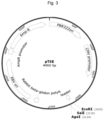
- the modified vector was named as a pScFv-Disb-HS vector, and its plasmid profile was acquired as shown in Fig. 1 . Based on this vector, the mouse immune phage antibody library was constructed.
- Step 3 an immune tube was coated with TSLP as the antigen, the antigen coating amount was 5 ⁇ g/500 ⁇ l/tube, it was coated overnight at 4°C, and then sealed with 4% skim milk powder/PBST to respectively block the immune tube and immune phage antibody library, and sealed at a room temperature for 1 h.
- the sealed immune phage antibody library was added to the immune tube for antigen-antibody binding. The amount of phages added was about 10 9 ⁇ 10 12 .
- the unbound phages were washed off with PBST-PBS and eluted with Glycine-HCl at 0.1 M and pH 2.2. Finally, the eluted phage antibody solution was neutralized with Tris-HCl at 1.5 M and pH 8.8 to about pH 7.0.
- Step 4 the above phages neutralized were infected with 10 ml of TG1 bacterial solution grown to a logarithmic phase, it was stilly placed in a 37°C incubator for 30 min, a part of the bacterial solution was taken for gradient dilution and applied on a 2YTAG plate for calculating the phage production. The remaining bacterial solution was centrifuged to discard a supernatant, a bacterial precipitate was resuspended on a small amount of a culture medium and applied on a 2YTAG large plate after being sucked, to prepare for the next round of screening.
- Step 5 the above infected bacterial cells were scraped from the large plate, inoculated into a 2YTAG liquid culture medium, and grown to a logarithmic phase, M13KO7 was added to assist in phage superinfection. It was cultured overnight at 28°C and 220 rpm to prepare phages, and the phages were precipitated and purified with PEG/NaCl for the next round of screening. A total of one round of phage library enrichment screening was conducted.
- Step 6 Screening of TSLP phage single chain antibody positive clones: after one round of screening, monoclonal colonies which were separated well were selected, inoculated on a 96-well deep well plate added with the 2YTAG liquid culture medium, and cultured at 37°C and 220 rpm until its logarithmic growth phase. About 10 10 of auxiliary phage M13KO7 was added to each well and stilly infected for 30 min at 37°C. It was centrifuged at 4000 rpm for 15 min, a supernatant was discarded, bacterial cells were resuspended to precipitate, and cultured overnight at 28°C and 220 rpm.
- Murine antibody molecule Heavy chain variable region sequence Light chain variable region sequence MA-I SEQ ID NO:17 SEQ ID NO:18 MA-II SEQ ID NO:19 SEQ ID NO:20 MA-III SEQ ID NO:21 SEQ ID NO:22 MA-IV SEQ ID NO:23 SEQ ID NO:24
- SEQ ID NO: 17 (the amino acid sequence of the heavy chain variable region of MA-I):
- the present invention further related to an anti-TSLP monoclonal antibody or an antigen-binding fragment thereof, specifically including a heavy chain variable region and a light chain variable region, herein the heavy chain variable region included 3 heavy chain complementarity-determining regions represented by HCDR1, HCDR2, and HCDR3 respectively, and the light chain variable region included 3 light chain complementarity-determining regions represented by LCDR1, LCDR2, and LCDR3 respectively.
- HCDR1, HCDR2, and HCDR3 were HCDR1, HCDR2, and HCDR3 of the heavy chain variable region shown in SEQ ID NO: 17, 19, 21, or 23 respectively; and LCDR1, LCDR2, and LCDR3 were LCDR1, LCDR2, and LCDR3 of the light chain variable region shown in SEQ ID NO: 18, 20, 22, or 24 respectively.
- Those skilled in the art might determine the CDR sequences of the known heavy chain variable region or the light chain variable region of the amino acid sequence based on common numbering systems (such as Kabat, AbM, Chothia, Contact, or IMGT). When the Kabat numbering system was used to determine CDR, the CDR sequences of the heavy chain variable region and the light chain variable region were shown in Example 1.
- Example 3 Comparison of affinity of anti-TSLP phage monoclonal antibody using gradient dilution ELISA
- Example 2 Display and purification of monoclonal phages were performed on 4 murine antibody molecules (MA-I, MA-II, MA-III, MA-III, and MA-IV) obtained in Example 2, and then a phage gradient dilution ELISA experiment was performed to identify affinity.
- Amgen Company's anti-TSLP monoclonal antibody Tezepelumab also known as AMG157, the patent application No. was CN201880026131.3 , and the patent title was "Treatment of Asthma with Anti-TSLP Antibody" was selected as a control antibody, and a specific method was as follows.
- TSLP was coated with pH 9.6 carbonate buffer solution at 100 ng/well/100 ⁇ l, coated overnight at a temperature of 4°C, and washed for three times with PBST.
- the 4 phage monoclonal antibodies screened in Example 2 were diluted respectively with PBST in a four-fold gradient, 100 ⁇ l of a diluted sample was added to each well, and it was stilly placed at a room temperature for 1 h.
- An ELISA plate was washed with PBST, and a HRP-anti-M13 (purchased from Bio-viewshine, product code: GE27-9421-01) monoclonal antibody diluted with PBST was added to the ELISA plate, and it was placed at the room temperature for 1 h.
- the 4 different murine antibody molecules screened in Example 2 might all bind to TSLP.
- the monoclonal antibody MA-I provided by the present invention had the higher affinity with TSLP.
- Example 4 of the present invention further defined that the murine antibody molecule further included a murine antibody heavy chain constant region and a murine antibody light chain constant region, and the murine antibody heavy chain constant region was selected from a heavy chain constant region of a mouse IgG1-type, IgG2a-type, IgG2b-type, or IgG3-type; herein, the amino acid sequence of the IgG1-type heavy chain constant region was shown in SEQ ID NO: 26, the amino acid sequence of the IgG2a-type heavy chain constant region was shown in SEQ ID NO: 27, the amino acid sequence of the IgG2b-type heavy chain constant region was shown in SEQ ID NO: 28, and the amino acid sequence of the IgG3-type heavy chain constant region was shown in SEQ ID NO: 29; the light chain constant region of the murine antibody was a mouse C k -type light chain constant region, and its amino acid sequence was shown in SEQ ID NO: 25; and the specific sequence was as follows.
- Example 5 of the present invention preferably defined that the murine antibody molecule included a mouse IgG1-type heavy chain constant region (its amino acid sequence was shown in SEQ ID NO: 26) and a mouse C k -type light chain constant region (its amino acid sequence was shown in SEQ ID NO: 25).
- a preparation method for the antibody was specifically as follows.
- TSLP was coated with pH 9.6 carbonate buffer solution at 100 ng/well/100 ⁇ l, and coated overnight at a temperature of 4°C. It was washed with 300 ⁇ l /well PBST for five times, 1% BSA-PBST was added, and it was sealed at 37°C for 1 h. Different dilution concentrations of MA-I, MA-II, MA-III, and MA-IV murine antibodies were added, the initial highest concentrations of all 4 antibodies were 1 ⁇ g/ml, it was diluted in a 5-fold gradient, and each antibody was diluted for a total of 8 gradients, and incubated at 37°C for 1 h.
- the 4 different murine antibodies screened might all bind to TSLP.
- the EC50 value of MA-I was the lowest, it was indicated that it had the better binding ability with TSLP.
- Example 7 Competitive inhibition experiment between murine antibody and TSLP receptor protein CRLF2
- CRLF2-Fc was coated with pH 9.6 carbonate buffer solution at 200 ng/well/100 ⁇ l and coated overnight at a temperature of 4°C. It was washed with 300 ⁇ l /well PBST for five times, 1% BSA-PBST was added, and it was sealed at 37°C for 1 h.
- TSLP-His that was diluted to 10 ⁇ g/ml with 1% BSA-PBST was firstly added at 50 ⁇ l/well, then different dilution concentrations of MA-I, MA-II, MA-III, and MA-IV murine antibodies and a control antibody were added at 50 ⁇ l/well, the initial highest concentrations of all 5 antibodies were 400 ⁇ g/ml, it was diluted in a 5-fold gradient, and each antibody was diluted for a total of 8 gradients, and incubated at 37°C for 2 h.
- the 4 different murine antibodies screened might compete with the receptor protein CRLF2.
- the IC50 value of MA-I was the lowest and significantly better than the control antibody, it was indicated that it might effectively inhibit the binding of TSLP to the receptor protein CRLF2.
- the amino acid sequence of the IgG1-type heavy chain constant region was shown in SEQ ID NO: 30, the amino acid sequence of the IgG2-type heavy chain constant region was shown in SEQ ID NO: 31, the amino acid sequence of the IgG4-type heavy chain constant region was shown in SEQ ID NO: 32, the humanized antibody light chain constant region was a human C k -type light chain constant region, and its amino acid sequence was shown in SEQ ID NO: 33.
- Example 9 of the present invention further defined that the humanized antibody constant region included the human IgG1-type heavy chain constant region (its amino acid sequence was shown in SEQ ID NO: 30) and the human C k -type light chain constant region (its amino acid sequence was shown in SEQ ID NO: 33).
- Heavy chain variable region VH (SEQ ID NO: 17) and light chain variable region VL (SEQ ID NO: 18) genes of the antibody molecule MA-I screened from the immune phage antibody library in Example 2 were cloned on a vector pTSE loaded with the heavy chain constant region and light chain constant region genes (as shown in Fig. 3 ), the heavy chain constant region was the human IgG1-type (the amino acid sequence was shown in SEQ ID NO: 30) and the light chain constant region was the human C k -type (the amino acid sequence was shown in SEQ ID NO: 33).
- Transient transfection of HEK293E cells purchasedd from the Institute of Basic Medicine, Chinese Academy of Medical Sciences, product code: GNHu43 was performed for antibody expression, to obtain the chimeric antibody CA-I.
- the sequence of the murine antibody molecule MA-I in Example 2 was compared with a human antibody lineage database (v-base), to search for human antibody light and heavy chain lineages with relatively high homology as candidate sequences.
- the CDR sequences of the murine antibody molecule MA-I were transplanted on the humanized candidate sequences for homology modeling.
- key framework amino acid residues that might play an important role in maintaining the circular structure of CDR were calculated by a three-dimensional structural simulation, as to design a reverse mutation of the humanized antibody.
- the light and heavy chain variable regions of the designed humanized antibody containing the reverse mutation were optimized and synthesized by Nanjing Genscript Biotechnology Co., Ltd., and then connected to a transient expression vector.
- Humanized light and heavy chain combinations were analyzed, to obtain the following humanized antibody molecules: HA-I, HA-II, HA-III, and HA-IV.
- the 4 monoclonal antibody sequences screened above were as follows. Monoclonal antibody Heavy chain variable region Light chain variable region HA-I SEQ ID NO:34 SEQ ID NO:35 HA-II SEQ ID NO:34 SEQ ID NO:36 HA-III SEQ ID NO:37 SEQ ID NO:38 HA-IV SEQ ID NO:37 SEQ ID NO:36
- SEQ ID NO: 34 (the amino acid sequences of the heavy chain variable regions of HA-I and HA-II):
- Example 11 of the present invention further defined that the humanized antibody molecule further included a humanized antibody constant region; and the humanized antibody constant region included a humanized antibody heavy chain constant region and a humanized antibody light chain constant region, the humanized antibody heavy chain constant region was selected from a heavy chain constant region of human IgG1-type, IgG2-type, or IgG4-type, the amino acid sequence of the IgG1-type heavy chain constant region was shown in SEQ ID NO: 30, the amino acid sequence of the IgG2-type heavy chain constant region was shown in SEQ ID NO: 31, the amino acid sequence of the IgG4-type heavy chain constant region was shown in SEQ ID NO: 32, the humanized antibody light chain constant region is a human C k -type light chain constant region, and its amino acid sequence was shown in SEQ ID NO: 33.
- Example 12 of the present invention further defined that the humanized antibody constant region included a human IgG1-type heavy chain constant region (its amino acid sequence was shown in SEQ ID NO: 30) and a human C k -type light chain constant region (its amino acid sequence was shown in SEQ ID NO: 33).
- Coding genes of the heavy chain VH and the light chain VL of the 4 humanized antibody molecules obtained by humanization in the above Example 10 were cloned into a vector pTSE loaded with heavy chain and light chain constant region genes respectively (as shown in Fig. 3 ), the heavy chain constant region was the human IgG1-type (the amino acid sequence was shown in SEQ ID NO: 30), and the light chain constant region was the human C k -type (the amino acid sequence was shown in SEQ ID NO: 33).
- a control antibody and humanized antibody molecules HA-I, HA-II, HA-III, and HA-IV were transiently transfected into HEK293 cells (purchased from the Institute of Basic Medicine, Chinese Academy of Medical Sciences, product code: GNHu43) for antibody expression, and monoclonal antibodies were obtained by protein A affinity column purification using an AKTA instrument.
- the protein concentration was determined with a BCA kit (purchased from Beijing Huitian Dongfang Science and Technology Co., Ltd., product code: BCA0020), and the protein size was identified by SDS-PAGE. Results were shown in Fig. 7 .
- Example 13 of the present invention further defined that the humanized antibody molecule was a full-length antibody or an antibody fragment, and the humanized antibody molecule included one or a combination of Fab, F(ab)2, Fv, or ScFv.
- Example 14 of the present invention further defined the following schemes.
- the present invention further provided a protein, and it contained the anti-TSLP monoclonal antibody or the antigen-binding fragment thereof as defined in any one of the above examples.
- the present invention further provided a polynucleotide molecule, and the polynucleotide molecule encoded the anti-TSLP monoclonal antibody or the antigen-binding fragment thereof as defined in any one of the above examples.
- the present invention further provided a recombinant DNA expression vector, and the recombinant DNA expression vector contained the polynucleotide molecule defined above.
- the present invention further provided a host cell transfected with the recombinant DNA expression vector defined above, and the host cell included a prokaryotic cell, a yeast cell, an insect cell, or a mammalian cell; and preferably, the host cell was the mammalian cell, and the mammalian cell was a HEK293 cell, a CHO cell, or a NS0 cell.
- the present invention further provided a drug, and the drug contained the anti-TSLP monoclonal antibody or the antigen-binding fragment thereof as defined in any one of the above examples.
- the present invention further provided a use of the anti-TSLP monoclonal antibody or the antigen-binding fragment thereof in preparation of a drug for treating an immunological disease or a cancer.
- the present invention provided a method for treating or preventing a TSLP mediated disease, the method included administering a therapeutically effective amount of the anti-TSLP monoclonal antibody to an individual in need, and the disease included an immunological disease or a cancer.
- the immunological disease included but not limited to asthma, chronic obstructive pulmonary disease, chronic eosinophilic pneumonia, idiopathic pulmonary fibrosis, and allergic dermatitis; and the asthma included severe asthma, eosinophilic or non-eosinophilic asthma, and low eosinophilic asthma.
- the cancer included but not limited to pancreatic cancer, non-small cell lung cancer, melanoma, prostate cancer, kidney cancer, colorectal cancer, or breast cancer.
- Example 15 Binding experiment between humanized antibody molecule and TSLP
- TSLP-His was coated with pH 9.6 carbonate buffer solution at 200 ng/well/100 ⁇ l, and coated overnight at a temperature of 4°C. It was washed with 300 ⁇ l /well PBST for five times, 1% BSA-PBST was added, and it was sealed at 37°C for 1 h.
- Example 16 Competitive inhibition experiment between humanized antibody and control antibody
- TSLP-His was coated with pH 9.6 carbonate buffer solution at 100 ng/well/100 ⁇ l and coated overnight at a temperature of 4°C. It was washed with 300 ⁇ l /well PBST for five times, 1% BSA-PBST was added, and it was sealed at 37°C for 1 h.
- HA-I, HA-II, HA-III, HA-IV and chimeric antibody CA-I that were diluted to 4 ⁇ g/ml with 1% BSA-PBST were firstly added at 50 ⁇ l/well, then different dilution concentrations of control antibodies were added at 50 ⁇ l/well, the initial highest concentrations of the control antibodies were 400 ⁇ g/ml, it was diluted in a 3-fold gradient, there was a total of 11 gradients, and it was incubated at 37°C for 2 h.
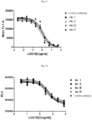
- the 4 different humanized antibodies and the chimeric antibody screened might all inhibit the binding of TSLP to the control antibody.
- the IC50 value of HA-I was the lowest and its inhibitory effect was the best.
- Example 17 Cross binding experiment between humanized antibody and different species of TSLP
- a TMB color kit was used for color development at 100 ⁇ l/well, it was color-developed at the room temperature for 5 min, then terminated with 2 M H 2 SO 4 .
- An ELISA plate was read at 450 nm/630 nm, and the corresponding EC50 value was calculated. Specific data was as follows.
- the 4 different humanized antibodies screened might all bind to the human TSLP and the cynomolgus macaque TSLP, but not to the mouse TSLP.
- HA-I had the lowest EC50 value with the human TSLP and the cynomolgus macaque, it was indicated that its binding ability was strong. It might be used for pharmacological toxicity research and safety evaluation in an experimental animal model of the cynomolgus macaque.
- Example 18 Binding inhibition experiment between TSLP and cell surface receptor by anti-TSLP monoclonal antibody
- BaF/3-TSLPR engineering cell lines were digested and counted, cells were diluted to 1 ⁇ 10 6 cells/ml with a sample diluent (its ingredients included 90% IMDM, 10% FBS, and 300 ⁇ g/ml Hygromycin), and added to a 96-well plate at 100 ⁇ l/well.
- Humanized antibodies HA-I, HA-II, HA-III, and HA-IV and a control antibody were respectively diluted to an initial concentration of 200 ⁇ g/ml with the sample diluent, and diluted in a 3-fold gradient for a total of 10 gradients.
- the diluted humanized antibodies HA-I, HA-II, HA-III, and HA-IV and control antibody were respectively added into the 96-well plate containing 100 ⁇ l of the BaF/3-TSLPR cells at 50 ⁇ l/well.
- An antigen TSLP was diluted to 8 ⁇ g/ml with the sample diluent, and added to the above well plate containing the BaF/3-TSLPR cells, the humanized antibodies, and the control antibody at 50 ⁇ l/well. After being gently mixed uniformly, the 96-well plate was placed and incubated at 4°C for 1 h. After the incubation was completed, it was centrifuged at 3000 rpm to discard a supernatant, and a cell precipitate was collected.
- a pre-diluted Goat Anti-Human IgG-Fc antibody (purchased from Southern Biotech, product code: 2048-30) was added to the plate at 100 ⁇ l/well, mixed uniformly with the cell precipitate in each well, and incubated at 4°C for 1 h. After the incubation was completed, 100 ⁇ l of phosphate buffer solution (PBS) was added to each well for washing the cells, it was centrifuged at 3000 rpm to discard a supernatant, and 100 ⁇ l of PBS was added to each well for resuspending the cell precipitate. It was detected by a flow cytometry on a machine. Data was collected and the corresponding IC50 value was calculated. Specific data was as follows. Clone HA-I HA-II HA-III HA-IV Control antibody IC50( ⁇ g/ml) 0.724 0.921 1.241 1.133 1.477
- the 4 different humanized antibodies and the control antibody screened might compete with TSLP to bind to the cell surface receptor TSLPR.
- the IC50 value of HA-I was the lowest and better than that of the control antibody, it was indicated that it had a good blocking effect on the binding of TSLP and its receptor at the cellular level.
- Example 19 Biological activity detection of anti-TSLP monoclonal antibody (reporter gene method)
- BaF/3 cells (mouse original B cells, purchased from the Cell Resource Center of the Institute of Basic Medicine, Chinese Academy of Medical Sciences, product code: 3111 C0001 CCC000095) expressing TSLPR, IL-7R ⁇ , and STAT5-Luc were digested and counted, cells were diluted to 1 ⁇ 10 6 cells/ml with a sample diluent (its ingredients included 90% IMDM, 10% FBS, 300 ⁇ g/ml Hygromycin, 0.5 ⁇ g/ml Puromycin, and 600 ⁇ g/ml Geneticin), a TSLP-RAS-His antigen was added so that its concentration was 160 ng/ml, and after being gently mixed uniformly, cell solution was added to a 96-well plate at 50 ⁇ l/well.
- Humanized antibodies HA-I, HA-II, HA-III, and HA-IV and a control antibody were respectively diluted to an initial concentration of 15 ⁇ g/ml with the sample diluent, and diluted in a 3-fold gradient for a total of 8 gradients, and two replicated wells were prepared for each sample concentration.
- the diluted HA-I, HA-II, HA-III, and HA-IV and control antibody were respectively added into the 96-well plate containing 50 ⁇ l of cell mixed solution, and after being gently mixed uniformly, the 96-well plate was placed in a cell culture incubator and incubated for 5 h under culture conditions of 37°C and 5% CO 2 .
- the 4 different humanized antibodies and the control antibody screened might bind to TSLP and compete to inhibit the binding of TSLP to the receptor complexes and exert the effects, blocking intracellular signaling pathways.
- the construction of engineering cell lines BaF/3-TSLPR-IL7R ⁇ -STAT5-Luc might simulate the proliferation response of human mast cells under the action of TSLP.
- TSLP stimulated and upregulated the expression of an intracellular proliferation signal (STAT5-Luc) by binding to the cell surface TSLPR and IL7Ra receptors.
- STAT5-Luc intracellular proliferation signal
- IC50 value of HA-I was the lowest and significantly better than the control antibody, it was indicated that it might block the binding of TSLP and its receptors at the cellular level, and had the best inhibitory effect on the cell proliferation.
- Example 20 Blocking of TSLP induced release of chemokine in mDC cell by anti-TSLP monoclonal antibody
- PBMC cells were resuscitated, a kit was used to select and obtain mature dendritic (DC) cells, the cell density was adjusted to 4 ⁇ 10 5 cells/mL with a sample diluent (its ingredients included 90% 1640 and 10% FBS), and cell suspension was added to a 96-well plate at 50 ⁇ l/well.
- Humanized antibodies HA-I, HA-II, HA-III, and HA-IV and a control antibody were respectively diluted to an initial concentration of 80 ng/ml with the sample diluent, and diluted in a 3-fold gradient for a total of 8 gradients, and two replicated wells were prepared for each sample concentration.
- ATSLP protein was diluted to 80 ng/ml with the sample diluent, and added to the 96-well plate containing the mature DC cells, the humanized antibodies, and the control antibody at 25 ⁇ l/well. After being gently mixed uniformly, the 96-well plate was placed in a CO 2 incubator and cultured overnight at 37°C. After about 24 h, a supernatant was taken at 50 ⁇ l/well. According to the instruction of a human TARC ELISA kit (purchased from Dakewei Biotechnology Co., Ltd., product code: 1117542), TARC detection was performed.
- the diluent in the kit was used to dilute the supernatant by 3 times and mix uniformly.
- the diluted supernatant and standard substances were added to sample wells at 100 ⁇ l/well, and incubated at a room temperature for 2 h. After the incubation was completed, the well plate was washed with washing solution for 3 times.
- a Biotinylated antibody diluent was added at 100 ⁇ l/well, and incubated at the room temperature for 2 h. After the incubation was completed, the well plate was washed with washing solution for 3 times. Streptavidin-HRP working solution was added at 100 ⁇ l/well, and incubated at the room temperature for 20 min.
- the 4 different humanized antibodies and the control antibody screened might all inhibit the release of the chemokine TARC from the TSLP activated mDC cells.
- the IC50 value of HA-I is the lowest and significantly better than that of the control antibody, it was indicated that it might effectively inhibit the activation effect of TSLP on mDC at the cellular level, and the inhibitory effect was the best.
- Anti-TSLP monoclonal antibody HA-I was transferred to a PBS buffer system by ultrafiltration, it was centrifuged at 12000 rpm and 4°C for 5 min, and the thermal stability of the anti-TSLP monoclonal antibody HA-I was evaluated with a multifunctional protein thermal stability analysis system (purchased from Unchained Labs). By monitoring changes in endogenous fluorescence of a protein with a temperature (starting from 25°C and heating at a rate of 0.3°C/min to 95°C), the changes in protein conformation were detected, to determine the protein melting temperature Tm and evaluate the stability of protein conformation. When a sample was aggregated, it might cause interference of scattered light waves and increase a scattered light signal.
- the temperature of the anti-TSLP monoclonal antibody HA-I was 71.7°C
- the average Tagg was 83.0 °C
- Example 22 Subcutaneous injection of anti-TSLP monoclonal antibody administered to cynomolgus macaque for 4-week toxicity test
- Test substance information anti-TSLP monoclonal antibody HA-I, prepared into an injection solution (excipients included histidine, hydrochloride histidine, sorbitol, and polysorbate 80); Reference substance information: buffer solution of anti-TSLP monoclonal antibody HA-I (ingredients included histidine, hydrochloride histidine, sorbitol, and polysorbide 80, except for the pharmaceutical ingredient anti-TSLP monoclonal antibody HA-I, other ingredients were the same as those of the injection solution) was used as a control.
- Test substance information anti-TSLP monoclonal antibody HA-I, prepared into an injection solution (excipients included histidine, hydrochloride histidine, sorbitol, and polysorbate 80); Reference substance information: buffer solution of anti-TSLP monoclonal antibody HA-I (ingredients included histidine, hydrochloride histidine, sorbitol, and polysorbide 80, except for the pharmaceutical ingredient anti-TSLP mono
- Subcutaneous injection administration the first administration was recorded as D1, afterwards it was administered once a week for 4 weeks continuously, and there was a total of 5 administrations.
- the female animals in the 300 mg/kg dose group showed an increase in FIB before the second administration (D8) and the day after the third administration (D16), and returned to normal on the day after the last administration (D30). No abnormalities were observed in the other animals.
- 1-2 hours after the first administration (D1) IL-6 was increased in the male animals in the 30 mg/kg dose group and IL-10 was increased in the female animals in the 300 mg/kg dose group, and all were recovered on the next day.
- IL-6 was increased in both male and female animals in the 300 mg/kg dose group, and returned to normal before the administration on D8.
- IL-10 was also increased in the female animals in the 300 mg/kg dose group, and returned to normal on D29, no significant abnormal changes were observed in the rest.
- Example 23 Subcutaneous injection of anti-TSLP monoclonal antibody administered to cynomolgus monkey for 13-week toxicity test
- Example 22 On the basis of Example 22, the purpose of this experimental research was to evaluate toxic reactions and toxicokinetics conditions of the anti-TSLP monoclonal antibody administered once a week and repeatedly subcutaneous-injected in cynomolgus macaques for 13 weeks, as well as recovery conditions of toxicity after 6 weeks of drug discontinuance, by injecting the anti-TSLP monoclonal antibody.
- Test substance information anti-TSLP monoclonal antibody HA-I, prepared into an injection solution (excipients included histidine, hydrochloride histidine, sorbitol, and polysorbate 80); Reference substance information: buffer solution of anti-TSLP monoclonal antibody HA-I (ingredients included histidine, hydrochloride histidine, sorbitol, and polysorbide 80, except for the pharmaceutical ingredient anti-TSLP monoclonal antibody HA-I, other ingredients were the same as those of the injection solution) was used as a control.
- Experimental animal Provided by: Beijing Eastern Biotech Biotechnology Co., Ltd.
- Subcutaneous injection administration the first administration was recorded as D1, afterwards it was administered once a week for 13 weeks continuously, and there was a total of 14 administrations; and in this experiment, the following parameters were evaluated: clinical symptom observation, body weight, food intake, body temperature, detection of accompanied safety and pharmacological indicators, electrocardiogram, blood pressure, ophthalmic examination, clinical pathological examination (blood cell count, coagulation function, blood biochemical analysis, and urine analysis), immunological indicators (immune cell phenotype, cytokines, immunoglobulins, and complements), anti-drug antibodies, and toxicokinetics.
Landscapes
- Health & Medical Sciences (AREA)
- Chemical & Material Sciences (AREA)
- Organic Chemistry (AREA)
- Life Sciences & Earth Sciences (AREA)
- General Health & Medical Sciences (AREA)
- Medicinal Chemistry (AREA)
- Engineering & Computer Science (AREA)
- Bioinformatics & Cheminformatics (AREA)
- Animal Behavior & Ethology (AREA)
- Pharmacology & Pharmacy (AREA)
- Public Health (AREA)
- Veterinary Medicine (AREA)
- Nuclear Medicine, Radiotherapy & Molecular Imaging (AREA)
- General Chemical & Material Sciences (AREA)
- Chemical Kinetics & Catalysis (AREA)
- Immunology (AREA)
- Genetics & Genomics (AREA)
- Pulmonology (AREA)
- Molecular Biology (AREA)
- Biochemistry (AREA)
- Biophysics (AREA)
- Biomedical Technology (AREA)
- Proteomics, Peptides & Aminoacids (AREA)
- Biotechnology (AREA)
- Wood Science & Technology (AREA)
- Zoology (AREA)
- General Engineering & Computer Science (AREA)
- Microbiology (AREA)
- Dermatology (AREA)
- Plant Pathology (AREA)
- Physics & Mathematics (AREA)
- Cell Biology (AREA)
- Mycology (AREA)
- Epidemiology (AREA)
- Peptides Or Proteins (AREA)
- Medicines Containing Antibodies Or Antigens For Use As Internal Diagnostic Agents (AREA)
- Preparation Of Compounds By Using Micro-Organisms (AREA)
- Micro-Organisms Or Cultivation Processes Thereof (AREA)
Applications Claiming Priority (2)
| Application Number | Priority Date | Filing Date | Title |
|---|---|---|---|
| CN202111461974.6A CN116217724B (zh) | 2021-12-02 | 2021-12-02 | 一种抗tslp的单克隆抗体、其抗原结合片段及其应用 |
| PCT/CN2022/132848 WO2023098491A1 (zh) | 2021-12-02 | 2022-11-18 | 抗tslp单克隆抗体、其抗原结合片段及其用途 |
Publications (2)
| Publication Number | Publication Date |
|---|---|
| EP4428151A1 true EP4428151A1 (de) | 2024-09-11 |
| EP4428151A4 EP4428151A4 (de) | 2025-06-18 |
Family
ID=86571779
Family Applications (1)
| Application Number | Title | Priority Date | Filing Date |
|---|---|---|---|
| EP22900296.9A Pending EP4428151A4 (de) | 2021-12-02 | 2022-11-18 | Monoklonaler anti-tslp-antikörper, antigenbindendes fragment davon und verwendung davon |
Country Status (9)
| Country | Link |
|---|---|
| US (1) | US20250042987A1 (de) |
| EP (1) | EP4428151A4 (de) |
| JP (1) | JP7785177B2 (de) |
| KR (1) | KR20240111799A (de) |
| CN (4) | CN117209604B (de) |
| AU (1) | AU2022399679B2 (de) |
| CA (1) | CA3241089A1 (de) |
| IL (1) | IL313187A (de) |
| WO (1) | WO2023098491A1 (de) |
Families Citing this family (7)
| Publication number | Priority date | Publication date | Assignee | Title |
|---|---|---|---|---|
| TW202448501A (zh) | 2023-02-02 | 2024-12-16 | 美商麥迪紐有限責任公司 | 用抗tslp抗體治療慢性鼻竇炎 |
| KR20260013478A (ko) | 2023-05-18 | 2026-01-28 | 메디뮨 엘엘씨 | 항-tslp 항체를 사용한 코르티코스테로이드 의존성 천식의 치료 |
| KR20260058856A (ko) | 2023-08-25 | 2026-04-29 | 프로테올로직스 유에스 인크. | 항-il-13 다중특이적 항체 작제물 및 이의 용도 |
| CN117964755B (zh) * | 2023-12-26 | 2025-01-21 | 华润生物医药有限公司 | 抗tslp抗体及其用途 |
| WO2025147632A1 (en) | 2024-01-05 | 2025-07-10 | Medimmune, Llc | Treatment of chronic obstructive pulmonary disease with anti-tslp antibody |
| WO2025163008A1 (en) | 2024-01-29 | 2025-08-07 | Astrazeneca Ab | Compositions of thymic stromal lymphopoietin (tslp) binding fragments and methods of use thereof |
| WO2025221247A1 (en) | 2024-04-17 | 2025-10-23 | Amgen Inc. | Treatment of eosinophilic esophagitis with anti-tslp antibody |
Family Cites Families (38)
| Publication number | Priority date | Publication date | Assignee | Title |
|---|---|---|---|---|
| KR101351122B1 (ko) * | 2003-05-09 | 2014-01-14 | 듀크 유니버시티 | Cd20-특이적 항체 및 이를 이용한 방법 |
| US8097705B2 (en) * | 2006-01-13 | 2012-01-17 | Irm Llc | Methods and compositions for treating allergic diseases |
| GB0603683D0 (en) * | 2006-02-23 | 2006-04-05 | Novartis Ag | Organic compounds |
| CN103044550A (zh) * | 2006-09-01 | 2013-04-17 | 津莫吉尼蒂克斯公司 | Il-31单克隆抗体的可变区序列和使用方法 |
| AR064333A1 (es) * | 2006-12-14 | 2009-04-01 | Schering Corp | Anticuerpo anti-tslp de diseno |
| UA100531C2 (ru) * | 2007-09-10 | 2013-01-10 | Амген Инк | Антитело, которое специфически связывается с тимическим стромальным лимфопоэтином (tslp) |
| AU2014277673A1 (en) * | 2007-09-10 | 2015-01-22 | Amgen Inc. | Antigen Binding Proteins Capable of Binding Thymic Stromal Lymphopoietin |
| US7982016B2 (en) * | 2007-09-10 | 2011-07-19 | Amgen Inc. | Antigen binding proteins capable of binding thymic stromal lymphopoietin |
| US8580714B2 (en) * | 2009-10-14 | 2013-11-12 | Janssen Biotech, Inc. | Methods of affinity maturing antibodies |
| CA2779384C (en) * | 2009-11-04 | 2018-02-27 | Schering Corporation | Engineered anti-tslp antibody |
| TW201201840A (en) * | 2010-07-15 | 2012-01-16 | Hoffmann La Roche | Antibodies specifically binding to human TSLPR and methods of use |
| AR084141A1 (es) * | 2010-11-19 | 2013-04-24 | Imai Toshio | Anticuerpos neutralizadores anti-ccl20 |
| LT3031913T (lt) * | 2013-08-09 | 2019-05-27 | Astellas Pharma Inc. | Naujas antikūnas, atpažįstantis žmogaus tslp receptorių |
| CN103525868B (zh) | 2013-10-17 | 2015-01-21 | 百泰生物药业有限公司 | 哺乳动物细胞高效表达载体的构建及应用 |
| CN105061597B (zh) * | 2015-06-09 | 2016-04-27 | 北京东方百泰生物科技有限公司 | 一种抗pd-1的单克隆抗体及其获得方法 |
| KR20180042433A (ko) * | 2015-09-09 | 2018-04-25 | 노파르티스 아게 | 흉선 기질 림포포이에틴 (tslp)-결합 항체 및 항체의 사용 방법 |
| US10000561B2 (en) * | 2015-09-09 | 2018-06-19 | Novartis Ag | Thymic stromal lymphopoietin (TSLP)-binding molecules and methods of using the molecules |
| GB201615588D0 (en) * | 2016-09-14 | 2016-10-26 | Glaxosmithkline Ip Dev Ltd | TSLP Binding Proteins |
| WO2018098277A1 (en) * | 2016-11-23 | 2018-05-31 | Eisai R&D Management Co., Ltd | Anti-folate receptor alpha antibodies and uses thereof |
| CN110325549B (zh) * | 2016-12-09 | 2024-03-08 | 艾利妥 | 抗SIRPα抗体及其使用方法 |
| JP7330896B2 (ja) * | 2017-04-12 | 2023-08-22 | アムジェン インコーポレイテッド | 抗tslp抗体による喘息治療 |
| CN109206514B (zh) * | 2017-07-03 | 2019-10-08 | 拜西欧斯(北京)生物技术有限公司 | Tslp单克隆抗体及其制备方法和应用 |
| CN109942706A (zh) * | 2017-12-21 | 2019-06-28 | 三生国健药业(上海)股份有限公司 | 结合人il-5的单克隆抗体、其制备方法和用途 |
| EP3856777A1 (de) * | 2018-09-24 | 2021-08-04 | The Medical College of Wisconsin, Inc. | Anti-cd30-antikörper und verfahren zur verwendung |
| CN109678957B (zh) * | 2018-12-06 | 2021-04-06 | 浙江工业大学 | 一种抗人tslp单克隆抗体及其制备与应用 |
| MX2021014804A (es) * | 2019-06-04 | 2022-01-18 | Jiangsu Hengrui Medicine Co | Anticuerpo capaz de unirse a la linfopoyetina estromal timica y el uso del mismo. |
| CN114401741A (zh) * | 2019-07-11 | 2022-04-26 | 拓维创新生物科技(香港)有限公司 | 干扰胸腺基质淋巴细胞生成素(tslp)受体信号传导的药剂 |
| JP7331298B2 (ja) * | 2019-09-04 | 2023-08-23 | ビオシオン インコーポレイテッド | 抗体結合tslp及びその使用 |
| CN110699327B (zh) * | 2019-10-31 | 2021-04-13 | 浙江蓝盾药业有限公司 | 杂交瘤细胞株6f9、抗体及其应用 |
| CN114887053B (zh) * | 2019-11-29 | 2026-04-24 | 康诺亚生物医药科技(成都)有限公司 | 一种tslp相关病症治疗剂的开发和应用 |
| CN110964111B (zh) * | 2019-12-25 | 2020-07-24 | 北京东方百泰生物科技有限公司 | 一种抗pd-l1单克隆抗体、其抗原结合片段及其应用 |
| CN111171150B (zh) * | 2020-02-05 | 2020-12-08 | 北京智仁美博生物科技有限公司 | 抗人tslp抗体及其用途 |
| CN111196850B (zh) * | 2020-02-07 | 2020-10-30 | 北京汇智和源生物技术有限公司 | 人胸腺基质淋巴细胞生成素单克隆抗体及其应用 |
| CN113388035B (zh) * | 2020-03-13 | 2026-02-27 | 迈威(上海)生物科技股份有限公司 | 特异性针对人tslp的抗体及其应用 |
| CN113501878B (zh) * | 2021-02-03 | 2022-12-02 | 北京智仁美博生物科技有限公司 | 针对人tslp的多种抗体及其用途 |
| CN113069543B (zh) * | 2021-06-07 | 2021-08-06 | 迈威(上海)生物科技股份有限公司 | 包含抗胸腺基质淋巴细胞生成素的单克隆抗体的液体组合物 |
| CN113402607B (zh) * | 2021-06-15 | 2022-05-10 | 北京东方百泰生物科技股份有限公司 | 一种抗lap单克隆抗体、其抗原结合片段及其应用 |
| CN113683694B (zh) * | 2021-09-03 | 2022-05-13 | 江苏荃信生物医药股份有限公司 | 一种抗人tslp单克隆抗体及其应用 |
-
2021
- 2021-12-02 CN CN202311139356.9A patent/CN117209604B/zh active Active
- 2021-12-02 CN CN202311133416.6A patent/CN117209603B/zh active Active
- 2021-12-02 CN CN202311139334.2A patent/CN117106084B/zh active Active
- 2021-12-02 CN CN202111461974.6A patent/CN116217724B/zh active Active
-
2022
- 2022-11-18 WO PCT/CN2022/132848 patent/WO2023098491A1/zh not_active Ceased
- 2022-11-18 KR KR1020247021609A patent/KR20240111799A/ko active Pending
- 2022-11-18 AU AU2022399679A patent/AU2022399679B2/en active Active
- 2022-11-18 CA CA3241089A patent/CA3241089A1/en active Pending
- 2022-11-18 US US18/715,731 patent/US20250042987A1/en active Pending
- 2022-11-18 IL IL313187A patent/IL313187A/en unknown
- 2022-11-18 JP JP2024531546A patent/JP7785177B2/ja active Active
- 2022-11-18 EP EP22900296.9A patent/EP4428151A4/de active Pending
Also Published As
| Publication number | Publication date |
|---|---|
| CN117209604A (zh) | 2023-12-12 |
| CA3241089A1 (en) | 2023-06-08 |
| CN117106084B (zh) | 2024-03-22 |
| JP7785177B2 (ja) | 2025-12-12 |
| CN116217724A (zh) | 2023-06-06 |
| WO2023098491A1 (zh) | 2023-06-08 |
| CN117106084A (zh) | 2023-11-24 |
| AU2022399679A1 (en) | 2024-06-20 |
| CN117209603B (zh) | 2024-02-27 |
| CN116217724B (zh) | 2023-10-27 |
| JP2024541557A (ja) | 2024-11-08 |
| AU2022399679B2 (en) | 2026-04-23 |
| KR20240111799A (ko) | 2024-07-17 |
| EP4428151A4 (de) | 2025-06-18 |
| CN117209603A (zh) | 2023-12-12 |
| US20250042987A1 (en) | 2025-02-06 |
| CN117209604B (zh) | 2024-03-22 |
| IL313187A (en) | 2024-07-01 |
Similar Documents
| Publication | Publication Date | Title |
|---|---|---|
| US20250042987A1 (en) | Anti-TSLP Monoclonal Antibody, Antigen-Binding Fragment Thereof and Use Thereof | |
| JP7454882B2 (ja) | 抗ヒトインターロイキン-4受容体α抗体及びその調製方法並びに使用 | |
| WO2021155861A1 (zh) | 人胸腺基质淋巴细胞生成素单克隆抗体及其应用 | |
| CN114621345B (zh) | 一种抗lag-3的单克隆抗体、其抗原结合片段及其应用 | |
| CN108409860A (zh) | 抗人白细胞介素-4受体α单克隆抗体、其制备方法和应用 | |
| TWI886935B (zh) | 一種結合il-11的抗體、其抗原結合片段及用途 | |
| CN113234157B (zh) | 亲和力成熟的人源化抗人il-33单克隆抗体及其应用 | |
| EP4471060A1 (de) | Anti-interleukin-11-antikörper und verwendung davon | |
| CN116251181B (zh) | 一种抗tslp单克隆抗体的注射制剂 | |
| CN120721971B (zh) | 一种抗il-11单克隆抗体生物学活性的检测方法 | |
| HK40087909B (zh) | 一种抗tslp的单克隆抗体、其抗原结合片段及其应用 | |
| HK40087909A (zh) | 一种抗tslp的单克隆抗体、其抗原结合片段及其应用 | |
| EA050982B1 (ru) | Моноклональное антитело против tslp, его антигенсвязывающие фрагменты и их применение | |
| CN116217725B (zh) | 一种抗tslp单克隆抗体的纯化方法 | |
| HK40120033A (zh) | 一种结合il-11的抗体、其抗原结合片段及应用 | |
| HK40120033B (zh) | 一种结合il-11的抗体、其抗原结合片段及应用 | |
| JP2026512312A (ja) | 抗tl1a抗体およびその調製方法並びに使用 | |
| WO2021218574A1 (zh) | 结合人ngf的抗体、其制备方法和用途 |
Legal Events
| Date | Code | Title | Description |
|---|---|---|---|
| STAA | Information on the status of an ep patent application or granted ep patent |
Free format text: STATUS: THE INTERNATIONAL PUBLICATION HAS BEEN MADE |
|
| PUAI | Public reference made under article 153(3) epc to a published international application that has entered the european phase |
Free format text: ORIGINAL CODE: 0009012 |
|
| STAA | Information on the status of an ep patent application or granted ep patent |
Free format text: STATUS: REQUEST FOR EXAMINATION WAS MADE |
|
| 17P | Request for examination filed |
Effective date: 20240603 |
|
| AK | Designated contracting states |
Kind code of ref document: A1 Designated state(s): AL AT BE BG CH CY CZ DE DK EE ES FI FR GB GR HR HU IE IS IT LI LT LU LV MC ME MK MT NL NO PL PT RO RS SE SI SK SM TR |
|
| DAV | Request for validation of the european patent (deleted) | ||
| DAX | Request for extension of the european patent (deleted) | ||
| RIC1 | Information provided on ipc code assigned before grant |
Ipc: A61P 37/00 20060101ALI20250212BHEP Ipc: A61P 35/00 20060101ALI20250212BHEP Ipc: A61K 39/395 20060101ALI20250212BHEP Ipc: C12N 5/07 20100101ALI20250212BHEP Ipc: C12N 15/11 20060101ALI20250212BHEP Ipc: C12N 15/63 20060101ALI20250212BHEP Ipc: C07K 16/24 20060101AFI20250212BHEP |
|
| RIC1 | Information provided on ipc code assigned before grant |
Ipc: A61P 37/00 20060101ALI20250502BHEP Ipc: A61P 35/00 20060101ALI20250502BHEP Ipc: A61K 39/395 20060101ALI20250502BHEP Ipc: C12N 5/07 20100101ALI20250502BHEP Ipc: C12N 15/11 20060101ALI20250502BHEP Ipc: C12N 15/63 20060101ALI20250502BHEP Ipc: C07K 16/24 20060101AFI20250502BHEP |
|
| A4 | Supplementary search report drawn up and despatched |
Effective date: 20250516 |