EP4431498A1 - Neuartiges oxadiazolderivat und verwendung davon - Google Patents
Neuartiges oxadiazolderivat und verwendung davon Download PDFInfo
- Publication number
- EP4431498A1 EP4431498A1 EP22890496.7A EP22890496A EP4431498A1 EP 4431498 A1 EP4431498 A1 EP 4431498A1 EP 22890496 A EP22890496 A EP 22890496A EP 4431498 A1 EP4431498 A1 EP 4431498A1
- Authority
- EP
- European Patent Office
- Prior art keywords
- cancer
- compound
- trifluoromethyl
- oxadiazol
- chemical formula
- Prior art date
- Legal status (The legal status is an assumption and is not a legal conclusion. Google has not performed a legal analysis and makes no representation as to the accuracy of the status listed.)
- Pending
Links
Images




Classifications
-
- C—CHEMISTRY; METALLURGY
- C07—ORGANIC CHEMISTRY
- C07D—HETEROCYCLIC COMPOUNDS
- C07D271/00—Heterocyclic compounds containing five-membered rings having two nitrogen atoms and one oxygen atom as the only ring hetero atoms
- C07D271/02—Heterocyclic compounds containing five-membered rings having two nitrogen atoms and one oxygen atom as the only ring hetero atoms not condensed with other rings
- C07D271/10—1,3,4-Oxadiazoles; Hydrogenated 1,3,4-oxadiazoles
- C07D271/113—1,3,4-Oxadiazoles; Hydrogenated 1,3,4-oxadiazoles with oxygen, sulfur or nitrogen atoms, directly attached to ring carbon atoms, the nitrogen atoms not forming part of a nitro radical
-
- A—HUMAN NECESSITIES
- A61—MEDICAL OR VETERINARY SCIENCE; HYGIENE
- A61K—PREPARATIONS FOR MEDICAL, DENTAL OR TOILETRY PURPOSES
- A61K31/00—Medicinal preparations containing organic active ingredients
- A61K31/33—Heterocyclic compounds
- A61K31/395—Heterocyclic compounds having nitrogen as a ring hetero atom, e.g. guanethidine or rifamycins
- A61K31/41—Heterocyclic compounds having nitrogen as a ring hetero atom, e.g. guanethidine or rifamycins having five-membered rings with two or more ring hetero atoms, at least one of which being nitrogen, e.g. tetrazole
- A61K31/4245—Oxadiazoles
-
- A—HUMAN NECESSITIES
- A61—MEDICAL OR VETERINARY SCIENCE; HYGIENE
- A61K—PREPARATIONS FOR MEDICAL, DENTAL OR TOILETRY PURPOSES
- A61K31/00—Medicinal preparations containing organic active ingredients
- A61K31/33—Heterocyclic compounds
- A61K31/395—Heterocyclic compounds having nitrogen as a ring hetero atom, e.g. guanethidine or rifamycins
- A61K31/495—Heterocyclic compounds having nitrogen as a ring hetero atom, e.g. guanethidine or rifamycins having six-membered rings with two or more nitrogen atoms as the only ring heteroatoms, e.g. piperazine or tetrazines
-
- A—HUMAN NECESSITIES
- A61—MEDICAL OR VETERINARY SCIENCE; HYGIENE
- A61K—PREPARATIONS FOR MEDICAL, DENTAL OR TOILETRY PURPOSES
- A61K45/00—Medicinal preparations containing active ingredients not provided for in groups A61K31/00 - A61K41/00
- A61K45/06—Mixtures of active ingredients without chemical characterisation, e.g. antiphlogistics and cardiaca
-
- A—HUMAN NECESSITIES
- A61—MEDICAL OR VETERINARY SCIENCE; HYGIENE
- A61P—SPECIFIC THERAPEUTIC ACTIVITY OF CHEMICAL COMPOUNDS OR MEDICINAL PREPARATIONS
- A61P25/00—Drugs for disorders of the nervous system
-
- A—HUMAN NECESSITIES
- A61—MEDICAL OR VETERINARY SCIENCE; HYGIENE
- A61P—SPECIFIC THERAPEUTIC ACTIVITY OF CHEMICAL COMPOUNDS OR MEDICINAL PREPARATIONS
- A61P25/00—Drugs for disorders of the nervous system
- A61P25/28—Drugs for disorders of the nervous system for treating neurodegenerative disorders of the central nervous system, e.g. nootropic agents, cognition enhancers, drugs for treating Alzheimer's disease or other forms of dementia
-
- A—HUMAN NECESSITIES
- A61—MEDICAL OR VETERINARY SCIENCE; HYGIENE
- A61P—SPECIFIC THERAPEUTIC ACTIVITY OF CHEMICAL COMPOUNDS OR MEDICINAL PREPARATIONS
- A61P35/00—Antineoplastic agents
-
- C—CHEMISTRY; METALLURGY
- C07—ORGANIC CHEMISTRY
- C07D—HETEROCYCLIC COMPOUNDS
- C07D271/00—Heterocyclic compounds containing five-membered rings having two nitrogen atoms and one oxygen atom as the only ring hetero atoms
- C07D271/02—Heterocyclic compounds containing five-membered rings having two nitrogen atoms and one oxygen atom as the only ring hetero atoms not condensed with other rings
- C07D271/06—1,2,4-Oxadiazoles; Hydrogenated 1,2,4-oxadiazoles
-
- C—CHEMISTRY; METALLURGY
- C07—ORGANIC CHEMISTRY
- C07D—HETEROCYCLIC COMPOUNDS
- C07D413/00—Heterocyclic compounds containing two or more hetero rings, at least one ring having nitrogen and oxygen atoms as the only ring hetero atoms
- C07D413/02—Heterocyclic compounds containing two or more hetero rings, at least one ring having nitrogen and oxygen atoms as the only ring hetero atoms containing two hetero rings
- C07D413/04—Heterocyclic compounds containing two or more hetero rings, at least one ring having nitrogen and oxygen atoms as the only ring hetero atoms containing two hetero rings directly linked by a ring-member-to-ring-member bond
-
- C—CHEMISTRY; METALLURGY
- C07—ORGANIC CHEMISTRY
- C07D—HETEROCYCLIC COMPOUNDS
- C07D413/00—Heterocyclic compounds containing two or more hetero rings, at least one ring having nitrogen and oxygen atoms as the only ring hetero atoms
- C07D413/02—Heterocyclic compounds containing two or more hetero rings, at least one ring having nitrogen and oxygen atoms as the only ring hetero atoms containing two hetero rings
- C07D413/10—Heterocyclic compounds containing two or more hetero rings, at least one ring having nitrogen and oxygen atoms as the only ring hetero atoms containing two hetero rings linked by a carbon chain containing aromatic rings
-
- C—CHEMISTRY; METALLURGY
- C07—ORGANIC CHEMISTRY
- C07D—HETEROCYCLIC COMPOUNDS
- C07D413/00—Heterocyclic compounds containing two or more hetero rings, at least one ring having nitrogen and oxygen atoms as the only ring hetero atoms
- C07D413/14—Heterocyclic compounds containing two or more hetero rings, at least one ring having nitrogen and oxygen atoms as the only ring hetero atoms containing three or more hetero rings
Definitions
- the present disclosure relates to a novel oxadiazole derivative and use thereof.
- NADPH oxidase is a family of enzymes with six trans-membrane domains that transfer electrons across biological membranes. These enzymes have been implicated in a variety of pathogenesis through their broad and specific regulation of redox-sensitive signaling pathways.
- the electron acceptor is oxygen
- a product of the electron transfer reaction is superoxide. Therefore, the main biological function of NOX enzyme is the production of reactive oxygen species (ROS) from oxygen.
- ROS reactive oxygen species
- ROS are small molecules derived from oxygen and include oxygen radicals (super-oxide anions [*O 2 ], hydroxyl [HO*], peroxyl [ROO*], alkoxyl [RO*], and hydroperoxyl [HOO*]), as well as other oxidants and/or non-radical compounds that are readily converted to radicals such as hydrogen peroxide (H 2 O 2 ).
- NOX1, NOX2, and NOX4 are diseases of the central nervous system, including Parkinson's disease, Alzheimer's disease, and the like, commonly involve oxidative stress, inflammation, microglial activation, and progressive neuronal death in the onset and progression of the disease.
- the expression of NOX1, NOX2, and NOX4 is increased in the brains of Parkinson's disease patients, Alzheimer's disease patients, and amyotrophic lateral sclerosis patients, and neuroprotective effects have been reported when NOX is knocked out or genetically inactivated in disease-induced experimental animals (Parkinson's animal model caused by herbicides, LPS, MPP+, etc., Alzheimer's animal model with APP overexpression, and SOD1 mutant amyotrophic lateral sclerosis animal model).
- NOX is known to play an important role in cancer growth, angiogenesis, and metastasis. It has been reported that NOX is overexpressed in epithelial cancers, particularly colorectal, prostate, and breast cancers, and it is associated with the active form of K-Ras. Further, anticancer effects of substances that inhibit NOX have been confirmed in animal experiments.
- NADPH oxidase plays an important role in cellular function.
- the present inventors have identified novel oxadiazole derivatives as NOX inhibitors with excellent activity.
- this NOX inhibition has preventive and/or therapeutic effects on neurodegenerative diseases such as Parkinson's disease and Alzheimer's disease, cancers including various brain carcinomas, and various diseases associated with inhibition of angiogenesis, and completed The present disclosure.
- An object of The present disclosure is to provide a novel oxadiazole derivative or a pharmaceutically acceptable salt thereof.
- Another object of The present disclosure is to provide use of the novel oxadiazole derivative or the pharmaceutically acceptable salt thereof.
- the halogen is F, Cl, Br, or I.
- the 5-6 membered heteroaryl containing at least one heteroatom selected from O, S and N may be at least any one selected from the group consisting of furanyl, thienyl, pyrrolyl, parazinyl, pyridazinyl, imidazolyl, pyrazolyl, pyrimidinyl, oxazolyl and pyridinyl.
- the compound represented by Chemical Formula 1 above may be a compound represented by the following Chemical Formula 2 or a pharmaceutically acceptable salt thereof: in Chemical Formula 2 above,
- the compound represented by Chemical Formula 1 above may be a compound represented by the following Chemical Formula 3-1 or a pharmaceutically acceptable salt thereof: in Chemical Formula 3-1 above,
- R a may be hydrogen, Br, Cl, -CF 3 , furanyl or thienyl, and R b may be F or I.
- the compound represented by Chemical Formula 1 above may be a compound represented by the following Chemical Formula 3-2 or a pharmaceutically acceptable salt thereof: in Chemical Formula 3-2 above,
- R a may be hydrogen, Br, Cl, -CF 3 , furanyl or thienyl, and R b may be F.
- the compound represented by Chemical Formula 1 above may be a compound represented by the following Chemical Formula 4-1 or a pharmaceutically acceptable salt thereof: in Chemical Formula 4-1 above, R b is a halogen.
- the compound represented by Chemical Formula 1 above may be a compound represented by the following Chemical Formula 4-2 or a pharmaceutically acceptable salt thereof: in Chemical Formula 4-2 above, R b is a halogen.
- the compound represented by Chemical Formula 1 above may be a compound in which R a is F, Cl, Br, I, CF 3 , furanyl, thienyl, or pyrrolyl, R b is F, Cl, Br, or I, and n is 1.
- the compound represented by Chemical Formula 1 above may be a compound in which R a is hydrogen, R b is F, Cl, Br or I, and n is 1.
- the compound represented by Chemical Formula 1 above may be a compound in which R a is Cl, Br, or CF 3 , R b is F, and n is 1.
- the compound represented by Chemical Formula 1 above may be a compound in which R a is furanyl, thienyl, or pyrrolyl, R b is F, and n is 1.
- the compound represented by Chemical Formula 1 above may be a compound in which R a is Br or Cl, R b is F, and n is 1.
- the compound represented by Chemical Formula 1 above may be a compound in which R a is hydrogen, R b is F or I, and n is 1.
- the compound represented by Chemical Formula 1 above may be a compound in which R a is CF 3 , R b is F, and n is 1.
- the compound represented by Chemical Formula 1 above may be a compound in which R a is furanyl, R b is F, and n is 1.
- the compound represented by Chemical Formula 1 above may be a compound in which R a is thienyl, R b is F, and n is 1.
- the compound represented by Chemical Formula 2 above may be a compound in which R a is F, Cl, Br, I, or CF 3 , R b1 is F, Cl, Br, or I, and R b2 is hydrogen.
- the compound represented by Chemical Formula 2 above may be a compound in which R a is F, Cl, Br, I, or CF 3 , R b1 is hydrogen, and R b2 is F, Cl, Br or I.
- the compound represented by Chemical Formula 2 above may be a compound in which R a is hydrogen, R b1 is F, Cl, Br, or I, and R b2 is hydrogen.
- the compound represented by Chemical Formula 2 above may be a compound in which R a is hydrogen, R b1 is hydrogen, and R b2 is F, Cl, Br, or I.
- the compound represented by Chemical Formula 2 above may be a compound in which R a is furanyl, thienyl, or pyrrolyl, R b1 is F, Cl, Br, or I, and R b2 is hydrogen.
- the compound represented by Chemical Formula 2 above may be a compound in which R a is furanyl, thienyl, or pyrrolyl, R b1 is hydrogen, and R b2 is F, Cl, Br, or I.
- the compound represented by Chemical Formula 2 above may be a compound in which R a is hydrogen, F, Cl, Br, I, or CF 3 , R b1 is F or I, and R b2 is hydrogen.
- the compound represented by Chemical Formula 2 above may be a compound in which R a is hydrogen, F, Cl, Br, I, or CF 3 , R b1 is hydrogen, and R b2 is F.
- the compound represented by Chemical Formula 2 above may be a compound in which R a is furanyl or thienyl, R b1 is F, and R b2 is hydrogen.
- the compound represented by Chemical Formula 2 above may be a compound in which R a is furanyl or thienyl, R b1 is hydrogen, and R b2 is F.
- the compound represented by Chemical Formula 1 may be any one selected from the group consisting of the following compounds:
- the compound represented by Chemical Formula 1 may be any one selected from the group consisting of the following compounds: Example No. Structure Example No. Structure 1 2 3 4 5 6 7 8 9 10 11 12 13
- the pharmaceutically acceptable salt means a salt commonly used in the pharmaceutical industry, and may include, for example, inorganic ion salts prepared from calcium, potassium, sodium, magnesium, and the like, inorganic acid salts prepared from hydrochloric acid, nitric acid, phosphoric acid, bromic acid, iodic acid, perchloric acid, and sulfuric acid, and the like; organic acid salts prepared from acetic acid, trifluoroacetic acid, citric acid, maleic acid, succinic acid, oxalic acid, benzoic acid, tartaric acid, fumaric acid, manderic acid, propionic acid, lactic acid, glycolic acid, gluconic acid, galacturonic acid, glutamic acid, glutaric acid, glucuronic acid, aspartic acid, ascorbic acid, carbonic acid, vanillic acid, hydroiodic acid, and the like; sulfonic acid salts prepared from methanesulfonic acid, ethanesulf
- the present disclosure provides a pharmaceutical composition
- a pharmaceutical composition comprising: the compound represented by Chemical Formula 1 above or a pharmaceutically acceptable salt thereof.
- the present disclosure provides a pharmaceutical composition
- a pharmaceutical composition comprising: the compound represented by Chemical Formula 1 above or a pharmaceutically acceptable salt thereof; and a pharmaceutically acceptable carrier.
- NADPH oxidase (NOX) inhibitor comprising: the compound represented by Chemical Formula 1 above or a pharmaceutically acceptable salt thereof.
- the compounds according to The present disclosure exhibit excellent effects in inhibiting NOX (NADPH oxidase), which may be utilized in various therapeutic uses.
- the present disclosure provides a pharmaceutical composition for preventing or treating NADPH oxidase (NOX)-related diseases, comprising: the compound represented by Chemical Formula 1 above or a pharmaceutically acceptable salt thereof.
- NOX NADPH oxidase
- ROS reactive oxygen species
- NOX has been identified as a top regulator of both oxidative stress and neuroinflammation. Therefore, inactivation or pharmacological inhibition of NOX may have potent neuroprotective effects (e.g., protection of dopaminergic neurons, amelioration of microglial pathology, etc.) and behavioral improvements in a wide range of neurological diseases.
- NOX overexpression of NOX is well documented in various cancers, especially brain carcinomas, and inhibition thereof may be highly effective in treating the diseases.
- Reactive oxygen species generated by NOX are pathophysiologically relevant in cancer, as they are associated with altered signal transduction, an environment related to tumor formation and growth, angiogenesis, gene instability, and metastasis.
- NOX1 has been reported to be associated with colon cancer proliferation
- NOX2 is associated with breast cancer, colorectal cancer, gastric cancer, prostate cancer, and myelomonocytic leukemia, etc.
- NOX4 has been linked to non-small cell lung cancer, gastric cancer, and neuroblastoma; NOX5 to prostate cancer, breast cancer, melanoma, and lung cancer; and Duox1 to lung and liver cancer.
- NOX inhibitors may have anti-tumor effects, restore sensitivity to immunotherapy, and/or improve response to immunotherapy. Further, NOX inhibitors may have anti-angiogenic effects. They may also inhibit the expression of inflammatory factors.
- NADPH oxidase (NOX)-related diseases may comprise, for example, psoriasis, rheumatoid arthritis, osteoarthritis, atherosclerosis, ulcers, liver cirrhosis, glomerulonephritis, diabetic nephropathy, malignant nephrosclerosis, thrombotic microangiopathy, organ transplant rejection, diabetes, hypertension, cardiac hypertrophy, heart failure, restenosis, cancer, autoimmune diseases, inflammatory diseases, degenerative brain diseases, retinal diseases, and the like.
- the autoimmune diseases include alopecia areata, ankylosing spondylitis, antiphospholipid syndrome, autoimmune diseases of adrenal glands, autoimmune hemolytic anemia, autoimmune hepatitis, autoimmune oophoritis, autoimmune orchitis, autoimmune thrombocytopenia, Behçet's disease, bullous pemphigoid, cardiomyopathy, chronic fatigue immune dysfunction syndrome, chronic inflammatory demyelinating polyneuropathy, cicatricial pemphigoid, CREST syndrome, cold agglutinin disease, Crohn's disease, discoid lupus, Graves' disease, Guillain-Barré syndrome, Hashimoto's thyroiditis, idiopathic pulmonary fibrosis, idiopathic thrombocytopenic purpura, IgA neuritis, juvenile arthritis, lichen planus, Meniere's disease, mixed connective tissue disease, multiple sclerosis, type I or immune-mediated diabetes mellitus, my
- inflammatory diseases capable of being prevented or treated by the composition of The present disclosure include asthma, encephalitis, inflammatory enteritis, chronic obstructive pulmonary disease, allergy, septic shock, pulmonary fibrosis, undifferentiated spondyloarthropathy, undifferentiated arthropathy, arthritis, inflammatory osteolysis, and chronic inflammation due to chronic viral or bacterial infection, but the inflammatory diseases are not limited thereto.
- examples of cancers capable of being prevented or treated by the composition of The present disclosure include brain cancer, neuroendocrine cancer, gastric cancer, lung cancer, breast cancer, ovarian cancer, liver cancer, bronchial cancer, nasopharyngeal cancer, laryngeal cancer, pancreatic cancer, bladder cancer, adrenal cancer, colorectal cancer, colon cancer, cervical cancer, prostate cancer, bone cancer, skin cancer, thyroid cancer, parathyroid cancer and ureter cancer, but the cancer is not limited thereto.
- the cancer may be, in particular, brain cancer.
- the brain cancer may be, for example, at least any one selected from the group consisting of astrocytoma, glioblastoma, ependymoma, oligodendroglioma, mixed glioma, brain stem glioma, optic nerve glioma, pituitary adenoma, craniopharyngioma, medulloblastoma, primitive neuroectodermal tumors, pineal tumors, meningioma, schwannoma, metastatic brain tumors, CNS lymphoma, neurofibromatosis, pseudotumor cerebri, and tuberous sclerosis.
- the compound represented by Chemical Formula 1 according to The present disclosure or a pharmaceutically acceptable salt thereof is useful for preventing or treating degenerative brain diseases.
- the present disclosure provides a pharmaceutical composition for preventing or treating degenerative brain diseases, comprising: the compound represented by Chemical Formula 1 above or a pharmaceutically acceptable salt thereof.
- Non-limiting examples of degenerative brain diseases in The present disclosure may include Parkinson's disease, Huntington's disease, Alzheimer's disease, mild cognitive impairment, senile dementia, amyotrophic lateral sclerosis, spinocerebellar atrophy, Tourette's syndrome, Friedrich's Ataxia, Machado-Joseph's disease, Lewy body dementia, dystonia, progressive supranuclear palsy, and frontotemporal dementia.
- the compound represented by Chemical Formula 1 according to The present disclosure or a pharmaceutically acceptable salt thereof is useful for preventing or treating retinal diseases.
- the present disclosure provides a pharmaceutical composition for preventing or treating retinal diseases, comprising: the compound represented by Chemical Formula 1, or a pharmaceutically acceptable salt thereof.
- Non-limiting examples of retinal diseases in The present disclosure may include glaucoma, retinopathy of prematurity, proliferative retinopathy, corneal transplant rejection, proliferative vitreoretinopathy, diabetic retinopathy, macular degeneration, choroidal neovascularization, retinal edema, and the like.
- the macular degeneration may be wet macular degeneration or dry macular degeneration.
- the oxadiazole derivatives according to The present disclosure have a good effect on NOX inhibition.
- NOX NADPH oxidase
- the oxadiazole derivatives according to The present disclosure may be effective in the treatment of diseases by inhibiting the migratory ability of microglial cell lines.
- the oxadiazole derivatives according to The present disclosure exhibit molecular biological and histological improvements in Parkinson's disease models, including protection of dopaminergic neurons and amelioration of microglial pathology, and these effects are accompanied by behavioral therapeutic effects.
- the oxadiazole derivatives according to The present disclosure are effective in reducing amyloid plaque deposition, inhibiting the activity of astrocytes and microglia, and improving cognitive function, spatial memory, short-term and long-term memory in Alzheimer's disease models.
- the oxadiazole derivatives according to The present disclosure have the advantages of good metabolic stability and high brain barrier blood (BBB) permeability. Accordingly, the oxadiazole derivatives according to The present disclosure have potential for use in the treatment of degenerative brain diseases and/or brain carcinomas where BBB permeation may be important.
- BBB brain barrier blood
- the oxadiazole derivatives according to The present disclosure exhibit growth inhibitory and proliferation inhibitory effects on glioblastoma, and also exhibit good anticancer effects in combination with other anticancer drugs.
- the present disclosure also provides a pharmaceutical composition for preventing or treating cancer, comprising: the compound represented by Chemical Formula 1 above or a pharmaceutically acceptable salt thereof; and a second anticancer agent.
- the second anti-cancer agent may be, for example, any compound known to exhibit anti-cancer effects.
- the second anti-cancer agent may be any one selected from the group consisting of bifunctional alkylating agents (preferably Cyclophosphamide, Mechlorethamine, Chlorambucil or Melphalan); monofunctional alkylating agents (preferably dacarbazine (DTIC), Nitrosourea or Temozolomide); Anthracyclines (preferably Daunorubicin, Doxorubicin, Epirubicin, Idarubicin, Mitoxantrone or Valrubicin); Taxanes (preferably Paclitaxel, Docetaxel, Nab-paclitaxel or Taxotere); Epothilone (preferably Patupilone, Sagopilone or Ixabepilone); Deacetylase inhibitors (preferably Vorinostat or Romidepsin); Inhibitors of Topoisomerase I (preferably Irinotecan or Topotecan); Inhibi
- Cyclophosphamide More preferably, it may be at least any one selected from the group consisting of Cyclophosphamide; Melphalan; Docetaxel; Paclitaxel; Nab-paclitaxel; Carboplatin; Cisplatin; Oxaliplatin; Methotrexate; Pemetrexed; Azathioprine; Capecitabine; Fluouracil; Mercaptopurine; Gemcitabine; Bleomycin; Actinomycin; Vincristine; Vinblastine; Vinorelbine; Retinoic acid; Temozolomide; Daunorubicin; Doxorubicin; Irinotecan; and Topotecan.
- Cyclophosphamide Melphalan
- Docetaxel Paclitaxel
- Nab-paclitaxel Carboplatin
- Cisplatin Cisplatin
- Oxaliplatin Methotrexate
- Pemetrexed Azathioprine
- Capecitabine Fluouracil
- the compound represented by Chemical Formula 1 and the second anti-cancer agent according to The present disclosure are administered simultaneously, for example, as a single composition, or sequentially, for example, as two separate compositions. It is essential that an effective amount of the first administered compound/agent remains within the patient's body upon administration of the second compound/agent.
- the combination of a compound represented by Chemical Formula 1 and the second anti-cancer agent may be formulated for simultaneous administration, separate administration, or sequential administration. In particular, if the administration of the compounds is not simultaneous, the compounds are administered at relatively close times to each other. Further, the compounds may be administered in the same or different dosage forms or by the same or different routes of administration, for example, one compound may be administered topically and the other may be administered orally.
- the combination of two compounds is administered, for example, - as a combination that is part of the same medicinal formulation (then the two compounds are always administered at the same time); as a combination of two units/compositions (each containing one of the substances, with the possibility of simultaneous, sequential or separate administration).
- the combination treatments according to The present disclosure may be utilized for the treatment through combination of two or more types in a positive manner in that it exhibits a synergistic effect.
- NOX In patients with brain tumor treated with temozolomide, lower expression of NOX was associated with increased survival, and in the case of Avastin, increased expression of NOX was associated with increased resistance to the drug. Thus, the expression of NOX appears to be strongly associated with resistance to anticancer drugs, and therefore, combination therapy with NOX inhibitors is needed.
- the pharmaceutical composition of The present disclosure may further comprise at least one pharmaceutically acceptable carrier in addition to the compound represented by Chemical Formula 1 or a pharmaceutically acceptable salt thereof.
- the pharmaceutically acceptable carrier may be saline, sterile water, Ringer's solution, buffered saline, dextrose solution, maltodextrin solution, glycerol, ethanol, or a mixture of one or more of these components, and, if necessary, may contain other conventional additives such as antioxidants, buffers, bacteriostatic agents, and the like.
- compositions may be formulated into injectable formulations such as aqueous solutions, suspensions, emulsions, and the like, pills, capsules, granules or tablets by further adding diluents, dispersants, surfactants, binders and lubricants.
- the pharmaceutical composition of The present disclosure may be a patch, liquid, pill, capsule, granule, tablet, suppository, or the like.
- composition of The present disclosure may be administered orally or parenterally (for example, intravenous, subcutaneous, intraperitoneal or topical application) according to the desired method, and the dosage varies depending on the patient's weight, age, sex, health condition, diet, administration time, administration method, excretion rate, and type and severity of the disease.
- the daily dosage of the compound of The present disclosure is about 0.01 to 1000 mg/kg, preferably 0.1 to 100 mg/kg, and may be divided and administered once or several times a day.
- a dosage of the co-administered second anti-cancer agent may be adjusted within an appropriate range known to those skilled in the art, in consideration of the daily dosage of Chemical Formula 1 above.
- the composition may be administered through any general route as long as the composition is able to reach the target tissue, but for example, the composition may be administered through intradermal injection, intravein injection, intraperitoneal injection, intravitreal injection, subcutaneous injection using an osmotic pump, or the like.
- the pharmaceutical composition of The present disclosure may further comprise at least one active ingredient exhibiting the same or similar efficacy in addition to the compound represented by Chemical Formula 1 or a pharmaceutically acceptable salt thereof.
- the present disclosure provides a method for treating or preventing NADPH oxidase (NOX)-related diseases, comprising: administering, to a subject in need thereof, a therapeutically effective amount of the compound represented by Chemical Formula 1, or a pharmaceutically acceptable salt thereof.
- NOX NADPH oxidase
- the present disclosure provides a method for treating or preventing degenerative brain diseases, comprising: administering, to a subject in need thereof, a therapeutically effective amount of the compound represented by Chemical Formula 1, or a pharmaceutically acceptable salt thereof.
- the present disclosure provides a method for treating or preventing cancer, comprising: administering, to a subject in need thereof, a therapeutically effective amount of the compound represented by Chemical Formula 1, or a pharmaceutically acceptable salt thereof.
- terapéuticaally effective amount refers to an amount of the compound represented by Chemical Formula 1, or a pharmaceutically acceptable salt effective for preventing or treating the diseases.
- the treatment method of The present disclosure includes not only treating the disease itself prior to the onset of symptoms, but also inhibiting or avoiding symptoms thereof, by administering the compound represented by Chemical Formula 1.
- a prophylactic or therapeutic dose of a particular active ingredient will vary depending on the nature and severity of the disease or condition and the route by which the active ingredient is administered.
- the dose and frequency of dose will vary depending on the individual patient's age, weight and response.
- a suitable dosage regimen may be readily selected by those skilled in the art who take these factors for granted.
- the treatment method of The present disclosure may further comprise administering a therapeutically effective amount of an additional active agent to aid in the treatment of the disease, in combination with the compound represented by Chemical Formula 1 above, wherein the additional active agent may have a synergistic or adjuvant effect with the compound represented by Chemical Formula 1 above.
- the present disclosure provides a food composition for preventing or improving NADPH oxidase (NOX)-related diseases, comprising: the compound represented by Chemical Formula 1, or a pharmaceutically acceptable salt thereof.
- the present disclosure provides a food composition for preventing or improving degenerative brain diseases, comprising: the compound represented by Chemical Formula 1, or a pharmaceutically acceptable salt thereof.
- the present disclosure provides a food composition for preventing or improving cancer, comprising: the compound represented by Chemical Formula 1, or a pharmaceutically acceptable salt thereof.
- the food composition of The present disclosure may be used as a health functional food.
- health functional food refers to food manufactured and processed using raw materials or ingredients having useful functionality for human body in accordance with Health Functional Food Act No. 6727, wherein the term “functional” means intake for the purpose of obtaining useful effects for health purposes, such as regulating nutrients or exerting physiological actions, on the structure and function of the human body.
- the food composition of The present disclosure may comprise conventional food additives, and the suitability of the "food additives" is judged by specifications and standards for relevant items in accordance with general test methods and general principles of Korean Food Additives Code approved by the Food and Drug Administration, unless there is no other regulation thereto.
- the food composition of The present disclosure may contain the compound represented by Chemical Formula 1 in an amount of 0.01 to 95 wt%, preferably 1 to 80 wt%, based on the total weight of the composition. Further, for the purpose of preventing and/or improving the above diseases, the food composition of The present disclosure may be manufactured and processed in the form of tablets, capsules, powders, granules, liquids, pills, beverages, and the like.
- the present disclosure provides use of the compound represented by Chemical Formula 1, or a pharmaceutically acceptable salt thereof for the manufacture of medicaments for the treatment of NADPH oxidase (NOX)-related diseases.
- NOX NADPH oxidase
- the present disclosure provides use of the compound represented by Chemical Formula 1, or a pharmaceutically acceptable salt thereof for the manufacture of medicaments for the treatment of degenerative brain diseases.
- the present disclosure provides use of the compound represented by Chemical Formula 1, or a pharmaceutically acceptable salt thereof for the manufacture of medicaments for the treatment of cancer.
- the compound represented by Chemical Formula 1 for the manufacture of medicaments may be mixed with acceptable adjuvants, diluents, carriers, and the like, and may be prepared as a combined preparation with other active agents to have a synergistic effect of the active ingredients.
- the present disclosure provides a food composition for enhancing cognitive function comprising: the compound represented by Chemical Formula 1, or a pharmaceutically acceptable salt thereof.
- the compound represented by Chemical Formula 1 according to The present disclosure or a pharmaceutically acceptable salt thereof exhibits excellent NADPH oxidase (NOX) inhibitory effect.
- NOX NADPH oxidase
- the compound represented by Chemical Formula 1 or a pharmaceutically acceptable salt thereof exhibits excellent effects in the treatment of NOX-related diseases, including degenerative brain diseases, cancer, and the like.
- the compound represented by Chemical Formula 1 or a pharmaceutically acceptable salt thereof has excellent metabolic stability and excellent permeability to the blood-brain barrier (BBB), thereby having high potential for application in various diseases.
- BBB blood-brain barrier
- High-resolution mass spectrometry was performed using a Joel JMS-700 mass spectrometer based on electrical ionization.
- Human NOX isozymes were provided from transgenic flies expressing human NOX isozymes from the daughterless (Da)-GAL4 promoter. The genotype of each fly line is shown below.
- Transgenic flies were homogenized in PBS containing protease inhibitors (aprotinin, leupeptin) to obtain drosophila membranes of each NOX isozyme.
- the membranes were incubated with the compounds (100 ⁇ M, 10 ⁇ M, 1 ⁇ M, 0.1 ⁇ M, 0.01 ⁇ M, 0.001 ⁇ M, and 0 ⁇ M) for 10 minutes in a shaker.
- the lucigenin chemiluminescence assay was performed with drosophila membranes expressing hNOX1, hNOX2, and hNOX4. The assay was repeated three times and the IC 50 values were averaged.
- Table 1 and FIG. 1 below show the results of determining the NOX2 and NOX4 inhibitory effects of Examples 1 to 13 according to The present disclosure.
- IC 50 ( ⁇ M) NOX2 NOX4
- Example 1 (LMT-2219) 0.09 0.16
- Example 2 (LMT-2131) 0.26 0.44
- Example 3 (LMT-2142) 0.24 0.38
- Example 4 (LMT-2183) 0.21 0.25
- Example 5 (LMT-2206) 0.18 0.14
- Example 6 (LMT-2218) 0.23 0.27
- Example 7 (LMT-2240) 0.19 0.12
- Example 8 (LMT-2187) 0.16 0.19
- Example 9 (LMT-2188) 0.15 0.13
- Example 10 (LMT-2189) 0.10 0.16
- Example 11 (LMT-2190) 0.17 0.26
- Example 12 (LMT-2207) 0.14 0.12
- Example 13 (LMT-2184) 0.15 0.17
- BV2 cells a mouse microglial cell line
- HBSS Hank's balanced salt solution
- the compounds were treated at various concentrations (0 nM, 1 nM, 10 nM, 100 nM, 1000 nM, and 10000 nM).
- 10 ng/ml of lipopolysaccharide (LPS) and 200 ⁇ M of lucigenin were added to the cells.
- Lucigenin chemiluminescence induced by active oxygen (reactive oxygen species) was detected at 10-second intervals for 15 minutes using a luminometer (GLOMA, Promega).
- BV2 cells were pre-treated with the compounds according to The present disclosure (Example 1 or Example 2) for 30 minutes and the production of active oxygen by stimulation with LPS (10 ng/ml) was determined. Then, it was found that the production of reactive oxygen species was significantly reduced as the treatment concentration of the compounds increased. In other words, the compounds effectively inhibited NOX in microglia and suppressed the production of reactive oxygen species.
- HepG2 human hepatocellular carcinoma
- HT-22 mouse hippocampal neuronal cell line
- MTT solution Thiazolyl Blue Tetrazolium Bromide 2 mg/ml
- Example 1 had the IC 50 value of 4.2 ⁇ M and Example 2 had the IC 50 value of 1.1 mM.
- Example 1 had the IC 50 value of 2.0 ⁇ M and Example 2 had the IC 50 value of 5.5 ⁇ M.
- BV2 cells To determine the migration level of BV2 cells, 8 ⁇ m-sized transwells (35224, SPL) were used. 1 ⁇ 10 5 BV2 cells were seeded into the insertion transwells, and the lower wells were treated with the compound of Example 2 or Apocynin (NOX inhibitor) along with lipopolysaccharide (LPS, 1 ⁇ g/ml) as stimulus. After 24 hours of incubation, BV2 cells that migrated to the bottom of the insertion transwells were stained with crystal violet.
- FIG. 5A is a representative image of each experimental group and FIG. 5B shows the number of migrated BV2 cells confirmed compared to the number of cells treated with PBS, the control.
- LPS (1 ⁇ g/ml) inhibited the migration of BV2 cells, a mouse microglial cell line.
- LPS increased the number of migrated BV2 cells by 3.5-fold (*** p ⁇ 0.001), but this increase was offset by the treatment of the compound of Example 2 (10 ⁇ M) (** p ⁇ 0.01).
- the offset of BV2 cell migration by oxadiazole derivative compounds is more effective than Apocynin (* p ⁇ 0.05), a known NOX inhibitor.
- mice were intraperitoneally injected with MPTP (25 mg/kg) four times at 2-hour intervals, while control mice were treated with an equal volume of saline.
- the compounds of Example 1 or Example 2 were dissolved in a solvent consisting of 10% DMAC (dimethyl acetamide, Sigma-Aldrich), 10% Tween 80 (Sigma-Aldrich) and 80% saline (JW Pharmaceuticals). Mice were orally administered with 30 mg/kg of the compound of Example 1 or Example 2 starting 1 day prior to MPTP injection for 8 days.
- Example 2 Seven days after MPTP administration (one day after the last administration of the compound of Example 1 or Example 2), experimental animals were sacrificed by perfusion with saline (JW Pharmaceuticals) followed by 10% formalin (Sigma-Aldrich), and brain tissues were obtained. The tissues were cut into 30 um thick slices using a cryostat (Leica) and stored in an anti-freezing solution (30% sucrose, 1% polyvinylpyrrolidone, and 30% ethylene glycol in 1X PBS) at -20°C.
- JW Pharmaceuticals saline
- formalin Sigma-Aldrich
- Anti-tyrosine hydroxylase antibody (1:2000-4000, ABCAOM) was used to detect dopaminergic neurons and anti-Iba1 antibody (1:1000, Wako) was used to measure microglia.
- Biotinylated goat anti-rabbit antibody (VECTOR, BA-1000) was used as a secondary antibody and ABC solution (VECTOR, BA-1000) was used.
- the immunoreactive sections were then incubated with 3-3' diaminobenzidine (DAB, Dako) to change the color to brown.
- DAB 3-3' diaminobenzidine
- substantia nigra For the substantia nigra, six coronal sections, one every 150 um, between -2.80 mm and -3.80 mm bregma were used, and for the striatum, three coronal sections between +0.98 mm and +0.50 mm bregma were collected. The coronal sections were stained with anti-tyrosine hydroxylase antibody or anti-Iba1 antibody and then analyzed by counting the number of stained cells or using ImagePro plus 7.0 software.
- mice were moved to a home cage where they were placed head up in the top of a 60 cm vertical pole with a diameter of 1 cm, and were then allowed to descend themselves and stay for about 15 seconds in the home cage.
- Dopaminergic neurons were identified in the MPTP Parkinson's disease-induced models in the treatment with the compounds of Example 1 or Example 2 according to The present disclosure, and are shown in FIG. 6 (Example 1) and FIG. 7 (Example 2).
- FIGS. 6 and 7 (A) shows representative tyrosine hydroxylase (Th) immunostaining images of the substantia nigra and striatum, and (B) shows the results of counting Th + cells in six sections of the substantia nigra (SN) and measuring Th + fiber density in three sections of the striatum. (Determined by Student's t-test *p ⁇ 0.05, *** p ⁇ 0.0005, ****p ⁇ 0.0001).
- the Vehicle-treated group had a decrease in the number of dopamine neurons in the substantia nigra and a decrease in the Th+ fiber density in the striatum due to MPTP.
- the group treated with the compounds of Example 1 or Example 2 had a higher number of dopaminergic neurons in the substantia nigra and a higher density of Th + fibers in the striatum.
- Example 1 Treatment with the compounds of Example 1 or Example 2 according to The present disclosure was confirmed to ameliorate the microglial pathology in MPTP-induced Parkinson's disease, which is shown in FIG. 8 (Example 1) and FIG. 9 (Example 2).
- FIGS. 8 and 9 (A) shows representative Iba1 immunostained images of the substantia nigra (SN) and striatum, and (B) shows the results of counting Iba1 + cells in the substantia nigra (SN) and the striatum. (Determined by Student's t-test * p ⁇ 0.05, ** p ⁇ 0.005, *** p ⁇ 0.0005, ****p ⁇ 0.0001) .
- the vehicle-treated group had a significant increase in the number of microglia in the substantia nigra and striatum by MPTP, and this increase in microglia was effectively reduced by treatment with the compounds of Example 1 or Example 2 according to The present disclosure.
- Example 1 Treatment with the compounds of Example 1 or Example 2 according to The present disclosure was also confirmed to improve behavioral characteristics in MPTP-induced Parkinson's disease, which is shown in FIGS. 10 and 11 .
- the vehicle-treated group showed a significant increase in T-turn and T-time induced by MPTP (* p ⁇ 0.05, ** p ⁇ 0.005), but the group administered with the compounds of Example 1 or Example 2 according to The present disclosure resulted in a decrease in T-turn (* p ⁇ 0.05, ** p ⁇ 0.005) and a significant decrease in T-total (* p ⁇ 0.05, ** p ⁇ 0.005) compared to the vehicle-treated group.
- the oxadiazole derivatives according to The present disclosure were found to be effective not only in molecular biological improvement, but also in actual behavioral improvement.
- the Tg-APP/PS1 animal models were used to determine the effect of compounds of Examples according to The present disclosure on Alzheimer's disease. This animal models show amyloid plaque deposition as early as 6.5 months and severe cognitive impairment at 6 to 8 months.
- the Tg-APP/PS1 animal models were administered with vehicle or the Example compound (i.e., Example 2 was used) at 30 mg/kg or 10 mg/kg every other day from 6.5 to 8 months. All behavioral testing occurred between 7.5 and 8 months, and brain tissues for biopsy were obtained by perfusion after behavioral testing.
- the brain tissues obtained in the above part (1)_1) were incubated in 1% Thioflavin-S solution for 8 to 20 minutes and washed with ethanol and distilled water. The stained tissues were sectioned and the number of plaques or stained areas were quantified.
- immunostaining was performed using GFAP antibody, a marker for astrocytes, and Iba1 antibody, a marker for microglia.
- the novel object recognition (NOR) and novel location recognition (NLR) tests are behavioral assessments that evaluate memory based on the disparity in search time between a novel object or an object relocated to a new position compared to a familiar object.
- a schematic diagram of the experimental method is shown in FIG. 15A .
- Each experimental animal was placed in a square box with two identical objects and allowed to familiarize for 10 minutes (familiarization#1) .
- Ten minutes after the first familiarization was completed the objects used in the first familiarization were returned to their original position and subjected to a second familiarization (familiarization#2).
- NOR exploration time of the familiar and novel objects
- Water maze test is frequently used to assess memory functions such as memory formation, consolidation, and retrieval effects by assessing the time it takes for an experimental animal to find a platform beneath the water surface, relying on environmental cues. Therefore, the treatment effect on Alzheimer's disease was confirmed using the model used in the water maze test above.
- the passive avoidance test is a fear-motivated test mainly used to evaluate short-term or long-term memory in experimental animals.
- a schematic diagram of the experimental method is shown in FIG. 17A .
- the passive avoidance test evaluates fear memory by utilizing the innate tendency of experimental animals to prefer dark areas and avoid bright areas, delivering an electric shock to the paw upon entry into a dark area, and measuring the time it takes for the animal to re-enter the dark area upon re-exposure to the same environment.
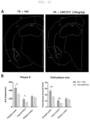
- FIG. 12 shows representative images of Thioflavin-S staining of regions including the parietal cortex, piriform cortex, and hippocampus of the vehicle-treated group (TG+Veh) and the compound of Example 2 (TG+LMT2131) in Tg-APP/PS1 mice, and (B) shows the quantification of the number of plaques and stained areas in the parietal cortex and hippocampus by analyzing the images.
- treatment with the compounds according to The present disclosure demonstrated a highly significant ameliorative effect on amyloid plaque deposition, which is one of the primary symptoms of Alzheimer's disease.
- FIGS. 13 and 14 show the results of inhibition of astrocyte and microglia activity.
- FIGS. 13 and 14 (A) shows representative images of parietal cortex, piriform cortex, and hippocampus from each group and (B) shows the quantification of GFAP immunostained fluorescence intensity and area.
- Tg-APP/PS1 mice exhibited significantly increased activation of astrocytes in all of the parietal cortex, piriform cortex, and hippocampus, as compared to wild-type controls.
- the activation of astrocytes was effectively reduced in all of the parietal cortex, piriform cortex, and hippocampus by the administration of the compounds according to The present disclosure.
- treatment with compounds according to The present disclosure ameliorated microglial pathology.
- Tg-APP/PS1 mice exhibited significantly increased activation of microglia in all of the parietal cortex, piriform cortex, and hippocampus, as compared to wild-type controls.
- the activation of microglia was effectively reduced in all of the parietal cortex, piriform cortex, and hippocampus by the administration of the compounds according to The present disclosure.
- the Tg-APP/PS1 Alzheimer's mouse models showed no difference in the time taken to explore objects placed in a novel location versus objects placed in a familiar location, but the Tg-APP/PS1 mice administered with 30 mg/kg of the compound according to The present disclosure exhibited a significant increase in exploration time for objects located in a novel location.
- the vehicle-administered Tg-APP/PS1 mice showed no difference in exploration time between familiar and novel objects.
- Tg-APP/PS1 mice administered with 30 mg/kg of the compound according to The present disclosure exhibited a remarkable increase in exploration time for novel objects than familiar objects, which was similar to that observed in wild-type animals.
- FIG. 16(A) shows the time required to locate a subsurface fixed platform on five consecutive days. All animals required approximately 80 seconds to locate the platform on the first day, and over time, wild-type (WT) animals showed a decrease in the time required to locate the platform.
- WT wild-type
- Tg-APP/PS1 mice administered with the compounds according to The present disclosure demonstrated memory acquisition ability equivalent to wild-type mice.
- the platform was removed from under the water surface 24 hours later and the time spent in the quadrant where the platform was originally located was checked to determine the extent to which the mice remembered the acquired platform location, as shown in FIG. 16(B) .
- the results showed that wild-type mice stayed longer in the quadrant where the platform was located compared to other quadrants, while the vehicle-administered Tg-APP/PS1 mice spent significantly less time in the corresponding quadrant compared to wild-type.
- the Tg-APP/PS1 mice administered with the compounds according to The present disclosure stayed in the corresponding quadrant to locate the platform, similar to wild type mice.
- Tg-APP/PS1 mice administered with the compounds according to The present disclosure exhibited fear memory retention comparable to that of wild-type animals. This behavior was similarly observed in the freezing time induced by fear memory.
- the glioma cell growth of glioblast cell line 7080 was strongly inhibited at all concentrations (0.5 um, 1 ⁇ M, and 2 ⁇ M).
- the human glioblast cell line U87 cell growth inhibition was observed starting 4 days after treatment with 2 ⁇ M of the compound of The present disclosure.
- U87 (5 ⁇ 10 4 ), a human brain tumor cell line, was xenografted into the brains of mice to establish a brain tumor model, followed by oral administration of the drugs.
- FIG. 19 shows the results of treatment with the compound of Example 1.
- FIG. 19(A) shows representative MRI images at 3.5 weeks, 4.5 weeks, and 5.5 weeks after U87 xenografting for each group, and 19(B) shows the survival rate results.
- the median survival for the vehicle-treated group was 31 days, whereas the group treated with the compound of Example 1 had a median survival of 48 days, representing a significant extension of 17 days compared to the vehicle group.
- FIG. 20 also shows the results of administering the compound of Example 2.
- representative MRI images at 2, 3, 4, and 5 weeks after U87 xenografting for each group show that brain tumor sizes are similar for all groups at 2 weeks after glioblastoma implantation (before drug administration).
- Tumor size was the largest in the vehicle-administered group, and the administration of TMZ alone or the compound of Example 2 alone inhibited the tumor growth rate. In particular, the group administered with the combination of TMZ and the compound of Example 2 inhibited the tumor growth rate the most.
- the vehicle-administered group had the shortest median survival time (42 days), followed by Example 2 alone (46 days), TMZ alone (54.5 days), and the combination (74 days), with the combination group having 32 days longer survival time than the vehicle group.
- the results of experiments on the xenograft mouse brain tumor model confirmed that the compounds according to The present disclosure exhibit excellent anti-cancer effects, and in particular, the compounds exhibit significant synergistic effects on the treatment of glioblastoma by coadministration with other anti-cancer drugs such as temozolomide.
- the parallel artificial membrane permeability assay was performed to determine the brain barrier blood (BBB) permeability.
- deep well plates were prepared by dispensing donor buffer at pH 7.4 and mixing the test compounds (Example 1, 2, 10, 12, and 13 compounds; control compounds Progesterone, Lidocaine, and Ranitidine).
- the donor buffer was dispensed into a high sensitivity UV plate at 150 ⁇ l per well and the UV values were measured (Blank sample).
- the mixture in the deep well plate was dispensed 150 ⁇ l per well into the UV plate and the UV values were measured (initial sample).
- 200 ⁇ l of the test compound mixture was dispensed onto the donor plate of the PAMPA sandwich, and the acceptor plate of the PAMPA sandwich was inverted and the membrane was coated with 5 ⁇ l of BBB-lipid solution.
- acceptor sink buffer 200 ⁇ l was added to each well of the acceptor plate, and the acceptor plate and donor plate were combined and incubated at 25 ⁇ for 4 hours. After 4 hours of incubation, the acceptor plate and donor plate were separated and 150 ⁇ l each was transferred to the UV plate to measure the UV values (donor sample, and acceptor sample). Finally, the permeability (P e (10 -6 cm/sec)) was analyzed using the PAMPA explore program. The experiment was performed in three replicates.
- the permeability of the material was analyzed by UV measurement and LC-MS/MS, the specific conditions of which are described below.
- the P e (10 -6 cm/sec) value of 0.4 was used as a benchmark to categorize the permeability as high if it is higher and low if it is lower.
- the oxadiazole derivatives according to The present disclosure have excellent BBB permeability, showing a high potential for application in diseases where BBB permeability is an essential consideration, such as degenerative brain diseases and brain cancer.
- the stability of a drug may be predicted by using liver microsomes to determine the extent to which the drug is metabolized in the liver.
- the metabolic stability is a factor capable of affecting PK parameters such as drug clearance, half-life, and oral bioavailability, and is an important characteristic for a potential drug candidate.
- PK parameters such as drug clearance, half-life, and oral bioavailability
- sample treatment human liver microsomes 0.5 mg/ml
- 0.1 M phosphate buffer (pH 7.4) 0.1 M phosphate buffer (pH 7.4)
- test compound at a concentration of 1 ⁇ M were added, and the mixture was pre-incubated at 37°C for 5 minutes, followed by addition of NADPH Regeneration system solution and incubation at 37°C for 30 minutes.
- An acetonitrile solution containing an internal standard (chlorpropamide) was then added to terminate the reaction, followed by centrifugation for 5 minutes (14,000 rpm, 4°C). Then, the supernatant was injected into the LC-MS/MS system to analyze the substrate drug to evaluate the metabolic stability of the two compounds.
- LC-MS/MS analysis the amount of substrate remaining from the above reaction was analyzed using an Agilent 1290 infinity series pump system (Agilent, USA) and a Triple Quad 5500 LC-MS/MS system (Applied Biosystems, USA) .
- the HPLC column was an Acquity UPLC BEH Amide column (2.1 ⁇ 100 mm, 1.7 um particle size; Waters, Ireland).
- the mobile phases were distilled water containing 0.1% formic acid (A) and acetonitrile containing 0.1% formic acid (B). Data analysis was performed using Analyst software (version 1.6.3).
- the evaluation criteria were set as follows.
Landscapes
- Chemical & Material Sciences (AREA)
- Organic Chemistry (AREA)
- Health & Medical Sciences (AREA)
- Medicinal Chemistry (AREA)
- Pharmacology & Pharmacy (AREA)
- Life Sciences & Earth Sciences (AREA)
- Animal Behavior & Ethology (AREA)
- General Health & Medical Sciences (AREA)
- Public Health (AREA)
- Veterinary Medicine (AREA)
- Epidemiology (AREA)
- General Chemical & Material Sciences (AREA)
- Chemical Kinetics & Catalysis (AREA)
- Nuclear Medicine, Radiotherapy & Molecular Imaging (AREA)
- Engineering & Computer Science (AREA)
- Bioinformatics & Cheminformatics (AREA)
- Biomedical Technology (AREA)
- Neurology (AREA)
- Neurosurgery (AREA)
- Hospice & Palliative Care (AREA)
- Psychiatry (AREA)
- Pharmaceuticals Containing Other Organic And Inorganic Compounds (AREA)
- Acyclic And Carbocyclic Compounds In Medicinal Compositions (AREA)
- Heterocyclic Carbon Compounds Containing A Hetero Ring Having Nitrogen And Oxygen As The Only Ring Hetero Atoms (AREA)
Applications Claiming Priority (2)
| Application Number | Priority Date | Filing Date | Title |
|---|---|---|---|
| KR1020210152376A KR102422881B1 (ko) | 2021-11-08 | 2021-11-08 | 신규 옥사다이아졸 유도체 및 이의 용도 |
| PCT/KR2022/095004 WO2023080765A1 (ko) | 2021-11-08 | 2022-01-04 | 신규 옥사다이아졸 유도체 및 이의 용도 |
Publications (2)
| Publication Number | Publication Date |
|---|---|
| EP4431498A1 true EP4431498A1 (de) | 2024-09-18 |
| EP4431498A4 EP4431498A4 (de) | 2025-11-12 |
Family
ID=82609404
Family Applications (1)
| Application Number | Title | Priority Date | Filing Date |
|---|---|---|---|
| EP22890496.7A Pending EP4431498A4 (de) | 2021-11-08 | 2022-01-04 | Neuartiges oxadiazolderivat und verwendung davon |
Country Status (6)
| Country | Link |
|---|---|
| US (1) | US20250051293A1 (de) |
| EP (1) | EP4431498A4 (de) |
| JP (1) | JP7677689B2 (de) |
| KR (2) | KR102422881B1 (de) |
| CN (1) | CN118525010A (de) |
| WO (1) | WO2023080765A1 (de) |
Cited By (1)
| Publication number | Priority date | Publication date | Assignee | Title |
|---|---|---|---|---|
| WO2026057018A1 (en) * | 2024-09-12 | 2026-03-19 | Fulcrum Therapeutics, Inc. | Nox inhibitors and methods of use thereof |
Families Citing this family (3)
| Publication number | Priority date | Publication date | Assignee | Title |
|---|---|---|---|---|
| KR20230159996A (ko) * | 2022-05-16 | 2023-11-23 | (주)셀로스바이오텍 | 신규 옥사다이아졸 유도체 화합물 및 이를 포함하는 신경염증성 질환 예방 또는 치료용 약학적 조성물 |
| CN116693516A (zh) * | 2023-05-26 | 2023-09-05 | 上海泰坦企业发展有限公司 | 一种2-氨基取代的1,3,4-噁二唑系列化合物的制备方法 |
| KR20250144817A (ko) * | 2024-03-27 | 2025-10-13 | 동국대학교 산학협력단 | 신규 옥사다이아졸 유도체 및 이를 포함하는 암 예방 또는 치료용 조성물 |
Family Cites Families (2)
| Publication number | Priority date | Publication date | Assignee | Title |
|---|---|---|---|---|
| US20090018145A1 (en) * | 2004-10-19 | 2009-01-15 | Compass Pharmaceuticals Llc | Compositions and their use as anti-tumor agents |
| EP3034500A1 (de) * | 2014-12-17 | 2016-06-22 | Genkyotex Sa | Amidothiazolderivate als NADPH-Oxidasehemmer |
-
2021
- 2021-11-08 KR KR1020210152376A patent/KR102422881B1/ko active Active
-
2022
- 2022-01-04 WO PCT/KR2022/095004 patent/WO2023080765A1/ko not_active Ceased
- 2022-01-04 CN CN202280087410.7A patent/CN118525010A/zh active Pending
- 2022-01-04 JP JP2024525963A patent/JP7677689B2/ja active Active
- 2022-01-04 US US18/708,461 patent/US20250051293A1/en active Pending
- 2022-01-04 EP EP22890496.7A patent/EP4431498A4/de active Pending
- 2022-07-11 KR KR1020220085139A patent/KR102862733B1/ko active Active
Cited By (1)
| Publication number | Priority date | Publication date | Assignee | Title |
|---|---|---|---|---|
| WO2026057018A1 (en) * | 2024-09-12 | 2026-03-19 | Fulcrum Therapeutics, Inc. | Nox inhibitors and methods of use thereof |
Also Published As
| Publication number | Publication date |
|---|---|
| KR102422881B1 (ko) | 2022-07-20 |
| WO2023080765A1 (ko) | 2023-05-11 |
| EP4431498A4 (de) | 2025-11-12 |
| CN118525010A (zh) | 2024-08-20 |
| US20250051293A1 (en) | 2025-02-13 |
| KR102862733B1 (ko) | 2025-09-23 |
| KR20230067489A (ko) | 2023-05-16 |
| JP2024540254A (ja) | 2024-10-31 |
| JP7677689B2 (ja) | 2025-05-15 |
Similar Documents
| Publication | Publication Date | Title |
|---|---|---|
| EP4431498A1 (de) | Neuartiges oxadiazolderivat und verwendung davon | |
| US20220274989A9 (en) | Compositions and Methods of Using the Same for Treatment of Neurodegenerative and Mitochondrial Disease | |
| EP3445756B1 (de) | Verbindungen und zusammensetzungen zur behandlung von leiden in zusammenhang mit der nlrp-aktivität | |
| EP3431472B1 (de) | Neuartige verbindung zur hemmung der nicotinamid-phosphoribosyl-transferase und zusammensetzung damit | |
| JP2012508768A (ja) | アザキノリノン誘導体及びその使用 | |
| CN108699046A (zh) | 用ezh2抑制剂治疗成神经管细胞瘤的方法 | |
| AU2010256360A1 (en) | Aminopyrrolidinone derivatives and uses thereof | |
| US20160096848A1 (en) | Selective inhibitors for protein kinases and pharmaceutical composition and use thereof | |
| US20090124686A1 (en) | Gsk-3 inhibitors | |
| EP4244221B1 (de) | Prodrug von pyrrolidonderivaten als glucokinaseaktivator | |
| EP3138834B1 (de) | Cyclohexenderivat, herstellungsverfahren dafür und pharmazeutische zusammensetzung zur vorbeugung oder behandlung von stoffwechselkrankheiten damit als wirkstoff | |
| AU2015375259B2 (en) | Trifluoroacetyl hydrazide compounds and methods of preparation and uses thereof | |
| EP3801528B1 (de) | Eaat2-aktivatoren und verfahren zur verwendung davon | |
| CA3102584A1 (en) | Use of 5-[[4-[2-[5-acetylpyridin-2-yl]ethoxy]benzyl]-1,3-thiazolidine-2,4-dione and its salts | |
| CN106957315B (zh) | N-取代苯磺酰基-氮杂吲哚氧基苯甲酰胺类化合物及其制备药物的用途 | |
| CN113507927A (zh) | 神经系统疾病的预防或治疗用药物组合物 | |
| EP3741757B1 (de) | Dihydroindolizinonderivat | |
| EP4001263B1 (de) | Carbamatsubstituierte styrylsulfonverbindung, verfahren zu ihrer herstellung und ihre verwendung | |
| KR20160038598A (ko) | 신규 하이드록사메이트 유도체 및 이를 포함하는 암의 예방 또는 치료용 약제학적 조성물 | |
| KR100418391B1 (ko) | 새로운 세포주기 조절인자 억제제 hy52, 그의 제조방법및 항암제로서의 용도 | |
| KR20230128803A (ko) | 신규 히단토인 유도체 및 이의 용도 | |
| EP4205740A1 (de) | Thiohydantoinderivate und deren verwendungen | |
| HK40031650A (en) | Dihydroindolizinone derivative | |
| HK40042691B (en) | Eaat2 activators and methods of using thereof | |
| HK40042691A (en) | Eaat2 activators and methods of using thereof |
Legal Events
| Date | Code | Title | Description |
|---|---|---|---|
| STAA | Information on the status of an ep patent application or granted ep patent |
Free format text: STATUS: THE INTERNATIONAL PUBLICATION HAS BEEN MADE |
|
| PUAI | Public reference made under article 153(3) epc to a published international application that has entered the european phase |
Free format text: ORIGINAL CODE: 0009012 |
|
| STAA | Information on the status of an ep patent application or granted ep patent |
Free format text: STATUS: REQUEST FOR EXAMINATION WAS MADE |
|
| 17P | Request for examination filed |
Effective date: 20240522 |
|
| AK | Designated contracting states |
Kind code of ref document: A1 Designated state(s): AL AT BE BG CH CY CZ DE DK EE ES FI FR GB GR HR HU IE IS IT LI LT LU LV MC MK MT NL NO PL PT RO RS SE SI SK SM TR |
|
| DAV | Request for validation of the european patent (deleted) | ||
| DAX | Request for extension of the european patent (deleted) | ||
| A4 | Supplementary search report drawn up and despatched |
Effective date: 20251010 |
|
| RIC1 | Information provided on ipc code assigned before grant |
Ipc: C07D 271/113 20060101AFI20251006BHEP Ipc: A61K 31/4245 20060101ALI20251006BHEP Ipc: A61K 31/495 20060101ALI20251006BHEP Ipc: A61K 45/06 20060101ALI20251006BHEP Ipc: A61P 25/28 20060101ALI20251006BHEP Ipc: A61P 35/00 20060101ALI20251006BHEP Ipc: C07D 413/10 20060101ALI20251006BHEP |