EP4443162A1 - Signature génétique pour prédire la réponse aux immunotherapies chez un patient - Google Patents
Signature génétique pour prédire la réponse aux immunotherapies chez un patient Download PDFInfo
- Publication number
- EP4443162A1 EP4443162A1 EP23382324.4A EP23382324A EP4443162A1 EP 4443162 A1 EP4443162 A1 EP 4443162A1 EP 23382324 A EP23382324 A EP 23382324A EP 4443162 A1 EP4443162 A1 EP 4443162A1
- Authority
- EP
- European Patent Office
- Prior art keywords
- expression levels
- genes
- tumor
- immunotherapy
- subject
- Prior art date
- Legal status (The legal status is an assumption and is not a legal conclusion. Google has not performed a legal analysis and makes no representation as to the accuracy of the status listed.)
- Pending
Links
Images
Classifications
-
- G—PHYSICS
- G01—MEASURING; TESTING
- G01N—INVESTIGATING OR ANALYSING MATERIALS BY DETERMINING THEIR CHEMICAL OR PHYSICAL PROPERTIES
- G01N33/00—Investigating or analysing materials by specific methods not covered by groups G01N1/00 - G01N31/00
- G01N33/48—Biological material, e.g. blood, urine; Haemocytometers
- G01N33/50—Chemical analysis of biological material, e.g. blood, urine; Testing involving biospecific ligand binding methods; Immunological testing
- G01N33/53—Immunoassay; Biospecific binding assay; Materials therefor
- G01N33/575—Immunoassay; Biospecific binding assay; Materials therefor for cancer
-
- G—PHYSICS
- G01—MEASURING; TESTING
- G01N—INVESTIGATING OR ANALYSING MATERIALS BY DETERMINING THEIR CHEMICAL OR PHYSICAL PROPERTIES
- G01N2333/00—Assays involving biological materials from specific organisms or of a specific nature
- G01N2333/435—Assays involving biological materials from specific organisms or of a specific nature from animals; from humans
- G01N2333/705—Assays involving receptors, cell surface antigens or cell surface determinants
- G01N2333/70503—Immunoglobulin superfamily, e.g. VCAMs, PECAM, LFA-3
- G01N2333/70532—B7 molecules, e.g. CD80, CD86
-
- G—PHYSICS
- G01—MEASURING; TESTING
- G01N—INVESTIGATING OR ANALYSING MATERIALS BY DETERMINING THEIR CHEMICAL OR PHYSICAL PROPERTIES
- G01N2800/00—Detection or diagnosis of diseases
- G01N2800/52—Predicting or monitoring the response to treatment, e.g. for selection of therapy based on assay results in personalised medicine; Prognosis
Definitions
- the present invention relates to the prediction of the response of subjects to immunotherapies based on the use of the expression levels of a set of genes. Therefore, the invention could be included in the technical field of immunotherapies and personalized medicine.
- the immune response to cancer depends on the interaction of the tumor with the host microenvironment. This interaction dictates the immune reaction against cancer and depends on different factors, one of them being the genomic alterations that the tumor itself harbors. Tumors with high genomic instability are those that produce more neoantigens, and therefore prime antigen-presenting cells that subsequently activate effector T-cells. However, oncogenic genomic alterations such as HER2 amplification, or mutations in the EGFR or BRAF gene, among others, induce immune response-modulating phenotypic changes, leading at times to an inhibited immune microenvironment ( Kumagai S., Koyama S., Nishikawa H. Antitumour immunity regulated by aberrant ERBB family signalling. Nat Rev Cancer. 2021;21(3):181-197. doi:10.1038/s41568-020-00322-0 ).
- TILs tumor-infiltrating lymphocytes
- inhibitory signals acting with immunotherapies based on immune checkpoint inhibitors, such as antibodies targeting PD-1 (Programmed Cell Death Protein 1), its ligand PDL-1, or CTLA-4 (Cytotoxic T-Lymphocyte Antigen 4), has been shown to enhance immunological effect against cancer, effect which has translated into clinical benefit.
- PD-1 Programmed Cell Death Protein 1
- PDL-1 Programmed Cell Death Protein 1
- CTLA-4 Cytotoxic T-Lymphocyte Antigen 4
- patent document EP3325653B1 defines a method for predicting the response of an individual to immunotherapies targeting immune checkpoints based on the use of molecular signatures.
- the inventors have identified a set of genes, the expression levels of which allow predicting the response of a subject to immunotherapies, as well as identifying subjects who will respond to said immunotherapies.
- the inventors have demonstrated the association of elevated expression levels of 3 or more genes, from among ABCA1, TMEM245, ATP13A3, and OLR1 , with improved survival outcomes in patients treated with immunotherapy.
- the inventors have demonstrated by means of a hazard ratio (HR) analysis that elevated expression levels of at least three genes, from among ABCA1, TMEM245, ATP13A3, and OLR1 , preferably ABCA1, TMEM245, and ATP13A3 , in subjects treated with immunotherapies, particularly immune checkpoint immunotherapies, is associated with a lower risk of having a fatal event over time (Table 2).
- HR hazard ratio
- the present invention provides an alternative approach for predicting the response of a subject to immunotherapies and for identifying subjects who will respond to said immunotherapies, having relevant clinical applications, such as the selection of responsive subjects and the identification of subjects who can be effectively treated with said immunotherapies, facilitating the application of personalized therapies.
- the inventors Based on the expression levels of the mentioned genes, the inventors have developed two applications, i.e., predicting the response of a subject to immunotherapies and identifying subjects who are likely to respond to said immunotherapies, giving rise to the two methods of the invention.
- the term "subject” or “individual”, as it is used herein, refers to any animal, preferably a mammal, and includes, but is not limited to, domestic and farm animals, primates, and humans.
- the subject is a human being of any sex, age, or race. More preferably, the subject is a subject susceptible to being treated with immunotherapy. In another preferred embodiment, the subject may or may not have been previously treated with immunotherapy.
- sample in which the expression levels of genes are determined can be any biological sample originating or isolated from the subject.
- a sample is understood to mean a part or a small amount of something which is considered representative of the total and which is taken or separated from it so as to be subjected to a study, analysis, or experimentation.
- sample encompasses samples of biological origin, which are isolated from the subject including, without limitation to, blood samples and other fluid samples of biological origin, solid tissue samples, such as biopsy samples, or tissue cultures, or cells derived from same and their progeny, such as cells in cell culture, cell supernatants, cell lysates, serum, plasma, biological fluids, and tissue samples.
- isolated means that the biological sample has been separated or removed from the rest of the components naturally accompanying it.
- Techniques for obtaining biological samples from an individual are widely known in the state of the art, and any of these techniques can be used to put the present invention into practice.
- the present invention relates to an in vitro method for predicting the response of a subject to an immunotherapy, hereinafter the "prediction method of the invention", wherein the method comprises the following steps:
- step a) comprises determining the expression levels of genes ABCA1, TMEM245, and ATP13A3.
- step a) comprises determining the expression levels of genes ABCA1, TMEM245, and OLR1.
- step a) comprises determining the expression levels of genes ABCA1, ATP13A3, and OLR1.
- step a) comprises determining the expression levels of genes TMEM245, ATP13A3, and OLR1.
- the immunotherapy comprises, at least, one immune checkpoint inhibitor.
- predicting the response is understood in the context of the present invention as determining whether or not the subject is likely to respond positively to a certain therapy or treatment, in the present invention, an immunotherapy.
- the term "will respond" refers to those subjects whose health condition is likely to improve, who are likely to recover from a disease or pathological condition, or to have a better prognosis if treated with the immunotherapy of interest.
- step a) the prediction method of the invention comprises a) determining the expression levels of a set of genes in a biological sample isolated from the subject.
- step a) comprises determining the expression levels of genes ABCA1, TMEM245, and ATP13A3.
- ABSCA1 NCBI Reference_NG_007981.1; HGNC:29, Ensembl version ENSG00000165029.17
- NCBI Reference_NG_007981.1; HGNC:29, Ensembl version ENSG00000165029.17 refers to the human gene encoding an ABC transporter protein (ATP binding cassette subfamily A member 1). Particularly, it is known that said gene can encode the protein with accession number NP_005493.2.
- TMEM245" (HGNC:1363, Ensembl version ENSG00000106771.13) refers to the human gene encoding transmembrane protein 245. Particularly, it is known that said gene can encode different isoforms of this protein, the accession numbers of which are as follows: NP_114401.2, XP_011516748.1, XP_011516749.1, XP_011516751.1, XP_011516753.1, XP_011516754.1, XP_016870060.1, XP_016870061.1, XP_047279095.1, XP_047279096.1, or XP_047279098.1.
- accession number of a transcript or an mRNA of said gene is NM_032012.4.
- the method comprises measuring the levels of the transcript with accession number NM_032012.4.
- ATP13A3 refers to the human gene encoding the ATPase 13A3 protein (ATPase 13A3).
- the ATPase 13A3 protein is a member of the P-type ATPase protein family which transports various cations across membranes. This gene is known to encode different isoforms of the ATPase 13A3 protein, for example, without being limiting, isoforms the accession numbers of which are NP_001354478.1, NP_078800.3, NP_001361765.1, XP_005269414.1, XP_011511423.1, or XP_011511425.1.
- accession number of a transcript or an mRNA of said gene is NM_024524.4.
- the method comprises measuring the levels of the transcript with accession number NM_024524.4.
- step a) further comprises determining the expression levels of the OLR1 gene.
- OLR1 NCBI Reference Sequence NG_016743.2, HGNC:8133; Ensembl version ENSG00000173391.9
- Said gene is known to encode different isoforms of this protein, the accession numbers of which are as follows: NP_002534.1, NP_001166103.1, NP_001166104.1, XP_047284863.1, XP_047284864.1, or XP_047284865.1.
- the expression levels determined in step a) comprise, or consist of, the expression levels of genes OLR1 , ABCA1, TMEM245, and ATP13A3.
- Another parameter that can be measured in combination with the expression levels described, preferably in combination with the expression levels of genes ABCA1, TMEM245, and ATP13A3 , and more preferably in combination with the expression levels of genes OLR1, ABCA 1, TMEM245, and ATP13A3, are the expression levels of, at least, one, two, three, four, five, or six genes selected from the list consisting of ITGAV, ANO6 , CLEC5A, MSR1, CD80, and ADAM17.
- step a) further comprises determining the expression levels of at least one gene selected from the list consisting of: ITGAV, ANO6 , CLEC5A, MSR1 , CD80, AOAM17, and any combination thereof.
- step a) further comprises determining the expression levels of, at least, two, three, four, five, or six genes selected from the list consisting of: ITGAV, ANO6 , CLEC5A, MSR1 , CD80, ADAM17, and any combination thereof.
- ITGAV (HGNC:6150; Ensembl version ENSG00000138448.13) refers to the human gene encoding the integrin alpha-V protein (integrin subunit alphaV). Said gene can encode different isoforms of this protein, the accession numbers of which are as follows: NP_002201.2, NP_001138471.2, NP_001138472.2, XP_047300181.1.
- accession number of a transcript or an mRNA of said gene is NM_002210.5.
- the method comprises measuring the levels of the transcript with accession number NM_002210.5.
- ANO6 NCBI Reference Sequence NG_028220.1; HGNC:25240, Ensembl version ENSG00000177119.17 refers to the human gene encoding the anoctamin 6 protein. Said gene can encode different isoforms of this protein, the accession numbers of which are as follows: NP_001020527.2, NP_001136150.1, NP_001136151.1, NP_001191732.1, NP_001397902.1, XP_005268764.1.
- CLEC5A (HGNC:2054, Ensembl version ENSG00000258227.7) refers to the human gene encoding the CLEC5A protein (C-type lectin domain containing 5A). Said gene can encode different isoforms of this protein, the accession numbers of which are as follows: NP_037384.1, NP_001288096.1, XP_011514297.1. The accession number of a transcript or an mRNA of said gene is NM_013252.3. In a particular embodiment of the invention, when the determined expression levels comprise the expression levels of the CLEC5A gene, the method comprises measuring the levels of the transcript with accession number NM_013252.3.
- MSR1 (NCBI Reference Sequence NG_012102.1; HGNC:7376, Ensembl version ENSG00000038945.15) refers to the human gene encoding the MSR1 protein (macrophage scavenger receptor 1). Said gene can encode different isoforms of this protein, the accession numbers of which are as follows: NM_138715.3, NM_002445.4, NM_138716.3, NM_001363744.1, XM_024447161.2.
- CD80 (HGNC:1700; Ensembl version, ENSG00000121594.12) refers to the human gene encoding the CD80 protein (the accession number of which is NP_005182.1).
- accession number of a transcript or an mRNA of said gene is NM_005191.4.
- the method comprises measuring the levels of the transcript with accession number NM_005191.4.
- ADAM17 (NCBI Reference Sequence NG_029873.1; HGNC:195, Ensembl version ENSG00000151694.15) refers to the human gene encoding the ADAM 17 protein (ADAM metallopeptidase domain 17). This gene can encode different isoforms of this protein, the accession numbers of which are as follows: NP_003174.3, NP_001369706.1, NP_001369707.1, XP_047301566.1, XP_047301567.1, XP_047301568.1.
- the expression levels comprise, or consist of, the expression levels of genes OLR1 , ABCA1, TMEM245, ATP13A3, ITGAV, ANO6 , and CLEC5A.
- the mean of the expression levels of all the genes determined in a) are calculated.
- gene expression levels can be determined by means of standard methodologies well known in the state of the art, and any of said methodologies can be used in the context of the present invention. Determining the expression levels of the genes used in the present invention may comprise measuring the mRNA levels and/or the complementary DNA (cDNA) levels.
- cDNA complementary DNA
- the mRNA levels of said genes can be quantified by means of using conventional methods, for example, methods comprising mRNA amplification and quantification of the amplification product of said mRNA, such as electrophoresis and staining, or alternatively, by means of Southern blot and the use of suitable probes, Northern blot and the use of specific mRNA probes for the gene or genes of interest, or the corresponding cDNA thereof, hybridization, real-time quantitative PCR (or RT-Q-PCR), microarrays and RNA sequencing, etc.
- conventional methods for example, methods comprising mRNA amplification and quantification of the amplification product of said mRNA, such as electrophoresis and staining, or alternatively, by means of Southern blot and the use of suitable probes, Northern blot and the use of specific mRNA probes for the gene or genes of interest, or the corresponding cDNA thereof, hybridization, real-time quantitative PCR (or RT-Q-PCR), microarrays and
- the expression levels of the genes used in the invention can be determined by means of evaluating circulating DNA. Methods and techniques for this purpose are known in the state of the art including, but are not limited to, exome sequencing. Another possible technique to determine the expression levels of the genes used in the invention is digital PCR (dPCR).
- dPCR digital PCR
- Determining the expression levels of the genes used in the present invention may also comprise measuring the levels of protein encoded by said genes.
- the sample should be treated to extract proteins.
- Methods for extracting or isolating proteins are known to the person skilled in the art and are commercially available.
- the levels of the gene encoding the protein of interest can be quantified by means of any conventional method which allows detecting and quantifying said protein in a sample from a subject.
- the levels of said protein can be quantified, for example, by means of using antibodies with the capacity to bind specifically to the protein of interest and subsequently quantifying the complexes formed.
- the prediction method of the invention comprises comparing said levels with control values [step b)].
- control values refers to values or expression levels of the genes of step a) that are taken as reference, and are suitable for establishing whether or not the expression levels of the genes determined in a) are elevated with respect to said values or levels.
- control values are the expression levels of the genes of step a) but determined in a healthy subject, or the mean expression levels of the genes of step a) in a cohort of healthy subjects.
- control values are the expression levels of the genes of step a) but determined in a subject who has not responded to the immunotherapy, or the mean expression levels of the genes of step a) in a cohort of subjects who have not responded to the immunotherapy. Methods for determining gene expression levels have been described in the preceding paragraphs.
- “Significant deviation” is understood to mean that the expression levels determined are elevated with respect to the control values, preferably elevated by at least 1 fold, 1.1 folds, 1.2 folds, 1.3 folds, 1.4 folds, 1.5 folds, 1.6 folds, 1.7 folds, 1.8 folds, 1.9 folds, 2 folds, or more with respect to the control values. In that sense, detecting said significant deviation indicates that the subject will respond to the immunotherapy.
- the inventors have developed a method for identifying subjects who are likely to respond to immunotherapies based on the association of elevated expression levels of 3 or more genes, from among ABCA1, TMEM245, ATP13A3, and OLR1 , with improved survival outcomes in patients treated with immunotherapy.
- the present invention relates to an in vitro method for identifying a subject who will respond to an immunotherapy, hereinafter the "identification method of the invention", which comprises:
- step a) comprises determining the expression levels of genes ABCA1, TMEM245, and ATP13A3.
- step a) comprises determining the expression levels of genes ABCA1, TMEM245, and OLR1.
- step a) comprises determining the expression levels of genes ABCA1, ATP13A3, and OLR1.
- step a) comprises determining the expression levels of genes TMEM245, ATP13A3, and OLR1.
- the immunotherapy comprises, at least, one immune checkpoint inhibitor.
- the expression “is likely to respond” or “will respond”, as it is used herein, refers to the fact that the subject's health condition is likely to improve, that the subject is likely to recover from a disease or pathological condition, or to have a better prognosis if treated with the immunotherapy of interest.
- the present method is applicable for selecting patients for clinical trials or for routine clinical practice. Furthermore, identification of subjects who will respond to the immunotherapy is indicative of the fact that said subjects can be effectively treated with said immunotherapy, and can guide the selection of therapies in a personalized manner in said subject.
- the identification method of the invention comprises a first step intended for determining the expression levels of a set of genes, as mentioned above, in an isolated biological sample from the subject.
- step a) comprises determining the expression levels of genes ABCA1, TMEM245, and ATP13A3. Once said levels are determined, they are compared with control values in a second step.
- control values has been defined above, and both, the term and its preferred embodiments are applicable to the present aspect of the invention. Comparing and detecting a significant deviation allows identifying subjects who will respond or are likely to respond to said immunotherapy.
- “Significant deviation” is understood to mean that the expression levels determined are elevated with respect to the control values, preferably elevated by, at least, 1 fold, 1.1 folds, 1.2 folds, 1.3 folds, 1.4 folds, 1.5 folds, 1.6 folds, 1.7 folds, 1.8 folds, 1.9 folds, 2 folds, or more with respect to the control values. In that sense, detecting said significant deviation allows identifying a subject who will respond to said immunotherapy.
- step a) further comprises determining the expression levels of the OLR1 gene.
- the expression levels determined in step a) comprise, or consist of, the expression levels of genes OLR1 , ABCA1, TMEM245, and ATP13A3.
- Another parameter that can be measured in combination with the expression levels described, preferably in combination with the expression levels of genes ABCA1, TMEM245, and ATP13A3, and more preferably in combination with the expression levels of genes OLR1, ABCA 1, TMEM245, and ATP13A3, are the expression levels of, at least, one, two, three, four, five, or six genes selected from the list consisting of ITGAV, ANO6 , CLEC5A, MSR1, CD80, and ADAM17.
- step a) further comprises determining the expression levels of, at least, one gene selected from the list consisting of: ITGAV, ANO6 , CLEC5A, MSR1 , CD80, ADAM17, and any combination thereof.
- step a) further comprises determining the expression levels of at least two, three, four, five, or 6 genes selected from the list consisting of: ITGAV, ANO6 , CLEC5A, MSR1 , CD80, ADAM17, and any combination thereof.
- the expression levels comprise, or consist of, the expression levels of genes OLR1 , ABCA1, TMEM245, ATP13A3, ITGAV, ANO6 , and CLEC5A.
- the mean of the expression levels of all the genes determined in a) are calculated.
- immunotherapy can be defined as a set of strategies intended for inducing, stimulating, or activating the immune system.
- immunotherapy is intended for activating the immune system.
- Immunotherapies include, among others, immune checkpoint inhibitors. Immune checkpoints are known in the art ( Naidoo et al. British Journal of Cancer (2014) 111, 2214-2219 ; Pardoll, Nature 2012, vol. 12, 252-264 ) and the term is well understood in the context of cancer therapy. The best known are CTLA-4, PD-1 and its ligand PDL-1.
- Immune checkpoint inhibitors inhibit normal immunosuppressive function, for example by reducing the expression of checkpoint molecules or by binding to said molecules and blocking normal receptor/ligand interactions. Since immune checkpoints slow down the immune system's response to an antigen, an immune checkpoint inhibitor reduces this immunosuppressive effect and enhances immune response. Immune checkpoint inhibitors are known in the art, such as anti-CTLA-4 antibodies and anti-PD-1/L1 antibodies.
- Immune checkpoint inhibitors can be proteins, peptides, peptidomimetics, peptoids, antibodies, antibody fragments, small inorganic molecules, small non-nucleic organic molecules, or nucleic acids such as antisense nucleic acids, small interfering RNA (siRNA) molecules, or oligonucleotides, among others.
- siRNA small interfering RNA
- immune checkpoint inhibitors are antibodies, more particularly antibodies that bind to molecules constituting immune checkpoints, where both receptors and ligands thereof may be included.
- the expression levels of genes ABCA1, TMEM245, and ATP13A3, and more preferably of genes OLR1 , ABCA1, TMEM245, and ATP13A3, are useful in predicting the response of a subject to immunotherapies, as well as in identifying subjects who will respond to said immunotherapies, and therefore are susceptible to being effectively treated with said immunotherapies.
- the inventors have demonstrated that the use of said expression levels allows predicting whether a subject will respond to immunotherapies based on immune checkpoint inhibitors such as anti-PD(L)1 or anti-CTLA-4 therapies, both alone and in combination.
- Tregs regulatory T cells
- expression levels may also be useful in predicting the response of a subject to immunotherapies targeting regulatory T-cells or Tregs, as well as in identifying subjects who will respond to said immunotherapies.
- immunotherapy comprises a regulatory T-cells (Tregs)-targeted therapy. Since the identified genes are associated with high expression of Tregs, the described signature can be used to predict response to therapies against this immunological population.
- Tregs regulatory T-cells
- the Tregs-targeted therapy comprises, at least, one inhibitor or agent targeting TIGIT, preferably wherein the inhibitor or agent targeting TIGIT is selected from the list consisting of tiragolumab, domvanalimab, ociperlimab, and any combination thereof, and/or at least one inhibitor or agent targeting OX40, for example, MEDI6469, among others.
- the immunotherapy comprises at least one immune checkpoint inhibitor selected from the list consisting of a PD-1 inhibitor, a PDL-1 inhibitor, a CTLA-4 inhibitor, a TIGIT inhibitor, and any combination thereof.
- the immunotherapy comprises a PD-1 inhibitor and/or a PDL-1 inhibitor and/or a CTLA-4 inhibitor.
- PD-1 Programmed Cell Death Protein 1
- CD279 is a cell surface receptor that belongs to the immunoglobulin superfamily.
- PD-1 is a member of the CD28 family of T-cell regulators and is expressed on T-cells, B-cells, and macrophages. It binds to the ligands PD-L1 (also known as B7 homologue) and PD-L2 (also known as B7-DC). Its structure includes an extracellular IgV domain, a transmembrane region, and an intracellular tail containing two phosphorylation sites.
- PD-1 works as an inducible immune-modulator receptor which plays a role, for example, in the downregulation of T-cell responses to antigen stimulation.
- PD-L1 (Programmed Death-ligand 1) is the predominant ligand for PD-1.
- the binding of PD-L1 to PD-1 inhibits T-cell activity, reducing cytokine production and suppressing T-cell proliferation.
- Cancer cells expressing PD-L1 are capable of exploiting this mechanism to inactivate T-cell anti-tumor activity by means of binding PD-L1 to the PD-1 receptor.
- PD-1 and PDL-1 have been investigated as a potential target for immunotherapy, including the treatment of cancer and autoimmune diseases.
- PD-1 or PDL-1 inhibitors Those agents intended for blocking the binding of PD-1 or PDL-1 such as, for example, monoclonal antibodies, constitute PD-1 or PDL-1 inhibitors (referred to collectively as PD-1/L1 inhibitors), being immune checkpoints inhibitors.
- inhibitors or agents targeting PD-1/L1 include, but are not limited to, lambelimumab, nivolumab, lambrolozumab, pidilizumab, pembrolizumab, atezolizumab, durvalumab, avelumab, cemiplimab, or dostarlimab.
- the PD-1/L1 inhibitor is selected from the list consisting of lambelimumab, nivolumab, lambrolozumab, pidilizumab, pembrolizumab, atezolizumab, durvalumab, avelumab, cemiplimab, and dostarlimab.
- CTLA-4 cytotoxic T-lymphocyte associated protein or antigen 4
- CD152 cytotoxic T-lymphocyte associated protein or antigen 4
- CTLA-4 acts by regulating T-cell activation and maintaining immune homeostasis, being a molecule that reduces T-cell function under certain circumstances. Therefore, inhibitors or agents that block CTLA-4 release this arrest mechanism and increase T-cell activation.
- CTLA-4 is a prominent immune checkpoint that can be exploited by immunotherapies.
- inhibitors or agents targeting CTLA-4 include, but are not limited to, ipilimumab or tremelimumab.
- the CTLA-4 inhibitor is selected from the list consisting of ipilimumab and tremelimumab.
- TIGIT T-cell immunoglobulin and ITIM domain
- TIGIT is an emerging immune checkpoint that inhibits immune cell responses in multiple stages of the cancer-immunity cycle. TIGIT prevents dendritic cells from preparing T-cells, prevents natural killer cells and cytotoxic T-cells from killing tumor cells, and enhances the immunosuppressive activity of regulatory T-cells. Accordingly, TIGIT constitutes an important target in immunotherapy-based cancer treatments.
- inhibitors or agents targeting TIGIT include, but are not limited to, tiragolumab, domvanalimab, ociperlimab.
- the TIGIT inhibitor is selected from the list consisting of tiragolumab, domvanalimab, and ociperlimab.
- the subject has cancer.
- cancer can be defined as a broad group of diseases characterized by the abnormal and uncontrolled rapid proliferation of cells in a subject.
- types of cancer include, but are not limited to, breast cancer, melanoma, bladder cancer, esophageal adenocarcinoma, glioblastoma, hepatocellular carcinoma, head and neck squamous cell carcinoma, non-small cell lung cancer, small cell lung cancer, gastric cancer and urothelial cancer.
- the isolated biological sample is from peripheral blood.
- the isolated biological sample is from a tumor.
- the cancer is selected from the list consisting of breast cancer, melanoma, bladder cancer, esophageal adenocarcinoma, glioblastoma, hepatocellular carcinoma, head and neck squamous cell carcinoma, non-small cell lung cancer, small cell lung cancer, gastric cancer and urothelial cancer.
- tumor is understood to mean any growth of a tissue due to the uncontrolled proliferation of cells.
- the tumor can be benign or malignant.
- a tumor is considered benign when the cells that form the tumor do not invade other tissues or cause metastases in other parts of the body. Normally, the benign tumor is well encapsulated and the cells show no structural changes.
- a tumor is considered malignant when the cells that form the tumor can grow rapidly, present anaplasia in a conventional manner, and are capable of invading adjacent tissues, and even spread to other parts of the body, a process known as metastasis.
- tumors examples include, but are not limited to, breast cancer tumor, malignant tumor of the melanocytes, bladder tumor, esophageal adenocarcinoma tumor, glioblastoma tumor, hepatocellular carcinoma tumor, head and neck squamous cell carcinoma tumor, non-small cell lung cancer tumor, small cell lung cancer tumor, gastric tumor, and urothelial tumor.
- the tumor is selected from the list consisting of breast cancer tumor, malignant tumor of the melanocytes, bladder tumor, esophageal adenocarcinoma tumor, glioblastoma tumor, hepatocellular carcinoma tumor, head and neck squamous cell carcinoma tumor, non-small cell lung cancer tumor, small cell lung cancer tumor, gastric tumor, and urothelial tumor.
- the tumor comprises elevated levels of Treg lymphocytes.
- the levels of Tregs lymphocytes in a sample can be evaluated or quantified by means of methods and techniques known to a person skilled in the art such as, without being limiting to, immunohistochemistry or immunofluorescence with markers such as CD3/FOXP3, CD25, CTLA-4, and GITR. Their levels can also be determined by means of flow cytometry using FOXP3 labeling and isolation of the population of interest by means of cell sorting (FACS, Fluorescence-activated cell sorting). A person skilled in the art can determine whether or not the sample has elevated levels of Tregs by means of comparing with reference values. Furthermore, Tregs identification and characterization methods are described in Epple, HJ et al. (2006). Mucosal but not peripheral FOXP3+ regulatory 7 cells are highly increased in untreated HIV infection and normalize after suppressive HAART. Blood, 108(9), 3072-3078 .
- the expression levels of the genes mentioned in the preceding aspects are useful for predicting the response of a subject to immunotherapies, as well as for identifying subjects who will respond to said immunotherapies. Therefore, in the present invention, uses of said expression levels are also contemplated as inventive aspects.
- the invention relates to the in vitro use of the expression levels of, at least, 3 genes, wherein the genes are selected from the list consisting of: ABCA1, TMEM245, ATP13A3 , and OLR1 , to predict the response of a subject to immunotherapy, hereinafter, "use for predicting response to immunotherapies of the invention", wherein elevated expression levels with respect to control values, preferably elevated by, at least, 1 fold, 1.1 folds, 1.2 folds, 1.3 folds, 1.4 folds, 1.5 folds, 1.6 folds, 1.7 folds, 1.8 folds, 1.9 folds, 2 folds, or more with respect to the control values, indicate that the subject will respond to the immunotherapy.
- the immunotherapy comprises, at least, one immune checkpoint inhibitor.
- a preferred embodiment provides the use for predicting response to immunotherapies of the invention, wherein the genes are ABCA1, TMEM245, and ATP13A3.
- Another preferred embodiment provides the use for predicting response to immunotherapies of the invention, wherein the genes are ABCA1, TMEM245, and OLR1.
- Another preferred embodiment provides the use for predicting response to immunotherapies of the invention, wherein the genes are ABCA1, ATP13A3 , and OLR1.
- Another preferred embodiment provides the use for predicting response to immunotherapies of the invention, wherein the genes are TMEM245, ATP13A3, and OLR1.
- the expression levels comprise, or consist of, the expression levels of genes OLR1 , ABCA1, TMEM245, and ATP13A3 , wherein elevated or increased expression levels with respect to control values indicate that the subject will respond to the immunotherapy.
- the expression levels of at least one, two, three, four, five, or six genes selected from the list consisting of ITGAV, ANO6 , CLEC5A, MSR1 , CD80, and ADAM17 can be used in combination with the expression levels of ABCA1, TMEM245, and ATP13A3 , and more preferably in combination with genes OLR1 , ABCA1, TMEM245, and ATP13A3.
- the expression levels further comprise the expression levels of, at least, one gene selected from the list consisting of: ITGAV, ANO6 , CLEC5A, MSR1 , CD80, AOAM17, and any combination thereof, wherein elevated or increased expression levels with respect to control values indicate that the subject will respond to the immunotherapy.
- the different combinations of genes, the expression levels of which are determined also apply to the present aspect of the invention.
- the expression levels comprise, or consist of, the expression levels of genes OLR1 , ABCA1, TMEM245, ATP13A3, ITGAV, ANO6 , and CLEC5A, wherein elevated or increased expression levels with respect to control values indicate that the subject will respond to the immunotherapy.
- Another aspect of the present invention relates to the in vitro use of the expression levels of at least 3 genes, wherein the genes are selected from the list consisting of: ABCA1, TMEM245, ATP13A3, and OLR1 , to identify a subject who will respond to immunotherapy, hereinafter the "use for identifying subjects of the invention", wherein elevated expression levels with respect to control values, preferably elevated by at least 1 fold, 1.1 folds, 1.2 folds, 1.3 folds, 1.4 folds, 1.5 folds, 1.6 folds, 1.7 folds, 1.8 folds, 1.9 folds, 2 folds, or more with respect to the control values, allows identifying a subject who will respond to immunotherapy.
- a preferred embodiment provides the use for identifying subjects of the invention, wherein the genes are ABCA1, TMEM245, and ATP13A3.
- Another preferred embodiment provides the use for identifying subjects of the invention, wherein the genes are ABCA1, TMEM245, and OLR1.
- Another preferred embodiment provides the use for identifying subjects of the invention, wherein the genes are ABCA1, ATP13A3, and OLR1.
- Another preferred embodiment provides the use for identifying subjects of the invention, wherein the genes are TMEM245, ATP13A3, and OLR1.
- the immunotherapy comprises, at least, one immune checkpoint inhibitor.
- the expression levels comprise, or consist of, the expression levels of genes OLR1 , ABCA1, TMEM245, and ATP13A3 , wherein elevated or increased expression levels with respect to control values allows identifying a subject who will respond to immunotherapy.
- the expression levels of at least one, two, three, four, five, or six genes selected from the list consisting of ITGAV, ANO6 , CLEC5A, MSR1 , CD80, and ADAM17 can be used in combination with the expression levels of genes ABCA1, TMEM245, and ATP13A3, and more preferably, in combination with genes OLR1 , ABCA1, TMEM245, and ATP13A3.
- the expression levels further comprise the expression levels of, at least, one gene selected from the list consisting of: ITGAV, ANO6 , CLEC5A, MSR1 , CD80, AOAM17, and any combination thereof, wherein elevated or increased expression levels with respect to control values allows identifying a subject who will respond to immunotherapy.
- the identification method of the invention there is also contemplated the use of the expression levels of, at least, two, three, four, five, or six genes selected from the list consisting of ITGAV, ANO6 , CLEC5A, MSR1, CD80, and ADAM17.
- the different combinations of genes, the expression levels of which are determined also apply to the present aspect of the invention.
- the expression levels comprise, or consist of, the expression levels of genes OLR1 , ABCA1, TMEM245, ATP13A3, ITGAV, ANO6 , and CLEC5A, wherein elevated or increased expression levels with respect to control values allows identifying a subject who will respond to immunotherapy.
- immunotherapy comprises a Tregs-targeted therapy.
- the immunotherapy comprises, at least, one immune checkpoint inhibitor selected from the list consisting of a PD-1 inhibitor, a PDL-1 inhibitor, a CTLA-4 inhibitor, a TIGIT inhibitor, and any combination thereof.
- the immunotherapy comprises a PD-1 inhibitor and/or a PDL-1 inhibitor and/or a CTLA-4 inhibitor.
- the uses and methods of the invention are put into practice based on determination of the expression levels of, at least, 3 genes, wherein the genes are selected from the list consisting of: ABCA1, TMEM245, ATP13A3, and OLR1 , preferably genes ABCA1, TMEM245, ATP13A3, and more preferably on determination of genes OLR1 , ABCA1, TMEM245, and ATP13A3.
- the means employed for this determination of the expression levels may be part of a kit.
- kits hereinafter the "kit of the invention” comprising means for the in vitro determination of the expression levels of, at least, 3 genes, wherein the genes are selected from the list consisting of: ABCA1, TMEM245, ATP13A3 and OLR1 , preferably means for the in vitro determination of the expression levels of genes ABCA1, TMEM245, and ATP13A3, and more preferably means for the in vitro determination of the expression levels of genes OLR1 , ABCA1, TMEM245 and ATP13A3.
- the genes are selected from the list consisting of: ABCA1, TMEM245, ATP13A3 and OLR1 , preferably means for the in vitro determination of the expression levels of genes ABCA1, TMEM245, and ATP13A3, and more preferably means for the in vitro determination of the expression levels of genes OLR1 , ABCA1, TMEM245 and ATP13A3.
- gene expression levels can be determined by means of techniques and methods known in the state of the art, as explained in the preceding aspects of the invention, and both the techniques and their preferred embodiments are applicable to the kit of the invention.
- kit of the invention may comprise means for the in vitro determination of the expression levels of at least one, two, three, four, five, or six genes selected from the list consisting of ITGAV, ANO6 , CLEC5A, MSR1, CD80, and AOAM17, and any combination thereof.
- the kit of the invention comprises means for the in vitro determination of the expression levels of genes OLR1 , ABCA1, TMEM245, ATP13A3, ITGAV, ANO6 , and CLEC5A.
- the kit may comprise other components useful in putting the present invention into practice such as buffer solutions, delivery vehicles, material supports, positive and/or negative control components, etc.
- the kits may also include instructions for practicing the object of the invention. These instructions may be present in the mentioned kits in different ways, one or more of which may be present in the kit.
- One way in which these instructions may be present is as information printed on a suitable medium or substrate, for example, a sheet or sheets of paper on which the information is printed, in the kit packaging, in a package insert, etc.
- Another medium would be a computer-readable medium, for example, a CD, a USB, etc., in which the information has been recorded.
- Another medium that may be present is a website address that can be used over the Internet to access the information at a remote site. Any suitable medium may be present in the kits.
- kit of the invention is useful for predicting the response of a subject to immunotherapies and for identifying subjects who will respond to immunotherapy, and therefore it allows identifying subjects susceptible to being effectively treated with said immunotherapies and can be used in any of the methods of the invention that have been described above.
- the invention relates to the use of the kit of the invention in any of the methods of the invention.
- the invention relates to the use of the kit of the invention for predicting in vitro the response of a subject to immunotherapy, preferably wherein said immunotherapy comprises, at least, one immune checkpoint inhibitor.
- the invention relates to the in vitro use of the kit of the invention for identifying subjects who will respond to immunotherapy, preferably wherein said immunotherapy comprises, at least, one immune checkpoint inhibitor.
- Immune cell infiltration in each tumor sample was determined using the normalized RNA-seq-based transcriptomic gene expression data as input for the signature and the xCell algorithm described in Aran D., Hu Z., Butte AJ. xCell: digitally portraying the tissue cellular heterogeneity landscape. Genome Biol. 2017;18(1):220. Doi:10.1186/s13059-017-1349-1 .
- xCell is designed to calculate surrogate markers of cell proportions for sets of sixty-four different cell types. Subsequently, for each gene, Spearman's rank correlation was calculated with each gene to compare its normalized gene expression and xCell-derived Treg infiltration scores for regulatory T-cells. In other words, a high Treg score corresponds to a higher proportion of Treg cells among all cells in the entire tumor sample. Lastly, all investigated genes were classified based on the Spearman's correlation coefficients obtained.
- TIMER Tumor Immune Estimation Resource
- TCGA Cancer Genome Atlas
- TIMER applies a deconvolution method that was previously published by Li B., et al. Comprehensive analyses of tumor immunity: implications for cancer immunotherapy. Genome biology. 2016; 17(1), 174. Doi.org/10.1186/s13059-016-1028-7 to infer the abundance of tumor-infiltrating immune cells from gene expression profiles. Tumor immune infiltrates in breast cancer subtypes were explored.
- the described data was obtained by means of identification in Gene Expression Omnibus (GEO) using the keywords “gene expression”, “PD1”, “CTLA4", and “immunotherapy”, as well as the names of available immunotherapy agents.
- GEO Gene Expression Omnibus
- OS overall survival
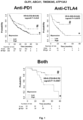
- Table 1 shows the individual results of hazard ratio as a function of time for each of the genes in patients treated with anti-PD1 and anti-CTLA4 therapies, in which it is observed how the risk of having an event such as death over time is lower in those patients with the presence of the gene. This risk is statistically significant with p-values of ⁇ 0.05. Table 1. Individual results of hazard ratio (HR) of each of the genes. The significance of the values is indicated as low significant risk factor; low sig. RF, high significant risk factor; high sig. RF, and non-significant results as Not sig.
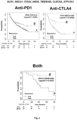
- a genetic signature was evaluated using a mean expression of 7 genes in total, observing an association with the favorable result (reduced risk factor or HR), being statistically limiting in significance for anti-PD1 treatment, and the association was highly significant for anti-CTLA4 therapies or both combined ( Fig. 2 ).
Landscapes
- Health & Medical Sciences (AREA)
- Life Sciences & Earth Sciences (AREA)
- Immunology (AREA)
- Engineering & Computer Science (AREA)
- Molecular Biology (AREA)
- Biomedical Technology (AREA)
- Chemical & Material Sciences (AREA)
- Hematology (AREA)
- Urology & Nephrology (AREA)
- Biotechnology (AREA)
- Microbiology (AREA)
- Cell Biology (AREA)
- Food Science & Technology (AREA)
- Medicinal Chemistry (AREA)
- Physics & Mathematics (AREA)
- Analytical Chemistry (AREA)
- Biochemistry (AREA)
- General Health & Medical Sciences (AREA)
- General Physics & Mathematics (AREA)
- Pathology (AREA)
- Measuring Or Testing Involving Enzymes Or Micro-Organisms (AREA)
Priority Applications (3)
| Application Number | Priority Date | Filing Date | Title |
|---|---|---|---|
| EP23382324.4A EP4443162A1 (fr) | 2023-04-03 | 2023-04-03 | Signature génétique pour prédire la réponse aux immunotherapies chez un patient |
| PCT/EP2024/058951 WO2024208833A1 (fr) | 2023-04-03 | 2024-04-02 | Signature génétique pour prédire la réponse d'un sujet à des immunothérapies |
| CN202480037308.5A CN121420076A (zh) | 2023-04-03 | 2024-04-02 | 用于预测受试者对免疫疗法的应答的遗传特征 |
Applications Claiming Priority (1)
| Application Number | Priority Date | Filing Date | Title |
|---|---|---|---|
| EP23382324.4A EP4443162A1 (fr) | 2023-04-03 | 2023-04-03 | Signature génétique pour prédire la réponse aux immunotherapies chez un patient |
Publications (1)
| Publication Number | Publication Date |
|---|---|
| EP4443162A1 true EP4443162A1 (fr) | 2024-10-09 |
Family
ID=86609848
Family Applications (1)
| Application Number | Title | Priority Date | Filing Date |
|---|---|---|---|
| EP23382324.4A Pending EP4443162A1 (fr) | 2023-04-03 | 2023-04-03 | Signature génétique pour prédire la réponse aux immunotherapies chez un patient |
Country Status (3)
| Country | Link |
|---|---|
| EP (1) | EP4443162A1 (fr) |
| CN (1) | CN121420076A (fr) |
| WO (1) | WO2024208833A1 (fr) |
Citations (7)
| Publication number | Priority date | Publication date | Assignee | Title |
|---|---|---|---|---|
| WO2014162008A2 (fr) * | 2013-04-05 | 2014-10-09 | University Of Ha'il | Nouvelle signature de biomarqueur et ses utilisations |
| US20180371550A1 (en) * | 2015-07-08 | 2018-12-27 | Children's Hospital Medical Center | Loss of transcriptional fidelity leads to immunotherapy resistance in cancers |
| US20190018926A1 (en) * | 2017-07-14 | 2019-01-17 | Cofactor Genomics, Inc. | Immuno-oncology applications using next generation sequencing |
| US20200149009A1 (en) * | 2017-07-14 | 2020-05-14 | The Broad Institute, Inc. | Methods and compositions for modulating cytotoxic lymphocyte activity |
| EP3325653B1 (fr) | 2015-07-21 | 2020-07-15 | Almac Diagnostic Services Limited | Signature de genes pour thérapies immunitaires pour le cancer |
| CA3140365A1 (fr) * | 2019-05-14 | 2020-11-19 | Tempus Labs, Inc. | Systemes et procedes de classification de cancer multi-etiquette |
| US20210371932A1 (en) * | 2018-06-01 | 2021-12-02 | Massachusetts Institute Of Technology | Methods and compositions for detecting and modulating microenvironment gene signatures from the csf of metastasis patients |
-
2023
- 2023-04-03 EP EP23382324.4A patent/EP4443162A1/fr active Pending
-
2024
- 2024-04-02 WO PCT/EP2024/058951 patent/WO2024208833A1/fr not_active Ceased
- 2024-04-02 CN CN202480037308.5A patent/CN121420076A/zh active Pending
Patent Citations (7)
| Publication number | Priority date | Publication date | Assignee | Title |
|---|---|---|---|---|
| WO2014162008A2 (fr) * | 2013-04-05 | 2014-10-09 | University Of Ha'il | Nouvelle signature de biomarqueur et ses utilisations |
| US20180371550A1 (en) * | 2015-07-08 | 2018-12-27 | Children's Hospital Medical Center | Loss of transcriptional fidelity leads to immunotherapy resistance in cancers |
| EP3325653B1 (fr) | 2015-07-21 | 2020-07-15 | Almac Diagnostic Services Limited | Signature de genes pour thérapies immunitaires pour le cancer |
| US20190018926A1 (en) * | 2017-07-14 | 2019-01-17 | Cofactor Genomics, Inc. | Immuno-oncology applications using next generation sequencing |
| US20200149009A1 (en) * | 2017-07-14 | 2020-05-14 | The Broad Institute, Inc. | Methods and compositions for modulating cytotoxic lymphocyte activity |
| US20210371932A1 (en) * | 2018-06-01 | 2021-12-02 | Massachusetts Institute Of Technology | Methods and compositions for detecting and modulating microenvironment gene signatures from the csf of metastasis patients |
| CA3140365A1 (fr) * | 2019-05-14 | 2020-11-19 | Tempus Labs, Inc. | Systemes et procedes de classification de cancer multi-etiquette |
Non-Patent Citations (13)
| Title |
|---|
| "NCBI", Database accession no. NG_007981.1; HGNC:29 |
| ARAN D.HU Z.BUTTE AJ: "xCell: digitally portraying the tissue cellular heterogeneity landscape", GENOME BIOL, vol. 18, no. 1, 2017, pages 220, XP055816715, DOI: 10.1186/s13059-017-1349-1 |
| BAUSCH-FLUCK D ET AL.: "The in silico human surfaceome", PROC NATL ACAD SCI USA., vol. 115, no. 46, 2018, pages E10988 - E10997 |
| EPPLE, HJ ET AL.: "Mucosal but not peripheral FOXP3+ regulatory T cells are highly increased in untreated HIV infection and normalize after suppressive HAART", BLOOD, vol. 108, no. 9, 2006, pages 3072 - 3078, XP086510829, DOI: 10.1182/blood-2006-04-016923 |
| GYDRFFY B ET AL.: "An online survival analysis tool to rapidly assess the effect of 22,277 genes on breast cancer prognosis using microarray data of 1,809 patients", BREAST CANCER RESEARCH AND TREATMENT., vol. 123, no. 3, 2010, pages 725 - 731 |
| KUMAGAI SKOYAMA S.NISHIKAWA H.: "Antitumour immunity regulated by aberrant ERBB family signalling", NAT REV CANCER., vol. 21, no. 3, 2021, pages 181 - 197, XP037384777, DOI: 10.1038/s41568-020-00322-0 |
| LANCZKY A ET AL.: "Web-Based Survival Analysis Tool Tailored for Medical Research (KMplot): Development and Implementation", J MED INTERNET RES., vol. 23, no. 7, 26 July 2021 (2021-07-26), pages e27633 |
| LANCZKY AGYORFFY B: "Web-Based Survival Analysis Tool Tailored for Medical Research (Kmplot): Development and Implementation", J MED INTERNET RES., vol. 23, no. 7, 26 July 2021 (2021-07-26), pages e27633 |
| LI B. ET AL.: "Comprehensive analyses of tumor immunity: implications for cancer immunotherapy", GENOME BIOLOGY, vol. 17, no. 1, 2016, pages 174, XP055427521, DOI: 10.1186/s13059-016-1028-7 |
| LI T. ET AL.: "TIMER: A Web Server for Comprehensive Analysis of Tumor-Infiltrating Immune Cells", CANCER RES., vol. 77, no. 21, 2017, pages e108 - e110 |
| NAIDOO ET AL., BRITISH JOURNAL OF CANCER, vol. 111, 2014, pages 2214 - 2219 |
| OCANA A.DIEZ-GONZALEZ L.ADROVER E.FERNANDEZ-ARAMBURO A., PANDIELLA A.AMIR E.: "Tumor-Infiltrating Lymphocytes in Breast Cancer: Ready for Prime Time?", J CLIN ONCOL., vol. 33, no. 11, 2015, pages 1298 - 1299 |
| PARDOLL, NATURE, vol. 12, 2012, pages 252 - 264 |
Also Published As
| Publication number | Publication date |
|---|---|
| CN121420076A (zh) | 2026-01-27 |
| WO2024208833A1 (fr) | 2024-10-10 |
Similar Documents
| Publication | Publication Date | Title |
|---|---|---|
| Grasso et al. | Conserved interferon-γ signaling drives clinical response to immune checkpoint blockade therapy in melanoma | |
| Sengupta et al. | Mesenchymal and adrenergic cell lineage states in neuroblastoma possess distinct immunogenic phenotypes | |
| Koh et al. | Clinicopathologic analysis of programmed cell death-1 and programmed cell death-ligand 1 and 2 expressions in pulmonary adenocarcinoma: comparison with histology and driver oncogenic alteration status | |
| Dangaj et al. | Cooperation between constitutive and inducible chemokines enables T cell engraftment and immune attack in solid tumors | |
| EP3458473B1 (fr) | Marqueurs sélectivement deregulés dans les cellules t régulatrices présentes dans les infiltrtions tumorales. | |
| US11473150B2 (en) | Methods for the detection and treatment of classes of hepatocellular carcinoma responsive to immunotherapy | |
| US20220152176A1 (en) | Cancer biomarkers for durable clinical benefit | |
| Alame et al. | The immune contexture of primary central nervous system diffuse large B cell lymphoma associates with patient survival and specific cell signaling | |
| US20150218649A1 (en) | Biomarker associated with risk of melanoma reoccurrence | |
| WO2018183921A1 (fr) | Méthodes et compositions de détection et de modulation d'une signature génique de résistance à l'immunothérapie d'un cancer | |
| US20170275705A1 (en) | Biomarkers useful for determining response to pd-1 blockade therapy | |
| Davis-Marcisak et al. | Transfer learning between preclinical models and human tumors identifies a conserved NK cell activation signature in anti-CTLA-4 responsive tumors | |
| WO2018168949A1 (fr) | Nouveau biomarqueur pour immunothérapie anticancéreuse | |
| Ziblat et al. | Batf3+ DCs and the 4-1BB/4-1BBL axis are required at the effector phase in the tumor microenvironment for PD-1/PD-L1 blockade efficacy | |
| JP5837691B2 (ja) | 白血球機能関連mRNAの生体外での誘導によって癌免疫療法に対するホストの応答性を予測する方法 | |
| Gleeson et al. | Endoscopic ultrasound may be used to deliver gene expression signatures using digital mRNA detection methods to immunophenotype pancreatic ductal adenocarcinoma to facilitate personalized immunotherapy | |
| Bredel et al. | Immune checkpoints are predominantly co-expressed by clonally expanded CD4+ FoxP3+ intratumoral T-cells in primary human cancers | |
| WO2023001874A1 (fr) | Biomarqueurs pour réponse thérapeutique après immunothérapie | |
| JP2024521124A (ja) | がん治療に対する応答を予測するmirna | |
| Zheng et al. | CRTAM promotes antitumor immune response in triple negative breast cancer by enhancing CD8+ T cell infiltration | |
| Luo et al. | SIRPG expression positively associates with an inflamed tumor microenvironment and response to PD-1 blockade | |
| EP4443162A1 (fr) | Signature génétique pour prédire la réponse aux immunotherapies chez un patient | |
| Wu et al. | Lung adenocarcinoma patients with malignant pleural effusions in hot adaptive immunity status have a longer overall survival | |
| US20230105645A1 (en) | Method for improving the treatment with immune checkpoint blockade therapy | |
| WO2025093579A1 (fr) | Signature génétique pour prédire une réponse à une thérapie par inhibiteur de point de contrôle immunitaire |
Legal Events
| Date | Code | Title | Description |
|---|---|---|---|
| PUAI | Public reference made under article 153(3) epc to a published international application that has entered the european phase |
Free format text: ORIGINAL CODE: 0009012 |
|
| STAA | Information on the status of an ep patent application or granted ep patent |
Free format text: STATUS: THE APPLICATION HAS BEEN PUBLISHED |
|
| AK | Designated contracting states |
Kind code of ref document: A1 Designated state(s): AL AT BE BG CH CY CZ DE DK EE ES FI FR GB GR HR HU IE IS IT LI LT LU LV MC ME MK MT NL NO PL PT RO RS SE SI SK SM TR |
|
| STAA | Information on the status of an ep patent application or granted ep patent |
Free format text: STATUS: REQUEST FOR EXAMINATION WAS MADE |
|
| 17P | Request for examination filed |
Effective date: 20241112 |
|
| RBV | Designated contracting states (corrected) |
Designated state(s): AL AT BE BG CH CY CZ DE DK EE ES FI FR GB GR HR HU IE IS IT LI LT LU LV MC ME MK MT NL NO PL PT RO RS SE SI SK SM TR |
|
| STAA | Information on the status of an ep patent application or granted ep patent |
Free format text: STATUS: EXAMINATION IS IN PROGRESS |
|
| 17Q | First examination report despatched |
Effective date: 20250620 |