EP4450060A1 - Posologie pour composition d'injection de fexuprazan - Google Patents
Posologie pour composition d'injection de fexuprazan Download PDFInfo
- Publication number
- EP4450060A1 EP4450060A1 EP22907954.6A EP22907954A EP4450060A1 EP 4450060 A1 EP4450060 A1 EP 4450060A1 EP 22907954 A EP22907954 A EP 22907954A EP 4450060 A1 EP4450060 A1 EP 4450060A1
- Authority
- EP
- European Patent Office
- Prior art keywords
- fexuprazan
- dose
- administered
- injection composition
- day
- Prior art date
- Legal status (The legal status is an assumption and is not a legal conclusion. Google has not performed a legal analysis and makes no representation as to the accuracy of the status listed.)
- Pending
Links
Images





Classifications
-
- A—HUMAN NECESSITIES
- A61—MEDICAL OR VETERINARY SCIENCE; HYGIENE
- A61P—SPECIFIC THERAPEUTIC ACTIVITY OF CHEMICAL COMPOUNDS OR MEDICINAL PREPARATIONS
- A61P1/00—Drugs for disorders of the alimentary tract or the digestive system
-
- A—HUMAN NECESSITIES
- A61—MEDICAL OR VETERINARY SCIENCE; HYGIENE
- A61K—PREPARATIONS FOR MEDICAL, DENTAL OR TOILETRY PURPOSES
- A61K31/00—Medicinal preparations containing organic active ingredients
- A61K31/33—Heterocyclic compounds
- A61K31/395—Heterocyclic compounds having nitrogen as a ring hetero atom, e.g. guanethidine or rifamycins
- A61K31/40—Heterocyclic compounds having nitrogen as a ring hetero atom, e.g. guanethidine or rifamycins having five-membered rings with one nitrogen as the only ring hetero atom, e.g. sulpiride, succinimide, tolmetin, buflomedil
-
- A—HUMAN NECESSITIES
- A61—MEDICAL OR VETERINARY SCIENCE; HYGIENE
- A61K—PREPARATIONS FOR MEDICAL, DENTAL OR TOILETRY PURPOSES
- A61K31/00—Medicinal preparations containing organic active ingredients
- A61K31/33—Heterocyclic compounds
- A61K31/395—Heterocyclic compounds having nitrogen as a ring hetero atom, e.g. guanethidine or rifamycins
- A61K31/40—Heterocyclic compounds having nitrogen as a ring hetero atom, e.g. guanethidine or rifamycins having five-membered rings with one nitrogen as the only ring hetero atom, e.g. sulpiride, succinimide, tolmetin, buflomedil
- A61K31/401—Proline; Derivatives thereof, e.g. captopril
-
- A—HUMAN NECESSITIES
- A61—MEDICAL OR VETERINARY SCIENCE; HYGIENE
- A61K—PREPARATIONS FOR MEDICAL, DENTAL OR TOILETRY PURPOSES
- A61K31/00—Medicinal preparations containing organic active ingredients
- A61K31/33—Heterocyclic compounds
- A61K31/395—Heterocyclic compounds having nitrogen as a ring hetero atom, e.g. guanethidine or rifamycins
- A61K31/40—Heterocyclic compounds having nitrogen as a ring hetero atom, e.g. guanethidine or rifamycins having five-membered rings with one nitrogen as the only ring hetero atom, e.g. sulpiride, succinimide, tolmetin, buflomedil
- A61K31/4015—Heterocyclic compounds having nitrogen as a ring hetero atom, e.g. guanethidine or rifamycins having five-membered rings with one nitrogen as the only ring hetero atom, e.g. sulpiride, succinimide, tolmetin, buflomedil having oxo groups directly attached to the heterocyclic ring, e.g. piracetam, ethosuximide
-
- A—HUMAN NECESSITIES
- A61—MEDICAL OR VETERINARY SCIENCE; HYGIENE
- A61K—PREPARATIONS FOR MEDICAL, DENTAL OR TOILETRY PURPOSES
- A61K9/00—Medicinal preparations characterised by special physical form
- A61K9/0012—Galenical forms characterised by the site of application
- A61K9/0019—Injectable compositions; Intramuscular, intravenous, arterial, subcutaneous administration; Compositions to be administered through the skin in an invasive manner
-
- A—HUMAN NECESSITIES
- A61—MEDICAL OR VETERINARY SCIENCE; HYGIENE
- A61P—SPECIFIC THERAPEUTIC ACTIVITY OF CHEMICAL COMPOUNDS OR MEDICINAL PREPARATIONS
- A61P1/00—Drugs for disorders of the alimentary tract or the digestive system
- A61P1/04—Drugs for disorders of the alimentary tract or the digestive system for ulcers, gastritis or reflux esophagitis, e.g. antacids, inhibitors of acid secretion, mucosal protectants
-
- A—HUMAN NECESSITIES
- A61—MEDICAL OR VETERINARY SCIENCE; HYGIENE
- A61P—SPECIFIC THERAPEUTIC ACTIVITY OF CHEMICAL COMPOUNDS OR MEDICINAL PREPARATIONS
- A61P7/00—Drugs for disorders of the blood or the extracellular fluid
- A61P7/04—Antihaemorrhagics; Procoagulants; Haemostatic agents; Antifibrinolytic agents
Definitions
- the present invention relates to an appropriate dosage regimen for fexuprazan injection composition.
- the annual rate of hospital admissions due to acute upper gastrointestinal bleeding in the United States is 160 per 100,000 populations, exceeding 400,000 cases per year. Almost the majority (80-90%) of upper gastrointestinal bleeding cases are non-variceal bleeding, of which the most common lesion is described as a gastroduodenal peptic ulcer.
- the most common cause of upper gastrointestinal bleeding is peptic ulcer, which accounts for about 50%, and peptic ulcers caused by Helicobacter are the most common cause of upper digestive tract bleeding.
- Peptic ulcers occur when attack factors such as stomach acid and pepsin are superior to defense factors such as mucus, and is defined as a defect in the gastrointestinal mucosa caused by the attack factors.
- ulcers Common causes of peptic ulcers include Helicobacter infection, use of non-steroidal anti-inflammatory drugs, and physical stress, and in cases of some latrogenic ulcers, ulcers may occur due to endoscopic mucosal resection or endoscopic submucosal dissection.
- Therapeutic methods for these ulcerative bleeding include endoscopic therapy, pharmacotherapy, or surgical therapy, wherein the pharmacotherapy is mainly performed via rapid and potent inhibition of gastric acid secretion using injections.
- Stomach acid damages the blood coagulation process, promotes the breakdown of platelet aggregation, and acts advantageous on fibrinolysis. Therefore, suppressing gastric acid secretion, increasing the intragastric acidity, and maintaining elevated pH even at night promotes stabilization of the blood coagulation process and decreases the tendency to rebleed.
- P-CAB potential-competitive acid blocker
- fexuprazan is a compound described in Korean Patent No. 10-1613245 , and has excellent antiulcer activity (i.e., proton pump inhibitory activity, etc.) and Helicobacter pylori (H. pylori) eradication activity and GPCR inhibition activity, whereby it is known to be useful for prevention and treatment of gastrointestinal track ulcers, gastritis, reflux esophagitis, or gastrointestinal damage caused by Helicobacter pylori.
- fexuprazan has therapeutic effects on diseases associated with gastric acid secretion, specifically gastroesophageal reflux disease (GERD), and more specifically, erosive esophagitis (EE), when orally administered at a dose of 40 mg once a day.
- GFD gastroesophageal reflux disease
- EE erosive esophagitis
- the present inventors have developed a fexuprazan injection composition and conducted intensive research on the composition, and found an appropriate dosage regimen for each indication of the fexuprazan injection composition, thereby completing the present invention.
- an injection composition for preventing or treating gastrointestinal disease in which a compound represented by the following Chemical Formula 1 or a pharmaceutically acceptable salt thereof is administered at a dose of 0.4 to 0.6 times the dose at which the therapeutic effect for oral administration was confirmed:
- the chemical name of the compound represented by Chemical Formula 1 is 1-(5-(2,4-difluorophenyl)-1-((3-fluorophenyl)sulfonyl)-4-methoxy-1H-pyrrol-3-yl)-N-methylmethanamine, which is a compound described in Korean Patent No. 10-1613245 .
- the above compound is an active ingredient that exhibits pharmacological effects of the injection composition according to the present invention, and has excellent anti-ulcer activity (i.e., proton pump inhibitory activity, etc.), Helicobacter pylori (H. pylori) eradication activity and GPCR inhibition action, and thus is useful in the prevention and treatment of gastrointestinal track ulcer, gastritis, reflux esophagitis, or gastrointestinal damage caused by Helicobacter pylori.
- salts commonly used in the art such as acid addition salts formed by pharmaceutically acceptable free acids can be used without limitation.
- pharmaceutically acceptable salt refers to any organic or inorganic addition salt of the compound represented by Chemical Formula 1, whose concentration is relatively non-toxic and harmless to a patient and activates effectively and whose side effects do not degrade the beneficial efficacy of the above compound.
- compositions can be obtained by conventional methods using inorganic or organic acids.
- the pharmaceutically acceptable salt can be prepared by dissolving the compound represented by Chemical Formula 1 in a water-miscible organic solvent, e.g., acetone, methanol, ethanol or acetonitrile, followed by adding an organic acid or an inorganic acid, and filtering and drying the precipitated crystals.
- a water-miscible organic solvent e.g., acetone, methanol, ethanol or acetonitrile
- it may be prepared by subjecting a solvent or an excessive amount of acid from the acid-added reaction mixture to reduced pressure and then drying the residue, or by adding a different organic solvent and then filtering the precipitated salt.
- the preferred salts may include salts derived from hydrochloric acid, hydrobromic acid, sulfuric acid, phosphoric acid, nitric acid, acetic acid, glycolic acid, lactic acid, pyruvic acid, malonic acid, succinic acid, glutaric acid, fumaric acid, malic acid, mandelic acid, tartaric acid, citric acid, ascorbic acid, palmitic acid, maleic acid, hydroxymaleic acid, benzoic acid, hydroxybenzoic acid, phenylacetic acid, cinnamic acid, salicylic acid, methanesulfonic acid, benzenesulfonic acid or toluenesulfonic acid, and the like.
- the pharmaceutical composition of the present invention can be formulated according to a standard pharmaceutical practice.
- These formulations may contain additives such as pharmaceutically acceptable carrier, adjuvant or diluent in addition to the active ingredient.
- a suitable carrier for preparing an injection composition can be used, and examples thereof include physiological saline, polyethylene glycol, ethanol, vegetable oil, and isopropyl myristate and the like.
- Diluents include, for example, lactose, dextrose, sucrose, mannitol, sorbitol, cellulose and/or glycine and the like, but are not limited thereto. Further, it can be dissolved in oils, propylene glycol or other solvents commonly used in the preparation of injection compositions.
- prevention refers to any act to delay or inhibit occurrence, spread or recurrence of the above-mentioned diseases by administration of the injection composition of the present invention
- treatment refers to any act to improve or change the symptoms of the above diseases for the better by administration of the injection composition of the present invention.
- the injection composition containing the compound represented by Chemical Formula 1 or a pharmaceutically acceptable salt thereof is administered in an amount of 10 mg to 30 mg once a day for the prevention or treatment of gastrointestinal disease.
- the mass of 10 mg to 30 mg refers to the amount of the compound represented by Chemical Formula 1 to be administered, and when a pharmaceutically acceptable salt of the compound represented by Chemical Formula 1 is used, it means the amount excluding the salt component.
- the administration is performed preferably through intravenous route.
- the gastrointestinal disease may be a disease associated with gastric acid secretion.
- the disease associated with gastric acid secretion collectively refer to digestive system diseases associated with gastric acid, such as gastric ulcer, duodenal ulcer, erosive reflux esophagitis, and non-erosive gastroesophageal reflux disease.
- digestive system diseases associated with gastric acid such as gastric ulcer, duodenal ulcer, erosive reflux esophagitis, and non-erosive gastroesophageal reflux disease.
- Gastroesphageal reflux disease is a condition in which unpleasant symptoms and complications are caused by a regurgitation of stomach contents into the esophagus, and is classified into erosive esophagitis (EE) and non-erosive reflux disease (NERD) on the basis of the presence or absence of morphological changes in the esophagus, such as ulcers or erosions.
- EE erosive esophagitis
- NERD non-erosive reflux disease
- the erosive esophagitis is defined as a case where there is endoscopically and visually identifiable damage to the distal esophageal mucosa
- the non-erosive is defined as a case where there are typical regurgitation symptoms but no damage to the esophageal mucosa on endoscopy.
- the present invention it was confirmed that when the condition of pH 4 or more is maintained for 40% or more of the day, it exhibits a therapeutic effect on diseases associated with gastric acid secretion, specifically gastroesophageal reflux disease, and more specifically, erosive esophagitis.
- the compound represented by Chemical Formula 1 or a pharmaceutically acceptable salt thereof is orally administered in an amount of 40 mg once a day, it exhibits a therapeutic effect on diseases associated with gastric acid secretion, specifically gastroesophageal reflux disease, and more specifically erosive esophagitis.
- the same compound is administered at 10 mg to 30 mg once a day through intravenous route, it exhibits the same effect as oral administration.
- the injection composition containing the compound represented by Chemical Formula 1 or a pharmaceutically acceptable salt thereof is administered at 20 mg once a day for the prevention or treatment of gastrointestinal disease.
- an injection composition for treating bleeding in which the compound represented by Chemical Formula 1 or a pharmaceutically acceptable salt thereof is administered in an amount of 70 mg to 90 mg once a day, or 30 mg to 50 mg twice a day.
- each mass of 70 mg to 90 mg and 30 mg to 50 mg means the amount of the compound represented by Chemical Formula 1 to be administered, and when a pharmaceutically acceptable salt of the compound represented by Chemical Formula 1 is used, it means the amount excluding the salt component.
- Gastric acid makes the blood clotting process difficult, and dissolves aggregated platelets and fibrin. Therefore, in order to treat bleeding, the intragastric pH must be maintained high by regulating gastric acid secretion. As the intragastric pH is higher and is maintained longer, the therapeutic effect on bleeding is better. However, it is generally known that when the intragastric acidity pH is 6 or more, the blood coagulation process is stabilized and rebleeding is reduced. When the condition of pH 6 or more is maintained for 50% or more of the day, it exhibits a therapeutic effect.
- the injection composition containing the compound represented by Chemical Formula 1 or a pharmaceutically acceptable salt thereof is administered in an amount of 70 mg to 90 mg once a day, or 30 mg to 50 mg twice a day, such conditions are satisfied.
- the bleeding may be caused by peptic ulcers, or may be caused by latrogenic ulcers after endoscopic surgery.
- the injection composition containing the compound represented by Chemical Formula 1 or a pharmaceutically acceptable salt thereof is administered in an amount of 80 mg once a day, or 40 mg twice a day for the treatment of bleeding.
- an injection composition for preventing bleeding in which the compound represented by Chemical Formula 1 or a pharmaceutically acceptable salt thereof is administered in an amount of 30 mg to 50 mg, and then maintained and administered at 1 mg/h to 10 mg/h for 24 hours or more.
- the mass of 30 mg to 50 mg and 1 mg/h to 10 mg/h means the amount of the compound represented by Chemical Formula 1 to be administered, and when a pharmaceutically acceptable salt of the compound represented by Chemical Formula 1 is used, it means the amount excluding the salt component.
- a method of maintaining and administering there is generally mentioned a method of diluting the fexuprazan injection composition in physiological saline (bag), connecting it to an infusion set, and then adjusting the administration speed and administration time.
- the intragastric pH In order to prevent bleeding, the intragastric pH must be maintained above a certain level, and generally, if the condition of pH 6 or more is maintained for 50% or more of the day, it exhibits a preventive effect.
- an injection composition containing the compound represented by Chemical Formula 1 or a pharmaceutically acceptable salt thereof is maintained and administered in an amount of 30 mg to 50 mg, and then maintained and administered at 1 mg/h to 10 mg/h for 24 hours or more, such conditions is satisfied.
- the injection composition containing the compound represented by Chemical Formula 1 or a pharmaceutically acceptable salt thereof is administered in an amount of 40 mg and then maintained and administered at 1 ⁇ 10 mg/h for 48 hours or more for the prevention of bleeding.
- the present invention provides an appropriate dosage regimen for each indication of a fexuprazan injection composition and thereby enable obtaining an optimal preventive or therapeutic effect therefrom.
- the compound represented by Chemical Formula 1 of the present invention was prepared in the same manner as in Example 8 of Korean Patent Application No. 10-2016-0013588 .
- 'fexuprazan' hydrochloride 1-(5-(2,4-difluorophenyl)-1-((3-fluorophenyl)sulfonyl)-4-methoxy-1H-pyrrol-3-yl)-N-methylmethanamine (hereinafter referred to as 'fexuprazan' hydrochloride was dissolved in a solution containing 30 wt.% of polyethylene glycol (Polyethylene Glycol 400) polymer in physiological saline. The concentration was adjusted so that 0, 0.1, 0.5, 1, 2 mg/kg based on fexuprazan weight could be administered to each test animal in a liquid volume of 1 mL/kg, and then each test animal was administered through the tail vein as a single dose.
- polyethylene glycol Polyethylene Glycol 400
- esomeprazole magnesium trihydrate which is a positive control, based on esomeprazole weight was administered as a single dose through the tail vein in test animals.
- 80 mg/kg of indomethacin was orally administered as a single dose to each test animal to induce gastric bleeding and ulceration.
- An autopsy was performed 5 hours after administration of indomethacin, and the stomach was removed. Then, the ulcer index (%) was measured using an image program (Leica Application Suite V4), and gastric hemorrhage and erosion state were evaluated through histopathological examination. The results are shown in Table 1 below.
- Methylcellulose was dissolved in physiological saline to prepare a solution containing methylcellulose at a concentration of 0.5 wt%, and then the previously prepared fexuprazan hydrochloride was added thereto to prepare a composition with Fexuprazan at a concentration of 1 mg/mL.
- the composition prepared above was orally administered to male rats at a dose of 2 mg/kg in a liquid volume of 2 mL/kg depending on the body weight of the individual, and then blood was collected using an orbital blood collection method at 0.25, 0.5, 1, 2, 4, 6, 8, and 24 hours, and centrifuged at 10,000 rpm for 5 minutes. Plasma was collected, analyzed by HPLC-MS/MS, and pharmacokinetic parameters were calculated.
- methylcellulose was dissolved in physiological saline to prepare a solution containing methylcellulose at a concentration of 0.5 wt,%, and then the previously prepared fexuprazan hydrochloride was added thereto to prepare a composition with fexuprazan at a concentration of 1 mg/mL.
- the composition was administered through the tail vein in male rats at a dose of 1 mg/kg in a liquid volume of 1 mL/kg depending on the body weight of the individual. Blood was collected by the same method as in oral administration at 0.083, 0.25, 0.5, 1, 2, 4, 6, 8, and 24 hours, and then analyzed. The analysis results are shown in Table 2 below.
- the previously prepared fexuprazan hydrochloride was dissolved in a solution containing 30 wt.% of polyethylene glycol (Polyethylene Glycol 400) polymer in physiological saline, and the concentration was calculated based on fexuprazan weight so that it could be administered at a liquid volume of 5 mL/kg for rats and 2 mL/kg for beagle dogs to prepare each composition.
- Toxicity was evaluated by intravenously administering at doses of 0, 2.5, 5, and 10 mg/kg/day to rats and beagle dogs, respectively, once a day for 4 weeks. As a result of the test, no toxic symptoms due to the test substance were observed in all administration groups, and thus a high dose of 10 mg/kg/day was set as the harmless dose.
- Test items (Animal type, administration period, administration route) Dosage (mg/kg) Result (mg/kg) Rat, 4 weeks, intravenous 0, 2.5, 5, 10 harmless dose 10 Beagle dog, 4 weeks, intravenous 0, 2.5, 5, 10 harmless dose 10
- a stabilizer (200 mg), a freeze-drying auxiliary agent (200 mg), and the previously prepared fexuprazan hydrochloride (40 mg based on fexuprazan weight) were dissolved in water for injection (4 mL), and an appropriate amount of acid was added thereto to adjust the pH to 4.0.
- the prepared solution was put into a vial, dried by a freeze-drying method, and prepared as a freeze-drying agent.
- the freeze-dried composition prepared as above was used, but a total of 28 subjects of 4, 8, 8, and 8 subjects each were enrolled for four dose groups (10 mg, 20 mg, 40 mg, and 80 mg) based on fexuprazan weight, and each group was randomly assigned to test or control groups in the order that they passed the screening criteria at a ratio of 3:1. All test subjects completed safety, pharmacokinetic, and pharmacodynamic evaluations according to the planned clinical trial schedule.
- Test group Number of subjects (test group : control group) Gende r Nationality Random Dose group 1 Fexuprazan 10 mg physiological saline 100 ml 4(3:1) male Korean Test group male Korean Test group male Korean Test group male Korean Control group Dose group 2 Fexuprazan 20 mg physiological saline 100 ml 8(6:2) male Korean Test group male Korean Test group female Korean Test group male Korean Control group male Korean Test group female Chinese Test group male Chinese Control group male Chinese Test group male Chinese Test group male Chinese Test group Dose group 3 Fexuprazan 40 mg physiological saline 100 ml 8(6:2) male Korean Test group male Chinese Control group male Korean Test group male Korean Test group male Chinese Control group male Chinese Test group male Chinese Test group male Chinese Test group male Chinese Test group male Korean Test group male Korean Test group male Chinese Control group male Chinese Test group male Korean Test group male Korean Test group Dose group 4 Fexuprazan 80 mg physiological saline 100 ml 8(6:2) male Korean Test group male Korean Test group male Korean Test group male Korean
- a screening visit was performed 3 to 28 days before the start of the clinical trial, and hospital admission was performed 2 days before medication.
- the medication was performed in the morning, and the patient was discharged from the hospital on the third day of medication. Subsequently, a close-out visit was performed between the 8th and 11th day of medication.
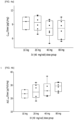
- the dose proportionality of fexuprazan to the C max , AUC last , and AUC inf parameters was evaluated between doses of 10 mg and 80 mg.
- the log-transformed parameters and 95% confidence interval regression lines of each dose after a single administration are shown in Table 7 and FIG. 3 , respectively.
- the slopes (95% confidence interval) of the regression lines for C max , AUC last , and AUC inf were 0.89 (0.7477 ⁇ 1.0339), 1.10 (0.9884 ⁇ 1.2090), and 1.11 (0.9940 ⁇ 1.2182), respectively, showing an increase in proportion to the dose.
- the dosage regimen for injection preparations usually compares pharmacokinetic parameters such as bioavailability and peak blood concentration for oral administration versus intravenous administration, and pharmacological parameters associated therewith, which was applied to the dosage regimen for oral administration, thereby being able to infer an appropriate regimen for injection preparations.
- a screening visit was performed 3 to 28 days before the start of the clinical trial, and hospital admission was performed 2 days before medication.
- the first phase medication was performed according to the order group randomly assigned on the morning of the day.
- a stabilizer 200 mg
- a freeze-drying auxiliary agent 200 mg
- the previously prepared fexuprazan hydrochloride 40 mg based fexuprazan weight
- a composition whose pH was adjusted to 4.0 was administered intravenously, or an excipient (100 mg), a disintegrant (5 mg), and the previously prepared fexuprazan hydrochloride (40 mg based on fexuprazan weight) were mixed and compressed to prepare a tablet, which were administered orally.
- the hospital discharge was performed on the third day of medication.
- the second phase medication was performed on the morning of the 8th after hospital admission on the 6th day after the first phase medication. Hospital discharge was performed on the 10th day of medication. Subsequently, a close-out visit was performed between 15 and 18 days after medication ( FIG. 6 ).
- PD parameters are shown in Table 11 above.
- the percentage of time during which the pH maintained above 4 was 47.5% and 71.6% during oral and intravenous administrations, respectively.
- the percentage of time during which the pH maintained above 4 was 20.3% and 38.7% during oral and intravenous administrations, respectively.
- the mean pH values for oral and intravenous administration were 3.9 and 4.9, respectively.
- the medicinal efficacy (PD) of fexuprazan is related to the blood concentration(PK) of fexuprazan, and intravenous administration has a faster T max and higher C max and higher AUC value than oral administration, thereby having faster and higher medicinal efficacy.
- a stabilizer (200 mg), a freeze-drying auxiliary agent (200 mg), and the previously prepared fexuprazan hydrochloride (40 mg based on fexuprazan weight) were dissolved in water for injection (4 mL), and the pH was adjusted to 4.0 by adding an appropriate amount of acid.
- the prepared solution was put into a vial and dried using a freeze-drying method to prepare a freeze-dried agent.
- the freeze-dried composition prepared as above was used, but a total of 28 subject of 9, 8, and 8 subjects each were enrolled for three dose groups (20 mg, 40 mg, and 80 mg) based on fexuprazan weight, and each group was randomly assigned to test or control groups in the order that they passed the screening criteria at a ratio of 3:1.
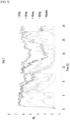
- Dose groups 1 and 3 in Table 12 were administered once a day (every 24 hours) ( FIG. 8 ), and dose group 2 was administered twice a day (every 12 hours) for 7 days ( FIG. 9 ).
- test was conducted on eight healthy adults between the ages of 19 and 50.
- a total of 100 ml of a solution obtained by mixing 40 mg of a freeze-dried preparation (40 mg/vial) prepared in the same manner as that used in Experimental Example 6, and physiological saline was administered intravenously for 30 minutes.
- a total of 1L of a solution obtained by mixing 94 mg of freeze-dried formulation (40 mg/vial) and physiological saline was administered intravenously as a maintenance dose for 23.5 hours.
Landscapes
- Health & Medical Sciences (AREA)
- Veterinary Medicine (AREA)
- Chemical & Material Sciences (AREA)
- Medicinal Chemistry (AREA)
- Pharmacology & Pharmacy (AREA)
- Life Sciences & Earth Sciences (AREA)
- Animal Behavior & Ethology (AREA)
- General Health & Medical Sciences (AREA)
- Public Health (AREA)
- Engineering & Computer Science (AREA)
- Bioinformatics & Cheminformatics (AREA)
- Chemical Kinetics & Catalysis (AREA)
- General Chemical & Material Sciences (AREA)
- Nuclear Medicine, Radiotherapy & Molecular Imaging (AREA)
- Organic Chemistry (AREA)
- Epidemiology (AREA)
- Diabetes (AREA)
- Hematology (AREA)
- Dermatology (AREA)
- Pharmaceuticals Containing Other Organic And Inorganic Compounds (AREA)
- Medicinal Preparation (AREA)
Applications Claiming Priority (2)
| Application Number | Priority Date | Filing Date | Title |
|---|---|---|---|
| KR20210179757 | 2021-12-15 | ||
| PCT/KR2022/020425 WO2023113487A1 (fr) | 2021-12-15 | 2022-12-15 | Posologie pour composition d'injection de fexuprazan |
Publications (2)
| Publication Number | Publication Date |
|---|---|
| EP4450060A1 true EP4450060A1 (fr) | 2024-10-23 |
| EP4450060A4 EP4450060A4 (fr) | 2025-10-22 |
Family
ID=86773098
Family Applications (1)
| Application Number | Title | Priority Date | Filing Date |
|---|---|---|---|
| EP22907954.6A Pending EP4450060A4 (fr) | 2021-12-15 | 2022-12-15 | Posologie pour composition d'injection de fexuprazan |
Country Status (11)
| Country | Link |
|---|---|
| US (1) | US20240415808A1 (fr) |
| EP (1) | EP4450060A4 (fr) |
| JP (1) | JP2024545449A (fr) |
| KR (1) | KR20230091066A (fr) |
| CN (1) | CN118541141A (fr) |
| AU (1) | AU2022415785B2 (fr) |
| CA (1) | CA3242958A1 (fr) |
| JO (1) | JOP20240131A1 (fr) |
| MX (1) | MX2024007309A (fr) |
| WO (1) | WO2023113487A1 (fr) |
| ZA (1) | ZA202404670B (fr) |
Family Cites Families (7)
| Publication number | Priority date | Publication date | Assignee | Title |
|---|---|---|---|---|
| SG11201408511QA (en) * | 2012-06-27 | 2015-01-29 | Takeda Pharmaceutical | Liquid preparations of amines and organic acids stabilized by salts |
| KR20160013588A (ko) | 2014-07-28 | 2016-02-05 | 허재혁 | 무게추를 구비한 형광펜 |
| KR101613245B1 (ko) * | 2015-04-27 | 2016-04-18 | 주식회사 대웅제약 | 신규의 4-메톡시 피롤 유도체 또는 이의 염 및 이를 포함하는 약학 조성물 |
| CN106511344A (zh) * | 2015-09-14 | 2017-03-22 | 王虹 | 一种胃酸分泌抑制剂的新用途 |
| KR20170113040A (ko) * | 2016-03-25 | 2017-10-12 | 주식회사 대웅제약 | 1-(5-(2,4-다이플루오로페닐)-1-((3-플루오로페닐)술포닐)-4-메톡시-1h-피롤-3-일)-n-메틸메탄아민의 신규한 산부가염 |
| KR102570011B1 (ko) * | 2019-12-18 | 2023-08-23 | 주식회사 대웅제약 | 1-(5-(2,4-다이플루오로페닐)-1-((3-플루우로페닐)술포닐)-4-메톡시-1h-피롤-3-일)-n-메틸메탄아민의 액상 약학적 조성물 |
| TW202304426A (zh) * | 2021-05-26 | 2023-02-01 | 南韓商大熊製藥股份有限公司 | 用於注射之包含1-(5-(2,4-二氟苯基)-1-((3-氟苯基)磺醯基)-4-甲氧基-1h-吡咯-3-基)-n-甲基甲胺的新調配物 |
-
2022
- 2022-12-15 US US18/719,016 patent/US20240415808A1/en active Pending
- 2022-12-15 CA CA3242958A patent/CA3242958A1/fr active Pending
- 2022-12-15 JP JP2024533293A patent/JP2024545449A/ja active Pending
- 2022-12-15 AU AU2022415785A patent/AU2022415785B2/en active Active
- 2022-12-15 CN CN202280082346.3A patent/CN118541141A/zh active Pending
- 2022-12-15 WO PCT/KR2022/020425 patent/WO2023113487A1/fr not_active Ceased
- 2022-12-15 EP EP22907954.6A patent/EP4450060A4/fr active Pending
- 2022-12-15 KR KR1020220175620A patent/KR20230091066A/ko active Pending
- 2022-12-15 MX MX2024007309A patent/MX2024007309A/es unknown
-
2024
- 2024-06-12 JO JOJO/P/2024/0131A patent/JOP20240131A1/ar unknown
- 2024-06-14 ZA ZA2024/04670A patent/ZA202404670B/en unknown
Also Published As
| Publication number | Publication date |
|---|---|
| US20240415808A1 (en) | 2024-12-19 |
| CA3242958A1 (fr) | 2023-06-22 |
| JP2024545449A (ja) | 2024-12-06 |
| EP4450060A4 (fr) | 2025-10-22 |
| ZA202404670B (en) | 2025-09-25 |
| CN118541141A (zh) | 2024-08-23 |
| MX2024007309A (es) | 2024-06-26 |
| WO2023113487A1 (fr) | 2023-06-22 |
| AU2022415785A1 (en) | 2024-05-30 |
| JOP20240131A1 (ar) | 2024-06-12 |
| AU2022415785B2 (en) | 2025-09-18 |
| KR20230091066A (ko) | 2023-06-22 |
Similar Documents
| Publication | Publication Date | Title |
|---|---|---|
| US20120322820A1 (en) | Methods to inhibit tumor cell growth by using proton pump inhibitors | |
| HU226778B1 (en) | Injection and injection kit containing omeprazole and its analogs | |
| US20080045462A1 (en) | Use of pentagastrin to inhibit gastric acid secretion or as a diuretic | |
| KR100785603B1 (ko) | 치환된 벤즈이미다졸의 제제 | |
| EP3386507B1 (fr) | Méthodes et compositions de traitement des ulcères gastriques | |
| US20260027076A1 (en) | Compositions and methods for treating reperfusion injury or hemorrhage after recanalization therapy | |
| EP3305291A1 (fr) | Utilisation de dérivé de benzimidazole pour l'acidité nocturne | |
| AU2020200019A1 (en) | Pharmaceutical compositions for direct systemic introduction | |
| EP4450060A1 (fr) | Posologie pour composition d'injection de fexuprazan | |
| TW202128211A (zh) | 腎毒素引起的腎損傷的治療和預防 | |
| KR20210078431A (ko) | 1-(5-(2,4-다이플루오로페닐)-1-((3-플루우로페닐)술포닐)-4-메톡시-1h-피롤-3-일)-n-메틸메탄아민의 액상 약학적 조성물 | |
| EP2254557A1 (fr) | Procédés pour inhiber la croissance de cellules tumorales à l'aide d'inhibiteurs de la pompe à protons | |
| RU2852719C2 (ru) | Режим дозирования для инъекционной композиции фексупразана | |
| HK40115745A (zh) | 非苏拉赞注射组合物的剂量方案 | |
| KR20200135814A (ko) | 신규 중추-작용성 그렐린 효능제 및 그의 의학적 용도 | |
| EP3870176B1 (fr) | Utilisation de l'ambiaban pour le traitement de l'hypertension portale | |
| EP1764102A1 (fr) | Composition médicinale contenant de la quinolone | |
| KR20150036115A (ko) | 위식도 역류증에 대한 약제 | |
| US20070014875A1 (en) | Novel drug delivery system for proton pump inhibitors and process thereof | |
| KR20230114203A (ko) | 이소옥사졸린 유도체를 포함하는 주사용 제제 | |
| JPH07157440A (ja) | 医薬用組成物 | |
| TR201604978A1 (tr) | Anti̇ülserati̇f farmasöti̇k terki̇pler | |
| HK1254232B (en) | Methods and compositions for treating gastric ulcers | |
| HK1051142B (en) | Formulation of substituted benzimidazoles | |
| WO2015092813A2 (fr) | Compositions lyophilisées comprenant de l'isomalt |
Legal Events
| Date | Code | Title | Description |
|---|---|---|---|
| STAA | Information on the status of an ep patent application or granted ep patent |
Free format text: STATUS: THE INTERNATIONAL PUBLICATION HAS BEEN MADE |
|
| PUAI | Public reference made under article 153(3) epc to a published international application that has entered the european phase |
Free format text: ORIGINAL CODE: 0009012 |
|
| STAA | Information on the status of an ep patent application or granted ep patent |
Free format text: STATUS: REQUEST FOR EXAMINATION WAS MADE |
|
| 17P | Request for examination filed |
Effective date: 20240604 |
|
| AK | Designated contracting states |
Kind code of ref document: A1 Designated state(s): AL AT BE BG CH CY CZ DE DK EE ES FI FR GB GR HR HU IE IS IT LI LT LU LV MC ME MK MT NL NO PL PT RO RS SE SI SK SM TR |
|
| DAV | Request for validation of the european patent (deleted) | ||
| DAX | Request for extension of the european patent (deleted) | ||
| REG | Reference to a national code |
Ref country code: DE Ref legal event code: R079 Free format text: PREVIOUS MAIN CLASS: A61K0009000000 Ipc: A61K0031401000 |
|
| A4 | Supplementary search report drawn up and despatched |
Effective date: 20250919 |
|
| RIC1 | Information provided on ipc code assigned before grant |
Ipc: A61K 31/401 20060101AFI20250915BHEP Ipc: A61K 31/4015 20060101ALI20250915BHEP Ipc: A61K 31/40 20060101ALI20250915BHEP Ipc: A61K 9/00 20060101ALI20250915BHEP Ipc: A61P 1/04 20060101ALI20250915BHEP Ipc: A61P 1/00 20060101ALI20250915BHEP Ipc: A61P 7/04 20060101ALI20250915BHEP |