EP4450626A1 - Inhibiteurs de la proteine faln2 pour le traitement de l'ataxie telangiectasie - Google Patents
Inhibiteurs de la proteine faln2 pour le traitement de l'ataxie telangiectasie Download PDFInfo
- Publication number
- EP4450626A1 EP4450626A1 EP23169158.5A EP23169158A EP4450626A1 EP 4450626 A1 EP4450626 A1 EP 4450626A1 EP 23169158 A EP23169158 A EP 23169158A EP 4450626 A1 EP4450626 A1 EP 4450626A1
- Authority
- EP
- European Patent Office
- Prior art keywords
- fnip2
- polynucleotide
- vector
- cells
- protein
- Prior art date
- Legal status (The legal status is an assumption and is not a legal conclusion. Google has not performed a legal analysis and makes no representation as to the accuracy of the status listed.)
- Withdrawn
Links
Images




Classifications
-
- C—CHEMISTRY; METALLURGY
- C12—BIOCHEMISTRY; BEER; SPIRITS; WINE; VINEGAR; MICROBIOLOGY; ENZYMOLOGY; MUTATION OR GENETIC ENGINEERING
- C12N—MICROORGANISMS OR ENZYMES; COMPOSITIONS THEREOF; PROPAGATING, PRESERVING, OR MAINTAINING MICROORGANISMS; MUTATION OR GENETIC ENGINEERING; CULTURE MEDIA
- C12N15/00—Mutation or genetic engineering; DNA or RNA concerning genetic engineering, vectors, e.g. plasmids, or their isolation, preparation or purification; Use of hosts therefor
- C12N15/09—Recombinant DNA-technology
- C12N15/11—DNA or RNA fragments; Modified forms thereof; Non-coding nucleic acids having a biological activity
- C12N15/113—Non-coding nucleic acids modulating the expression of genes, e.g. antisense oligonucleotides; Antisense DNA or RNA; Triplex- forming oligonucleotides; Catalytic nucleic acids, e.g. ribozymes; Nucleic acids used in co-suppression or gene silencing
-
- A—HUMAN NECESSITIES
- A61—MEDICAL OR VETERINARY SCIENCE; HYGIENE
- A61K—PREPARATIONS FOR MEDICAL, DENTAL OR TOILETRY PURPOSES
- A61K31/00—Medicinal preparations containing organic active ingredients
- A61K31/70—Carbohydrates; Sugars; Derivatives thereof
- A61K31/7088—Compounds having three or more nucleosides or nucleotides
- A61K31/7105—Natural ribonucleic acids, i.e. containing only riboses attached to adenine, guanine, cytosine or uracil and having 3'-5' phosphodiester links
-
- A—HUMAN NECESSITIES
- A61—MEDICAL OR VETERINARY SCIENCE; HYGIENE
- A61K—PREPARATIONS FOR MEDICAL, DENTAL OR TOILETRY PURPOSES
- A61K31/00—Medicinal preparations containing organic active ingredients
- A61K31/70—Carbohydrates; Sugars; Derivatives thereof
- A61K31/7088—Compounds having three or more nucleosides or nucleotides
- A61K31/7125—Nucleic acids or oligonucleotides having modified internucleoside linkage, i.e. other than 3'-5' phosphodiesters
-
- A—HUMAN NECESSITIES
- A61—MEDICAL OR VETERINARY SCIENCE; HYGIENE
- A61K—PREPARATIONS FOR MEDICAL, DENTAL OR TOILETRY PURPOSES
- A61K31/00—Medicinal preparations containing organic active ingredients
- A61K31/70—Carbohydrates; Sugars; Derivatives thereof
- A61K31/7088—Compounds having three or more nucleosides or nucleotides
- A61K31/713—Double-stranded nucleic acids or oligonucleotides
-
- A—HUMAN NECESSITIES
- A61—MEDICAL OR VETERINARY SCIENCE; HYGIENE
- A61P—SPECIFIC THERAPEUTIC ACTIVITY OF CHEMICAL COMPOUNDS OR MEDICINAL PREPARATIONS
- A61P7/00—Drugs for disorders of the blood or the extracellular fluid
-
- C—CHEMISTRY; METALLURGY
- C12—BIOCHEMISTRY; BEER; SPIRITS; WINE; VINEGAR; MICROBIOLOGY; ENZYMOLOGY; MUTATION OR GENETIC ENGINEERING
- C12N—MICROORGANISMS OR ENZYMES; COMPOSITIONS THEREOF; PROPAGATING, PRESERVING, OR MAINTAINING MICROORGANISMS; MUTATION OR GENETIC ENGINEERING; CULTURE MEDIA
- C12N2310/00—Structure or type of the nucleic acid
- C12N2310/10—Type of nucleic acid
- C12N2310/11—Antisense
-
- C—CHEMISTRY; METALLURGY
- C12—BIOCHEMISTRY; BEER; SPIRITS; WINE; VINEGAR; MICROBIOLOGY; ENZYMOLOGY; MUTATION OR GENETIC ENGINEERING
- C12N—MICROORGANISMS OR ENZYMES; COMPOSITIONS THEREOF; PROPAGATING, PRESERVING, OR MAINTAINING MICROORGANISMS; MUTATION OR GENETIC ENGINEERING; CULTURE MEDIA
- C12N2310/00—Structure or type of the nucleic acid
- C12N2310/10—Type of nucleic acid
- C12N2310/12—Type of nucleic acid catalytic nucleic acids, e.g. ribozymes
- C12N2310/122—Hairpin
-
- C—CHEMISTRY; METALLURGY
- C12—BIOCHEMISTRY; BEER; SPIRITS; WINE; VINEGAR; MICROBIOLOGY; ENZYMOLOGY; MUTATION OR GENETIC ENGINEERING
- C12N—MICROORGANISMS OR ENZYMES; COMPOSITIONS THEREOF; PROPAGATING, PRESERVING, OR MAINTAINING MICROORGANISMS; MUTATION OR GENETIC ENGINEERING; CULTURE MEDIA
- C12N2310/00—Structure or type of the nucleic acid
- C12N2310/10—Type of nucleic acid
- C12N2310/14—Type of nucleic acid interfering nucleic acids [NA]
-
- C—CHEMISTRY; METALLURGY
- C12—BIOCHEMISTRY; BEER; SPIRITS; WINE; VINEGAR; MICROBIOLOGY; ENZYMOLOGY; MUTATION OR GENETIC ENGINEERING
- C12N—MICROORGANISMS OR ENZYMES; COMPOSITIONS THEREOF; PROPAGATING, PRESERVING, OR MAINTAINING MICROORGANISMS; MUTATION OR GENETIC ENGINEERING; CULTURE MEDIA
- C12N2310/00—Structure or type of the nucleic acid
- C12N2310/30—Chemical structure
- C12N2310/31—Chemical structure of the backbone
- C12N2310/315—Phosphorothioates
-
- C—CHEMISTRY; METALLURGY
- C12—BIOCHEMISTRY; BEER; SPIRITS; WINE; VINEGAR; MICROBIOLOGY; ENZYMOLOGY; MUTATION OR GENETIC ENGINEERING
- C12N—MICROORGANISMS OR ENZYMES; COMPOSITIONS THEREOF; PROPAGATING, PRESERVING, OR MAINTAINING MICROORGANISMS; MUTATION OR GENETIC ENGINEERING; CULTURE MEDIA
- C12N2310/00—Structure or type of the nucleic acid
- C12N2310/30—Chemical structure
- C12N2310/32—Chemical structure of the sugar
- C12N2310/323—Chemical structure of the sugar modified ring structure
- C12N2310/3231—Chemical structure of the sugar modified ring structure having an additional ring, e.g. LNA, ENA
-
- C—CHEMISTRY; METALLURGY
- C12—BIOCHEMISTRY; BEER; SPIRITS; WINE; VINEGAR; MICROBIOLOGY; ENZYMOLOGY; MUTATION OR GENETIC ENGINEERING
- C12N—MICROORGANISMS OR ENZYMES; COMPOSITIONS THEREOF; PROPAGATING, PRESERVING, OR MAINTAINING MICROORGANISMS; MUTATION OR GENETIC ENGINEERING; CULTURE MEDIA
- C12N2310/00—Structure or type of the nucleic acid
- C12N2310/30—Chemical structure
- C12N2310/34—Spatial arrangement of the modifications
- C12N2310/341—Gapmers, i.e. of the type ===---===
Definitions
- the present invention relates to the field of treatments of Ataxia Telangiectasia.
- Ataxia Telangiectasia is an autosomal recessive disease that displays a complex phenotype. Patients exhibit neurological impairments due to progressive cerebellar degeneration, ocular telangiectasia, immunodeficiency, premature aging, radiation sensitivity, pulmonary disease, increased risk for cancer and diabetes (Shiloh, 2014). Ataxia-telangiectasia mutated (ATM) protein kinase can be activated by DNA double strand breaks and by reactive oxygen species (ROS), leading to the phosphorylation of several proteins (Matsuoka et al., 2007).
- ROS reactive oxygen species
- ATM protein loss and malfunction have been implicated in mammalian models of metabolic disease, which is characterized by insulin resistance, increased cholesterol and lipid levels, high blood pressure, and atherosclerosis (Shoelson, 2006).
- ATM stimulates the pentose phosphate pathway (PPP) (Cosentino et al., 2011), a pathway to metabolize glucose that operates in parallel with glycolysis.
- PPP pentose phosphate pathway
- NADPH an essential antioxidant cofactor
- ATM upregulates the PPP by increasing the activity of the rate limiting enzyme glucose-6-phospate dehydrogenase (G6PD), which plays a fundamental role in cell growth and signaling, embryonic development and degenerative diseases.
- G6PD glucose-6-phospate dehydrogenase
- ATM dependent stimulation of the PPP might facilitate DNA repair and promote cell survival through increased production of nucleotide pre-cursors and antioxidant molecules.
- ATM dependent control of the PPP and the pathways linked to the PPP may be critical for cell survival even in the absence of apparent DNA damage. Consistent with imbalanced redox control in AT cells lower antioxidant levels correlate with the severity of neurological impairment in AT patients and that steroid treatment mediated improvement of clinical symptoms correlates with higher reducing agent production (Russo et al., 2009). Primary cells derived from A-T patients grow poorly and undergo premature senescence (Shiloh et al., 1982).
- glycogen accumulation result from ineffective glycolysis (Hicks et al., 2011). Glycogen accumulation might contribute to explain glucose metabolism imbalances leading to insulin resistance, diabetes and heart failure (Schalch et al., 1970; Wingard et al., 2020) in AT patients. Strikingly, accumulation of glycogen was observed also in human neurons and brains, where it might contribute to A-T neuropathology. To understand whether defective glycolysis linked to glycogen accumulation was responsible to AT cellular defects inventors looked for strategies to rescue glucose metabolism.
- a polynucleotide able to inhibit at least partially expression of the FNIP2 protein wherein said polynucleotide is selected from a short hairpin RNA (shRNA), an oligonucleotide expressing or coding for a shRNA and an antisense oligonucleotide.
- shRNA short hairpin RNA
- a further object of the invention is a pharmaceutical composition
- a pharmaceutical composition comprising said polynucleotide and at least one pharmaceutically accepted vehicle and/or excipient.
- a further object of the invention is a vector comprising or expressing said polynucleotide.
- said inhibitor is for use for the treatment and/or prevention of cancer and/or of a neurological disease or impairment in a subject affected by Ataxia Telangiectasia.
- said inhibitor of the FNIP2 protein can be selected from:
- said inhibitor is a polynucleotide, preferably selected from a short hairpin RNA (shRNA) and an antisense oligonucleotide, preferably a LNA antisense oligonucleotide.
- shRNA short hairpin RNA
- antisense oligonucleotide preferably a LNA antisense oligonucleotide.
- a further object of the invention is a pharmaceutical composition comprising at least one inhibitor of FNIP2 protein and at least one pharmaceutically accepted vehicle and/or excipient for use in the treatment of Ataxia Telangiectasia.
- a further object of the invention is a vector comprising or expressing an inhibitor of the FNIP2 protein, in particular an inhibitor of the expression of the FNIP2 gene, for use in the treatment of Ataxia Telangiectasia.
- Ataxia Telangiectasia is intended a neurodegenerative, autosomal recessive disease caused by a defect in the ATM gene.
- Ataxia-telangiectasia syndrome or Louis-Bar syndrome are synonyms.
- ATM it is intended the ataxia-telangiectasia mutated protein, a serine/threonine protein kinase, or the corresponding gene.
- FNIP2 protein or FNIP2 it is intended the Folliculin Interacting Protein 2, a member of the FNIP2-FNIP1-Folliculin (FFF) complex. Any variant or form of this protein is included in the term, in particular the human variant.
- FNIP2 gene it is intended the FNIP2 gene coding for the FNIP2 protein. Reference can be made for example to the gene with NCBI Entrez Gene ID 57600 (database version of 29 March 2023) and to the protein with Uniprot ID Q9P278 (database version of 22 February 2023).
- inhibitor of the FNIP2 protein is intended an agent able to decrease or block, at least partially, the activity of the FNIP2 protein. It is also intended an agent able to decrease, silence or block, at least partially, the expression of the gene coding for the FNIP2 protein.
- the agent decreases, silences or blocks, at least partially, the expression of the gene coding for the FNIP2 protein.
- polynucleotide is intended a polymer of nucleotides, which can be ribonucleotides or deoxyribonucleotides, of any length. Therefore, the term polynucleotide includes DNA or RNA, single or double strand, genomic DNA, cDNA, DNA-RNA hybrid or a polymer comprising natural, chemically or biochemically modified, non-natural or functionalized nucleotide bases. In particular, the polynucleotide may also comprise LNAs.
- nucleic acid is herein intended as a synonym.
- peptide In the context of the present invention, the terms “peptide”, “polypeptide” or “protein” are used interchangeably and refer to a polymer of amino acids of any length, which may comprise natural or chemically or biochemically modified or non-natural or functionalized amino acids.
- RNA or shRNA an artificial RNA molecule with a tight hairpin turn that can be used to silence target gene expression via RNA interference (RNAi).
- RNAi RNA interference
- Small hairpin RNA is a synonym.
- locked nucleic acid or "LNA” means a nucleotide with the ribose ring blocked in an N-type conformation by a 2'-O,4'-C bridge.
- LNAs are described for example in WO 99/14226 , WO 00/56746 , WO 00/56748 , WO 01/25248 , WO 02/28875 , WO 03/006475 and WO 03/095467 and the references mentioned therein.
- a polynucleotide able to inhibit expression of FNIP2 protein wherein said polynucleotide is selected from a short hairpin RNA (shRNA), an oligonucleotide expressing or coding for a shRNA and an antisense oligonucleotide.
- shRNA short hairpin RNA
- said polynucleotide is able to bind the gene coding for the FNIP2 protein and decrease or block, at least partially, its expression.
- shRNA and LNA antisense oligonucleotides are commonly used to inhibit the activity of target genes.
- a skilled person in the field can design or purchase shRNA or LNA antisense oligonucleotides able to inhibit the expression of the FNIP2 gene.
- said FNIP2 inhibitor is an oligonucleotide comprising from 10 to 40 nucleotides.
- said polynucleotide or said oligonucleotide is able to bind at least partially to the gene coding for FNIP2 and consequently inhibit, at least partially, its expression or said polynucleotide or said oligonucleotide codifies for or expresses a molecule able to bind the gene coding for FNIP2 and inhibit at least partially its expression.
- said polynucleotide is a shRNA.
- Said shRNA preferably comprises a sequence complementary, at least in part, to the sequence of the gene coding for the FNIP2 protein.
- Said shRNA is preferably delivered by an expression vector.
- said polynucleotide is an oligonucleotide expressing or coding for a shRNA, said shRNA which preferably comprises a sequence complementary, at least in part, to the sequence of the gene coding for the FNIP2 protein.
- oligonucleotide expressing or coding for a shRNA is intended an oligonucleotide which when included in a vector and delivered to a cell is transcribed to an RNA which is a shRNA.
- Said oligonucleotide expressing a shRNA can be included in a vector, such as a plasmid or a viral or bacterial vector. When the oligonucleotide is delivered to the cells the shRNA is expressed and can bind the target gene.
- said polynucleotide is an antisense oligonucleotide.
- antisense oligonucleotide it is intended an oligonucleotide comprising at least 5 nucleotides capable of binding to the FNIP2 gene by complementary base pairing, thereby decreasing or blocking the expression of said gene.
- complementary base pairing it is intended that some or all of the bases of said oligonucleotide pair with some or all of the bases of said gene.
- said inhibitor can be able to pair at least 40% of its bases with the bases of the target gene; for example said inhibitor is able to pair at least 40%, 50%, 60%, 70%, 80%, 90% or 100% of its bases with the bases of the target gene.
- base means a nucleobase, i.e. the nitrogen-containing portion of nucleosides, which in turn are components of nucleotides.
- said oligonucleotide comprises one or more phosphorothioathe bonds between any of the nucleotides, preferably within all the nucleotides.
- said antisense oligonucleotide comprises at least one modified nucleotide, preferably selected from a locked nucleic acid (LNA)-modified nucleotide, a 2'-O-methyl-modified nucleotide, a 2'-O-methoxyethyl modified nucleotide and a 20-[2-(N-Methylcarbamoyl)ethyl]- modified nucleotide.
- LNA locked nucleic acid
- said oligonucleotide comprises at least one locked nucleic acid (LNA) and it is herein named also “LNA oligonucleotide” or “LNA antisense oligonucleotide”.
- LNA locked nucleic acid
- the LNA oligonucleotide may also comprise one or more phosphorothioathe bonds between the nucleotides.
- said oligonucleotide comprises at least 8 LNAs, preferably between 8 and 10 LNAs. More preferably, said oligonucleotide comprises at least one LNA at the beginning of the oligonucleotide and at least one LNA at the end of the oligonucleotide. In a preferred embodiment, said oligonucleotide comprises 4 to 6 LNAs on each end of the oligonucleotide; this means that said oligonucleotide comprises 4 to 6 contiguous LNAs, preferably 4, at the beginning of the oligonucleotide and 4 to 6 contiguous LNAs, preferably 4, at the end of the oligonucleotide. In this embodiment, the oligonucleotide typically further comprises further non-modified nucleotides between the LNAs and it can be referred to as "gapmer".
- said inhibitor is a LNA antisense oligonucleotide comprising or consisting of a sequence selected from the following sequences:
- the first four nucleotides and the last four nucleotides are LNAs and all nucleotides are bound by phosphorothioathe bonds.
- phosphorothioate bond is intended the substitution with a sulfur atom of a non-bridging oxygen in the phosphate backbone of the oligonucleotide.
- said polynucleotide is a mixture comprising two or more oligonucleotides having the sequences with SEQ ID N. 1, 2, 3, 4 and 5, preferably comprising oligonucleotides having all said sequences.
- a vector comprising or expressing said polynucleotide is also within the scope of the invention.
- Said vector can be viral or non-viral, for example bacterial.
- it is a viral vector, more preferably selected from adenoviral, adeno-associated viral, herpes, retroviral, lentiviral, RNA or DNA viral vectors.
- a preferred vector is lentiviral vector.
- said vector comprises a oligonucleotide expressing or coding for a shRNA or said vector expresses a shRNA, said shRNA able to inhibit the expression of the FNIP2 gene.
- said vector comprises a nucleic acid coding for the shRNA, said nucleic acid which comprises or consists of one of the following sequences:
- Said polynucleotide can be administered by any administration route, for example by injection, preferably by intrathecal injection, but other routes are equally suitable.
- Said polynucleotide can be included in a pharmaceutical composition further comprising at least one pharmaceutically acceptable vehicle and/or excipient.
- suitable pharmaceutically acceptable excipients are those commonly known to the person skilled in the art for the preparation of compositions for parenteral, intradermal, subcutaneous, oral, transdermal, topical, transmucosal, and rectal administration.
- said pharmaceutically acceptable excipients can consists of binders, diluents, lubricants, glidants, disintegrants, solubilizing (wetting) agents, stabilizers, colorants, anti-caking agents, emulsifiers, thickeners and gelling agents, coating agents, humectants, sequestrants, and sweeteners.
- said pharmaceutical composition comprises a mixture of polynucleotides, said mixture preferably comprising two or more oligonucleotides having the sequences with SEQ ID N. 1, 2, 3, 4 and 5.
- said composition comprising at least one oligonucleotide having a sequence with SEQ ID N. 1, at least one oligonucleotide having a sequence with SEQ ID N. 2, at least one oligonucleotide having a sequence with SEQ ID N. 3, at least one oligonucleotide having a sequence with SEQ ID N. 4 and at least one oligonucleotide having a sequence with SEQ ID N. 5.
- Said pharmaceutical composition may further comprise one or more active pharmaceutical ingredients, such as one or more drugs or compounds which are useful in the treatment of ataxia telangiectasia, including, without limitation, acetylleucine, betamethasone, dexamethasone and Tempol (4-hydroxy-2,2,6,6-tetramethylpiperidin-1-oxyl).
- active pharmaceutical ingredients such as one or more drugs or compounds which are useful in the treatment of ataxia telangiectasia, including, without limitation, acetylleucine, betamethasone, dexamethasone and Tempol (4-hydroxy-2,2,6,6-tetramethylpiperidin-1-oxyl).
- said polynucleotide may be administered to a subject affected by ataxia telangiectasia to treat the disease.
- telangiectasia For treatment of ataxia telangiectasia is intended that administration of the inhibitor improves or treats the disease and/or one or more of its symptoms or the inhibitor blocks or slows down the progression of the disease.
- Symptoms of ataxia telangiectasia which can be treated or improved by administration of a FNIP2 inhibitor comprise ataxia (i.e. difficulty with control of movement), oculomotor apraxia (i.e. difficulty with coordination of head and eye movement when shifting gaze from one place to the next), involuntary movements, telangiectasia (i.e. dilated blood vessels) over the white (sclera) of the eyes, problems with infections, especially of the ears, sinuses and lungs, increased incidence of cancer, slowed rate of growth (weight and/or height), drooling, dysarthria, diabetes.
- ataxia i.e. difficulty with control of movement
- oculomotor apraxia i.e. difficulty with coordination of head and eye movement when shifting gaze from one place to the next
- involuntary movements telangiectasia (i.e. dilated blood vessels) over the white (sclera) of the eyes, problems with infections
- said polynucleotide is for use for the treatment and/or prevention of a disease associated with Ataxia Telangiectasia.
- Said disease can be selected from a cancer, a neurological disease, diabetes and liver steatosis.
- Said cancer is for use for the treatment or prevention of cancer in a subject affected by Ataxia Telangiectasia.
- Said cancer can be any cancer, preferably it is an hematological cancer such as lymphoma or leukaemia.
- a neurological disease in a subject affected by Ataxia Telangiectasia.
- Such neurological disease can be a neurodegenerative disease affecting cerebellar, cortical and/or spinal neurons.
- sequences of the FNIP2 gene and of the FNIP2 protein are known and the expert in the field may design molecules able to inhibit FNIP2 activity or expression.
- said inhibitor inhibits the expression of the gene coding for the FNIP2 protein, more preferably it is a polynucleotide as above defined.
- a vector comprising or expressing for said inhibitor of protein FNIP2 or a pharmaceutical composition comprising said inhibitor of protein FNIP2 for use in the treatment of Ataxia Telangiectasia are also objects of the invention.
- the vector comprises a nucleic acid which when the vector is inserted in a cell is transcribed to a molecule able to inhibit the expression of the FNIP2 gene or able to inhibit the activity of the FNIP2 protein.
- Metabolite extraction and Ultrahigh Performance Liquid Chromatography-Tandem Mass Spectroscopy analysis were performed by Metabolon (Durham, North Carolina) as previously described (Bruhn et al., 2020). Data analysis was performed in R (version 4.0.2) running in an RStudio environment (version 1.0.153). Missing metabolite intensities were imputed with the lowest detectable value, and intensities were median-centered. Significance of metabolite alterations were calculated with the maanova R package by pairwise comparison of indicated groups (version 1.58.0), and a FDR threshold of 0.1 was used to identify altered metabolites.
- Cells were exposed to [U- 13 C 6 ]-glucose 2.5 mM for 24 hours. Cells were smashed in a tissue lyser for 1 min at maximum speed in 250 ⁇ l of ice-cold methanol/water 50:50. Lysates were spun at 15,000g for 15 min at 4°C and supernatants were then passed through a regenerated cellulose filter (4mm ⁇ , Sartorius). Samples were then dried under N2 flow at 40°C and resuspended in 100 ⁇ l of ice-cold methanol for subsequent analyses.
- fibroblasts were obtained from the Coriell Institute. The cells were maintained in minimum essential medium (Sigma Aldrich; M2279) supplemented with 20% Fetal bovine serum (FBS) in humid incubator at 5% CO 2 and 3% O 2 . The following cell lines were used for the experiments: CTRL: GM03492, GM03400, GM03396, AG03059, AG03057, AG02603, GM00024, AG02602; A-T: GM03487, GM03395, AG03058, GM05823, GM01588, GM00647, GM02530, GM00367, AG03058.
- CTRL GM03492, GM03400, GM03396, AG03059, AG03057, AG02603, GM00024, AG02602
- A-T GM03487, GM03395, AG03058, GM05823, GM01588, GM00647, GM02530, GM00367
- HeLa cells were maintained in minimum essential medium (Sigma Aldrich; M2279) supplemented with 10% Fetal bovine serum (FBS) in humid incubator at 5% CO 2 and 20% O 2 .
- hiPSC were reprogrammed from AG02602 (CTRL) and GM02530 (AT) primary fibroblasts using the Cytotune TM -iPS Sendai reprogramming kit (Invitrogen; A16517) and cultured on Matrigel (SACCO; 354277) coated plates in mTESR TM1 (Stem Cell Technology, 85850) supplemented with ROCK inhibitor, Y27632 (ADOOQ; A11001) in the first 24 hours of culture. Neuronal differentiation was obtained according to manufacturer instruction (Stem Cell Technology, 08601)
- RNA samples were purified from DNA contaminants by DNAse I digestion (QIAGEN, 79254). Yield and purity of RNA were assessed using spectrophotometer (Nanodrop, Thermofisher).
- cDNA samples were prepared using the iScript TM Reverse transcription Supermix kit (BioRad, 1708890) following the manufacturer's instructions and starting from 1 ⁇ g of RNA. Reverse transcription was performed in thermocycler according to the following program, 20 min at 42°C, 1 min at 95°C and ⁇ at 4°C.
- the qPCR was performed based on standard protocol using a final working concentration of 1X SsoFast TM EvaGreen ® Supermix (Bio Rad, 1725201), 0.5 ⁇ M of primer mix and 5 ng of cDNA. Each sample was loaded three times for technical triplicates. The housekeeping gene, GAPDH, was used as loading control to normalize qPCR data following ⁇ Ct method. Briefly, for each sample each gene was tested in technical triplicate using a specific pair of primers. The average threshold cycle (Ct) for each gene was then normalized for the average Ct calculated for GAPDH for the same sample obtaining a ⁇ Ct.
- Ct average threshold cycle
- the ⁇ Ct for each gene of each sample was then normalized again over the ⁇ Ct for that gene on a control sample obtaining a ⁇ Ct.
- the relative level of mRNA expression was then expressed as fold change (2 - ⁇ Ct ).
- the primers used are GAPDH Forward: CTTTGTCAAGCTCATTTCCTGG [SEQ ID N. 10] and Reverse: TCTTGCTCAGTGTCCTTGC [SEQ ID N. 11] while for FNIP2 the pre-designed KiCqstart Primer Pairs for human FNIP2 gene H_FNIP2_1 (Sigma Aldrich) was used.
- esiRNA small interfering RNA
- the transfection reagent Lipofectamine RNAiMax (13778100, Invitrogen) was used, taking advantage of its low toxicity and high efficiency in the delivery of esiRNA into the cells. Once inside the cell, esiRNA induce RNA interference, leading to the degradation of mRNA and the knockdown of its resulting protein.
- Lipofectamine RNAiMax was diluted 1:20 in Opti-MEM Reduced serum Medium (Cat, ThermoFisher) and incubated at room temperature for 5 min.
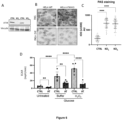
- esiRNA were diluted in Opti-MEM to reach a concentration of 60 nM to 150 nM, depending on previously optimized concentration. Lipofectamine and esiRNA were mixed 1:1 and incubated for 15 min at room temperature to allow complexes formation. Finally, the lipofectamine/esiRNA mixture was added dropwise to the seeded cells at 60-80% confluency and cells were incubated for 48 hrs to 72 hrs before sample collection to be assessed by qPCR, Western Blot (WB) or PAS staining. Similar transfection procedures were used for LNA antisense oligos. However, in this case a concentration of LNA varying between 80 and 200 nM was used.
- mission esiRNA targeting luciferase (EHURLUC, Sigma Aldrich) was used as a negative control.
- the following esiRNA were used: mission esiRNA targeting human PYGL (EHU037491, Sigma Aldrich), mission esiRNA targeting human ATM (EHU089521, Sigma Aldrich), mission esiRNA targeting human FNIP2 (EHU054551, Sigma Aldrich), mission esiRNA targeting human FLCN (EHU006461, Sigma Aldrich) and ON-TARGETplus Human FNIP1 (96459) siRNA- SMARTpool (L-032573-02-0020, Horizon Discovery). Custom made LNA antisense oligos with the following sequences were also used. Asterisk indicates phosphorothioathe bond, + indicates LNAs.
- Periodic acid-Schiff (PAS) staining is a widely used technique to detect glycogen in tissues.
- the periodic acid oxidizes the vicinal diols in glycogen and creates free aldehydes groups that further react with Schiff reagent and produce a pink or magenta color.
- a positive PAS staining indicates the presence of glycogen in cells and tissues.
- Cells were grown on glass in 24-well plate or glass chamber (Cat). Samples were fixed with ethanol and 37% parafolmaldehye at ratio of 9:1 respectively, for 10 minutes and stained using the Periodic acid- Schiff kit (395B, MERCK) according to manufacturer's instruction.
- FNIP2-human 29mer shRNA in lentiviral GFP vector (pGFP-C-shLenti, third generation) were obtained from Origene: TL317378A, TL317378B, TL317378C, TL317378D (sequences shown below) and one empty vector TR30021 for negative control.
- the dried plasmid was reconstituted in autoclaved MilliQ ddH 2 O, diluted and added to thawed vials of the transformation competent Top10 E.coli strains for transformation followed by 30 min incubation on ice. The heat shock was performed at 42°C for 45 s and the vials were incubated for 2 min on ice.
- Antibiotics-free LB medium was added to the vials which were then placed in shaking incubator at 37°C, 225 rpm for 1 hr. Part of the samples were then spread on 34 ⁇ g/ml chloramphenicol plates and incubated at 37°C overnight for colony formation.
- the plasmid was then expanded and isolated using the Nucleobond Xtra Maxi kit (74041410) for low copy plasmid. The obtained plasmid was quantified and the size was verified using restriction enzyme digestion (Xba1, Xho1 and Bamh1). An agarose gel was run and the plasmid with the correct size (TL317378C) was used for infection.
- the virus was produced in HEK293T cells according to the TR30037 packaging kit instructions.
- 293T cells were grown in in antibiotic-free medium and transfected with a mixture of packaging plasmid (TR30037), TL317378C (FNIP2 plasmid) or TR30021 (SCRAMBLE plasmid), and turbofectin in optimum-medium.
- TR30037 packaging plasmid
- TL317378C FNIP2 plasmid
- TR30021 SCRAMBLE plasmid
- the virus was further resuspended in the corresponding fibroblasts medium and added to the attached fibroblasts in the presence of polybrene. Three days post infection, cells were selected with 3 ⁇ g/mL of puromycin and cells were further passaged and collected for knockdown assessment.
- Mitochondrial respiration and glycolysis were assessed simultaneously in fibroblasts cells using the Seahorse XF extracellular flux analyzer XF24. Mitochondrial respiration was measure as oxygen consumption rate while glycolysis was measured as the extracellular acidification rate.
- 4 toxins were injected consecutively in the following order: 1 ⁇ M of oligomycin for inhibition of ATP-synthase. 1 ⁇ M of carbonyl cyanide p-trifluoromethoxyphenylhydrazone (FCCP) as an uncoupler of oxidative phosphorylation, 1 ⁇ M of Rotenone as an inhibitor of complex I of the mitochondrial respiratory chain and 1 ⁇ M of antimycin, complex III inhibitor.
- FCCP carbonyl cyanide p-trifluoromethoxyphenylhydrazone
- Fibroblasts medium was replaced with Seahorse assay XF medium supplemented with 5 mM glucose, 1 mM pyruvate and 2 mM glutamine and the pH adjusted to 7.
- the medium was supplemented with 2 mM glutamine and the following compounds were added: 30 mM glucose to activate glycolysis, 1 ⁇ M oligomycin to inhibit mitochondrial respiration and induce maximal glycolysis and 2-deoxyglucose to inhibit glycolysis (2DG).
- Cells were plated in 48-well plate at 20,000 cells/well in triplicate in four plates for each day. At the corresponding time, medium was removed and cells were washed twice with PBS following fixation with 50% ethanol solution in PBS, a fixation method modified for virus infected cells, followed by fixation for 15 min with 100% ethanol solution at room temperature. Crystal violet solution (0.5%, 20% methanol) was added and cells were washed until washing solution was clear. Crystal violet was redissolved in glacial acetic acid solution and then transferred to 96-well plate to be read with spectrophotometry.
- the staining was performed using the ⁇ -Gal Staining Kit (K1465-01, Invitrogen) according to the manufacturer's instructions.
- ATM stimulates G6PD, the limiting enzyme of the PPP.
- G6PD the oxidative stress-induced metabolome alterations
- As defective G6PD may account or the oxidative stress-induced metabolome alterations we verified metabolites similarities and difference between AT and G6PD defective cells derived from patients affected by favism in which G6PD is defective due to partially inactivating mutations in G6PD gene. We therefore aligned the AT metabolome with the metabolite profiles of 4 G6PDH mutant cell lines, normalized with control cells. Surprisingly, defective G6PDH activity was not sufficient to cause AT-like metabolome alterations ( Figure 3 ).
- AT cells showed reduced levels of M6 fructose-1,6-bisphosphate (Fru-1,6-BP), M3 lactate as well as M2 citrate and alpha-ketoglutarate and malate all of which are derived by a single round of glycolysis and TCA cycle. Also, the levels of M3 fumarate (three glucose-derived carbons), a hallmark of multiple rounds of glycolysis coupled to TCA cycle, were decreased in AT cells indicating that the flux of glucose-derived carbons is impaired in these cells compared to wild type. These results indicate profound defects in glucose usage through glycolysis and TCA in AT cells.
- 13 C-labeled maltotetraose can be formed by glycogen synthesis starting from 13 C labeled glucose followed by partial glycogenolysis, its accumulation might derive from partial glycogen synthesis and/or degradation. Enrichment of oligosaccarides in AT cells might reflect a global accumulation of glycogen due to ineffective usage of glucose. Accumulation of glucose-6-P due to ineffective glycolysis, PPP and TCA might be channeled into glycogen synthesis, the partial degradation of which might generate oligosaccharide intermediates such as maltose, maltotriose and maltotetraose ( Figure 5A ).
- ATM activate glycolysis upon oxidative stress
- AT displays a complex phenotype.
- major issues of AT there are cerebellar degeneration, ocular telangiectasia, immunodeficiency, premature aging and diabetes (Shiloh, 2014). These multiple organ failures are difficult to explain with a sole failure in DSBs response. The mechanisms leading to these phenotypes would be better explained by a more general metabolic impairment.
- ATM protein belongs to the family of PI3 kinases, which control several aspects of energetic metabolism. ATM loss and malfunction have been implicated in mammalian models of metabolic disease, which is characterized by insulin resistance, increased cholesterol and lipid levels, high blood pressure, and atherosclerosis (Shoelson, 2006).
- AT cells have profound impairment in glycolysis and mitochondrial respiration; b) impaired glycolysis leads to glycogen accumulation; c) AT cells are unable to efficiently control oxidative stress; d) uncontrolled chronic oxidative stress in AT cells underlines glucose usage impairment with consequent increased catabolism of alternative carbon sources, including amino acids; e) ATM is required for rapid mobilization of glucose and glycogen in response to oxidative stress; f) lack of ATM leads to upregulation of the FNIP2 protein; g) FNIP2 activates a metabolic checkpoint that suppresses glycolysis and mitochondrial respiration; h) suppression of FNIP2 protein expression restores glucose usage, and mitochondrial respiration rescuing primary AT cells growth and survival.
- FNIP2 stabilization shuts down mitochondrial function to recalibrate ROS accumulation. Inactivation of mitochondrial function might impair glycolysis by limiting pyruvate uptake. Downregulation of FNIP2 by reactivating mitochondria also induces glycolysis reactivation limiting glycogen accumulation although a direct role of FNIP2 in suppressing glycolysis cannot be excluded.
- This defect might be contributed by limiting amount of NADPH, the production of which is impaired by the absence of ATM mediated stimulation of G6PD.
- This checkpoint might serve as surveillance mechanism activated in the presence of unresolved oxidative stress and metabolic impairment to prevent cell growth and proliferation when ROS levels is dangerously high especially in neurons.
- anti-sense oligo administered directly with an intrathecal injection to downregulate FNIP2 might represent a synthetic survival approach to restore optimal cellular function in AT patients.
Landscapes
- Health & Medical Sciences (AREA)
- Life Sciences & Earth Sciences (AREA)
- Chemical & Material Sciences (AREA)
- General Health & Medical Sciences (AREA)
- Molecular Biology (AREA)
- Engineering & Computer Science (AREA)
- Medicinal Chemistry (AREA)
- Pharmacology & Pharmacy (AREA)
- Biochemistry (AREA)
- Animal Behavior & Ethology (AREA)
- Genetics & Genomics (AREA)
- Public Health (AREA)
- Veterinary Medicine (AREA)
- Epidemiology (AREA)
- Bioinformatics & Cheminformatics (AREA)
- Organic Chemistry (AREA)
- Biomedical Technology (AREA)
- Zoology (AREA)
- Wood Science & Technology (AREA)
- General Engineering & Computer Science (AREA)
- Biotechnology (AREA)
- Physics & Mathematics (AREA)
- Diabetes (AREA)
- Biophysics (AREA)
- Nuclear Medicine, Radiotherapy & Molecular Imaging (AREA)
- General Chemical & Material Sciences (AREA)
- Plant Pathology (AREA)
- Microbiology (AREA)
- Chemical Kinetics & Catalysis (AREA)
- Hematology (AREA)
- Pharmaceuticals Containing Other Organic And Inorganic Compounds (AREA)
Priority Applications (3)
| Application Number | Priority Date | Filing Date | Title |
|---|---|---|---|
| EP23169158.5A EP4450626A1 (fr) | 2023-04-21 | 2023-04-21 | Inhibiteurs de la proteine faln2 pour le traitement de l'ataxie telangiectasie |
| EP24717723.1A EP4698647A1 (fr) | 2023-04-21 | 2024-04-16 | Inhibiteurs de fnip2 pour le traitement de l'ataxie-télangiectasie |
| PCT/EP2024/060222 WO2024218055A1 (fr) | 2023-04-21 | 2024-04-16 | Inhibiteurs de fnip2 pour le traitement de l'ataxie-télangiectasie |
Applications Claiming Priority (1)
| Application Number | Priority Date | Filing Date | Title |
|---|---|---|---|
| EP23169158.5A EP4450626A1 (fr) | 2023-04-21 | 2023-04-21 | Inhibiteurs de la proteine faln2 pour le traitement de l'ataxie telangiectasie |
Publications (1)
| Publication Number | Publication Date |
|---|---|
| EP4450626A1 true EP4450626A1 (fr) | 2024-10-23 |
Family
ID=86142643
Family Applications (2)
| Application Number | Title | Priority Date | Filing Date |
|---|---|---|---|
| EP23169158.5A Withdrawn EP4450626A1 (fr) | 2023-04-21 | 2023-04-21 | Inhibiteurs de la proteine faln2 pour le traitement de l'ataxie telangiectasie |
| EP24717723.1A Pending EP4698647A1 (fr) | 2023-04-21 | 2024-04-16 | Inhibiteurs de fnip2 pour le traitement de l'ataxie-télangiectasie |
Family Applications After (1)
| Application Number | Title | Priority Date | Filing Date |
|---|---|---|---|
| EP24717723.1A Pending EP4698647A1 (fr) | 2023-04-21 | 2024-04-16 | Inhibiteurs de fnip2 pour le traitement de l'ataxie-télangiectasie |
Country Status (2)
| Country | Link |
|---|---|
| EP (2) | EP4450626A1 (fr) |
| WO (1) | WO2024218055A1 (fr) |
Citations (9)
| Publication number | Priority date | Publication date | Assignee | Title |
|---|---|---|---|---|
| WO1999014226A2 (fr) | 1997-09-12 | 1999-03-25 | Exiqon A/S | Analogues d'oligonucleotides |
| WO2000056748A1 (fr) | 1999-03-18 | 2000-09-28 | Exiqon A/S | Analogues de xylo-lna |
| WO2000056746A2 (fr) | 1999-03-24 | 2000-09-28 | Exiqon A/S | Synthese perfectionnee de [2.2.1]bicyclo-nucleosides |
| WO2001025248A2 (fr) | 1999-10-04 | 2001-04-12 | Exiqon A/S | Conception d'un oligonucleotide de recrutement de rnase h a haute affinite |
| WO2002028875A2 (fr) | 2000-10-04 | 2002-04-11 | Cureon A/S | Synthese perfectionnee d'analogues d'acides nucleiques bloques de purine |
| WO2003006475A2 (fr) | 2001-07-12 | 2003-01-23 | Santaris Pharma A/S | Elaboration de phosphoramidites d'acide nucleique verrouille |
| WO2003095467A1 (fr) | 2002-05-08 | 2003-11-20 | Santaris Pharma A/S | Synthèse de dérivés d'acides nucléiques lna |
| US20170028049A1 (en) * | 2014-04-09 | 2017-02-02 | La Jolla Institute For Allergy And Immunology | Specific and unique t cell responses and molecular signatures for the treatment and diagnosis of mycobacterium tuberculosis |
| US20230167447A1 (en) * | 2021-11-30 | 2023-06-01 | Genetic Intelligence, Inc | Compositions for FNIP1/FNIP2 Gene Modulation and Methods Thereof |
-
2023
- 2023-04-21 EP EP23169158.5A patent/EP4450626A1/fr not_active Withdrawn
-
2024
- 2024-04-16 EP EP24717723.1A patent/EP4698647A1/fr active Pending
- 2024-04-16 WO PCT/EP2024/060222 patent/WO2024218055A1/fr not_active Ceased
Patent Citations (9)
| Publication number | Priority date | Publication date | Assignee | Title |
|---|---|---|---|---|
| WO1999014226A2 (fr) | 1997-09-12 | 1999-03-25 | Exiqon A/S | Analogues d'oligonucleotides |
| WO2000056748A1 (fr) | 1999-03-18 | 2000-09-28 | Exiqon A/S | Analogues de xylo-lna |
| WO2000056746A2 (fr) | 1999-03-24 | 2000-09-28 | Exiqon A/S | Synthese perfectionnee de [2.2.1]bicyclo-nucleosides |
| WO2001025248A2 (fr) | 1999-10-04 | 2001-04-12 | Exiqon A/S | Conception d'un oligonucleotide de recrutement de rnase h a haute affinite |
| WO2002028875A2 (fr) | 2000-10-04 | 2002-04-11 | Cureon A/S | Synthese perfectionnee d'analogues d'acides nucleiques bloques de purine |
| WO2003006475A2 (fr) | 2001-07-12 | 2003-01-23 | Santaris Pharma A/S | Elaboration de phosphoramidites d'acide nucleique verrouille |
| WO2003095467A1 (fr) | 2002-05-08 | 2003-11-20 | Santaris Pharma A/S | Synthèse de dérivés d'acides nucléiques lna |
| US20170028049A1 (en) * | 2014-04-09 | 2017-02-02 | La Jolla Institute For Allergy And Immunology | Specific and unique t cell responses and molecular signatures for the treatment and diagnosis of mycobacterium tuberculosis |
| US20230167447A1 (en) * | 2021-11-30 | 2023-06-01 | Genetic Intelligence, Inc | Compositions for FNIP1/FNIP2 Gene Modulation and Methods Thereof |
Non-Patent Citations (19)
| Title |
|---|
| "Uniprot", Database accession no. Q9P278 |
| AMBROSE, M.GATTI, R.A.: "Pathogenesis of ataxia-telangiectasia: the next generation of ATM functions", BLOOD, vol. 121, 2013, pages 4036 - 4045 |
| BRUHN, C.AJAZI, A.FERRARI, E.LANZ, M.C.BATRIN, R.CHOUDHARY, R.WALVEKAR, A.LAXMAN, S.LONGHESE, M.P.FABRE, E. ET AL.: "The Rad53(CHK1/CHK2)-Spt21(NPAT) and Tel1(ATM) axes couple glucose tolerance to histone dosage and subtelomeric silencing", NATURE COMMUNICATIONS, vol. 11, 2020, pages 4154 |
| COSENTINO, C.GRIECO, D.COSTANZO, V.: "ATM activates the pentose phosphate pathway promoting anti-oxidant defence and DNA repair", THE EMBO JOURNAL, vol. 30, 2011, pages 546 - 555 |
| HASUMI HISASHI ET AL: "Folliculin-interacting proteins Fnip1 and Fnip2 play critical roles in kidney tumor suppression in cooperation with Flcn", PROCEEDINGS OF THE NATIONAL ACADEMY OF SCIENCES, vol. 112, no. 13, 16 March 2015 (2015-03-16), XP093085223, ISSN: 0027-8424, DOI: 10.1073/pnas.1419502112 * |
| HICKS, J.WARTCHOW, E.MIERAU, G.: "Glycogen storage diseases: a brief review and update on clinical features, genetic abnormalities, pathologic features, and treatment", ULTRASTRUCT PATHOL, vol. 35, 2011, pages 183 - 196 |
| KOMORI K ET AL: "A novel protein, MAPO1, that functions in apoptosis triggered by O6-methylguanine mispair in DNA", ONCOGENE, NATURE PUBLISHING GROUP UK, LONDON, vol. 28, no. 8, 12 January 2009 (2009-01-12), pages 1142 - 1150, XP037743664, ISSN: 0950-9232, [retrieved on 20090112], DOI: 10.1038/ONC.2008.462 * |
| MATSUOKA, S.BALLIF, B.A.SMOGORZEWSKA, A.MCDONALD, E.R.3RD, HUROV, K.E.LUO, J.BAKALARSKI, C.E.ZHAO, Z.SOLIMINI, N.LERENTHAL, Y. ET : "ATM and ATR substrate analysis reveals extensive protein networks responsive to DNA damage", SCIENCE, vol. 316, 2007, pages 1160 - 1166 |
| NAGASHIMA KATSUYUKI ET AL: "Nutrient-induced FNIP degradation by SCF[beta]-TRCP regulates FLCN complex localization and promotes renal cancer progression", ONCOTARGET, vol. 8, no. 6, 25 December 2016 (2016-12-25), United States, pages 9947 - 9960, XP093085386, ISSN: 1949-2553, Retrieved from the Internet <URL:https://www.ncbi.nlm.nih.gov/pmc/articles/PMC5354783/pdf/oncotarget-08-9947.pdf> DOI: 10.18632/oncotarget.14221 * |
| ORIGENE TECHNOLOGIES ET AL: "Safety Datasheet for TL317378", SHRNA PLASMIDS, 16 March 2022 (2022-03-16), XP093086033, Retrieved from the Internet <URL:https://cdn.origene.com/sds/tl317378.pdf> [retrieved on 20230926] * |
| RUSSO, I.COSENTINO, C.DEL GIUDICE, E.BROCCOLETTI, T.AMOROSI, S.CIRILLO, E.ALOJ, G.FUSCO, A.COSTANZO, V.PIGNATA, C.: "In ataxia-teleangiectasia betamethasone response is inversely correlated to cerebellar atrophy and directly to antioxidative capacity", EUROPEAN JOURNAL OF NEUROLOGY, vol. 16, 2009, pages 755 - 759 |
| SCHALCH, D.S.MCFARLIN, D.E.BARLOW, M.H.: "An unusual form of diabetes mellitus in ataxia telangiectasia", N ENGL J MED, vol. 282, 1970, pages 1396 - 1402 |
| SHILOH, Y.TABOR, E.BECKER, Y.: "Colony-forming ability of ataxia-telangiectasia skin fibroblasts is an indicator of their early senescence and increased demand for growth factors", EXPERIMENTAL CELL RESEARCH, vol. 140, 1982, pages 191 - 199, XP024852792, DOI: 10.1016/0014-4827(82)90169-0 |
| SHILOH, Y: "ATM: Expanding roles as a chief guardian of genome stability", EXPERIMENTAL CELL RESEARCH, vol. 329, 2014, pages 154 - 161 |
| SHOELSON, S.E.: "Banking on ATM as a new target in metabolic syndrome", CELL METABOLISM, vol. 4, 2006, pages 337 - 338 |
| TAKAGI Y ET AL: "Interaction of folliculin (Birt-Hogg-Dubé gene product) with a novel Fnip1-like (FnipL/Fnip2) protein", ONCOGENE, NATURE PUBLISHING GROUP UK, LONDON, vol. 27, no. 40, 28 July 2008 (2008-07-28), pages 5339 - 5347, XP037743400, ISSN: 0950-9232, [retrieved on 20080728], DOI: 10.1038/ONC.2008.261 * |
| TANDON PREETI ET AL: "Requirement for ribosomal protein S6 kinase 1 to mediate glycolysis and apoptosis resistance induced by Pten deficiency", PROCEEDINGS OF THE NATIONAL ACADEMY OF SCIENCES, vol. 108, no. 6, 24 January 2011 (2011-01-24), pages 2361 - 2365, XP093085098, ISSN: 0027-8424, Retrieved from the Internet <URL:https://www.ncbi.nlm.nih.gov/pmc/articles/PMC3038712/pdf/pnas.201013629.pdf> DOI: 10.1073/pnas.1013629108 * |
| VICKERS TIMOTHY A ET AL: "Efficient reduction of target RNAs by small interfering RNA and RNase H-dependent antisense agents: A comparative analysis", JOURNAL OF BIOLOGICAL CHEMISTRY, AMERICAN SOCIETY FOR BIOCHEMISTRY AND MOLECULAR BIOLOGY, US, vol. 278, no. 9, 28 February 2003 (2003-02-28), pages 7108 - 7118, XP002283905, ISSN: 0021-9258, DOI: 10.1074/JBC.M210326200 * |
| WINGARD, M.C.FRASIER, C.R.SINGH, M.SINGH, K.: "Heart failure and diabetes: role of ATM", CURR OPIN PHARMACOL, vol. 54, 2020, pages 27 - 35, XP086417457, DOI: 10.1016/j.coph.2020.06.007 |
Also Published As
| Publication number | Publication date |
|---|---|
| WO2024218055A1 (fr) | 2024-10-24 |
| EP4698647A1 (fr) | 2026-02-25 |
Similar Documents
| Publication | Publication Date | Title |
|---|---|---|
| Chen et al. | 5′–3′-UTR interactions regulate p53 mRNA translation and provide a target for modulating p53 induction after DNA damage | |
| ES2779302T3 (es) | Reducción de la degradación de ARNm con mediación sin sentido | |
| EP3709990A1 (fr) | Manipulation de la voie de signalisation de l'acide rétinoïque | |
| Zheng et al. | Dexmedetomidine alleviates myocardial ischemia/reperfusion-induced injury and Ca2+ overload via the microRNA-346-3p/CaMKIId axis | |
| Foti et al. | Parkinson disease-associated DJ-1 is required for the expression of the glial cell line-derived neurotrophic factor receptor RET in human neuroblastoma cells | |
| Zheng et al. | NMDA-induced neuronal survival is mediated through nuclear factor IA in mice | |
| JP2025114630A (ja) | 遺伝性ニューロパチーおよび関連障害の処置および検出 | |
| CN112933233A (zh) | Sirt1在调控阿霉素诱导的心肌铁死亡上的应用 | |
| Pozzer et al. | Endoplasmic reticulum oxidative stress triggers Tgf-beta-dependent muscle dysfunction by accelerating ascorbic acid turnover | |
| EP2463372B1 (fr) | Procédés de modulation de l'expression et de l'agrégation de produit génétique à expansion CAG dans les cellules et procédés d'identification des agents utiles pour l'effectuer | |
| Zhang et al. | Long noncoding RNA ILF3-AS1 regulates myocardial infarction via the miR-212-3p/SIRT1 axis and PI3K/Akt signaling pathway. | |
| Zhang et al. | Role of PI3K/AKT/MAOA in glucocorticoid‐induced oxidative stress and associated premature senescence of the trabecular meshwork | |
| Zhang et al. | Long non-coding RNA KCNQ1OT1 promotes hydrogen peroxide-induced lens epithelial cell apoptosis and oxidative stress by regulating miR-223-3p/BCL2L2 axis | |
| US12409189B2 (en) | STAUFEN1 agents and associated methods | |
| US10441601B2 (en) | Method for treating schizophrenia | |
| Gong et al. | Inhibition of nonsense-mediated mRNA decay by antisense morpholino oligonucleotides restores functional expression of hERG nonsense and frameshift mutations in long-QT syndrome | |
| EP4450626A1 (fr) | Inhibiteurs de la proteine faln2 pour le traitement de l'ataxie telangiectasie | |
| US12565650B2 (en) | STAUFEN1 regulating agents and associated methods | |
| CN104884097A (zh) | 用于耐药性乳腺癌预后和治疗的作为新治疗助剂和生物标志物的miRNA | |
| US8518902B2 (en) | Use of RNAi technology to inhibit ASIC3 | |
| EP3773606A1 (fr) | Mir-17~92 utile en tant que cible thérapeutique ou diagnostique pour des maladies de dégénérescence des motoneurones (mn) | |
| US20120029055A1 (en) | Modulators of apoptosis and the uses thereof | |
| WO2025111653A1 (fr) | Compositions et méthodes améliorées pour le traitement de troubles neurodéveloppementaux monogéniques | |
| Kong et al. | Lycium barbarum polysaccharide alleviates H2O2-induced premature senescence by downregulating miRNA-34a-5p in ARPE-19 cells | |
| KR101510993B1 (ko) | Nox4를 함유하는 톡소플라즈마증 예방 또는 치료용 조성물 |
Legal Events
| Date | Code | Title | Description |
|---|---|---|---|
| PUAI | Public reference made under article 153(3) epc to a published international application that has entered the european phase |
Free format text: ORIGINAL CODE: 0009012 |
|
| STAA | Information on the status of an ep patent application or granted ep patent |
Free format text: STATUS: THE APPLICATION HAS BEEN PUBLISHED |
|
| AK | Designated contracting states |
Kind code of ref document: A1 Designated state(s): AL AT BE BG CH CY CZ DE DK EE ES FI FR GB GR HR HU IE IS IT LI LT LU LV MC ME MK MT NL NO PL PT RO RS SE SI SK SM TR |
|
| STAA | Information on the status of an ep patent application or granted ep patent |
Free format text: STATUS: THE APPLICATION IS DEEMED TO BE WITHDRAWN |
|
| 18D | Application deemed to be withdrawn |
Effective date: 20250424 |