EP4455672A1 - Verfahren und kit zur diagnose und überwachung von chronischer transplantat-gegen-empfänger-erkrankung (cgvhd) unter verwendung bestimmter zytokin-biomarker - Google Patents
Verfahren und kit zur diagnose und überwachung von chronischer transplantat-gegen-empfänger-erkrankung (cgvhd) unter verwendung bestimmter zytokin-biomarker Download PDFInfo
- Publication number
- EP4455672A1 EP4455672A1 EP23315115.8A EP23315115A EP4455672A1 EP 4455672 A1 EP4455672 A1 EP 4455672A1 EP 23315115 A EP23315115 A EP 23315115A EP 4455672 A1 EP4455672 A1 EP 4455672A1
- Authority
- EP
- European Patent Office
- Prior art keywords
- cgvhd
- individual
- cytokine
- level
- treatment
- Prior art date
- Legal status (The legal status is an assumption and is not a legal conclusion. Google has not performed a legal analysis and makes no representation as to the accuracy of the status listed.)
- Pending
Links
- 238000000034 method Methods 0.000 title claims abstract description 88
- 238000012544 monitoring process Methods 0.000 title claims abstract description 20
- 208000017760 chronic graft versus host disease Diseases 0.000 title claims abstract description 18
- 102000004127 Cytokines Human genes 0.000 title claims description 97
- 108090000695 Cytokines Proteins 0.000 title claims description 97
- 239000000090 biomarker Substances 0.000 title claims description 29
- 238000011282 treatment Methods 0.000 claims abstract description 91
- 239000012472 biological sample Substances 0.000 claims abstract description 45
- 108010017213 Granulocyte-Macrophage Colony-Stimulating Factor Proteins 0.000 claims abstract description 36
- 108010074108 interleukin-21 Proteins 0.000 claims abstract description 22
- 102000013691 Interleukin-17 Human genes 0.000 claims abstract description 21
- 108050003558 Interleukin-17 Proteins 0.000 claims abstract description 21
- 230000000735 allogeneic effect Effects 0.000 claims abstract description 8
- 238000011134 hematopoietic stem cell transplantation Methods 0.000 claims abstract description 8
- 102100039620 Granulocyte-macrophage colony-stimulating factor Human genes 0.000 claims description 40
- 239000000523 sample Substances 0.000 claims description 34
- 238000003745 diagnosis Methods 0.000 claims description 31
- 210000004369 blood Anatomy 0.000 claims description 22
- 239000008280 blood Substances 0.000 claims description 22
- 102100030704 Interleukin-21 Human genes 0.000 claims description 21
- 230000004044 response Effects 0.000 claims description 21
- 102000016950 Chemokine CXCL1 Human genes 0.000 claims description 19
- 108010014419 Chemokine CXCL1 Proteins 0.000 claims description 19
- 238000004393 prognosis Methods 0.000 claims description 17
- 230000007423 decrease Effects 0.000 claims description 16
- 238000013517 stratification Methods 0.000 claims description 16
- 210000002966 serum Anatomy 0.000 claims description 14
- 210000002381 plasma Anatomy 0.000 claims description 12
- 238000001514 detection method Methods 0.000 claims description 11
- 239000003153 chemical reaction reagent Substances 0.000 claims description 8
- 238000003018 immunoassay Methods 0.000 claims description 8
- 102000001326 Chemokine CCL4 Human genes 0.000 claims description 4
- 108010055165 Chemokine CCL4 Proteins 0.000 claims description 4
- 102000004125 Interleukin-1alpha Human genes 0.000 claims description 3
- 108010082786 Interleukin-1alpha Proteins 0.000 claims description 3
- 102000009571 Macrophage Inflammatory Proteins Human genes 0.000 claims description 3
- 108010009474 Macrophage Inflammatory Proteins Proteins 0.000 claims description 3
- 238000000338 in vitro Methods 0.000 claims description 3
- 239000007787 solid Substances 0.000 claims description 3
- 102100034221 Growth-regulated alpha protein Human genes 0.000 abstract 1
- 101001069921 Homo sapiens Growth-regulated alpha protein Proteins 0.000 abstract 1
- 102100030703 Interleukin-22 Human genes 0.000 abstract 1
- 239000003246 corticosteroid Substances 0.000 description 38
- HJTAZXHBEBIQQX-UHFFFAOYSA-N 1,5-bis(chloromethyl)naphthalene Chemical compound C1=CC=C2C(CCl)=CC=CC2=C1CCl HJTAZXHBEBIQQX-UHFFFAOYSA-N 0.000 description 32
- GOLCXWYRSKYTSP-UHFFFAOYSA-N arsenic trioxide Inorganic materials O1[As]2O[As]1O2 GOLCXWYRSKYTSP-UHFFFAOYSA-N 0.000 description 32
- 229960001334 corticosteroids Drugs 0.000 description 31
- 208000009329 Graft vs Host Disease Diseases 0.000 description 30
- 208000037265 diseases, disorders, signs and symptoms Diseases 0.000 description 30
- 208000024908 graft versus host disease Diseases 0.000 description 30
- 201000010099 disease Diseases 0.000 description 26
- 238000005259 measurement Methods 0.000 description 16
- 210000000056 organ Anatomy 0.000 description 15
- 230000001154 acute effect Effects 0.000 description 14
- 230000001684 chronic effect Effects 0.000 description 14
- 239000003814 drug Substances 0.000 description 13
- 102000019034 Chemokines Human genes 0.000 description 12
- 108010012236 Chemokines Proteins 0.000 description 12
- 229940079593 drug Drugs 0.000 description 12
- 210000004027 cell Anatomy 0.000 description 11
- 208000024891 symptom Diseases 0.000 description 11
- 241000282414 Homo sapiens Species 0.000 description 10
- 208000024340 acute graft versus host disease Diseases 0.000 description 10
- 238000002560 therapeutic procedure Methods 0.000 description 10
- 238000003556 assay Methods 0.000 description 9
- 238000003118 sandwich ELISA Methods 0.000 description 9
- 238000009121 systemic therapy Methods 0.000 description 9
- 238000002054 transplantation Methods 0.000 description 9
- 238000004458 analytical method Methods 0.000 description 8
- 238000011161 development Methods 0.000 description 8
- 230000018109 developmental process Effects 0.000 description 8
- 238000001802 infusion Methods 0.000 description 8
- 230000035945 sensitivity Effects 0.000 description 8
- 230000002123 temporal effect Effects 0.000 description 8
- PMATZTZNYRCHOR-CGLBZJNRSA-N Cyclosporin A Chemical compound CC[C@@H]1NC(=O)[C@H]([C@H](O)[C@H](C)C\C=C\C)N(C)C(=O)[C@H](C(C)C)N(C)C(=O)[C@H](CC(C)C)N(C)C(=O)[C@H](CC(C)C)N(C)C(=O)[C@@H](C)NC(=O)[C@H](C)NC(=O)[C@H](CC(C)C)N(C)C(=O)[C@H](C(C)C)NC(=O)[C@H](CC(C)C)N(C)C(=O)CN(C)C1=O PMATZTZNYRCHOR-CGLBZJNRSA-N 0.000 description 7
- 108010036949 Cyclosporine Proteins 0.000 description 7
- 208000014951 hematologic disease Diseases 0.000 description 7
- 230000001506 immunosuppresive effect Effects 0.000 description 7
- 238000007619 statistical method Methods 0.000 description 7
- 230000009885 systemic effect Effects 0.000 description 7
- 239000002144 L01XE18 - Ruxolitinib Substances 0.000 description 6
- 239000002177 L01XE27 - Ibrutinib Substances 0.000 description 6
- 108010017271 denileukin diftitox Proteins 0.000 description 6
- 230000000694 effects Effects 0.000 description 6
- XYFPWWZEPKGCCK-GOSISDBHSA-N ibrutinib Chemical compound C1=2C(N)=NC=NC=2N([C@H]2CN(CCC2)C(=O)C=C)N=C1C(C=C1)=CC=C1OC1=CC=CC=C1 XYFPWWZEPKGCCK-GOSISDBHSA-N 0.000 description 6
- 229960001507 ibrutinib Drugs 0.000 description 6
- 230000006872 improvement Effects 0.000 description 6
- 230000003211 malignant effect Effects 0.000 description 6
- FPVKHBSQESCIEP-JQCXWYLXSA-N pentostatin Chemical compound C1[C@H](O)[C@@H](CO)O[C@H]1N1C(N=CNC[C@H]2O)=C2N=C1 FPVKHBSQESCIEP-JQCXWYLXSA-N 0.000 description 6
- 229960004618 prednisone Drugs 0.000 description 6
- XOFYZVNMUHMLCC-ZPOLXVRWSA-N prednisone Chemical compound O=C1C=C[C@]2(C)[C@H]3C(=O)C[C@](C)([C@@](CC4)(O)C(=O)CO)[C@@H]4[C@@H]3CCC2=C1 XOFYZVNMUHMLCC-ZPOLXVRWSA-N 0.000 description 6
- 210000001519 tissue Anatomy 0.000 description 6
- 206010061218 Inflammation Diseases 0.000 description 5
- 230000008901 benefit Effects 0.000 description 5
- 239000012634 fragment Substances 0.000 description 5
- 230000036961 partial effect Effects 0.000 description 5
- 108090000623 proteins and genes Proteins 0.000 description 5
- 230000001225 therapeutic effect Effects 0.000 description 5
- 229930105110 Cyclosporin A Natural products 0.000 description 4
- 210000001744 T-lymphocyte Anatomy 0.000 description 4
- 230000004913 activation Effects 0.000 description 4
- 210000001185 bone marrow Anatomy 0.000 description 4
- 239000003795 chemical substances by application Substances 0.000 description 4
- 208000035475 disorder Diseases 0.000 description 4
- 239000012530 fluid Substances 0.000 description 4
- 230000004054 inflammatory process Effects 0.000 description 4
- 210000004072 lung Anatomy 0.000 description 4
- 238000002483 medication Methods 0.000 description 4
- 210000000066 myeloid cell Anatomy 0.000 description 4
- 102000004169 proteins and genes Human genes 0.000 description 4
- 150000003431 steroids Chemical class 0.000 description 4
- FPVKHBSQESCIEP-UHFFFAOYSA-N (8S)-3-(2-deoxy-beta-D-erythro-pentofuranosyl)-3,6,7,8-tetrahydroimidazo[4,5-d][1,3]diazepin-8-ol Natural products C1C(O)C(CO)OC1N1C(NC=NCC2O)=C2N=C1 FPVKHBSQESCIEP-UHFFFAOYSA-N 0.000 description 3
- 208000023275 Autoimmune disease Diseases 0.000 description 3
- 102000004190 Enzymes Human genes 0.000 description 3
- 108090000790 Enzymes Proteins 0.000 description 3
- 229940124602 FDA-approved drug Drugs 0.000 description 3
- 102000006395 Globulins Human genes 0.000 description 3
- 108010044091 Globulins Proteins 0.000 description 3
- 241001465754 Metazoa Species 0.000 description 3
- 206010028980 Neoplasm Diseases 0.000 description 3
- 238000000692 Student's t-test Methods 0.000 description 3
- QJJXYPPXXYFBGM-LFZNUXCKSA-N Tacrolimus Chemical compound C1C[C@@H](O)[C@H](OC)C[C@@H]1\C=C(/C)[C@@H]1[C@H](C)[C@@H](O)CC(=O)[C@H](CC=C)/C=C(C)/C[C@H](C)C[C@H](OC)[C@H]([C@H](C[C@H]2C)OC)O[C@@]2(O)C(=O)C(=O)N2CCCC[C@H]2C(=O)O1 QJJXYPPXXYFBGM-LFZNUXCKSA-N 0.000 description 3
- 229940119059 actemra Drugs 0.000 description 3
- 229960000548 alemtuzumab Drugs 0.000 description 3
- 230000001494 anti-thymocyte effect Effects 0.000 description 3
- 230000001363 autoimmune Effects 0.000 description 3
- 229960004669 basiliximab Drugs 0.000 description 3
- 229940112129 campath Drugs 0.000 description 3
- 230000001413 cellular effect Effects 0.000 description 3
- 229960001265 ciclosporin Drugs 0.000 description 3
- 230000002596 correlated effect Effects 0.000 description 3
- 229930182912 cyclosporin Natural products 0.000 description 3
- 229960002806 daclizumab Drugs 0.000 description 3
- 229960002923 denileukin diftitox Drugs 0.000 description 3
- 230000001419 dependent effect Effects 0.000 description 3
- 239000000284 extract Substances 0.000 description 3
- 238000009093 first-line therapy Methods 0.000 description 3
- 230000003862 health status Effects 0.000 description 3
- 210000002865 immune cell Anatomy 0.000 description 3
- 208000015181 infectious disease Diseases 0.000 description 3
- 229960000598 infliximab Drugs 0.000 description 3
- 229940045773 jakafi Drugs 0.000 description 3
- 230000000670 limiting effect Effects 0.000 description 3
- 238000004949 mass spectrometry Methods 0.000 description 3
- 239000000463 material Substances 0.000 description 3
- 230000007246 mechanism Effects 0.000 description 3
- RTGDFNSFWBGLEC-SYZQJQIISA-N mycophenolate mofetil Chemical compound COC1=C(C)C=2COC(=O)C=2C(O)=C1C\C=C(/C)CCC(=O)OCCN1CCOCC1 RTGDFNSFWBGLEC-SYZQJQIISA-N 0.000 description 3
- 229960004866 mycophenolate mofetil Drugs 0.000 description 3
- 229940109551 nipent Drugs 0.000 description 3
- 229940100027 ontak Drugs 0.000 description 3
- 229960002340 pentostatin Drugs 0.000 description 3
- 230000002035 prolonged effect Effects 0.000 description 3
- ZAHRKKWIAAJSAO-UHFFFAOYSA-N rapamycin Natural products COCC(O)C(=C/C(C)C(=O)CC(OC(=O)C1CCCCN1C(=O)C(=O)C2(O)OC(CC(OC)C(=CC=CC=CC(C)CC(C)C(=O)C)C)CCC2C)C(C)CC3CCC(O)C(C3)OC)C ZAHRKKWIAAJSAO-UHFFFAOYSA-N 0.000 description 3
- 229940116176 remicade Drugs 0.000 description 3
- HFNKQEVNSGCOJV-OAHLLOKOSA-N ruxolitinib Chemical compound C1([C@@H](CC#N)N2N=CC(=C2)C=2C=3C=CNC=3N=CN=2)CCCC1 HFNKQEVNSGCOJV-OAHLLOKOSA-N 0.000 description 3
- 229960000215 ruxolitinib Drugs 0.000 description 3
- JFMWPOCYMYGEDM-XFULWGLBSA-N ruxolitinib phosphate Chemical compound OP(O)(O)=O.C1([C@@H](CC#N)N2N=CC(=C2)C=2C=3C=CNC=3N=CN=2)CCCC1 JFMWPOCYMYGEDM-XFULWGLBSA-N 0.000 description 3
- 238000011519 second-line treatment Methods 0.000 description 3
- 229940115586 simulect Drugs 0.000 description 3
- QFJCIRLUMZQUOT-HPLJOQBZSA-N sirolimus Chemical compound C1C[C@@H](O)[C@H](OC)C[C@@H]1C[C@@H](C)[C@H]1OC(=O)[C@@H]2CCCCN2C(=O)C(=O)[C@](O)(O2)[C@H](C)CC[C@H]2C[C@H](OC)/C(C)=C/C=C/C=C/[C@@H](C)C[C@@H](C)C(=O)[C@H](OC)[C@H](O)/C(C)=C/[C@@H](C)C(=O)C1 QFJCIRLUMZQUOT-HPLJOQBZSA-N 0.000 description 3
- 229960002930 sirolimus Drugs 0.000 description 3
- 210000003491 skin Anatomy 0.000 description 3
- 238000012353 t test Methods 0.000 description 3
- QJJXYPPXXYFBGM-SHYZHZOCSA-N tacrolimus Natural products CO[C@H]1C[C@H](CC[C@@H]1O)C=C(C)[C@H]2OC(=O)[C@H]3CCCCN3C(=O)C(=O)[C@@]4(O)O[C@@H]([C@H](C[C@H]4C)OC)[C@@H](C[C@H](C)CC(=C[C@@H](CC=C)C(=O)C[C@H](O)[C@H]2C)C)OC QJJXYPPXXYFBGM-SHYZHZOCSA-N 0.000 description 3
- 229960001967 tacrolimus Drugs 0.000 description 3
- 229960003989 tocilizumab Drugs 0.000 description 3
- 230000000699 topical effect Effects 0.000 description 3
- 229940106067 zinbryta Drugs 0.000 description 3
- 108010071942 Colony-Stimulating Factors Proteins 0.000 description 2
- 238000009007 Diagnostic Kit Methods 0.000 description 2
- 208000010201 Exanthema Diseases 0.000 description 2
- 101000746373 Homo sapiens Granulocyte-macrophage colony-stimulating factor Proteins 0.000 description 2
- 206010029888 Obliterative bronchiolitis Diseases 0.000 description 2
- 206010039710 Scleroderma Diseases 0.000 description 2
- 208000021386 Sjogren Syndrome Diseases 0.000 description 2
- 239000000427 antigen Substances 0.000 description 2
- 102000036639 antigens Human genes 0.000 description 2
- 108091007433 antigens Proteins 0.000 description 2
- 201000003848 bronchiolitis obliterans Diseases 0.000 description 2
- 208000023367 bronchiolitis obliterans with obstructive pulmonary disease Diseases 0.000 description 2
- 239000000872 buffer Substances 0.000 description 2
- 201000011510 cancer Diseases 0.000 description 2
- 239000002975 chemoattractant Substances 0.000 description 2
- 230000002860 competitive effect Effects 0.000 description 2
- 210000004443 dendritic cell Anatomy 0.000 description 2
- 238000002405 diagnostic procedure Methods 0.000 description 2
- 230000004069 differentiation Effects 0.000 description 2
- 210000003743 erythrocyte Anatomy 0.000 description 2
- 201000005884 exanthem Diseases 0.000 description 2
- 230000014509 gene expression Effects 0.000 description 2
- 230000036541 health Effects 0.000 description 2
- 238000004128 high performance liquid chromatography Methods 0.000 description 2
- 230000002519 immonomodulatory effect Effects 0.000 description 2
- 230000001900 immune effect Effects 0.000 description 2
- 210000000987 immune system Anatomy 0.000 description 2
- 230000002458 infectious effect Effects 0.000 description 2
- 230000004968 inflammatory condition Effects 0.000 description 2
- 230000002757 inflammatory effect Effects 0.000 description 2
- 230000000977 initiatory effect Effects 0.000 description 2
- 238000002955 isolation Methods 0.000 description 2
- 230000007774 longterm Effects 0.000 description 2
- 210000002540 macrophage Anatomy 0.000 description 2
- 230000036210 malignancy Effects 0.000 description 2
- 108020004999 messenger RNA Proteins 0.000 description 2
- 210000001616 monocyte Anatomy 0.000 description 2
- 210000000440 neutrophil Anatomy 0.000 description 2
- 230000001717 pathogenic effect Effects 0.000 description 2
- 230000036470 plasma concentration Effects 0.000 description 2
- 238000002360 preparation method Methods 0.000 description 2
- 230000002265 prevention Effects 0.000 description 2
- 230000008569 process Effects 0.000 description 2
- 230000000069 prophylactic effect Effects 0.000 description 2
- 238000003127 radioimmunoassay Methods 0.000 description 2
- 206010037844 rash Diseases 0.000 description 2
- 231100000046 skin rash Toxicity 0.000 description 2
- 210000000130 stem cell Anatomy 0.000 description 2
- 230000004936 stimulating effect Effects 0.000 description 2
- 230000004083 survival effect Effects 0.000 description 2
- 208000011580 syndromic disease Diseases 0.000 description 2
- 230000001052 transient effect Effects 0.000 description 2
- LOGFVTREOLYCPF-KXNHARMFSA-N (2s,3r)-2-[[(2r)-1-[(2s)-2,6-diaminohexanoyl]pyrrolidine-2-carbonyl]amino]-3-hydroxybutanoic acid Chemical compound C[C@@H](O)[C@@H](C(O)=O)NC(=O)[C@H]1CCCN1C(=O)[C@@H](N)CCCCN LOGFVTREOLYCPF-KXNHARMFSA-N 0.000 description 1
- 108091032973 (ribonucleotides)n+m Proteins 0.000 description 1
- 229920000936 Agarose Polymers 0.000 description 1
- 208000006820 Arthralgia Diseases 0.000 description 1
- 208000030016 Avascular necrosis Diseases 0.000 description 1
- 208000008439 Biliary Liver Cirrhosis Diseases 0.000 description 1
- 208000033222 Biliary cirrhosis primary Diseases 0.000 description 1
- 102000001902 CC Chemokines Human genes 0.000 description 1
- 108010040471 CC Chemokines Proteins 0.000 description 1
- 208000002177 Cataract Diseases 0.000 description 1
- 238000000018 DNA microarray Methods 0.000 description 1
- 206010061818 Disease progression Diseases 0.000 description 1
- 208000000059 Dyspnea Diseases 0.000 description 1
- 206010013975 Dyspnoeas Diseases 0.000 description 1
- 238000002965 ELISA Methods 0.000 description 1
- 238000012286 ELISA Assay Methods 0.000 description 1
- -1 IL-1α Proteins 0.000 description 1
- 206010061598 Immunodeficiency Diseases 0.000 description 1
- 208000029462 Immunodeficiency disease Diseases 0.000 description 1
- 102000001706 Immunoglobulin Fab Fragments Human genes 0.000 description 1
- 108010054477 Immunoglobulin Fab Fragments Proteins 0.000 description 1
- 206010062016 Immunosuppression Diseases 0.000 description 1
- 208000022559 Inflammatory bowel disease Diseases 0.000 description 1
- 102100034343 Integrase Human genes 0.000 description 1
- 102000003777 Interleukin-1 beta Human genes 0.000 description 1
- 108090000193 Interleukin-1 beta Proteins 0.000 description 1
- 108010002386 Interleukin-3 Proteins 0.000 description 1
- 102100039064 Interleukin-3 Human genes 0.000 description 1
- 102000004083 Lymphotoxin-alpha Human genes 0.000 description 1
- 108090000542 Lymphotoxin-alpha Proteins 0.000 description 1
- 241000124008 Mammalia Species 0.000 description 1
- FQISKWAFAHGMGT-SGJOWKDISA-M Methylprednisolone sodium succinate Chemical compound [Na+].C([C@@]12C)=CC(=O)C=C1[C@@H](C)C[C@@H]1[C@@H]2[C@@H](O)C[C@]2(C)[C@@](O)(C(=O)COC(=O)CCC([O-])=O)CC[C@H]21 FQISKWAFAHGMGT-SGJOWKDISA-M 0.000 description 1
- 208000034578 Multiple myelomas Diseases 0.000 description 1
- 241000699666 Mus <mouse, genus> Species 0.000 description 1
- 241000699670 Mus sp. Species 0.000 description 1
- 208000021642 Muscular disease Diseases 0.000 description 1
- 201000009623 Myopathy Diseases 0.000 description 1
- 238000000636 Northern blotting Methods 0.000 description 1
- 208000007117 Oral Ulcer Diseases 0.000 description 1
- 206010031264 Osteonecrosis Diseases 0.000 description 1
- 206010033661 Pancytopenia Diseases 0.000 description 1
- 208000037273 Pathologic Processes Diseases 0.000 description 1
- 206010057249 Phagocytosis Diseases 0.000 description 1
- 206010035226 Plasma cell myeloma Diseases 0.000 description 1
- 208000012654 Primary biliary cholangitis Diseases 0.000 description 1
- 201000004681 Psoriasis Diseases 0.000 description 1
- 206010037660 Pyrexia Diseases 0.000 description 1
- 108010092799 RNA-directed DNA polymerase Proteins 0.000 description 1
- 230000024932 T cell mediated immunity Effects 0.000 description 1
- 206010052779 Transplant rejections Diseases 0.000 description 1
- 206010066901 Treatment failure Diseases 0.000 description 1
- 208000010399 Wasting Syndrome Diseases 0.000 description 1
- 208000027418 Wounds and injury Diseases 0.000 description 1
- 230000001133 acceleration Effects 0.000 description 1
- 238000009825 accumulation Methods 0.000 description 1
- 230000009471 action Effects 0.000 description 1
- 230000006978 adaptation Effects 0.000 description 1
- 238000001042 affinity chromatography Methods 0.000 description 1
- 208000026935 allergic disease Diseases 0.000 description 1
- 238000011316 allogeneic transplantation Methods 0.000 description 1
- 238000013459 approach Methods 0.000 description 1
- 210000003719 b-lymphocyte Anatomy 0.000 description 1
- 208000027119 bilirubin metabolic disease Diseases 0.000 description 1
- 238000004166 bioassay Methods 0.000 description 1
- 230000015572 biosynthetic process Effects 0.000 description 1
- 210000000601 blood cell Anatomy 0.000 description 1
- 230000037396 body weight Effects 0.000 description 1
- 210000000988 bone and bone Anatomy 0.000 description 1
- 229940046731 calcineurin inhibitors Drugs 0.000 description 1
- 238000004364 calculation method Methods 0.000 description 1
- 230000015556 catabolic process Effects 0.000 description 1
- 230000032823 cell division Effects 0.000 description 1
- 230000004663 cell proliferation Effects 0.000 description 1
- 210000001175 cerebrospinal fluid Anatomy 0.000 description 1
- 238000006243 chemical reaction Methods 0.000 description 1
- 208000037976 chronic inflammation Diseases 0.000 description 1
- 208000037893 chronic inflammatory disorder Diseases 0.000 description 1
- 239000003636 conditioned culture medium Substances 0.000 description 1
- 238000009109 curative therapy Methods 0.000 description 1
- 230000016396 cytokine production Effects 0.000 description 1
- 208000024389 cytopenia Diseases 0.000 description 1
- 210000001151 cytotoxic T lymphocyte Anatomy 0.000 description 1
- 230000006378 damage Effects 0.000 description 1
- 230000034994 death Effects 0.000 description 1
- 230000003247 decreasing effect Effects 0.000 description 1
- 230000007547 defect Effects 0.000 description 1
- 238000006731 degradation reaction Methods 0.000 description 1
- 230000001066 destructive effect Effects 0.000 description 1
- 230000001627 detrimental effect Effects 0.000 description 1
- FOCAHLGSDWHSAH-UHFFFAOYSA-N difluoromethanethione Chemical compound FC(F)=S FOCAHLGSDWHSAH-UHFFFAOYSA-N 0.000 description 1
- 230000008034 disappearance Effects 0.000 description 1
- 230000005750 disease progression Effects 0.000 description 1
- 239000012636 effector Substances 0.000 description 1
- 238000011156 evaluation Methods 0.000 description 1
- 230000007717 exclusion Effects 0.000 description 1
- 210000003722 extracellular fluid Anatomy 0.000 description 1
- 238000000605 extraction Methods 0.000 description 1
- 210000002950 fibroblast Anatomy 0.000 description 1
- 210000001035 gastrointestinal tract Anatomy 0.000 description 1
- 230000002068 genetic effect Effects 0.000 description 1
- PCHJSUWPFVWCPO-UHFFFAOYSA-N gold Chemical compound [Au] PCHJSUWPFVWCPO-UHFFFAOYSA-N 0.000 description 1
- 210000003714 granulocyte Anatomy 0.000 description 1
- 239000003102 growth factor Substances 0.000 description 1
- 210000002443 helper t lymphocyte Anatomy 0.000 description 1
- 210000003958 hematopoietic stem cell Anatomy 0.000 description 1
- 208000018706 hematopoietic system disease Diseases 0.000 description 1
- 238000000589 high-performance liquid chromatography-mass spectrometry Methods 0.000 description 1
- 210000003630 histaminocyte Anatomy 0.000 description 1
- 230000013632 homeostatic process Effects 0.000 description 1
- 208000036796 hyperbilirubinemia Diseases 0.000 description 1
- 201000001421 hyperglycemia Diseases 0.000 description 1
- 230000008105 immune reaction Effects 0.000 description 1
- 230000028993 immune response Effects 0.000 description 1
- 230000007813 immunodeficiency Effects 0.000 description 1
- 230000002055 immunohistochemical effect Effects 0.000 description 1
- 238000007901 in situ hybridization Methods 0.000 description 1
- 238000011337 individualized treatment Methods 0.000 description 1
- 230000006749 inflammatory damage Effects 0.000 description 1
- 239000003999 initiator Substances 0.000 description 1
- 238000002347 injection Methods 0.000 description 1
- 239000007924 injection Substances 0.000 description 1
- 208000014674 injury Diseases 0.000 description 1
- 230000002045 lasting effect Effects 0.000 description 1
- 208000032839 leukemia Diseases 0.000 description 1
- 238000000670 ligand binding assay Methods 0.000 description 1
- 210000004185 liver Anatomy 0.000 description 1
- 210000002751 lymph Anatomy 0.000 description 1
- 210000004698 lymphocyte Anatomy 0.000 description 1
- 210000003563 lymphoid tissue Anatomy 0.000 description 1
- 238000004519 manufacturing process Methods 0.000 description 1
- 229960004584 methylprednisolone Drugs 0.000 description 1
- 238000002493 microarray Methods 0.000 description 1
- 230000005012 migration Effects 0.000 description 1
- 238000013508 migration Methods 0.000 description 1
- 230000002297 mitogenic effect Effects 0.000 description 1
- 238000002156 mixing Methods 0.000 description 1
- 239000000203 mixture Substances 0.000 description 1
- 201000006417 multiple sclerosis Diseases 0.000 description 1
- 210000000822 natural killer cell Anatomy 0.000 description 1
- 210000004967 non-hematopoietic stem cell Anatomy 0.000 description 1
- 238000010606 normalization Methods 0.000 description 1
- 230000008816 organ damage Effects 0.000 description 1
- 201000008482 osteoarthritis Diseases 0.000 description 1
- 244000052769 pathogen Species 0.000 description 1
- 230000008506 pathogenesis Effects 0.000 description 1
- 230000001575 pathological effect Effects 0.000 description 1
- 230000009054 pathological process Effects 0.000 description 1
- 230000007170 pathology Effects 0.000 description 1
- 230000007310 pathophysiology Effects 0.000 description 1
- 230000002093 peripheral effect Effects 0.000 description 1
- 210000001539 phagocyte Anatomy 0.000 description 1
- 230000008782 phagocytosis Effects 0.000 description 1
- 230000000144 pharmacologic effect Effects 0.000 description 1
- 230000004983 pleiotropic effect Effects 0.000 description 1
- 102000054765 polymorphisms of proteins Human genes 0.000 description 1
- 230000003389 potentiating effect Effects 0.000 description 1
- 238000001556 precipitation Methods 0.000 description 1
- 229960005205 prednisolone Drugs 0.000 description 1
- OIGNJSKKLXVSLS-VWUMJDOOSA-N prednisolone Chemical compound O=C1C=C[C@]2(C)[C@H]3[C@@H](O)C[C@](C)([C@@](CC4)(O)C(=O)CO)[C@@H]4[C@@H]3CCC2=C1 OIGNJSKKLXVSLS-VWUMJDOOSA-N 0.000 description 1
- 108090000765 processed proteins & peptides Proteins 0.000 description 1
- 239000000092 prognostic biomarker Substances 0.000 description 1
- 230000000750 progressive effect Effects 0.000 description 1
- 230000035755 proliferation Effects 0.000 description 1
- 230000001737 promoting effect Effects 0.000 description 1
- 230000002685 pulmonary effect Effects 0.000 description 1
- 238000003908 quality control method Methods 0.000 description 1
- 238000011002 quantification Methods 0.000 description 1
- 239000003642 reactive oxygen metabolite Substances 0.000 description 1
- 238000003753 real-time PCR Methods 0.000 description 1
- 108020003175 receptors Proteins 0.000 description 1
- 102000005962 receptors Human genes 0.000 description 1
- 238000011084 recovery Methods 0.000 description 1
- 230000000306 recurrent effect Effects 0.000 description 1
- 230000001105 regulatory effect Effects 0.000 description 1
- 239000011347 resin Substances 0.000 description 1
- 229920005989 resin Polymers 0.000 description 1
- 230000019254 respiratory burst Effects 0.000 description 1
- 210000002345 respiratory system Anatomy 0.000 description 1
- 230000002441 reversible effect Effects 0.000 description 1
- 206010039073 rheumatoid arthritis Diseases 0.000 description 1
- 210000003296 saliva Anatomy 0.000 description 1
- 150000003839 salts Chemical class 0.000 description 1
- 108010038379 sargramostim Proteins 0.000 description 1
- 229960002530 sargramostim Drugs 0.000 description 1
- 238000004904 shortening Methods 0.000 description 1
- 208000013220 shortness of breath Diseases 0.000 description 1
- 230000011664 signaling Effects 0.000 description 1
- 239000000243 solution Substances 0.000 description 1
- 239000000758 substrate Substances 0.000 description 1
- 238000002626 targeted therapy Methods 0.000 description 1
- 238000010998 test method Methods 0.000 description 1
- 230000004797 therapeutic response Effects 0.000 description 1
- 238000009095 third-line therapy Methods 0.000 description 1
- 206010043554 thrombocytopenia Diseases 0.000 description 1
- 230000000451 tissue damage Effects 0.000 description 1
- 231100000827 tissue damage Toxicity 0.000 description 1
- 210000003556 vascular endothelial cell Anatomy 0.000 description 1
- 238000005406 washing Methods 0.000 description 1
Images




Classifications
-
- G—PHYSICS
- G01—MEASURING; TESTING
- G01N—INVESTIGATING OR ANALYSING MATERIALS BY DETERMINING THEIR CHEMICAL OR PHYSICAL PROPERTIES
- G01N33/00—Investigating or analysing materials by specific methods not covered by groups G01N1/00 - G01N31/00
- G01N33/48—Biological material, e.g. blood, urine; Haemocytometers
- G01N33/50—Chemical analysis of biological material, e.g. blood, urine; Testing involving biospecific ligand binding methods; Immunological testing
- G01N33/68—Chemical analysis of biological material, e.g. blood, urine; Testing involving biospecific ligand binding methods; Immunological testing involving proteins, peptides or amino acids
- G01N33/6863—Cytokines, i.e. immune system proteins modifying a biological response such as cell growth proliferation or differentiation, e.g. TNF, CNF, GM-CSF, lymphotoxin, MIF or their receptors
-
- G—PHYSICS
- G01—MEASURING; TESTING
- G01N—INVESTIGATING OR ANALYSING MATERIALS BY DETERMINING THEIR CHEMICAL OR PHYSICAL PROPERTIES
- G01N33/00—Investigating or analysing materials by specific methods not covered by groups G01N1/00 - G01N31/00
- G01N33/48—Biological material, e.g. blood, urine; Haemocytometers
- G01N33/50—Chemical analysis of biological material, e.g. blood, urine; Testing involving biospecific ligand binding methods; Immunological testing
- G01N33/68—Chemical analysis of biological material, e.g. blood, urine; Testing involving biospecific ligand binding methods; Immunological testing involving proteins, peptides or amino acids
- G01N33/6863—Cytokines, i.e. immune system proteins modifying a biological response such as cell growth proliferation or differentiation, e.g. TNF, CNF, GM-CSF, lymphotoxin, MIF or their receptors
- G01N33/6869—Interleukin
-
- G—PHYSICS
- G01—MEASURING; TESTING
- G01N—INVESTIGATING OR ANALYSING MATERIALS BY DETERMINING THEIR CHEMICAL OR PHYSICAL PROPERTIES
- G01N33/00—Investigating or analysing materials by specific methods not covered by groups G01N1/00 - G01N31/00
- G01N33/48—Biological material, e.g. blood, urine; Haemocytometers
- G01N33/50—Chemical analysis of biological material, e.g. blood, urine; Testing involving biospecific ligand binding methods; Immunological testing
- G01N33/68—Chemical analysis of biological material, e.g. blood, urine; Testing involving biospecific ligand binding methods; Immunological testing involving proteins, peptides or amino acids
- G01N33/6893—Chemical analysis of biological material, e.g. blood, urine; Testing involving biospecific ligand binding methods; Immunological testing involving proteins, peptides or amino acids related to diseases not provided for elsewhere
-
- G—PHYSICS
- G01—MEASURING; TESTING
- G01N—INVESTIGATING OR ANALYSING MATERIALS BY DETERMINING THEIR CHEMICAL OR PHYSICAL PROPERTIES
- G01N2333/00—Assays involving biological materials from specific organisms or of a specific nature
- G01N2333/435—Assays involving biological materials from specific organisms or of a specific nature from animals; from humans
- G01N2333/52—Assays involving cytokines
- G01N2333/521—Chemokines
- G01N2333/523—Beta-chemokines, e.g. RANTES, I-309/TCA-3, MIP-1alpha, MIP-1beta/ACT-2/LD78/SCIF, MCP-1/MCAF, MCP-2, MCP-3, LDCF-1or LDCF-2
-
- G—PHYSICS
- G01—MEASURING; TESTING
- G01N—INVESTIGATING OR ANALYSING MATERIALS BY DETERMINING THEIR CHEMICAL OR PHYSICAL PROPERTIES
- G01N2333/00—Assays involving biological materials from specific organisms or of a specific nature
- G01N2333/435—Assays involving biological materials from specific organisms or of a specific nature from animals; from humans
- G01N2333/52—Assays involving cytokines
- G01N2333/53—Colony-stimulating factor [CSF]
- G01N2333/535—Granulocyte CSF; Granulocyte-macrophage CSF
-
- G—PHYSICS
- G01—MEASURING; TESTING
- G01N—INVESTIGATING OR ANALYSING MATERIALS BY DETERMINING THEIR CHEMICAL OR PHYSICAL PROPERTIES
- G01N2333/00—Assays involving biological materials from specific organisms or of a specific nature
- G01N2333/435—Assays involving biological materials from specific organisms or of a specific nature from animals; from humans
- G01N2333/52—Assays involving cytokines
- G01N2333/54—Interleukins [IL]
- G01N2333/545—IL-1
-
- G—PHYSICS
- G01—MEASURING; TESTING
- G01N—INVESTIGATING OR ANALYSING MATERIALS BY DETERMINING THEIR CHEMICAL OR PHYSICAL PROPERTIES
- G01N2800/00—Detection or diagnosis of diseases
- G01N2800/24—Immunology or allergic disorders
- G01N2800/245—Transplantation related diseases, e.g. graft versus host disease
-
- G—PHYSICS
- G01—MEASURING; TESTING
- G01N—INVESTIGATING OR ANALYSING MATERIALS BY DETERMINING THEIR CHEMICAL OR PHYSICAL PROPERTIES
- G01N2800/00—Detection or diagnosis of diseases
- G01N2800/52—Predicting or monitoring the response to treatment, e.g. for selection of therapy based on assay results in personalised medicine; Prognosis
Definitions
- the present I Invention belongs to the medical domain and more particularly to the diagnosis, prognosis, stratification and monitoring of chronic graft-vs-host disease (cGVHD).
- cGVHD chronic graft-vs-host disease
- the present Invention concerns a method for the diagnosis, prognosis, stratification and monitoring of cGVHD, based on the detection of particular cytokines in biological samples from individuals who have received allogeneic hematopoietic stem cell transplantation (allo-HSCT).
- the present invention also concerns a kit implemented in such a method.
- Allogenic hematopoietic stem cell transplantation (allo-HSCT) and Graft-Vs-Host Disease (GVHD)
- Allogeneic hematopoietic stem cell transplantation consists in the transplantation of multipotent hematopoietic stem cells in a subject, where such cells replicate and produce healthy normal blood cells.
- allo-HSCT is primarily used as a curative treatment of both malignant and non-malignant hematological disorders such as various cancers of the blood and of the bone marrow, such as multiple myeloma or leukemia.
- GVHD graft-vs-host disease
- GVHD is a systemic disorder that occurs when the immune cells of the graft of the donor recognize the host as foreign and attack the recipient's body cells. GVHD is unique to allogeneic transplantation, i.e. to transplantation performed using the stem cells of a donor.
- a patient receiving an allogeneic stem cell transplant will receive some type of treatment to prevent GVHD. This may include removing T-cells from the donor graft and/or giving medications to suppress the T-cells in the graft so that they do not attack the patient's cells.
- CS corticosteroids
- GVHD is classified as acute graft-versus-host disease (aGVHD) and chronic graft-versus-host disease (cGVHD).
- GVHD occurs in 20-50% of cases (Lee SJ et al. 2018) and remains the most common complication after transplantation (Staffas A et al. 2017).
- Acute GVHD can affect the skin, the gastrointestinal tract or the liver.
- the treatment of acute GVHD depends on the severity of the form but it usually consists, whether it is a mild form restricted, for example, to the skin, a severe and/or a systemic (or "whole-system") manifestation, in the administration of corticosteroids (CS) and/or cyclosporine A (CsA) (Rongvaux-Gaida et al. 2022).
- CS corticosteroids
- CsA cyclosporine A
- Chronic GVHD is a syndrome of variable clinical features resembling autoimmune and other immunologic disorders, such as scleroderma, Sjögren's syndrome, primary biliary cirrhosis, wasting syndrome, bronchiolitis obliterans, immune cytopenias and chronic immunodeficiency (Jagasia et al. 2015). Clinical manifestations nearly always present during the first year after transplantation, but some cases develop many years later (Jagasia et al. 2015). Manifestations of chronic GVHD may be restricted to a single organ or site but are usually widespread, with profound impact on the quality of life (Jagasia et al. 2015).
- CS can be administered alone or more often in combination with anti-graft rejection agents, such as calcineurin inhibitors.
- cGvHD chronic form
- patients with mild symptoms especially if the symptoms are limited to a single organ or site, can often be treated with local/topical symptomatic therapies.
- Patients with more severe symptoms or multi organ involvement typically require "systemic" immunosuppressive treatments.
- Prednisone is the standard first-line therapy for cGVHD.
- Prednisone is the standard first-line therapy for cGVHD.
- Ibrutinib (Imbruvica) is an FDA-approved drug for the treatment of adult patients with cGVHD after failure of one or more lines of systemic therapy.
- ATO Arsenic Trioxide
- ECP extracorporeal photopheresis
- the present Invention relates specifically to the chronic form of GVHD.
- cGVHD can be difficult to treat, but it also poses a challenge in terms of diagnosis.
- the NIH established a scoring system based on a 0-3 scale that describes the extent and severity of cGVHD for each organ or site based on consensus criteria. cGVHD is classified as mild, moderate or severe, based on the number and severity of the diseases in the affected organs.
- Mild cGVHD involves 2 or fewer organs with no more than score 1 and no lung involvement. Mild cGVHD is associated with a good prognosis and is generally treated with topical or local therapies, although systemic therapy may sometimes be required for patients presenting high risk features such as thrombocytopenia and hyperbilirubinemia. Patients with mild or asymptomatic manifestations limited to a single organ or site can often be managed with topical treatment or by slowing the taper of prophylactic immunosuppressive treatment (Jagasia et al. 2015).
- Moderate disease is assigned with score 1 either if only the lung is concerned or if 3 or more organs are involved and with score 2 if any organ is involved.
- Severe disease is assigned with score 2 or 3 if only the lung is concerned and with score 3 if at least one organ is affected, and means that substantial organ damage already exists.
- Moderate to severe cGVHD usually requires systemic immunosuppressive treatment, with the most severe cases being associated with higher treatment-related mortality and lower survival rate.
- the present inventors aim to solve the technical problem existing in the clinical practice of being unable to early detect cGVHD and to stratify the degree of severity of the disease, in order to provide a way to intervene in a timely manner on the patients with an effective therapy.
- the present inventors aim to propose a method allowing to predict the probability of cGVHD activation, to monitor its progression and/or to estimate the risk of clinical worsening.
- the present invention enables the purpose set by the inventors to be reached.
- the inventors found that, in a totally unexpected manner, the concentration profiles of some of the measured cytokines correlated with the presence (or absence) of cGVHD in the individuals enrolled in the clinical trial.
- the inventors investigated the temporal concentration profile of a number of cytokines in biological samples taken from individuals enrolled in a phase 2 recent clinical trial to evaluate the efficacy and safety of a first-line combination of ATO and corticosteroid (CS) treatment in adult patients with cGVHD requiring systemic therapy after first allo-HSCT for a hematologic disease (NCT02966301).
- the present Invention thus pertains to an in vitro method for the diagnosis, prognosis, stratification and/or monitoring of chronic graft-versus-host disease in an individual who has received an allogeneic hematopoietic stem cell transplantation (allo-HSCT), comprising the steps of:
- step a) the levels of GM-CSF and CCL4 are measured.
- the reference value can be (i) an 'internal' value taken from a previous sample from the same individual, (ii) an 'internal' value measured from a previous sample from the same individual prior to allo-HSCT, (iii) an 'internal' value measured from a previous sample from the same individual before or after the onset of cGVHD, or it can be (iv) an 'external' value measured from a cohort of healthy individuals.
- the reference value can be an 'internal' or 'external' value, depending on whether it has been obtained from the same individual or from a different individuals or group of individuals (e.g., a study cohort), respectively, and it can be measured from a biological sample either before the allo-HSCT or before or after the onset of cGVHD.
- the present Invention also pertains to the use of GM-CSF and/or CCL4, alone or combined to one or several cytokines selected from the group consisting of IL-1 ⁇ , IL-17A, IL-21 and CXCL1, as a biomarker for the diagnosis, prognosis, stratification and/or monitoring of cGVHD in a subject who has received an allo-HSCT.
- the Invention- also relates to a theranostic method for determining if an individual responds to a treatment of cGVHD, comprising measuring the level of one or more cytokines at different time points as described above, wherein a decrease in the level of one or more of said cytokines indicates that the individual responds to the treatment.
- the present Invention also pertains to a method of treating cGVHD in an individual in need thereof, comprising the steps of:
- kits of parts for the diagnosis, prognosis, stratification and/or monitoring of cGVHD using a biological sample taken from an individual, and comprising reagents for measuring the level of one or more cytokines at different time points as described above, is also part of the present Invention.
- level or “level of a cytokine” or “level of the cytokines” refers to the concentration of GM-CSF and/or CCL4 and, optionally, of IL-1 ⁇ , IL-17A, IL-21 and CXCL1, within a biological sample taken from an individual.
- graft-vs-host disease is defined as a disease in which lymphocytes and the like in a graft transplanted into a host of different histocompatibility antigen type, engraft in the host, and recognize host tissues as foreign and attack these tissues.
- the "host” is a recipient (transplant-benefiting patient) who has received blood infusion or cell transplantation.
- cGVHD is defined as the chronic form of GVHD.
- cGVHD generally manifests later than the acute form (aGVHD) (>100 days post transplantation).
- aGVHD acute form
- cGVHD has many features of other, related autoimmune diseases. It may develop either de novo, following resolution of aGVHD or as an extension of aGVHD.
- cGVHD can cause multiple, often debilitating symptoms, including widespread skin rashes, painful mouth ulcers, shortness of breath, and limb and joint pain.
- the method of the present Invention applies to the chronic form of graft-versus-host disease (cGVHD).
- cGVHD chronic form of graft-versus-host disease
- biomarker refers to a biologic molecule that is endogenously produced and that can be objectively measured and used as an indicator of a normal biologic or pathogenic process. Furthermore, it can be used as an indicator of pharmacological response to a therapeutic intervention for reducing the disease caused by the pathologic process.
- the biomarker may be measured in sample(s) collected from the individual prior to and following treatment to monitor the course of the disease during treatment and support the clinician in taking appropriate clinical actions.
- the present Invention pertains to an in vitro method for the diagnosis, prognosis, stratification and/or monitoring of chronic graft-versus-host disease (cGVHD) in an individual who has received an allogeneic hematopoietic stem cell transplantation (allo-HSCT), comprising the steps of:
- diagnosis preferably means determining the presence or the absence of cGVHD in a subject and/or determining whether a subject is at risk of developing cGVHD as well as predicting a status of cGVHD.
- prognosis refers to an estimate, based on medical experience and judgment of the health status of an individual, of the likely or expected development of cGVHD, including whether the signs and symptoms of cGVHD will improve or worsen (and how quickly) or remain stable over time.
- stratification or “patient stratification” refers to the assignment of an individual diagnosed with cGVHD to a specific category of severity of the disease, e.g. to one of the categories established by the NIH guidelines (Jagasia et al. 2015).
- the term "monitoring” refers to the activity of following the status of an individual, where said individual might or might have not been diagnosed with cGVHD. In case the individual has not been diagnosed with cGVHD, the monitoring is intended to determine whether said individual will develop cGVHD over time. In case the individual has been diagnosed with cGVHD, the monitoring aims at evaluating the progression of the disease. In this case, the monitoring of disease progression in the individual can be performed during an ongoing treatment for cGVHD, but also before or after said individual has been administered any treatment for cGVHD.
- the terms "individual”, “patient” and “subject” are used interchangeably. They refer to a mammal (e.g., a human) which is the object of a treatment, or observation.
- the present Invention is mainly targeted at a human and is suitably used for human patients.
- the present Invention may be used for non-human animals in which at least antibody formation by immune reactions is observed.
- the individual is a subject who has received a bone marrow or peripheral, hematopoietic stem cell transplantation as a consequence of a malignant or non-malignant hematologic disease.
- the disclosed method for diagnosing cGVHD is independent of whether the subject has or has not been previously treated for cGVHD.
- the biological sample from the subject may be a sample from a subject who has been previously treated for cGVHD as well as a sample from a subject who has not been previously treated for cGVHD.
- the biological sample from the subject may be a sample from a subject who has already developed or who is developing acute GVHD as well as a sample from a subject who has never developed aGVHD.
- the method for diagnosing cGVHD in a subject is independent from the progression status of cGVHD in the subject. More specifically, the method allows for diagnosing cGVHD in a subject having a mild as well as a moderate or severe form of cGVHD.
- the term “measuring” refers to methods which include detecting the presence or absence of a cytokines in a biological sample and quantifying its concentration. Additional information on the techniques usable in the present method can be found hereinafter.
- the method of the Invention requires that at least the level of GM-CSF or CCL4 be measured
- step a) the level of GM-CSF is measured.
- step a) the level of CCL4 is measured.
- step a) the levels of GM-CSF and CCL4 are measured.
- the level of at least one cytokine selected from the group consisting of GM-CSF and CCL4 is measured, alone or combined with the level of one, two, three or four of the cytokines selected from the group consisting of IL-1 ⁇ , IL-17A, IL-21 and CXCL1.
- the inventors have found that the level of the following cytokines correlated with the presence of cGVHD and its progression:
- the levels of the biomarkers measured at the different time points may be compared.
- the present inventors have found that the level of the biomarkers of the present Invention in biological samples from an individual can be correlated to the diagnosis of cGVHD in said individual at the time point the sample from the patient is taken.
- an elevated level of the biomarkers determined in the sample of a later time point compared to the level of the biomarkers determined in the sample taken at an earlier time point is indicative for a more severe status of the individual at the later time point compared to the status of the individual at the earlier time point.
- a decreased level of the biomarkers determined in the sample of a later time point compared to the level of the biomarkers determined in the sample of an earlier time point is indicative for a less severe status of cGVHD in the individual at the later time point compared to the status of cGVHD in the individual at the earlier time point.
- the present Invention provides a method for determining the time course and severity of cGVHD in an individual, wherein the method comprises the step of determining the level of one or more biomarker(s) present in biological samples taken from the individual at different time points.
- the method of the present Invention allows for a dynamic measurement ( i . e ., a kinetic profile) of the level of one or more of the cytokine(s) described herein.
- the measurement of the level of one or more of said cytokine(s) can refer to a single measurement or it can represent the average of several measurements (e.g., three measurements).
- the method of the present Invention allows for the diagnosis of cGVHD in an individual who has received an allo-HSCT and which is therefore at risk of developing the cGVHD after transplantation. This is of importance given the fact that, as explained above, the diagnosis of cGVHD by current clinical means is inadequate.
- the term “higher than” is to be intended as “significantly higher than” and indicates that an increase of 5%, preferably of 10%, even more preferably of 15% is to be considered as statistically significant.
- the term “lower than” is to be intended as "significantly lower than” and indicates that a decrease of 5%, preferably of 10%, even more preferably of 15% is to be considered as statistically significant.
- the terms “higher than” and “lower than” are based on the notion of "statistical significance” which, as used herein, refers to the measurement of the level of one or more of the cytokines of the Invention with respect to the reference value of said one or more cytokines.
- the term "statistical significance” indicates whether the observed increase or decrease in the level of one or more of the cytokines with respect to the reference value is the result of chance or is attributable to a specific cause.
- aggravation of cGVHD refers to any worsening of severity, to any increase in the symptoms or scoring system or to the acceleration of cGVHD progression.
- the method of the present Invention also allows for the prognosis, i.e. for the prediction of the likely or expected development of cGVHD. This is of importance given that the prognosis of cGVHD by current clinical means is inadequate.
- the method of the present Invention may also be used for the stratification of the severity of cGVHD in a subject (i.e. , as mild, moderate or severe cGVHD, according to the NIH guidelines), which is important in the clinical practice in order to identify those patients that suffer from the severe form(s) of cGVHD, which in turn will allow an appropriate follow-up and individualized treatment. This could be of great impact because it could potentially avoid or reduce one or more complications typical of severe cGVHD.
- Another advantage of the method of the present Invention is that it allows for monitoring the effectiveness of a certain treatment in a subject diagnosed with cGVHD.
- each of said levels are compared to a reference value.
- the level of each cytokine is compared to the reference value for the same cytokine.
- the skilled physician may decide to select and initiate a therapy and/or adjust the doses and/or dosage of a selected therapy.
- the skilled physician may decide whether to increase, reduce or maintain constant the dosage of the therapy based on the results of the comparison.
- methods of statistical analysis can be used.
- the statistical analysis may be performed by methods appropriately selected from various statistical methods and test methods known in the art.
- a statistical analysis method suited for analysing temporal changes in discrete data is used, and the significance of the statistical results and the degree of risk are presented.
- the skilled person knows the methods of statistical analysis described in the art and how to present the results of such analysis in a meaningful way.
- the term "reference value” refers to the value that is used for the comparison against a level of one or more of the cytokines of the Invention measured at a certain time point in an individual and which allows establishing, after such comparison, the status of cGVHD in said individual.
- the reference value can be (i) an 'internal' value taken from a previous sample from the same individual, (ii) an 'internal' value measured from a previous sample from the same individual prior to allo-HSCT, (iii) an 'internal' value measured from a previous sample from the same individual before or after the onset of cGVHD, or it can be (iv) an 'external' value measured from a cohort of healthy individuals.
- the reference value can be an 'internal' or 'external' value, depending whether it has been obtained from the same individual or from a different individual or group of individuals (e.g., a study cohort), respectively; and it can be measured from a biological sample either before allo-HSCT or before or after the onset of cGVHD.
- the variation i.e. an increase of the level of one or more of the cytokines of the Invention will indicate whether said individual is developing the disease.
- the variation of the level of one or more of the cytokines of the Invention will indicate whether there is a worsening or a lessening of the disease.
- the term "cohort” refers to a group of individuals who share a defining characteristic, which in this case corresponds to the absence, in the individuals being part of the cohort, of any past or current treatment likely to cause cGVHD, e.g. an allo-HSCT.
- the skilled person knows how to determine the appropriate size of the cohort so as to guarantee the statistical significance of the data obtained studying such cohort.
- the cohort implemented in the present Invention may comprise at least 3 individuals.
- the reference value for each cytokine is a level of said cytokine measured in a previous sample from the individual.
- the previous sample from the individual has been taken prior to the allo-HSCT, and a level of one or more of said cytokine(s) in the biological sample taken after the allo-HSCT higher than the reference value(s) indicates that the individual is likely to have or develop cGVHD.
- the reference value is the level of one or more of the cytokines of the Invention measured before the allo-HSCT.
- the reference value for each cytokine is a level of said cytokine measured in a cohort of healthy volunteers, and wherein a level of one or more of said cytokine(s) in the biological sample higher than the reference value indicates that the individual is likely to have or develop cGVHD.
- a subject is considered to be a healthy volunteer with regard to cGVHD, if the subject has not received any treatment, e.g. an allo-HSCT, likely to cause cGVHD.
- the reference value for each cytokine is a level of said cytokine measured in a cohort of healthy volunteers.
- the skilled person knows how to select healthy individuals to be part of the cohort, i.e. the skilled person knows which inclusion criteria or characteristics (e.g., health status, age, sex, geographical origin etc ...) the individuals need to fulfill to be part of the cohort.
- inclusion criteria or characteristics e.g., health status, age, sex, geographical origin etc .
- the reference value for each cytokine is a level of said cytokine measured in a previous sample from the individual, taken after the onset of cGVHD, and a level of one or more of said cytokine(s) in the biological sample higher than the reference value is indicative for an aggravation of cGVHD.
- onset of cGVHD refers to the first appearance of the signs or symptoms of cGVHD.
- the onset of cGVHD may be determined by using the method of the present Invention and/or by a clinical practitioner following the consensus criteria for the diagnosis of cGVHD described in the NIH Guidelines (Jagasia et al. 2015).
- the reference value for each cytokine may also be the level of the one or more cytokines of the Invention measured in a previous sample from the individual, and taken before the onset of cGVHD. In this case, the variation of the level of one or more of the cytokines of the Invention will indicate whether said individual is developing the disease.
- the method of the present Invention is used to evaluate if an individual who has received a treatment for cGVHD is responsive to said treatment.
- a level of one or more of the cytokine(s) of the Invention in the biological sample taken from the individual under treatment for cGvHD lower than the reference value is indicative for a response to the treatment.
- the treatment received by the individual can be any treatment known in the art to be useful for treating cGVHD.
- This treatment may be an immunosuppressive treatment or an immunomodulatory treatment.
- prednisone is the standard first-line therapy for cGVHD.
- prednisone is the standard first-line therapy for cGVHD.
- Ibrutinib is an FDA-approved drug for the treatment of adult patients with cGVHD after failure of one or more lines of systemic therapy.
- Other treatments include, but are not limited to, the administration of mycophenolate mofetil, sirolimus, tacrolimus or cyclosporine, monoclonal antibodies such as infliximab (Remicade), tocilizumab (Actemra), alemtuzumab (Campath), basiliximab (Simulect), daclizumab (Zinbryta) and denileukin diftitox (Ontak), antithymocyte globulin (ATG), pentostatin (Nipent) and ruxolitinib (Jakafi).
- ATO is also used for the treatment of cGVHD.
- extracorporeal photopheresis (ECP) is being developed for the treatment of cGVHD.
- response to treatment refers to any lessening of severity, delay in onset, slowing of progression, or shortening of duration of cGVHD, whether permanent or temporary, lasting or transient.
- the biological sample can be selected from the group consisting of blood such as whole blood or anti-coagulated whole blood, blood serum, blood plasma, lymph, saliva, cerebrospinal fluid, interstitial fluid, an isolated bone marrow fluid, respiratory tract fluid, cellular extracts, tissue extracts and organ extracts.
- blood such as whole blood or anti-coagulated whole blood, blood serum, blood plasma, lymph, saliva, cerebrospinal fluid, interstitial fluid, an isolated bone marrow fluid, respiratory tract fluid, cellular extracts, tissue extracts and organ extracts.
- the biological sample can be any fluid naturally secreted or excreted from a human or animal body or any fluid recovered, from a human or animal body, by any technique known to the skilled person such as extraction, taking, recovering or washing. These steps of recovery or isolation of the biological sample from the human or animal body are carried out prior to the implementation of the process according to the Invention.
- the sample can be maintained at room temperature, preferably for no longer than 6 hours; otherwise, the sample can be refrigerated or frozen (e.g., at -80°C) prior to the assay.
- the biological sample implemented in the present Invention is a sample of blood, plasma or serum, preferably a serum sample.
- the level of the one or more cytokine(s) described herein is measured by immunoassay.
- the concentration of one or more of the biomarkers described herein can be determined at the mRNA and/or at the protein level and/or by Mass Spectrometry (MS), High Performance Liquid Chromatography (HPLC) or HPLC coupled to MS (e.g., HPLC-MS/MS), without this limiting the Invention.
- MS Mass Spectrometry
- HPLC High Performance Liquid Chromatography
- HPLC coupled to MS e.g., HPLC-MS/MS
- Immunoassays for the determination of the concentration of the biomarkers at the mRNA level include, but are not limited to, northern blot, in situ hybridization, techniques based on the use of reverse transcriptase, especially in combination with (PCR), such as quantitative PCR, quantitative real time (RT)-PCR, or any other method for RNA analysis.
- PCR quantitative PCR
- RT real time
- Immunoassays for the determination of the concentration of the biomarkers at the protein level include, but are not limited to, RIA (Radioimmunoassay), Competitive EIA (Competitive Enzyme Immunoassay), DAS-ELISA (Double Antibody Sandwich-ELISA), immunocytochemical techniques, immunohistochemical techniques, techniques based on the use of biochips, techniques based on the use of protein microarrays that include specific antibodies, assays based on the precipitation of colloidal gold in formats, affinity chromatography techniques and ligand binding assays, or any other method of protein analysis.
- RIA Radioimmunoassay
- Competitive EIA Competitive Enzyme Immunoassay
- DAS-ELISA Double Antibody Sandwich-ELISA
- immunocytochemical techniques immunohistochemical techniques, techniques based on the use of biochips, techniques based on the use of protein microarrays that include specific antibodies, assays based on the precipitation of colloidal gold in formats, affinity chromatography
- Immunoassays can be conducted using any format known in the art, such as, but not limited to, a sandwich format.
- the present Invention also claims a method for determining if an individual responds to a treatment of cGVHD, comprising measuring the level of one or more of the cytokine(s) described herein and according to any of the embodiments above, wherein a decrease in the level of one or more of said cytokines indicates that the individual responds to the treatment.
- the present Invention concerns a method for determining if an individual responds to a treatment of cGVHD, comprising performing the detection, prognosis, stratification and monitoring method as previously defined at different time points, wherein a decrease in the level of one or more of said cytokines indicates that the individual responds to the treatment.
- the present method is a theranostic method, i.e. it combines diagnosis and specific targeted therapy.
- another advantage of the method of the present Invention is that it allows achieving a personalized treatment approach to the patient. Being based on biomarker profiling, the theranostic method of the present Invention allows tailoring optimized therapies based on the levels of biomarkers of an individual, thereby reducing side-effects and improving response to treatment.
- the measurement of the level of one or more cytokine(s) described herein at different time points in a biological sample of an individual can be performed at different moments, e.g., before allo-HSCT, immediately after allo-HSCT, at the onset of the symptoms evocative of cGVHD, at the onset of the cGVHD treatment, preferably at the onset of cGVHD treatment.
- the present Invention also concerns the use of GM-CSF and/or CCL4, alone or combined to one, two, three or four cytokines selected from the group consisting of IL-1 ⁇ , IL-17A, IL-21 and CXCL1, as a biomarker for the diagnosis, prognosis, stratification and/or monitoring of cGVHD in a subject who has received an allo-HSCT.
- the present Invention also concerns a method of treating cGVHD in an individual in need thereof, comprising the steps of:
- the terms “treat”, “treatment” or “treating” include lessening of severity of cGVHD, delay in onset of cGVHD, causing regression of cGVHD, relieving a condition caused by cGVHD, or stopping symptoms which result from cGVHD.
- the terms “treat,” “treating” or “treatment”, include, but are not limited to, prophylactic and/or therapeutic treatments.
- the terms “treat,” “treating” or “treatment” refer to any current or future treatment for cGVHD.
- the medication to be administrated at step b) of this aspect of the invention can be any treatment known in the art for treating cGVHD and previously disclosed.
- the one or more cytokine(s) according to the present Invention are biomarkers of cGVHD, regardless of the specific treatment administered to the individual. In other terms, it is reasonable to expect that, for any given treatment capable of alleviating cGVHD, there is a concomitant decrease in the concentration of said one or more cytokine(s).
- prednisone is the standard first-line therapy for cGVHD. Any type of immunosuppressive or immunomodulatory treatments can be used. For patients who do not respond to steroid treatment, there are second-line treatments.
- Ibrutinib is an FDA-approved drug for the treatment of adult patients with cGVHD after failure of one or more lines of systemic therapy.
- Other treatments include, but are not limited to, the administration of mycophenolate mofetil, sirolimus, tacrolimus or cyclosporine, monoclonal antibodies such as infliximab (Remicade), tocilizumab (Actemra), alemtuzumab (Campath), basiliximab (Simulect), daclizumab (Zinbryta) and denileukin diftitox (Ontak), antithymocyte globulin (ATG), pentostatin (Nipent) and ruxolitinib (Jakafi).
- ATO is also used for the treatment of cGVHD.
- third-line therapies e.g., extracorporeal photopheresis (ECP)
- ECP extracorporeal photopheresis
- Other medications already used or to be adopted in the clinical setting, can also be considered for treating cGVHD.
- the medication to be administrated at step b) of this aspect of the invention can be corticosteroid and/or ATO.
- the corticosteroid to be used for this medication can be any corticosteroid, e.g. prednisone, prednisolone, methylprednisolone or mixture thereof.
- any corticosteroid can be administered alone and/or in combination with other medicaments such as ATO.
- the dosage of ATO is kept constant over the course of the treatment, while the dosage of CS can be tapered down or tapered off if the levels of one or more cytokine(s) according to the present Invention decrease. Therefore, the clinician can modify the treatment and, in particular, the dosage of CS, after receiving information regarding the levels of one or more cytokine(s) described herein and measured over the course of the therapy.
- the prolonged use of CS is associated with important side effects and there is a need of new agents with a better safety profile and higher efficacy.
- one of the advantages of the method of the present Invention consists in the possibility to reduce the dosage of CS in the treatment of cGVHD.
- the adaptation of the dosage regimen at step c) of the method according to the Invention may consist in adapting the dosage regimen of CS, in particular, when the medication at step b) is CS and ATO.
- the normal reference value can be the reference value measured from a biological sample taken from the same individual before the beginning of the therapeutic treatment.
- the present invention also encompasses the use of a kit for the diagnosis, prognosis, stratification and/or monitoring of cGVHD, comprising reagents for measuring the level(s) of GM-CSF and/or CCL4 in a biological sample.
- the kit allows the concentration of GM-CSF, CCL4, IL-1 ⁇ , IL-17A, IL-21 and CXCL1 in blood samples from an individual affected by cGVHD to be measured, e.g., in triplicate.
- the kit is used to measure the level of the cytokine(s) before and after any therapeutic treatment or before and after allo-HSCT.
- the kit further comprises reagents for measuring the level(s) of one or several cytokines selected from the group consisting of IL-1 ⁇ , IL-17A, IL-21 and CXCL1.
- the kit may also comprise antibodies specifically recognizing the recited cytokine(s).
- the antibodies employed in the diagnostic kit of the present Invention can be obtained using a variety of different techniques known in the art.
- the antibodies (Abs) specifically recognizing the cytokine(s) of the Invention can be, but are not limited to,' monoclonal antibodies (mAbs), polyclonal antibodies, chimeric antibodies, recombinant fragments of an antibody, Fab fragments, Fab' fragments, F(ab')2 fragments, F fragments or single-chain variable fragments (scFvs).
- mAbs monoclonal antibodies
- polyclonal antibodies chimeric antibodies
- recombinant fragments of an antibody Fab fragments, Fab' fragments, F(ab')2 fragments, F fragments or single-chain variable fragments (scFvs).
- the kit comprises antibodies that are bound to a solid support.
- the antibodies can be immobilized to beaded agarose resin and other solid supports.
- the kit further comprises a biotinylated detection Ab.
- the kit according to the present Invention can optionally include other reagents required to conduct a diagnostic assay or facilitate quality control evaluations, such as buffers, salts, enzymes, enzyme co-factors, substrates, detection reagents, and the like. Other components, such as buffers and solutions for the isolation and/or treatment of a sample, may also be included in the kit.
- the kit may additionally include one or more other controls.
- the various components of the kit optionally are provided in suitable containers.
- the kit can further include containers for holding or storing a sample. Where appropriate, the kit may also optionally contain reaction vessels, mixing vessels and other components that facilitate the preparation of reagents or the sample.
- the kit may also include one or more instruments for assisting with obtaining a sample, such as a syringe, pipette, forceps, measured spoon, or the like.
- Example 1 The experimental results shown in Example 1 have been obtained using the materials and methods described in Rongvaux-Gaida et al. 2022.
- Example 2 The experimental results shown in Example 2 have been obtained using the following materials and methods:
- the specimen is plasma or serum prepared from individual patient's blood, rapidly frozen after collection (-80°C in a 30 min lapse time).
- the specimens have been collected from the patients involved in the clinical trial described in Example 1, i . e . from adult patients with cGVHD requiring systemic therapy after first allo-HSCT for a hematological disease.
- the blood may be collected from any parts of the body without limitation.
- the blood may be collected in an amount sufficient to obtain enough serum for performing the ELISA assay.
- the blood amount is preferably between 1 to 2ml.
- the timing and number of blood collection may be referred to doctors for decision, but the blood is preferably collected at day 0 (before any therapeutic treatment), week 6, week 14, month 6, month 9 and month 12.
- the concentration of the 34 selected cytokines and chemokines was measured by immunoassays based on the principles of sandwich ELISA.
- the immunoassays were performed on the cohort blood samples collected at different time points as described above with a Luminex instrument and using highly specific antibodies binding to different epitopes of the tested cytokines and chemokines using the kit Thermo Fisher # EPX340-12167-901.
- the analytical sensitivity of the method for the detection of GM-CSF as put in practice by the inventors, i.e. by using the specific sandwich ELISA kit and the other experimental details given above, is ⁇ 3 pg/mL, the assay range is 7.8-500 pg/mL and the volume for one measurement is 50 ⁇ l of plasma or 50 ⁇ l of serum.
- the analytical sensitivity of the method for the detection of CCL4 as put in practice by the inventors, i.e. by using the specific sandwich ELISA kit and the other experimental details given above, is 2.5 pg/mL, the assay range is 4.5-1000 pg/mL and the volume for one measurement is 100 ⁇ l of plasma or 100 ⁇ l of serum.
- the analytical sensitivity of the method for the detection of IL-1 ⁇ as put in practice by the inventors, i.e. by using the specific sandwich ELISA kit and the other experimental details given above, is 0.5 pg/mL
- the assay range is 0.5-300 pg/mL
- the volume for one measurement is 100 ⁇ l of plasma or 100 ⁇ l of serum.
- the analytical sensitivity of the method for the detection of IL-17A as put in practice by the inventors, i.e. by using the specific sandwich ELISA kit and the other experimental details given above, is 0.2 pg/mL, the assay range is 2.5-75 pg/mL and the volume for one measurement is 100 ⁇ l of plasma or 100 ⁇ l of serum.
- the analytical sensitivity of the method for the detection of IL-21 as put in practice by the inventors, i.e. by using the specific sandwich ELISA kit and the other experimental details given above, is 110 pg/mL, the assay range is 125-8000 pg/mL and the volume for one measurement is 100 ⁇ l of plasma or 100 ⁇ l of serum.
- the analytical sensitivity of the method for the detection of CXCL1 as put in practice by the inventors, i . e . by using the specific sandwich ELISA kit and the other experimental details given above, is 2 pg/mL, the assay range is 1.5-1000 pg/mL and the volume for one measurement is 100 ⁇ l of plasma or 100 ⁇ l of serum.
- Example 1 Clinical trial to evaluate the efficacy and safety of a first-line combination of ATO and CS in adult patients with cGVHD requiring systemic therapy after first allo-HSCT for a hematologic disease
- the inventors carried out a clinical trial with the aim to evaluate the efficacy and safety of a first-line combination of ATO and CS in adult patients with cGVHD requiring systemic therapy after first allo-HSCT for a hematologic disease.
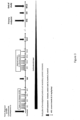
- the study plan is reported Figure 3 .
- ATO was started within 10 days of CS standard of care. Patients received 11 infusions per cycle of 24 days at a dose of 0.15 mg/kg per day. According to the clinical response and depending on the clinician's opinion, patients received a second cycle of treatment. Cycles were separated by an 8- to 11-week interval from the first infusion of ATO.
- the initial dose of CS could be tapered at 2 weeks after the first ATO infusion.
- a general guideline for CS weaning after 20 weeks was provided to the participating clinicians in the event of cGVHD clinical improvement (Table 1). It was suggested, but not required, that patients be tapered off steroids before tapering of other immunosuppressive medications.
- Table 1 Prednisone taper schedule. Week Dose (mg/kg actual body weight/day) 0 1.0 qod* 2 0.75 qod 4 0.65 qod 6 0.50 qod (if CR, continued tapering of CS dose) 0.50 qod (if no CR, maintain this dose until resolution of all reversible clinical manifestations or adjust the required dose) 8 0.40 qod 10 0.30 qod 12 0.20 qod 14 0.15 qod 20 0.0 qod *qod: alternate daily dose ( i . e ., measured every other day, and calculated according to the patient's weight).
- cGVHD was evaluated at each visit by the clinician using a dedicated form (Lee SJ et al. 2015).
- the primary efficacy variable was the response (complete or partial) at 6 months after first infusion of ATO.
- Complete response was defined as the complete disappearance of any sign of cGVHD (Lee SJ et al. 2015).
- Partial response was defined as an improvement of 1 point on a 4- to 7-point scale or an improvement of 2 points on a 10- to 12-point scale in at least 1 organ or site without progression in any other organ or site (Lee SJ et al. 2015).
- Clinical response was based on expert adjudication at 6 months for the main analysis and on NIH consensus criteria for the robustness assessment. Efficacy success was defined as CR or PR at 6 months after the first ATO infusion, with no secondary systemic therapy at any time. Treatment failure was defined as initiation of a new systemic treatment for cGVHD (other than CsA initiation in patients not receiving CsA at enrollment), recurrent or progressive malignancy, or death.
- Example 2 Determination of the temporal evolution of the concentration of a group of selected cytokines and chemokines in the sera of the patients enrolled in the clinical trial over the course of the treatment
- Example 1 After completion of the clinical trial described in Example 1, the inventors used the cohort sera collected over the course of the patients' treatment with the aim to measure the concentration profile of 34 cytokines and chemokines.
- the levels of the 34 cytokines were measured in the sera of the 20 patients included in the efficacy analysis (FAS population).
- cytokines and chemokines for which a temporal concentration profile was measured, six of them presented a remarkable and sharply modified profile over the time during the 1 year clinical trial follow-up. These are: GM-CSF, IL-1 ⁇ , IL-17A, IL-21, CXCL1 and CCL4.
- the temporal profile measured for the responder patients (R) show a decrease of the concentration of the cytokine or chemokine over the course of the treatment
- the profiles calculated for non-responder patients (NR)- show either a slight increase in the concentration or a rather stable profile over time.
- the method established by the inventors can be advantageously put in the form of a diagnostic kit for the diagnosis, prognosis, stratification and/or monitoring of cGVHD.
Landscapes
- Life Sciences & Earth Sciences (AREA)
- Health & Medical Sciences (AREA)
- Engineering & Computer Science (AREA)
- Molecular Biology (AREA)
- Immunology (AREA)
- Chemical & Material Sciences (AREA)
- Biomedical Technology (AREA)
- Hematology (AREA)
- Urology & Nephrology (AREA)
- Cell Biology (AREA)
- Biotechnology (AREA)
- Microbiology (AREA)
- Proteomics, Peptides & Aminoacids (AREA)
- Food Science & Technology (AREA)
- Medicinal Chemistry (AREA)
- Physics & Mathematics (AREA)
- Analytical Chemistry (AREA)
- Biochemistry (AREA)
- General Health & Medical Sciences (AREA)
- General Physics & Mathematics (AREA)
- Pathology (AREA)
- Investigating Or Analysing Biological Materials (AREA)
- Measuring Or Testing Involving Enzymes Or Micro-Organisms (AREA)
Priority Applications (2)
| Application Number | Priority Date | Filing Date | Title |
|---|---|---|---|
| EP23315115.8A EP4455672A1 (de) | 2023-04-26 | 2023-04-26 | Verfahren und kit zur diagnose und überwachung von chronischer transplantat-gegen-empfänger-erkrankung (cgvhd) unter verwendung bestimmter zytokin-biomarker |
| PCT/EP2024/061676 WO2024223904A1 (en) | 2023-04-26 | 2024-04-26 | Method and kit for establishing and monitoring treatments of chronic graft-versus-host disease (cgvhd) using cytokine or chemokines biomarkers |
Applications Claiming Priority (1)
| Application Number | Priority Date | Filing Date | Title |
|---|---|---|---|
| EP23315115.8A EP4455672A1 (de) | 2023-04-26 | 2023-04-26 | Verfahren und kit zur diagnose und überwachung von chronischer transplantat-gegen-empfänger-erkrankung (cgvhd) unter verwendung bestimmter zytokin-biomarker |
Publications (1)
| Publication Number | Publication Date |
|---|---|
| EP4455672A1 true EP4455672A1 (de) | 2024-10-30 |
Family
ID=86604869
Family Applications (1)
| Application Number | Title | Priority Date | Filing Date |
|---|---|---|---|
| EP23315115.8A Pending EP4455672A1 (de) | 2023-04-26 | 2023-04-26 | Verfahren und kit zur diagnose und überwachung von chronischer transplantat-gegen-empfänger-erkrankung (cgvhd) unter verwendung bestimmter zytokin-biomarker |
Country Status (2)
| Country | Link |
|---|---|
| EP (1) | EP4455672A1 (de) |
| WO (1) | WO2024223904A1 (de) |
Family Cites Families (11)
| Publication number | Priority date | Publication date | Assignee | Title |
|---|---|---|---|---|
| US7521071B2 (en) | 2002-10-09 | 2009-04-21 | Versitech Limited | Formulation of oral compositions comprising arsenic trioxide and methods of use thereof |
| WO2007028154A2 (en) | 2005-09-02 | 2007-03-08 | Northwestern University | Encapsulated arsenic drugs |
| ES2954081T3 (es) | 2015-01-29 | 2023-11-20 | Eupharma Pty Ltd | Composiciones que contienen arsénico para el uso en métodos de tratamiento |
| KR102015858B1 (ko) | 2015-10-23 | 2019-08-30 | 손영태 | 법제된 비상을 함유하는 면역력 증강을 위한 약학적 조성물 |
| US11241453B2 (en) | 2016-12-01 | 2022-02-08 | Eupharma Pty Ltd | Arsenic compositions |
| SG11202009174WA (en) | 2018-03-22 | 2020-10-29 | Komipharm Int Australia Pty Ltd | Pharmaceutical composition comprising meta arsenite and method of manufacture |
| EP3972613B1 (de) | 2019-05-21 | 2023-05-03 | Medsenic | Verwendung von kupferionen zur verstärkung der therapeutischen wirkungen von arsen |
| WO2021020547A1 (ja) | 2019-08-01 | 2021-02-04 | 日本ケミファ株式会社 | 試薬カートリッジ |
| WO2021150943A1 (en) | 2020-01-22 | 2021-07-29 | Musc Foundation For Research Development | Arsenic trioxide microcrystal-loaded microspheres |
| US11583552B2 (en) | 2021-02-17 | 2023-02-21 | Manoj Maniar | Pharmaceutical formulation of arsenic trioxide |
| CA3211092A1 (en) | 2021-02-26 | 2022-09-01 | Intas Pharmaceuticals Ltd. | Oral pharmaceutical composition of arsenic trioxide |
-
2023
- 2023-04-26 EP EP23315115.8A patent/EP4455672A1/de active Pending
-
2024
- 2024-04-26 WO PCT/EP2024/061676 patent/WO2024223904A1/en not_active Ceased
Non-Patent Citations (37)
| Title |
|---|
| "Physicians Poster Abstracts", BONE MARROW TRANSPLANTATION, NATURE PUBLISHING GROUP, GB, vol. 47, no. Suppl 1, 1 April 2012 (2012-04-01), pages S88 - S456, XP037758024, ISSN: 0268-3369, [retrieved on 20120404], DOI: 10.1038/BMT.2012.37 * |
| BARAK V ET AL: "Cytokine dysregulation in chronic graft versus host disease", LEUKEMIA AND LYMPHOMA, INFORMA HEALTHCARE, US, vol. 17, no. 1-2, 1 January 1995 (1995-01-01), pages 169 - 173, XP009126739, ISSN: 1042-8194, DOI: 10.3109/10428199509051718 * |
| BECHER BTUGUES SGRETER M.: "GM-CSF: From Growth Factor to Central Mediator of Tissue Inflammation", IMMUNITY, vol. 45, no. 5, 2016, pages 963 - 73, XP029809255, DOI: 10.1016/j.immuni.2016.10.026 |
| CODARRI LGYLILVESZI GTOSEVSKI VHESSKE LFONTANA AMAGNENAT L ET AL.: "RORγt drives production of the cytokine GM-CSF in helper T cells, which is essential for the effector phase of autoimmune neuroinflammation", NAT IMMUNOL, vol. 12, no. 6, 2011, pages 560 - 7 |
| CROXFORD ALLANZINGER MHARTMANN FJSCHREINER BMAIR FPELCZAR P ET AL.: "The Cytokine GM-CSF Drives the Inflammatory Signature of CCR2+ Monocytes and Licenses Autoimmunity", IMMUNITY, vol. 43, no. 3, 2015, pages 502 - 14 |
| CROXFORD ALSPATH SBECHER B: "GM-CSF in Neuroinflammation: Licensing Myeloid Cells for Tissue Damage", TRENDS IMMUNOL, vol. 36, no. 10, 2015, pages 651 - 62 |
| DIGNAN FLAMROLIA PCLARK A ET AL.: "Diagnosis and management of chronic graft-versus-host disease", BRJ HAEMATOL, vol. 158, 2012, pages 46 - 61 |
| DU JING ET AL: "Murine chronic graft-versus-host disease proteome profiling discovers CCL15 as a novel biomarker in patients", BLOOD, AMERICAN SOCIETY OF HEMATOLOGY, US, vol. 131, no. 15, 12 April 2018 (2018-04-12), pages 1743 - 1754, XP086691484, ISSN: 0006-4971, [retrieved on 20201216], DOI: 10.1182/BLOOD-2017-08-800623 * |
| FLEETWOOD AJLAWRENCE THAMILTON JACOOK AD: "Granulocyte-macrophage colony-stimulating factor (CSF) and macrophage CSF-dependent macrophage phenotypes display differences in cytokine profiles and transcription factor activities: implications for CSF blockade in inflammation", J IMMUNOL SALTIM MD 1950, vol. 178, no. 8, 2007, pages 5245 - 52 |
| FLYNN RPAZ KDU JREICHENBACH DKTAYLOR PAPANOSKALTSIS-MORTARI A ET AL.: "Targeted Rho-associated kinase 2 inhibition suppresses murine and human chronic GVHD through a Stat3-dependent mechanism", BLOOD, vol. 127, no. 17, 2016, pages 2144 - 54, XP055544499, DOI: 10.1182/blood-2015-10-678706 |
| FOWLER DHPAVLETIC SZ: "Syk and tired of current chronic GVHD . therapies", BLOOD, vol. 125, 2015, pages 3974 - 3975 |
| GRETER MHELFT JCHOW AHASHIMOTO DMORTHA AAGUDO-CANTERO J ET AL.: "GM-CSF controls nonlymphoid tissue' dendritic cell homeostasis but is dispensable for the differentiation of inflammatory dendritic cells", IMMUNITY, vol. 36, no. 6, 2012, pages 1031 - 46, XP028502130, DOI: 10.1016/j.immuni.2012.03.027 |
| HART JWSHIUE LHSHPALL EJALOUSI AM: "Extracorporeal photopheresis in the treatment of graft-versus-host disease: evidence and opinion", THER ADV HEMATOL, vol. 4, 2013, pages 320 - 334 |
| INVITROGEN: "ProcartaPlex(TM) Human Cytokine & Chemokine Convenience Panel 1A 34-Plex - USER GUIDE", 15 January 2021 (2021-01-15), XP093082979, Retrieved from the Internet <URL:https://www.thermofisher.com/document-connect/document-connect.html?url=https://assets.thermofisher.com/TFS-Assets%2FLSG%2Fmanuals%2FMAN0019787_ProcartaPlexHumanCytokineChemokineConveniencePanel_1A_34-Plex_UG.pdf> [retrieved on 20230918] * |
| JAGASIA MH, GREINIX HT, ARORA M, WILLIAMS KM, WOLFF D, COWEN EW: "National Institutes of Health Consensus Development Project on Criteria for Clinical Trials in Chronic Graft-versus-Host Disease: I. The 2014 Diagnosis and Staging Working Group report. Biol Blood Marrow Transplant", J AM SOC BLOOD MARROW TRANSPLANT, vol. 21, no. 3, 2015, pages 389 - 401 |
| KIER P ET AL: "ENDOGENOUS GM-CSF LEVELS IN PATIENTS WITH CHRONIC GRAFT VS. HOST DISEASE C-GVHD", BONE MARROW TRANSPLANTATION, vol. 5, no. Suppl2, 1 January 1990 (1990-01-01), GB, XP093083790, ISSN: 0268-3369 * |
| KOH KI-RYANG ET AL: "Possible Involvement of [gamma][delta]-T Cells in the Development of Chronic Graft-Versus-Host Disease after Allogeneic Hematopoietic Stem Cell Transplantation", BLOOD, AMERICAN SOCIETY OF HEMATOLOGY, US, vol. 110, no. 11, 16 November 2007 (2007-11-16), pages 1971, XP086649816, ISSN: 0006-4971, DOI: 10.1182/BLOOD.V110.11.1971.1971 * |
| LEE KMC, ACHUTHAN AA, HAMILTON JA: "GM-CSF: A Promising Target in Inflammation and. Autoimmunity", IMMUNOTARGETS THER, vol. 9, 2020, pages 225 - 40, XP055952712, DOI: 10.2147/ITT.S262566 |
| LEE SJ, ONSTAD L, CHOW EJ, SHAW BE, JIM HSL, SYRJALA KL: "Patient-reported outcomes and health status associated with chronic graft-versus-host disease.", HAEMATOLOGICA, vol. 103, no. 9, 2018, pages 1535 - 41 |
| LEE SJWOLFF DKITKO CKORETH JINAMOTO YJAGASIA M ET AL.: "Measuring Therapeutic Response in Chronic Graft-versus-Host Disease. National Institutes of Health Consensus Development Project on Criteria for Clinical Trials in Chronic Graft-versus-Host Disease: IV. The 2014 Response Criteria Working Group Report", BIOL BLOOD MARROW TRANSPLANT, vol. 21, no. 6, 2015, pages 984 - 99, XP029155459, DOI: 10.1016/j.bbmt.2015.02.025 |
| LEVINE AMREED JAKURAK KECIANCIOLO EWHITSETT JA: "GM-CSF-deficient mice are susceptible to pulmonary group B streptococcal infection", J CLIN INVEST, vol. 103, no. 4, 1999, pages 563 - 9 |
| MACDONALD KPABLAZAR BRHILL GR: "Cytokine mediators of chronic graft-versus-host disease", J CLIN INVEST., vol. 127, no. 7, 2017, pages 2452 - 63 |
| MAHMOUD HKELHADDAD AMFAHMY OASAMRA MAABDELFATTAH RMEL-NAHASS YH ET AL.: "Allogeneic hematopoietic stem cell transplantation for non-malignant hematological disorders", J ADV RES, vol. 6, no. 3, 2015, pages 449 - 58 |
| MIKLOS DAVID ET AL: "Ibrutinib for chronic graft-versus-host disease after failure of prior therapy", BLOOD, AMERICAN SOCIETY OF HEMATOLOGY, US, vol. 130, no. 21, 23 November 2017 (2017-11-23), pages 2243 - 2250, XP086678191, ISSN: 0006-4971, [retrieved on 20201118], DOI: 10.1182/BLOOD-2017-07-793786 * |
| MURATA MFUJIMOTO MMATSUSHITA THAMAGUCHI YHASEGAWA MTAKEHARA K ET AL.: "Clinical association of serum interleukin-17 levels in systemic sclerosis: is systemic sclerosis a Th17 disease?", J DERMATOL SCI, vol. 50, no. 3, 2008, pages 240 - 2, XP022625383, DOI: 10.1016/j.jdermsci.2008.01.001 |
| RESENDE RGCORREIA-SILVA JF, SILVA TASALOMAO UEMARQUES-SILVA LVIEIRA ELM ET AL.: "IL-17 Genetic and Immunophenotypic Evaluation in Chronic Graft-versus-Host Disease", MEDIATORS INT AMM. 2014, 2014, pages 571231 |
| RONGVAUX-GQÏDA DDUPUIS MPOUPON JDJEBRANI-OUSSEDIK NLEMONNIER CRIEGER F.: "High Response Rate and Corticosteroid Sparing with Arsenic Trioxide-Based First-Line Therapy in Chronic Graft-versus-Host Disease after Allogeneic Hematopoietic Stem Cell Transplantation", TRANSPLANT CELL THER, vol. S2666-6367, no. 22, 2022, pages 01469 - 5 |
| SAIDU NEBONINI CDICKINSON A ET AL.: "New approaches for the treatment of chronic graft-versus-host disease: current status and future directions", FRONT IMMUNOL, vol. 11, 2020, pages 578314, XP055956998, DOI: 10.3389/fimmu.2020.578314 |
| SHIOMI AUSUI T: "Pivotal Roles of GM-CSF in Autoimmunity and Inflammation", MEDIATORS INFLAMM., vol. 2015, 2015, pages 568543 |
| SOCIE GRITZ J.: "Current issues in chronic graft-versus-host disease", BLOOD, vol. 124, no. 3, 2014, pages 374 - 84 |
| STAFFAS ABURGOS DA SILVA MVAN DEN BRINK MRM: "The intestinal microbiota in allogeneic hematopoietic cell transplant and graft-versus-host disease", BLOOD, vol. 129, no. 8, 2017, pages 927 - 33, XP002787936, DOI: 10.1182/blood-2016-09-691394 |
| STANLEY ELIESCHKE GJGRAIL DMETCALF DHODGSON GGALL JA ET AL.: "Granulocyte/macrophage colony-stimulating factor-deficient mice show no major perturbation of hematopoiesis but develop a characteristic pulmonary pathology", PROC NATLACAD SCI USA, vol. 91, no. 12, 1994, pages 5592 - 6, XP055012672, DOI: 10.1073/pnas.91.12.5592 |
| TUGUES SAMORIM ASPATH SMARTIN-BLONDEL GSCHREINER BDE FEO- D ET AL.: "Graft-versus-host disease, but not graft-versus-leukemia immunity, is mediated by GM-CSF-licensed myeloid cells", SCI TRANSLMED, vol. 10, no. 469, 2018, pages eaat8410, XP055551187, DOI: 10.1126/scitranslmed.aat8410 |
| YANIV IKRAUSS ACBEOHOU EDALISSIER ACORBACIOGLU SZECCA M ET AL.: "Second Hematopoietic Stem Cell Transplantation for Post-Transplantation Relapsed Acute Leukemia in Children: A Retrospective EBMT-PDWP Study", BIOL BLOOD MARROW TRANSPLANT, vol. 24, no. 8, 2018, pages 1629 - 42, XP085447474, DOI: 10.1016/j.bbmt.2018.03.002 |
| YOSHIZAKI AYANABA KIWATA YKOMURA KOGAWA AAKIYAMA Y ET AL.: "Cell adhesion molecules regulate fibrotic process via Thl/Th2/Thl7 cell balance in a bleomycin-induced scleroderma model", J IMMUNOL BALTIM MD 1950, vol. 185, no. 4, 2010, pages 2502 - 15 |
| ZHAO X ET AL., MACDONALD KPA, 2013 |
| ZHAO XYLV MXU LLQIAN XHUANG XJ: "Donor Th17 cells and IL-21 may contribute to the development of chronic graft-versus-host disease after allogeneic transplantation", EURJ IMMUNOL., vol. 43, no. 3, 2013, pages 838 - 50 |
Also Published As
| Publication number | Publication date |
|---|---|
| WO2024223904A1 (en) | 2024-10-31 |
Similar Documents
| Publication | Publication Date | Title |
|---|---|---|
| Kim et al. | Asthma biomarkers in the age of biologics | |
| US20220018855A1 (en) | RGMa Fragment Based Diagnostic Assay | |
| Song et al. | Altered gut microbiota in H1-antihistamine-resistant chronic spontaneous urticaria associates with systemic inflammation | |
| JP2017509692A (ja) | 喘息肺におけるil−13活性化の末梢バイオマーカーとしてのジペプチジルペプチターゼ4(dpp4/cd26) | |
| Kalinauskaite‐Zukauske et al. | Serum levels of epithelial‐derived mediators and interleukin‐4/interleukin‐13 signaling after bronchial challenge with Dermatophagoides pteronyssinus in patients with allergic asthma | |
| JP2018538249A (ja) | 好酸球性疾患における好酸球標的化治療薬に対する臨床応答の予測変数としてのジペプチジルペプチダーゼ−4およびペリオスチン | |
| Wang et al. | Alterations of peripheral blood B cell subsets in Chinese patients with adult idiopathic inflammatory myopathies | |
| JP2019527227A (ja) | マスト細胞活性関連障害の検出および処置のためのバイオマーカー | |
| Teran et al. | Interleukin 16 and CCL17/thymus and activation-regulated chemokine in patients with aspirin-exacerbated respiratory disease | |
| US20230273220A1 (en) | Methods for prediction, detection and monitoring of substanceuse disorders and/or an infection | |
| WO2024223904A1 (en) | Method and kit for establishing and monitoring treatments of chronic graft-versus-host disease (cgvhd) using cytokine or chemokines biomarkers | |
| Wang et al. | Elevated expression of interleukin-33 in myasthenia gravis patients | |
| JP7016110B2 (ja) | スティル病と敗血症との鑑別用バイオマーカー | |
| CN115808525A (zh) | RabGGTase在肌萎缩侧索硬化诊断和治疗中的应用 | |
| CN111721940A (zh) | Micb蛋白的表达量检测试剂在制备抑郁障碍和双相障碍的鉴别试剂盒中的应用 | |
| Zhao et al. | The clinical impact of serum soluble CD25 levels in children with Langerhans cell histiocytosis | |
| Latif et al. | Evaluation of interleukin 13 versus transforming growth factor beta as a prognostic factor in the management of chronic spontaneous urticaria | |
| Ogurcov et al. | Blood serum cytokines in patients with subacute spinal cord injury: a pilot study to search for biomarkers of injury severity. Brain Sci. 2021; 11 (3): 322 | |
| US20230075138A1 (en) | Methods for treating and evaluating covid-19 patients | |
| Castellani | Gene expression of monocytes and targeted protein biomarker assessment in patients with polymyalgia rheumatica | |
| Khattab et al. | Study of BLC/CXCL13 in pediatric patient with Immune Thrombocytopenic Purpura | |
| US20150362508A1 (en) | Effector t cell rsistance | |
| KR20250017928A (ko) | 객담 단백체를 이용한 생물학적 제제에 대한 천식 치료 반응성 예측을 위한 바이오마커 및 이의 용도 | |
| Zhao et al. | Serum soluble CD25 levels were associated with prognosis of children with Langerhans cell histiocytosis | |
| CN119395304A (zh) | 一种根据血清中细胞因子基线表达水平预测奥马珠单抗治疗慢性鼻窦炎伴鼻息肉患者临床结局的方法及其应用 |
Legal Events
| Date | Code | Title | Description |
|---|---|---|---|
| PUAI | Public reference made under article 153(3) epc to a published international application that has entered the european phase |
Free format text: ORIGINAL CODE: 0009012 |
|
| STAA | Information on the status of an ep patent application or granted ep patent |
Free format text: STATUS: THE APPLICATION HAS BEEN PUBLISHED |
|
| AK | Designated contracting states |
Kind code of ref document: A1 Designated state(s): AL AT BE BG CH CY CZ DE DK EE ES FI FR GB GR HR HU IE IS IT LI LT LU LV MC ME MK MT NL NO PL PT RO RS SE SI SK SM TR |
|
| 19U | Interruption of proceedings before grant |
Effective date: 20250303 |