EP4458844A1 - Polypeptide anti-coronavirus, ses dérivés et son utilisation - Google Patents
Polypeptide anti-coronavirus, ses dérivés et son utilisation Download PDFInfo
- Publication number
- EP4458844A1 EP4458844A1 EP22913024.0A EP22913024A EP4458844A1 EP 4458844 A1 EP4458844 A1 EP 4458844A1 EP 22913024 A EP22913024 A EP 22913024A EP 4458844 A1 EP4458844 A1 EP 4458844A1
- Authority
- EP
- European Patent Office
- Prior art keywords
- polypeptide
- cov
- sars
- chol
- coronavirus
- Prior art date
- Legal status (The legal status is an assumption and is not a legal conclusion. Google has not performed a legal analysis and makes no representation as to the accuracy of the status listed.)
- Pending
Links
Images


Classifications
-
- C—CHEMISTRY; METALLURGY
- C07—ORGANIC CHEMISTRY
- C07K—PEPTIDES
- C07K14/00—Peptides having more than 20 amino acids; Gastrins; Somatostatins; Melanotropins; Derivatives thereof
-
- C—CHEMISTRY; METALLURGY
- C07—ORGANIC CHEMISTRY
- C07K—PEPTIDES
- C07K14/00—Peptides having more than 20 amino acids; Gastrins; Somatostatins; Melanotropins; Derivatives thereof
- C07K14/005—Peptides having more than 20 amino acids; Gastrins; Somatostatins; Melanotropins; Derivatives thereof from viruses
-
- A—HUMAN NECESSITIES
- A61—MEDICAL OR VETERINARY SCIENCE; HYGIENE
- A61K—PREPARATIONS FOR MEDICAL, DENTAL OR TOILETRY PURPOSES
- A61K38/00—Medicinal preparations containing peptides
- A61K38/16—Peptides having more than 20 amino acids; Gastrins; Somatostatins; Melanotropins; Derivatives thereof
-
- A—HUMAN NECESSITIES
- A61—MEDICAL OR VETERINARY SCIENCE; HYGIENE
- A61K—PREPARATIONS FOR MEDICAL, DENTAL OR TOILETRY PURPOSES
- A61K39/00—Medicinal preparations containing antigens or antibodies
- A61K39/12—Viral antigens
-
- A—HUMAN NECESSITIES
- A61—MEDICAL OR VETERINARY SCIENCE; HYGIENE
- A61K—PREPARATIONS FOR MEDICAL, DENTAL OR TOILETRY PURPOSES
- A61K47/00—Medicinal preparations characterised by the non-active ingredients used, e.g. carriers or inert additives; Targeting or modifying agents chemically bound to the active ingredient
- A61K47/50—Medicinal preparations characterised by the non-active ingredients used, e.g. carriers or inert additives; Targeting or modifying agents chemically bound to the active ingredient the non-active ingredient being chemically bound to the active ingredient, e.g. polymer-drug conjugates
- A61K47/51—Medicinal preparations characterised by the non-active ingredients used, e.g. carriers or inert additives; Targeting or modifying agents chemically bound to the active ingredient the non-active ingredient being chemically bound to the active ingredient, e.g. polymer-drug conjugates the non-active ingredient being a modifying agent
- A61K47/54—Medicinal preparations characterised by the non-active ingredients used, e.g. carriers or inert additives; Targeting or modifying agents chemically bound to the active ingredient the non-active ingredient being chemically bound to the active ingredient, e.g. polymer-drug conjugates the non-active ingredient being a modifying agent the modifying agent being an organic compound
- A61K47/554—Medicinal preparations characterised by the non-active ingredients used, e.g. carriers or inert additives; Targeting or modifying agents chemically bound to the active ingredient the non-active ingredient being chemically bound to the active ingredient, e.g. polymer-drug conjugates the non-active ingredient being a modifying agent the modifying agent being an organic compound the modifying agent being a steroid plant sterol, glycyrrhetic acid, enoxolone or bile acid
-
- A—HUMAN NECESSITIES
- A61—MEDICAL OR VETERINARY SCIENCE; HYGIENE
- A61K—PREPARATIONS FOR MEDICAL, DENTAL OR TOILETRY PURPOSES
- A61K47/00—Medicinal preparations characterised by the non-active ingredients used, e.g. carriers or inert additives; Targeting or modifying agents chemically bound to the active ingredient
- A61K47/50—Medicinal preparations characterised by the non-active ingredients used, e.g. carriers or inert additives; Targeting or modifying agents chemically bound to the active ingredient the non-active ingredient being chemically bound to the active ingredient, e.g. polymer-drug conjugates
- A61K47/51—Medicinal preparations characterised by the non-active ingredients used, e.g. carriers or inert additives; Targeting or modifying agents chemically bound to the active ingredient the non-active ingredient being chemically bound to the active ingredient, e.g. polymer-drug conjugates the non-active ingredient being a modifying agent
- A61K47/56—Medicinal preparations characterised by the non-active ingredients used, e.g. carriers or inert additives; Targeting or modifying agents chemically bound to the active ingredient the non-active ingredient being chemically bound to the active ingredient, e.g. polymer-drug conjugates the non-active ingredient being a modifying agent the modifying agent being an organic macromolecular compound, e.g. an oligomeric, polymeric or dendrimeric molecule
- A61K47/59—Medicinal preparations characterised by the non-active ingredients used, e.g. carriers or inert additives; Targeting or modifying agents chemically bound to the active ingredient the non-active ingredient being chemically bound to the active ingredient, e.g. polymer-drug conjugates the non-active ingredient being a modifying agent the modifying agent being an organic macromolecular compound, e.g. an oligomeric, polymeric or dendrimeric molecule obtained otherwise than by reactions only involving carbon-to-carbon unsaturated bonds, e.g. polyureas or polyurethanes
- A61K47/60—Medicinal preparations characterised by the non-active ingredients used, e.g. carriers or inert additives; Targeting or modifying agents chemically bound to the active ingredient the non-active ingredient being chemically bound to the active ingredient, e.g. polymer-drug conjugates the non-active ingredient being a modifying agent the modifying agent being an organic macromolecular compound, e.g. an oligomeric, polymeric or dendrimeric molecule obtained otherwise than by reactions only involving carbon-to-carbon unsaturated bonds, e.g. polyureas or polyurethanes the organic macromolecular compound being a polyoxyalkylene oligomer, polymer or dendrimer, e.g. PEG, PPG, PEO or polyglycerol
-
- A—HUMAN NECESSITIES
- A61—MEDICAL OR VETERINARY SCIENCE; HYGIENE
- A61P—SPECIFIC THERAPEUTIC ACTIVITY OF CHEMICAL COMPOUNDS OR MEDICINAL PREPARATIONS
- A61P11/00—Drugs for disorders of the respiratory system
-
- A—HUMAN NECESSITIES
- A61—MEDICAL OR VETERINARY SCIENCE; HYGIENE
- A61P—SPECIFIC THERAPEUTIC ACTIVITY OF CHEMICAL COMPOUNDS OR MEDICINAL PREPARATIONS
- A61P31/00—Antiinfectives, i.e. antibiotics, antiseptics, chemotherapeutics
- A61P31/12—Antivirals
- A61P31/14—Antivirals for RNA viruses
-
- A—HUMAN NECESSITIES
- A61—MEDICAL OR VETERINARY SCIENCE; HYGIENE
- A61K—PREPARATIONS FOR MEDICAL, DENTAL OR TOILETRY PURPOSES
- A61K38/00—Medicinal preparations containing peptides
-
- C—CHEMISTRY; METALLURGY
- C07—ORGANIC CHEMISTRY
- C07K—PEPTIDES
- C07K2319/00—Fusion polypeptide
-
- C—CHEMISTRY; METALLURGY
- C12—BIOCHEMISTRY; BEER; SPIRITS; WINE; VINEGAR; MICROBIOLOGY; ENZYMOLOGY; MUTATION OR GENETIC ENGINEERING
- C12N—MICROORGANISMS OR ENZYMES; COMPOSITIONS THEREOF; PROPAGATING, PRESERVING, OR MAINTAINING MICROORGANISMS; MUTATION OR GENETIC ENGINEERING; CULTURE MEDIA
- C12N2770/00—MICROORGANISMS OR ENZYMES; COMPOSITIONS THEREOF; PROPAGATING, PRESERVING, OR MAINTAINING MICROORGANISMS; MUTATION OR GENETIC ENGINEERING; CULTURE MEDIA ssRNA viruses positive-sense
- C12N2770/00011—Details
- C12N2770/20011—Coronaviridae
- C12N2770/20022—New viral proteins or individual genes, new structural or functional aspects of known viral proteins or genes
-
- C—CHEMISTRY; METALLURGY
- C12—BIOCHEMISTRY; BEER; SPIRITS; WINE; VINEGAR; MICROBIOLOGY; ENZYMOLOGY; MUTATION OR GENETIC ENGINEERING
- C12N—MICROORGANISMS OR ENZYMES; COMPOSITIONS THEREOF; PROPAGATING, PRESERVING, OR MAINTAINING MICROORGANISMS; MUTATION OR GENETIC ENGINEERING; CULTURE MEDIA
- C12N2770/00—MICROORGANISMS OR ENZYMES; COMPOSITIONS THEREOF; PROPAGATING, PRESERVING, OR MAINTAINING MICROORGANISMS; MUTATION OR GENETIC ENGINEERING; CULTURE MEDIA ssRNA viruses positive-sense
- C12N2770/00011—Details
- C12N2770/20011—Coronaviridae
- C12N2770/20033—Use of viral protein as therapeutic agent other than vaccine, e.g. apoptosis inducing or anti-inflammatory
-
- C—CHEMISTRY; METALLURGY
- C12—BIOCHEMISTRY; BEER; SPIRITS; WINE; VINEGAR; MICROBIOLOGY; ENZYMOLOGY; MUTATION OR GENETIC ENGINEERING
- C12N—MICROORGANISMS OR ENZYMES; COMPOSITIONS THEREOF; PROPAGATING, PRESERVING, OR MAINTAINING MICROORGANISMS; MUTATION OR GENETIC ENGINEERING; CULTURE MEDIA
- C12N2770/00—MICROORGANISMS OR ENZYMES; COMPOSITIONS THEREOF; PROPAGATING, PRESERVING, OR MAINTAINING MICROORGANISMS; MUTATION OR GENETIC ENGINEERING; CULTURE MEDIA ssRNA viruses positive-sense
- C12N2770/00011—Details
- C12N2770/20011—Coronaviridae
- C12N2770/20034—Use of virus or viral component as vaccine, e.g. live-attenuated or inactivated virus, VLP, viral protein
-
- Y—GENERAL TAGGING OF NEW TECHNOLOGICAL DEVELOPMENTS; GENERAL TAGGING OF CROSS-SECTIONAL TECHNOLOGIES SPANNING OVER SEVERAL SECTIONS OF THE IPC; TECHNICAL SUBJECTS COVERED BY FORMER USPC CROSS-REFERENCE ART COLLECTIONS [XRACs] AND DIGESTS
- Y02—TECHNOLOGIES OR APPLICATIONS FOR MITIGATION OR ADAPTATION AGAINST CLIMATE CHANGE
- Y02A—TECHNOLOGIES FOR ADAPTATION TO CLIMATE CHANGE
- Y02A50/00—TECHNOLOGIES FOR ADAPTATION TO CLIMATE CHANGE in human health protection, e.g. against extreme weather
- Y02A50/30—Against vector-borne diseases, e.g. mosquito-borne, fly-borne, tick-borne or waterborne diseases whose impact is exacerbated by climate change
Definitions
- the present invention relates to the field of biopharmaceuticals, and in particular, to a polypeptide, a derivative thereof, a polynucleotide encoding the polypeptide, a nucleic acid construct comprising the polynucleotide, an expression vector comprising the nucleic acid construct, a transformed cell, and a pharmaceutical composition comprising same for preventing or treating a disease caused by a coronavirus, and use thereof in preparing a medicament or a vaccine for preventing and/or treating COVID-19.
- Coronaviruses are enveloped viruses with a linear positive-sense single-stranded antisense RNA genome, and consist of a large group of viruses widely present in nature. Some coronaviruses may infect humans and cause diseases, and seven coronaviruses are found capable of infecting humans so far, including SARS-CoV, MERS-CoV, SARS-CoV-2, HCoV-229E, HCoV-OC43, HCoV-NL63, and HCoV-HKU1.
- SARS-CoV-2 is the pathogen of the COVID-19 pandemic, and is the third coronavirus causing human epidemics since the 21 st century.
- the present invention is intended to provide a polypeptide, a polynucleotide encoding same, a nucleic acid construct comprising the polynucleotide, an expression vector comprising the nucleic acid construct, a transformed cell, and a pharmaceutical composition comprising same for preventing or treating a disease caused by a coronavirus, and use thereof in preparing a medicament or a vaccine for preventing or treating a disease caused by a coronavirus.
- the present invention provides an anti-coronavirus polypeptide, wherein the anti-coronavirus polypeptide is a polypeptide having any one of the following sequences (1) to (8):
- sequence of the polypeptide is SEQ ID NO: 1, SEQ ID NO: 2, SEQ ID NO: 3, SEQ ID NO: 12, SEQ ID NO: 13, or SEQ ID NO: 14.
- the present invention provides an anti-coronavirus polypeptide derivative, wherein the polypeptide derivative is the anti-coronavirus polypeptide described above modified by a cholesterol derivative.
- the site of the cholesterol derivative modification is at the C-terminus or N-terminus or on a basic amino acid side chain of the polypeptide.
- the site of the cholesterol derivative modification is at the C-terminus of the polypeptide.
- the cholesterol derivative is linked to the C-terminus of the polypeptide via a linker or directly.
- the cholesterol derivative is a derivative of cholesterol modified by cysteine and/or PEG.
- cholesterol derivative is selected from
- polypeptide derivative has a structural formula represented by the following structure I, structure II, and structure III: structure I: polypeptide sequence -R1-Cys(CH 2 CONH(PEG) n (CH 2 ) x COOChol)-R 2 structure II: polypeptide sequence -R 1 -Cys(CH 2 COOChol)-R 2 structure III: polypeptide sequence -R1-CONH(PEG) n (CH 2 ) x -Cys(CH 2 COOChol)-R 2
- polypeptide sequence refers to the polypeptide sequence set forth in any one of (1) to (8) above;
- the polypeptide sequence is SEQ ID NO: 1, SEQ ID NO: 2, SEQ ID NO: 3, SEQ ID NO: 12, SEQ ID NO: 13, or SEQ ID NO: 14.
- R 1 is (GSG)m or (GSGSG)m; m is any integer of 0-6, and preferably m is 1 or 2; R 2 is OH or NH 2 ; preferably, R 2 is NH 2 .
- polypeptide derivative is selected from:
- the present invention provides a polynucleotide sequence encoding the polypeptide according to the first aspect.
- the present invention provides a vector, comprising the polynucleotide sequence according to the third aspect.
- the present invention provides a cell, comprising the vector according to the fourth aspect of the present invention.
- the present invention provides a pharmaceutical composition, comprising the polypeptide according to the first aspect and/or the derivative according to the second aspect, and a pharmaceutically acceptable carrier and/or excipient.
- the pharmaceutical composition is in the form of an inhalant, a nasal formulation, an oral formulation, or a parenteral formulation.
- the oral formulation is selected from a tablet, a capsule, a granule, a suspension, a pill, and a solution.
- the parenteral formulation is an injectable or bolus injection formulation.
- the pharmaceutical composition is a vaccine composition.
- the dosage form of the medicament is tablet, capsule, dripping pill, aerosol, pill, powder, solution, suspension, emulsion, granule, liposome, transdermal agent, suppository, or lyophilized powder for injection.
- the medicament is preferably administered by: injection, including subcutaneous injection, intravenous injection, intramuscular injection, intraperitoneal injection, intracisternal injection or infusion, etc.; intraluminal administration, e.g., intrarectal, intravaginal and sublingual administration; respiratory administration, e.g., nasal administration; mucosal administration; or topical administration.
- injection including subcutaneous injection, intravenous injection, intramuscular injection, intraperitoneal injection, intracisternal injection or infusion, etc.
- intraluminal administration e.g., intrarectal, intravaginal and sublingual administration
- respiratory administration e.g., nasal administration; mucosal administration
- topical administration e.g., topical administration.
- the present invention provides use of the polypeptide, the polypeptide derivative, or the fusion protein or conjugate above in preparing a medicament for inhibiting a coronavirus or in treating and/or preventing a disease caused by a coronavirus.
- the coronavirus is selected from the SARS-CoV, MERS-CoV, SARS-CoV-2, HCoV-229E, HCoV-OC43, HCoV-NL63, or HCoV-HKU1 prototype or a variant thereof.
- the coronavirus is selected from the SARS-CoV-2 prototype and a SARS-CoV-2 variant.
- the SARS-CoV-2 variant is selected from Alpha, Beta, Gamma, Delta, Omicron, Kappa, Lambda, and Deltacron.
- the disease caused by a coronavirus is selected from corona virus disease 2019 (COVID-19), severe acute respiratory syndrome, and Middle East respiratory syndrome.
- the present invention provides a method for inhibiting a coronavirus in vitro , comprising: administering the polypeptide, the polypeptide derivative, the fusion protein or conjugate, or the pharmaceutical composition above.
- the coronavirus is the SARS-CoV-2 prototype and/or a SARS-CoV-2 variant.
- the variant includes Alpha, Beta, Gamma, Delta, and Omicron.
- the administration comprises contacting the polypeptide according to the first aspect, the derivative according to the second aspect, and/or the pharmaceutical composition according to the third aspect with the coronavirus.
- the present invention provides a method for preventing or treating a coronavirus infection or a disease caused by a coronavirus in a subject, comprising: administering to the subject the polypeptide, the polypeptide derivative, the fusion protein or conjugate, or the pharmaceutical composition above.
- the coronavirus is the SARS-CoV-2 prototype and/or a SARS-CoV-2 variant. More preferably, the SARS-CoV-2 variant includes Alpha, Beta, Gamma, Delta, Omicron, Kappa, Lambda, and Deltacron.
- the present invention provides the polypeptide, the polypeptide derivative, and the fusion protein or conjugate above for use in preventing or treating a coronavirus infection or a disease caused by a coronavirus in a subject.
- the coronavirus is the SARS-CoV-2 prototype and/or a SARS-CoV-2 variant.
- the variant includes Alpha, Beta, Gamma, Delta, Omicron, Kappa, Lambda, and Deltacron.
- the present invention has the following beneficial effects:
- the present invention designs a polypeptide P3 based on the HR2 region of the S protein of SARS-CoV-2.
- the present invention acquires the polypeptides of interest by a series of engineering procedures (including one or more amino acid additions or substitutions), and modifies the polypeptides with a linker and cholesterol to give polypeptide derivatives.
- the polypeptides and the derivatives thereof exhibit good inhibitory effects against the SARS-CoV-2 prototype and variants Alpha, Beta, Gamma, Delta and Omicron, and thus possess great therapeutic and prophylactic prospects in preparing therapies and vaccines for preventing and treating COVID-19.
- the coronavirus spike (S) protein plays an important role in mediating virus invasion and consists of two subunits S1 and S2.
- S1 is responsible for recognizing the receptor, and S2 mediates membrane fusion of the viral envelope with the host cell membrane.
- Heptapeptide repeats HR1 and HR2 in S2 exert their membrane fusion functionality by forming a six-helix bundle structure.
- Studies have shown that the addition of exogenous HR1 or HR2 polypeptide can inhibit the formation of HR1 and HR2 six-helix bundle structures in the virus, thereby suppressing the membrane fusion process.
- the present invention is intended to provide a group of polypeptide entry inhibitors having inhibitory functionality against SARS-CoV-2 and SARS-like virus infections.
- the polypeptide entry inhibitors bind to the HR1 region in SARS-CoV-2 and SARS-like virus S2 protein to interfere with the formation process of the virus six-helix structure, thereby suppressing the fusion and infection procedures of the virus.
- the present invention designs a polypeptide P3 based on the HR2 region of the S protein of SARS-CoV-2.
- the present invention acquires polypeptides P3-1, P3-2, and P3-3 by a series of engineering procedures (including one or more amino acid additions or substitutions), and modifies the polypeptides P3-1, P3-2, and P3-3 with a linker and cholesterol.
- the cholesterol-modified polypeptide derivatives exhibit good inhibitory effects against the SARS-CoV-2 prototype and variant Omicron, and can thus be used for preparing medicament and vaccines for preventing and treating COVID-19.
- polypeptides of the present invention exhibit a surprisingly high inhibitory activity against SARS-CoV-2, especially for variant Omicron.
- the polypeptide may be a polypeptide comprising SEQ ID NOs: 1-6 or a variant thereof.
- polypeptide may comprise an amino acid sequence having 1 or more amino acid substitutions, additions, deletions, or insertions compared with the amino acid sequence set forth in SEQ ID NO: 1, 2, or 3.
- the amino acid addition refers to the addition of an amino acid at the C-terminus or N-terminus of an amino acid sequence, e.g., SEQ ID NO: 1, 2, or 3, as long as the polypeptide retains the inhibitory activity against the coronavirus.
- amino acid substitution refers to the substitution of a certain amino acid residue at a certain position in an amino acid sequence, e.g., the sequence of SEQ ID NO: 1, 2, or 3, with another amino acid residue, as long as the polypeptide retains inhibitory activity against the coronavirus.
- the amino acid insertion refers to the insertion of amino acid residues at proper positions in an amino acid sequence, e.g., the sequence of SEQ ID NO: 1, 2, or 3, where all or part of the inserted amino acid residues may be adjacent, or none of the inserted amino acids may be adjacent, as long as the polypeptide retains inhibitory activity against the coronavirus.
- the amino acid deletion refers to the deletion of 1, 2, 3 or more amino acids in an amino acid sequence, e.g., the sequence of SEQ ID NO: 1, 2, or 3, as long as the polypeptide retains inhibitory activity against the coronavirus.
- the polypeptide or polypeptide derivative of the present invention can be produced synthetically, or the polypeptide of the present invention may be expressed in a cell.
- the polypeptide of the present invention can be synthesized by chemical means.
- the polypeptide of the present invention may be expressed in a recombinant cell.
- the type of the cell is not limited.
- the cell may be a eukaryotic cell or a prokaryotic cell.
- the eukaryotic cell may be a fungal cell (e.g., a yeast cell), an insect cell, or a mammalian cell (e.g., a mouse cell).
- the prokaryotic cell may be a bacterial cell, e.g., an Escherichia coli cell.
- the cholesterol modification of the polypeptide of the present invention may be conducted at the C-terminus of the polypeptide, such that the polypeptide is linked to the cholesterol moiety at the C-terminus.
- the linkage can be a direct linkage or can be a linkage via a linker. Methods for cholesterol modification in the polypeptide of the present invention are well known in the art.
- the linker can be (GSG)m or (GSGSG)m, where m can be any integer, e.g., 1, 2, 3, 4, 5, 6, etc.
- the linker can be PEGylated. Means for PEGylation modification are known to those skilled in the art.
- PEGylated linker refers to a linker to which one or more PEGs are attached.
- the PEGylated linker can be PEGylated (GSG)n or (GSGSG)n. n can be any integer, e.g., 1, 2, 3, 4, 5, 6, etc.
- PEGm means that the number of polyethylene glycol repeat units is m.
- m can be any integer, e.g., 1, 2, 3, 4, 5, 6, 8, 10, 12, 14, 16, 18, or 20.
- the coronavirus can be any coronavirus.
- the coronavirus is a prototype or a variant Alpha, Beta, Gamma, Delta, Omicron, Kappa, Lambda, or Deltacron.
- the polypeptide or polypeptide derivative can be formulated into a medicament or a pharmaceutical composition, and the pharmaceutical composition is in the form of an inhalant, a nasal formulation, an oral formulation, or a parenteral formulation.
- the oral formulation is selected from a tablet, a capsule, a granule, a suspension, a pill, and a solution.
- the parenteral formulation is an injectable or bolus injection formulation.
- the pharmaceutical composition is a vaccine composition.
- the medicament can be a tablet, a capsule, a dripping pill, an aerosol, a pill, a powder, a solution, a suspension, an emulsion, a granule, a liposome, a transdermal agent, a suppository, or a lyophilized powder for injection.
- Such medicaments or pharmaceutical compositions may be administered by various modes of administration, such as injection, including subcutaneous injection, intravenous injection, intramuscular injection, intraperitoneal injection, intracisternal injection or infusion, etc.; intraluminal administration, e.g., intrarectal, intravaginal and sublingual administration; respiratory administration, e.g., nasal administration; mucosal administration; or topical administration.
- the present invention provides a method for preventing or treating a coronavirus infection or a disease caused by a coronavirus in a subject, comprising: administering the polypeptide or the polypeptide derivative of the present invention.
- the present invention also provides a polypeptide or a polypeptide derivative for use in preventing or treating a coronavirus infection or a disease caused by a coronavirus in a subject.
- the present invention also relates to a method for preventing or treating a coronavirus infection or a disease caused by a coronavirus in a subject, comprising: administering to the subject/patient a composition of the polypeptide or the polypeptide derivative of the present invention.
- the coronavirus is a prototype or a variant Alpha, Beta, Gamma, Delta, Omicron, Kappa, Lambda, or Deltacron.
- the present invention also relates to a polypeptide or a polypeptide derivative, or a composition for use in preventing or treating a coronavirus infection or a disease caused by a coronavirus in a subject, wherein preferably, the coronavirus is a prototype or a variant Alpha, Beta, Gamma, Delta, Omicron, Kappa, Lambda, or Deltacron.
- the present invention also relates to a polypeptide or a polypeptide derivative, or a composition, a pharmaceutical composition or a kit thereof for use in preventing or treating a coronavirus infection or a disease caused by a coronavirus in a subject/patient, wherein preferably, the coronavirus is a prototype or a variant Alpha, Beta, Gamma, Delta, Omicron, Kappa, Lambda, or Deltacron.
- the present invention designs a polypeptide P3 based on the HR2 region of the S protein of SARS-CoV-2, and modifies the polypeptide P3 by a series of engineering procedures (including one or more amino acid additions or substitutions) to give three modified polypeptides designated as P3-1, P3-2, and P3-3.
- the polypeptides P3-1, P3-2, and P3-3 are further modified with a linker and cholesterol to give corresponding cholesterol-modified polypeptide derivatives, which can be obtained by conventional synthetic methods in the art.
- Pseudovirus packaging virus G*VSV-delG purchased from BrainVTA (Wuhan) Co., Ltd.
- Eukaryotic protein pCAGGS expression vector (supplied by Suzhou GENEWIZ).
- HEK293T ACE2 cell purchased from Suzhou GENEWIZ.
- Polypeptide P3 was designed by homology comparison of HR1 and HR2 sequences in human infectious coronavirus proteins and modified by a series of engineering procedures (including one or more amino acid additions or substitutions) to give three modified polypeptides designated as P3-1, P3-2, and P3-3.
- the polypeptides P3-1, P3-2, and P3-3 were further modified with a linker and cholesterol to give corresponding cholesterol-modified polypeptide derivatives.
- the specific sequences and structures of the polypeptides and the polypeptide derivatives are shown in Table 1.
- the polypeptides and the polypeptide derivatives were synthesized and purified by Hybio Pharmaceutical Co., Ltd., with a purity of >95%. Table 1.
- the pseudovirus packages of the SARS-CoV-2 prototype and variants were prepared in-house (see Example 2).
- HEK293T ACE2 cells (blank control group, uninfected cells); HEK293T ACE2 cells + prototype or variant pseudovirus + DMEM medium (negative control group, infected cells with no polypeptide treatment); HEK293T ACE2 cells + prototype or variant pseudovirus + polypeptide P3 (P3 treatment group); HEK293T ACE2 cells + prototype or variant pseudovirus + P3-1 (P3-1 treatment group); HEK293T ACE2 cells + prototype or variant pseudovirus + P3-2 (P3-2 treatment group); HEK293T ACE2 cells + prototype or variant pseudovirus + P3-3 (P3-3 treatment group); HEK293T ACE2 cells + prototype or variant pseudovirus + P3-1-GS-Chol (P3-1-GS-Chol treatment group); HEK293T ACE2 cells + prototype or variant pseudovirus + P3-2-GS-Chol treatment group); HEK293T ACE2 cells + prototype or variant pseudovirus + P3-2-GS-C
- polypeptide stock solutions The polypeptides in Table 1 were prepared into 10 mM solutions in DMSO, and then diluted to 20 ⁇ M in DMEM medium containing 10% of FBS as stock solutions for further serial dilutions.
- Preparation of polypeptide serial dilutions 20 ⁇ M of the above polypeptide stock solution was serially 2-fold diluted in DMEM medium containing 10% of FBS to 9 gradients (10 ⁇ M, 5 ⁇ M, 2.5 ⁇ M, 1.25 ⁇ M, 0.625 ⁇ M, 0.3125 ⁇ M, 0.156 ⁇ M, 0.078 ⁇ M, and 0.039 ⁇ M, respectively) at 50 ⁇ L/well in triplicate.
- pseudovirus amount The SARS-CoV-2 prototype or variant pseudovirus stock solutions and serial dilutions were quantified on HEK293T ACE2 cells. The dilution where 1000 FFUs were observed was used as the virus amount (a dilution factor between 6-20 folds) for assessing the polypeptide inhibitory effect.
- HEK293T ACE2 cells were plated in 96-well cell culture plates and cultured overnight until a cell confluence of 80%-90% was reached.
- the polypeptide serial dilutions were added along with an equal volume (50 ⁇ L) of the pseudovirus dilution, and the systems were mixed well and incubated at 37 °C for 1 h.
- c The supernatant in the 96-well cell culture plates in step a was carefully discarded, before the polypeptide-pseudovirus mixture (100 ⁇ L/well) from step b was added. The cells were incubated in an incubator for 15-24 h. d.
- the infected cells were counted under a high content microscope, and the inhibitory rates of the polypeptides at different concentrations were calculated.
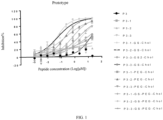
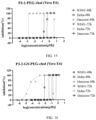
- the EC 50 values (shown in FIGs. 1 and 2 ) of the polypeptides were determined by using GraphPad. The assessment was conducted in duplicate to give results designated as 1st and 2nd, as shown in Table 2. Table 2. Inhibition effect (EC 50 ) of polypeptides on pseudoviruses of SARS-CoV-2 prototype and variant EC 50 ( ⁇ M) Prototype 1st Omicron 1st Prototype 2nd Omicron 2nd P3 0.3665 8.896 N.D. N.D. P3-1 N.D. 7.899 N.D. N.D.
- N.D. denotes that the calculated half maximal effective concentration (EC 50 ) of the polypeptide for inhibiting the viral strain did not fall within the designed concentration range in this study.
- P3-1-GS-Chol, P3-2-GS-Chol, and P3-3-GS2-Chol exhibited superior inhibitory effects against the prototype and variant Omicron to those of their unmodified counterparts P3-1, P3-2, and P3-3, respectively.
- P3-2-GS-Chol demonstrated greatly improved inhibitory effects, with the EC 50 values in the two duplicate tests being 0.0929 ⁇ M and 0.05333 ⁇ M against the prototype, and 0.02208 ⁇ M and 0.01469 ⁇ M against variant Omicron.
- P3-1-PEG-Chol, P3-2-PEG-Chol, and P3-3-PEG-Chol exhibited superior inhibitory effects against the prototype and variant Omicron to those of their unmodified counterparts P3-1, P3-2, and P3-3, respectively.
- P3-2-PEG-Chol demonstrated greatly improved inhibitory effects, with the EC 50 values in the two duplicate tests being 0.2113 ⁇ M and 0.1955 ⁇ M against the prototype, and 0.004168 ⁇ M and 0.01631 ⁇ M against variant Omicron.
- P3-1-GS-PEG-Chol, P3-2-GS-PEG-Chol, and P3-3-GS-PEG-Chol exhibited superior inhibitory effects against the prototype and variant Omicron to those of their unmodified counterparts P3-1, P3-2, and P3-3, respectively.
- P3-2-GS-PEG-Chol demonstrated greatly improved inhibitory effects, with the EC 50 values in the two duplicate tests being 0.1535 ⁇ M and 0.0454 ⁇ M against the prototype, and 0.007021 ⁇ M and 0.007624 ⁇ M against variant Omicron.
- P3-2-GS-Chol, P3-2-PEG-Chol, and P3-2-GS-PEG-Chol exhibited the best inhibitory effect against the prototype and variant Omicron, especially against variant Omicron.
- the P3-2 derivatives showed good repeatability in the two duplicate tests, suggesting the most stable inhibitory capability against the viruses.
- This example was conducted to determine the inhibitory effects of polypeptides P3-2, P3-2-GS-Chol, P3-2-PEG-Chol, P3-2-GS-PEG-Chol, and P3-1-GS-PEG-Chol on pseudoviruses of the SARS-CoV-2 prototype and variants (Alpha (B.1.1.7), Beta (B.1.351), Gamma (P.1), Delta (B.1.617.2), and Omicron (BA.1)).
- HEK293T ACE2 cells (blank control group, uninfected cells); HEK293T ACE2 cells + prototype or variant pseudovirus + DMEM medium (negative control group, infected cells with no polypeptide treatment); HEK293T ACE2 cells + prototype or variant pseudovirus + polypeptide P3-2 (P3-2 treatment group); HEK293T ACE2 cells + prototype or variant pseudovirus + P3-2-GS-Chol (P3-2-GS-Chol treatment group); HEK293T ACE2 cells + prototype or variant pseudovirus + P3-2-PEG-Chol (P3-2-PEG-Chol treatment group); HEK293T ACE2 cells + prototype or variant pseudovirus + P3-2-GS-PEG-Chol (P3-2-GS-PEG-Chol treatment group); HEK293T ACE2 cells + prototype or variant pseudovirus + P3-1-GS-PEG-Chol (P3-1-GS-PEG-Chol treatment group).
- polypeptide stock solutions The polypeptides in Table 1 were prepared into 10 mM solutions in DMSO, and then diluted to 20 ⁇ M in DMEM medium containing 10% of FBS as stock solutions for further serial dilutions.
- Preparation of polypeptide serial dilutions 20 ⁇ M of the above polypeptide stock solution was serially 2-fold diluted in DMEM medium containing 10% of FBS to 9 gradients (10 ⁇ M, 5 ⁇ M, 2.5 ⁇ M, 1.25 ⁇ M, 0.625 ⁇ M, 0.3125 ⁇ M, 0.156 ⁇ M, 0.078 ⁇ M, and 0.039 ⁇ M, respectively) at 50 ⁇ L/well in triplicate.
- pseudovirus amount The SARS-CoV-2 prototype or variant pseudovirus stock solutions and serial dilutions were quantified on HEK293T ACE2 cells. The dilution where 1000 FFUs were observed was used as the virus amount (a dilution factor between 6-20 folds) for assessing the polypeptide inhibitory effect.
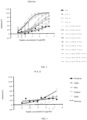
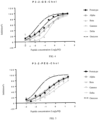
- the modified derivatives P3-2-GS-Chol, P3-2-PEG-Chol, and P3-2-GS-PEG-Chol of polypeptide P3-2 not only exhibited good inhibitory effects against the prototype and variant Omicron of SARS-CoV-2, but also demonstrated good inhibitory effects against the other variants Alpha, Beta, Gamma, and Delta, as well as good repeatability in inhibition test results against the prototype and variant Omicron.
- the derivatives P3-2-GS-Chol, P3-2-PEG-Chol, and P3-2-GS-PEG-Chol of polypeptide P3-2 exhibited better inhibitory effects against the prototype and variants Alpha, Beta, Gamma, Delta, and Omicron.
- P3-2-GS-Chol Compared with P3-2, P3-2-GS-Chol, P3-2-PEG-Chol, and P3-2-GS-PEG-Chol exhibited better inhibitory effects against the prototype and variants Alpha, Beta, Gamma, Delta, and Omicron, and the inhibitory effects of P3-2-GS-PEG-Chol were superior to those of P3-2-GS-Chol and P3-2-PEG-Chol.
- This example was conducted to determine the inhibitory effects of truncated polypeptides obtained by continuous single amino acid deletions at the N-terminus of polypeptides P3-2-GS-Chol and P3-2-GS-PEG-Chol on pseudoviruses of the SARS-CoV-2 prototype and variants (Delta (B. 1.617.2) and Omicron (BA. 1)).
- amino acid sequences of the truncated polypeptides obtained by continuous single amino acid deletions at the N-terminus of polypeptides P3-2-GS-Chol and P3-2-GS-PEG-Chol are shown in Tables 4 and 5.
- Table 4 Amino acid sequence of truncated polypeptides obtained by continuous single amino acid deletions at N-terminus of polypeptide P3-2-GS-Chol Name Sequence P3-2 VDLGDISGINASVVNIQKEIDRLNEVAKNLNESLIDLQEL SEQ ID NO.2 P3-2-1 DLGDISGINASVVNIQKEIDRLNEVAKNLNESLIDLQEL SEQ ID NO.12 P3-2-2 LGDISGINASVVNIQKEIDRLNEVAKNLNESLIDLQEL SEQ ID NO.13 P3-2-3 GDISGINASVVNIQKEIDRLNEVAKNLNESLIDLQEL SEQ ID NO.14 P3-2-GS-Chol P3-2-GS-Chol-1 P3-2-GS-Chol-2 P3-2-GS-Chol
- P3-2-GS-Chol-1 and P3-2-GS-PEG-Chol-1 were extremely unstable during the purification process of synthesis, they were not subjected to further inhibitory effect assessment on the pseudoviruses of SARS-CoV-2 prototype and variants.
- HEK293T ACE2 cells (blank control group, uninfected cells); HEK293T ACE2 cells + prototype or variant pseudovirus + DMEM medium (negative control group, infected cells with no polypeptide treatment); HEK 293T ACE2 cells + prototype or variant pseudovirus + P3-2-GS-PEG-Chol (P3-2-GS-PEG-Chol treatment group); HEK 293T ACE2 cells + prototype or variant pseudovirus + polypeptide P3-2-GS-PEG-Chol-2 (P3-2-GS-PEG-Chol-2 treatment group); HEK 293T ACE2 cells + prototype or variant pseudovirus + P3-2-GS-PEG-Chol-3 (P3-2-GS-PEG-Chol-3 treatment group); HEK 293T ACE2 cells + prototype or variant pseudovirus + P3-2-GS-Chol-2 (P3-2-GS-Chol-2 treatment group); HEK 293T ACE2 cells + prototype or variant pseudovirus + P3-2-GS-Chol-2 (P
- polypeptide stock solutions The polypeptides in Tables 4 and 5 were prepared into 10 mM solutions in DMSO, and then diluted to 20 ⁇ M in DMEM medium containing 10% of FBS as stock solutions for further serial dilutions.
- pseudovirus amount The SARS-CoV-2 prototype or variant pseudovirus stock solutions and serial dilutions were quantified on HEK293T ACE2 cells. The dilution where 1000 FFUs were observed was used as the virus amount (a dilution factor between 6-20 folds) for assessing the polypeptide inhibitory effect.
- the truncated polypeptides P3-2-GS-Chol-1 and P3-2-GS-PEG-Chol-1 were prepared from P3-2-GS-Chol and P3-2-GS-PEG-Chol by solid-phase synthesis.
- the two polypeptides exhibited poor stability, and cannot be purified to give a high-purity sample. Therefore, the two polypeptides were not subjected to the pseudovirus neutralization assay for assessing the inhibitory effect against viruses.
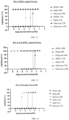
- the truncated polypeptides P3-2-GS-PEG-Chol-2 and P3-2-GS-PEG-Chol-3 of polypeptide P3-2-GS-PEG-Chol exhibited good inhibitory effects against the SARS-CoV-2 prototype and variant Delta and Omicron, but the inhibitory effects were weaker than those of P3-2-GS-PEG-Chol, and such inhibitory effects were not reduced along with the continuous truncation of the peptide sequence;
- the truncated polypeptides P3-2-GS-Chol-2, P3-2-GS-Chol-3, P3-2-GS-Chol-4, and P3-2-GS-Chol-5 of polypeptide P3-2-GS-Chol also exhibited certain inhibitory effects against the prototype and variants Delta and Omicron, but the inhibitory effects were weaker than those of the P-2-GS-Chol.
- This example was conducted to determine the inhibitory effects of polypeptides P3-2-GS-Chol, P3-2-PEG-Chol, and P3-2-GS-PEG-Chol in Table 1 on live SARS-CoV-2 prototype (SARS-CoV-2 WH01) and variants (Delta (B.1.617.2) and Omicron (BA. 1)) in Vero cells.
- Vero cells (blank control group, uninfected cells); Vero cells + live prototype or variant virus + DMEM medium (negative control group, infected cells with no polypeptide treatment); Vero cells + live prototype or variant virus + P3-2-GS-Chol (P3-2-GS-Chol treatment group); Vero cells + live prototype or variant virus + P3-2-PEG-Chol (P3-2-PEG-Chol treatment group); Vero cells + live prototype or variant virus + P3-2-GS-PEG-Chol (P3-2-GS-PEG-Chol treatment group).
- polypeptide stock solutions The polypeptides P3-2, P3-2-GS-Chol, P3-2-PEG-Chol, and P3-2-GS-PEG-Chol in Table 1 were prepared into 5 mM solutions in DMSO, and then diluted to 5 ⁇ M in DMEM medium containing 2% of FBS as stock solutions for further serial dilutions.
- Polypeptides P3-2-GS-Chol and P3-2-PEG-Chol were serially 3-fold diluted from 5 ⁇ M to 11 concentrations for the three virus strains; polypeptide P3-2-GS-PEG-Chol were serially 3-fold diluted from 5 ⁇ M for the SARS-CoV-2 prototype and variant Delta and 5-fold from 5 ⁇ M for variant Omicron to 11 concentrations; each concentration was prepared in 4 replicates at 50 ⁇ L/well. Determination of live virus amount: Based on TCID50, virus solutions of SARS-CoV-2 WH01, Delta, and Omicron were diluted to 2000 TCID50/mL, each requiring 9.6 mL (prepared at 12 mL). DMEM (containing 2% of FBS) was used for dilution.
- P3-2-GS-Chol, P3-2-PEG-Chol, and P3-2-GS-PEG-Chol exhibited excellent inhibitory effects against live SARS-CoV-2 viruses in Vero cells.
- the calculated EC 50 for the SARS-CoV-2 prototype was 0.5280 ⁇ M.
- SARS-CoV-2 variant Delta no CPE was observed in the treatment group at 48 hours, where the virus inhibition rate for the polypeptide was 100%; at 72 hours, CPE was observed, and the calculated EC 50 was 0.0206 ⁇ M.
- SARS-CoV-2 variant Omicron no CPE was observed in the treatment group at 48 or 72 hours, where the virus inhibition rate for the polypeptide was 100%; at 120 hours, CPE was observed, and the calculated EC 50 was 0.0362 ⁇ M.
- the calculated EC 50 for the SARS-CoV-2 prototype was 0.5292 ⁇ M.
- SARS-CoV-2 variant Delta no CPE was observed in the treatment group at 48 hours, where the virus inhibition rate for the polypeptide was 100%; at 72 hours, CPE was observed, and the calculated EC 50 was 0.0206 ⁇ M.
- SARS-CoV-2 variant Omicron no CPE was observed in the treatment group at 48 or 72 hours, where the virus inhibition rate for the polypeptide was 100%; at 120 hours, CPE was observed, and the calculated EC 50 was 0.1852 ⁇ M.
- the calculated EC 50 for the SARS-CoV-2 prototype was 0.0587 ⁇ M.
- SARS-CoV-2 variant Delta no CPE was observed in the treatment group at 48 hours, where the virus inhibition rate for the polypeptide was 100%; at 72 hours, CPE was observed, and the calculated EC 50 was 0.0406 ⁇ M.
- SARS-CoV-2 variant Omicron no CPE was observed in the treatment group at 48 or 72 hours, where the virus inhibition rate for the polypeptide was 100%; at 120 hours, CPE was observed, and the calculated EC 50 was 0.0216 ⁇ M.
- This example was conducted to determine the inhibitory effects of polypeptides P3-2-GS-Chol, P3-2-PEG-Chol, and P3-2-GS-PEG-Chol in Table 1 on live SARS-CoV-2 prototype (SARS-CoV-2 WH01) and variants (Delta (B.1.617.2) and Omicron (BA.1)) in Vero E6 cells.
- Vero E6 cells (blank control group, uninfected cells); Vero E6 cells + live prototype or variant virus + DMEM medium (negative control group, infected cells with no polypeptide treatment); Vero E6 cells + live prototype or variant virus + P3-2-GS-Chol (P3-2-GS-Chol treatment group); Vero E6 cells + live prototype or variant virus + P3-2-PEG-Chol (P3-2-PEG-Chol treatment group); Vero E6 cells + live prototype or variant virus + P3-2-GS-PEG-Chol (P3-2-GS-PEG-Chol treatment group).
- polypeptide stock solutions The polypeptides P3-2, P3-2-GS-Chol, P3-2-PEG-Chol, and P3-2-GS-PEG-Chol in Table 1 were prepared into 5 mM solutions in DMSO, and then diluted to 5 ⁇ M in DMEM medium containing 2% of FBS as stock solutions for further serial dilutions.
- Polypeptides P3-2-GS-Chol and P3-2-PEG-Chol were serially 3-fold diluted from 5 ⁇ M to 11 concentrations for the three virus strains; polypeptide P3-2-GS-PEG-Chol were serially 3-fold diluted from 5 ⁇ M for the SARS-CoV-2 prototype and variant Delta and 5-fold from 5 ⁇ M for variant Omicron to 11 concentrations; each concentration was prepared in 4 replicates at 50 ⁇ L/well. Determination of live virus amount: Based on TCID50, virus solutions of SARS-CoV-2 WH01, Delta, and Omicron were diluted to 2000 TCID50/mL, each requiring 9.6 mL (prepared at 12 mL). DMEM (containing 2% of FBS) was used for dilution.
- P3-2-GS-Chol, P3-2-PEG-Chol, and P3-2-GS-PEG-Chol exhibited excellent inhibitory effects against live SARS-CoV-2 viruses in Vero E6 cells. Since the EC 50 was observed after 48 h for various polypeptides, the study mainly compared the data at 48 h.
- CPE In the live virus neutralization assay for P3-2-GS-PEG-Chol, CPE was observed at 48 hours in the treatment group for SARS-CoV-2 variant Delta in Vero E6 cells, and the calculated EC 50 was 0.1208 ⁇ M.
- SARS-CoV-2 variant Delta CPE was observed in the treatment group at 48 hours, and the calculated EC 50 was 0.0403 ⁇ M.
- SARS-CoV-2 variant Omicron CPE was observed in the treatment group at 48 hours, and the calculated EC 50 was 0.000028 ⁇ M.
- the polypeptides and the derivatives thereof in the present invention can inhibit virus invasion by inhibiting the S protein-mediated membrane fusion process, and are thus suitable for preventing and treating diseases caused by coronaviruses, especially the SARS-CoV-2 prototype and variants.
- the polypeptide and the derivatives thereof have significant inhibitory effects against the SARS-CoV-2 prototype and variants Alpha, Beta, Gamma, Delta, and Omicron, especially for variant Omicron, and thus have broad application prospects.
Landscapes
- Health & Medical Sciences (AREA)
- Life Sciences & Earth Sciences (AREA)
- Chemical & Material Sciences (AREA)
- Medicinal Chemistry (AREA)
- General Health & Medical Sciences (AREA)
- Public Health (AREA)
- Veterinary Medicine (AREA)
- Pharmacology & Pharmacy (AREA)
- Animal Behavior & Ethology (AREA)
- Virology (AREA)
- Organic Chemistry (AREA)
- Molecular Biology (AREA)
- Bioinformatics & Cheminformatics (AREA)
- Engineering & Computer Science (AREA)
- Epidemiology (AREA)
- General Chemical & Material Sciences (AREA)
- Chemical Kinetics & Catalysis (AREA)
- Nuclear Medicine, Radiotherapy & Molecular Imaging (AREA)
- Communicable Diseases (AREA)
- Proteomics, Peptides & Aminoacids (AREA)
- Gastroenterology & Hepatology (AREA)
- Oncology (AREA)
- Immunology (AREA)
- Biophysics (AREA)
- Genetics & Genomics (AREA)
- Biochemistry (AREA)
- Botany (AREA)
- Mycology (AREA)
- Microbiology (AREA)
- Pulmonology (AREA)
- Peptides Or Proteins (AREA)
- Medicines That Contain Protein Lipid Enzymes And Other Medicines (AREA)
- Medicines Containing Antibodies Or Antigens For Use As Internal Diagnostic Agents (AREA)
- Micro-Organisms Or Cultivation Processes Thereof (AREA)
- Medicinal Preparation (AREA)
Applications Claiming Priority (2)
| Application Number | Priority Date | Filing Date | Title |
|---|---|---|---|
| CN202111675955 | 2021-12-31 | ||
| PCT/CN2022/084473 WO2023123722A1 (fr) | 2021-12-31 | 2022-03-31 | Polypeptide anti-coronavirus, ses dérivés et son utilisation |
Publications (2)
| Publication Number | Publication Date |
|---|---|
| EP4458844A1 true EP4458844A1 (fr) | 2024-11-06 |
| EP4458844A4 EP4458844A4 (fr) | 2026-03-18 |
Family
ID=83324888
Family Applications (1)
| Application Number | Title | Priority Date | Filing Date |
|---|---|---|---|
| EP22913024.0A Pending EP4458844A4 (fr) | 2021-12-31 | 2022-03-31 | Polypeptide anti-coronavirus, ses dérivés et son utilisation |
Country Status (5)
| Country | Link |
|---|---|
| US (1) | US20240398893A1 (fr) |
| EP (1) | EP4458844A4 (fr) |
| JP (1) | JP2024545339A (fr) |
| CN (3) | CN116375812A (fr) |
| WO (1) | WO2023123722A1 (fr) |
Families Citing this family (3)
| Publication number | Priority date | Publication date | Assignee | Title |
|---|---|---|---|---|
| CN116064358A (zh) * | 2022-11-07 | 2023-05-05 | 海南浙江大学研究院 | 一种重组枯草芽孢杆菌及其应用 |
| CN116987152B (zh) * | 2023-09-27 | 2024-01-02 | 中国科学院微生物研究所 | 一种结合沙贝冠状病毒s蛋白rbd结构域的环肽及其应用 |
| CN119119200A (zh) * | 2024-09-04 | 2024-12-13 | 中国人民解放军总医院第七医学中心 | 一种抑制新型冠状病毒入侵的多肽组合物及其应用 |
Family Cites Families (8)
| Publication number | Priority date | Publication date | Assignee | Title |
|---|---|---|---|---|
| WO2005077103A2 (fr) * | 2004-02-12 | 2005-08-25 | Regents Of The University Of Colorado | Compositions et methodes de modification et de prevention de l'infectiosite du coronavirus du sras |
| CN113498417B (zh) * | 2020-02-05 | 2022-11-01 | 山西锦波生物医药股份有限公司 | 多肽、其制备方法和用途 |
| CN113264990B (zh) * | 2020-02-14 | 2022-09-27 | 深圳大学 | 抑制新型冠状病毒(sars-cov-2)的多肽和其应用 |
| CN111349150B (zh) * | 2020-03-24 | 2021-02-09 | 北京中科微盾生物科技有限责任公司 | 一种抑制新型冠状病毒的多肽及其用途 |
| RU2747762C1 (ru) * | 2020-04-05 | 2021-05-13 | Илья Владимирович Духовлинов | Вакцина для профилактики или лечения коронавирусной инфекции на основе генетической конструкции |
| CN111560054A (zh) * | 2020-06-16 | 2020-08-21 | 哈尔滨吉象隆生物技术有限公司 | 抑制新型冠状病毒感染的多肽及其筛选方法 |
| CN113563433B (zh) * | 2021-06-04 | 2023-03-31 | 山西锦波生物医药股份有限公司 | 多肽、其制备方法和用途 |
| CN115925825B (zh) * | 2021-08-16 | 2023-07-04 | 中国科学院微生物研究所 | 一种抗新型冠状病毒的多肽及其应用 |
-
2022
- 2022-03-31 CN CN202310297674.1A patent/CN116375812A/zh active Pending
- 2022-03-31 WO PCT/CN2022/084473 patent/WO2023123722A1/fr not_active Ceased
- 2022-03-31 JP JP2024538259A patent/JP2024545339A/ja active Pending
- 2022-03-31 EP EP22913024.0A patent/EP4458844A4/fr active Pending
- 2022-03-31 CN CN202310295875.8A patent/CN116375811A/zh active Pending
- 2022-03-31 CN CN202210333422.5A patent/CN115109123B/zh active Active
-
2024
- 2024-06-27 US US18/756,768 patent/US20240398893A1/en active Pending
Also Published As
| Publication number | Publication date |
|---|---|
| CN116375812A (zh) | 2023-07-04 |
| US20240398893A1 (en) | 2024-12-05 |
| CN116375811A (zh) | 2023-07-04 |
| EP4458844A4 (fr) | 2026-03-18 |
| CN115109123A (zh) | 2022-09-27 |
| JP2024545339A (ja) | 2024-12-05 |
| CN115109123B (zh) | 2023-05-09 |
| WO2023123722A1 (fr) | 2023-07-06 |
Similar Documents
| Publication | Publication Date | Title |
|---|---|---|
| US20240398893A1 (en) | Anti-coronavirus polypeptide as well as derivative and application thereof | |
| KR102848852B1 (ko) | 폴리펩티드, 이의 제조방법 및 용도 | |
| US10259848B2 (en) | Compositions and methods comprising hydrocarbon-stapled polypeptides | |
| US7456251B2 (en) | HIV fusion inhibitor peptides with improved biological properties | |
| EP4389761A1 (fr) | Polypeptide pour le nouveau coronavirus résistant et son utilisation | |
| CN111643656A (zh) | 广谱冠状病毒膜融合抑制剂及其抗艾滋病病毒的应用 | |
| CN114729007A (zh) | 麻疹的联合抗病毒治疗 | |
| CN113292638A (zh) | 用于抗冠状病毒感染的多肽药物及其方法和应用 | |
| CN120329391B (zh) | 一种抗rsv的多肽膜融合抑制剂及其制备方法和用途 | |
| US6962900B2 (en) | Pharmaceutical being used for treating HIV infection, the composition and uses thereof | |
| US11376306B2 (en) | Peptides and uses therefor as antiviral agents | |
| WO2021164576A1 (fr) | Médicament contre une infection à coronavirus et son utilisation | |
| JP6910043B2 (ja) | ヘマグルチニン結合ペプチド、および、これを含むインフルエンザウイルス感染症の予防・治療薬 | |
| WO2024192698A1 (fr) | Antagoniste polypeptidique ciblant la glycoprotéine de fusion du virus respiratoire syncytial humain | |
| CN116023439A (zh) | 一种抑制新型冠状病毒SARS-CoV-2感染的多肽及其应用 | |
| US20250257099A1 (en) | Broad spectrum inhibition of human coronaviruses by lipopeptides derived from the c-terminal heptad repeat of betacoronaviruses | |
| NL2027924B1 (en) | Antimicrobial peptide for prevention and treatment of virusinfections | |
| CN110551179A (zh) | 一种经修饰的抗hiv多肽及其制备方法和用途 | |
| HK40112953A (en) | Polypeptide for resisting novel coronavirus and application thereof | |
| US20230131808A1 (en) | Pegylated interferon tau and compositions and methods thereof | |
| US20070003565A1 (en) | Use of hab18g/cd147 molecule as target for antiviral antagonists and thus obtained antiviral antagonist | |
| EP1632243A1 (fr) | Utilisation de la molecule hab18g/cd147 comme cible pour l'elaboration d'antagoniste antiviral, et antagoniste antiviral correspondant | |
| HK1067531B (en) | A pharmaceutical composition for treating hiv infection |
Legal Events
| Date | Code | Title | Description |
|---|---|---|---|
| STAA | Information on the status of an ep patent application or granted ep patent |
Free format text: STATUS: THE INTERNATIONAL PUBLICATION HAS BEEN MADE |
|
| PUAI | Public reference made under article 153(3) epc to a published international application that has entered the european phase |
Free format text: ORIGINAL CODE: 0009012 |
|
| STAA | Information on the status of an ep patent application or granted ep patent |
Free format text: STATUS: REQUEST FOR EXAMINATION WAS MADE |
|
| 17P | Request for examination filed |
Effective date: 20240621 |
|
| AK | Designated contracting states |
Kind code of ref document: A1 Designated state(s): AL AT BE BG CH CY CZ DE DK EE ES FI FR GB GR HR HU IE IS IT LI LT LU LV MC MK MT NL NO PL PT RO RS SE SI SK SM TR |
|
| DAV | Request for validation of the european patent (deleted) | ||
| DAX | Request for extension of the european patent (deleted) | ||
| RIC1 | Information provided on ipc code assigned before grant |
Ipc: C07K 14/165 20060101AFI20251120BHEP Ipc: C12N 15/50 20060101ALI20251120BHEP Ipc: A61K 39/215 20060101ALI20251120BHEP Ipc: A61P 31/14 20060101ALI20251120BHEP |
|
| A4 | Supplementary search report drawn up and despatched |
Effective date: 20260217 |
|
| RIC1 | Information provided on ipc code assigned before grant |
Ipc: C07K 14/165 20060101AFI20260211BHEP Ipc: C12N 15/50 20060101ALI20260211BHEP Ipc: A61K 39/215 20060101ALI20260211BHEP Ipc: A61P 31/14 20060101ALI20260211BHEP |
|
| STAA | Information on the status of an ep patent application or granted ep patent |
Free format text: STATUS: THE APPLICATION HAS BEEN WITHDRAWN |