EP4464779A2 - Pan-genotypische mittel gegen atemwegsviren und verfahren zur verwendung davon - Google Patents
Pan-genotypische mittel gegen atemwegsviren und verfahren zur verwendung davon Download PDFInfo
- Publication number
- EP4464779A2 EP4464779A2 EP24198312.1A EP24198312A EP4464779A2 EP 4464779 A2 EP4464779 A2 EP 4464779A2 EP 24198312 A EP24198312 A EP 24198312A EP 4464779 A2 EP4464779 A2 EP 4464779A2
- Authority
- EP
- European Patent Office
- Prior art keywords
- seq
- lna
- oligonucleotide
- nucleotides
- sequence
- Prior art date
- Legal status (The legal status is an assumption and is not a legal conclusion. Google has not performed a legal analysis and makes no representation as to the accuracy of the status listed.)
- Pending
Links
Images











Classifications
-
- C—CHEMISTRY; METALLURGY
- C12—BIOCHEMISTRY; BEER; SPIRITS; WINE; VINEGAR; MICROBIOLOGY; ENZYMOLOGY; MUTATION OR GENETIC ENGINEERING
- C12N—MICROORGANISMS OR ENZYMES; COMPOSITIONS THEREOF; PROPAGATING, PRESERVING, OR MAINTAINING MICROORGANISMS; MUTATION OR GENETIC ENGINEERING; CULTURE MEDIA
- C12N15/00—Mutation or genetic engineering; DNA or RNA concerning genetic engineering, vectors, e.g. plasmids, or their isolation, preparation or purification; Use of hosts therefor
- C12N15/09—Recombinant DNA-technology
- C12N15/11—DNA or RNA fragments; Modified forms thereof; Non-coding nucleic acids having a biological activity
- C12N15/113—Non-coding nucleic acids modulating the expression of genes, e.g. antisense oligonucleotides; Antisense DNA or RNA; Triplex- forming oligonucleotides; Catalytic nucleic acids, e.g. ribozymes; Nucleic acids used in co-suppression or gene silencing
- C12N15/1131—Non-coding nucleic acids modulating the expression of genes, e.g. antisense oligonucleotides; Antisense DNA or RNA; Triplex- forming oligonucleotides; Catalytic nucleic acids, e.g. ribozymes; Nucleic acids used in co-suppression or gene silencing against viruses
-
- A—HUMAN NECESSITIES
- A61—MEDICAL OR VETERINARY SCIENCE; HYGIENE
- A61P—SPECIFIC THERAPEUTIC ACTIVITY OF CHEMICAL COMPOUNDS OR MEDICINAL PREPARATIONS
- A61P31/00—Antiinfectives, i.e. antibiotics, antiseptics, chemotherapeutics
- A61P31/12—Antivirals
- A61P31/14—Antivirals for RNA viruses
- A61P31/16—Antivirals for RNA viruses for influenza or rhinoviruses
-
- C—CHEMISTRY; METALLURGY
- C12—BIOCHEMISTRY; BEER; SPIRITS; WINE; VINEGAR; MICROBIOLOGY; ENZYMOLOGY; MUTATION OR GENETIC ENGINEERING
- C12N—MICROORGANISMS OR ENZYMES; COMPOSITIONS THEREOF; PROPAGATING, PRESERVING, OR MAINTAINING MICROORGANISMS; MUTATION OR GENETIC ENGINEERING; CULTURE MEDIA
- C12N2310/00—Structure or type of the nucleic acid
- C12N2310/10—Type of nucleic acid
- C12N2310/11—Antisense
-
- C—CHEMISTRY; METALLURGY
- C12—BIOCHEMISTRY; BEER; SPIRITS; WINE; VINEGAR; MICROBIOLOGY; ENZYMOLOGY; MUTATION OR GENETIC ENGINEERING
- C12N—MICROORGANISMS OR ENZYMES; COMPOSITIONS THEREOF; PROPAGATING, PRESERVING, OR MAINTAINING MICROORGANISMS; MUTATION OR GENETIC ENGINEERING; CULTURE MEDIA
- C12N2310/00—Structure or type of the nucleic acid
- C12N2310/10—Type of nucleic acid
- C12N2310/11—Antisense
- C12N2310/113—Antisense targeting other non-coding nucleic acids, e.g. antagomirs
-
- C—CHEMISTRY; METALLURGY
- C12—BIOCHEMISTRY; BEER; SPIRITS; WINE; VINEGAR; MICROBIOLOGY; ENZYMOLOGY; MUTATION OR GENETIC ENGINEERING
- C12N—MICROORGANISMS OR ENZYMES; COMPOSITIONS THEREOF; PROPAGATING, PRESERVING, OR MAINTAINING MICROORGANISMS; MUTATION OR GENETIC ENGINEERING; CULTURE MEDIA
- C12N2310/00—Structure or type of the nucleic acid
- C12N2310/30—Chemical structure
- C12N2310/32—Chemical structure of the sugar
- C12N2310/323—Chemical structure of the sugar modified ring structure
- C12N2310/3231—Chemical structure of the sugar modified ring structure having an additional ring, e.g. LNA, ENA
-
- C—CHEMISTRY; METALLURGY
- C12—BIOCHEMISTRY; BEER; SPIRITS; WINE; VINEGAR; MICROBIOLOGY; ENZYMOLOGY; MUTATION OR GENETIC ENGINEERING
- C12N—MICROORGANISMS OR ENZYMES; COMPOSITIONS THEREOF; PROPAGATING, PRESERVING, OR MAINTAINING MICROORGANISMS; MUTATION OR GENETIC ENGINEERING; CULTURE MEDIA
- C12N2310/00—Structure or type of the nucleic acid
- C12N2310/30—Chemical structure
- C12N2310/34—Spatial arrangement of the modifications
- C12N2310/341—Gapmers, i.e. of the type ===---===
Definitions
- Influenza A virus is a segmented RNA virus that causes significant morbidity and mortality worldwide. All currently approved IAV antiviral drugs are targeted against viral proteins, are subtype limited, and are challenged by rising antiviral resistance against all drug class members.
- the IAV genome consists of eight single-stranded negative-sense viral RNA (vRNA) segments that encode a minimum of 14 known viral proteins.
- the vRNA together with nucleoprotein (NP) and the heterotrimeric polymerase complex, comprised of PB2, PB1, and PA proteins, forms the complete viral ribonucleoprotein (vRNP).
- NP nucleoprotein
- PB2, PB1, and PA proteins forms the complete viral ribonucleoprotein
- IAV virions must incorporate at least one of each segment's vRNP.
- Each vRNP interacts with at least one other partner to form a supramolecular complex likely maintained by intersegment RNA-RNA and/or protein-RNA interactions hypothesized to guide the packaging process.
- IBV influenza B viruses
- Cov coronavirus
- RSV respiratory syncytial viruses
- IBV is a segmented RNA virus whose genome consists of eight segments of linear negative-sense, single-stranded RNA
- Respiratory syncytial virus also called human respiratory syncytial virus (hRSV) is a negative-sense, single-stranded RNA virus. Patients infected with RSV are at higher risk of respiratory failure. It is a very common human respiratory viral pathogen.
- Coronaviruses are enveloped RNA viruses which typically cause self-limited respiratory tract infection in humans.
- SARS severe respiratory syndrome
- MERS Middle East Respiratory Syndrome
- New therapies are critically needed to contain the current outbreak and also future outbreaks.
- pan-genotypic compositions designed to disrupt an RNA structural element of a respiratory disease associated virus, e.g., IAV, IBV, RSV, Coronavirus, etc.
- Aspects of the present disclosure provide pan-genotypic compositions designed to disrupt an RNA structural element of IAV, called Packaging Stem-Loop 2 (PSL2), within the 5' packaging signal region of genome segment PB2. Disruption of PSL2 structure dramatically inhibits IAV. PSL2 is conserved across all tested influenza A subtypes.
- PSL2 Packaging Stem-Loop 2
- Methods of inhibiting influenza A virus in a sample include contacting a sample comprising viral RNA (vRNA) having a PSL2 motif with an effective amount of an agent that specifically binds the PSL2 motif to inhibit the influenza A virus.
- vRNA viral RNA
- the vRNA is isolated from a virion or a cell.
- the vRNA is in a virion.
- the vRNA is in an infected cell. Also provided are methods of treating or preventing influenza A virus infection in a subject.
- Also provided are methods for screening a candidate agent for the ability to inhibit influenza A virus in a cell comprising: contacting a sample with a candidate agent; and determining whether the candidate agent specifically binds to the PSL2 motif of vRNA. Also provided are compounds and pharmaceutical compositions comprising an oligonucleotide sequence complementary to a PB2 vRNA (or its complimentary strand) region that find use in the subject methods.
- Methods of inhibiting influenza B virus in a sample include contacting a sample comprising viral RNA (vRNA) having a motif with an effective amount of an agent that specifically binds the RNA motif to inhibit the influenza B virus.
- the vRNA is isolated from a virion or a cell.
- the vRNA is in a virion.
- the vRNA is in an infected cell.
- methods of treating or preventing influenza B virus infection in a subject comprising: contacting a sample with a candidate agent; and determining whether the candidate agent specifically binds to the RNA motif of vRNA.
- compounds and pharmaceutical compositions comprising an oligonucleotide sequence complementary to a IBV vRNA region that find use in the subject methods.
- a primer refers to one or more primers, i.e., a single primer and multiple primers.
- claims can be drafted to exclude any optional element. As such, this statement is intended to serve as antecedent basis for use of such exclusive terminology as “solely,” “only” and the like in connection with the recitation of claim elements, or use of a “negative” limitation.
- the term "effective amount” refers to that amount of a substance (e.g., an agent of interest) that produces some desired local or systemic effect. Effective amounts of active agents of interest vary depending on a variety of factors including, but not limited to, the weight and age of the subject, the condition being treated, the severity of the condition, the manner of administration and the like, and can readily be determined, e.g., determined empirically using data such as that data provided in the experimental section below.
- sample as used herein relates to a material or mixture of materials, typically, although not necessarily, in fluid, i.e., aqueous, form, containing one or more components of interest.
- Samples may be derived from a variety of sources such as from a biological sample or solid, such as tissue or fluid isolated from an individual, including but not limited to, for example, plasma, serum, spinal fluid, semen, lymph fluid, the external sections of the skin, respiratory, intestinal, and genitourinary tracts, tears, saliva, milk, blood cells, tumors, organs, and also samples of in vitro cell culture constituents (including but not limited to conditioned medium resulting from the growth of cells in cell culture medium, putatively virally infected cells, recombinant cells, and cell components).
- the sample is a complex sample containing at least about 10 2 , 5 ⁇ 10 2 , 10 3 , 5 ⁇ 10 3 , 10 4 , 5 ⁇ 10 4 , 10 5 , 5 ⁇ 10 5 , 10 6 , 5 ⁇ 10 6 , 10 7 , 5 ⁇ 10 7 , 10 8 , 10 9 , 10 10 , 10 11 , 10 12 or more species of analyte.
- Antibody fragments comprise a portion of an intact antibody, for example, the antigen binding or variable region of the intact antibody.
- antibody fragments include Fab, Fab', F(ab')2, and Fv fragments; diabodies; linear antibodies ( Zapata et al., Protein Eng. 8(10): 1057-1062 (1995 )); single-chain antibody molecules; nanobodies, and multispecific and multifunctional antibodies formed from antibody fragments.
- Papain digestion of antibodies produces two identical antigen-binding fragments, called “Fab” fragments, each with a single antigen-binding site, and a residual "Fc” fragment, a designation reflecting the ability to crystallize readily.
- Pepsin treatment yields an F(ab')2 fragment that has two antigen combining sites and is still capable of cross-linking antigen.
- polypeptide and protein refer to a polymeric form of amino acids of any length, which can include coded and non-coded amino acids, chemically or biochemically modified or derivatized amino acids, and polypeptides having modified peptide backbones.
- fusion protein or grammatical equivalents thereof is meant a protein composed of a plurality of polypeptide components, that while typically unjoined in their native state, typically are joined by their respective amino and carboxyl termini through a linkage, e.g., a peptide linkage, to form a single continuous polypeptide. Fusion proteins may be a combination of two, three or even four or more different proteins.
- polypeptide includes fusion proteins, including, but not limited to, fusion proteins with a heterologous amino acid sequence, fusions with heterologous and homologous leader sequences, with or without N-terminal methionine residues; immunologically tagged proteins; fusion proteins with detectable fusion partners, e.g., fusion proteins including as a fusion partner a fluorescent protein, ⁇ -galactosidase, luciferase, etc.; and the like.
- protein can further encompass the post-translational modification including but not limited to glycosylation, phosphorylation, methylation, and acetylation.
- polypeptides may be of any length, e.g., greater than 2 amino acids, greater than 4 amino acids, greater than about 10 amino acids, greater than about 20 amino acids, greater than about 50 amino acids, greater than about 100 amino acids, greater than about 300 amino acids, usually up to about 500 or 1000 or more amino acids.
- “Peptides” are generally greater than 2 amino acids, greater than 4 amino acids, greater than about 10 amino acids, greater than about 20 amino acids, usually up to about 50 amino acids. In some embodiments, peptides are between 5 and 30 amino acids in length.
- specific binding refers to the ability of an agent to preferentially bind to a particular target (e.g., PSL2) that is present in a homogeneous mixture of different analytes. In some cases, a specific binding interaction will discriminate between desirable and undesirable analytes in a sample, typically more than about 10 to 100-fold or more (e.g., more than about 1000-fold). Specific binding can include hybridization, polypeptide-nucleic acid interactions or small molecule-nucleic acid interactions.
- Oligonucleotide refers to ribose and/or deoxyribose nucleoside subunit polymers having between about 2 and about 200 contiguous subunits.
- the nucleoside subunits can be joined by a variety of intersubunit linkages, including, but not limited to, phosphodiester, phosphotriester, an alkylphosphonate, e.g., methylphosphonate, P3' ⁇ N5' phosphoramidate, N3' ⁇ P5' phosphoramidate, N3' ⁇ P5' thiophosphoramidate, phosphorodiamidate, and phosphorothioate linkages.
- intersubunit linkage has a chiral atom.
- chiral intersubunit linkages include, but are not limited to, alkylphosphonates, phosphorodiamidates and phosphorothioates.
- oligonucleotides includes chemical and biochemical modifications, such as those known to one skilled in the art, e.g., to the sugar (e.g., 2' substitutions), the base (see the definition of "nucleoside” below), and/or the 3' and 5' termini.
- each linkage may be formed using the same chemistry or a mixture of linkage chemistries may be used.
- oligonucleotide moiety includes a plurality of intersubunit linkages
- one or more of the linkages may be chiral.
- Linkages having a chiral atom can be prepared as racemic mixtures, or as separate enantiomers.
- oligonucleotide used interchangeably and may also be used interchangeably with gene, cDNA, DNA and RNA encoded by a gene.
- a "bicyclic nucleic acid” or a “bridged nucleic acid” refers to a modified RNA nucleotide where the ribose moiety is modified with an extra bridge connecting the 2' oxygen and 4' carbon, thereby forming a bicyclic ring system.
- BNA monomers can contain a five-membered, six-membered or a seven-membered bridge structure with a fixed 3'-endo conformation.
- Bridged nucleic acids include without limitation, locked nucleic acids (LNA), ethylene-bridged nucleic acids (ENA) and constrained ethyl (cEt).
- a “bridge” refers to a chain of atoms or a valence bond connecting two bridgeheads, where a "bridgehead” is any skeletal atom of a ring system (e.g., the ribose ring system) which is bonded to three or more skeletal atoms (excluding hydrogen).
- the bridge in a BNA has 7-12 ring members and 1-4 heteroatoms independently selected from nitrogen, oxygen, or sulfur.
- a BNA is optionally substituted with one or more substituents, e.g., including, but not limited to alkyl, substituted alkyl, alkoxy, substituted alkoxy, hydroxy, amino and halogen.
- LNA Locked nucleic acid
- BNA bridged nucleic acids
- LNA's hybridize with DNA or RNA according to Watson-Crick base-pairing rules. Such oligomers can be synthesized chemically. In general, the locked ribose conformation enhances base stacking and backbone pre-organization to increase the hybridization properties (melting temperature) of the oligonucleotide.
- a locked nucleic acid in some cases can be Alpha-l-locked nucleic acid ( ⁇ -l-LNA), a stereoisomeric analogue of locked nucleic acid (LNA) with the inverted stereochemistry at C2', C3' and C4' positions.
- Ethylene-bridged nucleic acid refers to an LNA modified RNA nucleotide where the ribose moiety is modified with an extra bridge containing two carbon atoms between the 2' oxygen and the 4' carbon (see, e.g., Morita et al., Bioorganic Medicinal Chemistry, 2003, 11(10), 2211-2226 ). Ethylene-bridged nucleic acids are also encompassed by the term “bicyclic nucleic acids” or “bridged nucleic acids” (BNA).
- a “constrained ethyl (cEt)” refers to an LNA modified RNA nucleotide where the ribose moiety is modified with an extra bridge connecting the 2' oxygen and 4' carbon, wherein the carbon atom of the bridge includes a methyl group.
- the cEt is (S)-constrained ethyl.
- the cEt is (R)-constrained ethyl (see, e.g., Pallan et al., Chem. Commun. (Camb)., 2012, 48(66), 8195-8197 ).
- Constrained ethyl nucleic acids are also encompassed by the term "bicyclic nucleic acids” or “bridged nucleic acids” (BNA).
- 2'-modified or “2'-substituted” means a sugar comprising a substituent at the 2'-position other than H or OH.
- 2'-modified nucleotides include moieties with 2' substituents selected from alkyl, allyl, amino, azido, fluoro, thio, O-alkyl, e.g., O-methyl, O-allyl, OCF 3 , O-(CH 2 ) 2 -O-CH 3 (e.g., 2'-O-methoxyethyl (MOE)), O-(CH 2 ) 2 SCH 3 , )-(CH 2 ) 2 -ONR 2 , and O-CH 2 C(O)-NR 2 , where each R is independently selected from H, alkyl, and substituted alkyl.
- an "isolated” or “purified” DNA molecule or RNA molecule is a DNA molecule or RNA molecule that exists apart from its native environment and is therefore not a product of nature.
- An isolated DNA molecule or RNA molecule may exist in a purified form or may exist in a non-native environment such as, for example, a transgenic host cell.
- an "isolated” or “purified” nucleic acid molecule or biologically active portion thereof is substantially free of other cellular material, or culture medium when produced by recombinant techniques, or substantially free of chemical precursors or other chemicals when chemically synthesized.
- an "isolated" nucleic acid is free of sequences that naturally flank the nucleic acid (i.e ., sequences located at the 5' and 3' ends of the nucleic acid) in the genomic DNA of the organism from which the nucleic acid is derived.
- the isolated nucleic acid molecule can contain less than about 5 kb, 4 kb, 3 kb, 2 kb, 1 kb, 0.5 kb, or 0.1 kb of nucleotide sequences that naturally flank the nucleic acid molecule in genomic DNA of the cell from which the nucleic acid is derived. Fragments and variants of the disclosed nucleotide sequences are also encompassed by the present disclosure.
- siRNAs of the present disclosure can be generated by any method known to the art, for example, by in vitro transcription, recombinantly, or by synthetic means.
- the siRNAs can be generated in vitro by using a recombinant enzyme, such as T7 RNA polymerase, and DNA oligonucleotide templates.
- a “small interfering” or “short interfering RNA” or siRNA is a RNA duplex of nucleotides that is targeted to a gene interest.
- An “RNA duplex” refers to the structure formed by the complementary pairing between two regions of a RNA molecule.
- siRNA is "targeted” to a gene in that the nucleotide sequence of the duplex portion of the siRNA is complementary to a nucleotide sequence of the targeted gene.
- the length of the duplex of siRNAs is less than 30 nucleotides.
- the duplex can be 29, 28, 27, 26, 25, 24, 23, 22, 21, 20, 19, 18, 17, 16, 15, 14, 13, 12, 11 or 10 nucleotides in length.
- the length of the duplex is 19 - 25 nucleotides in length.
- the RNA duplex portion of the siRNA can be part of a hairpin structure.
- the hairpin structure may contain a loop portion positioned between the two sequences that form the duplex.
- the loop can vary in length. In some embodiments the loop is 5, 6, 7, 8, 9, 10, 11, 12 or 13 nucleotides in length.
- the hairpin structure can also contain 3' or 5' overhang portions. In some embodiments, the overhang is a 3' or a 5' overhang 0, 1, 2, 3, 4 or 5 nucleotides in length.
- lipid is used broadly herein to encompass substances that are soluble in organic solvents, but sparingly soluble, if at all, in water.
- the term lipid includes, but is not limited to, hydrocarbons, oils, fats (such as fatty acids, glycerides), sterols, steroids and derivative forms of these compounds.
- Preferred lipids are fatty acids and their derivatives, hydrocarbons and their derivatives, and sterols, such as cholesterol.
- the term lipid also includes amphipathic compounds which contain both lipid and hydrophilic moieties.
- Fatty acids usually contain even numbers of carbon atoms in a straight chain (commonly 12-24 carbons) and may be saturated or unsaturated, and can contain, or be modified to contain, a variety of substituent groups.
- fatty acid also encompasses fatty acid derivatives, such as fatty amides produced by the conjugation reactions, e.g., with a modified terminal of an oligonucleotide.
- Host microRNA can regulate a wide variety of physiological process.
- the host microRNA can regulate fitness of influenza A, B, coronaviruses including SARS, SARS-Cov-2, MERS, and other respiratory viruses.
- the miRNA is microRNA 191 (miR191).
- the miRNA can be but not limited to one of the followings: miR-602; miR-6759; miR-6769; miR-4802; miR-942; miR-4462; miR-4696; miR-376c; miR-4433; miR-663; miR-10396; miR-4749; miR-6787; miR-4706; miR-3675; miR-6810; miR-6812; miR-663a, miR-381, miR-744, miR-4508, miR-4730, miR-6777, miR-10396, miR-4749, miR-6787, miR-4706, miR-3675, miR-6810, miR-3675, miR-6812, miR-6796.
- the miRNA can directly bind to the influenza A viral RNA in virions or in the infected cells. In some cases, the miRNA can directly bind to the influenza B viral RNA in virions or in the infected cells. In some cases, the miRNA can directly bind to coronavirus viral RNA including SARS-Cov; SARS-Cov2; MERS in virions or in the infected cells. In some cases, the miRNA can directly bind to Respiratory syncytial virus (RSV) RNA in virions or in the infected cells. In some cases, the miRNA can regulate a host cell process that modulate the level of influenza A viral RNA in virions or in the infected cells in other ways.
- RSV Respiratory syncytial virus
- the miRNA can regulate a host cell process that modulate the level of influenza A viral RNA in virions or in the infected cells in other ways. In some cases, the miRNA can regulate a host cell process that modulate the level of influenza B viral RNA in virions or in the infected cells in other ways. In some cases, the miRNA can regulate a host cell process that modulate the level of coronavirus viral RNA including SARS-Cov; SARS-Cov2; MERS viral RNA in virions or in the infected cells in other ways. In some cases, the miRNA can regulate a host cell process that modulate the level of respiratory syncytial virus (RSV) RNA in virions or in the infected cells in other ways. In some cases, the conserved RNA secondary structure includes the presence of miR191 binding sites. In some cases, the subject agent or composition is designed to sequester miR191 in cells transfected with a CoV.
- RSV respiratory syncytial virus
- pan-genotypic compositions designed to disrupt an RNA structural element of IAV, called Packaging Stem-Loop 2 (PSL2), within the 5' packaging signal region of genome segment PB2.
- PSL2 Packaging Stem-Loop 2
- pan-genotypic is meant the compositions are effective across a variety of different types of IAV where the PSL2 structural element is conserved.
- the subject compositions can be referred to as broad spectrum.
- broad spectrum refers to the anti-viral activity of a single moiety that is active against two or more different viruses, such as three or more, four or more, five or more, six or more, eight or more, 10 or more different viruses.
- the two or more different viruses may be selected from different virus sub-groups (e.g., Influenza A group 1 or Influenza A group 2), or may be selected from within the same group (e.g., two or more of H1, H2, H5, H6, H8 and H9 group 1 influenza A viruses, or two or more of H3, H4, H7 and H10 Group 2 Influenza A viruses).
- virus sub-groups e.g., Influenza A group 1 or Influenza A group 2
- the two or more different viruses may be selected from different virus sub-groups (e.g., Influenza A group 1 or Influenza A group 2), or may be selected from within the same group (e.g., two or more of H1, H2, H5, H6, H8 and H9 group 1 influenza A viruses, or two or more of H3, H4, H7 and H10 Group 2 Influenza A viruses).
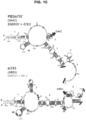
- FIG. 1 panel a, shows an example of the PSL2 structure that can be targeted in the subject methods.
- Figure 4 illustrates the conservancy of nucleotide sequences of interest containing the PSL2 structure.
- the subject compositions have broad spectrum activity against IAVs, such as activity against 2 or more IAVs selected from H1N1, H3N2 and H5N.
- aspects of the present disclosure include methods for inhibiting influenza A virus (IAV) in a sample.
- the method includes contacting a sample comprising viral RNA (vRNA) having a PSL2 motif with an effective amount of an agent that specifically binds the PSL2 motif to inhibit the influenza A virus.
- vRNA viral RNA
- the sample is in vitro.
- the sample is in vivo.
- the vRNA in the sample can be comprised in a virion.
- the vRNA is comprised in a cell, such as a cell infected with the virus particle.
- aspects of the present disclosure include methods for inhibiting influenza A virus (IAV) in a cell.
- the method includes contacting a cell comprising viral RNA (vRNA) having a PSL2 motif with an effective amount of an agent that specifically binds the PSL2 motif to inhibit the influenza A virus.
- vRNA viral RNA
- the cell is in vitro. In certain cases, the cell is in vivo.
- the vRNA in the sample comprises PB2 vRNA.
- PB2 vRNA viral RNA (e.g., IAV RNA) that includes the conserved RNA structural element called Packaging Stem-Loop 2 (PSL2).
- PSL2 Packaging Stem-Loop 2
- the agent can bind to particular sites of the PSL2 motif to disrupt the overall structure of the vRNA thereby inhibiting the virus (see e.g., Figure 14 ).
- the agent inhibits the packaging ability of the vRNA, thereby inhibiting the virus.
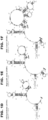
- Figure 1 illustrates RNA secondary structures of wild-type PB2 and packaging mutant vRNAs.
- contacting the sample (e.g., cell) with an agent results in 1 logic or more titer deficits of the virus, such as 1.5 or more, 2 or more, 2.5 or more, 3 or more, 3.5 or more, 4 or more, 5 or more, 6 or more, 7 or more, 8 or more, 9 or more, 10 log 10 or even more titer deficits of the virus.
- contacting the sample (e.g., cell) with an agent results in 2 logic or more titer deficits of the virus, such as 2.5 or more, 3 or more, 3.5 or more, 4 or more, 5 or more, 6 or more, 7 or more, 8 or more, 9 or more, 10 log 10 or even more titer deficits of the virus.
- the agent is an oligonucleotide compound (e.g., as described herein) comprising a sequence complementary to a PSL2 motif of the vRNA, or a salt thereof.
- binding e.g., via hybridization
- the oligonucleotide compound e.g., one of the sequences described above
- binding of the oligonucleotide compound inhibits the packaging ability of the PB2 vRNA, thereby inhibiting the virus.
- the subject compound targets at least part of the region defined by nucleotides 34-87 in the (-)-sense notation of the 5' terminal coding region of the PB2 vRNA.
- the compound targets at least part of the region defined by nucleotides 1-14 in the (-)-sense notation of the 5' terminal coding region of the PB2 vRNA.
- the method further includes recruiting an RNase to the PSL2 to degrade the vRNA.
- aspects of the present disclosure include a method of treating or preventing influenza A virus infection in a subject.
- the method comprises administering to a subject in need thereof a pharmaceutical composition comprising an effective amount of an active agent that binds to a PSL2 motif of a viral RNA (vRNA) (e.g., as described herein).
- vRNA viral RNA
- the subject is one who has been infected with the virus.
- the subject is one who is at risk of being infected, or is suspected of being infected with the virus.
- the vRNA is a PB2 vRNA.
- any convenient protocol for administering the agent to a subject may be employed.
- the particular protocol that is employed may vary, e.g., depending on the site of administration and whether the agents are e.g., oligonucleotides, antibodies, proteins, peptides or small molecules.
- any convenient administration protocol may be employed.
- the manner of administration e.g. locally or systemic, intraocular, periocular, retrobalbar, intramuscular, intravenous, intraperitoneal, subcutaneous, subconjunctival, intranasal, topical, eye drops, i.v.
- the agent is administered nasally. In some cases, the agent is administered as an aerosol. In certain cases, the agent is administered by a nebulizer. In certain cases, the agent is administered via the assistance of breathing-assisting devices including but not limited to non-invasive positive pressure ventilation or mechanical ventilation. In certain cases, the agent is administered intravenously. In certain other cases, the agent is administered subcutaneously. In certain cases, the agent is administered by intramuscular injection.
- compositions including the subject agents. Any convenient excipients, carriers, etc. can be utilized in the compositions.
- Pharmaceutically acceptable carriers that find use in the compositions may include sterile aqueous of non-aqueous solutions, suspensions, and emulsions. Examples of non-aqueous solvents are propylene glycol, polyethylene glycol, vegetable oils such as olive oil, and injectable organic esters such as ethyl oleate.
- Aqueous carriers include water, alcoholic/aqueous solutions, emulsions or suspensions, including saline and buffered media. Parenteral vehicles include sodium chloride solution, Ringer's dextrose, dextrose and sodium chloride, lactated Ringer's or fixed oils.
- Intravenous vehicles include fluid and nutrient replenishers, electrolyte replenishers (such as those based on Ringer's dextrose), and the like. Preservatives and other additives may also be present such as, for example, antimicrobials, antioxidants, chelating agents, and inert gases and the like.
- the agent composition may also be lyophilized, for subsequent reconstitution and use.
- the composition can also include a carrier as described here. Examples of carriers which may be used include, but are not limited to, alum, microparticles, liposomes, and nanoparticles. Any convenient additives can be included in the subject compositions to enhance the delivery of the subject active agent. Additives of interest include, cellular uptake enhancers, carrier proteins, lipids, dendrimer carriers, carbohydrates, and the like.
- the pharmaceutical composition further includes one or more additional active agents.
- Active agents of interest include an additional oligonucleotide compound of the present disclosure and any convenient antiviral compounds or drugs of interest. including but not limited to Amantadine, Rimantadine, Zanamivir, Oseltamivir, Peramivir and the like.
- pan-genotypic compositions designed to disrupt an RNA structural element of IBV which can include a region of genome segment HA.
- aspects of the present disclosure include methods for inhibiting influenza B virus (IBV) in a sample.
- the method includes contacting a sample comprising viral RNA (vRNA) having a IBV RNA motif with an effective amount of an agent that specifically binds the IBV HA motif to inhibit the influenza B virus.
- vRNA viral RNA
- the sample is in vitro.
- the sample is in vivo.
- the vRNA in the sample can be comprised in a virion.
- the vRNA is comprised in a cell, such as a cell infected with the virus particle.
- aspects of the present disclosure include methods for inhibiting influenza B virus (IBV) in a cell.
- the method includes contacting a cell comprising viral RNA (vRNA) having an IBV RNA motif with an effective amount of an agent that specifically binds IBV RNA motif to inhibit the influenza B virus.
- vRNA viral RNA
- the cell is in vitro. In certain cases, the cell is in vivo.
- contacting the sample (e.g., cell) with an agent results in 1 log 10 or more titer deficits of the virus, such as 1.5 or more, 2 or more, 2.5 or more, 3 or more, 3.5 or more, 4 or more, 5 or more, 6 or more, 7 or more, 8 or more, 9 or more, 10 log 10 or even more titer deficits of the virus.
- contacting the sample (e.g., cell) with an agent results in 2 logic or more titer deficits of the virus, such as 2.5 or more, 3 or more, 3.5 or more, 4 or more, 5 or more, 6 or more, 7 or more, 8 or more, 9 or more, 10 log 10 or even more titer deficits of the virus.
- the agent is an oligonucleotide compound (e.g., as described herein) comprising a sequence complementary to a IBV RNA motif of the vRNA, or a salt thereof.
- binding e.g., via hybridization
- the oligonucleotide compound e.g., one of the sequences described above
- binding of the oligonucleotide compound inhibits the packaging ability of the HA vRNA, thereby inhibiting the virus.
- the method further includes recruiting an RNase to the IBV vRNA to degrade the vRNA.
- aspects of the present disclosure include a method of treating or preventing influenza B virus infection in a subject.
- the method comprises administering to a subject in need thereof a pharmaceutical composition comprising an effective amount of an active agent that binds to a IBV HA RNA motif of a viral RNA.
- the subject is one who has been infected with the virus.
- the subject is one who is at risk of being infected, or is suspected of being infected with the virus.
- any convenient protocol for administering the agent to a subject may be employed.
- the particular protocol that is employed may vary, e.g., depending on the site of administration and whether the agents are e.g., oligonucleotides, antibodies, proteins, peptides or small molecules.
- any convenient administration protocol may be employed.
- the manner of administration e.g. locally or systemic, intraocular, periocular, retrobulbar, intramuscular, intravenous, intraperitoneal, subcutaneous, subconjunctival, intranasal, topical, eye drops, i.v.
- the agent is administered nasally. In some cases, the agent is administered as an aerosol. In certain cases, the agent is administered by a nebulizer. In certain cases, the agent is administered via the assistance of breathing-assisting devices including but not limited to non-invasive positive pressure ventilation or mechanical ventilation. In certain cases, the agent is administered intravenously. In certain other cases, the agent is administered subcutaneously. In certain cases, the agent is administered by intramuscular injection.
- compositions including the subject agents. Any convenient excipients, carriers, etc. can be utilized in the compositions.
- Pharmaceutically acceptable carriers that find use in the compositions may include sterile aqueous of non-aqueous solutions, suspensions, and emulsions. Examples of non-aqueous solvents are propylene glycol, polyethylene glycol, vegetable oils such as olive oil, and injectable organic esters such as ethyl oleate.
- Aqueous carriers include water, alcoholic/aqueous solutions, emulsions or suspensions, including saline and buffered media. Parenteral vehicles include sodium chloride solution, Ringer's dextrose, dextrose and sodium chloride, lactated Ringer's or fixed oils.
- Intravenous vehicles include fluid and nutrient replenishers, electrolyte replenishers (such as those based on Ringer's dextrose), and the like. Preservatives and other additives may also be present such as, for example, antimicrobials, antioxidants, chelating agents, and inert gases and the like.
- the agent composition may also be lyophilized, for subsequent reconstitution and use.
- the composition can also include a carrier as described here. Examples of carriers which may be used include, but are not limited to, alum, microparticles, liposomes, and nanoparticles. Any convenient additives can be included in the subject compositions to enhance the delivery of the subject active agent. Additives of interest include, cellular uptake enhancers, carrier proteins, lipids, dendrimer carriers, carbohydrates, and the like.
- the pharmaceutical composition further includes one or more additional active agents.
- Active agents of interest include an additional oligonucleotide compound of the present disclosure and any convenient antiviral compounds or drugs of interest. including but not limited to Amantadine, Rimantadine, Zanamivir, Oseltamivir, Peramivir and the like.
- aspects of the present disclosure include agents and compositions designed to disrupt an RNA secondary structure of an RSV. Disruption of an RNA secondary structure of a RSV can inhibit the RSV virus.
- aspects of the present disclosure include agents and compositions designed to disrupt an RNA secondary structure of a coronavirus (CoV). Disruption of an RNA secondary structure of a CoV can inhibit the CoV virus.
- the agents and compositions are effective across a variety of different types of coronaviruses (CoV) where RNA secondary structures are important in the viral life cycle.
- the subject compositions can be referred to as broad spectrum.
- broad spectrum refers to the anti-viral activity of a single moiety that is active against two or more different viruses, such as three or more, four or more, five or more, six or more, eight or more, 10 or more different viruses.
- the two or more different viruses may be selected from different virus sub-groups (e.g., human coronavirus 229E (HCoV-229E), human coronavirus OC43 (HCoV-OC43), SARS-CoV (the causative agent of severe acute respiratory syndrome (SARS)), human coronavirus NL63 (HCoV-NL63, New Haven coronavirus), human coronavirus HKU1, MERS-CoV ("Middle East Respiratory Syndrome Coronavirus” or MERS), and severe acute respiratory syndrome coronavirus 2 (SARS-CoV-2) or COVID-19 (the coronavirus disease 2019).
- HKU1 human coronavirus 229E
- HoV-OC43 human coronavirus OC43
- SARS-CoV the causative agent of severe acute respiratory syndrome
- human coronavirus NL63 HCoV-NL63, New Haven coronavirus
- MERS-CoV Middle East Respiratory Syndrome Coronavirus
- RNA secondary structure of a CoV can dramatically inhibit the CoV.
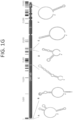
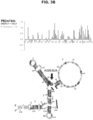
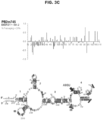
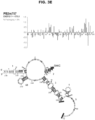
- Figure 1G shows an example of the predicted RNA secondary structures conserved across corona B viruses that can be targeted in the subject methods.
- the subject compositions have broad spectrum activity against CoVs, such as activity against 1 or more CoVs selected from HCoV-299E, HCoV-OC43, SARS-CoV, HCoV-NL63, HKU1, MERS-CoV, and SARS-CoV-2 or COVID-19.
- the target CoV is SARS-CoV-2 or COVID-19.
- the target CoV is SARS-CoV.
- the target CoV is MERS-CoV.
- the subject compositions disrupt a target CoV conserved RNA secondary structure, without induction of caspase or interferon.
- aspects of the present disclosure include methods for inhibiting a coronavirus (CoV) in a sample.
- the method includes contacting a sample comprising viral RNA (vRNA) having a conserved RNA secondary structure of CoV with an effective amount of an agent that specifically binds the secondary structure to inhibit the CoV.
- the method includes contacting a sample comprising viral RNA (vRNA), having a conserved RNA secondary structure of CoV, with an effective amount of an agent that inhibits a host microRNA (miRNA) interaction with the CoV.
- the miRNA is microRNA 191 (miR191).
- the miRNA can be one of the followings: miR663a, miR-381, miR-744, miR-4508, miR-4730, miR-6777, miR-10396, miR-4749, miR-6787, miR-4706, miR-3675, miR-6810, miR-3675, miR-6812, miR-6796.
- the conserved RNA secondary structure includes the presence of microRNA binding sites.
- the microRNA is miR-191.
- the microRNA can be any of the microRNA listed above with a predicted binding sites in the viral RNA.
- the subject agent or composition is designed to sequester miR191 in cells transfected with a CoV.
- the cells are transfected with a CoV 5' terminal RNA segment linked to a luciferase report.
- the CoV is SARS-CoV-2 or COVID-19.
- the sample is in vitro. In certain cases, the sample is in vivo.
- the vRNA in the sample can be comprised in a virion. In some cases, the vRNA is comprised in a cell, such as a cell infected with the virus.
- aspects of the present disclosure include methods for inhibiting a coronavirus (CoV) in a cell.
- aspects of the present disclosure include methods for inhibiting a coronavirus (CoV) in a human.
- the method includes contacting a cell comprising viral RNA (vRNA) having a conserved RNA secondary structure of CoV with an effective amount of an agent that specifically binds the secondary structure to inhibit the CoV.
- the cell is in vitro.
- the cell is in vivo.
- the agent e.g., as described herein
- the agent can bind to particular sites of the conserved RNA secondary structure motif to disrupt the overall structure of the vRNA thereby inhibiting the virus.
- the agent inhibits the packaging ability of the vRNA, thereby inhibiting the virus.
- Agents of interest include, but are not limited to, a ligand of PSL-2, a PSL2-binding antibody, a scaffolded protein binder of PSL2, an oligonucleotide, a small molecule, and a peptide; or a fragment, variant, or derivative thereof; or combinations of any of the foregoing.
- Antibodies that may be used as agents in connection with the present disclosure can encompass, but are not limited to, monoclonal antibodies, polyclonal antibodies, bispecific antibodies, Fab antibody fragments, F(ab) 2 antibody fragments, Fv antibody fragments (e.g., V H or V L ), single chain Fv antibody fragments and dsFv antibody fragments.
- the antibody molecules may be fully human antibodies, humanized antibodies, or chimeric antibodies.
- the antibodies that may be used in connection with the present disclosure can include any antibody variable region, mature or unprocessed, linked to any immunoglobulin constant region.
- amino acid sequences of antibodies or immunoglobulin molecules are encompassed by the present disclosure, providing that the variations in the amino acid sequence maintain 75% or more, e.g., 80% or more, 90% or more, 95% or more, or 99% or more of the sequence.
- conservative amino acid replacements are contemplated. Conservative replacements are those that take place within a family of amino acids that are related in their side chains. Whether an amino acid change results in a functional peptide can be determined by assaying the specific activity of the polypeptide derivative.
- the agent is an antibody fragment (e.g., as described herein).
- the agent is a scaffolded polypeptide binder.
- a scaffold refers to an underlying peptidic framework (e.g., a consensus sequence or structural motif) from which a polypeptide agent arose.
- the underlying scaffold sequence includes those residues that are fixed and variant residues that may confer on the resulting polypeptide agents different functions, such as specific binding to a target receptor.
- Such structural motifs may be characterized and compared structurally as a combination of particular secondary and tertiary structural elements, or alternatively, as a comparable primary sequence of amino acid residues. Any convenient scaffolds and scaffolded polypeptides may be utilized as agents in the subject methods.
- such agents may be identified utilizing a recombinant screening method such as phage display screening.
- Scaffolded polypeptide binders of interest include, but are not limited to, synthetic small proteins and recombinant small proteins such as Affibodies.
- the agent is a small molecule that binds PSL2.
- Small molecules of interest include, but are not limited to, small organic or inorganic compounds having a molecular weight (MW) of more than 50 and less than about 2,500 daltons (Da), such as more than 50 and less than about 1000 Da, or more than 50 and less than about 500 Da.
- MW molecular weight
- Da daltons
- Small molecules encompasses numerous biological and chemical classes, including synthetic, semi-synthetic, or naturally-occurring inorganic or organic molecules, including synthetic, recombinant or naturally-occurring polypeptides and nucleic acids.
- Small molecules of interest can comprise functional groups necessary for structural interaction with proteins, particularly hydrogen bonding, and can include at least an amine, carbonyl, hydroxyl or carboxyl group, and can contain at least two of the functional chemical groups.
- the small molecules can comprise cyclical carbon or heterocyclic structures and/or aromatic or polyaromatic structures substituted with one or more of the above functional groups.
- Small molecules are also found among biomolecules including peptides, saccharides, fatty acids, steroids, purines, pyrimidines, derivatives, structural analogs or combinations thereof.
- the agent is an oligonucleotide or derivative thereof, or a salt thereof (e.g., a pharmaceutically acceptable salt).
- the oligonucleotide in complementary to a particular segment of target motif (e.g., as described herein).
- Complementary oligonucleotides that find use in the subject methods will in some cases be at least 5, such at least 6, at least 7 at least 8, at least 9, at least 10, at least 11, about 12, at least 13, at least 14, at least 15, or even more.
- the complementary oligonucleotide is 75 nucleotides or less in length, such as 50 nucleotides or less in length, 45 nucleotides or less in length, 40 nucleotides or less in length, or 35 nucleotides or less in length, where the length is governed by efficiency of inhibition, specificity, including absence of cross-reactivity, and the like.
- the complementary oligonucleotide is 30 nucleotides or less in length, such as 25 nucleotides or less in length, 20 nucleotides or less in length, or 15 nucleotides or less in length, where the length is governed by efficiency of inhibition, specificity, including absence of cross-reactivity, and the like.
- the present disclosure provides for short oligonucleotides, e.g., of from 7, 8 to 15, or 15 to 16 nucleotides in length, can be strong and selective inhibitors of target function.
- the agent is an oligonucleotide compound comprising at least 5 nucleoside subunits (e.g., at least 6, at least 7, at least 8, at least 9, at least 10, at least 12, at least 14, at least 16, at least 18, or at least 20) complementary to a target motif of a vRNA, or a salt thereof.
- the linkages of the oligonucleotides are modified phosphate groups, e.g., where one or more oxygens of phosphate has been replaced with a different substituent. Without being bound to any particular theory, such modification can increase resistance of the oligonucleotide to nucleolytic breakdown.
- modified phosphate groups include, but are not limited to, phosphorothioate, phosphoroselenates, borano phosphates, borano phosphate esters, hydrogen phosphonates, phosphoroamidates, alkyl or aryl phosphonates and phosphotriesters.
- the linkages of the oligonucleotides are modified phosphate groups where one or more of the non-bridging phosphonate oxygen atoms in the linkage has been replaced by a group selected from, S, Se, BR a 3 , alkyl, substituted alkyl, aryl, substituted aryl, H, NR a 2 , or OR b , where R a is H, alkyl, substituted alkyl, aryl, substituted aryl, and R b is H, alkyl, substituted alkyl, aryl or substituted aryl.
- one or more of the linkages of the oligonucleotide the phosphorous atom is chiral, e.g., a stereogenic center.
- the stereogenic phosphorus atom can possess either the "R" configuration (referred to herein as Rp), or the "S" configuration (referred to herein as Sp).
- the linkages of the oligonucleotide include one or more stereogenic phosphorus atoms with at least 1%, 5%, 10%, 20%, 30%, 40%, 50%, 60%, 70%, 80%, 90%, 95%, or more enantiomeric excess of the Sp configuration.
- the linkages of the oligonucleotide include one or more stereogenic phosphorus atoms with at least 1%, 5%, 10%, 20%, 30%, 40%, 50%, 60%, 70%, 80%, 90%, 95%, or more enantiomeric excess of the Rp configuration.
- one or more of the linkages of the oligonucleotide are selected from methylphosphonate, P3' ⁇ N5' phosphoramidate, N3' ⁇ P5' phosphoramidate, N3' ⁇ P5' thiophosphoramidate, phosphorodithioate and phosphorothioate linkages.
- one or more linkages of the oligonucleotide is a phosphorothioate linkage.
- the phosphorus atom in one or more of the phosphorothioate linkages is chiral. In some cases, the chiral phosphorus atom in the one or more phosphorothioate linkages has Rp configuration.
- the chiral phosphorus atom in the one or more phosphorothioate linkages has Sp configuration.
- the linkages of the oligonucleotide include one or more phosphorothioate linkages with at least 1%, 5%, 10%, 20%, 30%, 40%, 50%, 60%, 70%, 80%, 90%, 95%, or more enantiomeric excess of the Sp configuration.
- the linkages of the oligonucleotide includes one or more phosphorothioates with at least 1%, 5%, 10%, 20%, 30%, 40%, 50%, 60%, 70%, 80%, 90%, 95%, or more enantiomeric excess of the Rp configuration.
- the oligonucleotide sequence is a bridged nucleic acid (e.g., as described herein). In certain instances, the oligonucleotide sequence includes one or more bridged nucleic acid nucleotides, such as 2 or more, 3 or more, 4 or more, 5 or more, 6 or more, 7 or more, 8 or more, 9 or more, 10 or more, or even more.
- the oligonucleotide sequence is a locked nucleic acid. In certain instances, the oligonucleotide sequence includes one or more locked nucleic acid nucleotides, such as 2 or more, 3 or more, 4 or more, 5 or more, 6 or more, 7 or more, 8 or more, 9 or more, 10 or more, or even more.
- the oligonucleotide sequence is an ethylene-bridged nucleic acid (ENA).
- the oligonucleotide sequence includes one or more ENA nucleotides, such as 2 or more, 3 or more, 4 or more, 5 or more, 6 or more, 7 or more, 8 or more, 9 or more, 10 or more, or even more.
- the oligonucleotide sequence is constrained ethyl (cEt) nucleic acid.
- the oligonucleotide sequence includes one or more cEt nucleotides, such as 2 or more, 3 or more, 4 or more, 5 or more, 6 or more, 7 or more, 8 or more, 9 or more, 10 or more, or even more.
- the oligonucleotide sequence includes one or more (S)-constrained ethyl nucleic acids, such as 2 or more, 3 or more, 4 or more, 5 or more, 6 or more, 7 or more, 8 or more, 9 or more, 10 or more, or even more.
- the oligonucleotide sequence includes one or more (R)-constrained ethyl nucleic acids, such as 2 or more, 3 or more, 4 or more, 5 or more, 6 or more, 7 or more, 8 or more, 9 or more, 10 or more, or even more.
- the oligonucleotide sequence includes one or more ribose modifications.
- the oligonucleotide sequence includes one or more 2'-modified ribose sugars (also referred to herein as 2'-modified nucleotides).
- the oligonucleotide sequence includes one or more 2'-modified nucleotides, such as 2 or more, 3 or more, 4 or more, 5 or more, 6 or more, 7 or more, 8 or more, 9 or more, 10 or more, or even more.
- 2'-modified nucleotides include, but are not limited to moieties with 2' substituents selected from alkyl, allyl, amino, azido, fluoro, thio, O-alkyl, e.g., O-methyl, O-allyl, OCF 3 , O-(CH 2 ) 2 -O-CH 3 (e.g., 2'-O-methoxyethyl (MOE)), O-(CH 2 ) 2 SCH 3 , )-(CH 2 ) 2 -ONR 2 , and O-CH 2 C(O)-NR 2 , where each R is independently selected from H, alkyl, and substituted alkyl.
- substituents selected from alkyl, allyl, amino, azido, fluoro, thio, O-alkyl, e.g., O-methyl, O-allyl, OCF 3 , O-(CH 2 ) 2 -O-CH 3 (e.g., 2'-
- the oligonucleotide sequence includes one or more 2'-O-methoxyethyl (MOE) modifications, such as 2 or more, 3 or more, 4 or more, 5 or more, 6 or more, 7 or more, 8 or more, 9 or more, 10 or more, or even more.
- MOE 2'-O-methoxyethyl
- the agent is an oligonucleotide that comprises at least 5 deoxyribonucleotide units (e.g., units complementary to a target motif, e.g., PSL2 motif) (e.g., least 6, at least 7, at least 8, at least 9, at least 10, at least 12, at least 14, at least 16, at least 18, at least 20) and is capable of recruiting an RNase.
- the oligonucleotide recruits an RNase to catalyze the degradation of the target vRNA into smaller components. Any convenient methods and moieties for recruiting an RNase can be incorporated into the subject agents (e.g., oligonucleotides).
- the oligonucleotide agent further includes a sequence that recruits an RNase of interest.
- an oligonucleotide sequence as depicted herein is meant to include DNA sequences, RNA sequences (e.g., where U can optionally replace T), mixed RNA/DNA sequences, and analogs thereof, including analogs where one or more nucleotides of the sequence are modified nucleotides, such as BNA analogs, LNA analogs, ENA analogs, cEt analogs, 2'-modified analogs, and/or analogs where one or more internucleoside linkages are replaced, e.g., with a non-naturally occurring linkage such as a phosphorothioate, phosphorodithioate, phosphoramidate or thiophosphoramidate linkage.
- the stereogenic phosphorus atom can possess either the "R" configuration (referred to herein as Rp), or the "S" configuration (referred to herein as Sp).
- the active agent is a compound comprising an oligonucleotide sequence comprising at least 8 nucleoside subunits complementary to the region of PB2 vRNA. In some embodiments, the active agent is a compound comprising an oligonucleotide sequence comprising at least 8 and 20 or less (e.g., 15 or less) nucleoside subunits complementary to the region of PB2 vRNA.
- a specific region or regions of the endogenous strand PSL2 sequence is chosen to be complemented by the oligonucleotide agent. Selection of a specific sequence for the oligonucleotide may use an empirical method, where based on the structural analysis (e.g., as described herein) several candidate sequences are assayed for inhibition of the target IAV in an in vitro or animal model. A combination of oligonucleotides and sequences may also be used, where several regions of the target PSL2 are selected for antisense complementation.
- the oligonucleotide comprises a sequence selected from:
- the oligonucleotide comprises the sequence: 5' ACCAAAAGAAT 3' (SEQ ID NO:45). In certain embodiments, the oligonucleotide comprises the sequence: 5' TGGCCATCAAT 3' (SEQ ID NO:46). In certain embodiments, the oligonucleotide comprises the sequence: 5' TAGCATACTTA 3' (SEQ ID NO:47). In certain embodiments, the oligonucleotide comprises the sequence: 5' CCAAAAGA 3' (SEQ ID NO:48). In certain embodiments, the oligonucleotide comprises the sequence: 5' CATACTTA 3' (SEQ ID NO:49).
- the oligonucleotide comprises the sequence: 5' CAGACACGACCAAAA 3' (SEQ ID NO:50). In certain embodiments, the oligonucleotide comprises the sequence: 5' TACTTACTGACAGCC 3' (SEQ ID NO:51). In certain embodiments, the oligonucleotide comprises the sequence: 5' AGACACGACCAAAAG 3' (SEQ ID NO:52). In certain embodiments, the oligonucleotide comprises the sequence: 5' ACCAAAAGAAT 3' (SEQ ID NO:53). In certain embodiments, the oligonucleotide comprises the sequence: 5' TGGCCATCAAT 3' (SEQ ID NO:54).
- the oligonucleotide comprises the sequence: 5' TAGCATACTTA 3' (SEQ ID NO:55). In certain embodiments, the oligonucleotide comprises the sequence: 5' CGACCAAAAGAATTC 3' (SEQ ID NO:56). In certain embodiments, the oligonucleotide comprises the sequence: 5' CGACCAAAAGAATTC 3' (SEQ ID NO:57). In certain embodiments, the oligonucleotide comprises the sequence: 5' GATGGCCATCAATTA 3' (SEQ ID NO:58). In certain embodiments, the oligonucleotide comprises the sequence: 5' GATGGCCATCAATTA 3' (SEQ ID NO:59).
- the oligonucleotide comprises the sequence: 5' TCTAGCATACTTACT 3' (SEQ ID NO:60). In certain embodiments, the oligonucleotide comprises the sequence: 5' TCTAGCATACTTACT 3' (SEQ ID NO:61). In certain embodiments, the oligonucleotide comprises the sequence: 5' GAATTCGGATGGCCA 3' (SEQ ID NO:62). In certain embodiments, the oligonucleotide comprises the sequence: 5' GGCCATCAATTAGTG 3' (SEQ ID NO:63). In certain embodiments, the oligonucleotide comprises the sequence:5' TTCGGATGGCCATCA 3' (SEQ ID NO:64).
- the oligonucleotide comprises the sequence: 5' AGCCAGACAGCGA 3' (SEQ ID NO:65). In certain embodiments, the oligonucleotide comprises the sequence: 5' GACAGCCAGACAGCA 3' (SEQ ID NO:66).
- the oligonucleotide comprises a sequence selected from:
- the oligonucleotide comprises the sequence: 5'CGACCAAAAGAATT 3' (SEQ ID NO:98). In certain embodiments, the oligonucleotide comprises the sequence: 5'GACCAAAAGAATTCGG 3' (SEQ ID NO:99).
- the oligonucleotide comprises a sequence selected from:
- the oligonucleotide comprises the sequence: 5' AGCATACTTACTGACA 3' (SEQ ID NO:100). In certain embodiments, the oligonucleotide comprises the sequence: 5' CATACTTACTGACA 3' (SEQ ID NO:101). In certain embodiments, the oligonucleotide comprises the sequence: 5' ATACTTACTGACAG 3' (SEQ ID NO: 102). In certain embodiments, the oligonucleotide comprises the sequence5' CATACTTACTGACAGC 3' (SEQ ID NO: 103). In certain embodiments, the oligonucleotide comprises the sequence: 5' AGACAGCGACCAAAAG 3' (SEQ ID NO: 104). In certain embodiments, the oligonucleotide comprises the sequence: 5' ACAGCGACCAAAAG (SEQ ID NO: 105).
- the oligonucleotide comprises a sequence selected from:
- the oligonucleotide comprises the sequence: 5'CAGCCAGACAGCGAC 3' (SEQ ID NO:106). In certain embodiments, the oligonucleotide comprises the sequence: 5'CAGCCAGACAGCGA 3' (SEQ ID NO:107). In certain embodiments, the oligonucleotide comprises the sequence: 5'ACAGCCAGACAGCGA 3' (SEQ ID NO: 108). In certain embodiments, the oligonucleotide comprises the sequence: 5'GACAGCCAGACAGCG 3' (SEQ ID NO: 109).
- the oligonucleotide comprises a sequence selected from:
- the oligonucleotide comprises the sequence: 5' GAATTCGGATGGCCA 3' (SEQ ID NO:62). In certain embodiments, the oligonucleotide comprises the sequence: 5' AGCCAGACAGCGA 3' (SEQ ID NO:65). In certain embodiments, the oligonucleotide comprises the sequence: 5' CATCAATTAGTGTCG 3' (SEQ ID NO:110). In certain embodiments, the oligonucleotide comprises the sequence: 5' CCATCAATTAGTGTCG 3' (SEQ ID NO:111). In certain embodiments, the oligonucleotide comprises the sequence: 5' GCCATCAATTAGTGTG 3' (SEQ ID NO:112).
- the oligonucleotide comprises the sequence: 5' AAGAATTCGGATGGC 3' (SEQ ID NO:113). In certain embodiments, the oligonucleotide comprises the sequence: 5' CAGACAGCGACCAA 3' (SEQ ID NO:114). In certain embodiments, the oligonucleotide comprises the sequence: 5' TGACAGCCAGACAGC 3' (SEQ ID NO:115).
- binding (e.g., via hybridization) of the oligonucleotide compound (e.g., one of the sequences described above) to the region of PB2 vRNA disrupts the overall secondary RNA structure of the PB2 vRNA. In certain cases, binding of the oligonucleotide compound to the region of PB2 vRNA inhibits the packaging ability of the PB2 vRNA, thereby inhibiting the virus.
- the oligonucleotide comprises a sequence selected from (COV2):
- the oligonucleotide comprises a sequence selected from: (IAV PSL2 (+)
- the oligonucleotide comprises a sequence selected from: (IBV (-)
- the oligonucleotide comprises a sequence selected from: (IBV (+)
- the oligonucleotide comprises a sequence selected from: (miRNA targeting sequences)
- the oligonucleotide comprises a sequence selected from: (Negative-strand targeted LNA)
- the oligonucleotide sequences can include any convenient number of DNA, RNA BNA, LNA, ENA, cEt, 2'-modified nucleotides, or other chemically modified nucleotides.
- the sequence is a mixed RNA/DNA sequence.
- the sequence is a mixed BNA/DNA sequence.
- the sequence is a mixed BNA/RNA sequence.
- the sequence includes only BNA nucleotides.
- the sequence is a mixed LNA/DNA sequence. In some instances of the oligonucleotide sequences described herein, the sequence is a mixed LNA/RNA sequence. In some instances of the oligonucleotide sequences described herein, the sequence includes only LNA nucleotides. In some instances of the oligonucleotide sequences described herein, the sequence is a mixed ENA/DNA sequence. In some instances of the oligonucleotide sequences described herein, the sequence is a mixed ENA/RNA sequence. In some instances of the oligonucleotide sequences described herein, the sequence includes only ENA nucleotides.
- the sequence is a mixed cEt/DNA sequence. In some instances of the oligonucleotide sequences described herein, the sequence is a mixed cEt/RNA sequence. In some instances of the oligonucleotide sequences described herein, the sequence includes only cEt nucleotides. In some instances of the oligonucleotide sequences described herein, the sequence is a mixed 2'-modifed nucleotide/DNA sequence. In some instances of the oligonucleotide sequences described herein, the sequence is a mixed 2'-modified nucleotide/RNA sequence.
- the sequence includes only 2'-modified nucleotides. In some instances of the oligonucleotide sequences described herein, the sequence includes only DNA nucleotides. In some instances of the oligonucleotide sequences described herein, the sequence includes only RNA nucleotides.
- the subject oligonucleotide has one of the following arrangements of types of nucleotide in the sequence (e.g., one of SEQ ID NOs:45-66, or SEQ ID Nos: 98-115):
- the subject oligonucleotide has one of the following arrangements of types of nucleotide in the sequence (e.g., one of SEQ ID NOs:45-66, or SEQ ID Nos: 98-115):
- the subject oligonucleotide has one of the following arrangements of types of nucleotide in the sequence (e.g., one of SEQ ID NOs:45-66, or SEQ ID Nos: 98-115):
- the subject oligonucleotide sequences may further include one or more modified internucleoside linkages, such as phosphorothioate, phosphorodithioate, phosphoramidate and/or thiophosphoramidate linkages.
- a non-naturally occurring internucleoside linkage may be included at any convenient position(s) of the sequence of the subject oligonucleotide.
- the internucleoside linkage includes a chiral phosphorous atom, e.g., a stereogenic center
- the stereogenic phosphorus atom can possess either the "R" configuration (referred to herein as Rp), or the "S" configuration (referred to herein as Sp).
- the subject oligonucleotide sequences including a chiral phosphorous atom may be prepared as racemic mixtures, or as separate enantiomers.
- the oligonucleotide has one of the following sequences where capitalized letters denote LNA nucleotides and lowercase letters denote DNA nucleotides (i.e., deoxyribonucleotide units):
- one or more of the LNA nucleotides can be replaced with a modified nucleotide selected from BNA nucleotides, ENA nucleotides, cEt nucleotides, and 2'-modified nucleotides.
- a modified nucleotide selected from BNA nucleotides, ENA nucleotides, cEt nucleotides, and 2'-modified nucleotides.
- 1, 2, 3, 4, or more of the LNA nucleotides can be replaced with a BNA nucleotide.
- 1, 2, 3, 4, or more of the LNA nucleotides can be replaced with an ENA nucleotide.
- 1, 2, 3, 4, or more of the LNA nucleotides can be replaced with a cEt nucleotide. In certain cases, 1, 2, 3, 4, or more of the LNA nucleotides can be replaced with a 2'-modified nucleotide (e.g., substituted with MOE and other substituents as described herein).
- the oligonucleotide has one of the following sequences where capitalized letters denote LNA nucleotides and lowercase letters denote DNA nucleotides (i.e., deoxyribonucleotide units):
- one or more of the LNA nucleotides can be replaced with a modified nucleotide selected from BNA nucleotides, ENA nucleotides, cEt nucleotides, and 2'-modified nucleotides.
- a modified nucleotide selected from BNA nucleotides, ENA nucleotides, cEt nucleotides, and 2'-modified nucleotides.
- 1, 2, 3, 4, or more of the LNA nucleotides can be replaced with a BNA nucleotide.
- 1, 2, 3, 4, or more of the LNA nucleotides can be replaced with an ENA nucleotide.
- 1, 2, 3, 4, or more of the LNA nucleotides can be replaced with a cEt nucleotide. In certain cases, 1, 2, 3, 4, or more of the LNA nucleotides can be replaced with a 2'-modified nucleotide (e.g., substituted with MOE and other substituents as described herein).
- the oligonucleotide has one of the following sequences where capitalized letters denote LNA nucleotides and lowercase letters denote DNA nucleotides (i.e., deoxyribonucleotide units):
- one or more of the LNA nucleotides can be replaced with a modified nucleotide selected from BNA nucleotides, ENA nucleotides, cEt nucleotides, and 2'-modified nucleotides.
- a modified nucleotide selected from BNA nucleotides, ENA nucleotides, cEt nucleotides, and 2'-modified nucleotides.
- 1, 2, 3, 4, or more of the LNA nucleotides can be replaced with a BNA nucleotide.
- 1, 2, 3, 4, or more of the LNA nucleotides can be replaced with an ENA nucleotide.
- 1, 2, 3, 4, or more of the LNA nucleotides can be replaced with a cEt nucleotide. In certain cases, 1, 2, 3, 4, or more of the LNA nucleotides can be replaced with a 2'-modified nucleotide (e.g., substituted with MOE and other substituents as described herein).
- the oligonucleotide has the sequence LNA14, or a derivative thereof, as shown in Table 1, where a "+" before the letter denotes LNA nucleotides, or other chemically modified nucleotides (e.g., as described herein), and other letters denote DNA nucleotides (i.e., deoxyribonucleotide units): Table 1: LNA14 derivatives NAME SEQUENCE SEQ ID NO: LNA 14.1 +G+C+G+ACCAAAAGA+A+T+T 133 LNA14.2 +G+C+G+ACCAAAAG+A+A+T+T 134 LNA14.5 +C+G+A+CCAAAAGA+A+T+T 135 LNA14 +C+G+A+CCAAAAGA+A+T+T+C 81 LNA14.7 +C+G+ACCAAAAGA+A+T+T+C 136 LNA14.8 +C+G+A+CCAAAAGAA+C 136 L
- the oligonucleotide has the sequence LNA9, or a derivative thereof, as shown in Table 2, where a "+" before the letter denotes LNA nucleotides, or other chemically modified nucleotides (e.g., as described herein), and other letters denote DNA nucleotides (i.e., deoxyribonucleotide units): Table 2: LNA9 derivatives NAME SEQUENCE SEQ ID NO: LNA9.1 +A+G+C+ATACTTACT+G+A+C+A 159 LNA9.2a +C+A+TACTTACTG+A+C+A 160 LNA9.3 +C+A+T+ACTTACTG+A+C+A+G 161 LNA9.5 +A+T+ACTTACTGA+C+A+G 162 LNA9.6 +A+T+A+CTTACTG+A+C+A+G 163 LNA9.8 +A+T+ACTTACTG+A+C+C+C+
- the oligonucleotide has the sequence LNA8a, or a derivative thereof, as shown in Table 3, where a "+" before the letter denotes LNA nucleotides, or other chemically modified nucleotides (e.g., as described herein), and other letters denote DNA nucleotides (i.e., deoxyribonucleotide units): Table 3: LNA8a derivatives NAME SEQUENCE SEQ ID NO: LNA8a +A+G+ACAGCGACCAA+A+A+G 188 LNA8a_1 +A+G+A+CAGCGACCA+A+A+A+G 189 LNA8a_2 +A+C+A+GCGACCA+A+A+G 190 LNA8a_3 +A+C+AGCGACCAA+A+A+G 191
- the oligonucleotide has the sequence IAV-Pos, or a derivative thereof, as shown in Table 4, where a "+" before the letter denotes LNA nucleotides, or other chemically modified nucleotides (e.g., as described herein), and other letters denote DNA nucleotides (i.e., deoxyribonucleotide units): Table 4: IAV-Pos Targeting LNAs Name Composition IAV-Pos9.1 +T+G+T+CAGTAAG+T+A+T+G (SEQ ID NO:538) IAV-Pos9.2 +C+T+GGCTGTCAGTA+A+G+T (SEQ ID NO:539) IAV-Pos9.3 +T+C+GCTGTCTGGC+T+G+T (SEQ ID NO:540) IAV-Pos8.1 +C+T+TTTGGTCGCTG+T+C+T (SEQ ID NO:541) IAV-Po
- the oligonucleotide has the sequence IBV, or a derivative thereof, as shown in Table 5, where a "+" before the letter denotes LNA nucleotides, or other chemically modified nucleotides (e.g., as described herein), and other letters denote DNA nucleotides (i.e., deoxyribonucleotide units): Table 5: IBV Targeting LNAs Name Composition IBV-LNA4.1 +C+C+A+CAAAATGAA+G+G+C+A (SEQ ID NO:551) IBV-LNA4.2 +C+A+C+AAAATGAAG+G+C+A (SEQ ID NO:552) IBV-LNA4.3 +C+A+CAAAATGAA+G+G+C+A (SEQ ID NO:553) IBV-LNA4.4 +C+A+C+AAAATGAA+G+G+C(SEQ ID NO:554) IBV-LNA3.1 +C+A+A+A+A
- the oligonucleotide has the sequence IBV-Pos, or a derivative thereof, as shown in Table 6, where a "+" before the letter denotes LNA nucleotides, or other chemically modified nucleotides (e.g., as described herein), and other letters denote DNA nucleotides (i.e., deoxyribonucleotide units): Table 6: IBV-Pos Targeting LNAs Name Composition IBV-Pos4.1 +G+C+CTTCATTTT+G+T+G (SEQ ID NO:578) IBV-Pos4.2 +A+T+TGCCTTCATTT+T+G+T (SEQ ID NO:579) IBV-Pos4.3 +A+T+T+GCCTTCATT+T+T+G+T (SEQ ID NO:580) IBV-Pos3.1 +T+A+G+TACAATTAT+T+G+C+C(SEQ ID NO:581) IBV-Pos3.1
- the oligonucleotide has the sequence Neg, or a derivative thereof, as shown in Table 7, where a "+" before the letter denotes LNA nucleotides, or other chemically modified nucleotides (e.g., as described herein), and other letters denote DNA nucleotides (i.e., deoxyribonucleotide units): Table 7: Neg Targeting LNAs Name Composition Neg6.1 +A+T+CTGTTCTCTAAA+C+G+A (SEQ ID NO:593) Neg6.2 +A+T+C+TGTTCTCTAA+A+C+G(SEQ ID NO:594) Neg6.3 +A+G+A+TCTGTTCTCTC+T+A+A+A(SEQ ID NO:595) Neg6.4 +T+C+T+CTAAACGAA+C+T+T+T(SEQ ID NO:596) Neg6.5 +T+C+TCTAAACGAA+C+T+T+T(SEQ ID NO:597)
- the oligonucleotide has the sequence miR, or a derivative thereof, as shown in Table 8, where a "+" before the letter denotes LNA nucleotides, or other chemically modified nucleotides (e.g., as described herein), and other letters denote DNA nucleotides (i.e., deoxyribonucleotide units): Table 8: miR-Targeting LNAs miR targeted Name Composition miR-602 LNA-602.1 +G+G+TTTCGTCCGT+G+T+T (SEQ ID NO:655) LNA-602.2 +G+T+TTCGTCCGT+G+T+T (SEQ ID NO:656) LNA-602.3 +G+C+T+GTCGCCCG+T+G+T+C (SEQ ID NO:657) LNA-602.4 +G+C+TGTCGCCCGT+G+T+C (SEQ ID NO:658) LNA-602.5 +G+C+TGTCGCCCG+T,
- LNA-942-3P.2 +G+T+TTCGTCCG+T+G+T+T (SEQ ID NO:681) LNA-942-3P.3 +GT+TTC+GTC+CG+TGT+T (SEQ ID NO:682) LNA-942-3P.4 +G+T+TTCGGCCAT+G+T+G (SEQ ID NO:683) LNA-942-3P.5 +G+T+T+TCGGCCA+T+G+T+G (SEQ ID NO:684) LNA-942-3P.6 +G+T+TTCGGCCA+T+G+T+G (SEQ ID NO:685) LNA-942-3P.7 +G+TTT+CGG+CCA+TG+T+G (SEQ ID NO:686) miR-4462 LNA-4462.1 +C+G+TCCGT+G+T+T (SEQ ID NO:687) L
- the oligonucleotide has the sequence Cov, or a derivative thereof, as shown in Table 8, where a "+" before the letter denotes LNA nucleotides, or other chemically modified nucleotides (e.g., as described herein), and other letters denote DNA nucleotides (i.e., deoxyribonucleotide units): Table 9: Cov Targeting LNAs Name Composition Cov 1.1 +G+A+CGTGATATATG+T+G+G (SEQ ID NO:792) Cov 1.2 +C+G+TGATATATGTG+G+T+A (SEQ ID NO:793) Cov 1.3 +G+A+TATGTGGTAC+C+A+T (SEQ ID NO:794) Cov 1.4 +T+G+GTACCATGT+C+A+C (SEQ ID NO:795) Cov 2.1 +C+C+TCAGCAGCAG+A+T+T+T (SEQ ID NO:796)
- the oligonucleotide has one of the following sequences where capitalized letters denote LNA nucleotides and lowercase letters denote DNA nucleotides (i.e., deoxyribonucleotide units):
- the oligonucleotide has a sequence selected from (a)-(e). In certain cases, the oligonucleotide has a sequence selected from (f)-(j). In certain other cases, the oligonucleotide has a sequence selected from (k)-(m).
- one or more of the LNA nucleotides can be replaced with a modified nucleotide selected from BNA nucleotides, ENA nucleotides, cEt nucleotides, and 2'-modified nucleotides.
- a modified nucleotide selected from BNA nucleotides, ENA nucleotides, cEt nucleotides, and 2'-modified nucleotides.
- 1, 2, 3, 4, or more of the LNA nucleotides can be replaced with a BNA nucleotide.
- 1, 2, 3, 4, or more of the LNA nucleotides can be replaced with an ENA nucleotide.
- 1, 2, 3, 4, or more of the LNA nucleotides can be replaced with a cEt nucleotide. In certain cases, 1, 2, 3, 4, or more of the LNA nucleotides can be replaced with a 2'-modified nucleotide (e.g., substituted with MOE and other substituents as described herein).
- one or more of the DNA nucleotides can be modified to provide a corresponding BNA, LNA, ENA, cEt, or 2'-modified nucleotide.
- 1, 2, 3, 4, or more of the DNA nucleotides can be replaced with a BNA nucleotide.
- 1, 2, 3, 4, or more of the DNA nucleotides can be modified to provide the corresponding LNA nucleotides.
- 1, 2, 3, 4, or more of the DNA nucleotides can be modified to provide the corresponding ENA nucleotides.
- 1, 2, 3, 4, or more of the DNA nucleotides can be modified to provide the corresponding cEt nucleotides. In certain cases, 1, 2, 3, 4, or more of the DNA nucleotides can be modified to provide a corresponding 2'-modified nucleotides (e.g., as described herein).
- Sequence mutants of the oligonucleotide sequences described above are also encompassed by the present disclosure. It is understood that in any of the sequences described herein that 1, 2, 3, 4 or more of the nucleotide may be mutated to provide for a desirable property, such as enhanced inhibition activity, conjugation to a modifying agent, etc.
- any one of the sequences described herein is comprised in a longer sequence, e.g., includes additional 5' and/or 3' nucleotides.
- the subject oligonucleotide is 75 nucleotides or less in length, such as 50 or less, 40 or less, or 35 nucleotides or less in length.
- the subject oligonucleotide is 30 nucleotides or less in length, such as 25 or less, 20 or less, 19 or less, 18 or less, 17 or less, 16 or less, 15 or less, 14 or less, 13 or less, 12 or less, 11 or less, or 10 nucleotides or less in length.
- the subject oligonucleotide compound comprises a sequence having a deletion relative to one of the sequences described herein (e.g., one of SEQ ID NO: 45-907).
- a sequence where 1, 2 or 3 nucleotides are deleted from the 5' and/or 3' terminal of the sequence e.g., one of SEQ ID NOs: 45-96.
- the deletion sequence has one nucleotide missing from the 5' terminal of one of SEQ ID NOs: 45-907.
- the deletion sequence has one nucleotide missing from the 3' terminal of one of SEQ ID NOs: 45-191.
- the deletion sequence has two nucleotides missing from the 5' terminal of one of SEQ ID NOs: 45-907. In some cases, the deletion sequence has two nucleotides missing from the 3' terminal of one of SEQ ID NOs: 45-907.
- the oligonucleotide comprises a sequence with at least 70% homology to any one of sequences (SEQ ID NO: 45)-(SEQ ID NO: 907) (e.g., as defined herein). In certain instances, the oligonucleotide comprises a sequence with 70% or more homology to any one of sequences (SEQ ID NO: 45)-(SEQ ID NO: 907), such as 75% or more, 80% or more, 85% or more, 90% or more or even more. In certain cases, the oligonucleotide comprises a sequence with from 70 to 80% homology to any one of the sequences (SEQ ID NO: 45)-(SEQ ID NO: 907).
- the oligonucleotide comprises a sequence with from 80% to 90% homology to any one of sequences (SEQ ID NO: 45)-(SEQ ID NO: 907). In certain cases, the oligonucleotide comprises a sequence with from 90% to 99% homology to any one of sequences (SEQ ID NO: 45)-(SEQ ID NO: 907).
- the oligonucleotide sequence can include a mutation designed to cover single-nucleotide polymorphisms (SNPs) in a target PSL2 sequence.
- SNPs single-nucleotide polymorphisms
- the oligonucleotide is a modified version of LNA9 with single mutation sites that protect against PLS2 target sequences containing a nucleotide change with the LNA9 target sequence. It is understood that SNP mutations of interest can be applied to any of the sequences described herein. Mutated sequences of interest include, but are not limited to the following:
- the oligonucleotide has one of the following sequences where capitalized letters denote LNA nucleotides and lowercase letters denote DNA nucleotides:
- any of the sequences (SEQ ID NO:94)-(SEQ ID NO:96), or one or more of the LNA nucleotides can be replaced with a modified nucleotide selected from ENA nucleotides, cEt nucleotides, and 2'-modified nucleotides.
- 1, 2, 3, 4, or more of the LNA nucleotides can be replaced with an ENA nucleotide.
- 1, 2, 3, 4, or more of the LNA nucleotides can be replaced with a cEt nucleotide.
- 1, 2, 3, 4, or more of the LNA nucleotides can be replaced with a 2'-modified nucleotide (e.g., substituted with MOE and other substituents as described herein).
- the oligonucleotide has a maximum length that corresponds to the particular region of the PSL2 structure (e.g., a sub-region corresponding to nucleotides 34-87). In certain instances, the oligonucleotide length is 20 nucleotides or less, such as 15 nucleotides or less, 14 nucleotides or less, 13 nucleotides or less, 12 nucleotides or less, 11 nucleotides or less, 10 nucleotides or less, 9 nucleotides or less, 8 nucleotides or less, 7 nucleotides or less, or even less.
- Oligonucleotides may be chemically synthesized by methods known in the art (see Wagner et al. (1993), supra, and Milligan et al., supra. ) Oligonucleotides may be chemically modified from the native phosphodiester structure, in order to increase their intracellular stability and binding affinity. A number of such modifications have been described in the literature, which alter the chemistry of the backbone, sugars or heterocyclic bases.
- phosphorothioates Among useful changes in the backbone chemistry are phosphorothioates; phosphorodithioates, where both of the non-bridging oxygens are substituted with sulfur; phosphoroamidites; alkyl phosphotriesters and boranophosphates.
- Achiral phosphate derivatives include 3'-O'-5'-S-phosphorothioate, 3'-S-5'-O-phosphorothioate, 3'-CH 2 -5'-O-phosphonate, 3'-NH-5'-O-phosphoroamidate, and thiophosphoramidates.
- Peptide nucleic acids replace the entire ribose phosphodiester backbone with a peptide linkage. Sugar modifications are also used to enhance stability and affinity.
- the ⁇ -anomer of deoxyribose may be used, where the base is inverted with respect to the natural ⁇ -anomer.
- the 2'-OH of the ribose sugar may be altered, e.g., as described herein.
- the 2'-OH of the ribose sugar may be altered to form 2'-O-methyl or 2'-O-allyl sugars, which provides resistance to degradation without comprising affinity.
- modification of the 2'-OH of the ribose sugar can improve toxicity. Modification of the heterocyclic bases must maintain proper base pairing.
- Some useful substitutions include deoxyuridine for deoxythymidine; 5-methyl-2'-deoxycytidine and 5-bromo-2'-deoxycytidine for deoxycytidine.
- 5- propynyl-2'-deoxyuridine and 5-propynyl-2'-deoxycytidine have been shown to increase affinity and biological activity when substituted for deoxythymidine and deoxycytidine, respectively.
- the oligonucleotide agents may be derivatized with any convenient modifying agent, e.g., by conjugation of the modifying agent to the 5'- and/or 3'terminal of the oligonucleotide sequence.
- the modifying agent is a moiety that enhances cellular uptake (e.g., a lipid). Any convenient lipids may be conjugated to the subject oligonucleotides.
- the modifying agent is a fatty acid, connected to the 5' or 3' terminal via an optional linker.
- the lipid group can be an aliphatic hydrocarbon or fatty acid, including but not limited to, derivatives of hydrocarbons and fatty acids, with examples being saturated straight chain compounds having 14-20 carbons, such as myristic (tetradecanoic) acid, palmitic (hexadecanoic) acid, and stearic (octadeacanoic) acid, and their corresponding aliphatic hydrocarbon forms, tetradecane, hexadecane and octadecane.
- suitable lipid groups that may be employed are sterols, such as cholesterol, and substituted fatty acids and hydrocarbons, particularly polyfluorinated forms of these groups.
- the scope of the lipid group includes derivatives such as amine, amide, ester and carbamate derivatives.
- the modifying agent is a further nucleic acid sequence having a desirable activity (e.g., recruitment of an RNase, as described herein).
- the modifying agent has a specific binding activity that provides for delivery of the oligonucleotide to a particular target, such as a cell-specific protein.
- the modifying agent is an antibody of interest that specifically binds a cell-specific target of interest.
- the antibody modifying agent is specifically binds a hemagglutinin (HA) target.
- HA hemagglutinin
- the oligonucleotide active agent can be utilized in any convenient form. In some instances, the oligonucleotide active agent is single stranded. In some instances, the oligonucleotide active agent is double stranded. In some instances, the oligonucleotide active agent is an siRNA. In some instances, the oligonucleotide active agent is an shRNA. In some instances, the oligonucleotide active agent is a ssRNA. In some instances, one or more nucleotides of the ssRNA can be replaced with LNA nucleotides. In some instances, the oligonucleotide active agent is a ssDNA. In some instances, one or more nucleotides of the ssDNA can be replaced with LNA nucleotides.
- influenza A alone and/or other respiratory viruses including but not limited to influenza B viruses (IBV), coronavirus (Cov), respiratory syncytial viruses (RSV).
- IBV influenza B viruses
- Cov coronavirus
- RSV respiratory syncytial viruses
- the present invention is particularly well suited to prevent and/or treat respiratory infection as well as to function as a just-in-time vaccine.
- the present invention can be co-administered with other vaccines so as to provide immediate protection during the period of time required for the other vaccines to become effective.
- the present invention can be administered to vaccinated individuals who are at risk of being exposed to a vaccine resistant variant.
- the present invention can be administered to vaccinated individuals who are asymptomatic but can still transmit the virus.
- oligonucleotides described in this present invention can be used alone or in combination with other oligonucleotides to prevent and/or treat the respiratory viruses described herein.
- aspects of the present disclosure include methods of treating or preventing influenza A virus infection, influenza B, coronaviruses, respiratory syncytial viruses (RSV) in a subject.
- the subject oligonucleotide compounds find use as a new class of antiviral therapeutics that can efficiently disrupt packaging and completely prevent otherwise lethal disease in vivo.
- intranasal dosing of exemplary oligonucleotide compounds resulted in potent antiviral efficacy and prevented lethal IAV infection in mice.
- aspects of the method include administering to a subject in need thereof a therapeutically effective amount of a subject compound to treat the subject for an infection or prevent infection in the subject.
- a therapeutically effective amount is meant the concentration of a compound that is sufficient to elicit the desired biological effect (e.g., treatment or prevent of the condition or disease, influenza A virus infection).
- treatment is meant that at least an amelioration of the symptoms associated with the condition afflicting the host is achieved, where amelioration is used in a broad sense to refer to at least a reduction in the magnitude of a parameter, e.g. symptom, associated with the condition being treated.
- treatment also includes situations where the pathological condition, or at least symptoms associated therewith, are completely inhibited, e.g., prevented from happening, or stopped, e.g. terminated, such that the host no longer suffers from the condition, or at least the symptoms that characterize the condition.
- treatment includes: (i) prevention, that is, reducing the risk of development of clinical symptoms, including causing the clinical symptoms not to develop, e.g., preventing disease progression to a harmful state; (ii) inhibition, that is, arresting the development or further development of clinical symptoms, e.g., mitigating or completely inhibiting an active disease (e.g., infection); and/or (iii) relief, that is, causing the regression of clinical symptoms.
- the term "treating" includes any or all of: reducing the number of viral cells in patient samples, inhibiting replication of viral cells, and ameliorating one or more symptoms associated with an infection.
- the subject to be treated can be one that is in need of therapy, where the host to be treated is one amenable to treatment using the subject compound.
- the subject is one that is suspected of having an influenza A virus infection.
- the subject is diagnosed as having an influenza A virus infection. As such, in some cases, the subject is one who has been infected with the virus.
- the subject is one who is at risk of being infected, or is suspected of being infected with the virus.
- the vRNA is a PB2 vRNA.
- the subject methods can be used to prevent infection of the subject with an influenza A virus.
- prevention is meant that the subject at risk of influenza A virus infection is not infected despite exposure to the virus under conditions that would normally lead to infection.
- the administering of the subject active agent e.g., oligonucleotide compound
- the subject active agent protects the subject against infection for 1 week or more, such as2 weeks or more, 3 weeks or more, 1 month or more, 2 months or more, 3 months or more, etc.
- Multiple doses of the subject compound can be administered according to the subject methods to provide for protection of the subject form infection for an extended period of time. The timing and dosage amounts can be readily determined using conventional methods.
- the subject methods of treatment include a step of determining or diagnosing whether the subject has an influenza A virus infection.
- the determining step can be performed using any convenient methods.
- the determining step includes obtaining a biological sample from the subject and assaying the sample for the presence of viral cells.
- the sample can be a cellular sample.
- the determining step can include identification of viral cells including a particular mutation.
- subjects may be amenable to treatment using the subject compounds and pharmaceutical compositions disclosed herein.
- the terms "subject” and “host” are used interchangeably. Generally, such subjects are “mammals", with humans being of interest. Other subjects can include domestic pets (e.g., dogs and cats), livestock (e.g., cows, pigs, goats, horses, and the like), rodents (e.g., mice, guinea pigs, and rats, e.g., as in animal models of disease), as well as non-human primates (e.g., chimpanzees, and monkeys).
- domestic pets e.g., dogs and cats
- livestock e.g., cows, pigs, goats, horses, and the like
- rodents e.g., mice, guinea pigs, and rats, e.g., as in animal models of disease
- non-human primates e.g., chimpanzees, and monkeys.
- the amount of the subject compound administered can be determined using any convenient methods to be an amount sufficient to produce the desired effect in association with a pharmaceutically acceptable diluent, carrier or vehicle.
- the specifications for the unit dosage forms of the present disclosure will depend on the particular compound employed and the effect to be achieved, and the pharmacodynamics associated with each compound in the host.
- aspects of the present disclosure include methods of treating or preventing a coronavirus (CoV) infection.
- the subject oligonucleotide compounds find use as a new class of antiviral therapeutics that can efficiently disrupt the RNA secondary structures of CoV, and thus treat or prevent the CoV infection in a subject.
- the subject oligonucleotide compounds can inhibit a host miRNA interaction with CoV.
- the subject oligonucleotide compounds find use as a new antiviral therapeutic that can efficiently disrupt the RNA secondary structures of CoV, and disrupt packaging and completely prevent otherwise lethal disease in vivo.
- the CoV is selected from HCoV-229E, HCoV-OC43, SARS-CoV, HCoV-NL63, HKU1, MERS-CoV, and SARS-CoV-2. In certain cases, the CoV is SARS-CoV-2.
- aspects of the method include administering to a subject in need thereof a therapeutically effective amount of a subject compound to treat the subject for an infection or prevent infection in the subject.
- a therapeutically effective amount is meant the concentration of a compound that is sufficient to elicit the desired biological effect (e.g., treatment or prevent of the condition or disease, influenza A, influenza B, coronavirus infection, RSV infection).
- treatment is meant that at least an amelioration of the symptoms associated with the condition afflicting the host is achieved, where amelioration is used in a broad sense to refer to at least a reduction in the magnitude of a parameter, e.g. symptom, associated with the condition being treated.
- treatment also includes situations where the pathological condition, or at least symptoms associated therewith, are partially or completely inhibited, e.g., prevented from happening, or stopped, e.g. terminated, such that the host no longer suffers from the condition, or at least the symptoms that characterize the condition.
- treatment includes: (i) prevention, that is, reducing the risk of development of clinical symptoms, including causing the clinical symptoms not to develop, e.g., preventing disease progression to a harmful state; (ii) inhibition, that is, arresting the development or further development of clinical symptoms, e.g., mitigating or completely inhibiting an active disease (e.g., infection); (iii) relief, that is, causing the regression of clinical symptoms; (iv) prevents hospitalization or the need to be in a critically ill conditions that require intensive care unit (ICU); (v) shortens the length of hospitalization or ICU stay; (vi) prevents or shortens the need to have assisted ventilation including but not limited to supplemental oxygen, non-invasive positive pressure ventilation (CPAP and or BPAP), mechanical ventilation; (vi) prevents or shortens the need to have assisted cardiopulmonary bypass such as extracorporeal membrane oxygenation (ECMO) devices; (vii) prevent the development of super-imposed bacterial infections; and (viii) prevent death.
- prevention
- the term “treating” includes any or all of: reducing the number of viruses in the body, reducing the number of virally infected cells in a patient, inhibiting replication of intra and/or extracellular viruses and virus-infected cells, and ameliorating one or more symptoms associated with an infection.
- the subject to be treated can be one that is in need of therapy, where the host to be treated is one amenable to treatment using the subject compound.
- the subject is one that is suspected of having a coronavirus infection.
- the subject is diagnosed as having a coronavirus infection. As such, in some cases, the subject is one who has been infected with the virus.
- the subject is one who is at risk of being infected, or is suspected of being infected with the virus.
- the subject methods can be used to prevent infection of the subject with a coronavirus.
- prevention is meant that the subject at risk of coronavirus infection is not infected despite exposure to the virus under conditions that would normally lead to infection or the subject's infection severity is attenuated upon infection.
- the administering of the subject active agent e.g., oligonucleotide compound
- the subject active agent protects the subject against infection instantaneously, for 1 week or more, such as 2 weeks or more, 3 weeks or more, 1 month or more, 2 months or more, 3 months or more, etc.
- Multiple doses of the subject compound can be administered according to the subject methods to provide for protection of the subject form infection for an extended period of time.
- the timing and dosage amounts can be readily determined using conventional methods.
- the subject methods of treatment include a step of determining or diagnosing whether the subject has a coronavirus infection.
- the determining step can be performed using any convenient methods.
- the determining step includes obtaining a biological sample from the subject and assaying the sample for the presence of intra and/or extracellular viruses and virus-infected cells.
- the sample can be a cellular sample.
- the determining step can include identification of intra and/or extracellular viruses and virus-infected cells including a particular mutation.
- an effective dosage of the subject compound is an effective volume in a mass concentration that ranges from about 50 ng/ml to about 50 ⁇ g/ml (e.g., from about 50 ng/ml to about 40 ⁇ g/ml, from about 30 ng/ml to about 20 ⁇ g/ml, from about 50 ng/ml to about 10 ⁇ g/ml, from about 50 ng/ml to about 1 ⁇ g/ml, from about 50 ng/ml to about 800 ng/ml, from about 50 ng/ml to about 700 ng/ml, from about 50 ng/ml to about 600 ng/ml, from about 50 ng/ml to about 500 ng/ml, from about 50 ng/ml to about 400 ng/ml, from about 60 ng/ml to about 400 ng/ml, from about 70 ng/ml to about 300 ng/ml, from about 60 ng/ml to about 100 ng/ml,
- an effective amount of a subject compound is an amount that ranges from about 10 pg to about 100 mg, e.g., from about 10 pg to about 50 pg, from about 50 pg to about 150 pg, from about 150 pg to about 250 pg, from about 250 pg to about 500 pg, from about 500 pg to about 750 pg, from about 750 pg to about 1 ng, from about 1 ng to about 10 ng, from about 10 ng to about 50 ng, from about 50 ng to about 150 ng, from about 150 ng to about 250 ng, from about 250 ng to about 500 ng, from about 500 ng to about 750 ng, from about 750 ng to about 1 ⁇ g, from about 1 ⁇ g to about 10 ⁇ g, from about 10 ⁇ g to about 50 ⁇ g, from about 50 ⁇ g to about 150 ⁇ g, from about 150 ⁇ g to about 250 ⁇ g, from about 250 ⁇ g to about to about
- a single dose of the subject compound is administered.
- multiple doses of the subject compound are administered.
- the subject compound can be administered twice daily (qid), daily (qd), every other day (qod), every third day, three times per week (tiw), or twice per week (biw) over a period of time.
- a compound can be administered qid, qd, qod, tiw, or biw over a period of from one day to about 2 years or more.
- a compound can be administered at any of the aforementioned frequencies for one week, two weeks, one month, two months, six months, one year, or two years, or more, depending on various factors.
- a biological sample obtained from an individual who has been treated with a subject method can be assayed for the presence and/or level of viral cells.
- Assessment of the effectiveness of the methods of treatment on the subject can include assessment of the subject before, during and/or after treatment, using any convenient methods.
- aspects of the subject methods further include a step of assessing the therapeutic response of the subject to the treatment.
- the method includes assessing the condition of the subject, including diagnosing or assessing one or more symptoms of the subject which are associated with the disease or condition of interest being treated (e.g., as described herein).
- the method includes obtaining a biological sample from the subject and assaying the sample, e.g., for the presence of viral cells or components thereof that are associated with the disease or condition of interest (e.g., as described herein).
- the sample can be a cellular sample.
- the assessment step(s) of the subject method can be performed at one or more times before, during and/or after administration of the subject compounds, using any convenient methods.
- the assessment step includes identification and/or quantitation of viral cells.
- assessing the subject include diagnosing whether the subject has a viral infection or symptoms thereof.
- aspects of the present disclosure also include screening assays configured to identify agents that find use in methods of the invention, e.g., as reviewed above.
- aspects of the present disclosure include methods for screening a candidate agent for the ability to inhibit influenza A virus in a cell.
- the method comprises: contacting a sample comprising viral RNA (vRNA) comprising a PSL2 motif with a candidate agent; and determining whether the candidate agent specifically binds to the PSL2 motif.
- vRNA viral RNA
- an agent that specifically binds to the PSL2 motif will treat the subject having the influenza A virus infection.
- the method comprises: contacting a sample comprising viral RNA (vRNA) comprising a segment of the influenza B genomic RNA with a candidate agent; and determining whether the candidate agent specifically binds to the vRNA.
- vRNA viral RNA
- an agent that specifically binds to the HA motif will treat the subject having the influenza B virus infection.
- assessing or determining is meant at least predicting that a given test compound will have a desirable activity, such that further testing of the compound in additional assays, such as animal model and/or clinical assays, is desired.
- the candidate agent is selected from: a small molecule, an oligonucleotide, an antibody and a polypeptide.
- the determining step comprises detecting a cellular parameter, wherein a change in the parameter in the cell as compared to in a cell not contacted with candidate agent indicates that the candidate agent specifically binds the PSL2 motif.
- the subject screening method is a method of RNA structure mapping, such as SHAPE analysis (Selective 2'-hydroxyl acylation analyzed by primer extension).
- the candidate agent is an oligonucleotide.
- Drug screening may be performed using an in vitro model, a genetically altered cell or animal, or purified PSL2 protein.
- Drug screening identifies agents that bind to particular sites of PSL2 motif.
- assays may be used for this purpose, including labeled in vitro binding assays, electrophoretic mobility shift assays, immunoassays for protein binding, and the like.
- Knowledge of the 3-dimensional structure of PSL2, derived from the structural studies described herein, can also lead to the rational design of small drugs that specifically inhibit IAV activity.
- agent as used herein describes any molecule, e.g., oligonucleotide, protein or pharmaceutical, with the capability of binding PSL2 to inhibit IAV.
- a plurality of assay mixtures are run in parallel with different agent concentrations to obtain a differential response to the various concentrations.
- one of these concentrations serves as a negative control, i.e., at zero concentration or below the level of detection.
- aspects of the present disclosure also include screening assays configured to identify agents that find use in methods of the invention, e.g., as reviewed above.
- aspects of the present disclosure include methods for screening a candidate agent for the ability to inhibit a coronavirus in a cell.
- the method comprises: contacting a sample comprising viral RNA (vRNA) comprising a conserved RNA secondary structure of CoV with a candidate agent; and determining whether the candidate agent specifically binds to the conserved RNA secondary structure motif.
- an agent that specifically binds to the conserved RNA secondary structure motif will treat the subject having the coronavirus infection.
- assessing or determining is meant at least predicting that a given test compound will have a desirable activity, such that further testing of the compound in additional assays, such as animal model and/or clinical assays, is desired.
- Candidate agents encompass numerous chemical classes, such as oligonucleotides, antibodies, polypeptides, and organic molecules, e.g., small organic compounds having a molecular weight of more than 50 and less than about 2,500 daltons.
- Candidate agents comprise functional groups necessary for structural interaction with proteins, particularly hydrogen bonding, and typically include at least an amine, carbonyl, hydroxyl or carboxyl group, preferably at least two of the functional chemical groups.
- the candidate agents often comprise cyclical carbon or heterocyclic structures and/or aromatic or polyaromatic structures substituted with one or more of the above functional groups.
- Candidate agents are also found among biomolecules including peptides, saccharides, fatty acids, steroids, purines, pyrimidines, derivatives, structural analogs or combinations thereof.
- Candidate agents are obtained from a wide variety of sources including libraries of synthetic or natural compounds. For example, numerous means are available for random and directed synthesis of a wide variety of organic compounds and biomolecules, including expression of randomized oligonucleotides and oligopeptides. Alternatively, libraries of natural compounds in the form of bacterial, fungal, plant and animal extracts are available or readily produced. Additionally, natural or synthetically produced libraries and compounds are readily modified through conventional chemical, physical and biochemical means, and may be used to produce combinatorial libraries. Known pharmacological agents may be subjected to directed or random chemical modifications, such as acylation, alkylation, esterification, amidification, etc. to produce structural analogs. Of interest in certain embodiments are compounds that pass the blood-brain barrier.
- the screening assay is a binding assay
- one or more of the molecules may be joined to a member of a signal producing system, e.g., a label, where the label can directly or indirectly provide a detectable signal.
- a label include, but are not limited to: radioisotopes, fluorescers, chemiluminescers, enzymes, specific binding molecules, particles, e.g., magnetic particles, and the like.
- Specific binding molecules include pairs, such as biotin and streptavidin, digoxin and antidigoxin, etc.
- the complementary member would normally be labeled with a molecule that provides for detection, in accordance with known procedures.
- reagents may be included in the screening assay. These include reagents like salts, neutral proteins, e.g. albumin, detergents, etc. that are used to facilitate optimal protein-protein binding and/or reduce non-specific or background interactions. Reagents that improve the efficiency of the assay, such as protease inhibitors, nuclease inhibitors, antimicrobial agents, etc. may be used.
- the mixture of components is added in any order that provides for the requisite binding. Incubations are performed at any suitable temperature, typically between 4 and 40°C. Incubation periods are selected for optimum activity, but may also be optimized to facilitate rapid high-throughput screening. Typically between 0.1 and 1 hours will be sufficient.
- Standard abbreviations may be used, e.g., bp, base pair(s); kb, kilobase(s); pl, picoliter(s); s or sec, second(s); min, minute(s); h or hr, hour(s); aa, amino acid(s); kb, kilobase(s); bp, base pair(s); nt, nucleotide(s); i.m., intramuscular(ly); i.p., intraperitoneal(ly); s.c., subcutaneous(ly); and the like.
- HEK 293T and MDCK cells were obtained from American Type Culture Collection (Manasass, VA) and were maintained in Dulbecco's modified Eagle's medium with 10% fetal bovine serum and penicillin-streptomycin (Gibco).
- Influenza A/PR/8/34 (PR8) H1N1 virus was generated using an eight-plasmid reverse genetic system.
- Tissue-cultured adapted influenza A/Hong Kong/8/68 (HK68) H3N2 virus was obtained from ATCC (ATCC-VR-1679). Viruses were grown and amplified in 10-day-old specific-pathogen-free chicken embryos at 35°C (Charles River Laboratories; SPAEAS).
- Plasmid constructs and cloning Plasmids were used containing the wild-type PB2 segments from influenza viruses A/PuertoRico/8/34 (H1N1) [PR8], A/New York/470/2004 (H3N2) [NY470], A/New York/312/2001 (H1N1) [NY312], A/Brevig Mission/1/1918 (H1N1) [1918], A/California/04/2009 (H1N1) [CA09], A/Vietnam/03/2004 (H5N1) [VN1203], and A/Anhui/1/2013 (H7N9).
- Influenza A/Puerto Rico/8/34 (PR8) virus was generated using an eight-plasmid reverse genetic system (Hoffman et al., 2000). Briefly, to produce recombinant PR8 viruses, 10 6 cells of a 293T/MDCK co-culture were Lipofectamine 3000 (Invitrogen) transfected with 1 ug of one of each of the eight segments contained within plasmids that utilize a bidirectional dual Pol I/II promoter system for the simultaneous synthesis of genomic vRNA and mRNA. Cells were collected 24 hours post-transfection and inoculated into the allantoic cavities of 10-day-old chicken embryos (Charles River, research grade specific-pathogen-free eggs).
- Lipofectamine 3000 Invitrogen
- Plaque assays were carried out on confluent MDCK cells as described previously (Szretter et al., 2006). Hemagglutination (HA) assays were carried out in 96-well round-bottomed plates at room-temperature, using 50 ul of virus dilution and 50 ul of a 0.5% suspensions of turkey red blood cells in phosphate-buffered saline (PBS).
- PBS phosphate-buffered saline
- Viral growth kinetics Growth kinetics for PR8 viruses was determined by inoculation of 10-day-old chicken eggs with 100 plaque-forming units (PFU) of virus. At 72 h post-inoculation, the virus titer in the allantoic fluid was determined by titration of plaques on MDCK cells.
- PFU plaque-forming units
- Isolation of packaged vRNAs To analyze packaged vRNA for PR8 mutated viruses, 10-day-old eggs were inoculated with approximately 1000 PFU of recombinant virus and incubated for 72 h. Allantoic fluid was harvested, and supernatant was clarified by low-speed centrifugation. Clarified supernatant was then layered on a 30% sucrose cushion and ultra-centrifuged at 30,000 RPM for 2.5 h (Beckman Rotor SW41). Pelleted virus was resuspended in PBS and TRIzol (Invitrogen) extracted. Precipitated vRNA was resuspended in a final volume of 20 ul of 10 mM Tris-HCl (pH 8.0) and stored at -80°C.
- qPCR analysis of packaged vRNAs Approximately 200 ng of extracted vRNAs were reverse transcribed using a universal 3' primer (5'-AGGGCTCTTCGGCCAGCRAAAGCAGG) (SEQ ID NO:97) and Superscript III reverse transcriptase (RT) (Invitrogen). The RT product was diluted 10,000-fold and used as a template for quantitative PCR (qPCR). Separate PCRs were then carried out as previously described (Marsh et al., 2007) with segment-specific primers.
- the 10 ul reaction mixture contained 1 ul of diluted RT product, a 0.5 uM primer concentration, and SYBR Select Master Mix (Applied Biosystems) that included SYBR GreenER dye, 200 uM deoxynucleoside triphosphates, heat-labile UDG, optimized SYBR Green Select Buffer, and AmpliTaq DNA polymerase UP enzyme.
- mice Groups of 6-8 week old female BALB/C mice (Jackson Laboratory) were lightly anesthetized with isoflurane and intranasally infected with 50 ul of 1000 PFU of wild type mouse-adapted PR8 (H1N1) virus (ATCC), PB2 mutated PR8 recombinant viruses, or sterile PBS. Weights were measured daily, and animals were humanely sacrificed by day 10 or when weight loss exceeded 20%. All animal care and experimental procedures are in accordance with the National Institutes of Health Guidelines for the Care and Use of Laboratory Animals and approved by the Stanford University Administrative Panel on Laboratory Animal Care.
- Locked nucleic acid (LNA) design and preparation Oligonucleotides containing locked nucleic acids (LNA) were custom synthesized from Exiqon. Capitalized letters denote LNA. Lowercase letters denote typical (non-locked) DNA nucleotides. All oligonucleotides contained phosphorothioate internucleoside linkages. The LNAs were designed to be complementary to different sequences contained in the PSL2 structure of segment PB2. LNA 8a and 9 are designed to contain a stretch of 6-8 DNA nucleotides for RNAse-H recruitment. Sequences of all LNAs are shown below.
- oligonucleotides were designed to cover single-nucleotide polymorphisms (SNPs) in PSL2 sequence.
- SNPs single-nucleotide polymorphisms
- the following exemplary sequences are modified versions of LNA9 with single mutation sites that would protect against a few avian and bat strains whose PLS2 sequence contains a nucleotide change with the LNA9 target sequence. It is understood that similar design can be applied to any of the sequences described herein.
- Antiviral assays LNAs were reconstituted in RNAse free water at 100 ⁇ M, aliquoted and stored at -20°C prior to single use. Lipofectamine 3000 (Life Technology) was used to transfect LNA into cells at a final concentrations of 1 ⁇ M, 100 nM, 10 nM, and 1 nM per manufacturer's protocol.
- 10 6 MDCK cells were plated in 6-well plates 24 h prior to being transfected with the indicated LNA. Cells were then infected at 4 h, 2 h, or 1 h post-transfection with 0.01 MOI of PR8 (H1N1) or HK68 (H3N2) virus.
- MDCK cells were infected with PR8 or HK68 as described. LNAs were then transfected at 4 h, 2 h, or 1 h post-infection. After 48 h post-infection, supernatant was collected, and viral titer was determined by plaque assay.
- LNA ASOs were reconstituted in RNase-free water at 100 ⁇ M stock solutions, aliquoted and stored at -20°C prior to single-use.
- Huh-7, Vero E6, or ACE-A549 cells were plated in 96-well clear bottom plates to be 60-70% confluency at the time of treatment with LNA ASOs or Scrambled LNA.
- Lipofectamine 3000 ® (Life Technologies) was used to transfect LNA ASO's into cells at 25 nM or 100 nM final concentration per manufacturer's protocol.
- SARS-CoV-2 reporter virus expressing nanoluciferase SARS-CoV-2 nLUC
- MOI nanoluciferase
- vRNAs were then produced by in vitro transcription, using T7-MEGAscript. vRNAs for SHAPE were purified by MEGAclear (Thermofisher, cat. no. AM1908) with purity and length verified by capillary electrophoresis.
- RNA purification after acylation was performed using RNA C&C columns (Zymo Research), rather than ethanol precipitation;
- SHAPE primer buffer before and after SHAPE primer buffer was added, the mixture was placed at room temperature for 2-5 min, which enhanced RT transcription yields significantly;
- DNA purification was performed using Sephadex G-50 size exclusion resin in 96-well format then concentrated by vacuum centrifugation, resulting in a more significant removal of primer; and
- 2 pmol RNA was used in ddGTP RNA sequencing reactions.
- the data from PeakScanner were then processed into SHAPE data by using FAST (fast analysis of SHAPE traces), a custom program (Pang et al., 2011).
- FAST fast analysis of SHAPE traces
- FAST automatically corrects for signal differences due to handling errors, adjusts for signal decay, and converts fragment length to nucleotide position, using a ddGTP ladder as an external sizing standard and the local Southern method (Pang et al., 2011 and Pang et al., 2012).
- RNAstructure parameters slope and intercept parameters of 2.6 and -0.8 kcal/mol, were initially tried, as suggested (Deigan et al., 2009); smaller intercepts closer to 0.0 kcal/mol (e.g. ⁇ - 0.3) were found to produce fewer less optimal structures (within a maximum energy difference of 10%). This minor parameter difference may be due to the precise fitting achieved between experimental and control data sets by the automated FAST algorithm. In its current implementation, FAST is integrated into RNAstructure, which requires MFC (Microsoft Foundation Classes). RNA structures were drawn and colored using RNAViz 2 (De Rijk et al., 2003) and finalized in Adobe Illustrator.
- MFC Microsoft Foundation Classes
- Double-stranded DNA templates were prepared by PCR assembly of DNA oligomers designed by an automated MATLAB script as previously described (NA_Thermo, available at “https:” followed by “//github.” Followinged by "com/DasLab/NA_thermo") (Kladwang and Cordero et al., 2011).
- Constructs for mutate-and-map (M 2 ) includes all single mutants to Watson-Crick counterpart.
- Compensatory mutants for mutation/rescue were designed based on base-pairing in the proposed secondary structure (Tian et al., 2014).
- RNA purification and quantification steps were as described previously (Kladwang and Cordero et al., 2011).
- SHAPE reagent 5 mg/mL 1-methyl-7-nitroisatoic anhydride (1M7)
- SHAPE analysis of LNA-targeted vRNA DNA template of PR8 segment PB2 was prepared by PCR assembly of DNA oligomers, and in vitro transcription reactions, RNA purification and quantification steps were as described previously (Kladwang and VanLang et al., 2011).
- One-dimensional SHAPE chemical mapping was performed in 96-well plate format as described above with the following exception: once RNA was denatured and refolded as described, 100 nM of each prepared LNA was added to the folded RNA and incubated with 5 mg/mL of SHAPE reagent 1M7 (1-methyl-7-nitroisatoic anhydride). Modification quenching, RNA recovery, resuspension, reverse transcription, cDNA sequencing and data processing was performed as described, see, Kladwang and VanLang et al., 2011.
- nucleotides 34-87 ((-)-sense notation).
- This segment included a set of nucleotides that were previously implicated in PB2 packaging through mutational analysis via an unidentified mechanism ( FIG. 1A-1B , see circled nucleotides) (Gao et al., 2012; Marsh et al., 2008; Liang et al., 2008; Gog et al., 2007). Supporting the hypothesis that these prior mutations act through disruption of PSL2 structure, SHAPE analysis of the mutants yielded different conformations that all abrogated the wild-type PSL2 structure ( FIG. 1C , FIG. 3 ) .
- the 60-nucleotide region encompassing PSL2 displays near 100% sequence conservation at the single nucleotide level between seasonal as well as pandemic strains of different subtypes and species origins ( FIG. 4 ) , suggesting the existence of a strict biologic requirement to maintain an intact PSL2 structure. Because differing downstream sequences within PB2 vRNA could alter the secondary structure of PSL2, PSL2's structural conservancy was explored by performing SHAPE analysis on full-length wild-type PB2 vRNAs isolated from a variety of IAV strains and subtypes, including the highly pathogenic avian H5N1 and pandemic 1918 H1N1 strains.
- FIG. 1A Wild-type PB2 RNA secondary structure from strain A/Puerto Rico/8/1934 "PR8" (H1N1).Color-coded circles correspond to nucleotides sites where synonymous mutations were reported to affect PB2 packaging (Gao et al., 2012; Marsh et al., 2011).
- FIG. 1D - FIG. 1F SHAPE-determined structures of wild-type PB2 from pandemic and highly pathogenic strains, including different subtypes: ( FIG. 1D ) 1918 pandemic (A/Brevig Mission/1/1918 (H1N1)), ( FIG. 1E ) Highly-pathogenic avian (A/Vietnam/1203/2004 (H5N1)), ( FIG. 1F ) 2009 pandemic 'swine' (A/California/04/2009 (H1N1)).
- FIG. 2 panels A-B, shows SHAPE reactivity of full-length PB2 vRNA.
- the PSL2 region (highlighted in blue, nts 34-86) encompassess the 5' packaging signal domain, which possesses a high density of codons whose third position is conserved, and has one of the lowest SHAPE reactivities within the vRNA.
- FIG. 3A - FIG. 3E shows packaging-defective mutations disrupt wild-type SHAPE reactivity.
- Left Mutant SHAPE reactivity plotted as change over WT. Nucleotide numbering starts from 5' end of (-)-sense vRNA. Orange bars indicate site of mutation. Energy values represent ⁇ G free energy of the predicted structure generated by the RNAstructure modeling algorithm using SHAPE pseudofree energy parameters.
- FIG. 3A Wild-type. Packaging-defective mutants: ( FIG. 3B ) m744b (AG83, 85UA).
- FIG. 3C m745 (A80U).
- FIG. 3D m55c (CU35, 36UC).
- FIG. 3E m757 (G44C).
- FIG. 4 shows conservancy of nucleotide sequence containing the PSL2 structure.
- Graphical representation of nucleic acid sequence alignments across diverse influenza A viral subtypes and strains (“weblogo.” followed by “berkeley” followed by “.edu”).
- the overall height represents sequence conservation at that nucleotide position, while the height of symbols within each position indicates the relative frequency of each nucleotide at that site.
- Black box PSL2 region.
- RNA nucleotides numbered in (-)-sense orientation Sequence alignment of the terminal 5' region of PB2 corresponding to the above sequences. Shaded blue box encompasses the PSL2 RNA secondary structural element. Black dots designate divergent nucleotide sites.
- Mutate-and-Map strategy validates PSL2 structure and predicts novel packaging mutants
- mutate-and-map (M 2 ) measurements confirmed disruption of the chemical reactivity pattern upon systematic mutation of each stem residue, including changes at nucleotides previously found to be critical for PB2 packaging ( FIG. 5A , see noted fields) (Marsh et al., 2008; Gog et al., 2007).
- Automated computational analysis based on these M 2 data recovered the SHAPE-guided PSL2 structure with high confidence ( FIG. 1C , FIG. 3 , FIG.
- FIG. 5A - FIG. 5D shows 2-Dimensional Mutate-and-Map (M2) analysis of PSL2 RNA secondary structure.
- FIG. 5B Strong features of mutate-and-map data isolated by Z-score analysis (number of standard deviations from mean at each residue). Z-scores were calculated for each nucleotide reactivity by subtracting the average reactivity of this nucleotide across all mutants and dividing by standard deviation (output_Zscore_from_rdat in HiTRACE). Squares show secondary structure model guided by mutate-and-map data. Dark signals highlight evidence of structured nucleotide pairing. ( FIG.
- RNA secondary structure for 5' packaging signal region (nts 30 - 93) derived from incorporating Z-scores into the RNAstructure modelling algorithm: bootstrap confidence estimates given as green precentage values. Bootstrap values provide numerically accurate indicators of structural confidence. Low bootstrap confidence values suggest existence of alternative structural models.
- FIG. 5D Bootstrap support values for each base-pair shown as grayscale shading.
- FIG. 6 shows Design of compensatory mutations to previously described PR8 PB2 mutants.
- FIG. 6 , panel A Previously described synonymous mutants (m757, m745, m55c) are mapped onto PSL2 structure.
- FIG. 6 , panel B Compensatory mutations (m55c-comp, m745-comp, and m757-comp) were designed at sites predicted to restore wild-type PSL2 structure based on SHAPE and mutate-and-map chemical analyses. Black boxed nucleotides denote site of compensatory mutation.
- (-)-sense vRNA orientation is shown. For mutations where a non-synonymous change was required to restore the structure, the alteration in encoded protein sequence is indicated.
- mutants m55c, m757, m745, and m744b were predicted to show the most significant impairment based on their location within PSL2's stem regions ( FIG. 1C , FIG. 3A- FIG. 3F, FIG. 7 ) .
- published mutations that have no effect on PB2 packaging e.g. m731
- m74-1, m74-2, and m68 identified by M 2 -analysis as having a significant effect on in vitro PSL2 structure ( FIG.
- FIG. 7 shows synonymous mutation of single highly conserved codons of the PR8 PB2 vRNA.
- FIG. 7 panel A
- Upper line is the parental PR8 vRNA sequence ((+)-sense orientation), and the mutated single nucleotides are bolded in red on the line below.
- Numbering and nomenclature of introduced mutations are based on the reports by Marsh et al., 2008 and Gog et al., 2007. Yellow highlighted region indicates sequence containing PSL2 structure.
- FIG. 7 , panel B Design of primer sequences for cloning of synonymous mutations identified from M2-analysis (see Supplemental Fig. 4a ) into pDZ plasmids.
- FIG. 8 shows PB2 Packaging mutant nomenclature and corresponding sites of mutation.
- Mutation nomenclature chart indicating names and site(s) of mutation from: 1) Previously published synonymous mutations implicated in PB2 packaging (shown in blue), based on the reports by Marsh et al., 2008 and Gog et al., 2007; and 2) PSL2 structure designed single mutants (shown in black) and double-compensatory mutants (shown in red). Numbering and nomenclature of introduced mutations are based on the genomic, (-)-sense vRNA. Instances where mutation results in change in protein coding are indicated by synonymous (SYN) or non-synonymous (Non-SYN) fields.
- FIG. 9A - FIG. 9C shows effect of synonymous mutation on PSL2 structure.
- Left Predicted RNA secondary structure of PB2 packaging mutants determined by sf-SHAPE analysis on full-length (-)-sense PB2 vRNA from PR8 strain. For clarity only, the wild-type structure is shown in upper righthand corner box.
- Right SHAPE reactivity graph shown as change of mutant reactivity over wild-type. Energy values and percent packaging efficiencies indicated below figure headings. Mutants: ( FIG. 9A ) m731. ( FIG. 9B ) m751. ( FIG. 9C ) m748. Percent packaging effiencies of PB2 incorporation for each of the previously described mutants are highlighted in blue.
- the compensatory mutations rescued not only the viral packaging for segment PB2 ( FIG. 10 , panels A-C, FIG. 6 , panels A-B) , but also other segments previously reported to be affected by the deleterious mutations, consistent with the proposed hierarchal role of PB2 in IAV packaging (Muramoto et al., 2006; Gao et al., 2012; Marsh et al., 2008) ( FIG. 10 , panels D-F) .
- the compensatory mutations gave complete or near-complete rescue of the viral titer loss caused by the defective mutations ( FIG. 10 , panels G-I) .
- Some non-synonymous compensatory mutations were able to restore PB2 packaging better than others (m745-comp and m55c-comp, compared to m757-comp) ( FIG. 10 , panels A-C) , possibly reflecting incomplete restoration of PB2 protein function through exogenous addition. Such exogenous addition was necessitated because some non-synonymous mutations affected both PSL2 structure and protein sequence. The most incisive test of PSL2 structure came from packaging experiments that did not require supplemental wild-type PB2 protein addition.
- FIG. 10 panels A-I, shows effect of compensatory mutations in PR8 PB2 packaging-defective mutants on viral packaging and titer.
- FIG. 10 panels A-C
- Packaging efficiencies of packaging-defective and compensatory mutant PB2 vRNAs For compensatory mutations where a non-synonymous change was required, a wild-type PB2 protein expression plasmid was co-transfected during virus rescue.
- FIG. 10 panels G-I) Viral titer by plaque assay. Results in PFU/mL, assays performed in triplicate.
- FIG. 11 shows multidimensional chemical mapping reveals novel PB2 packaging-defective and compensatory mutant partners.
- FIG. 11 panel A
- Electropherogram result from systematic single nucleotide mutation mapping with rescue (Mutate-Map-Rescue) analysis of individual and compensatory double mutations to test base-pairings from 1-D-data-guided models and to identify predicted successful synonymous PSL2-defective and compensatory mutant pairs.
- Reactivity peaks correspond to nucleotides from the 5' to 3' end of the PB2 RNA. See FIG.
- FIG. 11 , panel B Mutational design of single mutants m52 (G52U) and m65 (C65A), and the double m52/65 rescue pair on the PSL2 structure.
- FIG. 11 , panel D Viral titer in PFU/mL, results in triplicate. Error bars represent ⁇ SD.
- Non-synonymous mutate-and-rescue pairs All non-boxed electropherograms are pairings for which disruption and/or rescue were not observed. Blue boxes indicate successful defective and rescue mutations.
- FIG. 13 shows design of primer sequences for 2-Dimensional Mutate-Map-Rescue (M2R) mutants.
- SEQ ID NOs: (28-43) top to bottom.
- Highlighted nucleotides mutation site. Boxed mutant primer set indicates double synonymous mutant partners, m52 and m65.
- mice were intranasally inoculated with 1000 PFU of wild-type PR8 viruses or of strains harboring mutations predicted to disrupt or restore PSL2 structure.
- mice infected with m52/65-comp and m745-comp displayed comparable mortality profiles and survival curves as mice infected with wild-type PR8 ( FIG. 14 , panels A-B) . Consistent with APLAC guidelines, all mice were humanely sacrificed upon reaching greater than 20% weight loss.
- FIG. 14 panels A-B shows packaging-defective viruses are attenuated in vivo. Percent weight loss and survival of mice infected with single PSL2-disrupting and compensatory, PSL2-restoring double-mutant viruses. 6-8 week old BALB/C female mice were intranasally infected with 1000PFU of PR8 wild-type (wt) virus, packaging defective single mutant viruses, m52 and m745, compensatory double mutant viruses, m52/65 and m745-comp, or PBS control. Mice were monitored daily for percent day 0 weight loss and percent survival. Results as an average of two independent experiments, 6 mice per condition. ( FIG. 14 , panel A) Percent weight loss. ( FIG. 14 , panel B) Kaplan-Meir survival plot of the individual cohorts depicted in ( FIG. 14 , panel A).
- LNAs locked nucleic acids
- Vester and Wengel, 2004 were designed against key residues predicted to disrupt the overall RNA secondary structure of the element and thereby inhibit viral production ( FIG. 15 , panel A) .
- Two of the designed LNAs, LNA8a and LNA9, are identical in sequence to LNA6 and LNA7, respectively, but possess 6-7 unmodified (non-locked) DNA nucleotides optimized for RNase-H activation (see, e.g., LNA 6/8-RNaseH; and LNA 7/9-RNaseH respectively).
- FIG. 15 , panels A-D shows Locked Nucleic Acids targeting PSL2 RNA structure display potent antiviral activity in vitro and in vivo.
- FIG. 15 , panel A Location of complementary Locked Nucleic Acids (LNAs) designed against different regions of the PSL2 structure.
- FIG. 15 , panel B To screen the LNAs for antiviral activity, MDCK cells were pretreated with 100nM of each designated LNA by Lipofectamine transfection for 1hr prior to infection with 0.01 MOI of either PR8 (H1N1) virus or A/Hong Kong/8/68 (H3N2) virus. 48 hours post-infection, supernatant was collected and viral titers determined by plaque assay.
- PR8 H1N1
- H3N2 A/Hong Kong/8/68
- sequence label "LNA8” refers to sequence LNA8a (SEQ ID NO: 188), e.g., as described herein.
- LNA 6/8 refers to sequences LNA6 (SEQ ID NO:72) and LNA8a (SEQ ID NO: 155), e.g., as described herein.
- FIG. 16A - FIG. 16B shows SHAPE analysis on LNA-RNA binding.
- FIG. 16A Electrophoretic profile of SHAPE analysis performed on LNAs 1,2, 4, 5, 6/8a, and 7/9 (100nM) in the presence of PR8 PB2 vRNA. S1, a small molecule that interacts with the Hepatitis C virus IRES RNA was added as a control for RNA binding. Columns on the left, unlabeled reaction without SHAPE reagent, 1M7. Right: with labeling reagent.
- FIG. 16B Electrophoretic profile of SHAPE performed on LNA-vRNA combination in titrating concentrations of LNA. For each LNA, the left set of columns is without labeling reagent.
- MDCK cells were pre-treated with 100nM of each LNA and delivered by Lipofectamine TM transfection for 1 hour prior to infection with 0.01 MOI of either the wild-type PR8 (H1N1) virus or tissue-culture adapted A/Hong Kong/8/68 (HK68) (H3N2) virus. Forty-eight hours post-infection, the supernatants were collected and viral production was measured by plaque assay ( FIG. 15 , panel B) . LNAs directed against only the top loop of PSL2 (LNA1, LNA4) had little to no effect on viral titer.
- LNAs 3 and 5 which target the 3' base of PSL2, also failed to inhibit viral production.
- nucleotide coverage of both the top loop and middle bulge by LNA6 resulted in greater than 2 log 10 titer deficits for PR8 ( FIG. 15 , panels A-B) .
- LNA8a the RNase-H activated copy of LNA6, produced even greater antiviral activity against both viruses of up to 3 logs.
- LNA9 the RNase-H activated copy of LNA7, possessed the strongest antiviral capacity, dropping viral production by nearly 5 logs and 4 logs against PR8 and HK68, respectively.
- LNA9 LNA9's antiviral activity
- MDCK cells were treated with one dose of 10-fold dilutions of LNA9 at either 2 or 4 hours pre-infection or, alternatively, 2 or 4 hours post-infection with 0.01 MOI of wild-type PR8 virus.
- Cells pre-treated with the LNA had the most potent antiviral response (greater than 4 logs), and displayed strong viral inhibition (greater than 2 logs) even at the lowest dilution (1nM) ( FIG. 15 , panel C) .
- mice/group mice mice/group mice were pre-treated intranasally with a single dose of 20ug LNA9 either 3 days before infection (Day -3) or 1 day before infection (Day -1) with a lethal dose of wild-type PR8 virus. Mice were monitored daily for weight loss, clinical score, and survival.
- FIG. 17 panel A shows the percent survival of mice over time.
- FIG. 17 panel B shoes the percent weight loss over time after administration.
- mice A single administration of 20ug LNA9 three days prior to infection completely protected mice from fatal influenza disease.
- the pretreatment group showed minimal weight loss, little-to-no clinical signs of disease, and fully recovered to pre-infection weight.
- Oseltamivir (Tamiflu) is the most widely used and stockpiled neuraminidase inhibitor (NAI) on the market. Like all NAIs, oseltamivir requires a conformational rearrangement in the viral neuraminidase (NA) protein to accommodate the drug. Any mutations in the NA protein that affect this rearrangement reduce the binding affinity of oseltamivir, thus reducing drug efficacy. Notably, the H274Y mutant (also known as the H275Y mutation depending on nomenclature) is most commonly associated with oseltamivir resistance.
- NAI neuraminidase inhibitor
- segment PB2 contains the PSL2 stemloop is highly conserved across IAV subtypes, strains and isolates from a wide range of host-species, and likely reflects a strict biologic requirement for its preservation.
- SHAPE analysis of this region confirmed maintenance of the PSL2 structure between seasonal as well as pandemic viruses of different subtypes and host origins, strongly suggesting that this structural element could be a novel pan-genotypic therapeutic target (and hence LNA9 has broad spectrum potential against IAV isolates).
- the subject LNAs are directed against a highly conserved viral genomic RNA target that clearly has strong constraints on its ability to mutate, the subject LNAs targeting PSL2 are expected to have a higher barrier to the development of resistance compared to NAIs.
- Oseltamivir had a starting IC 50 of 41nM against PR8 at passage 1 of drug treatment, as determined by a plaque reduction assay. After only six virus passages with increasing amounts of drug, the IC 50 of oseltamivir leapt to 50uM-a 1000x increase fold. See FIG. 18 , panels A-D. In comparison, after 10 passages of virus in the presence of LNA9, the IC 50 held stable from 18 to 16pM. FIG. 19 , panels A and B.
- LNA9 can also be used to treat drug resistant viruses.
- a drug-resistant mutant of A/WSN/33 (H1N1) virus was generated using a reverse genetic virus rescue system that mutated the NA gene to contain the H274Y resistance mutation.
- oseltamivir has an IC 50 of 53uM.
- LNA9 maintained its potency and efficacy against the WSN H274Y virus with picomolar activity.
- FIG. 19 panel C. This result is strong evidence for the therapeutic treatment of NAI-resistant viruses with PSL2-targeting LNAs. This result also highlights the activity of LNA9 against different IAV isolates.
- Anti-viral activity of miR-targeting LNA Determining the in vitro antiviral efficacy of LNAs designed against microRNAs hypothesized to mediate respiratory virus replication. Individual LNAs designed to target microRNAs were transfected into Huh7 cells, followed by infection with a fully replicating SARS-CoV-2-nLuc virus, which harbors a nanoluciferase reporter in ORF7. 48 hours post-infection, the effect on replication was measured by luciferase activity, as compared to control cells treated with negative control Scrambled LNA (Scr. LNA), or positive control nucleoside analog EIDD ( Figure 20 ) .
- Scr. LNA negative control Scrambled LNA
- EIDD Positive control nucleoside analog
- LNAs Anti-viral activity of single microRNA-targeting LNAs, or LNAs targeting either negative or positive strand of respiratory viruses.
- individual LNAs were shown to have anti respiratory virus activity ( Figure 22 ).
- Other LNAs with anti respiratory virus activity have been similarly identified and include but not limit to: Neg 3.1; Neg 8.2; Neg 8.4; Neg 10.1; Neg 10.1; Neg 12.2; Neg 18.2; Neg 18.3; Neg 18.4; Cov 8.5; Cov 10.1; Cov 11.3; Cov 12.8; Cov 13.9; Cov 14.3; Cov 16.3; Cov 18.1; Cov1.1; Cov 1.2; Cov 1.4; Cov 2.1; Cov 2.2; Cov 3.2; Cov 3.2-2; Cov 3.2-3; Cov 3.2-4; Cov 3.2-5; Cov 3.2-6; Cov 3.2-7; Cov 4.1; Cov 4.2; Cov 6.4; Cov 6.5; Cov 6.6; Cov 6.7; Cov 6.8; Cov 6.9;
- LNAs that inhibit respiratory viruses can be used as a just-in-time vaccine as shown in Fig 23 .
- (a-b) Effect of intranasal LNA prophylactic treatment on survival of virus-infected mice. Kaplan-Meier survival plots. Mice (n 7 mice/group) were intranasally administered a single dose of LNA9, Scrambled LNA, or Vehicle (mock-treated) followed by a lethal inoculum of wild-type PR8 virus (a) dosed with 20 ⁇ g LNA 3 days before infection (Day -3) or 1 day before infection (Day -1); (b) one week pretreatment with a single 30 ⁇ g dose of LNA9 or vehicle control.
- a range includes each individual member.
- a group having 1-3 articles refers to groups having 1, 2, or 3 articles.
- a group having 1-5 articles refers to groups having 1, 2, 3, 4, or 5 articles, and so forth.
Landscapes
- Life Sciences & Earth Sciences (AREA)
- Health & Medical Sciences (AREA)
- Genetics & Genomics (AREA)
- Engineering & Computer Science (AREA)
- Virology (AREA)
- Molecular Biology (AREA)
- Biomedical Technology (AREA)
- Organic Chemistry (AREA)
- Chemical & Material Sciences (AREA)
- Bioinformatics & Cheminformatics (AREA)
- Biotechnology (AREA)
- General Engineering & Computer Science (AREA)
- General Health & Medical Sciences (AREA)
- Wood Science & Technology (AREA)
- Zoology (AREA)
- Chemical Kinetics & Catalysis (AREA)
- General Chemical & Material Sciences (AREA)
- Veterinary Medicine (AREA)
- Animal Behavior & Ethology (AREA)
- Pharmacology & Pharmacy (AREA)
- Nuclear Medicine, Radiotherapy & Molecular Imaging (AREA)
- Physics & Mathematics (AREA)
- Biophysics (AREA)
- Medicinal Chemistry (AREA)
- Public Health (AREA)
- Plant Pathology (AREA)
- Oncology (AREA)
- Microbiology (AREA)
- Communicable Diseases (AREA)
- Pulmonology (AREA)
- Biochemistry (AREA)
- Pharmaceuticals Containing Other Organic And Inorganic Compounds (AREA)
- Medicines That Contain Protein Lipid Enzymes And Other Medicines (AREA)
- Micro-Organisms Or Cultivation Processes Thereof (AREA)
Applications Claiming Priority (4)
| Application Number | Priority Date | Filing Date | Title |
|---|---|---|---|
| US16/792,103 US11339392B2 (en) | 2016-03-02 | 2020-02-14 | Pan-genotypic agents against influenza virus and methods of using the same |
| US202062992659P | 2020-03-20 | 2020-03-20 | |
| EP21780993.8A EP4103713A4 (de) | 2020-02-14 | 2021-02-12 | Pan-genotypische mittel gegen atemwegsviren und verfahren zur verwendung davon |
| PCT/US2021/018025 WO2021201996A1 (en) | 2020-02-14 | 2021-02-12 | Pan-genotypic agents against respiratory viruses and methods of using the same |
Related Parent Applications (1)
| Application Number | Title | Priority Date | Filing Date |
|---|---|---|---|
| EP21780993.8A Division EP4103713A4 (de) | 2020-02-14 | 2021-02-12 | Pan-genotypische mittel gegen atemwegsviren und verfahren zur verwendung davon |
Publications (2)
| Publication Number | Publication Date |
|---|---|
| EP4464779A2 true EP4464779A2 (de) | 2024-11-20 |
| EP4464779A3 EP4464779A3 (de) | 2025-06-25 |
Family
ID=83688484
Family Applications (2)
| Application Number | Title | Priority Date | Filing Date |
|---|---|---|---|
| EP21780993.8A Withdrawn EP4103713A4 (de) | 2020-02-14 | 2021-02-12 | Pan-genotypische mittel gegen atemwegsviren und verfahren zur verwendung davon |
| EP24198312.1A Pending EP4464779A3 (de) | 2020-02-14 | 2021-02-12 | Pan-genotypische mittel gegen respiratorische viren und verfahren zur verwendung davon |
Family Applications Before (1)
| Application Number | Title | Priority Date | Filing Date |
|---|---|---|---|
| EP21780993.8A Withdrawn EP4103713A4 (de) | 2020-02-14 | 2021-02-12 | Pan-genotypische mittel gegen atemwegsviren und verfahren zur verwendung davon |
Country Status (4)
| Country | Link |
|---|---|
| EP (2) | EP4103713A4 (de) |
| JP (2) | JP2023514576A (de) |
| CN (1) | CN115997014A (de) |
| CA (1) | CA3167206A1 (de) |
Family Cites Families (7)
| Publication number | Priority date | Publication date | Assignee | Title |
|---|---|---|---|---|
| US7683036B2 (en) * | 2003-07-31 | 2010-03-23 | Regulus Therapeutics Inc. | Oligomeric compounds and compositions for use in modulation of small non-coding RNAs |
| US20050182005A1 (en) * | 2004-02-13 | 2005-08-18 | Tuschl Thomas H. | Anti-microRNA oligonucleotide molecules |
| EP2007888A2 (de) * | 2006-04-03 | 2008-12-31 | Santaris Pharma A/S | Pharmazeutische zusammensetzung mit anti-mirna-antisense-oligonukleotiden |
| WO2013166264A2 (en) * | 2012-05-02 | 2013-11-07 | University Of Georgia Research Foundation, Inc. | Methods for altering virus replication |
| EP4498086A3 (de) * | 2018-02-13 | 2025-04-02 | Toray Industries, Inc. | Kit oder vorrichtung und verfahren zum nachweis von demenz |
| GB201812334D0 (en) * | 2018-07-27 | 2018-09-12 | Univ Exeter | Compositions and uses thereof |
| WO2021188931A1 (en) * | 2020-03-20 | 2021-09-23 | The Board Of Trustees Of The Leland Stanford Junior University | Anti-coronaviral compositions and methods of using the same |
-
2021
- 2021-02-12 EP EP21780993.8A patent/EP4103713A4/de not_active Withdrawn
- 2021-02-12 CN CN202180029086.9A patent/CN115997014A/zh active Pending
- 2021-02-12 CA CA3167206A patent/CA3167206A1/en active Pending
- 2021-02-12 JP JP2022548912A patent/JP2023514576A/ja active Pending
- 2021-02-12 EP EP24198312.1A patent/EP4464779A3/de active Pending
-
2026
- 2026-01-05 JP JP2026000520A patent/JP2026042885A/ja active Pending
Non-Patent Citations (53)
| Title |
|---|
| A. AKBARI, G. MARTHINSEN, J. T. LIFJELD, F. ALBREGTSEN, L. WENNERBERG, N. C. STENSETH, K..,S. JAKOBSEN: "Improved DNA fragment length estimation in capillary electrophoresis", ELECTROPHORESIS, vol. 29, March 2008 (2008-03-01), pages 1273 - 1285, XP071498968, DOI: 10.1002/elps.200700523 |
| B. VESTERJ. WENGEL: "LNA (locked nucleic acid): high-affinity targeting of complementary RNA and DNA", BIOCHEMISTRY, vol. 43, 24 October 2004 (2004-10-24), pages 13233 - 13241, XP002501252, DOI: 10.1021/BI0485732 |
| C. GAVAZZIC. ISELE. FOURNIERV. MOULESA. CAVALIERD. THOMASB. LINAR. MARQUET: "An in vitro network of intermolecular interactions between viral RNA segments of an avian H5N2 influenza A virus: comparison with a human H3N2 virus", NUCLEIC ACIDS RES, vol. 41, January 2013 (2013-01-01), pages 1241 - 1254 |
| C. ROMERO-LOPEZA. BERZAL-HERRANZ: "Unmasking the information encoded as structural motifs of viral RNA genomes: a potential antiviral target", REV MED VIROL, vol. 23, November 2013 (2013-11-01), pages 340 - 354, XP055124379, DOI: 10.1002/rmv.1756 |
| D. H. MATHEWSM. D. DISNEYJ. L. CHILDSS. J. SCHROEDERM. ZUKERD. H. TURNER: "Incorporating chemical modification constraints into a dynamic programming algorithm for prediction of RNA secondary structure", PROC NATL ACAD SCI U S A, vol. 101, 11 May 2004 (2004-05-11), pages 7287 - 7292, XP055574868, DOI: 10.1073/pnas.0401799101 |
| E. C. HUTCHINSONJ. C. VON KIRCHBACHJ. R. GOGP. DIGARD: "Genome packaging in influenza A virus", J GEN VIROL, vol. 91, October 2010 (2010-10-01), pages 313 - 328 |
| E. FOURNIERV. MOULESB. ESSEREJ. C. PAILLARTJ. D. SIRBATC. ISELA. CAVALIERJ. P. ROLLANDD. THOMASB. LINA: "A supramolecular assembly formed by influenza A virus genomic RNA segments", NUCLEIC ACIDS RES, vol. 40, March 2012 (2012-03-01), pages 2197 - 2209 |
| E. HOFFMANNG. NEUMANNY. KAWAOKAG. HOBOMR. G. WEBSTER: "A DNA transfection system for generation of influenza A virus from eight plasmids", PROC NATL ACAD SCI U S A, vol. 97, 2000, pages 6108 - 6113 |
| F. BAUDINC. BACHS. CUSACKR. W. RUIGROK: "Structure of influenza virus RNP. 1. Influenza virus nucleoprotein melts secondary structure in panhandle RNA and exposes the bases to the solvent", EMBO J, vol. 13, 1994, pages 3158 - 3165 |
| F. G. HAYDENM. D. DE JONG: "Emerging influenza antiviral resistance threats", J INFECT DIS, vol. 203, 1 January 2011 (2011-01-01), pages 6 - 10 |
| G. A. MARSHR. HATAMIP. PALESE: "Specific residues of the influenza A virus hemagglutinin viral RNA are important for efficient packaging into budding virions", J VIROL, vol. 81, September 2007 (2007-09-01), pages 9727 - 9736, XP002606988, DOI: 10.1128/JVI.01144-07 |
| G. A. MARSHR. RABADANA. J. LEVINEP. PALESE: "Highly conserved regions of influenza a virus polymerase gene segments are critical for efficient viral RNA packaging", J VIROL, vol. 82, March 2008 (2008-03-01), pages 2295 - 2304, XP055048656, DOI: 10.1128/JVI.02267-07 |
| H. KIMP. CORDEROR. DASS. YOON: "HiTRACE-Web: an online tool for robust analysis of high-throughput capillary electrophoresis", NUCLEIC ACIDS RESEARCH, vol. 41, 1 July 2013 (2013-07-01), pages W492 - W498 |
| HALEMARKHAM: "THE HARPER COLLINS DICTIONARY OF BIOLOGY", 1991, HARPER PERENNIAL |
| J. GOTTLIEBM. R. ZAMORAT. HODGESA. W. MUSKU. SOMMERWERKD. DILLINGS. ARCASOYJ. DEVINCENZOV. KARSTENS. SHAH: "ALN-RSV01 for prevention of bronchiolitis obliterans syndrome after respiratory syncytial virus infection in lung transplant recipients", J HEART LUNG TRANSPLANT, vol. 35, February 2016 (2016-02-01), pages 213 - 221, XP029411745, DOI: 10.1016/j.healun.2015.08.012 |
| J. KIMS. YUB. SHIMH. KIMH. MINE.-Y. CHUNGR. DASS. YOON: "A robust peak detection method for RNA structure inference by high-throughput contact mapping", BIOINFORMATICS, vol. 25, 1 May 2009 (2009-05-01), pages 1137 - 1144 |
| J. PARSONSM. P. CASTALDIS. DUTTAS. M. DIBROVD. L. WYLEST. HERMANN: "Conformational inhibition of the hepatitis C virus internal ribosome entry site RNA", NAT CHEM BIOL, vol. 5, pages 823 - 825 |
| J. R. GOGS. AFONSO EDOSR. M. DALTONI. LECLERCQL. TILEYD. ELTONJ. C. VON KIRCHBACHN. NAFFAKHN. ESCRIOUP. DIGARD: "Codon conservation in the influenza A virus genome defines RNA packaging signals", NUCLEIC ACIDS RES, vol. 35, 2007, pages 1897 - 1907, XP002606987, DOI: 10.1093/nar/gkm087 |
| K. A. WILKINSONE. J. MERINOK. M. WEEKS: "Selective 2'-hydroxyl acylation analyzed by primer extension (SHAPE): quantitative RNA structure analysis at single nucleotide resolution", NATURE PROTOCOLS, vol. 1, 2006, pages 1610 - 1616 |
| K. DARTYA. DENISEY. PONTY: "VARNA: Interactive drawing and editing of the RNA secondary structure", BIOINFORMATICS, vol. 25, 1 August 2009 (2009-08-01), pages 1974 - 1975, XP055198531, DOI: 10.1093/bioinformatics/btp250 |
| K. E. DEIGANT. W. LID. H. MATHEWSK. M. WEEKS: "Accurate SHAPE-directed RNA structure determination", PROC NATL ACAD SCI U S A, vol. 106, 6 January 2009 (2009-01-06), pages 97 - 102 |
| K. FITZGERALD, M. FRANK-KAMENETSKY, S. SHULGA-MORSKAYA, A. LIEBOW, B. R. BETTENCOURT, J. E. SUTHERLAND, R. M. HUTABARAT, V. A. CLA: "Effect of an RNA interference drug on the synthesis of proprotein convertase subtilisinlkexin type 9 (PCSK9) and the concentration of serum LDL cholesterol in healthy volunteers: a randomised, single-blind, placebo-controlled, phase 1 trial", LANCET, vol. 383, 4 January 2014 (2014-01-04), pages 60 - 68, XP055314123, DOI: 10.1016/S0140-6736(13)61914-5 |
| K. J. SZRETTERA. L. BALISHJ. M. KATZ: "Influenza: propagation, quantification, and storage", CURRENT PROTOCOLS IN MICROBIOLOGY, vol. 11, December 2006 (2006-12-01) |
| K. KLUMPPR. W. RUIGROKF. BAUDIN: "Roles of the influenza virus polymerase and nucleoprotein in forming a functional RNP structure", EMBO J, vol. 16, 17 March 1997 (1997-03-17), pages 1248 - 1257 |
| M. J. MEMOLIR. J. HRABALA. HASSANTOUFIGHIM. C. EICHELBERGERJ. K. TAUBENBERGER: "Rapid selection of oseltamivir- and peramivir-resistant pandemic H1N1 virus during therapy in 2 immunocompromised hosts", CLIN INFECT DIS, vol. 50, 1 May 2010 (2010-05-01), pages 1252 - 1255 |
| MORITA ET AL., BIOORGANIC MEDICINAL CHEMISTRY, vol. 11, no. 10, 2003, pages 2211 - 2226 |
| P. CORDEROJ. B. LUCKSR. DAS: "An RNA Mapping DataBase for curating RNA structure mapping experiments", BIOINFORMATICS, vol. 28, 15 November 2012 (2012-11-15), pages 3006 - 3008 |
| P. CORDEROW. KLADWANGC. C. VANLANGR. DAS: "Methods in Molecular Biology", 2013, article "in RNA Folding" |
| P. DE RIJKJ. WUYTSR. DE WACHTER: "RnaViz 2: an improved representation of RNA secondary structure", BIOINFORMATICS, vol. 19, 2003, pages 299 - 300 |
| P. S. PALESE, M. L.: "Orthomyxoviridae", 2007, LIPPINCOTT WILLIAMS & WILKINS, article "Fields Virology" |
| P. S. PANGE. A. PHAMM. ELAZARS. G. PATELM. R. ECKARTJ. S. GLENN: "Structural map of a microRNA-122: hepatitis C virus complex", J VIROL, vol. 86, January 2012 (2012-01-01), pages 1250 - 1254 |
| P. S. PANGM. ELAZARE. A. PHAMJ. S. GLENN: "Simplified RNA secondary structure mapping by automation of SHAPE data analysis", NUCLEIC ACIDS RES, vol. 39, December 2001 (2001-12-01), pages 151 |
| PALLAN ET AL., CHEM. COMMUN., vol. 48, no. 66, 2012, pages 8195 - 8197 |
| Q. GAOY. Y. CHOUS. DOGANAYR. VAFABAKHSHT. HAP. PALESE: "The influenza A virus PB2, PA, NP, and M segments play a pivotal role during genome packaging", J VIROL, vol. 86, June 2010 (2010-06-01), pages 7043 - 7051, XP055250084, DOI: 10.1128/JVI.00662-12 |
| R. COLOMAJ. M. VALPUESTAR. ARRANZJ. L. CARRASCOSAJ. ORTINJ. MARTIN-BENITO: "The structure of a biologically active influenza virus ribonucleoprotein complex", PLOS PATHOG, vol. 5, June 2009 (2009-06-01), pages 1000491 |
| R. HAIM. SCHMOLKEV. H. LEYVA-GRADOR. R. THANGAVELI. MARGINEE. L. JAFFEF. KRAMMERA. SOLORZANOA. GARCIA-SASTREP. PALESE: "Influenza A(H7N9) virus gains neuraminidase inhibitor resistance without loss of in vivo virulence or transmissibility", NATURE COMMUNICATIONS, vol. 4, 2013, pages 2854 |
| R. W. COMPANSJ. CONTENTP. H. DUESBERG: "Structure of the ribonucleoprotein of influenza virus", J VIROL, vol. 10, pages 795 - 800 |
| S. A. MORTIMERK. M. WEEKS: "A fast-acting reagent for accurate analysis of RNA secondary and tertiary structure by SHAPE chemistry", J AM CHEM SOC, vol. 129, 11 April 2007 (2007-04-11), pages 4144 - 4145, XP002631927, DOI: 10.1021/ja0704028 |
| S. A. MORTIMERK. M. WEEKS: "Time-resolved RNA SHAPE chemistry: quantitative RNA structure analysis in one-second snapshots and at single-nucleotide resolution", NATURE PROTOCOLS, vol. 4, 2009, pages 1413 - 1421 |
| S. F. PRIOREW. N. MOSSD. H. TURNER: "Influenza A virus coding regions exhibit host-specific global ordered RNA structure", PLOS ONE, vol. 7, 2012, pages 35989 |
| S. TIANP. CORDEROW. KLADWANGR. DAS: "High-throughput mutate-map-rescue evaluates SHAPE-directed RNA structure and uncovers excited states", RNA, vol. 20, November 2014 (2014-11-01), pages 1815 - 1826 |
| S. YOONJ. KIMJ. HUMH. KIMS. PARKW. KLADWANGR. DAS: "HiTRACE: high-throughput robust analysis for capillary electrophoresis", BIOINFORMATICS, vol. 27, 1 June 2001 (2001-06-01), pages 1798 - 1805 |
| T. COELHO, D. ADAMS, A. SILVA, P. LOZERON, P. N. HAWKINS, T. MANT, J. PEREZ, J. CHIESA, S. WARRINGTON, E. TRANTER, M. MUNISAMY, R.: "Safety and efficacy of RNAi therapy for transthyretin amyloidosis", N ENGL J MED, vol. 369, 2013, pages 819 - 829, XP055163313, DOI: 10.1056/NEJMoa1208760 |
| T. NODAY. KAWAOKA: "Structure of influenza virus ribonucleoprotein complexes and their packaging into virions", REV MED VIROL, vol. 20, November 2010 (2010-11-01), pages 380 - 391 |
| W. KLADWANGC. C. VANLANGP. CORDEROR. DAS: "A two-dimensional mutate-and-map strategy for non-coding RNA structure", NATURE CHEMISTRY, vol. 3, December 2011 (2011-12-01), pages 954 - 962 |
| W. KLADWANGP. CORDEROR. DAS: "A mutate-and-map strategy accurately infers the base pairs of a 35-nucleotide model RNA", RNA, vol. 17, 2011, pages 522 - 534 |
| W. KLADWANGR. DAS: "A mutate-and-map strategy for inferring base pairs in structured nucleic acids: proof of concept on a DNA/RNA helix", BIOCHEMISTRY, vol. 49, 7 September 2010 (2010-09-07), pages 7414 - 7416 |
| W. KLADWANGT. H. MANNA. BECKAS. TIANH. KIMS. YOONR. DAS: "Standardization of RNA chemical mapping experiments", BIOCHEMISTRY, vol. 53, 20 May 2014 (2014-05-20), pages 3063 - 3065 |
| W. N. MOSSS. F. PRIORED. H. TURNER: "Identification of potential conserved RNA secondary structure throughout influenza A coding regions", RNA, vol. 17, July 2011 (2011-07-01), pages 991 - 1011 |
| X. LIUT. LIY. ZHENGK. W. WONGS. LUH. LU: "Poor responses to oseltamivir treatment in a patient with influenza A (H7N9) virus infection", EMERGING MICROBES & INFECTIONS, vol. 2, pages 27 |
| Y. LIANGT. HUANGH. LYT. G. PARSLOW: "Mutational analyses of packaging signals in influenza virus PA, PB1, and PB2 genomic RNA segments", J VIROL, vol. 82, January 2008 (2008-01-01), pages 229 - 236, XP002606990, DOI: 10.1128/JVI.01541-07 |
| Y. MURAMOTOA. TAKADAK. FUJIIT. NODAK. IWATSUKI-HORIMOTOS. WATANABET. HORIMOTOH. KIDAY. KAWAOKA: "Hierarchy among viral RNA (vRNA) segments in their role in vRNA incorporation into influenza A virions", J VIROL, vol. 80, March 2006 (2006-03-01), pages 2318 - 2325, XP002606984, DOI: 10.1128/JVI.80.5.2318-2325.2006 |
| ZAPATA ET AL., PROTEIN ENG., vol. 8, no. 10, 1995, pages 1057 - 1062 |
Also Published As
| Publication number | Publication date |
|---|---|
| EP4103713A4 (de) | 2024-03-20 |
| CN115997014A (zh) | 2023-04-21 |
| EP4464779A3 (de) | 2025-06-25 |
| EP4103713A1 (de) | 2022-12-21 |
| CA3167206A1 (en) | 2021-10-07 |
| JP2023514576A (ja) | 2023-04-06 |
| JP2026042885A (ja) | 2026-03-11 |
Similar Documents
| Publication | Publication Date | Title |
|---|---|---|
| Hagey et al. | Programmable antivirals targeting critical conserved viral RNA secondary structures from influenza A virus and SARS-CoV-2 | |
| Steinhauer et al. | Genetics of influenza viruses | |
| JP2025096365A (ja) | インフルエンザウイルスに対する汎遺伝子型薬剤及びその使用方法 | |
| WO2021201996A1 (en) | Pan-genotypic agents against respiratory viruses and methods of using the same | |
| US12522827B2 (en) | Pan-genotypic agents against influenza virus and methods of using the same | |
| US12618063B2 (en) | Pan-genotypic agents against influenza virus and methods of using the same | |
| EP4464779A2 (de) | Pan-genotypische mittel gegen atemwegsviren und verfahren zur verwendung davon | |
| US20240425852A1 (en) | Pan-Genotypic Agents Against Influenza Virus and Methods of Using the Same | |
| HK40118855A (en) | Pan-genotypic agents against respiratory viruses and methods of using the same | |
| WO2025059148A1 (en) | Agents against respiratory viruses and methods of using the same | |
| Motard et al. | A novel ribozyme-based prophylaxis inhibits influenza A virus replication and protects from severe disease | |
| Giannecchini et al. | Oligonucleotides derived from the packaging signal at the 5′ end of the viral PB2 segment specifically inhibit influenza virus in vitro | |
| HK40113249A (en) | Pan-genotypic agents against influenza virus and methods of using the same | |
| HK40091735A (zh) | 抗呼吸道病毒的泛基因型药剂及其使用方法 | |
| Hagey et al. | Identification and targeting of a pan-genotypic influenza A virus RNA structure that mediates packaging and disease | |
| Gella et al. | Investigating the Molecular Basis of Antiviral Resistance in the Perspective of Influenza A Virus | |
| HK1262033A1 (en) | Pan-genotypic agents against influenza virus and methods of using the same | |
| US11046958B2 (en) | Antisense oligonucleotides that inhibit influenza virus replication and uses thereof | |
| CN121001738A (zh) | 流感病毒疫苗 | |
| Winn | The role of host factor Transportins in Influenza virus entry and infection | |
| Zhang et al. | Analysis of Influenza A/Beijing/353/89 Virus Matrix Gene Sequence and Identification of Replaceable Amino Acids as Natural Mutations in M2 Protein | |
| Gerloff | Molecular characterization of influenza A viruses: epidemiology and genetics | |
| Gerloff | Molekulare Charakterisierung von Influenza A Viren-Epidemiologie und Genetik |
Legal Events
| Date | Code | Title | Description |
|---|---|---|---|
| PUAI | Public reference made under article 153(3) epc to a published international application that has entered the european phase |
Free format text: ORIGINAL CODE: 0009012 |
|
| STAA | Information on the status of an ep patent application or granted ep patent |
Free format text: STATUS: THE APPLICATION HAS BEEN PUBLISHED |
|
| AC | Divisional application: reference to earlier application |
Ref document number: 4103713 Country of ref document: EP Kind code of ref document: P |
|
| AK | Designated contracting states |
Kind code of ref document: A2 Designated state(s): AL AT BE BG CH CY CZ DE DK EE ES FI FR GB GR HR HU IE IS IT LI LT LU LV MC MK MT NL NO PL PT RO RS SE SI SK SM TR |
|
| RIC1 | Information provided on ipc code assigned before grant |
Ipc: A61P 31/16 20060101ALI20250228BHEP Ipc: C12N 15/11 20060101AFI20250228BHEP |
|
| PUAL | Search report despatched |
Free format text: ORIGINAL CODE: 0009013 |
|
| AK | Designated contracting states |
Kind code of ref document: A3 Designated state(s): AL AT BE BG CH CY CZ DE DK EE ES FI FR GB GR HR HU IE IS IT LI LT LU LV MC MK MT NL NO PL PT RO RS SE SI SK SM TR |
|
| RIC1 | Information provided on ipc code assigned before grant |
Ipc: A61P 31/16 20060101ALI20250522BHEP Ipc: C12N 15/11 20060101AFI20250522BHEP |
|
| REG | Reference to a national code |
Ref country code: HK Ref legal event code: DE Ref document number: 40118855 Country of ref document: HK |
|
| STAA | Information on the status of an ep patent application or granted ep patent |
Free format text: STATUS: REQUEST FOR EXAMINATION WAS MADE |
|
| 17P | Request for examination filed |
Effective date: 20251223 |