EP4470615A2 - Petit arn comme medicament pour la prevention et le traitement de maladies liees a l'inflammation et de combinaisons de celles-ci - Google Patents
Petit arn comme medicament pour la prevention et le traitement de maladies liees a l'inflammation et de combinaisons de celles-ci Download PDFInfo
- Publication number
- EP4470615A2 EP4470615A2 EP24206793.2A EP24206793A EP4470615A2 EP 4470615 A2 EP4470615 A2 EP 4470615A2 EP 24206793 A EP24206793 A EP 24206793A EP 4470615 A2 EP4470615 A2 EP 4470615A2
- Authority
- EP
- European Patent Office
- Prior art keywords
- srna
- small rna
- seq
- cell
- tnf
- Prior art date
- Legal status (The legal status is an assumption and is not a legal conclusion. Google has not performed a legal analysis and makes no representation as to the accuracy of the status listed.)
- Pending
Links
Images











Classifications
-
- C—CHEMISTRY; METALLURGY
- C12—BIOCHEMISTRY; BEER; SPIRITS; WINE; VINEGAR; MICROBIOLOGY; ENZYMOLOGY; MUTATION OR GENETIC ENGINEERING
- C12N—MICROORGANISMS OR ENZYMES; COMPOSITIONS THEREOF; PROPAGATING, PRESERVING, OR MAINTAINING MICROORGANISMS; MUTATION OR GENETIC ENGINEERING; CULTURE MEDIA
- C12N15/00—Mutation or genetic engineering; DNA or RNA concerning genetic engineering, vectors, e.g. plasmids, or their isolation, preparation or purification; Use of hosts therefor
- C12N15/09—Recombinant DNA-technology
- C12N15/11—DNA or RNA fragments; Modified forms thereof; Non-coding nucleic acids having a biological activity
- C12N15/113—Non-coding nucleic acids modulating the expression of genes, e.g. antisense oligonucleotides; Antisense DNA or RNA; Triplex- forming oligonucleotides; Catalytic nucleic acids, e.g. ribozymes; Nucleic acids used in co-suppression or gene silencing
- C12N15/1136—Non-coding nucleic acids modulating the expression of genes, e.g. antisense oligonucleotides; Antisense DNA or RNA; Triplex- forming oligonucleotides; Catalytic nucleic acids, e.g. ribozymes; Nucleic acids used in co-suppression or gene silencing against growth factors, growth regulators, cytokines, lymphokines or hormones
-
- C—CHEMISTRY; METALLURGY
- C12—BIOCHEMISTRY; BEER; SPIRITS; WINE; VINEGAR; MICROBIOLOGY; ENZYMOLOGY; MUTATION OR GENETIC ENGINEERING
- C12N—MICROORGANISMS OR ENZYMES; COMPOSITIONS THEREOF; PROPAGATING, PRESERVING, OR MAINTAINING MICROORGANISMS; MUTATION OR GENETIC ENGINEERING; CULTURE MEDIA
- C12N15/00—Mutation or genetic engineering; DNA or RNA concerning genetic engineering, vectors, e.g. plasmids, or their isolation, preparation or purification; Use of hosts therefor
- C12N15/09—Recombinant DNA-technology
- C12N15/11—DNA or RNA fragments; Modified forms thereof; Non-coding nucleic acids having a biological activity
- C12N15/113—Non-coding nucleic acids modulating the expression of genes, e.g. antisense oligonucleotides; Antisense DNA or RNA; Triplex- forming oligonucleotides; Catalytic nucleic acids, e.g. ribozymes; Nucleic acids used in co-suppression or gene silencing
-
- A—HUMAN NECESSITIES
- A61—MEDICAL OR VETERINARY SCIENCE; HYGIENE
- A61K—PREPARATIONS FOR MEDICAL, DENTAL OR TOILETRY PURPOSES
- A61K31/00—Medicinal preparations containing organic active ingredients
- A61K31/70—Carbohydrates; Sugars; Derivatives thereof
- A61K31/7088—Compounds having three or more nucleosides or nucleotides
- A61K31/7105—Natural ribonucleic acids, i.e. containing only riboses attached to adenine, guanine, cytosine or uracil and having 3'-5' phosphodiester links
-
- A—HUMAN NECESSITIES
- A61—MEDICAL OR VETERINARY SCIENCE; HYGIENE
- A61P—SPECIFIC THERAPEUTIC ACTIVITY OF CHEMICAL COMPOUNDS OR MEDICINAL PREPARATIONS
- A61P29/00—Non-central analgesic, antipyretic or antiinflammatory agents, e.g. antirheumatic agents; Non-steroidal antiinflammatory drugs [NSAID]
-
- A—HUMAN NECESSITIES
- A61—MEDICAL OR VETERINARY SCIENCE; HYGIENE
- A61P—SPECIFIC THERAPEUTIC ACTIVITY OF CHEMICAL COMPOUNDS OR MEDICINAL PREPARATIONS
- A61P31/00—Antiinfectives, i.e. antibiotics, antiseptics, chemotherapeutics
- A61P31/12—Antivirals
- A61P31/14—Antivirals for RNA viruses
-
- A—HUMAN NECESSITIES
- A61—MEDICAL OR VETERINARY SCIENCE; HYGIENE
- A61P—SPECIFIC THERAPEUTIC ACTIVITY OF CHEMICAL COMPOUNDS OR MEDICINAL PREPARATIONS
- A61P35/00—Antineoplastic agents
-
- C—CHEMISTRY; METALLURGY
- C12—BIOCHEMISTRY; BEER; SPIRITS; WINE; VINEGAR; MICROBIOLOGY; ENZYMOLOGY; MUTATION OR GENETIC ENGINEERING
- C12N—MICROORGANISMS OR ENZYMES; COMPOSITIONS THEREOF; PROPAGATING, PRESERVING, OR MAINTAINING MICROORGANISMS; MUTATION OR GENETIC ENGINEERING; CULTURE MEDIA
- C12N15/00—Mutation or genetic engineering; DNA or RNA concerning genetic engineering, vectors, e.g. plasmids, or their isolation, preparation or purification; Use of hosts therefor
- C12N15/09—Recombinant DNA-technology
- C12N15/63—Introduction of foreign genetic material using vectors; Vectors; Use of hosts therefor; Regulation of expression
- C12N15/79—Vectors or expression systems specially adapted for eukaryotic hosts
- C12N15/85—Vectors or expression systems specially adapted for eukaryotic hosts for animal cells
-
- C—CHEMISTRY; METALLURGY
- C12—BIOCHEMISTRY; BEER; SPIRITS; WINE; VINEGAR; MICROBIOLOGY; ENZYMOLOGY; MUTATION OR GENETIC ENGINEERING
- C12N—MICROORGANISMS OR ENZYMES; COMPOSITIONS THEREOF; PROPAGATING, PRESERVING, OR MAINTAINING MICROORGANISMS; MUTATION OR GENETIC ENGINEERING; CULTURE MEDIA
- C12N15/00—Mutation or genetic engineering; DNA or RNA concerning genetic engineering, vectors, e.g. plasmids, or their isolation, preparation or purification; Use of hosts therefor
- C12N15/09—Recombinant DNA-technology
- C12N15/63—Introduction of foreign genetic material using vectors; Vectors; Use of hosts therefor; Regulation of expression
- C12N15/79—Vectors or expression systems specially adapted for eukaryotic hosts
- C12N15/85—Vectors or expression systems specially adapted for eukaryotic hosts for animal cells
- C12N15/86—Viral vectors
-
- C—CHEMISTRY; METALLURGY
- C12—BIOCHEMISTRY; BEER; SPIRITS; WINE; VINEGAR; MICROBIOLOGY; ENZYMOLOGY; MUTATION OR GENETIC ENGINEERING
- C12N—MICROORGANISMS OR ENZYMES; COMPOSITIONS THEREOF; PROPAGATING, PRESERVING, OR MAINTAINING MICROORGANISMS; MUTATION OR GENETIC ENGINEERING; CULTURE MEDIA
- C12N7/00—Viruses; Bacteriophages; Compositions thereof; Preparation or purification thereof
-
- C—CHEMISTRY; METALLURGY
- C12—BIOCHEMISTRY; BEER; SPIRITS; WINE; VINEGAR; MICROBIOLOGY; ENZYMOLOGY; MUTATION OR GENETIC ENGINEERING
- C12N—MICROORGANISMS OR ENZYMES; COMPOSITIONS THEREOF; PROPAGATING, PRESERVING, OR MAINTAINING MICROORGANISMS; MUTATION OR GENETIC ENGINEERING; CULTURE MEDIA
- C12N2310/00—Structure or type of the nucleic acid
- C12N2310/10—Type of nucleic acid
- C12N2310/14—Type of nucleic acid interfering nucleic acids [NA]
-
- C—CHEMISTRY; METALLURGY
- C12—BIOCHEMISTRY; BEER; SPIRITS; WINE; VINEGAR; MICROBIOLOGY; ENZYMOLOGY; MUTATION OR GENETIC ENGINEERING
- C12N—MICROORGANISMS OR ENZYMES; COMPOSITIONS THEREOF; PROPAGATING, PRESERVING, OR MAINTAINING MICROORGANISMS; MUTATION OR GENETIC ENGINEERING; CULTURE MEDIA
- C12N2330/00—Production
- C12N2330/10—Production naturally occurring
-
- C—CHEMISTRY; METALLURGY
- C12—BIOCHEMISTRY; BEER; SPIRITS; WINE; VINEGAR; MICROBIOLOGY; ENZYMOLOGY; MUTATION OR GENETIC ENGINEERING
- C12N—MICROORGANISMS OR ENZYMES; COMPOSITIONS THEREOF; PROPAGATING, PRESERVING, OR MAINTAINING MICROORGANISMS; MUTATION OR GENETIC ENGINEERING; CULTURE MEDIA
- C12N2330/00—Production
- C12N2330/30—Production chemically synthesised
-
- C—CHEMISTRY; METALLURGY
- C12—BIOCHEMISTRY; BEER; SPIRITS; WINE; VINEGAR; MICROBIOLOGY; ENZYMOLOGY; MUTATION OR GENETIC ENGINEERING
- C12N—MICROORGANISMS OR ENZYMES; COMPOSITIONS THEREOF; PROPAGATING, PRESERVING, OR MAINTAINING MICROORGANISMS; MUTATION OR GENETIC ENGINEERING; CULTURE MEDIA
- C12N2330/00—Production
- C12N2330/50—Biochemical production, i.e. in a transformed host cell
-
- C—CHEMISTRY; METALLURGY
- C12—BIOCHEMISTRY; BEER; SPIRITS; WINE; VINEGAR; MICROBIOLOGY; ENZYMOLOGY; MUTATION OR GENETIC ENGINEERING
- C12N—MICROORGANISMS OR ENZYMES; COMPOSITIONS THEREOF; PROPAGATING, PRESERVING, OR MAINTAINING MICROORGANISMS; MUTATION OR GENETIC ENGINEERING; CULTURE MEDIA
- C12N2740/00—Reverse transcribing RNA viruses
- C12N2740/00011—Details
- C12N2740/10011—Retroviridae
- C12N2740/10021—Viruses as such, e.g. new isolates, mutants or their genomic sequences
-
- C—CHEMISTRY; METALLURGY
- C12—BIOCHEMISTRY; BEER; SPIRITS; WINE; VINEGAR; MICROBIOLOGY; ENZYMOLOGY; MUTATION OR GENETIC ENGINEERING
- C12N—MICROORGANISMS OR ENZYMES; COMPOSITIONS THEREOF; PROPAGATING, PRESERVING, OR MAINTAINING MICROORGANISMS; MUTATION OR GENETIC ENGINEERING; CULTURE MEDIA
- C12N2740/00—Reverse transcribing RNA viruses
- C12N2740/00011—Details
- C12N2740/10011—Retroviridae
- C12N2740/10041—Use of virus, viral particle or viral elements as a vector
- C12N2740/10043—Use of virus, viral particle or viral elements as a vector viral genome or elements thereof as genetic vector
Definitions
- the present invention generally relates to the field of nucleic acid therapeutics, and more specifically to small RNAs and methods of use and uses thereof.
- Inflammation is a very common and important basic pathological process, and a common and frequently-occurring disease of most of the various organs and trauma infections on the body surface. Inflammation can be infectious inflammation caused by infection (such as pneumonia, myocarditis, acute and chronic gastritis, acute and chronic enteritis, acute and chronic hepatitis, acute and chronic nephritis, dermatitis, encephalitis, lymphitis, conjunctivitis, keratitis, iridocyclitis, tympanitis, etc.).
- infection such as pneumonia, myocarditis, acute and chronic gastritis, acute and chronic enteritis, acute and chronic hepatitis, acute and chronic nephritis, dermatitis, encephalitis, lymphitis, conjunctivitis, keratitis, iridocyclitis, tympanitis, etc.
- inflammation is also one of the main predisposing factors of the onset of cancer (such as lung cancer, gastric cancer, colorectal cancer, liver cancer, pancreatic cancer, cervical cancer, breast cancer, leukemia, multiple myeloma, etc.).
- inflammation is beneficial and is an automatic defense response of the body. But sometimes inflammation is also harmful, for example, attacks on the own tissues of the body, inflammation that occurs in hyaline tissues, and the like.
- the clinical manifestations of inflammation include redness, swelling, fever, pain, dysfunction, etc.
- the biochemical indicators of inflammation usually refer to high expression of inflammatory factors which are involved in the inflammation process and mediate the inflammatory response, for example, IL-1beta, IL-6 and TNF-alpha.
- IL-1beta IL-1beta
- IL-6 IL-6
- TNF-alpha inflammatory factor-1beta
- the prevention and treatment of inflammation is still mainly based on western medicine, but there are also many traditional Chinese medicine products that have certain anti-inflammatory effects, but all have their own unavoidable shortcomings. Therefore, it is still necessary to find novel anti-inflammatory treatment measures.
- This application is partly based on the discovery of a series of small RNAs by the inventors. Unexpectedly, the inventors discovered that the small RNAs or their composition in the present application can reduce or down-regulate the expression level of IL-1beta, IL-6 or/and TNF-alpha and rescue cell death caused by H5N1 infection.
- the present invention provides the following:
- the invention discloses some small RNAs and the ability thereof to inhibit any one or more of pathway(s) or gene(s) listed in Table 3, or discloses the application thereof in reducing or down-regulating the expression level of IL-1beta, IL-6 or/and TNF-alpha in vivo or in vitro, or in treating or preventing IL-1beta, IL-6 or/and TNF-alpha related diseases and/or H5N1 infection in a subject.
- Those skilled in the art can learn from the content herein and appropriately improve the process parameters for realization.
- all similar substitutions and modifications are obvious to those skilled in the art, and they are all deemed to be included in the present invention.
- the nucleic acid and applications of the present invention have been described through preferred embodiments. It is obvious that relevant personnel can modify or appropriately change and combine the applications described herein without departing from the content, spirit and scope of the present invention to realize and apply the technology of the present invention.
- small RNAs RNAs
- small RNA small RNA
- sRNA small RNA
- sRNA small RNA
- small RNA refers to various non-coding small RNAs including siRNA and miRNA. The "small” in the term does not limit the RNA to a specific size.
- subject refers to, for example, a subject who suffers from inflammation and/or H5N1 infection and needs treatment or who has signs of potential inflammation development and/or who is susceptible to H5N1 infection and in need of prevention.
- sequence identity is used herein to describe the relativity between two amino acid sequences or between two nucleotide sequences.
- sequence identity is used herein to describe the relativity between two amino acid sequences or between two nucleotide sequences.
- sequence identity is determined by using the Needleman-Wunsch algorithm (Needleman and Wunsch, 1970) implemented in the Needle program of the EMBOSS package ( EMBOSS: European Molecular Biology Open Software Suite, Rice et al., 2000, Trends Genet. 16:276-277 ) (preferably version 5.0.0 or later versions).
- the parameters used are a gap open penalty of 10, a gap extension penalty of 0.5, and the EDNAFULL substitution matrix (EMBOSS version of NCBI NUC4.4).
- the Needle output (obtained with the -nobrief option) marked as "the longest identity” is used as the percentage identity and calculated as follows: identical deoxyribonucleotides ⁇ 100 / alignment length ⁇ total number of gaps in alignment
- the present invention encompasses the sequences with at least 80%, 85%, 90%, 95%, 96%, 97%, 98%, 99% or 99.9% identity with the sequence shown in any one of SEQ ID NO. 1-222.
- stringent conditions may refer to for example hybridization in 4 ⁇ SSC at 65°C, followed by washing several times in 0.1 ⁇ SSC at 65°C, for a total of approximately 1 hour.
- stringent hybridization conditions used herein can also refer to hybridization in 0.25 M sodium phosphate, 7% SDS pH 7.2, 1 mM EDTA and 1% BSA at 68°C for 16 hours, followed by washing twice in 2 ⁇ SSC and 0.1% SDS at 68°C. Those skilled in the art can determine the stringent conditions according to the specific sequence.
- cell survival rate is also called cell viability.
- cell survival rate can be calculated by using the MTS detection kit according to the manufacturer's instructions.
- IL-1beta, IL-6 or/and TNF-alpha related disease refers to the diseases characterized by an increase of the expression level of IL-1beta, IL-6 or/and TNF-alpha, such as pneumonia, myocarditis, acute and chronic gastritis, acute and chronic enteritis, acute and chronic hepatitis, acute and chronic nephritis, dermatitis, encephalitis, lymphitis, conjunctivitis, keratitis, iridocyclitis, tympanitis, allergic rhinitis, asthma, pulmonary fibrosis, allergic dermatitis, multiple sclerosis, systemic lupus erythematosus, lung cancer, gastric cancer, colorectal cancer, liver cancer, cervical cancer, breast cancer, leukemia, diabetes, gout, etc.
- the small RNA sequences of the present invention reduce or down-regulate the expression level of IL-1beta, IL-6 or/and TNF-alpha in vivo or in vitro, or treat or prevent IL-1beta, IL- 6 or/and TNF-alpha related diseases and/or H5N1 infection (thus rescuing cell death caused by H5N1 infection) in a subject.
- the small RNA sequences used in the experiment are as shown in Table 1 below. Table 1: The small RNA sequences used in the experiments, all commercially synthesized.
- the concentration of the aforementioned small RNA used is 20 ⁇ M.
- synthetic small RNAs are used to test their ability to inhibit any one or more pathway(s) or gene(s) listed in Table 3, or used to reduce or down-regulate the expression level of IL-1beta, IL-6 or/and TNF-alpha in vitro or in vivo, and/or to improve cell survival rate and/or to treat or prevent IL-1beta, IL-6 or/and TNF-alpha related diseases and/or H5N1 infection in a subject.
- the small RNA used targets or reduces the same pathway(s) or gene(s) in Table 3.
- the small RNA used reduces or down-regulates the expression level of one of IL-1beta, IL-6 and TNF-alpha. In one embodiment, the small RNA used improves cell survival rate. In one embodiment, the cell survival rate is the survival rate of H5N1 infected cells. In one embodiment, the small RNA used treats or prevents diseases related to the increase of the expression level of one of IL-1beta, IL-6 and TNF-alpha in a subject.
- the expression vector expressing the small RNA of the present disclosure can be directly introduced into a subject or a test cell, thus inhibiting any one or more pathway(s) or gene(s) listed in Table 3, or reducing or down-regulating the expression level of IL-1beta, IL-6 or/and TNF-alpha in vitro or in vivo, and/or improving cell survival rate and/or treating or preventing IL-1beta, IL-6 or/and TNF-alpha related diseases and/or H5N1 infection in a subject, provided that the expression vector can be expressed in the subject or the test cell.
- the expression vector can be expressed in the subject or the test cell.
- those skilled in the art can also prepare constructs for expressing small RNA in cells, for example retroviral constructs, and through transfecting the packaging cell line with the constructs to produce recombinant retroviral particles, therefore infect the target cells in vitro or in vivo to inhibit any one or more pathway(s) or gene(s) listed in Table 3, to reduce or down-regulate the expression level of IL-1beta, IL-6 or/and TNF-alpha and/or to improve cell survival, and/or to treat or prevent IL-1beta, IL-6 or/and TNF-alpha related diseases and/or H5N1 infection in a subject.
- constructs for expressing small RNA in cells for example retroviral constructs
- the packaging cell line with the constructs to produce recombinant retroviral particles therefore infect the target cells in vitro or in vivo to inhibit any one or more pathway(s) or gene(s) listed in Table 3, to reduce or down-regulate the expression level of IL-1beta
- the present invention encompasses methods for expressing small RNAs, which include the steps of expressing cells under suitable conditions and recovering small RNAs.
- the invention also encompasses reagents for detecting small RNAs, constructs, recombinant viruses, expression vectors, cells and/or pharmaceutical compositions.
- reagents for detecting small RNAs, constructs, recombinant viruses, expression vectors, cells and/or pharmaceutical compositions Those skilled in the art can also use a detection reagent to detect cells from different sources to detect whether the small RNAs of the present disclosure are included therein.
- the reagent is a primer and/or a probe.
- the design or use of reagents is well known to those skilled in the art.
- the small RNA is BZL-sRNA-20.
- the inventors found that BZL-sRNA-20 has a very favorable effect in inhibiting TNF-alpha, IL-1beta or IL-6 protein or mRNA thereof. Therefore, the inventors selected BZL-sRNA-20 as the basic small RNA, and combined it with other small RNAs to prepare the small RNA mixtures described in Table 2.
- the small RNA mixtures in Table 2 are used for each test.
- the siRNA mixtures are prepared by mixing 20 ⁇ M of BZL-sRNA-20 and 20 ⁇ M each of other small RNAs at a volume ratio of 2:1.
- the molar concentration of BZL-sRNA-20 and other small RNAs is 2:1.
- the molar concentration of total small RNA in the small RNA mixture is 20 ⁇ M.
- the mixtures are indicated by the symbol MIX.
- the small RNA of the present invention can treat IL-6 related diseases.
- IL-6 related diseases include:
- the small RNA of the present invention can be used in combination with one or more of the following:
- the small RNAs of the present invention can be used in combination with one or more of the following agent(s): for example, non-steroidal anti-inflammatory agent(s) (hereinafter referred to as NSAIDs), including non-selective cyclooxygenase COX-1/COX-2 inhibitors, regardless of topical or systemic application (for example piroxicam, diclofenac, propionic acids, such as naproxen, flurbiprofen, fenoprofen, ketoprofen and ibuprofen, fenamates, such as mefenamic acid, indomethacin, sulindac, azapropazone, pyrazolones, for example phenylbutazone, salicylates, for example aspirin); selective COX-2 inhibitors (for example, meloxicam, celecoxib, rofecoxib, valdecoxib, lumarocoxib, parecoxib and
- NSAIDs non
- Suitable agents that can be used in combination include: (i) anti-proliferative/ anti-tumor agent(s) and combinations thereof used in medical oncology, for example gleevec (imatinib mesylate), alkylating agents (for example, cisplatin, carboplatin, cyclophosphamide, chlormethine, melphalan, chlorambucil, busulfan and nitrosourea); antimetabolites (for example, antifolates, such as fluoropyrimidines, such as 5-fluorouracil and tegafur, raltitrexed, methotrexate, cytarabine, hydroxyurea, gemcitabine and paclitaxel; antitumor antibiotics (for example, anthracycline antibiotics, such as adriamycin, bleomycin, doxorubicin, daunorubicin, epirubicin, idarubicin, mitomycin-C,
- IL-1beta plays a key role in the pathology related to a variety of diseases involving immune and inflammatory elements.
- the small RNA of the present invention can treat IL-1beta related diseases. These diseases include but are not limited to: acquired immunodeficiency syndrome; acquired immunodeficiency-related diseases; acquired pernicious anemia; acute coronary syndrome; acute and chronic pain (different forms of pain); acute idiopathic polyneuropathy inflammation; acute immune diseases related to organ transplantation; acute or chronic immune diseases related to organ transplantation; acute inflammatory demyelinating polyneurotic neuropathy; acute ischemia; acute liver disease; acute rheumatic fever; acute transverse myelitis; Addison's disease; adult (acute) respiratory distress syndrome; adult Still's disease; alcohol-induced cirrhosis; alcohol-induced liver injury; allergic disease; allergy; alopecia; alopecia areata; Alzheimer's disease; allergic reaction; ankylosing spondylitis; ankylosing spondylitis-
- the present invention encompasses a combination comprising the small RNAs described herein and at least one additional agent listed below.
- the combination may also include more than one additional agent, for example, 2 or 3 additional agents.
- Exemplary combinations include the small RNAs described herein and non-steroidal anti-inflammatory drugs (NSAIDS), for example ibuprofen.
- Other exemplary combinations include the small RNAs described herein and corticosteroids, including prednisolone.
- Non-limiting examples of therapeutic agents with which the small RNAs of the present invention can be combined for rheumatoid arthritis include: cytokine suppressive anti-inflammatory drugs (CSAIDs); antibodies or antagonists against other human cytokines or growth factors, for example, TNF, LT, IL-1 ⁇ , IL-2, IL-3, IL-4, IL-5, IL-6, IL-7, IL-8, IL-15, IL-16, IL- 18, IL-21, interferon, EMAP-II, GM-CSF, FGF and PDGF.
- CSAIDs cytokine suppressive anti-inflammatory drugs
- the small RNAs of the present invention can be combined with antibodies against cell surface molecules or ligands thereof including CD154 (gp39 or CD40L), said cell surface molecules are for example CD2, CD3, CD4, CD8, CD25, CD28, CD30, CD40, CD45, CD69, CD80 (B7.1), CD86 (B7.2), CD90 and CTLA.
- CD154 gp39 or CD40L
- said cell surface molecules are for example CD2, CD3, CD4, CD8, CD25, CD28, CD30, CD40, CD45, CD69, CD80 (B7.1), CD86 (B7.2), CD90 and CTLA.
- Exemplary therapeutic agents used in combination with the small RNAs of the present invention can interfere at different points in the autoimmune and subsequent inflammatory cascades, for example TNF antagonists, such as chimeric, humanized or human TNF antibodies, D2E7 ( PCT publication number WO 97/29131 ), CA2 (REMICADEa), CDP 571, and soluble p55 or p75 TNF receptors, derivatives thereof (p75TNFR1gG (ENBRELa) or p55TNFR1gG (Lenercept), and TNF-alpha converting enzyme (TACE) inhibitors, and other IL-1 inhibitors (interleukin-1 converting enzyme inhibitors, IL-1RA, etc.).
- TNF antagonists such as chimeric, humanized or human TNF antibodies, D2E7 ( PCT publication number WO 97/29131 ), CA2 (REMICADEa), CDP 571, and soluble p55 or p75 TNF receptors, derivatives thereof (p75TNFR1gG (ENBRE
- reagents used in combination with small RNAs include interleukin 11, reagents that act in parallel with IL-1a function, depend on IL-1a function, or is consistent with IL-1a function, for example IL-18 antagonists (for example IL-18 binding proteins for example antibodies or soluble IL-18 receptors, or antigen-binding fragments thereof).
- Additional reagents used in combination with small RNAs include non-exhaustive anti-CD4 inhibitors, costimulatory pathway CD80 (B7.1) or CD86 (B7.2) antagonists, including antibodies, soluble receptors, antagonistic ligands or antigen-binding fragments thereof.
- the small RNAs can also be combined with agents for the treatment of rheumatoid arthritis, for example methotrexate, 6-MP, azathioprine sulfasalazine, mesalazine, olsalazine chloroquinine/hydroxychloroquine, penicillamine, gold sodium thiomalate (intramuscular and oral), azathioprine, colchicine, corticosteroids (oral, inhalation and local injection), beta2 adrenergic receptor agonists (salbutamol, terbutaline and salmeterol), xanthine (theophylline and aminophylline), cromoglycates, nadocromil, ketotifen, ipratropium and oxitropium, cyclosporine, FK506, rapamycin, mycophenolate mofetil, leflunomide, NSAIDs for example ibuprofen, corticosteroids for example predn
- Non-limiting examples of therapeutic agents with which the small RNAs of the present invention can be combined for inflammatory bowel disease include: budesonide; epidermal growth factors, corticosteroids, cyclosporine, sulfasalazine, aminosalicylates, 6-mercaptopurine, azathioprine, metronidazole, lipoxygenase inhibitors, mesalazine, olsalazine, balsalazide, antioxidants, thromboxane inhibitors, IL-1 receptor antagonists, anti-IL-1beta monoclonal antibodies, anti-IL-6 monoclonal antibodies, growth factors, elastase inhibitors, pyridyl-imidazole compounds, antibodies or antagonists against other human cytokines or growth factors for example TNF, LT, IL-1beta, IL-2, IL-6, IL-7, IL-8, IL-15, IL-16, IL-17, IL-18, EMAP-
- the small RNAs of the present invention can be combined with antibodies against cell surface molecules and ligands thereof, said cell surface molecules are for example CD2, CD3, CD4, CD8, CD25, CD28, CD30, CD40, CD45, CD69 and CD90.
- Small RNAs can also be combined with reagents for example methotrexate, cyclosporine, FK506, rapamycin, mycophenolate mofetil, leflunomide, NSAIDs such as ibuprofen, corticosteroids such as prednisolone, phosphodiesterase inhibitors, adenosine agonists, anticoagulants, complement inhibitors, adrenergic agent(s), reagents that interfere with the signaling via pro-inflammatory cytokines for example TNF-alpha or IL-1 (e.g., IRAK, NIK, IKK, p38 or MAP kinase inhibitors), IL-1beta converting enzyme inhibitors, TNF-alpha converting
- TNF antagonists for example anti-TNF antibodies, D2E7 ( PCT publication number WO97/29131 ; HUMIRA ® ), CA2 (REMICADE ® ), CDP 571, TNFR-Ig constructs, (p75TNFRIgG (ENBREL ® ) and p55TNFRIgG (Lenercept)) inhibitors and PDE4 inhibitors.
- Small RNAs can be combined with corticosteroids, for example budesonide and dexamethasone.
- Small RNAs can also be combined with reagents for example sulfasalazine, 5-aminosalicylic acid and olsalazine, and reagents that interfere with the synthesis or action of pro-inflammatory cytokines (for example IL-1) (for example IL-1beta converting enzyme inhibitors and IL-1RA).
- reagents for example sulfasalazine, 5-aminosalicylic acid and olsalazine
- reagents that interfere with the synthesis or action of pro-inflammatory cytokines for example IL-1
- Small RNAs can also be used together with T cell signaling inhibitors, for example, tyrosine kinase inhibitor 6-mercaptopurine.
- Small RNAs can be combined with IL-11.
- RNAs can be combined with the following reagents: mesalazine, prednisone, azathioprine, mercaptopurine, infliximab, methylprednisolone sodium succinate, diphenoxylate/atropine sulfate, loperamide hydrochloride, methotrexate, omeprazole, folates, ciprofloxacin/glucose-injection, dihydrocodeinone bitartrate/paracetamol, tetracycline hydrochloride, fluocinolone, metronidazole, thimerosal/boric acid, cholestyramine/sucrose, ciprofloxacin hydrochloride, hyoscyamine sulfate, pethidine hydrochloride, midazolam hydrochloride, oxycodone hydrochloride/paracetamol, promethazine hydrochloride, sodium phosphate, sulfameth
- Non-limiting examples of therapeutic agents with which the small RNAs of the present invention can be combined for multiple sclerosis include: corticosteroids, prednisolone, methylprednisolone, azathioprine, cyclophosphamide, cyclosporin, methotrexate, 4-aminopyridine, tizanidine, interferon- ⁇ 1a (AVONEX ® , Biogen), interferon- ⁇ 1b (BETASERON ® , Chiron/Berlex), interferon ⁇ -n3 (Interferon Sciences/Fujimoto), interferon- ⁇ (Alfa Wassermann/ J&J), interferon beta1A-IF (Serono/Inhale Therapeutics), pegylated interferon (peginterferon) ⁇ 2b (Enzon/Schering-Plough), copolymer 1 (Cop-1, COPAXONE ® ; Teva Pharmaceutical Industries, Inc.), hyperbaric oxygen, intrave
- the small RNAs of the present invention can be combined with antibodies against cell surface molecules or ligands thereof, said cell surface molecules are for example CD2, CD3, CD4, CD8, CD19, CD20, CD25, CD28, CD30, CD40, CD45, CD69, CD80, CD86 and CD90.
- Small RNAs of the present invention can also be combined with reagents for example FK506, rapamycin, mycophenolate mofetil, leflunomide, NSAIDs for example ibuprofen, phosphodiesterase inhibitors, adenosine agonists, anticoagulants, complement inhibitors, adrenergic agent(s), reagents that interfere with the signaling via pro-inflammatory cytokines for example TNF-alpha or IL-1 (for example IRAK, NIK, IKK, p38 or MAP kinase inhibitors), IL-1b converting enzyme inhibitors, TACE inhibitors, T cell signaling inhibitors for example kinase inhibitors, metalloproteinase inhibitors, sulfasalazine, azathioprine, 6-mercaptopurine, angiotensin-converting enzyme inhibitors, soluble cytokine receptors and derivatives thereof (for example soluble p55 or p75 TNF receptors,
- the small RNAs of the present invention can also be combined with reagents for example alemtuzumab, dronabinol, Unimed, daclizumab, mitoxantrone, xaliproden hydrochloride, 4-aminopyridine, glatiramer acetate, natalizumab, sinnabidol, a-immunokine NNSO3, ABR-215062, AnergiX.MS, chemokine receptor antagonists, BBR-2778, calagualine, CPI-1189, LEM (liposome encapsulated mitoxantrone), THC.CBD (cannabinoid agonist), MBP-8298, mesopram (PDE4 inhibitor), MNA-715, anti-IL-6 receptor antibodies, neurovax, pirfenidone alltrap 1258 (RDP-1258), sTNF-R1, talampanel, teriflunomide, TGF-beta2, tiplimotide,
- Non-limiting examples of therapeutic agents with which the small RNAs of the present invention can be combined for the treatment or prevention of angina include the following: aspirin, nitroglycerin, isosorbide mononitrate, metoprolol succinate, atenolol, metoprolol tartrate, amlodipine besylate, diltiazem hydrochloride, isosorbide dinitrate, clopidogrel disulfate, nifedipine, atorvastatin calcium, potassium chloride, furosemide, simvastatin, verapamil hydrochloride, digoxin, propranolol hydrochloride, carvedilol, lisinopril, spironolactone, hydrochlorothiazide, enalapril maleate, nadolol, ramipril, enoxaparin sodium, heparin sodium, valsartan, sotalol hydrochloride, f
- Non-limiting examples of therapeutic agents with which the small RNAs can be combined for the treatment or prevention of ankylosing spondylitis include the following: ibuprofen, voltaren and misoprostol, naproxen, meloxicam, indometacin, voltaren, celecoxib, lofencoxib, sulfasalazine, methotrexate, azathioprine, minocycline, prednisone, etanercept and infliximab.
- Non-limiting examples of therapeutic agents with which the small RNAs of the present invention can be combined for the treatment or prevention of asthma include the following: salbutamol, salmeterol/fluticasone, montelukast sodium, fluticasone propionate, budesonide, prednisone, salmeterol xinafoate, levalbuterol hydrochloride, salbutamol sulfate/ipratropium, prednisolone sodium phosphate, triamcinolone, beclomethasone dipropionate, ipratropium bromide, azithromycin, pirbuterol acetate, prednisolone, anhydrous theophylline, methylprednisolone sodium succinate, clarithromycin, zafirlukast, formoterol fumarate, influenza virus vaccine, methylprednisolone, amoxicillin trihydrate, flunisolide, allergy injection, cromolyn sodium, fexonadine
- Non-limiting examples of therapeutic agents with which the small RNAs of the present invention can be combined for the treatment or prevention of COPD include the following: salbutamol sulfate/ipratropium, ipratropium bromide, salmeterol/fluticasone, salbutamol, salmeterol xinafoate, fluticasone propionate, prednisone, anhydrous theophylline, methylprednisolone sodium succinate, montelukast sodium, budesonide, formoterol fumarate, triamcinolone, levofloxacin, guaifenesin, azithromycin, beclomethasone dipropionate, levalbuterol hydrochloride, funisolide, ceftriaxone sodium, amoxicillin trihydrate, gatifloxacin, zafirlukast, amoxicillin/clavulanate potassium, flunisolide/menthol, chlorpheniramine/dihydrocode
- Non-limiting examples of therapeutic agents with which the small RNAs of the present invention can be combined for the treatment or prevention of HCV include the following: interferon- ⁇ -2a, interferon- ⁇ -2b, interferon- ⁇ con1, interferon- ⁇ -n1, pegylated interferon- ⁇ -2a, pegylated interferon- ⁇ -2b, ribavirin, peginterferon ⁇ -2b+ribavirin, ursodeoxycholic acid, glycyrrhizic acid, thymalfasin, Maxamine, VX-497 and any compound used to treat HCV by interfering with the following targets: HCV polymerase, HCV protease, HCV helicase, HCV IRES (internal ribosome entry site).
- Non-limiting examples of therapeutic agents with which small RNAs can be combined for the treatment or prevention of idiopathic pulmonary fibrosis include the following: prednisone, azathioprine, salbutamol, colchicine, salbutamol sulfate, digoxin, ⁇ interferon, methylprednisolone sodium succinate (sod succ), lorazepam, furosemide, lisinopril, nitroglycerin, spironolactone, cyclophosphamide, ipratropium bromide, actinomycetes D, alteplase, fluticasone propionate, levofloxacin, m-hydroxy-isoproterenol sulfate, morphine sulfate, oxycodone hydrochloride, potassium chloride, triamcinolone, anhydrous tacrolimus, calcium, interferon- ⁇ , methotrexate, mycophenolate mofetil and
- Non-limiting examples of therapeutic agents with which the small RNA of the present invention can be combined for the treatment or prevention of myocardial infarction include the following: aspirin, nitroglycerin, metoprolol tartrate, enoxaparin sodium, heparin sodium, clopidogrel bisulfate, carvedilol, atenolol, morphine sulfate, metoprolol succinate, warfarin sodium, lisinopril, isosorbide mononitrate, digoxin, furosemide, simvastatin, ramipril, tenecteplase, enalapril maleate, torsemide, reteplase, losartan potassium, quinapril hydrochloride/mag carb, bumetanide, alteplase, enalaprilat, amiodarone hydrochloride, tirofiban hydrochloride monohydrate, diltiazem hydrochloride,
- Non-limiting examples of therapeutic agents with which the small RNAs of the present invention can be combined for the treatment or prevention of psoriasis include the following: calcipotriene, clobetasol propionate, triamcinolone, halobatasol proionate, tazorotene, methotrexate, fluocinolone, enhanced betamethasone dipropionate, fluocinolone acetate, Acitretin, tar shampoo, betamethasone valerate, mometasone furoate, ketoconazole, pramocaine/fluocinolone, hydrocortisone valerate, fluoxycortisone, urea, betamethasone, clobetasol propionate/emollient (emoll), fluticasone propionate, azithromycin, hydrocortisone, moisturizing formula, folic acid, desonide, pimecrolimus, coal tar, diflorasone diacetate, eta
- Non-limiting examples of therapeutic agents with which the small RNAs of the present invention can be combined for the treatment or prevention of psoriatic arthritis include the following: methotrexate, etanercept, lofencoxib, celecoxib, folic acid, sulfasalazine, naproxen, leflunomide, methylprednisolone acetate, indomethacin, hydroxychloroquine sulfate, prednisone, sulindac, enhanced betamethasone dipropionate, infliximab, methotrexate, folates, triamcinolone, voltarin, dimethyl sulfoxide, piroxicam, diclofenac sodium, ketoprofen, meloxicam, methylprednisolone, naproxen, tolmentin sodium, calcipotriol, cyclosporine, diclofenac sodium/misoprostol, fluocinolone, glucos
- Non-limiting examples of therapeutic agents with which the small RNAs of the present invention can be combined for the treatment or prevention of restenosis include the following: sirolimus, paclitaxel, everolimus, tacrolimus, ABT- 578 and paracetamol.
- Non-limiting examples of therapeutic agents with which the small RNAs of the present invention can be combined for the treatment or prevention of sciatica include the following: dihydrocodeinone bitartrate/paracetamol, profencoxib, cyclobenzaprine hydrochloride, methylprednisolone, naproxen, ibuprofen, oxycodone hydrochloride/paracetamol, celecoxib, valdecoxib, methylprednisolone acetate, prednisone, codeine phosphate/paracetamol, tramadol hydrochloride/paracetamol, metaxalone, meloxicam, metopamol, lidocaine hydrochloride, diclofenac sodium, gabapentin, dexamethasone, cariprado, ketorolac tromethamine, indomethacin, paracetamol, diazepam, naproxen, oxycodone hydrochloride, tizanidine hydro
- Non-limiting examples of therapeutic agents in which the small RNAs of the present invention can be combined for the treatment or prevention of systemic lupus erythematosus include the following: NSAIDS, for example, voltaren, naproxen, ibuprofen, piroxicam and indometacin; COX2 inhibitors, for example, celecoxib, profencoxib and valdecoxib; antimalarial agent(s), for example, hydroxychloroquine; steroids, for example, prednisone, prednisolone, budesonide and dexamethasone; cytotoxins, for example, azathioprine, cyclophosphamide, mycophenolate mofetil and methotrexate; PDE4 inhibitors or purine synthesis inhibitors, for example CELLCEPT ® .
- NSAIDS for example, voltaren, naproxen, ibuprofen, piroxicam and indometacin
- the small RNAs can also be combined with reagents for example sulfasalazine, 5-aminosalicylic acid, olsalazine, imulan, and reagents that interfere with the synthesis, production or action of pro-inflammatory cytokines (for example IL-1) (for example caspase inhibitors, such as IL-1beta converting enzyme inhibitors and IL-1ra).
- cytokines for example IL-1
- caspase inhibitors such as IL-1beta converting enzyme inhibitors and IL-1ra
- T cell signaling inhibitors for example tyrosine kinase inhibitors, or molecules that target T cell activation molecules, for example CTLA-4-IgG or anti-B7 family antibodies and anti-PD-1 family antibodies.
- the small RNAs of the present invention can be combined with IL-11 or anti-cytokine antibodies, for example fonotolizumab (anti-IFNg antibody), or anti-receptor receptor antibodies, for example anti-IL-6 receptor antibodies and antibodies against B cell surface molecules.
- IL-11 or anti-cytokine antibodies for example fonotolizumab (anti-IFNg antibody)
- anti-receptor receptor antibodies for example anti-IL-6 receptor antibodies and antibodies against B cell surface molecules.
- the small RNAs can also be used together with the following reagents: LJP 394 (abetimus), reagents that deplete or inactivate B cells, for example rituximab (anti-CD20 antibody), lymphostat-B (anti-BlyS antibody), TNF antagonists, for example, anti-TNF antibodies, D2E7 ( PCT publication number WO 97/29131 , HUMIRA ® ), CA2 (REMICADE ® ), CDP 571, TNFR-Ig constructs (p75TNFRIgG (ENBREL ® ) and p55TNFRIgG (Lenercept)).
- LJP 394 asbetimus
- reagents that deplete or inactivate B cells for example rituximab (anti-CD20 antibody), lymphostat-B (anti-BlyS antibody), TNF antagonists, for example, anti-TNF antibodies, D2E7 ( PCT publication number WO 97/29131 , HUM
- TNF-alpha has proven pathophysiological effects in various human diseases, especially inflammatory disorders, immune and immune regulation disorders, infections that cause septic, endotoxic and cardiovascular shock, neurodegenerative diseases and malignant diseases.
- the small RNAs of the present invention can be applied to treat the diseases listed below, which is not considered to be a complete or exclusive list. Other diseases directly or indirectly affected by TNF-alpha that are not specifically mentioned are also included.
- Autoimmune or chronic inflammation general chronic inflammation and/or autoimmune state, general immune-mediated inflammatory disorders, inflammatory CNS diseases, inflammatory diseases affecting eyes, joints, skin, mucous membrane, central nervous system, gastrointestinal tract, urinary tract or lung, general uveitis state, retinitis, HLA-B27+ uveitis, Behcet's disease, dry eye syndrome, glaucoma, Sjgren syndrome, diabetes (including diabetic neuropathy), insulin resistance, general arthritis state, rheumatoid arthritis, osteoarthritis, reactive arthritis and Reiter's syndrome, juvenile arthritis, ankylosing spondylitis, multiple sclerosis, Guillain-Barre syndrome, myasthenia gravis, amyotrophic lateral sclerosis, sarcoidosis, glomerulonephritis, chronic kidney disease, cystitis, psoriasis (including psoriatic arthritis), hidradenitis suppurativa, panniculitis,
- Acute inflammation and/or prevention of post-operative or post-traumatic inflammation and pain prevention of general post-operative inflammation, eye surgery (for example cataract (eye lens replacement) or glaucoma surgery), joint surgery (including arthroscopic surgery), joint-related structures (for example ligament) surgery, oral and/or dental surgery, minimal interventional cardiovascular procedures (for example PTCA, atherectomy, stent placement), laparoscopic and/or endoscopic abdominal and gynecological procedures, endoscopic urology procedures (for example prostate surgery, ureteroscopy, cystoscopy and interstitial cystitis), general pre- and post-operative inflammation (prevention).
- eye surgery for example cataract (eye lens replacement) or glaucoma surgery
- joint surgery including arthroscopic surgery
- joint-related structures for example ligament
- oral and/or dental surgery minimal interventional cardiovascular procedures (for example PTCA, atherectomy, stent placement), laparoscopic and/or endoscopic abdominal and gynecological procedures, endoscopic urology procedures (for example prostate surgery,
- Neuropathy and neurodegenerative diseases Alzheimer disease, Parkinson's disease, Huntington's disease, Bell's palsy and Creutzfeld-Jakob disease.
- Cancer cancer-related osteolysis, cancer-related inflammation, cancer-related pain, cancer-related cachexia and bone metastasis. Pain: acute and chronic forms of pain (regardless of being caused by the central or peripheral effects of TNF-alpha and regardless of being classified as inflammatory, noxious or neuropathic forms of pain), sciatica, low back pain, carpal tunnel syndrome, complex regional pain syndrome (CRPS), gout, post-herpetic neuralgia, fibromyalgia, local pain state, chronic pain syndrome due to metastatic tumor and dismenorrhea.
- CRPS complex regional pain syndrome
- Infection bacterial, viral or fungal sepsis, tuberculosis, AIDS.
- Cardiovascular diseases atherosclerosis, coronary artery disease, hypertension, dyslipidemia, cardiac insufficiency and chronic heart failure.
- the TNF-alpha-related disease is spondyloarthropathy, lung-related disorders, coronary heart disease, metabolic disorders, anemia, pain, liver disorders, skin disorders, nail disorders, or vasculitis.
- the TNF-alpha-related disease is age-related cachexia, Alzheimer's disease, cerebral edema, inflammatory brain injury, chronic fatigue syndrome, dermatomyositis, drug reaction, intraspinal and/or peripheral edema, family periodic fever, Felty's syndrome, fibrosis, glomerular nephropathy (for example glomerulonephritis after streptococcal infection or IgA nephropathy), prosthesis relaxation, microscopic polyangiitis, mixed connective tissue disorder, multiple myeloma, cancer and cachexia, multiple organ disorders, myelodysplastic syndrome, orchitism, osteolysis, pancreatitis including acute, chronic and pancreatic abscess, periodontal polymyositis, progressive renal failure, pseudogout, pyoderma gangraenosum, recurrent polychondritis, rheumatic heart disease, sarcoidosis, cholangitis sclerosus,
- the TNF-alpha related disease is Crohn's disease-related disease, juvenile arthritis/Still's disease (JRA), uveitis, sciatica, prostatitis, endometrial ectopic, choroidal neovascularization, lupus, Sjogren's syndrome and wet macular degeneration.
- JRA juvenile arthritis/Still's disease
- uveitis sciatica
- prostatitis endometrial ectopic
- choroidal neovascularization lupus
- Sjogren's syndrome wet macular degeneration
- Non-limiting examples of therapeutic agent(s) with which the small RNAs of the present invention can be used in combination include the following: non-steroidal anti-inflammatory drugs (NSAIDs); cytokine suppressive anti-inflammatory drugs (CSAIDs); CDP-571/BAY-10 - 3356 (humanized anti-small RNA; Celltech/Bayer); cA2/infliximab (chimeric anti-small RNA; Centocor); 75kd TNFR-IgG/etanercept (75kD TNF receptor-IgG fusion protein; Immunex ( J Invest. Med. (1996) Vol.
- NSAIDs non-steroidal anti-inflammatory drugs
- CSAIDs cytokine suppressive anti-inflammatory drugs
- CDP-571/BAY-10 - 3356 humanized anti-small RNA; Celltech/Bayer
- cA2/infliximab chimeric anti-small RNA; Centocor
- 75kd TNFR-IgG/etanercept 75
- TNF-IgG 55kd TNF-IgG fusion protein; Hoffmann-LaRoche
- IDEC-CE 9.1/SB 210396 non-depleted primatized anti-CD4 antibody
- IDEC/SmithKline DAB 486-IL-2 and/or DAB 389-IL-2 (IL-2 fusion protein; Seragen); Anti-Tac (humanized anti-IL-2R ⁇ ; Protein Design Labs/Roche); IL-4 (anti-inflammatory cytokine; DNAX/Schering); IL-10 (SCH 52000; recombinant IL-10, anti-inflammatory cytokine; DNAX/Schering); IL-4; IL-10 and/or IL-4 agonists (e.g., agonist antibodies); IL-1RA (IL-1 receptor antagonist; Synergen/Amgen); TNF-bp/s-TNF (soluble TNF binding protein); R973401 (phosphodiesterase type IV inhibitor); MK-966 (COX-2
- the small RNAs of the present invention are combined with one of the following agent(s) to treat rheumatoid arthritis: small molecule inhibitor KDR (ABT-123), small molecule inhibitor of Tie-2; methotrexate; prednisone; celecoxib; folic acid; hydroxychloroquine sulfate; rofecoxib; etanercept; infliximab; leflunomide; naproxen; valdecoxib; sulfapyridine; methylhydroprednisolone; ibuprofen; meloxicam; methylprednisolone acetate; gold sodium thiomalate; aspirin; azathiopurine; triamcinolone acetate; propoxyphene naphthalenesulfonate/paracetamol; folates; nabumetone; diclofenac sodium; piroxicam; etodolac; diclof
- the small RNAs of the present invention is combined with one of the following agent(s) to treat TNF-alpha related diseases in which TNF-alpha activity is harmful: anti-IL12 antibody (ABT874); anti-IL18 antibody (ABT 325); small molecule inhibitors of LCK; small molecule inhibitors of COT; anti-III antibodies; small molecule inhibitors of MK2; anti-CD19 antibodies; small molecule inhibitors of CXCR3; small molecule inhibitors of CCR5; small molecule inhibitors of CCR11; anti-E/L selectin antibodies; small molecule inhibitors of P2X7; small molecule inhibitors of IRAK-4; Ssmall molecule agonists of glucocorticoid receptor; anti-C5a receptor antibodies; small molecule inhibitors of C5a receptor; anti-CD32 antibodies; and CD32 as therapeutic proteins.
- anti-IL12 antibody ABT874
- anti-IL18 antibody ABT 325
- small molecule inhibitors of LCK small molecule inhibitors of COT
- the small RNAs of the present invention are administered in combination with antibiotics and anti-infectives.
- Anti-infectives include those known in the art to treat viral, fungal, parasitic or bacterial infections.
- the term "antibiotic” used herein refers to a chemical substance that inhibits the growth of microorganisms or kills microorganisms. The term includes antibiotics produced by microorganisms known in the art, as well as synthetic antibiotics (for example, analogs).
- Antibiotics include, but are not limited to, clarithromycin (Biaxin), ciprofloxacin (Cipro), and metronidazole (Flagyl).
- the small RNAs of the present invention are administered in combination with other therapeutic agent(s) for treating sciatica or pain.
- agent(s) that can be used to relieve or suppress the symptoms of sciatica or pain include hydrocodone ditartrate/paracetamol, rofecoxib, cyclobenzaprine hydrochloride, methylprednisone, naproxen, ibuprofen, oxycodone hydrochloride/acetaminophen, celecoxib, valdecoxib, methylprednisone acetate, prednisone, cocaine phosphate/paracetamol, tramadol hydrochloride/ acetaminophen, metaxalone, meloxicam, methocarbamol, lidocaine hydrochloride, diclofenac sodium, gabapentin, dexamethasone, carlipodor, ketorolac, indometacin, acetaminophen, diazepam
- the small RNAs of the present invention are used in combination with hemodialysis to treat TNF-alpha related diseases.
- the small RNAs of the present invention are used in combination with agent(s) used to treat Crohn's disease or Crohn's disease-related diseases.
- Therapeutic agent(s) that can be used to treat Crohn's disease include mesalazine, prednisone, azathioprine, mercaptopurine, infliximab, budesonide, salicylazosulfapyridine, methylprednisolone, diphenoxylate, loperamide hydrochloride, methotrexate, folates, ciprofloxacin/glucose-injection, hydrocodone ditartrate, tetracycline hydrochloride, fluocinolone acetate, metronidazole, thimerosal /boric acid, cholestyramine/sucrose, ciprofloxacin hydrochloride, hyoscyamine sulfate, dolantin hydrochloride, midazolam hydroch
- the small RNAs of the present invention are administered in combination with other therapeutic agent(s) for treating asthma.
- agent(s) that can be used to reduce or suppress asthma symptoms include the following: salbutamol; salmeterol/fludesone; sodium; fludexone propionate; budesonide; prednisone; salmeterol xinafoate; levalbuterol hydrochloride; sulfate/ipratropium; prednisone sodium phosphate; triamcinolone acetonide; beclomethasone dipropionate; ipratropium bromide; azithromycin; pirbuterol acetate, prednisone, anhydrous theophylline, methylprednisolone, clarithromycin, zafirlukast, formoterol fumarate, influenza virus vaccine, methylprednisolone trihydrate, flunisolide, allergic allergy injection, cromolyn sodium, fexofenad
- the small RNAs of the present invention are administered in combination with other therapeutic agent(s) used for treating COPD.
- agent(s) that can be used to reduce or suppress COPD symptoms include salbutamol sulfate/ipratropium; ipratropium bromide; salmeterol/fludexone; salbutamol; salmeterol xinafoate; fludexone propionate; prednisone; anhydrous theophylline; methylprednisolone sod succ; montelukast sodium; budesonide; formoterol fumarate; triamcinolone acetonide; levofloxacin; guaifenesin; azithromycin; beclomethasone; dipropionic acid; levalbuterol hydrochloride; flunisolide; sodium; trihydrates; gatifloxacin; zafirlukast; amoxicillin/clavulanate potassium; flunisolide/
- the small RNAs of the present invention are administered in combination with other therapeutic agent(s) used for treating IPF.
- agent(s) that can be used to reduce or suppress the symptoms of IPF include prednisone; azathioprine; salbutanolamine; colchicine; sulfates; digoxin; ⁇ interferon; methylprednisolone sod succ; furosemide; lisinopril; nitroglycerin; spironolactone; cyclophosphamide; ipratropium bromide; actinomycin d; alteplase; fluticasone propionate; levofloxacin; oxinaline sulfate; morphine sulfate; oxycodone hydrochloride; potassium chloride; triamcinolone acetonide; anhydrous tacrolimus; calcium; ⁇ -interferon; methotrexate; mycophenolate mofetil.
- the small RNAs of the present invention are administered in combination with other therapeutic agent(s) used for treating spondyloarthropathy.
- agent(s) include non-steroidal anti-inflammatory drugs (NSAIDs), COX 2 inhibitors, including Celebrex, Vioxx; and Bextra, and etoricoxib.
- NSAIDs non-steroidal anti-inflammatory drugs
- COX 2 inhibitors including Celebrex, Vioxx; and Bextra, and etoricoxib.
- Physical therapy is also used to treat spondyloarthropathy, usually in combination with non-steroidal anti-inflammatory drugs.
- the small RNAs of the present invention are administered in combination with other therapeutic agent(s) used for treating ankylosing spondylitis.
- agent(s) that can be used to reduce or suppress the symptoms of ankylosing spondylitis include ibuprofen, diclofenac and misoprostol, naproxen, meloxicam, indomethacin, diclofenac, celecoxib, rofecoxib, salicylazosulfapyridine, prednisone, methotrexate, azathioprine, minocycline, prednisone, etanercept and infumab.
- the small RNAs of the present invention are administered in combination with other therapeutic agent(s) used for treating psoriasis arthritis in patients.
- agent(s) that can be used to reduce or suppress the symptoms of arthritis in patients with psoriasis include methotrexate; etanercept; rofecoxib; celecoxib; folic acid; salicylazosulfapyridine; naproxen; leflunomide; methylprednisolone acetate; indomethacin; hydroxychloroquine sulfate; sulindac; prednisone; betamethasone (diprospan); infliximab; methotrexate; folic acid; triamcinolone acetonide; diclofenac; dimethyl sulfoxide; piroxicam; diclofenac sodium; ketoprofen; meloxicam; prednisone; methylprednisolone; nabumet
- the small RNAs of the present invention can be administered in combination with other therapeutic agent(s) used for treating restenosis.
- agent(s) that can be used to reduce or inhibit restenosis include rapamycin, paclitaxel, everolimus, tacrolimus, ABT-578 and acetaminophen.
- the small RNAs of the present invention can be administered in combination with other therapeutic agent(s) used for treating myocardial infarction.
- agent(s) that can be used to reduce or suppress myocardial infarction include aspirin, nitroglycerin, metoprolol tartrate, enoxaparin sodium, heparin sodium, clopidogrel hydrosulfate, carvedilol, atenolol, morphine sulfate, metoprolol succinate, warfarin sodium, lisinopril, isosorbide mononitrate, digoxin, furosemide, simvastatin, ramipril, tenecteplase, enalapril maleate, torsemide, reteplase, losartan potassium, quinapril hydrochloride/mag carb, bumetanib, alteplase, enalaprilat, amiodarone hydrochloride, tirofiban hydroch
- the small RNAs of the present invention can be administered in combination with other therapeutic agent(s) used for treating angina.
- agent(s) that can be used to reduce or suppress angina include: aspirin; nitroglycerin; isosorbide mononitrate; metoprolol succinate; atenolol; metoprolol tartrate; alodipine sulfonate, dilitiazem hydropchloride, isosorbide dinitrate, clopidogrel hydrosulfate; nifedipine; lipitor; potassium chloride; furosemide; simvastatin; verapamil hydrochloride; digoxin; propranolol hydrochloride; carvedilol; lisinopril; sprionolactone; dihydrochlorothiazide; enalapril maleate; madolol; ramipril; enoxaparin sodium; heparin sodium; valsartan;
- the small RNAs of the present invention are administered in combination with agent(s) usually used for treating hepatitis C virus.
- agent(s) usually used for treating hepatitis C virus.
- agent(s) include interferon- ⁇ -2a, interferon- ⁇ -2b, interferon- ⁇ conl, interferon- ⁇ -nl, pegylated interferon- ⁇ -2a, pegylated interferon- ⁇ -2b, ribavirin, pegylated interferon- ⁇ -2b and ribavirin, andro-deoxycholic acid, glycyrrhizic acid, thymalfasin, maxamine and VX-497.
- the small RNAs of the present invention are used in combination with corticosteroids, vitamin D analogs, and topical or oral retinoic acid, or a combination thereof, for the treatment of psoriasis.
- the small RNAs of the present invention is used in combination with one of the following agent(s) for the treatment of psoriasis: small molecule inhibitor of KDR (ABT-123), small molecule inhibitor of Tie-2, calcipotriene, clobetasol propionate, triamcinolone acetonide, halobetasol propionate, tazorotene, methotrexate, fluocinolone acetate, fluocinolone, Acitretin, tar shampoo, betamethasone valerate, mometasone furoate, ketoconazole, pramocaine/fluocinolone, hydrocortisone valerate, fludrolone, urea, betamethasone, clobetasol propionat
- the small RNAs of the present invention can be administered in combination with other therapeutic agent(s) for treating skin diseases.
- the small RNAs of the present invention are combined with PUVA therapy.
- PUVA is a combination of psoralen (P) and long-wave ultraviolet rays, which is used to treat many different skin diseases.
- the small RNAs of the present invention can also be combined with pimecrolimus.
- the antibody of the invention is used to treat psoriasis, in which the antibody is administered in combination with tacrolimus.
- tacrolimus and the small RNAs of the invention are administered in combination with methotrexate and/or cyclosporin.
- the small RNAs of the present invention are administered in combination with stimulated excimer laser therapy for the treatment of psoriasis.
- Non-limiting examples of other therapeutic agent(s) with which the small RNAs of the present invention can be combined to treat skin diseases or nail diseases include UVA and UVB phototherapy.
- Other non-limiting examples to be used in combination with the small RNAs include anti-IL-12 and anti-IL-18 therapeutic agent(s), including antibodies.
- the small RNAs of the present invention are administered in combination with other therapeutic agent(s) for the treatment of Behcet's disease.
- Other therapeutic agent(s) for the treatment of Behcet's disease include but are not limited to, prednisone, cyclophosphamide (cytoxan), azathioprine (also referred to as imuran), methotrexate, timethoprim/sulfamethoxazole (also known as compound sulfamethoxazole tablets or TMP-SMZ) and folic acid.
- any of the above-mentioned therapeutic agent(s), alone or in combination, combined with the small RNAs of the present invention, can treat patients suffering from TNF-alpha-related diseases in which TNF-alpha activity is harmful.
- ELISA enzyme-linked immunosorbent assay
- RT-qPCR real-time fluorescent quantitative PCR
- THP-1 cells (monocyte macrophages, purchased from the Cell Center of the Institute of Basic Medicine, Chinese Academy of Medical Sciences) were cultured in RPMI 1640 culture medium containing fetal bovine serum to the logarithmic growth phase. They were distributed into 12-well plates with 1 ml medium/well, incubated overnight at 37°C for subsequent experiments.
- RNAimax was diluted with 200 ⁇ l Opti-MEM and added to the cells, which were stimulated with LPS.
- NC group the random nonsense sequence 5' UUC UCC GAA CGU GUC ACG UTT-3 (double-stranded, Genepharma) was added to the cells with the same concentration and the same transfection method as that of the experimental group, and the cells were stimulated with LPS. This group served as a negative control.
- RNAimax at RNAimax 2 ⁇ l/100 ⁇ l Opti-MEM
- small RNA (20 ⁇ M) 5 ⁇ l/100 ⁇ l Opti-MEM The above liquids were mixed and incubated for 10 minutes at room temperature and added to the cells.
- the cell supernatant was collected 9 hours after LPS stimulation, and the concentration of the protease inhibitor added was 10 ⁇ l/ml.
- THP-1 cells (monocyte macrophages, purchased from the Cell Center of the Institute of Basic Medicine, Chinese Academy of Medical Sciences) were cultured in RPMI 1640 culture medium containing fetal bovine serum to the logarithmic growth phase. They were distributed into 12-well plates with 1 ml medium/well, incubated overnight at 37°C for subsequent experiments.
- the groups of the experiment were as follows: Blank group: empty group, referred to untreated cells. This group served as a blank control; LPS group: in this group, 2 ⁇ l RNAimax was diluted with 200 ⁇ l Opti-MEM and added to the cells which were subjected to LPS stimulation. This group served as a negative control; NC group: the random nonsense sequence 5' UUC UCC GAA CGU GUC ACG UTT-3 (SEQ ID NO: 223) (Genepharma) was added to the cells with the same concentration and the same transfection method as that of the experimental group, and the cells were stimulated with LPS. This group served as a negative control.
- RNAimax at RNAimax 2 ⁇ l/100 ⁇ l Opti-MEM
- small RNA (20 ⁇ M) 5 ⁇ l/100 ⁇ l Opti-MEM The above liquids were mixed and incubated for 10 minutes at room temperature and added to the cells.
- Total cell RNA was extracted by using Total RNA Rapid Extraction Kit according to the manufacturer's instructions.
- RNA into cDNA reverse transcription of small RNA into cDNA was carried out using a reverse transcription kit (High-Capacity cDNA Reverse Transcription Kits, Applied Biosystems, cat. no. 4368813) according to the manufacturer's instructions.
- the reverse transcription system was as follows: template RNA (150 ng/ ⁇ l) 10 ⁇ l, 10 ⁇ RT Buffer 2.0 ⁇ l, 25 ⁇ dNTP Mix (100 mM) 0.8 ⁇ l, 10 ⁇ Random Primer (included in the kit) 2.0 ⁇ l, MultiScribe TM reverse transcriptase 1.0 ⁇ l, RNase inhibitor 1.0 ⁇ l , Nuclease-free H 2 O 1.2 ⁇ l.
- the system was put into the PCR instrument for reaction, and the reaction conditions were as follows: (1) 25°C, 10 min; (2) 37°C, 120 min; (3) 85°C, 5 min; (4) the reaction was stopped at 4°C. After the reaction, 20 ⁇ l RNase Free dH 2 O was added to make up the final volume to 40 ⁇ l.
- the total volume of the qPCR reaction system was 10 ⁇ l, including: 5 ⁇ l 2 ⁇ SYBR Green Master Mix, 0.5 ⁇ l forward primer (10 ⁇ M), 0.5 ⁇ l reverse primer (10 ⁇ M), 1 ⁇ l cDNA obtained by reverse transcription and 3 ⁇ l RNase Free dH 2 O.
- a LightCycler 480 fluorescent quantitative PCR instrument was used and the PCR reaction conditions were: pre-denaturation for 5 minutes at 95°C, then PCR amplification cycle: (1) 95°C, 10 s; (2) 55°C, 10 s; (3) 72°C, 20 s; for a total of 40 cycles; finally 40°C for 10 s to cool down.
- the forward primers and reverse primers for the amplification reaction were all designed and synthesized by Beijing Tsingke Xinye Biological Technology Co., Ltd.
- the primer sequences used are as follows:
- the primers for UBC are: Has-UBC-For CTGGAAGATGGTCGTACCCTG (SEQ ID NO: 224) Has-UBC-Rev GGTCTTGCCAGTGAGTGTCT (SEQ ID NO: 225)
- the primers for IL-1beta are: Has-IL-1 beta-For CTCGCCAGTGAAATGATGGCT (SEQ ID NO: 226) Has-IL-1beta-Rev GTCGGAGATTCGTAGCTGGAT (SEQ ID NO: 227)
- the primers for IL-6 are: Has-IL-6-For GGTACATCCTCGACGGCATCT (SEQ ID NO: 228) Has-IL-6 Rev GTGCCTCTTTGCTGCTTTCAC (SEQ ID NO: 229)
- the primers for TNF-alpha are: Has-TNF-alpha For CTGCCCCAATCCCTTTATT (SEQ ID NO: 230) Has-TNF-alpha Rev CCCAATTCTCTTTTTGAGCC (SEQ ID NO: 231)
- A549 cells human lung adenocarcinoma epithelial cells, purchased from American Type Culture Collection (ATCC, Rockville, MD, USA) were cultured in 10 cm cell culture dishes (cultured in Ham's F12 nutrient medium (HyClone, Logan, UT, USA), distributed into 96-well plates, 100 ⁇ l cell-containing culture medium per well).
- the artificially synthesized plant small RNAs were transfected by using a transfection reagent, transfection reagent 0.2 ⁇ l/ml, small RNA 100 nmol/ml.
- the cell death status was detected by using the MTS kit 48 hours after challenge.
- the supernatant of the cells in the 96-well plates were aspirated.
- MTS detection reagent mixture was added to the 96-well plates at 100 ⁇ l/well and incubated in an oven at 37°C for 30 min (protected from light) after adding.
- the cell survival status was detected by using a microplate reader: the absorbance at 492 nm was detected three times per plate, and the result of the third time shall prevail.
- THP-1 cells (monocyte macrophages, purchased from the Cell Center of the Institute of Basic Medicine, Chinese Academy of Medical Sciences) were cultured to the logarithmic growth phase. They were distributed into 12-well plates with 1 ml medium/well, incubated overnight at 37°C for subsequent experiments.
- the groups of the experiment were as follows: Blank group: empty group, referred to untreated cells. This group served as a blank control; LPS group: in this group, 2 ⁇ l RNAimax was diluted with 200 ⁇ l Opti-MEM and added to the cells which were subjected to LPS stimulation. This group served as a negative control; NC (native) group: the random nonsense sequence 5' UUC UCC GAA CGU GUC ACG UTT-3 (SEQ ID NO: 223) (double-stranded, Genepharma) was added to the cells with the same concentration and the same transfection method as that of the experimental group, and the cells were stimulated with LPS. This group served as a negative control.
- the artificially synthesized plant small RNA mixtures (Table 2) were transfected by using RNAimax.
- the volume ratio of BZL-sRNA-20 to other small RNAs was 2:1 (the initial concentrations of various small RNAs were all 20 ⁇ M), RNAimax 2 ⁇ l/100 ⁇ l Opti-MEM, small RNA mixture (20 ⁇ M) 10 ⁇ l/100 ⁇ l Opti-MEM.
- the above liquids were mixed and incubated for 10 minutes at room temperature and added to the cells.
- LPS LPS was added for stimulation 24 hours after the transfection, and the final concentration of LPS was 1 ⁇ g/ml.
- the cell supernatant was collected 9 hours after LPS stimulation, and the concentration of the protease inhibitor added was 10 ⁇ l/ml.
- THP-1 cells monoocyte macrophages, purchased from the Cell Center of the Institute of Basic Medicine, Chinese Academy of Medical Sciences. They were cultured to the logarithmic growth phase. They were distributed into 12-well plates with 1 ml medium/well, incubated overnight at 37°C for subsequent experiments.
- the groups of the experiment were as follows: Blank group: empty group, referred to untreated cells. This group served as a blank control; LPS group: in this group, 2 ⁇ l RNAimax was diluted with 200 ⁇ l Opti-MEM and added to the cells which were subjected to LPS stimulation. This group served as a negative control; NC group: the random nonsense sequence 5' UUC UCC GAA CGU GUC ACG UTT-3 (SEQ ID NO: 223) (double-stranded, Genepharma) was added to the cells with the same concentration and the same transfection method as that of the experimental group, and the cells were stimulated with LPS. This group served as a negative control.
- the artificially synthesized plant small RNA mixtures (Table 2) were transfected by using RNAimax.
- the volume ratio of BZL-sRNA-20 to other small RNAs was 2:1, RNAimax 2 ⁇ l/100 ⁇ l Opti-MEM, small RNA mixture (20 ⁇ M) 10 ⁇ l/100 ⁇ l Opti-MEM.
- the above liquids were mixed and incubated for 10 minutes at room temperature and added to the cells.
- LPS was added for stimulation 24 hours after the transfection, and the final concentration of LPS was 1 ⁇ g/ml.
- the cells were lysed by 0.5 ml TRI Reagent (sigma, T9424-200ML), centrifuged at 12,000 rpm, 4°C for 5 min and the precipitate was discard. Chloroform was added at the ratio of 200 ⁇ l/ml TRIzol, shaken and mixed throughly, and left at room temperature for 15 min. The mixture was centrifuged at 12,000 rpm, 4 °C for 15 min. The upper water phase was transferred to another centrifuge tube. The upper water phase was transferred to another new EP tube. Isopropanol was added at 0.5ml/ml TRIzol, mixed well and left at room temperature for 5-10 min. The mixture was centrifuged at 12,000 rpm, 4°C for 10 min.
- RNA sample was dissolved by using 20 ⁇ l DEPC-treated H 2 O.
- RNA into cDNA reverse transcription of small RNA into cDNA was carried out using a reverse transcription kit (High-Capacity cDNA Reverse Transcription Kits, Applied Biosystems, cat. no. 4368813).
- the reverse transcription system was as follows: template RNA (150 ng/ ⁇ l) 10 ⁇ l, 10 ⁇ RT Buffer 2.0 ⁇ l, 25 ⁇ dNTP Mix (100 mM) 0.8 ⁇ l, 10 ⁇ Random Primer (included in the kit) 2.0 ⁇ l, MultiScribe TM reverse transcriptase 1.0 ⁇ l, RNase inhibitor 1.0 ⁇ l, Nuclease-free H 2 O 1.2 ⁇ l.
- the system was put into the PCR instrument for reaction, and the reaction conditions were as follows: (1) 25°C, 10 min; (2) 37°C, 120 min; (3) 85°C, 5 min; (4) the reaction was stopped at 4°C. After the reaction, 20 ⁇ l RNase Free dH 2 O was added to make up the final volume to 40 ⁇ l.
- Quantitative PCR amplification reaction the total volume of the qPCR reaction system was 10 ⁇ l, including: 5 ⁇ l 2 ⁇ SYBR Green Master Mix, 0.5 ⁇ l forward primer (10 ⁇ M), 0.5 ⁇ l reverse primer (10 ⁇ M), 1 ⁇ l cDNA obtained by reverse transcription and 3 ⁇ l RNase Free dH 2 O.
- a LightCycler 480 fluorescent quantitative PCR instrument was used and the PCR reaction conditions were: pre-denaturation for 5 minutes at 95°C, then PCR amplification cycle: (1) 95°C, 10 s; (2) 55°C, 10 s; (3) 72°C, 20 s; for a total of 40 cycles; finally 40°C for 10 s to cool down.
- the forward primers and reverse primers for the amplification reaction were all designed and synthesized by Beijing Tsingke Xinye Biological Technology Co., Ltd.
- the UBC gene was used as an internal reference gene.
- the primer sequences used are as follows: Has-UBC-For CTGGAAGATGGTCGTACCCTG (SEQ ID NO: 224) Has-UBC-Rev GGTCTTGCCAGTGAGTGTCT (SEQ ID NO: 225) Has-IL-1beta-For CTCGCCAGTGAAATGATGGCT (SEQ ID NO: 226) Has-IL-1beta-Rev GTCGGAGATTCGTAGCTGGAT (SEQ ID NO: 227) Has-IL-6-For GGTACATCCTCGACGGCATCT (SEQ ID NO: 228) Has-IL-6 Rev GTGCCTCTTTGCTGCTTTCAC (SEQ ID NO: 229) Has-TNF-alpha For CTGCCCCAATCCCTTTATT (SEQ ID NO: 230) Has-TNF-
- mice were given a dose of 1 nmol/animal of BZL-sRNA-20 or NC small RNA by gavage 3 days, 2 days and 1 day in advance, respectively, and the groups were BZL-sRNA-20 or NC group (native group), respectively.
- mice were tracheally injected with a dose of LPS (1 mg/ml) 50 ⁇ l, at 50 ⁇ g/animal.
- LPS group the group only treated with LPS was denoted as the LPS group.
- alveolar lavage 800 ⁇ l was performed for 2 times, each time with 800 ⁇ l PBS pipetted repeatedly for 3 times.
- the obtained lavage fluid was centrifuged at 800 g for 5 min.
- the obtained exfoliated lung cells were lysed by 0.5 ml Trizol (Thermo), centrifuged at 12,000 rpm, 4°C for 5 min and the precipitate was discard.
- Chloroform was added at the ratio of 200 ⁇ l/ml TRIzol, shaken and mixed throughly, and left at room temperature for 15 min.
- the mixture was centrifuged at 12,000 rpm, 4 °C for 15 min.
- the upper water phase was transferred to another centrifuge tube.
- the upper water phase was transferred to another new EP tube.
- Isopropanol was added at 0.5ml/ml TRIzol, mixed well and left at room temperature for 5-10 min.
- the mixture was centrifuged at 12,000 rpm, 4°C for 10 min. The supernatant was discarded, 1 ml of 75% ethanol was added and the centrifuge tube was gently shaken to suspend the precipitate. The mixture was centrifuged at 8000 g, 4°C for 5 min. The supernatant was discarded to the greatest extent and the tube was dried at room temperature for 5-10 min.
- the RNA sample was dissolved by using 20 ⁇ l DEPC-treated H 2 O.
- RNA into cDNA reverse transcription of small RNA into cDNA was carried out using a reverse transcription kit (High-Capacity cDNA Reverse Transcription Kits, Applied Biosystems, cat. no. 4368813).
- the reverse transcription system was as follows: template RNA (150 ng/ ⁇ l) 10 ⁇ l, 10 ⁇ RT Buffer 2.0 ⁇ l, 25 ⁇ dNTP Mix (100 mM) 0.8 ⁇ l, 10 ⁇ Random Primer (included in the kit) 2.0 ⁇ l, MultiScribe TM reverse transcriptase 1.0 ⁇ l, RNase inhibitor 1.0 ⁇ l , Nuclease-free H 2 O 1.2 ⁇ l.
- the system was put into the PCR instrument for reaction, and the reaction conditions were as follows: (1) 25°C, 10 min; (2) 37°C, 120 min; (3) 85°C, 5 min; (4) the reaction was stopped at 4°C. After the reaction, 20 ⁇ l RNase free dH 2 O was added to make up the final volume to 40 ⁇ l.
- Quantitative PCR amplification reaction the total volume of the qPCR reaction system was 10 ⁇ l, including: 5 ⁇ l 2 ⁇ SYBR Green Master Mix, 0.5 ⁇ l forward primer (10 ⁇ M), 0.5 ⁇ l reverse primer (10 ⁇ M), 1 ⁇ l cDNA obtained by reverse transcription and 3 ⁇ l RNase Free dH 2 O.
- a LightCycler 480 fluorescent quantitative PCR instrument was used and the PCR reaction conditions were: pre-denaturation for 5 minutes at 95°C, then PCR amplification cycle: (1) 95°C, 10 s; (2) 55°C, 10 s; (3) 72°C, 20 s; for a total of 40 cycles; finally 40°C for 10 s to cool down.
- the forward primers and reverse primers for the amplification reaction were all designed and synthesized by Beijing Tsingke Xinye Biological Technology Co., Ltd.
- the GAPDH gene was used as an internal reference gene.
- the primer sequences used are as follows: Mus-IL-1beta-For GTTCCCATTAGACAACTGC (SEQ ID NO: 232) Mus-IL-1beta-Rev GATTCTTTCCTTTGAGGC (SEQ ID NO: 233) Mus-IL-6-For TAGTCCTTCCTACCCCAATTTCC (SEQ ID NO: 234) Mus-IL-6-Rev TTGGTCCTTAGCCACTCCTTC (SEQ ID NO: 235) Mus-TNF-For CCTGTAGCCCACGTCGTAG (SEQ ID NO: 236) Mus-TNF-Rev GGGAGTAGACAAGGTACAACCC (SEQ ID NO: 237) Mus-GAPDH-For CACTCACGGCAAATTCAACGGCAC (SEQ ID NO: 238) Mus-GAPDH
- _Blank group empty group, referred to untreated cells. This group served as a blank control;_LPS group: in this group, 2 ⁇ l RNAimax was diluted with 200 ⁇ l Opti-MEM and added to the cells which were subjected to LPS stimulation. This group served as a negative control;_NC group: the random nonsense sequence 5' UUC UCC GAA CGU GUC ACG UTT-3 (SEQ ID NO: 223) (Genepharma) was added to the cells with the same concentration and the same transfection method as that of the experimental group, and the cells were stimulated with LPS. This group served as a negative control.
- RNAimax at RNAimax 2 ⁇ l/100 ⁇ l Opti-MEM
- small RNA (20 ⁇ M) 5 ⁇ l/100 ⁇ l Opti-MEM The above liquids were mixed and incubated for 10 minutes at room temperature and added to the cells.
- the cells were fully lysed by using 0.5 ml Trizol Reagent (sigma). 100 ⁇ l chloroform was added, mixed well and centrifuged at 4°C, 13200rpm for 25 min. 280 ⁇ l supernatant was taken and the same amount of isopropanol was added, mixed well and let stand at -40°C for 30 min. The mixture was centrifuged at 4°C, 13200 rpm for 25 min. The supernatant was discarded and the precipitate was washed twice with 75% ethanol prepared with DEPC water. The precipitate was dried and dissolved with 20 ⁇ l DEPC water.
- Tophat running parameters average separation distance between each sequenced fragment pair - r: 150; standard deviation of the separation distance --mate-std-dev: 149; library-type (chain-specific): fr-secondstrand; number of the threads - p: 16.
- step 4 The results of step 4 were processed by screening the genes (wherein the gene expression level FC was down-regulated by more than 1.5 fold in each sample as compared to the control group NC). These genes were uploaded to the Metacore database for analysis. The parameters were selected (ignore first line; species: homo sapiens; type: down regulate; p-value and FDR: no limit).
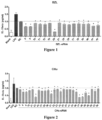
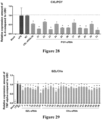
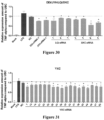
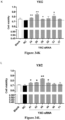
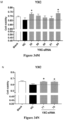
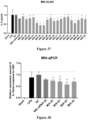
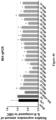
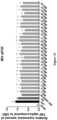
- Figure 1 The expression of the inflammatory factor IL-1beta at protein level compared to the control group, in the cell inflammation model after 9 hours of LPS stimulation, with the THP1 cells transfected with the Scutellaria barbata (BZL) small RNA 24 hours in advance, as specified in the figure.
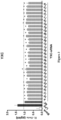
- Figure 2 The expression of the inflammatory factor IL-1beta at protein level compared to the control group, in the cell inflammation model after 9 hours of LPS stimulation, with the THP1 cells transfected with the Bupleurum (CHu) small RNA 24 hours in advance, as specified in the figure.
- CHu Bupleurum
- Figure 3 The expression of the inflammatory factor IL-1beta at protein level compared to the control group, in the cell inflammation model after 9 hours of LPS stimulation, with the THP1 cells transfected with the Houttuynia cordata (YXC) small RNA 24 hours in advance, as specified in the figure.
- Figure 4 The expression of the inflammatory factor IL-1beta at protein level compared to the control group, in the cell inflammation model after 9 hours of LPS stimulation, with the THP1 cells transfected with the Andrographis paniculata (CXL) and Taraxacum (PGY) small RNA 24 hours in advance, as specified in the figure.
- CXL Andrographis paniculata
- PGY Taraxacum
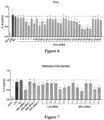
- Figure 5 The expression of the inflammatory factor IL-6 at protein level compared to the control group, in the cell inflammation model after 9 hours of LPS stimulation, with the THP1 cells transfected with the Scutellaria barbata (BZL) small RNA 24 hours in advance, as specified in the figure.
- Figure 6 The expression of the inflammatory factor IL-6 at protein level compared to the control group, in the cell inflammation model after 9 hours of LPS stimulation, with the THP1 cells transfected with the Bupleurum (CHu) small RNA 24 hours in advance, as specified in the figure.
- CHu Bupleurum
- Figure 7 The expression of the inflammatory factor IL-6 at protein level compared to the control group, in the cell inflammation model after 9 hours of LPS stimulation, with the THP1 cells transfected with Viola philippica (DDi), Scutellaria baicalensis (HQi), Lonicera japonica (JYH), Fructus forsythiae (LQi), and Prunella vulgaris (XKC) small RNA 24 hours in advance, as specified in the figure.
- DDi Viola philippica
- HQi Scutellaria baicalensis
- JYH Lonicera japonica
- LQi Fructus forsythiae
- XKC Prunella vulgaris
- Figure 8 to Figure 9 The expression of the inflammatory factor IL-6 at protein level compared to the control group, in the cell inflammation model after 9 hours of LPS stimulation, with the THP1 cells transfected with the Houttuynia cordata (YXC) small RNA 24 hours in advance, as specified in the figure.
- Figure 10 The expression of the inflammatory factor IL-6 at protein level compared to the control group, in the cell inflammation model after 9 hours of LPS stimulation, with the THP1 cells transfected with the Andrographis paniculata (CXL) and Taraxacum (PGY) small RNA 24 hours in advance, as specified in the figure.
- CXL Andrographis paniculata
- PGY Taraxacum
- Figure 11 The expression of the inflammatory factor TNF-alpha at protein level compared to the control group, in the cell inflammation model after 9 hours of LPS stimulation, with the THP1 cells transfected with Scutellaria barbata (BZL), Viola philippica (DDi), Scutellaria baicalensis (HQi), Fructus forsythiae (LQi) and Prunella vulgaris (XKC) small RNA 24 hours in advance, as specified in the figure.
- BZL Scutellaria barbata
- DDi Viola philippica
- HQi Scutellaria baicalensis
- Fructus forsythiae LQi
- Prunella vulgaris XKC
- Figure 12 The expression of the inflammatory factor TNF-alpha at protein level compared to the control group, in the cell inflammation model after 9 hours of LPS stimulation, with the THP1 cells transfected with the Bupleurum (CHu) small RNA 24 hours in advance, as specified in the figure.
- Figure 13 to Figure 14 The expression of the inflammatory factor TNF-alpha at protein level compared to the control group, in the cell inflammation model after 9 hours of LPS stimulation, with the THP1 cells transfected with the Houttuynia cordata (YXC) small RNA 24 hours in advance, as specified in the figure.
- YXC Houttuynia cordata
- Figure 15 The expression of the inflammatory factor TNF-alpha at protein level compared to the control group, in the cell inflammation model after 9 hours of LPS stimulation, with the THP1 cells transfected with the Taraxacum (PGY) small RNA 24 hours in advance, as specified in the figure.
- "*" means that an unpaired t test P ⁇ 0.05 was considered statistically significant in statistical analysis, indicating the effect of inhibiting the expression of inflammatory factors in in vitro experiments.
- the experimental results showed that the small RNAs shown in Figure 11 to Figure 15 had significantly higher effect in reducing the protein expression of TNF-alpha than the NC group.
- the values in Figure 11 to Figure 15 were all values obtained by normalization relative to the NC group.
- BZL-sRNA-20 had the smallest value in ELISA of the inflammatory factor TNF-alpha, indicating the best effect on inhibiting TNF-alpha protein level among the small RNAs tested.
- Figure 16 The expression of the inflammatory factor IL-1beta at mRNA level (relative expression level of IL-1beta compared to UBC) compared to the control group, in the cell inflammation model after 9 hours of LPS stimulation, with the THP1 cells transfected with the Scutellaria barbata (BZL) small RNA 24 hours in advance, as specified in the figure.
- mRNA level relative expression level of IL-1beta compared to UBC
- BZL Scutellaria barbata
- Figure 17 The expression of the inflammatory factor IL-1beta at mRNA level compared to the control group, in the cell inflammation model after 9 hours of LPS stimulation, with the THP1 cells transfected with the Bupleurum (CHu), Fructus forsythiae (LQi) and Houttuynia cordata (YXC) small RNA 24 hours in advance, as specified in the figure.
- Figure 18 to Figure 19 The expression of the inflammatory factor IL-1beta at mRNA level compared to the control group, in the cell inflammation model after 9 hours of LPS stimulation, with the THP1 cells transfected with the Houttuynia cordata (YXC) small RNA 24 hours in advance, as specified in the figure.
- Figure 20 The expression of the inflammatory factor IL-1beta at mRNA level compared to the control group, in the cell inflammation model after 9 hours of LPS stimulation, with the THP1 cells transfected with the Taraxacum (PGY) small RNA 24 hours in advance, as specified in the figure.
- "*" means that unpaired t test P ⁇ 0.05 was considered statistically significant in statistical analysis, indicating the effect of inhibiting the expression of inflammatory factors in in vitro experiments.
- the experimental results showed that the small RNAs shown in Figure 16 to Figure 20 had significantly higher effect in reducing the mRNA expression of IL-1beta than the NC group.
- the values in Figure 16 to Figure 20 were all values obtained by normalization relative to the NC group.
- BZL-sRNA-20 had the smallest value in qPCR of the inflammatory factor IL-1beta, indicating the best effect on inhibiting IL-1beta mRNA level among the small RNAs tested.
- Figure 21 to Figure 22 The expression of the inflammatory factor IL-6 at mRNA level compared to the control group, in the cell inflammation model after 9 hours of LPS stimulation, with the THP1 cells transfected with the Scutellaria barbata (BZL) small RNA 24 hours in advance, as specified in the figure.
- Figure 23 to Figure 24 The expression of the inflammatory factor IL-6 at mRNA level compared to the control group, in the cell inflammation model after 9 hours of LPS stimulation, with the THP1 cells transfected with the Bupleurum (CHu) small RNA 24 hours in advance, as specified in the figure.
- CHu Bupleurum
- Figure 25 The expression of the inflammatory factor IL-6 at mRNA level compared to the control group, in the cell inflammation model after 9 hours of LPS stimulation, with the THP1 cells transfected with the Viola philippica (DDi), Scutellaria baicalensis (HQi), Lonicera japonica (JYH), Fructus forsythiae (LQi) and Prunella vulgaris (XKC) small RNA 24 hours in advance, as specified in the figure.
- DDi Viola philippica
- HQi Scutellaria baicalensis
- JYH Lonicera japonica
- Fructus forsythiae LQi
- Prunella vulgaris XKC
- Figure 26 to Figure 27 The expression of the inflammatory factor IL-6 at mRNA level compared to the NC group, in the cell inflammation model after 9 hours of LPS stimulation, with the THP -1 cells transfected with the Houttuynia cordata (YXC) small RNA 24 hours in advance, as specified in the figure.
- Figure 28 The expression of the inflammatory factor IL-6 at mRNA level compared to the NC group, in the cell inflammation model after 9 hours of LPS stimulation, with the THP1 cells transfected with the Andrographis paniculata (CXL) and Taraxacum (PGY) small RNA 24 hours in advance, as specified in the figure.
- CXL Andrographis paniculata
- PGY Taraxacum
- Figure 29 The expression of the inflammatory factor TNF-alpha at mRNA level (relative expression level of TNF-alpha compared to UBC) compared to the NC group, in the cell inflammation model after 9 hours of LPS stimulation, with the THP1 cells transfected with the Scutellaria barbata (BZL) and Bupleurum (CHu) small RNA 24 hours in advance, as specified in the figure.
- BZL Scutellaria barbata
- CHu Bupleurum
- Figure 30 The expression of the inflammatory factor TNF-alpha at mRNA level compared to the NC group, in the cell inflammation model after 9 hours of LPS stimulation, with the THP1 cells transfected with the Viola philippica (DDi), Lonicera japonica (JYH), Fructus forsythiae (LQi) and Prunella vulgaris (XKC) small RNA 24 hours in advance, as specified in the figure.
- DDi Viola philippica
- JYH Lonicera japonica
- XKC Prunella vulgaris
- Figure 31 to Figure 32 The expression of the inflammatory factor TNF-alpha at mRNA level compared to the NC group, in the cell inflammation model after 9 hours of LPS stimulation, with the THP1 cells transfected with the Houttuynia cordata (YXC) small RNA 24 hours in advance, as specified in the figure.
- Figure 33 The expression of the inflammatory factor TNF-alpha at mRNA level compared to the NC group, in the cell inflammation model after 9 hours of LPS stimulation, with the THP1 cells transfected with the Taraxacum (PGY) small RNA 24 hours in advance, as specified in the figure.
- PGY Taraxacum
- Figure 34A- Figure 34C BZL: after H5N1 (0.4 M.O.I) infection, the rescue results of Scutellaria barbata (BZL) small RNA on cell death, as specified in the figure.
- Figure 34D- Figure 34G CHu: after H5N1 (0.4 M.O.I) infection, the rescue results of the Bupleurum (CHu) small RNA on cell death, as specified in the figure.
- Figure 34H LQi/XKC: after H5N1 (0.4 M.O.I) infection, the rescue results of the Fructus forsythiae (LQi) / Prunella vulgaris (XKC) small RNA on cell death, as specified in the figure.
- Figure 34I XKC/YXC: after H5N1 (0.4 M.O.I) infection, the rescue results of the Prunella vulgaris (XKC) / Houttuynia cordata (YXC) small RNA on cell death, as specified in the figure.
- Figure 34J- Figure 34N YXC: after H5N1 (0.4 M.O.I) infection, the rescue results of Houttuynia cordata (YXC) small RNA on cell death, as specified in the figure.
- unpaired t test P ⁇ 0.05 was considered statistically significant in statistical analysis, indicating the rescuing effect on cell death caused by H5N1 infection.
- Figure 35 The expression of the inflammatory factor IL-1beta at protein level compared to the NC group, in the cell inflammation model after 9 hours of LPS stimulation, with the THP1 cells transfected with the small RNA mixtures 24 hours in advance, as specified in the figure.
- the mixing ratio of BZL-sRNA-20 to other small RNAs was 2:1 (v/v).
- "*" means that unpaired t test P ⁇ 0.05 was considered statistically significant in statistical analysis, indicating the effect of inhibiting the expression of inflammatory factors in in vitro experiments.
- Figure 36 to Figure 37 The expression of the inflammatory factor IL-6 at protein level compared to the NC group, in the cell inflammation model after 9 hours of LPS stimulation, with the THP1 cells transfected with the small RNA mixtures 24 hours in advance, as specified in the figure, wherein the mixing ratio of BZL-sRNA-20 to other small RNAs was 2:1 (v/v). "*" means that unpaired t test P ⁇ 0.05 was considered statistically significant in statistical analysis, indicating the effect of inhibiting the expression of inflammatory factors in in vitro experiments.
- Figure 38 The expression of the inflammatory factor IL-1beta at mRNA level compared to the NC group, in the cell inflammation model after 9 hours of LPS stimulation, with the THP1 cells transfected with the small RNA mixtures 24 hours in advance, as specified in the figure.
- the mixing ratio of BZL-sRNA-20 to other small RNAs was 2:1 (v/v).
- "*" means that unpaired t test P ⁇ 0.05 was considered statistically significant in statistical analysis, indicating the effect of inhibiting the expression of inflammatory factors in in vitro experiments.
- Figure 39 to Figure 40 The expression of the inflammatory factor IL-6 at mRNA level compared to the NC group, in the cell inflammation model after 9 hours of LPS stimulation, with the THP1 cells transfected with the small RNA mixtures 24 hours in advance, as specified in the figure, the mixing ratio of BZL-sRNA-20 to other small RNAs was 2:1 (v/v). "*" means that unpaired t test P ⁇ 0.05 was considered statistically significant in statistical analysis, indicating the effect of inhibiting the expression of inflammatory factors in in vitro experiments.
- Figure 41 The expression of the inflammatory factor TNF-alpha at mRNA level compared to the NC group, in the cell inflammation model after 9 hours of LPS stimulation, with the THP1 cells transfected with the small RNA mixtures 24 hours in advance, as specified in the figure, the mixing ratio of BZL-sRNA-20 to other small RNAs was 2:1 (v/v). "*" means that unpaired t test P ⁇ 0.05 was considered statistically significant in statistical analysis, indicating the effect of inhibiting the expression of inflammatory factors in in vitro experiments.
- Figure 42 The expression of the inflammatory factor TNF-alpha at protein level compared to the NC group, in the alveolar lavage fluid of the animal inflammation model after 9 hours of LPS stimulation, wherein the mice were gavaged with small RNA, three days in advance. "*" means that unpaired t test P ⁇ 0.05 was considered statistically significant in statistical analysis, indicating that BZL-sRNA-20 had the effect of inhibiting the expression of inflammatory factor TNF-alpha in in vivo experiments.
- Figure 43 The expression of the inflammatory factor IL-6 at mRNA level compared to the NC group, in the exfoliated lung cells of the animal inflammation model after 9 hours of LPS stimulation, wherein the mice were gavaged with small RNA, three days in advance. "**" means that unpaired t test P ⁇ 0.01 was considered statistically significant in statistical analysis, indicating the effect of inhibiting the expression of inflammatory factor IL-6 in in vivo experiments.
- Example 4 Classification of target genes down-regulated by small RNA and the pathways or biological processes they involved, according to the results of transcriptome sequencing of artificially synthesized small RNAs verified by using the THP-1 cell model stimulated by LPS.
Landscapes
- Health & Medical Sciences (AREA)
- Life Sciences & Earth Sciences (AREA)
- Genetics & Genomics (AREA)
- Chemical & Material Sciences (AREA)
- Engineering & Computer Science (AREA)
- Organic Chemistry (AREA)
- Biomedical Technology (AREA)
- General Health & Medical Sciences (AREA)
- Zoology (AREA)
- Bioinformatics & Cheminformatics (AREA)
- Wood Science & Technology (AREA)
- Biotechnology (AREA)
- General Engineering & Computer Science (AREA)
- Molecular Biology (AREA)
- Medicinal Chemistry (AREA)
- Biochemistry (AREA)
- Pharmacology & Pharmacy (AREA)
- Veterinary Medicine (AREA)
- Public Health (AREA)
- Animal Behavior & Ethology (AREA)
- Microbiology (AREA)
- Chemical Kinetics & Catalysis (AREA)
- General Chemical & Material Sciences (AREA)
- Nuclear Medicine, Radiotherapy & Molecular Imaging (AREA)
- Biophysics (AREA)
- Physics & Mathematics (AREA)
- Plant Pathology (AREA)
- Virology (AREA)
- Pain & Pain Management (AREA)
- Rheumatology (AREA)
- Endocrinology (AREA)
- Epidemiology (AREA)
- Oncology (AREA)
- Immunology (AREA)
- Communicable Diseases (AREA)
- Pharmaceuticals Containing Other Organic And Inorganic Compounds (AREA)
- Medicines That Contain Protein Lipid Enzymes And Other Medicines (AREA)
- Medicines Containing Material From Animals Or Micro-Organisms (AREA)
- Micro-Organisms Or Cultivation Processes Thereof (AREA)
Priority Applications (1)
| Application Number | Priority Date | Filing Date | Title |
|---|---|---|---|
| EP24206793.2A EP4470615A3 (fr) | 2018-12-25 | 2018-12-25 | Petit arn comme medicament pour la prevention et le traitement de maladies liees a l'inflammation et de combinaisons de celles-ci |
Applications Claiming Priority (3)
| Application Number | Priority Date | Filing Date | Title |
|---|---|---|---|
| EP24206793.2A EP4470615A3 (fr) | 2018-12-25 | 2018-12-25 | Petit arn comme medicament pour la prevention et le traitement de maladies liees a l'inflammation et de combinaisons de celles-ci |
| EP18944638.8A EP3960858B1 (fr) | 2018-12-25 | 2018-12-25 | Petit médicament à base d'arn pour la prévention et le traitement de maladies liées à une l'inflammation et leur combinaison |
| PCT/CN2018/123289 WO2020132844A1 (fr) | 2018-12-25 | 2018-12-25 | Petit médicament à base d'arn pour la prévention et le traitement de maladies liées à une l'inflammation et leur combinaison |
Related Parent Applications (2)
| Application Number | Title | Priority Date | Filing Date |
|---|---|---|---|
| EP18944638.8A Division EP3960858B1 (fr) | 2018-12-25 | 2018-12-25 | Petit médicament à base d'arn pour la prévention et le traitement de maladies liées à une l'inflammation et leur combinaison |
| EP18944638.8A Division-Into EP3960858B1 (fr) | 2018-12-25 | 2018-12-25 | Petit médicament à base d'arn pour la prévention et le traitement de maladies liées à une l'inflammation et leur combinaison |
Publications (2)
| Publication Number | Publication Date |
|---|---|
| EP4470615A2 true EP4470615A2 (fr) | 2024-12-04 |
| EP4470615A3 EP4470615A3 (fr) | 2025-07-09 |
Family
ID=71126734
Family Applications (2)
| Application Number | Title | Priority Date | Filing Date |
|---|---|---|---|
| EP24206793.2A Pending EP4470615A3 (fr) | 2018-12-25 | 2018-12-25 | Petit arn comme medicament pour la prevention et le traitement de maladies liees a l'inflammation et de combinaisons de celles-ci |
| EP18944638.8A Active EP3960858B1 (fr) | 2018-12-25 | 2018-12-25 | Petit médicament à base d'arn pour la prévention et le traitement de maladies liées à une l'inflammation et leur combinaison |
Family Applications After (1)
| Application Number | Title | Priority Date | Filing Date |
|---|---|---|---|
| EP18944638.8A Active EP3960858B1 (fr) | 2018-12-25 | 2018-12-25 | Petit médicament à base d'arn pour la prévention et le traitement de maladies liées à une l'inflammation et leur combinaison |
Country Status (6)
| Country | Link |
|---|---|
| US (1) | US12612631B2 (fr) |
| EP (2) | EP4470615A3 (fr) |
| CN (2) | CN118530991A (fr) |
| CA (1) | CA3124730A1 (fr) |
| ES (1) | ES3031988T3 (fr) |
| WO (1) | WO2020132844A1 (fr) |
Families Citing this family (6)
| Publication number | Priority date | Publication date | Assignee | Title |
|---|---|---|---|---|
| CA3124730A1 (fr) | 2018-12-25 | 2020-07-02 | Institute Of Basic Medical Sciences Chinese Academy Of Medical Sciences | Petit medicament a base d'arn pour la prevention et le traitement de maladies liees a une l'inflammation et leur combinaison |
| EP4471146A1 (fr) * | 2022-01-28 | 2024-12-04 | Institute of Basic Medical Sciences, Chinese Academy of Medical Sciences | Petit médicament à arn pour inhiber l'activité de cellules cancéreuses |
| CN114645050B (zh) * | 2022-05-07 | 2024-02-23 | 贵州大学 | 一种miRNA及其在制备治疗乳腺癌的药物中的应用 |
| CN115350187B (zh) * | 2022-08-30 | 2023-08-29 | 中山大学 | 异丙托溴铵在抑制肺癌骨转移中的应用 |
| CN116144748A (zh) * | 2022-09-22 | 2023-05-23 | 烟台毓璜顶医院 | 一种检测il-6表达异常的试剂在制备变应性鼻炎嗅觉障碍诊断和/或治疗工具中的应用 |
| CN118947636B (zh) * | 2024-09-27 | 2026-03-06 | 四川省医学科学院·四川省人民医院 | 一种小鼠模型及其构建方法和应用 |
Citations (12)
| Publication number | Priority date | Publication date | Assignee | Title |
|---|---|---|---|---|
| WO1997022596A1 (fr) | 1995-12-18 | 1997-06-26 | Zeneca Limited | Derives de quinazoline |
| WO1997029131A1 (fr) | 1996-02-09 | 1997-08-14 | Basf Aktiengesellschaft | ANTICORPS HUMAINS SE FIXANT AU FACTEUR NECROSANT DES TUMEURS DE TYPE $g(a) |
| WO1997030035A1 (fr) | 1996-02-13 | 1997-08-21 | Zeneca Limited | Derives de la quinazoline utilises comme inhibiteurs du vegf |
| WO1997032856A1 (fr) | 1996-03-05 | 1997-09-12 | Zeneca Limited | Derives de 4-anilinoquinazoline |
| WO1998013354A1 (fr) | 1996-09-25 | 1998-04-02 | Zeneca Limited | Derives quinazolines et compositions pharmaceutiques les contenant |
| WO1999002166A1 (fr) | 1997-07-08 | 1999-01-21 | Angiogene Pharmaceuticals Ltd. | Utilisation de derives de colchinol comme agents de degradation vasculaire |
| WO2000040529A1 (fr) | 1999-01-07 | 2000-07-13 | Angiogene Pharmaceuticals Ltd. | Derives de colchinol utilises comme agents de degradation vasculaire |
| WO2000041669A2 (fr) | 1999-01-15 | 2000-07-20 | Angiogene Pharmaceuticals Ltd. | Agents de degradation vasculaire aux benzimidazoles |
| WO2001092224A1 (fr) | 2000-05-31 | 2001-12-06 | Astrazeneca Ab | Derives d'indole possedant une activite endommageant les vaisseaux sanguins |
| WO2002004434A1 (fr) | 2000-07-07 | 2002-01-17 | Angiogene Pharmaceuticals Limited | Derives de colchinol utilises comme agents de degradation vasculaire |
| WO2002008213A1 (fr) | 2000-07-07 | 2002-01-31 | Angiogene Pharmaceuticals Limited | Derives de colchinol utiles comme inhibiteurs de l'angiogenese |
| US20170342410A1 (en) | 2010-04-23 | 2017-11-30 | Cold Spring Harbor Laboratory | Novel Structurally Designed shRNAs |
Family Cites Families (14)
| Publication number | Priority date | Publication date | Assignee | Title |
|---|---|---|---|---|
| US20050261219A1 (en) * | 2001-05-18 | 2005-11-24 | Sirna Therapeutics, Inc. | RNA interference mediated inhibition of interleukin and interleukin receptor gene expression using short interfering nucleic acid (siNA) |
| US20130177624A1 (en) * | 2009-05-08 | 2013-07-11 | David Brian Corry | Mirna expression in allergic disease |
| CN102409046B (zh) * | 2010-09-21 | 2013-09-18 | 深圳华大基因科技服务有限公司 | 小分子rna标签 |
| CN107638565B (zh) * | 2011-04-08 | 2021-12-21 | 莱斯特大学 | 用于治疗与masp-2依赖性补体活化相关的状况的方法 |
| WO2013181613A1 (fr) * | 2012-05-31 | 2013-12-05 | Research Development Foundation | Miarn pour le diagnostic et le traitement d'une maladie auto-immune et inflammatoire |
| CN103757020B (zh) * | 2014-01-09 | 2016-02-17 | 浙江大学 | 用于调控烟草尼古丁合成和转运的基因及其应用 |
| ES2856196T3 (es) | 2014-04-30 | 2021-09-27 | Edmund Mach Fond | Extracto de ARNp de planta o miARN de planta para uso como agente inmunosupresor |
| EP3216869B1 (fr) | 2016-03-09 | 2019-09-18 | Colizzi, Vittorio | Éléments de microarn dérivés de plantes nutraceutique pour le traitement de la leucémie |
| US10287625B2 (en) * | 2016-03-18 | 2019-05-14 | Norgen Biotek Corp. | Methods and kits for separating nucleic acids by size |
| US11578366B2 (en) * | 2016-12-22 | 2023-02-14 | Thomas Jefferson University | Compositions and methods of using RNA fragments |
| KR102723213B1 (ko) * | 2017-03-29 | 2024-10-30 | 인스티튜트 오브 베이직 메디컬 사이언시즈, 차이니즈 아카데미 오브 메디컬 사이언시즈 | 핵산 전달제 및 그의 관련 제품의 제조에 있어서의 화합물 또는 전통 중국 의약 추출물의 적용 |
| KR102715821B1 (ko) * | 2017-11-09 | 2024-10-10 | 고쿠리츠 다이가쿠호우징 도쿄이카시카다이가쿠 | 암 촉진 인자 발현 억제제, 그 유효 성분의 스크리닝 방법, 그 방법에 유용한 발현 카세트, 진단약, 및 진단 방법 |
| CN109023536A (zh) | 2018-06-28 | 2018-12-18 | 河南师范大学 | 一种植物降解组文库构建方法 |
| CA3124730A1 (fr) | 2018-12-25 | 2020-07-02 | Institute Of Basic Medical Sciences Chinese Academy Of Medical Sciences | Petit medicament a base d'arn pour la prevention et le traitement de maladies liees a une l'inflammation et leur combinaison |
-
2018
- 2018-12-25 CA CA3124730A patent/CA3124730A1/fr active Pending
- 2018-12-25 EP EP24206793.2A patent/EP4470615A3/fr active Pending
- 2018-12-25 CN CN202410615429.5A patent/CN118530991A/zh active Pending
- 2018-12-25 EP EP18944638.8A patent/EP3960858B1/fr active Active
- 2018-12-25 WO PCT/CN2018/123289 patent/WO2020132844A1/fr not_active Ceased
- 2018-12-25 US US17/417,321 patent/US12612631B2/en active Active
- 2018-12-25 ES ES18944638T patent/ES3031988T3/es active Active
- 2018-12-25 CN CN201880100050.3A patent/CN114729354A/zh active Pending
Patent Citations (12)
| Publication number | Priority date | Publication date | Assignee | Title |
|---|---|---|---|---|
| WO1997022596A1 (fr) | 1995-12-18 | 1997-06-26 | Zeneca Limited | Derives de quinazoline |
| WO1997029131A1 (fr) | 1996-02-09 | 1997-08-14 | Basf Aktiengesellschaft | ANTICORPS HUMAINS SE FIXANT AU FACTEUR NECROSANT DES TUMEURS DE TYPE $g(a) |
| WO1997030035A1 (fr) | 1996-02-13 | 1997-08-21 | Zeneca Limited | Derives de la quinazoline utilises comme inhibiteurs du vegf |
| WO1997032856A1 (fr) | 1996-03-05 | 1997-09-12 | Zeneca Limited | Derives de 4-anilinoquinazoline |
| WO1998013354A1 (fr) | 1996-09-25 | 1998-04-02 | Zeneca Limited | Derives quinazolines et compositions pharmaceutiques les contenant |
| WO1999002166A1 (fr) | 1997-07-08 | 1999-01-21 | Angiogene Pharmaceuticals Ltd. | Utilisation de derives de colchinol comme agents de degradation vasculaire |
| WO2000040529A1 (fr) | 1999-01-07 | 2000-07-13 | Angiogene Pharmaceuticals Ltd. | Derives de colchinol utilises comme agents de degradation vasculaire |
| WO2000041669A2 (fr) | 1999-01-15 | 2000-07-20 | Angiogene Pharmaceuticals Ltd. | Agents de degradation vasculaire aux benzimidazoles |
| WO2001092224A1 (fr) | 2000-05-31 | 2001-12-06 | Astrazeneca Ab | Derives d'indole possedant une activite endommageant les vaisseaux sanguins |
| WO2002004434A1 (fr) | 2000-07-07 | 2002-01-17 | Angiogene Pharmaceuticals Limited | Derives de colchinol utilises comme agents de degradation vasculaire |
| WO2002008213A1 (fr) | 2000-07-07 | 2002-01-31 | Angiogene Pharmaceuticals Limited | Derives de colchinol utiles comme inhibiteurs de l'angiogenese |
| US20170342410A1 (en) | 2010-04-23 | 2017-11-30 | Cold Spring Harbor Laboratory | Novel Structurally Designed shRNAs |
Non-Patent Citations (2)
| Title |
|---|
| J INVEST. MED, vol. 44, 1996, pages 235A |
| RICE ET AL.: "EMBOSS: European Molecular Biology Open Software Suite", TRENDS GENET, vol. 16, 2000, pages 276 - 277, XP004200114, DOI: 10.1016/S0168-9525(00)02024-2 |
Also Published As
| Publication number | Publication date |
|---|---|
| EP4470615A3 (fr) | 2025-07-09 |
| EP3960858C0 (fr) | 2025-05-07 |
| WO2020132844A1 (fr) | 2020-07-02 |
| CN114729354A (zh) | 2022-07-08 |
| CA3124730A1 (fr) | 2020-07-02 |
| US20230272402A1 (en) | 2023-08-31 |
| ES3031988T3 (en) | 2025-07-14 |
| EP3960858B1 (fr) | 2025-05-07 |
| EP3960858A4 (fr) | 2023-02-15 |
| EP3960858A1 (fr) | 2022-03-02 |
| CN118530991A (zh) | 2024-08-23 |
| US12612631B2 (en) | 2026-04-28 |
Similar Documents
| Publication | Publication Date | Title |
|---|---|---|
| US12612631B2 (en) | Small RNA medicament for prevention and treatment of inflammation-related diseases and combination thereof | |
| Liu et al. | Sinomenine inhibits the progression of rheumatoid arthritis by regulating the secretion of inflammatory cytokines and monocyte/macrophage subsets | |
| CN101948539B (zh) | Il-18结合蛋白 | |
| US20240122985A1 (en) | Antibodies, combinations comprising antibodies, biomarkers, uses & methods | |
| EP3463482B1 (fr) | Méthodes se rapportant aux lymphocytes t auxiliaires périphériques dans des conditions associées aux autoanticor | |
| CA3187966A1 (fr) | Methodes de traitement d'une affection abdominale inflammatoire a l'aide d'anticorps tl1a | |
| WO2019133711A1 (fr) | Méthodes de traitement du cancer faisant appel à un inhibiteur d'atr | |
| KR20160060765A (ko) | 암 면역요법을 위한 cbp/ep300 브로모도메인 억제제의 용도 | |
| TW201840560A (zh) | 含有4員雜環醯胺之jak抑制劑 | |
| SA04240497A (ar) | طرق لمعالجة اضطرابات حيث تكون فعالية عامل النخر الورمي ألفا ضارة وذلك بإعطاء جرعات علاجية منخفضة | |
| JP2017525740A (ja) | 治療用化合物およびその使用 | |
| TW202128160A (zh) | 用於治療病原性血管病症之方法及組合物 | |
| BR112020026675A2 (pt) | Derivados de pirrolo[1,2-b]piridazina | |
| US20210332145A1 (en) | Anti-bcma antibodies | |
| EP4234575A1 (fr) | Antigène de surface cellulaire de cellule immunitaire activée et ses diverses utilisations | |
| EP3146966A1 (fr) | Pidotimode destiné à être utilisé dans le traitement de maladies inflammatoires | |
| CN117886940B (zh) | 人源化抗人cd132单克隆抗体及其应用 | |
| Lian et al. | Correlations Between IgG4‐Related Disease and Allergic Reactions: Implications for Future Therapeutic Strategies | |
| Adachi et al. | Resident alveolar macrophages are highly susceptible to the induction of RIPK1/RIPK3-mediated necroptosis which promote efficient pulmonary immune response | |
| KR20230025869A (ko) | Tlr7/8 길항제 및 이의 용도 | |
| El-Sayed | Toll-Like Receptors: The Key of Immunotherapy in | |
| HK40086541B (zh) | 用作toll样受体7的活化抑制剂的新型化合物 | |
| Garg | Feedback inhibition of IL-17 receptor signal transduction | |
| WO2021251337A1 (fr) | Nouveau composé utile en tant qu'inhibiteur d'activation du récepteur 7 de type toll | |
| HK1226634A1 (en) | Combination therapy of anti-mif antibodies and chemotherapeutics |
Legal Events
| Date | Code | Title | Description |
|---|---|---|---|
| PUAI | Public reference made under article 153(3) epc to a published international application that has entered the european phase |
Free format text: ORIGINAL CODE: 0009012 |
|
| STAA | Information on the status of an ep patent application or granted ep patent |
Free format text: STATUS: THE APPLICATION HAS BEEN PUBLISHED |
|
| AC | Divisional application: reference to earlier application |
Ref document number: 3960858 Country of ref document: EP Kind code of ref document: P |
|
| AK | Designated contracting states |
Kind code of ref document: A2 Designated state(s): AL AT BE BG CH CY CZ DE DK EE ES FI FR GB GR HR HU IE IS IT LI LT LU LV MC MK MT NL NO PL PT RO RS SE SI SK SM TR |
|
| RAP1 | Party data changed (applicant data changed or rights of an application transferred) |
Owner name: BEIJING BAISHIHEKANG PHARMACEUTICAL TECHNOLOGY(BSJPHARMA) CO., LTD. |
|
| REG | Reference to a national code |
Ref country code: DE Ref legal event code: R079 Free format text: PREVIOUS MAIN CLASS: A61P0029000000 Ipc: C12N0015113000 |
|
| RIC1 | Information provided on ipc code assigned before grant |
Ipc: A61P 29/00 20060101ALI20250310BHEP Ipc: A61P 35/00 20060101ALI20250310BHEP Ipc: A61K 31/7105 20060101ALI20250310BHEP Ipc: C12N 15/113 20100101AFI20250310BHEP |
|
| RAP3 | Party data changed (applicant data changed or rights of an application transferred) |
Owner name: BEIJING BAISHIHEKANG PHARMACEUTICAL TECHNOLOGY(BSJPHARMA) CO., LTD. |
|
| PUAL | Search report despatched |
Free format text: ORIGINAL CODE: 0009013 |
|
| AK | Designated contracting states |
Kind code of ref document: A3 Designated state(s): AL AT BE BG CH CY CZ DE DK EE ES FI FR GB GR HR HU IE IS IT LI LT LU LV MC MK MT NL NO PL PT RO RS SE SI SK SM TR |
|
| RIC1 | Information provided on ipc code assigned before grant |
Ipc: A61P 29/00 20060101ALI20250602BHEP Ipc: A61P 35/00 20060101ALI20250602BHEP Ipc: A61K 31/7105 20060101ALI20250602BHEP Ipc: C12N 15/113 20100101AFI20250602BHEP |
|
| STAA | Information on the status of an ep patent application or granted ep patent |
Free format text: STATUS: REQUEST FOR EXAMINATION WAS MADE |
|
| 17P | Request for examination filed |
Effective date: 20250717 |