EP4471054A2 - Fragment c-terminal d'apolipoprotéine e et son application dans l'inhibition de l'activité de la ?-sécrétase - Google Patents
Fragment c-terminal d'apolipoprotéine e et son application dans l'inhibition de l'activité de la ?-sécrétase Download PDFInfo
- Publication number
- EP4471054A2 EP4471054A2 EP23746487.0A EP23746487A EP4471054A2 EP 4471054 A2 EP4471054 A2 EP 4471054A2 EP 23746487 A EP23746487 A EP 23746487A EP 4471054 A2 EP4471054 A2 EP 4471054A2
- Authority
- EP
- European Patent Office
- Prior art keywords
- apoe
- amino acid
- seq
- positions
- acid sequence
- Prior art date
- Legal status (The legal status is an assumption and is not a legal conclusion. Google has not performed a legal analysis and makes no representation as to the accuracy of the status listed.)
- Pending
Links
Images









Classifications
-
- A—HUMAN NECESSITIES
- A61—MEDICAL OR VETERINARY SCIENCE; HYGIENE
- A61K—PREPARATIONS FOR MEDICAL, DENTAL OR TOILETRY PURPOSES
- A61K38/00—Medicinal preparations containing peptides
- A61K38/16—Peptides having more than 20 amino acids; Gastrins; Somatostatins; Melanotropins; Derivatives thereof
- A61K38/55—Protease inhibitors
- A61K38/57—Protease inhibitors from animals; from humans
-
- A—HUMAN NECESSITIES
- A61—MEDICAL OR VETERINARY SCIENCE; HYGIENE
- A61K—PREPARATIONS FOR MEDICAL, DENTAL OR TOILETRY PURPOSES
- A61K48/00—Medicinal preparations containing genetic material which is inserted into cells of the living body to treat genetic diseases; Gene therapy
- A61K48/005—Medicinal preparations containing genetic material which is inserted into cells of the living body to treat genetic diseases; Gene therapy characterised by an aspect of the 'active' part of the composition delivered, i.e. the nucleic acid delivered
-
- A—HUMAN NECESSITIES
- A61—MEDICAL OR VETERINARY SCIENCE; HYGIENE
- A61K—PREPARATIONS FOR MEDICAL, DENTAL OR TOILETRY PURPOSES
- A61K48/00—Medicinal preparations containing genetic material which is inserted into cells of the living body to treat genetic diseases; Gene therapy
- A61K48/0075—Medicinal preparations containing genetic material which is inserted into cells of the living body to treat genetic diseases; Gene therapy characterised by an aspect of the delivery route, e.g. oral, subcutaneous
-
- A—HUMAN NECESSITIES
- A61—MEDICAL OR VETERINARY SCIENCE; HYGIENE
- A61P—SPECIFIC THERAPEUTIC ACTIVITY OF CHEMICAL COMPOUNDS OR MEDICINAL PREPARATIONS
- A61P11/00—Drugs for disorders of the respiratory system
-
- A—HUMAN NECESSITIES
- A61—MEDICAL OR VETERINARY SCIENCE; HYGIENE
- A61P—SPECIFIC THERAPEUTIC ACTIVITY OF CHEMICAL COMPOUNDS OR MEDICINAL PREPARATIONS
- A61P11/00—Drugs for disorders of the respiratory system
- A61P11/06—Antiasthmatics
-
- A—HUMAN NECESSITIES
- A61—MEDICAL OR VETERINARY SCIENCE; HYGIENE
- A61P—SPECIFIC THERAPEUTIC ACTIVITY OF CHEMICAL COMPOUNDS OR MEDICINAL PREPARATIONS
- A61P13/00—Drugs for disorders of the urinary system
- A61P13/12—Drugs for disorders of the urinary system of the kidneys
-
- A—HUMAN NECESSITIES
- A61—MEDICAL OR VETERINARY SCIENCE; HYGIENE
- A61P—SPECIFIC THERAPEUTIC ACTIVITY OF CHEMICAL COMPOUNDS OR MEDICINAL PREPARATIONS
- A61P25/00—Drugs for disorders of the nervous system
- A61P25/28—Drugs for disorders of the nervous system for treating neurodegenerative disorders of the central nervous system, e.g. nootropic agents, cognition enhancers, drugs for treating Alzheimer's disease or other forms of dementia
-
- A—HUMAN NECESSITIES
- A61—MEDICAL OR VETERINARY SCIENCE; HYGIENE
- A61P—SPECIFIC THERAPEUTIC ACTIVITY OF CHEMICAL COMPOUNDS OR MEDICINAL PREPARATIONS
- A61P29/00—Non-central analgesic, antipyretic or antiinflammatory agents, e.g. antirheumatic agents; Non-steroidal antiinflammatory drugs [NSAID]
-
- A—HUMAN NECESSITIES
- A61—MEDICAL OR VETERINARY SCIENCE; HYGIENE
- A61P—SPECIFIC THERAPEUTIC ACTIVITY OF CHEMICAL COMPOUNDS OR MEDICINAL PREPARATIONS
- A61P35/00—Antineoplastic agents
-
- C—CHEMISTRY; METALLURGY
- C07—ORGANIC CHEMISTRY
- C07K—PEPTIDES
- C07K14/00—Peptides having more than 20 amino acids; Gastrins; Somatostatins; Melanotropins; Derivatives thereof
- C07K14/435—Peptides having more than 20 amino acids; Gastrins; Somatostatins; Melanotropins; Derivatives thereof from animals; from humans
- C07K14/775—Apolipopeptides
-
- A—HUMAN NECESSITIES
- A61—MEDICAL OR VETERINARY SCIENCE; HYGIENE
- A61K—PREPARATIONS FOR MEDICAL, DENTAL OR TOILETRY PURPOSES
- A61K38/00—Medicinal preparations containing peptides
-
- C—CHEMISTRY; METALLURGY
- C07—ORGANIC CHEMISTRY
- C07K—PEPTIDES
- C07K2319/00—Fusion polypeptide
- C07K2319/01—Fusion polypeptide containing a localisation/targetting motif
- C07K2319/10—Fusion polypeptide containing a localisation/targetting motif containing a tag for extracellular membrane crossing, e.g. TAT or VP22
-
- C—CHEMISTRY; METALLURGY
- C12—BIOCHEMISTRY; BEER; SPIRITS; WINE; VINEGAR; MICROBIOLOGY; ENZYMOLOGY; MUTATION OR GENETIC ENGINEERING
- C12N—MICROORGANISMS OR ENZYMES; COMPOSITIONS THEREOF; PROPAGATING, PRESERVING, OR MAINTAINING MICROORGANISMS; MUTATION OR GENETIC ENGINEERING; CULTURE MEDIA
- C12N15/00—Mutation or genetic engineering; DNA or RNA concerning genetic engineering, vectors, e.g. plasmids, or their isolation, preparation or purification; Use of hosts therefor
- C12N15/09—Recombinant DNA-technology
- C12N15/63—Introduction of foreign genetic material using vectors; Vectors; Use of hosts therefor; Regulation of expression
- C12N15/79—Vectors or expression systems specially adapted for eukaryotic hosts
- C12N15/85—Vectors or expression systems specially adapted for eukaryotic hosts for animal cells
- C12N15/86—Viral vectors
-
- C—CHEMISTRY; METALLURGY
- C12—BIOCHEMISTRY; BEER; SPIRITS; WINE; VINEGAR; MICROBIOLOGY; ENZYMOLOGY; MUTATION OR GENETIC ENGINEERING
- C12N—MICROORGANISMS OR ENZYMES; COMPOSITIONS THEREOF; PROPAGATING, PRESERVING, OR MAINTAINING MICROORGANISMS; MUTATION OR GENETIC ENGINEERING; CULTURE MEDIA
- C12N2740/00—Reverse transcribing RNA viruses
- C12N2740/00011—Details
- C12N2740/10011—Retroviridae
- C12N2740/16011—Human Immunodeficiency Virus, HIV
- C12N2740/16041—Use of virus, viral particle or viral elements as a vector
- C12N2740/16043—Use of virus, viral particle or viral elements as a vector viral genome or elements thereof as genetic vector
-
- C—CHEMISTRY; METALLURGY
- C12—BIOCHEMISTRY; BEER; SPIRITS; WINE; VINEGAR; MICROBIOLOGY; ENZYMOLOGY; MUTATION OR GENETIC ENGINEERING
- C12N—MICROORGANISMS OR ENZYMES; COMPOSITIONS THEREOF; PROPAGATING, PRESERVING, OR MAINTAINING MICROORGANISMS; MUTATION OR GENETIC ENGINEERING; CULTURE MEDIA
- C12N2750/00—MICROORGANISMS OR ENZYMES; COMPOSITIONS THEREOF; PROPAGATING, PRESERVING, OR MAINTAINING MICROORGANISMS; MUTATION OR GENETIC ENGINEERING; CULTURE MEDIA ssDNA viruses
- C12N2750/00011—Details
- C12N2750/14011—Parvoviridae
- C12N2750/14111—Dependovirus, e.g. adenoassociated viruses
- C12N2750/14141—Use of virus, viral particle or viral elements as a vector
- C12N2750/14143—Use of virus, viral particle or viral elements as a vector viral genome or elements thereof as genetic vector
Definitions
- the present description relates to the C-terminal fragment of apolipoprotein E (ApoE) and application thereof in inhibiting ⁇ -secretase activity.
- ApoE apolipoprotein E
- ⁇ -secretase is a cleavage enzyme for more than 100 type I transmembrane proteins and is involved in a variety of biological processes. Abnormal differentiation of T-cells and B-cells, hemorrhagic diarrhea, skin and hair defects, Alzheimer's disease (AD), etc. are all associated with the abnormality of ⁇ -secretase.
- ⁇ -secretase is a complex of four proteins: NCT, APH1, PEN2 and presenilin1 (PS1) or presenilin2 (PS2).
- PS1 or PS2 The center of ⁇ -secretase enzymatic digestion activity is PS1 or PS2.
- AD Alzheimer's disease
- APP can also be cleaved sequentially by ⁇ -secretase and ⁇ -secretase, which is the non-amyloidogenic pathway.
- ⁇ -CTF cleaved fragment
- A-cleavage and ⁇ -cleavage compete with each other, where increasing the cleavage by ⁇ -secretase will reduce the production of A ⁇ ; and similarly, reducing the cleavage by ⁇ -secretase will reduce the production of A ⁇ , slow down the formation of amyloid plaques, and eventually slow down or even prevent the occurrence of AD and amyloid cerebrovascular disease.
- a variety of medicaments targeting ⁇ -secretase have been tested in clinical trials.
- ApoE is a protein widely secreted in the human body and can be co-expressed with APP in neurons in the brain.
- ApoE2, ApoE3, and ApoE4 which are highly similar in structure and function, and can be roughly divided into three functional domains: the N-terminal domain comprising receptor binding sites, the C-terminal domain comprising lipid binding sites, and the intermediate flexible hinge region connecting the two functional domains.
- ApoE2, ApoE3 and ApoE4 differ by only two amino acid residues in the N-terminal domain, and have identical amino acid sequences in the C-terminal domain.
- ApoE2 has a protective effect and can reduce the risk of AD;
- ApoE4 is the most important risk factor for AD, which can not only significantly increase the risk of AD, but also significantly advance the age of onset of AD and aggravate AD.
- the present description provides an isolated ApoE construct, which comprises an ApoE polypeptide, wherein the ApoE polypeptide: (1) comprises a fragment of an amino acid sequence as shown by SEQ ID NO: 12, the first amino acid residue at the N-terminus of the fragment (or the ApoE polypeptide) being an amino acid residue at any position of positions 215-221 of SEQ ID NO: 12, and the last amino acid residue at the C-terminus of the fragment (or the ApoE polypeptide) being an amino acid residue at any position of positions 274-299 (e.g., 279-299) of SEQ ID NO: 12; or (2) is of a amino acid sequence having at least about 70% (e.g., at least about 75%, 80%, 85%, 90%, 95%, 96%, 97%, 98%, 99% or higher) identity with the fragment of (1), and retains at least about 50% (e.g., at least about 60%, 70%, 80%, 85%, 90%, 95%, 96%, 97%, 98%,
- the ApoE polypeptide or the fragment of the amino acid sequence as shown by SEQ ID NO: 12 of (1) comprises (or consists of, or substantially consists of) any of the following sequences: (i) the amino acid sequence of amino acid residues of positions 215-299 of SEQ ID NO: 12; (ii) the amino acid sequence of amino acid residues of positions 216-299 of SEQ ID NO: 12; (iii) the amino acid sequence of amino acid residues of positions 217-299 of SEQ ID NO: 12; (iv) the amino acid sequence of amino acid residues of positions 218-299 of SEQ ID NO: 12; (v) the amino acid sequence of amino acid residues of positions 219-299 of SEQ ID NO: 12; (vi) the amino acid sequence of amino acid residues of positions 220-299 of SEQ ID NO: 12; (vii) the amino acid sequence of amino acid residues of positions 221-299 of SEQ ID NO: 12; (viii) the amino acid sequence of amino acid residues of positions 221-299 of SEQ ID NO: 12
- the ApoE polypeptide or the fragment of the amino acid sequence as shown by SEQ ID NO: 12 of (1) comprises (or consists of, or substantially consists of) any amino acid sequence of SEQ ID NOs: 13, 18-34, 78 and 87.
- the ApoE polypeptide or the fragment of the amino acid sequence as shown by SEQ ID NO: 12 of (1) comprises (or consists of, or essentially consists of) any amino acid sequence of SEQ ID NOs: 31-34, 78 and 87 (e.g., SEQ ID NO: 33).
- the ApoE polypeptide comprises (or consists of, or essentially consists of) an amino acid sequence that has at least about 70% (e.g., at least about 75%, 80%, 85%, 90%, 95%, 96%, 97%, 98%, 99% or more) sequence identity with any amino acid sequence of SEQ ID NOs: 13, 18-34, 78 and 87.
- the ApoE polypeptide comprises a sequence from a non-human primate, such as a sequence that has high homology and conservation with any of the amino acid sequences of SEQ ID NOs: 13, 18-34, 78 and 87.
- the ApoE polypeptide comprises mutations at one or more amino acid positions compared to the amino acid sequence as shown by SEQ ID NO: 12 (e.g., addition, deletion, or substitution): R226, D227, R228, L229, D230, Q235, E238, V239, R240, K242, E244, E245, Q246, A247, Q248, Q249, 1250, R251, L252, Q253, A254, E255, Q275, V280, V287, T289, S290, A291, P293, V294, P295, S296, D297, N298, H299, R251+T289, R251+T289+A291, S290+P293+V294+P295+S296+D297+N298+H299, R226+D227+R228+L229+D230, E238+V239
- SEQ ID NO: 12 e.g., addition, deletion
- the ApoE polypeptide comprises mutations at one or more amino acid positions compared to the amino acid sequence as shown by SEQ ID NO: 12: R226A, D227A, R228A, L229A, D230A, Q235A, E238A, V239A, R240A, K242A, E244del, E245del, Q246del, A247del, Q248del, Q249del, I250del, R251S, L252del, Q253del, A254del, E255A, Q275A, V280A, V287A, T289A, S290A, A291T, P293A, V294A, P295A, S296A, D297A, N298A , H299A, R251A+T289A, R251S+T289A+A291T, S290A+P293A+V294A, H299
- the ApoE polypeptide comprises (or consists of, or essentially consists of) any one of the amino acid sequence of SEQ ID NOs: 46-52, 57-59, 62 and 76.
- the ApoE construct further comprises an amino acid sequence of amino acid residues at positions 1-167 or 1-205 or 1-214 of SEQ ID NO: 12 at the N-terminus of the ApoE polypeptide, or a sequence that has at least about 70% (e.g. at least 75%, 80%, 85%, 90%, 95%, 96%, 97%, 98%, 99%, or higher) identity with amino acids at positions 1-167, or 1-205, or 1-214 of SEQ ID NO: 12.
- the ApoE construct comprises (or consists of, or essentially consists of) the amino acid sequence as shown by SEQ ID NO: 60 or 61.
- the ApoE construct further comprises a cell-penetrating peptide at the N-terminus or C-terminus of the ApoE polypeptide.
- the cell-penetrating peptide comprises (or consists of, or essentially consists of) any amino acid sequence of SEQ ID NOs: 35-45, 63-65, and 84-86; for example, the cell-penetrating peptide comprises (or consists of, or essentially consists of) the amino acid sequence as shown by SEQ ID NO: 63 or 65.
- the cell-penetrating peptide (such as the C-terminus) is linked to the ApoE polypeptide (such as the N-terminus), or the amino acid sequence comprising amino acid residues at positions 1-167, 1-205, or 1-214 of SEQ ID NO: 12 (e.g. N-terminal), or the sequence that has at least about 70% identity with amino acids at positions 1-167 or 1-205 or 1-214 of SEQ ID NO: 12 (e.g. N-terminal) by an adapter sequence.
- the ApoE construct further comprises a signal peptide at the N-terminus of the ApoE polypeptide.
- the signal peptide comprises (or consists of, or essentially consists of) any one of the amino acid sequences selected from SEQ ID NOs: 66-68.
- the present description provides an isolated ApoE construct, the isolated ApoE construct comprising element (1): a cell-penetrating peptide, and element (2): the full-length sequence of ApoE2 (e.g., SEQ ID NO: 12) or the full-length sequence of ApoE3 (such as SEQ ID NO: 89) or a fragment at least comprising amino acid residues of positions 221-274 of SEQ ID NO: 12; wherein, the element (1) and the element (2) are directly linked by peptide bonds or linked by an adapter sequence.
- element (1) a cell-penetrating peptide
- element (2) the full-length sequence of ApoE2 (e.g., SEQ ID NO: 12) or the full-length sequence of ApoE3 (such as SEQ ID NO: 89) or a fragment at least comprising amino acid residues of positions 221-274 of SEQ ID NO: 12; wherein, the element (1) and the element (2) are directly linked by peptide bonds or linked by an adapter sequence.
- the cell-penetrating peptide is selected from any one of the amino acid sequences of SEQ ID NOs: 35-45, 63-65 and 84-86, such as the amino acid sequence as shown by SEQ ID NO: 63 or 65.
- the fragment comprising at least amino acid residues at positions 221-274 of SEQ ID NO: 12 of element (2) is selected from any one of the ApoE peptides described in the present description that comprises amino acid residues at positions 221-274 of SEQ ID NO: 12.
- the amino acid sequence of the fragment comprising at least amino acid residues at positions 221-274 of SEQ ID NO: 12 as described in element (2) is as shown by any one of SEQ ID NOs: 13, 18-34, and 78.
- the fragment comprising at least amino acid residues at positions 221-274 of SEQ ID NO: 12 of element (2) comprises the N-terminal domain (amino acid residues at positions 1-167 of SEQ ID NO: 12) and hinge region (amino acid residues at positions 168-205 of SEQ ID NO: 12) of ApoE2, and the C-terminus comprises at least a fragment of amino acid residues at positions 221-274 of SEQ ID NO: 12.
- the element (2) comprises any one of the following sequences: amino acid residues of positions 1-274, amino acid residues of positions 1-279, amino acid residues of positions 1-280, amino acid residues of positions 1-281, amino acid residues of positions 1-282, amino acid residues of positions 1-283, amino acid residues of positions 1-284, amino acid residues of positions 1-285, amino acid residues of positions 1-286, amino acid residues of positions 1-287, amino acid residues of positions 1-288, amino acid residues of positions 1-289, amino acid residues of positions 1-290 , amino acid residues of positions 1-291, amino acid residues of positions 1-292, amino acid residues of positions 1-293, amino acid residues of positions 1-294, amino acid residues of positions 1-295, amino acid residues of positions 1-296, amino acid residues of positions 1-297, amino acid residues of positions 1-298, or amino acid residues of positions 1-299 of SEQ ID NO: 12.
- the present description also provides an isolated nucleic acid and vector (for example, cloning vector or expression vector) encoding the protein portion of any one of the aforementioned isolated ApoE constructs, and a host cell expressing the protein portion of any one of the aforementioned isolated ApoE constructs, or a host cell comprising the nucleic acid or vector.
- the vector comprises a neuron-specific promoter at the 5' end of the isolated nucleic acid.
- the neuron-specific promoter is selected from the synapsin promoter, the thy-1 promoter, and the calmodulin-dependent protein kinase II- ⁇ promoter.
- the vector is a recombinant AAV or lentivirus expression vector.
- the host cell is a neuron (e.g., a human neuron, a non-human primate neuron, or a rodent neuron).
- the ApoE construct comprises (or consists of, or essentially consists of) the full-length amino acid sequence of ApoE2 (e.g., SEQ ID NO: 12) or ApoE3 (e.g., SEQ ID NO: 89).
- the present description also provides a pharmaceutical composition, which comprises (i) the isolated ApoE construct, isolated nucleic acid, vector, or host cell described in any embodiment herein, and (ii) a pharmaceutically acceptable carrier.
- the present description also provides use of the isolated ApoE construct, the isolated nucleic acid, the vector, the host cell, or the pharmaceutical composition according to any of the embodiments herein in the manufacture of a medicament for treating or preventing a disease associated with ⁇ -secretase enzymatic digestion activity in an individual (such as a human).
- the present description also provides a method for treating or preventing a disease associated with ⁇ -secretase enzymatic digestion activity in an individual (such as a human), comprising administering to the individual an effective dose of the isolated ApoE construct, the isolated nucleic acid, the vector, the host cell or the pharmaceutical composition described in any embodiment herein.
- the medicament or method inhibits the ⁇ -secretase enzymatic digestion activity, thereby treating or preventing the disease associated with ⁇ -secretase enzymatic digestion activity.
- the disease is selected from the group consisting of: a neurodegenerative disease, tumor, cancer, inflammatory disease and renal disease.
- the disease is selected from the group consisting of: Alzheimer's disease and related diseases, amyloid cerebrovascular disease, Down's syndrome, other neurodegenerative diseases associated with aging (such as frontotemporal dementia), head and neck cancers (such as head and neck squamous cell carcinoma and oral squamous cell carcinoma), breast cancer, liver cancer, pancreatic cancer (including metastatic pancreatic cancer), ovarian cancer, lung cancer (such as non-small cell lung cancer, lung adenocarcinoma and small cell lung cancer), glioma (e.g., malignant glioma), fibroma, lymphoma (e.g., B-cell lymphoma), osteosarcoma, gastric cancer, bladder cancer, asthma (e.g., allergic asthma), pneumonia, airway inflammation, acute kidney injury, clear cell renal cell carcinoma, renal fibrosis, and obstructive nephropathy.
- Alzheimer's disease and related diseases such as frontotemporal dementia
- head and neck cancers such as head
- Human apolipoprotein E mainly includes three subtypes, ApoE2, ApoE3 and ApoE4.
- ApoE comprises three regions: an N-terminal region (ApoE NT), a hinge region and a conserved C-terminal region (ApoE CT). The only sequence difference between the three ApoE isoforms is in their N-terminal domains ( FIG. 33 ).
- exemplary ApoE2 (human source ApoE2) is as follows: KVEQAVETEPEPELRQQTEWQSGQRWELALGRFWDYLRWVQTLSEQVQEE LLSSQVTQELRALMDETMKELKAYKSELEEQLTPVAEETRARLSKELQAAQARLG ADMEDVCGRLVQYRGEVQAMLGQSTEELRVRLASHLRKLRKRLLRDADDLQKC LAVYQAGAR EGAERGLSAIRERLGPLVEQGRVRAATVGSLAGQPLQE RAQAWGERL R ARMEE MGSRTRDRLDEVKEQVAEVRAKLEEQAQQIRLQAEAFQARLKSWF EPLVEDMQR QWAGLVEKVQAAVGTSAAPVPSDNH (SEQ ID NO: 12, full-length 299 amino acid residues; the underlined sequence is the 216-299 site of ApoE CT as shown by SEQ ID NO: 33; the boxed sequence is N-terminal domain of 1-167 site ;
- EGAERGLSAIRERLGPLVEQGRVRAATVGSLAGQPLQE (SEQ ID NO: 80; hinge region of ApoE2 or ApoE3)
- exemplary ApoE3 (human source ApoE3) is as follows: KVEQAVETEPEPELRQQTEWQSGQRWELALGRFWDYLRWVQTLSEQVQEE LLSSQVTQELRALMDETMKELKAYKSELEEQLTPVAEETRARLSKELQAAQARLG ADMEDVCGRLVQYRGEVQAMLGQSTEELRVRLASHLRKLRKRLLRDADDLQKR LAVYQAGAR EGAERGLSAIRERLGPLVEQGRVRAATVGSLAGQPLQE RAQAWGERL R ARMEEMGSRTRDRLDEVKEQVAEVRAKLEEQAQQIRLQAEAFQARLKSWF EPLVEDMQR QWAGLVEKVQAAVGTSAAPVPSDNH (SEQ ID NO: 89, full-length 299 amino acid residues; the underlined sequence is the 216-299 site of ApoE CT as shown by SEQ ID NO: 33; the boxed sequence is the N-terminal domain of 1-167
- the description provides an isolated ApoE construct comprising an ApoE polypeptide.
- the ApoE polypeptide comprises a part of the sequence of the C-terminal domain of the ApoE protein (for example, amino acids at positions 221-274 of SEQ ID NO: 12), or a modified sequence based on the sequence.
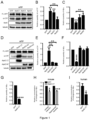
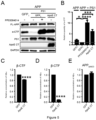
- the ApoE constructs can regulate cleavage of the amyloid precursor protein (APP) in neurons (either in vivo or in vitro ) in a cell-autonomous manner; (ii) can inhibit (for example inhibit at least about 10%, 20%, 30%, 40%, 50%, 60%, 70%, 80%, 90%, 95%, or 100% of) the ⁇ -secretase enzymatic activity, such as inhibition of ⁇ -secretase-mediated ⁇ -cleavage of APP, and the inhibitory effect of ⁇ -cleavage of APP is similar to ⁇ -secretase inhibitors (such as PF03084014); (iii) can reduce (e.g.
- ⁇ -amyloid e.g., A ⁇ 40 and/or A ⁇ 42
- reduce e.g., reduce by at least about 10%, 20%, 30%, 40%, 50%, 60%, 70%, 80%, 90%, 95%, or 100%
- a ⁇ ⁇ -amyloid
- reduce e.g., reduce by at least about 10%, 20%, 30%, 40%, 50%, 60%, 70%, 80%, 90%, 95%, or 100%
- ⁇ -cleavage of the C-terminal fragment-beta ⁇ -CTF
- ⁇ -CTF can increase (for example, increase by at least about 10%, 20%, 30%, 40%, 50%, 60%, 70%, 80%, 90%, 95%, 100%, 2-fold, 5-fold, 10-fold, 20-fold or higher) non-amyloidogenic pathway of APP, e.g., increase (e.g., increase by at least about
- amyloid plaques in mouse brain of AD model e.g., reduce (e.g., at least about 10%, 20%, 30%, 40%, 50%, 60%, 70%, 80%, 90%, 95%, or 100%) average plaque size, total area, and/or density of amyloid plaques, reduce (e.g., reduce by at least about 10%, 20%, 30%, 40%, 50%, 60%, 70%, 80%, 90% %, 95%, or 100%) production of intraneuronal A ⁇ (e.g., A ⁇ 40 and/or A ⁇ 42), reduce (e.g., reduce by at least about 10%, 20%, 30%, 40%, 50%, 60%, 70%, 80%, 90%, 95%, or 100%) AD pathological progression in mice, increase (e.g., increase at least about 10%, 20%, 30%, 40%, 50%, 60%, 70%, 80%, 90%, 95%, 100%, 2 times, 5 times, 10 times, 20 times or higher
- This application is the first to discover that apolipoprotein E inhibits the cleavage of ⁇ -secretase in a cell-autonomous manner through its C-terminal fragment (that is, it functions in the same cell as ⁇ -secretase), inhibits the amyloidogenic pathway of APP, and reduces generation of A ⁇ ; and increases the non-amyloid metabolite of APP, ⁇ -CTF; reduces the size and density of amyloid plaques in AD model mouse brain.
- the C-terminal fragment of ApoE can be used as a medicament targeting ⁇ -secretase to slow down (for example slow down by at least about 10%, 20%, 30%, 40%, 50%, 60%, 70%, 80%, 90%, 95%, or 100% of the AD development process), treat, or prevent the occurrence and development of AD and amyloid cerebrovascular disease.
- the C-terminal fragment of ApoE as an inhibitor of ⁇ -secretase may play a role in various biological processes.
- the application of the C-terminal fragment of ApoE is not limited to the field of neurodegenerative diseases, and can also be used for cancer, inflammatory diseases, kidney disease and other diseases, such as any disease related to the ⁇ -secretase enzymatic digestion activity (inhibition of the ⁇ -secretase enzymatic digestion activity can treat or prevent the disease).
- Conventional ⁇ -secretase inhibitors cause severe side effects in treatment, all associated with defective Notch signaling, such as immunosuppression, gastrointestinal bleeding and diarrhea, and cancerous skin lesions.
- the ApoE construct provided by the present description does not affect the ⁇ -cleavage of Notch, so the ApoE construct and related methods provided by the present description may provide a novel therapeutic strategy that is efficient and safe.
- amino acid sequence at positions 221-274 of SEQ ID NO: 12 in the C-terminal fragment of apolipoprotein E is the amino acid sequence necessary for the C-terminal fragment to perform biological functions (e.g., inhibiting ⁇ -secretase-mediated ⁇ -cleavage of APP).
- the shortest functional fragment of the C-terminal fragment of apolipoprotein E is the amino acid sequence at positions 220-274 of SEQ ID NO: 12 (EMGSRTRDRLDEVKEQVAEVRAKLEEQAQQIRLQAEAFQARLKSWFEPLVEDM QR; SEQ ID NO: 87).
- the shortest functional fragment of the C-terminal fragment of ApoE is the amino acid sequence at positions 220-279 of SEQ ID NO: 12:
- treating and “treatment” mean delaying the onset of one or more symptoms of the disease or condition to which the term applies or such disease or condition, delaying or reversing their progression, reducing their severity, or alleviating or preventing them.
- an amount refers to the amount and/or dosage and/or dosage regimen of one or more agents necessary to produce the desired result, e.g., an amount sufficient to reduce ⁇ -cleavage of APP, or an amount of treatment for one or more symptoms associated with neurodegenerative disease (such as AD), or an amount sufficient to reduce the severity of diseases which characterized by amyloid deposits in the brain of a mammal or delay the progression (e.g., therapeutically effective amount), an amount sufficient to reduce the risk of diseases characterized by amyloid deposits in the brain of a mammal or delay the onset and/or reduce the eventual severity (e.g., a prophylactically effective amount).
- an amount sufficient to reduce ⁇ -cleavage of APP or an amount of treatment for one or more symptoms associated with neurodegenerative disease (such as AD)
- an amount sufficient to reduce the severity of diseases which characterized by amyloid deposits in the brain of a mammal or delay the progression e.g., therapeutically effective amount
- alleviate refers to reducing or eliminating one or more symptoms of the pathology or disease, and/or reducing the rate of one or more symptoms of the pathology or disease or delaying onset or severity of one or more symptoms of the pathology or disease and/or prevention of said pathology or disease.
- reducing or eliminating one or more symptoms of a pathology or disease includes, but is not limited to, reducing or eliminating one or more markers as pathological or disease features (e.g., total-Tau (tTau), phosphorylated-Tau (pTau), APPneo, soluble A ⁇ 40, A ⁇ 42, ratio of pTau/A ⁇ 42 and ratio of tTau/A ⁇ 42 and/or the increase in the level of one or more components in CSF selected from the group consisting of: A ⁇ 42/A ⁇ 40 ratio, A ⁇ 42/A ⁇ 38 ratio, sAPP ⁇ , sAPP ⁇ /sAPP ⁇ ratio, sAPP ⁇ /A ⁇ 40 ratio, sAPP ⁇ /A ⁇ 42 ratio, etc.), and/or increase non-amyloid metabolites such as ⁇ -CTF, and/or decrease, stabilize, or reverse one or more diagnostic criteria (e.g., Clinical Dementia Rating (CDR)).
- CDR Clinical Dementia Rating
- “Individual” or “subject” includes, but is not limited to, mammals, birds, frogs, fish, fruit flies, nematodes, and the like. Mammals include, but are not limited to, primates (such as humans, or non-human primates such as monkeys), rodents (such as mice, rats, hamsters, gerbils, squirrels, guinea pigs, and rabbits), livestock (such as pigs, cattle, sheep, horses, donkeys), pets (such as cats, dogs, rabbits and hamsters), etc. In some embodiments, the individual is a human.
- formulation or "pharmaceutical formulation” or “dosage form” or “pharmaceutical formulation” as used herein refers to a composition comprising at least one therapeutic agent or medicine for delivery to a subject.
- Sequence identity between two polypeptide or nucleic acid sequences indicates the number of residues that are identical between the sequences as a percentage of the total number of residues, and the calculation of the total number of residues is determined based on the type of mutation. Mutation types include insertions (extensions) at either or both ends of the sequence, deletions (truncations) at either or both ends of the sequence, substitutions/replacements of one or more amino acids/nucleotides, insertions within the sequence, deletions within the sequence.
- the mutation type is one or more of the following: one or more amino acid/nucleotide substitutions/replacements, insertions within the sequence, and deletions within the sequence, the total number of residues is calculated as the longest one of the compared molecules. If the mutation type also includes insertions (extensions) or deletions (truncations) at either or both ends of the sequence, the number of amino acids inserted or deleted at either or both ends (e.g., insertions at both ends or the number of deletions is less than 20) are not counted towards the total number of residues. In calculating percent identity, the sequences being compared are aligned in such a manner as to produce the greatest match between the sequences, with gaps, if any, in the alignment resolved by specific algorithms.
- fragment refers to a polypeptide and is defined as any isolated portion that is unique or characteristic of a given polypeptide.
- the term as used herein also refers to any isolated portion of a given polypeptide that retains at least a portion of the activity of the full-length polypeptide.
- the remaining active fraction is at least 10% of the activity of the full-length polypeptide. More preferably, the remaining active portion is at least 20%, 30%, 40%, 50%, 60%, 70%, 80%, or 90% of the activity of the full-length polypeptide. More preferably, the remaining active portion is at least 95%, 96%, 97%, 98%, or 99% of the activity of the full-length polypeptide.
- the remaining active portion is 100% of the activity of the full-length polypeptide.
- the term also refers to any portion of a given polypeptide that includes at least one defined sequence element of the full-length polypeptide.
- the sequence elements span at least 4-5, more preferably at least about 10, 15, 20, 25, 30, 35, 40, 45, 50 or more amino acids of the full-length polypeptide.
- polypeptide refers to a chain of sequential amino acids linked by peptide bonds.
- the term is used to refer to amino acid chains of any length, however those of ordinary skill in the art know that the term does not only refer to long chains, but can also be used to refer to the shortest chains comprising 2 amino acids linked by a peptide bond.
- protein refers to one or more polypeptides that function as discrete units.
- polypeptide and “protein” are used interchangeably herein if a single polypeptide is a discrete functional unit and no permanent physical association with other polypeptides is required to form that separate functional unit. If the discrete functional unit consists of more than one polypeptide physically associated with each other, the term “protein” as used herein refers to a plurality of polypeptides that are physically coupled and function together as the discrete unit.
- Recombinantly expressed polypeptide refers to a polypeptide expressed from a host cell that has been genetically engineered to express the polypeptide.
- the recombinantly expressed polypeptide may be the same or similar to the polypeptide normally expressed in the host cell (such as a mammalian cell).
- Recombinantly expressed polypeptides may also be foreign to the host cell, such as those heterologous to a polypeptide normally expressed by a mammalian host cell.
- the recombinantly expressed polypeptide can be a chimeric polypeptide, for example, part of the polypeptide comprises the same or similar amino acid sequence as the polypeptide normally expressed in the mammalian host cell, while the other part is foreign to the host cell.
- amino acid means the twenty common naturally occurring amino acids.
- Naturally occurring amino acids include alanine (Ala; A), arginine (Arg; R), asparagine (Asn; N), aspartic acid (Asp; D), cysteine (Cys; C); glutamic acid (Glu; E), glutamine (Gln; Q), glycine (Gly; G), histidine (His; H), isoleucine (Ile; I), leucine (Leu; L), lysine (Lys; K), methionine (Met; M), phenylalanine (Phe; F), proline (Pro; P), serine (Ser; S), threonine (Thr; T), tryptophan (Trp; W), tyrosine (Tyr; Y) and valine (Val; V).
- Naturally occurring amino acids include alanine (Ala; A), arginine (Arg; R), asparagine (Asn; N), aspart
- Non-critical amino acids can be substituted conservatively without affecting the normal function of the protein.
- Conservative substitutions refer to the replacement of amino acids with chemically or functionally similar amino acids.
- Conservative substitution tables providing similar amino acids are well known in the art. For example, in some embodiments, the groups of amino acids provided below are considered conservative substitutions for each other.
- selected groups of amino acids considered to be mutually conservative substitutions include: Acidic residues D and E Alkaline residues K, R and H Hydrophilic uncharged residues S, T, N and Q Aliphatic uncharged residues G, A, V, L and I Non polar uncharged residues C, M and P Aromatic residues F, Y and W
- other selected groups of amino acids considered to be mutually conservative substitutions include: Group 1 A, S and T Group 2 D and E Group 3 N and Q Group 4 R and K Group 5 I, L and M Group 6 F, Y and W
- other selected groups of amino acids considered to be mutually conservative substitutions include: Group A A and G Group B D and E Group C N and Q Group D R, K and H Group E I, L, M, V Group F F, Y and W Group G S and T Group H C and M
- the term “about” or “approximately” refers to a change of up to 15%, 10%, 9%, 8%, 7%, 6%, 5%, 4%, 3%, 2% or 1% in quantity, level, value, quantity, frequency, percentage, dimension, size, volume, weight or length.
- the term “about” or “approximately” refers to around a reference amount, level, value, quantity, frequency, percentage, dimension, size, amount, weight or length range that fluctuates within ⁇ 15%, ⁇ 10%, ⁇ 9%, ⁇ 8%, ⁇ 7%, ⁇ 6%, ⁇ 5%, ⁇ 4%, ⁇ 3%, ⁇ 2%, or ⁇ 1%.
- the term “substantially/essentially”, compared to a degree, reference amount, level, value, amount, frequency, percentage, dimension, size, amount, weight or length, means about 70%, 71%, 72%, 73%, 74%, 75%, 76%, 77%, 78%, 79%, 80%, 81%, 82%, 83%, 84%, 85%, 86%, 87% , 88%, 89%, 90%, 91%, 92%, 93%, 94%, 95%, 96%, 97%, 98% or 99% or greater degree, amount, level, value, amount, frequency, percentage, measure, size, volume, weight or length.
- a numerical range, inclusive of the endpoints of the range, and each specific value of the range, such as “between 16 and 100 amino acids” includes 16 and 100, and every specific value between 16 and 100.
- Consisting of means including, but limited to, anything following the phrase “consisting of'. Thus, the phrase “consisting of” indicates that the listed elements are required or mandatory, and that no other elements may be present.
- Consisting essentially of is meant to include any of the elements listed after the phrase “consisting essentially of” and is limited to other elements that do not interfere with or contribute to the activities or actions specified in the disclosure of the listed elements. Thus, the phrase “consisting essentially of” indicates that the listed elements are required or mandatory, but that no other elements are optional, and they may or may not exist depending on whether they affect the activity or actions of the listed elements.
- references to "one embodiment”, “an embodiment”, “a particular embodiment”, “a related embodiment”, “some embodiments”, “another embodiment” or “further embodiments” or a combination thereof means that a particular feature, structure or characteristic described in connection with the embodiment is included in at least one embodiment of the present description.
- the appearances of the foregoing phrases in various places throughout this specification are not necessarily all referring to the same embodiment.
- the particular features, structures or characteristics may be combined in any suitable manner in one or more embodiments.
- the description provides an isolated ApoE construct, which comprises an ApoE polypeptide, wherein the ApoE polypeptide: (1) comprises a fragment from an amino acid sequence as shown by SEQ ID NO: 12, the first amino acid residue at the N-terminus of the fragment (or the ApoE polypeptide) being an amino acid residue at any position between positions 215-221 of SEQ ID NO: 12, and a last amino acid residue at a C-terminus of the fragment (or the ApoE polypeptide) being an amino acid residue at any position between positions 274-299 (e.g., 279-299) of SEQ ID NO: 12; or (2) its amino acid sequence has at least about 70% (e.g., at least about 75%, 80%, 85%, 90%, 95%, 96%, 97%, 98%, 99% or higher) sequence identity with the fragment of (1), and retains at least about 50% (e.g., at least about 60%, 70%, 80%, 85%, 90%, 95%, 96%, 97%, 98%, 99%
- the ApoE polypeptide comprises a fragment from the amino acid sequence as shown by SEQ ID NO: 12, the first amino acid residue at the N-terminus of the ApoE polypeptide being an amino acid residue at any position between positions 215-221 of SEQ ID NO: 12, the last amino acid residue at the C-terminus of the ApoE polypeptide being an amino acid residue at any position between positions 274-299 (e.g., 279-299) of SEQ ID NO: 12.
- the ApoE construct comprises an ApoE polypeptide
- the ApoE polypeptide consists of a fragment from the amino acid sequence as shown by SEQ ID NO: 12, the first amino acid residue at the N-terminus of the ApoE polypeptide being an amino acid residue at any position between positions 215-221 of SEQ ID NO: 12, the last amino acid residue at the C-terminus of the ApoE polypeptide being an amino acid residue at any position between positions 274-299 (e.g., 279-299) of SEQ ID NO: 12.
- the ApoE polypeptide has at least about 70% identity with a fragment from the amino acid sequence as shown by SEQ ID NO: 12, and retains at least about 50% of inhibition of ⁇ -secretase enzymatic digestion activity by the fragment, wherein the first amino acid residue at the N-terminus of the fragment is an amino acid residue at any one of positions 215-221 of SEQ ID NO: 12, and the last amino acid residue at the C-terminus of the fragment is an amino acid residue at any one of positions 274-299 (e.g., 279-299) of SEQ ID NO: 12.
- the isolated ApoE construct consists of or essentially consists of the ApoE polypeptide (e.g., isolated ApoE polypeptide).
- the present application also provides an ApoE polypeptide (e.g., isolated ApoE polypeptide).
- the ApoE polypeptide (e.g., isolated ApoE polypeptide) consists of a fragment from the amino acid sequence as shown by SEQ ID NO: 12 of (1), or essentially consists of a fragment from the amino acid sequence as shown by SEQ ID NO: 12 of (1).
- the ApoE construct does not occur naturally.
- the ApoE construct or the ApoE polypeptide is not full-length proteins of ApoE2, ApoE3, and/or ApoE4.
- the ApoE construct or the ApoE polypeptide is a full-length protein of ApoE2 or ApoE3 (e.g., a human full-length protein of ApoE2 or ApoE3), such as when used as a ApoE construct with neural-specific expression.
- the starting point of the amino acid sequence (or the first amino acid residue at the N-terminus) of the ApoE polypeptide (such as an isolated ApoE polypeptide) or a fragment of the amino acid sequence as shown by SEQ ID NO: 12 of (1) is any position between positions 215-221 (such as the 215th, 216th, 217th, 218th, 219th, 220th or 221st) of the sequence of ApoE as shown by SEQ ID NO: 12, such as any amino acid residue at position 215, position 216, position 219, position 220 or position 221.
- the end point of the amino acid sequence (or the last amino acid residue at the C-terminus) of the ApoE polypeptide or the fragment from the amino acid sequence as shown by SEQ ID NO: 12 of (1) is any position between positions 274-299 (for example, the 274th, 275th, 276th, 277th, 278th, 279th, 280th, 281st, 282nd, 283rd, 284th, 285th, 286th, 287th, 288th, 289th, 290th, 291st, 292nd, 293rd, 294th, 295th, 296th position, 297th, 298th or 299th) of the sequence of ApoE as shown by SEQ ID NO: 12, such as the amino acid residue at any position between positions 279-299 (including the number itself), such as any amino acid residue at position 274th, position 279th or position 299th.
- the ApoE polypeptide (such as an isolated ApoE polypeptide) or the fragment from the amino acid sequence as shown by SEQ ID NO: 12 of (1) comprises (or consists of, or essentially consists of) any one of the following sequences: amino acid residues at positions 215-299, positions 216-299, positions 217-299, positions 218-299, positions 219-299, positions 220-299, positions 221-299, positions 215-274, positions 216-274, positions 217-274, positions 218-274, positions 219-274, positions 220-274, positions 221-274, positions 215-279, positions 216-279, positions 217-279, positions 218-279, positions 219-279, positions 220-279, positions 221-279, positions 215-294, positions 216-294, positions 217-294, positions 218-294, positions 219-294, positions 220-294, positions 221-294, positions 215-289, positions 216-289, positions 216-289, positions 217-289, positions 218-289, positions 219-289, positions
- the ApoE polypeptide (such as the isolated ApoE polypeptide) or the fragment from the amino acid sequence as shown by SEQ ID NO: 12 of (1) comprises (or consists of, or substantially consists of) any of the following sequences: (i) the amino acid sequence of amino acid residues of positions 215-299 of SEQ ID NO: 12; (ii) the amino acid sequence of amino acid residues of positions 216-299 of SEQ ID NO: 12; (iii) the amino acid sequence of amino acid residues of positions 217-299 of SEQ ID NO: 12; (iv) the amino acid sequence of amino acid residues of positions 218-299 of SEQ ID NO: 12; (v) the amino acid sequence of amino acid residues of positions 219-299 of SEQ ID NO: 12; (vi) the amino acid sequence of amino acid residues of positions 220-299 of SEQ ID NO: 12; (vii) the amino acid sequence of amino acid residues of positions 221-299 of SEQ ID NO: 12; (viii) the amino acid sequence of
- the ApoE construct or ApoE polypeptide does not comprise one or more amino acid sequences between positions 211-214 of SEQ ID NO: 12. In some embodiments, the ApoE construct or ApoE polypeptide does not comprise one or more (or not comprise any) of the following amino acid fragments: positions 212-214, positions 213-214, positions 211-214, positions 211-215, positions 211-216, positions 211-217, positions 211-218, positions 211-219, positions 211-220, positions 211-221, positions 211-222, positions 212-214, positions 212-215, positions 212-216, positions 212-217, positions 212-218, positions 212-219, positions 212-220, positions 212-221, positions 212-222, positions 213-214, positions 213-215, positions 213-216, positions 213-217, positions 213-218, positions 213-219, positions 213-220, positions 213-221, positions 213-222, positions 214-215, positions 214-216, positions 214-217, positions 214-218, positions 214-219, positions 214-220,
- the ApoE construct or ApoE polypeptide comprises the amino acid sequence of positions 211-214 of SEQ ID NO: 12, but the C-terminus of the amino acid sequence of positions 211-214 of SEQ ID NO: 12 is not directly linked to the N-terminus of the ApoE polypeptide; for example, the two might be linked by at least one non-ApoE derived sequence (such as FLAG sequence) that is inserted between them.
- the 3XFLAG sequence as shown by SEQ ID NO: 77 is inserted between the C-terminus of the amino acid sequence of positions 211-214 of SEQ ID NO: 12 and the N-terminus of the ApoE polypeptide.
- the ApoE construct or the ApoE polypeptide may additionally comprise one or more non-ApoE derived amino acid residues at the N-terminus and/or C-terminus of a fragment of the amino acid sequence as shown by SEQ ID NO: 12 of (1).
- the ApoE construct or the ApoE polypeptide may additionally comprise one or more non-ApoE derived amino acid residues at the N-terminus and/or C-terminus of a fragment of the amino acid sequence as shown by SEQ ID NO: 12 of (1), and the amino acid residue is different from the amino acid residue at the corresponding site of SEQ ID NO: 12 when added to the N-terminus or C-terminus of the fragment of (1).
- the first amino acid residue at the N-terminus of the fragment of the amino acid sequence as shown by SEQ ID NO: 12 of (1) can be the amino acid residue at position 215 of SEQ ID NO: 12, and the ApoE construct or the ApoE polypeptide may additionally comprise one or more amino acid residues at the N-terminus of amino acid residue at position 215 of SEQ ID NO: 12, but the one or more amino acid residues are different from the amino acid residues at positions 214, 213, 212, 211, etc. of SEQ ID NO: 12.
- the ApoE construct may additionally contain one or more non-ApoE derived amino acid residues at the N-terminus and/or C-terminus of the ApoE peptide (for example, a fragment of the amino acid sequence as shown by SEQ ID NO: 12 of (1), or an ApoE mutant).
- the ApoE construct may additionally comprise one or more amino acid residues at the N-terminus and/or C-terminus of the ApoE polypeptide, and the amino acid residues are different from the amino acid residue at the corresponding site of SEQ ID NO: 12 when added to the N-terminus or C-terminus of the ApoE peptide.
- the first amino acid residue at the N-terminus of the ApoE polypeptide can be the amino acid residue at position 215 of SEQ ID NO: 12, and the ApoE construct can additionally contain one or more amino acid residues at the N-terminus of the 215th amino acid residue of SEQ ID NO: 12, but the one or more amino acid residues are different from the amino acid residues at positions 214, 213, 212, 211, etc. of SEQ ID NO: 12.
- the ApoE polypeptide (such as an isolated ApoE polypeptide) or the fragment of the amino acid sequence as shown by SEQ ID NO: 12 of (1) at least comprises the amino acid sequence of positions 221-274 of SEQ ID NO: 12 (SEQ ID NO: 78).
- the ApoE polypeptide or the fragment of the amino acid sequence as shown by SEQ ID NO: 12 of (1) may additionally contain 1, 2, 3, 4, 5 or 6 amino acid residues at the N-terminus of the amino acid sequence as shown by SEQ ID NO: 78, and/or may additionally contain 1, 2, 3, 4, 5, 6, 7, 8, 9, 10, 11, 12, 13, 14, 15, 16, 17, 18, 19, 20, 21, 22, 23, 24 or 25 amino acid residues at the C-terminus.
- the ApoE polypeptide (such as an isolated ApoE polypeptide) or the fragment of the amino acid sequence as shown by SEQ ID NO: 12 of (1) consists of the amino acid sequence as shown by SEQ ID NO: 78, or substantially consists of the amino acid sequence as shown by SEQ ID NO: 78.
- the ApoE polypeptide (such as an isolated ApoE polypeptide) or the fragment of the amino acid sequence as shown by SEQ ID NO: 12 of (1) at least comprises the amino acid sequence between of positions 220-279 of SEQ ID NO: 12 (SEQ ID NO: 34).
- the ApoE polypeptide or the fragment from the amino acid sequence as shown by SEQ ID NO: 12 of (1) may additionally contain 1, 2, 3, 4, or 5 amino acid residues at the N-terminus of the amino acid sequence as shown by SEQ ID NO: 34, and/or may additionally contain 1, 2, 3, 4, 5, 5, 7, 8, 9, 10, 11, 12, 13, 14, 15, 16, 17, 18, 19, or 20 amino acid residues at the C-terminus.
- the ApoE polypeptide (such as an isolated ApoE polypeptide) or the fragment of the amino acid sequence as shown by SEQ ID NO: 12 of (1) consists of the amino acid sequence as shown by SEQ ID NO: 34, or substantially consists of the amino acid sequence as shown by SEQ ID NO: 34.
- the ApoE polypeptide (such as an isolated ApoE polypeptide) or the fragment of the amino acid sequence as shown by SEQ ID NO: 12 of (1) at least comprises the amino acid sequence between positions 219-274 of SEQ ID NO: 12 (SEQ ID NO: 32).
- the ApoE polypeptide or the fragment of the amino acid sequence as shown by SEQ ID NO: 12 of (1) can additionally contain 1, 2, 3 or 4 amino acid residues at the N-terminus of the amino acid sequence as shown by SEQ ID NO: 32, and/or can additionally contain 1, 2, 3, 4, 5, 6, 7, 8, 9, 10, 11, 12, 13, 14, 15, 16, 17, 18, 19, 20, 21, 22, 23, 24 or 25 amino acid residues at the C-terminus.
- the ApoE polypeptide (such as an isolated ApoE polypeptide) or the fragment of the amino acid sequence as shown by SEQ ID NO: 12 of (1) consists of the amino acid sequence as shown by SEQ ID NO: 32, or substantially consists of the amino acid sequence as shown by SEQ ID NO: 32.
- the ApoE polypeptide (such as an isolated ApoE polypeptide) or the fragment from the amino acid sequence as shown by SEQ ID NO: 12 of (1) at least comprises the amino acid sequence between positions 219-279 of SEQ ID NO: 12 (SEQ ID NO: 31).
- the ApoE polypeptide or the fragment of the amino acid sequence as shown by SEQ ID NO: 12 of (1) can additionally contain 1, 2, 3 or 4 amino acid residues at the N-terminus of the amino acid sequence as shown by SEQ ID NO: 31, and/or can additionally contain 1, 2, 3, 4, 5, 5, 7, 8, 9, 10, 11, 12, 13, 14, 15, 16, 17, 18, 19, or 20 amino acid residues at the C-terminus.
- the ApoE polypeptide (such as an isolated ApoE polypeptide) or the fragment of the amino acid sequence as shown by SEQ ID NO: 12 of (1) consists of the amino acid sequence as shown by SEQ ID NO: 31, or substantially consists of the amino acid sequence as shown by SEQ ID NO: 31.
- the ApoE construct (such as an isolated ApoE construct), the ApoE polypeptide (such as an isolated ApoE polypeptide), or the fragment of the amino acid sequence as shown by SEQ ID NO: 12 of (1) comprises any amino acid sequence of SEQ ID NOs: 13, 18-34, 78 and 87 (e.g., SEQ ID NOs: 31-34, 78 and 87, or SEQ ID NO: 33 or 78).
- the ApoE construct (such as an isolated ApoE construct), the ApoE polypeptide (such as an isolated ApoE polypeptide), or the fragment of the amino acid sequence as shown by SEQ ID NO: 12 of (1) consists of, or essentially consists of any amino acid sequence of SEQ ID NOs: 13, 18-34, 78 and 87 (e.g., SEQ ID NOs: 31-34, 78 and 87, or SEQ ID NO: 33 or 78).
- the ApoE constructs and the ApoE polypeptides described herein also include mutants thereof (also referred to herein as "ApoE mutants").
- mutants thereof also referred to herein as "ApoE mutants”
- the mutant has one or more amino acid mutations (such as additions, deletions or substitutions), including but not limited to "conservative modification for inhibiting enzyme activity”.
- the mutant has at least about 70% (e.g., at least about 75%, 80%, 85%, 90%, 95%, 96%, 97%, 98%, 99% or more) sequence identity with the fragment of the amino acid sequence as shown by SEQ ID NO: 12 of (1) (for example, any one of SEQ ID NOs: 13, 18-34, 78 and 87).
- the mutant retains at least about 50% (e.g., at least about 60%, 70%, 80%, 85%, 90%, 95%, 96%, 97%, 98%, 99%, 100% %, 1.5 times, 2 times, 5 times, 10 times or more) of inhibition of ⁇ -secretase enzymatic digestion activity by the fragment of the amino acid sequence as shown by SEQ ID NO: 12 of (1) (such as any one of SEQ ID NOs: 13, 18-34, 78 and 87).
- SEQ ID NO: 12 of (1) such as any one of SEQ ID NOs: 13, 18-34, 78 and 87.
- the mutant retains at least about 50% (e.g., at least about 60%, 70%, 80%, 85%, 90%, 95%, 96%, 97%, 98%, 99%, 100% %, 1.5 times, 2 times, 5 times, 10 times or more) of inhibition of ⁇ -secretase enzymatic digestion activity by ApoE2 (SEQ ID NO: 12) or ApoE3 (SEQ ID NO: 89) or the ApoE fragment as shown by SEQ ID NO: 33.
- ApoE2 SEQ ID NO: 12
- ApoE3 SEQ ID NO: 89
- Constant modification for inhibiting enzyme activity refers to amino acid modification that does not significantly affect (for example, reduced by no more than about 50%, 40%, 30%, 20%, 10%, 5%, 1% or less) or change the protein construct or the polypeptide to inhibit the ⁇ -secretase cleavage (e.g., ⁇ -cleavage of APP).
- conservative modification for inhibiting enzyme activity comprises amino acid substitutions, additions and/or deletions. Modifications can be introduced into protein constructs or polypeptides of the description by standard techniques known in the art, such as site-directed mutagenesis or PCR-mediated mutagenesis.
- the ApoE mutants compared with the fragment (e.g., any one of SEQ ID NOs: 13, 18-34, 78 and 87) of the amino acid sequence as shown by SEQ ID NO: 12 of (1), the ApoE mutants have one or more (e.g., no more than 40, no more than 30, no more than 20, no more than 10, no more than 8, no more than 5, no more than 3, 2 or 1) amino acid insertions, substitutions, and/or deletions (including insertions and/or deletions at the N-terminus and/or C-terminus), while still retaining at least about 50% (e.g., at least about 60%, 70%, 80%, 85%, 90%, 95%, 96%, 97%, 98%, 99%, 100%, 1.5 times, 2 times, 5 times, 10 times or more) of biological activity of the fragment of the amino acid sequence as shown by SEQ ID NO: 12 of (1) in inhibiting ⁇ -secretase enzymatic digestion (e.g., ⁇ -cleavage of APP)
- the ApoE polypeptide (e.g., an isolated ApoE polypeptide) retains at least about 50% (e.g., at least about 60%, 70%, 80%, 85%, 90%, 95%, 96%, 97%, 98%, 99%, 100%, 1.5 times, 2 times, 5 times, 10 times or more) of inhibition of ⁇ -secretase enzymatic digestion activity by ApoE2 (SEQ ID NO: 12) or ApoE3 (SEQ ID NO: 89) or the ApoE fragment as shown by SEQ ID NO: 33.
- ApoE2 SEQ ID NO: 12
- ApoE3 SEQ ID NO: 89
- the ApoE polypeptide (such as an isolated ApoE polypeptide) has a higher (e.g., at least about 1.2-fold, 1.5-fold, 2-fold, 5-fold, 10-fold or more) biological activity of inhibiting ⁇ -secretase enzymatic digestion (e.g., ⁇ -cleavage of APP), compared to a fragment of the amino acid sequence as shown by SEQ ID NO: 12 of (1) (such as SEQ ID NOs: 13, 18-34, 78 and 87, such as SEQ ID NO: 33).
- SEQ ID NO: 12 of (1) such as SEQ ID NOs: 13, 18-34, 78 and 87, such as SEQ ID NO: 33.
- the ApoE polypeptide comprises a mutation (e.g., addition, deletion, or substitution) at one or more amino acid positions in any of the ApoE polypeptides or ApoE constructs in Example 1.
- the description provides any of the ApoE polypeptides or ApoE constructs (e.g., isolated) of Example 1 and Example 2.
- the ApoE polypeptide comprises mutations at one or more amino acid positions compared to the amino acid sequence as shown by SEQ ID NO: 12 (e.g., addition, deletion, or substitution): R226, D227, R228, L229, D230, Q235, E238, V239, R240, K242, E244, E245, Q246, A247, Q248, Q249, I250, R251, L252, Q253, A254, E255, Q275, V280, V287, T289, S290, A291, P293, V294, P295, S296, D297, N298, H299, R251+T289, R251+T289+A291, S290+P293+V294+P295+S296+D297+N298+H299, R226+D227+R228+L229+D230, E238+V239+R240+K242, or E244+E
- the ApoE polypeptide comprises mutations at one or more amino acid positions compared to the amino acid sequence as shown by SEQ ID NO: 12: Q235, E255, Q275, V280, V287, P295, R251+T289, S290+P293+V294+P295+S296+D297+N298+H299, R226+D227+R228+L229+D230, E23 8+V23 9+R240+K242, E244+E245+Q246+A247+Q248+Q249+I250+R251+L252+Q253+A254, or R251+T289+A291.
- the mutation comprises a substitution of A, S or T at the one or more positions, for example a substitution of A.
- the mutation comprises deletion of amino acid residues at the one or more positions.
- the conservative modification for inhibiting enzyme activity is a conservative substitution.
- Conservative substitutions refer to substitutions of amino acid residues with amino acid residues having similar side chains. Families of amino acid residues having similar side chains have been defined in the art. These families include amino acids with the following side chains: basic side chains (e.g. lysine, arginine, histidine), acidic side chains (e.g. aspartic acid, glutamic acid), uncharged polar side chains (e.g. glycine, asparagine, glutamine, serine, threonine, tyrosine, cysteine, tryptophan), nonpolar side chains (e.g.
- the ApoE polypeptide comprises mutations at one or more amino acid positions compared to the amino acid sequence as shown by SEQ ID NO: 12: R226A, D227A, R228A, L229A, D230A, Q235A, E238A, V239A, R240A, K242A, E244del, E245del, Q246del, A247del, Q248del, Q249del, I250del, R251S, L252del, Q253del, A254del, E255A, Q275A, V280A, V287A, T289A, S290A, A291T, P293A, V294A, P295A, S296A, D297A, N298A, H299A, R251A+T289A, R251S+T289A+A291T, S290A+P293A+V294A+
- the ApoE polypeptide comprises mutations at one or more amino acid positions compared to the amino acid sequence as shown by SEQ ID NO: 12: Q235A, E255A, Q275A, V280A, V287A, P295A, R251A+T289A, S290A +P293A+V294A+P295A+S296A+D297A+N298A+H299A, R226A+D227A+R228A+L229A+D230A, E238A+V239A+R240A+K242A, E244del+E245del+Q246del+A247del+Q248del+Q249del+I250del+R251del+L252del+Q2 53del+A254del, or R251S+T289A+A291T.
- the ApoE polypeptide or the ApoE mutant has at least about 70% sequence identity with the fragment from the amino acid sequence as shown by SEQ ID NO: 12 of (1) (such as any sequence of SEQ ID NOs: 13, 18-34, 78 and 87, for example SEQ ID NO: 33), such as at least about 75%, 80%, 85%, 90%, 95%, 96%, 97%, 98%, 99%, or higher (but not 100%) identity.
- the ApoE mutant compared with the fragment from the amino acid sequence as shown by SEQ ID NO: 12 of (1) (for example, any sequence of SEQ ID NOs: 13, 18-34, 78 and 87, for example, SEQ ID NO: 33), can also inhibit the ⁇ -secretase cleavage, or retain at least about 50% (such as at least about 60%, 70%, 80%, 85%, 90%, 95%, 96%, 97%, 98%, 99%, 100%, 1.5 times, 2 times, 5 times, 10 times or more) of inhibition of ⁇ -secretase enzymatic digestion activity by the fragment of the amino acid sequence as shown by SEQ ID NO: 12 of (1).
- the ApoE mutant and the fragment of the amino acid sequence as shown by SEQ ID NO: 12 of (1) are also derived from humans.
- the ApoE polypeptide comprises or is derived from a non-human sequence.
- sequence identity between the mutant and the fragment of the amino acid sequence as shown by SEQ ID NO: 12 of (1) can be determined by methods known in the art, such as BLASTP.
- the ApoE polypeptide comprises or is derived from a non-human sequence, and its amino acid sequence has at least about 70% sequence identity with the fragment of the amino acid sequence as shown by SEQ ID NO: 12 of (1) (such as any sequence of SEQ ID NOs: 13, 18-34, 78 and 87, such as SEQ ID NO: 33), and retain at least about 50% of inhibition of ⁇ -secretase enzymatic digestion activity by the fragment of the amino acid sequence as shown by SEQ ID NO: 12 of (1).
- the ApoE polypeptide comprises or is derived from an ApoE sequence of any of the following species: mammals, birds, frogs, fish, drosophila, nematodes and the like.
- mammals include, but are not limited to, primates (such as humans, or non-human primates such as monkeys), rodents (such as mice, rats, hamsters, gerbils, squirrels, guinea pigs, and rabbits), livestock (such as pigs, cattle, sheep, horses, donkeys), pets (such as cats, dogs, rabbits and hamsters), etc.
- the ApoE polypeptide comprises non-naturally occurring modifications, such as further comprising amino acid modifications on the monkey ApoE sequence.
- the ApoE polypeptide or the ApoE mutant comprises a non-human primate sequence, such as a sequence highly homologous and conserved with the fragment of the amino acid sequence as shown by SEQ ID NO: 12 of (1) (such as SEQ ID NOs: 13, 18-34, 78 and 87, such as SEQ ID NO: 33).
- the ApoE polypeptide comprises the monkey-derived ApoE C-terminal amino acid sequence as shown by SEQ ID NO: 62.
- the ApoE polypeptide consists of, or essentially consists of, the amino acid sequence as shown by SEQ ID NO: 62.
- the ApoE polypeptide comprises one or more mutations (such as additions, deletions or substitutions) based on the amino acid sequence as shown by SEQ ID NO: 33, such as mutations at any one or more of the above positions, or has at least about 70% (e.g., at least about 75%, 80%, 85%, 90%, 95%, 96%, 97%, 98%, 99% or higher) sequence identity with the amino acid sequence as shown by SEQ ID NO: 33.
- the ApoE polypeptide comprises one or more mutations (such as additions, deletions or substitutions) based on the amino acid sequence as shown by SEQ ID NO: 33, such as mutations at any one or more of the above positions, or has at least about 70% (e.g., at least about 75%, 80%, 85%, 90%, 95%, 96%, 97%, 98%, 99% or higher) sequence identity with the amino acid sequence as shown by SEQ ID NO: 33, and retain at least about 50% (e.g., at least about 60%, 70%, 80%, 85%, 90%, 95%, 96%, 97%, 98%, 99%, 100%, 1.5-fold, 2 times, 5 times, 10 times or more) of inhibition of ⁇ -secretase enzymatic digestion activity by the amino acid sequence as shown by SEQ ID NO:33.
- mutations such as additions, deletions or substitutions
- the ApoE construct or the ApoE polypeptide comprises any of the amino acid sequence of SEQ ID NOs: 46-52, 57-59, 62, and 76. In some embodiments, the ApoE construct or the ApoE polypeptide consists of any of the amino acid sequences of SEQ ID NOs: 46-52, 57-59, 62, and 76, or essentially consists of any of the amino acid sequences of SEQ ID NOs: 46-52, 57-59, 62 and 76.
- the inhibitory effect of the ApoE construct (such as the isolated ApoE construct), the ApoE polypeptide (such as the isolated ApoE polypeptide, or an ApoE mutant), or the fragment of the amino acid sequence as shown by SEQ ID NO: 12 of (1) (for example, any one of SEQ ID NOs: 13, 18-34, 78 and 87) on ⁇ -secretase-mediated cleavage (such as ⁇ -cleavage of APP) includes one or more of the following characteristics: (i) inhibits (e.g.
- the ApoE construct (such as an isolated ApoE construct), the ApoE polypeptide (such as an isolated ApoE polypeptide, or an ApoE mutant), or the fragment of the amino acid sequence as shown by SEQ ID NO: 12 of (1) has a higher (e.g., at least about 10%, 20%, 30%, 40%, 50%, 60%, 70%, 80%, 90%, 95%, 100%, 2 times, 5 times, 10 times, 20 times or more higher) inhibitory ability on ⁇ -secretase cleavage (e.g., ⁇ -cleavage of APP) than the protein as shown by SEQ ID NO: 12,33 or 89.
- ⁇ -secretase cleavage e.g., ⁇ -cleavage of APP
- the ApoE construct, the ApoE polypeptide (such as an isolated ApoE polypeptide, or an ApoE mutant), or a fragment of the amino acid sequence as shown by SEQ ID NO: 12 of (1) has the same or similar inhibitory ability on ⁇ -secretase cleavage (such as ⁇ -secretase cleavage of APP) compared to the protein as shown by SEQ ID NO: 12, 33 or 89 (for example, the difference is about within 10%).
- the inhibitory ability of the ApoE construct, the ApoE polypeptide (such as an isolated ApoE polypeptide, or an ApoE mutant), or a fragment of the amino acid sequence as shown by SEQ ID NO: 12 of (1) on ⁇ -secretase cleavage (such as ⁇ -secretase cleavage of APP) is at most about 50% (for example, 40%, 30%, 20%, 10%, 5%, 1% or less lower) lower than the protein as shown by SEQ ID NO: 12, 33 or 89.
- the ApoE construct (such as an isolated ApoE construct), the ApoE polypeptide (such as an isolated ApoE polypeptide, or an ApoE mutant), or a fragment of the amino acid sequence as shown by SEQ ID NO: 12 of (1) has a inhibitory activity on ⁇ -secretase-mediated cleavage (such as ⁇ -secretase cleavage of APP) same or similar to a ⁇ -secretase inhibitor (e.g., PF03084014) (for example, the difference is about within 10%, 5% or 1%).
- ⁇ -secretase-mediated cleavage such as ⁇ -secretase cleavage of APP
- a ⁇ -secretase inhibitor e.g., PF03084014
- the ApoE construct (such as an isolated ApoE construct), the ApoE polypeptide (such as an isolated ApoE polypeptide, or an ApoE mutant), or the fragment of the amino acid sequences as shown by SEQ ID NO: 12 of (1) has a higher (e.g., at least about 10%, 20%, 50%, 100%, 1.5 times, 2 times, 5 times or more higher) inhibitory ability on ⁇ -secretase cleavage (e.g., ⁇ -cleavage of APP) than a ⁇ -secretase inhibitor (e.g., PF03084014).
- ⁇ -secretase cleavage e.g., ⁇ -cleavage of APP
- a ⁇ -secretase inhibitor e.g., PF03084014
- the inhibitory activity of the ApoE construct (such as an isolated ApoE construct), the ApoE polypeptide (such as an isolated ApoE polypeptide, or an ApoE mutant), or the fragment of the amino acid sequence as shown by SEQ ID NO: 12 of (1) on ⁇ -secretase-mediated cleavage is lower (e.g., at least about 10%, 20%, 50%, 30%, 1.5 times, 2 times, 5 times or more lower) than a ⁇ -secretase inhibitor (e.g., PF03084014).
- a ⁇ -secretase inhibitor e.g., PF03084014
- the ApoE construct (such as an isolated ApoE construct), the ApoE polypeptide (such as an isolated ApoE polypeptide, or an ApoE mutant), or the fragment of the amino acid sequence as shown by SEQ ID NO: 12 of (1) has a higher (e.g., at least about 30%, 40%, 50%, 60%, 70%, 80%, 90%, 95%, 100%, 2 times, 5 times, 10 times, 20 times or more higher) inhibitory ability on ⁇ -secretase cleavage of APP than that of non-APP protein (such as APLP1, Notch).
- a higher e.g., at least about 30%, 40%, 50%, 60%, 70%, 80%, 90%, 95%, 100%, 2 times, 5 times, 10 times, 20 times or more higher
- inhibitory ability on ⁇ -secretase cleavage of APP such as APLP1, Notch.
- the ApoE construct (such as an isolated ApoE construct), the ApoE polypeptide (such as an isolated ApoE polypeptide, or an ApoE mutant), or the fragment of the amino acid sequences as shown by SEQ ID NO: 12 of (1) only has inhibition on the ⁇ -cleavage of APP, and has no or almost no inhibition on the ⁇ -cleavage of non-APP proteins (such as APLP1, Notch).
- ⁇ -amylase inhibitors e.g., GI254023X
- ⁇ -amylase inhibitors e.g., AZD3839
- the ApoE construct such as an isolated ApoE construct
- the ApoE polypeptide such as an isolated ApoE polypeptide, or an ApoE mutant
- the fragment of the amino acid sequence as shown by SEQ ID NO: 12 of (1).
- the ApoE construct or ApoE polypeptide can still increase the level of ⁇ -CTF produced by APP and reduce the production of A ⁇ in the presence of an ⁇ -amylase inhibitor or a ⁇ -amylase inhibitor.
- the impact on the ⁇ -secretase enzymatic digestion (such as the ⁇ -secretase cleavage of APP) activity can be studied in any suitable manner in the art, such as studying the enzymatic activity of ⁇ -secretase itself, or studying the characteristics or quantity of cleavage product of ⁇ -secretase (for example, A ⁇ , such as A ⁇ 40 or A ⁇ 42), or studying the characteristics or quantity (for example, whether it is reduced by ⁇ -cleavage) of ⁇ -secretase substrates (such as APP, ⁇ -CTF, ⁇ -CTF, APLP1, Notch, ErbB4, E-cadherin, N-cadherin, ephrin-B2 or CD44).
- studying the enzymatic activity of ⁇ -secretase itself or studying the characteristics or quantity of cleavage product of ⁇ -secretase (for example, A ⁇ , such as A ⁇ 40 or A ⁇ 42), or studying the characteristics or quantity (for
- ⁇ -secretase activity assay kit can be used here, e.g., #MBS704513 kit from MyBioSource, or #FP003 kit from R&D Systems. See also the methods described in Examples 1 and 2.
- the ApoE construct further comprises the N-terminal domain sequence or partial sequence of the ApoE2 protein (for example, the amino acid sequence or partial sequence of positions 1-167 of SEQ ID NO: 12; SEQ ID NO: 79) in the N-terminus of any one of the ApoE polypeptides (e.g., any sequence as shown by SEQ ID NOs: 13, 18-34, 46-52, 57-59, 62, 76, 78, and 87), and/or the hinge region sequence or partial sequence (such as the amino acid sequence or partial sequence of positions 168-205 of SEQ ID NO: 12; SEQ ID NO: 80), or has a sequence having at least about 70% (e.g., at least about 75%, 80%, 85%, 90%, 95%, 96%, 97%, 98%, 99% or higher) identity with the N-terminal domain sequence (or partial sequence) and/or hinge region sequence (or partial sequence) of ApoE2 protein (e.g., ApoE homologous sequences
- the ApoE construct further comprises the N-terminal domain sequence or partial sequence of the ApoE3 protein (for example, the amino acid sequence or partial sequence of positions 1-167; SEQ ID NO: 90) in the N-terminus of any one of the ApoE polypeptides (e.g., any sequence as shown by SEQ ID NOs: 13, 18-34, 46-52, 57-59, 62, 76, 78, and 87), and/or the hinge region sequence or partial sequence (such as the amino acid sequence or partial sequence of positions 168-205; SEQ ID NO: 80), or has a sequence having at least about 70% (e.g., at least about 75%, 80%, 85%, 90%, 95%, 96%, 97%, 98%, 99% or higher) identity with the N-terminus domain sequence (or partial sequence) and/or hinge region sequence (or partial sequence) of ApoE3 protein (e.g., ApoE homologous sequences from non-human primates (such as monkeys)).
- the ApoE construct further comprises a part of the sequence from the ApoE C-terminal domain (positions 206-299 of SEQ ID NO: 12) at the N-terminus of the ApoE polypeptide (for example, its N-terminal partial sequence), such as the sequence or partial sequence of amino acids of positions 206-214 of SEQ ID NO: 12, or comprises a sequence having at least about 70% (e.g., at least about 75%, 80%, 85%, 90%, 95%, 96%, 97%, 98%, 99% or higher) identity with the partial sequence of the ApoE C-terminal domain.
- an adapter sequence such as a protein adapter sequence
- the ApoE protein sequence which is homologous to the N-terminal domain (or partial sequence) and/or hinge region (or partial sequence) and/or C-terminal domain (or its N-terminus partial sequence) of human ApoE2 or ApoE3 protein, was derived from the sequence of any of the following species: mammals (e.g., non-human primates such as monkeys, rodents, livestock, pets), birds, frogs, fish, drosophila, nematodes, and the like.
- mammals e.g., non-human primates such as monkeys, rodents, livestock, pets
- birds frogs, fish, drosophila, nematodes, and the like.
- the ApoE construct further comprises amino acid sequence of positions 1-167 (SEQ ID NO: 79) or 1-205 (SEQ ID NO: 81) or 1-214 of SEQ ID NO: 12 at the N-terminus of any one of the ApoE polypeptides (e.g., any sequence as shown by SEQ ID NOs: 13, 18-34, 46-52, 57-59, 62, 76, 78, and 87), or comprises an amino acid sequence which has at least about 70% identity with amino acids of positions 1-167 or 1-205 or 1-214 of SEQ ID NO: 12.
- the ApoE construct comprises the amino acid sequence as shown by SEQ ID NO: 60 or 61.
- the ApoE construct consists of, or essentially consists of, the amino acid sequence as shown by SEQ ID NO: 60 or 61.
- the ApoE construct further comprises amino acid sequence of positions 1-167 (SEQ ID NO: 90) or 1-205 or 1-214 of ApoE3 (SEQ ID NO: 89) at the N-terminus of any one of the ApoE polypeptides (e.g., any sequence as shown by SEQ ID NOs: 13, 18-34, 46-52, 57-59, 62, 76, 78, and 87), or comprises an amino acid sequence which has at least about 70% identity with amino acids of positions 1-167 or 1-205 or 1-214 of ApoE3.
- the ApoE construct comprises (or consists of, or essentially consists of) the full sequence of ApoE2 (e.g., human ApoE2, SEQ ID NO: 12). In some embodiments, the ApoE construct comprises (or consists of, or essentially consists of) the full sequence of ApoE3 (e.g., human ApoE3, SEQ ID NO: 89).
- the ApoE construct further comprises a cell-penetrating peptide at the N-terminus or C-terminus of any one of the ApoE polypeptides (e.g., any sequence as shown by SEQ ID NOs: 13, 18-34, 46-52, 57-59, 62, 76, 78, and 87, or ApoE2 or ApoE3 full-length sequence).
- the cell-penetrating peptide comprises (or consists of, or essentially consists of) any amino acid sequence as shown by SEQ ID NOs: 35-45, 63-65 and 84-86, such as the amino acid sequence as shown by SEQ ID NO: 63 or 65.
- the cell-penetrating peptide (such as the C-terminus) is linked to the ApoE polypeptide (such as the N-terminus), or the amino acid sequence comprising amino acid residues of positions 1-167 (or fragments thereof) or 1-205 (or fragments thereof), or 1-214 (or fragments thereof) of SEQ ID NO: 12 or 89 (e.g., N-terminal), or the sequence which has at least about 70% identity with amino acids of positions 1-167 (or fragments thereof) or 1-205 (or fragments thereof) or 1-214 (or fragments thereof) of SEQ ID NO: 12 or 89 (e.g., N-terminal) by an adapter sequence (such as protein adapter sequence).
- an adapter sequence such as protein adapter sequence
- the N-terminus of the cell-penetrating peptide is further linked to the C-terminus of a signal peptide through a peptide bond or an adapter sequence.
- the cell-penetrating peptide is located at the most N-terminus of the ApoE construct. In some embodiments, the cell-penetrating peptide is located at the most C-terminus of the ApoE construct.
- the present description provides an ApoE construct (or fusion protein) comprising the following elements (1) and (2): (1) a cell-penetrating peptide, and (2) the full-length sequence of ApoE2 (e.g., SEQ ID NO: 12) or a full-length sequence of ApoE3 (e.g., SEQ ID NO: 89) or a fragment of ApoE2 at least including amino acid residues of positions 221-274 of SEQ ID NO: 12.
- the element (1) and element (2) can be linked directly through a peptide bond, or through an adapter sequence.
- Membrane-penetrating peptides or cell-penetrating peptides refer to a class of short peptides that can carry macromolecular substances into cells.
- Cell-penetrating peptides known in the art can be used to construct the fusion protein of the present description.
- Exemplary cell-penetrating peptides can be found in Siegmund Reissmann, Cell penetration: scope and limitations by the application of cell-penetrating peptides, J. Pept. Sci. 2014; 20: 760-784 . This description incorporates its entire content by reference.
- Cell-penetrating peptides suitable for use in the present description include, but are not limited to, RQIKIWFQNRRMKWKK (SEQ ID NO: 35); YGRKKRRQRRR (SEQ ID NO: 36); KQAIPVAK (SEQ ID NO: 37); RRRRNRTRRNRRVR (SEQ ID NO: 38); oligoarginine (that is, a fragment of 9-12 arginine residues; R 9 (SEQ ID NO: 63), R 10 (SEQ ID NO: 84), R 11 (SEQ ID NO: 85), R 12 (SEQ ID NO: 86)); KLTRAQRRAAARKNKRNTRGC (SEQ ID NO: 39); ALWKTLLKKVLKAPKKKRKVC (SEQ ID NO: 40); RKKRRQRRR (SEQ ID NO: 41); DAATATRGRSAASRPTERPRAPARSASRPRRPVE (SEQ ID NO: 42); GWTLNSAGYLLGKINLKALAALAKKIL (SEQ ID NO
- the fragment of ApoE2 described in element (2) in the fusion protein at least including amino acid residues of positions 221-274 of SEQ ID NO: 12 can be the isolated ApoE polypeptide described in any embodiment herein, and can be a fragment comprising the N-terminal, hinge regions (or fragments thereof) and at least the amino acid residues of positions 221-274 at the C-terminus of ApoE2 or ApoE3.
- the ApoE2 polypeptide may comprise any of the following sequences: amino acid residues of positions 1-274, 1-279, and 1-280, 1-281, 1-282, 1-283, 1-284, 1-285, 1-286, 1-287, 1-288, 1-289, 1-290, 1-291, 1-292, 1-293, 1-294, 1-295, 1-296, 1-297, 1-298 or 1-299 of SEQ ID NO: 12.
- the element (2) in the fusion protein is selected from any of the amino acid sequences as shown by SEQ ID NOs: 12, 13, 18-34, 60, 78, 87 and 89.
- the linker is a non-protein linker. In some embodiments, the linker is a protein linker. In some embodiments, the linker is a peptide comprising 3-25 residues, e.g., a peptide comprising 3-15, 5-15, 10-20, 20-25, or 3-10 residues. Suitable examples of peptide linkers are well known in the art. Typically, linkers contain one or more tandemly repeated motifs, usually comprising Gly and/or Ser.
- the motif can be SGGS (SEQ ID NO: 69), GSSGS (SEQ ID NO: 70), GGGS (SEQ ID NO: 71), GGGGS (SEQ ID NO: 72), SSSSG (SEQ ID NO: 73), GSGSA (SEQ ID NO: 74), GGSGG (SEQ ID NO: 75) or GGGSGGGS (SEQ ID NO: 88).
- the above sequences are contiguous in the adapter sequence with no intervening amino acid residues between the repeats.
- Adapter sequences may consist of 1, 2, 3, 4 or 5 repeat motifs.
- the linker sequence is a polyglycine adapter sequence.
- the number of glycines in the adapter sequence is not particularly limited, usually 2-20, such as 2-15, 2-10, 2-8.
- the linker may contain other known amino acid residues, such as alanine, leucine, threonine, glutamic acid, phenylalanine, arginine, glutamine, and the like.
- the adapter sequence is shown in SEQ ID NO: 88.
- the ApoE construct or fusion protein of the present description may also include amino acid residues or sequences introduced into fusion proteins due to gene cloning procedures, and/or in order to construct fusion proteins, promote the expression of recombinant proteins, obtain recombinant proteins that are automatically secreted outside the host cell, or facilitate the detection and processing of recombinant proteins, etc.
- the ApoE construct or fusion protein of the present description also includes signal peptides, leader peptides, terminal extensions, tag proteins and the like.
- the ApoE construct further comprises a signal peptide at the N-terminus of the ApoE polypeptide, especially when it needs to be expressed in cells.
- the C-terminus of the signal peptide is linked to the N-terminus of the ApoE peptide (for example, any sequence as shown by SEQ ID NOs: 13, 18-34, 46-52, 57-59, 62, 76, 78, and 87, or the full-length sequence of ApoE2 or ApoE3), or the N-terminus of the amino acid sequence comprising amino acid residues of positions 1-167 (or fragments thereof) or 1-205 (or fragments thereof), or 1-214 (or fragments thereof) of SEQ ID NO: 12 or 89, or the N-terminus of the sequence which has at least about 70% identity with amino acids of positions 1-167 (or fragments thereof) or 1-205 (or fragments thereof) or 1-214 (or fragments thereof) of SEQ ID NO: 12 or 89, or the N
- the signal peptide is located at the most N-terminus of the ApoE construct. In some embodiments, the signal peptide is further added to the N-terminus of the amino acid sequence as shown by SEQ ID NO: 60 or 61. In some embodiments, the signal peptide is further added to the N-terminus of the full-length of ApoE2 (such as SEQ ID NO: 12) or ApoE3 (such as SEQ ID NO: 89). In some embodiments, the C-terminus of the signal peptide is further linked to the N-terminus of a cell-penetrating peptide through peptide bonds or adapter sequences (such as protein adapter sequences). Any known signal peptide can be used here.
- the signal peptide is homologous to the ApoE construct or the ApoE polypeptide, e.g., the signal peptide from the ApoE2 (SEQ ID NO: 12) or ApoE3 (SEQ ID NO: 89) protein itself.
- the signal peptide is heterologous to the ApoE construct or the ApoE polypeptide, e.g., the signal peptide from ApoA1 or ApoJ.
- the signal peptide comprises (or consists of, or essentially consists of) any one of the amino acid sequences selected from SEQ ID NOs: 66-68.
- the ApoE construct comprises (or consists of, or essentially consists of) the following sequence from N-terminus to C-terminus:
- the ApoE construct further comprises a tag protein at the N-terminus and/or C-terminus of the ApoE polypeptide.
- the tag protein is located at the most N-terminus of the ApoE construct.
- the tag protein is located at the most C-terminus of the ApoE construct.
- the tag protein (such as the 3XFLAG sequence as shown by SEQ ID NO: 77) is located inside the ApoE construct but at the N-terminus of the ApoE polypeptide, such as directly linked with the N-terminus of the ApoE polypeptide.
- the tag protein can be an expression purification tag (such as His-tag, FLAG-tag, GST-tag, c-Myc-tag, V5-tag, HA-tag), or a detection tag (such as GFP, RFP, V5, HA).
- purification tags can also be used for detection, such as immunoblotting or antibody detection.
- the tag protein is located at the most N-terminus of the ApoE construct (e.g., ApoE2 or ApoE3, or an ApoE polypeptide comprising the sequence of SEQ ID NO: 33). In some embodiments, the tag protein is located at the most C-terminus of the ApoE construct.
- the tag protein is V5 tag: GKPIPNPLLGLDST (SEQ ID NO: 82) or IPNPLLGLD (SEQ ID NO: 83). In some embodiments, the tag protein is a FLAG tag (e.g., SEQ ID NO: 77).
- Amyloid-beta precursor protein APP
- APP is a cell membrane embedded protein, mainly concentrated in neuronal synapses. It comprises cleavage sites of ⁇ , ⁇ , ⁇ secretases. APP is expressed in many different species and is highly homologous.
- the APP described herein can be from any species, such as mammals, birds, frogs, fish, fruit flies, nematodes, and the like.
- Mammals include, but are not limited to, primates (such as humans, or non-human primates such as monkeys), rodents (such as mice, rats, hamsters, gerbils, squirrels, guinea pigs, and rabbits), livestock (such as pigs, cattle, sheep, horses, donkeys), pets (such as cats, dogs, rabbits and hamsters), etc.
- the APP is a human APP.
- Amyloidogenic pathway of APP can generate short amyloid ⁇ -peptides (A ⁇ ).
- a ⁇ polypeptides are produced by cleavage of APP by ⁇ -secretase activity near the N-terminal position of A ⁇ and by ⁇ -secretase activity near the C-terminal position of A ⁇ .
- APP is also cleaved by ⁇ -secretase activity, yielding a secreted, non-amyloid fragment of soluble APP ⁇ .
- ⁇ -site APP-cleaving enzyme 1 (“BACE-1") is believed to be the major aspartyl protease responsible for the production of A ⁇ by ⁇ -secretase activity. BACE-1 inhibition can suppress A ⁇ production.
- BACE1 is a type I transmembrane protein with a luminal active site that cleaves APP to release the extracellular domain (sAPP ⁇ ) into the extracellular space.
- the remaining C-terminal fragment (CTF) undergoes further cleavage by ⁇ -secretase, resulting in the release of the intracellular C-terminal domain (AICD) of A ⁇ and APP.
- Presenilin is the major enzymatic component of ⁇ -secretase, and imprecise cleavage of APP by ⁇ -secretase produces contiguous A ⁇ polypeptides at the C-terminus varying in length by several amino acids.
- a ⁇ 40 amino acid 40
- a ⁇ 42 42-amino acid variant
- a ⁇ 38 38-amino acid variant
- ADAM-10 is an ⁇ -secretase for APP cleavage that releases an ectodomain (sAPP ⁇ ) that exhibits neuroprotective functions
- a ⁇ is a major component of ⁇ -amyloid fibrils and amyloid plaques, which are thought to play a role in a growing number of pathologies.
- pathologies include, but are not limited to, Alzheimer's disease, Down's syndrome, Parkinson's disease, memory loss (including memory loss associated with Alzheimer's disease and Parkinson's disease), Attention Deficit Disorder (including attention deficit disorders associated with Alzheimer's disease, Parkinson's disease, and Down syndrome), Dementia (including pre senile dementia, senile dementia, dementia associated with Alzheimer's disease (AD), Parkinson's disease and Down syndrome), progressive supranuclear palsy, corticobasal degeneration, neurodegeneration, olfactory disturbances (including those associated with Alzheimer's disease, Parkinson's disease, and Down syndrome), ⁇ -amyloid cerebrovascular disease (including cerebral amyloid cerebrovascular disease), hereditary cerebral hemorrhage, mild cognitive impairment (“MCI”), glaucoma, amyloidosis, type II diabetes,
- the APP is wild-type APP. In some embodiments, the APP is a naturally occurring APP subtype. In some embodiments, the APP is a mutant, including but not limited to any known or unknown APP mutation.
- APP mutations have been identified in 121 families. The most common missense mutations replace the Val 717 residue with an Ile (London mutation), Phe, or Gly residue, replace the Glu 693 with a Gln residue (Dutch mutation) or Gly residue (Arctic mutation), or replace the Lys 670 and Met 671 with Asn and Leu residues (the double mutation is called the Swedish mutation APPsw and is numbered in the APP 770 isoform).
- the APP is human APP comprising one or more of the following mutations: K670N, M671L, Swedish (K670N+M671L), Florida (1716V), London (V717I), APPM 596V (incapable of ⁇ cleavage), fAD mutations near ⁇ cleavage sites (e.g., T714I, V717F, L723P), fAD mutations near ⁇ - or ⁇ -cleavage sites (e.g., KM670/671NL, E693K, E693 ⁇ ), or protective Icelandic mutations (A673T).
- the APP does not comprise mutations affecting ⁇ -cleavage, such as mutations in the attachment of the ⁇ site.
- the ApoE construct or ApoE polypeptide can inhibit ⁇ -cleavage of any APP (e.g., inhibit at least about 10%, 20%, 30%, 40%, 50%, 60%, 70%, 80%, 85%, 90%, 95%, 96%, 97%, 98%, 99% or 100%).
- the ApoE construct or ApoE polypeptide has an ability to inhibit ⁇ -cleavage of any of the APP mutants that is at least about 30% (e.g., at least about 40%, 50%, 60%, 70%, 80%, 85%, 90%, 95%, 96%, 97%, 98%, 99%, 100%, 1.5 times, 2 times, 5 times, 10 times or more) of its ability to inhibit ⁇ -cleavage of wild-type APP.
- the ⁇ -cleavage inhibition ability of the ApoE construct or ApoE polypeptide to APP comprising a mutation affecting ⁇ -cleavage is less than (e.g., at least about 20%, 30%, %, 40%, 50%, 60%, 70%, 80%, 85%, 90%, 95%, 99% or 100%) its ability to inhibit ⁇ -cleavage of wild-type APP.
- the ⁇ -secretase complex consists of four separate proteins: PSEN1 (presenilin-1, PS1), nicastrin, APH-1 (anterior pharynx-defective 1), and PEN-2 (presenilin enhancer 2).
- PSEN1 presenilin-1, PS1
- nicastrin a protein that influences the loss of ⁇ -secretase activity.
- APH-1 anterior pharynx-defective 1
- PEN-2 presenilin enhancer 2
- CD147 the fifth protein of the complex, is a non-essential regulator whose loss increases ⁇ -secretase activity.
- the ⁇ -secretase described herein can be from any species, such as mammals, birds, frogs, fish, fruit flies, nematodes, and the like.
- the ⁇ -secretase is from a human, or a non-human primate such as a monkey.
- the ⁇ -secretase described herein is wild-type ⁇ -secretase, or a naturally occurring isoform.
- the ⁇ -secretase comprises one or more mutations, such as mutations that enhance or decrease its enzymatic digestion activity.
- the ⁇ -secretase has one or two mutations in PS 1: M146L and/or L286V.
- the PS1 and/or PS2 activity of the ⁇ -secretase is reduced or absent.
- the ApoE construct or ApoE polypeptide can inhibit the enzymatic activity of any ⁇ -secretase (e.g., inhibit at least about 10%, 20%, 30%, 40%, 50%, 60%, 70%, 80%, 85%, 90%, 95%, 96%, 97%, 98%, 99% or 100%).
- the ApoE construct or ApoE polypeptide has an ability to inhibit enzymatic activities of any one of the ⁇ -secretase mutants that is at least about 30% (e.g., at least about 40%, 50%, 60%, 70%, 80%, 85%, 90%, 95%, 96%, 97%, 98%, 99%, 100%, 1.5 times, 2 times, 5 times, 10 times or more) of its ability to inhibit enzymatic activities of wild-type ⁇ -secretase.
- the present description also provides isolated nucleic acids and vectors (such as cloning vectors or expression vectors) encoding the protein portion of any of the above isolated ApoE constructs (such as any amino acid sequence as shown by SEQ ID NOs: 12, 60, 61 and 89), fusion proteins, or ApoE polypeptides (such as any one of the amino acid sequences as shown by SEQ ID NOs: 13, 18-34, 46-52, 57-59, 62, 76, 78 and 87, such as of SEQ ID NO: 33), and a host cell expressing any of the above isolated ApoE constructs, or a host cell comprising the nucleic acid or vector.
- isolated nucleic acids and vectors such as cloning vectors or expression vectors
- the vector is a recombinant AAV or lentivirus expression vector.
- the vector comprises a neuron-specific promoter at the 5' end of the isolated nucleic acid.
- the neuron-specific promoter is selected from the synapsin promoter (e.g., hSYN), the thy-1 promoter, and the calmodulin-dependent protein kinase II-alpha promoter.
- the host cell is a neural cell, such as a neuron (e.g., a human neuron, a non-human primate neuron, or a rodent neuron). See Examples 1 and 2 for vectors, cells and methods of manufacture.
- the present description provides a nucleic acid or vector capable of mediating the specific expression of any one of the ApoE constructs, fusion proteins, or ApoE polypeptides in neural cells.
- the description provides a vector or isolated nucleic acid comprising the following 5' to 3' sequence: neuron-specific promoter (e.g., hSYN) - nucleotide sequence encoding signal peptide - nucleotide sequence encoding cell-penetrating peptide (e.g., SEQ ID NO: 63 or 65) - nucleotide sequence encoding any of the ApoE constructs (e.g., SEQ ID NO: 12 or 89)/fusion proteins/ApoE polypeptides (e.g., SEQ ID NO: 33).
- neuron-specific promoter e.g., hSYN
- nucleotide sequence encoding signal peptide e.g., SEQ ID NO: 63 or 65
- the description provides a vector or isolated nucleic acid comprising the following 5' to 3' sequence: neuron-specific promoter (e.g., hSYN) - nucleotide sequence encoding cell-penetrating peptide (e.g., SEQ ID NO: 63 or 65) - nucleotide sequence encoding any of the ApoE constructs (e.g., SEQ ID NO: 12 or 89)/fusion proteins/ApoE polypeptides (e.g., SEQ ID NO: 33).
- neuron-specific promoter e.g., hSYN
- nucleotide sequence encoding cell-penetrating peptide e.g., SEQ ID NO: 63 or 65
- ApoE constructs e.g., SEQ ID NO: 12 or 89
- fusion proteins/ApoE polypeptides e.g., SEQ ID NO: 33.
- the description provides a vector or isolated nucleic acid comprising the following 5' to 3' sequence: neuron-specific promoter (e.g., hSYN) - nucleotide sequence encoding signal peptide - nucleotide sequence encoding any of the ApoE constructs (e.g., SEQ ID NO: 12 or 89)/fusion proteins/ApoE polypeptides (e.g., SEQ ID NO: 33).
- the ApoE construct comprises (or consists of, or essentially consists of) the full sequence of ApoE2 or ApoE3.
- the ApoE construct comprises (or consists of, or essentially consists of) the amino acid sequence as shown by SEQ ID NO: 60 or 61.
- the ApoE polypeptide comprises (or consists of, or essentially consists of) any one of the amino acid sequence as shown by SEQ ID NOs: 13, 18-34, 46-52, 57-59, 62, 76, 78 and 87, such as SEQ ID NO: 33.
- the present application also comprises nucleic acid molecules encoding any of the above isolated ApoE constructs, fusion proteins, or ApoE polypeptides, and their complements.
- the description includes all forms of the nucleic acid molecules of the description, including RNA and DNA.
- the complementary sequence described herein refers to a complementary sequence that is substantially identical in length to the nucleic acid molecule (e.g., at least about 85%, 90%, 95%, 96%, 97%, 98%, 99% or 100% identical in length), for example, at least about 70%, 75%, 80%, 85%, 90%, 95%, 96%, 97%, 98%, 99% or 100% complementary.
- nucleic acid constructs comprising the nucleic acid molecule or its complement are also included within the scope of the present description.
- the nucleic acid construct may be an expression cassette comprising a promoter, the nucleic acid molecule and a transcription termination sequence.
- the expression cassette may optionally contain an enhancer. Promoters, enhancers, transcription termination sequences, selectable markers and signal sequences are well known in the art, and can be appropriately selected by those skilled in the art according to the selected host cell for expressing the polypeptide. These elements of the expression cassette are operably linked to each other such that they perform their intended functions.
- operably linking a promoter sequence to a nucleotide sequence of interest refers to linking the promoter sequence and the nucleotide sequence of interest such that the promoter sequence is capable of directing the transcription of interested nucleotide sequences in target cells and/or the synthesis of peptides encoded by interested nucleotide sequences.
- a selectable marker can aid in the selection of host cells into which the vector has been inserted from those into which the vector has not been inserted.
- a selectable marker can be a gene that confers antibiotic resistance.
- the signal sequence can be chosen to allow trafficking of the expressed polypeptide to the outside of the host cell.
- Genetic control elements can be used to regulate gene expression of polypeptides or proteins. Such genetic control elements are selected to be active in the relevant host cell. Control elements may be constitutively active or inducible under specified conditions. Inducible control elements are particularly useful when expressing proteins that are toxic or have other adverse effects on cell growth and/or viability. In such cases, regulation of polypeptide or protein expression by inducible control elements can improve cell viability, cell density and/or overall yield of the expressed polypeptide or protein. A large number of control elements that can be used in the practice of the present description are known and available in the art.
- constitutive mammalian promoters that can be used in the present description include, but are not limited to, hypoxanthine phosphoribosyltransferase (HPTR) promoter, adenosine deaminase promoter, pyruvate kinase promoter, ⁇ actin promoter and other constitutive promoters known to those of ordinary skill in the art.
- HPTR hypoxanthine phosphoribosyltransferase
- adenosine deaminase promoter pyruvate kinase promoter
- ⁇ actin promoter ⁇ actin promoter
- viral promoters capable of driving constitutive expression of coding sequences in eukaryotic cells include, for example, simian virus promoters, herpes simplex virus promoters, papillomavirus promoters, adenovirus promoters, human immunodeficiency virus (HIV) promoters, the Rous sarcoma virus promoters, the cytomegalovirus (CMV) promoters, the long terminal repeat (LTR) of Moloney murine leukemia virus and other retroviruses, the herpes simplex virus thymidine kinase promoters, and other viral promoters known to those of ordinary skill in the art.
- simian virus promoters include, for example, simian virus promoters, herpes simplex virus promoters, papillomavirus promoters, adenovirus promoters, human immunodeficiency virus (HIV) promoters, the Rous sarcoma virus promoters, the
- Inducible promoters which drive the expression of an operably linked coding sequence in the presence of an inducing agent, can also be used in accordance with the present description.
- the metallothionein promoter can induce transcription of downstream coding sequences in the presence of certain metal ions.
- Other inducible promoters are recognized and/or known to those of ordinary skill in the art.
- gene expression control elements suitable for use in the present description are neuron-specific control elements, including promoters and enhancers.
- neuron-specific control element refers to control elements for specifically expressing a nucleic acid molecule of interest in neurons, such as promoters and enhancers.
- a neuron-specific promoter is a promoter used to express a transgene in a certain subtype of neurons (e.g., dopaminergic neurons, excitatory neurons, lateral prefrontal cortex neurons, etc.).
- Neuron-specific promoters and other control elements are known in the art.
- Suitable neuron-specific promoters include, but are not limited to, the neuron-specific enolase (NSE) promoter, aromatic amino acid decarboxylase promoter, neurofilament promoter, synapsin promoter, thy-1 promoter, Serotonin receptor promoter, tyrosine hydroxylase promoter, GnRH promoter, L7 promoter, DNMT promoter, enkephalin promoter, myelin basic protein promoter, calmodulin-dependent protein kinase II- ⁇ promoter, and CMV enhancer/platelet-derived growth factor- ⁇ promoter.
- the neuron-specific promoter is selected from the synapsin promoter (e.g., hSYN), the thy-1 promoter, and the calmodulin-dependent protein kinase II- ⁇ promoter.
- gene expression sequences also include 5' non-transcribed and 5' non-translated sequences involved in the initiation of transcription and translation, respectively, such as TATA box, cap sequence, CAAT sequence, etc.
- Enhancer elements can optionally be used to enhance the expression level of a polypeptide or protein to be expressed. Examples of enhancer elements that can function in mammalian cells include the SV40 early gene enhancer (as described by Dijkema et al., EMBOJ. (1985) 4:761 ), and include enhancers/promoters from the long terminal repeat sequences of Rous sarcoma virus (RSV) (as described by Gorman et al. Human, Proc.Natl.Acad.Scl.USA (1982b) 79:6777 ) and human cytomegalovirus (as described by Boshart et al., Cell (1985) 41:521 ).
- RSV Rous sarcoma virus
- the nucleic acid constructs are vectors, including expression vectors and cloning vectors.
- the expression vector is a vector suitable for expressing a foreign gene such as a nucleic acid molecule encoding a polypeptide of the present description (such as ApoE2 or ApoE3 full-length sequence or any one of the ApoE constructs, ApoE polypeptides or fusion proteins described herein) in a host cell, including prokaryotic expression vectors and eukaryotic expression vectors.
- Eukaryotic expression systems include yeast expression systems, mammalian cell expression systems and insect cell expression systems.
- a cloning vector is used to amplify the target gene (such as the nucleic acid molecule encoding the polypeptide of the present description) in the host cell.
- Cloning vectors include plasmid vectors, phage vectors, viral vectors, and combinations thereof or combinations with other genomic DNA.
- the most commonly used host cell in molecular cloning is Escherichia coli.
- the vector is a viral vector, including but not limited to lentiviral vectors, herpes simplex viral vectors, adenoviral vectors, and adeno-associated viral (AAV) vectors. Such vectors can be prepared using standard methods in the art.
- the vector is a lentivirus or lentiviral vector.
- the vector is a recombinant AAV vector.
- AAV vectors can be prepared using standard methods in the art.
- Adeno-associated virus vectors of any serotype may be used, including but not limited to AAV1, AAV2, AAV3, AAV4, AAV5, AAV6, AAV7, AAV8, AAV9, AAV10, AAV1 1, AAV12, AAV13, AAV14, AAV15, and AAV16.
- the description provides a vector (e.g., an AAV or lentiviral vector) comprising an expression cassette which comprises a neuron-specific promoter (e.g., hSyn) operably linked to a nucleic acid molecule of interest, the nucleic acid molecule of interest being selected from: a nucleic acid molecule encoding any of the ApoE C-terminal fragments of the present description, a nucleic acid molecule encoding ApoE2 or ApoE3 full-length protein, a nucleic acid molecule encoding any of the ApoE2 constructs or fusion proteins of the present description, or a nucleic acid molecule encoding any of the ApoE2 polypeptides of the present description.
- a vector e.g., an AAV or lentiviral vector
- an expression cassette which comprises a neuron-specific promoter (e.g., hSyn) operably linked to a nucleic acid molecule of interest
- the vector is a recombinant AAV vector.
- the neuron-specific promoters suitable for use herein include the synapsin promoter, the thy-1 promoter and the calmodulin-dependent protein kinase II- ⁇ promoter.
- the nucleic acid molecule of interest encodes any one of amino acid sequence as shown by SEQ ID NOs: 12, 13, 18-34, 46-52, 57-59, 60-62, 76, 78, 87 and 89.
- the nucleic acid molecule of interest further encodes an N-terminal signal peptide (e.g., any one of the amino acid sequence as shown by SEQ ID NOs: 66-68).
- the nucleic acid molecule of interest further encodes an N-terminal and/or C-terminal cell-penetrating peptide (e.g., any one of the amino acid sequence as shown by SEQ ID NOs: 35-45, 63-65, and 84-86).
- the nucleic acid molecule of interest also encodes an N-terminal and/or C-terminal tag protein (e.g., V5, EGFP).
- the present description also provides an expression system comprising the nucleic acid molecule, nucleic acid construct or vector disclosed herein.
- the expression system can be, for example, a Gram-positive or Gram-negative prokaryotic host cell system, such as E. coli modified to express a polypeptide of the description.
- the expression system is a eukaryotic host cell system, such as yeast, such as Pichia pastoris or Saccharomyces cerevisiae.
- the host cell is a mammalian host cell, such as HEK293T, N2A, CHO cells, and the like.
- the host cell is a neural cell, including but not limited to glial cells and neurons.
- Higher eukaryotic cells can be used for the expression of glycosylated polypeptides.
- Suitable higher eukaryotic cells include, but are not limited to, invertebrate cells and insect cells, and vertebrate cells.
- nucleic acid required to express a polypeptide or protein of interest into host cells are well known in the art. See e.g., Gething et al., Nature, 293:620-625 (1981 ); Mantei et al., Nature, 281:40-46 (1979 ); Levinson et al.; EP 117,060 ; and EP 117,058 , all herein cited here for reference.
- the vector can be introduced into the host cell using any suitable method known in the art, including but not limited to DEAE-dextran-mediated delivery, calcium phosphate precipitation method, cationic lipid-mediated delivery, liposome-mediated transfection, electroporation, particle bombardment, receptor-mediated gene delivery, delivery mediated by polylysine, histones, chitosan and peptides.
- suitable transformation methods include the calcium phosphate precipitation method of Graham and van der Erb, Virology, 52: 456-457 (1978 ), or the lipofectamine TM of Hawley-Nelson, Focus 15: 73 (1193). (Gibco BRL) method.
- the polypeptide or protein of the description is stably transfected into a host cell.
- the present description can be used to transiently or stably transfect host cells.
- target protein or polypeptide there are many ways to allow the target protein or polypeptide to enter the target cell, such as using liposomes to deliver DNA (such as a plasmid) or RNA encoding the target protein, or using lentivirus or adeno-associated virus encoding the target protein to infect cells.
- liposomes to deliver DNA (such as a plasmid) or RNA encoding the target protein, or using lentivirus or adeno-associated virus encoding the target protein to infect cells.
- mammalian cell or cell type that is amenable to cell culture and expression of a polypeptide may be used in the present description.
- mammalian cells that can be used in the present description include BALB/c mouse myeloma cell line (NSO/1, ECACC No: 85110503); human retinoblasts (PER.C6 (CruCel, Leiden, The Netherlands )); SV40-transformed monkey kidney CV1 line (COS-7, ATCC CRL 1651); human fetal kidney cell line (subcloned 293 or 293 cells for growth in suspension medium, Graham et al., J.
- the isolated host cell is cultured under conditions that permit expression of the isolated nucleic acid inserted into the vector.
- Conditions suitable for the expression of polynucleotides may include, but are not limited to, suitable medium, suitable density of host cells in the medium, presence of necessary nutrients, presence of complementary factors, suitable temperature and humidity, and absence of microbial contaminants.
- suitable medium suitable density of host cells in the medium
- suitable temperature and humidity suitable temperature and humidity
- absence of microbial contaminants One of ordinary skill in the art may appropriately modify the steps and compositions of the present description by selecting appropriate conditions for expression purposes to optimize cell growth and/or production of any given expressed polypeptide or protein.
- a nucleic acid sufficient for expression typically a vector comprising a gene encoding a polypeptide or protein of interest and any operably linked genetic control elements
- a nucleic acid sufficient for expression can be introduced into a host cell line by any number of well-known techniques.
- cells are screened to determine which host cells actually acquire the vector and express the polypeptide or protein of interest.
- Routine methods for detecting a specific polypeptide or protein of interest expressed by host cells include but not limited to immunohistochemistry, immunoprecipitation, flow cytometry, immunofluorescence microscopy, SDS-PAGE, Western blot, enzyme-linked immunosorbent assay (ELISA), high performance liquid chromatography (HPLC) techniques, bioactivity assays and affinity chromatography.
- ELISA enzyme-linked immunosorbent assay
- HPLC high performance liquid chromatography
- the one or more expressed polypeptides and/or polypeptide complexes can be collected using any suitable method.
- One or more polypeptides and/or polypeptide complexes can be expressed inside the cell, in the periplasmic space, or secreted outside the cell into the culture medium. If the polypeptide and/or polypeptide complex is expressed intracellularly, the host cell comprising the polypeptide and/or polypeptide complex can be lysed, and the polypeptide and/or polypeptide complex can be isolated from the lysate by centrifugation or ultrafiltration to remove unwanted debris. If polypeptides and/or polypeptide complexes are secreted into the periplasmic space of E.
- the cell paste can be thawed for about 30 minutes in the presence of agents such as sodium acetate (pH 3.5), EDTA, and phenylmethylsulfonyl fluoride (PMSF), and cell debris can be removed by centrifugation ( Carter et al., BioTechnology 10:163-167 (1992 )).
- agents such as sodium acetate (pH 3.5), EDTA, and phenylmethylsulfonyl fluoride (PMSF)
- cell debris can be removed by centrifugation ( Carter et al., BioTechnology 10:163-167 (1992 )).
- cell culture supernatants can be collected and concentrated using commercially available protein concentration filters such as Amincon or Millipore Pellicon ultrafiltration devices.
- Protease inhibitors and/or antibiotics may be included in the collection and concentration steps to inhibit protein degradation and/or growth of contaminating microorganisms.
- Polypeptides or proteins can be isolated and purified by standard methods including, but not limited to, chromatography (e.g., ion exchange, affinity, size exclusion, and hydroxyapatite chromatography), gel filtration, centrifugation or differential solubility, ethanol precipitation or any other available protein purification techniques (see e.g. Scopes, Protein Purification Principles and Practice 2nd Edition, Springer-Verlag, New York, 1987 ; Higgins, S.J. and Hames' B.D. (eds.), Protein Expression: APractical Approach, Oxford Univ Press, 1999 ; and Deutscher, M.P., Simon, M.1., Abelson, J.N.
- proteins can be separated by binding them to an affinity column comprising antibodies raised against the protein and immobilized on a solid support.
- affinity column comprising antibodies raised against the protein and immobilized on a solid support.
- standard recombinant techniques can be used to attach an affinity tag such as influenza coat sequence, polyhistidine, glutathione-S-transferase to the protein to allow simple purification through a suitable affinity column.
- Protease inhibitors such as phenylmethylsulfonyl fluoride (PMSF), leupeptin, pepstatin or aprotinin can be added at any or all stages to reduce or eliminate degradation of the polypeptide or protein during purification. Protease inhibitors are especially needed when cells must be lysed to isolate and purify expressed polypeptides or proteins. Those of ordinary skill in the art should recognize that specific purification techniques vary depending on the properties of the polypeptide or protein to be purified, the properties of the cell expressing the polypeptide or protein, and the composition of the medium for cell growth.
- PMSF phenylmethylsulfonyl fluoride
- leupeptin leupeptin
- pepstatin aprotinin
- the present description also provides a pharmaceutical composition, which comprises (i) any of the isolated ApoE constructs (such as any amino acid sequence as shown by SEQ ID NOs: 12, 60, 61 and 89), fusion proteins, isolated ApoE polypeptides (for example, any amino acid sequence as shown by SEQ ID NOs: 13, 18-34, 46-52, 57-59, 62, 76, 78 and 87, such as SEQ ID NO: 33), isolated nucleic acids, vectors (for example, a vector for neural-specific expression of an ApoE construct (for example, full-length ApoE2 or ApoE3) or an ApoE polypeptide), or host cells described herein, and (ii) a pharmaceutically acceptable carrier.
- any of the isolated ApoE constructs such as any amino acid sequence as shown by SEQ ID NOs: 12, 60, 61 and 89
- fusion proteins for example, any amino acid sequence as shown by SEQ ID NOs: 13, 18-34, 46-52, 57-59, 62
- the actual dosage level of the active ingredient i.e. the ApoE construct of the present description, ApoE polypeptide (such as ApoE C-terminus polypeptide), fusion protein or expression vector) in the pharmaceutical composition can be changed to obtain the amount of the active ingredient effective to achieve the following effects: achieving a desired therapeutic response for a particular patient, composition and mode of administration without toxicity to the patient.
- the selected dosage level will depend on a variety of pharmacokinetic factors, including the activity of the polypeptide or expression vector used in the description, the route of administration, time of administration, duration of treatment, other medicaments used in combination with the particular composition used, compound and/or substance, age, sex, weight, conditions, general health, and prior medical history of the patient being treated, and similar factors well known in the medical arts.
- pharmaceutically acceptable carriers include diluents, adjuvants, excipients or vehicles, including but not limited to water, animal oil, vegetable oil, starch, glucose, lactose, sucrose, gelatin, sodium stearate, glycerol monostearate esters, sodium chloride, skimmed milk powder, glycerin, propylene, propylene glycol, water, ethanol, etc.
- the composition if desired, can also contain minor amounts of wetting or emulsifying agents, or pH buffering agents.
- the physiologically acceptable carrier is a pH buffered aqueous solution.
- Acceptable carriers, excipients, or stabilizers are nontoxic to the cells of the recipient to which they are exposed at the dosages and concentrations employed, and comprise buffers, such as phosphates, citrates, and other organic acids; antioxidants, including ascorbic acid and methionine; preservatives (such as octadecyldimethylbenzyl ammonium chloride; hexamethonium chloride; benzalkonium chloride, benzethonium chloride; phenol, butanol or benzyl alcohol; para alkyl hydroxybenzoates such as methylparaben or propylparaben; catechol; resorcinol; cyclohexanol; 3-pentanol; and m-cresol); low molecular weight (less than about 10 residues) polypeptides; proteins such as serum albumin, gelatin or immunoglobulins; hydrophilic polymers such as polyvinylpyrrolidone; amino acids such as
- the pharmaceutical composition is formulated to have a pH in the range of about 4.5 to about 9.0, including for example any of about 5.0 to about 8.0, about 6.5 to about 7.5, or about 6.5 to about 7.0 pH range.
- the pharmaceutical composition can also be made isotonic with blood by the addition of a suitable tonicity adjusting agent, such as glycerol.
- compositions to be used for in vivo administration are generally formulated as sterile substantially isotonic pharmaceutical compositions and in full compliance with all Good Manufacturing Practice (GMP) regulations of the United States Food and Drug Administration. Sterility is readily achieved by filtration through sterile filtration membranes.
- the composition is pathogen-free.
- the pharmaceutical compositions may be in liquid solutions, e.g., in physiologically compatible buffers such as Hank's solution or Ringer's solution. Additionally, the pharmaceutical composition may be in solid form and reconstituted or suspended immediately prior to use. Also provided herein are lyophilized compositions.
- the pharmaceutical composition may be in the form of solutions, suspensions, emulsions, tablets, pills, capsules, powders, sustained release formulations and the like.
- the polypeptide of the present description can be prepared into a suitable dosage form according to the specific administration mode and administration route.
- the pharmaceutical composition can be adapted for various modes of administration as described herein, including, for example, systemic or localized administration.
- the pharmaceutical composition is formulated for intravenous administration or subcutaneous injection.
- the pharmaceutical composition is formulated for local administration, such as local administration to a tumor site (e.g., intratumoral injection), or local administration (e.g., injection) to the brain (e.g., cortex or hippocampus).
- the pharmaceutical composition is formulated according to conventional procedures as a pharmaceutical composition suitable for intravenous, intraperitoneal or intracerebral injection.
- injectable compositions are solutions in sterile isotonic aqueous buffer.
- the composition may also include a solubilizer and a local anesthetic such as lignocaine to relieve pain at the injection site.
- the ingredients are presented separately or mixed together in unit dosage form, for example, as a dry lyophilized powder or water-free concentrate in an airtight container such as an ampoule or sachet indicating the quantity of active agent.
- the composition When the composition is to be administered by infusion, it can be dispensed with an infusion bottle comprising sterile pharmaceutical grade water or saline.
- an ampoule comprising sterile water for injection or saline can be provided so that the ingredients can be mixed prior to administration.
- the pharmaceutical composition is suitable for administration to humans. In some embodiments, the pharmaceutical composition is suitable for administration to rodents (e.g., mice, rats, rabbits) or non-human primates (e.g., monkeys). In some embodiments, the pharmaceutical composition is contained in a single use vial, such as a single use sealed vial. In some embodiments, the pharmaceutical composition is contained in a multiple-use vial. In some embodiments, the pharmaceutical composition is contained in bulk in a container. In some embodiments, the pharmaceutical composition is cryopreserved.
- rodents e.g., mice, rats, rabbits
- non-human primates e.g., monkeys
- the pharmaceutical composition is contained in a single use vial, such as a single use sealed vial. In some embodiments, the pharmaceutical composition is contained in a multiple-use vial. In some embodiments, the pharmaceutical composition is contained in bulk in a container. In some embodiments, the pharmaceutical composition is cryopreserved.
- unit dosage forms of the isolated ApoE construct, fusion protein, isolated ApoE polypeptide, isolated nucleic acid, vector, host cell, or composition thereof (such as a pharmaceutical composition) described herein.
- unit dosage form refers to physically discrete units suitable as unitary dosages for individuals, each unit comprising a predetermined quantity of active material calculated to produce the desired therapeutic effect, in association with a suitable pharmaceutical carrier, diluent or excipient. These unit dosage forms may be stored in suitable packaging in single or multiple unit doses and may also be further sterilized and hermetically sealed.
- the application also provides a product that includes the composition described herein (such as a pharmaceutical composition) in a suitable packaging.
- Packaging suitable for the compositions described herein, such as pharmaceutical compositions are known in the art and include, for example, vials (such as sealed vials), containers, ampoules, bottles, jars, flexible packaging (such as sealed Mylar or plastic bags), etc. These articles can be further sterilized and/or sealed.
- kits comprising the isolated ApoE construct, fusion protein, isolated ApoE polypeptide, isolated nucleic acid, vector, host cell, or pharmaceutical composition of any of the herein described.
- the kit also includes one or more instructions for methods of using the protein, expression vector, or composition, such as the uses described herein.
- the kits described herein may also include other materials that may be desirable from a commercial and user standpoint, including other buffers, diluents, filters, needles, syringes, and packaging inserts with instructions on any method described in this description.
- the present description also provides the use of the isolated ApoE constructs (such as any amino acid sequence as shown by SEQ ID NOs: 12, 60, 61 and 89), fusion protein, isolated ApoE polypeptide (for example, any amino acid sequence as shown by SEQ ID NOs: 13, 18-34, 46-52, 57-59, 62, 76, 78 and 87, such as SEQ ID NO: 33), isolated nucleic acid, vector (for example, a vector for neural-specific expression of an ApoE construct (for example, full-length ApoE2 or ApoE3) or an ApoE polypeptide), the host cell or pharmaceutical composition in the preparation of medicaments for the treatment or prevention of diseases related to the ⁇ -secretase enzymatic digestion activity (such as ⁇ -cleavage of APP) in an individual.
- isolated ApoE constructs such as any amino acid sequence as shown by SEQ ID NOs: 12, 60, 61 and 89
- isolated ApoE polypeptide for example, any amino acid sequence as shown
- the medicament inhibits the ⁇ -secretase enzymatic digestion activity (such as the ⁇ -cleavage activity of APP), so as to treat or prevent the diseases related to the ⁇ -secretase enzymatic digestion activity.
- the present description provides a method for treating or preventing a disease associated with ⁇ -secretase digestion activity (e.g., ⁇ -cleavage activity of APP) in an individual (e.g., human), comprising administering to the individual an effective dose of any isolated ApoE construct (such as any amino acid sequence as shown by SEQ ID NOs: 12, 60, 61 and 89), fusion protein, isolated ApoE polypeptide (such as any amino acid sequence as shown by SEQ ID NOs: 13, 18-34, 46-52, 57-59, 62, 76, 78 and 87, such as SEQ ID NO: 33), isolated nucleic acid, vector (such as a vector for neural-specific expression of an ApoE construct (for example, full
- the method inhibits the ⁇ -secretase enzymatic digestion activity (such as the ⁇ -cleavage activity of APP), so as to treat or prevent the diseases related to the ⁇ -secretase enzymatic digestion activity.
- the disease associated with the ⁇ -secretase enzymatic digestion activity is selected from the group consisting of: neurodegenerative diseases, tumors or cancers, inflammatory diseases and renal diseases.
- the diseases are selected from the group consisting of: Alzheimer's disease and related diseases, amyloid cerebrovascular disease, Down's syndrome, other neurodegenerative diseases associated with aging (such as frontotemporal dementia), head and neck cancers (such as head and neck squamous cell carcinoma and oral squamous cell carcinoma), breast cancer, liver cancer, pancreatic cancer (including metastatic pancreatic cancer), ovarian cancer, lung cancer (such as non-small cell lung cancer, lung adenocarcinoma and small cell lung cancer), glioma (e.g., malignant glioma), fibroma, lymphoma (e.g., B-cell lymphoma), osteosarcoma, gastric cancer, bladder cancer, asthma (e.g., allergic asthma), pneumonia, airway inflammation, acute kidney injury, clear cell renal cell carcinoma, renal fibrosis, and obstructive nephropathy.
- the disease is AD and related diseases, such as sporadic Alzheimer's
- the medicine, treatment or prevention method provided by the present description is applicable to any individual, including but not limited to mammals, birds, frogs, fish, fruit flies, nematodes and the like.
- Mammals include, but are not limited to, primates (such as humans, or non-human primates such as monkeys), rodents (such as mice, rats, hamsters, gerbils, squirrels, guinea pigs, and rabbits), livestock (such as pigs, cattle, sheep, horses, donkeys), pets (such as cats, dogs, rabbits and hamsters), etc.
- the individual is a mouse or a monkey.
- the individual is a human.
- suitable administration methods and administration routes include intravenous, intramuscular, intradermal, intraperitoneal, subcutaneous, spinal or other parenteral administration routes, such as via injection or perfusion.
- Parenteral administration is a mode of administration other than enteral and topical administration, usually by injection, and includes, but is not limited to, intravenous, intramuscular, intraarterial, intrathecal, intrathecal, intraorbital, intracardiac, intradermal, intraperitoneal, nasal, transtracheal, subcutaneous, subepidermal, intra-articular, subcapsular, subarachnoid, intraspinal, epidural, and intrasternal injections and infusions.
- systemic administration and “systemically administered” refer to a method which the administration of an agent or composition described herein to an individual (such as a mammal) such that the agent or composition is delivered to a site (including the target site of drug action) in the body via the circulatory system.
- Systemic administration includes, but is not limited to, administration of oral, intranasal, rectal, and parenteral (e.g., other than through the alimentary canal, such as intramuscular, intravenous, intraarterial, transdermal, and subcutaneous).
- any of the isolated ApoE constructs (such as any amino acid sequence as shown by SEQ ID NOs: 12, 60, 61 and 89), fusion proteins, isolated ApoE polypeptides (such as any amino acid sequence as shown by SEQ ID NOs: 13, 18-34, 46-52, 57-59, 62, 76, 78 and 87, such as SEQ ID NO: 33), isolated nucleic acid, vector, or pharmaceutical composition of the present description, via any suitable routes into the central nervous system, including intraventricular and intrathecal injections. Intraventricular injection can be assisted, for example, via an intracerebroventricular catheter connected to a depot, such as the Ommaya depot.
- nucleic acid molecules encoding polypeptides of the description can be delivered using techniques well known in the art.
- a coding sequence for a polypeptide of the description is delivered to a subject in need (e.g., a human) in an expression vector (e.g., using a viral vector, e.g., AAV or lentiviral vector).
- liposomes are used to deliver DNA or RNA molecules described herein that encode polypeptides of the description.
- the pharmaceutical compositions of the description comprise liposomes together with the DNA or RNA molecules encoding the polypeptides of the description and their expression vectors described herein.
- the liposomes suitable for the present description may be liposomes known in the art and suitable for human administration.
- the ApoE construct (such as full-length ApoE2 or ApoE3), fusion protein, or ApoE polypeptide provided by the present description is an inhibitor of ⁇ -secretase (such as specific inhibition of ⁇ -cleavage of APP), so the polypeptide or its pharmaceutical compositions of the present description are useful for the treatment or prevention of diseases benefiting from the inhibition of ⁇ -secretase, targeting the inhibition of ⁇ -secretase for therapeutic or prophylactic benefit (also referred to herein as ⁇ -secretase mediated diseases or diseases related to the ⁇ -secretase enzymatic digestion activity).
- ⁇ -secretase such as specific inhibition of ⁇ -cleavage of APP
- a variety of diseases are known to be mediated by ⁇ -secretase, including but not limited to: neurodegenerative diseases such as Alzheimer's disease and related diseases and amyloid cerebrovascular diseases ( Erik D. Roberson and Lennart Mucke, 100 years and Counting: Prospects for Defeating Alzheimer's Disease, 314: 781-784 (2006 ); Bart De Strooper et al., Presenilins and ⁇ -Secretase: Structure, Function, and Role in Alzheimer's Disease, 2: a006304 (2012 ); Weiming Xia, ⁇ -Secretase and its modulators: Twenty years and beyond, Neuroscience Letters 701:162-169(2019 )); tumors or cancers, including head and neck cancers such as head and neck squamous cell carcinoma and oral squamous cell carcinoma ( Liang Mao et al., ⁇ -Secretase inhibitor reduces immunosuppressive cells and enhances tumor immunity in head and neck
- the disease associated with the ⁇ -secretase digestion activity is a neurodegenerative disease, such as Alzheimer's disease (AD), dementia with Lewy bodies (DLB), mild cognitive impairment (MCI), frontotemporal dementia (FTD), cerebral amyloid angiopathy (CAA), CAA-related cerebral hemorrhage, vascular cognitive impairment, Parkinson's disease (PD), multiple sclerosis (MS), traumatic brain injury (TBI), or Fragile X-associated tremor/ataxia syndrome.
- AD Alzheimer's disease
- DLB dementia with Lewy bodies
- MCI mild cognitive impairment
- FTD frontotemporal dementia
- CAA cerebral amyloid angiopathy
- CAA-related cerebral hemorrhage vascular cognitive impairment
- Parkinson's disease PD
- MS multiple sclerosis
- TBI traumatic brain injury
- Fragile X-associated tremor/ataxia syndrome Fragile X-associated tremor/ataxia syndrome.
- the disease associated with ⁇ -secretase enzymatic digestion activity is "amyloid ⁇ -associated disease", which term refers to any disorder characterized by the abnormally high levels of production, accumulation and/or aggregation of ⁇ -amyloid peptides, e.g., in the form of amyloid plaques, especially in the brain.
- Amyloid ⁇ -associated diseases include AD, Down syndrome, Fragile X syndrome, CAA, CAA-associated intracerebral hemorrhage, and sporadic inclusion body myositis.
- AD Alzheimer's disease
- Histopathologically AD is characterized by the accumulation of amyloid plaques comprising A ⁇ peptides and NFTs made of tau protein.
- Clinically AD is associated with progressive cognitive impairment characterized by loss of memory, function, language ability, judgment, and executive functions. AD often causes severe behavioral symptoms in its later stages.
- FAD familial Alzheimer's disease
- PSEN1 mutation familial Alzheimer's disease
- PSEN2 mutation Amyloid precursor protein (APP) mutations have been identified in 121 families. The most common missense mutations replace the Val 717 residue with an Ile (London mutation), Phe, or Gly residue, replace the Glu 693 with a Gln residue (Dutch mutation) or Gly residue (Arctic mutation), or replace the Lys 670 and Met 671 with Asn and Leu residues (the double mutation is called the Swedish mutation and is numbered in the APP 770 isoform).
- PSEN1 presenilin 1
- PSEN2 presenilin 2
- any isolated ApoE construct (such as any amino acid sequence as shown by SEQ ID NOs: 12, 60, 61 and 89), fusion protein, isolated ApoE polypeptide (such as any amino acid sequence as shown by SEQ ID NOs: 13, 18-34, 46-52, 57-59, 62, 76, 78 and 87, such as SEQ ID NO: 33), isolated nucleic acid, vector (such as a vector for neural-specific expression of an ApoE construct (for example, full-length ApoE2 or ApoE3) or an ApoE polypeptide), host cells or pharmaceutical compositions provided by the present description can be used to treat any disease (such as AD) related to ⁇ -cleavage of APP by inhibiting the ⁇ -secretase enzymatic activity, for example, with any APP mutational diseases (such as AD).
- any disease such as AD
- the APP is human APP comprising one or more of the following mutations: K670N, M671L, Swedish (K670N+M671L), Florida (I716V), London (V717I), APPM 596V (incapable of ⁇ cleavage), fAD mutations near ⁇ cleavage sites (e.g., T714I, V717F, L723P), fAD mutations near ⁇ - or ⁇ -cleavage sites (e.g., KM670/671NL, E693K, E693 ⁇ ), or protective Icelandic mutations (A673T).
- K670N, M671L Swedish (K670N+M671L), Florida (I716V), London (V717I), APPM 596V (incapable of ⁇ cleavage)
- fAD mutations near ⁇ cleavage sites e.g., T714I, V717F, L723P
- Histological analysis is usually performed postmortem. Histological analysis of A ⁇ levels can be performed using Thioflavin-S. Visualization of A ⁇ deposition on sliced brain tissue by Congo red, or anti-A ⁇ staining (e.g., 4G8, 10D5, or 6E10 antibodies) (see, e.g., Holcomb et al., 1998, Nat. Med. 4:97-100 ; Borchelt et al., 1997, Neuron 19:939-945 ; Dickson et al., 1988, Am. J. Path. 132:86-101 ).
- the 19 F-comprising amyloidophilic Congo red-type compound FSB (E, E)-1-fluoro-2,5-bis-(3-hydroxycarbonyl-4-hydroxy)styrylbenzene) allows A ⁇ plaques to be visualized by MRI.
- Block visualization see, e.g., Higuchi et al., 2005, Nature Neurosci. 8:527-533 .
- Radiolabeled, putrescine-modified ⁇ -amyloid peptides label amyloid deposits in vivo in a mouse model of Alzheimer's disease (see, e.g., Wengenack et al., 2000, Nat. Biotechnol. 18:868-872 ).
- a subject suffering from Alzheimer's disease can be identified using standard diagnostic methods known in the art for Alzheimer's disease.
- diagnosis of Alzheimer's disease is based on the patient's symptoms (e.g., progressive decline in memory function, progressive abandonment and frustration of normal activities, apathy, restlessness or irritability, aggressiveness, anxiety, sleep disturbance, upset, abnormal motor behavior, disinhibition, social withdrawal, decreased appetite, hallucinations, dementia), medical history, neuropsychological testing, neurological and/or physical examination. Cerebrospinal fluid can also be tested for a variety of proteins associated with Alzheimer's pathology, including tau, amyloid- ⁇ peptide, and AD7C-NTP.
- the ApoE constructs, ApoE polypeptides, vectors, compositions, or treatment/prevention methods of the present description can achieve one or more of the following effects: (i) regulate APP splicing in neurons (in vivo or in vitro) through cellular autonomy; (ii) inhibit (for example, inhibit at least about 10%, 20%, 30%, 40%, 50%, 60%, 70%, 80%, 90%, 95%, or 100% of) ⁇ -secretase enzymatic activity, such as inhibition of ⁇ -secretase-mediated ⁇ -cleavage of APP, similar to the inhibitory effect of ⁇ -secretase inhibitors on ⁇ -cleavage of APP (such as PF03084014); (iii) decrease (e.g., reduce by at least about 10%, 20%, 30%, 40%, 50%, 60%, 70%, 80%, 90%, 95%, or 100%) amyloidogenic pathway of APP,
- AD symptoms e.g., progressive decline in memory function, progressive abandonment and frustration of normal activities, apathy, restlessness or irritability, aggressiveness, anxiety, sleep disturbance, upset, abnormal motor behavior, disinhibition, social withdrawal, decreased appetite, hallucinations, dementia.
- the cancers associated with the ⁇ -secretase enzymatic digestion activity include one or more of the following: head and neck cancer (such as head and neck squamous cell carcinoma and oral squamous cell carcinoma), breast cancer, liver cancer, pancreatic cancer (including metastatic pancreatic cancer), ovarian cancer, lung cancer (such as non-small cell lung cancer, lung adenocarcinoma, and small cell lung cancer), glioma (such as malignant glioma), fibroma, lymphoma (such as B-cell lymphoma tumor), osteosarcoma, gastric cancer, bladder cancer.
- head and neck cancer such as head and neck squamous cell carcinoma and oral squamous cell carcinoma
- breast cancer such as head and neck squamous cell carcinoma and oral squamous cell carcinoma
- pancreatic cancer including metastatic pancreatic cancer
- ovarian cancer such as non-small cell lung cancer, lung adenocarcinoma, and small cell lung cancer
- the medicaments or methods described herein for treating cancers associated with the ⁇ -secretase enzymatic digestion activity have one or more of the following biological activities: (1) kill cancer cells, for example at least about any one of 30% , 40%, 50%, 60%, 70%, 80%, 90%, 95% or higher tumor cell death rate; (2) inhibit the proliferation of cancer cells, such as inhibit at least about 10% (including, for example, at least about any one of 20%, 30%, 40%, 60%, 70%, 80%, 90%, or 100%) of proliferation; (3) reduce tumor size, for example, by at least about 10%, 20%, 30%, 40%, 60%, 70%, 80%, 90%, or 100% of tumor size; (4) alleviate one or more symptoms in individuals with cancer; (5) inhibit tumor metastasis (such as metastasis to lymph nodes), such as inhibit tumor metastasis by at least about 10% (including, for example, at least about any one of 20%, 30%, 40%, 60%, 70%, 80%, 90%, or 100%) of tumor metastasis; (6) prolong survival, e.
- the disease associated with the ⁇ -secretase enzymatic digestion activity is an inflammatory disease, including but not limited to asthma (such as allergic asthma), pneumonia, and airway inflammation.
- the medicaments or methods of treatment/prevention described herein can reduce (e.g., reduce by at least about any one of 10%, 20%, 30%, 40%, 60%, 70%, 80%, 90%, or 100%) inflammation triggers secretion and/or activity of cytokines, and/or alleviate (for example, alleviate by at least about any one of 10%, 20%, 30%, 40%, 60%, 70%, 80%, 90%, or 100%), eliminate or prevent (including slow the time of onset) one or more disease symptoms.
- the disease associated with the ⁇ -secretase enzymatic digestion activity is renal disease, which refers to any disease, disorder or condition affecting the kidney or renal system.
- kidney-related diseases or conditions include, but are not limited to, acute kidney disease (or failure), clear cell renal cell carcinoma, renal fibrosis, or obstructive kidney disease.
- Conventional markers for evaluating and diagnosing renal diseases include GFR, creatinine and albumin, and any one of the markers or related methods can be used to evaluate the therapeutic effect of the present description.
- the medicaments or methods of treatment/prevention described herein can (i) reduce (e.g., reduce by at least about any one of 10%, 20%, 30%, 40%, 60%, 70%, 80%, 90%, or 100%), eliminate or prevent (including slow the time to onset) one or more indicators of renal disease; and/or (ii) protect or improve renal function.
- the present description provides a method for treating or preventing a disease mediated by ⁇ -secretase in an object (such as a human), the method comprising administering to the object a therapeutically effective amount or a preventively effective amount of any one of the ApoE constructs, fusion proteins, ApoE polypeptides, nucleic acid molecules, vectors or pharmaceutical composition thereof.
- Effective amounts can be determined by those skilled in the art based on factors such as the subject's age, sex, weight, conditions, general health, and previous medical history.
- the diseases preferably include the aforementioned degenerative diseases of the nervous system, tumors or cancers, inflammatory diseases, kidney diseases and the like.
- Some embodiments of the present description provide a method of inhibiting the ⁇ -secretase enzymatic digestion, thereby inhibiting the amyloidogenic pathway of APP and reducing the production of A ⁇ , the method comprising producing within cells (such as neurons) expressing ⁇ -secretase with ApoE2 (for example, ApoE2 with a cell-penetrating peptide at the N-terminal) or the ApoE construct (such as a C-terminal fragment of ApoE2, or full-length ApoE2 or ApoE3), the fusion protein or the ApoE polypeptide (such as any amino acid sequences as shown by SEQ ID NOs: 13, 18-34, 46-52, 57-59, 62, 76, 78 and 87, such as SEQ ID NO: 33) described in any embodiment of this description.
- ApoE2 for example, ApoE2 with a cell-penetrating peptide at the N-terminal
- the ApoE construct such as a C-
- the cells are neurons.
- the method is used to slow down (e.g., slow down by at least about any one of 10%, 20%, 30%, 40%, 60%, 70%, 80%, 90%, or 100%), prevent or treat the occurrence and development of AD and amyloid cerebrovascular disease.
- Production as described herein includes expression production of the polypeptide and delivery of the polypeptide into the cell from outside the cell.
- liposomes are used to deliver the DNA or RNA encoding the ApoE construct (such as ApoE2 and/or ApoE3 and/or its C-terminal fragment) or ApoE polypeptide into the cell, so that the ApoE construct or ApoE polypeptide is produced by expression in the cell; or the ApoE construct or ApoE polypeptide is produced in the cell by infecting cells with lentivirus and adeno-associated virus; or the ApoE construct or ApoE polypeptide into the cell by using cell-penetrating peptide or enhanced cellular endocytosis manner.
- the ApoE construct such as ApoE2 and/or ApoE3 and/or its C-terminal fragment
- ApoE polypeptide is produced by expression in the cell
- the ApoE construct or ApoE polypeptide is produced in the cell by infecting cells with lentivirus and adeno-associated virus
- the ApoE construct or ApoE polypeptide into the cell by using cell
- the polypeptides mentioned in the ApoE constructs or fusion proteins uses and methods described in any of the embodiments herein particularly include any one of the polypeptide as shown by SEQ ID NOs: 12, 13, 18-33 and 89.
- the HEK 293T cell line was cultured in DMEM medium (HyClone) containing 10% fetal bovine serum (FBS) (Life Company) and 1% penicillin/streptomycin, and cultured in a sterile incubator (ThermoFisher Company) containing 5% CO 2 at 37°C .
- Primary cultured neurons were derived from the cortex or hippocampus of 16-day embryonic mice.
- the mouse cortex or hippocampus was obtained under a stereoscope, and was digested at 37°C for 10 minutes with 20 U/ml papain (Worthington Company). After digestion, the neurons that exist in single-cell form were seeded with 100,000 neurons per well (24-well plate); the neurons were cultured in the neuron culture medium (Neurobasal medium; ThermoFisher Company) containing 2% B27 (ThermoFisher Company) and 1% penicillin/streptomycin; the fresh culture medium was changed once a week.
- Neuron culture medium Neuron culture medium
- B27 ThermoFisher Company
- penicillin/streptomycin penicillin/streptomycin
- mice expressing APP and PS1 comprising pathogenic mutations.
- the expressed APP comprises three mutations: K670N/M671L, I716V, V717I; and PS1 comprises two mutations: M146L, L286V).
- the mice were given sufficient food and water, and were reared at room temperature with a 12h/12h light-dark cycle, and the feeding environment reached the SPF (Specific Pathogen Free) standard.
- Enzyme-linked immunosorbent assay kits were purchased from Invitrogen, including human A ⁇ 40 (KHB3481), human A ⁇ 42 (KHB3441), and mouse A ⁇ 40 (KMB3481).
- Transfection reagents were purchased from ThermoFisher's lipofectamine2000 and SignaGen's Poly jet.
- the Quantitect SYBR-Green qRT-PCR kit for qRT-PCR was purchased from Qiagen.
- Table 1 Antibody Information Reagent Source Catalog number Rabbit anti- APP [Y188] (monoclonal) Abcam ab32136 Rabbit anti-ApoE [EP1374Y] (monoclonal) Abcam ab52607 Rabbit anti-ApoE [EP1373Y] (monoclonal) Abcam ab51015 Rabbit anti-PS1 [EP2000Y] (monoclonal) Abcam ab76083 Rabbit anti-PS2 [EP1515Y] (monoclonal) Abcam ab51249 Mouse anti-GAPDH (monoclonal) Proteintech 60004-1-lg Rabbit anti-alpha/beta-Tubulin (polyclonal) Cell Signaling Technology 2148 Chicken anti-MAP2 (polyclonal) Synaptic Systems 188006
- the experiment was performed according to the standard procedure in the ELISA analysis kit of Invitrogen Company.
- HEK 293T cells were selected, and PS1 KO, PS2 KO and PS1/2 dKO cell lines were constructed using CRISPR/CAS9 technology according to the standard procedure published by Zhang Feng et al. in 2013 (Ran et al., 2013).
- the sgRNAs for specifically knocking out PS1 and PS2 were designed by using the website: https://zlab.bio/guide-design-resources, as shown by Table 3.
- PS1 sgRNA or control empty plasmid was further expressed in PS2 KO cell line; and steps a-g were performed for detection of DNA sequence and protein expression of PS1.
- the PS2 KO cell line in which the DNA sequence of PS1 had been edited and no longer expresses PS1 protein was PS1 and PS2 double knockout cell line-PS1/2 KO cell line.
- Table 3 sgRNAs PS1 sgRNA 5'-GATTATCTAATGGACGACCCC-3' (SEQ ID NO:10) PS2 sgRNA 5'-GCGTGCTTCGCTCCGTATTTG-3' (SEQ ID NO:11)
- Adeno-associated virus AAV-CT AAV2/9-hSyn-ApoE CT
- AAV-GFP AAV2/9-hSyn-EGFP-WPRE-pA expressed in neurons were purchased from Tertu Biotechnology Company.
- 1 ⁇ l of the adeno-associated virus prepared above was injected into the cerebral cortex (x, y, z, +/-1.6,0, -1) and hippocampus (x, y, z, +/-1.5, -2, -1.5) of 1-month-old mice by using a stereotaxic injection device.
- the purification method of GFP was the same as the purification method of ApoE in 2.7.2.
- a ⁇ is the product of amyloidogenic pathway, and the less A ⁇ is produced, the weaker the amyloidogenic pathway of APP is.
- human wild-type APP and ⁇ -secretase were respectively co-expressed with ApoE2, ApoE3 or ApoE4 in HEK 293T cells, and GFP was used as a control group to detect the influence of ApoE on production of A ⁇ .
- ELISA results ( Fig. 1 , panel C) showed that expression of ApoE2 significantly reduces production of A ⁇ 40, but ApoE3 and ApoE4 have no such effect. Expression of ApoE2 also significantly reduces A ⁇ 40 compared to ApoE4.
- the present description further studied which fragments of ApoE function to weaken APP amyloidogenic pathway.
- ApoE2, ApoE3 and ApoE4 only have two different amino acid residues in the N-terminal domain, and have identical amino acid residue sequences in the C-terminal domain. Therefore, the present description constructed the expression plasmids of the N-terminal fragment and the C-terminal fragment of human ApoE, and named the plasmids respectively ApoE2NT, ApoE3NT, ApoE4NT or ApoECT protein for subsequent experiments. When expressed in cells, the N-terminus of all constructed proteins were further linked with the signal peptide of human ApoE itself (SEQ ID NO: 66).
- APP was co-expressed with ApoE2 NT, ApoE4 NT and ApoE CT in HEK 293T cells, respectively, and GFP was used as the control group.
- the results of Western blot ( FIG. 1 , panels D-E) showed that only co-expression of ApoE CT significantly increases ⁇ -CTF to more than 5 times the original level. Co-expression of either ApoE2 NT or ApoE4 NT do not alter ⁇ -CTF. Meanwhile, the ELISA results showed that ApoE CT significantly reduces A ⁇ 40 to 25% of GFP control, all three ApoE NTs do not decrease A ⁇ 40 ( FIG. 1 , Panel F); similarly, ApoE CT significantly reduces A ⁇ 42 to about 26% of GFP control ( FIG. 1 , Panel G).
- AD is a neurological disease.
- a ⁇ is mainly produced by cleavage of APP expressed in neurons.
- the present description constructed a lentivirus expressing ApoE CT in neurons.
- ELISA results FIG. 1 , panel H
- overexpression of ApoE CT in neurons can reduce endogenously produced A ⁇ 40 in primary cultured mouse hippocampal or cortical neurons to about 71% and about 73% of the control group, respectively.
- overexpression of ApoECT in human pluripotent stem cell-induced neurons also reduces the endogenous production of A ⁇ 40 by human neurons to about 54% of controls.
- ApoE2 can increase the non-amyloid metabolite ⁇ -CTF of APP through its C-terminal fragment in a cell-autonomous manner; at the same time, it can reduce the amyloidogenic pathway and reduce A ⁇ .
- HEK 293T cells expressing ApoE2 or ApoE CT were cultured to obtain culture medium, and the results showed that the culture medium contains secreted ApoE2 or ApoE CT ( FIG. 2 , panel A).
- HEK 293T cells expressing APP were co-incubated with this medium containing ApoE2 or ApoE CT.
- HEK 293T cells expressing APP were co-incubated with culture medium containing GFP as a negative control.
- the results showed that ApoE2 and ApoE CT in co-incubated cultures does not significantly alter ⁇ -CTF levels compared to GFP control ( Fig. 2 , panels B-C). Immunofluorescence results ( Fig.
- ApoE2 and ApoE CT in cell culture medium can not change the production of ⁇ -CTF and A ⁇ .
- ApoE2 and ApoE CT must be in a cell-autonomous manner, that is, they must be in the same cell as APP, in order to regulate the cleavage of APP, so as to achieve the effect of increasing ⁇ -CTF and reduce the production of A ⁇ .
- ApoE2 and ApoE CT can enter the target cells, specifically including: liposomes transferred DNA or RNA encoding such proteins.
- the present description used liposomes to transfect plasmids encoding corresponding proteins into cells to express ApoE and ApoE CT; the invasion of cells by lentiviruses and adeno-associated viruses can lead to the expression of ApoE2 and ApoE CT in cells expressing APP.
- the present description used lentivirus or adeno-associated virus expression systems to express ApoE2 or ApoE CT in neurons; cell-penetrating peptide, enhanced cell endocytosis, and other methods can enable ApoE2 and ApoE CT proteins to enter target cells expressing APP.
- the present description further explored the role of cell-penetrating peptide in the following text.
- the present description added 1, 2, 3, 4 or 5 original amino acid residues of ApoE to the N-terminus of ApoE CT to construct plasmids expressing CT NA1, CT NA2, CT NA3, CT NA4, and CT NA5, respectively; deleted 1, 2, 3, 4, or 5 amino acids at the N-terminus of ApoE CT to construct plasmids expressing CT ND1, CT ND2, CT ND3, CT ND4, and CT ND5, respectively: the original 5 and 10 amino acids of ApoE were deleted at the C-terminus of ApoE CT, and plasmids expressing CT CD5 and CT CD10 were constructed.
- CT NA1, CT NA2, CT NA3, CT NA4, CT NA5, CT ND1, CT ND2, CT ND3, CT ND4, CT ND5, CT CD5 and CT CD10 are respectively as shown by SEQ ID NOs: 13-24.
- SEQ ID NO: 66 The amino acid sequences of the above CT NA1, CT NA2, CT NA3, CT NA4, CT NA5, CT ND1, CT ND2, CT ND3, CT ND4, CT ND5, CT CD5 and CT CD10 are respectively as shown by SEQ ID NOs: 13-24.
- ApoEND 1, ApoEND2, ApoEND3, ApoEND4 and ApoEND5 can still reduce A ⁇ 40 after deletion of 1-5 amino acid residues at the N-terminus of ApoE CT. Even if 5 or 10 amino acid residues are deleted at the C-terminus of ApoE CT, CT CD5 and CT CD10 still reduce the production of A ⁇ .
- this description constructs plasmids expressing CT ND3CD10, CT ND3CD11, CT ND3CD12, CT ND3CD13, CT ND3CD14, CT ND3CD15, CT ND3CD20, and CT ND3CD25 by deleting 10, 11, 13, 14, 15, 20, or 25 amino acid residues at the C-terminus of ApoE CT, respectively, the amino acid sequences of which are shown in SEQ ID NOs: 25-32.
- SEQ ID NOs: 66 the signal peptide of ApoE itself
- ELISA results showed that after deletion of 3 amino acid residues from the N-terminus of ApoE CT and deletion of 10, 11, 12, 13, 14, 15, 20 or 25 amino acids from the C-terminal, CT ND3CD10, CT ND3CD11, CT ND3CD12, CT ND3CD13, CT ND3CD14, CT ND3CD15, CT ND3CD20 or CT ND3CD25 can still significantly reduce A ⁇ 40.
- the present description detected whether ApoE CT can change the expression level of key APP secretory enzymes.
- the present description used qRT-PCR and Western blot to detect the mRNA and protein expression levels of ADAM10 (main ⁇ -secretase), BACE1 ( ⁇ -secretase), PS1 and PS2 ( ⁇ -secretase active subunits), respectively.
- qRT-PCR FIG. 4 , panel A
- Western blot FIG. 4 , panel B
- ⁇ -CTF is a substrate of ⁇ -secretase
- a ⁇ is the cleavage product of ⁇ -secretase. Therefore, when the ⁇ -secretase enzymatic activity changed, the production of ⁇ -CTF and A ⁇ will change significantly, and ApoE CT just changes the production of ⁇ -CTF and A ⁇ . Therefore, ApoE CT may change the activity of ⁇ -secretase.
- the present description co-expressed the active center PS1 of APP and ⁇ -secretase in HEK293T cells. The results of Western blot ( Fig.
- ApoE CT expressed in cells requires ⁇ -cleavage to reduce A ⁇
- overexpressed ApoE CT mimics the effect of ⁇ -secretase inhibitors
- ApoE CT may increase ⁇ -CTF and reduce A ⁇ by inhibiting ⁇ -cleavage of APP.
- the active center of ⁇ -secretase is PS1 or PS2.
- PS1 and PS2 PS 1/2 dKO
- ⁇ -CTF cannot be metabolized by ⁇ -secretase enzymatic digestion, so it accumulates in large quantities.
- Western blot results ( Fig. 6 , panels A and D) showed that in wild-type HEK 293T cell line, expressed ApoE CT significantly increases ⁇ -CTF; in PS 1/2 dKO cells expressing GFP, compared with the wild-type HEK 293T cell line, the content of ⁇ -CTF is significantly increased.
- ApoE CT in PS 1/2 dKO cells does not further increase ⁇ -CTF, indicating that in the absence of ⁇ -secretase, ApoE CT can no longer increase ⁇ -CTF.
- ApoE CT expressed in PS1/2 dKO cells supplemented with PS1 or PS2 can significantly increase ⁇ -CTF ( FIG. 6 , panels B-D), indicating that ApoE CT increases ⁇ -CTF dependent on PS1 or PS2.
- overexpression of ApoE CT can reduce A ⁇ 40 in PS1/2 dKO cell lines supplemented with PS2 expression ( Fig. 6 , panel E).
- APLP1 (APP like protein 1) is a protein with a structure similar to APP, and it is also one of the substrates of ⁇ and ⁇ secretases.
- Western blot results FIG. 8 ) showed that the ⁇ -secretase inhibitor PF03084014 can inhibit the ⁇ -cleavage of APLP1 in HEK293T cells and significantly increase the ⁇ -like CTF; however, the co-expression of ApoE CT does not increase the ⁇ -like CTF of APLP1, indicating that ApoE CT does not inhibit the ⁇ -cleavage of APLP1.
- ApoE CT has certain substrate selectivity in inhibiting the enzymatic digestion activity of ⁇ -secretase.
- Adeno-associated virus capable of expressing ApoE CT in neurons was injected into the cortex and hippocampus of 4-week-old AD model mice (5 ⁇ FAD). After expressing ApoE CT (or GFP as a negative control) in neurons for six months, its effect on amyloid plaques was examined, and ApoE CT, GFP, and amyloid plaques were stained.
- ApoE2 was expressed in neurons in the brain of wild-type mice (WT mouse) using the AAV expression system.
- ELISA results FIG. 10 , panel B
- ApoE2 expressed in mouse brain neurons also reduce endogenous A ⁇ 40 production compared to GFP controls.
- the present description added tag protein V5 (SEQ ID NO: 82) to the C-terminus or N-terminus of ApoE2 and ApoE CT respectively, named as ApoE2-V5 (V5 at C-terminal), V5-ApoE2 (V5 atN-terminal), ApoE CT-V5 and V5-ApoE CT.
- ApoE2-V5 V5 at C-terminal
- V5-ApoE2 V5 atN-terminal
- ApoE CT-V5 and V5-ApoE CT V5-ApoE CT.
- Multi-site mutations CT E5, CT E10, CT E20, and CT F5 can no longer increase ⁇ -CTF; however, CT R10, CT LF5, and CT LM5 still significantly increase ⁇ -CTF, and the levels of increased ⁇ -CTF by these mutations are similar to ApoE CT( FIG. 12 , panels C-D).
- mutants of ApoE CT such as CT A20, CT A40, CT A60, CT A65, CT A72, CT A80, CT A36/74, CT R10, CT LF5, and CT LM5 also possess similar activity to the original ApoE CT in regulating APP cleavage.
- the present description first added a tag protein, 3XFLAG, between the amino acid residues of positions 215th and 216th of ApoE2 (SEQ ID NO: 12), and named it ApoE2-M3F (SEQ ID NO: 60; 3XFLAG sequence is bold; the underline indicates sequence of SEQ ID NO: 33), the modification does not affect the ApoE CT sequence (SEQ ID NO: 33).
- ApoE2 MD10 SEQ ID NO: 61.
- ApoE2 MD10 was obtained by deleting the amino acid residues at positions 244th to 254th of ApoE2, and these deleted amino acids were located in the C-terminus region of ApoE2 that regulates APP metabolism, that is, in the sequence as shown by SEQ ID NO:33. When expressed in cells, the N-terminus of all constructed proteins were further linked with the signal peptide of human ApoE itself (SEQ ID NO: 66). SEQ ID NO: 60 (ApoE2-M3F)
- Non-human ApoE CT can also regulate the cleavage of APP
- non-human primate-derived ApoE CT monkey CT. This sequence is highly similar in amino acid sequence to human ApoE CT, with only three amino acid substitutions: R36S+T74A+A76T ( FIG. 14 , panel C). The monkey ApoE CT amino acid sequence is shown below.
- the selected cell-penetrating peptide sequence is as follows:
- the ApoE2 mutants constructed by adding R9, FGF4, and RDP to the N-terminus of human ApoE2 were named R9-ApoE2, FGF4-ApoE2, and RDP-ApoE2, respectively.
- the signal peptide of human ApoE itself (SEQ ID NO: 66) was further linked to the N-terminus of all protein constructs.
- R9-ApoE2, FGF4-ApoE2, RDP-ApoE2 were co-expressed with human APP in HEK 293T cells, respectively, and GFP was used as a negative control group.
- the results of Western blot FIG.
- the signal peptide is necessary for ApoE CT to regulate the activity of APP cleavage.
- the front part of the amino acid sequence of all the corresponding polypeptides expressed in the above experiments used to explore the function of ApoE expressed in cells comprises the signal peptide of human ApoE itself (ApoE SP; SEQ ID NO: 66), and the signal peptide is located at N-terminus of ApoE or ApoE CT and each mutant of ApoE or ApoE CT as described above.
- the present description had replaced the signal peptide of ApoE CT with the signal peptide of apolipoprotein A1 and apolipoprotein J respectively (ApoA1 SP and ApoJ SP; SEQ ID NO:67 and SEQ ID NO: 68).
- ApoE CT activity without a signal peptide was also analyzed.
- the ApoE CT mutant replaced with apolipoprotein A1 signal peptide was named ASP CT; the ApoE CT mutant replaced with apolipoprotein J signal peptide was named JSP CT; the ApoE CT mutant without signal peptide was named NSP CT.
- Human APP was co-expressed with each of the mutants of ApoE CT mentioned above in HEK 293T cells, respectively, GFP was used as a negative control group, and ApoE CT was used as a positive control group.
- Western blot results FIG.
- the present description discovered for the first time that ApoE2 can regulate the cleavage of APP in a cell-autonomous manner in neurons, and this process depends on the C-terminal fragment of ApoE2.
- the C-terminal fragment of ApoE not only increases the non-amyloid metabolite ⁇ -CTF of APP; but also weakens the amyloidogenic pathway of APP and reduces A ⁇ . It was also found that ApoE2 and its C-terminal fragment regulate APP metabolism.
- the C-terminal fragment of ApoE cannot inhibit the ⁇ -cleavage of APLP1, indicating that the inhibitory effect of the C-terminal fragment of ApoE on ⁇ -cleavage is substrate-selective.
- the present description also found that the C-terminal fragment of ApoE specifically expressed in neurons significantly reduces the size and density of amyloid plaques in the brains of AD model mice. ApoE specifically expressed in mouse neurons can inhibit the production of endogenous A ⁇ 40.
- the addition of tagged proteins at the N or C terminal does not affect the activity of ApoE2 and ApoE C-terminal fragments to inhibit ⁇ -cleavage of APP.
- the present description also constructed a series of mutants of ApoE C-terminal fragments and ApoE2 internal sequences, which have the activity of inhibiting ⁇ -cleavage of APP similar to the original ApoE CT or ApoE2.
- the present description also found that the addition of some cell-penetrating peptides to the N-terminus of ApoE will not affect its ⁇ -cleavage activity of inhibiting APP, but if the N-terminus lacks a signal peptide, it would lead to the loss of ApoE's activity of inhibiting ⁇ -cleavage of APP.
- the discovery of the present description is not limited to the human ApoE C-terminal fragment, and the non-human primate ApoE C-terminal fragment also has similar activity of inhibiting ⁇ -cleavage of APP.
- ApoE2 and its C-terminal fragment can be used as a potential medicament for the prevention or treatment of AD.
- Such potential medicaments would need to act in a cell-autonomous manner in neurons.
- Liposome delivery of DNA or RNA, lentivirus and adeno-associated virus infection of cells can make ApoE2 and/or its C-terminal fragment expressed in target cells; cell-penetrating peptides, enhanced endocytosis and other methods can also make ApoE2 and/or its C-terminal fragment exists in large quantities in the target cells; then ApoE2 and/or its C-terminal fragment inhibit the ⁇ -secretase enzymatic digestion activity, reduce A ⁇ , and weaken the amyloidogenic pathway of APP in a cell-autonomous manner.
- AD Alzheimer's disease
- ApoE2 and/or its C-terminal fragments inhibit the ⁇ -secretase enzymatic digestion activity in a cell-autonomous manner.
- conditions such as amyloid cerebrovascular diseases are also associated with abnormal in ⁇ -secretase function.
- Down syndrome is also prone to develop into AD. Therefore, ApoE2 and/or its C-terminal fragments also have application potential in the treatment and prevention of these APP or ⁇ -secretase related diseases.
- ⁇ -secretase activity is associated with most presenilin mutations that cause familial Alzheimer's disease (familial AD, fAD).
- fAD familial Alzheimer's disease
- sAD sporadic AD
- ApoE Human apolipoprotein E
- ApoE CT-mediated inhibitory activity is impaired to varying degrees in different ApoE subtypes, resulting in a rank order of ApoE2>ApoE3>ApoE4 potency that is inversely proportional to its associated AD risk.
- ApoE CT expressed in neurons can migrate from other regions to amyloid plaques and slow down the formation of amyloid plaques.
- Alzheimer's disease is the most common neurodegenerative disorder, affecting nearly 50 million people worldwide (Prince, 2015).
- the ⁇ -amyloid (A ⁇ ) hypothesis attributes AD to the excessive aggregation of A ⁇ , A ⁇ is a polypeptide, produced by the sequential cleavage of amyloid precursor protein (APP) by ⁇ -secretase and ⁇ -secretase (De Strooper and Karran, 2016 2002; De Strooper et al., 1998; Haass and Selkoe, 1993; Hardy and Selkoe, 2002; Wolfe et al., 1999).
- APP amyloid precursor protein
- ⁇ -secretase-presenilin 1 PS1
- PS2 presenilin 2
- fAD familial AD
- sAD has no disease-causing genes, but its risk is affected by a variety of genetic factors.
- apolipoprotein E4 (ApoE4) is the most influential factor (Corder et al., 1993; Rhinn et al., 2013).
- the ApoE gene encodes three isoforms with only a single amino acid difference in their N-terminal region (NT): ApoE2, 3, and 4 (Kanekiyo et al., 2014).
- ApoE4 not only increases the risk of AD, but also leads to an earlier age of onset and aggravates the severity of AD (Belloy et al., 2019; Li et al., 2020). In contrast, ApoE2 reduced AD risk.
- ApoE In the rodent brain, under normal physiological conditions, ApoE is usually detected only in glial cells (Kanekiyo et al., 2014), whereas A ⁇ is produced by neurons. However, ApoE is also present in human neurons (Aoki et al., 2003; Han et al., 1994; Metzger et al., 1996; Strittmatter et al., 1993; Xu et al., 1999) and in injured rodent neurons (Xu et al., 2006). The metabolism of ApoE in the human brain is more similar to that of ApoE expressed in neurons than in glial cells (Brecht et al., 2004).
- ApoE is mainly expressed by glial cells in the rodent brain, and A ⁇ is produced by the metabolism of APP expressed in neurons. Therefore, most studies have focused on how ApoE secreted by glia affects extracellular amyloid plaque formation (Huynh et al., 2017; Huynh et al., 2017; Liu et al., 2017). However, a recent study showed that ApoE can regulate A ⁇ production in a cell-autonomous manner (Wang et al., 2018). Before exploring this potential mechanism, this study first used immunofluorescence to stain human brain samples in order to verify that ApoE was indeed expressed in neurons.
- FIG. 17 panel A; FIG. 25 , panels A and C).
- human cortical astrocytes also express ApoE ( FIG. 25 , panel D).
- ApoE FIG. 25 , panel D
- monkey cortex most detectable ApoE signals were localized in neurons ( FIG. 17 , panel A).
- a strong ApoE staining signal was detectable in amyloid plaques in the brains of human AD patients, but no ApoE signal was detectable in the same regions in control brain samples without AD ( FIG. 25 , panel E).
- immunostaining revealed that endogenous ApoE and APP co-exist in human cortical neurons with overlapping subcellular signaling patterns ( FIG. 17 , panel B).
- ⁇ -CTF is an enzymatic cleavage product of the non-amyloid metabolic pathway of APP, whose production is known to primarily depend on ADAM10 ( FIG. 26 , panels A and B), an ⁇ -secretase (Esch et al., 1990; Haass et al. people, 1992; Mucke and Selkoe, 2012).
- ApoE comprises three regions: an N-terminal region (ApoE NT), a hinge region and a conserved C-terminal region (ApoE CT) ( FIG. 33 ) (Chen et al., 2011). The only sequence differences between the three ApoE isoforms lie within their NTs. Experiments using HEK 293T cells with ApoE subtype truncated mutants showed that NT from ApoE2, 3 or 4 does not significantly alter the ⁇ -CTF produced by co-expressing APP ( FIG. 26 , panels E and F). In contrast, co-expression of the conserved ApoE CT resulted in a more than 6-fold increase in ⁇ -CTF levels ( FIG. 26 , panels G and H).
- ApoE CT also significantly increases the level of ⁇ -CTF ( FIG. 17 , panels I and J, N2A cells; FIG. 26 , panels N and O, HEK 293T cells), which indicated that the activity of ApoE CT in regulating APP metabolism is clearly higher than that of full-length ApoE2.
- ApoE CT a conserved region of ApoE, can increase ⁇ -CTF levels, and suggested that the NT of ApoE may somehow impede this activity of ApoE CT.
- HEK 293T cells expressing APP alone were cultured in culture medium comprising secreted ApoE or ApoE CT ( FIG. 27 ).
- free ApoE2 or ApoE CT in culture medium does not alter the ⁇ -CTF produced by APP in cells ( FIG. 27 , panels A, ⁇ and C).
- ApoE2 can exist stably in the conditioned medium at 37°C for 48 hours ( FIG. 27 , panel D), which can exclude the possible interfering factors caused by the degradation of ApoE.
- ApoE2 or ApoE CT were mainly detected outside the cell membrane ( FIG. 27 , panels E and F).
- ApoE CT expressed by cells or neurons is distributed within cells or neurons ( FIG. 27 , panels E and F). Comparing the relative amount of ApoE2 in the cell lysate and ApoE2 secreted in the culture medium, both contained similar amounts of ApoE2 ( FIG. 27 , panel G).
- small amounts of ApoE from conditioned medium could be endocytosed by cells or neurons after co-incubation ( FIG. 27 , panels E and F). Therefore, ApoE regulation of APP metabolism is more likely to be mediated by intracellular ApoE in a cell-autonomous manner rather than by secreted ApoE.
- ApoE CT expressed in neurons reduces endogenous A ⁇ .
- ApoE CT also increases ⁇ -CTF levels in HEK 293T cells transiently expressing mouse APP (mAPP) ( FIG. 26 , panels P and Q).
- Experimental results in primary cultured neurons showed a 30% reduction in endogenous A ⁇ 40 after overexpression of ApoE CT (lentiviral infection) in mouse cortical and hippocampal neurons compared to GFP controls ( FIG. 17 , panel K ).
- ApoE CT lentiviral infection
- FIG. 17 , panel L Collectively, these results suggested that ApoE CT can slow endogenous A ⁇ in rodent and human neurons.
- a ⁇ 40 in the medium was reduced by approximately 76% ( FIG. 26 , Panel R), A ⁇ 40 in cell lysates was reduced by approximately 43% ( FIG. 26 , panel S), indicating that ApoE CT reduces production of A ⁇ by APPsw.
- Apolipoprotein A1 Another apolipoprotein co-expressed with APP, apolipoprotein A1 (ApoA1), failed to alter the levels of ⁇ -CTF and A ⁇ ( FIG. 26 , panels T, U and V), suggesting that ApoE regulating the activity of APP cleavage is not a non-specific activity of any apolipoprotein.
- ApoE2 or ApoE CT has a perinuclear subcellular distribution pattern very similar to co-expressed APP-FLAG ( FIG. 18 , panel A).
- APP-FLAG co-expressed APP-FLAG
- FIG. 18 , panel B the expression of ApoE2-V5 or ApoE CT-V5 has a subcellular distribution pattern similar to the endogenously expressed APP in neurons (V5 is tagged protein).
- the use of the ADAM10 inhibitor GI254023X (1 ⁇ M) can reduce ⁇ -CTF to about 45% ( FIG. 29 , panels A and B).
- ApoE CT can still increase ⁇ -CTF (approximately 4-fold; FIG. 29 , panels A and B) and decrease A ⁇ 40 ( FIG. 29 , panels C and D).
- ⁇ -secretase was inhibited by its inhibitor AZD3839 (5 ⁇ M)
- ApoE CT still increases ⁇ -CTF ( FIG. 29 , panels E and F).
- ApoE CT is also able to increase ⁇ -CTF produced by APP M596V ( FIG.
- PS1 and/or PS2 knockout (KO) HEK 293T cell lines were constructed in this study ( FIG. 20 , panel A). ⁇ -CTF levels were elevated in PS1 KO cells, which could be reversed by compensatory expression of PS1 ( FIG. 20 , panel B). PF03084014 treatment further increased ⁇ -CTF levels in PS1 KO cells ( FIG. 20 , panel B). Co-expressed ApoE CT was still able to increase ⁇ -CTF in PS1 KO cells ( FIG. 20 , panels C and D) and PS2 KO cells ( FIG. 20 , panels E and F). Therefore, knockdown of PS1 or PS2 alone is not sufficient to completely abolish the activity of ApoE CT.
- PS1/2 double knockout cells PS1/2 double knockout cells
- ⁇ -CTF levels were also significantly increased compared with WT cells ( FIG. 20 , panel G);
- ApoE CT co-expressed in PS 1/2 dKO cells ( FIG. 20 , panels G and J) or ApoE2 ( FIG. 20 , panels K and L) did not further increase ⁇ -CTF levels.
- Complementary expression of PS1 or PS2 rescued the activity of ApoE CT, which again significantly increased ⁇ -CTF ( FIG. 20 , panels H, I and J).
- ApoE CT also significantly reduced A ⁇ 40 produced by ⁇ -CTF in PS1/2 dKO cells supplemented with PS2 ( FIG. 20 , panel M).
- shRNA of mouse ApoE was constructed (shApoE_1, shApoE_2, shScramble were used as controls).
- ShApoE_1 and shApoE_2 expressed in mouse neurons using the lentivirus successfully reduced the protein expression of endogenous ApoE in primary cultured mouse neurons ( FIG. 21 , panel A).
- ShApoE_1 or shApoE_2 significantly reduced the basal level of CTF 14kD band in mouse neurons ( FIG. 21 , panels C and D), indicating that endogenous ApoE increases CTF 14kD .
- these two shRNAs of ApoE could no longer reduce CTF 14kD ( FIG. 21 , panel E), indicating that this activity of ApoE requires the presence of active ⁇ -secretase.
- knockdown of ApoE also resulted in increased levels of A ⁇ produced by neurons ( FIG. 21 , panel F).
- ApoE CT inhibits ⁇ -cleavage in a substrate-specific manner.
- APP-like protein 1 (APLP1) is another substrate of ⁇ and y secretases (Eggert et al., 2004).
- Treatment with PF03084014 decreased APLP1 levels while enhancing its cleavage product ( ⁇ -like CTF); however, ⁇ -like CTF was not altered by co-expression of ApoE CT with APLP1 ( FIG. 30 , panel C).
- ApoE CT In order to investigate whether ApoE CT can delay the generation of amyloid plaques in the AD mouse model, ApoE CT was expressed in neurons in the cortex and hippocampus of 4-week-old 5 ⁇ FAD mice through AAV vector ( FIG. 23 , panel A). After 10 weeks, compared with the GFP control, the average plaque size, percentage of total amyloid plaque area and plaque density in the subiculum brain region of ApoE CT-expressing 5 ⁇ FAD mice were significantly reduced ( FIG. 23 , panels B, C, D and E).
- ApoE is the most important genetic factor of sAD, and the data from this experiment show for the first time that ApoE appears to reduce the risk of sAD by selectively inhibiting ⁇ -cleavage of APP, a key step in amyloidogenesis.
- the metabolism of ApoE in the human brain is more similar to that of ApoE expressed in neurons than in glial cells (Brecht et al., 2004). It has also been reported that human neurons carrying the ApoE4 subtype produce more A ⁇ than those with other ApoE subtypes (Wang et al., 2018), strongly supporting that endogenously expressed ApoE in human neurons can regulate metabolism of endogenous APP. However, the role of ApoE in neurons remains largely poorly understood. The present description found that the protective subtype ApoE2 directly inhibits ⁇ -cleavage of APP in a cell-autonomous manner through its CT, while ApoE4 has no such activity.
- AD mouse models recapitulate many of the key pathological features of AD but not the amyloid deposition of ApoE (Oakley et al., 2006).
- ⁇ -secretase is a potential drug target in AD.
- inhibition of ⁇ -secretase activity was found to lead to severe side effects in previous drug development, which may be due to the poor selectivity of ⁇ -secretase inhibitors among different substrates (Panza et al., 2019; Roberson and Mucke, 2006; Xia, 2019).
- non-specific inhibitors while inhibiting ⁇ -secretase to block A ⁇ production, also prevent the normal processing of ⁇ -secretase's other substrates (Panza et al., 2019; Xia, 2019), leading to side effects.
- ⁇ -secretase modifiers to selectively inhibit ⁇ -cleavage of APP is a promising new strategy (Xia, 2019).
- the present description found that ApoE CT inhibits the ⁇ -cleavage of APP, but does not affect the ⁇ -cleavage of NOTCH and APLP1, indicating that the inhibitory effect of ApoE CT on ⁇ -cleavage has substrate specificity.
- small-molecule drugs inhibit the activity of ⁇ -secretase by occupying the same position on the ⁇ -chain on PS1 that interacts with its substrates, such as APP or Notch (Yang et al., 2021).
- ApoE CT as a molecule structurally distinct from traditional small molecule inhibitors, may act on some allosteric sites, affecting only the binding of some substrates to ⁇ -secretase, but not other substrates, thereby achieving substrate selectivity. However, the exact mechanism remains to be resolved. Nevertheless, ApoE CT may serve as a new strategic treatment approach with potentially fewer side effects compared with conventional ⁇ -secretase inhibitors.
- the present description not only provides a potential mechanistic understanding of the role of neuronal ApoE isoforms in the pathogenesis of sAD; but also identifies the ApoE CT as a potential treatment for AD by selectively inhibiting ⁇ -cleavage of AD related ⁇ -secretase substrates.
- ApoE CT as a effective ⁇ -secretase inhibitor with rare substrate specificity that can act locally by migrating from distant sites to amyloidogenic hotspots around plaques.
- mice Human APP and PS 1 with five fAD mutations are expressed in neurons of 5 ⁇ FAD mice: K670N/M671L+I716V+V717I mutations in APP and M146L+L286V mutations in PS1 (Oakley et al., 2006). All mice were housed under a 12 h light-dark cycle (light from 8 am to 8 pm) with ad libitum access to food and water. All mouse procedures were performed in accordance with the Guide for the Care and Use of Laboratory Animals of the Chinese Academy of Sciences and the National Institutes of Health.
- FIG. 32 summarizes the donor information. Human brain tissue was stored at -80°C before the experiment, fixed overnight in 4% PFA, and frozen overnight in 30% sucrose before sectioning. The following steps are the same as for IHC performed on mouse brain slices.
- HEK 293T cells were cultured in DMEM medium (Gibco) supplemented with 10% bovine serum albumin (Life Technology) and 1% penicillin/streptomycin (Life Technology).
- DMEM medium Gibco
- bovine serum albumin Life Technology
- penicillin/streptomycin Life Technology
- PS1 single knockout or PS1/2 double knockout HEK 293T cell lines the CRISPR/Cas9 genome editing method was employed (Ran et al., 2013).
- gRNA Guide RNA
- PS1 exon 4 5'-ATTATCTAATGGACGACCCC-3'
- gRNA targeting PS2 exon 4 5'-CAAATACGGAGCGAAGCACG-3'
- PS1gRNA, PS2gRNA 5'-CAAATACGGAGCGAAGCACG-3'
- the plasmid comprising the gRNA was transfected into HEK 293T cells using Lipofectamine2000 (Invitrogen Technology). Eighteen hours after transfection of PS1 gRNA or PS2 gRNA, HEK 293T cells were treated with 3 ⁇ g/ml puromycin (Selleck).
- the HEK 293T cells transfected with the blank plasmid were completely dead, the HEK 293T cells transfected with PS1 gRNA or PS2 gRNA were cultured in a 10 cm culture dish at a dilution ratio of 1:400 to ensure that each cell was monoclonal. After individual cells grow into cell clusters, genome-edited cell clusters were selected and verified by DNA sequencing and Western blot.
- PS1/2dKO cell line PS2 knockout cells were transfected with PS1 gRNA and subjected to a second round of selection.
- Brain tissue samples were lysed with TissueLyserII (QIAGEN, 85300) in RIPA buffer (Solarbio, R0010). The lysate was boiled for 10 minutes and then centrifuged at 12,000 ⁇ g for 10 minutes. The operation steps of Western blot are the same as those of cell samples.
- a method for detecting protein interactions in living cells by targeting APEX2 was applied as previously described (Hung et al., 2016). Approximately 30 hours after transfection with APEX2 plasmids via Lipofectamine2000 (Invitrogen Technology), HEK 293T cells were incubated in 1 ml of complete medium with or without 250 uM biotinphenol (BP) for 30 minutes at 37°C. Cells were treated with 1 mM H 2 O 2 for 1 min and cells were washed 3 times in quencher solution (10 mM sodium ascorbate, 5 mM Trolox and 10 mM sodium azide solution in 1X DPBS).
- quencher solution 10 mM sodium ascorbate, 5 mM Trolox and 10 mM sodium azide solution in 1X DPBS.
- RIPA lysis buffer (1X protein inhibitor cocktail, 1 mM PMSF and 10 mM sodium ascorbate, 5 mM Trolox and 10 mM sodium azide). The lysate was sonicated and centrifuged on ice (12,000 x g, 4°C, 10 min), and the supernatant was incubated with streptavidin magnetic beads overnight at 4°C. The beads were collected using a magnetic rack and washed with a series of buffers (twice with RIPA buffer, once with 1M KCl, once with 0.1M Na 2 CO 3 , twice with 2 M urea in 10 mM Tris-HCl, pH 8.0, and twice with RIPA lysis buffer. Biotinylated proteins were eluted from the beads by boiling each sample in loading buffer comprising 2 mM biotin and 20 mM DTT for 10 min, and the eluates were collected. Samples proceed to Western blot.
- HEK 293T cells transfected and plasmids were treated with Lipofectamine2000 (Invitrogen Technology) for 48 hours, HEK 293T cells were lysed in 1% CHAPSO (SIGMA), 25 mM HEPES (pH7.4) (Gibco), 150 mMNaCl (comprising 1 ⁇ protease inhibitor cocktail), centrifuged at 14,000 ⁇ g for 20 min, and the supernatant were collected.
- SIGMA CHAPSO
- HEPES pH7.4
- Gibco 25 mM HEPES
- 150 mMNaCl comprising 1 ⁇ protease inhibitor cocktail
- Neurons and HEK 293T cells cultured on coverslips in 24-well plates were washed with 1 ⁇ PBS (2.5 mM MgCl 2 and 0.5 mM CaCl 2 ) and fixed with 4% PFA+4% sucrose in 1 ⁇ PBS for 10 min at room temperature.
- the wells were punched with 0.15% Triton-X in 1 ⁇ PBS for 15 minutes, and blocked with 5% BSA in 1 ⁇ PBS for 30 minutes at room temperature, and the samples were incubated with the primary antibody diluted in 5% BSA buffer (in 1 ⁇ PBS) overnight at 4°C. Samples were then washed once with 0.5 M NaCl in 1 ⁇ PBS and three times with 1 ⁇ PBS.
- mice were anesthetized with isoflurane and perfused with 4% PFA. Dissected mouse brains were fixed overnight in 4% PFA and cryoprotected overnight in 30% sucrose. A cryostat (Leica CM3050S) was used to obtain frozen brain slices (40 ⁇ M) from fixed and cryoprotected mouse brains. Floating slices were washed 3 times with 1 ⁇ PBS and then permeabilized with 0.5% Triton-X in 1 ⁇ PBS for 30 minutes. After blocking with 5% BSA in 1 ⁇ PBS at room temperature for 1 h, the slices were incubated overnight at 4° C in 5% BSA (in 1 ⁇ PBS) buffer comprising the primary antibody.
- 5% BSA in 1 ⁇ PBS
- mice were anesthetized with isoflurane and perfused with 4% PFA. Dissected mouse brains were fixed overnight in 4% PFA and cryoprotected overnight in 30% sucrose. A cryostat (Leica, CM3050S) was used to obtain frozen brain slices (40 ⁇ M) from fixed and cryoprotected mouse brains. Floating slices were washed 3 times with ddH 2 O and then incubated with 1% THS (SIGMA) in water for 5 minutes at room temperature. Next, the slices were washed twice with 80% ethanol and once with 95% ethanol for 3 minutes each. The samples were washed with ddH 2 O and 3 times with 1 ⁇ PBS before IHC.
- SIGMA 1% THS
- the human ⁇ -secretase complex was purified as previously described (Lu et al., 2014), and the cDNA encoding the human ⁇ -secretase complex together with the expression vector referred to Lu et al., 2014.
- E. coli cells were transformed with human ⁇ -CTF-Myc-6 ⁇ His plasmid, and when OD260 reached 0.6-0.8, E. coli cells were induced with 0.5 ⁇ M IPTG (Solarbio) at 37° C for 4 hours. E. coli cells were lysed in this buffer (30 mM Tris-HCl, pH 7.5, 150 mM NaCl, 1 mM EDTA) and sonicated on ice.
- the lysate was centrifuged at 25,000 ⁇ g for 10 min, dissolved in urea buffer (30 mM Tris-HCl, pH 8.0, 300 mM NaCl, 1 mM EDTA, 6 M urea, 1% TritonX-100 and 1 mM CaCl 2 , 1 ⁇ protease inhibitor mixture) and rotated slowly for 3 hours.
- the resuspended lysate was centrifuged twice at 40,000 xg for 30 minutes, and the supernatant was incubated with Ni-NTA beads (GE healthcare) for 2 hours at room temperature.
- urea buffer 1 (30 mM Tris-HCl, pH 8.0; 300 mM NaCl, 1 mM EDTA, 6 M urea, 1% TritonX-100, 1 mM CaCl 2 , 1 ⁇ cocktail), 20 CV of washing buffer 2 (30 mM Tris-HCl, pH 8.0, 300 mMNaCl, 0.1% TrionX-100) and 20CV of washing buffer 3 (50 mM Tris-HCl, pH 8.0, 300 mM NaCl, 0.1% Sharpsol).
- CV column volumes
- Bound material was eluted with wash buffer (50 mM Tris-HCl, pH 8.0, 300 mM NaCl, 0.1% CHAPSO) with an imidazole gradient of 0-300 mM. SDS-PAGE and Western blot were used to visualize purified proteins.
- mice After being deeply anesthetized with isoflurane, mice (5 weeks old) were placed in a stereotaxic apparatus (RWD Instruments). The zero point (x, y, z, 0, 0, 0) is Bregma.
- Lentivirus lentivirus-GFP, lentivirus-ApoE and lentivirus-ApoE-IRES-GFP
- AAV AAV2/9-hSyn-EGFP-WPRE-pA and AAV2/9-hSyn-ApoECT; purchased from Shanghai Taitool Bioscience Co.
- mice were injected into the cortex (x, y, z, +/-1.6, 0, -1) or hippocampus (x, y, z, +/-1.5, -2, -1.5), injected 1ul on each injection site. The mice were then returned to their cages for rehabilitation after surgery.
Landscapes
- Health & Medical Sciences (AREA)
- Life Sciences & Earth Sciences (AREA)
- Chemical & Material Sciences (AREA)
- Organic Chemistry (AREA)
- General Health & Medical Sciences (AREA)
- Medicinal Chemistry (AREA)
- Engineering & Computer Science (AREA)
- Veterinary Medicine (AREA)
- Animal Behavior & Ethology (AREA)
- Public Health (AREA)
- Pharmacology & Pharmacy (AREA)
- Bioinformatics & Cheminformatics (AREA)
- Chemical Kinetics & Catalysis (AREA)
- General Chemical & Material Sciences (AREA)
- Nuclear Medicine, Radiotherapy & Molecular Imaging (AREA)
- Genetics & Genomics (AREA)
- Zoology (AREA)
- Molecular Biology (AREA)
- Pulmonology (AREA)
- Biomedical Technology (AREA)
- Proteomics, Peptides & Aminoacids (AREA)
- Gastroenterology & Hepatology (AREA)
- Biophysics (AREA)
- Biochemistry (AREA)
- Biotechnology (AREA)
- Neurosurgery (AREA)
- Neurology (AREA)
- Toxicology (AREA)
- Epidemiology (AREA)
- Wood Science & Technology (AREA)
- Pain & Pain Management (AREA)
- Psychiatry (AREA)
- Urology & Nephrology (AREA)
- Rheumatology (AREA)
- Hospice & Palliative Care (AREA)
- General Engineering & Computer Science (AREA)
- Immunology (AREA)
- Microbiology (AREA)
- Physics & Mathematics (AREA)
- Plant Pathology (AREA)
Applications Claiming Priority (2)
| Application Number | Priority Date | Filing Date | Title |
|---|---|---|---|
| CN202210113320.2A CN116554303A (zh) | 2022-01-30 | 2022-01-30 | 载脂蛋白E的C端片段及其在抑制γ分泌酶酶活中的应用 |
| PCT/CN2023/073849 WO2023143610A2 (fr) | 2022-01-30 | 2023-01-30 | FRAGMENT C-TERMINAL D'APOLIPOPROTÉINE E ET SON APPLICATION DANS L'INHIBITION DE L'ACTIVITÉ DE LA γ-SÉCRÉTASE |
Publications (1)
| Publication Number | Publication Date |
|---|---|
| EP4471054A2 true EP4471054A2 (fr) | 2024-12-04 |
Family
ID=87470769
Family Applications (1)
| Application Number | Title | Priority Date | Filing Date |
|---|---|---|---|
| EP23746487.0A Pending EP4471054A2 (fr) | 2022-01-30 | 2023-01-30 | Fragment c-terminal d'apolipoprotéine e et son application dans l'inhibition de l'activité de la ?-sécrétase |
Country Status (8)
| Country | Link |
|---|---|
| US (1) | US20250108100A1 (fr) |
| EP (1) | EP4471054A2 (fr) |
| JP (1) | JP2025504957A (fr) |
| CN (2) | CN116554303A (fr) |
| AU (1) | AU2023213923A1 (fr) |
| CA (1) | CA3251609A1 (fr) |
| MX (1) | MX2024009427A (fr) |
| WO (1) | WO2023143610A2 (fr) |
Family Cites Families (9)
| Publication number | Priority date | Publication date | Assignee | Title |
|---|---|---|---|---|
| US4399216A (en) | 1980-02-25 | 1983-08-16 | The Trustees Of Columbia University | Processes for inserting DNA into eucaryotic cells and for producing proteinaceous materials |
| US4713339A (en) | 1983-01-19 | 1987-12-15 | Genentech, Inc. | Polycistronic expression vector construction |
| AU2353384A (en) | 1983-01-19 | 1984-07-26 | Genentech Inc. | Amplification in eukaryotic host cells |
| US5182364A (en) * | 1990-02-26 | 1993-01-26 | The Scripps Research Institute | Polypeptide analogs of apolipoprotein E |
| ATE398177T1 (de) * | 2000-11-03 | 2008-07-15 | David Gladstone Inst | Verfahren zur behandlung von erkrankungen im zusammenhang mit apoe |
| US20100204103A1 (en) * | 2002-05-08 | 2010-08-12 | The Regents Of The University Of California | Helical synthetic peptides that stimulate cellular cholesterol efflux |
| RU2006122946A (ru) * | 2003-11-28 | 2008-01-10 | Астразенека Аб (Se) | Антитела |
| CA2549529A1 (fr) * | 2003-12-15 | 2005-06-30 | The Regents Of The University Of California | Peptides synthetiques helicoidaux stimulant la sortie du cholesterol des cellules |
| AU2012231268B2 (en) * | 2011-03-18 | 2017-02-02 | Duke University | Peptides for suppressing inflammation |
-
2022
- 2022-01-30 CN CN202210113320.2A patent/CN116554303A/zh active Pending
-
2023
- 2023-01-30 JP JP2024544983A patent/JP2025504957A/ja active Pending
- 2023-01-30 CN CN202380018990.9A patent/CN118786138A/zh active Pending
- 2023-01-30 WO PCT/CN2023/073849 patent/WO2023143610A2/fr not_active Ceased
- 2023-01-30 CA CA3251609A patent/CA3251609A1/fr active Pending
- 2023-01-30 AU AU2023213923A patent/AU2023213923A1/en active Pending
- 2023-01-30 US US18/834,591 patent/US20250108100A1/en active Pending
- 2023-01-30 MX MX2024009427A patent/MX2024009427A/es unknown
- 2023-01-30 EP EP23746487.0A patent/EP4471054A2/fr active Pending
Also Published As
| Publication number | Publication date |
|---|---|
| JP2025504957A (ja) | 2025-02-19 |
| AU2023213923A1 (en) | 2024-08-22 |
| CN118786138A (zh) | 2024-10-15 |
| CN116554303A (zh) | 2023-08-08 |
| MX2024009427A (es) | 2024-08-14 |
| US20250108100A1 (en) | 2025-04-03 |
| CA3251609A1 (fr) | 2025-07-07 |
| WO2023143610A3 (fr) | 2023-10-26 |
| WO2023143610A2 (fr) | 2023-08-03 |
Similar Documents
| Publication | Publication Date | Title |
|---|---|---|
| US20230313190A1 (en) | Compositions and Methods for Degradation of Misfolded Proteins | |
| Goedert et al. | Like prions: the propagation of aggregated tau and α-synuclein in neurodegeneration | |
| Matsumoto et al. | The twenty-four KDa C-terminal tau fragment increases with aging in tauopathy mice: implications of prion-like properties | |
| Roberts et al. | α-Synuclein increases β-amyloid secretion by promoting β-/γ-secretase processing of APP | |
| Lim et al. | Galectin‐3 secreted by human umbilical cord blood‐derived mesenchymal stem cells reduces aberrant tau phosphorylation in an Alzheimer disease model | |
| KR101762134B1 (ko) | 이분자 형광 상보 시스템을 이용한 알파-시뉴클린 응집체의 세포간 전이 측정방법 및 이를 이용한 퇴행성 신경질환의 예방 또는 치료용 물질의 스크리닝 방법 | |
| Schmitz et al. | Impact of the cellular prion protein on amyloid-β and 3PO-tau processing | |
| JP2022518729A (ja) | 中枢神経系疾患の治療法 | |
| Sadleir et al. | Annexin A6 membrane repair protein protects against amyloid-induced dystrophic neurites and tau phosphorylation in Alzheimer’s disease model mice | |
| EP4471054A2 (fr) | Fragment c-terminal d'apolipoprotéine e et son application dans l'inhibition de l'activité de la ?-sécrétase | |
| Tanahashi et al. | A novel beta-site amyloid precursor protein cleaving enzyme (BACE) isoform regulated by nonsense-mediated mRNA decay and proteasome-dependent degradation | |
| US20240238385A1 (en) | Isolated or artificial nucleotide sequences for use in neurodegenerative diseases | |
| Strope | Amyloid Precursor Protein Modulates Mitochondrial Function and Mitophagy | |
| KR20260028192A (ko) | 신경퇴행성 질환 및 장애의 치료 및 예방용 조성물 및 방법 | |
| Gonçalves | Altered neuronal activity in the hippocampal CA3 region in an in vitro model of tauopathy | |
| LaCroix | Tau Seeding in Health and Disease | |
| Chakroun | Study of alpha-synuclein fragments and their involvement in spreading of pathology: New insights for immunotherapies | |
| Badillos Rodríguez | FAIM-L participation in Alzheimer's Disease and other tauopathies: Deciphering the role of FAIM-L in tau ubiquitination, synaptic maintenance, and memory function during the development of tau pathology | |
| Dolfe | BRICHOS interactions with amyloid proteins and implications for Alzheimer disease | |
| KR101473153B1 (ko) | 프로테인 포스파타아제 저해제 2의 신규 용도 | |
| Oseid | Investigating the Role of the Membrane & Cellular Stress in Neurodegenerative Disorders | |
| Negri | Differential transgene expression patterns in Alzheimer mouse models revealed by novel human amyloid precursor protein-specific antibodies | |
| Guo | Molecular mechanisms underlying the development of tau pathology caused by tau fragmentation | |
| Belfiore | Protein Misfolding and Aggregation in Neurodegeneration: In Vitro And In Vivo Study Cases | |
| Savaglio | Confirmation and Characterization of a Functional APP/GAP-43 Protein Interaction |
Legal Events
| Date | Code | Title | Description |
|---|---|---|---|
| STAA | Information on the status of an ep patent application or granted ep patent |
Free format text: STATUS: THE INTERNATIONAL PUBLICATION HAS BEEN MADE |
|
| PUAI | Public reference made under article 153(3) epc to a published international application that has entered the european phase |
Free format text: ORIGINAL CODE: 0009012 |
|
| STAA | Information on the status of an ep patent application or granted ep patent |
Free format text: STATUS: REQUEST FOR EXAMINATION WAS MADE |
|
| 17P | Request for examination filed |
Effective date: 20240829 |
|
| AK | Designated contracting states |
Kind code of ref document: A2 Designated state(s): AL AT BE BG CH CY CZ DE DK EE ES FI FR GB GR HR HU IE IS IT LI LT LU LV MC ME MK MT NL NO PL PT RO RS SE SI SK SM TR |
|
| DAV | Request for validation of the european patent (deleted) | ||
| DAX | Request for extension of the european patent (deleted) | ||
| RIC1 | Information provided on ipc code assigned before grant |
Ipc: C07K 14/775 20060101AFI20260116BHEP Ipc: C12N 15/12 20060101ALI20260116BHEP Ipc: A61P 25/28 20060101ALI20260116BHEP Ipc: A61P 35/00 20060101ALI20260116BHEP Ipc: A61K 48/00 20060101ALI20260116BHEP Ipc: A61K 38/00 20060101ALI20260116BHEP Ipc: A61P 11/00 20060101ALI20260116BHEP Ipc: A61P 11/06 20060101ALI20260116BHEP Ipc: A61P 13/12 20060101ALI20260116BHEP Ipc: A61P 29/00 20060101ALI20260116BHEP Ipc: C12N 15/86 20060101ALI20260116BHEP |