EP4471056A1 - Anticorps anti-dkk1, composition pharmaceutique et utilisation associées - Google Patents
Anticorps anti-dkk1, composition pharmaceutique et utilisation associées Download PDFInfo
- Publication number
- EP4471056A1 EP4471056A1 EP23746323.7A EP23746323A EP4471056A1 EP 4471056 A1 EP4471056 A1 EP 4471056A1 EP 23746323 A EP23746323 A EP 23746323A EP 4471056 A1 EP4471056 A1 EP 4471056A1
- Authority
- EP
- European Patent Office
- Prior art keywords
- seq
- amino acid
- acid sequence
- nos
- set forth
- Prior art date
- Legal status (The legal status is an assumption and is not a legal conclusion. Google has not performed a legal analysis and makes no representation as to the accuracy of the status listed.)
- Pending
Links
Images





Classifications
-
- C—CHEMISTRY; METALLURGY
- C07—ORGANIC CHEMISTRY
- C07K—PEPTIDES
- C07K16/00—Immunoglobulins [IG], e.g. monoclonal or polyclonal antibodies
- C07K16/18—Immunoglobulins [IG], e.g. monoclonal or polyclonal antibodies against material from animals or humans
-
- A—HUMAN NECESSITIES
- A61—MEDICAL OR VETERINARY SCIENCE; HYGIENE
- A61K—PREPARATIONS FOR MEDICAL, DENTAL OR TOILETRY PURPOSES
- A61K31/00—Medicinal preparations containing organic active ingredients
- A61K31/33—Heterocyclic compounds
- A61K31/335—Heterocyclic compounds having oxygen as the only ring hetero atom, e.g. fungichromin
- A61K31/337—Heterocyclic compounds having oxygen as the only ring hetero atom, e.g. fungichromin having four-membered rings, e.g. taxol
-
- A—HUMAN NECESSITIES
- A61—MEDICAL OR VETERINARY SCIENCE; HYGIENE
- A61K—PREPARATIONS FOR MEDICAL, DENTAL OR TOILETRY PURPOSES
- A61K39/00—Medicinal preparations containing antigens or antibodies
- A61K39/395—Antibodies; Immunoglobulins; Immune serum, e.g. antilymphocytic serum
- A61K39/39533—Antibodies; Immunoglobulins; Immune serum, e.g. antilymphocytic serum against materials from animals
- A61K39/3955—Antibodies; Immunoglobulins; Immune serum, e.g. antilymphocytic serum against materials from animals against proteinaceous materials, e.g. enzymes, hormones, lymphokines
-
- A—HUMAN NECESSITIES
- A61—MEDICAL OR VETERINARY SCIENCE; HYGIENE
- A61K—PREPARATIONS FOR MEDICAL, DENTAL OR TOILETRY PURPOSES
- A61K45/00—Medicinal preparations containing active ingredients not provided for in groups A61K31/00 - A61K41/00
- A61K45/06—Mixtures of active ingredients without chemical characterisation, e.g. antiphlogistics and cardiaca
-
- A—HUMAN NECESSITIES
- A61—MEDICAL OR VETERINARY SCIENCE; HYGIENE
- A61P—SPECIFIC THERAPEUTIC ACTIVITY OF CHEMICAL COMPOUNDS OR MEDICINAL PREPARATIONS
- A61P35/00—Antineoplastic agents
-
- G—PHYSICS
- G01—MEASURING; TESTING
- G01N—INVESTIGATING OR ANALYSING MATERIALS BY DETERMINING THEIR CHEMICAL OR PHYSICAL PROPERTIES
- G01N33/00—Investigating or analysing materials by specific methods not covered by groups G01N1/00 - G01N31/00
- G01N33/48—Biological material, e.g. blood, urine; Haemocytometers
- G01N33/50—Chemical analysis of biological material, e.g. blood, urine; Testing involving biospecific ligand binding methods; Immunological testing
- G01N33/58—Chemical analysis of biological material, e.g. blood, urine; Testing involving biospecific ligand binding methods; Immunological testing involving labelled substances
-
- G—PHYSICS
- G01—MEASURING; TESTING
- G01N—INVESTIGATING OR ANALYSING MATERIALS BY DETERMINING THEIR CHEMICAL OR PHYSICAL PROPERTIES
- G01N33/00—Investigating or analysing materials by specific methods not covered by groups G01N1/00 - G01N31/00
- G01N33/48—Biological material, e.g. blood, urine; Haemocytometers
- G01N33/50—Chemical analysis of biological material, e.g. blood, urine; Testing involving biospecific ligand binding methods; Immunological testing
- G01N33/68—Chemical analysis of biological material, e.g. blood, urine; Testing involving biospecific ligand binding methods; Immunological testing involving proteins, peptides or amino acids
-
- A—HUMAN NECESSITIES
- A61—MEDICAL OR VETERINARY SCIENCE; HYGIENE
- A61K—PREPARATIONS FOR MEDICAL, DENTAL OR TOILETRY PURPOSES
- A61K39/00—Medicinal preparations containing antigens or antibodies
- A61K2039/505—Medicinal preparations containing antigens or antibodies comprising antibodies
-
- C—CHEMISTRY; METALLURGY
- C07—ORGANIC CHEMISTRY
- C07K—PEPTIDES
- C07K2317/00—Immunoglobulins specific features
- C07K2317/20—Immunoglobulins specific features characterized by taxonomic origin
- C07K2317/24—Immunoglobulins specific features characterized by taxonomic origin containing regions, domains or residues from different species, e.g. chimeric, humanized or veneered
-
- C—CHEMISTRY; METALLURGY
- C07—ORGANIC CHEMISTRY
- C07K—PEPTIDES
- C07K2317/00—Immunoglobulins specific features
- C07K2317/30—Immunoglobulins specific features characterized by aspects of specificity or valency
- C07K2317/31—Immunoglobulins specific features characterized by aspects of specificity or valency multispecific
-
- C—CHEMISTRY; METALLURGY
- C07—ORGANIC CHEMISTRY
- C07K—PEPTIDES
- C07K2317/00—Immunoglobulins specific features
- C07K2317/30—Immunoglobulins specific features characterized by aspects of specificity or valency
- C07K2317/33—Crossreactivity, e.g. for species or epitope, or lack of said crossreactivity
-
- C—CHEMISTRY; METALLURGY
- C07—ORGANIC CHEMISTRY
- C07K—PEPTIDES
- C07K2317/00—Immunoglobulins specific features
- C07K2317/50—Immunoglobulins specific features characterized by immunoglobulin fragments
- C07K2317/52—Constant or Fc region; Isotype
-
- C—CHEMISTRY; METALLURGY
- C07—ORGANIC CHEMISTRY
- C07K—PEPTIDES
- C07K2317/00—Immunoglobulins specific features
- C07K2317/50—Immunoglobulins specific features characterized by immunoglobulin fragments
- C07K2317/56—Immunoglobulins specific features characterized by immunoglobulin fragments variable (Fv) region, i.e. VH and/or VL
-
- C—CHEMISTRY; METALLURGY
- C07—ORGANIC CHEMISTRY
- C07K—PEPTIDES
- C07K2317/00—Immunoglobulins specific features
- C07K2317/50—Immunoglobulins specific features characterized by immunoglobulin fragments
- C07K2317/56—Immunoglobulins specific features characterized by immunoglobulin fragments variable (Fv) region, i.e. VH and/or VL
- C07K2317/565—Complementarity determining region [CDR]
-
- C—CHEMISTRY; METALLURGY
- C07—ORGANIC CHEMISTRY
- C07K—PEPTIDES
- C07K2317/00—Immunoglobulins specific features
- C07K2317/70—Immunoglobulins specific features characterized by effect upon binding to a cell or to an antigen
- C07K2317/73—Inducing cell death, e.g. apoptosis, necrosis or inhibition of cell proliferation
-
- C—CHEMISTRY; METALLURGY
- C07—ORGANIC CHEMISTRY
- C07K—PEPTIDES
- C07K2317/00—Immunoglobulins specific features
- C07K2317/70—Immunoglobulins specific features characterized by effect upon binding to a cell or to an antigen
- C07K2317/76—Antagonist effect on antigen, e.g. neutralization or inhibition of binding
-
- C—CHEMISTRY; METALLURGY
- C07—ORGANIC CHEMISTRY
- C07K—PEPTIDES
- C07K2317/00—Immunoglobulins specific features
- C07K2317/90—Immunoglobulins specific features characterized by (pharmaco)kinetic aspects or by stability of the immunoglobulin
- C07K2317/92—Affinity (KD), association rate (Ka), dissociation rate (Kd) or EC50 value
-
- G—PHYSICS
- G01—MEASURING; TESTING
- G01N—INVESTIGATING OR ANALYSING MATERIALS BY DETERMINING THEIR CHEMICAL OR PHYSICAL PROPERTIES
- G01N2333/00—Assays involving biological materials from specific organisms or of a specific nature
- G01N2333/435—Assays involving biological materials from specific organisms or of a specific nature from animals; from humans
- G01N2333/46—Assays involving biological materials from specific organisms or of a specific nature from animals; from humans from vertebrates
- G01N2333/47—Assays involving proteins of known structure or function as defined in the subgroups
Definitions
- the present invention belongs to the field of biopharmaceuticals and relates to an anti-DKK1 antibody, a pharmaceutical composition thereof, and use thereof.
- DKK1 is a secretory inhibitor of the Wnt/ ⁇ -catenin signal transduction pathway, belongs to the DKK (dickkopf) family, one of the protein families for inhibiting Wnt signal transduction, and has the ability to inhibit Wnt-induced axial duplication.
- the DKK family currently has 4 family members, namely DKK1, DKK2, DKK3, and DKK4.
- the Wnt signaling pathway is involved in the control of embryonic development and the tumorigenic process. Extracellular Wnt proteins are responsible for the growth and differentiation of a variety of cell types during embryonic development and contribute to the progression of a variety of cancers. Genetic analysis indicates that DKK1 inhibits Wnt signal transduction upstream, and antagonistic interaction between DKK1 and LRP6 blocks the activation of Wnt-mediated signal.
- DKK1 protein When DKK1 protein is absent, Wnt and Frizzled, LRP6 are combined to form a heterotrimer, which activates the downstream signaling pathway, maintains the stability of ⁇ -catenin, and after entering the nucleus, the heterotrimer is aggregated, and promotes the transcription and translation of an osteoblast-related gene and a cancer suppressor gene.
- DKK1 protein when DKK1 protein is present, DKK1 competes with Wnt for binding to LRP6 molecules, and a series of downstream signal reactions drive ⁇ -catenin to be phosphorylated and then degraded. Thereby this blocks ⁇ -catenin from entering the nucleus and further blocks the transcription and translation of an osteoblast-related gene and a cancer suppressor gene.
- DKK1 can promote the formation of a tumor microenvironment by increasing the inhibitory activity of MDSC and Treg cells, down-regulating the ligand of tumor cell surface activated NK cells, promoting the polarization of Th2 cells, and reducing the generation of IFN ⁇ .
- DKK1 also promotes the tumor growth and migration, generation of CSC-like cells and angiogenesis, thereby directly promoting tumor development and progression ( Yu et al., Signal Transduct Target Therapy, 2021, 6(1 ); Nikolai et al., Cancer Letters, 2020, 482 ).
- LeapTherapeutics announced that their DKN-01 monoclonal antibody, which targets the target of DKK1, had positive results in the clinical treatment of advanced gynecological cancers at stage 2. Clinical results showed that DKN-01 was more effective in patients with high expression of DKK1, with an objective remission rate of 14% and a disease control rate of 57%.
- DKK1 is an important regulatory factor of tumors and deserves more attention as a key therapeutic target; and in fact, strategies to develop DKK1 inhibitors have produced encouraging clinical outcomes in different pathology models ( Hewen Jiang et al., Drug Discovery of DKK1 Inhibitors, Frontiers in Pharmacology, March 2022, Volume 13, p1-17 ).
- the present inventors have made intensive studies and creative work to prepare a hybridoma cell line expressing an anti-DDK1 antibody and acquire the expressed anti-DDK1 antibody. Further, the present inventors designed a chimeric antibody based on this and carried out humanization. The present inventors surprisingly found that the anti-DDK1 antibody of the present invention has higher affinity and/or specificity to DDK1, can effectively inhibit tumor growth, and has good anti-tumor potential.
- the following invention is provided:
- the anti-DKK1 antibody or the antigen-binding fragment thereof is provided, wherein:
- the anti-DKK1 antibody or the antigen-binding fragment thereof is provided, wherein,
- Antigen binding is dependent on the variable regions of the light chain and the heavy chain; the variable region of each chain contains three hypervariable regions, called complementarity determining regions (CDRs) (CDRs of the heavy chain (H) comprise HCDR1, HCDR2, and HCDR3, and CDRs of the light chain (L) comprise LCDR1, LCDR2, and LCDR3, named by Kabat et al., see Bethesda M.d., Sequences of Proteins of Immunological Interest, Fifth Edition, NIH Publication 1991; 1-3:91-3242 ).
- CDRs of the heavy chain H
- CDR2 CDRs of the heavy chain
- L CDRs of the light chain
- Kabat et al. see Bethesda M.d., Sequences of Proteins of Immunological Interest, Fifth Edition, NIH Publication 1991; 1-3:91-3242 ).
- the anti-DKK1 antibody or the antigen-binding fragment thereof is provided, wherein,
- the anti-DKK1 antibody or the antigen-binding fragment thereof is provided, wherein,
- the anti-DKK1 antibody or the antigen-binding fragment thereof is provided, wherein,
- the anti-DKK1 antibody or the antigen-binding fragment thereof is provided, wherein,
- the anti-DKK1 antibody or the antigen-binding fragment thereof wherein the anti-DKK1 antibody or the antigen-binding fragment thereof is selected from a Fab, a Fab', an F(ab')2, an Fd, an Fv, a dAb, a complementarity determining region fragment, a single-chain antibody, a humanized antibody, a chimeric antibody, or a diabody.
- Another aspect of the present invention relates to an anti-DKK1 antibody or an antigen-binding fragment thereof having the following characteristics:
- the anti-DKK1 antibody or the antigen-binding fragment thereof is provided, wherein, the antibody comprises a non-CDR region, and the non-CDR region is from a species except for murine, such as from a human antibody.
- the anti-DKK1 antibody or the antigen-binding fragment thereof is provided, wherein a heavy chain constant region of the antibody is Ig gamma-1 chain C region (e.g., NCBI ACCESSION: P01857) or Ig gamma-4 chain C region (e.g., NCBI ACCESSION: P01861.1), and a light chain constant region is Ig kappa chain C region (e.g., NCBI ACCESSION: P01834); preferably, the amino acid sequence of the heavy chain constant region of the antibody is set forth in SEQ ID NO: 112, and the amino acid sequence of the light chain constant region of the antibody is set forth in SEQ ID NO: 113.
- a heavy chain constant region of the antibody is Ig gamma-1 chain C region (e.g., NCBI ACCESSION: P01857) or Ig gamma-4 chain C region (e.g., NCBI ACCESSION: P01861.1)
- a light chain constant region is Ig
- Another aspect of the present invention relates to an isolated nucleic acid molecule encoding the anti-DKK1 antibody or the antigen-binding fragment thereof described in any one of the embodiments herein.
- a further another aspect of the present invention relates to a recombinant vector comprising the isolated nucleic acid molecule of the present invention.
- a further another aspect of the present invention relates to a host cell comprising the isolated nucleic acid molecule of the present invention or the recombinant vector of the present invention.
- a further another aspect of the present invention relates to a conjugate comprising an antibody and a conjugated moiety, wherein the antibody is the anti-DKK1 antibody or the antigen-binding fragment thereof described in any one of the embodiments herein, and the conjugated moiety is a detectable label; preferably, the conjugated moiety is a cytotoxin, an immunoregulator, a radioisotope, a fluorescent substance, a luminescent substance, a colored substance, or an enzyme.
- a further another aspect of the present invention relates to a kit comprising the anti-DKK1 antibody or the antigen-binding fragment thereof described in any one of the embodiments herein or the conjugate of the present invention; preferably, the kit further comprises a second antibody that specifically recognizes the antibody; optionally, the second antibody further comprises a detectable label, such as a cytotoxin, an immunoregulator, a radioisotope, a fluorescent substance, a luminescent substance, a colored substance, or an enzyme.
- a detectable label such as a cytotoxin, an immunoregulator, a radioisotope, a fluorescent substance, a luminescent substance, a colored substance, or an enzyme.
- a further another aspect of the present invention relates to a bispecific antibody comprising a first functional protein domain and a second functional protein domain, wherein:
- the bispecific antibody is provided, wherein the first functional protein domain and the second functional protein domain are linked directly or via a linker moiety.
- the bispecific antibody is provided, wherein the number of the first functional protein domain and that of the second functional protein domain are independently 1, 2, or more than 2.
- the bispecific antibody is provided, wherein the single-chain antibodies are linked to the C-termini of two heavy chains of an immunoglobulin-form antibody, respectively.
- a further another aspect of the present invention relates to a pharmaceutical composition
- a pharmaceutical composition comprising the anti-DKK1 antibody or the antigen-binding fragment thereof described in any one of the embodiments herein or the conjugate of the present invention
- the pharmaceutical composition wherein a mass ratio of the anti-DKK1 antibody or the antigen-binding fragment thereof to paclitaxel is (1:5)-(5:1), such as 1:5, 1:4, 1:3, 1:2, 1:1, 2:1, 3:1, 4:1, or 5:1, based on the mass of the antibody.
- a further another aspect of the present invention relates to a combination product comprising a first product and a second product in separate packages, wherein, the first product comprises the anti-DKK1 antibody or the antigen-binding fragment thereof described in any one of the embodiments herein or the conjugate of the present invention;
- the combination product is provided, wherein a mass ratio of the anti-DKK1 antibody or the antigen-binding fragment thereof to paclitaxel is (1:5)-(5:1), such as 1:5, 1:4, 1:3, 1:2, 1:1, 2:1, 3:1, 4:1, or 5:1, based on the mass of the antibody.
- a further another aspect of the present invention relates to use of the antibody or the antigen-binding fragment thereof described in any one of the embodiments herein, the conjugate of the present invention, the bispecific antibody described in any one of the embodiments herein, or the pharmaceutical composition described in any one of the embodiments herein in preparing a medicament for treating and/or preventing a DKK1-mediated disease.
- the DKK1-mediated disease is a tumor; preferably, the tumor is selected from one or more of gallbladder carcinoma, bladder cancer, osteosarcoma, esophageal cancer, cholangio carcinoma, endometrial cancer, ovarian cancer, gastric cancer, gastroesophageal junction cancer, colon cancer, rectal cancer, hepatocellular carcinoma, prostate cancer, lung cancer, and myeloma.
- the tumor is selected from one or more of gallbladder carcinoma, bladder cancer, osteosarcoma, esophageal cancer, cholangio carcinoma, endometrial cancer, ovarian cancer, gastric cancer, gastroesophageal junction cancer, colon cancer, rectal cancer, hepatocellular carcinoma, prostate cancer, lung cancer, and myeloma.
- the DKK1-mediated disease is a tumor; preferably, the tumor is selected from one or more of gallbladder carcinoma, bladder cancer, osteosarcoma, esophageal cancer, cholangio carcinoma, endometrial cancer, ovarian cancer, gastric cancer, gastroesophageal junction cancer, colon cancer, rectal cancer, hepatocellular carcinoma, prostate cancer, lung cancer, and myeloma.
- a further another aspect of the present invention relates to a method for treating or preventing a DKK1-mediated disease comprising the step of administering to a subject in need thereof an effective amount of the antibody or the antigen-binding fragment thereof described in any one of the embodiments herein, the conjugate of the present invention, the bispecific antibody described in any one of the embodiments herein, or the pharmaceutical composition described in any one of the embodiments herein.
- the DKK1-mediated disease is a tumor; preferably, the tumor is selected from one or more of gallbladder carcinoma, bladder cancer, osteosarcoma, esophageal cancer, cholangio carcinoma, endometrial cancer, ovarian cancer, gastric cancer, gastroesophageal junction cancer, colon cancer, rectal cancer, hepatocellular carcinoma, prostate cancer, lung cancer, and myeloma.
- the tumor is selected from one or more of gallbladder carcinoma, bladder cancer, osteosarcoma, esophageal cancer, cholangio carcinoma, endometrial cancer, ovarian cancer, gastric cancer, gastroesophageal junction cancer, colon cancer, rectal cancer, hepatocellular carcinoma, prostate cancer, lung cancer, and myeloma.
- the route of administration is intravenous drip infusion or intravenous injection.
- the method for treating or preventing a DKK1-mediated disease is a method for treating or preventing a tumor.
- the method for treating or preventing a tumor further comprises the step of co-administering to the subject one or more therapies comprising surgical treatment and/or radiation therapy and/or administering one or more other anti-tumor agents; preferably, the other anti-tumor agent is a chemotherapeutic agent or an antibody; preferably, the chemotherapeutic agent is a tubulin inhibitor; preferably, the antibody drug is an immune checkpoint inhibitor; preferably, the chemotherapeutic agent is paclitaxel.
- the present invention provides an anti-DKK1 antibody or an antigen-binding fragment thereof characterized by having a unique CDR sequence composition and being capable of binding to DKK1 with high affinity and high specificity.
- the anti-DKK1 antibody or the antigen-binding fragment thereof provided herein can be used as an independent therapy or in combination with other therapies and/or other anti-cancer pharmaceutical agents to treat, such as, cancers.
- embodiments of the present invention will employ conventional techniques of molecular biology (including recombinant techniques), microbiology, cytobiology, biochemistry, and immunology, which are all within the skill of the art.
- DKK1 a secretory inhibitor of the Wnt/ ⁇ -catenin signal transduction pathway, belonging to the DKK (dickkopf) family (one of the protein families for inhibiting Wnt signal transduction), refers to any native DKK1 from any vertebrate animal (including mammals, such as primates (e.g., human) and rodents (e.g., mice and rats)), unless otherwise indicated.
- This term encompasses "full-length" unprocessed DKK1 and DKK1 in any form resulting from intracellular processing or any fragment thereof.
- the term also includes variants of naturally occurring DKK1, such as splice variants or allelic variants.
- DKK1 refers to full-length DKK1 from humans and mice or fragments thereof (such as mature fragments thereof lacking a signal peptide). In some embodiments, DKK1 refers to a mature human DKK1 identical to a sequence of amino acid residues 32-266 (Genbank accession No. NP_036374.1) (SEQ ID NO: 31) (amino acid residues 1-31 are leader peptides).
- the "percent (%) amino acid sequence identity” is defined as the percentage of amino acid residues in a candidate sequence that are identical to those in a reference polypeptide sequence after aligning the sequences (with gaps introduced if necessary) to achieve maximum percent sequence identity without considering any conservative substitution as part of sequence identity.
- Various methods in the art can be employed to perform sequence alignment so as to determine the percent amino acid sequence identity, for example, using computer software available to the public, such as BLAST, BLAST-2, ALIGN, or MEGALIGN (DNASTAR) software. Those skilled in the art can determine suitable parameters for measuring alignment, including any algorithm required to obtain maximum alignment for the full length of the aligned sequences.
- immune response refers to the action of, such as, lymphocytes, antigen-presenting cells, phagocytes, granulocytes, and soluble macromolecules produced by the above cells or liver (including antibodies, cytokines and complements) that results in selective damage to, destruction of, or elimination from the human body of invading pathogens, cells or tissues infected with pathogens, cancerous cells, or, in the cases of autoimmunity or pathological inflammation, normal human cells or tissues.
- lymphocytes such as, lymphocytes, antigen-presenting cells, phagocytes, granulocytes, and soluble macromolecules produced by the above cells or liver (including antibodies, cytokines and complements) that results in selective damage to, destruction of, or elimination from the human body of invading pathogens, cells or tissues infected with pathogens, cancerous cells, or, in the cases of autoimmunity or pathological inflammation, normal human cells or tissues.
- signal transduction pathway or “signal transduction activity” refers to a biochemical causal relationship generally initiated by a protein-protein interaction (such as binding of a growth factor to a receptor) and resulting in transmission of a signal from one portion of a cell to another portion of the cell.
- the transmission includes specific phosphorylation of one or more tyrosine, serine, or threonine residues on one or more proteins in a series of reactions causing signal transduction.
- the penultimate process typically involves a nuclear event, resulting in a change in gene expression.
- activity or “bioactivity”, or the term “biological property” or “biological characteristic” can be used interchangeably herein and includes, but is not limited to, epitope/antigen affinity and specificity, the ability to neutralize or antagonize the activity of DKK1 in vivo or in vitro, IC50, the in vivo stability of the antibody, and the immunogenic properties of the antibody.
- Other identifiable biological properties or characteristics of the antibody known in the art include, for example, cross-reactivity (i.e., cross-reactivity with non-human homologs of the targeted peptide, or with other proteins or tissues in general), and the ability to maintain a high expression level of the protein in mammalian cells.
- an "antibody” refers to any form of antibody having a desired bioactivity.
- monoclonal antibodies including full-length monoclonal antibodies
- polyclonal antibodies include polyclonal antibodies, multispecific antibodies (e.g., bispecific antibodies), humanized antibodies, fully human antibodies, chimeric antibodies, and camelized single-domain antibodies.
- an “isolated antibody” refers to the purified state of a binding compound, and, in this case, means that the molecule is substantially free of other biomolecules, such as nucleic acids, proteins, lipids, sugars, or other substances such as cell debris and growth medium.
- isolated(d) does not mean the complete absence of such substances or the absence of water, buffers, or salts, unless they are present in amounts that will significantly interfere with the experimental or therapeutic use of the binding compounds described herein.
- a “monoclonal antibody” refers to an antibody obtained from a substantially homogeneous population of antibodies, i.e., the antibodies comprising the population are identical except for possible naturally occurring mutations that may be present in minor amounts.
- a monoclonal antibody is highly specific and targets a single antigen epitope.
- conventional (polyclonal) antibody preparations typically include a large number of antibodies targeting (or specific for) different epitopes.
- the modifier "monoclonal” indicates the characteristic of an antibody obtained from a substantially homogeneous population of antibodies, and is not to be construed as producing the antibody by any particular method.
- a “full-length antibody” refers to an immunoglobulin molecule comprising four peptide chains when present naturally, including two heavy (H) chains (about 50-70 kDa in full length) and two light (L) chains (about 25 kDa in full length) linked to each other by disulfide bonds.
- Each of the heavy chains consists of a heavy chain variable region (abbreviated herein as VH) and a heavy chain constant region (abbreviated herein as CH).
- the heavy chain constant region consists of 3 domains, i.e., CH1, CH2, and CH3.
- Each of the light chains consists of a light chain variable region (abbreviated herein as VL) and a light chain constant region.
- the light chain constant region consists of one domain CL.
- the VH and VL regions can be further divided into complementarity-determining regions (CDRs) with high variability and more conservative regions called framework regions (FRs) that are spaced apart by the CDRs.
- CDRs complementarity-determining regions
- FRs framework regions
- Each VH or VL region consists of 3 CDRs and 4 FRs arranged in the following order from the amino terminus to the carboxyl terminus: FR1, CDR1, FR2, CDR2, FR3, CDR3, and FR4.
- the variable regions of the heavy and light chains contain binding domains that interact with antigens.
- the constant regions of an antibody can mediate the binding of immunoglobulins to host tissues or factors, including various cells of the immune system (e.g., effector cells) and the first component (C1q) of classical complement system.
- an "antigen-binding fragment" of an antibody (“parent antibody”) includes a fragment or a derivative of the antibody, generally including at least one fragment of an antigen-binding region or variable region (e.g., one or more CDRs) of a parent antibody, which retains at least some of the binding specificity of the parent antibody.
- the binding fragment of an antibody include, but are not limited to, Fab, Fab', F(ab')2, and Fv fragments; a diabody; a linear antibody; a single-chain antibody molecule, such as sc-Fv; a nanobody and a multispecific antibody formed by fragments of the antibody.
- the binding fragment or the derivative generally retains at least 10% of the antigen-binding activity of the parent antibody when the antigen-binding activity is expressed on a molar concentration basis. Preferably, the binding fragment or the derivative retains at least 20%, 50%, 70%, 80%, 90%, 95%, or 100% or more of the antigen binding affinity of the parent antibody. It is also contemplated that the antigen-binding fragment of the antibody may include conservative or non-conservative amino acid substitutions that do not significantly alter its bioactivity (referred to as “conservative variants" or “function-conservative variants” of the antibody).
- binding compound refers to both the antibody and the binding fragment thereof.
- a “single-chain Fv” or “scFv” antibody refers to an antibody fragment comprising the VH and VL domains of an antibody, where these domains are present in a single polypeptide chain.
- an Fv polypeptide also comprises a polypeptide linker between the VH and VL domains that enables the scFv to form the desired structure for antigen binding.
- a “domain antibody” is an immunofunctional immunoglobulin fragment that contains only the heavy chain variable region or the light chain variable region.
- two or more VH regions are covalently linked to a peptide linker to form a bivalent domain antibody.
- the two VH regions of the bivalent domain antibody may target the same or different antigens.
- a “bivalent antibody” comprises two antigen-binding sites. In certain cases, the two binding sites have the same antigen specificity. However, the bivalent antibody may be bispecific.
- a “diabody” refers to a small antibody fragment having two antigen-binding sites and comprising a heavy chain variable domain (VH) linked to a light chain variable domain (VL) in the same polypeptide chain (VH-VL or VL-VH).
- VH heavy chain variable domain
- VL light chain variable domain
- linker that is too short to allow pairing between two domains in one chain, the domains are forced to pair with the complementary domains of the other chain to form two antigen-binding sites.
- a “chimeric antibody” is an antibody having the variable domains of a first antibody and the constant domains of a second antibody, wherein the first and second antibodies are from different species.
- the variable domain is obtained from an antibody of an experimental animal such as a rodent ("parent antibody")
- the constant domain sequence is obtained from a human antibody, such that the resulting chimeric antibody is less likely to induce an adverse immune response in a human subject as compared to the parent rodent antibody.
- a “humanized antibody” refers to an antibody form containing sequences from both human and non-human (such as mouse and rat) antibodies.
- the humanized antibody comprises substantially all of at least one, and typically two, variable domains, in which all or substantially all of the hypervariable loops are equivalent to those of a non-human immunoglobulin and all or substantially all of the framework regions (FRs) are those of a human immunoglobulin sequence.
- the humanized antibody may comprise optional at least a portion of a human immunoglobulin constant region (Fc).
- a “fully human antibody” refers to an antibody that comprises only human immunoglobulin sequences.
- a fully human antibody may contain mouse glycochains if produced in mice, mouse cells, or hybridomas derived from mouse cells.
- a mouse antibody refers to an antibody that comprises only mouse immunoglobulin sequences.
- a fully human antibody may contain rat glycochains if produced in rats, rat cells, or hybridomas derived from rat cells.
- a "rat antibody” refers to an antibody that comprises only rat immunoglobulin sequences.
- immunotypes of antibodies refer to types of antibodies (e.g., IgM, IgE, and IgG (such as IgG1, IgG2, or IgG4)) provided by heavy chain constant region genes. Isotype also includes modified forms of one of these types in which modifications have been made to alter Fc function, such as, to enhance or attenuate effector function or binding to Fc receptors.
- nucleic acid or “polynucleotide” refers to deoxyribonucleic acid (DNA) or ribonucleic acid (RNA) and polymers thereof in either single- or double-stranded form. Unless explicitly limited, the term includes nucleic acids containing known analogs of natural nucleotides that have binding properties similar to that of the reference nucleic acid and are metabolized in a manner similar to naturally occurring nucleotides (see U.S. Pat. No.
- degenerate codon substitutions can be achieved by generating sequences in which the third position of one or more selected (or all) codons is substituted with mixed bases and/or deoxyinosine residues ( Batzer et al., Nucleic Acid Res. 19:5081 (1991 ); Ohtsuka et al., J. Biol. Chem. 260:2605-2608 (1985 ); and Rossolini et al., Mol. Cell. Probes 8:91-98 (1994 )).
- Construct refers to any recombinant polynucleotide molecule (such as plasmid, cosmid, virus, autonomously replicating polynucleotide molecule, phage, or linear or circular single- or double-stranded DNA or RNA polynucleotide molecule) derived from any source, capable of genomic integration or autonomous replication, and comprising a polynucleotide molecule where one or more polynucleotide molecules have been linked in a functionally operative manner (i.e., operably linked).
- the recombinant construct typically comprises a polynucleotide of the present invention operably linked to transcription initiation regulatory sequences that will direct transcription of the polynucleotide in a host cell. Both heterologous and non-heterologous (i.e., endogenous) promoters can be used to direct the expression of the nucleic acids of the present invention.
- Vector refers to any recombinant polynucleotide construct that can be used for transformation purpose (i.e., the introduction of heterologous DNA into a host cell).
- plasmid refers to a circular double-stranded DNA loop into which additional DNA segments can be ligated.
- viral vector in which additional DNA segments can be ligated into the viral genome.
- Certain vectors are capable of autonomous replication in a host cell into which they are introduced (e.g., bacterial vectors having a bacterial origin of replication and episomal mammalian vectors).
- vectors are integrated into the genome of the host cell upon introduction into a host cell, and are thereby replicated along with the host genome.
- certain vectors are capable of directing the expression of operably linked genes.
- Such vectors are referred to herein as "expression vectors".
- expression vector refers to a nucleic acid molecule capable of replicating and expressing a target gene when transformed, transfected, or transduced into a host cell.
- the expression vector comprises one or more phenotypic selectable markers and an origin of replication to ensure the maintenance of the vector and to provide amplification in the host if needed.
- activation Unless otherwise or explicitly specified in the context, “activation”, “stimulation” and “treatment” for a cell or a receptor may have the same meaning.
- the cell or the receptor is activated, stimulated, or treated with a ligand.
- Ligands include natural and synthetic ligands, such as cytokines, cytokine variants, analogs, mutant proteins, and binding compounds derived from antibodies.
- Ligands also include small molecules, such as peptidomimetics of cytokines and peptidomimetics of antibodies.
- Activation may refer to the activation of a cell regulated by internal mechanisms and external or environmental factors.
- Response/reaction e.g., a response of a cell, a tissue, an organ, or an organism, includes changes in biochemical or physiological behaviors (e.g., concentration, density, adhesion or migration, gene expression rate, or differentiation state within a biological compartment), where the changes are associated with activation, stimulation or treatment, or are associated with an internal mechanism such as genetic programming.
- the term “treat”, “treating” or “treatment” of any disease or disorder refers in one embodiment to ameliorating the disease or disorder (i.e., slowing or arresting or reducing the progression of the disease or at least one of its clinical symptoms).
- “treat”, “treating” or “treatment” refers to ameliorating or alleviating at least one physical parameter, including those physical parameters that may not be discernible by the patient.
- “treat”, “treating” or “treatment” refers to modulating the disease or disorder, physically (e.g., stabilization of discernible symptoms), physiologically (e.g., stabilization of physical parameters), or both.
- methods for assessing treatment and/or prevention of disease are generally known in the art.
- a “subject” includes any human or non-human animal.
- non-human animal includes all vertebrates, e.g., mammals and non-mammals, such as non-human primates, sheep, dogs, cats, horses, cattle, chickens, amphibians, and reptiles.
- Administration "in combination with” one or more other anti-tumor agents includes simultaneous (co-) administration and sequential administration in any order.
- “Therapeutically effective amount”, “therapeutically effective dose” and “effective amount” refer to an amount of the anti-DKK1 antibody or the antigen-binding fragment thereof of the present invention that is effective in preventing or ameliorating one or more symptoms of a disease or condition or the progression of the disease or condition when administered alone or in combination with other therapeutic drugs to a cell, a tissue or a subject.
- the therapeutically effective dose also refers to an amount of the antibody or the antigen-binding fragment thereof sufficient to cause amelioration of symptoms, e.g., an amount for treating, curing, preventing or ameliorating a related condition or promoting the treatment, cure, prevention or amelioration of such condition.
- a therapeutically effective dose refers to the amount of the ingredient.
- a therapeutically effective dose refers to the combined amount of active ingredients that produce a therapeutic effect, regardless of whether these active ingredients are administered in combination, sequentially, or simultaneously.
- a therapeutically effective amount will increase a diagnostic index or parameter by at least 10%, generally at least 20%, preferably at least about 30%, more preferably at least 40%, and most preferably at least 50%.
- Cancer and “cancerous” refer to or describe the physiological condition in mammals which is typically characterized by unregulated cell growth. Included in this definition are benign and malignant cancers as well as dormant tumors or micrometastases.
- anti-DKK1 antibody refers to an antibody that is capable of binding to a DKK1 protein or a fragment thereof with sufficient affinity such that the antibody can be used as a diagnostic and/or therapeutic agent targeting DKK1.
- DKK1 in any suitable form may be used as an immunogen (antigen) for antibody production.
- any DKK1 variant or a fragment thereof may be used as an immunogen.
- hybridoma cells that produce murine monoclonal anti-human DKK1 antibodies can be produced by methods well known in the art. These methods include, but are not limited to, hybridoma techniques originally developed by Kohler et al., (1975) (Nature 256:495-497 ).
- mouse splenocytes are isolated and fused to a mouse myeloma cell line using PEG or by electrofusion according to standard schemes.
- Hybridoma cells secreting an antibody with DKK1-inhibiting activity are then screened.
- the DNA sequence of the immunoglobulin variable region of the hybridoma cells of the present invention may be determined using a degenerate primer-based PCR method.
- Antibodies derived from rodents may induce unwanted immunogenicity of the antibodies when used as therapeutic agents in vivo. Repeated use of these antibodies induces an immune response in the human body to therapeutic antibodies. Such immune responses result in at least a loss of therapeutic efficacy and, for severe cases, a potentially lethal allergic reaction.
- One method for reducing the immunogenicity of rodent antibodies includes producing chimeric antibodies, in which the mouse variable region is fused to the human constant region ( Liu et al., (1987) Proc. Natl. Acad. Sci. USA 84:3439-43 ). However, the preservation of intact rodent variable region in a chimeric antibody can still induce deleterious immunogenicity in patients.
- CDR complementarity determining region
- the chimeric or humanized antibodies of the present invention can be prepared based on the sequences of the prepared murine monoclonal hybridoma antibodies.
- DNA encoding the immunoglobulin heavy and light chains can be obtained from a murine hybridoma of interest and engineered to comprise non-murine (e.g., human) immunoglobulin sequences using standard molecular biology techniques.
- the chimeric heavy chains and the chimeric light chains can be obtained by operably linking the immunoglobulin heavy chain and light chain variable regions of hybridoma origin to human IgG constant regions respectively using methods known in the art (see, e.g., U.S. Pat. No.4,816,567 to Cabilly et al.).
- the chimeric antibodies of the present invention comprise constant regions which can be selected from any subtype of human IgG, such as IgG1, IgG2, IgG3, and IgG4, preferably IgG4.
- the chimeric DKK1 antibodies of the present invention can be obtained by "mixing and matching" a chimeric light chain expression plasmid with a chimeric heavy chain expression plasmid to transfect expression cells.
- the DKK1 binding of such "mixed and matched" antibodies can be assayed using the above binding assays and other conventional binding assays (e.g., ELISA).
- variable region CDRs of the antibodies of the present invention can be determined using any of a number of well-known schemes, including Chothia based on the three-dimensional structure of antibodies and the topology of the CDR loops ( Chothia et al., (1989) Nature 342: 877-883 ; Al-Lazikani et al., Standard conformations for the canonical structures of immunoglobulins, Journal of Molecular Biology, 273, 927-948
- the boundaries of the CDRs of the variable regions of the same antibody obtained based on different assignment systems may differ. That is, the CDR sequences of the variable regions of the same antibody defined under different assignment systems are different.
- the scope of the antibody also encompasses antibodies whose variable region sequences comprise the particular CDR sequence but whose claimed CDR boundaries differ from the particular CDR boundaries defined in the present invention due to the application of different schemes (e.g., different assignment systems or combinations).
- Antibodies with different specificities have different binding sites for different antigens.
- CDRs vary from antibody to antibody, only a limited number of amino acid positions within a CDR are directly involved in antigen binding.
- the smallest overlapping region can be determined using at least two of the Kabat, Chothia, AbM, Contact and North methods, thereby providing a "smallest binding unit" for antigen binding.
- the smallest binding unit may be a sub-portion of the CDR.
- the residues in the remainder of the CDR sequences can be determined by the antibody structure and protein folding.
- variants of any of the CDRs presented herein are also contemplated by the present invention.
- the amino acid residue of the smallest binding unit may remain unchanged, while the remaining CDR residues defined according to Kabat or Chothia may be replaced by conservative amino acid residues.
- murine CDR regions can be inserted into human germline framework regions using methods known in the art. See U.S. Pat. No. 5,225,539 to Winter et al. and U.S. Pat. Nos. 5,530,101 , 5,585,089 , 5,693,762 and 6,180,370 to Queen et al. Briefly, human germline IgG genes homologous to the cDNA sequence of the murine antibody variable regions were retrieved in the human immunoglobulin gene database of the NCBI (http://www.ncbi.nlm.nih.gov/igblast/) by the inventor, and in principle, humanization is achieved by grafting of the selected CDRs.
- NCBI http://www.ncbi.nlm.nih.gov/igblast/
- the humanization comprises the following steps: A. comparing the gene sequence of each candidate antibody with the gene sequence of the human embryonic antibody to find out a sequence with high homology; B. analyzing and inspecting HLA-DR affinity, and selecting a human embryonic framework sequence with low affinity; and C. analyzing the framework amino acid sequences of the variable regions and their periphery by using a computer simulation technology and applying molecular docking to investigate their spatial and stereo combination modes.
- the key amino acid individuals that can interact with DKK1 and maintain the spatial framework in the gene sequence of the candidate antibodies were analyzed by calculating electrostatic force, Van der Waals' force, hydrophilicity and hydrophobicity, and entropy value, and grafted to the selected human embryonic gene framework.
- the amino acid sites of the framework regions which must be retained were mapped. After that, the humanized antibodies were synthesized.
- one or more amino acid modifications may be introduced into an Fc region of the antibody provided herein, thus producing an Fc region variant.
- the Fc region variant may comprise human Fc region sequences (e.g., human IgG1, IgG2, IgG3, or IgG4 Fc regions) which comprise amino acid modifications (e.g., substitutions) at one or more amino acid positions.
- antibodies modified by cysteine engineering may need to be produced, such as "sulfo-MAb", wherein one or more residues of the antibodies are substituted by cysteine residues.
- the antibodies provided herein can be further modified to contain other non-protein moieties known in the art and readily available.
- Suitable moieties for antibody derivatization include, but are not limited to, water-soluble polymers.
- water-soluble polymers include, but are not limited to, polyethylene glycol (PEG), ethylene glycol/propylene glycol copolymer, carboxymethyl cellulose, glucan, polyvinyl alcohol, polyvinylpyrrolidone, poly-1,3-dioxane, poly-1,3,6-trioxane, ethylene/maleic anhydride copolymer, polyamino acid (homopolymer or random copolymer), and glucan or poly(n-vinylpyrrolidone)polyethylene glycol, propylene glycol homopolymer, polypropylene oxide/ethylene oxide copolymer, polyoxyethylated polyol (such as glycerol), polyvinyl alcohol, and mixtures thereof.
- PEG poly
- the anti-DKK1 antibody or the antigen-binding fragment thereof described herein has one or more of the following properties: (1) specifically binding to human DKK1 protein; (2) cross-reacting with cynomolgus monkey DKK1; (3) inhibiting the binding of DKK1 to LRP5 or LRP6; (4) inhibiting DKK1-mediated activity signal transduction; (5) significantly inhibiting the growth of tumors.
- the anti-DKK1 antibody or the antigen-binding fragment thereof described herein has at least one of the following properties:
- the present invention also relates to a method for producing the antibody or the antigen-binding fragment thereof described herein.
- a method for producing the antibody or the antigen-binding fragment thereof described herein comprises providing an isolated nucleic acid molecule encoding the antibody or the antigen-binding fragment of the present invention or an expression vector comprising such a nucleic acid molecule, particularly a vector for recombinant production of the antibody or the antigen-binding fragment thereof described herein in a host cell.
- the present invention also relates to a host cell comprising one or more aforementioned recombinant or expression vectors and a method for producing the antibody or the antigen-binding fragment thereof described herein, wherein the method comprises: culturing the host cell and purifying and isolating the antibody or the antigen-binding fragment thereof.
- the present invention also provides a method for producing the aforementioned antibody or the antigen-binding fragment thereof, which comprises: culturing the aforementioned host cell, and isolating the antibody or the antigen-binding fragment thereof from the culture.
- the present invention also relates to a method for treating cancer in a subject, which comprises: administering to the subject an effective amount of any of the anti-DKK1 antibodies or the antigen-binding fragments thereof or the pharmaceutical compositions thereof described herein.
- the present invention also relates to use of any of the anti-DKK1 antibodies or the antigen-binding fragments thereof described herein in preparing a medicament for treating cancer in a subject.
- the present invention also provides use of the aforementioned antibody or antigen-binding fragment thereof, nucleic acid molecule, vector, host cell or pharmaceutical composition in preparing a medicament for treating and/or preventing a DKK1-mediated disease or disorder, wherein preferably, the disease or disorder is cancer.
- the present invention also relates to the co-administration of one or more therapies (e.g., treatment modalities and/or other anti-tumor agents) to a subject with cancer.
- the aforementioned therapy comprises: administering to the subject an effective amount of the anti-DKK1 antibody or the antigen-binding fragment thereof or the pharmaceutical composition thereof according to any one of the embodiments described herein.
- the treatment modalities include surgical treatment and radiation therapy.
- the aforementioned other anti-tumor agents comprise a chemotherapeutic agent and/or an immune checkpoint inhibitor, wherein the chemotherapeutic agent is selected from a tubulin inhibitor and/or an anti-angiogenic agent and is preferably a tubulin inhibitor.
- the present invention also relates to use of a combination of any of the anti-DKK1 antibodies or the antigen-binding fragments thereof described herein and a tubulin inhibitor in preparing a medicament for treating cancer in a subject.
- the present invention also relates to a method for detecting DKK1 in a sample, which comprises: a) contacting the sample with any of the anti-DKK1 antibodies or the fragments thereof described herein; and b) detecting the formation of a complex of the anti-DKK1 antibody or the fragment thereof with DKK1.
- the anti-DKK1 antibody is detectably labeled.
- the present invention relates to a kit or an article of manufacture, which comprises any of the anti-DKK1 antibodies or the fragments thereof described herein.
- the kit or the article of manufacture comprises the anti-DKK1 antibody or the fragment thereof described herein, optionally a pharmaceutically acceptable auxiliary material, and optionally one or more other anti-tumor agents (e.g., an immune checkpoint inhibitor, a tubulin inhibitor, an anti-angiogenic agent or other chemotherapeutic agents).
- the present invention also encompasses any combination of the embodiments described herein. Any of the embodiments described herein or any combination thereof is applicable to any and all of the anti-DKK1 antibodies or the fragments thereof, the methods, and the uses described herein.
- the anti-DKK1 antibody or the antigen-binding fragment thereof described herein specifically binds to DKK1 with a KD of about l nM-2 pM or higher affinity, wherein preferably, it specifically binds to DKK1 with a KD or affinity of 1 nM, 100 pM, 10 pM, or 2 pM.
- the antibody of the present invention that specifically binds to human DKK1 also cross-reacts with cynomolgus monkey DKK1.
- cross-reactivity refers to the ability of an antibody to react with homologous proteins from other species. Whether an antibody specifically binds to human DKK1 may be determined using any assay method known in the art. Examples of assay methods for determining binding affinity known in the art include surface plasmon resonance (e.g., BIACORE) or similar techniques (e.g., ForteBio).
- the anti-DKK1 antibody or the antigen-binding fragment thereof described herein has inhibitory activity, e.g., inhibiting the expression (e.g., the expression of DKK1 on the surface of cells), activity and/or signaling of DKK1, or interfering with the interaction between DKK1 and LRP5 or LRP6.
- the anti-DKK1 antibody provided herein completely or partially reduces or regulates the expression or activity of DKK1 upon binding to or interacting with DKK1 (e.g., human DKK1).
- the biological function of DKK1 is completely, significantly or partially reduced or regulated upon the interaction between the antibody and human DKK1 polypeptide and/or peptide.
- the antibody described herein is believed to be capable of completely inhibiting the expression or activity of DKK1 when the level of expression or activity of DKK1 is reduced by at least 95% (e.g., 96%, 97%, 98%, 99% or 100%) in the presence of the antibody as compared to the level of expression or activity of DKK1 in the absence of interaction (e.g., binding) with the antibody.
- the DKK1 antibody described herein is believed to be capable of significantly inhibiting the expression or activity of DKK1 when the level of expression or activity of DKK1 is reduced by at least 50% (e.g., 55%, 60%, 75%, 80%, 85% or 90%) in the presence of the DKK1 antibody as compared to the level of expression or activity of DKK1 in the absence of binding to the DKK1 antibody.
- the antibody described herein is believed to be capable of partially inhibiting the expression or activity of DKK1 when the level of expression or activity of DKK1 is reduced by less than 95%
- the present invention relates to a host cell comprising one or more expression vectors and a method for producing any of the antibodies or fragments thereof of the present invention, and the method comprises: culturing the host cell, and purifying and isolating the antibody or the antigen-binding fragment.
- the present invention provides a nucleic acid encoding any of the aforementioned anti-DKK1 antibodies or fragments thereof.
- the nucleic acid can include a nucleic acid encoding an amino acid sequence of the light chain variable region and/or heavy chain variable region of the antibody, or a nucleic acid encoding an amino acid sequence of the light chain and/or heavy chain of the antibody.
- one or more vectors comprising the nucleic acid are provided.
- the vector is an expression vector.
- the present invention provides a mammalian host cell for expressing the recombinant antibody of the present invention, which includes a number of immortalized cell lines available from American Type Culture Collection (ATCC). Those cell lines include, in particular, Chinese hamster ovary (CHO) cells, NS0, SP2/0 cells, HeLa cells, baby hamster kidney (BHK) cells, monkey kidney cells (COS), human hepatocellular carcinoma cells, A549 cells, 293T cells, and many other cell lines. Mammalian host cells include human, mouse, rat, dog, monkey, pig, goat, cow, horse, and hamster cells. Particularly preferred cell lines are selected by determining which cell line has a high expression level.
- ATCC American Type Culture Collection
- the present invention provides a method for preparing an anti-DKK1 antibody, wherein the method comprises: introducing an expression vector into a mammalian host cell, and culturing the host cell for a period of time sufficient to allow expression of the antibody in the host cell or more preferably to allow secretion of the antibody into a medium in which the host cell is grown, thereby producing the antibody.
- the antibody can be isolated from the medium using standard protein purification methods.
- antibodies expressed by different cell lines or in transgenic animals have different glycosylations from each other.
- all antibodies encoded by the nucleic acid molecules provided herein or comprising the amino acid sequences provided herein are integral parts of the present invention, regardless of the glycosylation of the antibody.
- nonfucosylated antibodies are advantageous because they generally have more potent efficacy in vitro and in vivo than their fucosylated counterparts, and are unlikely to be immunogenic because their glycan structures are normal components of natural human serum IgG.
- the present invention provides a pharmaceutical composition
- a pharmaceutical composition comprising one or more antibodies or antigen-binding fragments thereof that bind to DKK1, and the composition comprises the antibody or the antigen-binding fragment thereof as described in any one embodiment above and a pharmaceutically acceptable carrier or excipient.
- anti-DKK1 antibodies or the antigen-binding fragments thereof or the pharmaceutical composition thereof provided herein can be integrated into a suitable carrier, an excipient and other reagents in a formulation for administration in combination, thus providing improved transfer, delivery, tolerance, etc.
- composition refers to a formulation which allows the biological activity of active ingredients contained therein to be present in an effective form and does not contain additional ingredients having toxicity unacceptable to a subject to which the formulation is administered.
- the pharmaceutical formulation comprising the anti-DKK1 antibody or the antigen-binding fragment thereof described herein, preferably in the form of an aqueous solution or a lyophilized formulation, may be prepared by mixing the anti-DKK1 antibody or the antigen-binding fragment thereof of the present invention having the desired purity with one or more optional pharmaceutical auxiliary materials ( Remington's Pharmaceutical Sciences, 16th edition, Osol, A. Ed. (1980 )).
- the pharmaceutical composition or formulation of the present invention can further comprise one or more additional active ingredients that are required for a specific indication being treated, preferably active ingredients having complementary activities that do not adversely affect one another.
- the additional active ingredients are chemotherapeutic agents, tubulin inhibitors, immune checkpoint inhibitors, growth inhibitors, antibiotics or various known anti-tumor or anti-cancer agents, which are suitably present in combination in amounts that are effective for the purpose intended.
- the pharmaceutical composition of the present invention also comprises a composition of a polynucleotide encoding the anti-DKK1 antibody or the antigen-binding fragment thereof.
- the present invention relates to a method for administering to a subject an effective amount of any of the anti-DKK1 antibodies or the antigen-binding fragments thereof described herein, an immunoconjugate comprising the antibody or the antigen-binding fragment thereof or the pharmaceutical composition for inducing T cell- or NK cell-mediated anti-tumor activity, promoting cancer inhibition activity associated with the classical Wnt pathway or enhancing the immune response of the body.
- the present invention relates to a method for administering to a subject an effective amount of any of the anti-DKK1 antibodies or the antigen-binding fragments thereof described herein, an immunoconjugate comprising the antibody or the antigen-binding fragment or the pharmaceutical composition for treating or delaying various cancers, immune-related diseases and T cell dysfunctional diseases.
- the present invention provides a method for treating or preventing cancer in a subject, wherein the method comprises the step of administering to the subject an effective amount of the antibody or the antigen-binding fragment thereof as described in any one embodiment above or the pharmaceutical composition as described in any one embodiment above.
- the method as described above further comprises the step of coadministering to the subject one or more therapies comprising surgical treatment and/or radiation therapy and/or administration of one or more other anti-tumor agents, wherein the other anti-tumor agents are selected from chemotherapeutic agents or immune checkpoint inhibitors.
- the chemotherapeutic agents are selected from alkylating agents, alkyl sulfonates, aziridines, ethylenimines and methylamelamines, acetogenin, ⁇ -9-tetrahydrocannabinol, ⁇ -lapachone, lapachol, colchicines, betulinic acid, camptothecin, bryostatin, pemetrexed, podophyllotoxin, podophyllinic acid, teniposide, cryptophycins, dolastatin, eleutherobin, spongistatin, nitrogen mustards, cholophosphamide, estramustine, ifosfamide, mechlorethamine, mechlorethamine oxide hydrochloride, melphalan, novembichin, phenesterine, prednimustine, trofosfamide, uracil mustard, nitrosoureas, antibiotics, detorubicin, 6-diaza-5
- the chemotherapeutic agents comprise paclitaxel.
- the present invention provides the method for treating or preventing cancer as described above, wherein the method comprises administering to the subject an effective amount of the anti-DKK1 antibody or the antigen-binding fragment thereof as described in any one embodiment above or the pharmaceutical composition as described in any one embodiment above.
- the method as described above further comprises coadministering to the subject one or more therapies comprising administering paclitaxel.
- the anti-DKK1 antibody or the antigen-binding fragment thereof can be administered simultaneously or asynchronously with paclitaxel in the method for treating or preventing cancer as described above.
- the anti-DKK1 antibody or the antigen-binding fragment thereof is administered once or twice per week in the method for treating or preventing cancer as described above.
- paclitaxel is administered once or twice per week in the method for treating or preventing cancer as described above.
- the present invention provides use of the anti-DKK1 antibody or the antigen-binding fragment thereof described herein in producing or preparing a medicament for treating related diseases or disorders as mentioned above.
- the present invention provides use of the anti-DKK1 antibody or the antigen-binding fragment thereof described herein in combination with a tubulin inhibitor in preparing a medicament for treating cancer in a subject.
- any of the anti-DKK1 antibodies or the antigen-binding fragments thereof provided herein can be used to detect the presence of DKK1 in a biological sample.
- detection includes quantitative or qualitative detection.
- the biological sample is blood, serum, or other liquid samples of biological origin.
- the biological sample includes cells or tissues.
- first e.g., first product, first antibody, first functional protein domain, etc.
- second e.g., second product, second antibody, second functional protein domain, etc.
- the term "other anti-tumor agent” refers to an anti-tumor agent except the anti-DKK1 antibody or the antigen-binding fragment thereof of the present invention and the conjugate of the present invention; preferably, the other anti-tumor agent is a chemotherapeutic agent or an immune checkpoint inhibitor, wherein preferably, the chemotherapeutic agent is a tubulin inhibitor and preferably paclitaxel.
- the precipitate was discarded by centrifugation at 1000 g for 10 min, and then the cell supernatant was collected by centrifugation at 12000 g for 30 min.
- the cell supernatant was sterilely filtered and then purified using an AKTA Avant purifier.
- a column filled with the mabselect sure LX was first subjected to CIP with 0.1 M NaOH for 15-20 min and then equilibrated with 3-5 column volumes of PBS before sample loading. After the sample loading was completed, the column was rinsed with an affinity chromatography elution buffer.
- the target protein was eluted with a pH 3.6 acetic acid-sodium acetate buffer, and the sample was neutralized with 1 M Tris buffer. After the identification of the size and purity of the protein by an SDS-PAGE method, it was determined that the quality of the prepared antigen was acceptable.
- the antigen DKK1-hFc fusion protein prepared in Example 1 was used to immunize 5 BALB/c female mice by means of bilateral footpad immunization.
- the dose for the primary immunization was 50 ⁇ g/mouse, and the dose for 6 booster immunizations was 25 ⁇ g/mouse.
- the booster immunization was performed every other week.
- the inguinal lymph nodes, the popliteal lymph nodes and the spleens of the mice were collected and ground in normal saline, and then the suspension rich in lymphocytes was collected and fused with mouse myeloma cell Sp2/0 using the conventional electrotransfection method.
- the fusion products were cultured in the DMEM complete medium containing 1:50 HAT (Hypoxanthine, Aminopterin and Thymidine) for 5 days to screen for successfully fused cells, and then the culturing was carried out in the DMEM complete medium containing 1:50 HT until the screening was completed.
- HAT Hypoxanthine, Aminopterin and Thymidine
- the formula of the DMEM complete medium was as follows: 15% FBS + 1:50 L-glutamine + 100 U/mL penicillin-streptomycin + 1:100 OPI (Oxaloacetate, Pyruvate, and Insulin).
- the incubator parameter conditions were 8% CO 2 and 37 °C.
- the cellular biological activity of the DKK1 antibodies was tested using target cells 293 TOP overexpressing LRP5/6 and comprising the luciferase reporter system and recombinant Wnt3a (R&D systems, cat # 5036-WN), as well as human DKK1 (Sino Biological, cat # 10170-H08H) protein.
- the target cells 293 TOP were placed into a 96-well flat-bottomed white plate (corning, cat # 3917) at 50,000 cells per well for incubation overnight. The supernatant was then discarded, and the gradiently diluted antibodies to be tested were each added for pre-incubation at 37 °C for 0.5 h.
- the diluted Wnt3a (R&D systems, cat # 5036-WN) and human DKK1 protein, at working concentrations of 0.05 ⁇ g/mL and 0.1 ⁇ g/mL, respectively, were added into the mixture containing the cells and antibody for co-incubation at 37 °C for 6-8 h.
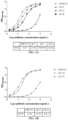
- the luciferase substrate One-Lite (Vazyme, cat # DD1203-03-AB ) was added and the chemiluminescence values of the hybridoma antibodies were measured. Among them, 7 strains of antibodies showed different degrees of recovery of the Wnt signaling pathway as detected by the luciferase reporter gene method ( FIGs. 2A and 2B ).
- the DNA sequences of the variable regions of the mouse antibodies expressed by the candidate hybridoma cells were determined using a degenerate primer-based PCR method. Briefly, hybridoma cell strains were separately expanded, cells were harvested by centrifugation at 1000 rpm, and total RNA was extracted with Trizol. Using the total RNA as a template, a first-strand cDNA was synthesized. DNA sequences of corresponding variable regions were amplified by PCR using the first-strand cDNA as a subsequent template. The PCR primers used were based on an Ig-primer set.
- NCBI Ig-Blast http://www.ncbi.nlm.nih.gov/projects/igblast/ was used to search for consensus sequences in germline and rearranged Ig variable region sequence databases.
- Complementarity determining regions were identified by sequence annotation and by Internet-based sequence analysis (http://www.Imgt.org/IMGT_vquest/share/textes/index.html and http://www.ncbi.nlm.nih.gov/igblast/) based on Kabat ( Wu, T.T and Kabat, E.A. 1970 J. Exp. Med., 132: 211-250 ) and IMGT systems ( Lefranc M.-P.
- the light chain variable regions and heavy chain variable regions of the anti-huDKK1 murine antibodies 7M2.6, 11I18.4, 17F14.3, 18E24.6, 18J21.1 and 19O15.6 were selected.
- the heavy chain variable regions were each constructed into the hIgG4 heavy chain constant region (the amino acid sequence of the heavy chain constant region is set forth in SEQ ID NO: 112), and the light chain variable regions were each constructed into hIg ⁇ chain (the amino acid sequence of the light chain constant region is set forth in SEQ ID NO: 113).
- the chimeric heavy and chain variable regions were randomly combined to form 36 strains of chimeric antibodies, as shown in Table 3 below. Table 3.
- CHO-K1 cells (engineered at the genomic level to be suitable for transient expression) were expanded by subculturing in a CD CHO medium.
- the cells were diluted to a density of 1.5-2.0 ⁇ 10 6 /mL the day before transfection, and the cells were used for transfection the following day when the cell density reached about 3.5 ⁇ 10 6 /mL.
- One tenth of transfection volume of medium was added first, then 1-2 ⁇ g/mL transfection volume of the plasmid encoding the chimeric antibody, and finally 3-14 ⁇ g/mL transfection volume of PEI. After being mixed well and incubated at room temperature for no more than 30 min, the transfection mixture was slowly added to the cells.
- the cells were cultured in a shaker under the conditions of 36.5 °C, 120 rpm, and 7% CO 2 . The culturing was performed for 6-10 days after the transfection, and the medium supplementation was performed once every two days.
- the precipitate was discarded by centrifugation at 1000 g for 10 min, and then the cell supernatant was collected by centrifugation at 12000 g for 30 min.
- the cell supernatant was sterilely filtered and then purified using an AKTA Avant purifier.
- a column filled with the mabselect sure LX was first subjected to CIP with 0.1 M NaOH for 15-20 min and then equilibrated with 3-5 column volumes of PBS before sample loading. After the sample loading was completed, the column was rinsed with an affinity chromatography elution buffer.
- the target protein was eluted with a pH 3.6 acetic acid-sodium acetate buffer, and the sample was neutralized with 1 M Tris buffer. After the identification of the size and purity of the proteins by an SDS-PAGE method, it was determined that the quality of the prepared chimeric antibodies was acceptable.
- Detection of the binding activity of the chimeric antibodies for human DKK1 by ELISA After the plate was coated with 2.0 ⁇ g/mL human DKK1 antigen (Sino Biological, 10170-H08H) for 90 min and then blocked with 2% BSA for 90 min, the gradiently diluted anti-DKK1 chimeric antibodies and positive control antibody DKN-01 (starting at 1 ⁇ g/mL, diluted in a 2.5-fold gradient to 1.64 ng/mL, with a total of 8 concentrations) were added, and the mixture was incubated for 60 min.
- Detection of the inhibition of the chimeric antibodies on the binding of LRP6 (629-1244) to DKK1 by ELISA The plate was coated with 5.0 ⁇ g/mL human DKK1 antigen (Sino Biological, 10170-H08H) for 90 min and blocked with 2% BSA for 90 min.
- the anti-DKK1 chimeric antibodies and positive control antibody DKN-01 were diluted with human LRP6 mFc (629-1244) (Suzhou Junmeng) (starting at 10 ⁇ g/mL, diluted in a 2.5-fold gradient to 16.38 ng/mL, with a total of 8 concentrations), and the mixture was incubated for 60 min.
- the chi1 supernatant and the chi15 supernatant were fermentation broth supernatants and were not purified, and chi1, chi8, chi15 and chi21 were purified protein samples. Reference is made to the previous Example 3 for the preparation of fermentation broth supernatants and protein samples.
- the cellular biological activity of the hDKK1 chimeric antibodies was tested using target cells 293 TOP overexpressing LRP5/6 and comprising the luciferase reporter system and recombinant Wnt3a (R&D systems, cat # 5036-WN), as well as human DKK1 (Sino Biological, cat # 10170-H08H) protein.
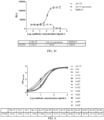
- the target cells 293 TOP were placed into a 96-well flat-bottomed white plate (corning, cat # 3917) at 50,000 cells per well for incubation overnight. The supernatant was then discarded, and the gradiently diluted antibodies to be tested were each added for pre-incubation at 37 °C for 0.5 h. After the pre-incubation was completed, the diluted Wnt3a (R&D systems, cat # 5036-WN) and human DKK1 protein, at working concentrations of 0.05 ⁇ g/mL and 0.1 ⁇ g/mL, respectively, were added into the mixture containing the cells and antibody for co-incubation at 37 °C for 6-8 h. Finally, the luciferase substrate One-Lite (Vazyme, cat # DD1203-03-AB ) was added and the chemiluminescence values of the chimeric antibodies were measured ( FIGs. 5A-5C ).
- Human IgG genes homologous to the DNA sequences of the murine antibody variable regions were retrieved in the human immunoglobulin gene database of the NCBI (http://www.ncbi.nlm.nih.gov/igblast/). The amino acid sequences of CDRs in the variable regions were then determined by the Kabat numbering system or the IMGT numbering system. In principle, human IGHV (immunoglobulin heavy chain constant region) and IGKV (immunoglobulin light chain constant region) with high homology to the variable regions of the murine antibody were selected as templates for humanization, and antibody variable regions were humanized by CDR grafting.
- the humanization of the chimeric antibodies comprised the following steps: 1. comparing the gene sequence of the antibody secreted by each hybridoma cell with the gene sequence of the human embryonic antibody to find out a sequence with high homology; 2. analyzing and inspecting HLA-DR affinity and selecting a human embryonic framework region sequence with low affinity; 3.
- GenScript Biotech Corporation was entrusted to carry out gene synthesis for the plasmids encoding the heavy chains and light chains of the 69 humanized antibodies hu1-hu69. After the synthesized plasmids and strains were received, the strains were transferred to an LB medium for overnight culturing, and plasmid extraction was performed with the Maxi Plasmid Kit (TIANGEN).
- CHO-K1 cells (engineered at the genomic level to be suitable for transient expression) were expanded by subculturing in a CD CHO medium.
- the cells were diluted to a density of 1.5-2.0 ⁇ 10 6 /mL the day before transfection, and the cells were used for transfection the following day when the cell density reached about 3.5 ⁇ 10 6 /mL.
- One tenth of transfection volume of medium was added first, then 1-2 ⁇ g/mL transfection volume of the plasmid encoding the chimeric antibody, and finally 3-14 ⁇ g/mL transfection volume of PEI.
- the transfection mixture was slowly added to the cells, and the final volume was about 40 mL.
- the cells were cultured in a shaker under the conditions of 36.5 °C, 120 rpm, and 7% CO 2 . The culturing was performed for 6-10 days after the transfection, and the medium supplementation was performed once every two days.
- the 69 strains of humanized antibodies were purified by the same method as that for the hybridoma antibodies in Example 2. After purification, the size and purity of the antibody proteins were identified by SDS-PAGE, and the purity of the proteins was detected by HPLC-SEC. The antibodies were used for later experiments.
- Detection of the binding of the humanized antibodies to DKK1 by ELISA The plate was coated with 2.0 ⁇ g/mL human DKK1 antigen (Sino Biological, 10170-H08H) for 90 min and then blocked with 2% BSA for 90 min. After the plate was washed, the gradiently diluted anti-DKK1 humanized antibodies (starting at 1 ⁇ g/mL, diluted in a 10-fold gradient to 1 ng/mL, with a total of 4 concentrations) were each added, and the mixture was incubated for 60 min.
- Detection of the inhibition of the humanized antibodies on the binding of LRP6 (629-1244) to DKK1 by ELISA The plate was coated with 5.0 ⁇ g/mL human DKK1 antigen (Sino Biological, 10170-H08H) for 90 min and then blocked with 2% BSA for 90 min.
- the DKK1 antibodies i.e., the humanized antibodies and the anti-DKK1 chimeric antibody
- 10 ⁇ g/mL human LRP6 mFc 629-1244
- starting at 10 ⁇ g/mL, diluted in a 10-fold gradient to 10 ng/mL, with a total of 4 concentrations 10 ⁇ g/mL
- a 5000-fold diluted HRP-conjugated goat anti-mouse IgG Fc specific
- a 0.1 mg/mL TMB (Sigma, T2885) was added at 100 ⁇ L per well for color development for 10 min.
- a 2 M hydrochloric acid solution was added at 50 ⁇ L per well to stop the reaction, and the plate was read at 450 nm/620 nm using a Thermo Scientific microplate reader.
- the IC 50 values of the humanized antibodies were obtained by fitting using a four-parameter logistic regression (4PL) model. Some of the obtained humanized antibodies exhibited improved ability to inhibit the binding of DKK1 to LRP6 compared with the chimeric antibody chi-15 ( FIG. 7 ).
- the cellular biological activity of the DKK1 antibodies was tested using target cells 293 TOP overexpressing LRP5/6 and comprising the luciferase reporter system and recombinant Wnt3a (R&D systems, cat # 5036-WN), as well as human DKK1 (Sino Biological, cat # 10170-H08H) protein.
- the target cells 293 TOP were placed into a 96-well flat-bottomed white plate (corning, cat # 3917) at 50,000 cells per well for incubation overnight. The supernatant was then discarded, and the gradiently diluted antibodies to be tested were each added for pre-incubation at 37 °C for 0.5 h.
- the diluted Wnt3a (R&D systems, cat # 5036-WN) and human DKK1 protein, at working concentrations of 0.05 ⁇ g/mL and 0.1 ⁇ g/mL, respectively, were added into the mixture containing the cells and antibody for co-incubation at 37 °C for 6-8 h.
- the luciferase substrate One-Lite Vazyme, cat # DD1203-03-AB
- the chemiluminescence values of the humanized antibodies were measured.
- the experimental animals were CB17/SCID female mice, and A549 cells (5 ⁇ 10 6 ) were subcutaneously inoculated into the mice to establish a subcutaneous transplantation tumor model.
- the experiment involved the following groups: anti-KLH IgG4 (5 mg/kg) group, DKN-01 (5 mg/kg) group, hu3 (5 mg/kg) group, paclitaxel (20 mg/kg) group, DKN-01 (5 mg/kg) + paclitaxel (20 mg/kg) group, and DKN-01 (5 mg/kg) + hu3 (5 mg/kg) group, where DKN-01 was the positive control antibody and anti-KLH IgG4 was the negative control antibody.
- the groups each had 6 animals, and the animals in all the groups were subjected to intraperitoneal injection.
- the negative control, the positive control, and the anti-DKK1 antibody hu3 were all administered once per week for 4 weeks, and paclitaxel was administered twice per week for 4 weeks.
- the efficacy was evaluated based on tumor growth inhibition (TGI) ( FIG. 9 ).
- tumor inhibition effect of the combination of the anti-DKK1 antibody hu3 at the aforementioned concentration with paclitaxel was significantly better than that of hu3 and paclitaxel when used alone and was markedly superior to the combination of the positive control at the same concentration with paclitaxel.
- the experimental animals were CB17/SCID male mice, and PC-3 cells (10 ⁇ 10 6 ) were subcutaneously inoculated in the right back of the mice to establish a subcutaneous transplantation tumor model.
- the experiment involved the following groups: anti-KLH IgG4 (10 mg/kg) group, hu3 (5 mg/kg) group, hu3 (10 mg/kg) group, hu3 (20 mg/kg) group, paclitaxel (7.5 mg/kg) group, hu3 (5 mg/kg) + paclitaxel (7.5 mg/kg) group, hu3 (10 mg/kg) + paclitaxel (7.5 mg/kg) group and hu3 (20 mg/kg) + paclitaxel (7.5 mg/kg) group, where anti-KLH IgG4 was the negative control antibody.
- the groups each had 8 animals, and the animals in all the groups were subjected to intraperitoneal injection.
- the negative control anti-KLH IgG4, paclitaxel and the anti-DKK1 antibody hu3 were all administered twice per week for 3 weeks.
- the efficacy was evaluated based on tumor growth inhibition (TGI) ( FIG. 10 ).
- hu3 exhibited significant tumor inhibition at doses of 5 mg/kg, 10 mg/kg and 20 mg/kg, and the higher doses, the higher TGI values.
- tumor inhibition effect of the combination of hu3 at each of the aforementioned three doses with 7.5 mg/kg paclitaxel was significantly better than that of the hu3 at the three doses and 7.5 mg/kg paclitaxel when used alone, indicating that the co-administration of the anti-DKK1 antibody hu3 and paclitaxel provides a synergistic anti-tumor effect.
Landscapes
- Health & Medical Sciences (AREA)
- Chemical & Material Sciences (AREA)
- Life Sciences & Earth Sciences (AREA)
- Medicinal Chemistry (AREA)
- General Health & Medical Sciences (AREA)
- Organic Chemistry (AREA)
- Animal Behavior & Ethology (AREA)
- Veterinary Medicine (AREA)
- Pharmacology & Pharmacy (AREA)
- Public Health (AREA)
- Immunology (AREA)
- Engineering & Computer Science (AREA)
- Molecular Biology (AREA)
- Epidemiology (AREA)
- Biochemistry (AREA)
- Proteomics, Peptides & Aminoacids (AREA)
- Biomedical Technology (AREA)
- Hematology (AREA)
- Urology & Nephrology (AREA)
- Microbiology (AREA)
- Chemical Kinetics & Catalysis (AREA)
- General Chemical & Material Sciences (AREA)
- Nuclear Medicine, Radiotherapy & Molecular Imaging (AREA)
- Biophysics (AREA)
- Genetics & Genomics (AREA)
- Mycology (AREA)
- Biotechnology (AREA)
- Cell Biology (AREA)
- Bioinformatics & Cheminformatics (AREA)
- Endocrinology (AREA)
- Food Science & Technology (AREA)
- Physics & Mathematics (AREA)
- Analytical Chemistry (AREA)
- General Physics & Mathematics (AREA)
- Pathology (AREA)
- Peptides Or Proteins (AREA)
- Medicines Containing Antibodies Or Antigens For Use As Internal Diagnostic Agents (AREA)
Applications Claiming Priority (2)
| Application Number | Priority Date | Filing Date | Title |
|---|---|---|---|
| CN202210108050 | 2022-01-28 | ||
| PCT/CN2023/073335 WO2023143444A1 (fr) | 2022-01-28 | 2023-01-20 | Anticorps anti-dkk1, composition pharmaceutique et utilisation associées |
Publications (2)
| Publication Number | Publication Date |
|---|---|
| EP4471056A1 true EP4471056A1 (fr) | 2024-12-04 |
| EP4471056A4 EP4471056A4 (fr) | 2026-02-18 |
Family
ID=87401802
Family Applications (1)
| Application Number | Title | Priority Date | Filing Date |
|---|---|---|---|
| EP23746323.7A Pending EP4471056A4 (fr) | 2022-01-28 | 2023-01-20 | Anticorps anti-dkk1, composition pharmaceutique et utilisation associées |
Country Status (4)
| Country | Link |
|---|---|
| US (1) | US20250122271A1 (fr) |
| EP (1) | EP4471056A4 (fr) |
| CN (1) | CN116514966A (fr) |
| WO (1) | WO2023143444A1 (fr) |
Families Citing this family (1)
| Publication number | Priority date | Publication date | Assignee | Title |
|---|---|---|---|---|
| CN119318703B (zh) * | 2024-12-18 | 2025-03-04 | 北京大学第三医院(北京大学第三临床医学院) | 一种人源化dkk-1单克隆抗体在制备治疗阿尔兹海默症的药物中的应用 |
Family Cites Families (9)
| Publication number | Priority date | Publication date | Assignee | Title |
|---|---|---|---|---|
| DD120303A1 (fr) | 1975-05-15 | 1976-06-05 | ||
| US4816567A (en) | 1983-04-08 | 1989-03-28 | Genentech, Inc. | Recombinant immunoglobin preparations |
| US5225539A (en) | 1986-03-27 | 1993-07-06 | Medical Research Council | Recombinant altered antibodies and methods of making altered antibodies |
| US5530101A (en) | 1988-12-28 | 1996-06-25 | Protein Design Labs, Inc. | Humanized immunoglobulins |
| PL2578685T3 (pl) | 2005-08-23 | 2020-01-31 | The Trustees Of The University Of Pennsylvania | Rna zawierający zmodyfikowane nukleozydy i sposoby jego zastosowania |
| AR060017A1 (es) * | 2006-01-13 | 2008-05-21 | Novartis Ag | Composiciones y metodos de uso para anticuerpos de dickkopf -1 |
| AR075989A1 (es) * | 2009-04-10 | 2011-05-11 | Lilly Co Eli | Anticuerpo dkk -1 (dickkopf-1) humano disenado por ingenieria |
| CA2815181C (fr) * | 2010-10-27 | 2020-09-15 | William Gleason Richards | Anticorps anti-dkk1 et leurs procedes d'utilisation |
| CA3041325A1 (fr) | 2016-10-26 | 2018-05-03 | Leap Therapeutics, Inc. | Utilisation de la beta-catenine en tant que biomarqueur pour traiter des cancers a l'aide d'un anticorps anti-dkk-1 |
-
2023
- 2023-01-20 WO PCT/CN2023/073335 patent/WO2023143444A1/fr not_active Ceased
- 2023-01-20 EP EP23746323.7A patent/EP4471056A4/fr active Pending
- 2023-01-20 US US18/833,372 patent/US20250122271A1/en active Pending
- 2023-01-20 CN CN202310094332.XA patent/CN116514966A/zh active Pending
Also Published As
| Publication number | Publication date |
|---|---|
| EP4471056A4 (fr) | 2026-02-18 |
| US20250122271A1 (en) | 2025-04-17 |
| WO2023143444A1 (fr) | 2023-08-03 |
| CN116514966A (zh) | 2023-08-01 |
Similar Documents
| Publication | Publication Date | Title |
|---|---|---|
| US12269896B2 (en) | Antibodies specific for GUCY2c and uses thereof | |
| US11512128B2 (en) | VEGF/DLL4 binding agents and uses thereof | |
| KR101980557B1 (ko) | 암의 치료 및/또는 예방용 의약 조성물 | |
| AU2013223143B2 (en) | Pharmaceutical composition for treatment and/or prevention of cancer | |
| KR101980554B1 (ko) | 암의 치료 및/또는 예방용 의약 조성물 | |
| TW201909926A (zh) | B7h3抗體-藥物偶聯物及其醫藥用途 | |
| JP2021524251A (ja) | Cd3に特異的な抗体及びその使用 | |
| EP4223777A1 (fr) | Anticorps anti-cd3 et ses utilisations | |
| EP4292611A1 (fr) | Anticorps anti-cd112r et son utilisation | |
| US20220363754A1 (en) | Anti-tigit antibodies and application thereof | |
| EP4201958A1 (fr) | Anticorps anti-ctla-4 et son utilisation | |
| CN113906053B (zh) | 抗cea抗体及其应用 | |
| WO2023143535A1 (fr) | Anticorps ciblant il-18bp et son utilisation | |
| US20170157245A1 (en) | Treatment of gastric cancer | |
| EP4471056A1 (fr) | Anticorps anti-dkk1, composition pharmaceutique et utilisation associées | |
| AU2021307516B2 (en) | Anti-CLDN-18.2 antibody and use thereof | |
| TWI886446B (zh) | 重組抗體及其用途 | |
| WO2026061538A1 (fr) | Anticorps bispécifique anti-pd-l1 et anti-4-1bb pour le traitement de tumeurs malignes, et combinaison pharmaceutique de celui-ci | |
| TW202523694A (zh) | 抗muc16抗體及其用途 | |
| TW201711702A (zh) | 使用針對纖維母細胞生長因子受體3(fgfr3)之化合物的療法 | |
| CN120813606A (zh) | 抗cldn6抗体和使用方法 | |
| NZ623724B2 (en) | Vegf/dll4 binding agents and uses thereof |
Legal Events
| Date | Code | Title | Description |
|---|---|---|---|
| STAA | Information on the status of an ep patent application or granted ep patent |
Free format text: STATUS: THE INTERNATIONAL PUBLICATION HAS BEEN MADE |
|
| PUAI | Public reference made under article 153(3) epc to a published international application that has entered the european phase |
Free format text: ORIGINAL CODE: 0009012 |
|
| STAA | Information on the status of an ep patent application or granted ep patent |
Free format text: STATUS: REQUEST FOR EXAMINATION WAS MADE |
|
| 17P | Request for examination filed |
Effective date: 20240820 |
|
| AK | Designated contracting states |
Kind code of ref document: A1 Designated state(s): AL AT BE BG CH CY CZ DE DK EE ES FI FR GB GR HR HU IE IS IT LI LT LU LV MC ME MK MT NL NO PL PT RO RS SE SI SK SM TR |
|
| DAV | Request for validation of the european patent (deleted) | ||
| DAX | Request for extension of the european patent (deleted) | ||
| A4 | Supplementary search report drawn up and despatched |
Effective date: 20260116 |
|
| RIC1 | Information provided on ipc code assigned before grant |
Ipc: C07K 16/18 20060101AFI20260112BHEP Ipc: A61K 39/395 20060101ALI20260112BHEP Ipc: A61P 35/00 20060101ALI20260112BHEP Ipc: C12N 15/13 20060101ALI20260112BHEP |