EP4471061A1 - Anti-asct2-antikörper und daraus abgeleitete adcs - Google Patents
Anti-asct2-antikörper und daraus abgeleitete adcs Download PDFInfo
- Publication number
- EP4471061A1 EP4471061A1 EP23176616.3A EP23176616A EP4471061A1 EP 4471061 A1 EP4471061 A1 EP 4471061A1 EP 23176616 A EP23176616 A EP 23176616A EP 4471061 A1 EP4471061 A1 EP 4471061A1
- Authority
- EP
- European Patent Office
- Prior art keywords
- antibody
- amino acid
- cdr
- acid sequence
- antigen
- Prior art date
- Legal status (The legal status is an assumption and is not a legal conclusion. Google has not performed a legal analysis and makes no representation as to the accuracy of the status listed.)
- Ceased
Links
Images




Classifications
-
- C—CHEMISTRY; METALLURGY
- C07—ORGANIC CHEMISTRY
- C07K—PEPTIDES
- C07K16/00—Immunoglobulins [IG], e.g. monoclonal or polyclonal antibodies
- C07K16/18—Immunoglobulins [IG], e.g. monoclonal or polyclonal antibodies against material from animals or humans
- C07K16/28—Immunoglobulins [IG], e.g. monoclonal or polyclonal antibodies against material from animals or humans against receptors, cell surface antigens or cell surface determinants
-
- A—HUMAN NECESSITIES
- A61—MEDICAL OR VETERINARY SCIENCE; HYGIENE
- A61K—PREPARATIONS FOR MEDICAL, DENTAL OR TOILETRY PURPOSES
- A61K47/00—Medicinal preparations characterised by the non-active ingredients used, e.g. carriers or inert additives; Targeting or modifying agents chemically bound to the active ingredient
- A61K47/50—Medicinal preparations characterised by the non-active ingredients used, e.g. carriers or inert additives; Targeting or modifying agents chemically bound to the active ingredient the non-active ingredient being chemically bound to the active ingredient, e.g. polymer-drug conjugates
- A61K47/51—Medicinal preparations characterised by the non-active ingredients used, e.g. carriers or inert additives; Targeting or modifying agents chemically bound to the active ingredient the non-active ingredient being chemically bound to the active ingredient, e.g. polymer-drug conjugates the non-active ingredient being a modifying agent
- A61K47/62—Medicinal preparations characterised by the non-active ingredients used, e.g. carriers or inert additives; Targeting or modifying agents chemically bound to the active ingredient the non-active ingredient being chemically bound to the active ingredient, e.g. polymer-drug conjugates the non-active ingredient being a modifying agent the modifying agent being a protein, peptide or polyamino acid
- A61K47/64—Drug-peptide, drug-protein or drug-polyamino acid conjugates, i.e. the modifying agent being a peptide, protein or polyamino acid which is covalently bonded or complexed to a therapeutically active agent
-
- A—HUMAN NECESSITIES
- A61—MEDICAL OR VETERINARY SCIENCE; HYGIENE
- A61K—PREPARATIONS FOR MEDICAL, DENTAL OR TOILETRY PURPOSES
- A61K47/00—Medicinal preparations characterised by the non-active ingredients used, e.g. carriers or inert additives; Targeting or modifying agents chemically bound to the active ingredient
- A61K47/50—Medicinal preparations characterised by the non-active ingredients used, e.g. carriers or inert additives; Targeting or modifying agents chemically bound to the active ingredient the non-active ingredient being chemically bound to the active ingredient, e.g. polymer-drug conjugates
- A61K47/51—Medicinal preparations characterised by the non-active ingredients used, e.g. carriers or inert additives; Targeting or modifying agents chemically bound to the active ingredient the non-active ingredient being chemically bound to the active ingredient, e.g. polymer-drug conjugates the non-active ingredient being a modifying agent
- A61K47/62—Medicinal preparations characterised by the non-active ingredients used, e.g. carriers or inert additives; Targeting or modifying agents chemically bound to the active ingredient the non-active ingredient being chemically bound to the active ingredient, e.g. polymer-drug conjugates the non-active ingredient being a modifying agent the modifying agent being a protein, peptide or polyamino acid
- A61K47/65—Peptidic linkers, binders or spacers, e.g. peptidic enzyme-labile linkers
-
- A—HUMAN NECESSITIES
- A61—MEDICAL OR VETERINARY SCIENCE; HYGIENE
- A61K—PREPARATIONS FOR MEDICAL, DENTAL OR TOILETRY PURPOSES
- A61K47/00—Medicinal preparations characterised by the non-active ingredients used, e.g. carriers or inert additives; Targeting or modifying agents chemically bound to the active ingredient
- A61K47/50—Medicinal preparations characterised by the non-active ingredients used, e.g. carriers or inert additives; Targeting or modifying agents chemically bound to the active ingredient the non-active ingredient being chemically bound to the active ingredient, e.g. polymer-drug conjugates
- A61K47/51—Medicinal preparations characterised by the non-active ingredients used, e.g. carriers or inert additives; Targeting or modifying agents chemically bound to the active ingredient the non-active ingredient being chemically bound to the active ingredient, e.g. polymer-drug conjugates the non-active ingredient being a modifying agent
- A61K47/68—Medicinal preparations characterised by the non-active ingredients used, e.g. carriers or inert additives; Targeting or modifying agents chemically bound to the active ingredient the non-active ingredient being chemically bound to the active ingredient, e.g. polymer-drug conjugates the non-active ingredient being a modifying agent the modifying agent being an antibody, an immunoglobulin or a fragment thereof, e.g. an Fc-fragment
- A61K47/6801—Drug-antibody or immunoglobulin conjugates defined by the pharmacologically or therapeutically active agent
- A61K47/6803—Drugs conjugated to an antibody or immunoglobulin, e.g. cisplatin-antibody conjugates
- A61K47/68037—Drugs conjugated to an antibody or immunoglobulin, e.g. cisplatin-antibody conjugates the drug being a camptothecin [CPT] or derivatives
-
- A—HUMAN NECESSITIES
- A61—MEDICAL OR VETERINARY SCIENCE; HYGIENE
- A61K—PREPARATIONS FOR MEDICAL, DENTAL OR TOILETRY PURPOSES
- A61K47/00—Medicinal preparations characterised by the non-active ingredients used, e.g. carriers or inert additives; Targeting or modifying agents chemically bound to the active ingredient
- A61K47/50—Medicinal preparations characterised by the non-active ingredients used, e.g. carriers or inert additives; Targeting or modifying agents chemically bound to the active ingredient the non-active ingredient being chemically bound to the active ingredient, e.g. polymer-drug conjugates
- A61K47/51—Medicinal preparations characterised by the non-active ingredients used, e.g. carriers or inert additives; Targeting or modifying agents chemically bound to the active ingredient the non-active ingredient being chemically bound to the active ingredient, e.g. polymer-drug conjugates the non-active ingredient being a modifying agent
- A61K47/68—Medicinal preparations characterised by the non-active ingredients used, e.g. carriers or inert additives; Targeting or modifying agents chemically bound to the active ingredient the non-active ingredient being chemically bound to the active ingredient, e.g. polymer-drug conjugates the non-active ingredient being a modifying agent the modifying agent being an antibody, an immunoglobulin or a fragment thereof, e.g. an Fc-fragment
- A61K47/6835—Medicinal preparations characterised by the non-active ingredients used, e.g. carriers or inert additives; Targeting or modifying agents chemically bound to the active ingredient the non-active ingredient being chemically bound to the active ingredient, e.g. polymer-drug conjugates the non-active ingredient being a modifying agent the modifying agent being an antibody, an immunoglobulin or a fragment thereof, e.g. an Fc-fragment the modifying agent being an antibody or an immunoglobulin bearing at least one antigen-binding site
- A61K47/6849—Medicinal preparations characterised by the non-active ingredients used, e.g. carriers or inert additives; Targeting or modifying agents chemically bound to the active ingredient the non-active ingredient being chemically bound to the active ingredient, e.g. polymer-drug conjugates the non-active ingredient being a modifying agent the modifying agent being an antibody, an immunoglobulin or a fragment thereof, e.g. an Fc-fragment the modifying agent being an antibody or an immunoglobulin bearing at least one antigen-binding site the antibody targeting a receptor, a cell surface antigen or a cell surface determinant
-
- A—HUMAN NECESSITIES
- A61—MEDICAL OR VETERINARY SCIENCE; HYGIENE
- A61K—PREPARATIONS FOR MEDICAL, DENTAL OR TOILETRY PURPOSES
- A61K47/00—Medicinal preparations characterised by the non-active ingredients used, e.g. carriers or inert additives; Targeting or modifying agents chemically bound to the active ingredient
- A61K47/50—Medicinal preparations characterised by the non-active ingredients used, e.g. carriers or inert additives; Targeting or modifying agents chemically bound to the active ingredient the non-active ingredient being chemically bound to the active ingredient, e.g. polymer-drug conjugates
- A61K47/51—Medicinal preparations characterised by the non-active ingredients used, e.g. carriers or inert additives; Targeting or modifying agents chemically bound to the active ingredient the non-active ingredient being chemically bound to the active ingredient, e.g. polymer-drug conjugates the non-active ingredient being a modifying agent
- A61K47/68—Medicinal preparations characterised by the non-active ingredients used, e.g. carriers or inert additives; Targeting or modifying agents chemically bound to the active ingredient the non-active ingredient being chemically bound to the active ingredient, e.g. polymer-drug conjugates the non-active ingredient being a modifying agent the modifying agent being an antibody, an immunoglobulin or a fragment thereof, e.g. an Fc-fragment
- A61K47/6835—Medicinal preparations characterised by the non-active ingredients used, e.g. carriers or inert additives; Targeting or modifying agents chemically bound to the active ingredient the non-active ingredient being chemically bound to the active ingredient, e.g. polymer-drug conjugates the non-active ingredient being a modifying agent the modifying agent being an antibody, an immunoglobulin or a fragment thereof, e.g. an Fc-fragment the modifying agent being an antibody or an immunoglobulin bearing at least one antigen-binding site
- A61K47/6851—Medicinal preparations characterised by the non-active ingredients used, e.g. carriers or inert additives; Targeting or modifying agents chemically bound to the active ingredient the non-active ingredient being chemically bound to the active ingredient, e.g. polymer-drug conjugates the non-active ingredient being a modifying agent the modifying agent being an antibody, an immunoglobulin or a fragment thereof, e.g. an Fc-fragment the modifying agent being an antibody or an immunoglobulin bearing at least one antigen-binding site the antibody targeting a determinant of a tumour cell
-
- A—HUMAN NECESSITIES
- A61—MEDICAL OR VETERINARY SCIENCE; HYGIENE
- A61K—PREPARATIONS FOR MEDICAL, DENTAL OR TOILETRY PURPOSES
- A61K47/00—Medicinal preparations characterised by the non-active ingredients used, e.g. carriers or inert additives; Targeting or modifying agents chemically bound to the active ingredient
- A61K47/50—Medicinal preparations characterised by the non-active ingredients used, e.g. carriers or inert additives; Targeting or modifying agents chemically bound to the active ingredient the non-active ingredient being chemically bound to the active ingredient, e.g. polymer-drug conjugates
- A61K47/51—Medicinal preparations characterised by the non-active ingredients used, e.g. carriers or inert additives; Targeting or modifying agents chemically bound to the active ingredient the non-active ingredient being chemically bound to the active ingredient, e.g. polymer-drug conjugates the non-active ingredient being a modifying agent
- A61K47/68—Medicinal preparations characterised by the non-active ingredients used, e.g. carriers or inert additives; Targeting or modifying agents chemically bound to the active ingredient the non-active ingredient being chemically bound to the active ingredient, e.g. polymer-drug conjugates the non-active ingredient being a modifying agent the modifying agent being an antibody, an immunoglobulin or a fragment thereof, e.g. an Fc-fragment
- A61K47/6889—Conjugates wherein the antibody being the modifying agent and wherein the linker, binder or spacer confers particular properties to the conjugates, e.g. peptidic enzyme-labile linkers or acid-labile linkers, providing for an acid-labile immuno conjugate wherein the drug may be released from its antibody conjugated part in an acidic, e.g. tumoural or environment
-
- C—CHEMISTRY; METALLURGY
- C07—ORGANIC CHEMISTRY
- C07K—PEPTIDES
- C07K16/00—Immunoglobulins [IG], e.g. monoclonal or polyclonal antibodies
- C07K16/18—Immunoglobulins [IG], e.g. monoclonal or polyclonal antibodies against material from animals or humans
- C07K16/28—Immunoglobulins [IG], e.g. monoclonal or polyclonal antibodies against material from animals or humans against receptors, cell surface antigens or cell surface determinants
- C07K16/30—Immunoglobulins [IG], e.g. monoclonal or polyclonal antibodies against material from animals or humans against receptors, cell surface antigens or cell surface determinants from tumour cells
-
- A—HUMAN NECESSITIES
- A61—MEDICAL OR VETERINARY SCIENCE; HYGIENE
- A61K—PREPARATIONS FOR MEDICAL, DENTAL OR TOILETRY PURPOSES
- A61K39/00—Medicinal preparations containing antigens or antibodies
- A61K2039/505—Medicinal preparations containing antigens or antibodies comprising antibodies
-
- A—HUMAN NECESSITIES
- A61—MEDICAL OR VETERINARY SCIENCE; HYGIENE
- A61P—SPECIFIC THERAPEUTIC ACTIVITY OF CHEMICAL COMPOUNDS OR MEDICINAL PREPARATIONS
- A61P35/00—Antineoplastic agents
Definitions
- the present invention relates to antibodies having specificity to ASCT2, antibody-drug conjugates comprising such antibodies and uses thereof.
- Glutamine is the most abundant amino acid in the circulating blood (1).
- the glutamine dependence of cancer cells is one of the hallmarks of tumor metabolism (2).
- Alanine, serine, cysteine transporter 2 (ASCT2, also reported as solute carrier family 1 member 5 or (SLC1A5)) is a Na+-coupled neutral amino acid transporter and is known as the major glutamine transporter in cancer cells (3).
- glutamine Upon uptake into tumor cells, glutamine is converted into intermediates of the tricarboxylic acid cycle, which provide an energy source for the various macromolecular biosynthetic pathways (4).
- ASCT2 is often overexpressed and associated with dismal prognosis in various tumors, such as those of the non-small lung cancer (NSCLC), small cell lung cancer (SCLC), prostate cancer, colorectal cancer, head & neck cancer, and pancreatic cancer (5-7).
- NSCLC non-small lung cancer
- SCLC small cell lung cancer
- glutamine is important for rapidly dividing healthy cells, such as lymphocytes.
- ASCT2 has been shown to be important in inflammatory T-cell responses by supporting differentiation of T-helper cells to type 1 and type 2 T-helper cell subsets (8).
- the unique expression profile of ASCT2 in both hematological and solid tumors makes ASCT2 an interesting target for cancer therapy.
- the present invention relates to antibodies having specificity to ASCT2 and antigen-binding fragments.
- a first aspect of the invention relates to a monoclonal antibody or an antigen-binding fragment thereof which bind to ASCT2 characterized by a VH region and optionally a VL region each comprising 3 CDRs designated as CDR-H1, CDR-H2, CDR-H3, CDR-L1, CDR-L2 and CDR-L3 defining the binding specificity of the antibody or the antigen-binding antibody fragment.
- Such aspect of the invention relates in particular to a monoclonal antibody or antigen-binding fragment thereof, preferably human/or humanized, which binds to ASCT2 comprising
- SEQ ID NOs Specific amino acid sequences represented by SEQ ID NOs used herein are provided in the attached sequence listing and shown in Figure 1 .
- the position of CDRs within a VH or VL region may be defined according to Kabat, et al., Sequences of Proteins of Immunological Interest, 5th Ed. Public Health Service, National Institutes of Health, Bethesda, MD (1991 ) or the IMGT numbering system, both of which are known to the person skilled in the art. If not stated otherwise, the Kabat system is used herein.
- the antibodies of the invention are monoclonal antibodies (mAb) or mono-clonal antibody fragments characterized by a specific amino acid sequence. If not indicated differently, the term “monoclonal” refers to a single species, i.e. single amino acid composition of antibodies or antibody fragments.
- an “antigen-binding fragment” of an antibody refers to a molecule comprising a portion of an intact antibody that binds the antigen to which the intact antibody binds.
- antibody fragments include but are not limited to Fv, Fab, Fab', Fab'-SH, F(ab')2; diabodies; linear antibodies; single-chain antibody molecules (e.g. scFv); and multi-specific antibodies formed from antibody fragments.
- the term also encompasses a fusion protein, e.g. a fusion protein with a non-immunoglobulin peptide or polypeptide, and a conjugate with a non-proteinaceous structure, e.g. a label or a toxin.
- the terms "antigen-binding fragment of an antibody”, “antigen-binding fragment thereof", “fragment of an antibody” or “fragment thereof” may be used interchangeably herein.
- a substitution of 1 or 2 amino acids in these CDR sequences is possible.
- a conservative amino acid substitution is preferable, i.e. a substitution of an amino acid by another amino acid with similar biochemical properties, for example a substitution of an aliphatic amino acid, e.g. Gly, Ala, Val, Leu or Ile, for another aliphatic amino acid, a basic amino acid, e.g. His, Lys or Arg, against another basic amino acid, an acidic amino acid or an amide thereof, e.g. Asp, Glu, Asn or Gln, against another acidic amino acid or an amide thereof, an aromatic amino acid, e.g. Phe, Tyr or Trp, against another aromatic amino acid, or a hydroxy or sulfur containing amino acid, e.g. Ser, Thr, Met or Cys, against another hydroxy or sulfur containing amino acid.
- binding and “specific binding” refer to the binding of the inventive antibody or fragment thereof to an epitope of the ASCT2 antigen.
- the measure of the binding strength of an antibody is referred to as affinity.
- Methods for determining such a binding and/or affinity using in vitro assays are known to the person skilled in the art. According to the present invention, detection with flow cytometry, immuno-histochemistry and/or fluorescence are described and particularly preferred herein.
- the affinity of the binding of an antibody to an antigen is defined by the terms Ka (rate constant for the association of the antibody from the antibody/antigen complex), KD (dissociation constant), and K dis (KD/Ka).
- Preferred embodiments relate to monoclonal antibodies or antigen-binding fragments thereof which bind to ASCT2 comprising
- Especially preferred embodiments relate to monoclonal antibodies or antigen-binding fragments thereof which bind to ASCT2 comprising
- a further aspect of the invention relates to a monoclonal antibody or antigen-binding fragment thereof binding to ASCT2 comprising
- Percent (%) amino acid sequence identity with respect to a peptide or polypeptide sequence is defined as the percentage of amino acid residues in a candidate sequence that are identical with the amino acid residues in the specific peptide or polypeptide sequence, after aligning the sequences and introducing gaps, if necessary, to achieve the maximum percent sequence identity, Alignment for purposes of determining percent amino acid sequence identity can be achieved in various ways that are within the skill in the art, for instance, using publicly available computer software such as BLAST.
- antibody of the conjugate of the invention may be a chimeric antibody, a multispecific antibody, in particular a bispecific antibody, a human antibody, a humanized antibody, or an antigen-binding fragment thereof.
- a "chimeric" antibody refers to an antibody in which a portion of the heavy and/or light chain is derived from a particular source or species, while the remainder of the heavy and/or light chain is derived from a different source or species.
- Multispecific antibodies bind two or more different epitopes.
- the epitopes may be on the same or different antigens.
- a preferred example of a multispecific antibody is a "bispecific antibody” which binds two different epitopes.
- humanized antibody or "humanized version of an antibody” refers to antibodies for which both heavy and light chains are humanized as a result of antibody engineering.
- a humanized chain is typically a chain in which the V-region amino acid sequence has been changed so that, analyzed as a whole, is closer in homology to a human germline sequence than to the germline sequence of the species of origin.
- a murine CDR may be grafted into the framework region of a human antibody to prepare the "humanized antibody.” See, e.g., Riechmann, L., et al., Nature 332 (1988) 323-327 ; and Neuberger, M. S., et al., Nature 314 (1985) 268-270 .
- Other forms of humanized antibodies encompassed by the present invention are those in which the constant region has been additionally modified or changed from that of the original antibody to generate the properties according to the invention. Humanization assessment is based on the resulting amino acid sequence and not on the methodology per se.
- human antibody is intended to include antibodies having variable and constant regions derived from human germ line immunoglobulin sequences. Human antibodies are well-known in the state of the art ( van Dijk, M. A., and van de Winkel, J. G., Curr. Opin. Chem. Biol. 5 (2001) 368-374 ). Human antibodies can also be produced in transgenic animals (e.g., mice) that are capable, upon immunization, of producing a full repertoire or a selection of human antibodies in the absence of endogenous immunoglobulin production.
- Humanized or human antibodies may be also defined by their VH and/or VL regions.
- the inventive antibodies invention may be of any suitable class.
- class refers to the type of constant domain or constant region possessed by its heavy chain.
- constant domain or “constant region” denotes the sum of the domains of an antibody other than the variable region.
- the constant region is not directly involved in binding of an antigen but exhibits various effector functions.
- the antibody may be of any of the five major classes of antibodies, particularly of the five major classes of human antibodies: IgA, IgD, IgE, IgG, and IgM, or any subclass thereof (isotype), e.g., IgG1, IgG2, IgG3, IgG4, lgA1, and IgA2.
- the heavy chain constant domains that correspond to the different classes of immunoglobulins are called a, ⁇ , ⁇ , ⁇ and ⁇ , respectively.
- an antibody of the class particularly of the human class IgG, IgA or IgM or a fragment thereof is particularly suitable.
- an antibody of the conjugate of the invention is selected from class IgG, particularly from the class of human IgG, e.g., of subclass IgG1, IgG2, IgG3 of IgG4, of class IgM, of class IgA or an antigen-binding fragment thereof.
- the antibody comprises a constant domain, particularly a heavy chain constant domain, more particularly a heavy chain constant domain of the class IgG, particularly of the class human IgG, e.g., of subclass IgG1, IgG2, IgG3 of IgG4, of class IgM, of class IgA, which has a reduced effector function compared to a wild-type sequence of the same subclass, e.g., which has a reduced binding to the Fc receptor.
- a constant domain particularly a heavy chain constant domain, more particularly a heavy chain constant domain of the class IgG, particularly of the class human IgG, e.g., of subclass IgG1, IgG2, IgG3 of IgG4, of class IgM, of class IgA, which has a reduced effector function compared to a wild-type sequence of the same subclass, e.g., which has a reduced binding to the Fc receptor.
- heavy chain constant domains with reduced effector functions may contain at least one of the mutations D265C, L234A, L234F, L235A, L235E, P331S, L234Q and L235F of human IgG, e.g., IgG1 or IgG4 sequences.
- L234F, L325E and P331S are preferred and in particular a combination of all three mutations.
- inventive antibodies or antigen-binding fragments thereof comprise a labeling group and/or an effector group being coupled to the antibody or antigen-binding fragment.
- the labeling group may be, for example, a dye, a paramagnetic, radioactive or fluorogenic group that is detectable upon imaging.
- a preferred effector group is a therapeutic group, in particular a cytotoxic agent, such as chemotherapeutically active agents, drugs, antiinflammatory agents, radioactive isotopes, toxins such as topoisomerase poisons, enzymes and fragments thereof such as nucleolytic enzymes, growth inhibitory agents, antibiotics as wells as all suitable anticancer and antitumor agents known to the person skilled in the art.
- a cytotoxic agent such as chemotherapeutically active agents, drugs, antiinflammatory agents, radioactive isotopes, toxins such as topoisomerase poisons, enzymes and fragments thereof such as nucleolytic enzymes, growth inhibitory agents, antibiotics as wells as all suitable anticancer and
- the present invention relates to a nucleic acid molecule, e.g. a DNA molecule, encoding an antibody VH region, or an antibody VL region, or encoding a complete antibody or an antibody fragment as indicated above, a vector or vector system, i.e. a plurality of vectors, comprising said nucleic acid molecule(s) as indicated above, preferably in operative linkage with an expression control sequence, particularly with a heterologous expression control sequence.
- a nucleic acid molecule e.g. a DNA molecule, encoding an antibody VH region, or an antibody VL region, or encoding a complete antibody or an antibody fragment as indicated above
- a vector or vector system i.e. a plurality of vectors, comprising said nucleic acid molecule(s) as indicated above, preferably in operative linkage with an expression control sequence, particularly with a heterologous expression control sequence.
- the invention relates to a cell comprising a nucleic acid molecule or a vector or vector system as described above.
- vector refers to a nucleic acid molecule capable of propagating another nucleic acid to which it is linked.
- the vector is an expression vector.
- An "expression vector” is a vector are capable of directing the expression of nucleic acids to which they are operatively linked. Vectors, in particular expression vectors, for the recombinant production of antibodies are well known in the art.
- the cell may be a known host cell for producing antibodies or antibody fragments, e.g. a prokaryotic cell such as an E. coli cell, a yeast cell, an insect cell or a mammalian cell, e.g. a CHO cell or a hybridoma cell.
- a prokaryotic cell such as an E. coli cell, a yeast cell, an insect cell or a mammalian cell, e.g. a CHO cell or a hybridoma cell.
- a further aspect of the present invention relates to an antibody-drug conjugate (ADC) comprising a monoclonal antibody or an antigen-binding fragment binding to ASCT2 as herein described and wherein the drug is preferably a topoisomerase I inhibitor, particularly exatecan or deruxtecan.
- ADC antibody-drug conjugate
- ASCT2 The low expression of ASCT2 in normal tissues as well as its strong selective expression in cancer cells make of ASCT2 a reliable candidate for ADC development.
- the drug of the antibody conjugate of the invention is preferably a topoisomerase I inhibitor.
- a topoisomerase I inhibitor is a compound, which is capable of forming a ternary complex with topoisomerase I and DNA, thereby preventing DNA re-ligation, and introducing DNA strand breaks in the cellular genome.
- the topoisomerase I inhibitor may be e.g., selected from camptothecin or analogs thereof, indenoisoquinolines and indolocarbazoles.
- the topoisomerase-I-inhibitor is camptothecin or an analog thereof, i.e. a compound comprising the pentacyclic basic structure of camptothecin and modified substituents optionally resulting in the presence of a further ring.
- camptothecin topotecan, irinotecan, SN-38, belotecan, exatecan including derivatives thereof such as deruxtecan, lurtotecan or atiratecan.
- Further suitable camptothecin derivatives are described in Med Res Rev. 2015 Jul; 35(4): 753-789 , which are incorporated by reference.
- the topoisomerase I inhibitor is exatecan:
- exatecan is conjugated to a ASCT2-binding agent, e.g., an antibody or antigen-binding fragment thereof, via its NH 2 group.
- a ASCT2-binding agent e.g., an antibody or antigen-binding fragment thereof
- the topoisomerase I inhibitor is a camptothecin derivative described in EP 22 177 182.2 , the content of which is herein incorporated by reference, represented by the following formula wherein
- the topoisomerase I inhibitor is a camptothecin derivative described in EP 22 186 381.4 , the content of which is herein incorporated by reference, represented by the following formulae wherein
- topoisomerase I inhibitors for example, topoisomerase II inhibitors, microtubulin inhibitors like monomethyl auristatin A MMAE, monomethyl auristatin F MMAF or maytansine, DNA binders like calicheamicin and derivatives thereof, glucocorticoid receptor modulators (GRM) like dexamethasone or budesonide as well as derivatives thereof but also alternatives to small molecule payloads such as siRNAs etc. may be used.
- GFM glucocorticoid receptor modulators
- the topoisomerase-I-inhibitor is covalently conjugated to the anti-ASCT2 antibody or antigen-binding fragment thereof.
- the topoisomerase-I-inhibitor may be conjugated to any suitable position of the anti-ASCT2 antibody or antigen-binding fragment thereof, particularly to any position, which does not abolish the binding of the anti-ASCT2 antibody or antigen-binding fragment thereof.
- the topoisomerase-I-inhibitor e.g., exatecan
- the topoisomerase-I-inhibitor, e.g., exatecan is conjugated to a reactive thiol group in the side chain of an accessible cysteine residue on an antibody.
- the antibody drug conjugate comprises has a molar drug-binding agent (e.g., antibody/antibody fragment) ratio (DAR) of greater than 1, i.e., more than one drug molecule is attached to a molecule of the ASCT2 binding agent, e.g., an antibody/antibody fragment.
- DAR molar drug-binding agent
- the conjugate has a DAR of about 2:1 to about 16:1, more preferably of about 2:1 to about 8:1, particularly of about 4:1.
- the DAR may be calculated from a statistical distribution according to known methods.
- the topoisomerase-I-inhibitor is conjugated to the anti-ASCT2 antibody or antigen-binding fragment thereof via a linker.
- the linker is a cleavable linker, i.e., a linker cleavable under physiological conditions, e.g., by physiological enzymes.
- cleavable linkers are peptide-based linkers, which may be subject to cleavage by a protease, or glycoside-based linkers, which may be subject to cleavage by a glycosidase.
- a preferred example of an enzymatically cleavable linker is a valine-citrulline linker or a glutamic acid-valine-citrulline linker.
- Such linkers are well known to the person skilled in the art and for example described in Anami at al, Nature Communications 9, Article number: 2512 (2018 ).
- the linker is a hydrophilic polysarcosine linker e.g., as described by Conilh et at. "Exatecan antibody drug conjugates based on a hydrophilic polysarcosine drug-linker platform" (Pharmaceuticals 14 (2021), 247 ).
- linkers include linkers comprising at least one ethylene glycol unit, e.g., 1, 2, 3, 4, 5, 6, 7, 8, 9, or 10 or more ethylene glycol units, e.g., the linker of the antibody-drug conjugate MED17247, an mcc-triazole spacer-PEG7-x-Lys-PABC glycol linker from Trodelvy ® ,
- linkers include oligopeptide, particularly di- to decapeptide, e.g., tetrapeptide sequences such as glycine-glycine-phenylalanine-glycine from Enhertu ® .
- linkers include highly polar spacers such as an acyl group, carbamoyl group and/or sulfamide group added to at least at least one ethylene glycol unit, e.g., 1, 2, 3, 4, 5, 6, 7, 8, 9, or 10 or more ethylene glycol units.
- the linker is a hydrophilic polysarcosine linker comprising, e.g., up to 15 sarcosine units, and at least one ethylene glycol unit, e.g., 1, 2, 3, 4, 5, 6, 7, 8, 9, or 10 or more ethylene glycol units, wherein the linker is subject to cleavage by a glycosidase, and particularly subject to cleavage by a glucuronidase.
- the linker is a hydrophilic polysarcosine linker comprising, e.g., about 8-12 sarcosine units, and at least one ethylene glycol unit, e.g., up to 10 ethylene glycol units, and wherein the linker is subject to cleavage by a glycosidase, and particularly subject to cleavage by a glucuronidase.
- the linker is a hydrophilic polysarcosine linker comprising 10 sarcosine units, and 2 ethylene glycol units, and wherein the linker is subject to cleavage by a glucuronidase.
- a linker-drug conjugate comprises:
- the linker-drug conjugate comprises:
- Figure 11 illustrates another preferred linker-drug conjugate for use in the present invention.
- the ADC may be prepared by any known methods.
- the antibody or antigen-binding fragment thereof may be reacted with a linker-drug conjugate to obtain the conjugate.
- the linker-drug conjugate comprises a drug molecule, e.g., having attached thereto a suitable linker, wherein the linker comprises a reactive group capable of reacting with desired attachment positions on the binding agent, e.g., the antibody or antigen-binding fragment thereof.
- the linker-drug conjugate comprises a thiol-reactive group, e.g., a maleimide group.
- maleimide chemistry for providing ADCs is well known to the person skilled in the art. A recent review on corresponding cysteine bases coupling is You et al., Biconjugate Chem. 2021, 32, 8, 1525-1534 .
- Another well-known method for attaching a linker-drug conjugate to a given antibody is based on consecutive enzymatic glycan trimming and tagging of each N-glycan with precisely one azide at an asparagine, in particular asparagine-297, of the antibody.
- the azide provides a unique anchor point introduced for copper-free click conjugation of the linker-drug conjugate, such as by strain-promoted azide-alkyne cycloaddition.
- any other kind of click chemistry known to the person skilled person known for site-specific antibody-drug conjugation can be used, such as hydrazine-iso-Pictet Spengler, trapped-Knoevenagel, tandem Knoevenagel condensation Michael addition, copper-catalyzed azide-alkylene cycloaddition, inverse-electron-demand Diels Alder cycloaddition or Diazaborine (DAB).
- a recent review on click chemistry conjugations was published by Ohio and Bane, Methods Mol Biol. 2020, 2078:83-97 .
- enzymatic conjugation for example by the use of bacterial transglutaminase (BTG), is also possible.
- the anti-ASCT2 antibody or antigen-binding fragment thereof may be produced by known methods, e.g., by chemical synthesis methods, e.g., peptide solid synthesis, and/or by biological methods, e.g., production in a recombinant host cell or organism.
- the antibody or antigen-binding fragment thereof may be produced in a suitable host cell comprising a nucleic acid molecule, e.g., a DNA molecule, encoding an antibody VH region, or an antibody VL region, or encoding a complete antibody or an antibody fragment, or a vector or vector system, i.e., a plurality of vectors, comprising said nucleic acid molecule(s), preferably in operative linkage with an expression control sequence, particularly with a heterologous expression control sequence.
- the host cell may be any known host cell for producing antibodies or antibody fragments, e.g., a prokaryotic cell such as an E. coli cell, a yeast cell, an insect cell, or a mammalian cell, e.g., a CHO cell or a hybridoma cell.
- the linker-drug conjugate is particularly suitable for attachment to an anti-ASCT2 antibody as described herein. It should be noted, however, that the linker-drug conjugate is also suitable for attachment to any ASCT2-binding agent.
- composition comprising an anti-ASCT2 antibody or an ADC as herein described, e.g., a monoclonal antibody or an antigen-binding fragment thereof and a drug which is preferably a topoisomerase I inhibitor, particularly exatecan, and a pharmaceutically acceptable carrier and/or excipient.
- a drug which is preferably a topoisomerase I inhibitor, particularly exatecan, and a pharmaceutically acceptable carrier and/or excipient.
- Suitable carriers and excipients for formulating antibody drug conjugates include saline and aqueous buffer solutions and are well known in the art.
- the pharmaceutical composition is adapted for parenteral administration, e.g., for subcutaneous, intramuscular, or intravenous injection or by infusion.
- the pharmaceutical composition is adapted for local administration, e.g., for intravesical instillation into the bladder.
- the pharmaceutical composition may be administered once or several times in a therapeutically effective dose to a subject in need thereof, particularly to a human subject.
- a therapeutically effective dose to a subject in need thereof, particularly to a human subject.
- it may be administered once or several times daily, each second day, two times weekly or weekly for a suitable period, e.g., of at least one week, or at least one month.
- the conjugate or pharmaceutical composition as described above is used in human medicine for administration to a subject suffering from an anti-ASCT2 associated disorder.
- ASCT2 non-small lung cancer
- SCLC small cell lung cancer
- ASCT2 positive cancer in particular a cancer characterized by strong ASCT2 expression.
- the cancer may be any kind of cancer, wherein the term "cancer" is used herein to refer to proliferative diseases.
- the cancer is an ASCT2-positive cancer selected from lung, prostate, head and neck, pancreatic, and/or colorectal cancer, more particularly an ASCT2-positive cancer selected from lung, head and neck, and/or colorectal cancer.
- the active agent is administered in an effective amount to a subject, particularly to a mammalian subject, and more particularly to a human subject.
- the dose will depend on the specific type of agent, e.g., type of antibody or antibody fragment, the type of disease, and the mode of administration, e.g., locally, or systemically.
- the antibody or antibody drug conjugate may be administered alone or together with a further active agent, which may be selected from chemotherapeutic agents, e.g., anti-metabolites, alkylating agents, intercalating agents, or anti-mitotic agents), inhibitors of specific kinases e.g., tyrosine kinase inhibitors, serine/threonine kinase inhibitors or phosphoinositide kinase inhibitors, immunotherapeutic compounds, e.g., immune checkpoint inhibitors, CAR-T cells, therapeutic vaccines, or oncolytic viruses.
- chemotherapeutic agents e.g., anti-metabolites, alkylating agents, intercalating agents, or anti-mitotic agents
- inhibitors of specific kinases e.g., tyrosine kinase inhibitors, serine/threonine kinase inhibitors or phosphoinositide kinase inhibitors
- immunotherapeutic compounds e.g.
- inventive antibodies and fragments thereof may be also used in diagnostics, for example being coupled to a labeling group as described above.
- the inventive antibody or antigen-binding fragment thereof is for use in medicine, particularly for therapeutic or diagnostic applications including in vitro and in vivo diagnostic applications.
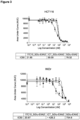
- HCT116 first panel or WiDr cells (second panel) were incubated as described in Example 3 and Table 1 with a dose range of 17c10_MC-Dxd (black circles) and ICT_MC-Dxd (open circles) or linker payload MC-Dxd alone (black diamonds). Cytotoxic effect was observed on HCT116 and WiDr with the 17c10_MC-Dxd ADC. Non-specific cytotoxicity was only observed at the highest concentrations with the isotype control (ICT_MC-Dxd). Better cytotoxic effect (lower IC 50 ) was observed with 17c10_MC-Dxd ADC compared to free MC-Dxd drug-linker on the two cell lines.
- ICT_MC-Dxd isotype control
- HCT116 first panel or WiDr cells (second panel) were incubated as described in Example 3 and Table 1 with a dose range of 17c10_ ⁇ Glu-EXA2 (black circles) and ICT_ ⁇ Glu-EXA2 (open circles) or linker payload MC- ⁇ Glu-EXA2 (black diamonds). Cytotoxic effect was observed on HCT116 and WiDr with the 17c10_ ⁇ Glu-EXA2. Non-specific cytotoxicity was only observed at the highest concentrations with the isotype control (ICT_ ⁇ Glu-EXA2). Better cytotoxic effect was observed with 17c10_ ⁇ Glu-EXA2 ADC compared to free ⁇ Glu-EXA2 drug-linker on the two cell lines.
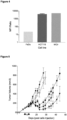
- Histograms showing the ratios of flow cytometry signals observed after various cell lines incubation with primary antibody 17c10 over its isotypic control. High ratios indicate high level of human ASCT2 expression at the surface of tested cell lines.
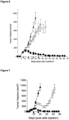
- Tumor volumes were monitored with a caliper twice a week thereafter and values were reported with the following formula (Length ⁇ Width 2 ⁇ (3.14/6). A dose-dependent tumor regression and control was observed in comparison to controls. Recurrence was observed in all cases.
- ADC 16-(ADC diluent) mice.
- ICT_ and 17c10_ ⁇ Glu-EXA1 were evaluated at 10 mg/kg (open and black squares, respectively)
- ICT_ and 17c10_ ⁇ Glu-EXA2 were tested at 5 mg/kg (open and black circles, respectively).
- Control animals were treated with ADC diluent (black diamonds).
- Tumor volumes were monitored with a caliper twice a week thereafter and values were reported with the following formula (Length ⁇ Width 2 ⁇ (3.14/6). Almost complete tumor regression and long-term tumor control was observed with both 17c10_ ⁇ Glu-EXA1 and EXA2 ADC in comparison to respective controls and buffer-treated animals.
- the conjugate comprises a hydrophilic polysarcosine linker comprising a maleimide group, 2 etylene glycol units and 10 sarcosine units, and a topoisomerase I inhibitor, particularly exatecan covalently attached to the linker.
- the linker is subject to cleavage by a glucuronidase.
- the linker-drug conjugate comprises a protease-cleavable linker comprising a maleimide group, an oligopeptide, particularly glycine-glycine-phenylalanine-glycine, and a topoisomerase I inhibitor, particularly exatecan covalently attached to the linker.
- variable VH and VK domains of interest were cloned by In-Fusion (Clontech) into transient expression vectors after PCR amplification with Clone Amp HiFi polymerase (Takara), purification using Nucleospin Gel and PCR Clean-up (Macherey Nagel). Expression vectors were then sequenced by MWG Eurofins and, following sequences validation, midi-preparation of the corresponding DNA was performed for further transfections.
- the human IgG1 format used is a Fc silent format with L234F, L235E and P331S mutations.
- Light and heavy chains vectors were co-transfected at a 1:1.2 ratio into HEK293 cells seeded at 2.9 ⁇ 10 6 cells/mL using a 1:2 DNA: transfection reagent ratio. Feeds were added 18h post-transfection and cells were kept in culture for 7 days. Supernatants were then harvested, clarified and antibodies' productivities were evaluated on Octet RED96 (PALL forte Bio) Platform.
- Exatecan-linker payload 1 (EXA1) DAR4 conjugation
- Isotypic control and anti-huASCT2 17c10 antibodies PBS1X, 1mM EDTA, pH7.4 at 8.4 and 5.3 mg/mL, respectively
- TCEP Tris(2-carboxyethyl)phosphine
- Conjugation was performed by addition of 5.5 antibody molar equivalents of Exatecan-linker payload 1 and incubation for 1h at room temperature under gentle stirring.
- Residual drug ( ⁇ 1.5 equivalents of drug) was eliminated by diafiltration and formulated in 10 mM acetate, 250 mM sucrose, pH 5.0 buffer.
- DAR evaluation was performed by LCMS in DTT reduced conditions on an Aeris 3.6 ⁇ m Widepore XB-C18 column (200 ⁇ , 150 ⁇ 2.1 mm, #00F-4482-AN, Phenomenex) and was estimated to be 4.19 for isotypic control and 3.41 for anti-huASCT2 antibody. Quenching was then performed using 4 drug molar equivalents of N-acetyl cysteine (NAC) for 30min at RT.
- a final sterile filtration (MilliporeMillex-GV Filter, 0.22 ⁇ m, PVDF, 13 mm (Ref#SLGVR13SL, lot R0DB27708)) was performed under a microbiological safety cabinet.
- the cysteine reactive linker-exatecan compound 2 (EXA2) was conjugated to cysteine residues of anti-huASCT2 17c10 and isotypic control.
- mAbs in PBS 1X, 1 mM EDTA were reduced with 14 molar equivalents of TCEP for 2 hours at 37°C, after which the buffer was exchanged (Amicon ultra 30 kDa) to 100 mM KPO 4 , 1 mM EDTA pH 7.4. Twelve molar equivalents of the cysteine reactive linker-exatecan compound 2 were used for conjugation with reactive cysteines for 35 min at room temperature.
- the exchange buffer was performed in 20 mM His pH 6.0 before filtration 0.22 ⁇ M filter.
- the drug-antibody ratio (DAR) according to LC-MS analysis was 7.89 toxins per conjugated mAb. As determined by SEC-HPLC, for all ADC generated less than 5% material was aggregated.
- Target cells were seeded in triplicates into flat-bottom 384-wells plate (3,000 cells per well for WiDr cells, 400 cells for HCT116 cells). Cells were incubated for 3 to 4 hours at 37°C before addition of an equivalent volume of 2X concentrated ADC or free drug-linker dose range (see table 1 for details). Cells were then incubated into a live cell-imaging instrument (Incucyte ® ) for 6 to 8 days and their confluency was monitored all along the culture. The resulting proliferation curves were analyzed using GraphPad Prism 7 software.
- Table 1 In vitro cytotoxicity assays summary HCT116 WiDr 17c10_MC-Dxd 5 to 2 ⁇ 10 -5 ⁇ g/mL 135 to 6.9 ⁇ 10 -3 g/mL ICT_MC-Dxd (Isotype control) 5 to 2 ⁇ 10 -5 ⁇ g/mL 135 to 6.9 ⁇ 10 -3 g/mL 17c10_ ⁇ Glu-EXA-2 80 to 3.05 ⁇ 10 -4 ( ⁇ g/mL) 40 to 1.53 ⁇ 10 -4 ( ⁇ g/mL) ICT_ ⁇ Glu-EXA-2 80 to 3.05 ⁇ 10 -4 ( ⁇ g/mL) 40 to 1.53 ⁇ 10 -4 ( ⁇ g/mL) MC_Dxd 9 to 4.6 ⁇ 10 -4 ⁇ g/mL 9 to 4.6 ⁇ 10 -4 ⁇ g/mL ⁇ Glu-EXA-2 2 to 7.62 ⁇ 10 -6 g/mL 30 to 1.14 ⁇ 10 -4 g/mL
- WiDr cells were cultured in Eagle's minimum essential medium supplemented with 10% FCS and sub-confluent cultures were split every 2 or 3 days.
- HCT116 cells were cultivated in RPMI supplemented with 10 % FCS, 1 % L-Glutamine 200 mM, 1 % Non-Essential Amino Acids solution and sub-confluent cultures were split every 2 or 3 days.
- FaDu cells were cultivated in DMEM supplemented with 10 % FCS and sub-confluent cultures were split every 2 or 3 days.
- NMRI nude female mice were obtained from Janvier Laboratory.
- WiDr cells 2.5 ⁇ 10 6
- HCT116 cells 2 ⁇ 10 6
- FaDu cells 5 ⁇ 10 6
- WiDr and HCT116 cells were embedded in Matrigel.
- Treatment with ADC was performed as mentioned in the respective experiments.
Landscapes
- Health & Medical Sciences (AREA)
- Life Sciences & Earth Sciences (AREA)
- Chemical & Material Sciences (AREA)
- Bioinformatics & Cheminformatics (AREA)
- Engineering & Computer Science (AREA)
- Immunology (AREA)
- Medicinal Chemistry (AREA)
- General Health & Medical Sciences (AREA)
- Veterinary Medicine (AREA)
- Pharmacology & Pharmacy (AREA)
- Epidemiology (AREA)
- Animal Behavior & Ethology (AREA)
- Public Health (AREA)
- Proteomics, Peptides & Aminoacids (AREA)
- Organic Chemistry (AREA)
- Molecular Biology (AREA)
- Cell Biology (AREA)
- Biochemistry (AREA)
- Biophysics (AREA)
- Genetics & Genomics (AREA)
- Peptides Or Proteins (AREA)
- Medicines Containing Antibodies Or Antigens For Use As Internal Diagnostic Agents (AREA)
Priority Applications (1)
| Application Number | Priority Date | Filing Date | Title |
|---|---|---|---|
| EP23176616.3A EP4471061A1 (de) | 2023-06-01 | 2023-06-01 | Anti-asct2-antikörper und daraus abgeleitete adcs |
Applications Claiming Priority (1)
| Application Number | Priority Date | Filing Date | Title |
|---|---|---|---|
| EP23176616.3A EP4471061A1 (de) | 2023-06-01 | 2023-06-01 | Anti-asct2-antikörper und daraus abgeleitete adcs |
Publications (1)
| Publication Number | Publication Date |
|---|---|
| EP4471061A1 true EP4471061A1 (de) | 2024-12-04 |
Family
ID=86656931
Family Applications (1)
| Application Number | Title | Priority Date | Filing Date |
|---|---|---|---|
| EP23176616.3A Ceased EP4471061A1 (de) | 2023-06-01 | 2023-06-01 | Anti-asct2-antikörper und daraus abgeleitete adcs |
Country Status (1)
| Country | Link |
|---|---|
| EP (1) | EP4471061A1 (de) |
Citations (2)
| Publication number | Priority date | Publication date | Assignee | Title |
|---|---|---|---|---|
| US20190367605A1 (en) * | 2016-11-10 | 2019-12-05 | Medimmune, Llc | Binding Molecules Specific For ASCT2 And Uses Thereof |
| US11608375B2 (en) * | 2015-11-10 | 2023-03-21 | Medimmune, Llc | Binding molecules specific for ASCT2 and uses thereof |
-
2023
- 2023-06-01 EP EP23176616.3A patent/EP4471061A1/de not_active Ceased
Patent Citations (2)
| Publication number | Priority date | Publication date | Assignee | Title |
|---|---|---|---|---|
| US11608375B2 (en) * | 2015-11-10 | 2023-03-21 | Medimmune, Llc | Binding molecules specific for ASCT2 and uses thereof |
| US20190367605A1 (en) * | 2016-11-10 | 2019-12-05 | Medimmune, Llc | Binding Molecules Specific For ASCT2 And Uses Thereof |
Non-Patent Citations (19)
| Title |
|---|
| CONILH LOUISE ET AL: "Exatecan Antibody Drug Conjugates Based on a Hydrophilic Polysarcosine Drug-Linker Platform", PHARMACEUTICALS, vol. 14, no. 3, 9 March 2021 (2021-03-09), CH, pages 247, XP055953984, ISSN: 1424-8247, DOI: 10.3390/ph14030247 * |
| CONILH: "Exatecan antibody drug conjugates based on a hydrophilic polysarcosine drug-linker platform", PHARMACEUTICALS, vol. 14, 2021, pages 247, XP055953984, DOI: 10.3390/ph14030247 |
| CORMERAIS YMASSARD PAVUCETIC MGIULIANO STAMBUTTE EDURIVAULT J ET AL.: "The glutamine transporter ASCT2 (SLC1A5) promotes tumor growth independently of the amino acid transporter LAT1 (SLC7A5", JOURNAL OF BIOLOGICAL CHEMISTRY, vol. 293, 2018, pages 2877 - 87 |
| HAN SEUNGMIN ET AL: "The Potential of Topoisomerase Inhibitor-Based Antibody-Drug Conjugates", PHARMACEUTICS, vol. 14, no. 8, 16 August 2022 (2022-08-16), pages 1707, XP093099780, Retrieved from the Internet <URL:https://www.ncbi.nlm.nih.gov/pmc/articles/PMC9413092/pdf/pharmaceutics-14-01707.pdf> DOI: 10.3390/pharmaceutics14081707 * |
| HANAHAN DWEINBERG RA: "Hallmarks of cancer: the next generation", CELL, vol. 144, 2011, pages 646 - 74, XP028185429, DOI: 10.1016/j.cell.2011.02.013 |
| HENSLEY CTWASTI ATDEBERARDINIS RJ: "Glutamine and cancer: cell biology, physiology, and clinical opportunities", THE JOURNAL OF CLINICAL INVESTIGATION, vol. 123, 2013, pages 3678 - 84, XP055787466, DOI: 10.1172/JCI69600 |
| JIN LALESI GNKANG S: "Glutaminolysis as a target for cancer therapy", ONCOGENE, vol. 35, 2016, pages 3619 - 25, XP037749490, DOI: 10.1038/onc.2015.447 |
| KABAT ET AL.: "Sequences of Proteins of Immunological Interest", 1991, PUBLIC HEALTH SERVICE |
| LUND PWILLIAMSON DH: "INTER-TISSUE NITROGEN FLUXES", BRITISH MEDICAL, vol. 41, 1985, pages 251 - 6 |
| MED RES REV, vol. 35, no. 4, July 2015 (2015-07-01), pages 753 - 789 |
| NAKAYA MXIAO YZHOU XCHANG J-HCHANG MCHENG X ET AL.: "Inflammatory T Cell Responses Rely on Amino Acid Transporter ASCT2 Facilitation of Glutamine Uptake and mTORC1 Kinase Activation", IMMUNITY, vol. 40, 2014, pages 692 - 705, XP055467796, DOI: 10.1016/j.immuni.2014.04.007 |
| NEUBERGER, M. S. ET AL., NATURE, vol. 314, 1985, pages 268 - 270 |
| OHIOBANE, METHODS MOL BIOL, vol. 2078, 2020, pages 83 - 97 |
| OSANAI-SASAKAWA AHOSOMI KSUMITOMO YTAKIZAWA TTOMURA-SURUKI SIMAIZUMI M ET AL.: "An anti-ASCT2 monoclonal antibody suppresses gastric cancer growth by inducing oxidative stress and antibody dependent cellular toxicity in preclinical models", AM J CANCER RES, vol. 8, 2018, pages 1499 - 513 |
| RIECHMANN, L. ET AL., NATURE, vol. 332, 1988, pages 323 - 327 |
| SCALISE MPOCHINI LCONSOLE LLOSSO MAINDIVERI C: "The Human SLC1A5 (ASCT2) Amino Acid Transporter: From Function to Structure and Role in Cell Biology", FRONT CELL DEV BIOL, vol. 6, 2018, pages 96 |
| SU ZHENG ET AL: "Antibody-drug conjugates: Recent advances in linker chemistry", ACTA PHARMACEUTICA SINICA B, vol. 11, no. 12, 1 December 2021 (2021-12-01), pages 3889 - 3907, XP093087740, ISSN: 2211-3835, DOI: 10.1016/j.apsb.2021.03.042 * |
| VAN DIJK, M. A.VAN DE WINKEL, J. G., CURR. OPIN. CHEM. BIOL., vol. 5, 2001, pages 368 - 374 |
| YOU ET AL., BICONJUGATE CHEM, vol. 32, no. 8, 2021, pages 1525 - 1534 |
Similar Documents
| Publication | Publication Date | Title |
|---|---|---|
| CA3093327C (en) | Targeted cd73 antibody and antibody-drug conjugate, and preparation method therefor and uses thereof | |
| TWI883057B (zh) | 抗pd-l1抗體及抗體藥物結合物 | |
| EP3307274B1 (de) | Anti-cd123-antikörper und konjugate davon | |
| CN110770256B (zh) | 靶向axl的抗体及抗体-药物偶联物及其制备方法和用途 | |
| CN109320612B (zh) | 抗her2抗体及其缀合物 | |
| EP4331615A1 (de) | Gegen nectin-4 gerichtetes antikörper-wirkstoff-konjugat und herstellungsverfahren dafür und verwendung davon | |
| IL305954A (en) | Nectin-4 protein antibody and extacan compounds | |
| KR20150003251A (ko) | 항 cdh3(p-카드헤린) 항체의 약물 콘쥬게이트 | |
| KR20230042518A (ko) | 항-cd228 항체 및 항체-약물 컨쥬게이트 | |
| EP4086284A1 (de) | Anti-nectin-4-antikörper-exatecan-konjugate | |
| US20260062481A1 (en) | Novel anti-nectin-4 antibodies and antibody-drug conjugates | |
| EP4223776A1 (de) | Anti-pd-l1-antikörper und verwendung davon | |
| EP4471061A1 (de) | Anti-asct2-antikörper und daraus abgeleitete adcs | |
| EP4324849A1 (de) | Humanisierte anti-nectin-4-antikörper | |
| EP4410838A1 (de) | Anti-cd39-antikörper-wirkstoff-konjugat und verwendung davon | |
| CN120424212A (zh) | 抗FGFR2b抗体及抗体药物偶联物 | |
| RU2859403C2 (ru) | Конъюгат антитела с лекарственным средством, нацеливающийся на нектин-4, и способ его получения и его применение | |
| CA3128097C (en) | Anti-cd228 antibodies and antibody-drug conjugates | |
| EP4309676A1 (de) | Neuartige anti-nectin-4 antikörper-camptothecinderivatkonjugate | |
| EP4344707A1 (de) | Neue anti-nectin-4-antikörper-wirkstoffkonjugate | |
| WO2025132907A1 (en) | Novel antibody-drug conjugates comprising an anti-(tcr)-cd3-complex binding antibody | |
| WO2026052513A1 (en) | Antibody-drug conjugates comprising an flt3 binding antibody | |
| WO2026082207A1 (zh) | 抗EGFR和cMET双特异性抗体的抗体药物偶联物 | |
| HK40107290A (en) | Anti-cd39 antibody-drug conjugate and use thereof | |
| EP4461317A1 (de) | Antikörper-wirkstoff-konjugate mit einem anti-nectin-4-antikörper und belotecan oder einem derivat davon |
Legal Events
| Date | Code | Title | Description |
|---|---|---|---|
| PUAI | Public reference made under article 153(3) epc to a published international application that has entered the european phase |
Free format text: ORIGINAL CODE: 0009012 |
|
| STAA | Information on the status of an ep patent application or granted ep patent |
Free format text: STATUS: THE APPLICATION HAS BEEN PUBLISHED |
|
| AK | Designated contracting states |
Kind code of ref document: A1 Designated state(s): AL AT BE BG CH CY CZ DE DK EE ES FI FR GB GR HR HU IE IS IT LI LT LU LV MC ME MK MT NL NO PL PT RO RS SE SI SK SM TR |
|
| STAA | Information on the status of an ep patent application or granted ep patent |
Free format text: STATUS: THE APPLICATION HAS BEEN REFUSED |
|
| 18R | Application refused |
Effective date: 20241216 |