EP4475551A1 - System und verfahren zur inhaltsverbesserung unter verwendung von quad-farbfilterarraysensoren - Google Patents
System und verfahren zur inhaltsverbesserung unter verwendung von quad-farbfilterarraysensoren Download PDFInfo
- Publication number
- EP4475551A1 EP4475551A1 EP24206083.8A EP24206083A EP4475551A1 EP 4475551 A1 EP4475551 A1 EP 4475551A1 EP 24206083 A EP24206083 A EP 24206083A EP 4475551 A1 EP4475551 A1 EP 4475551A1
- Authority
- EP
- European Patent Office
- Prior art keywords
- qcfa
- sensor
- zoom
- mode
- contents
- Prior art date
- Legal status (The legal status is an assumption and is not a legal conclusion. Google has not performed a legal analysis and makes no representation as to the accuracy of the status listed.)
- Granted
Links
Images









Classifications
-
- H—ELECTRICITY
- H04—ELECTRIC COMMUNICATION TECHNIQUE
- H04N—PICTORIAL COMMUNICATION, e.g. TELEVISION
- H04N23/00—Cameras or camera modules comprising electronic image sensors; Control thereof
- H04N23/95—Computational photography systems, e.g. light-field imaging systems
-
- H—ELECTRICITY
- H04—ELECTRIC COMMUNICATION TECHNIQUE
- H04N—PICTORIAL COMMUNICATION, e.g. TELEVISION
- H04N23/00—Cameras or camera modules comprising electronic image sensors; Control thereof
- H04N23/50—Constructional details
- H04N23/54—Mounting of pick-up tubes, electronic image sensors, deviation or focusing coils
-
- H—ELECTRICITY
- H04—ELECTRIC COMMUNICATION TECHNIQUE
- H04N—PICTORIAL COMMUNICATION, e.g. TELEVISION
- H04N23/00—Cameras or camera modules comprising electronic image sensors; Control thereof
- H04N23/60—Control of cameras or camera modules
- H04N23/63—Control of cameras or camera modules by using electronic viewfinders
- H04N23/631—Graphical user interfaces [GUI] specially adapted for controlling image capture or setting capture parameters
- H04N23/632—Graphical user interfaces [GUI] specially adapted for controlling image capture or setting capture parameters for displaying or modifying preview images prior to image capturing, e.g. variety of image resolutions or capturing parameters
-
- H—ELECTRICITY
- H04—ELECTRIC COMMUNICATION TECHNIQUE
- H04N—PICTORIAL COMMUNICATION, e.g. TELEVISION
- H04N23/00—Cameras or camera modules comprising electronic image sensors; Control thereof
- H04N23/60—Control of cameras or camera modules
- H04N23/667—Camera operation mode switching, e.g. between still and video, sport and normal or high- and low-resolution modes
-
- H—ELECTRICITY
- H04—ELECTRIC COMMUNICATION TECHNIQUE
- H04N—PICTORIAL COMMUNICATION, e.g. TELEVISION
- H04N23/00—Cameras or camera modules comprising electronic image sensors; Control thereof
- H04N23/60—Control of cameras or camera modules
- H04N23/69—Control of means for changing angle of the field of view, e.g. optical zoom objectives or electronic zooming
-
- H—ELECTRICITY
- H04—ELECTRIC COMMUNICATION TECHNIQUE
- H04N—PICTORIAL COMMUNICATION, e.g. TELEVISION
- H04N23/00—Cameras or camera modules comprising electronic image sensors; Control thereof
- H04N23/80—Camera processing pipelines; Components thereof
- H04N23/84—Camera processing pipelines; Components thereof for processing colour signals
- H04N23/843—Demosaicing, e.g. interpolating colour pixel values
-
- H—ELECTRICITY
- H04—ELECTRIC COMMUNICATION TECHNIQUE
- H04N—PICTORIAL COMMUNICATION, e.g. TELEVISION
- H04N25/00—Circuitry of solid-state image sensors [SSIS]; Control thereof
- H04N25/10—Circuitry of solid-state image sensors [SSIS]; Control thereof for transforming different wavelengths into image signals
- H04N25/11—Arrangement of colour filter arrays [CFA]; Filter mosaics
- H04N25/13—Arrangement of colour filter arrays [CFA]; Filter mosaics characterised by the spectral characteristics of the filter elements
- H04N25/135—Arrangement of colour filter arrays [CFA]; Filter mosaics characterised by the spectral characteristics of the filter elements based on four or more different wavelength filter elements
-
- H—ELECTRICITY
- H04—ELECTRIC COMMUNICATION TECHNIQUE
- H04N—PICTORIAL COMMUNICATION, e.g. TELEVISION
- H04N25/00—Circuitry of solid-state image sensors [SSIS]; Control thereof
- H04N25/40—Extracting pixel data from image sensors by controlling scanning circuits, e.g. by modifying the number of pixels sampled or to be sampled
- H04N25/42—Extracting pixel data from image sensors by controlling scanning circuits, e.g. by modifying the number of pixels sampled or to be sampled by switching between different modes of operation using different resolutions or aspect ratios, e.g. switching between interlaced and non-interlaced mode
-
- H—ELECTRICITY
- H04—ELECTRIC COMMUNICATION TECHNIQUE
- H04N—PICTORIAL COMMUNICATION, e.g. TELEVISION
- H04N25/00—Circuitry of solid-state image sensors [SSIS]; Control thereof
- H04N25/40—Extracting pixel data from image sensors by controlling scanning circuits, e.g. by modifying the number of pixels sampled or to be sampled
- H04N25/46—Extracting pixel data from image sensors by controlling scanning circuits, e.g. by modifying the number of pixels sampled or to be sampled by combining or binning pixels
Definitions
- the present disclosure relates to content enhancement using image sensors of an electronic device and more particularly to a system and method for content enhancement using Quad Color Filter Array (QCFA) sensors of the electronic device.
- QCFA Quad Color Filter Array
- an electronic device for example a smart phone, may utilize image sensors for capturing an image and the image quality.
- a preview of the image zoomed at high zoom levels results in a loss of detail of the image, resulting in a fuzzy and out of focus image. Accordingly, the image quality while the image is captured at high zoom levels is drastically reduced.
- an output image of the image sensor (actual sensor data) is cropped based on a zoom ratio followed by an upscaling of the cropped image. This results in loss of detail, affecting the preview image quality. Accordingly, a previewed image and a captured image using conventional methods may be fuzzy and/or out of focus.
- KPIs Key Performance Indicators
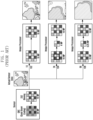
- FIG. 1 illustrates a digital zoom method using a QCFA sensor of an electronic device, according to a prior art.
- the QCFA sensor while previewing the contents in a field of view of the QCFA sensor, the QCFA sensor operates in a binning mode.
- a 64MP QCFA sensor is used. While previewing the contents, the QCFA sensor acquires 64 MP of image data and in the binning mode, the QCFA sensor combines 4 adjacent pixels to create one pixel. Since 4 Pixels are combined into one, the final sensor output is 1/4th of the sensor size. As illustrated by this example, the QCFA sensor output will be 16MP; i.e. the actual sensor data is 16MP.
- a zoom level of the contents previewed is 1X.
- a display resolution of the electronic device is 16 MP
- an image processor provides the same 16 MP sensor output. Accordingly, there is no loss of detail at the 1X zoom level.
- the zoom level of the contents previewed is 2X.
- the image processor upscales the 4 MP image data to 16 MP image data resulting in a loss of detail at the 2X zoom level.
- the zoom level of the contents previewed is 8X.
- the image processor upscales the 0.25 MP image data to a 16 MP image data, resulting in a severe loss of detail at the 8X zoom level.
- the image data from the image processor becomes more and more blurry and/or fuzzy.
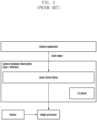
- FIG.2 illustrates a block diagram of an implementation flow for zooming in on the contents being previewed, according to a prior art.
- the camera application when a user zooms into the contents being previewed by using a camera application of the electronic device, the camera application sends a zoom value to a zoom control block based on the zoom level of the contents being previewed.
- the zoom value displays information about the four corners of a rectangle that the user wants to zoom in on.
- the zoom control block translates crop parameters based upon the zoom value received from the camera application to the image processor, and the image processor crops the contents that the user may want to zoom in on.
- the zoom control block even when the zoom level of the contents previewed increases, the zoom control block does not have the intelligence to output a lossless image or a sharp and focused image.
- One object of certain embodiments according to this disclosure is to provide a system and method for content enhancement using QCFA sensors.
- Another object of certain embodiments according to this disclosure is to preview contents in a field of view of a first QCFA sensor of an electronic device, wherein the first QCFA sensor is operating in a first mode.
- Another object of certain embodiments according to this disclosure is to detect whether a zoom level of the contents previewed meets a first zoom-level criteria, and whether a light condition of the contents previewed meets a light criteria.
- Another object of certain embodiments according to this disclosure is to configure the first QCFA sensor to switch from the first mode to a second mode to enhance a resolution of the contents previewed in the field of view of the first QCFA sensor in response to detecting that the zoom level of the contents previewed in the field of view of the first QCFA sensor meets the first zoom-level criteria, and the light condition of the contents previewed in the field of view of the first QCFA sensor meets the light criteria.
- Another object of certain embodiments according to this disclosure is to maintain the first QCFA sensor in the first mode in response to detecting that at least one of the zoom level of the contents previewed in the field of view of the first QCFA sensor is not meeting the first zoom level criteria and the light condition of the contents previewed in the field of view of the first QCFA sensor is not meeting the light criteria.
- Another object of certain embodiments according to this disclosure is to display the enhanced content in the field of view of the first QCFA sensor.
- the embodiments herein disclose a system and method for content enhancement using QCFA sensors of an electronic device.
- the embodiments include previewing contents in a field of view of a first QCFA sensor of the electronic device, wherein the first QCFA sensor is operating in a first mode. Further, certain embodiments include detecting whether a zoom level of the contents previewed meets a first zoom-level criteria, and a light condition of the contents previewed meets a light criteria.
- certain embodiments include configuring the first QCFA sensor to switch from the first mode to a second mode to enhance a resolution of the contents previewed in the field of view of the first QCFA sensor in response to detecting that the zoom level of the contents previewed in the field of view of the first QCFA sensor meets the first zoom-level criteria, and the light condition of the contents previewed in the field of view of the first QCFA sensor meets the light criteria. Further, certain embodiments include maintaining the first QCFA sensor in the first mode in response to detecting that at least one of the zoom level of the contents previewed in the field of view of the first QCFA sensor is not meeting the first zoom level criteria and the light condition of the contents previewed in the field of view of the first QCFA sensor is not meeting the light criteria. Further, the embodiment includes displaying the enhanced content in the field of view of the first QCFA sensor.
- the method further includes previewing the contents in the field of view of the first QCFA sensor, wherein the first QCFA sensor is operating in the second mode.
- the method further includes, determining the zoom level of the contents previewed meets a second zoom-level criteria.
- the method further includes previewing the contents in the field of view of a second QCFA sensor on determining that the zoom level of the contents previewed meets the second zoom-level criteria, wherein the second QCFA sensor is operating in the first mode.
- the method further includes detecting whether the zoom level of the contents previewed in the field of view of the second QCFA sensor meets a third zoom-level criteria, and the light condition of the contents previewed in the field of view of the second QCFA sensor meets the light criteria.
- the method further includes configuring the second QCFA sensor to switch from the first mode to the second mode to enhance the resolution of the contents previewed in the field of view of the second QCFA sensor in response to detecting that the zoom level of the contents previewed in the field of view of the second QCFA sensor meets the third zoom-level criteria, and the light condition of the contents previewed in the field of view of the second QCFA sensor meets the light criteria.
- the method further includes maintaining the second QCFA sensor in the first mode in response to detecting that at least one of the zoom level of the contents previewed in the field of view of the second QCFA sensor is not meeting the third zoom level criteria and the light condition of the contents previewed in the field of view of the second QCFA sensor is not meeting the light criteria.
- the method further includes displaying the enhanced content in the field of view of the second QCFA sensor.
- configuring the first QCFA sensor to switch to the second mode includes switching the first QCFA sensor from the first mode to the second mode.
- the method further includes previewing the contents in the field of preview of the first QCFA sensor, wherein the first QCFA sensor is operating in the second mode.
- the method further includes centrally cropping the contents previewed in the second mode of the first QCFA sensor into half in both dimensions.
- displaying the enhanced content in the field of view of the first QCFA sensor includes enhancing the centrally cropped content in the field of preview of the first QCFA sensor, wherein the first QCFA sensor is operating in the second mode.
- the method further includes displaying the enhanced content in the field of view of the first QCFA sensor.
- configuring the second QCFA sensor to switch to the second mode includes switching the second QCFA sensor from the first mode to the second mode.
- the method further includes previewing the contents in the field of preview of the second QCFA sensor, wherein the second QCFA sensor is operating in the second mode and centrally cropping the contents previewed in the second mode of the second QCFA sensor into half in both dimensions.
- displaying, by the enhanced content in the field of view of the second QCFA sensor includes enhancing the centrally cropped content in the field of preview of the second QCFA sensor, wherein the second QCFA sensor is operating in the second mode.
- the method further includes displaying the enhanced content in the field of view of the second QCFA sensor.
- the proposed methods for content enhancement using QCFA sensor of the electronic device may output a lossless image quality at zoom levels of 2X as wells as above 2X zoom levels, resulting in high detailed images.
- the previewed image and the captured image at zoom levels 2X and above are sharper and more focused.
- the image appears clear, and may convey additional details resulting in enhanced contents in the field of view of the QCFA sensor (high detailed image).
- various functions described below can be implemented or supported by one or more computer programs, each of which is formed from computer readable program code and embodied in a computer readable medium.
- application and “program” refer to one or more computer programs, software components, sets of instructions, procedures, functions, objects, classes, instances, related data, or a portion thereof adapted for implementation in a suitable computer readable program code.
- computer readable program code includes any type of computer code, including source code, object code, and executable code.
- computer readable medium includes any type of medium capable of being accessed by a computer, such as read only memory (ROM), random access memory (RAM), a hard disk drive, a compact disc (CD), a digital video disc (DVD), or any other type of memory.
- ROM read only memory
- RAM random access memory
- CD compact disc
- DVD digital video disc
- a "non-transitory” computer readable medium excludes wired, wireless, optical, or other communication links that transport transitory electrical or other signals.
- a non-transitory computer readable medium includes media where data can be permanently stored and media where data can be stored and later overwritten, such as a rewritable optical disc or an erasable memory device.
- FIGS. 1 through 16B discussed below, and the various embodiments used to describe the principles of the present disclosure in this patent document are by way of illustration only and should not be construed in any way to limit the scope of the disclosure. Those skilled in the art will understand that the principles of the present disclosure may be implemented in any suitably arranged system or device.
- circuits may, for example, be embodied in one or more semiconductor chips, or on substrate supports such as printed circuit boards and the like.
- circuits constituting a block may be implemented by dedicated hardware, or by a processor (e.g., one or more programmed microprocessors and associated circuitry), or by a combination of dedicated hardware to perform some functions of the block and a processor to perform other functions of the block.
- a processor e.g., one or more programmed microprocessors and associated circuitry
- Each block of the embodiments may be physically separated into two or more interacting and discrete blocks without departing from the scope of the disclosure.
- the blocks of the embodiments may be physically combined into more complex blocks without departing from the scope of the disclosure.
- Certain embodiments according to this disclosure disclose systems and methods for content enhancement using QCFA sensors of an electronic device.
- the embodiments include previewing contents in a field of view of a first QCFA sensor of the electronic device, wherein the first QCFA sensor is operating in a first mode. Further, the embodiment includes detecting whether a zoom level of the contents previewed meets a first zoom-level criteria, and a light condition of the contents previewed meets a light criteria.
- the embodiment includes configuring the first QCFA sensor to switch from the first mode to a second mode to enhance a resolution of the contents previewed in the field of view of the first QCFA sensor in response to detecting that the zoom level of the contents previewed in the field of view of the first QCFA sensor meets the first zoom-level criteria, and the light condition of the contents previewed in the field of view of the first QCFA sensor meets the light criteria. Further, the embodiment includes maintaining the first QCFA sensor in the first mode in response to detecting that at least one of the zoom level of the contents previewed in the field of view of the first QCFA sensor is not meeting the first zoom level criteria and the light condition of the contents previewed in the field of view of the first QCFA sensor is not meeting the light criteria. Further, the embodiment includes displaying the enhanced content in the field of view of the first QCFA sensor.
- FIGS.3 through 16 Referring now to the drawings and more particularly to the illustrative examples of FIGS.3 through 16 . Where similar reference characters denote corresponding features consistently throughout the figure, these are shown in certain embodiments.
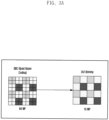
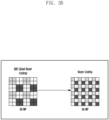
- FIGS.3A and3B illustrate schematic diagrams of different modes of a QCFA sensor, according to an embodiment as disclosed herein.
- FIG. 3A illustrates an example of a first mode of the QCFA sensor.
- This may be a binning mode, which may generate brighter images in a dark light scenario.
- the QCFA sensor operates in the binning mode.
- 4 adjacent pixels of an image may be combined into one pixel, displaying a lower resolution, less noisy, brighter images. Since 4 Pixels are combined into one, the final sensor output is 1/4th of the sensor size.
- the QCFA sensor acquires 64 MP of image data.
- the QCFA sensor may combine 4 adjacent pixels to create one pixel.
- the QCFA sensor output will be 16MP; i.e. the actual sensor data is 16MP.
- FIG.3B illustrates an example of a second mode of a QCFA sensor.
- This example may be operating in a remosaic mode, which may generate a full resolution output in a bright light scenario.
- the full resolution remosaic mode of the QCFA sensor may output the full megapixel capability of a QCFA sensor.
- the QCFA sensor may provide an improved mega pixel image in a bright light scenario.
- the QCFA sensor while capturing image contents, the QCFA sensor acquires 64 MP of image data; and in the full resolution remosaic mode, the QCFA sensor output will be 64 MP, i.e. the actual sensor data is 64 MP.
- the QCFA sensor may be configured to switch from a binning mode to a full resolution remosaic mode when the zoom level of the contents previewed meets a zoom level criteria, and a light condition of the contents previewed meets a light criteria.
- the zoom level criteria may be a zoom of 2X
- the light criteria may be an ambient light criteria.
- the proposed method for content enhancement using QCFA sensor of an electronic device 600 may generate a lossless image quality at zoom levels of 2X and above, resulting in high detailed images.
- the previewed image and the captured image at zoom levels 2X and above 2X may be sharper and better focused.
- the image appears more clear and the image may convey additional details, providing enhanced contents in the field of view of the QCFA sensor (high detailed image).
- FIG.4 illustrates a schematic diagram of a remosaic crop mode of a QCFA sensor, according to certain embodiments of this disclosure.
- a new mode for example, a remosaic crop mode for content enhancement using the QCFA sensor is disclosed.
- the electronic device 600 may switch the QCFA sensor from a binning mode to a remosaic mode.
- the QCFA sensor hardware may centrally crop the image contents in the remosaic mode of the QCFA sensor by half in both dimensions; i.e. half of the width and half of the height are cropped.
- the QCFA sensor is configured to remosaic mode and the QCFA sensor hardware outputs center cropped output of the remosaic mode by configuring crop register settings of the QCFA sensor. Since 1/2 of the width and 1/2 of the height are cropped, the final QCFA sensor output is 1/4th of the sensor size but the field of view is 2X zoomed. As illustrated in FIG.4 , when the zoom level of the contents previewed meets the zoom level criteria and the light condition of the contents previewed meets the light criteria, the QCFA sensor starts operating in the full resolution remosaic mode.
- the QCFA sensor acquires 64 MP of image data and in the full resolution remosaic mode, Bayer coding is implemented, resulting in a 64 MP full resolution image.
- the QCFA sensor hardware crops the center part of the 64 MP image.
- the QCFA sensor hardware crops the center part of the image by exactly 1/2 of the width and 1/2 of the height, the QCFA sensor automatically generates a 2X zoomed image as output.
- the QCFA sensor output is 16 MP.
- the QCFA sensor output is a cropped 2X zoomed image.
- an image processor 660 see, for example, FIG.6 ), of the electronic device 600 further crops the 2X zoomed image output of the QCFA sensor based on zoom levels.
- FIG.5 illustrates a block diagram of a method for content enhancement using QCFA sensors, and also illustrates a method for digital zoom using the QCFA sensor of the electronic device 600 , according to certain embodiments of this disclosure.
- the QCFA sensor when the zoom level of the contents previewed in the field of view of the QCFA sensor is at the 1X zoom level, the QCFA sensor operates in the first mode (binning mode).
- a 64MP QCFA sensor is used. While previewing contents, the QCFA sensor acquires 64 MP of image data and in the binning mode, the QCFA sensor combines 4 adjacent pixels to create one pixel. Since 4 Pixels are combined into one, the final sensor output is 1/4th of the sensor size.
- the QCFA sensor output will be 16MP, i.e. the actual sensor data is 16MP.
- the image processor 660 outputs the same 16 MP sensor output. Accordingly, there is no loss of detail at the 1X zoom level.
- the QCFA sensor While previewing contents in the field of view of the QCFA sensor of the electronic device 600, the QCFA sensor is operating in the binning mode. Now, when the zoom level of the contents previewed meets the zoom level criteria and the light condition of the contents previewed meets the light criteria, the electronic device 600 is configured to switch the QCFA sensor from the binning mode to the remosaic mode.
- the zoom level criteria may be a 2X zoom level
- the light criteria may be the ambient light criteria (normal light or bright light).
- the image contents are previewed in the remosaic mode.
- the QCFA sensor hardware centrally crops the image contents in the remosaic mode of the QCFA sensor by half in both dimensions (i.e. length and width).
- the QCFA sensor hardware outputs a center cropped output of the remosaic mode by configuring crop register settings of the QCFA sensor. Since 1/2 of the width and 1/2 of the height are cropped, the final QCFA sensor output is 1/4th of the sensor size but the field of view is 2X zoomed.
- the electronic device 600 may switch the QCFA sensor from the binning mode to the remosaic mode.
- the QCFA sensor acquires 64 MP of image data and in the full resolution remosaic mode, Bayer coding is implemented, resulting in a 64 MP full resolution image.
- the QCFA sensor hardware may crop the center part of the 64 MP image.
- the QCFA sensor hardware crops the center part of the image with exactly 1/2of the width and 1/2 of the height the QCFA sensor automatically generates a 2X zoomed image as output.
- the QCFA sensor output is 16 MP and the QCFA sensor output is the 2X zoomed image.
- the image processor 660 outputs the same 16 MP sensor output. In other words, there is no loss of detail at the 2X zoom level. 16 MP sensor output may be saved.
- the electronic device 600 outputs a lossless image at the 2X zoom level.
- the image processor 660 of the electronic device 600 further crops the 2X zoomed image output of the QCFA sensor based on zoom levels.
- the zoom level of the contents previewed in the field of view of the QCFA sensor is 8X and the light condition of the contents previewed meets the configured light criteria.
- the QCFA sensor automatically provides a 2 X zoomed image as output.
- the QCFA sensor output is 16 MP and the QCFA sensor output is the 2X zoomed image.
- the image processor 660 of the electronic device 600 further crops the 2X zoomed sensor output.
- the QCFA sensor hardware outputs the 2X zoomed image as the final QCFA sensor output.
- the image processor 660 of the electronic device 600 As illustrated in FIG.5 , a 16 MP image data received from the QCFA sensor hardware is displayed by the electronic device 600.
- the proposed method instead of upscaling a 0.25 MP image data to 16MP at the 8X zoom level, in the proposed method, at the 8X zoom level the 1 MP image data is upscaled to 16 MP. Accordingly, the image quality for real-time preview zoom in the proposed method is improved, and both the previewed image and the captured image are sharper and more focused. Similarly, as the zoom level increases, unlike existing systems, the image quality for real-time preview zoom in the proposed method is improved and the previewed image and the captured image are sharper and more focused.
- FIG.6 illustrates a block diagram of an electronic device 600 for content enhancement using QCFA sensors, according to certain embodiments of this disclosure.
- Examples for the electronic device 600 include but are not limited to a mobile phone, a smart phone, a tablet, a handheld device, a laptop, a computer, a wearable computing device, an Internet of Things (IoT) device, a camera, a web camera, a digital single-lens reflex (DSLR) camera, a video camera, a digital camera, a mirror-less camera, a still camera, and the like.
- the electronic device 600 may also include a user application interface and a camera application for previewing and capturing media or images.
- the camera application may be used in developing a graphical user interface (GUI).
- GUI graphical user interface
- the electronic device 600 may include at least one of two image sensors, three image sensors, four image sensors, etc.
- An example of an image sensor may be a QCFA sensor.
- the electronic device 600 includes a communicator 610, a memory 620, a processor 630, a content enhancement unit 640, a sensor 650, and the image processor 660.
- the sensor 650 may be the image sensor, for example the QCFA sensor.
- the image processor 660 (also referred to as the image signal processor (ISP) 660) is a specialized digital signal processor used for image processing in the electronic device 600.
- the electronic device 600 may include more than one sensor 650, such as a first QCFA sensor and a second QCFA sensor.
- the communicator 610 may be configured for communicating internally between internal units and external devices via one or more networks.
- the memory 620 may include one or more computer-readable storage media.
- the memory 620 may include non-volatile storage elements. Examples of such non-volatile storage elements may include magnetic hard disc, optical discs, floppy discs, flash memories, or forms of electrically programmable memories (EPROM) or electrically erasable and programmable (EEPROM) memories.
- EPROM electrically programmable memories
- EEPROM electrically erasable and programmable
- the memory 620 may, in some examples, be considered a non-transitory storage medium.
- the term "non-transitory" may indicate that the storage medium is not embodied in a carrier wave or a propagated signal.
- non-transitory should not be interpreted that the memory 620 is non-movable.
- the memory 620 can be configured to store larger amounts of information than a memory 620.
- a non-transitory storage medium may store data that can, over time, change (e.g., in Random Access Memory (RAM) or cache).
- RAM Random Access Memory
- the processor 630 may be coupled to the memory 620 and the communicator 610; and the processor 630 may be communicatively coupled to the content enhancement unit 640, the sensor 650, and the image processor 660.
- the processor 630 may be configured to preview contents in a field of view of a first QCFA sensor of the electronic device 600, wherein the first QCFA sensor is operating in a first mode.
- the first mode may be the binning mode of the QCFA sensor.
- the processor 630 may be configured to detect whether a zoom level of the contents previewed meets a first zoom-level criteria, and whether a light condition of the contents previewed meets a light criteria.
- the first zoom level criteria may be a 2X zoom level of the contents previewed in the field of view of the first QCFA sensor.
- the light criteria may be the ambient light criteria, for example: normal light or bright light.
- the processor 630 upon detecting that the zoom level of the contents previewed in the field of view of the first QCFA sensor meets the first zoom-level criteria, and the light condition of the contents previewed in the field of view of the first QCFA sensor meets the light criteria, is configured to switch the first QCFA sensor from the first mode to a second mode in order to enhance a resolution of the contents previewed in the field of view of the first QCFA sensor.
- the second mode may be a remosaic mode of the QCFA sensor.
- the processor 630 upon detecting that at least one of the zoom level of the contents previewed in the field of view of the first QCFA sensor is not meeting the first zoom level criteria and the light condition of the contents previewed in the field of view of the first QCFA sensor is not meeting the light criteria, is configured to maintain the first QCFA sensor in the first mode.
- the processor 630 is also configured to display the enhanced content in the field of view of the first QCFA sensor.
- the processor 630 after configuring the first QCFA sensor to switch to the second mode, is further configured to preview the contents in the field of view of the first QCFA sensor, wherein the first QCFA sensor is operating in the second mode.
- the processor 630 may be configured to determine the zoom level of the contents previewed meets a second zoom-level criteria.
- the second zoom level criteria may be the 4X zoom level.
- the processor 630 may be further configured to activate a second QCFA sensor, wherein the second QCFA sensor is operating in the first mode.
- the first QCFA sensor may be a wide angle sensor and the second QCFA sensor may be a tele-photo sensor.
- the processor 630 may be configured to preview contents in a field of view of the second QCFA sensor of the electronic device 600, wherein the second QCFA sensor is operating in the first mode.
- the processor 630 may be further configured to detect whether the zoom level of the contents previewed meets a third zoom-level criteria and the light condition of the contents previewed meets the light criteria.
- the third zoom level criteria may be the 8X zoom level.
- the light criteria may be the ambient light criteria for example normal light or bright light.
- the processor 630 upon detecting that the zoom level of the contents previewed in the field of view of the second QCFA sensor meets the third zoom-level criteria; and the light condition of the contents previewed in the field of view of the second QCFA sensor meets the light criteria may be configured to switch the second QCFA sensor from the first mode to the second mode to enhance the resolution of the contents previewed in the field of view of the second QCFA sensor.
- the processor 630 upon detecting that at least one of the zoom level of the contents previewed in the field of view of the second QCFA sensor is not meeting the third zoom level criteria and the light condition of the contents previewed in the field of view of the second QCFA sensor is not meeting the light criteria may be configured to maintain the second QCFA sensor in the first mode.
- the processor 630 is also configured to display the enhanced content in the field of view of the second QCFA sensor.
- FIG.6 shows hardware elements of the electronic device 600
- the electronic device 600 may include a smaller or larger number of elements.
- the labels or names of the elements are used only for illustrative purposes and should not be construed in any way to limit the scope of the disclosure.
- One or more components can be combined together to perform the same or substantially similar function for content enhancement using QCFA sensors for a electronic device 600.
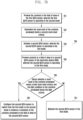
- FIG.7A illustrates a flow diagram of a flow 700 of a method for content enhancement using QCFA sensors, according to certain embodiments of this disclosure.
- the method may include previewing the contents in a field of view of the first QCFA sensor of the electronic device 600, wherein the first QCFA sensor is operating in a first mode.
- the method may include detecting whether the zoom level of the contents previewed meets the first zoom-level criteria, and the light condition of the contents previewed meets the light criteria.
- the method may further include: configuring the first QCFA sensor to switch from the first mode to the second mode to enhance the resolution of the contents previewed in the field of view of the first QCFA sensor.
- the method may include maintaining the first QCFA sensor in the first mode.
- the method may further include displaying the enhanced content in the field of view of the first QCFA sensor.
- FIG.7B illustrates a flow diagram of a flow 730 of a method for content enhancement after configuring a first QCFA sensor to switch to a second mode, according to certain embodiments of this disclosure.
- the method may include previewing the contents in the field of view of a first QCFA sensor, wherein the first QCFA sensor is operating in a second mode
- the method may include determining whether the zoom level of the contents being previewed meets the second zoom-level criteria.
- the method may include activating the second QCFA sensor, wherein the second QCFA sensor is operating in the first mode.
- the method may further include previewing the contents in the field of view of the second QCFA sensor of the electronic device 600, wherein the second QCFA sensor is operating in the first mode.
- the method may include detecting whether the zoom level of the contents being previewed meets the third zoom-level criteria, and whether the light condition of the contents previewed meets the light criteria.
- the method further includes configuring the second QCFA sensor to switch from the first mode to the second mode to enhance the resolution of the contents previewed in the field of view of the second QCFA sensor.
- the method may include maintaining the second QCFA sensor in the first mode.
- the method further includes displaying the enhanced content in the field of view of the second QCFA sensor.
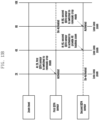
- FIG.8 illustrates a block diagram of an implementation flow for zooming in on the contents previewed, according to certain embodiments of this disclosure.
- a user may be previewing contents in the field of view of the QCFA sensor of the electronic device 600.
- the camera application may send a zoom value to an intelligent zoom control block based on the zoom level of the contents being previewed.
- the zoom value outputs information about four corners of a rectangle (i.e., the coordinates of the four corners of the rectangle) that the user may want to zoom into.
- a 3A block may calculate a lux index of the contents previewed in the field of view of the QCFA sensor.
- the 3A block may send a lux value to the intelligent zoom control block.
- the lux value may enable the intelligent zoom control block determine the ambient light condition.
- the intelligent zoom control block may check whether the zoom value received from the camera application, i.e. the zoom level of the contents previewed, is at a 2X zoom level or above a 2X zoom level.
- the intelligent zoom control block may also check whether the lux value received from the 3A block, i.e. the light condition of the contents previewed in the field of view of the QCFA sensor, is low light, normal light, bright light, or otherwise.
- the intelligent zoom control block may determine whether to switch the QCFA sensor from the first mode (ex. binning mode) to the second mode (ex. remosaic mode), or to maintain the QCFA sensor in the first mode (binning mode). Similarly, in the proposed method, if the QCFA sensor is operating in the second mode, the intelligent zoom control block determines whether to switch the QCFA sensor from the second mode (remosaic mode) to the first mode (binning mode) or to maintain the QCFA sensor in the second mode (binning mode).
- the intelligent zoom control block sends a command to the QCFA sensor to switch the mode and accordingly the QCFA sensor switches its mode.
- the intelligent zoom control block also sends a command to the image processor 660 about the crop parameters (coordinates of the four corners of the rectangle) of the contents previewed in the field of view of the QCFA sensor from the zoom value received from the camera application.
- the QCFA sensor may be configured by the electronic device 600 to switch from the first mode (binning mode) to the second mode (remosaic mode) to enhance a resolution of the contents previewed in the field of view of the QCFA sensor.
- the QCFA sensor is maintained in the first mode (binning mode).
- the Intelligent Zoom Control Block may assist in achieving an improved image quality by controlling both the QCFA sensor and the image processor 660.
- the intelligent zoom control block may intelligently select a low resolution binning mode or a high resolution remosaic mode thus maintaining optimum image quality.
- FIG. 9 is an illustrative example of a schematic diagram illustrating transition of a QCFA sensor modes based on the zoom level of the contents previewed in the field of view of the QCFA sensor, and the light condition of the contents previewed in the field of view of the QCFA sensor, according certain embodiments of this disclosure.
- the zoom level of the contents previewed in the field of view of the QCFA sensor is less than a 2X zoom level, and a low lighting condition is present while previewing the contents in the field of view of the QCFA sensor.
- the QCFA sensor may operate in the binning mode.
- the zoom level of the contents previewed in the field of view of the QCFA sensor is increased to above 2X zoom level but as illustrated above in state 2, since low lighting condition is prevailing while previewing the contents in the field of view of the QCFA sensor, the QCFA sensor operates in the binning mode.
- QCFA sensors may be sensitive to lighting conditions and operating the QCFA sensor in the binning mode in low lighting conditions may output an improved image quality.
- the QCFA sensor returns to state 1 and operates in the binning mode.
- ambient illumination increases, i.e. the lighting condition while previewing the contents in the field of view of the QCFA sensor is improved to normal or bright light. Since the zoom level of the contents previewed is greater than or equal to a 2X zoom level and the lighting condition of the contents previewed is either normal light or bright light, the QCFA sensor may begin operating in the crop remosaic mode, as illustrated in state 3 of Fig.9 .
- Operating the QCFA sensor in the crop remosaic mode includes switching the QCFA sensor from the binning mode to the full resolution remosaic mode and centrally cropping the contents in the remosaic mode of the QCFA sensor into half in both dimensions giving a lossless image at 2X zoom level in the crop remosaic mode.
- the sensor output is a 2X zoomed image and further at zoom levels higher than 2 X, the image processor 660 of the electronic device 600 further crops the 2X zoomed image output of the QCFA sensor based on zoom levels.
- the zoom level decreases to below 2X zoom level then the QCFA sensor starts operating in the binning mode as seen in state 4.
- the QCFA sensor may operate in the binning mode.
- the QCFA sensor may begin operating in the remosaic crop mode (as illustrated in state 3 of Fig.9 ).
- the ambient illumination may decrease; i.e. the lighting condition while previewing the contents in the field of view of the QCFA sensor is a low light.
- the QCFA sensor may begin operating in the binning mode as illustrated in state 1 of Fig.9 .
- the QCFA sensor may operate in the binning mode, as illustrated in state 4 of Fig.9 .
- Table 1 illustrates some considerations when selecting binning mode or remosaic crop mode based on the zoom level and light conditions.
- 1.0X-1.9X 2X Remark Low light Binning mode Binning mode In poor lighting conditions, sensor is kept always in binning mode irrespective of zoom levels as binning mode outputs an improved signal to noise ratio in low light.
- Normal light/Bright light Binning mode Remosaic crop mode Remosaic crop mode may be used, for example, in normal/bright light conditions if the zoom level > 2.0 to ensure an improved picture quality.
- the QCFA sensor may intelligently switch modes depending on the zoom level of the contents previewed in the field of view of the QCFA sensor and the light condition of the contents previewed in the field of view of the QCFA sensor thus the transition of the QCFA sensor modes intelligently maintains optimum image quality.
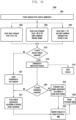
- FIG. 10 illustrates a flow diagram of a flow 1000 for switching the modes of a QCFA sensor based on the zoom level of the contents previewed in the field of view of the QCFA sensor, and the light condition of the contents previewed in the field of view of the QCFA sensor, certain embodiments of this disclosure.
- a frame request from the camera application indicates the region to be zoomed in.
- the frame request from the camera application outputs the crop regions [top, left, width, and height], representing the region to be zoomed in on.
- the intelligent zoom control block may determine that the zoom level of the contents previewed is changed from 1X to 1.9X.
- the intelligent zoom control block determines whether there is a need to switch the mode of the QCFA sensor and it is determined based on the zoom level of the contents previewed and the light condition of the contents previewed.
- the intelligent zoom control block may also determine that a zoom translation is not required.
- the values of the crop region may be based on the resolution of the binning mode of the QCFA sensor (fixed size); and hence, in the binning mode, these values may be forwarded to the image processor 660 without any change; i.e. a zoom translation of the values of the crop region is not required.
- crop region parameters based on the binning mode resolution may be input to the image processor 660 of the electronic device 600.
- a frame request from the camera application indicates the region to be zoomed in.
- the frame request from the camera application outputs the crop regions [top, left, width, height] representing the region which is to be zoomed in.
- the intelligent zoom control block may determine that the zoom level of the contents previewed is changed from 1.9X to 2X.
- the intelligent zoom control block may also determine that the light condition of the contents previewed is a normal light or a bright light.
- the intelligent zoom control block may determine whether there is a need to switch the mode of the QCFA sensor, and the intelligence zoom control block may be determined based on the zoom level of the contents previewed and the light condition of the contents previewed.
- the zoom level of the contents previewed is changed from 1.9X to 2X and the light condition of the contents previewed is normal or bright light. Since the QCFA sensor was operating in the binning mode at a 1.9X zoom level. Thus, there is a need to switch the mode of the QCFA sensor.
- the intelligent zoom control block in response to determining that there is need to switch the mode of the QCFA sensor from the binning mode to the remosaic crop mode, sends a command to the QCFA sensor to switch the mode (write I2C settings to switch the QCFA sensor).
- the intelligent zoom control block may determine whether a zoom translation is required. The values of the crop region may be based on the resolution of the binning mode of the QCFA sensor (fixed size).When the QCFA sensor is switched from the binning mode to a remosaic crop mode, zoom translation of the values of the crop region may be required.
- the crop regions based on the resolution of the binning mode do not correspond to the actual field of view (FOV) of the remosaic crop mode and may need to be translated.
- values of a crop region parameters based on the binning mode resolution of the QCFA sensor is translated by the electronic device 600 to the values according to the zoom level of the contents previewed in the field of view of the QCFA sensor and is fed to the image processor 660 of the electronic device 600.
- the frame request from the camera application displaying or otherwise indicating the region to be zoomed in.
- the frame request from the camera application may output the crop regions [top, left, width, and height], indicating the region which is to be zoomed in on.
- the intelligent zoom control block determines that the zoom level of the contents previewed is greater than or equal to a 2X zoom level.
- the intelligent zoom control block determines that the light condition of the contents previewed is changed from normal light to low light.
- the intelligent zoom control block determines whether there is a need to switch the mode of the QCFA sensor and it is determined based on the zoom level of the contents previewed and the light condition of the contents previewed.
- the zoom level of the contents previewed is greater than or equal to 2X zoom level, but the light condition of the contents previewed is low light.
- the QCFA sensor was operating in the remosaic crop mode at zoom levels greater than or equal to 2X zoom level but since the light condition is low light, there is a need to switch the mode of the QCFA sensor from the remosaic crop mode to the binning mode.
- the intelligent zoom control block in response to determining that there is need to switch the mode of the QCFA sensor from the remosaic crop mode to the binning mode, sends a command to the QCFA sensor to switch the mode (write I2C settings to switch the QCFA sensor).
- the intelligent zoom control block determines whether zoom translation is required.
- the values of the crop region may be based on the resolution of the binning mode of the QCFA sensor (fixed size) and hence, in the binning mode, these values can be forwarded to the image processor 660 without any changes; i.e. no translation of the values of the crop region is required.
- crop region parameters based on the binning mode resolution may be inputted to the image processor 660 of the electronic device 600.
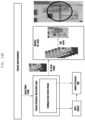
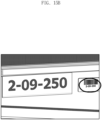
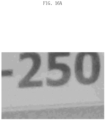
- FIGS.11A and 11B illustrate example scenarios showing image quality while previewing the image using both the prior art and the proposed method at zoom levels >2.0X, according to certain embodiments of this disclosure.
- the proposed method may display sharper text in the scene when the preview is zoomed to 8X and the overall image is more clearly focused when compared to a preview image of other methods.
- FIGS.12A and 12B illustrate example scenarios showing image quality while capturing the image using both the prior art and the proposed method at zoom levels >2.0X, according to certain embodiments of this disclosure.
- the proposed method may output sharper text and may also add additional details to the scene when the image is captured at 2X and zoomed in on again above a 2X zoom.
- FIGS. 13A and 13B illustrate schematic diagrams of multiple QCFA sensors for obtaining a lossless image at 8X zoom level, according to certain embodiments of this disclosure.
- a first QCFA sensor may operate as a wide angle camera and a second QCFA sensor may operate as a tele photo camera such that the second QCFA sensor begins operating at 4a X zoom level of the first QCFA sensor.
- the second QCFA sensor has a base field of view (FOV) same as the FOV of the first QCFA sensor cropped centrally to a 4.0X zoom.
- FOV base field of view
- the second QCFA camera may be activated at a zoom-level of 4.0X Between 4.0X-8.0X zoom levels, the second QCFA sensor may operate in a binning mode and may be switched to a remosaic crop mode at 8.0X. As a result, the zoom at 8.0X is lossless.
- This proposed method may include previewing, by the electronic device 600, contents in a field of view of the first QCFA sensor.
- the first QCFA sensor may be operating in the first mode (ex., a binning mode).
- the first QCFA sensor may be switched, by the electronic device 600, to a remosaic crop mode for enhancing a resolution of the contents previewed in the field of view of the first QCFA sensor.
- the first QCFA sensor may be switched to the second mode (remosaic mode) and may be centrally cropped by the electronic device 600; i.e., the contents previewed in the second mode of the first QCFA sensor into half in both dimensions (i.e. half of the width and half of the height).
- the first QCFA sensor may be operating in the remosaic crop mode.
- the zoom level of the contents previewed in the field of view of the first QCFA sensor meets a second zoom level criteria (for example, a 4X zoom level, as illustrated in FIG.13B )
- the second QCFA sensor may be activated by the electronic device 600.
- the first QCFA sensor is deactivated by the electronic device 600.
- Activating the second QCFA sensor at 4X zoom level outputs a lossless zoom at 4X.
- the proposed method includes previewing, by the electronic device 600, the contents in the field of view of the second QCFA sensor.
- the second QCFA sensor is operating in the first mode (binning mode).
- the second QCFA sensor may be switched by the electronic device 600 to a remosaic crop mode for enhancing the resolution of the contents previewed in the field of view of the second QCFA sensor.
- the second QCFA sensor may be switched to the second mode (remosaic mode), and may be centrally cropped by the electronic device 600; i.e., the contents previewed in the second mode of the second QCFA sensor into half of the width and half of the height.
- FIGS.14A and 14B illustrate example scenarios illustrating a digital zoom solution enhancement at 100X using a prior art method as well as a proposed method, according to certain embodiments of this disclosure.
- a digital zoom approach in existing methods may use multiple frames taken from the sensor and noise reduction methods and frame fusion methods to output a final zoomed image output.
- At least one proposed method for content enhancement can be applied along with existing digital solutions to enhance the image capture capability at zoom levels such as 30X, 50X, 100X and so on.
- a proposed method outputs a lossless 2X image
- only a 50X zoom may need to be applied by existing digital solutions on input images in order to obtain a 100X zoom image.
- the resulting image at 100X zoom (illustrated in the example in FIG.14B ) illustrates improvement with respect to the image details as compared to a 100X zoom image using a prior art method.
- FIGS.15A and 15B illustrate examples of images captured using digital zoom solution enhancement for both a prior art method and a proposed method at zoom levels 30X, according to certain embodiments of this disclosure.
- FIGS.16A and 16B illustrate examples of images captured using digital zoom solution enhancement for both a prior art method and a proposed method at zoom levels 100X, according to certain embodiments of this disclosure.
- images captured with proposed solution may be more focused, sharper, and preserve image details even at 100X zoom levels.
- the proposed methods for content enhancement using QCFA sensor of the electronic device 600 may output a lossless image quality at zoom levels of 2X as wells as above 2X zoom levels, resulting in high detailed images.
- the previewed image and the captured image at zoom levels 2X and above are sharper and more focused.
- the image appears clear, and may convey additional details resulting in enhanced contents in the field of view of the QCFA sensor (high detailed image).
- the embodiments disclosed herein can be implemented through at least one software program running on at least one hardware device and performing network management functions to control the elements.
- the elements shown in the FIGS. 3 to 16 include blocks, elements, actions, acts, steps, or the like which can be at least one of a hardware device, or a combination of hardware device and software module.
Landscapes
- Engineering & Computer Science (AREA)
- Multimedia (AREA)
- Signal Processing (AREA)
- Human Computer Interaction (AREA)
- Physics & Mathematics (AREA)
- Spectroscopy & Molecular Physics (AREA)
- Computing Systems (AREA)
- Theoretical Computer Science (AREA)
- Studio Devices (AREA)
Applications Claiming Priority (3)
| Application Number | Priority Date | Filing Date | Title |
|---|---|---|---|
| IN201941034375 | 2019-08-26 | ||
| PCT/KR2020/010712 WO2021040284A1 (en) | 2019-08-26 | 2020-08-13 | System and method for content enhancement using quad color filter array sensors |
| EP20856791.7A EP3997866B1 (de) | 2019-08-26 | 2020-08-13 | System und verfahren zur inhaltsverbesserung mittels vierfarbfilteranordnungssensoren |
Related Parent Applications (1)
| Application Number | Title | Priority Date | Filing Date |
|---|---|---|---|
| EP20856791.7A Division EP3997866B1 (de) | 2019-08-26 | 2020-08-13 | System und verfahren zur inhaltsverbesserung mittels vierfarbfilteranordnungssensoren |
Publications (3)
| Publication Number | Publication Date |
|---|---|
| EP4475551A1 true EP4475551A1 (de) | 2024-12-11 |
| EP4475551B1 EP4475551B1 (de) | 2026-02-11 |
| EP4475551C0 EP4475551C0 (de) | 2026-02-11 |
Family
ID=74679639
Family Applications (2)
| Application Number | Title | Priority Date | Filing Date |
|---|---|---|---|
| EP20856791.7A Active EP3997866B1 (de) | 2019-08-26 | 2020-08-13 | System und verfahren zur inhaltsverbesserung mittels vierfarbfilteranordnungssensoren |
| EP24206083.8A Active EP4475551B1 (de) | 2019-08-26 | 2020-08-13 | System und verfahren zur inhaltsverbesserung unter verwendung von quad-farbfilterarraysensoren |
Family Applications Before (1)
| Application Number | Title | Priority Date | Filing Date |
|---|---|---|---|
| EP20856791.7A Active EP3997866B1 (de) | 2019-08-26 | 2020-08-13 | System und verfahren zur inhaltsverbesserung mittels vierfarbfilteranordnungssensoren |
Country Status (4)
| Country | Link |
|---|---|
| US (1) | US11412191B2 (de) |
| EP (2) | EP3997866B1 (de) |
| CN (2) | CN119583976A (de) |
| WO (1) | WO2021040284A1 (de) |
Families Citing this family (22)
| Publication number | Priority date | Publication date | Assignee | Title |
|---|---|---|---|---|
| EP3286915B1 (de) | 2015-04-23 | 2021-12-08 | Apple Inc. | Benutzerschnittstelle für digitalen sucher für mehrere kameras |
| US9912860B2 (en) | 2016-06-12 | 2018-03-06 | Apple Inc. | User interface for camera effects |
| US11108973B2 (en) * | 2018-10-05 | 2021-08-31 | Essential Products, Inc. | Varying a zoom level of an image recorded with a lens having a fixed zoom level |
| US11770601B2 (en) | 2019-05-06 | 2023-09-26 | Apple Inc. | User interfaces for capturing and managing visual media |
| CN113347334B (zh) * | 2021-05-31 | 2022-08-05 | 惠州Tcl移动通信有限公司 | 一种移动终端无损拍照方法、装置、终端设备及存储介质 |
| CN113747028B (zh) | 2021-06-15 | 2024-03-15 | 荣耀终端有限公司 | 一种拍摄方法及电子设备 |
| CN113727016A (zh) * | 2021-06-15 | 2021-11-30 | 荣耀终端有限公司 | 一种拍摄方法及电子设备 |
| US11350048B1 (en) * | 2021-07-25 | 2022-05-31 | Shenzhen GOODIX Technology Co., Ltd. | Luminance-adaptive processing of hexa-deca RGBW color filter arrays in CMOS image sensors |
| CN115706850B (zh) * | 2021-08-12 | 2024-04-05 | 荣耀终端有限公司 | 图像拍摄的方法、设备和存储介质 |
| DE112022003979T5 (de) * | 2021-08-18 | 2024-06-27 | Sony Semiconductor Solutions Corporation | Abbildungsvorrichtung, sensor und abbildungssteuervorrichtung |
| US11582405B1 (en) * | 2021-09-23 | 2023-02-14 | Qualcomm Incorporated | Image data processing using non-integer ratio transforming for color arrays |
| US12526535B2 (en) * | 2021-12-22 | 2026-01-13 | Samsung Electronics Co., Ltd. | Electronic device and method of generating high-definition image |
| CN116709042B (zh) * | 2022-02-24 | 2024-07-09 | 荣耀终端有限公司 | 一种图像处理方法和电子设备 |
| CN116723417B (zh) * | 2022-02-28 | 2024-04-26 | 荣耀终端有限公司 | 一种图像处理方法和电子设备 |
| CN115955611B (zh) * | 2022-03-28 | 2023-09-29 | 荣耀终端有限公司 | 图像处理方法与电子设备 |
| CN114745502A (zh) * | 2022-03-30 | 2022-07-12 | 联想(北京)有限公司 | 拍摄方法及装置、电子设备、存储介质 |
| US20240080543A1 (en) * | 2022-06-05 | 2024-03-07 | Apple Inc. | User interfaces for camera management |
| CN115426449B (zh) * | 2022-07-30 | 2023-07-11 | 荣耀终端有限公司 | 一种拍照方法和终端 |
| KR20240056292A (ko) * | 2022-10-21 | 2024-04-30 | 삼성전자주식회사 | 어레이 영상 처리 방법 및 장치 |
| CN118042275A (zh) * | 2022-11-01 | 2024-05-14 | 荣耀终端有限公司 | 一种出图模式切换方法及相关设备 |
| CN118488311A (zh) * | 2023-02-13 | 2024-08-13 | 荣耀终端有限公司 | 变焦响应方法、电子设备及存储介质 |
| US20240373121A1 (en) | 2023-05-05 | 2024-11-07 | Apple Inc. | User interfaces for controlling media capture settings |
Citations (2)
| Publication number | Priority date | Publication date | Assignee | Title |
|---|---|---|---|---|
| US20110069206A1 (en) * | 2004-12-10 | 2011-03-24 | Legall Didier | High resolution zoom: a novel digital zoom for digital video camera |
| US20180013955A1 (en) * | 2016-07-06 | 2018-01-11 | Samsung Electronics Co., Ltd. | Electronic device including dual camera and method for controlling dual camera |
Family Cites Families (10)
| Publication number | Priority date | Publication date | Assignee | Title |
|---|---|---|---|---|
| EP2267654A1 (de) * | 2009-06-23 | 2010-12-29 | Research in Motion Limited | Anpassung der Schärfe während des digitalen Zooms bei der Digitalfotografie |
| US20120236181A1 (en) * | 2011-03-16 | 2012-09-20 | Qualcomm Incorporated | Generating a zoomed image |
| CN113259565B (zh) | 2012-11-28 | 2023-05-19 | 核心光电有限公司 | 多孔径成像系统 |
| US9742973B2 (en) * | 2013-08-08 | 2017-08-22 | Sony Corporation | Array camera design with dedicated Bayer camera |
| US9438868B2 (en) * | 2014-02-13 | 2016-09-06 | Semiconductor Components Industries, Llc | Adaptive image sensor systems and methods |
| US9992423B2 (en) * | 2015-10-14 | 2018-06-05 | Qualcomm Incorporated | Constant field of view for image capture |
| CN106454132A (zh) * | 2016-11-29 | 2017-02-22 | 广东欧珀移动通信有限公司 | 控制方法、控制装置及电子装置 |
| TWI633336B (zh) * | 2017-02-24 | 2018-08-21 | 宏碁股份有限公司 | 頭戴式顯示器、其視野校正方法以及混合實境顯示系統 |
| US11108973B2 (en) * | 2018-10-05 | 2021-08-31 | Essential Products, Inc. | Varying a zoom level of an image recorded with a lens having a fixed zoom level |
| KR102749977B1 (ko) * | 2019-07-29 | 2025-01-03 | 삼성전자주식회사 | 이미지 센서, 이미지 처리 시스템 및 이의 동작 방법 |
-
2020
- 2020-08-13 EP EP20856791.7A patent/EP3997866B1/de active Active
- 2020-08-13 CN CN202411690817.6A patent/CN119583976A/zh active Pending
- 2020-08-13 CN CN202080056971.1A patent/CN114223192B/zh active Active
- 2020-08-13 EP EP24206083.8A patent/EP4475551B1/de active Active
- 2020-08-13 WO PCT/KR2020/010712 patent/WO2021040284A1/en not_active Ceased
- 2020-08-25 US US17/001,842 patent/US11412191B2/en active Active
Patent Citations (2)
| Publication number | Priority date | Publication date | Assignee | Title |
|---|---|---|---|---|
| US20110069206A1 (en) * | 2004-12-10 | 2011-03-24 | Legall Didier | High resolution zoom: a novel digital zoom for digital video camera |
| US20180013955A1 (en) * | 2016-07-06 | 2018-01-11 | Samsung Electronics Co., Ltd. | Electronic device including dual camera and method for controlling dual camera |
Non-Patent Citations (1)
| Title |
|---|
| ANONYMOUS PETER: "Quad Bayer sensors: what they are and what they are not - GSMArena.com news", 9 June 2019 (2019-06-09), XP093023444, Retrieved from the Internet <URL:https://www.gsmarena.com/quad_bayer_sensors_explained-news-37459.php> [retrieved on 20230214] * |
Also Published As
| Publication number | Publication date |
|---|---|
| EP3997866B1 (de) | 2024-10-23 |
| CN114223192A (zh) | 2022-03-22 |
| EP4475551B1 (de) | 2026-02-11 |
| EP3997866A4 (de) | 2023-03-22 |
| EP3997866A1 (de) | 2022-05-18 |
| US11412191B2 (en) | 2022-08-09 |
| US20210067749A1 (en) | 2021-03-04 |
| CN119583976A (zh) | 2025-03-07 |
| EP3997866C0 (de) | 2024-10-23 |
| EP4475551C0 (de) | 2026-02-11 |
| WO2021040284A1 (en) | 2021-03-04 |
| CN114223192B (zh) | 2024-12-13 |
Similar Documents
| Publication | Publication Date | Title |
|---|---|---|
| US11412191B2 (en) | System and method for content enhancement using Quad Color Filter Array sensors | |
| US8284256B2 (en) | Imaging apparatus and computer readable recording medium | |
| US9756247B2 (en) | Dynamic camera mode switching | |
| US8149288B2 (en) | Image capture device that records image accordant with predetermined condition and storage medium that stores program | |
| CN110505411B (zh) | 图像拍摄方法、装置、存储介质及电子设备 | |
| JP5983616B2 (ja) | 撮像装置、撮像方法及びプログラム | |
| US20090207266A1 (en) | Image processing device, camera device, image processing method, and program | |
| KR102424984B1 (ko) | 복수 개의 카메라를 포함하는 전자 장치 및 그 동작 방법 | |
| US10462373B2 (en) | Imaging device configured to control a region of imaging | |
| CN110691192B (zh) | 图像处理方法、装置、存储介质及电子设备 | |
| US10477113B2 (en) | Imaging device and control method therefor | |
| CN113810593B (zh) | 图像处理方法、装置、存储介质及电子设备 | |
| CN1992841B (zh) | 成像装置与成像装置的显示方法 | |
| US20150062436A1 (en) | Method for video recording and electronic device thereof | |
| US20130167089A1 (en) | Electronic device | |
| US9288397B2 (en) | Imaging device, method for processing image, and program product for processing image | |
| JP7215414B2 (ja) | 表示制御装置、撮像装置及び表示制御方法 | |
| US11539877B2 (en) | Apparatus and control method | |
| JP4281498B2 (ja) | 画像撮影装置およびプログラム | |
| EP4300937B1 (de) | Mehrbilderfassung und -speicherung | |
| JP4740074B2 (ja) | 撮像装置及び撮像方法 | |
| US20250310646A1 (en) | Fusing Optically Zoomed Images into One Digitally Zoomed Image | |
| JP2004343803A (ja) | テレビカメラの制御方法及び画像記録装置の制御方法 | |
| US11310442B2 (en) | Display control apparatus for displaying image with/without a frame and control method thereof | |
| JP4398346B2 (ja) | カメラ、撮影感度制御方法及びシャッタースピード制御方法、並びに撮影感度制御プログラム |
Legal Events
| Date | Code | Title | Description |
|---|---|---|---|
| PUAI | Public reference made under article 153(3) epc to a published international application that has entered the european phase |
Free format text: ORIGINAL CODE: 0009012 |
|
| STAA | Information on the status of an ep patent application or granted ep patent |
Free format text: STATUS: THE APPLICATION HAS BEEN PUBLISHED |
|
| AC | Divisional application: reference to earlier application |
Ref document number: 3997866 Country of ref document: EP Kind code of ref document: P |
|
| AK | Designated contracting states |
Kind code of ref document: A1 Designated state(s): AL AT BE BG CH CY CZ DE DK EE ES FI FR GB GR HR HU IE IS IT LI LT LU LV MC MK MT NL NO PL PT RO RS SE SI SK SM TR |
|
| STAA | Information on the status of an ep patent application or granted ep patent |
Free format text: STATUS: REQUEST FOR EXAMINATION WAS MADE |
|
| 17P | Request for examination filed |
Effective date: 20250307 |
|
| GRAP | Despatch of communication of intention to grant a patent |
Free format text: ORIGINAL CODE: EPIDOSNIGR1 |
|
| STAA | Information on the status of an ep patent application or granted ep patent |
Free format text: STATUS: GRANT OF PATENT IS INTENDED |
|
| RIC1 | Information provided on ipc code assigned before grant |
Ipc: H04N 23/63 20230101AFI20250814BHEP Ipc: H04N 23/667 20230101ALI20250814BHEP Ipc: H04N 23/69 20230101ALI20250814BHEP Ipc: H04N 23/84 20230101ALI20250814BHEP Ipc: H04N 25/13 20230101ALI20250814BHEP Ipc: H04N 25/42 20230101ALI20250814BHEP Ipc: H04N 25/46 20230101ALI20250814BHEP |
|
| INTG | Intention to grant announced |
Effective date: 20250910 |
|
| GRAS | Grant fee paid |
Free format text: ORIGINAL CODE: EPIDOSNIGR3 |
|
| GRAA | (expected) grant |
Free format text: ORIGINAL CODE: 0009210 |
|
| STAA | Information on the status of an ep patent application or granted ep patent |
Free format text: STATUS: THE PATENT HAS BEEN GRANTED |
|
| AC | Divisional application: reference to earlier application |
Ref document number: 3997866 Country of ref document: EP Kind code of ref document: P |
|
| AK | Designated contracting states |
Kind code of ref document: B1 Designated state(s): AL AT BE BG CH CY CZ DE DK EE ES FI FR GB GR HR HU IE IS IT LI LT LU LV MC MK MT NL NO PL PT RO RS SE SI SK SM TR |
|
| REG | Reference to a national code |
Ref country code: CH Ref legal event code: F10 Free format text: ST27 STATUS EVENT CODE: U-0-0-F10-F00 (AS PROVIDED BY THE NATIONAL OFFICE) Effective date: 20260211 Ref country code: GB Ref legal event code: FG4D |
|
| REG | Reference to a national code |
Ref country code: DE Ref legal event code: R096 Ref document number: 602020066948 Country of ref document: DE |
|
| REG | Reference to a national code |
Ref country code: IE Ref legal event code: FG4D |
|
| U01 | Request for unitary effect filed |
Effective date: 20260305 |
|
| U07 | Unitary effect registered |
Designated state(s): AT BE BG DE DK EE FI FR IT LT LU LV MT NL PT RO SE SI Effective date: 20260311 |