EP4477236A1 - Kombinationstherapie zur behandlung eines tumors mit adc mit anti-cd71-antikörpern und bh3-mimetika - Google Patents
Kombinationstherapie zur behandlung eines tumors mit adc mit anti-cd71-antikörpern und bh3-mimetika Download PDFInfo
- Publication number
- EP4477236A1 EP4477236A1 EP23305950.0A EP23305950A EP4477236A1 EP 4477236 A1 EP4477236 A1 EP 4477236A1 EP 23305950 A EP23305950 A EP 23305950A EP 4477236 A1 EP4477236 A1 EP 4477236A1
- Authority
- EP
- European Patent Office
- Prior art keywords
- antibody
- seq
- drug conjugate
- formula
- chain polypeptide
- Prior art date
- Legal status (The legal status is an assumption and is not a legal conclusion. Google has not performed a legal analysis and makes no representation as to the accuracy of the status listed.)
- Withdrawn
Links
Images


Classifications
-
- A—HUMAN NECESSITIES
- A61—MEDICAL OR VETERINARY SCIENCE; HYGIENE
- A61K—PREPARATIONS FOR MEDICAL, DENTAL OR TOILETRY PURPOSES
- A61K47/00—Medicinal preparations characterised by the non-active ingredients used, e.g. carriers or inert additives; Targeting or modifying agents chemically bound to the active ingredient
- A61K47/50—Medicinal preparations characterised by the non-active ingredients used, e.g. carriers or inert additives; Targeting or modifying agents chemically bound to the active ingredient the non-active ingredient being chemically bound to the active ingredient, e.g. polymer-drug conjugates
- A61K47/51—Medicinal preparations characterised by the non-active ingredients used, e.g. carriers or inert additives; Targeting or modifying agents chemically bound to the active ingredient the non-active ingredient being chemically bound to the active ingredient, e.g. polymer-drug conjugates the non-active ingredient being a modifying agent
- A61K47/68—Medicinal preparations characterised by the non-active ingredients used, e.g. carriers or inert additives; Targeting or modifying agents chemically bound to the active ingredient the non-active ingredient being chemically bound to the active ingredient, e.g. polymer-drug conjugates the non-active ingredient being a modifying agent the modifying agent being an antibody, an immunoglobulin or a fragment thereof, e.g. an Fc-fragment
- A61K47/6801—Drug-antibody or immunoglobulin conjugates defined by the pharmacologically or therapeutically active agent
- A61K47/6803—Drugs conjugated to an antibody or immunoglobulin, e.g. cisplatin-antibody conjugates
- A61K47/68031—Drugs conjugated to an antibody or immunoglobulin, e.g. cisplatin-antibody conjugates the drug being an auristatin
-
- A—HUMAN NECESSITIES
- A61—MEDICAL OR VETERINARY SCIENCE; HYGIENE
- A61K—PREPARATIONS FOR MEDICAL, DENTAL OR TOILETRY PURPOSES
- A61K45/00—Medicinal preparations containing active ingredients not provided for in groups A61K31/00 - A61K41/00
- A61K45/06—Mixtures of active ingredients without chemical characterisation, e.g. antiphlogistics and cardiaca
-
- A—HUMAN NECESSITIES
- A61—MEDICAL OR VETERINARY SCIENCE; HYGIENE
- A61K—PREPARATIONS FOR MEDICAL, DENTAL OR TOILETRY PURPOSES
- A61K47/00—Medicinal preparations characterised by the non-active ingredients used, e.g. carriers or inert additives; Targeting or modifying agents chemically bound to the active ingredient
- A61K47/50—Medicinal preparations characterised by the non-active ingredients used, e.g. carriers or inert additives; Targeting or modifying agents chemically bound to the active ingredient the non-active ingredient being chemically bound to the active ingredient, e.g. polymer-drug conjugates
- A61K47/51—Medicinal preparations characterised by the non-active ingredients used, e.g. carriers or inert additives; Targeting or modifying agents chemically bound to the active ingredient the non-active ingredient being chemically bound to the active ingredient, e.g. polymer-drug conjugates the non-active ingredient being a modifying agent
- A61K47/68—Medicinal preparations characterised by the non-active ingredients used, e.g. carriers or inert additives; Targeting or modifying agents chemically bound to the active ingredient the non-active ingredient being chemically bound to the active ingredient, e.g. polymer-drug conjugates the non-active ingredient being a modifying agent the modifying agent being an antibody, an immunoglobulin or a fragment thereof, e.g. an Fc-fragment
- A61K47/6835—Medicinal preparations characterised by the non-active ingredients used, e.g. carriers or inert additives; Targeting or modifying agents chemically bound to the active ingredient the non-active ingredient being chemically bound to the active ingredient, e.g. polymer-drug conjugates the non-active ingredient being a modifying agent the modifying agent being an antibody, an immunoglobulin or a fragment thereof, e.g. an Fc-fragment the modifying agent being an antibody or an immunoglobulin bearing at least one antigen-binding site
- A61K47/6849—Medicinal preparations characterised by the non-active ingredients used, e.g. carriers or inert additives; Targeting or modifying agents chemically bound to the active ingredient the non-active ingredient being chemically bound to the active ingredient, e.g. polymer-drug conjugates the non-active ingredient being a modifying agent the modifying agent being an antibody, an immunoglobulin or a fragment thereof, e.g. an Fc-fragment the modifying agent being an antibody or an immunoglobulin bearing at least one antigen-binding site the antibody targeting a receptor, a cell surface antigen or a cell surface determinant
-
- A—HUMAN NECESSITIES
- A61—MEDICAL OR VETERINARY SCIENCE; HYGIENE
- A61K—PREPARATIONS FOR MEDICAL, DENTAL OR TOILETRY PURPOSES
- A61K47/00—Medicinal preparations characterised by the non-active ingredients used, e.g. carriers or inert additives; Targeting or modifying agents chemically bound to the active ingredient
- A61K47/50—Medicinal preparations characterised by the non-active ingredients used, e.g. carriers or inert additives; Targeting or modifying agents chemically bound to the active ingredient the non-active ingredient being chemically bound to the active ingredient, e.g. polymer-drug conjugates
- A61K47/51—Medicinal preparations characterised by the non-active ingredients used, e.g. carriers or inert additives; Targeting or modifying agents chemically bound to the active ingredient the non-active ingredient being chemically bound to the active ingredient, e.g. polymer-drug conjugates the non-active ingredient being a modifying agent
- A61K47/68—Medicinal preparations characterised by the non-active ingredients used, e.g. carriers or inert additives; Targeting or modifying agents chemically bound to the active ingredient the non-active ingredient being chemically bound to the active ingredient, e.g. polymer-drug conjugates the non-active ingredient being a modifying agent the modifying agent being an antibody, an immunoglobulin or a fragment thereof, e.g. an Fc-fragment
- A61K47/6835—Medicinal preparations characterised by the non-active ingredients used, e.g. carriers or inert additives; Targeting or modifying agents chemically bound to the active ingredient the non-active ingredient being chemically bound to the active ingredient, e.g. polymer-drug conjugates the non-active ingredient being a modifying agent the modifying agent being an antibody, an immunoglobulin or a fragment thereof, e.g. an Fc-fragment the modifying agent being an antibody or an immunoglobulin bearing at least one antigen-binding site
- A61K47/6851—Medicinal preparations characterised by the non-active ingredients used, e.g. carriers or inert additives; Targeting or modifying agents chemically bound to the active ingredient the non-active ingredient being chemically bound to the active ingredient, e.g. polymer-drug conjugates the non-active ingredient being a modifying agent the modifying agent being an antibody, an immunoglobulin or a fragment thereof, e.g. an Fc-fragment the modifying agent being an antibody or an immunoglobulin bearing at least one antigen-binding site the antibody targeting a determinant of a tumour cell
-
- A—HUMAN NECESSITIES
- A61—MEDICAL OR VETERINARY SCIENCE; HYGIENE
- A61P—SPECIFIC THERAPEUTIC ACTIVITY OF CHEMICAL COMPOUNDS OR MEDICINAL PREPARATIONS
- A61P35/00—Antineoplastic agents
Definitions
- ADC antibody-drug conjugate
- BH3 mimetics a combination therapy for the treatment of cancer, using antibody-drug conjugate (ADC) and a BH3 mimetics.
- the antibody specifically binds to TfR, the transferrin receptor, and the drug is preferably chosen among a cytotoxic drug.
- Said BH3 mimetics is preferably venetoclax.
- the combination therapy is useful in particular in treating proliferative diseases including solid and blood cancers, such as lymphoma or leukaemia.
- antibodies and ADC for the treatment of cancer is more and more developed. These antibodies can be used alone or in combination. Antibody-based therapies of human cancer have notably become first line treatments in certain settings.
- TfR transferrin receptor
- CD71 The transferrin receptor
- TfR is also a key target for the treatment of cancer.
- TfR is a disulfide-linked homodimeric transmembrane glycoprotein consisting of two 760-amino acid monomers of approximately 90 kDa each.
- TfR plays a crucial role in the regulation of iron uptake and cell growth.
- diferric transferrin binds to its cell surface receptor, it is internalized via clathrin-coated pits to acidic vesicles where the iron-transferrin complex is dissociated. After release, the receptor and apo-transferrin recycle back to the cell surface.
- TfR is constitutively expressed at the cell plasma membrane of tissues that are constantly renewed, such as precursors of blood cells in the bone marrow, hepatocytes in the liver, keratinocytes in the epidermis and enterocytes in crypts of intestinal epithelium.
- WO2005/111082 discloses the A24 antibody, a murine antibody able to block activated T cell proliferation, and which appeared to be more efficient than the previously described mAb 42/6 in inhibiting proliferation of T cells.
- A24 also reduced TfR expression at the cell surface and impaired TfR recycling.
- A24 is also able to block the ex vivo proliferation of malignant T cells from both acute and chronic forms of ATL ( Moura et al., Blood, 103,5, 1838-45,1 March 2004 , Callens et al., 2010; J. Exp. Med., Vol 207 No 4, pp731-750 ).
- This antibody has been also described as able to prevent the mantle cell lymphoma tumor development both in vitro and in vivo ( Lepelletier et al. Cancer Res 2007; 67:1145-1154 ; Callens et al. 2008, Leukemia, 22, 42-48 ).
- WO2017/013230 further discloses humanized versions of mouse A24 antibodies, and their use in treating proliferative disorders. It also mentions an anti-TfR antibody conjugated to a therapeutic moiety, although no specific ADC is disclosed.
- WO2019/197428 further discloses ADC comprising anti-TfR antibody.
- US2012/0276190 also refers to therapy with a chimeric molecule and a pro-apoptotic agent; wherein said chimeric molecule can comprise an antibody against a cell surface antigen (CD71 being cited among other cell surface antigens).
- the disclosure thus relates to an antibody-drug conjugate of the formula (I): Ab-[L'-D]p (I), wherein:
- the disclosure also relates to a BH3 mimetics compound for use in the treatment of a tumor, characterized in that said BH3 mimetics compound is administered in combination with at least an antibody-drug conjugate of the formula (I): Ab-[L'-D]p (I), wherein:
- the disclosure also relates to a composition
- a composition comprising:
- the disclosure also relates to a combination product comprising:
- the disclosure further relates to the use of an antibody-drug conjugate of the formula (I): Ab-[L'-D]p (I), wherein:
- the disclosure also relates to a method for the treatment of a tumor, comprising the steps of:
- the disclosure also relates to the use of a BH3 mimetics for the manufacture of a medicament for the treatment of tumor, in combination with an antibody-drug conjugate of the formula (I): Ab-[L'-D]p (I), wherein:
- the disclosure also relates to an antibody-drug conjugate of the formula (II): Ab-L-Z-X-D, wherein:
- said antibody-drug conjugate is of the formula (II): Ab-L-Z-X-D, wherein:
- said BH3 mimetics is chosen among: venetoclax, navitoclax, obatoclax and S64315, preferably venetoclax, navitoclax, obatoclax, more preferably venetoclax.
- the drug is a cytotoxic drug, notably monomethyl auristatin E.
- X is a para-aminobenzyl ester group covalently bounded to Z, said X being of the following formula (IV): J being an optional substituent chosen among F, Cl, Br, NO 2 , NHCOCH 3 , N(CH 3 ) 2 , NHCOCF 3 , alkyl, and haloalkyl, and m being an integer of 0, 1, 2, 3 and 4, said X being preferably a para-aminobenzyl ester wherein m is 0.
- L is covalently bonded to one or more thiol residues of said antibody, preferably, said L corresponding to a linker molecule of formula (V):
- said antibody includes full-length antibodies or antibodies fragments containing antigen binding portions, preferably full-length antibodies.
- said antibody binds to the transferrin receptor with a K D of 10nM or less, preferably with a K D of 1 nM or less.
- said antibody is a monoclonal antibody and chimeric or a humanized antibody, preferably humanized.
- said antibody comprises a human IgG4 isotype constant region, or a mutant or chemically modified constant region, wherein said mutant or chemically modified constant region confers no or decreased ADCC activity to said antibody when compared to a corresponding antibody with wild type IgG1 isotype constant region, or (b) said antibody comprises a human IgG1 isotype constant region, or a mutant or chemically modified constant region, wherein said mutant or chemically modified constant region confers increased ADCC activity said antibody when compared to a corresponding antibody with wild type IgG1 isotype constant region, or (c) antibody fragments such as F(ab)' 2 , Fab, scFv, ...
- said antibody or antibody fragment is divalent.
- Antibody fragments are preferably divalent fragments.
- said anti-TfR antibody comprises either:
- said antibody-drug conjugate is of the formula (II): Ab-L-Z-X-D, wherein:
- antibody-drug conjugate is of the formula (II): Ab-L-Z-X-D, wherein:
- antibody-drug conjugate is of the formula (II): Ab-L-Z-X-D, wherein:
- antibody-drug conjugate is of the formula (II): Ab-L-Z-X-D, wherein:
- said tumor is a solid tumor or a hematologic tumor, and more specifically a lymphoma or leukemia.
- said tumor is venetoclax-resistant lymphoma or venetoclax-resistant leukemia.
- said antibody-drug conjugate and BH3 mimetics are administered simultaneous, separate or spread over time.
- said antibody-drug conjugate is administered intravenously and said BH3 mimetics is administered orally.
- the disclosure relates to a BH3 mimetics compound for use in the treatment of a tumor, in combination with an antibody-drug conjugate, wherein said antibody-drug conjugate is of the formula (II): Ab-L-Z-X-D, wherein:
- the disclosure relates to a composition wherein said antibody-drug conjugate is of the formula (II): Ab-L-Z-X-D, wherein:
- said composition further comprises other active ingredients.
- the disclosure relates to a combination product, wherein said antibody-drug conjugate is of the formula (II): Ab-L-Z-X-D, wherein:
- composition or combination product is disclosed for use in the treatment of a tumor.
- said antibody-drug conjugate is of the formula (II): Ab-L-Z-X-D, wherein:
- said antibody-drug conjugate is of the formula (II): Ab-L-Z-X-D, wherein:
- said antibody-drug conjugate is of the formula (II): Ab-L-Z-X-D, wherein:
- said antibody-drug conjugate is of the formula (II): Ab-L-Z-X-D, wherein:
- an antibody-drug conjugate wherein said antibody-drug conjugate is of the formula (II): Ab-L-Z-X-D, wherein:
- INA03 mentioned in said Figures refers to an antibody-drug conjugate of the formula (II): Ab-L-Z-X-D, wherein: Ab is an antibody comprising heavy chain of SEQ ID NO:18 and light chain of SEQ ID NO:17, L is a linker molecule of formula (V), Z is a dipeptide of valine-citrulline, X is a para-aminobenzyl ester of formula (IV) wherein m is 0, and D represents monomethyl auristatin E. Concentration unit referred to can be equally indicated "ug/mL” or " ⁇ g/mL".
- CD71 or “transferrin receptor” or “TfR” refers to human TfR as defined in SEQ ID NO: 16, unless otherwise described. This sequence corresponds to Transferrin receptor protein 1 isoform 1 (homo sapiens) (NCBI Reference Sequence NP_003225.2).
- antibody as referred to herein includes whole antibodies and any antigen binding fragments (i.e. "antigen-binding portion") or single chains thereof.
- a naturally occurring “antibody” is a glycoprotein comprising at least two heavy (H) chains and two light (L) chains inter-connected by disulfide bonds.
- Each heavy chain is comprised of a heavy chain variable region (abbreviated herein as VH) and a heavy chain constant region.
- the heavy chain constant region is comprised of three domains, CH1, CH2 and CH3.
- Each light chain is comprised of a light chain variable region (abbreviated herein as VL) and a light chain constant region.
- the light chain constant region is comprised of one domain, CL.
- VH and VL regions can be further subdivided into regions of hypervariability, termed complementarity determining regions (CDR), interspersed with regions that are more conserved, termed framework regions (FR).
- CDR complementarity determining regions
- FR framework regions
- Each VH and VL is composed of three CDRs and four FRs arranged from amino-terminus to carboxy-terminus in the following order: FR1, CDR1, FR2, CDR2, FR3, CDR3, FR4.
- the variable regions of the heavy and light chains contain a binding domain that interacts with an antigen.
- the constant regions of the antibodies may mediate the binding of the immunoglobulin to host tissues or factors, including various cells of the immune system (e.g . effector cells) and the first component (Clq) of the classical complement system.
- antigen-binding portion of an antibody refers to full length or one or more fragments of an antibody that retain the ability to specifically bind to an antigen (e.g. a portion of TfR). It has been shown that the antigen-binding function of an antibody can be performed by fragments of a full-length antibody.
- binding fragments encompassed within the term "antigen-binding portion" of an antibody include a Fab fragment, a monovalent fragment consisting of the VL, VH, CL and CH1 domains; a F(ab)2 fragment; a bivalent fragment comprising two Fab fragments linked by a disulfide bridge at the hinge region; a Fd fragment consisting of the VH and CH1 domains; a Fv fragment consisting of the VL and VH domains of a single arm of an antibody; a UniBody consisting of a single arm with a modified IgG heavy chain, for example IgG4, at the hinge region, a domain antibody fragment ( Ward et al., 1989 Nature 341:544-546 ), or a nanobody fragment which consists of a VH domain; and an isolated complementarity determining region (CDR); or any fusion proteins comprising such antigen-binding portion.
- Fab fragment a monovalent fragment consisting of the VL, VH, CL and CH1 domains
- the two domains of the Fv fragment, VL and VH are coded for by separate genes, they can be joined, using recombinant methods, by a synthetic linker that enables them to be made as a single chain protein in which the VL and VH regions pair to form monovalent molecules (known as single chain Fv (scFv); see e.g., Bird et al., 1988 Science 242:423-426 ; and Huston et al., 1988 Proc. Natl. Acad. Sci. 85:5879-5883 ).
- single chain Fv single chain Fv
- Such single chain antibodies are also intended to be encompassed within the term "antigen binding portion" of an antibody.
- an "isolated antibody”, as used herein, refers to an antibody that is substantially free of other antibodies having different antigenic specificities (e.g. an isolated antibody that specifically binds to TfR is substantially free of antibodies that specifically bind to other antigens than TfR).
- An isolated antibody that specifically binds to TfR may, however, have cross-reactivity to other antigens, such as TfR molecules from other species.
- an isolated antibody may be substantially free of other cellular material and/or chemicals.
- monoclonal antibody or “monoclonal antibody composition” as used herein refers to a preparation of antibody molecules of single molecular composition.
- a monoclonal antibody composition displays a single binding specificity and affinity for a particular epitope.
- isotype refers to the antibody class (e.g . IgM, IgE, IgG such as IgG1 or IgG4) that is provided by the heavy chain constant region genes.
- an antibody or a protein that "specifically binds to an antigen” is intended to refer to an antibody or protein that binds to said antigen (for example human TfR of SEQ ID NO:16) with a KD of 100 nM or less, 10 nM or less, 1 nM or less.
- KD is intended to refer to the dissociation constant, which is obtained from the ratio of Kd to Ka ( i.e . Kd/Ka) and is expressed as a molar concentration (M).
- KD values for antibodies can be determined using methods well established in the art. A method for determining the KD of an antibody is by using surface plasmon resonance, or using a biosensor system such as a Biacore ® system.
- Kassoc or "Ka”, as used herein, is intended to refer to the association rate of a particular antibody-antigen interaction
- Kdis or “Kd,” as used herein, is intended to refer to the dissociation rate of a particular antibody-antigen interaction
- affinity refers to the strength of interaction between antibody and antigen at single antigenic sites. Within each antigenic site, the variable region of the antibody “arm” interacts through weak non-covalent forces with the antigen at numerous sites; the more interactions, the stronger the affinity.
- HL-60 cell line refers to the promyelocytic derived by Collins et al. (PNAS 1978, 75:2458-1462 ) and also described in Gallagher et al. (Blood, 1979, 54:713-733 ), for example available at ATCC ® collection under catalog number CCL-240 TM .
- host cell refers to prokaryotic or eukaryotic cells.
- Eukaryotic cells for example mammalian host cells, yeast or filamentous fungi, are preferred, and in particular mammalian cells, because they are more likely than prokaryotic cells to assemble and secrete a properly folded and immunologically active antibody.
- the antibody “A24” refers to the antibody as disclosed in WO 2005/111082 .
- ADCC antibody dependent cell cytotoxicity activity refers to cell depleting activity.
- ADCC activity can be measured by ADCC assays commercially available, for example, ADCC Reporter Bioassay as commercialized by Promega under Ref# G7015.
- apoptosis refers to the programmed cell death. More information about apoptosis can be found in " Apoptosis: A Review of Programmed Cell Death, Susan Elmore, Toxicol Pathol. 2007; 35(4): 495-516 .
- EC 50 refers to the concentration of an antibody to induce a response, halfway between the baseline and maximum after a specified exposure time.
- concentration can be determined by GraphPad software.
- the term “subject” includes any human or non-human animal.
- the term “non-human animal” includes all vertebrates, e.g. mammals and non-mammals, such as non-human primates, sheep, dogs, cats, horses, cows, chickens, amphibians, reptiles, ...
- the term “subjects” also encompasses the term “patient” and is preferably a human.
- bonds refers to a linkage.
- This linkage is also represented by the dash “-” in formula (I) or (II) or (VIII).
- Linkage may be a covalent bond, or a non-covalent interaction such as through electrostatic forces.
- bonds are covalent bonds.
- the "wavy lines" on formulas represents the attachment sites between each part (e.g. Ab, L, Z, X and D) of the ADC of the disclosure.
- linker refers to any chemical moiety that is capable of covalently joining a compound, such as a drug moiety to another moiety such as an antibody moiety.
- the linker is of formulas (III) or (V).
- Such linker molecules are appropriate to be linked to a compound comprising a thiol moiety, such as an antibody.
- cleavable refers to a linker which can be cleaved under specific environmental conditions (such as redox potential or pH) or specific lysosomal enzymes in response to intracellular environments, for example, after internalizing of the ADC in a cell.
- non-cleavable refers to a linker which will not be cleaved under specific environmental conditions. Such linkers are part of the payload.
- dipeptide of valine-citrulline represents a linker consisting of two amino acids valine and citrulline. This dipeptide is notably of formula (VI):
- aminobenzyl ester self-immolative group refers to an aminobenzyl ester group that functions as a self immolative group. Such group can be represented by a compound of formula (IV).
- a "self-immolative group” may be defined as a bifunctional chemical moiety which (i) is capable of covalently linking together at least two other chemical moieties into a stable molecule, (ii) can be released from one of the spaced chemical moieties from the molecule by means of enzymatic cleavage, and (iii) following enzymatic cleavage, can spontaneously cleave from the remainder of the molecule to release the other of the spaced chemical moieties.
- alkyl refers to a monovalent saturated hydrocarbon chain (having straight or branched chain).
- alkyl refers to C 1 -C 20 alkyl.
- the alkyl is a "lower alkyl", i.e. an alkyl group having 1, 2, 3, 4, 5 or 6 carbons (straight or branched chain C 1 -C 6 alkyl group).
- this includes methyl, ethyl, n-propyl, i-propyl, n-butyl, i-butyl, sec-butyl, tert-butyl, n-pentyl, n-hexyl, and the like.
- haloalkyl refers to an alkyl having one or more hydrogen atoms replaced by one or halogen atoms.
- the haloalkyl is a "lower haloalkyl", i.e. a haloalkyl group having 1, 2, 3, 4, 5 or 6 carbons (straight or branched chain C 1 -C 6 haloalkyl group).
- this includes CF 3 , CF 2 Br, CH 2 F, CHFCH 3 , CF 3 CH 2 , CF 3 CF 2 , CHF 2 CF 2 , CH 2 Cl, or CH 2 CH 2 C1.
- therapeutically acceptable amount refers to an amount sufficient to effect the desired results (for example a reduction in tumor size, inhibition of tumor growth, prevention of metastasis, induction of apoptosis, ).
- the Drug-to-Antibody Ratio has in principle an exact value for a single ADC, it is understood that the value will often be an average value when used to describe a composition containing many ADCs, due to some degree of inhomogeneity, typically associated with the conjugation step.
- the average loading for a sample of an ADC is also referred to herein as the drug to antibody ratio, or "DAR".
- the DAR is between about 1 and about 8 ( i.e. 1, 1.5, 2, 2.5, 3, 3.5, 4, 4.5, 5, 5.5, 6, 6.5, 7, 7.5 and 8), preferably between about 4.
- compositions comprising multiple copies of ADCs of Formula (I)
- p refers to the average number of -L'-D moieties per antibody Ab.
- the ADC will be considered to be a "DAR4".
- Methods for measuring the drug-antibody ratio are disclosed for example described in Conilh et al (Pharmaceuticals 2021, 14(3), 247 ).
- Drug loading to the antibody via the linker L' may be limited by the number of attachments sites on the antibody moiety.
- the linker moiety (L') of the ADC attaches to the antibody moiety through a chemically active group on one or more amino acid residues on the antibody moiety.
- the linker may be attached to the antibody moiety via a free amino acid, imino, hydroxyl, thiol or carboxyl group (e.g.
- the site to which the linker is attached can be natural residue in the amino acid sequence of the antibody moiety, or it can be introduced into the antibody moiety, e.g. by DNA recombinant technology (e.g. by introducing a cysteine or a non-natural amino acid residue into the amino acid sequence) or by protein biochemistry (e.g. by reduction, pH adjustment, or hydrolysis).
- an antibody When the attachment site is inter-chain cysteine thiol group, an antibody may have only one or few cysteine thiol groups through which a linker may be attached. Indeed, most reactive cysteine thiols generally exist as inter-chain disulfide bridges. Over-attachment of linker-toxin to the antibody may destabilize the antibody by reducing the cysteine residues available to form inter-chain disulfide bridge. Therefore, an optimal drug antibody ratio should increase potency of the ADC (by increasing the number of attached drug moieties per antibody) without destabilizing the antibody moiety and without degrading pharmacokinetics properties.
- D also refers to "a payload", i.e . a moiety that is conjugated to an antibody (or a fragment).
- D is not to be construed as limited to classical chemical therapeutic agent.
- D can encompass a protein, a peptide or a polypeptide possessing the desired biological activity.
- it refers to a therapeutic moiety, such as a cytotoxin.
- a "cytotoxin” or “cytotoxic agent” includes any agent that is detrimental to (e.g. kills) cells.
- the present disclosure encompasses the compounds, ADC, drug or cytotoxin as described herein and, their tautomers, enantiomers, diastereomers, racemates or mixtures thereof, and their hydrates, esters, solvates or pharmaceutically acceptable salts.
- pharmaceutically acceptable salts refer to salts that retain the biological effectiveness and properties of the compounds of this disclosure and, which typically are not biologically or otherwise undesirable.
- the compounds of the disclosure are capable of forming acid and/or base salts by virtue of the presence of amino and/or carboxyl groups or groups similar thereto.
- Pharmaceutically acceptable acid addition salts can be formed with organic acids and/or inorganic acids.
- Pharmaceutically acceptable base addition salts can be formed with organic bases and/or inorganic bases. Such salts are well-known from those skilled in the art.
- Antibodies of the disclosure are anti-TfR antibodies.
- such antibodies include the humanized recombinant antibodies mAb1-mAb16, isolated and structurally characterized by their variable heavy and light chain amino acid sequences and human constant isotype as described in the Table 1 below: Table 1 : Variable heavy and light chain amino acid sequences of mAb1-mAb16 Antibody VH Amino acid sequence VL Amino acid sequence Isotype constant region mAb1 SEQ ID NO:11 (VH4) SEQ ID NO:13 (VL4) IgG4 mAb2 SEQ ID NO:11 (VH4) SEQ ID NO:14 (VL5) IgG4 mAb3 SEQ ID NO:12 (VH5) SEQ ID NO:13 (VL4) IgG4 mAb4 SEQ ID NO:12 (VH5) SEQ ID NO:15 (VL6) IgG4 mAb5 SEQ ID NO:11 (VH4) SEQ ID NO:13 (VL4) IgG1
- VH CDR1s also called HCDR1
- VH CDR2s also called HCDR2
- VH CDR3s also called HCDR1
- VL CDR1s also called LCDR1
- VL CDR2s also called LCDR2
- VL CDR3s also called HCDR3
- the CDR regions of some antibodies of the present disclosure are delineated using the Chothia system ( Chothia C, Lesk AM. 1987, J Mol Biol 196, 901-917 ).
- the CDR regions are called hereafter HCDR1, HCDR2, HCDR3, LCDR1, LCDR2, LCDR3 respectively.
- Table 3 CDR regions of mAb1 to mAb16 and reference A24 antibody according to Chothia Original antibody HCDR1 HCDR2 HCDR3 LCDR1 LCDR2 LCDR3 A24 SEQ ID NO:1 SEQ ID NO:2 SEQ ID NO:3 SEQ ID NO:4 SEQ ID NO:7 SEQ ID NO:6 mAb1 SEQ ID NO:1 SEQ ID NO:2 SEQ ID NO:3 SEQ ID NO:4 SEQ ID NO:5 SEQ ID NO:6 mAb5 mAb9 mAb13 mAb2 SEQ ID NO:1 SEQ ID NO:2 SEQ ID NO:3 SEQ ID NO:4 SEQ ID NO:8 SEQ ID NO:6 mAb6 mAb10 mAb14 mAb3 SEQ ID NO:1 SEQ ID NO:2 SEQ ID NO:3 SEQ ID NO:4 SEQ ID NO:5 SEQ ID NO:6 mAb7 mAb11 mAb15 mAb4 SEQ ID NO:1 SEQ
- Tables 4, 5 and 6 describe useful amino acid and nucleotides sequences relative to antibodies of ADC.
- Table 4 Brief description of useful amino acid and nucleotide sequences for practicing the invention
- SEQ ID NO: Description of the sequence 1 HCDR1 amino acid sequence of A24, VH4 and VH5 2 HCDR2 amino acid sequence of A24, VH4 and VH5 3 HCDR3 amino acid sequence of A24, VH4 and VH5 4 LCDR1 amino acid sequence of A24, VL4, VL5 and VL6 5 LCDR2 amino acid sequence of VL4 6 LCDR3 amino acid sequence of A24, VL4, VL5 and VL6 7 LCDR2 amino acid sequence of A24 8 LCDR2 amino acid sequence of VL5 9 VH0 amino acid sequence of A24 10 VL0 amino acid sequence of A24 11 VH4 amino acid sequence 12 VH5 amino acid sequence 13 VL4 amino acid sequence 14 VL5 amino acid sequence 15 VL6 amino acid sequence 16 Human transferrin receptor amino acid sequence 17
- an isolated recombinant antibody has: a heavy chain variable region comprising HCDR1 of SEQ ID NO: 1; HCDR2 of SEQ ID NO: 2; HCDR3 of SEQ ID NO: 3; a light chain variable region comprising LCDR1 of SEQ ID NO: 4; LCDR2 of SEQ ID NOs: 5 or 8; and LCDR3 of SEQ ID NOs: 6; wherein said antibody specifically binds to the transferrin receptor of SEQ ID NO:16.
- the isolated recombinant antibody according to the disclosure comprises either:
- said recombinant anti-TfR antibody as defined above have one or more of the following properties:
- a "corresponding" reference chimeric antibody refers to the reference antibody with an isotype constant region 100% identical to the isotype constant region of the antibody to be tested for a particular property, for example induction of apoptosis.
- an antibody provided herein is an antibody fragment of the above-defined antibodies.
- Antibody fragments include, but are not limited to, Fab, Fab', Fab'-SH, F(ab')2, Fv, UniBody, and scFv fragments, diabodies, single domain or nanobodies and other fragments.
- the term "diabodies” refers to small antibody fragments with two antigen-binding sites, which fragments comprise a heavy-chain variable domain (VH) connected to a light-chain variable domain (VL) in the same polypeptide chain (VH-VL).
- Single-domain antibodies are antibody fragments comprising all or a portion of the heavy chain variable domain or all or a portion of the light chain variable domain of an antibody.
- a single-domain antibody is a human single-domain antibody (Domantis, Inc., Waltham, MA; see, e.g., U.S. Patent No. 6,248,516 B1 ).
- Antibody fragments can be made by various techniques, including but not limited to proteolytic digestion of an intact antibody as well as production by recombinant host cells as described herein.
- the antibody of the present disclosure is a humanized antibody.
- a non-human antibody is humanized to reduce immunogenicity to humans, while having at least the same affinity (or superior affinity) of the parental non-human antibody.
- the antibodies of the present disclosure are humanized antibodies of the parent antibody A24.
- a humanized antibody comprises one or more variable domains in which, CDRs, (or portions thereof) are derived from a non-human antibody, e.g. the murine A24 antibody, and FRs (or portions thereof) are derived from human antibody sequences.
- a humanized antibody optionally will also comprise at least a portion of a human constant region.
- some FR residues in a humanized antibody are substituted with corresponding residues from a non-human antibody (e.g. the A24 antibody from which the CDR residues are derived), e.g., to restore or improve antibody specificity or affinity.
- some CDR residues in a humanized antibody are also substituted, e.g. to restore or improve antibody specificity or affinity.
- Humanized antibodies and methods of making them are reviewed, e.g. in Almagro and Fransson, Front. Biosci. 13: 1619-1633 (2008 ), and are further described, e.g., in Riechmann et al., Nature 332:323-329 (1988 ); Queen et al., Proc.
- the recombinant antibody according to the disclosure is a humanized silent antibody, preferably a humanized silent IgG1 or IgG4 antibody.
- the term "silent" antibody refers to an antibody that exhibits no or low ADCC activity as measured in an ADCC activity assay.
- the term "no or low ADCC activity” means that the silent antibody exhibits an ADCC activity that is at least below 10%, for example below 50% of the ADCC activity that is observed with the corresponding antibody with wild type human IgG1 isotype.
- Silenced effector functions can be obtained by mutation in the Fc constant part of the antibodies and have been described in the Art: Strohl 2009 (AA & N297A); Baudino 2008, D265A ( Baudino et al., J.Immunol. 181 (2008): 6664-69 , Strohl, CO Biotechnology 20 (2009): 685-91 ).
- Examples of silent IgG1 antibodies comprise the so-called AA mutant comprising L234A and L235A mutation in the IgG1 Fc amino acid sequence.
- Another silent IgG1 antibody comprises the N297A mutation, which results in aglycosylated or non-glycosylated antibodies.
- Antibodies with mutant amino acid sequences can be obtained by mutagenesis (e.g. site-directed or PCR-mediated mutagenesis) of the coding nucleic acid molecules, followed by testing of the encoded altered antibody for retained function (i.e. the functions set forth above) using the functional assays described herein.
- mutagenesis e.g. site-directed or PCR-mediated mutagenesis
- an antibody (or a binding protein comprising antigen binding portion thereof) of the disclosure has a heavy chain variable region comprising HCDR1, HCDR2, and HCDR3 sequences and a light chain variable region comprising LCDR1, LCDR2, and LCDR3 sequences, wherein one or more of these CDR sequences have specified amino acid sequences based on the mAb1 to mAb16 antibodies described herein or conservative modifications thereof, and wherein the antibody or protein retains the desired functional properties of the anti-TfR antibodies of the disclosure.
- Desired functional properties of the anti-TfR antibodies includes without limitation:
- conservative sequence modifications is intended to refer to amino acid substitutions in which the amino acid residue is replaced with an amino acid residue having a similar side chain.
- Families of amino acid residues having similar side chains have been defined in the art. These families include amino acids with basic side chains (e.g . lysine, arginine, histidine), acidic side chains ( e.g . aspartic acid, glutamic acid), uncharged polar side chains ( e.g . glycine, asparagine, glutamine, serine, threonine, tyrosine, cysteine, tryptophan), nonpolar side chains (e.g .
- beta-branched side chains e.g . threonine, valine, isoleucine
- aromatic side chains e.g . tyrosine, phenylalanine, tryptophan, histidine.
- Modifications can be introduced into an antibody of the disclosure by standard techniques known in the art, such as site-directed mutagenesis and PCR-mediated mutagenesis.
- Engineered antibodies of the disclosure include those in which modifications have been made to framework residues within VH and/or VL, e.g. to improve the properties of the antibody. Typically such framework modifications are made to decrease the immunogenicity of the antibody. For example, one approach is to "backmutate" one or more framework residues to the corresponding germline sequence. More specifically, an antibody that has undergone somatic mutation may contain framework residues that differ from the germline sequence from which the antibody is derived. Such residues can be identified by comparing the antibody framework sequences to the germline sequences from which the antibody is derived.
- somatic mutations can be "backmutated” to the germline sequence by, for example, site-directed mutagenesis or PCR-mediated mutagenesis.
- site-directed mutagenesis or PCR-mediated mutagenesis.
- Such "backmutated” antibodies are also intended to be encompassed by the invention.
- Another type of framework modification involves mutating one or more residues within the framework region, or even within one or more CDR regions, to remove T cell-epitopes to thereby reduce the potential immunogenicity of the antibody.
- antibodies of the disclosure may be engineered to include modifications within the Fc region, typically to alter one or more functional properties of the antibody, such as serum half-life, complement fixation, Fc receptor binding, and/or antigen-dependent cellular cytotoxicity.
- an antibody of the disclosure may be chemically modified (e.g . one or more chemical moieties can be attached to the antibody) or be modified to alter its glycosylation, again to alter one or more functional properties of the antibody.
- chemically modified e.g . one or more chemical moieties can be attached to the antibody
- modify its glycosylation again to alter one or more functional properties of the antibody.
- the term "isotype constant region" or "Fc region” is used interchangeably to define the C-terminal region of an immunoglobulin heavy chain, including native sequence Fc region and variant Fc regions.
- the human IgG heavy chain Fc region is generally defined as comprising the amino acid residue from position C226 or from P230 to the carboxyl-terminus of the IgG antibody. The numbering of residues in the Fc region is that of the EU index of Kabat.
- the C-terminal lysine (residue K447) of the Fc region may be removed, for example, during production or purification of the antibody. Accordingly, a composition of antibodies of the disclosure may comprise antibody populations with all K447 residues removed, antibody populations with no K447 residues removed, and antibody populations having a mixture of antibodies with and without the K447 residue.
- the hinge region of CH1 is modified such that the number of cysteine residues in the hinge region is altered, e.g . increased or decreased.
- This approach is described further in U.S. Patent No. 5,677,425 by Bodmer et al.
- the number of cysteine residues in the hinge region of CH1 is altered to, for example, facilitate assembly of the light and heavy chains or to increase or decrease the stability of the antibody.
- the Fc hinge region of an antibody is mutated to decrease the biological half-life of the antibody. More specifically, one or more amino acid mutations are introduced into the CH2-CH3 domain interface region of the Fc-hinge fragment such that the antibody has impaired Staphylococcyl protein A (SpA) binding relative to native Fc-hinge domain SpA binding.
- SpA Staphylococcyl protein A
- the antibody is modified to increase its biological half-life.
- Various approaches are possible. For example, one or more of the following mutations can be introduced: T252L, T254S, T256F, as described in U.S. Patent No. 6,277,375 to Ward .
- the antibody can be altered within the CH1 or CL region to contain a salvage receptor binding epitope taken from two loops of a CH2 domain of an Fc region of an IgG, as described in U.S. Patent Nos. 5,869,046 and 6,121,022 by Presta et al.
- the Fc region is altered by replacing at least one amino acid residue with a different amino acid residue to alter the effector functions of the antibody.
- one or more amino acids can be replaced with a different amino acid residue such that the antibody has an altered affinity for an effector ligand but retains the antigen-binding ability of the parent antibody.
- the effector ligand to which affinity is altered can be, for example, an Fc receptor or the C1 component of complement. This approach is described in further detail in U.S. Patent Nos. 5,624,821 and 5,648,260, both by Winter et al.
- one or more amino acids selected from amino acid residues can be replaced with a different amino acid residue such that the antibody has altered C1q binding and/or reduced or abolished complement dependent cytotoxicity (CDC).
- CDC complement dependent cytotoxicity
- one or more amino acid residues are altered to thereby alter the ability of the antibody to fix complement. This approach is described further in PCT Publication WO 94/29351 by Bodmer et al.
- the Fc region is modified to increase the ability of the antibody to mediate antibody dependent cellular cytotoxicity (ADCC) and/or to increase the affinity of the antibody for an Fc ⁇ receptor by modifying one or more amino acids.
- ADCC antibody dependent cellular cytotoxicity
- This approach is described further in PCT Publication WO 00/42072 by Presta .
- the binding sites on human IgG1 for Fc ⁇ RI, Fc ⁇ RII, Fc ⁇ RIII and FcRn have been mapped and variants with improved binding have been described (see Shields, R.L. et al., 2001 J. Biol. Chem 276:6591-6604 ).
- the Fc region is modified to decrease the ability of the antibody to mediate antibody dependent cellular cytotoxicity (ADCC) and/or to decrease the affinity of the antibody for an Fc ⁇ receptor by modifying one or more amino acids.
- ADCC antibody dependent cellular cytotoxicity
- Such antibodies with decreased effector functions, and in particular decreased ADCC include silent antibodies.
- the Fc domain of the IgG1 isotype is used.
- a mutant variant of the IgG1 Fc fragment is used, e.g. a silent IgG1 Fc which reduces or eliminates the ability of the fusion polypeptide to mediate antibody dependent cellular cytotoxicity (ADCC) and/or to bind to an Fc ⁇ receptor.
- An example of an IgG1 isotype silent mutant is IgG1 wherein Leucine is replaced by Alanine at amino acid positions 234 and 235 as described in J. Virol 2001 Dec;75(24):12161-8 by Hezareh et al.
- the Fc domain is a silent Fc mutant preventing glycosylation at position 297 of the Fc domain.
- the Fc domain contains an amino acid substitution of asparagine at position 297.
- An example of such amino acid substitution is the replacement of N297 by a glycine or an alanine.
- the glycosylation of an antibody is modified.
- an aglycoslated antibody can be made (i.e . the antibody lacks glycosylation).
- Glycosylation can be altered to, for example, increase the affinity of the antibody for the antigen.
- carbohydrate modifications can be accomplished by, for example, altering one or more sites of glycosylation within the antibody sequence.
- one or more amino acid substitutions can be made that result in elimination of one or more variable region framework glycosylation sites to thereby eliminate glycosylation at that site.
- Such aglycosylation may increase the affinity of the antibody for antigen.
- an antibody can be made that has an altered type of glycosylation, such as a hypofucosylated antibody having reduced amounts of fucosyl residues or an antibody having increased bisecting GlcNac structures.
- altered glycosylation patterns have been demonstrated to increase the ADCC ability of antibodies.
- carbohydrate modifications can be accomplished by, for example, expressing the antibody in a host cell with altered glycosylation machinery. Cells with altered glycosylation machinery have been described in the art and can be used as host cells in which to express recombinant antibodies of the disclosure to thereby produce an antibody with altered glycosylation.
- the antibodies of the disclosure are produced by recombinant expression in a cell line which exhibits a hypofucosylation pattern, for example, a mammalian cell line with deficient expression of the FUT8 gene encoding fucosyltransferase.
- PCT Publication WO 03/035835 by Presta describes a variant CHO cell line, Lecl3 cells, with reduced ability to attach fucose to Asn(297)-linked carbohydrates, also resulting in hypofucosylation of antibodies expressed in that host cell (see also Shields, R.L. et al., 2002 J. Biol. Chem. 277:26733-26740 ).
- PCT Publication WO 99/54342 by Umana et al. describes cell lines engineered to express glycoprotein-modifying glycosyl transferases ( e.g .
- beta(1,4)-N acetylglucosaminyltransferase III (GnTIII)) such that antibodies expressed in the engineered cell lines exhibit increased bisecting GlcNac structures which results in increased ADCC activity of the antibodies (see also Umana et al., 1999 Nat. Biotech. 17:176-180 ).
- An antibody can be pegylated to, for example, increase the biological (e.g., serum) half-life of the antibody.
- the antibody, or fragment thereof typically is reacted with polyethylene glycol (PEG), such as a reactive ester or aldehyde derivative of PEG, under conditions in which one or more PEG groups become attached to the antibody or antibody fragment.
- PEG polyethylene glycol
- the pegylation can be carried out by an acylation reaction or an alkylation reaction with a reactive PEG molecule (or an analogous reactive water-soluble polymer).
- polyethylene glycol is intended to encompass any of the forms of PEG that have been used to derivatize other proteins, such as mono (C 1 -C 10 ) alkoxy- or aryloxy-polyethylene glycol or polyethylene glycol-maleimide.
- the antibody to be pegylated is an aglycosylated antibody. Methods for pegylating proteins are known in the art and can be applied to the antibodies of the disclosure. See for example, EP 0 154 316 by Nishimura et al. and EP 0 401 384 by Ishikawa et al.
- Another modification of the antibodies that is contemplated by the present disclosure is a conjugate or a protein fusion of at least the antigen-binding region of the antibody of the disclosure to serum protein, such as human serum albumin or a fragment thereof to increase half-life of the resulting molecule.
- serum protein such as human serum albumin or a fragment thereof to increase half-life of the resulting molecule.
- Another possibility is a fusion of at least the antigen-binding region of the antibody of the disclosure to proteins capable of binding to serum proteins, such human serum albumin to increase half-life of the resulting molecule.
- proteins capable of binding to serum proteins such human serum albumin to increase half-life of the resulting molecule.
- the effector function or complement activation function of an antibody according to the disclosure has been reduced or eliminated relative to a wild-type antibody of the same isotype.
- the effector function is reduced or eliminated by a method selected from reduction of glycosylation of the antibody, modification of the antibody isotype to an isotype that naturally has reduced or eliminated effector function, and modification of the Fc region.
- said isotype with reduced or eliminated effector function is IgG4 isotype.
- ADC comprises a linker L' which is preferably a cleavable linker.
- linker L' corresponds to the formula (VIII): L-Z-X.
- ADC contains three different linkers: L, Z and X. in a preferred embodiment, the general formula of these three linkers linked together is represented by formula (IX), reproduced below:
- linkers allow linkage between the antibody and the drug.
- the linkage is covalent. Therefore, in an embodiment of the invention, D is covalently bonded to X and/or X is covalently bonded to Z and/or Z is covalently bonded to L and/or L is covalently bonded to Ab. More preferably, D is covalently bonded to X and X is covalently bonded to Z and Z is covalently bonded to L and L is covalently bonded to Ab.
- L is a linker molecule of formula (III) or (V), wherein n is an integer comprised between 2 and 20.
- L is a PEG-arylpropiolonitril, also called "APN". As disclosed herein, n encompasses then 2, 3, 4, 5, 6, 7, 8, 9, 10, 11, 12, 13, 14, 15, 16, 17, 18, 19 and 20. L confers stability of ADC in a wide range of conditions. More information about L is disclosed for example in PCT/EP2014/064387 .
- L is linked to antibody via at least one thiol moiety (from an antibody's cystein).
- Z is a dipeptide of valine-citrulline bonded to L.
- Z is linked to L on the side of carbonyl group (i.e. carbonyl function) in L.
- linkage between L and Z occurs between the carbonyl group of L and the amino function of Z (e.g. amino function of valine).
- Dipeptide VC is a cleavable linker. Cleavable linkers exploit the differences between conditions in the blood stream and the cytoplasmic conditions within target cells (notably cancer cells).
- Dipeptide VC is cleaved in the acidic environment within lysosomes by lysosomal proteases, such as cathepsin B.
- the resultant X-drug is not a stable intermediate and spontaneously undergoes elimination leaving drug as the product (i.e . a 1,6-elimination (self-immolation)).
- valine-citrulline dipeptide as an intracellular cleavage mechanism by cathepsin B, see for example Dubowchik GM, Firestone RA, Padilla L, Willner D, Hofstead SJ, Mosure K, et al. Bioconjug Chem. 2002;13:855-69 .
- X is an aminobenzyl ester self-immolative group bonded to Z, notably represented by formula (IV).
- X is linked to Z on the side of the carboxylic group (i.e . carbonyl function) of Z.
- linkage between Z and X occurs between the carbonyl group of Z and the amino function of X.
- X is therefore a bifunctional chemical moiety spacer, which (i) is capable of covalently linking together at least two other chemical moieties into a stable molecule (notably D and Z), (ii) can be released from one of the spaced chemical moieties from the molecule by means of enzymatic cleavage (after cleavage by cathepsin B, X-D is released); and (iii) following enzymatic cleavage, can spontaneously cleave from the remainder of the molecule to release the other of the spaced chemical moieties (finally D is released).
- drug or D in the formula (I) or (II) of the ADC also refers to "a payload", i.e. a moiety that is conjugated to an antibody (or a fragment).
- D of the disclosure is a payload which is linked to X on the side of the carbonyl function of X.
- linkage between X and D occurs between carbonyl function of X and amino group of D.
- D is a cytotoxic drug.
- the cytotoxic drug is selected from the group consisting of: taxon, cytochalasin B, auristatin, gramicidin D, ethidium bromide, emetine, mitomycin, etoposide, tenoposide, vincristine, vinblastine, colchicin, doxorubicin, daunorubicin, dihydroxy anthracin dione, mitoxantrone, mithramycin, actinomycin D, 1-dehydrotestosterone, procaine, tetracaine, lidocaine, propranolol, and puromycin and analogs or homologs thereof.
- the present disclosure provides the use of ADC where an anti-TfR antibody is linked to a drug (notably MMAE).
- Linkers are molecules L', L, Z and X as defined above.
- ADC can selectively deliver an effective dose of a MMAE to tumor tissues expressing TfR.
- the present disclosure provides ADC of formula (II) as defined above.
- ADC of the disclosure is as follows:
- ADC of the disclosure called “INA03” is as follows:
- ADC of the disclosure comprises an antibody, preferably an antibody characterized by a Heavy Chain represented by SEQ ID NO:18 and a Light Chain represented by SEQ ID NO:17, linked to L-Z-X-D of formula (X) below:
- the present disclosure relates to the use of an ADC in combination with at least one BH3 mimetics.
- BH3 mimetics refers to a class of compounds that compete for the hydrophobic groove to antagonize the function of anti-apoptotic proteins.
- BH3-only proteins promote apoptosis by both directly activating pro-apoptotic proteins and by suppressing the anti-apoptotic proteins at the mitochondria and the endoplasmic reticulum.
- a BH3 mimetics possess the following properties:
- BH3 mimetics is chosen among:
- BH3 mimics is chosen among the following compounds:
- BH3 mimetics are venetoclax, navitoclax, obatoclax, even more preferably venetoclax.
- Venetoclax also called ABT-199, selectively binds and inhibits the B-cell lymphoma-2 (BCL-2) protein. In some blood cancers, BCL-2 prevents cancer cells from undergoing apoptosis.
- IUPAC name of Venetoclax is 4-[4-[[2-(4-chlorophenyl)-4,4-dimethylcyclohexen-1-yl]methyl]piperazin-1-yl]- N- [3-nitro-4-(oxan-4-ylmethylamino)phenyl]sulfonyl-2-(1 H -pyrrolo[2,3-b]pyridin-5-yloxy)benzamide.
- Navitoclax also called ABT-263, selectively binds to apoptosis suppressor proteins Bcl-2, Bcl-XL, and Bcl-w and prevents their binding to the apoptotic effectors Bax and Bak proteins.
- IUPAC name of Navoticlax is 4-[4-[[2-(4-chlorophenyl)-5,5-dimethylcyclohexen-1-yl]methyl]piperazin-1-yl]-N-[4-[[(2 R )-4-morpholin-4-yl-1-phenylsulfanylbutan-2-yl]amino]-3-(trifluoromethylsulfonyl)phenyl]sulfonylbenzamide.
- Obatoclax also called GX15-070, is a pan-inhibitor of Bcl-2 family proteins, with pro-apoptotic activity. It is a selective antagonist of the BH3-binding groove of the Bcl-2 family proteins, which are overexpressed in some cancers.
- IUPAC name of Obatoclax is (2 Z )-2-[(5 Z )-5-[(3,5-dimethyl-1 H -pyrrol-2-yl)methylidene]-4-methoxypyrrol-2-ylidene]indole.
- the disclosure notably relates to antibody-drug conjugate of the formula (I) or of the formula (II) as defined above, for use in the treatment of a tumor, characterized in that said antibody-drug conjugate is administered in combination with at least one BH3 mimetics compound.
- the disclosure also relates to a method for the treatment of a tumor, comprising the steps of:
- the combined use of ADC of the disclosure and BH3 mimetics is particularly advantageous due to additive effect, even synergic effect,
- Antibody-drug conjugate of the formula (I) or of the formula (II) and at least one BH3 mimetics are administered to a subject in need thereof.
- ADC is INA03 as defined above.
- ADC is of the formula (II) (such as INA03) and said BH3 mimetics is venetoclax.
- ADC is of the formula (II) (such as INA03) and said BH3 mimetics is navitoclax.
- ADC is of the formula (II) (such as INA03) and said BH3 mimetics is navitoclax.
- ADC is of the formula (II) (such as INA03) and said BH3 mimetics is obatoclax.
- the term “treat” “treating” or “treatment” refers to one or more of (1) inhibiting the disease; for example, inhibiting a disease, condition or disorder in an individual who is experiencing or displaying the pathology or symptomatology of the disease, condition or disorder (i.e., arresting further development of the pathology and/or symptomatology); and (2) ameliorating the disease; for example, ameliorating a disease, condition or disorder in an individual who is experiencing or displaying the pathology or symptomatology of the disease, condition or disorder (i.e., reversing the pathology and/or symptomatology) such as decreasing the severity of disease or reducing or alleviating one or more symptoms of the disease.
- the term "treatment” may refer to the inhibition of the growth of the tumor, or the reduction of the size of the tumor.
- said tumor is a solid tumor or a hematologic tumor, and more specifically a lymphoma or leukemia.
- the antibody-drug conjugate according to the disclosure is for use for the treatment of venetoclax-resistant lymphoma or venetoclax-resistant leukemia.
- a "therapeutically efficient amount” or “effective amount” of an ADC is an amount sufficient to perform a specifically stated purpose, for example to product a therapeutic effect after administration, such as inhibition or reduction in tumor growth rate or tumor volume, a reduction in a symptom of cancer or some indicia of treatment efficacy.
- a therapeutically effective amount of ADC can reduce the number of cancer cells, reduce the tumor size, inhibit (e.g. slow or stop) tumor metastasis, inhibit ( e.g . slow or stop) tumor growth, and/or relieve one or more symptoms.
- said antibody-drug conjugate and BH3 mimetics are administered simultaneous, separate or spread over time.
- a simultaneous administration means that antibody-drug conjugate and BH3 mimetics are administered per the same track and at the same time or substantially at the same time.
- a separate administration means that antibody-drug conjugate and BH3 mimetics, are administered at the same time or substantially at the same time by different ways.
- an administration spread over time means that antibody-drug conjugate and BH3 mimetics are administered at different times, the route of administration being identical or different. More particularly, it can mean the entire administration of one of the active ingredients before the beginning of administration of the other(s).
- said antibody-drug conjugate is administered intravenously and said BH3 mimetics are administered orally.
- the present disclosure provides a composition, e.g . a pharmaceutical composition, containing one or a combination of ADC disclosed herein with a BH3 mimetics.
- a composition containing an ADC of the disclosure and another composition containing a BH3 mimetics comprises a pharmaceutically acceptable carrier.
- pharmaceutically acceptable carrier includes any and all solvents, dispersion media, coatings, antibacterial and antifungal agents, isotonic and absorption delaying agents, and the like that are physiologically compatible.
- the pharmaceutical formulation of the disclosure may further comprise one or more pharmaceutically acceptable excipients selected from stabilizers, surfactants, buffering agents, antimicrobial preservatives, protectants, antioxidants, chelating agents, bulking agents.
- compositions naturally depend upon the condition to be treated, the severity of the illness, the age, weight, and sex of the patient.
- compositions of the disclosure can be formulated for a topical, oral, parenteral, intraperitoneal, intranasal, intravenous, intramuscular, subcutaneous or intraocular administration and the like, preferably intraperitoneal or intravenous.
- the pharmaceutical compositions contain vehicles, which are pharmaceutically acceptable for a formulation capable of being injected.
- vehicles which are pharmaceutically acceptable for a formulation capable of being injected.
- These may be in particular isotonic, sterile, saline solutions (monosodium or disodium phosphate, sodium, potassium, calcium or magnesium chloride and the like or mixtures of such salts), or dry, especially freeze-dried compositions which upon addition, depending on the case, of sterilized water or physiological saline, permit the constitution of injectable solutions.
- the doses used for the administration can be adapted as a function of various parameters, and in particular as a function of the mode of administration used, of the relevant pathology, or alternatively of the desired duration of treatment.
- an effective amount of the ADC may be dissolved or dispersed in a pharmaceutically acceptable carrier or aqueous medium.
- the pharmaceutical forms suitable for injectable use include sterile aqueous solutions or dispersions; formulations including sesame oil, peanut oil or aqueous propylene glycol; and sterile powders or lyophilisates for the extemporaneous preparation of sterile injectable solutions or dispersions.
- the form must be sterile and must be fluid to the extent that easy syringability exists. It must be stable under the conditions of manufacture and storage and must be preserved against the contaminating action of microorganisms, such as bacteria and fungi.
- Solutions of the active compounds as free base or pharmacologically acceptable salts can be prepared in water suitably mixed with a surfactant, such as hydroxypropylcellulose. Dispersions can also be prepared in glycerol, liquid polyethylene glycols, and mixtures thereof and in oils. Under ordinary conditions of storage and use, these preparations contain a preservative to prevent the growth of microorganisms.
- An ADC of the disclosure can be formulated into a composition in a neutral or salt form.
- Pharmaceutically acceptable salts include the acid addition salts (formed with the free amino groups of the protein) and which are formed with inorganic acids such as, for example, hydrochloric or phosphoric acids, or such organic acids as acetic, oxalic, tartaric, mandelic, and the like. Salts formed with the free carboxyl groups can also be derived from inorganic bases such as, for example, sodium, potassium, ammonium, calcium, or ferric hydroxides, and such organic bases as isopropylamine, trimethylamine, histidine, procaine and the like.
- Sterile injectable solutions are prepared by incorporating the active compounds in the required amount in the appropriate solvent with various of the other ingredients enumerated above, as required, followed by filtered sterilization.
- dispersions are prepared by incorporating the various sterilized active ingredients into a sterile vehicle which contains the basic dispersion medium and the required other ingredients from those enumerated above.
- the preferred methods of preparation are vacuum-drying and freeze-drying techniques which yield a powder of the active ingredient plus any additional desired ingredient from a previously sterile-filtered solution thereof.
- solutions Upon formulation, solutions will be administered in a manner compatible with the dosage formulation and in such amount as is therapeutically effective.
- the formulations are easily administered in a variety of dosage forms, such as the type of injectable solutions described above, but drug release capsules and the like can also be employed.
- Cellular proliferation/viability of several cell lines was tested in presence of Venetoclax alone or in combination with INA03: Cells are cultured in RPMI medium supplemented with Fetal Bovine serum (10%).
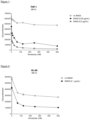
- the AML cell line THP-1 (resistant to Venetoclax) was treated by several doses of Venetoclax alone or in combination with INA03 (at 0.25 or 0.5 ⁇ g/mL) for 96h.
- the results obtained at 96h are represented in Figure 1 .
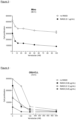
- the AML cell line HL-60 (sensitive to Venetoclax) was treated by several doses of Venetoclax alone or in combination with INA03 (at 0.1 ⁇ /mL) for 96h.
- the results obtained at 96h are represented in Figure 2 .
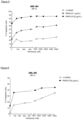
- the Mantle cell lymphoma line Mino was treated by several doses of Venetoclax alone or in combination with INA03 (at 0.1 ⁇ /mL) for 96h.
- the results obtained at 96h are represented in Figure 3 .
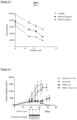
- the CLL cell line OSU was treated by several doses of Venetoclax alone or in combination with INA03 (at 0.06, 0.12 or 0.25 ⁇ g/mL) for 72h.
- the results obtained at 72h are represented in Figure 4 .
- the cell viability was measured by using the Cell Titer-Glo ® -Luminescent Cell Viability Assay estimating the ATP content (Promega).
- AML cells (M4 or M5 subtype) were treated with several doses of Venetoclax alone or in combination with INA03 (at 0.1 or 0.25 ⁇ g/mL) for 96 h.
- Percentage of apoptotic cells was determined by flow cytometry has Annexin-V / PI double positive cells.
- Cells were plated in poly-L-ornithine treated cell culture plate. 10 000 cells per well are added in 0.1 mL. 100 ul of Annexin V-Red or Caspase 3/7 green were added, then the plate is put back in the incubator. In the incubator there is a Incucyte ® plate reader that takes fluorescence every 3 hours.
- Apoptosis has been quantified as the number of green fluorescent caspase-3/7 active objects for each time point.
- Example 5 Analysis of mitochondrial membrane potential and caspase 8 positive cells.
- the percentage of cells with depolarized mitochondria and caspase 8 positive cells (which illustrates the cellular death) was analyzed.
- THP-1 cells were incubated for 24h in medium culture alone (ctrl) or in the presence of INA03 (1 ug/mL), Venetoclax (200 nM) or a combination of both at the same dose.
- Medium culture comprises a mitochondrial marker DiIC1(5) or caspase 8 antibody, at room temperature (10 6 cells/mL in 0.3 mL of medium culture). Cells are centrifugated, then incubated in a buffer comprising annexin V at 37°C during 15 minutes and analyzed by flow cytometry.
- T cells were incubated for 96h in the presence of INA03 and Venetoclax alone or in combination, at various concentrations. The percentage of apoptosis on activated and non-activated T cells is then calculated. PHA and IL-2 are also added into the culture medium.
- Cells are cultured in RPMI medium supplemented with Fetal Bovine serum (10%).
- the AML cell line THP-1 was treated by several doses of Navitoclax alone or in combination with INA03 (at 0.25 or 0.5 ⁇ g/mL).
- the cell viability was measured by using the Cell Titer-Glo ® -Luminescent Cell Viability Assay estimating the ATP content (Promega).
- Cells are cultured in RPMI medium supplemented with Fetal Bovine serum (10%).
- the AML cell line THP-1 was treated by several doses of Obatoclax alone or in combination with INA03 (at 0.25 or 0.5 ⁇ g/mL).
- the cell viability was measured by using the Cell Titer-Glo ® -Luminescent Cell Viability Assay estimating the ATP content (Promega).
- Example 9 In vivo efficacy of INA03 in combination with Venetoclax
- mice were injected subcutaneously with 1x10 6 HL-60 cells.
- mice were injected in a curative mode with, either 6 mg/kg (q4dx4) intravenously, alone (closed circles) or 13 consecutive days oral gavage with Venetoclax at 100 mg/kg (closed triangles) or both (grey diamonds).
- Animals were also injected intravenously with the vehicle as controls (open circles). Tumor growths were monitored every day and mice were sacrificed when the tumors reach around 1500 mm 3 .
Landscapes
- Health & Medical Sciences (AREA)
- Life Sciences & Earth Sciences (AREA)
- Bioinformatics & Cheminformatics (AREA)
- Engineering & Computer Science (AREA)
- Veterinary Medicine (AREA)
- Chemical & Material Sciences (AREA)
- Medicinal Chemistry (AREA)
- Pharmacology & Pharmacy (AREA)
- Animal Behavior & Ethology (AREA)
- General Health & Medical Sciences (AREA)
- Public Health (AREA)
- Epidemiology (AREA)
- Immunology (AREA)
- Cell Biology (AREA)
- Organic Chemistry (AREA)
- Nuclear Medicine, Radiotherapy & Molecular Imaging (AREA)
- General Chemical & Material Sciences (AREA)
- Chemical Kinetics & Catalysis (AREA)
- Peptides Or Proteins (AREA)
- Medicinal Preparation (AREA)
Priority Applications (3)
| Application Number | Priority Date | Filing Date | Title |
|---|---|---|---|
| EP23305950.0A EP4477236A1 (de) | 2023-06-14 | 2023-06-14 | Kombinationstherapie zur behandlung eines tumors mit adc mit anti-cd71-antikörpern und bh3-mimetika |
| PCT/EP2024/066375 WO2024256544A1 (en) | 2023-06-14 | 2024-06-13 | Combination therapy for treating a tumor using adc comprising anti-cd71 antibodies and bh3 mimetics |
| EP24733546.6A EP4766400A1 (de) | 2023-06-14 | 2024-06-13 | Kombinationstherapie zur behandlung eines tumors mit adc mit anti-cd71-antikörpern und bh3-mimetika |
Applications Claiming Priority (1)
| Application Number | Priority Date | Filing Date | Title |
|---|---|---|---|
| EP23305950.0A EP4477236A1 (de) | 2023-06-14 | 2023-06-14 | Kombinationstherapie zur behandlung eines tumors mit adc mit anti-cd71-antikörpern und bh3-mimetika |
Publications (1)
| Publication Number | Publication Date |
|---|---|
| EP4477236A1 true EP4477236A1 (de) | 2024-12-18 |
Family
ID=87157876
Family Applications (2)
| Application Number | Title | Priority Date | Filing Date |
|---|---|---|---|
| EP23305950.0A Withdrawn EP4477236A1 (de) | 2023-06-14 | 2023-06-14 | Kombinationstherapie zur behandlung eines tumors mit adc mit anti-cd71-antikörpern und bh3-mimetika |
| EP24733546.6A Pending EP4766400A1 (de) | 2023-06-14 | 2024-06-13 | Kombinationstherapie zur behandlung eines tumors mit adc mit anti-cd71-antikörpern und bh3-mimetika |
Family Applications After (1)
| Application Number | Title | Priority Date | Filing Date |
|---|---|---|---|
| EP24733546.6A Pending EP4766400A1 (de) | 2023-06-14 | 2024-06-13 | Kombinationstherapie zur behandlung eines tumors mit adc mit anti-cd71-antikörpern und bh3-mimetika |
Country Status (2)
| Country | Link |
|---|---|
| EP (2) | EP4477236A1 (de) |
| WO (1) | WO2024256544A1 (de) |
Citations (28)
| Publication number | Priority date | Publication date | Assignee | Title |
|---|---|---|---|---|
| EP0154316A2 (de) | 1984-03-06 | 1985-09-11 | Takeda Chemical Industries, Ltd. | Chemisch modifizierte Lymphokine und Verfahren zu ihrer Herstellung |
| EP0322094A1 (de) | 1987-10-30 | 1989-06-28 | Delta Biotechnology Limited | N-terminale Fragmente von menschlichem Serumalbumin |
| EP0401384A1 (de) | 1988-12-22 | 1990-12-12 | Kirin-Amgen, Inc. | Chemisch modifizierte granulocytenkolonie erregender faktor |
| EP0486525A1 (de) | 1989-08-01 | 1992-05-27 | Cemu Bioteknik Ab | Stabilisierte protein- oder peptidkonjugate. |
| WO1994029351A2 (en) | 1993-06-16 | 1994-12-22 | Celltech Limited | Antibodies |
| US5624821A (en) | 1987-03-18 | 1997-04-29 | Scotgen Biopharmaceuticals Incorporated | Antibodies with altered effector functions |
| US5677425A (en) | 1987-09-04 | 1997-10-14 | Celltech Therapeutics Limited | Recombinant antibody |
| US5714350A (en) | 1992-03-09 | 1998-02-03 | Protein Design Labs, Inc. | Increasing antibody affinity by altering glycosylation in the immunoglobulin variable region |
| US5821337A (en) | 1991-06-14 | 1998-10-13 | Genentech, Inc. | Immunoglobulin variants |
| US5869046A (en) | 1995-04-14 | 1999-02-09 | Genentech, Inc. | Altered polypeptides with increased half-life |
| WO1999054342A1 (en) | 1998-04-20 | 1999-10-28 | Pablo Umana | Glycosylation engineering of antibodies for improving antibody-dependent cellular cytotoxicity |
| WO2000042072A2 (en) | 1999-01-15 | 2000-07-20 | Genentech, Inc. | Polypeptide variants with altered effector function |
| US6121022A (en) | 1995-04-14 | 2000-09-19 | Genentech, Inc. | Altered polypeptides with increased half-life |
| US6165745A (en) | 1992-04-24 | 2000-12-26 | Board Of Regents, The University Of Texas System | Recombinant production of immunoglobulin-like domains in prokaryotic cells |
| US6194551B1 (en) | 1998-04-02 | 2001-02-27 | Genentech, Inc. | Polypeptide variants |
| US6248516B1 (en) | 1988-11-11 | 2001-06-19 | Medical Research Council | Single domain ligands, receptors comprising said ligands methods for their production, and use of said ligands and receptors |
| US6277375B1 (en) | 1997-03-03 | 2001-08-21 | Board Of Regents, The University Of Texas System | Immunoglobulin-like domains with increased half-lives |
| EP1176195A1 (de) | 1999-04-09 | 2002-01-30 | Kyowa Hakko Kogyo Co., Ltd. | VERFAHREN ZUR KONTROLLE DER AKTIVITäT VON IMMUNOLOGISCH FUNKTIONELLEM MOLEKüL |
| WO2003026577A2 (en) | 2001-09-24 | 2003-04-03 | Seattle Genetics, Inc. | P-amidobenzylethers in drug delivery agents |
| WO2003035835A2 (en) | 2001-10-25 | 2003-05-01 | Genentech, Inc. | Glycoprotein compositions |
| WO2004010957A2 (en) | 2002-07-31 | 2004-02-05 | Seattle Genetics, Inc. | Drug conjugates and their use for treating cancer, an autoimmune disease or an infectious disease |
| WO2005111082A1 (en) | 2004-04-30 | 2005-11-24 | Inserm (Institut National De La Sante Et De La Recherche Medicale) | Anti-tfr antibody. |
| US6982321B2 (en) | 1986-03-27 | 2006-01-03 | Medical Research Council | Altered antibodies |
| US7087409B2 (en) | 1997-12-05 | 2006-08-08 | The Scripps Research Institute | Humanization of murine antibody |
| US7527791B2 (en) | 2004-03-31 | 2009-05-05 | Genentech, Inc. | Humanized anti-TGF-beta antibodies |
| US20120276190A1 (en) | 2009-08-28 | 2012-11-01 | The Government Of The U.S.A. As Represented By The Secretary Of The Dept. Of Health & Human Services | Therapy with a chimeric molecule and a pro-apoptotic agent |
| WO2017013230A1 (en) | 2015-07-22 | 2017-01-26 | Inatherys | ANTI-TfR ANTIBODIES AND THEIR USE IN TREATING PROLIFERATIVE AND INFLAMMATORY DISORDERS |
| WO2019197428A1 (en) | 2018-04-10 | 2019-10-17 | Inatherys | Antibody-drug conjugates and their uses for the treatment of cancer |
-
2023
- 2023-06-14 EP EP23305950.0A patent/EP4477236A1/de not_active Withdrawn
-
2024
- 2024-06-13 EP EP24733546.6A patent/EP4766400A1/de active Pending
- 2024-06-13 WO PCT/EP2024/066375 patent/WO2024256544A1/en not_active Ceased
Patent Citations (30)
| Publication number | Priority date | Publication date | Assignee | Title |
|---|---|---|---|---|
| EP0154316A2 (de) | 1984-03-06 | 1985-09-11 | Takeda Chemical Industries, Ltd. | Chemisch modifizierte Lymphokine und Verfahren zu ihrer Herstellung |
| US6982321B2 (en) | 1986-03-27 | 2006-01-03 | Medical Research Council | Altered antibodies |
| US5624821A (en) | 1987-03-18 | 1997-04-29 | Scotgen Biopharmaceuticals Incorporated | Antibodies with altered effector functions |
| US5648260A (en) | 1987-03-18 | 1997-07-15 | Scotgen Biopharmaceuticals Incorporated | DNA encoding antibodies with altered effector functions |
| US5677425A (en) | 1987-09-04 | 1997-10-14 | Celltech Therapeutics Limited | Recombinant antibody |
| EP0322094A1 (de) | 1987-10-30 | 1989-06-28 | Delta Biotechnology Limited | N-terminale Fragmente von menschlichem Serumalbumin |
| US6248516B1 (en) | 1988-11-11 | 2001-06-19 | Medical Research Council | Single domain ligands, receptors comprising said ligands methods for their production, and use of said ligands and receptors |
| EP0401384A1 (de) | 1988-12-22 | 1990-12-12 | Kirin-Amgen, Inc. | Chemisch modifizierte granulocytenkolonie erregender faktor |
| EP0486525A1 (de) | 1989-08-01 | 1992-05-27 | Cemu Bioteknik Ab | Stabilisierte protein- oder peptidkonjugate. |
| US5821337A (en) | 1991-06-14 | 1998-10-13 | Genentech, Inc. | Immunoglobulin variants |
| US5714350A (en) | 1992-03-09 | 1998-02-03 | Protein Design Labs, Inc. | Increasing antibody affinity by altering glycosylation in the immunoglobulin variable region |
| US6350861B1 (en) | 1992-03-09 | 2002-02-26 | Protein Design Labs, Inc. | Antibodies with increased binding affinity |
| US6165745A (en) | 1992-04-24 | 2000-12-26 | Board Of Regents, The University Of Texas System | Recombinant production of immunoglobulin-like domains in prokaryotic cells |
| WO1994029351A2 (en) | 1993-06-16 | 1994-12-22 | Celltech Limited | Antibodies |
| US6121022A (en) | 1995-04-14 | 2000-09-19 | Genentech, Inc. | Altered polypeptides with increased half-life |
| US5869046A (en) | 1995-04-14 | 1999-02-09 | Genentech, Inc. | Altered polypeptides with increased half-life |
| US6277375B1 (en) | 1997-03-03 | 2001-08-21 | Board Of Regents, The University Of Texas System | Immunoglobulin-like domains with increased half-lives |
| US7087409B2 (en) | 1997-12-05 | 2006-08-08 | The Scripps Research Institute | Humanization of murine antibody |
| US6194551B1 (en) | 1998-04-02 | 2001-02-27 | Genentech, Inc. | Polypeptide variants |
| WO1999054342A1 (en) | 1998-04-20 | 1999-10-28 | Pablo Umana | Glycosylation engineering of antibodies for improving antibody-dependent cellular cytotoxicity |
| WO2000042072A2 (en) | 1999-01-15 | 2000-07-20 | Genentech, Inc. | Polypeptide variants with altered effector function |
| EP1176195A1 (de) | 1999-04-09 | 2002-01-30 | Kyowa Hakko Kogyo Co., Ltd. | VERFAHREN ZUR KONTROLLE DER AKTIVITäT VON IMMUNOLOGISCH FUNKTIONELLEM MOLEKüL |
| WO2003026577A2 (en) | 2001-09-24 | 2003-04-03 | Seattle Genetics, Inc. | P-amidobenzylethers in drug delivery agents |
| WO2003035835A2 (en) | 2001-10-25 | 2003-05-01 | Genentech, Inc. | Glycoprotein compositions |
| WO2004010957A2 (en) | 2002-07-31 | 2004-02-05 | Seattle Genetics, Inc. | Drug conjugates and their use for treating cancer, an autoimmune disease or an infectious disease |
| US7527791B2 (en) | 2004-03-31 | 2009-05-05 | Genentech, Inc. | Humanized anti-TGF-beta antibodies |
| WO2005111082A1 (en) | 2004-04-30 | 2005-11-24 | Inserm (Institut National De La Sante Et De La Recherche Medicale) | Anti-tfr antibody. |
| US20120276190A1 (en) | 2009-08-28 | 2012-11-01 | The Government Of The U.S.A. As Represented By The Secretary Of The Dept. Of Health & Human Services | Therapy with a chimeric molecule and a pro-apoptotic agent |
| WO2017013230A1 (en) | 2015-07-22 | 2017-01-26 | Inatherys | ANTI-TfR ANTIBODIES AND THEIR USE IN TREATING PROLIFERATIVE AND INFLAMMATORY DISORDERS |
| WO2019197428A1 (en) | 2018-04-10 | 2019-10-17 | Inatherys | Antibody-drug conjugates and their uses for the treatment of cancer |
Non-Patent Citations (42)
| Title |
|---|
| "CAS", Database accession no. 1357576-48-7 |
| "Cas", Database accession no. 2143061-81-6 |
| ABID R. MATTOODAVID J. FITZGERALD, INT. J. CANCER, vol. 132, 2012, pages 978 - 987 |
| ALMAGROFRANSSON, FRONT. BIOSCI., vol. 13, 2008, pages 1619 - 1633 |
| ALTSCHUL ET AL., NUCLEIC ACIDS RES., vol. 25, 1997, pages 3389 - 3402 |
| BATRA JANENDRA K. ET AL: "Single-Chain Immunotoxins Directed at the Human Transferrin Receptor Containing Pseudomonas Exotoxin A or Diphtheria Toxin: Anti-TFR(Fv)-PE40 and DT388-Anti-TFR(Fv)", MOLECULAR AND CELLULAR BIOLOGY, vol. 11, no. 4, 1 April 1991 (1991-04-01), US, pages 2200 - 2205, XP093099152, ISSN: 0270-7306, DOI: 10.1128/mcb.11.4.2200-2205.1991 * |
| BATRA JKFITZGERALD DJCHAUDHARY VK ET AL.: "Single-chain immunotoxins directed at the human transferrin receptor containing Pseudomonas exotoxin A or diphtheria toxin: anti-TFR(Fv)-PE40 and DT388-anti-TFR(Fv", MOL CELL BIOL, vol. 11, 1991, pages 2200 - 5 |
| BAUDINO ET AL., J.IMMUNOL., vol. 181, 2008, pages 6664 - 69 |
| BIRD ET AL., SCIENCE, vol. 242, 1988, pages 423 - 426 |
| BRYSON ET AL., BIODRUGS, vol. 24, no. 1, 2010, pages 1 - 8 |
| CALLENS ET AL., J. EXP. MED., vol. 207, no. 4, 2010, pages 731 - 750 |
| CALLENS ET AL., LEUKEMIA, vol. 22, 2008, pages 42 - 48 |
| CHOTHIA CLESK AM, J MOL BIOL, vol. 196, 1987, pages 901 - 917 |
| COLLINS, PNAS, vol. 75, 1978, pages 2458 - 1462 |
| CONILH ET AL., PHARMACEUTICALS, vol. 14, no. 3, 2021, pages 247 |
| DALL'ACQUA ET AL., METHODS, vol. 36, 2005, pages 61 - 68 |
| DUBOWCHIK GMFIRESTONE RAPADILLA LWILLNER DHOFSTEAD SJMOSURE K ET AL., BIOCONJUG CHEM., vol. 13, 2002, pages 855 - 69 |
| FAULK ET AL., LANCET, vol. 2, 1980, pages 390 - 392 |
| GALLAGHER ET AL., BLOOD, vol. 54, 1979, pages 713 - 733 |
| GATTER ET AL., J CLIN PATHOL., vol. 36, 1983, pages 539 - 545 |
| HEZAREH, J. VIROL, vol. 75, no. 24, December 2001 (2001-12-01), pages 12161 - 8 |
| HUSTON ET AL., PROC. NATL. ACAD. SCI., vol. 85, 1988, pages 5879 - 5883 |
| KLIMKA ET AL., BR. J. CANCER, vol. 83, 2000, pages 252 - 260 |
| LEPELLETIER ET AL., CANCER RES, vol. 67, 2007, pages 1145 - 1154 |
| MATTOO ABID R. ET AL: "Combination treatments with ABT-263 and an immunotoxin produce synergistic killing of ABT-263-resistant small cell lung cancer cell lines", INTERNATIONAL JOURNAL OF CANCER, vol. 132, no. 4, 15 February 2013 (2013-02-15), US, pages 978 - 987, XP093098363, ISSN: 0020-7136, DOI: 10.1002/ijc.27732 * |
| MOURA ET AL., BLOOD, vol. 103, no. 5, 1 March 2004 (2004-03-01), pages 1838 - 45 |
| MOURA ET AL., J EXP MED, vol. 194, 2001, pages 417 - 425 |
| PADLAN, MOL. IMMUNOL., vol. 28, 1991, pages 489 - 498 |
| PERRY ET AL., DRUGS IN R&D, vol. 9, no. 6, 2008, pages 385 - 396 |
| QUEEN ET AL., PROC. NATL ACAD. SCI. USA, vol. 86, 1989, pages 10029 - 10033 |
| RIECHMANN ET AL., NATURE, vol. 332, 1988, pages 323 - 329 |
| ROBERTS ANDREW W.: "Therapeutic development and current uses of BCL-2 inhibition", AMERICAN SOCIETY OF HEMATOLOGY, vol. 2020, no. 1, 4 December 2020 (2020-12-04), US, pages 1 - 9, XP093098927, ISSN: 1520-4391, Retrieved from the Internet <URL:https://watermark.silverchair.com/hem2020000154.pdf?token=AQECAHi208BE49Ooan9kkhW_Ercy7Dm3ZL_9Cf3qfKAc485ysgAABG4wggRqBgkqhkiG9w0BBwagggRbMIIEVwIBADCCBFAGCSqGSIb3DQEHATAeBglghkgBZQMEAS4wEQQMHLbrI3T6OV7k7GNIAgEQgIIEIUlciJaA5_0ssPKiMJuv-8NaudISUWqtny_oJ3VBXh6USUeYFLGVbXbLUTZ2qwSunvX_TcFsCD4AM3QjdOywS5> DOI: 10.1182/hematology.2020000154 * |
| SHIELDS, R.L. ET AL., J. BIOL. CHEM, vol. 276, 2001, pages 6591 - 6604 |
| SHIELDS, R.L. ET AL., J. BIOL. CHEM., vol. 277, 2002, pages 26733 - 26740 |
| SHINDELMAN ET AL., INT J CANCER, vol. 27, 1981, pages 329 - 334 |
| STROHL, CO BIOTECHNOLOGY, vol. 20, 2009, pages 685 - 91 |
| SUSAN ELMORE: "Apoptosis: A Review of Programmed Cell Death", TOXICOL PATHOL., vol. 35, no. 4, 2007, pages 495 - 516, XP002599919, DOI: 10.1080/01926230701320337 |
| TOWNSEND PAUL A. ET AL: "BH3-mimetics: recent developments in cancer therapy", JOURNAL OF EXPERIMENTAL & CLINICAL CANCER RESEARCH, vol. 40, no. 1, 9 November 2021 (2021-11-09), XP093098344, Retrieved from the Internet <URL:https://jeccr.biomedcentral.com/counter/pdf/10.1186/s13046-021-02157-5.pdf> DOI: 10.1186/s13046-021-02157-5 * |
| UMANA ET AL., NAT. BIOTECH., vol. 17, 1999, pages 176 - 180 |
| VILLALOBOS-ORTIZ, M.RYAN, J.MASHAKA, T.N. ET AL.: "BH3 profiling discriminates on-target small molecule BH3 mimetics from putative mimetics", CELL DEATH DIFFER, vol. 27, 2020, pages 999 - 1007, XP037027685, DOI: 10.1038/s41418-019-0391-9 |
| VU MILAN ET AL: "Doxorubicin selectively induces apoptosis through the inhibition of a novel isoform of Bcl-2 in acute myeloid leukaemia MOLM-13 cells with reduced Beclin 1 expression", INTERNATIONAL JOURNAL OF ONCOLOGY, vol. 57, no. 1, 23 April 2020 (2020-04-23), GR, pages 113 - 121, XP093098953, ISSN: 1019-6439, DOI: 10.3892/ijo.2020.5052 * |
| WARD ET AL., NATURE, vol. 341, 1989, pages 544 - 546 |
Also Published As
| Publication number | Publication date |
|---|---|
| EP4766400A1 (de) | 2026-07-01 |
| WO2024256544A1 (en) | 2024-12-19 |
Similar Documents
| Publication | Publication Date | Title |
|---|---|---|
| EP3773738B1 (de) | Antikörper-arzneimittel-konjugate und deren verwendungen zur behandlung von krebs | |
| CN102918063B (zh) | 抗-cd40抗体 | |
| ES2860988T3 (es) | Anticuerpos anti-TFR y su uso en el tratamiento de trastornos proliferativos e inflamatorios | |
| US9777071B2 (en) | Anti-DPEP3 antibodies and methods of use | |
| RU2710194C2 (ru) | Связывающие молекулы, специфичные в отношении asct2, и их применения | |
| TW201832778A (zh) | 對asct2具有特異性的結合分子及其用途 | |
| US20190000969A1 (en) | Novel anti-upk1b antibodies and methods of use | |
| US20190127476A1 (en) | Novel anti-tnfrsf21 antibodies and methods of use | |
| WO2024256544A1 (en) | Combination therapy for treating a tumor using adc comprising anti-cd71 antibodies and bh3 mimetics | |
| HK40036620B (en) | Antibody-drug conjugates and their uses for the treatment of cancer | |
| HK40036620A (en) | Antibody-drug conjugates and their uses for the treatment of cancer | |
| RU2799547C2 (ru) | Конъюгаты антител с лекарственными веществами и их применение для лечения раковых заболеваний | |
| WO2013027658A1 (ja) | 軟骨・骨破壊抑制剤 |
Legal Events
| Date | Code | Title | Description |
|---|---|---|---|
| PUAI | Public reference made under article 153(3) epc to a published international application that has entered the european phase |
Free format text: ORIGINAL CODE: 0009012 |
|
| STAA | Information on the status of an ep patent application or granted ep patent |
Free format text: STATUS: THE APPLICATION HAS BEEN PUBLISHED |
|
| AK | Designated contracting states |
Kind code of ref document: A1 Designated state(s): AL AT BE BG CH CY CZ DE DK EE ES FI FR GB GR HR HU IE IS IT LI LT LU LV MC ME MK MT NL NO PL PT RO RS SE SI SK SM TR |
|
| STAA | Information on the status of an ep patent application or granted ep patent |
Free format text: STATUS: THE APPLICATION IS DEEMED TO BE WITHDRAWN |
|
| 18D | Application deemed to be withdrawn |
Effective date: 20250619 |