EP4483866A1 - Pharmazeutische zusammensetzungen zur behandlung oder prävention von krebs - Google Patents
Pharmazeutische zusammensetzungen zur behandlung oder prävention von krebs Download PDFInfo
- Publication number
- EP4483866A1 EP4483866A1 EP23182027.5A EP23182027A EP4483866A1 EP 4483866 A1 EP4483866 A1 EP 4483866A1 EP 23182027 A EP23182027 A EP 23182027A EP 4483866 A1 EP4483866 A1 EP 4483866A1
- Authority
- EP
- European Patent Office
- Prior art keywords
- derivative
- macrophages
- bis
- tumor
- monocytes
- Prior art date
- Legal status (The legal status is an assumption and is not a legal conclusion. Google has not performed a legal analysis and makes no representation as to the accuracy of the status listed.)
- Withdrawn
Links
Images












Classifications
-
- A—HUMAN NECESSITIES
- A61—MEDICAL OR VETERINARY SCIENCE; HYGIENE
- A61K—PREPARATIONS FOR MEDICAL, DENTAL OR TOILETRY PURPOSES
- A61K31/00—Medicinal preparations containing organic active ingredients
- A61K31/045—Hydroxy compounds, e.g. alcohols; Salts thereof, e.g. alcoholates
-
- A—HUMAN NECESSITIES
- A61—MEDICAL OR VETERINARY SCIENCE; HYGIENE
- A61K—PREPARATIONS FOR MEDICAL, DENTAL OR TOILETRY PURPOSES
- A61K31/00—Medicinal preparations containing organic active ingredients
- A61K31/045—Hydroxy compounds, e.g. alcohols; Salts thereof, e.g. alcoholates
- A61K31/05—Phenols
-
- A—HUMAN NECESSITIES
- A61—MEDICAL OR VETERINARY SCIENCE; HYGIENE
- A61K—PREPARATIONS FOR MEDICAL, DENTAL OR TOILETRY PURPOSES
- A61K31/00—Medicinal preparations containing organic active ingredients
- A61K31/075—Ethers or acetals
- A61K31/085—Ethers or acetals having an ether linkage to aromatic ring nuclear carbon
- A61K31/09—Ethers or acetals having an ether linkage to aromatic ring nuclear carbon having two or more such linkages
-
- A—HUMAN NECESSITIES
- A61—MEDICAL OR VETERINARY SCIENCE; HYGIENE
- A61K—PREPARATIONS FOR MEDICAL, DENTAL OR TOILETRY PURPOSES
- A61K31/00—Medicinal preparations containing organic active ingredients
- A61K31/12—Ketones
-
- A—HUMAN NECESSITIES
- A61—MEDICAL OR VETERINARY SCIENCE; HYGIENE
- A61K—PREPARATIONS FOR MEDICAL, DENTAL OR TOILETRY PURPOSES
- A61K31/00—Medicinal preparations containing organic active ingredients
- A61K31/16—Amides, e.g. hydroxamic acids
- A61K31/165—Amides, e.g. hydroxamic acids having aromatic rings, e.g. colchicine, atenolol, progabide
- A61K31/167—Amides, e.g. hydroxamic acids having aromatic rings, e.g. colchicine, atenolol, progabide having the nitrogen of a carboxamide group directly attached to the aromatic ring, e.g. lidocaine, paracetamol
-
- A—HUMAN NECESSITIES
- A61—MEDICAL OR VETERINARY SCIENCE; HYGIENE
- A61K—PREPARATIONS FOR MEDICAL, DENTAL OR TOILETRY PURPOSES
- A61K31/00—Medicinal preparations containing organic active ingredients
- A61K31/185—Acids; Anhydrides, halides or salts thereof, e.g. sulfur acids, imidic, hydrazonic or hydroximic acids
- A61K31/19—Carboxylic acids, e.g. valproic acid
- A61K31/194—Carboxylic acids, e.g. valproic acid having two or more carboxyl groups, e.g. succinic, maleic or phthalic acid
-
- A—HUMAN NECESSITIES
- A61—MEDICAL OR VETERINARY SCIENCE; HYGIENE
- A61K—PREPARATIONS FOR MEDICAL, DENTAL OR TOILETRY PURPOSES
- A61K31/00—Medicinal preparations containing organic active ingredients
- A61K31/21—Esters, e.g. nitroglycerine, selenocyanates
- A61K31/215—Esters, e.g. nitroglycerine, selenocyanates of carboxylic acids
-
- A—HUMAN NECESSITIES
- A61—MEDICAL OR VETERINARY SCIENCE; HYGIENE
- A61K—PREPARATIONS FOR MEDICAL, DENTAL OR TOILETRY PURPOSES
- A61K31/00—Medicinal preparations containing organic active ingredients
- A61K31/21—Esters, e.g. nitroglycerine, selenocyanates
- A61K31/215—Esters, e.g. nitroglycerine, selenocyanates of carboxylic acids
- A61K31/216—Esters, e.g. nitroglycerine, selenocyanates of carboxylic acids of acids having aromatic rings, e.g. benactizyne, clofibrate
-
- A—HUMAN NECESSITIES
- A61—MEDICAL OR VETERINARY SCIENCE; HYGIENE
- A61K—PREPARATIONS FOR MEDICAL, DENTAL OR TOILETRY PURPOSES
- A61K31/00—Medicinal preparations containing organic active ingredients
- A61K31/21—Esters, e.g. nitroglycerine, selenocyanates
- A61K31/215—Esters, e.g. nitroglycerine, selenocyanates of carboxylic acids
- A61K31/235—Esters, e.g. nitroglycerine, selenocyanates of carboxylic acids having an aromatic ring attached to a carboxyl group
-
- A—HUMAN NECESSITIES
- A61—MEDICAL OR VETERINARY SCIENCE; HYGIENE
- A61K—PREPARATIONS FOR MEDICAL, DENTAL OR TOILETRY PURPOSES
- A61K31/00—Medicinal preparations containing organic active ingredients
- A61K31/33—Heterocyclic compounds
- A61K31/335—Heterocyclic compounds having oxygen as the only ring hetero atom, e.g. fungichromin
- A61K31/35—Heterocyclic compounds having oxygen as the only ring hetero atom, e.g. fungichromin having six-membered rings with one oxygen as the only ring hetero atom
- A61K31/351—Heterocyclic compounds having oxygen as the only ring hetero atom, e.g. fungichromin having six-membered rings with one oxygen as the only ring hetero atom not condensed with another ring
-
- A—HUMAN NECESSITIES
- A61—MEDICAL OR VETERINARY SCIENCE; HYGIENE
- A61K—PREPARATIONS FOR MEDICAL, DENTAL OR TOILETRY PURPOSES
- A61K31/00—Medicinal preparations containing organic active ingredients
- A61K31/33—Heterocyclic compounds
- A61K31/335—Heterocyclic compounds having oxygen as the only ring hetero atom, e.g. fungichromin
- A61K31/35—Heterocyclic compounds having oxygen as the only ring hetero atom, e.g. fungichromin having six-membered rings with one oxygen as the only ring hetero atom
- A61K31/352—Heterocyclic compounds having oxygen as the only ring hetero atom, e.g. fungichromin having six-membered rings with one oxygen as the only ring hetero atom condensed with carbocyclic rings, e.g. methantheline
-
- A—HUMAN NECESSITIES
- A61—MEDICAL OR VETERINARY SCIENCE; HYGIENE
- A61K—PREPARATIONS FOR MEDICAL, DENTAL OR TOILETRY PURPOSES
- A61K31/00—Medicinal preparations containing organic active ingredients
- A61K31/33—Heterocyclic compounds
- A61K31/395—Heterocyclic compounds having nitrogen as a ring hetero atom, e.g. guanethidine or rifamycins
- A61K31/40—Heterocyclic compounds having nitrogen as a ring hetero atom, e.g. guanethidine or rifamycins having five-membered rings with one nitrogen as the only ring hetero atom, e.g. sulpiride, succinimide, tolmetin, buflomedil
- A61K31/4025—Heterocyclic compounds having nitrogen as a ring hetero atom, e.g. guanethidine or rifamycins having five-membered rings with one nitrogen as the only ring hetero atom, e.g. sulpiride, succinimide, tolmetin, buflomedil not condensed and containing further heterocyclic rings, e.g. cromakalim
-
- A—HUMAN NECESSITIES
- A61—MEDICAL OR VETERINARY SCIENCE; HYGIENE
- A61K—PREPARATIONS FOR MEDICAL, DENTAL OR TOILETRY PURPOSES
- A61K31/00—Medicinal preparations containing organic active ingredients
- A61K31/33—Heterocyclic compounds
- A61K31/395—Heterocyclic compounds having nitrogen as a ring hetero atom, e.g. guanethidine or rifamycins
- A61K31/40—Heterocyclic compounds having nitrogen as a ring hetero atom, e.g. guanethidine or rifamycins having five-membered rings with one nitrogen as the only ring hetero atom, e.g. sulpiride, succinimide, tolmetin, buflomedil
- A61K31/403—Heterocyclic compounds having nitrogen as a ring hetero atom, e.g. guanethidine or rifamycins having five-membered rings with one nitrogen as the only ring hetero atom, e.g. sulpiride, succinimide, tolmetin, buflomedil condensed with carbocyclic rings, e.g. carbazole
- A61K31/404—Indoles, e.g. pindolol
-
- A—HUMAN NECESSITIES
- A61—MEDICAL OR VETERINARY SCIENCE; HYGIENE
- A61K—PREPARATIONS FOR MEDICAL, DENTAL OR TOILETRY PURPOSES
- A61K31/00—Medicinal preparations containing organic active ingredients
- A61K31/33—Heterocyclic compounds
- A61K31/395—Heterocyclic compounds having nitrogen as a ring hetero atom, e.g. guanethidine or rifamycins
- A61K31/40—Heterocyclic compounds having nitrogen as a ring hetero atom, e.g. guanethidine or rifamycins having five-membered rings with one nitrogen as the only ring hetero atom, e.g. sulpiride, succinimide, tolmetin, buflomedil
- A61K31/403—Heterocyclic compounds having nitrogen as a ring hetero atom, e.g. guanethidine or rifamycins having five-membered rings with one nitrogen as the only ring hetero atom, e.g. sulpiride, succinimide, tolmetin, buflomedil condensed with carbocyclic rings, e.g. carbazole
- A61K31/404—Indoles, e.g. pindolol
- A61K31/4045—Indole-alkylamines; Amides thereof, e.g. serotonin, melatonin
-
- A—HUMAN NECESSITIES
- A61—MEDICAL OR VETERINARY SCIENCE; HYGIENE
- A61K—PREPARATIONS FOR MEDICAL, DENTAL OR TOILETRY PURPOSES
- A61K31/00—Medicinal preparations containing organic active ingredients
- A61K31/33—Heterocyclic compounds
- A61K31/395—Heterocyclic compounds having nitrogen as a ring hetero atom, e.g. guanethidine or rifamycins
- A61K31/40—Heterocyclic compounds having nitrogen as a ring hetero atom, e.g. guanethidine or rifamycins having five-membered rings with one nitrogen as the only ring hetero atom, e.g. sulpiride, succinimide, tolmetin, buflomedil
- A61K31/403—Heterocyclic compounds having nitrogen as a ring hetero atom, e.g. guanethidine or rifamycins having five-membered rings with one nitrogen as the only ring hetero atom, e.g. sulpiride, succinimide, tolmetin, buflomedil condensed with carbocyclic rings, e.g. carbazole
- A61K31/404—Indoles, e.g. pindolol
- A61K31/405—Indole-alkanecarboxylic acids; Derivatives thereof, e.g. tryptophan, indomethacin
-
- A—HUMAN NECESSITIES
- A61—MEDICAL OR VETERINARY SCIENCE; HYGIENE
- A61K—PREPARATIONS FOR MEDICAL, DENTAL OR TOILETRY PURPOSES
- A61K31/00—Medicinal preparations containing organic active ingredients
- A61K31/33—Heterocyclic compounds
- A61K31/395—Heterocyclic compounds having nitrogen as a ring hetero atom, e.g. guanethidine or rifamycins
- A61K31/41—Heterocyclic compounds having nitrogen as a ring hetero atom, e.g. guanethidine or rifamycins having five-membered rings with two or more ring hetero atoms, at least one of which being nitrogen, e.g. tetrazole
- A61K31/415—1,2-Diazoles
-
- A—HUMAN NECESSITIES
- A61—MEDICAL OR VETERINARY SCIENCE; HYGIENE
- A61K—PREPARATIONS FOR MEDICAL, DENTAL OR TOILETRY PURPOSES
- A61K31/00—Medicinal preparations containing organic active ingredients
- A61K31/33—Heterocyclic compounds
- A61K31/395—Heterocyclic compounds having nitrogen as a ring hetero atom, e.g. guanethidine or rifamycins
- A61K31/41—Heterocyclic compounds having nitrogen as a ring hetero atom, e.g. guanethidine or rifamycins having five-membered rings with two or more ring hetero atoms, at least one of which being nitrogen, e.g. tetrazole
- A61K31/415—1,2-Diazoles
- A61K31/4152—1,2-Diazoles having oxo groups directly attached to the heterocyclic ring, e.g. antipyrine, phenylbutazone, sulfinpyrazone
-
- A—HUMAN NECESSITIES
- A61—MEDICAL OR VETERINARY SCIENCE; HYGIENE
- A61K—PREPARATIONS FOR MEDICAL, DENTAL OR TOILETRY PURPOSES
- A61K31/00—Medicinal preparations containing organic active ingredients
- A61K31/33—Heterocyclic compounds
- A61K31/395—Heterocyclic compounds having nitrogen as a ring hetero atom, e.g. guanethidine or rifamycins
- A61K31/41—Heterocyclic compounds having nitrogen as a ring hetero atom, e.g. guanethidine or rifamycins having five-membered rings with two or more ring hetero atoms, at least one of which being nitrogen, e.g. tetrazole
- A61K31/4164—1,3-Diazoles
- A61K31/4184—1,3-Diazoles condensed with carbocyclic rings, e.g. benzimidazoles
-
- A—HUMAN NECESSITIES
- A61—MEDICAL OR VETERINARY SCIENCE; HYGIENE
- A61K—PREPARATIONS FOR MEDICAL, DENTAL OR TOILETRY PURPOSES
- A61K31/00—Medicinal preparations containing organic active ingredients
- A61K31/33—Heterocyclic compounds
- A61K31/395—Heterocyclic compounds having nitrogen as a ring hetero atom, e.g. guanethidine or rifamycins
- A61K31/435—Heterocyclic compounds having nitrogen as a ring hetero atom, e.g. guanethidine or rifamycins having six-membered rings with one nitrogen as the only ring hetero atom
- A61K31/44—Non condensed pyridines; Hydrogenated derivatives thereof
- A61K31/4412—Non condensed pyridines; Hydrogenated derivatives thereof having oxo groups directly attached to the heterocyclic ring
-
- A—HUMAN NECESSITIES
- A61—MEDICAL OR VETERINARY SCIENCE; HYGIENE
- A61K—PREPARATIONS FOR MEDICAL, DENTAL OR TOILETRY PURPOSES
- A61K31/00—Medicinal preparations containing organic active ingredients
- A61K31/33—Heterocyclic compounds
- A61K31/395—Heterocyclic compounds having nitrogen as a ring hetero atom, e.g. guanethidine or rifamycins
- A61K31/435—Heterocyclic compounds having nitrogen as a ring hetero atom, e.g. guanethidine or rifamycins having six-membered rings with one nitrogen as the only ring hetero atom
- A61K31/44—Non condensed pyridines; Hydrogenated derivatives thereof
- A61K31/4427—Non condensed pyridines; Hydrogenated derivatives thereof containing further heterocyclic ring systems
- A61K31/4433—Non condensed pyridines; Hydrogenated derivatives thereof containing further heterocyclic ring systems containing a six-membered ring with oxygen as a ring hetero atom
-
- A—HUMAN NECESSITIES
- A61—MEDICAL OR VETERINARY SCIENCE; HYGIENE
- A61K—PREPARATIONS FOR MEDICAL, DENTAL OR TOILETRY PURPOSES
- A61K31/00—Medicinal preparations containing organic active ingredients
- A61K31/33—Heterocyclic compounds
- A61K31/395—Heterocyclic compounds having nitrogen as a ring hetero atom, e.g. guanethidine or rifamycins
- A61K31/435—Heterocyclic compounds having nitrogen as a ring hetero atom, e.g. guanethidine or rifamycins having six-membered rings with one nitrogen as the only ring hetero atom
- A61K31/44—Non condensed pyridines; Hydrogenated derivatives thereof
- A61K31/445—Non condensed piperidines, e.g. piperocaine
- A61K31/4523—Non condensed piperidines, e.g. piperocaine containing further heterocyclic ring systems
- A61K31/453—Non condensed piperidines, e.g. piperocaine containing further heterocyclic ring systems containing a six-membered ring with oxygen as a ring hetero atom
-
- A—HUMAN NECESSITIES
- A61—MEDICAL OR VETERINARY SCIENCE; HYGIENE
- A61K—PREPARATIONS FOR MEDICAL, DENTAL OR TOILETRY PURPOSES
- A61K31/00—Medicinal preparations containing organic active ingredients
- A61K31/33—Heterocyclic compounds
- A61K31/395—Heterocyclic compounds having nitrogen as a ring hetero atom, e.g. guanethidine or rifamycins
- A61K31/495—Heterocyclic compounds having nitrogen as a ring hetero atom, e.g. guanethidine or rifamycins having six-membered rings with two or more nitrogen atoms as the only ring heteroatoms, e.g. piperazine or tetrazines
- A61K31/496—Non-condensed piperazines containing further heterocyclic rings, e.g. rifampin, thiothixene or sparfloxacin
-
- A—HUMAN NECESSITIES
- A61—MEDICAL OR VETERINARY SCIENCE; HYGIENE
- A61K—PREPARATIONS FOR MEDICAL, DENTAL OR TOILETRY PURPOSES
- A61K31/00—Medicinal preparations containing organic active ingredients
- A61K31/33—Heterocyclic compounds
- A61K31/395—Heterocyclic compounds having nitrogen as a ring hetero atom, e.g. guanethidine or rifamycins
- A61K31/495—Heterocyclic compounds having nitrogen as a ring hetero atom, e.g. guanethidine or rifamycins having six-membered rings with two or more nitrogen atoms as the only ring heteroatoms, e.g. piperazine or tetrazines
- A61K31/505—Pyrimidines; Hydrogenated pyrimidines, e.g. trimethoprim
-
- A—HUMAN NECESSITIES
- A61—MEDICAL OR VETERINARY SCIENCE; HYGIENE
- A61K—PREPARATIONS FOR MEDICAL, DENTAL OR TOILETRY PURPOSES
- A61K31/00—Medicinal preparations containing organic active ingredients
- A61K31/33—Heterocyclic compounds
- A61K31/395—Heterocyclic compounds having nitrogen as a ring hetero atom, e.g. guanethidine or rifamycins
- A61K31/495—Heterocyclic compounds having nitrogen as a ring hetero atom, e.g. guanethidine or rifamycins having six-membered rings with two or more nitrogen atoms as the only ring heteroatoms, e.g. piperazine or tetrazines
- A61K31/505—Pyrimidines; Hydrogenated pyrimidines, e.g. trimethoprim
- A61K31/513—Pyrimidines; Hydrogenated pyrimidines, e.g. trimethoprim having oxo groups directly attached to the heterocyclic ring, e.g. cytosine
-
- A—HUMAN NECESSITIES
- A61—MEDICAL OR VETERINARY SCIENCE; HYGIENE
- A61K—PREPARATIONS FOR MEDICAL, DENTAL OR TOILETRY PURPOSES
- A61K45/00—Medicinal preparations containing active ingredients not provided for in groups A61K31/00 - A61K41/00
- A61K45/06—Mixtures of active ingredients without chemical characterisation, e.g. antiphlogistics and cardiaca
-
- A—HUMAN NECESSITIES
- A61—MEDICAL OR VETERINARY SCIENCE; HYGIENE
- A61P—SPECIFIC THERAPEUTIC ACTIVITY OF CHEMICAL COMPOUNDS OR MEDICINAL PREPARATIONS
- A61P35/00—Antineoplastic agents
Definitions
- the invention relates to pharmaceutical compositions comprising at least one active compound having the property of polarization or differentiation of monocytes, and repolarization of macrophages into a phenotype with anti-tumor properties.
- the active compound is selected from the group consisting of apigenin derivative, indol-3-carbinol derivative, lupeol derivative, piperlongumin derivative, quercetin derivative, curcumin derivative and/or resveratrol derivative, or a mixture thereof, and a suitable pharmaceutical carrier.
- the pharmaceutical compositions of the present invention are suitable for the treatment or prevention of different types of cancer.
- the invention furthermore relates to an in-vitro method for polarization or differentiation of monocytes or peripheral blood mononuclear cells (PBMCs) into macrophages with a M1-like phenotype with anti-tumor properties.
- PBMCs peripheral blood mononuclear cells
- the invention further relates to a method of preparation of repolarized macrophages with M1-like phenotype with anti-tumor properties.
- Macrophages are specialized cells involved in the detection, phagocytosis and destruction of bacteria, viruses and other harmful organisms.
- the key functions of macrophages in innate and adaptive immunity are the phagocytosis and subsequent degradation of senescent or apoptotic cells, microbes and neoplastic cells, the secretion of cytokines, chemokines and other soluble mediators, and the presentation of foreign antigens (peptides) on their surface to T lymphocytes.
- they have the ability to present antigens to T cells and initiate inflammation by releasing cytokines in order to activate other cells.
- Macrophages originate from blood monocytes that leave the circulation to differentiate in different tissues.
- Monocytes and macrophages are members of the mononuclear phagocyte system, a component of innate immunity. Monocytes are bone marrow derived leukocytes that circulate in the blood and spleen.
- Macrophages play an important role in the innate immune system as they are responsible for destroying invading viruses, bacteria, and other pathogens.
- the most critical tasks of macrophages are the detection and elimination of pathogens which is mediated by phagocytosis, as well as antigen presentation, whereby they can activate the adaptive immune response (Martinez and Gordon, 2014).
- Three main macrophage subpopulations coexist in human tissues: native macrophages also called M0, pro-inflammatory macrophages referred as M1 macrophages, and anti-inflammatory macrophages also known as M2 macrophages.
- M0 native macrophages
- M1 macrophages pro-inflammatory macrophages
- M2 macrophages anti-inflammatory macrophages also known as M2 macrophages.
- the activation by different stimuli generates macrophages of different polarization with a wide spectrum of diverse purposes and functions.
- Macrophage polarization is a process, whereby macrophages phenotypically mount a specific phenotype and a functional response to the micro-environmental stimuli and signals that encounter in each specific tissue (Sica et al. 2012).
- M1 and M2 polarization state There are two subgroups of macrophage polarization, known as the M1 and M2 polarization state.
- M1 macrophages are also called classically activated macrophages and feature pro-inflammatory effects, whereas M2 polarization leads to the alternatively activated anti-inflammatory state.
- the M1 polarization can be caused by lipopolysaccharides (LPS), resulting in the production of pro-inflammatory cytokines (Sica et al. 2012).
- LPS lipopolysaccharides
- the activation to M1 polarization state is triggered by cytokines such as TNFa, IL1, IL6, IL12, IL23 and the chemokines IL9, IL10 and IFN ⁇ (Cassol et al. 2009).
- M1 macrophages promote and activate the Th1 response and thereby induce the production of toxic molecules, such as ROS (Loegl et al. 2019).
- M1 macrophages operate against injuries and bacterial infections, and also exert antitumor functions, including direct-mediated cytotoxicity and antibody-dependent cell-mediated cytotoxicity (ADCC), which results in killing of tumor cells.
- ADCC antibody-dependent cell-mediated cytotoxicity
- M2 macrophages induce anti-inflammatory cytokines to suppress tissue-damaging defense mechanisms and initiate tissue repair, remodeling, wound healing and neovascularization. For correct homeostasis, both polarization states are mandatory (Sica and Mantovani 2012).
- M2 subtype macrophages can promote tumor cell appearance and metastasis, inhibit the T-cell-mediated antitumor immune response, and promote tumor angiogenesis and ultimately tumor progression.
- TME immunosuppressive tumor microenvironment
- M2 macrophages producing cytokines, chemokines, and growth factors and triggering the release of inhibitory immune checkpoint proteins in T cells.
- M1 and M2 macrophages have a high degree of plasticity and can therefore convert to the other phenotype upon changes in the TME or therapeutic intervention.
- monocytes differentiate to a large extent into tumor-associated macrophages (TAMs).
- TAMs are key cells of the cancer immunological microenvironment with multiple tumor-supportive effects on growth, progression, and metastasis (Solinas et al. 2009).
- TAMs regulate tumor-promoting factors including increased oxygen delivery via the HIF1 alpha gene, upregulated matrix metalloproteases, and EGFR genes for increased cell differentiation in the context of targeted tumor growth.
- HIF1 alpha gene upregulated matrix metalloproteases
- EGFR genes for increased cell differentiation in the context of targeted tumor growth.
- TAMs arise in the tumor environment and often cause tumor-promoting conditions (Lewis & Pollard 2006).
- TAM-like macrophages secrete cytokines (tumor necrosis factor ⁇ , IL8, IL10 ), growth factors (VEGF, PDGF ) and other mediators that promote the formation of new blood vessels.
- Matrix metalloproteases are also increasingly needed for tumor formation (Lewis & Pollard, 2006).
- the TAM-like macrophages phenotype is mostly activated by the tumor environment and is similar to M2 macrophages based on their elevated expression of CCL1, IL12, and IL10 (Cook and Hagemann, 2013).
- TAM-like macrophages promote tumor invasion and metastasis progression (Solinas et al. 2009) by the release of chemokines, MMPs, and other cytokines ( IL1, IL6, TNF ) (Biswas et al. 2013, Sica et al. 2010).
- macrophages present tumor-associated antigens, triggering an immune response against tumor cells, whereas TAM-like macrophages ability to present antigens is decreased.
- M1 cells inhibit tumor progression by secreting pro-inflammatory tumor-suppressing molecules.
- the microenvironment of cancer cells converts M1 polarized macrophages into M2, e.g., by IL10 or M-CSF release.
- M2-like anti-inflammatory tumor-associated macrophages promote cancer cell proliferation (Wynn et al. 2013).
- WO2017/019848A1 describes genetically engineered monocytes/macrophages expressing chimeric antigen receptors of the CAR gene to generate an anti-tumor immune response.
- this is a complex genetic process, and TAMs cannot be directly influenced using these methods.
- US11103507B2 describes pharmaceutical compositions, comprising orally administering to the patient a therapeutically effective amount of the compound 2-(isopropylamino)-3-methyl-5-(6-methyl-5-((2-(1-methyl-1H-pyrazol-4-yl)pyridin-4-yl)oxy)pyridin-2-yl)pyrimidin-4(3H)-one or a pharmaceutically acceptable salt thereof.
- the present invention is based on the surprising discovery that derivatives of the compounds apigenin, indol-3-carbinol, lupeol, piperlongumin, quercetin, curcumin and/or resveratrol, or a mixture thereof have anti-tumoral properties, i.e., they have the ability to reduce the number or growth of tumor cells.
- the derivatives of the compounds apigenin, indol-3-carbinol, lupeol, piperlongumin, quercetin, curcumin and/or resveratrol as described in the present invention have the property to be highly efficient in repolarization of macrophages, and polarization or differentiation of monocytes into a strong tumor suppressive M1 state. More specifically, all active compounds of the invention are able to bind to specific targets on macrophages and thus manipulate these cells in such a way that they are programmed towards an anti-tumor M1 type.
- a "monocyte” as used in the context of the present invention is a mononuclear phagocyte of the peripheral blood. Monocytes can vary considerably, ranging in size from 10 to 30 pm in diameter.
- a "macrophage” as used in the context of the present invention is a cell exhibiting properties of phagocytosis.
- the derivatives of the present invention are derived from the natural compounds apigenin, indol-3-carbinol, lupeol, piperlongumin, quercetin, curcumin or resveratrol and have in common that they have the property of repolarization of macrophages, and polarization or differentiation of monocytes into a strong tumor suppressive M1 state. They furthermore have in common that they have the ability to lead to a gene expression profile with anti-tumor properties.
- the derivatives of the invention have anti-tumoral properties and can be used without macrophages or monocytes for cancer treatment.
- anti-tumor treatment is enhanced by polarization or differentiation of monocytes and repolarization of macrophages.
- tumor refers to a volume increase of a tissue.
- a tumor describes the body's cells that multiply independently, continuously and uncontrolled.
- a “reduction of tumor growth” as described herein usually refers to a reduction of the size of tumor tissue, a reduction of the number of tumor cells or a reduction of the cell division rate of a tumor cell.
- Anti-tumor properties or “anti-tumor activity” as used in the context of the present invention refers to an inhibition of tumor cell growth or to the property of being able to be used as an anticancer agent.
- the present invention relates to pharmaceutical compositions comprising at least one active compound having the capability of polarization or differentiation of monocytes and repolarization of macrophages.
- the active compound is being selected from the group consisting of apigenin derivative, indol-3-carbinol derivative, lupeol derivative, piperlongumin derivative, quercetin derivative, curcumin derivative and/or resveratrol derivative, or a mixture thereof, and a suitable pharmaceutical carrier.
- the active compound is an apigenin derivative, optionally combined with one or more other compounds described herein.
- the active compound is an indol-3-carbinol derivative, optionally combined with one or more other compounds described herein.
- the active compound is a lupeol derivative optionally combined with one or more other compounds described herein.
- the active compound is a quercetin derivate, optionally combined with one or more other compounds described herein.
- the active compound is a curcumin derivative, optionally combined with one or more other compounds described herein.
- the active compound is a piperlongumin derivative, optionally combined with one or more other compounds described herein.
- the active compound is a resveratrol derivative, optionally combined with one or more other compounds described herein.
- derivative as used in the context of the present invention relates to chemical compounds which basic chemical structure is based on the underlying natural compound described herein but includes one or more chemical modifications or chemical moieties in said structure.
- the active compounds described by the present invention namely apigenin derivative, indol-3-carbinol derivative, lupeol derivative, piperlongumin derivative, quercetin derivative, curcumin derivative and/or resveratrol derivative and combinations thereof are preferably introduced directly into a subject to be treated by any mode of administration, preferably by injection or infusion.
- the active compounds are administered orally, e.g., in the form of tablets, capsules or liquid as drops or solutions or mouthwashes and dentifrices.
- the active compounds of the invention are brought into contact with monocytes and macrophages that were sampled from blood of a human or animal subject.
- Such an ex-vivo approach comprises the provision of a blood sample from a subject to be treated, an incubation with one or more active compounds according to the present invention in order to repolarize macrophages and polarize monocytes into a M1-like phenotype, and the subsequent administration of the re-programmed immune cells into the subject to be treated.
- the invention also comprises a combination of an ex-vivo approach, where macrophages and monocytes are re-programmed and subsequently administered to the subject to be treated, followed by one or more subsequent administrations of one or more derivatives of the present invention.
- subject includes, but is not limited to, an organism or animal, including, but not limited to a mammal, such as a human, non-human primate (e.g., monkey), mouse, pig, cow, goat, rabbit, rat, guinea pig, hamster, horse, monkey, sheep, or other non-human mammals.
- a mammal such as a human, non-human primate (e.g., monkey), mouse, pig, cow, goat, rabbit, rat, guinea pig, hamster, horse, monkey, sheep, or other non-human mammals.
- the inventive active compounds have properties that are superior to the properties of the underlying natural compounds or other known derivatives described in the art.
- the derivatives of the invention are rather small molecules which travel, when introduced directly into the body of a patient to be treated, through the bloodstream and encounter the target immune cells, i.e., monocytes and macrophages.
- the circulating active compounds recognize and bind to pro-tumor macrophages, i.e., M0-like macrophages and monocytes, and initiate repolarization of macrophages and polarization or differentiation of monocytes the M1 phenotype so that they exhibit a gene expression profile with anti-tumor properties.
- the active compounds of the present invention have in common that they are able to repolarize macrophages and polarize monocytes so that they change their phenotype and initiate immune responses with the tumor-killing properties.
- the inventive compounds are thus suitable for tumor therapy approaches in order to specifically kill tumor cells by immune cells with an altered phenotype.
- the repolarized macrophages recognize tumor cells and induce cytotoxic secretion, especially by releasing TNF- ⁇ and IFN- ⁇ , triggering a pro-inflammatory tumor microenvironment.
- the anti-tumor response is long-lasting with a strong immune response which causes tumor suppression and elimination for a long-term anti-tumor immunity.
- the anti-tumor response initiated by the active compounds of the present invention includes, but is not limited to an activation of natural killer cells, an activation of T-cells by CD47-SIRPalpha axis blockage, a reactivation of CD4+ T-cells, which mediate anti-tumor immunity by providing help for CD8+ CTL and antibody responses, as well as via secretion of effector cytokines such as interferon- ⁇ (IFN ⁇ ) and tumor necrosis factor- ⁇ (TNF ⁇ ), and, under specific contexts, via direct cytotoxicity against tumor cells, activation of cytotoxic CD8+ T cells which are major killers of cancer cells, an inhibition of tumor growth by inhibiting the CCR2-CCL2 axis, an inhibition of other tumor-promoting macrophages (TAM) by blocking CSF-1 and CSF-1R, a regulation of angiogenesis for a stable metabolism through HIF1 ⁇ control, an inhibition of the checkpoint inhibitor PD-1 (R) for increased T-cell activity, a dis
- the active compound for polarization or differentiation of monocytes and repolarization of macrophages into a phenotype with anti-tumor properties is a derivative of apigenin.
- Apigenin is known for its anti-inflammatory and antioxidant effect. Amino-alkylation at the 7-O position results in significant biological activities.
- Synthesis of an apigenin derivative as provided by the present invention comprises a linkage of the apigenin molecule to another ring system with a nitrogen molecule separated by a 2-carbon spacer at the C-7 position to enhance lipophilicity and the nitrogen group as an electron-withdrawing element to enhance activity. It was found that heterocyclic nitrogen moieties at the C-7 position of apigenin have much higher activity than compounds with aliphatic chains. Furthermore, increasing the lipophilicity of this compound increases its penetration through transmembrane diffusion.
- a 3-carbon spacer is used instead of a 2-carbon spacer to trigger a stronger anti-tumor activity due to the increased lipophilicity and the associated permeability of the cell membrane.
- the attachment of the alkyl group to this hydroxyl group has the highest affinity compared to the other potential groups.
- a preferred apigenin derivative of the invention comprises the following general structure: wherein:
- the apigenin derivative is selected from the group consisting of:
- the active compound for polarization or differentiation of monocytes and repolarization of macrophages into a phenotype with anti-tumor properties is a derivative of quercetin.
- Quercetin (3,3',4',5,7-pentahydroxyflavone) is a flavonol belonging to a class of plant secondary metabolites known as flavonoids. It is commonly found in glycosylated form in plants such as Ginkgo biloba, Aesculus hippocastanum, and Hypericum perforatum, and in foods and beverages such as onions, apples, broccoli, berries, green tea, and red wine.
- an alkylation of the hydroxyl groups at C-3, C-4', and C-7 in quercetin with short, linear alkyl groups increases its antiproliferative activity.
- the incorporation of ethyl groups into the 3,3',4'-hydroxyl groups of quercetin increase in its inhibitory activity.
- a preferred quercetin derivative of the invention comprises the following general structure: wherein:
- the quercetin derivative is selected from the group consisting of:
- the active compound for polarization or differentiation of monocytes and repolarization of macrophages into a phenotype with anti-tumor properties is a derivative of curcumin.
- Curcuma longa, curcumin [(1E,6E)-1,7-bis(4- hydroxy-3-methoxyphenyl)hepta-1,6-diene-3,5-dione], is used in as a spice, as a cosmetic, and in the ancient Ayurvedic system of medicine. Curcumin has a strong anti-invasive effect.
- Curcumin derivatives were prepared to enhance steroid center inhibition, DAPK1 and NFKB inhibition via STAT3 inhibition and associated caspase pathway activation.
- amide-containing curcumin derivatives were synthesized, which exhibited improved water solubility and a lipophilicity that showed a better tendency to cross the blood-brain barrier.
- Another advantage of the nitrogen atoms in the molecule is their electron-rich character.
- a preferred curcumin derivative of the invention comprises the following general structure: wherein:
- the curcumin derivative is selected from the group consisting of: 1,7-bis(4-(hydroxymethyl)-3-methoxyphenyl)heptane-3,5-dione, 1,7-bis(4-(4-hydroxyphenoxy)phenyl)heptane-3,5-dione, 4,5-dihydroxy-6-(2-hydroxy-4-(7-(3-hydroxyphenyl)-3,5-dioxoheptyl)phenoxy)-3-(hydroxymethyl)tetrahydro-2H-pyran-2-carboxylic acid, (2E,2'E)-diethyl 3,3'-(((3,5-dioxoheptane-1,7-diyl)bis(2-methoxy-4,1-phenylene))bis(oxy))diacrylate, 3,3'-(((3,5-dioxoheptane-1,7-diyl)bis(2-methoxy-4,1-phenylene))bis(oxy))
- the active compound for polarization or differentiation of monocytes and repolarization of macrophages into a phenotype with anti-tumor properties is a derivative of resveratrol.
- Resveratrol (RES; 3,4',5-trihydroxy-stilbene) is a natural stilbene found in various foods and beverages, and has attracted increasing attention over the past decade due to its multiple beneficial properties, including chemopreventive and antitumor effects.
- resveratrol There are several other natural derivatives of resveratrol that are structurally similar to resveratrol and are also found in foods. Resveratrol exerts various biological activities beneficial to human health, including chemopreventive, anti-inflammatory, antioxidant, anti proliferative, proapoptotic, cardioprotective, and anticancer properties.
- Resveratrol interferes with multiple signaling pathways, including inflammatory mediators (e.g., COX-1/2, iNOS, TNF), transcription factors (e.g., NF- ⁇ B, ⁇ -catenin, STAT3, PPAR- ⁇ ), cell cycle regulatory genes (e.g., cycling, p53, CDKs), angiogenesis genes (e.g., VEGF, MMPs, ICAM-1), apoptotic genes (e.g., Survivin, Bcl-2, Bcl-XL), antioxidant enzymes (e.g., SOD, CAT, HO-1), protein kinases (e.g., AKT, PI3K, JNK), and many others.
- inflammatory mediators e.g., COX-1/2, iNOS, TNF
- transcription factors e.g., NF- ⁇ B, ⁇ -catenin, STAT3, PPAR- ⁇
- cell cycle regulatory genes e.g., cycling, p53,
- a preferred resveratrol derivative of the invention comprises the following general structure: wherein:
- the resveratrol derivative is selected from the group consisting of: 4-(3,5-dimethoxystyryl)-2,6-dimethoxyphenol, 5-(3,4,5-trimethoxystyryl)benzene-1,2,3-triol, 5-(3,5-bis(4-hydroxyphenoxy)styryl)benzene-1,2,3-triol, (5,5'-(ethene-1,2-diyl)bis(3-(4-hydroxyphenoxy)phenol), ethene-1,2-diylbis(benzene-5,3,1-triyl) tetraacetate, 4-(3,4,5-trihydroxystyryl)phenyl acetate, 3-hydroxy-5-(3,4,5-trihydroxystyryl)phenyl 3,4,5-trihydroxybenzoate, ethene-1,2-diylbis(4,1-phenylene) bis(3,4,5-trihydroxybenzoate), divinyl 2,2'-((5-(4-trimeth
- the active compound for polarization or differentiation of monocytes and repolarization of macrophages into a phenotype with anti-tumor properties is a derivative of lupeol.
- Lupeol is a pentacyclic triterpenoid widely distributed in the plants and found in edible fruits and vegetables. It is a naturally occurring triterpene used to reduce inflammatory responses and also has immunomodulatory properties. Lupeol has a great potential to act as anti-inflammatory, antimicrobial, anti-proliferative, anti-invasive, anti-angiogenic, anti-protozoal, and cholesterol-lowering agents.
- Derivatization of lupeol is expected not only to enhance existing tumor-killing mechanisms, but also to amplify other molecular intrinsic pathways.
- a treatment of a subject with a lupeol derivative according to the present invention could increase ROS (reactive oxygen species) levels, increase Bax/Bcl-2 ratio, and then enhance PARP (poly (ADP-ribose) polymerase) cleavage, activating caspases and initiating the execution phase of apoptosis.
- apoptosis via the p53 pathway is expected to be promoted.
- an anti-tumor response triggered by the lupeol derivative of the invention could induce apoptosis of cancer cells by inhibiting the Akt/PKB pathway.
- the lupeol derivative of the invention could reduce the activity of AKT1 by inhibiting its phosphorylation. This effect may inhibit the phosphorylation of the Bcl-2-associated death promoter (BAD) protein, which triggers the tumor cell killing function of BAD.
- BAD Bcl-2-associated death promoter
- a further mechanism that could be induced by a lupeol derivative of the invention is apoptosis of cancer cells by suppressing EGFR/STAT3 activities.
- EFGR epidermal growth factor receptor
- NSCLC non-small cell lung cancer
- Another response that may be triggered by the lupeol derivative of the invention is the inhibition of cell proliferation via the Pl3K/Akt and Wnt signaling pathways. Mutations in the Wnt signaling pathway are often associated with tumor progression.
- Natural lupeol can be extracted from the leaves of Aegle marmelos and its ester derivatives possess C-3 anti hyperglycemic activity.
- Lupeol has a nonpolar molecular skeleton, so it has low bioavailability and water solubility.
- the inventors synthesized lupeol derivatives as prodrugs with increased bioavailability. Although it has a large number of stereogenic centers, the molecule can be functionalized at two positions, C-3 and C-30.
- the lupeol derivative of the invention is selected from the group consisting of:
- the active compound for polarization or differentiation of monocytes and repolarization of macrophages into a phenotype with anti-tumor properties is a derivative of indol-3-carbinol.
- Indole-3-carbinol is a naturally occurring compound resulting from the hydrolysis of glucobrassicin and is present in exceptionally high concentrations in Brassica vegetables. It is known that oral administration of indol-3-carbinol prevented carcinogenic breast tumor formation in animal models.
- a derivatization with an alkyl group would also be conceivable in the synthesis of an indol-3-carbinol derivative of the present invention.
- the molecule 1-chlorobutane could be used instead of the p-xylylbromide.
- indole is first benzylated, then formylated to the aldehyde and finally reduced to the carbinol.
- indol-3-carbinol predicted that addition of substituents to the nitrogen at position 1 in the indole ring with a more hydrophobic cyclic alkyl group with another electron-rich nitrogen atom had the highest potency. Accordingly, the indol-3-carbinol derivatives of the present invention exhibit a significantly increased hydrophobic and electron-rich character. The increased hydrophobic nature of the indol-3-carbinol derivative of the present invention as compared to natural indol-3-carbinol enhances its potency through improved stability and/or increased cellular uptake.
- CDK6 is a member of the cyclin-dependent family of protein kinases, which are important regulators of cell cycle progression and essential for tumor growth. This significant effect from the indol-3-carbinol derivative is likely due to an increase in the level of p15, a potent CDK4 inhibitor. In addition, the l3C derivative is thought to stimulate CDK inhibitors p21 and p27.
- the indol-3-carbinol derivative of the invention is selected from the group consisting of: (3-(4-methylbenzyl)indolin-1-yl)methanol, 4-((1-(hydroxymethyl)indolin-3-yl)methyl)phenol, (3-(tosylmethyl)indolin-1-yl)methanol, 4-((1-(hydroxymethyl)indolin-3-yl)methyl)benzoic acid, (3-(4-(methylsulfonyl)benzyl)indolin-1-yl)methanol, (3-(4-aminobenzyl)indolin-1-yl)methanol.
- the active compound for polarization or differentiation of monocytes and repolarization of macrophages into a phenotype with anti-tumor properties is a derivative of piperlongumin.
- Piperlongumin is a naturally occurring alkaloid with a cyclic amide isolated from the species Piper.
- Natural piperiongumin has anticancer, antidiabetic, antiplatelet, and antifungal properties. The compound also induces cell death in many cancer lines and has excellent oral bioavailability, inhibits tumor growth, and has low systemic toxicity.
- Piperiongumin inhibits the activity of STAT3 by directly binding to STAT3 and upregulating reactive oxygen species ROS by inhibiting the ubiquitin-proteasome system, an important intracellular protein degradation system.
- the increase of ROS in cancer cells is a cytotoxic mechanism to kill tumor cells. ROS generated during cellular respiration are active small molecules responsible for maintaining cellular redox homeostasis.
- Pyroptosis as a newly discovered form of programmed cell death, is typically characterized by cell swelling, membrane pore formation, cell lysis, and release of pro-inflammatory molecules.
- the piperlongumin derivative of the invention retains oxidative stress-inducing properties while inhibiting microtubule polymerization.
- Structural analysis revealed that the presence of the 3, 4, 5 trimethoxy-substituted A ring and an electron-rich B ring separated by a double bond in a carbon linker are essential for the antiproliferative activity.
- the introduction of a di-hydroxide group in the carbon linker could trigger potent anti-microtubule properties.
- the IKK complex is the master regulator of NF-kB activation and harbors a cysteine 179 (Cys179) in the active site of the IKK catalytic subunit IKKb.
- This active cysteine residue can serve as a potential target for some electrophilic and hydrophilic molecules containing a Michael acceptor moiety. It is hypothesized that the piperiongumin derivative of the invention exhibits a stronger inhibitory effect on the phosphorylation of IKKa/b compared to natural piperlongumin, leading to a subsequent failure of phosphorylation of IkBa and entry of p65 and p50 into the nucleus due to the increased hydrophilic electrophiles.
- a preferred piperiongumin derivative of the invention is selected from the group consisting of one or more of the following compounds:
- the pharmaceutical composition comprises a mixture of more than two compounds selected from the group consisting of apigenin derivative, indol-3-carbinol derivative, lupeol derivative, piperlongumin derivative, quercetin derivate, curcumin derivative and/or resveratrol derivative.
- concentrations of the individual compounds in said mixture may vary in accordance with the individual needs and condition of the subject to be treated.
- the composition is a mixture of all five derivatives apigenin derivative, indol-3-carbinol derivative, lupeol derivative, piperlongumin derivative, quercetin derivate, curcumin derivative and resveratrol derivative.
- a combination of several derivatives based on different chemical compounds results in synergistic effects and may improve the outcome of an anti-tumor therapy.
- the pharmaceutical composition of the invention additionally comprises one or more checkpoint inhibitors, preferably selected from the group consisting of CTLA4, PD-1, PD-L1, PD-L2, LAG3, B7-H3, B7-H4, KIR, OX40, IgG, IDO-1, IDO-2, CEACAM1, TNFRSF4, OX40L, TIM3, BTLA, HVEM, TIM3, GAL9, LAG3, VISTA, KIR, 2B4, CD 160, CGEN-15049, CHK 1, CHK2, A2aR, and B-7or combinations thereof.
- checkpoint inhibitors preferably selected from the group consisting of CTLA4, PD-1, PD-L1, PD-L2, LAG3, B7-H3, B7-H4, KIR, OX40, IgG, IDO-1, IDO-2, CEACAM1, TNFRSF4, OX40L, TIM3, BTLA, HVEM, TIM3, GAL9, LAG3, VISTA, KIR, 2B
- the checkpoint inhibitors present in said composition preferably target receptors on the membrane of T-lymphocytes that can decrease or increase their immune response.
- Preferred checkpoint inhibitors that are present in the composition according to the present invention have the ability to switch off immunosuppressive signals by interrupting receptor-ligand binding. In this way, the subject's immune system can recognize and destroy unwanted tumor cells.
- the checkpoint inhibitor is selected from the group consisting of molecules against programmed death-1 (PD-1), PD-Ligand 1 (PD-L1) and cytotoxic T-lymphocyte antigen-4 (CTLA-4).
- a preferred pharmaceutical composition of the present invention comprises one or more checkpoint inhibitors present in a concentration of between 40 ⁇ g/ml and 60pg/ml or any range in between.
- a preferred pharmaceutical composition according the present invention comprises a therapeutically effective amount of apigenin derivative, indol-3-carbinol derivative, lupeol derivative, piperlongumin derivative, quercetin derivate, curcumin derivative and/or resveratrol derivative, and a suitable pharmaceutical carrier.
- the term "pharmaceutically acceptable carrier” includes any and all solvents, dispersion media, coatings, antibacterial and antifungal agents, isotonic and absorption delaying agents, and the like, compatible with pharmaceutical administration.
- Non-limiting examples of such carriers or diluents include, but are not limited to, water, saline, ringer's solutions, dextrose solution, and 5% human serum albumin.
- the liposomes and non-aqueous vehicles such as fixed oils may also be used.
- supplementary active compounds are also incorporated into the compositions.
- the use of such media and agents for pharmaceutically active substances is well known in the art. Except insofar as any conventional media or agent is incompatible with the active compound, use thereof in the compositions is contemplated.
- supplementary active compounds are also incorporated into the compositions.
- a preferred pharmaceutical composition of the present invention is formulated in a way that fits to its intended route of administration.
- Solutions or suspensions used for administration are based on the serum-free environment but can include a sterile diluent such as water for injection, saline solution, fixed oils, polyethylene glycols, glycerine, propylene glycol or other synthetic solvents; antibacterial agents such as benzyl alcohol or methyl parabens; antioxidants such as ascorbic acid or sodium bisulfite; chelating agents such as ethylenediaminetetraacetic acid (EDTA); buffers such as acetates, citrates or phosphates, and agents for the adjustment of tonicity such as sodium chloride or dextrose.
- a sterile diluent such as water for injection, saline solution, fixed oils, polyethylene glycols, glycerine, propylene glycol or other synthetic solvents
- antibacterial agents such as benzyl alcohol or methyl parabens
- the derivatives of the present invention may include classic routes of administration, including, but not limited to oral, nasal, buccal, rectal, vaginal or topical administration.
- administration may be by intradermal, subcutaneous, intramuscular, intraperitoneal or intravenous injection.
- the pharmaceutical formulations that are suitable for injectable use include sterile aqueous solutions or dispersions and sterile powders for the extemporaneous preparation of sterile injectable solutions or dispersions.
- the composition to be administered by injection is sterile and fluid to the extent that easy syringability exists. It is stable under the conditions of manufacture and storage and is preserved against the contaminating action of microorganisms, such as bacteria and fungi.
- the carrier that is used in the context of the present invention can be any solvent or dispersion medium containing, for example, water, ethanol, polyol (for example, glycerol, propylene glycol, and liquid polyethylene glycol, and the like), suitable mixtures thereof, and vegetable oils.
- the proper fluidity can be maintained, for example, by the use of a coating, such as lecithin, by the maintenance of the required particle size in the case of dispersion and by the use of surfactants.
- the composition may also comprise one or more antibacterial or antifungal agents, for example, parabens, chlorobutanol, phenol, sorbic acid, thimerosal, and the like.
- isotonic agents for example, sugars or sodium chloride may be included.
- Prolonged absorption of the injectable compositions can be achieved by agents that delay absorption, for example, aluminum monostearate and gelatin.
- compositions may be incorporated with excipients and used in the form of non-ingestible mouthwashes and dentifrices.
- a mouthwash may be prepared incorporating the active ingredient in the required amount in an appropriate solvent, such as a sodium borate solution ("Dobel's Solution").
- the active ingredient may be incorporated into an antiseptic wash containing sodium borate, glycerin and potassium bicarbonate.
- the active compounds of the invention also may be dispersed in dentifrices, including, for example: gels, pastes, powders and slurries.
- the active compound of the invention may be added in a therapeutically effective amount to a paste dentifrice that may include, for example, water, binders, abrasives, flavoring agents, foaming agents, and humectants.
- compositions may be formulated in a neutral or salt form.
- Pharmaceutically-acceptable salts include, for example, hydrochloric or phosphoric acids, or such organic acids as acetic, oxalic, tartaric, mandelic, and the like. Salts formed with the free carboxyl groups can also be derived from inorganic bases such as, for example, sodium, potassium, ammonium, calcium, or ferric hydroxides, and such organic bases as isopropylamine, trimethylamine, histidine, procaine and the like.
- solutions Upon formulation, solutions will be administered in a manner compatible with the dosage formulation and in such amount as is therapeutically effective.
- the formulations are easily administered in a variety of dosage forms such as injectable solutions, drug release capsules and the like.
- the solution may be suitably buffered if necessary and the liquid diluent first rendered isotonic with sufficient saline or glucose.
- aqueous solutions are especially suitable for intravenous, intramuscular, subcutaneous and intraperitoneal administration.
- sterile aqueous media can be employed.
- the administration dosage schedule may be determined as appropriate for the patient. Administration of a dose of a pharmaceutical composition of the invention may occur in one session, or in more than one session.
- the pharmaceutical composition according to the present invention is preferably used for the treatment of cancer.
- Preferred cancer types to be treated include, but are not limited to solid tumors.
- treatment refers to prophylaxis and/or therapy.
- a solid tumor such as a cancerous solid tumor
- the term refers to prevention by prophylactic treatment, which increases the subject's resistance to solid tumors or cancer.
- Solid tumors are defined as cancers that can originate in different organs.
- the solid tumors are selected from the group comprising melanoma, non-small cell lung carcinoma, clear cell renal cell carcinoma, liver carcinoma, pancreas carcinoma and squamous cell carcinoma.
- Solid tumors from any tissue or organ may be treated, including, but not limited to any tumor expressing PSA, for example, PSMA, in the vasculature, for example, solid tumors present in, for example, lungs, bone, liver, prostate, or brain, and also, for example, in breast, ovary, bowel, testes, colon, pancreas, kidney, bladder, neuroendocrine system, soft tissue, boney mass, and lymphatic system.
- PSA tumor expressing PSA
- PSMA in the vasculature
- solid tumors present in, for example, lungs, bone, liver, prostate, or brain and also, for example, in breast, ovary, bowel, testes, colon, pancreas, kidney, bladder, neuroen
- Solid tumors that may be treated include, for example, glioblastoma, and malignant myeloma.
- Treatment for solid tumor cancers including, for example, prostate cancer, may be optimized by determining the concentration of one or more marker proteins. For example, the amount or concentration of certain biomarkers can be determined during the course of treatment of solid tumors. Predetermined target levels of such biomarkers, or biomarker thresholds may be identified in normal subject, are provided, which allow a clinician to determine whether a subsequent dose of a drug administered to a subject in need thereof, such as a subject with a solid tumor, e.g., a prostate tumor, may be increased, decreased or maintained.
- a solid tumor e.g., a prostate tumor
- the present invention also relates to in-vitro methods for polarization or differentiation of monocytes or peripheral blood mononuclear cells (PBMCs) into macrophages with a M1-like phenotype having anti-tumor properties.
- PBMCs peripheral blood mononuclear cells
- monocytes or PBMCs are isolated from a blood sample of a human or other mammalian subject.
- a sample from a subject may be processed prior to determining the presence, absence or amount of a biomarker.
- a blood sample from a subject may be processed to yield a certain fraction, including without limitation, plasma, serum, buffy coat, red blood cell layer and the like, and biomarker presence, absence or amount can be determined in the fraction.
- the isolated monocytes and/or PBMCs are first incubated with M-CSF to differentiate them into M0 macrophages, afterwards incubated with one or more active compounds.
- the active compound is anyone as described herein, or a combination thereof.
- the active compound is selected from the group consisting of apigenin derivative, indol-3-carbinol derivative, lupeol derivative, piperlongumin derivative, quercetin derivate, curcumin derivative, resveratrol derivative, or a mixture thereof.
- Incubation with one or more active compounds of the invention, or a mixture thereof results in monocytes or PBMCs that are re-programmed in macrophages with a M1-like phenotype having anti-tumor properties.
- the present invention also relates to a method of preparation of repolarized macrophages with M1-like phenotype with anti-tumor properties.
- monocytes or PBMCs are isolated from a blood sample of a human or animal subject and differentiated with M-CSF into M0 macrophages.
- the isolated monocytes and/or PBMCs are incubated with one or more active compounds.
- the active compound is selected from the group consisting of apigenin derivative, indol-3-carbinol derivative, lupeol derivative, piperlongumin derivative, quercetin derivate, curcumin derivative, resveratrol derivative, or a mixture thereof.
- Incubation of monocytes or PBMCs with one or more derivatives of the present invention results in a re-polarization to macrophages with a M1-like phenotype having anti-tumor properties.
- the repolarized macrophages are isolated and purified for further use.
- the isolation of monocytes or PBMCs is carried out by using antibodies against CD14.
- the CD14 receptor is a surface protein found primarily on monocytes and macrophages.
- the polarization or differentiation of monocytes or PBMCs is carried out by incubation with macrophage colony-stimulating factor M-CSF to convert macrophages into M0 macrophages. The M0 macrophages are then incubated with one or more of the active compounds to convert them into M1-like macrophages.
- the invention is further illustrated in the following examples. By no means shall the invention be limited to these specific examples.
- the invention also comprises combinations or modifications of features described for different derivatives.
- the inventive concept can be generalized because all derivatives of the present invention have in common that they have the capability of polarization or differentiation of monocytes, and repolarization of macrophages into a phenotype with anti-tumor properties.
- the concept of polarization or differentiation of monocytes, and repolarization of macrophages into a phenotype with anti-tumor properties is a common feature of the active compounds of the present invention.
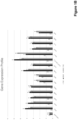
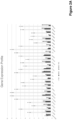
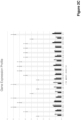
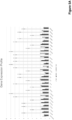
- the examples in the Figures show the gene expression profiles of macrophages incubated with six different tumor cell lines. Gene expression levels were normalized with housekeeping gene beta-actin and 24- and 48-hour control. The gene expression was measured for each macrophage status: M0 macrophages without further polarization (showed no gene activity).
- TME M2-like macrophages after incubation in a tumor microenvironment
- MBME-TME macrophages after treatment with inventive agents and subsequent incubation with the tumor cell lines (MBME-TME).
- the data has a significance between 0.01 and 0.001.
- M1 polarized macrophages into M2, e.g., by IL10 or M-CSF release.
- M2-like anti-inflammatory tumor-associated macrophages promote cancer cell proliferation.
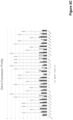
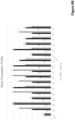
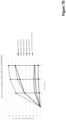
- Diagrams A, B and C in Figures 1 to 6 show different target genes, which affected by the inventive derivatives (MBME).
- the diagrams are explained in more detailed below:
- Diagram A as illustrated in Figures 1 to 6 shows 27 genes, which are coding for proteins of the macrophages or work as master regulator to control other genes, which can be used by tumors for angiogenesis, tumor growth and immunosuppression.
- the data shows that the gene expression of all genes is the highest in M2-like macrophages after incubation in a tumor microenvironment.
- Diagram B as illustrated in Figures 1 to 6 shows 15 genes, which are coding for proteins and/or work as regulator for other genes with immunostimulatory, especially antitumoral effect.
- the gene expression of M2-like macrophages after incubation in a tumor microenvironment is significantly lower.
- Diagram C as illustrated in Figures 1 to 6 shows 19 genes, which are coding for proteins of the macrophages, which can be used by tumors for inhibition of the immune response.
- the data illustrate that the gene expression of all genes is the highest in M2-like macrophages after incubation in a tumor microenvironment.
- M1-like macrophages after repolarization with the active compounds MBME
- MBME-TME tumor cell lines
- the data illustrate that the inventive derivatives have the potential to repolarize M0 macrophages into M1-like macrophages, keep the M1 phenotype in macrophages in the tumor microenvironment (TME-MBME) and to differentiate monocytes into immune cells having anti-tumor properties.
- TME-MBME tumor microenvironment
- the inventive compounds can be used as effective therapeutic agents for the prevention or treatment of cancer, in particular cancer that are characterized by solid tumors.
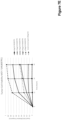
- Figure 7A-H shows the kinetics of tumor cell viability measured after treatment with a resveratrol derivative (named as MLB007R1) as an example using eight tumor models.
- the resveratrol derivative MLB007R1 has the following structure: divinyl 2,2'-((5-(4-(2-oxo-2-(vinyloxy)ethoxy)styryl)-1,3-phenylene)bis(oxy))diacetate
- the cis-form of the stilbene scaffold In addition to substitution with methoxy groups at specific positions, the cis-form of the stilbene scaffold generally showed increased cytotoxic activity over the corresponding trans-isomers.
- Pterostilbene for example, is a dimethylated analogue of resveratrol.
- the substitution of hydroxy groups by methoxy groups increases the lipophilicity of pterostilbene compared to resveratrol, which leads to better bioavailability. These differences in pharmacokinetics could be the reason for the higher biological activity of pterostilbene compared to the parent compound resveratrol.
- the significant modification consists of a substitution of the hydroxyl groups of resveratrol by methoxy groups to enhance the cytotoxic activity.
- the resveratrol derivative MLB007R1 was applied at concentrations of 0 ⁇ g/ml, 10 ⁇ g/ml, 20 ⁇ g/ml, 40 ⁇ g/ml and 60 ⁇ g/ml.
- an underivatized agent was used as a control. The dead cells were measured in percentage after 0, 12, 24 and 36 hours.
- the results show 70-85% cell death in all tumor models after 12h, 85-92% cell death in all tumor models after 24 hours and approximately 96% cell death in all tumor models after 36h at a concentration of 60 ⁇ g/ml resveratrol derivative.
- the concentration of 60 ⁇ g/ml resveratrol derivative shows the highest percentage of dead tumor cells after 12, 24 and 36 hours. The effect on tumor cells was significantly higher when the underivatized agent was used.
- Figure 8A-C shows the kinetics of total cell number and viability after treatment with a resveratrol derivative on three tumor models.
- the tumor models utilized in these experiments are as follows:
- the diagrams demonstrate the effect of MLB007R1 polarized macrophages on tumor cell growth as measured by the number of viable cells per culture, starting at approximately 200 000 cells per well.
- Figure 9 shows the effect of the resveratrol derivative MLB007R1 on the induction of apoptosis in MCF-7 cells assessed by confocal fluorescence microscopy.
- Cells were treated with DMSO (A) and 20 (B), 40 (C), and 60 (D) ⁇ g/ml MLB007R1 treated macrophages for 12 hours and then stained with PI.
- Figure 10 shows ovarian cancer cells (cell line A2780) incubated for 12 h with MLB007R1 60pg/ml polarized macrophages (24 h pre-incubation) assesses by interference light microscopy.
- Diagrams A and C show as a control the cells after treatment with DMSO.
- Diagrams B and D show the cells treated with 60 ⁇ g/ml MLB007R1 after 12 h.
- the active compounds were concentrated as a mixture.
- Monocytes human PBMCs
- M0 macrophages As a neutral sample, the gene expression of M0 macrophages was analyzed and measured, which showed no activity. Subsequently the macrophages were analyzed after 24 and 48 h incubation with tumor cell lines. Macrophages were incubated with the active compounds for 24 hours and subsequently incubated with tumor cell lines for 24 hours.
- RNA of macrophages was isolated, reverse transcribed to cDNA, and the gene expression profile was determined with the before constructed standards of the genes via RT-PCR.
- the small active ingredients were added as an extract or as a mixture with a selected concentration. The active ingredients were first prepared, see protocol, and then used in the respective concentration and formulation and are referred to as small molecules in the following. Synthesis, galenic formulation, concentration and active ingredient composition are in a separate document.
- Further tested gene expressions are: CCR2, CSF1, SIRP ⁇ , LILRB1, LCN, CD36, CD163, PD-1, ARG-1, FGF2, TGF ⁇ , MMP9, MMP3, HIF1 ⁇ , VEGFA, IL4, IL6, EGFR; IL8, STAT3, IL10, Pl3K ⁇ , CXCL1, CXCL1, CXCR4, CXCL9, MCP-1, STAT1, IL12, LDLR, G-6-P, NK ⁇ B, TLR4, IRF3, IRF1, TNF ⁇ , CD8 + , CD4 + , IFN ⁇ , IL13, (RNI & ROI), bFGF, Her2, GLUT-1 and more.
- Primers were designed via NCBI nucleotide (www.ncbi.nlm.nih.gov/nucleotide) and the Primer Design Oligo tool via Eurofins, see Table 1.
- the PCR product size was limited from 70 bp to 130 bp with an optimal T M of 60°C.
- the pipettes (Thermo Scientific Finnpipette, Version 1.8.26.72, Version 5.0.29.66 and Gilson Pipetman) were radiated by UV (Minuvis Desaga Heidelberg, No.80955) at the wavelengths 254 nm and 366 nm.
- the gloves were treated with DNA Away (Molecular Bio Products, Lot.18230235), and the working place was cleaned by disinfection.
- the primer pair, nuclease - free water, EvaGreen, and the samples were thawed on ice, vortexed (Vortex Genie 2, Scientific Industries, G-560 E, Ser.2-12073), and further centrifuged (Labnet Intern, C1301B).
- the water and the 96-well-plates were UV sterilized for 20 min.
- the mastermix consisted of primers, EvaGreen and nuclease - free water, see Table 2. Each reaction had a final volume of 20 ⁇ l, Table 2. For each experiment, a no template control and a no - RT-control was added, and the EvaGreen protocol was applied, see Table 3.
- Table 2 Composition of the utilized mastermix Ingredients Volume EvaGreen 4.0 ⁇ / Primer (100 nm/ ⁇ l ) 0.05 ⁇ l Water 12.9 ⁇ l Template 3.0 ⁇ l Table 3: Thermocycler protocol for EvaGreen 1 Initial Denaturation 95°C 15 min 2 Denaturation 40 x 95°C 15 sec 3 Annealing 60°C 20 sec 4 Extension 72°C 20 sec 5 Plate read and melting curve 65 - 95°C (0.5°C steps) 5 sec 6 Hold 4° Ad infinitum
- Performing a PCR with predicted templates and the appropriate primers does not ensure a proper PCR product. Therefore, a gel was prepared, and the PCR product was separated through migration.
- This method was used for the separation of DNA fragments according to different molecular sizes. It uses an electric field, and due to the negatively charged phosphate backbones of DNA, fragments migrate to the positive anode through the agarose gel. The size of the pores can be modified by changing the concentration of agarose. Ethidium bromide was added to the sample in the gel, which intercalates into nucleic acids, thereby altering its excitation spectrum and thus increasing the intensity of fluorescence (Lee et al. 2012). Therefore, the DNA could be visualized in the gel using a UV transilluminator.
- agarose gels For 1.5% agarose gels, 1.5 grams of agarose powder was filled into an Erlenmeyer flask with 100 ml TBE Buffer (1x), and put into a microwave for 3 - 4 min with 400 - 600 watt until the mixture was completely transparent. The mixture was cooled down until 60°C, and 5 ⁇ l ethidium bromide was added. The agarose gel mixture was filled into two chambers with the corresponding comb for the wells and cured for 20 min. The chamber was filled with TBE buffer (1x), and the samples were filled into the gel pockets with loading dye to a final volume of 20 ⁇ l . The electric potential was set to 100 V for 40 min, and the software Argus X1 was utilized to take pictures of the gel.
- PCR CleanUp Gel Extraction kit PCR - CleanUp Gel Extraction Nucleospin Gel and PCR, Macherey & Nagel, Lot. 1501/002, Ref.740609.250.
- the DNA fragment was sliced out of the gel with a clean scalpel under UV light, weighed (Sartorius AZ3102), and transferred into an Eppendorf tube.
- 100 mg of agarose gel ( ⁇ 2%) 200 ⁇ l of the Buffer NTI was added and heated for 5 - 10 min at 50°C (Heatblock, Accublock, Digital Axon, Labnet D1200, Ser.42B09007). NTI ensured the binding of the PCR product to the silica membrane.
- the melting gel slice was transferred into a NucleoSpin Column in a collection tube. The tube was centrifuged (Hermle, Z233 MK-2) for 30 sec at 11,000 ⁇ g and the flow - through was discarded.
- NT3 buffer 700 ⁇ l of NT3 buffer were added twice for washing the membrane and centrifuged at the same conditions, and the silicon membrane was dried for 1 min, at 11,000 ⁇ g.
- the PCR product was incubated for 1 min with elution buffer and eluted with 15 ⁇ l of NE into a fresh Eppendorf tube at 11,000 ⁇ g for 1 min.
- the purified PCR product was integrated into a vector (pGEM T-easy, Promega Cat. A1360, Lot.000337384).
- the p-GEM T-Easy cloning vector possesses a T-overhang for efficient ligation process through avoiding recircularization.
- the ends are modified with 3' thymidine residues, see Figure 3 .
- reaction agents Standard reaction Positive control 2X Rapid ligation buffer 5 ⁇ l 5 ⁇ l pGEM ® -T easy vector (50 ng/ ⁇ l) 1 ⁇ l 1 ⁇ l PCR product See calculation - Control insert DNA (4 ng/ ⁇ l) - 2 ⁇ l T4 DNA ligase 1 ⁇ l 1 ⁇ l Nuclease free water Filled up to 10 ⁇ l Filled up to 10 ⁇ l
- the required amount of the PCR product is dependent on different variables, see below.
- the molar ratio of pGEM ® -T easy Vector Systems to insert DNA into the vectors is 3:1.
- m pGEM ® - T Easy Vector 3 kb
- the concentration of the PCR products was measured by Nanodrop (Nanodrop lite, SN1945, Thermo Scientific, Inv. No. 1000067546).
- the kilobase data of all required PCR products were calculated and applied to this formula.
- the bacterial culture was centrifuged at 2000 ⁇ g for 2 min at room temperature, and the supernatant was discarded.
- the plasmid isolation kit (QIAGEN, QIAPrep Spin Miniprep Kit, Cat.27106, Lot.136230794) was applied for isolating and purifying the plasmid containing the cDNA of interest.
- Buffer P1 50 mM TRIS ⁇ Cl, pH 8.0; 10 mM EDTA; + RNase A (2-8°C) 100 ⁇ g /ml Buffer P2 1% Sodium dodecyl sulfate; 200 mM NaOH Buffer N3 4.2 M Guanidine hydrochloride; 0.9 M Acetic acid Buffer PB 5 M Guanidine hydrochloride; 30% 2-Propanol Buffer PE 10 mM TRIS-HCl pH 7.5; 80% Ethanol Buffer EB 10 mM TRIS-Cl, pH 8.5
- the pellet was resuspended and vortexed in 250 ⁇ l of P1 buffer and transferred into a fresh tube.
- Another 250 ⁇ l of P2 buffer were added for lysis and mixed by inverting 4 - 6 times for 1 - 2 min.
- 350 ⁇ l of buffer N3 was added and immediately mixed for avoiding local precipitation.
- the mixture was centrifuged (Sigma, 3-18k Ser.140282, Art. 10290 Rotor:19776-H) at 17,500 ⁇ g for 10 min.
- 800 ⁇ l of the supernatant was carefully transferred on top of a new QlAprep Spin Column and centrifuged for 30 - 60 sec at 17,500 ⁇ g. The flow - through was discarded after each step.
- TCL tumor cell lines
- FCS Fetal calf serum
- P Penicillin G
- S Streptomycin
- PBS 10x Phosphate buffered saline
- the pH of PBS was first adjusted to 7.4 (pHenomenal VWR, Ser.12101471) and then PBS was sterilized (Fedegan Autoclav spa FNR 3926E).
- TCLs were taken out of a liquid nitrogen tank and thawed in a water bath (Haake FS2, P180424) at 37°C for 1 - 2 min. Each following step was performed under sterile conditions (S2 lab). The cells were inoculated in a culture flask with pre-warmed medium and kept overnight in an incubator at 37°C. The cultures were split twice a week 1:5. Cells were washed with PBS and incubated for 3 - 5 min with Trypsin (EDTA-solution Sigma SLBZ9716) for detaching them. First, TCLs were seeded to a certain number of cells in a 75 cm 3 cell flask, see above, with 20 ml culture media.
- the cells were counted under the microscope (Axiovert 40 CFL Zeiss, No.3831000966) using a Neubauer hemocytometer (Eppendorf) and were cultivated at 37°C for three days to ensure their later confluency. Their supernatant served as later TCM.
- PBMC Peripheral blood mononuclear cells
- the buffy coat was first opened with a scalpel, and the blood was transferred into a culture flask (175 cm 3 ) and filled with ice-cold PBS to 120 ml. Afterwards, the separation tubes were filled with 15 ml of the separation media and centrifuged at 400 x g for 1 min, resulting in segregation of the separation media under the membrane. The blood with PBS was filled in separation tubes and again centrifuged (Sigma, Rotor: 19776-H), for 30 min at 300 x g without a break to segregate the PBMCs from the erythrocytes and granulocytes, see Figure 4 . The blood and its components distributed due to their density on different phases.
- the plasma was discarded and the ring, containing PBMCs, was carefully transferred into a new Falcon tube that was filled with ice-cold PBS up to 15 ml for washing purpose and continued by centrifugation for 10 min at 320 x g. The supernatant was discarded, and the pellet was washed with 5 ml PBS and run through a cell strainer (100 ⁇ m ). Now the cells were counted with a Neubauer chamber under the microscope. The cells were again centrifuged for 10 min at 200 x g, and the pellet was resuspended in bead buffer in a specific ratio. The monocytes were collected and bound to magnetic CD14 beads, also in a specific ratio.
- Each 100 million cells required 1 ml bead buffer and 20 ⁇ l magnetic CD14 beads.
- the mixture of bead buffer, magnetic beads, and PBMCs were incubated for 15 min at 4°C. After incubation, the bead buffer mixture was filled with PBS up to 40 ml, then centrifuged for 10 min at 280 x g, and the supernatant was carefully discarded.
- the monocyte-magnetic CD14 bead pellet was resuspended in 500 ⁇ l bead buffer per 100 million cells and purified through a 40 ⁇ m cell strainer and afterwards transferred into an LS-column that was filled with ferromagnetic spheres.
- the column was never allowed to run empty.
- the CD14 magnetic beads, bound to the monocytes, were forced to the magnetic field and thereby remained in the LS column.
- the column was equilibrated with 3 ml of PBS three times.
- the column was removed from the magnetic device, and 5 ml of bead buffer were pushed through with an appropriate piston.
- the monocytes were collected in a tube.
- the cells were again counted and centrifuged for 10 min at 320 x g.
- the pellet was resuspended in RPMI-1640 medium containing FCS, glutamine and P/S.
- the culture medium was mixed with M-CSF (20 ng/ml) for differentiation to M0 polarized macrophages.
- M-CSF 20 ng/ml
- the monocytes were seeded into a 12-well-plate with 250,000 cells per well.
- the medium was changed every two days. After six days, the macrophage polarization with tumor cell-conditioned media can be started.
- RNA isolation (day 7/8)
- Lysis/-binding buffer 4.5 M guanidine-HCl, 50 mM TRIS-HCl, 30% Triton X-100 (w/v), pH 6.6 (25°C) DNase incubation buffer 1 M NaCl, 20 mM TRIS-HCl and 10 mM MgCl2, pH 7.0 (25°C) DNAse deoxyribonuclease I from bovine pancreas 50,000 U/ml; Sigma, D5025-150 KU, 126 K7675 (4°C) Wash buffer I 5 M guanidine hydrochloride and 20 mM TRIS-HCl, pH 6.6 (25° C); final concentration after addition of 20 ml absolute ethanol Wash buffer II 20 mM NaCl, 2 mM TRIS-HCl, pH 7.5 (25°C); final concentration after addition of 40 ml absolute ethanol Elution buffer Water, PCR grade PBS See above
- RNA Iso kit High Pure RNA Iso kit, Roche D5025, Cat.11 828 665 001 was performed.
- the TCM and compounds were first removed, and the macrophages were washed with 200 ⁇ l PBS and lysed with 700 ⁇ l Lysis/-Binding buffer and mixed by pipetting.
- the lysate was transferred to the provided high pure filter column and centrifuged at 13,000 g for 1 min, and the flowthrough was discarded. 100 ⁇ l of the DNAse and incubation buffer (1:10) mixture was added to the column and incubated for 15 min at room temperature.
- cDNA For gene expression determination via RT-PCR the cDNA was needed. Reverse transcription converts the macrophage RNA to cDNA with the High Capacity cDNA Reverse Transcription kit (Applied Biosystems, Ref.4368813, Lot.00748674). RNase inhibitor (RNase OUT, Invitrogen, Ref.10777019, Lot.1734457) was utilized for inhibition of ribonucleases.
- the above-mentioned agents were thawed on ice and mixed together resulting in the mastermix.
- the mastermix was distributed on PCR tubes with 10 ⁇ l /well and 10 ⁇ l of macrophage RNA (20 ng/ ⁇ l ) to get a final volume of 20 ⁇ l .
- the samples in the wells were mixed properly, and the plate was sealed, centrifuged, and set up into a thermocycler (BioRad T100 Inv. 1000060210) with the following protocol, see Table 6.
- the resulting cDNA was diluted 1:10 with TE buffer and further used finally for gene expression determination via RT-PCR.
- Table 6 PCR protocol for reverse transcription consisting of four steps. Initiation Phase 1 Phase 2 Phase 3 Phase 4 Temperature 25°C 37°C 85°C 4°C Time 10 min 120 min 5 min Hold
- the quantitative real time PCR is a method quantifying DNA.
- New synthesized double - stranded (ds) DNA sequences consist of a new and the old strand and serve as a template for the next PCR cycles, and the cDNA target segment is multiplied exponentially (Kück U., 2015).
- the PCR is subdivided into three steps 1. denaturation for separating the dsDNA into single strands, 2. annealing for linking the primer to complementary parts on the template and 3. extension, which incorporates the DNA - polymerase elongation by adding nucleotides (dNTPs).
- dNTPs nucleotides
- RT-PCR is an often-utilized application and measures the abundance of a certain gene transcript relative to a housekeeping gene through normalization.
- the house - keeping gene used in this work was Beta - Actin (ACTB).
- ACTB Beta - Actin
- the RT-PCR can only measure transcripts with reverse transcription. The analysis provides a statement to the expression change of one gene at a certain moment at specific conditions in time and space (Holzapfel and Wickert, 2007).
- the PCR mixture contains the dye, EvaGreen, which binds to dsDNA.
- the correct quantification determination via fluorescence is performed during the exponential stage of amplification due to optimal reaction conditions.
- the fluorescence dye intercalates into the minor groove binder of dsDNA. Consequently, the increasing cycle number leads to a higher fluorescence signal due to an exponential rise of the dsDNA.
- ACTB a normalization as a reference
- the fluorescence dye used for this experiment was EvaGreen that provides accurate amplification and melting point analysis with its "release - on - demand" mechanism, see Figure 6 .
- the dye consists of two monomers that are connected by a spacer. If there is no DNA present, the dye structure exists as an inactive loop. In the presence of DNA, the loop transforms into a random conformation binding to the DNA forming a dye - DNA complex and sending out detectable fluorescence signals.
- the Ct value also called the threshold cycle, describes the initial exponential growth of the fluorescence signal. The more amplicons emerge, the more fluorescence signals are detected, and the threshold value is passed even faster (Holzapfel and Wickert 2007).
- the Ct value is influenced by the efficiency and the cDNA concentration. At a lower cDNA concentration, the Ct value is increased, and vice versa.
- the cDNA (1:10 standard dilution) amplified under a reduced efficiency could cause a standard curve with a deviated slope compared to the dilution, amplified under a high - efficiency.
- Table 7 cDNA standard series in attomol / ⁇ l. S1 S2 S3 S4 S5 S6 S7 S8 NTC 20,000 2000 200 20 2 0.2 0.02 0.002 0
- Tumor cell lines HUVEC human umbilical vein endothelial cells
- paCA-2 human pancreatic cancer cells
- MDA-MB-231 highly aggressive, invasive and poorly differentiated triple-negative breast cancer cells
- HepG2 human liver cancer cells
- MCF-7 breast cancer cells
- T24 human urinary bladder cancer cells
- AsPc-1 human pancreatic tumor cells
- Panc-1 human pancreatic cancer cells
- the cytotoxicity of the resveratrol derivative compound was evaluated on all cancer cell lines using the MTT method.
- MLB007R1 Tumor cell lines
- HUVEC human umbilical vein endothelial cells
- HepG2 human liver cancer cells
- Cells were seeded in 24-well tissue culture plates (Falcon) at a concentration of 1 ⁇ 105 cells/ml and allowed to adhere overnight. Cells were incubated with MLB007R1 derivative and polarized macrophages at final concentrations of 60 ⁇ g/ml (3 wells for each treatment) or with DMSO alone as control. Plates were incubated at 37°C in an atmosphere containing 5% CO2 for 12, 24, and 36 hours. Cell growth and viability were assessed every 12 hours. Trypsinized cells were manually counted using a hemocytometer, and cell viability was determined using the trypan blue dye exclusion assay.
- cell number was measured after incubation to 200 000 cells per culture.
- the kinetics of cell growth on human MCF-7 breast cancer cells were cultured and measured for 12, 24 and 36 hours in culture medium containing the indicated drug-polarized macrophages.
- the control groups were treated with DMSO only. Tumor cell viability and cell growth were determined using the trypan blue assay and cell count, respectively. All measurements were performed with three different cultures in triplicate.
- both floating and adherent MCF-7 cells that had been detached by trypsinization were washed in PBS and fixed with 50% acetone: methanol 1:4 in PBS at 4°C for at least 20 h. The cells were then rinsed in PBS. After washing twice in PBS, cells (1x10⁶/ml) were suspended in PBS containing 50 ⁇ g/ml propidium iodide (PI) and 100 KU/ml RNase A and incubated for 30 min in the dark at room temperature. DNA content per cell was assessed by PI fluorescence measured on a linear scale using a FACScan flow cytometer with an argon ion laser at a wavelength of 488 nm.
- PI fluorescence measured on a linear scale using a FACScan flow cytometer with an argon ion laser at a wavelength of 488 nm.
- MCF-7 tumor cells were treated with the compound-polarized macrophages (10 000/well) at concentrations of 0, 20, 40, and 60 ⁇ g/ml for 12 hours. Induction of apoptotic cell death was accompanied by characteristic ultrastructural changes, such as chromatin condensation, nuclear fragmentation, and collapse of the cell into membrane-bound apoptotic bodies.
- CSM Confocal laser scanning microscopy
- the present study demonstrates that treatment of the breast cancer cell line MCF-7 with MLB007R1 can reduce the number of viable cells by preventing exponential growth and inducing apoptosis and cell cycle disruption.
- the present study explores the response of ovarian cancer cells to MLB007R1.
- MLB007R1 macrophages inhibited growth and induced death in human ovarian cancer cell lines.
- A2780 cells were co-incubated with MLB007R1 derivative polarized macrophages and treated.
- MLB007R1 induces cell death and inhibits ovarian cancer cell growth.
- Treatment of A2780 cells with MLB007R1 induced cell death after 12 hours. Proliferation of A2780 cultures treated with MLB007R1 was analyzed over 12 hours of continuous treatment. No further growth occurred during this time.
- apoptotic cells were plated out and 60 ⁇ g/ml MLB007R1 treated macrophages were added to the culture medium 12 h after plating out (24 h preincubation period). The percentage of apoptotic cells was determined at the indicated time points by propidium iodide (PI) staining on semipermeabilized cells as previously described. In this assay, apoptotic cells are identified by hypodiploid DNA content resulting from DNA fragmentation. To assess viability, intact cells were harvested, stained with PI, and analyzed for their plasma membrane permeability to PI by flow cytometry. Cell number was determined by interference light microscopy. The ovarian cancer cells (A2780) were incubated with 60 ⁇ g/ml MLB007R1 concentration treated macrophages. This assay was performed twice.
- PI propidium iodide
- the mean value of the results is displayed with error bars in the graphs, provided with the "standard error of the mean” (SEM) of the average value.
- SEM standard error of the mean
- the normal distribution was tested with the Shapiro - Wilk test and the Kolmogorov - Smirnov test. For data sets that were not normally distributed, the Mann - Whitney test was performed. In case of a normal distribution, the ANOVA test was performed.
Landscapes
- Health & Medical Sciences (AREA)
- Veterinary Medicine (AREA)
- Chemical & Material Sciences (AREA)
- Medicinal Chemistry (AREA)
- Pharmacology & Pharmacy (AREA)
- Life Sciences & Earth Sciences (AREA)
- Animal Behavior & Ethology (AREA)
- General Health & Medical Sciences (AREA)
- Public Health (AREA)
- Epidemiology (AREA)
- Emergency Medicine (AREA)
- Pain & Pain Management (AREA)
- Chemical Kinetics & Catalysis (AREA)
- General Chemical & Material Sciences (AREA)
- Nuclear Medicine, Radiotherapy & Molecular Imaging (AREA)
- Organic Chemistry (AREA)
- Pharmaceuticals Containing Other Organic And Inorganic Compounds (AREA)
Priority Applications (1)
| Application Number | Priority Date | Filing Date | Title |
|---|---|---|---|
| EP23182027.5A EP4483866A1 (de) | 2023-06-28 | 2023-06-28 | Pharmazeutische zusammensetzungen zur behandlung oder prävention von krebs |
Applications Claiming Priority (1)
| Application Number | Priority Date | Filing Date | Title |
|---|---|---|---|
| EP23182027.5A EP4483866A1 (de) | 2023-06-28 | 2023-06-28 | Pharmazeutische zusammensetzungen zur behandlung oder prävention von krebs |
Publications (1)
| Publication Number | Publication Date |
|---|---|
| EP4483866A1 true EP4483866A1 (de) | 2025-01-01 |
Family
ID=87036279
Family Applications (1)
| Application Number | Title | Priority Date | Filing Date |
|---|---|---|---|
| EP23182027.5A Withdrawn EP4483866A1 (de) | 2023-06-28 | 2023-06-28 | Pharmazeutische zusammensetzungen zur behandlung oder prävention von krebs |
Country Status (1)
| Country | Link |
|---|---|
| EP (1) | EP4483866A1 (de) |
Citations (6)
| Publication number | Priority date | Publication date | Assignee | Title |
|---|---|---|---|---|
| WO2007073518A2 (en) * | 2005-11-15 | 2007-06-28 | National Jewish Medical And Research Center | Compounds and methods for thiol-containing compound efflux and cancer treatment |
| WO2015035365A1 (en) * | 2013-09-09 | 2015-03-12 | The Nohns Hopkins University | Targeting the m2-tumor associated macrophage for cancer therapy |
| WO2016185026A1 (en) * | 2015-05-20 | 2016-11-24 | INSERM (Institut National de la Santé et de la Recherche Médicale) | Methods and pharmaceutical composition for modulation polarization and activation of macrophages |
| WO2017019848A1 (en) | 2015-07-28 | 2017-02-02 | The Trustees Of The University Of Pennsylvania | Modified monocytes/macrophage expressing chimeric antigen receptors and uses thereof |
| CN103705502B (zh) * | 2014-01-09 | 2017-05-24 | 江苏省中国科学院植物研究所 | 一种黄酮类化合物在治疗炎症性疾病中的应用 |
| US11103507B2 (en) | 2018-12-28 | 2021-08-31 | Deciphera Pharmaceuticals, Llc | Methods of treating disorders using CSF1R inhibitors |
-
2023
- 2023-06-28 EP EP23182027.5A patent/EP4483866A1/de not_active Withdrawn
Patent Citations (6)
| Publication number | Priority date | Publication date | Assignee | Title |
|---|---|---|---|---|
| WO2007073518A2 (en) * | 2005-11-15 | 2007-06-28 | National Jewish Medical And Research Center | Compounds and methods for thiol-containing compound efflux and cancer treatment |
| WO2015035365A1 (en) * | 2013-09-09 | 2015-03-12 | The Nohns Hopkins University | Targeting the m2-tumor associated macrophage for cancer therapy |
| CN103705502B (zh) * | 2014-01-09 | 2017-05-24 | 江苏省中国科学院植物研究所 | 一种黄酮类化合物在治疗炎症性疾病中的应用 |
| WO2016185026A1 (en) * | 2015-05-20 | 2016-11-24 | INSERM (Institut National de la Santé et de la Recherche Médicale) | Methods and pharmaceutical composition for modulation polarization and activation of macrophages |
| WO2017019848A1 (en) | 2015-07-28 | 2017-02-02 | The Trustees Of The University Of Pennsylvania | Modified monocytes/macrophage expressing chimeric antigen receptors and uses thereof |
| US11103507B2 (en) | 2018-12-28 | 2021-08-31 | Deciphera Pharmaceuticals, Llc | Methods of treating disorders using CSF1R inhibitors |
Non-Patent Citations (29)
| Title |
|---|
| BISWAS, S. K.ALLAVENA, P.MANTOVANI, A.: "Tumor-associated macrophages: functional diversity, clinical significance, and open questions", SEMINARS IN IMMUNOPATHOLOGY, vol. 35, no. 5, 2013, pages 585 - 600 |
| CASEY STEPHANIE C ET AL: "Cancer prevention and therapy through the modulation of the tumor microenvironment", SEMINARS IN CANCER BIOLOGY, SAUNDERS SCIENTIFIC PUBLICATIONS, PHILADELPHIA, PA, US, vol. 35, 10 April 2015 (2015-04-10), XP029303919, ISSN: 1044-579X, DOI: 10.1016/J.SEMCANCER.2015.02.007 * |
| CASSOL, E.CASSETTA, L.RIZZI, C.ALFANO, M.POLI, G.: "M1 and M2a Polarization of Human Monocyte-Derived Macrophages Inhibits HIV-1 Replication by Distinct Mechanisms.", THE JOURNAL OF IMMUNOLOGY, vol. 182, no. 10, 2009, pages 6237 - 6246 |
| COOK, J.HAGEMANN, T.: "Tumour-associated macrophages and cancer", CURRENT OPINION IN PHARMACOLOGY, vol. 13, no. 4, 2013, pages 595 - 601 |
| D'ARCY, MS.PIKE CVS.COUSSONS PJ.: "A novel combined resveratrol/berberine phytochemotheraputic using the HePG2 cell line as a model for the treatment of hepatocarcinoma", CELL BIOL INT., vol. 45, no. 12, December 2021 (2021-12-01), pages 2499 - 2509 |
| GUO KERONG ET AL: "Recent advances in combretastatin A-4 codrugs for cancer therapy", EUROPEAN JOURNAL OF MEDICINAL CHEMISTRY, ELSEVIER, AMSTERDAM, NL, vol. 241, 9 August 2022 (2022-08-09), XP087165785, ISSN: 0223-5234, [retrieved on 20220809], DOI: 10.1016/J.EJMECH.2022.114660 * |
| HAN XU ET AL: "Resveratrol attenuates TNBC lung metastasis by down-regulating PD-1 expression on pulmonary T cells and converting macrophages to M1 phenotype in a murine tumor model", CELLULAR IMMUNOLOGY, ACADEMIC PRESS, SAN DIEGO, CA, US, vol. 368, 11 August 2021 (2021-08-11), XP086760896, ISSN: 0008-8749, [retrieved on 20210811], DOI: 10.1016/J.CELLIMM.2021.104423 * |
| HANÁKOVÁ ZUZANA ET AL: "C -Geranylated Flavanones from Paulownia tomentosa Fruits as Potential Anti-inflammatory Compounds Acting via Inhibition of TNF-[alpha] Production", JOURNAL OF NATURAL PRODUCTS, vol. 78, no. 4, 24 April 2015 (2015-04-24), US, pages 850 - 863, XP055895991, ISSN: 0163-3864, Retrieved from the Internet <URL:https://pubs.acs.org/doi/pdf/10.1021/acs.jnatprod.5b00005> DOI: 10.1021/acs.jnatprod.5b00005 * |
| HOLZAPFEL, B.WICKERT, L.: "Die quantitative Real-Time-PCR (qRT-PCR). Methoden und Anwendungsgebiete.", BIOLOGIE IN UNSERER ZEIT, vol. 37, no. 2, 2007, pages 120 - 126, XP055144965, DOI: 10.1002/biuz.200610332 |
| KIMURA YOSHIYUKI ET AL: "Antitumor and Antimetastatic Activity of Synthetic Hydroxystilbenes Through Inhibition of Lymphangiogenesis and M2 Macrophage Differentiation of Tumor-associated Macrophages", ANTICANCER RESEARCH, 31 December 2015 (2015-12-31), Greece, pages 137 - 148, XP093118988, Retrieved from the Internet <URL:https://pubmed.ncbi.nlm.nih.gov/26722037/> [retrieved on 20240112] * |
| KIMURA YOSHIYUKI ET AL: "Dihydroxystilbenes prevent azoxymethane/dextran sulfate sodium-induced colon cancer by inhibiting colon cytokines, a chemokine, and programmed cell death-1 in C57BL/6J mice", EUROPEAN JOURNAL OF PHARMACOLOGY, ELSEVIER SCIENCE, NL, vol. 886, 3 August 2020 (2020-08-03), XP086288704, ISSN: 0014-2999, [retrieved on 20200803], DOI: 10.1016/J.EJPHAR.2020.173445 * |
| KIMURA YOSHIYUKI ET AL: "Resveratrol Prevents Tumor Growth and Metastasis by Inhibiting Lymphangiogenesis and M2 Macrophage Activation and Differentiation in Tumor-associated Macrophages", NUTRITION AND CANCER, vol. 68, no. 4, 4 May 2016 (2016-05-04), US, pages 667 - 678, XP093118825, ISSN: 0163-5581, Retrieved from the Internet <URL:https://dx.doi.org/10.1080/01635581.2016.1158295> DOI: 10.1080/01635581.2016.1158295 * |
| KIVIMÄKI KONSTA ET AL: "Pinosylvin Shifts Macrophage Polarization to Support Resolution of Inflammation", MOLECULES, vol. 26, no. 9, 8 May 2021 (2021-05-08), CH, pages 1 - 14, XP093119132, ISSN: 1420-3049, DOI: 10.3390/molecules26092772 * |
| KUCK: "PCR-Analytik.", 2005, SPRINGER-LEHRBUCH, article "Praktikum der Molekulargenetik", pages: 221 - 245 |
| LEE JUWON ET AL: "Phytochemicals in Cancer Immune Checkpoint Inhibitor Therapy", BIOMOLECULES, vol. 11, no. 8, 27 July 2021 (2021-07-27), CH, pages 1107, XP093119150, ISSN: 2218-273X, DOI: 10.3390/biom11081107 * |
| LEE, P. Y.COSTUMBRADO, J.HSU, C. Y.KIM, Y. H.: "Agarose gel electrophoresis for the separation of DNA fragments. Journal of visualized experiments", JOVE, vol. 62, 2012, pages 3923 |
| LEWIS, C. E.POLLARD, J. W.: "Distinct Role of Macrophages in Different Tumor Microenvironments", CANCER RESEARCH, vol. 66, no. 2, 2006, pages 605 - 612 |
| LI, Y.ZHU, W.LI, J.LIU, M.WEI, M.: "Resveratrol suppresses the STAT3 signaling pathway and inhibits proliferation of high glucose-exposed HepG2 cells partly through SIRT1", ONCOL REP., vol. 30, no. 6, December 2013 (2013-12-01), pages 2820 - 8 |
| LOEGL, J.HIDEN, U.NUSSBAUMER, E.SCHLIEFSTEINER, C.CVITIC, S.LANG, I.DESOYE, G.: "Hofbauer cells of M2a, M2b and M2c polarization may regulate feto-placental angiogenesis", REPRODUCTION, vol. 152, no. 5, 2016, pages 447 - 455 |
| MAK KA-KIT ET AL: "Pterostilbene, a bioactive component of blueberries, suppresses the generation of breast cancer stem cells within tumor microenvironment and metastasis via modulating NF-[kappa]B/microRNA 448 circuit", MOLECULAR NUTRITION & FOOD RESEARCH, vol. 57, no. 7, 15 March 2013 (2013-03-15), DE, pages 1123 - 1134, XP055805935, ISSN: 1613-4125, Retrieved from the Internet <URL:https://api.wiley.com/onlinelibrary/tdm/v1/articles/10.1002%2Fmnfr.201200549> DOI: 10.1002/mnfr.201200549 * |
| MARTINEZ, F. O.GORDON, S.: "The M1 and M2 paradigm of macrophage activation: time for reassessment", F1000PRIME REPORTS, vol. 6, 2014, XP055751559, DOI: 10.12703/P6-13 |
| QUATROMONI, JON GEVGENIY ERUSLANOV: "Tumor-Associated Macrophages: Function, Phenotype, and Link to Prognosis in Human Lung Cancer", AMERICAN JOURNAL OF TRANSLATIONAL, RESEARCH, vol. 4, no. 4, 2012, pages 376 - 89 |
| SICA, A., SACCANI, A., BOTTAZZI, B., POLENTARUTTI, N., VECCHI, A., DAMME, J. V., & MANTOVANI, A.: "Autocrine Production of IL-10 Mediates Defective IL-12 Production and NF- B Activation in Tumor-Associated Macrophages", THE JOURNAL OF IMMUNOLOGY, vol. 164, no. 2, 2000, pages 762 - 767 |
| SICA, A.MANTOVANI, A.: "Macrophage plasticity and polarization: in vivo veritas", JOURNAL OF CLINICAL INVESTIGATION, vol. 122, no. 3, 2012, pages 787 - 795, XP055111479, DOI: 10.1172/JCI59643 |
| SOLINAS, GG GERMANOA MANTOVANIP ALLAVENA: "Tumor-Associated Macrophages (TAM) as Major Players of the Cancer-Related Inflammation", JOURNAL OF LEUKOCYTE BIOLOGY, vol. 86, no. 5, 2009, pages 1065 - 73, XP055141844, DOI: 10.1189/jlb.0609385 |
| SPATAFORA CARMELA ET AL: "Antiangiogenic Resveratrol Analogues by Mild m-CPBA Aromatic Hydroxylation of 3,5-Dimethoxystilbenes", NATURAL PRODUCT COMMUNICATIONS, 1 February 2009 (2009-02-01), Los Angeles, CA, pages 239 - 246, XP093118981, Retrieved from the Internet <URL:https://pubmed.ncbi.nlm.nih.gov/19370931/> [retrieved on 20240112], DOI: 10.1177/1934578X0900400215 * |
| TAN YU-JIA ET AL: "Galloyl esters of trans-stilbenes are inhibitors of FASN with anticancer activity on non-small cell lung cancer cells", EUROPEAN JOURNAL OF MEDICINAL CHEMISTRY, ELSEVIER, AMSTERDAM, NL, vol. 182, 6 August 2019 (2019-08-06), XP085874892, ISSN: 0223-5234, [retrieved on 20190806], DOI: 10.1016/J.EJMECH.2019.111597 * |
| VILLALOBOS-AYALA KRYSTAL ET AL: "Apigenin Increases SHIP-1 Expression, Promotes Tumoricidal Macrophages and Anti-Tumor Immune Responses in Murine Pancreatic Cancer", CANCERS, vol. 12, no. 12, 4 December 2020 (2020-12-04), pages 3631, XP093096844, DOI: 10.3390/cancers12123631 * |
| WYNN, T. A.CHAWLA, A.POLLARD, J. W.: "Macrophage biology in development, homeostasis and disease", NATURE, vol. 496, no. 7446, 2013, pages 445 - 455 |
Similar Documents
| Publication | Publication Date | Title |
|---|---|---|
| Lu et al. | Emerging mechanisms of pyroptosis and its therapeutic strategy in cancer | |
| Davra et al. | Axl and Mertk receptors cooperate to promote breast cancer progression by combined oncogenic signaling and evasion of host antitumor immunity | |
| Tang et al. | Cyclooxygenase-2 overexpression inhibits death receptor 5 expression and confers resistance to tumor necrosis factor-related apoptosis-inducing ligand-induced apoptosis in human colon cancer cells | |
| Dhillon et al. | Phase II trial of curcumin in patients with advanced pancreatic cancer | |
| Yuan et al. | Reversing the polarization of tumor-associated macrophages inhibits tumor metastasis | |
| Battle et al. | The natural product honokiol induces caspase-dependent apoptosis in B-cell chronic lymphocytic leukemia (B-CLL) cells | |
| Fu et al. | STING agonist formulated cancer vaccines can cure established tumors resistant to PD-1 blockade | |
| Allavena et al. | Anti-inflammatory properties of the novel antitumor agent yondelis (trabectedin): inhibition of macrophage differentiation and cytokine production | |
| Luo et al. | Necroptosis-dependent immunogenicity of cisplatin: implications for enhancing the radiation-induced abscopal effect | |
| El-Magd et al. | Trehalose enhances the antitumor potential of methotrexate against mice bearing Ehrlich ascites carcinoma | |
| Huang et al. | TNFα modulates PANX1 activation to promote ATP release and enhance P2RX7-mediated antitumor immune responses after chemotherapy in colorectal cancer | |
| Hao et al. | Hydroxypropyl-β-cyclodextrin-complexed resveratrol enhanced antitumor activity in a cervical cancer model: In vivo analysis | |
| Zhao et al. | The immunomodulatory anticancer agent, RRx-001, induces an interferon response through epigenetic induction of viral mimicry | |
| Shukla et al. | The naphthoquinones, vitamin K3 and its structural analogue plumbagin, are substrates of the multidrug resistance–linked ATP binding cassette drug transporter ABCG2 | |
| Haseeb et al. | Molecular interactions between innate and adaptive immune cells in chronic lymphocytic leukemia and their therapeutic implications | |
| Shi et al. | Toll-like receptor-7 tolerizes malignant B cells and enhances killing by cytotoxic agents | |
| Katkeviciute et al. | Protein tyrosine phosphatase nonreceptor type 2 controls colorectal cancer development | |
| Chang et al. | Tannins in Terminalia bellirica inhibit hepatocellular carcinoma growth by regulating EGFR-signaling and tumor immunity | |
| Besson et al. | Methyl jasmonate: a phytohormone with potential for the treatment of inflammatory bowel diseases | |
| Chen et al. | Nobiletin downregulates the SKP2-p21/p27-CDK2 axis to inhibit tumor progression and shows synergistic effects with palbociclib on renal cell carcinoma | |
| Mohammed et al. | Boron derivatives inhibit the proliferation of breast cancer cells and affect tumor-specific T cell activity in vitro by distinct mechanisms | |
| LeBleu et al. | KRASG12D-specific targeting with engineered exosomes reprograms the immune microenvironment to enable efficacy of immune checkpoint therapy in PDAC patients | |
| Anand et al. | Induction of apoptosis in chronic myelogenous leukemia lymphocytes by hydroxyurea and adriamycin | |
| Han et al. | Activation of murine macrophage cell line RAW 264.7 by Korean propolis | |
| Vesenick et al. | Evaluation of the effects of chlorophyllin on apoptosis induction, inhibition of cellular proliferation and mRNA expression of CASP8, CASP9, APC and b-catenin |
Legal Events
| Date | Code | Title | Description |
|---|---|---|---|
| PUAI | Public reference made under article 153(3) epc to a published international application that has entered the european phase |
Free format text: ORIGINAL CODE: 0009012 |
|
| STAA | Information on the status of an ep patent application or granted ep patent |
Free format text: STATUS: THE APPLICATION HAS BEEN PUBLISHED |
|
| AK | Designated contracting states |
Kind code of ref document: A1 Designated state(s): AL AT BE BG CH CY CZ DE DK EE ES FI FR GB GR HR HU IE IS IT LI LT LU LV MC ME MK MT NL NO PL PT RO RS SE SI SK SM TR |
|
| STAA | Information on the status of an ep patent application or granted ep patent |
Free format text: STATUS: THE APPLICATION IS DEEMED TO BE WITHDRAWN |
|
| 18D | Application deemed to be withdrawn |
Effective date: 20250702 |