EP4484447A2 - Procédés d'inhibition de masp -2 pour le traitement et/ou la prévention du syndrome de détresse respiratoire aiguë induite par le coronavirus - Google Patents
Procédés d'inhibition de masp -2 pour le traitement et/ou la prévention du syndrome de détresse respiratoire aiguë induite par le coronavirus Download PDFInfo
- Publication number
- EP4484447A2 EP4484447A2 EP24210679.7A EP24210679A EP4484447A2 EP 4484447 A2 EP4484447 A2 EP 4484447A2 EP 24210679 A EP24210679 A EP 24210679A EP 4484447 A2 EP4484447 A2 EP 4484447A2
- Authority
- EP
- European Patent Office
- Prior art keywords
- masp
- alkyl
- substituted
- seq
- inhibitory agent
- Prior art date
- Legal status (The legal status is an assumption and is not a legal conclusion. Google has not performed a legal analysis and makes no representation as to the accuracy of the status listed.)
- Pending
Links
Images




















Classifications
-
- A—HUMAN NECESSITIES
- A61—MEDICAL OR VETERINARY SCIENCE; HYGIENE
- A61K—PREPARATIONS FOR MEDICAL, DENTAL OR TOILETRY PURPOSES
- A61K45/00—Medicinal preparations containing active ingredients not provided for in groups A61K31/00 - A61K41/00
-
- A—HUMAN NECESSITIES
- A61—MEDICAL OR VETERINARY SCIENCE; HYGIENE
- A61K—PREPARATIONS FOR MEDICAL, DENTAL OR TOILETRY PURPOSES
- A61K31/00—Medicinal preparations containing organic active ingredients
- A61K31/33—Heterocyclic compounds
- A61K31/395—Heterocyclic compounds having nitrogen as a ring hetero atom, e.g. guanethidine or rifamycins
- A61K31/40—Heterocyclic compounds having nitrogen as a ring hetero atom, e.g. guanethidine or rifamycins having five-membered rings with one nitrogen as the only ring hetero atom, e.g. sulpiride, succinimide, tolmetin, buflomedil
-
- A—HUMAN NECESSITIES
- A61—MEDICAL OR VETERINARY SCIENCE; HYGIENE
- A61K—PREPARATIONS FOR MEDICAL, DENTAL OR TOILETRY PURPOSES
- A61K31/00—Medicinal preparations containing organic active ingredients
- A61K31/33—Heterocyclic compounds
- A61K31/395—Heterocyclic compounds having nitrogen as a ring hetero atom, e.g. guanethidine or rifamycins
- A61K31/41—Heterocyclic compounds having nitrogen as a ring hetero atom, e.g. guanethidine or rifamycins having five-membered rings with two or more ring hetero atoms, at least one of which being nitrogen, e.g. tetrazole
-
- A—HUMAN NECESSITIES
- A61—MEDICAL OR VETERINARY SCIENCE; HYGIENE
- A61K—PREPARATIONS FOR MEDICAL, DENTAL OR TOILETRY PURPOSES
- A61K31/00—Medicinal preparations containing organic active ingredients
- A61K31/33—Heterocyclic compounds
- A61K31/395—Heterocyclic compounds having nitrogen as a ring hetero atom, e.g. guanethidine or rifamycins
- A61K31/41—Heterocyclic compounds having nitrogen as a ring hetero atom, e.g. guanethidine or rifamycins having five-membered rings with two or more ring hetero atoms, at least one of which being nitrogen, e.g. tetrazole
- A61K31/4192—1,2,3-Triazoles
-
- A—HUMAN NECESSITIES
- A61—MEDICAL OR VETERINARY SCIENCE; HYGIENE
- A61K—PREPARATIONS FOR MEDICAL, DENTAL OR TOILETRY PURPOSES
- A61K31/00—Medicinal preparations containing organic active ingredients
- A61K31/33—Heterocyclic compounds
- A61K31/395—Heterocyclic compounds having nitrogen as a ring hetero atom, e.g. guanethidine or rifamycins
- A61K31/41—Heterocyclic compounds having nitrogen as a ring hetero atom, e.g. guanethidine or rifamycins having five-membered rings with two or more ring hetero atoms, at least one of which being nitrogen, e.g. tetrazole
- A61K31/4245—Oxadiazoles
-
- A—HUMAN NECESSITIES
- A61—MEDICAL OR VETERINARY SCIENCE; HYGIENE
- A61K—PREPARATIONS FOR MEDICAL, DENTAL OR TOILETRY PURPOSES
- A61K31/00—Medicinal preparations containing organic active ingredients
- A61K31/33—Heterocyclic compounds
- A61K31/395—Heterocyclic compounds having nitrogen as a ring hetero atom, e.g. guanethidine or rifamycins
- A61K31/435—Heterocyclic compounds having nitrogen as a ring hetero atom, e.g. guanethidine or rifamycins having six-membered rings with one nitrogen as the only ring hetero atom
- A61K31/4353—Heterocyclic compounds having nitrogen as a ring hetero atom, e.g. guanethidine or rifamycins having six-membered rings with one nitrogen as the only ring hetero atom ortho- or peri-condensed with heterocyclic ring systems
- A61K31/437—Heterocyclic compounds having nitrogen as a ring hetero atom, e.g. guanethidine or rifamycins having six-membered rings with one nitrogen as the only ring hetero atom ortho- or peri-condensed with heterocyclic ring systems the heterocyclic ring system containing a five-membered ring having nitrogen as a ring hetero atom, e.g. indolizine, beta-carboline
-
- A—HUMAN NECESSITIES
- A61—MEDICAL OR VETERINARY SCIENCE; HYGIENE
- A61K—PREPARATIONS FOR MEDICAL, DENTAL OR TOILETRY PURPOSES
- A61K31/00—Medicinal preparations containing organic active ingredients
- A61K31/33—Heterocyclic compounds
- A61K31/395—Heterocyclic compounds having nitrogen as a ring hetero atom, e.g. guanethidine or rifamycins
- A61K31/435—Heterocyclic compounds having nitrogen as a ring hetero atom, e.g. guanethidine or rifamycins having six-membered rings with one nitrogen as the only ring hetero atom
- A61K31/44—Non condensed pyridines; Hydrogenated derivatives thereof
- A61K31/445—Non condensed piperidines, e.g. piperocaine
- A61K31/451—Non condensed piperidines, e.g. piperocaine having a carbocyclic group directly attached to the heterocyclic ring, e.g. glutethimide, meperidine, loperamide, phencyclidine, piminodine
-
- A—HUMAN NECESSITIES
- A61—MEDICAL OR VETERINARY SCIENCE; HYGIENE
- A61K—PREPARATIONS FOR MEDICAL, DENTAL OR TOILETRY PURPOSES
- A61K31/00—Medicinal preparations containing organic active ingredients
- A61K31/33—Heterocyclic compounds
- A61K31/395—Heterocyclic compounds having nitrogen as a ring hetero atom, e.g. guanethidine or rifamycins
- A61K31/435—Heterocyclic compounds having nitrogen as a ring hetero atom, e.g. guanethidine or rifamycins having six-membered rings with one nitrogen as the only ring hetero atom
- A61K31/44—Non condensed pyridines; Hydrogenated derivatives thereof
- A61K31/445—Non condensed piperidines, e.g. piperocaine
- A61K31/4523—Non condensed piperidines, e.g. piperocaine containing further heterocyclic ring systems
- A61K31/454—Non condensed piperidines, e.g. piperocaine containing further heterocyclic ring systems containing a five-membered ring with nitrogen as a ring hetero atom, e.g. pimozide, domperidone
-
- A—HUMAN NECESSITIES
- A61—MEDICAL OR VETERINARY SCIENCE; HYGIENE
- A61K—PREPARATIONS FOR MEDICAL, DENTAL OR TOILETRY PURPOSES
- A61K31/00—Medicinal preparations containing organic active ingredients
- A61K31/33—Heterocyclic compounds
- A61K31/395—Heterocyclic compounds having nitrogen as a ring hetero atom, e.g. guanethidine or rifamycins
- A61K31/435—Heterocyclic compounds having nitrogen as a ring hetero atom, e.g. guanethidine or rifamycins having six-membered rings with one nitrogen as the only ring hetero atom
- A61K31/44—Non condensed pyridines; Hydrogenated derivatives thereof
- A61K31/445—Non condensed piperidines, e.g. piperocaine
- A61K31/4523—Non condensed piperidines, e.g. piperocaine containing further heterocyclic ring systems
- A61K31/4545—Non condensed piperidines, e.g. piperocaine containing further heterocyclic ring systems containing a six-membered ring with nitrogen as a ring hetero atom, e.g. pipamperone, anabasine
-
- A—HUMAN NECESSITIES
- A61—MEDICAL OR VETERINARY SCIENCE; HYGIENE
- A61K—PREPARATIONS FOR MEDICAL, DENTAL OR TOILETRY PURPOSES
- A61K31/00—Medicinal preparations containing organic active ingredients
- A61K31/33—Heterocyclic compounds
- A61K31/395—Heterocyclic compounds having nitrogen as a ring hetero atom, e.g. guanethidine or rifamycins
- A61K31/495—Heterocyclic compounds having nitrogen as a ring hetero atom, e.g. guanethidine or rifamycins having six-membered rings with two or more nitrogen atoms as the only ring heteroatoms, e.g. piperazine or tetrazines
- A61K31/505—Pyrimidines; Hydrogenated pyrimidines, e.g. trimethoprim
- A61K31/506—Pyrimidines; Hydrogenated pyrimidines, e.g. trimethoprim not condensed and containing further heterocyclic rings
-
- A—HUMAN NECESSITIES
- A61—MEDICAL OR VETERINARY SCIENCE; HYGIENE
- A61P—SPECIFIC THERAPEUTIC ACTIVITY OF CHEMICAL COMPOUNDS OR MEDICINAL PREPARATIONS
- A61P11/00—Drugs for disorders of the respiratory system
-
- A—HUMAN NECESSITIES
- A61—MEDICAL OR VETERINARY SCIENCE; HYGIENE
- A61P—SPECIFIC THERAPEUTIC ACTIVITY OF CHEMICAL COMPOUNDS OR MEDICINAL PREPARATIONS
- A61P31/00—Antiinfectives, i.e. antibiotics, antiseptics, chemotherapeutics
- A61P31/12—Antivirals
- A61P31/14—Antivirals for RNA viruses
-
- A—HUMAN NECESSITIES
- A61—MEDICAL OR VETERINARY SCIENCE; HYGIENE
- A61P—SPECIFIC THERAPEUTIC ACTIVITY OF CHEMICAL COMPOUNDS OR MEDICINAL PREPARATIONS
- A61P7/00—Drugs for disorders of the blood or the extracellular fluid
- A61P7/02—Antithrombotic agents; Anticoagulants; Platelet aggregation inhibitors
-
- C—CHEMISTRY; METALLURGY
- C07—ORGANIC CHEMISTRY
- C07K—PEPTIDES
- C07K16/00—Immunoglobulins [IG], e.g. monoclonal or polyclonal antibodies
- C07K16/40—Immunoglobulins [IG], e.g. monoclonal or polyclonal antibodies against enzymes
-
- A—HUMAN NECESSITIES
- A61—MEDICAL OR VETERINARY SCIENCE; HYGIENE
- A61K—PREPARATIONS FOR MEDICAL, DENTAL OR TOILETRY PURPOSES
- A61K39/00—Medicinal preparations containing antigens or antibodies
- A61K2039/505—Medicinal preparations containing antigens or antibodies comprising antibodies
-
- A—HUMAN NECESSITIES
- A61—MEDICAL OR VETERINARY SCIENCE; HYGIENE
- A61K—PREPARATIONS FOR MEDICAL, DENTAL OR TOILETRY PURPOSES
- A61K39/00—Medicinal preparations containing antigens or antibodies
- A61K2039/545—Medicinal preparations containing antigens or antibodies characterised by the dose, timing or administration schedule
-
- C—CHEMISTRY; METALLURGY
- C07—ORGANIC CHEMISTRY
- C07K—PEPTIDES
- C07K2317/00—Immunoglobulins specific features
- C07K2317/20—Immunoglobulins specific features characterized by taxonomic origin
- C07K2317/21—Immunoglobulins specific features characterized by taxonomic origin from primates, e.g. man
-
- C—CHEMISTRY; METALLURGY
- C07—ORGANIC CHEMISTRY
- C07K—PEPTIDES
- C07K2317/00—Immunoglobulins specific features
- C07K2317/20—Immunoglobulins specific features characterized by taxonomic origin
- C07K2317/24—Immunoglobulins specific features characterized by taxonomic origin containing regions, domains or residues from different species, e.g. chimeric, humanized or veneered
-
- C—CHEMISTRY; METALLURGY
- C07—ORGANIC CHEMISTRY
- C07K—PEPTIDES
- C07K2317/00—Immunoglobulins specific features
- C07K2317/50—Immunoglobulins specific features characterized by immunoglobulin fragments
- C07K2317/54—F(ab')2
-
- C—CHEMISTRY; METALLURGY
- C07—ORGANIC CHEMISTRY
- C07K—PEPTIDES
- C07K2317/00—Immunoglobulins specific features
- C07K2317/50—Immunoglobulins specific features characterized by immunoglobulin fragments
- C07K2317/55—Fab or Fab'
-
- C—CHEMISTRY; METALLURGY
- C07—ORGANIC CHEMISTRY
- C07K—PEPTIDES
- C07K2317/00—Immunoglobulins specific features
- C07K2317/50—Immunoglobulins specific features characterized by immunoglobulin fragments
- C07K2317/56—Immunoglobulins specific features characterized by immunoglobulin fragments variable (Fv) region, i.e. VH and/or VL
-
- C—CHEMISTRY; METALLURGY
- C07—ORGANIC CHEMISTRY
- C07K—PEPTIDES
- C07K2317/00—Immunoglobulins specific features
- C07K2317/50—Immunoglobulins specific features characterized by immunoglobulin fragments
- C07K2317/56—Immunoglobulins specific features characterized by immunoglobulin fragments variable (Fv) region, i.e. VH and/or VL
- C07K2317/565—Complementarity determining region [CDR]
-
- C—CHEMISTRY; METALLURGY
- C07—ORGANIC CHEMISTRY
- C07K—PEPTIDES
- C07K2317/00—Immunoglobulins specific features
- C07K2317/60—Immunoglobulins specific features characterized by non-natural combinations of immunoglobulin fragments
- C07K2317/62—Immunoglobulins specific features characterized by non-natural combinations of immunoglobulin fragments comprising only variable region components
- C07K2317/622—Single chain antibody (scFv)
-
- C—CHEMISTRY; METALLURGY
- C07—ORGANIC CHEMISTRY
- C07K—PEPTIDES
- C07K2317/00—Immunoglobulins specific features
- C07K2317/70—Immunoglobulins specific features characterized by effect upon binding to a cell or to an antigen
- C07K2317/76—Antagonist effect on antigen, e.g. neutralization or inhibition of binding
-
- C—CHEMISTRY; METALLURGY
- C07—ORGANIC CHEMISTRY
- C07K—PEPTIDES
- C07K2317/00—Immunoglobulins specific features
- C07K2317/90—Immunoglobulins specific features characterized by (pharmaco)kinetic aspects or by stability of the immunoglobulin
-
- C—CHEMISTRY; METALLURGY
- C07—ORGANIC CHEMISTRY
- C07K—PEPTIDES
- C07K2317/00—Immunoglobulins specific features
- C07K2317/90—Immunoglobulins specific features characterized by (pharmaco)kinetic aspects or by stability of the immunoglobulin
- C07K2317/92—Affinity (KD), association rate (Ka), dissociation rate (Kd) or EC50 value
-
- C—CHEMISTRY; METALLURGY
- C07—ORGANIC CHEMISTRY
- C07K—PEPTIDES
- C07K2319/00—Fusion polypeptide
Definitions
- sequence listing associated with this application is provided in text format in lieu of a paper copy and is hereby incorporated by reference into the specification.
- the name of the text file containing the sequence listing is MP_1_0312_PCT_Sequence_Listing_20210302_ST25.txt.
- the text file is 136 KB; was created on March 2, 2021; and is being submitted via EFS-Web with the filing of the specification.
- the complement system provides an early acting mechanism to initiate, amplify and orchestrate the immune response to microbial infection and other acute insults ( M.K. Liszewski and J.P. Atkinson, 1993, in Fundamental Immunology, Third Edition, edited by W.E. Paul, Raven Press, Ltd., New York ), in humans and other vertebrates. While complement activation provides a valuable first-line defense against potential pathogens, the activities of complement that promote a protective immune response can also represent a potential threat to the host ( K.R. Kalli, et al., Springer Semin. Immunopathol. 15:417-431, 1994 ; B.P. Morgan, Eur. J. Clinical Investig. 24:219-228, 1994 ).
- C3 and C5 proteolytic products recruit and activate neutrophils. While indispensable for host defense, activated neutrophils are indiscriminate in their release of destructive enzymes and may cause organ damage. In addition, complement activation may cause the deposition of lytic complement components on nearby host cells as well as on microbial targets, resulting in host cell lysis.
- the complement system can be activated through three distinct pathways: the classical pathway, the lectin pathway, and the alternative pathway.
- the classical pathway is usually triggered by a complex composed of host antibodies bound to a foreign particle (i.e., an antigen) and thus requires prior exposure to an antigen for the generation of a specific antibody response. Since activation of the classical pathway depends on a prior adaptive immune response by the host, the classical pathway is part of the acquired immune system. In contrast, both the lectin and alternative pathways are independent of adaptive immunity and are part of the innate immune system.
- MBL The lectin pathway is widely thought to have a major role in host defense against infection in the naive host. Strong evidence for the involvement of MBL in host defense comes from analysis of patients with decreased serum levels of functional MBL ( Kilpatrick, Biochim. Biophys. Acta 1572:401-413, (2002 )). Such patients display susceptibility to recurrent bacterial and fungal infections. These symptoms are usually evident early in life, during an apparent window of vulnerability as maternally derived antibody titer wanes, but before a full repertoire of antibody responses develops. This syndrome often results from mutations at several sites in the collagenous portion of MBL, which interfere with proper formation of MBL oligomers. However, since MBL can function as an opsonin independent of complement, it is not known to what extent the increased susceptibility to infection is due to impaired complement activation.
- C5a is the most potent anaphylatoxin, inducing alterations in smooth muscle and vascular tone, as well as vascular permeability. It is also a powerful chemotaxin and activator of both neutrophils and monocytes. C5a-mediated cellular activation can significantly amplify inflammatory responses by inducing the release of multiple additional inflammatory mediators, including cytokines, hydrolytic enzymes, arachidonic acid metabolites, and reactive oxygen species. C5 cleavage leads to the formation of C5b-9, also known as the membrane attack complex (MAC).
- MAC membrane attack complex
- Fibrosis is the formation of excessive connective tissue in an organ or tissue, commonly in response to damage or injury.
- a hallmark of fibrosis is the production of excessive extracellular matrix following local trauma.
- the normal physiological response to injury results in the deposition of connective tissue, but this initially beneficial reparative process may persist and become pathological, altering the architecture and function of the tissue.
- epithelial cells and fibroblasts proliferate and differentiate into myofibroblasts, resulting in matrix contraction, increased rigidity, microvascular compression, and hypoxia.
- An influx of inflammatory cells, including macrophages and lymphocytes results in cytokine release and amplifies the deposition of collagen, fibronectin and other molecular markers of fibrosis.
- the kidney has a limited capacity to recover from injury.
- Various renal pathologies result in local inflammation that causes scarring and fibrosis of renal tissue.
- the perpetuation of inflammatory stimuli drives tubulointerstitial inflammation and fibrosis and progressive renal functional impairment in chronic kidney disease. Its progression to end-stage renal failure is associated with significant morbidity and mortality.
- tubulointerstitial fibrosis is the common end point of multiple renal pathologies, it represents a key target for therapies aimed at preventing renal failure.
- Risk factors e.g., proteinuria
- independent of the primary renal disease contribute to the development of renal fibrosis and loss of renal excretory function by driving local inflammation, which in turn enhances disease progression.
- Coronavirus disease 2019 is an infectious disease caused by severe acute respiratory syndrome coronavirus 2 (SARS coronavirus 2 or SARS-CoV-2), a virus that is closely related to the SARS virus ( World Health Organization, 2/11/2020, Novel Coronavirus Situation Report 22 ).
- SARS coronavirus 2 or SARS-CoV-2 severe acute respiratory syndrome coronavirus 2
- Those affected by COVID-19 may develop a fever, dry cough, fatigue and shortness of breath. Cases can progress to respiratory dysfunction, including pneumonia, severe acute respiratory syndrome, and death in the most vulnerable (see e.g., Hui D.S. et al., Int J Infect Dis 91:264-266, Jan 14, 2020 ).
- Influenza also known as “the flu” is an infectious disease caused by an RNA influenza virus. Symptoms of influenza virus infection can be mild to severe, and include high fever, runny nose, sore throat, muscle and joint pain, headache, coughing and feeling tired. These symptoms typically begin two days after exposure to the virus and most last less than a week, however, the cough may last for more than two weeks, (see “ Influenza Seasonal, World Health Organization 6 November 2018 ). Complications of influenza may include viral pneumonia, acute respiratory distress syndrome (ARDS) secondary bacterial pneumonia, sinus infections and worsening of previous health problems such as asthma or heart failure (see “ Key Facts About Influenza (Flu)” Centers for Disease Control and Prevention (CDC), September 9, 2014 ).
- ARDS acute respiratory distress syndrome
- Influenza's effects are much more severe and last longer than those of the common cold. Most people will recover completely in about one to two weeks, but others will develop life-threatening complications such as pneumonia. Thus, influenza can be deadly, especially for the weak, young and old, those with compromised immune systems, or the chronically ill. See Hilleman MR, Vaccine. 20 (25-26): 3068-87 (2002 ).
- Type A Three of the four types of influenza viruses affect humans: Type A, Type B, and Type C.
- Type D has not been known to infect humans but is believed to have the potential to do so (see “ Novel Influenza D virus: Epidemiology, pathology, evolution and biological characteristics," Virulence. 8 (8): 1580-91, 2017 ).
- H1N1 (caused the "Spanish Flu” in 1918 and “Swine Flu” in 2009); H2N2 (caused the “Asian Flu” in 1957), H3N2 (caused the “Hong Kong Flu” in 1968), H5N1 (caused the "Bird Flu in 2004), H7N7, H1N2, H9N2, H7N2, H7N3, H10N7, H7N9 and H6N1.
- H1N1 caused the "Spanish Flu” in 1918 and “Swine Flu” in 2009
- H2N2 caused the "Asian Flu” in 1957
- H3N2 caused the "Hong Kong Flu” in 1968
- H5N1 (caused the "Bird Flu in 2004)
- World Health Organization (30 June 2006).
- Influenza also appears to trigger programmed cell death (apoptosis) see Spiro SG, et al., Clinical Respiratory Medicine, Elsevier Health Sciences. p. 311 (2012 ).
- the present invention provides a method for treating, inhibiting, alleviating, or preventing acute respiratory distress syndrome in a mammalian subject infected with coronavirus, comprising administering to the subject an amount of a MASP-2 inhibitory agent effective to inhibit MASP-2-dependent complement activation.
- the subject is suffering from one or more respiratory symptoms and the method comprises administering to the subject an amount of a MASP-2 inhibitory agent effective to improve at least one respiratory symptom (i.e., improve respiratory function).
- the method comprises administering the composition to a subject infected with SARS-CoV-2.
- the method comprises administering the composition to a subject suffering from COVID-19, such as a subject suffering from acute-respiratory distress syndrome (ARDS) associated with COVID-19.
- the method comprises administering the composition to a subject infected with SARS-CoV.
- the method comprises administering the composition to a subject infected with MERS-CoV.
- the subject is identified as having coronavirus (i.e., SARS-CoV-2, SARS-CoV or MERS-CoV) prior to administration of the MASP-2 inhibitory agent.
- the MASP-2 inhibitory agent is a MASP-2 antibody or antigen-binding fragment thereof.
- the MASP-2 inhibitory agent is a MASP-2 monoclonal antibody, or fragment thereof that specifically binds to a portion of SEQ ID NO:6. In one embodiment, the MASP-2 inhibitory agent selectively inhibits lectin pathway complement activation without substantially inhibiting C1q-dependent complement activation. In one embodiment, the MASP-2 inhibitory agent is a small molecule, such as a synthetic or semi-synthetic small molecule that inhibits MASP-2-dependent complement activation. In one embodiment, the MASP-2 inhibitory agent is an expression inhibitor of MASP-2. In one embodiment, the MASP-2 inhibitory antibody is a monoclonal antibody, or fragment thereof that specifically binds to human MASP-2.
- the MASP-2 inhibitory antibody or fragment thereof is selected from the group consisting of a recombinant antibody, an antibody having reduced effector function, a chimeric antibody, a humanized antibody, and a human antibody. In one embodiment, the MASP-2 inhibitory antibody does not substantially inhibit the classical pathway. In one embodiment, the MASP-2 inhibitory antibody inhibits C3b deposition in 90% human serum (i.e., normal human serum) with an IC 50 of 30 nM or less.
- the MASP-2 inhibitory antibody or antigen-binding fragment thereof comprises a heavy chain variable region comprising CDR-H1, CDR-H2 and CDR-H3 of the amino acid sequence set forth as SEQ ID NO:67 and a light chain variable region comprising CDR-L1, CDR-L2 and CDR-L3 of the amino acid sequence set forth as SEQ ID NO:69.
- the MASP-2 inhibitory antibody or antigen-binding fragment thereof comprises a heavy chain variable region comprising the amino acid sequence set forth as SEQ ID NO:67 and a light chain variable region comprising the amino acid sequence set forth as SEQ ID NO:69.
- the present invention provides a method for treating, inhibiting, alleviating, or preventing acute respiratory distress syndrome in a mammalian subject infected with influenza virus, comprising administering to the subject an amount of a MASP-2 inhibitory agent effective to inhibit MASP-2-dependent complement activation.
- the subject is suffering from one or more respiratory symptoms and the method comprises administering to the subject an amount of a MASP-2 inhibitory agent effective to improve at least one respiratory symptom (i.e., improve respiratory function).
- the subject is infected with an influenza virus selected from the group consisting of influenza virus Type A, influenza virus Type B and influenza virus Type C.
- the subject is infected with influenza Type A.
- the subject is infected with an influenza Type A serotype selected from the group consisting of H1N1, H2N2, H3N2, H5N1, H7N7, H1N2, H9N2, H7N2, H7N3, H10N7, H7N9 and H6N1.
- the subject is identified as having influenza virus prior to administration of the MASP-2 inhibitory agent.
- the MASP-2 inhibitory agent is a MASP-2 antibody or antigen-binding fragment thereof.
- the MASP-2 inhibitory agent is a MASP-2 monoclonal antibody, or fragment thereof that specifically binds to a portion of SEQ ID NO:6.
- the MASP-2 inhibitory agent selectively inhibits lectin pathway complement activation without substantially inhibiting C1q-dependent complement activation.
- the MASP-2 inhibitory agent is a small molecule, such as a synthetic or semi-synthetic small molecule that inhibits MASP-2-dependent complement activation.
- the MASP-2 inhibitory agent is an expression inhibitor of MASP-2.
- the MASP-2 inhibitory antibody is a monoclonal antibody, or fragment thereof that specifically binds to human MASP-2.
- the MASP-2 inhibitory antibody or fragment thereof is selected from the group consisting of a recombinant antibody, an antibody having reduced effector function, a chimeric antibody, a humanized antibody, and a human antibody.
- the MASP-2 inhibitory antibody does not substantially inhibit the classical pathway. In one embodiment, the MASP-2 inhibitory antibody inhibits C3b deposition in 90% human serum with an IC 50 of 30 nM or less. In one embodiment, the MASP-2 inhibitory antibody or antigen-binding fragment thereof, comprises a heavy chain variable region comprising CDR-H1, CDR-H2 and CDR-H3 of the amino acid sequence set forth as SEQ ID NO:67 and a light chain variable region comprising CDR-L1, CDR-L2 and CDR-L3 of the amino acid sequence set forth as SEQ ID NO:69.
- the MASP-2 inhibitory antibody or antigen-binding fragment thereof comprises a heavy chain variable region comprising the amino acid sequence set forth as SEQ ID NO:67 and a light chain variable region comprising the amino acid sequence set forth as SEQ ID NO:69.
- the invention provides a method for treating, inhibiting, alleviating or preventing fibrosis in a mammalian subject suffering, or at risk of developing a disease or disorder caused or exacerbated by fibrosis and/or inflammation, such as coronavirus infection, comprising administering to the subject an amount of a MASP-2 inhibitory agent effective to inhibit fibrosis.
- the MASP-2 inhibitory agent is a MASP-2 antibody or fragment thereof.
- the MASP-2 inhibitory agent is a MASP-2 monoclonal antibody, or fragment thereof that specifically binds to a portion of SEQ ID NO:6.
- the MASP-2 inhibitory agent selectively inhibits lectin pathway complement activation without substantially inhibiting C1q-dependent complement activation.
- the invention provides a method for treating, inhibiting, alleviating, or preventing acute respiratory distress syndrome, pneumonia, or some other pulmonary or other manifestation of coronavirus infection, such as thrombosis, in a mammalian subject infected with coronavirus, comprising administering to the subject an amount of a MASP-2 inhibitory agent effective to inhibit MASP-2-dependent complement activation.
- the MASP-2 inhibitory agent is a MASP-2 monoclonal antibody, or fragment thereof that specifically binds to a portion of SEQ ID NO:6.
- the MASP-2 inhibitory agent is a small molecule MASP-2 inhibitory compound.
- the invention provides a method for treating a human subject suffering from COVID-19 induced acute respiratory distress syndrome (ARDS) or pneumonia, comprising administering to the subject an amount of a MASP-2 inhibitory agent effective to inhibit MASP-2-dependent complement activation.
- the subject is on a mechanical ventilator (an invasive mechanical ventilator or a non-invasive mechanical ventilator) prior to treatment and the MASP-2 inhibitory agent is administered at a dosage and for a time period sufficient to discontinue the need for mechanical ventilation.
- the MASP-2 inhibitory agent is a MASP-2 monoclonal antibody, or fragment thereof that specifically binds to a portion of SEQ ID NO:6.
- the MASP-2 inhibitory agent is a small molecule MASP-2 inhibitory compound.
- the invention provides a method for treating, preventing or reducing the severity or coagulation or thrombosis in a human subject infected with SARS-CoV-2 comprising administering to the subject an amount of a MASP-2 inhibitory agent effective to treat, prevent or reduce the severity of coagulation or thrombosis in said subject.
- the subject has a D-Dimer level higher than the standard range prior to treatment and the MASP-2 inhibitory agent is administered in an amount and for a time sufficient to reduce the level of D-Dimer in said subject into the normal range of a healthy subject.
- the MASP-2 inhibitory agent provides anticoagulation and/or antithrombosis effects without affecting hemostatis.
- the MASP-2 inhibitory agent is a MASP-2 monoclonal antibody, or fragment thereof that specifically binds to a portion of SEQ ID NO:6. In one embodiment, the MASP-2 inhibitory agent is a small molecule MASP-2 inhibitory compound.
- the invention provides a method for treating, ameliorating, preventing or reducing the risk of developing one or more COVID-19-related long-term sequelae in a human subject that is currently infected with SARS-CoV-2 or has been infected with SARS-CoV-2, comprising administering to the subject an amount of a MASP-2 inhibitory agent effective to inhibit MASP-2-dependent complement activation.
- the subject is suffering from COVID-19-induced pneumonia or ARDS and the MASP-2 inhibitory agent is administered in an amount effective to improve respiratory function.
- the subject has recovered from COVID-19 induced pneumonia or ARDS and the MASP-2 inhibitory agent is administered in an amount to treat or ameliorate one or more long-term sequelae.
- the subject is suffering from COVID-19-induced coagulation or thrombosis and the MASP-2 inhibitory agent is administered to the subject in an amount effective to treat, prevent or reduce the severity of coagulation or thrombosis in said subject.
- the subject has recovered from COVID-19 induced coagulation or thrombosis and the MASP-2 inhibitory agent is administered in an amount to treat or ameliorate one or more long-term sequelae.
- the MASP-2 inhibitory agent is a MASP-2 monoclonal antibody, or fragment thereof that specifically binds to a portion of SEQ ID NO:6.
- the MASP-2 inhibitory agent is a small molecule MASP-2 inhibitory compound.
- the invention provides a method for treating, inhibiting, alleviating or preventing acute respiratory distress syndrome, pneumonia or some other pulmonary or other manifestation of influenza virus infection, in a mammalian subject infected with influenza virus, comprising administering to the subject an amount of a MASP-2 inhibitory agent effective to inhibit MASP-2-dependent complement activation.
- influenza virus is influenza virus A, influenza virus B or influenza virus C.
- influenza virus A is selected from the group consisting of H1N1, H2N2, H3N2, H5N1, H7N7, H1N2, H9N2, H7N2, H7N3, H10N7, H7N9 and H6N1.
- the MASP-2 inhibitory agent is a MASP-2 monoclonal antibody, or fragment thereof that specifically binds to a portion of SEQ ID NO:6. In one embodiment, the MASP-2 inhibitory agent is a small molecule MASP-2 inhibitory compound.
- the present invention is based upon the surprising discovery by the present inventors that inhibition of mannan-binding lectin-associated serine protease-2 (MASP-2), the key regulator of the lectin pathway of the complement system, significantly reduces inflammation and fibrosis in various animal models of fibrotic disease including the unilateral ureteral obstruction (UUO) model, the protein overload model and the adriamycin-induced nephrology model of renal fibrosis. Therefore, the inventors have demonstrated that inhibition of MASP-2-mediated lectin pathway activation provides an effective therapeutic approach to ameliorate, treat or prevent renal fibrosis, e.g., tubulointerstitial inflammation and fibrosis, regardless of the underlying cause.
- MASP-2 mannan-binding lectin-associated serine protease-2
- MASP-2 inhibitory antibody is effective to improve renal function and decrease corticosteroid needs in human subjects suffering from Immunoglobulin A Nephropathy (IgAN) and membranous nephropathy (MN).
- IgAN Immunoglobulin A Nephropathy
- MN membranous nephropathy
- the use of a MASP-2 inhibitory agent is also useful to treat, inhibit, alleviate or prevent acute respiratory distress syndrome in a subject infected with coronavirus, such as SARS-CoV-2 and is also useful to treat, inhibit, alleviate, or prevent acute respiratory distress in a subject infected with influenza virus.
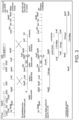
- MASP-2-dependent complement activation comprises MASP-2-dependent activation of the lectin pathway, which occurs under physiological conditions (i.e., in the presence of Ca ++ ) leading to the formation of the lectin pathway C3 convertase C4b2a and upon accumulation of the C3 cleavage product C3b subsequently to the C5 convertase C4b2a(C3b)n, which has been determined to primarily cause opsonization.
- alternative pathway refers to complement activation that is triggered, for example, by zymosan from fungal and yeast cell walls, lipopolysaccharide (LPS) from Gram negative outer membranes, and rabbit erythrocytes, as well as from many pure polysaccharides, rabbit erythrocytes, viruses, bacteria, animal tumor cells, parasites and damaged cells, and which has traditionally been thought to arise from spontaneous proteolytic generation of C3b from complement factor C3.
- LPS lipopolysaccharide
- lectin pathway refers to complement activation that occurs via the specific binding of serum and non-serum carbohydrate-binding proteins including mannan-binding lectin (MBL), CL-11 and the ficolins (H-ficolin, M-ficolin, or L-ficolin).
- classical pathway refers to complement activation that is triggered by antibody bound to a foreign particle and requires binding of the recognition molecule C1q.
- MASP-2 inhibitory agent refers to any agent that binds to or directly interacts with MASP-2 and effectively inhibits MASP-2-dependent complement activation, including anti-MASP-2 antibodies and MASP-2 binding fragments thereof, natural and synthetic peptides, small molecules, soluble MASP-2 receptors, expression inhibitors and isolated natural inhibitors, and also encompasses peptides that compete with MASP-2 for binding to another recognition molecule (e.g., MBL, H-ficolin, M-ficolin, or L-ficolin) in the lectin pathway, but does not encompass antibodies that bind to such other recognition molecules.
- another recognition molecule e.g., MBL, H-ficolin, M-ficolin, or L-ficolin
- MASP-2 inhibitory agents useful in the method of the invention may reduce MASP-2-dependent complement activation by greater than 20%, such as greater than 50%, such as greater than 90%. In one embodiment, the MASP-2 inhibitory agent reduces MASP-2-dependent complement activation by greater than 90% (i.e., resulting in MASP-2 complement activation of only 10% or less).
- fibrosis refers to the formation or presence of excessive connective tissue in an organ or tissue. Fibrosis may occur as a repair or replacement response to a stimulus such as tissue injury or inflammation. A hallmark of fibrosis is the production of excessive extracellular matrix. The normal physiological response to injury results in the deposition of connective tissue as part of the healing process, but this connective tissue deposition may persist and become pathological, altering the architecture and function of the tissue. At the cellular level, epithelial cells and fibroblasts proliferate and differentiate into myofibroblasts, resulting in matrix contraction, increased rigidity, microvascular compression, and hypoxia.
- treating fibrosis in a mammalian subject suffering from or at risk of developing a disease or disorder caused or exacerbated by fibrosis and/or inflammation refers to reversing, alleviating, ameliorating, or inhibiting fibrosis in said mammalian subject.
- proteinuria refers to the presence of urinary protein in an abnormal amount, such as in amounts exceeding 0.3g protein in a 24-hour urine collection from a human subject, or in concentrations of more than 1g per liter in a human subject.
- the term “improving proteinuria” or “reducing proteinuria' refers to reducing the 24-hour urine protein excretion in a subject suffering from proteinuria by at least 20%, such as at least 30%, such as at least 40%, such at least 50% or more in comparison to baseline 24-hour urine protein excretion in the subject prior to treatment with a MASP-2 inhibitory agent.
- treatment with a MASP-2 inhibitory agent in accordance with the methods of the invention is effective to reduce proteinuria in a human subject such as to achieve greater than 20 percent reduction in 24-hour urine protein excretion, or such as greater than 30 percent reduction in 24-hour urine protein excretion, or such as greater than 40 percent reduction in 24-hour urine protein excretion, or such as greater than 50 percent reduction in 24-hour urine protein excretion).
- small molecule refers to molecules (either organic, organometallic, or inorganic), organic molecules, and inorganic molecules, respectively, which are either naturally occurring or synthetic and that have a molecular weight of more than about 50 Da and less than about 2500 Da.
- Small organic (for example) molecules may be less than about 2000 Da, between about 100 Da to about 1000 Da, or between about 100 to about 600 Da, or between about 200 to 500 Da.
- the term “antibody” encompasses antibodies and antibody fragments thereof, derived from any antibody-producing mammal (e.g., mouse, rat, rabbit, and primate including human), or from a hybridoma, phage selection, recombinant expression or transgenic animals (or other methods of producing antibodies or antibody fragments"), that specifically bind to a target polypeptide, such as, for example, MASP-2, polypeptides or portions thereof. It is not intended that the term “antibody” limited as regards to the source of the antibody or the manner in which it is made (e.g., by hybridoma, phage selection, recombinant expression, transgenic animal, peptide synthesis, etc).
- Exemplary antibodies include polyclonal, monoclonal and recombinant antibodies; pan-specific, multispecific antibodies (e.g., bispecific antibodies, trispecific antibodies); humanized antibodies; murine antibodies; chimeric, mouse-human, mouse-primate, primate-human monoclonal antibodies; and anti-idiotype antibodies, and may be any intact antibody or fragment thereof.
- antibody encompasses not only intact polyclonal or monoclonal antibodies, but also fragments thereof (such as dAb, Fab, Fab', F(ab') 2 , Fv), single chain (ScFv), synthetic variants thereof, naturally occurring variants, fusion proteins comprising an antibody portion with an antigen-binding fragment of the required specificity, humanized antibodies, chimeric antibodies, and any other modified configuration of the immunoglobulin molecule that comprises an antigen-binding site or fragment (epitope recognition site) of the required specificity.
- fragments thereof such as dAb, Fab, Fab', F(ab') 2 , Fv), single chain (ScFv), synthetic variants thereof, naturally occurring variants, fusion proteins comprising an antibody portion with an antigen-binding fragment of the required specificity, humanized antibodies, chimeric antibodies, and any other modified configuration of the immunoglobulin molecule that comprises an antigen-binding site or fragment (epitope recognition site) of the required specificity.
- a “monoclonal antibody” refers to a homogeneous antibody population wherein the monoclonal antibody is comprised of amino acids (naturally occurring and non-naturally occurring) that are involved in the selective binding of an epitope. Monoclonal antibodies are highly specific for the target antigen.
- monoclonal antibody encompasses not only intact monoclonal antibodies and full-length monoclonal antibodies, but also fragments thereof (such as Fab, Fab', F(ab') 2 , Fv), single chain (ScFv), variants thereof, fusion proteins comprising an antigen-binding portion, humanized monoclonal antibodies, chimeric monoclonal antibodies, and any other modified configuration of the immunoglobulin molecule that comprises an antigen-binding fragment (epitope recognition site) of the required specificity and the ability to bind to an epitope.
- fragments thereof such as Fab, Fab', F(ab') 2 , Fv), single chain (ScFv), variants thereof, fusion proteins comprising an antigen-binding portion, humanized monoclonal antibodies, chimeric monoclonal antibodies, and any other modified configuration of the immunoglobulin molecule that comprises an antigen-binding fragment (epitope recognition site) of the required specificity and the ability to bind to an epi
- antibody it is not intended to be limited as regards the source of the antibody or the manner in which it is made (e.g., by hybridoma, phage selection, recombinant expression, transgenic animals, etc.).
- the term includes whole immunoglobulins as well as the fragments etc. described above under the definition of "antibody”.
- antibody fragment refers to a portion derived from or related to a full-length antibody, such as, for example, an anti-MASP-2 antibody, generally including the antigen binding or variable region thereof.
- antibody fragments include Fab, Fab', F(ab) 2 , F(ab') 2 and Fv fragments, scFv fragments, diabodies, linear antibodies, single-chain antibody molecules and multispecific antibodies formed from antibody fragments.
- a "single-chain Fv” or “scFv” antibody fragment comprises the V H and V L domains of an antibody, wherein these domains are present in a single polypeptide chain.
- the Fv polypeptide further comprises a polypeptide linker between the V H and V L domains, which enables the scFv to form the desired structure for antigen binding.
- a "chimeric antibody” is a recombinant protein that contains the variable domains and complementarity-determining regions derived from a non-human species (e.g., rodent) antibody, while the remainder of the antibody molecule is derived from a human antibody.
- a "humanized antibody” is a chimeric antibody that comprises a minimal sequence that conforms to specific complementarity-determining regions derived from non-human immunoglobulin that is transplanted into a human antibody framework. Humanized antibodies are typically recombinant proteins in which only the antibody complementarity-determining regions are of non-human origin.
- mannan-binding lectin is equivalent to mannan-binding protein (“MBP").
- MAC membrane attack complex
- a subject includes all mammals, including without limitation humans, non-human primates, dogs, cats, horses, sheep, goats, cows, rabbits, pigs and rodents.
- amino acid residues are abbreviated as follows: alanine (Ala;A), asparagine (Asn;N), aspartic acid (Asp;D), arginine (Arg;R), cysteine (Cys;C), glutamic acid (Glu;E), glutamine (Gln;Q), glycine (Gly;G), histidine (His;H), isoleucine (Ile;I), leucine (Leu;L), lysine (Lys;K), methionine (Met;M), phenylalanine (Phe;F), proline (Pro;P), serine (Ser;S), threonine (Thr;T), tryptophan (Trp;W), tyrosine (Tyr;Y), and valine (Val;V).
- amino acids can be divided into groups based upon the chemical characteristic of the side chain of the respective amino acids.
- hydrophobic amino acid is meant either Ile, Leu, Met, Phe, Trp, Tyr, Val, Ala, Cys or Pro.
- hydrophilic amino acid is meant either Gly, Asn, Gln, Ser, Thr, Asp, Glu, Lys, Arg or His. This grouping of amino acids can be further subclassed as follows.
- uncharged hydrophilic amino acid is meant either Ser, Thr, Asn or Gln.
- acidic amino acid is meant either Glu or Asp.
- basic amino acid is meant either Lys, Arg or His.
- the term "conservative amino acid substitution” is illustrated by a substitution among amino acids within each of the following groups: (1) glycine, alanine, valine, leucine, and isoleucine, (2) phenylalanine, tyrosine, and tryptophan, (3) serine and threonine, (4) aspartate and glutamate, (5) glutamine and asparagine, and (6) lysine, arginine and histidine.
- oligonucleotide refers to an oligomer or polymer of ribonucleic acid (RNA) or deoxyribonucleic acid (DNA) or mimetics thereof. This term also covers those oligonucleobases composed of naturally-occurring nucleotides, sugars and covalent internucleoside (backbone) linkages as well as oligonucleotides having non-naturally-occurring modifications.
- an “epitope” refers to the site on a protein (e.g., a human MASP-2 protein) that is bound by an antibody.
- “Overlapping epitopes” include at least one (e.g., two, three, four, five, or six) common amino acid residue(s), including linear and nonlinear epitopes.
- polypeptide As used herein, the terms “polypeptide,” “peptide,” and “protein” are used interchangeably and mean any peptide-linked chain of amino acids, regardless of length or post-translational modification.
- the MASP-2 protein described herein can contain or be wild-type proteins or can be variants that have not more than 50 (e.g., not more than one, two, three, four, five, six, seven, eight, nine, ten, 12, 15, 20, 25, 30, 35, 40, or 50) conservative amino acid substitutions.
- Conservative substitutions typically include substitutions within the following groups: glycine and alanine; valine, isoleucine, and leucine; aspartic acid and glutamic acid; asparagine, glutamine, serine and threonine; lysine, histidine and arginine; and phenylalanine and tyrosine.
- the human MASP-2 protein can have an amino acid sequence that is, or is greater than, 70 (e.g., 71, 72, 73, 74, 75, 76, 77, 78, 79, 80, 81, 82, 83, 84, 85, 86, 87, 88, 89, 90, 91, 92, 93, 94, 95, 96, 97, 98, 99, or 100) % identical to the human MASP-2 protein having the amino acid sequence set forth in SEQ ID NO: 5.
- 70 e.g., 71, 72, 73, 74, 75, 76, 77, 78, 79, 80, 81, 82, 83, 84, 85, 86, 87, 88, 89, 90, 91, 92, 93, 94, 95, 96, 97, 98, 99, or 100
- peptide fragments can be at least 6 (e.g., at least 7, 8, 9, 10, 11, 12, 13, 14, 15, 16, 17, 18, 19, 20, 21, 22, 23, 24, 25, 26, 27, 28, 29, 30, 31, 32, 33, 34, 35, 36, 37, 38, 39, 40, 41, 42, 43, 44, 45, 46, 47, 48, 49, 50, 55, 60, 65, 70, 75, 80, 85, 90, 95, 100, 110, 120, 130, 140, 150, 160, 170, 180, 190, 200, 250, 300, 350, 400, 450, 500, or 600 or more) amino acid residues in length (e.g., at least 6 contiguous amino acid residues of SEQ ID NO: 5).
- an antigenic peptide fragment of a human MASP-2 protein is fewer than 500 (e.g., fewer than 450, 400, 350, 325, 300, 275, 250, 225, 200, 190, 180, 170, 160, 150, 140, 130, 120, 110, 100, 95, 90, 85, 80, 75, 70, 65, 60, 55, 50, 49, 48, 47, 46, 45, 44, 43, 42, 41, 40, 39, 38, 37, 36, 35, 34, 33, 32, 31, 30, 29, 28, 27, 26, 25, 24, 23, 22, 21, 20, 19, 18, 17, 16, 15, 14, 13, 12, 11, 10, 9, 8, 7, or 6) amino acid residues in length (e.g., fewer than 500 contiguous amino acid residues in any one of SEQ ID NOS: 5).
- Percent (%) amino acid sequence identity is defined as the percentage of amino acids in a candidate sequence that are identical to the amino acids in a reference sequence, after aligning the sequences and introducing gaps, if necessary, to achieve the maximum percent sequence identity. Alignment for purposes of determining percent sequence identity can be achieved in various ways that are within the skill in the art, for instance, using publicly available computer software such as BLAST, BLAST-2, ALIGN, ALIGN-2 or Megalign (DNASTAR) software. Appropriate parameters for measuring alignment, including any algorithms needed to achieve maximal alignment over the full-length of the sequences being compared can be determined by known methods.
- the inventors have identified the central role of the lectin pathway in the initiation and disease progression of tubular renal pathology, thereby implicating a key role of the lectin pathway activation in the pathophysiology of a diverse range of renal diseases including IgA nephropathy, C3 glomerulopathy and other glomerulonephritides.
- MASP-2 mannan-binding lectin-associated serine protease-2
- UUO unilateral ureteral obstruction
- the protein overload model and the adriamycin-induced nephrology model of renal fibrosis. Therefore, the inventors have demonstrated that inhibition of MASP-2-mediated lectin pathway activation provides an effective therapeutic approach to ameliorate, treat or prevent renal fibrosis, e.g., tubulointerstitial fibrosis, regardless of the underlying cause.
- the use of a MASP-2 inhibitory agent is also useful to treat, inhibit, alleviate or prevent acute respiratory distress syndrome in a subject infected with coronavirus, such as SARS-CoV-2.
- Lectins (MBL, M-ficolin, H-ficolin, L-ficolin and CL-11) are the specific recognition molecules that trigger the innate complement system and the system includes the lectin initiation pathway and the associated terminal pathway amplification loop that amplifies lectin-initiated activation of terminal complement effector molecules.
- C1q is the specific recognition molecule that triggers the acquired complement system and the system includes the classical initiation pathway and associated terminal pathway amplification loop that amplifies C1q-initiated activation of terminal complement effector molecules.
- lectin-dependent complement system we refer to these two major complement activation systems as the lectin-dependent complement system and the C1q-dependent complement system, respectively.
- complement system In addition to its essential role in immune defense, the complement system contributes to tissue damage in many clinical conditions. Thus, there is a pressing need to develop therapeutically effective complement inhibitors to prevent these adverse effects.
- lectin mediated MASP-2 pathway With the recognition that it is possible to inhibit the lectin mediated MASP-2 pathway while leaving the classical pathway intact comes the realization that it would be highly desirable to specifically inhibit only the complement activation system causing a particular pathology without completely shutting down the immune defense capabilities of complement. For example, in disease states in which complement activation is mediated predominantly by the lectin-dependent complement system, it would be advantageous to specifically inhibit only this system. This would leave the C1q-dependent complement activation system intact to handle immune complex processing and to aid in host defense against infection.
- the preferred protein component to target in the development of therapeutic agents to specifically inhibit the lectin-dependent complement system is MASP-2.
- MASP-2 The preferred protein component to target in the development of therapeutic agents to specifically inhibit the lectin-dependent complement system.
- MASP-2 protein components of the lectin-dependent complement system
- MASP-2 is both unique to the lectin-dependent complement system and required for the system to function.
- the lectins (MBL, H-ficolin, M-ficolin, L-ficolin and CL-11) are also unique components in the lectin-dependent complement system. However, loss of any one of the lectin components would not necessarily inhibit activation of the system due to lectin redundancy.
- MASP-2 as the therapeutic target to inhibit the lectin-dependent complement activation system is that the plasma concentration of MASP-2 is among the lowest of any complement protein ( ⁇ 500 ng/ml); therefore, correspondingly low concentrations of high-affinity inhibitors of MASP-2 may be sufficient to obtain full inhibition ( Moller-Kristensen, M., et al., J. Immunol Methods 282:159-167, 2003 ).
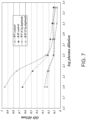
- Example 14 it was determined in an animal model of fibrotic kidney disease (unilateral ureteral obstruction UUO) that mice without the MASP-2 gene (MASP-2-/-) exhibited significantly less kidney disease compared to wild-type control animals, as shown by inflammatory cell infiltrates (75% reduction) and histological markers of fibrosis such as collagen deposition (one third reduction).
- wild-type mice systemically treated with an anti-MASP-2 monoclonal antibody that selectively blocks the lectin pathway while leaving the classical pathway intact were protected from renal fibrosis, as compared to wild-type mice treated with an isotype control antibody.
- MASP-2-/- mice exhibited less renal inflammation and tubulointerstitial injury in an Adriamycin-induced nephrology model of renal fibrosis as compared to wild-type mice.
- IgA nephropathy that were treated with an anti-MASP-2 antibody demonstrated a clinically meaningful and statistically significant decrease in urine albumin-to-creatinine ratios (uACRs) throughout the trial and reduction in 24-hour urine protein levels from baseline to the end of treatment.
- uACRs urine albumin-to-creatinine ratios
- patients with membranous nephropathy that were treated with an anti-MASP-2 antibody also demonstrated reductions in uACR during treatment.
- the present invention relates to the use of MASP-2 inhibitory agents, such as MASP-2 inhibitory antibodies, as antifibrotic agents, the use of MASP-2 inhibitory agents for the manufacture of a medicament for the treatment of a fibrotic condition, and methods of preventing, treating, alleviating or reversing a fibrotic condition in a human subject in need thereof, said method comprising administering to said patient an efficient amount of a MASP-2 inhibitory agent (e.g., an anti-MASP-2 antibody).
- a MASP-2 inhibitory agent e.g., an anti-MASP-2 antibody
- the methods of the invention can be used to treat, inhibit, alleviate, prevent, or reverse coronavirus-induced pneumonia or acute respiratory distress syndrome in a human subject suffering from coronavirus, such as suffering from COVID-19 due to SARS-CoV-2, SARS or MERS, as further described herein.
- influenza virus such as influenza Type A virus serotypes (H1N1 (caused the "Spanish Flu” in 1918 and “Swine Flu” in 2009); H2N2 (caused the “Asian Flu” in 1957), H3N2 (caused the "Hong Kong Flu” in 1968), H5N1 (caused the "Bird Flu in 2004), H7N7, H1N2, H9N2, H7N2, H7N3, H10N7, H7N9 and H6N1); or influenza Type B virus, or influenza Type C virus.
- influenza Type A virus serotypes H1N1 (caused the "Spanish Flu” in 1918 and “Swine Flu” in 2009)
- H2N2 caused the "Asian Flu” in 1957
- H3N2 caused the "Hong Kong Flu” in 1968
- H5N1 caused the "Bird Flu in 2004
- Fibrosis is the formation or presence of excessive connective tissue in an organ or tissue, commonly in response to damage or injury.
- a hallmark of fibrosis is the production of excessive extracellular matrix following an injury.
- fibrosis is characterized as a progressive detrimental connective tissue deposition on the kidney parenchyma which inevitably leads to a decline in renal function independently of the primary renal disease which causes the original kidney injury.
- So called epithelial to mesenchymal transition (EMT) a change in cellular characteristics in which tubular epithelial cells are transformed to mesenchymal fibroblasts, constitutes the principal mechanism of renal fibrosis.
- EMT epithelial to mesenchymal transition
- Fibrosis affects nearly all tissues and organ systems and may occur as a repair or replacement response to a stimulus such as tissue injury or inflammation.
- kidney e.g., chronic kidney disease, IgA nephropathy, C3 glomerulopathy and other glomerulonephritides
- lung e.g., idiopathic pulmonary fibrosis, cystic fibrosis, bronchiectasis
- liver e.g., cirrhosis, nonalcoholic fatty liver disease
- heart e.g., myocardial infarction, atrial fibrosis, valvular fibrosis, endomyocardial fibrosis
- brain e.g., stroke
- skin e.g., excessive wound healing, scleroderma, systemic sclerosis, keloids
- vasculature e.g., atherosclerotic vascular disease
- intestine e.g., Crohn's disease
- eye e.g., anterior subcapsular cataract, posterior capsule opacification
- musculoskeletal soft-tissue structures e.g., chronic kidney
- TGF-beta growth factors
- VEGF Hepatocyte Growth Factor
- connective tissue growth factor cytokines and hormones
- cytokines and hormones endothelin, IL-4, IL-6, IL-13, chemokines
- degradative enzymes elastase, matrix metaloproteinases, cathepsins
- extracellular matrix proteins elastase, matrix metaloproteinases, cathepsins
- extracellular matrix proteins elagens, fibronectin, integrins.
- the complement system becomes activated in numerous fibrotic diseases.
- Complement components including the membrane attack complex, have been identified in numerous fibrotic tissue specimens.
- components of the lectin pathway have been found in fibrotic lesions of kidney disease ( Satomura et al., Nephron. 92(3):702-4 (2002 ); Sato et al., Lupus 20(13):1378-86 (2011 ); Liu et al., Clin Exp Immunol, 174(1):152-60 (2013 )); liver disease ( Rensen et al., Hepatology 50(6): 1809-17 (2009 )); and lung disease ( Olesen et al., Clin Immunol 121(3):324-31 (2006 )).
- the strong proinflammatory signals that are triggered by local complement activation may be initiated by complement components filtered into the proximal tubule and subsequently entering the interstitial space, or abnormal synthesis of complement components by tubular or other resident and infiltrating cells, or by altered expression of complement regulatory proteins on kidney cells, or absence or loss or gain for function mutations in complement regulatory components ( Mathern D.R. et al., Clin J Am Soc Nephrol 10:P1636-1650, 2015 , Sheerin N.S., et al., FASEB J 22: 1065-1072, 2008 ).
- the inventors have identified the central role of the lectin pathway in the initiation and disease progression of tubular renal pathology, thereby implicating a key role of the lectin pathway activation in the pathophysiology of a diverse range of renal diseases including IgA nephropathy, C3 glomerulopathy and other glomerulonephritides ( Endo M. et al., Nephrol Dialysis Transplant 13: 1984-1990, 1998 ; Hisano S. et al., Am J Kidney Dis 45:295-302, 2005 ; Roos A. et al., J Am Soc Nephrol 17: 1724-1734, 2006 ; Liu L.L. et al., Clin Exp.
- MASP-2 inhibitory agents are expected to be useful in the treatment of renal fibrosis, including tubulointerstitial inflammation and fibrosis, proteinuria, IgA nephropathy, C3 glomerulopathy and other glomerulonephritides and renal ischaemia reperfusion injury.
- Pulmonary fibrosis is the formation or development of excess fibrous connective tissue in the lungs, wherein normal lung tissue is replaced with fibrotic tissue. This scarring leads to stiffness of the lungs and impaired lung structure and function. In humans, pulmonary fibrosis is thought to result from repeated injury to the tissue within and between the tiny air sacs (alveoli) in the lungs. In an experimental setting, a variety of animal models have replicated aspects of the human disease. For example, a foreign agent such as bleomycin, fluorescein isothiocyanate, silica, or asbestos may be instilled into the trachea of an animal ( Gharaee-Kermani et al., Animal Models of Pulmonary Fibrosis. Methods Mol. Med., 2005, 117:251-259 ).
- the disclosure provides a method of inhibiting pulmonary fibrosis in a subject suffering from a lung disease or disorder caused or exacerbated by fibrosis and/or inflammation such as coronaviruas-induced ARDS, comprising administering a MASP-2 inhibitory agent, such as a MASP-2 inhibitory antibody, to a subject in need thereof.
- This method includes administering a composition comprising an amount of a MASP-2 inhibitor effective to inhibit pulmonary fibrosis, decrease lung fibrosis, and/or improve lung function. Improvements in symptoms of lung function include improvement of lung function and/or capacity, decreased fatigue, and improvement in oxygen saturation.
- the MASP-2 inhibitory composition may be administered locally to the region of fibrosis, such as by local application of the composition during surgery or local injection, either directly or remotely, for example, by catheter.
- the MASP-2 inhibitory agent may be administered to the subject systemically, such as by intra-arterial, intravenous, intramuscular, inhalational, nasal, subcutaneous or other parenteral administration, or potentially by oral administration for non-peptidergic agents. Administration may be repeated as determined by a physician until the condition has been resolved or is controlled.
- the MASP-2 inhibitory agents are administered in combination with one or more agents or treatment modalities appropriate for the underlying lung disease or condition.
- MBL and MASP-1 levels are found to be a significant predictor of the severity of liver fibrosis in hepatitis C virus (HCV) infection ( Brown et al., Clin Exp Immunol. 147(1):90-8, 2007 ; Saadanay et al., Arab J Gastroenterol. 12(2):68-73, 2011 ; Saeed et al., Clin Exp Immunol. 174(2):265-73, 2013 ).
- HCV hepatitis C virus
- MASP-1 has previously been shown to be a potent activator of MASP-2 and the lectin pathway ( Megyeri et al., J Biol Chem. 29: 288(13):8922-34, 2013 ).
- Alphaviruses such as chikungunya virus and Ross River virus induce a strong host inflammatory response resulting in arthritis and myositis, and this pathology is mediated by MBL and the lectin pathway ( Gunn et al., PLoS Pathog. 8(3):e1002586, 2012 ).
- the disclosure provides a method of preventing, treating, reverting, inhibiting and/or reducing fibrosis and/or inflammation in a subject suffering from, or having previously suffered from, an infectious disease such as coronavirus or influenza virus that causes inflammation and/or fibrosis, comprising administering a MASP-2 inhibitory agent, such as a MASP-2 inhibitory antibody, to a subject in need thereof.
- a MASP-2 inhibitory agent such as a MASP-2 inhibitory antibody
- the MASP-2 inhibitory composition may be administered locally to the region of fibrosis, such as by local application of the composition during surgery or local injection, either directly or remotely, for example, by catheter.
- the MASP-2 inhibitory agent may be administered to the subject systemically, such as by intra-arterial, intravenous, intramuscular, inhalational, nasal, subcutaneous or other parenteral administration, or potentially by oral administration for non-peptidergic agents. Administration may be repeated as determined by a physician until the condition has been resolved or is controlled.
- the MASP-2 inhibitory agents are administered in combination with one or more agents or treatment modalities appropriate for the underlying infectious disease.
- a patient diagnosed with COVID-19 can be treated with a combination of agents which includes one or more MASP-2 inhibitory agents, such as a combination comprising an antiviral agent (e.g., remdesivir) and one or more MASP-2 inhibitory agents.
- the agents can be administered in any suitable sequence, e.g., sequentially or concurrently.
- the infectious disease that causes inflammation and/or fibrosis is selected from the group consisting of coronavirus, alpha virus, Hepatitis A, Hepatitis B, Hepatitis C, tuberculosis, HIV, and influenza.
- the MASP-2 inhibitory agents e.g., MASP-2 inhibitory antibodies or MASP-2 inhibitory small molecule compounds
- the MASP-2 inhibitory antibody or small molecule compound selectively blocks the lectin pathway while leaving intact the classical pathway.
- the present invention provides methods of inhibiting the adverse effects of fibrosis and/or inflammation comprising administering a MASP-2 inhibitory agent to a subject in need thereof.
- MASP-2 inhibitory agents are administered in an amount effective to inhibit MASP-2-dependent complement activation in a living subject.
- representative MASP-2 inhibitory agents include: molecules that inhibit the biological activity of MASP-2 (such as small molecule inhibitors, anti-MASP-2 antibodies (e.g., MASP-2 inhibitory antibodies) or blocking peptides which interact with MASP-2 or interfere with a protein-protein interaction), and molecules that decrease the expression of MASP-2 (such as MASP-2 antisense nucleic acid molecules, MASP-2 specific RNAi molecules and MASP-2 ribozymes), thereby preventing MASP-2 from activating the lectin complement pathway.
- MASP-2 inhibitory agents can be used alone as a primary therapy or in combination with other therapeutics as an adjuvant therapy to enhance the therapeutic benefits of other medical treatments.
- the inhibition of MASP-2-dependent complement activation is characterized by at least one of the following changes in a component of the complement system that occurs as a result of administration of a MASP-2 inhibitory agent in accordance with the methods of the invention: the inhibition of the generation or production of MASP-2-dependent complement activation system products C4b, C3a, C5a and/or C5b-9 (MAC) (measured, for example, as described in Example 2), the reduction of C4 cleavage and C4b deposition (measured, for example as described in Example 2), or the reduction of C3 cleavage and C3b deposition (measured, for example, as described in Example 2).
- MAC MASP-2-dependent complement activation system products
- MASP-2 inhibitory agents are utilized that are effective in inhibiting respiratory distress (or stated another way, improving respiratory function) in a subject infected with coronavirus such as SARS-CoV-2.
- the assessment of respiratory function may be carried out periodically, e.g., each hour, each day, each week, or each month. This assessment is preferably carried out at several time points for a given subject or at one or several time points for a given subject and a healthy control. The assessment may be carried out at regular time intervals, e.g. each hour, each day, each week, or each month.
- a MASP-2 inhibitory agent such as a MASP-2 inhibitory antibody, is said to be effective to treat a subject suffering from coronavirus-induced acute respiratory distress syndrome.
- MASP-2 inhibitory agents useful in the practice of this aspect of the invention include, for example, MASP-2 antibodies and fragments thereof, MASP-2 inhibitory peptides, small molecules, MASP-2 soluble receptors and expression inhibitors.
- MASP-2 inhibitory agents may inhibit the MASP-2-dependent complement activation system by blocking the biological function of MASP-2.
- an inhibitory agent may effectively block MASP-2 protein-to-protein interactions, interfere with MASP-2 dimerization or assembly, block Ca 2+ binding, interfere with the MASP-2 serine protease active site, or may reduce MASP-2 protein expression.
- the MASP-2 inhibitory agents selectively inhibit MASP-2 complement activation, leaving the C1q-dependent complement activation system functionally intact.
- a MASP-2 inhibitory agent useful in the methods of the invention is a specific MASP-2 inhibitory agent that specifically binds to a polypeptide comprising SEQ ID NO:6 with an affinity of at least ten times greater than to other antigens in the complement system.
- a MASP-2 inhibitory agent specifically binds to a polypeptide comprising SEQ ID NO:6 with a binding affinity of at least 100 times greater than to other antigens in the complement system.
- the MASP-2 inhibitory agent specifically binds to at least one of (i) the CCP1-CCP2 domain (aa 300-431 of SEQ ID NO:6) or the serine protease domain of MASP-2 (aa 445-682 of SEQ ID NO:6) and inhibits MASP-2-dependent complement activation.
- the MASP-2 inhibitory agent is a MASP-2 monoclonal antibody, or fragment thereof that specifically binds to MASP-2.
- the binding affinity of the MASP-2 inhibitory agent can be determined using a suitable binding assay.
- the MASP-2 inhibitory agent inhibits C3b deposition in 90% human serum with an IC 50 of 30 nM or less.
- the MASP-2 polypeptide exhibits a molecular structure similar to MASP-1, MASP-3, and C1r and C1s, the proteases of the C1 complement system.
- the cDNA molecule set forth in SEQ ID NO:4 encodes a representative example of MASP-2 (consisting of the amino acid sequence set forth in SEQ ID NO:5) and provides the human MASP-2 polypeptide with a leader sequence (aa 1-15) that is cleaved after secretion, resulting in the mature form of human MASP-2 (SEQ ID NO:6).
- the human MASP 2 gene encompasses twelve exons.
- the human MASP-2 cDNA is encoded by exons B, C, D, F, G, H, I, J, K AND L.
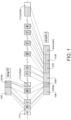
- An alternative splice results in a 20 kDa protein termed MBL-associated protein 19 ("MAp19”, also referred to as "sMAP") (SEQ ID NO:2), encoded by (SEQ ID NO:1) arising from exons B, C, D and E as shown in FIGURE 2 .
- the cDNA molecule set forth in SEQ ID NO:50 encodes the murine MASP-2 (consisting of the amino acid sequence set forth in SEQ ID NO:51) and provides the murine MASP-2 polypeptide with a leader sequence that is cleaved after secretion, resulting in the mature form of murine MASP-2 (SEQ ID NO:52).
- the cDNA molecule set forth in SEQ ID NO:53 encodes the rat MASP-2 (consisting of the amino acid sequence set forth in SEQ ID NO:54) and provides the rat MASP-2 polypeptide with a leader sequence that is cleaved after secretion, resulting in the mature form of rat MASP-2 (SEQ ID NO:55).
- SEQ ID NO:4, SEQ ID NO:50 and SEQ ID NO:53 represent single alleles of human, murine and rat MASP-2 respectively, and that allelic variation and alternative splicing are expected to occur.
- Allelic variants of the nucleotide sequences shown in SEQ ID NO:4, SEQ ID NO:50 and SEQ ID NO:53, including those containing silent mutations and those in which mutations result in amino acid sequence changes, are within the scope of the present invention.
- Allelic variants of the MASP-2 sequence can be cloned by probing cDNA or genomic libraries from different individuals according to standard procedures.
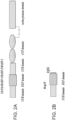
- the domains of the human MASP-2 protein are shown in FIGURE 1 and 2A and include an N-terminal C1r/C1s/sea urchin Vegf/bone morphogenic protein (CUBI) domain (aa 1-121 of SEQ ID NO:6), an epidermal growth factor-like domain (aa 122-166), a second CUBI domain (aa 167-293), as well as a tandem of complement control protein domains and a serine protease domain.
- CUBI N-terminal C1r/C1s/sea urchin Vegf/bone morphogenic protein
- CUBI urchin Vegf/bone morphogenic protein
- MAp19 is a nonenzymatic protein containing the N-terminal CUBI-EGF region of MASP-2 with four additional residues (EQSL) derived from exon E as shown in FIGURE 1 .
- MASP-2 is known to bind to, and form Ca 2+ dependent complexes with, the lectin proteins MBL, H-ficolin and L-ficolin.
- MASP-2/lectin complex has been shown to activate complement through the MASP-2-dependent cleavage of proteins C4 and C2 ( Ikeda, K., et al., J. Biol. Chem. 262:7451-7454, 1987 ; Matsushita, M., et al., J. Exp. Med. 176:1497-2284, 2000 ; Matsushita, M., et al., J. Immunol.
- MASP-2 inhibitory agents can be identified that bind to or interfere with MASP-2 target regions known to be important for MASP-2-dependent complement activation.
- the MASP-2 inhibitory agent comprises an anti-MASP-2 antibody that inhibits the MASP-2-dependent complement activation system.
- the anti-MASP-2 antibodies useful in this aspect of the invention include polyclonal, monoclonal or recombinant antibodies derived from any antibody producing mammal and may be multispecific, chimeric, humanized, anti-idiotype, and antibody fragments.
- Antibody fragments include Fab, Fab', F(ab) 2 , F(ab') 2 , Fv fragments, scFv fragments and single-chain antibodies as further described herein.
- MASP-2 antibodies can be screened for the ability to inhibit MASP-2-dependent complement activation system and for antifibrotic activity and/or the ability to inhibit renal damage associated with proteinuria or Adriamycin-induced nephropathy using the assays described herein.
- MASP-2 antibodies have been described in the literature and some have been newly generated, some of which are listed below in TABLE 1.
- anti-MASP-2 Fab2 antibodies have been identified that block MASP-2-dependent complement activation.
- fully human MASP-2 scFv antibodies e.g., OMS646 have been identified that block MASP-2-dependent complement activation.
- SGMI-2 peptide-bearing MASP-2 antibodies and fragments thereof with MASP-2 inhibitory activity were generated by fusing the SGMI-2 peptide amino acid sequence (SEQ ID NO:72, 73 or 74) onto the amino or carboxy termini of the heavy and/or light chains of a human MASP-2 antibody (e.g., OMS646-SGMI-2).
- the MASP-2 inhibitory agent for use in the methods of the invention comprises a human antibody such as, for example OMS646.
- a MASP-2 inhibitory agent for use in the compositions and methods of the claimed invention comprises a human antibody that binds a polypeptide consisting of human MASP-2 (SEQ ID NO:6), wherein the antibody comprises: (I) (a) a heavy-chain variable region comprising: i) a heavy-chain CDR-H1 comprising the amino acid sequence from 31-35 of SEQ ID NO:67; and ii) a heavy-chain CDR-H2 comprising the amino acid sequence from 50-65 of SEQ ID NO:67; and iii) a heavy-chain CDR-H3 comprising the amino acid sequence from 95-107 of SEQ ID NO:67 and b) a light-chain variable region comprising: i) a light-chain CDR-L1 comprising the amino acid sequence from 24-34 of SEQ ID NO:69
- the method comprises administering to the subject a composition comprising an amount of a MASP-2 inhibitory antibody, or antigen binding fragment thereof, comprising a heavy-chain variable region comprising the amino acid sequence set forth as SEQ ID NO:67 and a light-chain variable region comprising the amino acid sequence set forth as SEQ ID NO:69.
- the method comprises administering to the subject a composition comprising a MASP-2 inhibitory antibody, or antigen binding fragment thereof, that specifically recognizes at least part of an epitope on human MASP-2 recognized by reference antibody OMS646 comprising a heavy-chain variable region as set forth in SEQ ID NO:67 and a light-chain variable region as set forth in SEQ ID NO:69.
- the MASP-2 inhibitory agent for use in the methods of the invention comprises the human antibody OMS646.
- the anti-MASP-2 antibodies have reduced effector function in order to reduce inflammation that may arise from the activation of the classical complement pathway.
- the ability of IgG molecules to trigger the classical complement pathway has been shown to reside within the Fc portion of the molecule ( Duncan, A.R., et al., Nature 332:738-740 1988 ).
- IgG molecules in which the Fc portion of the molecule has been removed by enzymatic cleavage are devoid of this effector function (see Harlow, Antibodies: A Laboratory Manual, Cold Spring Harbor Laboratory, New York, 1988 ). Accordingly, antibodies with reduced effector function can be generated as the result of lacking the Fc portion of the molecule by having a genetically engineered Fc sequence that minimizes effector function or being of either the human IgG 2 or IgG 4 isotype.
- Antibodies with reduced effector function can be produced by standard molecular biological manipulation of the Fc portion of the IgG heavy chains as described herein and also described in Jolliffe et al., Int'l Rev. Immunol. 10:241-250, 1993 , and Rodrigues et al., J. Immunol. 151:6954-6961, 1998 .
- Antibodies with reduced effector function also include human IgG2 and IgG4 isotypes that have a reduced ability to activate complement and/or interact with Fc receptors ( Ravetch, J.V., et al., Annu. Rev. Immunol. 9:457-492, 1991 ; Isaacs, J.D., et al., J. Immunol.
- Humanized or fully human antibodies specific to human MASP-2 comprised of IgG2 or IgG4 isotypes can be produced by one of several methods known to one of ordinary skilled in the art, as described in Vaughan, T.J., et al., Nature Biotechnical 16:535-539, 1998 .
- Anti-MASP-2 antibodies can be produced using MASP-2 polypeptides (e.g., full length MASP-2) or using antigenic MASP-2 epitope-bearing peptides (e.g., a portion of the MASP-2 polypeptide). Immunogenic peptides may be as small as five amino acid residues.
- the MASP-2 polypeptide including the entire amino acid sequence of SEQ ID NO:6 may be used to induce anti-MASP-2 antibodies useful in the method of the invention.
- MASP-2 domains known to be involved in protein-protein interactions such as the CUBI, and CUBIEGF domains, as well as the region encompassing the serine-protease active site, may be expressed as recombinant polypeptides as described in Example 3 and used as antigens.
- peptides comprising a portion of at least 6 amino acids of the MASP-2 polypeptide are also useful to induce MASP-2 antibodies. Additional examples of MASP-2 derived antigens useful to induce MASP-2 antibodies are provided below in TABLE 2.
- MASP-2 peptides and polypeptides used to raise antibodies may be isolated as natural polypeptides, or recombinant or synthetic peptides and catalytically inactive recombinant polypeptides, such as MASP-2A, as further described herein.
- anti-MASP-2 antibodies are obtained using a transgenic mouse strain as described herein.
- Antigens useful for producing anti-MASP-2 antibodies also include fusion polypeptides, such as fusions of MASP-2 or a portion thereof with an immunoglobulin polypeptide or with maltose-binding protein.
- the polypeptide immunogen may be a full-length molecule or a portion thereof. If the polypeptide portion is hapten-like, such portion may be advantageously joined or linked to a macromolecular carrier (such as keyhole limpet hemocyanin (KLH), bovine serum albumin (BSA) or tetanus toxoid) for immunization.
- KLH keyhole limpet hemocyanin
- BSA bovine serum albumin
- tetanus toxoid tetanus toxoid
- MASP-2 DERIVED ANTIGENS SEQ ID NO: Amino Acid Sequence SEQ ID NO:6 Human MASP-2 protein SEQ ID NO:51 Murine MASP-2 protein SEQ ID NO:8 CUBI domain of human MASP-2 (aa 1-121 of SEQ ID NO:6) SEQ ID NO:9 CUBIEGF domains of human MASP-2 (aa 1-166 of SEQ ID NO: 6) SEQ ID NO:10 CUBIEGFCUBII domains of human MASP-2 (aa 1-293 of SEQ ID NO:6) SEQ ID NO:11 EGF domain of human MASP-2 (aa 122-166 of SEQ ID NO:6) SEQ ID NO:12 Serine-Protease domain of human MASP-2 (aa 429-671 of SEQ ID NO:6) SEQ ID NO:13 GKDSCRGDAGGALVFL Serine-Protease inactivated mutant form (aa 610-625 of SEQ ID NO:6 with mutated Ser 618) SEQ ID NO:14 TPLGP
- Polyclonal antibodies against MASP-2 can be prepared by immunizing an animal with MASP-2 polypeptide or an immunogenic portion thereof using methods well known to those of ordinary skill in the art. See, for example, Green et al., "Production of Polyclonal Antisera,” in Immunochemical Protocols (Manson, ed.), page 105.
- the immunogenicity of a MASP-2 polypeptide can be increased through the use of an adjuvant, including mineral gels, such as aluminum hydroxide or Freund's adjuvant (complete or incomplete), surface active substances such as lysolecithin, pluronic polyols, polyanions, oil emulsions, keyhole limpet hemocyanin and dinitrophenol.
- an adjuvant including mineral gels, such as aluminum hydroxide or Freund's adjuvant (complete or incomplete), surface active substances such as lysolecithin, pluronic polyols, polyanions, oil emulsions, keyhole limpet hemocyanin and dinitrophenol.
- Polyclonal antibodies are typically raised in animals such as horses, cows, dogs, chicken, rats, mice, rabbits, guinea pigs, goats, or sheep.
- an anti-MASP-2 antibody useful in the present invention may also be derived from a subhuman primate.
- General techniques for raising diagnostically and therapeutically useful antibodies in baboons may be found, for example, in Goldenberg et al., International Patent Publication No. WO 91/11465 , and in Losman, M.J., et al., Int. J. Cancer 46:310, 1990 .
- Sera containing immunologically active antibodies are then produced from the blood of such immunized animals using standard procedures well known in the art.
- the MASP-2 inhibitory agent is an anti-MASP-2 monoclonal antibody.
- Anti-MASP-2 monoclonal antibodies are highly specific, being directed against a single MASP-2 epitope.
- the modifier "monoclonal” indicates the character of the antibody as being obtained from a substantially homogenous population of antibodies and is not to be construed as requiring production of the antibody by any particular method.
- Monoclonal antibodies can be obtained using any technique that provides for the production of antibody molecules by continuous cell lines in culture, such as the hybridoma method described by Kohler, G., et al., Nature 256:495, 1975 , or they may be made by recombinant DNA methods (see, e.g., U.S. Patent No.
- Monoclonal antibodies may also be isolated from phage antibody libraries using the techniques described in Clackson, T., et al., Nature 352:624-628, 1991 , and Marks, J.D., et al., J. Mol. Biol. 222:581-597, 1991 .
- Such antibodies can be of any immunoglobulin class including IgG, IgM, IgE, IgA, IgD and any subclass thereof.
- monoclonal antibodies can be obtained by injecting a suitable mammal (e.g., a BALB/c mouse) with a composition comprising a MASP-2 polypeptide or portion thereof. After a predetermined period of time, splenocytes are removed from the mouse and suspended in a cell culture medium. The splenocytes are then fused with an immortal cell line to form a hybridoma. The formed hybridomas are grown in cell culture and screened for their ability to produce a monoclonal antibody against MASP-2. Examples further describing the production of anti-MASP-2 monoclonal antibodies are provided herein (see also Current Protocols in Immunology, Vol. 1., John Wiley & Sons, pages 2.5.1-2.6.7, 1991 .)
- Human monoclonal antibodies may be obtained through the use of transgenic mice that have been engineered to produce specific human antibodies in response to antigenic challenge.
- elements of the human immunoglobulin heavy and light chain locus are introduced into strains of mice derived from embryonic stem cell lines that contain targeted disruptions of the endogenous immunoglobulin heavy chain and light chain loci.
- the transgenic mice can synthesize human antibodies specific for human antigens, such as the MASP-2 antigens described herein, and the mice can be used to produce human MASP-2 antibody-secreting hybridomas by fusing B-cells from such animals to suitable myeloma cell lines using conventional Kohler-Milstein technology as further described herein.
- Transgenic mice with a human immunoglobulin genome are commercially available (e.g., from Abgenix, Inc., Fremont, CA, and Medarex, Inc., Annandale, N.J.). Methods for obtaining human antibodies from transgenic mice are described, for example, by Green, L.L., et al., Nature Genet. 7:13, 1994 ; Lonberg, N., et al., Nature 368:856, 1994 ; and Taylor, L.D., et al., Int. Immun. 6:579, 1994 .
- Monoclonal antibodies can be isolated and purified from hybridoma cultures by a variety of well-established techniques. Such isolation techniques include affinity chromatography with Protein-A Sepharose, size-exclusion chromatography, and ion-exchange chromatography (see, for example, Coligan at pages 2.7.1-2.7.12 and pages 2.9.1-2.9.3; Baines et al., "Purification of Immunoglobulin G (IgG),” in Methods in Molecular Biology, The Humana Press, Inc., Vol. 10, pages 79-104, 1992 ).
- polyclonal, monoclonal or phage-derived antibodies are first tested for specific MASP-2 binding.
- assays known to those skilled in the art may be utilized to detect antibodies which specifically bind to MASP-2.
- Exemplary assays include Western blot or immunoprecipitation analysis by standard methods (e.g., as described in Ausubel et al.), immunoelectrophoresis, enzyme-linked immuno-sorbent assays, dot blots, inhibition or competition assays and sandwich assays (as described in Harlow and Land, Antibodies: A Laboratory Manual, Cold Spring Harbor Laboratory Press, 1988 ).
- the anti-MASP-2 antibodies are tested for the ability to function as a MASP-2 inhibitory agent in one of several assays such as, for example, a lectin-specific C4 cleavage assay (described in Example 2), a C3b deposition assay (described in Example 2) or a C4b deposition assay (described in Example 2).
- anti-MASP-2 monoclonal antibodies can be readily determined by one of ordinary skill in the art (see, e.g., Scatchard, A., NY Acad. Sci. 51:660-672, 1949 ).
- the anti-MASP-2 monoclonal antibodies useful for the methods of the invention bind to MASP-2 with a binding affinity of ⁇ 100 nM, preferably ⁇ 10 nM and most preferably ⁇ 2 nM.
- Monoclonal antibodies useful in the method of the invention include chimeric antibodies in which a portion of the heavy and/or light chain is identical with or homologous to corresponding sequences in antibodies derived from a particular species or belonging to a particular antibody class or subclass, while the remainder of the chain(s) is identical with or homologous to corresponding sequences in antibodies derived from another species or belonging to another antibody class or subclass, as well as fragments of such antibodies ( U.S. Patent No. 4,816,567, to Cabilly ; and Morrison, S.L., et al., Proc. Natl Acad. Sci. USA 81:6851-6855, 1984 ).
- a chimeric antibody useful in the invention is a humanized monoclonal anti-MASP-2 antibody.
- Humanized forms of non-human (e.g., murine) antibodies are chimeric antibodies, which contain minimal sequence derived from non-human immunoglobulin.
- Humanized monoclonal antibodies are produced by transferring the non-human (e.g., mouse) complementarity determining regions (CDR), from the heavy and light variable chains of the mouse immunoglobulin into a human variable domain.
- CDR complementarity determining regions
- residues of human antibodies are then substituted in the framework regions of the non-human counterparts.
- humanized antibodies may comprise residues that are not found in the recipient antibody or in the donor antibody. These modifications are made to further refine antibody performance.
- the humanized antibody will comprise substantially all of at least one, and typically two variable domains, in which all or substantially all of the hypervariable loops correspond to those of a non-human immunoglobulin and all or substantially all of the Fv framework regions are those of a human immunoglobulin sequence.
- the humanized antibody optionally also will comprise at least a portion of an immunoglobulin constant region (Fc), typically that of a human immunoglobulin.
- Fc immunoglobulin constant region
- the humanized antibodies useful in the invention include human monoclonal antibodies including at least a MASP-2 binding CDRH3 region.
- the Fc portions may be replaced so as to produce IgA or IgM as well as human IgG antibodies.
- Such humanized antibodies will have particular clinical utility because they will specifically recognize human MASP-2 but will not evoke an immune response in humans against the antibody itself. Consequently, they are better suited for in vivo administration in humans, especially when repeated or long-term administration is necessary.
- Example 6 An example of the generation of a humanized anti-MASP-2 antibody from a murine anti-MASP-2 monoclonal antibody is provided herein in Example 6.
- Techniques for producing humanized monoclonal antibodies are also described, for example, by Jones, P.T., et al., Nature 321:522, 1986 ; Carter, P., et al., Proc. Nat'l. Acad. Sci. USA 89:4285, 1992 ; Sandhu, J.S., Crit. Rev. Biotech. 12:437, 1992 ; Singer, I.I., et al., J. Immun.
- Anti-MASP-2 antibodies can also be made using recombinant methods.
- human antibodies can be made using human immunoglobulin expression libraries (available for example, from Stratagene, Corp., La Jolla, CA) to produce fragments of human antibodies (V H , V L , Fv, Fd, Fab or F(ab') 2 ). These fragments are then used to construct whole human antibodies using techniques similar to those for producing chimeric antibodies.
- anti-MASP-2 antibodies are identified with the desired inhibitory activity
- these_antibodies can be used to generate anti-idiotype antibodies that resemble a portion of MASP-2 using techniques that are well known in the art. See, e.g., Greenspan, N.S., et al., FASEB J. 7:437, 1993 .
- antibodies that bind to MASP-2 and competitively inhibit a MASP-2 protein interaction required for complement activation can be used to generate anti-idiotypes that resemble the MBL binding site on MASP-2 protein and therefore bind and neutralize a binding ligand of MASP-2 such as, for example, MBL.
- the MASP-2 inhibitory agents useful in the method of the invention encompass not only intact immunoglobulin molecules but also the well known fragments including Fab, Fab', F(ab) 2 , F(ab') 2 and Fv fragments, scFv fragments, diabodies, linear antibodies, single-chain antibody molecules and multispecific antibodies formed from antibody fragments.
- An isolated F(ab') 2 fragment is referred to as a bivalent monoclonal fragment because of its two antigen binding sites.
- an antibody from which the Fc region has been enzymatically cleaved, or which has been produced without the Fc region is designated a Fab fragment, and retains one of the antigen binding sites of an intact antibody molecule.
- Antibody fragments can be obtained by proteolytic hydrolysis, such as by pepsin or papain digestion of whole antibodies by conventional methods.
- antibody fragments can be produced by enzymatic cleavage of antibodies with pepsin to provide a 5S fragment denoted F(ab') 2 .
- This fragment can be further cleaved using a thiol reducing agent to produce 3.5S Fab' monovalent fragments.
- the cleavage reaction can be performed using a blocking group for the sulfhydryl groups that result from cleavage of disulfide linkages.
- an enzymatic cleavage using pepsin produces two monovalent Fab fragments and an Fc fragment directly.
- the use of antibody fragments lacking the Fc region are preferred to avoid activation of the classical complement pathway which is initiated upon binding Fc to the Fcy receptor.
- the Fc region of a monoclonal antibody can be removed chemically using partial digestion by proteolytic enzymes (such as ficin digestion), thereby generating, for example, antigen-binding antibody fragments such as Fab or F(ab) 2 fragments ( Mariani, M., et al., Mol. Immunol. 28:69-71, 1991 ).
- the human y4 IgG isotype which does not bind Fcy receptors, can be used during construction of a humanized antibody as described herein.
- Antibodies, single chain antibodies and antigen-binding domains that lack the Fc domain can also be engineered using recombinant techniques described herein.
- single-chain antigen binding proteins are prepared by constructing a structural gene comprising DNA sequences encoding the V H and V L domains which are connected by an oligonucleotide. The structural gene is inserted into an expression vector, which is subsequently introduced into a host cell, such as E. coli. The recombinant host cells synthesize a single polypeptide chain with a linker peptide bridging the two V domains.
- a MASP-2 specific scFv can be obtained by exposing lymphocytes to MASP-2 polypeptide in vitro and selecting antibody display libraries in phage or similar vectors (for example, through the use of immobilized or labeled MASP-2 protein or peptide).
- Genes encoding polypeptides having potential MASP-2 polypeptide binding domains can be obtained by screening random peptide libraries displayed on phage or on bacteria such as E. coli. These random peptide display libraries can be used to screen for peptides which interact with MASP-2. Techniques for creating and screening such random peptide display libraries are well known in the art ( U.S. Patent No. 5,223,409, to Lardner ; U.S. Patent No.
- an anti-MASP-2 antibody fragment useful in this aspect of the invention is a peptide coding for a single complementarity-determining region (CDR) that binds to an epitope on a MASP-2 antigen and inhibits MASP-2-dependent complement activation.
- CDR peptides (“minimal recognition units") can be obtained by constructing genes encoding the CDR of an antibody of interest.
- Such genes are prepared, for example, by using the polymerase chain reaction to synthesize the variable region from RNA of antibody-producing cells (see, for example, Larrick et al., Methods: A Companion to Methods in Enzymology 2:106, 1991 ; Courtenay-Luck, "Genetic Manipulation of Monoclonal Antibodies,” in Monoclonal Antibodies: Production, Engineering and Clinical Application, Ritter et al. (eds.), page 166, Cambridge University Press, 1995 ; and Ward et al., "Genetic Manipulation and Expression of Antibodies," in Monoclonal Antibodies: Principles and Applications, Birch et al. (eds.), page 137, Wiley-Liss, Inc., 1995 ).
- the MASP-2 antibodies described herein are administered to a subject in need thereof to inhibit MASP-2-dependent complement activation.
- the MASP-2 inhibitory agent is a high-affinity human or humanized monoclonal anti-MASP-2 antibody with reduced effector function.
- the MASP-2 inhibitory agent comprises isolated MASP-2 peptide inhibitors, including isolated natural peptide inhibitors and synthetic peptide inhibitors that inhibit the MASP-2-dependent complement activation system.
- isolated MASP-2 peptide inhibitors refers to peptides that inhibit MASP-2 dependent complement activation by binding to, competing with MASP-2 for binding to another recognition molecule (e.g., MBL, H-ficolin, M-ficolin, or L-ficolin) in the lectin pathway, and/or directly interacting with MASP-2 to inhibit MASP-2-dependent complement activation that are substantially pure and are essentially free of other substances with which they may be found in nature to an extent practical and appropriate for their intended use.
- Peptide inhibitors have been used successfully in vivo to interfere with protein-protein interactions and catalytic sites.
- peptide inhibitors to adhesion molecules structurally related to LFA-1 have recently been approved for clinical use in coagulopathies ( Ohman, E.M., et al., European Heart J. 16:50-55, 1995 ).
- Short linear peptides ( ⁇ 30 amino acids) have been described that prevent or interfere with integrin-dependent adhesion ( Murayama, O., et al., J. Biochem. 120:445-51, 1996 ).
- Longer peptides, ranging in length from 25 to 200 amino acid residues, have also been used successfully to block integrin-dependent adhesion ( Zhang, L., et al., J.
- Cyclic peptide inhibitors have also been shown to be effective inhibitors of integrins in vivo for the treatment of human inflammatory disease ( Jackson, D.Y., et al., J. Med. Chem. 40:3359-68, 1997 ).
- One method of producing cyclic peptides involves the synthesis of peptides in which the terminal amino acids of the peptide are cysteines, thereby allowing the peptide to exist in a cyclic form by disulfide bonding between the terminal amino acids, which has been shown to improve affinity and half-life in vivo for the treatment of hematopoietic neoplasms (e.g., U.S. Patent No. 6,649,592, to Larson ).
- MASP-2 inhibitory peptides useful in the methods of this aspect of the invention are exemplified by amino acid sequences that mimic the target regions important for MASP-2 function.
- the inhibitory peptides useful in the practice of the methods of the invention range in size from about 5 amino acids to about 300 amino acids.
- TABLE 3 provides a list of exemplary inhibitory peptides that may be useful in the practice of this aspect of the present invention.
- a candidate MASP-2 inhibitory peptide may be tested for the ability to function as a MASP-2 inhibitory agent in one of several assays including, for example, a lectin specific C4 cleavage assay (described in Example 2), and a C3b deposition assay (described in Example 2).
- the MASP-2 inhibitory peptides are derived from MASP-2 polypeptides and are selected from the full length mature MASP-2 protein (SEQ ID NO:6), or from a particular domain of the MASP-2 protein such as, for example, the CUBI domain (SEQ ID NO:8), the CUBIEGF domain (SEQ ID NO:9), the EGF domain (SEQ ID NO:11), and the serine protease domain (SEQ ID NO:12).
- the CUBEGFCUBII regions have been shown to be required for dimerization and binding with MBL (Thielens et al., supra ) .
- peptide sequence TFRSDYN (SEQ ID NO:16) in the CUBI domain of MASP-2 has been shown to be involved in binding to MBL in a study that identified a human carrying a homozygous mutation at Asp105 to Gly105, resulting in the loss of MASP-2 from the MBL complex ( Stengaard-Pedersen, K., et al., New England J. Med. 349:554-560, 2003 ).
- MASP-2 inhibitory peptides are derived from the lectin proteins that bind to MASP-2 and are involved in the lectin complement pathway.
- MBL mannan-binding lectin
- L-ficolin L-ficolin
- M-ficolin H-ficolin.
- H-ficolin has an amino-terminal region of 24 amino acids, a collagen-like domain with 11 Gly-Xaa-Yaa repeats, a neck domain of 12 amino acids, and a fibrinogen-like domain of 207 amino acids ( Matsushita, M., et al., J. Immunol. 168:3502-3506, 2002 ).
- H-ficolin binds to GlcNAc and agglutinates human erythrocytes coated with LPS derived from S. typhimurium, S. minnesota and E. coli. H-ficolin has been shown to be associated with MASP-2 and MAp19 and activates the lectin pathway. Id. L-ficolin/P35 also binds to GlcNAc and has been shown to be associated with MASP-2 and MAp19 in human serum and this complex has been shown to activate the lectin pathway ( Matsushita, M., et al., J. Immunol. 164:2281, 2000 ).
- MASP-2 inhibitory peptides useful in the present invention may comprise a region of at least 5 amino acids selected from the MBL protein (SEQ ID NO:21), the H-ficolin protein (Genbank accession number NM_173452), the M-ficolin protein (Genbank accession number O00602) and the L-ficolin protein (Genbank accession number NM_015838).
- MASP-2 binding site on MBL to be within the 12 Gly-X-Y triplets "GKD GRD GTK GEK GEP GQG LRG LQG POG KLG POG NOG PSG SOG PKG QKG DOG KS" (SEQ ID NO:26) that lie between the hinge and the neck in the C-terminal portion of the collagen-like domain of MBP ( Wallis, R., et al., J. Biol. Chem. 279:14065, 2004 ).
- This MASP-2 binding site region is also highly conserved in human H-ficolin and human L-ficolin.
- MASP-2 inhibitory peptides useful in this aspect of the invention are at least 6 amino acids in length and comprise SEQ ID NO:22.
- Peptides derived from MBL that include the amino acid sequence "GLR GLQ GPO GKL GPO G” (SEQ ID NO:24) have been shown to bind MASP-2 in vitro (Wallis, et al., 2004, supra ) .
- peptides can be synthesized that are flanked by two GPO triplets at each end ("GPO GPO GLR GLQ GPO GKL GPO GGP OGP O" SEQ ID NO:25) to enhance the formation of triple helices as found in the native MBL protein (as further described in Wallis, R., et al., J. Biol. Chem. 279:14065, 2004 ).
- MASP-2 inhibitory peptides may also be derived from human H-ficolin that include the sequence "GAO GSO GEK GAO GPQ GPO GPO GKM GPK GEO GDO” (SEQ ID NO:27) from the consensus MASP-2 binding region in H-ficolin. Also included are peptides derived from human L-ficolin that include the sequence "GCO GLO GAO GDK GEA GTN GKR GER GPO GPO GKA GPO GPN GAO GEO” (SEQ ID NO:28) from the consensus MASP-2 binding region in L-ficolin.
- MASP-2 inhibitory peptides may also be derived from the C4 cleavage site such as "LQRALEILPNRVTIKANRPFLVFI” (SEQ ID NO:29) which is the C4 cleavage site linked to the C-terminal portion of antithrombin III ( Glover, G.I., et al., Mol. Immunol. 25:1261 (1988 )).
- Peptides derived from the C4 cleavage site as well as other peptides that inhibit the MASP-2 serine protease site can be chemically modified so that they are irreversible protease inhibitors.
- appropriate modifications may include, but are not necessarily limited to, halomethyl ketones (Br, Cl, I, F) at the C-terminus, Asp or Glu, or appended to functional side chains; haloacetyl (or other ⁇ -haloacetyl) groups on amino groups or other functional side chains; epoxide or imine-containing groups on the amino or carboxy termini or on functional side chains; or imidate esters on the amino or carboxy termini or on functional side chains.
- Such modifications would afford the advantage of permanently inhibiting the enzyme by covalent attachment of the peptide. This could result in lower effective doses and/or the need for less frequent administration of the peptide inhibitor.
- MASP-2 inhibitory peptides useful in the method of the invention include peptides containing the MASP-2-binding CDRH3 region of anti-MASP-2 MoAb obtained as described herein.
- the sequence of the CDR regions for use in synthesizing the peptides may be determined by methods known in the art.
- the heavy chain variable region is a peptide that generally ranges from 100 to 150 amino acids in length.
- the light chain variable region is a peptide that generally ranges from 80 to 130 amino acids in length.
- the CDR sequences within the heavy and light chain variable regions include only approximately 3-25 amino acid sequences that may be easily sequenced by one of ordinary skill in the art.
- substantially homologous variations of the MASP-2 inhibitory peptides described above will also exhibit MASP-2 inhibitory activity.
- Exemplary variations include, but are not necessarily limited to, peptides having insertions, deletions, replacements, and/or additional amino acids on the carboxy-terminus or amino-terminus portions of the subject peptides and mixtures thereof. Accordingly, those homologous peptides having MASP-2 inhibitory activity are considered to be useful in the methods of this invention.
- the peptides described may also include duplicating motifs and other modifications with conservative substitutions. Conservative variants are described elsewhere herein, and include the exchange of an amino acid for another of like charge, size or hydrophobicity and the like.
- MASP-2 inhibitory peptides may be modified to increase solubility and/or to maximize the positive or negative charge in order to more closely resemble the segment in the intact protein.
- the derivative may or may not have the exact primary amino acid structure of a peptide disclosed herein so long as the derivative functionally retains the desired property of MASP-2 inhibition.
- the modifications can include amino acid substitution with one of the commonly known twenty amino acids or with another amino acid, with a derivatized or substituted amino acid with ancillary desirable characteristics, such as resistance to enzymatic degradation or with a D-amino acid or substitution with another molecule or compound, such as a carbohydrate, which mimics the natural confirmation and function of the amino acid, amino acids or peptide; amino acid deletion; amino acid insertion with one of the commonly known twenty amino acids or with another amino acid, with a derivatized or substituted amino acid with ancillary desirable characteristics, such as resistance to enzymatic degradation or with a D-amino acid or substitution with another molecule or compound, such as a carbohydrate, which mimics the natural confirmation and function of the amino acid, amino acids or peptide; or substitution with another molecule or compound, such as a carbohydrate or nucleic acid monomer, which mimics the natural conformation, charge distribution and function of the parent peptide.
- Peptides may also be modified by acety
- derivative inhibitory peptides can rely on known techniques of peptide biosynthesis, carbohydrate biosynthesis and the like. As a starting point, the artisan may rely on a suitable computer program to determine the conformation of a peptide of interest. Once the conformation of peptide disclosed herein is known, then the artisan can determine in a rational design fashion what sort of substitutions can be made at one or more sites to fashion a derivative that retains the basic conformation and charge distribution of the parent peptide but which may possess characteristics which are not present or are enhanced over those found in the parent peptide. Once candidate derivative molecules are identified, the derivatives can be tested to determine if they function as MASP-2 inhibitory agents using the assays described herein.
- the molecular structures used for modeling include the CDR regions of anti-MASP-2 monoclonal antibodies, as well as the target regions known to be important for MASP-2 function including the region required for dimerization, the region involved in binding to MBL, and the serine protease active site as previously described.
- Methods for identifying peptides that bind to a particular target are well known in the art.
- molecular imprinting may be used for the de novo construction of macromolecular structures such as peptides that bind to a particular molecule. See, for example, Shea, K.J., "Molecular Imprinting of Synthetic Network Polymers: The De Novo synthesis of Macromolecular Binding and Catalytic Sties," TRIP 2(5) 1994 .
- one method of preparing mimics of MASP-2 binding peptides is as follows. Functional monomers of a known MASP-2 binding peptide or the binding region of an anti-MASP-2 antibody that exhibits MASP-2 inhibition (the template) are polymerized. The template is then removed, followed by polymerization of a second class of monomers in the void left by the template, to provide a new molecule that exhibits one or more desired properties that are similar to the template.
- MASP-2 binding molecules that are MASP-2 inhibitory agents such as polysaccharides, nucleosides, drugs, nucleoproteins, lipoproteins, carbohydrates, glycoproteins, steroid, lipids and other biologically active materials can also be prepared.
- MASP-2 inhibitory agents such as polysaccharides, nucleosides, drugs, nucleoproteins, lipoproteins, carbohydrates, glycoproteins, steroid, lipids and other biologically active materials can also be prepared.
- This method is useful for designing a wide variety of biological mimics that are more stable than their natural counterparts because they are typically prepared by free radical polymerization of function monomers, resulting in a compound with a nonbiodegradable backbone.
- the MASP-2 inhibitory peptides can be prepared using techniques well known in the art, such as the solid-phase synthetic technique initially described by Merrifield, in J. Amer. Chem. Soc. 85:2149-2154, 1963 . Automated synthesis may be achieved, for example, using Applied Biosystems 431A Peptide Synthesizer (Foster City, Calif.) in accordance with the instructions provided by the manufacturer. Other techniques may be found, for example, in Bodanszky, M., et al., Peptide Synthesis, second edition, John Wiley & Sons, 1976 , as well as in other reference works known to those skilled in the art.
- the peptides can also be prepared using standard genetic engineering techniques known to those skilled in the art.
- the peptide can be produced enzymatically by inserting nucleic acid encoding the peptide into an expression vector, expressing the DNA, and translating the DNA into the peptide in the presence of the required amino acids.
- the peptide is then purified using chromatographic or electrophoretic techniques, or by means of a carrier protein that can be fused to, and subsequently cleaved from, the peptide by inserting into the expression vector in phase with the peptide encoding sequence a nucleic acid sequence encoding the carrier protein.
- the fusion protein-peptide may be isolated using chromatographic, electrophoretic or immunological techniques (such as binding to a resin via an antibody to the carrier protein).
- the peptide can be cleaved using chemical methodology or enzymatically, as by, for example, hydrolases.
- the MASP-2 inhibitory peptides that are useful in the method of the invention can also be produced in recombinant host cells following conventional techniques.
- a nucleic acid molecule encoding the peptide must be operably linked to regulatory sequences that control transcriptional expression in an expression vector and then introduced into a host cell.
- expression vectors can include translational regulatory sequences and a marker gene, which are suitable for selection of cells that carry the expression vector.
- Nucleic acid molecules that encode a MASP-2 inhibitory peptide can be synthesized with "gene machines” using protocols such as the phosphoramidite method. If chemically synthesized double-stranded DNA is required for an application such as the synthesis of a gene or a gene fragment, then each complementary strand is made separately. The production of short genes (60 to 80 base pairs) is technically straightforward and can be accomplished by synthesizing the complementary strands and then annealing them. For the production of longer genes, synthetic genes (double-stranded) are assembled in modular form from single-stranded fragments that are from 20 to 100 nucleotides in length.
- MASP-2 inhibitory agents are small molecule inhibitors including natural, semi-synthetic, and synthetic substances that have a low molecular weight (e.g ., between 50 and 1000 Da), such as for example, peptides, peptidomimetics, and non-peptide inhibitors (e.g ., oligonucleotides and organic compounds). Small molecule inhibitors of MASP-2 can be generated based on the molecular structure of the variable regions of the anti-MASP-2 antibodies.
- Small molecule inhibitors may also be designed and generated based on the MASP-2 crystal structure using computational drug design ( Kuntz I.D., et al., Science 257:1078, 1992 ).
- the crystal structure of rat MASP-2 has been described ( Feinberg, H., et al., EMBO J. 22:2348-2359, 2003 ).
- the MASP-2 crystal structure coordinates are used as an input for a computer program such as DOCK, which outputs a list of small molecule structures that are expected to bind to MASP-2.
- DOCK computer program
- the crystal structure of the HIV-1 protease inhibitor was used to identify unique nonpeptide ligands that are HIV-1 protease inhibitors by evaluating the fit of compounds found in the Cambridge Crystallographic database to the binding site of the enzyme using the program DOCK ( Kuntz, I.D., et al., J. Mol. Biol. 161:269-288, 1982 ; DesJarlais, R.L., et al., PNAS 87:6644-6648, 1990 ).
- Exemplary MASP-2 inhibitors include, but are not limited to, compounds disclosed in U.S. Patent Application Nos. 62/943,629 , 62/943,622 , 62/943,611 , 62/943,599 , 16/425,791 and PCT Application No. PCT/US19/34220 , each of which are hereby incorporated by reference in their entirety.
- the small molecule is a compound of Formula (IA), (IB), (IIA), (IIB), (III), or (IV): or a salt thereof, wherein:
- the small molecule is a compound Formula (VA) or (VB): a stereoisomer, tautomer, or pharmaceutically acceptable salt thereof; wherein:
- the small molecule is a compound of Formula (VIA) or ( VIB ) : a stereoisomer, tautomer, or pharmaceutically acceptable salt thereof; wherein:
- the small molecule is a compound of Formula (VIIA) or (VIIB): a stereoisomer, tautomer, or pharmaceutically acceptable salt thereof; wherein:
- the small molecule is a compound having the following structure: or a stereoisomer, tautomer, or pharmaceutically acceptable salt thereof, wherein:
- the small molecule is a compound having the following structure: or a stereoisomer, tautomer, or pharmaceutically acceptable salt thereof, wherein:
- the small molecule is a compound having the following structure: or a stereoisomer, tautomer, or pharmaceutically acceptable salt thereof, wherein:
- the small molecule is a compound having the following structure: or a stereoisomer, tautomer, or pharmaceutically acceptable salt thereof, wherein:
- the small molecule is a compound having the following structure: or a stereoisomer, tautomer, or pharmaceutically acceptable salt thereof, wherein:
- the small molecule is a compound having the following structure: or a stereoisomer, tautomer, or pharmaceutically acceptable salt thereof, wherein:
- the small molecule is a compound having the following structure: or a stereoisomer, tautomer, or pharmaceutically acceptable salt thereof, wherein:
- the small molecule is a compound having the following structure: or a stereoisomer, tautomer, or pharmaceutically acceptable salt thereof, wherein:
- the small molecule is a compound having the following structure: or a stereoisomer, tautomer, or pharmaceutically acceptable salt thereof, wherein:
- the small molecule is a compound having the following structure: or a stereoisomer, tautomer, or pharmaceutically acceptable salt thereof, wherein:
- the small molecule is a compound having the following structure: or a stereoisomer, tautomer, or pharmaceutically acceptable salt thereof, wherein:
- the small molecule is a compound having the following Structure: or a stereoisomer, tautomer, or pharmaceutically acceptable salt thereof, wherein:
- C 1-6 alkyl and C 1 -C 6 alkyl are specifically intended to individually disclose (without limitation) methyl, ethyl, C 3 alkyl, C 4 alkyl, C 5 alkyl and C 6 alkyl.
- each linking substituent include both the forward and backward forms of the linking substituent.
- -NR(CR'R") n includes both -NR(CR'R") n - and -(CR'R") n NR- and is intended to disclose each of the forms individually.
- the Markush variables listed for that group are understood to be linking groups. For example, if the structure requires a linking group and the Markush group definition for that variable lists “alkyl” or "aryl” then it is understood that the "alkyl” or “aryl” represents a linking alkylene group or arylene group, respectively.
- substituted means that an atom or group of atoms formally replaces hydrogen as a "substituent" attached to another group.
- substituted refers to any level of substitution, e.g., mono-, di-, tri-, tetra- or penta-substitution, where such substitution is permitted.
- the substituents are independently selected, and substitution may be at any chemically accessible position. It is to be understood that substitution at a given atom is limited by valency.
- optionally substituted means substituted or unsubstituted.
- substituted means that a hydrogen atom is formally removed and replaced by a substituent.
- a single divalent substituent e.g ., oxo, can replace two hydrogen atoms.
- C n - m and C n -C m where n and m are integers indicates a group that contains from n to m carbon atoms. Examples include C 1-4 , C 1-6 , and the like. The term is intended to expressly disclose every member in the range, i.e., C n , C n+1 , C n+2 ... C m-2 , C m-1 , C m .
- C 1-6 is intended to disclose C 1 , C 2 , C 3 , C 4 , C 5 , and C 6 .
- C n - m means the same as "C n -C m ".
- alkyl employed alone or in combination with other terms, refers to a saturated hydrocarbon group that may be straight-chain or branched.
- C n-m alkyl and “C n -C m alkyl” refer to an alkyl group having n to m carbon atoms.
- C 1 -C 12 indicates that the group may have from 1 to 12 (inclusive) carbon atoms in it. If not otherwise indicated, an alkyl group about 1 to about 20 carbon atoms.
- An alkyl group formally corresponds to an alkane with one C-H bond replaced by the point of attachment of the alkyl group to the remainder of the compound.
- the alkyl group contains from 1 to 6 carbon atoms, from 1 to 4 carbon atoms, from 1 to 3 carbon atoms, or 1 to 2 carbon atoms.
- alkyl moieties include, but are not limited to, chemical groups such as methyl, ethyl, n -propyl, isopropyl, n -butyl, tert -butyl, isobutyl, sec -butyl; higher homologs such as 2-methyl-1-butyl, 1,1-dimethylpropyl, n -pentyl, 3-pentyl, n -hexyl, 1,2,2-trimethylpropyl, hexyl, heptyl, octyl, nonyl, decyl, dodecyl, and the like.
- the term "lower alkyl” refers to alkyl groups having from 1 to 6 carbon atoms in the chain.
- alkenyl employed alone or in combination with other terms, refers to a straight-chain or branched hydrocarbon group corresponding to an alkyl group having one or more double carbon-carbon bonds.
- An alkenyl group formally corresponds to an alkene with one C-H bond replaced by the point of attachment of the alkenyl group to the remainder of the compound.
- C n-m alkenyl and C n -C m alkenyl refer to an alkenyl group having n to m carbons.
- the alkenyl moiety contains 2 to 6, 2 to 4, or 2 to 3 carbon atoms.
- Example alkenyl groups include, but are not limited to, ethenyl, n -propenyl, isopropenyl, n -butenyl, sec -butenyl and the like.
- alkynyl employed alone or in combination with other terms, refers to a straight-chain or branched hydrocarbon group corresponding to an alkyl group having one or more triple carbon-carbon bonds.
- An alkynyl group formally corresponds to an alkyne with one C-H bond replaced by the point of attachment of the alkyl group to the remainder of the compound.
- C n-m alkynyl and “C n -C m alkynyl” refer to an alkynyl group having n to m carbons.
- Example alkynyl groups include, but are not limited to, ethynyl, propyn-1-yl, propyn-2-yl and the like.
- the alkynyl moiety contains 2 to 6, 2 to 4, or 2 to 3 carbon atoms.
- alkylene employed alone or in combination with other terms, refers to a divalent alkyl linking group.
- An alkylene group formally corresponds to an alkane with two C-H bonds replaced by points of attachment of the alkylene group to the remainder of the compound.
- C n-m alkylene refers to an alkylene group having n to m carbon atoms.
- alkylene groups include, but are not limited to, methylene, ethan-1,2-diyl, propan-1,3-diyl, propan-1,2-diyl, butan-1,4-diyl, butan-1,3-diyl, butan-1,2-diyl, 2-methyl-propan-1,3-diyl and the like.
- "Cn-m alkylene” can refer to chain of from n to m methylene (CH 2 ) groups, -(CH 2 ) n-m -, such as -CH 2 -, - CH 2 CH 2 -, -CH 2 CH 2 CH 2 -, etc.
- alkoxy refers to a group of formula -O-alkyl, wherein the alkyl group is as defined above.
- C n-m alkoxy refers to an alkoxy group, the alkyl group of which has n to m carbons.
- Example alkoxy groups include methoxy, ethoxy, propoxy ( e.g ., n -propoxy and isopropoxy), t- butoxy and the like.
- the alkyl group has 1 to 6, 1 to 4, or 1 to 3 carbon atoms.
- alkoxyalkyl refers to an alkyl group in which one or more of the hydrogen atoms has been replaced by an alkoxy group.
- C n-m alkoxy-C p-q alkyl refers to a C p-q alkyl group substituted by a C n-m alkoxy group.
- the hydroxyalkyl group has one alkoxy group.
- the alkoxyalkyl group has one or two alkoxy groups, each on a different carbon atom. Examples may include, but are not limited to, methoxymethyl, ethoxymethyl, 3-ethoxyethyl, and 1-methoxyethyl.
- amino refers to a group of formula -NH 2 .
- carboxylate refers to a group of formula -C(O)NH 2 .
- halo refers to fluoro, chloro, bromo and iodo. In some embodiments, “halo” refers to a halogen atom 10 selected from F, Cl, or Br. In some embodiments, halo is F.
- haloalkyl refers to an alkyl group in which one or more of the hydrogen atoms has been replaced by a halogen atom.
- C n-m haloalkyl refers to a C n-m alkyl group having n to m carbon atoms and from at least one up to ⁇ 2(n to m)+ 1 ⁇ halogen atoms, which may either be the same or different.
- the halogen atoms are fluoro atoms.
- the haloalkyl group has 1 to 6 or 1 to 4 carbon atoms.
- Example haloalkyl groups include CF 3 , C 2 F 5 , CHF 2 , CCl 3 , CHCl 2 , C 2 Cl 5 and the like.
- the haloalkyl group is a fluoroalkyl group.
- haloalkoxy employed alone or in combination with other terms, refers to a group of formula -O-haloalkyl, wherein the haloalkyl group is as defined above.
- C n-m haloalkoxy refers to a haloalkoxy group, the haloalkyl group of which has n to m carbons.
- Example haloalkoxy groups include trifluoromethoxy and the like. In some embodiments, the haloalkoxy group has 1 to 6, 1 to 4, or 1 to 3 carbon atoms.
- hydroxyalkyl refers to an alkyl group in which one or more of the hydrogen atoms has been replaced by a hydroxy.
- C n-m hydroxyalkyl refers to a C n-m alkyl group having n to m carbon atoms and from at least one hydroxy group.
- the hydroxyalkyl group has one alcohol group.
- the hydroxyalkyl group has one or two alcohol groups, each on a different carbon atom.
- the hydroxyalkyl group has 1, 2, 3, 4, 5, or 6 alcohol groups. Examples may include, but are not limited to, hydroxymethyl, 2-hydroxyethyl, and 1-hydroxyethyl.
- oxo refers to an oxygen atom as a divalent substituent, forming a carbonyl group when attached to carbon, or attached to a heteroatom forming a sulfoxide or sulfone group, or an N -oxide group.
- n-membered typically describes the number of ring-forming atoms in a moiety where the number of ring-forming atoms is n.
- n-m membered wherein n and m are integers describes a range where the number of ring forming atoms is from n to m.
- piperidinyl is an example of a 6-membered heterocycloalkyl ring
- pyrazolyl is an example of a 5-membered heteroaryl ring
- pyridyl is an example of a 6-membered heteroaryl ring
- 1,2,3,4-tetrahydronaphthalene is an example of a 10-membered cycloalkyl group.
- aromatic refers to a carbocycle or heterocycle having one or more polyunsaturated rings having aromatic character (i.e ., having (4n + 2) delocalized ⁇ (pi) electrons where n is an integer).
- aryl employed alone or in combination with other terms, refers to an aromatic hydrocarbon group, which may be monocyclic or polycyclic ( e.g ., having 2, 3 or 4 fused rings).
- C n-m aryl refers to an aryl group having from n to m ring carbon atoms.
- Aryl groups include, e.g ., phenyl, naphthyl, anthracenyl, phenanthrenyl, indanyl, indenyl, tetracenyl, and the like.
- aryl groups have from 6 to about 20 carbon atoms, from 6 to about 18 carbon atoms, from 6 to about 15 carbon atoms, or from 6 to about 10 carbon atoms. In some embodiments, the aryl group is phenyl.
- arylalkyl or “aralkyl” or “alkylaryl” employed alone or in combination with other terms, refers to a group of formula -alkylene-aryl, and refers to an alkyl group as defined herein wherein at least one hydrogen has been replaced by an aryl group as defined herein.
- arylalkyl is C 6-10 aryl-C 1-3 alkyl.
- arylalkyl is C 6-10 aryl-C 1-4 alkyl.
- arylalkyl is C 6-10 aryl-C 1-3 alkyl.
- arylalkyl is phenyl-C 1-3 alkyl. Examples include, but are not limited to, benzyl, 1-phenylethyl, 4-methylbenzyl, and 1,1,-dimethyl-1-phenylmethyl.
- arylalkyl is benzyl.
- heteroaryl or “heteroaromatic,” employed alone or in combination with other terms, refers to a monocyclic or polycyclic aromatic heterocycle having at least one heteroatom ring member selected from sulfur, oxygen and nitrogen.
- an n-membered heteroaryl may have n-1, n-2, n-3 or n-4 ring carbon atoms and an n-m membered heteroaryl may have from n-1, n-2, n-3 or n-4 ring carbon atoms to m-1, m-2, m-3 or m-4 ring carbon atoms. In some embodiments, an n-m membered heteroaryl may have from 1 to m-1 ring carbon atoms.
- the heteroaryl ring has 1, 2, 3 or 4 heteroatom ring members independently selected from nitrogen, sulfur and oxygen. In some embodiments, any ring-forming N in a heteroaryl moiety can be an N-oxide. In some embodiments, the heteroaryl has 5-10 ring atoms including carbon atoms and 1, 2, 3 or 4 heteroatom ring members independently selected from nitrogen, sulfur and oxygen. In some embodiments, the heteroaryl has 5-6 ring atoms and 1 or 2 heteroatom ring members independently selected from nitrogen, sulfur and oxygen. In some embodiments, the heteroaryl is a five-membered or six-membered heteroaryl ring.
- the heteroaryl is an eight-membered, nine-membered or ten-membered fused bicyclic heteroaryl ring.
- Example heteroaryl groups include, but are not limited to, pyridine, pyrimidine, pyrazine, pyridazine, pyrrole, pyrazole, azolyl, oxazole, isoxazole, thiazole, isothiazole, imidazole, furan, thiophene, quinoline, isoquinoline, naphthyridine (including 1,2-, 1,3-, 1,4-, 1,5-, 1,6-, 1,7-, 1,8-, 2,3- and 2,6-naphthyridine), indole, azaindole, benzothiophene, benzofuran, benzisoxazole, benzimidazole, imidazo[1,2- b ]thiazole, purine, furazane, triazole, te
- a five-membered heteroaryl ring is a heteroaryl group having five ring atoms wherein one or more ( e.g ., 1, 2 or 3) ring atoms are independently selected from N, O and S.
- Exemplary five-membered ring heteroaryls include thienyl, furyl, pyrrolyl, imidazolyl, thiazolyl, oxazolyl, pyrazolyl, isothiazolyl, isoxazolyl, 1,2,3-triazolyl, tetrazolyl, 1,2,3-thiadiazolyl, 1,2,3-oxadiazolyl, 1,2,4-triazolyl, 1,2,4-thiadiazolyl, 1,2,4-oxadiazolyl, 1,3,4-triazolyl, 1,3,4-thiadiazolyl and 1,3,4-oxadiazolyl.
- a six-membered heteroaryl ring is a heteroaryl group having six ring atoms wherein one or more ( e.g ., 1, 2 or 3) ring atoms are independently selected from N, O and S.
- Exemplary six-membered ring heteroaryls are pyridyl, pyrazinyl, pyrimidinyl, triazinyl and pyridazinyl.
- heteroarylalkyl refers to a group of formula -alkylene-heteroaryl.
- n-membered heteroarylalkyl wherein n is an integer refers to a heteroarylalkyl group in which the heteroaryl is n-membered.
- n-m membered-C p-q -alkyl wherein n, m, p and q are integers refers to heteroarylalkyl group in which the heteroaryl is n to m membered and the alkyl has from p to q carbon atoms.
- heteroarylalkyl is 5-10 membered heteroaryl-C 1-3 alkyl or C 1-9 heteroaryl-C 1-3 alkyl, wherein the heteroaryl portion is monocyclic or bicyclic and has 1, 2, 3, 4 or 5 heteroatom ring members independently selected from nitrogen, sulfur and oxygen.
- heteroarylalkyl is C 1-9 heteroaryl-C 1-4 alkyl, wherein the heteroaryl portion is monocyclic or bicyclic and has 1, 2, 3, or 4 heteroatom ring members independently selected from nitrogen, sulfur and oxygen. Examples include pyridylmethyl, such as 2-pyridylmethyl, 3-pyridylmethyl, or 4-pyridylmethyl.
- cycloalkyl refers to a non-aromatic, saturated, monocyclic, bicyclic or polycyclic hydrocarbon ring system.
- the term includes cyclized alkyl and alkenyl groups.
- C n-m cycloalkyl refers to a cycloalkyl that has n to m ring member carbon atoms.
- Cycloalkyl groups can include mono- or polycyclic ( e.g ., having 2, 3 or 4 fused rings) groups and spirocycles. Cycloalkyl groups can have 3, 4, 5, 6 or 7 ring-forming carbons (C 3-7 ).
- the cycloalkyl group has 3 to 6 ring members, 3 to 5 ring members, or 3 to 4 ring members. In some embodiments, the cycloalkyl group is monocyclic. In some embodiments, the cycloalkyl group is monocyclic or bicyclic. In some embodiments, the cycloalkyl group is a C 3-6 monocyclic cycloalkyl group. Ring-forming carbon atoms of a cycloalkyl group can be optionally oxidized to form an oxo or sulfido group. Cycloalkyl groups also include cycloalkylidenes.
- cycloalkyl is cyclopropyl, cyclobutyl, cyclopentyl or cyclohexyl. Also included in the definition of cycloalkyl are moieties that have one or more aromatic rings fused ( i.e ., having a bond in common with) to the cycloalkyl ring, e.g ., benzo or thienyl derivatives of cyclopentane, cyclohexane and the like.
- a cycloalkyl group containing a fused aromatic ring can be attached through any ring-forming atom including a ring-forming atom of the fused aromatic ring.
- cycloalkyl groups include cyclopropyl, cyclobutyl, cyclopentyl, cyclohexyl, 4,4-dimethylcyclohexyl, cycloheptyl, cyclopentenyl, cyclohexenyl, cyclohexadienyl, cycloheptatrienyl, norbornyl, norpinyl, norcarnyl, bicyclo[1.1.1]pentanyl, bicyclo[2.1.1]hexanyl, and the like.
- the cycloalkyl group is cyclopropyl, cyclobutyl, cyclopentyl, or cyclohexyl.
- cycloalkylalkyl refers to a group of formula -alkylene-cycloalkyl.
- cycloalkylalkyl is C 3-7 cycloalkyl-C 1-3 alkyl, wherein the cycloalkyl portion is monocyclic or bicyclic. Examples include cyclopropylmethyl, cyclobutylmethyl, cyclopentanemethyl, and cyclohexylmethyl.
- heterocycloalkyl refers to a non-aromatic ring or ring system, which may optionally contain one or more alkenylene groups as part of the ring structure, which has at least one heteroatom ring member independently selected from nitrogen, sulfur, and oxygen.
- An "n-membered heterocycloalkyl” wherein n is an integer refers to a heteroaryl having n ring-forming atoms.
- an n-membered heterocycloalkyl may have n-1, n-2, n-3 or n-4 ring carbon atoms and an n-m membered heterocycloalkyl may have from n-1, n-2, n-3 or n-4 ring carbon atoms to m-1, m-2, m-3 or m-4 ring carbon atoms. In some embodiments, an n-m membered heterocycloalkyl may have from 1 to m-1 ring carbon atoms.
- a heterocycloalkyl has 4-12 ring members, 4-10 ring members, 4-7 ring members or 4-6 ring members. Included in heterocycloalkyl groups are monocyclic 4-, 5-, 6- and 7-membered heterocycloalkyl groups. Heterocycloalkyl groups can include mono- or bicyclic ( e.g ., having two fused or bridged rings) ring systems. In some embodiments, the heterocycloalkyl group is a monocyclic group having 1, 2 or 3 heteroatoms independently selected from nitrogen, sulfur and oxygen.
- Ring-forming carbon atoms and heteroatoms of a heterocycloalkyl group can be optionally oxidized to form an oxo or sulfide group or other oxidized linkage (e.g ., C(O), S(O), C(S) or S(O) 2 , N -oxide etc. ) or a nitrogen atom can be quaternized.
- the heterocycloalkyl group can be attached through a ring-forming carbon atom or a ring-forming heteroatom.
- the heterocycloalkyl group contains 0 to 3 double bonds.
- the heterocycloalkyl group contains 0 to 2 double bonds.
- heterocycloalkyl moieties that have one or more aromatic rings fused ( i.e ., having a bond in common with) to the heterocycloalkyl ring, e.g., benzo or thienyl derivatives of piperidine, morpholine, azepine, etc.
- a heterocycloalkyl group containing a fused aromatic ring can be attached through any ring-forming atom including a ring-forming atom of the fused aromatic ring.
- heterocycloalkyl groups include azetidine, azepane, dihydrobenzofuran, dihydrofuran, dihydropyran, morpholine, 3-oxa-9- azaspiro[5.5]undecane, 1-oxa-8-azaspiro[4.5]decane, piperidine, piperazine, pyran, pyrrolidine, quinuclidine, tetrahydrofuran, tetrahydropyran, 1,2,3,4-tetrahydroquinoline, tropane, and thiomorpholine.
- heterocycloalkylalkyl refers to a group of formula -alkylene-heterocycloalkyl.
- n-membered heterocycloalkylalkyl wherein n is an integer refers to a hereoarylalkylalkyl group in which the heterocycloalkyl is n-membered.
- n-m membered-C p-q -alkyl wherein n, m, p and q are integers refers to heterocycloalkylalkyl group in which the heterocycloalkyl is n to m membered and the alkyl has from p to q carbon atoms.
- heterocycloalkylalkyl is 4-10 membered heterocycloalkyl-C 1-3 alkyl or C 1-9 heterocycloalkyl-C 1-3 alkyl, wherein the heterocycloalkyl portion is monocyclic or bicyclic and has 1, 2, 3, 4 or 5 heteroatom ring members independently selected from nitrogen, sulfur and oxygen.
- heterocycloalkylalkyl is C 2-9 heterocycloalkyl-C 1-4 alkyl or C 2-9 heterocycloalkyl-C 1-3 alkyl, wherein the heterocycloalkyl portion is monocyclic or bicyclic and has 1, 2, 3, or 4 heteroatom ring members independently selected from nitrogen, sulfur and oxygen.
- the definitions or embodiments may refer to specific rings (e.g ., an azetidine ring, a pyridine ring, etc. ) . Unless otherwise indicated, these rings can be attached to any ring member provided that the valency of the atom is not exceeded. For example, an azetidine ring may be attached at any position of the ring, whereas an azetidin-3-yl ring is attached at the 3-position.
- the groups may be the same or different.
- R a and R b are independently selected from the group consisting of alkyl, fluoro, amino, and hydroxyalkyl
- a molecule with two R a groups and two R b groups could have all groups be alkyl group (e.g., four different alkyl groups).
- the first R a could be alkyl
- the second R a could be fluoro
- the first R b could be hydroxyalkyl
- the second R b could be amino (or any other substituents taken from the group).
- both R a and the first R b could be fluoro, while the second R b could be alkyl ( i.e., some pairs of substituent groups may be the same, while other pairs may be different).
- R a and the first R b could be fluoro
- the second R b could be alkyl (i.e., some pairs of substituent groups may be the same, while other pairs may be different).
- each occurrence of the same group is independently selected from the possible alternatives.
- R a groups are present in a compound, and the definition of R a provides that R a can be A, B or C, then it should be understood that each R a group present in the compound is independently chosen from A, B and C, so that the R a groups present in the compound can be the same or different.
- the compounds described herein can be asymmetric ( e.g ., having one or more stereocenters). All stereoisomers, such as enantiomers and diastereomers, are intended unless otherwise indicated.
- Resolution of racemic mixtures of compounds can be carried out by any of numerous methods known in the art.
- One method includes fractional recrystallization using a chiral resolving acid which is an optically active, salt-forming organic acid.
- Suitable resolving agents for fractional recrystallization methods are, e.g ., optically active acids, such as the D and L forms of tartaric acid, diacetyltartaric acid, dibenzoyltartaric acid, mandelic acid, malic acid, lactic acid or the various optically active camphorsulfonic acids such as ⁇ -camphorsulfonic acid.
- resolving agents suitable for fractional crystallization methods include stereoisomerically pure forms of ⁇ -methylbenzylamine (e.g., S and R forms, or diastereomerically pure forms), 2-phenylglycinol, norephedrine, ephedrine, N -methylephedrine, cyclohexylethylamine, 1,2-diaminocyclohexane and the like.
- Resolution of racemic mixtures can also be carried out by elution on a column packed with an optically active resolving agent (e.g ., dinitrobenzoylphenylglycine).
- an optically active resolving agent e.g ., dinitrobenzoylphenylglycine
- Suitable elution solvent composition can be determined by one skilled in the art.
- the compounds of the invention have the ( R )-configuration. In other embodiments, the compounds have the ( S )-configuration. In compounds with more than one chiral centers, each of the chiral centers in the compound may be independently ( R ) or ( S ), unless otherwise indicated.
- Tautomeric forms result from the swapping of a single bond with an adjacent double bond together with the concomitant migration of a proton.
- Tautomeric forms include prototropic tautomers which are isomeric protonation states having the same empirical formula and total charge.
- Example prototropic tautomers include ketone - enol pairs, amide - imidic acid pairs, lactam - lactim pairs, enamine - imine pairs, and annular forms where a proton can occupy two or more positions of a heterocyclic system, e.g., 1H- and 3H- imidazole, 1H-, 2H- and 4H- 1,2,4-triazole, 1H- and 2H- isoindole and 1H- and 2H- pyrazole.
- Tautomeric forms can be in equilibrium or sterically locked into one form by appropriate substitution. The disclosure is intended to encompass all such tautomers of the compounds described.
- Isotopes include those atoms having the same atomic number but different mass numbers.
- isotopes of hydrogen include tritium and deuterium.
- compound as used herein is meant to include all stereoisomers, geometric isomers, tautomers and isotopes of the structures depicted.
- Compounds described herein may include acidic and/or basic groups and be capable of forming salts. It should be understood that the present disclosure is intended to include all salts of compounds that are capable of forming salts, whether or not the possible existence of salts is expressly described, including both acid and base salts of a compound. Furthermore, when a compound is described that is a salt, it is understood that the disclosure of the compound is intended to include all forms of the compound, including the free base or free acid, as well as alternative salt forms thereof.
- salt refers to derivatives of the disclosed compounds wherein the parent compound is modified by converting an existing acid or base moiety to its salt form.
- salts include, but are not limited to, mineral or organic acid salts of basic residues such as amines; alkali or organic salts of acidic residues such as carboxylic acids; and the like.
- the terms "a salt thereof,” “salt thereof,” or “salts thereof” can be applied to any preceding member of an associated Markush group. For example, a group consisting of A, B, C, and salts thereof would include within its scope embodiments that were a salt of A, embodiments that were a salt of B, and embodiments that were a salt of C.
- Salts of the compounds disclosed herein include pharmaceutically acceptable salts.
- pharmaceutically acceptable salts refers to non-toxic salts of the parent compound formed, e.g ., from non-toxic inorganic or organic acids.
- the pharmaceutically acceptable salts of the present invention can be synthesized from the parent compound which contains a basic or acidic moiety by conventional chemical methods.
- such salts can be prepared by reacting the free acid or base forms of these compounds with a stoichiometric amount of the appropriate base or acid in water or in an organic solvent, or in a mixture of the two; generally, non-aqueous media like ether, ethyl acetate, alcohols ( e.g ., methanol, ethanol, iso-propanol or butanol) or acetonitrile (MeCN) are preferred.
- non-aqueous media like ether, ethyl acetate, alcohols (e.g ., methanol, ethanol, iso-propanol or butanol) or acetonitrile (MeCN) are preferred.
- suitable salts are found in Remington's Pharmaceutical Sciences, 17th Ed., (Mack Publishing Company, Easton, 1985), p. 1418 , Berge et al., J. Pharm.
- the compounds described herein include the N-oxide forms. Additional information on suitable pharmaceutically acceptable salts can be found in Remington's, Pharmaceutical Sciences (current edition), Mack Publishing Co., Easton, PA , which is incorporated herein by reference.
- Compounds and salts thereof can be found together with other substances such as water and solvents (e.g ., hydrates and solvates) or can be isolated.
- solvents e.g ., hydrates and solvates
- the compounds described herein, and salts thereof may occur in various forms and may, e.g ., take the form of solvates, including hydrates.
- the compounds may be in any solid-state form, such as a polymorph or solvate, so unless clearly indicated otherwise, reference to compounds and salts thereof should be understood as encompassing any solid-state form of the compound.
- the compounds described herein or salts thereof are substantially isolated.
- substantially isolated is meant that the compound is at least partially or substantially separated from the environment in which it was formed or detected.
- Partial separation can include, e.g ., a composition enriched in the compounds of the invention.
- Substantial separation can include compositions containing at least about 50%, at least about 60%, at least about 70%, at least about 80%, at least about 90%, at least about 95%, at least about 97%, or at least about 99% by weight of the compounds of the invention, or salt thereof.
- the reactions for preparing compounds described herein can be carried out in suitable solvents which can be readily selected by one of skill in the art of organic synthesis.
- suitable solvents can be substantially non-reactive with the starting materials (reactants), the intermediates or products at the temperatures at which the reactions are carried out, e.g ., temperatures which can range from the solvent's freezing temperature to the solvent's boiling temperature.
- a given reaction can be carried out in one solvent or a mixture of more than one solvent.
- suitable solvents for a particular reaction step can be selected by the skilled artisan.
- Preparation of compounds of the disclosure can involve the protection and deprotection of various chemical groups.
- the need for protection and deprotection, and the selection of appropriate protecting groups, can be readily determined by one skilled in the art.
- the chemistry of protecting groups is described, e.g ., in Kocienski, Protecting Groups, (Thieme, 2007 ); Robertson, Protecting Group Chemistry, (Oxford University Press, 2000 ); Smith et al., March's Advanced Organic Chemistry: Reactions, Mechanisms, and Structure, 6th Ed. (Wiley, 2007 ); Peturssion et al., "Protecting Groups in Carbohydrate Chemistry," J. Chem. Educ., 1997, 74(11), 1297 ; and Wuts et al., Protective Groups in Organic Synthesis, 4th Ed., (Wiley, 2006 ).
- Reactions can be monitored according to any suitable method known in the art.
- product formation can be monitored by spectroscopic means, such as nuclear magnetic resonance spectroscopy (e.g ., 1 H or 13 C), infrared spectroscopy, spectrophotometry (e.g ., UV-visible), mass spectrometry, or by chromatographic methods such as high-performance liquid chromatography (HPLC) or thin layer chromatography (TLC).
- spectroscopic means such as nuclear magnetic resonance spectroscopy (e.g ., 1 H or 13 C), infrared spectroscopy, spectrophotometry (e.g ., UV-visible), mass spectrometry, or by chromatographic methods such as high-performance liquid chromatography (HPLC) or thin layer chromatography (TLC).
- HPLC high-performance liquid chromatography
- TLC thin layer chromatography
- the compounds of the disclosure are selectively inhibiting MASP-2 over thrombin.
- the selectivity ratio of MASP-2 Thrombin inhibition is at least 1.1:1, 1.25:1, 1.5:1, 1.75:1, 2:1, 3:1, 4:1, 5:1, 6:1, 7:1, 8:1, 9:1, 10:1, 11:1, 12:1, 13:1, 14:1, 15:1, 16:1, 17:1, 18:1, 19:1, 20:1, 21:1, 22:1, 23:1, 24:1, 25:1, or 30:1.
- the compounds of the disclosure can inhibit one or more coagulation proteases such as thrombin, in addition to inhibiting MASP-2.
- MASP-2 inhibitory acivity of the small molecule compounds of the disclosure can be determined by methods known in the art, for example, enzymatic MASP-2 assay utilizing a fluorogenic substrate as disclosed in PCT Application No. PCT/US19/34220 , which is hereby incorporated by reference in their entirety.
- thrombin inhibitory activity of the compounds of the diaclosure can be determined using methods known in the art. Exemplary assay methods and MASP-2 inhibitory activity of representative small molecule compounds are described in Examples 23 to 25 herein.
- the compounds disclosed herein inhibit activation of lectin pathway.
- Lectin pathway inhibitory activity of the compounds of the disclosure can be determined by methods known in the art, for example, using lectin pathway activation (LPA) assay in human serum described in in PCT Application No. PCT/US19/34220 , which is hereby incorporated by reference in their entirety.
- LPA lectin pathway activation
- the compound has a MASP-2 inhibition Ki values, as determined, for example, by enzymatic MASP-2 assay described above, of less than about 25 ⁇ M, less than about 10 ⁇ M, less than about 2.5 ⁇ M, less than about 1 ⁇ M, less than about 0.5 ⁇ M, or less than about 0.1 ⁇ M.
- the compound a Lectin Pathway Inhibition IC 50 , as determined, for example, by lectin pathway activation (LPA) assay described above, of less than about 50 ⁇ M, less than about 5 ⁇ M, less than about 0.5 ⁇ M, or less than about 0.05 ⁇ M.
- the compound has a selectivity of for MASP-2 inhibition versus thrombin (as determined, for example, by the ratio of the respective Ki) of greater than about 5.0-fold, greater than about 25-fold, greater than about 50-fold, or greater than about 100-fold.
- the compound is a compound of Tables 4A-4E below.
- Exemplary compounds Compound No. Structure Salt 1000 NA 1001 NA 1002 NA 1003 NA 1004 2HCl 1005 NA 1006 2HCl 1007 2HCl 1008 NA 1009 NA 1010 2HCl 1011 NA 1012 2HCl 1013 2HCl 1014 2HCl 1015 2HCl 1016 2HCl 1017 NA 1018 NA 1019 NA 1020 NA 1021 HCl 1022 NA 1023 NA 1024 2HCl 1025 2HCl 1026 NA 1027 2HCl 1028 NA 1029 NA 1030 NA 1031 HCl 1032 2HCl 1033 NA 1034 NA 1035 2HCl 1036 2HCl 1037 2HCl 1038 2HCl 1039 2HCl 1040 2HCl 1041 2HCl 1042 2HCl 1043 2HCl 1044 2HCl 1045 2HCl 1046 2HCl 1047 2HCl 1048 2HCl 1049 2HCl 1050 2HCl 1051 2HCl 1052 2
- the MASP-2 inhibitory agent is a compound of any one of Tables 4A, 4B, 4C, 4D, and 4E. In some embodiments, the MASP-2 inhibitory agent is compound 1230, 1231, III-91, or I-89. In some embodiments, the MASP-2 inhibitory agent is a small molecule with a molecular weight from 200 Da to 2,000 Da. In some embodiments, the MASP-2 inhibitory agent is a small molecule with a molecular weight from 250 Da to 2,000 Da. In some embodiments, the MASP-2 inhibitory agent is a small molecule with a molecular weight from 350 Da to 2,000 Da.
- the MASP-2 inhibitory agent is a small molecule with a molecular weight from 350 Da to 1,500 Da. In some embodiments, the MASP-2 inhibitory agent is a small molecule with a molecular weight from 350 Da to 1,200 Da.
- the MASP-2 inhibitory agent is a small molecule that has only one basic group selected from guanidine and benzamidine groups. In some embodiments, the MASP-2 inhibitory agent is a small molecule that does not include a basic group selected from guanidine and benzamidine groups.
- the MASP-2 inhibitory agent is a MASP-2 expression inhibitor capable of inhibiting MASP-2-dependent complement activation.
- representative MASP-2 expression inhibitors include MASP-2 antisense nucleic acid molecules (such as antisense mRNA, antisense DNA or antisense oligonucleotides), MASP-2 ribozymes and MASP-2 RNAi molecules.
- Anti-sense RNA and DNA molecules act to directly block the translation of MASP-2 mRNA by hybridizing to MASP-2 mRNA and preventing translation of MASP-2 protein.
- An antisense nucleic acid molecule may be constructed in a number of different ways provided that it is capable of interfering with the expression of MASP-2.
- an antisense nucleic acid molecule can be constructed by inverting the coding region (or a portion thereof) of MASP-2 cDNA (SEQ ID NO:4) relative to its normal orientation for transcription to allow for the transcription of its complement.
- the antisense nucleic acid molecule is usually substantially identical to at least a portion of the target gene or genes.
- the nucleic acid need not be perfectly identical to inhibit expression. Generally, higher homology can be used to compensate for the use of a shorter antisense nucleic acid molecule.
- the minimal percent identity is typically greater than about 65%, but a higher percent identity may exert a more effective repression of expression of the endogenous sequence. Substantially greater percent identity of more than about 80% typically is preferred, though about 95% to absolute identity is typically most preferred.
- the antisense nucleic acid molecule need not have the same intron or exon pattern as the target gene, and non-coding segments of the target gene may be equally effective in achieving antisense suppression of target gene expression as coding segments.
- a DNA sequence of at least about 8 or so nucleotides may be used as the antisense nucleic acid molecule, although a longer sequence is preferable.
- a representative example of a useful inhibitory agent of MASP-2 is an antisense MASP-2 nucleic acid molecule which is at least ninety percent identical to the complement of the MASP-2 cDNA consisting of the nucleic acid sequence set forth in SEQ ID NO:4.
- the nucleic acid sequence set forth in SEQ ID NO:4 encodes the MASP-2 protein consisting of the amino acid sequence set forth in SEQ ID NO:5.
- the targeting of antisense oligonucleotides to bind MASP-2 mRNA is another mechanism that may be used to reduce the level of MASP-2 protein synthesis.
- the synthesis of polygalacturonase and the muscarine type 2 acetylcholine receptor is inhibited by antisense oligonucleotides directed to their respective mRNA sequences ( U.S. Patent No. 5,739,119 , to Cheng, and U.S. Patent No. 5,759,829 , to Shewmaker).
- examples of antisense inhibition have been demonstrated with the nuclear protein cyclin, the multiple drug resistance gene (MDG1), ICAM-1, E-selectin, STK-1, striatal GABA A receptor and human EGF (see, e.g., U.S. Patent No. 5,801,154, to Baracchini ; U.S. Patent No. 5,789,573, to Baker ; U.S. Patent No. 5,718,709, to Considine ; and U.S. Patent No. 5,610,288, to Reubenstein ).
- MDG1 multiple drug resistance gene
- RNAse H cleavage as an indicator for accessibility of sequences within the transcripts.
- a mixture of antisense oligonucleotides that are complementary to certain regions of the MASP-2 transcript is added to cell extracts expressing MASP-2, such as hepatocytes, and hybridized in order to create an RNAse H vulnerable site.
- This method can be combined with computer-assisted sequence selection that can predict optimal sequence selection for antisense compositions based upon their relative ability to form dimers, hairpins, or other secondary structures that would reduce or prohibit specific binding to the target mRNA in a host cell.
- secondary structure analysis and target site selection considerations may be performed using the OLIGO primer analysis software (Rychlik, I., 1997) and the BLASTN 2.0.5 algorithm software ( Altschul, S.F., et al., Nucl. Acids Res. 25:3389-3402, 1997 ).
- the antisense compounds directed towards the target sequence preferably comprise from about 8 to about 50 nucleotides in length.
- Antisense oligonucleotides comprising from about 9 to about 35 or so nucleotides are particularly preferred.
- the inventors contemplate all oligonucleotide compositions in the range of 9 to 35 nucleotides (i.e., those of 9, 10, 11, 12, 13, 14, 15, 16, 17, 18, 19, 20, 21, 22, 23, 24, 25, 26, 27, 28, 29, 30, 31, 32, 33, 34, or 35 or so bases in length) are highly preferred for the practice of antisense oligonucleotide-based methods of the invention.
- Highly preferred target regions of the MASP-2 mRNA are those that are at or near the AUG translation initiation codon, and those sequences that are substantially complementary to 5' regions of the mRNA, e.g., between the -10 and +10 regions of the MASP-2 gene nucleotide sequence (SEQ ID NO:4).
- Exemplary MASP-2 expression inhibitors are provided below:
- oligonucleotide refers to an oligomer or polymer of ribonucleic acid (RNA) or deoxyribonucleic acid (DNA) or mimetics thereof. This term also covers those oligonucleobases composed of naturally occurring nucleotides, sugars and covalent internucleoside (backbone) linkages as well as oligonucleotides having non-naturally occurring modifications. These modifications allow one to introduce certain desirable properties that are not offered through naturally occurring oligonucleotides, such as reduced toxic properties, increased stability against nuclease degradation and enhanced cellular uptake.
- the antisense compounds of the invention differ from native DNA by the modification of the phosphodiester backbone to extend the life of the antisense oligonucleotide in which the phosphate substituents are replaced by phosphorothioates.
- one or both ends of the oligonucleotide may be substituted by one or more acridine derivatives that intercalate between adjacent basepairs within a strand of nucleic acid.
- RNA interference Double-stranded RNAs (dsRNAs) can provoke gene silencing in mammals in vivo.
- dsRNAs Double-stranded RNAs
- the natural function of RNAi and co-suppression appears to be protection of the genome against invasion by mobile genetic elements such as retrotransposons and viruses that produce aberrant RNA or dsRNA in the host cell when they become active (see, e.g., Jensen, J., et al., Nat. Genet. 21:209-12, 1999 ).
- the double-stranded RNA molecule may be prepared by synthesizing two RNA strands capable of forming a double-stranded RNA molecule, each having a length from about 19 to 25 (e.g., 19-23 nucleotides).
- a dsRNA molecule useful in the methods of the invention may comprise the RNA corresponding to a sequence and its complement listed herein. (e.g., SEQ ID NO:30 to SEQ ID NO:33).
- at least one strand of RNA has a 3' overhang from 1-5 nucleotides.
- the synthesized RNA strands are combined under conditions that form a double-stranded molecule.
- the RNA sequence may comprise at least an 8 nucleotide portion of SEQ ID NO:4 with a total length of 25 nucleotides or less.
- the design of siRNA sequences for a given target is within the ordinary skill of one in the art. Commercial services are available that design siRNA sequence and guarantee at least 70% knockdown of expression (Qiagen, Valencia, Calif).
- the dsRNA may be administered as a pharmaceutical composition and carried out by known methods, wherein a nucleic acid is introduced into a desired target cell.
- Gene transfer methods include calcium phosphate, DEAE-dextran, electroporation, microinjection and viral methods. Such methods are taught in Ausubel et al., Current Protocols in Molecular Biology, John Wiley & Sons, Inc., 1993 .
- Ribozymes can also be utilized to decrease the amount and/or biological activity of MASP-2, such as ribozymes that target MASP-2 mRNA.
- Ribozymes are catalytic RNA molecules that can cleave nucleic acid molecules having a sequence that is completely or partially homologous to the sequence of the ribozyme. It is possible to design ribozyme transgenes that encode RNA ribozymes that specifically pair with a target RNA and cleave the phosphodiester backbone at a specific location, thereby functionally inactivating the target RNA. In carrying out this cleavage, the ribozyme is not itself altered, and is thus capable of recycling and cleaving other molecules. The inclusion of ribozyme sequences within antisense RNAs confers RNA-cleaving activity upon them, thereby increasing the activity of the antisense constructs.
- Ribozymes useful in the practice of the invention typically comprise a hybridizing region of at least about nine nucleotides, which is complementary in nucleotide sequence to at least part of the target MASP-2 mRNA, and a catalytic region that is adapted to cleave the target MASP-2 mRNA (see generally, EPA No. 0 321 201 ; WO88/04300 ; Haseloff, J., et al., Nature 334:585-591, 1988 ; Fedor, M.J., et al., Proc. Natl. Acad. Sci. USA 87:1668-1672, 1990 ; Cech, T.R., et al., Ann. Rev. Biochem. 55:599-629, 1986 ).
- Ribozymes can either be targeted directly to cells in the form of RNA oligonucleotides incorporating ribozyme sequences, or introduced into the cell as an expression vector encoding the desired ribozymal RNA. Ribozymes may be used and applied in much the same way as described for antisense polynucleotides.
- Anti-sense RNA and DNA, ribozymes and RNAi molecules useful in the methods of the invention may be prepared by any method known in the art for the synthesis of DNA and RNA molecules. These include techniques for chemically synthesizing oligodeoxyribonucleotides and oligoribonucleotides well known in the art, such as for example solid phase phosphoramidite chemical synthesis.
- RNA molecules may be generated by in vitro and in vivo transcription of DNA sequences encoding the antisense RNA molecule. Such DNA sequences may be incorporated into a wide variety of vectors that incorporate suitable RNA polymerase promoters such as the T7 or SP6 polymerase promoters.
- antisense cDNA constructs that synthesize antisense RNA constitutively or inducibly, depending on the promoter used, can be introduced stably into cell lines.
- DNA molecules may be introduced as a means of increasing stability and half-life.
- Useful modifications include, but are not limited to, the addition of flanking sequences of ribonucleotides or deoxyribonucleotides to the 5' and/or 3' ends of the molecule or the use of phosphorothioate or 2' O-methyl rather than phosphodiesterase linkages within the oligodeoxyribonucleotide backbone.
- the invention provides compositions for inhibiting the adverse effects of MASP-2-dependent complement activation in a subject suffering from a disease or condition as disclosed herein, comprising administering to the subject a composition comprising a therapeutically effective amount of a MASP-2 inhibitory agent and a pharmaceutically acceptable carrier.
- the MASP-2 inhibitory agents can be administered to a subject in need thereof, at therapeutically effective doses to treat or ameliorate conditions associated with MASP-2-dependent complement activation.
- a therapeutically effective dose refers to the amount of the MASP-2 inhibitory agent sufficient to result in amelioration of symptoms associated with the disease or condition.
- Toxicity and therapeutic efficacy of MASP-2 inhibitory agents can be determined by standard pharmaceutical procedures employing experimental animal models, such as the murine MASP-2 -/- mouse model expressing the human MASP-2 transgene described in Example 1. Using such animal models, the NOAEL (no observed adverse effect level) and the MED (the minimally effective dose) can be determined using standard methods. The dose ratio between NOAEL and MED effects is the therapeutic ratio, which is expressed as the ratio NOAEL/MED. MASP-2 inhibitory agents that exhibit large therapeutic ratios or indices are most preferred. The data obtained from the cell culture assays and animal studies can be used in formulating a range of dosages for use in humans. The dosage of the MASP-2 inhibitory agent preferably lies within a range of circulating concentrations that include the MED with little or no toxicity. The dosage may vary within this range depending upon the dosage form employed and the route of administration utilized.
- therapeutic efficacy of the MASP-2 inhibitory agents for treating, inhibiting, alleviating or preventing fibrosis in a mammalian subject suffering, or at risk of developing a disease or disorder caused or exacerbated by fibrosis and/or inflammation is determined by one or more of the following: a reduction in one of more markers of inflammation and scarring (e.g., TGF ⁇ -1, CTFF, IL-6, apoptosis, fibronectin, laminin, collagens, EMT, infiltrating macrophages) in renal tissue; a reduction in the release of soluble markers of inflammation and fibrotic renal disease into urine and plasma (e.g., by the measurement of renal excretory functions).
- markers of inflammation and scarring e.g., TGF ⁇ -1, CTFF, IL-6, apoptosis, fibronectin, laminin, collagens, EMT, infiltrating macrophages
- the therapeutically effective dose can be estimated using animal models.
- a dose may be formulated in an animal model to achieve a circulating plasma concentration range that includes the MED.
- Quantitative levels of the MASP-2 inhibitory agent in plasma may also be measured, for example, by high performance liquid chromatography.
- effective dosage may also be estimated based on the amount of MASP-2 protein present in a living subject and the binding affinity of the MASP-2 inhibitory agent. It has been shown that MASP-2 levels in normal human subjects is present in serum in low levels in the range of 500 ng/ml, and MASP-2 levels in a particular subject can be determined using a quantitative assay for MASP-2 described in Moller-Kristensen M., et al., J. Immunol. Methods 282:159-167, 2003 .
- the dosage of administered compositions comprising MASP-2 inhibitory agents varies depending on such factors as the subject's age, weight, height, sex, general medical condition, and previous medical history.
- MASP-2 inhibitory agents such as anti-MASP-2 antibodies
- the composition comprises a combination of anti-MASP-2 antibodies and MASP-2 inhibitory peptides.
- Therapeutic efficacy of MASP-2 inhibitory compositions and methods of the present invention in a given subject, and appropriate dosages, can be determined in accordance with complement assays well known to those of skill in the art. Complement generates numerous specific products. During the last decade, sensitive and specific assays have been developed and are available commercially for most of these activation products, including the small activation fragments C3a, C4a, and C5a and the large activation fragments iC3b, C4d, Bb, and sC5b-9. Most of these assays utilize monoclonal antibodies that react with new antigens (neoantigens) exposed on the fragment, but not on the native proteins from which they are formed, making these assays very simple and specific.
- C3a and C5a are the major forms found in the circulation.
- Unprocessed fragments and C5a desArg are rapidly cleared by binding to cell surface receptors and are hence present in very low concentrations, whereas C3a desArg does not bind to cells and accumulates in plasma.
- Measurement of C3a provides a sensitive, pathway-independent indicator of complement activation.
- Alternative pathway activation can be assessed by measuring the Bb fragment. Detection of the fluid-phase product of membrane attack pathway activation, sC5b-9, provides evidence that complement is being activated to completion. Because both the lectin and classical pathways generate the same activation products, C4a and C4d, measurement of these two fragments does not provide any information about which of these two pathways has generated the activation products.
- the inhibition of MASP-2-dependent complement activation is characterized by at least one of the following changes in a component of the complement system that occurs as a result of administration of a MASP-2 inhibitory agent in accordance with the methods of the invention: the inhibition of the generation or production of MASP-2-dependent complement activation system products C4b, C3a, C5a and/or C5b-9 (MAC) (measured, for example, as described in measured, for example, as described in Example 2, the reduction of C4 cleavage and C4b deposition (measured, for example as described in Example 10), or the reduction of C3 cleavage and C3b deposition (measured, for example, as described in Example 10).
- MAC MASP-2-dependent complement activation system products
- methods of preventing, treating, reverting and/or inhibiting fibrosis and/or inflammation include administering an MASP-2 inhibitory agent (e.g., a MASP-2 inhibitory antibody) as part of a therapeutic regimen along with one or more other drugs, biologics, or therapeutic interventions appropriate for inhibiting fibrosis and/or inflammation.
- an MASP-2 inhibitory agent e.g., a MASP-2 inhibitory antibody
- the additional drug, biologic, or therapeutic intervention is appropriate for particular symptoms associated with a disease or disorder caused or exacerbated by fibrosis and/or inflammation.
- MASP-2 inhibitory antibodies may be administered as part of a therapeutic regimen along with one or more immunosuppressive agents, such as methotrexate, cyclophosphamide, azathioprine, and mycophenolate mofetil.
- immunosuppressive agents such as methotrexate, cyclophosphamide, azathioprine, and mycophenolate mofetil.
- MASP-2 inhibitory antibodies may be administered as part of a therapeutic regimen along with one or more agents designed to increase blood flow (e.g., nifedipine, amlodipine, diltiazem, felodipine, or nicardipine).
- MASP-2 inhibitory antibodies may be administered as part of a therapeutic regimen along with one or more agents intended to decrease fibrosis, such as d-penicillamine, colchicine, PUVA, Relaxin, cyclosporine, TGF beta blockers and/or p38 MAPK blockers.
- MASP-2 inhibitory antibodies may be administered as part of a therapeutic regimen along with steroids or broncho-dilators.
- compositions and methods comprising MASP-2 inhibitory agents may optionally comprise one or more additional therapeutic agents, which may augment the activity of the MASP-2 inhibitory agent or that provide related therapeutic functions in an additive or synergistic fashion.
- additional therapeutic agents e.g., MASP-2 inhibitory antibodies
- one or more MASP-2 inhibitory agents may be administered in combination (including co-administration) with one or more additional antifibrotic agents and/or one or more anti-viral and/or anti-inflammatory and/or immunosuppressive agents.
- MASP-2 inhibitory agents e.g., MASP-2 inhibitory antibodies
- MASP-2 inhibitory antibodies can be used in combination with other therapeutic agents such as general antiviral drugs, or immunosuppressive drugs such as corticosteroids, immunosuppressive or cytotoxic agents, and/or antifibrotic agents.
- MASP-2 inhibitory agents e.g., MASP-2 inhibitory antibodies or small molecule inhibitors of MASP-2 are used as a monotherapy for the treatment of a subject suffering from coronavirus such as suffering from COVID-19 or influenza virus.
- MASP-2 inhibitory agents e.g., MASP-2 inhibitory antibodies or small molecule inhibitors of MASP-2 are used in combination with other therapeutic agents, such as antiviral agents, therapeutic antibodies, corticosteroids and/or other agents that are shown to be efficacious for the treatment of a subject suffering from coronavirus or influenza virus.
- a pharmaceutical composition comprises a MASP-2 inhibitory agent (e.g., MASP-2 inhibitory antibodies or small molecule inhibitors of MASP-2) and at least one additional therapeutic agent such as an antiviral agent (e.g., remdesivir), a therapeutic antibody to a target other than MASP-2, a corticosteroid, an anticoagulant, such as low molecular weight herparin (e.g., enoxaparin) and an antibiotic (e.g., azithromycin).
- MASP-2 inhibitory agent e.g., MASP-2 inhibitory antibodies or small molecule inhibitors of MASP-2
- an antiviral agent e.g., remdesivir
- a therapeutic antibody to a target other than MASP-2 e.g., a corticosteroid
- an anticoagulant such as low molecular weight herparin (e.g., enoxaparin) and an antibiotic (e.g., azithromycin).
- a MASP-2 inhibitory agent may be formulated with or administered concurrently with, prior to, or subsequent to, one or more other desired COVID-19 therapeutic agent such as an antiviral agent (e.g., remdesivir), a therapeutic antibody to a target other than MASP-2, a corticosteroid, or an anticoagulant.
- an antiviral agent e.g., remdesivir
- a therapeutic antibody to a target other than MASP-2 e.g., remdesivir
- a corticosteroid e.g., remdesivir
- an anticoagulant e.g., remdesivir
- Each component of a combination therapy may be formulated in a variety of ways that are known in the art.
- the MASP-2 inhibitory agent and second agent of the combination therapy may be formulated together or separately.
- the MASP-2 inhibitory agent and additional agent may be suitably administered to the COVID-19 patient at one time or over a series of treatments
- antiviral agents include, for example darunavir (which may be used with ritonavir or cobicistat to increase darunavir levels), favilavir, lopinavir, ritonavir, remdesivir, galidesivir, ebastine, danoprevir, ASC09, emtricitabine, tenofovir, umifnovir, baloxavir marboxil, azvudine and/or ISR-50.
- darunavir which may be used with ritonavir or cobicistat to increase darunavir levels
- favilavir favilavir
- lopinavir lopinavir
- ritonavir remdesivir
- galidesivir ebastine
- danoprevir ebastine
- ASC09 emtricitabine
- tenofovir umifnovir
- baloxavir marboxil azvudine and
- Exemplary therapeutic antibodies include, for example, vascular growth factor inhibitors (e.g., bevacizumab), PD-1 blocking antibodies (e.g., thymosin, camrelizumab), CCR5 antagonists (e.g., leronlimab), IL-6 receptor antagonists (e.g., sarilumab, tocilizumab), IL-6 targeted inhibitors (e.g., siltuximab), anti-GMCSF antibodies (e.g., gimsilumab, TJM2), GMCSF receptor alpha blocking antibodies (e.g., mdressimumab), anti-C5 antibodies (e.g., eculizumab, ravulizumab), and/or anti-C5a antibodies (IFX-1).
- vascular growth factor inhibitors e.g., bevacizumab
- PD-1 blocking antibodies e.g., thymosin, camrelizumab
- CCR5 antagonists
- MASP-2 inhibitory agents e.g., MASP-2 inhibitory antibodies, e.g., OMS646, or small molecule inhibitors of MASP-2
- an antiviral agent such as remdesivir for the treatment of a subject suffering from COVID-19.
- agents that may be efficacious for the treatment of coronavirus and/or influenza virus include, for example, chloroquine/hydroxychloroquine, camostat mesylate, ruxolinib, peginterferon alfa-2b, novaferon, ifenprodil, recombinant ACE2, APN01, brilacidin, BXT-25, BIO-11006, fingolimod, WP1122, interferon beta-1a, nafamostat, losartan and/or alteplase.
- the MASP-2 inhibitory agent compositions of the present invention are suitably contained in a pharmaceutically acceptable carrier.
- the carrier is non-toxic, biocompatible and is selected so as not to detrimentally affect the biological activity of the MASP-2 inhibitory agent (and any other therapeutic agents combined therewith).
- Exemplary pharmaceutically acceptable carriers for peptides are described in U.S. Patent No. 5,211,657 to Yamada .
- anti-MASP-2 antibodies and inhibitory peptides useful in the invention may be formulated into preparations in solid, semi-solid, gel, liquid or gaseous forms such as tablets, capsules, powders, granules, ointments, solutions, depositories, inhalants and injections allowing for oral, parenteral or surgical administration.
- the invention also contemplates local administration of the compositions by coating medical devices and the like.
- Suitable carriers for parenteral delivery via injectable, infusion or irrigation and topical delivery include distilled water, physiological phosphate-buffered saline, normal or lactated Ringer's solutions, dextrose solution, Hank's solution, or propanediol.
- sterile, fixed oils may be employed as a solvent or suspending medium.
- any biocompatible oil may be employed including synthetic mono- or diglycerides.
- fatty acids such as oleic acid find use in the preparation of injectables.
- the carrier and agent may be compounded as a liquid, suspension, polymerizable or non-polymerizable gel, paste or salve.
- the carrier may also comprise a delivery vehicle to sustain (i.e., extend, delay or regulate) the delivery of the agent(s) or to enhance the delivery, uptake, stability or pharmacokinetics of the therapeutic agent(s).
- a delivery vehicle may include, by way of non-limiting example, microparticles, microspheres, nanospheres or nanoparticles composed of proteins, liposomes, carbohydrates, synthetic organic compounds, inorganic compounds, polymeric or copolymeric hydrogels and polymeric micelles.
- Suitable hydrogel and micelle delivery systems include the PEO:PHB:PEO copolymers and copolymer/cyclodextrin complexes disclosed in WO 2004/009664 A2 and the PEO and PEO/cyclodextrin complexes disclosed in U.S. Patent Application Publication No. 2002/0019369 A1 .
- Such hydrogels may be injected locally at the site of intended action, or subcutaneously or intramuscularly to form a sustained release depot.
- the MASP-2 inhibitory agent may be carried in above-described liquid or gel carriers that are injectable, above-described sustained-release delivery vehicles that are injectable, or a hyaluronic acid or hyaluronic acid derivative.
- the MASP-2 inhibitory agent may be carried in an inert filler or diluent such as sucrose, cornstarch, or cellulose.
- the MASP-2 inhibitory agent may be carried in ointment, lotion, cream, gel, drop, suppository, spray, liquid or powder, or in gel or microcapsular delivery systems via a transdermal patch.
- Various nasal and pulmonary delivery systems including aerosols, metered-dose inhalers, dry powder inhalers, and nebulizers, are being developed and may suitably be adapted for delivery of the present invention in an aerosol, inhalant, or nebulized delivery vehicle, respectively.
- sterile delivery systems e.g., liquids; gels, suspensions, etc.
- IMV intracerebroventricular
- compositions of the present invention may also include biocompatible excipients, such as dispersing or wetting agents, suspending agents, diluents, buffers, penetration enhancers, emulsifiers, binders, thickeners, flavouring agents (for oral administration).
- biocompatible excipients such as dispersing or wetting agents, suspending agents, diluents, buffers, penetration enhancers, emulsifiers, binders, thickeners, flavouring agents (for oral administration).
- exemplary formulations can be parenterally administered as injectable dosages of a solution or suspension of the compound in a physiologically acceptable diluent with a pharmaceutical carrier that can be a sterile liquid such as water, oils, saline, glycerol or ethanol.
- a pharmaceutical carrier can be a sterile liquid such as water, oils, saline, glycerol or ethanol.
- auxiliary substances such as wetting or emulsifying agents, surfactants, pH buffering substances and the like can be present in compositions comprising anti-MASP-2 antibodies and inhibitory peptides.
- Additional components of pharmaceutical compositions include petroleum (such as of animal, vegetable or synthetic origin), for example, soybean oil and mineral oil.
- glycols such as propylene glycol or polyethylene glycol are preferred liquid carriers for injectable solutions.
- anti-MASP-2 antibodies and inhibitory peptides can also be administered in the form of a depot injection or implant preparation that can be formulated in such a manner as to permit a sustained or pulsatile release of the active agents.
- compositions that comprise an expression inhibitor as described above and a pharmaceutically acceptable carrier or diluent.
- the composition may further comprise a colloidal dispersion system.
- compositions that include expression inhibitors may include, but are not limited to, solutions, emulsions, and liposome-containing formulations. These compositions may be generated from a variety of components that include, but are not limited to, preformed liquids, self-emulsifying solids and self-emulsifying semisolids.
- the preparation of such compositions typically involves combining the expression inhibitor with one or more of the following: buffers, antioxidants, low molecular weight polypeptides, proteins, amino acids, carbohydrates including glucose, sucrose or dextrins, chelating agents such as EDTA, glutathione and other stabilizers and excipients.
- Neutral buffered saline or saline mixed with non-specific serum albumin are examples of suitable diluents.
- compositions may be prepared and formulated as emulsions which are typically heterogeneous systems of one liquid dispersed in another in the form of droplets (see, Idson, in Pharmaceutical Dosage Forms, Vol. 1, Rieger and Banker (eds.), Marcek Dekker, Inc., N.Y., 1988 ).
- emulsifiers used in emulsion formulations include acacia, beeswax, lanolin, lecithin and phosphatides.
- compositions including nucleic acids can be formulated as microemulsions.
- a microemulsion refers to a system of water, oil, and amphiphile, which is a single optically isotropic and thermodynamically stable liquid solution (see Rosoff in Pharmaceutical Dosage Forms, Vol. 1 ).
- the method of the invention may also use liposomes for the transfer and delivery of antisense oligonucleotides to the desired site.
- compositions and formulations of expression inhibitors for topical administration may include transdermal patches, ointments, lotions, creams, gels, drops, suppositories, sprays, liquids and powders.
- Conventional pharmaceutical carriers, as well as aqueous, powder or oily bases and thickeners and the like may be used.
- compositions comprising MASP-2 inhibitory agents may be administered in a number of ways depending on whether a local or systemic mode of administration is most appropriate for the condition being treated. Further, the compositions of the present invention can be delivered by coating or incorporating the compositions on or into an implantable medical device.
- systemic delivery and “systemic administration” are intended to include but are not limited to oral and parenteral routes including intramuscular (IM), subcutaneous, intravenous (IV), intra-arterial, inhalational, sublingual, buccal, topical, transdermal, nasal, rectal, vaginal and other routes of administration that effectively result in dispersement of the delivered agent to a single or multiple sites of intended therapeutic action.
- Preferred routes of systemic delivery for the present compositions include intravenous, intramuscular, subcutaneous and inhalational. It will be appreciated that the exact systemic administration route for selected agents utilized in particular compositions of the present invention will be determined in part to account for the agent's susceptibility to metabolic transformation pathways associated with a given route of administration. For example, peptidergic agents may be most suitably administered by routes other than oral.
- MASP-2 inhibitory antibodies and polypeptides can be delivered into a subject in need thereof by any suitable means.
- Methods of delivery of MASP-2 antibodies and polypeptides include administration by oral, pulmonary, parenteral (e.g., intramuscular, intraperitoneal, intravenous (IV) or subcutaneous injection), inhalation (such as via a fine powder formulation), transdermal, nasal, vaginal, rectal, or sublingual routes of administration, and can be formulated in dosage forms appropriate for each route of administration.
- MASP-2 inhibitory antibodies and peptides can be introduced into a living body by application to a bodily membrane capable of absorbing the polypeptides, for example the nasal, gastrointestinal and rectal membranes.
- the polypeptides are typically applied to the absorptive membrane in conjunction with a permeation enhancer.
- a permeation enhancer See, e.g., Lee, V.H.L., Crit. Rev. Ther. Drug Carrier Sys. 5:69, 1988 ; Lee, V.H.L., J. Controlled Release 13:213, 1990 ; Lee, V.H.L., Ed., Peptide and Protein Drug Delivery, Marcel Dekker, New York (1991 ); DeBoer, A.G., et al., J.
- STDHF is a synthetic derivative of fusidic acid, a steroidal surfactant that is similar in structure to the bile salts, and has been used as a permeation enhancer for nasal delivery.
- the MASP-2 inhibitory antibodies and polypeptides may be introduced in association with another molecule, such as a lipid, to protect the polypeptides from enzymatic degradation.
- a lipid such as a lipid
- polymers especially polyethylene glycol (PEG)
- PEG polyethylene glycol
- Many polymer systems have been reported for protein delivery ( Bae, Y.H., et al., J. Controlled Release 9:271, 1989 ; Hori, R., et al., Pharm. Res. 6:813, 1989 ; Yamakawa, I., et al., J.
- liposomes have been developed with improved serum stability and circulation half-times (see, e.g., U.S. Patent No. 5,741,516, to Webb ). Furthermore, various methods of liposome and liposome-like preparations as potential drug carriers have been reviewed (see, e.g., U.S. Patent No. 5,567,434, to Szoka ; U.S. Patent No. 5,552,157, to Yagi ; U.S. Patent No. 5,565,213, to Nakamori ; U.S. Patent No. 5,738,868, to Shinkarenko ; and U.S. Patent No. 5,795,587, to Gao ).
- the MASP-2 inhibitory antibodies and polypeptides may be combined with other suitable ingredients, such as carriers and/or adjuvants.
- suitable ingredients include ointments, creams, gels, or suspensions, with or without purified collagen.
- suitable vehicles include ointments, creams, gels, or suspensions, with or without purified collagen.
- the MASP-2 inhibitory antibodies and polypeptides may also be impregnated into transdermal patches, plasters, and bandages, preferably in liquid or semi-liquid form.
- compositions of the present invention may be systemically administered on a periodic basis at intervals determined to maintain a desired level of therapeutic effect.
- compositions may be administered, such as by subcutaneous injection, every two to four weeks or at less frequent intervals.
- the dosage regimen will be determined by the physician considering various factors that may influence the action of the combination of agents. These factors will include the extent of progress of the condition being treated, the patient's age, sex and weight, and other clinical factors.
- the dosage for each individual agent will vary as a function of the MASP-2 inhibitory agent that is included in the composition, as well as the presence and nature of any drug delivery vehicle (e.g., a sustained release delivery vehicle).
- the dosage quantity may be adjusted to account for variation in the frequency of administration and the pharmacokinetic behavior of the delivered agent(s).
- the term "local” encompasses application of a drug in or around a site of intended localized action, and may include for example topical delivery to the skin or other affected tissues, ophthalmic delivery, intrathecal (IT), intracerebroventricular (ICV), intra-articular, intracavity, intracranial or intravesicular administration, placement or irrigation.
- Local administration may be preferred to enable administration of a lower dose, to avoid systemic side effects, and for more accurate control of the timing of delivery and concentration of the active agents at the site of local delivery.
- Local administration provides a known concentration at the target site, regardless of interpatient variability in metabolism, blood flow, etc. Improved dosage control is also provided by the direct mode of delivery.
- MASP-2 inhibitory agent may be achieved in the context of surgical methods for treating disease or disorder caused or exacerbated by fibrosis and/or inflammation such as for example during procedures such as surgery.
- compositions comprising a MASP-2 inhibitory agent are administered to a subject susceptible to, or otherwise at risk of developing coronavirus-induced acute respiratory distress syndrome or influenza virus-induced acute respiratory distress syndrome in an amount sufficient to inhibit MASP-2-dependent complement activation and thereby reduce, eliminate or reduce the risk of developing symptoms of the respiratory syndrome.
- a MASP-2 inhibitory agent e.g., a MASP-2 inhibitory antibody or MASP-2 inhibitory small molecule compound
- MASP-2 inhibitory compositions of the present invention may be carried out by a single administration of the composition, or a limited sequence of administrations, for treatment of an acute condition associated with fibrosis and/or inflammation.
- the composition may be administered at periodic intervals over an extended period of time for treatment of chronic conditions associated with fibrosis and/or inflammation.
- compositions comprising MASP-2 inhibitory agents may be administered in several dosages until a sufficient therapeutic outcome has been achieved in the subject.
- the MASP-2 inhibitory agent comprises a MASP-2 antibody, which suitably may be administered to an adult patient (e.g., an average adult weight of 70 kg) in a dosage of from 0.1 mg to 10,000 mg, more suitably from 1.0 mg to 5,000 mg, more suitably 10.0 mg to 2,000 mg, more suitably 10.0 mg to 1,000 mg and still more suitably from 50.0 mg to 500 mg.
- dosage can be adjusted in proportion to the patient's weight.
- compositions of the present invention may be carried out by a single administration of the composition, or a limited sequence of administrations, for treatment of a subject suffering from or at risk for developing a disease or disorder caused or exacerbated by fibrosis and/or inflammation.
- the composition may be administered at periodic intervals such as daily, biweekly, weekly, every other week, monthly or bimonthly over an extended period of time for treatment of a subject suffering from or at risk for developing a disease or disorder caused or exacerbated by fibrosis and/or inflammation.
- compositions comprising MASP-2 inhibitory agents may be administered in several dosages until a sufficient therapeutic outcome has been achieved in the subject.
- This example describes the generation of a mouse strain deficient in MASP-2 (MASP-2-/-) but sufficient of MAp 19 (MAp 19+/+).
- the targeting vector pKO-NTKV 1901 was designed to disrupt the three exons coding for the C-terminal end of murine MASP-2, including the exon that encodes the serine protease domain, as shown in FIGURE 3 .
- PKO-NTKV 1901 was used to transfect the murine ES cell line E14.1a (SV129 Ola). Neomycin-resistant and Thymidine Kinase-sensitive clones were selected. 600 ES clones were screened and, of these, four different clones were identified and verified by southern blot to contain the expected selective targeting and recombination event as shown in FIGURE 3 . Chimeras were generated from these four positive clones by embryo transfer.
- the chimeras were then backcrossed in the genetic background C57BL6 to create transgenic males.
- the transgenic males were crossed with females to generate F1s with 50% of the offspring showing heterozygosity for the disrupted MASP-2 gene.
- the heterozygous mice were intercrossed to generate homozygous MASP-2 deficient offspring, resulting in heterozygous and wild-type mice in the ration of 1:2:1, respectively.
- mice The resulting homozygous MASP-2-/- deficient mice were found to be viable and fertile and were verified to be MASP-2 deficient by southern blot to confirm the correct targeting event, by Northern blot to confirm the absence of MASP-2 mRNA, and by Western blot to confirm the absence of MASP-2 protein (data not shown). The presence of MAp19 mRNA and the absence of MASP-2 mRNA were further confirmed using time-resolved RT-PCR on a LightCycler machine. The MASP-2-/- mice do continue to express MAp19, MASP-1, and MASP-3 mRNA and protein as expected (data not shown).
- MASP-2-/- mice were back-crossed with a pure C57BL6 line for nine generations prior to use of the MASP-2-/- strain as an experimental animal model.
- a transgenic mouse strain that is murine MASP-2-/-, MAp19+/+ and that expresses a human MASP-2 transgene (a murine MASP-2 knock-out and a human MASP-2 knock-in) was also generated as follows: Materials and Methods: A minigene encoding human MASP-2 called "mini hMASP-2" (SEQ ID NO:49) as shown in FIGURE 4 was constructed which includes the promoter region of the human MASP 2 gene, including the first 3 exons (exon 1 to exon 3) followed by the cDNA sequence that represents the coding sequence of the following 8 exons, thereby encoding the full-length MASP-2 protein driven by its endogenous promoter. The mini hMASP-2 construct was injected into fertilized eggs of MASP-2-/- in order to replace the deficient murine MASP 2 gene by transgenically expressed human MASP-2.
- mini hMASP-2 SEQ ID NO:49
- Lectin pathway specific C4 Cleavage Assay A C4 cleavage assay has been described by Petersen, et al., J. Immunol. Methods 257:107 (2001 ) that measures lectin pathway activation resulting from lipoteichoic acid (LTA) from S. aureus, which binds L-ficolin.
- LTA lipoteichoic acid
- the assay described by Petersen et al., (2001) was adapted to measure lectin pathway activation via MBL by coating the plate with LPS and mannan or zymosan prior to adding serum from MASP-2 -/- mice as described below.
- the assay was also modified to remove the possibility of C4 cleavage due to the classical pathway.
- FIGURES 5A-B show the amount of C4b deposition on mannan ( FIGURE 5A ) and zymosan ( FIGURE 5B ) in serum dilutions from MASP-2+/+ (crosses), MASP-2+/- (closed circles) and MASP-2-/- (closed triangles).
- results As shown in FIGURE 6 , the addition of functionally active murine recombinant MASP-2 protein (shown as open triangles) to serum obtained from the MASP-2 -/- mice restored lectin pathway-dependent C4 activation in a protein concentration dependent manner, whereas the catalytically inactive murine MASP-2A protein (shown as stars) did not restore C4 activation.
- the results shown in FIGURE 6 are normalized to the C4 activation observed with pooled wild-type mouse serum (shown as a dotted line).
- This example describes the recombinant expression and protein production of recombinant full-length human, rat and murine MASP-2, MASP-2 derived polypeptides, and catalytically inactivated mutant forms of MASP-2
- the full length cDNA sequence of human MASP-2 (SEQ ID NO: 4) was also subcloned into the mammalian expression vector pCI-Neo (Promega), which drives eukaryotic expression under the control of the CMV enhancer/promoter region (described in Kaufman R.J. et al., Nucleic Acids Research 19:4485-90, 1991 ; Kaufman, Methods in Enzymology, 185:537-66 (1991 )).
- the full length mouse cDNA (SEQ ID NO:50) and rat MASP-2 cDNA (SEQ ID NO:53) were each subcloned into the pED expression vector.
- the MASP-2 expression vectors were then transfected into the adherent Chinese hamster ovary cell line DXB1 using the standard calcium phosphate transfection procedure described in Maniatis et al., 1989. Cells transfected with these constructs grew very slowly, implying that the encoded protease is cytotoxic.
- minigene construct (SEQ ID NO:49) containing the human cDNA of MASP-2 driven by its endogenous promoter is transiently transfected into Chinese hamster ovary cells (CHO).
- the human MASP-2 protein is secreted into the culture media and isolated as described below.
- MASP-2 is activated by autocatalytic cleavage after the recognition subcomponents MBL or ficolins (either L-ficolin, H-ficolin or M-ficolin) bind to their respective carbohydrate pattern.
- MBL or ficolins either L-ficolin, H-ficolin or M-ficolin
- Autocatalytic cleavage resulting in activation of MASP-2 often occurs during the isolation procedure of MASP-2 from serum, or during the purification following recombinant expression.
- a catalytically inactive form of MASP-2 designed as MASP-2A was created by replacing the serine residue that is present in the catalytic triad of the protease domain with an alanine residue in rat (SEQ ID NO:55 Ser617 to Ala617); in mouse (SEQ ID NO:52 Ser617 to Ala617); or in human (SEQ ID NO:6 Ser618 to Ala618).
- oligonucleotides in TABLE 5 were designed to anneal to the region of the human and murine cDNA encoding the enzymatically active serine and oligonucleotide contain a mismatch in order to change the serine codon into an alanine codon.
- PCR oligonucleotides SEQ ID NOS:56-59 were used in combination with human MASP-2 cDNA (SEQ ID NO:4) to amplify the region from the start codon to the enzymatically active serine and from the serine to the stop codon to generate the complete open reading from of the mutated MASP-2A containing the Ser618 to Ala618 mutation.
- the PCR products were purified after agarose gel electrophoresis and band preparation and single adenosine overlaps were generated using a standard tailing procedure.
- the adenosine tailed MASP-2A was then cloned into the pGEM-T easy vector, transformed into E. coli.
- a catalytically inactive rat MASP-2A protein was generated by kinasing and annealing SEQ ID NO:64 and SEQ ID NO:65 by combining these two oligonucleotides in equal molar amounts, heating at 100°C for 2 minutes and slowly cooling to room temperature.
- the resulting annealed fragment has Pst1 and Xba1 compatible ends and was inserted in place of the Pst1-Xba1 fragment of the wild-type rat MASP-2 cDNA (SEQ ID NO:53) to generate rat MASP-2A.
- the human, murine and rat MASP-2A were each further subcloned into either of the mammalian expression vectors pED or pCI-Neo and transfected into the Chinese Hamster ovary cell line DXB1 as described below.
- a catalytically inactive form of MASP-2 is constructed using the method described in Chen et al., J. Biol. Chem., 276(28):25894-25902, 2001 . Briefly, the plasmid containing the full-length human MASP-2 cDNA (described in Thiel et al., Nature 386:506, 1997 ) is digested with Xho 1 and EcoR 1 and the MASP-2 cDNA (described herein as SEQ ID NO:4) is cloned into the corresponding restriction sites of the pFastBac1 baculovirus transfer vector (Life Technologies, NY).
- the MASP-2 serine protease active site at Ser618 is then altered to Ala618 by substituting the double-stranded oligonucleotides encoding the peptide region amino acid 610-625 (SEQ ID NO: 13) with the native region amino acids 610 to 625 to create a MASP-2 full length polypeptide with an inactive protease domain.
- the following constructs are produced using the MASP-2 signal peptide (residues 1-15 of SEQ ID NO:5) to secrete various domains of MASP-2.
- a construct expressing the human MASP-2 CUBI domain (SEQ ID NO:8) is made by PCR amplifying the region encoding residues 1-121 of MASP-2 (SEQ ID NO:6) (corresponding to the N-terminal CUBI domain).
- a construct expressing the human MASP-2 CUBIEGF domain (SEQ ID NO:9) is made by PCR amplifying the region encoding residues 1-166 of MASP-2 (SEQ ID NO:6) (corresponding to the N-terminal CUBIEGF domain).
- a construct expressing the human MASP-2 CUBIEGFCUBII domain (SEQ ID NO: 10) is made by PCR amplifying the region encoding residues 1-293 of MASP-2 (SEQ ID NO:6) (corresponding to the N-terminal CUBIEGFCUBII domain).
- the above mentioned domains are amplified by PCR using Vent R polymerase and pBS-MASP-2 as a template, according to established PCR methods.
- the 5' primer sequence of the sense primer (5'-CGGGATCCATGAGGCTGCTGACCCTC-3' SEQ ID NO:34) introduces a Bam HI restriction site (underlined) at the 5' end of the PCR products.
- Antisense primers for each of the MASP-2 domains are designed to introduce a stop codon (boldface) followed by an EcoRI site (underlined) at the end of each PCR product.
- the DNA fragments are digested with Bam HI and EcoRI and cloned into the corresponding sites of the pFastBac1 vector.
- the resulting constructs are characterized by restriction mapping and confirmed by dsDNA sequencing.
- MASP-2 PCR PRIMERS MASP-2 domain 5' PCR Primer 3' PCR Primer SEQ ID NO:8 CUBI (aa 1-121 of SEQ ID NO:6) SEQ ID NO:9 CUBIEGF (aa 1-166 of SEQ ID NO:6) SEQ ID NO:10 CUBIEGFCUBII (aa 1-293 of SEQ ID NO:6) SEQ ID NO:4 human MASP-2 SEQ ID NO:4 human MASP-2 cDNA SEQ ID NO:50 Murine MASP-2 cDNA SEQ ID NO:50 Murine MASP-2 cDNA
- MASP-2 Recombinant eukaryotic expression of MASP-2 and protein production of enzymatically inactive mouse, rat, and human MASP-2A.
- MASP-2 and MASP-2A expression constructs described above were transfected into DXB1 cells using the standard calcium phosphate transfection procedure (Maniatis et al., 1989). MASP-2A was produced in serum-free medium to ensure that preparations were not contaminated with other serum proteins. Media was harvested from confluent cells every second day (four times in total). The level of recombinant MASP-2A averaged approximately 1.5 mg/liter of culture medium for each of the three species.
- MASP-2A protein purification The MASP-2A (Ser-Ala mutant described above) was purified by affinity chromatography on MBP-A-agarose columns. This strategy enabled rapid purification without the use of extraneous tags. MASP-2A (100-200 ml of medium diluted with an equal volume of loading buffer (50 mM Tris-Cl, pH 7.5, containing 150 mM NaCl and 25 mM CaCl 2 ) was loaded onto an MBP-agarose affinity column (4 ml) pre-equilibrated with 10 ml of loading buffer.
- loading buffer 50 mM Tris-Cl, pH 7.5, containing 150 mM NaCl and 25 mM CaCl 2
- MASP-2A was purified further by ion-exchange chromatography on a MonoQ column (HR 5/5). Protein was dialyzed with 50 mM Tris-Cl pH 7.5, containing 50 mM NaCl and loaded onto the column equilibrated in the same buffer. Following washing, bound MASP-2A was eluted with a 0.05-1 M NaCl gradient over 10 ml.
- results Yields of 0.25-0.5 mg of MASP-2A protein were obtained from 200 ml of medium.
- the molecular mass of 77.5 kDa determined by MALDI-MS is greater than the calculated value of the unmodified polypeptide (73.5 kDa) due to glycosylation. Attachment of glycans at each of the N-glycosylation sites accounts for the observed mass.
- MASP-2A migrates as a single band on SDS-polyacrylamide gels, demonstrating that it is not proteolytically processed during biosynthesis.
- the weight-average molecular mass determined by equilibrium ultracentrifugation is in agreement with the calculated value for homodimers of the glycosylated polypeptide.
- Trichoplusia ni High Five insect cells (provided by Jadwiga Chroboczek, Institut de Biologie Structurale, Grenoble, France) are maintained in TC100 medium (Life Technologies) containing 10% FCS (Dominique Dutscher, Brumath, France) supplemented with 50 IU/ml penicillin and 50 mg/ml streptomycin. Recombinant baculoviruses are generated using the Bac-to-Bac system ® (Life Technologies). The bacmid DNA is purified using the Qiagen midiprep purification system (Qiagen) and is used to transfect Sf9 insect cells using cellfectin in Sf900 II SFM medium (Life Technologies) as described in the manufacturer's protocol.
- Qiagen Qiagen
- Recombinant virus particles are collected 4 days later, titrated by virus plaque assay, and amplified as described by King and Possee, in The Baculovirus Expression System: A Laboratory Guide, Chapman and Hall Ltd., London, pp. 111-114, 1992 .
- High Five cells (1.75 ⁇ 10 7 cells/175-cm 2 tissue culture flask) are infected with the recombinant viruses containing MASP-2 polypeptides at a multiplicity of infection of 2 in Sf900 II SFM medium at 28°C for 96 h.
- the supernatants are collected by centrifugation and diisopropyl phosphorofluoridate is added to a final concentration of 1 mM.
- the MASP-2 polypeptides are secreted in the culture medium.
- the culture supernatants are dialyzed against 50 mM NaCl, 1 mM CaCl 2 , 50 mM triethanolamine hydrochloride, pH 8.1, and loaded at 1.5 ml/min onto a Q-Sepharose Fast Flow column (Amersham Pharmacia Biotech) (2.8 ⁇ 12 cm) equilibrated in the same buffer. Elution is conducted by applying a 1.2 liter linear gradient to 350 mM NaCl in the same buffer.
- Fractions containing the recombinant MASP-2 polypeptides are identified by Western blot analysis, precipitated by addition of (NH 4 ) 2 SO 4 to 60% (w/v), and left overnight at 4°C.
- the pellets are resuspended in 145 mM NaCl, 1 mM CaCl 2 , 50 mM triethanolamine hydrochloride, pH 7.4, and applied onto a TSK G3000 SWG column (7.5 ⁇ 600 mm) (Tosohaas, Montgomeryville, PA) equilibrated in the same buffer.
- This example describes a method of producing polyclonal antibodies against MASP-2 polypeptides.
- MASP-2 Antigens Polyclonal anti-human MASP-2 antiserum is produced by immunizing rabbits with the following isolated MASP-2 polypeptides: human MASP-2 (SEQ ID NO:6) isolated from serum; recombinant human MASP-2 (SEQ ID NO:6), MASP-2A containing the inactive protease domain (SEQ ID NO: 13), as described in Example 3; and recombinant CUBI (SEQ ID NO:8), CUBEGFI (SEQ ID NO:9), and CUBEGFCUBII (SEQ ID NO: 10) expressed as described above in Example 3.
- Polyclonal antibodies Six-week old Rabbits, primed with BCG (bacillus Calmette-Guerin vaccine) are immunized by injecting 100 ⁇ g of MASP-2 polypeptide at 100 ⁇ g/ml in sterile saline solution. Injections are done every 4 weeks, with antibody titer monitored by ELISA assay as described in Example 5. Culture supernatants are collected for antibody purification by protein A affinity chromatography.
- BCG Bacillus Calmette-Guerin vaccine
- This example describes a method for producing murine monoclonal antibodies against rat or human MASP-2 polypeptides.
- mice Male A/J mice (Harlan, Houston, Tex.), 8-12 weeks old, are injected subcutaneously with 100 ⁇ g human or rat rMASP-2 or rMASP-2A polypeptides (made as described in Example 3) in complete Freund's adjuvant (Difco Laboratories, Detroit, Mich.) in 200 ⁇ l of phosphate buffered saline (PBS) pH 7.4. At two-week intervals the mice are twice injected subcutaneously with 50 ⁇ g of human or rat rMASP-2 or rMASP-2A polypeptide in incomplete Freund's adjuvant. On the fourth week the mice are injected with 50 ⁇ g of human or rat rMASP-2 or rMASP-2A polypeptide in PBS and are fused 4 days later.
- PBS phosphate buffered saline
- single cell suspensions are prepared from the spleen of an immunized mouse and used for fusion with Sp2/0 myeloma cells.
- 5 ⁇ 10 8 of the Sp2/0 and 5 ⁇ 10 8 spleen cells are fused in a medium containing 50% polyethylene glycol (M.W. 1450) (Kodak, Rochester, N.Y.) and 5% dimethylsulfoxide (Sigma Chemical Co., St. Louis, Mo.).
- the cells are then adjusted to a concentration of 1.5 ⁇ 10 5 spleen cells per 200 ⁇ l of the suspension in Iscove medium (Gibco, Grand Island, N.Y.), supplemented with 10% fetal bovine serum, 100 units/ml of penicillin, 100 ⁇ g/ml of streptomycin, 0.1 mM hypoxanthine, 0.4 ⁇ M aminopterin and 16 ⁇ M thymidine.
- Iscove medium Gibco, Grand Island, N.Y.
- penicillin 100 ⁇ g/ml of streptomycin
- 0.1 mM hypoxanthine 0.1 mM hypoxanthine
- 0.4 ⁇ M aminopterin 16 ⁇ M thymidine.
- Two hundred microliters of the cell suspension are added to each well of about twenty 96-well microculture plates. After about ten days culture supernatants are withdrawn for screening for reactivity with purified factor MASP-2 in an ELISA assay.
- ELISA Assay Wells of Immulon ® 2 (Dynatech Laboratories, Chantilly, Va.) microtest plates are coated by adding 50 ⁇ l of purified hMASP-2 at 50 ng/ml or rat rMASP-2 (or rMASP-2A) overnight at room temperature. The low concentration of MASP-2 for coating enables the selection of high-affinity antibodies. After the coating solution is removed by flicking the plate, 200 ⁇ l of BLOTTO (non-fat dry milk) in PBS is added to each well for one hour to block the non-specific sites. An hour later, the wells are then washed with a buffer PBST (PBS containing 0.05% Tween 20).
- PBST buffer PBST
- HRP horseradish peroxidase
- Fc specific horseradish peroxidase conjugated goat anti-mouse IgG
- Peroxidase substrate solution containing 0.1% 3,3,5,5 tetramethyl benzidine (Sigma, St. Louis, Mo.) and 0.0003% hydrogen peroxide (Sigma) is added to the wells for color development for 30 minutes.
- the reaction is terminated by addition of 50 ⁇ l of 2M H 2 SO 4 per well.
- the Optical Density at 450 nm of the reaction mixture is read with a BioTek ® ELISA Reader (BioTek ® Instruments, Winooski, Vt.).
- Culture supernatants that test positive in the MASP-2 ELISA assay described above can be tested in a binding assay to determine the binding affinity the MASP-2 inhibitory agents have for MASP-2.
- a similar assay can also be used to determine if the inhibitory agents bind to other antigens in the complement system.
- Polystyrene microtiter plate wells (96-well medium binding plates, Corning Costar, Cambridge, MA) are coated with MASP-2 (20 ng/100 ⁇ l/well, Advanced Research Technology, San Diego, CA) in phosphate-buffered saline (PBS) pH 7.4 overnight at 4°C. After aspirating the MASP-2 solution, wells are blocked with PBS containing 1% bovine serum albumin (BSA; Sigma Chemical) for 2 h at room temperature. Wells without MASP-2 coating serve as the background controls. Aliquots of hybridoma supernatants or purified anti-MASP-2 MoAbs, at varying concentrations in blocking solution, are added to the wells.
- PBS phosphate-buffered saline
- MASP-2-bound anti-MASP-2 MoAb is detected by the addition of peroxidase-conjugated goat anti-mouse IgG (Sigma Chemical) in blocking solution, which is allowed to incubate for 1h at room temperature.
- the plate is rinsed again thoroughly with PBS, and 100 ⁇ l of 3,3',5,5'-tetramethyl benzidine (TMB) substrate (Kirkegaard and Perry Laboratories, Gaithersburg, MD) is added.
- TMB 3,3',5,5'-tetramethyl benzidine
- the reaction of TMB is quenched by the addition of 100 ⁇ l of 1M phosphoric acid, and the plate is read at 450 nm in a microplate reader (SPECTRA MAX 250, Molecular Devices, Sunnyvale, CA).
- the culture supernatants from the positive wells are then tested for the ability to inhibit complement activation in a functional assay such as the C4 cleavage assay as described in Example 2.
- the cells in positive wells are then cloned by limiting dilution.
- the MoAbs are tested again for reactivity with hMASP-2 in an ELISA assay as described above.
- the selected hybridomas are grown in spinner flasks and the spent culture supernatant collected for antibody purification by protein A affinity chromatography.
- This example describes the generation and production of humanized murine anti-MASP-2 antibodies and antibody fragments.
- a murine anti-MASP-2 monoclonal antibody is generated in Male A/J mice as described in Example 5.
- the murine antibody is then humanized as described below to reduce its immunogenicity by replacing the murine constant regions with their human counterparts to generate a chimeric IgG and Fab fragment of the antibody, which is useful for inhibiting the adverse effects of MASP-2-dependent complement activation in human subjects in accordance with the present invention.
- PCR is carried out using 5'-AAGAAAGCTTGCCGCCACCATGTTCTCACTAGCTCT-3' (SEQ ID NO:46) as the 5' primer and a C K -derived 3' primer (5'-CGGGATCCTTCTCCCTCTAACACTCT-3' SEQ ID NO:47).
- DNA sequence is confirmed to contain the complete V K and human C K regions.
- the kappa DNA fragments are inserted at the HindIII and BamHI restriction sites of the expression vector cassette pSV2neo-TUS to give pSV2neoK.
- the expression of both Fd and kappa genes are driven by the HCMV-derived enhancer and promoter elements.
- this recombinant chimeric Fab contains non-covalently linked heavy- and light-chains.
- This chimeric Fab is designated as cFab.
- the above Fd gene may be extended to include the coding sequence for additional 9 amino acids (EPKSCDKTH SEQ ID NO:48) from the hinge region of human IgG1.
- the BstEII-BamHI DNA segment encoding 30 amino acids at the 3' end of the Fd gene may be replaced with DNA segments encoding the extended Fd, resulting in pSV2dhfrFd/9aa.
- NSO cells are transfected with purified plasmid DNAs of pSV2neoV H -huC. ⁇ 1 and pSV2neoV-huC kappa by electroporation. Transfected cells are selected in the presence of 0.7 mg/ml G418. Cells are grown in a 250 ml spinner flask using serum-containing medium.
- CHO cells are transfected with purified plasmid DNAs of pSV2dhfrFd (or pSV2dhfrFd/9aa) and pSV2neokappa, by electroporation. Transfected cells are selected in the presence of G418 and methotrexate. Selected cell lines are amplified in increasing concentrations of methotrexate. Cells are single-cell subcloned by limiting dilution. High-producing single-cell subcloned cell lines are then grown in 100 ml spinner culture using serum-free medium.
- Chimeric anti-MASP-2 Fab is purified by affinity chromatography using a mouse anti-idiotypic MoAb to the MASP-2 MoAb.
- An anti-idiotypic MASP-2 MoAb can be made by immunizing mice with a murine anti-MASP-2 MoAb conjugated with keyhole limpet hemocyanin (KLH) and screening for specific MoAb binding that can be competed with human MASP-2.
- KLH keyhole limpet hemocyanin
- 100 ml of supernatant from spinner cultures of CHO cells producing cFab or cFab/9aa are loaded onto the affinity column coupled with an anti-idiotype MASP-2 MoAb. The column is then washed thoroughly with PBS before the bound Fab is eluted with 50 mM diethylamine, pH 11.5. Residual salts are removed by buffer exchange as described above.
- the protein concentration of the purified Fab is determined by the BCA method (Pierce).
- the ability of the chimeric MASP-2 IgG, cFab, and cFAb/9aa to inhibit MASP-2-dependent complement pathways may be determined by using the inhibitory assays described in Example 2 or Example 7.
- This example describes an in vitro C4 cleavage assay used as a functional screen to identify MASP-2 inhibitory agents capable of blocking MASP-2-dependent complement activation via L-ficolin/P35, H-ficolin, M-ficolin or mannan.
- C4 Cleavage Assay A C4 cleavage assay has been described by Petersen, S.V., et al., J. Immunol. Methods 257:107, 2001 , which measures lectin pathway activation resulting from lipoteichoic acid (LTA) from S. aureus which binds L-ficolin.
- LTA lipoteichoic acid
- Formalin-fixed S. aureous (DSM20233) is prepared as follows: bacteria is grown overnight at 37°C in tryptic soy blood medium, washed three times with PBS, then fixed for 1 h at room temperature in PBS/0.5% formalin, and washed a further three times with PBS, before being resuspended in coating buffer (15 mM Na 2 CO 3 , 35 mM NaHCO 3 , pH 9.6).
- HSA human serum albumin
- Human serum samples are diluted in 20 mM Tris-HCl, 1 M NaCl, 10 mM CaCl 2 , 0.05% Triton X-100, 0.1% HSA, pH 7.4, which prevents activation of endogenous C4 and dissociates the C1 complex (composed of C1q, C1r and C1s).
- MASP-2 inhibitory agents including anti-MASP-2 MoAbs and inhibitory peptides are added to the serum samples in varying concentrations.
- the diluted samples are added to the plate and incubated overnight at 4°C. After 24 hours, the plates are washed thoroughly with wash buffer, then 0.1 ⁇ g of purified human C4 (obtained as described in Dodds, A.W., Methods Enzymol.
- C4 Assay on mannan The assay described above is adapted to measure lectin pathway activation via MBL by coating the plate with LSP and mannan prior to adding serum mixed with various MASP-2 inhibitory agents.
- H-ficolin Hakata Ag
- the assay described above is adapted to measure lectin pathway activation via H-ficolin by coating the plate with LPS and H-ficolin prior to adding serum mixed with various MASP-2 inhibitory agents.
- the following assay demonstrates the presence of classical pathway activation in wild-type and MASP-2-/- mice.
- Immune complexes were generated in situ by coating microtiter plates (MaxiSorb ® , Nunc, cat. No. 442404, Fisher Scientific) with 0.1% human serum albumin in 10 mM Tris, 140 mM NaCl, pH 7.4 for 1 hours at room temperature followed by overnight incubation at 4°C with sheep anti whole serum antiserum (Scottish Antibody Production Unit, Carluke, Scotland) diluted 1:1000 in TBS/tween/Ca 2+ . Serum samples were obtained from wild-type and MASP-2-/- mice and added to the coated plates. Control samples were prepared in which C1q was depleted from wild-type and MASP-2-/- serum samples.
- C1q-depleted mouse serum was prepared using protein-A-coupled Dynabeads ® (Dynal Biotech, Oslo, Norway) coated with rabbit anti-human C1q IgG (Dako, Glostrup, Denmark), according to the supplier's instructions. The plates were incubated for 90 minutes at 37°C. Bound C3b was detected with a polyclonal anti-human-C3c Antibody (Dako A 062) diluted in TBS/tw/ Ca ++ at 1:1000. The secondary antibody is goat anti-rabbit IgG.
- FIGURE 7 shows the relative C3b deposition levels on plates coated with IgG in wild-type serum, MASP-2-/- serum, C1q-depleted wild-type and C1q-depleted MASP-2-/- serum.
- the following assay is used to test whether a MASP-2 inhibitory agent blocks the classical pathway by analyzing the effect of a MASP-2 inhibitory agent under conditions in which the classical pathway is initiated by immune complexes.
- This example describes the identification of high affinity anti-MASP-2 Fab2 antibody fragments that block MASP-2 activity.
- MASP-2 is a complex protein with many separate functional domains, including: binding site(s) for MBL and ficolins, a serine protease catalytic site, a binding site for proteolytic substrate C2, a binding site for proteolytic substrate C4, a MASP-2 cleavage site for autoactivation of MASP-2 zymogen, and two Ca ++ binding sites.
- Fab2 antibody fragments were identified that bind with high affinity to MASP-2, and the identified Fab2 fragments were tested in a functional assay to determine if they were able to block MASP-2 functional activity.
- an antibody or Fab2 antibody fragment must bind and interfere with a structural epitope on MASP-2 that is required for MASP-2 functional activity. Therefore, many or all of the high affinity binding anti-MASP-2 Fab2s may not inhibit MASP-2 functional activity unless they bind to structural epitopes on MASP-2 that are directly involved in MASP-2 functional activity.
- a functional assay that measures inhibition of lectin pathway C3 convertase formation was used to evaluate the "blocking activity" of anti-MASP-2 Fab2s. It is known that the primary physiological role of MASP-2 in the lectin pathway is to generate the next functional component of the lectin-mediated complement pathway, namely the lectin pathway C3 convertase.
- the lectin pathway C3 convertase is a critical enzymatic complex (C4bC2a) that proteolytically cleaves C3 into C3a and C3b.
- MASP-2 is not a structural component of the lectin pathway C3 convertase (C4bC2a); however, MASP-2 functional activity is required in order to generate the two protein components (C4b, C2a) that comprise the lectin pathway C3 convertase. Furthermore, all of the separate functional activities of MASP-2 listed above appear to be required in order for MASP-2 to generate the lectin pathway C3 convertase. For these reasons, a preferred assay to use in evaluating the "blocking activity" of anti-MASP-2 Fab2s is believed to be a functional assay that measures inhibition of lectin pathway C3 convertase formation.
- a phage display library of human variable light and heavy chain antibody sequences and automated antibody selection technology for identifying Fab2s that react with selected ligands of interest was used to create high affinity Fab2s to rat MASP-2 protein (SEQ ID NO:55).
- a known amount of rat MASP-2 ( ⁇ 1 mg, >85% pure) protein was utilized for antibody screening.
- Three rounds of amplification were utilized for selection of the antibodies with the best affinity. Approximately 250 different hits expressing antibody fragments were picked for ELISA screening. High affinity hits were subsequently sequenced to determine uniqueness of the different antibodies.
- Fifty unique anti-MASP-2 antibodies were purified and 250 ⁇ g of each purified Fab2 antibody was used for characterization of MASP-2 binding affinity and complement pathway functional testing, as described in more detail below.
- the lectin pathway C3 convertase is the enzymatic complex (C4bC2a) that proteolytically cleaves C3 into the two potent proinflammatory fragments, anaphylatoxin C3a and opsonic C3b. Formation of C3 convertase appears to a key step in the lectin pathway in terms of mediating inflammation.
- MASP-2 is not a structural component of the lectin pathway C3 convertase (C4bC2a); therefore anti-MASP-2 antibodies (or Fab2) will not directly inhibit activity of preexisting C3 convertase.
- MASP-2 serine protease activity is required in order to generate the two protein components (C4b, C2a) that comprise the lectin pathway C3 convertase. Therefore, anti-MASP-2 Fab2 which inhibit MASP-2 functional activity (i.e., blocking anti-MASP-2 Fab2) will inhibit de novo formation of lectin pathway C3 convertase.
- C3 contains an unusual and highly reactive thioester group as part of its structure.
- the thioester group on C3b can form a covalent bond with hydroxyl or amino groups on macromolecules immobilized on the bottom of the plastic wells via ester or amide linkages, thus facilitating detection of C3b in the ELISA assay.
- Yeast mannan is a known activator of the lectin pathway.
- plastic wells coated with mannan were incubated for 30 min at 37°C with diluted rat serum to activate the lectin pathway.
- the wells were then washed and assayed for C3b immobilized onto the wells using standard ELISA methods.
- the amount of C3b generated in this assay is a direct reflection of the de novo formation of lectin pathway C3 convertase.
- Anti-MASP-2 Fab2s at selected concentrations were tested in this assay for their ability to inhibit C3 convertase formation and consequent C3b generation.
- the anti-MASP-2 Fab2 samples were diluted to selected concentrations in Ca ++ and Mg ++ containing GVB buffer (4.0 mM barbital, 141 mM NaCl, 1.0 mM MgCl 2 , 2.0 mM CaCl 2 , 0.1% gelatin, pH 7.4) at 5 C.
- a 0.5% rat serum was added to the above samples at 5°C and 100 ⁇ L was transferred to each well. Plates were covered and incubated for 30 minutes in a 37 C waterbath to allow complement activation. The reaction was stopped by transferring the plates from the 37°C waterbath to a container containing an ice-water mix.
- MASP-2 serine protease activity of MASP-2 is highly specific and only two protein substrates for MASP-2 have been identified; C2 and C4. Cleavage of C4 generates C4a and C4b.
- Anti-MASP-2 Fab2 may bind to structural epitopes on MASP-2 that are directly involved in C4 cleavage (e.g., MASP-2 binding site for C4; MASP-2 serine protease catalytic site) and thereby inhibit the C4 cleavage functional activity of MASP-2.
- Yeast mannan is a known activator of the lectin pathway.
- plastic wells coated with mannan were incubated for 30 minutes at 37°C with diluted rat serum to activate the lectin pathway. Since the primary antibody used in this ELISA assay only recognizes human C4, the diluted rat serum was also supplemented with human C4 (1.0 ⁇ g/ml). The wells were then washed and assayed for human C4b immobilized onto the wells using standard ELISA methods. The amount of C4b generated in this assay is a measure of MASP-2 dependent C4 cleavage activity. Anti-MASP-2 Fab2 at selected concentrations were tested in this assay for their ability to inhibit C4 cleavage.
- Anti-MASP-2 Fab2 samples were diluted to selected concentrations in Ca ++ and Mg ++ containing GVB buffer (4.0 mM barbital, 141 mM NaCl, 1.0 mM MgCl 2 , 2.0 mM CaCl 2 , 0.1% gelatin, pH 7.4) at 5°C. 1.0 ⁇ g/ml human C4 (Quidel) was also included in these samples. 0.5% rat serum was added to the above samples at 5°C and 100 ⁇ L was transferred to each well. The plates were covered and incubated for 30 minutes in a 37°C waterbath to allow complement activation. The reaction was stopped by transferring the plates from the 37°C waterbath to a container containing an ice-water mix.
- Each well was washed 5 ⁇ 200 ⁇ L with PBS-Tween 20 (0.05% Tween 20 in PBS), then each well was washed with 2X with 200 ⁇ L PBS.
- 100 ⁇ L/well of 1:700 dilution of biotin-conjugated chicken anti-human C4c (Immunsystem AB, Uppsala, Sweden) was added in PBS containing 2.0 mg/ml bovine serum albumin (BSA) and incubated one hour at room temperature with gentle mixing.
- BSA bovine serum albumin
- MASP-2 is usually present in plasma as a MASP-2 dimer complex that also includes specific lectin molecules (mannose-binding protein (MBL) and ficolins). Therefore, if one is interested in studying the binding of anti-MASP-2 Fab2 to the physiologically relevant form of MASP-2, it is important to develop a binding assay in which the interaction between the Fab2 and 'native' MASP-2 in plasma is used, rather than purified recombinant MASP-2. In this binding assay the 'native' MASP-2-MBL complex from 10% rat serum was first immobilized onto mannan-coated wells. The binding affinity of various anti-MASP-2 Fab2s to the immobilized 'native' MASP-2 was then studied using a standard ELISA methodology.
- MBL mannose-binding protein
- rat serum in High Salt Binding Buffer (20 mM Tris, 1.0 M NaCl, 10 mM CaCl 2 , 0.05% Triton-X100, 0.1% (w/v) bovine serum albumin, pH 7.4) was prepared on ice. 100 ⁇ L/well was added and incubated overnight at 5°C. Wells were washed 3X with 200 ⁇ L of TBS/Tween/Ca ++ Wash Buffer. Wells were then washed 2X with 200 ⁇ L PBS.
- FIGURE 8A graphically illustrates the results of the C3 convertase formation assay for Fab2 antibody #11, which is representative of the other Fab2 antibodies tested, the results of which are shown in TABLE 6. This is an important consideration, since it is theoretically possible that a "blocking" Fab2 may only fractionally inhibit MASP-2 function even when each MASP-2 molecule is bound by the Fab2.
- Binding assays were also performed with all seventeen of the blocking Fab2s in order to calculate an apparent K d for each.
- the results of the binding assays of anti-rat MASP-2 Fab2s to native rat MASP-2 for six of the blocking Fab2s are also shown in TABLE 6.
- FIGURE 8B graphically illustrates the results of a binding assay with the Fab2 antibody #11. Similar binding assays were also carried out for the other Fab2s, the results of which are shown in TABLE 6.
- the apparent K d s obtained for binding of each of the six Fab2s to 'native' MASP-2 corresponds reasonably well with the IC 50 for the Fab2 in the C3 convertase functional assay.
- MASP-2 undergoes a conformational change from an 'inactive' to an 'active' form upon activation of its protease activity ( Feinberg et al., EMBO J 22:2348-59 (2003 ); Gal et al., J. Biol. Chem. 280:33435-44 (2005 )).
- MASP-2 is present primarily in the 'inactive' zymogen conformation.
- MASP-2 is present as part of a complex with MBL bound to immobilized mannan; therefore, the MASP-2 would be in the 'active' conformation ( Petersen et al., J.
- FIGURE 9 all of the Fab2s tested were found to inhibit C4 cleavage with IC 50 s similar to those obtained in the C3 convertase assay (see TABLE 6).
- mannan is a known activator of the lectin pathway
- the presence of anti-mannan antibodies in the rat serum might also activate the classical pathway and thereby generate C4b by C1s-mediated cleavage of C4.
- anti-MASP-2 Fab2s have been identified which potently inhibit C4b generation (>95 %), thus demonstrating the specificity of this assay for MASP-2 mediated C4 cleavage.
- C4 like C3, contains an unusual and highly reactive thioester group as part of its structure.
- the thioester group on C4b can form a covalent bond with hydroxyl or amino groups on macromolecules immobilized on the bottom of the plastic wells via ester or amide linkages, thus facilitating detection of C4b in the ELISA assay.
- Example 10 describes the epitope mapping for several of the blocking anti-rat MASP-2 Fab2 antibodies that were generated as described in Example 10.
- CCPII-SP C-terminal polypeptide
- pTrxFus a C-terminal polypeptide containing CCPII and the serine protease domain of rat MASP-2
- Bound Fab2s were detected using HRP-conjugated anti-human Fab (AbD/Serotec; diluted 1/10,000) and an ECL detection kit (Amersham). One membrane was incubated with polyclonal rabbit-anti human MASP-2 Ab (described in Stover et al., J 163:6848-59 (1999 )) as a positive control. In this case, bound Ab was detected using HRP-conjugated goat anti-rabbit IgG (Dako; diluted 1/2,000).
- ELISA plates were coated with 1.0 ⁇ g/well of recombinant MASP-2A or CUBI-II polypeptide in carbonate buffer (pH 9.0) overnight at 4°C. Wells were blocked with 1% BSA in TBS, then serial dilutions of the anti-MASP-2 Fab2s were added in TBS containing 5.0 mM Ca 2+ . The plates were incubated for one hour at RT. After washing three times with TBS/tween/Ca 2+ , HRP-conjugated anti-human Fab (AbD/Serotec) diluted 1/10,000 in TBS/ Ca 2+ was added and the plates incubated for a further one hour at RT. Bound antibody was detected using a TMB peroxidase substrate kit (Biorad).
- results of the dot blot analysis demonstrating the reactivity of the Fab2s with various MASP-2 polypeptides are provided below in TABLE 7.
- the numerical values provided in TABLE 7 indicate the amount of spotted protein required to give approximately half-maximal signal strength. As shown, all of the polypeptides (with the exception of the thioredoxin fusion partner alone) were recognized by the positive control Ab (polyclonal anti-human MASP-2 sera, raised in rabbits).
- Fab2 #60 recognizes MASP-2A and the CUBI-II fragment, but not the CUBI/EGF-like polypeptide or the CCPII-SP polypeptide, suggesting it binds to an epitope in CUBII, or spanning the CUBII and the EGF-like domain.
- Fab2 # 57 recognizes MASP-2A but not any of the MASP-2 fragments tested, indicating that this Fab2 recognizes an epitope in CCP1.
- Fab2 #40 and #49 bound only to complete MASP-2A.
- Fab2 #60 also bound to the CUBI-II polypeptide, albeit with a slightly lower apparent affinity.
- This example describes the identification, using phage display, of fully human scFv antibodies that bind to MASP-2 and inhibit lectin-mediated complement activation while leaving the classical (C1q-dependent) pathway component of the immune system intact.
- Fully human, high-affinity MASP-2 antibodies were identified by screening a phage display library.
- the variable light and heavy chain fragments of the antibodies were isolated in both a scFv format and in a full-length IgG format.
- the human MASP-2 antibodies are useful for inhibiting cellular injury associated with lectin pathway-mediated complement pathway activation while leaving the classical (C1q-dependent) pathway component of the immune system intact.
- the subject MASP-2 inhibitory antibodies have the following characteristics: (a) high affinity for human MASP-2 (e.g., a K D of 10 nM or less), and (b) inhibit MASP-2-dependent complement activity in 90% human serum with an IC 50 of 30 nM or less.
- the full-length cDNA sequence of human MASP-2 (SEQ ID NO: 4), encoding the human MASP-2 polypeptide with leader sequence (SEQ ID NO:5) was subcloned into the mammalian expression vector pCI-Neo (Promega), which drives eukaryotic expression under the control of the CMV enhancer/promoter region (described in Kaufman R.J. et al., Nucleic Acids Research 19:4485-90, 1991 ; Kaufman, Methods in Enzymology, 185:537-66 (1991 )).
- the MASP-2A expression construct described above was transfected into DXB 1 cells using the standard calcium phosphate transfection procedure (Maniatis et al., 1989). MASP-2A was produced in serum-free medium to ensure that preparations were not contaminated with other serum proteins. Media was harvested from confluent cells every second day (four times in total). The level of recombinant MASP-2A averaged approximately 1.5 mg/liter of culture medium.
- the MASP-2A (Ser-Ala mutant described above) was purified by affinity chromatography on MBP-A-agarose columns
- a phage display library of human immunoglobulin light- and heavy-chain variable region sequences was subjected to antigen panning followed by automated antibody screening and selection to identify high-affinity scFv antibodies to human MASP-2 protein.
- Three rounds of panning the scFv phage library against HIS-tagged or biotin-tagged MASP-2A were carried out.
- the third round of panning was eluted first with MBL and then with TEA (alkaline).
- TEA alkaline
- a polyclonal phage ELISA against immobilized MASP-2A was carried out.
- the scFv genes from panning round 3 were cloned into a pHOG expression vector and run in a small-scale filter screening to look for specific clones against MASP-2A.
- Bacterial colonies containing plasmids encoding scFv fragments from the third round of panning were picked, gridded onto nitrocellulose membranes and grown overnight on non-inducing medium to produce master plates. A total of 18,000 colonies were picked and analyzed from the third panning round, half from the competitive elution and half from the subsequent TEA elution. Panning of the scFv phagemid library against MASP-2A followed by scFv conversion and a filter screen yielded 137 positive clones. 108/137 clones were positive in an ELISA assay for MASP-2 binding (data not shown), of which 45 clones were further analyzed for the ability to block MASP-2 activity in normal human serum.
- MASP-2 serine protease activity is required in order to generate the two protein components (C4b, C2a) that comprise the lectin pathway C3 convertase. Therefore, a MASP-2 scFv that inhibits MASP-2 functional activity (i.e., a blocking MASP-2 scFv), will inhibit de novo formation of lectin pathway C3 convertase.
- C3 contains an unusual and highly reactive thioester group as part of its structure.
- the thioester group on C3b can form a covalent bond with hydroxyl or amino groups on macromolecules immobilized on the bottom of the plastic wells via ester or amide linkages, thus facilitating detection of C3b in the ELISA assay.
- Yeast mannan is a known activator of the lectin pathway.
- plastic wells coated with mannan were incubated with diluted human serum to activate the lectin pathway.
- the wells were then washed and assayed for C3b immobilized onto the wells using standard ELISA methods.
- the amount of C3b generated in this assay is a direct reflection of the de novo formation of lectin pathway C3 convertase.
- MASP-2 scFv clones at selected concentrations were tested in this assay for their ability to inhibit C3 convertase formation and consequent C3b generation.
- the 45 candidate clones identified as described above were expressed, purified and diluted to the same stock concentration, which was again diluted in Ca ++ and Mg ++ containing GVB buffer (4.0 mM barbital, 141 mM NaCl, 1.0 mM MgCl 2 , 2.0 mM CaCl 2 , 0.1% gelatin, pH 7.4) to assure that all clones had the same amount of buffer.
- the scFv clones were each tested in triplicate at the concentration of 2 ⁇ g/mL.
- the positive control was OMS100 Fab2 and was tested at 0.4 ⁇ g/mL. C3c formation was monitored in the presence and absence of the scFv/IgG clones.
- Mannan was diluted to a concentration of 20 ⁇ g/mL (1 ⁇ g/well) in 50mM carbonate buffer (15mM Na 2 CO 3 + 35mM NaHCO 3 + 1.5 mM NaN 3 ), pH 9.5 and coated on an ELISA plate overnight at 4°C. The next day, the mannan-coated plates were washed 3 times with 200 ⁇ l PBS. 100 ⁇ l of 1% HSA blocking solution was then added to the wells and incubated for 1 hour at room temperature. The plates were washed 3 times with 200 ⁇ l PBS, and stored on ice with 200 ⁇ l PBS until addition of the samples.
- Normal human serum was diluted to 0.5% in CaMgGVB buffer, and scFv clones or the OMS100 Fab2 positive control were added in triplicates at 0.01 ⁇ g/mL; 1 ⁇ g/mL (only OMS100 control) and 10 ⁇ g/mL to this buffer and preincubated 45 minutes on ice before addition to the blocked ELISA plate.
- the reaction was initiated by incubation for one hour at 37°C and was stopped by transferring the plates to an ice bath.
- C3b deposition was detected with a Rabbit ⁇ -Mouse C3c antibody followed by Goat ⁇ -Rabbit HRP.
- the background was determined by carrying out the same assay except that the wells were mannan-free. The background signal against plates without mannan was subtracted from the signals in the mannan-containing wells. A cut-off criterion was set at half of the activity of an irrelevant scFv clone (VZV) and buffer alone.
- VL human lambda light chains
- VH heavy-chain variable region
- the Kabat CDRs (31-35 (H1), 50-65 (H2) and 95-107 (H3)) are bolded; and the Chothia CDRs (26-32 (H1), 52-56 (H2) and 95-101 (H3)) are underlined.
- VL light-chain variable region
- the Kabat CDRs (24-34 (L1); 50-56 (L2); and 89-97 (L3) are bolded; and the Chothia CDRs (24-34 (L1); 50-56 (L2) and 89-97 (L3) are underlined. These regions are the same whether numbered by the Kabat or Chothia system.
- the MASP-2 antibodies OMS100 and MoAb _d3521N11VL (comprising a heavy chain variable region set forth as SEQ ID NO:67 and a light chain variable region set forth as SEQ ID NO:69, also referred to as "OMS646" and "mAb6” ), which have both been demonstrated to bind to human MASP-2 with high affinity and have the ability to block functional complement activity, were analyzed with regard to epitope binding by dot blot analysis.
- OMS646 and OMS100 antibodies are highly specific for MASP-2 and do not bind to MASP-1/3. Neither antibody bound to MAp19 nor to MASP-2 fragments that did not contain the CCP1 domain of MASP-2, leading to the conclusion that the binding sites encompass CCP1.
- OMS646 specifically blocks lectin-dependent activation of terminal complement components
- FIGURE 12A graphically illustrates the level of MAC deposition in the presence or absence of anti-MASP-2 antibody (OMS646) under lectin pathway-specific assay conditions.
- FIGURE 12B graphically illustrates the level of MAC deposition in the presence or absence of anti-MASP-2 antibody (OMS646) under classical pathway-specific assay conditions.
- FIGURE 12C graphically illustrates the level of MAC deposition in the presence or absence of anti-MASP-2 antibody (OMS646) under alternative pathway-specific assay conditions.
- OMS646 blocks lectin pathway-mediated activation of MAC deposition with an IC 50 value of approximately 1nM. However, OMS646 had no effect on MAC deposition generated from classical pathway-mediated activation ( FIGURE 12B ) or from alternative pathway-mediated activation ( FIGURE 12C ).
- PK pharmacokinetics
- PD pharmacodynamics
- OMS646 reached the maximal plasma concentration of 5-6 ⁇ g/mL approximately 1-2 days after dosing.
- the bioavailability of OMS646 at 5 mg/kg SC was approximately 60%.
- OMS646 reached a maximal plasma concentration of 10-12 ⁇ g/mL approximately 1 to 2 days after dosing.
- the OMS646 was cleared slowly from systemic circulation with a terminal half-life of approximately 8-10 days.
- the profile of OMS646 is typical for human antibodies in mice.
- FIGURES 14A and 14B show the PD response (drop in systemic lectin pathway activity) for each mouse in the 5mg/kg IV ( FIGURE 14A ) and 5mg/kg SC ( FIGURE 14B ) groups.
- the dashed line indicates the baseline of the assay (maximal inhibition; naive mouse serum spiked in vitro with excess OMS646 prior to assay).
- FIGURE 14A following IV administration of 5mg/kg of OMS646, systemic lectin pathway activity immediately dropped to near undetectable levels, and lectin pathway activity showed only a modest recovery over the 28 day observation period.
- mice dosed with 5mg/kg of OMS646 SC time-dependent inhibition of lectin pathway activity was observed.
- the lectin pathway activity versus time profile observed after administration of 15mg/kg SC was similar to the 5 mg/kg SC dose (data not shown), indicating saturation of the PD endpoint.
- This Example describes the generation of recombinant antibodies that inhibit MASP-2 comprising a heavy chain and/or a light chain variable region comprising one or more CDRs that specifically bind to MASP-2 and at least one SGMI core peptide sequence (also referred to as an SGMI-peptide bearing MASP-2 antibody or antigen binding fragment thereof).
- SGMI-2 is a 36 amino acid peptide which was selected from a phage library of variants of the Schistocerca gregaria protease inhibitor 2 in which six of the eight positions of the protease binding loop were fully randomized. Subsequent in vitro evolution yielded mono-specific inhibitors with single digit nM K I values ( Heja et al., J. Biol. Chem. 287:20290, 2012 ).
- SGMI-2-full-length LEVTCEPGTTFKDKCNTCRCGSDGKSA VCTKLWCNQ (SEQ ID NO:72)
- SGMI-2-medium TCEPGTTFKDKCNTCRCGSDGKSA VCTKLWCNQ (SEQ ID NO:73)
- SGMI-2-short TCRCGSDGKSA VCTKLWCNQ (SEQ ID NO:74)
- SGMI-2 peptide-bearing MASP-2 antibodies and fragments thereof were generated by fusing the SGMI-2 peptide amino acid sequence (e.g., SEQ ID NO: 72, 73 or 74) onto the amino or carboxy termini of the heavy and/or light chains of a human MASP-2 antibody.
- the SGMI-2 peptide-bearing MASP-2 antibodies and fragments have enhanced inhibitory activity, as compared to the naked MASP-2 scaffold antibody that does not contain the SGMI-2 peptide sequence, when measured in a C3b or C4b deposition assay using human serum, as described in WO2014/144542 , and also have enhanced inhibitory activity as compared to the naked MASP-2 scaffold antibody when measured in a mouse model in vivo. Methods of generating SGMI-2 peptide bearing MASP-2 antibodies are described below.
- Expression constructs were generated to encode four exemplary SGMI-2 peptide bearing MASP-2 antibodies wherein the SGMI-2 peptide was fused either to the N- or C-terminus of the heavy or light chain of a representative MASP-2 inhibitory antibody OMS646 (generated as described in Example 12).
- a peptide linker ('GTGGGSGSSS' SEQ ID NO: 79) was added between the SGMI-2 peptide and the variable region.
- a peptide linker ('AAGGSG' SEQ ID NO: 80) was added between the constant region and the SGMI-2 peptide, and a second peptide "GSGA” (SEQ ID NO: 81) was added at the C-terminal end of the fusion polypeptide to protect C-terminal SGMI-2 peptides from degradation.
- the four MASP-2-SGMI-2 fusion antibody constructs were transiently expressed in Expi293F cells (Invitrogen), purified by Protein A affinity chromatography, and tested in 10% normal human serum for inhibition of C3b deposition in a mannan-coated bead assay as described below.
- the MASP-2-SGMI-2 fusion antibodies assessed for lectin pathway inhibition in an assay of C3b deposition on mannan-coated beads.
- This assay which determines degree of activity by flow cytometry, offers greater resolution than the Wieslab ® assay.
- the lectin pathway bead assay was carried out as follows: mannan was adsorbed to 7 ⁇ M-diameter polystyrene beads (Bangs Laboratories; Fishers, IN, USA) overnight at 4°C in carbonate-bicarbonate buffer (pH 9.6). The beads were washed in PBS and exposed to 10% human serum, or 10% serum pre-incubated with antibodies or inhibitors.
- the serum-bead mixture was incubated at room temperature for one hour while agitating. Following the serum incubation, the beads were washed, and C3b deposition on the beads was measured by detection with an anti-C3c rabbit polyclonal antibody (Dako North America; Carpinteria, CA, USA) and a PE-Cy5 conjugated goat anti-rabbit secondary antibody (Southern Biotech; Birmingham, AL, USA). Following the staining procedure, the beads were analyzed using a FACSCalibur flow cytometer. The beads were gated as a uniform population using forward and side scatter, and C3b deposition was apparent as FL3-positive particles (FL-3, or "FL-3 channel” indicates the 3rd or red channel on the cytometer). The Geometric Mean Fluorescence Intensity (MFI) for the population for each experimental condition was plotted relative to the antibody/inhibitor concentration to evaluate lectin pathway inhibition.
- MFI Geometric Mean Fluorescence Intensity
- IC 50 values were calculated using the GraphPad PRISM software. Specifically, IC 50 values were obtained by applying a variable slope (four parameter), nonlinear fit to log (antibody) versus mean fluorescence intensity curves obtained from the cytometric assay.
- TABLE 11 C3b deposition (mannan-coated bead assay) in 10% human serum Construct IC 50 (nM) Naked N2 ab (mAb#6) ⁇ 3.63 nM H-M2-SGMI-2-N 2.11 nM L-M2-SGMI-2-C 1.99 nM H-M2-SGMI-2-N 2.24 nM L-M2-SGMI-2-N 3.71 nM
- C4b deposition assay was carried out with 10% human serum using the same assay conditions as described above for the C3b deposition assay with the following modifications.
- C4b detection and flow cytometric analysis was carried out by staining the deposition reaction with an anti-C4b mouse monoclonal antibody (1:500, Quidel) and staining with a secondary goat anti-mouse F(ab')2 conjugated to PE Cy5 (1:200, Southern Biotech) prior to flow cytometric analysis.
- a mannan-coated bead assay for C3b deposition was carried out as described above with 10% mouse serum. Similar to the results observed in human serum, it was determined that the SGMI-2-bearing MASP-2 fusions had increased potency as compared to the MASP-2 scaffold antibody in mouse serum.
- This Example provides results that were generated using a Unilateral Ureteric Obstruction (UUO) model of renal fibrosis in MASP-2 -/- deficient and MASP-2 +/+ sufficient mice to evaluate the role of the lectin pathway in renal fibrosis.
- UUO Unilateral Ureteric Obstruction
- Renal fibrosis and inflammation are prominent features of late stage kidney disease. Renal tubulointerstitial fibrosis is progressive process involving sustained cell injury, aberrant healing, activation of resident and infiltrating kidney cells, cytokine release, inflammation and phenotypic activation of kidney cells to produce extracellular matrix. Renal tubulointerstitial (TI) fibrosis is the common end point of multiple renal pathologies and represents a key target for potential therapies aimed at preventing progressive renal functional impairment in chronic kidney disease (CKD). Renal TI injury is closely linked to declining renal function in glomerular diseases ( Risdon R.A. et al., Lancet 1: 363-366, 1968 ; Schainuck L.I.
- a MASP-2-/- mouse was generated as described in Example 1 and backcrossed for 10 generations with C57BL/6.
- Male wild-type (WT) C57BL/6 mice, and homozygous MASP-2 deficient (MASP-2-/-) mice on a C57BL/6 background were kept under standardized conditions of 12/12 day/night cycle, fed on standard food pellets and given free access to food and water.
- Ten-week-old mice, 6 per group, were anesthetized with 2.5% isoflurane in 1.5 L/min oxygen.
- the right ureters of two groups of ten-week-old male C56BL6 mice, wild-type and MASP-2-/- were surgically ligated. The right kidney was exposed through a 1cm flank incision.
- the right ureter was completely obstructed at two points using a 6/0 polyglactin suture.
- Buprenorphine analgesia was provided perioperatively every 12 hours for up to 5 doses depending on pain scoring.
- Local bupivacaine anesthetic was given once during the surgery.
- mice were sacrificed 7 days after the surgery and kidney tissues were collected, fixed and embedded in paraffin blocks. Blood was collected from the mice by cardiac puncture under anesthesia, and mice were culled by exsanguination after nephrectomy. Blood was allowed to clot on ice for 2 hours and serum was separated by centrifugation and kept frozen as aliquots at -80°C.
- kidney sections were stained with picrosirius red, a collagen-specific stain, as described in Whittaker P. et al., Basic Res Cardiol 89:397-410, 1994 . Briefly described, kidney sections were de-paraffinized, rehydrated and collagen stained for 1 hour with picrosirius red aqueous solution (0.5 gm Sirius red, Sigma, Dorset UK) in 500 mL saturated aqueous solution of picric acid. Slides were washed twice in acidified water (0.5% glacial acetic acid in distilled water) for 5 minutes each, then dehydrated and mounted.
- picrosirius red a collagen-specific stain
- kidney sections were stained with macrophage-specific antibody F4/80 as follows. Formalin fixed, paraffin embedded, 5 micron kidney sections were deparaffinized and rehydrated. Antigen retrieval was performed in citrate buffer at 95°C for 20 minutes followed by quenching of endogenous peroxidase activity by incubation in 3% H 2 O 2 for 10 minutes. Tissue sections were incubated in blocking buffer (10% heat inactivated normal goat serum with 1% bovine serum albumin in phosphate buffered saline (PBS)) for 1 hour at room temperature followed by avidin/biotin blocking. Tissue sections were washed in PBS three times for 5 minutes after each step.
- blocking buffer (10% heat inactivated normal goat serum with 1% bovine serum albumin in phosphate buffered saline (PBS)
- F4/80 macrophage primary antibody (Santa Cruz, Dallas, TX, USA) diluted 1:100 in blocking buffer was applied for 1 hour.
- Staining color was developed using diaminobenzidine (DAB) substrate (Vector Labs, Peterborough UK) for 10 minutes and slides were washed in water, dehydrated and mounted without counter staining to facilitate the computer based analysis.
- DAB diaminobenzidine
- the percentage of kidney cortical staining was determined as described in Furness P. N. et al., J Clin Pathol 50:118-122, 1997 . Briefly described, 24 bit color images were captured from sequential non-overlapping fields of renal cortex just beneath the renal capsule around the entire periphery of the section of kidney. After each image capture NIH Image was used to extract the red channel as an 8 bit monochrome image. Unevenness in the background illumination was subtracted using a pre-recorded image of the illuminated microscope field with no section in place. The image was subjected to a fixed threshold to identify areas of the image corresponding to the staining positivity. The percentage of black pixels was then calculated, and after all the images around the kidney had been measured in this way the average percentage was recorded, providing a value corresponding to the percentage of stained area in the kidney section.
- obstructed kidneys experience an influx of inflammatory cells, particularly macrophages, followed by the prompt development of fibrosis as evidenced by the accumulation of collagen alongside tubular dilatation and attenuation of the proximal tubular epithelium (see Chevalier R. L. et al., Kidney Int 75:1145-1152, 2009 ).
- FIGURE 15 graphically illustrates the results of computer-based image analysis of kidney tissue sections stained with Sirius red, wherein the tissue sections were obtained from wild-type and MASP-2-/- mice following 7 days of ureteric obstruction (UUO) or from sham-operated control mice.
- UUO ureteric obstruction
- the tissue sections from the sham-operated control wild-type and the sham operated control MASP-2-/- mice showed very low levels of collagen staining, as expected.
- FIGURE 16 graphically illustrates the results of computer-based image analysis of kidney tissue sections stained with the F4/80 macrophage-specific antibody, wherein the tissue sections were obtained from wild-type and MASP-2-/- mice following 7 days of ureteric obstruction or from sham-operated control mice.
- the tissue sections from the sham-operated wild-type and the sham-operated MASP-2-/- mice showed no detectable macrophage staining.
- FIGURE 17 graphically illustrates the relative mRNA expression levels of collagen type IV alpha 1 (collagen-4), as measured by qPCR in kidney tissue sections obtained from wild-type and MASP-2-/- mice following 7 days of ureteric obstruction and sham-operated control mice.
- FIGURE 18 graphically illustrates the relative mRNA expression levels of Transforming Growth Factor Beta-1 (TGF ⁇ -1), as measured by qPCR in kidney tissue sections obtained from wild-type and MASP-2-/- mice following 7 days of ureteric obstruction and sham-operated control mice.
- TGF ⁇ -1 Transforming Growth Factor Beta-1
- FIGURES 17 and 18 the obstructed kidneys from the wild-type mice demonstrated significantly increased expression of the fibrosis-related genes Collagen-type IV ( FIGURE 17 ) and TGF ⁇ -1 ( FIGURE 18 ), as compared to the sham-operated kidneys in wild-type mice, demonstrating that these fibrosis-related genes are induced after UUO injury in wild-type mice, as expected.
- FIGURE 19 graphically illustrates the relative mRNA expression levels of Interleukin-6 (IL-6), as measured by qPCR in kidney tissue sections obtained from wild-type and MASP-2-/- mice following 7 days of ureteric obstruction and sham-operated control mice.
- FIGURE 20 graphically illustrates the relative mRNA expression levels of Interferon- ⁇ , as measured by qPCR in kidney tissue sections obtained from wild-type and MASP-2-/- mice following 7 days of ureteric obstruction and sham-operated control mice.
- IL-6 Interleukin-6
- FIGURE 20 graphically illustrates the relative mRNA expression levels of Interferon- ⁇ , as measured by qPCR in kidney tissue sections obtained from wild-type and MASP-2-/- mice following 7 days of ureteric obstruction and sham-operated control mice.
- FIGURES 19 and 20 the obstructed kidneys from the wild-type mice demonstrated significantly increased expression of the inflammation-related genes Interleukin-6 ( FIGURE 19 ) and Interferon- ⁇ ( FIGURE 20 ), as compared to the sham-operated kidneys in wild-type mice, demonstrating that these inflammation-related genes are induced after UUO injury in wild-type mice.
- the UUO model in rodents is recognized to induce an early, active and profound injury in the obstructed kidney with reduced renal blood flow, interstitial inflammation and rapid fibrosis within one to two weeks following obstruction and has been used extensively to understand common mechanisms and mediators of inflammation and fibrosis in the kidney (see e.g., Chevalier R.L., Kidney Int 75:1145-1152, 2009 ; Yang H. et al., Drug Discov Today Dis Models 7:13-19, 2010 ).
- the results described in this Example demonstrate that there is a significant reduction in collagen deposition and macrophage infiltration in UUO operated kidneys in the MASP-2(-/-) mice versus the wild-type (+/+) control mice.
- the unexpected results showing a significant reduction of renal injury at both the histological and gene expression levels in the MASP-2-/- animals demonstrates that the lectin pathway of complement activation contributes significantly to the development of inflammation and fibrosis in the obstructed kidney. While not wishing to be bound by a particular theory, it is believed that the lectin pathway contributes critically to the pathophysiology of fibrotic disease by triggering and maintaining pro-inflammatory stimuli that perpetuate a vicious cycle where cellular injury drives inflammation which in turn causes further cellular injury, scarring and tissue loss.
- This Example describes analysis of a monoclonal MASP-2 inhibitory antibody for efficacy in the Unilateral Ureteric Obstruction (UUO) model, a murine model of renal fibrosis.
- UUO Unilateral Ureteric Obstruction
- Amelioration of renal tubulointerstitial fibrosis represents a key target for therapeutic strategies aimed at preventing progressive renal diseases.
- Many patients with proteinuric renal disease exhibit tubulointerstitial inflammation and progressive fibrosis which closely parallels declining renal function. Proteinuria per se induces tubulointerstitial inflammation and the development of proteinuric nephropathy ( Brunskill N.J. et al., JAm Soc Nephrol 15:504-505, 2004 ).
- tubulointerstitial inflammation and fibrosis is invariably seen in patients with progressive renal impairment and is closely correlated with declining excretory function ( Risdon R.A. et al., Lancet 1:363-366, 1968 ; Schainuck L.I., et al., Hum Pathol 1: 631-640, 1970 ).
- Therapies with the potential to interrupt the key common cellular pathways leading to fibrosis hold the promise of wide applicability in renal disorders.
- Example 14 in the UUO model of non-proteinuric renal fibrosis it was determined that MASP-2-/- mice exhibited significantly less renal fibrosis and inflammation compared to wild-type control animals, as shown by inflammatory cell infiltrates (75% reduction), and histological markers of fibrosis such as collagen (one third reduction), thereby establishing a key role of the lectin pathway in renal fibrosis.
- a monoclonal MASP-2 antibody (OMS646-SGMI-2 fusion, comprising an SGMI-2 peptide fused to the C-terminus of the heavy chain of OMS646) was generated that specifically blocks the function of the human lectin pathway has also been shown to block the lectin pathway in mice.
- OMS646-SGMI-2 was analyzed in the UUO mouse model of renal fibrosis in wild-type mice to determine if a specific inhibitor of MASP-2 is able to inhibit renal fibrosis.
- the antibodies (10mg/kg) were administered to groups of 9 mice by intraperitoneal (ip) injection on day 7, day 4 and day 1 prior to UUO surgery and again on day 2 post-surgery. Blood samples were taken prior to antibody administration and at the end of the experiment to assess lectin pathway functional activity.
- Hydroxyproline content of mouse kidneys was measured using a specific colorimetric assay test kit (Sigma) according to manufacturer's instructions.
- beads were incubated for 1 hour at 4°C with 50 ⁇ L of rabbit anti-human C3c antibody (Dako, Carpenteria, CA, USA) diluted in FB. Following two washes with FB to remove unbound material, the beads were incubated for 30 minutes at 4°C with 50 ⁇ L of goat anti-rabbit antibody conjugated to PE-Cy5 (Southern Biotech, Birmingham, AL, USA) diluted in FB. Following two washes with FB to remove unbound material, the beads were resuspended in FB and analyzed by a FACS Calibur cytometer. The beads were gated as a uniform population using forward and side scatter, and C3b deposition in each sample was quantitated as mean fluorescent intensity (MFI).
- MFI mean fluorescent intensity
- FIGURE 21 graphically illustrates the results of computer-based image analysis of kidney tissue sections stained with Siruis red, wherein the tissue sections were obtained following 7 days of ureteric obstruction from wild-type mice treated with either a MASP-2 inhibitory antibody or an isotype control antibody.
- Hydroxy proline was measured in kidney tissues as an indicator of collagen content. Hydroxy proline is a parameter which is highly indicative of the pathophysiological progression of disease induced in this model.
- FIGURE 22 graphically illustrates the hydroxyl proline content from kidneys harvested 7 days after obstruction (UUO) obtained from wild-type mice treated with either a MASP-2 inhibitory antibody or an isotype control antibody.
- UUO obstruction
- the obstructed kidneys from the MASP-2 inhibitory antibody-injected animals exhibited significantly less fibrosis as judged by Sirius red staining, compared to obstructed kidneys from isotype control injected animals, which result is consistent with the results that obstructed kidney tissues from mice treated with MASP-2 inhibitory antibody had significantly less hydroxyl proline than the kidneys treated with the IgG4 isotype control mAb.
- the results described in this Example demonstrate that the use of a MASP-2 inhibitory antibody provides protection against renal fibrosis in the UUO model, which is consistent with the results described in Example 14 demonstrating that MASP-2-/- mice have significantly reduced renal fibrosis and inflammation in the UUO model as compared to wild-type mice.
- the results in this Example showing reduced fibrosis in the mice treated with the MASP-2 inhibitory antibody.
- the finding of reduced fibrosis in the UUO kidneys in animals with a reduction or blockade of MASP-2-dependent lectin pathway activity is highly significant novel finding.
- Example 14 demonstrate a beneficial effect of MASP-2 inhibition on renal tubulointerstitial inflammation, tubular cell injury, profibrotic cytokine release and scarring.
- the relief of renal fibrosis remains a key goal for renal therapeutics.
- the UUO model is a severe model of accelerated renal fibrosis, and an intervention that reduces fibrosis in this model, such as the use of MASP-2 inhibitory antibodies, is likely to be used to inhibit or prevent renal fibrosis.
- the results from the UUO model are likely to be transferable to renal disease characterized by glomerular and/or proteinuric tubular injury.
- This Example provides results that were generated using a protein overload proteinurea model of renal fibrosis, inflammation and tubulointerstitial injury in MASP-2-/- and wild-type mice to evaluate the role of the lectin pathway in proteinuric nephropathy.
- Proteinuria is a risk factor for the development of renal fibrosis and loss of renal excretory function, regardless of the primary renal disease ( Tryggvason K. et al., J Intern Med 254:216-224, 2003 , Williams M., Am J. Nephrol 25:77-94, 2005 ).
- the concept of proteinuric nephropathy describes the toxic effects of excess protein entering the proximal tubule as a result of the impaired glomerular permselectivity ( Brunskill N.J., J Am Soc Nephrol 15:504-505, 2004 , Baines R.J., Nature Rev Nephrol 7:177-180, 2011 ).
- Proteinuric nephropathy is generally recognized to be a key contributor to progressive renal injury common to diverse primary renal pathologies.
- Chronic kidney disease affects greater than 15% of the adult population in the United States and accounts for approximately 750,000 deaths each year worldwide ( Lozano R. et al., Lancet vol 380, Issue 9859:2095-2128, 2012 ).
- Proteinuria is an indicator of chronic kidney disease as well as a factor promoting disease progression. Many patients with proteinuric renal disease exhibit tubulointerstitial inflammation and progressive fibrosis which closely parallels declining renal function. Proteinuria per se induces tubulointerstitial inflammation and the development of proteinuric nephropathy ( Brunskill N.J. et al., J Am Soc Nephrol 15:504-505, 2004 ).
- a MASP-2-/- mouse was generated as described in Example 1 and backcrossed for 10 generations with BALB/c.
- the current study compared the results of wild-type and MASP-2-/- BALB/c mice in a protein overload proteinuria model as follows.
- mice were unilaterally nephrectomised before protein overload challenge in order to see an optimal response.
- BSA low endotoxin bovine serum albumin
- mice received saline only administered i.p. After administration of the last dose, animals were caged separately in metabolic cages for 24 hours to collect urine. Blood was collected by cardiac puncture under anesthesia, blood was allowed to clot on ice for 2 hours and serum was separated by centrifugation. Serum and urine samples were collected at the end of the experiment on day 15, stored and frozen for analysis.
- DAB substrate kit Vector labs
- Apoptosis was assessed in the tissue sections by staining with terminal deoxynucleotidyl transferase dUTP nick end labeling (TUNEL) as follows.
- Apoptotic cells in the kidney sections were stained using ApopTag ® Peroxidase kit (Millipore) as follows. Parrafin embedded, formalin fixed kidney sections from each mouse were deparaffinized, rehydrated and then protein permeabilized using proteinase K (20 ⁇ g/mL) which was applied to each specimen for 15 minutes at room temperature. Specimens were washed in PBS between steps. Endogenous peroxidase activity was quenched by incubating tissues in 3% H 2 O 2 for 10 minutes.
- Tissues were then incubated in equilibration buffer followed by incubation with TdT enzyme for 1 hour at 37°C. After washing in stop/wash buffer for 10 minutes, anti-digoxignenin conjugate was applied for 30 minutes at room temperature followed by washing. Color was developed in DAB substrate kit for 4 minutes followed by washing in water. Tissues were counter stained in haematoxylin and mounted in DBX. The frequency of TUNEL stained (brown colored) apoptotic cells were manually counted in serially selected 20 high power fields from the cortex using Leica DBXM light microscope.
- the total protein in serum was analyzed at day 15 and the total excreted proteins in urine was measured in urine samples collected over a 24 hour period on day 15 of the study.
- administration of BSA increased the serum total protein level in both wild-type and MASP-2-/- groups to more than double the concentration of the control group that received only saline, with no significant difference between the treated groups.
- FIGURE 24 on day 15 of this study, there was an approximately six-fold increase in total excreted proteins in urine in the BSA treated groups as compared to the sham-treated control group that received saline only.
- the results shown in FIGURES 23 and 24 demonstrate that the proteinuria model was working as expected.
- FIGURE 25 shows representative H&E stained renal tissue sections that were harvested on day 15 of the protein overload study from the following groups of mice: (panel A) wild-type control mice; (panel B) MASP-2-/- control mice; (panel C) wild-type mice treated with BSA; and (panel D) MASP-2-/- mice treated with BSA.
- panel D there is a much higher degree of tissue preservation in the MASP-2-/- overload group (panel D) compared to the wild-type overload group (panel C) at the same level of protein overload challenge.
- Bowman's capsules in the wild-type mice treated with BSA overload
- mice treated with BSA had overall damage to the ciliary borders of distal and proximal tubular cells, with cellular content and nuclei bursting into the tubule lumen.
- the tissue was preserved in the MASP-2-/- mice treated with BSA.
- tissue sections of the harvested kidneys were also stained with macrophage-specific antibody F4/80 using methods as described in Boor et al., J of Am Soc of Nephrology 18:1508-1515, 2007 .
- FIGURE 27B the positive correlation observed in wild-type mice between the level of proteinuria and the degree of macrophage infiltration (shown in FIGURE 27A ) was not observed in MASP-2-/- mice. While not wishing to be bound by any particular theory, these results may indicate the presence of a mechanism of inflammation clearance at high levels of proteinuria in MASP-2-/- mice.
- Interleukin 6 IL-6
- TGF ⁇ Transforming Growth Factor Beta
- TNF ⁇ Tumor Necrosis Factor Alpha
- IL-6 Interleukin 6
- TGF ⁇ Transforming Growth Factor Beta
- TNF ⁇ Tumor Necrosis Factor Alpha
- % TNF ⁇ antibody-stained area % TNF ⁇ antibody-stained area
- Apoptosis was assessed in the tissue sections by staining with terminal deoxynucleotidyl transferase dUTP nick end labeling (TUNEL) and the frequency of TUNEL stained apoptotic cells were counted in serially selected 20 high power fields (HPFs) from the cortex.
- TUNEL terminal deoxynucleotidyl transferase dUTP nick end labeling
- HPFs high power fields
- MASP-2 inhibitory agents such as MASP-2 inhibitory antibodies would be expected to inhibit or prevent the detrimental cycle of inflammation and proteinuria and improve outcomes in chronic kidney disease.
- This Example describes analysis of a monoclonal MASP-2 inhibitory antibody for efficacy in reducing and/or preventing renal inflammation and tubulointerstitial injury in a mouse protein overload proteinurea model in wild-type mice.
- MASP-2-/- mice exhibited significantly better outcomes (e.g., less tubulointerstitial injury and less renal inflammation) than wild-type mice, implicating a pathogenic role for the lectin pathway in proteinuric kidney disease.
- a monoclonal MASP-2 inhibitory antibody (OMS646-SGMI-2) was generated that specifically blocks the function of the human lectin pathway and has also been shown to block the lectin pathway in mice.
- the MASP-2 inhibitory antibody OMS646-SGMI-2 was analyzed in a mouse protein overload proteinurea model for efficacy in reducing and/or preventing renal inflammation and tubulointerstitial injury in wild-type mice.
- MASP-2 inhibitory antibody (10 mg/kg OMS646-SGMI-2), compared to a human IgG4 isotype control antibody, ET904 (10 mg/kg), and a saline control.
- Antibody treatments were administered by biweekly i.p. injection starting 7 days before proteinuria induction and continued throughout the study. This dosing scheme was selected based on previous PK/PD and pharmacoclogy studies demonstrating sustained lectin pathway suppression (data not shown). Mice were sacrificed on day 15 and kidneys were harvested and processed for H&E and immunostaining. Stained tissue sections from the renal cortex were analyzed by digital image capture followed by quantification using automated image analysis software.
- FIGURE 32 shows representative H&E stained tissue sections from the following groups of mice at day 15 after treatment with BSA: (panel A) wild-type control mice treated with saline; (panel B) isotype antibody treated control mice; and (panel C) wild-type mice treated with MASP-2 inhibitory antibody.
- Interleukin 6 IL-6
- TGF ⁇ Transforming Growth Factor Beta
- TNF ⁇ Tumor Necrosis Factor Alpha
- This Example provides results generated using an Adriamycin-induced nephrology model of renal fibrosis, inflammation and tubulointerstitial injury in MASP-2-/- and wild-type mice to evaluate the role of the lectin pathway in Adriamycin-induced nephropathy.
- Adriamycin is an anthracycline antitumor antibiotic used in the treatment of a wide range of cancers, including hematological malignancies, soft tissue sarcomas and many types of carcinomas.
- Adriamycin-induced nephropathy is well established rodent model of chronic kidney disease that has enabled a better understanding of the progression of chronic proteinuria ( Lee and Harris, Nephrology, 16:30-38, 2011 ).
- the type of structural and functional injury in Adriamycin-induced nephropathy is very similar to that of chronic proteinuric renal disease in humans ( Pippin et al., American Journal of Renal Physiology 296:F213-29, 2009 ).
- Adriamycin-induced nephropathy is characterized by an injury to the podocytes followed by glomerulosclerosis, tubulointerstitial inflammation and fibrosis. It has been shown in many studies that Adriamycin-induced nephropathy is modulated by both immune and non-immune derived mechanisms ( Lee and Harris, Nephrology, 16:30-38, 2011 ). Adriamycin-induced nephropathy has several strengths as a model of kidney disease. First, it is a highly reproducible and predicable model of renal injury. This is because it is characterized by the induction of renal injury within a few days of drug administration, which allows for ease of experimental design as the timing of injury is consistent.
- MASP-2-/- mice and mice treated with a MASP-2 inhibitory antibody exhibited significantly better outcomes (e.g., less tubulointerstitial injury, and less renal inflammation) than wild-type mice, implicating a pathogenic role for the lectin pathway in proteinuric kidney disease.
- MASP-2-/- mice were analyzed in comparison with wild-type mice in the Adriamycin-induced nephrology model (AN) to determine if MASP-2 deficiency reduces and/or prevents renal inflammation and tubulointerstitial injury induced by Adriamycin.
- AN Adriamycin-induced nephrology model
- mice in the three groups showed signs of glomerulosclerosis and proteinuria, as determined by H&E staining, with incrementally increasing degree of tissue inflammation as measured by macrophage infiltration in the kidney (data not shown).
- the degree of tissue injury was mild in the one week group, moderate in the two week group and severe in the four week group (data not shown). The two week time point was selected for the rest of the study.
- FIGURE 37 shows representative H&E stained tissue sections from the following groups of mice at day 14 after treatment with Adriamycin or saline only (control): (panels A-1, A-2, A-3) wild-type control mice treated with only saline; (panels B-1, B-2, B-3) wild-type mice treated with Adriamycin; and (panels C-1, C-2, C-3) MASP-2-/- mice treated with Adriamycin.
- Each photo e.g., panel A-1, A-2, A-3) represents a different mouse.
- a MASP-2 inhibitory agent such as a MASP-2 inhibitory antibody, may be used as a novel therapeutic approach in the treatment of proteinuric nephropathy, Adriamycin nephropathy and amelioration of renal tubulointerstitial inflammation.
- This Example describes the initial results of an ongoing Phase 2 clinical trial to evaluate the safety and clinical efficacy of a fully human monoclonal MASP-2 inhibitory antibody in adults with steroid-dependent immunoglobulin A nephropathy (IgAN) and in adults with steroid-dependent membranous nephropathy (MN).
- IgAN immunoglobulin A nephropathy
- MN membranous nephropathy
- GNs Glomerulonephropathies
- IgAN Several types of primary GNs exist, the most common being IgAN. Many of these patients have persistent renal inflammation and progressive deterioration. Often these patients are treated with corticosteroids or immunosuppressive agents, which have many serious long-term adverse consequences. Many patients continue to deteriorate even on these treatments. No treatments are approved for the treatment of IgAN or MN.
- Immunoglobulin A nephropathy is an autoimmune kidney disease resulting in intrarenal inflammation and kidney injury. IgAN is the most common primary glomerular disease globally. With an annual incidence of approximately 2.5 per 100,000, it is estimated that 1 in 1400 persons in the U.S. will develop IgAN. As many as 40% of patients with IgAN will develop end-stage renal disease (ESRD). Patients typically present with microscopic hematuria with mild to moderate proteinuria and variable levels of renal insufficiency ( Wyatt R.J., et al., N Engl J Med 368(25):2402-14, 2013 ).
- IgAN The diagnostic hallmark of IgAN is the predominance of IgA deposits, alone or with IgG, IgM, or both, in the glomerular mesangium.
- renal biopsies reveal glomerular deposition of mannan-binding lectin (MBL), a key recognition molecule for activation of MASP-2, the effector enzyme of the complement system's lectin pathway.
- MBL mannan-binding lectin
- Glomerular MBL deposits usually co-localized with IgA and indicating complement activation, and high levels of urinary MBL are associated with an unfavorable prognosis in IgAN, with these patients demonstrating more severe histological changes and mesangial proliferation than patients without MBL deposition or high levels of urinary MBL ( Matsuda M.
- IgAN Current therapy for IgAN includes blood pressure control and, frequently, corticosteroids and /or other immunosuppressive agents, such as cyclophosphamide, azathioprine, or mycofenolate mofetil, for severe disease (e.g., crescentic IgAN).
- corticosteroids and /or other immunosuppressive agents such as cyclophosphamide, azathioprine, or mycofenolate mofetil
- severe disease e.g., crescentic IgAN.
- KDIGO Kidney Disease Improving Global Outcomes
- Glomerulonephritis Int. Soc of Nephrol 2(2):139-274, 2012 ) recommend that corticosteroids should be administered to patients with proteinuria of greater than or equal to 1 g/day, with a usual treatment duration of 6 months.
- MN membranous nephropathy
- Membranous nephropathy is an immune-mediated glomerular disease and one of the most common causes of the nephrotic syndrome in adults.
- the disease is characterized by the formation of immune deposits, primarily IgG4, on the outer aspect of the glomerular basement membrane, which contain podocyte antigens and antibodies specific to those antigens, resulting in complement activation.
- IgG4 immune deposits
- Initial manifestations of MN are related to the nephrotic syndrome: proteinuria, hypoalbuminemia, hyperlipidemia, and edema.
- MN may spontaneously remit without treatment, as many as one third of patients demonstrate progressive loss of kidney function and progress to ESRD at a median of 5 years after diagnosis.
- corticosteroids are used to treat MN and there is a need to develop alternative therapies.
- patients determined to be at moderate risk for progression, based on severity of proteinuria are treated with prednisone in conjunction with cyclophosphamide or a calcinuerin inhibitor, and these two treatments together are often associated with severe systemic adverse effects.
- This Example describes interim results from an ongoing Phase 2, uncontrolled, multicenter study of a MASP-2 inhibitory antibody, OMS646, in subjects with IgAN and MN.
- Inclusion criteria require that all patients in this study, regardless of renal disease subtype, have been maintained on a stable dose of corticosteroids for at least 12 weeks prior to study enrollment (i.e., the patients are steroid-dependent).
- the study is a single-arm pilot study with 12 weeks of treatment and a 6-week follow-up period.
- OMS646 may improve renal function (e.g., improve proteinuria) and decrease corticosteroid needs in subjects with IgAN and MN.
- OMS646 may improve renal function (e.g., improve proteinuria) and decrease corticosteroid needs in subjects with IgAN and MN.
- 2 patients with IgA nephropathy and 2 patients with membranous nephropathy have completed treatment in the study.
- the subjects were age ⁇ 18 at screening and were only included in the study if they had a diagnosis of one of the following: IgAN diagnosed on kidney biopsy or primary MN diagnosed on kidney biopsy. The enrolled patients also had to meet all of the following inclusion criteria:
- OMS646 is a fully human IgG4 monoclonal antibody that binds to and inhibits human MASP-2.
- MASP-2 is the effector enzyme of the lectin pathway.
- OMS646 avidly binds to recombinant MASP-2 (apparent equilibrium dissociation constant in the range of 100 pM) and exhibits greater than 5,000-fold selectivity over the homologous proteins C1s, C1r, and MASP-1.
- OMS646 inhibits the human lectin pathway with nanomolar potency (concentration leading to 50% inhibition [IC 50 ] of approximately 3 nM) but has no significant effect on the classical pathway.
- OMS646 administered either by intravenous (IV) or subcutaneous (SC) injection to mice, non-human primates, and humans resulted in high plasma concentrations that were associated with suppression of lectin pathway activation in an ex vivo assay.
- the OMS646 drug substance was provided at a concentration of 100 mg/mL, which was further diluted for IV administration.
- the appropriate calculated volume of OMS646 100 mg/mL injection solution was withdrawn from the vial using a syringe for dose preparation.
- the infusion bag was administered within four hours of preparation.
- the study consists of screening (28 days), treatment (12 weeks) and follow-up (6 weeks) periods, as shown in the Study Design Schematic below.
- the key efficacy measures in this study are the change in urine albumin-to-creatinine ratio (uACR) and 24-hour protein levels from baseline to 12 weeks. Measurement of urinary protein or albumin is routinely used to assess kidney involvement and persistent high levels of urinary protein correlates with renal disease progression. The uACR is used clinically to assess proteinuria.
- the analysis value for uACR is defined as the average of all the values obtained for a time point.
- the planned number of uACRs is three at each scheduled time point.
- the baseline value of the uACR is defined as the average of the analysis values at the two screening visits.
- FIGURE 40 graphically illustrates the uACRin two IgAN patients during the course of a twelve week study with weekly treatment with 4 mg/kg MASP-2 inhibitory antibody (OMS646).
- OMS646 MASP-2 inhibitory antibody
- the patients with IgAN demonstrated a clinically and statistically significant improvement in kidney function over the course of the study.
- the treatment effect was maintained throughout the follow-up period.
- the two MN patients also demonstrated reductions in uACR during treatment with OMS646.
- One MN patient had a decrease in uACR from 1003 mg/g to 69 mg/g and maintained this low level throughout the follow-up period.
- the other MN patient had a decrease in uACR from 1323 mg/g to 673 mg/g, with a variable course after treatment.
- the first MN patient showed a marked reduction in 24-hour urine protein level (10,771 mg/24 hours at baseline to 325 mg/24 hours on Day 85), achieving partial and nearly complete remission, while the other remained essentially unchanged (4272 mg/24 hours at baseline to 4502 mg/24 on Day 85).
- Steroids were tapered in the two MN patients from 30 mg to 15 mg and from 10 mg to 5 mg.
- Patients in this study represent a difficult-to-treat group and a therapeutic effect in these patients is believed to be predictive of efficacy with a MASP-2 inhibitory antibody, such as OMS646, in IgAN and MN patients, such as patients suffering from steroid-dependent IgAN and MN (i.e., patients undergoing treatment with a stable corticosteroid dose prior to treatment with a MASP-2 inhibitory antibody), including those at risk for rapid progression to end-stage renal disease.
- a MASP-2 inhibitory antibody such as OMS646
- IgAN and MN patients such as patients suffering from steroid-dependent IgAN and MN (i.e., patients undergoing treatment with a stable corticosteroid dose prior to treatment with a MASP-2 inhibitory antibody), including those at risk for rapid progression to end-stage renal disease.
- the invention provides a method of treating a human subject suffering from IgAN or MN comprising administering to the subject a composition comprising an amount of a MASP-2 inhibitory antibody effective to inhibit MASP-2-dependent complement activation.
- the method comprises administering to the human subject suffering from IgAN or MN an amount of a MASP-2 inhibitory antibody sufficient to improve renal function (e.g., improve proteinuria).
- the subject is suffering from steroid-dependent IgAN.
- the subject is suffering from steroid-dependent MN.
- the MASP-2 inhibitory antibody is administered to the subject suffering from steroid-dependent IgAN or steroid-dependent MN in an amount sufficient to improve renal function and/or decrease corticosteroid dosage in said subj ect.
- the method further comprises identifying a human subject suffering from steroid-dependent IgAN prior to the step of administering to the subject a composition comprising an amount of a MASP-2 inhibitory antibody effective to inhibit MASP-2-dependent complement activation.
- the method further comprises identifying a human subject suffering from steroid-dependent MN prior to the step of administering to the subject a composition comprising an amount of a MASP-2 inhibitory antibody effective to inhibit MASP-2-dependent complement activation.
- the MASP-2 inhibitory antibody exhibits at least one or more of the following characteristics: said antibody binds human MASP-2 with a K D of 10 nM or less, said antibody binds an epitope in the CCP1 domain of MASP-2, said antibody inhibits C3b deposition in an in vitro assay in 1% human serum at an IC 50 of 10 nM or less, said antibody inhibits C3b deposition in 90% human serum with an IC 50 of 30 nM or less, wherein the antibody is an antibody fragment selected from the group consisting of Fv, Fab, Fab', F(ab) 2 and F(ab') 2 , wherein the antibody is a single-chain molecule, wherein said antibody is an IgG2 molecule, wherein said antibody is an IgG1 molecule, wherein said antibody is an IgG4 molecule, wherein the IgG4 molecule comprises a S228P mutation.
- the antibody binds to
- the MASP-2 inhibitory antibody is administered in an amount effective to improve at least one or more clinical parameters associated renal function, such as an improvement in proteinuria (e.g., a decrease in uACR and/or a decrease in 24-hour urine protein concentration, such as greater than 20 percent reduction in 24-hour urine protein excretion, or such as greater than 30 percent reduction in 24-hour urine protein excretion, or such as greater than 40 percent reduction in 24-hour urine protein excretion, or such as greater than 50 percent reduction in 24-hour urine protein excretion).
- proteinuria e.g., a decrease in uACR and/or a decrease in 24-hour urine protein concentration, such as greater than 20 percent reduction in 24-hour urine protein excretion, or such as greater than 30 percent reduction in 24-hour urine protein excretion, or such as greater than 40 percent reduction in 24-hour urine protein excretion, or such as greater than 50 percent reduction in 24-hour urine protein excretion.
- the method comprises administering a MASP-2 inhibitory antibody to a subject suffering from IgAN (such as steroid-dependent IgAN), via a catheter (e.g., intravenously) for a first time period (e.g., at least one day to a week or two weeks or three weeks or four weeks or longer) followed by administering a MASP-2 inhibitory antibody to the subject subcutaneously for a second time period (e.g., a chronic phase of at least two weeks or longer).
- IgAN such as steroid-dependent IgAN
- a catheter e.g., intravenously
- a first time period e.g., at least one day to a week or two weeks or three weeks or four weeks or longer
- a second time period e.g., a chronic phase of at least two weeks or longer
- the method comprises administering a MASP-2 inhibitory agent to a subject suffering from MN (such as steroid-dependent MN), via a catheter (e.g., intravenously) for a first time period (e.g., at least one day to a week or two weeks or three weeks or four weeks or longer) followed by administering a MASP-2 inhibitory antibody to the subject subcutaneously for a second time period (e.g., a chronic phase of at least two weeks or longer).
- a first time period e.g., at least one day to a week or two weeks or three weeks or four weeks or longer
- a second time period e.g., a chronic phase of at least two weeks or longer.
- the method comprises administering a MASP-2 inhibitory antibody to a subject suffering from IgAN (such as steroid-dependent IgAN) or MN (such as steroid-dependent MN) either intravenously, intramuscularly, or subcutaneously.
- IgAN such as steroid-dependent IgAN
- MN such as steroid-dependent MN
- Treatment may be chronic and administered daily to monthly, but preferably at least every two weeks, or at least once a week, such as twice a week or three times a week.
- the method comprises treating a subject suffering from IgAN (such as steroid-dependent IgAN) or MN (such as steroid-dependent MN) comprising administering to the subject a composition comprising an amount of a MASP-2 inhibitory antibody, or antigen binding fragment thereof, comprising a heavy chain variable region comprising CDR-H1, CDR-H2 and CDR-H3 of the amino acid sequence set forth as SEQ ID NO:67 and a light-chain variable region comprising CDR-L1, CDR-L2 and CDR-L3 of the amino acid sequence set forth as SEQ ID NO:69.
- IgAN such as steroid-dependent IgAN
- MN such as steroid-dependent MN
- the composition comprises a MASP-2 inhibitory antibody comprising (a) a heavy-chain variable region comprising: i) a heavy-chain CDR-H1 comprising the amino acid sequence from 31-35 of SEQ ID NO:67; and ii) a heavy-chain CDR-H2 comprising the amino acid sequence from 50-65 of SEQ ID NO:67; and iii) a heavy-chain CDR-H3 comprising the amino acid sequence from 95-107 of SEQ ID NO:67 and b) a light-chain variable region comprising: i) a light-chain CDR-L1 comprising the amino acid sequence from 24-34 of SEQ ID NO:69; and ii) a light-chain CDR-L2 comprising the amino acid sequence from 50-56 of SEQ ID NO:69; and iii) a light-chain CDR-L3 comprising the amino acid sequence from 89-97 of SEQ ID NO:69, or (II) a variant thereof comprising a heavy-
- the method comprises administering to the subject a composition comprising an amount of a MASP-2 inhibitory antibody, or antigen binding fragment thereof, comprising a heavy-chain variable region comprising the amino acid sequence set forth as SEQ ID NO:67 and a light-chain variable region comprising the amino acid sequence set forth as SEQ ID NO:69.
- the method comprises administering to the subject a composition comprising a MASP-2 inhibitory antibody, or antigen binding fragment thereof, that specifically recognizes at least part of an epitope on human MASP-2 recognized by reference antibody OMS646 comprising a heavy-chain variable region as set forth in SEQ ID NO:67 and a light-chain variable region as set forth in SEQ ID NO:69.
- the method comprises administering to a subject suffering from, or at risk for developing IgAN (such as steroid-dependent IgAN) or MN (such as steroid-dependent MN), a composition comprising a MASP-2 inhibitory antibody, or antigen binding fragment thereof comprising a heavy-chain variable region comprising the amino acid sequence set forth as SEQ ID NO:67 and a light-chain variable region comprising the amino acid sequence set forth as SEQ ID NO:69 in a dosage from 1 mg/kg to 10 mg/kg (i.e., 1 mg/kg, 2 mg/kg, 3 mg/kg, 4 mg/kg, 5 mg/kg, 6 mg/kg, 7 mg/kg, 8 mg/kg, 9 mg/kg or 10 mg/kg) at least once weekly (such as at least twice weekly or at least three times weekly) for a period of at least 3 weeks, or for at least 4 weeks, or for at least 5 weeks, or for at least 6 weeks, or for at least 7 weeks, or for at least 8 weeks, or for at least
- This Example describes a study using a MASP-2 inhibitory antibody, OMS646, in the treatment of a subject suffering from, or at risk for developing, coronavirus-induced acute respiratory distress syndrome.
- Acute respiratory distress syndrome is a severe complication of coronavirus infection.
- SARS-CoV emerged in 2002 and 2003 from coronavirus circulating in animal markets in China, leading to a global outbreak of respiratory disease, with over 8,000 human cases and 10% mortality ( Rota P.A. et al., Science 300:1394-1999, 2003 ).
- MERS-CoV Middle East respiratory syndrome coronavirus
- Coronavirus disease 2019 is an infectious disease that emerged in 2019 and is caused by severe acute respiratory syndrome coronavirus 2 (SARS coronavirus 2 or SARS-CoV-2), a virus that is closely related to the SARS virus ( World Health Organization, 2/11/2020, Novel Coronavirus Situation Report 22 ).
- SARS coronavirus 2 SARS coronavirus 2 or SARS-CoV-2
- SARS-CoV-2 severe acute respiratory syndrome coronavirus 2
- MERS-CoV MERS-CoV all cause a range of disease from asymptomatic cases to severe acute respiratory distress syndrome (coronavirus-induced ARDS) and respiratory failure.
- Those affected by COVID-19 may develop a fever, dry cough, fatigue and shortness of breath. Findings on computed tomography can show pulmonary ground glass opacities and bilateral patchy shadowing.
- complement activation contributes to the pathogenesis of coronavirus-induced severe acute respiratory syndrome. It was found that SARS-CoV-infected mice deficient in complement component 3 (C3-/- mice) exhibited significantly less weight loss and less respiratory dysfunction in comparison to SARS-CoV-infected C57BL/6J control mice, despite equivalent viral loads in the lung ( Gralinski L.E. et al., mBio 9:e01753-18, 2018 ).
- the lectin pathway is one of the three activation pathways of complement.
- the other pathways are the classical pathway and alternative pathway. All activation pathways result in the creation of the anaphylatoxins C3a and C5a and in the creation of C5b-9 or membrane attack complex (MAC) on target cells.
- MAC membrane attack complex
- the lectin pathway is part of the innate immune system and is activated by microorganisms or injured cells.
- Microorganisms display carbohydrate-based pathogen-associated molecular patterns (PAMPs) and injured host cells display damage-associated molecular patterns (DAMPs). DAMPs are not displayed on healthy cells but become exposed with cell injury.
- PAMPs pathogen-associated molecular patterns
- DAMPs damage-associated molecular patterns
- Circulating lectins such as mannose-binding lectin (MBL), ficolins, and collectins recognize and bind to PAMPs and DAMPs. Lectin binding to the PAMPs or DAMPs localizes the complement activation to the vicinity of the cell membrane.
- These lectins carry mannan-binding lectin-associated serine protease 2 (MASP-2), that, cleaves complement factors 2 and 4 to create the C3 convertase, which itself, then cleaves C3 to form the C5 convertase.
- MASP-2 mannan-binding lectin-associated serine protease 2
- the alternative pathway can also be activated and amplifies complement activation.
- OMS646 (also known as OMS721 or narsoplimab) is an investigational human IgG4 monoclonal antibody directed against MASP-2. As further described herein, by blocking MASP-2, activation of the lectin pathway is inhibited. This may break the cycle of complement-mediated cellular injury described above. To date, OMS646 has been administered to approximately 230 healthy volunteers, patients with thrombotic microangiopathies (TMA), and patients with glomerulonephropathies (e.g., immunoglobulin A [IgA] nephropathy.
- TMA thrombotic microangiopathies
- IgA immunoglobulin A
- the lectin pathway may play a key role in initiating and perpetuating complement activation in coronavirus-induced ARDS, and inhibition of the lectin pathway via a MASP-2 inhibitory agent such as the MASP-2 inhibitory antibody OMS646 may address complement-mediated pulmonary injury related to coronavirus infection.
- MASP-2 mannan-binding lectin-associated serine protease-2
- Example 14 the results presented in Examples 14 and 15 herein demonstrate a beneficial effect of MASP-2 inhibition on renal tubulointerstitial inflammation, tubular cell injury, profibrotic cytokine release and scarring.
- the following study is carried out to analyze the use of OMS646 in the treatment of one or more patients suffering from coronavirus (e.g., COVID-19-virus) infection in order to measure the efficacy of OMS646 for treating, inhibiting, alleviating or preventing acute respiratory distress syndrome in said patient(s).
- coronavirus e.g., COVID-19-virus
- the methods involve identifying a subject infected with coronavirus, such as SARS-CoV-2, MERS-CoV or SARS-CoV, which may be determined by carrying out a diagnostic test, such as a molecular test (e.g., rRT-PCR) or a serology test, or by reference to a database containing such information.
- a diagnostic test such as a molecular test (e.g., rRT-PCR) or a serology test, or by reference to a database containing such information.
- exemplary tests for SARS-CoV-2, MERS-CoV and SARS-CoV are found on the Centers For Disease Control website (world-wide-web.cdc.gov/coronavirus/mers/lab/lab-testing.html#molecular).
- the subject may be suffering from COVID-19-induced ARDS, or at risk for developing ARDS, such as a subject suffering from pneumonia.
- Pneumonia is the most common risk factor for the development of ARDS ( Sweeney R.M. and McAuley, D.F., Lancet vol 388:2416-30, 2016 ).
- COVID-19-induced ARDS is defined as a clinical syndrome that develops after infection with SARS-CoV-2 and fulfills one or more of the following criteria for ARDS ( Sweeney R.M. and McAuley, D.F., Lancet vol 388:2416-30, 2016 ), based on the Berlin Definition ( JAMA 307:2526, 2012 ):
- Subjects suffering from COVID-19 and experiencing one or more respiratory symptoms, such as those criteria listed above, are dosed with 4mg/kg of OMS646 via intravenous infusion. Treatment is administered twice weekly. The dose frequency is guided by patient response to therapy. If the patient demonstrates clinical improvement that is maintained for 4 weeks, the dose may be decreased to 4mg/kg once weekly. If the patient maintains the treatment response while receiving 4mg/kg once weekly for 4 weeks, treatment may be discontinued.
- a positive response to treatment is determined when an improvement is observed in respiratory function, for example, in one or more respiratory symptoms, such as in one or more criteria for ARDS.
- the present invention provides a method for treating, inhibiting, alleviating or preventing acute respiratory distress syndrome or other manifestation of the disease in a mammalian subject infected with coronavirus, comprising administering to the subject an amount of a MASP-2 inhibitory agent effective to inhibit MASP-2-dependent complement activation (i.e., inhibit lectin pathway activation).
- a MASP-2 inhibitory agent effective to inhibit MASP-2-dependent complement activation (i.e., inhibit lectin pathway activation).
- the subject is suffering from one or more respiratory symptoms and the method comprises administering to the subject an amount of a MASP-2 inhibitory agent effective to improve at least one respiratory symptom (i.e., improve respiratory function).
- the method comprises administering the composition to a subject infected with SARS-CoV-2. In one embodiment, the method comprises administering the composition to a subject infected with SARS-CoV. In one embodiment, the method comprises administering the composition to a subject infected with MERS-CoV. In one embodiment, the subject is identified as having coronavirus (i.e., SARS-CoV-2, SARS-CoV or MERS-CoV) prior to administration of the MASP-2 inhibitory agent.
- coronavirus i.e., SARS-CoV-2, SARS-CoV or MERS-CoV
- the MASP-2 inhibitory agent is a small molecule that inhibits MASP-2-dependent complement activation.
- the MASP-2 inhibitory agent is an expression inhibitor of MASP-2.
- the MASP-2 inhibitory antibody is a monoclonal antibody, or fragment thereof that specifically binds to human MASP-2.
- the MASP-2 inhibitory antibody or fragment thereof is selected from the group consisting of a recombinant antibody, an antibody having reduced effector function, a chimeric antibody, a humanized antibody, and a human antibody.
- the MASP-2 inhibitory antibody does not substantially inhibit the classical pathway.
- the MASP-2 inhibitory antibody inhibits C3b deposition in 90% human serum with an IC 50 of 30 nM or less.
- the MASP-2 inhibitory antibody or antigen-binding fragment thereof comprises a heavy chain variable region comprising CDR-H1, CDR-H2 and CDR-H3 of the amino acid sequence set forth as SEQ ID NO:67 and a light chain variable region comprising CDR-L1, CDR-L2 and CDR-L3 of the amino acid sequence set forth as SEQ ID NO:69.
- the MASP-2 inhibitory antibody or antigen-binding fragment thereof comprises a heavy chain variable region comprising the amino acid sequence set forth as SEQ ID NO:67 and a light chain variable region comprising the amino acid sequence set forth as SEQ ID NO:69.
- the method comprises administering to a subject infected with coronavirus a composition comprising a MASP-2 inhibitory antibody, or antigen binding fragment thereof comprising a heavy-chain variable region comprising the amino acid sequence set forth as SEQ ID NO:67 and a light-chain variable region comprising the amino acid sequence set forth as SEQ ID NO:69 in a dosage from 1 mg/kg to 10 mg/kg (i.e., 1 mg/kg, 2 mg/kg, 3 mg/kg, 4 mg/kg, 5 mg/kg, 6 mg/kg, 7 mg/kg, 8 mg/kg, 9 mg/kg or 10 mg/kg) at least once weekly (such as at least twice weekly or at least three times weekly) for a period of at least 2 weeks (such as for at least 3 weeks, or for at least 4 weeks, or for at least 5 weeks, or for at least 6 weeks, or for at least 7 weeks, or for at least 8 weeks, or at least 9 weeks, or at least 10 weeks, or at least 11 weeks, or at least 12 weeks).
- a dosage
- the dosage of MASP-2 inhibitory antibody is about 4 mg/kg (i.e., from 3.6 mg/kg to 4.4 mg/kg).
- dosage of the MASP-2 inhibitory antibody is a fixed dose from about 300 mg to about 450 mg (i.e., from about 300 mg to about 400 mg, or from about 350 mg to about 400 mg), such as about 300 mg, about 305 mg, about 310 mg, about 315 mg, about 320 mg, about 325 mg, about 330 mg, about 335 mg, about 340 mg, about 345 mg, about 350 mg, about 355 mg, about 360 mg, about 365 mg, about 370 mg, about 375 mg, about 380 mg, about 385 mg, about 390 mg, about 395 mg, about 400 mg, about 405 mg, about 410 mg, about 415 mg, about 420 mg, about 425 mg, about 430 mg, about 435 mg, about 440 mg, about 445 mg or about 450 mg).
- the dosage of the MASP-2 inhibitory antibody is a fixed dose of about 370 mg ( ⁇ 10%).
- the method comprises administering a fixed dosage of MASP-2 inhibitory antibody at about 370 mg ( ⁇ 10%) to a subject infected with coronavirus twice weekly intravenously for a treatment period of at least 8 weeks.
- the MASP-2 inhibitory agent is delivered to the subject systemically. In one embodiment, the MASP-2 inhibitory agent is administered orally, subcutaneously, intraperitoneally, intra-muscularly, intra-arterially, intravenously, or as an inhalant.
- This Example describes the use of narsoplimab (OMS646) in the treatment of COVID-19 patients using the methods described in Example 20.
- OMS646 narsoplimab
- the results described in this Example confirm the efficacy of narsoplimab in COVID-19 patients described in Example 20.
- Severe acute respiratory syndrome coronavirus 2 (SARS-CoV-2; COVID-19) was identified as a clinical syndrome in Hubei province China in December 2019 and spread rapidly ( Zhou F, Yu T, Du R, et al. Clinical course and risk factors for mortality of adult inpatients with COVID-19 in Wuhan, China: a retrospective cohort study. Lancet, 395: 1054-62, 2020 ). By late February 2020, a fast-growing number of COVID-19 cases were diagnosed in the northern Italian region of Lombardy (Remuzzi A, Remuzzi G. COVID-19 and Italy: what next? The Lancet ) . A primary cause of death in COVID-19 is severe respiratory dysfunction.
- Thrombosis has also been reported in SARS and SARS-CoV-2 infection ( Wichmann D. et al., Ann Intern Med 2020 ; Magro C. et al., Transl Res 2020 ; Ding Y. et al., J Pathol 200(3):28209, 2003 ).
- SARS and MERS COVID-19 can cause life-threatening acute respiratory distress syndrome (ARDS) (Guan W.J, Ni Z.Y, Hu Y, et al. Clinical Characteristics of Coronavirus Disease 2019 in China. N Engl J Med 2020 [Epub ahead of print ]).
- a central pathological component of COVID-19 and of the exudative phase of ARDS is endothelial injury and activation ( Varga Z. et al., Lancet 2020 ; Ackermann M. et al., N Engl J Med 2020 ; Green S. J. et al., Microbes Infect 22(4-5): 149-50, 2020 ; Teuwen L.A. et al., Nat Rev Immunol 20(7):389-91, 2020 ; Goshua G. et al., Lancet Haematol 2020 ; Thompson B.T. et al., N Engl J Med 377(19):1904-5, 2017 ).
- endothelial injury can also cause microvascular angiopathy and thrombosis. Endothelial injury can also cause microvascular angiopathy and thrombosis. Endothelial activation further enhances the local inflammatory environment. Importantly, as demonstrated in human in vitro and animal studies, endothelial injury specifically activates the lectin pathway of complement on the endothelial cell surface ( Collard CD, Väkevä A, Morrissey MA, et al. Complement Activation after Oxidative Stress: Role of the Lectin Complement Pathway. Am J Pathol 2000;156(5):1549-1556 ).
- OMS646 also known as narsoplimab
- narsoplimab a high affinity monoclonal antibody that binds to MASP-2 and blocks lectin pathway activation
- MASP-2 has been directly linked to the lung injury in coronavirus infection in an animal model. See Gao et al., medRxiv 3/30/2020 .
- MASP-2 also acts directly on the coagulation cascade and the contact system, cleaving prothrombin to thrombin and forming fibrin clots.
- Narsoplimab not only inhibits lectin pathway activation but also blocks microvascular injury associated thrombus formation as well as MASP-2-mediated activation of kallikrein and factor XII.
- H&E Haematoxylin and Eosin staining
- immunohistochemistry were performed on formalin fixed-paraffin embedded samples obtained from pathological autopsies of patients with COVID-19. H&E stained sections were reviewed by two pathologists.
- CD34 human endothelial cell marker
- Bond Ready-to-Use Antibody CD34 Bond Ready-to-Use Antibody CD34 (Clone QBEnd/10, Leica Biosystems, Germany), a ready to use product that has been specifically optimized for use with Bond Polymer Refine Detection.
- the assay was performed on an automated stainer platform (Leica Bond-3, Leica, Germany) using a heat-based antigen retrieval technique as recommended by the manufacturer (Bond Epitope Retrieval solution 2 for 20 minutes). Cytoplasmatic staining of endothelium in the capillaries of pulmonary alveoli indicated positive results.
- CEC were tested by flow cytometry analysis performed on peripheral blood samples collected with EDTA. After an erythrocyte-lysis step, samples were labeled with the following monoclonal antibodies: anti-CD45 V500 (clone 2D1, Becton Dickinson, San Jose', CA), anti-CD34 PerCP-CY5.5 (clone 8G12, Becton Dickinson, San Jose', CA), anti-CD146 PE (clone P1H12BD, Pharmingen, CA), for 20 min at room temperature. At least 1 ⁇ 10 6 events/sample with total leucocyte morphology were acquired by flow cytometry (FACSLyric, BD Biosciences).
- CEC/ml numbers were calculated by a dual-platform counting method using the lymphocyte subset as reference population as previously reported ( Almici C. et al., Bone Marrow Transplant 52:1637-42, 2017 ).
- interleukin-8 interleukin-1 ⁇
- IL-6 interleukin-6
- IL-10 interleukin-10
- TNF tumor necrosis factor
- IL-12p70 interleukin-12p70
- CPAP Helmet-continuous passive airway pressure
- SARS-CoV-2 genome from nasal and respiratory samples was detected by different molecular methods including GeneFinder TM Covid-19 Plus RealAmp Kit (ELIThech Group, 92800 Puteaux, France) and Allplex TM 2019-nCoV Assay (Seegene Inc, Arrow Diagnostics S.r.l., Italy).
- GeneFinder TM Covid-19 Plus RealAmp Kit ELIThech Group, 92800 Puteaux, France
- Allplex TM 2019-nCoV Assay Seegene Inc, Arrow Diagnostics S.r.l., Italy.
- detection of RdRp, E and N viral genes was obtained by real-time polymerase chain reaction according to World Health Organization protocol ( Corman V.M. et al., Euro Surveill 25, 2020 ).
- narsoplimab (OMS646) is a fully human monoclonal antibody comprised of immunoglobulin gamma 4 (IgG4) heavy-chain and lambda light-chain constant regions. It binds to and inhibits MASP-2 with sub-nanomolar affinity.
- IgG4 immunoglobulin gamma 4
- narsoplimab was administered to six patients infected with COVID-19 at a dosage of 4 mg/kg intravenously twice weekly for 2 to 4 weeks, with a maximum of 6 to 8 doses (for two weeks, three weeks or four weeks).
- dosing duration was set at 2 weeks but was increased empirically when the first patient treated with narsoplimab experienced a clinical and laboratory-marker recurrence after cessation of treatment at 2 weeks, subsequently resolving with an additional week of dosing.
- narsoplimab-treated patients also received systemic corticosteroids (methylprednisolone 1 mg/kg) following initiation of narsoplimab treatment. All respiratory support was provided according to institutional treatment algorithms. The clinical characteristics of these six patients are summarized below in Table 13.
- CEC counts and cytokine levels were collected on all narsoplimab-treated patients per standard clinical practice. Routine blood examinations were collected prior to each narsoplimab dose and then twice weekly. Respiratory function was evaluated daily. Chest computed tomograph (CT) scan was performed on all patients at hospital admission to document the typical interstitial pneumonia and to document pulmonary embolism if clinically indicated. Chest radiography was performed as per clinical requirement during the course of treatment.
- CT computed tomograph
- Demographic and clinical patient data are presented as frequency with percentage for categorical variables and median with range for continuous ones. Difference in CEC values between normal and COVID-19 patients was assessed with Mann-Whitney U-test. Repeated measures analysis was performed to test differences in CEC and cytokine levels during narsoplimab treatment at appropriate timepoints; non-parametric Friedman test was used, and pairwise-comparisons were performed using paired Wilcoxon signed-rank test. Decreasing trend of LDH and CRP levels during treatment were evaluated with non-parametric Spearman test between the observations and time. Significance at 5% was fixed. Analysis was performed using R software (version 3 ⁇ 6 ⁇ 2). Table 13 summarizes the clinical characteristics of the six narsoplimab-treated patients.
- FIGURES 41A-D show representative images of the immunohistochemistry analysis of tissue sections taken from COVID-19 patients, showing vascular damage in these patients.
- FIGURE 41A shows a representative image of the immunohistochemistry analysis of tissue sections of septal blood vessels from the lung of a COVID-19 patient. As shown in FIGURE 41A , there is arterial involvement by thrombotic process in septal blood vessels of the lung; note initial organization of the thrombus in arterial lumen (H&E, 400x).
- FIGURE 41B shows a representative image of the immunohistochemistry analysis of tissue sections of septal blood vessels from the lung of a COVID-19 patient. As shown in FIGURE 41B , similar pathologic features as shown in FIGURE 41A are extensively notable in most septal vessels in lung area unaffected by destructive inflammatory process (H&E, 400x).
- FIGURE 41C shows a representative image of the immunohistochemistry analysis of tissue sections of medium diameter lung septal blood vessels from a COVID-19 patient.
- medium diameter lung septal blood vessel (circled) with complete lumen thrombosis; immunohistochemical brown staining for CD34 (endothelial marker) demonstrated severe endothelial damage with cell shrinkage, degenerated hydropic cytoplasm (see arrow on the right) and adhesion of lymphocytes on endothelial surface (see arrow on the left).
- FIGURE 41D shows a representative image of the immunohistochemistry analysis of tissue sections of liver parenchyma from a COVID-19 patient. As shown in FIGURE 41D , vascular alteration was also observed in liver parenchyma with large vessel partial lumen thrombosis (H&E, 400x).
- Circulating endothelial cells have been used as a biomarker for endothelial cell dysfunction (see Farinacci M et al., Res Pract Thromb Haemost 3:49-58, 2019 ), and it has been shown that CEC counts are elevated in patients with sepsis-related ARDS compared to those with sepsis without ARDS ( Moussa M et al., Intensive Care Med 41(2):231-8, 2015 ).
- the number of CEC/ml was measured in COVID-19 patients before and after treatment with narsoplimab.
- the number of CEC/ml of peripheral blood (median 110, range 38-877) was significantly increased in an independent cohort of COVID-19 patients when compared to healthy normal subjects (median 7, range 0-37) (see FIG. 42A ).
- An increased number of CEC/ml (median 334, range 0-9315) was also confirmed in the six patients that were selected for the treatment with narsoplimab.
- FIGURE 42B graphically illustrates the CEC/ml counts in the 6 patients selected for this study before (baseline) and after treatment with narsoplimab, boxes represent values from the first to the third quartile, horizontal line shows the median value and the whiskers indicate the min and max value.
- FIGURE 42B an increased CEC/ml was also confirmed in the six patients that were selected for the treatment with narsoplimab, which rapidly decreased after treatment with narsoplimab.
- CEC/mL were markedly increased at baseline (median 334, range 0-9315).
- Serum concentrations of IL-6, IL-8, CRP and LDH also markedly decreased with narsoplimab treatment as further described below.
- CRP C Reactive Protein
- LDH Lactate Dehydrogenase
- FIGURE 43 graphically illustrates the serum level of C Reactive Protein (CRP) (median; interquartile range (IQR)) in 6 patients with COVID-19 at baseline prior to treatment (day 0) and at different time points after treatment with narsoplimab.
- CRP C Reactive Protein
- IQR interquartile range
- FIGURE 44 graphically illustrates the serum level of Lactate Dehydrogenase (LDH) (median; IQR) in 6 patients with COVID-19 at baseline prior to treatment (day 0) and at different time points after treatment with narsoplimab.
- LDH Lactate Dehydrogenase
- Table 13 the serum level of LDH in healthy subjects is in the range of (120-246 U/l) and the median level of LDH in the 6 COVID-19 patients prior to start of treatment was 518 U/l.
- FIGURE 44 after 2 weeks of treatment with narsoplimab, the level of LDH in the COVID-19 patients was reduced to a median level of about 200 U/l, which is within the normal range of healthy subjects.
- FIGURE 45 graphically illustrates the serum level of Interleukin 6 (IL-6) pg/mL (median; interquartile range (IQR)) in 6 patients with COVID-19 at baseline prior to treatment (day 0) and at different time points after treatment with narsoplimab.
- IL-6 Interleukin 6
- IQR interquartile range
- narsoplimab After 1 dose of narsoplimab (pre-dose 2), the median level of IL-6 in the COVID-19 patients was reduced to about 40 pg/mL and after 2 doses of narsoplimab (pre-dose 3), the median level of IL-6 in the COVID-19 patients was further reduced to about 10 pg/mL.
- FIGURE 46 graphically illustrates the serum level of Interleukin 8 (IL-8) pg/mL (median; interquartile range (IQR)) in 6 patients with COVID-19 at baseline prior to treatment (day 0) and at different time points after treatment with narsoplimab. Treatment with narsoplimab was given on Day 1, Day 4, Day 7, Day 11 and Day 14. As shown in FIGURE 46 , the median level of IL-8 in the COVID-19 patients at baseline prior to treatment was about 30 pg/mL.
- IL-8 Interleukin 8
- narsoplimab After 1 dose of narsoplimab (pre-dose 2), the median level of IL-8 in the COVID-19 patients was reduced to about 20 pg/mL and after 2 doses of narsoplimab (pre-dose 3), the median level of IL-8 in the COVID-19 patients was further reduced to about 15 pg/mL.
- the clinical characteristics of the 6 patients selected for treatment with narsoplimab are summarized in Table 13.
- the median age was 56.5 years and most of the patients were males (83%). All patients were overweight or obese based on a body mass index (BMI) ⁇ 25 and ⁇ 30, respectively.
- BMI body mass index
- At enrollment all patients had pneumonia/ARDS requiring CPAP, with two patients rapidly deteriorating and requiring intubation soon after enrollment.
- Treatment with narsoplimab started within 48 hours from the beginning of non-invasive ventilation with CPAP.
- Table 14 A summary of the clinical outcome observed in these patients treated with narsoplimab is presented below in Table 14, which has been updated to reflect the patient status after treatment. Patients received narsoplimab administration twice weekly.
- Endothelial injury is known to be a central component of the pathophysiology of complement activation that is present in ARDS ( Thompson BT, et al., N Engl J Med, 377(6):562-572, 2017 ). Complement activation has also been reported in models of SARS and MERS and is important in other conditions characterized by endothelial injury. Endothelial injury, the underlying cause of increased capillary permeability and pulmonary edema in ARDS, can also cause microvascular angiopathy and thrombosis.
- the complement system is an important part of the immune system. Three pathways activate complement in response to distinct initiating events: the classical, lectin, and alternative pathways.
- the lectin pathway of complement is part of the innate immune response.
- a pattern-recognition system, activation of the lectin pathway is initiated by members of the MASP enzyme family (MASP-1, MASP-2 and MASP-3). These proteases are synthesized as proenzymes that form a complex in blood with lectins, specifically mannan-binding lectin (MBL), the ficolins, and collectins. These lectins recognize and bind to carbohydrate patterns found on the surfaces of pathogenic microorganisms or injured host cells, targeting MASPs to their site(s) of action and leading to their activation. In this way, lectin pathway activation occurs on the surface of damaged endothelial cells. As described in Example 20, the lectin pathway activation was expected to occur in the setting of COVID-19-related endothelial injury.
- MASP-2 is the key enzyme responsible for activation of the lectin pathway, Once activated, MASP-2 cleaves complement component 2 (C2) and C4, initiating a series of enzymatic steps that result in the activation of C3 and C5, yielding the anaphylatoxins C3a and C5a, and the formation of C5b-9 (the membrane attack complex).
- C3a and C5a Preclinically, C3a and C5a have induced endothelial activation associated with endothelial injury and proinflammatory changes, leukocyte recruitment, and endothelial apoptosis.
- Membrane-bound C5b-9 also can cause cell lysis.
- mice were first infected with Ad-SARS N, then on Day 6 were injected with 200 ⁇ g/kg anti-MASP-2 antibody and 30 minutes later were induced with LPS and mouse survival was measured. It is further noted that the anti-MASP-2 antibody (200 ug/kg) used in this animal model described in Gao et al.
- HyCult Biotech (HBT) anti-MASP-2 antibody clone 8B5 or clone 6G12 were assayed for C3b inhibitory activity and it was determined that neither mAb 8B5 nor 6G12 were capable of inhibiting C3b deposition in normal human or mouse serum whereas the positive control antibody OMS646 was capable of inhibiting C3b deposition in both normal human and mouse serum in the same assay).
- MASP-2 the key enzyme responsible for lectin pathway activation, binds and undergoes activation by the COVID-19 N protein ( Gao et al., medRxiv 2020, 2020.03.29.20041962 ) and has been found in the microvasculature of lung tissue in patients with severe COVID-19 ( Magro C., et al., Transl Res 2020; doi.org/10.1016/j.trsl.2020.04.007 ).
- MASP-2 Activated MASP-2 initiates a series of enzymatic steps that results in production of the anaphylatoxins C3a and C5a and in formation of the membrane attack complex C5b-9 ( Dobo et al., Front Immunol 9:1851, 2018 ), which can induce proinflammatory responses and cause cell lysis and death. MASP-2 can also cleave C3 directly through the C4 bypass ( Yaseen S. et al., FASEB J31(5):2210-9, 2017 ).
- MASP-2 is located upstream in the lectin pathway, so inhibition of MASP-2 does not interfere with the lytic arm of the classical pathway (i.e., C1r/C1s-driven formation of the C3 and C5 convertases), preserving the adaptive immune response needed to fight infection ( Schwaeble et al., Proc Natl Acad Sci 108(18):7523-8, 2011 ).
- MASP-2 acts directly on the coagulation cascade and the contact system, cleaving prothrombin to thrombin and forming fibrin clots ( Gulla K.C., Immunology 129(4):482-95, 2010 ; Krarup A. et al., PLoS One 2(7):e623, 2007 ).
- Narsoplimab not only inhibits lectin pathway activation but also blocks microvascular injury-associated thrombus formation as well as MASP-2-mediated activation of kallikrein and factor XII, as described in WO2019246367 , hereby incorporated herein by reference.
- narsoplimab may block coagulation resulting from endothelial damage (associated with factor XII activation) but not extracellular matrix related (factor VII-driven) coagulation.
- Lectin pathway inhibition has not previously been investigated as a treatment for COVID-19. All patients in this study had COVID-19-related respiratory failure. In the current study, inhibition of MASP-2 and the lectin pathway by narsoplimab was associated with clinical improvement and survival in all COVID-19 patients treated with the drug. Following treatment with the MASP-2 inhibitor narsoplimab, all six patients recovered and were able to be discharged from the hospital. The clinical improvement observed in patients suffering from COVID-19-related respiratory failure following treatment with narsoplimab, which inhibits MASP-2 and lectin pathway activation, further supports an important role of the lectin pathway in COVID-19 pathophysiology.
- COVID-19 lung injury had progressed to ARDS prior to narsoplimab treatment and all patients were receiving non-invasive mechanical ventilation, initiated for each at the time of hospital admission.
- Two patients experienced continued deterioration following the first dose of narsoplimab and required invasive mechanical ventilation. Both of these patients were subsequently able to discontinue mechanical ventilation entirely with continued narsoplimab treatment.
- Two patients (one intubated and the other on CPAP) experienced massive bilateral pulmonary thromboses, and both patients completely recovered with narsoplimab, possibly benefitting from the drug's anticoagulant effects.
- CEC laboratory markers
- IL-6 IL-6
- IL-8 CRP and LDH
- CEC counts appear to be a reliable tool to evaluate endothelial damage and treatment response in this disease.
- improvement in IL-6 levels and IL-8 levels also correlated temporally with narsoplimab treatment, suggesting that lectin pathway activation may precede cytokine storm elevation in COVID-19 and that lectin pathway inhibition has a potential beneficial effect on the cytokine storm described in patients with COVID-19 infection ( Xiong Y, et al., Emerg Microbes Infect 9(1):761-770, 2020 ).
- narsoplimab dosing was planned initially but was increased to 3 to 4 weeks following the rise in CEC in patient #1 when dosing was first discontinued. Rebound pulmonary signs and symptoms have not been observed following 3 to 4 weeks of narsoplimab treatment.
- narsoplimab does not inhibit the alternative or classical complement pathways and does not interfere with the adaptive immune response or antigen-antibody complexing. No evidence of narsoplimab-related infection risk has been observed in clinical trials.
- narsoplmab has been demonstrated to block MASP-2-mediated cleavage of prothrombin to thrombin ( Krarup A, et al., PLoS One ;2(7):e623, 2007 ), activation of kallikrein, and autoactivation of factor XII to XIIa. These activities could contribute to beneficial effects by inhibiting microvascular thrombosis. Narsoplimab does not prolong bleeding time nor does it affect either prothrombin or activated partial thromboplastin times. ( Krarup PLoS One 2007 )
- narsoplimab 4 mg/kg intravenously (IV) twice weekly for 3 to 4 weeks. All patients received standard supportive care including prophylactic enoxaparin (Clexane, Sanofi Aventis) 4,000 IU/0.4 mL, azithromycin (Zitromax, Pfizer SpA, Italy) 500 mg once daily, hydroxychloroquine (Plaquenil, Sanofi Aventis) 200 mg twice daily, and darunavir and cobicistat (Rezolsta, Janssen-Cilag S.p.A., Italy) 800/150 mg once daily. Beginning March 27, per updated institutional guidelines, all Covid-19 patients in our hospital received methylprednisolone (1 mg/kg), which was administered to 5 of the 6 narsoplimab-treated patients.
- Histopathological evaluation was performed on deceased COVID-19 patients who were not treated with narsoplimab.
- Clinical and laboratory measures including blood counts, LDH and CRP levels, were collected per standard practice on narsoplimab-treated and patients not treated with narsoplimab. Routine blood examinations were collected prior to each narsoplimab dose and then twice weekly. Circulating endothelial cell counts and IL-6 and IL-8 levels were serially assessed by flow cytometry. Respiratory function was evaluated daily. All patients received chest computed tomography (CT) at hospital admission to document interstitial pneumonia, and if clinically indicated, during hospitalization to document pulmonary embolism. Chest radiography was also performed as clinically indicated.
- CT chest computed tomography
- narsoplimab As described in this Example, inhibition of the lectin pathway of complement by narsoplimab was associated with clinical improvement in this study. Treatment with narsoplimab was associated with a rapid and sustained reduction of CEC paralleled by a concomitant reduction of serum IL-6, IL-8, CRP and LDH. In particular, CEC counts appear to be a reliable tool to evaluate the endothelial damage and treatment response in this disease. The temporal improvement of IL-6 and IL-8 with narsoplimab treatment suggests a potential beneficial effect on the cytokine storm described in patients with Covid-19 infection (( Xiong Y, et al., Emerg Microbes Infect 9(1):761-770, 2020 ).
- narsoplimab does not inhibit the classical or alternative complement pathways and does not interfere with the adaptive immune response or antigen-antibody complexing. No evidence of narsoplimab-related infection risk has been observed in clinical trials.
- narsoplimab has been shown to block MASP-2-mediated cleavage of prothrombin to thrombin, activation of kallikrein, and autoactivation of factor XII to XIIa. These activities could contribute to beneficial effects by inhibiting microvascular thrombosis, and this could have played an important therapeutic role, particularly in those patients who suffered massive pulmonary thrombosis. Narsoplimab does not prolong bleeding time nor does it affect prothrombin or activated partial thromboplastin times, and no bleeding was observed in the patients we treated.
- enoxaparin was given at therapeutic doses (100 IU/kg twice daily) due to CT scan-documented pulmonary embolism (patients #4 and #6), medical decision (patient #3) and rapid deterioration of respiratory function requiring intubation (patient #5).
- Median follow-up was 27 days (16-90), and patients were administered narsoplimab twice weekly with a median of 8 total narsoplimab doses (range 5-8). Following treatment, all patients improved clinically.
Landscapes
- Health & Medical Sciences (AREA)
- Chemical & Material Sciences (AREA)
- Life Sciences & Earth Sciences (AREA)
- General Health & Medical Sciences (AREA)
- Medicinal Chemistry (AREA)
- Veterinary Medicine (AREA)
- Public Health (AREA)
- Animal Behavior & Ethology (AREA)
- Pharmacology & Pharmacy (AREA)
- Organic Chemistry (AREA)
- Epidemiology (AREA)
- Nuclear Medicine, Radiotherapy & Molecular Imaging (AREA)
- Chemical Kinetics & Catalysis (AREA)
- General Chemical & Material Sciences (AREA)
- Bioinformatics & Cheminformatics (AREA)
- Engineering & Computer Science (AREA)
- Molecular Biology (AREA)
- Pulmonology (AREA)
- Proteomics, Peptides & Aminoacids (AREA)
- Biophysics (AREA)
- Genetics & Genomics (AREA)
- Biochemistry (AREA)
- Immunology (AREA)
- Virology (AREA)
- Hematology (AREA)
- Diabetes (AREA)
- Communicable Diseases (AREA)
- Oncology (AREA)
- Medicines Containing Antibodies Or Antigens For Use As Internal Diagnostic Agents (AREA)
- Peptides Or Proteins (AREA)
- Medicines That Contain Protein Lipid Enzymes And Other Medicines (AREA)
- Acyclic And Carbocyclic Compounds In Medicinal Compositions (AREA)
- Pharmaceuticals Containing Other Organic And Inorganic Compounds (AREA)
- Electrostatic Separation (AREA)
Applications Claiming Priority (10)
| Application Number | Priority Date | Filing Date | Title |
|---|---|---|---|
| US202062986566P | 2020-03-06 | 2020-03-06 | |
| US202063008540P | 2020-04-10 | 2020-04-10 | |
| US202063015299P | 2020-04-24 | 2020-04-24 | |
| US202063054298P | 2020-07-21 | 2020-07-21 | |
| US202063062843P | 2020-08-07 | 2020-08-07 | |
| US202063104229P | 2020-10-22 | 2020-10-22 | |
| US202063105637P | 2020-10-26 | 2020-10-26 | |
| US202163140591P | 2021-01-22 | 2021-01-22 | |
| PCT/US2021/021217 WO2021178902A1 (fr) | 2020-03-06 | 2021-03-05 | Procédés d'inhibition de masp -2 pour le traitement et/ou la prévention du syndrome de détresse respiratoire aiguë induite par le coronavirus |
| EP21764370.9A EP4114522A4 (fr) | 2020-03-06 | 2021-03-05 | Procédés d'inhibition de masp -2 pour le traitement et/ou la prévention du syndrome de détresse respiratoire aiguë induite par le coronavirus |
Related Parent Applications (1)
| Application Number | Title | Priority Date | Filing Date |
|---|---|---|---|
| EP21764370.9A Division EP4114522A4 (fr) | 2020-03-06 | 2021-03-05 | Procédés d'inhibition de masp -2 pour le traitement et/ou la prévention du syndrome de détresse respiratoire aiguë induite par le coronavirus |
Publications (2)
| Publication Number | Publication Date |
|---|---|
| EP4484447A2 true EP4484447A2 (fr) | 2025-01-01 |
| EP4484447A3 EP4484447A3 (fr) | 2025-03-26 |
Family
ID=77614472
Family Applications (3)
| Application Number | Title | Priority Date | Filing Date |
|---|---|---|---|
| EP24210683.9A Pending EP4484448A3 (fr) | 2020-03-06 | 2021-03-05 | Procédés d'inhibition de masp -2 pour le traitement et/ou la prévention du syndrome de détresse respiratoire aiguë induite par le coronavirus |
| EP21764370.9A Pending EP4114522A4 (fr) | 2020-03-06 | 2021-03-05 | Procédés d'inhibition de masp -2 pour le traitement et/ou la prévention du syndrome de détresse respiratoire aiguë induite par le coronavirus |
| EP24210679.7A Pending EP4484447A3 (fr) | 2020-03-06 | 2021-03-05 | Procédés d'inhibition de masp -2 pour le traitement et/ou la prévention du syndrome de détresse respiratoire aiguë induite par le coronavirus |
Family Applications Before (2)
| Application Number | Title | Priority Date | Filing Date |
|---|---|---|---|
| EP24210683.9A Pending EP4484448A3 (fr) | 2020-03-06 | 2021-03-05 | Procédés d'inhibition de masp -2 pour le traitement et/ou la prévention du syndrome de détresse respiratoire aiguë induite par le coronavirus |
| EP21764370.9A Pending EP4114522A4 (fr) | 2020-03-06 | 2021-03-05 | Procédés d'inhibition de masp -2 pour le traitement et/ou la prévention du syndrome de détresse respiratoire aiguë induite par le coronavirus |
Country Status (12)
| Country | Link |
|---|---|
| US (1) | US12351648B2 (fr) |
| EP (3) | EP4484448A3 (fr) |
| JP (3) | JP7530437B2 (fr) |
| KR (1) | KR102950623B1 (fr) |
| CN (4) | CN119185544A (fr) |
| AU (1) | AU2021231892B2 (fr) |
| BR (1) | BR112022016991A2 (fr) |
| CA (1) | CA3169034A1 (fr) |
| IL (1) | IL296240A (fr) |
| MX (1) | MX2022010449A (fr) |
| TW (2) | TWI834025B (fr) |
| WO (1) | WO2021178902A1 (fr) |
Families Citing this family (7)
| Publication number | Priority date | Publication date | Assignee | Title |
|---|---|---|---|---|
| JOP20170170B1 (ar) * | 2016-08-31 | 2022-09-15 | Omeros Corp | صيغ لجسم مضاد تثبيطية لـ masp-2 بتركيز عالي ولزوجة منخفضة وأطقم، وطرق |
| CN112237630A (zh) * | 2020-02-21 | 2021-01-19 | 中国人民解放军军事科学院军事医学研究院 | 针对masp-2、冠状病毒n蛋白或其结合的物质在制备冠状病毒所致疾病药物中的应用 |
| CN112023045A (zh) * | 2020-03-31 | 2020-12-04 | 中国人民解放军军事科学院军事医学研究院 | 抑制masp-2及其下游补体活化效应的物质在制备冠状病毒所致疾病药物中的应用 |
| US20230265215A1 (en) | 2021-12-10 | 2023-08-24 | Omeros Corporation | Therapeutic antibodies that bind to the serine protease domain of masp-2 and uses thereof |
| US20250154284A1 (en) * | 2022-03-18 | 2025-05-15 | Inmagene Pte. Ltd. | Masp-2-targetting antibodies and uses thereof |
| EP4601645A1 (fr) * | 2022-10-10 | 2025-08-20 | Dixit, Rohan | Combinaisons thérapeutiques et méthodes de traitement de covid longue |
| EP4626891A1 (fr) | 2022-11-30 | 2025-10-08 | Omeros Corporation | Pyrimidines fusionnées en tant qu'inhibiteurs de masp-2 |
Citations (26)
| Publication number | Priority date | Publication date | Assignee | Title |
|---|---|---|---|---|
| US4331647A (en) | 1980-03-03 | 1982-05-25 | Goldenberg Milton David | Tumor localization and therapy with labeled antibody fragments specific to tumor-associated markers |
| WO1988004300A1 (fr) | 1986-12-03 | 1988-06-16 | University Patents, Inc. | Polymerases de ribozyme d'arn, dephosphorylases endoribonucleases de restriction et procedes |
| US4816567A (en) | 1983-04-08 | 1989-03-28 | Genentech, Inc. | Recombinant immunoglobin preparations |
| US4946778A (en) | 1987-09-21 | 1990-08-07 | Genex Corporation | Single polypeptide chain binding molecules |
| WO1991011465A1 (fr) | 1990-01-26 | 1991-08-08 | Immunomedics, Inc. | Vaccins contre le cancer et des maladies infectieuses |
| US5211657A (en) | 1988-11-07 | 1993-05-18 | The United States Government As Represented By The Secretary Of The Department Of Health And Human Services | Laminin a chain deduced amino acid sequence, expression vectors and active synthetic peptides |
| US5223409A (en) | 1988-09-02 | 1993-06-29 | Protein Engineering Corp. | Directed evolution of novel binding proteins |
| US5552157A (en) | 1990-08-27 | 1996-09-03 | Kabushiki Kaisha Vitamin Kenkyusya | Liposome for entrapping gene, liposomal preparation and process for the manufacture of the preparation |
| US5565213A (en) | 1990-07-26 | 1996-10-15 | Taisho Pharmaceutical Co., Ltd. | Stable liposome aqueous suspension |
| US5567434A (en) | 1989-03-31 | 1996-10-22 | The Regents Of The University Of California | Preparation of liposome and lipid complex compositions |
| US5610288A (en) | 1993-01-27 | 1997-03-11 | Hekton Institute For Medical Research | Antisense polynucleotide inhibition of epidermal human growth factor receptor expression |
| US5693762A (en) | 1988-12-28 | 1997-12-02 | Protein Design Labs, Inc. | Humanized immunoglobulins |
| US5718709A (en) | 1988-09-24 | 1998-02-17 | Considine; John | Apparatus for removing tumours from hollow organs of the body |
| US5739119A (en) | 1996-11-15 | 1998-04-14 | Galli; Rachel L. | Antisense oligonucleotides specific for the muscarinic type 2 acetylcholine receptor MRNA |
| US5738868A (en) | 1995-07-18 | 1998-04-14 | Lipogenics Ltd. | Liposome compositions and kits therefor |
| US5741516A (en) | 1994-06-20 | 1998-04-21 | Inex Pharmaceuticals Corporation | Sphingosomes for enhanced drug delivery |
| US5759829A (en) | 1986-03-28 | 1998-06-02 | Calgene, Inc. | Antisense regulation of gene expression in plant cells |
| US5789573A (en) | 1990-08-14 | 1998-08-04 | Isis Pharmaceuticals, Inc. | Antisense inhibition of ICAM-1, E-selectin, and CMV IE1/IE2 |
| US5795587A (en) | 1995-01-23 | 1998-08-18 | University Of Pittsburgh | Stable lipid-comprising drug delivery complexes and methods for their production |
| US5801154A (en) | 1993-10-18 | 1998-09-01 | Isis Pharmaceuticals, Inc. | Antisense oligonucleotide modulation of multidrug resistance-associated protein |
| US20020019369A1 (en) | 2000-05-19 | 2002-02-14 | Jun Li | Injectable drug delivery systems with cyclodextrin-polymer based hydrogels |
| US6649592B1 (en) | 2000-01-14 | 2003-11-18 | Science & Technology Corporation @ Unm | Peptide inhibitors of LFA-1/ICAM-1 interaction |
| WO2004009664A2 (fr) | 2002-07-19 | 2004-01-29 | Omeros Corporation | Copolymeres triblocs biodegradables, procedes de synthese, et hydrogels et biomateriaux fabriques a partir de ces derniers |
| US20070172483A1 (en) | 2004-06-10 | 2007-07-26 | Omeros Corporation | Methods for treating conditions associated with MASP-2 dependent complement activation |
| WO2012151481A1 (fr) | 2011-05-04 | 2012-11-08 | Omeros Corporation | Compositions pour inhibition d'activation du complément dépendant de masp-2 |
| WO2014144542A2 (fr) | 2013-03-15 | 2014-09-18 | Omeros Corporation | Méthodes de génération d'anticorps porteurs de peptide bioactif et compositions les comprenant |
Family Cites Families (15)
| Publication number | Priority date | Publication date | Assignee | Title |
|---|---|---|---|---|
| MC2115A1 (fr) | 1987-12-15 | 1991-07-05 | Gene Shears Pty Ltd | Ribozynes |
| HUE024996T2 (en) | 2003-05-12 | 2016-01-28 | Helion Biotech Aps | Anti-MASP-2 antibodies |
| ES2631127T3 (es) * | 2004-06-10 | 2017-08-28 | Omeros Corporation | Métodos para tratar afecciones asociadas con la activación del complemento dependiente de MASP-2 |
| BR112014031522A2 (pt) * | 2012-06-18 | 2017-08-01 | Omeros Corp | métodos para inibir a ativação de complemento dependente de masp-3, para inibir a ativação de complemento dependente de masp-2 e para fabricar um medicamento |
| EP2920592A4 (fr) * | 2012-11-13 | 2016-07-06 | Biogenius Llc | Compositions et procédés de traitement de maladies inflammatoires d'origine infectieuse et non infectieuse |
| CA2940319A1 (fr) * | 2014-03-20 | 2015-09-24 | Inflarx Gmbh | Inhibiteurs de c5a pour le traitement de la pneumonie virale |
| US20170253667A1 (en) * | 2016-01-05 | 2017-09-07 | University Of Leicester | Methods for inhibiting fibrosis in a subject in need thereof |
| IL311042B1 (en) | 2018-05-29 | 2026-04-01 | Omeros Corp | MASP-2 inhibitors and methods of use |
| BR112020025841A2 (pt) * | 2018-06-22 | 2021-03-23 | Omeros Corporation | método para prevenir, reduzir e/ou tratar uma doença, distúrbio ou condição associada à ativação induzida por fibrina do sistema complemento e à ativação associada dos sistemas de coagulação e/ou contato |
| IL293588B1 (en) | 2019-12-04 | 2026-04-01 | Omeros Corp | 3-Amino-1-methylpyrazin-2(H1)-one derivatives as MASP-2 inhibitors, compositions containing them and uses thereof |
| EP4069676A1 (fr) | 2019-12-04 | 2022-10-12 | Omeros Corporation | Inhibiteurs de masp-2 et procédés d'utilisation |
| EP4069678A1 (fr) | 2019-12-04 | 2022-10-12 | Omeros Corporation | Inhibiteurs de masp-2 et procédés d'utilisation |
| BR112022010895A2 (pt) | 2019-12-04 | 2022-09-06 | Omeros Corp | Composto, composição farmacêutica, e, método para tratar uma doença ou distúrbio associado à serina protease-2 associada à lectina de ligação ao manan |
| CN112237630A (zh) * | 2020-02-21 | 2021-01-19 | 中国人民解放军军事科学院军事医学研究院 | 针对masp-2、冠状病毒n蛋白或其结合的物质在制备冠状病毒所致疾病药物中的应用 |
| CN112023045A (zh) * | 2020-03-31 | 2020-12-04 | 中国人民解放军军事科学院军事医学研究院 | 抑制masp-2及其下游补体活化效应的物质在制备冠状病毒所致疾病药物中的应用 |
-
2021
- 2021-03-03 TW TW110107578A patent/TWI834025B/zh active
- 2021-03-03 TW TW112103343A patent/TWI867422B/zh active
- 2021-03-05 MX MX2022010449A patent/MX2022010449A/es unknown
- 2021-03-05 JP JP2022553016A patent/JP7530437B2/ja active Active
- 2021-03-05 EP EP24210683.9A patent/EP4484448A3/fr active Pending
- 2021-03-05 CN CN202411306029.2A patent/CN119185544A/zh active Pending
- 2021-03-05 IL IL296240A patent/IL296240A/en unknown
- 2021-03-05 EP EP21764370.9A patent/EP4114522A4/fr active Pending
- 2021-03-05 EP EP24210679.7A patent/EP4484447A3/fr active Pending
- 2021-03-05 BR BR112022016991A patent/BR112022016991A2/pt unknown
- 2021-03-05 CA CA3169034A patent/CA3169034A1/fr active Pending
- 2021-03-05 US US17/194,054 patent/US12351648B2/en active Active
- 2021-03-05 CN CN202180019367.6A patent/CN115335120B/zh active Active
- 2021-03-05 AU AU2021231892A patent/AU2021231892B2/en active Active
- 2021-03-05 CN CN202410260439.1A patent/CN118662635A/zh active Pending
- 2021-03-05 CN CN202410260434.9A patent/CN118320092A/zh active Pending
- 2021-03-05 WO PCT/US2021/021217 patent/WO2021178902A1/fr not_active Ceased
- 2021-03-05 KR KR1020227034690A patent/KR102950623B1/ko active Active
-
2024
- 2024-07-26 JP JP2024120727A patent/JP2024153760A/ja active Pending
- 2024-07-26 JP JP2024120728A patent/JP2024153761A/ja active Pending
Patent Citations (28)
| Publication number | Priority date | Publication date | Assignee | Title |
|---|---|---|---|---|
| US4331647A (en) | 1980-03-03 | 1982-05-25 | Goldenberg Milton David | Tumor localization and therapy with labeled antibody fragments specific to tumor-associated markers |
| US4816567A (en) | 1983-04-08 | 1989-03-28 | Genentech, Inc. | Recombinant immunoglobin preparations |
| US5759829A (en) | 1986-03-28 | 1998-06-02 | Calgene, Inc. | Antisense regulation of gene expression in plant cells |
| WO1988004300A1 (fr) | 1986-12-03 | 1988-06-16 | University Patents, Inc. | Polymerases de ribozyme d'arn, dephosphorylases endoribonucleases de restriction et procedes |
| US4946778A (en) | 1987-09-21 | 1990-08-07 | Genex Corporation | Single polypeptide chain binding molecules |
| US5571698A (en) | 1988-09-02 | 1996-11-05 | Protein Engineering Corporation | Directed evolution of novel binding proteins |
| US5223409A (en) | 1988-09-02 | 1993-06-29 | Protein Engineering Corp. | Directed evolution of novel binding proteins |
| US5403484A (en) | 1988-09-02 | 1995-04-04 | Protein Engineering Corporation | Viruses expressing chimeric binding proteins |
| US5718709A (en) | 1988-09-24 | 1998-02-17 | Considine; John | Apparatus for removing tumours from hollow organs of the body |
| US5211657A (en) | 1988-11-07 | 1993-05-18 | The United States Government As Represented By The Secretary Of The Department Of Health And Human Services | Laminin a chain deduced amino acid sequence, expression vectors and active synthetic peptides |
| US5693762A (en) | 1988-12-28 | 1997-12-02 | Protein Design Labs, Inc. | Humanized immunoglobulins |
| US5567434A (en) | 1989-03-31 | 1996-10-22 | The Regents Of The University Of California | Preparation of liposome and lipid complex compositions |
| WO1991011465A1 (fr) | 1990-01-26 | 1991-08-08 | Immunomedics, Inc. | Vaccins contre le cancer et des maladies infectieuses |
| US5565213A (en) | 1990-07-26 | 1996-10-15 | Taisho Pharmaceutical Co., Ltd. | Stable liposome aqueous suspension |
| US5789573A (en) | 1990-08-14 | 1998-08-04 | Isis Pharmaceuticals, Inc. | Antisense inhibition of ICAM-1, E-selectin, and CMV IE1/IE2 |
| US5552157A (en) | 1990-08-27 | 1996-09-03 | Kabushiki Kaisha Vitamin Kenkyusya | Liposome for entrapping gene, liposomal preparation and process for the manufacture of the preparation |
| US5610288A (en) | 1993-01-27 | 1997-03-11 | Hekton Institute For Medical Research | Antisense polynucleotide inhibition of epidermal human growth factor receptor expression |
| US5801154A (en) | 1993-10-18 | 1998-09-01 | Isis Pharmaceuticals, Inc. | Antisense oligonucleotide modulation of multidrug resistance-associated protein |
| US5741516A (en) | 1994-06-20 | 1998-04-21 | Inex Pharmaceuticals Corporation | Sphingosomes for enhanced drug delivery |
| US5795587A (en) | 1995-01-23 | 1998-08-18 | University Of Pittsburgh | Stable lipid-comprising drug delivery complexes and methods for their production |
| US5738868A (en) | 1995-07-18 | 1998-04-14 | Lipogenics Ltd. | Liposome compositions and kits therefor |
| US5739119A (en) | 1996-11-15 | 1998-04-14 | Galli; Rachel L. | Antisense oligonucleotides specific for the muscarinic type 2 acetylcholine receptor MRNA |
| US6649592B1 (en) | 2000-01-14 | 2003-11-18 | Science & Technology Corporation @ Unm | Peptide inhibitors of LFA-1/ICAM-1 interaction |
| US20020019369A1 (en) | 2000-05-19 | 2002-02-14 | Jun Li | Injectable drug delivery systems with cyclodextrin-polymer based hydrogels |
| WO2004009664A2 (fr) | 2002-07-19 | 2004-01-29 | Omeros Corporation | Copolymeres triblocs biodegradables, procedes de synthese, et hydrogels et biomateriaux fabriques a partir de ces derniers |
| US20070172483A1 (en) | 2004-06-10 | 2007-07-26 | Omeros Corporation | Methods for treating conditions associated with MASP-2 dependent complement activation |
| WO2012151481A1 (fr) | 2011-05-04 | 2012-11-08 | Omeros Corporation | Compositions pour inhibition d'activation du complément dépendant de masp-2 |
| WO2014144542A2 (fr) | 2013-03-15 | 2014-09-18 | Omeros Corporation | Méthodes de génération d'anticorps porteurs de peptide bioactif et compositions les comprenant |
Non-Patent Citations (146)
| Title |
|---|
| "Comprehensive Heterocyclic Chemistry", 1984, PERGAMON PRESS |
| "Comprehensive Organic Functional Group Transformations II", 2004, ELSEVIER |
| "Comprehensive Organic Functional Group Transformations", 1996, PERGAMON PRESS |
| "Epidemiology of WHO-confirmed human cases of avian influenza A (H5N1) infection", WKLY EPIDEMIOL REC., vol. 81, no. 26, pages 249 - 57 |
| "Genbank", Database accession no. NM 015838 |
| "Journal of Heterocyclic Chemistry,", JOURNAL OF HETEROCYCLIC CHEMISTRY, vol. 1-107, pages 1964 - 2012 |
| "Novel Influenza D virus: Epidemiology, pathology, evolution and biological characteristics", VIRULENCE, vol. 8, no. 8, 2017, pages 1580 |
| "Remington's Pharmaceutical Sciences", 1985, MACK PUBLISHING COMPANY, pages: 1418 |
| ALTSCHUL, S.F. ET AL., NUCL. ACIDS RES., vol. 25, 1997, pages 3389 - 3402 |
| ASGARI E. ET AL., FASEB J, vol. 28, 2014, pages 3996 - 4003 |
| ASIAN LINEAGE AVIAN INFLUENZA A(H7N9) VIRUS, CENTERS FOR DISEASE CONTROL AND PREVENTION (CDC, 7 December 2018 (2018-12-07) |
| B.P. MORGAN, EUR. J. CLINICAL INVESTIG., vol. 24, 1994, pages 219 - 228 |
| BAINES ET AL.: "Methods in Molecular Biology", vol. 10, 1992, THE HUMANA PRESS, INC., article "Purification of Immunoglobulin G (IgG", pages: 79 - 104 |
| BAO L. ET AL., JAM SOC NEPHROL, vol. 18, 2007, pages 811 - 822 |
| BAO L. ET AL., KIDNEY INT., vol. 80, 2011, pages 524 - 534 |
| BERGE ET AL., J. PHARM. SCI., vol. 66, no. 1, 1977, pages 1 - 19 |
| BERGER S.P. ET AL., AM J TRANSPLANT, vol. 5, 2005, pages 1361 - 1366 |
| BIRD ET AL., SCIENCE, vol. 242, 1988, pages 423 |
| BODANSZKY, M. ET AL.: "Peptide Synthesis", 1976, JOHN WILEY & SONS |
| BROWN ET AL., CLIN EXP IMMUNOL., vol. 147, no. 1, 2007, pages 90 - 8 |
| CARTER, P. ET AL., PROC. NAT'L. ACAD. SCI. USA, vol. 89, 1992, pages 4285 |
| CECH, T.R. ET AL., ANN. REV. BIOCHEM., vol. 55, 1986, pages 599 - 629 |
| CHEN ET AL., J. BIOL. CHEM., vol. 276, no. 28, 2001, pages 25894 - 25902 |
| CHEN, P.F., SCAND. J. IMMUNOL., vol. 35, 1992, pages 539 - 549 |
| CHEUNG CY ET AL., LANCET., vol. 360, no. 9348, 2002, pages 1831 - 37 |
| CLACKSON, T. ET AL., NATURE, vol. 352, 1991, pages 624 - 628 |
| CLIMIE, S. ET AL., PROC. NAT'L ACAD. SCI. USA, vol. 87, 1990, pages 633 |
| COLLARD ET AL., AM. J. PATHOL., vol. 156, 2000, pages 1549 - 1556 |
| COLLARD ET AL., AM. J. PATHOL., vol. 159, 2001, pages 1045 - 1054 |
| COURTENAY-LUCK ET AL.: "Monoclonal Antibodies: Production, Engineering and Clinical Application", 1995, CAMBRIDGE UNIVERSITY PRESS, article "Genetic Manipulation of Monoclonal Antibodies", pages: 166 |
| DESJARLAIS, R.L ET AL., PNAS, vol. 87, 1990, pages 6644 - 6648 |
| DODDS, A.W, METHODS ENZYMOL., vol. 223, 1993, pages 46 |
| ECCLES R. ET AL., LANCET INFECT DIS, vol. 5, no. 11, 2005, pages 718 - 25 |
| EDELMAN ET AL.: "Methods in Enzymology", vol. 1, 1967, ACADEMIC PRESS, pages: 422 |
| ENDO M. ET AL., NEPHROL DIALYSIS TRANSPLANT, vol. 13, 1998, pages 1984 - 1990 |
| FEDOR, M.J. ET AL., PROC. NATL. ACAD. SCI. USA, vol. 87, 1990, pages 1668 - 1672 |
| FEINBERG ET AL., EMBO J, vol. 22, 2003, pages 2348 - 59 |
| FEINBERG, H. ET AL., EMBO J., vol. 22, 2003, pages 2348 - 2359 |
| FOUCHIER RA ET AL., PNAS, vol. 101, no. 5, 2004, pages 1356 - 61 |
| FUERTGES, F. ET AL., J. CONTROLLED RELEASE, vol. 12, 1990, pages 235 |
| GAL ET AL., J. BIOL. CHEM., vol. 280, 2005, pages 33435 - 44 |
| GHARAEE-KERMANI ET AL., ANIMAL MODELS OF PULMONARY FIBROSIS. METHODS MOL. MED., vol. 117, 2005, pages 251 - 259 |
| GLICKPASTERNAK: "Molecular Biotechnology, Principles and Applications of Recombinant DNA", 1994, ASM PRESS |
| GLOVER, G.I. ET AL., MOL. IMMUNOL., vol. 25, 1988, pages 1261 |
| GREEN ET AL.: "Immunochemical Protocols", article "Production of Polyclonal Antisera", pages: 105 |
| GREEN, L.L. ET AL., NATURE GENET., vol. 7, 1994, pages 13 |
| GREENSPAN, N.S. ET AL., FASEB J., vol. 7, 1993, pages 437 |
| GUNN ET AL., PLOS PATHOG., vol. 8, no. 3, 2012, pages 1002586 |
| HILLEMAN MR, VACCINE, vol. 20, no. 25-26, 2002, pages 3068 - 87 |
| HISANO S. ET AL., AM J KIDNEY DIS, vol. 45, 2005, pages 295 - 302 |
| HORI, R. ET AL., PHARM. RES., vol. 6, 1989, pages 813 |
| HOVIND P. ET AL., DIABETES, vol. 54, 2005, pages 1523 - 1527 |
| HUI D.S. ET AL., INT J INFECT DIS, vol. 91, 14 January 2020 (2020-01-14), pages 264 - 266 |
| IKEDA, K ET AL., J. BIOL. CHEM., vol. 262, 1987, pages 7451 - 7454 |
| ISAACS, J.D. ET AL., J. IMMUNOL., vol. 148, 1992, pages 3062 - 3071 |
| ITAKURA, K. ET AL., ANNU. REV. BIOCHEM., vol. 53, 1984, pages 323 |
| J. AMER. CHEM. SOC., vol. 85, 1963, pages 2149 - 2154 |
| JACKSON, D.Y. ET AL., J. MED. CHEM., vol. 40, 1997, pages 3359 - 68 |
| JENSEN, J ET AL., NAT. GENET., vol. 21, 1999, pages 209 - 12 |
| JOLLIFFE ET AL., INT'L REV. IMMUNOL., vol. 10, 1993, pages 241 - 250 |
| JONES, P.T. ET AL., NATURE, vol. 321, 1986, pages 522 - 525 |
| JORDAN ET AL., CIRCULATION, vol. 104, 2001, pages 1413 - 1418 |
| K.R. KALLI ET AL., SPRINGER SEMIN. IMMUNOPATHOL., vol. 15, 1994, pages 417 - 431 |
| KASH JC ET AL., NATURE, vol. 443, no. 7111, 2006, pages 578 - 81 |
| KAUFMAN R.J. ET AL., NUCLEIC ACIDS RESEARCH, vol. 19, 1991, pages 4485 - 90 |
| KAUFMAN, METHODS IN ENZYMOLOGY, vol. 185, 1991, pages 537 - 66 |
| KELLEY ET AL.: "Protein Engineering: Principles and Practice", 1996, JOHN WILEY & SONS, INC., article "Engineering Therapeutic Antibodies", pages: 399 - 434 |
| KILPATRICK, BIOCHIM. BIOPHYS. ACTA, vol. 1572, 2002, pages 401 - 413 |
| KOCIENSKI, PROTECTING GROUPS, 2007 |
| KOHLER, G ET AL., NATURE, vol. 256, 1975, pages 495 |
| KUNTZ I.D. ET AL., SCIENCE, vol. 257, 1992, pages 1078 |
| KUNTZ, I.D. ET AL., J. MOL. BIOL., vol. 161, 1982, pages 269 - 288 |
| LARRICK ET AL., METHODS: A COMPANION TO METHODS IN ENZYMOLOGY, vol. 2, 1991, pages 106 - 97 |
| LEE, V.H.L., CRIT. REV. THER. DRUG CARRIER SYS, vol. 5, 1988, pages 69 |
| LEE, W.A., BIOPHARM, vol. 22, November 1990 (1990-11-01) |
| LHOTTA K. ET AL., NEPHROL DIALYSIS TRANSPLANT, vol. 14, 1999, pages 881 - 886 |
| LIU ET AL., CLIN EXP IMMUNOL, vol. 174, no. 1, 2013, pages 152 - 60 |
| LIU L.L. ET AL., CLIN EXP. IMMUNOL, vol. 174, 2013, pages 152 - 160 |
| LLOYD ET AL., NUCLEIC ACIDS RES., vol. 1-48, 2001, pages 3665 - 3673 |
| LONBERG, N. ET AL., NATURE, vol. 368, 1994, pages 856 |
| LOSMAN, M.J. ET AL., INT. J. CANCER, vol. 46, 1990, pages 310 |
| MARIANI, M. ET AL., MOL. IMMUNOL., vol. 28, 1991, pages 69 - 71 |
| MARKS, J.D ET AL., J. MOL. BIOL., vol. 222, 1991, pages 581 - 597 |
| MATHERN D.R. ET AL., CLIN J AM SOC NEPHROL, vol. 10, 2015, pages 1636 - 1650 |
| MATSUSHITA, M. ET AL., J. EXP. MED., vol. 176, 2000, pages 1497 - 2284 |
| MATSUSHITA, M. ET AL., J. IMMUNOL., vol. 164, 2000, pages 2281 |
| MATSUSHITA, M. ET AL., J. IMMUNOL., vol. 168, 2002, pages 3502 - 3506 |
| MEGYERI ET AL., J BIOL CHEM., vol. 288, no. 13, 2013, pages 8922 - 34 |
| MOLLER-KRISTENSEN M. ET AL., J. IMMUNOL. METHODS, vol. 282, 2003, pages 159 - 167 |
| MOLLER-KRISTENSEN, M. ET AL., J. IMMUNOL METHODS, vol. 282, 2003, pages 159 - 167 |
| MORRISON, S.L ET AL., PROC. NAT'L ACAD. SCI. USA, vol. 81, 1984, pages 6851 - 6855 |
| MURAYAMA, O. ET AL., BIOCHEM., vol. 120, 1996, pages 445 - 51 |
| NAIK A. ET AL., SEMIN NEPHROL, vol. 33, 2013, pages 575 - 585 |
| NISONOFF, A. ET AL., ARCH. BIOCHEM. BIOPHYS., vol. 89, 1960, pages 230 |
| OHMAN, E.M. ET AL., EUROPEAN HEART J., vol. 16, 1995, pages 50 - 55 |
| OLESEN ET AL., CLIN IMMUNOL, vol. 121, no. 3, 2006, pages 324 - 31 |
| PACK, P. ET AL., BIO/TECHNOLOGY, vol. 11, 1993, pages 1271 |
| PETERSEN ET AL., J. IMMUNOL METHODS, vol. 257, 2001, pages 107 - 16 |
| PETERSEN, S.V. ET AL., J. IMMUNOL. METHODS, vol. 257, 2001, pages 107 |
| PETURSSION ET AL.: "Protecting Groups in Carbohydrate Chemistry", J. CHEM. EDUC., vol. 74, no. 11, 1997, pages 1297 |
| PICKERING ET AL., KIDNEY INTERNATIONAL, vol. 84, 2013, pages 1079 - 1089 |
| PORTER, R.R., BIOCHEM. J., vol. 73, 1959, pages 119 |
| PRESTA, CURR. OP. STRUCT. BIOL., vol. 2, 1992, pages 593 - 596 |
| QUIGG R.J, J IMMUNAL, vol. 171, 2003, pages 3319 - 3324 |
| RAVETCH, J.V. ET AL., ANNU. REV. IMMUNOL., vol. 9, 1991, pages 457 - 492 |
| REICHMANN, L. ET AL., NATURE, vol. 334, 1988, pages 585 - 591 |
| RENSEN ET AL., HEPATOLOGY, vol. 50, no. 6, 2009, pages 1809 - 17 |
| RIEDERMANN, N.C. ET AL., AM. J. PATHOL., vol. 162, 2003, pages 363 - 367 |
| ROBERTSON: "Protecting Group Chemistry", 2000, OXFORD UNIVERSITY PRESS |
| RODRIGUES ET AL., J. IMMUNOL., vol. 151, 1998, pages 6954 - 6961 |
| ROOS A. ET AL., JAM SOC NEPHROL, vol. 17, 2006, pages 1724 - 1734 |
| ROSENBLATT, J. ET AL., J. CONTROLLED RELEASE, vol. 10, 1989, pages 195 |
| ROSOFF, PHARMACEUTICAL DOSAGE FORMS, vol. 1 |
| SAADANAY ET AL., ARAB J GASTROENTEROL., vol. 12, no. 2, 2011, pages 68 - 73 |
| SAEED ET AL., CLIN EXP IMMUNOL., vol. 174, no. 2, 2013, pages 265 - 73 |
| SANDHU, J.S., CRIT. REV. BIOTECH., vol. 12, 1992, pages 437 |
| SATO ET AL., LUPUS, vol. 20, no. 13, 2011, pages 1378 - 86 |
| SATOMURA ET AL., NEPHRON., vol. 92, no. 3, 2002, pages 702 - 4 |
| SCATCHARD, A., NY ACAD. SCI., vol. 51, 1949, pages 660 - 672 |
| SCHERR, M. ET AL., NUCLEIC ACIDS RES., vol. 26, 1998, pages 5079 - 5085 |
| SCHMITZ N ET AL., JOURNAL OF VIROLOGY., vol. 79, no. 10, 2005, pages 6441 - 8 |
| SHEA, K.J.: "Molecular Imprinting of Synthetic Network Polymers: The De Novo synthesis of Macromolecular Binding and Catalytic Sties", TRIP, vol. 2, 1994, pages 5 |
| SHEERIN N.S. ET AL., FASEB J, vol. 22, 2008, pages 1065 - 1072 |
| SINGER, I.I. ET AL., J. IMMUN., vol. 150, 1993, pages 2844 |
| SMITH ET AL.: "March's Advanced Organic Chemistry: Reactions, Mechanisms, and Structure", 2007, WILEY |
| STAHL ET AL.: "Handbook of Pharmaceutical Salts: Properties, Selection, and Use", 2002, WILEY |
| STENGAARD-PEDERSEN, K. ET AL., NEW ENGLAND J. MED., vol. 349, 2003, pages 554 - 560 |
| STOVER ET AL., J IMMUNOL, vol. 163, 1999, pages 6848 - 59 |
| TAKAKURA, Y. ET AL., J. PHARM. SCI., vol. 78, 1989, pages 219 |
| TAMPEZEISBERG, NAT REV NEPHROL, vol. 10, 2014, pages 226 - 237 |
| TAYLOR, L.D. ET AL., INT. IMMUN., vol. 6, 1994, pages 579 |
| THIEL ET AL., NATURE, vol. 386, 1997, pages 506 |
| THIELENS, N.M. ET AL., J. IMMUNOL., vol. 166, 2001, pages 5068 - 5077 |
| TSANG Z. ET AL., J AM SOC NEPHROL, vol. 20, 2009, pages 593 - 603 |
| TSANG Z. ET AL., JAM SOC NEPHROL, vol. 20, 2009, pages 593 - 603 |
| VAUGHAN, T.J ET AL., NATURE BIOTECHNICAL, vol. 16, 1998, pages 535 - 539 |
| WALLIS, R. ET AL., J. BIOL. CHEM., vol. 275, 2000, pages 30962 - 30969 |
| WALLIS, R. ET AL., J. BIOL. CHEM., vol. 279, 2004, pages 14065 |
| WARD ET AL.: "Monoclonal Antibodies: Principles and Applications", 1995, WILEY-LISS, INC., article "Genetic Manipulation and Expression of Antibodies", pages: 137 |
| WINKEL, J.G. ET AL., IMMUNOL. TODAY, vol. 14, 1993, pages 215 - 221 |
| WKLY EPIDEMIOL REC., vol. 83, no. 46, pages 415 - 20 |
| WORLD HEALTH ORGANIZATION, 30 June 2006 (2006-06-30) |
| WUTS ET AL.: "Protective Groups in Organic Synthesis", 2006, WILEY |
| WYNN T., NAT REV IMMUNOL, vol. 4, no. 8, 2004, pages 583 - 594 |
| YAMAKAWA, I. ET AL., J. PHARM. SCI., vol. 79, 1990, pages 505 |
| ZHANG, L. ET AL., J. BIOL. CHEM., vol. 271, no. 47, 1996, pages 29953 - 57 |
Also Published As
| Publication number | Publication date |
|---|---|
| TWI834025B (zh) | 2024-03-01 |
| JP7530437B2 (ja) | 2024-08-07 |
| JP2024153761A (ja) | 2024-10-29 |
| TWI867422B (zh) | 2024-12-21 |
| JP2024153760A (ja) | 2024-10-29 |
| TW202319069A (zh) | 2023-05-16 |
| AU2021231892A1 (en) | 2022-10-20 |
| CN115335120A (zh) | 2022-11-11 |
| CN118320092A (zh) | 2024-07-12 |
| CN118662635A (zh) | 2024-09-20 |
| JP2023516727A (ja) | 2023-04-20 |
| US12351648B2 (en) | 2025-07-08 |
| KR102950623B1 (ko) | 2026-04-14 |
| IL296240A (en) | 2022-11-01 |
| EP4484448A2 (fr) | 2025-01-01 |
| EP4484448A3 (fr) | 2025-03-26 |
| TW202146047A (zh) | 2021-12-16 |
| EP4484447A3 (fr) | 2025-03-26 |
| WO2021178902A1 (fr) | 2021-09-10 |
| AU2021231892B2 (en) | 2025-06-26 |
| CA3169034A1 (fr) | 2021-09-10 |
| CN119185544A (zh) | 2024-12-27 |
| MX2022010449A (es) | 2022-11-16 |
| KR20220152554A (ko) | 2022-11-16 |
| CN115335120B (zh) | 2024-12-03 |
| US20210292436A1 (en) | 2021-09-23 |
| BR112022016991A2 (pt) | 2022-12-06 |
| EP4114522A4 (fr) | 2024-05-01 |
| EP4114522A1 (fr) | 2023-01-11 |
Similar Documents
| Publication | Publication Date | Title |
|---|---|---|
| US20240424091A1 (en) | Methods for Inhibiting Fibrosis in a Subject in Need Thereof | |
| US12351648B2 (en) | Methods of inhibiting MASP-2 for the treatment and/or prevention of coronavirus-induced acute respiratory distress syndrome | |
| US20250092157A1 (en) | Methods for inhibiting fibrosis in a subject in need thereof | |
| US20210079116A1 (en) | Methods for reducing proteinuria in a human subject suffering from immunoglobulin a nephropathy | |
| EP3525798A1 (fr) | Méthodes de réduction de la protéinurie chez un sujet humain souffrant d'une néphropathie aux immunoglobulines a | |
| US20220308056A1 (en) | Biomarker for assessing the risk of developing acute covid-19 and post-acute covid-19 | |
| HK40116501A (zh) | 用於治疗和/或预防冠状病毒诱导的急性呼吸窘迫综合征的抑制masp-2的方法 | |
| HK40113954A (zh) | 用於治疗和/或预防冠状病毒诱导的急性呼吸窘迫综合征的抑制masp-2的方法 | |
| KR20260052206A (ko) | 코로나바이러스-유도된 급성 호흡 곤란 증후군의 치료 및/또는 예방을 위해 masp-2를 억제하는 방법 |
Legal Events
| Date | Code | Title | Description |
|---|---|---|---|
| PUAI | Public reference made under article 153(3) epc to a published international application that has entered the european phase |
Free format text: ORIGINAL CODE: 0009012 |
|
| STAA | Information on the status of an ep patent application or granted ep patent |
Free format text: STATUS: THE APPLICATION HAS BEEN PUBLISHED |
|
| AC | Divisional application: reference to earlier application |
Ref document number: 4114522 Country of ref document: EP Kind code of ref document: P |
|
| AK | Designated contracting states |
Kind code of ref document: A2 Designated state(s): AL AT BE BG CH CY CZ DE DK EE ES FI FR GB GR HR HU IE IS IT LI LT LU LV MC MK MT NL NO PL PT RO RS SE SI SK SM TR |
|
| REG | Reference to a national code |
Ref country code: DE Ref legal event code: R079 Free format text: PREVIOUS MAIN CLASS: C07K0016400000 Ipc: A61P0011000000 |
|
| PUAL | Search report despatched |
Free format text: ORIGINAL CODE: 0009013 |
|
| AK | Designated contracting states |
Kind code of ref document: A3 Designated state(s): AL AT BE BG CH CY CZ DE DK EE ES FI FR GB GR HR HU IE IS IT LI LT LU LV MC MK MT NL NO PL PT RO RS SE SI SK SM TR |
|
| RIC1 | Information provided on ipc code assigned before grant |
Ipc: C07K 16/40 20060101ALI20250219BHEP Ipc: A61P 31/12 20060101ALI20250219BHEP Ipc: A61P 11/16 20060101ALI20250219BHEP Ipc: A61P 11/00 20060101AFI20250219BHEP |
|
| STAA | Information on the status of an ep patent application or granted ep patent |
Free format text: STATUS: REQUEST FOR EXAMINATION WAS MADE |
|
| 17P | Request for examination filed |
Effective date: 20250919 |
|
| P01 | Opt-out of the competence of the unified patent court (upc) registered |
Free format text: CASE NUMBER: UPC_APP_7438_4484447/2025 Effective date: 20250917 |
|
| RAV | Requested validation state of the european patent: fee paid |
Extension state: KH Effective date: 20250919 Extension state: MA Effective date: 20250919 Extension state: MD Effective date: 20250919 Extension state: TN Effective date: 20250919 |
|
| RAX | Requested extension states of the european patent have changed |
Extension state: BA Payment date: 20250919 Extension state: ME Payment date: 20250919 |