EP4484574A1 - Einzelzellentranskriptomsequenzierungsverfahren und verwendung davon - Google Patents
Einzelzellentranskriptomsequenzierungsverfahren und verwendung davon Download PDFInfo
- Publication number
- EP4484574A1 EP4484574A1 EP22927705.8A EP22927705A EP4484574A1 EP 4484574 A1 EP4484574 A1 EP 4484574A1 EP 22927705 A EP22927705 A EP 22927705A EP 4484574 A1 EP4484574 A1 EP 4484574A1
- Authority
- EP
- European Patent Office
- Prior art keywords
- cell
- reverse transcription
- sequencing
- cdna
- samples
- Prior art date
- Legal status (The legal status is an assumption and is not a legal conclusion. Google has not performed a legal analysis and makes no representation as to the accuracy of the status listed.)
- Pending
Links
Images



Classifications
-
- C—CHEMISTRY; METALLURGY
- C12—BIOCHEMISTRY; BEER; SPIRITS; WINE; VINEGAR; MICROBIOLOGY; ENZYMOLOGY; MUTATION OR GENETIC ENGINEERING
- C12Q—MEASURING OR TESTING PROCESSES INVOLVING ENZYMES, NUCLEIC ACIDS OR MICROORGANISMS; COMPOSITIONS OR TEST PAPERS THEREFOR; PROCESSES OF PREPARING SUCH COMPOSITIONS; CONDITION-RESPONSIVE CONTROL IN MICROBIOLOGICAL OR ENZYMOLOGICAL PROCESSES
- C12Q1/00—Measuring or testing processes involving enzymes, nucleic acids or microorganisms; Compositions therefor; Processes of preparing such compositions
- C12Q1/68—Measuring or testing processes involving enzymes, nucleic acids or microorganisms; Compositions therefor; Processes of preparing such compositions involving nucleic acids
- C12Q1/6869—Methods for sequencing
-
- C—CHEMISTRY; METALLURGY
- C12—BIOCHEMISTRY; BEER; SPIRITS; WINE; VINEGAR; MICROBIOLOGY; ENZYMOLOGY; MUTATION OR GENETIC ENGINEERING
- C12Q—MEASURING OR TESTING PROCESSES INVOLVING ENZYMES, NUCLEIC ACIDS OR MICROORGANISMS; COMPOSITIONS OR TEST PAPERS THEREFOR; PROCESSES OF PREPARING SUCH COMPOSITIONS; CONDITION-RESPONSIVE CONTROL IN MICROBIOLOGICAL OR ENZYMOLOGICAL PROCESSES
- C12Q1/00—Measuring or testing processes involving enzymes, nucleic acids or microorganisms; Compositions therefor; Processes of preparing such compositions
- C12Q1/68—Measuring or testing processes involving enzymes, nucleic acids or microorganisms; Compositions therefor; Processes of preparing such compositions involving nucleic acids
- C12Q1/6806—Preparing nucleic acids for analysis, e.g. for polymerase chain reaction [PCR] assay
Definitions
- the present disclosure pertains to the field of biotechnologies and relates to the field of single-cell sequencing, and specifically, to a single-cell transcriptome sequencing method and use thereof.
- the most widely used high-throughput single-cell transcriptome sequencing technique is a single-cell sequencing technique that is developed by 10X Genomics and that is based on a droplet microfluidic platform. Through this technique, thousands of cells can be labeled, sequenced, and analyzed, and gene expression profiles on a single-cell level can be obtained, thereby dividing cell subsets, and detecting differential expression genes among the cell subsets. Similar techniques include inDrop technique and Drop-seq technique.
- a basic operation and principle of the transcriptome sequencing technique developed by 10X Genomics are as follows: A sample is prepared into a single cell suspension (with cell viability to be higher than 90% and a cell concentration of generally about 700 cells/pL to 1200 cells/ ⁇ L), and then a single coding bead (the coding bead is formed by a gel bead and a piece of primer attached to the gel bead) with a barcode and a primer is wrapped in an oil droplet together with a single cell through the microfluidic platform; in each single droplet, the gel bead is dissolved, the cell is lysed to release mRNA, and cDNA that is used for sequencing and that has the barcode and UMI information is generated by reverse transcription; and after a droplet oil layer is disrupted, cDNA is collected for amplification, cDNA library is prepared, and then the library is sequenced and detected by using Illumina sequencing platform, to obtain a great amount of gene expression data of single cells.
- the primer sequence attached to the gel bead used in the foregoing sequencing technique includes four parts: Illumina TruSeq Read 1 sequencing primer, a 16-nt barcode, a 12-nt UMI, and 30-nt Poly(dT) reverse transcription primer.
- the TruSeq Read 1 sequencing primer is a known short peptide nucleotide sequence for subsequent sequencing via instruments.
- the barcodes are in a one-to-one correspondence with beads and there are a total of 4 million barcodes.
- the UMI is a sequence formed by random bases, and each DNA molecule has its own UMI sequence for distinguishing between different samples (that is, determining which sequences obtained via sequencing are derived from the same original cDNA molecule) during mixed sequencing.
- the Poly(dT) reverse transcription primer is a homopolymeric DNA fragment including 30 thymine bases, and is used to capture transcripts with poly(A) tails.
- the used reverse transcription primers are all Poly(dT) reverse transcription primers, and therefore, only a part of 3' end transcript information can be obtained, and RNA without poly(A) (including damaged mRNA fragments and miRNA, IncRNA, and the like without poly(A)) cannot be detected.
- the technique is of very low sensitivity in actual application, and usually, only less than 10% of mRNA is detectable.
- there are high quality requirements for RNA for better sequencing results, cell viability of a to-be-sequenced sample needs to be greater than 80%. A sequencing effect is usually very poor when a cryopreserved or fixed sample is used.
- the existing high-throughput single-cell transcriptome sequencing technique cannot be used for sequencing transcriptomes of bacteria because RNA of bacteria includes no poly(A).
- an objective of the present disclosure is to provide a single-cell transcriptome sequencing method, comprising: preparing a single-cell suspension with a test cell sample and then fixing cells with a fixative solution; and synthesizing a first cDNA strand using by performing an in-situ reverse transcription reaction on RNA of the fixed single cell using a reverse transcription primer.
- the reverse transcription primer in the present disclosure may be a random reverse transcription primer, a reverse transcription primer designed for a target RNA sequence, or a mixture of the random reverse transcription primer and the reverse transcription primer designed for the target RNA sequence.
- the reverse transcription primer is the random reverse transcription primer.
- the method in the present disclosure may further comprise adding a capture adapter to an end of the first cDNA strand obtained by the reverse transcription, where the capture adapter is sequence-complementary to a complementary strand of the capture adapter on the coding bead; and the capture adapter is a random fragment of a known sequence, and preferably, the capture adapter is Poly(dA) fragment, Poly(dT) fragment, Poly(dG) fragment, or Poly(dC) fragment.
- the method in the present disclosure may further comprise embedding the single cell and the single coding bead into a single chamber after adding the capture adapter to separate the single cell and synthesize a second cDNA strand in the single chamber.
- the method in the present disclosure may further comprise amplifying double-stranded cDNA via PCR, and constructing a library and performing sequencing, after the second cDNA strand is synthesized.
- single-stranded DNA on the coding bead used in the method in the present disclosure may comprise a complementary fragment of an upstream amplification primer, a barcode, a UMI, and a complementary strand of the capture adapter; and preferably, the barcode may include one or more barcodes, or preferably, three barcodes.
- a microfluidic chip or a microwell may be used in the method in the present disclosure to complete the separation of the single cells.
- the fixative solution used in the method in the present disclosure may be a simple fixative solution or a mixed fixative solution; preferably, the simple fixative solution may comprise, but not limited to, paraformaldehyde, formaldehyde, formalin, methanol, acetone, ethanol, acetic acid, picric acid, chromic acid, potassium dichromate and mercury bichloride; and preferably, the mixed fixative solution may comprise, but not limited to, acetic acid-alcohol mixture, formalin-acetic acid-alcohol solution, and Bouin's fixative solution.
- the simple fixative solution may comprise, but not limited to, paraformaldehyde, formaldehyde, formalin, methanol, acetone, ethanol, acetic acid, picric acid, chromic acid, potassium dichromate and mercury bichloride
- the mixed fixative solution may comprise, but not limited to, acetic acid-alcohol mixture, formalin-acetic acid-alcohol solution, and Bouin
- the method in the present disclosure comprises: preparing the single-cell suspension with the test cell sample and then fixing cells with the fixative solution; synthesizing the first cDNA strand using by performing the in-situ reverse transcription reaction on RNA of the fixed single cell using the reverse transcription primer; adding the capture adapter to the end of the first cDNA strand obtained by the reverse transcription, where the capture adapter is sequence-complementary to the complementary strand of the capture adapter on the coding bead; embedding the single cell and the single coding bead into the single chamber after adding the capture adapter to separate the single cells; synthesizing the second cDNA strand in the single chamber to form the double-stranded DNA; and amplifying the obtained double-stranded cDNA via the PCR, constructing the library and performing sequencing.
- an objective of the present disclosure is to provide use of the method in the first aspect in whole-transcriptome sequencing of a single cell, a single nucleus, and a single microorganism; and preferably, the use may be the use in fields of microbiology, basic medicine, clinical medicine, agronomy, cell biology, immunology, developmental biology, pathology, neurobiology and neurodevelopment, genetics, stem cells, tumors, reproductive health, metagenomics, microecology, and new drug development.
- an objective of the present disclosure is to provide a diagnostic or therapeutic method comprising: performing gene sequencing in the single-cell transcriptome sequencing method in the first aspect.
- the sequencing method in the present disclosure has the following advantages:
- Embodiments of the present invention provide a single-cell whole-RNA sequencing method.
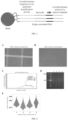
- a reverse transcription primer is used to bind target RNA on a fixed single cell in an in situ reverse transcription reaction, then a capture adapter is added to the end of the first cDNA strand synthesized via reverse transcription, then a single chamber containing a single coding bead, a single cell and a reaction reagent is produced, the coding bead in the single chamber binds to the first cDNA via a complementary strand of the capture adapter and performs an elongation reaction, to synthesize the second cDNA strand with a barcode label, and finally, the obtained double-stranded cDNA is subjected to PCR amplification and high-throughput sequencing (as shown in FIG. 2 ).
- the sequencing method in this application can be combined with a microfluidic technique to establish a single-cell transcriptome sequencing platform with high throughput and high sensitivity.
- Single cells in this specification include, but are not limited to, single cells or single nuclei of eukaryotic cells, prokaryotes (bacteria, actinomycetes, rickettsiae, chlamydiae, mycoplasma, cyanobacteria, archaebacteria, and the like), single-celled algae, viruses, and the like.
- prokaryotes bacteria, actinomycetes, rickettsiae, chlamydiae, mycoplasma, cyanobacteria, archaebacteria, and the like
- single-celled algae viruses, and the like.
- Cell samples in this specification include, but are not limited to, a fixed sample, a cryopreserved sample, a paraffin-embedded sample, and the like of cells.
- RNA in this specification includes detectable coding RNA and various forms of non-coding RNA, for example, miRNA, IncRNA, siRNA and circRNA.
- the barcode fragment in this specification refers to a string of base sequences used to distinguish between different cells, and as a cell tag, this base sequence needs to be stable, synthesizable, and highly variable.
- a suitable barcode fragment can be designed independently or selected from a barcode library. Barcode libraries of two mainstream single-cell sequencing techniques of 10X Genomics and Singleron Biotechnologies on the market can be found in their respective open-source quantitation software, Cellranger and CeleScope, respectively.
- Single-stranded DNA on the coding beads in the present disclosure is formed by a complementary fragment of an upstream amplification primer, a barcode, a unique multiplex index (UMI), and a complementary strand of a capture adapter (referring to FIG. 3 ).
- the complementary fragment of the upstream amplification primer binds to the upstream amplification primer in the PCR amplification reaction.
- the barcode is used to label cDNA in the same cell.
- the UMI is a random sequence for labeling each original cDNA.
- the complementary strand of the capture adapter binds to the capture adapter attached to the first cDNA strand in a synthesis reaction of the second cDNA strand.
- beads in single-cell sequencing kits of 10X Genomics, 1CellBio, Singleron Biotechnologies, BD Rhapsody, and the like may be used.
- corresponding digestive enzymes can be selected correspondingly based on different types of cell samples to prepare the cell samples into the single-cell suspensions.
- cultured cells can be digested into single cells by trypsin or EDTA.
- a fresh tissue can be digested by a corresponding digestive enzyme (for example, collagenase I and dispase are selected for a muscle tissue, and collagenase IV is selected for a liver tissue), and then filtered and washed to prepare into single cells.
- a cryopreserved sample first needs to be quickly thawed in a water bath at 25°C to 60°C.
- a paraffin-embedded sample first needs to be deparaffinized with xylene or another environmentally friendly dewaxing agent before being decrosslinked.
- the single-cell sample first needs to be treated with a strong nonionic surfactant (NP-40, and the like), to lyse a cell membrane.
- NP-40 nonionic surfactant
- Fixation of single cells In this embodiment of the present invention, a test cell sample is prepared into a single-cell suspension and then fixed with a fixative solution. Generally, when the sample is treated with the fixative solution, structures of macromolecules (RNA, proteins, and the like) inside the cells or nuclei are fixed, so that intact shapes, structures and composition of the single cells or nuclei can be maintained and RNA can be stably fixed in the cells or nuclei in subsequent experiments. During operation, appropriate fixative solutions can be selected according to characteristics of different types of samples.
- RNA macromolecules
- the fixative solutions include, but are not limited to, simple fixative solutions such as paraformaldehyde, formaldehyde, formalin, methanol, acetone, ethanol, acetic acid, picric acid, chromic acid, potassium dichromate and mercury bichloride, and the mixed fixative solution such as acetic acid-alcohol mixture, formalin-acetic acid-alcohol solution, and Bouin's fixative solution.
- Different fixing duration such as 15 minutes to 30 minutes or overnight is selected.
- the reverse transcription primers are bound to RNA of the fixed cells multiple times during in situ reverse transcription reactions, where the reverse transcription primers can be designed according to different actual requirements, and may be, for example, random reverse transcription primers or a combination of the random reverse transcription primer and Poly(dT) primer, or can also be target primers for specific genes or the like.
- 10% TritonX-10 can also be added into a reverse transcription system to permeabilize cell membranes of bacteria, so that a reaction reagent can more easily enter the bacteria.
- a capture adapter needs to be added to 3' end of the first cDNA strand after reverse transcription, so that the capture adapter can bind to a complementary strand of the capture adapter on the single-stranded cDNA of the coding beads, to further synthesize the second cDNA strand.
- Poly(dA), Poly(dT), Poly(dG), or Poly(dC) can be added as a capture adapter to the end of the first cDNA strand in a terminal transfer method; a specific capture adapter can also be added to the end of the first cDNA strand in a DNA ligation method; and three pieces of dC can also be added, as a capture adapter via a reverse transcriptase in a reverse transcription step in a template substitution method, to the end of the first cDNA strand obtained after reverse transcription.
- the complementary strand of the capture adapter on the single-stranded cDNA of the coding beads can be adjusted correspondingly.
- the separation of single cells generally means forming a single chamber that includes a single coding bead, a single cell, and a reaction reagent.
- elongation reaction reagents in the single chamber usually include DNA polymerase, dNTPs, and a reaction buffer.
- different microfluidic chips can be designed based on sizes and types of different cells, to generate microdroplets for the separation of single cells, or a microwell technique is used for the separation of single cells. Generally, based on the number of to-be-detected cells required for sequencing, the corresponding number of single droplets are collected or the corresponding number of microwells are prepared.
- the complementary strand of the capture adapter on the single-stranded cDNA attached to the coding bead binds to the capture adapter added to the first cDNA strand, and subsequently elongates to synthesize the second cDNA strand under action of DNA polymerase.
- the second strand of the obtained cDNA includes the complementary fragment of the upstream amplification primer, the barcode, the UMI, the complementary strand of the capture adapter, and the cDNA sequence.
- the original double-stranded cDNA obtained after the previous elongation reaction is purified in a magnetic bead method, and an upstream primer, a downstream primer and a reagent used for the PCR amplification reaction are added, to amplify the original double-stranded cDNA via PCR.
- a PCR amplification product is purified in the magnetic bead method, and the PCR amplification product is subjected to end repair, A-tailing, and adapter ligation in a TA-cloned adapter ligation-based library construction method.
- a constructed library can be subjected to high-throughput sequencing by using Illumina sequencing platform or BGI sequencing platform.
- the upstream primer and the downstream primer in the PCR amplification reaction are designed and synthesized based on the complementary fragment of the upstream amplification primer on the single-stranded cDNA of the coding bead and the complementary fragment of the downstream amplification primer in the random reverse transcription primer respectively.
- Example 1 Sequencing of Escherichia coli samples
- the bacteria samples were washed with PBST buffer three times, the cell walls were lysed via lysozyme (Thermo Fisher Scientific, United States), and the bacteria samples were treated at 37°C for 15 minutes, and washed with PBST buffer three times.
- Reverse transcription-permeabilization reaction reagents containing reverse transcriptase (Thermo Fisher Scientific, United States), a reverse transcription reaction buffer, dNTPs (Beijing Solarbio Science & Technology Co.,Ltd.), a random reverse transcription primer (Sangon Biotech (Shanghai) Co., Ltd.), and 10% TritonX-10 (Sangon Biotech (Shanghai) Co., Ltd.) were added into pretreated samples for the reverse transcription reaction, and each 50 ⁇ L of the reverse transcription reaction system was used for half a million single bacteria. After the reaction, the samples were washed with PBST buffer three times.
- Terminal transferase (Thermo Fisher Scientific, United States), dCTP (Sangon Biotech (Shanghai) Co., Ltd.), and a reaction buffer were added to the samples after reverse transcription, and a resulting mixture was incubated at 37°C for 30 minutes, so that a Poly(dC) capture adapter fragment was added to the 3' end of the first cDNA strand.
- the samples were washed with PBST buffer three times. The samples were subjected to microscopic examination, and the results showed that Escherichia coli samples could still remain in dispersed and intact single-bacterium morphology (referring to FIG. 4A ) after complete lysis of cell walls and the reverse transcription reaction.
- Bacteria in each sample were counted and a bacteria concentration was adjusted to 200 pcs/ ⁇ L, to 400 pcs/ ⁇ L.
- Bacteria samples, elongation reaction reagents including DNA polymerases (Thermo Fisher Scientific, United States), dNTPs, and a reaction buffer), coding beads (1CellBio, United States), and an oil phase (electronic fluorinated fluid 7500 containing 0.2% surfactant, 3M, United States) were added into a syringe, the syringe was connected with a corresponding inlet of the microfluidic chip through a hose, an appropriate flow rate was set to form a single water-in-oil droplet containing a single bacterium, a single coding bead and the elongation reaction reagent. About 200 ⁇ L of single droplets were collected.
- the collected single droplets were divided into different tubes for elongation reaction, to synthesize a second cDNA strand with a barcode label in a single droplet.
- 20% PFO containing 20% 1H, 1H, 2H, 2H-Perfluorooctanol electronic fluorinated fluid 7500, Sigma-Aldrich, United States
- the cDNA in the extraction tube was purified in the magnetic bead method (the beads were purchased from Beckman Coulter, United States).
- Some double-stranded cDNA (200 to 400 cells) was used as a template in the qPCR experiment to detect total content of captured cDNA, and the results showed that an obtained CT value was about 17 (referring to FIG. 4B ).
- the appropriate number of amplification cycles (generally equal to the CT value plus 3) was calculated based on the obtained CT value, and for cDNA samples in other remaining tubes, the coding cDNA was further amplified until suitable total content (about 100 ng) was achieved via the PCR amplification reaction.
- 3 ⁇ L of amplification product was subjected to nucleic acid electrophoresis, and the results showed that diffuse bands were obtained and sizes of the bands ranged mainly from 200 bp to 500 bp (referring to FIG. 4C ), indicating that a high cDNA capture rate and wide coverage had been achieved for the Escherichia coli samples in the method in the present disclosure and the method can be used for subsequent high-throughput sequencing.
- Example 2 Sequencing of mixed sample of Escherichia coli and Bacillus subtilis
- a mixed sample of about 1 million Escherichia coli and Bacillus subtilis cells was taken to verify accuracy of the solution of the present disclosure in single-cell transcriptome sequencing.
- the method in the foregoing Example 1 was used for sample pretreatment, reverse transcription, capture adapter, isolation of single cells, synthesis of the second cDNA strand, library construction, and high-throughput sequencing.
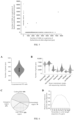
- Sequencing results showed that a total of 251 bacteria were detected in the mixed samples of Escherichia coli and Bacillus subtilis after genome alignment, and 4 bacteria contained cDNA of both Escherichia coli and Bacillus subtilis, which was usually caused because two bacteria entered the same droplet; and the other bacteria almost exclusively contained either cDNA of Escherichia coli or cDNA of Bacillus subtilis, and an overall contamination rate was probably less than 2% (referring to FIG. 5 ). It was indicated that the solution of the present disclosure was of high accuracy in the single-cell transcriptome sequencing, and could ensure that the mixed Escherichia coli and Bacillus subtilis in the sample could be well isolated and few cross-contamination between species occurred.
- a mixed sample of about 1 million cells of human and mouse cell lines (50% human HEK293 cells and 50% mouse 3T3 cells) cryopreserved at -80°C were taken and quickly thawed in a 37°C water bath, and washed with PBS buffer three times, 1% paraformaldehyde was added, and a resulting mixture was fixed overnight at 4°C. After fixation, cryopreserved cell samples were washed with PBST buffer three times. Then, with reference to the method in the foregoing Example 1, capture adapter, isolation of single cells, synthesis of the second cDNA strand, library construction, and high-throughput sequencing were performed.
- the mixed samples of human and mouse cell lines (50% human HEK293 cells and 50% mouse 3T3 cells) were sequenced in seven single-cell transcriptome sequencing methods (including 2 microwell-based low-throughput methods (Smart-seq2 and CEL-Seq2) and 5 high-throughput methods (10x Chromium, Drop-seq, Seq-Well, inDrops, and sci-RNA-seq)) in prior art.
- 7 single-cell transcriptome sequencing methods including 2 microwell-based low-throughput methods (Smart-seq2 and CEL-Seq2) and 5 high-throughput methods (10x Chromium, Drop-seq, Seq-Well, inDrops, and sci-RNA-seq)
- sensitivity of the sequencing method in the present disclosure was equivalent to that of the low-throughput single-cell sequencing methods such as Smart-seq2, and was much greater than that of high-throughput single-cell sequencing methods such as 10X Genomics (10X Chromium) (referring to FIG. 6B ).
- Sequencing alignment results showed that sequencing reads of mouse single cells were distributed in different regions of the reference genome, including coding RNA, an intergenic region, an inter-intron region, and an untranslated region (referring to FIG. 6C ), indicating that the whole transcriptome can be sequenced via the solution of the present disclosure.
- the sequencing alignment results showed that the sequencing reads of the mouse single cells were evenly distributed from 5' end to 3' end of the reference gene (referring to FIG. 6D ).
- cDNA (about 100 nuclei) was used as a template to conduct the qPCR experiment, total content of captured cDNA was detected, and an obtained CT value was about 10 (referring to FIG. 7C ), indicating that a high cDNA capture rate had been achieved for single nuclei in the FFPE samples in the method in the present disclosure.
- the cDNA product was subjected to PCR amplification (15 cycles) based on the CT value. 3 ⁇ L of amplification product was subjected to nucleic acid electrophoresis, and diffuse bands were obtained and sizes of the bands ranged mainly from 200 bp to 500 bp (referring to FIG.
- a CT value of the tobacco nuclei obtained via the qPCR experiment was about 16 (referring to FIG. 8C ), indicating that more cDNA of the tobacco nucleus samples can be captured in the method in the present disclosure.
- diffuse bands were obtained and sizes of the bands ranged mainly from 150 bp to 300 bp (referring to FIG. 8D ), indicating that a high cDNA capture rate and wide coverage had been achieved for single cells in the tobacco nucleus samples in the method in the present disclosure and the method can be used for subsequent sequencing.
- Example 6 Sequencing preparation for mixed samples of Chlamydomonas and cyanobacteria
- Chlamydomonas samples and 1 million cyanobacteria samples were taken separately to verify that the solution of the present disclosure can be used for single-cell transcriptome sequencing of Chlamydomonas and cyanobacteria samples.
- the Chlamydomonas and cyanobacteria samples were washed with PBS buffer three times, 1% paraformaldehyde was added, and a resulting mixture was fixed at 4°C overnight. After fixation, the Chlamydomonas and cyanobacteria samples were washed with PBST buffer three times.
- Example 7 Sequencing preparation for mouse 3T3 cell line samples (using different fixative solutions and different capture adapters)
- dATPs, dTTPs, dGTPs, and dCTPs were added into the 4 groups of cell samples after the reverse transcription ended, a resulting mixture was incubated at 37°C for 30 minutes, and Poly(dA), Poly(dT), Poly(dG), and Poly(dC) were added to the end of cDNA as capture adapter fragments, respectively.
- DNA ligase, specific capture adapter fragments, and the reaction buffer were added into 2 other groups of cell samples after the reverse transcription ended, a resulting mixture was incubated at 37°C for 30 minutes, and specific capture adapter fragments were added to the end of cDNA.
- the reverse transcription-permeabilization reaction reagent containing reverse transcriptase (Moloney Murine Leukemia Virus), the random reverse transcription primer, dNTPs, the reverse transcription reaction buffer, and 10% TritonX-10 was added to another group of cell samples after fixation ended, and three pieces of dC were added to the end of the cDNA as capture adapter fragments after the reverse transcription ended.
- reverse transcriptase Moloney Murine Leukemia Virus
- dNTPs reverse transcription reaction buffer
- TritonX-10 TritonX-10
Landscapes
- Chemical & Material Sciences (AREA)
- Life Sciences & Earth Sciences (AREA)
- Organic Chemistry (AREA)
- Proteomics, Peptides & Aminoacids (AREA)
- Zoology (AREA)
- Wood Science & Technology (AREA)
- Health & Medical Sciences (AREA)
- Engineering & Computer Science (AREA)
- Analytical Chemistry (AREA)
- Biophysics (AREA)
- Immunology (AREA)
- Microbiology (AREA)
- Molecular Biology (AREA)
- Biotechnology (AREA)
- Physics & Mathematics (AREA)
- Biochemistry (AREA)
- Bioinformatics & Cheminformatics (AREA)
- General Engineering & Computer Science (AREA)
- General Health & Medical Sciences (AREA)
- Genetics & Genomics (AREA)
- Chemical Kinetics & Catalysis (AREA)
- Measuring Or Testing Involving Enzymes Or Micro-Organisms (AREA)
Applications Claiming Priority (1)
| Application Number | Priority Date | Filing Date | Title |
|---|---|---|---|
| PCT/CN2022/077609 WO2023159416A1 (zh) | 2022-02-24 | 2022-02-24 | 一种单细胞转录组测序方法及其应用 |
Publications (2)
| Publication Number | Publication Date |
|---|---|
| EP4484574A1 true EP4484574A1 (de) | 2025-01-01 |
| EP4484574A4 EP4484574A4 (de) | 2025-12-03 |
Family
ID=87764414
Family Applications (1)
| Application Number | Title | Priority Date | Filing Date |
|---|---|---|---|
| EP22927705.8A Pending EP4484574A4 (de) | 2022-02-24 | 2022-02-24 | Einzelzellentranskriptomsequenzierungsverfahren und verwendung davon |
Country Status (5)
| Country | Link |
|---|---|
| US (1) | US20250179569A1 (de) |
| EP (1) | EP4484574A4 (de) |
| JP (1) | JP2025505870A (de) |
| AU (1) | AU2022443462A1 (de) |
| WO (1) | WO2023159416A1 (de) |
Families Citing this family (2)
| Publication number | Priority date | Publication date | Assignee | Title |
|---|---|---|---|---|
| CN117448424A (zh) * | 2023-11-29 | 2024-01-26 | 上海欧易生物医学科技有限公司 | 一种适用于单细胞核全转录组测序的建库方法、试剂盒及应用 |
| CN118910237B (zh) * | 2024-07-24 | 2025-08-15 | 浙江大学 | 基于水凝胶微球的微生物单细胞转录组测序方法 |
Family Cites Families (14)
| Publication number | Priority date | Publication date | Assignee | Title |
|---|---|---|---|---|
| US6197554B1 (en) * | 1998-11-20 | 2001-03-06 | Shi-Lung Lin | Method for generating full-length cDNA library from single cells |
| CA3060708A1 (en) * | 2014-04-29 | 2015-11-05 | Illumina, Inc | Multiplexed single cell gene expression analysis using template switch and tagmentation |
| EP4086357A1 (de) * | 2015-08-28 | 2022-11-09 | Illumina, Inc. | Nukleinsäuresequenzanalyse aus einzelnen zellen |
| US11312991B2 (en) * | 2016-01-27 | 2022-04-26 | Kabushiki Kaisha Dnaform | Method for decoding base sequence of nucleic acid corresponding to end region of RNA and method for analyzing DNA element |
| ES2994431T3 (en) * | 2017-09-22 | 2025-01-23 | Univ Washington | In situ combinatorial labeling of cellular molecules |
| CN108193283A (zh) * | 2017-12-21 | 2018-06-22 | 上海美吉生物医药科技有限公司 | 一种单细胞转录组文库建立方法及其应用 |
| US11932849B2 (en) * | 2018-11-08 | 2024-03-19 | Becton, Dickinson And Company | Whole transcriptome analysis of single cells using random priming |
| US20230151355A1 (en) * | 2019-03-12 | 2023-05-18 | Universal Sequencing Technology Corporation | Methods for Single Cell Intracellular Capture and its Applications |
| CN114450401A (zh) * | 2019-06-21 | 2022-05-06 | 赛默飞世尔科技波罗的海封闭股份公司 | 可用于对用于制备下一代测序文库的核酸进行标记的拴系有寡聚核苷酸的三磷酸核苷酸 |
| US20220356462A1 (en) * | 2019-07-11 | 2022-11-10 | Tokyo University Of Science Foundation | Method for amplifying nucleic acid using solid-phase carrier |
| US20230081062A1 (en) * | 2020-02-12 | 2023-03-16 | Universal Sequencing Technology Corporation | Methods for intracellular barcoding and spatial barcoding |
| CN116348613A (zh) * | 2020-07-31 | 2023-06-27 | 新格元生物科技有限公司 | 固定细胞的高通量分析 |
| CN114045332A (zh) * | 2020-09-29 | 2022-02-15 | 生物岛实验室 | 一种单细胞表观转录组学测序方法 |
| CN114958996B (zh) * | 2021-05-12 | 2022-12-20 | 浙江大学 | 一种超高通量单细胞测序试剂组合 |
-
2022
- 2022-02-24 WO PCT/CN2022/077609 patent/WO2023159416A1/zh not_active Ceased
- 2022-02-24 AU AU2022443462A patent/AU2022443462A1/en active Pending
- 2022-02-24 JP JP2024550602A patent/JP2025505870A/ja active Pending
- 2022-02-24 EP EP22927705.8A patent/EP4484574A4/de active Pending
- 2022-02-24 US US18/840,834 patent/US20250179569A1/en active Pending
Also Published As
| Publication number | Publication date |
|---|---|
| JP2025505870A (ja) | 2025-02-28 |
| EP4484574A4 (de) | 2025-12-03 |
| AU2022443462A1 (en) | 2024-09-12 |
| US20250179569A1 (en) | 2025-06-05 |
| WO2023159416A1 (zh) | 2023-08-31 |
Similar Documents
| Publication | Publication Date | Title |
|---|---|---|
| CN114774527A (zh) | 一种高通量单细胞转录组测序方法及其应用 | |
| EP3830262B1 (de) | Barcodierung von nuclei und einfangen in einzelzellen | |
| CN114507711B (zh) | 一种单细胞转录组测序方法及其应用 | |
| EP4004231B1 (de) | Test für einzelzell-chromatin-immunpräzipitationssequenzierung | |
| EP3728636B1 (de) | Mit oligonukleotiden assoziierte teilchen | |
| CN105400776B (zh) | 寡核苷酸接头及其在构建核酸测序单链环状文库中的应用 | |
| US20150275267A1 (en) | Method and kit for preparing a target rna depleted sample | |
| US20200208213A1 (en) | Sequencing and analysis of exosome associated nucleic acids | |
| KR20200138183A (ko) | 핵산 증폭을 위한 방법 | |
| CN105986324B (zh) | 环状小rna文库构建方法及其应用 | |
| JP2009072062A (ja) | 核酸の5’末端を単離するための方法およびその適用 | |
| TW201321518A (zh) | 微量核酸樣本的庫製備方法及其應用 | |
| CN110157785A (zh) | 一种单细胞rna测序文库构建方法 | |
| CN114107459A (zh) | 一种基于寡核苷酸链杂交标记的高通量单细胞测序方法 | |
| CN117089597A (zh) | 一种单细胞文库构建测序方法及其应用 | |
| EP4484574A1 (de) | Einzelzellentranskriptomsequenzierungsverfahren und verwendung davon | |
| CN111549025B (zh) | 链置换引物和细胞转录组文库构建方法 | |
| WO2020047769A1 (zh) | 一种rna建库方法及试剂盒 | |
| CN112359093A (zh) | 血液中游离miRNA文库制备和表达定量的方法及试剂盒 | |
| US20230032847A1 (en) | Method for performing multiple analyses on same nucleic acid sample | |
| CN116254611A (zh) | 一种多样本超高通量单细胞转录组测序文库的构建方法 | |
| Stoute et al. | CLIP-Seq to identify targets and interactions of RNA binding proteins and RNA modifying enzymes | |
| Fang et al. | Depletion of ribosomal RNA sequences from single‐cell RNA‐sequencing library | |
| Bhattacharya et al. | Experimental toolkit to study RNA level regulation | |
| CN113373201A (zh) | 阻碍Globin mRNA逆转录的探针组合物及其应用 |
Legal Events
| Date | Code | Title | Description |
|---|---|---|---|
| STAA | Information on the status of an ep patent application or granted ep patent |
Free format text: STATUS: THE INTERNATIONAL PUBLICATION HAS BEEN MADE |
|
| PUAI | Public reference made under article 153(3) epc to a published international application that has entered the european phase |
Free format text: ORIGINAL CODE: 0009012 |
|
| STAA | Information on the status of an ep patent application or granted ep patent |
Free format text: STATUS: REQUEST FOR EXAMINATION WAS MADE |
|
| 17P | Request for examination filed |
Effective date: 20240829 |
|
| AK | Designated contracting states |
Kind code of ref document: A1 Designated state(s): AL AT BE BG CH CY CZ DE DK EE ES FI FR GB GR HR HU IE IS IT LI LT LU LV MC MK MT NL NO PL PT RO RS SE SI SK SM TR |
|
| REG | Reference to a national code |
Ref country code: HK Ref legal event code: DE Ref document number: 40117038 Country of ref document: HK |
|
| DAV | Request for validation of the european patent (deleted) | ||
| DAX | Request for extension of the european patent (deleted) | ||
| A4 | Supplementary search report drawn up and despatched |
Effective date: 20251031 |
|
| RIC1 | Information provided on ipc code assigned before grant |
Ipc: C12Q 1/6869 20180101AFI20251027BHEP Ipc: C12Q 1/6806 20180101ALI20251027BHEP Ipc: C40B 50/06 20060101ALI20251027BHEP |