EP4485829A1 - Informationsverarbeitungsverfahren und -vorrichtung und lesbares speichermedium - Google Patents
Informationsverarbeitungsverfahren und -vorrichtung und lesbares speichermedium Download PDFInfo
- Publication number
- EP4485829A1 EP4485829A1 EP23755732.7A EP23755732A EP4485829A1 EP 4485829 A1 EP4485829 A1 EP 4485829A1 EP 23755732 A EP23755732 A EP 23755732A EP 4485829 A1 EP4485829 A1 EP 4485829A1
- Authority
- EP
- European Patent Office
- Prior art keywords
- dci
- resources
- frequency domain
- domain resource
- user equipment
- Prior art date
- Legal status (The legal status is an assumption and is not a legal conclusion. Google has not performed a legal analysis and makes no representation as to the accuracy of the status listed.)
- Pending
Links
Images


Classifications
-
- H—ELECTRICITY
- H04—ELECTRIC COMMUNICATION TECHNIQUE
- H04L—TRANSMISSION OF DIGITAL INFORMATION, e.g. TELEGRAPHIC COMMUNICATION
- H04L1/00—Arrangements for detecting or preventing errors in the information received
- H04L1/08—Arrangements for detecting or preventing errors in the information received by repeating transmission, e.g. Verdan system
-
- H—ELECTRICITY
- H04—ELECTRIC COMMUNICATION TECHNIQUE
- H04W—WIRELESS COMMUNICATION NETWORKS
- H04W72/00—Local resource management
- H04W72/20—Control channels or signalling for resource management
- H04W72/23—Control channels or signalling for resource management in the downlink direction of a wireless link, i.e. towards a terminal
- H04W72/232—Control channels or signalling for resource management in the downlink direction of a wireless link, i.e. towards a terminal the control data signalling from the physical layer, e.g. DCI signalling
-
- H—ELECTRICITY
- H04—ELECTRIC COMMUNICATION TECHNIQUE
- H04L—TRANSMISSION OF DIGITAL INFORMATION, e.g. TELEGRAPHIC COMMUNICATION
- H04L1/00—Arrangements for detecting or preventing errors in the information received
- H04L1/12—Arrangements for detecting or preventing errors in the information received by using return channel
- H04L1/16—Arrangements for detecting or preventing errors in the information received by using return channel in which the return channel carries supervisory signals, e.g. repetition request signals
- H04L1/18—Automatic repetition systems, e.g. Van Duuren systems
- H04L1/1812—Hybrid protocols; Hybrid automatic repeat request [HARQ]
-
- H—ELECTRICITY
- H04—ELECTRIC COMMUNICATION TECHNIQUE
- H04L—TRANSMISSION OF DIGITAL INFORMATION, e.g. TELEGRAPHIC COMMUNICATION
- H04L1/00—Arrangements for detecting or preventing errors in the information received
- H04L1/12—Arrangements for detecting or preventing errors in the information received by using return channel
- H04L1/16—Arrangements for detecting or preventing errors in the information received by using return channel in which the return channel carries supervisory signals, e.g. repetition request signals
- H04L1/18—Automatic repetition systems, e.g. Van Duuren systems
- H04L1/1822—Automatic repetition systems, e.g. Van Duuren systems involving configuration of automatic repeat request [ARQ] with parallel processes
-
- H—ELECTRICITY
- H04—ELECTRIC COMMUNICATION TECHNIQUE
- H04L—TRANSMISSION OF DIGITAL INFORMATION, e.g. TELEGRAPHIC COMMUNICATION
- H04L1/00—Arrangements for detecting or preventing errors in the information received
- H04L1/12—Arrangements for detecting or preventing errors in the information received by using return channel
- H04L1/16—Arrangements for detecting or preventing errors in the information received by using return channel in which the return channel carries supervisory signals, e.g. repetition request signals
- H04L1/18—Automatic repetition systems, e.g. Van Duuren systems
- H04L1/1829—Arrangements specially adapted for the receiver end
- H04L1/1864—ARQ related signaling
-
- H—ELECTRICITY
- H04—ELECTRIC COMMUNICATION TECHNIQUE
- H04L—TRANSMISSION OF DIGITAL INFORMATION, e.g. TELEGRAPHIC COMMUNICATION
- H04L1/00—Arrangements for detecting or preventing errors in the information received
- H04L1/12—Arrangements for detecting or preventing errors in the information received by using return channel
- H04L1/16—Arrangements for detecting or preventing errors in the information received by using return channel in which the return channel carries supervisory signals, e.g. repetition request signals
- H04L1/18—Automatic repetition systems, e.g. Van Duuren systems
- H04L1/1867—Arrangements specially adapted for the transmitter end
- H04L1/189—Transmission or retransmission of more than one copy of a message
-
- H—ELECTRICITY
- H04—ELECTRIC COMMUNICATION TECHNIQUE
- H04W—WIRELESS COMMUNICATION NETWORKS
- H04W72/00—Local resource management
- H04W72/04—Wireless resource allocation
- H04W72/044—Wireless resource allocation based on the type of the allocated resource
- H04W72/0446—Resources in time domain, e.g. slots or frames
Definitions
- the present disclosure relates to the field of communication technology, in particular to an information processing method, an information processing apparatus, and a readable storage medium.
- the non-overlapping sub-band full duplex (non-overlapping sub-band full duplex) technology is to be studied, i.e., frequency domain resources are divided into multiple sub-bands not overlapping each other, and uplink and downlink frequency domain resources are located at different sub-bands, which is called as full duplex for short hereinafter.
- time/frequency domain transmission resources for the repetitions by the user equipment are configured at once through Downlink Control Information (Downlink Control Information, DCI), so the repetitions may be interrupted, or the abundant uplink/downlink transmission resources can not be utilized.
- DCI Downlink Control Information
- the present disclosure provides an information processing method, an information processing apparatus, and a readable storage medium, so as to address occurrence of transmission interruption caused due to unavailable repetition resources, or improve transmission efficiency and reduce power consumption of a user equipment.
- the present disclosure provides in some embodiments an information processing method, including: transmitting, by a network device, first Downlink Control Information (DCI) to a user equipment to schedule repetitions of a target Transport Block (Transport Block, TB); transmitting, by the network device, second DCI to the user equipment, the second DCI is DCI for scheduling a Hybrid Automatic Repeat Request (Hybrid Automatic Repeat Request, HARQ) process where the target TB is located, and indication information in the second DCI or a format of the second DCI is used to indicate the user equipment to determine resources for remaining repetitions of the target TB in accordance with the second DCI; and receiving or transmitting, by the network device, the target TB through the resources for the remaining repetitions determined in accordance with the second DCI.
- DCI Downlink Control Information
- HARQ Hybrid Automatic Repeat Request
- the second DCI includes a first indication field, and the indication information in the second DCI is indicated through the first indication field.
- the second DCI includes a second indication field, and the indication information is indicated through a target state of the second indication field.
- the second indication field includes a field for indicating a Modulation and Coding Scheme (Modulation and Coding Scheme, MCS).
- MCS Modulation and Coding Scheme
- the second DCI includes a third indication field, and the indication information is indicated through a target bit of the third indication field.
- the format of the second DCI is a DCI format for configuring time domain and frequency domain resources, or a DCI format for configuring frequency domain resources.
- the format of the second DCI is DCI 2_0
- the second DCI includes a frequency domain resource assignment field
- the user equipment is indicated to determine the resources for the remaining repetitions of the target TB in accordance with the second DCI.
- the second DCI further includes a slot format indication field, the slot format indication field is used to indicate a time domain resource corresponding to the resources for transmission, and the frequency domain resource assignment field is used to indicate a frequency domain resource corresponding to the resources for transmission.
- TDD Time Division Duplex
- the second DCI does not include any slot format indication field, and the frequency domain resource assignment field is used to indicate a frequency domain resource corresponding to the resources for transmission.
- the second DCI includes a time domain resource assignment field and a frequency domain resource assignment field, or the second DCI includes a frequency domain resource assignment field; the time domain resource assignment field is used to indicate a time domain resource corresponding to the resources for transmission, and the frequency domain resource assignment field is used to indicate a frequency domain resource corresponding to the resources for transmission.
- the second DCI includes a fourth indication field, and the fourth indication field is used to indicate a Hybrid Automatic Repeat Request (HARQ) process corresponding to the second DCI.
- HARQ Hybrid Automatic Repeat Request
- time domain resources and/or frequency domain resources for user equipments in the user equipment group do not overlap each other, or, time domain resources or frequency domain resources for user equipments in the user equipment group completely overlap each other or are the same; or in a case that the second DCI indicates frequency domain resources for a user equipment group, the frequency domain resources for user equipments in the user equipment group completely overlap each other or are the same.
- the information processing apparatus further includes: receiving, by the network device, acknowledgement information transmitted by the user equipment for the second DCI.
- the present disclosure provides in some embodiments an information processing method, including: performing, by a user equipment, repetitions of a target Transport Block (TB) in accordance with first Downlink Control Information (DCI); receiving, by the user equipment, second DCI; determining in accordance with the second DCI, by the user equipment, resources for remaining repetitions of the target TB, based on indication information in the second DCI or a format of the second DCI; and performing, by the user equipment, the remaining repetitions of the target TB in accordance with the resources for the remaining repetitions of the target TB.
- DCI Downlink Control Information
- the second DCI includes a first indication field, and the indication information in the second DCI is indicated through the first indication field, the determining in accordance with the second DCI, by the user equipment, the resources for the remaining repetitions of the target TB, based on the indication information in the second DCI includes: in a case that a value indicated by the first indication field is a first preset value, determining, by the user equipment, the resources for the remaining repetitions of the target TB in accordance with the second DCI.
- the second DCI includes a second indication field
- the indication information is indicated through a target state of the second indication field
- the determining in accordance with the second DCI, by the user equipment, the resources for the remaining repetitions of the target TB, based on the indication information in the second DCI includes: in a case that the target state of the second indication field in the second DCI indicates a preset state, determining, by the user equipment, the resources for the remaining repetitions of the target TB in accordance with the second DCI.
- the second DCI includes a third indication field, and the indication information is indicated through a target bit of the third indication field, the determining in accordance with the second DCI, by the user equipment, the resources for the remaining repetitions of the target TB, based on the indication information in the second DCI includes: in a case that the target bit of the third indication field in the second DCI indicate a third preset value, determining, by the user equipment, the resources for the remaining repetitions of the target TB in accordance with the second DCI.
- the format of the second DCI is a DCI format for configuring time domain and frequency domain resources, or a DCI format for configuring frequency domain resources
- the determining in accordance with the second DCI, by the user equipment, the resources for the remaining repetitions of the target TB, based on the format of the second DCI includes: in a case that the format of the second DCI is the DCI format for configuring time domain and frequency domain resources, or the DCI format for configuring the frequency domain resources, determining, by the user equipment, the resources for the remaining repetitions of the target TB in accordance with the second DCI.
- the format of the second DCI is DCI 2_0
- the second DCI includes a frequency domain resource assignment field
- the user equipment is indicated to determine the resources for the remaining repetitions of the target TB in accordance with the second DCI.
- the second DCI further includes a slot format indication field, the slot format indication field is used to indicate a time domain resource corresponding to the resources for transmission, and the frequency domain resource assignment field is used to indicate a frequency domain resource corresponding to the resources for transmission, after the receiving, by the user equipment, the second DCI from a network device, the information processing method further includes: determining, by the user equipment, the time domain resource corresponding to the resources for transmission in accordance with the slot format indication field, and determining the frequency domain resource corresponding to the resources for transmission in accordance with the frequency domain resource assignment field.
- TDD Time Division Duplex
- the second DCI in a case that the user equipment operates in a duplex mode, the second DCI does not include any slot format indication field, and the frequency domain resource assignment field is used to indicate a frequency domain resource corresponding to the resources for transmission; after the receiving, by the user equipment, the second DCI from a network device, the information processing method further includes: determining, by the user equipment, the frequency domain resource corresponding to the resources for transmission in accordance with the frequency domain resource assignment field.
- the second DCI includes a time domain resource assignment field and a frequency domain resource assignment field, or the second DCI includes a frequency domain resource assignment field; the time domain resource assignment field is used to indicate a time domain resource corresponding to the resources for transmission, and the frequency domain resource assignment field is used to indicate a frequency domain resource corresponding to the resources for transmission; after the receiving, by the user equipment, the second DCI from a network device, the information processing method further includes: determining, by the user equipment, the time domain resource corresponding to the resources for transmission in accordance with the time domain resource assignment field, and determining the frequency domain resource corresponding to the resources for transmission in accordance with the frequency domain resource assignment field; or determining, by the user equipment, the frequency domain resource corresponding to the resources for transmission in accordance with the frequency domain resource assignment field.
- the second DCI includes a fourth indication field, and the fourth indication field is used to indicate a Hybrid Automatic Repeat Request (HARQ) process corresponding to the second DCI.
- HARQ Hybrid Automatic Repeat Request
- the information processing method further includes: transmitting, by the user equipment, acknowledgement information to the network device for the second DCI.
- the present disclosure provides in some embodiments an information processing apparatus applied to a network device, including a memory, a transceiver and a processor.
- the memory is configured to store therein a computer program
- the transceiver is configured to transmit and receive data under control of the processor.
- the processor is configured to read the computer program in the memory to perform following operation: transmitting first Downlink Control Information (DCI) to a user equipment to schedule repetitions of a target Transport Block (TB); transmitting second DCI to the user equipment, where indication information in the second DCI or a format of the second DCI is used to indicate the user equipment to determine resources for remaining repetitions of the target TB in accordance with the second DCI; and receiving or transmitting the target TB through the resources for the remaining repetitions determined in accordance with the second DCI.
- DCI Downlink Control Information
- TB Target Transport Block
- the second DCI includes a first indication field, and the indication information in the second DCI is indicated through the first indication field.
- the second DCI includes a second indication field, and the indication information is indicated through a target state of the second indication field.
- the second indication field includes a field for indicating a Modulation and Coding Scheme (MCS).
- MCS Modulation and Coding Scheme
- the second DCI includes a third indication field, and the indication information is indicated through a target bit of the third indication field.
- the format of the second DCI is a DCI format for configuring time domain and frequency domain resources, or a DCI format for configuring frequency domain resources.
- the format of the second DCI is DCI 2_0
- the second DCI includes a frequency domain resource assignment field
- the user equipment is indicated to determine the resources for the remaining repetitions of the target TB in accordance with the second DCI.
- the second DCI further includes a slot format indication field, the slot format indication field is used to indicate a time domain resource corresponding to the resources for transmission, and the frequency domain resource assignment field is used to indicate a frequency domain resource corresponding to the resources for transmission.
- TDD Time Division Duplex
- the second DCI does not include any slot format indication field, and the frequency domain resource assignment field is used to indicate a frequency domain resource corresponding to the resources for transmission.
- the second DCI includes a time domain resource assignment field and a frequency domain resource assignment field, or the second DCI includes a frequency domain resource assignment field; the time domain resource assignment field is used to indicate a time domain resource corresponding to the resources for transmission, and the frequency domain resource assignment field is used to indicate a frequency domain resource corresponding to the resources for transmission.
- the second DCI includes a fourth indication field, and the fourth indication field is used to indicate a Hybrid Automatic Repeat Request (HARQ) process corresponding to the second DCI.
- HARQ Hybrid Automatic Repeat Request
- time domain resources and/or frequency domain resources for user equipments in the user equipment group do not overlap each other, or, time domain resources or frequency domain resources for user equipments in the user equipment group completely overlap each other or are the same; or n a case that the second DCI indicates frequency domain resources for a user equipment group, the frequency domain resources for user equipments in the user equipment group completely overlap each other or are the same.
- the processor is further configured to read the computer program in the memory to perform following operation: receiving acknowledgement information transmitted by the user equipment for the second DCI.
- the present disclosure provides in some embodiments an information processing apparatus applied to a user equipment, including a memory, a transceiver and a processor.
- the memory is configured to store therein a computer program
- the transceiver is configured to transmit and receive data under control of the processor.
- the processor is configured to read the computer program in the memory to perform following operation: performing repetitions of a target Transport Block (TB) in accordance with first Downlink Control Information (DCI); receiving second DCI; determining in accordance with the second DCI, resources for remaining repetitions of the target TB, based on indication information in the second DCI or a format of the second DCI; and performing the remaining repetitions of the target TB in accordance with the resources for the remaining repetitions of the target TB.
- TB Transport Block
- DCI Downlink Control Information
- the second DCI includes a first indication field, and the indication information in the second DCI is indicated through the first indication field; the processor is further configured to read the computer program in the memory to perform following operation: in a case that a value indicated by the first indication field is a first preset value, determining the resources for the remaining repetitions of the target TB in accordance with the second DCI.
- the second DCI includes a second indication field, and the indication information is indicated through a target state of the second indication field; the processor is further configured to read the computer program in the memory to perform following operation: in a case that the target state of the second indication field in the second DCI indicates a preset state, determining the resources for the remaining repetitions of the target TB in accordance with the second DCI.
- the second DCI includes a third indication field, and the indication information is indicated through a target bit of the third indication field; the processor is further configured to read the computer program in the memory to perform following operation: in a case that the target bit of the third indication field in the second DCI indicate a third preset value, determining the resources for the remaining repetitions of the target TB in accordance with the second DCI.
- the format of the second DCI is a DCI format for configuring time domain and frequency domain resources, or a DCI format for configuring frequency domain resources; the processor is further configured to read the computer program in the memory to perform following operation: in a case that the format of the second DCI is the DCI format for configuring time domain and frequency domain resources, or the DCI format for configuring the frequency domain resources, determining the resources for the remaining repetitions of the target TB in accordance with the second DCI.
- the format of the second DCI is DCI 2_0
- the second DCI includes a frequency domain resource assignment field
- the user equipment is indicated to determine the resources for the remaining repetitions of the target TB in accordance with the second DCI.
- the second DCI further includes a slot format indication field, the slot format indication field is used to indicate a time domain resource corresponding to the resources for transmission, and the frequency domain resource assignment field is used to indicate a frequency domain resource corresponding to the resources for transmission;
- the processor is further configured to read the computer program in the memory to perform following operation: determining the time domain resource corresponding to the resources for transmission in accordance with the slot format indication field, and determining the frequency domain resource corresponding to the resources for transmission in accordance with the frequency domain resource assignment field.
- the second DCI does not include any slot format indication field, and the frequency domain resource assignment field is used to indicate a frequency domain resource corresponding to the resources for transmission; the processor is further configured to read the computer program in the memory to perform following operation: determining the frequency domain resource corresponding to the resources for transmission in accordance with the frequency domain resource assignment field.
- the second DCI includes a time domain resource assignment field and a frequency domain resource assignment field, or the second DCI includes a frequency domain resource assignment field;
- the time domain resource assignment field is used to indicate a time domain resource corresponding to the resources for transmission, and the frequency domain resource assignment field is used to indicate a frequency domain resource corresponding to the resources for transmission;
- the processor is further configured to read the computer program in the memory to perform following operation: determining the time domain resource corresponding to the resources for transmission in accordance with the time domain resource assignment field, and determining the frequency domain resource corresponding to the resources for transmission in accordance with the frequency domain resource assignment field; or determining the frequency domain resource corresponding to the resources for transmission in accordance with the frequency domain resource assignment field.
- the second DCI includes a fourth indication field, and the fourth indication field is used to indicate a Hybrid Automatic Repeat Request (HARQ) process corresponding to the second DCI.
- HARQ Hybrid Automatic Repeat Request
- the processor is further configured to read the computer program in the memory to perform following operation: transmitting acknowledgement information to a network device for the second DCI.
- the present disclosure provides in some embodiments an information processing apparatus applied to a network device, including: a first transmission unit, configured to transmit first Downlink Control Information (DCI) to a user equipment to schedule repetitions of a target Transport Block (TB); a second transmission unit, configured to transmit second DCI to the user equipment, where indication information in the second DCI or a format of the second DCI is used to indicate the user equipment to determine resources for remaining repetitions of the target TB in accordance with the second DCI; and a first processing unit, configured to receive or transmit the target TB through the resources for the remaining repetitions determined in accordance with the second DCI.
- DCI Downlink Control Information
- TB Transport Block
- second transmission unit configured to transmit second DCI to the user equipment, where indication information in the second DCI or a format of the second DCI is used to indicate the user equipment to determine resources for remaining repetitions of the target TB in accordance with the second DCI
- a first processing unit configured to receive or transmit the target TB through the resources for the remaining repetitions determined in accord
- the present disclosure provides in some embodiments an information processing apparatus applied to a user equipment, including: a first processing unit, configured to perform repetitions of a target Transport Block (TB) in accordance with first Downlink Control Information (DCI); a first reception unit, configured to receive second DCI; a first determination unit, configured to determine in accordance with the second DCI, resources for remaining repetitions of the target TB, based on indication information in the second DCI or a format of the second DCI; and a second processing unit, configured to perform the remaining repetitions of the target TB in accordance with the resources for the remaining repetitions of the target TB.
- a first processing unit configured to perform repetitions of a target Transport Block (TB) in accordance with first Downlink Control Information (DCI)
- DCI Downlink Control Information
- a first reception unit configured to receive second DCI
- a first determination unit configured to determine in accordance with the second DCI, resources for remaining repetitions of the target TB, based on indication information in the second DCI or a format of the second
- the present disclosure provides in some embodiments a processor readable storage medium, having a computer program stored thereon.
- the computer program is executed by a processor so as to implement the above-mentioned information processing method.
- the network device may transmit the second DCI to the user equipment, so as to indicate, through the indication information in the second DCI or the format of the second DCI, the user equipment to determine the resources for the remaining repetitions of the target TB in accordance with the second DCI. Then, the target TB is received or transmitted in accordance with the resources for the remaining repetitions determined in accordance with the second DCI.
- the transmission resources for the remaining repetitions can be configured. In this way, the problem of occurrence of transmission interruption caused due to unavailable repetition resources is solved, or, the user equipment is enabled to utilize abundant transmission resources in time or obtain resources which are more advantageous to transmission, thereby improving transmission efficiency and reducing power consumption of the user equipment.
- multiple in the embodiments of the present disclosure refers to two or more than two, and other words for expressing quantities are similar to it.
- Embodiments of the present disclosure provide an information processing method and an information processing apparatus, so as to save resources.
- the method and the device are based on the same application concept. Since the principles of solving problems in the method and the device are similar, reference may be made to each other for implementations of the device and the method, the repetition of which is not provided herein.
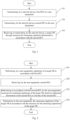
- Fig. 1 is a flow chart of an information processing method according to embodiments of the present disclosure. As shown in Fig. 1 , the method includes the following steps.
- Step 101 includes: transmitting, by a network device, first DCI to a user equipment to schedule repetitions of a target TB.
- the target TB may be any TB.
- a network schedules, through the first DCI, new transmission or HARQ repetition of the target TB, and may configure the quantity of repetitions of the target TB through the first DCI or Radio Resource Control (Radio Resource Control, RRC) signaling.
- the first DCI may be DCI which schedules the new transmission or HARQ repetition of the target TB for the first time, and it may be implemented in any existing DCI format.
- Step 102 includes: transmitting, by the network device, second DCI to the user equipment.
- the second DCI is DCI for scheduling an HARQ process where the target TB is located.
- the indication information in the second DCI or a format of the second DCI is used to indicate the user equipment to determine resources for remaining repetitions of the target TB in accordance with the second DCI.
- remaining repetitions refer to repetitions, among the configured quantity of repetitions of the target TB, which have not been performed by the user equipment by a start time when the second DCI becomes effective.
- the remaining repetitions are repetitions corresponding to the remaining repetition quantity
- the remaining repetition quantity is quantity of repetitions, among the quantity of repetitions configured by the network, which have not been performed by the user equipment by a time point when the second DCI becomes effective.
- the quantity of repetitions of the target TB may be configured through the first DCI, the RRC signaling, or any other ways.
- the start time when the second DCI becomes effective may be indicated through the second DCI, configured through RRC, or determined in accordance with a preset value.
- the resources for the remaining repetitions refer to resources for performing the remaining repetitions.
- the network device may indicate, through the indication information in the second DCI, the user equipment to determine the resources for the remaining repetitions of the target TB in accordance with the second DCI.
- the second DCI may be implemented in any DCI format defined in the protocol.
- the first indication field may be a newly-added indication field, e.g., Re-config flag field.
- the network device indicates, through the first indication field, the user equipment to or not to determine the resources for the remaining repetitions of the target TB in accordance with the second DCI. For example, in a case that a value of the first indication field is 1, the user equipment is indicated to determine the resources for the remaining repetitions of the TB in accordance with the second DCI; otherwise, it may be used for conventional scheduling. In this way, the network device may dynamically update resource configuration for the quantity of remaining repetitions, so as to improve scheduling flexibility.
- the second DCI includes a second indication field, and the indication information is indicated through a target state of the second indication field.
- the second DCI may be implemented in any DCI format defined in the protocol, and the second indication field may be any existing field.
- a target state of the existing field in the DCI is redefined, so as to indicate the user equipment to determine the resources for the remaining repetitions of the target TB in accordance with the second DCI.
- the second indication field is different from the first indication field.
- the second indication field may be an MCS field.
- an MCS state is defined to indicate the user equipment to determine the resources for the remaining repetitions of the target TB in accordance with the second DCI, so as to continue to complete the remaining repetitions.
- an MCS bit state based on an MCS bit state during scheduling of HARQ repetition, dynamical update of resource configuration for the quantity of remaining repetitions by the network device is supported.
- scheduling of any MCS state is not excluded in scheduling of HARQ repetition, usually only the last three or four MCS states (indicating the user equipment not to recalculate a Transport Block Size (Transport Block Size, TBS), calculate the TBS in accordance with a previous piece of DCI scheduling information) are used.
- Transport Block Size Transport Block Size
- an MCS state in the scheduling of HARQ repetition that is not commonly used may be adopted, which reduces flexibility of repetition scheduling, and it is adopted to indicate whether the current scheduling is used for the quantity of remaining repetitions or HARQ repetition.
- the MCS bit state is "00000", "11011” or "111000”
- the second DCI is used for scheduling the remaining repetitions, i.e., the resources for the remaining repetitions of the target TB are determined in accordance with the second DCI, otherwise, the user equipment performs the HARQ repetition.
- the second DCI includes a third indication field, and the indication information is indicated through a target bit of the third indication field.
- the second DCI may be implemented in any DCI format defined in the protocol, and the third indication field may be any existing field.
- a target bit of the existing field in the DCI is redefined, so as to indicate the user equipment to determine the resources for the remaining repetitions of the target TB in accordance with the second DCI.
- the third indication field is different from the first indication field.
- an X th bit of a frequency domain resource assignment field or an MCS field may be used to indicate whether the scheduling of the second DCI is used for the quantity of remaining repetitions, i.e., indicate the user equipment to determine the resources for the remaining repetitions of the target TB in accordance with the second DCI.
- the network device may indicate, through the format of the second DCI, the user equipment to determine the resources for the remaining repetitions of the target TB in accordance with the second DCI.
- the format of the second DCI is a DCI format for configuring time domain and frequency domain resources, or a DCI format for configuring frequency domain resources.
- the format of the second DCI may be DCI 2_0, or a newly-defined DCI format.
- the second DCI includes a frequency domain resource assignment field; and through the format of the second DCI being DCI 2_0, the user equipment is indicated to determine the resources for the remaining repetitions of the target TB in accordance with the second DCI.
- the format of the second DCI is a newly-defined DCI format
- any field in the newly-defined DCI format or the newly-defined DCI format may be used to indicate the user equipment to determine the resources for the remaining repetitions of the target TB in accordance with the second DCI.
- the second DCI when the user equipment operates in a TDD mode, the second DCI further includes a slot format indication field, the slot format indication field is used to indicate a time domain resource corresponding to the resources for transmission, and the frequency domain resource assignment field is used to indicate a frequency domain resource corresponding to the resources for transmission.
- the second DCI when the user equipment operates in a duplex mode, the second DCI does not include any slot format indication field, and the frequency domain resource assignment field is used to indicate a frequency domain resource corresponding to the resources for transmission.
- the user equipment performs the transmission corresponding to the quantity of remaining repetitions by using the time/frequency domain resources configured through the second DCI, and other configuration information still adopts configuration corresponding to the first DCI. Otherwise, the user equipment does not update time/frequency domain resource configuration corresponding to the quantity of remaining repetitions.
- the second DCI includes a time domain resource assignment field and a frequency domain resource assignment field, or the second DCI includes a frequency domain resource assignment field; the time domain resource assignment field is used to indicate a time domain resource corresponding to the resources for transmission, and the frequency domain resource assignment field is used to indicate a frequency domain resource corresponding to the resources for transmission.
- configuration corresponding to the first DCI is reused.
- the second DCI in a case that the second DCI is in a newly-defined DCI format, the second DCI includes a fourth indication field, and the fourth indication field is used to indicate an HARQ process corresponding to the second DCI.
- the second DCI in the DCI format, includes an HARQ process number (HARQ process number) field for indicating the corresponding HARQ process scheduled through the second DCI.
- HARQ process number HARQ process number
- the second DCI may indicate time domain resources and frequency domain resources for a user equipment group (UE group). Time domain resources and/or frequency domain resources for user equipments in the user equipment group do not overlap each other, or, time domain resources or frequency domain resources for user equipments in the user equipment group completely overlap each other or are the same.
- the second DCI indicates frequency domain resources for a user equipment group, the frequency domain resources for user equipments in the user equipment group completely overlap each other or are the same. In a case that the frequency domain resources for the user equipments in the user equipment group completely overlap each other or are the same, bit overhead of the DCI can be remarkably reduced.
- the network device may further receive acknowledgement information transmitted by the user equipment for the second DCI.
- the user equipment fails to correctly receive the second DCI and continues performing repetitions on original resources, and the network device considers that the user equipment has correctly received the second DCI and schedules other user equipments on the original resources of the user equipment, so that occurrence of interference between the user equipment and other user equipments is caused.
- Step 103 includes: receiving or transmitting, by the network device, the target TB through the resources for the remaining repetitions determined in accordance with the second DCI.
- the network device may transmit the second DCI to the user equipment, so as to indicate, through the indication information in the second DCI or the format of the second DCI, the user equipment to determine the resources for the remaining repetitions of the target TB in accordance with the second DCI. Then, the target TB is received or transmitted in accordance with the resources for the remaining repetitions determined in accordance with the second DCI.
- the transmission resources for the remaining repetitions can be configured. In this way, the problem of occurrence of transmission interruption caused due to unavailable repetition resources is solved, or, the user equipment is enabled to utilize abundant transmission resources in time or obtain resources which are more advantageous to transmission, thereby improving transmission efficiency and reducing power consumption of the user equipment.
- Fig. 2 is a flow chart of an information processing method according to embodiments of the present disclosure. As shown in Fig. 2 , the method includes the following steps.
- Step 201 includes: performing, by a user equipment, repetitions of a target TB in accordance with first DCI.
- the target TB may be any TB.
- a network schedules, through the first DCI, new transmission or HARQ repetition of the target TB, and may configure the quantity of repetitions of the target TB through the first DCI or RRC signaling, and the user equipment may receive or transmits the target TB in accordance with the scheduling by a base station.
- the first DCI is DCI which schedules the new transmission or HARQ repetition of the target TB for the first time, and it may be implemented in any existing DCI format.
- Step 202 includes: receiving, by the user equipment, second DCI.
- the second DCI is DCI for scheduling an HARQ process where the target TB is located.
- the second DCI is received in the case that not all the repetitions of the target TB have been performed.
- the second DCI is DCI received by the user equipment again in the repetition procedure of new transmission or HARQ repetition of the target TB scheduled through the first DCI.
- Step 203 includes: determining in accordance with the second DCI, by the user equipment, resources for remaining repetitions of the target TB, based on indication information in the second DCI or a format of the second DCI.
- the user equipment determines the resources for the remaining repetitions of the target TB in accordance with the second DCI.
- a value indicated by the first indication field is a first preset value
- the user equipment determines the resources for the remaining repetitions of the target TB in accordance with the second DCI.
- the first preset value is set according to the practical need.
- the second DCI may be implemented in any DCI format defined in the protocol.
- the first indication field may be a newly-added indication field, e.g., Re-config flag field.
- the network device indicates, through the first indication field, the user equipment to or not to determine the resources for the remaining repetitions of the target TB in accordance with the second DCI. For example, in a case that a value of the first indication field is 1, the user equipment determines the resources for the remaining repetitions of the TB in accordance with the second DCI; otherwise, it is determined that the second DCI is used for conventional scheduling.
- the second DCI includes a second indication field, and the indication information is indicated through a target state of the second indication field.
- the user equipment determines the resources for the remaining repetitions of the target TB in accordance with the second DCI.
- a target state of the existing field in the DCI is redefined, so as to indicate the user equipment to determine the resources for the remaining repetitions of the target TB in accordance with the second DCI.
- the second indication field may be an MCS field.
- the preset state is set according to the practical need.
- the user equipment may determine that the second DCI is used for scheduling the remaining repetitions, i.e., the resources for the remaining repetitions of the target TB are determined in accordance with the second DCI, otherwise, the user equipment performs the HARQ repetition.
- the second DCI includes a third indication field, and the indication information is indicated through a target bit of the third indication field.
- the user equipment determines the resources for the remaining repetitions of the target TB in accordance with the second DCI.
- the third preset value is set according to the practical need.
- the second DCI may be implemented in any DCI format defined in the protocol, and the third indication field may be any existing field.
- a target bit of the existing field in the DCI is redefined, so as to indicate the user equipment to determine the resources for the remaining repetitions of the target TB in accordance with the second DCI.
- an X th bit of a frequency domain resource assignment field may be used to indicate whether the scheduling of the second DCI is used for the quantity of remaining repetitions, i.e., indicate the user equipment to determine the resources for the remaining repetitions of the target TB in accordance with the second DCI.
- the X th bit is 1, the user equipment determines the resources for the remaining repetitions of the target TB in accordance with the second DCI.
- the user equipment may determine in accordance with the second DCI, the resources for the remaining repetitions of the target TB, based on the format of the second DCI.
- the format of the second DCI is a DCI format for configuring time domain and frequency domain resources, or a DCI format for configuring frequency domain resources.
- the format of the second DCI may be DCI 2_0, or a newly-defined DCI format.
- the user equipment determines the resources for the remaining repetitions of the target TB in accordance with the second DCI.
- the user equipment determines that the received second DCI is in a format of DCI 2_0 or a newly-defined DCI format, the user equipment determines the resources for the remaining repetitions of the target TB in accordance with the second DCI.
- the format of the second DCI is DCI 2_0, the second DCI includes a frequency domain resource assignment field; and through the format of the second DCI being DCI 2_0, the user equipment is indicated to determine the resources for the remaining repetitions of the target TB in accordance with the second DCI.
- the user equipment determines that the format of the received second DCI is DCI 2_0, the user equipment determines the resources for remaining the repetitions of the target TB in accordance with the second DCI.
- the second DCI further includes a slot format indication field
- the slot format indication field is used to indicate a time domain resource corresponding to the resources for transmission
- the frequency domain resource assignment field is used to indicate a frequency domain resource corresponding to the resources for transmission.
- the user equipment may further determine the time domain resource corresponding to the resources for transmission in accordance with the slot format indication field, and determine the frequency domain resource corresponding to the resources for transmission in accordance with the frequency domain resource assignment field.
- the second DCI does not include any slot format indication field, and the frequency domain resource assignment field is used to indicate a frequency domain resource corresponding to the resources for transmission.
- the user equipment may further determine the frequency domain resource corresponding to the resources for transmission in accordance with the frequency domain resource assignment field.
- the second DCI is a newly-defined DCI format
- the second DCI includes a time domain resource assignment field and a frequency domain resource assignment field, or the second DCI includes a frequency domain resource assignment field
- the time domain resource assignment field is used to indicate a time domain resource corresponding to the resources for transmission
- the frequency domain resource assignment field is used to indicate a frequency domain resource corresponding to the resources for transmission.
- the user equipment determines the time domain resource corresponding to the resources for transmission in accordance with the time domain resource assignment field, and determines the frequency domain resource corresponding to the resources for transmission in accordance with the frequency domain resource assignment field; or the user equipment determines the frequency domain resource corresponding to the resources for transmission in accordance with the frequency domain resource assignment field.
- the second DCI includes a fourth indication field, and the fourth indication field is used to indicate an HARQ process corresponding to the second DCI.
- the user equipment may further transmit acknowledgement information to the network device for the second DCI.
- the user equipment fails to correctly receive the second DCI and continues performing repetitions on original resources, and the network device considers that the user equipment has correctly received the second DCI and schedules other user equipments on the original resources of the user equipment, so that occurrence of interference between the user equipment and other user equipments is caused.
- a start time when the second DCI becomes effective is located within a slot where a target time point is located, or a start time when the second DCI becomes effective is located within a k th slot after the slot where the target time point is located; the target time point is a time point when the second DCI is received by the user equipment, and k is an integer greater than 0.
- k is timing information indicated in the second DCI, and the start time when the second DCI becomes effective may be configured dynamically.
- a value of k is k0 indicated in the second DCI
- the value of k is k2 indicated in the second DCI.
- Step 204 includes: performing, by the user equipment, the remaining repetitions of the target TB in accordance with the resources for the remaining repetitions of the target TB.
- the second DCI is DCI for scheduling an HARQ process where the target TB is located.
- the network device may transmit the second DCI to the user equipment, so as to indicate, through the indication information in the second DCI or the format of the second DCI, the user equipment to determine the resources for the remaining repetitions of the target TB in accordance with the second DCI. Then, the target TB is received or transmitted in accordance with the resources for the remaining repetitions determined in accordance with the second DCI.
- the transmission resources for the remaining repetitions can be configured. In this way, the problem of occurrence of transmission interruption caused due to unavailable repetition resources is solved, or, the user equipment is enabled to utilize abundant transmission resources in time or obtain resources which are more advantageous to transmission, thereby improving transmission efficiency and reducing power consumption of the user equipment.
- the base station newly adds an indication field on the basis of an existing DCI format, and this indication field is used to indicate the user equipment to determine the resources for remaining repetitions of the target TB and determine whether or not to update the transmission resources for performing the remaining repetitions.
- the existing DCI format may refer to a DCI format defined in the protocol.
- the base station transmits the first DCI to the user equipment, so as to schedule the repetitions of the target TB.
- the base station transmits the second DCI to the user equipment.
- the base station newly adds an indication field for carrying the indication information, so as to indicate the user equipment whether or not to update the transmission resources for performing the remaining repetitions.
- the newly-added field is Repetition-Reconfig flag (Repetition-Reconfig flag) field.
- the user equipment determines, in accordance with this field, whether the second DCI is used for scheduling the quantity of remaining repetitions.
- the field indicates "1”
- the field indicates "0”
- the base station on the basis of an existing DCI format (DCI 2_0), the base station newly adds a frequency domain resource assignment field, and the frequency domain resource assignment field is used to indicate the user equipment whether or not to update the transmission resources for performing the remaining repetition.
- DCI 2_0 DCI format
- the base station transmits the first DCI to the user equipment, for scheduling the repetitions of the target TB.
- the base station transmits the second DCI to the user equipment.
- the base station adds a frequency domain resource assignment field in the existing DCI 2_0 format, and dynamically configures time/frequency domain resources for the user equipment through DCI 2_0. If the second DCI is received by the user equipment, the UE performs the transmission of the quantity of remaining repetitions through the time/frequency domain resources configured through the second DCI, and the other configuration information still adopts configuration corresponding to the DCI for the initial transmission or HARQ repetition of the repeatedly transmitted TB. Otherwise, the user equipment still performs transmission in accordance with the scheduling of the initial transmission or HARQ repetition of the repeatedly transmitted TB.
- the frequency domain resource assignment field is added in DCI 2_0, so as to schedule the quantity of remaining repetitions and configure the corresponding frequency domain resources. In this way, it is able to reduce a DCI overhead, and improve the transmission reliability.
- fields and functions of DCI 2_0 are determined in accordance with a duplex state of the user equipment.
- DCI 2_0 in a case that the user equipment is in the TDD mode, DCI 2_0 is existing DCI 2_0, i.e., it includes a slot format indication field for updating uplink/downlink ratio and updating the time domain resources.
- DCI 2_0 does not include any slot format indication field, but it includes the frequency domain resource assignment field for updating the frequency domain resources.
- a certain state of an existing field in the DCI format, or a certain bit of the existing field is re-interpreted, so as to indicate the user equipment to determine the resources for remaining repetitions of the target TB in accordance with the second DCI.
- a certain state of a certain field in the existing DCI may be defined so as to indicate that the scheduling through the current DCI (the second DCI) is used for the quantity of remaining repetitions.
- an MCS state of the MCS field is defined so as to indicate the user equipment whether or not the scheduling through the current DCI is used for the quantity of remaining repetitions.
- the base station is supported to dynamically update a resource configuration for the quantity of remaining repetitions.
- the scheduling of any MCS state is not excluded in the scheduling of the HARQ repetition, usually only the last three or four MCS states (indicating the user equipment not to recalculate a TBS, calculate the TBS in accordance with a previous piece of DCI scheduling information) are used.
- an MCS state in the scheduling of the HARQ repetition (e.g., for an MCS index having highest spectral efficiency, there are not so many scenarios, in which the highest spectral efficiency is configured, in the case of configuring repetition), which is not commonly used, is adopted, so as to indicate whether the current scheduling is used for the quantity of remaining repetitions or HARQ repetition.
- an MCS bit state "111000" (an MCS index is 28) is used to indicate that the current DCI scheduling is used for the quantity of remaining repetitions; otherwise, the current DCI is used for currently existing scheduling, e.g., scheduling of the HARQ repetition or a new TB.
- an MCS bit state "11011" (an MCS index is 27) is used to indicate that the current DCI scheduling is used for the quantity of remaining repetitions; otherwise, the current DCI is used for currently existing scheduling, e.g., the scheduling of HARQ repetition or a new TB.
- an MCS bit state "00000" indicates to the user equipment that the current DCI is used for scheduling the remaining repetitions; otherwise, the current DCI is used for a scheduling type existing in the protocol, e.g., the scheduling of HARQ repetition or a new TB.
- a certain bit of a certain field in the existing DCI is defined so as to indicate whether the scheduling through the current DCI (the second DCI) is used for the quantity of remaining repetitions.
- an X th bit of the frequency domain resource assignment field is used to indicate whether the scheduling through the current DCI is used for the quantity of remaining repetitions, where X is a positive integer. In a case that the X th bit indicates "1", it means that the current DCI is used for scheduling the quantity of remaining repetitions, and in a case that the X th bit indicates "0", it means that the current DCI is used for currently existing scheduling, e.g., the scheduling of the HARQ repetition or the scheduling of a new TB.
- the existing frequency domain resource assignment field includes surplus bits, these surplus bits may be used as an indication field, so as to dynamically schedule the quantity of remaining repetitions without increasing a DCI overhead.
- a new DCI format may be defined so as to schedule the quantity of remaining repetitions.
- the DCI format includes a time domain resource assignment field and/or a frequency domain resource assignment field, so as to indicate a time/frequency resource configuration for the quantity of remaining repetitions.
- configuration corresponding to a PDCCH for scheduling the repetitions is reused.
- the user equipment updates the time/frequency domain resources for the quantity of remaining repetitions in accordance with the received DCI.
- the user equipment may start to utilize the resource configuration in the current DCI at a slot where the current DCI (the second DCI) is received. For example, in a case that the user equipment receives the DCI within slot n, the user equipment may enable the use of the resource configuration in the DCI within slot n. Or, the user equipment may enable the use of the DCI after a certain time interval from a certain time point when the DCI is received. For example, in a case that the user equipment receives the DCI within slot n, the user equipment starts to utilize the resource configuration in the DCI within slot n+K.
- K is a value predefined in the protocol.
- indication information about K is included in the DCI format, to dynamically configure a time point when the DCI becomes effective.
- the DCI format includes an HARQ process number field for indicating a corresponding HARQ process scheduled through the DCI.
- HARQ process number field for indicating a corresponding HARQ process scheduled through the DCI.
- the user equipment upon the receipt of the DCI, transmits acknowledgement information to the base station.
- the user equipment fails to correctly receive this DCI and continues performing repetitions on original resources
- the network device considers that the user equipment has correctly received this DCI and schedules other user equipments on the original resources of the user equipment, so that occurrence of interference between the user equipment and other user equipments is caused.
- the user equipment upon the correct receipt of the current DCI, transmits 1-bit acknowledgement (ACK) information through a PUCCH.
- ACK 1-bit acknowledgement
- the 1-bit ACK information and feedback information for PDSCH reception/Semi-Persistent Scheduling (SPS) PDSCH release may utilize an HARQ-ACK codebook (codebook) in a multiplex manner.
- a position of the 1-bit ACK information in the HARQ-ACK codebook may be determined in accordance with a position of the DCI relative to the PUCCH, or it may be predetermined as a most/least significant bit in the HARQ-ACK codebook.
- the base station may configure any available resources for the user equipment, avoiding a situation where the base station can not configure resources for the user equipment as resources after switching are unavailable; and if resources are unavailable after the switching, the base station may reconfigure the resources. In this way, the network scheduling complexity is reduced.
- the network scheduling complexity can be reduced for the network device, and meanwhile the user equipment can utilize the abundant uplink resources (including both the time domain resources and the frequency domain resources) in time, thereby reducing uplink transmission latency for the user equipment, which is especially suitable for a situation where the quantity of repetitions is large.
- the applicable system may be a global system of mobile communication (Global System of Mobile Communication, GSM) system, a code division multiple access (Code Division Multiple Access, CDMA) system, a wideband code division multiple access (Wideband Code Division Multiple Access, WCDMA) system, a general packet radio service (general packet radio service, GPRS) system, a long term evolution (Long Term Evolution, LTE) system, an LTE frequency division duplex (frequency division duplex, FDD) system, an LTE time division duplex (time division duplex, TDD) system, a long term evolution advanced (long term evolution advanced, LTE-A) system, a universal mobile telecommunication system (universal mobile telecommunication system, UMTS), a worldwide interoperability for microwave access (worldwide interoperability for microwave access, WiMAX) system, a 5G new radio (New Radio, NR) system, etc.
- GSM Global System of Mobile Communication
- CDMA code division multiple access
- WCDMA wideband Code Division Multiple Access
- GPRS general packet
- the terminal involved in the embodiments of the present disclosure may refers to a device that provides voice and/or data connectivity to a user, a handheld device with a wireless connection function, or other processing devices connected to a wireless modem.
- the name of the terminal may be different.
- the terminal may be referred to as a user equipment (User Equipment, UE).
- a wireless terminal may communicate with one or more core networks (Core Network, CN) through a radio access network (Radio Access Network, RAN).
- Core Network Core Network
- RAN Radio Access Network
- the wireless terminal may be a mobile terminal, such as a mobile phone (or referred to as a "cellular" phone) or a computer with a mobile terminal, for example, it may be a portable, pocket type, handheld, computer built-in, or vehicle mounted mobile device, which exchanges languages and/or data with a radio access network.
- a mobile terminal such as a mobile phone (or referred to as a "cellular" phone) or a computer with a mobile terminal, for example, it may be a portable, pocket type, handheld, computer built-in, or vehicle mounted mobile device, which exchanges languages and/or data with a radio access network.
- PCS Personal Communication Service
- SIP Session Initiated Protocol
- WLL Wireless Local Loop
- PDA Personal Digital Assistant
- the wireless terminal may be referred to as a system, a subscriber unit (subscriber unit), a subscriber station (subscriber station), a mobile station (mobile station), a mobile (mobile), a remote station (remote station), an access point (access point), a remote terminal (remote terminal), an access terminal (access terminal), a user terminal (user terminal), a user agent (user agent), or a user device (user device), which is not limited in the embodiments of the present disclosure.
- the network device involved in the embodiments of the present disclosure may be a base station, and the base station may have multiple cells providing services for terminals.
- the base station may also be referred to as an access point, or may be a device in an access network that communicates with wireless terminals through one or more sectors on air interfaces, or may have other names.
- the network device may be configured to exchange received air frames and Internet protocol (Internet Protocol, IP) packets, serving as a router between the wireless terminals and rest of the access network, where the rest of the access network may include an Internet Protocol (IP) communication network.
- IP Internet Protocol
- the network device may also coordinate attribute management of air interfaces.
- the network device involved in the embodiments of the present disclosure may be a network device (Base Transceiver Station, BTS) in a global system for mobile communications (Global System for Mobile Communications, GSM) or a code division multiple access (Code Division Multiple Access, CDMA), or may be a network device (NodeB) in wide-band code division multiple access (Wide-band Code Division Multiple Access, WCDMA), or may be an evolutional network device (evolutional Node B, eNB or e-NodeB) in a long term evolution (Long Term Evolution, LTE) system or a 5G base station (gNB) in a 5G network architecture (next generation system), or may be a home evolved node B (Home evolved Node B, HeNB), a relay node (relay node), a femto (femto), a pico (pico), etc., which is not limited in the embodiments of the present disclosure.
- the network device may include a centralized unit (centralized unit
- the network device and the terminal may each use one or more antennas to perform multi input multi output (Multi Input Multi Output, MIMO) transmission, where the MIMO transmission may be single user MIMO (Single User MIMO, SU-MIMO) or multiple user MIMO (Multiple User MIMO, MU-MIMO).
- MIMO transmission may be 2-dimension MIMO (2-dimension MIMO, 2D-MIMO), 3-dimension MIMO (3-dimension MIMO, 3D-MIMO), full dimension MIMO (full dimension MIMO, FD-MIMO), or massive MIMO (massive-MIMO), or may be diversity transmission, or precoding transmission, or beamforming transmission, etc.
- an information processing apparatus applied to a network device including:
- a bus architecture may include any quantity of interconnected buses and bridges. Various circuits including one or more processors represented by the processor 300 and a memory represented by the memory 320 are linked. The bus architecture may further link various other circuits together, such as a periphery component, a voltage stabilizer and a power management circuit, which are known in the art and are not further described herein.
- a bus interface provides an interface.
- the transceiver 310 may be multiple elements, i.e., including a transmitter and a receiver, providing a unit for communicating with various other devices on transmission media.
- the processor 300 is in charge of managing the bus architecture and common processes.
- the memory 320 may store data used by the processor 300 in performing operations.
- the processor 310 may be a central processing unit (Central Processing Unit, CPU), a specific integrated circuit (Application Specific Integrated Circuit, ASIC), a field-programmable gate array (Field-Programmable Gate Array, FPGA), or a complex programmable logic device (Complex Programmable Logic Device, CPLD), or the processor may adopt a multi-core architecture.
- CPU Central Processing Unit
- ASIC Application Specific Integrated Circuit
- FPGA Field-Programmable Gate Array
- CPLD Complex Programmable Logic Device
- the processor 300 is in charge of managing the bus architecture and common processes.
- the memory 320 may store data used by the processor 300 in performing operations.
- the second DCI includes a first indication field, and the indication information in the second DCI is indicated through the first indication field.
- the second DCI includes a second indication field, and the indication information is indicated through a target state of the second indication field.
- the second indication field includes a field for indicating a Modulation and Coding Scheme (MCS).
- MCS Modulation and Coding Scheme
- the second DCI includes a third indication field, and the indication information is indicated through a target bit of the third indication field.
- the format of the second DCI is a DCI format for configuring time domain and frequency domain resources, or a DCI format for configuring frequency domain resources.
- the format of the second DCI is DCI 2_0
- the second DCI includes a frequency domain resource assignment field
- the user equipment is indicated to determine the resources for the remaining repetitions of the target TB in accordance with the second DCI.
- the second DCI does not include any slot format indication field, and the frequency domain resource assignment field is used to indicate a frequency domain resource corresponding to the resources for transmission.
- the second DCI includes a time domain resource assignment field and a frequency domain resource assignment field, or the second DCI includes a frequency domain resource assignment field; the time domain resource assignment field is used to indicate a time domain resource corresponding to the resources for transmission, and the frequency domain resource assignment field is used to indicate a frequency domain resource corresponding to the resources for transmission.
- the second DCI includes a fourth indication field, and the fourth indication field is used to indicate a Hybrid Automatic Repeat Request (HARQ) process corresponding to the second DCI.
- HARQ Hybrid Automatic Repeat Request
- the processor 300 is further configured to read the computer program in the memory to perform following operation: receiving acknowledgement information transmitted by the user equipment for the second DCI.
- the apparatus according to the embodiments of the present disclosure can realize all the method steps achieved by the network device, and the same technical effects can be realized.
- the same parts of the present embodiments as the method embodiments, and the beneficial effects, are not repeated herein.
- an information processing apparatus applied to a user equipment including:
- a bus architecture may include any quantity of interconnected buses and bridges. Various circuits including one or more processors represented by the processor 400 and a memory represented by the memory 420 are linked. The bus architecture may further link various other circuits together, such as a periphery component, a voltage stabilizer and a power management circuit, which are known in the art and are not further described herein.
- a bus interface provides an interface.
- the transceiver 410 may be multiple elements, i.e., including a transmitter and a receiver, providing a unit for communicating with various other devices on transmission media.
- the user interface 430 may be an interface capable of connecting externally and internally with the required equipment.
- the connected equipment includes but not limited to a keypad, a display, a speaker, a microphone, a joystick, etc.
- the processor 400 is in charge of managing the bus architecture and common processes.
- the memory 420 may store data used by the processor 400 in performing operations.
- the processor 400 may be a central processing device (CPU), a specific integrated circuit (Application Specific Integrated Circuit, ASIC), a field-programmable gate array (Field-Programmable Gate Array, FPGA), or a complex programmable logic device (Complex Programmable Logic Device, CPLD), or the processor may adopt a multi-core architecture.
- CPU central processing device
- ASIC Application Specific Integrated Circuit
- FPGA field-programmable gate array
- CPLD Complex Programmable Logic Device
- the second DCI includes a first indication field, and the indication information in the second DCI is indicated through the first indication field; the processor 400 is further configured to read the computer program in the memory to perform following operation: in a case that a value indicated by the first indication field is a first preset value, determining the resources for the remaining repetitions of the target TB in accordance with the second DCI.
- the second DCI includes a second indication field, and the indication information is indicated through a target state of the second indication field; the processor 400 is further configured to read the computer program in the memory to perform following operation: in a case that the target state of the second indication field in the second DCI indicates a preset state, determining the resources for the remaining repetitions of the target TB in accordance with the second DCI.
- the format of the second DCI is a DCI format for configuring time domain and frequency domain resources, or a DCI format for configuring frequency domain resources; the processor 400 is further configured to read the computer program in the memory to perform following operation: in a case that the format of the second DCI is the DCI format for configuring time domain and frequency domain resources, or the DCI format for configuring the frequency domain resources, determining the resources for the remaining repetitions of the target TB in accordance with the second DCI.
- the format of the second DCI is DCI 2_0
- the second DCI includes a frequency domain resource assignment field
- the user equipment is indicated to determine the resources for the remaining repetitions of the target TB in accordance with the second DCI.
- the second DCI further includes a slot format indication field, the slot format indication field is used to indicate a time domain resource corresponding to the resources for transmission, and the frequency domain resource assignment field is used to indicate a frequency domain resource corresponding to the resources for transmission;
- the processor 400 is further configured to read the computer program in the memory to perform following operation: determining the time domain resource corresponding to the resources for transmission in accordance with the slot format indication field, and determining the frequency domain resource corresponding to the resources for transmission in accordance with the frequency domain resource assignment field.
- the second DCI does not include any slot format indication field, and the frequency domain resource assignment field is used to indicate a frequency domain resource corresponding to the resources for transmission; the processor 400 is further configured to read the computer program in the memory to perform following operation: determining the frequency domain resource corresponding to the resources for transmission in accordance with the frequency domain resource assignment field.
- the second DCI includes a time domain resource assignment field and a frequency domain resource assignment field, or the second DCI includes a frequency domain resource assignment field;
- the time domain resource assignment field is used to indicate a time domain resource corresponding to the resources for transmission, and the frequency domain resource assignment field is used to indicate a frequency domain resource corresponding to the resources for transmission;
- the processor 400 is further configured to read the computer program in the memory to perform following operation: determining the time domain resource corresponding to the resources for transmission in accordance with the time domain resource assignment field, and determining the frequency domain resource corresponding to the resources for transmission in accordance with the frequency domain resource assignment field; or determining the frequency domain resource corresponding to the resources for transmission in accordance with the frequency domain resource assignment field.
- the apparatus according to the embodiments of the present disclosure can realize all the method steps achieved by the user equipment, and the same technical effects can be realized.
- the same parts of the present embodiments as the method embodiments, and the beneficial effects, are not repeated herein.
- an information processing apparatus 500 applied to a network device, which includes: a first transmission unit 501, configured to transmit first Downlink Control Information (DCI) to a user equipment to schedule repetitions of a target Transport Block (TB); a second transmission unit 502, configured to transmit second DCI to the user equipment, where the second DCI is DCI for scheduling an HARQ process where the target TB is located, and indication information in the second DCI or a format of the second DCI is used to indicate the user equipment to determine resources for remaining repetitions of the target TB in accordance with the second DCI; and a first processing unit 503, configured to receive or transmit the target TB through the resources for the remaining repetitions determined in accordance with the second DCI.
- DCI Downlink Control Information
- TB Transport Block
- second transmission unit 502 configured to transmit second DCI to the user equipment, where the second DCI is DCI for scheduling an HARQ process where the target TB is located, and indication information in the second DCI or a format of the second DCI is used to indicate the user equipment to
- the second DCI includes a first indication field, and the indication information in the second DCI is indicated through the first indication field.
- the second DCI includes a second indication field, and the indication information is indicated through a target state of the second indication field.
- the second indication field includes a field for indicating a Modulation and Coding Scheme (MCS).
- MCS Modulation and Coding Scheme
- the second DCI includes a third indication field, and the indication information is indicated through a target bit of the third indication field.
- the format of the second DCI is a DCI format for configuring time domain and frequency domain resources, or a DCI format for configuring frequency domain resources.
- the format of the second DCI is DCI 2_0
- the second DCI includes a frequency domain resource assignment field
- the user equipment is indicated to determine the resources for the remaining repetitions of the target TB in accordance with the second DCI.
- the second DCI further includes a slot format indication field, the slot format indication field is used to indicate a time domain resource corresponding to the resources for transmission, and the frequency domain resource assignment field is used to indicate a frequency domain resource corresponding to the resources for transmission.
- TDD Time Division Duplex
- the second DCI does not include any slot format indication field, and the frequency domain resource assignment field is used to indicate a frequency domain resource corresponding to the resources for transmission.
- the second DCI includes a time domain resource assignment field and a frequency domain resource assignment field, or the second DCI includes a frequency domain resource assignment field; the time domain resource assignment field is used to indicate a time domain resource corresponding to the resources for transmission, and the frequency domain resource assignment field is used to indicate a frequency domain resource corresponding to the resources for transmission.
- the second DCI includes a fourth indication field, and the fourth indication field is used to indicate a Hybrid Automatic Repeat Request (HARQ) process corresponding to the second DCI.
- HARQ Hybrid Automatic Repeat Request
- the information processing apparatus further includes: a first reception unit, configured to receive acknowledgement information transmitted by the user equipment for the second DCI.
- the apparatus according to the embodiments of the present disclosure can realize all the method steps achieved by the network device, and the same technical effects can be realized.
- the same parts of the present embodiments as the method embodiments, and the beneficial effects, are not repeated herein.
- the present disclosure further provides in some embodiments an information processing device applied to a user equipment, which includes: a first processing unit 601, configured to perform repetitions of a target Transport Block (TB) in accordance with first Downlink Control Information (DCI); a first reception unit 602, configured to receive second DCI; a first determination unit 603, configured to determine in accordance with the second DCI, resources for remaining repetitions of the target TB, based on indication information in the second DCI or a format of the second DCI; and a second processing unit 604, configured to perform the remaining repetitions of the target TB in accordance with the resources for the remaining repetitions of the target TB.
- the second DCI is DCI for scheduling an HARQ process where the target TB is located.
- the second DCI includes a first indication field, and the indication information in the second DCI is indicated through the first indication field; the first determination unit is configured to: in a case that a value indicated by the first indication field is a first preset value, determine the resources for the remaining repetitions of the target TB in accordance with the second DCI.
- the second DCI includes a second indication field, and the indication information is indicated through a target state of the second indication field; the first determination unit is configured to: in a case that the target state of the second indication field in the second DCI indicates a preset state, determine the resources for the remaining repetitions of the target TB in accordance with the second DCI.
- the second DCI includes a third indication field, and the indication information is indicated through a target bit of the third indication field; the first determination unit is configured to: in a case that the target bit of the third indication field in the second DCI indicate a third preset value, determine the resources for the remaining repetitions of the target TB in accordance with the second DCI.
- the format of the second DCI is a DCI format for configuring time domain and frequency domain resources, or a DCI format for configuring frequency domain resources;
- the first determination unit is configured to: in a case that the format of the second DCI is the DCI format for configuring time domain and frequency domain resources, or the DCI format for configuring the frequency domain resources, determine the resources for the remaining repetitions of the target TB in accordance with the second DCI.
- the format of the second DCI is DCI 2_0
- the second DCI includes a frequency domain resource assignment field
- the user equipment is indicated to determine the resources for the remaining repetitions of the target TB in accordance with the second DCI.
- the second DCI further includes a slot format indication field, the slot format indication field is used to indicate a time domain resource corresponding to the resources for transmission, and the frequency domain resource assignment field is used to indicate a frequency domain resource corresponding to the resources for transmission;
- the information processing apparatus further includes: a second determination unit configured to: determine the time domain resource corresponding to the resources for transmission in accordance with the slot format indication field, and determine the frequency domain resource corresponding to the resources for transmission in accordance with the frequency domain resource assignment field.
- the information processing apparatus in a case that the user equipment operates in a duplex mode, the second DCI does not include any slot format indication field, and the frequency domain resource assignment field is used to indicate a frequency domain resource corresponding to the resources for transmission; the information processing apparatus further includes a third determination unit configured to: determine the frequency domain resource corresponding to the resources for transmission in accordance with the frequency domain resource assignment field.
- the second DCI includes a time domain resource assignment field and a frequency domain resource assignment field, or the second DCI includes a frequency domain resource assignment field;
- the time domain resource assignment field is used to indicate a time domain resource corresponding to the resources for transmission, and the frequency domain resource assignment field is used to indicate a frequency domain resource corresponding to the resources for transmission;
- the information processing apparatus further includes: a fourth determination unit configured to determine the time domain resource corresponding to the resources for transmission in accordance with the time domain resource assignment field, and determine the frequency domain resource corresponding to the resources for transmission in accordance with the frequency domain resource assignment field; or determine the frequency domain resource corresponding to the resources for transmission in accordance with the frequency domain resource assignment field.
- the second DCI includes a fourth indication field
- the fourth indication field is used to indicate a Hybrid Automatic Repeat Request (HARQ) process corresponding to the second DCI.
- the information processing apparatus further includes: a fifth determination unit configured to determine a time domain resource for an HARQ process corresponding to the second DCI in accordance with the fourth indication field and the time domain resource assignment field; and/or determine a frequency domain resource for the HARQ process corresponding to the second DCI in accordance with the fourth indication field and the frequency domain resource assignment field.
- the information processing apparatus further includes: a first transmission unit configured to transmit acknowledgement information to the network device for the second DCI.
- the apparatus according to the embodiments of the present disclosure can realize all the method steps achieved by the user equipment, and the same technical effects can be realized.
- the same parts of the present embodiments as the method embodiments, and the beneficial effects, are not repeated herein.
- the integrated unit is implemented in the form of software functional units and sold or used as an independent product, it may be stored in a processor readable storage medium.
- the computer software product is stored in a storage medium, and includes a number of instructions to enable a computer device (which may be a personal computer, a server, or a network device, etc.) or a processor (processor) to perform all or part of the steps of method described in the various embodiments of the present disclosure.
- the storage medium includes a USB flash disk, a mobile hard disk, a read-only memory (Read-Only Memory, ROM), a random access memory (Random Access Memory, RAM), a magnetic disk, an optical disk, or other medium which can store program code.
- ROM Read-Only Memory
- RAM Random Access Memory
- the readable storage medium may be any available medium or data storage device that the processor may access, including but not limited to a magnetic memory (such as a floppy disk, a hard disk, a magnetic tape, a magneto-optical disk (MO), etc.), an optical memory (such as a CD, a DVD, a BD, a HVD, etc.), or a semiconductor memory (such as a ROM, an EPROM, an EEPROM, a non-volatile memory (NAND FLASH), a solid-state drive (SSD), etc.).
- a magnetic memory such as a floppy disk, a hard disk, a magnetic tape, a magneto-optical disk (MO), etc.
- an optical memory such as a CD, a DVD, a BD, a HVD, etc.
- semiconductor memory such as a ROM, an EPROM, an EEPROM, a non-volatile memory (NAND FLASH), a solid-state drive (SSD), etc.
- the method of the above embodiments may be implemented by means of software plus common hardware platform as needed, or by means of hardware.
- the essence the technical solutions of the present disclosure or the part contributing to the related technologies may be embodied in the form of a software product, and the computer software product is stored in a storage medium (e.g. ROM/RAM, magnetic disk, optical disk) including instructions to enable a terminal (which may be a cell phone, a computer, a server, an air conditioner or a network device) to perform the methods described in the various embodiments of the present disclosure.
- a storage medium e.g. ROM/RAM, magnetic disk, optical disk
- a terminal which may be a cell phone, a computer, a server, an air conditioner or a network device
- modules may all be implemented in the form of software called by processing elements; or may all be implemented in the form of hardware; or, some modules may be implemented in the form of software called by processing elements, and some modules may be implemented in the form of hardware.
- a module may be a separate processing element, or may be integrated into a certain chip of the above device, or, may be stored in the memory of the above device in the form of program code, and a certain processing element of the above device may call and execute the functions of the determination module.
- Other modules have similar implementations.
- all or part of these modules may be integrated together, and may be implemented independently.
- the processing element mentioned herein may be an integrated circuit with signal processing capability.
- the various steps of the above method or the above various modules may be implemented by an integrated logic circuit in hardware form in elements of a processor or implemented by instructions in the form of software.
- the various modules, units, subunits or submodules may be one or more integrated circuits configured to implement the above methods, such as one or more application specific integrated circuits (Application Specific Integrated Circuit, ASIC), or one or more microprocessors (Digital Signal Processor, DSP), or one or more field programmable gate arrays (Field Programmable Gate Array, FPGA), etc.
- ASIC Application Specific Integrated Circuit
- DSP Digital Signal Processor
- FPGA Field Programmable Gate Array
- the processing element may be a general purpose processor, such as a central processing unit (Central Processing Unit, CPU) or other processors that may call program codes.
- these modules may be integrated together and implemented as a system-on-a-chip (system-on-a-chip, SOC).
- a and/or B and/or C means 7 situations, including: A alone, B alone, C alone, both A and B, both B and C, both A and C, and all of A, B and C.
- a and/or B and/or C means 7 situations, including: A alone, B alone, C alone, both A and B, both B and C, both A and C, and all of A, B and C.
- the use of "at least one of A and B" in this specification and claims should be understood as "A alone, B alone, or both A and B".
Landscapes
- Engineering & Computer Science (AREA)
- Computer Networks & Wireless Communication (AREA)
- Signal Processing (AREA)
- Mobile Radio Communication Systems (AREA)
Applications Claiming Priority (2)
| Application Number | Priority Date | Filing Date | Title |
|---|---|---|---|
| CN202210155736.0A CN116684045A (zh) | 2022-02-21 | 2022-02-21 | 一种信息处理方法、装置及可读存储介质 |
| PCT/CN2023/075176 WO2023155729A1 (zh) | 2022-02-21 | 2023-02-09 | 一种信息处理方法、装置及可读存储介质 |
Publications (2)
| Publication Number | Publication Date |
|---|---|
| EP4485829A1 true EP4485829A1 (de) | 2025-01-01 |
| EP4485829A4 EP4485829A4 (de) | 2025-03-05 |
Family
ID=87577576
Family Applications (1)
| Application Number | Title | Priority Date | Filing Date |
|---|---|---|---|
| EP23755732.7A Pending EP4485829A4 (de) | 2022-02-21 | 2023-02-09 | Informationsverarbeitungsverfahren und -vorrichtung und lesbares speichermedium |
Country Status (4)
| Country | Link |
|---|---|
| US (1) | US20250119926A1 (de) |
| EP (1) | EP4485829A4 (de) |
| CN (1) | CN116684045A (de) |
| WO (1) | WO2023155729A1 (de) |
Family Cites Families (10)
| Publication number | Priority date | Publication date | Assignee | Title |
|---|---|---|---|---|
| US7561552B2 (en) * | 2004-05-25 | 2009-07-14 | Motorola, Inc. | Method for adaptive channel signaling |
| EP3602877B1 (de) * | 2017-03-22 | 2022-02-16 | Convida Wireless, LLC | Vorrichtung und verfahren für drahtlose telekommunikation |
| CN110167153B (zh) * | 2018-02-12 | 2022-09-13 | 维沃移动通信有限公司 | 一种下行控制信息dci的传输方法、装置及网络设备 |
| US20190289478A1 (en) * | 2018-03-19 | 2019-09-19 | Qualcomm Incorporated | Physical downlink control channel (pdcch) reliability for ultra-reliability low latency communication (urllc) |
| KR102453416B1 (ko) * | 2018-04-26 | 2022-10-12 | 엘지전자 주식회사 | 무선 통신 시스템에서 데이터를 송수신하기 위한 방법 및 이를 위한 장치 |
| CN112567662B (zh) * | 2018-08-10 | 2024-07-05 | 苹果公司 | 用于新空口(nr)的数据和控制传输增强 |
| WO2020061859A1 (zh) * | 2018-09-26 | 2020-04-02 | 华为技术有限公司 | 资源的调度方法、设备和存储介质 |
| WO2020062098A1 (zh) * | 2018-09-28 | 2020-04-02 | 华为技术有限公司 | 信号传输方法及通信装置 |
| EP4044632B1 (de) * | 2019-09-30 | 2026-02-25 | Beijing Xiaomi Mobile Software Co., Ltd. | Verfahren und vorrichtung zur verwendung eines bandbreitenteils, gerät und speichermedium |
| WO2021093196A1 (en) * | 2020-02-11 | 2021-05-20 | Zte Corporation | Method and device for multiplexing radio resources |
-
2022
- 2022-02-21 CN CN202210155736.0A patent/CN116684045A/zh active Pending
-
2023
- 2023-02-09 WO PCT/CN2023/075176 patent/WO2023155729A1/zh not_active Ceased
- 2023-02-09 US US18/729,162 patent/US20250119926A1/en active Pending
- 2023-02-09 EP EP23755732.7A patent/EP4485829A4/de active Pending
Also Published As
| Publication number | Publication date |
|---|---|
| US20250119926A1 (en) | 2025-04-10 |
| WO2023155729A1 (zh) | 2023-08-24 |
| EP4485829A4 (de) | 2025-03-05 |
| CN116684045A (zh) | 2023-09-01 |
Similar Documents
| Publication | Publication Date | Title |
|---|---|---|
| US20230397189A1 (en) | Data transmission method, apparatus and equipment | |
| KR20210113023A (ko) | 피드백 정보를 전송하는 방법, 단말기 디바이스 및 네트워크 디바이스 | |
| EP4319014A1 (de) | Verfahren und vorrichtung zur verzögerungsreduzierung, endgerät und vorrichtung | |
| WO2022237611A1 (zh) | 一种信息确认方法、装置及通信设备 | |
| EP4485828A1 (de) | Informationsverarbeitungsverfahren und -vorrichtung und lesbares speichermedium | |
| EP4485829A1 (de) | Informationsverarbeitungsverfahren und -vorrichtung und lesbares speichermedium | |
| CN114826511B (zh) | 一种信息传输方法、装置及设备 | |
| CN118785401A (zh) | 传输资源确定方法、设备、装置和存储介质 | |
| WO2023035945A1 (zh) | 多时隙传输方法、装置、终端及网络侧设备 | |
| CN115776361A (zh) | 时间单元确定方法、通信设备和存储介质 | |
| CN115776363A (zh) | 一种时间单元确定方法、终端、网络设备和存储介质 | |
| EP4507229A1 (de) | Informationsverarbeitungsverfahren und -vorrichtung sowie lesbares speichermedium | |
| CN115190598A (zh) | 一种信号传输方法、用户设备以及网络设备 | |
| AU2022247620B2 (en) | Channel multiplexing method and apparatus, and communication device | |
| CN115174016B (zh) | 信息传输方法、装置、设备以及存储介质 | |
| EP4694454A1 (de) | Uplink-übertragungsverfahren sowie endgerät und lesbares speichermedium | |
| US20250301457A1 (en) | Information processing method, device and readable storage medium | |
| CN115883025B (zh) | 动态数据传输方法、装置及存储介质 | |
| CN114765488B (zh) | Harq-ack使能控制方法、装置、设备及存储介质 | |
| EP4561223A1 (de) | Informationsverarbeitungsverfahren und -vorrichtung sowie lesbares speichermedium | |
| CN120018312A (zh) | Uci传输方法、装置及存储介质 | |
| WO2024093891A1 (zh) | 一种冲突处理方法、装置、终端及网络设备 | |
| CN117858261A (zh) | 数据传输优先级确定方法、装置及设备 | |
| CN121750166A (zh) | Harq-ack的传输方法、装置、终端及网络设备 | |
| CN115915440A (zh) | 上行信息发送方法、接收方法、终端和网络设备 |
Legal Events
| Date | Code | Title | Description |
|---|---|---|---|
| STAA | Information on the status of an ep patent application or granted ep patent |
Free format text: STATUS: THE INTERNATIONAL PUBLICATION HAS BEEN MADE |
|
| PUAI | Public reference made under article 153(3) epc to a published international application that has entered the european phase |
Free format text: ORIGINAL CODE: 0009012 |
|
| STAA | Information on the status of an ep patent application or granted ep patent |
Free format text: STATUS: REQUEST FOR EXAMINATION WAS MADE |
|
| 17P | Request for examination filed |
Effective date: 20240715 |
|
| AK | Designated contracting states |
Kind code of ref document: A1 Designated state(s): AL AT BE BG CH CY CZ DE DK EE ES FI FR GB GR HR HU IE IS IT LI LT LU LV MC ME MK MT NL NO PL PT RO RS SE SI SK SM TR |
|
| A4 | Supplementary search report drawn up and despatched |
Effective date: 20250205 |
|
| RIC1 | Information provided on ipc code assigned before grant |
Ipc: H04L 1/08 20060101ALI20250130BHEP Ipc: H04L 1/18 20230101AFI20250130BHEP |
|
| DAV | Request for validation of the european patent (deleted) | ||
| DAX | Request for extension of the european patent (deleted) |