EP4487850A1 - Utilisation d'un composé nitrone ou d'un sel pharmaceutiquement acceptable de celui-ci en combinaison avec un inhibiteur de sglt-2 - Google Patents
Utilisation d'un composé nitrone ou d'un sel pharmaceutiquement acceptable de celui-ci en combinaison avec un inhibiteur de sglt-2 Download PDFInfo
- Publication number
- EP4487850A1 EP4487850A1 EP23762878.9A EP23762878A EP4487850A1 EP 4487850 A1 EP4487850 A1 EP 4487850A1 EP 23762878 A EP23762878 A EP 23762878A EP 4487850 A1 EP4487850 A1 EP 4487850A1
- Authority
- EP
- European Patent Office
- Prior art keywords
- inhibitor
- combination
- sglt
- butyl
- tbn
- Prior art date
- Legal status (The legal status is an assumption and is not a legal conclusion. Google has not performed a legal analysis and makes no representation as to the accuracy of the status listed.)
- Pending
Links
Images



Classifications
-
- A—HUMAN NECESSITIES
- A61—MEDICAL OR VETERINARY SCIENCE; HYGIENE
- A61P—SPECIFIC THERAPEUTIC ACTIVITY OF CHEMICAL COMPOUNDS OR MEDICINAL PREPARATIONS
- A61P3/00—Drugs for disorders of the metabolism
- A61P3/08—Drugs for disorders of the metabolism for glucose homeostasis
- A61P3/10—Drugs for disorders of the metabolism for glucose homeostasis for hyperglycaemia, e.g. antidiabetics
-
- A—HUMAN NECESSITIES
- A61—MEDICAL OR VETERINARY SCIENCE; HYGIENE
- A61K—PREPARATIONS FOR MEDICAL, DENTAL OR TOILETRY PURPOSES
- A61K31/00—Medicinal preparations containing organic active ingredients
- A61K31/33—Heterocyclic compounds
- A61K31/395—Heterocyclic compounds having nitrogen as a ring hetero atom, e.g. guanethidine or rifamycins
- A61K31/495—Heterocyclic compounds having nitrogen as a ring hetero atom, e.g. guanethidine or rifamycins having six-membered rings with two or more nitrogen atoms as the only ring heteroatoms, e.g. piperazine or tetrazines
- A61K31/4965—Non-condensed pyrazines
-
- A—HUMAN NECESSITIES
- A61—MEDICAL OR VETERINARY SCIENCE; HYGIENE
- A61K—PREPARATIONS FOR MEDICAL, DENTAL OR TOILETRY PURPOSES
- A61K31/00—Medicinal preparations containing organic active ingredients
- A61K31/70—Carbohydrates; Sugars; Derivatives thereof
- A61K31/7028—Compounds having saccharide radicals attached to non-saccharide compounds by glycosidic linkages
- A61K31/7034—Compounds having saccharide radicals attached to non-saccharide compounds by glycosidic linkages attached to a carbocyclic compound, e.g. phloridzin
-
- A—HUMAN NECESSITIES
- A61—MEDICAL OR VETERINARY SCIENCE; HYGIENE
- A61K—PREPARATIONS FOR MEDICAL, DENTAL OR TOILETRY PURPOSES
- A61K31/00—Medicinal preparations containing organic active ingredients
- A61K31/70—Carbohydrates; Sugars; Derivatives thereof
- A61K31/7042—Compounds having saccharide radicals and heterocyclic rings
-
- A—HUMAN NECESSITIES
- A61—MEDICAL OR VETERINARY SCIENCE; HYGIENE
- A61K—PREPARATIONS FOR MEDICAL, DENTAL OR TOILETRY PURPOSES
- A61K31/00—Medicinal preparations containing organic active ingredients
- A61K31/70—Carbohydrates; Sugars; Derivatives thereof
- A61K31/7042—Compounds having saccharide radicals and heterocyclic rings
- A61K31/7048—Compounds having saccharide radicals and heterocyclic rings having oxygen as a ring hetero atom, e.g. leucoglucosan, hesperidin, erythromycin, nystatin, digitoxin or digoxin
-
- A—HUMAN NECESSITIES
- A61—MEDICAL OR VETERINARY SCIENCE; HYGIENE
- A61K—PREPARATIONS FOR MEDICAL, DENTAL OR TOILETRY PURPOSES
- A61K45/00—Medicinal preparations containing active ingredients not provided for in groups A61K31/00 - A61K41/00
- A61K45/06—Mixtures of active ingredients without chemical characterisation, e.g. antiphlogistics and cardiaca
-
- A—HUMAN NECESSITIES
- A61—MEDICAL OR VETERINARY SCIENCE; HYGIENE
- A61P—SPECIFIC THERAPEUTIC ACTIVITY OF CHEMICAL COMPOUNDS OR MEDICINAL PREPARATIONS
- A61P13/00—Drugs for disorders of the urinary system
- A61P13/12—Drugs for disorders of the urinary system of the kidneys
Definitions
- the present invention relates generally to the field of medicine and, more particularly, to combination therapy of medications, specifically to the combination therapy of a nitrone compound or a pharmaceutically acceptable salt thereof with a SGLT-2 inhibitor.
- Diabetes is a group of metabolic diseases characterized by hyperglycemia. According to the data released by the International Diabetes Alliance in 2019, there are 463 million diabetes patients in the world. It is estimated that there will be 578 million diabetes patients in the world in 2030, and the number of diabetes patients will further increase to 700 million by 2045. China has the largest number of patients with diabetes in the world, and the number of patients with type II diabetes has exceeded 120 million. Long term elevated blood sugar can lead to damage to large blood vessels and microvasculature, endangering tissues or organs such as the heart, brain, kidneys, peripheral nerves, eyes, feet, etc. According to the statistics of the World Health Organization, diabetes has more than 100 complications, which is the disease with the most known complications.
- Clinical data show that 30% ⁇ 40% of patients with diabetes will have at least one complication 10 years after the onset of diabetes.
- Traditional hypoglycemic drugs such as insulin, biguanides, thiazolidinediones, and proinsulin secretion drugs, ⁇ -glucosidase inhibitors, DPP-4 enzyme inhibitors, are mostly limited to lowering blood sugar and cannot bring benefits in terms of complications to patients.
- SGLT-2 inhibitors sodium dependent glucose transporters 2 inhibitors
- SGLT-2 inhibitors lower blood sugar by inhibiting the re-absorption of glucose by the kidneys, allowing excess glucose to be excreted from urine.
- SGLT-2 inhibitors have potential protective effect on renal function in patients with mild to moderate renal insufficiency, can improve proteinuria in patients with diabetes, and delay the progress of kidney disease.
- Clinical studies have shown that SGLT-2 inhibitors exhibit a certain degree of acute kidney injury within 1-2 months of administration, then gradually recover and show renal protective effects one year later (See David Z.I. Cherney, Francesco Cosentino,2 Samuel Dagogo-Jack, et al. Ertugliflozin and Slope of Chronic eGFR Prespecified Analyses from the Randomized VERTIS CV Trial, Clin J Am Soc Nephrol[J]. 2021 Sep; 16(9): 1345-1354 ).
- SGLT-2 inhibitors can reduce blood sugar with kidney benefits, and thus in 2015, the American Diabetes Association (ADA) and The European Association for the Study of Diabetes (EASD) both recommended SGLT-2 inhibitors as second-line and third-line drugs for type II diabetes, and can be used in combination with metformin or other hypoglycemic drugs.
- ADA American Diabetes Association
- EASD European Association for the Study of Diabetes
- SGLT-2 inhibitors in clinical use not only reduce blood glucose, but also have a renal protection mechanism, which provides new possibilities for the clinical treatment of diabetes complications, SGLT-2 inhibitors increase urinary glucose excretion, increase the glucose concentration in the genitourinary tract, and will lead to increased opportunities for bacterial and fungal infections.
- the present invention is directed to provide a composition, a kit and a combination of active agents, and use thereof in manufacture of a medicament for prevention and treatment of diabetes and their complications.
- Research has shown that the combination of the nitrone compounds of the present invention or their pharmaceutically acceptable salts with SGLT-2 inhibitors can enhance renal protection and further reduce IL-6 levels.
- the results suggest that the combination use can reduce the risk of urinary and reproductive system infections caused by SGLT-2 inhibitors, which has important clinical significance.
- the present invention provides a composition comprising:
- R 2 and R 3 are the same or different, each independently selected from hydrogen, methyl, ethyl, n-propyl, isopropyl, n-butyl, isobutyl, tert-butyl, and n-pentyl;
- R 1 is hydrogen, methyl, or
- the nitrone compound has a structure of the following formula, TBN or TN-2:
- the SGLT-2 inhibitor is selected from Dapagliflozin, Canagliflozin, Empagliflozin (Empag), Ipragliflozin, Luseogliflozin, Tofogliflozin, Ertugliflozin, Sergliflozin etabonate, Sotagliflozin, Rongliflozin L-Pyroglutamic Acid, Wangliflozin, Tagliflozin, Jiagliflozin, Henggliflozin, or a combination thereof.
- the present invention provides a pharmaceutical kit, comprising:
- the pharmaceutical kid herein serves as a carrier for storing or transferring drugs.
- the present invention provides a pharmaceutical composition, which comprises:
- the present invention provides a combination therapy.
- the present invention provides a combination of a nitrone compound or a pharmaceutically acceptable salt thereof with a SGLT-2 inhibitor for the prevention and treatment of chronic kidney disease. Furthermore, the nitrone compound or a pharmaceutically acceptable salt thereof is used in combination with a SGLT-2 inhibitor in the manufacture of a medicament for the prevention and treatment of diabetes or/and a complication thereof.
- the complication of diabetes is one or more of diabetes complicated with hypertension, diabetic kidney disease, diabetes complicated with reproductive tract infection, diabetic retinopathy, diabetic cataract, and diabetic neuropathy.
- the medicament comprising a SGLT-2 inhibitor includes a SGLT-2 inhibitor, and may also include other hypoglycemic agent or/and antihypertensive agent.
- the other hypoglycemic drug is selected from insulin, biguanides, thiazolidinediones, insulin secretagogue, ⁇ -glucosidase inhibitor, DPP-4 enzyme inhibitor, glucosidase inhibitor, and dipeptidyl peptidase inhibitor, or a combination thereof; and the antihypertensive drug is selected from angiotensin receptor blockers and angiotensin converting enzyme inhibitors, or a combination thereof.
- the biguanides are selected from metformin, phenformin, and succinbiguanide, or a combination thereof;
- the insulin secretagogue is selected from toluenesulfonylurea, hexylurea acetate, tolasulfonylurea, chlorosulfonylurea, glipizide, glibenclamide, glimepiride, gliclazide, gliquidone, regagliptin, nateglinide, or a combination thereof;
- the thiazolidinediones are selected from traglitazone, rosiglitazone, pioglitazone, cyclogliptine, or a combination thereof;
- the ⁇ -glucosidase inhibitor is selected from Miglitaxel, Acarbose, Voglibose, or a combination thereof;
- the DPP-4 enzyme inhibitor is selected from sitagliptin, sagagliptin
- the combined administration herein can be simultaneous administration or separate administration.
- the present invention also provides use of the nitrone compound or a pharmaceutically acceptable salt thereof in the manufacture of a medicament for the prevention and/or treatment of reproductive tract infections caused by SGLT-2 inhibitors.
- the dosage of the SGLT-2 inhibitor described in the present invention can be determined by clinical physicians based on the severity of the disease, disease response, any treatment-related toxicity, patient age, patient weight, and health status.
- the specific route of administration and frequency of administration can be determined according to the conventional route of administration of the drugs in the art.
- the dosage of SGLT-2 inhibitors described herein can be based on SGLT-2 inhibitors ranging from 0.5mg-500 mg/person/day.
- the preferred dosage range for the SGLT-2 inhibitor of Engagliflozin is 1 mg -100 mg/day, more preferrably 1 mg -50 mg/day, such as 1, 2.5, 5, 7.5, 10, 12.5, 15, 20, 25, or 50 mg/day.
- the preferred dosage range for SGLT-2 inhibitor of Canagliflozin is 50 mg-500 mg/day, more preferrably 50 mg-300 mg/day, such as 50, 100, 150, 200, 250, or 300 mg/day.
- the preferred dosage range for SGLT-2 inhibitor of Dapagliflozin is 1 mg -200 mg/day, more preferrably 1 mg -100 mg/day, such as 1, 2.5, 5, 7.5, 10, 12.5, 15, 20, 25, 50 or 100 mg/day.
- the specific dosage can be determined based on the severity of the disease, disease response, any treatment-related toxicity, patient age, and health conditions.
- the specific route of administration and frequency of administration can follow the conventional route of administration of SGLT-2 inhibitors, such as once or multiple times a day.
- the dosage of the nitrone compound or a pharmaceutically acceptable salt thereof according to the present invention can be calculated as 100-3000 mg/person/time according to the dosage of tetramethylpyrazine nitrone (TBN), such as 300-1200 mg/person/time (1-3 times a day).
- TBN tetramethylpyrazine nitrone
- the preferred dose range for TBN is 100 mg -3000 mg/day, more preferably 300-2400 mg/day, such as 300, 400, 500, 600, 700, 800, 900, 1000, 1100, 1200, 1300, 1400, 1500, 1600, 1700, 1800, 1900, 2000, 2100, 2200, 2300, 2400, 2500, 2600, 2700, 2800, 2900, or 3000mg/day.
- the specific dosage can be determined based on the severity of the disease, disease response, any treatment-related toxicity, patient age, and health conditions.
- the specific route of administration and frequency of administration can be based on the conventional route of administration of TBN, such as once or multiple times a day.
- the nitrone compound, as an active pharmaceutical agent can be formulated into a pharmaceutical composition using a pharmaceutically acceptable carrier.
- the pharmaceutical composition is any composition suitable for oral, sublingual, local inhalation (nasal spray), rectal, intramuscular, dermal, subcutaneous or intravenous administration.
- the amount of the composition required for treatment will vary depending on the route of administration, the nature of the treated condition, patient age, and health conditions, ultimately determined by the participating clinical physicians.
- the required dose can be provided in single or split doses (with appropriate intervals), for example, two, three, or more times a day to achieve or meet treatment needs.
- the term "pharmaceutically acceptable carrier” used herein refers to a substance that does not interfere with the physiological effects of the nitrone compound and is non-toxic to mammals including humans.
- the pharmaceutical composition is prepared with tetramethylpyrazine nitrone (TBN) and a pharmaceutically acceptable carrier.
- TBN tetramethylpyrazine nitrone
- the pharmaceutical composition can be prepared in a form of, including but not limited to, solids, capsules, pills, suppositories, liquids (such as injections), oils, emulsions, spray, gel, aerosols, inhalants, or patches.
- nitrone compounds TBN and TN-2 when used in combination with a SGLT-2 inhibitor, can synergistically lower blood sugar and also reduce the 24-hour urinary microalbumin and urinary albumin creatinine ratio in db/db mice, demonstrating a protective effect on the kidneys.
- the clinical trial results also indicate that the combination use of the nitrone compound of the present invention with a SGLT-2 inhibitor can significantly enhance the extent of reduction in UACR, demonstrating a synergistic renal protective effect.
- SGLT-2 inhibitors have more advantages in reducing blood sugar than other oral hypoglycemic drugs, and the longer the treatment time, the more obvious this advantage is, but it will increase the risk of urinary tract and genital infection, mainly because this kind of drugs increase the excretion of urine sugar, but also increase the reproduction of bacteria due to high urine sugar.
- dapagliflozin > canagliflozin > empagliflozin see Chen Qiying, Li Yimin, and Zhang Yin, Analysis of adverse reactions of sodium glucose co transporter-2 inhibitors based on FAERS [J].
- Urinary tract infection is an inflammatory disease caused by the growth and reproduction of various pathogenic microorganisms in the urinary tract. Clean midstream urine culture is an important basis for diagnosing urinary tract infections. However, urine bacterial culture takes about 3-4 days, which cannot provide timely diagnosis and treatment basis for clinical practice. In addition, inaccurate results can be caused by inadequate colony count and susceptibility to contamination during the culture process. Therefore, clinical practice requires more specific and sensitive indicators to diagnose urinary tract infections.
- IL-6 interleukin-6
- IL-6 interleukin-6
- Rashid MH, Sparrow NA, Anwar F, Guidry G, Covarrubias AE, Pang H, Bogguri C, Karumanchi SA, and Lahiri S Interleukin-6 mediates delirium-like phenotypes in a murine model of urinary tract infection. J. Neuroinflammation.
- the inventors unexpectedly discovered that the nitrone compound (such as TBN, TN-2), alone or in combination with a SGLT-2 inhibitor (such as Entegliflozin), can significantly reduce the content of IL-6 in the serum of model animals.
- a SGLT-2 inhibitor such as Entegliflozin
- the combination use of the nitrone compound with a SGLT-2 inhibitor can reduce the risk of urinary and reproductive tract infections caused by SGLT-2 inhibitors.
- the nitrone compound of the invention can not only be used as an antagonist of IL-6 in serum, but also can be used for the treatment of diabetes combined with reproductive tract infection.
- the present invention provides a use of the nitrone compound or a pharmaceutically acceptable salt thereof in manufacture of a medicament for the prevention or treatment of chronic kidney disease
- the medicament is an oral drug formulation comprising essentially TBN, which is administered in unit dose form, containing a therapeutically effective amount of TBN or a pharmaceutically acceptable salt thereof, and the therapeutically effective amount is of approximately 600-2400 mg per day, which can effectively treat, prevent, and reduce the risk of chronic kidney disease, delay its occurrence, and/or delay its progression.
- the therapeutically effective amount can also be about 600-1200 mg per day, about 1200-2400 mg per day, about 600 mg per day, about 1200 mg per day, or about 2400 mg per day.
- the oral drug formulation includes a SGLT-2 inhibitor.
- the SGLT-2 inhibitor is selected from Dapagliflozin, Canagliflozin, Empagliflozin (Empag), Ipragliflozin, Luseogliflozin, Tofogliflozin, Ertugliflozin, Sergliflozin etabonate, Sotagliflozin, Rongliflozin L-Pyroglutamic Acid, Wangliflozin, Tagliflozin, Jiagliflozin, Henggliflozin, or a combination thereof.
- the complications of the chronic kidney disease are one or more of diabetes complicated with chronic kidney disease and chronic kidney disease complicated with infection.
- wt/wt refers to wild-type mice
- i.g refers to intragastric administration
- po refers to oral administration.
- Example 1 Grouping and pharmacodynamics study of TBN and TN-2 alone and their combination with Empagliflozin in spontaneous type II diabetes model mice
- Db/db mice are type II diabetes mice caused by leptin receptor gene defect located on chromosome 4. They began to drink, eat, urinate and be obese at the age of 4 weeks. With the increase of age, they have obvious characteristics of hyperglycemia, hyperlipidemia and insulin resistance. Their pathogenesis is very similar to that of type II diabetes patients. With the aggravation of diabetes, db/db mice have a series of complications. The main pathological changes of kidney tissue are dilation of glomerular mesangial interstitium, thickening of glomerular basement membrane, excessive accumulation of extracellular matrix, etc. It is a good model to study the early morphological changes of DKD kidney.
- mice Groups Route of administration Ctrl (wt/wt, saline, twice/day) i.g. Model (db/db, saline, twice/day) i.g. TBN (10 mg/kg, twice/day) i.g. TBN (30 mg/kg, twice/day) i.g. TN-2 (10 mg/kg, twice/day) i.g. Empagliflozin (2.5 mg/kg, twice/day) i.g. Empagliflozin (5 mg/kg, twice/day) i.g. TBN (10 mg/kg, twice/day)+Empagliflozin (2.5 mg/kg, twice/day) i.g.
- TBN (30 mg/kg, twice/day)+Empagliflozin (2.5 mg/kg, twice/day) i.g. TN-2 (10 mg/kg, twice/day)+Empagliflozin (2.5 mg/kg, twice/day) i.g.
- 6-week-old db/db mice were given adaptive feeding for 1 week (i.e. 7 weeks), with TBN and TN-2 administered separately and in combination with Empagliflozin twice a day (fixed at 9:00-10:00 am and 3:00-4:00 pm, with an interval of 6 hours), for a continuous 6 weeks of administration.
- mice blood was collected from the tail vein of mice before the start of administration (7 weeks old) to measure their blood glucose levels; After the completion of administration (at 13 weeks of mouse age, i.e. the end of the experiment), serum was taken and the blood glucose levels of each group of mice were measured using a fully automated biochemical analyzer.
- Db /db mice were tested for 24-hour urinary microalbumin at 4 and 6 weeks after drug treatment. Each group of mice was placed in a metabolic cage, drinking water freely, and 24-hour urine samples were collected. After centrifugation and precipitation, the levels of microalbuminuria in the 24-hour urine of each group of mice were detected using an ELISA kit.
- the whole blood was left to stand at room temperature for 1 hour. Then, it was transferred to a centrifuge and centrifuged at 3000 rpm for 10 minutes. The upper layer of serum was taken out and placed in an EP tube and stored in a -20 °C freezer for later use. Detection the level of IL-6 and IL-1 ⁇ in serum of mice in each group using ELISA kit.
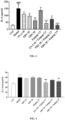
- mice treated with TBN, TN-2, and Empagliflozin alone or in combination are shown in Figure 1 .
- mice treated with TBN, TN-2, and Empagliflozin alone or in combination The blood glucose level of mice treated with TBN, TN-2, and Empagliflozin alone or in combination is shown in Figure 2 .
- the levels of IL-6 in the serum of mice treated with TBN, TN-2, and Empagliflozin alone or in combination are shown in Figure 3 .
- the combined administration of TBN and Empagliflozin, as well as TN-2 and Empagliflozin, can significantly reduce the level of IL-6 in serum IL-6.
- the levels of IL-1 ⁇ in the serum of mice treated with TBN, TN-2, and Empagliflozin alone or in combination are shown in Figure 4 .
- the combined administration of TBN and Empagliflozin, as well as TN-2 and Empagliflozin, can significantly reduce the level of IL-1 ⁇ in serum.
- Table 2 clearly indicate that the combination of the nitrone compound TBN and the SGLT-2 inhibitor Empagliflozin in the present invention can enhance the extent of reduction of blood sugar, especially the blood sugar reduction in the TBN 10 mg/kg+Empagliflozin 2.5 mg/kg group is better than the sum of the TBN 10 mg/kg group and Empagliflozin 2.5 mg/kg group;
- both the TBN 10 mg/kg+Empagliflozin 2.5 mg/kg group and the TBN 30 mg/kg+Empagliflozin 2.5 mg/kg group were able to enhance the extent of reduction in urinary protein, and the reduction in both groups was better than the sum of the TBN 10 mg/kg group and Empagliflozin 2.5 mg/kg group;
- both the TBN 10 mg/kg+Empagliflozin 2.5 mg/kg group and the TBN 30 mg/kg+Empagliflozin 2.5 mg/kg group can enhance the extent of reduction in IL-1 ⁇ levels
- the extend of reduction in the levels of both groups was better than the sum of TBN 10 mg/kg group and Empagliflozin 2.5 mg/kg group; After combination use, both the TBN 10 mg/kg+Empagliflozin 2.5 mg/kg group and the TBN 30 mg/kg+Empagliflozin 2.5 mg/kg group were able to enhance the extent of reduction in IL-6, and the reduction in both groups was better than the sum of the TBN 10 mg/kg group and Empagliflozin 2.5 mg/kg group.
- SGLT-2 inhibitors are used to lower blood sugar levels by increasing the excretion of urine sugar.
- high urine sugar also increases the proliferation of bacteria in the urinary and reproductive tract, leading to urinary tract infections and related inflammation.
- the combination use of the nitrone compounds and SGLT-2 inhibitors further reduces the level of IL-6, indicating that the nitrone compounds can reduce the risk of urinary and reproductive system infections caused by SGLT-2 inhibitor drugs, and have important clinical significance.
- mice Grouping and administration of experimental mice Groups Route of administration Ctrl (wt/wt, saline, twice/day) i.g. Model (db/db, saline, twice/day) i.g. TBN (30 mg/kg, twice/day) i.g. Canagliflozin (10 mg/kg, once/day) i.g. TBN (30 mg/kg, twice/day)+Canagliflozin (10 mg/kg, once/day) i.g.
- Db/db mice of 6 weeks old were adaptively fed for 1 week (i.e., 7 weeks old) before administration.
- TBN and Canagliflozin were administered alone or in combination, with TBN administered twice a day (fixed at 9:00-10:00 am and 3:00-4:00 pm, with an interval of 6 hours) and Canagliflozin administered once a day (fixed at 9:00-10:00 am) for 8 weeks.
- the present invention adopts a test design of multicenter, randomized, double-blind, placebo-controlled parallel control.
- UCR urinary microalbumin/creatinine ratio
- SGLT2i is commercially available SGLT2i, selected from Engliflozin, Dapagliflozin, and Cargliflozin: Engliflozin once daily, 10 mg; Dapagliflozin once daily, 10 mg; Kagliflozin once daily, 100 mg.
Landscapes
- Health & Medical Sciences (AREA)
- Life Sciences & Earth Sciences (AREA)
- Chemical & Material Sciences (AREA)
- Medicinal Chemistry (AREA)
- Pharmacology & Pharmacy (AREA)
- Animal Behavior & Ethology (AREA)
- General Health & Medical Sciences (AREA)
- Public Health (AREA)
- Veterinary Medicine (AREA)
- Epidemiology (AREA)
- Diabetes (AREA)
- Molecular Biology (AREA)
- Organic Chemistry (AREA)
- Bioinformatics & Cheminformatics (AREA)
- Chemical Kinetics & Catalysis (AREA)
- General Chemical & Material Sciences (AREA)
- Nuclear Medicine, Radiotherapy & Molecular Imaging (AREA)
- Engineering & Computer Science (AREA)
- Emergency Medicine (AREA)
- Urology & Nephrology (AREA)
- Endocrinology (AREA)
- Hematology (AREA)
- Obesity (AREA)
- Pharmaceuticals Containing Other Organic And Inorganic Compounds (AREA)
- Acyclic And Carbocyclic Compounds In Medicinal Compositions (AREA)
- Medicines That Contain Protein Lipid Enzymes And Other Medicines (AREA)
Applications Claiming Priority (3)
| Application Number | Priority Date | Filing Date | Title |
|---|---|---|---|
| CN202210205372 | 2022-03-02 | ||
| CN202210905164.3A CN116726017A (zh) | 2022-03-02 | 2022-07-29 | 硝酮化合物或其在药学上可接受的盐与sglt-2抑制剂联合应用 |
| PCT/CN2023/078809 WO2023165479A1 (fr) | 2022-03-02 | 2023-02-28 | Utilisation d'un composé nitrone ou d'un sel pharmaceutiquement acceptable de celui-ci en combinaison avec un inhibiteur de sglt-2 |
Publications (2)
| Publication Number | Publication Date |
|---|---|
| EP4487850A1 true EP4487850A1 (fr) | 2025-01-08 |
| EP4487850A4 EP4487850A4 (fr) | 2025-10-15 |
Family
ID=87882997
Family Applications (1)
| Application Number | Title | Priority Date | Filing Date |
|---|---|---|---|
| EP23762878.9A Pending EP4487850A4 (fr) | 2022-03-02 | 2023-02-28 | Utilisation d'un composé nitrone ou d'un sel pharmaceutiquement acceptable de celui-ci en combinaison avec un inhibiteur de sglt-2 |
Country Status (3)
| Country | Link |
|---|---|
| EP (1) | EP4487850A4 (fr) |
| JP (1) | JP2025508533A (fr) |
| WO (1) | WO2023165479A1 (fr) |
Family Cites Families (6)
| Publication number | Priority date | Publication date | Assignee | Title |
|---|---|---|---|---|
| CN101468970B (zh) * | 2008-04-25 | 2011-05-11 | 暨南大学 | 一种硝酮类化合物及其制备方法和在制药中的应用 |
| CN104803880B (zh) * | 2014-01-23 | 2017-11-21 | 广州喜鹊医药有限公司 | 一种具有神经保护作用的化合物及其制备方法和应用 |
| CN105017165B (zh) * | 2015-07-07 | 2018-04-03 | 广州喜鹊医药有限公司 | 一种新的吡嗪衍生物及其制备方法和医药应用 |
| CN116637115A (zh) * | 2017-05-27 | 2023-08-25 | 广州喜鹊医药有限公司 | 川芎嗪硝酮衍生物组合物在预防和治疗糖尿病并发症疾病中的应用 |
| CN107417631A (zh) * | 2017-08-04 | 2017-12-01 | 广州喜鹊医药有限公司 | 一种氘代硝酮嗪化合物及其制备方法和在制药中的应用 |
| CN114344304B (zh) * | 2020-10-14 | 2023-06-30 | 广州喜鹊医药有限公司 | 川芎嗪硝酮化合物在制备预防和/或治疗肾性贫血药物中的应用 |
-
2023
- 2023-02-28 WO PCT/CN2023/078809 patent/WO2023165479A1/fr not_active Ceased
- 2023-02-28 EP EP23762878.9A patent/EP4487850A4/fr active Pending
- 2023-02-28 JP JP2024552346A patent/JP2025508533A/ja active Pending
Also Published As
| Publication number | Publication date |
|---|---|
| EP4487850A4 (fr) | 2025-10-15 |
| JP2025508533A (ja) | 2025-03-26 |
| WO2023165479A1 (fr) | 2023-09-07 |
Similar Documents
| Publication | Publication Date | Title |
|---|---|---|
| EP3132792B1 (fr) | Composition et procédés d'augmentation de la sensibilité d'insuline | |
| EA026712B1 (ru) | Применение ингибитора sglt2 | |
| CN119523985A (zh) | 川芎嗪硝酮衍生物在预防和治疗糖尿病并发症疾病中的应用 | |
| UA122974C2 (uk) | Комбінований лікарський засіб, який містить канагліфлозин і фентермін, для лікування ожиріння й пов'язаних з ожирінням порушень | |
| EP3698801B1 (fr) | Composition pharmaceutique pour prévenir et traiter le diabète contenant un sel de zinc, un cyclo-hispro et un antidiabétique à titre de principes actifs | |
| CN112316150B (zh) | 一种用于预防或治疗代谢或损伤相关疾病的药物组合物 | |
| US20170304252A1 (en) | Azelaic acid esters in the treatment of insulin resistance | |
| US20200353043A1 (en) | Methods for treating diseases mediated by erbb4-positive pro-inflammatory macrophages | |
| US20250281478A1 (en) | Methods for preventing or treating kidney diseases | |
| KR20050106038A (ko) | 심장질환 및 신장질환의 치료를 위한 아데노신 a1 수용체길항제 | |
| EP4487850A1 (fr) | Utilisation d'un composé nitrone ou d'un sel pharmaceutiquement acceptable de celui-ci en combinaison avec un inhibiteur de sglt-2 | |
| TW202038937A (zh) | 治療高血壓的方法 | |
| US20230181542A1 (en) | Method and pharmaceutical composition for treating chronic kidney disease | |
| EP3167885A1 (fr) | Combinaisons de solifénacine et pilocarpine pour le traitement d'une vessie hyperactive | |
| CN104602686A (zh) | 利用卤芬酯或卤芬酸以及抗炎剂治疗痛风患者中高尿酸血症的方法 | |
| EP4282866A1 (fr) | Utilisation d'un analogue de pyrido[1,2-a]pyrimidone | |
| EP3811948B1 (fr) | Glycosides pour leur utilisation dans la prévention et le traitement des complications associées au diabète | |
| CN117396197A (zh) | 慢性肾脏病的猫的治疗方法 | |
| CN116726017A (zh) | 硝酮化合物或其在药学上可接受的盐与sglt-2抑制剂联合应用 | |
| EP4337213A1 (fr) | Utilisation de pélabrésib pour le traitement d'anémies | |
| EP4353234A1 (fr) | Utilisation d'un composé pyrrolopyrimidine | |
| KR20140045379A (ko) | 과민성 방광을 치료하기 위한 트로스피움과 타액 자극제의 복합제 | |
| US12290548B2 (en) | Herbal composition for reducing uric acid and the use in reducing uric acid, body fat, and blood glucose thereof | |
| JP5217436B2 (ja) | Akt活性化抑制剤 | |
| EP3900723A1 (fr) | Nachr, tel que la nicotine, pour son utilisation dans la prévention et le traitement de la maladie du covid-19 |
Legal Events
| Date | Code | Title | Description |
|---|---|---|---|
| STAA | Information on the status of an ep patent application or granted ep patent |
Free format text: STATUS: THE INTERNATIONAL PUBLICATION HAS BEEN MADE |
|
| PUAI | Public reference made under article 153(3) epc to a published international application that has entered the european phase |
Free format text: ORIGINAL CODE: 0009012 |
|
| STAA | Information on the status of an ep patent application or granted ep patent |
Free format text: STATUS: REQUEST FOR EXAMINATION WAS MADE |
|
| 17P | Request for examination filed |
Effective date: 20240826 |
|
| AK | Designated contracting states |
Kind code of ref document: A1 Designated state(s): AL AT BE BG CH CY CZ DE DK EE ES FI FR GB GR HR HU IE IS IT LI LT LU LV MC ME MK MT NL NO PL PT RO RS SE SI SK SM TR |
|
| DAV | Request for validation of the european patent (deleted) | ||
| DAX | Request for extension of the european patent (deleted) | ||
| A4 | Supplementary search report drawn up and despatched |
Effective date: 20250916 |
|
| RIC1 | Information provided on ipc code assigned before grant |
Ipc: A61K 31/4965 20060101AFI20250910BHEP Ipc: A61P 3/10 20060101ALI20250910BHEP Ipc: A61P 13/12 20060101ALI20250910BHEP Ipc: A61K 31/7034 20060101ALI20250910BHEP Ipc: A61K 31/7042 20060101ALI20250910BHEP Ipc: A61K 31/7048 20060101ALI20250910BHEP Ipc: A61K 45/06 20060101ALI20250910BHEP |