EP4487915A2 - Kapselformulierungen - Google Patents
Kapselformulierungen Download PDFInfo
- Publication number
- EP4487915A2 EP4487915A2 EP24196793.4A EP24196793A EP4487915A2 EP 4487915 A2 EP4487915 A2 EP 4487915A2 EP 24196793 A EP24196793 A EP 24196793A EP 4487915 A2 EP4487915 A2 EP 4487915A2
- Authority
- EP
- European Patent Office
- Prior art keywords
- peg
- capsule
- solid solution
- compound
- ionic surfactant
- Prior art date
- Legal status (The legal status is an assumption and is not a legal conclusion. Google has not performed a legal analysis and makes no representation as to the accuracy of the status listed.)
- Pending
Links
Images




Classifications
-
- A—HUMAN NECESSITIES
- A61—MEDICAL OR VETERINARY SCIENCE; HYGIENE
- A61K—PREPARATIONS FOR MEDICAL, DENTAL OR TOILETRY PURPOSES
- A61K31/00—Medicinal preparations containing organic active ingredients
- A61K31/33—Heterocyclic compounds
- A61K31/395—Heterocyclic compounds having nitrogen as a ring hetero atom, e.g. guanethidine or rifamycins
- A61K31/435—Heterocyclic compounds having nitrogen as a ring hetero atom, e.g. guanethidine or rifamycins having six-membered rings with one nitrogen as the only ring hetero atom
- A61K31/44—Non condensed pyridines; Hydrogenated derivatives thereof
- A61K31/4412—Non condensed pyridines; Hydrogenated derivatives thereof having oxo groups directly attached to the heterocyclic ring
-
- A—HUMAN NECESSITIES
- A61—MEDICAL OR VETERINARY SCIENCE; HYGIENE
- A61K—PREPARATIONS FOR MEDICAL, DENTAL OR TOILETRY PURPOSES
- A61K31/00—Medicinal preparations containing organic active ingredients
- A61K31/33—Heterocyclic compounds
- A61K31/395—Heterocyclic compounds having nitrogen as a ring hetero atom, e.g. guanethidine or rifamycins
- A61K31/435—Heterocyclic compounds having nitrogen as a ring hetero atom, e.g. guanethidine or rifamycins having six-membered rings with one nitrogen as the only ring hetero atom
- A61K31/44—Non condensed pyridines; Hydrogenated derivatives thereof
- A61K31/445—Non condensed piperidines, e.g. piperocaine
- A61K31/451—Non condensed piperidines, e.g. piperocaine having a carbocyclic group directly attached to the heterocyclic ring, e.g. glutethimide, meperidine, loperamide, phencyclidine, piminodine
-
- A—HUMAN NECESSITIES
- A61—MEDICAL OR VETERINARY SCIENCE; HYGIENE
- A61K—PREPARATIONS FOR MEDICAL, DENTAL OR TOILETRY PURPOSES
- A61K47/00—Medicinal preparations characterised by the non-active ingredients used, e.g. carriers or inert additives; Targeting or modifying agents chemically bound to the active ingredient
- A61K47/06—Organic compounds, e.g. natural or synthetic hydrocarbons, polyolefins, mineral oil, petrolatum or ozokerite
- A61K47/08—Organic compounds, e.g. natural or synthetic hydrocarbons, polyolefins, mineral oil, petrolatum or ozokerite containing oxygen, e.g. ethers, acetals, ketones, quinones, aldehydes, peroxides
- A61K47/10—Alcohols; Phenols; Salts thereof, e.g. glycerol; Polyethylene glycols [PEG]; Poloxamers; PEG/POE alkyl ethers
-
- A—HUMAN NECESSITIES
- A61—MEDICAL OR VETERINARY SCIENCE; HYGIENE
- A61K—PREPARATIONS FOR MEDICAL, DENTAL OR TOILETRY PURPOSES
- A61K47/00—Medicinal preparations characterised by the non-active ingredients used, e.g. carriers or inert additives; Targeting or modifying agents chemically bound to the active ingredient
- A61K47/06—Organic compounds, e.g. natural or synthetic hydrocarbons, polyolefins, mineral oil, petrolatum or ozokerite
- A61K47/08—Organic compounds, e.g. natural or synthetic hydrocarbons, polyolefins, mineral oil, petrolatum or ozokerite containing oxygen, e.g. ethers, acetals, ketones, quinones, aldehydes, peroxides
- A61K47/14—Esters of carboxylic acids, e.g. fatty acid monoglycerides, medium-chain triglycerides, parabens or PEG fatty acid esters
-
- A—HUMAN NECESSITIES
- A61—MEDICAL OR VETERINARY SCIENCE; HYGIENE
- A61K—PREPARATIONS FOR MEDICAL, DENTAL OR TOILETRY PURPOSES
- A61K47/00—Medicinal preparations characterised by the non-active ingredients used, e.g. carriers or inert additives; Targeting or modifying agents chemically bound to the active ingredient
- A61K47/30—Macromolecular organic or inorganic compounds, e.g. inorganic polyphosphates
- A61K47/36—Polysaccharides; Derivatives thereof, e.g. gums, starch, alginate, dextrin, hyaluronic acid, chitosan, inulin, agar or pectin
- A61K47/40—Cyclodextrins; Derivatives thereof
-
- A—HUMAN NECESSITIES
- A61—MEDICAL OR VETERINARY SCIENCE; HYGIENE
- A61K—PREPARATIONS FOR MEDICAL, DENTAL OR TOILETRY PURPOSES
- A61K47/00—Medicinal preparations characterised by the non-active ingredients used, e.g. carriers or inert additives; Targeting or modifying agents chemically bound to the active ingredient
- A61K47/44—Oils, fats or waxes according to two or more groups of A61K47/02-A61K47/42; Natural or modified natural oils, fats or waxes, e.g. castor oil, polyethoxylated castor oil, montan wax, lignite, shellac, rosin, beeswax or lanolin
-
- A—HUMAN NECESSITIES
- A61—MEDICAL OR VETERINARY SCIENCE; HYGIENE
- A61K—PREPARATIONS FOR MEDICAL, DENTAL OR TOILETRY PURPOSES
- A61K9/00—Medicinal preparations characterised by special physical form
- A61K9/48—Preparations in capsules, e.g. of gelatin, of chocolate
- A61K9/4808—Preparations in capsules, e.g. of gelatin, of chocolate characterised by the form of the capsule or the structure of the filling; Capsules containing small tablets; Capsules with outer layer for immediate drug release
-
- A—HUMAN NECESSITIES
- A61—MEDICAL OR VETERINARY SCIENCE; HYGIENE
- A61K—PREPARATIONS FOR MEDICAL, DENTAL OR TOILETRY PURPOSES
- A61K9/00—Medicinal preparations characterised by special physical form
- A61K9/48—Preparations in capsules, e.g. of gelatin, of chocolate
- A61K9/4816—Wall or shell material
- A61K9/4825—Proteins, e.g. gelatin
-
- A—HUMAN NECESSITIES
- A61—MEDICAL OR VETERINARY SCIENCE; HYGIENE
- A61K—PREPARATIONS FOR MEDICAL, DENTAL OR TOILETRY PURPOSES
- A61K9/00—Medicinal preparations characterised by special physical form
- A61K9/48—Preparations in capsules, e.g. of gelatin, of chocolate
- A61K9/4833—Encapsulating processes; Filling of capsules
-
- A—HUMAN NECESSITIES
- A61—MEDICAL OR VETERINARY SCIENCE; HYGIENE
- A61K—PREPARATIONS FOR MEDICAL, DENTAL OR TOILETRY PURPOSES
- A61K9/00—Medicinal preparations characterised by special physical form
- A61K9/48—Preparations in capsules, e.g. of gelatin, of chocolate
- A61K9/4841—Filling excipients; Inactive ingredients
- A61K9/4858—Organic compounds
-
- A—HUMAN NECESSITIES
- A61—MEDICAL OR VETERINARY SCIENCE; HYGIENE
- A61K—PREPARATIONS FOR MEDICAL, DENTAL OR TOILETRY PURPOSES
- A61K9/00—Medicinal preparations characterised by special physical form
- A61K9/48—Preparations in capsules, e.g. of gelatin, of chocolate
- A61K9/4841—Filling excipients; Inactive ingredients
- A61K9/4866—Organic macromolecular compounds
-
- A—HUMAN NECESSITIES
- A61—MEDICAL OR VETERINARY SCIENCE; HYGIENE
- A61P—SPECIFIC THERAPEUTIC ACTIVITY OF CHEMICAL COMPOUNDS OR MEDICINAL PREPARATIONS
- A61P29/00—Non-central analgesic, antipyretic or antiinflammatory agents, e.g. antirheumatic agents; Non-steroidal antiinflammatory drugs [NSAID]
-
- A—HUMAN NECESSITIES
- A61—MEDICAL OR VETERINARY SCIENCE; HYGIENE
- A61P—SPECIFIC THERAPEUTIC ACTIVITY OF CHEMICAL COMPOUNDS OR MEDICINAL PREPARATIONS
- A61P37/00—Drugs for immunological or allergic disorders
-
- A—HUMAN NECESSITIES
- A61—MEDICAL OR VETERINARY SCIENCE; HYGIENE
- A61P—SPECIFIC THERAPEUTIC ACTIVITY OF CHEMICAL COMPOUNDS OR MEDICINAL PREPARATIONS
- A61P9/00—Drugs for disorders of the cardiovascular system
Definitions
- the complement system plays a central role in the clearance of immune complexes and in immune responses to infectious agents, foreign antigens, virus infected cells and tumor cells. Inappropriate or excessive activation of the complement system can lead to harmful, and even potentially life-threatening consequences due to severe inflammation and resulting tissue destruction. These consequences are clinically manifested in various disorders including septic shock; myocardial, as well as, intestinal ischemia/reperfusion injury; graft rejection; organ failure; nephritis; pathological inflammation; and autoimmune diseases.
- the complement system is composed of a group of proteins that are normally present in the serum in an inactive state. Activation of the complement system encompasses mainly three distinct pathways, i.e. , the classical, the alternative, and the lectin pathway ( V. M. Holers, In Clinical Immunology: Principles and Practice, ed. R. R. Rich, Mosby Press; 1996, 363-391 ): 1)
- the classical pathway is a calcium/magnesium-dependent cascade, which is normally activated by the formation of antigen-antibody complexes. It can also be activated in an antibody-independent manner by the binding of C-reactive protein, complexed with ligand, and by many pathogens including gram-negative bacteria.
- the alternative pathway is a magnesium-dependent cascade which is activated by deposition and activation of C3 on certain susceptible surfaces (e.g. cell wall polysaccharides of yeast and bacteria, and certain biopolymer materials).
- C3 e.g. cell wall polysaccharides of yeast and bacteria, and certain biopolymer materials.
- the lectin pathway involves the initial binding of mannose-binding lectin and the subsequent activation of C2 and C4, which are common to the classical pathway ( Matsushita, M. et al., J. Exp. Med. 176: 1497-1502 (1992 ); Suankratay, C. et al., J. Immunol. 160: 3006-3013 (1998 )).
- complement pathway generates biologically active fragments of complement proteins, e.g. C3a, C4a and C5a anaphylatoxins and C5b-9 membrane attack complexes (MAC), all which mediate inflammatory responses by affecting leukocyte chemotaxis; activating macrophages, neutrophils, platelets, mast cells and endothelial cells; and increasing vascular permeability, cytolysis and tissue injury.
- complement proteins e.g. C3a, C4a and C5a anaphylatoxins and C5b-9 membrane attack complexes (MAC), all which mediate inflammatory responses by affecting leukocyte chemotaxis; activating macrophages, neutrophils, platelets, mast cells and endothelial cells; and increasing vascular permeability, cytolysis and tissue injury.
- Complement C5a is one of the most potent proinflammatory mediators of the complement system.
- the anaphylactic C5a peptide is 100 times more potent, on a molar basis, in eliciting inflammatory responses than C3a.
- C5a is the activated form of C5 (190 kD, molecular weight).
- C5a is present in human serum at approximately 80 ⁇ g/ml ( Kohler, P. F. et al., J. Immunol. 99: 1211-1216 (1967 )). It is composed of two polypeptide chains, ⁇ and ⁇ , with approximate molecular weights of 115 kD and 75 kD, respectively ( Tack, B. F.
- C5 Biosynthesized as a single-chain promolecule, C5 is enzymatically cleaved into a two-chain structure during processing and secretion. After cleavage, the two chains are held together by at least one disulphide bond as well as noncovalent interactions ( Ooi, Y. M. et al., J. Immunol. 124: 2494-2498(1980 )).
- Compound 1 is classed as a compound belonging to Class II of the Biopharmaceutics Classification System (BCS) having poor solubility in the aqueous environment of the gastrointestinal (GI) tract but high permeability across membranes. Thus, its resorption is controlled by its solubility and rate of dissolution in the GI tract.
- BCS Biopharmaceutics Classification System
- GI gastrointestinal
- a pharmaceutical formulation that provides manufacturability, consistent stability, bioavailability, and pharmacokinetics has not been developed.
- a solid solution capsule comprising Compound 1 as a free base, in its neutral form or in the form of a pharmaceutically acceptable salt and a vehicle comprising
- a solid solution capsule comprising Compound 1 a free base, in its neutral form or in the form of a pharmaceutically acceptable salt and a vehicle comprising
- a solid solution capsule comprising Compound 1 as a free base, in its neutral form or in the form of a pharmaceutically acceptable salt and a vehicle comprising
- provided herein are methods of treating an individual suffering from or susceptible to a disease or disorder involving pathologic activation of C5a receptors, comprising administering to the individual an effective amount of one or more solid solution capsule comprising Compound 1 as described herein.
- a single unit dosage capsule comprising about 2.6 mg to 25.2 mg of Compound 1 as a free base, in its neutral form and a vehicle comprising
- kits comprising a solid solution capsule comprising Compound 1 as described herein.
- Compound 1 has been found to possess extremely poor solubility across a broad pH range. Additionally, Compound 1 lacked solubility in a number of excipients tested. Compound 1 has been successfully formulated as a liquid; however, such formulations included ethanol. Ethanol readily evaporates during both dose preparation and storage, thereby introducing dosing inaccuracies and, at times, causing Compound 1 to crash out of solution. In order to overcome the difficulties in formulating Compound 1 for pharmaceutical uses, the present disclosure provides a solid solution capsule formulation of Compound 1 and methods of making the same.
- the solid solution capsules described herein provide Compound 1 completely and molecularly dissolved in a matrix, dispersed in a matrix, or a mixture thereof. That is, the drug product is a solid solution of drug substance in the amorphous capsule fill matrix. In some embodiments, dissolution of Compound 1 in the matrix can be determined through visual inspection of the capsule fill matrix. Thus, completely and molecularly dissolved Compound 1 can include a solid solution capsule fill matrix that does not have observable clusters of undissolved Compound 1 and appears as a uniform solid solution to the naked eye.
- the solid solution capsule formulations described herein avoids or reduces crystallization of the drug substance in the molecularly dissolved or dispersed matrix and provides excellent stability, bioavailability, and pharmacokinetic properties.
- a key feature of the formulations described herein is the ratio of the at least one non-ionic surfactant having a HLB value of at least 10 and the at least one water-soluble solubilizer having a melting point at or above 37° C that provide a useful pharmaceutical composition.
- treating encompasses both disease-modifying treatment and symptomatic treatment, either of which may be prophylactic (i.e., before the onset of symptoms, in order to prevent, delay or reduce the severity of symptoms) or therapeutic (i.e., after the onset of symptoms, in order to reduce the severity and/or duration of symptoms).
- salts are meant to include salts of the active compounds which are prepared with relatively nontoxic acids or bases.
- salts derived from pharmaceutically-acceptable inorganic bases include aluminum, ammonium, calcium, copper, ferric, ferrous, lithium, magnesium, manganic, manganous, potassium, sodium, zinc and the like.
- Salts derived from pharmaceutically-acceptable organic bases include salts of primary, secondary and tertiary amines, including substituted amines, cyclic amines, naturally-occurring amines and the like, such as arginine, betaine, caffeine, choline, N,N'-dibenzylethylenediamine, diethylamine, 2-diethylaminoethanol, 2-dimethylaminoethanol, ethanolamine, ethylenediamine, N-ethylmorpholine, N-ethylpiperidine, glucamine, glucosamine, histidine, hydrabamine, isopropylamine, lysine, methylglucamine, morpholine, piperazine, piperadine, polyamine resins, procaine, purines, theobromine, triethylamine, trimethylamine, tripropylamine, tromethamine and the like.
- arginine betaine
- caffeine choline
- Examples of pharmaceutically acceptable acid addition salts include those derived from inorganic acids like hydrochloric, hydrobromic, nitric, carbonic, monohydrogencarbonic, phosphoric, monohydrogenphosphoric, dihydrogenphosphoric, sulfuric, monohydrogensulfuric, hydriodic, or phosphorous acids and the like, as well as the salts derived from relatively nontoxic organic acids like acetic, propionic, isobutyric, malonic, benzoic, succinic, suberic, fumaric, mandelic, phthalic, benzenesulfonic, p-tolylsulfonic, citric, tartaric, methanesulfonic, and the like.
- salts of amino acids such as arginate and the like
- salts of organic acids like glucuronic or galactunoric acids and the like
- Berge, S.M., et al “Pharmaceutical Salts", Journal of Pharmaceutical Science, 1977, 66, 1-19 or P.Heinrich, Stahl, Camille G. Wemouth, Handbook of Pharmaceutical Salts, 2002. Wiley-VCH ).
- the neutral form of Compound 1 may be regenerated by contacting the salt with a base or acid and isolating the parent compound in the conventional manner.
- the parent form of Compound 1 differs from the various salt forms in certain physical properties, such as solubility in polar solvents, but otherwise the salts are equivalent to the parent form of Compound 1 for the purposes of the present disclosure.
- Solid solution capsule refers to a formulation comprising the drug substance dissolved or dispersed in an excipient matrix that is encapsulated.
- the drug substance is completely and molecularly dissolved or dispersed in the excipient matrix, or a mixture thereof.
- the drug substance i.e. Compound 1 as a free base, in its neutral form or in the form of a pharmaceutically acceptable salt, is dissolved or dispersed in an excipient matrix, which is a vehicle comprising at least one non-ionic surfactant having a hydrophilic-lipophilic balance (HLB) value of at least 10 and at least one water-soluble solubilizer having a melting point at or above 37° C.
- HLB hydrophilic-lipophilic balance
- Nonionic surfactant refers to a surfactant in which the hydrophilic portion of the surfactant carries no charge.
- Two non-limiting classes of nonionic surfactants useful in the present disclosure are (a) polyoxyethylene castor oil derivatives, and (b) polyoxyethylene derivatives of a fatty acids containing from about 8 to about 22 carbon atoms. The carbon atoms of the fatty acid can include one or more points of unsaturation or one or more points of substitution (e.g. ricinoleic acid).
- HLB hydrophilic-lipophilic balance
- Mh the molecular mass of the hydrophilic portion of the molecule
- M the molecular mass of the whole molecule
- the HLB value is calculated by the Davies method when is described in Davies J. T., "A Quantitative Kinetic Theory of Emulsion Type, I. Physical Chemistry of the Emulsifying Agent," Gas/Liquid and Liquid/Liquid Interface. Proceedings the International Congress of Surface Activity 426-438 (1957 ) which is incorporated herein by reference for all purposes.
- Water-soluble solubilizer refers to compositions that that are readily molecularly soluble in water at neutral pH and ambient temperature.
- water-soluble solubilizers have a solubility in water of at least 15, 20, 35, 30, 35, 40, 45 or 50 g/L at 25°C.
- water-soluble solubilizers have a solubility in water of at least 40 g/L at 25°C.
- Typical water-soluble solubizers having a melting point at or above 37°C are polyethylene glycols having an average molecular weight of 1000 to 6000. Additional water-soluble solubilizers having a melting point at or above 37° C also include poloxamers such as poloxamer 188, poloxamer 237, poloxamer 338 and poloxamer 407.
- total fill weight refers to the amount of material that is encapsulated within a capsule shell as described herein.
- the “total fill weight” does not include the weight of the capsule itself nor any other additives used to seal the capsule.
- Compound 1 is a chemical compound having an IUPAC name of (2R,3 S)-2-(4-(cyclopentylamino)phenyl)-1-(2-fluoro-6-methylbenzoyl)-N-(4-methyl-3-(trifluoromethyl)phenyl)piperidine-3-carboxamide, and the structure shown below:
- a condition is considered "responsive to C5a receptor modulation" if modulation of C5a receptor activity results in the reduction of inappropriate activity of a C5a receptor.
- the term “individual” refers to mammals, which includes primates (especially humans), domesticated companion animals (such as dogs, cats, horses, and the like) and livestock (such as cattle, pigs, sheep, and the like), with dosages as described herein. In some embodiments, the term “individual” refers to a human.
- solid solution capsule formulations comprising Compound 1 as a free base, in its neutral form or in the form of a pharmaceutically acceptable salt and a vehicle comprising
- suitable non-ionic surfactants having an HLB value of at least 10 include (a) polyoxyethylene castor oil derivatives, and (b) polyoxyethylene derivatives of polyol esters, wherein the polyoxyethylene derivative of polyol ester is derived from a fatty acid containing from about 8 to about 22 carbon atoms.
- the carbon atoms of the fatty acid can include one or more points of unsaturation or one or more points of substitution (e.g. ricinoleic acid).
- suitable non-ionic surfactants having an HLB value of at least 10 are macrogol-glycerol hydroxystearate polymers such as polyoxyethylene 40 castor oil, polyoxyethylene 40 hydrogenated castor oil (also known as macrogol-40-glycerol hydroxystearate, it previous tradename Cremophor ® RH40, and its current tradename Kolliphor ® RH40), macrogolglycerol ricinoleate (also known as polyethoxxethylene 35 castor oil, by its previous tradename Cremophor ® EL, and by its current tradename Kolliphor ® EL), macrogol-15-hydroxystearate (also known by its previous tradename Solutol ® HS 15 and its current tradename Kolliphor HS15), polyoxyethylene 60 castor oil, polyoxyethylene 60 hydrogenator castor oil, polyoxyethylene 100 hydrogenated castor oil, polyoxyethylene 200 castor oil, polyoxyethylene 200 hydrogenated castor oil.
- macrogol-glycerol hydroxystearate polymers such as poly
- Suitable water-soluble solubilizers having a melting point at or above 37° C can be polyethylene glycols (PEGs) having a minimum average molecular weight of 1000 and a maximum average molecular weight of 20,000.
- Typical polyethylene glycols used as solubilizers in the present invention are PEG-1000, PEG-1500, PEG-1540, PEG-2000, PEG-3000, PEG-3350, PEG-4000, PEG-6000, PEG-8000, PEG-10000, and PEG-20000.
- the at least one water-soluble solubilizer is PEG-3000, PEG-3350, PEG-4000, PEG-6000.
- the at least one water-soluble solubilizer is PEG-4000.
- water-soluble solubilizers having a melting point at or above 37° C are solid poloxamers, also known as poloxamer polyols with average molecular weights between 6000 and 18000 or by their tradename Pluronics ® , which have the formula HO(C 2 H 4 O) a (C 3 H 6 O) b (C 2 H 4 O) a H.
- suitable poloxamers are poloxamer 188, poloxamer 237, poloxamer 338 and poloxamer 407.
- the at least one non-ionic surfactant having a hydrophilic-liphophilic balance (HLB) value of at least 10 and the at least one water-soluble solubilizer having a melting point at or above 37° C is a single component.
- a component includes a hydrophilic polyethylene glycol (PEG) chain attached to a lipophilic fatty acid or fatty alcohol component (e.g. a macrogol-glycerol hydroxystearate).
- PEG polyethylene glycol
- fatty alcohol component e.g. a macrogol-glycerol hydroxystearate
- Such single component vehicles provide a non-ionic surfactant having an HLB value of at least 10 and free PEG polymer chains acting as water-soluble solubilizers.
- a capsule formulation comprising a non-ionic surfactant having an HLB value of at least 10 and a water-soluble solubilizer having a melting point at or above 37° C provides a so-called self-emulsifying or self-solubilizing system.
- the capsule shell dissolves in the gastrointestinal tract followed by dissolution of the solubilizing agent in the gastric fluid with simultaneous formation of micelles comprising molecularly dissolved Compound 1.
- a microemulsion or a nanoemulsion is formed that permits Compound 1 to remain in solution despite being surrounded by gastric fluid having a pH value of 3 or above, at which pH value Compound 1 is normally insoluble.
- the solid solution capsule formulations comprising Compound 1 as a free base, in its neutral form or in the form of a pharmaceutically acceptable salt, and a vehicle, said vehicle comprising macrogol-40-glycerol hydroxystearate and PEG-4000.
- the vehicle comprises about 97 to 99% by weight of the total fill weight of said solid solution capsule. In some embodiments, the vehicle comprises about 98% by weight of the total fill weight of said solid solution capsule.
- the solid solution capsule comprises about 1 to 3% of Compound 1 by weight of the total fill weight of said solid solution capsule. In some embodiments, the solid solution capsule comprises about 1 to 2.8% of Compound 1 by weight of the total fill weight of said solid solution capsule. In some embodiments, the solid solution capsule comprises about 2% of Compound 1 by weight of the total fill weight of said solid solution capsule.
- the total weight of the vehicle comprises a 30:70 to 65:35 ratio of at least one non-ionic surfactant having an HLB value of at least 10 and at least one water-soluble solubilizer having a melting point at or above 37° C.
- the ratio of macrogol-40-glycerol hydroxystearate to polyethylene glycol 4000 (PEG-4000) is from 30:70 and 65:35.
- the total weight of the vehicle comprises a 35:65 to 65:35 ratio of at least one non-ionic surfactant having an HLB value of at least 10 and at least one water-soluble solubilizer having a melting point at or above 37° C.
- the ratio of macrogol-40-glycerol hydroxystearate to polyethylene glycol 4000 is from 35:65 to 65:35.
- the total weight of the vehicle comprises a 45:55 to 55:45 ratio of at least one non-ionic surfactant having an HLB value of at least 10 and at least one water-soluble solubilizer having a melting point at or above 37° C.
- the ratio of macrogol-40-glycerol hydroxystearate to polyethylene glycol 4000 (PEG-4000) is from 45:55 to 55:45.
- the total weight of the vehicle comprises about a 50:50 ratio of at least one non-ionic surfactant having an HLB value of at least 10 and at least one water-soluble solubilizer having a melting point at or above 37° C.
- the ratio of macrogol-40-glycerol hydroxystearate to polyethylene glycol 4000 (PEG-4000) is 50:50.
- the total weight of the vehicle comprises about a 40:60 ratio of at least one non-ionic surfactant having an HLB value of at least 10 and at least one water-soluble solubilizer having a melting point at or above 37° C.
- the ratio of macrogol-40-glycerol hydroxystearate to polyethylene glycol 4000 (PEG-4000) is 40:60 .
- the total weight of the vehicle comprises about a 30:70 ratio of at least one non-ionic surfactant having an HLB value of at least 10 and at least one water-soluble solubilizer having a melting point at or above 37° C.
- the ratio of macrogol-40-glycerol hydroxystearate to polyethylene glycol 4000 (PEG-4000) is 30:70.
- the total fill weight of said solid solution capsule is about 100 mg to about 1,000 mg. In some embodiments, the total fill weight of said solid solution capsule is about 130 mg to about 900 mg. In some embodiments, the total fill weight of said solid solution capsule is about 250 mg to about 750 mg. In some embodiments, the total fill weight of said solid solution capsule is about 500 mg.
- the solid solution capsule does not include ethanol.
- the solid solution capsule is in a capsule of size #00, #0, #1, #2, #3, #4, or #5. In some embodiments, the solid solution capsule is in a capsule of size #00. In some embodiments, the solid solution capsule is in a capsule of size #0. In some embodiments, the solid solution capsule is in a capsule of size #1.
- the capsule is a hard capsule. In some embodiments, the capsule is a soft capsule.
- Capsules of the present disclosure can be sealed using known techniques in the art.
- a gelatin sealing band comprising a plasticizer such as polysorbate 80 can be used to seal the capsules disclosed herein.
- solid solution capsules comprising Compound 1 as a free base, in its neutral form or in the form of a pharmaceutically acceptable salt.
- the solid solution capsule formulations described herein are manufactured by filling hard shell capsules with warmed drug solution. After filling the warmed drug solution into the capsules, the solution solidifies and forms an amorphous matrix.
- a solid solution capsule comprising Compound 1 as a free base, in its neutral form or in the form of a pharmaceutically acceptable salt and a vehicle comprising
- the vehicle in step (a) is heated to about 40, 45, 50, 55, 60, 65, 70, 75, 80, 85, 90 or more degrees C. In some embodiments, the vehicle in step (a) is heated to about 50° to 85° C. In some embodiments, the vehicle in step (a) is heated to about 50° C. In some embodiments, the vehicle in step (a) is heated to about 60° C. In some embodiments, the vehicle in step (a) is heated to about 70° C. In some embodiments, the vehicle in step (a) is heated to about 80° C.
- step (a) comprises
- the melting of step (a) can be performed using standard heating techniques in the art. This also applies to steps (i) and (ii). In some embodiments, the heating temperatures of steps (i) and (ii) are the same. In some embodiments, the heating temperatures of steps (i) and (ii) are different.
- the at least one non-ionic surfactant having an HLB value of at least 10 in step (i) is heated to about 40, 45, 50, 55, 60, 65, 70, 75, 80, 85, 90 or more degrees C. In some embodiments, the at least one non-ionic surfactant having an HLB value of at least 10 in step (i) is heated to about 50° to 85° C. In some embodiments, the at least one non-ionic surfactant having an HLB value of at least 10 in step (i) is heated to about 50° to 70° C. In some embodiments, the at least one non-ionic surfactant having an HLB value of at least 10 in step (i) is heated to about 50° C.
- the at least one non-ionic surfactant having an HLB value of at least 10 in step (i) is heated to about 60° C. In some embodiments, the at least one non-ionic surfactant having an HLB value of at least 10 in step (i) is heated to about 70° C. In some embodiments, the at least one non-ionic surfactant having an HLB value of at least 10 in step (i) is heated to about 80° C.
- the at least one water-soluble solubilizer in step (ii) is heated to about 40, 45, 50, 55, 60, 65, 70, 75, 80, 85, 90 or more degrees C. In some embodiments, the at least one water-soluble solubilizer in step (ii) is heated to about 50° to 90° C. In some embodiments, the at least one water-soluble solubilizer in step (ii) is heated to about 80° to 85° C. In some embodiments, the at least one water-soluble solubilizer in step (ii) is heated to about 50° C. In some embodiments, the at least one water-soluble solubilizer in step (ii) is heated to about 60° C. In some embodiments, the at least one water-soluble solubilizer in step (ii) is heated to about 70° C. In some embodiments, the at least one water-soluble solubilizer in step (ii) is heated to about 80° C.
- the at least one non-ionic surfactant having an HLB value of at least 10 in step (i) is heated to about 50 to 70° C, and the at least one water-soluble solubilizer in step (ii) is heated to about 80 to 85° C.
- the at least one non-ionic surfactant having an HLB value of at least 10 in step (i) is heated to about 60° C, and the at least one water-soluble solubilizer in step (ii) is heated to about 80° C.
- the melted solubilizer may have the temperature adjusted to a temperature within the tolerances of the capsule shell.
- the temperature tolerance of a gelatin capsule shell is about 65° C. Difference capsule shells can tolerate different temperatures, a person of skill in the art would readily identify appropriate temperatures based on the capsule shell being used.
- agitation When contacting the melted solubilizer and the melted surfactant, agitation is generally applied to ensure mixing of the melted surfactant and melted solubilizer. Typically, stirring is employed. The time of agitation/stirring will vary depending on the components of the melted surfactant and melted solubilizer, the size of the preparation, and the heating temperatures used. In some embodiments, stirring is performed for 0.25, 0.5, 0.75, 1, 2 or more hours. Agitation may be performed under vacuum during this step to dearate the solution.
- Dissolution of Compound 1 can be achieved by a number of techniques including waiting an appropriate amount of time or agitating the solution to increase the rate of dissolution.
- the heated vehicle with Compound 1 in step (b) is agitated by stirring. Stirring times can be between one to six or more hours. In some embodiments, the stirring time is for 1, 2, 3, 4, 5 6 or more hours. In some embodiments, the stirring time is for about 3.5 hours.
- Encapsulation of the drug solution is performed using known techniques in the art.
- One such machine useful for encapsulating is a Shionogi F40 filler.
- Shionogi F40 filler A person of skill in the art will be aware of additional equivalent machines.
- the cooling in recited step (d) can include passive activities such as allowing the encapsulated drug solution to equilibrate to room temperature or more active steps such as placing the encapsulated drug solution in a refrigerated area to increase the rate of cooling.
- step (b) after dissolution of Compound 1 in the heated vehicle (step (b)), to form a drug mixture, the drug mixture can be cooled to form a solid solution.
- cooling can include passive activities such as allowing the encapsulated drug solution to equilibrate to room temperature or more active steps such as placing the encapsulated drug solution in a refrigerated area to increase the rate of cooling.
- the total weight of the vehicle comprises a 30:70 to 65:35 ratio of at least one non-ionic surfactant having an HLB value of at least 10 and at least one water-soluble solubilizer having a melting point at or above 37° C.
- the ratio of macrogol-40-glycerol hydroxystearate to polyethylene glycol 4000 (PEG-4000) is from 30:70 and 65:35.
- the total weight of the vehicle comprises a 35:65 to 65:35 ratio of at least one non-ionic surfactant having an HLB value of at least 10 and at least one water-soluble solubilizer having a melting point at or above 37° C.
- the ratio of macrogol-40-glycerol hydroxystearate to polyethylene glycol 4000 is from 35:65 to 65:35.
- the total weight of the vehicle comprises a 45:55 to 55:45 ratio of at least one non-ionic surfactant having an HLB value of at least 10 and at least one water-soluble solubilizer having a melting point at or above 37° C.
- the ratio of macrogol-40-glycerol hydroxystearate to polyethylene glycol 4000 (PEG-4000) is from 45:55 to 55:45.
- the total weight of the vehicle comprises about a 50:50 ratio of at least one non-ionic surfactant having an HLB value of at least 10 and at least one water-soluble solubilizer having a melting point at or above 37° C.
- the ratio of macrogol-40-glycerol hydroxystearate to polyethylene glycol 4000 (PEG-4000) is 50:50.
- the total weight of the vehicle comprises about a 40:60 ratio of at least one non-ionic surfactant having an HLB value of at least 10 and at least one water-soluble solubilizer having a melting point at or above 37° C.
- the ratio of macrogol-40-glycerol hydroxystearate to polyethylene glycol 4000 (PEG-4000) is 40:60.
- the total weight of the vehicle comprises about a 30:70 ratio of at least one non-ionic surfactant having an HLB value of at least 10 and at least one water-soluble solubilizer having a melting point at or above 37° C.
- the ratio of macrogol-40-glycerol hydroxystearate to polyethylene glycol 4000 (PEG-4000) is 30:70.
- a solid solution capsule comprising Compound 1 prepared according to the methods describe herein.
- a solid solution capsule comprising Compound 1 as a free base, in its neutral form or in the form of a pharmaceutically acceptable salt and a vehicle comprising
- kits for treating an individual suffering from or susceptible to a disease or disorder involving pathologic activation of C5a receptors comprising administering to the individual an effective amount of a solid solution capsule comprising Compound 1 as described herein.
- the solid solution capsules comprising Compound 1 described herein are used for treating patients suffering from conditions that are responsive to C5a receptor modulation.
- Inflammatory disorders and related conditions e . g ., Neutropenia, sepsis, septic shock, Alzheimer's disease, multiple sclerosis, stroke, inflammatory bowel disease (IBD), age-related macular degeneration (AMD, both wet and dry forms), inflammation associated with severe burns, lung injury, and ischemia-reperfusion injury, osteoarthritis, as well as acute (adult) respiratory distress syndrome (ARDS), chronic pulmonary obstructive disorder (COPD), systemic inflammatory response syndrome (SIRS), atopic dermatitis, psoriasis, chronic urticaria and multiple organ dysfunction syndrome (MODS).
- IBD inflammatory bowel disease
- AMD age-related macular degeneration
- COPD chronic pulmonary obstructive disorder
- SIRS systemic inflammatory response syndrome
- MODS multiple organ dysfunction syndrome
- pathologic sequellae associated with insulin-dependent diabetes mellitus including diabetic retinopathy
- lupus nephropathy including diabetic retinopathy
- Heyman nephritis membranous nephritis and other forms of glomerulonephritis
- contact sensitivity responses including contact of blood with artificial surfaces that can cause complement activation, as occurs, for example, during extracorporeal circulation of blood ( e . g ., during hemodialysis or via a heart-lung machine, for example, in association with vascular surgery such as coronary artery bypass grafting or heart valve replacement), or in association with contact with other artificial vessel or container surfaces ( e .
- ventricular assist devices e.g., ventricular assist devices, artificial heart machines, transfusion tubing, blood storage bags, plasmapheresis, plateletpheresis, and the like.
- diseases related to ischemia/reperfusion injury such as those resulting from transplants, including solid organ transplant, and syndromes such as ischemic reperfusion injury, ischemic colitis and cardiac ischemia.
- the solid solution capsules comprising Compound 1 described herein may also be useful in the treatment of age-related macular degeneration ( Hageman et al, P.N.A.S. 102: 7227-7232, 2005 ).
- an effective amount of a solid solution capsule comprising Compound 1 described herein may be administered to a patient at risk for myocardial infarction or thrombosis ( i.e.
- a patient who has one or more recognized risk factor for myocardial infarction or thrombosis such as, but not limited to, obesity, smoking, high blood pressure, hypercholesterolemia, previous or genetic history of myocardial infarction or thrombosis) in order reduce the risk of myocardial infarction or thrombosis.
- Vasculitis Diseases of Vasculitis - Vasculitic diseases are characterized by inflammation of the vessels. Infiltration of leukocytes leads to destruction of the vessel walls, and the complement pathway is believed to play a major role in initiating leukocyte migration as well as the resultant damage manifested at the site of inflammation ( Vasculitis, Second Edition, Edited by Ball and Bridges, Oxford University Press, pp 47-53, 2008 ).
- the solid solution capsules comprising Compound 1 described herein can be used to treat vasculitis, including anti-neutrophil cytoplasmic antibody associate vasculitis (or ANCA-associated vasculitis, which includes microscopic polyangiitis, eosinophilic granulomatosis with polyangitis, and granulomatosis with polyangiitis, which is also known as Wegener's disease), Churg-Strauss syndrome, Henoch-Schonlein purpura, polyateritis nodosa, Rapidly Progressive Glomerulonephritis (RPGN), cryoglobulinaemia, giant cell arteritis (GCA), Behcet's disease and Takayasu's arteritis (TAK).
- vasculitis including anti-neutrophil cytoplasmic antibody associate vasculitis (or ANCA-associated vasculitis, which includes microscopic polyangiitis, eosinophilic granulomatosis with polyangitis
- the solid solution capsules comprising Compound 1 described herein may be used to inhibit HIV infection, delay AIDS progression or decrease the severity of symptoms or HIV infection and AIDS.
- the solid solution capsules comprising Compound 1 described herein may be used to treat Alzheimer's disease, multiple sclerosis, and cognitive function decline associated with cardiopulmonary bypass surgery and related procedures.
- Cancers -The solid solution capsules comprising Compound 1 described herein are also useful for the treatment of cancers and precancerous conditions in a subject.
- Specific cancers that can be treated include, but are not limited to, sarcomas, carcinomas, and mixed tumors.
- Exemplary conditions that may be treated according to the present invention include fibrosarcomas, liposarcomas, chondrosarcomas, osteogenic sarcomas, angiosarcomas, lymphangiosarcomas, synoviomas, mesotheliomas, meningiomas, leukemias, lymphomas, leiomyosarcomas, rhabdomyosarcomas, squamous cell carcinomas, basal cell carcinomas, adenocarcinomas, papillary carcinomas, cystadenocarcinomas, bronchogenic carcinomas, melanomas, renal cell carcinomas, hepatocellular carcinomas, transitional cell carcinomas, choriocarcinomas, seminomas, embryonal carcinomas, wilm's tumors, pleomorphic adenomas, liver cell papillomas, renal tubular adenomas, cystadenomas, papillomas, adenomas
- the solid solution capsules comprising Compound 1 described herein can be used for the treatment of diseases selected from the group consisting of sepsis (and associated disorders), COPD, rheumatoid arthritis, lupus nephritis and multiple sclerosis.
- the solid solution capsules comprising Compound 1 described herein can be used for the treatment of diseases selected from the group consisting of anti-neutrophil cytoplasmic antibody associate (ANCA) vasculitis, C3 glomerulopathy, hidradenitis suppurativa, and lupus nephritis.
- ANCA anti-neutrophil cytoplasmic antibody associate
- Treatment methods provided herein include, in general, administration to a patient an effective amount of one or more solid solution capsules comprising Compound 1 described herein.
- Suitable patients include those patients suffering from or susceptible to ( i.e. , prophylactic treatment) a disorder or disease identified herein.
- Typical patients for treatment as described herein include mammals, particularly primates, especially humans.
- Other suitable patients include domesticated companion animals such as a dog, cat, horse, and the like, or a livestock animal such as cattle, pig, sheep and the like.
- treatment methods provided herein comprise administering to a patient an effective amount of one or more solid solution capsules comprising Compound 1 described herein.
- the solid solution capsules comprising Compound 1 described herein are administered to a patient ( e.g. , a human) orally.
- the effective amount may be an amount sufficient to modulate C5a receptor activity and/or an amount sufficient to reduce or alleviate the symptoms presented by the patient.
- the amount administered is sufficient to yield a plasma concentration of the compound (or its active metabolite, if the compound is a pro-drug) high enough to detectably inhibit white blood cell ( e . g ., neutrophil) chemotaxis in vitro.
- Treatment regimens may vary depending on the compound used and the particular condition to be treated; for treatment of most disorders, a frequency of administration of 4 times daily or less is preferred. In some embodiments, a dosage regimen of 2 times daily is used. In some embodiments, once daily administration is used.
- the patient may be administered solid solution capsules comprising Compound 1 in a fed or fasted state. In some embodiments, the patient takes the solid solution capsules comprising Compound 1 with food. In some embodiments, the patient takes the solid solution capsules comprising Compound 1 without food.
- the specific dose level and treatment regimen for any particular patient will depend upon a variety of factors including the age, body weight, general health, sex, diet, time of administration, route of administration, rate of excretion, drug combination ( i.e. , other drugs being administered to the patient) and the severity of the particular disease undergoing therapy, as well as the judgment of the prescribing medical practitioner. In general, the use of the minimum dose sufficient to provide effective therapy is preferred. Patients may generally be monitored for therapeutic effectiveness using medical or veterinary criteria suitable for the condition being treated or prevented.
- Dosage levels of the order of from about 0.1 mg to about 140 mg per kilogram of body weight per day are useful in the treatment or preventions of conditions involving pathogenic C5a activity (about 0.5 mg to about 7 g per human patient per day).
- Dosage unit forms will generally contain between from about 1 mg to about 500 mg of Compound 1. In some embodiments, the dosage unit form comprises 10 mg of Compound 1.
- sufficient amount of Compound 1 be administered to achieve a serum concentration of 5 ng (nanograms)/mL-10 ⁇ g (micrograms)/mL serum, more preferably sufficient Compound 1 to achieve a serum concentration of 20 ng-1 ⁇ g/ml serum should be administered, most preferably sufficient Compound 1 to achieve a serum concentration of 50 ng/ml-200 ng/ml serum should be administered.
- the present disclosure includes pharmaceutical dosage forms of Compound 1 as a free base, in its neutral form.
- the dosage forms described herein are solid solution capsules for oral administration to a subject.
- the solid solution capsules comprise about 2% of compound 1 by weight of the total fill wait of said solution capsule. In some embodiments, the total fill weight of said solid solution capsule is about 130 mg to about 900 mg. In such embodiments, single unit dosage capsules can include 2.6 mg to 18 mg of Compound 1 as a free base, in its neutral form. In some embodiments, single unit dosage capsules can include 10 mg of Compound 1 as a free base, in its neutral form.
- the capsule dosage form is a hard capsule. In some embodiments, the capsule dosage form is a soft capsule.
- the total weight of the vehicle comprises a 30:70 to 65:35 ratio of at least one non-ionic surfactant having an HLB value of at least 10 and at least one water-soluble solubilizer having a melting point at or above 37° C.
- the ratio of macrogol-40-glycerol hydroxystearate to polyethylene glycol 4000 (PEG-4000) is between 30:70 and 65:35.
- the total weight of the vehicle comprises a 35:65 to 65:35 ratio of at least one non-ionic surfactant having an HLB value of at least 10 and at least one water-soluble solubilizer having a melting point at or above 37° C.
- the total weight of the vehicle comprises about a 50:50 ratio of at least one non-ionic surfactant having an HLB value of at least 10 and at least one water-soluble solubilizer having a melting point at or above 37° C.
- the ratio of macrogol-40-glycerol hydroxystearate to polyethylene glycol 4000 (PEG-4000) is 50:50.
- the total weight of the vehicle comprises about a 40:60 ratio of at least one non-ionic surfactant having an HLB value of at least 10 and at least one water-soluble solubilizer having a melting point at or above 37° C.
- kits comprising a solid solution capsule comprising Compound 1 as described herein.
- provided herein are one or more unit dosage capsules described herein.
- kits described herein include a label describing a method of administering a solid solution capsule comprising Compound 1. Some of the kits described herein include a label describing a method of treating a disease or disorder involving pathologic activation of C5a receptors. In some embodiments, the kits described herein include a label describing a method of treating ANCA-associated vasculitis.
- Table 1 pH Solubility Profile of Compound 1 Solvent Actual pH ⁇ g/mL pH 2 Buffer 1.99 0.863 pH 3 Buffer 3.01 0.101 pH 4 Buffer 4.01 0.013 pH 5 Buffer 5.00 0.021 pH 6 Buffer 6.00 0.021 pH 7 Buffer 7.03 0.053 pH 8 Buffer 8.00 0.068 pH 9 Buffer 9.00 0.101 pH 10 Buffer 9.95 0.030 Water 5.92 0.008 0.1 N HCl 1.05 8.050 SGF, pH 1.6 1.39 2.645 FeSSIF, pH 5 4.98 2.092 FeSSIF, pH 6.5 6.47 1.961 FaSSIF, pH 6.5 6.47 0.656
- Compound 1 free base has very poor aqueous solubility across full spectrum of pH range, including the biorelevant media and water (no salt effect).
- Liquid formulations of PEG400/EtOH and Compound 1 can be preapred using general methods for making liquid formulations known in the art. For example, Compound 1 was dissolved in EtOH with agitation and ambient temperature, then the desired amount of PEG400 was added to achieve the desired ratios.
- formulations with ethanol can introduce dosing inaccuracy and undissolved drugs due to evaporation of the ethanol during both dose preparation and storage. As such, formulations with ethanol do not provide the needed attributes.
- liquid formulations of the present example are prepared as described in Example 2. When additional excipients are included, they are added after dissolution of Compound 1 in ethanol.
- PEG400/EtOH/Solutol HS 15 (50/40/10 v/v) ⁇ 30 (Visually) Visual assessment of solubility based on a control solution of PEG400/EtOH (50/50%v/v) with 30 mg/mL, Compound 1 is not fully soluble in control vehicle. A few API particles left overnight, did not attempt cranberry juice.
- PEG400/EtOHfTranscutol P 50/45/5 v/v) ⁇ 30
- Visual assessment of solubility based on a control solution of PEG400/EtOH (50/50%v/v) with 30 mg/mL Compound 1 is not fully soluble in control vehicle.
- PEG400/EtOH/Cremophor EL (70/25/5 v/v) Prepared 20 mg/mL formulation A translucent solution.
- PEG400/EtOH/Cremophor EL (70/20/10 v/v) Prepared 20 mg/mL formulation Initial solution containing Cremophor EL was translucent; solution became clear upon adding of cranberry juice. Observation under microscope shows no undissolved API particles, appearance similar to placebo vehicles.
- PEG400/EtOH/Transcutol P (50/40/10 v/v) Prepared 20 mg/mL formulation Initial solution containing Cremophor EL was translucent; solution became clear upon adding of cranberry juice. Observation under microscope shows no undissolved API particles, appearance similar to placebo vehicles.
- PEG400/EtOH/Transcutol P (70/20/10 v/v) Prepared 20 mg/mL formulation
- Example 4 Preparing Solid Solution Capsules comprising Compound 1 in a 50:50 mixture of macrogol-40-glycerol hydroxystearate:PEG-4000
- Compound 1 solid solution capsules utilized a traditional pharmaceutical oral dosage form equipment suitable for filling hard gelatin capsules.
- the capsule fill mass is a standard heated stainless steel vessel with agitator / homogenizer.
- Table 4 The in-process controls for the drug product manufacturing process are summarized in Table 4.
- Table 4 In-Process Controls for Compound 1 10 mg Hard Capsule Step In-process Test Analytical Procedure In-Process Limit Mixing DS dissolution Centrifuge test Absence of undissolved drug substance Mixing DS dissolution Verification Visual Clear Solution Encapsulation Individual Weight Weigh T1 ⁇ 3%; T2 ⁇ 5% Appearance Visual No defect on the capsule surface Weight Check/ Appearance Visual Per Site AQL Inspection Individual Weight Weigh Target ⁇ 5% Packaging Cap Torque Torque Tester Sufficient to engage CR Feature Seal Integrity Visual Seal Intact
- a centrifuge test was performed. From the vessel a sample was taken, centrifuged and controlled for absence of undissolved drug substance. If the drug substance is not fully dissolved, white particles are visible at the tip of the centrifuge tube.
- Solid solution 10 mg capsules of Compound 1 are prepared with the components summarized in Table 5.
- Table 5 Composition of Compound 1 10 mg Hard Capsule Component Function 10 mg Capsule (mg) % (w/w) Compound 1 Drug Substance 10.0 2.0 Macrogol-Glycerol Hydroxystearate (e.g. Cremophor RH40) Vehicle/Solubilizer 245.0 49.0 Polyethylene glycol 4000 (PEG-4000) Vehicle/Solubilizer 245.0 49.0 Total Fill Per Capsule 500.0 100% Hard gelatin capsule, light orange opaque/ yellow opaque, Size 0 Capsule shell 96 Approx. NA Gelatin sealing band Capsule sealant 5 Approx. NA Total 601 Approx. NA
- each of the prepared formulations were characterized using differential scanning calorimetry (DSC).
- DSC differential scanning calorimetry
- Formulations comprising macrogol-40-glycerol hydroxystearate:PEG-4000 at 50:50 & 30:70 appear to have one broad endothermic peak in the DSC thermograms, implying one miscible solid phase ( see, FIG. 3 and FIG. 4 , respectively).
- formulations comprising macrogol-40-glycerol hydroxystearate:PEG-4000 formulations having 90:10 & 70:30 show two separate endothermic peaks in the DSC thermograms, indicating potential phase separation ( see , FIG. 5 and data not show).
- Solid Solution capsules of Compound 1 comprising 30:70, and 50:50 (w/w) macrogol-40-glycerol hydroxystearate:PEG-4000 were prepared as described in Example 4.
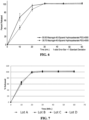
- the USP Apparatus II (paddles) with 900 mL media volume at 37.0 ⁇ 0.5 °C was selected for the dissolution development studies. Vessels are 1000 mL, clear glass, roundbottom. Media represents physiologic conditions. Paddles with sinkers were selected over baskets to ensure sufficient agitation during the dissolution test and to maintain the capsule in the paddle agitation zone during disintegration.
- FIG. 6 plots the dissolution of each sample tested.
- the 50:50 macrogol-40-glycerol hydroxystearate:PEG-4000 sample demonstrated rapid dissolution, while the 30:70 macrogol-40-glycerol hydroxystearate:PEG-4000 sample demonstrated slower initial dissolution characteristics.
- FIG. 7 demonstrates that fast, reproducible release of Compound 1 is achieved.
- Example 7 Forced Degradation of Solid Solution Capsule comprising Compound 1 in a 50:50 mixture of macrogol-40-glycerol hydroxystearate:PEG-4000
- Table 8 Forced Degradation Exposure Conditions (5 capsules per condition) Stress Condition Volume of Reagent Solution (mL) Temperature (°C) Duration Volume Neutralizing Agent (mL) Acid 10 mL 10 N HCl Ambient 24 hours 10 mL 10 N NaOH Base 10 mL 10 N NaOH Ambient 24 hours 10 mL 10 N HCl Oxidation 10 mL 30% H 2 O 2 Ambient 24 hours 10 mL 30% Na 2 SO 3 Heat a NA 80° C 3 days NA Heat and Humidity a NA 40° C/75% RH 3 days NA Photostability a NA Ambient Per ICH Q1B NA a Samples prepared per capsule assay method; NA - Not Applicable Table 9: Summary of Assay and Peak Purity for Compound 1 10 mg Hard Capsule Forced Degradation Studies Stress Conditions Sample % Compound 1 Recovery Peak Purity Angle Peak Purity Threshold Peak is Pure?
- Solid Solution capsules of Compound 1 comprising 50:50 macrogol-40-glycerol hydroxystearate:PEG-4000 or 100% macrogol-40-glycerol hydroxystearate were prepared using the general procedures described in Example 4. The PEG heating steps were omitted for the 100% macrogol-40 glycerol hydroxystearate formulations. These formulations were dosed in beagle dogs (male) at 20 mg per dog to evaluate the pharmacokinetic profile. The results are summarized in Table 11 (below, and shown in FIG. 8 (50:50 macrogol-40-glycerol hydroxystearate:PEG-4000 and FIG. 9 (100% macrogol-40-glycerol hydroxystearate).
- Table 11 Summary of Dog Pharmacokinetic data when administered 20 mg/dog Compound 1 Time [hr] PO: 20 mg/dog in 100% macrogol-40-glycerol hydroxystearate PO: 20 mg/dog in 50:50 mixture of macrogol-40-glycerol hydroxystearate: PEG-4000 Plasma conc. [ng/mL] Plasma conc.
- the 100% macrogol-40-glycerol hydroxystearate formulation provided high bioavailability (as determined by AUC comparison)
- the 100% macrogol-40-glycerol hydroxystearate formulation is not as stable.
- both formulations dosed in dogs were stored for 3 months at 50° C.
- the 100% macrogol-40-glycerol hydroxystearate formulation showed an increase in an impurity (RRT 0.78), whereas the 50:50 macrogol-40-glycerol hydroxystearate formulation:PEG-4000 formulation remained unchanged. This demonstrates that the 100% macrogol-40-glycerol hydroxystearate formulation is not suitable for pharmaceutical use, while the 50:50 formulation is suitable for pharmaceutical use.
- Solid Solution capsules of Compound 1 comprising 50:50 macrogol-40-glycerol hydroxystearate:PEG-4000 were prepared using the general procedures described in Example 4.
- prednisone for 84 days plus a reduced starting dose (i.e., 20 mg/day) of prednisone, and 23 subjects received Compound 1 as described above - matching placebo b.i.d. for 84 days plus a full starting dose of prednisone (i.e., 60 mg/day). All subjects received IV cyclophosphamide or rituximab.
- the PK parameters of Compound 1 and its mean trough concentration are shown in Table 12. Following the first dose of 30 mg Compound 1 on Day 1, Compound 1 was absorbed rapidly. The AUC 0-6hr and C max of Compound 1 were 580 ⁇ 219 ng•hr/mL and 188 ⁇ 69 ng/mL, respectively (these PK exposures were calculated using data from patients dosed both with and without prednisone).
- Table 12 Summary of Mean Pharmacokinetic Parameters for solid solution sapsules comprising Compound 1 in a 50:50 mixture of macrogol-40-glycerol hydroxystearate:PEG-4000 following oral administration of 30 mg of Compound 1 twice daily Compound 1 Treatment Compound 1 + No Prednisone Compound 1+ Low Dose Prednisone Compound 1 with or without Prednisone PK Parameters Mean SD N Mean SD N Mean SD N Day 1 C max (ng/mL) 166 55.2 21 214 76.2 18 188 69.1 39 Day 1 T max (hr) 2.85 1.19 21 2.35 1.02 18 2.62 1.13 39 Day 1 AUC 0-6hr (ng•hr/mL) 526 174 21 643 253 18 580 219 39 Days 57-85 C min (ng/mL) 177 44.8 5 219 96.8 9 204 82.6 14
- T max was untransformed.
- geometric least-squares means LSMs
- LSMs geometric least-squares means
- T max the LSMs are straight from the ANOVA.
- T max is presented as the untransformed LSM.
- Geometric least-squares means LSMs are calculated by exponentiating the LSMs from the ANOVA.
- GMR Geometric Mean Ratio
- intra-subject CV (%CV) 100x(square root (exp[MSE]-1)).
- intra-subject CV (%CV) 100 ⁇ (square root [MSE])/(Average of the LSM).
- MSE Residual variance from ANOVA.
- the capsule fill of select capsules were removed from capsule shells and analyzed using 19 F solid state nuclear magnetic resonance (SS-NMR). As shown in FIG. 11 , no coupling phenomena of the trifluoromethyl (-CF 3 ) and aryl fluoride (CF) groups in the -62 ppm or at -122 ppm regions respectively is observed, which are characteristic of crystalline Compound 1 drug substance. Thus, the drug substance in the capsule fill matrix remained molecularly dissolved in the matrix without any signs of crashing out.
- SS-NMR solid state nuclear magnetic resonance
- Example 12 Batch Preparation of Solid Solution Capsules comprising Compound 1
- Example 4 Using the general procedures outlined in Example 4, a batch size manufacturing 300,000 units of 10 mg hard capsules was prepared. Amounts used for preparation are shown in Table 14 and Table 15. Table 14: Batch Composition for Compound 1 10 mg Hard Capsule (300,000 Capsules) Component Theoretical Quantity per 300,000 capsule batch Screened Compound 1 3.0 kg macrogol-40-glycerol hydroxystearate, USP-NF/Ph.Eur. 73.5 kg Polyethylene glycol 4000, USP-NF/Ph.Eur. 73.5 kg Total Capsule Fill 150 kg Hard gelatin capsule, Size 0, light orange opaque/yellow opaque 300,000 units (approx.
Landscapes
- Health & Medical Sciences (AREA)
- Chemical & Material Sciences (AREA)
- Public Health (AREA)
- Veterinary Medicine (AREA)
- Medicinal Chemistry (AREA)
- Life Sciences & Earth Sciences (AREA)
- Animal Behavior & Ethology (AREA)
- General Health & Medical Sciences (AREA)
- Pharmacology & Pharmacy (AREA)
- Epidemiology (AREA)
- Chemical Kinetics & Catalysis (AREA)
- General Chemical & Material Sciences (AREA)
- Engineering & Computer Science (AREA)
- Nuclear Medicine, Radiotherapy & Molecular Imaging (AREA)
- Organic Chemistry (AREA)
- Bioinformatics & Cheminformatics (AREA)
- Oil, Petroleum & Natural Gas (AREA)
- Rheumatology (AREA)
- Pain & Pain Management (AREA)
- Inorganic Chemistry (AREA)
- Immunology (AREA)
- Cardiology (AREA)
- Heart & Thoracic Surgery (AREA)
- Medicinal Preparation (AREA)
- Pharmaceuticals Containing Other Organic And Inorganic Compounds (AREA)
- Acyclic And Carbocyclic Compounds In Medicinal Compositions (AREA)
Applications Claiming Priority (4)
| Application Number | Priority Date | Filing Date | Title |
|---|---|---|---|
| US201862773848P | 2018-11-30 | 2018-11-30 | |
| EP23160271.5A EP4233850B1 (de) | 2018-11-30 | 2019-11-27 | Kapselformulierungen |
| EP19889873.6A EP3886820B8 (de) | 2018-11-30 | 2019-11-27 | Kapselformulierungen |
| PCT/US2019/063547 WO2020112961A1 (en) | 2018-11-30 | 2019-11-27 | Capsule formulations |
Related Parent Applications (3)
| Application Number | Title | Priority Date | Filing Date |
|---|---|---|---|
| EP23160271.5A Division EP4233850B1 (de) | 2018-11-30 | 2019-11-27 | Kapselformulierungen |
| EP23160271.5A Division-Into EP4233850B1 (de) | 2018-11-30 | 2019-11-27 | Kapselformulierungen |
| EP19889873.6A Division EP3886820B8 (de) | 2018-11-30 | 2019-11-27 | Kapselformulierungen |
Publications (2)
| Publication Number | Publication Date |
|---|---|
| EP4487915A2 true EP4487915A2 (de) | 2025-01-08 |
| EP4487915A3 EP4487915A3 (de) | 2025-03-19 |
Family
ID=70849818
Family Applications (3)
| Application Number | Title | Priority Date | Filing Date |
|---|---|---|---|
| EP24196793.4A Pending EP4487915A3 (de) | 2018-11-30 | 2019-11-27 | Kapselformulierungen |
| EP23160271.5A Active EP4233850B1 (de) | 2018-11-30 | 2019-11-27 | Kapselformulierungen |
| EP19889873.6A Active EP3886820B8 (de) | 2018-11-30 | 2019-11-27 | Kapselformulierungen |
Family Applications After (2)
| Application Number | Title | Priority Date | Filing Date |
|---|---|---|---|
| EP23160271.5A Active EP4233850B1 (de) | 2018-11-30 | 2019-11-27 | Kapselformulierungen |
| EP19889873.6A Active EP3886820B8 (de) | 2018-11-30 | 2019-11-27 | Kapselformulierungen |
Country Status (31)
| Country | Link |
|---|---|
| US (4) | US20200170957A1 (de) |
| EP (3) | EP4487915A3 (de) |
| JP (1) | JP7342124B2 (de) |
| KR (1) | KR102586747B1 (de) |
| CN (1) | CN113164403A (de) |
| AR (1) | AR117219A1 (de) |
| AU (1) | AU2019389031B2 (de) |
| BR (1) | BR112021010285A2 (de) |
| CA (1) | CA3120999C (de) |
| CL (1) | CL2021001389A1 (de) |
| CY (1) | CY1126079T1 (de) |
| DK (2) | DK3886820T3 (de) |
| ES (2) | ES2998858T3 (de) |
| FI (2) | FI3886820T3 (de) |
| HR (2) | HRP20230551T1 (de) |
| HU (2) | HUE069633T2 (de) |
| IL (1) | IL283450B2 (de) |
| LT (2) | LT4233850T (de) |
| MA (2) | MA54318B1 (de) |
| MD (2) | MD3886820T2 (de) |
| MX (1) | MX2021006242A (de) |
| NZ (1) | NZ776554A (de) |
| PL (2) | PL4233850T3 (de) |
| PT (2) | PT4233850T (de) |
| RS (2) | RS64250B1 (de) |
| SG (1) | SG11202105572UA (de) |
| SI (2) | SI4233850T1 (de) |
| SM (2) | SMT202400521T1 (de) |
| TW (1) | TWI827745B (de) |
| WO (1) | WO2020112961A1 (de) |
| ZA (1) | ZA202103820B (de) |
Families Citing this family (7)
| Publication number | Priority date | Publication date | Assignee | Title |
|---|---|---|---|---|
| WO2020112961A1 (en) | 2018-11-30 | 2020-06-04 | Chemocentryx, Inc. | Capsule formulations |
| US11603356B2 (en) | 2019-11-08 | 2023-03-14 | Chemocentryx, Inc. | Amorphous form of a complement component C5a receptor |
| CN116529241A (zh) * | 2020-10-28 | 2023-08-01 | 坎莫森特里克斯公司 | 治疗化脓性汗腺炎的方法 |
| JP7839157B2 (ja) * | 2020-10-28 | 2026-04-01 | ケモセントリックス, インコーポレイテッド | 化膿性汗腺炎を処置する方法 |
| WO2022140258A1 (en) * | 2020-12-21 | 2022-06-30 | Chemocentryx, Inc. | Treatment of c3 glomerulopathy using a c5a inhibitor |
| CN119031903A (zh) * | 2022-05-19 | 2024-11-26 | 陶氏环球技术有限责任公司 | 基于peg的聚合物间复合物用于改善bcs ii类药物的增溶的用途 |
| WO2025203055A1 (en) * | 2024-03-26 | 2025-10-02 | Council Of Scientific And Industrial Research | Encapsulated dihydrofolate formulation for dietary supplementation as effective nutraceutical supplement and method of preparation thereof |
Family Cites Families (18)
| Publication number | Priority date | Publication date | Assignee | Title |
|---|---|---|---|---|
| AR038681A1 (es) * | 2002-02-14 | 2005-01-26 | Solvay Pharm Bv | Formulacion oral de solucion solida de una sustancia activa pobremente soluble en agua |
| BRPI0518484A2 (pt) | 2004-11-24 | 2008-11-18 | Merck & Co Inc | composiÇço, cÁpsula, e, processo para preparar a mesma |
| DE102005053066A1 (de) | 2005-11-04 | 2007-05-10 | Basf Ag | Verwendung von Copolymeren als Solubilisatoren für in Wasser schwerlöslichen Verbindungen |
| CA2689137C (en) * | 2007-05-29 | 2017-05-02 | Intrexon Corporation | Chiral diacylhydrazine ligands for modulating the expression of exogenous genes via an ecdysone receptor complex |
| RS54998B1 (sr) | 2008-12-22 | 2016-11-30 | Chemocentryx Inc | Antagonisti c5ar |
| NZ602288A (en) * | 2010-03-10 | 2014-02-28 | Abbvie Bahamas Ltd | Solid compositions comprising amorphous (2r,6s,13as,14ar,16as,z)-n-(cyclopropylsulfonyl)-6-(5-methylpyrazine-2-carboxamido)-5,16-dioxo-2-(phenanthridin-6-yloxy)-1,2,3,5,6,7,8,9,10,11,13a,14,14a,15,16,16a-hexadecahydrocyclopropa[e]pyrrolo[1,2-a][1,4]diazacyclopentadecine-14a-carboxamide |
| RS56332B1 (sr) * | 2010-06-24 | 2017-12-29 | Chemocentryx Inc | Antagonisti c5ar |
| US9034858B2 (en) | 2010-11-30 | 2015-05-19 | Lipocine Inc. | High-strength testosterone undecanoate compositions |
| US9074470B2 (en) | 2010-12-27 | 2015-07-07 | Seven Generations Energy Ltd. | Methods for drilling and stimulating subterranean formations for recovering hydrocarbon and natural gas resources |
| WO2015118015A1 (en) | 2014-02-05 | 2015-08-13 | Lek Pharmaceuticals D.D. | Solid pharmaceutical compositions of androgen receptor antagonists |
| DK3200791T3 (da) | 2014-09-29 | 2020-05-25 | Chemocentryx Inc | Fremgangsmåder og mellemprodukter i fremstilling af C5AR- antagonister |
| JP7339733B2 (ja) | 2016-01-14 | 2023-09-06 | ケモセントリックス,インコーポレイティド | C3腎症を処置する方法 |
| EP3439658B1 (de) | 2016-04-04 | 2021-11-24 | ChemoCentryx, Inc. | Lösliche c5ar-antagonisten |
| TWI826364B (zh) | 2017-04-03 | 2023-12-21 | 德商因夫萊亞斯有限公司 | 活性抑制劑於發炎性疾病之治療 |
| CA3077395A1 (en) | 2017-10-30 | 2019-05-09 | Chemocentryx, Inc. | Deuterated compounds as immunomodulators |
| CA3078732A1 (en) | 2017-10-31 | 2019-05-09 | Chemocentryx, Inc. | C5ar inhibitor reduction of urinary scd163 |
| US11191756B2 (en) | 2018-06-07 | 2021-12-07 | Chemocentryx, Inc. | Dosing and effect of C5a antagonist with ANCA-associated vasculitis |
| WO2020112961A1 (en) | 2018-11-30 | 2020-06-04 | Chemocentryx, Inc. | Capsule formulations |
-
2019
- 2019-11-27 WO PCT/US2019/063547 patent/WO2020112961A1/en not_active Ceased
- 2019-11-27 PT PT231602715T patent/PT4233850T/pt unknown
- 2019-11-27 RS RS20230433A patent/RS64250B1/sr unknown
- 2019-11-27 PL PL23160271.5T patent/PL4233850T3/pl unknown
- 2019-11-27 SI SI201930868T patent/SI4233850T1/sl unknown
- 2019-11-27 MA MA54318A patent/MA54318B1/fr unknown
- 2019-11-27 DK DK19889873.6T patent/DK3886820T3/da active
- 2019-11-27 JP JP2021531035A patent/JP7342124B2/ja active Active
- 2019-11-27 FI FIEP19889873.6T patent/FI3886820T3/fi active
- 2019-11-27 EP EP24196793.4A patent/EP4487915A3/de active Pending
- 2019-11-27 MD MDE20210972T patent/MD3886820T2/ro unknown
- 2019-11-27 CN CN201980079276.4A patent/CN113164403A/zh active Pending
- 2019-11-27 DK DK23160271.5T patent/DK4233850T3/da active
- 2019-11-27 EP EP23160271.5A patent/EP4233850B1/de active Active
- 2019-11-27 PL PL19889873.6T patent/PL3886820T3/pl unknown
- 2019-11-27 MA MA62992A patent/MA62992B1/fr unknown
- 2019-11-27 ES ES23160271T patent/ES2998858T3/es active Active
- 2019-11-27 HU HUE23160271A patent/HUE069633T2/hu unknown
- 2019-11-27 SM SM20240521T patent/SMT202400521T1/it unknown
- 2019-11-27 MD MDE20231131T patent/MD4233850T2/ro unknown
- 2019-11-27 NZ NZ776554A patent/NZ776554A/en unknown
- 2019-11-27 EP EP19889873.6A patent/EP3886820B8/de active Active
- 2019-11-27 AU AU2019389031A patent/AU2019389031B2/en active Active
- 2019-11-27 MX MX2021006242A patent/MX2021006242A/es unknown
- 2019-11-27 LT LTEP23160271.5T patent/LT4233850T/lt unknown
- 2019-11-27 HR HRP20230551TT patent/HRP20230551T1/hr unknown
- 2019-11-27 LT LTEPPCT/US2019/063547T patent/LT3886820T/lt unknown
- 2019-11-27 FI FIEP23160271.5T patent/FI4233850T3/fi active
- 2019-11-27 RS RS20241401A patent/RS66362B1/sr unknown
- 2019-11-27 BR BR112021010285-0A patent/BR112021010285A2/pt not_active Application Discontinuation
- 2019-11-27 IL IL283450A patent/IL283450B2/en unknown
- 2019-11-27 CA CA3120999A patent/CA3120999C/en active Active
- 2019-11-27 SG SG11202105572UA patent/SG11202105572UA/en unknown
- 2019-11-27 PT PT198898736T patent/PT3886820T/pt unknown
- 2019-11-27 KR KR1020217019883A patent/KR102586747B1/ko active Active
- 2019-11-27 HR HRP20241735TT patent/HRP20241735T1/hr unknown
- 2019-11-27 ES ES19889873T patent/ES2943492T3/es active Active
- 2019-11-27 SM SM20230153T patent/SMT202300153T1/it unknown
- 2019-11-27 US US16/697,523 patent/US20200170957A1/en not_active Abandoned
- 2019-11-27 HU HUE19889873A patent/HUE062551T2/hu unknown
- 2019-11-27 SI SI201930524T patent/SI3886820T1/sl unknown
- 2019-11-29 AR ARP190103505A patent/AR117219A1/es unknown
- 2019-11-29 TW TW108143799A patent/TWI827745B/zh active
-
2021
- 2021-05-27 CL CL2021001389A patent/CL2021001389A1/es unknown
- 2021-06-03 ZA ZA2021/03820A patent/ZA202103820B/en unknown
- 2021-12-08 US US17/545,878 patent/US11951214B2/en active Active
-
2023
- 2023-07-03 CY CY20231100309T patent/CY1126079T1/el unknown
-
2024
- 2024-02-09 US US18/437,368 patent/US20240299306A1/en not_active Abandoned
-
2025
- 2025-08-28 US US19/313,405 patent/US20250375385A1/en active Pending
Non-Patent Citations (13)
| Title |
|---|
| "Vasculitis", 2008, OXFORD UNIVERSITY PRESS, pages: 47 - 53 |
| BERGE, S.M. ET AL.: "Pharmaceutical Salts", JOURNAL OF PHARMACEUTICAL SCIENCE, vol. 66, 1977, pages 1 - 19, XP002675560, DOI: 10.1002/jps.2600660104 |
| DAVIES J. T.: "A Quantitative Kinetic Theory of Emulsion Type, 1. Physical Chemistry of the Emulsifying Agent", PROCEEDINGS THE INTERNATIONAL CONGRESS OF SURFACE ACTIVITY, vol. 426-438, 1957 |
| GRIFFIN, JOURNAL OF THE SOCIETY OF COSMETIC CHEMISTS, vol. 1, 1949, pages 311 - 326 |
| GRIFFIN, JOURNAL OF THE SOCIETY OF COSMETIC CHEMISTS, vol. 5, 1954, pages 249 - 256 |
| HAGEMAN ET AL., P.N.A.S, vol. 102, 2005, pages 7227 - 7232 |
| KOHLER, P. F ET AL., J. IMMUNOL., vol. 99, 1967, pages 1211 - 1216 |
| MATSUSHITA, M ET AL., J. EXP. MED., vol. 176, 1992, pages 1497 - 1502 |
| OOI, Y. M ET AL., J. IMMUNOL., vol. 124, 1980, pages 2494 - 2498 |
| P.HEINRICHSTAHL, CAMILLE G. WEMOUTH: "Handbook of Pharmaceutical Salts", 2002, WILEY-VCH |
| SUANKRATAY, C ET AL., J. IMMUNOL., vol. 160, 1998, pages 3006 - 3013 |
| TACK, B. F ET AL., BIOCHEMISTRY, vol. 18, 1979, pages 1490 - 1497 |
| V. M. HOLERS: "In Clinical Immunology: Principles and Practice,", vol. 1, 1996, MOSBY PRESS, pages: 363 - 391 |
Also Published As
Similar Documents
| Publication | Publication Date | Title |
|---|---|---|
| US11951214B2 (en) | Capsule formulations | |
| EP2367542B1 (de) | Orale dosierungsformen von bendamustin | |
| AU2011260615B2 (en) | Oral dosage forms of bendamustine | |
| WO2008030524A2 (en) | Liquid pharmaceutical formulations for oral administration of a cgrp antagonist | |
| HK40121602A (en) | Capsule formulations | |
| HK40098440A (en) | Capsule formulations | |
| HK40098440B (en) | Capsule formulations | |
| RU2824998C2 (ru) | Лекарственные формы в виде капсул | |
| RU2824998C9 (ru) | Лекарственные формы в виде капсул | |
| HK40060732A (en) | Capsule formulations | |
| HK40060732B (en) | Capsule formulations | |
| HK1179865A (en) | Oral dosage forms of bendamustine |
Legal Events
| Date | Code | Title | Description |
|---|---|---|---|
| PUAI | Public reference made under article 153(3) epc to a published international application that has entered the european phase |
Free format text: ORIGINAL CODE: 0009012 |
|
| STAA | Information on the status of an ep patent application or granted ep patent |
Free format text: STATUS: THE APPLICATION HAS BEEN PUBLISHED |
|
| AC | Divisional application: reference to earlier application |
Ref document number: 3886820 Country of ref document: EP Kind code of ref document: P Ref document number: 4233850 Country of ref document: EP Kind code of ref document: P |
|
| AK | Designated contracting states |
Kind code of ref document: A2 Designated state(s): AL AT BE BG CH CY CZ DE DK EE ES FI FR GB GR HR HU IE IS IT LI LT LU LV MC MK MT NL NO PL PT RO RS SE SI SK SM TR |
|
| REG | Reference to a national code |
Ref country code: DE Ref legal event code: R079 Free format text: PREVIOUS MAIN CLASS: A61P0029000000 Ipc: A61K0009480000 |
|
| PUAL | Search report despatched |
Free format text: ORIGINAL CODE: 0009013 |
|
| AK | Designated contracting states |
Kind code of ref document: A3 Designated state(s): AL AT BE BG CH CY CZ DE DK EE ES FI FR GB GR HR HU IE IS IT LI LT LU LV MC MK MT NL NO PL PT RO RS SE SI SK SM TR |
|
| RIC1 | Information provided on ipc code assigned before grant |
Ipc: A61P 29/00 20060101ALI20250210BHEP Ipc: A61K 47/44 20170101ALI20250210BHEP Ipc: A61K 47/40 20060101ALI20250210BHEP Ipc: A61K 47/14 20170101ALI20250210BHEP Ipc: A61K 47/10 20170101ALI20250210BHEP Ipc: A61K 31/451 20060101ALI20250210BHEP Ipc: A61K 9/48 20060101AFI20250210BHEP |
|
| TPAC | Observations filed by third parties |
Free format text: ORIGINAL CODE: EPIDOSNTIPA |
|
| REG | Reference to a national code |
Ref country code: HK Ref legal event code: DE Ref document number: 40121602 Country of ref document: HK |
|
| STAA | Information on the status of an ep patent application or granted ep patent |
Free format text: STATUS: REQUEST FOR EXAMINATION WAS MADE |
|
| STAA | Information on the status of an ep patent application or granted ep patent |
Free format text: STATUS: EXAMINATION IS IN PROGRESS |
|
| 17P | Request for examination filed |
Effective date: 20250917 |
|
| RAV | Requested validation state of the european patent: fee paid |
Extension state: KH Effective date: 20250917 Extension state: MA Effective date: 20250917 Extension state: MD Effective date: 20250917 Extension state: TN Effective date: 20250917 |
|
| RAX | Requested extension states of the european patent have changed |
Extension state: BA Payment date: 20250917 Extension state: ME Payment date: 20250917 |
|
| 17Q | First examination report despatched |
Effective date: 20251001 |
|
| GRAP | Despatch of communication of intention to grant a patent |
Free format text: ORIGINAL CODE: EPIDOSNIGR1 |
|
| STAA | Information on the status of an ep patent application or granted ep patent |
Free format text: STATUS: GRANT OF PATENT IS INTENDED |
|
| INTG | Intention to grant announced |
Effective date: 20251219 |