EP4487918A2 - Polymères amphiphiles et leur utilisation pour améliorer la production de nanoparticules pour l'administration ciblée d'antigènes - Google Patents
Polymères amphiphiles et leur utilisation pour améliorer la production de nanoparticules pour l'administration ciblée d'antigènes Download PDFInfo
- Publication number
- EP4487918A2 EP4487918A2 EP24194043.6A EP24194043A EP4487918A2 EP 4487918 A2 EP4487918 A2 EP 4487918A2 EP 24194043 A EP24194043 A EP 24194043A EP 4487918 A2 EP4487918 A2 EP 4487918A2
- Authority
- EP
- European Patent Office
- Prior art keywords
- nanoparticle
- polymer
- nanoparticles
- autoimmune
- disease
- Prior art date
- Legal status (The legal status is an assumption and is not a legal conclusion. Google has not performed a legal analysis and makes no representation as to the accuracy of the status listed.)
- Pending
Links
Images





Classifications
-
- A—HUMAN NECESSITIES
- A61—MEDICAL OR VETERINARY SCIENCE; HYGIENE
- A61K—PREPARATIONS FOR MEDICAL, DENTAL OR TOILETRY PURPOSES
- A61K9/00—Medicinal preparations characterised by special physical form
- A61K9/14—Particulate form, e.g. powders, Processes for size reducing of pure drugs or the resulting products, Pure drug nanoparticles
- A61K9/141—Intimate drug-carrier mixtures characterised by the carrier, e.g. ordered mixtures, adsorbates, solid solutions, eutectica, co-dried, co-solubilised, co-kneaded, co-milled, co-ground products, co-precipitates, co-evaporates, co-extrudates, co-melts; Drug nanoparticles with adsorbed surface modifiers
- A61K9/146—Intimate drug-carrier mixtures characterised by the carrier, e.g. ordered mixtures, adsorbates, solid solutions, eutectica, co-dried, co-solubilised, co-kneaded, co-milled, co-ground products, co-precipitates, co-evaporates, co-extrudates, co-melts; Drug nanoparticles with adsorbed surface modifiers with organic macromolecular compounds
-
- A—HUMAN NECESSITIES
- A61—MEDICAL OR VETERINARY SCIENCE; HYGIENE
- A61K—PREPARATIONS FOR MEDICAL, DENTAL OR TOILETRY PURPOSES
- A61K39/00—Medicinal preparations containing antigens or antibodies
-
- A—HUMAN NECESSITIES
- A61—MEDICAL OR VETERINARY SCIENCE; HYGIENE
- A61K—PREPARATIONS FOR MEDICAL, DENTAL OR TOILETRY PURPOSES
- A61K39/00—Medicinal preparations containing antigens or antibodies
- A61K39/0005—Vertebrate antigens
- A61K39/0008—Antigens related to auto-immune diseases; Preparations to induce self-tolerance
-
- A—HUMAN NECESSITIES
- A61—MEDICAL OR VETERINARY SCIENCE; HYGIENE
- A61K—PREPARATIONS FOR MEDICAL, DENTAL OR TOILETRY PURPOSES
- A61K39/00—Medicinal preparations containing antigens or antibodies
- A61K39/39—Medicinal preparations containing antigens or antibodies characterised by the immunostimulating additives, e.g. chemical adjuvants
-
- A—HUMAN NECESSITIES
- A61—MEDICAL OR VETERINARY SCIENCE; HYGIENE
- A61K—PREPARATIONS FOR MEDICAL, DENTAL OR TOILETRY PURPOSES
- A61K47/00—Medicinal preparations characterised by the non-active ingredients used, e.g. carriers or inert additives; Targeting or modifying agents chemically bound to the active ingredient
- A61K47/50—Medicinal preparations characterised by the non-active ingredients used, e.g. carriers or inert additives; Targeting or modifying agents chemically bound to the active ingredient the non-active ingredient being chemically bound to the active ingredient, e.g. polymer-drug conjugates
- A61K47/51—Medicinal preparations characterised by the non-active ingredients used, e.g. carriers or inert additives; Targeting or modifying agents chemically bound to the active ingredient the non-active ingredient being chemically bound to the active ingredient, e.g. polymer-drug conjugates the non-active ingredient being a modifying agent
- A61K47/62—Medicinal preparations characterised by the non-active ingredients used, e.g. carriers or inert additives; Targeting or modifying agents chemically bound to the active ingredient the non-active ingredient being chemically bound to the active ingredient, e.g. polymer-drug conjugates the non-active ingredient being a modifying agent the modifying agent being a protein, peptide or polyamino acid
-
- A—HUMAN NECESSITIES
- A61—MEDICAL OR VETERINARY SCIENCE; HYGIENE
- A61K—PREPARATIONS FOR MEDICAL, DENTAL OR TOILETRY PURPOSES
- A61K47/00—Medicinal preparations characterised by the non-active ingredients used, e.g. carriers or inert additives; Targeting or modifying agents chemically bound to the active ingredient
- A61K47/50—Medicinal preparations characterised by the non-active ingredients used, e.g. carriers or inert additives; Targeting or modifying agents chemically bound to the active ingredient the non-active ingredient being chemically bound to the active ingredient, e.g. polymer-drug conjugates
- A61K47/69—Medicinal preparations characterised by the non-active ingredients used, e.g. carriers or inert additives; Targeting or modifying agents chemically bound to the active ingredient the non-active ingredient being chemically bound to the active ingredient, e.g. polymer-drug conjugates the conjugate being characterised by physical or galenical forms, e.g. emulsion, particle, inclusion complex, stent or kit
- A61K47/6905—Medicinal preparations characterised by the non-active ingredients used, e.g. carriers or inert additives; Targeting or modifying agents chemically bound to the active ingredient the non-active ingredient being chemically bound to the active ingredient, e.g. polymer-drug conjugates the conjugate being characterised by physical or galenical forms, e.g. emulsion, particle, inclusion complex, stent or kit the form being a colloid or an emulsion
- A61K47/6907—Medicinal preparations characterised by the non-active ingredients used, e.g. carriers or inert additives; Targeting or modifying agents chemically bound to the active ingredient the non-active ingredient being chemically bound to the active ingredient, e.g. polymer-drug conjugates the conjugate being characterised by physical or galenical forms, e.g. emulsion, particle, inclusion complex, stent or kit the form being a colloid or an emulsion the form being a microemulsion, nanoemulsion or micelle
-
- A—HUMAN NECESSITIES
- A61—MEDICAL OR VETERINARY SCIENCE; HYGIENE
- A61K—PREPARATIONS FOR MEDICAL, DENTAL OR TOILETRY PURPOSES
- A61K47/00—Medicinal preparations characterised by the non-active ingredients used, e.g. carriers or inert additives; Targeting or modifying agents chemically bound to the active ingredient
- A61K47/50—Medicinal preparations characterised by the non-active ingredients used, e.g. carriers or inert additives; Targeting or modifying agents chemically bound to the active ingredient the non-active ingredient being chemically bound to the active ingredient, e.g. polymer-drug conjugates
- A61K47/69—Medicinal preparations characterised by the non-active ingredients used, e.g. carriers or inert additives; Targeting or modifying agents chemically bound to the active ingredient the non-active ingredient being chemically bound to the active ingredient, e.g. polymer-drug conjugates the conjugate being characterised by physical or galenical forms, e.g. emulsion, particle, inclusion complex, stent or kit
- A61K47/6921—Medicinal preparations characterised by the non-active ingredients used, e.g. carriers or inert additives; Targeting or modifying agents chemically bound to the active ingredient the non-active ingredient being chemically bound to the active ingredient, e.g. polymer-drug conjugates the conjugate being characterised by physical or galenical forms, e.g. emulsion, particle, inclusion complex, stent or kit the form being a particulate, a powder, an adsorbate, a bead or a sphere
- A61K47/6923—Medicinal preparations characterised by the non-active ingredients used, e.g. carriers or inert additives; Targeting or modifying agents chemically bound to the active ingredient the non-active ingredient being chemically bound to the active ingredient, e.g. polymer-drug conjugates the conjugate being characterised by physical or galenical forms, e.g. emulsion, particle, inclusion complex, stent or kit the form being a particulate, a powder, an adsorbate, a bead or a sphere the form being an inorganic particle, e.g. ceramic particles, silica particles, ferrite or synsorb
-
- A—HUMAN NECESSITIES
- A61—MEDICAL OR VETERINARY SCIENCE; HYGIENE
- A61K—PREPARATIONS FOR MEDICAL, DENTAL OR TOILETRY PURPOSES
- A61K47/00—Medicinal preparations characterised by the non-active ingredients used, e.g. carriers or inert additives; Targeting or modifying agents chemically bound to the active ingredient
- A61K47/50—Medicinal preparations characterised by the non-active ingredients used, e.g. carriers or inert additives; Targeting or modifying agents chemically bound to the active ingredient the non-active ingredient being chemically bound to the active ingredient, e.g. polymer-drug conjugates
- A61K47/69—Medicinal preparations characterised by the non-active ingredients used, e.g. carriers or inert additives; Targeting or modifying agents chemically bound to the active ingredient the non-active ingredient being chemically bound to the active ingredient, e.g. polymer-drug conjugates the conjugate being characterised by physical or galenical forms, e.g. emulsion, particle, inclusion complex, stent or kit
- A61K47/6921—Medicinal preparations characterised by the non-active ingredients used, e.g. carriers or inert additives; Targeting or modifying agents chemically bound to the active ingredient the non-active ingredient being chemically bound to the active ingredient, e.g. polymer-drug conjugates the conjugate being characterised by physical or galenical forms, e.g. emulsion, particle, inclusion complex, stent or kit the form being a particulate, a powder, an adsorbate, a bead or a sphere
- A61K47/6927—Medicinal preparations characterised by the non-active ingredients used, e.g. carriers or inert additives; Targeting or modifying agents chemically bound to the active ingredient the non-active ingredient being chemically bound to the active ingredient, e.g. polymer-drug conjugates the conjugate being characterised by physical or galenical forms, e.g. emulsion, particle, inclusion complex, stent or kit the form being a particulate, a powder, an adsorbate, a bead or a sphere the form being a solid microparticle having no hollow or gas-filled cores
- A61K47/6929—Medicinal preparations characterised by the non-active ingredients used, e.g. carriers or inert additives; Targeting or modifying agents chemically bound to the active ingredient the non-active ingredient being chemically bound to the active ingredient, e.g. polymer-drug conjugates the conjugate being characterised by physical or galenical forms, e.g. emulsion, particle, inclusion complex, stent or kit the form being a particulate, a powder, an adsorbate, a bead or a sphere the form being a solid microparticle having no hollow or gas-filled cores the form being a nanoparticle, e.g. an immuno-nanoparticle
-
- A—HUMAN NECESSITIES
- A61—MEDICAL OR VETERINARY SCIENCE; HYGIENE
- A61K—PREPARATIONS FOR MEDICAL, DENTAL OR TOILETRY PURPOSES
- A61K47/00—Medicinal preparations characterised by the non-active ingredients used, e.g. carriers or inert additives; Targeting or modifying agents chemically bound to the active ingredient
- A61K47/50—Medicinal preparations characterised by the non-active ingredients used, e.g. carriers or inert additives; Targeting or modifying agents chemically bound to the active ingredient the non-active ingredient being chemically bound to the active ingredient, e.g. polymer-drug conjugates
- A61K47/69—Medicinal preparations characterised by the non-active ingredients used, e.g. carriers or inert additives; Targeting or modifying agents chemically bound to the active ingredient the non-active ingredient being chemically bound to the active ingredient, e.g. polymer-drug conjugates the conjugate being characterised by physical or galenical forms, e.g. emulsion, particle, inclusion complex, stent or kit
- A61K47/6921—Medicinal preparations characterised by the non-active ingredients used, e.g. carriers or inert additives; Targeting or modifying agents chemically bound to the active ingredient the non-active ingredient being chemically bound to the active ingredient, e.g. polymer-drug conjugates the conjugate being characterised by physical or galenical forms, e.g. emulsion, particle, inclusion complex, stent or kit the form being a particulate, a powder, an adsorbate, a bead or a sphere
- A61K47/6927—Medicinal preparations characterised by the non-active ingredients used, e.g. carriers or inert additives; Targeting or modifying agents chemically bound to the active ingredient the non-active ingredient being chemically bound to the active ingredient, e.g. polymer-drug conjugates the conjugate being characterised by physical or galenical forms, e.g. emulsion, particle, inclusion complex, stent or kit the form being a particulate, a powder, an adsorbate, a bead or a sphere the form being a solid microparticle having no hollow or gas-filled cores
- A61K47/6929—Medicinal preparations characterised by the non-active ingredients used, e.g. carriers or inert additives; Targeting or modifying agents chemically bound to the active ingredient the non-active ingredient being chemically bound to the active ingredient, e.g. polymer-drug conjugates the conjugate being characterised by physical or galenical forms, e.g. emulsion, particle, inclusion complex, stent or kit the form being a particulate, a powder, an adsorbate, a bead or a sphere the form being a solid microparticle having no hollow or gas-filled cores the form being a nanoparticle, e.g. an immuno-nanoparticle
- A61K47/6931—Medicinal preparations characterised by the non-active ingredients used, e.g. carriers or inert additives; Targeting or modifying agents chemically bound to the active ingredient the non-active ingredient being chemically bound to the active ingredient, e.g. polymer-drug conjugates the conjugate being characterised by physical or galenical forms, e.g. emulsion, particle, inclusion complex, stent or kit the form being a particulate, a powder, an adsorbate, a bead or a sphere the form being a solid microparticle having no hollow or gas-filled cores the form being a nanoparticle, e.g. an immuno-nanoparticle the material constituting the nanoparticle being a polymer
- A61K47/6935—Medicinal preparations characterised by the non-active ingredients used, e.g. carriers or inert additives; Targeting or modifying agents chemically bound to the active ingredient the non-active ingredient being chemically bound to the active ingredient, e.g. polymer-drug conjugates the conjugate being characterised by physical or galenical forms, e.g. emulsion, particle, inclusion complex, stent or kit the form being a particulate, a powder, an adsorbate, a bead or a sphere the form being a solid microparticle having no hollow or gas-filled cores the form being a nanoparticle, e.g. an immuno-nanoparticle the material constituting the nanoparticle being a polymer the polymer being obtained otherwise than by reactions involving carbon to carbon unsaturated bonds, e.g. polyesters, polyamides or polyglycerol
-
- A—HUMAN NECESSITIES
- A61—MEDICAL OR VETERINARY SCIENCE; HYGIENE
- A61K—PREPARATIONS FOR MEDICAL, DENTAL OR TOILETRY PURPOSES
- A61K49/00—Preparations for testing in vivo
- A61K49/06—Nuclear magnetic resonance [NMR] contrast preparations; Magnetic resonance imaging [MRI] contrast preparations
- A61K49/18—Nuclear magnetic resonance [NMR] contrast preparations; Magnetic resonance imaging [MRI] contrast preparations characterised by a special physical form, e.g. emulsions, microcapsules, liposomes
- A61K49/1806—Suspensions, emulsions, colloids, dispersions
- A61K49/1809—Micelles, e.g. phospholipidic or polymeric micelles
-
- A—HUMAN NECESSITIES
- A61—MEDICAL OR VETERINARY SCIENCE; HYGIENE
- A61K—PREPARATIONS FOR MEDICAL, DENTAL OR TOILETRY PURPOSES
- A61K49/00—Preparations for testing in vivo
- A61K49/06—Nuclear magnetic resonance [NMR] contrast preparations; Magnetic resonance imaging [MRI] contrast preparations
- A61K49/18—Nuclear magnetic resonance [NMR] contrast preparations; Magnetic resonance imaging [MRI] contrast preparations characterised by a special physical form, e.g. emulsions, microcapsules, liposomes
- A61K49/1818—Nuclear magnetic resonance [NMR] contrast preparations; Magnetic resonance imaging [MRI] contrast preparations characterised by a special physical form, e.g. emulsions, microcapsules, liposomes particles, e.g. uncoated or non-functionalised microparticles or nanoparticles
- A61K49/1821—Nuclear magnetic resonance [NMR] contrast preparations; Magnetic resonance imaging [MRI] contrast preparations characterised by a special physical form, e.g. emulsions, microcapsules, liposomes particles, e.g. uncoated or non-functionalised microparticles or nanoparticles coated or functionalised microparticles or nanoparticles
- A61K49/1824—Nuclear magnetic resonance [NMR] contrast preparations; Magnetic resonance imaging [MRI] contrast preparations characterised by a special physical form, e.g. emulsions, microcapsules, liposomes particles, e.g. uncoated or non-functionalised microparticles or nanoparticles coated or functionalised microparticles or nanoparticles coated or functionalised nanoparticles
- A61K49/1827—Nuclear magnetic resonance [NMR] contrast preparations; Magnetic resonance imaging [MRI] contrast preparations characterised by a special physical form, e.g. emulsions, microcapsules, liposomes particles, e.g. uncoated or non-functionalised microparticles or nanoparticles coated or functionalised microparticles or nanoparticles coated or functionalised nanoparticles having a (super)(para)magnetic core, being a solid MRI-active material, e.g. magnetite, or composed of a plurality of MRI-active, organic agents, e.g. Gd-chelates, or nuclei, e.g. Eu3+, encapsulated or entrapped in the core of the coated or functionalised nanoparticle
- A61K49/1851—Nuclear magnetic resonance [NMR] contrast preparations; Magnetic resonance imaging [MRI] contrast preparations characterised by a special physical form, e.g. emulsions, microcapsules, liposomes particles, e.g. uncoated or non-functionalised microparticles or nanoparticles coated or functionalised microparticles or nanoparticles coated or functionalised nanoparticles having a (super)(para)magnetic core, being a solid MRI-active material, e.g. magnetite, or composed of a plurality of MRI-active, organic agents, e.g. Gd-chelates, or nuclei, e.g. Eu3+, encapsulated or entrapped in the core of the coated or functionalised nanoparticle having a (super)(para)magnetic core coated or functionalised with an organic macromolecular compound, i.e. oligomeric, polymeric, dendrimeric organic molecule
- A61K49/1857—Nuclear magnetic resonance [NMR] contrast preparations; Magnetic resonance imaging [MRI] contrast preparations characterised by a special physical form, e.g. emulsions, microcapsules, liposomes particles, e.g. uncoated or non-functionalised microparticles or nanoparticles coated or functionalised microparticles or nanoparticles coated or functionalised nanoparticles having a (super)(para)magnetic core, being a solid MRI-active material, e.g. magnetite, or composed of a plurality of MRI-active, organic agents, e.g. Gd-chelates, or nuclei, e.g. Eu3+, encapsulated or entrapped in the core of the coated or functionalised nanoparticle having a (super)(para)magnetic core coated or functionalised with an organic macromolecular compound, i.e. oligomeric, polymeric, dendrimeric organic molecule the organic macromolecular compound being obtained otherwise than by reactions only involving carbon-to-carbon unsaturated bonds, e.g. PLGA
-
- A—HUMAN NECESSITIES
- A61—MEDICAL OR VETERINARY SCIENCE; HYGIENE
- A61K—PREPARATIONS FOR MEDICAL, DENTAL OR TOILETRY PURPOSES
- A61K49/00—Preparations for testing in vivo
- A61K49/06—Nuclear magnetic resonance [NMR] contrast preparations; Magnetic resonance imaging [MRI] contrast preparations
- A61K49/18—Nuclear magnetic resonance [NMR] contrast preparations; Magnetic resonance imaging [MRI] contrast preparations characterised by a special physical form, e.g. emulsions, microcapsules, liposomes
- A61K49/1818—Nuclear magnetic resonance [NMR] contrast preparations; Magnetic resonance imaging [MRI] contrast preparations characterised by a special physical form, e.g. emulsions, microcapsules, liposomes particles, e.g. uncoated or non-functionalised microparticles or nanoparticles
- A61K49/1821—Nuclear magnetic resonance [NMR] contrast preparations; Magnetic resonance imaging [MRI] contrast preparations characterised by a special physical form, e.g. emulsions, microcapsules, liposomes particles, e.g. uncoated or non-functionalised microparticles or nanoparticles coated or functionalised microparticles or nanoparticles
- A61K49/1824—Nuclear magnetic resonance [NMR] contrast preparations; Magnetic resonance imaging [MRI] contrast preparations characterised by a special physical form, e.g. emulsions, microcapsules, liposomes particles, e.g. uncoated or non-functionalised microparticles or nanoparticles coated or functionalised microparticles or nanoparticles coated or functionalised nanoparticles
- A61K49/1827—Nuclear magnetic resonance [NMR] contrast preparations; Magnetic resonance imaging [MRI] contrast preparations characterised by a special physical form, e.g. emulsions, microcapsules, liposomes particles, e.g. uncoated or non-functionalised microparticles or nanoparticles coated or functionalised microparticles or nanoparticles coated or functionalised nanoparticles having a (super)(para)magnetic core, being a solid MRI-active material, e.g. magnetite, or composed of a plurality of MRI-active, organic agents, e.g. Gd-chelates, or nuclei, e.g. Eu3+, encapsulated or entrapped in the core of the coated or functionalised nanoparticle
- A61K49/1866—Nuclear magnetic resonance [NMR] contrast preparations; Magnetic resonance imaging [MRI] contrast preparations characterised by a special physical form, e.g. emulsions, microcapsules, liposomes particles, e.g. uncoated or non-functionalised microparticles or nanoparticles coated or functionalised microparticles or nanoparticles coated or functionalised nanoparticles having a (super)(para)magnetic core, being a solid MRI-active material, e.g. magnetite, or composed of a plurality of MRI-active, organic agents, e.g. Gd-chelates, or nuclei, e.g. Eu3+, encapsulated or entrapped in the core of the coated or functionalised nanoparticle the nanoparticle having a (super)(para)magnetic core coated or functionalised with a peptide, e.g. protein, polyamino acid
-
- A—HUMAN NECESSITIES
- A61—MEDICAL OR VETERINARY SCIENCE; HYGIENE
- A61K—PREPARATIONS FOR MEDICAL, DENTAL OR TOILETRY PURPOSES
- A61K9/00—Medicinal preparations characterised by special physical form
- A61K9/10—Dispersions; Emulsions
- A61K9/107—Emulsions ; Emulsion preconcentrates; Micelles
- A61K9/1075—Microemulsions or submicron emulsions; Preconcentrates or solids thereof; Micelles, e.g. made of phospholipids or block copolymers
-
- A—HUMAN NECESSITIES
- A61—MEDICAL OR VETERINARY SCIENCE; HYGIENE
- A61P—SPECIFIC THERAPEUTIC ACTIVITY OF CHEMICAL COMPOUNDS OR MEDICINAL PREPARATIONS
- A61P29/00—Non-central analgesic, antipyretic or antiinflammatory agents, e.g. antirheumatic agents; Non-steroidal antiinflammatory drugs [NSAID]
-
- A—HUMAN NECESSITIES
- A61—MEDICAL OR VETERINARY SCIENCE; HYGIENE
- A61P—SPECIFIC THERAPEUTIC ACTIVITY OF CHEMICAL COMPOUNDS OR MEDICINAL PREPARATIONS
- A61P37/00—Drugs for immunological or allergic disorders
- A61P37/02—Immunomodulators
-
- A—HUMAN NECESSITIES
- A61—MEDICAL OR VETERINARY SCIENCE; HYGIENE
- A61P—SPECIFIC THERAPEUTIC ACTIVITY OF CHEMICAL COMPOUNDS OR MEDICINAL PREPARATIONS
- A61P37/00—Drugs for immunological or allergic disorders
- A61P37/02—Immunomodulators
- A61P37/06—Immunosuppressants, e.g. drugs for graft rejection
-
- A—HUMAN NECESSITIES
- A61—MEDICAL OR VETERINARY SCIENCE; HYGIENE
- A61P—SPECIFIC THERAPEUTIC ACTIVITY OF CHEMICAL COMPOUNDS OR MEDICINAL PREPARATIONS
- A61P37/00—Drugs for immunological or allergic disorders
- A61P37/08—Antiallergic agents
-
- A—HUMAN NECESSITIES
- A61—MEDICAL OR VETERINARY SCIENCE; HYGIENE
- A61K—PREPARATIONS FOR MEDICAL, DENTAL OR TOILETRY PURPOSES
- A61K39/00—Medicinal preparations containing antigens or antibodies
- A61K2039/555—Medicinal preparations containing antigens or antibodies characterised by a specific combination antigen/adjuvant
- A61K2039/55511—Organic adjuvants
- A61K2039/55555—Liposomes; Vesicles, e.g. nanoparticles; Spheres, e.g. nanospheres; Polymers
Definitions
- the present invention provides nanoparticles for use in the prevention and treatment of autoimmune diseases, allergies or other chronic inflammatory conditions, and for generation of regulatory T cells.
- the present invention relates to nanoparticles comprising a micelle comprising an amphiphilic polymer with a number average molecular weight (Mn) of 20,000 g/mol or less, rendering the nanoparticle water-soluble, and at least one peptide comprising at least one T cell epitope.
- Mn number average molecular weight
- the present invention also relates to a pharmaceutical composition comprising the nanoparticles.
- the pharmaceutical composition can be used for generating regulatory T cells specific to at least one T cell epitope in a subject for treating or preventing a disease wherein suppression of a specific immune response is beneficial.
- the present invention provides a method for the production of the nanoparticles.
- Immune tolerance to self-antigens is maintained by multiple mechanisms that control potentially pathogenic autoreactive lymphocytes, including deletion, clonal anergy or suppression by regulatory T cells.
- Autoimmune disease may thus result from insufficient control of autoreactive lymphocytes, and a major goal of immunotherapy for autoimmune diseases is the induction of tolerance to autoantigens by restoring regulation.
- a particularly promising way to restore self-tolerance seems to be the manipulation of autoantigen-specific CD4+CD25+FOXP3+ regulatory T cells. The adoptive transfer of these cells can prevent autoimmune or inflammatory conditions.
- the liver plays a central role in the suppression of unwanted immune responses against blood-borne antigens, e.g. food antigens, entering the circulation.
- This fundamental mechanism of the liver can be employed to specifically downregulate detrimental immune responses against external protein antigens or autoantigens.
- Antigenic peptides derived from such proteins when coupled to nano-sized carriers and administered intravenously, mimic food antigens triggering uptake by specific liver cells, the liver sinusoidal endothelial cells (LSECs), followed by a tolerogenic immune response.
- LSECs liver sinusoidal endothelial cells
- Peptide-specific immune tolerance can thus be induced for defined immune disease-causing antigens, leading to the amelioration or even eradication of detrimental immune reactions.
- This approach can thus be used to treat ongoing diseases and may also be used to prevent the respective diseases in a preventive setting.
- ectopic expression of a neuroantigen in the liver can prevent autoimmune neuroinflammation in mice with experimental autoimmune encephalomyelitis (EAE), an animal model for multiple sclerosis (MS).
- EAE experimental autoimmune encephalomyelitis
- MS animal model for multiple sclerosis
- LSECs play a crucial role for achieving this effect.
- LSECs express MHC/HLA class I and class II molecules on their surface and thus have the capacity to present peptides to both, CD8+ (via cross-presentation) and CD4+ T cells, respectively.
- Peptide-antigen presentation by LSECs converts naive and T effector cells to Tregs in an antigen-specific way in vitro. This is apparently the physiological mechanism by which LSECs can establish tolerance against blood-borne antigens.
- Nanoparticles conjugated with a disease-specific antigenic peptide to the particle surface target the liver after intravenous injection.
- a disease-specific antigenic peptide to the particle surface target the liver after intravenous injection.
- the nanoparticles Upon uptake by LSECs, presumably by pinocytosis, the nanoparticles accumulate in the endosomal compartment where the peptide antigens are released from the surface of the particles. This leads to the presentation of those antigenic peptides at the LSEC surface, mediated by MHC/HLA molecules.
- Tregs confers immune tolerance specific for the respective autoantigen based on its antigenic peptide epitopes.
- WO 2009/067349 discloses a pharmaceutical composition comprising a biocompatible nanoparticle linked to an aryl hydrocarbon receptor (AHR) transcription factor ligand for use in the treatment of autoimmune disorders by increasing the number and/or activity of regulatory T cells.
- AHR aryl hydrocarbon receptor
- WO 2013/072051 discloses a pharmaceutical composition for use in generating regulatory T cells specific to at least one T cell epitope in a subject for treating or preventing a disease wherein suppression of a specific immune response is beneficial.
- the nanoparticle comprises a micelle comprising an amphiphilic polymer rendering the nanoparticle water-soluble, and a peptide comprising at least one T cell epitope associated with the outside of the micelle. It is generally suggested to use commercially available poly(maleic anhydride- alt -1-octadecene as amphiphilic polymer having a molecular mass of 30,000 to 50,000 g/mol and about 90% purity.
- nanoparticles can be produced with a very high degree of purity using efficient purification methods.
- nanoparticles comprising an amphiphilic polymer with a number average molecular weight (Mn) of 20,000 g/mol or less can be produced more easily and to a higher degree of purity.
- Mn number average molecular weight
- the at least one peptide associated with the outside of the micelle is released, either by hydrolysis, proteolysis or other activities in the endosomes, processed as if it was a blood-born antigen, and presented to T cells in a tolerogenic environment.
- the low molecular weight amphiphilic polymer enables excretion of individual polymer molecules upon release in vivo. This provides for hepatobiliary excretion, which appears to represent the preferred excretion pathway for nanoparticles.
- the low molecular weight amphiphilic polymer has advantageous properties during production of the nanoparticles of the present invention.
- the low molecular weight amphiphilic polymer produces fewer aggregates during coating of a solid core than a high molecular weight amphiphilic polymer.
- the low molecular weight amphiphilic polymer can be purified more efficiently compared to a high molecular weight amphiphilic polymer.
- unbound polymer can be separated more efficiently when a low molecular weight amphiphilic polymer is used in the nanoparticle of the invention.
- the invention further provides a pharmaceutical composition comprising the nanoparticle.
- the present invention also provides a pharmaceutical composition comprising the nanoparticle for use in generating regulatory T cells specific to at least one T cell epitope in a subject for treating or preventing a disease wherein suppression of a specific immune response is beneficial.
- the present invention provides a method of producing a nanoparticle comprising:
- nanoparticles which comprise a micelle comprising an amphiphilic polymer with a number average molecular weight (Mn) of 20,000 g/mol or less rendering the nanoparticle water-soluble, and at least one peptide comprising at least one T cell epitope.
- the nanoparticles may further comprise a solid hydrophobic core which is coated by the micelle.
- nanoparticle is used interchangeably with “nanoscale particle”.
- Such particles have a diameter of 1 to 999 nm, preferably, of 2 to 600 nm, 5 to 500 nm, 10 to 300 nm, 30 to 100 nm or 40 to 50 nm.
- a nanoparticle is a structure formed by at least a micelle and a peptide which is associated to the micelle.
- the peptides may either be associated to the outside of the micelle or encapsulated inside the micelle.
- the nanoparticles of the present invention comprise a solid hydrophobic core, a micelle coating the core comprising an amphiphilic polymer with a number average molecular weight (Mn) of 20,000 g/mol or less rendering the nanoparticle water-soluble, and at least one peptide comprising at least one T cell epitope.
- Mn number average molecular weight
- the term "micelle” relates to an aggregate of amphiphilic molecules dispersed in an aqueous solution.
- the hydrophilic parts of the amphiphilic molecules are in contact with the surrounding solvent, sequestering the hydrophobic "tail” regions of the amphiphilic molecules on the inside of the micelle, and thus render the nanoparticle water-soluble.
- This type of micelle is also known as a normal phase micelle (or oil-in-water micelle).
- the micelle can be formed by one, but also by more than one, e.g., two, three or four amphiphilic polymeric molecules.
- the micelle can be formed by the same or by different amphiphilic polymeric molecules.
- “a” or “the” is not intended to be limiting to “one” unless specifically stated.
- the micelle is formed by a single layer of amphiphilic polymers.
- Such a micelle can be structurally distinct from a bilayer or a liposome formed by an amphiphilic polymer.
- the structures are not, or not to a significant percentage (e.g. not more than 10%, more than 50, or preferably, more than 1%), comprised in the nanoparticle of the present invention.
- the amphiphilic polymer is used to produce at least 70%, preferably at least 90% of the micelle.
- the micelle consists of the amphiphilic polymer.
- the nanoparticles do not comprise a solid hydrophobic core. In other embodiments, the nanoparticles comprise the micelle and a solid hydrophobic core.
- the amphiphilic polymer is amphiphilic polymer
- the amphiphilic polymer of the present invention generally comprises a hydrophobic region comprising a hydrophobic aliphatic chain having a length of 8 to 23, preferably 8 to 21, most preferably 16 to 18 carbon atoms.
- the hydrophilic region of the amphiphilic polymer may be negatively charged in an aqueous solution.
- the amphiphilic polymer spontaneously forms micelles in solution.
- the amphiphilic polymer forms micelles around the solid core, rendering the nanoparticle water-soluble.
- the number average molecular weight (Mn) of the amphiphilic polymer is 20,000 g/mol or less, preferably 10,000 g/mol or less, or 6,000 g/mol or less, more preferably from 6,000 to 1,000 g/mol, most preferably from 3,000 to 6,000 g/mol.
- the number average molecular weight may be determined using gel permeation chromatography (GPC), preferably using polystyrene as calibration standard.
- the number average molecular weight is determined using a PL-gel mixed D column at a temperature of 40°C, a mobile phase consisting of tetrahydrofuran/acetic acid 90/10% (v/v), a flow rate of 1.0 ml/min, in combination wish a refractive index detector at a temperature of 35°C and polystyrene as calibration standard.
- the determination of the number average molecular weight uses GPC and the following measurement conditions: Reference standards Polystyrene standard (MW (nominal Mp); 1000 g/mol to 130000 g/mol Column Agilent PL-gel mixed-D, 300 ⁇ 7.5 mm ID, 5 ⁇ m Column Temperature 40°C Detector Refractive index detector at 35°C Flow rate 1.0 ml/min Injection volume 20 ⁇ L Autosampler temperature Ambient Run time 15 min Mobile phase Tetrahydrofuran/Acetic acid [90/10] % (v/v) Mobile phase program Isocratic
- the amphiphilic polymer may be an alternating copolymer.
- An alternating copolymer is a copolymer comprising two species of monomeric units distributed in alternating sequence.
- the amphiphilic polymer is a copolymer of maleic anhydride and at least one alkene.
- the alkene used in the production of the amphiphilic polymer may be selected from one or more of 1-decene, 1-undecene, 1-dodecene, 1-tridecene, 1-tetradecene, 1-pentadecene, 1-hexadecene, 1-heptadecene, 1-octadecene, 1-nonadecer_e or 1-eicosene, preferably the alkene is 1-octadecene.
- the amphiphilic polymer is a copolymer of maleic anhydride and an alkene.
- the amphiphilic polymer has a main hydrophilic poly-maleic anhydride backbone having hydrophobic alkyl side chains.
- the side chain can have from 5 to 23 carbon atoms, in particular from 9 to 21 atoms. In a most preferred embodiment, the side chains are linear and have from 10 to 18 carbon atoms.
- the amphiphilic polymer may comprise the following building block wherein R is a hydrocarbyl group or a substituted hydrocarbyl group.
- R is a C 4 to C 22 alkyl group, such as a C 7 to C 14 alkyl group.
- R is a linear alkyl group, preferably a linear C 9 to C 17 alkyl group, most preferably R is a linear pentadecyl group or a linear nonyl group.
- the amphiphilic polymer may consist of the building block defined above.
- the amphiphilic polymer comprises at least 50 %, preferably at least 70 %, most preferably more than 90 % of the building block defined above.
- the amphiphilic polymer is selected from the group comprising poly(maleic acid-1-octadecene), poly(maleic acid-1-tetradecene) or poly(maleic acid-1-dodecene), preferably the polymer is poly(maleic acid-1-octadecene) and the number average molecular weight of the polymer is from 6,000 to 1,000 g/mol.
- the amphiphilic polymer is selected from the group comprising poly(maleic acid- alt -1-octadecene), poly(maleic acid- alt -1-dodecene) and poly(maleic acid- alt -1-tetradecene), preferably the polymer is poly(maleic acid- alt -1-octadecene) and the number average molecular weight of the polymer is from 5000 to 1000 g/mol.
- the nanoparticle of the present invention further comprises at least one peptide comprising at least one T cell epitope.
- the peptide may be associated with the outside of the micelle or encapsulated in the inside of the micelle (in embodiments where no solid hydrophobic core is present in the nanoparticle of the present invention) . Accordingly, the peptide may be localized on the outside of the micelle or inside the micelle.
- the peptide may be covalently linked to the micelle or non-covalently associated, preferably covalently linked to the micelle.
- the peptide is covalently linked to the micelle using a method of covalently coupling peptides known in the art such as carbodiimide or succinimide coupling.
- the peptide is covalently linked to the micelles using 1-Ethyl-3-(3-dimethylaminopropyl)carbodiimide (EDC) chemistry.
- the term "peptide” is not intended to be limiting in size, in particular, the peptide may comprise a whole protein or 8 to 2,000 amino acids, preferably, 8 to 200 amino acids, 8 to 100 amino acids, 9 to 60 amino acids, or 10 to 20 amino acids.
- the term also comprises combinations of different peptides, which may be linked to each other as fusion polypeptides.
- the peptide comprises 10 to 20, such as 13 to 17 amino acids.
- the peptide comprises 15 amino acids.
- the peptide comprises at least one T cell epitope.
- Methods for identifying T cell epitopes and selected T cell epitopes are well known in the art and described for example in the publications of Rammensee et al., 1999 (Immunogenetics 50 213-219 ) and Sanchez-Trincado et al. 2017 (J Immunol Res. 2017:2680160. doi: 10.1155/2017/2680160. Epub 2017 Dec 28 ).
- a T cell epitope is a peptide sequence inducing regulatory T cells. At least one epitope needs to be capable of being presented by cells of the subject to which the nanoparticles are to be administrated.
- the peptide comprises several epitopes which enable it to be presented in a plurality of Major Histocompatibility Complex types.
- MHC class II As the regulatory T cells are predominantly CD4+, presentation on MHC class II is of main interest.
- the HLA type of this subject e . g ., a human subject, and can easily be tested as part of the selection of epitopes.
- Epitopes of a specific peptide which can be presented on specific MHC molecules are known and/or can routinely be selected, e . g ., by appropriate software.
- Peptides are designed based on published data to make sure that they - in association with the specified HLA restriction element - bind MHC/HLA with high affinity and profoundly stimulate and activate T cells. Ideally, peptides of choice are inferred from naturally processed peptides and characterized as immunodominant.
- the peptide may be synthesized, recombinantly expressed or isolated or modified from natural sources.
- the peptide, or at least the epitope against which regulatory T cells are to be generated, is preferably derived from a peptide/protein against which an inflammatory immune response is to be suppressed, e . g ., in the context of treatment or prevention of an autoimmune disease or an allergy.
- the peptide may, e . g ., be an allergen, a known autoimmune antigen, or a fragment or derivative thereof.
- the peptide can combine various epitopes from various antigens.
- the peptide is an antigenic peptide derived from Desmoglein-3 (Dsg3).
- Dsg3 Desmoglein-3
- the peptide may be one or more than one of the Desmoglein-3 peptides characterized by SEQ ID NOs:1-3.
- the nanoparticles comprise only one type of peptide comprising at least one T cell epitope.
- the present invention provides a composition comprising different nanoparticles, wherein each nanoparticle comprises numerous peptides having the same amino acid sequence but the composition comprises mixtures of nanoparticles which differ from each other in the peptide sequence.
- the composition may for example comprise different nanoparticles comprising 2 to 6 different peptides.
- the composition of different nanoparticles may comprise three different types of nanoparticles, each characterized by one of SEQ ID NOs:1-3.
- the nanoparticle comprises a solid hydrophobic core at least partially coated by the micelle.
- the core can be an inorganic core, preferably comprising iron oxide, CdSe, silver or gold.
- the diameter of the core may be 2 to 500 nm, preferably, 3 to 25 nm, more preferably, 5 to 15 nm.
- the diameter of the core may be determined using transmission electron microscopy (TEM) or small-angle X-ray scattering (SAXS).
- Exemplary inorganic cores are iron oxide nanoparticles stabilized by oleic acid or another carboxylic acid (C 14 -C 22 , preferably, C 16 -C 18 ), quantum dots (CdSe/CdS/ZnS stabilized, e.g., by trioctyloxinphosphinoxide), gold nanoparticles, e . g ., stabilized by sulfonic compounds.
- C 14 -C 22 preferably, C 16 -C 18
- quantum dots CdSe/CdS/ZnS stabilized, e.g., by trioctyloxinphosphinoxide
- gold nanoparticles e . g ., stabilized by sulfonic compounds.
- Such inorganic cores by themselves are typically not stable in an aqueous solvent such as water, but embedding them in the polymeric micelles renders them water-soluble.
- the hydrophobic parts of the amphiphilic polymer interact with the hydrophobic core of the nanoparticle, leading to formation of a single coating layer of polymer surrounding the core.
- the amphiphilic polymer can replace the hydrophobic part of the core by ligand exchange and the double layer micelle is thus formed around the core.
- the polymer at least partially replaces the oleic acid on the surface of the core particle and the hydrophilic part of the polymer interacts with the surface of the iron oxide core and the hydrophobic part of the polymer interact with each other forming a double layer micelle around the iron oxide core, resulting in an iron oxide coated with polymer.
- the core is superparamagnetic.
- the core is a superparamagnetic iron oxide nanoparticle (SPION), which may be stabilized by oleic acid.
- SPION superparamagnetic iron oxide nanoparticle
- the cores preferably render the nanoparticles of the invention traceable, e . g ., by their characteristics in fluorescence, electron microscopy or other detection method.
- nanoparticles for use in the present invention are suitable for transferring the peptide to liver sinusoidal endothelial cells of a subject in vivo.
- the nanoparticles may additionally comprise a moiety, e . g ., a carbohydrate or a protein targeting them, or enhancing targeting to specific cells such as liver sinusoidal endothelial cells and/or Kupffer cells.
- a moiety e . g ., a carbohydrate or a protein targeting them, or enhancing targeting to specific cells such as liver sinusoidal endothelial cells and/or Kupffer cells.
- Such moiety could, e . g ., enhance or accelerate uptake from the circulation via receptor mediated endocytosis.
- suitable modifications are carbohydrates such as mannose.
- the nanoparticle by virtue of the polymer forming the micelle, may be negatively charged or uncharged; preferably, the nanoparticle is negatively charged at a pH of 6 to 7.
- the polymer coating may comprise acid, e . g ., carboxylic acid, groups, leading to a negative charge of the nanoparticle.
- the nanoparticles of the present invention may have a zeta potential between -20 and -50 mV, preferably between -25 and -45 mV, more preferably between -28 and -42 mV at pH 6 to 7 (pH during measurement).
- the zeta potential can be measured using a Malvern Zetasizer Nano ZS instrument.
- the nanoparticles of the present invention may have a hydrodynamic diameter (z-average) between 10 and 100 nm or 10 and 70, preferably between 10 and 50, more preferably between 20 and 40 m, most preferably between 22 and 32 nm, as measured by dynamic light scattering (DLS).
- z-average hydrodynamic diameter between 10 and 100 nm or 10 and 70, preferably between 10 and 50, more preferably between 20 and 40 m, most preferably between 22 and 32 nm, as measured by dynamic light scattering (DLS).
- the nanoparticles of the present invention may have a polydispersity index below 0.50, preferably between 0.05 and 0.45, more preferably between 0.10 and 0.40, as measured by dynamic light scattering (DLS).
- a polydispersity index below 0.50, preferably between 0.05 and 0.45, more preferably between 0.10 and 0.40, as measured by dynamic light scattering (DLS).
- the determination of the hydrodynamic diameter and the polydispersity index is carried out using electrophoretic light scattering analysis methods, preferably a Malvern Gctasizer.
- the method for determining the hydrodynamic diameter and the polydispersity index is carried out using electrophoretic light scattering, disposable polystyrene cuvettes, Zetasizer Software 7.12, milli-Q water.
- the nanosphere size standards of 20 nm and 100 nm are diluted in an aqueous 0.9% sodium chloride solution and the test samples are diluted in water. All aqueous reagents are filtered through 0.22 ⁇ m membrane prior to use.
- the method for determining the hydrodynamic diameter and the polydispersity index is carried out using electrophoretic light scattering in combination with the following analysis conditions:
- the evaluation of the data is based on mean diameter (Z-Average, nm by intensity), which is a parameter also known in DLS as the cumulants mean and Polydispersity index (PDI), which is used as a measure of the size distribution.
- Z-Average, nm by intensity a parameter also known in DLS as the cumulants mean
- PDI Polydispersity index
- the nanoparticles of the present invention may have a total polymer content of 0.1 to 5 mg/mL, preferably 0.5 to 4 mg/mL, more preferably of 1 to 3 mg/mL.
- the total polymer content is determined by GPC.
- the peptides are hydrolyzed, and the particles are destroyed (e.g using a 6 M HCl solution).
- the polymer is extracted after addition of EDTA. After evaporation of solvent, the residue is re-dissolved and the polymer content is determined by GPC.
- the determination of total polymer content is preferably carried out using the following reagents and reference standards water (HPLC grade), acetonitrile (HPLC grade), tetrahydrofuran with BHT (THF-HPLC grade), acetic acid 100% (analytical grade), hydrochloric acid 37% (analytical grade), ethylenediaminetetraacetic acid disodium salt dihydrate (analytical grade), ethyl acetate (analytical grade), sodium hydroxide (analytical grade) and poly(maleic acid-alt-1-octadecene) as reference material.
- HPLC grade HPLC grade
- acetonitrile HPLC grade
- tetrahydrofuran with BHT THF-HPLC grade
- acetic acid 100% analytical grade
- hydrochloric acid 37% analytical grade
- ethylenediaminetetraacetic acid disodium salt dihydrate analytical grade
- the chromatographic conditions for the determination of total polymer content are: Column Agilent PL-gel Mixed-D, 300+75 mm ID, 5 ⁇ m Column temperature 40°C Flow rate 1.0 mL/min Detector Refractive index detector at 35°C Sample rating 2.31 Hz or equivalent Injection volume 20 ⁇ L Autosampler temperature Ambient Run time 15 min Mobile phase THF/Acetic acid [90/10]%(v/v) Mobile phase program Isocratic
- the nanoparticles comprise an iron oxide core encapsulated by a coating of poly(maleic acid- alt -1-octadecene) having a number average molecular weight from 6,000 to 1,000 g/mol or less and a peptide comprising at least one T cell epitope peptide which is preferably covalently linked to the micelle.
- the present invention thus provides nanoparticles comprising
- the number average molecular weight of the polymer is preferably from 6,000 to 1,000 g/mol.
- the nanoparticle preferably has a hydrodynamic diameter between 50 and 10 nm as measured by dynamic light scattering.
- the pharmaceutical composition is a mixture of:
- the invention further provides a pharmaceutical composition comprising nanoparticles of the present invention.
- the peptides used may be present in the pharmaceutical composition in a concentration from 0.01 to 2 mM, preferably from 0.1 to 1 mM, most preferably 0.45 mM to 1 mM.
- the amount of free (unbound) polymer in the composition is less than 10%, preferable less than 5%, most preferable less than 2% of the total amount of polymer.
- the pharmaceutical composition of the present invention may further comprise at least one suitable excipient and/or diluent.
- the diluent is preferably water or water-based, e.g., a buffer such as Phosphate buffered saline (PBS), Ringer solution, TRIS buffer or sodium chloride solution. Suitable preservatives may or may not be contained.
- the composition preferably is sterile and biologically compatible.
- the pharmaceutical composition comprises the nanoparticles of the present invention dispersed in D-mannitol, TRIS and/or L-lactic acid.
- the pharmaceutical composition comprises nanoparticles of the present invention which do not comprise a solid hydrophobic core, which nanoparticles are dispersed in D-mannitol, TRIS and/or L-lactic acid.
- This buffer has the advantage that the particles are very stable in this buffer and can be lyophilized later on.
- the pharmaceutical composition may comprise more than one type of nanoparticle of the present invention, wherein the different types of nanoparticles have different peptides associated with the outside of the micelle.
- the different types of nanoparticles have different peptides associated with the outside of the micelle.
- the pharmaceutical composition comprises between 2 and 6 different types of nanoparticles, wherein preferably all associated peptides of the different types of nanoparticles comprise at least one T cell epitope.
- the pharmaceutical composition comprises between 3 and 4 different types of nanoparticles, wherein all associated peptides of the different types of nanoparticles comprise at least one T cell epitope.
- each nanoparticle may be associated with a different antigenic peptide derived from Dsg3.
- the pharmaceutical composition may comprise the nanoparticle in a concentration below 100 ⁇ M, preferably from 0.5 to 80 ⁇ M, most preferably from 1 to 50 ⁇ M. If more than one nanoparticle is present in the pharmaceutical composition, each may be present in a concentration below 100 ⁇ M, preferably from 0.5 to 80 ⁇ M, more preferably from 1 to 50 ⁇ M.
- the pharmaceutical composition of the present invention may comprise different types of nanoparticles in equimolar concentration.
- the present invention thus provides a pharmaceutical composition comprising nanoparticles comprising
- the number average molecular weight of the polymer in the pharmaceutical composition will preferably range from 6,000 to 1,000 g/mol.
- the nanoparticles in the pharmaceutical composition of the present invention preferably have a hydrodynamic diameter between 50 and 10 nm as measured by dynamic light scattering.
- the present invention provides a pharmaceutical composition comprising at least three different types of nanoparticles, wherein each nanoparticle comprises
- the pharmaceutical composition of the present invention is intended for use in and formulated for administration to a subject having a disease wherein suppression of a specific immune response is beneficial.
- compositions may be administered to a subject in need thereof.
- the required dose and concentration for administration to the subject may be determined by the responsible medical attendant according to the facts and circumstances of the case.
- An exemplary dose might comprise 0.03 ⁇ mol to 0.90 ⁇ mol per patient body weight, e.g., for a human subject.
- Administration may be repeated, e . g ., twice, three or four times, e.g., with, 1, 2, 3, 4, 5, 6, 7, 10 or 14 days between administrations.
- the pharmaceutical composition is for use in suppressing a specific immune response, such as treating or preventing a disease wherein suppression of a specific immune response is beneficial. More preferably, the pharmaceutical composition is for use in generating regulatory T cells specific to at least one T cell epitope in a subject for treating or preventing a disease wherein suppression of a specific immune response is beneficial.
- the disease can be an autoimmune disease associated with defined autoantigens.
- autoimmune disease is understood defined by Hayter et. al. (Autoimmunity Reviews 11 (2012) 754-765 ).
- the autoimmune disease is selected from the group comprising Pemphigus vulgaris, Pemphigus foliaceus, Epidermolysis bullosa Acquisita, Bullous pemphigoid, Cicatricial pemphigoid, Goodpasture syndrome, Microscopic polyangiitis, Granulomatosis with polyangiitis (Granulom.
- Thrombotic thrombocytopenic purpura Immune thrombocytopenic purpura, Uveitis, HLA-B27-associated acute anterior uveitis, Multiple sclerosis, Neuromyelitis optica, Type I diabetes, Narcolepsy with or without cataplexy, Celiac disease, Dermatitis herpetiformis, Allergic airways disease/Asthma, Myasthenia gravis, Hashimoto thyreoiditis, Autoimmune thyroid disease, Graves disease, Autoimmune thyroid disease, Autoimmune Hypoparathyroidism, Autoimmune thyroid disease, Antiphospholipid syndrome, Autoimmune Addison's Disease, Autoimmune haemolytic anaemia, Chronic inflammatory demyelinating, Polyneuropathy, Guillain-Barré syndrome, Autoimmune neutropenia, Linear morphea, Batten disease, Acquired hemophilia A, Relapsing polychondritis, Isaac's
- the autoimmune disease is selected from the group comprising Pemphigus vulgaris, Goodpasture syndrome, Microscopic polyangiitis, Thrombotic thrombocytopenic purpura, Multiple sclerosis, Neuromyelitis optica, Type I diabetes, Narcolepsy with or without cataplexy, Celiac disease, Autoimmune Addison's Disease, Autoimmune haemolytic anaemia and Acquired hemophilia A.
- the term “treating” is used to refer to the alleviation of symptoms of a particular disease in a subject, and/or improvement of an ascertainable measurement associated with a particular disorder.
- One method of obtaining the amphiphilic polymer with a number average molecular weight (Mn) of 20,000 g/mol or less resides in synthesizing the same using a two step method, comprising a step of producing a polymer of the anhydride and a step of hydrolyzing the anhydride to obtain an acid.
- the step of hydrolyzing the anhydride form of the polymer to obtain an acidic form can be illustrated as follows:
- the present invention also provides a method of producing a nanoparticle comprising:
- step iv) is performed prior to step iii).
- the peptides are added to the amphiphilic polymer prior to micelle formation.
- the amphiphilic polymer used in the nanoparticles of the present invention may be prepared (step i) by a radical copolymerization using a radical initiator.
- the molecular weight of the polymer can be controlled by varying the concentrations of the reactants or the amount of radical initiator.
- the molecular weight of the polymer can be analyzed by gel permeation chromatography.
- the copolymerization may be conducted in an organic solvent such as 1,4 dioxane, xylene or chlorobenzene.
- radical initiators include various peroxides and azo-type compounds.
- suitable peroxides are benzoyl peroxide, lauryl peroxide, di-t-butyl peroxide, 2,4-dichlorobenzyl peroxide, t-butyl hydroperoxide, cumene hydroperoxide, diacetyl peroxide, diethyl peroxycarbonate, t-butyl perbenzoate and perborates.
- Suitable azo-type compounds include 2,2'-Azobis(2-methylpropionitrile), p-bromobenzenediazonium fluoborate, p-tolyldiazoaminobenzene, p-bromobenzenediazonium hydroxide, azomethane and phenyl-diazonium halides.
- the radical initiator is 2,2'-Azobis(2-methylpropionitrile).
- the copolymerization may be conducted at elevated temperatures such as from 70 to 120°C, preferably from 90 to 110°C.
- the copolymerization is initiated by heating the mixture to 70 to 120°C, preferably from 90 to 110°C.
- step i) comprises the steps of mixing the reactants, deoxygenizing the mixture, heating the mixture and then cooling the mixture. Afterwards, the polymer may be dissolved and stirred overnight. The formed solid may be recovered, preferably using centrifugation.
- step ii) includes the addition of a base to the polymer (e . g . NaOH).
- the base is reacted with the polymer at elevated temperature, preferably between 50°C and 70°C, such as 60°C until almost all solids is dissolved.
- the resulting suspension may be acidified ( e . g . pH ⁇ 2).
- the reaction mixture may be extracted with an organic solvent such as ethyl acetate.
- the organic layer may be extracted with a sodium hydroxide solution.
- the aqueous solution may be again extracted with an organic solvent such as ethyl acetate and then dried to obtain the purified amphiphilic polymer.
- the polymer may be further purified (step iii).
- the polymer is further purified by extracting the polymer with n-hexane or n-heptane.
- the extraction can be performed at concentrations of greater than 10 g/L, preferably 100 g/l.
- an additional purification step of the amphiphilic polymer may be added between steps i) and ii).
- the crude reaction product of the polymerization is dissolved and precipitated.
- the solvent is dichloromethane and the polymer is precipitated using a mixture of methanol/heptane or acetonitrile/iso-propanol.
- the mixtures used may contain for example 95/5% (v/v%) methanol/heptane, 10/90 (v/v%) acetonitrile/iso-propanol or 5/95 (v/v%) acetonitrile/isopropanol.
- the precipitation mixture is added at temperatures of -10 to 10°C, preferably -5 to 5°C.
- the purity of the amphiphilic polymer after hydrolysis and workup can be measured by 1 H NMR.
- the micelle is formed by forming a solution containing the amphiphilic polymer.
- the micelle is formed in an aqueous solution.
- Co-stabilizers may be added to the amphiphilic polymer to improve micelle formation.
- the peptides to be used in step iv) may be synthesized using state of the art solid phase chemistry.
- the peptides may be covalently linked to the micelle or non-covalenuly associated.
- the peptides are coupled to the surface of the nanoparticle using peptide coupling techniques known in the art, e . g ., carbodiimide or succinimide coupling.
- the peptides are coupled to the surface of the nanoparticle via EDC chemistry (1-Ethyl-3-(3-dimethylaminopropyl)carbodiimide) in aqueous phase.
- the resulting nanoparticles may be purified using intensive washing and filtration steps to remove the coupling reagent(s) and any low molecular weight components.
- the method of producing a nanoparticle comprises:
- steps i) to iii) and iv) above also applies to steps b) to d) and e) respectively.
- the hydrophobic core of step a) can be synthesized using appropriate reactants in solution.
- the hydrophobic core can be synthesized using metal salts and salts of carboxylic acids as reactants in the presence of organic solvents.
- the reaction is conducted at elevated temperatures under oxygen restriction.
- the micelle can be formed by the arrangement of the amphiphilic copolymer around the core in step e).
- step d) comprises the sub-steps of solubilising the amphiphilic polymer and the core particles, removing the solvent until a thin film is formed, adding a basic aqueous solution at increased temperature and ambient pressure to form an aqueous colloidal dispersion, diluting the solution and optionally filtering it. Afterwards, several washing steps may be applied.
- an iron oleate complex was synthesized by mixing oleic acid, sodium hydroxide and iron chloride under reflux at 70°C.
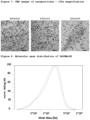
- the product was purified by several washing steps in a separation funnel, and then dried with sodium sulphate and concentrated in a rotary evaporator. This resulted in iron oxide crystalline cores ( Figure 1 ).
- LM-PMAcOD low molecular weight poly(maleic acid-alt-1-octadecene)
- the product was purified by coevaporation with dichloromethane and precipitated with isopropanol and acetonitrile.
- Low molecular weight poly(maleic anhydride- alt -1-octadecene) (LM-PMAOD) with a number average molecular weight (Mn) of 2,500 to 4,000 g/mol was obtained.
- LM-PMAOD was hydrolysed to poly(maleic acid- alt -1-octadecene) (LM-PMAcOD) in sodium hydroxide solution.
- An acid-base extraction with H 2 SO 4 , ethylacetate, and NaOH was performed for the purification of the product and to remove impurities such as residual 1-octadecene.
- the product was dried over magnesium sulphate, co-evaporated with chloroform and finally purified by solid-liquid extraction in n-heptane ( Figure 4 ).
- the number average molar mass (Mn) and the mass average molar mass (Mw) of the polymer obtained was determined using gel permeation chromatography.
- the number average molar mass (Mn) of the LM-PMAcOD produced was 1540 g/mol and the mass average molar mass (Mw) was 2410 g/mol.
- Mn number average molar mass
- Mw mass average molar mass
- the polymer coating of SPIONs is schematically shown in Figure 5 .
- Example 3a 100 mg LM-PMAcOD obtained in Example 2 was dissolved in 4 mL chloroform in a 100 mL round bottomed flask. The mixture was heated until the polymer was fully dissolved. 3.3 mL of the oleate-SPION solution obtained in Example 1 was added to the mixture and subsequently evaporated at ⁇ 10 mbar for 15 minutes at 40°C on the rotavap with 280 RPM. Then, 10 mL 5 mM NaOH was added to the mixture and stirred on the rotavap for 15 minutes at 50°C until all black solids were dissolved. The solution was diluted 8 times using 70 mL 25 mM NaOH to dissolve the entire polymer. The obtained solution was stirred on the rotavap for 15 minutes, resulting in a brown solution.
- the product was filtered over a 0.45 ⁇ m and a 0.2 ⁇ m PES filter. Afterwards, the probe was purified by tangential flow filtration (TFF).
- Example 3b The same procedure was performed with commercially available 30-50 kDa polymer (#419117 Merck) after hydrolization according to Example 2. As the removal of the unbound polymer from the polymer coated SPIONs by TFF was insufficient, additional magnetic separation was carried out using a Miltenyi column to purify the PMAcOD-SPION batch MX0194.
- the synthesis of the peptides was accomplished via Fmoc chemistry from the C to N direction using solid phase peptide synthesis (SPPS).
- SPPS solid phase peptide synthesis
- the alpha amino group of each amino acid was protected with a fluoren-9-ylmethoxycarbonyl (Fmoc) group, while side chain functional groups were also blocked with various appropriate protective groups.
- the SPPS consists of repeated cycles of N-terminal deprotection followed by coupling reactions.
- the first Fmoc-protected amino acid was coupled to the resin.
- the amine group was deprotected with a mixture of piperidine in dimethylformamide (DMF), and then coupled with the free acid of the second Fmoc-protected amino acid.
- the cycle was repeated until the desired sequence was obtained.
- the resin was washed between each step. The completion of each coupling reaction was monitored by a qualitative ninhydrin test.
- the crude peptide-resin was successively washed with DMF and methanol, and dried.
- the protective groups were removed from the peptide and the peptide was cleaved from the resin using trifluoroacetic acid (TFA).
- TFA trifluoroacetic acid
- the peptide was purified through preparative HPLC to reach purity requirements, and the counter ion TFA was replaced with chloride by using an appropriate solvent-buffer system. Finally, the purified peptide was lyophilized.
- the peptides used have an amino acid at the N-terminus and a free acid (HCl salt) at the C-terminus and have a length of 15 amino acids.
- Table 1 Peptide sequences and monoisotopic mass
- SEQ ID NO Sequence Molecular formula Monoisotopic mass (theoretical) (Da) 1 LNSKIAFKIVSQEPA C 75 H 125 N 19 O 22 1643.9 2 TPMFLLSRNTGEVRT C 74 H 124 N 22 O 23 S 1720.9 3 REGIAFRPASKTFTV C 76 H 122 N 22 O 21 1678.9
- the molecular weight of the peptides was measured by multimode electrospray atmospheric pressure chemical ionization mass spectrometry.
- the peptides were coupled to the surface of the micelle obtained in Example 3a using 1-ethyl-3-(3-dimethylaminopropyl)carbodiimide (EDC) chemistry in boric acid/sodium tetraborate decahydrate (SBB) buffer.
- EDC 1-ethyl-3-(3-dimethylaminopropyl)carbodiimide
- EDC in SBB buffer was added to the micelle obtained in Example 3. After 15 Minutes at RT, the peptides were added and the reaction mixture was stirred for 2 hours and 15 minutes at RT.
- the resulting nanoparticle solution was filtered and purified by tangential flow filtration (TFF) purification.
- Example 4 The nanoparties obtained in Example 4 were further characterized using a variety of analytical methods.
- Characterization of the iron oxide core was performed using TEM and SAXS. TEM measurements were performed on the nanoparticles dispersed in 5% (w/v) D-mannitol, 5 mM TRIS and 6 mM L-lactic acid.
- Table 2 Average iron oxide core size results based on TEM analysis TPC Average iron oxide core size (nm) Standard deviation (%) TPC0002 SEQ ID NO:1 9.74 1.04 TPC0003 SEQ ID NO:2 9.45 0.92 TPC0005 SEQ ID NO:3 9.80 0.96
- Table 3 Average iron oxide core size results based on SAXS analysis
- TPC SEQ ID NO Average iron oxide core size (nm) Standard deviation (%)
- Characterization of particle size and distribution was performed by dynamic light scattering (DLS).
- the hydrodynamic diameter (z-average) and polydispersity index were determined using a Malvern Zetasizer Nano ZS or equivalent in unimodal mode.
- Table 4 Size distribution results based on DLS analysis TPC SEQ ID NO: z-average (nm) D 10 (nm) D 50 (nm) D 90 (nm) polydispersity index (%) TPC0002 SEQ ID NO;1 23 15.8 24.0 37.6 0.13 TPC0003 SEQ ID NO:2 25 16.8 25.1 39.3 0.17 TPC0005 SEQ ID NO:3 26 16.4 24.9 53.9 0.25
- the surface charge of the particles was analyzed by measuring the zeta potential at pH 6 to 7 (pH during measurement) using a Malvern Zetasizer Nano ZS instrument. These measurements were performed on the nanoparticles produced in Example 4 dispersed in 5% (w/v) D-mannitol, 5 mM TRIS and 6 mM L-lactic acid.
- Table 4 Zeta potential results TPC SEQ ID NO: Zeta potential (mV) Zeta deviation (mV) Conductivity (mS/cm) Result quality TPC0002 SEQ ID NO:1 -39.5 5.38 1.30 Good TPC0003 SEQ ID NO:2 -39.1 5.95 1.44 Good TPC0005 SEQ ID NO:3 -30.1 4.63 1.42 Good
- the total polymer content was determined using GPC.
- the peptides were hydrolyzed, and the particles destroyed in 6 M HCl.
- the PMAcOD was extracted with ethyl acetate after addition of EDTA. After evaporation of solvent, the residue was re-dissolved in a THF/acetic acid mixture before analysis.
- Table 5 Total polymer content TPC SEQ ID NO: Total polymer content (mg/mL) TPC0002 SEQ ID NO:1 1.62 TPC0003 SEQ ID NO:2 1.42 TPC0005 SEQ ID NO:3 1.36
- FTIR Fourier-transform infrared spectroscopy
- SPIONs wore coated with PMAcOD polymers with a number average molecular weight of 3100, 4800 and 5900 g/mol.
- Three different lengths of poly(maleic acid- alt -1-octadecene) were synthesized by free radical polymerization of maleic anhydride and 1-octadecene. The reaction was carried out in 1,4-dioxane using 2,2'-Azobis(2-methylpropionitrile) as initiator. Polymerization was initiated by heating the mixture to 100°C. Secondly, after purification, the polymer was hydrolyzed using a sodium hydroxide solution to obtain PMAcOD.
- the polymers with higher molecular weight were synthesized by performing the polymerization under more concentrated conditions and/or executing the polymerization with a decreased amount of initiator.
- Table 7 Amount of reactants Length (g/mol) Maleic anhydride (g) 1-octadecene (g) AIBN (g) 1,4-dioxane (mL) PMAcOD3100 3100 4.8 12.36 1.004 40.8 PMAcOD4800 4800 4.8 12.18 0.950 10.0 PMAcOD5900 5900 4.8 12.18 0.500 10.0
- the purity of the polymer after hydrolysis of the maleic anhydrides and workup was measured by 1 H-NMR (400 Hz, 30 mg sample, 10 mg benzoic acid standard, 700 ⁇ L D-chloroform) and the length of polymer was analyzed by gel permeation chromatography (Agilent PL-gel mixed-D, 300 ⁇ 7.5 mm ID, 5 ⁇ m, 2 mg/mL in THF/acetic acid (90/10), 15 min run).
- the PMAcOD with various lengths were used to coat oleate-SPIONs.
- the coatings were performed using the same polymer-to-SPION weight ratio. To find the best coating conditions, the polymer-to-SPION molar ratio was kept constant. The amounts of aggregates were compared. The method with the least aggregates was repeated and subsequently purified using TFF. The removal of polymer and the amount of aggregates was monitored during TFF using size exclusion chromatography (SEC).
- SEC size exclusion chromatography
- Oleate-SPIONs were coated with PMAcOD3100, PMAcOE4800 and PMAcOD5900) to determine the optimal polymer/SPION ratio.
- Table 8 Overview of aggregates produced by the coating of SPIONs with different polymers
- Oleate-SPIONs were coated using the same protocol as used before. For all polymers the same amount of polymer chains was used. After coating, the PMAcOD-SPIONs were purified by TFF. Due to the difficulty of removing the final amounts of polymer PMAcOD5900, it was decided to also try this coating with 0.15 g polymer (0.79 equivalents compared to standard experiment with PMAcOD3100).
- PMAcOD3100 comprised 5.9% aggregates
- PMAcOD4800 comprised 6.2% aggregates
- PMAcOD5900 comprised 10.7% aggregates. This matched with the data described in the previous section.
- the PMAcOD-SPIONs were purified by TFF.
- DV diafiltration volume in the TFF purification
- Table 9 Overview of TFF experiments Run Amount of polymer (mg) Aggregates at start (%) Aggregates after TFF (%) DVs used 1 PMAcOD3100 100 5.9 7.0 160 2 PMAcOD4800 100 6.2 7.3 160 3 PMAcCD5900 177 10.7 10.7 150 4 150 10.9 10.4 110
- the amounts of iron were determined using atomic absorption spectroscopy (AAS) to be 38 to 50 mg after filtration, which corresponds to an iron recovery of 83 to 110 %.
- AAS atomic absorption spectroscopy
- Table 10 DLS data; before and after filtration. Run Product Unfiltered Filtered z-average (nm) PDI Z-average (nm) PDI Iron content (mg) Iron recovery (%) 1 PMAcOD3100 - SPIONS 31.7 0.382 26.8 0.256 38 83 2 PMAcOD4800 - SPIONS 28.8 0.360 27.0 0.325 50 110 3 PMAcOD5900 - SPIONS 32.1 0.367 27.6 0.251 46 101
- a sample of the crude HM-PMAcOD-SPIONs was analyzed using SEC prior to purification by TFF (crude sample, see Figure 9 ).
- the batch of crude HM-PMAcOD-SPIONs showed a small shoulder left of the main HM-PMAcOD-SPION peak (RT: 15.541), indicating that this batch contained a minimal amount of large aggregates, with 21.2% (a/a) of unbound polymer free (RT: 16.698) in the dispersion.
- the high molecular weight PMAcOD-SPION sample was filtered by TFF using a 300 kDa TFF membrane in order to separate the HM-PMAcOD-SPIONs after polymer coating from unbound polymer molecules. As illustrated in Figures 9 and 10 no separation was achieved but both HM-PMAcOD-SPIONs and HM-PMAcOD polymer was contained in the permeate after filtration.
- LM-PMAcOD Mn of 3,000 to 5,000 g/mol
- Example 8 In-vivo safety after intravenous injection in mice of low molecular weight polymer based micelles containing an iron oxide core compared to high molecular weight polymer based micelles containing an iron oxide core
- the influence on organ weight by high molecular weight polymer based nanoparticles is related to a long-term adverse effect of the high molecular weight polymer due to the fact that the iron core was similar for the batches produced in Example 8a and 8b.
- the low molecular weight polymer was thus shown to have a lower toxicity than the high molecular weight polymer.
Landscapes
- Health & Medical Sciences (AREA)
- Chemical & Material Sciences (AREA)
- Life Sciences & Earth Sciences (AREA)
- Engineering & Computer Science (AREA)
- Veterinary Medicine (AREA)
- Public Health (AREA)
- General Health & Medical Sciences (AREA)
- Animal Behavior & Ethology (AREA)
- Medicinal Chemistry (AREA)
- Pharmacology & Pharmacy (AREA)
- Immunology (AREA)
- Epidemiology (AREA)
- Bioinformatics & Cheminformatics (AREA)
- Nanotechnology (AREA)
- Nuclear Medicine, Radiotherapy & Molecular Imaging (AREA)
- General Chemical & Material Sciences (AREA)
- Chemical Kinetics & Catalysis (AREA)
- Organic Chemistry (AREA)
- Dispersion Chemistry (AREA)
- Microbiology (AREA)
- Mycology (AREA)
- Radiology & Medical Imaging (AREA)
- Molecular Biology (AREA)
- Rheumatology (AREA)
- Proteomics, Peptides & Aminoacids (AREA)
- Biophysics (AREA)
- Transplantation (AREA)
- Ceramic Engineering (AREA)
- Inorganic Chemistry (AREA)
- Pain & Pain Management (AREA)
- Pulmonology (AREA)
- Peptides Or Proteins (AREA)
- Medicinal Preparation (AREA)
- Medicines That Contain Protein Lipid Enzymes And Other Medicines (AREA)
- Addition Polymer Or Copolymer, Post-Treatments, Or Chemical Modifications (AREA)
- Medicines Containing Antibodies Or Antigens For Use As Internal Diagnostic Agents (AREA)
Applications Claiming Priority (3)
| Application Number | Priority Date | Filing Date | Title |
|---|---|---|---|
| EP20157797 | 2020-02-17 | ||
| PCT/EP2021/053711 WO2021165227A1 (fr) | 2020-02-17 | 2021-02-16 | Polymères amphiphiles et leur utilisation pour une production améliorée de nanoparticules destinées à l'administration ciblée d'antigènes |
| EP21705518.5A EP4106729B1 (fr) | 2020-02-17 | 2021-02-16 | Polymères amphiphiles et leur utilisation pour améliorer la production de nanoparticules pour l'administration ciblée d'antigènes |
Related Parent Applications (1)
| Application Number | Title | Priority Date | Filing Date |
|---|---|---|---|
| EP21705518.5A Division EP4106729B1 (fr) | 2020-02-17 | 2021-02-16 | Polymères amphiphiles et leur utilisation pour améliorer la production de nanoparticules pour l'administration ciblée d'antigènes |
Publications (2)
| Publication Number | Publication Date |
|---|---|
| EP4487918A2 true EP4487918A2 (fr) | 2025-01-08 |
| EP4487918A3 EP4487918A3 (fr) | 2025-01-22 |
Family
ID=69699750
Family Applications (2)
| Application Number | Title | Priority Date | Filing Date |
|---|---|---|---|
| EP24194043.6A Pending EP4487918A3 (fr) | 2020-02-17 | 2021-02-16 | Polymères amphiphiles et leur utilisation pour améliorer la production de nanoparticules pour l'administration ciblée d'antigènes |
| EP21705518.5A Active EP4106729B1 (fr) | 2020-02-17 | 2021-02-16 | Polymères amphiphiles et leur utilisation pour améliorer la production de nanoparticules pour l'administration ciblée d'antigènes |
Family Applications After (1)
| Application Number | Title | Priority Date | Filing Date |
|---|---|---|---|
| EP21705518.5A Active EP4106729B1 (fr) | 2020-02-17 | 2021-02-16 | Polymères amphiphiles et leur utilisation pour améliorer la production de nanoparticules pour l'administration ciblée d'antigènes |
Country Status (12)
| Country | Link |
|---|---|
| US (1) | US20230087405A1 (fr) |
| EP (2) | EP4487918A3 (fr) |
| JP (2) | JP7756096B2 (fr) |
| KR (1) | KR20220149689A (fr) |
| CN (2) | CN115243676A (fr) |
| AU (1) | AU2021222307A1 (fr) |
| BR (1) | BR112022016052A2 (fr) |
| CL (1) | CL2022002233A1 (fr) |
| ES (1) | ES2990970T3 (fr) |
| IL (1) | IL295622A (fr) |
| MX (1) | MX2022010051A (fr) |
| WO (1) | WO2021165227A1 (fr) |
Families Citing this family (6)
| Publication number | Priority date | Publication date | Assignee | Title |
|---|---|---|---|---|
| JP2024520699A (ja) | 2021-06-02 | 2024-05-24 | トパス セラピューティクス ゲーエムベーハー | N末端リンカーを含むペプチドを含むナノ粒子 |
| EP4137121A1 (fr) * | 2021-08-17 | 2023-02-22 | Topas Therapeutics GmbH | Compositions pharmaceutiques comprenant des nanoparticules pour l'administration ciblée d'antigènes |
| WO2023108069A1 (fr) * | 2021-12-08 | 2023-06-15 | University Of Tennessee Research Foundation | PROCÉDÉ D'OBTENTION D'UNE SUBSTANCE BIOLOGIQUE À BASE D'ACIDE MALÉIQUE OU DE MALÉIMIDE α-OLÉFINE POUR BIOACTIVITÉ AMÉLIORÉE |
| WO2025149619A1 (fr) | 2024-01-12 | 2025-07-17 | Topas Therapeutics Gmbh | Nanoparticules comprenant des polymères amphiphiles et des lipides pour l'administration ciblée d'antigènes |
| WO2026027739A1 (fr) | 2024-08-02 | 2026-02-05 | Topas Therapeutics Gmbh | Nanoparticules destinées à être utilisées avec des particules de virus adéno-associés |
| WO2026046962A1 (fr) * | 2024-08-27 | 2026-03-05 | Topas Therapeutics Gmbh | Composition pharmaceutique comprenant des nanoparticules pour l'administration ciblée d'antigènes |
Citations (2)
| Publication number | Priority date | Publication date | Assignee | Title |
|---|---|---|---|---|
| WO2009067349A2 (fr) | 2007-11-20 | 2009-05-28 | The Brigham And Women's Hospital, Inc. | Modulation de la réponse immunitaire |
| WO2013072051A1 (fr) | 2011-11-14 | 2013-05-23 | Universitätsklinikum Hamburg-Eppendorf | Compositions de nanoparticules pour la création de cellules t régulatrices et le traitement de maladies auto-immunes et d'autres états inflammatoires chroniques |
Family Cites Families (3)
| Publication number | Priority date | Publication date | Assignee | Title |
|---|---|---|---|---|
| US20190365913A1 (en) | 2016-02-04 | 2019-12-05 | Tarveda Therapeutics, Inc. | Stapled peptide conjugates and particles |
| US10478492B2 (en) * | 2016-07-27 | 2019-11-19 | Claria Partikula Llc | Modifications of therapeutic agents for enhanced delivery to target sites |
| JP2024520699A (ja) * | 2021-06-02 | 2024-05-24 | トパス セラピューティクス ゲーエムベーハー | N末端リンカーを含むペプチドを含むナノ粒子 |
-
2021
- 2021-02-16 IL IL295622A patent/IL295622A/en unknown
- 2021-02-16 US US17/904,311 patent/US20230087405A1/en active Pending
- 2021-02-16 MX MX2022010051A patent/MX2022010051A/es unknown
- 2021-02-16 CN CN202180014895.2A patent/CN115243676A/zh active Pending
- 2021-02-16 BR BR112022016052A patent/BR112022016052A2/pt unknown
- 2021-02-16 WO PCT/EP2021/053711 patent/WO2021165227A1/fr not_active Ceased
- 2021-02-16 KR KR1020227032263A patent/KR20220149689A/ko active Pending
- 2021-02-16 AU AU2021222307A patent/AU2021222307A1/en active Pending
- 2021-02-16 ES ES21705518T patent/ES2990970T3/es active Active
- 2021-02-16 JP JP2022549327A patent/JP7756096B2/ja active Active
- 2021-02-16 CN CN202411177709.9A patent/CN119185207A/zh active Pending
- 2021-02-16 EP EP24194043.6A patent/EP4487918A3/fr active Pending
- 2021-02-16 EP EP21705518.5A patent/EP4106729B1/fr active Active
-
2022
- 2022-08-16 CL CL2022002233A patent/CL2022002233A1/es unknown
-
2025
- 2025-06-04 JP JP2025093105A patent/JP2025131701A/ja active Pending
Patent Citations (2)
| Publication number | Priority date | Publication date | Assignee | Title |
|---|---|---|---|---|
| WO2009067349A2 (fr) | 2007-11-20 | 2009-05-28 | The Brigham And Women's Hospital, Inc. | Modulation de la réponse immunitaire |
| WO2013072051A1 (fr) | 2011-11-14 | 2013-05-23 | Universitätsklinikum Hamburg-Eppendorf | Compositions de nanoparticules pour la création de cellules t régulatrices et le traitement de maladies auto-immunes et d'autres états inflammatoires chroniques |
Non-Patent Citations (3)
| Title |
|---|
| HAYTER, AUTOIMMUNITY REVIEWS, vol. 11, 2012, pages 754 - 765 |
| RAMMENSEE ET AL., IMMUNOGENETICS, vol. 50, pages 213 |
| SANCHEZ-TRINCADO ET AL., J IMMUNOL, 2017 |
Also Published As
| Publication number | Publication date |
|---|---|
| EP4106729A1 (fr) | 2022-12-28 |
| BR112022016052A2 (pt) | 2022-11-16 |
| CN119185207A (zh) | 2024-12-27 |
| MX2022010051A (es) | 2022-11-14 |
| EP4106729B1 (fr) | 2024-08-14 |
| JP2023513629A (ja) | 2023-03-31 |
| IL295622A (en) | 2022-10-01 |
| CA3166158A1 (fr) | 2021-08-26 |
| JP2025131701A (ja) | 2025-09-09 |
| EP4487918A3 (fr) | 2025-01-22 |
| JP7756096B2 (ja) | 2025-10-17 |
| WO2021165227A1 (fr) | 2021-08-26 |
| CL2022002233A1 (es) | 2023-02-24 |
| CN115243676A (zh) | 2022-10-25 |
| KR20220149689A (ko) | 2022-11-08 |
| ES2990970T3 (es) | 2024-12-02 |
| US20230087405A1 (en) | 2023-03-23 |
| AU2021222307A1 (en) | 2022-08-25 |
Similar Documents
| Publication | Publication Date | Title |
|---|---|---|
| EP4106729B1 (fr) | Polymères amphiphiles et leur utilisation pour améliorer la production de nanoparticules pour l'administration ciblée d'antigènes | |
| ES2730273T3 (es) | Métodos y composiciones para inmunoterapia sostenida | |
| US12016931B2 (en) | Nanoparticles comprising peptides including an n-terminal linker | |
| CN114080412B (zh) | 蛋白质内包高分子胶束 | |
| US20150118178A1 (en) | Conjugates comprising an n-oxime bond and associated methods | |
| Ma et al. | Nanoantagonists with nanophase-segregated surfaces for improved cancer immunotherapy | |
| US20240424089A1 (en) | Pharmaceutical Composition Comprising Nanoparticles for the Targeted Delivery of Antigens | |
| EP3009140A1 (fr) | Composition comprenant un copolymère polycationique triséquencé, un polymère polyanionique, et un peptide biologiquement actif | |
| CA3166158C (fr) | Polymeres amphiphiles et leur utilisation pour une production amelioree de nanoparticules destinees a l'administration ciblee d'antigenes | |
| WO2025149619A1 (fr) | Nanoparticules comprenant des polymères amphiphiles et des lipides pour l'administration ciblée d'antigènes | |
| EA050142B1 (ru) | Амфифильные полимеры и их применение для усовершенствования производства наночастиц для направленной доставки антигенов | |
| EP3856259B1 (fr) | Bioconjugués de polysaccharides et de polypeptides de type élastine et leurs utilisations |
Legal Events
| Date | Code | Title | Description |
|---|---|---|---|
| PUAI | Public reference made under article 153(3) epc to a published international application that has entered the european phase |
Free format text: ORIGINAL CODE: 0009012 |
|
| STAA | Information on the status of an ep patent application or granted ep patent |
Free format text: STATUS: THE APPLICATION HAS BEEN PUBLISHED |
|
| REG | Reference to a national code |
Ref country code: DE Ref legal event code: R079 Free format text: PREVIOUS MAIN CLASS: A61P0037060000 Ipc: A61K0009107000 Ref country code: DE Ref legal event code: R079 Ref document number: 602021054436 Country of ref document: DE Free format text: PREVIOUS MAIN CLASS: A61P0037060000 Ipc: A61K0009107000 |
|
| PUAL | Search report despatched |
Free format text: ORIGINAL CODE: 0009013 |
|
| AC | Divisional application: reference to earlier application |
Ref document number: 4106729 Country of ref document: EP Kind code of ref document: P |
|
| AK | Designated contracting states |
Kind code of ref document: A2 Designated state(s): AL AT BE BG CH CY CZ DE DK EE ES FI FR GB GR HR HU IE IS IT LI LT LU LV MC MK MT NL NO PL PT RO RS SE SI SK SM TR |
|
| AK | Designated contracting states |
Kind code of ref document: A3 Designated state(s): AL AT BE BG CH CY CZ DE DK EE ES FI FR GB GR HR HU IE IS IT LI LT LU LV MC MK MT NL NO PL PT RO RS SE SI SK SM TR |
|
| RIC1 | Information provided on ipc code assigned before grant |
Ipc: A61P 37/06 20060101ALI20241213BHEP Ipc: A61P 37/02 20060101ALI20241213BHEP Ipc: A61P 29/00 20060101ALI20241213BHEP Ipc: A61K 49/18 20060101ALI20241213BHEP Ipc: A61K 47/69 20170101ALI20241213BHEP Ipc: A61K 39/39 20060101ALI20241213BHEP Ipc: A61K 39/00 20060101ALI20241213BHEP Ipc: A61K 9/107 20060101AFI20241213BHEP |
|
| STAA | Information on the status of an ep patent application or granted ep patent |
Free format text: STATUS: REQUEST FOR EXAMINATION WAS MADE |
|
| GRAP | Despatch of communication of intention to grant a patent |
Free format text: ORIGINAL CODE: EPIDOSNIGR1 |
|
| STAA | Information on the status of an ep patent application or granted ep patent |
Free format text: STATUS: GRANT OF PATENT IS INTENDED |
|
| 17P | Request for examination filed |
Effective date: 20250715 |
|
| INTG | Intention to grant announced |
Effective date: 20250811 |
|
| GRAJ | Information related to disapproval of communication of intention to grant by the applicant or resumption of examination proceedings by the epo deleted |
Free format text: ORIGINAL CODE: EPIDOSDIGR1 |
|
| STAA | Information on the status of an ep patent application or granted ep patent |
Free format text: STATUS: REQUEST FOR EXAMINATION WAS MADE |
|
| GRAP | Despatch of communication of intention to grant a patent |
Free format text: ORIGINAL CODE: EPIDOSNIGR1 |
|
| STAA | Information on the status of an ep patent application or granted ep patent |
Free format text: STATUS: GRANT OF PATENT IS INTENDED |
|
| INTC | Intention to grant announced (deleted) | ||
| INTG | Intention to grant announced |
Effective date: 20251212 |
|
| RAP3 | Party data changed (applicant data changed or rights of an application transferred) |
Owner name: TOPAS THERAPEUTICS GMBH |
|
| P01 | Opt-out of the competence of the unified patent court (upc) registered |
Free format text: CASE NUMBER: UPC_APP_0003073_4487918/2026 Effective date: 20260128 |
|
| GRAS | Grant fee paid |
Free format text: ORIGINAL CODE: EPIDOSNIGR3 |
|
| GRAA | (expected) grant |
Free format text: ORIGINAL CODE: 0009210 |
|
| STAA | Information on the status of an ep patent application or granted ep patent |
Free format text: STATUS: THE PATENT HAS BEEN GRANTED |