EP4491179A1 - Verwendung von su3327 bei der herstellung eines arzneimittels zur verringerung der zytotoxizität und nierentoxizität von polymyxin - Google Patents
Verwendung von su3327 bei der herstellung eines arzneimittels zur verringerung der zytotoxizität und nierentoxizität von polymyxin Download PDFInfo
- Publication number
- EP4491179A1 EP4491179A1 EP24769658.6A EP24769658A EP4491179A1 EP 4491179 A1 EP4491179 A1 EP 4491179A1 EP 24769658 A EP24769658 A EP 24769658A EP 4491179 A1 EP4491179 A1 EP 4491179A1
- Authority
- EP
- European Patent Office
- Prior art keywords
- polymyxin
- nephrotoxicity
- cytotoxicity
- group
- final
- Prior art date
- Legal status (The legal status is an assumption and is not a legal conclusion. Google has not performed a legal analysis and makes no representation as to the accuracy of the status listed.)
- Pending
Links
Images
Classifications
-
- A—HUMAN NECESSITIES
- A61—MEDICAL OR VETERINARY SCIENCE; HYGIENE
- A61K—PREPARATIONS FOR MEDICAL, DENTAL OR TOILETRY PURPOSES
- A61K31/00—Medicinal preparations containing organic active ingredients
- A61K31/33—Heterocyclic compounds
- A61K31/395—Heterocyclic compounds having nitrogen as a ring hetero atom, e.g. guanethidine or rifamycins
- A61K31/41—Heterocyclic compounds having nitrogen as a ring hetero atom, e.g. guanethidine or rifamycins having five-membered rings with two or more ring hetero atoms, at least one of which being nitrogen, e.g. tetrazole
- A61K31/433—Thidiazoles
-
- A—HUMAN NECESSITIES
- A61—MEDICAL OR VETERINARY SCIENCE; HYGIENE
- A61K—PREPARATIONS FOR MEDICAL, DENTAL OR TOILETRY PURPOSES
- A61K38/00—Medicinal preparations containing peptides
- A61K38/04—Peptides having up to 20 amino acids in a fully defined sequence; Derivatives thereof
- A61K38/12—Cyclic peptides, e.g. bacitracins; Polymyxins; Gramicidins S, C; Tyrocidins A, B or C
-
- A—HUMAN NECESSITIES
- A61—MEDICAL OR VETERINARY SCIENCE; HYGIENE
- A61P—SPECIFIC THERAPEUTIC ACTIVITY OF CHEMICAL COMPOUNDS OR MEDICINAL PREPARATIONS
- A61P13/00—Drugs for disorders of the urinary system
- A61P13/12—Drugs for disorders of the urinary system of the kidneys
-
- A—HUMAN NECESSITIES
- A61—MEDICAL OR VETERINARY SCIENCE; HYGIENE
- A61P—SPECIFIC THERAPEUTIC ACTIVITY OF CHEMICAL COMPOUNDS OR MEDICINAL PREPARATIONS
- A61P31/00—Antiinfectives, i.e. antibiotics, antiseptics, chemotherapeutics
- A61P31/04—Antibacterial agents
-
- A—HUMAN NECESSITIES
- A61—MEDICAL OR VETERINARY SCIENCE; HYGIENE
- A61P—SPECIFIC THERAPEUTIC ACTIVITY OF CHEMICAL COMPOUNDS OR MEDICINAL PREPARATIONS
- A61P39/00—General protective or antinoxious agents
- A61P39/02—Antidotes
-
- Y—GENERAL TAGGING OF NEW TECHNOLOGICAL DEVELOPMENTS; GENERAL TAGGING OF CROSS-SECTIONAL TECHNOLOGIES SPANNING OVER SEVERAL SECTIONS OF THE IPC; TECHNICAL SUBJECTS COVERED BY FORMER USPC CROSS-REFERENCE ART COLLECTIONS [XRACs] AND DIGESTS
- Y02—TECHNOLOGIES OR APPLICATIONS FOR MITIGATION OR ADAPTATION AGAINST CLIMATE CHANGE
- Y02A—TECHNOLOGIES FOR ADAPTATION TO CLIMATE CHANGE
- Y02A50/00—TECHNOLOGIES FOR ADAPTATION TO CLIMATE CHANGE in human health protection, e.g. against extreme weather
- Y02A50/30—Against vector-borne diseases, e.g. mosquito-borne, fly-borne, tick-borne or waterborne diseases whose impact is exacerbated by climate change
Definitions
- the present invention relates to the field of medicine, and in particular, to the antibacterial field, particularly to a method for reducing cytotoxicity and nephrotoxicity of polymyxin by using SU3327.
- SU3327 (also known as halicin, or Hailixin, CAS No.: 40045-50-9 ) is an N-terminal kinase inhibitor of C-JUN.
- SU3327 is an effective, selective, and substrate-competitive JNK inhibitor with an IC 50 of 0.7 ⁇ M.
- SU3327 also inhibits protein interaction between JNK and JIP with an IC 50 value of 239nM.
- SU3327 has low activity for p38 ⁇ and Akt kinases.
- halicin not only effectively prevented the growth of E. coli, but also killed other bacteria, including Mycobacterium tuberculosis, Clostridium difficile, and many other drug-resistant bacteria that cause septicemia, pneumonia, wound infections, and other common refractory infections.
- Polymyxin an antibacterial polypeptide found in the culture solution of Bacillus polymyxa, is classified into five types, i.e., A, B, C, D and E.
- the antibacterial spectrum is similar with each other and has a broad range, and is found to have a strong effect, especially, on gram-negative bacteria, such as E. coli, Bacillus pneumonia, and Pseudomonas aeruginosa.
- Polymyxin E also known as Polymyxin E, or colistin
- CAS No.: 1066-17-7 English Name: Colistin, Trade Names: Kangdisu, Kelisiding and Nianjunsu. They are mainly used in sulfates or methanesulfonates for clinical application, i.e., Polymyxin E sulfate, and Polymyxin E methanesulfonate.
- polymyxin The side effects of polymyxin are mainly manifested in (1) nephrotoxicity, a common and serious side effect that may cause the regression of renal function in patients, with possible proteinuria, cylinderuria, azotemia, and elevated levels of creatinine - main damages to renal function; (2) certain neurotoxicity, polymyxin may cause dizziness, ataxia, lethargy and peripheral paresthesia in patients when used, all of which are side effects caused by polymyxin in nervous system.
- Nephrotoxicity and neurotoxicity are the most common toxic and side effects from Polymyxin E in clinical application, with a clinical incidence for nephrotoxicity accounting for up to 60%, neurotoxicity about 7%, and more significant symptoms from mild peripheral neurotoxicity, even as high as 100%.
- polymyxin still has such clinical application problems as "narrow" therapeutic window, transmitted drug resistance etc.
- the present invention provides a method for reducing cytotoxicity and nephrotoxicity of polymyxin, by using in particular a C-JUN N-terminal kinase inhibitor, SU3327, in combination with polymyxin, preferably Polymyxin E.
- a C-JUN N-terminal kinase inhibitor SU3327
- polymyxin preferably Polymyxin E.
- Use of them in combination could not only achieve synergistic, enhanced antibacterial effect, but also increase cell viability to some extent upon treatment of polymyxin in combination with SU3327, compared with the treatment group with polymyxin alone.
- preferred concentration of SU3327 cell viability was increased to 68.5% due to the combination use of the two, showing an extremely significant difference compared with a control.
- One aspect of the present invention provides a use of a C-JUN N-terminal kinase inhibitor, SU3327, in the preparation of a medicament for reducing cytotoxicity and/or nephrotoxicity of polymyxin.
- Another aspect of the present invention provides a use of a composition of a C-JUN N-terminal kinase inhibitor, SU3327, and polymyxin in the preparation of a medicament for reducing cytotoxicity and/or nephrotoxicity of polymyxin.
- polymyxin is Polymyxin E (i.e., colistin) or Polymyxin B.
- C-JUN N-terminal kinase inhibitor, SU3327, and Polymyxin E can be prepared into a composition for reducing cytotoxicity or nephrotoxicity in human or animal bodies caused by Polymyxin E.
- a mass ratio of SU3327 to polymyxin in the composition of SU3327 and polymyxin is: (2.5-10): 1.
- the dosage form of the composition of SU3327 and polymyxin is one of tablets, capsules, sustained release tablets, controlled release tablets, oral solutions, syrups, dosage forms for injection, dripping pills, and dosage forms of lyophilized powders for injection.
- the final, used concentration of Polymyxin E is 2 mM
- the final, used concentration of SU3327 is 5 ⁇ M-0.625 ⁇ M when used to reduce cytotoxicity; preferably, the final, used concentration of SU3327 is 2.5 ⁇ M.
- treatment with SU3327 in combination significantly reduces nephrotoxicity induced by Polymyxin E, and the final, used dose concentration of SU3327 is 2.5mg/kg body weight, 5mg/kg body weight, and 10mg/kg body weight per day, and the used dose of Polymyxin E is 20mg/kg body weight per day.
- Medicaments used in the examples of the present invention SU3327, purchased from MedChemexpress CO., Ltd, USA, purity ⁇ 99%; Polymyxin E sulfate, purchased from Hebei Sacred Snow Verbeng Tangshan Pharmaceutical Co., Ltd., titer ⁇ 23,000U/mg Polymyxin E. A certain amount of Polymyxin E sulfate was weighed to formulate an aqueous solution with a stock solution concentration of 16mg/mL.
- SU3327 was formulated with DMSO into a stock solution with a stock solution concentration of 40mg/mL. All stock solutions were prepared and kept in a -20°C refrigerator.
- HEK293 Human Embryonic Kidney cells (HEK293), preserved by National Center for Veterinary Drug Safety Evaluation of China Agricultural University.
- Cytotoxicity was determined by a CCK-8 method. After HEK293 cells (5 ⁇ 10 4 cells/well) were seeded onto 96-well tissue culture plates and cultured for 24 hours, the cells were treated with SU3327 or Polymyxin E alone or in combination, with SU3327 in a final concentration of 5 ⁇ M, 2.5 ⁇ M, 1.25 ⁇ M and 0.625 ⁇ M; Polymyxin E in a final concentration of 2mM; combination groups of SU3327 and Polymyxin E: Polymyxin E (2mM) + SU3327 (5 ⁇ M), Polymyxin E (2mM) + SU3327 (2.5 ⁇ M), Polymyxin E (2mM) + SU3327 (1.25 ⁇ M), Polymyxin E (2mM) + SU3327 (0.625 ⁇ M), and control group (Control) 0.1% DMSO. Following continued culture for 24h, a CCK-8 kit was used to detect the changes in cell viability.
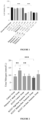
- Fig. 1 The results of reducing cytotoxicity of Polymyxin E to HEK293 cells following treatment with SU3327 were shown in Fig. 1 , including the detection results of cell viability following treatment with SU3327 alone, Polymyxin E alone, or in combination.
- the results were analyzed in detail as follows: Compared with control group, the cell viability of the cells treated with SU3327 alone in 5 ⁇ M, 2.5 ⁇ M, 1.25 ⁇ M and 0.625 ⁇ M was significantly changed; compared with control group, the viability of HEK293 cells following 24 hours of treatment with polymyxin in 2mM was decreased to 55.3%, showing an extremely significant difference.
- mice C57BL/6 mice, male, 8-week-old, weighing 20-22g, purchased from Vital River Laboratory Animal Technology Co., Ltd.
- mice were housed in the National Center for Veterinary Drug Safety Evaluation of China Agricultural University, fed with routine pelleted feed and free access to water, at a controlled temperature of (22 ⁇ 2) °C, and a humidity of (50 ⁇ 10) %. Adaptive housing was performed for 1 week before experiments.
- Polymyxin E model group the mice were intraperitoneally injected with Polymyxin E at a single dose of 10mg/kg body weight, twice a day, with an interval of 8 hours between doses; i.e., the mice were administered with Polymyxin E in 20mg/kg body weight per day.
- SU3327 control group the mice were intraperitoneally injected with dissolved SU3327 at a single dose of 10mg/kg body weight, once a day for 10 straight days; i.e., the mice were administered with SU3327 in 10mg/kg body weight per day.
- SU3327 high-dose protection group the mice were intraperitoneally injected with SU3327 at a single dose of 10mg/kg body weight, concurrently with Polymyxin E in 10mg/kg, twice, with an interval of 8 hours between doses; i.e., the mice were administered with SU3327 in 10mg/kg body weight per day, concurrently with Polymyxin E in 20mg/kg body weight per day.
- SU3327 medium-dose protection group the mice were intraperitoneally injected with SU3327 at a single dose of 5mg/kg body weight, concurrently with Polymyxin E in 5mg/kg, twice, with an interval of 8 hours between doses; i.e., the mice were administered with SU3327 in 5mg/kg body weight per day, concurrently with Polymyxin E in 20mg/kg body weight per day.
- SU3327 low-dose protection group the mice were intraperitoneally injected with SU3327 at a single dose of 2.5mg/kg body weight, concurrently with Polymyxin E in 10mg/kg, twice, with an interval of 8 hours between doses; i.e., the mice were administered with SU3327 in 2.5mg/kg body weight per day, concurrently with Polymyxin E in 20mg/kg body weight per day.
- mice Following dosing by injection for 10 straight days, the mice were euthanized by intraperitoneal injection with an overdose of sodium pentobarbital (80mg/kg) 24 hours post the last dosing, and blood and kidney tissues were collected quickly, the serum and tissues were processed as follows.
- the blood samples collected from the mice were centrifuged at 3000rpm for 10min, and the supernatant was aspirated.
- the changes of urea nitrogen in serum and creatinine in serum were detected by an automatic biochemical detector.
- kidney tissues were washed with normal saline, sampled and fixed in 10% neutral formalin for 48h,after being flushed with water, and then dehydrated, cleared, immersed in paraffin, embedded, sectioned and stained in sequence .
- the pathological changes in kidney tissues were observed and photographed under a microscope.
- HE staining the paraffin sections were taken, and placed in an oven at a constant temperature of 60°C for 30min; followed by paraffin removal and dehydration with ethanol, and immersing with double distilled water; hematoxylin staining for 10min, rinsing with tap water, and differentiation with acid alcohol; flushing with running water until the sections turned blue; 95% ethanol for 30s, alcoholic eosin staining for 30s, 95% ethanol for 30s, and 100% ethanol for 30s; clearing with Xylene, and sealing with neutral gum.
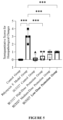
- SQS Grade Score ⁇ Percentage Damage Score; in which grade 1 (score 1): mild tubular damage, i.e., tubular dilation, prominent nuclei, and emergence of a few tubular casts in renal tubules; grade 2 (score 4): severe tubular damage, i.e., necrosis of tubular epithelial cells and emergence of numerous tubular casts in renal tubules; grade 3 (score 10): acute cortical or medullary necrosis or infarction in kidney.
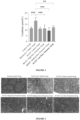
- FIG. 4 shows the image showing the histopathological sections of the mice in control group, Polymyxin E model group, SU3327 control group, SU3327 high-dose protection group, SU3327 medium-dose protection group, and SU3327 low-dose protection group, according to the invention; the corresponding pathological damage scores were decreased to 1 (P ⁇ 0.001), 0.75 (P ⁇ 0.001) and 0.5 (P ⁇ 0.001), respectively (as seen in Fig. 5 for the graph showing the semi quantitative evaluation of control group, Polymyxin E model group, SU3327 control group, SU3327 high-dose protection group, SU3327 medium-dose protection group, and SU3327 low-dose protection group, according to the invention).
Landscapes
- Health & Medical Sciences (AREA)
- Life Sciences & Earth Sciences (AREA)
- General Health & Medical Sciences (AREA)
- Chemical & Material Sciences (AREA)
- Veterinary Medicine (AREA)
- Medicinal Chemistry (AREA)
- Pharmacology & Pharmacy (AREA)
- Public Health (AREA)
- Animal Behavior & Ethology (AREA)
- Engineering & Computer Science (AREA)
- Bioinformatics & Cheminformatics (AREA)
- Epidemiology (AREA)
- Nuclear Medicine, Radiotherapy & Molecular Imaging (AREA)
- Organic Chemistry (AREA)
- General Chemical & Material Sciences (AREA)
- Chemical Kinetics & Catalysis (AREA)
- Urology & Nephrology (AREA)
- Immunology (AREA)
- Gastroenterology & Hepatology (AREA)
- Proteomics, Peptides & Aminoacids (AREA)
- Communicable Diseases (AREA)
- Oncology (AREA)
- Toxicology (AREA)
- Medicines That Contain Protein Lipid Enzymes And Other Medicines (AREA)
- Pharmaceuticals Containing Other Organic And Inorganic Compounds (AREA)
- Medicinal Preparation (AREA)
Applications Claiming Priority (2)
| Application Number | Priority Date | Filing Date | Title |
|---|---|---|---|
| CN202310225879.9A CN116350628B (zh) | 2023-03-10 | 2023-03-10 | Su3327在制备降低多黏菌素细胞毒性和肾毒性的药物中的用途 |
| PCT/CN2024/073408 WO2024187962A1 (zh) | 2023-03-10 | 2024-01-22 | Su3327在制备降低多黏菌素细胞毒性和肾毒性的药物中的用途 |
Publications (2)
| Publication Number | Publication Date |
|---|---|
| EP4491179A1 true EP4491179A1 (de) | 2025-01-15 |
| EP4491179A4 EP4491179A4 (de) | 2025-08-06 |
Family
ID=86912154
Family Applications (1)
| Application Number | Title | Priority Date | Filing Date |
|---|---|---|---|
| EP24769658.6A Pending EP4491179A4 (de) | 2023-03-10 | 2024-01-22 | Verwendung von su3327 bei der herstellung eines arzneimittels zur verringerung der zytotoxizität und nierentoxizität von polymyxin |
Country Status (5)
| Country | Link |
|---|---|
| US (1) | US20250205208A1 (de) |
| EP (1) | EP4491179A4 (de) |
| JP (1) | JP2025512334A (de) |
| CN (1) | CN116350628B (de) |
| WO (1) | WO2024187962A1 (de) |
Families Citing this family (2)
| Publication number | Priority date | Publication date | Assignee | Title |
|---|---|---|---|---|
| CN116236479B (zh) * | 2022-11-08 | 2024-02-09 | 厦门汉力信药业有限公司 | Su3327在制备增强多黏菌素抗细菌感染效力的药物中的用途 |
| CN116350628B (zh) * | 2023-03-10 | 2024-02-09 | 厦门汉力信药业有限公司 | Su3327在制备降低多黏菌素细胞毒性和肾毒性的药物中的用途 |
Family Cites Families (6)
| Publication number | Priority date | Publication date | Assignee | Title |
|---|---|---|---|---|
| CN105617353A (zh) * | 2016-01-04 | 2016-06-01 | 李志海 | 一种黏菌素口服给药组合物 |
| CA3118450A1 (en) * | 2018-10-31 | 2020-05-07 | Systamedic Inc. | Autophagy activators and inhibitors of ferroptosis for preventing acute renal failure and neurotoxcity induced by certain antibiotics |
| WO2021050473A1 (en) * | 2019-09-10 | 2021-03-18 | Massachusetts Institute Of Technology | In silico discovery of effective antimicrobials |
| CN111773216A (zh) * | 2020-07-29 | 2020-10-16 | 陈洪亮 | C-jun n末端激酶抑制剂su3327的用途 |
| EP4011367A1 (de) * | 2020-12-09 | 2022-06-15 | Dompe' Farmaceutici S.P.A. | Verbindungen zur verwendung in der behandlung von covid-19 |
| CN116350628B (zh) * | 2023-03-10 | 2024-02-09 | 厦门汉力信药业有限公司 | Su3327在制备降低多黏菌素细胞毒性和肾毒性的药物中的用途 |
-
2023
- 2023-03-10 CN CN202310225879.9A patent/CN116350628B/zh active Active
-
2024
- 2024-01-22 JP JP2024559631A patent/JP2025512334A/ja active Pending
- 2024-01-22 WO PCT/CN2024/073408 patent/WO2024187962A1/zh not_active Ceased
- 2024-01-22 EP EP24769658.6A patent/EP4491179A4/de active Pending
- 2024-01-22 US US18/850,568 patent/US20250205208A1/en active Pending
Also Published As
| Publication number | Publication date |
|---|---|
| EP4491179A4 (de) | 2025-08-06 |
| WO2024187962A1 (zh) | 2024-09-19 |
| CN116350628A (zh) | 2023-06-30 |
| JP2025512334A (ja) | 2025-04-17 |
| US20250205208A1 (en) | 2025-06-26 |
| CN116350628B (zh) | 2024-02-09 |
Similar Documents
| Publication | Publication Date | Title |
|---|---|---|
| Pais et al. | Vancomycin‐induced kidney injury: animal models of toxicodynamics, mechanisms of injury, human translation, and potential strategies for prevention | |
| EP4491179A1 (de) | Verwendung von su3327 bei der herstellung eines arzneimittels zur verringerung der zytotoxizität und nierentoxizität von polymyxin | |
| Vaara | New polymyxin derivatives that display improved efficacy in animal infection models as compared to polymyxin B and colistin | |
| Naskar et al. | α-Hemolysin promotes uropathogenic E. coli persistence in bladder epithelial cells via abrogating bacteria-harboring lysosome acidification | |
| Toyoguchi et al. | Nephrotoxicity of vancomycin and drug interaction study with cilastatin in rabbits | |
| Feng et al. | Application of Chlorogenic acid as a substitute for antibiotics in Multidrug-resistant Escherichia coli-induced mastitis | |
| Yang et al. | Antimicrobial peptides in combination with citronellal efficiently kills multidrug resistance bacteria | |
| US20230381157A1 (en) | Rifabutin for the treatment of acinetobacter baumannii | |
| Keele et al. | Evaluation of amphotericin B and flucytosine in combination against Candida albicans and Cryptococcus neoformans using time-kill methodology | |
| Azırak | Prevention of nephrotoxicity induced by amikacin: The role of misoprostol, A prostaglandin E1 analogue | |
| Panthong et al. | Bactericidal Effect and Anti‐Inflammatory Activity of Cassia garettiana Heartwood Extract | |
| Perea et al. | Synergism of fosfomycin-ampicillin and fosfomycin-chloramphenicol against Salmonella and Shigella | |
| Ji et al. | Repurposing fenticonazole nitrate to restore colistin susceptibility in multidrug-resistant bacteria | |
| EP2317998B1 (de) | Kombination aus fulvinsäure und einem antibiotikum | |
| Hassan Cheong et al. | Phytochemical Investigation and Antimicrobial Activity of Muntingia calabura L. Against Selected Pathogens. | |
| KR102203849B1 (ko) | 동물용 복합 항생제 조성물 | |
| Loose et al. | Urinary concentrations and antimicrobial activity of tobramycin in healthy volunteers receiving a single oral dose of a novel formulation for improved absorption | |
| CN102724977B (zh) | 富里酸与氟康唑或两性霉素b组合用于真菌感染的治疗 | |
| Wei et al. | Ziyuglycoside II potentiates the antibacterial activity of tetracycline against multidrug-resistant Staphylococcus aureus | |
| Bakker et al. | Single subcutaneous dosing of cefovecin in rhesus monkeys (Macaca mulatta): a pharmacokinetic study | |
| WO2002022147A1 (en) | Antibacterial combination comprising neem plant extract | |
| CN118340768B (zh) | 鞣花酸在制备降低多黏菌素细胞毒性药物和/或神经毒性及肾毒性药物中的应用、药物组合物及应用 | |
| Elsalem et al. | Synergism between WLBU2 peptide and antibiotics against methicillin-resistant Staphylococcus aureus and extended-spectrum beta-lactamase-producing Enterobacter cloacae. | |
| US6599541B1 (en) | Composition for treatment of drug resistant bacterial infections and a method of treating drug resistant bacterial infections | |
| Ganim Ramadan et al. | Evaluation of biological activity of 5-fluoro-isatin thiosemicarbazone derivatives |
Legal Events
| Date | Code | Title | Description |
|---|---|---|---|
| STAA | Information on the status of an ep patent application or granted ep patent |
Free format text: STATUS: THE INTERNATIONAL PUBLICATION HAS BEEN MADE |
|
| PUAI | Public reference made under article 153(3) epc to a published international application that has entered the european phase |
Free format text: ORIGINAL CODE: 0009012 |
|
| STAA | Information on the status of an ep patent application or granted ep patent |
Free format text: STATUS: REQUEST FOR EXAMINATION WAS MADE |
|
| 17P | Request for examination filed |
Effective date: 20240925 |
|
| AK | Designated contracting states |
Kind code of ref document: A1 Designated state(s): AL AT BE BG CH CY CZ DE DK EE ES FI FR GB GR HR HU IE IS IT LI LT LU LV MC ME MK MT NL NO PL PT RO RS SE SI SK SM TR |
|
| A4 | Supplementary search report drawn up and despatched |
Effective date: 20250704 |
|
| RIC1 | Information provided on ipc code assigned before grant |
Ipc: A61K 31/433 20060101AFI20250630BHEP Ipc: A61K 38/12 20060101ALI20250630BHEP Ipc: A61P 13/12 20060101ALI20250630BHEP Ipc: A61P 39/02 20060101ALI20250630BHEP Ipc: A61P 31/04 20060101ALI20250630BHEP Ipc: A61K 9/08 20060101ALI20250630BHEP Ipc: A61K 9/20 20060101ALI20250630BHEP Ipc: A61K 9/48 20060101ALI20250630BHEP |